THE ELMS REHAB AND HEALTHCARE CENTER OF CRANBURY
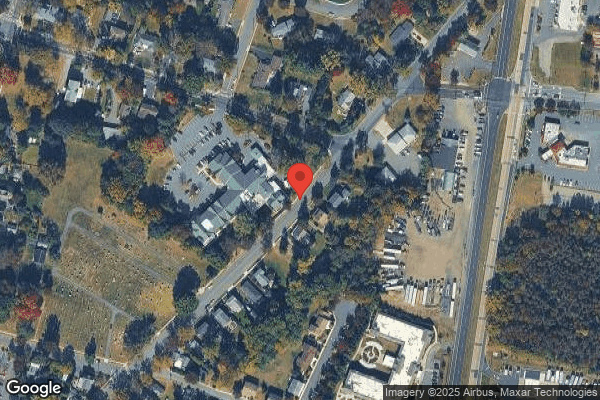
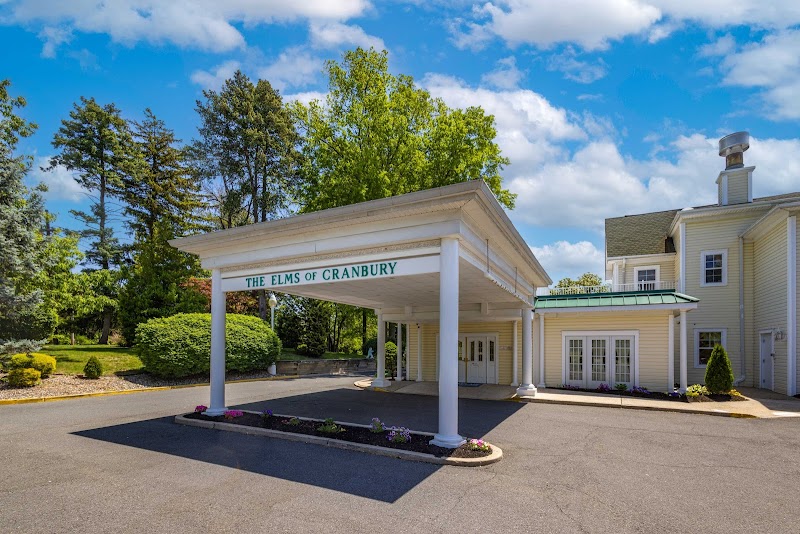
61 MAPLEWOOD AVENUE, CRANBURY, NJ 08512 (609) 395-0641
For profit - Corporation 120 Beds ATLAS HEALTHCARE Data: November 2025 2 Immediate Jeopardy citations
Trust Grade
21/100
#300 of 344 in NJ
Last Inspection: March 2024

Within standard 12-15 month inspection cycle. Federal law requires annual inspections.

Overview

The Elms Rehab and Healthcare Center of Cranbury has received a Trust Grade of F, indicating significant concerns and a poor overall standing. Ranked #300 out of 344 facilities in New Jersey, they are in the bottom half, and #20 out of 24 in Middlesex County, meaning there are very few local options that perform better. The situation appears to be worsening, with issues increasing from 2 in 2022 to 5 in 2024. Staffing is a weakness, with only a 1 out of 5 stars rating and a turnover rate of 51%, which is higher than the state average. Compounding these issues, the facility has incurred $57,282 in fines, which is concerning and suggests ongoing compliance problems. On a positive note, their quality measures received a 5 out of 5 stars rating, indicating some effective care in certain areas. However, there have been critical incidents reported, including the use of space heaters in resident rooms during a boiler failure, which poses serious safety risks, especially for cognitively impaired residents or those on oxygen. Additionally, there was a serious incident where a resident was transferred with one staff member instead of the required two, resulting in a fracture. Overall, families should weigh these significant concerns carefully against the facility's strengths when considering care options.

Trust Score
F
21/100
In New Jersey
#300/344
Bottom 13%
Safety Record
High Risk
Review needed
Inspections
Getting Worse
2 → 5 violations
Staff Stability
⚠ Watch
51% turnover. Above average. Higher turnover means staff may not know residents' routines.
Penalties
⚠ Watch
$57,282 in fines. Higher than 80% of New Jersey facilities, suggesting repeated compliance issues.
Skilled Nurses
⚠ Watch
Each resident gets only 9 minutes of Registered Nurse (RN) attention daily — below average for New Jersey. Fewer RN minutes means fewer trained eyes watching for problems.
Violations
⚠ Watch
12 deficiencies on record. Higher than average. Multiple issues found across inspections.
★★☆☆☆
2.0
Overall Rating
★☆☆☆☆
1.0
Staff Levels
★★★★★
5.0
Care Quality
★★☆☆☆
2.0
Inspection Score
Stable
2022: 2 issues
2024: 5 issues

The Good

  • 5-Star Quality Measures · Strong clinical quality outcomes
  • No fines on record

Facility shows strength in quality measures.

The Bad

2-Star Overall Rating

Below New Jersey average (3.2)

Below average - review inspection findings carefully

Staff Turnover: 51%

Near New Jersey avg (46%)

Higher turnover may affect care consistency

Federal Fines: $57,282

Above median ($33,413)

Moderate penalties - review what triggered them

Chain: ATLAS HEALTHCARE

Part of a multi-facility chain

Ask about local staffing decisions and management

The Ugly 12 deficiencies on record

2 life-threatening 1 actual harm
Dec 2024 2 deficiencies 2 IJ
CRITICAL (J) 📢 Someone Reported This

A family member, employee, or ombudsman was alarmed enough to file a formal complaint

Immediate Jeopardy (IJ) - the most serious Medicare violation

Accident Prevention (Tag F0689)

Someone could have died · This affected 1 resident

**NOTE- TERMS IN BRACKETS HAVE BEEN EDITED TO PROTECT CONFIDENTIALITY** Complaint #: NJ00181255, NJ00181471 Based on observations, interviews, medical record review, and review of other pertinent faci...

Read full inspector narrative →
**NOTE- TERMS IN BRACKETS HAVE BEEN EDITED TO PROTECT CONFIDENTIALITY** Complaint #: NJ00181255, NJ00181471 Based on observations, interviews, medical record review, and review of other pertinent facility documents on 12/17/2024, it was determined that the facility failed to ensure resident safety by using portable space heaters in resident rooms when the boilers became non-operational. The Maintenance Director (MD) stated he received a call on 12/8/24 from a staff member that a resident was complaining about the temperature being cold in their room. The MD stated he went to the facility and noticed that the boilers were not operational and supplemental heat was needed in certain areas of the facility. The MD notified the Licensed Nursing Home Administrator (LNHA) that the boilers were not operational and supplemental heat was required. The MD purchased the portable space heaters and placed them in the resident's rooms. The two non-operational boilers were replaced on 12/10/24. The facility discontinued using the portable space heaters on 12/11/2024. There were 38 cognitively impaired residents in the facility on 12/8/24 and there were 10 residents on oxygen on 12/8/24. The facility had knowledge that portable space heaters were being used in resident's rooms where the residents were cognitively impaired, and oxygen was being utilized despite being a fire hazard. This placed all residents at risk for an Immediate Jeopardy (IJ) situation. The Immediate Jeopardy was identified on 12/17/2024 at 6:06 PM and was reported to the LNHA and the Director of Nursing (DON). The LNHA and DON were presented with the IJ template that included information about the issue. The IJ began on 12/8/2024 and continued through 12/18/2024 when the facility submitted an acceptable Removal Plan. On 12/20/2024, the surveyors verified the implementation of the removal plan during an onsite revisit. The facility implemented the Removal Plan, which included education for the LNHA and MD on not using space heaters in the facility; education for all staff on not using the space heaters in the facility. The noncompliance remained on 12/20/24 as a level D based on that facility staff have been educated on not using space heaters in the facility. Audits that monitor compliance with space heaters not being used in the facility were conducted to ensure that they are being implemented. This deficient practice was identified for 48 of 48 residents and was evidenced by the following: A review of the facility's Facility Reported Event (FRE) records revealed: On Sunday 12/08/2024 at approximately 1 P.M., the Director of Maintenance notified the Administrator that both of the Water Source Heat Pump Boilers were not properly functioning and has caused an interruption of service for the heating units. The contracted boiler company was immediately contacted, and a representative was called on sight to inspect both boilers and begin working on the repairs. Ambient temperatures were still being maintained at this time in all resident living spaces. The entire Emergency Chain of Command was immediately notified including the contracted boiler repair company, corporate office, DOH (Department of Health), and NJLTCO (New Jersey Long Term Care Ombudsman). Two replacement boilers units were ordered and scheduled for delivery and install beginning 12/9/2024. During this time the Nursing Department and Maintenance Department are completing and maintain temperature check logs every two hours, and a Fire Watch is in effect with hourly monitoring. Substitute heat devices were in place where needed and extra blankets and comforters are being provided to all residents in need. Wellness checks are ongoing to ensure the comfort and safety of each resident. According to the admission Record (AR), Resident #6 was admitted to the facility with diagnoses which included but were not limited to: Pulmonary Fibrosis (scarring and thickening of the tissue around and between the air sacs in the lungs), and Chronic Respiratory Failure (a serious condition that occurs when the lungs cannot take in enough oxygen). According to the Quarterly Minimum Data Set (MDS), an assessment tool dated 09/10/2024, Resident #6 had a Brief Interview for Mental Status (BIMS) score of 8 out of 15, which indicated the resident's cognition was moderately impaired. The MDS further revealed that the resident was on oxygen therapy. A review of the facility's document titled Order Listing Report (OLR) revealed that Resident #6 had an order for 6 Liters of oxygen via nasal cannula at six liters per minute continuously. During a tour of the second-floor unit at 10:25 A.M., the surveyor observed Resident #6 wearing 6 Liters of oxygen via nasal cannula with an oxygen concentrator in his/her room. During an interview with the surveyor on 12/17/2024 at 10:25 A.M., Resident #6 stated he/she remembered there was a portable space heater in his/her room approximately a couple of weeks ago. Resident #6 stated the staff removed the portable space heater but was unsure of the date the heater was removed. According to the AR, Resident #4 was admitted to the facility with diagnoses which included but were not limited to: Iron Deficiency Anemia and Hypertension. According to the Quarterly MDS dated [DATE], Resident #4 had a BIMS score of 13 out of 15, which indicated the resident's cognition was intact. During an interview with the surveyor on 12/17/2024 at 10:27 A.M., Resident #4 stated approximately at the beginning of the month, the facility did not have heat because the boilers went down. Resident #4 stated staff brought a portable heater to his/her room. Resident #4 stated the heat did not operate for approximately four to five days. Resident #4 further stated I could not bear it, it was cold when the heat was not working. Resident #4 stated that the Maintenance staff removed the heaters, once the heat came back on but he/she was unsure of the exact date this had occurred. During an interview with the surveyor on 12/17/2024 at 10:34 A.M., the Licensed Practical Nurse Unit Manager (LPN/UM) stated that the boilers were not operating on the weekend of 12/08/2024. She stated that the residents were given portable space heaters and extra blankets. The LPN/UM stated that residents with oxygen were also provided with portable space heaters, but they were placed on the other end of the resident's room. According to the AR, Resident #5 was admitted to the facility with diagnoses which included but were not limited to: Chronic Obstructive Pulmonary Disease (a lung condition caused by damage to the airways usually from smoking or other irritants), and Peripheral Vascular Disease (a condition caused by narrowing, blockage, or spasms in the blood vessels). According to the Quarterly MDS dated [DATE], Resident #5 had a BIMS score of 10 out of 15, which indicated the resident's cognition was moderately impaired. The MDS further revealed that the resident was on oxygen therapy. A review of the facility's document titled Order Listing Report (OLR) revealed that Resident #5 had an order for 2 Liters of oxygen via nasal cannula at two liters per minute continuously. During a tour of the second-floor unit at 10:38 A.M., the surveyor observed Resident #5 wearing 2 Liters of oxygen via nasal cannula with an oxygen concentrator in his/her room. During an interview with the surveyor on 12/17/2024 at 10:38 A.M., Resident #5 stated he/she could not remember the date, but the heat was not working. Resident #5 stated the Maintenance staff brought a plug-in heater into his/her room. Resident #6 stated he/she told the staff they could not plug the heater in his/her room. Resident #5 stated the plug-in heater was left in the room even though he/she requested it be removed. Resident #5 stated the plug-in heater was eventually removed but he/she cannot remember when it was removed. Resident #5 stated that he/she did not use the plug-in heater. According to the AR, Resident #1 was admitted to the facility with diagnoses which included but were not limited to: Aftercare Following Joint Replacement right knee, Type 2 Diabetes (chronic disease that occurs when the body has difficulty using insulin, a hormone that regulates blood sugar levels), Hyperlipidemia (a condition where there are too many lipids (fats) in the blood). According to the Quarterly MDS dated [DATE], Resident #1 had a BIMS score of 15 out of 15, which indicated the resident's cognition was intact. During an interview with the surveyor on 12/17/2024 at 10:51 A.M., Resident #1 stated on 12/09/2024, he/she received a portable space heater in his/her room. Resident #1 stated the portable space heater operated for one night but was not connected to the red emergency outlet, which resulted in shutting off the lights in his/her room. Resident #1 stated the portable space heater was removed from his/her room on 12/10/2024. During an interview with the surveyors on 12/17/24 at 1:15 P.M., the MD stated when he went to the facility on [DATE] around 6 P.M., he noticed the common area was a little chilly. He checked the boilers and noticed that the temperature was 52 degrees. He stated the normal temperature should have been 80 degrees. The MD stated that one boiler was not functioning properly, and the other boiler did not have enough output to keep the facility warm. The MD stated that the appropriate temperature for the resident's room should be between 71-81 degrees. The MD stated he toured the facility to assess which of the resident's rooms needed supplemental heat. He stated that some of the heating consoles in some of the resident's rooms were providing appropriate temperatures and therefore did not require supplemental heat. The MD stated that he was aware of the issues with the one boiler not being operational and the other two boilers needed to be repaired. He was obtaining quotes to have them repaired. The MD stated that he was aware that the portable heaters were a fire hazard, but this was an emergent situation and felt this was the best option to keep the residents comfortable at the time. During an interview with the surveyors on 12/17/24 at 2:41 P.M., the LNHA stated that he was notified on 12/8/24 by the MD that the boilers were not working properly. The LNHA stated he was aware that it was against regulations to use the portable space heaters because it was a fire concern. The LNHA stated it was not acceptable to not follow regulations regarding space heaters for the best interest of the residents. He stated this was an emergent situation and that his focus was the best interest of the resident's health and safety and to keep the residents comfortable. The LNHA stated that he would have considered evacuation if the problem with the boilers and no heat was a persistent problem. During a tour of the Physical Therapy aquatics room on 12/17/2024 at 5:11 P.M., the surveyor observed multiple portable space heater boxes. The MD confirmed that there were 46 boxes present during the tour. Review of the facility's Emergency Preparedness Plan for Fire Prevention dated 08/19/2024 revealed under Policy Statement, It is the policy of the facility that all personnel participate in methods of fire prevention and to report any condition (s) that could result in a potential fire hazard. Revealed under Procedure, fire prevention is the responsibility of all personal, residents, visitors, and public alike. Should a fire hazard, or other conditions that could develop into a fire hazard be discovered, it shall be reported to the Maintenance Director immediately. Hazardous conditions must be corrected as soon as practical. Any hazardous condition requiring more that twenty-four (24) hours to correct must be reported to the Administrator outlining what corrections shall be made, methods of correction, and when the hazardous condition is expected to be corrected. NJAC 8:39-31.2 (e)
CRITICAL (J) 📢 Someone Reported This

A family member, employee, or ombudsman was alarmed enough to file a formal complaint

Immediate Jeopardy (IJ) - the most serious Medicare violation

Administration (Tag F0835)

Someone could have died · This affected 1 resident

Complaint #: NJ00181255, NJ00181471 Based on observations, interviews, medical record review, and review of other pertinent facility documents on 12/17/2024, it was determined that the Licensed Nursin...

Read full inspector narrative →
Complaint #: NJ00181255, NJ00181471 Based on observations, interviews, medical record review, and review of other pertinent facility documents on 12/17/2024, it was determined that the Licensed Nursing Home Administrator (LNHA) failed to ensure the resident safety by allowing the use of space heaters in resident rooms while the boilers were not operational. The Maintenance Director (MD) notified the LNHA that the boilers were not operational and supplemental heat was required. The MD purchased the portable space heaters and placed them in the resident's rooms. The two non-operational boilers were replaced on 12/10/24. The facility discontinued using the portable space heaters on 12/11/2024. There were 38 cognitively impaired residents in the facility on 12/8/24 and there were 10 residents prescribed oxygen on 12/8/24. The facility had knowledge that portable space heaters were being used in resident's rooms where the residents were cognitively impaired, and oxygen was being utilized despite being a fire hazard. This placed all residents at risk for an Immediate Jeopardy (IJ) situation. The Immediate Jeopardy was identified on 12/17/2024 at 6:06 P.M. and was reported to the LNHA and the Director of Nursing (DON). The LNHA and DON were presented with the IJ template that included information about the issue. The IJ began on 12/8/2024 and continued through 12/18/2024 when the facility submitted an acceptable Removal Plan. On 12/20/2024, the surveyors verified the implementation of the removal plan during an onsite revisit. The facility implemented the Removal Plan, which included education for the LNHA and MD on not using space heaters in the facility; education for all staff on not using the space heaters in the facility. The noncompliance remained on 12/20/24 as a level D that is not an IJ based on that facility staff have been educated on not using space heaters in the facility. Audits that monitor compliance with space heaters not being used in the facility were conducted to ensure that they are being implemented. This deficient practice was identified for 48 of 48 residents and was evidenced by the following: A review of the facility's Facility Reported Event (FRE) records revealed: On Sunday 12/08/2024 at approximately 1 P.M., the Director of Maintenance notified the Administrator that both of the Water Source Heat Pump Boilers were not properly functioning and has caused an interruption of service for the heating units. The contracted boiler company was immediately contacted, and a representative was called on sight to inspect both boilers and begin working on the repairs. Ambient temperatures were still being maintained at this time in all resident living spaces. The entire Emergency Chain of Command was immediately notified including the contracted boiler repair company, corporate office, DOH (Department of Health), and NJLTCO (New Jersey Long Term Care Ombudsman). Two replacement boilers units were ordered and scheduled for delivery and install beginning 12/9/2024. During this time the Nursing Department and Maintenance Department are completing and maintain temperature check logs every two hours, and a Fire Watch is in effect with hourly monitoring. Substitute heat devices were in place where needed and extra blankets and comforters are being provided to all residents in need. Wellness checks are ongoing to ensure the comfort and safety of each resident. During an interview with the surveyors on 12/17/24 at 2:41 P.M., the LNHA stated that he was notified on 12/8/24 by the MD that the boilers were not working properly. The LNHA stated he was aware that it was against regulations to use the portable space heaters because it was a fire concern. The LNHA stated it was not okay to not follow regulations regarding space heaters for the best interest of the residents. He stated this was an emergent situation and that his focus was the best interest of the resident's health and safety and to keep the residents comfortable. The LNHA stated that he would have considered evacuation if the problem with the boilers and no heat was a persistent problem. During a tour of the Physical Therapy aquatics room on 12/17/2024 at 5:11 P.M., the surveyor observed multiple portable space heater boxes. The MD confirmed that there were 46 boxes present during the tour. Review of the facility's Emergency Preparedness Plan for Fire Prevention dated 08/19/2024 revealed under Policy Statement, It is the policy of the facility that all personnel participate in methods of fire prevention and to report any condition (s) that could result in a potential fire hazard. Revealed under Procedure, fire prevention is the responsibility of all personnel, residents, visitors, and public alike. Should a fire hazard, or other conditions that could develop into a fire hazard be discovered, it shall be reported to the Maintenance Director immediately. Hazardous conditions must be corrected as soon as practical. Any hazardous condition requiring more that twenty-four (24) hours to correct must be reported to the Administrator outlining what corrections shall be made, methods of correction, and when the hazardous condition is expected to be corrected. A review of the Administrator Job Description,dated May 2023 revealed under Major Duties and Responsibilities: 1. Plans, develops, organizes, and implements, evaluates and directs the overall operation of the facility as well as its program and activities, in accordance with current state and federal laws and regulations. 2. Ensures delivery of compassionate quality care and services across an interdisciplinary team approach as evidenced by adequate, and competent facility staff, employee turnover, general cleanliness, physical plant condition, and optimal resident functioning-physically and psychosocially. 3. Follows appropriate safety and hygiene measures at all times to protect residents and themselves NJAC:8:39-9.2 (a) NJAC:8:39-27.1 (a)
Mar 2024 3 deficiencies
CONCERN (D) 📢 Someone Reported This

A family member, employee, or ombudsman was alarmed enough to file a formal complaint

Potential for Harm - no one hurt, but risky conditions existed

Report Alleged Abuse (Tag F0609)

Could have caused harm · This affected 1 resident

Complaint NJ #161104 Based on record review, interviews and other facility documentation, it was determined that the facility failed to notify the Board of Nursing (BON) (evaluates license application...

Read full inspector narrative →
Complaint NJ #161104 Based on record review, interviews and other facility documentation, it was determined that the facility failed to notify the Board of Nursing (BON) (evaluates license applications, issues licenses, renews licenses, and takes disciplinary action in response to professional misconduct) for a Licensed Practical Nurse/Supervisor (LPN/S #1) who was under investigation for misappropriation of Residents' narcotic medication. This deficient practice was identified for one of one investigation reviewed. This deficient practice was evidenced by the following: On 02/21/24 at 2:40 pm, the Director of Nursing (DON #1) provided the survey team with a file for an investigation dated 12/18/22. A review of the file revealed a Reportable event [Resident's name redacted] 12/18/22; Summary and Conclusion: On 12/18/22, the nurse assigned to [name redacted] went to administer his/her Oxycodone (an opioid pain medication-narcotic) around 9am. The nurse went to the declining inventory form (a record used to keep accurate count of controlled substances) for [name reacted] Oxycodone. The nurse observed three signatures timed 10a, 12p, and 2:20 p for 12/17/22. This nurse was also the nurse that worked this assignment on 12/17/22 7a-3p. The three signatures were not her signature. The nursing supervisor (LPN/S #2) notified the Director of Nursing (DON #2) and the Administrator. The signatures could not be identified. Further review of the investigation identified 2 other residents that had unidentified signatures on their declinining inventory sheets. Based upon the investigation and review of statements, the supervisor (LPN/S #1) who worked 3p-11p on 12/17/22 was the only nurse that had access to all three residents that had unidentifiable signatures on their declining inventory sheets .She was suspended pending investigation. Further review revealed that on 12/22/22, the Human Resource Director (HRD) reached out to the supervisor (LPN/S #1) to come in and meet with administration. A meeting was scheduled for 1/3/23. The supervisor (LPN/S #1) did not show up for the meeting. The HRD called her, but she did not answer. Further review of the investigation file revealed a certified letter dated 1/10/23 sent to the LPN/S #1, On Tuesday 01/03/23 at 1:30 pm you had a meeting scheduled at this facility with [name redacted] DON and me to discuss the outcome of an investigation. Since you did not attend this meeting, we are considering this a voluntary resignation. This letter was signed by the HRD. Additional review of the investigation file revealed that the police and the DEA (Drug Enforcement Administration) were notified. It did not reveal evidence that the Board of Nursing had been notified. On 02/22/24 at 8:45 AM, in the presence of the survey team, the Regional Director of Clinical Services (RDCS), confirmed that the facility did not report the LPN/S to the Board of Nursing because they did not have concrete proof she took the medications, but she (the LPN/S) was the only one who had access to all of the carts (medication carts). She then stated that the DEA and the police were notified. On 02/22/24 at 10:48 AM, the RDCS, the Regional Director of Operations (RDO), DON#1 and the Licensed Nursing Home Administrator (LNHA) met with the survey team to review the above-mentioned investigation. The RDCS, who confirmed at the time of the incident she was the DON #2, acknowledged that the investigation was completed and reported to the Department of Health, the police, and the DEA. She stated that it is fair to say yes we believe that [name redacted] (the LPN/S #1) was the common denominator, she had access to all the carts but I did not send a report to the BON. The RDCS stated that the purpose of reporting to the BON was so that they are aware of a situation, something that that nurse did, so they could investigate it. The administrative team all acknowledged that the incident should have been reported. On 02/23/224 at 10:22 AM, the DON provided the survey team with the incident report, dated 12/18/22 at 12:00 PM. Review of the report, revealed Agencies/People Notified: State Agency (DEA), Office of Ombudsman, Department of Health, and Physician. On 2/22/24 at 1:50 PM the LNHA provided the survey team with copy of a report that the above incident was submitted to the BON, dated 2/22/24. A review of the facility's policy Incident and Accidents revised 7/17/23, revealed: Policy: It is the policy of this facility for staff to report, investigate, and review any accidents or incidents that occur or allegedly occur, on facility property and may involve or allegedly involve a resident. Definitions: An incident is defined as an occurrence or situation that is not consistent with the routine care of a resident or with the routine operation of the organization. This can involve a visitor, vendor, or staff member. Policy Explanation: The purpose of incident reporting can include Alert risk management and/or administration of occurrences that could result in claims or further reporting requirements; Meeting regulatory requirements for analysis and reporting incidents and accidents. Compliance Guidelines: 4. Incidents that rise to the level of abuse, misappropriation, or neglect, will be managed and reported according to the facility's abuse policy. 8. The supervisor or other designee will be notified of the incident/accident. If necessary, law enforcement may be contacted for specific events. A review of the facility's policy Abuse, Neglect and Exploitation revised 7/2023, revealed: VII. Reporting/Response: A. the facility will have written procedures that include: 1. Reporting of all alleged violations to the Administrator, state agency, .all other required agencies. B. The Administrator will follow up with government agencies, during business hours, to confirm the initial report was received, and to report the results of the investigation when final within 5 working days of the incident, as required by state agencies. A review of the facility's policy Controlled Substance Administration & Accountability revised 5/20/23, revealed Policy: It is the policy of this facility to promote safe, high quality patient care, compliant with state and federal regulations regarding monitoring the use of controlled substances. 9. Discrepancy Resolution: e. Any discrepancies which cannot be resolved must be reported immediately as follows: iii. The DON, charge nurse, or designee must also report any loss of controlled substances where theft is suspected to the appropriate authorities. NJAC 8:39-13.4(c)(2)(v)
CONCERN (D)

Potential for Harm - no one hurt, but risky conditions existed

Unnecessary Medications (Tag F0759)

Could have caused harm · This affected 1 resident

Based on observation, interview, record review and review of pertinent facility documents, it was determined that the facility failed to ensure the medication error rates were not 5% or greater. Durin...

Read full inspector narrative →
Based on observation, interview, record review and review of pertinent facility documents, it was determined that the facility failed to ensure the medication error rates were not 5% or greater. During the morning medication administration observation on 2/20/24, the surveyor observed two (2) nurses administer medications to four (4) residents. There were 37 opportunities, and two (2) errors were observed which calculated to a medication administration error rate of 5.41%. This deficient practice was identified for one (1) of four (4) residents, Resident# 83, that was administered medications by one (1) of the two (2) nurses that were observed. The deficient practice was evidenced by the following: On 2/20/2024 from 9:23 AM to 9:40 AM, during the medication administration, the surveyor observed the Licensed Practical Nurse (LPN) prepare and administer medications to Resident # 83 which included: (i) Icosapent Ethyl (a medication used along with a proper diet to help lower fats [triglycerides] in the blood.) oral capsule one (1) gram (GM) (ii) Darolutamide (an oral tablet for prostate cancer that has not spread to other parts of your body) oral tablet 300 milligrams (MG). The surveyor asked the LPN if the resident had breakfast and the LPN stated, the resident has not eaten yet. The LPN opened up resident's room door to show the surveyor that his/her breakfast tray was on the tray table, which was positioned away from the resident's bed and further stated, the resident is waiting for [his/her] wife to bring [him/her] breakfast from home. At 10:00 AM, the surveyor reviewed Resident #83's Electronic Medication Administration Records (eMARs), which included special directions for these medications: (i) Icosapent Ethyl- Give 1 capsule by mouth two times a day for HLD (hyperlipidemia [high lipids]). Give with meals. (ii) Darolutamide Oral tablet 300 MG- Give 2 tablet by mouth two times a day for prostate cancer. Please ensure given 12 hrs. (hours) apart and with food in the stomach and also with food. At 1:25 PM, the surveyor asked the LPN when the resident ate last and the LPN stated, the resident had food last night. At that time the surveyor requested the LPN to review the eMARs and read the directions for the above medications, Give with meals and Please ensure given 12 hrs. apart and with food in the stomach and also with food. After reviewing the directions, the LPN stated, I should've HOLD the medications. A review of facility's policy, Medication Administration, revised on 5/30/23, included the following: 14. Administration medication as ordered in accordance with manufacturer specifications. a. Provide appropriate amount of food and fluids. A review of an undated policy titled PharmACCURATE Medication Pass, which was provided by the Director of Nursing on 2/23/24, included the following instructions under the subsection titles, Medication Timing: -Medication ordered with food may be administered up to 15 minutes after a meal or given with 4 ounces of milk and 2 graham crackers (or similar items). -Applesauce is not food. -Medication ordered with meals should be given with the meal (i.e., Metoprolol). -Milk and crackers do not constitute a meal. N.J.A.C 8:39-29.2 (d)
MINOR (B)

Minor Issue - procedural, no safety impact

MDS Data Transmission (Tag F0640)

Minor procedural issue · This affected multiple residents

**NOTE- TERMS IN BRACKETS HAVE BEEN EDITED TO PROTECT CONFIDENTIALITY** Based on observation, interview, record review and review of pertinent facility documents it was determined that the facility fa...

Read full inspector narrative →
**NOTE- TERMS IN BRACKETS HAVE BEEN EDITED TO PROTECT CONFIDENTIALITY** Based on observation, interview, record review and review of pertinent facility documents it was determined that the facility failed to complete and submit a Minimum Data Set (MDS), an assessment tool used to facilitate the management of care, in accordance with the federal guidelines of the MDS 3.0 Resident Assessment Instrument (RAI) for 1(Resident #33) of 1 resident reviewed for hospitalizations. This deficient practice was evidenced by the following: On 02/14/24 at 11:30 AM, the surveyor observed Resident #33 in his/her room lying in bed. Resident #33 was alert and verbally responsive, the resident was observed wearing oxygen via nasal cannula (a medical device which provides supplemental oxygen therapy). The surveyor interviewed Resident #33, in reference to his/her hospitalizations. Resident #33 stated that he/she was admitted to [NAME] Medical Center three months ago, however he/she was unable to recall how many times or why he/she was admitted and readmitted from the hospital since admission to the facility. The surveyor reviewed the medical record of Resident #33. Review of the admission Record (an admission summary) reflected that Resident #33 was admitted to the facility with diagnoses which included but are not limited to: chronic systolic heart failure (a chronic condition that occurs when the left ventricle cannot pump blood efficiently), acute and chronic respiratory failure with hypoxia (occurs when there is not enough oxygen in your blood), and chronic kidney disease stage 3 (mild to moderate damage, which they are less able to filter waste and fluid out of your blood). A review of the electronic medical record (EMR) under the section titled census, revealed that Resident #33 was admitted to the hospital on [DATE], readmitted to the facility on [DATE] and sent back to the hospital again on 11/24/23. A review of the MDS tracking records (a record which documented the resident's entry and discharge into and out of the facility) which revealed the following: 10/18 2023(Discharge Return Anticipated); 12/2/2023(Entry); 12/12/2023(Discharge Return Anticipated) and 12/19/2023(Entry). A review of the EMR progress notes revealed the following: 11/24/2023 14:2 Nursing Note Text: patient arrived from PMC ([NAME] Medical Center), respiratory distress noted VS (vital signs) 160/80 HR (heart rate)128, o2 (oxygen) 85% on 3L (liters), SOB (shortness of breath) using abd (abdominal) accessory muscles, MD notified, nebulizer treatment given, continue to monitor, call bell within reach. 11/24/2023 17:04 Nursing Note Text: oncoming nurse rounded on resident noticed he was in respiratory distress, reported to UM (unit manager), upon arrival to room resident noted to be SOB, utilizing accessory muscles, VS 145/58 HR 136, 97.7 Temp, 79% O2 on 3L, MD contacted order to send back to PMC for evaluation. 11/25/2023 08:37 Nursing Note Text: Resident was admitted to PMC with dx (diagnosis): chronic respiratory failure. On 02/20/24 at 10:16 AM, the surveyor interviewed the MDS Coordinator, who explained to the surveyor that she was informed of the facility admissions and discharges through morning meetings, utilization review meetings (review of subacute resident's discharge status), emails, and the discharge calendar. She stated that she completed the entry tracking and discharge records the day the resident was admitted , re-admitted , or discharged if she was in the building or the next day. She further stated that if there was an admission, re-admission, or discharge on the weekend, that she completed the tracking assessment on Monday. The MDS coordinator reviewed Resident #33's MDS tracking record in the presence of the surveyor. The MDS Coordinator acknowledged that she did not see the entry and discharge tracking record for the date of 11/24/23. She stated, I will look into why the entry and discharge tracking were not completed for 11/24/23. On 02/20/24 at 11:08 AM, the MDS Coordinator acknowledged that the above mentioned MDS records were not completed for 11/24/23. She informed the surveyor that she completed and submitted the MDS entry/discharge tracking record after surveyor inquiry. A review of the facility policy titled MDS 3.0 Completion, date reviewed/revised 9/18/23 included the following: a. Entry Tracking i. Complete and submit with every entry into the facility no later than entry date + 7 calendar days. F. Discharge Assessment-completed using the discharge date as the Assessment Reference Date (ARD). Must be completed within 14 days of the discharge date /ARD. NJAC 8:39-11.2 (3)(i)
Dec 2022 2 deficiencies
CONCERN (D) 📢 Someone Reported This

A family member, employee, or ombudsman was alarmed enough to file a formal complaint

Potential for Harm - no one hurt, but risky conditions existed

Report Alleged Abuse (Tag F0609)

Could have caused harm · This affected 1 resident

**NOTE- TERMS IN BRACKETS HAVE BEEN EDITED TO PROTECT CONFIDENTIALITY** Complaint #: NJ159278, 159279, 159280 Based on interviews and record review, as well as review of pertinent facility documents o...

Read full inspector narrative →
**NOTE- TERMS IN BRACKETS HAVE BEEN EDITED TO PROTECT CONFIDENTIALITY** Complaint #: NJ159278, 159279, 159280 Based on interviews and record review, as well as review of pertinent facility documents on 12/20/22, 12/21/22, and 12/22/22 it was determined that the facility failed to report injury of unknown origin to the New Jersey Department of Health (NJDOH) and to follow the facility policy on Abuse Investigation and Reporting for 2 of 6 residents (Resident #1 and Resident #3). This deficient practice is evidenced by the following: 1. According to the admission RECORD (AR) form, Resident #1 was admitted to the facility on [DATE], with diagnoses that included but were not limited to: Dementia and Anxiety Disorder. The Minimum Data Set (MDS), an assessment tool dated 10/7/22, showed that Resident #1's cognition was severely impaired and required extensive assistance from staff in Activities of Daily Living (ADL). The care plan (CP), undated, revealed that Resident #1's cognition was impaired, forgetful, and had a diagnosis of Dementia. The facility's investigation report (IR) dated 10/17/22 at 10:22 am indicated that the facility investigated an incident involving Resident #1. The IR revealed that Certified Nursing Assistant (CNA #1) saw Resident #1's right shoulder, forearm, wrist, and hand were swollen during care and reported to the nurse on duty. The IR further revealed that the NP assessed Resident #1 and ordered an Xray of the shoulder, humerus, wrist, and hand and the Xray result was pending. The IR indicated the Resident was unable to explain what happened and there were no witnesses. On 12/18/22, the IR concluded by the Director of Nursing (DON) that there was no evidence of intentional mishandling. Included in the IR was a written statement from CNA #1 which indicated that she notified the nurse when she observed the swollen of right shoulder and wrist. Also included in the IR was a written statement for Registered Nurse (RN #1) verified she was notified by CNA #1 of the Resident's change in status. The RN indicated the Resident was confused and unable to express what happened. A Physician's progress note (PPN) dated 10/17/22 at 8:38 am, documented by the NP revealed that Resident #1 was evaluated for the right arm pain and edema and other medical problems. The PPN further showed that Resident's right arm was swollen, and the Resident was complaining of pain. Review of the Radiology Results Report (RRR) indicated that on 10/17/22 at 3:38 pm, X-ray was performed to Right Humerus, Right Wrist, Right Clavicle, Right Hand, and Right Shoulder to ruled out fracture. The PPN dated 10/18/22 indicated that it was unclear if Resident #1 had a fall and that the result of the X-ray was negative for fracture. Review of Resident #1's progress note (PN), on 10/17/22 at 5:36 pm, documented by RN #1 reflected the incident on the IR. The surveyor conducted an interview with CNA #1 on 12/21/22 at 1:53 pm. The CNA confirmed what she wrote on her aforementioned statement. She remembered the Resident was leaning on the right side, she assisted the Resident to the bathroom. When she removed the Resident's gown, she noticed the Resident's right shoulder was bigger than before, and that the Resident was complaining of pain. CNA #1 further stated that she was unable to explained how it happened and the Resident was unable to tell her what happened to the right shoulder. The surveyor conducted an interview with RN #1 on 12/22/22 at 1:53 pm. The RN confirmed what she wrote on her aforementioned statement. RN #1 stated that she immediately reported the incident on 10/17/22 to the Director of Nursing (DON) and did not report it to the NJDOH. During the post survey telephone interview with the NP on 12/28/22 at 2:08 pm, the NP stated that she received a report from one of the nurses stating that Resident #1's right shoulder and arm was swollen, Resident #1 was cooperative and was not agitated during the assessment, Resident #1 had pain when she/he lifted her/his arm. The NP further stated that an Xray was ordered to make sure that there was no fracture to Resident's right shoulder, she was unable to conclude what happened to the right shoulder without the Xray result. The surveyor conducted an interview with the DON on 12/21/22 at 3:51 pm. The DON confirmed the incident was not reported to the NJDOH because it was a known origin and the CNA was able to explain what happened. The DON further stated that the Resident acquired the injury from leaning on the right side. The DON confirmed that if a resident was unable to explain, the facility will report to the NJDOH within 2 hours. 2. According to the AR form, Resident #3 was admitted to the facility on [DATE], with diagnoses that included but were not limited to: Hemiplegia, Hemiparesis, and Amnesia, The MDS, dated [DATE], revealed that Resident #3's cognition was moderately impaired and required extensive assistance from staff in ADL. The CP, undated, indicated that the Resident was at risk for complications, injury related to anticoagulant therapy and behaviors. The CP further revealed that Resident #3 had impaired cognition and forgetful. The facility's IR dated 10/24/22 at 11:00 am, revealed that the facility investigated an incident involving Resident #3. The IR indicated that the Hospice CNA (CNA #3) reported a discoloration next to Resident's right eye. The investigation further indicated that Resident #3 was unable to explained what happened and there was no witness to explain how the discoloration next to the Resident's eye happened. The IR noted the incident was reported to the NJDOH on 10/27/22 at 1:11 pm which was not according to their policy. Additionally, the IR included a verbal statement from Licensed Practical Nurse (LPN #1) dated 10/24/22 signed and documented by the DON. The statement indicated that LPN #1 reported a discoloration to Resident #3's right eye. On 10/24/22 LPN #1 also stated that on 10/21/22 Resident #3 threw his/her breakfast tray on the floor, fluids flew in the air. The Resident was flailing his/her arms and bumped his/her face where the discolorations was located. A PN dated 10/21/22 at 3:23 pm, documented by LPN #1 indicated that CNA #4 (who was passing breakfast tray on 10/21/22) reported that Resident #3 threw breakfast tray on the floor and the Resident was agitated. LPN #1 walked into the room and asked Resident #3 what happened, the Resident did not say what happened and asked the LPN to leave the room. The PN had no documented evidence that the Resident was having behavior episode as indicated on the statement by DON on 10/24/22. The surveyor conducted an interview with the DON on 12/21/22 at 3:51 pm, the DON confirmed the aforementioned IR and verbal statement from LPN on 10/24/22. The DON stated that incident was not reported to the NJDOH because it was a known origin and added that LPN #1 was able to explain what happened on 10/21/22. The DON confirmed that if a resident was unable to explain how it happen, the facility will report the occurance to the NJDOH within 2 hours. During the post survey telephone interview with LPN #1 on 12/27/22 at 1:27 pm. The LPN stated that on 10/21/22 in the morning, when CNA #4 was passing tray, the CNA reported that the Resident became agitated, threw breakfast tray on the floor and all over the place. LPN #1 further stated that she did not witness that Resident threw the tray, when she walked into the room the tray was already on the floor, Resident #3 was calm and had asked the LPN to leave the room. The LPN confirmed what she documented on the PN dated 10/21/22 at 3:23 pm. During the post survey telephone interview with CNA #4 on 12/27/22 at 2:14 pm. The CNA stated that on 10/21/22, Resident #3 refused breakfast and reported to LPN #1. CNA #4 further added that the Resident was agitated, however, the Resident did not swing his/her hands and did not hit his/her face. The surveyor conducted an interview with the Administrator on 12/22/22 at 1:31 pm, who stated that injuries of unknown origin must be investigated according to policy and are to be reported within 2 hours to NJDOH. The facility's policy titled Accidents and Incidents - Investigating and Reporting, dated 7/2017 showed All accidents or incidents involving residents . occurring on our premises shall be investigated and reported to the administrator . The facility's policy titled Abuse, Neglect, Exploitation and Misappropriation Prevention Program, dated 4/2021 showed . residents have the right to be free from abuse, neglect, misappropriation of resident property and exploitation. This includes but is not limited to freedom from corporal punishment, involuntary seclusion, verbal, mental, sexual or physical abuse, and physical or chemical restrain not required to treat the residents symptoms .8. identify and investigate all possible incidents of abuse, neglect, mistreatment, or misappropriation of resident property. 9. Investigate and report any allegations within time frames required by federal requirements . NJAC 8:39-9.4(f)
CONCERN (D) 📢 Someone Reported This

A family member, employee, or ombudsman was alarmed enough to file a formal complaint

Potential for Harm - no one hurt, but risky conditions existed

Medical Records (Tag F0842)

Could have caused harm · This affected 1 resident

**NOTE- TERMS IN BRACKETS HAVE BEEN EDITED TO PROTECT CONFIDENTIALITY** C# NJ100159278, 159280 Based on interviews, medical record review, and review of other pertinent facility documents on 12/20/22,...

Read full inspector narrative →
**NOTE- TERMS IN BRACKETS HAVE BEEN EDITED TO PROTECT CONFIDENTIALITY** C# NJ100159278, 159280 Based on interviews, medical record review, and review of other pertinent facility documents on 12/20/22, 12/21/22, and 12/22/22, it was determined that the facility staff failed to consistently document in the Documentation Survey Report the Activities of Daily Living (ADL) status and care provided to the resident. In addition, the facility staff failed to follow the facility's policy titled Guidelines for Charting and Documentation for 4 of 4 residents (Resident #1, #2, #3, and #4) reviewed for documentation. This deficient practice was evidenced by the following: 1. According to the admission Record (AR), Resident #1 was admitted to the facility on [DATE] with diagnosis that included but was not limited to Dementia. The Minimum Data Set (MDS), an assessment tool, dated 10/7/22, revealed a Brief Interview for Mental Status (BIMS) score of 3 which indicated that the Resident's cognitive status was severely impaired. The MDS also indicated that the Resident required extensive assistance from staff for ADLs. The surveyor reviewed the Documentation Survey Report (DSR), an ADL record documented by the Certified Nursing Assistant (CNA) during their assigned shift for September 2022. The DSR revealed the following: The DSR forms had assigned ADL care tasks which included but were not limited to Bed Mobility, Behavior Symptoms, Dressing, Personal Hygiene, Skin Observation, Toilet Use, Transferring, Turning and Repositioning, and Eating and percentage of amount eaten. Review of Resident #1's ADL record included an area for the CNAs to document the Resident's self-performance and support provided by staff. There was no documentation completed for the aforementioned ADL care tasks for the following dates and shifts: Day shifts on 9/1/22, 9/4/22, 9/11/22, 9/18/22, and 9/25/22. Evening shifts on 9/24/22. Night shifts on 9/2/22, 9/12/22, 9/16/22, 9/21/22, 9/26/22, and 9/30/22. Eating and percentage of amount eaten for breakfast and lunch on 9/1/22, 9/4/22, 9/11/22, and 9/25/22. Additionally for breakfast on 9/18/22, and dinner on 9/24/22. Review of Resident # 1's Progress Notes revealed no documentation of the aforementioned ADL care. 2. According to the AR, Resident #2 was admitted to the facility on [DATE] with diagnosis that included but was not limited to Hypertension. The MDS dated [DATE], revealed a BIMS score of 15 which indicated that the Resident's cognitive status was intact. The MDS also indicated that the Resident required extensive assistance from staff for ADLs. Review of Resident #2's ADL record in the DSR form for October 2022 revealed the following: There was no documentation completed for the aforementioned ADL care tasks for the following dates and shifts: Day shifts on 10/25/22 to 10/28/22, and 10/31/22. Evening shifts on 10/14/22, 10/23/22, 10/24/22, 10/26/22, 10/28/22, and 10/31/22. Night shifts on 10/12/22, 10/17/22, 10/20/22, and 10/22/22. Eating and percentage of amount eaten for breakfast and lunch on 10/25/22 to 10/28/22, and 10/31/22. Additionally for dinner on 10/3/22, 10/23/22, 10/24/22, 10/26/22, 10/28/22, and 10/31/22. Review of Resident # 2's PN revealed no documentation of the aforementioned ADL care. 3. According to the AR, Resident #3 was admitted to the facility on [DATE] with diagnosis that included but was not limited to Hemiplegia and Hemiparesis Following Cerebral Infarction. The MDS dated [DATE], revealed a BIMS score of 12 which indicated that the Resident's cognitive status was moderately impaired. The MDS also indicated that the Resident required extensive assistance from staff for ADLs. Review of Resident #3's ADL record in the DSR form for December 2022 revealed the following: There was no documentation completed for the aforementioned ADL care tasks for the following dates and shifts: Day shifts on 12/4/22, 12/7/22, 12/9/22, 12/13/22, and 12/16/22. Evening shifts on 12/4/22, 12/9/22, and 12/18/22. Night shifts on 12/3/22, 12/5/22, 12/10/22, 12/17/22 and 12/19/22. Eating and percentage of amount eaten for breakfast and lunch on 12/4/22, 12/7/22, 12/9/22, 12/13/22, and 12/16/22. Additionally for dinner on 12/4/22, 12/9/22. Review of Resident # 3's PN revealed no documentation of the aforementioned ADL care. 4. According to the AR, Resident #4 was admitted to the facility on [DATE] with diagnosis that included but was not limited to Alzheimer's Disease with Late Onset. The MDS dated [DATE], revealed that BIMS was zero and rarely understood which indicated that the Resident's cognitive status was severely impaired. The MDS also indicated that the Resident required extensive assistance from staff for ADLs. Review of Resident #4's ADL record in the DSR form for November 2022 revealed the following: There was no documentation completed for the aforementioned ADL care tasks for the following dates and shifts: Day shifts on 11/13/22 and 11/20/22. Evening shifts on 11/4/22, 11/9/22, 11/13/22, 11/14/22, 11/17/22, 11/20/22, 11/28/22, and 11/29/22. Night shifts on 11/1/22, 11/6/22, 11/7/22, 11/10/22, 11/14/22, 11/16/22, 11/19/22, 11/21/22, and 11/29/22. Eating and percentage of amount eaten for breakfast on 11/13/22 and 11/20/22, and for lunch on 11/4/22, 11/9/22, 11/13/22, 11/14/22, 11/17/22, 11/20/22, 11/28/22, and 11/29/22. Additionally for dinner on 11/1/22, 11/6/22, 11/7/22, 11/10/22, 11/14/22, 11/16/22, 11/19/22, 11/21/22, 11/21/22, and 11/29/22. Review of Resident # 4's PN revealed no documentation of the aforementioned ADL care. During an interview with the surveyor on 12/21/22 at 1:53 PM, CNA #1 stated that CNAs are responsible for entering the ADL care provided to residents in the POC kiosk and must be completed by the end of the shift. During an interview with the surveyor on 12/22/22 at 12:10 PM, CNA #2 stated that CNAs are responsible for documenting the ADL care into the kiosk. She further stated that all tasks must be answered as these reflected the resident's status and the ADL care provided. She could not explain why there were blanks in the sampled resident's ADL records but stated that they should have been completed. During a telephone interview with the surveyor on 12 /22/22 at 12:35 PM, the Licensed Practical Nurse/Unit Manager (LPN/UM) stated that CNAs are expected to complete the ADL care in the kiosk at the end of their shift. She stated that it was her responsibility to ensure that the tasks are documented timely and accurately, however, she could not explain why there were blanks in the ADL records for the sampled residents. During a conference with the DON and Administrator on 12/21/22 at 4:00 PM, the DON stated that CNAs are expected to document the ADL care provided to the residents into the kiosk by the end of their shift. The DON could not explain why there were blanks in the sampled Resident's ADL records but stated that they should have been completed. Review of the Job Description titled Certified Nursing Assistant under Main Duties revealed Support the facility's philosophy of care .Carry out assignments for resident care including (but not limited to) a.) bathing b.) dressing .e.) feeding .Complete assignment .at the end of every shift. Review of the facility's policy titled Guidelines for Charting and Documentations indicated The purpose of charting and documentation is to provide: 1. A complete account of resident's care .the progress of the resident's care. 3. The facility a tool for measuring the quality of care provided to the resident. 5. Assistance in the development of a Plan of Care .under General Rules for Charting and Documentation indicated 6. Document assessments, interventions, treatments, etc 7. Chart all entries legibly. 8. All entries must reflect the date, the time, and the signature and title of the person recording the data. NJAC 8:39-35.2 (a)(g)1
Nov 2021 3 deficiencies
CONCERN (D)

Potential for Harm - no one hurt, but risky conditions existed

Comprehensive Care Plan (Tag F0656)

Could have caused harm · This affected 1 resident

**NOTE- TERMS IN BRACKETS HAVE BEEN EDITED TO PROTECT CONFIDENTIALITY** Based on observation, interview, review of medical records and review of facility documentation, it was determined the facility ...

Read full inspector narrative →
**NOTE- TERMS IN BRACKETS HAVE BEEN EDITED TO PROTECT CONFIDENTIALITY** Based on observation, interview, review of medical records and review of facility documentation, it was determined the facility failed to document on the Care Plan (CP) a residents use and refusal of a hearing aid. This deficient practice was identified for 1 of 25 residents, (Resident #25) reviewed for CP. On 11/15/21 at 9:16 AM, the surveyor observed Resident #25 lying in bed, eyes closed. The resident did not respond to the surveyors greeting. On 11/16/21 at 9:59 AM, the surveyor observed the Certified Nursing Aide (CNA) enter the resident's room. The CNA spoke loudly to the resident. On 11/16/21 at 12:38 PM, the surveyor observed Resident #25 in their room sitting in a wheelchair. The surveyor did not observe any hearing aids in either of the resident's ears. On 11/17/21 at 11:55 AM, the surveyor observed the resident in bed and did not observe any hearing aids in either ear. On 11/17/21 at 12:40 PM, the surveyor observed the resident in bed with lunch next to the bed. The surveyor observed no hearing aids in either ear. On 11/18/21 at 8:42 AM, the surveyor observed the resident in bed with breakfast next to the bed. The surveyor observed no hearing aids in either ear. Resident #25 was admitted to the facility with diagnoses which included but were not limited to difficulty in walking; dementia without behavioral disturbance; foot drop both feet; chronic kidney disease and altered mental status. Review of the, Nursing admission Screening/History, dated 8/27/21, revealed Resident #25 had a right hearing aid in use. Review of the admission Minimum Data Set (MDS - an assessment tool), dated 7/16/21, revealed Section B, B0300 - that Resident #25 used a hearing aid or other hearing appliance; and that the resident required extensive assistance of a staff member for dressing and personal hygiene. The most recent Quarterly MDS, dated [DATE], revealed Section B, B0300 - that Resident #25 used a hearing aid or other hearing appliance; that the resident scored an 08 Brief Interview for Mental Status (BIMS), which indicated moderate cognitive impairment; and that the resident required extensive assistance of a staff member for dressing and personal hygiene. Review of the facility provided 24 hour Report Sub-Acute Unit 1st Floor, revealed Resident #25's clinical needs which did not include hearing aids. Review of Resident #25's facility provided, Personal Effects Inventory, effective 7/10/21, revealed the resident had a hearing aid for Rt (right) ear in box. Review of Resident #25's facility provided, Personal Effects Inventory, effective 8/3/21, revealed the resident had a left hearing aid with batteries. Review of Resident #25's CP revealed a focus area of hard of hearing initiated 7/20/21 and revised on 7/20/21 with four interventions listed as follows: 1) speaker to adjust tone of voice, 2) speaker to face resident when speaking, 3) speaker to repeat as needed, and 4) speaker to talk to resident in quiet setting. Review of Resident #25's current CP provided by the facility, revealed a focus area of hard of hearing initiated 8/27/21 (after readmission to the facility) with interventions that included but were not limited to hearing aide to right ear initiated on 11/18/21. On 11/16/21 at 9:59 AM, the CNA caring for Resident #25 stated that the resident was hard of hearing so the staff would speak loudly. The CNA further stated the resident had glasses but she was not aware of any hearing aids. On 11/16/21 at 12:38 PM, Resident #25 stated she/he had hearing aids but was not sure where they were or why they were not at the facility. The CNA entered the room and was interviewed at that time. The CNA stated that if a resident had hearing aids, the nurses would keep them in the medication cart and put them in the residents ears. On 11/17/21 at 9:07 AM, Resident #25's family member was interviewed via telephone and stated that the resident had a right hearing aid at the facility but the staff never applied the hearing aid. The family member further stated that they never see the resident wearing the hearing aid but never remembered to ask staff why she/he was not wearing it. On 11/17/21 at 10:18 AM, the Registered Nurse (RN) caring for the resident stated that if a resident was able to put the hearing aids in themselves, they would keep their own hearing aids in the bedside table. The RN stated if the resident was unable, the nurses would keep the hearing aid in the medication cart and get an order to apply them. The RN stated the nurse would sign for the hearing aid on the medication administration record or the treatment administration record. The RN stated that there were only two residents she was aware of with hearing aids but did not mention Resident #25 as being one of them. On 11/17/21 at 10:24 AM, the Licensed Practical Nurse Unit Manager (LPN/UM) of the resident's unit, stated alert residents keep their own hearing aids but residents who were not alert would have the hearing aids locked in the medication cart. The LPN/UM stated there was no log or accountability sheet kept for hearing aids and the hearing aids would not be documented unless the staff were to put them in the resident's ear. The LPN/UM stated if a resident was hard of hearing, the family would have to request an appointment to have that checked and that he was unaware of any resident on the unit with hearing aids. On 11/18/21 at 8:46 AM, the LPN MDS nurse stated she documented on the 11/4/21 MDS and would have obtained MDS information from the residents if able, the staff, the resident medical record and the Social Worker. The LPN MDS nurse stated Resident #25 was hard of hearing and that she was able to interview the resident. LPN MDS nurse documented the resident use of a hearing aid. On 11/18/21 at 8:49 AM, a second MDS nurse stated she documented on the admission MDS and that she would have obtained the information from the hospital records, staff and resident. The second MDS nurse stated Resident #25 had a right hearing aid. On 11/18/21 at 8:51 AM, the LPN MDS nurse stated the hearing aid should have triggered and been added to the CP. She further stated it would be the responsibility of the nurse, unit manager and MDS to enter the hearing aid on the CP. The LPN MDS nurse reviewed the initial CP and the most recent CP in the presence of the second MDS nurse and the surveyor and acknowledged that the hearing aids were never entered on the CP. The LPN MDS nurse added the intervention of the hearing aid at the time the surveyor brought it to her attention. On 11/18/21 at 8:55 AM, the LPN/UM stated the nursing staff should refer to the 24 hour report, the CP, and the MDS to know what type of care a resident needed. The LPN/UM, in the presence of the surveyor, reviewed Resident #25's admission and stated the staff should be encouraging the use of the hearing aid instead of just speaking loudly to the resident. The LPN/UM acknowledged the 24 hour report should have had the hearing aids on the clinical information but did not. The LPN/UM and the surveyor went to Resident #25's room to locate the hearing aids but the LPN/UM was unable to locate them. On 11/18/21 at 9:04 AM, the LPN/UM and surveyor approached the second RN who was caring for Resident #25 that day. The second RN showed the LPN/UM and surveyor the resident's hearing aids locked in the medication cart. The second RN stated the last time she tried to apply the resident's hearing aid was a few months ago and eventually the resident removed it. The second RN stated she had not tried again to put the hearing aid in. The second RN stated she was not sure if she had documented the resident refused the hearing aid at that time and stated she might have told someone but was unsure. The second RN stated the hearing aid should have been on the CP. On 11/19/21 at 11:19 AM, in the presence of the survey team, the facility regional nurse stated that the resident had a habit of taking out her/his hearing aids frequently. The facility was unable to provide documentation of the refusals by the resident. The surveyor asked if the residents refusal of the hearing aid should have been documented on the care plan? The Director of Nursing (DON) stated yes. On 11/19/21 at 11:23 AM, the Licensed Nursing Home Administrator stated that the hearing aides should have been documented on the care plan. Review of the facility provided, Care Plan-Baseline, policy revised 12/16, revealed the following: a baseline plan of care to meet the resident's immediate needs shall be developed for each resident within forty-eight (48) hours of admission. The interdisciplinary team will review the healthcare practitioner's orders and implement a baseline care plan to meet the resident's immediate care needs including but not limited to initial goals based on admission orders; physician orders; dietary orders; therapy services; and social services. Review of the facility provided, Care Plans, Comprehensive Person-Centered, revised 12/16, included but was not limited to the following. A comprehensive, person-centered care plan includes measurable objectives and timetables to meet the resident's physical, psychosocial and functional needs. The interdisciplinary team, resident and family or legal representative, develops and implements a comprehensive, person-centered care plan. The care plan interventions are derived from a thorough analysis of the information gathered in the comprehensive assessment. The care planning process will facilitate resident and/or representative involvement; and include an assessment of the resident's strengths and needs. The comprehensive person-centered care plan will (included but was not limited to) the following: describe services that are to be furnished to attain or maintain the resident's highest practicable physical, mental, and psychosocial well-being; incorporate identified problem areas; incorporate risk factors; reflect the resident's expressed wishes regarding care and goals; identify the professional services that are responsible for each element of care; and aid in preventing or reducing decline in the resident's function level. Areas of concern that are identified during the resident assessment will be evaluated before interventions are added to the care plan. The comprehensive, person-centered care plan is developed within seven (7) days of the completion of the required comprehensive assessment (MDS). Assessments are ongoing and care plans are revised as information about the residents and the residents' conditions change. The resident has the right to refuse to participate in medical and nursing treatments. Such refusals will be documents in the resident's clinical record in accordance with established policies. NJAC 8:39-11.2(d),(e)(1),(f),(g),
CONCERN (D)

Potential for Harm - no one hurt, but risky conditions existed

Deficiency F0658 (Tag F0658)

Could have caused harm · This affected 1 resident

**NOTE- TERMS IN BRACKETS HAVE BEEN EDITED TO PROTECT CONFIDENTIALITY** 3. On 11/10/21 at 10:28 AM, the surveyor observed Resident #93 sitting in a chair in the hallway with a walker nearby. The surve...

Read full inspector narrative →
**NOTE- TERMS IN BRACKETS HAVE BEEN EDITED TO PROTECT CONFIDENTIALITY** 3. On 11/10/21 at 10:28 AM, the surveyor observed Resident #93 sitting in a chair in the hallway with a walker nearby. The surveyor attempted to interview the resident, but the resident was unable to understand the surveyor and spoke another language. The surveyor reviewed the medical record for Resident #93. A review of the resident's Transfer/Discharge Report revealed that the resident was admitted to the facility on [DATE] with diagnoses that included dementia (impairment of the brain function), chronic kidney disease (chronic condition of the kidney leading to renal failure), congestive heart failure (chronic condition in which the heart does not pump blood as well as it should) and hypertension (a condition in which the force of the blood against the artery walls is too high resulting in a high blood pressure). A review of the resident's admission Minimum Data Set (MDS), an assessment tool used to facilitate the management of care, dated 10/21/21, reflected that the resident had a brief interview for mental status (BIMS) score of 12 out of 15, indicating that the resident had an intact cognition. A review of the October and November 2021 electronic Medication Administration Record (EMAR) for Resident #93 reflected the physician's order (PO) dated 10/14/21 for Clonidine (a medication used to treat high blood pressure) 0.2 milligrams, give one tablet by mouth every eight (8) hours for HTN. Hold for systolic blood Pressure (SBP) (the maximum or top number of the blood pressure measurement) less than 160. In addition, the EMAR reflected the administration of the Clonidine on the following dates and times with the corresponding SBP results that were less than 160: on 10/17/21 at 2:00 PM for a SBP of 138. on 10/19/21 at 10 PM for a SBP of 134. on 10/20/21 at 2 PM for a SBP of 148. on 10/20/21 at 10 PM for a SBP of 118. on 10/29/21 at 2 PM for a SBP of 138. on 10/30/21 at 2 PM for a SBP of 140. on 11/7/21 at 10 PM for a SBP of 144. on 11/8/21 at 10 PM for a SBP of 132. on 11/10/21 at 2 PM for a SBP of 128. on 11/12/21 at 10 PM for a SBP of 145. On 11/16/21 at 8:49 AM, the surveyor interviewed the Unit Manager/Licensed Practical Nurse (UM/LPN) who reviewed the resident's EMAR and verified that a check mark indicated that the medication was administered. The UM/LPN added that if a medication was not administered there would be a code number documented on the EMAR to indicate that the medication was held and thought there may also be a progress note. Another review of the resident's EMAR revealed that all the dates listed above had a check mark and there was no code numbers entered that corresponded to the medication being held. A review of the electronic progress notes (EPN) on the above dates and times revealed that there was no EPN indicating that the Clonidine was held. On 11/15/21 at 11:26 AM, the surveyor interviewed the Certified Nursing Assistant (CNA) who stated that the resident spoke some English at times but was confused. The CNA added that there had been times that the resident would get upset and would not speak any English and would only speak in another language. The CNA added that there was several staff members that spoke the same language as the resident. On 11/15/21 at 12:46 PM, the surveyor interviewed the Housekeeper (HK) who stated that she spoke the same language as Resident #93 and was called at times to interpret when the resident became upset. The HK explained that the resident forgets why they had to come to the facility and that was what was causing distress. The HK stated that the resident does understand some English and can make needs known to the staff but speaks in another language. On 11/16/21 at 11:29 AM, the surveyor interviewed the Licensed Practical Nurse (LPN) who verified her initials on the EMAR for the administration of Clonidine on 10/19 at 10 PM, 10/20 at 10 PM and 11/10 at 2 PM listed above. The LPN stated that she thought that she had not administered the medication. The LPN added that the computer system was difficult to strike out or change that the medication was not administered. The LPN stated that she would have to review and was unable to speak to the EMAR documentation of the Clonidine being administered. Further review of the resident's medical record revealed that there was no EPN on the above dates and times indicating that there was an error on the EMAR, and that the Clonidine was not administered. On 11/16/21 at 11:37 AM, the surveyor interviewed the Director of Nursing (DON) who stated that the nurses were able to document in the electronic system if a medication was held or there was a change in a PO. The DON added that she would have to review the resident's EMAR for the Clonidine administration. On 11/17/21 at 8:39 AM, the surveyor, in the presence of the survey team, interviewed the physician (MD) who stated that he was very familiar with the resident and stated that the resident had fluctuating blood pressures (BP) and was asked to speak with the survey team. The MD added that the nurses frequently called him about the resident's BP and has instructed the nurses to administer the Clonidine even if the SBP was less than 160. The MD added that the resident was clinically assessed and had no concern with the Clonidine administration. The MD was unable to verify the specific dates or times that he gave permission for the Clonidine to be administered for a SBP less than 160. The MD also acknowledged that when the nurses called him, and he gave permission there should have been documentation in the resident's progress notes to indicate the discussion. Further review of the resident's medical record revealed that there was no EPN documenting that the physician was contacted regarding the Clonidine. In addition, there was no documentation of a change in the PO for Clonidine on the above dates and times to allow the Clonidine to be administered when the SBP was less than 160. On 11/17/21 at 9:30 AM, the surveyor interviewed the DON who stated that after reviewing the resident's EMAR for the Clonidine administration, she completed a Quality Assurance review with the nurses. The DON added that the nurses frequently called the physician but had not documented in the chart. On 11/17/21 at 12:20 PM, the surveyor interviewed the Registered Nurse (RN) who stated that she was familiar with Resident #93 because she administered medications to the resident. The RN added that she had to take a BP prior to administering the Clonidine and if the SBP was less than 160 then the medication should be held and documented in the EMAR. The RN acknowledged that she had signed the EMAR on 10/17 at 2 PM and 10/29 at 2 PM for the administration of Clonidine when the SBP was less than 160. The RN stated that she had made a mistake. The RN added that the physician was aware of the resident's fluctuating BP. On 11/18/21 at 1:28 PM, the surveyor interviewed the Consultant Pharmacist (CP) via telephone. The CP acknowledged that the nurses were to follow a PO accordingly and to follow a hold order as instructed. The CP stated that the nurses frequently called the MD and would take a PO over the phone. The CP acknowledged that a PO would have had to be documented. The CP stated that the EMAR system allowed for documentation of medications being held and the nurses could also document in the EPN if there was a problem with medication administration. The CP also stated that he does review the EMAR for accurate medication administration according to a hold order. The CP added that if the documentation indicated that the medication was inaccurately being administered then he would notify nursing. On 11/19/21 at 12:01 PM, the survey team met with the Licensed Nursing Home Administrator, DON, Regional Clinical Nurse, and a DON from a sister facility. There was no further information provided regarding not following the standard of practice for the administration of Clonidine for the above listed dates and times. A review of the facility policy dated as revised April 2021 for Administering Medications provided by the DON reflected that medications were to be administered as prescribed. The policy also reflected that if vital signs (important medical signs that indicate the status of the body's life sustaining functions such as BP) were necessary then the vital signs were to be checked/verified prior to administering medications. In addition, the policy reflected that if a medication was withheld, refused or given at another time other than the scheduled time then the electronic health record would be appropriately documented. NJAC 8:39- 11.2(b), 29.2(d) Based on observation, interview, record review, and review of other pertinent facility documentation, it was determined that the facility staff failed to: a) consistently follow a physician order for the application of a hip protector (device to minimize risk of injury in the presence of fall), b.) ensure that a resident's hearing aid used to facilitate communication was applied as ordered by the physician, and c.) accurately following a Physician's Order (PO) to hold a medication (Clonidine) according to blood pressure results. This deficient practice was identified for three of 25 resident's, (Resident #27, #50, and #93) reviewed for professional standards of nursing practice. The deficient practice was evidenced by the following: Reference: New Jersey Statutes Annotated, Title 45. Chapter 11. Nursing Board. The Nurse Practice Act for the State of New Jersey states: The practice of nursing as a registered professional nurse is defined as diagnosing and treating human responses to actual and potential physical and emotional health problems, through such services as case finding, health teaching, health counseling, and provision of care supportive to or restorative of life and wellbeing, and executing medical regimens as prescribed by a licensed or otherwise legally authorized physician or dentist. Reference: New Jersey Statutes Annotated, Title 45, Chapter 11. Nursing Board. The Nurse Practice Act for the State of New Jersey states: The practice of nursing as a licensed practical nurse is defined as performing tasks and responsibilities within the framework of case finding; reinforcing the patient and family teaching program through health teaching, health counseling and provision of supportive and restorative care, under the direction of a registered nurse or licensed or otherwise legally authorized physician or dentist. 1. According to the facility admission Record, Resident #27 was admitted to the facility with diagnoses which included Dementia and a history of right hip arthroplasty the surgical reconstruction or replacement of a joint). The significant change Minimum Data Set (MDS), an assessment tool used to facilitate the management of care dated 08/11/2021, revealed that the resident had impaired cognition and needed assistance with all activities of daily living (ADLs). The MDS indicated the resident was at risk for falls. Review of the Progress Notes revealed that Resident #27 sustained a fall at the facility on 09/12/2021. Review of the November 2021 Physician Order Sheet (POS) included a PO dated 09/01/2021 for Resident #27 to have a hip protector on at all times. The hip protector was to be removed during hygiene and checked for skin integrity. Review of the November 2021 Treatment Administration Record (TAR) confirmed the order and was plotted to be checked by all three shifts (7:00 AM - 3:00 PM, 3:00 PM - 11:00 PM, and 11:00 PM - 7:00 AM). During a tour of the 200 Unit on 11/10/2021 at 9:00 AM, the surveyor observed Resident #27 in bed. The resident attempted to get out of the bed unassisted with his/her feet on the floor mat. The surveyor alerted the staff who went in and assisted Resident #27 back to bed. On 11/10/2021 at 12:27 PM, the surveyor observed Resident #27 in bed. Resident #27 removed the bed covers and was calling for help. The surveyor observed that Resident #27 did not have the hip protector on. On 11/15/2021 at 8:51 AM, the surveyor observed the resident in bed, positioned on the left side, calling out for help, and no hip protector was in place. On 11/15/2021 at 10:07 AM, the surveyor observed Resident #27 in bed partly covered with blankets, the Certified Nursing Assistant (CNA) was at bedside and was assisting the resident with the breakfast meal. Resident #27 did not have a hip protector on. At that time the surveyor interviewed the CNA who stated that Resident #27 was totally dependent on staff for all care. The surveyor returned to the resident's room at 12:27 PM, and observed Resident #27 in bed dressed for the day. The surveyor inquired about the hip protector. The CNA went to the resident's room with the surveyor and verified that Resident #27 did not have a hip protector on. The CNA accompanied the surveyor to the linen room and showed the surveyor a bin with several hip protectors available for use. The CNA told the surveyor all residents on fall precautions were to have hip protectors on. An interview with the nurse at 11:37 AM, revealed that the CNAs were responsible to apply the hip protectors and the nurses would signed the TAR. The nurse acknowledged that she did not verify that the hip protector had been on before signing the TAR. The surveyor requested a copy of the 11/2021 TAR for review. Review of the TAR indicated that on the following dates, 11/09, 11/10, 11/15 and 11/16, the nurses had signed that the hip protector was on despite the surveyor observation and staff verification with that the hip protector was not on the resident. 2) On 11/10/2021 at 9:08 AM, the surveyor observed Resident #50 seated in his/her wheelchair eating breakfast, Resident #50 did not have his/her hearing aids on. According to the facility admission Record, Resident #50 was admitted to the facility with diagnoses which included dependence on supplemntal oxygen, high blood pressure, and pain in left knee. A review of Resident #50's Physician Order Sheet (POS) dated 11/2021 reflected a PO dated 07/31/2021 for bilateral hearing aid to be applied every morning and evening shift. The order also indicated to remove bilateral hearing aids at bedtime. On 11/15/2021 at 11:45 AM, the surveyor observed the resident resting in bed and the resident's hearing aids were not on. The surveyor interviewed the resident's CNA who stated that Resident #50 was alert and could communicate his/her needs. On 11/17/2021 at 09:17 AM the surveyor observed Resident #50 sitting in the chair eating breakfast and the hearing aids were not on. On 11/17/2021 at 11:20 AM, the surveyor conducted an interview with the resident's representative who stated that the resident was very alert and able to communicate. The family member stated that he/she was very involved with the care and the resident required hearing aids on to be able to communicate. The resident representative expressed concerns over the staffs failure to ensure that the hearing aids were on. The resident representative indicated that during visits, the staff had to be reminded to apply the hearing aids in the morning. On 11/17/2021 at 11:56 AM, the surveyor again went to the room and observed the resident did not have his/her hearing aids in place. The surveyor interviewed the resident's primary nurse at 12:57 PM who stated that the hearing aids were applied when the resident was out of his/her room. The surveyor reviewed the November 2021 POS and the resident's PO for the hearing aides with the nurse and the order read, Apply hearing aid in the morning and removed at HS [Hour of sleep ]. The nurse did not have any comment. During a conference meeting on 11/18/2021, the facility was made aware of the above concerns. During a conference meeting on 11/19/2021 at 11:30 AM, the Director of Nursing (DON) indicated that staff should ensure that the hearing aids were in place before signing the TAR.
CONCERN (E)

Potential for Harm - no one hurt, but risky conditions existed

Respiratory Care (Tag F0695)

Could have caused harm · This affected multiple residents

Based on observations, interview, record review and review of the pertinent facility documentation it was determined the facility failed to: a.) ensure that oxygen tubing was appropriately labeled and...

Read full inspector narrative →
Based on observations, interview, record review and review of the pertinent facility documentation it was determined the facility failed to: a.) ensure that oxygen tubing was appropriately labeled and dated, b.) the nasal canula was stored in a way to prevent bacterial microbial growth, c.) the oxygen humidification bottle was checked to ensure the appropriate water level for humidification, and d.) the facility followed their Policy and Procedure for Oxygen Administration. This deficient practice was identified for three of four residents, (Resident #11, Resident #27, and Resident #50) reviewed for respiratory care and was evidenced by the following. 1. A review of Resident #11's admission Record indicated Resident #11 was admitted with diagnoses which included but were not limited to Alzheimer's disease with late onset, adult failure to thrive, acute congestive heart failure and shortness of breath. Review of the resident's Physician Order Sheet (POS) dated 11/2021 revealed a physicians order dated 07/15/2021 for oxygen to be administered via nasal cannula as needed for shortness of breath (SOB) or oxygen saturation less than 91% as needed related to acute respiratory failure with hypoxia. On 11/09/2021 at 10:15 AM, the surveyor observed Resident #11sitting in a wheelchair in the his/her room. Resident #11 did not speak to the surveyor. The oxygen concentrator machine was observed next to the wheelchair. The surveyor observed that the oxygen tubing was in direct contact with the floor. On 11/10/2021 at 9:01 AM, the surveyor observed the oxygen tubing and the nasal cannula in direct contact with the floor. On 11/15/21 at 10:07 AM, the surveyor observed the oxygen concentrator machine running and titrated at four liters per minute via nasal cannula. The surveyor further observed that the oxygen tubing was dated 11/14/2021 and was in direct contact with the floor in the resident's room. Additionally, the nasal cannula was not protected and was observed on the floor in the resident's room. On 11/16/21 at 9:34 AM, the surveyor observed Resident #11 seated in the wheelchair in his/her room. The oxygen tubing and nasal cannula were both observed on the floor and dated 11/14/2021. During an interview with the Licensed Practical Nurse (LPN) on 11/15/2021 at 10:30 AM, the LPN stated that Resident #11 was on hospice and very confused. The LPN further stated that Resident #11 removed the nasal cannula all the time. The surveyor observed the LPN enter the resident's room and place the oxygen tubing on the concentrator. A review of the resident's Care Plan revised 11/09/2021 reflected that the resident did not have a focus care area for the use of oxygen. 2. A review of Resident #27 admission Record revealed that the resident was admitted to the facility with diagnoses which included Chronic Obstructive Pulmonary Disease (COPD), unspecified dementia, and dependence on supplemental oxygen. Review of the resident's POS dated 11/2021 revealed an physicians order dated 09/13/2021 for oxygen to be administered at two liters via nasal cannula continuous every eight hours as needed. On 11/09/21 at 11:25 AM, the surveyor observed the oxygen tubing and the nasal cannula on the floor in the resident's room. The tubing was dated 11/04/2021. The surveyor further observed that there was no water in the humidifier bottle. On 11/15/21 at 10:07 AM, the surveyor observed the oxygen flowing at two liters per minute via nasal cannula. The Hospice Aide (HA) was observed in the room. The oxygen concentrator machine was on and running. The nasal cannula was observed on the floor mat. The HA stated that Resident #27 kept removing the nasal cannula. At that time, the surveyor observed the HA remove the nasal cannula from the floor mat and placed it on the resident's bed. The surveyor observed that the nasal cannual and humidification bottle were labeled and dated 11/15/2021. On 11/16/21 at 9:01 AM, the surveyor observed Resident #27 in bed. The oxygen concentrator was observed to be running. Resident #27 did not have the nasal cannula on. The nasal cannula was observed on the bed rail. Resident #27 did not have her/his socks on. Resident #27's feet were purplish in color. Resident #27 was calling out. The surveyor left the room, located the nurse and informed her that Resident #27 needed help and was calling out. At 9:09 AM, the surveyor observed the nurse enter the room and apply the nasal cannula that was on the bed rail. The surveyor observed Resident #27 in bed with the oxygen flowing two liters. The nasal cannula was dated 11/15/2021. During an interview with the LPN on 11/16/2021 at 12:30 PM, the LPN stated that regarding the oxygen tubing being on the bed rails revealed that Resident #27 was very confused. The LPN further stated that Resident #11 removed the nasal cannula all the time. The LPN stated that the 11:00 PM - 7:00 AM nurses were responsible for changing the nasal cannula and the humidifier bottle. On 11/17/21 at 12:05 PM, the surveyor requested the policy for respiratory care. The Director of Nursing (DON) told the surveyor she would look for the policy. The DON further stated, It was the facility's practice to store the nasal cannula in a plastic bag when not in use. This interview contradicted the surveyors observations. There was no plastic bag hung on the concentrator machine or in the room to store the nasal cannula when not in use. A review of the resident's undated Care Plan reflected a focus area that the resident had refused care and oxygen therapy. The goal of the resident's Care Plan reflected that the resident's behaviors would not interfer with his/her activities of daily living. The interventions in the resident's Care Plan included to allow the resident to express self, have consistency with caregivers, and reassure the resident. 3. A review of Resident #50 admission Record revealed that Resident #50 was admitted to the facility with diagnoses which included congestive heart failure, acute kidney failure and dependence on supplemental oxygen. Review of the resident's November 2021 POS revealed an physician's order dated 08/23/2021 for oxygen at two liters via nasal cannula to be administered as needed for oxygen saturation less that 92%. On 11/09/2021 at 12:30 PM, the surveyor observed the oxygen on and flowing at two liters nasal cannula, there was no water in the humidifier bottle. The surveyor further observed that the oxygen tubing was not labeled and dated. On 11/10/2021 at 9:08 AM, the surveyor observed Resident #50 seated in a wheelchair, eating breakfast. The oxygen concentrator was running. The nasal cannula was observed on the bed rail. The oxygen tubing was observed on the floor. On 11/15/2021 at 8:20 AM, the surveyor observed Resident #50 in bed resting. The oxygen was running at two liters via nasal cannula. The surveyor observed that the oxygen tubing was not labeled or dated. On 11/15/21 at 11:45 AM, the surveyor observed Resident #50 sitting in his/her wheelchair leaning forward. The resident reported feeling lousy and wanted to go back to bed. The surveyor observed that the oxygen tubing was not labled or dated and the nasal cannula was observed placed on the oxygen concentrator.The surveyor further observed that there was no bag attached to the oxygen concentrator machine to store the nasal cannula. On 11/17/21 at 12:05 PM, the surveyor shared the above observations with the Director of Nursing (DON) and inquired about a policy for respiratory care treatment. The DON told the surveyor she would look for the policy. The DON also stated, It was the facility's practice to store the nasal cannula in a plastic bag when not in use. There was no plastic bag hung on the concentrator machine or in the room to store the nasal cannula when not in use during observations on the following dates: 11/09/2021, 11/10/2021,11/15/2021 and 11/16/2021. On 11/18/2021 the facility was asked to provide any in-services and further information regarding Oxygen therapy. No further information was provided during the conference meeting on 11/19/2021. The facility policy titled, Oxygen Administration revised October 2021, indicated that the purpose of this procedure is to provide guidelines for safe oxygen administration. The procedure contained 17 steps that staff were to follow with oxygen administration. Steps 8 of the procedure indicated the following: Be sure there is water in the humidifying bottle if needed and that the water level is high enough that the water bubbles as oxygen flows through. Steps 10 of the procedure read, Observe the resident upon setup and periodically thereafter to be sure oxygen is being tolerated. Steps 11 Periodically re-check water level in humidifying jar, change tubing and supplies weekly. The Oxygen Administration Policy and Procedure did not include how the oxygen supplies would be stored when not in use. NJAC 8:39-11.2(b); 27.1(a)
Nov 2019 2 deficiencies 1 Harm
SERIOUS (G)

Actual Harm - a resident was hurt due to facility failures

Accident Prevention (Tag F0689)

A resident was harmed · This affected 1 resident

**NOTE- TERMS IN BRACKETS HAVE BEEN EDITED TO PROTECT CONFIDENTIALITY** Based on observation, interview, and record review of documentation provided by the facility, it was determined that the facilit...

Read full inspector narrative →
**NOTE- TERMS IN BRACKETS HAVE BEEN EDITED TO PROTECT CONFIDENTIALITY** Based on observation, interview, and record review of documentation provided by the facility, it was determined that the facility failed to implement an identified safety intervention by transferring the resident with one person instead of a two person assistance with the use of a sliding board (a piece of equipment that is used if a person cannot use their legs to complete a transfer between surfaces or if a standing transfer was not safe to perform. The board allows for a bridge between two surfaces that a person could slide across to transfer between them) when performing a transfer into bed for the resident. The resident sustained a fracture of the Right Tibia and remained in the facility longer than the original anticipated discharge to treat the fracture. The resident also received increased pain medication. This deficient practice was noted for 1 of 6 residents (Resident #36) reviewed for falls and was evidenced by the following: On 11/17/19 at 10:10 AM, the surveyor observed Resident #36 in bed watching television. The surveyor interviewed the resident who informed the surveyor of an incident that occurred on the evening of 8/5/19, when the resident had been transferred to the bed with only one Certified Nursing Assistant (CNA #1) and without a sliding board. Resident #36 informed the surveyor that the incident occurred two days before a planned discharge home. On 11/19/19 at 10:32 AM, the surveyor interviewed the Registered Nurse Unit Manager (RNUM) who gave her account of the 8/5/19 incident based on her interview with the resident and the subsequent investigation. The RNUM spoke to Resident #36 who stated that CNA #1 was getting the resident up from the wheelchair to put in bed and the resident's leg got caught under the bed. The RNUM added that the resident said that he/she screamed in pain. The RNUM further stated that the physician was notified and an x-ray was ordered that revealed a fracture of the tibia. CNA #1 was taken off Resident #36's assignment indefinitely and was counseled and re-educated regarding safe transfers. The surveyor reviewed Resident #36's medical record and noted the following: According to the admission Intake Form, Resident #36 was admitted on [DATE] with diagnoses that included Right Knee Prosthetic Joint Infection with Revision and Total Knee Replacement. The resident had a knee immobilizer to the right knee. The resident was only able to put toe touch weight bearing to the right leg and was to progress to partial weight bearing with Physical Therapy. The diagnoses of Displaced Comminuted Fracture of Shaft of Right Tibia, Initial Encounter for Closed Fracture was added to the admission Record on 8/6/19. A comminuted fracture is when the bone breaks into several fragments. The admission Minimum Data Set (MDS) an assessment tool dated 6/18/19, indicated that the facility performed a Brief Interview for Mental Status (BIMS) for Resident #36. The resident scored 15 out of 15 which indicated the resident was cognitively intact. The facility also indicated that Resident #36 required two-person extensive assistance with all transfers from bed, wheelchair, chair and standing position. According to the Quarterly MDS dated [DATE], the facility performed a BIMS and Resident #36 scored 15 out of 15, which indicated that the resident remained cognitively intact. The November 2019 Physician Order Recap Report revealed an order dated 6/12/19, Patient may perform bed/wheelchair transfers using sliding board with two people assist. The Comprehensive Care Plan (CP) initiated on 6/11/19 identified the resident as being at risk for falls . The CP was revised on 6/12/19 to include the intervention to use a sliding board with two person assist for all transfers. The care plan was revised on 7/4/19, 7/19/19, 8/11/19, 9/1/19, 10/11/19 and 11/11/19. Each time the care plan was revised the intervention for a sliding board with two persons assist for all transfers remained. According to the Report of Consultation dated 7/25/19, Resident #36 was seen by the Orthopedist who recommended to discontinue the immobilizer, continue physical therapy and the resident could put full weight bearing on the right leg. According to the Physical Therapy Treatment Encounter Note dated 8/5/19 at 4:41 PM, the afternoon prior to the incident, Resident #36 was standing with a rolling walker with the assistance of two persons. The Incident/Accident Report dated 8/5/19 revealed that CNA #1 reported to the RN (RN #1) on duty the evening of 8/5/19, that Resident #36 was complaining of pain. RN #1 documented that she immediately went to assess the resident. RN #1 documented that she assessed the right leg and there was no bleeding, no bruise and the resident was able to wiggle toes without difficulty. At that time, Resident #36 informed RN #1 that his/her right leg was injured during the transfer. The facility's investigation of Resident #36's injury included statements obtained from staff members. A statement from CNA #2 dated 8/6/19 documented that CNA #2 reported that CNA #1 requested her help in transferring Resident #36 after CNA #1 had already tried doing the transfer by herself. CNA #2 reported that the resident was complaining that his/her ankle hurt and requested that the nurse come in to look at it. A statement from RNUM dated 8/6/19 documented that Resident #36 reported to her that CNA #1 picked the resident up from the wheelchair to put the resident to bed and the resident's foot got caught under the bed. The RNUM documented that Resident #36 stated that he/she started screaming in pain. The resident stated he/she received pain medication at that time. A statement from the Licensed Practical Nurse (LPN #1) dated 8/6/19 documented that during morning rounds, Resident #36 complained of right lower leg pain and informed LPN #1 what occurred the evening before. Resident #36 stated that while he/she was being transferred his/ her ankle was caught under the bed and at that time the resident stated he/she seemed to hear a snap. A statement from CNA #1 dated 8/9/19 reported that CNA #1 documented that Resident #36 wanted to go to bed. CNA #1 documented that she looked at her census, a 24 Hour Report form to provide the staff with care instructions for each resident. This Report indicated Resident #36 needed a sliding board and two person assistance for transfers. CNA #1 documented that she looked in the closet and looked behind the resident's wheelchair and didn't see a board. She documented that the resident told her that she was going to need another person. CNA #1 asked CNA #2 for assistance and they both reached under the resident's arms and grabbed the back of the resident's pants to transfer the resident from the wheelchair into bed. CNA #1 also documented that the resident was okay, no yelling or complaining until a half hour after the resident was put to bed. CNA #1 documented that she told the nurse about the resident's pain. The x-ray report dated 8/6/19 contained under the Findings section the following; Acute comminuted and minimally displaced fracture of the tibia. Under the Impression section of the report indicated the following; Fracture Mid Tibial Shaft (fracture of the middle of the lower leg bone). A Physician's Order dated 8/6/19, indicated that a Controlled Ankle Motion Boot (CAMBOOT) was to be applied to the right lower extremity. On 8/7/19 the physician ordered Oxycodone 10 mg to be given to the resident one half hour prior therapy sessions for pain management. A Progress Note dated 8/6/19 at 2:09 PM indicated that the resident's physician informed the nurse to make the resident non-weight bearing to the right leg. Non-weight bearing means no weight can be placed on the affected leg, which means it's the most restrictive of all weight-bearing limitations. The August 2019 Medication Administration Record showed the resident was receiving the pain medication Oxycontin ER (extended release) every 12 hours. The resident also had Oxycodone 5 mg to be given every six hours as needed for severe pain and Tylenol 325 mg two tablets every four hours for mild pain. The resident complained of pain levels from four to nine out of a pain scale zero to 10 from 8/5/19 - 8/31/19. Pain scales are commonly used to rate a persons pain on a scale of 0 to 10. Zero meaning no pain and 10 being the worst possible pain. Specific pain mediation would be administered based on the persons expression numerically, which the numbers would then be grouped into mild to severe pain. The person would express numerically the level of pain they were experiencing. Mild pain would be expressed numerically as one to three, moderate pain could be expressed numerically from four to six and severe pain could be expressed numerically from seven to 10. The resident received Oxycodone 5 mg 13 times from 8/5/19 - 8/20/19 for severe pain and Tylenol 325 mg two tablets 17 times from 8/6/19 - 8/30/19 for moderate pain. For the period immediately preceding the fracture, 8/1/19 to 8/4/19 the resident received only one dose of the as needed Oxycodone and one dose of the as needed Tylenol. Additionally the on 8/7/19 the physician had ordered the resident be given Oxycodone 10 mg one half hour before Physical Therapy sessions. On 11/20/19 at 11:42 AM, the surveyor interviewed the Physical Therapist (PT) who stated that Resident #36 had been using the sliding board with two persons assisting with transfers since admission because the resident had decreased mobility of the right lower extremity and both ankles and range of motion to the ankles was limited. On 11/20/19 at 12:05 PM, the surveyor discussed with the Administrator and Director of Nursing (DON) the incident that occurred on 8/5/19. The surveyor requested contact information for CNA #1, CNA #2, LPN #1 and RN #1 who wrote statements for the investigation. On 11/21/19 at 9:49 AM, the DON provided the surveyor with the contact information that the surveyor requested and the DON also provided a copy of the Personnel Warning Notice given to CNA #1 for failing to use proper transferring equipment (sliding board), as well as the failure to notify the supervisor of missing equipment which resulted in an injury to Resident #36. Attached to the Personnel Warning Notice was a statement from CNA #1, obtained by the RN Supervisor who counseled CNA #1 by telephone on 8/6/19 that revealed CNA #1 stated that she was about to transfer Resident #36 and she couldn't find the sliding board anywhere in the room. She realized the resident was so tiny and maybe she could do it herself. CNA #1 further stated that when she tried to transfer the resident, the resident started to complain of pain of the right leg. She put the resident back in the wheelchair and called for CNA #2 to help her. On 11/21/19 the following interviews were conducted by telephone and in the presence of the survey team: At 9:47 AM, the surveyor interviewed CNA #1 who stated that Resident #36 wanted to go to bed and that she thought she could transfer the resident by herself, but the resident insisted that she get another CNA. She stated that the resident told her that she needed a sliding board with two people assisting, but she was not able to find a sliding board. CNA #1 stated that she did not have the resident's care plan with her and that she should have gone down to the therapy department to get a sliding board. CNA #1 stated that she started to put her arms around the resident to move the resident, however the resident stopped her and insisted that she get help. CNA #1 stated that she thought she could transfer resident by herself because the resident was so small. CNA #1 went to the hallway to ask CNA #2 to help transfer the resident to the bed. At 9:56 AM, the surveyor interviewed CNA #2 who stated she was walking down the hall and CNA #1 was in the hall and asked, Can you help me transfer the resident, I just tried to do it myself and I think I hurt [the resident's] ankle. When CNA #2 got into the room the resident was in a wheelchair next to the bed. We put our arms under the resident's arms and grabbed the pants and lifted the resident into bed. Once in bed the resident complained of pain in his/her ankle and asked that we notify the nurse. CNA #2 stated that she was not aware of any special equipment needed to transfer the resident. At 10:09 AM, the surveyor interviewed RN #1 who worked the 7 PM to 7 AM shift on the evening of 8/5/19. RN #1 stated that CNA #1 told her that Resident #36 was complaining of pain. RN #1 assessed the resident and did not see any bleeding or bruising and the resident was able to move their toes. She gave the resident pain medication. RN #1 stated the resident told her that when CNA #1 transferred him/her into bed the resident hurt his/her leg. At 10:30 AM, the surveyor interviewed LPN #1 that was assigned to Resident #36 the morning of 8/6/19. LPN #1 stated that she was doing her rounds and Resident #36 complained of pain and was crying. The resident told her that when the resident was put to bed the night before, the resident's ankle got caught under the bed and it got twisted. The resident stated that he/she heard a snap. LPN #1 was aware of the care plan that included the intervention to use a sliding board with two person assist for all transfers. A review of the facility's policy titled Safe Handling Lifting and Moving Residents Safely under Potential risk factors that may lead to injuries included: Lifting alone. Under Improper lifting and moving increases the risk for included: Broken bones. Under Preventative measure to incorporate into your work practices will minimize your risk for injury included: Follow the residents transfer status, have a census, get report from the nurse, discuss the transfer/lift with coworkers, agree on the count. Under Transfer board included: Position the sliding board under the resident's thigh and resting on the bed, have the resident place their hands on their chair and slide board to move across the board to the other surface. NJAC 8:39-27.1(a)
CONCERN (D)

Potential for Harm - no one hurt, but risky conditions existed

Deficiency F0761 (Tag F0761)

Could have caused harm · This affected 1 resident

**NOTE- TERMS IN BRACKETS HAVE BEEN EDITED TO PROTECT CONFIDENTIALITY** Based on observation, interview and record review, it was determined that the facility failed to properly store, label and dispo...

Read full inspector narrative →
**NOTE- TERMS IN BRACKETS HAVE BEEN EDITED TO PROTECT CONFIDENTIALITY** Based on observation, interview and record review, it was determined that the facility failed to properly store, label and dispose of medications. This deficient practice was noted in 4 of 8 medication carts and 1 of 2 medication room refrigerators inspected and was evidenced by the following: On [DATE] at 11:02 AM, the surveyor inspected the Subacute Unit medication cart #4 in presence of a Licensed Practical Nurse (LPN #1). The surveyor observed an open vial of Admelog Insulin and an open Admelog insulin pen that were not dated when opened. The surveyor interviewed LPN #1 who stated that the Admelog pen and vial should have been dated when opened. On [DATE] at 11:05 AM, the surveyor inspected the Subacute medication room refrigerator in the presence of a Registered Nurse (RN#1). The surveyor observed two opened vials of Influenza Vaccine that were not dated when opened. The surveyor interviewed RN #1 who stated the Influenza vaccine should have been dated when opened. On [DATE] at 11:10 AM, the surveyor inspected the Subacute Unit medication cart #2 in the presence of LPN #2. The surveyor observed one unopened bottle of Xalatan eye drops, one unopened Basaglar Insulin pen and one unopened Humalog Insulin pen that were not dated and were stored in the medication cart and not stored in the refrigerator. The surveyor also observed one Basaglar Insulin pen without a resident's name on it and one opened Basaglar insulin pen with an expiration date of [DATE] written on it. The surveyor interviewed LPN #2, who stated that an expired Basaglar insulin pen should have been removed from stock and discarded. Also that any medication without a resident's name should have been removed from active medication stock. LPN #2 also stated that the unopened bottle of Xalatan, Basaglar Insulin pen and Humalog Insulin pen should have been stored in the refrigerator until opened. On [DATE] at 11:15 AM, the surveyor inspected the Subacute Unit medication cart #3 in the presence of RN #2. The surveyor observed an unopened Basaglar Insulin pen and an unopened Humalog Insulin pen that was not dated and and stored in the medication cart instead of the refrigerator. The surveyor interviewed RN #2, who stated that the unopened Basaglar and Humalog Insulin pens should have been stored in the refrigerator until opened. The surveyor also observed an opened Basaglar Insulin pen and an opened Admelog Insulin pen that were not labeled with residents names. RN #2 stated that the Basaglar and Admelog Insulin pens without a resident's name should have been removed from active medications. On [DATE] at 12:00 PM, the surveyor inspected the Pavilion Unit medication cart in the presence of LPN #3. The surveyor observed an opened bottle of UTI-STAT supplement that had an open date of [DATE] and was expired. The surveyor interviewed LPN #3, who stated that UTI-Stat supplement was expired and should have been removed from stock. A review of Manufacturer's Specifications for the above medication revealed the following: 1. Admelog Insulin vial once opened had a 28-day expiration date. 2. Admelog Insulin pen once opened had a 28-day expiration date. 3. Influenza Vaccine vial once opened had a 28-day expiration date. 4. Humalog Insulin pen once opened had a 28-day expiration date. 5. Basaglar Insulin pen once opened had a 28-day expiration date. 6. Xalatan eye drops once opened had a 42-day expiration date. 7. Unopened Basaglar Insulin pen should be stored in the refrigerator. 8. Unopened Humalog Insulin pen should be stored in the refrigerator. 9. Unopened Xalatan eye drops should be stored in the refrigerator. 10. UTI-Stat bottle once opened had a 90-day expiration date. On [DATE] at 10:40 AM, the facility Administrator told the surveyor that they have no facility policy for dating and labeling of medication. The Administrator stated that each medication cart contained information regarding insulin dating and storage. NJAC: 8:39-29.4 (a) (h) and (d)
Understanding Severity Codes (click to expand)
Life-Threatening (Immediate Jeopardy)
J - Isolated K - Pattern L - Widespread
Actual Harm
G - Isolated H - Pattern I - Widespread
Potential for Harm
D - Isolated E - Pattern F - Widespread
No Harm (Minor)
A - Isolated B - Pattern C - Widespread

Questions to Ask on Your Visit

  • "What changes have you made since the serious inspection findings?"
  • "Can I speak with families of current residents?"
  • "What's your RN coverage like on weekends and overnight?"

Our Honest Assessment

Strengths
  • • Licensed and certified facility. Meets minimum state requirements.
Concerns
  • • Multiple safety concerns identified: 2 life-threatening violation(s), 1 harm violation(s), $57,282 in fines. Review inspection reports carefully.
  • • 12 deficiencies on record, including 2 critical (life-threatening) violations. These warrant careful review before choosing this facility.
  • • $57,282 in fines. Extremely high, among the most fined facilities in New Jersey. Major compliance failures.
  • • Grade F (21/100). Below average facility with significant concerns.
Bottom line: Trust Score of 21/100 indicates significant concerns. Thoroughly evaluate alternatives.

About This Facility

What is The Elms Rehab And Healthcare Center Of Cranbury's CMS Rating?

CMS assigns THE ELMS REHAB AND HEALTHCARE CENTER OF CRANBURY an overall rating of 2 out of 5 stars, which is considered below average nationally. Within New Jersey, this rating places the facility higher than 0% of the state's 100 nursing homes. A rating at this level reflects concerns identified through health inspections, staffing assessments, or quality measures that families should carefully consider.
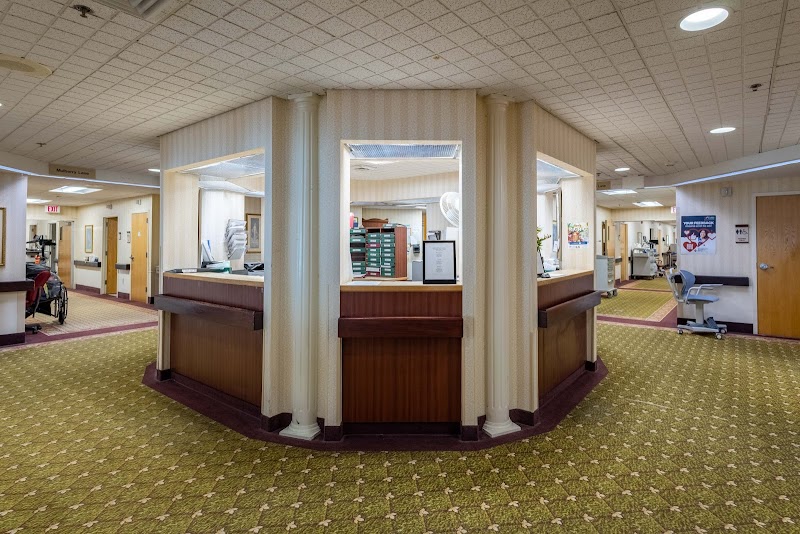
How is The Elms Rehab And Healthcare Center Of Cranbury Staffed?

CMS rates THE ELMS REHAB AND HEALTHCARE CENTER OF CRANBURY's staffing level at 1 out of 5 stars, which is much below average compared to other nursing homes. Staff turnover is 51%, compared to the New Jersey average of 46%. RN turnover specifically is 62%, which is notably high. RNs provide skilled clinical oversight, so turnover in this role can affect medical care quality.

What Have Inspectors Found at The Elms Rehab And Healthcare Center Of Cranbury?

State health inspectors documented 12 deficiencies at THE ELMS REHAB AND HEALTHCARE CENTER OF CRANBURY during 2019 to 2024. These included: 2 Immediate Jeopardy (the most serious level, indicating potential for serious harm or death), 1 that caused actual resident harm, 8 with potential for harm, and 1 minor or isolated issues. Immediate Jeopardy findings are rare and represent the most serious regulatory concerns. They require immediate corrective action.
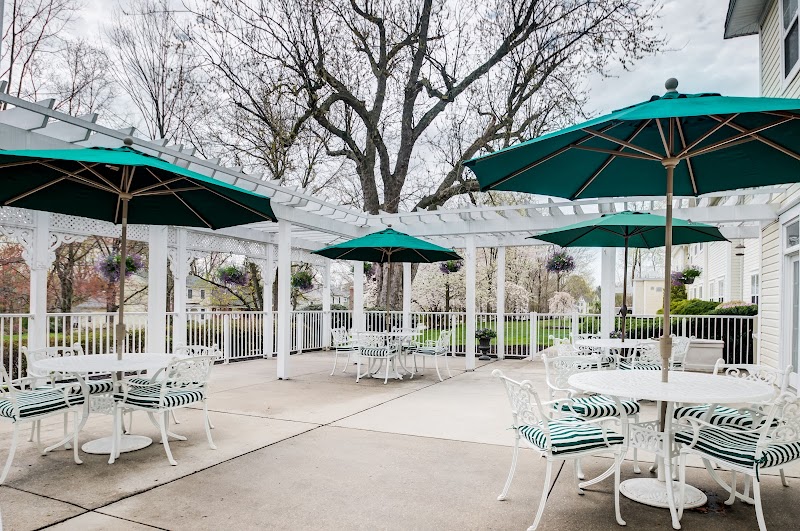
Who Owns and Operates The Elms Rehab And Healthcare Center Of Cranbury?

THE ELMS REHAB AND HEALTHCARE CENTER OF CRANBURY is owned by a for-profit company. For-profit facilities operate as businesses with obligations to shareholders or private owners. The facility is operated by ATLAS HEALTHCARE, a chain that manages multiple nursing homes. With 120 certified beds and approximately 95 residents (about 79% occupancy), it is a mid-sized facility located in CRANBURY, New Jersey.

How Does The Elms Rehab And Healthcare Center Of Cranbury Compare to Other New Jersey Nursing Homes?

Compared to the 100 nursing homes in New Jersey, THE ELMS REHAB AND HEALTHCARE CENTER OF CRANBURY's overall rating (2 stars) is below the state average of 3.2, staff turnover (51%) is near the state average of 46%, and health inspection rating (2 stars) is below the national benchmark.

What Should Families Ask When Visiting The Elms Rehab And Healthcare Center Of Cranbury?

Based on this facility's data, families visiting should ask: "What changes have been made since the serious inspection findings, and how are you preventing similar issues?" "Can you walk me through typical staffing levels on day, evening, and night shifts?" "Can I visit during a mealtime to observe dining assistance and food quality?" "How do you handle medical emergencies, and what is your hospital transfer rate?" These questions are particularly relevant given the facility's Immediate Jeopardy citations and the below-average staffing rating.

Is The Elms Rehab And Healthcare Center Of Cranbury Safe?

Based on CMS inspection data, THE ELMS REHAB AND HEALTHCARE CENTER OF CRANBURY has documented safety concerns. Inspectors have issued 2 Immediate Jeopardy citations (the most serious violation level indicating risk of serious injury or death). The facility has a 2-star overall rating and ranks #100 of 100 nursing homes in New Jersey. Families considering this facility should ask detailed questions about what corrective actions have been taken since these incidents.

Do Nurses at The Elms Rehab And Healthcare Center Of Cranbury Stick Around?

THE ELMS REHAB AND HEALTHCARE CENTER OF CRANBURY has a staff turnover rate of 51%, which is about average for New Jersey nursing homes (state average: 46%). Moderate turnover is common in nursing homes, but families should still ask about staff tenure and how the facility maintains care continuity when employees leave.

Was The Elms Rehab And Healthcare Center Of Cranbury Ever Fined?

THE ELMS REHAB AND HEALTHCARE CENTER OF CRANBURY has been fined $57,282 across 1 penalty action. This is above the New Jersey average of $33,652. Fines in this range indicate compliance issues significant enough for CMS to impose meaningful financial consequences. Common causes include delayed correction of deficiencies, repeat violations, or care failures affecting resident safety. Families should ask facility leadership what changes have been made since these penalties.

Is The Elms Rehab And Healthcare Center Of Cranbury on Any Federal Watch List?

THE ELMS REHAB AND HEALTHCARE CENTER OF CRANBURY is not on any federal watch list. The most significant is the Special Focus Facility (SFF) program, which identifies the bottom 1% of nursing homes nationally based on persistent, serious quality problems. Not being on this list means the facility has avoided the pattern of deficiencies that triggers enhanced federal oversight. This is a positive indicator, though families should still review the facility's inspection history directly.