JERSEY SHORE CENTER

3 INDUSTRIAL WAY EAST, EATONTOWN, NJ 07724 (732) 544-1557
For profit - Corporation 158 Beds GENESIS HEALTHCARE Data: November 2025
Trust Grade
68/100
#136 of 344 in NJ
Last Inspection: March 2025

Within standard 12-15 month inspection cycle. Federal law requires annual inspections.

Overview

Jersey Shore Center in Eatontown, New Jersey, has a Trust Grade of C+, indicating it is slightly above average but not without concerns. It ranks #136 out of 344 facilities in New Jersey, placing it in the top half, and #17 out of 33 in Monmouth County, suggesting there are only a few local options that are better. The facility's trend is concerning as it has shown a worsening situation, increasing from 9 issues in 2023 to 10 in 2025. Staffing is a noted weakness with a rating of 2 out of 5 stars and a turnover rate of 39%, which is lower than the state average but still indicates some instability among staff. Specific incidents include failing to ensure that care conferences involved all necessary team members for several residents, inadequate staffing for proper resident care, and not monitoring a resident's weight as required, potentially impacting their health. While the center has some strengths, such as a good overall star rating of 4 out of 5 and decent quality measures, the identified issues should be carefully considered by families evaluating this nursing home.

Trust Score
C+
68/100
In New Jersey
#136/344
Top 39%
Safety Record
Low Risk
No red flags
Inspections
Getting Worse
9 → 10 violations
Staff Stability
○ Average
39% turnover. Near New Jersey's 48% average. Typical for the industry.
Penalties
○ Average
$3,250 in fines. Higher than 66% of New Jersey facilities. Some compliance issues.
Skilled Nurses
○ Average
Each resident gets 34 minutes of Registered Nurse (RN) attention daily — about average for New Jersey. RNs are the most trained staff who monitor for health changes.
Violations
⚠ Watch
24 deficiencies on record. Higher than average. Multiple issues found across inspections.
★★★★☆
4.0
Overall Rating
★★☆☆☆
2.0
Staff Levels
★★★★★
5.0
Care Quality
★★★☆☆
3.0
Inspection Score
Stable
2023: 9 issues
2025: 10 issues

The Good

  • 5-Star Quality Measures · Strong clinical quality outcomes
  • Full Sprinkler Coverage · Fire safety systems throughout facility
  • No fines on record
  • Staff turnover below average (39%)

    9 points below New Jersey average of 48%

Facility shows strength in quality measures, fire safety.

The Bad

Staff Turnover: 39%

Near New Jersey avg (46%)

Typical for the industry

Federal Fines: $3,250

Below median ($33,413)

Minor penalties assessed

Chain: GENESIS HEALTHCARE

Part of a multi-facility chain

Ask about local staffing decisions and management

The Ugly 24 deficiencies on record

Mar 2025 7 deficiencies
CONCERN (D)

Potential for Harm - no one hurt, but risky conditions existed

Deficiency F0554 (Tag F0554)

Could have caused harm · This affected 1 resident

**NOTE- TERMS IN BRACKETS HAVE BEEN EDITED TO PROTECT CONFIDENTIALITY** Based on observation, interview, record review, and facility policy review, the facility failed to ensure one resident (Resident...

Read full inspector narrative →
**NOTE- TERMS IN BRACKETS HAVE BEEN EDITED TO PROTECT CONFIDENTIALITY** Based on observation, interview, record review, and facility policy review, the facility failed to ensure one resident (Resident (R) 57) observed out of a total sample of 28 residents had an assessment and an order for self-administration of medications. These failures placed R57 at risk for medication errors, medication adverse effects, or misappropriation of medications. Findings include: Review of R57's Face Sheet tab of the electronic medical record (EMR) revealed he was admitted to the facility on [DATE] with diagnoses including type 2 diabetes mellitus with hyperglycemia, chronic obstructive pulmonary disease, essential hypertension and atherosclerotic heart disease. Review of R57's Orders tab of the EMR revealed there were no orders for the nasal sprays nor was there an order for self-administration of medications. Review of R57's Assessment tab and Documents tab of the EMR revealed no assessment for R57 to have medications at his bedside for self-administration. An observation on 03/12/25 at 8:33 AM during medication administration with Licensed Practical Nurse (LPN) 3 revealed two spray bottles on R57's bedside table. The two bottles were identified as oxymetazoline nasal spray (nasal decongestant) and saline nasal spray. During this observation LPN3 did not note the nasal sprays on R57's bedside table. During an interview on 03/12/25 at 8:50 AM, following the medication administration observation, LPN3 confirmed the presence of the two nasal sprays in R57's room, and stated R57 did not have orders for them and should not have had them in his room. LPN3 stated R57 reported to her that he brought the nasal sprays from home. During an interview on 03/12/25 at 9:53 AM, the Nurse Educator (NE) stated the facility did not have any residents who self-administered their own medications. The NE stated residents who would self-administer would have a nurse assessment that would be completed to determine the resident's ability to self-administer their own medications. The NE stated she spoke with R57 about the nasal sprays, that they cannot be kept in his room, and that they will have to get a doctor's order for them. During an interview on 03/13/25 at 10:13 AM, R57 stated he had the two nasal sprays since he arrived at the facility and had been keeping them in his bedside drawer. Review of the facility policy titled, Medications: Self-Administration last revised 10/15/24 revealed, Patients who request to self-administer medications will be evaluated for safe and clinically appropriate capability based on the patient's functionality and health condition. If it is determined that the patient is able to self-administer: A physician/advanced practice provider (APP) order is required, Self-administration and medication self-storage must be care planned. When applicable, patient must be provided with a secure, locked area to maintain medications. Patient must be instructed in self-administration. Evaluation of capability must be performed initially, quarterly, and with any significant change in condition. NJAC 8:39-29.2(c)6(d)
CONCERN (D) 📢 Someone Reported This

A family member, employee, or ombudsman was alarmed enough to file a formal complaint

Potential for Harm - no one hurt, but risky conditions existed

Free from Abuse/Neglect (Tag F0600)

Could have caused harm · This affected 1 resident

**NOTE- TERMS IN BRACKETS HAVE BEEN EDITED TO PROTECT CONFIDENTIALITY** Based on observation, interview, record review, and policies, the facility failed to protect the resident's right to be free fro...

Read full inspector narrative →
**NOTE- TERMS IN BRACKETS HAVE BEEN EDITED TO PROTECT CONFIDENTIALITY** Based on observation, interview, record review, and policies, the facility failed to protect the resident's right to be free from sexual abuse by a resident for one of 28 sample residents (Resident (R) 89). Failure to identify risk factors and intervene to prevent an incident involving inappropriate sexual contact directly increased the risk R89 and other residents could experience abuse. Findings include: R89's ''admission Record'' located in the electronic medical record (EMR) under the Profile tab documented R89 was admitted to the facility on [DATE] with a diagnosis of dementia. The quarterly ''Minimum Data Set (MDS) assessment with an Assessment Reference Date (ARD) of 02/01/24 was located under the MDS tab in EMR. The MDS documented R89 had severely impaired cognition and scored three out of 15 on the ''Brief Interview for Mental Status (BIMS). The MDS noted R89 needed maximum assistance with transfers and was able to navigate a wheelchair in the environment. On 03/11/25 at 10:05 AM, R89 was observed seated in the dining room at a table. When greeted R89 was responded engaged in simple conversation. R89 was confused but responded appropriately, presenting a calm and pleasant demeaner. When asked about the incident that occurred on 04/14/24, R89 had no recall. R174's ''admission Record,'' found in the EMR under the Profile tab, documented an admission date of 05/26/23 with multiple diagnoses including schizophrenia and anxiety. A quarterly MDS assessment, found under the MDS tab in EMR, with an ARD date of 02/27/24 documented R174 scored a 15 out of 15 on the BIMS, indicating intact cognition. The MDS documented R174 was independent with most activities of daily living (ADLs), including transfers and mobility, and identified the resident displayed verbally abusive behaviors directed toward others. The facility investigation, dated 04/17/24, documented R174 was in the dining room on 04/14/24 at 11:00 AM. The report indicated an activities staff saw witnessed R174 with his hand between R89's thighs. The investigation identified it was an incident of inappropriate touching. When R174's actions were observed in the dining room on 04/14/24, by an activities staff, they intervened separated the resident R89 and R174. R174 was moved to another unit the same day. During an interview on 03/13/25 at 1:00 PM, the Administrator stated R174 no longer resided in the facility and explained he had been sent to psychiatric hospital for evaluation after attempting to strike a staff member. R174 was transferred on 07/25/24, and the Administrator explained an alternate placement was found. The Administrator stated R174 had a history of aggressiveness with the staff in the past, but he was not aware of any other instances or altercations involving other residents, and acknowledged the incident occurred. The Administrator stated the staff intervened when they noticed the inappropriate touching, but the resident had not displayed similar behavior in the past. The facility policy ''Abuse Prohibition,'' revised 10/24/22, indicated the facility would prohibit abuse . through prevention of occurrences .'' Sexual abuse was defined as ''. non-consensual sexual contact of any type with a patient.'' Under subheading five (5.) the policy identified actions to prevent abuse, included identifying, correcting, and intervening in situations in which abuse . is more likely to occur; and evaluating a patient's capacity to consent to sexual activity .'' NJAC 8:39-4.1(a) NJAC 8:39-9.4(f) NJAC 8:39-33.2(c)12
CONCERN (D) 📢 Someone Reported This

A family member, employee, or ombudsman was alarmed enough to file a formal complaint

Potential for Harm - no one hurt, but risky conditions existed

Investigate Abuse (Tag F0610)

Could have caused harm · This affected 1 resident

**NOTE- TERMS IN BRACKETS HAVE BEEN EDITED TO PROTECT CONFIDENTIALITY** Based on observation, interview, record review, and policy review, the facility failed to ensure an abuse investigation of inapp...

Read full inspector narrative →
**NOTE- TERMS IN BRACKETS HAVE BEEN EDITED TO PROTECT CONFIDENTIALITY** Based on observation, interview, record review, and policy review, the facility failed to ensure an abuse investigation of inappropriate touching was documented for one of 28 sample residents (Resident (R) 89). Failure to ensure a thorough investigation of the incident increased the risk that other residents may have experienced a similar incident, or the incident had a negative impact on their sense of well-being. Findings include: R89's ''admission Record,'' located in the electronic medical record (EMR) under the Profile tab, documented R89 was admitted to the facility on [DATE] with a diagnosis of dementia. The most recent annual ''Minimum Data Set (MDS)'' assessment with an Assessment Reference Date (ARD) of 01/23/25 was located under the MDS tab in EMR. The MDS documented R89 had severely impaired cognition and scored two out of 15 on the ''Brief Interview for Mental Status (BIMS). On 03/11/25 at 10:05 AM, R89 was observed seated in the dining room at a table. When greeted R89 was responded engaged in simple conversation. R89 was confused but responded appropriately, presenting a calm and pleasant demeaner. When asked about the incident that occurred on 04/14/24, R89 had no recall. R174's ''admission Record,'' found in the EMR under the Profile tab documented an admission date of 05/26/23 with multiple diagnoses including schizophrenia and anxiety. A quarterly MDS, located in the EMR under the MDS tab, with an ARD date of 02/27/24, documented R174 scored a 15 out of 15 on the BIMS, indicating intact cognition. The MDS documented R174 was independent with most activities of daily living (ADLs) including transfers and mobility, and identified the resident displayed verbally abusive behaviors directed toward others. The MDS data revealed R174 was discharged from the facility on 07/25/24 and did not return. Review of the facility investigation dated 04/14/24 revealed, on 04/14/24 at 11:00 AM, R174 was observed by staff with his hand between R89's thighs. The incident occurred in the dining room, a common area. The staff intervened and separated the residents. R174 was moved to another unit. The incident was reported to the state agency and local police as required and implemented an investigation. The facility investigation included a ''Reportable Event Record/Report'' sent to the Department of Health dated 04/17/24. A summary statement dated 04/17/24, signed by Director of Nursing (DON), stated they documented a thorough investigation, which included interviews of both residents, and interviews with other residents on the Ocean Unit. The facility concluded R174 had inappropriately touch R89. The investigation file did not include any documentation of the interviews with R174 and/or R89 or other residents on the Ocean Unit to see if anyone had a similar experience or if they observed the incident if it affected their psycho-social wellbeing. During an interview on 03/12/25 at 11:00 AM, the Administrator was asked if interviews with residents were documented, he stated the Social Workers would usually complete them, and he would try to find them. The Administrator returned to the conference room at 3:30 PM and reported they were unable to find documents related to the resident interviews. NJAC 8:39-9.4(f)
CONCERN (D)

Potential for Harm - no one hurt, but risky conditions existed

Respiratory Care (Tag F0695)

Could have caused harm · This affected 1 resident

Based on observation, interview, record review, and facility policy, the facility failed to ensure that one of three residents (Resident (R) 91) who used supplemental oxygen out of 28 sample residents...

Read full inspector narrative →
Based on observation, interview, record review, and facility policy, the facility failed to ensure that one of three residents (Resident (R) 91) who used supplemental oxygen out of 28 sample residents had equipment kept in a clean and sanitary condition. Failure to ensure the oxygen lines were changed weekly and ensure the filter was clean increased the risk the resident could develop a respiratory infection. Findings include: Review of R91's ''Face Sheet'' under the Profile tab in the electronic medical record (EMR) identified an admission date of 09/07/24. The admission ''Minimum Data Set (MDS) assessment with an Assessment Reference Date (ARD) of 09/13/24, located under the MDS tab in EMR, documented R91 had multiple diagnoses including chronic obstructive pulmonary disease (a lung disease that restricts airflow and breathing) and needed supplemental oxygen. The MDS assessment documented R91 was dependent on aid from staff to complete the activities of daily living (ADLs) (I.e., dressing, grooming hygiene, and toileting), except eating. The Brief Interview for Mental Status (BIMS) showed the resident scored a 15 of 15 and was cognitively intact. During an observation on 03/10/25 at 9:50 AM, R91 was in bed in her room, lying on her back with the head of the bed elevated. R91 had a nasal canula in place with a line leading to an oxygen concentrator next to the bed. The nasal cannula had a tag that read 02/20/25 and a thick layer of white colored dust was visible on the external filter. During an interview on 03/10/25 at 2:25 PM, R91 stated she could not recall when the oxygen lines and nasal cannula had last been changed. R91 stated the maintenance staff helped with maintaining the concentrator. The oxygen tubing was still dated 02/20/25 and the filter was still visibly soiled. During an interview on 03/10/25 at 3:30 PM, Licensed Practical Nurse (LPN) 4 stated the oxygen lines should be changed and dated weekly on Wednesdays. The Nurse Educator (NE), who was also present, verified the policy for managing oxygen equipment was to change and date the lines weekly and ensure the filters were clean. LPN4 entered R91's room, and verified the lines had not been changed weekly and were dated 02/20/25, which was approximately 18 days since it was last changed. When asked about the condition of the filter, LPN4 stated it should have been cleaned, he then removed the exterior filter and rinsed it in water, which removed the white dust from the surface, and the filter was a black color. LPN4 acknowledged the filter was visibly soiled and said it should be kept clean. During an interview on 3/12/25 at 4:00 PM, the Maintenance Director stated if an oxygen concentrator had an internal filter, he would sometimes change them if able to do so. The facility policy ''Respiratory Equipment/Supply Cleaning /Disinfectant,'' revised 07/15/21, under ''1. Routine cleaning and disinfection of equipment in patient rooms'' directed staff to perform the following: in addition to surface cleaning and disinfecting (under sub section 1.8.4) said oxygen concentrators with external filters washed and dried when visibly dusty. NJAC 8:39-19.4(k)
CONCERN (D)

Potential for Harm - no one hurt, but risky conditions existed

Medication Errors (Tag F0758)

Could have caused harm · This affected 1 resident

**NOTE- TERMS IN BRACKETS HAVE BEEN EDITED TO PROTECT CONFIDENTIALITY** Based on interview, record review, and facility policy review, the facility failed to ensure residents were monitored for psycho...

Read full inspector narrative →
**NOTE- TERMS IN BRACKETS HAVE BEEN EDITED TO PROTECT CONFIDENTIALITY** Based on interview, record review, and facility policy review, the facility failed to ensure residents were monitored for psychotropic medications for two of six residents (Resident (R) 91 and R102) reviewed for unnecessary medications out of a total sample of 28 residents. This failure had the potential to lead to unwarranted medication side effects or improperly treated symptoms. Findings include: 1. Review of R91's undated Face Sheet, located in the Face Sheet tab of the electronic medical record (EMR), revealed R91 was admitted to the facility on [DATE]. R91's diagnoses included depression unspecified, anxiety disorder unspecified, and adjustment insomnia. Review of R91's Minimum Data Set (MDS) with an Assessment Reference Date (ARD) of 03/11/25 revealed R91 had a Brief Inventory of Mental Status (BIMS) of 15 out of 15 indicating R91 was cognitively intact. The MDS indicated R91 had depression and anxiety diagnoses and had received antipsychotic medication, antidepressant medication, antianxiety medication, and a hypnotic agent during the seven days prior to the ARD. Review of R91's Orders, located in the EMR under the Orders tab, revealed an order for Seroquel (antipsychotic) 25 milligrams (mg) one tablet at bedtime for major depressive disorder with a start date of 09/20/24, escitalopram (antidepressant) 10 mg one tablet daily for major depressive disorder with a start date of 09/21/24, lorazepam (antianxiety) 0.5 mg one tablet by mouth every 8 hours as needed for anxiety and irritable bowel syndrome for 30 days with a start date of 02/19/25, and Ambien (sedative-hypnotic) 10 mg one tablet at bedtime for insomnia with a start date of 01/13/25. The Orders did not include an order for side effect monitoring. Review of R91's Care Plan, located in the resident EMR under the Care Plan tab, indicated a focus area initiated on 09/07/24 for psychotropic medications with interventions which included Monitor for side effects and consult physician and/or pharmacist as needed. Review of R91's Assessments, Medication Administration Record (MAR), Treatment Administration Record (TAR), Tasks, Vitals, and Progress Notes in the EMR revealed no routine documentation related to psychotropic side effect monitoring. Review of R91's Tasks in the EMR for the last 30 days included only behavior monitoring. 2. Review of R102's undated Face Sheet, located in the Face Sheet tab of the EMR, revealed R102 was admitted to the facility on [DATE]. R102's diagnosis included schizoaffective disorder; adjustment disorder with mixed anxiety and depressed mood; and depression, unspecified. Review of R102's MDS with an ARD of 02/24/25 revealed R102 had a BIMS of 12 out of 15, indicating R102 was mildly cognitively impaired. The MDS indicated R102 had depression and schizophrenia diagnoses and had received antipsychotic medication and antidepressant medication during the seven days prior to the ARD. Review of R102's Orders located in the EMR under the Orders tab revealed an order for risperidone (antipsychotic) 2 mg one tablet daily for schizophrenia with a start date of 09/17/22 and Zoloft (antidepressant) 25 mg one tablet daily for depression with a start date of 06/14/24. The Orders did not include an order for side effect monitoring. Review of R102's Care Plan, located in the resident EMR under the Care Plan tab, indicated a focus area initiated on 09/28/22 for psychotropic medications with interventions which included Monitor for side effects and consult physician and/or pharmacist as needed. Review of R102's Assessments, MAR, TAR, Tasks, Vitals, and Progress Notes in the EMR revealed no routine documentation related to psychotropic side effect monitoring. Review of R102's Tasks in the EMR for the last 30 days included only behavior monitoring. During an interview on 03/12/25 at 3:08 PM, the MDS Coordinator reviewed the EMR for both R91 and R102 and confirmed there was no side effect monitoring for psychotropic agents. She stated side effect monitoring should be on the MAR. During an interview on 03/12/25 at 3:10 PM, Licensed Practical Nurse (LPN) 2 reviewed the EMR and confirmed there was no side effect monitoring for R91 or R102. LPN2 stated there was usually an order for her to enter for the presence of side effects when administering medications. During an interview on 03/13/25 at 1:20 PM, the Consulting Pharmacist stated there should be routine monitoring for side effects from psychotropic medications. During an interview on 03/13/25 at 9:00 AM, the Nurse Educator (NE) stated they made the correction for R91 and R102 to monitor side effects for psychotropic medications. The facility did not have a policy specific for side effect monitoring for psychotropic agents. Review of the facility policy titled Behaviors: Management of Symptoms last revised 07/01/24 revealed Based on the comprehensive assessment, staff must ensure that a patient: Who displays or is diagnosed with mental disorder or psychosocial adjustment difficulty receives appropriate treatment and services to correct the assessed problem or to attain the highest practicable mental and psychosocial well-being. NJAC 8:39-29.3
CONCERN (D)

Potential for Harm - no one hurt, but risky conditions existed

Infection Control (Tag F0880)

Could have caused harm · This affected 1 resident

**NOTE- TERMS IN BRACKETS HAVE BEEN EDITED TO PROTECT CONFIDENTIALITY** Based on observation, interview, and record review, the facility failed to ensure Enhanced Barrier Precautions (EBP) and hand hy...

Read full inspector narrative →
**NOTE- TERMS IN BRACKETS HAVE BEEN EDITED TO PROTECT CONFIDENTIALITY** Based on observation, interview, and record review, the facility failed to ensure Enhanced Barrier Precautions (EBP) and hand hygiene were consistently implemented for two of 28 sample residents (Resident (R) 43 and R87). Failure to ensure the facility staff completed hand hygiene after handling clothing and linens, and implement EBP as directed placed these and other residents at risk for infections. Findings include: 1. R43's admission Record, located in the electronic medical record (EMR) under the Profile tab, showed the resident was admitted to the facility on [DATE] with multiple medical diagnoses including a progressive neurological disease, a seizure disorder, and was nonverbal. The last annual Minimum Data Set (MDS) assessment with an assessment Reference Date (ARD) of 4/30/24, showed R43 had a colostomy to manage bowel movements, a gastronomy tube (G-tube) that provided nutritional support, was nonresponsive, and was dependent on staff for all activities of daily living (ADLs). During an observation and interview on 03/10/25 at 4:10 PM, two Certified Nursing Assistants, (CNA) 1 and CNA 2, entered R43's room and prepared to transfer her to bed and complete incontinent care using a mechanical lift. A posting on the room door identified R43 was on EBP and directed staff to wear PPE during transfers which included gowns and gloves. Neither of the CNAs had gowns on and prepared to transfer R43 wearing only gloves and face masks. When asked about the posting on the door, CNA1 explained the posting meant R43 had a Multi Drug Resistant Organism (MDRO) in the past but did not have any current infection. When asked if they needed to wear PPE, CNA1 explained they did not need them, and explained they were not going to do any care involving the G-tube and did not need them. When asked if she could clarify the issue with Licensed Practical Nurse (LPN) 5. CNA1 exited the room and approached LPN5 to ask for guidance. LPN5 advised CNA1 that transferring R43 was one of the care tasks listed on the posting that required PPE. The two CNAs then returned to the room, donned the PPE, and used the mechanical lift to complete the transfer to the bed. 2. R87's admission Record, located in the EMR under the Profile tab, showed the resident was admitted to the facility on [DATE] with a diagnosis of dementia. A significant change MDS assessment with an ARD date of 05/14/24, located under the MDS tab in the EMR, identified the resident had an unstageable pressure ulcer on the sacrum. The MDS indicated R87 was nonverbal, not able to communicate her needs, and was dependent on staff for all activities of daily living. On 03/11/25 at 10:10 AM, R87 was observed in her room in bed. R87's door signage indicated R87 was on EBP. CNA4 was assisting R87 with repositioning. After turning R87, CNA4 placed a wedge pillow under her right shoulder and then adjusted the bed linens. CNA4 was observed to wear gloves but not a gown. CNA4 stated there was no need to wear a gown unless staff were changing a brief or exposing the wound and/or the dressing. During an interview on 03/11/25 at 10:21 AM, Unit Manager (UM) 2 stated staff should wear PPE, a gown, and gloves, when assisting with repositioning and or adjusting bed linens for EBP. On 03/11/25 at 3:46 PM, CNA4 was observed in R87's room bagging soiled linen only wearing gloves and no gown. After bagging the linens (a hospital gown) CNA4 discarded the gloves and exited the room, without washing or sanitizing her hands. CNA4 then deposited the linens in a soiled utility room, and exited the area. On 03/11/25 at 4:40 PM, the observations were shared with the Nurse Educator (NE). The NE explained if providing direct care, the staff were expected to be wearing PPE identified in the posting for EBP. When asked if assisting with transfers, repositioning, and handling soiled clothing and/or adjusting linens was considered providing direct care. She stated the activities described were considered direct care activities and if on EBP, the PPEs should have been worn. A copy of the facility door posting for Enhanced Barrier Precautions (EBP) indicated gowns and gloves, Personal Protective Equipment (PPE) should be worn during high contact resident care activities. The list identified the following care activities: Dressing, Bathing/showering, Transferring, Providing hygiene, Changing linens, Changing briefs or assisting with toileting, Device care (i.e. central lines, urinary catheters, feeding tubes, tracheostomies and ventilators) Wound care; any skin opening requiring a dressing. The facility Hand Hygiene policy, revised 05/01/24 stated, The use of gloves does not replace hand hygiene. If a task requires gloves, perform hand hygiene prior to donning gloves and immediately after removing gloves. NJAC 8:39-19.4
CONCERN (E)

Potential for Harm - no one hurt, but risky conditions existed

Deficiency F0657 (Tag F0657)

Could have caused harm · This affected multiple residents

**NOTE- TERMS IN BRACKETS HAVE BEEN EDITED TO PROTECT CONFIDENTIALITY** Based on interviews, record reviews, and facility policy review, the facility failed to ensure that all interdisciplinary team m...

Read full inspector narrative →
**NOTE- TERMS IN BRACKETS HAVE BEEN EDITED TO PROTECT CONFIDENTIALITY** Based on interviews, record reviews, and facility policy review, the facility failed to ensure that all interdisciplinary team members (IDT) participated in quarterly care conferences for four of 28 sample residents (Resident (R) 36, R83, R101, and R225). This failure had the potential for the residents to have unmet care needs. Findings include: 1. Review of the admission Profile, located under the Profile tab in the EMR, revealed R36 admitted on [DATE] with diagnoses of obstructive and reflex uropathy, calculus of kidney, urinary tract infection, sepsis, type two diabetes, and chronic kidney disease stage 3B. Review of R36's Care Plan meeting notes located under the Progress Notes tab in the electronic medical record (EMR) dated 02/27/25 indicated that only the Social Services, Rehab and R36 attended the care conference. 2. Review of the admission Record located under the Profile tab in the EMR revealed R83 admitted on [DATE] with diagnoses of urinary tract infection, acute pyelonephritis, pseudomonas as the cause of diseases classified elsewhere, severe sepsis, type 2 diabetes mellitus, morbid obesity, and infection and inflammatory reaction due to nephrostomy catheter, subsequent encounter. Review of the Care Plan meeting notes located under the Progress notes tab in the EMR dated 02/25/25 indicated that only the Social Worker, Unit Manager, Director of Rehab and R83 attended the care conference. 3. Review of the admission Record located under the Profile tab in the EMR indicated R101 admitted with diagnoses of acute on chronic diastolic (congestive) heart failure, Waldenstrom macroglobulinemia (cancer of blood cells) not having achieved remission, essential hypertension, hypothyroidism, and pulmonary hypertension. Review of the Care Plan meeting notes located under the Progress Notes tab in the EMR dated 02/25/25 indicated that only the Social Worker, Unit Manager and Director of Rehab attended the meeting. 4. Review of the admission Record located under the Profile tab in the EMR revealed R225 admitted on [DATE] with diagnoses of malignant neoplasm of colon, encounter for surgical aftercare following surgery on the digestive system, acute posthemorrhagic anemia, hypertensive heart disease without heart failure, gastrointestinal hemorrhage, and acute kidney failure. Review of the Progress Note located under the Progress Note tab in the EMR dated 03/03/25 indicated that only the Social Worker, Rehab staff and R225 were in attendance. During an interview on 03/12/25 at 9:37 AM, Social Worker1 (SW) and SW2 stated the families and/or residents were notified ahead of time about the care plan meetings. SW1 stated they received input from the dietary department or activities department, but they do not attend the meetings. SW1 and SW2 stated most of the meetings were only attended by SW, resident and/or resident representative, unit managers (UM) and director of rehab (DOR). During an interview on 03/13/25 at 10:56 AM, the Administrator stated the SW, DOR, UM and SW were the normal participants in the care plan meetings. He stated the doctors did not attend. Activity staff and CNAs have not attended or been invited. Review of the facility policy titled Person-Centered Care Plan dated 10/24/22 revealed, .8. (8.1) the physician must participate as part of the interdisciplinary team, and may arrange with the center for alternative methods, other than attendance at care planning conferences, of providing his/her input such as one-on-one discussions, conference calls and/or physician/Advanced Practice Nurse/Physician Assistant Orders. The policy did not indicate which IDT team members should be included in the meetings. NJAC 8:39-11.2(e)(h)
Feb 2025 3 deficiencies
CONCERN (D) 📢 Someone Reported This

A family member, employee, or ombudsman was alarmed enough to file a formal complaint

Potential for Harm - no one hurt, but risky conditions existed

Grievances (Tag F0585)

Could have caused harm · This affected 1 resident

Based on record review, interview, and facility policy review, the facility failed to document resident grievances regarding care and staffing and failed to provide a resolution to the concerns for tw...

Read full inspector narrative →
Based on record review, interview, and facility policy review, the facility failed to document resident grievances regarding care and staffing and failed to provide a resolution to the concerns for two of 22 residents (Resident (R) 2 and R9) reviewed for grievances. This had the potential to cause concerns and grievances to be unresolved. Findings include: During an interview on 02/24/25 at 9:55 AM Resident (R) 9 stated the facility was severely understaffed because call lights are going off all night long making it hard to sleep with the constant beeping. R9 stated he/she would like three showers per week and that he/she would like his/her urine collection bag emptied at least once a night. R9 stated there have been nights when it had burst. R9 stated he/she had shared his/her concerns regarding cares and staffing with the Social Services Assistant (SSA) on 02/19/25 at 11:15 AM and was told he/she would receive a written response. During an interview on 02/24/25 at 3:25 PM, R2 stated he/she had a virus two plus weeks ago and he/she threw up all over himself/herself and it took 50 minutes for someone to answer his/her call light at night. R2 stated he/she rarely used his/her call light at night so he/she was surprised they did not respond faster because if he/she used the call light, he/she must need help. R2 stated he/she spoke with the Administrator on 02/17/25 regarding the staffing issues and was told the facility was meeting the state regulations for staffing. Review of the facility provided Grievance/Concern Log did not show any grievances for 2025; the log revealed one concern about missing property in January 2024; one concern regarding missing property in March 2024; one concern regarding missing property in July 2024; and three concerns (one regarding care and services, two regarding missing items) in October 2024. During an interview on 02/26/25 at 9:35 AM, the SSA stated she and the other Social Worker shared the duties of the department, the SSA stated she was handling the Seashore and Ocean units and inherited grievances and QA [Quality Assurance]. When asked about the meeting with R9, the SSA responded, Technically, it was a care plan meeting, but it was just me there. What was on the top of his/her list was showering - wanted days not evening shift. When asked about filling out a grievance, the SSA stated, I did not transpose onto a grievance form. I did send out an email. When asked about the reason for not using the grievance process, the SSA stated, No, to be honest with you, we've discussed recently and have a new understanding going forward. The SSA provided the email sent to the Assistant Director of Nursing (ADON) and Administrator on 02/20/25 that indicated, . I met with resident yesterday & he/she had the following issues: 1. Inconsistent showers. Says he/she has been waiting a number of days for a shower; would prefer having his/her showers during the day (not in the evenings). 2. His/Her foley bag is not changed every night. 3. Bed sheets are not regularly changed. 4. Wants a new/clean washcloth daily. 5. Finger/toenails need to be trimmed. 6. Wants a Dental appointment. 7. Says he/she takes a lot of medication but is not informed what he/she is being given. Wants to speak with Nursing re: his/her medications. 8. Complaints about the food. Per his ex-spouse the food is unreckognizable [sic] as a food product. The SSA stated there had not been any follow-up yet. During an interview on 02/26/25 at 10:17 AM, the Administrator stated he had received the SSA's email regarding R9, but he did not ask if the complaints had been put on a grievance form. During an interview on 02/26/25 at 3:08 PM, the Administrator was asked about his meeting with R2 regarding staffing and why there was no grievance form related to R2's complaints regarding staffing and call light response times. The Administrator stated, I don't have an answer. He/She had raised concerns and [educator staff member name], we went to talk with him/her, went over any concerns he/she had, and he/she seemed satisfied when we left. He's/She's been here a number of years. Review of the facility policy titled Grievance/Concern, revised 10/15/24, revealed, . The patient/resident (hereinafter patient) has the right to voice grievances to the Center or other agency or entity that hears grievances without discrimination or reprisal and without fear of discrimination or reprisal. Such grievances . Service location leadership will investigate, document, and follow up on all concerns and grievances registered by any patient or patient representative. Social Services personnel will serve as patient advocates in the grievance/concern process. The Administrator will serve as the Grievance Officer who is responsible for overseeing the grievance process, . receiving and tracking grievances through to their conclusion, leading any necessary investigations by the facility, maintaining the confidentiality of all information associated with grievances . Procedure . 1. A description of the procedure for voicing grievances/concerns will be on each unit in a prominent location and must include: 1.1 The right to file grievances orally (meaning spoken) or in writing, the right to file grievances anonymously. 1.2 The contact information of the grievance official with whom a grievance can be filed, that is, their name. business address (mailing and email) and business phone number . 1.3 A reasonable expected time frame for completing the review of the grievance. 1.4 The right to obtain a written decision regarding their grievance; and 1.5 The contact information of independent entities with whom grievances may be filed, that is, the pertinent State agency, Quality Improvement Organization, State Survey Agency and State Long-Term Ombudsman program or protection and advocacy system. 2. Concerns may be registered by telephone, mail, office visit, or direct outreach to staff, or with the National Compliance Department. 3. Upon receipt of the grievance/concern, the Grievance/Concern Form will be initiated by the staff member receiving the concern. Patients and/or patient representatives/families may complete a Grievance/Concern Form and submit the completed form to a staff member. 4. Upon receipt of the Grievance/Concern Form the Administrator or designee will document the grievance/concern on the Grievance Concern Log . On 02/26/25 at 9:47 AM during a tour to find the grievance posting referred to in the policy on 02/26/25 at 9:47 AM, the Administrator confirmed the only posting was in the lobby. Review of the posting (confirmed by the Administrator) showed the Grievance Officer (the Administrator) name and contact information, and, at the bottom of the page, a note to let the Grievance Officer know if a written decision regarding the grievance or complaint was desired. The Administrator confirmed there was no defined reasonable expected time frame for grievance completion or independent agencies that would receive grievances. N.J.A.C. 8:39-4.1(a)35 N.J.A.C. 8:39-13.2(c)
CONCERN (D) 📢 Someone Reported This

A family member, employee, or ombudsman was alarmed enough to file a formal complaint

Potential for Harm - no one hurt, but risky conditions existed

ADL Care (Tag F0677)

Could have caused harm · This affected 1 resident

**NOTE- TERMS IN BRACKETS HAVE BEEN EDITED TO PROTECT CONFIDENTIALITY** Complaint #'s NJ00172207, NJ00173028 and NJ00180815 Based on interviews, record reviews, and facility policy review, the facilit...

Read full inspector narrative →
**NOTE- TERMS IN BRACKETS HAVE BEEN EDITED TO PROTECT CONFIDENTIALITY** Complaint #'s NJ00172207, NJ00173028 and NJ00180815 Based on interviews, record reviews, and facility policy review, the facility failed to provide showers as scheduled for one of three residents (Resident (R) 9) reviewed for activities of daily living (ADLs) out of a total sample of 20. R9, who was dependent on staff for ADLs, was not assisted with showers twice weekly as scheduled and consistent with the resident's choices. This failure had the potential to affect the resident's psychosocial wellbeing and quality of life. Findings include: Review of the facility's policy titled, Activities of Daily Living (ADLs), with a revision date of 05/01/23, revealed, . based on the comprehensive assessment of a patient and consistent with the patients' needs and choices, the Center must provide the necessary care and services to ensure that a patient's activities of daily living (ADL) abilities are maintained . including Hygiene - bathing and grooming . Review of R9's Face Sheet, located under the Profile tab of the electronic medical record (EMR), indicated R9 was admitted to the facility on [DATE] with diagnoses that included mononeuropathy of left lower limb, spondylosis lumbar region, spinal cord compression, neuromuscular dysfunction of the bladder, spinal stenosis, muscle weakness, and need for assistance with personal care. Review of R9's quarterly Minimum Data Set (MDS), with an assessment reference date (ARD) of 11/20/24 and located in the MDS tab of the EMR, revealed R9 had a Brief Interview for Mental Status (BIMS) score of 15 of 15, which indicated R9 was cognitively intact. It was recorded R9 required partial to moderate assistance for his/her bathing/showers, including transferring in and out of the tub and shower. Review of R9's Care Plan, dated 02/20/24 and located under the Care Plan tab of the EMR, revealed a focus of resident daily routines and ADLs, with a goal for R9 to choose his/her preferred ADLs, including the importance to choose his/her shower care. Review of the facility master shower schedule, posted at the nurse's station, indicated R9 was scheduled for a shower two times each week on Tuesday and Thursday for the month January and February 2025 on the 3-11 shift. During an interview on 02/26/25 at 2:45 PM, Licensed Practical Nurse (LPN) 3 was asked to provide documentation that R9 had received his/her showers. LPN3 stated the only documentation she could provide was the Master Shower Schedule located on the bulletin board at the nurse's station and the Staff Assignment Sheets located in a binder named Showers on the counter at the nurses' station. LPN3 stated the CNAs were supposed to place a check mark beside the assigned shower that was completed. LPN3 stated it was not documented that R9 had received his/her showers. Review of R9's personal wall calendar for January 2025 and February 2025, located on the wall in his/her room, revealed documentation that R9 received four of nine showers scheduled for January 2025 and four of seven showers scheduled through 02/26/25. During an interview with R9 on 02/24/25 at 02:30 PM, R9 stated that his/her showers were scheduled to occur on Tuesdays and Thursdays each week on the 3-11 shift. He/She said he/she agreed to take a shower on the 3-11 shift but told the nurse (name unknown) that he/she preferred to have a shower in the morning on the 7-11 shift. R9 stated he/she had reported to a charge nurse that was no longer employed at the facility that he/she did not want to take a shower after 8:00 PM and had refused to shower because the certified nursing assistants (CNAs) waited too late to assist him/her to a shower. He/She stated that many times he/she is embarrassed because his/her body has a urine odor that causes him/her stress when he/she leaves the facility for an appointment or outings with family and friends. He/She stated he/she preferred to stay in his/her room away from other people because of his/her need for personal hygiene. During an interview with R9 on 02/26/25 at 10:30 AM, he/she stated that he/she is given a towel and washcloth each morning to shave and wash his/her face in his/her in-room bathroom but that he/she did not receive body soap or water basin for a bath in his/her room. During an interview on 02/26/25 at 4:45 PM, the administrator stated he was notified by R9' s responsible party on 02/19/25 via email that R9 did not receive enough showers to maintain his/her choice for personal hygiene and required showers scheduled. He stated his expectation for meeting the needs of all residents' ADL tasks, including getting to choose the day and the time to receive a shower, was to provide the needed staff to ensure all residents, specifically R9, receive assistance with the personal hygiene and showers as he chooses. During an interview on 02/26/25 at 5:45 PM, CNA3 stated that she was tasked with assisting R9 with his/her shower on Tuesdays and Thursdays but that on occasion he/she refused his/her shower because it was too late in the evening. She stated that she has the task of providing showers for multiple residents and gets to [R9]' s shower when she can, even at 9:00 PM at night. She stated that she does not usually try to reschedule his/her shower because she has other showers scheduled during her shift. She stated she had not reported his/her shower refusals to the charge nurse. N.J.A.C. 8:39-27.2 (g)(h)
CONCERN (E) 📢 Someone Reported This

A family member, employee, or ombudsman was alarmed enough to file a formal complaint

Potential for Harm - no one hurt, but risky conditions existed

Deficiency F0725 (Tag F0725)

Could have caused harm · This affected multiple residents

Complaint #'s NJ00172207, NJ00173028 and NJ00180815 Based on observation, interview, staffing assignment review, and record review, the facility failed to ensure there was adequate staffing to ensure ...

Read full inspector narrative →
Complaint #'s NJ00172207, NJ00173028 and NJ00180815 Based on observation, interview, staffing assignment review, and record review, the facility failed to ensure there was adequate staffing to ensure the provision of resident care for two of 20 sampled residents (Resident (R) 9 and R2). This failure had the potential to affect resident care for all residents at the facility. Findings include: 1. Review of R9's Face Sheet, located under the Profile tab of the electronic medical record (EMR), indicated R9 was admitted to the facility in February 2024 with diagnoses that included mononeuropathy of left lower limb, spondylosis lumbar region, spinal cord compression, neuromuscular dysfunction of the bladder, spinal stenosis, muscle weakness, and need for assistance with personal care. Review of R9's quarterly Minimum Data Set (MDS), with an assessment reference date (ARD) of 11/20/24 and located in the MDS tab of the EMR, revealed R9 had a Brief Interview for Mental Status (BIMS) score of 15 of 15, which indicated R9 was cognitively intact. During an interview on 02/24/25 at 9:55 AM R9 stated the facility was severely understaffed because call lights are going off all night long making it hard to sleep with the constant beeping. R9 complained that he/she would like his/her urine collection bag emptied at least once a night, there have been nights when it has burst. R9 stated he/she had shared his/her concerns regarding cares and staffing with the Social Services Assistant (SSA) on 02/19/25 at 11:15 AM. During an interview with R9 on 02/24/25 at 02:30 PM, he/she stated that his/her showers were scheduled to occur on Tuesdays and Thursdays each week on the 3-11 shift. He/She stated he/she had reported to a charge nurse that was no longer employed at the facility that he/she did not want to take a shower after 8:00 PM and had refused to shower because the certified nursing assistants (CNAs) waited too late to assist him/her to a shower. He/She stated that many times he/she is embarrassed because his/her body has a urine odor that causes him/her stress when he/she leaves the facility for an appointment or outings with family and friends. He/She stated he/she preferred to stay in his/her room away from other people because of his/her need for personal hygiene. During an interview on 02/26/25 at 4:45 PM, the administrator stated he was notified by R9' s responsible party on 02/19/25 via email that R9 did not receive enough showers to maintain his/her choice for personal hygiene and required showers scheduled. He stated his expectation for meeting the needs of all residents' ADL tasks, including getting to choose the day and the time to receive a shower, was to provide the needed staff to ensure all residents, specifically R9, receive assistance with the personal hygiene and showers as he/she chooses. During an interview on 02/26/25 at 5:45 PM, CNA3 stated that she was tasked with assisting R9 with his/her shower on Tuesdays and Thursdays but that on occasion he/she refused his/her shower because it was too late in the evening. She stated that she has the task of providing showers for multiple residents and gets to [R9]' s shower when she can, even at 9:00 PM at night. She stated that she does not usually try to reschedule his/her shower because she has other showers scheduled during her shift. She stated she had not reported his/her shower refusals to the charge nurse. 2. Review of R2's quarterly MDS, with an ARD of 01/08/25 and located in the MDS tab of the EMR, revealed R2 readmitted to the facility in April 2018 with diagnoses that included diabetes mellitus, depression, and hypertension. It was recorded that R2 had a BIMS score of 15 out of 15, which indicated the resident was cognitively intact. During an interview on 02/24/25 at 3:25 PM, R2 stated he/she had a virus two-and one-half weeks ago and he/she threw up all over himself/herself and it took 50 minutes for someone to answer his/her call light at night. R2 stated he/she rarely used his/her call light at night so he/she was surprised they did not respond faster because if he/she used the call light, he/she must need help. R2 stated he/she spoke with the Administrator on 02/17/25 regarding the staffing issues and was told they are meeting the state regulations for staff. 3. Review of the staffing sheet for the night shift (11:00 PM 02/25/25 - 7:00 AM 02/26/25) showed the subacute (SAR) unit was scheduled to have two Licensed Practical Nurses (LPNs) and two CNAs; Seashore unit was scheduled to have one LPN and two CNAs; and Ocean unit was scheduled to have one LPN and two CNAs. Observation of the facility on 02/26/25 at 4:30 AM showed two Registered Nurses (RN) and two CNAs on the SAR unit with a census of 26 residents; one LPN and two CNAs on the Ocean unit for 50 residents; and one LPN and two CNAs on the Seashore unit for 48 residents. a. Seashore During an interview on 02/26/25 at 4:48 AM regarding the staffing, LPN1, who was working Seashore unit, stated, Sometimes it's okay, depends on the residents we have. LPN1 stated she was unable to assist the CNAs, other than helping to cover for meal breaks, as the medications and paperwork kept her busy the entire shift. LPN1 stated the facility Charge Nurse would provide coverage for my break, but 11:00 PM to 7:00 AM the aides are by themselves on the halls. During an interview on 02/26/25 at 7:01 AM regarding the assigned workload, CNA2 confirmed she had 23 residents to care for last night (11:00 PM 02/25/25 to 7:00 AM 02/26/25) and that while she was supposed to get an hour break, she would only take half of that so she could take care of the residents. When asked about call light response times, CNA2 stated there are times residents must wait, especially when one CNA is on break and the other may be helping a resident already and the LPN is too busy with her work to help. CNA2 related there was one resident recently that had to wait an hour for her to receive care. In an interview on 02/26/25 at 6:02 AM CNA3 confirmed he had 25 residents to care for on his assignment. During an interview on 02/26/25 at 11:00 AM, the Regional Nurse Consultant (RNC) provided a resident breakdown for Seashore unit that revealed the following resident characteristics: Occasionally or frequently incontinent of urine - 38 of 48 residents Occasionally or frequently incontinent of bowel - 25 of 48 residents Dementia diagnosis - 19 of 48 residents. b. SAR unit During staff interviews on 02/26/25 at 4:40 AM on the SAR unit RN3, RN4, CNA5 and CNA6 all stated they only work the subacute unit, and they help each side to side (on the unit) but do not go on to other floors/units. c. Ocean During an interview on 02/26/25 at 4:42 AM, LPN3 stated she was the nurse for the 11-7 AM shift with 50 residents in her care. She stated she had CNA7, with 25 residents assigned, and CNA8 with 25 residents assigned. She stated she had been employed in the facility for 23 years, and they say they are trying to get more staff, but the two CNAs were consistent with most nights, and she stated it would help to have additional staff to help with the care but they get the job done. She stated she was primarily passing medications but would answer call lights when needed. Interview with CNA7 on 02/26/25 at 4:59 AM, she stated that she had been employed in the facility for 19 years and could get all her assigned tasks completed, but if she was providing care to a resident and a call light was activated, she stated it sometimes took an hour to get to the other call lights. She stated she had asked for more staff to be available but most nights, she had 25 residents to take care of. During an interview on 02/26/25 at 11:00 AM, the Regional Nurse Consultant (RNC) provided a resident breakdown for Seashore unit that revealed the following resident characteristics: Occasionally or frequently incontinent of urine - 46 of 50 residents Occasionally or frequently incontinent of bowel - 39 of 50 residents Dementia diagnosis - 41 of 50 residents Review of the facility policy titled Staffing/Center Plan, revised 08/07/23, revealed: . The Center maintains appropriate staffing levels, with qualified personnel, 24 hours/day, seven days/week on each shift to assure that patients are safe, and their needs are met . N.J.A.C. 8:39-25.1(b)
Feb 2023 9 deficiencies
CONCERN (D)

Potential for Harm - no one hurt, but risky conditions existed

Resident Rights (Tag F0550)

Could have caused harm · This affected 1 resident

Based on observation, interview, and review of pertinent facility documents, it was determined that the facility failed to ensure that a resident dependent on staff for care, including transferring to...

Read full inspector narrative →
Based on observation, interview, and review of pertinent facility documents, it was determined that the facility failed to ensure that a resident dependent on staff for care, including transferring to bed, received the services needed in a timely and dignified manner. This deficient practice was identified for 1 of 28 residents (Resident #129) reviewed for care and services and was evidenced by the following: On 2/14/23 at 11:10 AM, the surveyor observed Resident #129 in their room sitting in a wheelchair with a family member visiting. The resident stated they just returned from the rehabilitation gym and wanted to return to bed. The surveyor asked the resident how they communicated that with staff, and the resident responded you push the call bell, but it took staff a long time to answer the call bell. When asked how long a long time was, the resident stated it could take thirty minutes to even an hour for staff to come in. On 2/14/23 at 11:15 AM, the surveyor asked the resident to push the call bell and the resident did. The following occurred between 11:15 AM and 11:35 AM: At 11:15 AM, the resident pushed the call bell, and the surveyor went to the hallway to confirm the light outside the resident's room was lit. At 11:25 AM, the surveyor observed the Licensed Practical Nurse (LPN #1) in the hallway walk past the resident's room towards the exit doors to the outside. LPN #1 turned her head and looked into the resident's room as she continued to walk by. At this time, the surveyor checked the light in the hallway outside the resident's room and noticed the light was still lit. A few minutes later, LPN #1 walked past the resident's room in the direction towards the Nurse's Station and looked into the room, but did not stop. At this time, the surveyor checked the light in the hallway outside the resident's room and noticed the light was lit. At 11:30 AM, the resident stated they wanted to return to bed. The family member informed the resident that the surveyor wanted to see how long it would take for staff to answer the light. The resident stated this happened all the time. At this time, the resident's unsampled roommate informed the surveyor that staff did not answer the call bell in a reasonable amount of time; it had taken two hours before staff came into the room. At 11:32 AM, the surveyor observed Certified Nursing Aide (CNA #1) in the hallway walk past the resident's room towards the exit doors to the outside and proceeded into another resident's room. CNA #1 turned her head and looked into the resident's room as she continued to walk by. At this time, the surveyor checked the light in the hallway outside the resident's room and noticed the light was still lit. At 11:33 AM, the resident stated they wanted to be transferred into bed. At 11:35 AM, the surveyor observed the resident becoming increasingly aggravated and instructed the family member to transfer them into bed. The family member informed the resident he/she could not transfer them back into bed. The resident then instructed the family member to go to the Nurse's Station to inform the nurse. The family member stated that the surveyor wanted to see how long it would take staff to answer the call bell. At this time, the surveyor informed the resident they would go to the Nurse's Station for the nurse. On 2/14/23 at 11:35 AM, the surveyor arrived at the Nurse's Station and observed four staff members; Registered Nurse (RN), LPN #1, LPN #2, and a Nursing Student, sitting at the Nurse's Station with LPN #1 standing in the hallway in front of the Nurse's Station at their medication cart. The surveyor asked the staff how they knew if a call bell was going off? The RN responded and pointed to a call bell system located on the desk directly next to her that was flashing a red light. There was no sound heard coming from the system only a visual light. The system also displayed Resident #129's room which indicated the call bell had been activated for twenty minutes. The surveyor questioned the twenty minutes to the RN who did not respond. The surveyor then asked the RN who could answer a call bell, and the RN responded usually the CNA was in the hallway and answered the call bell. The RN then stood up and proceeded to walk away from the surveyor. The surveyor followed the RN and asked again who could answer a call bell, and the RN responded anyone. On 2/14/23 at 11:36 AM, the surveyor observed LPN #1, the resident's assigned nurse go into Resident #129's room. On 2/14/23 at 11:59 AM, the surveyor observed the call bell system at the Nurse's Station activated with a red light blinking and now a loud beeping sound was coming from the system. The surveyor reviewed the medical record for Resident #129. A review of the admission Record face sheet (an admission summary) reflected the resident was admitted to the facility in January of 2023 with diagnoses which included COVID-19, hypercalcemia (extra calcium in the blood that effects many body systems), generalized muscle weakness, unspecified dementia, and essential primary hypertension (high blood pressure). A review of the admission Minimum Data Set (MDS), an assessment tool dated 1/30/23, reflected the resident had a brief interview for mental status (BIMS) score of 10 out of 15, which indicated a moderately impaired cognition. A further review in Section G Function Status revealed the resident required extensive assistance of a one-person physical assist to transfer between surfaces including to or from: bed, chair, wheelchair, standing position. On 2/17/23 at 8:43 AM, the Director of Nursing (DON) provided the surveyor with a copy of the facility's Call Lights policy. The DON stated that call bells should be answered by staff within three to five minutes, and any staff member could answer a call bell. The DON stated that occasionally she completed call bell audits, but was not something she had completed lately since the topic had not recently come up at Resident Council meetings. The surveyor at this time requested from the DON if the system could print a call bell log, and the DON stated she was unsure, but she would check. On 2/23/23 at 1:38 PM, the surveyor informed the Licensed Nursing Home Administrator (LNHA) and the DON of the above observation and asked the facility to provide any additional information tomorrow. On 2/24/23 at 11:27 AM, the DON in the presence of the LNHA and survey team acknowledged the above observation was unacceptable; that all staff could answer a call bell. At this time, the LNHA stated that the facility's expectation was anyone can walk into a room and answer a call bell; anyone who walks by an activated call bell should answer a call bell. If the staff member was not a licensed professional and what the resident was requesting was beyond their scope; then they should grab a nurse or a CNA for assistance. The LNHA continued that best practice would be a call bell should be answered within five minutes. The LNHA also stated their call bell system did not generate reports of call bell wait times that they could provide to the surveyor. A review of the facility's Call Lights policy dated reviewed 2/1/23, included .all patients will have a call light or alternative communication device within their reach at all times when unattended. Staff will respond to call lights and communication devices promptly A review of the facility provided undated Call Light Response - Best Practices policy included no one -including managers, directors, the [LNHA], the [DON], you or me - should ever walk by a call light .answering call lights for all residents/patients is everyone's responsibility, regardless of assignments .answering a call bell right away reduces resident/patient anxiety and decreases the frequency of calling. Answer right away, even if it's to say that help will be there in ten minutes . A review of the facility's Resident Rights Under Federal Law policy dated revised 2/1/23, included patients/residents have the fundamental right to considerate care that safeguards their personal dignity along with respecting cultural, social, and spiritual values .purpose: to treat each resident with respect and dignity and care for each resident in an environment that promotes maintenance or enhancement of his/her self-esteem and self-worth .to incorporate the resident's goals, preferences, and choices into care . NJAC 8:39-4.1(a)(12); 27.1(a)
CONCERN (D)

Potential for Harm - no one hurt, but risky conditions existed

Report Alleged Abuse (Tag F0609)

Could have caused harm · This affected 1 resident

Based on observation, interview, record review, and review of pertinent facility documentation, the facility failed to implement their abuse policy by reporting to the New Jersey Department of Health ...

Read full inspector narrative →
Based on observation, interview, record review, and review of pertinent facility documentation, the facility failed to implement their abuse policy by reporting to the New Jersey Department of Health (NJDOH) an injury of unknown origin that was discovered on 9/27/22. This deficient practice was identified for 1 of 3 residents (Resident #36) reviewed for abuse and was evidenced by the following: On 2/14/23 at 11:16 AM, the surveyor observed Resident #36 in the dayroom in a wheelchair participating in group activities with other residents at a table. The resident's wheelchair seat was equipped with a pommel wedge (a device used for positioning and to help prevent forward sliding), and rear stabilizers (to help prevent tipping). The surveyor reviewed the medical record for Resident #36. A review of the admission Record face sheet (an admission summary) reflected that the resident was admitted to the facility in June of 2018 with diagnoses which included Parkinson's Disease, schizoaffective disorder, and dementia. A review of the most recent quarterly Minimum Data Set (MDS), an assessment tool dated 11/15/22, reflected the resident had a brief interview for mental status (BIMS) score of 5 out of 15, which indicated a severely impaired cognition. Further review revealed the resident required limited assistance from staff for Activities of Daily Living (ADLs) and that the resident had one fall with injury since admission or prior assessment. On 2/16/23 at approximately 2:00 PM, the surveyor requested from the Director of Nursing (DON) any incidents, accidents, grievances or investigations for Resident #36. On 2/17/23 at 8:15 AM, the DON provided the surveyor two incident reports for Resident #36 which both occurred on 9/27/22; one at 3:30 AM and the other at 6:00 PM. A review of the incident report dated 9/27/22 at 3:30 AM, included the resident had an unwitnessed fall on 9/27/22 at 3:30 AM, that the resident was found lying on the floor next to their bed. The resident was assessed for injury with no injury found; neurological checks (a neurological assessment including assessing mental status, cranial nerves, motor and sensory function, pupillary response, reflexes, cerebellum, and vital signs) were initiated; both physician and family were notified. A review of the incident report dated 9/27/22 at 9:00 PM, included the nurse observed the resident in bed resting with a laceration (deep cut) found in the occipital area (back of the head) with no other injuries found during a full body assessment. The resident informed the nurses he/she hit their head on the nightstand, however on the previous 11:00 PM to 7:00 AM shift, the resident had a fall with no injuries observed during a full body assessment. The site was cleaned with normal saline solution and pressure was applied; neurological checks initiated; resident sent to the hospital per Physician; and family notified. The resident at the hospital received a computerized axial tomography scan (CAT; a medical imaging technique used to obtain detailed internal images of the body) which found no fracture or internal bleeding. The resident received five staples. A review of the Interdisciplinary Care Team (IDCP) Note indicated that the nurse found the resident in bed with blood on their sheets. The team believed the incident might have occurred as resident informed the nurse he/she hit their head on the nightstand and unlikely from the fall the previous night. The IDCP team ruled out abuse and neglect and responded immediately. On 2/17/23 at 1:26 PM, the surveyor asked the DON if she provided all the documents for the incident that occurred on 9/27/22 at 9:00 PM, and the DON responded, I gave you everything. The DON continued that the resident had two unwitnessed falls, one with an injury of unknown origin. The incident that occurred with an injury of unknown origin had documented that the resident told his/her primary nurse that he/she hit their head on the nightstand. The surveyor asked if the resident was alert and oriented to person, place, and time, and the DON responded that the resident had cognitive impairment but could make wants known. The DON stated she felt the resident's statement that they hit their head on the nightstand was accurate. The surveyor asked the DON if she reported the incident on 9/27/22 at 9:00 PM to the NJDOH, and the DON stated that she only reported the initial fall from 9/27/22 at 3:30 AM. When asked, the DON acknowledged that she should have reported the incident that occurred on 9/27/22 at 9:00 PM as well, because she was required to report any injury of unknown origin to the NJDOH. On 2/24/23 at 11:27 AM, the DON in the presence of the Licensed Nursing Home Administrator (LNHA) and survey team acknowledged the incident on 9/27/22 at 9:00 PM had not been reported at the time of the incident to the NJDOH and should have been. The DON further stated she was the one responsible for reporting to the NJDOH. A review of the facility's Abuse Prohibition policy dated revised 10/24/22, included . immediately upon receiving information concerning a report of suspected or alleged abuse, mistreatment, or neglect, the Administrator or designee will perform the following: .report allegations involving abuse (physical, verbal, sexual, mental) not later than two hours after the allegation is made. Report allegations to the appropriate state and local authority(s) involving neglect, exploitation or mistreatment (including injuries of unknown source), suspected criminal activity, and misappropriation of patient property not later than two hours after the allegation is made if the event results in serious bodily injury . A review of the facility's Accidents/Incidents policy dated revised 10/24/22, included .staff will report, review, and investigate all accidents/incidents which occurred, or allegedly occurred, on or off Center property involving, or allegedly involving, a patient who is receiving services . allegations or suspicions of abuse, mistreatment, neglect, or misappropriation are reported to the DON and/or Administrator immediately to ensure timely reporting within the required time frames . NJAC 8:39-9.4(e)
CONCERN (D)

Potential for Harm - no one hurt, but risky conditions existed

Investigate Abuse (Tag F0610)

Could have caused harm · This affected 1 resident

Based on observation, interview, record review, and review of pertinent facility documentation, the facility failed to implement their abuse policy by thoroughly investigating an injury of unknown ori...

Read full inspector narrative →
Based on observation, interview, record review, and review of pertinent facility documentation, the facility failed to implement their abuse policy by thoroughly investigating an injury of unknown origin to rule out abuse or neglect for a resident identified on 9/27/22. This deficient practice was identified for 1 of 3 residents (Resident #36) reviewed for abuse and was evidenced by the following: On 2/14/23 at 11:16 AM, the surveyor observed Resident #36 in the dayroom in a wheelchair participating in group activities with other residents at a table. The resident's wheelchair seat was equipped with a pommel wedge (a device used for positioning and to help prevent forward sliding), and rear stabilizers (to help prevent tipping). The surveyor reviewed the medical record for Resident #36. A review of the admission Record face sheet (an admission summary) reflected that the resident was admitted to the facility in June of 2018 with diagnoses which included Parkinson's Disease, schizoaffective disorder, and dementia. A review of the most recent quarterly Minimum Data Set (MDS), an assessment tool dated 11/15/22, reflected the resident had a brief interview for mental status (BIMS) score of 5 out of 15, which indicated a severely impaired cognition. Further review revealed the resident required limited assistance from staff for Activities of Daily Living (ADLs) and that the resident had one fall with injury since admission or prior assessment. On 2/16/23 at approximately 2:00 PM, the surveyor requested from the Director of Nursing (DON) any incidents, accidents, grievances or investigations for Resident #36. On 2/17/23 at 8:15 AM, the DON provided the surveyor two incident reports for Resident #36 which both occurred on 9/27/22; one at 3:30 AM and the other at 6:00 PM. A review of the incident report dated 9/27/22 at 3:30 AM, included the resident had an unwitnessed fall on 9/27/22 at 3:30 AM, that the resident was found lying on the floor next to the bed. The resident was assessed for injury with no injury found; neurological checks (a neurological assessment including assessing mental status, cranial nerves, motor and sensory function, pupillary response, reflexes, cerebellum, and vital signs) were initiated; both physician and family were notified. A review of the incident report dated 9/27/22 at 9:00 PM, included the nurse observed the resident in bed resting with a laceration (deep cut) found in the occipital area (back of the head) with no other injuries found during a full body assessment. The resident informed the nurses he/she hit their head on the nightstand, however on the previous 11:00 PM to 7:00 AM shift, the resident had a fall with no injuries observed during a full body assessment. The site was cleaned with normal saline solution and pressure was applied; neurological checks initiated; resident sent to the hospital per Physician; and family notified. The resident at the hospital received a computerized axial tomography scan (CAT; a medical imaging technique used to obtain detailed internal images of the body) which found no fracture or internal bleeding. The resident received five staples. A review of the Interdisciplinary Care Team (IDCP) Note indicated that the resident was found by the nurse in bed with blood on their sheets. The team believed the incident might have occurred as resident informed the nurse he/she hit their head on the nightstand and unlikely from the fall the previous night. The IDCP team ruled out abuse and neglect and responded immediately. Witness statements included from multiple staff I don't know for what happened. There was no evidence the bedside table was observed with blood on it; when the resident was last seen; when the resident was last toileted; if anyone was observed going into the resident's room; how the resident hit their head; if the resident's roommate was ambulatory or interviewed to rule out abuse or neglect. On 2/17/23 at 9:12 AM, the surveyor observed Resident #36 in his/her room fully dressed sitting on the edge of his/her bed wearing sneakers on his/her feet. The resident said hello and gestured toward his/her tray across the room and stated he/she was about to breakfast. The surveyor asked if the resident had any falls lately and he/she stated no, thank god, no problems. When asked if he/she had slipped out of his/her wheelchair he/she again stated no, no problems. Then surveyor observed the resident stand and pivot himself/herself into his/her wheelchair without issue and the surveyor left the room. On 2/17/23 at 1:26 PM, the surveyor asked the DON if she provided all the documents for the incident that occurred on 9/27/22 at 9:00 PM, and the DON responded, I gave you everything. The DON continued that the resident had two unwitnessed falls, one with an injury of unknown origin. The incident that occurred with an injury of unknown origin had documented that the resident told his/her primary nurse that he/she hit their head on the nightstand. The surveyor asked if the resident was alert and oriented to person, place, and time, and the DON responded that the resident had cognitive impairment but could make wants known. The DON stated she felt the resident's statement that they hit their head on the nightstand was accurate. The DON stated the facility's process for investigating an injury of unknown origin was to interview and get statements from staff that were working when the injury was found; review the resident's chart and medications; interview the roommate when possible; and have Social Services interview the resident. At this time, the surveyor reviewed the investigation with the DON who acknowledged this was not done. The DON stated the resident had told their primary nurse he/she had hit their head so I didn't go any further with it. The DON acknowledged the investigation was not complete to rule out abuse or neglect. On 2/24/23 at 11:27 AM, the DON, in the presence of the Licensed Nursing Home Administrator (LNHA) and survey team acknowledged the incident report was not a complete investigation. A review of the facility's Accidents/Incidents policy dated revised 10/24/22, included . staff will report, review, and investigate all accidents/incidents which occurred, or allegedly occurred on or off Center property involving, or allegedly involving a patient receiving services .the licensed nurse will: report accidents/incidents and assist with a timely investigation to determine root cause analysis .any incident that may be considered an allegation of abuse, neglect, misappropriation of patient property, and/or crime against an elderly person is managed in accordance with the Abuse Prohibition policy .The DON and Administrator must review the event for completion and lock the event within five days or per Abuse Prohibition policy for incidents of abuse .The Administrator, DON, or designee will review all accidents/incidents to determine: accidents/incidents or allegations have been appropriately and timely reported; required documentation has been completed; accident/incident has been investigated .When conducting an investigation, the Administrator, DON, or designee will: make every effort to ascertain the cause of the accident/incident; initiate a timeline chronology; observe environment, assess available documentation and previous accidents/incidents as appropriate (considering recreating the event.); conduct witness interviews from all staff and visitors who may have knowledge of the accident/incident; document the root cause and initiate actions to prevent or reduce recurrence or further accident/incident; monitor all aspects of the incident and investigation involving patients are documented in the [computer medical program] risk Management portal; complete the investigation within five working days . A review of the facility's Abuse Prohibition policy dated revised 10/24/22, included .staff will identify events - such as suspicious bruising of patients, occurrences, patterns, and trends that may constitute abuse - and determine the direction of the investigation .injuries of unknown origin will be investigated to determine if abuse or neglect is suspected . NJAC 8:39-4.1(a)(5), 27.1(a)
CONCERN (D)

Potential for Harm - no one hurt, but risky conditions existed

Accident Prevention (Tag F0689)

Could have caused harm · This affected 1 resident

**NOTE- TERMS IN BRACKETS HAVE BEEN EDITED TO PROTECT CONFIDENTIALITY** Based on observation, interview, and review of pertinent facility documents, it was determined that the facility failed to ensur...

Read full inspector narrative →
**NOTE- TERMS IN BRACKETS HAVE BEEN EDITED TO PROTECT CONFIDENTIALITY** Based on observation, interview, and review of pertinent facility documents, it was determined that the facility failed to ensure fall prevention interventions were implemented and monitored for a resident with a fall in the facility. This deficient practice was identified for 1 of 3 residents (Resident #38) reviewed for accidents and was evidenced by the following: On 2/14/23 at 11:08 AM, the surveyor observed Resident #38 sitting in their wheelchair in their room. The surveyor observed the resident stand up from their wheelchair and quickly sit back down when they noticed the surveyor at the door. The surveyor observed what appeared to be a chair alarm placed on the back of the resident's wheelchair, but they did not hear the alarm sound when the resident stood up. The surveyor with permission proceeded into the resident's room to interview them. The resident informed the surveyor that he/she was at the facility for rehabilitation, but they did not know when they were being discharged home. On 2/15/23 at 11:51 AM, the surveyor observed the resident sitting in their wheelchair in their room watching television. The surveyor observed the resident had a chair alarm on the back of their wheelchair that was connected and appeared to be set in the on position. The resident appeared happy and informed the surveyor he/she had no concerns. The surveyor reviewed the medical record for Resident #38. A review of the admission Record face sheet (an admission summary) reflected the resident was admitted to the facility in January of 2023 with diagnoses which included unspecified dementia, essential primary hypertension (high blood pressure), acute kidney failure, and dehydration. A review of the admission Minimum Data Set (MDS), an assessment tool dated 1/17/23, reflected the resident had a brief interview for mental status (BIMS) score of a 13 out of 15, which indicated an intact cognition. A further review of Section J Health Conditions reflected the resident had one fall with no injury since admission to the facility. A review of the Progress Notes included a General Note dated 1/12/23 at 2:21 PM, that indicated the resident was non-compliant with call bell or requesting assistance; observed on floor sitting up; attempted to use bath on his/her own with no injuries noted; redirected to call for help for any needs. On 2/17/23 at 10:00 AM, the surveyor requested from the Director of Nursing (DON) any accidents, incidents, and investigations for Resident #38 since the resident was admitted to the facility. On 2/17/23 at 11:00 AM, the surveyor asked the DON if there were any investigations, and the DON responded the resident had one fall at the facility and she was waiting to receive a copy of the X-ray report from hospital. The DON stated the X-ray was negative for a fracture or break, but the facility never received a copy of the report. On 2/17/23 at 11:40 AM, the surveyor observed the resident sitting in his/her wheelchair in their room removing a bag from their dresser. The resident said hello to the surveyor, but seemed confused when the surveyor attempted to interview them. The surveyor observed a chair alarm attached to the resident's wheelchair. On 2/17/23 at 11:55 AM, the surveyor reviewed the incident report provided from DON for a fall that occurred on 1/12/23. The report included that the resident was observed sitting on floor in front of bathroom door inside his/her room; resident described attempting to go to the bathroom, knees went weak and landed on his/her bottom. The immediate actions taken were the resident was redirected to use call bell when toileting was needed or any other personal assistance, bed and chair alarm implemented. The interventions included to do neurological checks (a nursing assessment which includes assessing mental status, cranial nerves, motor and sensory function, pupillary response, reflexes, cerebellum, and vital signs); pain management as needed; fifteen-minute checks; toilet schedule upon rising after meals and at bedtime; bed and chair alarm. The surveyor continued to review the resident's medical record. A review of the Order Summary Report did not include a physician's order (PO) for bed or chair alarms. A review of the January 2023 and February 2023 Medication Administration Records (MAR) did not include the use, placement, or checking the function of the bed and chair alarms. A review of the January 2023 and February 2023 Treatment Administration Records (TAR) did not include the use, placement, or checking the function of the bed and chair alarms. A review of the individualized person-centered care plan included a focus area initiated 1/21/23, nine days after the resident's fall on 1/12/23, that the resident is at risk for falls with regards to cognitive loss, lack of safety awareness, impaired mobility, and weakness. Interventions included to keep bed in low position; observe for and report signs and symptoms of nausea and/or vomiting, abdominal distention, decrease in bowel movements, decrease in bowel sounds and abdominal pain; observe for changes in medical status, pain status, mental status and medication side effects that may contribute to cognitive loss, dementia, delirium and can lead to increase fall risk, report to physician as indicated; observe for signs and symptoms of abnormal blood pressure including orthostatic blood pressure and promote self-management strategies; and observe for signs and symptoms of depression and promote self-management strategies. The care plan did not include the resident's actual fall on 1/12/23 or the interventions to use bed and chair alarms. On 2/21/23 at 1:28 PM, the surveyor interviewed the resident's Licensed Practical Nurse (LPN) who stated the resident suffered from dementia and required constant redirection. The LPN stated the resident was only alert to self, and most of the time he/she did not understand what you were saying. The LPN stated for example you could tell the resident not to do something and ten minutes later, he/she would do what you just instructed them not to do. The LPN stated the resident was a fall risk and had a fall at the facility when he/she attempted to get up without using the call bell for assistance. The LPN stated the resident had a call bell that you check the function of the alarm daily. The LPN stated the nurse did not document that the alarm was checked daily; it was not on the MAR or TAR to do so. The LPN stated the care plan was completed by the Unit Manager/LPN (UM/LPN). On 2/21/23 at 1:35 PM, the surveyor asked the LPN to review the resident's physician's orders and verify if there was a PO for the resident's bed and chair alarm. The LPN confirmed there was no PO, but he stated there would be no PO for a bed and chair alarm. On 2/21/23 at 1:51 PM, the surveyor interviewed the UM/LPN who stated if a resident was a high risk for falls or had a fall, the facility would initiate a chair or bed alarm. The UM/LPN acknowledged you would need to obtain an order from the physician for the bed and chair alarm, but it was a nursing intervention and the physician needed to be made aware. The UM/LPN stated there was usually a PO to check once a shift for function and placement. The UM/LPN stated that the alarm was not considered a restraint because the resident could release themselves. The UM/LPN confirmed there was no PO for the bed and chair alarms. The surveyor informed the UM/LPN that they observed the resident stand up from their wheelchair on 2/14/23, and the surveyor did not hear the alarm sound. The surveyor asked the UM/LPN to accompany them to the resident's room to check the alarm's function. On 2/21/23 at 1:56 PM, the surveyor accompanied by the UM/LPN went to Resident #38's to check the function of the resident's chair alarm. The UM/LPN instructed the resident they were going to check their chair alarm and needed the resident to go into the bathroom with her to use the bathroom wall bar to assist her with positioning the resident to standing. The resident did as instructed, and stood up from the wheelchair using the wall bar in the bathroom. The surveyor and the UM/LPN observed that the chair alarm did not sound as it should. The UM/LPN began to play with the chair alarm, and the alarm went off. The UM/LPN stated the alarm was turned on, so there must have been a connection issue. After this, the surveyor and UM/LPN left the resident, and the UM/LPN stated that alarm should be checked every shift to ensure functioning properly. The UM/LPN stated that if the Certified Nursing Aide (CNA) noticed the alarm was not functioning properly, they should have notified the nurse, and the nurse should have noticed there was no PO for the bed and chair alarms and called the physician. The UM/LPN stated she updated the resident's care plan yesterday to include the bed and chair alarms after she reviewed their care plan and noticed it was not included. The UM/LPN confirmed the bed and chair alarms were an intervention from the fall on 1/12/23, and the care plan should have been initiated and updated after that fall. On 2/21/23 at 2:03 PM, the surveyor interviewed the DON who stated bed and chair alarms were an intervention used if the resident had a fall or was a high risk for falls. The DON confirmed you would need a PO for both alarms, and nurses needed to check every shift for the alarms functioning. The DON confirmed you would include bed and chair alarms in a care plan. On 2/22/23 at 1:09 PM, the surveyor re-interviewed the DON who stated bed and chair alarms were located under the facility's restraint policy, but the bed and chair alarm were not considered a restraint for this resident, so the facility did not obtain a consent. The DON stated the alarms were a nursing intervention and the facility needed to obtain a PO. On 2/23/23 at 8:45 AM, the surveyor asked the DON when the facility assessed residents for the risk of falls? The DON stated residents were assessed upon admission and re-admission, quarterly, or after they had a fall in the facility. At this time, the surveyor requested a copy of the resident's fall risk assessment from admission and after their fall on 1/12/23. On 2/23/23 at 10:06 AM, the DON provided the surveyor with the resident's admission Nursing Documentation - V 11 dated 1/11/23 and a copy of the eINTERACT Change in Condition Evaluation - V 5.1 dated 1/12/23. The DON stated the asterisk on the admission nursing assessment dated [DATE], indicated the resident was at a higher risk for falls. The Change in Condition assessment dated [DATE] was initiated after a fall on 1/12/23. On 2/24/23 at 11:27 AM, the DON in the presence of the Licensed Nursing Home Administration (LNHA) and in the presence of the survey team, acknowledged that the resident did not have a PO for the bed and chair alarms until surveyor inquiry; the bed and chair alarms placement and function were not being checked every shift; and the care plan should have been initiated after the fall on 1/12/23, and should have included the bed and chair alarms. A review of the facility's Falls Management policy dated revised 6/15/22, included patients will be assessed for risk of falling as part of the nursing assessment process. Interventions to reduce risk and minimize injury will be implemented as appropriate .patients experiencing a fall will receive appropriate care and post-fall interventions will be implemented .purpose: to identify risk of falls and minimize the risk of recurrence risk of falls; to evaluate the patient for injury post-fall and provide appropriate and timely care; to ensure the patient-centered care plan is reviewed and revised according to patient's fall risk status .implement and document patient-centered interventions according to individual risk factors in the patient's plan of care, adjust and document individualized intervention strategies as patient condition changes . NJAC 8:39-27.1(a)
CONCERN (E)

Potential for Harm - no one hurt, but risky conditions existed

Deficiency F0692 (Tag F0692)

Could have caused harm · This affected multiple residents

Based on observation, interviews, and review of pertinent facility documents, it was determined that the facility failed to obtain weekly weights as ordered for a resident with a significant weight lo...

Read full inspector narrative →
Based on observation, interviews, and review of pertinent facility documents, it was determined that the facility failed to obtain weekly weights as ordered for a resident with a significant weight loss since December of 2022. This deficient practice was identified for 1 of 4 residents (Resident #30) reviewed for nutrition and was evidenced by the following: On 2/14/23 at 10:55 AM, the surveyor observed Resident #30 in his/her room with the breakfast tray on an over bed table. The surveyor observed on the tray an empty cup of juice and the rest of the tray was untouched. At that time, the Licensed Practical Nurse (LPN) informed the surveyor that Resident #30 eats slowly and requested staff leave the tray at the bedside. The LPN confirmed the resident only drank the juice. The surveyor reviewed the medical record for Resident #30. A review of the admission Record face sheet (an admission summary) reflected the resident was admitted to the facility in December of 2021 with diagnoses which included diabetes (elevated blood glucose), dementia (memory loss), and hypertension (high blood pressure). A review of the most recent annual Minimum Data Set (MDS), an assessment tool dated 12/14/22, reflected the resident had a brief interview for mental status (BIMS) score of 4 out of 15, which indicated a severely impaired cognition. The assessment further indicated the resident had a significant weight loss of 5% or more in the last month or a loss of 10% or more in the last 6 months and was not on a prescribed weight loss regimen. A review of the Progress Notes included a Nutrition Note dated 11/8/22, which indicated the resident had a significant weight loss in three and six months that was undesirable with a goal of gradual weight gain. The plan was to provide a regular advanced diet with double portions of vegetables, breads, starch, eggs, salads, and sides; continue house supplements, fortified vanilla pudding; chocolate chip cookies; and reweigh in two weeks. A review of the Progress Notes included a Nutrition Note dated 11/25/22, to increase house supplement to twice a day and order weekly weights. A review of the Order Summary Report included a physician's order (PO) dated 11/25/22, to weigh every evening shift on Friday for weekly weights. A review of the Weights and Vitals summary reflected the resident weighed the following: 9/6/22 - 132.4 pounds (lbs.) 10/7/22 - 117.6 lbs. (14 lbs. weight loss or 10.6% significant weight loss one month) 10/18/22 - 116.6 lbs. (15.8 lbs. weight loss or 11.9% significant weight loss one month) 11/1/22 - 115.4 lbs. (17 lbs. weight loss or 12.8% weight loss since 9/6/22) 11/25/22 - 117 lbs. (15.4 lbs. weight loss or 11.6% weight loss since 9/6/22) 12/1/22 - 120.2 lbs. (12.2 lbs. weight loss or 9.2% weight loss since 9/6/22) 12/9/22 - 118.8 lbs. (13.6 lbs. weight loss or 10.3% weight loss since 9/6/22) 1/19/22 - 119.4 lbs. There was no evidence the resident was weighed weekly as ordered. There was no weights 12/6/22; 12/23/22; 12/20/22; 1/6/23; 1/13/23; 1/27/23; 2/3/23; 2/10/23; and 2/17/23. On 2/17/23 at 12:00 PM, the surveyor interviewed the Unit Manager/Licensed Practical Nurse (UM/LPN) who stated if a resident had a physician's order for weekly weights, then the resident should be weighed weekly. The UM/LPN with the surveyor reviewed Resident #30's Physician Orders Summary (POS) and Medication Administration Record (MAR) which revealed a PO dated 11/25/22 to weigh the resident on the evening shift every Friday for weekly weights. A review of the corresponding MARs since November 2022, revealed the weights were not documented. The UM/LPN acknowledged that the weekly weights were not taken, and that the weights should be documented in the resident's medical records. She further stated that she was not aware that the resident had a PO for weekly weights. On 2/22/23 at 12:33 PM, the surveyor interviewed the Registered Dietitian (RD) who stated that she received weekly weights on Fridays. If there were a PO for a weekly weights, she would run a report from the electronic medical records and if there were missing weights, she would email the Director of Nursing (DON) and would verbally tell the nurses on the unit. The RD stated she was due to see Resident #30 because the resident had a body mass index (BMI; value derived from the mass and height of a person) of 20.5, but it should be around 22. At that time, the surveyor reviewed emails with the RD that were labeled weights for 2/6/23, 2/13/23, and 2/20/23 from the RD to the DON which indicated that Resident #30 was included on the list of residents whose weights were missing. On 2/22/23 at 12:23 PM, the surveyor interviewed the DON who stated that there were monthly weight meetings, and they go over any weight issues that the residents might have then. The DON stated we would also go over a list of any residents who were missing weights during morning meetings. She further stated getting the weights done could be challenging, but she would not express what was challenging. She stated that she would expect the UM/LPN to know the residents who received weekly weights. The facility process was the Certified Nurse Aides (CNA) weighed the residents and the unit managers should make sure that the weights were completed. The surveyor continued to review the resident's medical record. A review of the individualized person-centered care plan included a focus area initiated on 12/20/21, for the resident had a diagnosis of diabetes, insulin dependent. Interventions included to provide diabetes education and related complications as appropriate and provide regular/liberalized diet, dysphagia advanced (difficulty or discomfort swallowing) and chopped meats as ordered. The care plan did not include the resident had significant weight loss. On 2/22/23 at 1:55 PM, the surveyor reviewed the resident's care plan with the RD. The RD confirmed the care plan did not include the resident's significant weight loss and acknowledged it should. On 2/24/23 at 11:27 AM, the DON in the presence of the Licensed Nursing Home Administrator (LNHA) and survey team confirmed the resident had a PO for weekly weights that was not consistently being followed, and the resident had not been weighed since 1/19/23 until surveyor inquiry, and the resident did not lose any additional weight loss. A review of the facility's Physician/Advanced Practice Provider (APP) Orders policy dated revised 3/1/22, did not include carrying-out physician's orders as prescribed. A review of the facility's Weights and Heights policy dated revised 6/15/22, included patients are weighed upon admission and/or re-admission, then weekly for four weeks and monthly thereafter. Additional weights may be obtained at the discretion of the interdisciplinary care team weights are to be obtained at the discretion of the interdisciplinary care team .purpose: to obtain baseline weight and identify significant weight change; to determine possible causes of significant weight change . NJAC 8:39-27.1(a); 27.2 (a)
CONCERN (E)

Potential for Harm - no one hurt, but risky conditions existed

Deficiency F0761 (Tag F0761)

Could have caused harm · This affected multiple residents

**NOTE- TERMS IN BRACKETS HAVE BEEN EDITED TO PROTECT CONFIDENTIALITY** Based on observation, interview, and review of facility documents, it was determined that the facility failed to maintain medica...

Read full inspector narrative →
**NOTE- TERMS IN BRACKETS HAVE BEEN EDITED TO PROTECT CONFIDENTIALITY** Based on observation, interview, and review of facility documents, it was determined that the facility failed to maintain medication carts free from debris which included loose, unmarked, and unwrapped medications. This deficient practice was identified for 3 of 4 medication carts (Ocean low-side, Seashore high-side, Seashore low-side) on 2 of 3 nursing units (Ocean and Seaside) and the evidence was as follows: On [DATE] at 11:10 AM, in the presence of Licensed Practical Nurse (LPN #1), the surveyor inspected the Ocean nursing unit's low-side medication cart and observed in the second drawer, where the multiple-use medication blister packs were stored, one loose pink tablet which was unwrapped and unmarked. At this time, the surveyor interviewed LPN #1 who stated she was unsure what the medication was and removed the medication from the cart for destruction. LPN #1 stated that if loose medications were found, she removed them from the cart and placed them in the medication room in the container for destruction. LPN #1 also stated the cart was checked every night shift for expired or loose medications. On [DATE] at 11:25 AM, in the presence of LPN #2, the surveyor inspected the Seashore nursing unit's high-side medication cart and observed the following: Inside the top drawer on the right side of the medication cart, a tablet in a small plastic cup, unmarked. LPN #2 informed the surveyor that the medication had fallen on the floor, and she meant to remove it earlier for destruction. In the second drawer which contained the multiple-use medication blister packs, five (5) tablets, one (1) capsule, and two (2) pieces of tablets all unwrapped and unmarked. LPN #2 was unable to identify the loose medications and stated that the 11:00 PM to 7:00 AM shift nurse was responsible for inspecting the cart. LPN #2 acknowledged that all nurses were responsible for inspecting their medication carts on every shift. LPN #2 removed the loose medications from the cart and brought them to the medication room for destruction. On [DATE] at 12:01 PM, in the presence of LPN #3, the surveyor inspected the Seashore nursing unit's low-side medication cart and observed the following: In the top drawer, a multiple-use medication blister pack with four (4) Cefdinir 300 milligram (mg) tablets (an antibiotic used to treat infections). The multiple-use blister pack was torn and did not have a label which indicated the resident's name or room number on it. In the second drawer which contained the multiple-use medication blister packs, two (2) capsules, 31 tablets, and seven (7) tablet pieces which were all unwrapped and unmarked. At this time, LPN #3 acknowledged all the loose and unmarked medications should not be in the cart and need to be brought to the medication room for destruction. LPN #3 informed the surveyor that she checked the medication cart daily for expired and loose medications and acknowledged she had forgotten to check it that day. On [DATE] at 12:25 PM, the surveyor interviewed the Seashore nursing unit's Unit Manager/LPN (UM/LPN) who stated that every nurse was responsible for checking their own medication carts every shift, and all unwrapped, unmarked medications should be removed from the carts and put in the medication room for destruction. On [DATE] at 1:01 PM, the surveyor informed the Licensed Nursing Home Administrator (LNHA) and Director of Nursing (DON) the above concerns. On [DATE] at 11:27 AM, the DON in the presence of the LNHA and survey team acknowledged there should not be loose unmarked medications in the medication carts because it was an infection control concern. A review of the facility's Storage and Expiration Dating of Medication, Biologicals dated revised [DATE], included .facility should ensure that medications and biologicals are stored in an orderly manner in cabinets, drawers, carts, refrigerators/freezers of sufficient size to prevent crowding .medications and biologicals that have been contaminated or deteriorated are stored separate from other medications until destroyed or returned to the pharmacy or supplier .facility should destroy and reorder medications and biologicals with soiled, illegible, worn, makeshift, incomplete, damaged or missing labels or cautionary instructions .facility should ensure that the medications and biologicals for each resident are stored in the containers in which they were originally received .facility personnel should inspect nursing station storage areas for proper storage compliance on a regular scheduled basis .facility should request that pharmacy perform a routine nursing unit inspection for each nursing station in facility to assist facility in complying with its obligations pursuant to applicable law relating to the proper storage, labeling, security and accountability of medications and biologicals. NJAC 8:39-29.4(a),(h)
CONCERN (E)

Potential for Harm - no one hurt, but risky conditions existed

Food Safety (Tag F0812)

Could have caused harm · This affected multiple residents

Based on observation, interview, and review of pertinent facility documents, it was determined that the facility failed to a.) store, label, and date potentially hazardous foods to prevent food-borne ...

Read full inspector narrative →
Based on observation, interview, and review of pertinent facility documents, it was determined that the facility failed to a.) store, label, and date potentially hazardous foods to prevent food-borne illness; b.) discard potentially hazardous foods past their date of expiration; c.) maintain storage areas in a sanitary manner; d.) maintain kitchen equipment to prevent microbial growth; and e.) air dry kitchen equipment in a manner to prevent microbial growth. This deficient practice was evidenced by the following: On 2/14/23 at 9:19 AM, the surveyor toured the kitchen with the Food Service Director (FSD) and observed the following: 1. In the walk-in refrigerator, one opened quart of whole liquid eggs labeled 2/1/23 and 2/16/23. The FSD indicated the 2/1/23 was the opened date and the 2/16/23 was the discard date. The package indicated best results use within three days of opening. The FSD confirmed the eggs needed to be discarded. 2. In the walk-in refrigerator, one defrosted vanilla health shake stored in a box labeled chocolate health shakes. The FSD stated health shakes were received frozen and stored in the freezer until ready to be used. The health shakes were then pulled from the freezer, labeled, and had to be used within fourteen days. The health shake was not labeled when pulled from the freezer or when to discard. The FSD confirmed the health shake needed to be discarded. 3. In the walk-in refrigerator, one opened five-pound container of ricotta cheese. The container was labeled opened 1/26/23, and the packaging indicated to use within five days of opening. 4. In the walk-in refrigerator, one opened five-pound cottage cheese. The container was labeled opened 2/12/23, and the packaging indicated best by 2/12/23. 5. Connected inside the walk-in refrigerator was the walk-in freezer. The freezer door was ajar and the FSD stated the door did not close properly. When the door to the freezer was opened, the surveyor observed one vinyl strip curtain located in the center of the curtains at the entrance to the freezer was missing. These curtains protect the inside of the freezer from outside dust particles as well as keep the cold air from escaping the freezer when the door was opened. The surveyor also observed an accumulation of ice on the curtains, inside freezer door, shelves, and floor. The FSD stated the ice accumulation was caused by the freezer door not closing properly. The FSD acknowledged the freezer could not have an accumulation of ice build-up in the walk-in freezer and the missing vinyl strip curtain needed to be replaced. 6. On a drying rack, seven deep hotel pans and five two-inch full hotel pans stacked and wet nested with water in between them. The FSD confirmed the pans needed to be fully dried prior to stacking. 7. Hanging on a rack in the cooking area, three large rubber spatulas discolored and cracked. The surveyor also observed a small rubber spatula with yellow debris on it that the FSD was able to remove with his fingernail. The FSD stated the large rubber spatulas needed to be discarded and the small rubber spatula washed. On 2/24/23 at 11:27 AM, the Licensed Nursing Home Administrator (LNHA) in the presence of the Director of Nursing (DON) and survey team acknowledged these findings. A review of the undated facility provided Warewashing, Manual cleaning procedure included place ware on a drain board, inverted to drain and air dry; do not wipe dry. A review of the facility's Refrigerator/Frozen Storage policy dated revised 6/15/18, included food stored under refrigerator/freezer storage is maintained in a safe and sanitary manner .all foods are labeled with the name of the product and the date received and use by date once opened. Manufacturer use by dates are used until opened .frozen, commercially prepared shakes are thawed under refrigeration; the date removed from the freezer is marked on the case. Once the shakes are thawed, a use by date is added to the case. Individual shakes are labeled with use by date when removed from the original container .freezers are kept clean and organized. Cleaning is routinely scheduled and completed . NJAC 8:39-17.2(g)
CONCERN (E)

Potential for Harm - no one hurt, but risky conditions existed

Deficiency F0836 (Tag F0836)

Could have caused harm · This affected multiple residents

2. During entrance conference on 2/14/23 at 9:48 AM, the Licensed Nursing Home Administrator (LNHA) in the presence of the Director of Nursing (DON) informed the surveyor that the facility was good on...

Read full inspector narrative →
2. During entrance conference on 2/14/23 at 9:48 AM, the Licensed Nursing Home Administrator (LNHA) in the presence of the Director of Nursing (DON) informed the surveyor that the facility was good on staffing. The LNHA continued that during the COVID-19 pandemic, the facility struggled with staff and utilized Agency staff. The LNHA stated the facility no longer used Agency staff, and the facility had an on-site CNA training school, so the facility utilized Non-Certified Aides (NAs) to assist the CNAs. At this time, the surveyor requested the facility to complete the Nurse Staffing Report for the past two weeks. A review of the Nurse Staffing Report completed by the facility for the weeks of 1/29/23 to 2/4/23 and 2/5/23 to 2/11/2, which revealed the staffing to resident ratios that did not meet the minimum requirement of 1 CNA to 8 residents for the day shift as documented below: 1/29/23 had 12 CNAs for 148 residents on the day shift, required 18 CNAs. 1/30/23 had 15 CNAs for 147 residents on the day shift, required 18 CNAs. 1/31/23 had 12 CNAs for 147 residents on the day shift, required 18 CNAs. 2/1/23 had 12 CNAs for 146 residents on the day shift, required 18 CNAs. 2/2/23 had 15 CNAs for 146 residents on the day shift, required 18 CNAs. 2/3/23 had 14 CNAs for 145 residents on the day shift, required 18 CNAs. 2/4/23 had 12 CNAs for 145 residents on the day shift, required 18 CNAs. 2/5/23 had 10 CNAs for 144 residents on the day shift, required 18 CNAs. 2/6/23 had 11 CNAs for 144 residents on the day shift, required 18 CNAs. 2/7/23 had 14 CNAs for 144 residents on the day shift, required 18 CNAs. 2/9/23 had 13 CNAs for 144 residents on the day shift, required 18 CNAs. 2/10/23 had 14 CNAs for 144 residents on the day shift, required 18 CNAs. 2/11/23 had 14 CNAs for 144 residents on the day shift, required 18 CNAs. On 2/24/23 at 11:27 AM, the LNHA in the presence of the DON and survey team acknowledged the facility did not always meet the one CNA to eight residents ratio for the day shift. NJAC 8:39-5.1(a) Based on observation, interview, and review of pertinent facility documentation, it was determined that the facility failed to maintain the required minimum direct care staff to resident ratios as mandated by the State of New Jersey for 13 out of 14 day shifts reviewed during a two-week period prior to survey and for 4 of 4 day shifts observed on 2 of 3 nursing units (Seashore and Ocean) observed during survey. Findings include: Reference: New Jersey Department of Health (NJDOH) memo, dated 01/28/2021, Compliance with N.J.S.A. (New Jersey Statutes Annotated) 30:13-18, new minimum staffing requirements for nursing homes, indicated the New Jersey Governor signed into law P.L. 2020 c 112, codified at N.J.S.A. 30:13-18 (the Act), which established minimum staffing requirements in nursing homes. The following ratio(s) were effective on 02/01/2021: One Certified Nurse Aide (CNA) to every eight residents for the day shift. One direct care staff member to every 10 residents for the evening shift, provided that no fewer than half of all staff members shall be CNAs, and each direct staff member shall be signed in to work as a CNA and shall perform nurse aide duties: and One direct care staff member to every 14 residents for the night shift, provided that each direct care staff member shall sign in to work as a CNA and perform CNA duties. 1. On 2/15/23 at 12:12 PM, the surveyor interviewed Unit Manager/Licensed Practical Nurse (UM/LPN #1) on the Seashore nursing unit who stated there were four CNAs assigned to the nursing unit, but at 10:00 AM, she was informed that one CNA was not coming, so there were only three CNAs. UM/LPN #1 further stated that the census on the unit was 59. The surveyor asked UM/LPN #1 how many residents each of the CNAs were assigned, and she responded that each aide started with fifteen residents, but now had an additional four to five residents added to their assignments. On 2/15/23 at 12:30 PM, the surveyor interviewed CNA #1 on the Seashore nursing unit who stated she was on light duty and did not have assigned residents. CNA #1 stated her specific duties included passing out meal trays, feeding residents, and answering call bells. On 2/15/23 at 12:36 PM, the surveyor interviewed CNA #2 on the Seashore nursing unit who stated that she usually worked as a restorative aide, but the facility was short-staffed today, so she was given an assignment as an aide to care for residents. The surveyor asked how many residents she was assigned for the day, and CNA #2 she replied she had started out with fifteen residents, but around 12:30 PM, she was assigned five additional residents for a total of twenty residents to provide care for. At that time, the surveyor reviewed the CNA Assignment sheet for 2/15/23, which confirmed CNA #1 did not have an assignment and that CNA #2 was assigned twenty residents for that shift. On 2/15/23 at 1:14 PM, the surveyor interviewed the Director of Nursing (DON) who stated that there were four CNAs assigned to the Seashore nursing unit today. The surveyor reviewed with the DON a copy of the CNA Assignment sheet provided by UM/LPN #1, which reflected there were three CNAs with assignments. The DON then acknowledged that the fourth CNA (CNA #1) was on light duty and did not have an assignment. On 2/16/23 at 9:29 AM, the surveyor interviewed the Ocean nursing unit's UM/LPN #2 who stated that the census on the unit was 57, and there were five CNAs working on the unit plus one light duty CNA (CNA #3) who, can't take an assignment. UM/LPN #2 explained that the duties of the light duty aide included passing out meal trays and feeding residents. UM/LPN #2 stated that each CNA had eleven or twelve residents on their assignments for that shift. On 2/16/23 at 9:41 AM, the surveyor interviewed CNA #3 who confirmed she was on light duty and did not have an assignment. On 2/16/23 at 9:45 AM, the surveyor interviewed CNA #4 on the Ocean unit who stated that she had twelve residents on her assignment. At that time, the surveyor reviewed the CNA Assignment sheet for 2/16/23, which confirmed that CNA #4 was assigned twelve residents for that shift. On 2/16/23 at 11:24 AM, the surveyor interviewed CNA #5 on the Ocean unit who stated she had twelve residents on her assignment for that shift. CNA #5 further stated that she usually had ten residents on her assignment, but today the unit was short and only had five CNAs, so she ended up with twelve residents. On 2/16/23 at 11:32 AM, the surveyor interviewed CNA #6 on the Ocean unit who stated she had twelve residents assigned to her for the day. CNA #6 stated that on a good day she had 10 residents on her assignment. CNA #6 further stated that the unit had five CNAs today, but often had only two, three, or four CNAs scheduled for the day, and she usually had 16 residents on her assignment. The surveyor reviewed the CNA Assignment sheet for the Ocean nursing unit which revealed there were five CNAs assigned to 57 residents. The sheet also confirmed CNA #5 and CNA #6 were each assigned twelve residents. On 2/16/23 at 11:41 AM, UM/LPN #2 provided the surveyor with a list of alert and oriented residents on the Ocean nursing unit. On 2/16/23 at 11:55 AM, the surveyor observed Resident #45 on the Ocean unit seated in a wheelchair in his/her room. The alert and oriented resident stated that he/she was assisted out of bed at 11:00 AM this morning. The resident further stated that his/her preference was to get out of bed before breakfast and stated, I hate to say it but sometimes they only have three CNAs, and I am left in bed all day. On 2/16/23 at 12:18 PM, the surveyor interviewed UM/LPN #1 on the Seashore nursing unit who stated that the census on the unit was 56 and there were four CNAs on the unit with each CNA assigned 14 residents. UM/LPN #1 further stated that each CNA should only have eight residents assigned to them, and the expectation was that each resident received care and be out of bed by 11:00 AM. On 2/16/23 at 12:25 PM, the surveyor interviewed CNA #7 who stated that she had fourteen residents on her assignment this shift. On 2/16/23 at 12:30 PM, the surveyor interviewed CNA #2 who stated that she had fifteen residents on her assignment this shift. CNA #2 further stated that she had not provided care to Resident #58 yet because she had fifteen residents on her assignment. The surveyor observed Resident #58 was still in bed. The surveyor reviewed the CNA Assignment sheet for 2/16/23, which revealed there were four CNAs assigned to fifty-six residents. The sheet also revealed CNA #7 was assigned to fourteen residents and CNA #2 was assigned to fifteen residents. On 2/22/23 at 9:23 AM, the surveyor interviewed UM/LPN #2 who stated that the census on the Ocean nursing unit was 58; the unit had five CNAs plus one light duty aide (who did not have an assignment); and each CNA had twelve residents on their assignments. On 2/22/23 at 11:59 AM, the surveyor interviewed CNA #8 who stated she had sixteen residents on her assignment. CNA #8 stated that she still had six residents to provide morning care for. CNA #8 further stated that she preferred to have all residents' care completed prior to lunch meal, but she was unable to do that today due to the number of residents she had on her assignment this shift. On 2/23/23 at 9:07 AM, the surveyor interviewed the Human Resources Director (HRD) who was the acting staff coordinator when the Staff Coordinator was out. The HRD stated she made the nursing schedules, and that the facility was staffed according to the census. The HRD further stated that the facility's ultimate goal was to meet the regulation ratio for the day shift which was one CNA to eight residents. The HRD acknowledged that the facility had not met the one to eight ratio for the day shift for the Seashore or Ocean nursing units on 2/15/23, 2/16/23, 2/22/23, or 2/23/23. On 2/23/23 at 11:53 AM, the surveyor interviewed UM/LPN #2 who stated that the census on the unit was 58; they had four CNAs on the floor; and each CNA had fourteen or fifteen residents assigned to them. On 2/23/23 at 1:00 PM, the surveyor informed the Licensed Nursing Home Administrator (LNHA) and DON the above concerns. On 2/24/23 at 11:32 AM, the DON in the presence of the LNHA and survey team acknowledged that the facility was not meeting the one CNA to eight residents ratio on a daily basis, and further stated that the facility's expectation was that all residents received morning care by 11:00 AM.
CONCERN (E)

Potential for Harm - no one hurt, but risky conditions existed

Infection Control (Tag F0880)

Could have caused harm · This affected multiple residents

**NOTE- TERMS IN BRACKETS HAVE BEEN EDITED TO PROTECT CONFIDENTIALITY** 2. On 2/21/23 at 10:25 AM, the surveyor interviewed the DON who stated the entire Seashore nursing unit staff were all wearing p...

Read full inspector narrative →
**NOTE- TERMS IN BRACKETS HAVE BEEN EDITED TO PROTECT CONFIDENTIALITY** 2. On 2/21/23 at 10:25 AM, the surveyor interviewed the DON who stated the entire Seashore nursing unit staff were all wearing personal protective equipment (PPE) N95 (respirator) masks and face shields due to the recent increase in COVID-19 positive cases on the unit. On 2/21/23 at 10:53 AM, the surveyor observed a Housekeeper (HK) on the Seashore unit enter Resident room [ROOM NUMBER], wearing a reusable gown, N95 mask, face shield, and gloves. The surveyor observed a sign on the door that indicated the resident was on transmission-based precautions (TBP) which included contact and droplet precautions. The HK closed the door behind her. On 2/21/23 at 11:00 AM, the surveyor observed the HK exit Resident room [ROOM NUMBER], and while standing in the doorway of room, the HK doffed (removed) her gown placed it into a garbage bag and placed the garbage bag in a black trash barrel in the hallway. The HK then used alcohol-based hand rub (ABHR); donned (put on) gloves and proceeded to enter Resident room [ROOM NUMBER]. The surveyor observed no signs that indicated the resident or residents in the room were on any type of TBP including contact or droplet precautions. On 2/21/23 at 11:15 AM, the surveyor observed the HK exit Resident room [ROOM NUMBER], and proceeded to the housekeeping closet. At this time, the surveyor interviewed the HK who stated that she had received education from the Nurse Educator about how to don and doff her PPE, but she was not instructed by the Nurse Educator or the Environmental Services Director (ESD) regarding which order she should clean rooms on her assignment with regards to COVID-19 and TBP. On 2/21/23 at 11:20 AM, the surveyor interviewed the ESD who stated on COVID-19 units, the housekeepers were expected to don full PPE which included a gown, gloves, N95 mask, and face shield prior to entering any room that had a sign outside the door indicating TBP. The ESD continued that the housekeepers would go down one side of the hallway and then proceed back up the hallway on the other side cleaning from room to room. The ESD confirmed that the housekeepers cleaned rooms in room order and not based on their TBP status; meaning the housekeepers could clean a resident's room on TBP, doff their PPE, and then proceed into a resident's room not on TBP (known as well room) and clean. The ESD stated the housekeepers were only expected to doff their PPE prior to leaving a COVID-19 resident's room and could not wear the same PPE in another resident's room. On 2/21/23 at 1:17 PM, the surveyor interviewed the facility's Infection Preventionist/Registered Nurse (IP/RN) and informed her of the observation of the HK cleaning a COVID-19 positive room (Resident room [ROOM NUMBER]), and then proceeded to clean a non-COVID-19 room (Resident room [ROOM NUMBER]). The IP/RN stated the HK should absolutely not have gone from a COVID-19 positive room to a non-COVID-19 (well) room. The IP/RN stated the HK was expected to clean the resident rooms not on TBP first and then clean the resident's rooms on TBP. The IP/RN stated the facility used a well to ill (COVID-19) cleaning schedule for infection control purposes to mitigate the spread of COVID-19. The surveyor informed the IP/RN that when they interviewed the ESD, he stated the HK would clean up the hallway and back down regardless of COVID-19 status in the room; as long as the HK doffed prior to entering the next room. The IP/RN stated the ESD had attended an in-service the day before which included to go from well resident rooms to ill resident rooms and other information to be mindful of during an outbreak. On 2/24/23 at 11:42 AM, the LNHA and the DON in the presence of the survey team acknowledged that all staff including housekeeping must work well to ill to help prevent the spread of illness. A review of the facility's undated Outbreak Response Plan included .the Facility closely monitors all Centers for Disease Control (CDC), New Jersey Department of Health Communicable Disease Services (CDS), New Jersey Department of Health (NJDOH), Centers for Medicaid & Medicare Services(CMS) and Local Board of Health (LHD) guidelines and directives for information regarding any outbreak new or reemerging infectious disease detected in the geographic region of the facility. If a new/reemergence disease is detected, the Facility will follow its Infection Control policies and procedures set forth .the Facility will cohort residents, patients, equipment and staff, to the extent possible, according to the most current Governmental Guidelines & Directives . NJAC 8:39-19.4(a)(b); 27.1(a) Based on observation, interview, and review of pertinent facility documents, it was determined that the facility failed to ensure: a.) a resident with an external catheter urinary collection system received shift and daily care in accordance with manufacturer's instructions including changing of the catheter every eight to twelve hours, daily maintenance of the system, and storage off the floor to prevent infection since January 2023 and b.) housekeeping staff were cleaning resident rooms from well to ill (COVID-19 positive) in accordance with facility policy and national guidance for infection control during a COVID-19 outbreak to mitigate the spread of the disease. This deficient practice was identified for 1 of 5 residents (Resident #22) reviewed for urinary catheters and 1 of 3 nursing units (Seashore) and was evidenced by the following: 1. On 2/14/23 at 11:03 AM, the surveyor observed Resident #22 lying in bed. The resident was covered in a blanket and the surveyor observed drainage tubes coming from underneath the blanket connected to a closed container lying directly on the floor. The resident informed the surveyor that he/she had multiple wounds. On 2/15/23 at 11:42 AM, the surveyor observed the resident in bed watching television. The surveyor observed the drainage tubes coming from underneath the resident's blanket connected to a closed container lying directly on the floor. The resident informed the surveyor the tubes were from a [name redacted] external catheter urinary collection system. The surveyor reviewed the medical record for Resident #22. A review of the admission Record face sheet (an admission summary) reflected the resident was admitted to the facility in January of 2023 with diagnoses which included osteomyelitis of vertebra, sacral and sacrococcygeal region (inflammation of the lower spine caused by infection), essential hypertension (high blood pressure), hyperlipidemia (high cholesterol), ileostomy (surgical opening in the small intestine for intestinal waste to be collected through an external bag), and morbid obesity due to excess calories. A review of the most recent admission Minimum Data Set (MDS), an assessment tool 1/11/23, reflected the resident had a brief interview for mental status (BIMS) score of 11 out of 15, which indicated a moderately impaired cognition. A review of Section H. Bladder and Bladder, revealed the resident was always incontinent of bladder. A review of the Physician Orders did not include a physician order for an external catheter urinary collection system. A review of the individualized person-centered care plan included a focus area initiated 1/12/23, for the resident is incontinent of urine and is unable to cognitively or physically participate in a retraining due to other cognition and impaired mobility. Interventions included to assist with perineal care as needed; provide privacy and comfort; and use absorbent products as needed. The care plan did not include the resident's external catheter urinary collection system. A review of the Progress Notes did not include the resident's external catheter urinary collection system. On 2/17/23 at 11:40 AM, the surveyor observed the resident in bed with the external catheter urinary collection system lying directly on the floor next to the resident's bed. On 2/21/23 at 11:56 AM, the surveyor interviewed the resident's Certified Nursing Aide (CNA) who stated the resident needed assistance with care. The CNA continued that the resident had an external catheter urinary collection system that the nurse took care of. The CNA stated the nurse was in charge of the catheter placement as well as emptying out the canister of the collection system. The CNA stated if the external catheter was not placed correctly, the urine would leak onto the incontinent brief. The CNA stated she changed the resident's incontinent brief every shift. On 2/21/23 at 12:07 PM, the surveyor observed the resident in bed and the external catheter collection system lying directly on the floor. The resident informed the surveyor that he/she had the external catheter system prior to coming to the facility, and they continued to have the system since they have been here. The resident stated they need the external catheter to keep their wounds on their lower back dry. The resident stated the nurse took care of the catheter system and they were unsure how often any care was performed to the catheter by the nurse. The resident stated they assumed the catheter was changed by the nurse when it should be changed, but the resident could not speak to if the catheter was changed at least daily. At this time, the resident did not complain of any pain or discomfort associated with the external catheter, but they did say the catheter just slipped out of place which caused urine to get on their wounds which was causing a burning sensation to their wound. At this time, the resident pressed the call bell for assistance. On 2/21/23 at 1:16 PM, the surveyor interviewed the resident's Licensed Practical Nurse (LPN), who stated the resident had an external catheter urinary collection system that they were admitted to the facility with for their sacral wound (lower back) to prevent any kind of damage to the wound. The LPN stated when the resident urinated, the seal around wound vacuum (a device used to decrease air pressure on the wound to aide in healing) loosened and the urine tended to get on the wound. The LPN stated the nurses emptied the collection canister when it was halfway filled. The LPN also stated the nurses verified there was suction present to the catheter wand which was like a cylinder with a sponge on one side that went around the resident's private area. The LPN stated if there was no suction that could be heard from the wand, or the resident's incontinent brief was wet because the catheter was no longer sucking, the nurse needed to change the catheter wand. The LPN stated there was no set times or dates when the catheter was to be changed; the nurse just checked to ensure the catheter was still sucking, and if not, the catheter had to be changed. The LPN stated the catheter did not need to be changed every shift or even daily; it was changed when it stopped sucking the urine. The surveyor asked if the urinary collection system should be stored directly on the floor, and the LPN responded, should not ideally been on the floor. When asked why it should not be on the floor, the LPN stated it was an infection control issue, but the resident did not want to see the machine. On 2/21/23 at 1:34 PM, the surveyor asked the LPN to review the physician's order (PO) and confirm if there was a PO for the external catheter urinary collection system. The LPN checked the PO, and stated there was now a PO dated 2/21/23 to change the external urinary catheter every eight hours. The surveyor continued to review the resident's medical record. A review of the January 2023 and February 2023 Medication Administration Record (MAR) did not include the external urinary catheter being changed every eight hours or daily. There was no record of the external urinary catheter. A review of the January 2023 and February 2023 Treatment Administration Record (TAR) did not include the external urinary catheter being changed every eight hours or daily. There was no record of the external urinary catheter. On 2/21/23 at 1:38 PM, the surveyor accompanied by the LPN went to Resident #22's room. The LPN confirmed the catheter urinary collection system was lying directly on the floor. The LPN stated the resident did not want the system stored on the table. The surveyor asked if there was something lower to the ground than a table the system could be placed on, the LPN stated there was probably something they could do to store the system off the floor and not on a table next to the resident. The LPN confirmed it was an infection control issue. On 2/21/23 at 1:40 PM, the surveyor interviewed the Unit Manager/LPN (UM/LPN) who stated she had been out of the facility for a week and just returned. The UM/LPN stated that care plans were completed by the unit managers as well as supervisors, but any nurse could initiate a care plan. The UM/LPN stated that she had noticed the resident did not have a care plan for the external catheter urinary collection system, so she had just added it today. The UM/LPN confirmed there should have been a care plan since the system was implemented. The UM/LPN confirmed the resident had the catheter system since they were admitted to the facility in the beginning of January 2023; that the resident's family requested it since the resident used the system at home. The UM/LPN confirmed there was no PO for the catheter; she thought there was one, but she added one today. The UM/LPN confirmed you would need a PO for the catheter. The UM/LPN stated the catheter needed to be changed every eight hours according to manufacturer's instructions which she printed out today. The UM/LPN stated changing the catheter would be something that the nurses would need to sign every shift on the TAR, and the UM/LPN confirmed prior to today, staff were not documenting the catheter changing. The UM/LPN stated that staff were aware to change the catheter every eight hours. The UM/LPN confirmed you needed a PO for this, and nursing staff were expected to call the physician to obtain an order. The UM/LPN stated that the resident did not want the collection system on the table next to them, so they were storing it on the floor which was okay since the actual canister was not touching the floor. On 2/21/23 at 2:05 PM, the surveyor interviewed the Director of Nursing (DON) who stated you would need a PO for the external catheter urinary collection system, and staff would need to perform care daily. The DON stated the collection system could not be placed directly on the floor for infection control purposes. The DON stated even if the resident requested the collection system on the floor, the facility would have to find a lower table or cover it with a privacy bag; the system directly on the floor was an infection control issue. The surveyor requested a policy for the external catheter urinary collection system. On 2/22/23 at 11:12 AM, the surveyor observed Resident #22 in bed asleep. The external catheter urinary collection system was placed off the floor with a privacy cover. On 2/22/23 at 11:23 AM, the surveyor interviewed the Infection Preventionist/Registered Nurse (IP/RN) who stated the catheter for an external catheter urinary collection system need to be changed at least once a shift, and the collection canister need to be emptied every shift or more frequently if the canister was full. The surveyor asked why the catheter needed to be changed every shift, the IP/RN stated you would not want left indefinitely because it would get gross. The catheter drew up urine so if left there for days, the system would start smelling. The IP/RN also continued there could be bacterial growth on it. The IP/RN stated from an infection control standpoint, the catheter would need to be changed at least two to three times a day per manufacturer's instructions. The IP/RN also confirmed the collection system could not be stored directly on the floor for infection control purposes, and confirmed even if resident requested, would not put directly on the floor, would have to elevate it. On 2/22/23 at 1:12 PM, the DON stated the facility had no policy for the external catheter urinary collection system; that nurses would be expected to follow the manufacturer's instructions. The DON also acknowledged the nurses should be changing the catheter per manufacturer's instructions for infection control purposes; nurses should not be waiting for the machine to stop sucking in order to change. On 2/24/23 at 11:27 AM, the DON in the presence of the Licensed Nursing Home Administrator (LNHA) and survey team acknowledged the resident did not have a physician order or care plan for the external catheter urinary collection system, and there was no documentation that the catheter was being changed every eight hours until it was noticed during survey. The DON also stated the tubing and canister needed to be replaced daily. A review of the manufacturer's instructions for the Purewick System dated 2022, included .Maintenance replace the Purewick Female External Catheter at least every 8 to 12 hours or if soiled by feces or blood. Assess skin for compromise and perform perineal care prior to placement of a new Purewick Female External Catheter .Cleaning Instructions and Maintenance. The collection canister, canister lid, collector tubing, pump tubing, and Purewick Urine Collection System base should be cleaned and disinfected at the time of each use, or at minimum daily. the power cord should be cleaned and disinfected at the time of each use, or at minimum daily .
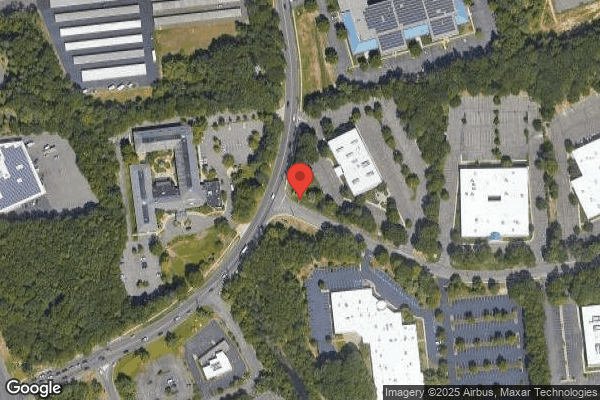
Mar 2021 5 deficiencies
CONCERN (D)

Potential for Harm - no one hurt, but risky conditions existed

Abuse Prevention Policies (Tag F0607)

Could have caused harm · This affected 1 resident

Based on interview, record review, and review of pertinent facility documentation, it was determined that the facility failed to perform reference checks in accordance with their Abuse Prohibition Pol...

Read full inspector narrative →
Based on interview, record review, and review of pertinent facility documentation, it was determined that the facility failed to perform reference checks in accordance with their Abuse Prohibition Policy and Procedure. The deficient practice was identified during an Abuse Prevention review for 1 of 5 newly hired employees in the last four months (a Contracted Housekeeper). The evidence was as follows: On 3/24/21 at 9:00 AM, the surveyor reviewed the employee file for a contracted housekeeper, Employee #1 who was hired on 2/9/21. A review of Employee #1's Reference Form for Applicant Information indicated to please provide up to two professional references if available. The Reference Form for Applicant Information indicated that Employee #1 provided only one close family member as a professional reference, a parent. On 03/24/21 at 9:17 AM, the surveyor interviewed the contracted District Manager for the Housekeeping Company who stated that Employee #1 had only provided one close family member as a reference in their application for employment. The District Manger stated that the company he worked for considered an acceptable reference someone that the person who was applying for the job knew and only one reference check was performed because that was the only reference that Employee #1 provided. The surveyor asked if the District Manger knew of Employee #1's past work history which included retail. The District Manager stated that Employee #1 had worked in retail for about four to five years, but they did not check Employee #1's previous place of employment as a reference because Employee #1 did not include it as a reference, and there was no evidence of attempting any additional reference sources. The surveyor requested a copy of their Corporate policy for Reference Checks upon hire. On 03/24/21 at 9:49 AM, the surveyor conducted a follow up interview with the District Manager who stated that he called his corporate Human Resource Department who told him that they had no policy and procedure in place for reference checks upon hire. The District Manager further stated that a background check on Employee #1 was conducted and was the employee was cleared to work because no criminal record reports were found. He stated that reference checks were just an additional tool. He couldn't speak to the requirement for reference checks. The surveyor asked if they did not have a policy would they then use the Facility's policy for reference checks upon hire, and The District Manager suggested that they would not use the facility's policy for reference checks because the facility itself did not do the hiring. He acknowledged that the contracted housekeeper worked at the facility even though she was a contracted employee. On 03/25/21 at 11:18 AM, the Licensed Nursing Home Administrator (LNHA) stated that the facility required two reference checks upon hire and the contracted housekeeping company only required 1-3 reference checks. He stated that having a parent provide a reference check was not ideal, but would be okay if there were no other references available. He confirmed that there was no evidence of any additional attempts to obtain another reference from another source. A review of the facility's Abuse Prohibition Policy and Procedure indicated that as part of the facility's abuse prohibition program, screening of potential hires would be conducted. The Abuse Prohibition Policy and Procedure indicated, The center will screen potential employees for a history of abuse, neglect, or mistreating patients, including attempting to obtain information from previous employers and/or current employers. NJAC 8:39-13.4 (c) 2i-2 vi
CONCERN (E)

Potential for Harm - no one hurt, but risky conditions existed

Safe Environment (Tag F0584)

Could have caused harm · This affected multiple residents

Based on observation, interview, record review, and review of pertinent facility documentation, it was determined that the facility failed to maintain a clean, comfortable, sanitary, homelike environm...

Read full inspector narrative →
Based on observation, interview, record review, and review of pertinent facility documentation, it was determined that the facility failed to maintain a clean, comfortable, sanitary, homelike environment for 7 of 25 residents reviewed in the facility (Resident #47, #48, #63, #68, #71, #78 and #110) residing on 1 of 3 resident care units (Seashore unit). The evidence was as follows: 1. On 03/16/21 at 11:29 AM, Surveyor #1 observed Resident #63 sitting on his/her bed in their room. The resident stated that the housekeepers who worked on the unit did not clean his/her room appropriately and only used a dry mop to clean the floors. The resident stated that he/she was unhappy with the cleanliness of his/her bathroom and showed the surveyor the shared bathroom belonging to Resident #47 and Resident #63's room. Surveyor #1 observed that the floor in the bathroom was whitish gray in color and had black and brown marks throughout that were in ingrained in the floor composition, a brownish black coating along the bathroom wall exterior where the edge of the tile floor touched the wall, and the white grout along the toilet was soiled and stained black in color and the painted yellow walls in the bathroom had grayish-black markings on them. The grayish black markings on the yellow walls were more dominantly observed closer to the floor in the resident's bathroom. On the next day on 03/17/21 at 11:26 AM, Surveyor #1 returned to the room of Resident #63 and observed the resident in bed. The resident pointed down to the floor by his/her bed to show the surveyor that the floor was soiled. Surveyor #1 observed brownish tan stains on the floor next to the resident's nightstand and a clear, sticky film on the top layer of the floor in front of the resident's nightstand. The resident stated that he/she thought the dry, caked on brownish tan stains were from Resident #47's tube feeding formula that had splashed. Surveyor #1 walked on the floor in front of the resident's bed where the floor was observed to be soiled and Surveyor #1's shoes stuck to the floor creating sounds heard while walking along the resident's bed frame. The resident stated, See it's sticky. You can hear that it's sticky. The resident further stated that a housekeeping staff member was in the room about ten minutes prior and he/she had asked the housekeeper to clean the room and the housekeeper didn't. The surveyor re-entered Resident #47 and Resident #63's bathroom and observed the same soiled areas of the bathroom which was observed the day prior. On 03/17/21 at 11:41 AM, Surveyor #1 observed the Housekeeper #1 (HK#1) who was responsible for cleaning Resident #47 and Resident #63's room in the hallway on the unit. Surveyor #1 asked the HK#1 if she had already cleaned Resident #47 and Resident #63's room. HK#1 stated, yeah. The HK #1 did not elaborate on what she had cleaned. On 03/18/21 at 10:30 AM, Surveyor #1 observed Resident #63 in his/her room. The resident stated, they came into his/her room last night and tried to clean the floors with a scraper, but they didn't fully clean it and the floor was still sticky. Surveyor #1 observed the imprints from the bottom of someone's shoes on the floor where the stickiness was. Surveyor #1 stepped on the floor and Surveyor #1's shoes gripped to to the floor, and as the surveyor walked in the area it created audible sounds from walking in around the resident's bed-frame. The resident stated that he/she didn't spill soda on the floor and didn't know why the floor was still so sticky. At that time, Surveyor #1 observed the floor by Resident #47's bed and saw the same brownish-tan stains on the floor next to the resident's bed and underneath the resident's tube feeding formula. Resident #67 stated that you would think they would be cleaning better with this COVID going around and at least use water to wash the floor. The resident further stated that he/she thought the room was disgusting. On 03/18/21 at 12:36 PM, Surveyor #1 observed Resident #47 laying in bed. Surveyor #1 made the following observations of the resident's room: white stains on the resident's privacy curtain, brownish-tan liquid stained and splattered on the floor next to and underneath the resident's tube feeding pole, the bottom part of the resident's gray tube feeding pole had dried brownish-tan stains on it, and black and brownish colored stains were observed on the floor on the opposite side of the resident's bed where the resident's oxygen concentrator was located. On 03/23/21 at 11:26 AM, Surveyor #1 observed Resident #47 lying in bed. Surveyor #1 made the following observations of the resident's room: there was a brownish-tan colored spillage underneath the resident's tube feeding pole, and the bottom part of the resident's gray tube feeding pole had dried brownish-tan stains on it. 2. On 3/16/21 at 11:12 AM, Surveyor #2 interviewed Resident #71 who was in his/her room. The resident stated that the rooms were not being cleaned properly. The resident added that this past Saturday he/she had called the manager on duty to have the housekeeper wet mop his/her room because the floor of the room had not been wet mopped for the past five days. The resident added that the housekeeper had only dry mopped the floor of the room. The resident added that his/her room was not cleaned every day. At that time, Surveyor #2 also interviewed Resident #78, the roommate of Resident # 71, who stated that he/she agreed that the rooms were not being cleaned properly. Resident #78 stated that he/she had been transferred back to the room with Resident #71 that day and had been in another room prior. Resident #78 agreed that the floors of the room were not being wet mopped and was unsure if the rooms were cleaned every day. On 3/16/21 at 11:45 AM, Surveyor #2 interviewed Resident #48 in his/her room. The resident stated that the floors were a mess and were not mopped. The resident pointed out to Surveyor #2 several discolorations on the floor along with trash on the floor. Surveyor #2 observed several discolorations on the area of the floor near the side of the bed, in front of the bed, on the floor near the door to the room and near the bathroom door. In addition, the surveyor noted a stickiness when walking on the floor. The resident stated that he/she was not sure if a housekeeper had been in the room for the day and could not remember the last time a housekeeper came into the room to clean it. At that time, Surveyor #2 and the resident observed the resident's overbed table was sticky and had reddish ring stains on it. The resident stated that the overbed table was where the food trays were placed, and the stains were probably from drinks and food The resident stated that no one cleans the overbed table. In addition, Surveyor #2 observed a stickiness when walking on the floor. On 3/18/21 at 12:22 PM, Surveyor #2 observed Resident #48 in a different room. The resident stated that he/she had a room change. Surveyor #2 and the resident observed the resident's overbed table with similar reddish ring stains. The resident stated that their meals are served on the overbed table and that no one cleans it. Upon leaving the resident's room, Surveyor #2 observed the Licensed Practical Nurse (LPN) preparing medications for administration at her medication cart which was near the resident's room. Surveyor #2 interviewed the LPN who stated that housekeeping usually cleans the overbed tables but that she would clean it while she was in the resident's room. She acknowledged the surveyors findings. 3. On 3/16/21 at 12:23 PM, Surveyor #2 interviewed Resident #110 who was in his/her room. The resident stated that he/she was concerned with the cleanliness of the room and that the room was not being cleaned properly. The resident pointed out to Surveyor #2 that the floors were not wet mopped, his/her television was very dusty and the curtain in between the beds had white stains on it. The resident stated that the white stains on the curtain were probably from lotion and could not remember the last time the curtains had been changed/laundered. At that time, Surveyor #2 also interviewed Resident #68, the roommate of Resident # 110, who stated that he/she agreed that the room was not cleaned properly and pointed out that his/her television was also dusty. Resident #68 then told Surveyor #2 to look in their bathroom on the wall adjacent to the sink at the bottom closer to the door of the bathroom. On 3/16/21 at 12:39 PM, Surveyor #2 observed an area of the bathroom wall with layers of paint peeling off the wall. Surveyor #2 also observed both televisions had a layer of dust on the screens and tops of the televisions had fingerprints that were able to be seen in the dust. Surveyor #2 also observed the floor with discolorations and stain marks by the door of the bathroom and the door of the room. At that time, Resident #68 stated that they had told the aides and the nurses about the bathroom and it had remained the same. In addition, Resident #110 agreed that the bathroom has had peeling paint for a while, staff were told about it and that it had not been fixed. Both residents also agreed that a housekeeper does not come in on a regular basis to clean their room. On 3/24/21 at 12:00 PM, Surveyor #2 interviewed Resident #68 and #110 who pointed out to the surveyor that the room had not yet been cleaned. Surveyor #2 corroborated the residents concerns and observed that the televisions remained dusty, the floors remained stained with discolorations and the bathroom wall remained with peeling paint. On 3/24/21 at 12:05 PM, Surveyor #2 with the LPN observed Resident #68 and 110's bathroom and floors. The LPN stated that she was unaware of the peeling paint on the bathroom wall and thought that the housekeeper had not gotten to the room yet. The LPN stated she would have to call maintenance to fix the bathroom wall. On 3/24/21 at 12:09 PM, Surveyor #2 interviewed the HK#2 who stated that he had not cleaned the room of Resident #68 and #110. On 3/24/21 at 12:10 PM, Surveyor #2 with the Director of Environmental Services (DES) observed Resident #68 and #110's room. The DES stated that a housekeeper would not take care of the peeling paint on the bathroom wall and that maintenance would have to be notified. The DES also stated that if a housekeeper had seen the bathroom wall, they could report that to himself or the nurses who would then notify maintenance. The DES also stated the housekeepers clean the bathroom every day and they would wet mop the floors every day and that the televisions should be dusted during their routine cleaning. On 03/23/21 at 10:21 AM, Surveyor #1 and Surveyor #2 interviewed the DES who stated that the housekeepers were responsible for sweeping and wet moping every resident's room daily. The DES further stated that when a new hire was trained for the position, they were taught how to clean the resident's rooms appropriately and then observed to make sure that they were performing the task correctly. The DES stated that the housekeeping supervisor would randomly perform rounds on the unit to check for the cleanliness of the rooms for each working housekeeper. The housekeeping supervisor was unavailable for an interview at that time. A review of the undated Five Step Cleaning Process for bedrooms reflected that the housekeepers were responsible for emptying the trash, cleaning horizontal surfaces, spot cleaning walls, dust mopping the floors of the resident's bedrooms, and then damp mopping the floors of the resident's bedrooms. A review of the undated Seven Step Cleaning Process for the bathrooms reflected that the housekeepers were responsible for checking supplies, emptying trash, dust mopping the bathroom floor, cleaning and sanitizing the sink and the tub in the resident's bathroom, cleaning and sanitizing the commode, spot cleaning the walls in the bathroom, and damp mopping the bathroom floor. A review of the contracted Housekeeping aide Job Description included, The Housekeeping Aide insures that the center is maintained in a clean and sanitary condition in a healthful environment, In addition, he/she insures that good housekeeping services are performed in every department at the center and are planned in cooperation with the department head. A further review of the facility's Housekeeping aide Job Description indicated that the housekeeper followed specific cleaning instructions, provided a sanitary and orderly environment for the resident's, performed their duties as requested, and put customer service first; ensuring that the residents received the highest quality of services. Refer to F865 NJAC 8:39-31.4(a)(b)(c)(f)
CONCERN (E)

Potential for Harm - no one hurt, but risky conditions existed

Deficiency F0849 (Tag F0849)

Could have caused harm · This affected multiple residents

Based on observation, interview, record review, and review of pertinent facility documentation, it was determined that the facility failed to ensure: a.) a resident receiving hospice services had a sp...

Read full inspector narrative →
Based on observation, interview, record review, and review of pertinent facility documentation, it was determined that the facility failed to ensure: a.) a resident receiving hospice services had a specific individualized plan of care, and b.) subsequently ensure that plan of care was followed for the same resident receiving hospice services for end of life care. This deficient practice was identified for 1 of 2 residents reviewed for hospice services (Resident #120). The evidence was as follows: On 3/16/21 10:49 AM, the surveyor observed Resident #120 lying in bed. The surveyor attempted to interview the resident, but the resident did not respond to the surveyor. On 3/17/21 at 11:15 AM, the surveyor interviewed the Licensed Practical Nurse (LPN) who stated that she was familiar with Resident #120. The LPN stated that the resident was legally blind and received hospice end of life services. The LPN added that the resident had dementia but could make his/her needs known. On 3/17/21 at 11:46 AM, the surveyor interviewed the Certified Nursing Aide (CNA) who stated that she had performed care for Resident #120. The CNA stated that the resident was blind and had dementia and was dependent on staff with all activities of daily living. She added that the resident needed to be fed during meals as well. The CNA also stated that the resident was on hospice services but there wasn't a hospice aide that came in on her shift. On 3/22/21 at 12:01 PM, the surveyor interviewed the Unit Manager/Registered Nurse (UM/RN) who stated that the Hospice Registered Nurse (HRN) came to the facility once a month for Resident #120 and performed telehealth for other visits. The UM/RN stated that she thought telehealth was a phone call and was unsure if there was any visual observation made. The UM/RN added that the resident does not have a hospice Home Health Aide that comes to the facility. The UM/RN explained that she thought there was only limited visitation allowed because of the COVID-19 public health emergency and that this was the reason for the no hospice Home Health Aide and the HRN only making visits once a month. The UM/RN could not speak to whether the resident should have a hospice aide because she thought they weren't allowed. The UM/RN stated that the only notes kept in the Hospice book were from the HRN on-site visits. The surveyor with the UM/RN reviewed the Hospice book for Resident #120 which indicated on the hospice's Health group staff log that a HRN visit was performed on 3/19/21. On 3/22/21 at 12:15 PM, the surveyor interviewed the LPN who stated that she had spoken with the HRN for telehealth on the phone. The LPN explained that telehealth meant that the nurse who cared for the resident reviewed the status of the resident with the hospice nurse on the phone and that there was no visual observation by the hospice nurse. The LPN added that she had seen the HRN in the facility last week. The LPN stated she was unsure how often the nurse came in to see the resident and did not think any hospice aide came to the facility. The LPN added that a CNA from the facility provided all care for the resident throughout all the shifts. The surveyor reviewed the medical record for Resident #120. A review of the admission Record face sheet (an admission summary) indicated that the resident had a readmission date of 1/25/2014 with diagnoses which included dementia, legal blindness, and dysphagia (difficulty swallowing). A review of the annual Minimum Data Set (MDS), an assessment tool used to facilitate the management of care, dated 3/4/21 reflected that the resident had a Brief Interview for Mental Status (BIMS) score of three (3) out of 15, indicating that the resident had cognitive impairment. A review of the resident's current interdisciplinary care plan (IDCP) revealed a focused area of hospice care due to end stage diagnosis of senile degeneration of the brain with a hospice start date of 3/13/2020 and an initiation date of 11/10/2020. In addition, there was an intervention of notifying hospice of significant changes, clinical complications needing a plan of care change. The IDCP did not address the telehealth visits, in-person visits, or frequency of visits from the hospice services. A physician progress noted dated 3/17/2021 included that the resident was on hospice services without any new symptoms or status change and that the resident was on hospice services since 3/13/2020. On 3/22/2021 at 1:25 PM, the surveyor interviewed the HRN on the phone. The HRN stated that she visited the resident one time a month and left a record with the nurses and every other week she performed telehealth. The HRN explained that telehealth was a phone conversation with the nurse caring for the resident and if she had any recommendations, she would drop off a recommendation form at the front desk of the facility. The HRN added that the resident had not received any other hospice-related services on-site. The HRN added that she was in contact with the hospice social worker and the legal guardian was notified via phone. The HRN stated that the schedule of limited visitations was decided between her company and the facility administration because of not being able to meet the need for COVID-19 testing results prior to entering the facility. On 3/23/21 at 10:49 AM, the surveyor further interviewed the HRN on the phone. The HRN stated that she had faxed over the hospice plan of care (HPOC) that morning to the facility. The HRN stated that she had the HPOC at her office. On 3/23/21 at 11:20 AM, the surveyor reviewed with the HPOC with the UM/RN who acknowledged that she did not have a copy of the HPOC prior to the surveyor inquiry. The UM/RN was unable to explain what hospice services were to be provided according to the HPOC. The UM/RN verified that the HPOC was dated 3/13/2020 and had no other HPOC. The UM/RN stated that the HRN had faxed over the HPOC but that she did not rely on the HPOC to complete the IDCP that she had created. The UM/RN was unable to speak to if the resident required visits from a hospice aide and weekly HRN visits. The UM/RN was unable to speak to what the specific services were to be provided by the hospice company. On 3/24/21 at 03:06 PM, the survey team met with the Licensed Nursing Home Administrator (LNHA) and the Director of Nursing (DON). The LNHA stated that any outside vendor would be allowed in the facility if they took the rapid COVID-19 test at the facility with negative results or if they could provide proof of a COVID-19 negative test result within 48 hours. The LNHA further stated that he was unaware of any agreement regarding limiting the HRN visits. The DON stated that the hospice aides were not being allowed in the facility for a period of time, but that they should be allowed by now. On 3/25/21 at 10:24 AM, the survey team met with the Administrative team. The LNHA stated that he had contacted the HRN and the hospice company administration and had requested on-site visitations from the HRN and the Hospice Home Health Aide. The LNHA could not speak to why the HRN had only been providing once month on site visitations. Neither the LNHA nor the DON could speak to the resident's individualized HPOC, or interpret the HPOC scanned to the facility. They confirmed that if there was no HPOC on site, they had not way to verify that the HPOC was being followed. On 3/25/21 at 12:25 PM, the surveyor interviewed the front desk receptionist who stated that vendors have been allowed to enter the facility with screening and COVID-19 negative results since November 2020. On 3/25/21 at approximately 1:25 PM, the surveyor reviewed the findings with the LNHA and the DON who confirmed that November 2020 they should have allowed the Hospice Home Health Aide back in the facility, and confirmed that they were not aware. A review of the facilities' Hospice Program Agreement dated 1/29/2021, provided by the LNHA included that hospice was responsible for developing a resident's plan of care, providing on-going care planning activities and scheduling care and services. Further review of the agreement included that the facility was responsible for providing nursing services in accordance with the hospice plan of care and allowing members of the hospice interdisciplinary group and all other caregivers identified in the HPOC to visit and serve the hospice resident at the facility. NJAC 8:39-27.1 (a)
CONCERN (E)

Potential for Harm - no one hurt, but risky conditions existed

Deficiency F0865 (Tag F0865)

Could have caused harm · This affected multiple residents

Based on observation, interview, record review, and review of pertinent facility documentation it was identified that the facility failed to identify and implement interventions to address resident co...

Read full inspector narrative →
Based on observation, interview, record review, and review of pertinent facility documentation it was identified that the facility failed to identify and implement interventions to address resident concerns regarding housekeeping services through their Quality Assurance and Performance Improvement program (QAPI). This deficient practice was identified on 1 of 3 resident care units (Seashore) and during a review of the resident council meeting minutes for the months of December 2020, January 2021, and February 2021. The evidence was as follows: From 3/16/21 through 3/25/21, two surveyors observed on the Seashore Unit that several of the resident's rooms had soiled floors, bathrooms, curtains, a bedside table, and resident room floors that were sticky and had areas of peeling paint, and there was dust covering a resident's TV . Interviews with Residents who resided in those rooms revealed that housekeepers were not consistently coming into the room to clean. Interviews with the Housekeeper, Nurse, and the Director of Environmental Services confirmed the surveyors findings. A review of the facility's December 2020 Resident Council Precautionary Isolation Questionnaire (RCQ) indicated that nine residents who resided on the Seashore Unit were individually interviewed on 12/2/2020 by a staff member from the activities department for the opportunity to voice their concerns. 6 out of the 9 residents interviewed on the Seashore Unit had concerns regarding housekeeping services. The residents voiced concerns included statements such as, When the men are working, doesn't clean. Please put things back when done cleaning. Needs improvement. Floors not always mopped, just swept. Rooms need [to be] cleaned better. Floors need cleaning. A review of the December 2020 Resident Council Meeting Minutes dated 12/2/2020 indicated that the resident's concerns and suggestions for Housekeeping were, floors could be cleaned better. A review of the Grievance Complaint Form dated 1/7/21 indicated that the Director of Environmental Services (DES) was made aware of the residents concerns on 1/5/21 and documented that by 1/12/21 the residents concerns would be resolved. The action taken was documented as, At this time floors cannot be stripped and waxed or buffed. But they can be mopped. Housekeeping will mop all floors daily. A review of the facility's January 2021 Resident Council Precautionary Isolation Questionnaire (RCQ) indicated that seven residents who resided on the Seashore Unit were individually interviewed by a staff member on 1/6/2021 from the activities department for the opportunity to voice their concerns. 6 out of the 7 residents interviewed on the Seashore Unit continued to express concerns regarding housekeeping services. The residents voiced concerns included statements such as, My room is cleaned everyday except when male housekeepers are working. Room not cleaned as good. No one comes in on weekends. No one coming in on weekends to clean. They don't even come in my room. Rooms not being cleaned. No Tuesdays, no Fridays, and every other weekend. No Saturday. No Sunday. You call that enhanced cleaning .? A review of the January 2021 Resident Council Meeting Minutes dated 1/6/21 indicated that the resident's concerns and suggestions for Housekeeping were summarized as: Housekeepers are doing a good job but would like to see them on weekends. A review of the Grievance Complaint Form dated 1/13/21 and 1/20/21 did not indicate that the Licensed Nursing Home Administrator (LNHA) and Director of Environmental Services (DES) were made aware of the resident's concerns on the Seashore Unit. There was no documented evidence of follow up or resolution to the resident's housekeeping concerns. A review of the facility's February 2021 Resident Council Precautionary Isolation Questionnaire (RCQ) indicated that 13 residents who resided on the Seashore Unit were individually interviewed on 2/3/21 and on 2/10/21 by a staff member from the activities department for the opportunity to voice their concerns. 8 out of the 13 residents interviewed on the Seashore Unit had concerns regarding housekeeping services. The residents voiced concerns included statements such as: They're not good. Could be better. Don't come in as often as they used to. Four days, no housekeeping. I see them once a week. Needs improvement. Haven't come in steady. Just OK. Haven't been in to clean. Don't do a good job. A review of the February 2021 Resident Council Meeting Minutes dated 2/10/21 indicated that the resident's concerns and suggestions for Housekeeping was summarized as: Not going into rooms as often. A further review of the February 2021 Resident Council Meeting Minutes indicated that the resident's individual concerns on the Seashore Unit were not addressed until 3/16/21, upon surveyor entrance to the facility, by the Housekeeping District Manager and the DES. This reflected over a month lapse in time in which the resident's concerns were acknowledged. The individual resident follow-up indicated, that due to the Patient Specific Contact Plus Airborne Precautions rooms cannot be stripped or waxed at this time so the perception appears they are not cleaning as often. The residents were then assured by the EDS that the rooms would be checked for cleanliness daily. The resident's concerns that the housekeepers were not entering their rooms were not addressed by the administration. On 3/25/21 at 9:16 AM, the surveyor interviewed LNHA and the Director of Nursing (DON) regarding their QAPI program. The LNHA stated that the facility met monthly with all department heads including the DES. He stated that the last meeting was held on 2/24/21 and during those meetings they discuss the Resident Council Minutes as a key source for their improvement plans. The DON stated that the facility also used grievance logs as well as other data sources. The LNHA acknowledged that the residents complained in the resident council meeting interviews in December 2020, January 2021 and February 2021 regarding the housekeeping concerns. The LNHA also acknowledged that there was a competency evaluation for housekeeping done on 2/10/21 which reflected all the housekeepers that day had unsatisfactory audits. The surveyor asked if they had conducted a QAPI related to the complaints in housekeeping as well as the unsatisfactory audits conducted on 2/10/21, and the LNHA stated that they did not implement one. He stated that the DES did not bring it up. The surveyor asked if he prompted him to discuss results of any audits he was doing, and the LNHA simply stated that it just did not come up during the last meeting on 2/24/21. He acknowledged the surveyor's findings on the Seashore Unit. He stated that they should have instituted a QAPI and set a measurable goal, and an effective evaluation of that goal to ensure that the rooms were cleaned to the level of satisfaction required during the pandemic and COVID-19 outbreak. At 11:19 AM, the surveyor interviewed the Regional Director of Housekeeping and the DES in the presence of the survey team who stated quality inspections are done daily and during an audit, it gets fixed immediately. The surveyor asked if they determined a root causes as to why the rooms were still not clean and they could not speak to it, other than it may have been the resident's perception and may now know that the Housekeeper was in the room or didn't recognize that staff. They confirmed there was no data driven QAPI program for the issue with the sanitation of the rooms to ensure a clean, comfortable homelike environment. quality. The Regional Director discussed what their QAPI plan would be moving forward. A review of the facility's Quality Assessment and Performance Improvement Plan updated January 2021 included that individuals would meet at least 10 times annually, preferably monthly, to monitor quality within the Center, identify issues, and develop and implement appropriate plans of action to correct identified quality issues .develop/implement an effective QAPI Program .Assess, evaluate, and identify potential improvement opportunities based on: .Potential issues identified through Routine QAPI activities, such as, but not limited to family comments, resident requests, staff suggestions, grievances. Refer to F584 NJAC 8:39-33.1 (e); 33.2 (c)
CONCERN (E)

Potential for Harm - no one hurt, but risky conditions existed

Deficiency F0886 (Tag F0886)

Could have caused harm · This affected multiple residents

**NOTE- TERMS IN BRACKETS HAVE BEEN EDITED TO PROTECT CONFIDENTIALITY** Based on interview, record review, and review of pertinent facility documents, it was determined that the facility failed to ens...

Read full inspector narrative →
**NOTE- TERMS IN BRACKETS HAVE BEEN EDITED TO PROTECT CONFIDENTIALITY** Based on interview, record review, and review of pertinent facility documents, it was determined that the facility failed to ensure 2 of 5 facility staff reviewed (a Certified Nursing Aide and a Contracted Dietary Aide) were tested for COVID-19 twice a week in accordance with the New Jersey Department of Health Executive Directive 20-026, nationally accepted guidelines for infection prevention and control, and the facility's testing schedules related to the high COVID-19 county positivity rate. The evidence was as follows: According to the U.S. Centers for Disease Control and Prevention (CDC) guidelines, Interim Guidance on Testing Healthcare Personnel [HCP] for SARS-CoV-2 [COVID-19] updated 2/21/21 included, Currently, testing asymptomatic HCP without known or suspected exposure to SARS-CoV-2 is recommended for HCP working in nursing homes .Testing asymptomatic HCP without known or suspected exposure to SARS-CoV-2 is most valuable when it is repeated frequently, especially if testing is conducted with a test with a lower sensitivity. Testing less frequently than once per week increases the risk of missing HCP who are infected between scheduled tests . According to the New Jersey Department of Health Executive Directive 20-026 updated 1/6/21 included, Routine testing should be based on the extent of the virus in the community, therefore facilities should use the regional positivity rate reported in the COVID-19 Activity Level Index ([NAME]) Weekly report .in the prior week . The order further specified that if the COVID-19 activity level index is high or very high, the facility should perform at a minimum COVID-19 testing twice a week for staff. According to the COVID-19 [NAME] weekly report ending in 1/30/21, 2/6/21, 2/13/21, 2/20/21, 2/27/21, 3/6/21, 3/13/21, and 3/20/21 reflected that the Monmouth County was consistently in a high index for COVID-19 activity. On 3/16/21 at 10:45 AM, the surveyor conducted an entrance conference with the Licensed Nursing Home Administrator (LNHA), the Director of Nursing (DON) and the facility's designated Infection Preventionist/Registered Nurse (IP). The IP stated that the facility was in a current COVID-19 outbreak that began on 9/1/2020 when three employees tested positive for COVID-19. The IP confirmed that a student in the Nurse Aide Training Program had just tested positive for COVID-19 this morning on 3/16/21. She stated there had been no residents that had tested positive for COVID-19 since 10/27/2020. The DON and IP confirmed that facility staff were tested twice a week on Tuesdays and Fridays for COVID-19 due to the elevated positivity rate in the county and because the facility was still in a COVID-19 outbreak. The surveyor selected five facility employees for COVID-19 testing. The surveyor identified that 2 of the 5 facility staff did not have evidence of twice a week COVID-19 testing in accordance with the Executive Directive 20-026 and the facility's outbreak response plan for COVID-19 testing of staff. The following was revealed: A review of a Contracted Dietary Aide (DA) COVID-19 rapid antigen COVID-19 test result reflected that the DA was tested for COVID-19 on 3/5/21, 3/9/21, but was not tested again until 3/19/21. All rapid antigen tests were negative for COVID-19. A review of the DA's Time Card Report reflected that the DA worked six (6) shifts over a period of seven (7) days on Friday 3/12/21, 3/13/21, 3/14/21, 3/15/21, 3/17/21 and 3/18/21 without evidence of COVID-19 testing. The Time Card reflected that the DA did not work on the scheduled Tuesday 3/16/21 COVID-19 testing date, but no subsequent testing was done upon return to work on 3/17/21 and 3/18/21. A review of a per-diem Certified Nursing Aide (CNA) hired on 12/8/21, reflected that the CNA was tested for COVID-19 one time in the last three weeks, Friday 3/19/21. The rapid antigen test was negative for COVID-19. According to the CNA's Time Card Report reflected that the CNA had worked at the facility 12 days over a period of 27 days without documented evidence of twice a week COVID-19 testing. The CNA worked on 2/20/21, 2/22/21, 2/24/21, 2/27/2, 3/3/21, 3/5/21, 3/7/21, 3/12/21, 3/13/21, 3/14/21, 3/16/21, and 3/18/21. On 3/24/21 at 9:14 AM, the surveyor interviewed the DON who acknowledged a second time that the facility performed COVID-19 testing for all staff twice a week on Tuesdays and Fridays. The surveyor requested for any additional COVID-19 testing results for the DA and CNA. At 2:06 PM, the DON stated that she had no other evidence of COVID-19 testing for the CNA and the DA. She stated that the IP had a system for tracking the results and would be able to speak to why there was no evidence of twice a week testing on Tuesdays and Fridays for the DA and CNA. On 3/25/21 at 10:21 AM, the surveyor interviewed the IP in the presence of the DON, LNHA and the survey team. The IP stated that the facility conducts between 400-500 COVID-19 tests on residents, staff, compassionate care visitors, and vendors. The IP acknowledged that for the DA, there were only three (3) COVID-19 tests conducted out of an opportunity to conduct six (6.) She stated that five (5) out of six (6) days the DA was here when COVID-19 testing was being conducted or could have been conducted to accommodate. The IP stated that we post the dates and times of the COVID-19 testing so staff should know. She stated that it was always Tuesdays and Fridays, but we still test anytime if its needed. The IP stated that the system the facility uses to track COVID-19 included that they had index cards for all the employees and when tested for COVID-19, we pull the index card at end of testing day and what is left in the box is who has not been tested that day. She stated that the method was not 100% fool-proof. The IP stated that it wasn't necessarily up to the staff to remember they needed to be tested because they may forget, She acknowledged that the facility's system for tracking COVID-19 testing had to improve. The IP continued that the CNA only worked per-diem and often worked the night shift. The IP stated that the CNA worked at another facility and that they got tested for COVID-19 at that other facility. The IP acknowledged that facility did not keep copies of COVID-19 testing done at the other facility or document that results taken on a specific date were reviewed to ensure the facility was meeting the requirements. The IP stated that they start testing at 6:30 AM on designated shifts so that they can capture the night shift and day shift both, but also stated that the Registered Nurse Supervisors on the evening and night shifts had been trained on how to do COVID-19 testing as well. She stated that the facility had tried to reach out to the CNA for the COVID-19 test results, but that they were unable to obtain evidence that the CNA had been tested from 2/20/21 until 3/19/21. No additional documentation was provided. The IP, LNHA and DON acknowledged the surveyors findings. A review of the facility's undated Outbreak Response Plan, included, The early detection of the Facility staff and resident/patient infection with COVID-19 is also essential to preventing the spread of COVID-19 to our residents staff and to the community .The Facility has tested, and will continue to test, the Facility's staff and residents for COVID-19 in accordance with all Governmental Guidelines and Directives . NJAC 8:39-5.1 (a)
Understanding Severity Codes (click to expand)
Life-Threatening (Immediate Jeopardy)
J - Isolated K - Pattern L - Widespread
Actual Harm
G - Isolated H - Pattern I - Widespread
Potential for Harm
D - Isolated E - Pattern F - Widespread
No Harm (Minor)
A - Isolated B - Pattern C - Widespread

Questions to Ask on Your Visit

  • "Can I speak with families of current residents?"
  • "What's your RN coverage like on weekends and overnight?"

Our Honest Assessment

Strengths
  • • No major safety red flags. No abuse findings, life-threatening violations, or SFF status.
  • • $3,250 in fines. Lower than most New Jersey facilities. Relatively clean record.
  • • 39% turnover. Below New Jersey's 48% average. Good staff retention means consistent care.
Concerns
  • • 24 deficiencies on record. Higher than average. Multiple issues found across inspections.
Bottom line: Mixed indicators with Trust Score of 68/100. Visit in person and ask pointed questions.

About This Facility

What is Jersey Shore Center's CMS Rating?

CMS assigns JERSEY SHORE CENTER an overall rating of 4 out of 5 stars, which is considered above average nationally. Within New Jersey, this rating places the facility higher than 99% of the state's 100 nursing homes. This rating reflects solid performance across the metrics CMS uses to evaluate nursing home quality.

How is Jersey Shore Center Staffed?

CMS rates JERSEY SHORE CENTER's staffing level at 2 out of 5 stars, which is below average compared to other nursing homes. Staff turnover is 39%, compared to the New Jersey average of 46%. This relatively stable workforce can support continuity of care.

What Have Inspectors Found at Jersey Shore Center?

State health inspectors documented 24 deficiencies at JERSEY SHORE CENTER during 2021 to 2025. These included: 24 with potential for harm.

Who Owns and Operates Jersey Shore Center?

JERSEY SHORE CENTER is owned by a for-profit company. For-profit facilities operate as businesses with obligations to shareholders or private owners. The facility is operated by GENESIS HEALTHCARE, a chain that manages multiple nursing homes. With 158 certified beds and approximately 123 residents (about 78% occupancy), it is a mid-sized facility located in EATONTOWN, New Jersey.

How Does Jersey Shore Center Compare to Other New Jersey Nursing Homes?

Compared to the 100 nursing homes in New Jersey, JERSEY SHORE CENTER's overall rating (4 stars) is above the state average of 3.3, staff turnover (39%) is near the state average of 46%, and health inspection rating (3 stars) is at the national benchmark.

What Should Families Ask When Visiting Jersey Shore Center?

Based on this facility's data, families visiting should ask: "Can you walk me through typical staffing levels on day, evening, and night shifts?" "Can I visit during a mealtime to observe dining assistance and food quality?" "How do you handle medical emergencies, and what is your hospital transfer rate?" "Can I speak with family members of current residents about their experience?" These questions are particularly relevant given the below-average staffing rating.

Is Jersey Shore Center Safe?

Based on CMS inspection data, JERSEY SHORE CENTER has a clean safety record: no substantiated abuse findings (meaning no confirmed cases of resident harm), no Immediate Jeopardy citations (the most serious violation level indicating risk of serious injury or death), and is not on the Special Focus Facility watch list (a federal program monitoring the lowest-performing 1% of nursing homes). The facility has a 4-star overall rating and ranks #1 of 100 nursing homes in New Jersey. While no facility is perfect, families should still ask about staff-to-resident ratios and recent inspection results during their visit.

Do Nurses at Jersey Shore Center Stick Around?

JERSEY SHORE CENTER has a staff turnover rate of 39%, which is about average for New Jersey nursing homes (state average: 46%). Moderate turnover is common in nursing homes, but families should still ask about staff tenure and how the facility maintains care continuity when employees leave.

Was Jersey Shore Center Ever Fined?

JERSEY SHORE CENTER has been fined $3,250 across 1 penalty action. This is below the New Jersey average of $33,111. While any fine indicates a compliance issue, fines under $50,000 are relatively common and typically reflect isolated problems that were subsequently corrected. Families should ask what specific issues led to these fines and confirm they've been resolved.

Is Jersey Shore Center on Any Federal Watch List?

JERSEY SHORE CENTER is not on any federal watch list. The most significant is the Special Focus Facility (SFF) program, which identifies the bottom 1% of nursing homes nationally based on persistent, serious quality problems. Not being on this list means the facility has avoided the pattern of deficiencies that triggers enhanced federal oversight. This is a positive indicator, though families should still review the facility's inspection history directly.