CareOne at The Highlands

1350 INMAN AVENUE, EDISON, NJ 08820 (908) 754-7100
For profit - Corporation 122 Beds CAREONE Data: November 2025
Trust Grade
63/100
#192 of 344 in NJ
Last Inspection: May 2025

Inspected within the last 6 months. Data reflects current conditions.

Overview

CareOne at The Highlands has a Trust Grade of C+, indicating it is decent and slightly above average compared to other facilities. It ranks #192 out of 344 in New Jersey, which places it in the bottom half of state facilities, and #14 out of 24 in Middlesex County, suggesting limited local options. The facility is improving, with reported issues decreasing from 16 in 2024 to 9 in 2025. Staffing is a strength here, with a 4 out of 5-star rating and a low turnover rate of 25%, which is well below the New Jersey average. However, there have been concerns, such as failing to inform residents about the risks and benefits of medications, and not promptly reporting an injury of unknown origin, which raises questions about communication and oversight. On a positive note, there have been no fines, indicating compliance with regulations. Overall, while there are strengths in staffing and improvements in care, families should be aware of the communication issues and ongoing concerns.
Trust Score
C+
63/100
In New Jersey
#192/344
Bottom 45%
Safety Record
Low Risk
No red flags
Inspections
Getting Better
16 → 9 violations
Staff Stability
✓ Good
25% annual turnover. Excellent stability, 23 points below New Jersey's 48% average. Staff who stay learn residents' needs.
Penalties
✓ Good
No fines on record. Clean compliance history, better than most New Jersey facilities.
Skilled Nurses
✓ Good
Each resident gets 49 minutes of Registered Nurse (RN) attention daily — more than average for New Jersey. RNs are trained to catch health problems early.
Violations
⚠ Watch
25 deficiencies on record. Higher than average. Multiple issues found across inspections.
★★★☆☆
3.0
Overall Rating
★★★★☆
4.0
Staff Levels
★★★★☆
4.0
Care Quality
★★★☆☆
3.0
Inspection Score
Stable
2024: 16 issues
2025: 9 issues

The Good

  • 4-Star Staffing Rating · Above-average nurse staffing levels
  • 4-Star Quality Measures · Strong clinical quality outcomes
  • Low Staff Turnover (25%) · Staff stability means consistent care
  • Full Sprinkler Coverage · Fire safety systems throughout facility
  • No fines on record
  • Staff turnover is low (25%)

    23 points below New Jersey average of 48%

Facility shows strength in staffing levels, quality measures, staff retention, fire safety.

The Bad

3-Star Overall Rating

Near New Jersey average (3.3)

Meets federal standards, typical of most facilities

Chain: CAREONE

Part of a multi-facility chain

Ask about local staffing decisions and management

The Ugly 25 deficiencies on record

May 2025 7 deficiencies
CONCERN (D)

Potential for Harm - no one hurt, but risky conditions existed

Deficiency F0552 (Tag F0552)

Could have caused harm · This affected 1 resident

**NOTE- TERMS IN BRACKETS HAVE BEEN EDITED TO PROTECT CONFIDENTIALITY** Based on observation, interview, and record review, it was determined that the facility failed to inform the resident or their r...

Read full inspector narrative →
**NOTE- TERMS IN BRACKETS HAVE BEEN EDITED TO PROTECT CONFIDENTIALITY** Based on observation, interview, and record review, it was determined that the facility failed to inform the resident or their representative in advance of treatment risks and benefits, options, and alternatives to a resident receiving antipsychotic and opioid medications. This deficient practice was identified for 3 of 7 residents (Resident #5, 26, and #51) reviewed for unnecessary medications. This deficient practice was evidenced by the following: 1. On 5/21/25 at 12:30 PM, the surveyor observed Resident #5 sitting in the bed, awake and alert, able to answer the surveyor's inquiry. Resident #5 stated that they are not informed about the medication they are receiving. On 5/22/25 at 11:33 AM, the surveyor reviewed the hybrid medical record (paper and electronic) of Resident #5, which revealed the following: A review of the admission Record (AR, an admission summary) reflected that Resident #5 was admitted with diagnoses that included but were not limited to systemic lupus erythematosus, (an autoimmune disease that mistakenly attack its healthy cells and tissues) unspecified, schizophrenia (a condition that affects how people think, feel, and behave), bipolar (a condition characterized by significant mood swings). A review of the recent quarterly Minimum Data Set (Q/MDS), (an assessment tool used to facilitate the management of care) dated 3/9/25 indicated that the facility assessed the residents' cognitive status using a Brief Interview for Mental Status (BIMS) score of 10 out of 15, which indicated that the resident had a moderately intact cognition. Further review of Q/MDS in Section N - High-Risk Drug Classes: Use and Indication revealed that Resident #5 is taking antipsychotic medications. A review of the Order Summary Report (OSR) revealed a start order date of 4/6/25 for risperidone 0.5 mg (milligram) tablet by mouth two times a day. A review of the Care Plan Report (CP) report with an initiated date of 9/30/22, with the focus on at-risk for change in mood related to the diagnosis of schizophrenia. 2. On 5/21/25 at 10:05 AM, the surveyor observed Resident #26 lying in bed, able to answer the surveyor's inquiries. Resident #26 stated that they were not informed of the medication they are taking. On 5/21/25 at 11:00 AM, the surveyor reviewed the hybrid medical record of Resident #26, which revealed the following: A review of the AR reflected that Resident #26 was admitted with diagnoses that included, but were not limited to, end-stage renal disease (ESRD, in which the kidneys stop functioning) and generalized anxiety disorder (feeling of worry and uneasiness). A review of the Significant Change MDS (SC/MDS), dated [DATE], indicated that the facility assessed the resident's cognitive status using a BIMS score of 14 out of 15, which indicated that the resident had intact cognition. Further review of the SC/MDS reflected in Section N - High-Risk Drug Classes: Use and Indication revealed that Resident #26 is taking antianxiety medications. A review of the OSR revealed a start order date of 5/2/25 for lorazepam 0.5 mg tablet by mouth one time a day every Tuesday, Thursday, and Saturday for anxiety. A review of the CP report with an initiated date of 4/16/25, with the focus on at-risk for adverse effects related to the use of antianxiety medication. 3. On 5/21/25 at 10:45 AM, the surveyor observed Resident #51 lying in bed, awake, alert, and oriented, able to answer the surveyor's inquiry. Resident #51 stated that no staff spoke about the medication they are taking and added that it is part of their right to be informed. On 5/22/25 at 11:49 AM, the surveyor reviewed the hybrid medical record of Resident #51, which revealed the following: A review of the recent Q/MDS, dated [DATE], indicated that the facility assessed the resident's cognitive status using a BIMS score of 15 out of 15, which indicated intact cognition. Further review of the recent Q/MDS reflected in Section N - High-Risk Drug Classes: Use and Indication revealed that Resident #51 is taking antianxiety, antidepressant, and opioid medications. A review of the OSR revealed the following orders: 1. Buspirone HCl (hydrochloride) 7.5 mg tablet by mouth two times a day for anxiety. 2. Duloxetine HCl 60 mg capsule by mouth, once a day for neuropathy. 3. Ambien 5 mg tablet by mouth at bedtime for insomnia. 4. Trazodone HCl 100 mg tab give 2 tablets by mouth at bedtime for depression. 5. Oxycodone HCl 10 mg by mouth every 8 hours as needed for severe pain. 6. Oxycontin 10 mg by mouth every 12 hours for spinal stenosis (pressure on the spinal cord or nerve). A review of the CP report with an initiated date of 5/11/23, with the focus on at-risk for adverse effects related to the use of antianxiety and antidepressant medication. A review of the CP report with an initiated date of 2/1/23, with the focus on pain (lower extremities) related to the disease process neuropathy (a nerve problem that can cause pain). There is no consent form available in the hybrid medical records concerning opioid medication use. A review of the Consent for use of Psychoactive medication therapy form for Residents #5, 26, and #51 found in the hybrid medical records reveals that no information is provided to the family. On 5/21/25 at 10:25 AM, the surveyor interviewed the Licensed Practical Nurse/Unit Manager, who stated that they are in the process of informing the resident or the family member about using psychotropic and opioid medications. On 5/22/25 at 9:17 AM, the surveyor interviewed the Psychiatrist's nurse practitioner over the phone, who stated that they only provide recommendations and that the nursing staff obtains informed consent from the family once approved by the physician. On 5/27/25 at 12:04 PM, the surveyors met with the Licensed Nursing Home Administrator and the Director of Nursing regarding the concern above; however, no further information was provided. A review of the facility policy titled Psychotropic Medication Use, with a revised date of February 2025, revealed the following under Policy Interpretation and Implementation: Informed Consent or Refusal 1. Prior to initiating the use of, increasing the dose of, or switching to a different psychotropic medication, the staff and physician will review with the following with the resident/representative prior to obtaining documented consent or refusal . NJ 8:39-4.1(a)2
CONCERN (D) 📢 Someone Reported This

A family member, employee, or ombudsman was alarmed enough to file a formal complaint

Potential for Harm - no one hurt, but risky conditions existed

Report Alleged Abuse (Tag F0609)

Could have caused harm · This affected 1 resident

Complaint #NJ00174157 Based on interview, record review, and review of pertinent documents, it was determined that the facility failed to report an injury of unknown origin to the New Jersey Departmen...

Read full inspector narrative →
Complaint #NJ00174157 Based on interview, record review, and review of pertinent documents, it was determined that the facility failed to report an injury of unknown origin to the New Jersey Department of Health (NJDOH) promptly for 1 of 2 residents (Resident #143) reviewed for investigations and was evidenced by the following: A review of Resident #143's Face Sheet (an admission summary) reflected that the resident was admitted to the facility with diagnose that included but were not limited to dysphagia (difficulty swallowing), atherosclerotic heart disease(a buildup of plaque in or on the artery walls) and pain in the left knee. A review of Resident 143's admission Minimum Data Set (MDS), an assessment tool dated 5/9/24, reflected that the resident had a brief interview for mental status score of 10 out of 15 which indicated the resident had moderate cognitive impairment. Further review revealed the resident had lower extremity impairment to one side. A review of a nursing progress note dated 5/18/24 at 8:18 AM revealed that the resident had an x-ray at the facility of the left knee and had an acute fracture of the distal femur and the physician ordered the resident to be transferred to the hospital. Further review of the progress notes revealed a progress note dated 5/18/24 at 3:34 PM that the resident was admitted to the hospital with a diagnosis of left distal femur fracture. A review of the x-ray dated 5/17/24, revealed that there is evidence of a fracture of the medial posterior aspect of the femur and that there was osteopenia degenerative changes to the knee joint noted. A review of the Reportable Event Record Report revealed that there was no indication as to when the form was sent with a transmittal date and time. A review of an email that was provided by the [NAME] President of Special Clinical Projects revealed that on May 23, 2024 at 6:49 PM, five days after the fracture was identified, the [NAME] President sent an email to the Director of Nursing (DON) instructing the DON to send the AAS-45 form to the Department of Health and LTCO. On 5/23/25 at 11:00 AM, the surveyor interviewed the DON who stated that when she would find out about an injury of unknown origin she would call the (NJDOH) within 2 hours of find out and then she would submit the paperwork with 5 business days. On 5/23/25 at 11:30 AM, the surveyor interviewed the Licensed Nursing Home Administrator (LNHA) who stated that when there is a report of an injury of unknown origin she would call it on to the NJDOH within 2 hours. Then she stated that she would have 5 business days to fill out the AAS-45 form and send it to the NJDOH. She further stated that she could not provide proof of date and time that the AAS-45 form was sent to the NJDOH. A review of the facility's Abuse, Neglect, Exploitation, and Misappropriation Prevention Program with a revision date of April 2021, included to protect residents from abuse, neglect, exploration or misappropriation of property by anyone including, but not limited to a. facility staff .identify and investigate all possible incidents of abuse, neglect, mistreatment, or misappropriation of resident property, investigate and report any allegations within the time frame required by federal requirements . NJAC 8:39-4.1(a)5
CONCERN (D)

Potential for Harm - no one hurt, but risky conditions existed

Comprehensive Care Plan (Tag F0656)

Could have caused harm · This affected 1 resident

On 5/22/25 at 12:35 PM, the surveyor observed Resident #16 in bed, with both eyes closed with a urinary drainage bag in a privacy bag hanging on the bed frame. The surveyor reviewed Resident #16's el...

Read full inspector narrative →
On 5/22/25 at 12:35 PM, the surveyor observed Resident #16 in bed, with both eyes closed with a urinary drainage bag in a privacy bag hanging on the bed frame. The surveyor reviewed Resident #16's electronic medical records. A review of the admission Record, an admission summary revealed the resident had diagnoses which included but were not limited to hypertension (high blood pressure), benign prostatic hyperplasia (enlarged prostate) and retention of urine (difficulty urinating). A review of the physician order summary (POS) dated active orders included an order dated 5/1/25 for urinary catheter care every shift. Further review revealed an order dated 5/1/25 for urinary catheter size 16F Coude balloon size 10 ml, change prn for obstruction as needed change catheter if obstructed. A review of the resident's current care plans revealed that the was no comprehensive care plan developed regarding the resident's order for the urinary catheter. On 5/23/25 at 9:28 AM, the surveyor interviewed the Director of Nursing (DON) , who stated that the unit managers and herself develop and update care plans for the resident. On 5/23/25 and 12:30 PM the surveyor discussed the above concerns with the Licensed Nursing Home Administrator (LNHA) and the DON that there was not a care plan for the indwelling urinary catheter. A review of the facility's Care Plan Comprehensive Person-Centered with a revision date of March 2022 included the following: A comprehensive person-centered care plan included measurable and timetables to meet the resident's physical, psychosocial and functional needs. The interdisciplinary team (IDT) in conjunction with the resident .develop and implement a comprehensive, person-centered care plan for each resident . care plan interventions are derived from a thorough analysis for the information gathered as part of the comprehensive assessment. NJAC 8:39-27.1(a) Based on observation, interview, and record review, it was determined that the facility failed to A.) develop and implement a comprehensive person-centered care plan (CP) that include the use of continuous Oxygen (O2) and B.) develop and implement a CP that include the use of an indwelling catheter. The deficient practice was identified for 2 of 22 residents (Resident #16 and #82) reviewed for Care Plans 1. On 5/21/25 at 10:36 AM, the surveyor observed Resident #82 awake in bed, with oxygen (O2) via nasal cannula (NC) (medical device to provide supplemental oxygen therapy to people who have lower O2 levels) at 3.5 liters/minute (LPM), O2 running. The surveyor reviewed the admission Record (AR; or face sheet; an admission summary) which revealed that the resident had been admitted to the facility with diagnosis that included chronic cough, pneumonia, and chronic obstructive pulmonary disease ((COPD), a lung and airway diseases that restrict your breathing). A review of the 5 Day Minimum Data Set Assessment (MDS), an assessment tool used to facilitate the management of care, with an assessment reference date (ARD) of 4/22/25, revealed that the resident had a score of 13 out of 15 on the Brief Interview for Mental Status (BIMS), which indicated that the resident's cognition is intact. The MDS also reflected that the resident received continuous O2 therapy. A review of Resident #82's physician order (PO) revealed a PO, dated 5/2/2025, Oxygen at 2 liters/minute via NC every shift for low O2 saturation. A review Resident #82's care plan (CP) with a start date of 4/15/25 and a last reviewed date of 5/19/25, revealed that Resident #82 did not have a care plan for the use of continuous O2. On 5/23/25 at 9:50 AM, the Director of Nursing (DON) provided the surveyor with a facility policy titled, Care Plans, Comprehensive Person-Centered with a revision date of 5/7/25. Under the policy interpretation and implementation section of the policy it states, 3. The care plans interventions are derived from a thorough analysis of the information gathered as part of the comprehensive assessment .7. The comprehensive, person-centered care plan, (b). describes the services that are to be furnished to attain or maintain the resident's highest practicable physical, mental, and psychosocial well-being including .(2) any specialized services to be provided as a result of PASARR recommendations; and (3) which professional services are responsible for each element of care. On 5/23/25 at 12:39 PM, the surveyor met with the Licensed Nursing Home Administrator (LNHA) and DON to review facility concerns found during the survey. The DON stated all residents on O2 have had their care plans checked for any missing O2 care plans. On 5/28/25 at 11:45 AM, the surveyor met with the LNHA and DON for an exit conference. The facility did not provide any further pertinent information.
CONCERN (D)

Potential for Harm - no one hurt, but risky conditions existed

Respiratory Care (Tag F0695)

Could have caused harm · This affected 1 resident

**NOTE- TERMS IN BRACKETS HAVE BEEN EDITED TO PROTECT CONFIDENTIALITY** REPEAT DEFICIENCY Based on observation, interview, and record review, it was determined that the facility failed a.) to follow a...

Read full inspector narrative →
**NOTE- TERMS IN BRACKETS HAVE BEEN EDITED TO PROTECT CONFIDENTIALITY** REPEAT DEFICIENCY Based on observation, interview, and record review, it was determined that the facility failed a.) to follow a Physician's Order (PO) and b.) create a PO for an Oxygen (O2) dependent resident in accordance with professional standards of practice for 2 of 2 residents, (Resident #26 and # 82), reviewed for respiratory care. The deficient practice was evidenced by the following: Reference: New Jersey Statutes Annotated, Title 45. Chapter 11. Nursing Board. The Nurse Practice Act for the State of New Jersey states: The practice of nursing as a registered professional nurse is defined as diagnosing and treating human responses to actual and potential physical and emotional health problems, through such services as case-finding, health teaching, health counseling, and provision of care supportive to or restorative of life and wellbeing, and executing medical regimens as prescribed by a licensed or otherwise legally authorized physician or dentist. Reference: New Jersey Statutes Annotated, Title 45, Chapter 11. Nursing Board. The Nurse Practice Act for the State of New Jersey states: The practice of nursing as a licensed practical nurse is defined as performing tasks and responsibilities within the framework of case finding; reinforcing the patient and family teaching program through health teaching, health counseling, and provision of supportive and restorative care, under the direction of a registered nurse or licensed or otherwise legally authorized physician or dentist. 1. On 5/21/25 at 10:36 AM, the surveyor observed Resident #82 awake in bed, with O2 via nasal cannula (NC) (medical device to provide supplemental oxygen therapy to people who have lower O2 levels) at 3.5 lpm (liters per minute), O2 running. Resident #82 stated they did not have any complaint of (c/o) shortness of breath (SOB) or breathing difficulty at that time. The surveyor reviewed the admission Record (AR; or face sheet; an admission summary) which revealed that the resident had been admitted to the facility with diagnosis that included chronic cough, pneumonia, and chronic obstructive pulmonary disease (COPD, a lung and airway diseases that restrict your breathing). A review of the 5 Day Minimum Data Set Assessment (MDS), an assessment tool used to facilitate the management of care, with an assessment reference date (ARD) of 4/22/25, revealed that the resident had a score of 13 out of 15 on the Brief Interview for Mental Status (BIMS), which indicated that the resident's cognition is intact. The MDS also reflected that the resident received continuous O2 therapy. A review of Resident #82's PO revealed, dated 5/2/2025, Oxygen at 2 liters/minute via NC every shift for low O2 saturation. On 5/22/25 at 9:19 AM, in the presence of the East Wing Unit Manager (UM#1), the surveyor observed Resident #82 O2 at 3.5 L/min. The UM#1 confirmed the resident's order is for 2L/min. The UM#1 stated they Resident #82's O2 should be at 2 LPM but unable to explain why the O2 was set at 3.5 L/min, prior to leaving the resident's room, the O2 was set back to 2 L/min. On 5/23/25 at 9:50 AM, the Director of Nursing (DON) provided the surveyor with a facility policy titled, Oxygen Administration with a revision date of 1/16/25. Under the preparation section of the policy it states, Verify that there is a physician's order for this procedure. Review the physician's order or facility protocol for the oxygen administration. On 5/23/25 at 12:39 PM, the surveyor met with the Licensed Nursing Home Administrator (LNHA) and DON to review facility concerns found during the survey. The LNHA stated all residents on O2 have had their PO and O2 checked for any discrepancies. On 5/28/25 at 11:45 AM, the surveyor met with the LNHA and DON for an exit conference. The facility did not provide any further pertinent information 2. On 5/21/25 at 10:05 AM, the surveyor observed Resident #26 lying in bed, with O2 at 2 lpm via nasal cannula attached to the oxygen concentrator (a device that supplies oxygen). Resident #26 revealed that they have been using the O2 for more than a month, and they remove it only when going to the bathroom. On 5/21/25 at 11:00 AM, the surveyor reviewed the electronic Health Record (eHR)/hybrid medical record of Resident #26, which revealed the following: A review of the AR reflected that Resident #26 was admitted with diagnoses that included, but were not limited to, end-stage renal disease (ESRD, in which the kidneys stop functioning). A review of the Significant Change MDS (SC/MDS), dated [DATE], indicated that the facility assessed the resident's cognitive status using a BIMS score of 14 out of 15, which indicated that the resident had intact cognition. A review of the Order Summary Report showed no active orders for O2 use. A review of the Progress Notes from February 24, 2025, to May 21, 2025, reveals that the nurses documented the resident using O2 via NC. A review of the Care Plan Report with an initiated date of 9/26/23, which focuses on at-risk individuals with respiratory impairment related to shortness of breath (SOB), revealed that interventions, including administering O2 per physician order, were initiated on 10/28/24. On 5/21/25 at 10:07 AM, the surveyor interviewed CNA #2, who stated that the resident had been using O2 since returning to the facility and could not recall the exact date. On 5/21/25 at 10:10 AM, the surveyor interviewed a Licensed Practical Nurse (LPN) who stated that Resident #26 has been using O2 for the longest time and has been documenting this since. On 5/21/25 10:15 AM: The surveyor interviewed the west wing LPN/UM, who stated that the resident has been on O2 therapy but wondered why it is not ordered from the eHR. On 5/22/25 at 09:30 AM, the surveyor interviewed the family member of Resident #26 over the phone. The family member stated that the resident has been using O2 for a year now. On 5/27/25 at 12:04 PM, the surveyors met with the LNHA and the DON regarding the concern above; however, no further information was provided. A review of the facility policy titled Oxygen Administration, with a revised date of October 2010, revealed that under Preparation, it states, Verify that there is a physician's order for this procedure. Review the physician's orders for facility protocol for oxygen administration, and under Steps in the Procedure 8. Turn on the oxygen. Unless otherwise ordered, start the flow of oxygen at the rate of 2 to 3 liters per minute. NJAC 8:39-25.2(c)3, 27.1(a)
CONCERN (D)

Potential for Harm - no one hurt, but risky conditions existed

Pharmacy Services (Tag F0755)

Could have caused harm · This affected 1 resident

REPEAT DEFICIENCY Based on observation, interview, and record review, it was determined that the facility failed to document the physician's order as prescribed accurately. This deficient practice was...

Read full inspector narrative →
REPEAT DEFICIENCY Based on observation, interview, and record review, it was determined that the facility failed to document the physician's order as prescribed accurately. This deficient practice was identified for 1 (one) of 7 residents (Resident #46) reviewed for unnecessary medications. This deficient practice was evidenced by the following: Reference: New Jersey Statutes Annotated, Title 45. Chapter 11. Nursing Board. The Nurse Practice Act for the State of New Jersey states: The practice of nursing as a registered professional nurse is defined as diagnosing and treating human responses to actual and potential physical and emotional health problems, through such services as case-finding, health teaching, health counseling, and provision of care supportive to or restorative of life and wellbeing, and executing medical regimens as prescribed by a licensed or otherwise legally authorized physician or dentist. Reference: New Jersey Statutes Annotated, Title 45, Chapter 11. Nursing Board. The Nurse Practice Act for the State of New Jersey states: The practice of nursing as a licensed practical nurse is defined as performing tasks and responsibilities within the framework of case finding; reinforcing the patient and family teaching program through health teaching, health counseling, and provision of supportive and restorative care, under the direction of a registered nurse or licensed or otherwise legally authorized physician or dentist. On 5/21/25 at 10:37 AM, the surveyor observed Resident #46 asleep in bed, waiting to be picked up for dialysis treatment. On 5/22/25 at 1:14 PM, the surveyor reviewed the hybrid medical record (paper and electronic) of Resident #46, which revealed the following: A review of the admission Record (AR, an admission summary) reflected that Resident #46 was admitted with diagnoses that included, but were not limited to, end-stage renal disease (ESRD, in which the kidneys stop functioning), hypotension (blood pressure drops below the normal range), and hypertension (a condition where the force of blood pushing against the artery walls is consistently too high). A review of the recent quarterly MDS (an assessment tool used to facilitate the management of care) dated 4/14/25, indicated that the facility assessed the resident's cognitive status using a Brief Interview for Mental Status (BIMS) score of 3 out of 15, which indicated severe cognitive impairment. A review of the Order Summary Report with the start date of 5/1/25, midodrine HCl (hydrochloride) 10 mg (milligram) by mouth twice daily every Monday, Wednesday, and Friday for hypotension. Hold for SBP (Systolic Blood Pressure, top number in the BP (blood pressure) reading) over 120. Do not administer after the evening meal for 4 hours, from bedtime, to avoid supine (lying face upward) hypertension. A review of the electronic Medication Administration Record with a start date of 5/2/25 revealed that the nurses documented Pulse instead of BP to monitor if the SBP is over 120. A review of the Care Plan Report with an initiated date of 7/17/21, with the focus on cardiac disease related to hypertension. Intervention included, but not limited to, obtaining vital signs as indicated and reporting significant changes to the physician. On 5/22/25 at 12:33 PM, the surveyor interviewed the Licensed Practical Nurse/Unit Manager (LPN/UM) regarding the documented Pulse instead of BP. The LPN/UM stated that the documentation was incorrect; nurses should monitor the BP instead of the Pulse to determine if the midodrine needs to be held if the resident's BP is more than 120. On 5/27/25 at 12:04 PM, the surveyors met with the Licensed Nursing Home Administrator and the Director of Nursing regarding the concern above; however, no further information was provided. A review of the facility policy titled Administering Medications with the revision date of April 2019 revealed that under Policy Interpretation and Implementation 11. The following information is checked/verified for each resident prior to administering medications: b. vital signs, if necessary. NJ 8:39-29.3(a)5
CONCERN (D)

Potential for Harm - no one hurt, but risky conditions existed

Infection Control (Tag F0880)

Could have caused harm · This affected 1 resident

**NOTE- TERMS IN BRACKETS HAVE BEEN EDITED TO PROTECT CONFIDENTIALITY** Based on observation, interview, review of medical records and other facility documentation, it was determined that the facility...

Read full inspector narrative →
**NOTE- TERMS IN BRACKETS HAVE BEEN EDITED TO PROTECT CONFIDENTIALITY** Based on observation, interview, review of medical records and other facility documentation, it was determined that the facility failed to follow appropriate infection control procedures during medication administration. This deficient practice was identified for 1 of 3 nurses observed during the medication administration observation. On [DATE] at 8:47 AM, the surveyor during medication pass observation of the registered nurse (RN), made the following observations: The RN prepared the oral medication for Resident #44, set them aside and began to prepared 3 Lidocaine external patches 4% patches (to relieve pain), artificial tears solution 1.4% eye dropsused to relieve dry eyes) , and Lovenox injection solution prefilled syringe 40 mg/0.4 ml (used to prevent blood clots). The RN brought them to the bed side, after administering the oral medication the RN donned a pair of gloves and instilled one drop to each to eye, then without changing gloves or performing hand hygiene applied the Lidoderm patches one patch to left knee, one to right knee and the third to the right flank area of the resident. Then without changing gloves administered the Lovenox injection to the right lower abdomen and then removed the gloves. After the medication pass observation, the surveyor discussed the above observation, the RN stated they were not sure that they had to change gloves between each medication. On [DATE] at 8:40 AM, the surveyor interviewed the Licensed Nursing Homes Administrator (LNHA) who stated that the RN should have probably changed her gloves between each type of medication. On [DATE] at 8:50 AM, the surveyor interviewed the facility's Infection preventionist licensed practical nurse (IP/LPN), who stated the nurse should have changed gloves and performed hand hygiene between each type of medication to prevent cross contamination. A review of the policy Administrating Medication dated as revived [DATE] revealed Medications are administered in a safe and timely manner and as prescribed .staff follows established facility infection control procedures for the administration of medication . NJAC 8:39-19.4 (a); (n)
CONCERN (E)

Potential for Harm - no one hurt, but risky conditions existed

Assessment Accuracy (Tag F0641)

Could have caused harm · This affected multiple residents

**NOTE- TERMS IN BRACKETS HAVE BEEN EDITED TO PROTECT CONFIDENTIALITY** 6. On 5/22/25 at 9:46 AM, the surveyor reviewed with closed record for Resident #88 who discharged home on 2/26/25. Review of Re...

Read full inspector narrative →
**NOTE- TERMS IN BRACKETS HAVE BEEN EDITED TO PROTECT CONFIDENTIALITY** 6. On 5/22/25 at 9:46 AM, the surveyor reviewed with closed record for Resident #88 who discharged home on 2/26/25. Review of Resident #88's FS reflected that the resident was admitted with diagnosis that included but were not limited to essential hypertension, acute cystitis, urinary tract infection, and cerebral infarction. A review of Resident #88's discharge MDS dated [DATE], revealed under Section A, subsection1805 that Resident #88 entered the facility from a Skilled Nursing Facility (SNF). A review of the 2/18/25 Nursing admission note, Resident #88 entered the facility from an acute care hospital. According to the latest version of the Center for Medicare/Medicaid Services - Resident Assessment Instrument 3.0 Manual (updated October 2023) on Chapter 2-page 39 . According to the latest version of the Center for Medicare/Medicaid Services - Resident Assessment Instrument 3.0 Manual (updated October 2023). This item documents the location to which the resident is being discharged at the time of discharge. Knowing the setting to which the individual was discharged helps to inform discharge planning. Code 01, Home/Community: if the resident was discharged to a private home, apartment, board and care, assisted living facility, group home, transitional living, or adult foster care. A community residential setting is defined as any house, condominium, or apartment in the community, whether owned by the resident or another person; retirement communities; or independent housing for the elderly. Code 04, Short-Term General Hospital (acute hospital/IPPS): if the resident was discharged to a hospital that is contracted with Medicare to provide acute, inpatient care and accepts a predetermined rate as payment in full. On 5/23/25 at 9:35 AM, two surveyors interviewed the LPN/MDS Specialist, who stated after review of the resident's eHR's, that those residents had been entered incorrectly. 7. On 5/21/25 at 10:40 AM, the surveyor interviewed Resident #242 in their room. The resident stated they have been in the facility for over a month and was currently taking Xanax for anxiety. On 5/23/25 at 11:38 AM, the surveyor reviewed the eHR for Resident #242 which revealed the resident's AR reflected that the resident was admitted to the facility with diagnosis that included but were not limited to anxiety disorder, seizures, urinary tract infection and multiple sclerosis. A review of the Physicians Orders (PO) revealed an order with a start date of 5/1/25, Xanax oral tablet 0.25 MG (alprazolam) Give 1 tablet by mouth every 12 hours as needed for anxiety Resident #242 also had a discontinued PO dated 4/2/25, alprazolam oral tablet 0.25 Mg, give 1 tablet by mouth every 12 hours as needed for anxiety and/or agitation. A review of the electronic Medication Administration Record (eMAR) revealed Resident #282 was administered Xanax 14 out of 19 days in May. A review of Resident #282 admission MDS date 4/9/25, under Section N - Medications: High-Risk Drug Classes: Use and Indication, B: Antianxiety medication was listed as No According to the latest version of the Center for Medicare/Medicaid Services - Resident Assessment Instrument 3.0 Manual (updated October 2024) on Chapter 2-page 39 . According to the latest version of the Center for Medicare/Medicaid Services - Resident Assessment Instrument 3.0 Manual (updated October 2024). This item documents the type of medication to which the resident is or is not receiving. Steps for Assessment: 1. Review the resident's medical record for documentation that any of these medications were received by the resident and for the indication of their use during the 7-day look back period (or since admission/entry or reentry if less than 7 days). 2. Review documentation from other health care settings where the resident may have received any of these medications while a resident of the nursing home (e.g., valium given in the emergency room). Coding Instructions: Code all high-risk drug class medications according to their pharmacological classification, not how they are being used. Column 1: Check if the resident is taking any medications by pharmacological classification during the 7-day observation period (or since admission/entry or reentry if less than 7 days). Column 2: If Column 1 is checked, check if there is an indication noted for all medications in the drug class. On 5/23/25 at 12:39 PM, the surveyor met with the LNHA and DON to discuss concerns found during the survey. The DON acknowledged the MDS errors and stated they would fix errors that were discovered. On 5/24/25 at 12:45 PM, the surveyor met with the LNHA and DON for the exit conference, no further pertinent information provided. NJAC 8:39-33.2 (d) NJAC 8:39-11.1, 11.2(e)(1) REPEAT DEFICIENCY Based on interviews and record review, it was determined that the facility failed to accurately code the Minimum Data Set (MDS, an assessment tool used to facilitate the management of care), in accordance with federal guidelines for 7 of 12 residents (Residents #5, #21, #26, #46, #51, #88 and #242), who were reviewed for MDS coding accuracy. This deficient practice was evidenced by the following: 1. On 5/21/25 at 12:30 PM, the surveyor observed Resident #5 sitting in the bed, awake and alert, able to answer the surveyor's inquiry. On 5/22/25 at 11:33 AM, the surveyor reviewed the electronic Health Record (eHR)/hybrid medical record (paper and electronic) of Resident #5, which revealed the following: A review of the admission Record (AR, an admission summary) reflected that Resident #5 was admitted with diagnoses that included but were not limited to systemic lupus erythematosus, (an autoimmune disease that mistakenly attack its healthy cells and tissues) unspecified, schizophrenia (a condition that affects how people think, feel, and behave), bipolar (a condition characterized by significant mood swings). A review of the recent quarterly Minimum Data Set (Q/MDS), with an assessment reference date (ARD, the last day of the observation period) of 3/9/25 indicated that the facility assessed the residents' cognitive status using a Brief Interview for Mental Status (BIMS) score of 10 out of 15, which indicated that the resident had a moderately intact cognition. A further review of Q/MDS with ARD dates of 3/9/25 and 12/11/24 is reflected in Section O - Pneumococcal Vaccine, which revealed that it was not offered. A review of the immunization record from the eHR documented that Resident #5 refused the pneumococcal vaccine on the following dates: 3/9/17, 6/4/19, and 9/13/24, respectively. 2. On 5/21/25 at 10:10 AM, the surveyor observed Resident #21 lying in bed, alert, and able to speak basic English. Resident #21 spoke Portuguese. On 5/21/25 at 10:13 AM, the surveyor interviewed CNA #1 (Certified Nurse Assistant) regarding how they communicate with the resident. The CNA #1 stated that a communication board is provided for the resident. The CNA #1 showed the surveyor the board, which had Portuguese words and pictures written on it, and a telephone number for the interpreter pinned to the board inside the resident's room. On 5/22/25 at 9:54 AM, the surveyor reviewed the hybrid medical record of Resident #21, which revealed the following: A review of the AR reflected that Resident #21 was admitted with diagnoses that included but were not limited to dementia (loss of memory). A review of the admission MDS (A/MDS), dated [DATE], indicated that the facility assessed the residents' cognitive status using a BIMS score of 0 out of 15, indicating a severe impairment in cognition. Further review of the A/MDS reflected in Section A - Language revealed that the preferred language of Resident #21 is Portuguese, and the need or want for an interpreter to communicate with a doctor or health care staff was stated as unable to determine. 3. On 5/21/25 at 10:05 AM, the surveyor observed Resident #26 lying in bed, with oxygen (O2) at 2 lpm (liters per minute) via nasal cannula (NC, a plastic prong attached to a tube, inserted into the nostrils through which oxygen flows) attached to the oxygen concentrator (a device that supplies oxygen). Resident #26 revealed that they have been using the O2 for more than a month, and they remove it only when going to the bathroom. The surveyor observed that the resident is edentulous and stated that it does not bother them. On 5/21/25 at 11:00 AM, the surveyor reviewed the hybrid medical record of Resident #26, which revealed the following: A review of the AR reflected that Resident #26 was admitted with diagnoses that included, but were not limited to, end-stage renal disease (ESRD, in which the kidneys stop functioning.) A review of the Significant Change MDS (SC/MDS), dated [DATE], indicated that the facility assessed the resident's cognitive status using a BIMS score of 14 out of 15, which indicated that the resident had intact cognition. Further review of the SC/MDS reflected in Section O - Special Treatments, Procedures, and Programs revealed that the oxygen therapy, while a resident answered No and in Section L - Dental, no natural teeth or tooth fragment(s) (edentulous), the answer was No On 5/21/25 at 10:07 AM, the surveyor interviewed CNA #2, who stated that the resident had been using O2 since returning to the facility and could not recall the exact date. CNA #2 added that the resident does not have any teeth. On 5/21/25 at 10:10 AM, the surveyor interviewed a Licensed Practical Nurse (LPN) who stated that Resident #26 has been using O2 for the longest time and has been documenting this since. The LPN confirmed to the surveyor that the resident was edentulous. 05/21/25 10:15 AM: The surveyor interviewed the west wing LPN/Unit Manager (LPN/UM), who stated that the resident has been on O2 therapy and revealed that the resident does not have any teeth, which did not bother them. On 5/22/25 at 09:30 AM, the surveyor interviewed the family member of Resident #21 over the phone. The family member stated that Resident #21 has been edentulous for more than a year and added that the resident has been using O2 for a year now. A review of the Progress Notes from February 24, 2025, to May 21, 2025, reveals that the nurses documented the resident using O2 via NC. A review of the Care Plan Report with an initiated date of 9/26/23, which focuses on at-risk individuals for respiratory impairment related to shortness of breath (SOB), revealed that interventions, including administering O2 per physician order, were initiated on 10/28/24. A review of the Progress Notes dated 10/9/24 and 10/30/24 revealed a documented edentulous. On 5/21/25 at 10:10:30 AM, the surveyor interviewed the registered dietitian, who stated that the resident does not have any teeth, but no weight loss has been noted. 4. On 5/21/25 at 10:37 AM, the surveyor observed Resident #46 asleep in bed, waiting to be picked up for dialysis treatment. On 5/22/25 at 1:14 PM, the surveyor reviewed the hybrid medical record of Resident #46, which revealed the following: A review of the AR reflected that Resident #46 was admitted with diagnoses that included, but were not limited to, ESRD. A review of the recent Q/MDS, dated [DATE], indicated that the facility assessed the resident's cognitive status using a BIMS score of 3 out of 15, which indicated severe cognitive impairment. Further review of the Q/MDS reflected in Section O - Special Treatments, Procedures, and Programs - Pneumococcal Vaccine, revealed that the resident was up to date with the vaccine. A further review of SC/MDS dated [DATE] and Q/MDS dated [DATE] is reflected in Section O - Pneumococcal Vaccine, which revealed that the resident was up to date with the vaccine. A review of the immunization record from the eHR documented that Resident #46 refused the pneumococcal vaccine on 10/17/24. 5. On 5/21/25 at 10:45 AM, the surveyor observed Resident #51 lying in bed, awake, alert, and oriented, able to answer the surveyor's inquiry. On 5/22/25 at 11:49 AM, the surveyor reviewed the hybrid medical record of Resident #51, which revealed the following: A review of the recent Q/MDS, dated [DATE], indicated that the facility assessed the resident's cognitive status using a BIMS score of 15 out of 15, which indicated intact cognition. Further review of the Q/MDS reflected in Section O - Special Treatments, Procedures, and Programs - Influenza and Pneumococcal Vaccine, revealed that the resident was not offered the vaccine. A review of the Annual MDS dated [DATE], reflected in Section O - Special Treatments, Procedures, and Programs - Influenza and Pneumococcal Vaccine, revealed that the resident was not offered the vaccine. A review of the immunization record from the eHR documented that Resident #51 refused the influenza and pneumococcal vaccine on 10/24/24. On 5/23/25 at 09:35 AM, the surveyor interviewed the LPN/MDS Specialist, who stated that the MDS Coordinator should code the MDS assessment based on information from hospital records, medical records, rehabilitation information, and interdisciplinary notes, as well as interviewing the resident and family member. The LPN/MDS Specialist added that they follow the RAI (Resident Assessment Instrument, a tool that helps gather information about a resident's strengths and needs, which is used to create an individualized care plan) manual. On 5/27/25 at 12:04 PM, the surveyors met with the Licensed Nursing Home Administrator (LNHA) and the Director of Nursing (DON) regarding the concern above; however, no further information was provided.
May 2025 2 deficiencies
CONCERN (D) 📢 Someone Reported This

A family member, employee, or ombudsman was alarmed enough to file a formal complaint

Potential for Harm - no one hurt, but risky conditions existed

Abuse Prevention Policies (Tag F0607)

Could have caused harm · This affected 1 resident

Complaint: NJ00180728 Based on interviews, medical record reviews, and review of pertinent facility documents on 05/14/2025 and 05/16/2025, it was determined that the facility failed to follow their, ...

Read full inspector narrative →
Complaint: NJ00180728 Based on interviews, medical record reviews, and review of pertinent facility documents on 05/14/2025 and 05/16/2025, it was determined that the facility failed to follow their, Accidents and Incidents - Investigating and Reporting policy, and conduct a thorough investigation after a resident was found on the floor after a fire alarm for 1 of 3 residents (Resident #6) reviewed for accidents and incidents. This deficient practice was evidenced by the following: Review of the admission Record revealed that Resident #6 was admitted to the facility with diagnoses that included but were not limited to unspecified atrial flutter (rapid pumping in the heart's upper chambers resulting in palpitations, shortness of breath, and fatigue); anemia (unspecified); Type 2 diabetes mellitus without complications; muscle weakness (generalized); difficulty walking, not elsewhere classified; and cognitive communication deficit. Review of the Minimum Data Set (MDS), an assessment tool, dated 11/08/2024, revealed that Resident #6 had a Brief Interview for Mental Status (BIMS) score of 6 out of 15, which indicated that the resident had severely impaired cognition. The MDS revealed that Resident #6 required substantial or maximal assistance from a helper to move from sitting to standing, and to walk ten feet once standing. Review of a progress note (PN) written by Licensed Practical Nurse (LPN) #1 dated 11/28/2024 at 3:46 P.M., revealed that at 11:57 A.M. the facility fire alarm sounded, and all doors were closed per the facility's protocol. At 12:20 P.M., after the alarm was cleared LPN #1 was called to Resident #6's room by a Certified Nursing Assistant (CNA). LPN #1 then observed Resident #6 lying on the floor, unresponsive, with a pillow under her/his head. The PN revealed that Resident #6 had a blood oxygen level of 74% on room air which increased to 82% with the application of a non-rebreather oxygen mask. Resident #6's blood pressure was 97/57 and she/he had a faint pulse. The PN further revealed that the resident had sluggish responses to verbal and painful stimuli. 911 was called at 12:30 P.M., and Resident #6 was transported out of the facility at 12:40 P.M. Review of the facility document, Nurse Fall Investigation, completed by LPN #1 and dated 11/28/2024 was conducted. The document revealed that Resident #6's fall was not witnessed. The Nurse Statement/Resident description of fall, section of the document confirmed the information contained in the PN on 11/28/2024, at 3:46 P.M. Review of the facility document, Witness Statement, dated 11/28/2024 and signed by CNA #2 was conducted. The witness statement revealed that at on 11/28/2024 at 12:20 P.M., after a fire alarm, CNA #2 found Resident #6 laying on the floor on her/his back with a pillow under her/his head. The facility was not able to provide additional witness statements or facility documentation regarding Resident #6 being found on the floor after the fire alarm on 11/28/2024. An interview was conducted with CNA #2 on 05/16/2025 at 1:00 P.M. CNA #2 stated that on 11/28/2024 just before the alarm sounded, Resident #6 ate, got dressed, and drank water. CNA #2 stated that when the fire alarm sounded, she observed Resident #6 in her/his bed prior to closing the room door. The CNA stated that after the alarm, she returned to Resident #6's room and found the resident on the floor with a pillow under her/his head. CNA #2 stated that the resident appeared short of breath or nervous and did not explain how she got to the floor. Review of the facility Fall Report document revealed that on 11/29/2024 The Interdisciplinary Team convened to discuss the incident that involved Resident #6. Review of the facility assignment sheet revealed that CNA #3, CNA #4, CNA #5, CNA #6, and Registered Nurse (RN) #1 worked on the same unit with LPN #1 and CNA #2 during the 7:00 A.M., to 3:00 P.M., shift on 11/28/2024. Interviews were conducted with CNA #3, CNA #4, CNA #5, and CNA #6 on 05/16/2024 from 12:09 P.M., to 1:20 P.M. CNAs #3, #4, #5, and #6 did not recall being interviewed or providing statements about the incident involving Resident #6 on 11/28/2024. An interview was conducted with Registered Nurse (RN) #1 on 05/16/2025 at 12:44 P.M. RN #1 did not recall being interviewed or providing a statement about the incident involving Resident #6 on 11/28/2024. An interview was conducted with the Director of Nursing (DON) on 05/16/2025 at 2:04 P.M. The DON stated that after review of Resident #6's hospital record she determined that Resident #6's fall was due to a cardiac event. An interview was conducted with the facility's Licensed Nursing Home Administrator (LNHA) on 05/16/2025 at 2:24 P.M. The LNHA stated that the LNHA and DON are responsible for determining what investigations are required. The LNHA stated that the 11/28/2024 incident involving Resident #6 was a fall. The LNHA further stated that the DON determined that the fall was cardiac in origin after she reviewed the resident's hospital records. The facility policy titled Accidents and Incidents- Investigating and Reporting, revised on 7/2017, revealed Policy Statement All accidents or incidents involving residents, employees, visitors, etc., occurring on our premises shall be investigated and reported to the administrator. Policy Interpretation and Implementation. 1. The nurse supervisor/charge nurse and/or the department director or supervisor shall promptly initiate and document investigation of the accident or incident. 2. The following data, as applicable, shall be included on the Report of Incident/Accident form: . e. The name(s) of witnesses and their accounts of the accident or incident; . m. Other pertinent data as necessary or required; NJAC 8:39-27.1 (b)
CONCERN (D) 📢 Someone Reported This

A family member, employee, or ombudsman was alarmed enough to file a formal complaint

Potential for Harm - no one hurt, but risky conditions existed

Deficiency F0692 (Tag F0692)

Could have caused harm · This affected 1 resident

**NOTE- TERMS IN BRACKETS HAVE BEEN EDITED TO PROTECT CONFIDENTIALITY** Complaint: NJ00180728 Based on interviews, record review, and review of pertinent facility documents on 05/14/2025 and 05/16/202...

Read full inspector narrative →
**NOTE- TERMS IN BRACKETS HAVE BEEN EDITED TO PROTECT CONFIDENTIALITY** Complaint: NJ00180728 Based on interviews, record review, and review of pertinent facility documents on 05/14/2025 and 05/16/2025 it was determined that the facility failed to follow the facility policy Weight Assessment and Intervention and follow physician orders (POs) for weekly weights. This deficient practice was identified for 1 of 3 residents (Resident #6) reviewed for nutrition. The deficient practice was evidenced by the following: The admission Record revealed that Resident #6 was admitted to the facility with diagnoses that included but were not limited to anemia (unspecified); Type 2 diabetes mellitus without complications; unspecified severe protein-calorie malnutrition; muscle weakness (generalized); dysphagia, oral phase; and cognitive communication deficit. Review of Resident #6's Minimum Data Set (MDS), an assessment tool, dated 11/08/2024, was conducted. The MDS revealed that Resident #6 had a Brief Interview for Mental Status (BIMS) score of 6 out of 15, which indicated that the resident had severely impaired cognition. The MDS further revealed that Resident #6 was 64 inches tall and weighed 113 pounds (lbs.), had not experienced weight loss in the past six months, and was on a therapeutic diet. Review of the Order Summary Report for November of 2024 revealed that Resident #6 had a PO for weights every seven days for four weeks. The PO had a start date of 11/02/2024 and an end date of 11/30/2024. Review of Resident #6's care plan (CP), initiated and revised on 11/04/2024 revealed that the resident was at risk for malnutrition related to anemia, diabetes, limited mobility, and advanced age. The CP included an intervention for the resident to be weighed as ordered. Review of Resident #6's Weight Summary (WS), revealed that on 11/02/2024 Resident #6 weighed 113 lbs. No additional weights were reflected on the resident's WS. Review of the facility document Weekly Weights (WW), revealed at the top, Reminder: All new admissions and readmissions should be weighed upon admission, then weekly x 4 weeks. The WW further revealed that Resident #6 had to be weighed between 11/10/2024 to 11/16/2024, 11/17/2024 to 11/23/2024, and 11/24/2024 to 11/30/2024. The WW did not indicate that Resident #6 was weighed during the aforementioned periods. Review of Resident #6's weights documented in the facility's electronic medical record (EMR) revealed that Resident #6 weighed 113 lbs. on 11/02/2024. The EMR revealed that no additional weights documented through the resident's discharge on [DATE]. The facility was unable to provide evidence that Resident #6 was weighed weekly according to POs. An interview was conducted with Certified Nursing Assistant (CNA) #1 on 05/14/2025 at 11:45 A.M. CNA #1 stated that CNAs obtained resident weights according to an established schedule, or as instructed by nurses. CNA #1 stated that nurses were verbally informed of resident's weights and CNAs recorded weights in the facility's electronic documentation system. An interview was conducted with the Director of Nursing (DON) on 05/14/2025 at 2:40 P.M. The DON stated that residents were weighed on admission, the day after admission, then weekly and then monthly. The DON confirmed that the only documented weight for Resident #6 was on 11/02/2024. An interview was conducted with the Registered Dietician (RD) 05/16/2025 at 1:29 P.M. The RD stated that she obtained residents' weights from either weight books on the unit or from the EMR. The RD confirmed that the Weekly Weights sheet contained no weight information for Resident #6 from 11/10/2024 through the resident's discharge. The RD further stated that it was important for residents to be weighed as ordered because weight was a measure of the resident's nutritional status. A review of the facility policy Weight Assessment and Intervention, revised March 2022 was conducted. Under Policy Statement, the policy revealed Resident weights are monitored for undesirable or unintended weight loss or gain. Under Weight Assessment, the policy revealed 1. Residents are weighed upon admission and at intervals established by the interdisciplinary team such as: weekly for four weeks, then monthly unless otherwise indicated [ .], or as ordered. [ .], 2. Weights are recorded in each individual's medical record. NJAC 8:39-27.1(a)
Aug 2024 2 deficiencies
CONCERN (D) 📢 Someone Reported This

A family member, employee, or ombudsman was alarmed enough to file a formal complaint

Potential for Harm - no one hurt, but risky conditions existed

Report Alleged Abuse (Tag F0609)

Could have caused harm · This affected 1 resident

Complaint # NJ 00174172 Based on interview, medical records (MR) review, and review of pertinent facility documents on 8/8/24 and 8/12/24, it was determined that the facility failed to report an injur...

Read full inspector narrative →
Complaint # NJ 00174172 Based on interview, medical records (MR) review, and review of pertinent facility documents on 8/8/24 and 8/12/24, it was determined that the facility failed to report an injury of unknown origin to the New Jersey Department of Health (NJDOH) and follow their facility policy on Abuse, Neglect, Exploitation or Misappropriation - Reporting and Investigating for 2 of 5 sampled residents (Resident #2 and Resident #4) reviewed for investigation and reporting. This deficient practice was evidenced by the following: 1. According to the admission Record (AR), Resident #2 was admitted to the facility with diagnoses which included but were not limited to unspecified Dementia, Difficulty in Walking, and Muscle Weakness. The Minimum Data Set (MDS), an assessment tool dated 12/5/2023, revealed Resident #2 had a Brief Interview for Mental Status (BIMS) of 0/15 which indicated the resident's cognition was severely impaired. Review of the Care Plan (CP), initiated on 12/13/2023 and revised on 4/2/2024, indicated that Resident #2 had cognitive loss related to Dementia. The CP noted that the Resident had actual skin breakdown related to pressure ulcer to sacral area. The CP further indicated the following, On 3/10/2024: Resident right thumb posterior aspect noted with skin tear .3/23/24 skin tear to Left forearm . Initiated on 12/05/2023 and revised and canceled on 04/02/2024 (which is dated after the discharge of the Resident from the facility). On 1/15/24 at 10:00 a.m., the Incident Report (IR) completed by a Licensed Practical Nurse (LPN #1) revealed that the assigned CNA (unidentified) observed skin tears during morning care to the Resident's right arm and right upper arm. The IR did not indicate that the Resident was able to explain how it happened and that the Resident was confused. LPN #1 documented on the progress note (PN) dated 1/15/2024 at 4:07 p.m., which confirmed the aforementioned incident. On 3/10/24 at 12:41 p.m., the IR completed by RN #1 indicated that Resident #2 was observed to have a skin tear on her/his posterior aspect of the right thumb. The IR indicated that the Resident #2 was not able to give a description. On 3/22/24 at 6:10 a.m., the IR completed by LPN #2 indicated that the assigned unidentified CNA reported that during care, Resident #2 was observed to have a skin tear on her/his left arm. The IR indicated that the Resident was unable to give description and she/he was confused. The PN dated 3/22/2024 at 4:27 p.m., documented by LPN #4, revealed that the CNA #1 reported that the resident had border gauze on her/his left forearm. The PN indicated that the Resident had sensitive skin and tape could cause the skin tears. The facility was unable to provide a document to verify that the aforementioned injuries of unknown original was reported to the NJDOH which was not according to the facility policy. During an interview with CNA#1 on 8/8/2024 at 1:30 p.m., she stated that one morning before providing care (unable to recall date and time), she observed Resident #2's arm (unable to recall the exact location) was bandaged up and she reported to the nurse who was not aware of what happened. because the Resident did not have the bandage prior to that day. 2. According to the AR, Resident #4 was admitted to the facility with diagnoses which included but were not limited to Morbid Obesity, Muscle Weakness, and Need for Assistance with Personal Care. The Minimum Data Set (MDS), an assessment tool dated 6/2/2024, revealed Resident #4 had a Brief Interview for Mental Status (BIMS) of 0/15 which indicated the resident's cognition was severely impaired. In addition, her Activities of Daily Living (ADL) revealed that she was dependent for all areas of care. Review of the IR titled Injury of Unknown Cause, dated 4/24/24 at 7:21 a.m., completed by LPN #3, indicated that the unidentified CNA reported that Resident #4 had an opening to the right side of the perineal area. Resident #4 was not able to give description and it was not witnessed. Review of the facility policy Abuse, Neglect, Exploitation or Misappropriation - Reporting and Investigating, dated 2001, under Policy Statement .All reports of resident abuse (including injuries of unknown origin) .are reported to local, state and federal agencies (as required by current regulations) .Policy Interpretation and Implementation . Reporting Allegations to the Administrator and Authorities .1. If resident .injury of unknown source is suspected, the suspicion must be reported immediately to the administrator and to other officials according to state law. 2. The administrator or the individual making the allegation immediately reports his or her suspicion to the following persons or agencies: a. The state licensing/certification agency responsible for surveying/licensing the facility; b. The local/state ombudsman .d. Adult protective services (where state law provides jurisdiction in long-term care); e. Law enforcement officials .3. 'immediately' is defined as: a. within two hours of an allegation involving abuse . NJAC 8:39-94.1 (f) NJAC 8:39-27.1 (a)
CONCERN (D) 📢 Someone Reported This

A family member, employee, or ombudsman was alarmed enough to file a formal complaint

Potential for Harm - no one hurt, but risky conditions existed

Deficiency F0657 (Tag F0657)

Could have caused harm · This affected 1 resident

**NOTE- TERMS IN BRACKETS HAVE BEEN EDITED TO PROTECT CONFIDENTIALITY** C# NJ00174172 Based on interviews, and record review, as well as review of pertinent facility documents on 8/8/2024 and 8/12/202...

Read full inspector narrative →
**NOTE- TERMS IN BRACKETS HAVE BEEN EDITED TO PROTECT CONFIDENTIALITY** C# NJ00174172 Based on interviews, and record review, as well as review of pertinent facility documents on 8/8/2024 and 8/12/2024, it was determined that the facility failed to ensure that the residents' care plan (CP) was revised for 2 of 5 (Resident #2 and Resident #4) reviewed for CP revision. This deficiency is evidenced by the following: 1. According to the admission RECORD (AR), Resident #2 was admitted with diagnoses that included but were not limited to: Dementia, Muscle Weakness, Cognitive Communication Deficit, and Difficulty in Walking. The Minimum Date Set (MDS), an assessment tool dated 3/10/2024, indicated that the Resident had a Brief Interview for Mental Status (BIMS) of 0/15 which indicated the Resident's cognition was severely impaired and needed help during Activities of Daily Living (ADL). The CP initiated on 12/05/2023 and revised on 04/02/2024 indicated that Resident #2 had actual skin breakdown, on 1/14/24 at about 1:00 p.m. the Resident sustained skin tear to back of her/his right arm, on 3/10/2024 Resident's had skin tear to her/his right thumb posterior aspect, and on 3/23/24 skin tear to left forearm. The CP initiated on 02/07/2024 and revised on 04/02/2024 revealed that Resident #2 was at risk for alteration in skin integrity related to independent ambulation in room and on the unit, fragile skin, use of anti-coagulant medication. The Surveyors review of the Resident's incident reports (IR) revealed the following: - On 1/14/24 at 1:19 p.m., the IR completed by Registered Nurse (RN #1), revealed that during care, Resident #2 was observed by the assigned unidentified Certified Nursing Assistant (UCNA#1) that Resident #2 had a skin tear on her/his back of left arm. The UCNA reported to the assigned Registered Nurse (RN #1). - On 1/15/2024 at 10:00 a.m., the IR completed by Licensed Practical Nurse (LPN #1), indicated that she was alerted by UCNA #2 that Resident #2 had skin tears on his/her right arm and right upper arm. - On 3/10/2024 at 12:41 p.m., the IR completed by RN #1, Resident #2's right thumb was observed to have skin tear. - On 3/22/2024 at 6:10 a.m., the IR completed by LPN #2, indicated that she was notified by UCNA #3 that the Resident's left arm had skin tear. Resident #2's CP did not reflect that a new invention was added for the aforementioned IR to prevent reoccur of the aforementioned incidents. During the telephone interview with the Surveyors on 08/12/2024 at 11:58 a.m., RN #1 stated that when IR is completed, the CP had to be updated at the time of the incident. The RN further explained that the CP had to be revised to prevent the aforementioned incidents. The RN stated that the CP was not revised on the aforementioned IRs on 1/14/24 and 3/10/24. He explained that he forgot and it was an oversight. 2. According to the AR, Resident #4 was admitted with diagnoses which included but not limited to Muscle Weakness, Hemiplegia and Hemiparesis, and Need for Assistance with Personal Care. The MDS, dated [DATE], revealed Resident #4 had a BIMS of 0/15 which indicated the Resident's cognition was severely impaired and he/she needed help during ADL. The CP initiated on 02/24/2021 and revised on 06/18/21 indicated that Resident #4 had Urinary incontinence related to impaired mobility, physical limitations. The Surveyors review the Resident's IR revealed the following: - On 04/24/2024 at 7:21 a.m., the IR completed by LPN #3, revealed the UCNA #4 reported that the Resident an opening to the Resident's right side of the perineal area. The CP and corresponding interventions were not revised after this incident. During the interview with the Surveyors on 8/12/2024 at 3:31 p.m., the Unit Manager/LPN (UM/LPN) stated that the CP had to be updated right away when there was change in condition. During an interview with the Surveyors on 08/08/2024 at 4:30 p.m., the Director of Nursing (DON) stated that the CP should be updated by the UMs at the time of the incident. However, she was not able to explain why the CP was not updated. The policy titled Care Plans, Comprehensive Person-Centered, dated 4/25/2022, under Policy Interpretation and Implementation .13. Assessments of residents are ongoing and care plans are revised as information about the residents and the residents' condition change. 14. The Interdisciplinary Team must review and update the care plan: a. When there has been a significant change in the resident's condition .b. When the desire d outcome is not met . NJAC 8:39-11.2(2)
Jan 2024 14 deficiencies
CONCERN (D)

Potential for Harm - no one hurt, but risky conditions existed

Resident Rights (Tag F0550)

Could have caused harm · This affected 1 resident

2. On 1/4/24 at 12:07 PM, the surveyor observed lunch being served on the [NAME] Unit. The surveyor observed CNA #2 sitting at the end of Resident #72's bed in their room. The resident was lying in be...

Read full inspector narrative →
2. On 1/4/24 at 12:07 PM, the surveyor observed lunch being served on the [NAME] Unit. The surveyor observed CNA #2 sitting at the end of Resident #72's bed in their room. The resident was lying in bed with the head of the bed elevated, eating their lunch set up on the tray table, positioned in front of the resident. The surveyor observed CNA #2 not looking, talking, or attending to Resident #72. CNA #2 was looking down at an electronic device in her hand. On 1/4/24 at 12:08 PM, the surveyor called the Assistant Director of Nursing (ADON) to the doorway of Resident #72's room. The ADON observed CNA #2 sitting at the foot of the resident's bed looking at the electronic device in her hands. The ADON entered the room and called CNA #2 to the hallway to speak with the surveyor. The ADON stated that the device held by CNA#2 was a facility tablet which the CNAs used to complete their resident documentation. The surveyor interviewed CNA #2, in the presence of the ADON. CNA #2 acknowledged that she should not have been sitting on the resident's bed. CNA #2 stated she was supervising the resident to provide help with their meal if needed and that the documentation she was completing on the tablet included the resident's intake. The ADON acknowledged that CNA #2 should not have been seated on the resident's bed and that it was not an appropriate time for the CNA to complete documentation. The ADON acknowledged that CNA #2 should have been interacting with Resident #72. According to the admission Record (an admission summary), Resident #72 had diagnoses that included but were not limited to traumatic subdural hemorrhage, encephalopathy, and cognitive communication deficit. A Comprehensive MDS assessment, dated 11/27/23, indicated the facility assessed the resident's cognition using a BIMS test. Resident #72 scored 4 out of 15, which indicated the resident had severe cognitive impairment. The MDS further documented the resident required set up or clean-up assistance for meals. On 1/9/24 at 1:47 PM, the surveyor informed the regional Registered Nurse [NAME] President of Special Clinical Project (VPSCP) and the Licensed Nursing Home Administrator (LNHA) of the above concerns during dining observation. On 1/11/24 at 10:52 AM, the VPSCP and the LNHA met with the survey team. The VPSCP acknowledged CNA #2 should not have been sitting on Resident #72's bed and should not have used a work tablet at the resident's bedside. The VPSCP further explained CNA #2 should have been interacting with the resident and not on an electronic device. A review of the facility's policy titled Resident, last revised in April 2022, under Policy Statement it read: Employees shall treat all residents with kindness, respect, and dignity. Under Policy Interpretation and Implementation, it read: 1. Federal and state laws guarantee certain basic rights to all residents of this facility. These rights include the resident's right to: a. a dignified existence; b. be treated with respect, kindness, and dignity including being addressed by the resident's chosen name and pronouns . N.J.A.C. 8:39-4.1(a)12 Based on observation, interview, and record review, it was determined that the facility failed to maintain dignity during mealtime for a resident who needed assistance with eating. This deficient practice was observed for 2 of 26 residents observed, Resident #27 and Resident #72 and was evidenced by the following: 1. On 1/4/24 at 12:09 PM, the surveyor observed the Certified Nurse's Aide (CNA) on the [NAME] Unit, standing and holding a supplement in her right hand while Resident #27 was drinking the supplement via a straw. The surveyor also observed the CNA observing and holding her personal cellphone in her left hand while assisting the resident during feeding. The surveyor interviewed the CNA on 1/4/23 at 12:14 PM, who stated that she normally stands while feeding the resident because she was also assisting another resident (Resident #27's roommate) at the same time in the same room. A review of the admission Record for Resident #27 reflected that the resident was admitted to the facility with diagnoses which included but were not limited to Fracture part of right clavicle; Nontraumatic intracerebral hemorrhage; Cognitive Communication Deficit, Dementia and Dysphagia. A review of the resident's Minimum Data Set, an assessment tool used to facilitate the management of care dated 12/21/23, reflected that Resident #27 had a Brief Interview for Mental Status (BIMS) score of 00 out of 15, indicating severe cognitive impairment. A review of the facility's policy and procedure titled, Assistance with Meals revealed under Dining Room Residents #3. Residents who cannot feed themselves will be fed with attention to safety, comfort, and dignity, for example a. not standing over residents while assisting them with meals. On 1/9/24 at 1:48 PM, the Administrator, and the Clinical Lead RN were made aware of the surveyor's observation, and both agreed that the CNA should be attentive and seated next to the resident when feeding.
CONCERN (D)

Potential for Harm - no one hurt, but risky conditions existed

Deficiency F0583 (Tag F0583)

Could have caused harm · This affected 1 resident

Based on observation, interview and record review, it was determined that the facility failed to maintain the confidentiality of the resident information on the Electronic Health Records system. This ...

Read full inspector narrative →
Based on observation, interview and record review, it was determined that the facility failed to maintain the confidentiality of the resident information on the Electronic Health Records system. This deficient practice was observed during unit observation and was evidenced by the following: On 1/8/24 at 1:11 PM, the surveyor observed a paper documenting written information placed on top of the medication cart showing resident's photos, resident's names, resident's room numbers, vital signs including blood pressure, heart rate, blood glucose level, and temperature associated with each resident. Further observation revealed other documented notes about the residents next to their names. The surveyor observed two family members passed by the medication cart where the paper was placed having documented information available for viewing by anyone passing by. On 1/8/24 at 1:20 PM, the surveyor observed the Registered Nurse (RN) walking towards the medication cart. The RN stated to the surveyor that she was assigned to the medication cart. The RN further stated that the piece of paper was referred to as roster. The RN explained that the roster was a sheet of paper that allows her to document important information about the residents assigned to her. During the interview, the surveyor informed the RN that the paper documented resident's personal medical information. The RN responded that there were no HIPPA (Health Insurance Portability and Accountability Act, a 1996 Federal law that restricts individual's private medical information) violations that referred to this because it only listed the resident's names and room numbers. On 1/9/24 at 1:48 PM, the surveyor discussed the above concern with the facility's Licensed Nursing Home Administrator and [NAME] President of Special Clinical Projects (VPSCP) who both agreed that the nurse revealed private medical information that should have been covered from view. NJAC 8:39-4.1 (a) 18
CONCERN (D)

Potential for Harm - no one hurt, but risky conditions existed

MDS Data Transmission (Tag F0640)

Could have caused harm · This affected 1 resident

Based on interview and record review, it was determined that the facility failed to complete and transmit a Minimum Data Set (MDS) - Discharge Assessment in accordance with federal guidelines. This de...

Read full inspector narrative →
Based on interview and record review, it was determined that the facility failed to complete and transmit a Minimum Data Set (MDS) - Discharge Assessment in accordance with federal guidelines. This deficient practice was identified for 1 of 26 residents reviewed for resident assessment, Resident #84. This deficient practice was evidenced by: On 1/9/24 at 11:22 AM, the surveyor reviewed the facility assessment task that included the Resident's MDS Assessments. The MDS is a comprehensive tool that is a federal mandated process for clinical assessment of all residents that must be completed and transmitted to the Quality Measure System. The facility must electronically transmit the MDS within 14 days of the assessment being completed. After transition of the MDS, a quality measure will be transmitted to enable a facility to monitor the residents decline or progress. On 1/9/24 at 11:30 AM, the surveyor reviewed Resident #84's electronic medical record Review of the record revealed that the resident was discharged to the community on 11/22/23. The surveyor reviewed the resident's MDS 3.0 Assessment History assessment tool, including all the completed MDS's. The MDS assessment history revealed that there was no Discharge Assessment MDS completed for the resident's discharge date of 11/22/23. According to the latest version of the Center for Medicare/Medicaid Services - Resident Assessment Instrument 3.0 Manual (updated October 2023) page 2-11 Discharge refers to the date a resident leaves the facility . There are two types of OBRA required discharges: return anticipated and return not anticipated. A Discharge assessment is required with all types of discharges. The manual revealed on Page 2-17 A Discharge Assessment - return not anticipated MDS must be completed not later than discharge date + 14 days. The assessment must also be transmitted to the QIES ASAP system not later than the MDS completion + 14 days. On 1/10/24 at 12:33 PM, the surveyor interviewed the facility's MDS Coordinator responsible for completing MDS assessments, who stated to the surveyor that the Discharge MDS for Resident #84's assessment was missed. On 1/11/24 at 11:07 AM, the facility's Licensed Nursing Home Administrator and [NAME] President of Clinical Special Project was informed regarding the above concern. There was no further information provided. NJAC 8:39 - 11.2
CONCERN (D)

Potential for Harm - no one hurt, but risky conditions existed

Assessment Accuracy (Tag F0641)

Could have caused harm · This affected 1 resident

Based on observation, interview, and record review it was determined that the facility failed to accurately code the Minimum Data Set (MDS), an assessment tool used to facilitate the management of car...

Read full inspector narrative →
Based on observation, interview, and record review it was determined that the facility failed to accurately code the Minimum Data Set (MDS), an assessment tool used to facilitate the management of care, in accordance with federal guidelines for 2 of 26 residents, Resident #105 and Resident #47, reviewed for accuracy of MDS coding. This deficient practice was evidenced by the following: 1. On 1/11/24 at 2:18 PM, the surveyor reviewed the closed hybrid (paper and electronic) medical records for Resident #105. A review of the admission Record (a summary of important information about the resident) documented Resident #105 with diagnoses that included but were not limited to Chronic Kidney Disease, Hematuria, Anemia, and Muscle Weakness. A review of a discharge MDS for the resident, dated 11/4/23, under section A documented it was a Discharge assessment-return not anticipated .Planned discharge . to a Short-Term General Hospital. A review of the Patient Discharge Summary/Instructions form dated 11/3/23 documented that Resident #105 was discharged home. On 1/11/24 at 10:51 AM, the surveyor informed the [NAME] President of Special Clinical Projects (VPSCP) and Licensed Nursing Home Administrator (LNHA) about the above concerns. The VPSCP stated all MDS coding should be accurate. There was no further information provided. On 1/12/24 at 8:47 AM, the surveyor reviewed the Discharge MDS of Resident #105 with the MDS Coordinator. The MDS Coordinator stated that the identified coding on the Discharge MDS was an error. The MDS Coordinator confirmed that the resident was discharged home and not to a short-term general hospital.2. On 1/8/24 at 1:04 PM, the surveyor observed Resident #47 in the day room seated in their recliner wheelchair in the dayroom. The surveyor reviewed Resident #47's hybrid medical records. The admission record (AR) reflected that Resident #47 was admitted to the facility with medical diagnoses that included but were not limited to Metabolic Encephalopathy, Urinary Tract Infection, Unspecified Severe Protein-Calorie Malnutrition and Dysphagia. A review of the Significant Change in Status Assessment Minimum Data Set (SCSA/MDS), an assessment tool used to facilitate the management of care, dated 11/29/23 documented that the resident had a Brief Interview for Mental Status (BIMS) score of 00 out of 15 indicating that the resident had severely impaired cognition. Further review of the SCSA/MDS under Section J1900 documenting the number of falls since admission/entry or reentry to the facility revealed that Resident #47 had one fall with no injury and another fall with a major injury. The surveyor interviewed the facility's MDS Coordinator (MDS-C) who was responsible of completing the MDS assessments. The MDS-C stated that the MDS section J1900 for falls was coded in error. The MDS-C further stated that Resident #47 did not have a fall with major injury, only the one fall with no injury. On 1/9/24 at 1:48 PM, the surveyor discussed the above concern with the facility's LNHA and VPSCP. There was no further information provided. NJAC 8:39-11.1, 11.2(e)(1)
CONCERN (D) 📢 Someone Reported This

A family member, employee, or ombudsman was alarmed enough to file a formal complaint

Potential for Harm - no one hurt, but risky conditions existed

Deficiency F0658 (Tag F0658)

Could have caused harm · This affected 1 resident

4. On 1/4/24 at 11:16 AM, the surveyor interviewed Resident #21 in the resident's room. The resident stated that they suffer with anxiety and take Sertraline (Zoloft) to treat the anxiety. Resident #2...

Read full inspector narrative →
4. On 1/4/24 at 11:16 AM, the surveyor interviewed Resident #21 in the resident's room. The resident stated that they suffer with anxiety and take Sertraline (Zoloft) to treat the anxiety. Resident #21 informed the surveyor that previous to their admission to the facility they were treated with Sertraline 75 milligrams (mg) but have been receiving 50 mg daily since admission to the facility. The resident stated they noticed this about a week ago, alerted a staff member, but has not heard anything since. A review of Resident #21's Face Sheet (an admission summary) reflected that the resident was admitted to the facility with diagnoses that included but were not limited to Muscle Weakness, Difficulty in Walking, Sepsis, and Anxiety. The Comprehensive Minimum Data Set (MDS), an assessment tool used for the management of care dated 11/24/24, revealed a BIMS score of 15 out of 15 which indicated that the resident had an intact cognition intact. The surveyor reviewed the January 2023 Physician Orders (PO), which revealed an order dated 11/17/23 for Sertraline HCL Tablet 50 mg, Give 1 tablet by mouth one time a day for Anxiety. May cause drowsiness. The surveyor reviewed the hospital After Visit Summary, a summary of medication administered to Resident #21 during the resident's hospital stay from 11/9/23-11/17/23. The After Visit Summary (AVS) documented that Resident #21 was treated with Sertraline 50 mg tablet, dose: 75mg daily for Generalized Anxiety Disorder. The surveyor reviewed the Nursing admission Assessment and Physician Initial Assessment for documentation related to a reduction in dosage from Sertraline 75 mg to 50 mg. Neither the Nursing admission Assessment or the Physician Initial Assessment addressed a change in Sertraline dosage. Multiple attempts were made by the surveyor to interview the Physician and nurse who documented Resident #21's medication orders from the hospital. Both were unable to be reached. Voicemail messages were left by the surveyor. On 1/5/24 at 1:00 PM, the [NAME] President of Special Clinical Projects provided the surveyor with facility policies titled, Psychotropic Medication Use with an edited date 2/2/2023 and Medication and Treatment Orders with a revised date of July 2016. The Psychotropic Medication Use policy states under the Policy Interpretation and Implementation, 3. Residents, families and/or representative are involved in the medication management process .Psychotropic medication management includes .b. dose. The Medication and Treatment Orders policy states under the Policy Interpretation and Implementation, 3. Drug and biological orders must be recorded on the Physician's Order Sheet in the resident's chart. Such orders are reviewed by the consultant pharmacist on a monthly basis. On 1/11/24 at 10:53 AM, the surveyor met with the Licensed Nursing Home Administrator (LNHA) and [NAME] President of Special Clinical Projects (VPSCP). The VPSCP stated, with regards to the process for new admission and medication review, upon admission, orders are reconciled with the resident and physician. Transcribed as physician's orders on Point Click Care. VPSCP unable to state why the medication dosage occurred. No further comments were provided. NJAC 8:39-11.2 (b); 29.2(d) Complaint #NJ00154940 Complaint #NJ 00153394 Based on observation, interview, and record review it was determined that the facility failed to accurately document and clarify the administration of medication for 3 of 36 residents, Resident #39, #43 and #21. This deficient practice was evidenced by the following: Reference: New Jersey Statutes Annotated, Title 45. Chapter 11. Nursing Board. The Nurse Practice Act for the State of New Jersey states: The practice of nursing as a registered professional nurse is defined as diagnosing and treating human responses to actual and potential physical and emotional health problems, through such services as case finding, health teaching, health counseling, and provision of care supportive to or restorative of life and wellbeing, and executing medical regimens as prescribed by a licensed or otherwise legally authorized physician or dentist. Reference: New Jersey Statutes Annotated, Title 45, Chapter 11. Nursing Board. The Nurse Practice Act for the State of New Jersey states: The practice of nursing as a licensed practical nurse is defined as performing tasks and responsibilities within the framework of case finding; reinforcing the patient and family teaching program through health teaching, health counseling and provision of supportive and restorative care, under the direction of a registered nurse or licensed or otherwise legally authorized physician or dentist. 1. On 1/4/24 at 11:47 AM, the surveyor observed Resident #39 seated in their Geri Chair in their personal gown in their room. Resident #39 was noted with hand splints on both hands as well as foam protectors on their feet. Resident #39 was not alert or oriented and did not respond to the surveyor when gesturing by waving or saying hello to the resident. On 1/9/24 at 11:10 AM, the surveyor observed Resident #39 seated in their Geri Chair in their personal gown in their room. Resident #39 had hand splints on both hands as well as foam protectors on their feet. On 1/10/24 at 12:15 PM, the surveyor observed Resident #39 seated in their Geri Chair in their personal gown in their room. Resident #39 had hand splints on both hands as well as foam protectors on their feet. On 1/11/24 at 11:56 AM, the surveyor observed Resident #39 seated in their Geri Chair in their personal gown in their room. Resident #39 had hand splints on both hands as well as foam protectors on their feet. At this time, the surveyor noted the Registered Nurse (RN) in the room. The surveyor interviewed the RN who informed the surveyor that the hand splints are applied to Resident #39 between 11:30 and 12:00 PM. A review of Resident #39's electronic health record (EHR) revealed the following: According to Resident #39's admission Record (an admission summary), Resident #39 was admitted with diagnoses that included but were not limited to Contracture to left hand, Contracture to right hand, Dysphagia, and Dementia. Review of the resident's Quarterly Minimum Data Set (QDS) assessment, a tool used to facilitate management of care, dated 11/22/23, indicated that the facility assessed the resident's cognition using a Brief Interview Mental Status (BIMS) test. Resident #39 scored a 0 out of 15, which indicated the resident had a severely impaired cognition. On 1/11/24 at 12:10 PM, the surveyor reviewed the January 2024 Emar for Resident #39. The surveyor reviewed two physician's orders on the January 2024 Emar. The first physician's order with a start date of 9/30/23 read, Apply Bilateral resting splints in the afternoon for contracture. Please do skin check before donning and doffing splint and remove per schedule. The Emar had documentations that the splints were being donned (applying) the splints at 12:00 PM and Doffed (removing) at 4:00 PM daily. The second physician's order with a start date of 1/5/24, found on the January 2024 Emar for Resident #39 documented, Wear bilateral splints for 6 hours during day don at afternoon, doff in evening. The documentation on the Emar revealed that it was applied daily at 4:00 PM and removed at 10:00 PM from 1/5/24 to 1/10/24. On 1/11/24 at 1:56 PM, the surveyor informed the Regional Director of Education and Development of the conflicting orders for the Splints. On 1/12/24 at 11:56 AM, the Regional Director of Education and Development could not explain why there were two orders for the hand splint application. He did clarify that the hand splints should be applied on Resident #39 for only 6 hours per day, on at 4:00 and off at 10:00 PM. On 1/12/24 at 11:58 AM, the surveyor along with the Regional Director of Education and Development observed Resident #39 seated in their Geri Chair in their personal gown in their room. Resident #39 had hand splints on both hands as well as foam protectors on their feet. 2. On 1/5/24 at 12:33 PM, the surveyor interviewed Resident #43 who was seated in a wheelchair in their room. The resident was alert, oriented and conversant. Resident #43 informed the surveyor that Lidocaine 5% Patch was supposed to be applied every morning, but the nurses have informed the resident that it was not available. A review of Resident #43's electronic health record (EHR) revealed the following: According to Resident #43's admission Record (an admission summary), Resident #43 was admitted with diagnoses that included but were not limited to, Polyneuropathy, Bilateral Primary Osteoarthritis of knee, Disease of Spinal Cord, and Muscle Weakness. Review of the resident's Quarterly Minimum Data Set (QDS) assessment, a tool used to facilitate management of care, dated 10/16/23, indicated that the facility assessed the resident's cognition using a Brief Interview Mental Status (BIMS) test. Resident #43 scored a 15 out of 15, which indicated the resident had an intact cognition. A physician's order dated 12/27/23 and noted on the electronic medical administration record (Emar) read: Lidocaine Patch 5% Apply to legs lower topically one time a day for Pain Management. Apply for only 12 hours in a 24 hour period. External use only. And remove per schedule. The documentation on the Emar for January 2024 revealed application at 9:00 AM and removal at 9:00 PM. Review of the application documentation by nursing for Lidocaine 5% Patch was documented as applied at 9:00 AM and removed at 9:00 PM from 1/1/24 to 1/5/24. On 1/5/24 at 1:21 PM, the surveyor discussed Resident #43's Lidocaine 5% Patch with the Licensed Practical Nurse (LPN) responsible for administering the resident's medication. The LPN stated that the patch was applied in the morning. The surveyor along with the LPN approached Resident #43 and with their permission, inspected the resident's lower legs. There was no evidence that Lidocaine 5% patch was applied to the legs of Resident #43. The LPN could not explain why the Lidocaine 5% Patch was documented as applied when there was no evidence that it was applied on Resident #43. On 1/5/24 at 1:24 PM, the LPN in the presence of the surveyor inspected her medication cart where there was no Lidocaine 5% Patch available. On 1/9/24 at 11:41 AM, the surveyor called the provider pharmacy and spoke with the pharmacy technician who stated that the Lidocaine 5% Patch was never sent by the pharmacy. It was ordered as a profile medication only and therefore was only printed on the Emar. 3. On 1/9/24 at 11:41 PM, the surveyor interviewed Resident #43 who was seated in a wheelchair in their room. The resident was alert, oriented and conversant. Resident #43 informed the surveyor that Zeasorb (Miconazole Antifungal Powder) AF was another medication that was supposed to be applied every morning, but the nurses informed the resident that it was not available until today. Resident #43 presented the bottle of Miconazole Nitrate 2% Antifungal powder with a delivery date of 1/9/24. Resident #43 stated that it was delivered this morning and lasts about 3 weeks. A review of Resident #43's electronic health record (EHR) revealed the following: Review of the Emar dated 1/2024 documented a physician's order for Antifungal External Powder 2% (Miconazole Nitrate (Topical) Apply to groin topically every shift for fungal with a start date of 6/26/23. Review of the documentation on the 1/2024 Emar showed that the Miconazole was applied from 1/1/24 to 1/9/24 every shift (3 times daily). On 1/9/24 at 11:41 AM, the surveyor called the provider pharmacy and spoke with the pharmacy technician who stated that the Miconazole 2% Powder was last delivered to the facility on 8/12/23.
CONCERN (D)

Potential for Harm - no one hurt, but risky conditions existed

Respiratory Care (Tag F0695)

Could have caused harm · This affected 1 resident

Based on observation, interview, and review of pertinent medical records, it was determined that the facility failed to follow physician orders related to the use of continuous oxygen (O2) for 1 of 1 ...

Read full inspector narrative →
Based on observation, interview, and review of pertinent medical records, it was determined that the facility failed to follow physician orders related to the use of continuous oxygen (O2) for 1 of 1 resident, Resident #15, reviewed for O2 therapy. This deficient practice was evidenced by the following: On 1/4/24 at 11:00 AM, the surveyor observed Resident #15 seated in a wheelchair in their room. Resident #15 was receiving O2 delivered through a nasal cannula (NC) (plastic prongs attached to a tube, inserted into the nostrils that oxygen flows through) utilizing a concentrator (an oxygen delivery system) at 4 Liters per minute (LPM). The surveyor reviewed the resident's paper and electronic medical chart. A review of the admission Record (a summary of important information about the resident) documented the resident's diagnoses included but were not limited to Heart Failure, Chronic Obstructive Pulmonary Disease, Essential Hypertension, and Chronic Systolic Heart Failure (CHF). A review of a comprehensive Minimum Data Set (an assessment tool to facilitate care) dated 10/23/23, documented the resident had a Brief Interview for Mental Status (BIMS) and scored a 15 out of 15, indicating that Resident #15 had intact cognition intact. A review of the Physician's Orders (PO) and electronic treatment administration record (eTAR) documented a physician's order for, Oxygen via Nasal Cannula (NC) continuous at 2 LPM with a start date of 11/3/23 at 3:00 PM. A review of Resident #15's Care Plan (CP) with an effective date of 10/17/23 read, .Has/At risk for respiratory impairment related to CHF. An intervention for the CP read, Administer oxygen per physician order. On 1/4/24 at 12:20 PM, the surveyor observed Resident #15 seated in a wheelchair in their room. The resident was receiving O2 delivered through a NC utilizing a concentrator at 4 LPM. On 1/4/24 at 12:25 PM, the surveyor interviewed the Licensed Practical Nurse (LPN) caring for Resident #15. The LPN and surveyor reviewed the PO for the resident's O2 settings. The surveyor informed the LPN of the two observations on 1/4/23 in which the resident's O2 setting was at 4 LPM. The surveyor accompanied the LPN to Resident #15's room to check the O2 settings. The LPN acknowledged the O2 was not set at 2 LPM as ordered by the physician. The LPN could not explain why the resident's O2 was set at 4 LPM. On 1/10/24 at 10:30 AM, the Director of Nursing (DON) provided the surveyor with a facility policy titled, Oxygen Administration, which had a revised date of October 2010. Under the Preparation portion of the policy it read, 1. Verify that there is a physician's order for this procedure. Review the physician's orders or facility protocol for oxygen administration. Under the Documentation section of the policy it read, After completing the oxygen setup or adjustment, the following information should be recorded in the resident's medical record .3. The rate of oxygen flow, route, and rationale. On 1/11/24 at 10:53 AM, the survey team met with the Licensed Nursing Home Administrator (LNHA) and [NAME] President of Special Clinical Project (VPSCP). The surveyor informed the LNHA and VPSCP about the concerns of the O2 setting for Resident #15. The VPSCP stated the O2 should be administered according to physicians' orders. There was no further information provided by the facility. NJAC 8:39-27.1(a)
CONCERN (D)

Potential for Harm - no one hurt, but risky conditions existed

Deficiency F0711 (Tag F0711)

Could have caused harm · This affected 1 resident

Based on interview and record review, it was determined that the facility failed to ensure that the residents' primary physician signed and dated monthly physician orders (PO) to ensure that the resid...

Read full inspector narrative →
Based on interview and record review, it was determined that the facility failed to ensure that the residents' primary physician signed and dated monthly physician orders (PO) to ensure that the residents' current medical regimen was current and accurate. This deficient practice was observed for 4 of 46 residents reviewed, Resident #76, Resident #51, Resident #47, and Resident #27 and was evidenced by the following: 1. On 1/4/24 at 11:27 AM, the surveyor observed Resident #76 in bed alert and responsive. The surveyor reviewed the admission Record (one page summary of important information about a resident) (AR) for Resident #76. The resident was admitted to the facility with diagnoses that included but was not limited to End Stage Renal Disease; Major Depressive Disorder; Cognitive Communication Deficit and Muscle Weakness. A review of the Quarterly Minimum Data Set (QMDS), an assessment tool used to facilitate the management of care, dated 11/21/23, reflected that Resident #76 had a Brief Interview for Mental Status (BIMS) score of 12 out of 15, indicating moderately impaired cognition. On 1/9/24 at 12:35 PM, the surveyor reviewed the resident's PO in the electronic medical chart which revealed in red print indicating, Next Order Review: 11/1/23 - 70 days overdue. On 1/10/24 at 12:10 PM, the surveyor interviewed the Nurse Practitioner (NP) who worked in collaboration with the physician via a telephone call who stated that the PO must be reviewed and signed electronically every month. The NP further stated that she had not reviewed and signed Resident #76's PO. 2. On 1/4/24 at 11:27 AM, the surveyor observed Resident #51 seated in the wheelchair right outside their room. The resident was alert and verbally responsive. The surveyor reviewed the AR for Resident #51. The resident was admitted to the facility with diagnoses that included but was not limited to Heart Failure; Alzheimer's Disease; Atherosclerotic Heart Disease, Type 2 Diabetes Mellitus and Morbid (Severe) Obesity. A review of the MDS, an assessment tool used to facilitate the management of care, dated 10/20/23, reflected that Resident #51 had a BIMS score of 5 out of 15, indicating severely impaired cognition. On 1/9/24 at 12:35 PM, the surveyor reviewed the resident's PO in the electronic medical chart which revealed in red print indicating, Next Order Review: 11/1/23 - 70 days overdue. 3. On 1/8/24 at 1:04 PM, the surveyor observed Resident #47 in the day room seated in their recliner wheelchair. The resident was alert and responsive. The surveyor reviewed Resident #47's hybrid medical records. The AR reflected that Resident #47 was admitted to the facility with medical diagnoses which included but were not limited to Metabolic Encephalopathy, Urinary Tract Infection, Unspecified Severe Protein-Calorie Malnutrition and Dysphagia. A review of the Significant Change in Status Assessment Minimum Data Set, an assessment tool used to facilitate the management of care, dated 11/29/23 reflected that the resident had a BIMS score of 00 out of 15 indicating that the resident had severely impaired cognition. On 1/9/24 at 12:35 PM, the surveyor reviewed the resident's PO in the electronic medical chart which revealed in red print indicating, Next Order Review: 11/1/23 - 70 days overdue. 4. On 1/4/24 at 12:09 PM, the surveyor observed Resident #27 in bed with eyes closed. A review of the AR for Resident #27 reflected that the resident was admitted to the facility with diagnoses which included but were not limited to Fracture Part of right clavicle; Nontraumatic intracerebral hemorrhage; Cognitive Communication Deficit, Dementia and Dysphagia. A review of the resident's MDS, an assessment tool used to facilitate the management of care dated 12/21/23, reflected that Resident #27 had a BIMS score of 00 out of 15, indicating severe cognitive impairment. On 1/9/24 at 12:35 PM, the surveyor reviewed the resident's PO in the electronic medical chart which revealed in red print indicating, Next Order Review: 11/1/23 - 70 days overdue. The surveyor reviewed the hybrid medical records (paper and electronic) for the residents listed above which revealed the resident's primary physician had not signed the Order Summary Reports (monthly physician's orders) located in the residents' chart. To clarify the documentation, there were no electronic or handwritten signatures under the PO. On 1/10/24 at 1:30 PM, the surveyor interviewed the facility's Regional Registered Nurse who stated that the physician must review and sign the PO electronically every month. On 1/10/24 at 2:15 PM, the surveyor discussed the above concern with the facility's Licensed Nursing Home Administrator and [NAME] President of Special Clinical Projects (VPSCP). The VPSCP stated that the physician's must electronically review and sign the PO monthly. There was no further information provided. NJAC 8:39- 23.2 (b)
CONCERN (D)

Potential for Harm - no one hurt, but risky conditions existed

Deficiency F0712 (Tag F0712)

Could have caused harm · This affected 1 resident

Based on interview, and record review, it was determined that the facility failed to ensure that the responsible physician supervising the care of residents conducted face to face visits and wrote pro...

Read full inspector narrative →
Based on interview, and record review, it was determined that the facility failed to ensure that the responsible physician supervising the care of residents conducted face to face visits and wrote progress notes at least once every sixty days. This deficient practice was identified for 1 of 26, Resident #76, reviewed for physician visits and was evidenced by the following: 1. On 1/4/24 at 11:27 AM, the surveyor observed Resident #76 in bed. When interviewed, Resident #76 was noted alert and responsive. The surveyor reviewed the admission Record (one page summary of important information about a resident) for Resident #76. The resident was admitted to the facility with diagnoses that included but were not limited to End Stage Renal Disease; Major Depressive Disorder; Cognitive Communication Deficit and Muscle Weakness. A review of the Quarterly Minimum Data Set , an assessment tool used to facilitate the management of care, dated 11/21/23, reflected that Resident #76 had a Brief Interview for Mental Status score of 12 out of 15, indicating moderately impaired cognition. A review of the Physician's progress notes reflected the following: 6/2/23 Physician progress notes completed by Advanced Practice Nurse (APN). 7/25/23 Physician progress notes completed by APN. 8/31/23 Physician progress notes completed by APN. 9/28/23 Physician progress notes completed by APN. 10/30/23 Physician progress notes completed by APN. 11/30/23 Physician progress notes completed by APN. 12/28/23 Physician progress notes completed by APN. There was no documented evidence that the physician visited and examined Resident #76 at least every 60 days. On 1/10/24 at 12:10 PM, the surveyor interviewed the APN who worked in collaboration with the physician via a telephone call. The APN informed the surveyor that the PO must be reviewed and signed electronically every month. The NP further stated that she had not reviewed and signed Resident #76's PO. On 1/10/24 at 2:15 PM, the surveyor discussed the above concern with the facility's Licensed Nursing Home Administrator and [NAME] President of Special Clinical Projects (VPSCP) who both stated that the Physician failed to conduct a face-to-face visit at least every 60 days. NJAC 8:39 - 23.2 (d)
CONCERN (D)

Potential for Harm - no one hurt, but risky conditions existed

Pharmacy Services (Tag F0755)

Could have caused harm · This affected 1 resident

Based on observation, interview, and record review, it was determined that the facility failed to ensure that expired and discontinued medications were removed from active inventory after it had expir...

Read full inspector narrative →
Based on observation, interview, and record review, it was determined that the facility failed to ensure that expired and discontinued medications were removed from active inventory after it had expired and/or had been discontinued by the physician in accordance with professional standards of clinical practice. This deficient practice was identified for 2 of 2 units inspected involving Resident #6, #28, #36, #49, #66, #90, #260, #263, #265, #266, #268, #269 and #270, This deficient practice was evidence by the following: 1. On 1/4/2024 at 11:47 AM, the surveyor inspected the [NAME] Unit Nursing Station. Inspection of the [NAME] Unit Nursing Station resulted in the absence of an Emergency Kit (designed to help nursing facilities provide medication to their residents during emergency situations). The [NAME] Unit Registered Nurse and Licensed Practical Nurse (LPN1) on the unit could not locate or explain why there was no required Emergency Kit on the unit when interviewed. 2. On 1/4/2024 at 11:55 AM, the surveyor inspected the medication cart 3 (MC3) on the East Unit. The surveyor found an opened, actively used Humalog Kwik pen 100 units/ml delivered by the pharmacy on 11/21/23 and opened on 11/26/23. As per manufacturers recommendation, once opened the Humalog Kwik pen should be discarded after 28 days, 12/24/23. The surveyor inspected the East Unit refrigerator located in the medication room. The refrigerator thermometer read 28 degrees. A medication refrigerator should provide a stable temperature of between 36 and 46 degrees F. Within the refrigerator, the surveyor found an actively used and open bottle of Mucomyst/Acetylcysteine 20% Solution documented as opened on 12/21/23. The Mucomyst had a warning label from the pharmacy, Warning Discard Opened container after 96 hours. The documentation on the bottle did not include an opening time, only a date which meant that the Mucomyst had to be discarded sometime on 12/25/23. 3. On 1/4/2024 at 12:07 PM, the surveyor noticed the East Unit LPN 2 on the unit holding a large plastic bag filled with medications. The surveyor approached LPN2 and asked about the large plastic bag filled with medication. At that point the Registered Nurse Infection Preventionist (IP) responded by explaining that LPN2 was removing discontinued medications from the medication cart. The surveyor inspected the medications in the plastic bag in the presence of the (IP) and found: a. Medication for Resident #6 found in the plastic bag was Fluticasone Furoate/Elipta Inhaler 100 mcg/25mcg, Albuterol HFA 90 mcg and Vitamin D3 50,000 units. Review of the facility medical records documented that Resident #6 was moved to another room on 11/30/23 and the medication was not moved but new medication was ordered from the pharmacy. b. Medication for Resident #28 found in the plastic bag was Livale 2mg (Cholesterol treatment. Review of the facility medical records documented that Resident #28 was discharged from the facility on 12/31/23. c. Medication for Resident #36 found in the plastic bag was Acetaminophen 650 mg Suppositories, Prochlorperazine 10 mg Clonidine Transdermal Patch 0.3 mg, and Hyoscyamine 0.125mg. Review of the facility medical records documented that Resident #36 was moved to another room on 11/30/23 and the medication was not moved but new medication was ordered from the pharmacy. d. Medication for Resident #49 found in the plastic bag was 2 Albuterol Sulfate HFA Inhalers 18 gm, Calcium Carbonate 648 mg, and Famotidine 40 mg. Review of the facility medical records documented that Resident #49 was discharged from the facility on 8/8/23. e. Medication for Resident #66 found in the plastic bag was Acyclovir 200 mg, Fluconazole 100 mg, Benzonatate 100 mg, Clonidine 0.1 mg, Magnesium Oxide 400 mg, and Calcium with Vitamin D 500/200. Review of the facility medical records documented that Resident #49 was discharged from the facility on 12/29/23. f. Medication for Resident #90 found in the plastic bag was Atrovent HFA Inhaler. Review of the facility medical records documented that Resident #90 was discharged from the facility on 12/29/23. g. Medication for Resident #260 found in the plastic bag was Mycophenolate 250 mg and Tacrolimus 1mg (both immunosuppressants). Review of the facility medical records documented that Resident #260 was discharged from the facility on 1/3/24. h. Medication for Resident #263 found in the plastic bag was Scopolamine 1 mg. Review of the facility medical records documented that Resident #263 was discharged from the facility on 12/18/23. i. Medication for Resident #265 found in the plastic bag was Albuterol Sulfate Inhaler 90 mcg. Review of the facility medical records documented that Resident #265 was discharged from the facility on 10/8/23. j. Medication for Resident #266 found in the plastic bag was Nitroglycerin 0.4 sublingual tablets. Review of the facility medical records documented that Resident #266 was discharged from the facility on 9/27/23. k. Medication for Resident #268 found in the plastic bag was Benzonatate 100 mg . Review of the facility medical records documented that Resident #268 was discharged from the facility on 12/15/23. l. Medication for Resident #269 found in the plastic bag was Scopolamine Transdermal 1 mg patch. Review of the facility medical records documented that Resident #269 was moved to another room and the medication was not moved but new medication was ordered from the pharmacy. m. Medication for Resident #270 found in the plastic bag was Vancomycin 250 mg. Review of the facility medical records documented that Resident #270 was moved to another room and the medication was not moved but new medication was ordered from the pharmacy. 4. On 1/5/24 at 9:47 AM, the surveyor observed the [NAME] Unit RN2 prepare medications for administration. The surveyor noticed a bottle of Aspirin Enteric Coated 81 mg which had an expiration date of 5/2023 located in Medication Cart 3. The surveyor then inspected Cart 1 located on the [NAME] Unit and found another bottle of Aspirin Enteric Coated 81 mg which had the expiration date crossed out with a black magic marker. The surveyor interviewed the RN2 who could not explain why these expired medications were in Cart 1 and Cart 3. Review of the monthly Consultant Pharmacist Unit Inspection Reports from June 7, 2023, to December 20, 2023, provided evidence that many medications were found expired or with discrepancies in labeling and removed from stock. Review of the Medication Labeling and Storage Policy documents, 3. If the facility has discontinued, outdated, or deteriorated medications or biologicals, the dispensing pharmacy is contacted for instructions regarding returning or destroying these items. The policy adds, Multi-dose that have been opened or accessed (e.g. needle punctured) are dated and discarded within 28 days unless the manufacturer specifies a shorter or longer date for the open vial. On 1/5/24 at 3:24 PM, the surveyor discussed the issues that related to expired and discontinued medications with the Registered Nurse VP Special Clinical Projects and Acting Licensed Nursing Home Administrator who could not explain or provide any further information related to the discrepancies found. The Registered Nurse VP Special Clinical Projects did explain that all medications should be removed from active use in the medication cart as soon as the medication is discontinued or the resident is discharged . She added that all expired medications should be removed from active use in the medication cart prior to their expiration date. NJAC 8:39-29.4(g)
CONCERN (D)

Potential for Harm - no one hurt, but risky conditions existed

Drug Regimen Review (Tag F0756)

Could have caused harm · This affected 1 resident

Based on observation, interview, and record review, it was determined that the Consultant Pharmacist (CP) failed to clarify medication dosage for a newly admitted resident to the facility during the i...

Read full inspector narrative →
Based on observation, interview, and record review, it was determined that the Consultant Pharmacist (CP) failed to clarify medication dosage for a newly admitted resident to the facility during the initial medication review for 1 of 1 Residents, Resident #21. The deficient practice was evidenced by the following: On 1/4/24 at 11:16 AM, the surveyor interviewed Resident # 21 in the resident's room. The resident stated they had anxiety which they took the medication sertraline (Zoloft) and they had been receiving the incorrect dose. Resident #21 explained that prior to admission to the facility they were receiving 75 milligrams (mg) of sertraline and since admission to the facility had been receiving 50mg daily. The resident stated they noticed this about a week ago. Resident #21 reported to a staff member and had not heard anything since that time. The surveyor reviewed Resident #21's paper and electronic medical records which revealed the following: A review of the resident's admission Record (an admission summary) documented that the resident was admitted to the facility with diagnoses that included but were not limited to: sepsis, anxiety, and muscle weakness. A Quarterly Minimum Data Set (an assessment tool used for the management of care) dated 11/24/24, documented the resident had a Brief Interview for Mental Status (BIMS) and scored a 15 out of 15, indicating that Resident #21 was cognitively intact. A review of the January 2023 Physician Orders (PO) included a PO dated 11/17/23 that read, Sertraline HCL Tablet 50 mg, Give 1 tablet by mouth one time a day for Anxiety. A review of the hospital records indicated the resident was receiving sertraline 75 mg during their hospital stay. An After Visit Summary a summary of Resident #21's hospital stay, included medication administered to the resident during the hospital stay and a discharge medication list. The After Visit summary documented that Resident #21 received Sertraline 50 mg tablet, dose: 75mg daily for Generalized Anxiety Disorder. A review of the initial medication review for Resident #21 by the CP read under Recommendations, 1. This [electronic CP] review is based on the information provided by the POS [Physician Order Summary], MAR [Medication administration Record]. Transfer Orders/ Medication discharge List not available at time of review. There was no documentation found of the sertraline medication. On 1/5/24 at 1:00 PM, the [NAME] President of Special Clinical Projects (VPSCP) provided the surveyor with the CP Service Agreement and the facility policy titled, Psychotropic Medication Use with an edited date of 2/2/2023. A review of the CP Service Agreement dated 12/11/08 read, .The Consultant shall be responsible for the guidance of the Facility's pharmaceutical care as follows: a. General supervision of the facility's procedures for the control and accountability for all medications and biologicals throughout the facility and that such medications and biologicals shall be approved and dispensed in compliance with federal and state laws and the facility's own policy and procedures. The agreement further documented, .The Facility shall be responsible for the following .c. Assure complete access by the Consultant to any and all records and supplies necessary to perform pharmaceutical care. A review of the Psychotropic Medication Use with an edited date of 2/2/2023 under the Policy Interpretation and Implementation read: 3. Residents, families and/or representative are involved in the medication management process .Psychotropic medication management includes .b. dose. On 1/09/24 at 11:45 AM, the surveyor interviewed the CP over the phone. The CP stated that a remote pharmacist would review the medications sent by the facility for new admissions if the CP is unable to come to the facility within 48 hours of admission. For new admissions, The CP explained the remote pharmacist reviews the hospital discharge medication list with medication dosages to make sure the medication from the hospital match what is order in the facility. The CP stated she would conduct on-site visits to review the resident's medications to ensure the physician orders and medications, including dosages, were correct. I look at the hospital transfer forms which includes the medication list as well. The CP further stated, if a discrepancy with the medication dosage was found, it would be reported to the nursing supervisor. The surveyor informed the CP about the concerns found with Resident #21's sertraline medication dosage. The CP stated she was not aware of the differing dosages and that the resident's discharge medication list was not available to the CP. The CP stated she only reviewed Resident #21's medications that were entered in the electronic medical record because the hospital discharge medication list was not available. The CP further stated in December of 2023, I saw the patient was evaluated by the psychologist and observed an ordered for 50mg Sertraline and I did not question the order. The CP in cases where the hospital medication list is not available, I just look at the medications entered by the MD and nurse. On 1/9/24 at 12:30PM, the surveyor made multiple attempts to interview the MD and Licensed Nurse Practitioner (LPN #1) who entered Resident #21's medication from the hospital. Both were unable to be reached. Voicemail messages were left by the surveyor. The surveyor did not receive a call back from the MD or LPN. On 1/11/24 at 10:53 AM, the surveyor met with the Licensed Nursing Home Administrator and the VPSCP. The VPSCP acknowledged the resident's sertraline medication dosage was incorrect. The VPSCP stated the process upon admission, was for a resident's medication regimen to be reviewed with the resident and physician. The physician's orders for medication were to be entered into the electronic medical record. The PO summary and the hospital medication list were to be faxed to the CP group to be reviewed. The VPSCP could not explain why the CP did not receive the resident's hospital discharge medication record. There was no further information provided by the facility. NJAC 8:39- 29.3 (a)
CONCERN (D)

Potential for Harm - no one hurt, but risky conditions existed

Food Safety (Tag F0812)

Could have caused harm · This affected 1 resident

Based on observation, interview, and review of facility policies, it was determined that the facility failed to maintain proper kitchen sanitation practices as well as discard potentially hazardous fo...

Read full inspector narrative →
Based on observation, interview, and review of facility policies, it was determined that the facility failed to maintain proper kitchen sanitation practices as well as discard potentially hazardous foods in a manner to prevent food borne illness. This deficient practice was observed and evidenced by the following: On 1/04/24 09:17 AM, the surveyor in the presence of the Culinary Director (CD), observed the following during the kitchen tour: 1. On a storage shelf below Chef Preparation Table #3, the surveyor observed an opened one (1) gallon bottle of molasses with a label that read, use by 12/10/23. 2. In the food preparation area, the surveyor observed dietary aide (DA) #1 with hair not fully restrained under their hairnet and DA #2 wore large, hooped earrings. The CD stated, all dietary staff need to have their hair fully restrained under the hairnets and large hooped earrings were not allowed to be worn in the kitchen. The CD stated the bottle of molasses should have been discarded on 12/10/23. On 1/10/24 at 10:30 AM, the CD provided the surveyor facility policies titled, Food and Nutrition Services Department Employee Uniform Policy, with a revision date on 4/15/15 and Food Receiving and Storage, with a revised date of July 2014. The Food and Nutrition Services Department Employee Uniform Policy revealed under the Process section, 2. Jewelry will be kept to a minimum of wedding bands a non-dangling earring. This is to prevent contamination of the food hazards to employees during food preparation. The Food Receiving and Storage policy revealed under Dry Storage, foods are labeled, dated, and monitored so they are used by their use-by date or discarded. On 1/11/24 at 10:53 AM, the survey team met with the Licensed Nursing Home Administrator (LNHA) and [NAME] President of Special Clinical Projects (VPSCP). The VPSCP acknowledged dietary staff should not wear large, hooped earrings and hair should be completely covered by a hairnet. The VPSCP also acknowledged the expired molasses found should have been discarded based on the use by date. NJAC 8:39-17.2(g)
CONCERN (D) 📢 Someone Reported This

A family member, employee, or ombudsman was alarmed enough to file a formal complaint

Potential for Harm - no one hurt, but risky conditions existed

Deficiency F0836 (Tag F0836)

Could have caused harm · This affected 1 resident

Deficiency Text Not Available

Read full inspector narrative →
Deficiency Text Not Available
CONCERN (D)

Potential for Harm - no one hurt, but risky conditions existed

Medical Records (Tag F0842)

Could have caused harm · This affected 1 resident

Based on observation, interview, and record review, it was determined that the facility failed to maintain complete and readily accessible medical records. This deficient practice was identified for 1...

Read full inspector narrative →
Based on observation, interview, and record review, it was determined that the facility failed to maintain complete and readily accessible medical records. This deficient practice was identified for 1 of 22 residents reviewed (Resident #42). This deficient practice was evidenced by the following: On 1/5/24 at 11:02 AM, the surveyor observed Resident #42 in their room sitting in a reclining chair, watching television. The resident was awake, alert, and verbally responsive to simple questions. On 1/11/24 at 12:20 PM, the surveyor reviewed the hybrid (paper and electronic) medical records of Resident #42. According to the admission Record (an admission summary), Resident #42 had diagnoses that included but were not limited to: Epilepsy, Type 2 Diabetes Mellitus, muscle weakness, dysphagia, and Chronic Obstructive Pulmonary Disease. A Quarterly Minimum Data Set (QMDS) assessment, a tool used to facilitate management of care, dated 12/18/23, indicated the facility assessed the resident's cognition using a Brief Interview Mental Status (BIMS) test. Resident #42 scored 00 out of 15, which indicated the resident had severe cognitive impairment. A review of physician progress notes for Resident #42 found there were no physician progress notes documented by the resident's primary physician. The surveyor requested from the Regional Clinical Nurse to provide further information. On 1/12/24 at 12:39 PM, the Regional Clinical Nurse, in presence of Licensed Nursing Home Administrator (LNHA), stated they reached out to the resident's primary physician who was currently out of the country. The Regional Clinical Nurse stated the physician notes were in the physician's office and could not be faxed to the facility. The Regional Clinical Nurse and the LNHA acknowledged that the physician's documentation for the resident should be documented and stored in the resident's hybrid medical record. There was no additional documentation provided. A review of the facility's undated policy titled Physician Progress Notes, under Policy Interpretation and Implementation it read: 1. Physician progress notes are maintained for each resident residing in this facility .3. The resident's Attending Physician must write, sign, and date the physician progress notes upon each visit . A review of the facility's undated policy titled Physician Visits, under Policy Interpretation and Implementation read: .5. The Attending Physician must perform relevant tasks at the time of each visit, including a review of the resident's total program of care and appropriate documentation . N.J.A.C. 8:39-35.2(d)
CONCERN (D)

Potential for Harm - no one hurt, but risky conditions existed

Infection Control (Tag F0880)

Could have caused harm · This affected 1 resident

Based on observation, interview, it was determined that the facility failed to maintain proper infection control practices which was identified during dining observation and was evidenced by the follo...

Read full inspector narrative →
Based on observation, interview, it was determined that the facility failed to maintain proper infection control practices which was identified during dining observation and was evidenced by the following: On 1/9/24 at 12:28 PM, the surveyor observed a Certified Nursing Assistant (CNA) in the [NAME] Wing dining room and was holding a clear plastic bag. In addition the surveyor observed the CNA walking towards a resident who was eating their lunch. The CNA was observed touching the resident's meal tray and the resident's utensils while holding the clear bag. The surveyor interviewed the CNA who stated that the clear bag contained a dirty bib (food protector) for one of the residents who was also in the dining room. The CNA then placed the clear plastic bag on top of the bedside table in the hallway, sanitized her hands using an alcohol-based hand rub gel, took the soiled plastic bag and went to the dirty utility room to discard the bag. On 1/9/24 at 1:48 PM, the Administrator, and the Clinical Lead RN were made aware of the surveyor's observation. They both agreed that the CNA failed to adhere to infection control practices by holding a soiled bag while aiding a resident during lunch. NJAC 8:39-19.4 (a) (1) (2) (n)
Understanding Severity Codes (click to expand)
Life-Threatening (Immediate Jeopardy)
J - Isolated K - Pattern L - Widespread
Actual Harm
G - Isolated H - Pattern I - Widespread
Potential for Harm
D - Isolated E - Pattern F - Widespread
No Harm (Minor)
A - Isolated B - Pattern C - Widespread

Questions to Ask on Your Visit

  • "Can I speak with families of current residents?"
  • "What's your RN coverage like on weekends and overnight?"

Our Honest Assessment

Strengths
  • • No major safety red flags. No abuse findings, life-threatening violations, or SFF status.
  • • No fines on record. Clean compliance history, better than most New Jersey facilities.
  • • 25% annual turnover. Excellent stability, 23 points below New Jersey's 48% average. Staff who stay learn residents' needs.
Concerns
  • • 25 deficiencies on record. Higher than average. Multiple issues found across inspections.
Bottom line: Mixed indicators with Trust Score of 63/100. Visit in person and ask pointed questions.

About This Facility

What is Careone At The Highlands's CMS Rating?

CMS assigns CareOne at The Highlands an overall rating of 3 out of 5 stars, which is considered average nationally. Within New Jersey, this rating places the facility higher than 0% of the state's 100 nursing homes. This mid-range rating indicates the facility meets federal standards but may have areas for improvement.
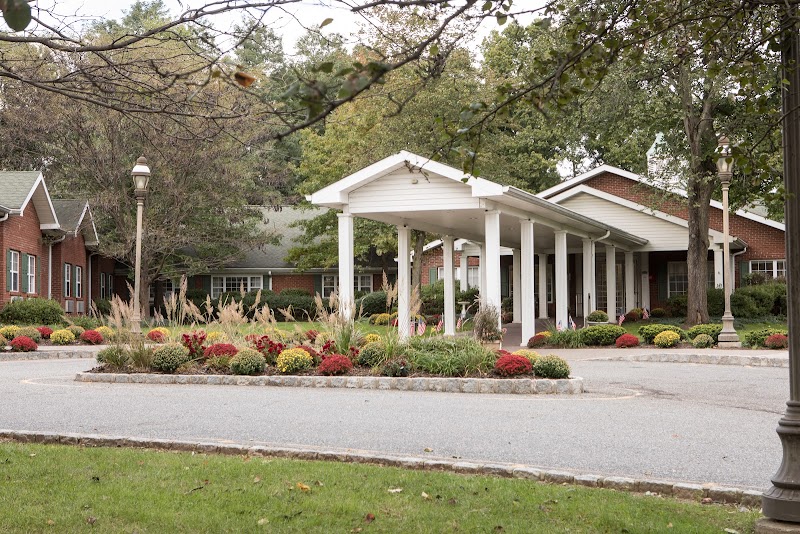
How is Careone At The Highlands Staffed?

CMS rates CareOne at The Highlands's staffing level at 4 out of 5 stars, which is above average compared to other nursing homes. Staff turnover is 25%, compared to the New Jersey average of 46%. This relatively stable workforce can support continuity of care.

What Have Inspectors Found at Careone At The Highlands?

State health inspectors documented 25 deficiencies at CareOne at The Highlands during 2024 to 2025. These included: 25 with potential for harm.
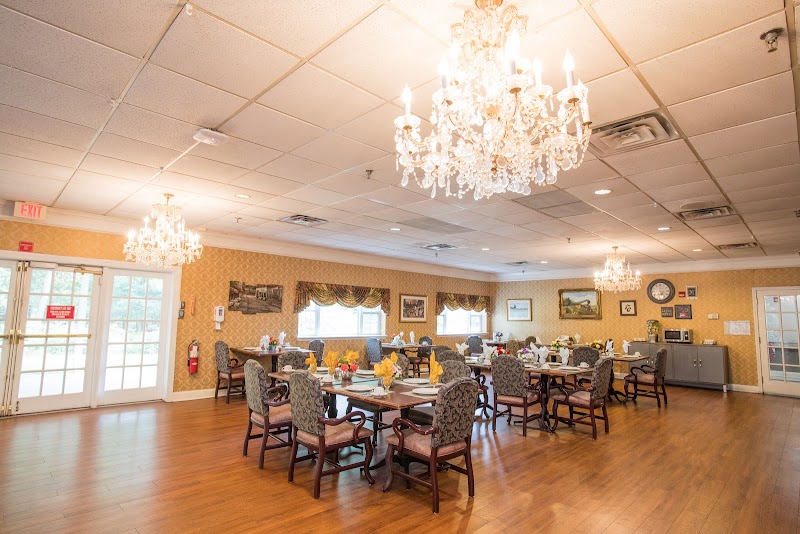
Who Owns and Operates Careone At The Highlands?

CareOne at The Highlands is owned by a for-profit company. For-profit facilities operate as businesses with obligations to shareholders or private owners. The facility is operated by CAREONE, a chain that manages multiple nursing homes. With 122 certified beds and approximately 89 residents (about 73% occupancy), it is a mid-sized facility located in EDISON, New Jersey.

How Does Careone At The Highlands Compare to Other New Jersey Nursing Homes?

Compared to the 100 nursing homes in New Jersey, CareOne at The Highlands's overall rating (3 stars) is below the state average of 3.3, staff turnover (25%) is significantly lower than the state average of 46%, and health inspection rating (3 stars) is at the national benchmark.

What Should Families Ask When Visiting Careone At The Highlands?

Based on this facility's data, families visiting should ask: "Can I visit during a mealtime to observe dining assistance and food quality?" "How do you handle medical emergencies, and what is your hospital transfer rate?" "Can I speak with family members of current residents about their experience?"

Is Careone At The Highlands Safe?

Based on CMS inspection data, CareOne at The Highlands has a clean safety record: no substantiated abuse findings (meaning no confirmed cases of resident harm), no Immediate Jeopardy citations (the most serious violation level indicating risk of serious injury or death), and is not on the Special Focus Facility watch list (a federal program monitoring the lowest-performing 1% of nursing homes). The facility has a 3-star overall rating and ranks #100 of 100 nursing homes in New Jersey. While no facility is perfect, families should still ask about staff-to-resident ratios and recent inspection results during their visit.

Do Nurses at Careone At The Highlands Stick Around?

Staff at CareOne at The Highlands tend to stick around. With a turnover rate of 25%, the facility is 20 percentage points below the New Jersey average of 46%. Low turnover is a positive sign. It means caregivers have time to learn each resident's needs, medications, and personal preferences. Consistent staff also notice subtle changes in a resident's condition more quickly.

Was Careone At The Highlands Ever Fined?

CareOne at The Highlands has no federal fines on record. CMS issues fines when nursing homes fail to meet care standards or don't correct problems found during inspections. The absence of fines suggests the facility has either maintained compliance or corrected any issues before penalties were assessed. This is a positive indicator, though families should still review recent inspection reports for the full picture.

Is Careone At The Highlands on Any Federal Watch List?

CareOne at The Highlands is not on any federal watch list. The most significant is the Special Focus Facility (SFF) program, which identifies the bottom 1% of nursing homes nationally based on persistent, serious quality problems. Not being on this list means the facility has avoided the pattern of deficiencies that triggers enhanced federal oversight. This is a positive indicator, though families should still review the facility's inspection history directly.