HUNTERDON CARE CENTER LLC
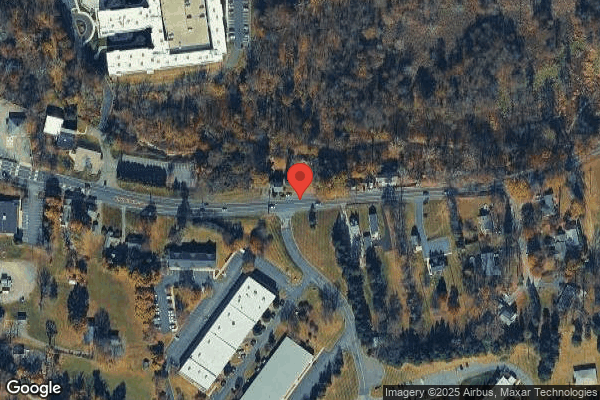
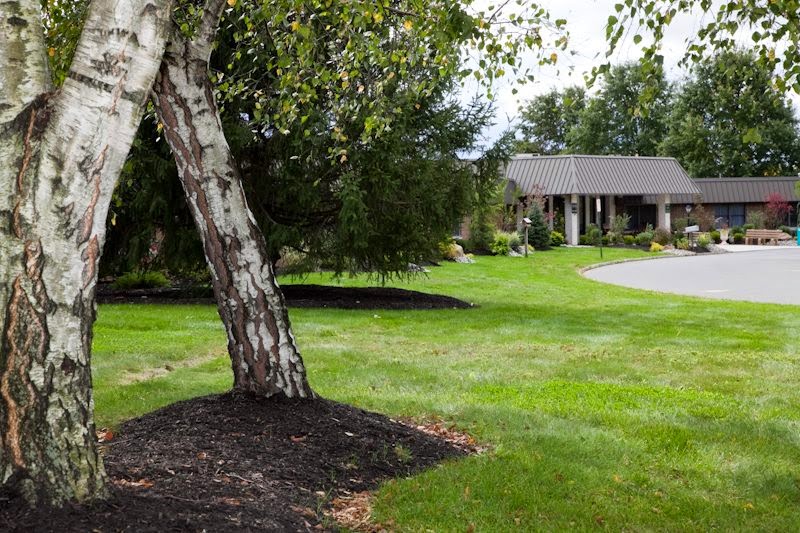
1 LEISURE COURT, FLEMINGTON, NJ 08822 (908) 788-9292
For profit - Limited Liability company 185 Beds OCEAN HEALTHCARE Data: November 2025 1 Immediate Jeopardy citation
Trust Grade
46/100
#204 of 344 in NJ
Last Inspection: March 2025

Within standard 12-15 month inspection cycle. Federal law requires annual inspections.

Overview

Hunterdon Care Center LLC has a Trust Grade of D, indicating below-average performance with some significant concerns. It ranks #204 out of 344 nursing homes in New Jersey, placing it in the bottom half of facilities in the state, but #2 out of 4 in Hunterdon County suggests only one local option is better. Unfortunately, the facility's trend is worsening, with issues increasing from 9 in 2023 to 11 in 2025. Staffing has a moderate rating of 3 out of 5 stars, with a turnover rate of 33%, which is better than the state average. However, the facility has incurred $13,000 in fines, which is concerning as it suggests ongoing compliance issues. In terms of RN coverage, it is average, which means there may not be enough registered nurses available to catch potential problems. Specific incidents of concern include the improper discharge of a resident with severe cognitive impairment who was sent home without necessary nursing care, as well as failures in hand hygiene practices during meal times that could lead to infections among vulnerable residents. Additionally, the facility did not follow its own abuse policy by failing to check references for new employees, raising questions about staff qualifications. While there are some strengths, such as average staffing levels, the weaknesses, particularly regarding resident safety and compliance, are significant and should be considered carefully by families.

Trust Score
D
46/100
In New Jersey
#204/344
Bottom 41%
Safety Record
High Risk
Review needed
Inspections
Getting Worse
9 → 11 violations
Staff Stability
○ Average
33% turnover. Near New Jersey's 48% average. Typical for the industry.
Penalties
✓ Good
$13,000 in fines. Lower than most New Jersey facilities. Relatively clean record.
Skilled Nurses
⚠ Watch
Each resident gets only 27 minutes of Registered Nurse (RN) attention daily — below average for New Jersey. Fewer RN minutes means fewer trained eyes watching for problems.
Violations
⚠ Watch
24 deficiencies on record. Higher than average. Multiple issues found across inspections.
★★★☆☆
3.0
Overall Rating
★★★☆☆
3.0
Staff Levels
★★★★★
5.0
Care Quality
★★☆☆☆
2.0
Inspection Score
Stable
2023: 9 issues
2025: 11 issues

The Good

  • 5-Star Quality Measures · Strong clinical quality outcomes
  • Full Sprinkler Coverage · Fire safety systems throughout facility
  • No fines on record
  • Staff turnover below average (33%)

    15 points below New Jersey average of 48%

Facility shows strength in quality measures, fire safety.

The Bad

3-Star Overall Rating

Near New Jersey average (3.3)

Meets federal standards, typical of most facilities

Staff Turnover: 33%

13pts below New Jersey avg (46%)

Typical for the industry

Federal Fines: $13,000

Below median ($33,413)

Minor penalties assessed

Chain: OCEAN HEALTHCARE

Part of a multi-facility chain

Ask about local staffing decisions and management

The Ugly 24 deficiencies on record

1 life-threatening
Aug 2025 2 deficiencies 1 IJ
CRITICAL (J) 📢 Someone Reported This

A family member, employee, or ombudsman was alarmed enough to file a formal complaint

Immediate Jeopardy (IJ) - the most serious Medicare violation

Deficiency F0627 (Tag F0627)

Someone could have died · This affected 1 resident

**NOTE- TERMS IN BRACKETS HAVE BEEN EDITED TO PROTECT CONFIDENTIALITY** Complaint: 2582599 Based on interview, review of the medical records, and review of other pertinent facility documents, it was d...

Read full inspector narrative →
**NOTE- TERMS IN BRACKETS HAVE BEEN EDITED TO PROTECT CONFIDENTIALITY** Complaint: 2582599 Based on interview, review of the medical records, and review of other pertinent facility documents, it was determined that the facility failed to ensure a safe discharge for a resident (Resident #3) with severe cognitive impairment, who lived in the community alone, and was denied at home nursing care services upon discharge. This deficient practice was identified for 1 of 4 residents reviewed (Resident #3). Resident #3, who was had a Brief Interview for Mental Status (BIMS) score of 5 out of 15, indicating a severely impaired cognition with an admission diagnosis of cognitive impairment, was discharged from Medicare Part A services with a last date of coverage on [DATE]. Resident #3 lost an appeal and was discharged to the community on [DATE]. Resident #3 was assessed upon discharge to need at home nursing services, physical therapy (PT), and occupational therapy (OT). A review of a denial email from the home care nursing services (HCNS #1) [name redacted] indicated that since the resident was not ambulating without contact guard assist and wheelchair follow, with no caregiver to assist at home, it was not a safe referral for HCNS #1 [name redacted] to take. During an interview on [DATE], with the Director of Nursing (DON), the DON confirmed that Resident #3 would not have been a safe discharge to the community. The facility's failure to ensure Resident #3 was discharged from the facility safely with all the services required to meet the resident's needs placed Resident #3, as well as all residents being discharge from the facility at risk for an unsafe discharge. This posed the likelihood of serious harm, injury, impairment, or death which resulted in an Immediate Jeopardy (IJ) situation. The IJ began [DATE] at 1:33 P.M., when Resident #3 was discharged from the facility. The facility was notified of the IJ on [DATE] at 4:08 P.M. The facility submitted an acceptable Removal Plan (RP) on [DATE] at 4:23 P.M. The surveyor verified the implementation of the RP on-site during the continuation of the survey on [DATE] at 11:00 A.M. The evidence was as follows:A review of the facility's policy titled Transfer/Discharge/Bed Hold Policy and Procedure dated 4/2025, included This facility will ensure that it will not transfer or discharge a resident in an unsafe manner such as location that does not meet the resident's needs, does not provide needed support and resources, or does not meet the resident preferences and therefore should not have occurred. The surveyor reviewed the closed medical record for Resident #3. According to the admission Record (AR) face sheet, Resident #3 was admitted to the facility with diagnoses which included but were not limited to: mild cognitive impairment, enterocolitis due to clostridium difficile (C. diff; a bacteria infection that causes diarrhea and gastrointestinal cramping), hyperlipidemia (high cholesterol), essential hypertension (high blood pressure), unspecified protein-calorie malnutrition, and Parkinson's Disease without dyskinesia (movement disorder). According to the discharge Minimum Data Set (MDS), an assessment tool dated [DATE], Resident #3 had a Brief Interview for Mental Status (BIMS) score of 5 out of 15, which indicated the resident's cognition was severely impaired. A review of Resident #3's Care Plan (CP) included the following focus areas: A focus area initiated [DATE], for impaired cognition- that the resident triggered for cognitive loss related to diagnosis of cognitive impairment secondary to a history of Parkinson's Disease, stroke and BIMs score of 6 out of 15 (severely impaired). The resident is alert, oriented to themselves, and can follow one step directions. Resident #3 has impaired safety awareness. Interventions included: to provide activities that are not overly demanding; provide simple, structured activities that highlight the resident's capabilities while not drawing attention to deficits; use cueing as a technique to maximize independence, decrease potential frustration, attempt to keep daily routine, and monitor for change in mental status. A focus area initiated [DATE], that the resident is admitted for an anticipated short term sub-acute placement; expected to discharge from skilled nursing facility upon completion of care/services. Interventions included: interview the resident (or representative as appropriate) to understand resident's post-discharge transportation needs to determine/assess potential barriers to care; provide instructions at discharge that include at a minimum current medications, treatments, therapies, and allergies as applicable; refer resident to clinicians that coordinate care with this facility; arrange for post discharge support services; ascertain information about discharge setting to ensure needs can be met upon discharge; and discuss/address limitations, risks verses benefits, and importance/need for maximum independence. Meet with resident/family throughout stay to discuss discharge planning and coordinating needed services after discharge. A review of the Social Service History and admission Assessment (SSHAA) dated effective [DATE] at 11:07 A.M., included the following information: 1.Power of Attorney.1C. Is the resident/patient able to make decisions at this time? Yes, (1D. explain) patient and their significant other (RR #1) make decisions together. 6.Background Information.1. Background information informant: patient, medical records, other. 1A. explain: due to [resident's] confusion, the writer confirmed information with [RR #1].6. Parents/Siblings/Marital Status/Children/Other Supportive Family or Individuals: Per [resident, they] are divorced. [The resident] has a long term [significant other], [RR #], they have been together ten years.Note: called [primary care physician (PCP)] care coordinator to inquire if there are any concerns regarding [the resident]. Per care coordinator, [the resident] has some cognition deficits has no local family. [The resident's] support is [RR #1]. [RR #1] was recently diagnosed with cancer and has been having other health issues. Called [the resident's] friend to confirm information, [the resident] has been staying on first floor. Prior to hospital admission, [the resident's] home is messy, and feces on the couch and other places in the home.[RR #1] does not want to place [the resident] in a nursing home. At this time, the plan is to return to [the resident's] home. 7.Home Environment.7A. Comments: [The resident] has been staying with [RR #1] occasionally but since [RR #1's] cancer diagnosis that has declined. 11.Social Determinants of Health Transportation. [RR #1] has been transporting [the resident] to [doctor's appointments]; however, due to [RR #1's] own medical issues [RR #1] is unable to transport [the resident]. A review of the Progress Notes (PN) included the following notes: A PN dated [DATE] at 4:12 P.M., by the Social Worker (SW), revealed that the Notice for Medicare Non-Coverage (NONMC) form was completed with the resident's significant other (RR #1) via telephone informing them that [Medicare's] last day of coverage was [DATE], and the resident would be discharged from the facility on [DATE]. RR #1 was informed that they could appeal, and the Interdisciplinary Care Provider (IDCP) filed the appeal as RR #1 was unable to due to chemotherapy. A PN dated [DATE] at 4:16 P.M., completed by the SW, revealed that they received a call from the resident's primary care physician (PCP) care coordinator and insurance case worker. The SW informed both the care coordinator and insurance case worker that resident was issued a discharge date of [DATE], and lost the appeal. The SW informed both the care coordinator and insurance case worker, a referral was sent to HCNS #1 [name redacted], and the writer is going to call Adult Protective Services (APS) upon discharge. The resident was provided information on [state run community care giving program name redacted], a geriatric case worker, and at home meals delivery service. The SW wrote that they would continue to follow case closely. A PN dated [DATE] at 1:45 P.M., completed by the SW, revealed that Resident #3 was discharged home with HCNS #1 [name redacted] and a call was placed to APS, and got voicemail, will contact again. A PN dated [DATE] at 3:09 P.M., indicated that HCNS #1 [name redacted] denied the referral, and a referral was sent to HCNS #2 [name redacted] and HCNS #3 [name redacted]. A PN dated [DATE] at 3:33 P.M., revealed that the SW received a call back from APS and notified them of Resident #3's situation and that Resident #3 was denied from HCNS #1, HCNS #2, and HCNS #3 [names redacted] services. A call was placed to HCNS #4 [name redacted]. A PN dated [DATE] at 11:40 A.M., revealed that [name redacted] PT/OT does not cover Resident #3's county and a call was placed to Resident #3's insurance case manager notifying them of the insurance denials. A review of the resident's NOMNC dated [DATE], indicated that patient unable to sign. A review of Resident #3's Discharge Planning and Care Coordination Patient Report (DPCCPR) dated effective [DATE] at 9:48 AM, included the following: A. General Information Related to Stay.12. Support System: Patient has no support system, patient's [spouse] is the only support [the resident] has. The writer connected [the resident] to case worker. 13. Participants in Discharge Decision Making: individual/patient and representative. 14. Attitude about discharge/comment: IDCP appealed for patient, patient is agreeable to discharge plan. 2. Social Services Referrals 1. Per your request, a referral was made for: an evaluation for skilled home care services 1a. Name of skilled home care services: HCNS #1 [name redacted].Psychosocial 2. Any psychosocial concerns? Yes, (2a.) called PCP care coordinator to inquire if there are any concerns regarding patient. Per care coordinator, patient has some cognition deficits has no local family. [RR #1] was recently diagnosed with cancer and has been having other health issues. Patient's home is messy, and feces on the couch and other places in the home. 4. Therapy Services.Functional Status.3. Toileting hygiene [.] setup or clean-up assistance; 4. Shower/Bathe Self [.] setup or clean-up assistance.12. Transfers - Sit to Stand [.] setup or clean-up assistance. 13. Transfers - Chair/Bed-to-Chair [.] setup or clean-up assistance. 13. Transfer Toilet [.] setup or clean-up assistance.The following were not attempted due to medical condition or safety concerns: walk 150 feet, walk 10 feet on uneven surface, step (curb), and picking up an object. 6. Nursing.4. Were discharge goals met? No.Behavioral Patterns: oriented to person and long-term and short-term memories were fair. 7. Post Discharge Pharmacy Information.B. Prescriptions: A1. This current reconciled medication list has been provided to Resident/Family/Caregiver: verbally in person and paper-based via copy/printout. medications included a tapered dosing of an antibiotic to be administered from [DATE] through [DATE], with the frequency of doses varying. A review of Resident #3's Wheelchair Run Sheet for discharge home, indicated that Licensed Practical Nurse (LPN #1) signed the form because patient was unable to sign reason weak. The resident was picked up from the facility on [DATE] at 1:33 P.M., and the resident arrived home on [DATE] at 1:52 P.M. A review of an email dated [DATE] at 3:07 P.M., to the SW from HCNS #1 [name redacted], revealed that it seems the patient was still not ambulating without [contact guard assist] and wheelchair follow.with no caregiver to assist at home this isn't a safe referral for us to take, we are going to have to decline. On [DATE] at 11:45 A.M., the surveyor interviewed LPN #1 about the discharge process, who stated that if a resident was not cognitively intact, they would speak to the power of attorney (POA) and escalate the situation to the Licensed Nursing Home Administrator (LNHA) or the DON. LPN #1 also stated she did not recall Resident #3. On [DATE] at 11:58 A.M., the surveyor interviewed the Director of Social Work (DSW) regarding what she would consider a safe discharge. The DSW stated that the facility typically had a discharge planning meeting that was interdisciplinary and at that meeting, recommendation options and plan of care was reviewed with the resident and their family. The DSW also stated, If a patient is alert and oriented, they have their rights, but if we are concerned then we do follow up with an APS referral. We look at BIMS, how they make their needs known and take in the whole picture. I don't do it just based off the BIMS. We don't look only at the BIMS because if you have been here a while it's easy to lose track of the week. The DSW further stated that residents went home with visiting nurses and that there was an occasional gap in services because the county only had two home care nursing companies that cover them. On [DATE] at 12:09 P.M., the surveyor interviewed the Assistant Director of Nursing (ADON), who stated that she was familiar with the unit that Resident #3 was on because they did not have a unit manager at that time. The ADON stated that she did recall Resident #3. When asked about discharging a resident who was not cognitively intact home alone, the ADON stated, We would not discharge a resident if they were not cognitively intact because we would not consider that a safe discharge. On [DATE] at 12:33 P.M., the surveyor interviewed the DON regarding the facility's discharge process. The DON stated that a safe discharge should be planned upon admission and an interdisciplinary meeting with responsible parties was held. When asked about Resident #3 and their discharge home, the DON stated that she vaguely remembered Resident #3. The DON also stated, If a resident is cognitively impaired, we would work with their responsible party. If the responsible party is not able to step in, usually we would have to meet as a team and find out why and see how we would work to keep the patient. If a resident has a BIMS score of 5 staff should not be speaking to them regarding their medical decisions. To discharge a resident with a BIMS of 5 with no one home is not correct. This is not per policy for [the facility]. Usually if the DON and LNHA are notified we could have stopped this. I was never notified of this, and if I was, I would have escalated to the proper channels. I would agree that [Resident #3] was an unsafe discharge. On [DATE] at 1:18 P.M., the surveyor interviewed the Director of Rehab (DOR), who stated that she was familiar with Resident #3 and that Resident #3 was independent at the end of PT. When asked why Resident #3 was recommended for PT/OT services upon discharge, the DOR stated it was recommended for Resident #3 so that they could have a safe at home recommendation. On [DATE] at 1:35 P.M., the surveyor interviewed the DSW and the ADON together and questioned if a social work home consultation (consult) was conducted for Resident #3 as per the facility's Social Service History and admission Assessment (SSHAA) dated [DATE]. The DSW stated that they would look to see if a social work consult for the home was conducted but that RR #1 stated that RR #1 would clean up the home. When questioned if Resident #3 lived with RR #1 or if RR #1 was home at discharge, the DSW stated that she was unsure. During that interview, the surveyor questioned why the DPCCPR under Nursing indicated that discharge goals were not met, and the ADON stated that she would have to refer the surveyor to the LPN (LPN #1) who discharged Resident #3. On [DATE] at 1:54 P.M., the surveyor re-interviewed LPN #1, who discharged Resident #3, in the presence of the ADON. LPN #1 stated that she could not recall Resident #3 completely but stated that she pressed the wrong button on the DPCCPR regarding Resident #3's discharge goals not being met. LPN #1 further stated that she did not complete Resident #3's discharge as per facility's discharge policy. At that time, the surveyor requested original discharge paperwork with signatures, and the ADON stated that everything was computerized and what the surveyor had was all that the facility had. On [DATE] at 2:08 P.M., the surveyor conducted a telephone interview with the SW who oversaw Resident #3 during their stay in the facility. The SW stated that the facility was working under the impression that Resident #3 had capacity. The SW stated that she was working with RR #1, and RR #1 stated was telling me that home was not a good decision. The SW stated that she tried to appeal the discharge, and she made the care coordinator and the LNHA aware. The SW stated that she gave the resident and RR #1 resources to the best of her ability, and she wanted the resident to stay in long-term care, but the resident had the capacity to make their own decisions. The SW stated that no one had told her that Resident #3 did not have the capacity to make their own decisions, and the SW stated that she made the DON and the LNHA aware of all her concerns. (This contradicted the surveyor's previous interview with the DON who denied knowledge of the concerns surrounding Resident #3's discharge.) The SW stated that the resident was denied for all visiting nursing services as well as at home PT/OT. The facility submitted an acceptable Removal Plan (RP) on [DATE] at 4:23 P.M., indicating that the action the facility will take to prevent serious harm from occurring or recurring. The facility implemented a corrective action plan to remediate the deficient practice to include: on [DATE], the LNHA and DON reviewed the facility's Transfer/Discharge/Bed Hold Policy with no revisions made; on [DATE], the LNHA re-educated the DSW on the facility's Transfer/Discharge/Bed Hold Policy; on [DATE], an audit was conducted by the DSW for the pending facility discharges for the week and confirmed all discharges had confirmed at home care services setup; on [DATE], the DON conducted in-services with all licensed nurses and SW to re-educate on the Transfer/Discharge/Bed Hold Policy and that the licensed nurses upon discharge, the discharge summary must be printed out and signed by the resident and/or their representative and uploaded to the electronic medical system. On [DATE], the LNHA and DSW spoke to the SW regarding the resident's discharge and confirmation of services prior to discharge. The surveyor verified the implementation of the RP on-site during the continuation of the survey on [DATE] at 11:00 A.M. NJAC 8:39-5.4(c); 39.1
CONCERN (D) 📢 Someone Reported This

A family member, employee, or ombudsman was alarmed enough to file a formal complaint

Potential for Harm - no one hurt, but risky conditions existed

Deficiency F0628 (Tag F0628)

Could have caused harm · This affected 1 resident

Complaint # 2582599Based on interview, review of the medical records, and review of other pertinent facility documents, it was determined that the facility failed to ensure a discharge summary was wri...

Read full inspector narrative →
Complaint # 2582599Based on interview, review of the medical records, and review of other pertinent facility documents, it was determined that the facility failed to ensure a discharge summary was written at the time a resident (Resident #3) was discharged from the facility. This deficient practice was identified for 1 of 4 residents reviewed (Resident #3).The surveyor reviewed the closed medical record for Resident #3.According to the admission Record (AR) face sheet, Resident #3 was admitted to the facility with diagnoses which included but were not limited to: mild cognitive impairment, enterocolitis due to clostridium difficile (C. diff; a bacteria infection that causes diarrhea and gastrointestinal cramping), hyperlipidemia (high cholesterol), essential hypertension (high blood pressure), unspecified protein-calorie malnutrition, and Parkinson's Disease without dyskinesia (movement disorder).According to the discharge Minimum Data Set (MDS), an assessment tool dated 7/25/25, Resident #3 had a Brief Interview for Mental Status (BIMS) score of 5 out of 15, which indicated the resident's cognition was severely impaired.A review of Resident #3's Care Plan (CP) included the following focus areas:A focus area initiated 7/18/25, for anticipated short term, sub-acute placement; expected to discharge to community from skilled nursing facility (SNF) upon completion of care/services. Interventions included: to arrange for post discharge support services; make necessary referrals for Durable Medical Equipment (DME) & home care services; social services will communicate with nursing and physicians for medical needs; encourage ongoing resident participation in discharge planning; set reasonable goals for reaching safe discharge; communicate with resident/family regarding services, equipment, prescriptions, and follow up recommendations; assess need for education regarding meds, diet, etc., & provide teaching as needed.A review of Resident #3's Progress Notes (PN), did not include a final discharge summary note written by the LPN at the time of the resident's charge.On 8/11/25 at 01:35 P.M the surveyor interviewed the Assistant Director of Nursing (ADON). The ADON stated the facility's policy is to leave a note at the time of discharge and confirmed this was not done for Resident #3.On 8/11/25 at 01:54 P.M the surveyor interviewed the Licensed Practical Nurse (LPN) who was responsible for discharging Resident #3. LPN stated that she could not recall Resident #3 completely, but she confirmed did not complete Resident #3's discharge as per facility's discharge process.A review of the facility's policy titled Transfer/Discharge/Bed Hold Policy and Procedure dated 4/2025, included under Documentation: The facility will ensure that the transfer/discharge is documented in the resident's medical record (when applicable) an appropriate information is communicated to the receiving health care institution or provider.
Mar 2025 9 deficiencies
CONCERN (D)

Potential for Harm - no one hurt, but risky conditions existed

Deficiency F0561 (Tag F0561)

Could have caused harm · This affected 1 resident

**NOTE- TERMS IN BRACKETS HAVE BEEN EDITED TO PROTECT CONFIDENTIALITY** Based on observation, interview, record review, and review of facility documents, it was determined that the facility failed to ...

Read full inspector narrative →
**NOTE- TERMS IN BRACKETS HAVE BEEN EDITED TO PROTECT CONFIDENTIALITY** Based on observation, interview, record review, and review of facility documents, it was determined that the facility failed to honor a resident's choice to a.) get out of bed at the resident's preferred time and b.) attend preferred activities for 1 of 1 resident (Resident #79) reviewed for choices. This deficient practice was evidence by the following: On 3/13/25 at 9:43 AM, the surveyor observed Resident #79 lying in bed. The resident stated he/she preferred to be out of bed by 9:30 AM every morning. The resident further stated that there was a Coffee Social activity scheduled for 10:30 AM in the dining room that they wanted to attend. When asked about the resident's usual get up time, the resident stated that staff normally get them up around 11:00 AM which meant they missed their preferred activities. At 10:30 AM, the surveyor observed the Coffee Social activity in the dining room and Resident #79 was not present. On 3/17/25 at 10:31 AM, the surveyor observed Resident #79 lying in bed. The resident stated he/she was upset because they wanted to be out of bed in time to attend the Garden Club. The surveyor observed a Weekly Activity schedule posted on the resident's door which indicated the Garden Club activity was scheduled for 10:30 AM in the dining room. The resident further stated that there was a Certified Nursing Assistant (CNA) in his/her room earlier that morning, but did not get the resident out of bed at that time. At 10:36 AM, the surveyor observed the Garden Club activity in the dining room and Resident #79 was not present. At 12:48 PM, the surveyor observed Resident #79 sitting in a wheelchair in their room. The resident stated his/her CNA was in the room around 9:30 AM that morning, but did not get him/her out of bed at that time. The resident further stated that the nurse had to get him/her out of bed around 11:00 AM. On 3/18/25 at 9:45 AM, the surveyor observed Resident #79 lying in bed. The resident stated they preferred to be out of bed by that time. The surveyor reviewed the Weekly Activity schedule posted on the resident's door and the resident stated they did not want to attend the 10:30 AM activity that day, but still preferred to be out of bed daily by 9:30 AM. The surveyor reviewed the medical record for Resident #79. A review of the admission Record, an admission summary, revealed the resident had diagnoses which included, transient cerebral ischemic attack (TIA, a mini-stroke), depression, anxiety disorder, and muscle weakness. A review of the comprehensive Minimum Data Set (MDS), an assessment tool, dated 1/10/25, included the resident had a Brief Interview for Mental Status (BIMS) score of 14 out of 15, which indicated the resident's cognition was intact. Further review of the MDS included the resident felt it was very important to do things with groups of people and to do their favorite activities. Additionally, the MDS revealed the resident required substantial/maximal assistance with lower body dressing and transferring to and from a bed to wheelchair. A review of the individual comprehensive care plan (ICCP) included a focus, revised 8/16/24, that the resident enjoyed playing bingo, listening to country music, spending time with family and friends, needle point, and watching a variety of television programs. Interventions included: Encourage resident to exercise choice, encourage participation in activities of interest, and offer activities of interest daily. Further review of the ICCP included a focus that the resident had the potential for maladjustment to placement. Interventions included: Assess resident's activities of choice, continue to involve resident in daily decision making to promote independence, provide facility activity calendar pointing out areas of possible interest, and continue to remind resident of upcoming activities that may be of interest. A review of the CNA [NAME], which provides instructions about the resident's care to the CNA, did not include the resident's preferred time to get up or preferred activities. A review of the Activity Assessment, dated 5/10/24, included the resident's preferred bed and waking times were: Up 7AM Sleep 8-9PM. Further review of the Activity Assessment included that the resident's favorite activities included gardening/planting and that the resident's preferred setting for activities was the main activity room. A review of the Activity Notes (AN) included a note dated 8/16/24, which revealed the resident enjoyed programs in the main dining room throughout the week. Further review of the AN included a note dated 1/11/25, which revealed the resident attended programs in the main dining room of choice and participated in bingo, entertainment, and socials. On 3/18/25 at 10:00 AM, the surveyor interviewed CNA #1 who stated she asked her residents at the beginning of the shift what time they preferred to get up and would get the residents up accordingly. The CNA further stated that every resident had a weekly activity schedule posted in their rooms and that staff would ask residents which activities they wanted to attend. The CNA then explained that staff should get residents up and take them to activities if that was the resident's preference. When asked about Resident #79, the CNA stated the resident was alert and oriented, and required one person assistance with care. The CNA added that the resident preferred to be out of bed depending on what activities were scheduled and that the resident would tell staff when he/she wanted to get up. The CNA explained that the resident preferred activities such as the Garden Club and Coffee Socials and that staff should be honoring the resident's preference to get up and attend activities. On 3/18/25 at 10:12 AM, the surveyor interviewed Licensed Practical Nurse (LPN) #1 who stated that residents would tell the staff what time they wanted to be out of bed depending on the activities for that day. The LPN further stated that staff would remind residents of the scheduled activities and then assist the resident to the main dining room if needed. The LPN explained that it was important to honor a resident's preference to get out of bed for activities because it promoted and improved the residents' lives. When asked about Resident #79, the LPN stated the resident was alert and oriented and would tell staff what time they wanted to get out of bed and what activities they wanted to attend. The LPN further stated that the resident preferred activities such as the Garden Club and that staff should be honoring the resident's preference to get up and attend activities. On 3/18/25 at 10:20 AM, the surveyor interviewed Licensed Practical Nurse/Unit Manager (LPN/UM) #1 who stated that staff got residents out of bed depending on the residents' preferences and that the CNAs would ask the residents their preference during morning rounds. The LPN/UM further stated that staff would inform residents of the activities scheduled and would assist the residents to the main dining room. The LPN/UM explained that it was important to honor a resident's preference to get out of bed for activities because it keeps the residents active and well. When asked about Resident #79, the LPN/UM was unsure what time the resident preferred to be out of bed, but stated if there was a morning activity that the resident enjoyed, the resident would tell staff to get him/her up at a certain time to attend the activity. The LPN/UM further stated that the resident preferred activities such as the Coffee Social and that staff should be honoring the resident's preference to get up and attend activities. On 3/18/25 at 10:28 AM, the surveyor interviewed the Activities Director (AD) who stated the activities in the main dining room were typically for higher functioning residents and included programs such as the Coffee Socials and the Garden Club. The AD explained that there was a monthly activity calendar posted on the nursing units and a weekly activity schedule posted in each resident's room. The AD further stated that it was important to honor a resident's preference for activities because if there was an activity that a resident loved, then allowing them to do that activity connected the resident to who they were and gave them a reason to get up in the morning. When asked about Resident #79, the AD stated the resident came out to do a lot of the activities as he/she enjoyed crafts, bingo, games, socials, and garden club. The AD further stated that staff should be getting Resident #79 up and taking him/her to the activities of his/her choice. On 3/18/25 at 11:11 AM, the surveyor interviewed the Director of Nursing (DON) who stated staff get residents out of bed depending on the resident's preference. The DON further stated that the activities staff would inform residents of the activities schedule and assist residents to the main dining room as needed. The DON then explained that it was important to honor residents' preferences and to get them up for activities. At that time, the surveyor informed the DON of the observations of Resident #79 and the DON confirmed that staff should have listened to the resident's request and honored his/her preferences. A review of the facility's CNA Standards of Care policy, dated September 2024, included, All AM care is to be completed by 11:00 AM or per the resident preference. A review of the facility's Resident Rights, dated May 2019, included the residents' right To take part in facility activities, and meet with and participate in the activities of any social, religious, and community groups, as long as these activities do not disrupt the lives of other residents. NJAC 8:39-4.1(a)(22)(24)
CONCERN (D)

Potential for Harm - no one hurt, but risky conditions existed

Report Alleged Abuse (Tag F0609)

Could have caused harm · This affected 1 resident

Complaint #NJ #00172794 Based on interview, record review, and review of other facility documentation, it was determined that the facility failed to submit the facility investigation to the New Jersey...

Read full inspector narrative →
Complaint #NJ #00172794 Based on interview, record review, and review of other facility documentation, it was determined that the facility failed to submit the facility investigation to the New Jersey Department of Health (NJDOH) within five (5) days, specifically when a resident sustained a fracture of unknown origin for 1 of 2 residents (Resident #53) reviewed for abuse. This deficient practice was evidenced by the following: A review of the admission Record, an admission summary, revealed the resident had diagnoses which included: dementia, history of traumatic fracture, and polyarthritis (a condition characterized by inflammation and pain in multiple joints). A review of the quarterly Minimum Data Set (MDS), an assessment tool, dated 2/17/24, included the resident had a Brief Interview for Mental Status (BIMS) score of 0 out of 15, which indicated the resident's cognition was severely impaired. A review of the individual comprehensive care plan (ICCP) included a focus area, initiated on 11/10/17, that the resident had a cognitive loss with confusion, disorientation, and forgetfulness related to dementia with behavior issues. Interventions included: the use of task segmentation as needed to support short-term memory deficits and assist during episodes of increased confusion, giving reminders and cues as needed. Further review of the ICCP revealed a focus area, dated 6/19/18, that the resident had dementia with periods of verbally/physically aggressive behavior and had a history of paranoia, delusions, auditory/visual hallucinations. Interventions included: an attempt to identify triggers for behaviors. A review of the Progress Notes (PN) included a Nurses Note (NN), dated 3/22/2024 at 9:16 AM, revealed that a Certified Nurse Aide (CNA) called a nurse to the resident's room and informed them that the resident presented with discoloration to their left wrist, elbow, forearm, shoulder with limited range of motion (ROM), swelling, and the resident complained of discomfort at that time. The Assistant Director of Nursing (ADON) was notified and assessed resident. The NN also indicated that the resident stated I think I fell maybe yesterday, and sent out to the Emergency Department. A review of a NN dated 3/22/24 at 3:15 PM, revealed that the resident returned to the facility at 2:30 PM, with a fractured humerus (long bone in the upper arm that extends from the shoulder to the elbow) and ulna (one of the two long bones in the forearm). A review of the Reportable Event Record/ Report for Resident #53 revealed that the event was reported to the NJDOH on 3/22/24 at 3:20 PM, and a summary was to follow. Further review indicated that the NJDOH staff left a voice message on 3/28/24 and 4/8/24 for the DON to send the Investigational Report. On 3/19/25 at 10:26 AM, the surveyor interviewed the Director of Nursing (DON), who stated that she was aware that she had to send the Investigational Summary to the NJDOH. The DON then indicated, she was holding on to it and did not send it. When asked why she did not send it, she stated that she was waiting for the NJDOH to call her again to submit it or for the NJDOH to come to the facility. A review of the facility's Resident Abuse/Neglect Policy and Procedure policy dated February 2025 revealed, The Department of Health and Senior Services, and the office of the Ombudsman if resident is 60 or over, will be notified immediately (as soon as possible but not to exceed 2 hours) of the incident, followed by a written report within 5 days of the incident and if the alleged violation is verified, the facility shall take all appropriate corrective action. NJAC 8:39-5.1(a)
CONCERN (D)

Potential for Harm - no one hurt, but risky conditions existed

Investigate Abuse (Tag F0610)

Could have caused harm · This affected 1 resident

Complaint #NJ00172794 Based on interviews, record review, and review of facility documents, it was determined that the facility failed to conduct a thorough investigation for a resident who sustained ...

Read full inspector narrative →
Complaint #NJ00172794 Based on interviews, record review, and review of facility documents, it was determined that the facility failed to conduct a thorough investigation for a resident who sustained a significant injury of unknown origin. This deficient practice was identified for 1 of 2 residents (Resident #53) reviewed for abuse, and was evidenced by the following: On 3/17/25 at 10:30 AM, the surveyor reviewed Resident #53's electronic medical record (EMR). A review of the admission Record, an admission summary, revealed the resident had diagnoses which included: dementia, history of traumatic fracture, and polyarthritis (a condition characterized by inflammation and pain in multiple joints). A review of the quarterly Minimum Data Set (MDS), an assessment tool, dated 2/17/24, included the resident had a Brief Interview for Mental Status (BIMS) score of 0 out of 15, which indicated the resident's cognition was severely impaired. A review of the individual comprehensive care plan (ICCP) included a focus area, initiated on 11/10/17, that the resident had a cognitive loss with confusion, disorientation, and forgetfulness related to dementia with behavior issues. Interventions included: the use of task segmentation as needed to support short-term memory deficits and assist during episodes of increased confusion, giving reminders and cues as needed. Further review of the ICCCP revealed a focus area, dated 6/19/18, that the resident had dementia with periods of verbally/physically aggressive behavior and had a history of paranoia, delusions, auditory/visual hallucinations. Interventions included: an attempt to identify triggers for behaviors. A review of the Progress Notes (PN) included a Nurses Note (NN), dated 3/22/2024 at 9:16 AM, revealed that a Certified Nurse Aide (CNA) called a nurse to the resident's room and informed them that the resident presented with discoloration to their left wrist, elbow, forearm, shoulder with limited range of motion (ROM), swelling, and the resident complained of discomfort at that time. The Assistant Director of Nursing (ADON) was notified and assessed resident. The NN also indicated that the resident stated I think I fell maybe yesterday, and sent out to the Emergency Department (ED). Further review of the NN dated 3/22/24 at 3:15 PM, revealed that the resident returned to the facility at 2:30 PM, with a fractured humerus (long bone in the upper arm that extends from the shoulder to the elbow) and ulna (one of the two long bones in the forearm). A review of the Apple Unit's CNA assignment sheet for 3/21/24, 7:00 AM to 3:00 PM shift, revealed there was no documented evidence that statements were obtained for two (2) of three (3) CNAs who worked on the Apple Unit. A review of the the Apple Unit's CNA assignment sheet for 3/21/24, 3:00 PM to 11:00 PM shift, revealed there was no documented evidence that a statement was obtained for one (1) of the 3 CNAs who worked on the Apple Unit. A review of the the Apple Unit's assignment sheet for 3/22/24, 11:00 PM to 7:00 AM shift, revealed there was no documented evidence that the assigned nurse provided a written statement. On 3/18/25 at 10:50 AM, the surveyor interviewed Certified Nurse Aide (CNA) #5, who stated that on 3/22/24, she discovered the discoloration on the resident's arm and the resident did not remember what happened. CNA #5 stated that the resident stated, I don't know, I don't know. On 3/18/25 at 11:03 AM, the surveyor interviewed the Registered Nurse (RN) #1 who stated that she was called to the Apple unit to assess the resident and immediately upon assessing the resident she knew the resident needed to be sent to the ED to be evaluated. She then stated that none of the staff knew what happened to the resident. RN #1 stated that Licensed Nurse/Unit Manager (LPN/UM) #2 initiated the investigation and statements should have been obtained from all staff. On 3/18/25 at 12:26 PM, the surveyor interviewed the Director of Nursing (DON), in the presence of the survey team who stated that it was everyone's job to care for the resident. When asked the process for conducting an investigation, the DON stated that she followed the facility's Abuse policy. The DON then stated that she did not receive any formal training on how to conduct an investigation. The DON confirmed she did not obtain written statements from all staff. She further stated in hindsight, she should have obtained written statements from all staff within 24 hours of the discovery of the incident to complete a thorough investigation. A review of the facility's Resident Abuse/Neglect Policy and Procedure policy, revised 2/17/25, included 3. The Administrator or his/her designee will form an investigatory team that will thoroughly investigate the allegation and document the investigation .Interviews will be conducted - and statements obtained from all staff members, residents, family, volunteers, and others that may have witnessed or have knowledge with respect to the alleged incident. All such statements will be in writing and placed in the investigatory file related to the alleged incident. NJAC 8:39-5.1 (a)
CONCERN (D)

Potential for Harm - no one hurt, but risky conditions existed

Assessment Accuracy (Tag F0641)

Could have caused harm · This affected 1 resident

Based on observation, interview, and record review it was determined that the facility failed to accurately code the Minimum Data Set (MDS), an assessment tool used to facilitate the management of car...

Read full inspector narrative →
Based on observation, interview, and record review it was determined that the facility failed to accurately code the Minimum Data Set (MDS), an assessment tool used to facilitate the management of care, in accordance with federal guidelines for 1 of 34 residents (Resident #121) reviewed for MDS coding accuracy. This deficient practice was evidenced by the following: On 3/17/25 at 9:15 AM, the surveyor reviewed the electronic medical record (EMR) of Resident #121. A review of the admission Record, an admission summary, revealed that Resident #121 had diagnoses that included, but were not limited to, heart failure, depression, and anxiety disorder. A review of the comprehensive MDS assessment, with an Assessment Reference Date (ARD) of 12/18/24, revealed under section K (Swallowing/Nutritional Status) that the resident was coded for a significant weight loss of 5% or more in the last month or loss of 10% or more in the last 6 months. The resident weight was documented as 128 pounds (lbs.). A review of the resident's documented weights revealed the following: 6/6/24: 133.2 lbs. 6/13/24: 133.6 lbs. 11/8/24: 130 lbs. 11/13/24: 130 lbs. 11/20/24: 130 lbs. 12/11/24: 128.3 lbs. 12/12/24: 127.5 lbs. 12/18/24: 127.5 lbs. On 11/13/24, the resident weighed 130 lbs. On 12/12/24, the resident weighed 127.5 lbs., which indicated a -1.92 % loss in 1 month. On 6/13/24, the resident weighed 133.6 lbs. On 12/12/24, the resident weighed 127.5 pounds which indicated a -4.57 % loss in 6 months. On 3/17/25 at 10:08 AM, the surveyor interviewed the Registered Dietician (RD) and the Regional RD about completing section K of the MDS. The RD stated when completing section K of the MDS, the resident's current weight within the look back period was compared to the resident's weight 1 month prior and 6 months prior to identify any significant weight loss or gain. The RD confirmed the question, K0300 (weight loss) of the MDS was coded to indicated if there was a 5% weight loss in 1 month or if there was a 10 % weight loss in 6 months. The RD further explained she based the coding of the question on the resident's documented weights and the EMR calculations of weight loss percentages within the assessment timeframe. The surveyor discussed with the RD and Regional RD about the concern that Resident #121 was coded as having a significant weight loss on the MDS with an ARD of 12/18/24 and a review of the resident's weights did not indicate a significant weight loss. The RD and regional RD stated they would review the resident's EMR to provide a response. On 3/17/25 at 10:24 AM, the RD and Regional RD informed the surveyor it was human error, and the RD looked at the wrong weight calculation on the EMR when reviewing. The RD confirmed the resident did not have a significant weight loss after reviewing the resident's weights for that timeframe. On 3/17/25 at 10:26 AM, the surveyor interviewed the MDS Coordinator (MDSC) who stated the RD was responsible for completing section K of the MDS. The surveyor informed the MDSC about the concern for Resident #121's MDS assessment. The MDSC stated that she would discuss with the RD and correct the MDS assessment if needed. The surveyor requested the facility's MDS policy and the MDSC stated there was no facility policy for MDS, but that they followed the MDS 3.0 Resident Assessment Instrument (RAI) manual. On 3/18/25 at 1:49 PM, the surveyor informed the Director of Nursing (DON), the Licensed Nursing Home Administration (LNHA), the Regional Registered Nurse (RRN), the [NAME] President of Clinical Services (VPCS), and the [NAME] President of Skilled Nursing Division (VPSND) about the above concern for the accuracy of Resident #121's MDS coding. On 3/19/25 at 10:08 AM, the LNHA, the DON, and the RRN met with the survey team and the LNHA acknowledged that the MDS was miscoded by the RD. A review of the latest version of the MDS 3.0 RAI Manual (updated October 2024), Chapter 3-page K-4, under steps for assessment revealed: This item compares the resident's weight in the current observation period with their weight at two snapshots in time: -At a point closest to 30-days preceding the current weight. -At a point closest to 180-days preceding the current weight. Coding instructions for K0300 indicated: Code 0, no or unknown: if the resident has not experienced weight loss of 5% or more in the past 30 days or 10% or more in the last 180 days or if information about prior weight is not available. Code 1, yes on physician-prescribed weight-loss regimen: if the resident has experienced a weight loss of 5% or more in the past 30 days or 10% or more in the last 180 days, and the weight loss was planned and pursuant to a physician's order. Code 2, yes, not on physician-prescribed weight-loss regimen: if the resident has experienced a weight loss of 5% or more in the past 30 days or 10% or more. NJAC 8:39-33.2 (d)
CONCERN (D)

Potential for Harm - no one hurt, but risky conditions existed

Pharmacy Services (Tag F0755)

Could have caused harm · This affected 1 resident

Based on interviews and review of pertinent facility documents, it was determined that the facility failed to provide pharmaceutical services in accordance with professional standards to ensure accura...

Read full inspector narrative →
Based on interviews and review of pertinent facility documents, it was determined that the facility failed to provide pharmaceutical services in accordance with professional standards to ensure accurate documentation of the receipt of a controlled substance for three (3) of six (6) Schedule II controlled substance medications ordered and received by the facility for use as an emergency backup supply, on two (2) Drug Enforcement Agency (DEA) 222 Forms (a form used to order controlled substances from a provider) reviewed. The deficient practice was evidenced by the following: Reference: 21 CFR 1305.13 Procedure for filling DEA Forms 222. Reference: New Jersey Statutes Annotated, Title 45. Chapter 11. Nursing Board. The Nurse Practice Act for the State of New Jersey states: The practice of nursing as a registered professional nurse is defined as diagnosing and treating human responses to actual and potential physical and emotional health problems, through such services as case finding, health teaching, health counseling, and provision of care supportive to or restorative of life and wellbeing, and executing medical regimens as prescribed by a licensed or otherwise legally authorized physician or dentist. On 3/18/25 at 12:20 PM, the surveyor reviewed a binder provided by the Director of Nursing (DON), containing, but not limited to, facility DEA 222 Forms and packing slips associated with the DEA 222 Forms for controlled substance deliveries. A review of the facility DEA 222 Forms that were filled out and used to order controlled substances (CDS) revealed the following: DEA 222 Form with order form #231556857, dated 6/25/24, for eighty (80) packages of unit dose (single tablets) oxycodone 5 milligrams (mg) instant release(IR) (a schedule II-CDS used for pain) and seven (7) 30 milliliters (ml) morphine sulfate 20mg/5ml bottles (a schedule II-CDS used for pain) with the section Part 5 to be filled in by purchaser did not have the number received filled in. A supplier packing slip for the items was present. DEA 222 Form with order form #221727997, dated 12/5/23, for five (5) 30ml morphine sulfate 20mg/5ml bottles with the section Part 5 to be filled in by purchaser did not have the number received filled in or the date received filled in. A supplier packing slip for the morphine sulfate was not present. On 3/18/25 at 1:36 PM, the survey team met with the Licensed Nursing Home Administrator (LNHA), Director of Nursing (DON), Regional Registered Nurse (RRN), [NAME] President of Clinical Services (VPCS), and [NAME] President of Skilled Nursing Division (VPSND). The surveyor asked the DON if she was the person responsible for filling out and maintaining the forms and the DON stated, yes, she was. The surveyor showed the DON the DEA 222 forms in question and the DON acknowledged the blanks in Part 5 and stated that the forms should be filled in properly when the items come in. On 3/19/25 at 10:15 AM, the survey team met with the LNHA, DON and RRN. The DON provided copies of the DEA 222 forms in question, with the form dated 6/25/24, now filled in after surveyor inquiry and a packing slip for the 12/5/23, DEA 222 form for the morphine sulfate. The facility offered no further pertinent information. The surveyor reviewed the instructions for completing the DEA 222 Forms located in the Code of Federal Regulations at 21 CFR1305.13 which revealed in section (e) The purchaser must record on its copy of the DEA Form 222 the number of commercial or bulk containers furnished on each item and the dates on which the containers are received by the purchaser. The surveyor reviewed the facility policy titled 4.0 Schedule II Controlled Substance Medication which revealed: General Information To provide guidelines for facilities to follow relating to the handling of controlled substances within the facility .In a manner that promotes proper storage and compliance with state and federal guidelines. NJAC 8:39-29.3(a)6, 29.4(g), 29.7(c) 21 CFR 1305.13(e)
CONCERN (D)

Potential for Harm - no one hurt, but risky conditions existed

Deficiency F0757 (Tag F0757)

Could have caused harm · This affected 1 resident

Based on interview, record review, and review of pertinent documentation, it was determined that the facility failed to ensure that the resident did not receive an unnecessary medication for one (1) o...

Read full inspector narrative →
Based on interview, record review, and review of pertinent documentation, it was determined that the facility failed to ensure that the resident did not receive an unnecessary medication for one (1) of five (5) residents reviewed for unnecessary medications. (Resident #74). The deficient practice was evidenced by the following: The surveyor reviewed Resident #74's electronic medical record (EMR) which revealed the following. A review of the admission Record (AR, an admission summary), reflected that the resident was admitted to the facility with diagnoses which included, diabetes (a metabolic disorder in which the body has high sugar levels for prolonged periods) and diastolic congestive heart failure, (a condition that occurs when the heart muscle can't pump blood efficiently). A review of most recent Minimum Data Set (MDS), an assessment tool used to facilitate the management of care, dated 1/22/25, reflected that the resident had a Brief Interview for Mental Status (BIMS), score of 2 out of 15, which indicated the resident was severely cognitively impaired. A review of Section H of the MDS reflected that the resident was occasionally incontinent of urine. The surveyor reviewed Resident #74's medications. The resident's list of medication orders reflected an order for Flomax Capsule 0.4 milligrams (mg) (Tamsulosin HCl) Give 1 caplet by mouth in the evening. The surveyor reviewed the manufacturer's package insert for Flomax. The package insert reflects Federal Drug Administration (FDA) approved indication for use of the medication. FDA indication reflected was treatment of Benign Prostate Hyperplasia (BPH). Further review of the Resident #74's EMR did not reveal a diagnosis of BPH in the resident's diagnoses list or in physician's progress notes. The surveyor reviewed Resident #74's physician's progress notes (PPN). The PPN did not reflect any mention of an assessment of the resident for BPH, the use of Flomax for any reason or any assessment of the effectiveness of the medication in the resident. The surveyor reviewed the resident's individualized comprehensive care plan (ICCP) dated 1/28/24. The ICCP reflected a focus area for urinary incontinence but did not reflect BPH or Flomax use. The surveyor reviewed the resident's laboratory test results that were available in the EMR. The results did not reflect any test for Prostate Specific Antigen (PSA) (the test used to screen for BPH) being done. On 3/18/25 at 12:41 PM, the surveyor interviewed Resident #74's primary care physician (PMD) by telephone. The PMD stated they were aware of Resident #74 taking Flomax and that they had a diagnosis of BPH. The surveyor asked if it was common practice to include the diagnosis and medication in the progress notes. The PMD stated yes but not every visit. The surveyor asked if once a year would be common. The PMD stated yes. The surveyor asked if periodic documentation or periodic assessment of the effectiveness of a medication common practice. The PMD stated, yes. The surveyor informed the PMD that they could not locate any diagnosis, progress note or assessment that addresses the Flomax use. The PMD stated that they must have forgotten or missed that and would add a diagnosis right away. On 3/19/25, the surveyor reviewed Resident #74s PPN which revealed a note by the PMD entered after surveyor inquiry that reflected use of Flomax. On 3/18/25 at 1:36 PM, the survey team met with the facility Licensed Nursing Home Administrator (LNHA), Director of Nursing (DON), Regional Registered Nurse (RRN), [NAME] President of Clinical Services (VPCS), and [NAME] President of Skilled Nursing Division (VPSND) for concerns. The surveyor asked if all medications should have a diagnosis or rationale for use and be assessed periodically for effectiveness. The DON and RRN both stated, yes, they should and the PMD should be documenting. The surveyor reviewed the facility provided policy titled Physician Visits. The policy reflected, under section 5. The Attending Physician must perform relevant tasks at the time of each visit, including a review of the resident's total program of care and appropriate documentation. The facility did not provide any further relevant documentation. N.J.A.C. 8:39-35.2(d)6.
CONCERN (D)

Potential for Harm - no one hurt, but risky conditions existed

Infection Control (Tag F0880)

Could have caused harm · This affected 1 resident

Based on observation, interview, and review of pertinent facility documents, it was determined that the facility failed to follow appropriate infection control and sanitary practices for storing medic...

Read full inspector narrative →
Based on observation, interview, and review of pertinent facility documents, it was determined that the facility failed to follow appropriate infection control and sanitary practices for storing medical devices and equipment while not in use. This deficient practice was identified in one (1) of three (3) observations during the Medication Pass observation (med-pass). This deficient practice was evidenced by the following: On 3/17/25 at 9:00 AM, the surveyor observed medication being administered to Resident #91. The surveyor then observed an oxygen mask, tubing and a nebulizer machine (a device used administer liquid medications by inhalation) on the floor at the foot of the bed of Resident #9, the roommate of Resident #91. The mask, tubing and machine were not observed to be in a bag or other container. The surveyor completed the med-pass observation and contacted the Licensed Practical Nurse/Unit Manager (LPN/UM#3) for that unit. The surveyor showed LPN/UM#3 the nebulizer, mask and tubing located on the floor and asked if that was the way the equipment should be stored when not being used. LPN/UM#3 stated, no, it should be on a table and in a plastic bag. LPN/UM#3 stated that she did not know how it got on the floor and why the over bed table was missing. LPN/UM#3 then instructed the LPN assigned to the medication cart to get an over bed table, clean it with cleaning wipes, immediately replace the mask and tubing and clean the nebulizer machine. On 3/18/25 at 1:36 PM the survey team met with the facility Licensed Nursing Home Administrator (LNHA), Director of Nursing (DON), Regional Registered Nurse (RRN), [NAME] President of Clinical Services (VPCS) and [NAME] President of Skilled Nursing Division (VPSND) for concerns. The surveyor asked the DON if residents' medical equipment, nebulizers, tubing or masks should be stored on the floor when not being used. The DON stated, no, no equipment should be stored on the floor, and it should always be in a bag when not being used. A review of the facility's Oxygen Administration policy did not include any information regarding storage or use of nebulizers, masks or tubing. A review of the facility's Medication Storage policy did not include any information regarding nebulizers, tubing or mask storage. A review of the facility's Medication Administration policy dated November 2024, did not include any information regarding nebulizer, mask or tubing use or storage. A review of the facility's Infection Control Program policy dated December 2024, included, under Contents of Program: The following policies will be included in the program in order to investigate and prevent infections in the facility: Risk Managementof procedure related infections: .Nebulizer and oxygen therapy management . The facility did not supply any policy referencing the use or storage of nebulizer machines, tubing or masks. The facility did not provide any further pertinent information. NJAC 8:39-19.4(k)
CONCERN (D)

Potential for Harm - no one hurt, but risky conditions existed

Deficiency F0919 (Tag F0919)

Could have caused harm · This affected 1 resident

Based on observations and interviews on 3/13/2025 and 3/14/2025, in the presence of the Director of Maintenance (DOM), it was determined that the facility failed to ensure that all devices used to ide...

Read full inspector narrative →
Based on observations and interviews on 3/13/2025 and 3/14/2025, in the presence of the Director of Maintenance (DOM), it was determined that the facility failed to ensure that all devices used to identify call bell notifications were properly functioning. This deficient practice had the potential to affect 6 of 170 residents and was evidenced by the following: An observation on 3/13/2025 at 12:22 PM, revealed that the call bell for resident room C-113 did not give audible notification of activation at the nurse's station when tested by the DOM. An observation at 12:25 PM, revealed that the call bell for resident room C-117 did not give audible notification of activation at the nurse's station when tested by the DOM. An observation at 12:30 PM, revealed that the call bell for resident room C-119 did not give audible notification of activation at the nurse's station when tested by the DOM. At the time, the surveyor interviewed the DOM who confirmed the observation and stated that the call bell system was recently upgraded and the section of the building that we were testing was part of the old call bell system. The facility's Director of Nursing (DON) and DOM was informed of the deficient practice at the Life Safety Code exit conference on 3/14/2025 at 2:00 PM. N.J.A.C 8:39-31.2 (e)
CONCERN (E)

Potential for Harm - no one hurt, but risky conditions existed

Abuse Prevention Policies (Tag F0607)

Could have caused harm · This affected multiple residents

Based on interview and review of pertinent documentation provided by the facility, it was determined that the facility failed to implement the facility's abuse policy to ensure that reference checks w...

Read full inspector narrative →
Based on interview and review of pertinent documentation provided by the facility, it was determined that the facility failed to implement the facility's abuse policy to ensure that reference checks were completed for 10 of 10 employee files reviewed. This deficient practice was evidenced by the following: On 3/18/25 at 9:30 AM, the surveyor reviewed 10 randomly selected employee files, which revealed the following: 1. Licensed Practical Nurse/Unit Manager (LPN/UM) #3, with a hire date of 1/22/24, did not have a previous employee reference on file. 2. Licensed Practical Nurse (LPN) #2, with a hire date of 11/25/24, did not have a previous employee reference on file. 3. Certified Nursing Assistant (CNA) #2, with a hire date of 1/25/25, did not have a previous employee reference on file. 4. Activity Aide (AA) #1, with a hire date of 1/22/25, did not have a previous employee reference on file. 5. LPN #3, with a hire date of 11/18/24, did not have a previous employee reference on file. 6. CNA #3, with a hire date of 4/24/23, did not have a previous employee reference on file. 7. CNA #4, with a hire date of 1/6/25, did not have a previous employee reference on file. 8. Registered Nurse/Unit Manager (RN/UM) #1, with a hire date of 6/24/24, did not have a previous employee reference on file. 9. Housekeeper (HK) #1, with a hire date of 4/1/24, did not have a previous employee reference on file. 10. Receptionist #1, with a hire date of 9/27/24, did not have a previous employee reference on file. On 3/18/25 at 10:25 AM, the surveyor interviewed the Director of Human Resources (DHR) who stated that in accordance with the facility policy she was supposed to perform two to three reference checks for potential candidates prior to hiring them. The surveyor informed the DHR that there were no reference checks included in 10 out of 10 employee files that were reviewed and asked the DHR to review each employee file to confirm the finding. At that time, the DHR stated that CNA #2 had came from an agency, and had not signed the form to permit verification of reference checks. The DHR stated that if reference checks were not permitted by the employee, it may indicate that there was something that they did not want the facility to know. The DHR stated that LPN #2's references were not there because a current employee, a night time supervisor, referred her to work at the facility. The DHR stated that LPN/UM #3's references were not completed and she had no excuse, it was her own fault. The DHR stated that AA #1's references were not checked, though two references were provided. The DHR further stated that it was very important that reference checks were completed to ensure that the employee would not cause any harm to the residents and they were safe to work in the facility. The DHR further stated that she did not document attempts to call references when they did not respond. The DHR stated that it was her process to phone employee references and she only documented the attempts if she received a response. The DHR was unable to provide the surveyor with documented evidence that she attempted to contact employee references for 10 of 10 employee files reviewed. The DHR further stated, It was a lose, lose for all of them. On 3/18/25 at 12:34 PM, the surveyor interviewed the Licensed Nursing Home Administrator (LNHA) who stated that it was important to perform two reference checks to ensure that residents received good care and that the potential employee did not do anything that was not proper. On 3/18/25 at 12:45 PM, the surveyor interviewed the Director of Nursing (DON) who stated that reference checks were required to ensure that the person was of good nature and good character. The DON further stated, if the background check was not good, then the facility generally held off and did not hire. A review of the facility's Resident Abuse/Neglect Policy and Procedure revised 2/17/23, included: Screening: We are dedicated to thoroughly investigating the past histories of any individual we are considering hiring as an employee or otherwise engaging. All prospective employees, will be carefully screened using the following processes to identify potential risk of abuse/neglect of any resident: 1. Reference Check These records will be maintained in the Human Resources Office. NJAC 8:39-9.3(b)
Feb 2023 9 deficiencies
CONCERN (D)

Potential for Harm - no one hurt, but risky conditions existed

Deficiency F0561 (Tag F0561)

Could have caused harm · This affected 1 resident

**NOTE- TERMS IN BRACKETS HAVE BEEN EDITED TO PROTECT CONFIDENTIALITY** Based on observations, interviews, record review, and facility policy review, the facility failed to honor a resident's choice o...

Read full inspector narrative →
**NOTE- TERMS IN BRACKETS HAVE BEEN EDITED TO PROTECT CONFIDENTIALITY** Based on observations, interviews, record review, and facility policy review, the facility failed to honor a resident's choice of a shower over bed baths for one resident (Residents (R) 67) of one resident reviewed for choices out of a total sample of 32 residents. Findings include: Review of R67's undated admission Record, located in the resident's electronic medical record (EMR) under the Profile tab, revealed he was admitted [DATE] with diagnoses that included Congestive Heart Failure (CHF), hemiplegia (paralysis on one side) and hemiparesis (weakness on one side) following cerebral infarction (stroke), morbid obesity, and Diabetes Mellitus (DM). Review of R67's quarterly Minimum Data Set (MDS) with an Assessment Reference Date (ARD) of 12/08/22, located in the EMR under the MDS tab, revealed a Brief Interview for Metal Status (BIMS) score of 15 out of 15 which indicated R67 was cognitively intact. Continued review of the MDS revealed it was very important for R67 to be able to choose between a tub bath, shower, bed bath, or sponge bath The MDS also revealed R67 was totally dependent in bathing and required one person physical assistance. Review of R67's Care Plan, last revised 03/09/21 in the EMR under the Care Plan tab, revealed R67 Needs supervision/set-up assistance to limited assistance with ADLs and functional mobility due to generalized weakness, gait/balance difficulties, and activity intolerance R/T a hx. Of CAD/MI/severe ICMP/CHF, DM neuropathy, BLE edema, and a hx. of a CVA with left sided weakness. He is oriented X 3, follows directions and makes his needs known. He is independent in daily decision making. Interventions included Set-up needed items for personal hygiene, assist as needed. Set-up wash basin and wash cloth, encouraging to wash upper body. Provide verbal cues as needed. Encourage to wash as much of lower body as able, assisting as needed. Review of the Certified Nursing Assistant (CNA) POC Response History Report, dated 02/16/23 and looking back 30 days, located in the EMR under the Tasks tab, revealed R67's bathing task was scheduled to occur on Tuesdays and Fridays on the 3-11 shift evenings. The report revealed that R67 had only received bathing on two of the last 30 days. It was not documented what type of bathing had occurred. During an interview on 02/13/23 at 2:18 PM, R67 stated that he prefers showers but hasn't had a shower for two weeks. R67 stated he should have one on Tuesdays and Fridays, but he won't get one at all unless he asks. During a follow up interview on 02/15/23 at 3:26 PM, R67 said he was showered last night and that he did have to ask for it. Review of R67's undated, paper Person Centered Plan of Care, provided by the Unit Manager Registered Nurse on 02/15/23 at 9:50 AM, revealed Things I want my care givers to know about me: I prefer to have showers. Review of the undated 3-11 Shower Book, provided by the facility, revealed that R67 should be getting showers twice a week on Tuesdays and Fridays during the 3PM - 11PM shift. During an interview on 02/15/23 at 9:16 AM, CNA1 stated that R67 is total care and is scheduled for showers on Fridays on the 3pm-11pm shift. She stated they don't document in the EMR whether it's the resident gets a bath or shower. During an interview on 02/16/23 at 1:02 PM, CNA2 stated that most of the time R67's okay with a bed bath if he's not already dressed. She stated that he is supposed to get showers on Tuesday and Friday when he lets you do it. She stated that they try to convince him to get a shower but that he refuses a lot of things. During an interview on 02/16/23 at 1:30 PM, the Director of Nursing (DON) stated that in theory R67 should get a shower when he wants it. Review of the facility policy titled Residents Rights, dated May 2019, revealed, residents have the right To participate, in the fullest extent that you are able, in the development and implementation of your medical treatment and person-centered plan of care, including but not limited to: To participate in establishing the expected goals and outcomes of care, the type, amount, frequency, and duration of care, and any other factors related to the effectiveness of the plan of care .To receive services and/or items included in the plan of care. NJAC 8:39--4.1(a)
CONCERN (D)

Potential for Harm - no one hurt, but risky conditions existed

Assessment Accuracy (Tag F0641)

Could have caused harm · This affected 1 resident

**NOTE- TERMS IN BRACKETS HAVE BEEN EDITED TO PROTECT CONFIDENTIALITY** Based on interview and record review, the facility failed to ensure the resident assessment accurately reflected the resident's ...

Read full inspector narrative →
**NOTE- TERMS IN BRACKETS HAVE BEEN EDITED TO PROTECT CONFIDENTIALITY** Based on interview and record review, the facility failed to ensure the resident assessment accurately reflected the resident's hospice designation for one (Resident (R) 20) of one resident sampled for hospice out of a total sample of 32 residents. This failure could result in the residents' needs, strengths, and areas of decline not being addressed. Findings include: Review of R20's undated admission Record, located in the resident's electronic medical record (EMR) under the Profile tab revealed the resident was admitted to the facility on [DATE]. Review of R20's admission Assessment Form, dated 12/09/22, located in the resident's EMR under the Misc [Miscellaneous] tab revealed R20 was admitted to the facility on hospice. Review of R20's admission Minimum Data Set (MDS), located in the resident's EMR under the MDS tab with an Assessment Reference Date (ARD) of 12/15/22, revealed the MDS did not accurately reflect R20's hospice designation. During an interview on 02/16/23 at 9:08 AM the MDS Coordinator stated, When a resident is on hospice, Section O should be coded as such. It should have been done for this resident. I will correct that now. During an interview 02/16/23 at 11:32 AM, the Administrator stated, We do not have a MDS policy. We follow the RAI [Resident Assessment Instrument] manual. NJAC 8:39-33.2(d)
CONCERN (D)

Potential for Harm - no one hurt, but risky conditions existed

PASARR Coordination (Tag F0644)

Could have caused harm · This affected 1 resident

Based on interview, record review, and facility policy review, the facility failed to ensure one of two residents (Residents (R) 76) reviewed out of a total sample of 32 had completed a Pre-admission ...

Read full inspector narrative →
Based on interview, record review, and facility policy review, the facility failed to ensure one of two residents (Residents (R) 76) reviewed out of a total sample of 32 had completed a Pre-admission Screening and Resident Review (PASARR) upon receipt of a new mental health diagnoses. This failure placed resident at risk for unmet care needs and for not receiving appropriate mental health support/services needed. Findings include: Review of R76's admission Record from the electronic medical record (EMR) Profile tab showed an original admission date of 02/27/20; readmission dates of 03/02/21 and 06/14/21; with medical diagnoses that included gastroesophageal reflux disease (GERD), hypertension, anxiety disorder, edema, poly-osteoarthritis, and major depressive disorder. The 06/14/21 readmission added the diagnoses of unspecified psychosis (loss of touch with reality) not due to a substance or known physiological condition, insomnia, and delusional disorder (firmly held beliefs not based in reality). Review of R76's EMR Misc [Miscellaneous] tab showed a Level I PASARR dated 06/08/21 that showed a negative result (i.e., not to be referred for a Level II screening) that identified R76 as having anxiety depression in the Mental Illness Screen section. Further review of R76's record did not reveal any further PASARR Level I screenings. A request was made to the Director of Nursing (DON) on 02/15/23 at 12:40 PM for any additional PASARR completed for R76. On 02/16/23 at 1:08 PM, the Social Services Director (SSD) provided a Level I PASARR screening dated 02/16/23 and confirmed it should have been sent through again in 2021 with the new mental health diagnoses. During an interview on 02/16/23 at 1:18 PM, the DON confirmed R76's PASARR should have been resubmitted after the delusional disorder and psychosis diagnoses were added to her record. Review of the facility policy titled Policy and Procedure for MDS [Minimum Data Set] PASRR Requirement Compliance, reviewed December 2022, showed: .The Social Worker (SW) is responsible for: 1) Reviewing the Level I screening for accuracy and redoing it if any errors are discovered. 5) Referring clients who are newly diagnosed with SMI [significant mental illness]/ID [intellectual disabilities] and/or clients who are already diagnosed with SMI/ID or have been previously exempted due to having dementia as a primary [diagnosis] but are experiencing any significant change in status, to the Medicaid District Office and eighter the Division of Mental Health Services (DMHS) or the Division of Developmental Disabilities (DDD) in order that a PASRR Resident Review can be completed. This notification is to be made within one week of the new diagnosis or significant change. If a SW is not in the NF [nursing facility] at the time the new diagnosis or significant change has been noted, nor during the designated time frame, it is the responsibility of the Administrator or his/her designee to make the necessary notifications. NJAC 8:39-40.3(d)
CONCERN (D)

Potential for Harm - no one hurt, but risky conditions existed

Deficiency F0688 (Tag F0688)

Could have caused harm · This affected 1 resident

**NOTE- TERMS IN BRACKETS HAVE BEEN EDITED TO PROTECT CONFIDENTIALITY** Based on observations, interviews, record review, and policy review, the facility failed to ensure that a resident received cons...

Read full inspector narrative →
**NOTE- TERMS IN BRACKETS HAVE BEEN EDITED TO PROTECT CONFIDENTIALITY** Based on observations, interviews, record review, and policy review, the facility failed to ensure that a resident received consistent range of motion exercises for one (Residents (R) 125) of one resident reviewed for range of motion out of a total sample of 32 residents. Findings include: Review of R125's undated admission Record, located in the resident's electronic medical record (EMR) under the Profile tab, revealed she was admitted [DATE] with diagnoses that included hemiplegia (paralysis on one side) and hemiparesis (weakness on one side) following cerebral infarction (stroke), pain, and polyneuropathy (numbness and tingling). Review of R125's quarterly Minimum Data Set (MDS) with an Assessment Reference Date (ARD) of 12/15/22, located in the EMR under the MDS tab, revealed a Brief Interview for Metal Status (BIMS) score of 15 out of 15 which indicated R125 was cognitively intact. The MDS also revealed R125 required extensive assistance of one person with bed mobility. Review of R125's Care Plan, last revised 06/14/22 in the EMR under the Care Plan tab, revealed Impaired functional status r/t left hemiplegia. [R125] is extensive assist to dependent with ADLs. Interventions included Assist as needed with bed mobility. Provide verbal/physical cues as needed for hand placement and to use LE's [left extremity] as able to assist with bed mobility, PT/OT [physical therapy/occupational therapy] eval & tx [evaluation and treatment] as ordered to improve functional status. During an interview on 02/13/23 at 2:57 PM, R125 was observed to not be able to use her left arm or left lower extremity. She stated it was due to a stroke. She stated she used to be making some progress in range of motion (ROM) on that side of her body, but that had stalled. R125 was not currently enrolled in PT/OT/ST or other nursing/restorative program. During an interview on 02/15/23 at 9:16 AM, Certified Nursing Assistant (CNA) 1 stated that R125 required total care. Her left side is not usable at all. CNA1 stated We do AM care and range of motion [during care]. CNA1 stated that it's not documented anywhere what type of care is given. CNA1 stated that therapy lets the staff know what to do for range of motion for her. During an interview on 02/15/23 at 11:12 AM, the Director of Rehabilitation Services (DRS) stated that the facility does have a maintenance program that the CNAs can do with her. The DRS stated lot of maintenance that the CNAs do is part of their routine care of the residents and R125 might have restorative care in place from her previous admission. The DRS stated R125 had reached her maximum potential at the subacute rehab in the hospital. When asked for some documentation of R125's previous therapy, she stated we don't have anything from the last admission. She had a resting hand splint at some point. She should be evaluated every year. During a follow up interview on 02/15/23 at 2:26 PM, R125 said the CNAs don't do any ROM, she moves the arm herself. She stated that when they wash her, they just pick up the arm [and don't do any range of motion exercises]. R125 stated she had had a splint at some point, somebody had to put it on for her because the aides don't know how. During an interview on 02/16/23 at 12:48 PM, the Unit Manager Registered Nurse (RN) stated that there was no formal or restorative nursing program in place for R125 and in general, therapy would do a screen when the resident was readmitted . The Unit Manager RN stated the facility had a restorative nursing program at the facility. During an interview on 02/16/23 at 12:58 PM, CNA3 stated she does AM care for the resident that included ROM. CNA3 stated as she changes R125 she will stretch her arm out back and forth and then circle it around. During an interview on 02/16/23 at 1:30 PM, the Director of Nursing (DON) stated that R125 should have been rescreened by therapy when she was readmitted after the most recent surgery. What usually happens is that they [resident] get therapy if therapy is going to pick them up, then a restorative nursing program and then a maintenance program. Review of the facility policy titled Restorative Nursing, revised May 2022, revealed, It is the policy of Hunterdon Care Center to achieve and maintain optimal physical, mental and psychosocial functioning for each of our residents. Procedure: Measurable objectives and interventions will be documented in the care plan and in the medical record. If a restorative nursing program is in place when a care plan is being revised, it is appropriate to reassess progress, goals, and duration/frequency as part of the care planning process. The results of this reassessment will be documented in the resident's medical record. Evidence of periodic evaluation by the licensed nurse will be present in the resident's medical record. Restorative staff will be trained in the techniques that promote resident involvement in the activity. A registered nurse or a licensed practical nurse will supervise the activities in the restorative nursing program. A physician's order is not required for a Restorative nursing program. Although therapists may participate, members of the nursing staff are still responsible for overall coordination and supervision of restorative nursing programs. NJAC 8:39-27.1(a)
CONCERN (D)

Potential for Harm - no one hurt, but risky conditions existed

Medication Errors (Tag F0758)

Could have caused harm · This affected 1 resident

Based on interviews, record review, and policy review, the facility failed to ensure two of five residents (Resident (R) 119 and R152) who received psychoactive medications, and reviewed for unnecessa...

Read full inspector narrative →
Based on interviews, record review, and policy review, the facility failed to ensure two of five residents (Resident (R) 119 and R152) who received psychoactive medications, and reviewed for unnecessary medications, had monitoring for efficacy for the target symptoms (reasons for use) for the medication. This failure had the potential to keep residents from receiving the lowest possible effective psychoactive medication dose. Findings include: 1. Review of R119's admission Record, from the electronic medical record (EMR) Profile tab, showed an admission date of 01/18/23 with medical diagnoses that included major depressive disorder and insomnia. Review of R119's EMR Orders tab showed prescriptions for Cymbalta (generic name duloxetine, an antidepressant medication) 60 milligrams (MG) daily for major depressive disorder and to monitor for drowsiness or dizziness. Review of R119's EMR Care Plan tab showed a focus of: [R119's name] has episodes of anxiety, crying/yelling out, dx [diagnosis] depression with a goal of [R119's name] will demonstrate decreased episodes of anxiety. [R119's name] will be free from s/s [signs and symptoms] depression. Interventions to reach that goal included: -Administer psychotropic meds as ordered. Monitor for adverse effects r/t [related to] med [medication] use (dizziness, insomnia, headache, vertigo, blurred vision, etc [sic]). -Attempt to anticipate needs to decrease anxiety. -Document changes in mood/behavior noting precipitating factors, interventions attempted, & effectiveness of interventions. Keep MD [doctor] informed of concerns. -During episodes of behaviors, offer/assist to remove from common areas & others. Bring to a quiet area, preferably own room and attempt to distract from behaviors. Attempt to calm using conversation [sic] about past times. -Monitor for s/s depression (self-isolation, crying, tearfulness, decreased appetite, irritability, change in sleep habits, lethargy, etc[sic]). Notify MD accordingly. Review of R119's Progress Notes, Medication Administration Record [MAR], Treatment Administration Record [TAR], and Assessment tab did not show any monitoring being completed for the signs/symptoms noted in the care plan. 2. Review of R152's admission Record from the EMR Profile tab showed a facility admission date of 01/10/23 with medical diagnoses that included major depressive disorder and anxiety disorder. Review of R152's EMR Orders tab showed a prescription for buspirone (brand name Buspar, an antianxiety medication) 10 MG twice daily related to anxiety disorder, may cause dizziness, avoid grapefruit juice; risperidone (brand name Risperdal, an atypical antipsychotic medication) 0.5 MG once daily related to anxiety disorder; sertraline (brand name Zoloft, an antidepressant medication) 75MG daily related to depression, may cause drowsiness, avoid alcohol warnings. Review of R152's EMR Care Plan tab showed a focus of Potential for adverse effects r/t psychotropic med use r/t dx Anxiety, Depression with interventions that included: Administer psychotropic meds as ordered. Monitor for adverse effects (dizziness, tremors, vertigo, headache, lethargy, blurred vision, etc [sic]). Notify MD of any adverse reactions noted for possible change to med regimen. Periodic review of psychotropic medications for potential dose reduction. Monitor mood state/behavioral symptoms with changes to medication regime. Report concerns to MD. -Attempt to anticipate needs to reduce anxiety. Attempt to keep daily routine. Attempt to identify triggers to anxiety, educate staff to avoid these areas. -Encourage diversional activities to decrease potential for anxiety, sadness, and self-isolation. [sic] Offer non-pharm [non-pharmacological] interventions (positioning, quiet conversations, activities, deep breathing). Monitor for effectiveness of non-pharm interventions. -Monitor for & document changes in mood/behavior noting precipitating factors, interventions attempted, & effectiveness of interventions. Keep MD informed of concerns. -Monitor for effectiveness in treating target symptoms, documenting changes in behavior, interventions attempted and effectiveness. Update MD as needed. -Monitor for s/s anxiety (fidgety, easily annoyed, repetitive speech/behaviors, etc [sic]). Intervene as indicated with least restrictive measure that is effective. Keep MD informed of concerns. -Monitor for s/s depression (self-isolation, crying, tearfulness, decreased appetite, irritability, change in sleep habits, lethargy, etc [sic]). Keep MD informed of concerns. Review of R152's Progress Notes, MAR, TAR, and Assessment tab did not show any monitoring being completed for the signs/symptoms noted in the care plan. During an interview on 02/16/23 at 11:43 AM with the Director of Nursing (DON) and the Regional Nurse Consultant (RNC) regarding where the monitoring of the target symptoms for medication efficacy would be, the DON responded that there was no targeted behavior monitoring for the antianxiety and antipsychotic medications. The RNC stated We don't do target behavior [monitoring] for antidepressants. Review of the facility policy titled Psychotropic Medication Monitoring, revised 10/2022 showed: Psychotropic Medication monitoring: Purpose: The intent of this policy is to ensure that each resident's psychotropic drug/medication regimen is monitored and managed to achieve the following goals: -The medication regimen helps promote or maintain the resident's highest practicable mental, physical, and psychosocial well-being, as identified by the resident and/or representative(s) in collaboration with the attending physician, Psychiatrist and facility staff; -Each resident receives only those medications, in the lowest possible dose with the least potential for side effects and for the duration clinically indicated, to treat the resident's assessed condition(s); -Non-pharmacological interventions (such as behavioral interventions) are considered and used when indicated, instead of, or in addition to, medication; -Clinically significant adverse consequences are minimized. -The potential contribution of the mediation regimen to an unanticipated decline or newly emerging or worsening symptom is recognized and evaluated, and the regimen is modified when appropriate. Monitoring of psychopharmacological medications and sedative/hypnotics: . -Behavior monitoring will be recorded in the medical record by the licensed nursing staff to quantify targeted behaviors and/or any adverse side effects for the prescribed psychoactive medication(s) on a monthly basis. The key objective is to track progress towards the therapeutic goal(s) and to detect the emergence or presence of any adverse side effects. -Designated licensed nursing team members document a monthly psychoactive summary that captures the medication, diagnosis, targeted behavior(s), non-pharmacological interventions, adverse side effects, resident's progress/deterioration, and any attempted GDR for the month. NJAC 8:39-29.2(d)
CONCERN (D)

Potential for Harm - no one hurt, but risky conditions existed

Medical Records (Tag F0842)

Could have caused harm · This affected 1 resident

Based on record review, interview, and facility policy review, the facility failed to ensure that one of one resident (Resident (R) 84) record reviewed for wound documentation out of a total sample of...

Read full inspector narrative →
Based on record review, interview, and facility policy review, the facility failed to ensure that one of one resident (Resident (R) 84) record reviewed for wound documentation out of a total sample of 32 residents reflected the visualized facial wounds. This failure had the potential to create incorrect assessments, care planning, or worsening of the wounds due to the lack of monitoring. Findings include: While completing interviews and observations on 02/13/23 at 2:15 PM, R84 self-propelled her wheelchair out of her room and was noted to have facial sores. Observation on 02/14/23 at 10:23 AM showed the facial sores from forehead to the left side of the chin area remained. R84 did not wish to be interviewed. Review of R84's admission Record from the electronic medical record (EMR) Profile tab showed a facility admission date of 05/02/17 with medical diagnoses that included schizophrenia, type 2 diabetes, bipolar disorder, hypertension, major depressive disorder, chronic obstructive pulmonary disease (COPD), edema, and unspecified sleep disorder. Further review of R84's EMR Progress Notes, Assessments, and Misc [Miscellaneous] tabs did not show any documentation regarding the facial wounds. The Progress Notes had an 02/10/23 8:55 AM note by the social worker, the next note was written on 02/15/23 at 1:16 PM stating R84 had been picking her face again, the physician ordered an antibiotic ointment applied to the facial wounds; and then at 1:30 PM that the physician and R84's Representative were notified of the wounds and the plan to use an antibiotic ointment. A requested for documentation regarding the facial wounds was made to the Director of Nursing on 02/15/23 at 12:40 PM. In an interview on 02/16/23 at 11:45 AM regarding R84's wound documentation, the DON stated, She picks at her skin, the manager notified the doctor yesterday and risk management was completed on the 15th. The DON confirmed that was completed after the wounds were brought to their attention. The DON stated there was a nurse's note written on 02/15/23 but confirmed there was no progress notes prior to then. The DON stated it was an expectation that when there is a skin impairment it would be notified to the nurse and doctor, an incident report upon finding it should be completed, a treatment put into place and the care plan would be updated. They [staff] think of it as her behaviors, not, well, that is why it wasn't reported timely. Review of the facility policy titled Nursing Documentation Policy, dated December 2022, showed: The Uses of Nursing Documentation Nurses document their work and outcomes for a number of reasons: the most important is for communicating within the health care team and providing information for other professionals, primarily for individuals and groups involved with accreditation, credentialing, legal, regulatory and legislative, reimbursement, research, and quality activities. Communication within the Health Care Team Nurses and other health care providers aim to share information about patients and organizational functions that is accurate, timely, contemporaneous, concise, thorough, organized, and confidential. Foremost of such electronic documentation is the electronic health record (EHR), provides an integrated, real-time method of informing the health care team about the patient status. Timely documentation of the following types of information should be made and maintained in a patient's HER [sic, EHR] to support the ability of the health care team to ensure informed decisions and high quality care in the continuity of patient care. -Assessments -Clinical problems -Communication with other health care professionals regarding the patient . -Patient response and outcomes, including changes in the patient's status . NJAC 8:39-35.2(c)
CONCERN (D)

Potential for Harm - no one hurt, but risky conditions existed

Deficiency F0849 (Tag F0849)

Could have caused harm · This affected 1 resident

**NOTE- TERMS IN BRACKETS HAVE BEEN EDITED TO PROTECT CONFIDENTIALITY** Based on interview, record review, and policy review, the facility failed to ensure the appropriate coordination of hospice care...

Read full inspector narrative →
**NOTE- TERMS IN BRACKETS HAVE BEEN EDITED TO PROTECT CONFIDENTIALITY** Based on interview, record review, and policy review, the facility failed to ensure the appropriate coordination of hospice care by specifically failing to maintain hospice orders, care plan, and a hospice election form for one (Resident (R) 20) of one resident sampled for hospice out of a total sample of 32 residents. This failure had the potential result in the interruption of the resident's coordination of care. Findings include: Review of R20's undated admission Record, located in the resident's electronic medical record (EMR) under the Profile tab revealed the resident was admitted to the facility on [DATE]. Review of R20's admission Assessment Form, dated 12/09/22, located in the resident's EMR under the Misc [Miscellaneous] tab revealed the resident was admitted to the facility on hospice. Review of R20's complete medical record, including paper chart and EMR, revealed the absence of hospice orders, hospice election form, and hospice care plan. During an interview on 02/15/23 at 9:59 AM, Unit Manager (UM) 1 confirmed R20's hospice designation. UM1 reviewed R20's EMR and paper chart and confirmed the absence of hospice orders, hospice election form, and hospice care plan. When asked how the facility knew the hospice responsibilities and the facility's responsibilities, UM1 stated, The hospice aide comes five days a week and follows the facility's hospice care plan. UM1 further stated that R20 came to us on hospice but we should still have those orders and care plan. I will reach out to the hospice nurse and get that information. During an interview on 02/15/23 at 10:16 AM, the Hospice Nurse (HN) stated, The hospice care should be maintained in resident's chart. I must have overlooked it. I will send it to the facility. The HN further stated R20 began on hospice in November of 2022 prior to arriving at the facility. The HN stated, We should have an order, because we can't start hospice without an order. I will get the office to fax over to the facility. When asked R20's hospice diagnosis, HN stated, She is on hospice for subarachnoid hemorrhage; that should be on the hospice election form. When told there was also no hospice election form on file at the facility, HN stated she would also fax the hospice election form to the facility. When her expectations as far as hospice paperwork for R20, HN stated, I expect all items to be to be in hospice book maintained at the facility prior to the resident's transfer to the facility. During an interview on 02/15/23 at 10:53 AM, the Hospice Aide (HA) stated, I come to the facility five days a week. When asked how she knew what type of care to provide R20, the HA stated, I have her care plan on my phone. That is the system we use. The HA stated she was unaware if the facility maintained the same hospice care plan for R20. During an interview on 02/15/23 at 11:26, the Director of Nursing (DON) stated she expected there to be hospice orders and the hospice care plan for coordination of care for R20. Review of the hospice agreement titled Agreement for Nursing Home Services, dated 08/26/13, indicated Services to be Coordinated, Supervised and Evaluated by Hospice: Hospice shall provide the Home with a copy of any existing Plan of Care upon the admission of a Hospice patient to the Home. This hospice agreement further indicated, The Hospice shall coordinate services by: (c) Providing the Home with: i. The most recent Hospice Plan of Care specific to each patient; ii. Hospice election form and any advance directive specific to each Patient; iii. Physician certification and recertification of the terminal illness specific to each patient. Review of an untitled and undated hospice policy indicated, The Director of Nursing/Designee is responsible for the following: d. Obtaining the following information from the hospice: (1) The most recent hospice plan of care specific to each resident; (2) Hospice election form; (3) Physician certification and recertification of the terminal illness specific to each resident. NJAC 8:39-5.1(a) NJAC 8:39-27.1(a)
CONCERN (E)

Potential for Harm - no one hurt, but risky conditions existed

Food Safety (Tag F0812)

Could have caused harm · This affected multiple residents

Based on observations, interview, record review, and policy review, the facility failed to ensure that the unit nourishment rooms refrigerators and ice machines were maintained to prevent potential fo...

Read full inspector narrative →
Based on observations, interview, record review, and policy review, the facility failed to ensure that the unit nourishment rooms refrigerators and ice machines were maintained to prevent potential foodborne illness. The facility identified a census of 163 residents at the time of the survey. Findings include: On 02/14/23 at 2:15 PM an observation of the nourishment room refrigerator on Birch unit was done with the unit clerk. She stated that they keep milk and different types of juices for the residents. A reading of the thermometer found in the refrigerator door read 50 degrees Fahrenheit (F). She stated that if there's a problem with the refrigerator, she contacts maintenance. A tour of the facility nourishments rooms was conducted on 02/15/23 at 12:08 PM through 12:46 PM with the Food Service Director (FSD). The following concerns were noted: On 02/15/23 at 12:08 PM in the nourishment room on the Spruce unit the FSD confirmed that there was no thermometer in the refrigerator. The FSD took the temperature of a four-ounce orange juice which measured 42 degrees Fahrenheit (F) and a four-ounce milk which measured 43 degrees F. The FSD stated that the food items should not be at this temperature. During an interview on 02/15/23 at 12:18 PM Certified Nursing Assistant (CNA) 1 revealed that temperatures of the pantry refrigerator on the sub-acute wing are done on the night shift. A copy of the temperature log was obtained. There were no temperatures logged for the refrigerator from 02/03/23 through 02/14/23, dashes were noted where the temperatures would have been. When asked what the dashes meant on certain days of the temperature log CNA1 stated I guess that means it's not done. The FSD stated he doesn't do anything with the refrigerators on the units. On 02/15/23 at 12:24 PM the nourishment room on Birch (B) was observed. The ice machine on the unit had a whitish film noted on all over the back splash and water dispenser and a black residue was observed on the chutes of the ice dispenser. On 02/15/23 at 12:32 PM the nourishment room on Aspen unit was observed. The ice machine had a white filmy residue covering most of the machine and the machine itself was dripping and was seen with a container set up under the ice chute to contain the dripping water. On 02/15/23 at 12:35 PM, CNA2 stated that they are using the ice machine on the unit. On 02/15/23 at 12:38 PM the nourishment room on the dementia care unit was observed. The refrigerator contained a 24-ounce bottle of chocolate syrup with an expiration date of 03/21/22. On 02/15/23 at 12:42 PM the Unit Manager (1) stated that the fridge was supposed to be strictly for residents, but that staff put their stuff in there sometimes. She stated that the kitchen provides their ice in a cooler because the ice machine does not work. During an interview on 02/15/23 at 12:46 PM the Unit Manager (2) on the Aspen unit stated that the ice machine is new and had been dripping for over a year. On 02/16/23 at 8:50 AM the Administrator stated that he expects the temperature to be maintained appropriately, a proper temperature log maintained and the night shift was in-serviced on how to take the temperature properly. He stated that the 11-7 shift was responsible for taking the temperature in the refrigerator and they were also responsible for making sure there's no expired food in the refrigerator. The Administrator stated that the FSD is responsible for the maintenance of the ice machines. A follow up visit to the Birch unit on 02/16/23 at 1:11 PM showed that ice machine was still covered with a whitish film, the black residue was still observed on the ice chutes, the machine was also dripping, there was no sign indicating that the machine was out of commission. On 02/16/23 at 1:16 PM the Director of Housekeeping was interviewed. He stated that housekeeping staff basically wipe down the unit ice machines every morning. He stated the white residue seen all over the machines comes from the hard water. When asked about how the chutes are cleaned, he stated that housekeeping is basically responsible for cleaning the outside of the ice machine and maintenance oversees cleaning the chutes and the inside of the machine and maintaining it. On 02/16/23 at 1:23 PM the Director of Maintenance was interviewed. He stated that You get the white (residue). He indicated that he mostly deals with the water hygiene company and he follows their dictates for cleaning the water and replacing the filters,. He stated that the chutes from the B wing (that were seen with a white build up as well as a black build up) were replaced two months ago. He stated that the ice machines do drip as they are battling ambient air temperatures. He stated that the ice machines had now been taken out of commission. Review of the paper Food Safety on Units policy, updated 1/7/18 and reviewed 12/2022, revealed Refrigerator temperatures will be monitored to assure that freezer/refrigerator temperatures are within required levels .Packaged items will be checked for expiration dates, and discarded as appropriate .Prepared foods from home will be discarded 72 hours after label date or if spoiled. Review of the undated paper Ice Machine and Equipment policy revealed The ice machine and equipment (scoops) will be cleaned on a monthly basis to maintain a clean, sanitary condition. If available, follow the manufacturer's cleaning and sanitizing procedures .Procedure: 1. Unplug the ice machine and remove the ice. 2. Wash the interior thoroughly using a detergent solution, Rinse and drain the interior with clean hot tap water. 3. Sanitize 4. Air dry 5. Turn the machine on. 6. Clean the exterior of the machine with a detergent solution. Rinse and allow to air dry. Clean the area underneath and around the machine. Review of the undated paper Nourishment Rooms policy revealed Food Storage: a. Food that is stored is protected from contamination and growth of any pathogenic organisms. b. Among the food protection measures that are performed by the food service department are: Foods are refrigerated and stored at or below 41 F .Foods with expiration dates are used prior to the date on the package . It is the responsibility of the nursing department to check daily and to throw out any expired food products. It is the responsibility of the nursing department to log and record refrigerator temperatures. If temperatures do not meet the requirement of 41 degrees or below, this should be reported to the Maintenance department. It is the responsibility of the housekeeping department to make sure the refrigerators, ice machines and microwaves are cleaned properly. Note: ln order to ensure that the dietary needs of the patients/residents are being met and that each facility maintains sanitary conditions, all food and dining areas should be self-inspected on a regular basis. NJAC 8:39-17.2(g) NJAC 8:39-19.7(d)
CONCERN (F)

Potential for Harm - no one hurt, but risky conditions existed

Infection Control (Tag F0880)

Could have caused harm · This affected most or all residents

**NOTE- TERMS IN BRACKETS HAVE BEEN EDITED TO PROTECT CONFIDENTIALITY** Based on observation, interview, record review, and facility policy review, the facility failed to ensure proper hand hygiene pr...

Read full inspector narrative →
**NOTE- TERMS IN BRACKETS HAVE BEEN EDITED TO PROTECT CONFIDENTIALITY** Based on observation, interview, record review, and facility policy review, the facility failed to ensure proper hand hygiene procedures were followed to potentially prevent the development and transmission of communicable diseases for four of four dining observations involving residents (Resident (R) 18, R137, R99, and R107) on the locked dementia unit. This had the potential to affect all 31 residents who reside on the locked dementia care unit. Findings include: 1. During a continuous dining observation on 02/13/23 at 11:40 AM through 11:51 AM, the following was observed: Dayroom Hostess (DH) was observed seated with R18 and R137, feeding both residents at this time. DH was noted to touch the hand and shoulder of R137 prompting him to eat and putting R137's fork in his hand, while simultaneously feeding R18. When R137 would not follow DH's prompts to eat, DH would begin to feed R137, while feeding and wiping the mouth of R18. This process went back and forth throughout the duration of the observation. DH did not use appropriate hand hygiene between the residents. Review of R18's undated admission Record, located in the resident's electronic medical record (EMR) under the Profile tab revealed the resident was admitted to the facility on [DATE]. Review of R18's quarterly Minimum Data Set (MDS), located in the resident's EMR under the MDS tab with an Assessment Reference Date (ARD) of 01/28/23, revealed a Brief Interview for Mental Status (BIMS) score of zero out of 15, indicating R18 was severely cognitively impaired. Per this MDS, R18 required supervision during eating. Review of R137's undated admission Record, located in the resident's EMR under the Profile tab revealed the resident was admitted to the facility on [DATE]. Review of R137's quarterly MDS, located in the resident's EMR under the MDS tab with an ARD of 01/28/23, revealed a BIMS score of zero out of 15, indicating R137 was severely cognitively impaired. Per this MDS, R137 required supervision during eating. 2. During the second continuous dining observation on 02/14/23 at 11:23 AM through 11:50 AM, the following was observed: Certified Nursing Assistant (CNA) 5, DH, and Licensed Practical Nurse (LPN) 1 were observed serving meal trays to residents. These staff were observed to do the following: a. Remove meal trays from the meal transport cart. b. Remove the bottom hot plate from beneath the resident's plate. c. Put the hot plate onto another cart that also had pitchers of tea, water, and coffee. d. Put the resident's tray onto that same cart and pour the resident's drink. e. Remove the top lid from the resident's plate. f. Put that top lid on the bottom rack of the same cart. g. Take the meal tray to the resident. h. Set up resident's meal, which included opening creamers, straws, setting up utensils, stirring in creamers. i. Return to the meal transport cart to get another resident's tray and repeat the above steps. CNA5, DH, and LPN1 did not use appropriate hand hygiene during the above process. DH was observed seated with R18 and R99, feeding both residents at this time. DH was noted to touch the hand and shoulder of R99 prompting her to eat and putting R99's fork in her hand, while simultaneously feeding R18. When R99 would not follow DH's prompts to eat, DH would begin to feed R99, while feeding and wiping the mouth of R18. This process went back and forth throughout the duration of the observation. DH did not use appropriate hand hygiene between the residents. Review of R99's undated admission Record, located in the resident's EMR under the Profile tab revealed the resident was admitted to the facility on [DATE]. Review of R99's quarterly MDS, located in the resident's EMR under the MDS tab with an ARD of 01/13/23, revealed a BIMS score of one out of 15, indicating R99 was severely cognitively impaired. Per this MDS, R99 required supervision during eating. 3. During the third continuous dining observation on 02/15/23 at 11:09 AM through 11:25 AM, the following was observed: CNA5, CNA3, LPN1, DH, and Unit Manager (UM)1 were observed serving meal trays to residents. These staff were observed to do the following: a. Remove meal trays from the meal transport cart. b. Remove the bottom hot plate from beneath the resident's plate. c. Put the hot plate onto another cart that also had pitchers of tea, water, and coffee. d. Put the resident's tray onto that same cart and pour the resident's drink. e. Remove the top lid from the resident's plate. f. Put that top lid on the bottom rack of the same cart. g. Take the meal tray to the resident. h. Set up resident's meal, which included opening creamers, straws, setting up utensils, stirring in creamers. i. Return to the meal transport cart to get another resident's tray and repeat the above steps. CNA5, CNA3, LPN1, DH, and UM1 did not use appropriate hand hygiene during the above process. After serving the last tray in the dining room, DH was observed to begin feeding R107. DH opened R107's straw, touching the end of the straw to that goes into R107's mouth, with bare hands. DH did not perform hand hygiene after passing meal trays or prior to feeding R107. Review of R107's undated admission Record, located in the resident's EMR under the Profile tab revealed the resident was admitted to the facility on [DATE]. Review of R107's quarterly MDS, located in the resident's EMR under the MDS tab with an ARD of 12/24/22, revealed R107's BIMS score could not be assessed. Per this MDS, R107 required extensive during eating. During an interview on 02/16/23 at 11:09 AM, the Infection Preventionist (IP) stated, I expect staff to sanitize their hands between each resident when passing trays and wash hands before feeding a resident. These are infection control issues. 4. During the fourth a continuous dining observation on 02/16/23 at 11:11 AM through 11:20 AM, the following was observed: UM1, CNA5, CNA3, and DH were observed passing and setting up meal trays to residents in the dining room and in the residents' room. The staff were observed to not use hand sanitizer between the passing of the trays or the setting up of the meal trays for the residents. DH was observed to complete passing meal trays and sat and began to feed R107. DH was observed to not sanitize or wash her hands. During an interview on 02/16/23 at 11:21 AM, CNA3 stated she was trained to use sanitizer before passing each tray, but I know I didn't do it every time. During an interview on 02/16/23 at 11:24 AM, DH stated she was trained to wash her hands for 20 seconds before feeding a resident. DH stated she was not trained about sanitizing hands between passing resident meal trays. DH confirmed she had not washed her hands or sanitized hands before feeding residents or passing meal trays. DH further confirmed she fed R18 and R137 and R18 and R99, simultaneously. DH confirmed she did not wash or sanitize her hands before sitting to feed R107. During an interview on 02/16/23 at 11:26 AM, CNA5 stated she was trained to sanitize her hands before passing trays and before feeding residents. During an interview 02/16/23 on 11:29 AM, UM1 stated she expected staff to sanitize hands between trays and hands should be washed before feeding. UM1 further stated, No one should be feeding two residents a time. All these are infection control concerns. During an interview on 02/16/23 at 12:44 PM, the Director of Nursing (DON) stated she expected staff to sanitize hands between the passing of each tray and wash hands if visibly soiled. Review of facility policy titled, Handwashing/Hand Hygiene, revised December 2022, indicated Hand washing situations (including but not limited to): Before and after assisting a resident with meals. NJAC 8:39-19.4(a)(n)
Oct 2020 4 deficiencies
CONCERN (D)

Potential for Harm - no one hurt, but risky conditions existed

Comprehensive Care Plan (Tag F0656)

Could have caused harm · This affected 1 resident

Based on observation, interview, record review and review of pertinent facility documentation, it was determined that the facility failed to develop a comprehensive care plan for a resident with demen...

Read full inspector narrative →
Based on observation, interview, record review and review of pertinent facility documentation, it was determined that the facility failed to develop a comprehensive care plan for a resident with dementia and on psychotropic medications. This deficient practice was identified for 1 of 30 residents (Resident #135) reviewed for comprehensive care plans. On 10/1/2020 at 11:12 AM, the surveyor observed Resident #135 reclined in a gerichair in the hallway near the nursing station. The resident was wearing a surgical mask. The surveyor observed the resident repeatedly stating, cover me even after a staff member covered the resident with blankets. The surveyor reviewed the medical record for Resident #135. A review of the admission Record face sheet (an admission summary) reflected that the resident had been admitted to the facility with diagnoses which included but were not limited to; unspecified dementia with behavioral disturbance and anxiety disorder. A review of the admission Minimum Data Set (MDS), an assessment tool used to facilitate the management of care, dated 8/27/2020 reflected that the resident had a brief interview for mental status (BIMS) score of 5 out of 15, indicating a severe cognitive impairment. The assessment further reflected that under Section I-Active Diagnoses the resident had Dementia. The assessment also reflected that under section N- Medications that the resident had received an antipsychotic medication for three of the last seven days and that antipsychotics were received on a routine basis only. The MDS further revealed that the Care Areas of Cognitive Loss/Dementia and Psychotropic Drug Use triggered as an area that required a decision for a new care plan, care plan revision, or continuation of a current care plan. A review of the physician's Order Review History Report for October 2020 included a physician's order (PO) dated 9/30/20 for the antipsychotic medication Depakote Sprinkles 125 milligrams at bedtime for unspecified dementia with behaviors and a PO dated 10/8/20 for an anti-anxiety medication Lorazepam 0.5 mg every six hours as needed for anxiety and restlessness. A review of the individualized comprehensive care plan initiated as early as 8/24/2020 for Resident #135 did not include a care plan with goals or interventions for dementia care or the psychotropic medication use. On 10/6/2020 at 11:32 AM, the surveyor interviewed the resident's assigned Licensed Practical Nurse (LPN). The LPN acknowledged that there was no care plan for dementia and the use of psychotropic medications. She stated that Resident #135 should have a care plan for both. The LPN then stated that on admission, the nurse usually generated the care plans, and that the Unit Manager (UM) would update the care plan as needed. On 10/6/20 at 11:56 AM , the surveyor interviewed the UM regarding her involvement in the care planning process, but the UM was unable to directly speak to her involvement in the comprehensive care plans stating that it was because the length of stay for the residents on her unit were approximately two weeks. On 10/6/2020 at 12:32 PM, the surveyor interviewed the MDS Coordinator who stated that on admission the care plan was initiated by the admitting nurse, then it gets updated by the UM. She stated that she would initiate and update the care plans after the comprehensive admission MDS assessment was completed. The MDS Coordinator was unable to provide documented evidence that a care plan for cognition/dementia or psychotropic medication use was initiated. The MDS Coordinator then stated that she was not sure why the resident did not have the care plans, and that Resident #135 should have had the care plans especially because he/she was on psychotropic medications. On 10/9/2020 at 9:50 AM, the surveyor reviewed the facility policy titled, Care Plan Meeting Communication with an updated date of June 2017, which included under Procedure: Upon admission and throughout the course of a resident's stay, staff will establish each Resident's needs, strengths, goal, personal/cultural preferences, and wishes for treatment that will then be put into plans of care; care plan meetings are one method by which: A. These areas can be established B. Resident's and/or their Representatives can communicate their input, including but limited to, requests for revisions. -These meetings may be held during the first few days after admission and then quarterly, annually . On 10/9/2020 at 9:57 AM, the surveyor interviewed the Director of Nursing (DON) in presence of the survey team acknowledged that while the staff were monitoring behaviors for the resident and addressing the resident's needs related to his/her cognitive status, she confirmed that Resident #135 did not have an individualized care plan developed for his/her dementia care or the use of the psychotropic medication. NJAC 8:39-11.2(d)
CONCERN (D)

Potential for Harm - no one hurt, but risky conditions existed

Deficiency F0658 (Tag F0658)

Could have caused harm · This affected 1 resident

Based on observation, interview, record review, and review of pertinent facility documentation, it was determined that the facility failed to communicate and document the physician's response to Wound...

Read full inspector narrative →
Based on observation, interview, record review, and review of pertinent facility documentation, it was determined that the facility failed to communicate and document the physician's response to Wound Consultant recommendations in accordance with professional standards of nursing practice. This deficient practice was identified for 1 of 3 residents reviewed with pressure ulcers (Resident #146). The evidence was as follows: Reference: New Jersey Statues, Annotated Title 45, Chapter. Nursing Board The Nurse Practice Act for the State of New Jersey states; The practice of nursing as a registered professional nurse is defined as diagnosing and treating human responses to actual or potential physical and emotional health problems, through such services as case finding, health teaching, health counseling, and provision of care supportive to or restorative of life and well being, and executing a medical regimens as prescribed by a licensed or otherwise legally authorized physician or dentist. Reference: New Jersey Statutes Annotated, Title 45, Chapter 11. Nursing Board. The Nurse Practice Act for the State of New Jersey states: The practice of nursing as a licensed practical nurse is defined as performing tasks and responsibilities with in the framework of case finding; reinforcing the patient and family teaching program through health teaching, health counseling and provision of supportive and restorative care, under the direction of a registered nurse or licensed or otherwise legally authorized physician or dentist. On 9/30/2020 at 11:15 AM, the surveyor observed Resident #146 lying in bed on an air mattress with a pillow positioned under his/her right side. The surveyor attempted to interview the resident regarding the condition of his/her skin, but the resident was unsure if he/she had any open wounds. On 9/30/2020, the surveyor reviewed the medical record for Resident #146. A review of the admission Record face sheet (an admission summary) reflected that the resident was admitted to the facility with diagnoses which included but were not limited to Type 2 Diabetes Mellitus, obesity, high blood pressure, and chronic diastolic congestive heart failure. A review of the quarterly Minimum Data Set (MDS), an assessment tool used to facilitate the management of care, dated 8/27/20 reflected that the resident had a brief interview for mental status (BIMS) score of 10 out of 15, indicating the resident had an intact cognition with some forgetfulness. It further included that the resident had one unstageable pressure ulcer that was being treated with medicinal ointments. On 10/5/2020 at 1:20 PM, the surveyor reviewed the resident's electronic health record which included a Wound Consultant/Nurse Practitioner (WC/NP) Patient Visit Record dated 9/28/2020 which indicated that the resident had one pressure ulcer wound to the sacrum that was unstageable. The recommendations included to discontinue a treatment of Santyl (a debriding agent) and Bactroban (an antimicrobial) ointment and instead apply Medihoney gel (a debriding agent with antimicrobial properties) to the wound base daily and prn (as needed). A review of the electronic Progress Notes (ePN) dated 9/28/20 or thereafter, did not reflect documented evidence that the WC/NP recommendation was communicated to the Attending Physician (AP) or that the Attending Physician did not approve of the recommendation. On 10/6/2020 at 9:31 AM, during surveyor interview, the Assistant Director of Nursing (ADON) stated that he usually accompanied the WC/NP during wound rounds which occurred weekly on Mondays and that if the recommendation was a usual or customary treatment, he would put the recommended order directly into the resident's electronic health record. He further stated that if the treatment recommendation was atypical, he would consult the Attending Physician first before he put the recommended order into the resident's electronic health record. The ADON then stated that he was not working on 9/28/2020 and had not yet followed up on any orders that were recommended by the WC/NP on that date, but that the WC/NP was here yesterday (10/5/2020) and recommended that the treatment be changed to a crushed antibiotic, Flagyl. The ADON stated that when he was off on 9/28/20 the UM of Birch Wing assisted with wound rounds. On 10/6/2020 at 9:47 AM, during surveyor interview, the Unit Manager (UM) confirmed that he went on wound rounds on 9/28/20 for the facility and that the process for wound rounds usually involved observing the wounds with the WC/NP. He stated that when the WC/NP made recommendations the WC/NP will communicate those recommendations to the ADON and it was the ADON's responsibility to notify the AP. The UM stated that if the ADON was not available that it will be the responsibility of the Unit Manager of the resident's assigned unit. The UM then stated that on 9/28/2020 that the ADON and the resident's assigned Unit Manager were not available, so he recalled on 9/28/20 that he gave the WC/NP's recommendation to the resident's assigned LPN (LPN #1) that day. On 10/6/2020 at 9:58 AM, the surveyor interviewed LPN #1, who stated that she was not working on 9/28/2020 and that she was not aware of a recommendation from the WC/NP. She further stated that the wound treatment order for Resident #146 had changed in the electronic health record today (10/6/2020) to the antibiotic Flagyl. The surveyor then reviewed the WC/NP Patient Visit Record dated 10/5/2020 which indicated that the WC/NP recommendation was to discontinue the Medihoney gel and to apply crushed Flagyl 500 milligrams (mg) to wound base twice daily and as needed (prn). A review of the ePN from 10/5/20 and 10/6/20 reflected there was no documented evidence that the WC/NP recommendation for the crushed Flagyl tablet was communicated with the AP. On 10/6/2020 at 12:55 PM, the surveyor reviewed the electronic Treatment Administration Record (eTAR) for October 2020 which indicated an order dated 10/6/20 for the antibiotic, Flagyl Tablet 500 mg (crushed); apply to the sacral wound topically every day and evening shift for wound care and cleanse wound with Dakins solution. On 10/7/2020 the surveyor reviewed the eTAR for October 2020 which indicated an order for Flagyl Tablet 500 mg (crushed) wound treatment was performed on 10/6/2020 on the day shift and then the order was marked as discontinued after the first dose. A review of the ePN for 10/6/20 did not reflect documented evidence as to who discontinued the order for the Flagyl or why it was discontinued. On 10/7/2020 at 12:45 PM, during surveyor interview, the WC/NP stated that Resident #146 had a sacral pressure ulcer with slough (yellowing dead tissue). She stated that on 9/28/20 she recommended Medihoney gel for the wound, and then on 10/5/20 this week the wound showed increased drainage and slight odor, so she recommended a crushed antibiotic tablet to the wound bed. The WC/NP indicated that if a treatment was not working for 2 to 4 weeks she will recommend switching to another treatment. The WC/NP stated that she was not aware that the recommendation for the Medihoney was not followed on 9/28/20 but stated that the Attending Physician reserves the right to either order the recommended treatment or to withhold it. The WC/NP further stated that the resident did not like to turn or move in bed about in bed. On 10/8/2020 at 8:44 AM, during surveyor interview, Resident #146's AP stated that the nurses will notify her that the WC/NP recommended a treatment, and if she approved it, she would order it. The AP stated that she was aware of the recommendation for the Medihoney gel on 9/28/20 but that she was not in agreement with it because the resident was already on a debriding agent (Santyl) and that the resident still had slough. The AP further stated that she saw the resident on 10/5/2020 later in the afternoon likely after the wound consultant was here because the wound looked good on 10/5/20. The surveyor then asked the AP if she had ordered Flagyl 500 mg crushed to be applied to the wound on 10/6/2020. The AP then stated that she was not aware of a recommendation or order for Flagyl on 10/5/20 in accordance with the Wound Consultant's recommendation, but confirmed that the resident needed the Flagyl, and she ordered it on 10/7/20 after her visit with the resident. The AP stated that the resident appeared to be having a recent unavoidable medical decline. On 10/8/2020 at 12:05 PM, during surveyor interview, the ADON admitted that he placed the WC/NP recommended order for Flagyl 500 mg twice a day to the wound in the electronic health record and then proceeded to call the AP but that he never got in touch with the AP. He then stated that when he did not receive a return phone call, he then discontinued the order in the electronic health record, and replaced it with the previous wound treatment orders. He confirmed that the resident received Flagyl and that the AP wanted the Flagyl upon her visit to see the resident on 10/7/20. He acknowledged there should have been documented evidence in the ePN regarding the matter. On 10/9/2020 at 9:50 AM, the surveyor reviewed the undated facility policy titled, 2.0 Physician Interim Order Process which read under Procedure 5. For Treatment: Verbal orders may only be received by licensed nurses, certified respiratory therapists, nurse practitioners, physician's assistants (from their supervising physician only), physical therapist, occupational therapists, speech therapists, and dieticians, per state regulations. On 10/9/2020 at 9:58 AM, during surveyor interview in the presence of the survey team, the Director of Nursing (DON) stated that any recommendations from the WC/NP should be verified with and ordered by the AP before it is placed in the computer by the nurse. The DON further stated that the facility did not have a policy regarding Wound Consultant's recommendations. The facility could not provide any documented evidence that the facility communicated the WC/NP recommendations to the AP for the 9/28/2020 and 10/5/2020 visits. The DON acknowledged that while there was no documentation of the physician's response on 9/28/20 regarding the physician not approving the Medihoney recommendation, the resident received the wound treatment in accordance with the order that the physician wanted. She confirmed that on 10/5/20 the documentation should have been clearer of the physician and nurse's communication before starting the Flagyl. NJAC 8:39-29.2 (d)
CONCERN (D)

Potential for Harm - no one hurt, but risky conditions existed

Infection Control (Tag F0880)

Could have caused harm · This affected 1 resident

Based on observation, interview, and record review it was determined that the facility failed to ensure: a.) a pressure ulcer was cleansed upon direct contact with linens and b.) hand hygiene was perf...

Read full inspector narrative →
Based on observation, interview, and record review it was determined that the facility failed to ensure: a.) a pressure ulcer was cleansed upon direct contact with linens and b.) hand hygiene was performed between glove changes during the wound treatment observation. This deficient practice was identified for 1 of 3 residents reviewed for pressure ulcers (Resident #146). The evidence was as followed: On 9/30/2020 at 11:15 AM, the surveyor observed Resident #146 lying in bed on an air mattress. The resident had a pillow positioned under his/her right side. The surveyor attempted to interview the resident at that time, but the resident was unsure if he/she had any wounds. On 10/5/2020 at 10:20 AM, the surveyor interviewed the Licensed Practical Nurse (LPN) who stated that Resident #146 had a pressure ulcer to the sacrum with slough (yellowing dead tissue). At that time, the LPN stated to two surveyors that she was going to perform Resident #146's sacral wound treatment with the assistance of a Certified Nursing Aide (CNA). The two surveyors observed the LPN prepare for the wound treatment. The surveyors observed the LPN perform hand hygiene and don (put on) a pair of gloves. While the CNA assisted in positioning the resident off their back, the LPN cleansed the sacral wound with a 4x4 moistened gauze. The surveyors observed the LPN remove the gloves and she donned another pair of gloves without performing hand hygiene. She then cleansed the wound and around the wound two more times, removing and replacing her gloves each time without performing hand hygiene between the glove changes. The surveyors then observed the LPN tell the CNA to allow the resident to lay onto his/her back, without dressing the open sacral wound. The CNA then assisted the resident to lay flat on his/her back, causing the open sacral wound to come into direct contact with the bed linens. When the LPN returned from performing hand hygiene, she donned a pair of gloves and told the CNA to reposition the resident off his/her back so she could continue with the sacral wound treatment. The LPN did not cleanse the sacral wound again after it came into direct contact with the bed linens, and prior to placing the treatment onto the ulcer. The surveyors observed the LPN a skin protectant around the wound, and she changed her gloves without performing hand hygiene. On 10/5/2020 at 1:09 PM during surveyor interview, the LPN stated that she should perform hand hygiene every time she changes her gloves but that she was nervous. The LPN further stated that she did not realize that the resident's pressure ulcer had touched the bed sheets, but that if she knew she would have cleaned the wound bed again. On 10/9/2020 at 9:00 AM, the surveyor reviewed the undated facility policy titled, Treatment Administration Procedure which included under Procedure: 4. Wash hands (at least 20 seconds) if visibly soiled, or use alcohol gel and apply clean gloves. 5. Prepare resident (get help to hold resident over or lift leg for foot/leg ulcers). 8. Use alcohol gel and apply new clean gloves. 10. Apply clean gloves, and using pre-wetted gauze cleanse wound from center outward and discard gauze. Repeat as necessary until clean. 11. Remove gloves and wash hands (at least 20 seconds) or use alcohol gel. Put on clean gloves. 17. Assistant to return resident to comfortable position. On 10/9/2020 at 9:58 AM, the surveyor interviewed the Director of Nursing (DON) in the presence of the survey team. The DON stated that if the nurse realized that the wound became contaminated that the the wound should be cleansed again before continuing with the treatment. The DON added that the nurse was not aware that the resident's wound had come into direct contact with the bed sheets. The DON further stated that hand hygiene should be performed every time gloves are removed with either alcohol-based hand rub (ABHR) or soap and water at the sink. She stated that the nurse should have accessed a bottle of ABHR that are available on the carts and put it directly on the table to use during the wound treatment. NJAC 8:39-19.4(a)
CONCERN (E)

Potential for Harm - no one hurt, but risky conditions existed

Deficiency F0761 (Tag F0761)

Could have caused harm · This affected multiple residents

Based on observation, interview and record review, it was determined that the facility failed to ensure that an expired glucose medication (Glutose 15 gel) was removed from the active inventory stored...

Read full inspector narrative →
Based on observation, interview and record review, it was determined that the facility failed to ensure that an expired glucose medication (Glutose 15 gel) was removed from the active inventory stored in the medication cart from April 2020 to October 2020. This deficient practice was identified for 1 of 4 medication carts (Spruce Unit) that were inspected and was evidenced by the following: On 10/7/20 at 10:54 AM, the surveyor inspected the Spruce Unit medication cart with the Registered Nurse (RN) in the presence of another surveyor. The top drawer contained four (4) tubes of Glutose 15 gel (an oral glucose gel medication used to raise the blood glucose level when it becomes dangerously low). The surveyor observed that 3 of 4 available glucose gel tubes in the medication cart had an expiration date of 4/2020. At that time, the surveyor interviewed the RN in the presence of another surveyor. The RN stated that that the Glutose 15 gel tubes were over-the-counter (OTC) stock medication stored in the medication cart available for use when needed. The RN added that the nurses were responsible for checking the medication cart for expired medications. The RN further stated that she should have removed the expired medications from active inventory before the medication expired. The RN then took the three (3) expired tubes and stated that she would discard the medication. On 10/8/20 at 9:40 AM, the surveyor interviewed the Consultant Pharmacist (CP) via the telephone who stated that he would normally do a unit inspection every month to make sure there were no expired medications in active inventory but has not been in the facility since March 2020 due to the Corona virus (COVID-19) restrictions. The CP added that from April 2020 to present the nurses were responsible for removing expired medications from active inventory. On 10/8/20 at 12:04 PM, the survey team met with the Licensed Nursing Home Administrator (LNHA), Director of Nursing (DON), Assisted Director of Nursing (ADON) and Regional Nurse Consultant. The DON acknowledged that the CP had not been completing unit inspections due to COVID-19 restrictions. The DON added that the nurses were responsible for removing any expired medications from active medication inventory. A review of the undated facility policy for Medication Storage provided by the LNHA reflected that expired medications will be removed from the medication storage areas and disposed of in accordance with facility policy. NJAC 8:39- 29.4 (c)(h)
Understanding Severity Codes (click to expand)
Life-Threatening (Immediate Jeopardy)
J - Isolated K - Pattern L - Widespread
Actual Harm
G - Isolated H - Pattern I - Widespread
Potential for Harm
D - Isolated E - Pattern F - Widespread
No Harm (Minor)
A - Isolated B - Pattern C - Widespread

Questions to Ask on Your Visit

  • "What changes have you made since the serious inspection findings?"
  • "Can I speak with families of current residents?"
  • "What's your RN coverage like on weekends and overnight?"

Our Honest Assessment

Strengths
  • • 33% turnover. Below New Jersey's 48% average. Good staff retention means consistent care.
Concerns
  • • Multiple safety concerns identified: 1 life-threatening violation(s). Review inspection reports carefully.
  • • 24 deficiencies on record, including 1 critical (life-threatening) violation. These warrant careful review before choosing this facility.
  • • $13,000 in fines. Above average for New Jersey. Some compliance problems on record.
  • • Grade D (46/100). Below average facility with significant concerns.
Bottom line: Trust Score of 46/100 indicates significant concerns. Thoroughly evaluate alternatives.

About This Facility

What is Hunterdon Llc's CMS Rating?

CMS assigns HUNTERDON CARE CENTER LLC an overall rating of 3 out of 5 stars, which is considered average nationally. Within New Jersey, this rating places the facility higher than 0% of the state's 100 nursing homes. This mid-range rating indicates the facility meets federal standards but may have areas for improvement.
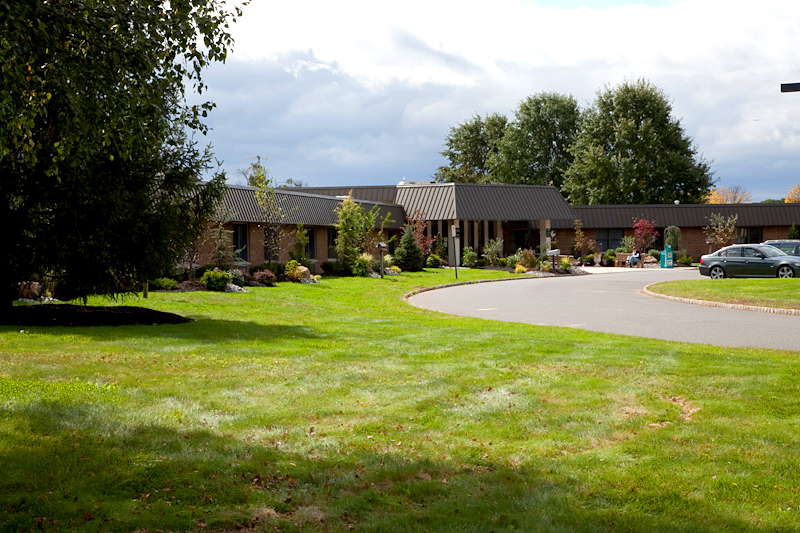
How is Hunterdon Llc Staffed?

CMS rates HUNTERDON CARE CENTER LLC's staffing level at 3 out of 5 stars, which is average compared to other nursing homes. Staff turnover is 33%, compared to the New Jersey average of 46%. This relatively stable workforce can support continuity of care.

What Have Inspectors Found at Hunterdon Llc?

State health inspectors documented 24 deficiencies at HUNTERDON CARE CENTER LLC during 2020 to 2025. These included: 1 Immediate Jeopardy (the most serious level, indicating potential for serious harm or death) and 23 with potential for harm. Immediate Jeopardy findings are rare and represent the most serious regulatory concerns. They require immediate corrective action.
Who Owns and Operates Hunterdon Llc?

HUNTERDON CARE CENTER LLC is owned by a for-profit company. For-profit facilities operate as businesses with obligations to shareholders or private owners. The facility is operated by OCEAN HEALTHCARE, a chain that manages multiple nursing homes. With 185 certified beds and approximately 170 residents (about 92% occupancy), it is a mid-sized facility located in FLEMINGTON, New Jersey.
How Does Hunterdon Llc Compare to Other New Jersey Nursing Homes?

Compared to the 100 nursing homes in New Jersey, HUNTERDON CARE CENTER LLC's overall rating (3 stars) is below the state average of 3.3, staff turnover (33%) is significantly lower than the state average of 46%, and health inspection rating (2 stars) is below the national benchmark.

What Should Families Ask When Visiting Hunterdon Llc?

Based on this facility's data, families visiting should ask: "What changes have been made since the serious inspection findings, and how are you preventing similar issues?" "Can I visit during a mealtime to observe dining assistance and food quality?" "How do you handle medical emergencies, and what is your hospital transfer rate?" "Can I speak with family members of current residents about their experience?" These questions are particularly relevant given the facility's Immediate Jeopardy citations.

Is Hunterdon Llc Safe?

Based on CMS inspection data, HUNTERDON CARE CENTER LLC has documented safety concerns. Inspectors have issued 1 Immediate Jeopardy citation (the most serious violation level indicating risk of serious injury or death). The facility has a 3-star overall rating and ranks #100 of 100 nursing homes in New Jersey. Families considering this facility should ask detailed questions about what corrective actions have been taken since these incidents.

Do Nurses at Hunterdon Llc Stick Around?

HUNTERDON CARE CENTER LLC has a staff turnover rate of 33%, which is about average for New Jersey nursing homes (state average: 46%). Moderate turnover is common in nursing homes, but families should still ask about staff tenure and how the facility maintains care continuity when employees leave.

Was Hunterdon Llc Ever Fined?

HUNTERDON CARE CENTER LLC has been fined $13,000 across 1 penalty action. This is below the New Jersey average of $33,209. While any fine indicates a compliance issue, fines under $50,000 are relatively common and typically reflect isolated problems that were subsequently corrected. Families should ask what specific issues led to these fines and confirm they've been resolved.

Is Hunterdon Llc on Any Federal Watch List?

HUNTERDON CARE CENTER LLC is not on any federal watch list. The most significant is the Special Focus Facility (SFF) program, which identifies the bottom 1% of nursing homes nationally based on persistent, serious quality problems. Not being on this list means the facility has avoided the pattern of deficiencies that triggers enhanced federal oversight. This is a positive indicator, though families should still review the facility's inspection history directly.