ALLAIRE REHAB & NURSING
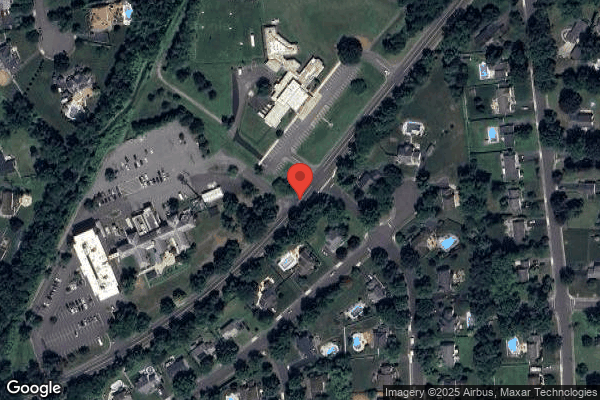
115 DUTCH LANE ROAD, FREEHOLD, NJ 07728 (732) 431-7420
For profit - Limited Liability company 174 Beds ALLAIRE HEALTH SERVICES Data: November 2025 10 Immediate Jeopardy citations
Trust Grade
0/100
#237 of 344 in NJ
Last Inspection: November 2024

Within standard 12-15 month inspection cycle. Federal law requires annual inspections.

Overview

Allaire Rehab & Nursing in Freehold, New Jersey, has received a Trust Grade of F, indicating significant concerns about the quality of care and overall facility conditions. Ranking #237 out of 344 in New Jersey places it in the bottom half of facilities in the state, while its county ranking of #27 out of 33 suggests there are only a few options that are better locally. The facility is improving somewhat, reducing issues from 15 in 2024 to 7 in 2025, but it still has a concerning staffing turnover rate of 61%, which is above the state average. The home has incurred a staggering $238,495 in fines, indicating serious compliance issues, and it has less registered nurse coverage than 90% of facilities in New Jersey. Specific incidents include critical failures to protect residents' rights during room searches without proper consent, which made residents feel harassed, and inadequate handling of abuse allegations, where a resident's claims of mistreatment were not thoroughly investigated. While the facility does have a strong performance in quality measures, these serious deficiencies highlight significant weaknesses that families should consider carefully.

Trust Score
F
0/100
In New Jersey
#237/344
Bottom 32%
Safety Record
High Risk
Review needed
Inspections
Getting Better
15 → 7 violations
Staff Stability
⚠ Watch
61% turnover. Above average. Higher turnover means staff may not know residents' routines.
Penalties
○ Average
$238,495 in fines. Higher than 71% of New Jersey facilities. Some compliance issues.
Skilled Nurses
⚠ Watch
Each resident gets only 28 minutes of Registered Nurse (RN) attention daily — below average for New Jersey. Fewer RN minutes means fewer trained eyes watching for problems.
Violations
⚠ Watch
31 deficiencies on record. Higher than average. Multiple issues found across inspections.
★★☆☆☆
2.0
Overall Rating
★★★☆☆
3.0
Staff Levels
★★★★★
5.0
Care Quality
★☆☆☆☆
1.0
Inspection Score
Stable
2024: 15 issues
2025: 7 issues

The Good

  • 5-Star Quality Measures · Strong clinical quality outcomes
  • Full Sprinkler Coverage · Fire safety systems throughout facility
  • No fines on record

Facility shows strength in quality measures, fire safety.

The Bad

2-Star Overall Rating

Below New Jersey average (3.2)

Below average - review inspection findings carefully

Staff Turnover: 61%

14pts above New Jersey avg (46%)

Frequent staff changes - ask about care continuity

Federal Fines: $238,495

Well above median ($33,413)

Significant penalties indicating serious issues

Chain: ALLAIRE HEALTH SERVICES

Part of a multi-facility chain

Ask about local staffing decisions and management

Staff turnover is elevated (61%)

13 points above New Jersey average of 48%

The Ugly 31 deficiencies on record

10 life-threatening
Aug 2025 4 deficiencies 3 IJ
CRITICAL (J) 📢 Someone Reported This

A family member, employee, or ombudsman was alarmed enough to file a formal complaint

Immediate Jeopardy (IJ) - the most serious Medicare violation

Free from Abuse/Neglect (Tag F0600)

Someone could have died · This affected 1 resident

**NOTE- TERMS IN BRACKETS HAVE BEEN EDITED TO PROTECT CONFIDENTIALITY** Complaint # 2582137 Refer to F610 and F835Based on observations, interviews, and review of pertinent facility documentation on 0...

Read full inspector narrative →
**NOTE- TERMS IN BRACKETS HAVE BEEN EDITED TO PROTECT CONFIDENTIALITY** Complaint # 2582137 Refer to F610 and F835Based on observations, interviews, and review of pertinent facility documentation on 08/05/2025, 08/06/2025, and 08/07/2025, it was determined that the facility failed to implement their abuse policy to ensure a.) residents were protected from abuse after an allegation of abuse was made on 08/05/2025, by the local police regarding Resident #8 and their caregiver, Resident Representative (RR #1). This deficient practice was identified for 1 of 3 residents reviewed for abuse (Resident #8). During an interview with the Licensed Nursing Home Administrator (LNHA) on 08/06/2025, revealed that on 08/05/2025, he observed the local police at the facility, and overheard the police officer tell the facility's Receptionist that Resident #8 was being mistreated by RR #1, who was caring for the resident. The LNHA acknowledged that mistreated could be considered abuse, but at the time of the allegation, Resident #8 was on the facility's premises out on pass. The LNHA stated that the facility did not conduct an investigation including completing an incident report because Resident #8 was cognitively intact and when the LNHA asked the resident if they were okay, the resident stated they were okay, it was family drama.The facility's failure to implement their abuse policy including investigating all allegations of abuse and protecting all residents from abuse during the investigation, placed Resident #8, as well as all residents at risk for abuse. This posed the likelihood of serious physical and emotional harm or injury which resulted in an Immediate Jeopardy (IJ) situation.The IJ began on 08/05/2025, after the police notified the facility. The facility's Administrator was notified of the IJ on 08/07/2025 at 5:59 P.M. The facility submitted an acceptable Removal Plan (RP) on 08/11/2025 at 10:24 A.M. The surveyor verified the implementation of the RP on-site on 08/12/2025 at 12:45 P.M.The facility further failed to b.) protect a resident (Resident #1) from sexual and physical abuse when Resident #2 entered Resident #1's room and attempted to kiss them on their mouth and Resident #1 bit Resident #2's tongue which resulted in bleeding. In response, Resident #2 hit Resident #1 who sustained bruises to the face. This deficient practice was identified for 1 of 3 residents reviewed for abuse (Resident #1). The evidence was as follows:Part A A review of the facility policy with a revision date of 01/2025, titled Abuse Prevention Program whose policy statement includes .promotes an environment that does all to prevent resident abuse, neglect, misappropriation of property through the following components: screening and training of employees, prevention, identification, investigation, protection and reporting, Under section V Investigation: an investigation is initiated for all allegations of suspected abuse, neglect or misappropriation. Further in #4 of Investigation it states that the Abuse Investigator will complete a thorough investigation inclusive of interviewing the resident, alleged abuser and any witnesses. In section VII Reporting: it states that The Abuse Investigator will be responsible to make all reports regarding abuse investigations and indicates the agencies to report to. According to the admission Record (AR), Resident #8 was admitted to the facility with the diagnoses which include but were not limited to; amyotrophic lateral sclerosis (ALS-a progressive neurodegenerative disease affecting the brain and spinal cord leading to muscle weakness and atrophy), hypertension (high blood pressure), mood disorder, and anxiety disorder. According to the Minimum Data Set (MDS), an assessment tool dated 05/27/2025, Resident #8 had a Brief Interview for Mental Status (BIMS) score of 15/15, indicating that the resident was cognitively intact.A review of Resident #8's Care Plan (CP) include a focus area dated 05/03/2024, for depression and anxiety and that the resident refused to meet with psychiatry. Interventions included to monitor for depression, and to discuss concerns with [resident name's] family.On 08/06/2025 at 1:45 P.M., during an interview with the Unit Manager (UM #1), she stated that morning (08/06/2025), she became aware of an allegation of abuse involving Resident #8 and their caregiver (RR #1). UM #1 stated that the Social Worker (SW) received a call from a [community name redacted] organization regarding an allegation of abuse, and the SW spoke to Resident #8 about it. UM #1 stated that she assumed the SW investigated the allegation. UM #1 stated that RR #1 helped with Resident #8's care since the resident could be difficult with staff.On 08/06/2025, at 1:59 P.M., the surveyor observed Resident #8's bedroom door closed. The surveyor knocked on the door and RR #1 opened the door. The surveyor noted that Resident #8 was lying in bed eating lunch. There was no facility staff in the room with the resident at that time. On 08/06/2025 at 2:20 P.M., during an interview with the Licensed Practical Nurse (LPN #1), she confirmed that she was aware of the allegation of abuse. LPN #1 stated that she had not seen RR #1 abuse the resident. On 08/06/2025 at 2:34 P.M., during an interview with the SW, she confirmed that a [community name redacted] organization notified her that Resident #8's RR #2 called them and reported that the RR #1 was abusing the resident. The SW stated that she spoke with the resident who denied the allegation that RR #1 was abusing them. The surveyor continued to review Resident #8's medical record.A review of Resident #8's Progress Notes (PN) did not include documentation of the alleged abuse. The PN also did not include documentation from the SW that she received a phone call from a [community name redacted] organization alleging Resident #8 was abused.A review of the medical record also did not include any documentation that a skin assessment was conducted after the allegation of abuse was made.On 08/06/2025, at 4:33 P.M., during an interview with the LNHA, he stated that he was aware of the police being at the facility yesterday, and he overheard them telling the Receptionist at that time that Resident #8 was being mistreated by RR #1 who was caring for them. When asked if mistreated could be considered abuse, the LNHA agreed. The LNHA further stated that it was presented as a third-party claim of abuse, and added; I went outside and spoke to them right away. When the surveyor asked about what should be done when there was an allegation of abuse of a resident, the LNHA responded, First, make sure they are not hurt. The LNHA further stated that if the abuser is a visitor it's technically the same as staff and they need to be separated. The LNHA also that at the time, the resident was on the property premises, Out on Pass, and that the alleged perpetrator (RR #1) was on the other side of the facility parking lot. The LNHA stated that he wrote a statement about the claim and did not write an incident report since the resident had a BIMS of 15, and that the resident denied RR #1 was abusing them. When asked if an incident report should have been filed, the LNHA replied, I would have to check our abuse policy.On 08/07/2025, at 9:30 A.M., the surveyor observed RR #1 in the facility' s elevator headed up towards the resident's room.On 08/07/2025 at 10:40 A.M., during a follow-up interview with UM #1, she stated that she was not asked to provide a statement regarding the allegation or instructed to collect any statements from any potential witnesses. UM #1 acknowledged that there was no skin assessment conducted for Resident #8, and that she would try to complete one. UM #1 also stated that RR #1 was in the facility that morning when she arrived at work on 08/07/2025.On 08/07/2025, at 11:29 A.M., during a follow-up interview with the LNHA, he re-stated that the police were at the Receptionist's area when he walked into the lobby. Per the LNHA, the police acknowledged his presence but continued to talk with the Receptionist. The LNHA confirmed that he did not inquire from the police specific details regarding the allegation because he assumed that the police were unable to substantiate the allegation. The LNHA also stated that RR #1 (the perpetrator) was not separated from Resident #8 because he ruled out abuse as resident is alert and verbal. The LNHA stated I feel like if we were doing an assessment, all these measures would need to be taken into account. I was able to rule out abuse instantaneously. At that time, the LNHA stated The thought process was these measures are typically taken to rule out abuse, they had a BIMS of 15. I thought once ruled out the other steps weren't necessary. When the surveyor asked if that was the facility's policy, the LNHA responded, Per the policy all these steps are part of an investigation and should have been done. The LNHA further confirmed that nursing staff did not perform a body check on the resident to check for injuries. The LNHA also confirmed that there were no staff interviews conducted. The LNHA stated that he felt that he initiated an investigation by talking with Resident #8 because the resident was alert and oriented and stated they felt safe. When questioned about protection for Resident #8 from the alleged abuser, the LNHA stated that the aggressor (RR #1) was not separated from the resident because he felt that he ruled out abuse since the resident was alert and verbal and had a BIMS of 15. The LNHA acknowledged that an assessment should have been done.On 08/07/2025 at 2:24 P.M., during a follow-up interview with the SW, she stated, Administrator or myself is responsible for initiating an investigation when there is an allegation of abuse.On 08/07/2025 at 2:27 P.M., during an interview with the Certified Nursing Assistant (CNA #1), she stated that when RR #1 (alleged perpetrator) was at the facility, they do not want to be bothered. CNA #1 stated that the resident and RR #1 kept the door shut and she had to wait for them to ring.On 08/07/2025, at 3:37 P.M., during an interview with the Director of Nursing (DON), she stated that when notified of an allegation of abuse, the alleged victim and perpetrator must be immediately separated, the investigation begins and then call the police.An acceptable Removal Plan (RP) was received on 08/11/2025 at 10:27 A.M., indicating the action the facility will take to prevent serious harm from occurring or reoccurring. The facility implemented a corrective action plan to remediate the deficient practice including: on 08/05/2026 and 08/06/2025, Resident #8's skin was attempted to be assessed and the resident refused. On 08/05/2025 and 08/06/2025, Resident #8 was interviewed, and they stated that they felt safe and no abuse was occurring, that they wanted RR #1 to continue visiting that it was family drama. Resident #8 was provided a trauma screen, the facility requested a psychology consultation, and Resident #8 was provided emotional support. On 08/06/2025, the LNHA educated the nursing supervisor/manager to complete 30-minute checks on Resident #8 to ensure no threat until completion of investigation. The LNHA and SW were reeducated by the Regional DON on proper reporting of abuse allegations, the Receptionist was educated on proper procedures when law enforcement presents allegations, and on 08/07/2025, all staff began education on abuse identification and reporting.The survey team verified the implementation of the RP on-site on 08/12/2025 at 12:45 P.M. Part B A review of the facility policy dated revised 01/2025, titled Abuse Prevention Program whose policy statement is .promotes an environment that does all to prevent resident abuse, neglect, misappropriation of property through the following components: screening and training of employees, prevention, identification, investigation, protection and reporting. The purpose of the policy states Each resident has the right to be free from abuse, corporal punishment, and involuntary seclusion by an individual . A review of the Facility Reported Event (FRE) submitted to the New Jersey Department of Health (NJDOH) dated 07/28/2025, indicated that Resident #1 informed facility staff that Resident #2 had made contact' with them. The FRE indicated that the police were called to the facility, and that both residents were sent to the local hospital for treatment. Both residents returned to the facility the same day, and Resident #2 was placed on one-to-one (1:1) monitoring. A review of the facility's Incident Report (IR) revealed that on the date of the incident, Resident #1's Certified Nursing Assistant (CNA #2) entered the resident's room and observed Resident #2 on the floor. When CNA #2 asked Resident #1 what happened, the resident stated that Resident #2 hit them in the face. It also indicated that Resident #1 was observed with a hematoma (bruise) to the left cheek and Resident #2 was bleeding from the tongue and that both residents were sent to the local hospital for treatment. Further review of the IR indicated that facility placed Resident #2 on 1:1 monitoring. According to the statement from CNA #3, who was assigned as a companion for Resident #2, CNA #3 stated that he was distracted by an aide Who came to speak to me for a moment. I looked back; I didn't see them. A few minutes later an aide came and told me that Resident #2 was in Resident #1's room.According to the admission Record (AR), Resident #1 was admitted to the facility with the diagnoses which include but were not limited to: cerebral vascular accident (CVA; stroke), diabetes mellitus-type 2, and Moyamoya disease (a rare cerebrovascular condition where the carotid arteries in the brain are narrowed, leading to reduced blood flow and increased risk of stroke).According to the Minimum Data Set (MDS), an assessment tool dated 05/12/2025, Resident #1 had a Brief Interview for Mental Status (BIMS) score of 14/15, indicating that the resident was cognitively intact. According to the AR, Resident #2 was admitted to the facility with the diagnoses which included but were not limited to: Parkinson's disease, psychotic disorder with hallucinations, depression, and dementia.According to the MDS dated [DATE], Resident #2 had a BIMS score of 15/15, indicating that the resident was cognitively intact.A review of the Resident #2's Physician Order Sheet (POS) included an order for a wander guard (alarmed security bracelet) dated 02/13/2025, to the back of the wheelchair and to check placement every shift. A Care Plan (CP) report for Resident #2 included a Focus of the potential to be physically aggressive and combative at times related to Parkinson's disease, dementia, and mood disorder. According to the CP, Resident #2 had an altercation with another resident after becoming agitated on 4/06/2024. The Intervention/task dated 4/06/2024 was that the resident given a room change and moved to the second floor. On 08/05/2025 at 9:42 A.M., the surveyor observed Resident #1 in their room washed and dressed. The surveyor observed a bruise to the left corner of the resident's mouth's that spread down to the neck. There was also a small bruise observed to the resident's left eye. The resident was wearing sunglasses and did not want to remove them. When interviewed, the resident told the surveyor that Resident #2 tried to kiss them and that they bit Resident #2, and that Resident #2 then hit them in the face. Resident #2 was not in the facility at the time of survey. On 08/05/2025 at 12:19 P.M., the surveyor interviewed UM #1, who stated that she was made aware of the incident between the two residents that night. When the surveyor asked how Resident #2 was able to go to another floor (since Resident #2 wore a wander gaurd), UM #1 stated that Resident #2 often went to their unit for activities. UM #1 continued that due to Resident #2 having an increased fall risk, she requested the companion to accompany the resident. During an interview with the LNHA on 08/05/2025 at 2:55 P.M., the LNHA stated that each floor had companions, 1-2 per floor. The LNHA stated that the purpose of the companion was to accompany any resident who might wander or had a fall risk. The LNHA stated that a companion did not usually have a care assignment, but they could be asked to perform other tasks when the resident was not going off the floor. The LNHA further stated that he wouldn't consider this 1:1. It wasn't related to behavior, was related to falls and when residents leave the unit for visual contact of the resident.During an interview on 08/06/2025 at 10:20 A.M., with UM #2 for the floor where Resident #2 resided, she stated that someone was supposed to be with Resident #2, but not as 1:1. Their job was just watch the resident.During an interview with the DON on 08/06/2025 at 11:15 A.M., she stated that the role of the companion was to go with the resident and keep them safe, to supervise. The DON further stated that while some of the staff consider it 1:1, it was really a companion. The DON stated that Resident #2 liked to go outside for exercises, and to use the vending machines and to attend activities on another floor. The DON stated that she did not feel a companion should be care planned. The DON stated that it was not the type of 1:1 that required a physician's order. The DON did not provide further information for how both Residents #1 and Resident #2 were not protected from physical harm on the day of the incident.NJAC 8:39-4.1(a)(5)
CRITICAL (J) 📢 Someone Reported This

A family member, employee, or ombudsman was alarmed enough to file a formal complaint

Immediate Jeopardy (IJ) - the most serious Medicare violation

Investigate Abuse (Tag F0610)

Someone could have died · This affected 1 resident

Complaint # 2582137Based on interviews and review of other pertinent facility documentation on 08/05/2025, 08/06/2025, and 08/07/2025, it was determined that the facility failed to implement their abu...

Read full inspector narrative →
Complaint # 2582137Based on interviews and review of other pertinent facility documentation on 08/05/2025, 08/06/2025, and 08/07/2025, it was determined that the facility failed to implement their abuse policy by thoroughly investigating an allegation of abuse to a resident (Resident #8) that the police officer reported the allegation on 08/05/2025. This deficient practice was identified for 1 of 3 residents reviewed for abuse (Resident #8).During an interview with the Licensed Nursing Home Administrator (LNHA) on 08/06/2025, revealed that on 08/05/2025, he observed the local police at the facility, and heard the police officer tell the facility's Receptionist that Resident #8 was being mistreated by the Resident Representative (RR #1), who was caring for the resident. The LNHA acknowledged that mistreated could be considered abuse, but at the time of the allegation, Resident #8 was on the facility's premises out on pass. The LNHA stated that the facility did not conduct an investigation including completing an incident report because Resident #8 was cognitively intact and when he asked the resident if they were okay, the resident stated that they were okay; it was family drama.The facility's failure to implement their abuse policy by investigating all allegations of abuse placed Resident #8, as well as all resident at risk for abuse. This posed the likelihood of serious physical and emotional harm or injury which resulted in an Immediate Jeopardy (IJ) situation.The IJ began on 08/05/2025, after the police notified the facility of the allegation. The facility's Administrator was notified of the IJ on 08/07/2025 at 5:59 P.M. The facility submitted an acceptable Removal Plan (RP) on 08/11/2025 at 10:24 A.M. The surveyor verified the implementation of the RP on 08/12/2025 at 12:45 P.M. The evidence was as follows:Refer F 600, F 835 A review of the facility policy dated revised 01/2025, titled Abuse Prevention Program whose policy statement is .promotes an environment that does all to prevent resident abuse, neglect, misappropriation of property through the following components: screening and training of employees, prevention, identification, investigation, protection and reporting, Under section V Investigation: an investigation is initiated for all allegations of suspected abuse, neglect or misappropriation. Further in #4 of Investigation it states that the Abuse Investigator will complete a thorough investigation inclusive of interviewing the resident, alleged abuser and any witnesses. In section VII Reporting: it states that The Abuse Investigator will be responsible to make all reports regarding abuse investigations and indicates the agencies to report to.According to the admission Record (AR), Resident #8 was admitted to the facility with the diagnoses which include but were not limited to; amyotrophic lateral sclerosis (ALS-a progressive neurodegenerative disease affecting the brain and spinal cord leading to muscle weakness and atrophy), hypertension (high blood pressure), mood disorder, and anxiety disorder. According to the Minimum Data Set (MDS), an assessment tool dated 05/27/2025, Resident #8 had a Brief Interview for Mental Status (BIMS) score of 15/15, indicating that the resident was cognitively intact.A review of Resident #8's Care Plan (CP) include a focus area dated 05/03/2024, for depression and anxiety and that the resident refused to meet with psychiatry. Interventions include to monitor for depression, and to discuss concerns with [resident name's] family.On 08/06/2025 at 1:45 P.M., during an interview with the Unit Manager (UM #1), she stated that morning (08/06/2025), she became aware of an allegation of abuse involving Resident #8 and their caregiver (RR #1). UM #1 stated that the Social Worker (SW) received a call from a [community name redacted] organization regarding an allegation of abuse, and the SW spoke to Resident #8 about it. UM #1 stated that she assumed the SW investigated the allegation. UM #1 stated that RR #1 helped with Resident #8's care since the resident could be difficult with staff.On 08/06/2025, at 1:59 P.M., the surveyor observed Resident #8's bedroom door closed. The surveyor knocked on the door and RR #1 opened the door. The surveyor noted that Resident #8 was lying in bed eating lunch. There was no facility staff in the room with the resident at that time. On 08/06/2025 at 2:20 P.M., during an interview with the Licensed Practical Nurse (LPN #1), she confirmed that she was aware of the allegation of abuse. LPN #1 stated that she had not seen RR #1 abuse the resident. On 08/06/2025 at 2:34 P.M., during an interview with the SW, she confirmed that a [community name redacted] organization notified her that Resident #8's RR #2 called them and reported that the RR #1 was abusing the resident. The SW stated that she spoke with the resident who denied the allegations. The survey continued to review Resident #8's medical record.A review of Resident #8's Progress Notes (PN) did not include documentation of the alleged abuse. The PN also did not include documentation from the SW that she received a phone call from a [community name redacted] organization alleging Resident #8 was abused.A review of the medical record also did not include any documentation that a skin assessment was conducted after the allegation of abuse was made.On 08/06/2025, at 4:33 P.M., during an interview with the LNHA, he stated that he was aware of the police being at the facility yesterday, and he overheard them telling the Receptionist at that time that Resident #8 was being mistreated by RR #1 who was caring for them. When asked if mistreated could be considered abuse, the LNHA agreed. The LNHA further stated that it was presented as a third-party claim of abuse and added; I went outside and spoke to them right away. When the surveyor asked about what should be done when there was an allegation of abuse of a resident, the LNHA responded First, make sure they are not hurt. The LNHA further stated that if the abuser is a visitor, it's technically the same as staff and they need to be separated. The LNHA also that at the time, the resident was on the property premises, Out on Pass, and that the alleged perpetrator (RR #1) was on the other side of the facility parking lot. The LNHA stated that he wrote a statement about the claim and did not write an incident report since the resident had a BIMS of 15, and that the resident denied the abuse. When asked if an incident report should have been filed, the LNHA replied, I would have to check our abuse policy.On 08/07/2025 at 10:40 A.M. during a follow-up interview with UM #1, she stated that she was not asked to provide a statement regarding the allegation or instructed to collect any statements from any potential witnesses. UM #1 acknowledged that there was no skin assessment conducted for Resident #8, and that she would try to complete one. UM #1 also stated that RR #1 was in the facility that morning when she arrived at work on 08/07/2025.On 08/07/2025, at 11:29 A.M., during a follow-up interview with the LNHA, he re-stated that the police were at the Receptionist's area when he walked into the lobby. Per the LNHA, the police acknowledged his presence but continued to talk with the Receptionist. The LNHA confirmed that he did not inquire from the police specific details regarding the allegation because he assumed that the police were unable to substantiate the allegation. The LNHA also stated that RR #1 (the perpetrator) was not separated from Resident #8 because he ruled out abuse as resident is alert and verbal. The LNHA stated I feel like if we were doing an assessment, all these measures would need to be taken into account. I was able to rule out abuse instantaneously.At that time, the LNHA stated The thought process was these measures are typically taken to rule out abuse, they had a BIMS of 15. I thought once ruled out the other steps weren't necessary. When the surveyor asked if that was the facility's policy, the LNHA responded, Per the policy all these steps are part of an investigation and should have been done. The LNHA further confirmed that nursing staff did not perform a body check on the resident to check for injuries. The LNHA also confirmed that there were no staff interviews conducted. The LNHA stated that he felt that he initiated an investigation by talking with Resident #8 because the resident was alert and oriented and stated they felt safe. When questioned about protection for Resident #8 from the alleged abuser, the LNHA stated that the aggressor (RR #1) was not separated from the resident because he felt that he ruled out abuse since the resident was alert and verbal and had a BIMS of 15. The LNHA acknowledged that an assessment should have been done.On 08/07/2025 at 2:24 P.M., during a follow-up interview with the SW, she stated, Administrator or myself is responsible for initiating an investigation when there is an allegation of abuse. The SW stated that an investigation required obtaining statements from staff, and the nurses wrote the Incident Report because the of the skin integrity and the nurse was responsible for notifying the physician. The SW stated that the facility was technically still investigating and there was no summary or conclusion at that time.On 08/07/2025, at 3:37 P.M., during an interview with the Director of Nursing (DON), she stated that when notified of an allegation of abuse, the alleged victim and perpetrator must be immediately separated, the investigation begins and then call the police. The DON verified that an investigation should have been started when the police made the facility aware of the allegation of abuse. The DON stated that in her absence, the staff should have known what to do.An acceptable Removal Plan (RP) was received on 08/11/2025 at 10:27 A.M., indicating the action the facility will take to prevent serious harm from occurring or reoccurring. The facility implemented a corrective action plan to remediate the deficient practice including: on 08/05/2025, the LNHA after hearing the allegation from the police officers, interviewed Resident #8 who stated they felt safe and there was no abuse occurring. Resident #8 stated they wanted to continue having RR #1 visit them and it was family drama, and Resident #8 was provided emotional support. On 08/06/2025, the SW interviewed Resident #8, and a skin assessment was attempted but the resident refused. On 08/06/2025 and 08/07/2025, statements were collected from the staff. The staff collected a statement from RR #1, who denied hitting or abusing the resident. The LNHA, SW, and DON were immediately re-educated on the investigative process of alleged abuse. On 08/07/2025, the LNHA and DON revised the facility's abuse policy to clarify that any allegation, regardless of source or resident's perception, triggers an immediate investigation. On 08/07/2025, training on the Investigation of Abuse was started for all staff by the DON.The survey team verified the implementation of the Removal Plan on-site on 08/12/2025 at 12:45 P.M.NJAC8:39-4.1(a)(5)
CRITICAL (J) 📢 Someone Reported This

A family member, employee, or ombudsman was alarmed enough to file a formal complaint

Immediate Jeopardy (IJ) - the most serious Medicare violation

Administration (Tag F0835)

Someone could have died · This affected 1 resident

Complaint # 2582137Based on interviews and review of other pertinent facility documentation on 08/05/2025, 08/06/2025, and 08/07/2025, it was determined that the facility's Licensed Nursing Home Admin...

Read full inspector narrative →
Complaint # 2582137Based on interviews and review of other pertinent facility documentation on 08/05/2025, 08/06/2025, and 08/07/2025, it was determined that the facility's Licensed Nursing Home Administrator (LNHA) failed to ensure himself, as well as staff, implemented the facility's abuse policies and procedures to ensure resident safety and well-being by a.) protecting a resident from an alleged perpetrator pending a thorough investigation and b.) thoroughly investigating an allegation of abuse.The Licensed Nursing Home Administrator (LNHA) was interviewed by the surveyor on 08/06/2025. The LNHA stated that on 08/05/2025 he observed the local police at the facility and overheard the police officer tell the facility's Receptionist that Resident #8 was being mistreated by the Resident Representative (RR #1), who was caring for the resident. The LNHA acknowledged that mistreated could be considered abuse, but at the time of the allegation, Resident #8 was on the facility's premises out on pass. The LNHA stated that the facility did not conduct an investigation including completing an incident report because Resident #8 was cognitively intact and when he asked the resident if they were okay, the resident stated they were okay; it was family drama.The facility's failure to ensure the LNHA, as well as all staff, implemented their facility policies to ensure all residents were free from abuse by not protecting a resident from abuse and not investigating an allegation of abuse posed the likelihood for serious physical or emotional harm or injury. This resulted in an Immediate Jeopardy (IJ) situation.The IJ began on 08/05/2025, after the police notified the facility of the allegation. The facility's Administrator was notified of the IJ on 08/07/2025 at 5:59 P.M. The facility submitted an acceptable Removal Plan (RP) on 08/11/2025 at 10:24 A.M. The surveyor verified the implementation of the RP on 08/12/2025 at 12:45 P.M. The evidence was as follows:Refer F 600, F 610 A review of the undated Administrator - Job Description provided by the facility included the following:Position Summary: this position is responsible to establish and maintain systems that are effective to operate the nursing home in a manner to safely meet residents' needs in accordance with federal, state, and local regulations.Essential Requirements, Duties, and Responsibilities.develop, maintain and implement operational policies and procedures to meet residents' need compliance with federal, state and local requirements.develop and enforce a monitoring program to assure compliance with federal, state, and local requirements.establish systems to enforce the facility policies and procedures.establish systems to ensure compliance with federal, state, and local regulations.observe all facility policies and procedures.A review of the facility policy that was revised on 01/2025, titled Abuse Prevention Program included policy statement .promotes an environment that does all to prevent resident abuse, neglect, misappropriation of property through the following components: screening and training of employees, prevention, identification, investigation, protection and reporting, Under section V Investigation: an investigation is initiated for all allegations of suspected abuse, neglect or misappropriation. Further in #4 of Investigation it states that the Abuse Investigator will complete a thorough investigation inclusive of interviewing the resident, alleged abuser and any witnesses. In section VII Reporting: it states that The Abuse Investigator will be responsible to make all reports regarding abuse investigations and indicates the agencies to report to.On 08/06/2025 at 1:45 P.M., during an interview with the Unit Manager (UM #1), she stated that morning (08/06/2025), she became aware of an allegation of abuse involving Resident #8 and their caregiver (RR #1). UM #1 stated that the Social Worker (SW) received a call from a [community name redacted] organization regarding an allegation of abuse, and the SW spoke to Resident #8 about it. UM #1 stated that she assumed the SW investigated the allegation. UM #1 stated that RR #1 helped with Resident #8's care since the resident could be difficult with staff.On 08/06/2025, at 1:59 P.M., the surveyor observed Resident #8's bedroom door closed. The surveyor knocked on the door and RR #1 opened the door. The surveyor noted that Resident #8 was lying in bed eating lunch. There was no facility staff in the room with the resident at that time. On 08/06/2025 at 2:34 P.M., during an interview with the SW, she confirmed that a [community name redacted] organization notified her that Resident #8's RR #2 called them and reported that the RR #1 was abusing the resident. The SW stated that she spoke with the resident who denied the allegations. On 08/06/2025, at 4:33 P.M., during an interview with the LNHA, he stated that he was aware of the police being at the facility yesterday, and he overheard them telling the Receptionist at that time that Resident #8 was being mistreated by RR #1 who was caring for them. When asked if mistreated could be considered abuse, the LNHA agreed. The LNHA further stated that it was presented as a third-party claim of abuse and added; I went outside and spoke to them right away. When the surveyor asked about what should be done when there was an allegation of abuse of a resident, the LNHA responded First, make sure they are not hurt. The LNHA further stated that if the abuser is a visitor it's technically the same as staff and they need to be separated. The LNHA also that at the time, the resident was on the property premises, Out on Pass, and that the alleged perpetrator (RR #1) was on the other side of the facility parking lot. The LNHA stated that he wrote a statement about the claim and did not write an incident report since the resident had a BIMS of 15, and that the resident denied the abuse. When asked if an incident report should have been filed, the LNHA replied, I would have to check our abuse policy.On 08/07/2025 at 10:40 A.M., during a follow-up interview with UM #1, she stated that she was not asked to provide a statement regarding the allegation or instructed to collect any statements from any potential witnesses. UM #1 acknowledged that there was no skin assessment conducted for Resident #8, and that she would try to complete one. UM #1 also stated that RR #1 was in the facility that morning when she arrived at work on 08/07/2025.On 08/07/2025, at 11:29 A.M., during a follow-up interview with the LNHA, he re-stated that the police were at the Receptionist's area when he walked into the lobby. Per the LNHA, the police acknowledged his presence but continued to talk with the Receptionist. The LNHA confirmed that he did not inquire from the police specific details regarding the allegation because he assumed that the police were unable to substantiate the allegation. The LNHA also stated that RR #1 (the perpetrator) was not separated from Resident #8 because he ruled out abuse as resident is alert and verbal. The LNHA stated I feel like if we were doing an assessment, all these measures would need to be taken into account. I was able to rule out abuse instantaneously. At that time, the LNHA stated The thought process was these measures are typically taken to rule out abuse, they had a BIMS of 15. I thought once ruled out the other steps weren't necessary. When the surveyor asked if that was the facility's policy, the LNHA responded, Per the policy all these steps are part of an investigation and should have been done. The LNHA further confirmed that nursing staff did not perform a body check on the resident to check for injuries. The LNHA also confirmed that there were no staff interviews conducted. The LNHA stated that he felt that he initiated an investigation by talking with Resident #8 because the resident was alert and oriented and stated they felt safe. When questioned about protection for Resident #8 from the alleged abuser, the LNHA stated that the aggressor (RR #1) was not separated from the resident because he felt that he ruled out abuse since the resident was alert and verbal and had a BIMS of 15. The LNHA acknowledged that an assessment should have been done.An acceptable Removal Plan (RP) was received on 08/11/2025 at 10:27 A.M., indicating the action the facility will take to prevent serious harm from occurring or reoccurring. The facility implemented a corrective action plan to remediate the deficient practice including: the Administration attempted to restrict RR #1 from the premise pending an investigation, but Resident #8 did not agree. The LNHA educated the nursing supervisor/manager to check Resident #8 every 30-minutes to ensure no threat while the investigation was being concluded. The LNHA received education from the Regional Director of Nursing (RDON) about abuse prevention oversight, reporting, and compliance timelines. The facility's abuse prevention program was reviewed and revised to reflect appropriate reporting timeframes in addition to the requirement of mandatory reporting and proper investigation. The LNHA was additionally educated by the RDON regarding regulatory requirements for F 600 and F 610.The survey team verified the implementation of the Removal Plan on-site on 08/12/2025 at 12:45 P.M. NJAC 8:39-9.2(a)NJAC 8:39-9.3(a)NJAC 8:39-27.1(a)
CONCERN (D) 📢 Someone Reported This

A family member, employee, or ombudsman was alarmed enough to file a formal complaint

Potential for Harm - no one hurt, but risky conditions existed

Deficiency F0658 (Tag F0658)

Could have caused harm · This affected 1 resident

Complaint # 2582137Census: 137Sample:12Based on observations, interviews, medical record review and review of other pertinent facility documentation on 08/05/2025, 08/06/2025 and 08/07/2025 it was det...

Read full inspector narrative →
Complaint # 2582137Census: 137Sample:12Based on observations, interviews, medical record review and review of other pertinent facility documentation on 08/05/2025, 08/06/2025 and 08/07/2025 it was determined that the facility failed to administer medications according to the acceptable practice for 1 of 4 residents (Resident #8). The facility failed to follow their policy titled Administering Medications.The deficient practice was evidenced by the following:Reference: New Jersey Statues Annotated Title 45. Chapter 11. New Jersey Board of Nursing Statutes 45:11-23. Definitions b. The practice of nursing as a registered professional nurse is defined as diagnosing and treating human responses to actual or potential physical and emotional health problems, through such services as case finding, health teaching, health counseling, and provision of care supportive to or restorative of life and well-being, and executing medical regimens as prescribed by a licensed or otherwise legally authorized physician or dentist. Diagnosing in the context of nursing practice means the identification of and discrimination between physical and psychosocial signs and symptoms essential to effective execution and management of the nursing regimen within the scope of practice of the registered professional nurse. Such diagnostic privilege is distinct from a medical diagnosis. Treating means selection and performance of those therapeutic measures essential to the effective management and execution of the nursing regimen. Human responses mean those signs, symptoms, and processes which denote the individual's health need or reaction to an actual or potential health problem.The practice of nursing as a licensed practical nurse is defined as performing tasks and responsibilities within the framework of case finding, reinforcing the patient and family teaching program through health teaching, health counseling and provision of supportive and restorative care, under the direction of a registered nurse or licensed or otherwise legally authorized physician or dentist.According to the admission Record (AR), Resident #8 was admitted to the facility with the diagnoses which include but is not limited to: Amyotrophic Lateral Sclerosis (ALS-a progressive neurodegenerative disease affecting the brain and spinal cord leading to muscle weakness and atrophy), Hypertension, Mood disorder, anxiety disorder. Review of the Minimum data Set (MDS) an assessment tool dated 05/27/2025, indicated that Resident #8 had a Brief Interview for Mental Status (BIMS) score of 15/15 indicating that the resident is cognitively intact.A review of the Order Summary Report (OSR) Active as of 085/06/2025 included the following Physician Orders. (PO's):Calcium Oral Tablet 500 mg by mouth two times a day.Multiple Vitamin-Minerals Tablet give one tablet by mouth daily.Cholecalciferol Tablet 1000 Unit give one tablet twice daily.Rilutek Oral tablet 50 mg give 1 tablet by mouth two times a day for neuromuscular agent give on an empty stomach. Give one hour prior to meal or two hours after.The surveyor observed Resident #8 on 08/06/2025 at 1:59 P.M., who was lying in bed while the caretaker fed the resident lunch. The surveyor observed six pills in a medicine cup at the resident's bedside.On 08/06/2025 at 2:00P.M., the surveyor informed the Unit Manager (UM) of the medication in the cup. On 085/06/2025 at 2:04 P.M., the surveyor observed the UM remove the medication cup from the resident's bedside table and notified the Licensed Practical Nurse (LPN#1) assigned to the resident. The surveyor then interviewed the caretaker about the medication, and asked her if the medication was left for her to medicate the resident. The caretaker replied that she doesn't administer medications to Resident #8 and the resident also shook their indicating that the caretaker did not administer medications. The caretaker stated that the nurse was waiting for pudding to use in administering the medication. The survey interviewed the UM on 08/06/2024 at 2:07 P.M., and she identified the pills in the cup. When asked if it is policy to leave medications at residents' bedside, she replied, No, absolutely not. On 08/06/2025 at 2:20 P.M., the surveyor interviewed LPN #1 who confirmed that she left the medication at the resident's bedside, and stated she knows she should not have, It is not the policy. She further stated that she does not normally do that, but the resident's caretaker wanted the medications to be given in pudding so she left the medications to wait for pudding.During an interview with the Director of Nursing (DON) on 08/06/5025 at 4 2:51 P.M., she stated that it was not the policy for nurses to leave medication at bedside. The expectation would be if they do not take the medication then mark them as refused.Review of the facility policy dated 01/2025 indicated; Administering Medications under the Policy Statement, Medications shall be administered in a safe and timely manner, and as prescribed. Under Policy Interpretation and Implementation, 3. Medications must be administered in accordance with the orders, including any required time frame. 4.Medicaitons must be administered within one (1) hour of their prescribed time, unless otherwise specified. 18. If a drug is withheld, refused or given at a time other than the scheduled time, the individual administering the medication shall indicate such on the MAR.NJAC 8:39-29.2 [d]
Jul 2025 3 deficiencies
CONCERN (D) 📢 Someone Reported This

A family member, employee, or ombudsman was alarmed enough to file a formal complaint

Potential for Harm - no one hurt, but risky conditions existed

Deficiency F0697 (Tag F0697)

Could have caused harm · This affected 1 resident

Complaint #: NJ185442 Based on interviews, medical records review, and review of other pertinent facility documentation 6/30/25, 7/1/25, and 7/2/25, it was determined that the facility failed to obtai...

Read full inspector narrative →
Complaint #: NJ185442 Based on interviews, medical records review, and review of other pertinent facility documentation 6/30/25, 7/1/25, and 7/2/25, it was determined that the facility failed to obtain and administer narcotic pain medication according to physician's order (PO) in a timely manner. This deficient practice was identified 1 of 3 residents reviewed for pain management (Resident #6), and was evidenced by the following: Resident #6 was not at the facility at the time of the survey. A closed record review was conductedA review of Resident #6's Resident admission Record (AR; admission summary) revealed that the resident was admitted to the facility with diagnoses which included but were not limited to; anoxic brain damage (occurs when the brain is completely deprived of oxygen, leading to cell death and potential brain damage); dystonia (a neurological disorder that causes excessive involuntary muscle contraction), and gastrostomy tube (g-tube; a flexible tube surgically inserted into the stomach to deliver nutrition and medication). A review of the quarterly Minimum Data Set (MDS), an assessment tool dated 4/7/25, reflected that the resident had short-term and long-term memory problems with severely impaired decision making. A further review reflected that the resident was on a scheduled pain medication regimen and received as needed (PRN) pain medication.A review of Resident #6's individualized comprehensive Care Plan (ICCP) included a focus area initiated 10/16/24, that revealed that the resident had generalized pain related to dystonia and anoxic brain injury. Interventions included to administer medications per physician order.A review of Resident #6's Progress Notes (PN) revealed the following nursing notes:On 4/3/25 at 2:16 PM, that new orders were received from physician to discontinue oxycodone (a narcotic pain medication) and start Tramadol 50 milligrams (mg) (narcotic pain medication) via g-tube every eight hours for pain.On 4/3/25, at 10:14 PM, the nurse documented that the Tramadol 50 mg was waiting delivery from the pharmacy. A review of the Order Audit Report, include a PO dated 4/3/25 at 1:53 PM, for Tramadol Hydrochloride (HCl) 50 mg; give 1 tablet every eight hours via g-tube for severe pain.A review of Resident #6's April 2025 Medication Administration Record (MAR) revealed the following: A PO dated 4/4/25 at 6:00 AM, for Tramadol HCl 50 mg tablet; give 1 tablet via g-tube every eight hours. (This was dated one day after the nurse documented the physician changed the medication.)The MAR further revealed that the first dose of Tramadol was administered to the resident on 4/4/25 at 2:00 PM, with a documented pain of zero. The nurse then signed a 9 that indicated to see progress notes for the 4/4/25 at 10:00 PM dose.A review of the Progress Notes did not include a corresponding note related to the 4/4/25 at 10:00 PM, Tramadol dose.A review of Resident #6's Individual Patient's Controlled Drug Record for Tramadol HCl 50 mg revealed that the facility received 30 tablets on 4/5/25, and the nurse signed that the resident received their first dose on 4/5/25 at 6:00 AM. On 7/2/25 at 10:46 AM, the surveyor conducted a telephone interview with the Provider Pharmacy (PP), who stated that the pharmacy received Resident #6's Tramadol HCl 50 mg prescription on 4/4/25 at 1:30 PM. The PP stated that the pharmacy delivered the Tramadol on 4/5/25 at 3:30 AM. The PP continued that the facility received medication deliveries twice a day, early morning and evening, seven days a week. The PP stated that depending on the time the pharmacy received the order, determined when the medication was delivered.During an interview with the Unit Manager (UM) on 7/1/25 at 2:26 PM, she stated that she received an order via telephone from the Physician for Tramadol. The UM stated the order was entered in the electronic system and she assumed the doctor had sent the [electronic prescription]. The UM further stated that it was important to ensure that residents were receiving their prescribed medication, because it is their right. On 7/2/25 at 3:15 PM, the surveyor interviewed the ADON, who confirmed that Resident #6 did not receive any Tramadol until their 4/5/25 at 6:00 AM dose. The ADON also confirmed the facility did not have Tramadol in their back-up medication supply. The ADON stated that there should have been a medication intervention between 4/3/25, when the Tramadol was ordered, until the resident received their first dose on 4/5/25. The ADON further stated that the nurse who received the order should have contacted the Physician for an alternative if the medication was not available.On 7/2/25 at 3:41 PM, the surveyor interviewed the Director of Nursing (DON), who confirmed the facility did not have Tramadol in their back-up medication supply. A review of the facility's Administering Medication policy dated reviewed/revised 1/2025, indicated under Policy Statement that medications shall be administered in a safe and timely manner, and as prescribed. Policy Interpretation and Implementation.3. Medication must be administered in accordance with the orders, including any required time frame.A review of the facility's Medication Errors policy dated reviewed/revised 1/2025, included under the Policy Statement that in the event of medication error, the facility will act promptly to assess for adverse consequences, notify the physician, carry out follow-up orders. Policy Interpretation and Implementation.2. Examples of medications errors included: a. Omission- a drug is ordered but not administered.NJAC 8:39-27.1(a); 29.2(d); 29.3(a)(5-6)
CONCERN (D) 📢 Someone Reported This

A family member, employee, or ombudsman was alarmed enough to file a formal complaint

Potential for Harm - no one hurt, but risky conditions existed

Deficiency F0761 (Tag F0761)

Could have caused harm · This affected 1 resident

Complaint #: NJ185442 Based on interviews, review of the medical record, and other pertinent facility documents on 6/30/25, 7/1/25, and 7/2/25, it was determined that the facility failed to ensure con...

Read full inspector narrative →
Complaint #: NJ185442 Based on interviews, review of the medical record, and other pertinent facility documents on 6/30/25, 7/1/25, and 7/2/25, it was determined that the facility failed to ensure controlled medications were appropriately destroyed in accordance with state and federal regulations. This deficient practice was identified for 1 of 3 residents reviewed for pain management (Resident #6), and was evidenced by the following:Resident #6 was not at the facility at the time of the survey. A closed record review was conducted.A review of Resident #6 admission Record (AR; an admission summary) revealed that the resident was admitted to the facility with diagnoses that included but were not limited to; anoxic brain damage (occurs when the brain is completely deprived of oxygen, leading to potential cell death and significant neurological damage) and gastrostomy (g-tube, a flexible tube surgically inserted into the stomach to deliver nutrition and medication). A review of the quarterly Minimum Data Set (MDS), an assessment tool dated 4/7/25, reflected that the resident had short term and long-term memory problems with severely impaired decision making. A further review reflected that the resident was on a scheduled pain medication regime and received as needed (PRN) pain medication. A review of Resident #6's individualized comprehensive care plan (ICCP) included a focus area dated 10/16/24, that the resident had generalized pain related to dystonia (movement disorder characterized by uncontrollable muscle by uncontrollable muscle contractions that cause twisting movements or abnormal postures) and anoxic brain injury. Interventions included to administer medications per physician order.A review of Resident #6's Order Audit Report include a physician order dated 4/3/25 at 1:52PM, for Tramadol Hydrochloride (HCl) 50 milligrams (mg); give 1 tablet every eight hours via g-tube for severe pain.A review of Resident #6's Individual Patient's Controlled Drug Record (IPCDR) for Tramadol HCl 50 mg tablet revealed that the facility received 30 tablets on 4/5/25. The IPDR revealed that the resident received six tablets of Tramadol that were signed as administered by the nurse with 24 tablets remaining. The disposition of unused portion of the prescription for the discharged resident was blank for the following: destroyed by; witnessed by; and date.During an interview on 7/2/25 at 2:26 PM, the surveyor reviewed the resident's IPCDR for Tramadol with the Unit Manager (UM). The UM confirmed the unused medication should have been destructed. The UM then stated there should always be two nurses when the controlled medication was discontinued with medication remaining who take the IDCDR sheet and the used medication to the Director of Nursing (DON) for destruction. During an interview with the surveyor on 7/2/25 at 3:15 PM, the Assistant Director of Nursing (ADON) stated that she and the DON were responsible to make sure that the declining inventory sheet (IPCDR) were completed. The ADON confirmed that there should have been signatures on the declining inventory sheet after destruction.During an interview with the surveyor on 7/2/25 at 3:41 PM, the DON stated that she was handed the [declining inventory sheet] and medication, it was placed in the drug buster, and she was called on a rapid response and did not sign the form. The DON confirmed that she should have signed Resident #6's IPCDR for the Tramadol destruction. A review of the facility's Controlled Substance Administration & Accountability policy dated reviewed/revised 1/2025, included Obtaining/Removing/Destroying Medications.d. Two licensed staff must witness any disposal or destruction of a controlled substance and document same on the Drug Disposition Record, Controlled Drug Record.NJAC 8:39-29.4(i)
CONCERN (E) 📢 Someone Reported This

A family member, employee, or ombudsman was alarmed enough to file a formal complaint

Potential for Harm - no one hurt, but risky conditions existed

Deficiency F0628 (Tag F0628)

Could have caused harm · This affected multiple residents

**NOTE- TERMS IN BRACKETS HAVE BEEN EDITED TO PROTECT CONFIDENTIALITY** Complaint #: NJ185442 and NJ187702 Based on interview and review of pertinent facility documents on 6/30/25, 7/1/25, and 7/2/25,...

Read full inspector narrative →
**NOTE- TERMS IN BRACKETS HAVE BEEN EDITED TO PROTECT CONFIDENTIALITY** Complaint #: NJ185442 and NJ187702 Based on interview and review of pertinent facility documents on 6/30/25, 7/1/25, and 7/2/25, it was determined that the facility failed to ensure residents' New Jersey Universal Transfer Forms (UTF) for discharge to the hospital were completed fully and accurately. This deficient practice was identified for 3 of 3 residents reviewed (Resident #2, Resident #3, Resident #6), and was evidenced by the following: Reference: NJ.gov: https://www.nj.gov/health/forms/hfel-7instr_1.pdf:INSTRUCTIONS FOR COMPLETING THE NEW JERSEY UNIVERSAL TRANSFER FORM dated [DATE], The purpose of the New Jersey Universal Transfer Form: A form that communicates pertinent, accurate clinical patient care information at the time of a transfer between health care facilities/programs. It conveys the patient information required under federal regulations and conveys specific facts that the physician and nurse need to begin caring for a patient. The word patient is used throughout the form but refers to resident/client or the terminology used by a specific facility or program. Complete all boxes #1 - 29.1.Resident #2 was not available for interview during survey. The resident was reviewed as a closed record.A review of Resident #2's admission Record (AR; an admission summary), revealed that they were admitted to the facility with a diagnosis that included but was not limited to; cerebral infarction (a condition where a part of the brain tissue dies due to a lack of blood supply). A review of Resident #2's comprehensive Minimum Data Set MDS), an assessment tool dated 6/2/25, revealed that the resident had a Brief Interview for Mental Status (BIMS) score of 11 out of 15, indicating that resident was moderately cognitively impaired.A review of Resident #2's Progress Notes (PN) included a note dated 6/24/25 at 8:52 AM, that the resident was not responding at baseline to verbal stimuli, and their left pupil was dilated significantly larger then then their right. The vital signs were blood pressure (BP) 118 millimeters of mercury (mmHg) over 70 mmHg (118/70), temperature (T) 100.0 degrees Fahrenheit (F), oxygen saturation (O2 sat; measurement of oxygen saturation in the blood) 96%, respiration rate (RR; measurement of breaths per minute) 18, blood sugar (BS) 189. The Nurse Practitioner (NP) ordered the resident to be transferred to the hospital via emergency services (911) by ambulance. A review of Resident #2's Order Summary Report (OSR) dated active orders as of 6/24/25, included the resident had physician's orders (PO) for a code status of do not resuscitate (DNR; do not perform cardiopulmonary resuscitation) and do not intubate (DNI).A review of Resident #2's UTF, which instructed on the top of the form Items 1 - 29 must be completed, were blank for the following areas:2. Transfer time.6. Code status.27. Sending Facility Contact information. A further review of the UTF revealed that the documented vital sign of BP 140/59, pulse rate (PR) 84, RR 18, T 97.6 were not the same vital signs that were documented in resident's progress notes.On 7/2/25 at 3:41PM, during an interview with the Director of Nursing (DON), the DON reviewed the UTF with the surveyors and stated that the UTF should be accurate and complete. When questioned why the vital signs on the UTF were not the same as the vital signs documented in the resident's Progress Notes, the DON stated that vital signs were prepopulated from the previous vital signs that were documented in electronic medical system's vital signs. 2. Resident #3 was not available for interview during survey. The resident was reviewed as a closed record.A review of Resident #3's AR revealed that they were admitted with a diagnosis that included but was not limited to lock-in -state (a rare neurological condition where a person is conscious and aware but completely paralyzed, except for possible control of eye movements. It is characterized by preserved cognitive function and awareness).A review of Resident #3's quarterly MDS dated [DATE], revealed that the resident had a BIMS score of 15 out of 15, indicating that resident was cognitively intact. A review of Resident #3's OSR dated active orders as of 6/1/25, included a dietary PO for regular diet, puree texture, mild thick consistency (liquids), [teaspoon] only, and a PO for code status as full code (in the event of an emergency, the resident wished to receive all possible medical interventions and life-saving measures).A review of Resident #3's PN dated 6/18/25 at 7:17 PM, revealed that the resident began to cough, the nurse was called, and the resident was observed exhibiting seizure like activity. The oxygen saturation was 79% (indicated low percentage of oxygen), and emergency services (911) was called, and the resident left with emergency medical services (EMS). A review of Resident #3's UTF dated 6/18/25, revealed the following areas were blank:6. Code status 9. Form Completed By A further review revealed that in section 16, the resident's diet was indicated as a regular diet, which did not reflect the resident's ordered diet of regular diet, puree texture with mildly thick consistency liquids.During an interview with the surveyor on 7/2/25 at 3:41PM, the DON reviewed the UTF for Resident #3, and stated that the diet was incorrect, and that the resident's diet was puree. The DON also confirmed that the UTF should have been signed by the nurse who completed the form. 3. Resident #6 was not available for interview during survey. The resident was reviewed as a closed record. A review of Resident #6's AR revealed that they were admitted with a diagnosis which included was but not limited to anoxic brain damage (occurs when the brain is deprived of oxygen, leading to cell death and potential neurological damage. This complete lack of oxygen flow to the brain can result in significant and sometimes permanent impairment) A review of Resident #6's quarterly MDS dated [DATE], revealed that the resident was severely cognitively impaired for decision making. A review of Resident #6's OSR dated active orders as of 4/1/25, revealed that the resident had a code status for full code. A review of Resident #6's PN dated 4/7/25 at 2:30 PM, revealed that Resident #6 was observed by staff with respiratory depression and minimal response to stimuli. The resident was noted with periods of apnea (temporary cessation of breathing), emergency services were called, and the resident was transported to the emergency room. A review of Resident #6's UTF revealed that section 6. for code status was blank. On 7/2/25 at 3:41PM, during an interview with the DON, the DON reviewed the UTF with the surveyors and stated that the UTF should be accurate and complete.A review of the facility's Charting and Documentation policy reviewed / revised 4/2025 included under Policy Interpretation and Implementation.5. Documentation of procedures and treatments will include care-specific details, including.g.) The signature and title of the individual documenting.A review of the Job Description dated April 2020 for position: Charge Nurse [Licensed Practical Nurse or Registered Nurse] under essential duties and responsibilities.Fill out and complete transfer forms in accordance with established procedures.NJAC 8:39 -5.3(a)
Nov 2024 9 deficiencies 1 IJ (1 facility-wide)
CRITICAL (L)

Immediate Jeopardy (IJ) - the most serious Medicare violation

Resident Rights (Tag F0550)

Someone could have died · This affected most or all residents

⚠️ Facility-wide issue

**NOTE- TERMS IN BRACKETS HAVE BEEN EDITED TO PROTECT CONFIDENTIALITY** Based on interview, record review, and review of facility policy, it was determined that the facility failed to protect the resi...

Read full inspector narrative →
**NOTE- TERMS IN BRACKETS HAVE BEEN EDITED TO PROTECT CONFIDENTIALITY** Based on interview, record review, and review of facility policy, it was determined that the facility failed to protect the residents' rights to be treated with respect and dignity when the facility searched all 136 residents' rooms for drugs, including marijuana without properly obtaining informed consent for 2 of 31 residents reviewed for resident rights (Resident #65 and Resident #105) . Review of documentation provided by the Licensed Nursing Home Administrator (LNHA) revealed that on 10/07/24, all the resident rooms in the facility were searched. On 10/14/24, four resident rooms were searched, and on 10/21/24, an additional four resident rooms were searched. On 10/29/24 at 1:21 PM, the surveyor interviewed Resident #105 who stated that the facility had drug dogs come and search the facility every week. Resident #105 stated that they felt harassed by being searched. On 10/30/24 at 11:30 AM, the surveyor interviewed the LNHA who stated when the searches were conducted, staff knocked on the resident's door before entering, and if the canine picked up on a scent, they asked the resident to open the drawer, closet, or wherever the canine was indicating. Further interview with the LNHA revealed that if drugs were found during the search, it was thrown away and if hard drugs were found he called the police. There was no documented evidence that the police were notified when illegal substances were found. The facility developed a blanket policy which indicated that the facility could search resident rooms based on what they determined to be suspicion and probable cause. The facility contracted with a private agency for a drug canine to come into the facility. There was no law enforcement present during the searches nor was law enforcement called. The facility's failure to ensure that the residents were allowed to exercise their rights as a resident of the facility and their rights to be treated with respect and dignity placed all residents at risk of serious psychosocial harm due to causing the residents to feel degraded or harassed. This resulted in an Immediate Jeopardy (IJ) situation. The IJ began on 10/07/24, when all the resident rooms in the facility were illegally searched. The facility's Administration was notified of the IJ on 10/30/24 at 6:10 PM. The facility submitted an acceptable removal plan (RP) on 10/31/24 at 5:37 PM. The survey team verified the implementation of the RP during the continuation of the on-site survey on 11/01/24 at 1:45 PM. Findings include: Review of the facility's policy titled, Resident Rights, dated 08/15/24, included employees shall treat all residents [ .] with kindness, respect, and dignity; federal and state laws guarantee certain basic rights to all residents of this facility. These rights include: the resident's right to a dignified existence; be treated with respect, kindness, and dignity .exercise his or her rights as a resident of the facility and as a resident or citizen of the United States . Review of the facility's undated policy titled, Forbidden Items Policy, included For the safety of our residents, all weapons or items that can be used as such are banned from the facility at all times. In addition, alcohol, federally classified illegal drugs (including marijuana and THC products) and other contraband are strictly forbidden. Visitors who violate any of our rules will immediately lose their visiting privileges. Residents who violate any of our rules will cause discharge proceedings to be initiated on their behalf. In addition, violators will be reported to the police. We strongly encourage our residents and their families not to bring any of their own medications to the facility. If a resident insists on having their own medication, it must first be approved on an individual basis by nursing administration. The policy contained areas for the resident and/or Relative/Responsible Party names and signatures. There was no space for a witness or facility staff signature. Review of the undated policy titled, Possession of Drugs, Taking of Drugs, or Possession With Intent To Sell, included As a resident at [facility name] I [blank] agree that during my stay at the facility, I will NOT bring in drugs of any kind, I will NOT take any drugs that are not prescribed by my Physician and I will NOT give or sell drugs of any kind to any other resident, visitor or staff member. I understand and agree that if I am found in possession of drugs or observed taking or selling drugs of any kind, I may be discharged from the facility and not permitted readmission. If suspected of bringing federally classified illegal drugs (including marijuana and THC-based products) into the facility I agree to be searched/have my room searched. My Physician, as well as the local Police department will be notified promptly. If suspected, but not observed taking illegal drugs, I agree to urine and blood drug screening ordered by my Physician. My signature indicates my acceptance and agreement with this Policy. The form contained blanks for the signature of the resident and a witness. Review of a document titled, 3DK9 Deployment Report, dated 10/07/24, and provided by the Administrator revealed, .K9 [canine; police dog trained to do tasks such as drug searches] team met with [two] designated people and began a search of every room in the facility. Approximately all 136 rooms were searched along with [two] individuals who showed a huge change in behavior once the K9 was seen. See below for a complete list of items found . [room number withheld] .multiple pills . The Security Suggestions revealed, Increase frequency of searches and utilize a second K9. During an interview on 10/30/24 at 11:30 AM, with the LNHA and Social Services Director (SSD), the LNHA stated that the facility had been conducting searches for a few years due to the facility's population. The LNHA stated that the facility had been conducting the searches quarterly because the facility wanted to have a safe environment for the residents who were not alert and oriented. The LNHA stated they had ramped up the searches over the last month because there was a resident (Resident #125) who went to the hospital and was found with a bottle of pills. The LNHA stated that the facility decided to do searches with a canine for a month and then go back to quarterly if nothing else was found. The LNHA stated that when the quarterly searches were done, they searched anyone who had a repeated offense or there was a reason to suspect drug use. The LNHA stated that if someone was acting off or staff noticed something, then those residents' rooms were searched. The LNHA stated after the resident was found with the bottle of pills, the facility searched every single room as a baseline on 10/07/24, and depending on the findings, that was who the facility went back to for subsequent searches. The surveyor asked if all 136 residents gave consent for the room searches on 10/7/24, and the LNHA stated that staff knocked on the door before entering, and if the canine picked up on a scent, they asked the resident to open the drawer, closet, or wherever the canine was indicating. The LNHA stated, We do have a Forbidden Item Policy, part of what they (the residents) agree to is searches. The LNHA stated, If they say no, we aren't going to go into their pocket unwilling. The SSD stated the signed copies of the policies were kept with the social services documentation and that the signatures were obtained upon admission to the facility. The LNHA reported that the facility had an outside private company come in with a canine and a handler to conduct the searches, and the facility's security officer, who was also a smoking monitor, accompanied the handler, and they tried to have two staff members present. On 10/30/24 at 12:47 PM, the LNHA stated he was not keeping a log of what rooms were searched, but provided information from the outside company conducting the searches. The LNHA stated that if something was found during the search, it was thrown away. The LNHA stated that non-drug items went to the smoke monitor, and if it were drugs, the facility usually threw them out. The LNHA reported that he had a conversation with the police department, and they informed him that if hard drugs were found, to call them and they would do an investigation. During an interview on 10/30/24 at 2:32 PM, the LNHA stated the reason for the full facility search on 10/07/24, was because Resident #125 was sent to the hospital and had a bottle of pills with another resident's name on it. The LNHA identified the other resident as Resident #103, who was still residing at the facility. 1. During an interview on 10/29/24 at 1:21 PM, Resident #105 stated the facility had drug dogs come and search the facility every week. Resident #105 stated that they felt like they were being harassed. Resident #105 also stated that they told the facility once that it was okay because the resident did not have anything to hide. Resident #105 stated that they were tired of it, and the searches gave them flashbacks of living on the street. Resident #105 stated every room in the facility had been searched the first time, and even the police tell you why they wanted to search you. On 10/29/24 at 1:30 PM, the surveyor reviewed the medical record for Resident #105. A review of the admission Record face sheet (an admission summary) reflected Resident #105 was admitted to the facility with diagnoses that included; amyotrophic lateral sclerosis (ALS), anxiety disorder, unspecified mood disorder, and problem related to unspecified psychosocial circumstances. A review of the most recent quarterly Minimum Data Set (MDS), an assessment tool dated 09/01/24, reflected that Resident #105 had a Brief Interview for Mental Status (BIMS) score of 15 out of 15, which indicated a fully intact cognition. A further review of the MDS revealed that the resident had bilateral upper and lower extremity range of motion impairments. A review of the Forbidden Items Policy and Possession of Drugs, Taking of Drugs, or Possession With Intent To Sell policy both provided by the SSD, were not signed by Resident #105. The policies were dated as signed on 04/02/24, and handwritten by the SSD that Resident #105 verbally agrees. 2. During an interview on 10/29/24 at 11:04 AM, Resident #65 was asked if they were treated with respect and dignity by the staff at the facility, and the resident stated, Up until recently, they (the facility) were coming in with drug sniffing dogs. They have rifled through my dresser three times. The surveyor asked why the facility was performing these searches, and Resident #65 stated, I guess they are looking for drugs and such. The surveyor asked if the resident had consented to the searches, and Resident#65 stated, I did not sign anything, the intake contract stated it was a random search. My understanding was that these searches are a weekly thing and it's done before families come to visit, so they are not aware of it. On 10/29/24 at 11:04 AM, the surveyor reviewed the medical record for Resident #65. A review of the admission Record face sheet revealed Resident #65 was admitted to the facility with diagnoses which included; alcohol induced disorder, chronic pain, bipolar, tobacco use, and anxiety disorder. A review of the quarterly MDS dated [DATE], indicated Resident #65 had a BIMS score of 15 out of 15, which indicated the resident was cognitively intact. A review of the facility's Forbidden Items Policy, provided by the SSD, dated 04/05/24, included a notation that Resident #65 refused to sign it and it was verbally reviewed with the resident. The policy did not indicate who verbally reviewed it with the resident. A review of the facility's Possession of Drugs, Taking of Drugs, or Possession with Intent to Sell document provided by the SSD, the resident's signature was blank and dated 4/5/24. The SSD signed the document as the witness on 4/8/24, and there was a notation documenting that the resident refused to sign and the policy was verbally reviewed. A review of a document related to Resident #65 titled, 3DK9 Deployment Report dated 10/21/24, and provided by the LNHA included . [room number withheld] weed vapes [marijuana] and contraband . During an interview on 10/30/24 at 10:07 AM, the LNHA was asked why Resident #65 was searched if the resident had not signed (gave consent) the facility's Forbidden Items Policy. The LNHA stated, [Resident #65] consented when we approached them and when the canine came to Resident #65, they did not refuse the search. The LNHA stated multiple pills, marijuana vapes, and other contraband were found. During a follow-up interview on 10/30/24 at 11:28 AM, when the LNHA and SSD were asked about the facility's decision to do the weekly canine searches, the LNHA stated, It was ongoing when I started here about three to four years ago. When the LNHA was asked who was searched, he stated, Anyone who we found or who we had reason to suspect with pills. They were pocketing pills, marijuana, alcohol, etc we just get feedback from staff or if a team member has a feeling a resident might be using, but it's usually someone with a history. When asked how the consent to search Resident #65's room was obtained, the LNHA stated, We knocked on the door, if the dog picked up a scent, then we asked them to open the drawers. We have a Forbidden Items Policy, and they have agreed to the search. The SSD stated, If they said no to the search, we would then review the policy with them, and if they deny us again, we will begin the 30-day discharge. When the SSD was asked if these policies were provided to Resident #65 upon admission, the SSD stated, No, they were not in the admission packet. The acceptable Removal Plan on 10/31/24 at 5:37 PM, indicated the action the facility will take to prevent serious harm from occurring or recurring. The facility implemented a corrective action plan to remediate the deficient practice including: room searches will not be conducted for any resident without suspicion or probable cause; when probable cause was found the following must be done: the resident must be assessed, the care plan updated to reflect the findings of the assessment, and a written consent must be obtained from the resident; if the resident/representative does not consent, a room search cannot be completed; and all staff were educated on the updated facility's drug policy. The survey team verified the implementation of the Removal Plan during the continuation of the on-site survey on 11/01/24. On 11/01/24, the facility provided documentation of a resident questionnaire. The question was: Have you experiences [sic] psych social [psychosocial] harm related to the canine searches. It was documented that there were four residents [Resident #59, Resident #63, Resident #69, and Resident #83] who answered, Yes. NJAC 8:39-4.1(a)(12)(15)(16)(34)
CONCERN (D)

Potential for Harm - no one hurt, but risky conditions existed

Deficiency F0563 (Tag F0563)

Could have caused harm · This affected 1 resident

**NOTE- TERMS IN BRACKETS HAVE BEEN EDITED TO PROTECT CONFIDENTIALITY** Based on observation, interview, record review, and review of facility policy, the facility failed to promote the residents' rig...

Read full inspector narrative →
**NOTE- TERMS IN BRACKETS HAVE BEEN EDITED TO PROTECT CONFIDENTIALITY** Based on observation, interview, record review, and review of facility policy, the facility failed to promote the residents' right to have immediate access to visitors of immediate family members for one (1) of 31 sampled residents (Resident#126). This had the potential to cause psychosocial harm to R#126. Findings include: Review of the facility's policy titled, Visiting Hours Policy, dated 05/16/24 and provided by the facility, revealed, Effective immediately, all visitors, including family members to [Name of the LTC Facility] are hereby notified of the following visiting hours policy: 1. Visiting hours (free to roam) are from 8:00 AM to 8:00 PM daily. 2. Visitors seeking access outside of regular visiting hours must obtain prior permission from the Nursing Department (Supervisor/Nurse). 3. If permission is granted for after-hours visitation, visitors must proceed and remain in designated supervised areas, i.e., the Dayroom. Visitation to residents' rooms is not permitted, unless cleared by administration. This policy was enacted to ensure the comfort and well-being of all residents at our facility. We kindly request visitors to adhere to these guidelines to maintain a safe and respectful environment for everyone. Thank you for your cooperation. The form indicated the name of the Administrator. Review of R#126's undated admission Record, located under the Profile tab of the electronic medical record (EMR) revealed R#126 was admitted to the facility on [DATE], with diagnoses that included spastic hemiplegia affecting left nondominant side and injury of the oculomotor nerve, left side. Review of R#126's NJ (New Jersey) admission Packet, signed 06/04/24 and located under the Misc [Miscellaneous] tab of the EMR, revealed, . Your rights and protections as a nursing home resident . Spend Time with Visitors: You have the following rights: To spend private time with visitors. To have visitors at any time, as long as you wish to see them, as long as the visit does not interfere with the provision of care and privacy rights of other residents. To see any person who gives you help with your health, social, legal, or other services may at any time [sic] . Review of R#126's quarterly Minimum Data Set (MDS), with an Assessment Reference Date (ARD) of 08/29/24, and located under the MDS tab of the EMR revealed R#126 had a Brief Interview for Mental Status (BIMS) score of six out of 15, which indicated the resident was severely cognitively impaired. On 10/29/24, the survey team arrived at the facility at 9:00 AM. The doors were locked, and in order to enter the building, a staff member inside the building had to release the door. A keypad for the use of emergency personnel to enter the building was noted in the vestibule. During an interview on 10/29/24 at 2:46 PM, Resident#126's family member stated he came to the facility every day he was off work to spend time with and help care for R#126. The family member stated he had arrived at the facility before 8:00 AM on this day, and the facility's security officer had informed him that the staff on R#126's floor had complained and notified administration that he was arriving at the facility too early. The family member stated the security officer had told him he would let him go ahead and visit on this day since he had not heard from the administration himself that he could not allow him inside the facility. During an interview on 10/29/24 at 4:34 PM, R#125, who was R#126's roommate, stated they did not have any concerns or issues with R#126's family visiting at any time and being present in their room. R#125 stated that they appreciated the presence of R#126's family member and other family members and had developed a good relationship with them. R#126 stated no one at the facility had asked if they had any concerns with R#126's family member visiting before 8:00 AM. During an observation on 10/30/24 at 9:00 AM, a sign was observed taped to the front door of the facility. The sign indicated, Please Respect the Privacy of our Residents & Understand that Visiting Hours are from 8:00 AM through 8:00 PM Thank You, Security. There was no indication that visits could be scheduled after hours or that immediate family had immediate access to the residents. During an interview on 11/01/24 at 11:58 AM, the Administrator was asked why there were visiting hours posted on the front door of the facility. The Administrator stated there were still 24-hour visits available as needed. He stated there had been instances with families being loud, creating a disturbance for residents who were sleeping, and they wanted the residents to feel safe and feel like they were home. The Administrator stated, We don't want visitors coming in roaming, going in other residents' rooms, and we want them safe and to have a restful night. The Administrator stated that people tried to break the rules all the time. He stated there was a non-resident person seen coming out of the shower one time in a bathrobe, with a towel and a bonnet on her head. The Administrator stated that at 8:00 PM, there was an overhead page letting everyone know that visiting hours were over. He stated visitors remaining in the facility with a resident created an uncomfortable situation for roommates. The Administrator stated, We created a protocol for scheduled and supervised visits after hours. He stated after-hour visits had to be in a public area, and they were given multiple suggestions for where the visits could occur, such as the day room and salon. He stated they were informed they were not free to roam through the facility. The Administrator stated residents still had the right to have 24-hour visits, but the visits could be supervised if needed. He stated, It's 100% fine to visit after 8:00 PM and still available if it doesn't affect the other residents. During an interview on 11/01/24 at 2:08 PM, the Administrator stated the visiting hours policy had been posted at all nursing stations during May 2024. He stated residents could still have visitors at any time, but the visits had to be scheduled if they occurred between 8:00 PM and 8:00 AM. NJAC 8:39-4.1(a)23
CONCERN (D)

Potential for Harm - no one hurt, but risky conditions existed

Deficiency F0582 (Tag F0582)

Could have caused harm · This affected 1 resident

**NOTE- TERMS IN BRACKETS HAVE BEEN EDITED TO PROTECT CONFIDENTIALITY** Based on interview, record review, and review of facility policy, the facility failed to ensure the SNF ABN (skilled nursing fac...

Read full inspector narrative →
**NOTE- TERMS IN BRACKETS HAVE BEEN EDITED TO PROTECT CONFIDENTIALITY** Based on interview, record review, and review of facility policy, the facility failed to ensure the SNF ABN (skilled nursing facility advanced beneficiary notice) was complete and accurate prior to discharge from Medicare part A skilled services for two (2) of three (3) residents (Resident#12 and Resident#57) reviewed for SNF Beneficiary Protection. This failure placed the residents and/or representatives at risk of not being fully informed. Findings include: Review of the facility' policy titled, Advanced Beneficiary Notices [ABN], dated 02/2024 revealed .The facility shall inform Medicare beneficiaries of his or her potential liability for payment. A liability notice shall be issues to Medicare beneficiaries upon admission or during a resident's stay, before the facility provides .custodial care . 1. Review of Resident#12's undated admission Record located in the Profile tab of the electronic medical record (EMR) revealed Resident#12 was admitted to the facility on [DATE]. Review of R#12's ABN dated? And provided by the facility indicated Resident#12 no longer required skilled care effective 04/02/24. Continued review of Resident#12's ABN revealed Medicare doesn't pay for everything, even some care that you or your health care provider think you need. The Skilled Nursing Facility (SNF) or its Utilization Review Committee believes that the care listed below does not meet Medicare coverage requirements. Beginning on 04/02/24, you may have to pay out of pocket for this care if you do not have other insurance that may cover these costs. Resident#12's ABN noticed also documented .PT/OT [physical therapy/occupational therapy] and the reason listed was Highest Practical Level Achieved. The Estimated Cost was left blank. 2. Review of Resident#57's undated admission Record located in the Profile tab of the EMR revealed Resident#57 was admitted to the facility on [DATE]. Review of Resident#57's ABN dated? And provided by the facility revealed the notice was provided to Resident#57's representative. The ABN indicated Resident#57 no longer required skilled care effective 09/17/24. Resident#57's ABN also revealed Medicare doesn't pay for everything, even some care that you or your health care provider think you need. The Skilled Nursing Facility (SNF) or its Utilization Review Committee believes that the care listed below does not meet Medicare coverage requirements. Beginning on 09/17/24, you may have to pay out of pocket for this care if you do not have other insurance that may cover these costs.PT/OT/ST [speech therapy.]. Continued review revealed the reason listed was Highest Practical Level Achieved. The Estimated Cost was left blank. In addition, the ABN notice revealed, Option 1: I want the care listed above. I want Medicare to be billed for an official decision on payment, which will be sent to me on a Medicare Summary Notice (MSN). I understand that if Medicare doesn't pay, I'm responsible for paying. But I can appeal to Medicare by following the directions on the MSN .Option 2: I want the care listed above but don't bill Medicare. I understand that I may be billed now because I am responsible for payment of the care. I cannot appeal because Medicare won't be billed .Option 3: I don't want the care listed above. I understand that I'm not responsible for paying and I can't appeal to see if Medicare would pay. There was a check box next to each option for the resident and/or representative to mark, indicating preference, however, the options check boxes were left blank. During an interview on 10/30/24 at 8:10 AM, the Social Services Director (SSD) was asked why the Estimated Cost was not documented on the form. The SSD stated, I was not aware that it needed to be listed. When the SSD was asked why the ABN options section was left blank for Resident#57, she stated, I did send her [the representative] a note, but she is not very responsible. When asked if she had followed up with the representative, the SSD stated, No, I did not follow-up since the 'ABN' was sent to her. NJAC 8:39-5.1(a)
CONCERN (D)

Potential for Harm - no one hurt, but risky conditions existed

Safe Environment (Tag F0584)

Could have caused harm · This affected 1 resident

Based on observation, interview, and facility policy review, the facility failed to ensure residents were provided with clean and unstained privacy curtains in their room for one (1) of 31 sampled res...

Read full inspector narrative →
Based on observation, interview, and facility policy review, the facility failed to ensure residents were provided with clean and unstained privacy curtains in their room for one (1) of 31 sampled residents (Resident#20). This failure placed the resident at risk of not being provided with a clean and homelike environment. Findings include: Review of the facility's policy titled, Cleaning and Disinfection of Environmental Surfaces, revised January 2021, revealed, . window/privacy curtains in resident areas will be cleaned when these surfaces are visibly contaminated or soiled . During a tour of the facility on 10/30/24 at 8:39 AM, the privacy curtain for Resident#20 was noted to have multiple large, dried, and brown stains along the bottom edge of the curtain. During observations on 10/31/24 at 5:41 PM and 11/01/24 at 10:00 AM, the privacy curtain remained unchanged. The stained areas measured from four inches to 22 inches in height and extended almost the entire length of the curtain. During an interview on 11/01/24 at 10:16 AM, the Housekeeping Aide (HSKP#1) was asked who was responsible for changing out soiled privacy curtains. She stated that it would be managed by the maintenance department. She stated it was not included in daily or deep cleaning. HSKP#1 stated if staff told her a curtain needed to be changed, she would notify her supervisor, and he would let the maintenance department know. During an observation and interview on 11/01/24 at 10:32 AM, the Licensed Practical Nurse (LPN#1) confirmed Resident#20's privacy curtain was stained, soiled, and should be changed out. She stated Resident#20 drank coffee, and the stains could be that. LPN#1 stated she would assume it was housekeeping's responsibility to change the privacy curtain, but she was not sure. She stated the condition of the curtain should have been noted and reported by someone. During an observation on 11/01/24 at 10:41 AM, the Housekeeping Director was observed with a ladder and a clean privacy curtain. He stated he was going to change Resident#20's privacy curtain. The Housekeeping Director HSKP confirmed it was the responsibility of the housekeeping department to change curtains if they were soiled. He denied any prior knowledge of Resident#20's privacy curtain being soiled. NJAC 8:39-4.1(a)11 NJAC 8:39-31.4(a)
CONCERN (D)

Potential for Harm - no one hurt, but risky conditions existed

Grievances (Tag F0585)

Could have caused harm · This affected 1 resident

**NOTE- TERMS IN BRACKETS HAVE BEEN EDITED TO PROTECT CONFIDENTIALITY** Based on observation, interview, record review, facility policy review, and review email correspondence, the facility failed to ...

Read full inspector narrative →
**NOTE- TERMS IN BRACKETS HAVE BEEN EDITED TO PROTECT CONFIDENTIALITY** Based on observation, interview, record review, facility policy review, and review email correspondence, the facility failed to make prompt efforts to resolve a grievance related to gastrostomy (g-tube) care for one of one (1) of 31 residents (Resident#126) reviewed for grievances. This failure caused Resident#126 to have an unresolved grievance, placed Resident#126 at continued risk of infection of the gastrostomy site, and placed the resident at risk for a diminished quality of life. Findings include: Review of the facility's undated policy titled, Patient Concern/Grievance Policy, revealed, . This facility strives to provide the best possible experience to its' Residents, Patients and Families . The grievance officer is the Director of Social Services . Social Services will notify each department of the concern that is attributed to their department . At Morning meeting/Department Head meeting, the Social Service department will discuss all outstanding concerns and/or resolutions . The Social Service department will review all concerns on a monthly basis, to observe any trends . Review of Resident#126's admission Record, located under the Profile tab of the electronic medical record (EMR) revealed Resident#126 was admitted to the facility on [DATE], with diagnoses that included spastic hemiplegia affecting left nondominant side and injury of the oculomotor nerve, left side. Review of Resident#126's Care Plan, dated 05/24/24, and located under the Care Plan tab of the EMR revealed Resident#126 had a g-tube due to potential for aspiration. Interventions included providing care of the insertion site as ordered by the physician. Review of an email from Resident#126's family member to the Social Services Director Assistant (SSDA), dated 06/21/24 at 9:46 AM and provided by Resident#126's family member, revealed, . I am going to send you a separate email with a picture of the condition of [Resident#126]'s peg tube when we arrived yesterday. thetube was leaking and hanging out of the bandage . I had the nurse clean it and re-bandage it last night . Review of Resident#126's quarterly Minimum Data Set (MDS), with an Assessment Reference Date (ARD) of 08/29/24, and located under the MDS tab of the EMR, revealed Resident#126 had a Brief Interview Mental Status (BIMS) score of six out of 15, which indicated the resident was severely cognitively impaired. Review of Resident#126's Physician Orders, dated 09/27/24, and located under the Orders tab of the EMR revealed staff was to cleanse the resident's g-tube site with normal saline, cover with a split gauze, and secure with paper tape each day shift. It was ordered for the dressing to be dated. During an interview on 10/29/24 at 2:46 PM with Resident#126's family member who stated the facility did not flush the resident's g-tube or change the dressing as ordered. The family member stated the site had been infected at times due to it not being cleaned. The family member further stated staff did not date the dressing and showed the surveyor pictures, dated 06/21/24, 08/17/24, 09/01/24, and 10/21/24, of what appeared to be the resident's gastrostomy site and tube (identified by tattoos unique to Resident#126). The pictures showed g-tube dressings that were soaked through with yellowish to dark gray matter. During an interview on 10/31/24 at 12:15 PM, Resident#126's family member stated emails had been sent to the facility regarding the lack of care of Resident#126's g-tube site, with the latest being sent on 10/21/24. The family member stated the Social Services Director (SSD) had responded to the grievance and said that staff would begin cleaning the site twice daily and reach out to the Nurse Practitioner (NP) to see if anything else could be done. During an interview on 10/31/24 at 12:49 PM, the SSD confirmed she had received an email from Resident#126's family member on 10/21/24. The SSD stated she had talked with LPN#1, who had informed the SSD that she would talk with the nurse practitioner and have the orders changed to twice daily dressings. The SSD stated she had informed Resident#126's family member of this and then closed the grievance. The SSD was asked who verified to make sure the changes occurred. The SSD confirmed she did not verify it. The SSD was asked to provide the email correspondence between herself and Resident#126's family member. Review of the email correspondence between the family member and the SSD, dated 10/21/24 at 2:03 PM and provided by the SSD, revealed that Resident#126's family member wrote, . [Resident#126] is not getting flushed on a daily basis. Nor is the date on [Resident#126] bandage getting put on it . complained of it hurting. When he took the new bandage off - there was 'old' bandage underneath stuck to [Resident#126] . The SSD's response was, . I asked [LPN#1] to take a look at this. Moving forward, we will be putting in an order to have the dressing changes for the g-tube site done twice daily. We will also have [NP] take a look at this when she is in to see if there is anything she can recommend for the inflammation and irritation to the site . Review of Resident#126's Orders tab of the EMR revealed no order to clean the g-tube site twice daily. During an interview on 10/31/24 at 2:08 PM, the SSD was asked how the grievance could be resolved if the nurses did not do what they said they were going to do. She stated, I understand. During an interview on 11/01/24 at 10:32 AM, LPN#1 was asked if the SSD had spoken with her regarding Resident#126's family member grievance on 10/21/24 related to Resident#126's gastrostomy tube. LPN#1 stated, Yes, that's my fault. She stated she had failed to speak with the NP and obtain orders for twice daily dressing changes. (Cross Reference F693) NJAC 8:39-4.1(a)35 NJAC 8:39-13.2(c)
CONCERN (D)

Potential for Harm - no one hurt, but risky conditions existed

Accident Prevention (Tag F0689)

Could have caused harm · This affected 1 resident

**NOTE- TERMS IN BRACKETS HAVE BEEN EDITED TO PROTECT CONFIDENTIALITY** Based on observation, interview, and record review, the facility failed to ensure resident safety for one (1) of 31 residents (R...

Read full inspector narrative →
**NOTE- TERMS IN BRACKETS HAVE BEEN EDITED TO PROTECT CONFIDENTIALITY** Based on observation, interview, and record review, the facility failed to ensure resident safety for one (1) of 31 residents (Resident#125) reviewed for overdose when they did not assess the risk of substance abuse while in the facility, develop a comprehensive care plan with interventions to help prevent overdose, and increase monitoring and supervision after Resident#125 experienced an overdose while at the facility. Findings include: Review of Resident#125's admission Record, located under the Profile tab of the electronic medical record (EMR), revealed Resident#125 was admitted to the facility on [DATE], with diagnoses that included alcohol abuse, opioid abuse, psychoactive substance abuse, and major depression disorder. Review of Resident#125's Social History, dated 05/17/24 at 1:05 PM and located under the Evaluations tab of the EMR, revealed, . Life events reviewed with [family member] and the resident. [Family member] reports significant history of substance use starting at age [AGE]. [Family member] reports some drinking, but pills were resident's preference. [Family member] reports several inpatient rehab stays and that [Resident#125] attends NA/AA [Narcotics Anonymous/Alcoholics Anonymous] meetings. [Family member] reports last relapse was two years ago, and [Resident#125] has denied any narcotics during hospitalization and rehab stays . The Social Services Assistant Director (SSAD) wrote the note. Review of Resident#125's Care Plan, dated 05/20/24, and located under the Care Plan tab of the EMR, revealed, . have a history of substance abuse . The goal was the resident would not engage in illicit drug or alcohol use through the next review. Interventions were to administer medications as ordered, to encourage the resident to talk and vent feelings freely, to offer emotional support as needed, to offer substance abuse treatment if desired, and to consult psychiatric services and treat as ordered. The care plan did not address signs and symptoms of possible substance use to monitor for or to encourage the resident to attend NA/AA meetings. There was no documentation to show the resident was assessed for the risk of substance abuse in the facility. There were no interventions identified to implement if substance abuse was suspected or identified. Review of Resident#125's Psychiatry Note, dated 05/24/24 at 8:30 AM and located under the Misc (Miscellaneous) tab of the EMR, revealed, . H/O [history of] heroin addiction but reports [Resident#125] is 10 years clean . Review of Resident#125's quarterly Minimum Data Set (MDS), with an Assessment Reference Date (ARD) of 08/21/24, and located under the MDS tab of the EMR, revealed Resident#125 had a Brief Interview for Mental Status (BIMS) score of 15 out of 15, which indicated the resident was cognitively intact. It was recorded that the resident had no behaviors. Review of Resident#125's Progress Notes and Misc tabs of the EMR, dated 05/24/24 through 09/26/24, revealed no documented evidence the resident showed any signs and symptoms of drug seeking or illicit drug use. There was no documented evidence that the facility encouraged Resident#125 to attend NA/AA meetings. Review of Resident#125's emergency department Provider Note, dated 09/27/24 at 8:37 PM and located under the Misc tab of the EMR, revealed, . brought from [Name redacted] for evaluation of overdose . found the patient unresponsive and hypoxic gave Narcan and the patient woke up . [Resident#125] denies taking any narcotics. States [he/she] only takes baclofen and gabapentin for [his/her] pain . Differential diagnosis includes overdose . Drug Screen, urine - Abnormal . Fentanyl, Urine . Positive . Review of Resident#125's Progress Note, dated 09/28/24 at 12:27 AM and located under the Progress Notes tab of the EMR, revealed, . ER [emergency room] nurse . notified this nurse at 12:20 AM that they found on [Resident#125] 27 Gabapentin pills in a container with the names of [name redacted] and white stuff in [his/her] purse. Resident is coming back to the facility . Review of Resident#125's Social Service Note, dated 09/30/24 at 3:44 PM and located under the Progress Notes tab of the EMR, revealed, . SW [Social Worker] met with resident today following return from hospital. Investigation initiated. Virtual NA meetings offered to resident, who expressed agreement. Virtual NA meetings to be scheduled within resident's preferred times. Psych made aware for follow-up. SW will remain available and follow up with resident as appropriate . Review of Resident#125's Social Service Note, dated 10/02/24 at 9:40 AM as a late entry and located under the Progress Notes tab of the EMR, revealed, . Met with resident to review virtual NA options. Discussed various dates/times, resident requesting to attend Wednesday session @ [at] 11:30 AM. SW will continue to follow . Review of Resident#125's Care Plan, located under the Care Plan tab of the EMR, revealed the care plan was updated on 10/09/24 to include, . I participate in virtual NA meetings on Wednesdays @ 11:30 per my request . Review of Resident#125's Care Plan, Progress Notes, and Misc tabs of the EMR, revealed no documented evidence that the facility increased monitoring and supervision of the resident or visitors, assessed the resident's risk for substance abuse, educated staff on signs and symptoms of possible substance use, or encouraged the resident's participation in NA meetings following the overdose incident on 09/27/24. During an interview on 10/30/24 at 4:34 PM, Resident#125 stated they had recently experienced an overdose. The resident further stated he/she thought the substance they took was heroin, but it was not. Resident#125 stated he/she had been involved in NA/AA meetings before coming to the facility, but had not been attending the meeting since their admission. Resident#125 stated the Social Worker had helped get it set up after his/her overdose so that he/she could attend virtual meetings on their phone. During an interview on 10/31/24 at 10:00 AM, Licensed Practical Nurse (LPN#7) confirmed there was no increased monitoring or supervision provided for Resident#125. During an interview on 10/31/24 at 10:49 AM, the Administrator confirmed that the facility had a large population of residents with substance abuse problems. He stated that after Resident#125's overdose, the facility had increased their efforts to rid the facility of illicit drugs. During an interview on 10/31/24 at 1:05 PM, the Social Services Director (SSD) and SSAD were asked if Resident#125 had been offered and encouraged to continue with their NA/AA meetings after admission to the facility. The SSA stated she could not remember if she had done that when she had gathered the resident's social history. The SSD was asked what interventions had been identified and implemented to help minimize Resident#125's risk of substance abuse and overdose since the overdose on 09/27/24. The SSD stated she had helped the resident get set up for NA meetings on their phone. The SSD confirmed she was not encouraging Resident#125 to attend the meetings. She stated, [Resident#125] is a great self-advocate. I didn't feel it was necessary to check in on him/her to see if he/she was attending them. NJAC 8:39-33.1(d)
CONCERN (D)

Potential for Harm - no one hurt, but risky conditions existed

Tube Feeding (Tag F0693)

Could have caused harm · This affected 1 resident

**NOTE- TERMS IN BRACKETS HAVE BEEN EDITED TO PROTECT CONFIDENTIALITY** Based on observation, interview, record review, and facility policy review, the facility failed to provide appropriate gastrosto...

Read full inspector narrative →
**NOTE- TERMS IN BRACKETS HAVE BEEN EDITED TO PROTECT CONFIDENTIALITY** Based on observation, interview, record review, and facility policy review, the facility failed to provide appropriate gastrostomy (g-tube) care for one (1) of two (2) residents (Resident#126) reviewed for tube feeding. This failure increased Resident#126's risks of g-tube complications. Findings include: Review of the facility's policy titled, Gastrostomy/Jejunostomy Site Care, revised December 2023, revealed, . The purposes of this procedure are to promote cleanliness and to protect the gastrostomy . site from irritation, breakdown and infection . Review of Resident#126's admission Record, located under the Profile tab of the electronic medical record (EMR), revealed Resident#126 was admitted to the facility on [DATE], with diagnoses that included spastic hemiplegia affecting left nondominant side and injury of the oculomotor nerve, left side. Review of Resident#126's Care Plan, dated 05/24/24, and located under the Care Plan tab of the electronic medical record (EMR), revealed Resident#126 had a gastrostomy tube (g-tube) due to potential for aspiration. Interventions included providing care of the insertion site as ordered by the physician. Review of Resident#126's Physician Orders, dated 09/27/24, and located under the Orders tab of the electronic medical record (EMR), revealed staff was to cleanse the resident's gastrostomy tube site with normal saline, cover with a split gauze, and secure with paper tape each day shift. It was ordered for the dressing to be dated. On 10/31/24 at 9:00 AM, the Licensed Practical Nurse (LPN#1) was asked to perform gastrostomy care for Resident#126. LPN#1 reported the care had been provided by the previous shift, so she was not assigned to complete it. Review of Resident#126's Treatment Administration Record (TAR), dated 10/31/24, revealed it was documented the care had been performed at 7:00 AM on 10/31/24. During an observation and interview on 10/31/24 at 9:58 AM, Resident#126 was observed in their room, with a piece of split gauze in their hand. There were two pieces of paper tape attached to the gauze. Dried yellowish-brown matter was noted on the gauze. Resident#126 turned the gauze over in their hand, and there was no date noted on the gauze. Resident#126 was asked if staff had cleaned their gastrostomy site on this day. The resident stated, No. Resident#125, the roommate (who was assessed to be cognitively intact) was asked if staff had performed gastrostomy care for Resident#126 on this day, stated, No. During an observation and interview on 10/31/24 at 10:13 AM, LPN#1 and the surveyor observed Resident#126's gastrostomy site. The surveyor observed a build-up of dark brown matter noted on the underside of the retention ring. There were small amounts of brown matter on the tube itself below the retention ring. LPN#1 confirmed the build-up of matter and stated the gastrostomy site and tubing had not been cleaned. During an interview on 10/31/24 at 1:38 PM, the Director of Nursing (DON) stated the facility's policy was to follow physician orders related to cleaning gastrostomy sites and tubes and that she expected staff to complete the care. (Cross Reference F585) NJAC 8:39-27.1(a)
CONCERN (E)

Potential for Harm - no one hurt, but risky conditions existed

Deficiency F0730 (Tag F0730)

Could have caused harm · This affected multiple residents

Based on interview, record review, and facility policy review, the facility failed to ensure a performance review was completed every 12 months for five (5) of seven (7) employees' personnel records r...

Read full inspector narrative →
Based on interview, record review, and facility policy review, the facility failed to ensure a performance review was completed every 12 months for five (5) of seven (7) employees' personnel records reviewed. Findings include: Review of the facility's policy titled, Performance Review, revised on 11/2023 indicated, The performance appraisal process provides a means for discussing, planning and reviewing the performance of each employee. Performance appraisals are conducted annually on dates announced by HR. Each manager is responsible for the timely and equitable assessment of the performance and contribution of employees in their department. Review of Unit Manager (UM#2) personnel record revealed a hire date of 10/08/18. The UM#2 signed the Job Description on 03/20/24. Continued review of UM#2's personnel file revealed no documented evidence a performance evaluation had been complete. Review of Companion Aid (CA#1) personnel records revealed a hire date of 02/14/23. The CA#1 signed the Job Description for the companion position on 02/14/24. There was no performance evaluation located in the personnel record. Review of Housekeeping (HKSP#2) personnel records revealed a hire date of 01/22/24.There was no performance evaluation located in the personnel record. Review of Director of Rehabilitation (DOR) personnel records revealed a hire date of 01/01/19. The DOR signed the Job Description for Director of Rehabilitation after being promoted on 05/03/24. Continued review of the DOR's personnel file revealed no documented evidence a performance evaluation had been completed since the hire date of 01/01/19. Review of Certified Nursing Aide (CNA#2) personnel records revealed a hire date of 08/08/23. The CNA#2 signed the Job Description for certified nurse aide on 08/08/23. Continued review of the personnel file revealed no documented evidence that a performance evaluation had been complete since the hires date of 08/08/23. During an interview on 11/01/24 at 1:28 PM, the Director of Clinical Operations stated, There are no performance reviews. This has caused a lot of people to quit or want raises, and they were not specific to each department. This is an item on the agenda for our next corporate meeting. We officially stopped doing them [performance evaluations] July 2024. NJAC 8:39-43.17(b)
CONCERN (F)

Potential for Harm - no one hurt, but risky conditions existed

Deficiency F0761 (Tag F0761)

Could have caused harm · This affected most or all residents

Based on observation, interview, and policy review, the facility failed to ensure four (4) of four (4) medication storage carts, and three of three treatment supply carts were free of dust, debris, an...

Read full inspector narrative →
Based on observation, interview, and policy review, the facility failed to ensure four (4) of four (4) medication storage carts, and three of three treatment supply carts were free of dust, debris, and residue. This failure had the potential to contaminate all resident medications and treatment supplies stored in the carts. Findings include: Review of the facility's policy titled Medication/Treatment Cart Cleaning and Disinfection, dated 02/2024 indicated .it is recommended to clean carts at least once a month and as needed . During an observation and interview with Licensed Practical Nurse (LPN#6) on 10/31/24 at 1:00 PM, the top left and right drawer of the medication cart for the annex had a buildup of dust, paper, and debris inside it. The third drawer on the left and right had dust and paper inside it. The drawer on the bottom right had dust, hair, and paper in it. LPN#6 stated he did not know how often the medication carts should be cleaned. During an observation and interview with Registered Nurse (RN#1) on 10/31/24 at 4:09 PM, the first floor North Hall medication cart revealed the top right drawer had dust, debris, and a pink sticky substance in it. Registered Nurse (RN#1) stated the carts should be cleaned after each shift. During an observation and interview with LPN#3 on 10/31/24 at 4:16 PM, the first floor South Hall medication cart revealed the top right drawer had a build-up of dust and debris in it. The bottom right drawer had a build-up of dust and debris. The bottom of the cart below the drawers had a build-up of dust and debris on it. LPN#3 stated the carts were checked and wiped down yesterday with the pharmacist but were still dirty. During an observation and interview with LPN#2 on 10/31/24 at 4:26 PM, the third-floor North medication cart revealed the first and fourth drawer on the right side had dust, debris, and hair in the drawers. LPN#2 stated she was not sure how often or when the medications carts were cleaned. During an observation and interview with Unit Manager (UM#3) on 11/01/24 at 9:25 AM, the third-floor South Cart revealed the top drawer on the right side had dust, debris, and hair inside it. The third and fourth drawers on the right side had hair and debris inside them. The bottom left drawer had a brown sticky substance inside it. The third drawer on the left side had a white substance and debris inside it. The UM#3 stated she was not sure how often or when the carts should be cleaned. She verified the drawers on the cart were not clean. During an observation and interview with UM#3 on 11/01/24 at 9:32 AM, the South treatment cart's fourth drawer had dust, paper, and loose screws inside it. The fifth drawer contained paper, dust, and debris inside it. The outside of the cart was dusty and sticky below the fifth drawer. UM#3 confirmed the cart was dirty. During an observation and interview with UM#3 on 11/01/24 at 9:35 AM, the hall 300 North treatment cart revealed the cart had paper, dust, and debris in the second drawer. The third drawer on the cart had hair, dust, and paper in it. The bottom of the cart was dirty and dusty below the fifth drawer. There was a black sticky substance above one of the front wheels. The UM#3 confirmed the cart was dirty. During an interview on 11/01/24 at 10:25 AM, UM#1 stated the medication carts should be wiped down and cleaned at least once a week. During an interview on 11/01/24 at 12:23 PM, the Administrator stated the nurses should be cleaning the carts; however, it is housekeeping responsibility to clean the carts once the carts were empty. This was discussed with the previous director before he left. NJAC 8:39-29.7(a)
Aug 2024 6 deficiencies 6 IJ
CRITICAL (J) 📢 Someone Reported This

A family member, employee, or ombudsman was alarmed enough to file a formal complaint

Immediate Jeopardy (IJ) - the most serious Medicare violation

Resident Rights (Tag F0550)

Someone could have died · This affected 1 resident

Complaint # NJ00176157 Based on observation, interview, record review, and review of pertinent facility documents on 8/15/24, it was determined that the facility failed to ensure that 1 of 1 Justice I...

Read full inspector narrative →
Complaint # NJ00176157 Based on observation, interview, record review, and review of pertinent facility documents on 8/15/24, it was determined that the facility failed to ensure that 1 of 1 Justice Involved Individual (JII) Resident #6 was afforded the autonomy to participate in group activities, community dining, serving meals in a dignified manner, freely communicate with visitors, leave rooms at will and be free from physical restraints. The failure to treat Resident #6 respectfully and in a dignified manner had the likelihood to cause serious injury and psychological harm. This was cited as an isolated incident that immediately jeopardizes the health and safety of the JII that resided in the facility which resulted in an immediate jeopardy(IJ) situation. The findings were as follows: Reference: The Centers for Medicare and Medicaid Services (CMS) updated Guideline to Surveyors on Federal Requirements for Providing services to Justice Involved individuals, revised 12/23/2016 S & C 16-21-ALL, indicated Resident Rights SNFs and NFs, as residential environments, must permit residents to have autonomy and choice, to the maximum extent practicable regarding how they wish to live their everyday lives and receive care. Federal statutes and regulations establish an array of individual rights and safeguards. Nursing homes cannot impose conditions or restrictions that undermine resident rights and protections required by federal law. Facilities cannot require prospective residents to give up their rights as a requirement for admission . The Immediate Jeopardy (IJ) began on 05/21/24, the date that Resident #6 was admitted to the facility and based on staff interviewed noted below, that upon admission has been secluded each day by correction officers (COs) of the Middlesex County Correctional Facility (MCCF). The IJ was identified on 08/15/24, when Resident #6 was observed by Surveyors being secluded to their room, guarded by COs, and was not permitted to participate in group activities and community dining. Further observation revealed the JII was not allowed to intermingle with other residents or visitors and were restricted from leaving the room at will. The Surveyors reviewed the following in the Electronic Medical Record (EMR). According to the admission Record, Resident #6 was admitted to the facility with diagnoses which included but not limited to Cerebrovascular disease and Abnormalities of Gait and Mobility. The Minimum Data Set (MDS), an assessment tool, dated 05/28/24, indicated that Resident #6 had a Brief Interview for Mental Status (BIMS) of 15 which indicated the resident was cognitively intact. The MDS also indicated Resident #6 had no behaviors and utilized no physical or chemical restraints. The facility's Licensed Nursing Home Administrator (LNHA) was informed on 08/15/24 at 7:51 p.m., that an Immediate Jeopardy situation existed. An acceptable removal plan was electronically mailed to the Surveyors on 8/15/24 at 10:15 p.m., indicating the action the facility will take to prevent serious harm from occurring or recurring. The facility implemented a corrective action plan to remediate the deficient practice including: The JII was discharged from the facility as of 8/15/24 at 9:05 p.m. The facility's referral team will review all future JII referrals to ensure that the rights of JII residents can be fully respected if the individual is admitted into the facility's care. The Surveyors verified the removal plan on-site on 8/19/24 and determined the IJ was removed as of 8/15/2024. The Director of Clinical Operations (DCO) provided the Surveyors with multiple facility policies including, RESIDENT RIGHTS, reviewed and revised on 01/2024, indicated under Policy Statement Employees shall treat all residents with kindness, respect, and dignity .1. Federal and state laws guarantee certain and basic rights to all residents of this facility. These rights include resident's right to: a. a dignified existence; b. be treated with respect, kindness, and dignity; c. be free from abuse, neglect, misappropriation of property and exploitation; d. be free from corporal punishment or involuntary seclusion, and physical or chemical restraints not required to treat the resident's symptoms; e. self-determination; f. communication with and access to people and services, both inside and outside the facility; g. exercise his or her rights as a resident of the facility and as a resident or citizen of the United States; h. be supported by the facility in exercising his or her rights .cc. access to a telephone, mail, and email; dd. Communicate in person and by mail, email, and telephone with privacy The facility policy titled, ABUSE PREVENTION PROGRAM reviewed and revised on 01/2024, under Policy Statement Our residents have the right to be free from abuse, neglect .This includes but is not limited to freedom from corporal punishment, involuntary seclusion .Policy Interpretation and Implementation As part of the resident abuse prevention, the administration will: 1. Protect our residents from abuse by anyone .3 .implement policies and procedures to aid our facility in preventing abuse, neglect, or mistreatment of our residents . The facility policy titled Dining Room Services, dated 5/2024, under Purpose: The purpose of this policy is to ensure that all residents receive safe, nutritious, and enjoyable dining experiences in a respectful and dignified environment. This policy outlines the standards and procedures for meal service, dietary accommodations, and dining room conduct. Scope: This policy applies to all residents .Accessibility: The dining room should be easily accessible to all residents .Resident Rights Choice and Independence: Residents have the right to make choices about their meals and dining experience .Dignity and Respect: All residents should be treated with dignity and respect during mealtimes . The facility policy titled Activities, reviewed and revised on 3/2024, under Purpose: The purpose of this policy is to ensure that all residents have access to a variety of meaningful, engaging, and age-appropriate activities that promote physical, emotional, and social well-being .Scope: This policy applies to all residents .Resident Rights: Residents have the right to choose which activities they participate in and to decline participation without consequence . The facility also failed to comply with the policies titled Resident Rights, Abuse Prevention Program, Dining Room Services, and ''Activities were implemented. During an interview with the Surveyors on 8/15/24 at 9:17 a.m., in the presence of the Assistant Administrator, Director of Nursing (DON), Assistant DON (ADON), Director of Social Services (DSS), Clinical Director of Operation (CDO), and Assistant Concierge (AC), the Administrator stated that the MCCF Administrator, DON, and Medical Director had an agreement that upon admission, the JII would have COs that would stay in the room throughout the day. The visits would have to be scheduled to coincide with the MCCF schedule. The Administrator explained that the MCCF administration instructed the facility to have visitors one day a week and then the receptionist will send the inmate visitor upstairs to check with the COs. The DON stated that anything that was brought to Resident #6's room had to be checked by the COs. The DON also added that the activities for the JII had to be given to the COs for approval, before giving them to the JII, and that the Resident was not allowed to participate in activities outside the room as instructed by the MCCF. During the tour of the unit on 8/15/24 from 11:17 a.m. to 12:30 p.m., the surveyors observed Resident #6 lying in bed, watching television. The resident's ankles were shackled and two COs were sitting inside the room. The Surveyors further observed Resident #6's cell phone was out of reach. During mealtime, Resident #6 was observed sitting on the side of the bed with ankles shackled together. Resident #6's meal was served on disposable plate and utensils. On 8/15/2024 at 11:17 a.m., the Surveyors interviewed Resident #6. The resident stated that they were not allowed to go out of the room to attend activities or go to the dining room with other residents. The resident also stated that the cell phone can only be used after approval from the COs. Resident #6 revealed that meals were served with disposable plate and utensils without knife (plastic or silver) to cut the food. Resident #6 explained that in order to eat the meal, the resident picked up the food and used their hands to break the meat into pieces. The resident stated that they felt like dirt. During the interview with the Surveyors on 8/15/2024 at 11:48 a.m., the COs stated that they were following the Middlesex County Correctional Facility (MCCF) policy for Resident #6, by not allowing the resident to leave the room except for Physical Therapy and Occupational Therapy (PT/OT), showers, and other pre-approved medical necessary. A review of Resident #6's Care Plan (CP), initiated on 5/26/24 and revised on 8/15/2024 revealed My leisure time will be under direct supervision. I may need solo leisure materials. Interventions included but not limited, Recreation Staff will have minimal and supervised interactions with [Resident #6] .Any mail or packages must be handed directly to the [CO] .Recreation Staff, as requested and as approved by the guards, will drop off solo leisure supplies such as a deck of playing cards, jigsaw puzzle, word puzzle book, notebook, reading materials, safe writing or coloring implements, etc. Upon request and approval of CO .We are not permitted to give [Resident #6] any electronics. All items must be handed to the CO on duty. We are not permitted to provide shopping service for [Resident #6]. We are not able to provide salon services for [Resident #6]; without the approval of the correctional institution's warden and resident is able to fund the service. During the interview with the Surveyors on 8/15/2024 at 11:59 a.m., the Licensed Practical Nurse (LPN #1), assigned nurse for Resident #6 stated that the JII stayed in their room all day except when going for a shower or PT/OT. LPN #1 further stated that the JII does not go into the main dining area to attend activities and eat outside the room. During the interview with the Surveyors on 8/15/2024 at 12:16 p.m., the assigned Certified Nursing Assistant (CNA #1) stated that the JII was served their meals on disposable plates with plastic utensils, and the COs would check the tray and remove the knife. The CNA further stated the JII took showers on scheduled days and the COs would stay in the shower room with the JII. During a follow up interview with the Surveyors on 8/15/24 at 2:30 p.m. with the LNHA and DON, the LNHA stated he was not aware and never paid attention that the Resident #6 was being shackled since Resident #6 was under the jurisdiction of the [MCCF]. The DON stated that she was aware that Resident #6 was being shackled, since this was the protocol of the county. The DON stated the only rights the resident had were to have a Bible, medical care, food, and nutrition. The resident can't go out to activities with other residents because of inmate status. It's a security issue, like if [he/she] attacks someone. I don't consider it restraining , [he/she] is the property of the jail and we are an extension of the jail. The Administrator and DON stated that they do not consider the Resident #3 a resident. According to DON and Administrator, Resident #6's rights weren't being followed because the facility was following the MCCF regulations for inmates. During the interview with the Surveyors on 8/15/2024 at 4:01p.m, the DSS confirmed that Resident #6 was not provided an admission agreement. The DSS further confirmed that Resident #6's resident rights (RR) were explained, however, the RR were not being implemented because the facility was following the MCCF protocol. NJAC 8:39-4.1(a) 11
CRITICAL (J) 📢 Someone Reported This

A family member, employee, or ombudsman was alarmed enough to file a formal complaint

Immediate Jeopardy (IJ) - the most serious Medicare violation

Deficiency F0557 (Tag F0557)

Someone could have died · This affected 1 resident

Complaint # NJ00176157 Based on observation, interview, record review, and review of pertinent facility documents on 8/15/2024, it was determined that the facility failed to ensure that 1 of 1 Justice...

Read full inspector narrative →
Complaint # NJ00176157 Based on observation, interview, record review, and review of pertinent facility documents on 8/15/2024, it was determined that the facility failed to ensure that 1 of 1 Justice Involved Individual (JII) Resident #6 was afforded the right to retain personal possessions and to have a homelike environment. This failure to treat Resident #6 respectfully and in a dignified manner had the likelihood to cause serious injury and psychological harm. This was cited as an isolated incident that immediately jeopardizes the health and safety of the JII which resulted in an immediate jeopardy ( IJ) situation. The findings were as follows: Reference: The Centers for Medicare and Medicaid Services (CMS) updated Guideline to Surveyors on Federal Requirements for Providing services to Justice Involved individuals, revised 12/23/2016 S & C 16-21-ALL. Under .Resident Rights SNFs and NFs, as residential environments, must permit residents to have autonomy and choice, to the maximum extent practicable regarding how they wish to live their everyday lives and receive care. Federal statutes and regulations establish an array of individual rights and Page 7- State Survey Agency Directors safeguards. Nursing homes cannot impose conditions or restrictions that undermine resident rights and protections required by federal law. Facilities cannot require prospective residents to give up their rights as a requirement for admission. Resident rights in the nursing home include, but are not limited to the right to: Be free from physical or chemical restraints imposed for discipline or convenience, and not for treatment of a resident's medical condition; 9 Choose activities, schedules, and health care consistent with his or her interests, assessments, and plans of care [and] interact with members of the community both inside and outside the facility; 10 Personal privacy and confidentiality of his or her personal and clinical records; 11 Immediate access to any resident by the following: subject to the resident's right to deny or withdraw consent at any time, immediate family or other relatives of the resident; and subject to reasonable restrictions and the resident's right to deny or withdraw consent at any time, others who are visiting with the consent of the resident; 12 Be free from verbal, sexual, physical, and mental abuse, corporal punishment, and involuntary seclusion. 13 Also, nursing home residents must not only be able to exercise their rights as residents of the facility and as citizens of the United States, but also have the right to be free of interference, coercion, discrimination, or reprisal from the facility in exercising those rights . The Immediate Jeopardy (IJ) began on 05/21/24, the date that Resident #6 was admitted to the facility and based on staff interviewed noted below, that upon admission has been secluded each day by correction officers (COs) of the Middlesex County Correctional Facility (MCCF). The IJ situation was identified on 08/15/24, when Residents #6 was observed being secluded to their room guarded by CO, and not permitted to participate in group activities, community dining, and being served meals in a dignified manner. The JII was not allowed intermingling with other residents, communicating with visitors, and leaving the room at will. The Surveyors reviewed the following in the Electronic Medical Record (EMR). Review of the admission Record (AR), Resident #6 was admitted to the facility with diagnoses which included but was not limited; Disease of Pericardium, Auditory Hallucinations, Hypertension, Anemia, Personal Muscle Weakness, Shortness of Breath, Need for Assistance with Personal Care. The Minimum Data Set (MDS), an assessment tool dated 5/28/2024, indicated that Resident #6's BIMS was 15, showing intact cognition, and required assistance from staff in Activities of Daily Living (ADL). The MDS further indicated under Section F- Preferences for Customary Routine and Activities .F0400. Interview for Daily and Activity Preferences revealed that while Resident was in the facility, the Resident was interviewed and stated that it is Important, but can't do or no choice, 1)to choose what clothes to wear; 2.) to take care of your personal belongings or things; 3.) to choose between a tub bath, shower, bed bath, or sponge bath; 4.) to be able to use the phone in private . Review of the Resident's Care Plans (CP) initiated on dated 05/26/24 and revised on 8/15/2024. The CP indicated My leisure time will be under direct supervision. I may need solo leisure materials. The CP interventions included but were not limited to .Recreation Staff will have minimal and supervised interactions with [Resident #6] .Any mail or packages must be handed directly to the guards .Recreation Staff, as requested and as approved by the guards, will drop off solo leisure supplies such as; deck of playing cards, jigsaw puzzle, word puzzle book, notebook, reading materials, safe writing or coloring implements, etc. Upon request and approval of [correction officer]; We are not permitted to give [Resident #6] any electronics. Any and all items must be handed to the CO on duty. We are not permitted to provide shopping service for [Resident #6]. We are not able to provide salon services for [Resident #6] without the approval of the correctional institution's warden . initiated on 05/26/2024, created on 05/26/2024, and revised on 08/15/2024. The facility Licensed Nursing Home Administrator (LNHA) was informed on 08/15/24 at 7:51 p.m., that an Immediate Jeopardy situation existed. An acceptable removal plan was electronically mailed to the surveyors on 8/15/2024 at 10:15 p.m., indicating the action the facility will take to prevent serious harm from occurring or recurring. The facility implemented a corrective action plan to remediate the deficient practice, the JII was discharged from the facility as of 8/15/24. The facility provided education to all administrative facility personnel on CMS guidance in reference to federal requirements for providing services to JIIs' and to ensure that the rights of JIIs can be respected if the individuals is admitted into the facility care. The Surveyors verified the removal plan on-site on 8/19/24 and determined the IJ was removed as of 8/15/2024. The Director of Clinical Operations (DCO) provided the Surveyors with multiple facility policies including, a policy titled Resident Rights dated 02/2024, included under Policy Explanation and Compliance Guidelines that prior to or upon admission, the social service designee, or another designated staff member, will inform the resident of the resident's rights and responsibilities. 2. Exercise of rights. The resident has the right to exercise his or her rights as a resident of the facility and as a citizen or resident of the United States. 5. Respect and Dignity. The resident has a right to be treated with respect and dignity including the right to be free of any physical or chemical restraint . 6. Self-determination. The resident has the right to, and the facility must promote and facilitate residents' self-determination through support of resident's choice, including but not limited to the right to choose activities, make choices about aspect of his or her life, right to interact with members of the community both inside and outside the facility, and the right to receive visitors. 7. Information and communication. The resident has the right to be informed of his or her rights and of all the rules and regulations governing resident conduct and responsibilities during his or her stay in the facility. 8. Privacy and confidentially. The resident has a right to personal privacy and confidentiality of his or her personal and medical records. Personal privacy includes accommodations, medical treatment written and telephone communication, personal care, visits, and meetings of family and resident groups. During an interview with the Surveyors on 8/15/2024 at 9:17 a.m., in the presence of Clinical Director of Operation (CDO) LNHA, Director of Nursing (DON), Assistant DON (ADON), Director of Social Services (DSS), Assistant Concierge (AC), the LNHA stated that there was one JII in the facility that was being supervised by two correctional officers (COs) upon admission. The LNHA further stated Resident #6 was not provided an admission agreement (AA) because they were a JII. However, the DSS stated that the JII's resident rights were explained. According to the LNHA, the facility has been following the correctional agreement with MCCF, and that MCCF had the jurisdiction of the JII and the facility needed to follow the correctional guidance which included but not limited to everything you bring in the room, the CO needs to check before giving to the JII. During the tour of the 2nd floor on 8/15/2024 at 11:17 a.m., Resident #6 and 2 COs were inside Resident #6's room. Resident #6 was lying on their bed with hospital gown and the lower extremities were shackled with metal cuff. The cell phone was observed by the window out of the resident's reach. During the interview with the Surveyors on 8/15/2024 at 11:17 a.m., Resident #6 stated that they could only use the cell phone to call their loved ones after the COs approval and was not allowed to have any items brought from the outside. Resident #6 stated that approval is needed from the COs before being allowed to do anything. NJAC 8:39-4.1
CRITICAL (J) 📢 Someone Reported This

A family member, employee, or ombudsman was alarmed enough to file a formal complaint

Immediate Jeopardy (IJ) - the most serious Medicare violation

Deficiency F0561 (Tag F0561)

Someone could have died · This affected 1 resident

Complaint # NJ00176157 Based on observation, interview, record review, and review of pertinent facility documents on 8/15/24, it was determined that the facility failed to ensure that 1 of 1 Justice I...

Read full inspector narrative →
Complaint # NJ00176157 Based on observation, interview, record review, and review of pertinent facility documents on 8/15/24, it was determined that the facility failed to ensure that 1 of 1 Justice Involved Individual (JII) Resident #6 was afforded the right to make own choices regarding aspects of life and care; participate in activities and interact with other residents inside of the facility. The failure to treat Resident #6 respectfully and in a dignified manner had the likelihood to cause psychological harm. This was cited as an isolated incident that immediately jeopardizes the health and safety of the JII that resided in the facility which resulted in an IJ situation. The findings were as follows: Reference: The Centers for Medicare and Medicaid Services (CMS) updated Guideline to Surveyors on Federal Requirements for Providing services to Justice Involved individuals, revised 12/23/2016 S & C 16-21-ALL, indicated Resident Rights SNFs and NFs, as residential environments, must permit residents to have autonomy and choice, to the maximum extent practicable regarding how they wish to live their everyday lives and receive care. Federal statutes and regulations establish an array of individual rights and safeguards. Nursing homes cannot impose conditions or restrictions that undermine resident rights and protections required by federal law. Facilities cannot require prospective residents to give up their rights as a requirement for admission . The Immediate Jeopardy (IJ) began on 05/21/24, the date that Resident #6 was admitted to the facility and based on staff interviewed noted below, that upon admission has been secluded each day by correction officers (COs) of the Middlesex County Correctional Facility (MCCF). The IJ was identified on 08/15/24, when Resident #6 was observed by the Surveyors being secluded in their room, guarded by COs, and was not permitted to participate in group activities and community dining. Further observation revealed the JII was not allowed to intermingle with other residents or visitors and were restricted from leaving their room at will. The Surveyors reviewed the following in the Electronic Medical Record (EMR). According to the admission Record, Resident #6 was admitted to the facility with diagnoses which included but not limited to Cerebrovascular disease and Abnormalities of Gait and Mobility. The Minimum Data Set (MDS), an assessment tool, dated 05/28/24, indicated that Resident #6 had a Brief Interview for Mental Status (BIMS) of 15 which indicated the Resident was cognitively intact. The MDS also indicated Resident #6 had no behaviors and utilized no physical or chemical restraints. A review of Resident #6's Care Plan (CP), initiated on 5/26/24 and revised on 8/15/2024 revealed My leisure time will be under direct supervision. I may need solo leisure materials. Interventions included but not limited, Recreation Staff will have minimal and supervised interactions with [Resident #6] .Any mail or packages must be handed directly to the [CO] .Recreation Staff, as requested and as approved by the guards, will drop off solo leisure supplies such as deck of playing cards, jigsaw puzzle, word puzzle book, notebook, reading materials, safe writing or coloring implements, etc. Upon request and approval of CO .We are not permitted to give [Resident #6] any electronics. Any and all items must be handed to the CO on duty. We are not permitted to provide shopping service for [Resident #6]. We are not able to provide salon services for [Resident #6]; without the approval of the correctional institution's warden and JII's ability to fund the service. The facility Licensed Nursing Home Administrator (LNHA) was informed on 08/15/24 at 7:51 p.m., that an Immediate Jeopardy situation existed. An acceptable removal plan was electronically mailed to the Surveyors on 8/15/24 at 10:15 pm, indicating the action the facility will take to prevent serious harm from occurring or recurring. The facility implemented a corrective action plan to remediate the deficient practice including: The JII was discharged from the facility as of 8/15/24 at 9:05 p.m. The facility's referral team will review all future JII referrals to ensure that the rights can be fully respected if the individual is admitted into the facility's care. The Surveyors verified the removal plan on-site on 8/19/24 and determined the IJ was removed as of 8/15/2024. The Director of Clinical Operations (DCO) provided the Surveyors with multiple facility policies including, titled, RESIDENT RIGHTS, reviewed and revised on 01/2024, indicated under Policy Statement Employees shall treat all residents with kindness, respect, and dignity .1. Federal and state laws guarantee certain and basic rights to all residents of this facility. These rights include resident's right to: a. a dignified existence; b. be treated with respect, kindness, and dignity; c. be free from abuse, neglect, misappropriation of property and exploitation; d. be free from corporal punishment or involuntary seclusion, and physical or chemical restraints not required to treat the resident's symptoms; e. self-determination; f. communication with and access to people and services, both inside and outside the facility; g. exercise his or her rights as a resident of the facility and as a resident or citizen of the United States; h. be supported by the facility in exercising his or her rights .cc. access to a telephone, mail, and email; dd. Communicate in person and by mail, email, and telephone with privacy The facility policy titled, ABUSE PREVENTION PROGRAM, reviewed and revised on 01/2024, under Policy Statement Our residents have the right to be free from abuse, neglect .This includes but is not limited to freedom from corporal punishment, involuntary seclusion .Policy Interpretation and Implementation As part of the resident abuse prevention, the administration will: 1. Protect our residents from abuse by anyone .3 .implement policies and procedures to aid our facility in preventing abuse, neglect, or mistreatment of our residents . The facility policy titled Dining Room Services, dated 5/2024, under Purpose: The purpose of this policy is to ensure that all residents receive safe, nutritious, and enjoyable dining experiences in a respectful and dignified environment. This policy outlines the standards and procedures for meal service, dietary accommodations, and dining room conduct. Scope: This policy applies to all residents .Accessibility: The dining room should be easily accessible to all residents .Resident Rights Choice and Independence: Residents have the right to make choices about their meals and dining experience .Dignity and Respect: All residents should be treated with dignity and respect during mealtimes . The facility policy titled Activities, reviewed and revised on 3/2024, under Purpose: The purpose of this policy is to ensure that all residents have access to a variety of meaningful, engaging, and age-appropriate activities that promote physical, emotional, and social well-being .Scope: This policy applies to all residents .Resident Rights: Residents have the right to choose which activities they participate in and to decline participation without consequence . The facility also failed to ensure that the facility policies titled RESIDENT RIGHTS, ABUSE PREVENTION PROGRAM Dining Room Services and ''Activities were implemented During an interview with the Surveyors on 8/15/24 at 9:17 a.m., in the presence of the LNHA, Director of Nursing (DON), Assistant DON (ADON), Director of Social Services (DSS), Clinical Director of Operation (CDO), and Assistant Concierge (AC), the LNHA stated that the MCCF Administrator, DON, and Medical Director had an agreement that upon admission, that the JII would have COs that stayed in the room throughout the day, the visits have to be scheduled, and the visitor schedule was to be the same as MCCF schedule. The Administrator explained that the MCCF instructed the facility to have visitors once a day during the week. The receptionist will send the JII visitor upstairs to check in with the COs. The DON stated that anything that was brought to Resident #6's room had to be checked by the COs. The DON also added that the JII had approved leisure activities by the MCCF, the activities had to be given to the COs before giving them to the JII and that the Resident was not allowed to participate in activities outside the room as instructed by the MCCF. During the tour of the unit on 8/15/24, from 11:17 a.m. to 12:30 p.m., the Surveyors observed Resident #6 lying in bed, watching television, with their ankles shackled together, and two Correctional Officers (COs) were sitting inside the room. The Surveyors further observed Resident #6's cell phone was out of reach. During lunch time, the resident was observed sitting on the side of the bed with their ankles shackled. Resident #6's meal was served on a disposable plate with disposable utensils. During the interview with the Surveyors on 8/15/2024, at 11:17 a.m., Resident #6 stated that they were not allowed to go out of their room to attend activities or go to the dining room with other residents. They also stated that the cell phone can only be used after approval from the COs. Resident #6 revealed that they were served with disposable plates and utensils without knife (plastic or silver) to cut the food. Resident #6 explained that they picked up their food and used their hands to break the meat into pieces. The JII voiced that they felt like dirt. During the interview with the Surveyors on 8/15/2024 at 11:48 a.m., COs stated that they were following the Middlesex County Correctional Facility (MCCF) policy for Resident #6. The resident was not allowed to leave their room except for Physical Therapy and Occupational Therapy (PT/OT), showers, and other pre-approved medical necessities. During the interview with the Surveyors on 8/15/2024, at 11:59 a.m. the Licensed Practical Nurse (LPN #1), the assigned nurse for Resident #6 stated that the JII stayed in their room all day except when they received showers and PT/OT. LPN #1 further stated the JII does not go into the main dining area to attend activities and to receive meals. During the interview with the Surveyors on 8/15/2024, at 12:16 p.m., the assigned Certified Nursing Assistant (CNA #1) for Resident #6 stated that the resident was served meals with disposable plates, plastic utensils, and cups. The COs would check Resident #6's tray and remove the knife. The CNA further stated that the resident took showers on scheduled days, and the COs would stay in the shower room during that time. During the interview with the Surveyors on 8/15/2024 at 4:01p.m., the Director of Social Services (DSS) confirmed that Resident #6 was not provided an admission agreement. The DSS further confirmed that Resident #6's resident rights were explained on admission, however, the rights were not being implemented because the facility was following the MCCF protocol for inmates. NJAC 8:39-27.1(a)
CRITICAL (J) 📢 Someone Reported This

A family member, employee, or ombudsman was alarmed enough to file a formal complaint

Immediate Jeopardy (IJ) - the most serious Medicare violation

Deficiency F0603 (Tag F0603)

Someone could have died · This affected 1 resident

**NOTE- TERMS IN BRACKETS HAVE BEEN EDITED TO PROTECT CONFIDENTIALITY** Complaint # NJ00176157 Based on observation, interview, review of resident medical records and other pertinent facility document...

Read full inspector narrative →
**NOTE- TERMS IN BRACKETS HAVE BEEN EDITED TO PROTECT CONFIDENTIALITY** Complaint # NJ00176157 Based on observation, interview, review of resident medical records and other pertinent facility documentation it was determined that the facility failed to ensure that 1 of 1 Justice Involved Individual (JII) (Resident #6) was free from involuntary seclusion. The JII was secluded from having autonomy and to make choices to the maximum extent practicable regarding how they wish to live their everyday lives and receive care with the same rights as nursing home residents. The failure to allow JII autonomy posed the likelihood to cause psychological harm which resulted in an Immediate Jeopardy (IJ) situation. The findings were as follows: Reference: The Centers for Medicare and Medicaid Services (CMS) updated Guideline to Surveyors on Federal Requirements for Providing services to Justice Involved individuals, revised 12/23/2016 S & C 16-21-ALL, documented Skilled Nursing Facilities must permit residents to have autonomy and choice to the maximum extent practicable regarding how they wish to live their everyday lives and receive care with the same rights as nursing home residents. The Immediate Jeopardy (IJ) began on 05/21/24, the date that Resident #6 was admitted to the facility and based on staff interviewed noted below, that upon admission has been secluded each day by correction officers (COs) of the Middlesex County Correctional Facility (MCCF). The IJ was identified on 08/15/24, when Resident #6 was observed by the Surveyors being secluded to their room, guarded by COs, and was not permitted to participate in group activities and community dining. Further observation revealed the JII was not allowed to intermingle or communicate with other residents or visitors and were restricted from leaving the room at will. The Surveyors reviewed the following in the Electronic Medical Record (EMR). According to the admission Record, Resident # 6 was admitted to the facility with diagnoses which included Cerebrovascular disease, Abnormalities of Gait and Mobility. According to the MDS dated [DATE], Resident #6 had a BIMS of 15 and was assessed as having no behaviors and utilized no physical or chemical restraints. A review of the Individualized Care Plans revealed no care plans were initiated for seclusion. Review of the resident's Individualized Care Plans (CP) dated 05/21/24, did not address that the resident required constant supervision from the correction officers (CO) for all aspects of activities of daily living (ADLs). The CP did not address that the resident was not permitted to leave the room unless for showering and Physical and Occupational Therapies (PT/OT) accompanied by the COs. The facility Licensed Nursing Home Administrator (LNHA) was informed on 08/15/24 at 7:51 p.m., that an Immediate Jeopardy situation existed. An acceptable removal plan was electronically mailed to the Surveyors on 8/15/24 at 10:15 pm, indicating the action the facility will take to prevent serious harm from occurring or recurring. The facility implemented a corrective action plan to remediate the deficient practice including: The JII was discharged from the facility as of 8/15/24 at 9:05 p.m. The facility's referral team will review all future JII referrals to ensure that the rights of JII residents can be fully respected if the individual is admitted into the facility's care. The Surveyors verified the removal plan on-site on 8/19/24 and determined the IJ was removed as of 8/15/2024. The Director of Clinical Operations (DCO) provided the Surveyors with multiple facility policies including, the policy dated 01/2024 and titled, Resident Rights indicated that Federal and state laws guarantee certain and basic rights to all residents of this facility. These rights include resident's right to: a. dignified existence; b. be treated with respect, kindness, and dignity; c. be free from abuse, neglect, misappropriation of property and exploitation; d. be free from corporal punishment or involuntary seclusion, and physical or chemical restraints not required to treat the resident's symptoms; e. self-determination; f. communication with and access to people and services, both inside and outside the facility; g. exercise his or her rights as a resident of the facility and as a resident or citizen of the United States; h. be supported by the facility in exercising his or her rights; .t. privacy and confidentiality; .aa. Visit and be visited by others from outside the community; .cc. access to a telephone, mail, and email; dd. Communicate in person and by mail, email, and telephone with privacy. The facility policy dated 3/2024 and titled, Activities indicated that, The purpose of this policy is to ensure that all residents have access to a variety of meaningful, engaging, and age-appropriate activities that promote physical, emotional, and social well-being. This policy outlines the standards and procedures for planning, implementing, and evaluating activity programs. Under the sub-heading Activity Program Development indicated that, Activities should be inclusive, allowing residents of all physical and cognitive abilities to participate. Under the sub-heading Resident Participation indicated that, Residents have the right to choose which activities they participate in and to decline participation without consequence. Their choices should be respected, and alternative options should be offered when possible. The facility also failed to comply with the policies titled Resident Rights, Abuse Prevention Program, Dining Room Services, and ''Activities were implemented. On 8/15/24 at 2:30 p.m., Surveyors interviewed the Administrator and the Director of Nursing (DON), who stated that she and the LNHA had a meeting with the Middlesex County Correctional Facility (MCCF) facility staff (DON, Medical Director, and Administrator) prior to accepting the inmate. They both stated that the MCCF administration staff stated that Resident #6 is under the jurisdiction of MCCF. The LNHA stated that collectively as a team the facility agreed to accept the inmate, and that the facility follows the guidelines of the jail. The DON and LNHA stated that the MCCF administration informed them that Resident #6 is not allowed to participate in activities outside of the room. They further stated that MCCF informed them that Resident #6 also has restricted visits. The visitors are only allowed two days a week. On 08/15/2024 at 11:59 a.m., the Surveyors interviewed Licensed Practical Nurse (LPN#1) who stated that she has worked for the facility for over a year and has been the full-time nurse on day shift for four months. LPN #1 stated that there was only one JII residing on the unit (Resident #6). She stated that there are officers always guarding the resident and that Resident #6 only comes out of their room for showers and PT/OT; and the officers are always with the resident. On 08/15/2024 at 11:17 a.m., the Surveyors interviewed Resident #6, who was observed being guarded by two Correctional Officers (COs) with shackles around both ankles. The COs stepped outside of the room to allow the Surveyors to speak with the resident. Resident #6 stated that officers never step outside the room to allow for privacy. The resident stated that they do not receive privacy when speaking on the phone and when the medical staff are communicating about their medical information. The Surveyors asked if the resident was always shackled. The resident stated that they were either shackled to the bed or just both ankles shackled together. The resident stated that it depends on the CO that is working that shift. Resident #6 also stated that unless they are going to PT/OT or to a shower, they must stay in the room. Resident #6 stated that COs remain at the door when taking a shower. On 08/15/2024 at 11:40 a.m., the Surveyors interviewed the COs that were guarding Resident #6. They stated that the resident is to wear metal ankle restraints, either directly shackled to the bed or the ankles are shackled together. The COs stated that the resident cannot attend facility activities and could not intermingle with other residents. They further stated that the resident could only leave the room with COs for showering or any other reason that was medically necessary. They stated the resident must eat in the room and could not eat in the main dining room with the other residents. The CO stated that visitation of anyone must be approved by MCCF. On 08/15/2024 at 12: 15 p.m., the Surveyors interviewed the Director of Activities (DOA) who stated that based on experience, they would only offer room-based activities. She stated that the resident was not offered to attend any activities out of the room. On 08/15/2024 at 12:16 p.m., the Surveyors interviewed the Certified Nursing Assistant (CNA #1), who stated that all meals were provided in the room, and the resident was never offered to eat in the main dining with the other residents. On 8/19/24 at 9:57a.m., the Surveyors interviewed Activity Aide #1, who stated that every day the activities staff would do morning room visits. She stated that if she offered anything besides coffee, it had to be approved by the COs. She said that if the resident asked for a coloring book or pen, everything had to be approved by the Correction Officers. On 08/15/24 at 4:01p.m., the Surveyors interviewed the Director of Social Services (DSS) who stated that she had been employed by the facility for about five years. She explained during the initial social services visit, that it's her protocol to review Resident's Rights (RR) and the Advanced Directives. She stated that RR are reviewed with all alert and oriented residents. She stated that when the JII was admitted to the facility, she explained to the resident rights and advanced directives. She stated that resident is being secluded, and that the interventions that are put into place by the COs and MCCF and not from the facility. NJAC 8:39-4.1 (a)
CRITICAL (J) 📢 Someone Reported This

A family member, employee, or ombudsman was alarmed enough to file a formal complaint

Immediate Jeopardy (IJ) - the most serious Medicare violation

Deficiency F0604 (Tag F0604)

Someone could have died · This affected 1 resident

**NOTE- TERMS IN BRACKETS HAVE BEEN EDITED TO PROTECT CONFIDENTIALITY** Complaint # NJ00176157 Based on observation, interview, review of resident medical records and other pertinent facility document...

Read full inspector narrative →
**NOTE- TERMS IN BRACKETS HAVE BEEN EDITED TO PROTECT CONFIDENTIALITY** Complaint # NJ00176157 Based on observation, interview, review of resident medical records and other pertinent facility documentation it was determined the facility failed to ensure that 1 of 1 Justice Involved Individual (JII) (Resident #6) was free from physical restraints. The failure to treat residents respectfully and in a dignified manner had the likelihood to cause psychological harm, that resulted in an immediate jeopardy (IJ) situation. The findings were as follows: Reference: The Centers for Medicare and Medicaid Services (CMS) updated Guideline to Surveyors on Federal Requirements for Providing services to Justice Involved individuals, revised 12/23/2016 S & C 16-21-ALL, documented Skilled Nursing Facilities must permit residents to have autonomy and choice to the maximum extent practicable regarding how they wish to live their everyday lives and receive care with the same rights as nursing home residents. The Immediate Jeopardy (IJ) began on 05/21/24, the date that Resident #6 was admitted to the facility and based on staff interviewed noted below, that upon admission has been shackled by the ankles each day by correction officers (COs) of the Middlesex County Correctional Facility (MCCF). The IJ was identified on 08/15/24, when Resident #6 was observed by the Surveyors with both ankles shackled and guarded by correction officers (CO). The Surveyors reviewed the following in the Electronic Medical Record (EMR). According to the admission Record, Resident # 6 was admitted to the facility with diagnoses which included Cerebrovascular disease, Abnormalities of Gait and Mobility. According to the MDS dated [DATE], Resident #6 had a BIMS of 15 and was assessed as having no behaviors and utilized no physical or chemical restraints, however Resident #6 was observed by the Surveyors on 08/15/24 at 11:17 a.m., wearing metal ankle shackles. A review of the Individualized Care Plans revealed no care plans were initiated for restraints. The CP did not address that the resident required constant supervision from the Correction Officers (CO) for all aspects of activities of daily living (ADLs). The CP did not address that the resident was not permitted to leave the room unless for showering and Physical and Occupational Therapies (PT/OT) accompanied by the COs. There were no consents for the use of metal ankle shackles. The facility LNHA was informed on 08/15/24 at 7:51 p.m., that an Immediate Jeopardy situation existed. An acceptable removal plan was electronically mailed to the Surveyors on 8/15/24 at 10:15 pm, indicating the action the facility will take to prevent serious harm from occurring or recurring. The facility implemented a corrective action plan to remediate the deficient practice including: The JII was discharged from the facility as of 8/15/24 at 9:05 p.m. The facility's referral team will review all future JII referrals to ensure that the rights of JII residents can be fully respected if the individual is admitted into the facility's care. The Surveyors verified the removal plan on-site on 8/19/24 and determined the IJ was removed as of 8/15/2024. The Director of Clinical Operations (DCO) provided the Surveyors with multiple facility policies including, the policy dated 01/2024 and titled, Resident Rights indicated that Federal and state laws guarantee certain and basic rights to all residents of this facility. These rights include resident's right to: a. dignified existence; b. be treated with respect, kindness, and dignity; c. be free from abuse, neglect, misappropriation of property and exploitation; d. be free from corporal punishment or involuntary seclusion, and physical or chemical restraints not required to treat the resident's symptoms; e. self-determination; f. communication with and access to people and services, both inside and outside the facility; g. exercise his or her rights as a resident of the facility and as a resident or citizen of the United States; h. be supported by the facility in exercising his or her rights; .t. privacy and confidentiality; .aa. Visit and be visited by others from outside the community; .cc. access to a telephone, mail, and email; dd. Communicate in person and by mail, email, and telephone with privacy. The facility policy dated 02/2024 and titled, Use of Restraints indicated that restraints should only be used for the safety and well-being of the residents and only after other alternatives have been tried unsuccessfully. Restraints shall only be used to treat the resident's medical symptoms and never for discipline or staff convenience. When the use of restraints is indicated, the least restrictive alternative will be used for the least amount of time necessary, and the ongoing re-evaluation for the need for restraints will be documented. 6.) Prior to placing a resident in restraints, there shall be a pre-restraining assessment and review to determine the need for restraints. The assessment shall be used to determine possible underlying causes of the problematic medical symptom and to determine if there are less restrictive interventions that may improve the symptoms. 9.) Restraints shall only be used upon the written order of a physician and after obtaining consent from the resident and/or representative (sponsor). The order shall include the following: a. specific reason for the restraint; b. how the restraint will be used to benefit the resident's medical symptom; and c. the type of restraint, and period of time for the use of the restraint. The facility also failed to comply with the policies titled Resident Rights, and Physical Restraints were implemented. On 8/15/24 at 2:30 p.m., the Surveyors interviewed the LNHA and the Director of Nursing (DON) who stated that she and the LNHA had meeting with the Middlesex County Correctional Facility staff (DON, Medical Director, and Administrator) prior to accepting the inmate. They both stated that the MCCF administrative staff indicated that Resident #6 is under the jurisdiction of MCCF and the use of restraints have been in use since admission. The Administrator stated that collectively as a team, they agreed to accept the inmate, and will follow the guidelines of the jail. On 08/15/2024 at 11:59 a.m., the Surveyors interviewed Licensed Practical Nurse (LPN#1) who stated that she has worked for the facility for over a year and has been the full-time nurse on day shift for four months. LPN #1 stated that there was only one JII residing on the unit (Resident #6). She stated that there are officers always guarding the resident. She stated that Resident #6 only comes out of the room for shower and PT/OT, and always with the officers. She stated that on the days she works, she sees that the resident is shackled, unless going to PT/OT or going for a shower. On 08/15/2024 at 11:17 a.m., the Surveyors interviewed Resident #6. The resident was observed to have shackles around both ankles. The COs stepped outside of the room to allow surveyors to speak with resident. Resident stated that officers never step outside the room to allow for privacy. The Surveyors asked if resident was always shackled. The resident stated that it depends on the CO, if they are ankles are shackled to the bed or just ankle shackled. On 08/15/2024 at 11:40 a.m., the Surveyors interviewed the COs that were guarding Resident #6. They stated that the JII is to wear the metal ankle restraints. The JII ankle restraints can be directly shackled to the bed or only the ankle restraints. NJAC 8:39-7.3(a)
CRITICAL (J) 📢 Someone Reported This

A family member, employee, or ombudsman was alarmed enough to file a formal complaint

Immediate Jeopardy (IJ) - the most serious Medicare violation

Administration (Tag F0835)

Someone could have died · This affected 1 resident

Complaint # NJ 176157 Based on observation, interviews, and review of pertinent facility documents on 8/15/2024, it was determined that the facility Licensed Nursing Home Administrator (LNHA) failed t...

Read full inspector narrative →
Complaint # NJ 176157 Based on observation, interviews, and review of pertinent facility documents on 8/15/2024, it was determined that the facility Licensed Nursing Home Administrator (LNHA) failed to a.) ensure the facility implemented policies and procedures for Resident Rights and Self Determination as well as policies and procedures to prevent physical restraints and seclusion; b.) ensure residents signed an admission Agreements upon admission to the facility; c.) were afforded the autonomy to participate in group activities, community dining, serving meals in a dignified manner, freely communicate with visitors, and to leave rooms at will; and d.) ensure facility policies for Justice Involved Individual (JII) were in compliance with State and Federal regulations. This deficient practice was identified for 1 of 1 JII reviewed (Resident #6). The findings were as follows: Reference: The Centers for Medicare and Medicaid Services (CMS) updated Guideline to Surveyors on Federal Requirements for Providing services to Justice Involved individuals, revised 12/23/2016 S & C 16-21-ALL. Under .Resident Rights SNFs and NFs, as residential environments, must permit residents to have autonomy and choice, to the maximum extent practicable regarding how they wish to live their everyday lives and receive care. Federal statutes and regulations establish an array of individual rights and Page 7- State Survey Agency Directors safeguards. Nursing homes cannot impose conditions or restrictions that undermine resident rights and protections required by federal law. Facilities cannot require prospective residents to give up their rights as a requirement for admission. Resident rights in the nursing home include, but are not limited to the right to: Be free from physical or chemical restraints imposed for discipline or convenience, and not for treatment of a resident's medical condition; 9 Choose activities, schedules, and health care consistent with his or her interests, assessments, and plans of care [and] interact with members of the community both inside and outside the facility; 10 Personal privacy and confidentiality of his or her personal and clinical records; 11 Immediate access to any resident by the following: subject to the resident's right to deny or withdraw consent at any time, immediate family or other relatives of the resident; and subject to reasonable restrictions and the resident's right to deny or withdraw consent at any time, others who are visiting with the consent of the resident; 12 Be free from verbal, sexual, physical, and mental abuse, corporal punishment, and involuntary seclusion. 13 Also, nursing home residents must not only be able to exercise their rights as residents of the facility and as citizens of the United States, but also have the right to be free of interference, coercion, discrimination, or reprisal from the facility in exercising those rights . The Immediate Jeopardy (IJ) began on 05/21/24, the date that Resident #6 was admitted to the facility and based on staff interviewed noted below, that upon admission has been secluded each day by correction officers (COs) of the Middlesex County Correctional Facility (MCCF). The IJ situation was identified on 08/15/24, when Resident #6 was observed by the Surveyors being secluded and shackles on both ankles in the room guarded by Correction Officers (COs), secluded from participating in group activities, community dining, being served meals in a dignified manner, intermingling with other residents, communicating with visitors and leaving the room at will. The Surveyors reviewed the following in the Electronic Medical Record (EMR). According to the admission Record, Resident #6 was admitted to the facility with diagnoses which included but not limited to Cerebrovascular disease and Abnormalities of Gait and Mobility. The Minimum Data Set (MDS), an assessment tool, dated 05/28/24, indicated that Resident #6 had a Brief Interview for Mental Status (BIMS) of 15 which indicated the Resident was cognitively intact. The MDS also indicated Resident #6 had no behaviors and utilized no physical or chemical restraints. A review of Resident #6's Care Plan (CP), initiated on 5/26/24 and revised on 8/15/2024 revealed My leisure time will be under direct supervision. I may need solo leisure materials. Interventions included but not limited, Recreation Staff will have minimal and supervised interactions with [Resident #6] .Any mail or packages must be handed directly to the [CO] .Recreation Staff, as requested and as approved by the guards, will drop off solo leisure supplies such as deck of playing cards, jigsaw puzzle, word puzzle book, notebook, reading materials, safe writing or coloring implements, etc. Upon request and approval of CO .We are not permitted to give [Resident #6] any electronics. Any and all items must be handed to the CO on duty. We are not permitted to provide shopping service for [Resident #6]. We are not able to provide salon services for [Resident #6]; without the approval of the correctional institution's warden and JII's ability to fund the service. A review of the Resident's Physician's orders did not reveal any orders for restraints. The orders did reveal a dietary order specifying that only plastic spoons are to be on the tray. The facility Licensed Nursing Home Administrator (LNHA) was informed on 08/15/24 at 7:51 p.m., that an Immediate Jeopardy situation existed. An acceptable removal plan was electronically mailed to the Surveyors on 8/15/24 at 10:15 p.m., indicating the action the facility will take to prevent serious harm from occurring or recurring. The facility implemented a corrective action plan to remediate the deficient practice including: The JII was discharged from the facility as of 8/15/24 at 9:05 p.m. The facility's referral team will review all future JII referrals to ensure that the rights of JII residents can be fully respected if the individual is admitted into the facility's care. The facility will review, and update policies annually and as needed. The Surveyors verified the removal plan on-site on 8/19/24 and determined the IJ was removed as of 8/15/24. On 08/15/24, the Director of Clinical Operations (DCO) provided the surveyors with multiple facility policies including Dining Room Services and Activities. The Dining Room Services policy with a revised date of 3/ 2024, included under the purpose section, The purpose of this policy is to ensure that all residents receive safe, nutritious, and enjoyable dining experiences in a respectful and dignified environment. The facility policy dated 3/2024 titled Activities indicated that, The purpose of this policy is to ensure that all residents have access to a variety of meaningful, engaging, and age-appropriate activities that promote physical, emotional, and social well-being. This policy outlines the standards and procedures for planning, implementing, and evaluating activity programs. Under the sub-heading Activity Program Development indicated that, Activities should be inclusive, allowing residents of all physical and cognitive abilities to participate. Under the sub-heading Resident Participation indicated that, Residents have the right to choose which activities they participate in and to decline participation without consequence. Their choices should be respected, and alternative options should be offered when possible. A review of the facility policy titled Care Plans, Comprehensive, Person-Centered with a review date of 1/2024 revealed under, Policy Statement that, A comprehensive, person-centered care plan that includes measurable objectives and timetables to meet the resident's physical, psychosocial and functional needs developed and implemented for each resident. A review of the undated facility's Job Description for Administrator document revealed that the duties of the Administrator included but not limited to: - Develop, maintain, and implement operational policies and procedures to meet residents' needs in compliance with federal, state, and local requirements. - Determine the personnel requirements of the facility and hire or arrange for sufficient staff to implement the facility policies and procedures. - Develop a monitoring system to assure compliance with federal, state, and local requirements. On 8/15/24 at 2:30 p.m., the Surveyors interviewed the LNHA and the Director of Nursing (DON) who stated that she and the LNHA had meeting with the Middlesex County Correctional Facility Administrative staff (DON, Medical Director, and Administrator) prior to accepting the inmate. They both stated that the MCCF Administrative staff indicated that Resident #6 is under the jurisdiction of MCCF and the use of restraints have been in use since admission. The Administrator stated that collectively as a team, they agreed to accept the inmate, and will follow the guidelines of the jail. On 08/15/2024 at 11:59 a.m., the Surveyors interviewed Licensed Practical Nurse (LPN#1) who stated that she has worked for the facility for over a year and has been the full-time nurse on day shift for four months. LPN #1 stated that there was only one JII residing on the unit (Resident #6). She stated that there are officers always guarding the resident. She stated that Resident #6 only comes out of the room for shower and PT/OT, and the officers are always present. On 08/15/2024 at 11:17 a.m., the Surveyors interviewed Resident #6, who was observed to be guarded by Correctional Officers (COs), and the resident's ankles were both shackled together. The COs stepped outside of the room to allow the Surveyors to speak with resident. Resident #6 stated that officers never step outside the room to allow for privacy. Resident #6 stated there is no privacy is permitted when speaking on the phone and when the medical staff are communicating medical information with the resident. The Surveyors asked if resident was always shackled and the resident stated that both ankles are shackled both together or attached to the bed. The resident stated that they only leave the room for Physical Therapy and Occupational Therapy ( PT /OT) and showers, and the COs are always present. On 08/15/2024 at 11:40 a.m., the Surveyors interviewed the Correctional Officers ( COs). The COs stated that the resident is to wear metal ankle restraints, either directly shackled to the bed or the ankles are to be shackled together. The COs stated that the resident cannot attend facility activities and could not intermingle with other residents, and that the resident could only leave the room for showers or any other reason that was medically necessary. The COs stated that Resident #6, could only eat in the room and not in the main dining room with the other residents. The COs stated that visitation of anyone must be approved by MCCF. On 08/15/2024 at 12:15 p.m., the Surveyors interviewed the Director of Activities (DOA) who stated that based on experience, they would only offer room-based activities. She stated that the resident was not offered to attend any activities outside of the room. On 08/15/24 at 4:01 p.m., the Surveyors interviewed the Director of Social Services (DSS), who stated that she had been employed by the facility for about five years. She explained that, during the initial Social Services visit on admission, that it's her protocol to review Resident's Rights (RR) and the Advanced Directives. She stated that RR are reviewed with all alert and oriented residents. She stated that when the JII was admitted to the facility, she explained to the Resident Rights and Advanced Directives. She stated that Resident #6 is being secluded and that the interventions that are put into place by the COs and MCCF and not from the facility. NJAC 8:39-4.1 NJAC 8:39-4.1 (6) NJAC 8:39-4.1 (a), 11 NJAC 8:39-7.3(a) NJAC 8:39-9.2(a) NJAC 8:39-27.1(a)
Jul 2023 1 deficiency
CONCERN (D) 📢 Someone Reported This

A family member, employee, or ombudsman was alarmed enough to file a formal complaint

Potential for Harm - no one hurt, but risky conditions existed

Report Alleged Abuse (Tag F0609)

Could have caused harm · This affected 1 resident

**NOTE- TERMS IN BRACKETS HAVE BEEN EDITED TO PROTECT CONFIDENTIALITY** C #: NJ00160280 and NJ160658 Based on interviews and a review of the medical records (MRs) and other facility documentation on 7...

Read full inspector narrative →
**NOTE- TERMS IN BRACKETS HAVE BEEN EDITED TO PROTECT CONFIDENTIALITY** C #: NJ00160280 and NJ160658 Based on interviews and a review of the medical records (MRs) and other facility documentation on 7/12/23, it was determined that the facility staff failed to report an injury of unknown origin to the New Jersey Department of Health (NJDOH) as required and according to the facility's policy ABUSE INVESTIGATION AND REPORTING for 1 of 3 sampled residents (Resident #2) reviewed for incident and accident investigation and reporting. This deficient practice was evidenced by the following: 1. According to the admission Record (AR), Resident #2 was admitted to the facility on [DATE] with diagnoses which included but were not limited to: Anoxic Brain Damage, Pseudobulbar Affect, and Seizures. A Minimum Data Set (MDS), an assessment tool, dated 6/29/23, revealed that Resident #2 had a Brief Interview for Mental Status (BIMS) score of 99, which indicated unable to complete the interview due to a memory problem. Resident #2 needed help with activities of daily living. The Care Plan initiated on 4/29/18 and revised on 7/12/23, indicated that Resident #2 was at risk for injuries related to fall. Intervention which included but was not limited to anticipate and meet the resident's needs. The Un-witnessed investigation report (UIR), dated 11/19/2022 at 4:15 am, indicated that assigned Certified Nursing Assistant (CNA #1) reported that resident was found lying on the floor next to his/her bed. The UIR further indicated that the resident had abrasion to his/her face, confuse, and unable to give description. The UIR indicated that the incident was not witnessed. Review of Resident #2's progress notes (PN), dated 11/19/22 at 4:15am, documented as Incident Note by a Licensed Practical Nurse (LPN #1), indicated that CNA #1 reported that she found the resident laying on the floor in supine position next to her/his bed. The PN dated 11/19/23 at 12:09 pm, documented by LPN #2 indicated that the Nurse Practitioner (NP) was called for unwitnessed fall, Resident #2 was transferred to an Acute Care Hospital at 11:00 am. The PN further indicated that Resident #2 returned to the facility from the ACH and was diagnosed of Covid 19. The surveyor was unable to interview Resident #2 due to impaired cognition. During an interview with the surveyors on 7/12/23 at 2:08 pm, the Director of Nursing (DON), in the presence of Licensed Nursing Home Administrator (LNHA). The DON and LNHA explained that one of the criteria for an allegation of abuse was an injury of unknown origin which were included but not limited to bruise, laceration, abrasion, and fracture. They both agreed that it is their responsibility to report to the NJDOH if there was an allegation of abuse. The DON and the LNHA were unable to explained why Resident #2's abrasion to face on 11/19/23 was not reported to the NJDOH. The DON stated that it should have been reported because it was injury of unknown origin. However, according to LNHA the incident was not reported to the NJDOH because during the investigation, resident's abrasion to face was observed when he/she was found on the floor on 11/19/22. The LNHA confirmed that the fall and how the resident acquired the abrasion to face was not witness. The facility was unable to provide documentation that the aforementioned incident was reported to the NJDOH. A review of the facility's policy titled Abuse Investigation and Reporting dated 1/2023, indicated Policy Statement All reports of resident abuse, neglect, exploitation, misappropriation of resident property, mistreatment and/or injuries of unknown source (abuse) shall be promptly reported to local, state and federal agencies (as defined by current regulations) and thoroughly investigated by facility management. Finding of abuse investigations will also be reported .1. If an incident or suspected incident of resident abuse, mistreatment, neglect or injury of unknown source is reported, the Administrator will assign the investigation to an appropriate individual .Reporting 1. All alleged violation involving abuse, neglect, exploitation, or mistreatment will be reported by the facility administrator, or his/her designee, to the following persons or agencies. A. The State licensing/certification agency responsible for surveying/licensing the facility; b. The local/State Ombudsman .2. An alleged violation of abuse, neglect, exploitation or mistreatment will be reported immediately, but not later than: a. Two (2) hours if the alleged violation involves abuse OR has resulted in serious bodily injury . NJAC 8:39-9.4(f)
Nov 2022 6 deficiencies
CONCERN (D)

Potential for Harm - no one hurt, but risky conditions existed

Resident Rights (Tag F0550)

Could have caused harm · This affected 1 resident

Based on observation, interview, record review, and review of other facility documentation, it was determined that the facility failed to maintain a urinary catheter bag in a manner to promote dignity...

Read full inspector narrative →
Based on observation, interview, record review, and review of other facility documentation, it was determined that the facility failed to maintain a urinary catheter bag in a manner to promote dignity as per facility policy for 1 of 4 Residents (Resident # 16) reviewed for Urinary Catheter. This deficient practice was evidenced by the following: During the initial tour of the facility on 11/15/22 at 11:11 AM, the surveyor observed Resident #16's urinary catheter bag that was attached to the bed frame. The drainage bag contained urine and was not covered to maintain privacy. The surveyor made the same observations on 11/18/22 at 12:17 AM, 11/21/22 at 10:31 AM and 11/22/22 at 11:37 AM. During an interview with the surveyor on 11/22/22 at 12:17 AM, Resident #16 stated they don't use a cover on my urinary catheter bag, but they are supposed to. Resident #16 further stated I don't like it; if a family or friend comes in for a visit and they have to look at my urine. According to the admission Record, Resident #16 was admitted with diagnoses that included, but were not limited to, paraplegia (paralysis of the legs and lower body, typically caused by spinal injury or disease) and urinary tract infection. Review of Resident #16's Quarterly Minimum Data Set (MDS), an assessment tool utilized to facilitate the management of care, dated 09/27/22, revealed that Resident #16 was cognitively intact and had an indwelling catheter. Review of the Care Plan (plan that provides direction on an individual's care) revealed Resident #16 had a suprapubic catheter. During an interview with the surveyor on 11/22/22 at 12:02 PM, the Certified Nursing Assistant (CNA) #1 stated that the resident's urinary catheter bag should have a privacy cover on it. During an interview with the surveyor on 11/22/22 at 11:35 AM, LPN #2 stated that the resident's urinary catheter bag should have a privacy cover on it, so people don't see the urine output. During an interview with the surveyor on 11/29/22 at 10:22 AM, the Registered Nurse Unit Manager (RN/UM) stated all urinary catheters bags should have a privacy cover. During an interview with the survey team on 11/30/22 at 12:23 PM, the Director of Nursing (DON) stated that the urinary catheter bag should be attached to the bed and in a privacy bag. The DON further stated it was important for the urinary catheter bag to be covered with a privacy bag for the resident's dignity. Review of the facility's policy titled Quality of Life-Dignity, reviewed/revised 01/2022, reflected that staff shall promote dignity and assist residents as needed by helping the resident to keep urinary catheter bags covered. NJAC 8:39-4.1, 12
CONCERN (D)

Potential for Harm - no one hurt, but risky conditions existed

Comprehensive Care Plan (Tag F0656)

Could have caused harm · This affected 1 resident

Based on observation, interview, and review of other facility documentation, it was determined that the facility failed to implement care plan interventions for 1 of 4 residents (Resident #22) reviewe...

Read full inspector narrative →
Based on observation, interview, and review of other facility documentation, it was determined that the facility failed to implement care plan interventions for 1 of 4 residents (Resident #22) reviewed for urinary catheter. This deficient practice was evidenced by the following: According to the admission Record, Resident #22 had diagnoses that included, but were not limited to, multiple sclerosis (immune system disorder), retention of urine and neuromuscular dysfunction of bladder (bladder dysfunction caused by nervous system conditions). Review of Resident #22's Quarterly Minimum Data Set (MDS), an assessment tool used to facilitate the management of care, dated 10/02/2022, included the resident had a Brief Interview for Mental Status of 15, which indicated that the resident was cognitively intact. Further review of the MDS revealed the resident had a indwelling catheter and had impairment to the upper and lower extremities. Review of Resident #22's Care Plan (CP) revealed a Focus initiated on 05/20/17, for the resident's use of a suprapubic catheter (a catheter that is inserted through a hole in the abdomen and then directly into the bladder) and neurogenic bladder (urinary condition where the person lacks bladder control.) The CP included an intervention, initiated on 05/20/17, to Position catheter bag and tubing below the level of the bladder and away from the entrance room door. During tour of the 3rd floor unit on 11/15/22 at 11:16 AM, the surveyor observed Resident #22 in bed with the head of bed slightly elevated. The surveyor observed that the resident's foley drainage bag was not in a privacy bag, positioned facing the entrance room door and the urine inside was visible from the hallway. The surveyor made the same observations on 11/18/22 at 10:58 AM, 11/21/22 at 10:26 AM, 11/21/22 at 1:59 PM, and 11/23/22 at 11: 45 AM. During an interview with the surveyor on 11/29/22 at 12:27 PM, the Registered Nurse/Nursing Supervisor (RNS) stated the team met quarterly to discuss the resident's plan of care. The RNS added that CP interventions showed how to care for the resident. When questioned about the care of Resident #22's foley drainage bag, the RNS stated the resident's foley drainage bag should be in a privacy bag, off floor and positioned away from the entrance room door. During an interview with the surveyor on 11/30/22 at 12:26 PM, the Director of Nursing ( DON)stated that the resident's foley drainage bag should have been in a privacy bag and not facing the entrance room door. Review of the facility's Urinary Catheter Care policy, revised 01/2022, indicated to Review the resident's care plan to assess for any special needs of the resident. Review of the facility's Care Plans, Comprehensive, Person-Centered policy, dated 01/2022, indicated that 10. Identifying problem areas and their causes, and developing interventions that are targeted and meaningful to the resident, are the endpoint of an interdisciplinary process. NJAC 8:39-11.2 (e)(2)
CONCERN (D)

Potential for Harm - no one hurt, but risky conditions existed

Unnecessary Medications (Tag F0759)

Could have caused harm · This affected 1 resident

Based on observation, interview, record review, and review other facility documentation, it was determined that the facility failed to maintain a medication error rate of less than 5%. This deficient ...

Read full inspector narrative →
Based on observation, interview, record review, and review other facility documentation, it was determined that the facility failed to maintain a medication error rate of less than 5%. This deficient practice was identified for 1 of 2 nurses on 1 of 2 units (3rd Floor) administering medications to 2 of 4 residents (Resident #30 and #79) making 2 errors out of 25 medication opportunities which resulted in a medication error rate of 8%. This deficient practice was evidenced by the following: 1. On 11/22/22 at 8:21 AM, the surveyor observed Licensed Practical Nurse (LPN) #1 administer medications to Resident #79. LPN #1 dispensed six medications including Ventolin HFA Aerosol Solution (a medication used to treat or prevent bronchospasm) (inhaler). LPN #1 handed Resident #79 the inhaler, instructed the resident to administer the medication and stated to the surveyor that Resident #79 liked to administer the medication himself/herself. Resident #79 administered two puffs and was about to administer a third puff when LPN#1 instructed the resident to stop and that the order was for only two puffs. After administering the medications, LPN #1 signed off the Ventolin HFA order as administered. Review of the Medication Review Report for November 2022 included a physician's order for Ventolin HFA Aerosol Solution 108 (90 base) MCG/ACT (Albuterol Sulfate HFA) one puff inhale orally one time a day for COPD [Chronic obstructive pulmonary disease], (a group of diseases that cause airflow blockage and breathing-related problems) with a start date of 12/12/19. (Error #1) Review of the November 2022 electronic Medication Administration Record (eMAR) included the aforementioned order scheduled at 8:00 AM was signed out as administered on 11/22/22. 2. On 11/22/22 at 8:47 AM, the surveyor observed LPN#1 administer medications to Resident #30. LPN #1 dispensed six medications including two tablets of Vitamin D3 5000 IU [international unit], for a total of 10000 IU. After administering the medications, LPN #1 signed off the Vitamin D3 order as administered. Review of the Medication Review Report for November 2022 included a physician's order for Cholecalciferol [Vitamin D3] tablet 1000 IU Give two tablets [for a total of 2000 IU] by mouth one time a day for supplement, with a start date of 12/12/19. (Error #2) Review of the November 2022 eMAR included the aforementioned order scheduled at 9:00 AM and was signed out as administered on 11/22/22. During an interview with the surveyor on 11/22/22 at 1:07 PM, LPN #1 stated that she checked the eMAR against the label on the medication to make sure she was giving the correct dosage. When questioned about the Ventolin HFA dosage amount administered to Resident #79, LPN #1 reviewed the physician order and stated the resident was supposed to get one puff. When questioned about the Vitamin D3 dosage amount administered to Resident #30, LPN #1 stated she administered two Vitamin D3 500 IU tablets. LPN #1 inspected the medication cart, handed the surveyor a medication bottle and stated that she administered the medication from that particular bottle. Review of the medication label revealed that LPN #1 administered two tablets of Vitamin D3 5000 IU. LPN #1 added that there were no other Vitamin D3 medication bottles in her medication cart. During an interview with the surveyor on 11/23/22 at 10:10 AM, the Director of Nursing stated she expected nurses to follow the five rights when administering medication which included: right resident, right dosage, right time, right route, and right medication. Review of the facility's Administering Medication policy, revised 01/2022, indicated that The individual administering the medication must check the label THREE (3) times to verify the right resident, right medication, right dosage, right time, and right method (route) of administration before giving the medication. NJAC 8:39-29.2(d)
CONCERN (E)

Potential for Harm - no one hurt, but risky conditions existed

Deficiency F0658 (Tag F0658)

Could have caused harm · This affected multiple residents

**NOTE- TERMS IN BRACKETS HAVE BEEN EDITED TO PROTECT CONFIDENTIALITY** 3.) According to the admission Record, Resident #136 was admitted with diagnoses that included, but were not limited to, anoxic ...

Read full inspector narrative →
**NOTE- TERMS IN BRACKETS HAVE BEEN EDITED TO PROTECT CONFIDENTIALITY** 3.) According to the admission Record, Resident #136 was admitted with diagnoses that included, but were not limited to, anoxic brain damage (harm to the brain due to a lack of oxygen), anxiety disorder, and Post Traumatic Stress Disorder (PTSD). Review of Resident #136's active Physician's Order Summary (POS) revealed an order for Xanax tablet 0.5 milligram (mg) (Alprazolam) give one (1) tablet via G-tube [gastrostomy tube] (a tube inserted through the belly that brings nutrition directly to the stomach) every eight hours as needed (PRN) for agitation, with a start date of 08/29/22. Review of Resident #136's September, October and November 2022 MARs reflected an order for Xanax tablet 0.5 mg (Alprazolam) give 1 tablet via G-tube every eight hours as needed for agitation, anxiety disorder for 90 days with a start date of 08/29/22. Review of Resident #136's September, October, and November 2022 Individual Patient Controlled Drug Record (declining inventory sheet), and the corresponding MARs, revealed that the number of doses of Xanax signed on the declining inventory sheet did not match the number of doses administered on the MARs. The Xanax 0.5 mg tablet was signed out (as administered) on the declining inventory sheet but not on the corresponding MAR on the following dates: 09/17/22 at 10:30 PM, 09/08/22 at 8:00 PM, 09/11/22 at 8:00 PM, 09/12/22 at 3:00 PM, 10/05/22 at 10:30 PM, 10/06/22 at 2:00 PM, 10/09/22 at 9:00 PM, 10/22/22 at 8:00 PM, 10/23/22 at 2:00 PM, 10/23/22 at 10:00 PM and 11/6/22 at 7:00 PM. During an interview with the surveyor on 11/29/22 at 1:00 PM, the Registered Nurse (RN) stated that when administering a PRN controlled substance medication, the nurse must sign that the medication was administered in the declining inventory sheet and in the MAR. The RN added that it was important to sign both the declining inventory sheet and the MAR to indicate that the medication was administered to the right person, right time, and right dose. If the nurse only signed the declining inventory sheet and not the MAR, then it would be considered that the medication was omitted. During an interview with the surveyor on 11/29/22 at 1:10 PM, the Registered Nurse Unit Manager (RN/UM) stated that when a PRN controlled substance was administered, the nurse needed to sign out both the declining inventory sheet and the MAR. The time and signature on the declining inventory sheet must correlate with the MAR when a PRN controlled substance was administered. The RN/UM added that it was important for the nurse to sign out the MAR and the declining inventory sheet at the time the medication was administered because the nurse and doctor needed to see in the MAR when the last dose was administered to avoid an overdose, a medication error and to evaluate if the medication was effective. During an interview with the surveyor on 11/30/22 at 12:23 PM, the Director of Nursing (DON) stated the process for medication administration was to follow the five rights of medication administration. The nurses needed to document the PRN controlled substance medication in both the MAR and the declining inventory sheet at the time the medication was administered. The DON added that it was important to sign both the MAR and declining inventory sheet at the time the medication was administered because Xanax was a controlled substance and needed to be accounted for. The DON and RN/UM provided the surveyor a completed investigation which concluded there was no medication diversion. Review of the facility's Oxygen Administration policy, revised 01/2022, reflected that the purpose of this procedure was to provide guidelines for safe oxygen administration. The policy did not address duplicate orders. Review of the facility's Medication and Treatment Orders policy, revised 01/2022, did not address duplicate orders. Review of the facility's Administering Medications policy, revised 01/2022, reflected that the individual administering the medication must initial the resident's MAR on the appropriate line after giving each medication and before administering the next ones Review of the facility's Documentation of Medication Administration policy, revised 01/2022, revealed a nurse shall document all medications administered to each resident on the resident's MAR. Administration of medication must be documented immediately after (never before) it is given. Documentation must include, as a minimum: (a) name and strength of the drug,(b) dosage,(c) method of administration, (d) date and time of administration, (e) reason(s)why a medication was withheld, not administered, or refused , (f) signature and title of the person administering the medication and (g) resident response to the medication, if applicable (e.g., PRN, pain medications, etc.). NJAC 8:39-29.2(d), 29.3(a) Based on observation, interview, record review, and review of other facility documentation, it was determined that the facility failed to a.) clarify a duplicate oxygen order for one resident, b.) consistently document in the Medication Administration Record (MAR) for 2 residents, and c.) consistently document a prn (as needed) controlled substance medication in the MAR for one resident, in accordance with professional standards. This deficient practice was identified for one resident (Resident #6) reviewed for oxygen, 3 of 5 residents reviewed for unnecessary medications (Resident #10, Resident #67, and Resident #136) and was evidenced by the following: Reference: New Jersey Statutes, Annotated Title 45, Chapter 11. Nursing Board. The Nurse Practice Act for the state of New Jersey states: The practice of nursing as a registered professional nurse is defined as diagnosing and treating human responses to actual or potential physical and emotional health problems, through such services as case finding, health teaching, health counseling and provision of care supportive to or restorative of life and wellbeing, and executing medical regimes as prescribed by a licensed or otherwise legally authorized physician or dentist. Reference: New Jersey Statutes, Annotated Title 45, Chapter 11. Nursing Board. The Nurse Practice Act for the state of New Jersey states: The practice of nursing as a licensed practical nurse is defined as performing tasks and responsibilities within the framework of case finding, reinforcing the patient and family teaching program through health teaching, health counseling and provision of supportive and restorative care, under the direction of a registered nurse or licensed or otherwise legally authorized physician or dentist. 1.) On 11/15/22 at 1:45 PM, 11/18/22 at 9:30 AM and 11/21/22 at 12:06 PM, the surveyor observed Resident #6 in bed using oxygen via nasal cannula, with the oxygen concentrator set at two liters per minute. According to the admission Record, Resident #6 was admitted to the facility with a diagnosis of Chronic Obstructive Pulmonary Disease (COPD) (chronic lung disease). Review of the Annual Minimum Data Set (MDS), dated [DATE], an assessment tool utilized to facilitate the management of care, reflected that the resident was cognitively intact, had an active diagnosis of COPD and utilized oxygen. Review of Resident #6's current Care Plan, created and revised on 02/11/22, reflected that Resident #6 had COPD and experienced shortness of breath on exertion. The Care Plan further reflected that Resident #6 utilized oxygen as needed and at night. Review of the Electronic Medical Record (EMR) reflected an as needed order dated 09/10/21 for oxygen via nasal cannula at two liters per minute to keep the resident's oxygen saturation in the blood >88% for the diagnosis of COPD and an order dated 11/08/22 for oxygen at two liters per minute via nasal cannula as needed for a pulse ox (a measurement of oxygen in the resident's blood) <92%. During an interview with the surveyor on 11/29/22 at 10:20 AM, the Licensed Practical Nurse (LPN) #3 stated that if she saw a duplicate order, she would call the physician to clarify the order. LPN #3 stated that it was important to clarify the order so that the nurses know which order to give, and the resident does not receive duplicate treatments. During an interview with the surveyor on 11/29/22 at 10:48 AM, the LPN/Unit Manager (LPN/UM) reviewed the orders with the surveyor and confirmed there were two oxygen orders, one dated 09/10/21 and one dated 11/08/22. The LPN/UM stated there should not be two orders for oxygen; and that the nurse that wrote the 11/08/22 order, should have checked to see if there was an original order for oxygen. The LPN/UM further stated that she expected her nurses to clarify duplicate orders with the physician so that it was not confusing. During an interview with the surveyor on 11/30/22 at 12:24 PM, in the presence of the Administrator and Director of Nursing (DON), the Registered Nurse/UM stated that if there was a duplicate order, she would expect her nurses to clarify the order with the physician. 2 a.) According to the admission Record, Resident #10 was admitted with diagnoses that included, but were not limited to, unspecified psychosis not due to a substance or known physiological condition, anxiety disorder, major depressive disorder, personality change due to known physiological condition, mood disorder due to known physiological condition and Diabetes Mellitus. Review of the current Physician Orders and the November 2022 MAR for Resident #10 revealed there was no documentation to indicate that the physician orders were administered as ordered on the following dates and times: Ordered Daily: - Atorvastatin Calcium Tablet 10 mg give one tab by mouth in the evening for cholesterol, ordered 07/19/22. The nurse did not document on 11/24/22. - Bowel Routine as per policy one time a day for constipation and every 48 hours as needed for constipation, ordered 7/19/22. The nurse did not document on 11/02/22, 11/05/22, and 11/24/22. - Citalopram Hydrobromide Tablet 20 mg give one tab by mouth one time a day for depression, ordered 07/26/22. The nurse did not document on 11/02/22, 11/05/22, and 11/24/22. - Donepezil HCL Tablet 5 mg give one tab by mouth in the afternoon related to anxiety disorder, ordered 7/19/22. The nurse did not document on 11/03/22 and 11/24/22. - Furosemide (Lasix) Tablet 40 mg give one tab by mouth one time a day for diuretic, ordered 07/19/22. The nurse did not document on 11/02/22, 11/05/22, and 11/24/22. - Sennosides (medication used to treat constipation) Tablet 8.6 mg give two tablets by mouth in the evening for supplement, ordered 07/19/22. The nurse did not document on 11/24/22. - Vitamin D Tablet give 2000 IU by mouth one time a day for Vitamin D deficient, ordered 10/20/22. The nurse did not document on 11/02/22, 11/05/22 and 11/24/22. Ordered two times daily: - Divalproex Sodium Tab delayed Release 500 mg give one tab PO every 12 hours related to mood disorder due to known physiological condition, ordered 07/26/22. The nurse did not document at 9:00 AM 11/02/22, 11/05/22 and 11/24/22 and at 9:00 PM 11/03/22, 11/11/22, 11/12/22, and 11/24/22. - Eliquis Tab 5 mg give one tab PO every 12 hours for PPX (prophylaxis), ordered 7/19/22. The nurse did not document at 9:00 AM on 11/02/22, 11/05/22, and 11/24/22 and at 9:00 PM on 11/03/22, 11/11/22, 11/12/22, and 11/24/22. - Levetiracetam Tablet 250 mg give one tablet by mouth two times a day for seizure, ordered 07/20/22. The nurse did not document at 9:00 AM on 11/02/22, 11/05/22, and 11/24/22 and at 6:00 PM on 11/24/22. - Oxycontin Tablet ER 12 hour Abuse-Deterrent 10 mg give one tab by mouth every 12 hours for moderate-severe pain, ordered 10/19/22. The nurse did not document at 9:00 AM on 11/02/22, 11/05/22, and 11/24/22 and at 9:00 PM on 11/03/22, 11/11/22, 11/12/22, and 11/24/22. - Gabapentin Tablet 600 MG give one tablet by mouth every eight hours for neuropathy (pain, tingling, numbness and weakness in the hands and feet), ordered 7/19/22. The nurse did not document at 2:00 PM on 11/02/22, 11/05/22, 11/24/22, and 11/28/22 and at 10:00 PM on 11/03/22, 11/11/22, 11/12/22, and 11/24/22. Ordered three times daily: - Insulin NPH Isophane & Regular Suspension (70-30) 100 Unit/ML inject 20 unit subcutaneously three times a day for Diabetes before meals, ordered 07/19/22. The nurse did not document at 9:00 AM on 11/02/22, 11/05/22, and 11/24/22 and at 2:00 PM on 11/02/22, 11/05/22, 11/24/22, and 11/28/22 and at 9:00 PM on 11/03/22, 11/11/22, 11/12/22, and 11/24/22. Ordered four times daily: - Novolog Solution 100 Unit/ml Inject as per sliding scale: if 151-200=5; 201-250=7; 251-300=9;301-350=11; 351-400=13; 401-450=15 under 60 or over 400 call MD, subcutaneously before meals and at bedtime for diabetes mellitus, ordered 10/12/22. The nurse did not document at 7:30 AM on 11/02/22, 11/05/22, and 11/24/22 and at 11:00 AM on 11/02/22, 11/05/22, and 11/24/22 and at 4:00 PM on 11/03/22, 11/12/22, 11/24/22 and at 9:00 PM on 11/03/22, 11/11/22, 11/12/22, and 11/24/22. Ordered each shift: - Pain assessment every shift for pain management 1-3=mild pain, 4-6= moderate pain, 7-10=severe pain 0=no pain, ordered 07/19/22. The nurse did not document on Day shift on 11/02/22, 11/05/22, 11/24/22, and 11/28/22 and on Evening shift on 11/03/22, 11/12/22, and 11/24/22. - Vital Signs every shift for monitoring, ordered 8/31/22. The nurse did not document on Day shift on 11/02/22, 11/05/22, 11/24/22, and 11/28/22 and on Evening Shift on 11/03/22, 11/12/22, and 11/24/22. 2 b.) According to the admission Record, Resident #67 was admitted with diagnoses that included, but were not limited to, Type 2 Diabetes Mellitus, major depressive disorder, anxiety disorder, mood disorder due to known physiological condition, and schizoaffective disorder. Review of the current and discontinued Physician Orders and the October 2022 MAR for Resident #67 revealed there was no documentation to indicate that the physician orders were administered as ordered on the following dates and times: Ordered Daily. The nurse did not document at 9:00 AM on 10/03/22 and 10/22/22 for the following medications: - Amlodipine Besylate Tablet 5 mg give one table orally one time a day related to hypertension (high blood pressure), ordered 07/05/19. - Aspirin Table Chewable 81 mg give one tablet by mouth daily related to cerebral infarction (stroke), ordered 08/19/19. - Benztropine Mesylate Tablet 0.5 mg give one tablet by mouth daily for EPS (Extrapyramidal Side Effects, drug induced movement disorders), ordered 07/20/20. - Lasix Tablet 20 mg give 20 mg by mouth daily for edema (build-up of fluid in the body's tissue), ordered 07/21/21. -Risperdal Tablet 1 mg give one tablet by mouth in the morning for schizoaffective (schizoaffective disorder is a mental disorder characterized by abnormal thought processes and an unstable mood) give with Risperdal 0.25 mg ordered 01/21/22. - Metformin HCL Tablet 1000 mg give one tablet by mouth two times a day for Diabetes Mellitus, ordered 08/18/20 Ordered two times daily: - Metoprolol Tartrate Tablet 50 mg give one tablet by mouth two times a day for hypertension give with 25 mg to total 75 mg, ordered 07/06/19. The nurse did not document at 9:00 AM on 10/03/22 and 10/22/22. - Metoprolol Tartrate Tablet 25 mg give one tablet by mouth two times a day for hypertension give with 50 mg to total 75 mg, ordered 07/06/19. The nurse did not document at 9:00 AM on 10/03/22 and 10/22/22. - Valproic Acid (Valproate Sodium) (medication to treat seizures and bipolar disorder) give 10 ml by mouth three times a day for schizoaffective disorder, 10 ml equals 500 mg, ordered 01/17/22. The nurse did not document at 9:00 AM on 10/03/22 and 10/22/22 and at 2:00 PM on 10/02/22 and 10/22/22. Ordered Each Shift: - Monitor for signs/symptoms of COVID-19 including fever, cough, shortness of breath, muscles aches, diarrhea, chills, sore throat, vomiting, pain, new loss of taste or smell, congestion, runny nose every shift for infection control. Notify MD and document in progress notes if resident presents with any symptoms, ordered 08/23/21. The nurse did not document on Day Shift on 10/03/22 and 10/22/22 and on Evening Shift on 10/04/22 and 10/20/22. - Pain assessment every shift for pain management 1-3 = mild pain, 4-6=moderate pain, 7-10=severe pain, 0= pain ordered 07/05/19. The nurse did not document on Day Shift on 10/03/22 and 10/22/22 and on Evening shift on 10/20/22. - Vital Signs every shift for monitoring, ordered 08/31/22. The nurse did not document on Day shift on 10/03/22 and 10/22/22 and on Evening shift 10/20/22. During an interview with the surveyor on 11/29/22 at 10:20 AM, LPN #3 stated that there should not be blanks on the MAR because that means if it's not documented, it is not done. During an interview with the surveyor on 11/30/22 at 10:48 AM, the DON stated, in the presence of the Administrator, that she expected there would be no blanks in the MARs.
CONCERN (E)

Potential for Harm - no one hurt, but risky conditions existed

Incontinence Care (Tag F0690)

Could have caused harm · This affected multiple residents

**NOTE- TERMS IN BRACKETS HAVE BEEN EDITED TO PROTECT CONFIDENTIALITY** 3.) According to the admission Record, Resident #16 was admitted with diagnoses that included, but were not limited to, parapleg...

Read full inspector narrative →
**NOTE- TERMS IN BRACKETS HAVE BEEN EDITED TO PROTECT CONFIDENTIALITY** 3.) According to the admission Record, Resident #16 was admitted with diagnoses that included, but were not limited to, paraplegia (paralysis of the legs and lower body, typically caused by spinal injury or disease) and urinary tract infection. Review of Resident #16's Quarterly Minimum Data Set (MDS), an assessment tool utilized to facilitate the management of care, dated 09/27/22, revealed that Resident #16 was cognitively intact and had an indwelling catheter. Review of Resident #16's Order Summary Sheet revealed a Physician's Order (PO) dated 03/11/22 to monitor suprapubic (S/P) Foley catheter output every shift. Review of Resident #16's August, September, October, and November 2022 Treatment Administration Records (TARs) revealed the aforementioned 03/11/22 order, with the administration time of day, evening, and night shifts. The TAR reflected no documentation for the foley catheter output amount on the following dates and times: Day Shift: 08/05/22, 08/06/22, 08/07/22, 08/22/22, 08/20.22,08/21/22, 08/26/22, 09/04/22, 09/09/22, 09/19/22, 09/23/22, 09/30/22,10/02/22, 10/10/22, and 10/30/22. Evening Shift: 08/12/22, 08/16/22, 08/18/22, 08/20/22, 08/30/22, 09/08/22, 09/16/22, 09/30/22, 10/09/22, 11/03/22, 11/09/22, 11/24/22, and 11/25/22. Night Shift: 08/02/22, 08/06/22, 08/13/22, 08/17/22, 08/19/22, 08/21/22, 08/26/22, 08/31/22, 09/04/22, 09/05/22, 09/06/22, 09/07/22, 09/08/22, 09/10/22, 09/11/22, 09/12/22, 09/17/22, 10/02/22, 10/21/22, 11/19/22, and 11/22/22. During an interview with the surveyor on 11/22/22 at 12:02 PM, the Certified Nursing Assistant (CNA) #1 stated that the CNA would empty the urinary drainage bag, measure it, and give the amount to the nurse to document in the TAR. During an interview with the surveyor on 11/23/22 at 11:35 AM, LPN #2 stated that the CNA would empty the urinary drainage bag and the nurse would document the output in the TAR. During an interview with the surveyor on 11/29/22 at 10:22 AM, the Registered Nurse/Unit Manager stated all urinary catheters would have a physician order to measure and document the output. The nurse or the CNA would empty the urinary drainage bags and the nurse would document the amount in the TAR. During an interview with the survey team on 11/30/22 at 12:23 PM, the Director of Nursing stated that the CNA would empty the urinary catheter bag and give the amount to the nurse who would then document the amount in the TAR. Review of the facility's Urinary Catheter Care policy, revised 01/2022, indicated to Maintain an accurate record of the resident's daily output, per facility policy and procedure. NJAC 8:39-27.1(a) 2.) According to the admission Record, Resident #22 had diagnoses that included, but were not limited to, multiple sclerosis (immune system disorder), retention of urine and neuromuscular dysfunction of bladder (bladder dysfunction caused by nervous system conditions). Review of Resident #22's Quarterly Minimum Data Set (MDS), dated [DATE], included the resident had a Brief Interview for Mental Status of 15, which indicated that the resident was cognitively intact. Further review of the MDS revealed the resident had an indwelling catheter and had impairment to upper and lower extremities. Review of Resident #22's Care Plan (CP) revealed a Focus initiated on 05/20/17, for the resident's use of a suprapubic catheter (a catheter that is inserted through a hole in the abdomen and then directly into the bladder) and neurogenic bladder (urinary condition where the person lacks bladder control.) The CP included an intervention, initiated on 05/20/17, to Monitor and document intake and output as per facility policy. Review of Resident #22's Order Summary Report (OSR,) for the order date range: 08/01/22 to 11/30/22, revealed a physician order (order), dated 08/25/22, to Decument [Document] output from s/p [suprapubic] cath [catheter] every shift. Review of Resident #22's August, September, and October 2022 TARs revealed the aforementioned 08/25/22 order, with the administration time of day, evening, and night shifts. The TAR reflected no documentation for the foley catheter output amount on the following dates and times: Day shift: 08/26/22, 08/27/22, 08/28/22, 08/29/22, 08/30/22, 08/31/22, 09/01/22, 09/02/22, 09/03/22, 09/04/22, 09/05/22, 09/06/22, 09/07/22, 09/08/22, 09/11/22, 09/16/22, 09/25/22 and 10/13/22. Evening shift: 08/25/22, 08/26/22, 08/27/22, 08/28/22, 08/29/22, 08/30/22, 08/31/22, 09/01/22, 09/02/22, 09/03/22, 09/04/22, 09/05/22, 09/06/22, 09/07/22, 09/29/22 and 10/03/22. Night shift: 08/25/22, 08/26/22, 08/27/22, 08/28/22, 08/29/22, 08/30/22, 08/31/22, 09/01/22, 09/02/22, 09/03/22, 09/04/22, 09/05/22, 09/06/22, 09/07/22 and 10/01/22. Further review of Resident #22's OSR, for the order date range: 08/01/22 to 11/30/22, revealed a second order, dated 10/13/22, to Document output from s/p cath every shift. Review of Resident #22's October 2022 and November 2022 TARs revealed the aforementioned 10/13/22 order, with the administration time of day, evening, and night shifts. The TAR reflected no documentation for the foley catheter output amount on the following dates and times: Day shift: 10/22/22, 11/07/22 and 11/24/22. Evening shift: 11/26/22. Night shift: 10/20/22, 10/22/22, 10/28/22, 11/03/22 and 11/27/22. Based on interview and record review, it was determined that the facility failed to consistently monitor urine output in accordance with the physician's order and professional standards of care for 3 of 3 residents (Residents #16, #22 and #137) reviewed for urinary catheters. This deficient practice was evidenced by the following: Reference: New Jersey Statutes Annotated, Title 45, Chapter 11. Nursing Board. The Nurse Practice Act for the State of New Jersey states: The practice of nursing as a registered professional nurse is defined as diagnosing and treating human responses to actual and potential physical and emotional health problems, through such services as casefinding, health teaching, health counseling, and provision of care supportive to or restorative of life and wellbeing, and executing medical regimens as prescribed by a licensed or otherwise legally authorized physician or dentist. Reference: New Jersey Statutes Annotated, Title 45, Chapter 11. Nursing Board. The Nurse Practice Act for the State of New Jersey states: The practice of nursing as a licensed practical nurse is defined as performing tasks and responsibilities within the framework of casefinding; reinforcing the patient and family teaching program through health teaching, health counseling and provision of supportive and restorative care, under the direction of a registered nurse or licensed or otherwise legally authorized physician or dentist. 1.) According to the admission Record, Resident #137 was admitted with diagnoses that included, but were not limited to, neuromuscular dysfunction of bladder. Review of the admission MDS, dated [DATE], revealed that Resident #137 was cognitively intact and had an indwelling catheter. Review of Resident #137's CP initiated on 06/20/22, revealed that Resident 137 had a foley catheter. The CP further revealed an intervention initiated on 06/20/22, to monitor and document intake and output as per facility policy. Review of Resident #137's electronic medical record orders revealed the following: - An order dated 06/20/22 to record urinary output every shift for monitoring. This order was discontinued on 11/06/22. - An order dated 11/07/22 to record urinary output every shift for monitoring. Review of Resident #137's September, October and November 2022 MARs reflected the nurses did not record the urinary output each shift on the following dates: Day Shift: 09/07/22, 09/21/22, 09/25/22, 09/27/22, 10/03/22, 10/13/22, 10/22/22, and 11/21/22. Evening Shift: 09/12/22, 09/13/22, 09/16/22, 10/01/22, 10/03/22, 10/04/22, 11/01/22, 11/05/22, 11/06/22, 11/09/22, 11/16/22, and 11/18/22. Night Shift: 09/02/22, 10/16/22, 10/25/22, 10/29/22, and 11/03/22
CONCERN (E)

Potential for Harm - no one hurt, but risky conditions existed

Drug Regimen Review (Tag F0756)

Could have caused harm · This affected multiple residents

5.) According to the admission Record, Resident #139 was admitted with diagnoses that included, but were not limited to, Traumatic Brain Injury, GERD (Reflux), Bipolar Disorder, Major Depressive Disor...

Read full inspector narrative →
5.) According to the admission Record, Resident #139 was admitted with diagnoses that included, but were not limited to, Traumatic Brain Injury, GERD (Reflux), Bipolar Disorder, Major Depressive Disorder, Diabetes, Anxiety Disorder Review of Resident # 139's Electronic Pharmacist Information Consultant (EPIC) report, dated 10/03/22, and the CPCR dated 10/03/22 and 10/06/22, revealed the following nursing recommendations: 1. Do Not Crush Bupropion XL [an antidepressant] 2. The use of Doxepin [an antidepressant] may increase the risk for anticholinergic side effects. Please observe for dry mouth, blurred vision, tachycardia, urinary retention, constipation, confusion, delirium, or hallucinations. 3. The resident should rinse their mouth after the use of Fluticasone inhaler to decrease the risk of oral fungus. 4. Refrigerate insulin pens before opening. Insulin pens must be stored at room temperature ONCE OPENED. 5. Missing documentation of blood pressure and pulse for hold parameters with Metoprolol Tartrate. Please update order(s) to include supplementary documentation on the Medication Administration Record. 6. Identify and monitor the behavior being exhibited for oxcarbazepine [seizure medications] and olanzapine [an antipsychotic]. 7. Please date Prostat liquid [a protein supplement] when opened and discard after 90 days per the manufacturer. 8. Gabapentin [an anticonvulsant] must be swallowed whole. Do not crush, chew or open. If the medication cannot be changed, please obtain a physician's order of may open capsule. 9. Do not exceed the use of 3 (three) grams of acetaminophen per day from all sources, or as per facility policy. 10. Oxycodone and fentanyl [pain medications] may cause respiratory depression, sedation, constipation. 11. The fentanyl patch should be checked every shift for placement and proper adherence to the skin, The nurse checking the patch should record and document such observations on the current medication administration record. 12. After removal of the fentanyl patch, documentation must reflect disposal by two licensed nurses. 13. Please clarify the order for fleet enema and milk and magnesia. An order Dulcolax is not noted. 14. Milk of magnesia should be separated from all other medications by 2 hours. Review of Resident# 139's October 2022 and November 2022 Physician's Order Sheet (POS), MARs and Treatment Administration Sheets (TAR) revealed that the above recommendations were not addressed until 11/21/22 and 11/22/22 after surveyor inquiry. Review of Resident# 139's Physician's and Nurse Practitioner's (NP) progress notes, dated 09/30/22 through 11/22/22, did not include a physician's or NP's response to the CP's recommendations. Review of Resident# 139's Nurse's Notes, dated 09/30/22 through 11/21/2022, did not include a nurse's note related to the CP's recommendations. During an interview with the surveyor on 11/21/22 at 1:25 PM, the DON stated that she received the CP's recommendations from the CP which she then passed on to the Unit Managers (UM). The DON further stated that it was the responsibility of the UMs to make sure the CP's recommendations were completed by the 15th of the month. The DON added that recommendations for the physicians are completed and placed in the resident's chart and that she would go back and recheck that all the recommendations were completed. During an interview with the surveyor on 11/21/22 at 1:45 PM, the Registered Nurse/Nursing Supervisor (RNS) stated the DON passed out the CP's recommendations to the UMs monthly. The RNS further stated the UMs would follow up with the physician for any new orders and document in the electronic medical record. During an interview with the surveyor on 11/29/22 at 10:18 AM, the Registered Nurse Unit Manager (RN/UM) stated that the CP's recommendations were emailed to the DON and then she would forward the recommendations to the UMs. The UM would review the nursing recommendations and the physician's orders would be updated as recommended. The doctor's recommendations would be given to the nurse practitioner or to the doctor and any psych recommendations to the psychiatrist. The doctors would review the recommendations and check on the form either accepted or not accepted and the physician's orders would be changed if needed. The RN/UM stated the pharmacy recommendations should be completed within a week. During a follow-up interview with the surveyor on 11/29/22 at 12:30 PM, the RNS stated CP's recommendation for GDRs are called into the physician for approval, if approved, a physician order wound then be transcribed into the EMR. During an interview with the survey team on 11/30/22 at 12:23 PM, the DON and the Administrator stated that the CP's recommendations should be addressed in a timely manner. Review of the facility's policy titled Pharmacy Consultant Policy and Procedure, dated 01/01/22, revealed that the pharmacist will provide the DON with Pharmacy recommendations on an ongoing basis each month. The DON will act upon these recommendations by bringing them to the attention of the attending physician and ensuring any changes are implemented in a timely manner. NJAC 8:39-29.3 3). According to the admission Record, Resident #44 had diagnoses that included, but were not limited to: bipolar disorder, (a mental condition marked by alternating periods of elation and depression) major depressive disorder, anxiety, and hypothyroidism. (a condition in which your thyroid gland doesn't produce enough hormones) Review of Resident #44's CPCR revealed a CP recommendation, dated 02/03/22, that For those with a psychiatric illness receiving anti-psychotics should be reviewed for gradual dose reduction. If a dose reduction is clinically contraindicated, remember to provide a short progress note. Please evaluate the use of Quetiapine. (an antipsychotic medication). The CPCR reflected that the CP made the same recommendation on 03/07/22, 06/06/22, 07/07/22 and documented that The Pharmacy Consult was not addressed. The CPCR revealed a second CP recommendation, dated 02/03/22, that As per CMS guidelines, is a taper of Cymbalta (an antidepressant), Klonopin (a sedative), Trazadone (an antidepressant), Ambien (a sedative-hypnotic), Lamictal (a medication that can treat seizures and bipolar disorder) indicated? If a taper of this medication is contraindicated, include the rationale in your response to this request. The CPCR reflected that the CP made the same recommendation on 03/07/22, 06/06/22, 07/07/22 and documented that The Pharmacy Consult was not addressed. The CPCR revealed a third CP recommendation, dated 04/06/22, that The most recent TSH level was 6.65 (2/22); consider adjusting the dosage of Levothyroxine. The CPCR reflected that the CP made the same recommendation on 06/06/22, 07/07/22, 08/01/22 and documented that The Pharmacy Consult was not addressed. Review of Resident #42's Order Summary Report (OSR) for active orders as of 02/03/22 revealed the following 08/21/21 physician orders: 1. Quetiapine Fumarate [Quetiapine] 50 mg at bedtime for bipolar disorder with psychotic features. 2. Duloxetine HCl [Cymbalta] 60 mg one time a day for depression. 3. Clonazepam [Klonopin] one mg at bedtime for anxiety. 4. Trazodone HCl 100 mg at bedtime for antidepressant. 5. Zolpidem Tartrate [Ambien] 10 mg at bedtime for insomnia. 6. Lamotrigine [Lamictal] 100 mg together with 25 mg for a total of 125 mg two times a day for bipolar disorder. 7. Lamotrigine [Lamictal] 25 mg together with 100 mg for a total of 125 mg two times a day for bipolar disorder. 8. Synthroid 100 micrograms at bedtime for hypothyroidism. Review of the February 2022, March 2022, April 2022, May 2022, and June 2022 Medication Administration Reports (MARs) reflected that the aforementioned orders doses remained the same. On 11/21/22 at 12:08 PM, the surveyor reviewed Resident #44's Progress Notes (PN) from 02/06/22 to 07/15/22. The PN revealed no documentation that the CP recommendation was discussed or addressed with the physician or psychiatrist. The PN further revealed no documented rationale or response to the CP's recommendations. Review of the 02/03/22, 03/07/22, and 07/07/22 Pharmacy Therapeutic Suggestion Sheets (consult sheet) provided by the DON on 11/30/22, included the aforementioned CP's recommendations with handwritten notations. The 02/07/22 and 03/07/22 consult sheets had handwritten notations of 1/25/22 assessed by psych for GDR [gradual dose reduction.] The 02/07/22 and 03/07/22 consult sheets did not include a rationale or reason for not accepting the CP recommendation. The 07/07/22 consult sheet revealed a handwritten notation that psych note 07/18/22, increase Seroquel [Quetiapine], decrease Ambien and Trazadone. Review of the Psychiatric Progress Notes (psych notes), provided by the Director of Nursing (DON) on 11/30/22, reflected that the resident was seen by the psych on 01/25/22, 7/18/22, and 9/21/22. Review of Resident #44's PN on 11/30/22, revealed a 04/11/22 late entry psych note, initiated on 11/29/22, which was after surveyor inquiry. 4.) According to the admission Record, Resident #50 had diagnoses that included, but were not limited to: hypo-osmolality (low levels of electrolytes, proteins, and nutrients in the blood), hyponatremia (low level of sodium in the blood) and diabetes. Review of Resident #50's CPCR revealed a CP's recommendation, dated 11/09/21, to Please specify the quantity for administration for the order for Sodium Chloride (a medication used to treat or prevent sodium loss.) The CPCR reflected that the CP made the same recommendation on 02/03/22 and documented that the The Pharmacy Consult was not addressed. Review of the Resident #50's Consultant Pharmacist's Monthly Report (CPMR), provided by the DON, included the aforementioned 11/09/21 CP's recommendation, and revealed a handwritten notation that the order was updated to administer two tablets of Sodium Chloride two times a day. Review of Resident #50's OSR for active orders as of 02/22/22 revealed a 07/09/21 order for Sodium Chloride Tablet Give 2000 mg by mouth two times a day for supplement. The order did not specify the quantity for administration. Review of the November 2021, December 2021, January 2022,and February 2022 MARs reflected that the aforementioned order remained the same until 02/22/22. Further Review of Resident #50's OSR for active orders as of 02/22/22 revealed a second order, dated 02/22/22, for Sodium Chloride 1 GM [gram] Give 2 tablet by mouth two times a day for supplement. Based on interview, record review, and review of other facility documentation, it was determined that the facility failed to ensure recommendations made by the Consultant Pharmacist were acted upon in a timely manner and documented for 5 of 5 residents (Residents #10, #44, #50, #67, and #139) reviewed for unnecessary medications. This deficient practice was evidenced by: 1.) According to the admission Record, Resident #10 was admitted with diagnoses that included, but were not limited to, unspecified psychosis not due to a substance or known physiological condition, anxiety disorder, major depressive disorder, personality change due to known physiological condition, mood disorder due to known physiological condition and Diabetes Mellitus. Review of the Consultant Pharmacist's (CP) Comments Report (CPCR) form included the following recommendations dated 02/04/22: - Please advise if there is a recent psych [psychiatric] consult for this resident as the most recent is from 8/2021. - Regarding the comment made on 01/08/22: Please consider monitoring HbA1C [blood test that measures the average blood sugar levels over the past 3 months] every three months. The Pharmacy Consult was not addressed. - Regarding the comment made on 01/08/22: Please consider monitoring HbA1C every three months. The physician signed the agreed portion of the Pharmacy Consult Sheet. Please obtain lab values as there is no recent results for A1C in PCC. [electronic medical record] Review of Resident #10's Electronic Medical Record (EMR) orders did not include an order for a psychiatric evaluation or lab order for HBA1c every three months. Review of the Medical Doctor/Nurse Practitioner (MD/NP) Long Term Care (LTC) Routine Visit progress notes dated 02/09/22, 02/10/22 and 02/16/22 did not include a nurse practitioner's response to the CP's recommendations of 02/04/22. Review of the MD admission History & Physical (H&P) progress note dated 03/01/22 did not include a physician's response to the CP's recommendations of 02/04/22. Review of the Physician's Progress Note dated 03/31/22 did not include a physician's response to the CP's recommendations of 02/04/22. Review of the nurses' progress notes for the month of February did not address the CP's recommendations of 02/04/22. Review of the CPCR form included the following recommendations dated 04/11/22: - Recent labs indicate A1C 11.1. Please evaluate current diabetic regimen. - Regarding the comment made on 02/04/22: Please advise if there is a recent psych consult for this resident as the most recent is from 8/2021. The Pharmacy Consult was not addressed. Review of the Physician's Progress Notes dated 04/30/22 did not include a physician's response to address the CP's 04/11/22 recommendations. Review of the nurses' progress notes for the month of April 2022 did not address the CP's recommendations of 04/11/22. Review of the CPCR form included a recommendation dated 09/08/22 There are PRN [as needed] orders with the same or overlapping indications for use. Please sequence or differentiate the indications for PRN: Oxycodone an [and] Tylenol. Review of Resident #10's EMR included the following orders: - An order dated 07/30/22 for Oxycontin Tablet ER 12 hour Abuse-Deterrent 10 mg (Oxycodone HCL ER). Give 1 tablet by mouth every 12 hours for pain - An order dated 07/22/22 for Oxycodone HCL Tablet 5 mg, give 1 tablet by mouth every 8 hours as needed for prn pain - An order dated 07/21/22 for Acetaminophen (Tylenol) Tablet 325 mg. Give 2 tablet by mouth every 4 hours as needed for General Discomfort Review of the MD/NP LTC Acute Visit progress notes dated 09/12/22, 09/16/22, and 09/26/22 did not include the NP's response to address the CP's 09/08/22 recommendations. Review of the Physician's Progress note dated 09/30/22 did not include a physician's response to address the CP's 09/08/22 recommendations. Review of the September 2022 nurses' notes did not address the CP's 09/08/22 recommendations. Review of the CPCR form included the following recommendations dated 10/07/22: - Please note that there are duplicate orders for bowel protocol. Please update. - Regarding the comment made on 09/08/22: There are PRN orders with the same or overlapping indications for use. Please sequence or differentiate the indications for PRN: Oxycodone an [and] Tylenol. The Pharmacy Consult was not addressed. Review of Resident #10's EMR included the following orders: - An order dated 07/19/22 for Bowel Routine as per policy every 48 hours for Constipation if no bowel movement in 48 hours give Milk of Magnesia 30 mls orally daily as needed, then if no bowel movement in 12 hours, see Dulcolax suppository order. - An order dated 07/19/22 for Bowel Routine as per policy every 24 hours as needed for Constipation Give one Dulcolax suppository rectally, then if no results in 12 hours, see Fleet enema order. - An order dated 07/19/22 for Bowel Routine as per policy every 24 hours as needed for Constipation One Fleet enema rectally and notify attending physician or medical director if no results. - An order dated 07/20/22 for Bowel Routine as per policy one time a day for constipation Review of Resident #10's EMR orders reflected the following: - The Oxycodone HCL ER 10 mg order dated 07/30/22 was discontinued on 10/19/22. The facility clarified the order on 10/19/22 to read Oxycontin Tablet ER 12 hour Abuse-Deterrent 10 mg (Oxycodone HCL ER) give 1 table by mouth every 12 hours for Moderate-Severe Pain. - The as needed Oxycodone HCL tablet 5 mg order dated 07/22/22 was discontinued on 10/19/22. The facility clarified the order on 10/19/22 to read Oxycodone HCL tablet 5 mg, give 1 tablet by mouth every 8 hours as needed for Moderate Pain. - The as needed Acetaminophen (Tylenol) 325 mg order dated 07/21/22 was discontinued on 10/19/22. The facility clarified the order on 10/19/22 to read Acetaminophen tablet 325 mg, give 2 tablets by mouth every four hours as needed for mild pain. Review of the MD/NP LTC Acute Visit progress note dated 10/12/22 and 10/27/22 did not include a NP's response to address the CP's 10/07/22 recommendations. Review of the Physician's Progress note dated 10/30/22 did not include a physician's response to address the CP's 10/07/22 recommendations. Review of the October 2022 nurses' notes did not address the CP's 10/07/22 recommendations. Review of the CPCR Form dated 11/06/22 included a recommendation Regarding the comment made on 10/07/22: Please note that there are duplicate orders for bowel protocol. Please update. The Pharmacy Consult was not addressed. Review of Resident #10's electronic medical records orders reflected that the facility discontinued the Milk of Magnesia order dated 07/26/22 on 11/07/22. Review of the Physician's Progress Note dated 11/25/22 did not include a physician's response to address the CP's 11/06/22 recommendations. Review of the November 2022 nurses' progress notes did not address the C's 10/06/22 recommendations. 2.) According to the admission Record, Resident #67 was admitted with diagnoses that included, but were not limited to, Type 2 Diabetes Mellitus, major depressive disorder, anxiety disorder, mood disorder due to known physiological condition, and schizoaffective disorder. Review of the CPCR form included the following recommendations dated 01/08/22: - As per CMS guidelines, for those receiving Depakene [a medication used to treat mental/mood disorders] , a gradual dose tapering must be attempted annually unless clinically contraindicated. - Consider periodic CMP [a lab panel that measures 14 different substances in the blood]. Review of Resident #67's EMR included the following order: - An order for Valproic Acid Solution (Depakene), give 10 milliliters (ml) by mouth three times a day for schizoaff [schizoaffective disorder] 10 ml equal 500 mg dated 01/17/22. Review of Resident #67's January 2022 through November 2022, MARs revealed the following: - The 01/17/22 Valproic Acid Solution order was scheduled to be given at 9:00 AM, 2:00 PM and 9:00 PM daily. Review of the 02/08/22 Physician's Progress Note did not include a physician's response to the CP's recommendations of 01/08/22. Review of the Health Status Note dated 07/06/22 reflected the nurse practitioner ordered the following labs, CBC with Diff [a measure of the number of red blood cells, white blood cells and platelets in the blood including the different types of white blood cells], CMP and Depakote level [measures the level of Depakote in a person's blood]. Review of the ordered labs reflected the physician did not order a CMP lab until 07/06/22. Review of the CPCR form included a recommendation dated 03/04/22 Please send a reminder to the MD regarding the comment made on 10/06/2021: Please consider monitoring HbA1C Lab (a simple blood test that measures your average blood sugar levels over the past 3 months) every three months. The Pharmacy Consult was not addressed. Review of Resident #67's EMR included a lab order dated 01/15/22 for an HBA1c blood draw every 3 months. Review of the lab results provided by the facility reflected that an HBA1c was drawn on 09/07/22. The facility could not provide further HBA1c lab draw results during the months of January 2022 through November 2022. Review of the Health Status Note dated 01/25/22 reflected lab orders that the MD visited and ordered CBC, iron study, B12, folate, Vit D, HGA1c in 2 months call MD with result. Review of the Health Status Note dated 09/03/22 reflected writer received a call from residents MD asking for the following labs to be done and faxed when results are received. following labs TO BE DONE 9/7 are CMP, LIPID PROFILE, AND HBA1C. WILL NOTIFY MD WITH RESULTS. Review of the lab printout provided by the facility reflected Resident #67 refused the 01/25/22 lab order to be collected on 03/25/22 at 8:36 AM. The lab printout further reflected that the 09/03/22 lab order was collected and processed on 09/07/22 at 12:37 PM. The lab printout did not reflect the 01/15/22 order for the HBA1c blood draw every 3 months. Review of the Physician's Progress notes dated 05/23/22, did not include a physician's response to address the CP's 03/04/22 recommendations. Review of the CPCR form included a recommendation dated 08/01/22 It was noted on the psych consult to decrease the morning Risperdal (used to treat certain mental/mood disorders) order to 1 milligram (mg) daily. Please update the Risperdal 1 mg order and remove the verbiage stating to give with 0.25 mg. Review of Resident #67's EMR included an order dated 01/21/22 for Risperdal tablet 1 mg, give 1 tablet by mouth in the morning for schizoaffective give with Risperdal 0.25 mg total=1.25 mg. Review of the August 2022 through November 2022 MARs reflected that the aforementioned 01/21/22 Risperdal 1 mg order was not addressed until 11/22/22 after surveyor inquiry. Review of the Physician's Progress note dated 09/29/22 did not include a physician's response to address the CP's 08/01/22 recommendations. Review of the MD/NP LTC Routine Visit progress note dated 10/03/22 did not include a NP's response to address the CP's 08/01/22 recommendations. Review of the Nurse's Notes included a Health Status Note dated 07/06/22 which reflected the Nurse Practitioner reviewed the resident's target behaviors and will reduce the AM dose of Risperdal from 1.25 mg to 1 mg. Primary physician is aware of the changes and in agreement with the gradual dose reduction. Review of the 07/05/22 Psychiatry Note reflected to discontinue Risperdal 0.25 in the AM order.
Sept 2020 2 deficiencies
CONCERN (E)

Potential for Harm - no one hurt, but risky conditions existed

Deficiency F0658 (Tag F0658)

Could have caused harm · This affected multiple residents

Based on observation, interview, and record review, it was determined that the facility failed to follow-up on a consultant physician's recommendation for a Computerized Tomography Scan (generally kno...

Read full inspector narrative →
Based on observation, interview, and record review, it was determined that the facility failed to follow-up on a consultant physician's recommendation for a Computerized Tomography Scan (generally known as a CT or cat scan) in a timely manner. This was cited at a level E as the consultant physician's recommendation had been written on 3/3/20. This deficient practice was identified for 1 of 2 residents (Resident #103) reviewed for an indwelling urinary catheter and Urinary Tract Infections, and was evidenced by the following: Reference: New Jersey Statutes Annotated, Title 45. Chapter 11. Nursing Board. The Nurse Practice Act for the State of New Jersey states: The practice of nursing as a registered professional nurse is defined as diagnosing and treating human responses to actual and potential physical and emotional health problems, through such services as case finding, health teaching, health counseling, and provision of care supportive to or restorative of life and wellbeing, and executing medical regimens as prescribed by a licensed or otherwise legally authorized physician or dentist. Reference: New Jersey Statutes Annotated, Title 45, Chapter 11. Nursing Board. The Nurse Practice Act for the State of New Jersey states: The practice of nursing as a licensed practical nurse is defined as performing tasks and responsibilities within the framework of case finding; reinforcing the patient and family teaching program through health teaching, health counseling, and provision of supportive and restorative care, under the direction of a registered nurse or licensed or otherwise legally authorized physician or dentist. The surveyor reviewed the admission Record for Resident #103 that reflected the resident was admitted to the facility with diagnoses that included Quadriplegia (paralysis), C5-C7 complete, neuromuscular dysfunction of the bladder, and retention of urine. The annual Resident Assessment Instrument, an assessment tool completed by the facility on 8/19/20, identified the resident as cognitively intact and having an indwelling urinary catheter. During a review of the resident's medical record, the surveyor noted a urology consult dated 3/3/20. The consult included a Care Plan that indicated the resident was to have a CT Abdomen and Pelvis W/O (without) Contrast. The consult further recommended that Resident #103 have a Follow-up in 1 month with CT. The surveyor was unable to find any evidence that neither the CT scan nor the follow-up appointment had ever been done. On 9/24/20 at 1:17 PM, the surveyor interviewed the facility Administrator and Director of Nursing (DON) concerning Resident #103's Urology consult follow-up. When questioned, the Administrator stated, That occurred during COVID, and we were not sending residents out or allowing visitors. The surveyor reviewed the 7/16/20 Physician's Progress Note, which revealed the following: Asked by nursing to assist in RX (prescription) for CT scan of abdomen and pelvis for upcoming GU (genitourinary) appt. The following recommendation was made Rec for abdominal and pelvis CT scan to be followed up post scans, appt scheduled for 7/21/20. When interviewed on 9/29/20 at 8:54 AM, the DON stated, I did not find a consult for [Resident #103] for July 21st, but [he/she] now has a consult for October 1st. I called the Urologist, but they never called back. I don't know the reason why the consult didn't occur. Maybe it was insurance; [Resident 103] will be seen on the 1st of October. When interviewed about the follow-up of consult recommendations on 9/29/20 at 9:20 AM, the Registered Nurse/Unit Manager (RN/UM) on the resident's nursing unit stated, We just follow through with the recommendation. We call the primary doctor and let him know. On further interview, the RN/UM stated, We should do it right away when the resident comes back to the facility from the consult. The surveyor interviewed Resident #103 on 9/29/20 at 10:10 AM. When asked if he/she had a follow-up consult with urology, the resident stated, I kind of forgot about it since I haven't had any issues. I'm going this week. On 9/29/20 at 12:01 PM, the facility Administrator told the surveyor, We don't have a specific policy for consults. When residents go out to a consult, we contact their primary physician when they return. We don't have a specific policy. On further interview at 12:22 PM, the Administrator stated, I don't think the CT scan was completed. To my knowledge, the CT scan was not complete. I don't have a reason why it wasn't done. Regardless, it should have been done by now, both the CT scan and the follow-up appointment. The nurse should have made the CT scan appointment when the prescription was received on the 16th of July. We dropped the ball. NJAC 8:39-27.1 (a)
CONCERN (E)

Potential for Harm - no one hurt, but risky conditions existed

Food Safety (Tag F0812)

Could have caused harm · This affected multiple residents

**NOTE- TERMS IN BRACKETS HAVE BEEN EDITED TO PROTECT CONFIDENTIALITY** Based on observation, interview, and record review, it was determined that the facility failed to handle potentially hazardous f...

Read full inspector narrative →
**NOTE- TERMS IN BRACKETS HAVE BEEN EDITED TO PROTECT CONFIDENTIALITY** Based on observation, interview, and record review, it was determined that the facility failed to handle potentially hazardous foods and maintain sanitation in a safe and consistent manner. This deficient practice was evidenced by the following: On 9/22/20, from 8:44 to 9:36 AM, the surveyor, accompanied by the Account Manager (AM) and the District Manager (DM), and observed the following in the kitchen: 1. There was a plastic bag that contained small Styrofoam plates in the paper Storage Room. The bag was opened, and the plates used for resident meals were exposed. When interviewed at that time, the AM stated, They should be closed. 2. The cleaned and sanitized meat slicer was covered with a plastic bag and not in use. When observed, the slicing board had unidentifiable food debris stuck to the surface, and the underside of the slicing blade had unidentifiable food debris on the cutting surface. When interviewed at that time, the AM stated, I will re-clean and sanitize it. The AM instructed staff to re-clean and sanitize the meat slicer. 3. There was an 8-pound container of Sysco Classic Horseradish that had an open date of 7/6/2020 in the walk-in refrigerator (2). The container had a manufacturer's best if used by date of 9/12/2020. The AM stated, it's going in the garbage right now. The horseradish was thrown away. 4. On the floor near the entrance door of the walk-in refrigerator (2), there was an unidentifiable reddish/brown liquid substance beneath a storage rack. When asked when the walk-in refrigerator had last been cleaned, the AM stated, I'm not sure what the cleaning schedule is, but I think they [were] cleaned yesterday. I'll have to get back to you on that. 5. There was an unidentifiable brown substance on the top exterior of the stove/range hood and directly above the deep fryer, which was opened and exposed. The DM stated, We will pull the baffles and wipe them down. Our contract company cleans bi-annually, and it was last cleaned by them on August 5th. We do clean the exterior daily and wipe the hood down daily. On 9/24/20, from 9:24 to 9:40 AM, the surveyor, accompanied by the Licensed Practical Nurse (LPN) and Administrator, observed the second unit nourishment room. 1. On observation of the nourishment refrigerator, the surveyor and Administrator observed ice build-up in the freezer section and an unidentified brown substance. The administrator stated, we need to defrost that. The surveyor said, it looks dirty, and the administrator stated, yes, it is. The internal thermometer registered 58 Fahrenheit (F) in the refrigerator. On interview, the LPN said, it should be between 38-44 degrees. 2. There was a white plastic bag that contained unidentified food. The bag had no name or date. When interviewed, the LPN stated, That should be dated, and a name should be on it. I'm throwing it out. The unidentified food was thrown in the trash. The LPN further stated, Housekeeping is responsible for cleaning and removing items from the refrigerator. 3. There was an opened box of Jamaican Style Cocktail Patties, mild beef. The package was labeled with a person's name and had no date. The package was marked, Keep Frozen Uncooked Product. The box of patties came out of the refrigerator and was not frozen to the touch. The surveyor observed a second thermometer in the refrigerator on a shelf. The thermometer read 58 F. The surveyor reviewed the Refrigerator Log for the 2nd unit dated [DATE]. The log indicated that the nourishment refrigerator temperature on 9/24/2020 for the 7-3 PM shift was 40 degrees F. There was a white plastic bag that appeared to contain an aluminum food take-out style container. The bag was sealed shut via a knot. The bag had no name or date. The LPN stated, I'm throwing the products away; housekeeping is going to defrost the freezer, and maintenance will be contacted to check the temperature. On 9/24/20 at 11:55 AM, the Administrator told the surveyor, The refrigerator on the second floor was removed and thrown out. We are replacing it with a new refrigerator, it was not working properly. On 9/24/20, from 10:05 to 10:24 AM, the surveyor, accompanied by the Food Service Director (FSD) and DM, observed the following in the kitchen: 1. The surveyor observed the top of the high-temperature dish machine during operation. The machine was covered with unidentifiable debris and what appeared to be gray rubber strips. When interviewed at that time, the FSD stated, My 4-8 guy cleans the machine on Thursday. Deep cleaning happens once a week. We wipe down between meals, and we clean at the end of the day before we shut down. This will get done immediately. 2. The surveyor observed the same unidentifiable brown substance on the hood as previously identified on the initial tour on 9/22/20 above the deep fryer. When interviewed, the DM and FSD stated, we will have that cleaned by Monday. On further interview, the FSD stated that the hood could be wiped down by staff at any time, and staff did not need to wait until Monday to clean the exterior of the hood surface. The surveyor reviewed the facility policy titled, FOOD BROUGHT IN FROM VISITORS, revised 12/18. The policy revealed the following under Procedure: 5. Any food which is not to be eaten right away should be stored in a disposable, sealed container supplied by the visitor in the refrigerator/freezer. Food must be labeled with resident name and date it was brought into the facility and stored in the refrigerator in the dayroom refrigerator. 7. Unconsumed food will be disposed of consistent with manufacturer's guidelines, food labels or upon evidence of spoilage. The surveyor reviewed the facility policy titled, Food Storage: Dry Goods, revised 9/2017. The policy revealed the following under Procedures: 5. All packaged and canned food items will be kept clean, dry, and properly sealed. The surveyor reviewed the facility policy titled Food Storage: Cold Foods, revised 4/2018. The policy revealed the following under Procedures: 2. All perishable foods will be maintained at a temperature of 41 F or below, except during necessary periods of preparation and service. 5. All foods will be stored wrapped or in covered containers, labeled and dated, and arranged in a manner to prevent cross-contamination. The surveyor reviewed the facility policy titled, Equipment, revised 9/2017. The Policy Statement revealed, All food service equipment will be clean, sanitary, and in proper working order. The policy also revealed the following under the Procedures section: 1. All equipment will be routinely cleaned and maintained in accordance with manufacturer's directions and training materials. 2. All staff members will be properly trained in the cleaning and maintenance of all equipment. 3. All food contact equipment will be cleaned and sanitized after every use. 4. All non-food contact equipment will be clean and free of debris. The surveyor reviewed the facility policy titled Environment, revised 9/2017. The Policy Statement read, All food preparation areas, food service areas, and dining areas will be maintained in a clean and sanitary condition. The Procedures section revealed the following: 1. The Dining Services Director will ensure that the kitchen is maintained in a clean and sanitary manner, including floors, walls, ceilings, lighting, and ventilation. 2. The Dining Services Director will ensure that all employees are knowledgeable in the proper procedures for cleaning and sanitizing of all foodservice equipment and surfaces. 3. All food contact surfaces will be cleaned and sanitized after each use. 4. The Dining Services Director will ensure that a routine cleaning schedule is in place for all cooking equipment, food storage areas, and surfaces. The surveyor reviewed the Dietary Daily Cleaning Assignments, dated 10/2007. The assignment revealed, Dietary Aide PM #6, is to delime the dish machine on Sunday. In addition, Dietary Aide PM #6 is to Mop Walk-In on Monday. Dietary Aide #4 is to Sweep and mop walk-in fridge on Friday and the following Thursday. Dietary Aide #2 is responsible to Clean Dish Machine Area on Tuesdays. The PM [NAME] is to Polish Hood & empty and clean drip pan on Fridays. NJAC 8:39-17.2 (g)
Understanding Severity Codes (click to expand)
Life-Threatening (Immediate Jeopardy)
J - Isolated K - Pattern L - Widespread
Actual Harm
G - Isolated H - Pattern I - Widespread
Potential for Harm
D - Isolated E - Pattern F - Widespread
No Harm (Minor)
A - Isolated B - Pattern C - Widespread

Questions to Ask on Your Visit

  • "What changes have you made since the serious inspection findings?"
  • "Why is there high staff turnover? How do you retain staff?"
  • "Can I speak with families of current residents?"
  • "What's your RN coverage like on weekends and overnight?"

Our Honest Assessment

Strengths
  • • Licensed and certified facility. Meets minimum state requirements.
Concerns
  • • Multiple safety concerns identified: 10 life-threatening violation(s), $238,495 in fines. Review inspection reports carefully.
  • • 31 deficiencies on record, including 10 critical (life-threatening) violations. These warrant careful review before choosing this facility.
  • • $238,495 in fines. Extremely high, among the most fined facilities in New Jersey. Major compliance failures.
  • • Grade F (0/100). Below average facility with significant concerns.
Bottom line: This facility has 10 Immediate Jeopardy findings. Serious concerns require careful evaluation.

About This Facility

What is Allaire Rehab & Nursing's CMS Rating?

CMS assigns ALLAIRE REHAB & NURSING an overall rating of 2 out of 5 stars, which is considered below average nationally. Within New Jersey, this rating places the facility higher than 0% of the state's 100 nursing homes. A rating at this level reflects concerns identified through health inspections, staffing assessments, or quality measures that families should carefully consider.
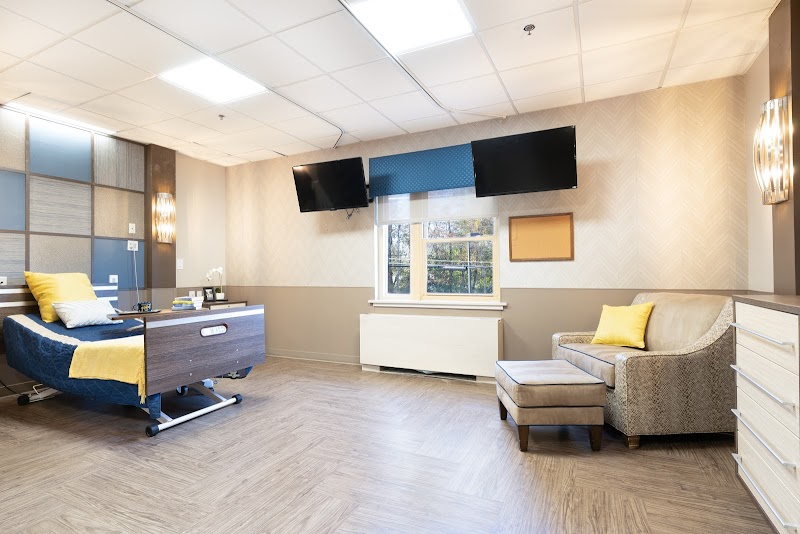
How is Allaire Rehab & Nursing Staffed?

CMS rates ALLAIRE REHAB & NURSING's staffing level at 3 out of 5 stars, which is average compared to other nursing homes. Staff turnover is 61%, which is 14 percentage points above the New Jersey average of 46%. High turnover can affect care consistency as new staff learn residents' individual needs. RN turnover specifically is 67%, which is notably high. RNs provide skilled clinical oversight, so turnover in this role can affect medical care quality.

What Have Inspectors Found at Allaire Rehab & Nursing?

State health inspectors documented 31 deficiencies at ALLAIRE REHAB & NURSING during 2020 to 2025. These included: 10 Immediate Jeopardy (the most serious level, indicating potential for serious harm or death) and 21 with potential for harm. Immediate Jeopardy findings are rare and represent the most serious regulatory concerns. They require immediate corrective action.
Who Owns and Operates Allaire Rehab & Nursing?

ALLAIRE REHAB & NURSING is owned by a for-profit company. For-profit facilities operate as businesses with obligations to shareholders or private owners. The facility is operated by ALLAIRE HEALTH SERVICES, a chain that manages multiple nursing homes. With 174 certified beds and approximately 133 residents (about 76% occupancy), it is a mid-sized facility located in FREEHOLD, New Jersey.

How Does Allaire Rehab & Nursing Compare to Other New Jersey Nursing Homes?

Compared to the 100 nursing homes in New Jersey, ALLAIRE REHAB & NURSING's overall rating (2 stars) is below the state average of 3.2, staff turnover (61%) is significantly higher than the state average of 46%, and health inspection rating (1 stars) is much below the national benchmark.

What Should Families Ask When Visiting Allaire Rehab & Nursing?

Based on this facility's data, families visiting should ask: "What changes have been made since the serious inspection findings, and how are you preventing similar issues?" "How do you ensure continuity of care given staff turnover, and what is your staff retention strategy?" "Can I visit during a mealtime to observe dining assistance and food quality?" "How do you handle medical emergencies, and what is your hospital transfer rate?" These questions are particularly relevant given the facility's Immediate Jeopardy citations and the facility's high staff turnover rate.

Is Allaire Rehab & Nursing Safe?

Based on CMS inspection data, ALLAIRE REHAB & NURSING has documented safety concerns. Inspectors have issued 10 Immediate Jeopardy citations (the most serious violation level indicating risk of serious injury or death). The facility has a 2-star overall rating and ranks #100 of 100 nursing homes in New Jersey. Families considering this facility should ask detailed questions about what corrective actions have been taken since these incidents.

Do Nurses at Allaire Rehab & Nursing Stick Around?

Staff turnover at ALLAIRE REHAB & NURSING is high. At 61%, the facility is 14 percentage points above the New Jersey average of 46%. Registered Nurse turnover is particularly concerning at 67%. RNs handle complex medical decisions and coordinate care — frequent RN changes can directly impact care quality. High turnover means new staff may not know residents' individual needs, medications, or preferences. It can also be disorienting for residents, especially those with dementia who rely on familiar faces. Families should ask: What is causing the turnover? What retention programs are in place? How do you ensure care continuity during staff transitions?

Was Allaire Rehab & Nursing Ever Fined?

ALLAIRE REHAB & NURSING has been fined $238,495 across 3 penalty actions. This is 6.7x the New Jersey average of $35,464. Fines at this level are uncommon and typically indicate a pattern of serious deficiencies, repeated violations, or failure to correct problems promptly. CMS reserves penalties of this magnitude for facilities that pose significant, documented risk to resident health or safety. Families should request specific documentation of what issues led to these fines and what systemic changes have been implemented.

Is Allaire Rehab & Nursing on Any Federal Watch List?

ALLAIRE REHAB & NURSING is not on any federal watch list. The most significant is the Special Focus Facility (SFF) program, which identifies the bottom 1% of nursing homes nationally based on persistent, serious quality problems. Not being on this list means the facility has avoided the pattern of deficiencies that triggers enhanced federal oversight. This is a positive indicator, though families should still review the facility's inspection history directly.