WEDGWOOD GARDENS CARE CENTER
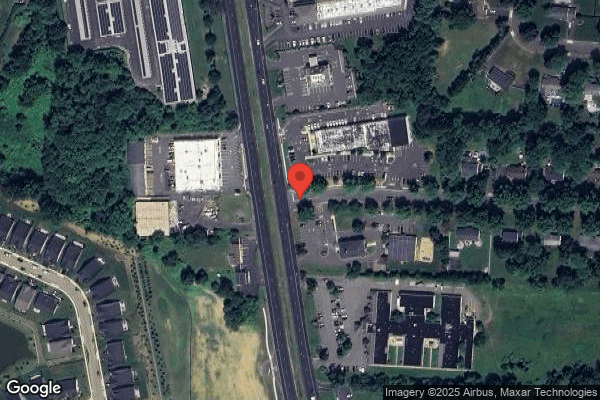
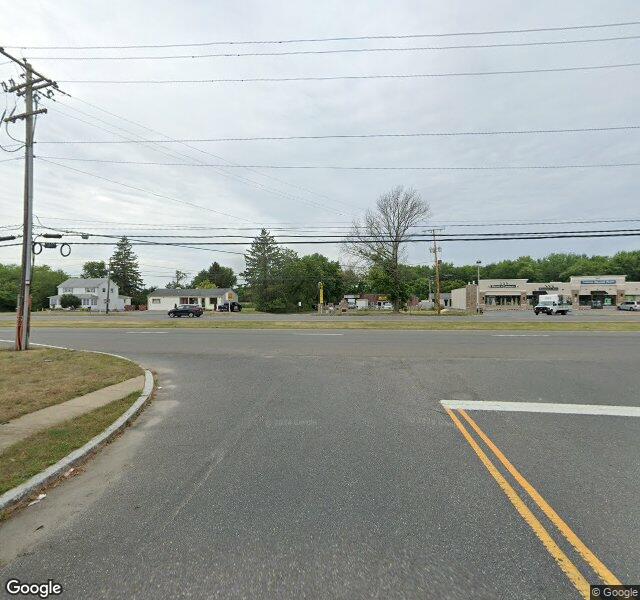
3419 HIGHWAY 9, FREEHOLD, NJ 07728 (732) 677-1200
For profit - Partnership 151 Beds Independent Data: November 2025 3 Immediate Jeopardy citations
Trust Grade
14/100
#304 of 344 in NJ
Last Inspection: March 2025

Within standard 12-15 month inspection cycle. Federal law requires annual inspections.

Overview

Wedgwood Gardens Care Center in Freehold, New Jersey, has received a Trust Grade of F, indicating significant concerns about the quality of care provided. With a state ranking of #304 out of 344 facilities, they are in the bottom half of New Jersey nursing homes, and #31 out of 33 in Monmouth County, meaning there are only two facilities nearby that are ranked lower. Although the facility is improving, having reduced its number of issues from 6 to 4 over the past two years, it still faces serious challenges, including incidents of critical medication errors where a nurse attempted to administer medications to the wrong resident. Staffing is generally a strength, rated 4 out of 5 stars, with good RN coverage that exceeds 89% of state facilities, but the turnover rate is an average 42%. However, $33,000 in fines and the presence of critical incidents highlight ongoing compliance and safety issues that families should consider when researching this home.

Trust Score
F
14/100
In New Jersey
#304/344
Bottom 12%
Safety Record
High Risk
Review needed
Inspections
Getting Better
6 → 4 violations
Staff Stability
○ Average
42% turnover. Near New Jersey's 48% average. Typical for the industry.
Penalties
⚠ Watch
$33,000 in fines. Higher than 92% of New Jersey facilities. Major compliance failures.
Skilled Nurses
✓ Good
Each resident gets 53 minutes of Registered Nurse (RN) attention daily — more than average for New Jersey. RNs are trained to catch health problems early.
Violations
⚠ Watch
15 deficiencies on record. Higher than average. Multiple issues found across inspections.
★★☆☆☆
2.0
Overall Rating
★★★★☆
4.0
Staff Levels
★★★★☆
4.0
Care Quality
★★☆☆☆
2.0
Inspection Score
Stable
2023: 6 issues
2025: 4 issues

The Good

  • 4-Star Staffing Rating · Above-average nurse staffing levels
  • 4-Star Quality Measures · Strong clinical quality outcomes
  • Full Sprinkler Coverage · Fire safety systems throughout facility
  • No fines on record
  • Staff turnover below average (42%)

    6 points below New Jersey average of 48%

Facility shows strength in staffing levels, quality measures, fire safety.

The Bad

2-Star Overall Rating

Below New Jersey average (3.2)

Below average - review inspection findings carefully

Staff Turnover: 42%

Near New Jersey avg (46%)

Typical for the industry

Federal Fines: $33,000

Below median ($33,413)

Moderate penalties - review what triggered them

The Ugly 15 deficiencies on record

3 life-threatening
Mar 2025 4 deficiencies
CONCERN (D)

Potential for Harm - no one hurt, but risky conditions existed

Deficiency F0583 (Tag F0583)

Could have caused harm · This affected 1 resident

**NOTE- TERMS IN BRACKETS HAVE BEEN EDITED TO PROTECT CONFIDENTIALITY** Based on observation, interview, record review, and facility policy review, the facility failed to ensure the privacy of health ...

Read full inspector narrative →
**NOTE- TERMS IN BRACKETS HAVE BEEN EDITED TO PROTECT CONFIDENTIALITY** Based on observation, interview, record review, and facility policy review, the facility failed to ensure the privacy of health information for one of two residents (Resident (R) 71) that tested positive for a virus out of a total sample of 26. This failure had the potential to affect the psychosocial well-being of any of the current 92 residents should they contract a communicable illness. Findings include: Observation of the facility front doors on 03/11/25 at 8:40 AM revealed a sign posted that read, Contact Isolation for Norovirus Room #[Room Number withheld]. Review of R71's admission Record, located under the Profile tab of the electronic medical record (EMR), revealed R71 was admitted to the facility on [DATE] with diagnoses that included lymphedema, anemia, sleep apnea, peripheral vascular disease, and thiamine deficiency. Review of R71's Results tab of the EMR revealed a laboratory result, dated 03/09/25, that recorded R71 had tested positive for norovirus. Review of R6 (R71's roommate)Progress Notes, dated 03/10/25 at 12:13 PM and located under the Progress Notes tab of the EMR, revealed, . Call placed to family, spoke to [relative identified and named] made aware resident roommate has norovirus, and contact precaution maintained, resident [R6] at present is asymptomatic, continued to monitor . During an interview conducted on 03/11/25 at 11:43 AM, the Receptionist (REC1) stated she had posted the sign on the front door after the Infection Preventionist (IP) had called and instructed her to put the sign up. During an interview on 03/13/25 at 11:40 AM, R71 was asked if she was okay with the family of her roommate being informed of her diagnosis of norovirus. R71 stated she absolutely was because they are all trying to keep her [R6] out of the hospital. R71 was asked if she would have minded if information regarding her norovirus diagnosis had been posted outside her door. R71 responded, No, probably not because it's going around. When asked if she would have minded if her room/bed number and the diagnosis norovirus had been posted at the front door, R71 stated, Oh no, that would not be okay, that would bother me, that's just too much information. During an interview on 03/13/25 at 12:25 PM, the Assistant Administrator (AA) was asked if the posted health information with the resident room/bed identified was a confidentiality issue. The AA stated she had developed a sign to be posted (showed on computer screen) that generally warned visitors of norovirus in the facility, but the survey team entered and that was not the sign used. The AA stated, I would say no because of what we were told to be posting for COVID, halls with room numbers. As a family member of someone here, if her room/bed number was posted, I wouldn't be upset. I feel it's a gray area. When asked what her expectation was regarding resident privacy and confidentiality, AA stated, Not to post resident identifiable information. Review of the facility's policy titled, Resident Rights, reviewed 2025, revealed, . Federal and state laws guarantee certain basic rights to all residents of this facility. These rights include the resident's right to . privacy and confidentiality . NJAC 8:39-4.1(a)18
CONCERN (D)

Potential for Harm - no one hurt, but risky conditions existed

Comprehensive Care Plan (Tag F0656)

Could have caused harm · This affected 1 resident

**NOTE- TERMS IN BRACKETS HAVE BEEN EDITED TO PROTECT CONFIDENTIALITY** Based on observation, interview, record review, and policy review, the facility failed to develop a comprehensive care plan for ...

Read full inspector narrative →
**NOTE- TERMS IN BRACKETS HAVE BEEN EDITED TO PROTECT CONFIDENTIALITY** Based on observation, interview, record review, and policy review, the facility failed to develop a comprehensive care plan for one of two residents (Resident (R) 7) reviewed for oxygen in a total sample of 26. This had the potential for the resident not to receive appropriate monitoring and treatment. Findings include: Review of R7's undated Face Sheet, located in the Electronic Medical Record (EMR) under the Med [medical] Diag [diagnosis] tab, revealed R7 was admitted to the facility on [DATE] with diagnoses that included acute on chronic combined systolic (congestive) and diastolic heart failure, atrial fibrillation, and pneumonia. Review of an initial Respiratory Therapy Assessment, dated 02/27/25 and located under the Assessment tab of the EMR, indicated, Rec [received] pt [patient] on RA [room air] 02 @ [at] 86%--reapplied 2 lpm [liters per minute] nc [nasal cannula] 94%, (+) [positive] sob [shortness of breath] with minimal exertion. The initial assessment further indicated, Recommendation for Therapy: 02 therapy 2 lpm, wean as tolerated, maintain spo2 [oxygen saturations] > [greater] than 90 % [percent] . Goals of therapy: prevent hypoxia [a condition where the body's tissues and cells don't get enough oxygen to function properly] and promote deep breathing . Review of R7's Progress Notes, dated 02/27/25 and located under the Progress Notes tab of the EMR, indicated, Respiratory therapy recommendations: 02 therapy 2 lpm nc continuous, wean as tolerated, maintain spo2 >90% elevate hob [head of bed] incentive spirometry while awake .Respiratory goals of therapy: prevent hypoxia. Promote deep breathing. Review of R7's Physician Order, dated 02/28/25 and located under the Orders tab of the EMR, indicated, . Oxygen therapy continuous @ [at] 2 liters per minute via nasal cannula every shift everyday . Review of R7's Care Plan, dated 02/26/25 and located under the Care Plan tab of the EMR, indicated, [Cardiac: Cardiovascular disease, CHF [congestive heart failure], Afib [atrial fibrillation]. Further review of the care plan revealed no documentation of a care plan developed for oxygen therapy. Further review of the EMR indicated even after the physician order dated 02/28/25 for R7 to have continuous oxygen therapy at 2 liters/min, there was still no care plan developed for the use of oxygen. During an observation on 03/10/25 at 10:20 AM, R7 was observed being taken to the therapy room by staff. R7 was observed wearing oxygen via nasal cannula. Observation of R7's room revealed there to be an oxygen concentrator in the room directly next to R7's bed with oxygen tubing connected to the concentrator. During an observation and interview made on 03/10/25 at 12:20 PM, R7 was observed in her room sitting in a wheelchair eating lunch. At this time R7 was observed wearing oxygen via the nasal cannula. The oxygen tubing was observed connected to the oxygen concentrator. It was on and set at 2 liters/minute. R7 was asked why she is receiving oxygen therapy. R7 stated, Because I have a hard time breathing and get short of breath. During an observation made on 03/11/25 at 9:00 AM, R7 was observed in her room watching television and sitting in her wheelchair next to the bed with oxygen on at 2 liters via nasal cannula. During an observation made on 03/11/25 at 10:55 AM, R7 was observed in her room in her room, again watching television and sitting in her wheelchair next to the bed with oxygen on at 2 liters via nasal cannula. During an interview on 03/11/25 at 2:52 PM, Licensed Practical Nurse (LPN) 1 stated, She [referring to R7] is receiving oxygen therapy because she has a diagnosis of congestive heart failure and she is to be getting it continuous. During an observation made on 03/12/25 at 9:03 AM, R7 was observed to be lying in bed wearing oxygen nasal cannula. The oxygen tubing was observed connected to the oxygen concentrator which was on and set at 2 liters/minute. During an observation and interview on 03/12/25 at 9:06 AM, in the presence of the Director of Nursing (DON), R7 was observed to be lying in bed wearing the oxygen via nasal cannula. The oxygen tubing was observed connected to the oxygen concentrator which was on and set at 2 liters/minute. During an interview, the DON verified that R7 was on oxygen therapy and the concentrator was set at 2 liters/minute. During an interview on 03/12/25 at 9:33 AM, R7's EMR was reviewed with the DON. The DON was asked if there was a care plan for the oxygen therapy that R7 was receiving. The DON stated, I don't see one here. Our process is to meet every morning for morning report with the Unit Managers, Social Worker, myself and our MDS (Minimum Data Set) person goes through them with a fine-tooth comb. Anything that comes up in our morning meetings we will add to the care plan. The DON stated, Normally yes, I would expect there to be a care plan for her [referring to R7] oxygen, but I'm not seeing it. During an interview and review of R7's EMR with the MDS Coordinator on 03/12/25 at 9:42 AM, the MDS Coordinator confirmed that she completed R7's admission MDS with an Assessment Reference Date (ARD) of 02/21/25. The MDS Coordinator stated, The oxygen therapy was started on 02/28/25. This was after the ARD date of 02/21/25 and I just missed it. The MDS Coordinator stated, Her care plan was completed on 02/27/25 and the oxygen therapy was started the next day on 02/28/25. I see where there should have been a respiratory care plan developed when she was started on the oxygen therapy on 02/28/25, and it was not. I'm also seeing in her chart where we need to have a care plan developed. I don't know how I missed that. During an interview on 03/13/25 at 11:02 AM, the Assistant Administrator (AA) stated, My expectation would be either the charge nurse or the nurse that took the order for the oxygen should have put a care plan in place and notified the MDS person. The nurse is also responsible for implementing a care plan and they could have communicated this to the DON as well. That would be my expectation, and there should be a care plan in place. During an interview on 03/13/25 at 11:24 AM, the Nurse Navigator (NN) stated, I see where the RT [respiratory therapist] assessed her [referring to R7] on 02/27 and he recommended to add continuous oxygen and wean off as tolerated. When at rest or lying flat, she will be exerting more oxygen. When reviewing the EMR of R7 with the NN, she stated, I can say, it was not in her care plan. There was a miscommunication with the RT and he did not communicate to me or the charge nurse or the floor nurse. I see where the order was also not transcribed on the care plan for her to have oxygen therapy. The NN stated, Who ever took the order would be responsible for putting it on the care plan, and I can say it was not carried over into the care plan. Review of the facility's policy titled, Care Planning-Interdisciplinary Team, dated 2025, indicated, . Our facility's Care Planning Interdisciplinary Team is responsible for the development of an individualized comprehensive care plan for each resident . Review of the facility's policy titled, Comprehensive Assessments and the Care Delivery Process, dated 2025, indicated, . Comprehensive assessments will be conducted to assist in developing person-centered care plans . The objective of the information collection (assessment) phase is to obtain, organize, and subsequently analyze information about a patient. a. Assess the individual. (1) Gather relevant information from multiple sources, including: (h) evaluations from other disciplines (for example dietary, respiratory, social services, etc.) . Information analysis . define current treatments and services . identify the current interventions and treatments . Identify overall care goals and specific objectives of individual treatments . NJAC 8:39-11.2(e)thru(i) NJAC 8:39-27.1(a)
CONCERN (F)

Potential for Harm - no one hurt, but risky conditions existed

Infection Control (Tag F0880)

Could have caused harm · This affected most or all residents

**NOTE- TERMS IN BRACKETS HAVE BEEN EDITED TO PROTECT CONFIDENTIALITY** Based on interview, record review, and review of Centers for Disease Control and Prevention (CDC) and American Society of Heatin...

Read full inspector narrative →
**NOTE- TERMS IN BRACKETS HAVE BEEN EDITED TO PROTECT CONFIDENTIALITY** Based on interview, record review, and review of Centers for Disease Control and Prevention (CDC) and American Society of Heating, Refrigerating and Air-Conditioning (ASHRAE) recommendations, the facility failed to implement their water management program to reduce the potential for exposure to opportunistic waterborne pathogens including Legionnaire's disease (a serious pneumonia infection). This had the potential to affect 92 of 92 residents who resided at the facility. Findings Include: Review of the CDC document titled Legionella . Prevention and Control, dated 03/25/21 and located at https://www.cdc.gov/legionella/index.html, indicated . The key to preventing Legionnaires' disease is to reduce the risk of Legionella growth and spread. Building owners and managers can do this by maintaining building water systems and implementing controls for Legionella . Key Elements . Describe the building water systems using text and flow diagrams . Identify areas where Legionella could grow and spread . Decide where control measures should be applied and how to monitor them . Establish ways to intervene when control limits are not met . Make sure the program is running as designed (verification) and is effective (validation) . Document and communicate all the activities . Principles . In general, the principles of effective water management include . Review of the ASHRAE document titled, Risk Management For Legionellosis, dated 10/2015 and located at https://www.ashrae.org/, indicated, . The design engineer first needs to evaluate which requirements of the standard apply to their project. This evaluation determines if the project contains any of the following building risk factors . Health-care facility with patient stays over 24 hours . Facilities designated for housing occupants over age [AGE] . The risk of disease or illness from exposure to Legionella bacteria is not as simple as the bacteria being present in a water system. Other factors that contribute to the risk are environmental conditions that promote the growth and amplification of the bacteria in the system, a means of transmitting this bacteria (via water aerosols generated by the system), and the ultimate exposure of susceptible persons to the colonized water that is inhaled or aspirated by the host providing a pathway to the lungs. The bacteria are not transmitted person-to-person, or from normal ingestion of water. Susceptible persons at high risk for legionellosis include, among others, the elderly, dialysis patients, persons who smoke, and persons with medical conditions that weaken the immune system . A review of a folder provided by the facility titled, Water Management Program included a Water Management Program policy, with a revision date of 2025. The policy indicated, . Our facility is committed to the prevention, detection and control of water-borne contaminants, including Legionella . The purposes of the water management program are to identify areas in the water system where Legionella bacteria can grow and spread, and to reduce the risk of Legionnaire's disease. The water management program used by our facility is based on the Centers for Disease Control and Prevention and ASHRAE recommendations for developing a Legionella water management program. The water management program includes the following elements . The identification of areas in the water system that could encourage the growth and spread of Legionella or other waterborne bacteria . Specific measures used to control the introduction and/or spread of legionella (e.g., temperature, disinfectants); The control limits or parameters that are acceptable and that are monitored, A diagram of where control measures are applied; a system to monitor control limits and the effectiveness of control measures; a plan for when control limits are not met and/or control measures are not effective . During an interview on 03/12/25 at 1:10 PM, the Assistant Administrator acknowledged that she and the Administrator were responsible for the Water Management Program. At that time, a copy of the facility's water flow diagram that showed areas of water stagnation and where Legionella could grow was requested. During an interview on 03/13/25 at 11:45 AM, the Infection Preventionist (IP) was asked to provide the facility's water flow diagram. She stated she would ask the building manager to provide the information. During an interview on 03/13/25 at 2:00 PM, the Administrator and Assistant Administrator provided the blue prints of the building but were unable to provide any information on the water flow diagram of the building. NJAC 8:39-19.4
MINOR (C) 📢 Someone Reported This

A family member, employee, or ombudsman was alarmed enough to file a formal complaint

Minor Issue - procedural, no safety impact

Deficiency F0577 (Tag F0577)

Minor procedural issue · This affected most or all residents

Based on observation, review of the monthly resident council meeting minutes, interview, and facility policy review, the facility failed to ensure the State survey inspection results were readily acce...

Read full inspector narrative →
Based on observation, review of the monthly resident council meeting minutes, interview, and facility policy review, the facility failed to ensure the State survey inspection results were readily accessible to residents and/or family members and posted in areas of the facility that are prominent and accessible to the public. This failure had the potential to affect all 92 residents residing in the facility. This had the potential to cause residents and visitors to be uninformed of survey, certification, and complaint investigation findings. Findings include: Review of the facility's policy titled, Resident Rights, revised 02/18/25, indicated, The resident has the right to examine the results of the most recent survey of the facility conducted by Federal or State surveyors and any plan of correction in effect with respect to the facility; and . The facility must post in a place readily accessible to residents, and family members and legal representatives of residents, the results of the most recent survey of the facility. Have reports with respect to any surveys, certifications, and complaint investigations made reports the facility during the 3 preceding years, and any plan of correction in effect with respect to the facility, available to any individual to review . and post notice of the availability of such reports in areas of the facility that are prominent and accessible to the public . Review of the past three months of the Resident Council Meeting Minutes, dated 11/21/24, 01/23/25, and 02/19/25, revealed no documentation that the State survey inspection results were discussed with residents or where the information was posted for residents to review. During a Resident Council Meeting held on 03/10/25 at 3:03 PM, with the resident council president Resident (R) 15, when asked if the resident knew where the State survey inspection results were posted, R15 stated, No, they do not cover that information with us. I'm not sure where the survey results would be. During an observation on 03/11/25 at 10:36 AM, of the entire Garden Unit, including the entrance way, nursing station, and hallway, there was no evidence of the State survey results posted anywhere. During an observation on 03/11/25 at 10:38 AM, of the front entrance of the facility, including the sitting area, front reception area, activity dining room, family room, and library, there was no evidence of the State survey results posted anywhere. During an observation on 03/11/25 at 10:41 AM, of the [NAME] Unit, including the entrance way, nursing station, and hallway, there was no evidence of the State survey results posted anywhere. During an observation on 03/11/25 at 10:50 AM, of the [NAME] Unit, including the entrance way, nursing station, and hallway, there was no evidence of the State survey results posted anywhere. During an interview on 03/12/25 at 3:29 PM, the Director of Nursing (DON) was asked where the State survey inspection results were posted. The DON stated, It's at the front desk. During an observation and interview on 03/12/25 at 3:32 PM, observation was made of the front entrance with the DON, and there was no evidence of the State survey inspection results. At this time, the DON stated to the front receptionist, who was seated behind a large, enclosed plexiglass area at the front entrance where the Survey Book was. The receptionist stated, It's here, indicating the State survey inspections results were located behind the receptionist desk that was enclosed with a large area of plexiglass, on the left side of the reception desk next to the computer. At this time, the DON stated to the receptionist, They should be here [pointing to the front top of the reception desk area] where they are visible. At this time, the DON was asked if she considered the area where the survey inspection results were found behind the reception desk by the computer to be in a prominent location for residents and/or visitors/family members to read. The DON stated, No. During an interview on 03/12/25 at 3:45 PM, regarding the State inspection survey results, the Receptionist (REC1) stated, I've been here since June 2024. I work Monday through Friday, and ever since I've been here, that survey binder has always been right here right next to me. Behind this desk and next to my computer where I sit. During an interview on 03/13/25 at 8:52 AM, regarding the State inspection survey results, the Acting Activity Director/Building Manager stated that he was present at the 02/19/25 Resident Council meeting. He was asked if the information about where the State survey inspection results were posted was discussed with the residents. He stated, No, but we will be doing that in March at our next meeting. NJAC 8:39-9.4(b)
Mar 2023 6 deficiencies 1 IJ
CRITICAL (J)

Immediate Jeopardy (IJ) - the most serious Medicare violation

Deficiency F0760 (Tag F0760)

Someone could have died · This affected 1 resident

Based on observation, interview, record review, and review of pertinent facility documentation, it was determined the facility failed to: a.) protect residents from the potential for significant medic...

Read full inspector narrative →
Based on observation, interview, record review, and review of pertinent facility documentation, it was determined the facility failed to: a.) protect residents from the potential for significant medication errors by not following the standards of practice for the administration of medication, and b.) implement the facility policy for Medication Administration when 1 of 3 nurses (Licensed Practical Nurse) on 1 of 3 units (Garden) observed during a medication pass observation prepared and attempted to give high-risk medications to the wrong resident. On 02/22/23, the surveyor observed the Licensed Practical Nurse (LPN #1) attempt to administer six specific medications for lowering blood sugar and blood pressure, an anticoagulant (blood thinner), multivitamins, and a liquid protein supplement medication. LPN #1 did not follow the five rights of medication administration by identifying the correct resident with the correct medications. The five rights include the following: the right resident, the right drug, the right dose, the right route, and the right time. The surveyor intervened before the medications could be administered to Resident #49. Interviews with LPN #1 revealed it was her fourth week at the facility. She was oriented to the facility's medication administration system and completed a medication pass competency on 01/31/23 at the facility prior to an assignment on the Garden Unit medication cart. This incident posed a serious and immediate threat to all the residents on Garden Unit. The immediate jeopardy (IJ) began on 02/22/23 at 8:37 AM and continued until 02/23/23. The Assistant Administrator and Director of Nursing (DON) were notified of the IJ on 02/22/23 at 3:10 PM. The failure of LPN #1 to follow the five rights of medication administration in accordance with professional standards of nursing practice that must be used to reduce the risk of medication errors and harm (identifying a resident prior to administering medications) constituted an Immediate Jeopardy situation. The failure to identify a resident prior to administering medications was likely to cause serious injury, harm, impairment, or death to the residents on the Garden unit due to the risk associated with a resident receiving the wrong high-risk medications not prescribed to them by their physician or receiving a medication that may be associated with a medication allergy. An acceptable removal plan was received on 02/23/23 at 12:17 PM and verified by the survey team on 02/23/23 and throughout the remainder of the survey. This deficient practice was evidenced by the following: On 02/22/23 at 8:06 AM, the surveyor observed LPN #1 during medication pass on the Garden Unit. Resident #74, who was positioned by the bed near the window, did not have an identification (ID) band but was able to identify themself. LPN #1 then asked another nurse to identify Resident #74 by the resident's name. The surveyor observed LPN #1 open the Medication Administration Record (MAR) to prepare six (6) medications for Resident #74, which included the following: Amlodipine 5 milligrams (mg) (medication used to lower blood pressure), Atenolol 50 mg (medication used to treat high blood pressure and irregular heartbeat), Aspirin 81 mg (medication used to reduce risk of heart attacks), Eliquis 2.5 mg (Apixaban; medication used to thin the blood), PreserVision AREDS (multivitamins), and Dorzolamide HCl-Timolol (an eye drop medication to treat increased pressure in the eye). The surveyor observed LPN #1 bring a glucometer (device to measure blood sugar), glucometer strips, a lancet (a small sharp spring-loaded device used to perform a finger prick), an eye drop solution bottle, medication cup #1 containing the aspirin and medication cup #2 containing Amlodipine, Atenolol, Eliquis, and PreserVision tablets into the resident's room. At 8:14 AM, LPN #1 administered the eye drop medication, handed medication cup #1 to Resident #74, and instructed Resident #74 to chew the aspirin tablet. LPN #1 used the glucometer to check the resident's blood sugar level, which read 170 mg/dL (milligrams per deciliter). At this time, LPN #1 accidentally threw medication cup #2 into the garbage can while cleaning the resident's overbed table. The surveyor observed LPN #1 retrieve the medication from the garbage and exit the room to dispose of it. On 02/22/23 at 8:37 AM, the surveyor observed LPN #1 prepare six medications for Resident #74. LPN #1 prepared Amlodipine 5 mg, Atenolol 50 mg, Eliquis 2.5 mg, PreserVision, Prostat 30 ml (protein supplement), and insulin Lispro (medication to lower blood sugar) pen injector to 2 units. LPN #1 went inside the resident's room, but there were no residents inside the room. LPN #1 then checked the bathroom, and there was one resident (Resident #49) inside. LPN #1 waited outside the bathroom for the resident to exit. After assisting the resident in the bathroom, a Certified Nurse Assistant (CNA) wheeled Resident #49 from the bathroom to the resident's bedside, which was located near the door. The surveyor observed LPN #1 place the medication cups on the overbed table, take the insulin injector pen, and turn to Resident #49. The surveyor further observed that LPN #1 did not identify the resident by asking for their name, by reading the resident's ID band, or by requesting another staff to identify the resident. LPN #1 proceeded to pull Resident #49's shirt up to expose the abdomen to inject the insulin, which was ordered and prepared for Resident #74. The surveyor immediately stopped LPN #1 and asked her if this was the correct resident. The surveyor then observed LPN #1 check Resident #49's ID band, and LPN #1 stated, Oh, no. On 02/22/23 at 10:39 AM, the surveyor, in the presence of the survey team, discussed the medication pass concerns with the Director of Nursing (DON), Assistant Administrator, LPN/ Unit Manager (LPN/UM), and LPN #1. LPN #1 stated that the correct medication administration process was identifying the resident by checking the ID band. If the resident did not have an ID band, then you could get a CNA or another staff member to identify the resident. LPN #1 added that she could also look at the resident's picture on the electronic health record. LPN #1 stated that you should triple check for the rights of medication administration, including the right resident, the right drug, the right dosage, and the right route. LPN #1 further stated that during the medication pass observation, some of Resident #74's medications fell into the garbage and that once she poured the medications again that she became overwhelmed and confused. LPN #1 added that Resident #74 was originally in the room but had been taken out of the room to go to therapy. LPN #1 stated that she believed that Resident #49 was the resident she was originally working with and that her mind shifted to assisting Resident #49 because now, this was the only resident in the room. LPN #1 continued that she was about to give the resident an insulin injection, but she stopped because the surveyor interrupted her. LPN #1 confirmed that she did not check Resident #49's ID band as she should have. Review of Resident #74's admission Record (AR) reflected that the resident was admitted to the facility with diagnoses which included but were not limited to: hypertension (high blood pressure), type 2 diabetes mellitus (high blood sugar level), personal history of transient ischemic attack (interruption of blood flow to the brain), and cerebral infarction (a stroke). Review of Resident #74s February 2023 Order Summary Report (OSR) sheet revealed the following physician's orders: 1.) Amlodipine Besylate 5 mg one tablet by mouth one time daily for hypertension dated 05/05/2021, 2.) Atenolol 50 mg, one tablet by mouth every 12 hours for hypertension hold for heart rate less than 60 dated 07/17/2022, 3.) Eliquis (Apixaban) 2.5 mg, one tablet by mouth every 12 hours for DVT dated 06/19/2022, 4.) Aspirin chewable 81 mg one tablet by mouth two times a day dated 05/04/2021, 5.) PreserVision AREDS 2 oral capsule (Multiple vitamins with minerals) one capsule by mouth two times a day dated 02/09/2023, 6.) Prostat sugar-free one time a day for supplement give 30 ml dated 02/10/2023, 7.) Dorzolamide HCl-Timolol solution 22.3-6.8 mg/ml instill one drop in both eyes two times a day dated 05/05/2021, and 8.) Insulin Lispro (I unit dial) solution pen-injector 100 unit/ml, subcutaneously before meals and at bedtime dated 05/04/21, with the following sliding scale instructions: 0 - 150 = 0 units; 151-200 = 2 units; 201 - 250 = 4 units; 251 - 300 = 6 units; 301 - 350 = 8 units; 351 - 400 = 10 units; 401 - 450 = 12 units; and to call MD [medical doctor] if BS [blood sugar] is below 60 or above 450. Review of Resident #74's 2/09/2023 Quarterly Minimum Data Set (MDS), an assessment tool used to facilitate the management of care, reflected that the resident had a brief interview for mental status (BIMS) score of 13 out of 15, which indicated that the resident was cognitively intact. Review of Resident #74's interdisciplinary care plan (IDCP), dated 09/11/21, revealed under a focus area of at risk for alteration in nutrition/hydration secondary to diagnoses of diabetes mellitus and hypertension. Review of Resident #49's AR indicated that the resident was admitted to the facility with diagnoses which included but were not limited to: heart failure, hypertension, type 2 diabetes mellitus, and unspecified dementia (loss of memory). Review of Resident #49s January 2023 OSR revealed the following orders to be administered at 9 AM: 1.) Memantine HCl (medication to treat memory loss) 10 mg, one tablet by mouth two times a day dated 01/15/2022, 2.) Metformin HCl (medication to lower blood sugar) 1000 mg, one tablet by mouth two times a day dated 01/18/2022, 3.) Trihexyphenidyl HCl (medication to treat involuntary movements) 2 mg, one tablet by mouth two times a day dated 02/01/2022, 4.) Amlodipine besylate 10 mg, one tablet by mouth once a day dated 01/15/2022, 5.) Lasix (Furosemide: medication to reduce extra fluid in the body) 20 mg by mouth one time a day dated 10/29/2022, 6.) Methenamine Hippurate (medication to treat infection of the urinary tract) 1 gram one tablet by mouth once a day dated 01/16/2022, 7.) Bengay ultra-strength external patch 5% (menthol topical analgesic) applied to left knee topically once a day dated 09/23/2022. There was no evidence from the corresponding OSR sheets for January 2023 that Resident #49 was receiving any of the same morning medications as Resident #74. Review of Resident #49's 01/21/23 Annual MDS reflected that the resident had a BIMS score of 9 out of 15, indicating that the resident had moderate cognitive impairment. Review of Resident #49's IDCP, initiated date 7/03/2021, revealed a focus area of impaired cognition function related to as evidenced by BIMS score during interview process, dementia. On 02/22/23 at 10:59 AM, in the presence of the survey team, the LPN/UM stated the process to identify a resident when administering medication to was to check the resident's ID band, get a nurse to identify the resident, or if the resident was alert and oriented have the resident identify themselves. The LPN/UM stated that safety was the most important thing in medication administration and that you could kill them if you give the wrong medication. The LPN/UM continued that she identified Resident #74 during the medication pass observation for LPN #1 and that Resident #49 was in the room the entire time. On 02/22/23 at 11:06 AM, the DON stated, in the presence of the survey team, that nurses administering medications were expected to identify the proper resident, check the picture in the electronic health record, and the resident's name band. The DON stated that giving the right medication to the right resident was to do no harm and not cause adverse effects. The DON stated that LPN #1 should have identified the correct resident before attempting to give medications. Review of the facility's policy titled Medication Administration-Policy, dated as reviewed/revised on 01/2023, provided by the DON revealed under Step 1 Identity Resident Step 5 Identify the resident by name and identification system (bracelet, photograph in PointClickCare (PCC), or with another staff member). Review of the facility's policy titled Insulin Administration dated 01/2023, provided by the DON, revealed under Procedure for administering insulin using an insulin pen 1. Performs the six rights and 3 point medication check. N.J.A.C. 8:39-11.2 (b)
CONCERN (D)

Potential for Harm - no one hurt, but risky conditions existed

Assessment Accuracy (Tag F0641)

Could have caused harm · This affected 1 resident

**NOTE- TERMS IN BRACKETS HAVE BEEN EDITED TO PROTECT CONFIDENTIALITY** Based on interview and record review, it was determined that the facility failed to accurately complete the Minimum Data Set (MD...

Read full inspector narrative →
**NOTE- TERMS IN BRACKETS HAVE BEEN EDITED TO PROTECT CONFIDENTIALITY** Based on interview and record review, it was determined that the facility failed to accurately complete the Minimum Data Set (MDS) for 1 of 2 residents reviewed for Hospice (Resident #29). This deficient practice was evidenced by the following: On 02/15/23 at 12:14 PM, the surveyor observed Resident #29 in the main dining room alert and confused, sitting in a reclining chair. A Certified Nurse Assistant (CNA #1) was sitting next to the resident and feeding the resident. CNA#1 stated that resident was a good eater and can consume 100% of the lunch meal. On 02/16/23 at 1:03 PM, the surveyor reviewed Resident #29's electronic medical record. The resident was admitted to the facility with diagnoses that included but were not limited to: other genetic related intellectual disability, unspecified symptoms and signs involving cognitive functions and awareness, and dysphagia (difficulty in swallowing). Review of the Significant Minimum Data Set (MDS), an assessment tool used to facilitate the management of care, dated 01/27/23, reflected that the resident had a brief interview for mental status (BIMS) score of 0 out of 15, indicating that the resident had severe cognitive impairment. The Section G (the section used to list functional status that best describes the activities of daily living (ADL) assistance) of the MDS reflected that Resident #29 ADL performance in eating was coded as supervision with one person physical assist. Review of ADL task record from Electronic Health Record (EHR) completed by the CNA's dated 01/21/23 to 01/27/23 revealed the following: On 01/21/23 Self performance eating was coded as 4 (total), and support provided coded as 2 (one person physical assist). On 01/23/23 Self performance eating was coded as 2 (limited), and support provided coded as 2 (one person physical assist). On 01/24/23 Self performance eating was coded as 1 (supervision), and support provided coded as 2 (one person physical assist). On 1/25/23 Self performance eating was coded as 1 (supervision), and support provided coded as 2 (one person physical assist). On 1/26/23 Self performance eating was coded as 1 (supervision), and support provided coded as 2 (one person physical assist). Review of the admission MDS, dated [DATE], documented under section G that Resident #29 ADL performance in eating was coded as extensive assist with one person physical assist. Review of the quarterly MDS, dated [DATE], documented under section G that Resident #29 ADL performance in eating was coded as extensive assist with one person physical assist. On 02/21/23 at 12:07 PM, the surveyor interviewed the Registered Nurse (RN). The RN stated that Resident #29 was under hospice care and that the resident was unable to feed himself/herself since being admitted to the the facility in August 2022. The RN added that the resident used a sippy cup for drinking, but the staff needed to hold the sippy cup because the resident was unable to hold it and would spill the contents all over his/her clothes. On 02/23/23 at 10:45 AM, the surveyor interviewed the Licensed Practical Nurse/Unit Manager (LPN/UM). The LPN/UM stated that Resident #29 was unable to feed hinself/herself and that staff did everything for the resident like eating, transferring, dressing, bathing, bed mobility and all other ADL's. The LPN/UM added that Resident #29 used a sippy cup, but that staff still needed to help otherwise it will be all over residents' clothes. On 02/24/23 at 10:36 AM, the surveyor interviewed the Social Worker (SW) who stated that Resident #29 had an intellectual disability and since admission needed total assist with all activities of daily living. On 02/28/23 at 11:14 AM, the surveyor interviewed the dietitian. The dietitian stated that the resident recently signed on hospice and that the resident ate very well but needed assistance in feeding from staff. On 02/28/23 at 11:21 AM, the surveyor interviewed the MDS Coordinator/RN on the process of assessing the ADL activity. The MDS coordinator stated she would check the ADL status by using the seven day lookback period, reading the progress notes, and interviewing the CNA. The surveyor reviewed Resident #29 01/27/23 MDS with the MDS coordinator and questioned the resident's ADL performance of eating being coded as supervision, with one person physical assist. The MDS coordinator stated that supervision indicated oversight only and that she incorrectly coded Resident #29's eating as supervision. At that time, she provided the Center for Medicare and Medicaid Services (CMS) Resident Assessment Instrument (RAI) Version 3.0 Manual with an edition date of October 2019. According to the manual, Consider all episodes of the activity that occur over a 24-hour period during each day of the 7-day look-back period, as a resident's ADL self-performance and the support required may vary from day to day, shift to shift, or within shifts. There are many possible reasons for these variations to occur, including but not limited to, mood, medical condition, relationship issues (e.g., willing to perform for a nursing assistant that he or she likes), and medications. The responsibility of the person completing the assessment, therefore, is to capture the total picture of the resident's ADL self-performance over the 7-day period, 24 hours a day (i.e., not only how the evaluating clinician sees the resident, but how the resident performs on other shifts as well). NJAC 8:39-11.1, 11.2(e)(1)
CONCERN (D)

Potential for Harm - no one hurt, but risky conditions existed

Staffing Information (Tag F0732)

Could have caused harm · This affected 1 resident

Based on observations, interviews, and review of pertinent facility documents, it was determined that the facility failed to ensure that the 24-hour staffing information was updated and accurately dis...

Read full inspector narrative →
Based on observations, interviews, and review of pertinent facility documents, it was determined that the facility failed to ensure that the 24-hour staffing information was updated and accurately displayed daily. This deficient practice was evidenced by the following: On 02/21/23 at 12:09 PM, the surveyor observed the facility's Wedgwood Gardens Care Center NJ Dept of Health & Senior Services Resident Care Staffing Report dated 02/20/23, in a clear plastic sleeve at the front receptionist desk. On 02/22/23 at 8:45 AM, and 02/23/23 at 8:50 AM, upon entry into the building, the surveyor observed the facility's Wedgwood Gardens Care Center NJ Dept of Health & Senior Services Resident Care Staffing Report dated 02/20/23, in a clear plastic sleeve at the front receptionist desk. During an interview with the surveyor on 02/23/23 at 1:15 PM, the Staffing Coordinator/Receptionist (SC/R) stated she reports the staffing every morning online to the state, she then prints it out and should put it in the clear plastic sleeve at the front receptionist desk. The SC/R then confirmed that the displayed staffing was for 02/20/23. She stated, I got busy. It should have been changed every day. During an interview with the surveyor on 02/23/23 at 1:40 PM, the Director of Nursing (DON) stated that staffing was posted daily at the front receptionist desk. At that time, the surveyor made the DON aware of the above observations. The DON acknowledged that staffing should have been updated and displayed daily. During a meeting with the survey team, Assistant Administrator, and DON on 02/24/23 at 12:23 PM, the surveyor made the Assistant Administrator aware that the staffing was not updated and displayed daily. NJAC 8:39-41.2(a)
CONCERN (D)

Potential for Harm - no one hurt, but risky conditions existed

Pharmacy Services (Tag F0755)

Could have caused harm · This affected 1 resident

Based on observation, interview, and record review, it was determined that the facility failed to maintain accurate accountability and reconcililation for controlled medications. This deficient practi...

Read full inspector narrative →
Based on observation, interview, and record review, it was determined that the facility failed to maintain accurate accountability and reconcililation for controlled medications. This deficient practice was identified for 1 of 3 medication carts (Iris Unit) inspected and was evidenced by the following: On 02/22/23 at 9:24 AM, the surveyor, in the presence of the Licensed Practical Nurse (LPN), inspected the [NAME] Unit medication cart. On 02/22/23 at 9:30 AM, the surveyor, in the presence of the LPN, observed the narcotic medication located in the secured and locked narcotic box. When the narcotic medication inventory was compared to the declining inventory sheet, the surveyor identified that the narcotic medication inventory for Resident #86's Lorazepam 1 milligram (mg) tablets, (a Schedule IV medication used for anxiety and sleeping problems), did not match the declining inventory sheet. The blister pack of Lorazapam 1mg tablets contained 16 tablets and the declining inventory sheet indicated there should be 17 tablets remaining. The LPN stated that she gave Resident #86 one Lorazepam 1 mg tablet at 8:00 AM today and stated that she should have signed for the medication on the declining inventory sheet within one hour of giving the medication. On 02/22/23 at 9:36 AM, the surveyor, in the presence of the LPN, continued to compare the narcotic medication inventory to the declining inventory sheets on the [NAME] Unit medication cart. The surveyor identified that the narcotic medication inventory for Resident #20's Morphine Sulfate 15 mg extended-release tablets, (a Schedule II medication used to treat moderate to severe pain) did not match the declining inventory sheets. The blister pack of Morphine Sulfate 15 mg tablets contained 9 tablets and the declining inventory sheet indicated that there should be 10 tablets remaining. The LPN stated that she gave Resident #20 one Morphine Sulfate 15 mg tablet at 8:06 AM this morning. The LPN stated, I totally forgot to sign the declining inventory sheets for both medications. Reviews of the Medication Administration Records revealed that Resident #86 received a Lorazepam 1 mg tablet on 02/22/23 at 7:30 AM and that Resident #20 received a Morphine Sulfate 15 mg extended release tablet on 02/22/23 at 9:00 AM. On 02/22/23 at 12:25 PM, the surveyor interviewed the LPN Charge Nurse. The LPN Charge Nurse stated that she expected the nurse to sign the declining inventory sheet immediately when a medication is removed from the [narcotic] blister pack. The LPN Charge Nurse stated that the importance of signing for a narcotic in the declining inventory sheet immediately was to keep the narcotic count accurate. On 02/24/23 at 9:51 AM, the surveyor interviewed the Assistant Administrator and Director of Nursing (DON). The DON stated that the declining inventory sheet should have been signed as soon as the narcotic was removed from the blister pack. A review of the facility provided policy, Declining Inventory with a revised date of January 2023, included under the Procedure section that for Schedule II Controlled Substances: Separate individual narcotic records are maintained on all Schedule II drugs in the form of a declining inventory. This form includes: . date and time of administration and the signature of the person administering the drug. The policy also included that for Schedule III-V Controlled Substances: Counted per facility policy and in accordance with state regulations. NJAC 8:39- 29.2(d)
CONCERN (D)

Potential for Harm - no one hurt, but risky conditions existed

Unnecessary Medications (Tag F0759)

Could have caused harm · This affected 1 resident

**NOTE- TERMS IN BRACKETS HAVE BEEN EDITED TO PROTECT CONFIDENTIALITY** Based on observation, interview, and record review, it was determined that the facility failed to ensure that all medications we...

Read full inspector narrative →
**NOTE- TERMS IN BRACKETS HAVE BEEN EDITED TO PROTECT CONFIDENTIALITY** Based on observation, interview, and record review, it was determined that the facility failed to ensure that all medications were administered without error of 5% or more. During the medication observation performed on 02/22/23, the surveyors observed three nurses administer medications to four residents. There were 31 opportunities, and six errors were observed, which calculated to a medication administration error rate of 19.35 %. This deficient practice was identified for one of four residents, (Resident #49), that were administered medications by one of three nurses. The deficient practice was evidenced by the following: On 02/22/23 at 8:06 AM, the surveyor observed LPN #1 during medication pass on the Garden Unit. Resident #74, who was positioned by the bed near the window, did not have an identification (ID) band but was able to identify themself. LPN #1 then asked another nurse to identify Resident #74 by the resident's name. The surveyor observed LPN #1 open the Medication Administration Record (MAR) to prepare six (6) medications for Resident #74 which included the following: Amlodipine 5 milligrams (mg) (medication used to lower blood pressure), Atenolol 50 mg (medication used to treat high blood pressure and irregular heartbeat), Aspirin 81 mg (medication used to reduce risk of heart attacks), Eliquis 2.5 mg (Apixaban; medication used to thin the blood), Preservision AREDS (multivitamins), and Dorzolamide HCl-Timolol (an eye drop medication to treat increased pressure in the eye). The surveyor observed LPN #1 bring a glucometer (device to measure blood sugar), glucometer strips, a lancet (a small sharp sprin-loaded device used to perform a finger prick), an eye drop solution bottle, medication cup #1 containing the aspirin and medication cup #2 containing amlodipine, atenolol, eliquis, and preservision tablets into the resident's room. At 8:14 AM, LPN #1 administered the eye drop medication, handed medication cup #1 to the resident and instructed Resident #74 to chew the aspirin tablet. LPN #1 used the glucometer to check the blood sugar level of the resident which read 170 mg/dL (milligrams per deciliter). At this time, LPN #1 accidentally threw medication cup #2 into the garbage can while cleaning the resident's overbed table. The surveyor observed LPN#1 retrieve the medication out of the garbage and exit the room to dispose of them. On 02/22/23 at 8:37 AM, the surveyor observed LPN #1 prepared six medications for Resident #74. LPN #1 prepared amlodipine 5 mg (Error #1), atenolol 50 mg (Error #2), eliquis 2.5 mg (Error #3), preservision (Error#4), prostat 30 ml (protein supplement) (Error #5), and insulin lispro (medication to lower blood sugar) pen injector to 2 units (Error #6). LPN #1 went inside the resident's room but there were no residents inside the room. LPN #1 then checked the bathroom and there was one resident (Resident #49) inside. LPN #1 waited outside the bathroom for the resident to exit the bathroom. After assisting the resident in the bathroom, a Certified Nurse Assistant (CNA) wheeled Resident #49 from the bathroom to the resident's bedside which was located near the door. The surveyor observed LPN #1 place the medication cups on the overbed table, take the insulin injector pen and turned to Resident #49. The surveyor further observed that LPN #1 did not identify the resident by asking their name, by reading the resident's ID band, nor by asking another staff to identify the resident. LPN #1 proceeded to pull Resident #49's shirt up to expose the abdomen to inject the insulin, which was ordered and prepared for Resident #74. The surveyor immediately stopped LPN #1 and asked her if this was the correct resident. The surveyor then observed LPN #1 check Resident #49's ID band and LPN #1 stated, Oh, no. Review of admission Record face sheet for Resident #49 indicated that the resident was admitted to the facility with diagnoses which included but were not limited to: heart failure, hypertension (high blood pressure), type 2 diabetes mellitus, unspecified dementia (loss of memory). Review of the January 2023 Order Summary Report (OSR) sheet for Resident #49 revealed the following orders to be administered by 9 AM: a.) Memantine HCl (medication to treat memory loss) 10 mg one tablet by mouth two times a day related to unspecified dementia without behavioral disturbance dated 01/15/2022 b.) Metformin HCl (medication to lower blood sugar) 1000 mg one tablet by mouth two times a day related to type 2 diabetes mellitus without complications dated 01/18/2022 c.) Trihexyphenidyl HCl (medication to treat involuntary movements) 2 mg one tablet by mouth two times a day for tremors dated 02/01/2022, d.) Amlodipine besylate 10 mg one tablet by mouth one time a day related to essential primary hypertension dated 01/15/2022. e.) Lasix (Furosemide: medication to reduce extra fluid in the body) 20 mg by mouth one time a day related to heart failure dated 10/29/2022, f.) Methenamine Hippurate (medication to treat infection of urinary tract) 1 gm one tablet by mouth one time a day for UTI (urinary tract infection) dated 01/16/2022. g.) Bengay ultra strength external patch 5% (menthol topical analgesic) apply to left knee topically one time a day for pain and remove per schedule dated 09/23/2022. There was no evidence from the corresponding OSR sheets for January 2023 that Resident #49 was receiving any of the same morning medications. Reviewed of the Annual Minimum Data Set (MDS) dated [DATE] for Resident #49, which reflected the resident had a BIMS score of 9 out of 15 indicating that the resident had moderate cognitive impairment. Reviewed of Resident #49's Care Plan, with a initiated date 07/03/2021, had a focus area which revealed, impaired cognition function related to as evidenced by BIMS score during interview process, dementia. On 02/22/23 at 10:39 AM, the surveyor, in the presence of the survey team, discussed the medication pass concerns with the Director of Nursing (DON), Assistant Administrator, LPN/ Unit Manager (LPN/UM), and LPN #1. LPN #1 stated that the correct process to administer medications was to identify the resident by checking the ID band, if the resident did not have an ID band, then you could get a CNA or another staff member to identify the resident. LPN #1 added that she could also look at the resident's picture on the electronic health record. LPN #1 stated that you should, triple check for the rights of medication administration including right resident, right drug, right dosage, and right route. LPN #1 further stated that during the medication pass observation that some of Resident #74's medications fell into the garbage and that once she poured the medications again that she had become overwhelmed and confused. LPN #1 added that Resident #74 was originally in the room but had been taken out the room to go to therapy. LPN #1 stated that she believed that Resident #49 was the resident that she was originally working with and that her mind shifted to assisting Resident #49 because now this was the only resident in the room. LPN #1 continued that she was about to give the resident an insulin injection, but she stopped because the surveyor interrupted her. LPN #1 confirmed that she did not check Resident #49's ID band as she should have. On 02/22/23 at 10:59 AM, in the presence of survey team, the LPN/UM stated the process to identify a resident when administering medication to was to check the resident's ID band, get a nurse to identify the resident, or if the resident was alert and oriented have the resident identify themselves. The LPN/UM stated that safety was the most important thing in medication administration and that, you could kill them if you give the wrong medication. The LPN/UM continued that she identified Resident #74 during the medication pass observation for LPN #1 and that Resident #49 was in the room the entire time. On 02/22/23 at 11:06 AM, the DON stated, in the presence of the survey team, that nurses administering medications were expected to identify the proper resident, to check the picture in the electronic health record and the resident's name band. The DON stated that the importance of giving the right medication to the right resident was to, do no harm and to not cause adverse effects. The DON stated that LPN #1 should have identified the correct resident before attempting to give medications. On 02/24/23 at 12:18 PM, in a meeting with the Assistant Administrator, DON, and survey team, the surveyor reviewed that the medication error rate was 19%. No further information was provided. A review of the facility's policy dated as reviewed/revised on 01/2023 for Medication Administration-Policy that was provided by the DON revealed under Step 1 Identify Resident Step 5 Identify the resident by name and identification system (bracelet, photograph, in PCC, or with other staff member). NJAC 8:39-29.2 (d)
CONCERN (F)

Potential for Harm - no one hurt, but risky conditions existed

Infection Control (Tag F0880)

Could have caused harm · This affected most or all residents

3. On 02/22/23 at 7:50 AM, during morning medication administration pass, the surveyor observed LPN #1 knock on the resident's door, check the resident's identification band, then proceed to the bathr...

Read full inspector narrative →
3. On 02/22/23 at 7:50 AM, during morning medication administration pass, the surveyor observed LPN #1 knock on the resident's door, check the resident's identification band, then proceed to the bathroom to wash her hands. LPN #1 turned on the water faucet, applied soap to both hands, rubbed both hands together under running water for total of 11 seconds, dried both hands with a paper towel and then took another paper towel to turn off the faucet. On 02/22/23 at 8:06 AM, the surveyor observed LPN #1 go into the bathroom to perform handwashing. LPN #1 turned on the faucet, pumped soap from the dispenser then washed her hands under running water then again pumped additional soap from the dispenser and lathered her hands for a total of 9 seconds. She then rinsed her hands with water, took a paper towel to dry both hands then used another paper towel to turn off the faucet. On 02/22/23 at 8:14 AM, the surveyor observed LPN #1 donned (applied) gloves, administered eye drops to a resident's eyes. She then accidentally threw the rest of resident's oral medication into the garbage can. LPN #1 took the garbage can from the floor and placed it on top of the resident's blanket on the bed to retrieve the medications from inside the garbage can. On 02/23/23 at 10:37 AM, the surveyor interviewed LPN #2 on the proper procedure for handwashing. LPN #2 stated that she would turn the faucet on to get water, check the temperature so that it is not too hot or too cold, apply soap, lather her hands for 20 seconds, rinse her hands, use a paper towel to dry both hands, then another paper towel to turn off the faucet. On 02/23/23 at 10:45 AM, the surveyor interviewed LPN #3 about the proper procedure for handwashing. LPN #3 stated that she would first turn on the water and make sure it was warm, apply soap, wash hands for 20 seconds, then rinse hands, get a paper towel to dry her hands and then another paper towel to turn the faucet off. The facility policy titled Hand Washing and Hand Hygiene, with an updated date of January 2023, revealed that the proper hand washing method was to, scrub the hands for at least 20 seconds. The facility policy also revealed that a hand washing/ hand hygiene indication was, Before preparing or serving food. The facility policy titled, Enhanced Barrier Precautions, with an updated date of 01/2023, revealed that Enhanced Barrier Precautions require gown and glove use for residents with a novel or targeted MDRO during specific high-contact resident care activities. High-contact resident care activities include: dressing, bathing/ showering, transferring, providing hygiene, changing linens, changing briefs or assisting with toileting, device care or use: central line, urinary catheter, feeding tube, tracheostomy/ventilator, wound care: any skin opening requiring a dressing. NJAC 8:39-19.4 (a)(m)(n) Based on observation, interview, and review of pertinent facility documentation, it was determined that the facility failed to a.) follow appropriate infection control practices for proper hand hygiene during meal observation in 1 of 1 resident dining rooms (Main Dining Room), b.) ensure staff wore appropriate proper personal protective equipment (PPE) for a resident on transmission-based precautions (TBP) (Resident #57), and c.) provide proper hand hygiene and proper infection control practices for 1 of 3 nurses observed during medication adminsitration. This deficient practice was identified on 1 of 3 nursing units (Garden). This was cited at a level F as the deficient practice was cited at the last standard survey of 01/20/21. The deficient practice was evidenced by the following: 1. On 02/14/23 at 12:24 PM, the surveyor observed staff serve lunch to residents in the Main Dining Room. On 02/14/23 at 12:25 PM, the surveyor observed the Certified Nursing Assistant (CNA #1) deliver Resident #16's lunch tray. CNA #1 used the resident's utensils to cut the resident's meat and put a straw in the resident's juice. The surveyor observed that CNA #1 did not perform hand hygiene after she finished assisting Resident #16 and before she began assisting the next resident. On 02/14/23 at 12:28 PM, the surveyor observed CNA #1 carry a lunch tray, place it down on the table, and set up the meal for Resident #68. CNA #1 used the resident's utensils to cut food on the tray, cut open a banana, put creamer in the resident's coffee, and fed 2 forkfuls of food to the resident. The surveyor observed that CNA #1 did not perform hand hygiene after she finished assisting Resident #68 and before she began assisting the next resident. On 02/14/23 at 12:30 PM, the surveyor observed CNA #1 carry a lunch tray and place it down on the table in front of Resident #32. CNA #1 moved a baby doll that was sitting on the table near the resident, unlocked the brakes of Resident #32's wheelchair, touched the handles of the resident's wheelchair to reposition the resident and get them closer to the table. The surveyor observed that CNA #1 moved a surgical face mask that was on the table away from Resident #32 then proceeded to set up the resident's meal including uncovering their food items and using the resident's utensils to cut their food without peforming hand hygiene. The surveyor observed that CNA #1 did not perform hand hygiene after she finished assisting Resident #32 and before she began assisting the next resident. On 02/14/23 at 12:32 PM, the surveyor observed CNA #1 carry a lunch tray, place it down on the table, and set up the meal for Resident #30. CNA #1 uncovered the resident's plates and used the resident's utensils to chop up their food. The surveyor observed that CNA #1 did not perform hand hygiene after assisting Resident #30. On 02/14/23 at 12:34 PM, the surveyor stopped CNA #1 from serving any additional residents and interviewed CNA #1 at this time. The surveyor stated that she observed her touch several resident's lunch trays, utensils, food items, and personal items without performing hand hygiene in between residents. CNA #1 stated that her practice was to wash her hands before she started to serve resident's their lunches and to wash them again once she finished serving lunch to all the residents. On 02/22/23 at 12:32 PM, the surveyor interviewed the Licensed Practical Nurse (LPN)/ Charge Nurse. The LPN/ Charge Nurse stated that it was not acceptable to go from resident to resident and touch their trays and personal items without performing hand hygiene in between residents. On 02/24/23 at 9:51 AM, the surveyor interviewed the Assistant Administrator (AA) and Director of Nursing (DON). The AA stated that hand hygiene should be done between residents when serving residents and touching their items and trays. 2. On 02/14/23 at 12:03 PM, the surveyor observed Resident #57 lying in bed wearing a hospital gown and interviewed the resident at that time. Resident #57 stated that he/she had a wound on the back of his/her thigh near their behind and that was why he/she was at the facility for wound healing. On 02/14/23 at 12:07 PM, the surveyor reviewed the hybrid electronic and paper medical record for Resident #57. The admission Record revealed that Resident #57 was admitted to the facility with diagnoses which included but were not limited to: Neuromuscular Dysfunction of the Bladder (when a person lacks bladder control due to brain, spinal cord, or nerve problems), Pressure Ulcer (injury to the skin and underlying tissue resulting from prolonged pressure) of Sacral (area at the bottom of the spine) Region, Stage 4 and Pressure Ulcer of Right Buttock, Stage 4. The admission Minimum Data Set (MDS), an assessment tool used to facilitate the management of care, dated 12/12/22, revealed that Resident #57 had a Brief Interview of Mental Status Score of 13 out of 15 which indicated that the resident was cognitively intact. The MDS also indicated that the resident had a Multidrug Resistant Organism (organisms that are resistant to multiple antibiotics or antifungals). The Order Summary Report indicated that the resident had a 01/26/23 active order for enhanced precautions for ESBL in urine (ESBL is an enzyme found in some strains of bacteria that can't be killed by many antibiotics). The 12/06/22 care plan for Resident #57 revealed a focus of Infection: Resident #57 has an ongoing infection related to disease process, suprapubic catheteter [a tube that drains urine from the bladder through a cut in the abdomen] use and indicated that staff should, maintain appropriate standard and/or isolation precuations as needed and use appropriate hand hygiene. On 02/16/23 at 11:06 AM, the surveyor entered Resident #57's room with the Registered Nurse (RN) and CNA #2. The surveyor observed a sign posted on the resident's cabinet which indicated, STOP, Enhanced Barrier Precautions, Providers and staff must also: wear gloves and a gown for the following high- contact resident care activities. dressing, bathing/ showering, transferring, changing linens, providing hygiene, changing briefs or assisting with toileting device care or use: central line, urinary catheter, feeding tube, tracheostomy, wound care: any skin opening requiring a dressing. On 02/16/23 at 11:07 AM, the surveyor observed the RN perform wound care for Resident #57 with the assistance of CNA #2. The surveyor observed that both the RN and CNA #2 wore N-95 respirator face masks and donned (put on) gloves. The surveyor observed that the RN and CNA #2 turned the resident, then the RN removed the resident's Wound VAC (Vacuum-Assisted Closure, a type of therapy to help wounds heal) and applied a protective dressing to the resident's wound. The RN stated that she needed to medicate Resident #57 before proceeding with wound care and left the resident's room. CNA #2 stated that she would do the resident's morning care at this time because she was already in the room. The surveyor observed the CNA gather supplies, then removed the resident's hospital gown, washed the resident's face and body, and changed the resident's linens. On 02/16/23 at 11:28 AM, the surveyor interviewed the RN. The RN stated that Resident #57 was on TBP because of ESBL in their urine. The RN stated that she performed wound care for the resident and that she should have worn a gown in addition to the mask and gloves while caring for the resident because they were on TBP. The RN stated that the importance of wearing the appropriate PPE was to protect both herself and the resident. On 02/16/23 at 11:36 AM, the surveyor interviewed CNA #2. CNA #2 stated that she changed Resident #57's hospital gown, washed the resident, and changed the resident's bed sheets. CNA #2 stated that she was, not certain if Resident #57 was on TBP or not. The surveyor stated that Resident #57 had an order for enhanced precautions. CNA #2 stated that she should have worn a gown while assisting with wound care and when changing and cleaning the resident. On 02/17/23 at 11:16 AM, the surveyor interviewed the LPN/ Charge Nurse. The LPN/ Charge Nurse stated that when staff did, hands on care, including wound care, dressing, washing, and changing lines for Resident #57 that they should wear a face mask, gloves, and a gown. The LPN/ Charge Nurse stated that the infection was in the urine but that urine could potentially leak and that wearing a gown as well as gloves protected both the staff member and the resident. On 02/24/23 at 9:51 AM, the surveyor reviewed the above observations with the AA and DON. The AA stated that because the resident was ordered to have enhanced barrier precautions that a gown should have been worn by the RN and CNA #2 .
Nov 2022 4 deficiencies 2 IJ
CRITICAL (J) 📢 Someone Reported This

A family member, employee, or ombudsman was alarmed enough to file a formal complaint

Immediate Jeopardy (IJ) - the most serious Medicare violation

Free from Abuse/Neglect (Tag F0600)

Someone could have died · This affected 1 resident

**NOTE- TERMS IN BRACKETS HAVE BEEN EDITED TO PROTECT CONFIDENTIALITY** COMPLAINT#: NJ159023 Based on interviews, medical record review, and other pertinent facility documentation on [DATE], [DATE], a...

Read full inspector narrative →
**NOTE- TERMS IN BRACKETS HAVE BEEN EDITED TO PROTECT CONFIDENTIALITY** COMPLAINT#: NJ159023 Based on interviews, medical record review, and other pertinent facility documentation on [DATE], [DATE], and [DATE], it was determined that the facility failed to provide services to prevent Neglect of a resident (Resident #2). Resident #2 had a Physician's Order and a Plan of Care for a Full Code and a known diagnosis of Unspecified Chronic Obstructive Pulmonary Disease, Pulmonary Embolism without Acute Cor Pulmonale, and Shortness of Breath. On [DATE] at approximately 4:30 a.m., on the 11-7 shift, the Registered Nurse (RN) found Resident #2 unresponsive without a pulse and respirations in bed. The RN failed to place the air mattress in Cardiopulmonary Resuscitation (CPR) (an emergency procedure that can help save a person's life if their breathing or heart stops) mode to ensure a firm surface under Resident #2 when performing CPR and activate the Emergency Response System (ERS), which included: calling for other staff to assist, calling 911, getting the crash cart and (emergency supplies), getting the Automatic External Defibrillator (AED) and continuing CPR until the Emergency Medical Technicians (EMTs) arrived. According to the RN, she first saw Resident #2 at approximately 1:30 a.m. during her rounds, when the Resident was observed sleeping peacefully in bed. Resident #2 was not restless or struggling to breathe. Then at 4:30 a.m., she went into Resident #2's room to administer a nebulizer treatment when she saw that it looked like the Resident was not breathing. The RN shook Resident #2, did chest compressions, and got no response. The RN believed it would take 5-10 minutes to get another staff and told the Surveyors she didn't call 911 because the Resident was dead and did not call a code because she did not want to waste time. According to the Electronic Death Registration System (EDRS), the time of date for Resident #2 was 5:54 a.m. After pronouncing Resident #2's death, the RN notified the Director of Nursing (DON) on [DATE] at approximately 5:30 a.m.-5:40 a.m., advising her that Resident #2 had passed away. The DON spoke to the RN about the incident. However, the DON did not investigate how CPR was done on an air mattress, the ERS not being activated for CPR, or did not report the incident. In addition, the facility failed to follow its policy titled Abuse and Neglect Policy. The facility's failure to protect Resident #2 and other residents with Full Code status from Neglect and immediately in-service staff on how to activate the Emergency Response System when a resident is found unresponsive, without a pulse or respiration, placed Resident #2 and all full code residents at risk for an Immediate Jeopardy (IJ) situation. The RN continued to work on units with Full Code residents from [DATE] through [DATE], 40 hours a week, without being educated or in-service on the facility's CPR policy and ERS protocol. The RN was terminated on [DATE], the first day of the survey. The facility also failed to investigate the death of Resident #2 and notify the New Jersey (NJ) State Board of Nursing and the NJ Department of Health of the Neglect of Resident #2. This IJ was identified and reported to the facility's Licensed Nursing Home Administrator (LNHA), Assistant Administrator (AA), the Director of Nursing (DON), and Social Worker (SW) on [DATE] at 7:25 p.m. The Administrator was presented with the IJ template that included information about the issue. The IJ began on [DATE] and continued through [DATE] when all staff were in-serviced and re-educated on the Emergency Response System and Neglect, ensuring all residents with Full Code status are safe and free from Neglect. On [DATE], the Surveyors did a revisit to verify the Removal Plan was implemented. The facility implemented the Removal Plan, educating all staff on CPR, the ERS, Code Status, the Communication of STAT (urgent) situation, and Neglect. On [DATE], the Surveyors did a revisit to verify the Removal Plan was implemented. The facility implemented the Removal Plan, educating all staff on CPR, the Emergency Response System, Code Status, the Communication of STAT (urgent) situation, and Neglect. This deficient practice was identified for 1 of 4 residents (Resident #2) and evidenced by the following: According to the admission Record (AR), Resident #2 was originally admitted to the facility on [DATE] and readmitted on [DATE] with diagnoses which included but were not limited to Unspecified Chronic Obstructive Pulmonary Disease, Other Pulmonary Embolism without Acute Cor Pulmonale and Shortness of Breath. According to the Minimum Data Set (MDS), an assessment tool dated [DATE], Resident #2 had a Brief Interview of Mental Status (BIMS) score of 13/15, which indicated the Resident was cognitively intact. The MDS also showed Resident #2 needed extensive assistance with Activities of Daily Living (ADLs). A review of the Resident's Care Plan (CP) initiated on [DATE] revealed under Focus: that Resident #2 does not have an Advance Directive (a written statement of a person's wishes regarding medical treatment, often including a living will made to ensure those wishes are carried out should the person be unable to communicate them to a doctor). Under Goal, showed Full Code status will be maintained through the review period. Under Interventions, included .Full Code date initiated [DATE] . A review of Resident #2's Order Summary Report (OSR) Order Date Range [DATE]-[DATE] revealed the following Physician Orders (POs): Air mattress-check placement and function q (every) shift, order date [DATE]. Full Code, order date [DATE]. A review of Resident #2's Treatment Administration Record (TAR) dated [DATE] -[DATE] revealed the above PO to check the function, and the placement of the air mattress was documented as done on [DATE] on the night shift by the RN. A review of Resident #2's Progress Notes (PNs) revealed the following: On [DATE] at 2:11 p.m., the Social Worker (SW) sat with the Resident to discuss living will/POLST/POA. The Resident has no interest in filling anything out at this time. The SW provided support and stressed the importance of having these documents. On [DATE] at 5:17 a.m., the PNs, written by the RN, revealed, Resident approached and attempt (ed) made to wake him/her for breathing TX (treatment) and meds (medications). Resident [was] unresponsive after chest compressions [were] done. Pronounced by RN, call, and [a] message left with Doctor [Physician], report given to the DON, messages left with both daughters. The Surveyor reviewed the Assignment Sheet (AS) dated [DATE] on the 11:00 p.m. -7:00 a.m. shift, which revealed there were three nurses: (1) RN and (2) Licensed Practice Nurses (LPNs) and (3) Certified Nursing Assistants (CNAs)on the Garden unit. The AS for the building revealed a total of 12 staff members: 6 nurses and 6 CNAs. However, there was no evidence of training provided at the time of the survey for staff working that night on the facility's ERS. There was also no camera footage for the incident, and the facility could not provide the Surveyor with the crash cart binder sign-off sheet for [DATE]. During an interview on [DATE] at 12:53 p.m., the SW stated she remembered Resident #2 if no Advance Directive, you [resident] are a Full Code. She continued, Full Code means full treatment: CPR, intubation, aggressive treatment, calling 911 .Resident #2 did not have an Advance Directive . the Resident was a Full Code. She indicated the Resident was always a Full Code. During a telephone interview on [DATE] at 9.51 a.m., when the Surveyor asked about the incident with Resident #2, the RN stated the following: the night of the incident at 1:30 a.m., I checked on him/her, the Resident was sleeping peacefully, not restless for struggling to breathe, so I thought he/she was asleep. At 4:30 a.m., I went in to give him/her a morning medication and a nebulizer breathing treatment. The RN explained that Resident #2 was not breathing, so I shook the Resident; I did chest compressions with no response, not even a tiny bit. I realized he/she was gone, no radial or apical pulse, no palpable pulse, I knew he/she was gone, he/she was dead. When the Surveyor asked the RN if anyone else was there, she replied, no, there was nobody else there with me. Nurses were doing med (medication) pass, and aides were doing their changes, so nobody was around. It was basically just me . His/her condition was poor; I don't think it would've helped. (Resident #2) wanted to be left alone, that's my opinion. When I found the patient [Resident] unresponsive, the Resident was a Full Code, to my knowledge. But I knew he/she was dead. The RN continued to say, even if (the Resident was) still breathing, by the time I got someone there, he/she would've been dead, there was no pulse, no gurgling, no sound, nothing, the Resident was totally cold. I did chest compressions immediately. She stated, If I went down [the] hall to get the code cart, it wouldn't have done any good. In the same telephone interview, when the Surveyor asked her if she had called 911, she stated, No, I didn't call 911 because he/she was already dead. If I had gotten the least bit of response from him/her, I would've called 911, but his/her condition was poor anyway. It takes time to call, and he/she was way down the hall. It would've taken 5-10 minutes to get somebody. I didn't know where Nurse [s] or aides were; they were in rooms doing changes. I didn't call 911 or any staff for help because he/she was dead. When the Surveyor asked the RN about an emergency code, and if she should have called a code, she replied, an emergency code is called as soon as you see the patient [resident] in distress. The RN said she did not call a code because he/she was dead, not wasting time, I did CPR on him/her. It didn't work because the Resident was dead. During an interview on [DATE] at 10:57 a.m., the Licensed Practical Nurse (LPN) working the Garden Unit on [DATE] on the 11:00 p.m. to 7:00 a.m. shift revealed that he had an emergency with one of his residents on the night of the incident. The LPN further stated he did not remember the name of the other Nurse he worked with that night but said that when he came out to the Nurse's station, the Nurse informed him that her Resident (Resident #2) had expired during the shift. The LPN stated, No, I didn't hear anyone yelling out for help or hear a STAT Code/Emergency called that night. The LPN said if a resident is a Full Code and found unresponsive, I will have to start CPR and alert someone to call 911 and get the crash cart. During an interview on [DATE] at 12:12 p.m., when the Surveyor asked the DON if a resident was unresponsive, what is done, she replied, Initially if a resident is unresponsive and Full Code, anyone should tap the person [Resident] anywhere on the body to see if [Resident] responds to stimuli. If (there is) no response, time is of the essence, yell for staff for assistance. She further stated as the primary Nurse, she would know the code status of the Resident, and if the Resident was a Full Code, she would start CPR, someone would call 911, and someone would bring the crash cart. Any staff can call 911 and bring the crash cart, all hands on deck. Usually, the Charge Nurse will be directing other staff members to get stuff. Time is of the essence; get things done as quickly as possible. In the same interview, when the Surveyor asked what happened with Resident #2 and the RN on [DATE], the DON stated, At about 5:30-5:40 a.m., I got a phone call from the RN; she advised me that Resident #2 had passed away, and I thanked her for letting me know. That was the end of the conversation. When I came into work, I made sure all the documentation was done, and that was the end of it. The DON continued to say, I did speak to the RN about what happened. She said she walked into Resident #2's room at about 1:45 a.m., and the Resident was sleeping during her rounds. Then she went in again [to the room] closer to 5:00 a.m. to administer meds (medications) and a nebulizer treatment, and then that's when she noted the Resident was unresponsive. She said she started CPR compressions, and it was futile, the man/lady was dead! Yes, that was it. In the same interview, when the Surveyor asked the DON if the RN yelled for help, she replied the RN told her, Yes, she yelled out for assistance, but she said nobody came. That was it. I did ask a few people in the building if they heard [someone] yell out for assistance, but they didn't hear anything. They were doing meds (medications) and giving care. I spoke to (3) other nurses, and they didn't hear anything. The DON continued, I don't remember if the RN told me she called 911. 911 is a given. When the Surveyor asked the DON if she investigated the incident for Resident #2, she replied, No, the death incident was not investigated. No, I did not go back and look to see if [the] procedure was followed. For [the] incident that night, the Nurse should've called 911 when she found patient [the Resident] unresponsive. On [the] phone system, we have a page all .when she [RN] was getting no response, she should've run out of the room and used the pager system to get help. Time is of the essence, and return to [the] Resident and continue CPR. During an interview on [DATE] at 1:11 p.m., when the Surveyor asked the Assistant Administrator (AA) if the RN followed the protocol for an emergency, she replied, if a resident was unresponsive and a Full Code, I expect the Nurse to call a code or start CPR on (their) own, yell for someone to come and help you, pick up the phone, call STAT (urgent) Code with (the) unit and room number. The RN was not following our protocol . During a telephone interview on [DATE] at 2:48 p.m., the Surveyor asked the Medical Director (MD) if a resident was found unresponsive with no pulse and not breathing, what is expected of the Nurse. The MD stated it would be expected for the Nurse to start CPR and activate the emergency code in the building. During a telephone interview on [DATE] at 3:00 p.m., the Licensed Practice Nurse (LPN) who worked on the night shift on [DATE] on another unit stated, [the] Nurse didn't call for assistance, I did not hear [a] call for help. I wasn't aware of anything. I said goodbye to the RN around 7:20 a.m. She said at the end of her shift, she had a patient [Resident] pass away, and that was it. She continued to say, a code is never a single person, a team effort, it's all hands on deck . I assumed when she told me a person [Resident] passed away, it was a do not resuscitate (DNR), I did not hear a code. According to the LPN, the overnight Nurse checks the crash cart to ensure nothing is expired; all is up to date, oxygen is full, suction is connected, and anything we need. It's checked every night, overnight, [on] a sign-out sheet kept in a binder with [the] crash cart. During a second interview on [DATE] at 3:48 p.m., the DON stated, if there's an air mattress, it can be pulled, [an] emergency pull activates the bed, [located] on the side of the bed for CPR mode. This Resident had an air mattress. The Nurse should have activated the bed for CPR mode. During a second telephone interview on [DATE] at 4:06 p.m., when the surveyors asked her how Resident #2's was done CPR, the RN stated, I gave the Resident CPR on his/her bed. When the Surveyor asked the RN if she did anything else before starting CPR, the RN said, No, I didn't do anything in the room, indicating she did not deflate the air mattress for CPR. On [DATE], the Surveyors did a revisit to verify the Removal Plan was implemented. The facility implemented the Removal Plan, educating all facility staff on CPR, the Emergency Response System, Code Status, and the Communication of a STAT (urgent) situation. So, the noncompliance remained on [DATE] as a level D for no actual harm with the potential for more than minimal harm that is not immediate jeopardy based on the following: The RN no longer works at the facility and all staff have been educated on the Emergency Response System and Neglect. A review of the facility policy titled Abuse and Neglect Policy dated [DATE] revealed the following: Under Policy Statement included Residents have the right to be free from abuse, Neglect, misappropriation, and exploitation. Residents will be notified about resident rights as well as promoting resident rights. Facility will develop and implement ongoing measures to prevent resident abuse by incorporating the seven attributes of abuse prevention in Long Term Care. Under Policy Interpretation and Implementation, indicated The Facility will protect all residents. All reports of suspected abuse will be investigated in a timely manner, with emphasis on the protection of the Resident after report of an incident and during the investigation. This policy will be accomplished through the following 7 elements: .3. Reporting of suspected abuse, All alleged abuse, Neglect, exploitation, mistreatment, injuries of unknown source and misappropriated resident property must be reported immediately to the Administrator - to local law enforcement and State agency, within 2 hours -serious bodily injury, within 24 hours-others .5. Investigation, every allegation of abuse, Neglect, exploitation, mistreatment, injuries of unknown source and misappropriated resident property must be thoroughly investigated .7. Report results, the results of the investigation must be reported to the Administrator and other officials, according to State law, and the State Survey Agency within 5 days of the incident .To assist our facility staff member in recognizing incidents of abuse, the following definitions of abuse are provided . Neglect is defined as, the failure of the facility, it's employees or service providers to provide good and services to a resident that are necessary to avoid physical harm, pain, mental anguish, or emotional distress . N.J.A.C.: 8.39- 27.1 (a)
CRITICAL (J) 📢 Someone Reported This

A family member, employee, or ombudsman was alarmed enough to file a formal complaint

Immediate Jeopardy (IJ) - the most serious Medicare violation

Deficiency F0678 (Tag F0678)

Someone could have died · This affected 1 resident

**NOTE- TERMS IN BRACKETS HAVE BEEN EDITED TO PROTECT CONFIDENTIALITY** C#: NJ159023 Based on observation, interviews, medical record review, and review of other pertinent facility documentation on [D...

Read full inspector narrative →
**NOTE- TERMS IN BRACKETS HAVE BEEN EDITED TO PROTECT CONFIDENTIALITY** C#: NJ159023 Based on observation, interviews, medical record review, and review of other pertinent facility documentation on [DATE], [DATE], and [DATE], it was determined that the facility failed to activate the Emergency Response System (ERS), which included: calling for other staff to assist, calling 911, getting the crash cart and (emergency supplies), getting the Automatic External Defibrillator (AED) and continuing Cardiopulmonary Resuscitation (CPR) (an emergency procedure that can help save a person's life if their breathing or heart stops) until the Emergency Medical Technicians (EMTs) arrived for a resident (Resident #2). Resident #2 had a Physician's Order and a Plan of Care for a Full Code and a known diagnosis of Unspecified Chronic Obstructive Pulmonary Disease, Pulmonary Embolism without Acute Cor Pulmonale, and Shortness of Breath. On [DATE] at approximately 4:30 a.m., on the 11-7 shift, the Registered Nurse (RN) found Resident #2 unresponsive without a pulse and respirations in bed. The RN failed to place the air mattress in CPR mode to ensure a firm surface under Resident #2 when performing CPR. According to the RN, she first saw Resident #2 at approximately 1:30 a.m. during her rounds, when the Resident was observed sleeping peacefully in bed. Resident #2 was not restless or struggling to breathe. Then at 4:30 a.m., she went into Resident #2's room to administer a nebulizer treatment when she saw that it looked like the Resident was not breathing. The RN shook Resident #2, did chest compressions, and got no response. The RN believed it would take 5-10 minutes to get another staff and told the Surveyors she didn't call 911 because the Resident was dead and did not call a code because she did not want to waste time. According to the Electronic Death Registration System (EDRS), the time of date for Resident #2 was 5:54 a.m. After pronouncing Resident #2's death, the RN notified the Director of Nursing (DON) on [DATE] at approximately 5:30 a.m.-5:40 a.m., advising her that Resident #2 had passed away. The DON spoke to the RN about the incident. However, the DON did not investigate how CPR was done on an air mattress, the ERS not being activated for CPR, or did not report the incident. In addition, the facility failed to follow its policy titled Emergencies. The facility staff failure to provide CPR correctly and activate the ERS when Resident #2 was found unresponsive, without a pulse or respiration, placed Resident #2 and all other residents who were a Full Code at risk for an Immediate Jeopardy (IJ) situation. The Surveyor identified the IJ on [DATE], Day 2 of the survey. This IJ was identified and reported to the facility's Licensed Nursing Home Administrator (LNHA), Assistant Administrator (AA), the Director of Nursing (DON), and Social Worker (SW) on [DATE] at 7:25 p.m. The Administrator was presented with the IJ template that included information about the issue. The IJ began on [DATE] and continued through [DATE] when all licensed and unlicensed staff were in-serviced and re-educated on the Emergency policy and procedures for activating the ERS. On [DATE], the Surveyors did a revisit to verify the Removal Plan was implemented. The facility implemented the Removal Plan, educating all staff on CPR, the Emergency Response System, Code Status, and the Communication of STAT (urgent) situations. This deficient practice was identified for 1 of 4 residents (Resident #2) and evidenced by the following: According to the admission Record (AR), Resident #2 was originally admitted to the facility on [DATE] and readmitted on [DATE] with diagnoses which included but were not limited to Unspecified Chronic Obstructive Pulmonary Disease, Other Pulmonary Embolism without Acute Cor Pulmonale and Shortness of Breath. According to the Minimum Data Set (MDS), an assessment tool dated [DATE], Resident #2 had a Brief Interview of Mental Status (BIMS) score of 13/15, which indicated the Resident was cognitively intact. The MDS also showed Resident #2 needed extensive assistance with Activities of Daily Living (ADLs). A review of the Resident's Care Plan (CP) initiated on [DATE] revealed under Focus: that Resident #2 does not have an Advance Directive (a written statement of a person's wishes regarding medical treatment, often including a living will made to ensure those wishes are carried out should the person be unable to communicate them to a doctor). Under Goal, showed Full Code status will be maintained through the review period. Under Interventions, included .Full Code date initiated [DATE] . A review of Resident #2's Order Summary Report (OSR) Order Date Range [DATE]-[DATE] revealed the following Physician Orders (POs): Air mattress-check placement and function q (every) shift, order date [DATE]. Full Code, order date [DATE]. A review of Resident #2's Treatment Administration Record (TAR) dated [DATE] -[DATE] revealed the above PO to check the function, and the placement of the air mattress was documented as done on [DATE] on the night shift by the RN. A review of Resident #2's Progress Notes (PNs) revealed the following: On [DATE] at 2:11 p.m., the Social Worker (SW) sat with the Resident to discuss living will/POLST/POA. The Resident has no interest in filling anything out at this time. The SW provided support and stressed the importance of having these documents. On [DATE] at 5:17 a.m., the PNs, written by the RN, revealed, Resident approached and attempt (ed) made to wake him/her for breathing TX (treatment) and meds (medications). Resident [was] unresponsive after chest compressions [were] done. Pronounced by RN, call, and [a] message left with Doctor [Physician], report given to the DON, messages left with both daughters. The Surveyor reviewed the Assignment Sheet (AS) dated [DATE] on the 11:00 p.m. -7:00 a.m. shift, which revealed there were three nurses: (1) RN and (2) Licensed Practice Nurses (LPNs) and (3) Certified Nursing Assistants (CNAs)on the Garden unit. The AS for the building revealed a total of 12 staff members: 6 nurses and 6 CNAs. However, there was no evidence of training provided at the time of the survey for staff working that night on the facility's ERS. There was also no camera footage for the incident, and the facility could not provide the Surveyor with the crash cart binder sign-off sheet for [DATE]. During an interview on [DATE] at 12:53 p.m., the SW stated she remembered Resident #2 if no Advance Directive, you [resident] are a Full Code. She continued, Full Code means full treatment: CPR, intubation, aggressive treatment, calling 911 .Resident #2 did not have an Advance Directive . the Resident was a Full Code. She indicated the Resident was always a Full Code. During a telephone interview on [DATE] at 9.51 a.m., when the Surveyor asked about the incident with Resident #2, the RN stated the following: the night of the incident at 1:30 a.m., I checked on him/her, the Resident was sleeping peacefully, not restless for struggling to breathe, so I thought he/she was asleep. At 4:30 a.m., I went in to give him/her a morning medication and a nebulizer breathing treatment. The RN explained that Resident #2 was not breathing, so I shook the Resident; I did chest compressions with no response, not even a tiny bit. I realized he/she was gone, no radial or apical pulse, no palpable pulse, I knew he/she was gone, he/she was dead. When the Surveyor asked the RN if anyone else was there, she replied, no, there was nobody else there with me. Nurses were doing med (medication) pass, and aides were doing their changes, so nobody was around. It was basically just me . His/her condition was poor; I don't think it would've helped. (Resident #2) wanted to be left alone, that's my opinion. When I found the patient [Resident] unresponsive, the Resident was a Full Code, to my knowledge. But I knew he/she was dead. The RN continued to say, even if (the Resident was) still breathing, by the time I got someone there, he/she would've been dead, there was no pulse, no gurgling, no sound, nothing, the Resident was totally cold. I did chest compressions immediately. She stated, If I went down [the] hall to get the code cart, it wouldn't have done any good. In the same telephone interview, when the Surveyor asked her if she had called 911, she stated, No, I didn't call 911 because he/she was already dead. If I had gotten the least bit of response from him/her, I would've called 911, but his/her condition was poor anyway. It takes time to call, and he/she was way down the hall. It would've taken 5-10 minutes to get somebody. I didn't know where Nurse [s] or aides were; they were in rooms doing changes. I didn't call 911 or any staff for help because he/she was dead. When the Surveyor asked the RN about an emergency code, and if she should have called a code, she replied, an emergency code is called as soon as you see the patient [resident] in distress. The RN said she did not call a code because he/she was dead, not wasting time, I did CPR on him/her. It didn't work because the Resident was dead. During an interview on [DATE] at 10:57 a.m., the Licensed Practical Nurse (LPN) working the Garden Unit on [DATE] on the 11:00 p.m. to 7:00 a.m. shift revealed that he had an emergency with one of his residents on the night of the incident. The LPN further stated he did not remember the name of the other Nurse he worked with that night but said that when he came out to the Nurse's station, the Nurse informed him that her Resident (Resident #2) had expired during the shift. The LPN stated, No, I didn't hear anyone yelling out for help or hear a STAT Code/Emergency called that night. The LPN said if a resident is a Full Code and found unresponsive, I will have to start CPR and alert someone to call 911 and get the crash cart. During an interview on [DATE] at 12:12 p.m., when the Surveyor asked the DON if a resident was unresponsive, what is done, she replied, Initially if a resident is unresponsive and Full Code, anyone should tap the person [Resident] anywhere on the body to see if [Resident] responds to stimuli. If (there is) no response, time is of the essence, yell for staff for assistance. She further stated as the primary Nurse, she would know the code status of the Resident, and if the Resident was a Full Code, she would start CPR, someone would call 911, and someone would bring the crash cart. Any staff can call 911 and bring the crash cart, all hands on deck. Usually, the Charge Nurse will be directing other staff members to get stuff. Time is of the essence; get things done as quickly as possible. In the same interview, when the Surveyor asked what happened with Resident #2 and the RN on [DATE], the DON stated, At about 5:30-5:40 a.m., I got a phone call from the RN; she advised me that Resident #2 had passed away, and I thanked her for letting me know. That was the end of the conversation. When I came into work, I made sure all the documentation was done, and that was the end of it. The DON continued to say, I did speak to the RN about what happened. She said she walked into Resident #2's room at about 1:45 a.m., and the Resident was sleeping during her rounds. Then she went in again [to the room] closer to 5:00 a.m. to administer meds (medications) and a nebulizer treatment, and then that's when she noted the Resident was unresponsive. She said she started CPR compressions, and it was futile, the man/lady was dead! Yes, that was it. In the same interview, when the Surveyor asked the DON if the RN yelled for help, she replied the RN told her, Yes, she yelled out for assistance, but she said nobody came. That was it. I did ask a few people in the building if they heard [someone] yell out for assistance, but they didn't hear anything. They were doing meds (medications) and giving care. I spoke to (3) other nurses, and they didn't hear anything. The DON continued, I don't remember if the RN told me she called 911. 911 is a given. When the Surveyor asked the DON if she investigated the incident for Resident #2, she replied, No, the death incident was not investigated. No, I did not go back and look to see if [the] procedure was followed. For [the] incident that night, the Nurse should've called 911 when she found patient [the Resident] unresponsive. On [the] phone system, we have a page all .when she [RN] was getting no response, she should've run out of the room and used the pager system to get help. Time is of the essence, and return to [the] Resident and continue CPR. During an interview on [DATE] at 1:11 p.m., when the Surveyor asked the Assistant Administrator (AA) if the RN followed the protocol for an emergency, she replied, if a resident was unresponsive and a Full Code, I expect the Nurse to call a code or start CPR on (their) own, yell for someone to come and help you, pick up the phone, call STAT (urgent) Code with (the) unit and room number. The RN was not following our protocol . During a telephone interview on [DATE] at 2:48 p.m., the Surveyor asked the Medical Director (MD) if a resident was found unresponsive with no pulse and not breathing, what is expected of the Nurse. The MD stated it would be expected for the Nurse to start CPR and activate the emergency code in the building. During a telephone interview on [DATE] at 3:00 p.m., the Licensed Practice Nurse (LPN) who worked on the night shift on [DATE] on another unit stated, [the] Nurse didn't call for assistance, I did not hear [a] call for help. I wasn't aware of anything. I said goodbye to the RN around 7:20 a.m. She said at the end of her shift, she had a patient [Resident] pass away, and that was it. She continued to say, a code is never a single person, a team effort, it's all hands on deck . I assumed when she told me a person [Resident] passed away, it was a do not resuscitate (DNR), I did not hear a code. According to the LPN, the overnight Nurse checks the crash cart to ensure nothing is expired; all is up to date, oxygen is full, suction is connected, and anything we need. It's checked every night, overnight, [on] a sign-out sheet kept in a binder with [the] crash cart. During a second interview on [DATE] at 3:48 p.m., the DON stated, if there's an air mattress, it can be pulled, [an] emergency pull activates the bed, [located] on the side of the bed for CPR mode. This Resident had an air mattress. The Nurse should have activated the bed for CPR mode. During a second telephone interview on [DATE] at 4:06 p.m., when the surveyors asked her how Resident #2's was done CPR, the RN stated, I gave the Resident CPR on his/her bed. When the Surveyor asked the RN if she did anything else before starting CPR, the RN said, No, I didn't do anything in the room, indicating she did not deflate the air mattress for CPR. On [DATE], the Surveyors did a revisit to verify the Removal Plan was implemented. The facility implemented the Removal Plan, educating all facility staff on CPR, the Emergency Response System, Code Status, and the Communication of a STAT (urgent) situation. So, the noncompliance remained on [DATE] as a level D for no actual harm with the potential for more than minimal harm that is not immediate jeopardy based on the following: The RN no longer works at the facility and all staff have been educated on the ERS, review and update Emergency Response System Policy, re-educated nursing staff on CPR and Emergency Response with emphasis placed on the immediate and effective calling of an emergency (STAT) situation, hands-on training, and drills. Residents' records/charts are updated to clearly indicate and identify Code Status or None-code Status. Training on safety precautions for CPR, such as deflating air mattresses and proper use of telephone and paging system to call STAT. Identify Residents who may be at risk by obtaining a list of all Residents who are Full Code, Crash cart review, AED review, and Demonstration of AED application, Demonstration of proper chest compression and hand placement, and notification to NJDOH, the Ombudsman, and NJ State Board of Nursing. A review of the facility's undated policy titled Emergencies included but was not limited to the following: Under Purpose: To provide nurses with information to enable them to identify emergency situations and intervene promptly in order to prevent negative resident outcome. Under Procedure: Step 1A. Regardless of the type of emergency, the following basis principles should guide nursing actions: 1. Maintain life functions as indicated (this may be determined by advanced directives, living will, or DNR). C. If it is determined by the RN or Supervisor that a resident is in need of emergency care due to a life-threatening problem, (i.e., sudden and unexpected cardiopulmonary arrest, Resident is choking and becomes unresponsive or persistent seizure activity, etc.) 1. Perform CPR 2. Notify Physician 3. Call family/significant other. N.J.A.C: 8:39-27.1(a)
CONCERN (D) 📢 Someone Reported This

A family member, employee, or ombudsman was alarmed enough to file a formal complaint

Potential for Harm - no one hurt, but risky conditions existed

Notification of Changes (Tag F0580)

Could have caused harm · This affected 1 resident

**NOTE- TERMS IN BRACKETS HAVE BEEN EDITED TO PROTECT CONFIDENTIALITY** According to the Minimum Data Set (MDS), an assessment tool dated [DATE], Resident #2 had a Brief Interview of Mental Status (BI...

Read full inspector narrative →
**NOTE- TERMS IN BRACKETS HAVE BEEN EDITED TO PROTECT CONFIDENTIALITY** According to the Minimum Data Set (MDS), an assessment tool dated [DATE], Resident #2 had a Brief Interview of Mental Status (BIMS) score of 13/15, which indicated the Resident was cognitively intact. The MDS also showed Resident #2 needed extensive assistance with Activities of Daily Living (ADLs). A review of the Resident's Care Plan (CP) initiated on [DATE] revealed under Focus: that Resident #2 does not have an Advance Directive (a written statement of a person's wishes regarding medical treatment, often including a living will made to ensure those wishes are carried out should the person be unable to communicate them to a doctor). Under Goal, showed Full Code status will be maintained through the review period. Under Interventions, included .Full Code date initiated [DATE] . A review of Resident #2's Order Summary Report (OSR) Order Date Range [DATE]-[DATE] revealed the following Physician Orders (POs): Air mattress-check placement and function q (every) shift, order date [DATE]. Full Code, order date [DATE]. A review of Resident #2's Progress Notes (PNs) revealed the following: On [DATE] at 5:17 a.m., the PNs, written by the RN, revealed, Resident approached and attempt (ed) made to wake him/her for breathing TX (treatment) and meds (medications). Resident unresponsive after chest compressions done. Pronounced by RN, call, and message left with Doctor [Physician], report given to the DON, messages left with both daughters. During an interview on [DATE] at 9:53 a.m., the RN said she first saw Resident #2 at 1:30 a.m. during her rounds, at which time the Resident was observed sleeping peacefully in bed. Resident #2 was not restless or struggling to breathe. Then at 4:30 a.m., the RN went into Resident #2's room to administer his/her nebulizer treatment when she saw that it looked like he/she was not breathing. She shook her/him, and did chest compressions, but got no response with them not even a tiny bit, so the RN realized he/she was gone. The RN stated there was nobody else there with me, it was 4:30 a.m., and everyone was getting ready to do their medication pass and the aides (Certified Nursing Assistant (CNA)) were all starting their morning changes. It was basically just me, and if she went down the hall to get the code cart, it wouldn't have done any good. The RN explained it takes time to call, Resident #2 was way down [the] hall. It would've taken 5-10 minutes to get somebody. The RN further stated, I knew the resident (Resident #2) was dead, even if Resident #2 was still breathing; by the time I got somebody there, it would have been too late. The RN continue to state there was no gurgling, no sound, nothing, he/she was totally cold. The RN stated that she didn't call 911 or any staff for help because the Resident was dead. The RN stated she did not call a code because the Resident was dead, and she didn't want to waste time. The RN further stated that she gave Resident #2 CPR on the bed, and she thought the Resident had a regular mattress, but she wasn't sure. The RN indicated that she performed CPR by giving chest compressions, on the Resident's bed and did not provide a firm surface. The RN pronounced Resident #2's death without activating the ERS. According to the Electronic Death Registration System (EDRS), the date and time of Resident #2's death was [DATE] at 5:54 a.m. During an interview on [DATE] at 2:49 p.m., the Medical Director, stated when a full-code resident is found unresponsive, he would expect the RN to call for help first, then start the CPR, activate the emergency code in the building and do not do CPR alone . During a second interview on [DATE] at 4:06 p.m., the RN was asked if she informed Resident #2's Primary Physician that the ERS was not activated when the patient was found unresponsive. The RN stated, I don't remember exactly what I said to the doctor when I called to inform him about the death. She further stated, No I don't remember what I told the family. I will be lying if I told you I did. I don't remember my words; I don't remember what I told them. (Family and Primary Physician). A review of Resident #2's Progress Notes (PNs) written by the RN on [DATE] at 5:17 a.m. revealed she approached Resident #2 and made an attempt to wake him/her for breathing TX (treatment) and meds (medication). Resident #2 unresponsive after chest compressions done and pronounced by the RN. The RN called and left a message with the Doctor, and a report was given to DON. A message was left with both daughters. However, there was no documentation about the notification of the ERS not being activated. During an interview on [DATE] at 5:49 p.m., the DON stated that the RN informed her that the resident's (Resident #2) family and Primary Doctor were notified of the death., but I am not sure that the RN informed the family and Primary Doctor that the ERS was not activated when the resident (Resident #2) was found unresponsive. The DON stated all documentation regarding communication with the family and doctors are found in the PNs in Point Click Care (PCC). At the time of the survey, the facility could not provide evidence that the Physician and family were notified that the ERS was not activated when Resident #2 was found unresponsive. Review of the facility's Policy titled Notification; MD/Physician-Family updated 3/2022 under Policy reveals: The resident, family, significant other, legal representative, responsible party, and/or Physician shall be notified of any of the following. 4. In the event that the resident requires any treatment from a professional discipline, such as occupational, physical, or speech therapies, consultations, or other therapeutic services. 5. In the event that the resident expires. N.J.A.C :8:39-13.1(c)
CONCERN (D) 📢 Someone Reported This

A family member, employee, or ombudsman was alarmed enough to file a formal complaint

Potential for Harm - no one hurt, but risky conditions existed

Investigate Abuse (Tag F0610)

Could have caused harm · This affected 1 resident

**NOTE- TERMS IN BRACKETS HAVE BEEN EDITED TO PROTECT CONFIDENTIALITY** Surveyor: Quoimie, Layei C#: NJ159023 REF: F600, F678 Based on interviews, medical record review, and review of other pertinent ...

Read full inspector narrative →
**NOTE- TERMS IN BRACKETS HAVE BEEN EDITED TO PROTECT CONFIDENTIALITY** Surveyor: Quoimie, Layei C#: NJ159023 REF: F600, F678 Based on interviews, medical record review, and review of other pertinent facility documentation on [DATE], [DATE], and [DATE], it was determined that the facility failed to investigate when the Emergency Response System (EMS) was not activated for a resident (Resident #2) who had a Physician's Order for a Full Code and also failed to follow its Policy titled Accidents and Incidents. This deficient practice was identified for 1o 4 residents (Resident #2) and was evidenced by the following: Review of the medical record (MR) was as follows: According to the admission Record (AR), Resident #2 was originally admitted to the facility on [DATE] and readmitted on [DATE] with diagnoses which included but were not limited to Unspecified Chronic Obstructive Pulmonary Disease, Other Pulmonary Embolism without Acute Cor Pulmonale and Shortness of Breath. According to the Minimum Data Set (MDS), an assessment tool dated [DATE], Resident #2 had a Brief Interview of Mental Status (BIMS) score of 13/15, which indicated the Resident was cognitively intact. The MDS also showed Resident #2 needed extensive assistance with Activities of Daily Living (ADLs). A review of Resident #2's Order Summary Report (OSR) Order Date Range [DATE]-[DATE] revealed the following Physician Orders (POs): Air mattress-check placement and function q (every) shift, order date [DATE]. Full Code, order date [DATE]. A review of Resident #2's Progress Notes (PNs) dated [DATE] at 5:17 a.m., written by the RN, revealed, Resident approached and attempt (ed) made to wake him/her for breathing TX (treatment) and meds (medications). Resident unresponsive after chest compressions done. Pronounced by RN, call, and message left with Doctor [Physician], report given to the DON, messages left with both daughters. During a telephone interview on [DATE] at 9.51 a.m., when the Surveyor asked about the incident with Resident #2, the RN stated the following: the night of the incident at 1:30 a.m., I checked on him/her, the Resident was sleeping peacefully, not restless for struggling to breathe, so I thought he/she was asleep. At 4:30 a.m., I went in to give him/her a morning medication and a nebulizer breathing treatment. The RN explained that Resident #2 was not breathing, so I shook the Resident; I did chest compressions with no response, not even a tiny bit. I realized he/she was gone, no radial or apical pulse, no palpable pulse, I knew he/she was gone, he/she was dead. When the Surveyor asked the RN if anyone else was there, she replied, no, there was nobody else there with me. Nurses were doing med (medication) pass, and aides were doing their changes, so nobody was around. It was basically just me The RN further explained she thinks Resident #2 should have been on a ventilator or sent to the hospital prior to the incident because the Resident refused the Bipap (Bilevel positive airway pressure) (treatment that uses mild air pressure to keep airways open while you sleep) that was keeping him/her going. His/her condition was poor; I don't think it would've helped. (Resident #2) wanted to be left alone, that's my opinion. When I found the patient [Resident] unresponsive, the Resident was a full code, to my knowledge. But I knew he/she was dead. The RN continued to say, even if (the Resident was) still breathing, by the time I got someone there, he/she would've been dead, there was no pulse, no gurgling, no sound, nothing, the Resident was totally cold. I did chest compressions immediately. She stated, If I went down [the] hall to get the code cart, it wouldn't have done any good. In the same telephone interview, when the Surveyor asked her if she had called 911, she stated, No, I didn't call 911 because he/she was already dead. If I had gotten the least bit of response from him/her, I would've called 911, but his/her condition was poor anyway. It takes time to call, and he/she was way down the hall. It would've taken 5-10 minutes to get somebody. I didn't know where Nurse [s] or aides were; they were in rooms doing changes. I didn't call 911 or any staff for help because he/she was dead. When the Surveyor asked the RN about an emergency code, and if she should have called a code, she replied, an emergency code is called as soon as you see the patient [resident] in distress. The RN said she did not call a code because he/she was dead, not wasting time, I did CPR on him/her. It didn't work because the Resident was dead. During an interview on [DATE] at 12:12 p.m., the Director of Nursing (DON), the Surveyor, asked the DON if she investigated the incident for Resident #2. She replied, Not; the death incident was not investigated. At the time, I didn't think that death should be investigated. When I asked nurses if they heard anything that night, it was only verbal, not statements received . I have not revisited this situation. This never happened before . No, I did not go back and look to see if [the] procedure was followed. For [the] incident that night, the Nurse should've called 911 when she found patient [the Resident] unresponsive. On [the] phone system, we have a page all .when she [RN] was getting no response, she should've run out of the room and used the pager system to get help. Time is of the essence, and return to [the] Resident and continue CPR. The DON did not recall asking the RN if she used the paging system, if she got the crash cart, or if she knew the protocol for an emergency. At the time of the survey, the facility could not proivde evidence that they had investigated the incident. Review of the facility's Policy dated 2/2022 titled Accidents and Incidents Under Policy Interpretation and Implementation included: 2. Documentation- Description of Accident/Incident, Assessment, notification to MD and responsible parties, Root Cause Analysis Investigation such as witness statements, scene description, and resident statement. N.J.A.C: 8:39-27.1(a)
Jan 2021 1 deficiency
CONCERN (E)

Potential for Harm - no one hurt, but risky conditions existed

Infection Control (Tag F0880)

Could have caused harm · This affected multiple residents

**NOTE- TERMS IN BRACKETS HAVE BEEN EDITED TO PROTECT CONFIDENTIALITY** 2. On 01/13/21 at 10:15 AM, the surveyor toured the [NAME] Unit. The [NAME] Unit was the unit where the facility placed resident...

Read full inspector narrative →
**NOTE- TERMS IN BRACKETS HAVE BEEN EDITED TO PROTECT CONFIDENTIALITY** 2. On 01/13/21 at 10:15 AM, the surveyor toured the [NAME] Unit. The [NAME] Unit was the unit where the facility placed residents under observation for COVID-19. The surveyor observed signs posted in the hallway for Droplet Precautions. The Droplet Precaution sign revealed that Everyone Must: Clean their hands, including before entering and when leaving the room. Make sure their eyes, nose and mouth are fully covered before room entry. Remove face protection before room exit. On 01/13/21 at 10:18 AM, the surveyor observed CNA #5 in room [ROOM NUMBER]. The surveyor observed CNA #5 remove her gown and gloves near the doorway, pick up two garbage bags and exit the room. The surveyor observed that CNA #5 did not perform hand hygiene prior to exiting the room. The surveyor then observed CNA #5 in room [ROOM NUMBER] without wearing a gown, gloves and eye protection. The surveyor observed the Droplet Precaution sign outside the door and a door holder of Personal Protective Equipment (PPE). On 01/13/21 at 10:39 AM, the surveyor interviewed Resident #332 in the resident's room. At that time, the surveyor observed CNA #5 enter the room carrying linens and place them on the wheelchair in the room. The surveyor further observed that CNA #5 was not wearing PPE. On 01/13/21 at 12:12 PM, the surveyor observed CNA #5 in the doorway of room [ROOM NUMBER]. The surveyor observed that room [ROOM NUMBER] had a Droplet Precautions sign posted outside of the room and a door holder of PPE. CNA #5 donned a gown and gloves but did not apply eye protection. CNA #5 entered the room and pulled the privacy curtain. The surveyor observed face shields located in the door holder of room [ROOM NUMBER]. During an interview with the surveyor on 01/13/21 at 11:18 AM, CNA #5 stated PPE was to be worn every time they enter a room. During an interview with the surveyor on 01/13/21 at 12:26 PM, the Facility Educator stated there were no exceptions for wearing PPE. She confirmed that staff must wear PPE upon entering rooms located on the [NAME] Unit. Review of the facility's Handwashing/Hand Hygiene policy, revised October 2020, revealed under,Policy Interpretation and Implementation number 8: Hand Hygiene is the final step after removing and disposing of personal protective equipment. Review of the facility's Personal Protective Equipment during the COVID-19 pandemic policy, revised November 2020, revealed under Policy Interpretation and Implementation the following: Goggles/face shield are used to protect employees from splashes, spattering, spraying, or droplets of blood, body fluids, or other potentially infectious materials, To protect the employees' eyes, nose, and mouth from potentially infectious materials, To prevent occupational exposure to airborne pathogens . Hands should be washed after removal of ppe . PPE's are to be applied prior to entering the COVID-19 unit, prior to entering the observation room and PUI rooms and Hand hygiene is to be done before exiting the COVID-19 or suspect COVID-19 areas . The Facility Educator provided a copy of an In-service titled, Infection Prevention and Control Manual Interim Personal Protective Equipment (PPE) Audit- COVID-19 Pandemic, dated 12/15/20. The provided copy showed CNA #5 attended and signed the in-service. The in-service included: under Donning of Personal Protective Equipment number 1: Gown is donned first and tied at waist and neck . and under number 6: Goggles or face shield is donned. NJAC 8:39-19.4 During an interview with the surveyor on 01/14/21 at 9:51 AM, CNA #4 stated that staff wash a resident's hands before and after meals. On 01/14/21 at 12:27 PM, the surveyor observed CNA #4 and a Licensed Practical Nurse (LPN) pass trays to Residents #48 and #49 on the Garden Unit. The surveyor observed that CNA #4 and the LPN assisted the residents with tray set up by opening packages, uncovering sandwiches and opening drinks. The surveyor further observed that there were no hand wipes on residents' trays and that CNA #4 and the LPN did not offer hand hygiene to Residents #48 and #49. The surveyor observed that the residents fed themselves and that both residents were eating sandwiches for lunch. During an interview with the surveyor on 01/14/21 at 12:38 PM, Resident #49, when asked if hand hygiene was offered before meals, replied, no, but they should. Resident #48 was severely cognitively impaired and unable to be interviewed. According to Resident #48's admission MDS, dated [DATE], the resident required supervision with meals and extensive assistance with hand hygiene. According to Resident #49's admission MDS, dated [DATE], the resident was moderately cognitively impaired, required set up help with meals and required extensive assistance with hand hygiene. Review of the facility's Hand Hygiene by Resident policy, dated reviewed 10/2020, revealed, Hand hygiene by resident is an important part of preventing transmission of potentially infectious organisms both to and from the resident. The policy further revealed Residents are encouraged to perform hand hygiene before meals . During an interview with the surveyor on 01/19/21 at 11:02 AM, the Director of Administrative Service/Infection Preventionist (Director) stated that the residents are given hand wipes in the dining rooms. The Director further stated that dietary puts a packet of hand sanitizer on each tray. If no packet of hand sanitizer was on the tray, the CNAs know to offer the resident hand hygiene with a wipe or to use soap and water in the bathroom to wash the resident's hands. The Director further stated that the canisters of hand wipes are stored in central supply and the Housekeeping [NAME] will stock the unit at the nurses station. During an interview with the surveyor on 01/19/21 at 12:20 PM, the Food Service Director (FSD) stated the set up for every tray is a tray liner, silverware set, condiments, and a hand wipe. He then said they give the nursing units extra hand wipes, as needed, and showed the surveyor a full box of individually wrapped wipes. The FSD also said the nursing units have containers of hand sani-wipes for the residents to cleanse their hands with. Based on observation, interview and record review, it was determined the facility failed to a.) offer residents hand hygiene prior to meals and b.) consistently don appropriate Personal Protective Equipment (PPE) (gowns, gloves and protective eyewear) to minimize the potential spread of infection. This deficient practice was observed on 3 of 3 units and was evidenced by the following: 1. On 01/13/21 at 12:06 PM, the surveyor observed the meal service in the [NAME] Dining Room for Residents #38, #42, #66, and #70. The surveyor observed the trays were brought into the [NAME] Dining Room by several staff members for Residents #38, #42, #66 and #70. With each observation, the staff member set up each resident's meal, opening lids, containers and cartons. The surveyor did not observe the staff member offer each resident hand hygiene. According to the Significant Change Minimum Data Set (MDS), an assessment tool completed 12/16/20, Resident #38 was cognitively impaired and required extensive assistance from staff with eating and performing hand hygiene. According to the Annual MDS, completed 12/09/20, Resident #42 was cognitively intact and required supervision by staff when eating and extensive assistance when performing hand hygiene. According to the Annual MDS, completed 01/04/21, Resident #66 was cognitively impaired and required supervision by staff when eating and extensive assistance when performing hand hygiene. According to the Quarterly MDS, completed 01/07/21, Resident #70 was cognitively impaired and required assistance from staff with eating and performing hand hygiene. During an interview with the surveyor on 01/15/21 at 9:57 AM, the Certified Nursing Assistant (CNA) #1, who set up the tray for Resident #38, stated the process for setting up a meal for the resident was to wash their hands, apply a clothing protector, set up the tray and feed residents who need assistance. CNA #1 stated that they use the canister of hand wipes with the blue top to wash the resident's hands. CNA #1 stated that it was the CNA's responsibility to wipe the resident's hands before meals. On 01/14/21 at 11:48 AM, the surveyor observed the end of activities and start of meal service in the [NAME] Dining Room for Residents #21, #25, #38, #42, #66, and #70. The surveyor observed that the activity staff did not offer hand hygiene at the end of activities. The surveyor further observed a canister of hand wipes with the blue top on the activity staff member's activity cart. The surveyor observed the trays were brought into the [NAME] Dining Room starting at 12:01 PM by several staff members for Residents #21, #25, #38, #42, #66, and #70. With each observation, the staff member set up each resident's meal, opening lids, containers and cartons. The surveyor did not observe the staff member offer each resident hand hygiene. According to the Quarterly MDS, completed 11/05/2020, Resident #21 was cognitively impaired and required supervision of staff when eating and extensive assistance from staff when performing hand hygiene. According to the Quarterly MDS, completed 11/12/2020, Resident #25 was cognitively impaired and required limited assistance of staff when eating and extensive assistance from staff when performing hand hygiene. During an interview with the surveyor on 01/15/21 at 12:01 PM, CNA #2, who assisted Resident #38 with eating, stated that the process to serve residents was to bring the residents into the dining room, wash their hands, place a clothing protector on each resident, bring in the resident's tray, set it up and assist residents with feeding. CNA #2 stated that yesterday, the hand wipes were not in the room, so she washed each resident's hands with a wet cloth prior to bringing them into the [NAME] Dining Room. CNA #2 further stated that the hand wipes were usually kept on the brown cabinet and that housekeeping ensures that the hand wipes were on the unit. CNA #2 stated they can also get hand wipes from the supply closet. During an interview with the surveyor on 01/15/21 at 12:48 PM, the Housekeeping [NAME] stated that he stocks the units daily with towels, sheets, blankets, pillow cases, gowns, fitted sheets, wash cloths, and incontinence briefs. The Housekeeping [NAME] further stated that he sometimes stocks the hand sanitizer in the morning and if the container feels light, and he will switch it with a full container. The Housekeeping [NAME] stated he would place the hand wipes on the nurses' cart and nurses' desk and that they always have a supply of hand wipes. 2. During the initial dining observation on the [NAME] Unit on 01/12/21 at 12:16 PM, the surveyor observed a staff member deliver lunch trays to Residents #14 and #18. The staff member did not offer to clean either of the residents' hands while serving their meals. Review of Resident #14's Quarterly MDS, dated [DATE], and Resident #18's Quarterly MDS for Resident #18, dated 10/30/2020, indicated that both residents were severely cognitively impaired, required supervision for eating with set-up assistance and that both residents required extensive assistance with hand hygiene. On 01/13/21 at 10:09 AM, the surveyor observed Resident #53 dozing in bed. The resident's fingernails had a brownish substance behind them. The resident stated that he/she had a good breakfast that morning, including scrambled eggs, toast and tea. The surveyor had observed Resident #53 during the initial tour of the facility on 01/12/21 at 11:12 AM. The resident's nails were visibly soiled at that time. When the surveyor asked if the staff assisted in cleaning his/her nails, Resident #53 stated, Oh yes, all the time. On 01/13/21 at 12:35 PM, the surveyor observed Resident #15 eating lunch at an overbed table in a wheelchair. The resident stated that no one offered to wash his/her hands or wipe them prior to eating. On 01/13/21 at 12:41 PM, the surveyor observed meal service on the [NAME] Unit. The surveyor observed three care givers deliver trays to residents. None of these staff members offered hand hygiene when setting up the trays for the residents. On 01/14/21 at 12:10 PM, the surveyor observed meal service on the [NAME] Unit. At that time, the surveyor observed a Hospitality Aid, the MDS Nurse, RN #1, CNA #3 and a Social Worker (SW) distribute and set up lunch trays for the residents. The surveyor observed that staff did not offer hand hygiene to the residents. On 01/14/21 at 12:13 PM, a second surveyor observed the residents on the low side (rooms 304-317) of the [NAME] Unit before lunch. Staff did not offer hand wipes to any residents who were in their rooms before or during the time lunch meal trays were passed out. On 01/14/21 at 12:17 PM, Resident #53 was in bed. The SW brought in the resident's tray and set it up on the overbed table. CNA #3 assisted the SW in adjusting the resident in bed. The surveyor observed that the resident's fingernails were visibly soiled. There was a brownish substance behind them. Neither the SW, nor the CNA offered Resident #53 hand hygiene prior to eating. The SW did offer the resident a sandwich as a substitute for the hot meal. When the sandwich arrived, the SW did not offer Resident #53 hand hygiene. The resident ate the sandwich with visibly soiled fingernails. The surveyor interviewed Resident #53 during lunch. The resident stated that the staff do not offer hand hygiene at mealtime. According to Resident #53's Quarterly MDS, dated [DATE], the resident was cognitively intact, required set-up help and supervision for eating, and required assistance of staff with hand hygiene. On 01/14/21 at lunch, the surveyor observed a staff member deliver the tray to Resident #3. When interviewed, Resident #3 stated that he/she washed his/her hands in the bathroom. The resident stated, They don't offer hand wipes when they bring in lunch. Review of Resident #3's Quarterly MDS, dated [DATE], revealed that the resident was cognitively intact, required supervision by staff during meals, and required extensive assistance of staff with hand hygiene. On 01/14/21 at lunch, the surveyor observed that Resident #9 was not offered hand hygiene when the original lunch tray was delivered or when the Hospitality Aid brought a substitute sandwich for the original meal. Review of Resident #9's Quarterly MDS, dated [DATE], revealed that the resident had a moderately impaired cognitive status, required supervision and set-up help by staff for eating, and extensive assistance with hand hygiene. On 01/14/21 during lunch, the surveyor observed Resident #15 eating in bed. The resident stated that no one offered him/her hand hygiene prior to the meal. Review of Resident #15's Quarterly MDS, dated [DATE], revealed that the resident had a moderately impaired cognitive status, required supervision by staff for eating, and required extensive assistance of staff with hand hygiene. On 01/14/21 at lunch, Resident #32 was not offered hand hygiene when the staff member delivered the tray. Review of Resident #32's Annual MDS, dated [DATE], revealed that the resident had severe cognitive impairment, required supervision when eating, and required extensive assistance of staff with hand hygiene. On 01/14/21 at lunch, the surveyor observed the MDS nurse deliver a tray to Resident #72. The MDS nurse did not offer hand hygiene to the resident at that time. Review of Resident #72's quarterly MDS, dated [DATE], indicated that the resident was cognitively intact, required supervision of staff during meals, and required extensive assistance of staff with hand hygiene. During an interview with the surveyor on 01/15/21 at 9:20 AM, CNA #1, LPN #2, RN #1, and the Hospitality Aid stated that they would offer hand hygiene to residents prior to eating. During a follow-up interview with the surveyor on 01/15/21 at 9:40 AM, Resident #53 stated, Staff offers hand hygiene after going to the bathroom. Sometimes before eating. Not all the time. The surveyor pointed out that the resident's nails had a brownish substance behind them. Resident #53 replied,When I eat chocolate cake, it crumbles and it gets behind my nails. I try to get it out by myself.
Understanding Severity Codes (click to expand)
Life-Threatening (Immediate Jeopardy)
J - Isolated K - Pattern L - Widespread
Actual Harm
G - Isolated H - Pattern I - Widespread
Potential for Harm
D - Isolated E - Pattern F - Widespread
No Harm (Minor)
A - Isolated B - Pattern C - Widespread

Questions to Ask on Your Visit

  • "What changes have you made since the serious inspection findings?"
  • "Can I speak with families of current residents?"
  • "What's your RN coverage like on weekends and overnight?"

Our Honest Assessment

Strengths
  • • 42% turnover. Below New Jersey's 48% average. Good staff retention means consistent care.
Concerns
  • • Multiple safety concerns identified: 3 life-threatening violation(s), $33,000 in fines. Review inspection reports carefully.
  • • 15 deficiencies on record, including 3 critical (life-threatening) violations. These warrant careful review before choosing this facility.
  • • $33,000 in fines. Higher than 94% of New Jersey facilities, suggesting repeated compliance issues.
  • • Grade F (14/100). Below average facility with significant concerns.
Bottom line: This facility has 3 Immediate Jeopardy findings. Serious concerns require careful evaluation.

About This Facility

What is Wedgwood Gardens's CMS Rating?

CMS assigns WEDGWOOD GARDENS CARE CENTER an overall rating of 2 out of 5 stars, which is considered below average nationally. Within New Jersey, this rating places the facility higher than 0% of the state's 100 nursing homes. A rating at this level reflects concerns identified through health inspections, staffing assessments, or quality measures that families should carefully consider.

How is Wedgwood Gardens Staffed?

CMS rates WEDGWOOD GARDENS CARE CENTER's staffing level at 4 out of 5 stars, which is above average compared to other nursing homes. Staff turnover is 42%, compared to the New Jersey average of 46%. This relatively stable workforce can support continuity of care.

What Have Inspectors Found at Wedgwood Gardens?

State health inspectors documented 15 deficiencies at WEDGWOOD GARDENS CARE CENTER during 2021 to 2025. These included: 3 Immediate Jeopardy (the most serious level, indicating potential for serious harm or death), 11 with potential for harm, and 1 minor or isolated issues. Immediate Jeopardy findings are rare and represent the most serious regulatory concerns. They require immediate corrective action.

Who Owns and Operates Wedgwood Gardens?

WEDGWOOD GARDENS CARE CENTER is owned by a for-profit company. For-profit facilities operate as businesses with obligations to shareholders or private owners. The facility operates independently rather than as part of a larger chain. With 151 certified beds and approximately 98 residents (about 65% occupancy), it is a mid-sized facility located in FREEHOLD, New Jersey.

How Does Wedgwood Gardens Compare to Other New Jersey Nursing Homes?

Compared to the 100 nursing homes in New Jersey, WEDGWOOD GARDENS CARE CENTER's overall rating (2 stars) is below the state average of 3.2, staff turnover (42%) is near the state average of 46%, and health inspection rating (2 stars) is below the national benchmark.

What Should Families Ask When Visiting Wedgwood Gardens?

Based on this facility's data, families visiting should ask: "What changes have been made since the serious inspection findings, and how are you preventing similar issues?" "Can I visit during a mealtime to observe dining assistance and food quality?" "How do you handle medical emergencies, and what is your hospital transfer rate?" "Can I speak with family members of current residents about their experience?" These questions are particularly relevant given the facility's Immediate Jeopardy citations.

Is Wedgwood Gardens Safe?

Based on CMS inspection data, WEDGWOOD GARDENS CARE CENTER has documented safety concerns. Inspectors have issued 3 Immediate Jeopardy citations (the most serious violation level indicating risk of serious injury or death). The facility has a 2-star overall rating and ranks #100 of 100 nursing homes in New Jersey. Families considering this facility should ask detailed questions about what corrective actions have been taken since these incidents.

Do Nurses at Wedgwood Gardens Stick Around?

WEDGWOOD GARDENS CARE CENTER has a staff turnover rate of 42%, which is about average for New Jersey nursing homes (state average: 46%). Moderate turnover is common in nursing homes, but families should still ask about staff tenure and how the facility maintains care continuity when employees leave.

Was Wedgwood Gardens Ever Fined?

WEDGWOOD GARDENS CARE CENTER has been fined $33,000 across 1 penalty action. This is below the New Jersey average of $33,409. While any fine indicates a compliance issue, fines under $50,000 are relatively common and typically reflect isolated problems that were subsequently corrected. Families should ask what specific issues led to these fines and confirm they've been resolved.

Is Wedgwood Gardens on Any Federal Watch List?

WEDGWOOD GARDENS CARE CENTER is not on any federal watch list. The most significant is the Special Focus Facility (SFF) program, which identifies the bottom 1% of nursing homes nationally based on persistent, serious quality problems. Not being on this list means the facility has avoided the pattern of deficiencies that triggers enhanced federal oversight. This is a positive indicator, though families should still review the facility's inspection history directly.