BRIDGEWAY CARE AND REHAB CENTER AT HILLSBOROUGH
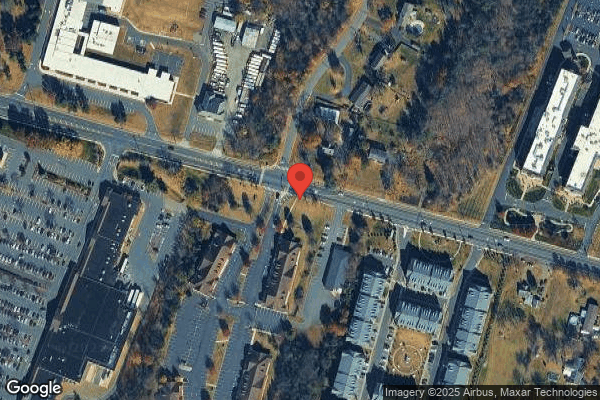
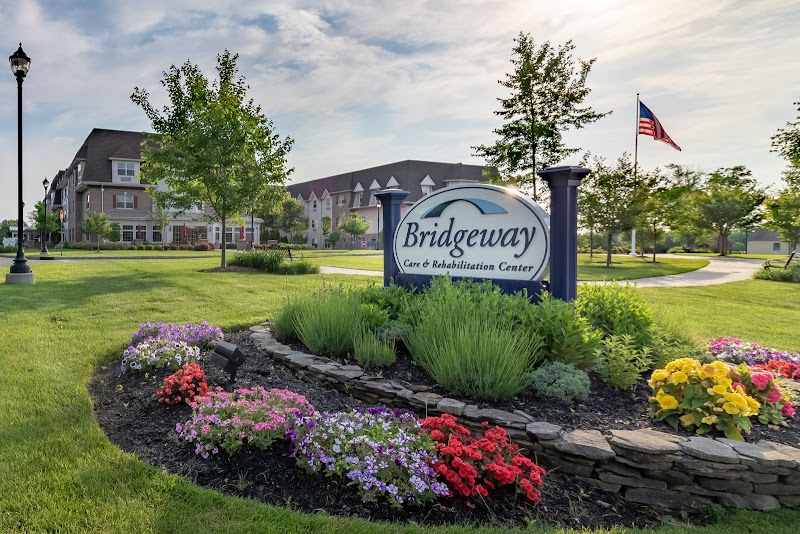
395 AMWELL ROAD, HILLSBOROUGH, NJ 08844 (908) 281-4400
For profit - Limited Liability company 126 Beds Independent Data: November 2025
Trust Grade
65/100
#177 of 344 in NJ
Last Inspection: August 2024

Within standard 12-15 month inspection cycle. Federal law requires annual inspections.

Overview

Bridgeway Care and Rehab Center at Hillsborough has a Trust Grade of C+, indicating it is slightly above average but not outstanding. It ranks #177 out of 344 facilities in New Jersey, placing it in the bottom half, and #11 out of 15 in Somerset County, suggesting there are better local options available. The trend is concerning, as the number of reported issues has worsened from 1 in 2023 to 6 in 2024. Staffing is a relative strength, with a 4-star rating and a 34% turnover rate, which is lower than the state average, indicating staff stability. While there were no fines reported, there are several areas of concern, including a missing wallet incident involving a resident and delays in addressing residents' grievances, as well as food safety issues in the kitchen that could pose health risks. Overall, while there are some positive aspects, families should be aware of the facility's weaknesses and recent decline in quality.

Trust Score
C+
65/100
In New Jersey
#177/344
Bottom 49%
Safety Record
Low Risk
No red flags
Inspections
Getting Worse
1 → 6 violations
Staff Stability
○ Average
34% turnover. Near New Jersey's 48% average. Typical for the industry.
Penalties
✓ Good
No fines on record. Clean compliance history, better than most New Jersey facilities.
Skilled Nurses
✓ Good
Each resident gets 53 minutes of Registered Nurse (RN) attention daily — more than average for New Jersey. RNs are trained to catch health problems early.
Violations
⚠ Watch
15 deficiencies on record. Higher than average. Multiple issues found across inspections.
★★★☆☆
3.0
Overall Rating
★★★★☆
4.0
Staff Levels
★★★☆☆
3.0
Care Quality
★★★☆☆
3.0
Inspection Score
Stable
2023: 1 issues
2024: 6 issues

The Good

  • 4-Star Staffing Rating · Above-average nurse staffing levels
  • Full Sprinkler Coverage · Fire safety systems throughout facility
  • No fines on record
  • Staff turnover below average (34%)

    14 points below New Jersey average of 48%

Facility shows strength in staffing levels, fire safety.

The Bad

3-Star Overall Rating

Near New Jersey average (3.3)

Meets federal standards, typical of most facilities

Staff Turnover: 34%

12pts below New Jersey avg (46%)

Typical for the industry

The Ugly 15 deficiencies on record

Aug 2024 6 deficiencies
CONCERN (D)

Potential for Harm - no one hurt, but risky conditions existed

Unnecessary Medications (Tag F0759)

Could have caused harm · This affected 1 resident

Based on observation, interview, and record review, it was determined that the facility failed to ensure that all medications were administered without error of 5% or more. During the medication obser...

Read full inspector narrative →
Based on observation, interview, and record review, it was determined that the facility failed to ensure that all medications were administered without error of 5% or more. During the medication observation on 8/6/24, the surveyor observed two (2) nurses administer medications to four (4) residents. There were 26 opportunities, and two (2) errors were observed which calculated to a medication administration error rate of 7.69 %. This deficient practice was identified for one (1) of four (4) residents, (Resident # 268), that were administered medications by one (1) of two (2) nurses. The deficient practice was evidenced as follows: On 8/6/24 at 8:57 AM, the surveyor observed the Registered Nurse (RN) preparing to administer the morning medications to Resident #268. The RN stated that according to the electronic medication administration record (EMAR), the resident had two insulin (a medication used to lower blood sugar) pens (medication provided in the form of an injector pen) to prepare. The RN explained that the pens had to be primed with two (2) units to see the function of the needle. The RN removed the resident's Glargine (Lantus) (a long-acting insulin) 100 units (U)/milliliter (ML) solution pen-injector (a disposable single-patient-use prefilled insulin pen) from the medication cart and removed the pen cap and replaced the cap with a needle cap and placed the Lantus on top of the medication cart in a horizontal position. The RN then removed the Lispro (a short-actin insulin) Kwikpen (a disposable single-patient-use prefilled insulin pen) 100 U/ML solution pen-injector and removed the pen cap and replaced it with a needle cap and placed the Lispro on top of the medication cart in a horizontal position. The RN explained that the pens had to be primed with 2 units to see the function of the needle. The RN then explained to the surveyor that she was not going to be administering all the morning medications at this time because there was an intravenous medication and a Voltaren gel (topical medication to relieve joint pain) until after the resident had finished breakfast. The surveyor observed the RN preparing a total of seven (7) medications for the resident which included the Lispro pen-injector and the Lantus pen-injector. The RN then showed the surveyor that she was dialing a dose of 36 U for the Lantus insulin pen according to the physician's order (PO) on the EMAR. Next, the RN showed the surveyor that she was dialing a total of seven (7) U of the Lispro insulin pen according to a standing PO for five (5) U plus another 2 U according to a sliding scale PO for a blood sugar result of 161. On 8/6/24 at 8:40 AM, the surveyor observed the RN inject the resident's left arm subcutaneously (SC) with the Lispro insulin pen injector that was dialed to 7 U and then the Lantus insulin pen injector that was dialed to 36 U. The surveyor had not observed the RN prime the Lantus and the Lispro insulin pens before administration. (ERROR #1 and #2) Upon returning to the medication cart, the surveyor asked the RN when she had primed the insulin pens. The RN stated that she primed the insulin pens when she removed them from the medication cart and after she put on the needle cap. The RN stated that she dialed the pens to 2 U and pushed the plunger and the plunger went back to zero 0. The RN acknowledged that she had not shown the surveyor the priming of the 2 U and thought that she had done the priming quickly. The RN added that she had primed the insulin pens when they were horizontal on top of the medication cart and with the needle cap on. The RN stated that the only time she removed the needle cap was just before she injected the resident in their room. The RN explained that when she primed the insulin pens by dialing the 2 U and pressing the plunger, the injector pen returned to zero 0 and that meant the pen was working properly. The RN added if there was resistance, or the pen had not returned to 0 then she would have to change the needle. The RN added that she had shown the surveyor that the plunger was at zero 0 before dialing to the doses needed for each insulin pen injector. The RN added that she had training on the technique for insulin pen use but was unsure who had performed the training. On 8/6/24 at 11:24 AM, the surveyor interviewed the Staff Development/Advanced Practice Nurse (SD/APN) who stated that she was employed less than two (2) months at the facility. The SD/APN explained that she would be involved in training the nurses the proper techniques for the medication pass. The SD/APN stated that she was familiar with the proper technique for using an insulin pen injector. The SD/APN explained that the pen injector had to be primed before injecting the dose to make sure the needle was working, and air bubbles were out of the needle. The SD/APN further explained that the pen was primed by dialing two (2) to five (5) units, then taking the needle cap off and holding the pen injector in the vertical position and pushing the plunger. The SD/APN added that this would allow visualizing the insulin liquid come out of the needle. The SD/APN added that all insulin pen injectors were to be primed in the same method. The SD/APN stated that seeing the insulin pen injector plunger return to zero was not an indication that the needle was working and you would have to visualize the insulin liquid. On 8/6/24 at 2:20 PM, the surveyor interviewed the RN who stated that she had spoken with the SD/APN. The RN also stated that she was unaware of needing to hold the insulin pen injector vertically and removing the needle cap to see the insulin liquid when priming. The RN added that she thought the needle was working because the plunger went back to zero. On 8/6/24 at 2:45 PM, the surveyor interviewed the Consultant Pharmacist (CP) via the telephone. The CP stated that he had done a medication pass inservice in March but was unsure if the inservice included insulin pen technique. The CP also stated that he was aware that priming a pen injector had to be done prior to injecting the dose. The CP also stated that it would be obvious to see the insulin liquid if the needle cap was off but thought leaving the cap on would be acceptable. The CP added that he thought if there was an issue while priming then there would be resistance from the plunger and the plunger would not go back to zero. The CP was unable to speak to whether the instructions indicated that when the plunger returns to zero the priming was completed and would have to check. An inservice titled Med Pass and Expiring meds dated 3/5/24 was performed by the CP was provided by the SD/APN. The inservice included a handout titled Medication Pass and reflected for Injectable Administration to Prime insulin pen prior to each dose. The surveyor reviewed the medical records for Resident #268. A review of the resident's admission Record reflected that the resident had diagnoses which included but not limited to: type 2 Diabetes (high blood sugar). A review of the resident's Order Summary Report reflected the following: - a PO with a start date of 7/30/24 for Insulin Glargine (Lantus) 100 U/ML solution, inject 36 units SC in the morning for diabetes. -a PO with a start date of 7/29/24 for Insulin Lispro (1 unit dial) subcutaneous solution Pen Injector 100 U/ML (Insulin Lispro), inject 5 units SC with meals for diabetes in addition to sliding scale coverage. -a PO with a start date of 7/29/24 for Insulin Lispro (1 unit dial) subcutaneous solution Pen Injector 100 U/ML (Insulin Lispro), inject as per sliding scale: if 150-199 (blood sugar) = 2 u; 200-249=4 u; 250-299=6 u; 300-349=8 u;350-400=10 u; Call MD for blood sugar greater than 400 or less than 70, SC before meals and at bedtime for diabetes. On 8/7/24 at 1:13 PM, the surveyor interviewed the SD/APN who stated that she had completed a step-by-step safe administration of insulin via insulin pen administration inservice with the RN. The SD/APN had used a manufacturer's specification handout for the Instructions For Use Humalog KwikPen (insulin lispro). On 8/7/24 at 1:46 PM, the survey team met with the Licensed Nursing Home Administrator (LNHA) and the Director of Nursing (DON). The LNHA and the DON acknowledged that by not following the manufacturer's specifications for priming an insulin pen injector or incorrectly priming an insulin pen injector could affect the dosage of the insulin. (ERROR #1 and #2) On 8/8/24 at 10:36 AM, the surveyor interviewed the CP, who stated that he had looked into the priming of the insulin pen injector and that the needle cap was clear, and that the RN was able to see the insulin liquid in the cap. At that time, the surveyor with the CP interviewed the RN who demonstrated that when the two (2) U were pushed with the plunger and the needle cap was on there was liquid that was able to be seen through the needle cap. The RN acknowledged that during the medication pass, neither insulin pen was held upright and that she had not shown the surveyor the priming. Upon finishing the demonstration, the surveyor and the CP left the medication cart. The CP stated that he thought resistance of the plunger went hand in hand with visualizing insulin and thought there would be resistance when priming the insulin pen if the 2 U had not come out. The CP was unsure if there was documentation regarding the resistance if the 2 U was not visualized. The CP added that he felt the dosage disparity was not significant by not holding the insulin pen vertical and was unsure if there was documentation supporting that. The CP acknowledged that there were specific manufacturer instructions for the use of insulin pen injectors that included instructions on priming and provided the surveyor with a handout on the instructions for the Insulin Lispro KwikPen. The surveyor, with the CP, reviewed the handout and the CP acknowledged that the instructions were specific to hold the pen injector upright (vertically) when visualizing the two (2) U of insulin liquid. The CP was unable to provide any further documentation. A review of the Insulin Pen Injections handout of information provided by the CP reflected that the steps required to properly administer an insulin pen included Prime before each injection. Priming your pen means removing the air from the needle and cartridge that may collect during normal use and ensures that the pen is working correctly. If you do not prime before each injection, you may get too much or too little insulin. The handout also revealed Step 6: To prime your pen, turn the dose knob to select 2 units. Step 7: Hold your pen with the needle pointing up. Tap the cartridge holder gently to collect air bubbles at the top. Step 8: Continue holding your pen with the needle pointing up. Push the dose knob in until it stops, and 0 is seen in the dose window. Hold the Dose Knob in and count to 5 slowly, You should see insulin at the tip of the needle. If you do not see insulin, repeat priming steps 6 to 8. A review of the facility policy Medication Administration Guidelines: Insulin Pens, dated as effective 2/2/22, provided by the LNHA reflected that Insulin will be administered in a safe and accurate manner. In addition, the policy reflected for Insulin administration: .j) Remove outer then inner needle caps, k) Prime pen by dialing 2 units or units recommended by manufacturer, with needle pointing up, press injection button with thumb. Look for drops of insulin to come out of tip of needle. A review of Patient & Caregiver Education specifications for How to use an insulin pen revealed Do a safety test (prime the pen). Priming the insulin pen will help you make sure your pen and needle are working like they should. This will also help you make sure that the needle fills with insulin, so you get your full dose. It's important to do a safety test before every insulin injection. NJAC 8:39-11.2(b), 29.2(d)
CONCERN (D)

Potential for Harm - no one hurt, but risky conditions existed

Deficiency F0868 (Tag F0868)

Could have caused harm · This affected 1 resident

Based on interview and review of pertinent facility documentation, the facility failed to ensure the required committee members, the Infection Preventionist (IP), was present for one of seven Quality ...

Read full inspector narrative →
Based on interview and review of pertinent facility documentation, the facility failed to ensure the required committee members, the Infection Preventionist (IP), was present for one of seven Quality Assurance and Performance Improvement (QAPI) meetings and was evidenced by the following: A review of the facility provided QAA (Quality Assessment and Assurance) Committee Information updated 06/07/24 revealed: Name: Vacant; Title: Infection Preventionist. A review of the the facility provided In-Service Attendance; Date: 7/12/24; Topic: Q 2024 QAPI Meeting sign in sheet had not revealed the IP attended the meeting. On 08/13/24 at 09:52 AM, during an interview with the Licensed Nursing Home Administrator (LNHA) and the Director of Nursing (DON), the LNHA stated that the required members of the QAPI committee were the administrator, the DON, the IP, the Medical Director, and 2 other staff members. The LNHA acknowledged that the IP had not attended the July 2024 meeting. A review of the facility's Job Description and Performance Standards, Position Title Infection Preventionist RN (Registered Nurse) revealed: The primary functions and responsibilities of this position are as follows: .40. Provide monthly, quarterly, and annual; reports for the Quality Assurance and Performance Improvement Committee to the Administrator. A review of the facility policy 2024 Quality Assurance Performance Improvement Plan revealed: Governance and Leadership .The QAA Committee and its members provide the framework or structure for QAPI. Committee members include the administrator, director of nursing, medical director, infection preventionist . NJAC 8:39-33.1(a)(b)
CONCERN (D)

Potential for Harm - no one hurt, but risky conditions existed

Deficiency F0882 (Tag F0882)

Could have caused harm · This affected 1 resident

Based on interviews and review of pertinent facility documents, it was determined that the facility failed to have an Infection Preventionist (IP) dedicated solely to the infection prevention and cont...

Read full inspector narrative →
Based on interviews and review of pertinent facility documents, it was determined that the facility failed to have an Infection Preventionist (IP) dedicated solely to the infection prevention and control program (IPCP) who worked at least part-time and had completed specialized training in infection control and prevention (ICP) from 06/08/24 to present. This deficient practice was evidenced by the following: Reference: According to the NJ Executive Directive 21-012 (revised 12/22/22) included The facility's designated individual(s) with training in infection prevention and control shall assess the facility's IPCP by establishing or revising the infection control plan, annual infection prevention and control program risk assessment, and conducting internal quality improvement audits. According to the CMS QSO-22-19-NH Memo dated 6/29/22 and Fact Sheet, Updated Guidance for Nursing Home Resident Health and Safety dated 6/29/22, effective date on October 24, 2022, Overview of New and Updated Guidance, Summary of Significant Changes, included that in Infection Control, requires the facilities to have a part-time IP. While the requirement is to have at least a part-time IP, the IP must meet the needs of the facility. The IP must physically work onsite and cannot be an off-site consultant or work at a separate location. IP's role is critical to mitigating infectious diseases through an effective infection prevention and control program. IP specialized training is required and available. 08/05/24 at 10:50 AM, during entrance conference, the Licensed Nursing Home Administrator (LNHA) stated the facility does not have an Infection Preventionist (IP) at the moment. She further stated that there was no one certified in ICP. On 08/06/24 at 08:53 AM, in the presence of the survey team, the LNHA confirmed that the last day of work for the IP was 06/07/24. On 08/09/24 at 08:57 AM, during an interview with the surveyor, the LNHA stated, I believe the Nursing Supervisor (NS), who does staff education for Personal Protective Equipment (PPE), COVID surveillance and testing, is ICP certified. On 08/09/24 at 12:33 PM, in the presence of the survey team, the LNHA and the Director of Nursing (DON) were made aware of the concerns of no IP since 06/08/24. On 08/13/24 at 08:45 AM, the LNHA provided the surveyor with the NS Center for Disease Control and Prevention (CDC) certification dated 5/16/23. At that time, she confirmed that the NS was not the designated IP. A review of the facility's job description for the Infection Preventionist RN (Registered Nurse) revealed: Purpose of this position: The Infection Preventionist (IP) shall be responsible for contributing to the development of policies, procedures, and training curriculum for the long-term care facility staff based on best practices and clinical expertise. They shall monitor the implementation of infection prevention and control policies and recommending disciplinary measure for staff who routinely violate those policies. The IP will assess the facility's infection prevention and control program by conducting internal quality improvement audits. A review of the facility's policy, Surveillance for Infections reviewed on 01/10/24, revealed: Policy Statement: Surveillance is an essential component of an effective Infection Prevention Control Program. The facility performs surveillance and investigation to prevent, to the extent possible, the onset and the spread of infection. NJAC 8:39-19.1 (b), 19.4(d) (e)
CONCERN (E) 📢 Someone Reported This

A family member, employee, or ombudsman was alarmed enough to file a formal complaint

Potential for Harm - no one hurt, but risky conditions existed

Report Alleged Abuse (Tag F0609)

Could have caused harm · This affected multiple residents

**NOTE- TERMS IN BRACKETS HAVE BEEN EDITED TO PROTECT CONFIDENTIALITY** 2. The surveyor reviewed the medical record for Resident #15. According to the Annual MDS, dated [DATE], the resident had diagno...

Read full inspector narrative →
**NOTE- TERMS IN BRACKETS HAVE BEEN EDITED TO PROTECT CONFIDENTIALITY** 2. The surveyor reviewed the medical record for Resident #15. According to the Annual MDS, dated [DATE], the resident had diagnosis including but not limited to; arthritis and hypertension. The MDS reflected a BIMS score of 11, indicating moderate cognitive impairment. On 08/06/24 at 01:38 PM, the surveyor reviewed the facility's investigation report which indicated that the resident's daughter reported Resident #15's wallet was missing on 03/10/24. The wallet did not contain any money, but did contain Resident #15's driver's license, social security card, and insurance cards. A police report was filed on 03/13/24. After inquiry to the NJDOH by the facility on 03/13/24, the facility reported the above incident. A review of the facility policy for Grievances/Complaints, Filing dated 6/21/24 provided by the LNHA included Upon receipt of a grievance and/or complaint, the grievance officer will review and investigate the allegations and submit a written report of such findings to the administrator within five (5) working days of receiving the grievance and/or complaint. In addition, The grievance officer will coordinate actions with the appropriate state and federal agencies, depending on the nature of the allegations. All alleged violations of neglect, abuse and/or misappropriation of property will be reported and investigated under the guidelines for reporting abuse, neglect and misappropriation of property, as per state law. A review of the facility policy for Abuse, Neglect, Exploitation and Misappropriation Prevention Program dated 10/4/23 provided by the LNHA included to investigate and report any allegations within timeframes required by federal and state requirements. N.J.A.C. 8:39-4.1(a)(15), 9.4(f) Complaint #NJ00172165 REFER to F610 Based on observations, interviews and record review, it was determined that the facility failed to report to the New Jersey Department of Health (NJDOH) and follow facility policy and procedures for reporting for a) allegations of abuse (Sampled Resident #6, unsampled Resident #25 and #54), and b) a missing wallet with a resdient's identification (Resident #15). The deficient practice was identified for four (4) of nine (9) residents reviewed for investigations and was evidenced by the following: 1. On 8/5/24 at 12:10 PM, the surveyor observed Resident #6 participating in conversation and eating lunch at a table with three other residents. The resident stated that they were willing to talk with the surveyor at another time. The surveyor reviewed the medical record for Resident #6. According to the quarterly Minimum Data Set (MDS) (an assessment tool) dated 5/8/24, reflected that the resident had diagnoses which included but not limited to; depression, morbid obesity and heart failure. The MDS assessment reflected that the resident had a Brief Interview of Mental Status (BIMS) score of 14 out of 15, which indicated an intact cognition. On 8/6/24 at 10:06 AM, the surveyor reviewed a Complaint/Grievance Form, dated 5/23/24, provided by the Licensed Nursing Home Administrator (LNHA). The form was completed by the Social Worker (SW) and revealed that Resident #6 reported issues and concerns with two CNAs, (CNA#1 and CNA#2). The form indicated Resident does not feel safe when CNA#1 and CNA#2 were caring for him/her and does not want them on his/her assignment. Resident stated they are mean and rude. The form was referred to nursing and signed by the Director of Social Work (DOS), who was the Grievance Official (GO), on 5/24/24. According to the form, the corrective action taken to rectify the concern, indicated that Education provided to CNAs regarding: abuse prevention, resident's rights, customer service and reassignment. It was signed by the Director of Nursing (DON). The form had a Final Review by Grievance Official: Nature of Concern/Grievance: CNA interaction signed by the LNHA and GO and dated 5/28/24. There was no indication that a report was sent to the NJDOH. Further review of the attached Investigation Statement Form revealed that the date of the incident was 5/18-5/19 (reported 5/23/24) and the type of investigation was issues with CNA #1 and CNA #2. The SW documented follow up interviews with two alert and oriented residents, unsampled Residents #25 and #54 on 5/23/24, that were under the care of CNA #1 and CNA #2. The SW indicated on the form that unsampled Resident #54 made a statement that CNA #2 is just not compassionate. He/She doesn't want CNA #2 on his/her assignment as he/she does not feel good with CNA #2. The unsampled Resident #54 made a statement that CNA #2 took soda and chips from the resident's tray and the resident had to ask for them back. In addition, the Investigation Statement Form revealed a follow up interview with unsampled Resident #25 who, according to the statement, indicated that CNA #1 made him/her feel humiliated by being exposed during care. The form reflected that the unsampled Resident #25 had requested that CNA #1 not be on their assignment. There was no indication that a report was sent to the NJDOH. On 8/6/24 at 10:17 AM, the surveyor interviewed the LNHA regarding the Complaint/Grievance Form dated 5/23/24 for Resident #6. The LNHA confirmed that there was no report to the NJDOH. The LNHA stated that the incident was treated as a grievance and not reported because Resident #6 had a history of fixating on their care and was saying that the CNAs were rude and mean and unsure what that meant because the resident had requested specific CNAs in the past. The LNHA stated that both CNAs were not working on 5/23/24 and were immediately reported to be reassigned from all three residents. The LNHA acknowledged that after reading the wording on the form, that she should have completed a report to the NJDOH. The LNHA stated that the DOSW/GO and SW had done the statements. The LNHA stated that the Director of Nursing (DON) was currently not available and the DOSW/GO was currently on leave. The LNHA added that she could not recall why a report was not done and needed to do a review. On 8/6/24 at 10:49 AM, the LNHA returned to discuss Resident #6 in the presence of the survey team. The LNHA stated that she had not reported because Resident #6 is usually very selective with CNAs and had asked for reassignments of CNAs in the past. The LNHA added that in general the alert and oriented residents on the floor were particular about who they want to care for them and it is not unusual for the residents to request certain CNAs. The LNHA stated that none of the three residents had initiated a concern and Resident #6 had been told in the past to immediately report any issues. The LNHA acknowledged that according to the wording on the form, the incidents should have been reported to the NJDOH. On 8/6/24 at 11:09 AM, the surveyor interviewed the LNHA in the presence of the survey team. The LNHA stated that the required timeframes referred to in the facility Abuse Policy were to report any allegation of abuse immediately within 2 hours to the NJDOH and complete a NJDOH reportable form within 24 hours. On 8/13/24 at 9:13 AM, the survey team met with the LNHA and DON, the LNHA stated that she was responsible for reporting to the NJDOH. The LNHA also stated that she could not remember back in May why the incident was not reported and stated based on the wording of the report that she should have reported it.
CONCERN (E)

Potential for Harm - no one hurt, but risky conditions existed

Investigate Abuse (Tag F0610)

Could have caused harm · This affected multiple residents

REFER to F609 Based on observation, interview and record review, it was determined that the facility failed to conduct a timely and thorough investigation for three (3) of nine (9) residents, (Residen...

Read full inspector narrative →
REFER to F609 Based on observation, interview and record review, it was determined that the facility failed to conduct a timely and thorough investigation for three (3) of nine (9) residents, (Resident #6 and unsampled Residents #25 and #54), reviewed for alleged violation investigations. The deficient practice was evidenced by the following: On 8/5/24 at 12:10 PM, the surveyor observed Resident #6 participating in conversation and eating lunch at a table with three other residents. The resident stated that they were willing to talk with the surveyor at another time. On 8/6/18 at 10:06 AM, the surveyor reviewed a Complaint/Grievance Form, dated 5/23/24, provided by the Licensed Nursing Home Administrator (LNHA). The form was completed by the Social Worker (SW) and revealed that Resident #6 reported issues and concerns with two CNAs, (CNA#1 and CNA#2). The form indicated Resident does not feel safe when CNA#1 and CNA#2 are caring for him/her and does not want them on his/her assignment. Resident stated they are mean and rude. The form was referred to nursing and signed by the Director of SW (DOSW), who was the Grievance Official (GO), on 5/24/24. According to the form, the corrective action taken to rectify the concern indicated that Education provided to CNAs regarding: abuse prevention, resident's rights, customer service and was signed by the Director of Nursing (DON). The form had a Final Review by Grievance Official: Nature of Concern/Grievance: CNA interaction signed by the LNHA and DOSW/GO and dated 5/28/24. Further review, revealed an attached Investigation Statement Form revealed that the date of the incident was 5/18-5/19 (reported 5/23/24) and the type of investigation was issues with CNA #1 and CNA #2. The SW documented follow up interviews with two alert and oriented residents under the care of CNA #1 and CNA #2. The SW spoke with two unsampled Residents #25 and #54 on 5/23/24. The SW indicated that the unsampled Resident #54 made a statement that CNA #2 is just not compassionate. He/She doesn't want CNA #2 on his/her assignment as he/she does not feel good with CNA #2. The unsampled Resident #54 made a statement that the CNA #2 took soda and chips from the resident's tray and the resident had to ask for them back. In addition, the Investigation Statement Form revealed a follow up interview with unsampled Resident #25 who according to the statement indicated that CNA #1 made him/her feel humiliated by being exposed during care. The form reflected that the unsampled Resident #25 had requested that CNA #1 not be on their assignment. Additionally, attached with the form was another Investigation Statement Form, dated 5/25/24, completed by CNA #2 which indicated that whenever CNA #2 was assigned to Resident #6 they were rude and cursed at CNA #2. The CNA #2 included that the resident had accused her of not paying attention to them. Also attached to the Grievance/Complaint Form was an In-service: Customer Service/Resident Dignity and an In-Service: Abuse Prevention dated 5/25/24 and signed by both CNA#1 and CNA #2. On 8/6/24 at 10:17 AM, the surveyor interviewed the LNHA regarding the Complaint/Grievance Form dated 5/23/24 for Resident #6. The LNHA confirmed that there was no report to the NJDOH and that the Complaint/Grievance Form was complete and there was no further follow up investigation documented. The LNHA stated that the incident was treated as a grievance and not reported because Resident #6 had a history of fixating on their care and saying that the CNAs were rude and mean and unsure what that meant. The LNHA stated that both CNAs were not working on 5/23/24 and were immediately reported to be reassigned from all three residents. The LNHA acknowledged that after reading the wording on the form, that she should have completed a report to the NJDOH. The LNHA stated that the DOSW/GO and SW had done the statements and acknowledged that further investigation documentation was needed. The LNHA stated that the Director of Nursing (DON) was currently not available and the DOSW/GO was currently on leave. The LNHA added that she could not recall why a report was not done and needed to do a review. On 8/6/24 at 10:49 AM, the LNHA returned to discuss Resident #6 in the presence of the survey team. The LNHA stated that she had not reported because Resident #6 was usually very selective with CNAs and had asked for reassignments in the past. The LNHA added that in general the alert and oriented residents on that floor were particular about who they want to care for them, and it was not unusual for the residents to request certain CNAs and/or request not to have certain CNAs. The LNHA stated that none of the three residents had initiated an issue and Resident #6 had been told in the past to immediately report any issues and in general was a very vocal resident. The LNHA acknowledged that according to the wording on the grievance form, the incidents should have been reported to the NJDOH and further investigation documentation should have been done. The LNHA also stated that she was very familiar with Resident #25, who was a very private person, and the resident was educated to report any issues immediately. The LNHA added that Resident #54 was fairly new to the facility and was also educated to report any issues immediately. The LNHA stated that when there were reports regarding CNAs that part of the process was to investigate what had occurred. The LNHA added that it was handled as a grievance because the residents were not in danger and that the residents were not satisfied with the care that they received. The LNHA stated that both CNAs were reassigned immediately as per the request of the residents. The LNHA further explained that the grievance process was used for anything not considered abuse such as a CNA that was rushing them or the CNA was task oriented, and more customer service was needed. The LNHA acknowledged that the way the grievance report read that, there should have been further documentation of the investigation completed. On 8/6/24 at 12:34 PM, the surveyor interviewed the LNHA and the SW regarding the Complaint/Grievance Form. The SW stated that she was the covering DOSW as of 7/8/24. The SW added that she had completed the form and remembered the discussion clearly. The SW stated that she was performing a quarterly care plan discussion with Resident #6 when the resident voiced a concern about the 2 CNAs. The SW stated that she remembered Resident #6 just had not wanted the CNAs to be assigned to them and had not thought that was odd because Resident #6 had asked in the past for certain CNAs to be assigned to them. The SW stated that she completed the form and as a follow up, randomly selected two alert and oriented residents, (unsampled Residents #35 and #54), to interview regarding the 2 CNAs. The SW was unable to speak to whether there were more alert and oriented residents on the CNA's assignments. The SW stated that she always asks the residents if they feel safe and when the answer was no, then she reports that to the LNHA. The SW added that Resident #25 had said she felt humiliated because they were a very private person and does not like having to be cared for and the resident felt strongly that they had not wanted to get anyone in trouble. The SW added that besides not wanting CNA #1, Resident #25 felt safe. The SW added that she should have documented more. The LNHA stated that the DON was also part of the investigation and was returning the next day. The surveyor reviewed the medical record for Resident #6. According to the quarterly Minimum Data Set (MDS) (an assessment tool), dated 5/8/24, reflected that the resident had diagnoses which included but were not limited to; depression, morbid obesity and heart failure. The MDS assessment reflected that the resident had a Brief Interview of Mental Status (BIMS) score of 14 out of 15, which indicated an intact cognition. On 8/6/24 at 1:46 PM, the surveyor interviewed Resident #6 who stated that they were able to make their needs known and told the nurses which aides they wanted and which aides they did not want. The resident was able to identify two CNAs that they felt were very good and would want all the time. The resident stated that CNA #1 gives them anxiety but was unable to speak to a specific incident or occurrence and stated that they just felt that CNA #1 was reluctant to help them. The resident then added that CNA #1 was friends with CNA #2 and that together they were not good. The resident added that as long as they did not have the aides that they did not want, then they were fine. The resident was not specific as to what the aides that they did not want had done. The resident stated, I can just tell which aides are not good. The resident then stated that he/she has a tendency to get anxious over everything. The resident added that they felt comfortable and was very vocal with the staff. The resident added that they had no recollection of any discussion with the SW. The surveyor reviewed the medical record for Resident #25. According to the quarterly MDS (an assessment tool) dated 5/24/24 reflected that the resident had diagnoses which included but were not limited to; hypertension (high blood pressure) and diabetes (high blood sugar). The MDS assessment reflected that the resident had a BIMS score of 15 out of 15 which indicated an intact cognition. On 8/6/24 at 2:05 PM, the surveyor interviewed the unsampled Resident #25, who stated that she had nothing to say and had no concerns. The resident added that she felt comfortable and could tell the staff their needs. The surveyor reviewed the medical record for Resident #54. According to the quarterly MDS (an assessment tool) dated 7/8/24 reflected that the resident had diagnoses which included but were not limited to; heart failure and pressure ulcers of the right and left heels. The MDS assessment reflected that the resident had a BIMS score of 13 out of 15, which indicated an intact cognition. A review of the medical record for the unsampled Resident #54 revealed that the resident had been sent to the hospital after an outside physician's appointment on 7/30/24 and had not returned to the facility. On 8/9/24 at 10:53 AM , the surveyor interviewed the LNHA and DON regarding the Complaint/Grievance Form. The DON stated that when CNAs were reassigned, the staffing coordinator was informed, and assignment sheets were updated, and all supervisors were made aware and the CNA themselves were aware. The DON added that there were no changes to the assignments allowed unless approved by a supervisor. The DON added that CNA#2 was moved to the second floor. The DON confirmed that both CNAs were inserviced prior to returning to work. The DON acknowledged that there should have been more documentation and statements included when the concerns were reported. The DON and LNHA stated that they had been working on completing the investigations after surveyor inquiry. The LNHA stated that Resident #25 had not wanted to discuss anything further and felt there were too many people in their room looking at them on 5/19/24 but had not wanted to report the issue. The DON added that Resident #25 understood the reason was that the CNA #3 was being helped by CNA #1 because CNA #3 was very new, and CNA #1 noticed some redness on their sacrum and asked CNA #3 to get the nurse who verified the redness. The LNHA added that Resident #25 understood that there was 2 CNAs and a nurse trying to provide care for a medical reason and just preferred not to have CNA #1 assigned to them. The LNHA and DON acknowledged that there was no documentation provided in the Grievance/Complaint form. On 8/9/24 at 11:00 AM, the surveyor was provided investigations for Resident #6 and unsampled Residents #25 and #54 by the LNHA. The LNHA stated that CNA #2 removed a finished meal tray from Resident #54 containing the chips and soda. Then, when the resident expressed wanting the items they were provided. The LNHA acknowledged that the Grievance/Complaint Form had not explained the above. A review of the investigations for Residents #6 and unsampled Residents #25 and #54 were completed and thorough after surveyor inquiry. On 8/9/24 at 12:33 PM, the survey team met with the LNHA and DON. The LNHA stated that she felt that they had made sure all residents were safe, that the identified CNAs were reassigned as per resident requests. The DON added that CNA #2 was assigned to a different floor to separate the 2 CNAs. On 8/13/24 at 9:13 AM, the survey team met with the LNHA and DON. The LNHA stated Based on the wording of the report and no further documentation of statements that there should have been a documented further investigation. A review of the facility policy for Grievances/Complaints, Filing dated 6/21/24 provided by the LNHA included Upon receipt of a grievance and/or complaint, the grievance officer will review and investigate the allegations and submit a written report of such findings to the administrator within five (5) working days of receiving the grievance and/or complaint. In addition, The grievance officer will coordinate actions with the appropriate state and federal agencies, depending on the nature of the allegations. All alleged violations of neglect, abuse and/or misappropriation of property will be reported and investigated under the guidelines for reporting abuse, neglect and misappropriation of property, as per state law. A review of the facility policy for Abuse, Neglect, Exploitation and Misappropriation Prevention Program dated 10/4/23 provided by the LNHA included to investigate and report any allegations within timeframes required by federal and state requirements. NJAC 8:39-4.1(a)(5), 9.3(d), 13.4(c)2(i-vi)
CONCERN (E)

Potential for Harm - no one hurt, but risky conditions existed

Food Safety (Tag F0812)

Could have caused harm · This affected multiple residents

Based on observation, interview, and review of other facility documentation, it was determined that the facility failed to handle potentially hazardous foods and maintain sanitation in a safe and cons...

Read full inspector narrative →
Based on observation, interview, and review of other facility documentation, it was determined that the facility failed to handle potentially hazardous foods and maintain sanitation in a safe and consistent manner to prevent food borne illness. This deficient practice was evidenced by the following: On 08/05/2024 from 09:30 AM to 10:01 AM, the surveyor, accompanied by the Food Service Director (FSD) of another facility, toured the kitchen, and observed the following: In the walk-in freezer, the surveyor observed two opened packages of biscuits with no dates or labels. The surveyor also noted a tied shut, clear plastic bag of spinach lasagna rolls with no label or dates when opened. The FSD stated there should be opened and use by labels and dates on all opened food in the freezer. On a storage rack, the surveyor observed a stack of three 3rd pans wet nested and a stack of four 6th pans wet nested. The FSD stated they should not be stacked wet. A review of facility provided undated policy titled Food Receiving and Storage revealed under Refrigerated/Frozen Storage: 1.All food stored in the refrigerator or freezer are covered, labeled and dated (use by date) 8. Frozen foods are maintained at a temperature to keep the food frozen solid. Wrappers of frozen foods must stay intact until thawing. Frozen foods will be used by the manufacturer expiration date. If an item has been opened, and open date label will be placed, and the item will follow the manufacturer's expiration date or discarded after 6 months of the open date. A review of facility provided policy titled Sanitization, revised 7/23/2023 revealed: 12. Observe for wet nesting (accumulation of moisture) when pots, pans, and other kitchen products are put to dry. N.J.A.C. 8:39-17.2(g)
Jul 2023 1 deficiency
CONCERN (D) 📢 Someone Reported This

A family member, employee, or ombudsman was alarmed enough to file a formal complaint

Potential for Harm - no one hurt, but risky conditions existed

Deficiency F0657 (Tag F0657)

Could have caused harm · This affected 1 resident

COMPLAINT # NJ 165398 Based on interviews and review of the medical records (MR) it was determined that the facility failed to revise/update a person centered Care Plan (CP) for 1 of 3 residents sampl...

Read full inspector narrative →
COMPLAINT # NJ 165398 Based on interviews and review of the medical records (MR) it was determined that the facility failed to revise/update a person centered Care Plan (CP) for 1 of 3 residents sampled (Resident #2) who was wandering on another unit. The facility also failed to follow their policy Incident Report. This deficient practice is evidenced by the following; 1. According to the facility admission Record (AR), Resident #2 was admitted to the facility with diagnoses which included but were not limited to; Alzheimer's disease, dementia, anxiety disorder, Major Depressive Disorder (MDD), and psychosis. A Minimum Data Set (MDS), an assessment tool, dated 6/6/2023, revealed the resident had a Brief Interview for Mental Status (BIMS) score of 0/15 which indicated severe cognitive impairment, was independent with walking and needed extensive assistance with most activities of daily living (ADLs). A CP, initiated 7/03/2020 and revised on 3/24/23, included the resident had a history of dementia with behaviors which included: 1) Wandering, 2) Poor judgement, 3) Suspicious of others - he/she will think people took his/her belongings and wander into other resident's rooms and take items. The Goals revealed: Will be easily directed and have less incidences of inappropriate behavior of wandering into other's rooms and taking belongings. Interventions/Tasks included: Intervene as necessary to protect the rights and safety of others. Divert attention. Remove from situation and take to alternate location as needed. A 5/2018 Physician Order Summary (POS) revealed an order, initiated on 4/10/2021, for Monitor behavior but did not address wandering as one of the behaviors to be monitored. During an interview on 7/6/23 at 9:28 AM, the Licensed Nursing Home Administrator (LNHA) stated residents on 2 North are supervised by all staff so they will not access the elevators or walk into other resident's rooms and staff are instructed to redirect them. The LNHA further stated, Resident #2 wandered into another resident's room on 2 South and took a nap on the resident's chair. The nursing staff redirected Resident #2 back to his/her room. A review of the Complaint/Grievance form dated 6/26/23, noted Resident #2 was found sleeping on a chair in another resident's room on 2 South by the resident's spouse. Under Corrective Actions Taken to Rectify Concern, Resident #2 was redirected back to his/her room with no further issues. A review of the Summary Statement written by the Director of Nursing (DON) noted We will continue to closely monitor Resident #2 and redirect him/her to the 2 North side of the facility. His/her care plan has been updated to reflect that he/she has the tendency to wander into other resident's rooms. During an interview on 7/6/23 at 12:46 PM, the DON stated the Certified Nursing Assistants (CNAs) monitor residents in 2 North, but they don't have a rounding schedule, it was developing at this time. The DON further stated during the overnight shift, hourly rounding was done to make sure everyone was where they are supposed to be. However, there was no documentation to support this. The DON stated he did a written report about Resident #2 being in another resident's room, for him to file and keep track. Further review of Resident #2's CP revealed no further updates to address the wandering incident on 6/26/23. There were also no new interventions put in place to prevent further wandering into the other unit. A review of the facility policy, Incident Report, under 11. The licensed nurse or other departmental staff member completing the incident report should also update the resident's care plan to include the issue/problem and new interventions. NJAC: 8:39-11.2 (e) (2) NJAC: 27.1(a)
Nov 2022 7 deficiencies
CONCERN (D)

Potential for Harm - no one hurt, but risky conditions existed

Deficiency F0576 (Tag F0576)

Could have caused harm · This affected 1 resident

**NOTE- TERMS IN BRACKETS HAVE BEEN EDITED TO PROTECT CONFIDENTIALITY** Based on observation, interview, and record review, it was determined that the facility failed to a.) provide privacy when recei...

Read full inspector narrative →
**NOTE- TERMS IN BRACKETS HAVE BEEN EDITED TO PROTECT CONFIDENTIALITY** Based on observation, interview, and record review, it was determined that the facility failed to a.) provide privacy when receiving and delivering mail and b.) deliver mail within a reasonable timeframe. This deficient practice was identified for 2 of 31 residents reviewed for privacy and timeliness with their mail delivery (Resident #13 and #80) and was evidenced by the following: On 11/1/22 at 10:13 AM, the surveyor interviewed Resident #13 who stated that he/she had ordered some items from their insurance company's catalog about a month ago and he/she still had not received the items. At this time, the surveyor interviewed Resident #80 who stated that he/she had also ordered some items from his/ her insurance company's catalog about a month ago and he/she still had not received the items. The surveyor reviewed Resident #13's most recent quarterly Minimal Data Set (MDS), an assessment tool, dated 10/11/22 which reflected that the resident had a brief interview for mental status (BIMS) score of 13 out of 15, which indicated a fully intact cognition. The surveyor reviewed Resident #80's most recent quarterly MDS dated [DATE], which reflected the resident had a BIMS score of 15 out of 15, which indicated a fully intact cognition. On 11/1/22 at 10:18 AM, the surveyor interviewed the License Nursing Home Administrator (LNHA) who stated that the facility's mail delivery procedure included that the mail was delivered to the Receptionist. It was the Receptionist's responsibility to notify the Activities Department when the mail was available and ready to be delivered. The mail was to be delivered within 24 to 48 hours of receipt. On 11/1/22 at 10:22 AM, the surveyor interviewed the Social Worker (SW) who stated that Resident #13 and Resident #80 brought this concern to her attention a few minutes ago. The SW further stated that she had placed the order for both of these residents on 10/3/22 just prior to her vacation. The SW stated she had called the company a few minutes ago and they confirmed that the packages were delivered to the facility on [DATE]. On 11/1/22 at 10:35 AM, the surveyor interviewed the Director of Activities (DOA) who stated that the SW just notified her about the missing packages. She stated that her staff were responsible for the mail delivery, and she would begin an investigation. On 11/1/22 at 10:45 AM, the DOA stated that on 10/19/22 the boxes were not delivered to the Receptionist, but instead were mistakenly delivered to the Purchasing Director where the facility's medical treatment supplies were delivered. The DOA stated that the Purchasing Director delivered the boxes to the Third-Floor Unit Manager's (UM) office. The surveyor asked the DOA if the packages were addressed to Resident #13 and Resident #80. The DOA replied that she was not sure, but that they may have been addressed to the facility. On 11/1/22 at 12:00 PM, the DOA located the empty box with the label which confirmed that the package was in fact addressed to Resident #13, not the facility. The DOA was unable to locate the box with the label for Resident #80. On 11/1/22 at 12:40 PM, the surveyor interviewed the Director of Purchasing (DOP) who stated that she received the packages for Resident #13 and Resident #80 on 10/19/22. The DOP stated that she saw the [name redacted] company logo on each of the boxes, which was the same company that delivered the medical supplies so she didn't even look at the labels and opened the boxes. She further stated that as soon as she saw the packing slips were addressed to Resident # 13 and #80, she realized she had made a mistake in opening them. The DOP stated that she put the slips back into the boxes and delivered the packages to the Third-Floor Licensed Practical Nurse/Unit Manager's (LPN/UM) office. The surveyor asked the DOP when she had put the boxes in the office, if she had informed the LPN/UM the packages were there and mistakenly opened? The DOP replied, I can't remember when I brought the boxes up or when I told the nurse that they were there. I didn't inform the residents; I don't even know them. On 11/1/22 at 1:00 PM, the DOP provided the surveyors with copies of the Packing Lists which indicated that the packages were shipped and addressed to Resident #13 and Resident #80. On 11/1/22 at 2:42 PM, the LNHA in the presence of the Director of Nursing and survey team, stated that the DOP should have gone directly to each of the residents, explained what happened and apologized for the mistake. On 11/2/22 at 10:55 AM, the surveyor conducted a phone interview with the Third-Floor LPN/UM who stated that the DOP informed her that she had left the packages in her office for Resident #13 and #80. The LPN/UM stated, I can't recall when the Central Supply lady told me, either this week or last week. The surveyor asked the LPN/UM why she did not deliver the packages to the residents. The LPN/UM replied, I just forgot about them. The LPN/UM further stated that she should have delivered them as soon as she was made aware they were there. A review of the Mail Delivery policy dated effective 11/28/19 included the facility would deliver mail to residents within 24-48 hours of receipt .the mail is to remain sealed until it has been delivered to the intended recipient . A review of the Resident Rights policy dated effective 8/1/21 included . the residents have the right to communications, including mail and telephones to receive and send your mail in unopened envelopes; request and receive assistance in reading and writing correspondence, communicate in person and by mail, email, and telephone with privacy . On 11/2/22 at 11:15 AM, the LNHA acknowledged that the DOP and LPN/UM should have followed facility policy and delivered the mail unopened within 24-48 hours of receipt. NJAC 8:39-4.1(a)(19)
CONCERN (D)

Potential for Harm - no one hurt, but risky conditions existed

Pressure Ulcer Prevention (Tag F0686)

Could have caused harm · This affected 1 resident

Based on observation, interview, and record review it was determined that the facility failed to consistently provide wound care in a manner to reduce the spread of infection and promote healing for 1...

Read full inspector narrative →
Based on observation, interview, and record review it was determined that the facility failed to consistently provide wound care in a manner to reduce the spread of infection and promote healing for 1 of 1 resident (Resident #19) observed during wound treatments. The deficient practice was evidenced by the following: On 10/27/22 at 10:05 AM, the surveyor observed Resident #19 in bed with his/her eyes closed. The surveyor reviewed the medical record for Resident #19. The admission Record face sheet (admission summary) reflected that the resident was admitted to the facility in July of 2022 with diagnoses that included dementia, depression, and mild protein-calorie malnutrition. A review of the admission Minimum Data Set (MDS), an assessment tool dated 7/28/22, reflected the resident had a brief interview for mental status (BIMS) score of 5 out of 15, which indicated a severely impaired cognition. The MDS further indicated that Resident #19 required extensive assistance with activities of daily living, had a range of motion impairment on one side of the upper extremities, was admitted with Moisture Associated Skin Damage (MASD), and the treatments included applications of ointments/medications. A review of the November 2022 Physician Order Summary which was transcribed onto the Treatment Administration Record (TAR) included a physician's order dated 10/28/22 to cleanse MASD at sacrum (lower back); apply Iodosorb ointment (a debriding agent) and calcium alginate (absorbs fluid from wounds) and cover with a foam dressing two times a day for wound care. On 11/1/22 at 11:00 AM, the surveyor observed the Licensed Practical Nurse (LPN) perform a wound treatment to Resident #19's sacrum, while the Certified Nursing Assistant (CNA) assisted with the positioning of Resident #19. The LPN disinfected the over-bed table (OBT) with bleach wipes and then applied a clean barrier. The LPN assembled the needed supplies from the treatment cart and placed them on the OBT in the resident's room. Among the supplies was a tube of Iodosorb ointment, calcium alginate dressing, foam dressing, gauze sponges, two single-use plastic bullets of normal saline solution, and a plastic trash bag. The LPN provided the treatment to Resident #19's sacrum per the physician's orders. During the treatment, the LPN removed Resident #19's soiled dressing; doffed (removed) her soiled gloves and donned (applied) a new pair of gloves without performing hand hygiene. The LPN cleansed the wound with normal saline solution, doffed the soiled gloves and without performing hand hygiene donned a new pair of gloves. The LPN then patted the wound dry using a 4x4 gauze pad. The LPN doffed her gloves and without performing hand hygiene, donned a new pair. The LPN changed her gloves three times without performing hand hygiene. The LPN did not date or initial the foam dressing. At that time, the surveyor discussed the breaks in technique with the LPN. The LPN acknowledged she should have performed hand hygiene each time she removed her gloves and before she donned new gloves. The LPN further stated that she should have initialed and dated the foam dressing. A review of the undated Skills Performance Evaluation: Treatment Competency included the following instructions: .remove soiled dressing and discard .remove soiled gloves and perform hand hygiene; apply new clean gloves .provide treatment to wound as ordered by physician; apply dressing; label and date dressing prior to its application; remove gloves and perform hand hygiene . On 11/1/22 at 2:42 PM, the surveyor met with the Licensed Nursing Home Administrator (LNHA) and Director of Nursing (DON) and discussed the concerns observed during the wound treatment. On 11/2/22 at 11:15 AM, the DON acknowledged that the LPN should have performed hand hygiene each time she removed her soiled gloves, before putting on new gloves, and should have initialed and dated the foam dressing before its application. NJAC 8:39-27.1(a)
CONCERN (D)

Potential for Harm - no one hurt, but risky conditions existed

Deficiency F0692 (Tag F0692)

Could have caused harm · This affected 1 resident

Based on observation, interview, record review, and review of other facility documentation, it was determined that the facility failed to ensure the accuracy of a resident's weight who had a history o...

Read full inspector narrative →
Based on observation, interview, record review, and review of other facility documentation, it was determined that the facility failed to ensure the accuracy of a resident's weight who had a history of weight fluctuation. This deficient practice was identified for 1 of 6 residents reviewed for nutrition (Resident #42) and was evidenced by the following: On 10/25/22 at 11:37 AM, the surveyor entered Resident #42's room and observed the resident sitting in a wheelchair, wearing a shirt that appeared loose at the neckline. The resident expressed to the surveyor that he/she ate very little, was not hungry, and had meal choices. The surveyor reviewed the medical record for Resident #42. A review of the admission Record face sheet (an admission summary) reflected that the resident was admitted to the facility in August of 2020 with diagnoses which included congestive heart failure (CHF), chronic obstructive pulmonary disease (COPD; a chronic inflammatory lung disease that causes obstructed airflow from the lung), diabetes mellitus, major depressive disorder, and hypothyroidism. A review of the most recent annual Minimum Data Set (MDS), an assessment tool dated 8/23/22, reflected a brief interview for mental status (BIMS) score of 5 out 15, which indicated a severely impaired cognition. A review of Weight and Vital Summary report located in electronic Health Record (eHR), revealed the following: On 6/22/22, the resident weighed 144.1 pounds (lbs). On 7/7/22, the resident weighed 142.9 lbs. On 8/9/22, the resident weighed 138.6 lbs. On 9/9/22, the resident weighed 148 lbs. On 10/12/22, the resident weighed 139.4 (lbs). A review of the electronic Progress Note (ePN) included a Nutrition/Dietary Note (NDN) dated 9/14/22, which reflected the resident's monthly weight was 148.0 which indicated a 5% weight gain over 30 days. The NDN further indicated that the weight gain was a regain of the weight he/she recently lost and continue to monitor resident's weight. A review of the ePN included a NDN dated 10/19/22, which indicated the resident's monthly weight was 139.4 lbs which indicated a 5% weight loss in over 30 days. The NDN further indicated that the Resident #42's Furosemide (Lasix) was increased on 10/8/22 which may account for weight loss, continued monitor of resident's weight. A review of the Order Summary Report (OSR) dated as of 11/1/22, included a physician's order (PO) dated 10/7/22 for Furosemide (Lasix) 20 milligram; give 3 tablets equal to 60 mg by mouth one time a day related to unspecified diastolic congestive heart failure. The OSR did not include a PO for weight monitoring. On 10/31/22 at 10:37 AM, the surveyor interviewed the Certified Nursing Assistant (CNA #1) who stated that residents' weights were obtained for each resident by their assigned CNA on the floor at beginning of the month and completed by the end of that week. CNA #1 continued the assigned CNA on the 7:00 AM to 3:00 PM shift weighed their resident and when unable, the 3:00 PM to 11:00 PM shift weighed their resident instead. CNA #1 stated afterward at the nurse's station, the assigned CNA wrote the weight next to the resident's name on a paper titled Weight Entry and the nurses entered the weight obtained into the eHR. At that time, CNA #1 informed the surveyor that reweighs were conducted when the weight did not match the previous month or when the resident lost a lot of weight. CNA #1 was unable to define the value of a lot of weight lost and stated that the Unit Manager (UM) or the Registered Dietician (RD) instructed the CNA which resident needed to be re-weighed. On 10/31/22 at 10:00 AM, the surveyor interviewed the Licensed Practical Nurse (LPN) who explained the process for residents' weight measurement that began the first week of the month. The LPN stated that the CNAs were assigned when to measure the weight of a resident. The collected weight was then written on a paper and the UM entered the information into the eHR. The LPN stated that reweighs were conducted for a discrepancy of five pounds. The LPN clarified that the UM would see the discrepancy for the resident then order the reweigh. On 10/31/22 at 10:47 AM, the surveyor interviewed the LPN/Unit Manager (LPN/UM) who stated she has been the LPN/UM since September of 2022 and explained the process for residents' weight measurement. She confirmed the CNAs were assigned to take the weight measurement and the LPN/UM entered the data into the eHR. She also stated that when the weight was off, the resident was re-weighed. The LPN/UM was unable to specify the amount of weight loss or weight gain to trigger a reweigh. The LPN/UM stated that a weight loss of 20 lbs in a month would cause the RD to step in. The LPN/UM further explained that she would see the weight and the RD would sit with her but she [LPN/UM] had not done this process yet. The LPN/UM stated she was unsure of the actual number but thought 10 to 20 lbs would be a weight loss to address. She also stated she recently completed orientation on 10/22 and the previous UM just left. On 11/1/22 at 11:46 AM, in the presence of the survey team, the surveyor interviewed the Primary Medical Physician (PMD) via telephone who explained to the surveyors that for residents with CHF, their weights were monitored based on the stability of their condition. The PMD further explained that management of a CHF resident with a symptom of edema (water retention) would include monitored weights, the cardiologist informed, and labs ordered. The PMD clarified that the addition of Furosemide for the management of Resident #42's edema was a clinical change in status. The PMD acknowledged the interconnection between an unmanaged thyroid level and its contribution to the worsening of weight changes and CHF. On 11/2/22 at 9:43 AM, the surveyor interviewed the RD who explained the weight assessment process. The RD stated she worked in the facility three times a week and on those days she used the electronic Medical Record (eMR) to obtain the Weights and Vitals exception report as a tool and investigated weights variances such as: greater or equal to 5.0% over 30 days greater or equal to 7.5% over 30 days greater or equal to 10 % over 30 days At that time, the surveyor and RD reviewed the Weights and Vitals exception report. The RD stated Resident #42 had a weight exception (flagged) in September 2022 and October 2022. The RD acknowledged that after Resident #42 was flagged for weight exception she did not check the recorded weights for re-weighs. On 11/2/22 at 12:26 PM, the surveyors and the DON reviewed the paper document reweigh sheet titled Weight Entry for the Third Floor and the DON confirmed reweighs were not conducted for Resident #42 in September 2022 and August 2022. No additional information was provided for October 2022. A review of the facility's Weight and Height policy dated 4/20/12, include it is the policy of this facility to monitor residents' weights from the time of admission and to provide interdisciplinary assessment and intervention as needed. Nursing is responsible for obtaining weights on admission, readmission with a significant change and monthly. More frequently weights may be ordered by the physician, nurse, or registered dietician. The registered dietician collaborated with the interdisciplinary team, resident, and family in regard to identifying problems with weight and nutrition, developing a plan of care, and identifying appropriate interventions .The registered dietician will review all weights and identify any weight which is plus or minus 5 pounds if greater than 100 lbs and 3 pounds if less than 100 pounds. These residents will be reweighed and the second weight evaluated for accuracy by the unit manager. All re-weights [reweighs] will occur within one business day of the first weight. Only the weight determined to be accurate by the unit manager will be recorded on the resident' [resident's] weight flow record . Refer F710 NJAC 8:39-27(a)
CONCERN (D)

Potential for Harm - no one hurt, but risky conditions existed

Deficiency F0710 (Tag F0710)

Could have caused harm · This affected 1 resident

Based on observation, interview, and record review, it was determined that the facility failed to ensure the physician provided an order for routine laboratory blood tests for thyroid hormones for a r...

Read full inspector narrative →
Based on observation, interview, and record review, it was determined that the facility failed to ensure the physician provided an order for routine laboratory blood tests for thyroid hormones for a resident diagnosed with hypothyroidism. This deficient practice was identified for 1 of 5 residents reviewed for unnecessary medications (Resident #42) and was evidenced by the following: A review of the manufacturer's specifications for Levothyroxine under section 2.4 titled, Monitoring TSH and/or Thyroxine (T4) levels included: In adult patients with primary hypothyroidism, monitor serum TSH levels after an interval of 6 to 8 weeks after any change in dose. In patients on a stable and appropriate replacement dose, evaluate clinical and biochemical response every 6 to 12 months and whenever there is a change in the patient's clinical status. On 10/25/22 at 11:37 AM, the surveyor entered Resident #42's room and observed the resident sitting on a wheelchair, wearing a shirt that appeared loose at the neckline. The resident expressed to the surveyor that he/she ate very little, was not hungry but has meal choices. The surveyor reviewed the medical record for Resident #42. A review of the admission Record face sheet (an admission summary) reflected that the resident was admitted to the facility in August of 2020 with diagnoses which included congestive heart failure (CHF), chronic obstructive pulmonary disease (COPD; a chronic inflammatory lung disease that causes obstructed airflow from the lung), diabetes mellitus, major depressive disorder, and hypothyroidism. A review of the most recent annual Minimum Data Set (MDS), an assessment tool dated 8/23/22, reflected a brief interview for mental status (BIMS) score of 5 out of 15, which indicated a severely impaired cognition. A review of the Order Summary Report (OSR) from admission in August of 2020, reflected the following physician orders (PO): An active PO dated 9/1/2020, for Levothyroxine 75 micrograms (mcg); 1 tablet by mouth one time a day for low thyroid hormone. A discontinued PO dated 4/17/21, for laboratory blood work which included T4 (thyroxine test; measurement of the amount of T4 in blood) and TSH (thyroid stimulating hormone; measurement of TSH in blood). An active PO dated 10/8/22, for Furosemide 20 milligram (mg); 3 tablets to equal 60 mg one time a day related to unspecified diastolic CHF. A review of the Physician Progress note dated 10/28/22, revealed laboratory values that included T4 and TSH were normal on 4/19/21. On 11/1/22 at 10:22 AM, the surveyor interviewed the Director of Nursing (DON) who stated that Levothyroxine should have been monitored at least every six months. The DON informed the surveyor that the resident's TSH and T4 were last checked on 4/19/21. The DON acknowledged that monitoring the resident's Levothyroxine therapeutic levels through TSH and or T4 was important to avoid worsening of Resident #42's existing diseases. On 11/1/22 at 11:46 AM, in the presence of the survey team, the surveyor interviewed the Primary Medical Physician (PMD) via telephone who explained that residents with CHF weights were monitored based on the stability of the resident's condition. The PMD further explained that management of a resident with CHF experiencing a symptom of edema (water retention) would include monitored weights, the cardiologist informed, and laboratory tests ordered. The PMD clarified that the addition of Furosemide for the management of Resident #42's edema was a clinical change in status. The PMD acknowledged the interconnection between an unmanaged thyroid level and its contribution to the worsening of weight changes and CHF. At that time, the PMD stated that the TSH and or T4 should have been checked every six months or at least once a year for stable residents. The PMD acknowledged that the order for TSH was unintentionally omitted/neglected for Resident #42. The PMD stated a follow up would be made with the DON. On 11/2/22 at 11:20 AM, in the presence of the survey team, the DON stated the PMD placed a new order for TSH lab draw on 11/1/22 and a repeated order every six months. The DON confirmed the PMD acknowledged it was inadvertently left out. No additional information was provided, and the facility was unable to provide a policy. NJAC 8:39-11.2 (a)
CONCERN (D)

Potential for Harm - no one hurt, but risky conditions existed

Pharmacy Services (Tag F0755)

Could have caused harm · This affected 1 resident

Based on observation, interview, and record review, it was determined that the facility failed to ensure medications were administered to a resident in accordance with professional standards of practi...

Read full inspector narrative →
Based on observation, interview, and record review, it was determined that the facility failed to ensure medications were administered to a resident in accordance with professional standards of practice. This deficient practice was identified for 1 of 31 residents reviewed for medication management (Resident #57) and was evidenced by the following: On 10/25/22 at 11:30 AM, the surveyor observed Resident #57 lying in bed. Resident #57 informed the surveyor that he/she was having a bad day and requested the surveyor to remove the stool softener (Colace) on their tray table in front of them. The surveyor observed a medication cup which contained one red capsule. The resident informed the surveyor that the nurse (Registered Nurse (RN)) administered the Colace to them thirty minutes ago and he/she informed the RN they did not need to take the Colace. On 10/25/22 at 11:49 AM, the surveyor interviewed the RN who confirmed she administered medications to Resident #57 that morning, but stated the resident refused to take the Colace so she discarded the Colace. At this time, the surveyor asked the RN if they documented on the Medication Administration Record (MAR) that Resident #57 refused their Colace. The RN responded she had documented the resident received the Colace prior to administering the medication and she had to go back into the MAR to document the resident refused. The RN acknowledged she should not document the administration of medication until after she watched the resident take the medication. The RN acknowledged there was one Colace capsule in a medication cup in the resident's room, but stated she administered two Colace tablets to the resident, and she discarded both Colace so the Colace on the resident's tray table could not have been from her. The RN confirmed medication should not be left at residents' bedside; the nurse needed to watch the resident take the medication. The surveyor reviewed the medical record for Resident #57. A review of the admission Record face sheet (an admission summary) reflected the resident was admitted to the facility in September of 2018 with diagnoses which included type two diabetes mellitus, hypertensive heart and chronic kidney disease, heart failure, morbid obesity, and pain in right shoulder. A review of the most recent annual Minimum Data Set (MDS), an assessment tool dated 9/7/22, reflected the resident had a brief interview for mental status score of a 15 out of 15, which indicated a fully intact cognition. A review of the active Order Listing Report included a physician's order (PO) dated 7/15/2020 for Colace 100 milligram (mg) capsule; give one capsule by mouth two times a day for constipation. This contradicted the RN's verbal statement that the resident was administered two Colace capsules that she disposed of. A review of the corresponding MAR reflected the resident refused Colace on 10/25/22. A review of the corresponding Medication Admin Audit Report indicated that the Colace was signed as administered (refused) on 10/25/22 at 11:53 AM. A review of the Progress Notes included a Orders - Administration Note dated 10/25/22 at 11:53 AM, for Colace capsule 100 mg; give one capsule by mouth two times a day for constipation; patient took out medication from the rest of the medication. On 10/28/22 at 11:27 PM, the surveyor interviewed the resident's Licensed Practical Nurse (LPN) who stated the resident was alert and oriented to person, place, and time who could make all their needs known. The LPN stated Resident #57 sometimes required assistance when administering medications because of their arthritis so she had to at times place the medication in the resident's mouth. The LPN stated you have to watch residents take their medication to ensure the medication was taken; you cannot leave medication with residents. On 10/28/22 at 12:47 PM, the surveyor interviewed the LPN/Unit Manager (LPN/UM) who stated when the nurse administered medication, the nurse was responsible to watch the resident swallow the medication prior to leaving the room. The LPN/UM stated nurses cannot leave medication with residents, and they signed for the administration of medications after the resident took the medication to ensure they swallowed it. The LPN/UM stated the nurse signed for the administration of the medication after the resident took the medication and not before because certain medications might have parameters so it needed to be held or the resident could refuse. The UM/LPN acknowledged Colace was left at Resident #57's bedside, but stated the RN informed her that they medication was not left by her. The UM/LPN confirmed Resident #57 was alert and oriented who was able to make all needs known. On 10/28/22 at 12:27 PM, the surveyor interviewed the Director of Nursing (DON) who stated nurses signed for the administration of medication after it was administered and not before to ensure the resident swallowed the medication. The DON confirmed medications could not be left with the resident and she was aware the Colace was left with Resident #57. The DON confirmed Resident #57 was alert and oriented and could make all needs known. A review of the facility's Medication Administration policy dated effective 10/26/22, included administration of a by mouth medication is not complete until the patient takes the medication and shows evidence of safely swallowing the medication. Medication must be documented following administration by the person administering the drugs .self-administration of drugs is permitted when approved by the interdisciplinary team, and all components of the facility are met. NJAC 8:39-27.1(a)
CONCERN (E)

Potential for Harm - no one hurt, but risky conditions existed

Resident Rights (Tag F0550)

Could have caused harm · This affected multiple residents

Based on observation, interview, and record review, it was determined that the facility failed to ensure residents were served their meals in a dignified manner during meal services. This deficient pr...

Read full inspector narrative →
Based on observation, interview, and record review, it was determined that the facility failed to ensure residents were served their meals in a dignified manner during meal services. This deficient practice was identified in 1 of 3 nursing units during 4 of 4 meal observations and was evidenced by the following: 1. On 10/26/22 from 12:11 PM to 12:52 PM, the surveyor made the following meal observations in the dining room on the Third-Floor: There were 18 residents observed, who were all seated at dining tables. The Licensed Practical Nurse/ Unit Manager (LPN/UM) stated that the first lunch truck usually arrived around 11:30 AM. At 12:14 PM, the surveyor observed the first dining truck arrived in the Third-Floor dining room. The staff began serving the trays immediately. At 12:30 PM, the surveyor observed Resident #10 in the dining room, watching other residents eat lunch, and communicating to their tablemate that they were hungry. At 12:30 PM, the surveyor observed Resident #20 watching other residents eat lunch, stated they were still waiting for their lunch tray. The Certified Nursing Aide (CNA) replied that the North food truck had not yet arrived and further stated that there were two other residents still waiting as well. At 12:30 PM, the surveyor observed the second dining truck arrived in the Third-Floor dining room. The staff began serving the trays immediately. At 12:47 PM, the surveyor observed the third dining truck arrived in the Third-Floor dining room and food was immediately served by the staff. At 12:48 PM, the surveyor observed Resident #10 was served their lunch tray. At 12:49 PM, the surveyor observed Resident #7 was served their lunch tray. At 12:50 PM, the surveyor observed Resident #20 was served their lunch tray. 2. On 10/27/22 between 11:28 AM and 12:05 PM, the surveyor made the following meal observations in the dining room on the Third-Floor: At 11:28 AM, the surveyor observed the first dining truck arrived in the Third-Floor dining room. The staff began serving the trays immediately. Eight of the nine residents were served. At 11:35 AM, the surveyor interviewed the Activity Aide (AA) who stated that the residents should be served by tables, but that it was not possible because the trays do not arrive on the floor at the same time; they come up on different trucks. At 11:45 AM, the surveyor observed Resident #115 watching other residents eat lunch, stated that they were hungry. The Licensed Practical Nurse (LPN) replied, where is your food? At 12:01 PM, the surveyor observed Resident #115 was served their lunch tray. 3. On 10/28/22 from 11:15 AM to 12:19 PM, the surveyor made the following meal observations in the dining room on the Third-Floor: At 11:15 AM, the surveyor observed the first meal truck arrived in the Third-Floor dining room. The staff began serving the trays immediately. The surveyor observed nine of the eleven residents in the dining room received their lunch trays. At 11:37 AM, the surveyor observed the second dining truck arrived in the Third-Floor dining room. At 11:40 AM, the surveyor observed two residents (Resident# 69 and #72 ) still had not received their lunch tray. At 11:45 AM, the surveyor observed Resident #69 was served their lunch tray. At 12:02 PM, the surveyor observed Resident #72 was served their lunch tray. 4. On 10/31/22 from 11:23 AM to 11:48 AM, the surveyor made the following meal observations in the dining room on the Third-Floor: At 11:23 AM, the surveyor observed the first meal truck arrived in the Third Floor dining room. The staff began serving the trays immediately. The surveyor observed eleven of the twelve residents in the dining room received their lunch trays. At 11:32 AM, the surveyor observed the second dining truck arrived in the Third-Floor dining room. At 11:38 AM, the surveyor observed the third dining truck arrived in the Third-Floor dining room. At 11:46 AM, the surveyor observed Resident #221 watching another resident who was assisted to the dining room and be served immediately. At 11:48 AM, the surveyor observed Resident #221 was served their lunch tray. Resident #221 stated he/she had chosen the chef's salad from the menu, not chicken. At that time, the Dietary Aide (DA) went to the kitchen to get the chef's salad. At 11:53 AM, thirty minutes after the meal service began and several of the residents had finished their lunch, the surveyor observed Resident #221 received their chef salad. On 10/31/22 at 11:55 AM, the surveyor interviewed the LPN/UM who acknowledged that Resident #221 should have been served at the same time as the other residents. The LPN/UM further stated that she had provided the kitchen with a list of residents who eat in the dining room so that all of those trays would be delivered at the same time and that they were still working on it. A review of the Meal Times List revised 2/1/2020, provided by the Licensed Nursing Home Administrator (LNHA) on 10/26/22 at 9:34 AM, reflected that residents on the Third-Floor who ate in their rooms were served lunch trays at 11:30 AM and residents who ate in the dining room were served lunch trays at 12:15 PM. The list further indicated that residents who ate in their rooms were served dinner at 4:30 PM, and residents who ate in the dining room were served at 5:00 PM. On 10/27/22 at 9:30 AM, the surveyor interviewed the LNHA who stated that the facility had new mealtimes and provided the surveyor with another Meal Times List revised 8/15/22, which reflected that lunch meal service on the Third-Floor started at 11:00 AM; 3-South meal times were 11:20 AM/11:30 AM and 3-North meal times were 11:40 AM/11:50 AM. The list further indicated that residents who resided on 3-South received dinner at 4:20 PM/4:30 PM and residents who resided on 3-North received dinner trays at 4:40 PM/ 4:50 PM. The list did not include the meal service times for residents who ate in the dining rooms. A review of the Resident Meal Service and Meal Times policy dated effective 1/1/19 included to ensure meals are served in a manner that provides quality service and enhances the meal experience for all residents; to ensure that meals are served I a timely and efficient manner while offering a sufficient span of time for residents to obtain their meals . On 11/2/22 at 11:15 AM, the LNHA in the presence of the Director of Nursing (DON), and survey team acknowledged that residents who ate in the Third Floor dining room should have been served at the same time. NJAC 8:39-27.1(a)
CONCERN (E)

Potential for Harm - no one hurt, but risky conditions existed

Deficiency F0836 (Tag F0836)

Could have caused harm · This affected multiple residents

Based on observation, interview, and review of pertinent facility documents, it was determined the facility failed to maintain the required minimum direct care staff-to-resident ratios as mandated by ...

Read full inspector narrative →
Based on observation, interview, and review of pertinent facility documents, it was determined the facility failed to maintain the required minimum direct care staff-to-resident ratios as mandated by the state of New Jersey for 11 out of 14 day shifts reviewed during a two-week period prior to survey and for 3 of 5 day shifts observed on the Third-Floor nursing unit. This deficient practice was evidenced by the following: Reference: New Jersey Department of Health (NJDOH) memo, dated 01/28/2021, Compliance with N.J.S.A. (New Jersey Statutes Annotated) 30:13-18, new minimum staffing requirements for nursing homes, indicated the New Jersey Governor signed into law P.L. 2020 c 112, codified at N.J.S.A. 30:13-18 (the Act), which established minimum staffing requirements in nursing homes. The following ratio(s) were effective on 02/01/2021: One Certified Nurse Aide (CNA) to every eight residents for the day shift. One direct care staff member to every 10 residents for the evening shift, provided that no fewer than half of all staff members shall be CNAs, and each direct staff member shall be signed in to work as a CNA and shall perform nurse aide duties: and One direct care staff member to every 14 residents for the night shift, provided that each direct care staff member shall sign in to work as a CNA and perform CNA duties. On 10/25/22 at 10:45 AM, the surveyor requested from the Director of Nursing (DON) to complete the Nurse Staffing Report for the past two weeks at the facility. On 10/25/22 at 11:41 AM, the surveyor asked CNA #1 on the Third-Floor nursing unit what her assignment was for the day. CNA #1 stated she was on light duty, so she did not have an assignment, but provided the surveyor with a copy of the Third-Floor CNA Assignment sheet for 10/25/22. The sheet revealed there were three CNAs assigned to fifty-two residents. On 10/25/22 at 11:43 AM, the surveyor interviewed CNA #2 who stated the facility was short staffed today, so he was assigned to residents on both sides of the Third-Floor nursing unit. When asked how many residents he was assigned for the day, he replied eighteen. At this time, the surveyor reviewed the CNA Assignment sheet for 10/25/22, which confirmed CNA #2 was assigned eighteen residents for that shift. On 10/26/22 at 11:11 AM, the Licensed Nursing Home Administrator (LNHA) informed the surveyor that the facility used two Agency staffing companies to provide nursing staff as needed. At this time, the LNHA provided the requested Nurse Staffing Report completed by the facility for the weeks of 10/9/22 to 10/15/22 and 10/16/22 to 10/22/22, which revealed the staffing to resident ratios that did not meet the minimum requirement of 1 CNA to 8 residents for the day shift as documented below: 10/9/22 had 12 CNAs for 120 residents on the day shift, required 15 CNAs. 10/11/22 had 13 CNAs for 120 residents on the day shift, required 15 CNAs. 10/12/22 had 14 CNAs for 120 residents on the day shift, required 15 CNAs. 10/14/22 had 13 CNAs for 120 residents on the day shift, required 15 CNAs. 10/15/22 had 11.5 CNAs for 120 residents on the day shift, required 15 CNAs. 10/16/22 had 12 CNAs for 123 residents on the day shift, required 15 CNAs. 10/18/22 had 14 CNAs for 122 residents on the day shift, required 15 CNAs. 10/19/22 had 13 CNAs for 119 residents on the day shift, required 15 CNAs. 10/20/22 had 14 CNAs for 119 residents on the day shift, required 15 CNAs. 10/21/22 had 12 CNAs for 119 residents on the day shift, required 15 CNAs. 10/22/22 had 12.5 CNAs for 119 residents on the day shift, required 15 CNAs. On 10/28/22 at 11:07 AM, the surveyor interviewed CNA #3 on the Third-Floor nursing unit who stated she was behind on providing morning care for residents. When asked how many residents were on her assignment for the day, she responded eleven. CNA #3 stated when there were six CNAs scheduled for the day, each CNA was assigned eight residents, but when there were five CNAs, they were assigned eleven residents. When asked if the nursing unit scheduled less than five CNAs ever, CNA #3 confirmed there had been times when there were less than five CNAs. The surveyor reviewed the CNA Assignment Sheet for 10/28/22, which revealed there were five CNAs assigned to 52 residents. The sheet also confirmed CNA #3 was assigned eleven residents. On 10/31/22 at 11:26 AM, the surveyor interviewed CNA #2 who stated his usual resident assignment was ten residents, but today he had thirteen residents assigned to him. CNA #2 stated the facility usually had five CNAs assigned for the Third-Floor nursing unit. The surveyor reviewed the CNA Assignment Sheet for 10/31/22, which revealed there were four CNAs assigned to fifty-two residents. The sheet also revealed CNA #2 was assigned to thirteen residents. On 10/31/22 at 11:30 AM, the surveyor interviewed the Licensed Practical Nurse (LPN) who stated there was usually six CNAs assigned to the Third-Floor nursing unit with three CNAs assigned to either side. The LPN stated if a CNA called out, the facility usually tried to have another aide come in to help. On 10/31/22 at 11:31 AM, the surveyor interviewed the LPN/Unit Manager (LPN/UM) who stated there were usually five or six CNAs assigned to the Third-Floor nursing unit for the day shift. The LPN/UM stated the number of CNAs needed was determined by the resident census for that day. The LPN/UM confirmed today there were four CNAs with resident assignments plus CNA #1 who was on light-duty and had no residents assigned to her. When asked how many CNAs should be scheduled during the day shift, the LPN/UM stated there should be one CNA for every eight residents. At this time, the surveyor reviewed the CNA Assignment Sheet for 10/31/22, and the LPN/UM confirmed CNA #2 had thirteen residents assigned, CNA #4 had fourteen residents assigned to her; CNA #5 had twelve residents assigned to her; and CNA #6 had thirteen residents assigned to her. The LPN/UM stated when the floor was short, CNAs were assigned more residents. On 10/31/22 at 11:36 AM, the surveyor observed CNA #7 arrive at the Third-Floor Nurse's Station and he informed the LPN/UM he was an Agency CNA scheduled to help. On 10/31/22 at 11:51 AM, the surveyor interviewed the Acting Staff Coordinator who stated she came to the facility from another facility to help. The Acting Staff Coordinator stated she made the nursing schedules, but she was unsure how the number of CNAs needed was determined. The Acting Staff Coordinator stated for the day shift, she usually scheduled five to six CNAs for the Third-Floor nursing unit. The Acting Staff Coordinator stated if the facility staff could not cover the shift, then she called for Agency staff. The Acting Staff Coordinator confirmed there were four CNAs assigned to the Third-Floor nursing unit today and that an Agency CNA (CNA #7) had just arrived. On 10/31/22 at 12:02 PM, the surveyor interviewed the DON who stated CNAs were scheduled based on resident census. The DON continued for the day shift, there should be one CNA for every eight residents. The DON stated the Third-Floor nursing unit which was a long-term care unit usually had fifty-two residents and required six CNAs for the day shift. The DON stated on the weekends and holidays, staffing was challenging because of callouts. The DON stated CNA #1 should be coming off of light duty and confirmed Friday 10/28/22 five CNAs assigned to the Third-Floor nursing unit residents because Friday was a weekend so it would be lower. On 10/31/22 at 12:19 PM, the surveyor reviewed the CNA Assignment Sheet for 10/25/22 which indicated there were three assigned CNAs for the Third-Floor nursing unit. The DON acknowledged the three CNAs and stated there was a callout and this was not usually how operate. NJAC 8:39-5.1(a)
Mar 2020 1 deficiency
CONCERN (D)

Potential for Harm - no one hurt, but risky conditions existed

Infection Control (Tag F0880)

Could have caused harm · This affected 1 resident

Based on observation, interview and review of facility documents, it was determined that the facility staff failed to ensure that 2 of 7 dietary employees performed proper hand hygiene during food ser...

Read full inspector narrative →
Based on observation, interview and review of facility documents, it was determined that the facility staff failed to ensure that 2 of 7 dietary employees performed proper hand hygiene during food service operations. This deficient practice was evidenced by the following: On 03/03/20 at 8:57 AM, during the initial kitchen tour with the Food Service Director (FSD), the surveyor observed Dietary Aide (DA #1) wash his hands under running water for five seconds. In an interview, DA #1 stated that he was supposed to wash his hands for 20 seconds. He repeated the handwashing process in the presence of the surveyor and FSD. During the second attempt, DA #1 was observed to hand wash with a friction time of 12 seconds. On 03/03/20 at 9:07 AM, in the presence of the FSD, the surveyor observed DA #2 handle soiled dishware at the dish machine with bare hands. Without having performed hand hygiene, DA #2 applied gloves to remove clean dishes from the dish machine. At that time, the FSD and DA #2 stated that he should have washed his hands prior to applying the gloves. DA #2 then removed his gloves, rinsed his hands under running water without soap or friction, dried his hands, and reapplied gloves. During an interview with the surveyor on 03/06/20 at 12:41 PM, the FSD stated that the purpose of handwashing was for sanitation and infection control so as not to endanger residents. He further stated that handwashing was required between glove changes, after prolonged glove use, and in between tasks. In addition, he stated that hand hygiene was required before applying gloves. During an interview with the surveyor on 03/06/20 at 12:51 PM, the Infection Control Preventionist Registered Nurse stated that the purpose of proper handwashing in a food service environment was important to prevent food-borne illness, resident illness and for resident safety. She further stated that the purpose of glove changing and handwashing between glove changing was to reduce the risk of spreading infection and to avoid contamination and cross contamination. Review of the facility's Hand Hygiene policy, dated 03/01/19, reflected that hand hygiene continued to be the primary means of preventing the transmission of infection and that consistent use of proper hand hygiene was critical to prevent the spread of infection. The policy further reflected that hand hygiene should be performed before and after glove use. The document also reflected that during the hand washing process, water and soap must be applied with a friction time of at least 20 seconds. NJAC 8:39-17.2(g); 19.4(a)(1); 19.4(n)
Understanding Severity Codes (click to expand)
Life-Threatening (Immediate Jeopardy)
J - Isolated K - Pattern L - Widespread
Actual Harm
G - Isolated H - Pattern I - Widespread
Potential for Harm
D - Isolated E - Pattern F - Widespread
No Harm (Minor)
A - Isolated B - Pattern C - Widespread

Questions to Ask on Your Visit

  • "Can I speak with families of current residents?"
  • "What's your RN coverage like on weekends and overnight?"

Our Honest Assessment

Strengths
  • • No major safety red flags. No abuse findings, life-threatening violations, or SFF status.
  • • No fines on record. Clean compliance history, better than most New Jersey facilities.
  • • 34% turnover. Below New Jersey's 48% average. Good staff retention means consistent care.
Concerns
  • • 15 deficiencies on record. Higher than average. Multiple issues found across inspections.
Bottom line: Mixed indicators with Trust Score of 65/100. Visit in person and ask pointed questions.

About This Facility

What is Bridgeway Care And Rehab Center At Hillsborough's CMS Rating?

CMS assigns BRIDGEWAY CARE AND REHAB CENTER AT HILLSBOROUGH an overall rating of 3 out of 5 stars, which is considered average nationally. Within New Jersey, this rating places the facility higher than 0% of the state's 100 nursing homes. This mid-range rating indicates the facility meets federal standards but may have areas for improvement.
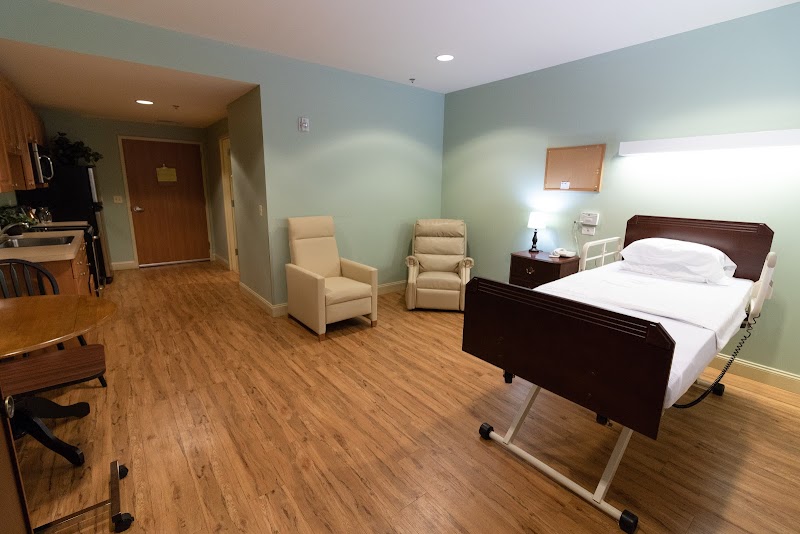
How is Bridgeway Care And Rehab Center At Hillsborough Staffed?

CMS rates BRIDGEWAY CARE AND REHAB CENTER AT HILLSBOROUGH's staffing level at 4 out of 5 stars, which is above average compared to other nursing homes. Staff turnover is 34%, compared to the New Jersey average of 46%. This relatively stable workforce can support continuity of care.

What Have Inspectors Found at Bridgeway Care And Rehab Center At Hillsborough?

State health inspectors documented 15 deficiencies at BRIDGEWAY CARE AND REHAB CENTER AT HILLSBOROUGH during 2020 to 2024. These included: 15 with potential for harm.
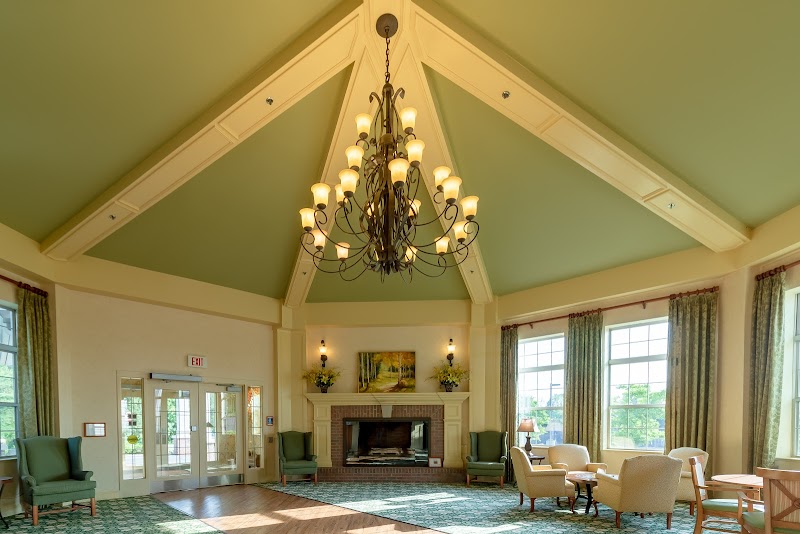
Who Owns and Operates Bridgeway Care And Rehab Center At Hillsborough?

BRIDGEWAY CARE AND REHAB CENTER AT HILLSBOROUGH is owned by a for-profit company. For-profit facilities operate as businesses with obligations to shareholders or private owners. The facility operates independently rather than as part of a larger chain. With 126 certified beds and approximately 121 residents (about 96% occupancy), it is a mid-sized facility located in HILLSBOROUGH, New Jersey.
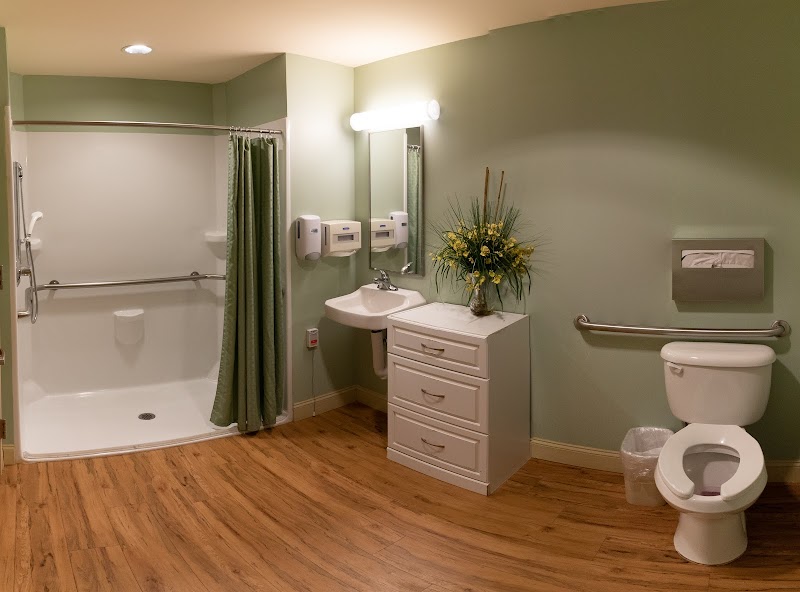
How Does Bridgeway Care And Rehab Center At Hillsborough Compare to Other New Jersey Nursing Homes?

Compared to the 100 nursing homes in New Jersey, BRIDGEWAY CARE AND REHAB CENTER AT HILLSBOROUGH's overall rating (3 stars) is below the state average of 3.3, staff turnover (34%) is significantly lower than the state average of 46%, and health inspection rating (3 stars) is at the national benchmark.

What Should Families Ask When Visiting Bridgeway Care And Rehab Center At Hillsborough?

Based on this facility's data, families visiting should ask: "Can I visit during a mealtime to observe dining assistance and food quality?" "How do you handle medical emergencies, and what is your hospital transfer rate?" "Can I speak with family members of current residents about their experience?"

Is Bridgeway Care And Rehab Center At Hillsborough Safe?

Based on CMS inspection data, BRIDGEWAY CARE AND REHAB CENTER AT HILLSBOROUGH has a clean safety record: no substantiated abuse findings (meaning no confirmed cases of resident harm), no Immediate Jeopardy citations (the most serious violation level indicating risk of serious injury or death), and is not on the Special Focus Facility watch list (a federal program monitoring the lowest-performing 1% of nursing homes). The facility has a 3-star overall rating and ranks #100 of 100 nursing homes in New Jersey. While no facility is perfect, families should still ask about staff-to-resident ratios and recent inspection results during their visit.

Do Nurses at Bridgeway Care And Rehab Center At Hillsborough Stick Around?

BRIDGEWAY CARE AND REHAB CENTER AT HILLSBOROUGH has a staff turnover rate of 34%, which is about average for New Jersey nursing homes (state average: 46%). Moderate turnover is common in nursing homes, but families should still ask about staff tenure and how the facility maintains care continuity when employees leave.

Was Bridgeway Care And Rehab Center At Hillsborough Ever Fined?

BRIDGEWAY CARE AND REHAB CENTER AT HILLSBOROUGH has no federal fines on record. CMS issues fines when nursing homes fail to meet care standards or don't correct problems found during inspections. The absence of fines suggests the facility has either maintained compliance or corrected any issues before penalties were assessed. This is a positive indicator, though families should still review recent inspection reports for the full picture.

Is Bridgeway Care And Rehab Center At Hillsborough on Any Federal Watch List?

BRIDGEWAY CARE AND REHAB CENTER AT HILLSBOROUGH is not on any federal watch list. The most significant is the Special Focus Facility (SFF) program, which identifies the bottom 1% of nursing homes nationally based on persistent, serious quality problems. Not being on this list means the facility has avoided the pattern of deficiencies that triggers enhanced federal oversight. This is a positive indicator, though families should still review the facility's inspection history directly.