CAREONE AT HOLMDEL

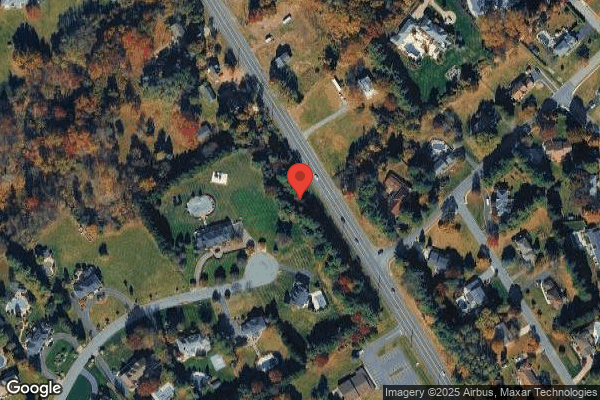
188 HIGHWAY 34, HOLMDEL, NJ 07733 (732) 946-4200
For profit - Limited Liability company 130 Beds CAREONE Data: November 2025
Trust Grade
78/100
#103 of 344 in NJ
Last Inspection: March 2024

Within standard 12-15 month inspection cycle. Federal law requires annual inspections.

Overview

CareOne at Holmdel has a Trust Grade of B, indicating it is a good option for families looking for care, although there are some areas for improvement. It ranks #103 out of 344 facilities in New Jersey, placing it in the top half of nursing homes in the state, and #13 out of 33 in Monmouth County, meaning only a few local options are better. Unfortunately, the facility's trend is worsening, with issues increasing from 5 in 2021 to 8 in 2024. Staffing is a strong point, with a 4/5 star rating and a low turnover rate of 27%, which is significantly below the state average of 41%. Notably, the home has not incurred any fines, which is a positive sign, but there are concerns about RN coverage being average. Recent inspector findings revealed that the facility failed to maintain an adequate emergency water supply and did not properly document the care of residents with pressure ulcers or their weights, indicating potential risks in resident care. Overall, while there are strengths in staffing and no fines, families should be aware of the increasing number of issues and specific concerns noted by inspectors.

Trust Score
B
78/100
In New Jersey
#103/344
Top 29%
Safety Record
Low Risk
No red flags
Inspections
Getting Worse
5 → 8 violations
Staff Stability
✓ Good
27% annual turnover. Excellent stability, 21 points below New Jersey's 48% average. Staff who stay learn residents' needs.
Penalties
✓ Good
No fines on record. Clean compliance history, better than most New Jersey facilities.
Skilled Nurses
○ Average
Each resident gets 33 minutes of Registered Nurse (RN) attention daily — about average for New Jersey. RNs are the most trained staff who monitor for health changes.
Violations
⚠ Watch
13 deficiencies on record. Higher than average. Multiple issues found across inspections.
★★★★☆
4.0
Overall Rating
★★★★☆
4.0
Staff Levels
★★★★★
5.0
Care Quality
★★★☆☆
3.0
Inspection Score
Stable
2021: 5 issues
2024: 8 issues

The Good

  • 4-Star Staffing Rating · Above-average nurse staffing levels
  • 5-Star Quality Measures · Strong clinical quality outcomes
  • Low Staff Turnover (27%) · Staff stability means consistent care
  • Full Sprinkler Coverage · Fire safety systems throughout facility
  • No fines on record
  • Staff turnover is low (27%)

    21 points below New Jersey average of 48%

Facility shows strength in staffing levels, quality measures, staff retention, fire safety.

The Bad

Chain: CAREONE

Part of a multi-facility chain

Ask about local staffing decisions and management

The Ugly 13 deficiencies on record

Mar 2024 8 deficiencies
CONCERN (D) 📢 Someone Reported This

A family member, employee, or ombudsman was alarmed enough to file a formal complaint

Potential for Harm - no one hurt, but risky conditions existed

Report Alleged Abuse (Tag F0609)

Could have caused harm · This affected 1 resident

Complaint # NJ 169012 Based on observation, interviews, review of medical records (MR) and other pertinent facility documentation, it was determined that the facility failed to report an injury of unk...

Read full inspector narrative →
Complaint # NJ 169012 Based on observation, interviews, review of medical records (MR) and other pertinent facility documentation, it was determined that the facility failed to report an injury of unknown origin which resulted in serious bodily injury to the New Jersey Department of Health (NJ DOH) within 2 hours for 1 of 3 sampled residents, (Resident #20). This deficient practice was evidenced by the following: On 3/04/24 at 11:49 AM, the surveyor observed the resident in their room sitting in chair. The resident was wearing a short sleeve shirt, long sweatpants and skid proof socks. Resident #20 was pleasant and offered no concerns. Review of the residents admission Record (an admission summary) reflected that the resident had diagnoses which included but were not limited to; bipolar disorder, peripheral vascular disease (PVD), recurrent depressive disorder, anxiety disorder and laceration to the left lower leg. Review of the residents Quarterly Minimum Data Set (MDS), an assessment tool used to facilitate the management of care, dated 10/29/23 indicated the resident had a Brief Interview for Mental Status (BIMS) of 8 which indicated the resident had a moderately impaired cognition. Review of the resident's care plan (CP) initiated on 2/15/23 and revised on 11/8/23, included: Actual skin breakdown related to cellulitis, PVD, vascular/circulation condition, loose dresser drawer handles. The CP also included left lower extremity laceration. Review of the residents Progress Notes included the following: On 11/5/23 at 9:00 PM, Resident observed ambulating down hall bleeding profusely from left lower leg, large laceration noted on outer calf approximately 15 x 10 CM [centimeters]. Blood loss approximately 1 pint. Pressure dressing applied, 911 called. Ambulance arrived at 8:15 PM, taken to [name redacted] hospital. On 11/5/23 at 10:27 PM, Resident found ambulating in the hallway toward the nurse's station with large laceration to left lower leg. Noted to be bleeding excessively . direct pressure applied to laceration . 911 called and direct pressure maintained on wound. On 11/6/23 at 12:25 AM, Writer spoke to ER [emergency room] nurse . who stated that the resident was treated for a laceration to the left leg and received 20 stitches in the ER. Review of a wound care report dated 11/8/23, included the resident was treated for a left lower leg - trauma wound which was 12 cm long, 9 cm wide and 0.2 cm deep. Further review of additional wound care reports indicated that the resident received treatment to the left lower leg through 3/8/24. On 3/6/24 at 10:24 AM, the Licensed Nursing Home Administrator (LNHA) provided the surveyor with a completed wound investigation for Resident #20 who sustained an unwitnessed injury, dated 11/5/23 at 8:14 PM. On 3/7/24 at 9:27 AM, the Director of Nursing (DON) provided the surveyor with a Reportable Event Record / Report which was sent to the NJDOH dated 11/9/23. It reflected the incident was called in to the NJDOH on 11/6/23 at 7:00 PM by the DON. On 3/11/24 at 11:23 AM, the surveyor interviewed the Infection Preventionist (IP) who was Resident #20's Registered Nurse/Unit Manager until 2/18/24. She stated that approximately two to three months ago the resident had an incident which resulted in a laceration to the left lower leg. She stated that the resident came out of the room and had already sustained the wound and was bleeding heavily. She stated she was not on duty at that time, but staff reported that they applied pressure with a dressing, but the bleeding was too heavy, and he/she was sent to the hospital where the resident required stitches. She stated that the laceration was significant and acknowledged that it required more care than the facility could provide. The IP stated that the resident was a poor historian and was unable to report what happened. She also acknowledged that the incident was unwitnessed by any staff members. She further stated that the resident continued to be evaluated and treated by the wound care company and that the wound was almost healed. On 3/11/24 at 2:08 PM, the surveyor interviewed the DON about the incident and the reporting process to the NJDOH. She acknowledged that the resident sustained a laceration to the left lower leg, was bleeding badly and had to be sent to the hospital. She also acknowledged that the resident required 20 sutures. The DON stated that she reported the incident to the NJDOH and the Ombudsman's office since it was a serious injury which required medical care unable to be provide at the facility. In addition, she stated that she reported the incident in less than 24 hours and was not familiar with requirements for other reporting time frames. On 3/13/24 at 11:38 AM, the surveyor interviewed the DON and LNHA in the presence of the survey team. The DON stated after she spoke with the surveyor the other day I could have reported it a lot sooner, and that my focus was related to patient care and staff interviews making sure when I did report it, it was accurate. She further stated, I should have reported it as soon as I was notified. She stated that at that time she was not looking at the incident as a major injury in terms of reporting times. The DON stated that she should have reported the incident in a more timely manner. The LNHA stated it should have been reported within 2 hours. Review of the facility policy Abuse, Neglect, Exploitation or Misappropriation - Reporting and Investigating dated 9/2022, included the following: - If resident abuse, neglect, exploitation, misappropriation of resident property or injury of unknown source is suspected, the suspicion must be reported immediately to the administrator and to other officials according to state law. - The administrator or the individual making the allegation immediately reports his or her suspicion to the following persons or agencies: a. the state licensing/certification agency responsible for surveying/licensing the facility . - Immediately is defined as: a. within two hours of an allegation involving abuse or result in serious bodily injury . - NJAC 8:39-13.4(2)(v)
CONCERN (D)

Potential for Harm - no one hurt, but risky conditions existed

Deficiency F0694 (Tag F0694)

Could have caused harm · This affected 1 resident

**NOTE- TERMS IN BRACKETS HAVE BEEN EDITED TO PROTECT CONFIDENTIALITY** Based on observation, interviews, record review, and review of pertinent facility documentation, it was determined that the faci...

Read full inspector narrative →
**NOTE- TERMS IN BRACKETS HAVE BEEN EDITED TO PROTECT CONFIDENTIALITY** Based on observation, interviews, record review, and review of pertinent facility documentation, it was determined that the facility failed to (a) obtain a physician order to maintain peripheral intravenous (IV) access and, (b) discontinue peripheral IV access after completion of an IV antibiotic in accordance with professional standards of practice. This deficient practice was identified for 1 of 1 resident (Resident #70) reviewed for antibiotic use. The deficient practice was evidenced by the following: On 03/04/24 at 11:26 AM, Resident #70 was observed lying in bed with a heparin lock (IV peripheral line) in the left antecubital space (region of the arm in front of the elbow). A transparent dressing was covering the peripheral site. On 03/05/24 at 10:28 AM, Resident #70 was observed in bed awake and alert, after having received morning care from the certified nursing assistant (CNA). The surveyor observed a heparin lock in the left arm (antecubital space) with a transparent dressing covering the peripheral site. A review of the admission record (an admission summary) revealed that Resident #70 was admitted to the facility with the following diagnoses, which included but not limited to: sepsis (inflammation throughout the body), cellulitis of the right lower limb (bacterial skin infection), urinary tract infection (infection of any part of the urinary tract), and pneumonia (infection that inflames air sacs in one or both lungs). A review of the comprehensive Minimum Data Set (MDS), a tool used to facilitate the management of care, revealed that the Brief Interview for Mental Status (BIMS) score was 15 which indicated an intact cognition. It also reflected that resident was on IV medications while at the facility. A review of the February 2024 Order Summary Report (summary of physician orders [PO]) revealed a PO dated 2/14/24 for the following: Invanz solution reconstituted 1gm/100ml (Ertapenem Sodium) to be used at 100 ml/hr intravenously once a day for infection for 5 days, and a PO dated 2/18/24 for Ceftazidime Intravenous Solution Reconstituted 1GM (Ceftazidime) to be used at 1 gram intravenously every 12 hours for UTI for days. Further review of the Order Summary Report did not reflect a PO to flush (maintain patency) the heparin lock. A review of the February 2024 Medication Administration Record (MAR) revealed that Resident #70 had received IV Invanz from 2/15/24 to 2/18/24 for an infection and IV Ceftazidime from 2/18/24 to 2/23/24 for a urinary tract infection . A review of the Care Plan initiated on 2/8/24, reflected a focus for the potential for complications at the IV insertion site and a goal that the IV site would be free of signs and symptoms of infiltration (IV fluid leakage to surrounding tissue), and interventions which included but were not limited to flushing IV lines per physician orders. A review of the Progress Notes revealed the following: 2/25/2024 14:56 Nursing/Clinical Note Text: Patient alert and oriented with times of confusion. No s/s [signs and symptoms] of distress or SOB [shortness of breathe] noted. Breathing is easy and unlabor. Afebrile. Peripheral line intact and easy to flush. Due medications given and tolerated well. Call bell within reach. 2/26/2024 14:18 Nursing/Clinical Note Text: Patient alert and oriented, able to make needs know. am care and OOB [out of bed] provided by staff with maximal assistance. Unlabored breathing. Afebrile [no fever]. Due medications give and tolerated well. Patient foley intact and clean. Peripheral line intact and clean with easy to flush. Patient denies pain. Appetite is good. Provided wound care treatment. Call bell within reach. 2/28/2024 15:13 Nursing/Clinical Note Text: Patient alert and oriented, able to make needs know. Am care and OOB provided by staff with partial assistance. Breathing is easy and unlabor. Afebrile. Due medications give and tolerated well. Patient foley intact and clean. Peripheral line intact and clean with easy to flush. Called MD to make aware of patient refusing nebulizer treatment during this shift, no at this time. Patient denies pain. Call bell within reach. 2/29/2024 15:59 Nursing/Clinical Note Text: Patient received in bed. Patient alert and oriented, able to make needs known. No s/s of distress or SOB noted. Unlabored breathing. Patient continues on oxygen via nc with SPO2 [saturation of oxygen in the blood] of 99%. Afebrile. Encouraged PO [by mouth]fluids. Appetite is good. Peripheral line intact and clean. Due medications given and tolerated well. Denies pain. Call bell within reach. 3/1/2024 14:32 Nursing/Clinical Note Text: Patient received in bed. Patient A&O [awake and oriented], able to make needs known. AM care and OOB provided by staff with max assistance. Breathing is easy and unlabored. Patient continues with oxygen via nc with SPO2 of 91%. Lung sounds noted to be clear. Afebrile. Due medications given and tolerated well. Appetite is good. Patient had a BM [bowel movement] for this shift. Foley intact and clean with an output of 800 with slight redness in the urine. Called MD [NAME] and aware of above. Peripheral line intact and clean with easy to flush. Denies pain. Call bell withing reach. 3/1/2024 21:01 Nursing/Clinical Note Text: Resident refused for left peripheral line to be taken off despite several attempts. This was seven days after the residents last dose of IV antibiotics. On 03/05/24 at 10:31 AM, the surveyor interviewed the Licensed Practical Nurse (LPN) regarding the resident's IV use. The LPN stated that Resident #70 had a peripheral line and was no longer receiving IV antibiotics. She stated that the peripheral line remained in place because sometimes the resident's blood pressure would run low, and the physician would order IV fluids. The surveyor inquired how long should a peripheral line remain in place, and she stated she was unsure. The surveyor also inquired about the maintenance of the peripheral line, and she stated that the peripheral line was flushed every shift. After surveyor inquiry, the LPN stated she would attempt to remove the peripheral line since the resident's family was present and he/she was calmer during visits. A review of the Progress Note dated 03/05/24 at 11:37 AM, reflected that the peripheral line was removed. On 03/06/24 at 09:17 AM, the surveyor interviewed the LPN/Unit Manager (UM) regarding the protocol for peripheral lines. The LPN/UM stated that Resident #70 had a heparin lock and was unsure how long the peripheral line was in place. She further stated that a heparin lock should not remain at the same site for more than 72 hours and stated that if the heparin lock was not being used, it should be removed immediately. The surveyor inquired as to why Resident #70's peripheral access remained in place after the completion of IV antibiotic treatment. The LPN/UM stated that the resident had behavioral issues. She acknowledged that if the resident refused to allow the nurse to remove the peripheral line, it should have been documented. The LPN/UM reviewed the Order Summary Report for February 2024 and acknowledged that there was no order to flush the peripheral line. On 03/11/24 at 11:55 AM, the surveyor interviewed the Director of Nursing (DON) and the Registered Nurse Infection Preventionist in the presence of Licensed Nursing Home Administrator (LNHA). The surveyor inquired about the protocol for peripheral line use. The DON stated that a peripheral line would be inserted once there was a PO. The peripheral line would then be secured in the vein and the date and time should be noted on the dressing. The DON further stated that after placement, nursing should have documented at least every shift to include assessment of the line and monitor for any signs of infection (i.e., redness and swelling). The DON stated that the peripheral line should be removed after IV antibiotics were completed and per PO. The DON stated that if IV antibiotics were completed on 2/23/24 that the peripheral line should have been removed the same day. In addition, she stated that if a resident refused to allow the nurse to remove the peripheral line the physician should have been notified and this should have been documented. The DON stated that there should have been a PO for flushes to the peripheral line before and after antibiotic administration and every shift intermittently, when antibiotics were not being infused. She also stated that it was important to remove the peripheral line after IV antibiotics were completed to decrease the risk for infection and the IV site. The DON provided the surveyor with a policy with a review date of 1/8/2024, from their pharmacy [name redacted] and stated that the facility adopted this policy. The policy was titled Short Peripheral Venous Catheter Standard of Care, and did not include protocol for peripheral line flushes and discontinuation. N.J.A.C 8:39-25.2(c)5
CONCERN (D)

Potential for Harm - no one hurt, but risky conditions existed

Pharmacy Services (Tag F0755)

Could have caused harm · This affected 1 resident

Based on observation, interview, record review, and review of facility documentation, it was determined that the facility failed to follow a Physician Orders (PO) for the administration of blood press...

Read full inspector narrative →
Based on observation, interview, record review, and review of facility documentation, it was determined that the facility failed to follow a Physician Orders (PO) for the administration of blood pressure medication for 1 of 1 residents (Resident #25) reviewed for blood pressure medication management. This deficient practice was evidenced by the following: Reference: New Jersey Statutes Annotated, Title 45. Chapter 11. Nursing Board. The Nurse Practice Act for the State of New Jersey states: The practice of nursing as a registered professional nurse is defined as diagnosing and treating human responses to actual and potential physical and emotional health problems, through such services as case-finding, health teaching, health counseling, and provision of care supportive to or restorative of life and wellbeing, and executing medical regimens as prescribed by a licensed or otherwise legally authorized physician or dentist. Reference: New Jersey Statutes Annotated, Title 45, Chapter 11. Nursing Board. The Nurse Practice Act for the State of New Jersey states: The practice of nursing as a licensed practical nurse is defined as performing tasks and responsibilities within the framework of case finding; reinforcing the patient and family teaching program through health teaching, health counseling, and provision of supportive and restorative care, under the direction of a registered nurse or licensed or otherwise legally authorized physician or dentist. On 03/04/24 at 10:00 AM, the surveyor observed Resident #25 in the room. The resident was in bed watching television. The resident was alert but unable to answer surveyor's questions. The surveyor reviewed Resident #25's medical records. A review of the admission Record (an admission summary) reflected that the resident was admitted to the facility with diagnoses that included but not limited to peripheral vascular disease (a circulatory condition in which narrowed blood vessels reduce blood flow to limbs) and heart failure (a chronic condition in which the heart doesn't pump blood as well as it should). A review of the Significant Change Minimum Data Set (MDS), an assessment tool used to facilitate the management of care, reflected that the resident's cognitive skills for daily decision-making score was 3 out of 15, which indicated that the resident's cognition was severely impaired. A review of the Order Summary Report (OSR) revealed a PO dated 2/10/24, for Midodrine 5 mg (milligrams), give 1 tablet by mouth three times a day for hypotension. Do not administer after the evening meal or 4 hours from bedtime to avoid supine hypertension. Hold for SBP (systolic blood pressure-top number of blood pressure) greater than 100. A review of the February 2024 electronic Medication Administration Record (eMAR) revealed a PO dated 2/10/24, for Midodrine 5 mg tablet, give 1 tablet by mouth three times a day. Do not administer after the evening meal or 4 hours from bedtime to avoid supine hypertension. Hold for SBP greater than 100. Further review of eMAR revealed that the Midodrine was signed as administered (2) two times when the resident's SBP was above 100 on the following dates: 2/15/24 at 9 AM (B/P: 144/87) and 2/19/24 at 9 AM (B/P: 143/78). A review of the March 2024 eMAR revealed a PO dated 2/10/24, for Midodrine 5 mg tablet, give 1 tablet by mouth three times a day. Do not administer after the evening meal or 4 hours from bedtime to avoid supine hypertension. Hold for SBP greater than 100. The eMAR revealed that the Midodrine was signed as administered (2) two times when the resident's SBP was above 100 on the following dates: 3/1/24 at 9 AM (B/P:110/67) and 3/2/24 at 1 PM (B/P:140/74). On 3/06/24 at 11:45 AM, the Licensed Practical Nurse (LPN) reviewed Resident #25's PO for Midodrine in the presence of the surveyor. The LPN stated that according to the PO that Midodrine should be held when the SBP was above 100. The LPN reviewed Resident #25's February and March 2024 eMARs in the presence of the surveyor. The LPN acknowledged that on (4) four occasions, Resident #25 was administered Midodrine when the resident's SBP was above 100. She stated that on those occasions that Midodrine should have been held. On 3/12/24 at 2:00 PM, the surveyor presented the above concerns to the Licensed Nursing Home Administrator and the Director of Nursing (DON). There was no additional information provided. A review of the facility's policy for Administering Medications dated 5/21/19, which was provided by the DON included the following: 4. Medications are administered in accordance with prescriber orders, including any required time frame. 11. The following information is checked/verified for each resident prior to administering medications: a. Allergies to medications; and b. Vital signs, if necessary. NJAC 8:39-11.2 (b), 29.2 (d)
CONCERN (D) 📢 Someone Reported This

A family member, employee, or ombudsman was alarmed enough to file a formal complaint

Potential for Harm - no one hurt, but risky conditions existed

Infection Control (Tag F0880)

Could have caused harm · This affected 1 resident

Based on observation, interviews, and review of facility documentation, it was determined that the facility failed to ensure staff wear the appropriate personal protective equipment (PPE) to prevent t...

Read full inspector narrative →
Based on observation, interviews, and review of facility documentation, it was determined that the facility failed to ensure staff wear the appropriate personal protective equipment (PPE) to prevent the potential spread of COVID-19 (a contagious disease caused by the virus SARS-CoV-2) observed on 1 of 2 units observed, (North unit). This deficient practice was evidenced as follows: On 03/05/24 at 10:30 AM, the surveyor observed a Certified Nursing Assistant (CNA) exiting Resident #342's room. The CNA was not wearing goggles, or a face shield. She was wearing glasses that did not have protective shields to protect her eyes from exposure to splashes, sprays, splatter, and respiratory secretions. The surveyor observed a STOP: ISOLATION DROPLET/CONTACT PRECAUTIONS sign on the outside of the resident's door. The sign read Everyone Must: including visitors, doctors, and staff; Clean hands: when entering and exiting, gown, N 95 Respirator ( a mask that filters out particulates) Eye Protection (face shield or goggles), gloves. A PPE bin was hanging outside of the door which contained the following items: gown, surgical masks and N 95 masks. The surveyor interviewed the CNA, who stated that the resident was on isolation for COVID-19. The surveyor reviewed the sign with the CNA. The surveyor inquired why she wasn't wearing eye protection, she stated, I thought my glasses were enough. A review of Resident #342's admission Record revealed the resident had diagnoses that included but were not limited to: Heart Failure and COVID-19. A review of Resident #342's Order Summary Report revealed a physician's order for Droplet precautions for COVID-19 every shift for covid + dated 2/25/24. On 03/11/24 at 11:55 AM, the surveyor interviewed the Director of Nursing (DON) and the Infection Preventionist Nurse (IPN) in the presence of the Licensed Nursing Home Administrator (LNHA). The IPN stated that droplet precautions required an N 95 mask, goggles, gloves, and gown worn upon entry to the room. She stated that the expectation was that staff follow the signage posted on the resident's door. The IPN confirmed that eyeglasses were not adequate eye protection to protect the eyes because particles could get around the glasses. The IPN confirmed that the CNA observed exiting Resident #342's room was wearing regular eyeglasses. The IPN stated that the purpose of wearing the appropriate PPE was to protect residents and staff from infection. On 03/12/24 at 1:44 PM, during a meeting with the survey team, the LNHA and the DON were made aware of the above findings. A review of the facility's Personal Protective Equipment (PPE) Competency Validation revealed the CNA received a check under the column marked Competent, YES, for Donning (putting on) PPE 7. [NAME] Goggles or Face Shield: Place over face and eyes; adjust fit and Standard Precautions & Transmission Based Precautions 23. Staff correctly identifies the appropriate PPE for the following scenarios: d. Droplet Precautions on 11/15/23. A review of the facility's Employee Education Attendance Record revealed that the CNA received an in-service for Content-COVID, Infection Control, PPE, dated 1/5/24. A review of the facility's policy, Isolation-Categories of Transmission-Based Precautions with a review date of 01/08/2024, revealed Droplet Precautions; 1. Droplet precautions are implemented for an individual documented or suspected to be infected with microorganisms transmitted by droplets (large-particle droplets [larger than 5 microns in size] that can be generated by the individual coughing, sneezing, talking, or by the performance of procedures suctioning).; 4. Gloves, gown and goggles are worn if there is a risk of spraying respiratory secretions. NJAC 8:39-19.4(a)(1-2)(c)
CONCERN (D) 📢 Someone Reported This

A family member, employee, or ombudsman was alarmed enough to file a formal complaint

Potential for Harm - no one hurt, but risky conditions existed

Deficiency F0882 (Tag F0882)

Could have caused harm · This affected 1 resident

Based on facility staff interviews and review of pertinent facility documentation, it was determined that the facility failed to provide a designated qualified Infection Prevention and Control Nurse f...

Read full inspector narrative →
Based on facility staff interviews and review of pertinent facility documentation, it was determined that the facility failed to provide a designated qualified Infection Prevention and Control Nurse from 12/1/23 until 2/18/24. This deficient practice was evidenced by the following: Reference: State of New Jersey Department of Health Executive Directive No 20-026-1 dated October 20, 2020, revealed the following: ii. Required Core Practices for Infection Prevention and Control: Facilities are required to have one or more individuals with training in infection prevention and control employed or contracted on a full-time basis or part-time basis to provide on-site management of the Infection Prevention and Control (IPC) program. The requirements of this Directive may be fulfilled by: a. An individual certified by the Certification Board of Infection Control and Epidemiology or meets the requirements under N.J.A.C. 8:39-20.2; or b. A Physician who has completed an infectious disease fellowship; or c. A healthcare professional licensed and in good standing by the State of New Jersey, with five (5) or more years of Infection Control experience. iv. Facilities with 100 or more beds or on-site hemodialysis services must: 1. Hire a full-time employee in the infection prevention role, with no other responsibilities and must attest to the hiring no later than August 10, 2021. On 03/04/24 at 10:22 AM, during entrance conference with the Licensed Nursing Home Administrator (LNHA) and the Director of Nursing (DON), the DON stated the facility had a designated full time Infection Preventionist Nurse (IPN #1). A review of IPN #1's Center for Disease Control and Prevention (CDC) certificate revealed that IPN#1 completed the Nursing Home Infection Preventionist Training Course on 02/19/2024. On 03/05/24 at 10:56 AM, during an interview with IPN #1, she stated that she had been in the Infection Preventionist (IP) position for 2 weeks. She stated prior to that she was the Registered Nurse/Unit Manager for the South Side unit. On 03/07/24 at 09:54 AM, the LNHA provided the surveyor with a timeline for the IPN. A review of the timeline revealed the following: IPN#2 left the position on November 30, 2023 and IPN#1 assumed the role on February 18,2024. At that time, the surveyor interviewed the LNHA, who stated that the DON was performing the IPN duties while IPN#1 transitioned (between IPN#2 leaving and IPN#1 assuming the position) to the IPN role. The LNHA confirmed that the DON was performing both the duties of the DON and the duties of the IPN. She then acknowledged that the IPN should be a designated fulltime position. On 03/07/24 at 10:20 AM, during an interview with the surveyor, the LNHA confirmed that the DON did not have an Infection Control certification. She stated that IPN #2 was a consultant during the transition but was not working in the building. She then stated that the facility consulted with an Infectious Disease doctor as needed. The LNHA again confirmed that there was not a designated full time IPN in the building after 11/30/23 and until 02/18/24. On 03/11/24 at 11:55 AM, the surveyor interviewed the DON and IPN#1, in the presence of the LNHA. The DON confirmed she was performing both DON and IPN duties after IPN#2 left the position on 11/30/23. The DON confirmed she was not certified in IP. She stated she was overseeing the COVID-19 (an infectious disease caused by the SARS-CoV-2 virus) Outbreak when it started on 01/02/24. A review of the facility's policy, Infection Prevention and Control Program reviewed on 1/8/24, revealed: Policy Interpretation and Implementation; 5. Coordination and Oversight: a. The infection prevention control program is coordinated and overseen by an infection prevention specialist (infection preventionist.) A review of the facility's policy, Surveillance for Infections reviewed on 1/8/24, revealed: Policy Statement: The Infection Preventionist will conduct ongoing surveillance for Healthcare-Associated Infections (HAIs) and other epidemiologically significant infections that have substantial impact on potential resident outcome and that may require transmission-based precautions and other preventative interventions. 6. If a communicable disease outbreak is suspected, this information will be communicated to the Charge Nurse and Infection Preventionist immediately. 9. If transmission-based precautions or other preventative measures are implemented to slow or stop the spread of infection, the Infection Preventionist will collect data to help determine the effectiveness of such measures. A review of the facility's job description for the Infection Preventionist revealed: The primary purpose of this position is to plan, organize, develop, coordinate and direct the facility infection prevention and control program and its activities in accordance with current federal, state, and local standards, guidelines and regulations that given such programs and as directed by the Administrator and the Infection Prevention and Control Committee. NJAC 8:39-19.1 (b), 19.4(d) (e)
CONCERN (E)

Potential for Harm - no one hurt, but risky conditions existed

Pressure Ulcer Prevention (Tag F0686)

Could have caused harm · This affected multiple residents

**NOTE- TERMS IN BRACKETS HAVE BEEN EDITED TO PROTECT CONFIDENTIALITY** Complaint NJ# 164959 Based on observation, interviews, record review and review of pertinent facility documentation, it was dete...

Read full inspector narrative →
**NOTE- TERMS IN BRACKETS HAVE BEEN EDITED TO PROTECT CONFIDENTIALITY** Complaint NJ# 164959 Based on observation, interviews, record review and review of pertinent facility documentation, it was determined that the facility failed to (a) document the measurement of a pressure ulcer (an injury to the skin and underlying tissue resulting from prolonged pressure on the skin), and (b) obtain a physician's order for wound care for a resident admitted with a community-acquired pressure ulcer in accordance with professional standards of practice. This deficient practice was identified for 1 of 3 resident's (Resident #70) reviewed for pressure ulcers. This deficient practice was evidenced by the following: On 3/4/24 at 11:33 AM, the surveyor observed Resident #70 lying in bed. The resident was awake and alert and stated that he/she had a pressure ulcer on their feet, but it did not occur at the facility. A review of the resident's medical record revealed the following: The admission Record (an admission summary) indicated that Resident #70 was admitted to the facility with diagnoses including, but not limited to, venous insufficiency (improper functioning of the vein), an unstageable pressure ulcer on the right heel (full-thickness pressure injury in which the base is not visible due to slough or eschar tissue), and peripheral vascular disease (a circulatory condition in which narrowed blood vessels reduce blood flow to the limbs). Review of the form titled Resident Evaluation dated 1/18/24, section H identified that Resident #70 had a stage 3 (full thickness tissue loss) pressure ulcer to the sacrum and right buttock. However, there were no measurements documented on the resident evaluation form for the sacrum or right buttock. Review of the comprehensive admission Minimum Data Set (MDS), a tool to facilitate the management of care, included a Brief Interview for Mental Status (BIMS) score of 15 which indicated an intact cognition. It also reflected that the resident was admitted to the facility with one or more unhealed pressure ulcers/injuries. Interventions coded as being in place included pressure-reducing devices for chair and bed, as well as pressure ulcer/injury care. Review of the care plan initiated on 1/19/24, included a focus of actual skin breakdown, with a goal to show signs of healing. Interventions included but were not limited to Administering treatment per physician orders. Review of the January 2024 Order Summary Report revealed a physician's order (PO) dated 1/25/24, for Phytoplex Z-Guard External Paste 57-17% to be applied topically every shift for wound care to the sacrum and bilateral buttocks. There was no PO for wound treatment prior to 1/25/24. Review of the January 2024 Treatment Administration Record (TAR) reflected that the order for Phytoplex Z-Guard External Paste 57-17% was being administered effective January 25, 2024, on the night shift, as documented by licensed nursing staff. On 3/12/24 at 8:52 AM, the surveyor interviewed the wound care Licensed Practical Nurse (LPN) regarding the protocol when wounds are identified on admission. The nurse stated that on admission, a full-body assessment should be completed, wounds should be measured and documented as the baseline assessment. She further stated that hospital records should be reviewed for wound treatment, the doctor should be notified to obtain PO's, and the treatment should occur immediately. The wound then should be assessed and measured weekly to ensure appropriate treatment and healing. The wound care LPN reviewed the initial skin assessment dated [DATE], in the presence of the surveyor and acknowledged that the resident was admitted with wounds from the hospital. She stated that interventions should have been implemented immediately and acknowledged that wound care treatment did not occur until January 25, 2024. On 3/12/24 at 12:07 PM, the surveyor interviewed the LPN/Unit Manager (UM) regarding the protocol when wounds are identified on admission. The LPN/UM stated that wounds should be assessed and measured upon admission, the nurse in charge should notify the physician for treatment orders, and the treatment should occur immediately. On 3/12/24 at 12:17 PM, the surveyor interviewed the Director of Nursing (DON) regarding the protocol when wounds are identified on admission. The DON stated the following should be completed and documented: a skin assessment, wounds measured, and treatments initiated. She further stated that admissions were reviewed during clinical meetings, and the nurse/unit manager was responsible to ensure that the treatment was initiated. Review of the facility policy admission Assessment and Follow-Up: Role of the Nurse dated 4/25/22, Under the section titled Steps in the Procedure, 11. Conduct a physical assessment including, the following systems . j. the skin. 15. Contact the Attending Physician to communicate and review the findings of the initial assessment and any other pertinent information, obtaining admission orders based on these findings. Review of the facility policy Pressure Ulcer/Skin Breakdown-Clinical Protocol dated 4/2018, included that in addition, the nurse shall describe and document/report the full assessment of pressure sores, including location, stage, length, width, depth, and presence of exudates or necrotic tissue. N.J.A.C 8:39-27.1 (a)(e)
CONCERN (E)

Potential for Harm - no one hurt, but risky conditions existed

Deficiency F0692 (Tag F0692)

Could have caused harm · This affected multiple residents

**NOTE- TERMS IN BRACKETS HAVE BEEN EDITED TO PROTECT CONFIDENTIALITY** Based on observation, interviews, record review, and review of pertinent facility documentation, it was determined that the faci...

Read full inspector narrative →
**NOTE- TERMS IN BRACKETS HAVE BEEN EDITED TO PROTECT CONFIDENTIALITY** Based on observation, interviews, record review, and review of pertinent facility documentation, it was determined that the facility failed to obtain, record and monitor weights on admission, readmission and weekly in accordance with professional standards of practice. This deficient practice was identified for 1 of 6 residents (Resident #82) reviewed for nutrition. The deficient practice was evidenced as follows: On 03/11/24 at 12:30 PM, the surveyor observed Resident #82 in bed, awake, and alert. The resident was observed independently feeding themselves and had eaten 75% of lunch. A review of the electronic medical record (EMR) revealed that the resident was admitted to the facility on [DATE], discharged on 2/2/24, and re-admitted back to the facility on 2/7/24. A review of the admission Record (an admission summary) revealed that the resident was admitted to the facility with diagnoses which included but not limited to; dysphagia (difficulty or discomfort in swallowing), depression (a mood disorder that causes persistent feelings of sadness and a loss of interest), and gastro-esophageal reflux disease (GERD) - a digestive disease in which stomach acid or bile irritates the lining of the stomach. A review of the comprehensive admission Minimum Data Set (MDS), a tool which facilitates the management of care, revealed the resident had a Brief Interview for Mental Status (BIMS) score of 6 out of 15 which reflected a severely impaired cognition. A review of the Care Plan initiated on 2/12/24 revealed a focus for nutritional status as evidenced by therapeutic diet and interventions included, but were not limited to, weights as ordered. A review of the Physician's Order's (PO) for January 2024 and February 2024 did not reflect a PO to obtain weights. A review of a Nutrition Evaluation dated 2/12/24, included a weight of 135 pounds (lbs.) which was based on a previous hospital weight. It further included that the Registered Dietitian (RD) was unable to determine the resident's estimated nutritional needs since a current weight was not available. A review of the Resident Evaluation's dated 1/30/24 and 2/7/24, which is completed by nursing on admission did not include documentation of the resident's Most Recent Weight (the section was blank). A review of the resident's weights recorded in the EMR revealed the following: -03/05/2024 16:40 130.2 lbs. (sitting) -03/06/2024 21:05 132.1 lbs. (sitting) On 03/06/24 at 09:17 AM, the surveyor interviewed the Licensed Practical Nurse (LPN)/Unit Manager (UM) regarding the facility's protocol for obtaining weights on new admissions and re-admissions. The LPN/UM stated that weights should be obtained on admission, re-admission, and then weekly for four weeks, and monthly thereafter. She stated that a new admission/re-admission weight should be obtained on the same day of admission/re-admission, and if the weight was not obtained, another attempt should be made on the next day. She stated that it was her and the RD's responsibility to ensure that the weights are obtained. She stated that if someone refused to be weighed, it should be documented in the assessment or on a separate note. On 03/06/24 at 12:23 PM, the surveyor interviewed the RD regarding the facility's protocol of obtaining weights and assessing the resident's nutritional status if a weight was not available. The RD stated that weights should be obtained on admission and re-admission. She further stated that the UM was responsible for ensuring that weights were obtained on admission or re-admission. She stated that if a weight was not obtained, she made a list of missing weights and emailed the list to the UM and cc'd (carbon copy) the administrator and Director of Nursing (DON). She stated that the Certified Nursing Assistant (CNA) was responsible for obtaining the resident's weight. In the event that a weight was not recorded, she would remind the CNA to obtain a weight. In addition, she stated if a weight was not available, she would contact the family for a weight history and if need be, she used the hospital weight to assess the resident's nutritional status. During this same interview, the surveyor inquired what delayed the staff from obtaining a weight on admission, re-admission and weekly for Resident #82. The RD stated that the resident was discharged to the hospital on 2/2/24 and re-admitted back to the facility on 2/7/24. She stated that the resident refused to be weighed because he/she was not feeling well. The surveyor also inquired if a resident refused to be weighed, should it be documented? The RD stated, it should be and it (the refusal) would be care planned. The surveyor inquired why weekly weights were not obtained and documented, and she stated, they didn't do it. On 03/07/24 at 02:02 PM, the surveyor interviewed the DON regarding the protocol for obtaining weights. The DON stated that the practice was that weights were obtained on admission, re-admission, and weekly for four weeks. She stated that her expectation was that a weight should be obtained within 48 hours of admission or re-admission. She also stated that it was a team effort to obtain a weight. She acknowledged that if a resident refused to be weighed, it should be documented, and care planned. A review of the facility policy Nutrition (Impaired)/Unplanned Weight Loss-Clinical Protocol dated 9/2017, reflected under the section Assessment and Recognition 1. the nursing staff will monitor and document the weight and dietary intake of residents in a format which permits comparisons over time. N.J.A.C 8:39-27.1(a);27.2(a)
CONCERN (F)

Potential for Harm - no one hurt, but risky conditions existed

Deficiency F0922 (Tag F0922)

Could have caused harm · This affected most or all residents

Based on observations, interviews, and pertinent facilty documents it was determined that the facility failed to maintain the designated emergency supply of water needed for residents in the event of ...

Read full inspector narrative →
Based on observations, interviews, and pertinent facilty documents it was determined that the facility failed to maintain the designated emergency supply of water needed for residents in the event of a loss of normal water supply. This deficient practice was evidenced by the following: On 3/04/24 at 10:22 AM, the surveyor conducted an entrance conference with the Licensed Nursing Home Administrator (LNHA) and the Director of Nursing (DON). The facility was licensed for 120 beds and the facility census was 86 (the number of residents who currently resided at the facility). On 3/04/24 at 9:30 AM, the surveyor conducted a kitchen tour with the Food Service Director (FSD), in the presence of a second surveyor. The FSD showed the emergency water supply located in the salon separate from the kitchen. The FSD counted the cases in the surveyors' presence and stated there were 22 cases, each had six one-gallon bottles (132 gallons). He further stated that it was enough emergency water for three days and that the requirement was one gallon per person per day for three days (258 gallons). On 3/07/24 at 9:00 AM, the surveyor observed the emergency food supply which was in a closet in the staff break room with the FSD and a second surveyor. At that time, the surveyors did not observe cases of water in the closet or the break room. On 3/11/24 at 2:32 PM, the surveyor interviewed the LNHA in the presence of a second surveyor. At that time, she acknowledged that 22 cases of water were not enough. On 3/12/24 at 11:36 AM, the LNHA informed the surveyor that there were additional cases of water in the staff breakroom. On 3/12/24 at 11:46 AM, the surveyor observed the water in the staff breakroom with the FSD and the LNHA. The FSD stated there was 10 cases of water, and there were 6 gallons of water per case which totaled 60 gallons. On 3/12/24 at 1:12 PM, the FSD informed the surveyor that he miscounted the number of cases of water that was stored in the salon during the initial tour. On 3/13/24 at 10:06 AM, the surveyor interviewed the FSD in the presence of a second surveyor. He stated that on the initial tour he miscounted the number of cases of emergency water in stock. He stated initially he counted 22 cases but rather it was approximately 36 cases (216 gallons). The FSD stated that water was ordered the second day of survey which now equaled 82 cases. This included the emergency water now stored in the staff breakroom. He acknowledged that the water in the staff breakroom was not there on the initial tour and that the additional water was ordered by the Director of Maintenance (DM). On 3/13/24 at 10:47 AM, the surveyor interviewed the DM in the presence of the survey team. He stated that he had not ordered emergency water and that it was the FSD's responsibility. He did state that the local water company dropped off water to the facility on 3/7/24 or 3/8/24 due to a possible local water interruption, which did not occur. He stated he did not have any documentation as to the amount of water that the water company had provided but estimated the amount to have been probably a few hundred gallons. Review of the facility's undated Emergency Supply Quantity Converter, included a three-day supply of water for the facility to include census and staff should be 70 cases, each of which had six - one-gallon bottles per case. Review of the facility' undated policy Disaster Feeding Plan, included If uncontaminated water . not available . the Food Service Department will use its three to seven day .fluid supply. Review of the facility policy Dietary Considerations for Residents dated 1/2011, included that the facility has planned for the dietary needs of the residents in the case of an emergency situation. It included emergency water which should be located in a specific location and the amount based on the number of residents, employees and visitors during a crisis or disaster situation to last for seven day's. It also included to take into consideration minimal resource availability. The facility provided a contract with a food service vendor dated 1/2/23, which included With proper notification, [name redacted] will maintain an inventory of bottled water in a variety of pack sizes to sufficiently address this potential emergency need. It also included We will do our best to meet your needs on a timely basis. In addition, the contract included that the facility should maintain an estimated need of 64 ounces of water per day for each resident, employee and/or visitors. A three-day supply is recommended should such a need arise. It also included, Depending on the severity of the storm and impacts to our fleet, buildings and potentially employees, we will do our best to recover as quickly as possible following any weather event. NJAC 8:39-31.6 (n)
Dec 2021 5 deficiencies
CONCERN (D)

Potential for Harm - no one hurt, but risky conditions existed

Investigate Abuse (Tag F0610)

Could have caused harm · This affected 1 resident

Based on observation, interview, record review and review of pertinent documents obtained from the facility, it was determined that the facility failed to thoroughly investigate an allegation of abuse...

Read full inspector narrative →
Based on observation, interview, record review and review of pertinent documents obtained from the facility, it was determined that the facility failed to thoroughly investigate an allegation of abuse for 1 of 20 sampled residents (Resident #39). This deficient practice was evidenced by the following: On 11/23/21 at 10:23 AM, Surveyor #1 observed Resident #39 lying in a, low to the ground bed, with his/her eyes closed. There was a floor mat located to the right side of the bed. A review of Resident #39's admission Record face sheet (an admission summary) reflected that the resident was admitted to the facility with diagnoses which included but were not limited to, hypertension, malignant neoplasm (cancer) of skin and major depressive disorder. On 12/01/21 at 8:47 AM, Surveyor #2 reviewed two facility provided fall incident reports for Resident #39. One of Resident #39's fall incident reports, dated 08/10/21 07:10, included the following note: as per CNA (Certified Nursing Assistant), the resident was very restless during final rounds and very confused. [Resident #39] kept stating there was a man trying to hurt [Resident #39] (an allegation of abuse). Further review of the incident report included additional notes on 08/11/21 and 08/16/21 regarding the fall. There was no documented evidence on the incident report that Resident #39's allegation of abuse was investigated. A review of the electronic Progress Note (ePN) dated 08/10/21 07:30, indicated that Resident #39 fell near the TV room and that the resident was alert but confused. Further review of the ePNs for 08/10/21 did not include documentation regarding Resident #39's allegation of a man trying to hurt the resident. At 9:10 AM, Surveyor #2, in the presence of the survey team, received confirmation from the Licensed Nursing Home Administrator (LNHA) and Director of Nursing (DON) that the incident reports that were provided to Surveyor #2 were the only incidents or investigations for Resident #39 for for the prior six months. The facility did not provide an incident report or an investigation for an allegation of abuse. At 11:36 AM, Surveyor #2 via telephone call interviewed the CNA that had stated Resident #39 kept stating there was a man trying to hurt the resident. The CNA stated that she did not think the fall happened on her shift and that she didn't remember Resident #39 stating that someone was hurting the resident. She could not recall making the statement. At 11:59 AM, Surveyor #2 attempted to interview Resident #39 and the resident did not respond to Surveyor #2. At 12:00 PM Surveyor #2 interviewed the Unit Manager (UM) regarding Resident #39's cognition. The UM stated the resident was cognitively intact when admitted but that Resident #39 did not verbalize now. The UM stated that Resident #39 would not be able to be interviewed. At 3:26 PM, Surveyor #2 interviewed the Registered Nurse/Supervisor (RN/S), via telephone. The RN/S had documented the note regarding Resident #39 stating that a man was trying to hurt the resident. The RN/S stated that she vaguely remembered the incident report. She then stated that she did not remember that the CNA stated that Resident #39 had stated someone was trying to hurt the resident. She further stated that if a resident or a staff member would state someone was hurting a resident, she would report it to the DON. On 12/02/21 at 9:36 AM, in the presence of the survey team, Surveyor #2 interviewed the DON regarding the incident report. The DON stated that she spoke with the CNA and that the CNA stated that she [CNA] was frequently in Resident #39's room, and that there was no man around. The DON then stated that if someone is alleging abuse that they would do an internal investigation to substantiate (proved it occurred) or unsubstantiated (unable to prove it occurred) the allegation. She then added that any statement that someone made regarding that someone was hurting them would prompt her to complete an investigation. Surveyor #2 then asked the DON if the statement made by Resident #39 regarding a man trying to hurt [Resident #39] was an allegation of abuse. The DON stated that if she had to do an investigation than it would be an allegation of potential abuse. She then stated that she did not think there would need to be a separate incident report but that there should have been follow-up. She further stated that the nurse checked on Resident #39, and checked the area for any residents that were wandering but that the nurse did not complete an incident report and that nothing was documented. At 9:58 AM, in the presence of the survey team, Surveyor #2 interviewed the Director of Social Services/Abuse Officer (DSS/AO) regarding the incident report. The DSS/AO stated that she was not aware that Resident #39 voiced an allegation of abuse and that she should have been informed. She then stated that if there was an allegation of abuse that a full investigation should have be done. She further stated that she did not have documentation that an investigation was completed regarding Resident #39's allegation of abuse and that she did not know why it was not completed. At 12:02 PM, in the presence of the survey team, Surveyor #2 discussed the concern that an allegation of abuse was not investigated with the LNHA and the DON. The LNHA stated that the RN/S looked into the allegation as a clinical change in Resident #39's status and not abuse. On 12/03/21 at 9:49 AM, in the presence of the survey team, the DON stated that at the time of the incident the staff did a mini investigation that was not documented. At that time, the DON provided Surveyor #2 with a copy of a document titled, Investigation Report which contained an investigative summary, completed after surveyor inquiry, and dated 12/02/21. At 10:13 AM, in the presence of the survey team, Surveyor #2 asked the DON to clarify the Investigation Report. The DON stated that the Investigation Report is an addendum that was added to the incident report on 12/02/21 which was the written documentation of the abuse investigation. She further stated that the actions were done at the time of the incident but were not documented until 12/02/21. A review of the facility provided policy titled, Abuse, Neglect Exploitation or Misappropriation-Reporting and Investigating with a revised date of April 2021, included the following: Under Policy Statement All reports of resident abuse .are reported to local, state and federal agencies (as required by current regulations) and thoroughly investigated by facility management. Findings of all investigations are documented and reported. Under Policy Interpretation and Implementation Reporting Allegations to the Administrator and Authorities 1. If resident abuse .is suspected, the suspicion must be reported immediately to the administrator and to other officials according to state law. Investigating Allegations 1. All allegations are thoroughly investigated. The administrator initiates investigations . 7. The individual conducting the investigation as a minimum: a. reviews the documentation and evidence; b. reviews the resident's medical record to determine the resident's physical and cognitive status at the time of the incident and since the incident; c. observes the alleged victim, including his or her interactions with staff and other residents; d. interviews the person(s) reporting the incident; e. interviews any witnesses to the incident; f. interviews the resident (as medically appropriate) or the resident's representative; g. interviews the resident's attending physician as needed to determine the resident's condition; h. interviews staff members (on all shifts) who have had contact with the resident during the period of the alleged incident; i. interviews the resident's roommate, family members, and visitors; k. reviews all events leading up to the alleged incident; and l. documents the investigation completely and thoroughly . 11. Upon conclusion of the investigation, the investigator records the findings of the investigation on approved documentation A review of the facility provided policy titled, Accidents and Incidents-Investigating and Reporting, with an edited date of 4/24/19, included the following: Under Policy Statement All accidents or incidents involving residents, employees, visitors, vendors, etc., occurring on our premises shall be investigated and reported to the Administrator. Under Policy Interpretation and Implementation 1. The Nurse Supervisor/Charge Nurse and/or department director or supervisor shall promptly initiate and document investigation of the accident or incident. A review of the facility provide policy titled, Abuse, Neglect, Misappropriation Prevention Program, with a revised date of April 2021, included the following: Under Policy Interpretation and Implementation 8. Identify and investigate all possible incidents of abuse . N.J.A.C. 8:39-4(a)5
CONCERN (D)

Potential for Harm - no one hurt, but risky conditions existed

Pressure Ulcer Prevention (Tag F0686)

Could have caused harm · This affected 1 resident

Based on observation, interview, record review, and review of facility documentation, it was determined that the facility failed to ensure that preventive measures to prevent/ promote healing of press...

Read full inspector narrative →
Based on observation, interview, record review, and review of facility documentation, it was determined that the facility failed to ensure that preventive measures to prevent/ promote healing of pressure sores were in place and staff were consistently following the order. This deficient practice was identified for (Resident #71), 1 of 4 residents reviewed for pressure sores and was evidenced by the following: During the initial tour on 11/23/21 the surveyor observed Resident #71 lying in bed. Resident #71 told the surveyor that he/she needed staff assistance to get out of bed. The surveyor reviewed Resident #71's clinical record on 11/23/21 at 12:55 PM. The admission Face Sheet revealed that Resident #71 was admitted to the facility with diagnoses which included essential (primary) hypertension, cellulitis of left lower limb, type 2 diabetes mellitus without complication, peripheral vascular disease and acquired absence of left leg below knee. The admission Minimum Data Set (MDS), an assessment tool, dated 10/31/21 revealed that Resident #71 scored 14 on the Brief Interview for Mental Status (BIMS) Normal score 15. Further review of the clinical record revealed that Resident #71 was at risk for pressure sores. Resident #71 received a 14 score on the Braden Scale (tool used to determine pressure ulcer risk). Also noted was a Physician Order Sheet (POS) with a physician order dated 11/22/21 to cleanse the right heel with Normal saline solution, cover with ABD (abdominal) pad and wrap with kling. Diagnosis: DTI (Deep Tissue Injury) right heel. A review of the clinical record also revealed a care plan initiated on 10/14/21 and revised on 11/28/21 with a focus area of Actual skin breakdown related to Diabetes Mellitus, Peripheral vascular disease, anemia and left below knee amputation. The goal was for Resident #71 to show continued signs of healing. The interventions were to: Administer treatments as per physician orders. Education provided not to use right heel for positioning. Encourage and assist as needed to turn and reposition; use assistive devices as needed. Suspend/float heels as able. On 11/24/21 at 8:59 AM the surveyor observed Resident #71 in bed and the right heel was resting directly on the mattress. On 11/24/21 at 10:42 AM, the surveyor inquired about the POS for the dressing to the right heel. The Licensed Practical Nurse (LPN) assigned to the unit revealed that Resident #71 had an order for skin prep (a protective barrier) to be placed on the right heel. On 11/24/21 at 10:46 AM, the surveyor entered the room with the nurse and observed Resident #71 lying in bed. The LPN informed the resident that she needed to check the resident's right heel. The resident agreed to the request. The nurse removed the sheet and observed in the presence of the surveyor, that there was no dressing on the resident's right heel. Resident #71 had a black darkened area to the right heel surrounded by dry skin. The right heel was resting directly on the mattress. The nurse returned covered Resident #71's and left the room. On 11/29/21 at 8:44 AM, the surveyor returned to the room and noted Resident #71 lying in bed and the right heel was resting directly on the mattress. On 11/29/21 at 10:20 AM, the surveyor interviewed the Certified Nursing Assistant (CNA) who had cared for Resident #71. The CNA told the surveyor that Resident #71 could assist with care and would get out of bed with the Physical therapy staff. The surveyor asked to see Resident #71's right heel. The CNA removed the cover and it was observed that Resident #71 did not have a dressing to the right heel. The right heel was not off-loaded (was not suspended so there would be no pressure on the heel) but was noted to be resting directly on the mattress. The surveyor interviewed the CNA regarding Resident #71's care. The CNA told the surveyor that Resident #71 did not have an order for a heel protector (device used to off-load heel). The CNA further stated that she never observed Resident #71 with a heel protector on. On 11/29/21 at 11:43 AM, the surveyor returned to the room with the CNA. The CNA checked the dresser and the resident's drawer but could not locate a heel protector. On 11/30/21 at 8:30 AM, the surveyor observed Resident #71 lying in bed and the right heel was resting directly on the mattress. On 11/30/21 at 8:45 AM, an interview with the CNA revealed that Resident #71 did not have a dressing in place, or a heel protector/or a pillow to off-load the heel. That same day at 8:52 AM, the surveyor accompanied the nurse to the room where both observed Resident #71 in bed. There was no dressing on the resident's right heel and, the right heel was resting directly on the mattress. On 11/30/21 at 9:52 AM, the surveyor interviewed the Registered Nurse ADON, covering for the Unit Manager, regarding how Resident #71's Plan of Care was communicated to the CNA. The ADON stated to the surveyor that in the morning the facility did huddles (staff gathered to discuss residents) and all information regarding a residents care was entered and accessible to staff under Task on the Electronic Plan of Care (E-POC). An interview with Resident #71 on 11/30/21 at 9:58 AM, revealed that he/she had not been provided with a heel protector or pillow to off-load the right heel. The surveyor asked the ADON to provide information or documentation regarding Resident #71's refusal to wear a heel protector, and the facility was unable to provide any such documentation. On 11/30/21 at 10:15 AM, the surveyor again interviewed the ADON who was covering for the Unit Manager, regarding the order on the care plan to off-load the resident's right heel. The ADON stated that staff should use a heel protector or pillow if a resident refused to offload the heel. The surveyor asked the ADON to view Resident #71 while in the bed and asked the ADON if the right heel was off-loaded at that time. The ADON confirmed that the right heel was not off-loaded and there was no dressing applied to the right heel. There was no documentation in the clinical record regarding Resident #71's refusal to off-load the right heel at the time of the observation. On 12/01/21 at 9:35 AM, the surveyor accompanied the ADON to the room and both observed Resident #71 lying in bed without a dressing on the right heel. It was also observed that the staff had signed the Treatment Administration record (TAR) on 11/23/21,11/24/21, 11/29/21, 11/30/21 and 12/01/21 which indicated the heel dressing and off-loading of the heels was in place. This documentation occurred on the days when the surveyor had observed Resident #71 in bed without a dressing on the right heel and without a pillow or heel protector in place to off-load the heels. The facility was informed of the above concerns for Resident #71 on 12/02/21 at 12:30 PM. A review of the facility's policy for Charting and Documentation, dated 02/27/18, indicated the following under policy statement: All services provided to the resident, progress toward the care plans goals, or any change in the resident's medical, physical functional or psychosocial condition, shall be documented in the resident's medical record. The medical record should facilitate communication between the interdisciplinary team regarding the resident's condition and response to care. A review of the facility's policy titled, Prevention of Pressure Injuries last revised 04/2020 revealed the following: Purpose The purpose of this procedure is to provide information regarding identification of pressure injury risk factors and interventions for specific risk factors. Preparation Review the resident's care plan and identify risk factors as well as the interventions designed to reduce or eliminate those considered modifiable. The policy was not being followed. Staff failed to review the care plan and implement interventions identified to reduce/prevent pressure ulcer. The policy was not being followed. NJAC 8:39-27.1 (e )
CONCERN (D)

Potential for Harm - no one hurt, but risky conditions existed

Deficiency F0688 (Tag F0688)

Could have caused harm · This affected 1 resident

**NOTE- TERMS IN BRACKETS HAVE BEEN EDITED TO PROTECT CONFIDENTIALITY** Based on observation, interview, review of medical records and other pertinent facility documentation, it was determined that th...

Read full inspector narrative →
**NOTE- TERMS IN BRACKETS HAVE BEEN EDITED TO PROTECT CONFIDENTIALITY** Based on observation, interview, review of medical records and other pertinent facility documentation, it was determined that the facility failed to apply a positioning device as ordered by the physician for 1 of 1 residents (resident # 453) reviewed for positioning. This deficient practice was evidence of the following: On 11/23/21 at 9:15 am during tour, the surveyor observed Resident #453 lying in bed wearing an abductor pillow (A hip abduction pillow is a device used to prevent your hip from moving out of the joint after hip replacement surgery. The pillow is placed between your thighs and attached to your legs with straps). The resident was observed with garbled speech and was unable to be interviewed. The surveyor reviewed Resident #453 electronic medical record (EMR) revealed the following: The admission Record (AR) dated November 24, 21, indicated that Resident #453 was admitted with the diagnosis of fracture of unspecified part of neck of right femur, subsequent encounter for closed fracture with routine healing, aphasia (A comprehension and communication (reading, speaking, or writing) disorder resulting from damage or injury to the specific area in the brain) following cerebral infarct (stroke), unspecified dementia without behavioral disturbance. According to the admission Minimum Data Set (MDS) an assessment tool dated 11/13/2021, Resident # 453 scored 0 on the Brief Interview for Mental Status (BIMS) which indicated severe cognitive deficits. The MDS also reflected extensive to total of two person assistance with bed mobility, transfers, and activities of daily living (ADL). The Order Summary Report (OSR) dated 11/11/21, indicated that the staff was to ensure that an abductor pillow was in place while the resident was in bed every shift for a right hip fracture. The Treatment Administration Record (TAR) dated on 11/11/21, indicated that the staff was to ensure abductor pillow was in place while the resident was in bed every shift for a right hip fracture. The resident's Care Plan (CP) dated 11/24/21, indicated that the resident was at risk for complications due to musculoskeletal problems related to a fracture. The interventions in place on the CP specified the following: -Hip precautions (posterior approach): Use abductor pillow between legs when lying in bed to prevent leg/foot from rolling in. -Provide support device to site as needed immobilizer when in bed. -knee separator while in wheelchair. On 11/24/21 at 9:34 AM, the surveyor observed the Resident #453 lying in bed not wearing an abduction pillow that was ordered by the physician. On 11/24/21 at 9:55 AM, the surveyor interviewed a Certified Nursing Assistant (CNA) who completed morning care for Resident #453. The CNA indicated that morning care consisted of complete bathing and dressing of the resident, while resident was in bed. The CNA revealed that she did not know why the resident was here and that she did not get report from the nurse that morning before she provided care to Resident #453. She further added that the resident was confused and did not know how to communicate. On 11/24/21 at 9:57 AM, the surveyor interviewed the Licensed Practical Nurse (LPN) who stated Resident #453 was in the facility for rehabilitation from hip surgery. She also added that Resident #453 received Physical Therapy (PT) and according to the physician orders, Resident #453 should be wearing an abductor pillow while in bed. The LPN indicated that she gave report to the CNA this morning and that she told the CNA to wash and dress the resident. She did confirm that she did not relay to the CNA that Resident #453 was on hip precautions. The LPN explained to the surveyor that hip precautions required that an abduction pillow be worn while in bed to prevent the residents hip from being dislocated. The LPN did not give the surveyor an explanation as to why she did not explain these precautions to the CNA who provided morning care. The surveyor then asked the LPN why the resident was not wearing the abduction pillow at this time. The LPN accompanied two surveyors to the room and admitted that the resident was not wearing an abduction pillow that was ordered by the physician. The LPN then proceeded to look for the abduction pillow and found it in a hamper underneath clothing. The LPN then explained that the resident had a room change and was transferred from room [ROOM NUMBER] to room [ROOM NUMBER] the evening on 11/23/21. The LPN then took the abductor pillow out of the hamper and placed it on the resident. The LPN could not explain as to how long the resident #453 was without the abductor pillow. On 11/24/21 at 10:13 AM, the surveyor interviewed the CNA who has been who employed in the facility for 3 years. The CNA indicated that she was assigned to provide care to Resident #453. She revealed that she usually got report from the nurse in the morning about her assignment and what care she was to provide to her residents, but did not receive report today. She stated that Resident #453 was confused and unable to communicate his/her needs or wants. The CNA stated that the resident's speech was garbled and jumbled up and that he/she was difficult to understand. The CNA also added that when she provided morning care to Resident #453 that the resident was not wearing an abduction pillow in-between his/her legs. She stated that Resident #453 required complete care with all aspects of activities of daily living and that when she provided care to the resident she washed and dressed him/her and turning the resident side to side without wearing the abduction pillow. She explained that she was not told that the resident required one. On 11/24/21 at 11:01 AM, the surveyor interviewed the Physical Therapist, who stated that she has worked in the facility for 4 and 1/2 years. She stated that Resident #453 was admitted to the facility for rehabilitation after hip replacement surgery. She added that the resident was ordered to have an abductor pillow in place while in bed. She revealed that the abduction pillow was to prevent internal rotation of the hip and to prevent dislocation. She further stated that if the hip did become dislocated it could cause severe pain to the resident which would require radiological tests and possible revision surgery. She explained that if the resident was in bed then the large wedge should be used and if the resident was in a wheelchair, a smaller wedge could be used if ordered by a physician. On 11/29/21 at 9:51 AM, the surveyor interviewed the Assistant Director of Nursing (ADON) who stated that it was the nurse's responsibility to report if a resident required hip precautions and abductor pillows to the CNAs. She explained that it was also added to the Care Plan and MDS. The ADON further added that she was not sure why the CNA was not given report on 11/24/21 but that she would investigate it. She explained that an abductor pillow was used to prevent the hip from popping out and that the nurse should have noticed that the abductor pillow was not in place during morning rounds first thing in the morning. The facility form titled, Occupational Therapy Plan of Care (OTPOC) dated 11/10/21, indicated that Resident #453 was admitted for right hip fracture. Precautions that were listed on the OTPOC included the following: fall risk, hip precautions, hip abductor pillow when in bed, full weight bearing to right lower leg, aphasia. The facility form titled, Physical Therapy Plan of Care (PTPOC) dated 11/10/21, indicated that Resident #453 was admitted for right hip fracture. Precautions that were listed on PTPOC included the following: fall risk, hip precautions, hip abductor pillow when in bed, full weight bearing to right lower leg, aphasia. The facility policy titled, Resident Mobility and Range of Motion (ROM) with a revised date of July 2017 indicated that residents with limited ROM would receive appropriate services, equipment and assistance to maintain or improve mobility unless reduction in mobility was unavoidable. The policy also indicated that interventions may include therapies, the provision of necessary equipment, and/or exercises and will be based on professional standards of practice and be consistent with state laws and practice acts. NJAC 8:39-27.1(a)
CONCERN (D)

Potential for Harm - no one hurt, but risky conditions existed

Incontinence Care (Tag F0690)

Could have caused harm · This affected 1 resident

**NOTE- TERMS IN BRACKETS HAVE BEEN EDITED TO PROTECT CONFIDENTIALITY** Based on observations, interviews, record review, and review of pertinent facility documents, the facility failed to ensure that...

Read full inspector narrative →
**NOTE- TERMS IN BRACKETS HAVE BEEN EDITED TO PROTECT CONFIDENTIALITY** Based on observations, interviews, record review, and review of pertinent facility documents, the facility failed to ensure that the Foley urinary catheter drainage bag was stored in a manner to prevent Urinary Tract Infection (UTI) for 1 of 3 residents reviewed for urinary catheter care (Resident #18). The deficient practice was evidenced by the following: Resident #18 was readmitted to the facility with diagnoses which included Urinary Tract Infection, muscle weakness, adult failure to thrive and urinary retention. A care area assessment (CAA) associated with an admission Minimum Data Set (MDS), an assessment tool, dated 03/15/21, specified Resident #18 had a diagnosis of urinary retention and Resident #18 used a urinary catheter (tube inserted into the urethra to facilitate urinary drainage). A care plan dated 03/12/21, identified Resident #18 at risk for UTI due to a history of UTI and the need for a Foley catheter due to urinary retention related to obstructive uropathy. The care plan goal specified the resident would have no acute complications of urinary catheter use. Interventions included: Administer medications per physician order. Change catheter per physician order. Change urinary collection bag as needed. Evaluate as needed for possible removal of catheter and bladder retraining or toileting plan. Maintain catheter drainage bag below bladder level. Provide catheter care per protocol and change catheter per physician's orders. A review of Resident #18's medical record revealed that Resident #18 was last treated for a UTI on 06/27/21 and the organism involved was ESBL (Extended Spectrum Beta Lactamase). An admission MDS dated [DATE], indicated Resident #18's was awake, alert and confused at times. The MDS coded the resident required some assistance with bed mobility and transfers. The MDS specified the resident had an indwelling urinary catheter and used a wheelchair for locomotion. An observation on 11/23/21 at 12:30 PM revealed Resident #18 laying in bed. The surveyor observed the Foley catheter drainage bag stored in a plastic bag, hung on the rails in the bathroom. The drainage port was not capped. A urinal dated 11/10/21 was also noted next to the bag. An additional observation on 11/24/21 at 1:15 PM, revealed Resident #18 lying in bed and a leg bag on. The Foley catheter drainage bag was not in the bathroom. An interview was conducted on 11/24/21 with the Certified Nursing Assistant (CNA) who cared for Resident #18. The CNA revealed that Resident #18 was dependent on staff for care, had a Foley catheter, and wore a leg bag during the day to facilitate ease with therapy. The CNA further stated that the leg bag was changed to a Foley catheter drainage bag at night. The surveyor then inquired about the storage of the Foley catheter drainage bag. The CNA went to the room and pulled a plastic bag out from the resident's drawer. The CNA opened the plastic bag and showed to the surveyor the Foley catheter drainage bag stored with residual urine and the drainage port was not capped. The surveyor left the room and observed another surveyor in the hallway. The surveyor shared the observed practice with the other surveyor. The two surveyors went to the room and the CNA again showed how the Foley catheter drainage bag was stored with residual urine and the drainage port was not capped. The CNA then tied the plastic bag and returned the bag in the resident's drawer. The surveyor returned to the unit on 11/29/21 at 9:15 AM and observed Resident #18 in bed. A second interview with the CNA on 11/29/21 at 9:22 AM who cared for Resident #18 revealed that in the morning he assisted Resident #18 to the bathroom for care and switched the Foley catheter drainage bag to the leg bag and stored the bag in a secure plastic bag. The surveyor inquired twice about the process, the CNA did not mentioned any cleaning or disinfecting of the drainage port prior to applying the leg bag. The CNA then informed the surveyor that he shared the conversation with the Unit Manager on 11/24/21 (UM) and he was told to discard the drainage bag. An interview with the Registered Nurse (RN) assigned to the unit on 11/29/21 at 9:40 AM, revealed that the Foley catheter was changed monthly. The surveyor reviewed with the nurse the order for catheter care. The RN indicated that she had to make sure that the catheter was not kinked and the catheter was not clogged. The RN indicated that CNA's were responsible to switch the Foley drainage bag to the leg bag in the morning and at bedtime. On 11/30/21 at 9:05 AM, an interview with the CNA who had cared for Resident #18, revealed that he had been in-serviced on storage of the Foley catheter drainage bag but could not recall the date. Regarding the process, he indicated that he assisted the resident to the bathroom and switched the drainage bag to the leg bag and that the leg bag was changed daily. The CNA did not mentioned the use of a disinfectant to wipe the drainage port prior to applying the leg bag. On 11/30/21 at 9:50 AM, an interview with the Infection Control Preventionist (IP) revealed that the facility initiated some in services about storage of the Foley catheter drainage bag on 11/24/21. The IP provided the in-service education with the attached policy. The IP commented on the process. She indicated that the Foley catheter drainage bag should be rinsed of residual urine, capped, and stored in a plastic bag. When inquired about the rationale for the above statement, the IP indicated that was to prevent infection. On 11/30/21 at 9:42 AM, a review of the lab result dated 06/24/21 revealed a urine culture positive for a UTI. The organism involved was ESBL with a colony count greater than 100, 000. On 12/01/21 at 9:46 AM, the surveyor observed another CNA switching the Foley catheter drainage bag to the leg bag. The CNA went to the pantry, obtained a leg bag and took it to the resident's room. The CNA entered the room, donned (applied) gloves and went to the bedside to switch the Foley catheter drainage bag to the leg bag. The CNA returned to the bathroom to obtain the urinal. The CNA did not wash her hands or change gloves. The CNA returned to the bedside to start the process. The CNA removed the cap from the leg bag and threw the cap in the receptacle bin next to the bed. The CNA was about to disconnect the Foley drainage bag when the surveyor questioned the process. The surveyor referred the CNA to the Unit Manager for clarification with the process. Upon further inquiry, the CNA told the surveyor that she had been working at the facility for the last 4 months and did not receive any in-service on Foley catheter care. The CNA further stated, This is the way I always do it. A second interview with the CNA on 12/01/21 at 12:20 PM, revealed that she informed the Assistant Director of Nursing (ADON) of the process. The CNA stated that she recognized the problem. She went on to state she did not perform hand hygiene and did not have a wipe to cleanse the Foley catheter drainage port. Review of the facility's policy's for, Urinary Leg Drainage Bags undated and revised 10/2010 indicated the following: Purpose: The purpose of this provide guidelines to decrease the likelihood of nosocomial urinary tract infections associated with the intermittent use of leg drainage bags with Foley catheters. General guidelines: Every attempt should be made to maintain a closed urinary drainage system. Leg drainage bags should be used only after careful consideration and after a decision has been made that the benefits of use of the leg bag outweigh the potential increased of urinary tract infection. The resident should be informed that there is increased risk of infection when the integrity of the closed drainage system is compromised. A new sterile drainage bag should be used every time the regular straight drainage tubing is disconnected and the leg bag is used. The regular straight drainage bag may be reconnected only if it appears that the integrity of the system has been maintained. Aseptic technique must be used when handling urinary drainage systems. Do not wash or disinfect leg bags in an attempt to reuse them. Steps in the procedure. Place the clean equipment on the bedside stand or overbed table. Arrange the supplies so they can be easily reached. Wash and dry your hands thoroughly. Put on gloves. Wipe the Foley catheter/ drainage tubing junction with alcohol wipe before disconnecting. Disconnect the catheter from the tubing. If the drainage system has a tamper-proof seal, the seal will have to be broken. ( Note: If the system has been previously opened, remove the tape.) Carefully remove sterile cover over connection tip of the urinary leg drainage bag. Place the cover over the connection tip of the straight drainage bag. Connect the Foley catheter with the urinary leg drainage bag. Anchor as needed. Empty straight drainage bag and measure urine, as indicated. Keep the drainage bag in a safe place where it will not be mishandled. Continue to keep drainage bag beneath the drainage tubing to prevent contamination. When the urinary leg drainage bag is no longer needed, wipe the catheter/ drainage bag junction alcohol wipe. Wipe connection tip of straight drainage tubing with alcohol wipe. If there is reason to believe the integrity of the system has not been maintained, obtain a new drainage bag. Reconnect system. Secure the junction with tape. Measure urine in urinary leg drainage bag into designated container. Discard all disposable items into designated containers. Remove gloves and discard in designated containers. An interview with the Director of Nursing (DON) on 12/03/2021 at 9:24 AM, revealed her expectation was to ensure that the care was being delivered properly. The DON indicated that going forward the facility will do audits to ensure that staff were in compliance. NJAC 8:39-27.1 (a)
CONCERN (D)

Potential for Harm - no one hurt, but risky conditions existed

Unnecessary Medications (Tag F0759)

Could have caused harm · This affected 1 resident

**NOTE- TERMS IN BRACKETS HAVE BEEN EDITED TO PROTECT CONFIDENTIALITY** Based on observation, interview, and record review, it was determined that the facility failed to ensure that all medications we...

Read full inspector narrative →
**NOTE- TERMS IN BRACKETS HAVE BEEN EDITED TO PROTECT CONFIDENTIALITY** Based on observation, interview, and record review, it was determined that the facility failed to ensure that all medications were administered without error of 5% or more. During the medication observation on 11/24/21, the surveyor observed three (3) nurses administer medications to five (5) residents. There were 32 opportunities, and three (3) errors were observed which calculated to a medication administration error rate of 9.38 %. This deficient practice was identified for two (2) of five (5) residents, (Resident #87 and #454), that were administered medications by two (2) of three (3) nurses. The deficient practice was evidenced as follows: 1. On 11/24/21 at 8:57 AM, the surveyor observed the Licensed Practical Nurse (LPN) preparing to administer medications to Resident #87. The LPN stated that she was going to administer the resident's insulin first and then return to the medication cart and prepare the resident's oral medications. The LPN removed the resident's Lantus (a long-acting insulin-a medication used to treat high blood sugar/diabetes) SoloStar 100 units (U)/milliliter (ML) solution pen-injector (a disposable single-patient-use prefilled insulin pen) from the medication cart and explained that the resident had a physician's order (PO) on the electronic medication administration record (eMAR) for 15 units. The LPN showed the surveyor the resident's Lantus pen-injector and indicated on the pen in the dose window that 15 units had been selected. On 11/24/21 at 9:02 AM, the surveyor observed the LPN inject the resident's right arm subcutaneously (SC) with the Lantus pen injector. The surveyor reviewed the medical records for Resident #87. A review of the resident's admission Record reflected that the resident was admitted on [DATE] with diagnoses which included Diabetes (high blood sugar) and cerebral infarction (stroke). According to the quarterly Minimum Data Set (MDS) (an assessment tool), dated 11/3/21, reflected that the resident had a Brief Interview of Mental Status (BIMS) score of 3 out of 15 which indicated that the resident had a moderately impaired cognition. A review of the resident's Order Summary Report reflected a PO dated 8/27/21 for Lantus SoloStar 100 U/ML solution pen-injector, inject 15 units SC one time a day for Diabetes. On 11/24/21 at 12:34 PM, the surveyor interviewed the LPN regarding the technique for administering insulin with the pen-injector. The LPN stated that she had put a new needle on the pen-injector and selected the right dose of 15 units and when she had injected the insulin had held the pen-injector button in for more than five (5) seconds. The LPN stated that she thought that was the correct procedure. The surveyor asked the LPN if there was any procedure for priming the insulin pen-injector before administering a dose. The LPN stated that the pen-injectors did not need to be primed. (ERROR#1) On 11/24/21 at 11:44 AM, the Director of Nursing (DON) provided the surveyor with the insulin pen-injector administration instructions titled Using Insulin Pens and Pen Needles that the facility used to instruct the nurses on the proper technique. The instructions revealed Always prime your insulin pen before each injection. The instructions also included to Dial two units on your pen and then press the button to shoot some insulin into the air to make sure it works. Further review included that If you do not see at least two drops of insulin after repeated priming, do not use the pen. At that time, the DON also provided the surveyor with a form that the facility educator completed when observing the nurses for medication observations titled Medication Administration Observation Quality Improvement Program. The form included that when a medication observation was being completed the nurse was reviewed for the proper technique when administering injections. On 11/30/21 at 9:30 AM, the surveyor interviewed the DON who stated that all insulin pen-injectors including Lantus SoloStar were required to be primed before each injection. The DON also stated that she was unsure the reason the insulin pen-injectors required priming but had received a handout of information from the Consultant Pharmacist (CP) regarding the proper technique and thought the reason would be included. A review of the Insulin Pen Injections handout of information provided by the CP reflected that the steps required to properly administer an insulin pen included Always prime your insulin pen before each injection. The information also revealed to Dial two units on your pen and then press the button to shoot some insulin into the air to make sure it works. In addition, Priming means removing air bubbles from the needle, and ensures that the needle is open and working. The pen must be primed before each injection On 11/30/21 at 12:26 PM, the survey team met with the Licensed Nursing Home Administrator (LNHA) and DON who stated that she had already started in-services regarding the proper technique for insulin pen-injectors with the nurses. The DON also stated that the nurses were observed for medication administration after orientation and usually on a yearly basis. The DON stated that she would have to check for a completed medication observation and in-servicing for the LPN. On 11/30/21 at 12:37 PM, the survey team met with the CP and the Consultant Pharmacist Director of Operations (DCP). The DCP acknowledged that information was provided to the facility regarding proper insulin pen technique. The DCP and CP also acknowledged that insulin pen-injectors must be primed before each dose and by not priming the insulin pen could cause an inaccurate dose to be administered. The DCP stated that she had provided the facility with the Medication Administration Observation Quality Improvement Program form that was used during a medication administration observation. The CP stated that medication observations were performed by her upon request by the facility and there was no specific frequency. The CP stated that the DON or nurse educator would let her know which nurse required a medication pass. The DCP added that the facility educator also performed medication observations with the nurses. The DON provided the survey team with a Preventing Medication Errors Inservice Record for the LPN dated 2/2/20 indicating that the LPN had completed the in-service. The DON had not provided a Medication Administration Observation Quality Improvement Program form for the LPN. A review of the manufacturer's specifications for How to use your Lantus SoloStar pen in 6 steps revealed that a safety test was to be performed before each injection. The safety test entailed dialing a test dose of 2 units, pointing the needle up and injecting the dose to see that the insulin came out of the needle and that would help ensure the most accurate dose. 2. On 11/24/21 at 9:15 AM, the surveyor observed the LPN preparing to administer eight (8) oral medications to Resident #87 which included one tablet of Senna (Sennosides 8.6 milligram (MG)) (a laxative medication used to relieve constipation). The LPN stated that Senna was an over the counter (OTC) medication and was obtained by the facility as a house stock product and was stored in the original container in the medication cart. The LPN also stated that according to the eMAR for Resident #87, Senna was the OTC medication ordered by the physician. The LPN poured one (1) brown colored tablet into a medication cup from the bottle labeled Senna. On 11/24/21 at 9:31 AM, the surveyor observed the LPN administer the eight (8) oral medications which included the one (1) tablet of Senna to Resident #87. Upon returning to the medication cart, the surveyor reviewed the eMAR with the LPN. The eMAR revealed a PO dated 2/9/21 for Senna-Docusate Sodium tablet 8.6-50 MG (Sennosides-Docusate Sodium) (a combination laxative and stool softener medication used to relieve constipation). The LPN stated that she thought that Senna was the correct medication. The surveyor, with the LPN, reviewed the OTC medications in the medication cart which revealed a bottle labeled Senna Plus with the ingredients listed as Sennosides 8.6 MG and Docusate Sodium 50 MG. The LPN stated that she thought the Senna Plus was a more concentrated product and did not think that Senna Plus should have been administered for the PO. The LPN was unable to speak to the ingredients of Senna Plus matching the PO. (ERROR#2) On 11/24/21 at 10:23 AM, the surveyor with the Unit Manager/LPN (UM/LPN) reviewed the facility OTC house stock medications which included Senna (Sennosides 8.6 MG) tablets and Senna Plus (Sennosides 8.6 MG-Docusate Sodium 50 MG) tablets. The UM/LPN stated that the two (2) medications were not the same and the Senna Plus was a combination product that contained both Senna and Docusate Sodium. The UM/LPN added that the PO would specify Senna 8.6 MG or Senna-Docusate Sodium 8.6-50 MG for Senna Plus. On 11/24/21 at 10:27 AM, the surveyor, with the UM/LPN, reviewed the PO for Resident #87. The UM/LPN stated that Senna Plus should have been administered for the PO for Senna-Docusate Sodium tablet 8.6 -50 MG, (Sennosides-Docusate Sodium). The surveyor reviewed the medical record for Resident #87. A review of the resident's admission Record reflected that the resident was admitted on [DATE] with diagnoses which included Diabetes (high blood sugar) and cerebral infarction (stroke). According to the quarterly Minimum Data Set (MDS) (an assessment tool) dated 11/3/21 reflected that the resident had a Brief Interview of Mental Status (BIMS) score of 3 out of 15 which indicated that the resident had a moderately impaired cognition. A review of the resident's Order Summary Report reflected a PO dated 8/27/21 for Senna-Docusate Sodium tablet 8.6 -50 MG, (Sennosides-Docusate Sodium), give one tablet by mouth two times a day for constipation. On 11/30/21 at 12:26 PM, the survey team met with the Licensed Nursing Home Administrator (LNHA) and DON who stated that the nurses were observed for medication administration after orientation and usually on a yearly basis. The DON stated that she would have to check for a completed medication observation and in-servicing for the LPN. On 11/30/21 at 12:37 PM, the survey team met with the CP and the Consultant Pharmacist Director of Operations (DCP). The DCP stated that the facility decided which OTC products the facility purchased, and that the CP was not involved in the decision. The CP and DCP acknowledged that the nurses were to administer the correct OTC medication which correlated with the PO. The DCP stated that she had provided the facility with the Medication Administration Observation Quality Improvement Program form that was completed during a medication observation. The CP stated that medication observations were performed by her upon request by the facility and there was no specific frequency. The CP stated that the DON or nurse educator would let her know which nurse required a medication pass. The DCP added that the facility educator also performed medication observations with the nurses. The DON provided the survey team with a Preventing Medication Errors Inservice Record for the LPN dated 2/2/20 indicating that the LPN had completed the in-service. The DON had not provided a Medication Administration Observation Quality Improvement Program form for the LPN. A review of the facility policy, provided by the DON, dated as edited 5/21/19, reflected that medications were administered in accordance with prescriber orders. In addition, the policy reflected that the nurse administering the medications was to check the label three times to verify the right medication. 3. On 11/24/21 at 9:49 AM, the surveyor observed the Registered Nurse (RN) preparing to administer six (6) medications to Resident #454. On 11/24/21 at 10:03 AM, the surveyor observed the RN return to the medication cart after administering the six (6) medications and reviewed the resident's eMAR and explained that she had to administer two (2) additional medications which included Vitamin C (Ascorbic Acid) (a vitamin supplement). The RN stated that Vitamin C (Ascorbic Acid) was an OTC medication and was obtained by the facility as a house stock product and was stored in the original container in the medication cart. The RN prepared one (1) 250 MG tablet of Vitamin C (Ascorbic Acid). At that time, the surveyor, with the RN, reviewed the eMAR for the PO for Vitamin C (Ascorbic Acid). The RN stated that she had the correct OTC medication. On 11/24/21 at 10:07 AM, the surveyor observed the RN administer one (1) 250 MG tablet of Vitamin C (Ascorbic Acid) to Resident #454. Upon returning to the medication cart, the surveyor asked the RN to further review the eMAR which revealed that the PO dated 9/13/21 was for Vitamin C (Ascorbic Acid) 500 MG, give one tablet by mouth two times a day for supplement. The RN stated that she thought she had administered the correct dose but had administered Vitamin C 250 MG one tablet. (ERROR #3) The RN added that she should have administered two (2) tablets of the 250 MG to make the dose of 500 MG. The RN was unsure if the facility had the 500 MG tablets of Vitamin C and was unable to find a bottle of the Vitamin C 500 MG tablets on her medication cart. On 11/24/21 at 10:12 AM, the RN#2 stated that she was the nurse in charge at the desk of the North Unit for the day and thought the facility had Vitamin C (Ascorbic Acid) 500 MG tablets as an OTC house stock medication. The UM/RN further stated that the PO should be followed as ordered. The RN#2 explained that if the PO indicated to administer 500 MG then a 500 MG tablet should be administered. The RN#2 added that if the facility had Vitamin C 250 MG then the PO would indicate to administer two (2) 250 MG tablets to make the dose of 500 MG. On 11/24/21 at 10/16/21, the surveyor interviewed LPN#2, who stated that she had Vitamin C (Ascorbic Acid) 500 MG tablets on her medication cart. The LPN#2 also stated that she followed the PO as to whether she administered the 250 MG tablets or the 500 MG tablets. The surveyor reviewed the medical record for Resident #454. A review of the resident's admission Record reflected that the resident was admitted on [DATE] with diagnoses which included Diabetes (high blood sugar) and pressure ulcer of the left buttock. According to the admission Minimum Data Set (MDS) (an assessment tool), dated 9/19/21, reflected that the resident had a Brief Interview of Mental Status (BIMS) score of 15 out of 15 which indicated an intact cognition. A review of the resident's Order Summary Report reflected a PO dated 9/13/21 for Vitamin C (Ascorbic Acid) 500 MG, give one tablet by mouth two times a day for supplement. A review of the list of house stock medications provided by the DON reflected that Vitamin C (Ascorbic Acid) 250 MG and 500 MG tablets were ordered by the facility. On 11/30/21 at 12:26 PM, the survey team met with the Licensed Nursing Home Administrator (LNHA) and DON who stated that the nurses were observed for medication administration after orientation and usually on a yearly basis. On 11/30/21 at 12:37 PM, the survey team met with the CP and the Consultant Pharmacist Director of Operations (DCP). The DCP stated that the facility decided which OTC products the facility purchased, and that the CP was not involved in the decision. The CP and DCP acknowledged that the nurses were to administer the correct dosage of the OTC medication which correlated with the PO. The DCP stated that she had provided the facility with the Medication Administration Observation Quality Improvement Program form that was completed during a medication observation. The CP stated that medication observations were performed by her upon request by the facility and there was no specific frequency. The CP stated that the DON or nurse educator would let her know which nurse required a medication pass. The DCP added that the facility educator also performed medication observations with the nurses. The DON provided a completed Medication Administration Observation Quality Improvement Program form dated 11/22/21 by the nurse educator indicating the RN had no errors. A review of the facility policy dated as edited 5/21/19 reflected that medications were administered in accordance with prescriber orders. In addition, the policy reflected that the nurse administering the medications was to check the label three times to verify the right dosage. NJAC 8:39-11.2(b), 29.2(d)
Understanding Severity Codes (click to expand)
Life-Threatening (Immediate Jeopardy)
J - Isolated K - Pattern L - Widespread
Actual Harm
G - Isolated H - Pattern I - Widespread
Potential for Harm
D - Isolated E - Pattern F - Widespread
No Harm (Minor)
A - Isolated B - Pattern C - Widespread

Questions to Ask on Your Visit

  • "Can I speak with families of current residents?"
  • "What's your RN coverage like on weekends and overnight?"

Our Honest Assessment

Strengths
  • • No major safety red flags. No abuse findings, life-threatening violations, or SFF status.
  • • No fines on record. Clean compliance history, better than most New Jersey facilities.
  • • 27% annual turnover. Excellent stability, 21 points below New Jersey's 48% average. Staff who stay learn residents' needs.
Concerns
  • • 13 deficiencies on record. Higher than average. Multiple issues found across inspections.
Bottom line: Generally positive indicators. Standard due diligence and a personal visit recommended.

About This Facility

What is Careone At Holmdel's CMS Rating?

CMS assigns CAREONE AT HOLMDEL an overall rating of 4 out of 5 stars, which is considered above average nationally. Within New Jersey, this rating places the facility higher than 99% of the state's 100 nursing homes. This rating reflects solid performance across the metrics CMS uses to evaluate nursing home quality.

How is Careone At Holmdel Staffed?

CMS rates CAREONE AT HOLMDEL's staffing level at 4 out of 5 stars, which is above average compared to other nursing homes. Staff turnover is 27%, compared to the New Jersey average of 46%. This relatively stable workforce can support continuity of care.

What Have Inspectors Found at Careone At Holmdel?

State health inspectors documented 13 deficiencies at CAREONE AT HOLMDEL during 2021 to 2024. These included: 13 with potential for harm.

Who Owns and Operates Careone At Holmdel?

CAREONE AT HOLMDEL is owned by a for-profit company. For-profit facilities operate as businesses with obligations to shareholders or private owners. The facility is operated by CAREONE, a chain that manages multiple nursing homes. With 130 certified beds and approximately 86 residents (about 66% occupancy), it is a mid-sized facility located in HOLMDEL, New Jersey.

How Does Careone At Holmdel Compare to Other New Jersey Nursing Homes?

Compared to the 100 nursing homes in New Jersey, CAREONE AT HOLMDEL's overall rating (4 stars) is above the state average of 3.3, staff turnover (27%) is significantly lower than the state average of 46%, and health inspection rating (3 stars) is at the national benchmark.

What Should Families Ask When Visiting Careone At Holmdel?

Based on this facility's data, families visiting should ask: "Can I visit during a mealtime to observe dining assistance and food quality?" "How do you handle medical emergencies, and what is your hospital transfer rate?" "Can I speak with family members of current residents about their experience?"

Is Careone At Holmdel Safe?

Based on CMS inspection data, CAREONE AT HOLMDEL has a clean safety record: no substantiated abuse findings (meaning no confirmed cases of resident harm), no Immediate Jeopardy citations (the most serious violation level indicating risk of serious injury or death), and is not on the Special Focus Facility watch list (a federal program monitoring the lowest-performing 1% of nursing homes). The facility has a 4-star overall rating and ranks #1 of 100 nursing homes in New Jersey. While no facility is perfect, families should still ask about staff-to-resident ratios and recent inspection results during their visit.

Do Nurses at Careone At Holmdel Stick Around?

Staff at CAREONE AT HOLMDEL tend to stick around. With a turnover rate of 27%, the facility is 19 percentage points below the New Jersey average of 46%. Low turnover is a positive sign. It means caregivers have time to learn each resident's needs, medications, and personal preferences. Consistent staff also notice subtle changes in a resident's condition more quickly.

Was Careone At Holmdel Ever Fined?

CAREONE AT HOLMDEL has no federal fines on record. CMS issues fines when nursing homes fail to meet care standards or don't correct problems found during inspections. The absence of fines suggests the facility has either maintained compliance or corrected any issues before penalties were assessed. This is a positive indicator, though families should still review recent inspection reports for the full picture.

Is Careone At Holmdel on Any Federal Watch List?

CAREONE AT HOLMDEL is not on any federal watch list. The most significant is the Special Focus Facility (SFF) program, which identifies the bottom 1% of nursing homes nationally based on persistent, serious quality problems. Not being on this list means the facility has avoided the pattern of deficiencies that triggers enhanced federal oversight. This is a positive indicator, though families should still review the facility's inspection history directly.