Hampton Ridge Healthcare and Rehabilitation
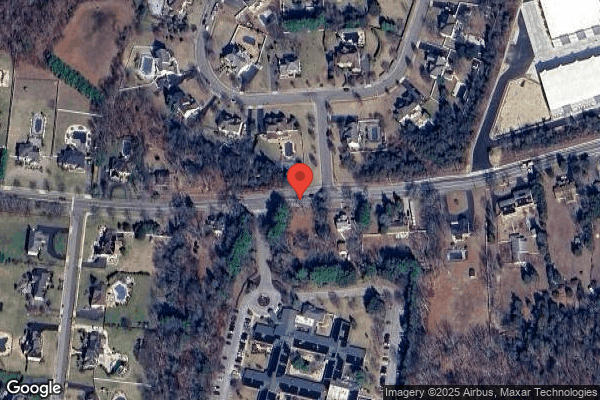

94 STEVENS ROAD, TOMS RIVER, NJ 08755 (732) 286-5005
For profit - Limited Liability company 204 Beds OCEAN HEALTHCARE Data: November 2025
Trust Grade
90/100
#45 of 344 in NJ
Last Inspection: October 2024

Within standard 12-15 month inspection cycle. Federal law requires annual inspections.

Overview

Hampton Ridge Healthcare and Rehabilitation in Toms River, New Jersey, has an excellent Trust Grade of A, indicating it is highly recommended among nursing homes. It ranks #45 out of 344 facilities in New Jersey, placing it in the top half, and #6 out of 31 in Ocean County, meaning only five other local options are better. The facility is showing improvement, reducing issues from 5 in 2023 to just 1 in 2024. However, staffing is a concern with a rating of 2 out of 5 stars and a turnover rate of 36%, which, while better than the state average, still indicates room for improvement. Although there have been no fines, which is a positive sign, the RN coverage is below average, being less than that of 82% of other facilities in the state. Specific incidents noted by inspectors include a failure to develop appropriate care plans for residents, such as not addressing the needs of a resident with an indwelling catheter and not honoring the care preference of a resident regarding their caregivers. Overall, while the facility has strengths in its recommendations and no fines, the staffing and care planning issues need attention.
Trust Score
A
90/100
In New Jersey
#45/344
Top 13%
Safety Record
Low Risk
No red flags
Inspections
Getting Better
5 → 1 violations
Staff Stability
○ Average
36% turnover. Near New Jersey's 48% average. Typical for the industry.
Penalties
✓ Good
No fines on record. Clean compliance history, better than most New Jersey facilities.
Skilled Nurses
⚠ Watch
Each resident gets only 20 minutes of Registered Nurse (RN) attention daily — below average for New Jersey. Fewer RN minutes means fewer trained eyes watching for problems.
Violations
○ Average
6 deficiencies on record. Average for a facility this size. Mostly minor or procedural issues.
★★★★★
5.0
Overall Rating
★★☆☆☆
2.0
Staff Levels
★★★★★
5.0
Care Quality
★★★★★
5.0
Inspection Score
Stable
2023: 5 issues
2024: 1 issues

The Good

  • 5-Star Quality Measures · Strong clinical quality outcomes
  • Full Sprinkler Coverage · Fire safety systems throughout facility
  • No fines on record
  • Staff turnover below average (36%)

    12 points below New Jersey average of 48%

Facility shows strength in quality measures, fire safety.

The Bad

Staff Turnover: 36%

Near New Jersey avg (46%)

Typical for the industry

Chain: OCEAN HEALTHCARE

Part of a multi-facility chain

Ask about local staffing decisions and management

The Ugly 6 deficiencies on record

Oct 2024 1 deficiency
CONCERN (D)

Potential for Harm - no one hurt, but risky conditions existed

Comprehensive Care Plan (Tag F0656)

Could have caused harm · This affected 1 resident

**NOTE- TERMS IN BRACKETS HAVE BEEN EDITED TO PROTECT CONFIDENTIALITY** Based on interview and record review, it was determined that the facility failed to develop and implement a care plan that meets...

Read full inspector narrative →
**NOTE- TERMS IN BRACKETS HAVE BEEN EDITED TO PROTECT CONFIDENTIALITY** Based on interview and record review, it was determined that the facility failed to develop and implement a care plan that meets the medical needs identified on the comprehensive assessment care for 1 on 35 residents reviewed for comprehensive care plans, Resident #5. This deficient practice was evidenced by the following: A review of Resident #5's admissions record revealed that, Resident #5 was admitted with but not limited to Benign Prostatic Hyperplasia (enlarged prostate), and Obstructive and Reflux Uropathy (a blockage in one or both tubes that carry urine from the kidneys to the bladder.) A review of the Resident #5's comprehensive Minimum Data Set (MDS), dated [DATE], revealed under section H that the resident had an indwelling catheter. A review of the current Care Plan (CP) for Resident #5 did not include documentation of a CP focus area or interventions for the care of indwelling catheters. During an interview on 10/21/2024 at 10:15 AM with the surveyor the Licensed Practical Nurse (LPN)# 1 was asked what should be on the CP for a resident with an in dwelling catheter. At this time LPN #1 responded, Indwelling catheter care and risk for infection. When asked if there should be a focus on the indwelling catheter on the resident's baseline CP, LPN #3 replied. Yes, there should be one that has to do with care. During an interview on 10/21/2024 at 01:22 PM with the surveyor asked the Director of Nursing (DON) if there should be a focus area on the indwelling catheter on the resident's CP. The DON responded, yes of course. A review of a facility provided policy with a review date of 3/2024 and titled Comprehensive Person-Centered Care Plan revealed under section Policy Statement that, A comprehensive, person-centered care plan that includes measurable objectives and timetables to meet the resident's physical, psychosocial and functional needs is developed and implemented for each resident. NJAC 8:39-27.1(a)
Jul 2023 5 deficiencies
CONCERN (D)

Potential for Harm - no one hurt, but risky conditions existed

Assessment Accuracy (Tag F0641)

Could have caused harm · This affected 1 resident

**NOTE- TERMS IN BRACKETS HAVE BEEN EDITED TO PROTECT CONFIDENTIALITY** 2. On 07/17/23 at 10:37 AM, the surveyor interviewed the Licensed Practical Nurse Unit Manager (LPN/UM) on the North nursing uni...

Read full inspector narrative →
**NOTE- TERMS IN BRACKETS HAVE BEEN EDITED TO PROTECT CONFIDENTIALITY** 2. On 07/17/23 at 10:37 AM, the surveyor interviewed the Licensed Practical Nurse Unit Manager (LPN/UM) on the North nursing unit. The LPN/UM stated the facility is smoke free, however, there was one resident (Resident #69) who was grandfathered in and was able to remain the only smoking resident in the facility. On 07/17/23 at 11:34 AM, the surveyor observed Resident #69 in their room relaxing in bed. The resident informed the surveyor that he/she had smoked since the age of 14, and usually smokes one cigarette four times per day in the courtyard. The resident further informed that the facility holds on to the cigarettes and lighter, but the resident can smoke independently, safely. Review of Resident #69 admission Record, the resident was admitted to the facility in March 2015. Medical diagnoses included, but not limited to chronic obstructive pulmonary disease (COPD, a disease affecting the lungs), and major depressive disorder (depression). Review of the annual MDS, dated [DATE], revealed Resident #69 had a Brief Interview of Mental Status of 15 out of 15, meaning the resident was cognitively intact. Under Section J, Current Tobacco Use, the assessment was answered No, indicating the resident did not use tobacco. Review the resident's medical record contained a Smoking Contract between Resident #69 and the facility signed by the resident and witnessed by the North unit's LPN/UM and dated 2/28/23. Review of nursing progress notes included a 7 day lookback note dated 2/13/2023 at 9:46 AM by the LPN/UM stating .resident goes outside to smoke .continues to be a safe smoker. A second 7 day lookback nursing note dated 2/8/2023 at 1:22 AM included Resident goes outside to smoke various times of the night . On 7/26/23 at 10:54 AM, the surveyor interviewed the MDSC who stated this resident had been smoking for quite a while, and the resident was still smoking at the time of the completion of this annual MDS. The MDSC stated they infrequently have agency staff assist with MDS completions, and that may have been the reason for the inaccurate smoking assessment for this resident, and after surveyor inquiry, this MDS was modified to reflect a yes for tobacco use. NJAC 8:39-11.2 (e)1 Based on observation, interview, and review of medical records and other facility documentation, it was determined that the facility failed to accurately complete the Minimum Data Set (MDS), an assessment tool for 3 of 34 residents reviewed (Resident #74, #101, and #69). This deficient practice was evidenced by the following: On 07/17/23 at 10:53 AM, the surveyor observed Resident #74 sitting on the side of the bed in the room. There was an oxygen concentrator with oxygen tubing on the floor. Review of Resident #74 admission Record, the resident was admitted to the facility on [DATE]. Medical diagnoses included, but not limited to congestive heart failure, covid-19, dementia, and depressive disorder. Review of the quarterly MDS, dated [DATE], revealed Resident #74 had a Brief Interview of Mental Status of 15, meaning the resident was cognitively intact. Under Section O, Special Procedures and Treatments was blank, meaning the resident did not wear oxygen as a resident at the facility. Review of the physician orders showed an order for oxygen continuous at two liters per minute at bedtime, an active order dated 02/02/23. On 07/17/23 at 11:57 AM, the surveyor observed Resident #101 in the bed. There was an oxygen concentrator on the floor with oxygen tubing. The surveyor asked the resident if he/she wore the oxygen and the resident said, I wear it every night and sometimes during the day when I become short of breath. Review of the quarterly MDS dated [DATE], the resident was readmitted to the facility again in March 2023. The resident had a Brief Interview of Mental Status of 15, meaning Resident #101 was cognitively intact. Medical diagnoses included, but were not limited to heart failure, heart disease, and high blood pressure. Review of the quarterly MDS, dated [DATE] under section O, Procedures and Treatments the area for oxygen was left blank, meaning the resident did not wear oxygen as a resident at the facility. Review of the physician orders showed an order for oxygen at two liters per minute for shortness of breath, an active order dated 03/14/23. On 07/26/23 at 10:54 AM, a surveyor interviewed the Minimum Data Set Coordinator (MDSC). The surveyor asked who was responsible for filling out sections of the Minimum Data Set (MDS), and the MDSC said the Social Worker or Activities department filled out section F, nursing completed section J, the dietician completed section K, and therapy completed parts of section O. The departments will enter the data into the MDS themselves. The Director of Nursing oversees the completion of all of the MDS. The MDSC told the surveyor it was extremely important to be accurate for residents and for the state to see how we are doing. The MDSC also stated that they use the MDS to track how the residents are doing to see if there are significant changes or if therapy referrals are needed to work on for resident care and improvement.
CONCERN (D) 📢 Someone Reported This

A family member, employee, or ombudsman was alarmed enough to file a formal complaint

Potential for Harm - no one hurt, but risky conditions existed

Comprehensive Care Plan (Tag F0656)

Could have caused harm · This affected 1 resident

Complaint #NJ153752 Based on interviews and review of the closed medical record, it was determined that the facility failed to develop and implement a comprehensive, person-centered care plan which in...

Read full inspector narrative →
Complaint #NJ153752 Based on interviews and review of the closed medical record, it was determined that the facility failed to develop and implement a comprehensive, person-centered care plan which included interventions to ensure that a resident's preference not be cared for by male aides was honored. This deficient practice was identified for 1 of 37 residents (Resident #211) reviewed for care plan development. This deficient practice was evidenced by: Review of Resident #211's admission Record (an admission summary) revealed that the resident was admitted to the facility in March of 2022 with diagnosis which included but were not limited to: dementia, cognitive communication deficit, unilateral (one sided) primary osteoarthritis (degeneration of joint cartilage and the underlying bone), presence of right artificial knee joint, difficulty walking and retention of urine. Review of Resident #211's admission Minimum Data Set (MDS), an assessment tool dated 03/21/22, revealed that the resident had a Brief Interview for Mental Status (BIMS) score of 12 out 15, which indicated that the resident was moderately cognitively impaired. Further review of the MDS indicated that the resident required extensive assistance of two persons for bed mobility, transfers, dressing, toilet use and personal hygiene. Review of Section H of the MDS, Bladder and Bowel, revealed that the resident had an indwelling catheter (urinary catheter) and was always incontinent of bowel. Review of Resident #211's Care Plan revealed an entry that was initiated on 03/21/22, which specified that the resident had a diagnosis of anxiety disorder and exhibited paranoia, verbally/physically aggressive behavior, and had a history of delusions, and auditory (sense of hearing) and visual hallucinations. The entry noted that the resident was on Xanax (anti-anxiety medication) and Zoloft (antidepressant). The focus of the care plan entry concluded with, No male aides. Further review of the goals and interventions/tasks sections of the Care Plan failed to specify how the facility ensured that no male aides were assigned to the resident in accordance with the resident's Care Plan. Review of the Progress Notes within Resident #211's closed electronic health record, revealed a Nurse's Note dated 04/06/22 at 2:28 PM, that was signed by the Assistant Director of Nursing (ADON) and revealed the following: Unit Manager, Director of Social Services, and ADON reviewed careplan [sic]; updated as needed.Careplan [sic.] remains appropriate at this time. On 07/24/23 at 11:05 AM, the surveyor interviewed the Certified Nursing Assistant (CNA) who stated that if a resident requested not to have a male aide provide care, then the Unit Clerk/Secretary was responsible to make sure that the request was placed on the CNA Assignment Sheet. The CNA explained that the assignment may then have to be adjusted to ensure that the resident's preference was honored. The CNA further stated that the request would also be passed on in report by nursing or the outgoing CNA. On 07/24/23 at 11:09 am, the surveyor interviewed the Secretary who stated that she worked at the facility for one year in June. She stated that nursing advised her of all resident special requests, and she was responsible to place the requests on the CNA Assignment Sheet. On 07/24/23 at 11:46 AM, the surveyor interviewed the Licensed Practical Nurse (LPN) who stated that a resident request not to have a male aide was reported to the Secretary who was responsible for making the CNA Assignments and scheduling. On 07/24/23 at 11:51 AM, the Secretary provided the surveyor with 2022 CNA Assignment Sheets which failed to contain CNA Assignment Sheets that corresponded to the dates that Resident #211 resided at the facility. On 07/24/23 at 12:19 PM, the surveyor interviewed the Licensed Practical Nurse/Unit Manager (LPN/UM) who stated that she had worked at the facility since 2012 and served in her current role as LPN/UM for one month. She stated that if a resident requested not to have a male aide provide care, then she would communicate with social services, update the resident's care plan and place the resident's preference on the CNA Assignment Sheet. On 07/24/23 at 12:27 PM, the surveyor interviewed the Social Worker who stated that she worked at the facility for four years. She stated that she had not had an instance where a female resident refused to be cared for by male CNAs. The SW stated that if she encountered this situation she would direct the resident's preference to the Unit Manager, Director of Nursing (DON), and Administrator and assist the resident to file a grievance if indicated. On 07/25/23 at 11:26 AM, the surveyor interviewed the ADON who stated that she assisted in Care Plan development. She stated that either the UM or Secretary informed the aides that males were not to be assigned to a particular resident or that assignments were switched to honor a resident preference that was Care Planned. The ADON stated that the preference could be placed on the CNA Assignment Sheet or on a sign behind the nurse's station at the desk. The ADON stated that if a male was accidentally assigned to the resident, then the resident would be interviewed and evaluated to ensure the resident was comfortable. The ADON was unable to state why she documented in the Nurse's Notes on 04/06/22, that she reviewed Resident #211's Care Plan and denied that the entry was in reference to no male aides being assigned to the resident. On 07/26/23 at 10:33 AM, in a later interview with the LPN/UM, she accessed Resident #211's electronic health record and demonstrated that the resident's Plan of Care (POC) Dashboard was updated with Special Instructions: No Male Aide. The LPN/UM also showed the surveyor that a male CNA was assigned to the resident on 04/02/22 and signed that he performed urinary incontinence care at 3:41 PM, personal hygiene at 3:41 PM, assistance with dressing at 3:41 PM, and assisted with nutrition at 5:23 PM. The LPN/UM stated that the male CNA did not document that any care was rendered thereafter. The LPN/UM stated that no male aide should have been placed on the resident's assignment. The LPN/UM stated that a caregiver should only sign for the tasks that they actually completed. On 07/26/23 at 11:27 AM, the surveyor attempted to interview the male CNA in question who was not available for interview. On 07/26/23 at 11:27 AM, the surveyor interviewed the DON and the Administrator in the presence of the survey team. The Administrator stated that chances were that the male CNA provided care to Resident #211 as evidenced by the tasks that he signed out in the POC on 04/02/22. The Administrator further stated that the male CNA might have also charted for another aide. The DON stated that if the resident's Care Plan specified No Male Aides on 03/14/22, then the request should have been placed on the CNA Assignment Sheets prior to 04/04/22, when the entry was first documented, according to CNA Assignment Sheets that the DON provided. On 07/27/23 at 9:10 AM, in a later interview with the DON, she provided the surveyor with printed copies of Resident #211's CNA Task History dated 04/02/22, and she explained that the male CNA documented that he provided personal care to the resident which included incontinence care, personal hygiene assistance with dressing and dining. The DON stated that the CNA's signature indicated that he rendered all services that he signed for. Review of an undated facility policy, Comprehensive Person-Centered Care Plan revealed the following: A comprehensive, person-centered care plan that includes measurable objectives and timetables to meet the resident's physical, psychosocial, and functional needs is developed and implemented for each resident. The Interdisciplinary Team (IDT), in conjunction with the resident and his/her family or legal representative, develops and implements a comprehensive, person-centered care plan for each resident. The care plan interventions are derived from a thorough analysis of the information gathered as part of the comprehensive assessment. The IDT includes: The Attending Physician; A license [sic.] nurse who has responsibility for the resident; A nurse aide who has responsibility for the resident; .The resident and resident's legal representative . Describe services that would otherwise be provided for the above, but are not provided due to the resident exercising his or her rights, including the right to refuse treatment; .Reflect the resident's expressed wishes regarding care and treatment goals; Review of the facility's Resident Rights (May 2023) revealed the following: .To be treated with courtesy, consideration, and respect for your dignity and individuality . NJAC 8:39-11.2, 13/2(a)
CONCERN (D)

Potential for Harm - no one hurt, but risky conditions existed

Deficiency F0688 (Tag F0688)

Could have caused harm · This affected 1 resident

Based on observation, interview, and record review, it was determined that the facility failed to provide a device to address the contracture (a condition in which there is shortening and hardening of...

Read full inspector narrative →
Based on observation, interview, and record review, it was determined that the facility failed to provide a device to address the contracture (a condition in which there is shortening and hardening of muscles, tendons, or other tissue, often leading to deformity and rigidity of joints) for 1 of 2 residents (Resident #103) that were reviewed for Range of Motion (ROM). This deficient practice was evidenced by the following: The surveyor observed Resident #103 with a closed, left hand and without a palm grip on 7/18/23 at 12:40 PM, on 07/19/23 at 9:50 AM, on 07/20/23 at 10:32 AM, on 07/20/23 at 12:38 PM, and on 07/21/23 at 11:49 AM. When interviewed by the surveyor on 7/21/23 at 11:55 AM, the South Unit Manager stated that Resident # 103 should have been wearing a left palm grip but did not have one in his/her left hand as ordered. According to the medical record Resident # 103 was admitted with a diagnosis that included but was not limited to arthritis. The annual minimum dated set (MDS) (an assessment tool) dated 06/2/23 reflected that this resident was cognitively impaired. On 07/19/23 at 12:30 PM, the surveyor reviewed a copy of the resident's physician orders. A physician's order, dated 4/21/23, indicated that Resident # 103 should be wearing a left-hand Palm grip, wash cloth roll, or cling roll to L hand at all times as tolerated. On 07/19/23 at 12:30PM, the surveyor reviewed a copy of the resident's interdisciplinary plan of care. It indicated use of a palm grip to left hand/ if not available may use wash cloth or roll of kling. On 07/27/23 at 10:02 AM, the surveyor reviewed the facility provided policy for splint application which was reviewed on 7/2023. The policy reflects 6. apply splint, hand roll as per orders. NJAC 8:39-27.2(m)
CONCERN (D)

Potential for Harm - no one hurt, but risky conditions existed

Respiratory Care (Tag F0695)

Could have caused harm · This affected 1 resident

Based on observation, interview, and record review it was determined that the facility failed to a.) store respiratory equipment in a way to prevent contamination, and b.) assess a resident's pulse ox...

Read full inspector narrative →
Based on observation, interview, and record review it was determined that the facility failed to a.) store respiratory equipment in a way to prevent contamination, and b.) assess a resident's pulse oximetry (a non-invasive way to monitor a persons oxygen level) as ordered by the physician. This deficient practice was for 1 of 2 residents reviewed for respiratory care (Resident #74) and was evidenced by the following: a.) On 07/17/23 at 10:52 AM, during the initial tour of the facility, the surveyor observed Resident #74 was in bed with eyes open. The surveyor observed an oxygen concentrator on the floor next to the resident's bed. At the time of the observation, the resident was not wearing the oxygen. The surveyor observed that the oxygen tubing was wrapped up around the handle of the concentrator and not in a bag. On 07/18/23 at 10:54 AM, the surveyor reviewed Resident #74 physician orders which showed an order for oxygen at two liters per minute continuous at bedtime, and another order to monitor the resident's pulse oximetry every shift and notify the physician if less than or equal to 90 percent. This was an active order dated 02/03/22. Review of the admission Record Resident #74 was admitted to the facility on 03/2020. Medical diagnoses included, but not limited to congestive heart failure, covid-19, dementia, and depressive disorder. Resident #74 had a Brief Interview of Mental Status of 15, meaning the resident was cognitively intact. On 07/18/23 at 12:11 PM, the resident was observed sitting on the side of the bed having lunch. The resident was not wearing oxygen and the oxygen concentrator was on the floor next to the bed turned off. The oxygen tubing was wrapped up in a circle and tucked in the handle of the concentrator, the tubing was not in a bag. On 07/19/23 at 12:15 PM, the surveyor observed the resident sitting on the side of the bed. The resident was not wearing oxygen during observation. Resident #74 told the surveyor that he/she wears oxygen at night. The oxygen tubing was connected to the concentrator and the tubing was wrapped up on top of the humidity bottle. The tubing was not in a bag. On 07/19/23 at 12:28 PM, the surveyor interviewed Licensed Practical Nurse/LPN (LPN #1) regarding storing of oxygen tubing when not being used by a resident. LPN#1 replied, It should be kept in a plastic bag. The surveyor asked why it should be in a plastic bag and LPN #1 said, Sanitary reasons. The surveyor showed LPN#1 Resident #74 oxygen tubing and LPN#1 said, It should be in a bag. On 07/19/23 at 12:50 PM, the surveyor interviewed LPN #2 regarding the storage of oxygen tubing. The surveyor asked LPN #2 how oxygen tubing was stored for a resident when not in use and LPN #2 responded, In a bag for sanitary reasons and to just keep it clean. b.) On 07/18/23 at 10:54 AM, the surveyor reviewed Resident #74 physician orders which showed an order for oxygen at two liters per minute continuous at bedtime, and another order to monitor the residents pulse oximetry every shift and notify the physician if less than or equal to 90 percent. This was an active order dated 02/03/22. On 07/18/23 at 11:00 AM, the surveyor reviewed Resident #74 care plan which had a focus of potential for Congestive heart failure related to cardiac status and a diagnosis of Congestive heart failure. The care plan was initiated on 03/22/20 with a revision date of 01/27/22. Included in the interventions was to provide oxygen as ordered and monitor pulse oximetry and lung sounds every shift. On 07/18/23 at 11:07 AM, the surveyor reviewed the pulse oximetry checks for May and June which showed the following: 7/2/2023 10:33 97.0 % Room Air 6/2/2023 12:38 95.0 % Room Air 6/1/2023 09:24 98.0 % Room Air 5/31/2023 10:48 96.0 % Room Air 5/30/2023 23:16 96.0 % Room Air 5/30/2023 12:52 95.0 % Room Air 5/30/2023 01:58 95.0 % Room Air 5/29/2023 13:26 95.0 % Room Air 5/29/2023 00:16 96.0 % Room Air 5/28/2023 13:57 98.0 % Room Air 5/26/2023 12:45 98.0 % Room Air 5/25/2023 20:08 97.0 % Room Air 5/25/2023 13:19 97.0 % Room Air 5/24/2023 22:26 98.0 % Room Air 5/24/2023 13:13 96.0 % Room Air 5/23/2023 01:09 97.0 % Oxygen via Nasal Cannula 5/22/2023 17:28 98.0 % Room Air On 07/20/23 at 11:50 AM, the surveyor interviewed the Director of Nursing (DON) regarding Resident #74 oxygen saturations and requested Resident #74 oxygen saturations for the months of June and July 2023. On 07/20/23 at 12:17 PM, the DON approached the surveyor and said, Let me tell you, pulse oximetry's were not done. They fell off when we stopped doing every shift vital signs for covid. The surveyor asked if they should have been done and the DON said, Yes. On 07/27/23 at 09:30 AM, the surveyor reviewed the facility's policy titled, Oxygen Tubing and Respiratory Products. The policy had a reviewed date of 01/01/23. The policy read that the facility was to ensure all oxygen tubing is single use for residents, clean, properly stored, and dated to prevent the transmission of infection. Under the procedure section, it stated the facility was to ensure if oxygen tubing is not in use, that it is in an oxygen bag labeled with the resident's name and room number as well as the date it was changed. NJAC 8:39-27.1 (a)
CONCERN (D)

Potential for Harm - no one hurt, but risky conditions existed

Deficiency F0761 (Tag F0761)

Could have caused harm · This affected 1 resident

**NOTE- TERMS IN BRACKETS HAVE BEEN EDITED TO PROTECT CONFIDENTIALITY** Based on observation, interview, and review of pertinent facility documentation, it was determined that the facility failed to a...

Read full inspector narrative →
**NOTE- TERMS IN BRACKETS HAVE BEEN EDITED TO PROTECT CONFIDENTIALITY** Based on observation, interview, and review of pertinent facility documentation, it was determined that the facility failed to a.) properly store medications, b.) maintain clean and sanitary medication storage areas, and c.) properly label opened multidose medications. This deficient practice was observed in 3 of 4 medication carts and was evidenced by the following: On [DATE] at 12:25 PM, in the presence of Licensed Practical Nurse 1 (LPN1), the surveyor observed the SMART nursing unit's medication cart #1. The surveyor and LPN1 observed a total of three (3) loose pills of varying colors and sizes in the bottom of the cart drawer, not in the pharmacy packaging (bingo cards). The LPN confirmed that pills should not be loose in the drawer. On [DATE] at 12:45 PM, in the presence of Licensed Practical Nurse 2 (LPN2), the surveyor observed the North Wing nursing unit's medication cart #1. The surveyor and LPN2 observed a total of ten (10) loose pills of varying colors and sizes in the bottom of the cart drawer, not in the pharmacy packaging. The surveyor further observed the locked controlled substance/narcotic medication box was missing all fasteners or bolts which kept the box secure to the drawer in which it was kept, which would allow the narcotic box to be able to be maneuvered out of the drawer. The surveyor observed one (1) multi-use bottle of prescribed lubricating eye drops, which was confirmed by LPN2 to have been opened and used. The bottle was not labeled or dated with the resident's name or date opened. At this time, LPN2 confirmed that the bottle should be labeled and dated. The LPN further confirmed that pills should not be loose in the drawer, and stated, I switched cards from one drawer to another and they smashed out. It happens. On [DATE] at 10:28 AM, in the presence of Licensed Practical Nurse 3 (LPN3), the surveyor observed the South Wing nursing unit's medication cart #2. The surveyor and LPN3 observed one (1) loose pill in the bottom of the cart drawer, not in the pharmacy packaging. On [DATE] at 12:00 PM, the surveyor interviewed the Director of Nursing (DON) who stated loose pills should be removed from the carts, and nurses, unit managers, and the pharmacy consultant are responsible for checking the carts for cleanliness and loose pills. The DON further stated that multi-use containers are usually labeled with a small label from the pharmacy with resident information. On [DATE] at 11:10 AM, the DON informed the surveyor that she spoke with LPN2 who informed her that she believed the label may have come off the eye drop bottle, and the DON's expectation is if the nurse noticed the bottle not labeled, she would throw it out and ask the pharmacy to have a new one delivered. A review of the facility's Medication Storage policy with a revised date 4/2023 included C. medications will be stored in an orderly, organized manner in a clean area . E. medications will be stored in the original, labeled containers received from the pharmacy . F. expired, discontinued and/or contaminated medications will be removed from the medication storage areas and disposed of in accordance with facility policy . A review of the facility's Schedule II Controlled Substance Medication policy with a revised date 4/2023 under the section titled Storage of controlled dangerous substances (CDS) included 1. All CDS medications will be stored under double lock, separate from all other medications. 2. The keys to locked areas that store CDS medications must always be in the possession of a licensed nurse that meets the criteria for handling CDS medications as per facility policy and procedure. A review of the facility's Medication Labeling Policy and Procedure revised date of 7/2023, included .external medications dispensed in a plastic bag (insulin pens, creams, ointments, etc.) will display a label on the plastic bag and a smaller flag label on the medication directly . If for some reason the label on a medication falls off and is lost the facility must notify the pharmacy of the occurrence immediately. The pharmacy will then resend the medication . N.J.A.C. 8:39-29.4
Understanding Severity Codes (click to expand)
Life-Threatening (Immediate Jeopardy)
J - Isolated K - Pattern L - Widespread
Actual Harm
G - Isolated H - Pattern I - Widespread
Potential for Harm
D - Isolated E - Pattern F - Widespread
No Harm (Minor)
A - Isolated B - Pattern C - Widespread

Questions to Ask on Your Visit

  • "Can I speak with families of current residents?"
  • "What's your RN coverage like on weekends and overnight?"

Our Honest Assessment

Strengths
  • • Grade A (90/100). Above average facility, better than most options in New Jersey.
  • • No major safety red flags. No abuse findings, life-threatening violations, or SFF status.
  • • No fines on record. Clean compliance history, better than most New Jersey facilities.
  • • 36% turnover. Below New Jersey's 48% average. Good staff retention means consistent care.
Concerns
  • • No significant concerns identified. This facility shows no red flags across CMS ratings, staff turnover, or federal penalties.
Bottom line: Generally positive indicators. Standard due diligence and a personal visit recommended.

About This Facility

What is Hampton Ridge Healthcare And Rehabilitation's CMS Rating?

CMS assigns Hampton Ridge Healthcare and Rehabilitation an overall rating of 5 out of 5 stars, which is considered much above average nationally. Within New Jersey, this rating places the facility higher than 99% of the state's 100 nursing homes. This rating reflects solid performance across the metrics CMS uses to evaluate nursing home quality.
How is Hampton Ridge Healthcare And Rehabilitation Staffed?

CMS rates Hampton Ridge Healthcare and Rehabilitation's staffing level at 2 out of 5 stars, which is below average compared to other nursing homes. Staff turnover is 36%, compared to the New Jersey average of 46%. This relatively stable workforce can support continuity of care.

What Have Inspectors Found at Hampton Ridge Healthcare And Rehabilitation?

State health inspectors documented 6 deficiencies at Hampton Ridge Healthcare and Rehabilitation during 2023 to 2024. These included: 6 with potential for harm.

Who Owns and Operates Hampton Ridge Healthcare And Rehabilitation?

Hampton Ridge Healthcare and Rehabilitation is owned by a for-profit company. For-profit facilities operate as businesses with obligations to shareholders or private owners. The facility is operated by OCEAN HEALTHCARE, a chain that manages multiple nursing homes. With 204 certified beds and approximately 196 residents (about 96% occupancy), it is a large facility located in TOMS RIVER, New Jersey.

How Does Hampton Ridge Healthcare And Rehabilitation Compare to Other New Jersey Nursing Homes?

Compared to the 100 nursing homes in New Jersey, Hampton Ridge Healthcare and Rehabilitation's overall rating (5 stars) is above the state average of 3.3, staff turnover (36%) is near the state average of 46%, and health inspection rating (5 stars) is much above the national benchmark.

What Should Families Ask When Visiting Hampton Ridge Healthcare And Rehabilitation?

Based on this facility's data, families visiting should ask: "Can you walk me through typical staffing levels on day, evening, and night shifts?" "Can I visit during a mealtime to observe dining assistance and food quality?" "How do you handle medical emergencies, and what is your hospital transfer rate?" "Can I speak with family members of current residents about their experience?" These questions are particularly relevant given the below-average staffing rating.

Is Hampton Ridge Healthcare And Rehabilitation Safe?

Based on CMS inspection data, Hampton Ridge Healthcare and Rehabilitation has a clean safety record: no substantiated abuse findings (meaning no confirmed cases of resident harm), no Immediate Jeopardy citations (the most serious violation level indicating risk of serious injury or death), and is not on the Special Focus Facility watch list (a federal program monitoring the lowest-performing 1% of nursing homes). The facility has a 5-star overall rating and ranks #1 of 100 nursing homes in New Jersey. While no facility is perfect, families should still ask about staff-to-resident ratios and recent inspection results during their visit.

Do Nurses at Hampton Ridge Healthcare And Rehabilitation Stick Around?

Hampton Ridge Healthcare and Rehabilitation has a staff turnover rate of 36%, which is about average for New Jersey nursing homes (state average: 46%). Moderate turnover is common in nursing homes, but families should still ask about staff tenure and how the facility maintains care continuity when employees leave.

Was Hampton Ridge Healthcare And Rehabilitation Ever Fined?

Hampton Ridge Healthcare and Rehabilitation has no federal fines on record. CMS issues fines when nursing homes fail to meet care standards or don't correct problems found during inspections. The absence of fines suggests the facility has either maintained compliance or corrected any issues before penalties were assessed. This is a positive indicator, though families should still review recent inspection reports for the full picture.

Is Hampton Ridge Healthcare And Rehabilitation on Any Federal Watch List?

Hampton Ridge Healthcare and Rehabilitation is not on any federal watch list. The most significant is the Special Focus Facility (SFF) program, which identifies the bottom 1% of nursing homes nationally based on persistent, serious quality problems. Not being on this list means the facility has avoided the pattern of deficiencies that triggers enhanced federal oversight. This is a positive indicator, though families should still review the facility's inspection history directly.