LAUREL BAY HEALTH & REHABILITATION CENTER
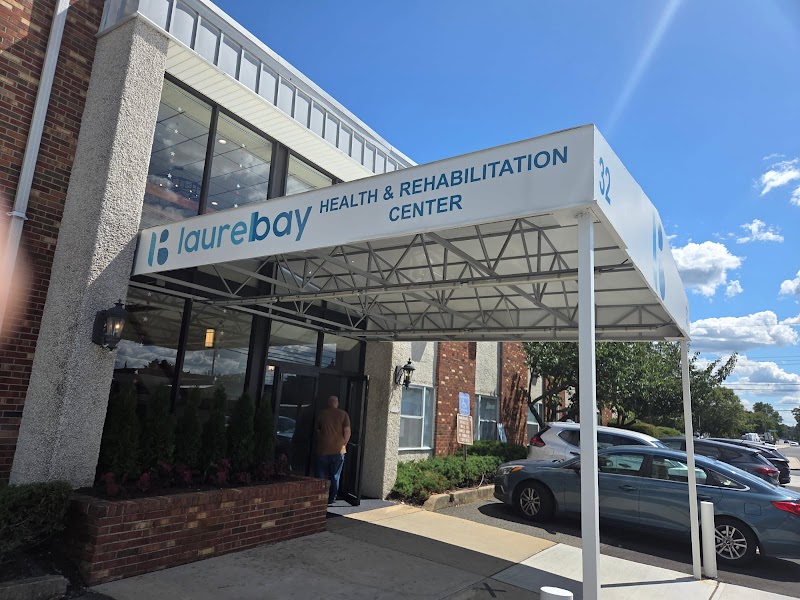
32 LAUREL AVENUE, KEANSBURG, NJ 07734 (732) 787-8100
For profit - Corporation 123 Beds Independent Data: November 2025 1 Immediate Jeopardy citation
Trust Grade
26/100
#323 of 344 in NJ
Last Inspection: January 2025

Within standard 12-15 month inspection cycle. Federal law requires annual inspections.

Overview

Laurel Bay Health & Rehabilitation Center has received a Trust Grade of F, indicating significant concerns about the facility's quality of care, placing it in the lowest category possible. It ranks #323 out of 344 nursing homes in New Jersey and #33 out of 33 in Monmouth County, which means it is in the bottom tier of facilities in the area. The situation appears to be worsening, with issues increasing from 3 in 2024 to 15 in 2025. While staffing is rated average with a 3 out of 5 stars and a turnover rate of 39%, which is slightly better than the state average, the facility has significant compliance issues, including $24,420 in fines. Specific incidents of concern include a critical failure to respond to a wander guard alarm for a cognitively impaired resident, inadequate food safety practices, and a malfunctioning call bell system that could prevent residents from alerting staff for assistance. Overall, families should weigh these serious weaknesses against the average staffing performance when considering this nursing home for their loved ones.

Trust Score
F
26/100
In New Jersey
#323/344
Bottom 7%
Safety Record
High Risk
Review needed
Inspections
Getting Worse
3 → 15 violations
Staff Stability
○ Average
39% turnover. Near New Jersey's 48% average. Typical for the industry.
Penalties
⚠ Watch
$24,420 in fines. Higher than 78% of New Jersey facilities, suggesting repeated compliance issues.
Skilled Nurses
⚠ Watch
Each resident gets only 26 minutes of Registered Nurse (RN) attention daily — below average for New Jersey. Fewer RN minutes means fewer trained eyes watching for problems.
Violations
⚠ Watch
22 deficiencies on record. Higher than average. Multiple issues found across inspections.
★☆☆☆☆
1.0
Overall Rating
★★★☆☆
3.0
Staff Levels
★★☆☆☆
2.0
Care Quality
★☆☆☆☆
1.0
Inspection Score
Stable
2024: 3 issues
2025: 15 issues

The Good

  • Full Sprinkler Coverage · Fire safety systems throughout facility
  • No fines on record
  • Staff turnover below average (39%)

    9 points below New Jersey average of 48%

Facility shows strength in fire safety.

The Bad

1-Star Overall Rating

Below New Jersey average (3.2)

Significant quality concerns identified by CMS

Staff Turnover: 39%

Near New Jersey avg (46%)

Typical for the industry

Federal Fines: $24,420

Below median ($33,413)

Minor penalties assessed

The Ugly 22 deficiencies on record

1 life-threatening
Jul 2025 3 deficiencies 1 IJ
CRITICAL (J) 📢 Someone Reported This

A family member, employee, or ombudsman was alarmed enough to file a formal complaint

Immediate Jeopardy (IJ) - the most serious Medicare violation

Accident Prevention (Tag F0689)

Someone could have died · This affected 1 resident

Complaint #: NJ187696Based on interviews, medical record review, and review of other pertinent facility documentation on 6/30/2025, it was determined that the facility failed to follow their protocol ...

Read full inspector narrative →
Complaint #: NJ187696Based on interviews, medical record review, and review of other pertinent facility documentation on 6/30/2025, it was determined that the facility failed to follow their protocol and policy to prevent the elopement of a severely cognitive impaired resident (Resident #1) who had a history of elopement from the facility when a Licensed Practical Nurse (LPN #1) heard the wander guard alarm sound at the front entrance of the facility and failed to respond to the alarm to ensure the safety of its residents. On 6/23/2025 at approximately 8:25PM, LPN #1 was coming down the stairs from the second-floor nursing unit when she heard the wander guard alarm at the front entrance sounding. She stated she called another staff member on the telephone to get the code to the keypad to stop the alarm. Once the LPN was given the code to the keypad, she turned the alarm off and proceeded to go on her break. LPN #1 stated she did not investigate why the wander guard alarm was going off. She further stated that she last saw Resident #1 in his/her room approximately 20 minutes before she heard the wander guard alarm sound. At 10:10 PM, the facility staff were notified by the local police by telephone that Resident #1 was found on a highway outside of the facility near a local ice cream shop. LPN #1 heard the wander guard alarm sound and failed to follow the facility's protocol which placed Resident #1 and all other residents at risk for elopement in an immediate jeopardy (IJ) situation. The IJ began on 6/23/2025, was identified on 6/30/2025 at 5:40 PM, and was reported to the Licensed Nursing Home Administrator (LNHA). The LNHA was presented with the IJ template at that time. An acceptable removal plan was electronically mailed to the surveyor on 7/1/2025 at 12:14 PM, indicating the facility's actions to prevent serious harm from occurring or recurring. The facility implemented a corrective action plan to remediate the deficient practice. LPN #1 and all facility staff were re-educated on the facility's elopement protocol including the need to immediately respond when hearing the wander guard alarm sounding, checking the immediate area for any residents, and notifying the charge nurse who will then implement the elopement protocol. The surveyor verified the removal plan on site on 7/3/2025 and determined the IJ for F689 was removed as of 7/3/2025. After the IJ removal plan, the non-compliance continued from 7/3/2025 for no actual harm with the potential for more than minimal harm that is not an immediate jeopardy. This deficient practice was identified for 1 of 3 residents (Resident #1) reviewed and was evidenced by the following: According to the admission Record (AR), Resident #1 was admitted to the facility with diagnoses which included but were not limited to: Unspecified Convulsions, Unspecified Cerebral Infarction (Stroke), and Hypertension.According to the Quarterly Minimum Data Set (MDS), an assessment tool dated 6/5/2025, Resident #1 had a Brief Interview for Mental Status (BIMS) score of 7 out of 15, which indicated the resident's cognition was severely impaired. The MDS also indicated that Resident #1 had an elopement alarm in place. According to the Facility Reportable Event (FRE) dated 6/23/2025, Resident #1 eloped through a malfunctioning door. He/she was returned to the facility unharmed. The FRE also revealed that Resident #1 was a known elopement risk and had a care plan for elopement risk in place. Resident #1 wore a wander guard transmitter (elopement alarm). The surveyor reviewed Resident #1's nurses note (NN) dated 6/23/2025 at 10:10 PM. The NN revealed that the nurse received a phone call from the police stating Resident #1 was found walking on the highway near an ice cream shop. The police returned the resident to the facility. Further review of the NN indicated that the resident's wander guard to his/her arm was in place and the alarm sounded as the resident came through the door. According to Resident #1's Care Plan (CP) with a focus of risk for elopement initiated on 10/14/2024, and a revision date of 6/24/2025, the resident eloped from the building on 11/3/2024 and 6/23/2025. The CP further revealed that the resident was moved to the second floor on 11/3/2024. On 6/30/2025 at 10:08 AM, the surveyor interviewed LPN #2 who stated he was the nurse on duty when Resident#1 left the building. LPN #2 stated at approximately 10:00 PM, he went to Resident #1's room to give him/her medications and the resident was not in the room. LPN #2 further indicated I was preparing to go downstairs to get him/her, and the cop called. LPN #2 stated he did not know when the resident had left the unit. On 6/30/2025 at 10:31 AM, the surveyor conducted a follow-up interview with LPN #2 who stated he last saw Resident #1 after dinner, around 6:00 PM or 7:00 PM. LPN #2 continued to explain that Resident #1 did not need a staff member to go off the unit. LPN #2 indicated We don't always go room to room to check on them, but we see them. By 10:00 PM, they need to be on the floor. After 10:00 PM, no one can go downstairs.On 6/30/2025 at 2:39 PM, the surveyor interviewed LPN #1 who stated she was working the night Resident #1 left the facility. She further indicated It was around 8:25PM and I was going on my break. I was coming down the stairs and when I got to the second flight coming down, I heard the wander guard alarm. I called the Certified Nursing Assistant (CNA) on the phone and asked him for the code. He gave me the code and I put it into the keypad. After that I went to break. LPN #1stated she had seen Resident #1 in his/her room about 20 minutes before she heard the wander guard alarm sounding. LPN #1 further stated she did not investigate why the wander guard alarm was sounding and that she probably should have checked into it. On 6/30/2025 at 3:18 PM, the surveyor interviewed the Director of Nursing (DON) in the presence of the LNHA. The DON stated she was notified by the facility staff by telephone that the police found Resident #1 on a highway near an ice cream shop. The DON further stated Yes, prior to last Monday, Resident #1 was allowed to go to the first floor. No, we did not have a staff member with him/her to come downstairs, just a staff member to let him downstairs. The DON explained that Resident #1 typically went to the first floor to visit the courtyard and the library. She further indicated the resident was allowed on the first floor because he/she did not exhibit exit seeking behaviors. The DON confirmed that the resident had eloped from the facility previously. On 6/30/2025 at 4:30 PM, the surveyor conducted a follow-up interview with the DON in the presence of the LNHA. The DON confirmed LPN #1 told her she heard the wander guard alarm sounding at the front entrance. The DON further stated She told me she did not investigate the alarm. She told me she turned the alarm off and went to break. The DON indicated that the LPN should have checked the door to see if it was locked and called upstairs to have them account for all the residents. The DON further stated if a resident was not accounted for, a search would be started inside and outside the facility, a Code Gray would be called, and the police and Administration would be notified. NJAC 8:39-27.1 (a)
CONCERN (D) 📢 Someone Reported This

A family member, employee, or ombudsman was alarmed enough to file a formal complaint

Potential for Harm - no one hurt, but risky conditions existed

Deficiency F0658 (Tag F0658)

Could have caused harm · This affected 1 resident

Complaint #: NJ187696Based on interviews, medical record review, and review of other pertinent facility documentation on 6/30/2025, it was determined that the facility nursing staff failed to consiste...

Read full inspector narrative →
Complaint #: NJ187696Based on interviews, medical record review, and review of other pertinent facility documentation on 6/30/2025, it was determined that the facility nursing staff failed to consistently document on the Treatment Administration Record (TAR) the placement of a resident's wander guard bracelet (elopement device) according to the acceptable standards of nursing practice for 1 of 3 residents (Resident #3) reviewed for documentation. The facility also failed to follow its policy titled Documentation, Guidelines.This deficient practice was evidenced by the following:Reference: New Jersey Statutes Annotated, Title 45, Chapter 11. Nursing Board. The Nurse Practice Act for the State of New Jersey states: The practice of nursing as a licensed practical nurse is defined as performing tasks and responsibilities within the framework of case finding; reinforcing the patient and family teaching program through health teaching, health counseling and provision of supportive and restorative care, under the direction of a registered nurse or licensed or otherwise legally authorized physician or dentist.Reference: New Jersey Statutes Annotated Title 45. Chapter 11. New Jersey Board of Nursing Statutes 45:11-23. Definitions b. The practice of nursing as a registered professional nurse is defined as diagnosing and treating human responses to actual or potential physical and emotional health problems, through such services as case finding, health teaching, health counseling, and provision of care supportive to or restorative of life and wellbeing, and executing medical regimens as prescribe by a licensed or otherwise legally authorized physician or dentist. Diagnosing in the context of nursing practice means that identification of and discrimination between physical and psychosocial signs and symptoms essential to effective execution and management of the nursing regimen. Such diagnostic privilege is distinct from a medical diagnosis. Treating means selection and performance of those therapeutic measures essential to the effective management and execution of the nursing regimen. Human response means those signs, symptoms and processes which denote the individual's health need or reaction to an actual or potential health problem.According to the admission Record (AR), Resident #3 was admitted to the facility with diagnoses which included but were not limited to: Diabetes, Epilepsy (Seizures), and Major Depressive Disorder.According to the Quarterly Minimum Data Set (MDS), an assessment tool dated 4/27/2025, Resident #1 had a Brief Interview for Mental Status (BIMS) score of 99, which indicated the resident was unable to complete the interview. The MDS also indicated that Resident #3 had an elopement alarm in place.A review of the Order Summary Report (OSR) with active orders as of 6/30/2025 reflected a physician's order (PO) dated 2/25/2025 for Wander guard check placement to lower extremity every shift.A review of the Treatment Administration Record (TAR) for June 2025 reflected the corresponding PO for the wander guard with blank spaces for 6/12/2025 and 6/15/2025 on evening shift, and 6/24/2025 on day shift.On 6/30/2025 at 3:18 PM, the surveyor interviewed the Director of Nursing (DON) in the presence of the Licensed Nursing Home Administrator (LNHA). The DON stated that the nursing staff were to check placement of the resident's wander guard every shift. She further explained that the nurses were to sign the physician's order out on the TAR after they complete the check. The DON confirmed that Resident #3 had blank spaces for the corresponding dates and shifts for the wander guard placement on the TAR. The DON indicated that the expectation was that the TAR was to be signed after the nurse checks for the wander guard and its functioning. Review of the undated facility policy titled, Documentation, Guidelines revealed under Guidelines for Documentation, 1. To chart in the medical record correctly. Under Essential Points, If it isn't charted, it didn't happen!NJAC 8:39-23.2 (a)
CONCERN (E) 📢 Someone Reported This

A family member, employee, or ombudsman was alarmed enough to file a formal complaint

Potential for Harm - no one hurt, but risky conditions existed

Comprehensive Care Plan (Tag F0656)

Could have caused harm · This affected multiple residents

Complaint #: NJ187696Based on interviews, review of medical records, and other pertinent facility documentation on 6/30/2025, it was determined that the facility failed to implement care plan interven...

Read full inspector narrative →
Complaint #: NJ187696Based on interviews, review of medical records, and other pertinent facility documentation on 6/30/2025, it was determined that the facility failed to implement care plan interventions for 3 of 3 residents who were identified as an elopement risk. This deficient practice was evidenced by the following:1.According to the admission Record (AR), Resident #1 was admitted to the facility with diagnoses which included but were not limited to: Unspecified Convulsions, Unspecified Cerebral Infarction (Stroke), and Hypertension.According to the Quarterly Minimum Data Set (MDS), an assessment tool dated 6/5/2025, Resident #1 had a Brief Interview for Mental Status (BIMS) score of 7 out of 15, which indicated the resident's cognition was severely impaired. The MDS also indicated that Resident #1 had an elopement alarm in place and was able to ambulate with set-up assistance. According to Resident #1's Care Plan (CP) with an initiated date of 10/14/2024, and a revision date of 11/04/2024. The CP revealed that the resident presented as a risk for elopement. Further review of Resident #1's CP revealed that the resident eloped from the building on 11/3/2024 and 6/23/2025. In addition, the CP revealed the following intervention: place on walker's club and provide pictures to the first floor, second floor, and reception area (date initiated 11/4/2024).2. According to the AR, Resident #2 was admitted to the facility with diagnoses which included but were not limited to: Hypertension, Anxiety Disorder, and Depression.According to the Quarterly MDS, an assessment tool dated 5/17/2025, Resident #2 had a BIMS score of 8 out of 15, which indicated the resident's cognition was moderately impaired. The MDS also indicated that Resident #2 had an elopement alarm in place and was able to ambulate with supervision.According to Resident #2's CP with an initiated date of 8/23/2024, the resident presented as a risk for elopement. Further review of Resident #2's CP revealed the following intervention: place on walker's club and provide pictures to the first floor, second floor, and reception area (date initiated 8/23/2024).3. According to the AR, Resident #3 was admitted to the facility with diagnoses which included but were not limited to: Diabetes, Epilepsy (Seizures), and Major Depressive Disorder.According to the Quarterly MDS, an assessment tool dated 4/27/2025, Resident #1 had a BIMS score of 99, which indicated the resident was unable to complete the interview. The MDS also indicated that Resident #3 had an elopement alarm in place and was able to ambulate with supervision.According to Resident #3's CP with an initiated date of 8/1/2022, the resident presented as a risk for elopement. Further review of Resident #3's CP revealed the following intervention: place on walker's club and provide pictures to the first floor, second floor, and reception area (date initiated 8/11/2022).On 6/30/2025 at 2:15 PM, the surveyor interviewed the Activities Director (AD) at the receptionist desk. The AD stated she was covering the receptionist's break. The AD stated she believed that there were pictures of the wandering residents at the front desk but did not know where they were located. The AD further stated that there were resident pictures at the second-floor nursing station. On 6/30/2025 at 2:18 PM, the surveyor interviewed the Licensed Practical Nurse (LPN #2) at the second-floor unit nursing station. LPN #2 stated No, we don't keep pictures of the residents who wander here at the nursing station. LPN #2 further stated he did not remember if any pictures had been previously kept at the nursing station.On 6/30/2025 at 2:23 PM, the surveyor interviewed LPN #4 at the first-floor nursing station. LPN #4 stated that the pictures of the wandering residents were usually kept on the wall at the nursing station. LPN #4 confirmed there were currently no pictures of the residents at the nursing station. She further stated, I believe they took it [pictures] down to update it, you have to ask the [DON].On 6/30/2025 at 2:50 PM, the surveyor interviewed the front desk Receptionist who stated that the pictures of the wanders were not kept at the front desk. She further stated that she knew who the wandering residents were and that the nurses kept her updated on who was a wanderer. On 6/30/2025 at 3:18 PM, the surveyor interviewed the Director of Nursing (DON) in the presence of the Licensed Nursing Home Administrator (LNHA). The DON stated that the facility did not do the walker's club as indicated on the residents' care plans. The DON confirmed there were no pictures of the wandering residents at the nursing stations and the receptionist desk. The DON explained that the staff tell the receptionist who are the wandering residents. The DON stated, I confirm it is on the care plan about the walker's club, but we don't do that. The DON further stated that the MDS Coordinator was responsible for updating the care plans. The DON stated she did not know why the care plan intervention was not updated. NJAC 8:39-27.1 (a)
Jan 2025 12 deficiencies
CONCERN (D)

Potential for Harm - no one hurt, but risky conditions existed

Deficiency F0558 (Tag F0558)

Could have caused harm · This affected 1 resident

On 12/31/2024 at 11:06 AM, surveyor #2 observed Resident #80 in their room on the bed. Surveyor #2 asked permission from Resident #80 to enter and was granted permission. Upon entering, surveyor #2 ob...

Read full inspector narrative →
On 12/31/2024 at 11:06 AM, surveyor #2 observed Resident #80 in their room on the bed. Surveyor #2 asked permission from Resident #80 to enter and was granted permission. Upon entering, surveyor #2 observed Resident #80's call device on the floor behind the bedside table. When asked if they knew where their call device was, Resident #80 denied. When asked if the call device was behind the dresser the resident responded that the call bell shouldn't be there. That doesn't make sense. It wouldn't help me if I needed it. The surveyor reviewed the medical record for Resident #80. A review of the admission Record, an admission summary, revealed the resident had diagnoses which included, but were not limited to: Malignant Neoplasm of Breast, Anxiety Disorder, and Depression. A review of the resident's quarterly Minimum Data Set (MDS), an assessment tool used to facilitate the management of care, dated 11/17/2024 included the resident had a Brief Interview for Mental Status (BIMS) score of 9 out of 15, which indicated the resident's cognition was moderately impaired. A review of the resident's individual comprehensive care plan (ICCP) included a focus area, dated 12/2/2024, that the resident was at risk for falls [related to] gait/balance problems, psychoactive drug use/vision hearing problems. Interventions included: Be sure call light is within reach and encourage me to use it for assistance was needed. On 1/3/2025 at 10:24 AM, surveyor #2 interviewed CNA #2 who confirmed call devices are a fall intervention and that they should be clipped to the bed or pillow and within reach of the resident. On 1/3/2025 at 12:14 PM, surveyor #2 interviewed Licensed Nurse Practitioner (LPN #1) who confirmed that call devices are to be within reach of the resident at all times. LPN #1 further confirmed that she was aware of the call device previously being behind the dresser and moved it to bed. On 1/06/2025 at 11:44 AM during an interview with surveyor # 1, the Assistant Director of Nursing (ADON) advised that call devices are to be on the bed, pillow, or sheet. A review of the undated facility policy titled, Call Light System revealed that, Unless indicated in the care plan, each resident, when in their room or in bed, must have the call light placed within reach at all times, regardless of staff assessment of resident ability to use it. When resident is in bed, the call bell should be fastened to the side rail he/she is facing . NJAC 8:39-27.1 (a) Based on observation, interview, and review of pertinent facility documents, it was determined that the facility failed provide services with reasonable accommodation of resident needs specifically by failing to keep call devices within reach of the resident. The deficient practice was identified 2 of 2 residents (Resident #80 and Resident # 236) reviewed for call devices. On 12/30/2024 at 10:29 AM during the initial tour of the facility, surveyor # 1 observed Resident # 236's call device on the floor next to the night stand. It was connected to the wall input. On 12/31/2024 at 8:58 AM, surveyor # 1 observed Resident # 236's call device on the floor next to the night stand. It appeared to be in the same location as the previous observation. At that time during an interview with surveyor # 1, Resident # 236s said they would use it if he/she could find it. On 1/06/2025 at 11:44 AM during an interview with surveyor # 1, the Assistant Director of Nursing said they [call devices] are attached to the resident's bed, pillow, or sheet but we do have some that are wrapped around the rail or behind their head so when they lay down they can reach above. A review of the undated facility policy titled, Call Light System revealed that, Unless indicated in the care plan, each resident, when in their room or in bed, must have the call light placed within reach at all times, regardless of staff assessment of resident ability to use it. When resident is in bed, the call bell should be fastened to the side rail he/she is facing .
CONCERN (D)

Potential for Harm - no one hurt, but risky conditions existed

Assessment Accuracy (Tag F0641)

Could have caused harm · This affected 1 resident

**NOTE- TERMS IN BRACKETS HAVE BEEN EDITED TO PROTECT CONFIDENTIALITY** Based on observation, interview, and record review it was determined that the facility failed to accurately assess the status of...

Read full inspector narrative →
**NOTE- TERMS IN BRACKETS HAVE BEEN EDITED TO PROTECT CONFIDENTIALITY** Based on observation, interview, and record review it was determined that the facility failed to accurately assess the status of a resident in the Minimum Data Set (MDS), an assessment tool used to facilitate care. This deficient practice was identified for 1 of 23 residents (Resident #80) reviewed and was evidenced by the following: Upon initial tour of the facility on 12/30/2024 at 10:44 AM, Resident #80 was observed wandering by the 1st Floor nursing station. The surveyor observed an elopement device on the resident's left ankle. On 12/31/2024 at 11:06 AM, the surveyor observed Resident #80 sitting on their bed in their room. The surveyor asked permission from Resident #80 to enter and was granted permission. Resident #80 acknowledged the presence of the bracelet on the left ankle, but did not know what it was. The surveyor reviewed the medical record for Resident #80. A review of the admission Record, an admission summary, revealed the resident had diagnoses which included, but were not limited to: Malignant Neoplasm of Breast, Anxiety Disorder, and Depression. A review of the resident's quarterly Minimum Data Set (MDS), an assessment tool used to facilitate the management of care, dated 11/17/2024 included the resident had a Brief Interview for Mental Status (BIMS) score of 9 out of 15, which indicated the resident's cognition was moderately impaired. Section P0200 reflected that the resident was coded as 0 indicating there was no wander/elopement alarm. A review of the Electronic Medical Record included the following physician orders (PO): A PO, dated 8/23/2024, for [Elopement Device] to [Right] ankle. Check placement. A review of December 2024 Treatment Administration Record revealed a check and nurses initials confirming the physician's order of [elopement device] to [Right] ankle. Check placement. On 1/7/2025 at 9:13 AM, the surveyor interviewed the MDS Coordinator who confirmed that she completed section P of the MDS. The MDS Coordinator reviewed Resident #80's physician orders and confirmed an order for a Wanderguard on 8/23/2024. Upon reviewing the resident's Quarterly MDS dated [DATE], the MDS Coordinator confirmed the section was coded as 0 indicating there was no wander/elopement alarm. A review of the facility's MDS 3.0, dated 10/1/2010, policy included the following Purpose: the MDS 3.0 assessment will be conducted to identify problems in order to develop and implement an individualized and comprehensive plan of care that provides each resident with the care and services to attain or maintain their highest practicable physical, mental, and psychosocial well being. NJAC 8:39-11.1
CONCERN (D)

Potential for Harm - no one hurt, but risky conditions existed

Comprehensive Care Plan (Tag F0656)

Could have caused harm · This affected 1 resident

Based on observation interview and record review, it was determined that the facility failed to develop and implement a care plan focus for 1 of 2 residents (Resident #68) reviewed for comprehensive c...

Read full inspector narrative →
Based on observation interview and record review, it was determined that the facility failed to develop and implement a care plan focus for 1 of 2 residents (Resident #68) reviewed for comprehensive care plans related to indwelling catheter care. This deficient practice was evidenced by the following: During initial tour on 12/30/2024 at 09:48 AM, the surveyor observed Resident # 68 resting in bed with a urinary drainage bag attached to the bed frame. A review of the admission Record located in the Electronic Medical Record, Resident #68 was admitted to the facility with diagnoses including but not limited to: Functional Quadriplegia (the complete inability to move due to severe disability or frailty due to another medical condition, without injury or damage to spinal cord), and Dementia (a group of symptoms affecting memory, thinking, and social abilities). A review of the current Care Plan (CP) for Resident #68 did not include documentation of a CP focus area or interventions for the care of indwelling catheters. During an interview on 1/03/2025 at 10:50 AM with the surveyor, the Director of Nursing (DON) said CPs are updated quarterly and as needed if anything changes in the resident's medical care. When asked if Resident # 68 should be care planned for an indwelling catheter, the DON replied, Yes, it should have been updated the night she came back. A review of a facility provided policy titled Care Plans-Interdisciplinary revealed under section Procedure that, 3. The Interdisciplinary Care Plan will be periodically reviewed and revised after each resident's annual assessment, quarterly reviews, and upon any significant change in condition. The care plan shall also be updated warranted by a change of medications or treatments or other changes in condition. NJAC 8:39-27.1(a)
CONCERN (D)

Potential for Harm - no one hurt, but risky conditions existed

Deficiency F0658 (Tag F0658)

Could have caused harm · This affected 1 resident

Based on interview, record review and document review it was determined that the facility a) failed to follow a physician's placement order of an elopement device and b) signed the Treatment Administr...

Read full inspector narrative →
Based on interview, record review and document review it was determined that the facility a) failed to follow a physician's placement order of an elopement device and b) signed the Treatment Administration Record (TAR) that identified correct placement of the elopement device per physician's order. This deficient practice was identified for 1 of 1 Residents (Resident #80) reviewed for elopement and was evidenced by the following: Reference: New Jersey Statutes, Annotated Title 45, Chapter 11. Nursing Board. The Nurse Practice Act for the state of New Jersey states: The practice of nursing as a registered professional nurse is defined as diagnosing and treating human responses to actual or potential physical and emotional health problems, through such services as case finding, health teaching, health counseling and provision of care supportive to or restorative of life and wellbeing, and executing medical regimes as prescribed by a licensed or otherwise legally authorized physician or dentist. Reference: New Jersey Statutes, Annotated Title 45, Chapter 11 Nursing Board, The Nurse Practice Act for the State of New Jersey state: The practice of nursing as a licensed practical nurse is defined as performing tasks and responsibilities within the framework of case finding; reinforcing the patient and family teaching program through health teaching, health counseling and provision of supportive and restorative care, under the direction of a registered nurse or licensed or otherwise legally authorized physician or dentist. On 12/30/2024 at 10:44 AM, upon initial tour of the facility, Resident #80 was observed wandering by the 1st Floor nursing station. The surveyor observed an elopement device on the resident's left ankle. On 12/31/2024 at 11:06 AM, the surveyor observed Resident #80 sitting on their bed in their room. The surveyor asked permission from Resident #80 to enter and was granted permission. Resident #80 acknowledged that the bracelet was on their left ankle but did not know what it was. A review of the admission Record, an admission summary, revealed the resident had diagnoses which included, but were not limited to: Malignant Neoplasm of Breast, Anxiety Disorder, and Depression. A review of the resident's quarterly Minimum Data Set (MDS), an assessment tool used to facilitate the management of care, dated 11/17/2024 included the resident had a Brief Interview for Mental Status (BIMS) score of 9 out of 15, which indicated the resident's cognition was moderately impaired. A review of the resident's individual comprehensive care plan (ICCP) included a focus area, dated 8/23/2024, that the resident was at risk for elopement. Interventions included: Provide [elopement device] to right ankle. Check function every week on Friday 7-3 shift and check placement every shift. A review of the Electronic Medical Record included the following physician orders (PO): A PO, dated 8/23/20224, for [Elopement Device] to [Right] ankle. Check placement. A PO, dated 8/30/2024, to check function of [elopement device] to right ankle. A review of December 2024 TAR revealed a check and nurses initials confirming the physician's order of [elopement device] to [Right] ankle. Check placement. On 1/3/2025 at 11:50 AM, the surveyor interviewed Licensed Nurse Practitioner (LPN #1) that the nurses will take the physician's orders and are responsible for ensuring that the orders are being accurately followed. On the same date and time, LPN #1 reviewed the elopement device orders for Resident #80. LPN #1 and the surveyor entered Resident #80's room with permission. At this time, LPN #1 confirmed that the elopement device was on the resident's left ankle. LPN #1 also acknowledged that the Treatment Administration Record was being checked off weekly confirming placement on the ankle. A review of the facility's undated Documentation Guidelines Policy included: 1. To chart in the medical record correctly; a. Documentation is to be done in the resident's medical record via the Electronic Medical Record (EMR); b. Entries are to be signed electronically by the staff member making the entry. A review of the facility's policy titled Wanderguard transmitter application, dated 9/19/2011, included: Orders will be written to check the placement of the transmitter every shift and check the function of the transmitter weekly. NJAC 8:39-27.1(a)
CONCERN (D)

Potential for Harm - no one hurt, but risky conditions existed

Accident Prevention (Tag F0689)

Could have caused harm · This affected 1 resident

**NOTE- TERMS IN BRACKETS HAVE BEEN EDITED TO PROTECT CONFIDENTIALITY** 2.) During the initial tour of the unit on 12/30/2024 at 9:32 AM, surveyor #2 met Licensed Practical Nurse (LPN#1) and obtained ...

Read full inspector narrative →
**NOTE- TERMS IN BRACKETS HAVE BEEN EDITED TO PROTECT CONFIDENTIALITY** 2.) During the initial tour of the unit on 12/30/2024 at 9:32 AM, surveyor #2 met Licensed Practical Nurse (LPN#1) and obtained basic information regarding the floor. LPN #1 explained that on the resident's name placard an orange dot would indicate a falls risk. On the same date at 9:48 AM, surveyor #2 observed Resident #75 in bed. Across from the bed, surveyor #2 observed a floor mat folded upright against the wall. On 12/31/2024 at 9:22 AM, surveyor #2 observed room [ROOM NUMBER] with an open door. Surveyor observed Resident #75 in bed and the floor mat folded upright against the wall. A review of the admission Record, an admission summary, revealed the resident had diagnoses which included, but were not limited to: Osteoarthritis (form of arthritis) right shoulder, injury of the head, and fracture of the right pubis. A review of the resident's most recent comprehensive Minimum Data Set (MDS), an assessment tool used to facilitate the management of care, dated 11/7/2024 included the resident had a Brief Interview for Mental Status (BIMS) score of 6 out of 15, which indicated the resident's cognition as severely impaired. A review of the resident's individual comprehensive care plan (ICCP) included focus areas that revealed multiple falls with following dates: 6/29/24; 7/31/24; 8/12/24; 9/28/24. Interventions included: electric low bed with crash mat. A review of the Order Summary Report (OSR), dated as of 1/6/2025, included the following physician orders (PO): A PO, dated 10/12/2024, for electric low bed with blue mat on the floor every shift for safety. On 1/3/2025 at 10:24 AM, surveyor #2 interviewed CNA #2 who advised that they have received education on falls and fall prevention. CNA #2 explained that fall mats are to be placed on the floor whenever the resident is in bed. On 1/3/2025 at 11:50 AM, surveyor #2 interviewed Licensed Nurse Practitioner (LPN #1) who confirmed that Resident #75 was a fall risk and that they are to have a low bed with fall mat. When asked how the fall mat is to be applied, LPN #1 explained that when the resident is in bed the fall mat is to be on the floor. On 1/06/2025 at 11:44 AM, during an interview with surveyor # 1, the Director of Nursing (DON) confirmed that floor mats should not be folded up towards the wall when the resident is in bed. On 1/7/2025 at 8:35 AM, surveyor #2 interviewed the Infection Preventionist (IP) confirmed that ordered fall mats are to be on the floor next to the resident whenever they are in bed. A review of the facility's Falls Policy, dated 2/4/2020, included under the Policy Statement: It is policy of Laurel Bay to maintain a highest possible safe environment for all resident to decrease and minimize the risk and incident of falls. The following was identified under the Interventions heading: e. If a resident tries to climb out of bed, bed should be adjusted to the lowest level and a floor mattress should be on the floor. One side of the bed may to be put again the wall. NJAC 8:39-33.1(d) Based on observation, interviews, record review, and review of pertinent facility documents it was determined that the facility failed to ensure the resident's environment is free from accident hazards specifically by failing to place a fall mat beside the bed while the resident is in bed. The deficient practice was identified for 1 of 3 residents (Resident # 81) investigated for Falls and 1 of 1 residents (Resident # 75) investigated for Accident Hazards. The deficient practice was evidenced by the following: A review of Resident # 81's quarterly Minimum Data Set (MDS; An assessment tool) dated 11/07/2024 revealed that he/she had a fall without injury upon admission. A review of Resident # 81's physician's orders located in the Electronic Medical Record (EMR) revealed an order for an electric, low bed with a crash mat every shift. A review of Resident # 81's Care Plans located in the EMR revealed a focus for risk for falls related to deconditioning, incontinence, psychoactive drug use, and vision problems. The focus also revealed dates when Resident # 81 was found on the floor. The dates are as follows: 09-26-24 Found on crash mat. No injury 09-29-24 FOF [found on floor] off crash mat. S/T [skin-tear] arm 11-21-24 FOF No injury 11-22-24 FOF No injury 11-29-24 FOF No injury On 01/02/2025 at 9:31 AM while observing the resident in bed in their room, Surveyor # 1 observed the floor mat folded and resting upon the wall. At that time, Resident # 81 stated that he/she has rolled out of bed onto the floor in the past. On 01/06/2025 at 11:11 AM while observing the resident in their room, Surveyor # 1 observed the floor mat folded and placed on the side. On 01/06/2025 at 11:44 AM during an interview with Surveyor # 1, the Director of Nursing (DON) replied, When they are in bed. when the surveyor asked If a resident has an order or intervention for floor mats, where and when should they be placed. Lastly, the DON replied, It should not. when the surveyor asked should floor mats be folded up towards the wall when the resident is in bed. A review of the facility policy dated 2/4/20 titled, Falls revealed under section e that, If a resident tries to climb out of bed, bed should be adjusted to the lowest level and a floor mattress should be on the floor. One side of the bed, may be put against the wall.
CONCERN (D) 📢 Someone Reported This

A family member, employee, or ombudsman was alarmed enough to file a formal complaint

Potential for Harm - no one hurt, but risky conditions existed

Incontinence Care (Tag F0690)

Could have caused harm · This affected 1 resident

Complaint # NJ00177022 Based on observation, interview, record review, and review of other facility documentation, it was determined that the facility failed to ensure that there were a.) physicians ...

Read full inspector narrative →
Complaint # NJ00177022 Based on observation, interview, record review, and review of other facility documentation, it was determined that the facility failed to ensure that there were a.) physicians orders for an indwelling catheter (tube inserted in the bladder to drain urine); b.) ensure urinary drainage bag were secured in manner to prevent contamination and infection control; c.) failed to document the urinary catheter output was collected as ordered by the physician. and that for 2 of 2 resident reviewed for an indwelling catheter. (Resident #68 and Resident #21). The deficient practice was evidenced by the following: 1. During the initial tour on 12/30/2024 at 09:48AM, surveyor #1 observed Resident # 68's urinary drainage bag not in a privacy bag and visable from the hallway. On 01/02/2025 at 09:40 AM surveyor # 1 observed Resident # 68's urinary drainage bag in a privacy bag touching the floor. According to the admission Record, Resident #68 was admitted to the facility with diagnoses including but not limited to: Functional Quadriplegia (the complete inability to move due to severe disability or frailty due to another medical condition, without injury or damage to spinal cord), and Dementia (a group of symptoms affecting memory, thinking, and social abilities). A review of Resident # 68's Electronical Medical Record (EMR) did not reveal any physician orders related to an indwelling catheter. During an interview on 01/02/2025 at 10:20 AM with surveyor #1, the Infection Preventionist (IP) nurse said that urinary drainage bags should always be kept in a privacy bag and off the floor. During an interview on 01/03/2025 at 10:40 AM with surveyor #1, the Licensed practical Nurse #1(LPN) said that when a resident has an indwelling catheter there should be orders in the computer with the size of the catheter, to monitor the output and to change the catheter as needed. When asked if Resident #68 had orders the LPN looked in the computer and said, no but he/she should. During an interview on 01/03/2024 with surveyor #1, the Director of Nursing (DON) said there should have been an order place in the EMR when he/she returned to the facility. A review of a facility policy title Care of Urinary Leg Bags and Bedside Drainage Bags revealed under Procedure that, 6. Urinary drainage bags will be maintained below the level of the bladder in a privacy bag. A review of a facility policy titled Physician's orders revealed under, Procedure that, 1. All residents admitted to this facility shall be accompanied by physician's order adequate to provide immediate and essential care to the resident consistent with the resident's mental and physical status on admission. 2. If the physician's orders were not previously received and did not arrive with the resident, notify the physician, and obtain orders vial telephone within the admitting shift. N.J.A.C. 8:39-19.4(a) 2.) During the initial tour of the unit on 12/30/2024 at 09:44 AM, Resident #21 was observed in bed with a urinary catheter drainage bag laying on top of the bed with no privacy bag, and visible from the hallway. It was not secured to the bed frame. On 12/31/2024 at 9:31 AM Resident #21 was observed in their motorized wheelchair in their room. Resident #21's urinary catheter drainage bag was observed in the privacy bag, but not secured to the wheelchair via the bag clip which resulted in the drainage bag being collapsed upon itself. The surveyor reviewed the medical record for Resident #21. A review of the admission Record, an admission summary, revealed the resident had diagnoses which included, but were not limited to: Amyotrohic Lateral Sclerosis (ALS- nervous system disease that affects nerve cells in the brain and spinal cord.) and Neuromuscular Dysfunction of the bladder (condition lacking bladder control due to a brain, spinal cord, or nerve condition). A review of the resident's most recent comprehensive Minimum Data Set (MDS), an assessment tool used to facilitate the management of care, dated 11/7/2024 included the resident had a Brief Interview for Mental Status (BIMS) score of 15 out of 15, which indicated the resident's cognition was intact. A review of the resident's individual comprehensive care plan (ICCP) included a focus area, revised on 4/20/2022 , that the resident [had] an indwelling [redacted] catheter: neurogenic bladder. Interventions included: The resident [had] #16 french [redacted] catheter. Position catheter bag and tubing below the level of the bladder [ .]. A review of the Order Summary Report (OSR), dated as of 1/6/2025, included the following physician orders (PO): A PO, dated 10/31/2024, for #20 [indwelling] catheter with 5cc balloon to straight drainage for retention. Document output every shift for urinary retention. A review of Resident # 21's December 2024 Treatment Administration Record (TAR) revealed the below 4 blanks for the order to document output every shift or urinary retention: 12/9/2024 Day Shift 12/14/2024 Evening Shift 12/26/2024 Night Shift 12/28/2024 Night Shift On 1/3/2025 at 10:24 AM, surveyor #2 interviewed CNA #2 who confirmed that urinary drainage bags are to be to hung below the bladder for infection control, secured via provided clip, and in a privacy bag. When asked who is responsible for emptying, CNA #2 stated that they will empty the bag and inform the nurse who will document the output. On 1/3/2025 at 11:50 AM, surveyor #2 interviewed Licensed Nurse Practitioner (LPN #2) who confirmed that Resident #21 had an indwelling urinary catheter. LPN #2 described catheter care included maintaining the bag below the level of the bladder to prevent urinary tract infection and black flow of urine into the bladder. LPN #2 further explained that the drainage bags are to be emptied by the CNAs and reported to the nurses to document in the TAR. Upon reviewing Resident #21's electronic medical record, LPN #2 confirmed that there should not be any urinary output blanks on the TAR, the care plan incorrectly identified the resident urinary catheter size. On 1/06/2025 at 11:44 AM during an interview with another surveyor, the Director of Nursing (DON), in the presence of the Licensed Nursing Home Administrator (LNHA) and Assistant Director of Nursing (ADON), confirmed that catheter drainage bags are to be secured below the level of the bladder to encourage drainage and prevent backflow into the bladder. When asked if the bag should be left on the resident's bed, the DON denied. On 1/7/2025 at 8:35 AM, surveyor #2 interviewed the Infection Preventionist (IP) who identified that urinary collection devices are to be hung below the level of bladder and secured to the bed with the provided bed clips. When asked why the devices are to be below bladder the IP responded, to prevent any return of urine to the bladder. When asked why the urinary collection device to is be hung with the clip the IP further explained that it is to ensure the bag stays in place in an upright position. A review of a facility policy title Catheter, Foley- Insertion, dated 10/20/17, revealed under Procedure: 1. Check physician order. Must include [ .] and instruction to record output every shift [ .]. A review of a facility policy title Care of Urinary Leg Bags and Bedside Drainage Bags, dated 10/15/17, revealed under Procedure: 13. The urinary drainage bag/leg bag shall be emptied at the end of each shift or sooner if needed by the CNA. Document the amount of urine emptied; 6. Urinary drainage bags will be maintained below the level of the bladder in a privacy bag. N.J.A.C. 8:39-27.1 (a)
CONCERN (D)

Potential for Harm - no one hurt, but risky conditions existed

Respiratory Care (Tag F0695)

Could have caused harm · This affected 1 resident

**NOTE- TERMS IN BRACKETS HAVE BEEN EDITED TO PROTECT CONFIDENTIALITY** 2. On 12/30/2024 at 09:37 AM during initial tour, surveyor #2 observed Resident # 29's nebulizer (a machine that delivers medica...

Read full inspector narrative →
**NOTE- TERMS IN BRACKETS HAVE BEEN EDITED TO PROTECT CONFIDENTIALITY** 2. On 12/30/2024 at 09:37 AM during initial tour, surveyor #2 observed Resident # 29's nebulizer (a machine that delivers medication into the lungs) tubing not labeled and left open to air sitting on the windowsill. On 01/03/2025 at 08:45 AM surveyor #2 observed the nasal cannula (a tube that delivers oxygen through the nose) had not been changed and was dated 12/26/2024. According to the admission Record, Resident #29 was admitted to the facility with diagnoses including but not limited to; Chronic obstructive pulmonary disease (an airflow limitation caused by airway narrowing and/or obstruction, loss, or elastic recoil, or both), Malignant neoplasm of Bronchus or Lung (cancer), and Emphysema (a lung disease which results in shortness of breath). A review of the Order Summary Report for resident # 29, revealed physician orders to change oxygen tubing and nebulizer tubing every night shift on every Wednesday. During an interview on 01/02/2025 at 10:20 AM with surveyor #2, the Infection Preventionist (IP) said that oxygen and nebulizer tubing should be labeled, dated, and changed weekly. The IP also said that all tubing should be kept in a labeled bag when not in use, not left open to air. A review of the facility policy titled, Oxygen Administration revealed under Policy that, All safety precautions and care of equipment shall be performed according to recommended State and Federal guidelines and facility procedures.3. On 12/31/2024 at 10:15 AM in room [ROOM NUMBER], upon initial tour of the facility, surveyor #3 observed an oxygen cylinder secured inside a cylinder cart. Resting on top of the oxygen cylinder was a nebulizer mask that was unbagged and exposed to air. The nebulizer tubing was not dated. The surveyor reviewed the medical record for Resident #69. A review of the admission Record, an admission summary, revealed the resident had diagnoses which included, but were not limited to: Myocardial infarction (heart attack); Atherosclerotic Heart Disease (buildup of fat and cholesterol in the walls of the arteries); and Chronic Obstructive Pulmonary Disorder (COPD). A review of the resident's most recent comprehensive Minimum Data Set (MDS), an assessment tool used to facilitate the management of care, dated 10/20/2024 included the resident had a Brief Interview for Mental Status (BIMS) score of 15 out of 15, which indicated the resident's cognition was intact. A review of the Order Summary Report (OSR), dated as of 1/6/2025, included the following physician orders (PO): A PO, dated 12/29/2024, for Ipratropium-Albuterol Solution 0.5miligrams (mg)/2.5 mililiters (mL) 1 vial inhale orally four times a day for COPD. On 1/3/2025 at 10:24 AM, surveyor #3 interviewed CNA #2 who confirmed that oxygen supplies and nebulizer supplies were to be in a bag when not in use. On 1/3/2025 at 11:50 AM, surveyor #3 interviewed Licensed Nurse Practitioner (LPN #1) who stated that nebulizers were to be stored in a bag and dated when not in use. On 1/06/2025 at 11:44 AM during an interview with Surveyor # 1, the DON confirmed that nebulizer masks should be stored in a zip-locked bag when not in use for infection control reasons. A review of the facility's undated Oxygen Administration Policy included: All safety precautions and care of equipment shall be performed according to the recommended State and Federal guidelines and facility procedure. N.J.A.C. 8:39-27.1 (a) Based on observation, interview, record review, and review of pertinent facility documents it was determined that the facility failed to provide specialized care needs for the provision of respiratory care in accordance with professional standards of practice specifically by leaving respiratory masks uncontained, exposed, open to air. The deficient practice was identified for 3 of 4 residents (Residents # 236, 29, 69) reviewed for Respiratory Care. The deficient practice was evidenced by the following: On 12/30/2024 at 10:30 AM during the initial tour of the facility, Surveyor # 1 observed Resident # 236 in bed. At that time, Resident # 236 was wearing a nasal cannula (tube used to deliver oxygen through the nostrils). Upon further observation, it was determined that the nasal cannula was not connected to the humidification bottle located on the oxygen concentrator (device used to produce oxygen) and instead directly connected to the concentrator itself. At that time, Surveyor # 1 also observed a a nebulizer face mask (mask used to deliver aerosolized medications) on top the night stand partially covered by a red towel. The face mask was not inside a container or bag exposing it to air. A review of Resident # 236's Electronic Medical Record (EMR) revealed under Orders that Resident # 236 was to received oxygen at four liters per minute through a nasal cannula every shift for shortness of breath. There was also an order for Albuterol Sulfate Nebulization Solution three milliliters to inhale orally via nebulizer every four hours as needed for shortness of breath. A review of Resident # 236's EMR revealed he/she had a diagnosis of but not limited to chronic obstructive pulmonary disease with (acute) exacerbation and hypoxemia (low oxygen in the blood). On 1/06/2025 at 11:44 AM during an interview with Surveyor # 1, the Director of Nursing said respiratory equipment should be stored in a zip-locked bag when not in use. She said, infection control as the reason. A review of the undated facility policy titled, Oxygen Administration revealed that, There are multiple State and Federal codes that address the storage, handling and administration of oxygen. Procedures must be strictly adhered to in order to assure compliance with these codes.
CONCERN (D)

Potential for Harm - no one hurt, but risky conditions existed

Infection Control (Tag F0880)

Could have caused harm · This affected 1 resident

**NOTE- TERMS IN BRACKETS HAVE BEEN EDITED TO PROTECT CONFIDENTIALITY** B.) On 12/31/2024 at 9:55 AM, Surveyor #2 observed Registered Nurse (RN) #1 pushing the second-floor treatment cart into the bed...

Read full inspector narrative →
**NOTE- TERMS IN BRACKETS HAVE BEEN EDITED TO PROTECT CONFIDENTIALITY** B.) On 12/31/2024 at 9:55 AM, Surveyor #2 observed Registered Nurse (RN) #1 pushing the second-floor treatment cart into the bedroom of Resident #10. At that time, Surveyor #2 noted a sign on the room door indicating that Resident #10 was on enhanced barrier precautions for a Multi-Drug Resistant Organism (MRDO) (bacteria and other microorganisms that have developed resistance to multiple antibiotics). A review of Resident #10's physician's orders located in the Electronic Medical Record revealed he/she had an order to maintain enhanced barrier precautions. A review of the physician notes from 12/27/2024, revealed that Resident #10 had a wound on the right ischium and sacrum, as well as a suprapubic catheter (tube that drains urine from the bladder through a small incision in the abdomen). On 12/31/2024 at 9:56 AM, during an interview with Surveyor #2, RN # 1 said that facility staff typically brings the treatment cart into the room for her to complete Resident #10 wound care. When Surveyor #2 asked RN #1 if the treatment cart should have been inside the room of Resident #10, who is on enhanced barrier precautions for an MRDO, RN #1 said that she was not sure. On 12/31/2024 at 10:17 AM, during an interview with Surveyor #2, the Infection Preventionist (IP) said that the treatment carts should not be in residents room on enhanced barrier precautions. On 01/07/2025 at 8:35 AM, during an interview with Surveyor #1, the IP confirmed that EBP are to be implemented for any resident with central lines, colostomy, urinary drainage devices, wounds, and MDROs. A review of a facility policy dated 01/09/2024 titled, MDROS, revealed, Enhanced Barrier Precautions (EBP), which involves residents known to be colonized or infected with an MDRO, as well as those at increased risk due to factors like open wounds or indwelling medical devices; this strategy aims to significantly reduce the transmission of MDROs within the facility. The Centers for Disease Control and Prevention (CDC) actively promotes the use of EBP in long-term care facilities to prevent MDRO spread. N.J.A.C. § 8:39-19.4(a) Based on observation, interview, record review, and review of pertinent facility documents, it was determined that the facility failed to provide a sanitary and comfortable environment regarding Enhanced Barrier Precautions that helped prevent the development and transmission of communicable diseases and infections. The deficient practice was identified on 1 of 2 floors within the facility. The deficient practice was evidenced by the following: 1.) On 12/30/2024 at 9:44 AM, upon initial tour of the second-floor sub-acute unit, surveyor #1 observed room [ROOM NUMBER] with an Enhanced Barrier Precaution (EBP) Sign on the door. Surveyor #1 put on personal protective equipment (PPE) including gloves and gown to enter the room. Surveyor #1 interviewed the two residents inside the room. Prior to exiting the room, surveyor #1took off the PPE but was unable to locate a designated PPE trash can. On the same date at 9:51 AM, surveyor #1 interviewed Certified Nursing Assistant (CNA #1) who confirmed that there was not a designated trash bin in the room for used PPE. CNA #1 further advised that upon exiting a room, used PPE should be discarded in a designated PPE bin. CNA #1 put gloves on and took surveyor #1's used PPE from them, placed in trash bag, and discarded in soiled utility room. On 1/3/2025 at 10:24 AM, surveyor #1 interviewed CNA #2 who confirmed that used PPE should be removed in the resident room and discarded in designated trash bin. On 1/3/2025 at 11:50 AM, surveyor #1 interviewed Licensed Nurse Practitioner (LPN #1) who confirmed that prior to exiting an Enhanced Barrier Room, PPE should be removed and thrown away in a isolation garbage can. On 1/7/2025 at 8:35 AM, surveyor #1 interviewed the Infection Preventionist (IP) who stated that Enhanced Barrier Protection included gown, gloves, and shield/mask depending on the task. Upon exiting the room, the IP confirmed that used PPE should be disposed in a separate and designated trash bin in the resident room. A review of the facility's undated Personal Protective Equipment policy, included: soiled gowns, aprons, and lab coats must be removed prior to leaving the work area and discarded into the appropriate receptacle in the work area.
CONCERN (D)

Potential for Harm - no one hurt, but risky conditions existed

Deficiency F0883 (Tag F0883)

Could have caused harm · This affected 1 resident

Based on interview, record review and review of other pertinent facility documents, it was determined that the facility failed to ensure documentation in the resident's medical record of the informati...

Read full inspector narrative →
Based on interview, record review and review of other pertinent facility documents, it was determined that the facility failed to ensure documentation in the resident's medical record of the information provided regarding the benefits and risks of immunization and the administration or the refusal of the vaccine, specifically the influenza vaccination (vaccine used to prevent influenza). The deficient practice was identified for 2 of 5 resident's reviewed for immunizations, (Resident #34 and Resident # 68). This deficient practice was evidenced by the following: 1. According to the admission Record, Resident #34 was admitted to the facility with diagnoses including but not limited to: Diabetes Mellitus (DM) (a disease of inadequate control of blood levels of glucose) and Metabolic Encephalopathy (a change in the how the brain works due to an underlying condition). A Review of Resident #34's admission Minimum Data Set (MDS) an assessment tool used to facilitate care, dated 10/31/2024 revealed a Brief Interview for Mental status score of 12/15, indicating Resident #34 was moderately cognitively intact. Section 0250 indicated Resident #34's influenza vaccine was not received. The MDS further revealed that there was no reason the vaccine was not given. 2. According to the admission Record, Resident #68 was admitted to the facility with diagnoses including but not limited to: Functional Quadriplegia (the complete inability to move due to severe disability or frailty due to another medical condition, without injury or damage to spinal cord), and Dementia (a group of symptoms affecting memory, thinking, and social abilities). A Review of Resident #68's admission Minimum Data Set (MDS) an assessment tool used to facilitate care, dated 11/04/2024 revealed a Brief Interview for Mental status score of o/15, indicating Resident #68 had severely impaired cognition. Section 0250 indicated Resident #68's influenza vaccine was not received. The MDS further revealed that there was no reason the vaccine was not given. During an interview on 01/07/2025 at 11:05 AM with the surveyor, the Infection Preventionist (IP) said that she had missed both residents' influenzas' vaccine. The IP said they were given on 01/06/2025, however they should have been given by end of October 2024. A review of an undated facility provided policy titled Resident Influenza Program, revealed under Procedure that. 1. The Influenza Vaccine will be offered annually to all residents at [Facility's name], October through March 31st, unless the immunization is medically contraindicated, or the resident has already been immunized during the time period. N.J.A.C. 8:39-19.4 (h)
CONCERN (E)

Potential for Harm - no one hurt, but risky conditions existed

Safe Environment (Tag F0584)

Could have caused harm · This affected multiple residents

**NOTE- TERMS IN BRACKETS HAVE BEEN EDITED TO PROTECT CONFIDENTIALITY** B.) On 12/31/2024 at 9:43 AM, Surveyor #2 observed embedded black and gray marks on the bathroom floor in room [ROOM NUMBER] on ...

Read full inspector narrative →
**NOTE- TERMS IN BRACKETS HAVE BEEN EDITED TO PROTECT CONFIDENTIALITY** B.) On 12/31/2024 at 9:43 AM, Surveyor #2 observed embedded black and gray marks on the bathroom floor in room [ROOM NUMBER] on the second floor. On 01/02/2025 at 9:12 AM, Surveyor #2 observed that the trash can in room [ROOM NUMBER] on the second floor was missing a bag liner. On 01/02/2025 at 10:04 AM, Surveyor #2 observed missing floor tiles on the second-floor shower room, which exposed a brown substance around the drain. There were also missing tiles at the entrance to the shower area. Additionally, several wall tiles around the heater vent and sink were absent, revealing a gray substance. The wall tile covered by a white board showed a hole in the wall. During an interview with Surveyor #2 on 12/06/2024 at 11:40 AM, the Director of Housekeeping (DOH) said that general cleaning of the facility is conducted daily and as needed. Housekeeping is responsible for changing trash can liners, while Certified Nursing Assistants (CNAs) are tasked with emptying trash and replacing liners if they fill the trash cans. Maintenance logs are kept and updated on the nursing units, and maintenance conducts regular walk-throughs to address any issues identified in the facility. The facility was unable to provide a policy regarding the environment conditions in the facility. N.J.A.C. 8:39-31.3(a) Based on observation, interview, and review of pertinent facility documents it was determined that the facility failed to keep all areas clean. The deficient practice was identified for 2 of 2 floors reviewed under the Environmental Task. The deficient practice was evidenced by the following: On 12/30/2024 at 10:31 AM, Surveyor # 1 observed room [ROOM NUMBER]. At that time, Surveyor # 1 observed water on the floor. No wet-floor sign was observed. On the same date at 10:37 AM, Surveyor # 1 observed Resident # 35 in their room. At that time, Surveyor # 1 observed spilled milk on the floor and no bag liner in the trash bin. On 12/31/2024 at 11:03 AM, Surveyor # 1 observed the first floor shower room across from room [ROOM NUMBER]. At that time, Surveyor # 1 observed brown stains on the floor, tile, and caulked areas. Exposed dry wall was also observed to be present behind the measuring scale. On 1/06/2025 at 11:44 AM during an interview with Surveyor # 1, the Director of Nursing (DON) said that resident rooms are cleaned on a daily basis. the DON also said that it is a shared responsibility to contain spills and pick up discarded items on the floor.
CONCERN (F)

Potential for Harm - no one hurt, but risky conditions existed

Food Safety (Tag F0812)

Could have caused harm · This affected most or all residents

Based on observation, interview, and review of pertinent facility documents, it was determined that the facility failed to handle potentially hazardous food and maintain sanitation in a safe and consi...

Read full inspector narrative →
Based on observation, interview, and review of pertinent facility documents, it was determined that the facility failed to handle potentially hazardous food and maintain sanitation in a safe and consistent manner to prevent food borne illness. This deficient practice was evidenced by the following: On 12/30/2024 from 9:25 AM to 10:07 AM, the surveyor, accompanied by the cook and later at 10:07 AM joined by the Dietary Director (DD), observed the following: 1.) In the refrigerator known as the Drink Refrigerator, there was a tray that contained 35 bowls of butterscotch pudding, along with a tray holding 7 cups of applesauce and 1 cup of cottage cheese. None of these items were labeled with preparation or use-by dates. The cook said that all the items should be labeled with both dates to ensure freshness and uphold food safety standards. 2.) In the dry storage area, there was an open 4-pound container of peanut butter that lacked both an open date and a use-by date. 1 loaf of raisin bread was labeled with a received date of 12/20/2024. The dietary director (DD) said that the peanut butter should be labeled with appropriate dates to ensure freshness and food safety. The DD also mentioned that bread has a 5-day expiration period after receipt, and any expired bread should be discarded as it is no longer fresh. 3.) In the refrigerator known as the Storage Refrigerator, there was an open 45-ounce container of butter with no open date, a half hotel pan of macaroni noodles labeled with a prepared date of 12/24/2024 with no use-by date, a half hotel pan of sautéed onions with a prepared date of 12/20/2024 and no use-by date, and a half hotel pan of meatballs with a prepared date of 12/17/2024 and no use-by date. The dietary director (DD) said that all items should be properly labeled to ensure freshness and food safety. On 01/03/2025 at 9:26 AM, the surveyor observed inside of the nourishment refrigerator and freezer located on the first floor behind the nursing station an open half-pint milk carton with spillage in the plastic tray. The nourishment freezer had a buildup of freezer frost (ice buildup in the freezer) and contained brown debris, as well as a food item in a plastic bag dated 10/25/2024, which could not be identified. On 12/30/2024 at 10:40 AM, during an interview with the surveyor, the Dietary Director (DD) said that nursing staff on the units are responsible for overseeing the pantries and nourishment refrigerators. On 01/03/2025 at 9:30 AM, during an interview with the surveyor, the Licensed Practical Nurse (LPN) said that housekeeping is responsible for maintaining the cleanliness of the nourishment refrigerators on the units, while the dietary staff ensures that the food inside is not expired. On 01/07/2025 at 10:45 AM, during an interview with the surveyor, the Director of Housekeeping (DOH) said that housekeeping is responsible for cleaning both the pantries and refrigerators on the nursing units. The DOH also mentioned that keeping the refrigerator clean is essential for maintaining sanitation and preventing illness. On 01/07/2025 at 11:19 AM, during an interview with the surveyor, the Director of Nursing (DON) said that dietary staff is responsible for checking expiration dates on food items in both the pantries and refrigerators on the nursing units to ensure freshness, while housekeeping is tasked with maintaining the cleanliness of the refrigerators. A review of the dated facility policy 01/01/2024, titled, Labeling and Dating Policy, revealed, If there is no printed manufactures date on product follow below dating protocol. Day 1 is first day labeling. Fresh breads, rolls, Danish, muffins 7 days. Portioned items 3 days. Leftovers (cooked, RTE) 3 days in cooler. A review of the undated facility policy titled, Handling of Food Bought in by Visitors for Residents, revealed under Policy, All food will be discarded after 48 hours or per the noted manufacturer expiration date. A review of the undated facility policy titled, Cleaning and Maintenance of Nourishment Refrigerators, revealed under Procedures number 4 Cleaning and Maintenance, Housekeeping staff will inspect the refrigerators on a daily basis and clean as needed, ensuring they are maintained to the highest hygiene standards. N.J.A.C 8:39-17.2 (g)
CONCERN (F)

Potential for Harm - no one hurt, but risky conditions existed

Deficiency F0919 (Tag F0919)

Could have caused harm · This affected most or all residents

**NOTE- TERMS IN BRACKETS HAVE BEEN EDITED TO PROTECT CONFIDENTIALITY** Based on observation and interview on 12/30/2025 in the presence of the Administrator and the Director of Maintenance (DOM), it ...

Read full inspector narrative →
**NOTE- TERMS IN BRACKETS HAVE BEEN EDITED TO PROTECT CONFIDENTIALITY** Based on observation and interview on 12/30/2025 in the presence of the Administrator and the Director of Maintenance (DOM), it was determined that the facility failed to ensure that the resident call bell system was properly functioning by notification of an activation when pressing the call bell button. This deficient practice had the potential to affect all residents and was evidenced by the following: An observation at 12:22 PM revealed that the call bell system did not notify staff of a call bell system activation by visual and or audible notification for bed 1 in room [ROOM NUMBER] when the Administrator pressed the call bell button. In an interview at the time, the DOM confirmed that the call bell system light did not activate outside of the room and that notification at the nurse's station was not received. The DOM stated that the call bell button needed to be replaced, and they would make sure it was correct. N.J.A.C 8:39-31.2(e)
Jan 2024 3 deficiencies
CONCERN (D) 📢 Someone Reported This

A family member, employee, or ombudsman was alarmed enough to file a formal complaint

Potential for Harm - no one hurt, but risky conditions existed

Notification of Changes (Tag F0580)

Could have caused harm · This affected 1 resident

Complaint #NJ00164297 Based on interviews, review of medical records and other facility documentation, it was determined that the facility failed to notify a family representative when a resident had ...

Read full inspector narrative →
Complaint #NJ00164297 Based on interviews, review of medical records and other facility documentation, it was determined that the facility failed to notify a family representative when a resident had a significant change in physical status. This deficient practice was identified for 1 of 18 residents (Resident #192) reviewed. This deficient practice was evidenced by: Review of Resident #192's closed electronic health record (EHR) revealed an admission Record (an admission summary) which indicated that the resident was admitted to the facility with diagnosis which included but were not limited to: vascular dementia (a common form of dementia caused by an impaired blood supply to the brain), unspecified severity, without behavioral disturbance, psychotic disturbance, mood disturbance and anxiety) and mild protein-calorie malnutrition. Review of Resident #192's most recent quarterly Minimum Data Set (MDS), an assessment tool, reflected that the resident had a Brief Interview for Mental Status (BIMS) score of 3 out of 15, which indicated that the resident was severely cognitively impaired. Further review of the MDS revealed that the resident required supervision and set up assistance for bed mobility, transfers, and eating and ambulated with a walker. Review of Resident #192's Progress Notes (PN) revealed a Health Status Note dated 9/12/22 at 18:11 (6:11 PM) documented by the Licensed Practical Nurse (LPN), CNA (Certified Nursing Assistant) made writer aware of resident's inability to eat regular consistency diet, while feeding. Downgraded to pureed until speech therapist evaluation. The entry failed to demonstrate the the resident's responsible party or family was notified. Further review of Resident #192's PNs revealed a Health Status Note dated 9/12/22 at 21:03 (9:05 PM) documented by the Registered Nurse (RN) and indicated, MD (medical doctor) made aware resident is pocketing food. Ok to down grade to puree and follow up with speech . There was no documented evidence to indicate that the resident's responsible party or family was notified. Review of Resident #192's Order Summary Report revealed that on 9/12/22 the resident was ordered a regular diet with pureed (food that does not need to be chewed before swallowing) texture, and thin liquids. Review of Resident #192's Care Plan revealed an entry initiated on 9/13/22 and revised/resolved date of 1/6/23 with a Focus which indicated the following: to safely and efficiently eat/swallow solid diet textures. The previous entry dated 9/13/22 revealed the following: I have declined in my ability to safely and efficiently eat/swallow solid diet textures. Interventions initiated on 9/13/23 and resolved on 1/6/23 included: Please provide me with skilled ST (speech therapy) intervention to assess and improve my eating/swallowing skills, provide diet trials, analysis and determination of least restrictive and appropriate diet; training and ed (education) with techniques to facilitate safety and maximize PO (by mouth) consumption. During an interview with the surveyor on 1/5/24 at 11:41 AM, the DON provided the surveyor with email correspondence between the facility and Resident #192's family which involved the family bringing hard candy for the resident. The DON explained that when the family brought hard candy to the facility for the resident they did not know that the resident's diet had been changed to a pureed diet. During a later interview with the surveyor on 1/5/24 at 12:41 PM, the DON stated that the Registered Dietitian (RD) was responsible to call Resident #192's family and document that they were notified when the resident's diet was downgraded. The DON further stated that she was pretty sure that the RD missed calling the family in the EHR because there was no documentation to indicate that she had. The DON further explained that the family should have been notified because they probably would not have brought the hard candy in had they known. The surveyor asked the DON what could have happened if the resident were permitted to eat the hard candy? The DON stated, The resident could have choked. On 1/8/24 at 10:42 AM the surveyor interviewed CNA #1 who stated that she was Resident #192's permanent aide. CNA #1 stated that the resident was on a pureed diet and required feeding assistance. CNA #1 stated that when the resident's family visited in May 2022, they brought the resident hard candy and the CNA explained that she removed it from the resident as the family did not know the resident could not have the candy because their diet was changed. During an interview with the surveyor on 1/8/23 at 11:01 AM, the surveyor interviewed Licensed Practical Nurse (LPN) #1 who stated that when a resident was identified to have swallowing difficulties, nursing assessed the resident, downgraded the diet, got a speech evaluation consult, and notified everyone involved in the resident's care. LPN #1 further stated that he would also document family and doctor notification in the health notes. During an interview with the surveyor on 1/9/24 at 10:23 AM, the RD stated that it was her responsibility to monitor the resident's nutritional status, skin integrity, appetite and problems with chewing and swallowing. The RD explained that Resident #192 was on a regular diet and texture until his/her CNA reported that the resident was pocketing food. The RD stated that the resident's nurse was notified and the resident was referred to speech for evaluation. RD stated that when she saw the resident next, the order had already been changed to pureed. RD stated, Whoever was taking care of the resident that day, after the swallowing evaluation I would think would have handled contacting the family at that time. RD further explained that either the nurse or the speech and swallowing pathologist could have notified the family. RD stated, the family would have to be notified of a change in diet consistency for food safety, as a change in diet texture notification would prevent someone from aspirating (when food, liquid or other material enters a person's airway and eventually the lungs). The RD further stated that the resident would be at risk for choking if offered hard candy. During an interview with the surveyor on 1/9/24 at 10:37 AM, the Director of Rehabilitation (DOR) stated that Resident #192 was seen from 9/13/22 through 9/27/22 for speech. She stated that the resident had difficulty with regular diet textures and was pocketing food. The DOR stated that the recommendation was for a pureed diet. The DOR explained that nursing was responsible to do the follow-up notifications with both the family and the physician. During an interview with the surveyor on 1/9/24 at 10:37 AM, the DON stated that Resident #192's family should have been notified by the RD once the final speech recommendations were made to inform the family of the change in diet. The DON further stated that there was no documention in the EHR to indicate that the family was notified that the resident's diet was changed to puree as required. Review of the facility's undated policy, Notification-Physician-Family Policy #N-4.1 revealed the following: The resident, family, significant other, legal representative, responsible party, and/or physician shall be notified of any of the following: .In the event that the resident requires any treatment from a professional discipline, such as occupational, physical, or speech therapies, consultations, or other therapeutic services. .All notifications should be in writing, in the medical record. Review of the facility's undated policy, Resident Care Policy # c-19.1, revealed the following: Resident change in condition will be assessed promptly and follow up activity will occur as appropriate and in a timely fashion. Procedure: Resident change in condition is reported immediately to the licensed nurse by the staff person from who first notices the change. The resident's primary physician or designated alternate will be consulted immediately of a significant change in resident's physical, mental, or psychosocial status. The resident, or the residents' designated medical contact or guardian will also be notified .Notification of physician and/or responsible parties shall be documented in the clinical record as well as on the 24 hour report form. Status changes which are not significant enough to be reported must be documented in the medical record. NJAC 8:39-13.1 (c)
CONCERN (D)

Potential for Harm - no one hurt, but risky conditions existed

PASARR Coordination (Tag F0644)

Could have caused harm · This affected 1 resident

**NOTE- TERMS IN BRACKETS HAVE BEEN EDITED TO PROTECT CONFIDENTIALITY** Based on interview and record review it was determined the facility failed to conduct a new Preadmission Screening and Resident ...

Read full inspector narrative →
**NOTE- TERMS IN BRACKETS HAVE BEEN EDITED TO PROTECT CONFIDENTIALITY** Based on interview and record review it was determined the facility failed to conduct a new Preadmission Screening and Resident Review (PASRR) level 1 assessment after a resident was newly diagnosed with a mental illness. This deficient practice was identified in 1 of 5 residents reviewed for PASRRs (Resident #80) and was evidenced by the following: On 01/03/24 at 10:55 AM, the surveyor reviewed Resident #80's Electronic Medical Record (EMR) which indicated that the resident had a PASRR level 1 completed on 11/04/22. At the time of the assessment the assessment was marked no for any diagnoses of mental illness. Resident #80 was admitted to the facility with diagnoses which included, but were not limited to dementia, quadriplegia (paralysis of all four limbs), and hypoglycemia (low blood sugar). Review of the admission Minimum Data Set (MDS), an assessment tool, revealed the resident's Brief Interview of Mental Status was unable to be completed due to severe cognitive impairment. On 01/03/24 at 11:30 AM, the surveyor reviewed section I titled active diagnoses of the residents' MDS. The admission MDS dated [DATE] did not included mental illness diagnoses, and the discharge/return anticipated MDS dated [DATE] did not include any mental illness diagnoses. The discharge/return anticipated MDS dated [DATE] did not include a mental illness diagnoses, the quarterly MDS dated [DATE] and 03/22/23 did not include any mental illness diagnoses. Further MDS review reflected that the quarterly MDS dated [DATE], 08/08/23 and 11/08/23 indicated the resident had diagnoses of depression and psychotic disorder. On 01/08/24 at 12:19 PM, the surveyor reviewed the residents initial psychiatric consult dated 3/31/23. It was documented that the resident had psychiatric illness requiring medications. On 01/09/24 at 10:38 AM, the surveyor interviewed the facility Social Worker regarding Resident #80 PASRR level two. The surveyor asked if the resident needed a level one PASRR to be completed again since a new mental illness diagnosis and the SW said, Since no hospitalization or symptoms, [the resident]didn't it, it didn't' affect [the resident's] ADLs (activities of daily living) or anything. It was [the resident's] dementia; I just would read the first PASRR. Maybe I would do one. On 01/11/24 at 09:53 AM, the surveyor interviewed the Director of Nursing who confirmed that the PASRR was not completed as required when there was a new mental illness diagnosis. On 01/11/24 at 10:40 AM, the surveyor reviewed the policy titled, Procedure for PASSR Level I and Level II, an undated policy. The policy indicated that upon admission the SW will review the Level I or Level II on the medical record. The SW will make changes as appropriate. The policy also revealed the upon notification of a change in status, the SW will review the Level I and Level II on the medical record. The SW will make changes as appropriate. NJAC 8:39-27.1 (a)
CONCERN (D)

Potential for Harm - no one hurt, but risky conditions existed

Deficiency F0728 (Tag F0728)

Could have caused harm · This affected 1 resident

Based on interviews and review of pertinent facility documentation, it was determined that the facility allowed a Non-Certified Nursing Aide (NA) to continue working as an NA after the specified 120 d...

Read full inspector narrative →
Based on interviews and review of pertinent facility documentation, it was determined that the facility allowed a Non-Certified Nursing Aide (NA) to continue working as an NA after the specified 120 days from date of hire. This deficient practice was identified for 1 NA, (NA #1) during the NA review. This deficient practice was evidenced by the following: Reference: State of New Jersey Department of Health memo dated April 21, 2023, sent to Nursing Homes included the following: Facilities are advised as follows: II. Nurse Aides Nurse Aides (not TNAs) who are enrolled in a NATCEP program must finish training and pass the nurse-aide written or oral exam and the State approved clinical skills competency exam within the usual 120 days, pursuant to N.J.A.C. 8:39-43.1. After completing the first 16 hours of training, the nurse aide may work in a nursing home while completing the training and testing. On 1/4/23 at 11:50 AM, the surveyor reviewed the facility provided Certified Nursing Assistant (CNA) list. Nursing Assistant (NA) #1 was listed as being a NA with a start date of 7/11/23, and noted a written date of 7/18/23. A review of the daily staffing for 1/4/24 revealed that NA #1 was scheduled to work on the 1st floor as a CNA for the 3-11 shift. During an interview with the surveyor on 1/09/24 at 10:24 AM, the Director of Nursing (DON) and Human Resources (HR) stated that NA #1 should have become certified as a CNA within 120 days of hire but there were some exceptions. The DON stated that the facility was following a waiver which gave the facility additional time and that there was an extension because there was trouble scheduling tests. During an interview with the surveyor on 1/9/24 at 11:34 AM, HR stated that NA #1 was going to be removed off of the schedule. During a follow up interview with the surveyor on 1/10/23 at 10:13 AM, the DON stated that NA #1 attended CNA school from 6/12/23 through 7/17/23. She stated NA #1 took the required skills test on 7/18/23. The DON stated that NA #1 should have been certified by 11/12/23. The DON confirmed that NA #1 has worked at the facility as a NA on the nursing unit providing direct care since 11/12/23 without a certification. A review of the November 2023 calendar for NA #1 reflected that NA #1 was scheduled to work as follows: 11/13/23 and 11/14/23 evening and night shift, 11/16/23 evening shift, 11/17/23, 11/18/23, 11/19/23, 11/21/23 evening and night shift, 11/23/23 evening shift, 11/24/23, 11/27/23, 11/28/23 evening and night shift, and 11/30/23 evening shift. (13 days with no certification) A review of the December 2023 calendar for NA#1 reflects that NA #1 was scheduled to work as follows: 12/1/23 evening shift, 12/2/23 and 12/3/23 evening shift and night shift, 12/4/23 and 12/6/23 evening shift, 12/7/23 evening and night shift, 12/8/23 evening shift, 12/11/23, 12/12/23/12/14/23, 12/16/23, 12/17/23 evening shift and night shift. 12/19/23 evening shift, 12/21/23 evening shift and night shift, 12/22/23 night shift, 12/25/23 and 12/26/23 evening shift and night shift, 12/27/23 evening shift, 12/28/23, 12/30/23, and 12/31/23 evening and night shift. (22 days with no certification) A review of the January 2024 calendar for NA #1 reflected that NA #1 was scheduled to work as follows: 1/2/24 and 1/3/24 night shift, 1/4/24 evening and night shift, 1/5/24 evening shift, and 1/8/24 evening and night shift. (5 days with no certification) A review of the facility provided policy Nursing Assistant (Uncertified) with a review date of 3/14/18, reflects that an employee must pass the competency evaluation program (skills and written/oral examination) within 120 days of employment. A review of the facility provided employee job description for Certified Nursing Assistant reflects under general qualifications that one must have certification as nursing assistant in this state. N.J.A.C. 8:39-43.10
Sept 2021 4 deficiencies
CONCERN (D)

Potential for Harm - no one hurt, but risky conditions existed

Deficiency F0658 (Tag F0658)

Could have caused harm · This affected 1 resident

Based on observation, interview, and record review it was determined that the facility failed to provide a physician's order for the use of a seat belt which provided support to a resident with poor t...

Read full inspector narrative →
Based on observation, interview, and record review it was determined that the facility failed to provide a physician's order for the use of a seat belt which provided support to a resident with poor trunk control. The deficient practice was identified for 1 resident, Resident #7, of 1 reviewed for the use of a restraint and was evidenced by the following. The surveyor observed and interviewed Resident #7 on 8/31/21 at 11:28 AM. The resident was seated in a motorized wheelchair with a seat belt attached to the wheelchair and engaged around the resident's torso. The resident stated the seat belt is needed to stay upright in the wheelchair. The surveyor interviewed the Licensed Practical Nurse (LPN) on 8/31/21 at 11:30 AM. The LPN stated the resident required the seat belt to keep from falling forward. A review of the resident's medical record revealed the following: The August and September 2021 physician's Order Summary did not contain a physician's order for the use of a seat belt when the resident was seated in the motorized wheelchair. The 8/11/21 quarterly Minimum Data Set (MDS) assessment tool indicated the resident had no cognitive impairment and was diagnosed with primary Lateral Sclerosis (a neuromuscular disorder affecting the upper motor neurons) and Amyotrophic Lateral Sclerosis (a neuromuscular disorder affecting the lateral motor neurons). Additionally, the MDS did not indicate a trunk restraint was not in use. The 6/8/21 care plan titled decreased strength resulting in leaning in the wheelchair and abnormal posture identified skilled Physical Therapy services to improve upright posture when seated in a wheelchair. The care plan did not address the use of a seat belt to prevent leaning. On 9/3/21 at 12:30 PM, the surveyor spoke with the Director of Nursing and the Administrator regarding the use of a seat belt without a physician's order. The facility policy for Seatbelts in Electric Wheelchairs dated 7/9/2015, failed to address a requirement for a physician's order for the use of a seatbelt. NJAC 8:39-11.2(a)
CONCERN (D)

Potential for Harm - no one hurt, but risky conditions existed

Respiratory Care (Tag F0695)

Could have caused harm · This affected 1 resident

2. The surveyor observed Resident #10 on 9/1/2021 at 10:03 AM. The resident was receiving oxygen through a nasal cannula connected to an oxygen concentrator. The flow rate was set at 4 LPM. Resident #...

Read full inspector narrative →
2. The surveyor observed Resident #10 on 9/1/2021 at 10:03 AM. The resident was receiving oxygen through a nasal cannula connected to an oxygen concentrator. The flow rate was set at 4 LPM. Resident #10 stated that they wore the nasal cannula roughly 95% of the time. On 9/1/21 at 10:07 AM, the certified nursing assistant stated that the resident was on 4 LPM and that the concentrator should be set to 3 LPM. On 9/1/21 at 10:18 AM, LPN #2 stated that the flow rate was ordered to be 3 LPM. LPN #2 looked at the concentrator and stated that the resident was on 3.5 LPM and that this was incorrect, that the resident should have been on 3 LPM. She checked the physician's orders and stated that the resident was ordered to have 2 LPM. LPN #2 stated that the resident was admitted to the hospital and that the order must have been changed there. She stated that she will call the doctor to clarify the order. On 9/1/21 at 11:13 AM, the surveyor looked at Resident # 10's August Treatment Administrator Record with LPN #2. The surveyor showed LPN #2 that the oxygen that was ordered as needed was not documented for Resident #10 for the month of August as ever being administered to resident #10. LPN #2 stated that the resident was given oxygen in August and that it should have been documented. A review of the medical record revealed the following: The 8/11/21 annual MDS assessment tool indicated the resident had no cognitive impairment (Section C0200); had diagnoses of obstructive sleep apnea (Section I) and received oxygen therapy (O0100). The Respiratory Care Plan, initiated on 9/17/2020, indicated the resident received oxygen therapy at 3 LPM as needed for shortness of breath. The 9/2021 physician Order Summary included a 2/3/21 order for oxygen therapy to be administered at 2 LPM by nasal cannula as needed for shortness of breath. LPN #2 documented in a 7/27/2021 (2:56 PM) progress note that the resident was receiving oxygen via nasal cannula at 3 liters per minute. On 9/3/21 at 12:30 PM the surveyor discussed the concern of the incorrect oxygen flow rate with the DON and the Administrator. A review of the undated facility policy on oxygen administration failed to address providing the physician ordered oxygen flow rate. NJAC 8:39-27.1(a) Based on observation, interview, and record review it was determined that the facility failed to consistently provide the prescribed flow rate oxygen therapy as ordered by the physician for 2 residents, Resident #20, Resident #10, reviewed for respiratory care. The deficient practice was evidenced by the following. 1.The surveyor observed Resident #20 on 8/31/21 at 10:25 AM. The resident was receiving oxygen through a nasal cannula connected to an oxygen concentrator. The flow rate was set at 3.5 liters per minute (LPM). The resident stated they thought it should be set at 3 LPM. The surveyor observed the resident receiving oxygen therapy on 9/1/21 at 10:13 AM. The flow rate was set at 4 LPM. On 9/1/21 at 10:18 AM the Licensed Practical Nurse (LPN #1) confirmed the flow rate was set at 4 LPM. She checked the physician's order and confirmed the prescribed flow rate was 2 LPM (ordered 5/22/21). LPN #1 stated the oxygen concentrator was changed this morning and must have been mistakenly set wrong. LPN #1 further stated it was her responsibility during her shift to check that the oxygen concentrator was set at the correct flow rate. A review of the medical record revealed the following: The 5/29/21quarterly Minimum Data Set (MDS) assessment tool indicated the resident had no cognitive impairment (Section C0200); had diagnoses of stroke and chronic lung disease (Section I), experienced trouble breathing (Section J1100), and received oxygen therapy (O0100). The Respiratory Care Plan, initiated on 3/10/21, indicated the resident received oxygen therapy for chronic obstructive pulmonary disease. One of the interventions indicated the oxygen flow rate as 2 LPM. The 9/2021 physician Order Summary included a 5/22/21 order for oxygen therapy to be administered at 2 LPM by nasal cannula as needed for shortness of breath. Registered Nurse #1 (RN #1) documented in a 9/1/21 (11:04 AM) progress note that LPN #1 made her aware the oxygen flow rate was set a 4 LPM. RN #1 assessed the resident. RN #1 suggested the resident turned the flow rate up 4 LPM. A review of August and September 2021 nursing progress notes failed to reveal documentation supporting the resident's behavior of changing the oxygen flow rate. Nor was the resident care planned for this behavior. On 9/3/21 at 12:30 PM the surveyor discussed the concern of incorrect oxygen flow rates on 2 days of the survey with the Director of Nursing (DON) and the Administrator. A review of the undated facility policy on oxygen administration failed to address providing the physician ordered oxygen flow rate.
CONCERN (D)

Potential for Harm - no one hurt, but risky conditions existed

Infection Control (Tag F0880)

Could have caused harm · This affected 1 resident

Based on observation, interview, and record review, it was determined that the facility failed to follow appropriate measures to prevent and control the spread of infection during garbage removal and ...

Read full inspector narrative →
Based on observation, interview, and record review, it was determined that the facility failed to follow appropriate measures to prevent and control the spread of infection during garbage removal and dish handling. The deficient practices were evidenced by the following: On 8/31/21 at 10:47 AM in the presence of the Food Service Director (FSD), the surveyor observed a Food Service Worker (FSW) in the dish washing area with gloved hands who reached into a garbage can and pulled out partial food pieces, placed that food into another garbage can and with the same gloved hands grabbed a tied garbage bag full of garbage from inside that garbage can. The FSW walked toward the exit door and with the soiled gloved hands, touched a keypad to punch in a code and grabbed the door handle. The FSW exited the facility toward the garbage dumpster area to discard the garbage bag. The FSW opened the door with the same soiled gloved hands, came into the dish washing room and grabbed a bar on the cart which was holding cleaned insulated dome lids. The FSW then pushed the cart into the kitchen food preparation area and moved it next to the tray line. The FSW removed his gloves and went to the hand washing sink, he turned on the water, put soap on his hands and did not lather his hands. The FSW rinsed his hands under the running water for eight seconds. At 10:54 AM, The surveyor interviewed the FSW who stated that he should have washed his hands for 10 to 15 seconds before putting his hands under the running water. The FSD told the FSW that his hands should be lathered for 20 seconds. The surveyor reviewed the facility's policy titled, Hand Hygiene and Disposable Gloves dated 4/1/21. The policy indicated that handwashing included wetting hands with warm water, then add soap and lather for 20 seconds, rinse hands under water, dry thoroughly, turn faucet off with paper towel and discard towel in trash; hand hygiene is to be completed after handling soiled equipment or utensils and disposable gloves and hand washing is to be completed before putting on a pair of gloves, after gloves are taken off and anytime tasks are switched. N.J.A.C. 8:39-19.4(a)
CONCERN (E)

Potential for Harm - no one hurt, but risky conditions existed

Deficiency F0698 (Tag F0698)

Could have caused harm · This affected multiple residents

**NOTE- TERMS IN BRACKETS HAVE BEEN EDITED TO PROTECT CONFIDENTIALITY** 3. On 8/31/21 at 12:09 PM the surveyor observed Resident #45 in the resident's room sitting up in bed. The resident's left upper...

Read full inspector narrative →
**NOTE- TERMS IN BRACKETS HAVE BEEN EDITED TO PROTECT CONFIDENTIALITY** 3. On 8/31/21 at 12:09 PM the surveyor observed Resident #45 in the resident's room sitting up in bed. The resident's left upper arm fistula was visible. On 9/3/21 at 11:15 AM, the surveyor reviewed the Dialysis Communication Book for Resident #45. It was a notebook that contained only documentation from the dialysis center such as pre and post dialysis weights, vital signs and prescriptions for new medications from the dialysis center. The only documentation in the communication book by the facility was regarding COVID-19 exposure and signatures from the nurse receiving the resident back to the facility following dialysis. On 9/3/21 at 11:25 AM, the surveyor reviewed the resident's medical record which revealed the following: An admission record with diagnoses which included End Stage Renal Disease, and Dependence on Renal Dialysis. A Physician's Order Sheet with an order that read Dialysis Every Tuesday, Thursday, and Saturday . Seating time is 2:45 PM . Pick up time 1:45 to 2:15 PM. An admission MDS dated [DATE] indicated that the resident scored a 15 of a possible 15 when the Brief Interview of Mental Status Interview was done which indicated that the resident was cognitively intact. Progress notes between 8/1/21 and 9/3/21 revealed one post dialysis assessment documented by the facility nurse on 8/24/21. The nurse's documentation included Resident #45's vital signs, pain assessment, and checking the for bruit and thrill. On 9/7/21 at 10:43 AM, the surveyor spoke with LPN #2 who was assigned to Resident #45 and asked about the dialysis communication and assessment. LPN #2 stated that the facility nurse on shift reviews the book for the dialysis vitals and for any new orders. LPN #2 stated that the facility nurses do not do a pre and post assessment when residents attend dialysis. On 9/7/21 at 10:30 AM, the survey team spoke with the Director of Nursing (DON) and the Assistant Director of Nursing (ADON) about the concern with the absence of pre an post dialysis assessments for the three residents reviewed who received dialysis. On 9//7/21 at 1:00 PM the DON and ADON explained that they looked into the issue and acknowledged the accuracy of our findings. On 9/3/21 at 11:00 AM, the surveyor reviewed the facilities undated policy and procedure Titled Hemodialysis: Care of Resident Before and After Treatment. Duties Before Treatment included 1. Assess access site prior to the resident's departure, to include checking presence of bruit of thrill. 5. Sends communication book to dialysis unit with resident, with pertinent information. 6. Documents pertinent information in the progress notes. Duties After Treatment included 10. Assess resident's general condition. 12. Monitors vital signs and weighs the resident, if indicated. 13. Assess the access site for bleeding, bruit and thrill and/or any abnormality. 18. Documents pertinent information in progress notes and updates care plan as needed. NJAC 8:39-27.1 (a) Based on observation, interview, and review of facility documents, it was determined that the facility failed to conduct pre and post dialysis assessments for Resident #42, Resident # 44, and Resident # 45, 3 of 3 residents reviewed for dialysis care and services. The deficient practice was evidenced by the following: 1. On 8/31/21 at 12:18 PM, the surveyor observed Resident #42 in the resident's room in their wheelchair watching television. The resident was soft spoken and timid, looking away when spoken to. The resident said they had no complaints. On 9/1/21 at 9:00 AM, the surveyor reviewed the Dialysis Communication Book for Resident #42. It was a notebook that contained only documentation from the dialysis center such as pre and post dialysis weights, vital signs and medication given at the dialysis center. There was no documentation in the communication book by the facility. On 9/1/21 at 9:05 AM, the surveyor reviewed the resident's medical record which revealed the following: An admission record with diagnoses which included End Stage Renal Disease, and Dependence on Renal Dialysis. A Physician's Order Sheet with an order that read Dialysis Monday-Wednesday-Friday Seat time is 10:30 AM .pick up time is 9:30 AM. An Annual Minimum Data Set, dated [DATE] indicated that the facility was unable to complete the Brief Interview for Mental Status because the resident was rarely/never understood with severe cognitive impairment. Progress notes between 7/21/21 and 9/1/21 revealed the facility nurses did not document any pre or post dialysis assessments. On 9/1/21 at 9:36 AM, the surveyor spoke with the Licensed Practical Nurse (LPN #1) assigned to Resident #42 and asked when the resident attended dialysis. LPN #1 said the resident attended dialysis on Monday, Wednesdays, and Fridays. The resident was picked up on those days at 9:30 AM for a 10:30 AM dialysis appointment. 2. On 8/31/21 at 8:30 AM, the surveyor observed Resident #44 in bed with eyes closed. The resident was fully dressed and laying on top of the made bed. On 9/1/21 at 9:19 AM, the surveyor spoke to LPN #1 who was assigned to Resident #44 and asked when the resident attended dialysis. The LPN #1 said the resident attended dialysis on Tuesdays, Thursdays, and Saturdays. The resident was picked up on those days at 9 AM for a 10 AM dialysis appointment. The surveyor asked where the nurses documented pre and post dialysis assessments. The LPN #1 said under the vital signs tab in their electronic medical record. LPN #1 further stated that he wasn't there when the resident returned from dialysis but the assessment would be documented in the progress notes. On 9/1/21 at 10:30 AM, the surveyor reviewed the medical record for Resident #44 which revealed the following: An admission Record with diagnoses which included Acute Kidney Failure and Dependence on Renal Dialysis. A Physician's Order Sheet with an order that read Dialysis Tuesday, Thursday, Saturday .Seat time 10 am. Pick up time 9am. An Annual MDS dated [DATE] which indicated that the resident scored a 15 of a possible 15 when the Brief Interview of Mental Status Interview was done which indicated that the resident was cognitively intact. Progress Notes between 8/1/21 to 8/31/21 revealed the facility nurses did not document pre or post dialysis assessments. On 9/3/21 at 10:52 AM, the surveyor spoke with the Unit Manager, Registered Nurse (UM/RN) and asked about residents who attended dialysis and where the nurse documented pre and post dialysis assessments. She said the nurses should document those pre and post dialysis assessments in the progress notes. On 9/7/21 at 10:10 AM, the surveyor reviewed the Dialysis Communication Book for Resident #44. It was a marble notebook that contained only documentation from the dialysis center such as pre and post dialysis weights, vital signs and medication given at the dialysis center. There was no documentation in the communication book by the facility.
Understanding Severity Codes (click to expand)
Life-Threatening (Immediate Jeopardy)
J - Isolated K - Pattern L - Widespread
Actual Harm
G - Isolated H - Pattern I - Widespread
Potential for Harm
D - Isolated E - Pattern F - Widespread
No Harm (Minor)
A - Isolated B - Pattern C - Widespread

Questions to Ask on Your Visit

  • "What changes have you made since the serious inspection findings?"
  • "Can I speak with families of current residents?"
  • "What's your RN coverage like on weekends and overnight?"

Our Honest Assessment

Strengths
  • • 39% turnover. Below New Jersey's 48% average. Good staff retention means consistent care.
Concerns
  • • Multiple safety concerns identified: 1 life-threatening violation(s). Review inspection reports carefully.
  • • 22 deficiencies on record, including 1 critical (life-threatening) violation. These warrant careful review before choosing this facility.
  • • $24,420 in fines. Higher than 94% of New Jersey facilities, suggesting repeated compliance issues.
  • • Grade F (26/100). Below average facility with significant concerns.
Bottom line: Trust Score of 26/100 indicates significant concerns. Thoroughly evaluate alternatives.

About This Facility

What is Laurel Bay Health & Rehabilitation Center's CMS Rating?

CMS assigns LAUREL BAY HEALTH & REHABILITATION CENTER an overall rating of 1 out of 5 stars, which is considered much below average nationally. Within New Jersey, this rating places the facility higher than 0% of the state's 100 nursing homes. A rating at this level reflects concerns identified through health inspections, staffing assessments, or quality measures that families should carefully consider.
How is Laurel Bay Health & Rehabilitation Center Staffed?

CMS rates LAUREL BAY HEALTH & REHABILITATION CENTER's staffing level at 3 out of 5 stars, which is average compared to other nursing homes. Staff turnover is 39%, compared to the New Jersey average of 46%. This relatively stable workforce can support continuity of care.

What Have Inspectors Found at Laurel Bay Health & Rehabilitation Center?

State health inspectors documented 22 deficiencies at LAUREL BAY HEALTH & REHABILITATION CENTER during 2021 to 2025. These included: 1 Immediate Jeopardy (the most serious level, indicating potential for serious harm or death) and 21 with potential for harm. Immediate Jeopardy findings are rare and represent the most serious regulatory concerns. They require immediate corrective action.
Who Owns and Operates Laurel Bay Health & Rehabilitation Center?

LAUREL BAY HEALTH & REHABILITATION CENTER is owned by a for-profit company. For-profit facilities operate as businesses with obligations to shareholders or private owners. The facility operates independently rather than as part of a larger chain. With 123 certified beds and approximately 88 residents (about 72% occupancy), it is a mid-sized facility located in KEANSBURG, New Jersey.

How Does Laurel Bay Health & Rehabilitation Center Compare to Other New Jersey Nursing Homes?

Compared to the 100 nursing homes in New Jersey, LAUREL BAY HEALTH & REHABILITATION CENTER's overall rating (1 stars) is below the state average of 3.2, staff turnover (39%) is near the state average of 46%, and health inspection rating (1 stars) is much below the national benchmark.

What Should Families Ask When Visiting Laurel Bay Health & Rehabilitation Center?

Based on this facility's data, families visiting should ask: "What changes have been made since the serious inspection findings, and how are you preventing similar issues?" "Can I visit during a mealtime to observe dining assistance and food quality?" "How do you handle medical emergencies, and what is your hospital transfer rate?" "Can I speak with family members of current residents about their experience?" These questions are particularly relevant given the facility's Immediate Jeopardy citations.

Is Laurel Bay Health & Rehabilitation Center Safe?

Based on CMS inspection data, LAUREL BAY HEALTH & REHABILITATION CENTER has documented safety concerns. Inspectors have issued 1 Immediate Jeopardy citation (the most serious violation level indicating risk of serious injury or death). The facility has a 1-star overall rating and ranks #100 of 100 nursing homes in New Jersey. Families considering this facility should ask detailed questions about what corrective actions have been taken since these incidents.

Do Nurses at Laurel Bay Health & Rehabilitation Center Stick Around?

LAUREL BAY HEALTH & REHABILITATION CENTER has a staff turnover rate of 39%, which is about average for New Jersey nursing homes (state average: 46%). Moderate turnover is common in nursing homes, but families should still ask about staff tenure and how the facility maintains care continuity when employees leave.

Was Laurel Bay Health & Rehabilitation Center Ever Fined?

LAUREL BAY HEALTH & REHABILITATION CENTER has been fined $24,420 across 1 penalty action. This is below the New Jersey average of $33,323. While any fine indicates a compliance issue, fines under $50,000 are relatively common and typically reflect isolated problems that were subsequently corrected. Families should ask what specific issues led to these fines and confirm they've been resolved.

Is Laurel Bay Health & Rehabilitation Center on Any Federal Watch List?

LAUREL BAY HEALTH & REHABILITATION CENTER is not on any federal watch list. The most significant is the Special Focus Facility (SFF) program, which identifies the bottom 1% of nursing homes nationally based on persistent, serious quality problems. Not being on this list means the facility has avoided the pattern of deficiencies that triggers enhanced federal oversight. This is a positive indicator, though families should still review the facility's inspection history directly.