ALARIS HEALTH AT KEARNY
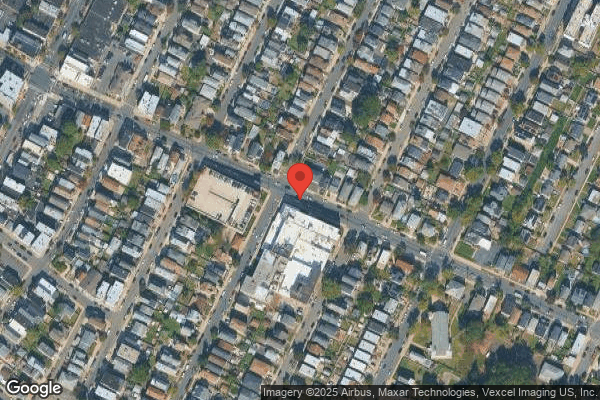
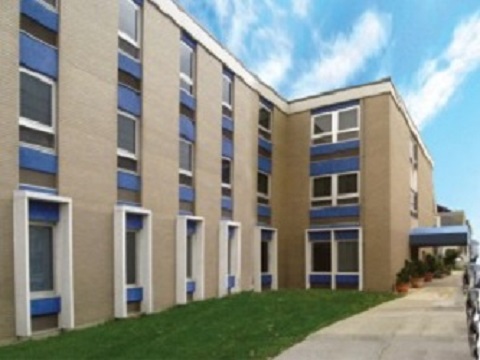
206 BERGEN AVE, KEARNY, NJ 07032 (201) 955-7067
For profit - Limited Liability company 120 Beds ALARIS HEALTH Data: November 2025
Trust Grade
90/100
#2 of 344 in NJ
Last Inspection: September 2024

Within standard 12-15 month inspection cycle. Federal law requires annual inspections.

Overview

Alaris Health at Kearny has received a Trust Grade of A, indicating that it is an excellent facility and highly recommended by evaluators. It ranks #2 out of 344 nursing homes in New Jersey, placing it in the top tier of facilities in the state, and #1 out of 14 in Hudson County, meaning it is the best choice locally. However, the facility is showing a concerning trend, as the number of issues reported has increased from 5 in 2022 to 7 in 2024. Staffing is a strong point, with a perfect rating of 5 out of 5 stars and a turnover rate of only 23%, significantly lower than the state average. Notably, the facility has no fines on record, which is a good sign. On the downside, there have been specific incidents that raise concerns. For example, residents reported that staff members are no longer allowed to heat their food after 7 PM, which has led to frustration among those who rely on this service. Additionally, there were issues with hand hygiene practices among staff members during meal delivery, which could pose a risk of infection. Lastly, one resident was found to have their call light placed out of reach, potentially leading to unmet care needs. Overall, while Alaris Health at Kearny has many strengths, families should be aware of these areas needing improvement.

Trust Score
A
90/100
In New Jersey
#2/344
Top 1%
Safety Record
Low Risk
No red flags
Inspections
Getting Worse
5 → 7 violations
Staff Stability
✓ Good
23% annual turnover. Excellent stability, 25 points below New Jersey's 48% average. Staff who stay learn residents' needs.
Penalties
✓ Good
No fines on record. Clean compliance history, better than most New Jersey facilities.
Skilled Nurses
✓ Good
Each resident gets 42 minutes of Registered Nurse (RN) attention daily — more than average for New Jersey. RNs are trained to catch health problems early.
Violations
⚠ Watch
16 deficiencies on record. Higher than average. Multiple issues found across inspections.
★★★★★
5.0
Overall Rating
★★★★★
5.0
Staff Levels
★★★☆☆
3.0
Care Quality
★★★★☆
4.0
Inspection Score
Stable
2022: 5 issues
2024: 7 issues

The Good

  • 5-Star Staffing Rating · Excellent nurse staffing levels
  • Low Staff Turnover (23%) · Staff stability means consistent care
  • Full Sprinkler Coverage · Fire safety systems throughout facility
  • No fines on record
  • Staff turnover is low (23%)

    25 points below New Jersey average of 48%

Facility shows strength in staffing levels, staff retention, fire safety.

The Bad

Chain: ALARIS HEALTH

Part of a multi-facility chain

Ask about local staffing decisions and management

The Ugly 16 deficiencies on record

Sept 2024 7 deficiencies
CONCERN (D)

Potential for Harm - no one hurt, but risky conditions existed

Deficiency F0558 (Tag F0558)

Could have caused harm · This affected 1 resident

**NOTE- TERMS IN BRACKETS HAVE BEEN EDITED TO PROTECT CONFIDENTIALITY** Based on observations, interviews, and facility policy review, the facility failed to ensure the call light was within reach for...

Read full inspector narrative →
**NOTE- TERMS IN BRACKETS HAVE BEEN EDITED TO PROTECT CONFIDENTIALITY** Based on observations, interviews, and facility policy review, the facility failed to ensure the call light was within reach for one of one resident (Resident (R) 69) out of a sample of 26 residents reviewed for accommodation of needs and preferences. This failure had the potential to cause R69 to have unmet care needs. Findings include: Review of R69's Face Sheet, located under the Profile tab of the electronic medical record (EMR), revealed R69 was admitted to the facility on [DATE] with diagnoses which included heart failure, osteoarthritis, age related osteoporosis without current pathological fracture, and history of falls. Review of R69's quarterly Minimum Data Set (MDS), with an Assessment Reference Date (ARD) of 08/23/24, located under the RAI (Resident Assessment Instrument) tab, showed a Brief Interview for Mental Status (BIMS) score of five out of 15, indicating severe cognitive impairment. R69 was assessed to have no upper or lower extremity impairment and required partial/moderate assistance to go from lying to sitting on side of bed. Review of R69's Monthly Nursing Summary, dated 09/03/24 and located under the Assessments tab of the EMR, revealed documentation the resident was alert and oriented to person, place, and time and was able to verbalize needs to staff and follow instructions. Review of R69's Physician Orders, located in the EMR under the Orders tab, revealed a physician order, dated 07/25/24 for, Call bell within reach every shift. Review of R69's Care Plan, located in the EMR under the Care Plan tab and last revised 07/26/24, revealed R69 was at risk for falls related to multiple falls in the community. Interventions included to be sure call light was within reach and encourage to use it for assistance as needed. During an observation and interview on 09/24/24 at 12:29 PM, R69 was observed seated in her room in her wheelchair. Her call light was on her bed approximately four feet behind her and out of reach. R69 stated that she wanted to get back into her bed, but she did not know where her call light was. During an observation and interview on 09/25/24 at 8:42 AM, the call light was observed tied to the bedside rail, hanging down the side of the bed, out of sight, and out of reach of the resident. R69 stated she did not know where her call light was. During an observation and interview on 09/27/24 at 8:45 AM, R69 was observed resting in bed. The resident's call light was observed on the right side of the bed, on the floor. R69 said she did not know where her call light was. During an interview on 09/27/24 at 8:46 AM, Licensed Practical Nurse (LPN) 1 entered R69's room for medication administration. LPN1 stated that residents' call lights should be placed near their laps or within reach. Upon observation of R69's call light on the floor, she confirmed that it was improperly placed and out of reach of the resident. LPN1 said she would place it back within reach of R69. LPN1 stated that all staff were responsible for ensuring call lights were accessible. During an interview on 09/27/24 at 8:48 AM, Registered Nurse (RN) 1 confirmed that all staff were responsible for ensuring call lights were in reach of the residents. Upon entering R69's room, LPN1 informed RN1 that she had picked the call light up off the floor and placed it within reach of the resident. RN1 stated that all staff should ensure call lights were accessible to residents. NJAC 8:39-4.1(A)
CONCERN (D)

Potential for Harm - no one hurt, but risky conditions existed

Comprehensive Care Plan (Tag F0656)

Could have caused harm · This affected 1 resident

**NOTE- TERMS IN BRACKETS HAVE BEEN EDITED TO PROTECT CONFIDENTIALITY** Based on record review and staff interviews, the facility failed to develop a comprehensive care plan directing measurable goals...

Read full inspector narrative →
**NOTE- TERMS IN BRACKETS HAVE BEEN EDITED TO PROTECT CONFIDENTIALITY** Based on record review and staff interviews, the facility failed to develop a comprehensive care plan directing measurable goals and interventions related to the use of an anticoagulant for one of five resident (Resident (R) 105) reviewed for unnecessary medications out of a total sample of 26. This failure placed the resident at risk for unmet care needs and the inability to monitor for signs and symptoms of abnormal bleeding. Findings include: Review of R105's Comprehensive Care Plan, located in the electronic medical record (EMR) under the Care Plan tab, revealed R105 was admitted to the facility on [DATE] with diagnoses that included atrial fibrillation. Review of R105's Medication Administration Record (MAR), dated 09/2024 and located under the Orders tab of the EMR, revealed R105 received apixaban, (an anticoagulant used in the treatment of atrial fibrillation) five milligrams (mg) twice daily. Review of R105's Comprehensive Care Plan, did not show a focus, measurable goals, or interventions for the use of the anticoagulant medication. During an interview with the Director of Nurses (DON) on 09/27/24 at 3:45 PM, the DON stated that a resident receiving any type of blood thinner such as an anticoagulant or antiplatelet should be care planned for monitoring of abnormal bleeding by the clinical staff. Review of the facility's policy titled, Interdisciplinary Plan of Care Policy, revealed, . This facility shall provide an individualized, interdisciplinary plan of care for all residents that shall be appropriate to the resident's needs, strengths and goals . A comprehensive person-centered care plan for each resident shall be developed and implemented that includes measurable objectives and timeframes to meet a resident's medical, nursing . needs . NJAC 8:39-11.2 NJAC 8:39-27.1(a)
CONCERN (D)

Potential for Harm - no one hurt, but risky conditions existed

ADL Care (Tag F0677)

Could have caused harm · This affected 1 resident

**NOTE- TERMS IN BRACKETS HAVE BEEN EDITED TO PROTECT CONFIDENTIALITY** Based on observation, interview, and record review, the facility failed to provide assistance with showering for one of three re...

Read full inspector narrative →
**NOTE- TERMS IN BRACKETS HAVE BEEN EDITED TO PROTECT CONFIDENTIALITY** Based on observation, interview, and record review, the facility failed to provide assistance with showering for one of three residents (Resident (R) 14) reviewed for activities of daily living (ADLs) out of a total sample of 26. This failure increased the potential for R14 to have unmet hygiene needs. Findings include: Review of the facility's policy titled, Shower Sheets, approved 02/14/24, revealed, To ensure accurate documentation of resident showers. This policy applies to all nursing staff providing shower assistance with showers. After assisting with or observing a resident's shower, staff will complete the Shower Sheet for that day. The following information must be included: Date of the shower . Observations of the resident's skin condition . Residents will be offered showers on their assigned days. If a resident requests a shower on a non-shower day, it will be accommodated. If a resident refuses a shower, this must be noted on the Shower Sheet . Review of the facility's policy titled, ADL [activities of daily living] Documentation Flow Sheet, last revised 07/16/24, revealed, The ADL performance level will be documented daily utilizing the ADL documentation flow sheet in the Point of Care (POC) kiosks. The flow sheet will reflect the ADL performance of a resident in a 24 hour period including . Bathing/Showering . The flow sheet is to be completed by the CNA (certified nursing assistant) assigned . The flow sheet identifies three shifts: 7-3, 3-11, and 11-7 for each ADL tasks . The Nurse Aide will document the resident's performance in each specific ADL before the end of the shift worked. At the end of the week, all sheets will be reviewed for completeness . Review of R14's admission Record, located in the electronic medical record (EMR) under the Profile tab, revealed R14 was admitted to the facility on [DATE] with diagnoses that included cerebral infarction, unspecified convulsions, cellulitis of abdominal wall, and cystostomy status. Review of R14's quarterly Minimum Data Set (MDS), with an Assessment Reference Date (ARD) of 08/09/24 and located under the MDS tab of the EMR, revealed R14 had a Brief Interview for Mental Status (BIMS) score of nine out of 15, which indicated R14 had moderate cognitive impairment. It was recorded R14 required substantial/maximal assistance for showering, with helper doing more than half the effort. R14 was recorded to have an indwelling urinary catheter and was always incontinent of bowel. The resident was documented to not reject care. Review of R14's Care Plan, located in the EMR under the Care Plan tab, dated 07/20/23, revealed R14 had an ADL self-care performance deficit related to medical diagnoses of cerebrovascular accident and seizure disorder, and required total assistance with most ADLS. Interventions included to encourage the resident to participate to the fullest extent possible with each interaction. Review of R14's Care Plan, located in the EMR, revealed no recorded concerns with rejection of care related to ADLs, including showering, nor that the resident only responded to questions in the negative. Review of R14's Weekly Shower and Skin Assessment sheets, provided by the facility, documented: -08/01/24 Shower given -08/05/24 Shower -08/08/24 Refused -08/12/24 Refused shower, bed bath given -08/15/24 Refused -08/19/24 Refused, shower cap given -08/22/24 Shower -08/26/24 Refused -08/29/24 Refused shower, bed bath given -09/02/24 Refused shower -09/05/24 Refused shower -09/09/24 Pt (patient) refused -09/12/24 Pt refused -09/16/24 Pt declined -09/19/24 Refused shower -09/23/24 Shower Review of August 2024 and September 2024 revealed 16 opportunities for showering, on R14's scheduled Monday and Thursday shower days. Out of 16 opportunities, the resident received four showers, two bed baths, one shampoo shower cap, and nine refusals. There was no documentation that indicated the resident was reoffered showers again after a refusal. Record review of R14's Progress Notes, under the Progress Notes tab of the EMR, revealed no nursing documentation of the resident refusing showers or bed baths. Progress Notes also failed to document that the resident stated no regularly when asked questions. Record review of R14's Point of Care (kiosks) under the Task tab of the EMR and dated 08/27/24 through 09/27/24, revealed under Bathing and shower every Monday and Thursday 7-3 shift, there was no documentation of Bathing: Self Performance (how resident takes full-body bath/shower, sponge bath, and transfers in/out of tub/shower for the 30 day look back period. Record review of R14's Point of Care (kiosks) under the Task tab of the EMR and dated 08/27/24 through 09/27/24, revealed under Bathing and shower every Monday and Thursday 7-3 shift, there was no documentation of Bathing: Support Provided (how resident takes full-body bath/shower, sponge bath, and transfers in/out of tub/shower for the 30 day look back period. Record review of R14's Point of Care (kiosks) under the Task tab and dated 08/27/24 through 09/27/24, revealed under Bed Bath, there was no documentation of Bathing: Self Performance (how resident takes full-body bath/shower, sponge bath, and transfers in/out of tub/shower for the 30 day look back period. Record review of R14's Point of Care (kiosks) under the Task tab and dated 08/27/24 through 09/27/24, revealed under Bed Bath, there was no documentation of Bathing: Support Provided (how resident takes full-body bath/shower, sponge bath, and transfers in/out of tub/shower for the 30 day look back period. During an observation and interview on 09/24/24 at 2:10 PM, R14 was observed in her room and in her bed. Her hair was noted to be greasy, combed back, and numerous dandruff flakes were observed on the top of her head. She stated that she did not choose when she had her showers and could not recall how often she was getting them or when she had her last one. Shower sheet documentation revealed that the resident had received a shower on 09/23/24. During an observation and interview on 09/25/24 at 11:33 AM, R14 was observed in her room watching television from her wheelchair. Her hair was again observed to be greasy, slicked back, and with visible dandruff flakes on the top of her head. When asked if she had received a recent shower, she shook her head and said no. During an observation and interview on 09/26/24 at 1:30 PM, the Director of Nursing (DON) and Certified Nursing Assistant (CNA) 2 entered R14's room and asked the resident if she had been showered recently. R14 shook her head no. The resident's hair was again observed to be greasy, slicked back, and dandruff flakes were observed on the top of her head. The DON and CNA2 said that R14 had been getting her showers. During an interview on 09/26/24 at 2:40 PM, CNA2 stated that she used a shampoo shower cap on R14 on the non-shower days. She said that when she combed out R14's hair she continued to have flakes even after shampooing her hair. CNA2 said that R14 would answer no when asked questions on a regular basis, even if care had been provided. During an interview on 09/27/24 at 8:54 AM, the DON said that the facility was going to purchase a new shampoo for R14 to help with dandruff, instead of what they were currently using on her hair. The DON said that R14 habitually said no to things, even when she was receiving showers. During a follow-up interview on 09/27/24 at 10:35 AM, CNA2 said that R14 seldom refused showers. She stated that she wrote down the showers that were given on the shower sheets and in the computer kiosk. She said that she would document on the days the resident received a shower, but not when a bed bath was given. CNA2 stated that if a resident refused a shower, she would let the nurse know so they could document in the resident's record. She confirmed R14 was scheduled to receive showers on Monday and Thursdays, and if the resident refused a shower, she would not ask again until their next scheduled shower day. During an interview on 09/27/24 at 10:42 AM, CNA1 said that aides used shower sheets to document showers given on scheduled days. She said if the resident refused a shower, the aide would go back and try again later. If the resident continued to say no, they would tell the nurse. CNA1 said that the aides would also chart showers in the kiosk system. During an interview on 09/27/24 at 6:10 PM, Registered Nurse (RN) 1 said that if a resident refused a shower, the CNAs would document the refusal on the shower sheets and then tell the nurse. RN1 said that the nurse would then document the refusal in a progress note, and then contact the family. She said that the CNA would next offer a shower on the next scheduled shower day. NJAC8:39-4.1(a) NJAC 8:39-27.2
CONCERN (D)

Potential for Harm - no one hurt, but risky conditions existed

Deficiency F0692 (Tag F0692)

Could have caused harm · This affected 1 resident

**NOTE- TERMS IN BRACKETS HAVE BEEN EDITED TO PROTECT CONFIDENTIALITY** Based on interview, record review, and facility policy review, the facility failed to ensure one of one resident (Resident (R) 5...

Read full inspector narrative →
**NOTE- TERMS IN BRACKETS HAVE BEEN EDITED TO PROTECT CONFIDENTIALITY** Based on interview, record review, and facility policy review, the facility failed to ensure one of one resident (Resident (R) 51) reviewed for dialysis out of a total sample of 26 was offered a snack and/or fluids on dialysis days when away from the facility during mealtimes and failed to accurately document the resident's nutritional intake. This had the potential to cause hypoglycemic incidents and provided inaccurate data for the resident's nutritional assessments. Findings include: Review of the facility's policy titled, Dialysis, dated 05/11/10, revealed, . The nurse admitting the resident will verify the center/clinic, the schedule and transportation arrangement made for the resident. If no transportation arrangement has been made, the nurse will then call and make the transportation arrangement from the resident. The dietary department will be notified of the resident's admission. Type of diet ordered and provided resident with a brown bag (snack) if applicable, on days of dialysis schedule, if Dialysis Center permits. It will be noted on the dietary slip that will be submitted to the dietary department on the day of admission . Review of R51's admission Record, located in the electronic medical record (EMR) under the Profile tab, revealed R51 was admitted to the facility on [DATE] with diagnoses that included end stage renal disease, diabetes mellitus, metabolic encephalopathy, and anemia. Review of R51's admission Minimum Data Set (MDS) with an Assessment Reference Date (ARD) of 07/15/24 and located under the MDS tab of the EMR, revealed R51 had a Brief Interview for Mental Status (BIMS) score of thirteen out of 15, which indicated R51 was cognitively intact. It was recorded that the resident received dialysis while a resident at the facility. Review of R51's Care Plan, located in the EMR under the Care Plan tab and dated 07/12/24, revealed R51 needed hemodialysis related to renal failure. Interventions included to encourage the resident to go for the scheduled dialysis appointments. Pick up time was 9:30 AM and chair time was 10:30 AM on Tuesdays, Thursdays, and Saturdays. The Care Plan intervention identified a hemodialysis center location that was no longer used after a physician order change on 08/23/24. Review of R51's Care Plan, located in the EMR under the Care Plan tab, last revised 09/23/24, revealed R51 was at nutritional risk related to . end stage renal disease on hemodialysis . Interventions included to encourage intake by mouth and to maintain communication with the hemodialysis center related to nutritional plan of care. Review of R51's EMR under the Orders tab revealed an order, dated 08/23/24, for the resident to go to dialysis on Tuesday, Thursday, Saturday at 11:00 AM at a different location than identified in the 07/12/24 care plan. During an observation and interview on 09/24/24 at 3:36 PM, R51 said she went to dialysis three times a week. She said she leaves the facility at 9:00 AM and gets back about this time (3:36 PM). She stated she had just returned from dialysis and that the facility did not send her with any food. She said she used to go out with food on dialysis days, with a sandwich and juice. R51 showed a bag with some saltines inside and stated that her sister would sometimes bring her the crackers so she would have something to eat. She confirmed that she ate breakfast at approximately 8:00 AM, and then did not eat again until she returned from dialysis. She stated she was starving. At this time, Registered Nurse (RN) 1 brought a food tray to the resident and said she had reheated her lunch tray. R51 said that this was a problem, because she now had lunch brought to her so late, they would be bringing dinner soon, too. During an interview on 09/26/24 at 9:15 AM, R51 said she was preparing to go out to dialysis but had run out of the crackers her sister had provided. During an interview on 09/26/24 at 9:30 AM, RN1 said that it was her understanding that the resident was not sent out to dialysis with anything to eat or snack on because of infection control concerns. During a subsequent interview on 09/26/24 at 9:40 AM, RN1 said that the facility would be sending the resident with a snack since she is complaining of being hungry when she is gone. RN1 confirmed that because the resident was also diabetic, she could get hypoglycemic. During an interview on 09/26/24 at 10:50 AM, the Director of Nursing (DON) said that she believed the resident was not supposed to take anything to eat or drink because the dialysis center was concerned about infection control during the procedure. She stated she was not sure if this was identified in a dialysis contract or if there was any documented communication with the dialysis center stating this to the facility staff. On 09/26/24, the DON provided a document titled, Patient's Acknowledgement of Risks for Eating and Drinking Hot Liquids on Dialysis. This form recorded, . strongly recommends that I do not eat food or drink hot liquids while I am on the dialysis machine . The form was signed on 10/02/23, prior to the admission to the facility, or to the new dialysis location ordered on 08/23/24. During an interview on 09/27/24 at 10:35 AM, Certified Nursing Assistant (CNA) 2 said that when a resident ate their meals, the aides documented the meal percentages in the Point of Care (POC) kiosk system. She said she worked during the breakfast and lunch meal service, and she would capture the intake percentages at the end of her shift. Record review of R51's Point of Care (kiosks) under the Task tab for Eating Percentage, documented that the resident had eaten her lunch on 09/24/24 at 1:47 PM, when the resident was not present at the facility. Meal intake in the 30 day look back period regularly documented the resident meal intakes for breakfast and lunch at similar times, when the resident was at dialysis or revealed a delay in meal intake of six to eight hours. During a phone interview on 09/27/24 at 11:37 AM, the current dialysis center that R51 attended was contacted. The facility director stated that the resident would not be allowed to eat while on the dialysis system, but residents were not prevented from bringing or eating a drink and snack prior or after the procedure. She stated that it would be important to provide these items, especially if they were diabetic and had to manage their blood sugar. She said residents often brought these items because they were on the side of humanity. During an interview on 09/27/24 at 6:10 PM, RN1 said that the CNAs should capture meal intakes within an hour or two after meals were served, or at the end of the day when their shifts were over. She stated that the aides knew their residents, so they could remember how much they ate during the multiple meal services and document it accurately in the kiosk system. NJAC 8:39-17.1, 17.2
CONCERN (D)

Potential for Harm - no one hurt, but risky conditions existed

Deficiency F0757 (Tag F0757)

Could have caused harm · This affected 1 resident

**NOTE- TERMS IN BRACKETS HAVE BEEN EDITED TO PROTECT CONFIDENTIALITY** Based on record review, staff interview, and policy review, the facility failed to ensure staff followed physician ordered param...

Read full inspector narrative →
**NOTE- TERMS IN BRACKETS HAVE BEEN EDITED TO PROTECT CONFIDENTIALITY** Based on record review, staff interview, and policy review, the facility failed to ensure staff followed physician ordered parameters for blood pressure (BP) medications for one of five residents (Resident (R) 105) reviewed for unnecessary medications. R105 received antihypertensive medications when the systolic blood pressure (SBP) was below the parameters set by the attending physician. This had the potential to cause hypotensive episodes for the resident. Findings include: Review of R105's Comprehensive Care Plan, located under the Care Plan tab of the electronic medical record (EMR), revealed R105 was admitted to the facility on [DATE] with diagnoses that included hypertension (high blood pressure). Review of R105's Medication Administration Record (MAR), located under the Orders tab of the EMR and dated 09/18/24, revealed R105 was to receive Entresto Oral Tablet (a cardiac medication used to treat hypertension), 24-26 milligrams (mg) and metoprolol tartrate (a cardiac medication used to treat hypertension) oral tablet 25 mg three times daily. Instructions were to hold both medications if R105's SBP was below 110. Further review of R105's MAR revealed: 09/18/24 at 5:00 PM - BP was 101/72, 09/19/24 at 5:00 PM - BP was 106/66, 09/20/24 at 5:00 PM - BP was 105/63, and 09/21/24 at 5:00 PM - BP was 105/63. It was recorded R105 received both the Entresto and metoprolol at these times even though the SPB was below the physician ordered parameter of 110. On 09/27/24 at 4:10 PM, Registered Nurse (RN) 3, who administered R105's medications on the above referenced dates and times, stated, I'm aware of the SBP parameters and do not give either of the antihypertensive medications if the SBP is below 110. RN3 confirmed the MAR recorded the medications were administered on the above referenced dates and times. She stated, Yes. It shows that I gave the medication but I'm sure that I didn't give it. RN3 was asked if there was documentation the medications were held. She stated, No, it shows I gave the meds. Review of the facility's policy titled, Medication Administration, revised 01/20/24, revealed, . Medications shall be administered in a safe and timely manner, and as prescribed. 7. The following information must be check/verified for each resident prior to administering Medications . Vital signs, if necessary . NJAC 8:39-27.1(a)
CONCERN (D)

Potential for Harm - no one hurt, but risky conditions existed

Deficiency F0909 (Tag F0909)

Could have caused harm · This affected 1 resident

**NOTE- TERMS IN BRACKETS HAVE BEEN EDITED TO PROTECT CONFIDENTIALITY** Based on observations, interviews, and facility policy review, the facility failed to conduct regular inspections of all bed fra...

Read full inspector narrative →
**NOTE- TERMS IN BRACKETS HAVE BEEN EDITED TO PROTECT CONFIDENTIALITY** Based on observations, interviews, and facility policy review, the facility failed to conduct regular inspections of all bed frames, mattresses, and bed rails, as part of a regular maintenance program to identify areas of possible entrapment for one of 26residents (Resident (R) 63) whose beds were observed for bed rail safety out of a total sample of 26. The facility failed to ensure R63's bed rails were identified and repaired timely when broken, which had the potential to cause injury to the resident. Findings include: Review of the facility's policy titled, Side Rail Policy, last reviewed 07/23/24, revealed, The purpose of these guidelines is to ensure the safe use of side rails . Side rails may be appropriate when used to assist with mobility and transfer and to maintain safety related to the resident's medical condition . When side rail usage is appropriate, the facility maintenance department will ensure that side rails are secure and in proper working order. Review of R63's Face Sheet, located under the Profile tab of the electronic medical record (EMR), revealed R63 was admitted to the facility on [DATE] with diagnoses which included spinal stenosis lumbosacral region and encephalopathy. Review of R63's Physician Orders, located in the EMR under the Order tab, revealed a physician order on 10/10/22 for, May have two half side rails while in bed every shift. Review of R63's Care Plan, located in the EMR under the Care Plan tab and dated 04/12/23, revealed R63 had bilateral half side rails on the bed due to difficulty repositioning in bed to relieve pressure, secondary to muscle weakness and decreased balance/trunk control. Interventions included that the resident and staff were educated on the safe use of bilateral half-sided bedrails to assist in repositioning self in bed without the risk of entrapment and use as an enabler, to obtain a physician order, and to review side rails quarterly. Record review of R63's Quarterly Side Rail Assessment, dated 08/22/24, revealed that side rails were indicated at the present time to use as an enabler to enhance mobility and promote independence. Review of R63's quarterly Minimum Data Set (MDS), with an Assessment Reference Date (ARD) of 08/23/24 and located under the RAI (Resident Assessment Instrument) tab, showed a Brief Interview for Mental Status (BIMS) score of thirteen out of 15, indicating no cognitive impairment. R63 was assessed to have upper and lower extremity impairment on one side and required partial/moderate assistance to roll left and right and to go from lying to sitting on side of bed. During an observation on 09/24/24 at 12:34 PM, R63's half bed rails were observed in place on both sides of the resident's bed. The left bed rail was observed to be loose and easy to shake back and forth. There was an approximate six-inch gap between the bed rail and the mattress. During an observation on 09/25/24 at 12:30 PM, the left bed rail on R63's bed was again noted to be wobbly and tilted outwards approximately six inches away from the bed frame. During an interview on 09/26/24 at 9:15 AM, Registered Nurse (RN) 1 said that nurses would do an initial assessment if they believed a resident would benefit from positioning bed rails, and then therapy would look at the resident. She said that nurses would monitor the bed rails on the Treatment Administration Record (TAR) and check to ensure the bed rails were in place. RN1 confirmed that maintenance would be responsible for ensuring the bed rails were placed and maintained properly. During an observation and interview on 09/26/24 at 9:30 AM, the Director of Nursing (DON) confirmed that nurses would determine if they thought a resident might benefit from bed rails, and then therapy would do an assessment. The DON said that the nurses on the floor were responsible for ensuring the bed rails were present on resident beds, but they did not monitor bed rail condition or placement. Upon observing R63's left bed rail, she confirmed it was loose and tilted outwards approximately six inches away from the bed. She said that maintenance would fix the bed rail, and she would be educating staff to ensure that they not only documented that the bed rails were in place on resident beds, but also that they were in safe working condition. During an interview on 09/27/24 at 8:54 AM, RN1 said that nursing staff had a communication book at the nurse station where they could write down repair needs for the maintenance department. Upon review, she confirmed that R63's bed rail had not been identified as needing repair. During an interview on 09/27/24 at 9:40 AM, the Regional Maintenance Director stated that nurses used a written log at the nurse station to let maintenance know of needed repairs. He said that the nurses did not always document things that needed to be fixed. He confirmed that the process was not very effective in showing what work had been completed and that the maintenance department needed to do a better job of reviewing bed rails to make sure they were not broken and in need of repair. NJAC 8:39-27.1(a)
CONCERN (E)

Potential for Harm - no one hurt, but risky conditions existed

Deficiency F0561 (Tag F0561)

Could have caused harm · This affected multiple residents

Based on interview, record review, and policy review, the facility failed to honor residents' choices to have their food warmed by staff members daily for 99 of 107 residents that received meals in th...

Read full inspector narrative →
Based on interview, record review, and policy review, the facility failed to honor residents' choices to have their food warmed by staff members daily for 99 of 107 residents that received meals in the facility. This failure resulted in the residents' choices being denied. Findings include: During a group meeting of 19 alert and oriented residents on 09/26/24 at 2:01 PM, the residents stated they had concerns related to staff not being allowed to heat food up for them if they wanted something heated up after 7:00 PM. The residents stated that in the past, the nurse aides could take food to the breakroom and heat it up for the residents, but they could no longer do that. The residents stated they had been told it was facility policy that foods could not be heated up for them after 7:00 PM because dietary staff were no longer present at the facility. During an interview on 09/27/24 at 3:22 PM, Certified Nursing Aide (CNA) 4 confirmed she was not allowed to heat up food for residents and residents could not have their food warmed up after 7:00 PM daily. During an interview on 09/27/24 at 3:27 PM, the Administrator confirmed dietary staff were the only staff trained and allowed to reheat food for the residents, and residents, family members and nursing staff were not allowed to reheat food. The Administrator acknowledged the kitchen hours were from 5:30 AM to 7:00 PM daily, so residents could have their food warmed up during those hours. The Administrator also stated that only allowing the kitchen staff to reheat food for the residents was to prevent unsafe temperatures of the food. During an interview on 09/27/24 at 3:51 PM, the Regional Dietician and Assistant Director for Hospitality verified that dietary staff were allowed and trained to reheat the resident's food in the facility. The Regional Dietician stated the dietary staff were trained to prevent food borne illnesses while other staff, residents, and families were not trained. During an interview on 09/27/24 at 4:22 PM, Resident (R) 8 stated residents had until 7:00 PM to ask the kitchen staff to warm their food as they were the only staff allowed to do it. During an interview on 09/27/24 at 4:32 PM, CNA3 indicated the kitchen staff heated up food for residents during hours of operation. CNA3 also indicated nursing staff were not allowed to heat up food for residents. During an interview on 09/27/24 at 4:38 PM, R49 indicated he had asked the nursing staff to heat up his food after 7:00 PM and was told the kitchen staff had to do it when they were open. Review of the facility's undated policy titled, Resident Rights, provided by the facility, revealed, Purpose: To ensure all facility staff (including employees, consultants, contractors, volunteers, and other caregivers who provide care and services to residents on behalf of the facility) observe and respect residents' right. Policy: All facility staff shall observe resident rights. Facility staff will recognize and respect residents right to make individual choices. Facility staff will educate and provide risk vs [versus] benefits if applicable . Review of the facility's policy titled Food Reheating, dated 01/24/24 and provided by the facility, revealed, Policy: To ensure the safe reheating of food for residents, this policy outlines the procedure for reheating meals. Procedure: Only dietary staff are permitted to reheat food for residents to the appropriate temperature at their request. Reheating services are available from 5:00 AM to 7:00 PM daily by the dietary department. A list of available food, snacks, and beverages will be provided and served by the nursing department during off hours. NJAC 8:39-4.1(a)
Oct 2022 5 deficiencies
CONCERN (D)

Potential for Harm - no one hurt, but risky conditions existed

Deficiency F0558 (Tag F0558)

Could have caused harm · This affected 1 resident

Based on observation interview and review of facility documentation, it was determined that the facility failed to maintain resident call bells accessible and within reach of all residents. This defic...

Read full inspector narrative →
Based on observation interview and review of facility documentation, it was determined that the facility failed to maintain resident call bells accessible and within reach of all residents. This deficient practice occurred for 1 of 20 residents reviewed (Resident #64). This deficient practice was evidenced by the following: 1. On 10/5/22 at 11:04 AM, two surveyors observed Resident #64 in bed. Resident #64 was disoriented and confused when interviewed. The surveyors observed that the resident did not have a call bell (a bell used to call for staff assistance) within their reach. The surveyor observed that there was a plug in the wall attached to the facility's call bell system but that no wire or button was attached to the plug. The surveyor did not observe another button or bell that the resident could use to call for staff assistance. On 10/6/22 at 11:19 AM, the surveyor observed Resident #64 in bed. The surveyor observed that the resident did not have a call bell within their reach. The surveyor observed that there was a plug in the wall attached to the facility's call bell system but that no wire or button was attached to the plug. The surveyor did not observe another button or bell that the resident could use to call for staff assistance. On 10/7/22 at 10:19 AM, the surveyor observed Resident #64 resting in bed. The surveyor observed that the resident did not have a call bell within their reach. The surveyor observed that there was a plug in the wall attached to the facility's call bell system but that no wire or button was attached to the plug. The surveyor did not observe another button or bell that the resident could use to call for staff assistance. On 10/7/22 at 10:25 AM, the surveyor interviewed the Certified Nursing Assistant (CNA). The surveyor asked how the resident called for staff assistance. The CNA stated that the resident did not use their call bell but that they would call out for help by screaming. The surveyor asked the CNA to accompany her into Resident #64's room and to locate the resident's call bell. The CNA looked for the resident's call bell and stated, I don't see it. The CNA gestured towards the wall where the call bell was plugged in and stated, You see, it's broken and hasn't been replaced. The surveyor asked if she checked that the resident had a call bell today. The CNA stated that she did not yet check that the resident had a call bell because she was assisting other residents. On 10/7/22 at 10:34 AM, the surveyor interviewed the Licensed Practical Nurse (LPN). The surveyor asked how the resident called for help. The LPN stated that the resident would call out, help, help when they needed assistance. The surveyor asked if the resident should have a call bell. The LPN stated, of course we have to make sure that he/she has a call bell. At this time the surveyor asked the LPN to accompany her into Resident #64's room and to locate the resident's call bell. The LPN looked around the resident's room and stated, I don't see any. The LPN stated that she would ask maintenance to put a call bell in place. On 10/7/22 at 10:40 AM, The LPN and the surveyor reviewed the Maintenance Request Log. The Maintenance Request Log failed to reveal that Resident #64's broken call bell was previously reported. The LPN recorded the broken call bell on the Maintenance Request Log at this time. On 10/7/22 at 10:45, the surveyor interviewed the Registered Nurse/ Unit Manager (RN/UM). The surveyor asked if Resident #64 should have access to a call bell. The RN/UM stated that they should. On 10/7/22 at 1:11 PM, the surveyor expressed her concern to the Licensed Nursing Home Administrator (LNHA), [NAME] President of Operations (VPO), and Regional Quality Assurance Nurse (RQAN). The surveyor asked how residents should be able to access staff. The LNHA stated that all residents should be able to call for staff assistance by using the call bell system. On 10/11/22 at 11:13 AM, the surveyor interviewed the Maintenance Director. The surveyor asked when the Maintenance Director became aware that Resident #64 did not have a call bell. The Maintenance Director stated that he became aware of it on 10/7/22. The surveyor asked what his observation was on 10/7/22 when he went to fix it. The Maintenance Director stated, The whole wire was broke. On 10/11/22 at 12:49 PM, the surveyor asked if the resident's broken call bell was brought to the RN/UM's attention. The RN/UM stated that it might have been put on the maintenance log. The surveyor stated that she reviewed the Maintenance Request Log with the LPN and that it was not previously recorded. The surveyor asked who was responsible to make sure that residents have access to call bells and to report them if they are broken. The RN/UM stated that the whole team of care takers (CNA and nurses) was responsible and stated that she did not know why it was not immediately reported. A review of the resident's electronic medical record revealed the following: The admission Record indicated that the resident had diagnoses which included but were not limited to Heart Failure, Presence of Cardiac Pacemaker, Major Depressive Disorder, and Chronic Obstructive Pulmonary Disease. The 8/31/22 quarterly Minimum Data Set (MDS), an assessment tool used to facilitate the management of care, revealed that Resident #64 had a Brief Interview for Mental Status score of 5 out of 15, which indicated that the resident had severe cognitive impairment. The MDS further reflected that the resident required total assistance from one or two staff members in most areas of activities of daily living including bed mobility, transfer, dressing, eating, toilet use, and personal hygiene. The Order Summary Report indicated that Resident #64 had a 2/3/21 active Physician's Order for Call bell within reach to be checked for every shift. Resident #64's fall risk care plan initiated 1/12/21 indicated that staff should, Be sure call light is within reach and encourage to use it for assistance as needed. The facility policy, Call Bells with a revised date of 10/2021 indicated under the Procedure section 7. If call bell is defective, report immediately to maintenance. The facility policy also indicated, 8. If unable to be addressed right away, provide resident with a hand bell. On 10/11/22 at 1:10 PM, the surveyor met with the LNHA, VPO, and RQAN and no further information was provided to explain why the missing call bell for Resident #64 was not addressed. NJAC 8:39-4.1(a)11; 31.1(b)
CONCERN (D)

Potential for Harm - no one hurt, but risky conditions existed

MDS Data Transmission (Tag F0640)

Could have caused harm · This affected 1 resident

Based on interview and record review, it was determined that the facility failed to complete and transmit a Minimum Data Set (MDS) in accordance with federal guidelines. This deficient practice was id...

Read full inspector narrative →
Based on interview and record review, it was determined that the facility failed to complete and transmit a Minimum Data Set (MDS) in accordance with federal guidelines. This deficient practice was identified for 1 of 3 residents reviewed for resident assessment, Resident #1. This deficient practice was evidenced by the following: On 10/14/22 at 10:10 AM, the surveyor reviewed the facility assessment task that included the Resident's MDS Assessments. The MDS is a comprehensive tool that is a federally mandated process for clinical assessment of all residents that must be completed and transmitted to the Quality Measure System for Medicad/Medicare. The facility must complete and electronically transmit the MDS up to 14 days of the resident assessment completion. Resident #1 was triggered under the survey facility task as MDS record over 120 days old. The surveyor reviewed the MDS 3.0 assessments, including all the completed MDS's for Resident #1 which revealed that the resident had a quarterly MDS with an Assessment Reference Date of 7/29/22 and was due to be transmitted no later than 8/26/22. The MDS was not completed and transmitted until 10/5/22. On 10/17/22 at 9:43 AM, the surveyor interviewed the Registered Nurse MDS Coordinator who was responsible for completing the MDS assessments who stated that the Regional MDS Coordinator (RMDS-C) does the submission after MDS completion. On 10/18/22 at 10:03 AM, the surveyor interviewed the RMDS-C who stated that the she could not provide a submission validation report of when the MDS was submitted. According to the latest version of the Center for Medicare/Medicaid Services (CMS) - Resident Assessment Instrument (RAI) 3.0 Manual (updated October 2019) page 2-33 05. Quarterly Assessment (A0310A = 02) .The MDS completion date (item Z0500B) must be no later than 14 days after the ARD (Assessment Reference Date) (ARD + 14 calendar days). On Page 2-17 indicated Transmission Date no later than .MDS completion date +14 calendar days. On 10/19/22 at 11:30 AM, the surveyor spoke to the Licensed Nursing Home Administrator (LNHA), Regional Quality Assurance Nurse, and the [NAME] President of Operations regarding the above concern. The LNHA acknowledged that the assessment was not submitted timely in accordance with the federal regulations. There were no further information provided. NJAC 8:39-11.2
CONCERN (D)

Potential for Harm - no one hurt, but risky conditions existed

Deficiency F0658 (Tag F0658)

Could have caused harm · This affected 1 resident

**NOTE- TERMS IN BRACKETS HAVE BEEN EDITED TO PROTECT CONFIDENTIALITY** 8. The surveyor reviewed the hybrid medical records of Resident #57 which revealed the following: Review of the FS revealed tha...

Read full inspector narrative →
**NOTE- TERMS IN BRACKETS HAVE BEEN EDITED TO PROTECT CONFIDENTIALITY** 8. The surveyor reviewed the hybrid medical records of Resident #57 which revealed the following: Review of the FS revealed that the resident was readmitted to the facility from the hospital with diagnoses that included but were not limited to Fracture of Unspecified Parts of Lumbosacral Spine and Pelvis, Initial Encounter for Closed Fracture and Other Specified Fracture of Unspecified Pubis, Initial Encounter for Closed Fracture. The admission MDS dated [DATE], indicated that the facility assessed the resident's cognitive status resulting in a BIMS score of 7 out of 15. This score indicated that Resident #57 was severely impaired. A review of the OSR indicated that Resident #57 had the following active POs: a) Heparin Sodium (Porcine) Solution 5,000 unit/mL Inject 1 vial subcutaneously every 8 hours for DVT with a start date of 8/13/22. b) Heparin Sodium (Porcine) Solution 5,000 unit/mL Inject 5,000 unit subcutaneously every 8 hours for clotting prevention with a start date of 10/11/22. A review of the October 2022 eMAR for Resident #57 revealed that both POs for heparin were administered on 10/11/22 and 10/12/22 at 10 pm. A review of the electronic Progress Notes dated 10/11/22 revealed that the resident was readmitted to the facility on [DATE]. On 10/13/22 at 10:07 AM, the surveyor interviewed the LPN assigned to Resident #57 who stated that the resident was transferred to the hospital on [DATE] and was readmitted to the facility on [DATE]. The surveyor and the LPN reviewed Resident #57's October 2022 OSR and eMAR. The LPN confirmed that there were two active orders of heparin and stated, There should only be one order for heparin. The other one is a duplicate. The LPN further stated that the heparin order with a start date of 8/13/22 should have been discontinued. The surveyor asked if the two PO of heparin were administered on 10/11/22 and 10/12/22 at 10 PM. The LPN stated, it looks like. On 10/13/22 at 11:03 AM, the surveyor discussed the above concern with the Licensed Nursing Home Administrator (LNHA), Regional Quality Assurance Nurse (RQAN), and [NAME] President of Operations (VPO). No additional information provided at this time. On 10/14/22 at 11:09 AM, the surveyor interviewed the RNIP who confirmed that there were two active POs of the heparin. She stated, All orders should have been discontinued when the resident is discharged from the facility. She acknowledged that the heparin PO dated 8/13/22 should have been discontinued when Resident #57 was transferred from the facility to the hospital. The RNIP added that when the resident was readmitted to the facility on [DATE], the orders should have been confirmed / verified with the physician and entered into the eMAR as new orders. She further stated, We do have admission audits and every nurse should go over them every shift. It is the responsibility of the unit manager or director of nursing to review orders for residents who are newly admitted and readmitted to the facility. On 10/14/22 at 12:16 PM, the surveyor interviewed the RN via phone who stated, the order for heparin was a duplicate and I only gave 1 dose of the heparin at 9 PM on October 11 and 12, 2022. The RN acknowledged to the surveyor that the PO of heparin dated 8/13/22 should have been discontinued. She further stated, We should have discontinued the previous order of heparin when the resident was discharged from the hospital and readmitted to the facility. The surveyor reviewed the facility policy titled, Transcribing Physician Orders with an approved date of September 2022. The policy revealed under Procedure: 5. Upon discharge, all medications will be discontinued in the computer system. Review of the discharged Medications Policy and Procedure revised on 5/10/21 identified, 1. Upon discharge of a resident from the facility, all medications will be removed from the medication/treatment cart, and they will be secured in the medication room. 2. Upon discontinuation of a medication, the medication will be removed from the medication/treatment cart, and they will be secured in the medication room. Review of the Provider Pharmacy Administration of Medications Policy and Procedure revised on 12/08 and supplied to the surveyor by the facility, K. After Medication Administration 1. Document necessary medication administration/treatment information (e.g., when medications are administered, medication injection site, refused medications and reason, prn (as needed) medications, etc.) on appropriate forms. On 10/6/22 at 2:55 PM and 10/12/22 at 2:00 PM, the surveyor discussed the identified concerns with the Licensed Nursing Home Administrator (LNHA), Regional Quality Assurance Nurse (RQAN), and [NAME] President of Operations (VPO). The VPO and LNHA both stated that discontinued medications should be removed from the medication cart when the orders are discontinued. The LNHA, RQAN and VPO did not provide any additional information to explain why medications were left in the medication carts long after being discontinued by the Physician. The LNHA, RQAN and VPO could not explain why there was so much medication left over, even though the nurse's documented information was that it was always administered to the resident. On 10/14/22 at 1:16 PM, the surveyor discussed all identified concerns with the LNHA, RQAN, and VPO. The LNHA stated that the nurses should Review the resident's orders. In the event of a duplicate order, one needs to be discontinued. She further stated the nurse should follow up and get clarification from the physician. The RQAN stated, All orders should be discontinued when the resident gets discharged from the facility, and that upon readmission all new orders should be entered into the eMAR computer system when the resident gets readmitted to the facility. NJAC 8:39-11.2 (b); 29.2 (d) Based on observation, interview, and record review, it was determined that the facility failed to appropriately remove, clarify, accurately administer, and document resident's physician ordered medications. This deficient practice was identified for 4 of 23 residents reviewed (Resident #22, #23, #24, #54, #73, #80, #93 and #57) and was evidenced by the following: Reference: New Jersey Statutes Annotated, Title 45. Chapter 11. Nursing Board. The Nurse Practice Act for the State of New Jersey states: The practice of nursing as a registered professional nurse is defined as diagnosing and treating human responses to actual and potential physical and emotional health problems, through such services as case finding, health teaching, health counseling, and provision of care supportive to or restorative of life and wellbeing, and executing medical regimens as prescribed by a licensed or otherwise legally authorized physician or dentist. Reference: New Jersey Statutes Annotated, Title 45, Chapter 11. Nursing Board. The Nurse Practice Act for the State of New Jersey states: The practice of nursing as a licensed practical nurse is defined as performing tasks and responsibilities within the framework of case finding; reinforcing the patient and family teaching program through health teaching, health counseling and provision of supportive and restorative care, under the direction of a registered nurse or licensed or otherwise legally authorized physician or dentist. 1. On 10/6/22 at 11:32 AM, the surveyor inspected Cart #1 on the 4th floor Unit. Lubrifresh eye ointment 3.5 oz was found with a documented delivery date of 9/2/22 from the Provider Pharmacy and a written opening date on the bottle of 9/4/22 for Resident #22. On 10/6/22 at 12:01 PM, the surveyor interviewed the Registered Nurse Infection Preventionist (RNIP) who inspected the Lubrifresh eye ointment 3.5 oz and stated that the tube was never opened. The surveyor reviewed Resident #22's hybrid medical records. Review of Resident #22's Face Sheet (an admission summary) (FS) documented diagnoses that included but were not limited to Unspecified Age-Related Cataract, Dementia, Unspecified Blepharoconjunctivitis, Bilateral and Major Depressive Disorder. A review of the 7/13/22 Annual Minimum Data Set (MDS), an assessment tool used to facilitate the management of care, revealed a Brief Interview for Mental Status (BIMS) score of 7 of 15 which reflected that the resident's cognition was severely impaired. The surveyor reviewed the Order Summary Report (OSR) which documented an active physician's order (PO) for Lubrifresh eye ointment 1 application in both eyes daily The PO for Lubrifresh eye ointment had an original start date of 10/25/21. The surveyor reviewed Resident #22's Electronic Medical Record (eMAR) for June, July, August, September, and October 2022 and noted that the order for the Lubrifresh 3.5 oz eye ointment was documented as administered daily for all the months reviewed. On 10/11/22 12:31 PM, the surveyor interviewed the RPh who stated that Lubrifresh eye ointment only contains 3.5 oz of medication in the tube. The RPh stated that there's no way to exactly calculate the number of doses in each tube since there was no exact amount in the directions. The RPh also stated that it would not last more than 28 days since the Lubrifresh was a small tube. The RPh stated that there was a previous delivery of another tube on 7/24/22. The RPH stated that if the Lubrifresh was opened as dated on 9/4/22, the tube should not appear full. 2. On 10/6/22 at 11:32 AM, the surveyor inspected Cart #1 on the 4th floor Unit. Theratears 15 ml was found with a documented delivery date of 7/15/22 from the Provider Pharmacy and a written opening date on the bottle of 7/17/22 for Resident #23. The surveyor reviewed Resident #23's hybrid medical records. Review of Resident #80's FS documented diagnoses that included but were not limited to Unspecified Dementia, Borderline Personality Disorder, Major Depressive Disorder and Anxiety Disorder. A review of the 7/13/22 Annual MDS revealed a BIMS score of 14 of 15 which reflected that the resident's cognition was intact. The surveyor reviewed the OSR which documented an active PO with an original start date of 6/30/21 for Theratears Instill 1 drop in both eyes 3 times a day for cataract dry eyes. The surveyor reviewed Resident #23's eMAR for June, July, August, September, and October 2022 and noted that the order for the Theratears was documented as administered daily for all the months reviewed. On 10/06/22 at 12:01 PM, the surveyor in the presence of the RNIP poured the liquid from the bottle of Theratears into a graduated cup. The liquid that remained in the Theratears bottle measured 10 ml. On 10/11/22 12:31 PM, the surveyor interviewed the Provider Pharmacy Registered Pharmacist (PPRPh) who stated that 20 drops of TheraTears is equal to 1 ml, which calculates to 300 doses (50 days' supply for 6 doses per day). The PPRPh notified the surveyor that Theratears 15 ml bottle had only been recently delivered to the facility for Resident #23 on 4/14/22 and 7/15/22 (opened for use on 7/17/22). Review of the eMAR for July, August, and September 2022 is documented with a daily administration of 6 doses per day of Theratears to Resident #23, this bottle should have been completed by 9/15/22. 3. On 10/6/22 at 11:32 AM, the surveyor inspected Cart #1 on the 4th floor Unit. Artificial Tears 15 ml bottle was found with a documented delivery date of 7/6/22 from the Provider Pharmacy and a written opening date on the bottle of 8/5/22 for Resident #24. The surveyor reviewed Resident #24's hybrid medical records. Review of Resident #24's FS documented diagnoses that included but were not limited to Major Depressive Disorder and Dementia. A review of the 7/13/22 Quarterly MDS for Resident #24, revealed a BIMS score of 13 of 15 which reflected that the resident's cognition was intact. A Review of Resident #24's June 2022 OSR disclosed that the PO for the Artificial Tears 1% Instill 2 drops in both eyes 2 times daily for burning eyes for 7 days had a start date of 6/8/22. A review of Resident #24's July and August 2022 OSR disclosed that there was an additional PO for the Artificial Tears 1% Instill 2 drops in both eyes 2 times daily for burning eyes for 30 days. This order had a start date of 7/6/22 and a discontinuation date of 8/5/22. Review of the June, July and August eMAR documented administration by nursing of Artificial Tears 1% for 7 days from 6/8/22-6/15/22, and for 30 days from 7/6/22 to 8/5/22. On 10/6/22 at 12:01 PM, the surveyor interviewed the 3rd floor Unit Manager who stated that any medication that has been discontinued by a physician, should be removed from the current medication stock in the medication cart. 4. On 10/6/22 at 11:32 AM, the surveyor inspected Cart #1 on the 4th floor Unit. Fluticasone Propionate 50 mcg (Flonase) 16 gm (120 doses). The Flonase was found appearing full with a documented delivery date of 7/24/22 from the Provider Pharmacy and a written opening date on the bottle of 8/1/22 for Resident #54. On 10/6/22 at 11:35 AM, the surveyor interviewed the Licensed Practical Nurse (LPN) that was performing medication administration utilizing Cart #1 on the 4th floor. The LPN stated that she worked the last 2 morning shifts, and the resident refused the medication. She added, I should call the Physician and discontinue the order. The surveyor reviewed Resident #54's hybrid medical records. Review of Resident #54's FS documented diagnoses that included but were not limited to Unspecified Dementia and Major Depressive Disorder. A review of the 8/25/22 Quarterly MDS, revealed a BIMS score of 3 of 15 which reflected that the resident's cognition was severely impaired. The surveyor reviewed the OSR which documented an active PO with an original start date of 7/1/21 for Flonase 1 spray in each nostril daily for allergic rhinitis. The surveyor reviewed Resident #54's eMAR for July, August, September, and October 2022 and noted that the order for the Flonase was documented as administered daily for all the months reviewed. The review of the October eMAR, which including the two days that the LPN stated that Resident #54 refused the Flonase were documented as administered. On 10/06/22 at 12:01 PM, the surveyor in the presence of the RNIP evaluated the bottle with the opening date of 8/1/22 of Flonase, which she stated, appears full. On 10/11/22 12:31 PM, the surveyor interviewed the PPRPh who stated that Flonase 50 mcg contains 120 doses. The PPRPh calculated that the bottle of Flonase 50 mcg sent for Resident #54 was a 60 days' supply. If the bottle was documented as opened on 8/1/22, the Flonase 50 mcg should have been completed on or about 10/1/22. 5. On 10/06/22 at 10:53 AM, the surveyor inspected Cart #2 on the 3rd floor Unit. Artificial Tears (used to treat dry eyes) 15 ml was found with a documented delivery date of 8/3/22 from the Provider Pharmacy and a written opening date on the bottle of 8/8/22 for Resident #73. The surveyor reviewed Resident #73's hybrid medical records. Review of Resident #73's FS documented diagnoses that included but were not limited to Adjustment Disorder with Depressed Mood and Hoarding Disorder. A review of the 9/7/22 Annual MDS, revealed a BIMS score of 14 of 15 which reflected that the resident's cognition was intact. The surveyor reviewed the August 2022 OSR which documented a PO with an original start date of 8/3/22 for Artificial Tears Solution 1 % (Carboxymethylcellulose Sodium) Instill 1 drop in both eyes every 6 hours as needed for dryness. This PO was documented as discontinued by the Physician on 8/31/22. A review of the August 2022 eMAR for Resident # 73 indicated that there was only one administration of Artificial Tears Solution 1% for dry eyes, documented on 8/5/22. 6. On 10/6/22 at 11:02 AM, the surveyor inspected Cart #1 on the 3rd floor Unit. Olopatadine Drops 0.1% 5 ml bottle (used to treat itching of the eye) was found with a documented delivery date of 8/5/22 from the Provider Pharmacy and a written opening date on the bottle of 8/7/22 for Resident #80. The surveyor reviewed Resident #80's hybrid medical records. Review of Resident #80's FS documented diagnoses that included but were not limited to Confusional Arousals, Anxiety Disorder, and Alzheimer's Disease. A review of the 9/9/22 MDS), BIMS score of 8 of 15 which reflected that the resident's cognition was moderately impaired. A Review of Resident #80's August 2022 documented a PO for the Olopatadine HCl (Pataday) Solution 0.1% Instill 1 drop in both eyes two times a day for allergies/redness for 7 days ordered on 8/6/22 and discontinued by the physician on 8/13/22. A review of the August 2022 eMAR for Resident #80 indicated that there was daily administration of Olopatadine HCl (Pataday) Solution 0.1% documented from 8/6/22 to 8/13/22. 7. On 10/12/22 at 8:08 AM, the surveyor observed the 3rd floor Registered Nurse (RN) prepare medications for Resident #93. The surveyor observed as the RN removed Metoprolol Extended Release (ER) 25 mg tablet (indicated for the treatment of hypertension) from its unit dose container and place it in a bag for crushing. The RN then proceeded to crush the tablet and mix with apple sauce for ease in swallowing. The surveyor interviewed the RN right after she administered the medication to Resident #93. The RN stated that Resident #93 had a specialized diet order for mechanical soft and she felt that the resident's medication should be crushed, to avoid choking. The surveyor reviewed Resident #93's hybrid medical records. Review of Resident #22's FS documented diagnoses that included but were not limited to Essential Hypertension, Cardiomyopathy and Heart Failure. A review of the 7/13/22 Quarterly MDS revealed a BIMS score of 8 out of 15, which reflected that the resident's cognition was moderately impaired. The Nutritional section (K) of the Quarterly MDS revealed that Resident #93 received a mechanically altered diet. A review of the Speech Therapy Evaluation dated 9/24/22, under #10a. Consistency of pills/medication: whole. Review of Resident #93's October 2022 OSR, documented an active order for Mechanical Soft texture diet (foods that can be blended, mashed, pureed, or chopped) with thin liquids. There were no physicians' orders for medication to be crushed. On 10/12/22 at 11:16 AM, the surveyor interviewed the Consultant Registered Pharmacist who stated that Metoprolol Extended Release tablets should not be crushed.
CONCERN (D)

Potential for Harm - no one hurt, but risky conditions existed

Respiratory Care (Tag F0695)

Could have caused harm · This affected 1 resident

Based on observation, interview, and record review, it was determined that the facility failed to obtain a physician's order for the administration of oxygen. This deficient practice was observed for ...

Read full inspector narrative →
Based on observation, interview, and record review, it was determined that the facility failed to obtain a physician's order for the administration of oxygen. This deficient practice was observed for 1 of 3 residents (Resident #62) reviewed for respiratory care. This deficient practice was evidenced by the following: On 10/5/2022 at 11:20 AM, the surveyor observed Resident #62 in bed. The resident received Oxygen (O2) at four liters per minute by way of a nasal cannula attached to an oxygen concentrator (a free-standing device used to deliver oxygen). The surveyor reviewed the hybrid medical record. The admission Record indicated that the resident had medical diagnoses that included but were not limited to Unspecified Sequelae of Cerebral Infarction (stroke), COVID-19, virus not identified, Other Seizures, and Heart Failure. The 8/26/2022 Quarterly Minimum Data Set (MDS), an assessment tool used to facilitate the management of care indicated no evidence of oxygen use and no evidence of shortness of breath. The Brief Interview for Mental Status (BIMS) score was 9 out of 15, which indicated that the resident's cognition was moderately impaired. The Interdisciplinary Team (IDT) Note dated 8/22/2022 was reviewed by the surveyor. The IDT note indicated that Resident #62 was receiving oxygen at two liters per minute. Review of the 7/2/2022 Oxygen Care Plan indicated that Resident #62 had oxygen therapy as needed related to history of ineffective oxygen exchange; history of COVID-19. Review of the Order Recap Report (physician's orders) for the month of October 2022 failed to indicate a physician order for oxygen therapy. On 10/12/2022 at 9:41 AM, the surveyor interviewed the Certified Nurse Assistant (CNA) assigned to Resident #62, who stated that Resident #62 was receiving oxygen most of the time since they were taking care of them. The CNA could not remember the date Resident #62 started receiving oxygen. On 10/12/2022 at 9:50 AM, the surveyor interviewed the Registered Nurse/Unit Manager (RN/UM) and confirmed that Resident #62 was receiving oxygen as needed (PRN). The RN/UM stated that she did not remember when Resident #62 started receiving oxygen. On 10/12/22 at 10:50 AM, the RN/UM shared the Order Listing Report with the surveyor. The RN/UM stated that the resident's last active order for oxygen was discontinued on 6/28/22. The RN/UM stated that Resident #62 did not have an active physician's order for oxygen for October. The surveyor reviewed the October 2022 electronic Treatment Administration Record (eTAR) for any orders directed to the administration of O2. The reviewed October 2022 eTAR did not reflect an active physician's order for O2. Review of the facility policy, Oxygen Therapy dated 9/2018 indicated that Oxygen therapy is administered only as ordered by a physician or as an emergency measure until an order can be obtained. The physician's order will specify the rate of oxygen flow. On 10/14/2022 at 1:16 PM, the surveyor discussed the concern with the Licensed Nursing Home Administrator (LNHA), [NAME] President of Operations, and Regional Quality Assurance Nurse. No information was provided to the surveyor as to why O2 was being administered to Resident #62 without an active physician's order. NJAC 8:39-27.1(a)
CONCERN (D)

Potential for Harm - no one hurt, but risky conditions existed

Deficiency F0849 (Tag F0849)

Could have caused harm · This affected 1 resident

**NOTE- TERMS IN BRACKETS HAVE BEEN EDITED TO PROTECT CONFIDENTIALITY** Based on observation, interview, and record review, it was determined that the facility failed to immediately notify the hospice...

Read full inspector narrative →
**NOTE- TERMS IN BRACKETS HAVE BEEN EDITED TO PROTECT CONFIDENTIALITY** Based on observation, interview, and record review, it was determined that the facility failed to immediately notify the hospice agency about a significant change in a resident's condition and a resident's death. This deficient practice was identified for 1 of 3 residents, Resident #83, reviewed for hospice/end-of-life care. The deficient practice was evidenced by the following: The surveyor reviewed the closed medical record for Resident #83. The reviewed admission Record indicated that the resident had medical diagnoses that included but were not limited to Sepsis, Pressure Ulcer of Sacral Region, Aphasia (loss of ability to understand or express speech), Cerebral Infarction (stroke), Acute Kidney Failure, and Altered Mental Status. Review of the [DATE] significant change in status Minimum Data Set (MDS), an assessment tool used to facilitate the management of care, revealed that Resident #83 had a Brief Interview for Mental Status score of 99, which indicated that the resident was unable to complete the interview. The MDS also reflected that the resident was under hospice care. The Patient Information Sheet from the hospice agency indicated that Resident #83 was admitted to the hospice care on [DATE] with a diagnosis of stroke. The Order Summary Report (physician's order) indicated that Resident #83 had an active physician order for Hospice care and treatment initiated [DATE] dated [DATE]. Review of the hospice care plan initiated on [DATE], indicated that the facility should, Notify MD, family and Hospice nurse if there are any changes in condition. Review of the Interdisciplinary Team (IDT) Note dated [DATE] and submitted at 2:02 AM, written by the Registered Nurse (RN) indicated that at 8:00 PM Resident #83 was noted, for first time with gurgling sounds upon taking respiration, resident unable to cough or clear secretions upon assessment, oxygen saturation (the amount of oxygen in the blood) fluctuating between 92-94%. (A normal oxygen saturation is usually 95% or higher). The IDT note had continued entries that at 12:00 AM, Resident noted looking pale, oxygen saturation at 81%, Heart Rate 110 and weak, respiration's shallow, breathing treatments still in progress. The IDT had another entry documenting that at 1:25 AM, Resident is noted in bed with no rise in chest, pulse oximeter unable to read oxygen saturation, unable to be acquired upon multiple checks, tachycardia (fast heart rate) noted upon palpation (touch) of carotid artery. The IDT note also revealed that at 1:29 AM, Resident pulse unable to be felt, auscultation of the heart for one minute revealing no heart sounds or beating. Resident pale and unresponsive. Time of death called. Family notified of death, funeral home called and arranged for pick up. Further review of the Progress Notes failed to reveal any communication with the hospice agency during Resident #83's change of status or after they died. On [DATE] at 12:27 PM, the surveyor interviewed the RN Case Manager (RN/CM) from the hospice agency. The surveyor described the IDT note from the night that Resident #83 died and asked what should have happened. The RN/CM stated that if there was a change in status then the hospice agency should have been contacted. The surveyor asked if the hospice agency was contacted. The RN/CM stated, I don't believe they contacted us. The surveyor asked if the hospice agency was contacted after the resident's death. The RN/CM stated that the resident's sister informed her of the resident's death. On [DATE] at 12:44 PM, the surveyor interviewed the RN. The RN confirmed that he was the nurse for Resident #83 on the night that the resident died. The surveyor asked the RN if he had called anyone when the resident had a significant change in their medical condition on [DATE]. The RN stated that he informed the primary care provider and the resident's family. The surveyor asked if the RN called the hospice agency. The RN stated that he was busy trying to care for the resident and that he could not remember if he called hospice. The RN acknowledged that the hospice agency should have been notified when the resident had a significant change in their medical status and when they died. On [DATE] at 9:07 AM, the surveyor conducted a follow up interview with the RN/CM for the hospice agency. The RN/CM confirmed that she received no communication from the facility on 10/1, or 10/2, and that she found out that the resident died from the resident's family member on 10/3. The RN/CM stated that she normally expects the facility to contact the hospice agency in the event of a change of condition or death. The RN/CM explained that a change of condition would include, shortness of breath, agitation, fever, nausea and vomiting, or a fall. The RN/CM stated that hospice should have been notified when Resident #83's oxygen saturation dropped. The surveyor reviewed the Communication Notes provided by the hospice agency. They revealed a [DATE] note from the RN/CM, which indicated that she received a text message from Resident #83's family member that the resident expired on [DATE] at 1:30 AM. The RN/CM informed the surveyor that she confirmed the resident's time of death with the facility's 3rd floor unit clerk. The Communication Notes failed to reveal that the hospice agency was notified by the facility when the resident had a significant change of status or when the resident expired. Review of the Agreement for Nursing Facility Services dated [DATE], indicated under Facility Responsibilities b. Shall immediately notify the Hospice if: i. A significant change in patient's physical, mental, social or emotional status occurs; iv. The hospice patient dies. On [DATE] at 1:54 PM, the surveyor expressed concern to the Licensed Nursing Home Administrator, Regional Quality Assurance RN, and [NAME] President of Clinical Operations. No further information was submitted to explain why hospice was not notified by the facility when there was a significant change of status for Resident #83. NJAC 8:39-27.1(a)
Sept 2020 4 deficiencies
CONCERN (D)

Potential for Harm - no one hurt, but risky conditions existed

Deficiency F0578 (Tag F0578)

Could have caused harm · This affected 1 resident

**NOTE- TERMS IN BRACKETS HAVE BEEN EDITED TO PROTECT CONFIDENTIALITY** Based on observation, interview, and record review, it was determined that the facility failed to ensure that four residents wer...

Read full inspector narrative →
**NOTE- TERMS IN BRACKETS HAVE BEEN EDITED TO PROTECT CONFIDENTIALITY** Based on observation, interview, and record review, it was determined that the facility failed to ensure that four residents were offered the opportunity to formulate an Advance Directive, a written statement of a person's wishes regarding medical treatment, often including a living will be made to ensure those wishes are carried out should the person be unable to communicate them. This deficient practice was identified for 4 of 21 residents reviewed for advanced directive planning (Resident # 4, Resident #46, Resident #32, and Resident # 88) and was evidenced by the following: 1. On 09/9/20 at 12:49 PM, the surveyor, observed Resident #4, alert with some confusion. The resident stated that they could not remember if anyone had spoken to them regarding advance directives. The surveyor reviewed the medical record for Resident #4. According to the face sheet (an admission summary), the resident was admitted to the facility on [DATE] and readmitted on [DATE] with diagnoses that included Hemiplegia, cocaine use, diabetes mellitus, and Altered Mental Status. A review of the Quarterly Minimum Data Set (MDS), an assessment tool used to facilitate care management, dated 8/27/20, reflected that the resident had a brief interview for mental status (BIMS) score of 10, indicating Resident #4 had a moderate cognitive impairment. A review of the paper medical chart revealed that the Advance Directives tab was blank and had no information. 2. On 09/09/20 at 12:33 PM, the surveyor observed Resident # 46, who was alert and oriented and was seated in a wheelchair in a room with tracheostomy and oxygen in place. The resident responded verbally and appropriately to the surveyor. The surveyor reviewed the medical record for Resident #46. According to the face sheet, the resident was admitted to the facility on [DATE] and readmitted on [DATE]. Review of the admission MDS dated [DATE] reflected that the resident had a BIMS score of 15, indicating Resident #46 was cognitively intact. A review of the paper medical chart revealed that the Advance Directives tab was blank and had no information. 3. On 9/10/20 at 9:15 AM, the surveyor observed Resident #32 in bed with Oxygen Therapy being delivered. Resident #32 expressed that they were comfortable and liked being in the room. The surveyor reviewed the medical record for Resident #32. According to the resident's face sheet, the resident was admitted to the facility on [DATE] with diagnoses that included but were not limited to Legal Blindness, End-Stage Renal Disease, Shortness of Breath. A review of the Quarterly MDS, dated [DATE], indicated that the resident had a BIMS score of 12, indicating Resident #32 was cognitively intact. A review of the paper medical chart revealed that the Advance Directives tab was blank and had no information. On 9/15/20 at 9:40 AM, the surveyor discussed whether the facility staff ever discussed Advanced Directives with the resident. After explaining what an Advanced Directive was, Resident #32 stated that this was never discussed. 4. On 9/10/20 at 10:00 AM, the surveyor observed Resident #88 seated in a wheelchair. Resident #88 smiled and said that they were okay. The surveyor reviewed Resident #88's medical record. According to the resident's face sheet, the resident was admitted to the facility on [DATE] and readmitted on [DATE] with diagnoses that included but were not limited to Dementia, Major Depressive Disorder, and Paranoid Schizophrenia. A review of the Quarterly MDS, dated [DATE], indicated that the resident had a BIMS score of 3, indicating that Resident #88 had a severely impaired cognition. A review of the paper medical chart revealed that the Advance Directives tab was blank and had no information. On 9/16/20 at 12:14 PM, the surveyor discussed whether the facility staff ever discussed Advanced Directives with the resident's Power of Attorney (POA), a family member. After explaining what an Advanced Directive was, Resident #88's POA stated that this was never discussed in reference to the resident. On 9/16/20 at 9:25 AM, during an interview, the Director of Social Services (DOSS) stated that Residents #4, #46, #32, and # 88 had no advance directives. The DOSS further noted that she should have discussed and had them in place for Residents #4, #46, #32, and # 88. A review of the facility's policy for Advance Directives revised 5/31/2019 provided by the DOSS reflected that the facility would establish and maintain a system for residents to formulate an advanced directive and accept or refuse medical or surgical treatment. 1. During the pre-admission process, the admissions department will inquire about the existence of advanced directives. A copy will be obtained before admission when possible. 2. Upon admission, those residents with an active advance directive will have two copies placed on their chart. Those residents who do not have an advanced directive in place will be provided with literature regarding Health Care Decisions and the types of advanced directives and be referred to social services for further assistance. 3. Health Care Decisions status will be reviewed with the resident and/or family upon admission and during quarterly/annual care conference or upon a noted change in condition. NJAC 8:39-4.1 (a) 2,4
CONCERN (D)

Potential for Harm - no one hurt, but risky conditions existed

Comprehensive Care Plan (Tag F0656)

Could have caused harm · This affected 1 resident

**NOTE- TERMS IN BRACKETS HAVE BEEN EDITED TO PROTECT CONFIDENTIALITY** Based on observation, interview, and record review, it was determined that the facility failed to develop a comprehensive, perso...

Read full inspector narrative →
**NOTE- TERMS IN BRACKETS HAVE BEEN EDITED TO PROTECT CONFIDENTIALITY** Based on observation, interview, and record review, it was determined that the facility failed to develop a comprehensive, person-centered Care Plan (CP) for residents treated with Oxygen Therapy. This deficient practice was identified for 2 of 21 residents reviewed for comprehensive care plans (Resident #47 and #34) and was evidenced by the following: 1. On 09/10/20 at 10:15 AM, the surveyor observed Resident # 47 in bed with their eyes closed. The Oxygen Concentrator was in the off position with the tubing, stored in a plastic bag. The humidifier bottle was dated 09/09/20 and was stored on the left side of the resident's bed. A review of Resident #47's records revealed that the resident was admitted to the facility on [DATE] and was readmitted on [DATE], with diagnoses that included but were not limited to COVID-19. A review of the September 2020 Electronic Medication Administration Record (EMAR) revealed a Physician's order for Oxygen Inhalation as needed (via nasal cannula (NC) @ 2 Liters Per Minute (LPM) ) every shift. The September 2020 EMAR also documented Oxygen saturations every shift. A review of Resident #47's most current CP reflected that it had been updated since the Resident's return from the hospital. The current CP, however, did not mention that the resident was receiving Oxygen or when to administer the Oxygen. The surveyor interviewed the Registered Nurse (RN) assigned to Resident #47. The RN explained that Resident #47 receives Oxygen when the resident has trouble breathing. The RN could not explain why this was not reflected or described in the CP. The RN stated that she could not locate Resident #47's CP for Oxygen Therapy. The RN further noted that it should have been included in the resident's CP. 2. On 09/10/20 at 10:20 AM, the surveyor observed Resident #34 in bed watching television. Resident #34 had an NC in place with tubing attached to an Oxygen Concentrator and set at 2 LPM. The Oxygen tubing, along with the humidifier bottle was attached to the concentrator, and was dated 09/09/20. A review of Resident #34's medical record revealed that the resident was admitted to the facility on [DATE] and readmitted on [DATE] with diagnoses that included but were not limited to Hypoxia and COVID-19. A review of the Nurses Progress Notes dated 06/28/20 documents, Respiration easy and on O2 at 2 LPM via NC. Review of the Nurses Progress Notes dated 6/29/20 documents, Respiration easy with no difficulty of breathing with on O2 at 2 LPM via NC. A review of the September 2020 EMAR revealed a Physician's order for Oxygen Inhalation continuous (via NC @ 2 LPM) check every shift. The September 2020 EMAR also documented Oxygen saturations every shift. A review of Resident #34's most current CP, updated since the Resident's return from the hospital, did not mention the resident was receiving Oxygen. The surveyor interviewed the RN assigned to Resident #34. The RN stated that Resident #34 receives Oxygen continuously. The RN further indicated that she could not locate Resident #34's CP for Oxygen Therapy. The RN stated that Oxygen Therapy should have been included in the resident's CP. On 9/16/20 at 2:10 PM, the surveyor discussed Oxygen therapy CP with the Director of Nursing, Administrator, VP of Operations, and Quality Assurance RN. They all agreed that there should be a CP for Oxygen Therapy for all residents receiving Oxygen Therapy. NJAC 8:39-11.2 (e)
CONCERN (D)

Potential for Harm - no one hurt, but risky conditions existed

Deficiency F0657 (Tag F0657)

Could have caused harm · This affected 1 resident

**NOTE- TERMS IN BRACKETS HAVE BEEN EDITED TO PROTECT CONFIDENTIALITY** Based on observation, interview, and record review, it was determined that the facility failed to review and revise a care plan ...

Read full inspector narrative →
**NOTE- TERMS IN BRACKETS HAVE BEEN EDITED TO PROTECT CONFIDENTIALITY** Based on observation, interview, and record review, it was determined that the facility failed to review and revise a care plan to include updated interventions for a resident's safety and compliance during smoking for 1 of 21 residents (Resident #23) reviewed. This deficient practice was evidenced by the following: On 09/09/20 at 11:18 AM, the surveyor observed Resident #23, an alert and oriented resident, seated in a wheelchair in the resident's room. The resident stated that they go out to a designated area to smoke four times daily and are accompanied by a staff member who keeps the matches/lighter. The surveyor reviewed Resident #23's medical record. According to the face sheet (an admission summary), the resident was admitted to the facility on [DATE], readmitted on [DATE], and had diagnoses that included kyphosis of the cervical region, chronic obstructive pulmonary disease, anxiety, and depression. A review of the Annual Minimum Data Set (MDS), an assessment tool used to facilitate care management, dated 6/17/2020, reflected that the resident had a brief interview for mental status (BIMS) score of 15, indicating an intact cognition. The surveyor reviewed the resident's Care plan alteration in safety r/t smoking and noncompliance to the smoking and safety agreement dated 8/31/2013; revised on 8/28/20. The goal reflected: resident encouraged to adhere to facility agreement regarding smoking through the review date. The surveyor reviewed the Care Plan interventions, which revealed they had not been reviewed or updated during the most recent annual Care Plan meeting in June 2020 and included the following: 1. Educate the resident to the facility smoking policy on admission and as needed. Monitor compliance with the smoking program. Smoking assessment on admission and quarterly; (undated). 2. Re-discussed smoking policy and risk vs. benefits of smoking; offered nicotine patch-refused; agreed to the smoking apron and cigarette holder dated 7/3/17. 3. Meeting with resident regarding smoking non-compliance initiated 11/25/16; revised on 10/11/17. 4. Encouraged to wear a smoking apron for protection and safety due to disability initiated 11/17/16; revised on 2/13/20. 5. Smoking contract reviewed with the resident and signed in agreement initiated on 12/8/16; revised on 12/5/16. On 9/11/20, at 12:59 PM, the surveyor observed the staffing coordinator (SC) who had escorted Resident #23 out to the designated smoking area. Resident #23 was not wearing their Fire Resistant Smoking Apron. The staffing coordinator asked Resident #23, are we putting the apron on today? The resident replied, No, the apron hurts my neck. The Staffing coordinator then used a lighter and lit the resident's cigarette for him/her. The surveyor asked Resident #23, if requested by staff, would they be agreeable to having the apron draped over him/her without tying it around the neck. The resident replied, sure, and then said to the SC, why didn't you suggest that? The SC replied, would you have listened? The resident replied, yes, I always listen to people I like. At that time, the SC draped the fire-resistant smoking apron over the front of Resident #23. At that time, the surveyor observed an ash fall from the cigarette onto the fire-resistant apron and then onto the ground. Resident #23 explained to the surveyor that he/she told: everybody many times that the apron tie hurt my neck. On 9/14/20 at 12:58 PM, the surveyor observed Resident #23 in the hallway propelling themselves in the wheelchair with the fire-resistant Smoking Apron in place and fastened around their neck. The surveyor mentioned the smoking apron. The Resident replied, the Director of Nursing (DON) put an elastic tie on it, so it doesn't irritate my neck anymore. See how loose it is? A review of the smoking assessment dated [DATE] did not address the resident's noncompliance with the smoking agreement. On 9/15/20 at 9:55 AM, the surveyor discussed the above care plan concerns with the Administrator, DON, Regional VP of Operations, and Quality Assurance Registered Nurse. The surveyor asked why the SC didn't encourage the resident to wear the smoking apron. The surveyor further asked what other interventions the facility implemented to ensure the resident's safety and compliance during smoking. The administrator replied that they were trying to keep the resident safe, but the resident was noncompliant. The DON stated that Resident #23 was very self-directed. Again, the surveyor asked what Care Plan interventions had been implemented to ensure resident's safety. There was no response. Review of the Smoking Policy and Procedure dated 3/5/20 reflected: 1. Upon admission, the smoking policy will be reviewed. The resident will sign the facility smoking agreement acknowledging awareness of the facility's smoking policy and agreeing to abide by this policy. 2. Staff will notify the supervisor immediately if noncompliant. 3. IDC team will meet to review noncompliant resident's specific smoking practices and develop a plan to ensure safe smoking. 4. Any resident found in violation of the smoking policy may be discharged involuntary or lose smoking privileges. On 9/15/20 at 11:45 AM, during an interview, the surveyor asked the resident if they planned to use the apron each time they smoked. The resident replied, Of course, it makes sense. I'm not stupid; I don't want to burn my clothes. The surveyor asked Resident #23 if the facility staff informed them that if they refused to wear the smoking apron, they would have to leave the facility and would be given 30 days to find another home. The resident replied, No, never. On 9/15/20 at 12:53 PM, during an interview, the CNA, who was assigned to supervise the resident during smoking, stated she had been assigned to supervise Resident #23's smoking many times prior to today. The resident often refused to wear the smoking apron, but today wore it all three times she took them to smoke. The CNA further stated that the resident told her that he/she was wearing the apron because it didn't hurt his/her neck anymore and that the resident didn't want to burn his/her clothes. On 9/16/20, no further information was provided by the facility. NJAC:8:39-27.1 (a)
CONCERN (E)

Potential for Harm - no one hurt, but risky conditions existed

Food Safety (Tag F0812)

Could have caused harm · This affected multiple residents

**NOTE- TERMS IN BRACKETS HAVE BEEN EDITED TO PROTECT CONFIDENTIALITY** Based on observation, interview, and record review, it was determined that the facility failed to adhere to accepted standards o...

Read full inspector narrative →
**NOTE- TERMS IN BRACKETS HAVE BEEN EDITED TO PROTECT CONFIDENTIALITY** Based on observation, interview, and record review, it was determined that the facility failed to adhere to accepted standards of infection control prevention for hand hygiene and the distribution of food trays to maintain sanitation in accordance with professional standards for food safety service. This deficient practice was identified for 2 of 2 units during the observation of the lunchtime meal, and was evidenced by the following: On 9/9/2020 at 11:45 AM, the surveyor observed 4th floor Certified Nursing Assistant (CNA) (#1) deliver trays to residents in their rooms; room [ROOM NUMBER], 440, 441, 442, 443. CNA #1 was observed to set up the trays, including cutting up the food, opening the liquid beverages, and opening the straws; CNA #1 did not wash or sanitize his hands in between assisting each resident. The surveyor also observed a recreation aide who delivered two trays to 2 different residents, including tray set-up. The recreation aide also failed to wash her hands in between the assistance of the two residents. On 09/14/20 at 12:10 PM, the surveyor observed the 3rd floor CNA (#2) distribute lunch trays to 4 rooms; room [ROOM NUMBER], 310, 302, 313. The surveyor observed CNA #2 go room to room and noted that she did not wash her hands in between assisting the residents. On 9/14/20 at 12:16 PM, the surveyor further observed CNA #2 return to room [ROOM NUMBER] and set up the resident's lunch. The surveyor observed CNA #2 cut the resident's food, using the resident's silverware. CNA #2 also poured a sugar packet into the resident's coffee and open the paper surrounding the resident's straw and placing it in the resident's milk carton, after opening it; CNA #2 did not wash her hands. On 9/14/20 at 12:20 PM, the surveyor interviewed CNA #2, who stated that she should have washed her hands between exiting and entering residents' rooms when delivering lunch trays. CNA #2 also said that she should have washed her hands before setting up lunch for the resident in room [ROOM NUMBER]. On 9/14/20 at 12:08 PM, the surveyor observed the 3rd floor CNA (#3) deliver five trays to different residents and set-up the trays. CNA # 3 did not wash or sanitize his hands in between each resident. At 12:49 PM, the surveyor interviewed CNA # 3, who stated that he had received training on hand hygiene during meal tray delivery. He further stated that he was supposed to wash his hands between residents, but just forgot. A review of the facility Meal Distribution Policy received on 9/15/20 at 12:39 PM revealed, Staff will distribute trays to each resident in a safe and sanitary manner in accordance to infection control guidelines. Review of the facility When and How to Perform Hand Hygiene, identified Multiple opportunities for hand hygiene may occur during a single care episode. After touching a patient or the patient's immediate environment. On 9/15/20 at 2:30 PM, the surveyors met with the Regional VP Operations, the Administrator, the Director of Nursing, and the Quality Assurance Registered Nurse to discuss the passing of lunch trays without handwashing. The facility representatives acknowledged that staff should wash hands after exiting and before entering a resident's room. There was no further information supplied by the facility. NJAC: 8:39 - 17.2 (g)
Understanding Severity Codes (click to expand)
Life-Threatening (Immediate Jeopardy)
J - Isolated K - Pattern L - Widespread
Actual Harm
G - Isolated H - Pattern I - Widespread
Potential for Harm
D - Isolated E - Pattern F - Widespread
No Harm (Minor)
A - Isolated B - Pattern C - Widespread

Questions to Ask on Your Visit

  • "Can I speak with families of current residents?"
  • "What's your RN coverage like on weekends and overnight?"

Our Honest Assessment

Strengths
  • • Grade A (90/100). Above average facility, better than most options in New Jersey.
  • • No major safety red flags. No abuse findings, life-threatening violations, or SFF status.
  • • No fines on record. Clean compliance history, better than most New Jersey facilities.
  • • 23% annual turnover. Excellent stability, 25 points below New Jersey's 48% average. Staff who stay learn residents' needs.
Concerns
  • • 16 deficiencies on record. Higher than average. Multiple issues found across inspections.
Bottom line: Generally positive indicators. Standard due diligence and a personal visit recommended.

About This Facility

What is Alaris Health At Kearny's CMS Rating?

CMS assigns ALARIS HEALTH AT KEARNY an overall rating of 5 out of 5 stars, which is considered much above average nationally. Within New Jersey, this rating places the facility higher than 99% of the state's 100 nursing homes. This rating reflects solid performance across the metrics CMS uses to evaluate nursing home quality.

How is Alaris Health At Kearny Staffed?

CMS rates ALARIS HEALTH AT KEARNY's staffing level at 5 out of 5 stars, which is much above average compared to other nursing homes. Staff turnover is 23%, compared to the New Jersey average of 46%. This relatively stable workforce can support continuity of care.

What Have Inspectors Found at Alaris Health At Kearny?

State health inspectors documented 16 deficiencies at ALARIS HEALTH AT KEARNY during 2020 to 2024. These included: 16 with potential for harm.
Who Owns and Operates Alaris Health At Kearny?

ALARIS HEALTH AT KEARNY is owned by a for-profit company. For-profit facilities operate as businesses with obligations to shareholders or private owners. The facility is operated by ALARIS HEALTH, a chain that manages multiple nursing homes. With 120 certified beds and approximately 104 residents (about 87% occupancy), it is a mid-sized facility located in KEARNY, New Jersey.
How Does Alaris Health At Kearny Compare to Other New Jersey Nursing Homes?

Compared to the 100 nursing homes in New Jersey, ALARIS HEALTH AT KEARNY's overall rating (5 stars) is above the state average of 3.3, staff turnover (23%) is significantly lower than the state average of 46%, and health inspection rating (4 stars) is above the national benchmark.

What Should Families Ask When Visiting Alaris Health At Kearny?

Based on this facility's data, families visiting should ask: "Can I visit during a mealtime to observe dining assistance and food quality?" "How do you handle medical emergencies, and what is your hospital transfer rate?" "Can I speak with family members of current residents about their experience?"

Is Alaris Health At Kearny Safe?

Based on CMS inspection data, ALARIS HEALTH AT KEARNY has a clean safety record: no substantiated abuse findings (meaning no confirmed cases of resident harm), no Immediate Jeopardy citations (the most serious violation level indicating risk of serious injury or death), and is not on the Special Focus Facility watch list (a federal program monitoring the lowest-performing 1% of nursing homes). The facility has a 5-star overall rating and ranks #1 of 100 nursing homes in New Jersey. While no facility is perfect, families should still ask about staff-to-resident ratios and recent inspection results during their visit.

Do Nurses at Alaris Health At Kearny Stick Around?

Staff at ALARIS HEALTH AT KEARNY tend to stick around. With a turnover rate of 23%, the facility is 23 percentage points below the New Jersey average of 46%. Low turnover is a positive sign. It means caregivers have time to learn each resident's needs, medications, and personal preferences. Consistent staff also notice subtle changes in a resident's condition more quickly.

Was Alaris Health At Kearny Ever Fined?

ALARIS HEALTH AT KEARNY has no federal fines on record. CMS issues fines when nursing homes fail to meet care standards or don't correct problems found during inspections. The absence of fines suggests the facility has either maintained compliance or corrected any issues before penalties were assessed. This is a positive indicator, though families should still review recent inspection reports for the full picture.

Is Alaris Health At Kearny on Any Federal Watch List?

ALARIS HEALTH AT KEARNY is not on any federal watch list. The most significant is the Special Focus Facility (SFF) program, which identifies the bottom 1% of nursing homes nationally based on persistent, serious quality problems. Not being on this list means the facility has avoided the pattern of deficiencies that triggers enhanced federal oversight. This is a positive indicator, though families should still review the facility's inspection history directly.