ATLANTIC COAST REHAB & HEALTH
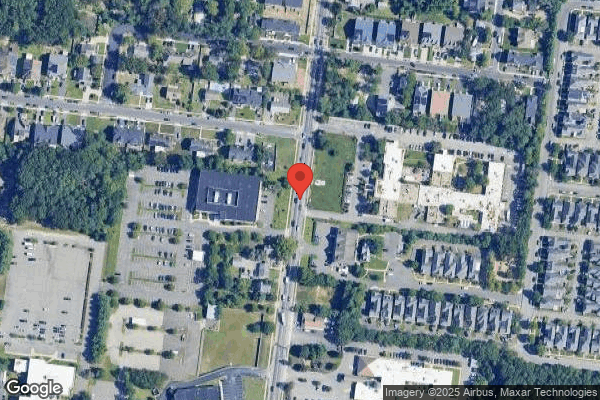
485 RIVER AVE, LAKEWOOD, NJ 08701 (732) 364-7100
For profit - Limited Liability company 160 Beds OCEAN HEALTHCARE Data: November 2025
Trust Grade
53/100
#241 of 344 in NJ
Last Inspection: February 2025

Within standard 12-15 month inspection cycle. Federal law requires annual inspections.

Overview

Atlantic Coast Rehab & Health in Lakewood, New Jersey, has a Trust Grade of C, indicating it is average and in the middle of the pack, but not particularly impressive. It ranks #241 out of 344 facilities in New Jersey, placing it in the bottom half, and #20 out of 31 in Ocean County, meaning there are only a few local options that perform better. Unfortunately, the facility's trend is worsening, with issues increasing from 6 in 2023 to 10 in 2025. Staffing is a relative strength, rated 3 out of 5 stars with a turnover rate of 39%, which is below the state average. However, the facility has faced some concerning incidents, such as failing to properly store respiratory equipment, which could expose residents to environmental risks, and issues in food handling that could lead to foodborne illnesses. Overall, while there are some strengths, families should be aware of the facility's significant weaknesses and recent trend of increasing issues.

Trust Score
C
53/100
In New Jersey
#241/344
Bottom 30%
Safety Record
Low Risk
No red flags
Inspections
Getting Worse
6 → 10 violations
Staff Stability
○ Average
39% turnover. Near New Jersey's 48% average. Typical for the industry.
Penalties
✓ Good
$5,000 in fines. Lower than most New Jersey facilities. Relatively clean record.
Skilled Nurses
⚠ Watch
Each resident gets only 24 minutes of Registered Nurse (RN) attention daily — below average for New Jersey. Fewer RN minutes means fewer trained eyes watching for problems.
Violations
⚠ Watch
18 deficiencies on record. Higher than average. Multiple issues found across inspections.
★★☆☆☆
2.0
Overall Rating
★★★☆☆
3.0
Staff Levels
★☆☆☆☆
1.0
Care Quality
★★★☆☆
3.0
Inspection Score
Stable
2023: 6 issues
2025: 10 issues

The Good

  • Full Sprinkler Coverage · Fire safety systems throughout facility
  • No fines on record
  • Staff turnover below average (39%)

    9 points below New Jersey average of 48%

Facility shows strength in fire safety.

The Bad

2-Star Overall Rating

Below New Jersey average (3.2)

Below average - review inspection findings carefully

Staff Turnover: 39%

Near New Jersey avg (46%)

Typical for the industry

Federal Fines: $5,000

Below median ($33,413)

Minor penalties assessed

Chain: OCEAN HEALTHCARE

Part of a multi-facility chain

Ask about local staffing decisions and management

The Ugly 18 deficiencies on record

Feb 2025 10 deficiencies
CONCERN (D)

Potential for Harm - no one hurt, but risky conditions existed

Resident Rights (Tag F0550)

Could have caused harm · This affected 1 resident

Based on observation, interview, and record review, it was determined that the facility failed to ensure a resident was transported from one area of the unit to another in a dignified manner for 1 of ...

Read full inspector narrative →
Based on observation, interview, and record review, it was determined that the facility failed to ensure a resident was transported from one area of the unit to another in a dignified manner for 1 of 29 sampled residents, (Resident #109). This deficient practice was evidenced by the following: On 02/10/2025 at 10:39 AM, the surveyor observed the Certified Nursing Assistant (CNA) transport a resident (Resident #109) backwards in his/her geriatric chair from the resident hallway to the nurse station. According to the admission Record Resident #109 was admitted to the facility with diagnoses including but not limited to: dementia and muscle weakness. A review of the most recent Minimum Data Set (MDS) an assessment tool used to facilitate care dated 12/20/24, revealed that Resident #109 had long and short-term memory deficits. The MDS further indicated that the resident required maximal assistance with activities of daily living. During an interview with the surveyor on 02/10/2025 at 10:41 AM, the CNA said that transporting a resident backwards in a chair should be avoided for safety reasons, as the resident would likely find it uncomfortable and unpleasant. During an interview with the surveyor on 02/10/2025 at 10:51 AM, the Unit Manager stated that residents should be transported forward all the time to keep the resident from getting disoriented. During an interview with the surveyor on 02/14/25 at 10:02 AM, the Director of Nursing stated there was no policy regarding transporting however he stated, absolutely not, when asked if a resident should be transported backwards. The surveyor reviewed the facility provided Resident Rights which reflected that the residents were to be treated with courtesy, consideration, and respect for your dignity and individuality. The surveyor reviewed the facility provided job description for a Certified Nursing Assistant which reflected that a. Respect for the patient/resident is consistently provided. NJAC 8:39-4.1(a)(12)
CONCERN (D)

Potential for Harm - no one hurt, but risky conditions existed

Comprehensive Care Plan (Tag F0656)

Could have caused harm · This affected 1 resident

**NOTE- TERMS IN BRACKETS HAVE BEEN EDITED TO PROTECT CONFIDENTIALITY** Based on observation, interview, and record review, it was determined that the facility failed to develop and implement a compre...

Read full inspector narrative →
**NOTE- TERMS IN BRACKETS HAVE BEEN EDITED TO PROTECT CONFIDENTIALITY** Based on observation, interview, and record review, it was determined that the facility failed to develop and implement a comprehensive person-centered care plan that identified furnished services to attain or maintain the resident's highest practical physical, mental, and psychosocial well-being for a resident that required nebulized medications (liquid medicine that turns into a mist that can be easily inhaled) and a leg brace for 2 of 28 residents reviewed for care planning (Resident # 89 and 96). This deficient practice was evidenced by the following: 1. Upon initial tour of the facility on 2/10/2025 at 10:20 AM, surveyor #1 observed a nebulizer mask standing upright on a nebulizer machine located to the right of Resident #89 on the bedside table. The nebulizer mask was not bagged and exposed to the environment. Resident #89 was asleep and did not respond to surveyor #1's prompting. The surveyor reviewed the medical record for Resident #89. A review of the admission Record, an admission summary, revealed the resident had diagnoses which included, but were not limited to: Metabolic Encephalopathy (a condition where the brain does not function properly due to an underlying metabolic imbalance), Diabetes Mellitus, Hemiplegia (paralysis or weakness on one side of the body) and Hemiparesis (weakness on one side of the body) following cerebral infarction (stroke) affecting right dominant side. A review of the resident's most recent comprehensive Minimum Data Set (MDS), an assessment tool used to facilitate the management of care, dated 1/24/25 included the resident had a Brief Interview for Mental Status (BIMS) score of 8 out of 15, which indicated the resident's cognition as moderately impaired. A review of the January and February Medication Administration Treatment included the following physician orders (PO): A PO, with a start date 1/20/2025, for Ipratropium-Albuterol Solution 0.5miligrams (mg)/3 milliliters (mL) inhale orally via nebulizer four times a day for wheezing. A review of Resident #89's care plan did not reveal a focus area identifying nebulizer use. On 2/12/2025 at 12:31 PM, surveyor #1 interviewed Unit Manager Licensed Nurse Practitioner (UMLPN #1) who stated that they were not sure if nebulizer treatments should be identified on the care plan. On 2/12/2025 at 12:43 PM, surveyor #1 interviewed UMLPN #2 who confirmed that nebulizer treatments should be identified on the care plan. Upon reviewing Resident #89's care plan with surveyor #1, the UMLPN#2 was not able to locate nebulizer treatments. UMLPN #2 stated that they will update Resident #89's care plan. On 2/12/2025 at 1:47 PM, surveyor #1 interviewed the Director of Nursing, in the presence of the Licensed Nursing Home Administrator (LNHA) and Administrator in Training, who confirmed that nebulizer treatments should have been on Resident #89's plan of care. A review of the facility's admission and Baseline Care Plan (BCP) Policy, last reviewed 3/5/2024, included:1. [ .] This initial plan of care also serves as the BCP for the resident. I) This initial baseline plan of care will address the immediate needs of the resident including, but not limited to: safety, personal hygiene, dietary needs, medications [ .] 3. The BCP will be used as the foundation for care planning with additions/revisions being incorporated into the comprehensive care plan. Once the comprehensive care plan as been developed and implemented, any additional changes will be made to the comprehensive care plan based on the needs of the residents. N.J.A.C. 8:39-11.2 (e) On 02/10/2025 at 10:48 AM, Surveyor #2 observed Resident #96 wheeling herself in a wheelchair down the hallway on the Crest Unit, wearing an ankle foot orthosis (AFO) brace (supports and stabilizes the foot and ankle) on her left lower leg. On 02/11/2025 at 10:00 AM, Surveyor #2 reviewed the electronic medical records (EMR) for Resident #96 as follows: According to the admission Record Resident #96 was admitted to the facility with diagnoses including, but not limited to, hemiplegia and hemiparesis following a cerebral infarction affecting the left dominant side. A review of Resident #96 most recent comprehensive Minimum Data Set (MDS) (an assessment tool used to facilitate the management of care) dated 01/16/2025, revealed under section C-Cognitive Patterns, that the resident had a Brief Interview for Mental Status (BIMS) (tool used to assess cognitive function in individuals) score of 15 out of 15, indicating the resident's cognition was intact. A review of the admission Observation assessment dated [DATE], indicated that Resident #96 was admitted with a brace on his/her left leg. A review of Resident #96 Care Plan did not address or include specific instructions for the care of a brace on his/her left leg. A review of Resident #96 Physician Orders did not include current or discontinued orders for a brace on his/her left leg. During an interview with Surveyor #2 on 02/12/2025 at 1:12 PM, the Licensed Practical Nurse Unit Manager (LPNUM #1) said that there should have been an order in place, and it should have been included in the care plan when the resident was wearing a brace. During an interview with Surveyor #2 on 02/12/2025 at 1:23 PM, Resident #96 said that he/she had been wearing the AFO brace to his/her left lower leg prior to admission to the facility and that he/she wore it every day except when he/she was in the bed. He/she also mentioned that he/she applied it independently. During an interview with Surveyor #2 on 02/13/2025 at 10:35 AM, the Director of Rehabilitation (RD) said that she notifies the Director of Nursing (DON) and the unit manager (UM) to ensure that residents who wear a brace or splint have an order and a care plan in place for the device. A review of the facility provided policy, with a review date of 03/05/2024, titled, admission and Baseline Care Plan (BCP) revealed under the section titled Procedure that, This initial baseline plan of care will address the immediate needs of the resident including, but not limited to: 1. (a) safety, (b) personal hygiene, (c) dietary needs, (d) medications, and (e) ambulation. 3. The BCP will be used as the foundation for care planning with additions/revisions being incorporated into the comprehensive care plan. Once the comprehensive care plan has been developed and implemented, any additional changes will be made to the comprehensive care plan based on the needs of the resident. A review of the facility provided policy, with a review date of 07/12/2024, titled, Splint and Brace Application Policy and Procedure revealed under the section titled Procedure that, OT will evaluate patient for need for splinting, hand roll, or etc. Request an MD order as indicted. Explain procedure to the patient and tell patient to report any adverse effects. Position the patient comfortably. Check patient's skin for decreased sensation, wounds etc. Apply splint, hand roll etc. as per orders. N.J.A.C. 8:39-11.2 (e)
CONCERN (D)

Potential for Harm - no one hurt, but risky conditions existed

Incontinence Care (Tag F0690)

Could have caused harm · This affected 1 resident

Based on observations, interview, record review, and review of pertinent facility documents, it was determined that the facility failed to provide treatment and care, based upon current standards of p...

Read full inspector narrative →
Based on observations, interview, record review, and review of pertinent facility documents, it was determined that the facility failed to provide treatment and care, based upon current standards of practice specifically by having a urinary catheter drainage bag in contact with the floor, not documenting urinary outputs, and not providing a privacy bag for 2 of 3 residents (Resident # 89, 100) reviewed for Urinary Catheters. The deficient practice was evidenced by the following: On 02/10/2025 at 10:43 AM during the initial tour, Surveyor # 1 observed Resident # 100 in bed. At that time, Surveyor # 1 observed a catheter drainage bag in contact with the floor. A review of Resident # 100's Order Summary located in the Electronic Medical Record (EMR) revealed an order to, Monitor and document [trade name] catheter output every shift. If no output in 8 hours notify MD every shift. The order revealed a start date of 1/06/2025. A review of the Treatment Administration Record located in the EMR revealed blanks in the documentation portion for the following dates: 2/1/2025 - Day - Blank 2/9/2025 - Evening - Blank 1/29/2025 - Evening - Blank 1/31/2025 - Day - Blank On 02/13/2025 at 12:36 PM during an interview with Surveyor # 1, the Director of Nursing (DON) replied, No when asked if catheter drain bags should be in contact with the floor. The DON further replied, Infection when the surveyor asked why not. Lastly, the DON replied, If it's not documented it wasn't done. when the surveyor asked if urinary outputs are blank on the Treatment Administration Record, would you consider that administered. A review of the facility policy titled, Urinary Catheters with a review date of July 20, 2024 revealed under Standards of Care for the Resident with an Indwelling Urinary Catheter that, The catheter collection tubing should be kept from kinking, and the collection bag should always be kept below the level of the bladder (and not touching the floor). N.J.A.C. § 8:39-27.1 (a) 2. Upon initial tour of the facility on 2/10/2025 at 10:20 AM, surveyor #2 observed from the hallway Resident #89's urinary catheter drainage bag with no privacy bag. The surveyor reviewed the medical record for Resident #89. A review of the admission Record, an admission summary, revealed the resident had diagnoses which included, but were not limited to: Metabolic Encephalopathy (a condition where the brain does not function properly due to an underlying metabolic imbalance), Diabetes Mellitus, Hemiplegia (paralysis or weakness on one side of the body) and Hemiparesis (weakness on one side of the body) following cerebral infarction (stroke) affecting right dominant side. A review of the resident's most recent comprehensive Minimum Data Set (MDS), an assessment tool used to facilitate the management of care, dated 1/24/25 included the resident had a Brief Interview for Mental Status (BIMS) score of 8 out of 15, which indicated the resident's cognition as moderately impaired. Review of Section H of the MDS identified Resident #89 with an indwelling catheter. A review of the Medication Administration Treatment (MAR) included the following physician orders (PO): A PO, with a start date of 1/20/2025, to Maintain privacy bag at all times check placement [every] shift. The date of 2/10/2025 was checked with nurses' initials which indicated that the privacy bag was in place. A PO, with a start date of 1/20/2025, to Monitor and document [indwelling catheter] output every shift. In no output in 8 hours notify [Medical Director]. Upon review of the January MAR the following date did not have an output entry: 1/26/2025 Evening shift. Upon review of the February MAR the following date did not have an output entry: 2/4/2025 Evening shift. A review of the resident's individual comprehensive care plan (ICCP) included a focus area, dated 1/21/2025, that the resident was at risk for urinary tract infection (UTI) [related to] catheter use. Interventions included: leg bag or privacy bag as warranted to maintain dignity/privacy and provide catheter care every shift as ordered and (as needed) Monitor for decrease in output. On 2/12/2025 at 12:13 PM, surveyor #2 interviewed Certified Nursing Assistant (CNA #1) who confirmed that urinary drainage bags were to be placed in a privacy bag. When asked how urinary output were monitored, CNA #1 responded that they will empty the bag, measure the amount, and report the output to the nurse who was responsible for documenting the amount. On 2/12/2025 at 12:31 PM, surveyor #2 interviewed Unit Manager Licensed Nurse Practitioner (UMLPN #1) who confirmed that either the CNA or the nurse can empty the urinary drainage bag and measure the amount, but the nurse was responsible for documenting the amount in the chart. When asked how urinary drainage bags are to be maintained at bedside, UMLPN #1 reported that they were to be in a privacy bag. When asked about blanks in the MAR, UMLPN#1 stated that there should never be blanks. On 2/12/2025 at 12:43 PM, surveyor #2 interviewed UMLPN #2 who confirmed that they were familiar with Resident #89. UMLPN #2 stated that urinary drainage bags were to be maintained in a privacy bag and that the nurses were responsible for documentation of the urinary output. Surveyor #2 provided pictures of the urinary drainage device as observed on initial tour. UMLPN#2 confirmed the finding. When asked if there should be blanks on the MAR, UMLPN#2 denied. On 2/12/2025 at 1:47 PM, surveyor #2 interviewed the Director of Nursing, in the presence of the Licensed Nursing Home Administrator (LNHA) and Administrator in Training, who viewed the surveyors pictures and acknowledged that the urinary drainage device was not in a privacy bag and that urinary outputs were expected to be marked for every shift. A review of the facility's Urinary Catheters Policy, last reviewed 7/20/2024, included under the heading Standards of Care for the Resident with an Indwelling Urinary Catheter: [ .] Collection bags should be emptied from the spigot every shift using a separate collection container for each resident; a foley collection bag cover should be utilized to maintain resident dignity when in bed [ .]. A review of the facility's RN/LPN Job Description document included under the heading Documentation included: A. All documentation is done in a timely manner, using appropriate formats; B. All documentation is properly identified, signed, and dated; C. Documentation [ .]flow sheet information, and care plans are done legibly and filed appropriately [ .]. N.J.A.C. 8:39-19.4 (a)
CONCERN (D)

Potential for Harm - no one hurt, but risky conditions existed

Pharmacy Services (Tag F0755)

Could have caused harm · This affected 1 resident

Based on observation, interview, and record review, it was determined that the facility failed to establish a system of records for all controlled drugs in sufficient detail to enable an accurate reco...

Read full inspector narrative →
Based on observation, interview, and record review, it was determined that the facility failed to establish a system of records for all controlled drugs in sufficient detail to enable an accurate reconciliation for the dispensing of controlled medications for 1 out of 3 medication carts inspected under the Medication Storage Task. This deficient practice was evidenced by the following: On 02/12/2025 at 11:39AM in the presence of the Registered Nurse (RN)# 1, the surveyor inspected the medication cart on the subacute high side cart for storage and labeling of medications. During reconciliation of controlled medications, the surveyor observed 15 Oxycodone-Acetaminophen (a narcotic medication used to treat pain) in the blister pack in the narcotic box, but the Controlled Drug Sheet (CDS) documented 16 were left. At the same time on 02/12/2025 during the interview with the surveyor, RN #1 stated, I just gave that sorry, I should have signed that out. When asked to see what time the medication was given, RN # 1 pulled up the medication on the medication administration record and stated, 10:27 AM. During an interview on 02/13/2025 at 12:36 PM with the surveyor, the Director of Nursing said that narcotics should be signed out in the CDS when removed from the blister pack. Review of the facility's policy titled, Medication Preparation for Administering revised on 02/16/2022, revealed under Medication Administration that 4. As specified by federal and state regulations, controlled substances are documented as given at the time of administration. NJAC 8:39-29.7(c)
CONCERN (D)

Potential for Harm - no one hurt, but risky conditions existed

Deficiency F0761 (Tag F0761)

Could have caused harm · This affected 1 resident

**NOTE- TERMS IN BRACKETS HAVE BEEN EDITED TO PROTECT CONFIDENTIALITY** Based on observation, interview, and facility provided documentation, it was determined that the facility failed to ensure all m...

Read full inspector narrative →
**NOTE- TERMS IN BRACKETS HAVE BEEN EDITED TO PROTECT CONFIDENTIALITY** Based on observation, interview, and facility provided documentation, it was determined that the facility failed to ensure all medical supplies were stored in accordance with professional standards by having expired supplies in 1 of 2 medication storage rooms inspected. This deficient practice was evidenced by the following: On [DATE] at 11:13 AM the surveyor in the presence of a Licensed Practical Nurse (LPN)# 1, observed the following in the subacute medication storage room: 1. 6 unopened boxes of probe covers with an expiration date of [DATE]. 2. 2 opened boxes of colostomy bags with an expiration date of 01/2025. 3. 1 unopened box of paper medical tape with an expiration date of 12/2024. During an interview on [DATE] at 11:13 AM with the surveyor LPN #1 said there should not be any expired medical supplies in the storage room and she removed the items. During an interview on [DATE] at 12:36 PM with the surveyor the Director of Nursing (DON) said he was unaware of expiration dates on supplies, and he would be checking them from now on. The DON also said that there should not be expired items in the storage room. Facility unable to provide a policy on expired supplies. N.J.A.C 8:39-29.4 (g)
CONCERN (D)

Potential for Harm - no one hurt, but risky conditions existed

Garbage Disposal (Tag F0814)

Could have caused harm · This affected 1 resident

Based on observation and interview, it was determined that the facility failed to provide a sanitary environment by failing to a.) keep the garbage container area free of debris and b.) have a closed ...

Read full inspector narrative →
Based on observation and interview, it was determined that the facility failed to provide a sanitary environment by failing to a.) keep the garbage container area free of debris and b.) have a closed cover over the opening the garbage container. This deficient practice was evidenced by the following: On 02/11/25 at 01:09 PM, the surveyor observed the outside garbage area. There were wooden pallets, broken orange plastic pieces, a recliner chair with a rolled-up carpet on top of it, a geriatric chair, a medical glove, a gray container labeled trash, and a commode. These items were not in a container and were in proximity of vehicles. The surveyor observed a green garbage container filled with cardboard boxes. The garbage container was opened on one side exposing the cardboard boxes inside. On 02/12/25 at 11:27 AM, the surveyor observed the garbage area again. There were cardboard boxes spilling out of the garbage container, on the ground, and on top of the half-closed lid. On 02/12/25 at 11:53 AM, the Licensed Nursing Home Administrator (LNHA) stated that the trash is picked up twice per week and if there is overflow then the facility calls the company to pick up. On 02/13/25 at 09:29 AM, the LNHA stated that the garbage and refuse was cleaned up properly. He acknowledged that the cardboard should not have been on the ground and should have been covered. The LNHA stated that the facility did not have a policy that addressed the outside garbage containers. NJAC 8:39-19.7
CONCERN (D)

Potential for Harm - no one hurt, but risky conditions existed

Medical Records (Tag F0842)

Could have caused harm · This affected 1 resident

Based on observation, interview and record review, it was determined that the facility failed to maintain a complete and readily accessible medical records. This deficient practice was identified for ...

Read full inspector narrative →
Based on observation, interview and record review, it was determined that the facility failed to maintain a complete and readily accessible medical records. This deficient practice was identified for 1 of 29 residents reviewed, Resident #70 and was evidenced by the following: On 02/10/2025 at 11:20 AM, the surveyor observed Resident #70 in bed. Resident #70 states he/she feels great. The surveyor reviewed Resident #70's electronic health record and observed a Physician Order dated 1/29/25: hospice evaluation and treat. There was no other documentation in the electronic health record including the care plans and progress notes regarding hospice. Further review of the medical record revealed the resident was admitted to the facility with diagnoses which included dementia and malnutrition. The 1/8/25 minimum data set, an assessment tool, reflected that this resident was not cognitively intact and was not on hospice. On 02/11/25 at 09:13 AM, the surveyor reviewed the hospice binder and the consultation binder at the nurse station no paperwork for Resident # 70 observed. On 02/12/25 at 01:51 PM, during an interview with the Nurse Manager (NM), she stated that her and the Director of Nursing met with Resident #70's family and the family wanted to pursue hospice. The NM stated that there definitely should have been documentation in the electronic health record. She acknowledged that there was no documentation regarding hospice for this resident. On 02/13/25 at 09:47 AM, during an interview with the Director of Nursing, he stated there should have been documentation in the electronic health record regarding the hospice consult. On 02/13/2025 at 11:59 AM, the surveyor reviewed the electronic medical record and observed nurse's notes dated 02/12/2025 (after surveyor inquiry) regarding a conversation with Resident #70's family regarding hospice. A review of the facility provided policy titled, Medical Records Policy and Procedure, with no date reflected that the medical record shall be available and include at least the following information: consultation reports, if a part of a care plan is not implemented, the record shall explain why. NJAC 8:39-35.2 (d)(5)
CONCERN (D)

Potential for Harm - no one hurt, but risky conditions existed

Infection Control (Tag F0880)

Could have caused harm · This affected 1 resident

Based on observation, interview, record review, and review of pertinent facility documents it was determined that the facility staff failed to use appropriate infection control practices specifically ...

Read full inspector narrative →
Based on observation, interview, record review, and review of pertinent facility documents it was determined that the facility staff failed to use appropriate infection control practices specifically by not following proper technique with personal protective equipment (PPE) on 1 of 3 units observed. The deficient practice was evidenced by the following: On 02/10/2025 at 9:53 AM during initial tour of the facility the surveyor observed a certified nursing assistant (CNA) walk out of resident # 58's room, down the hall to the soiled utility room and back wearing a gown and gloves. The resident's room had an enhanced barrier precautions (a infection control intervention designed to reduce transmission of resistant organisms that employs targeted gown and glove use) sign on the door. A review of Resident #58's electronic medical record revealed a physician's order to maintain enhanced barrier precautions related to a G-tube (a small, flexible tube inserted through the abdominal wall into the stomach). During an interview on 02/13/2025 at 11:02 AM with the surveyor, the Licensed Practical Nurse (LPN)#1 said that gowns should be removed before leaving the resident's room. During an interview on 02/13/2025 at 11:10 AM with the surveyor, the CNA # 1 said you should not leave the room with a gown on, and that it should be removed before leaving the room. During an interview on 02/13/2025 at 11:16 AM with the surveyor, the Infection control preventionist said, they had just had an in-service on wearing gowns in the hallway and that they should be removed before leaving the residents room and placed in the covered trash cans due to infection control. A review of a facility provided policy titled Enhanced Barrier Precautions revised on 02/04/2025, revealed under Procedure that, Solid linen and trash bins will be placed inside the resident room and near the exit for discarding PPE after removal, prior to exit of the room . N.J.A.C. 8:39-19.4(c)
CONCERN (E)

Potential for Harm - no one hurt, but risky conditions existed

Respiratory Care (Tag F0695)

Could have caused harm · This affected multiple residents

**NOTE- TERMS IN BRACKETS HAVE BEEN EDITED TO PROTECT CONFIDENTIALITY** Based on observation, interview, record review, and review of pertinent facility documents, it was determined that the facility ...

Read full inspector narrative →
**NOTE- TERMS IN BRACKETS HAVE BEEN EDITED TO PROTECT CONFIDENTIALITY** Based on observation, interview, record review, and review of pertinent facility documents, it was determined that the facility failed to provide respiratory care consistent with professional standards of practice by not storing nebulizer (a small machine that turns liquid medicine into a mist that can be easily inhaled) and Bilevel positive airway pressure device (BiPap- a breathing device that helps a person breathe easier) equipment in bags which resulted in environmental exposure for 3 of 5 residents reviewed for oxygen use (Resident #22, 34, 89) . The deficient practice was evidenced by the following: 1.Upon initial tour of the facility on 2/10/2025 at 10:20 AM, surveyor #1 observed a nebulizer mask standing upright on a nebulizer machine located to the right of Resident #89 on the bedside table. The nebulizer mask was not bagged and exposed to the environment. Resident #89 was asleep and did not respond to surveyor #3's prompting. On 2/11/2025 at 9:16 AM, surveyor #3 observed a nebulizer mask standing upright on a nebulizer machine located to the right of Resident #89 on the bedside table. The nebulizer mask was not bagged and exposed to the environment. The surveyor reviewed the medical record for Resident #89. A review of the admission Record, an admission summary, revealed the resident had diagnoses which included, but were not limited to: Metabolic Encephalopathy (a condition where the brain does not function properly due to an underlying metabolic imbalance), Diabetes Mellitus, Hemiplegia (paralysis or weakness on one side of the body) and Hemiparesis (weakness on one side of the body) following cerebral infarction (stroke) affecting right dominant side. A review of the resident's most recent comprehensive Minimum Data Set (MDS), an assessment tool used to facilitate the management of care, dated 1/24/25 included the resident had a Brief Interview for Mental Status (BIMS) score of 8 out of 15, which indicated the resident's cognition as moderately impaired. A review of the January and February Medication Administration Treatment included the following physician orders (PO): A PO, with a start date 1/20/2025, for Ipratropium-Albuterol Solution 0.5miligrams (mg)/3 milliliters (mL) inhale orally via nebulizer four times a day for wheezing. On 2/12/2025 at 12:13 PM, surveyor #1 interviewed Certified Nursing Assistant (CNA #2) who confirmed that nebulizer supplies were to be in a bag when not in use. On 2/12/2025 at 12:31 PM, surveyor #1 interviewed Unit Manager Licensed Nurse Practitioner (UMLPN #1) who stated that nebulizers were to be stored in a bag to keep clean when not in use. On 2/12/2025 at 12:43 PM, surveyor #1 interviewed UMLPN #2 who confirmed that they were familiar with Resident #89. UMLPN #2 confirmed that nebulizers were to be bagged. On 2/12/2025 at 1:47 PM, surveyor #1 interviewed the Director of Nursing, in the presence of the Licensed Nursing Home Administrator (LNHA) and Administrator in Training, who viewed the surveyors pictures and acknowledged that the nebulizers were not in a bag. When asked how nebulizers are to be stored when not in use the DON replied, in a bag. A review of the facility's Respiratory Equipment Policy and Procedure, last reviewed 8/5/2024, included: All nebulizer tubing and equipment shall be date and stored in an oxygen bag when not in use . N.J.A.C. 8:39-27(b) During the initial tour on 02/10/2025 at 09:56 AM, Resident #22 was observed lying in bed with nasal oxygen in use. Surveyor #2 observed a nebulizer mask laying open to air on the resident's bedside table. On 02/11/2025 at 10:30 AM Surveyor #2 observed Resident # 22 in bed with nasal oxygen tubing on and the Oxygen concentrator turned off. Surveyor #2 asked the Licensed Practical Nurse (LPN) # 2 if the resident should be on continuous oxygen. LPN # 2 stated yes and went in to check the resident. LPN #2 stated, this should not be turned off. LPN # 2 turned oxygen back on and noticed the concentrator was not working properly. LPN #2 then replaced concentrator and checked resident's vitals. According to the admission Record, Resident #22 was admitted to the facility with diagnoses including but not limited to; Chronic Combined Systolic and Diastolic Congestive Heart Failure, and Chronic Obstructive Pulmonary Disease (an ongoing lung condition caused by damage to the lungs). A review of the most recent comprehensive Minimum Data Set (MDS) dated [DATE], indicated Resident #22 was on oxygen while a resident. A review of the Order Summary Report dated 02/14/2025, revealed a physician order for DuoNeb solution (a medication used to relax the airway to increase air flow to the lungs),1 vial inhale orally via a nebulizer every six hours. The order also revealed to store the mask in a drawstring bag after each use. The Order Summary Report also revealed and order to administer oxygen at 2 liters/min via nasal cannula continuously. During an interview on 02/13/2025 at 11:16 AM with surveyor # 2 the Infection Control Preventionist said that all nebulizer masks should be placed in bags when not in use so that they don't pick up any bacteria. During an interview on 02/13/2025 at 12:36 PM with surveyor #2 the Director of Nursing, (DON) said that nebulizer mask should be kept in plastic bags due to infection control. The DON also said that staff should be checking the oxygen concentrators to make sure they are on and properly functioning. A review of a facility provided policy titled Respiratory Equipment Policy and Procedure revealed, all nebulizer equipment shall be dated and stored in an oxygen bag when not in use . NJAC 8:39-27.1(a) Upon initial tour of the facility on 2/10/2025 at 10:27 AM, Surveyor #3 observed Resident # 34 BiPAP machine and mask was on his/her dresser with the mask left uncovered and exposed to the environment. On 02/11/2025 at 10:35 AM, Surveyor #3 reviewed the electronic medical records (EMR) for Resident #34 as follows: According to the admission Record Resident #34 was admitted to the facility with diagnoses including, but not limited to, Chronic Obstructive Pulmonary Disease (COPD) (a progressive lung disease that makes it difficult to breathe) and Sleep Apnea (repeated interruptions in breathing during sleep). A review of Resident #34 most recent comprehensive Minimum Data Set (MDS) (an assessment tool used to facilitate the management of care) dated 01/25/2025, revealed under section C-Cognitive Patterns, that the resident had a Brief Interview for Mental Status (BIMS) (tool used to assess cognitive function in individuals) score of 15 out of 15, indicating the resident's cognition was intact. A review of Resident #34 Physician Orders indicated the following: start date 01/19/2025, the BiPAP machine is to be used every night at bedtime and removed in the morning, in addition to being used as needed for shortness of breath (SOB). During an interview with Surveyor #3 on 02/10/2025 at 10:35 AM during the initial tour, Resident #34 said that he/she wears the BIPAP machine when he/she sleeps. During an interview with Surveyor #3 on 02/12/2025 at 1:15 PM, the Licensed Practical Nurse Unit Manager #1 (LPNUM #1) said that respiratory equipment should be properly bagged. During an interview with Surveyor #3 on 02/13/2025 at 12:45 PM, the Director of Nursing (DON) said that BiPAP masks should be stored in a plastic bag for infection control purposes. A review of the facility provided policy, with a review date of 08/05/2024, titled, Respiratory Equipment Policy and Procedure revealed under the section titled Procedure that, All nebulizer tubing and equipment shall be date and stored in an oxygen bag when not in use and replaced every 7 days. N.J.A.C. 8:39-27(b)
CONCERN (E)

Potential for Harm - no one hurt, but risky conditions existed

Food Safety (Tag F0812)

Could have caused harm · This affected multiple residents

Based on observation, interview, and pertinent facility documents, it was determined that the facility failed to handle potentially hazardous food and maintain sanitation in a safe and consistent mann...

Read full inspector narrative →
Based on observation, interview, and pertinent facility documents, it was determined that the facility failed to handle potentially hazardous food and maintain sanitation in a safe and consistent manner to prevent food borne illness. This deficient practice was evidenced by the following: On 02/10/2025 from 09:17 AM until 10:15 AM, the surveyor observed the following in the kitchen in the presence of the Prep [NAME] (PC) then the Regional Food Service Director (RFSD): 1.In refrigerator #1 on the bottom right shelf there were shelled eggs in a carton that were out of the cardboard box. The PC stated the eggs should be stored in the original container. 2. On a storage shelf, souffle cups were opened and exposed to air. The RFSD stated the cups should be covered. 3. In refrigerator #2 there were 20 small cups of mixed fruit that were labeled prepared 2/6/25 discard by 2/8/25 on a metal tray. The RFSD stated he is going to discard them as they are not labeled properly. 4. In freezer #4 there were hash brown patties that were opened and covered with plastic wrap. The hash brown patties were not labeled or dated. The RFSD stated he will discard the hash brown patties. 5. In refrigerator # 3 there were florets of broccoli stored in a blue crate in a black bag that was opened to air. There was no label and no date. The RFSD stated that the broccoli should be labeled and dated. 6. In refrigerator #4 an opened case of cranberry juice was not labeled or dated. The RFSD stated the cranberry juice should be labeled and dated. He stated the case was labeled, however when staff opened the case, the label was ripped off. During an interview on 02/14/25 at 10:29 AM, the Food Service Director stated the broccoli should have been labeled and dated. The eggs should have been in a cardboard box. The cranberry juice was labeled and dated however once box was opened the label ripped off. The surveyor reviewed the facility provided policy titled, Sun Cups (juices) with a revision date of 11/3/17 which reflected: all sun cups upon delivery are to be dated. The surveyor reviewed the facility provided policy titled, Labeling and Dating with no date which reflected all leftover perishable and non-perishable food products should be labeled and dated to assure all food is being served in a safe and sanitary manor. The surveyor reviewed the facility provided policy titled, Food Storage, with no date which reflected:14. Frozen Foods c. All foods should be covered, labeled, and dated. The surveyor reviewed the facility provided policy titled, Storage Areas, with no date which reflected that all paper products should be wrapped in original container or tightly wrapped when not in use. NJAC 8:39-17.2(g)
Jan 2023 6 deficiencies
CONCERN (D)

Potential for Harm - no one hurt, but risky conditions existed

Incontinence Care (Tag F0690)

Could have caused harm · This affected 1 resident

Based on observation, interview, record review and review of other facility documentation, it was determined that the facility failed to a) maintain an indwelling urinary catheter drainage bag off the...

Read full inspector narrative →
Based on observation, interview, record review and review of other facility documentation, it was determined that the facility failed to a) maintain an indwelling urinary catheter drainage bag off the floor to prevent the spread of infection, b) failed to position the catheter tubing and bag below bladder level and c) failed to maintain resident dignity when the catheter drainage bag was visible from the hallway. This deficient practice was identified for 1 of 3 residents (Resident #177) reviewed for indwelling urinary catheters and was evidenced by the following: During the initial tour of the unit on 1/3/2023 at 11:14 AM, Resident # 177 was observed lying in bed with the head of the bed elevated and pillow under both knees. The Foley bag was observed lying on the floor with urine in the bag, uncovered and visible from the hallway. At 11:16 AM, the assigned nurse, Registered Nurse (RN #1) was observed entering the residents' room with a privacy bag and when she left the room the Foley was in the privacy bag. On 1/4/2023 at 9:59 AM, Resident # 177's catheter bag was observed to be in a privacy bag hanging behind the Geri chair. Resident #177 was observed to be holding the catheter in his/her left hand and the tubing was up and over the arm of the chair. The Unit Manager/Licensed Practical Nurse (UM/LPN #1) entered the resident's room and removed the residents' hand from the catheter. UM/LPN #1 did not reposition the tubing and left it up and over the arm rest and above bladder level. A review of the admission Record revealed Resident #177 was admitted to the facility with diagnoses including but not limited to; obstructive and reflux uropathy (Obstructive uropathy is when your urine can't flow (either partially or completely) through your ureter, bladder, or urethra due to some type of obstruction. Instead of flowing from your kidneys to your bladder, urine flows backward, or refluxes, into your kidneys). A review of the most recent comprehensive Minimum Data Set (MDS) an assessment tool used to facilitate care, dated 12/16/2022, revealed a Brief Interview for a Mental Status score of 5/15, indicating Resident #177 had severe cognitive impairment. The MDS further reflected Resident #177 had an indwelling catheter. A review of the Order Summary Report (OSR) with active orders as of 1/9/2023 revealed a physician's order to POS Maintain F/C (foley catheter) FR (French)#16/10ML (milliliter) Balloon DX (diagnosis): obstructive uropathy every shift. The OSR also included maintain F/C privacy bag at all times check placement Q shift (every shift). A review of the care plan with an initiated date of 12/9/2022, revealed a of Focus area of Resident # 177 is at high risk for Urinary Tract Infection r/t (related/to) Cath (catheter) use for obstructive uropathy secondary to Benign Prostatic Hypertrophy (enlarged prostate in men). The goals indicated resident will remain free from complications r/t Cath use evidenced by remaining free from s/s (signs/symptoms) UTI. The Interventions included but were not limited to; Keep Cath tubing placed below level of bladder, Leg bag or privacy bag as warranted to maintain dignity/privacy. During an interview with the surveyor on 1/5/2023 at 10:29 AM, the assigned Registered Nurse (RN #1) confirmed she worked on the unit 1/3, 1/4 and 1/5/2023. RN #1 also said the Foley bag should not be touching the floor. She confirmed she came into the room and put the Foley in a privacy bag when the surveyor was outside the door. RN #1 said the tubing has a stat lock (locks the Foley catheter in place) and that should be on the resident and the bag hooked to a non-moveable part of the chair and off the floor. RN #1 also said the tubing should be down to gravity as much as possible so the urine can flow. RN #1 confirmed that it would not have been proper placement of the tubing to be up and over the chairs arm rest. During an interview with the surveyor on 1/10/2023 at 12:39 PM, the Director of Nursing (DON), Assistant Director of Nursing (ADON) and Infection Preventionist Licensed Practical Nurse (IPLPN), said Yes, the Foley should have been in the privacy bag and not on the floor. The surveyor also reviewed how the tubing was observed on 1/4/2023 over the arm rest and the bag positioned behind the chair. When asked how the catheter tubing should be positioned the IP responded, The tubing should have been below the bladder. A review of a facility policy titled Urinary Catheters with review date of September 6, 2022, revealed under the Standards of Care for the Resident with an Indwelling Urinary Catheter; Unobstructed urine flow should be maintained at all times. The catheter and collection tubing should be kept from kinking and the collection bag should always be kept below the level of the bladder (and not touching the floor). The policy further revealed a Foley bag cover or leg bag should be used when out of bed to maintain resident dignity. A Foley collection bag cover should be utilized to maintain resident dignity when in bed. NJAC 8:39-27.1(a)
CONCERN (D)

Potential for Harm - no one hurt, but risky conditions existed

Deficiency F0757 (Tag F0757)

Could have caused harm · This affected 1 resident

Based on interview, record review, and review of pertinent facility documentation, it was determined that the facility failed to adequately monitor the use of an antibiotic by administering 28 doses i...

Read full inspector narrative →
Based on interview, record review, and review of pertinent facility documentation, it was determined that the facility failed to adequately monitor the use of an antibiotic by administering 28 doses instead of the prescribed 30 doses. The deficient practice was identified for 1 of 2 residents (Resident #45) reviewed for Antibiotics. The deficient practice was evidenced by the following: A review of Resident #45's physician orders located in the electronic medical record (EMR), revealed that he/she was prescribed Augmentin Suspension 250-62.5 milligrams (mg)/5 milliliters (ml) (an antibiotic) for cough and congestion to be given three times a day for ten days. The Augmentin Suspension was to begin being administered on December 25, 2022 at 2:00 PM. A review of Resident #45's December 2022 medication administration record (MAR) revealed that on December 25th, no doses were given at 2:00 PM and 9:00 PM. On 1/9/2023 at 12:07 PM, during an interview with the surveyor, the Infection Prevention/Licensed Practical Nurse (IP/LPN) stated that Resident #45 did not get two doses of Augmentin Suspension on the first day of the order because it had not been delivered to the facility yet. On 1/10/2023 at 12:33 PM, during a follow-up interview with the surveyor, the IP/LPN said Resident #45 should have had his/her doses extended to complete all 30 doses. The facility was unable to provide a policy regarding the antibiotic administration. NJAC 8:39-29.2(d)
CONCERN (D)

Potential for Harm - no one hurt, but risky conditions existed

Garbage Disposal (Tag F0814)

Could have caused harm · This affected 1 resident

Based on observation, interview, and review of other facility documentation, it was determined that the facility failed to provide a sanitary environment for residents, staff, and the public by failin...

Read full inspector narrative →
Based on observation, interview, and review of other facility documentation, it was determined that the facility failed to provide a sanitary environment for residents, staff, and the public by failing to keep the garbage container area free of garbage and debris. This deficient practice was evidenced by the following On 1/3/2023 between 9:34 AM and 10:30 AM, the surveyor, accompanied by the Dietary Aide (DA) observed the following in the designated facility garbage area: 1. The area directly behind the facility trash compactor was littered with trash, which included rubber gloves, plastic wrappers, cardboard boxes, plastic spoons, empty milk containers, paper, and other unidentifiable objects. On interview the DA stated, We clean the area when they come to pick the dumpster up. We share it with housekeeping. It gets picked up once a week on Wednesday. The surveyor then questioned the DA whether garbage would be picked up if it was observed on the ground and it was not a Wednesday. The DA replied, We should pick up the trash if we see it lying around before pick-up day. 2. The surveyor reviewed the 4 WEEK DUMPSTER AREA CLEAN UP SCHEDULE for the weeks of 12/5/22, 12/12/22, 12/19/22, and 12/26/22. The schedule revealed that the last time the dumpster area was inspected was 12/30/2022. The schedule further revealed: The dumpster area will be maintained free and clear of debris and leakage on a daily basis. Housekeeping and dietary shall share the responsibility of maintaining the dumpster area on a rotating schedule basis. NJAC 8:38-19.3(c)
CONCERN (D)

Potential for Harm - no one hurt, but risky conditions existed

Infection Control (Tag F0880)

Could have caused harm · This affected 1 resident

Based on observation, interview, and review of other facility documentation, it was determined that the facility failed to perform adequate handwashing to prevent the spread of infection as well as fa...

Read full inspector narrative →
Based on observation, interview, and review of other facility documentation, it was determined that the facility failed to perform adequate handwashing to prevent the spread of infection as well as failed to follow their own Hand Hygiene policy. This deficient practice was identified for 1 of 2 nurses observed during medication administration. This deficient practice was evidenced by the following: On 1/5/2023 at 8:05 AM, the surveyor observed Registered Nurse (RN #2) administer an injectable medication to an unsampled resident. At 8:11 AM, the surveyor observed RN #2 enter the resident's bathroom. At that time, RN #2 turned on the faucet, wet hands her hands, applied soap, lathered outside the stream of water for 7 seconds, rinsed her hands, dried her hands, and turned off the faucet. RN #2 did not use alcohol-based hand sanitizer. The time was counted on the New Jersey Department of Health computer clock. RN #2 returned to the medication cart and retrieved a blood pressure cuff and then took the resident's blood pressure. At 8:14 AM, the surveyor observed RN #2 enter the resident's bathroom. At that time, RN #2 turned on the faucet, wet her hands, applied soap, lathered outside the stream of water for 8 seconds, rinsed her hands, dried her hands, and turned off the faucet. RN #2 did not use alcohol-based hand sanitizer. The time was counted on the New Jersey Department of Health computer clock. RN #2 returned to the medication cart and gathered the resident's medications. RN #2 entered the resident's room and administered the oral medications. At 8:21 AM, the surveyor observed RN #2 enter the resident's bathroom again. At that time, RN #2 turned on the faucet, wet her hands, applied soap, lathered outside the stream of water for 7 seconds, rinsed her hands, dried her hands, and turned off the faucet. RN #2 did not use alcohol-based hand sanitizer. The time was counted on the New Jersey Department of Health computer clock. On the same date at 8:41 AM, during an interview with the surveyor, RN #2 replied, 20 seconds when asked how long she should lather her hands during hand hygiene. On 1/10/2023 at 11:46 AM, during an interview with the surveyor, the Infection Prevention/ Licensed Practical Nurse (IP/LPN) replied, Absolutely not. when asked if lathering soap and water for 7 seconds was sufficient. During the same interview, the IPLPN replied, No. when asked if lathering soap and water for 8 seconds was sufficient. A review of the facility policy titled, Hand Hygiene dated January 2022, revealed under, Hand Hygiene Technique letter B., Total time no less than 20 Sec. NJAC 8:39-19.4(a)
CONCERN (E)

Potential for Harm - no one hurt, but risky conditions existed

Food Safety (Tag F0812)

Could have caused harm · This affected multiple residents

Based on observation, interview, and record review, it was determined that the facility failed to handle potentially hazardous foods and maintain sanitation in a safe and consistent manner to prevent ...

Read full inspector narrative →
Based on observation, interview, and record review, it was determined that the facility failed to handle potentially hazardous foods and maintain sanitation in a safe and consistent manner to prevent food borne illness. This deficient practice was evidenced by the following: On 1/9/2023 from 10:04 AM to 11:37 AM, the surveyor, accompanied by the Food Serviced Director (FSD) and Regional Food Service Director (RFSD) observed the following in the kitchen: 1. The surveyor entered the kitchen on 1/9/2023 to observe the dish machine in operation after the breakfast meal. The surveyor observed (3) dietary staff actively washing dishes upon entering the kitchen. The surveyor asked the FSD to provide a copy of the dish machine temperature log for the surveyor to review. The FSD revealed that, In the end of December the dish machine was not hitting the temperatures necessary for high temperature operation. The machine was converted to low temperature operation with chemical sanitizing. The FSD revealed that the sanitizing chemical agent being used was Santec Resolve 3 (a concentrated liquid chlorine sanitizer/destainer solution). The surveyor reviewed the January 2023 dish machine temperature log. The log revealed that the sanitizer level was recorded for the breakfast, lunch, and dinner meals for the period 1/1-1/9/2023 however, no wash or rinse temperatures were recorded. The log revealed that the low temperature dish machine minimum operational temperatures were Wash: 120 F (Fahrenheit) and Rinse 140 F. At 10:19 AM the surveyor watched the FSD utilize a chlorine test strip twice to assess the level of chlorine for the low temp dish machine while in operation for the breakfast meal. The FSD removed a chlorine test strip from its plastic container and dipped the strip into a substantial amount of dish water with white bubbles floating on the surface that had gone through the wash and rinse cycle of the dish machine. The test strip after being dipped into the dish water was white when removed from the water and examined. The white indicated that the dish machine water had less than 50 parts per million of chlorine in the water. The requirement for chemical sanitizing with chlorine is a minimum of 50 ppm (parts per million). The surveyor then gave the FSD another opportunity to test the sanitizer level of the low temperature dish machine. The FSD followed the same procedure and after dipping the chlorine test strip into the remaining dish water of the plastic pellet lid the test strip remained white and indicated that the chlorine level was less than 50 ppm. When interviewed as to who had conducted the sanitizer test at approximately 7 AM the FSD stated, I tested the sanitizer and got 50 ppm. The FSD went on to say, When I checked again at probably about 10 AM it was reading around 200 ppm, it was dark purple. The FSD agreed that when the surveyor observed her test the sanitizer, It had nothing. I don't know why. At 10:25 AM the repairman (who had already been previously scheduled to do repairs that day) replaced the squeeze tube (tubing attached to the external chemical sanitizer pump) to the sanitizer pump on the dish machine. The repair man revealed that the squeeze tube may have had a small air leak that would not allow the chlorine sanitizing solution to reach the machine water. The repairman then ran a rack of plates through the dish machine in the presence of the surveyor and FSD. The FSD then tested the water with the same chlorine test strip utilized in previous attempts once the rack of dishes exited the machine. The FSD dipped the test strip, and the surveyor observed a deep purple color on the test strip after immediately removing the strip from the dish machine water that had accumulated on the plate. The strip revealed a chlorine concentration of greater than 50 ppm. The surveyor then reviewed the January 2023 dish machine temperature log again. The log revealed that in the Wash column staff were documenting ppm and were not documenting the wash temperature of the dish machine, which must be a minimum of 120 F, according to the temperature log. Further review revealed that no wash or rinse temperatures were recorded for breakfast, lunch, or dinner for the period of 1/1 through 1/9/2023 at breakfast. The surveyor then reviewed the December 2023 dish machine temperature log. The log revealed that dish machine temperatures were not recorded for the following dates and meals: 12/29/2022 lunch, 12/30/2022 breakfast, 12/30/2022 lunch, 12/31/2022 breakfast, and 12/31/2022 lunch. On interview with the FSD at 10:50 AM the FSD stated that machine temperatures should be recorded and checked prior to the initiation of dish washing to ensure the machine is running at proper temperature. The FSD further stated, Whoever is the hot washer position is responsible for recording the temperature and ensuring that the machine is operating appropriately before initiating dishwashing. If the machine is not operating effectively then the hot washer should notify the supervisor so we can call for repairs. All temperatures should be documented before initiating dishwashing. The FSD agreed that the dish machine was not operating properly prior to the surveyor making observation and that the facility did not follow their policy and procedure. 2. On 1/9/2023 at 11:09 AM, the surveyor completed an interview with the RFSD. The RFSD agreed that staff must check and assure the dish machine is operating effectively before initiating dish washing, that is our policy. 3. On 1/9/2023 at 11:14 AM, the surveyor interviewed the dietary aide (DA) who was the designated hot washer position during operation of the low temperature dish machine for the breakfast meal. On interview the DA agreed that he did not record the wash or rinse temperature and did not test the chlorine sanitizer level in the dish machine prior to initiating the breakfast dish washing. The DA stated that the FSD checked the sanitizer level around 7 AM and he did not have to check again before doing the breakfast dishes. The surveyor reviewed the facility policy titled Dish Washing, with Revised dates of 2017, 2018, 2019, 2020, 2021, 2022. The policy revealed the following under the heading POLICY: The facility will follow established methods for the safe and effective use of dish washer in the kitchen. The following was revealed under the heading PURPOSE: The Dining Services department will clean and sanitize the china, glassware, and silverware following established procedures and in a manner that is safe to all residents. In addition, the policy stated under the heading PROCEDURE: Dish machine will be monitored for established proper temperature for dish washers. A temperature log will be maintained for the machine for recording wash and final rinse temperatures. The dietary staff will record the temperatures on the temperature log for breakfast, lunch, and dinner. The dishwasher will be drained and cleaned at the completion of each meal service. Temperatures that do not meet standard will be reported immediately to the supervisor on duty. The surveyor reviewed an undated facility policy titled Cleaning of Dish Machine. The following was revealed under the heading PROCEDURE: 1. Prior to use, run the machine until verification of proper temperatures and machine function is made. Verify that soap and rinse dispensers are filled and have enough cleaning product for the shift. The policy also revealed the following under the heading Note: Staff should check the dish machine gauges in the beginning and throughout the cycle to assure proper temperatures for sanitation. NJAC 8:39-17.2(g)
MINOR (B)

Minor Issue - procedural, no safety impact

Deficiency F0582 (Tag F0582)

Minor procedural issue · This affected multiple residents

Based on interview and record review, it was determined that the facility failed to issue the required beneficiary notices for 1 of 3 residents reviewed for Beneficiary Protection Notification, (Resid...

Read full inspector narrative →
Based on interview and record review, it was determined that the facility failed to issue the required beneficiary notices for 1 of 3 residents reviewed for Beneficiary Protection Notification, (Resident # 118). This deficient practice was evidenced by the following: On 1/5/2023 at 10:09 AM, the surveyor reviewed the SNF Beneficiary Protection Notification Review (SNFBPNR) completed by the facility for Resident #118. The SNFBPNR indicated Resident # 118 last covered Medicare day was 10/31/2022 and Resident # 118 remained in the facility. The SNFBPNR further revealed that a Skilled Nursing Facility Advanced Beneficiary Notice of Non-Coverage Form CMS-10055 was not given to Resident #118. There was no documentation to indicate why the form was not given to Resident #118. During an interview with the Director of Social Services (DSS) on 1/5/2023 at 10:13 AM, the DSS said, I just started doing these forms in October. The DSS went on to say the forms were being done by the admission department. During an interview with the surveyor on 1/5/2023 at 11:05 AM, the Director of Admissions told the surveyor that per an email from their corporate offices in an October 2022 update regarding notifications that they no longer provide a SNF ABN unless a resident is appealing and therefore Resident # 118 did not get one (CMS-10055). During a follow up interview with the surveyor on 1/5/2023 at 1:50 PM, the Director of Admissions reviewed the SNFABN requirements per the regulation and said we should have given a SNFABN to Resident #118. She went on to say that she will let the DSS know moving forward the DSS will be responsible for providing the SNFBPNR forms. NJAC 8:39-4.1(a)(7)
Dec 2020 2 deficiencies
CONCERN (D)

Potential for Harm - no one hurt, but risky conditions existed

Pharmacy Services (Tag F0755)

Could have caused harm · This affected 1 resident

Based on observation, interview and record review, it was determined that the facility failed to ensure that medications were received and administered as prescribed by the physician. This deficient ...

Read full inspector narrative →
Based on observation, interview and record review, it was determined that the facility failed to ensure that medications were received and administered as prescribed by the physician. This deficient practice was identified for 1 of 2 nurses observed during medication administration on 1 of 2 units (Crest Unit) and was evidenced by the following: On 12/03/2020 at 9:20 AM, the surveyor observed the Licensed Practical Nurse (LPN) administer medications to Resident #59. The LPN prepared the medications for Resident #59 and realized the resident's Buspar 5 mg tablet ordered three times daily for anxiety was unavailable. The LPN reviewed the resident's Medication Administration Record (MAR) and told the surveyor that the resident's Buspar medication ran out on 11/29/2020 and that was the last day the resident received the Buspar. The surveyor asked if the medication was discontinued and the LPN told the surveyor, No. Just ran out of the medication. The surveyor asked the LPN about the process for the reordering of medications and the LPN told the surveyor that medications were ordered through the electronic medical record. The LPN stated that they usually arrived in the facility within 48 to 72 hours after the medication order was placed. The LPN told the surveyor that she would look in the medication room to see if the medication had already arrived at the facility. On 12/03/2020 at 9:26 AM, the LPN returned to the medication cart without the Buspar medication. The LPN told the surveyor that there were other medications ordered for the resident that had arrived, but the Buspar was not among them. She stated she would notify the pharmacy. On 12/03/20 at 11:54 AM, the surveyor reviewed the resident's electronic MAR for November and December 2020. The surveyor noted that the medication was signed as administered on 11/29/2020, 11/30/2020 and 12/01/2020 for the 9:00 AM, 1:00 PM and 5:00 PM doses. On 12/02/2020, the 9:00 AM dose was signed off as on hold/see nurses notes and signed as administered for the 1:00 PM and 5:00 PM doses. The surveyor reviewed the progress notes dated 12/02/2020. The progress notes did not reveal an entry regarding the 9:00 AM dose of the Buspar medication. During an interview with the surveyor on 12/03/2020 at 12:50 PM, the Subacute Unit Manager/Registered Nurse #1 (UM/RN #1) told the surveyor that the medications were ordered through the electronic medical record. UM/RN #1 stated that if the medications were ordered before 12 noon, they would arrive in the afternoon of the same day; and if the medications were ordered after 12 noon, the medications would come that night or early the next morning. During an interview with the surveyor on 12/03/2020 at 12:55 PM, the Crest Unit Manager/Registered Nurse #2 (UM/RN #2) stated that the medications were ordered through the electronic medical record and always arrive within 24 hours. UM/RN #2 and the surveyor reviewed the Buspar reorder dated 11/29/2020. UM/RN #2 could not say why the medication was not delivered and could not provide any documentation of communication with the pharmacy or the physician regarding the missing medication. During a follow-up interview with the surveyor on 12/04/2020 at 12:15 PM, UM/RN #2 stated that the staff should not have signed the MAR as administered. The MAR should have been signed as not available and the staff should have notified the physician and the nursing supervisor or unit manager. On 12/08/2020 at 11:48 AM, the surveyor reviewed the undated facility policy titled, Reordering, Changing and Discontinued Medication Orders. The policy revealed that the facility would communicate any medication reorders, changes, or discontinuations to the pharmacy in accordance with the pharmacy guidelines and state/federal regulations, thus ensuring standardized process of communication. Communication may be transmitted through verbal, written, or electronic orders. During an interview with the surveyor on 12/10/2020 at 11:52 AM, the Director of Nursing (DON) stated that if an ordered medication did not arrive at the facility within 24 hours, the pharmacy was notified and a STAT (immediate) delivery was made. The DON confirmed that nursing should have notified the pharmacy when the medication was not received. NJAC 8:39-29.2
CONCERN (D)

Potential for Harm - no one hurt, but risky conditions existed

Infection Control (Tag F0880)

Could have caused harm · This affected 1 resident

Based on observation, interview and record review, it was determined that the facility failed to minimize the potential spread of infection to residents during wound treatments for 1 of 2 nurses obser...

Read full inspector narrative →
Based on observation, interview and record review, it was determined that the facility failed to minimize the potential spread of infection to residents during wound treatments for 1 of 2 nurses observed during wound treatment observations on 1 of 2 units (Manor Unit). This deficient practice was evidenced by the following: 1. On 12/04/2020 at 11:00 AM, the surveyor observed the Licensed Practical Nurse (LPN), with the assistance of the Assistant Director of Nursing (ADON), complete the bilateral heel wound dressing changes for Resident #39. The surveyor observed the LPN provide privacy, perform hand hygiene and don gloves. The ADON assisted the LPN to remove the resident's right sock, exposing the heel. The LPN stated that the dressing came off during AM care. The LPN then cleansed the wound, applied the treatment to the wound and dressed the wound as ordered. The LPN then removed her gloves and washed her hands. The surveyor did not observe the LPN perform hand hygiene after she cleansed the wound. The surveyor then observed the LPN apply gloves while the ADON removed the sock from Resident # 39's left foot, exposing the heel. The LPN removed the dressing, removed her gloves and performed hand hygiene. The LPN then applied new gloves, cleansed the wound, applied the treatment to the wound and dressed the wound as ordered. The surveyor did not observe the LPN perform hand hygiene after she cleansed the wound. At the completion of the wound treatment, the surveyor interviewed the LPN. The LPN stated that she should have washed her hands when she took the dressing off, after she cleansed the wound, if her hands were soiled while doing the treatment, and in between sites. During an interview with the surveyor on 12/04/2020 at 12:15 PM, the ADON stated that she expected the LPN to complete hand hygiene after the nurse removed the wound dressing and after the nurse cleansed the wound. During an interview with the surveyor on 12/10/2020 at 11:51 AM, the Director of Nursing stated she expected the nurse to follow the wound care procedure. The surveyor reviewed the facility's undated Wound Care Procedure/Guidelines. The Guidelines revealed the nurse should have performed hand hygiene after the dressing was removed and after the nurse cleansed the wound. NJAC 8:39-19.4(a)
Understanding Severity Codes (click to expand)
Life-Threatening (Immediate Jeopardy)
J - Isolated K - Pattern L - Widespread
Actual Harm
G - Isolated H - Pattern I - Widespread
Potential for Harm
D - Isolated E - Pattern F - Widespread
No Harm (Minor)
A - Isolated B - Pattern C - Widespread

Questions to Ask on Your Visit

  • "Can I speak with families of current residents?"
  • "What's your RN coverage like on weekends and overnight?"

Our Honest Assessment

Strengths
  • • No major safety red flags. No abuse findings, life-threatening violations, or SFF status.
  • • $5,000 in fines. Lower than most New Jersey facilities. Relatively clean record.
  • • 39% turnover. Below New Jersey's 48% average. Good staff retention means consistent care.
Concerns
  • • 18 deficiencies on record. Higher than average. Multiple issues found across inspections.
  • • Grade C (53/100). Below average facility with significant concerns.
Bottom line: Mixed indicators with Trust Score of 53/100. Visit in person and ask pointed questions.

About This Facility

What is Atlantic Coast Rehab & Health's CMS Rating?

CMS assigns ATLANTIC COAST REHAB & HEALTH an overall rating of 2 out of 5 stars, which is considered below average nationally. Within New Jersey, this rating places the facility higher than 0% of the state's 100 nursing homes. A rating at this level reflects concerns identified through health inspections, staffing assessments, or quality measures that families should carefully consider.
How is Atlantic Coast Rehab & Health Staffed?

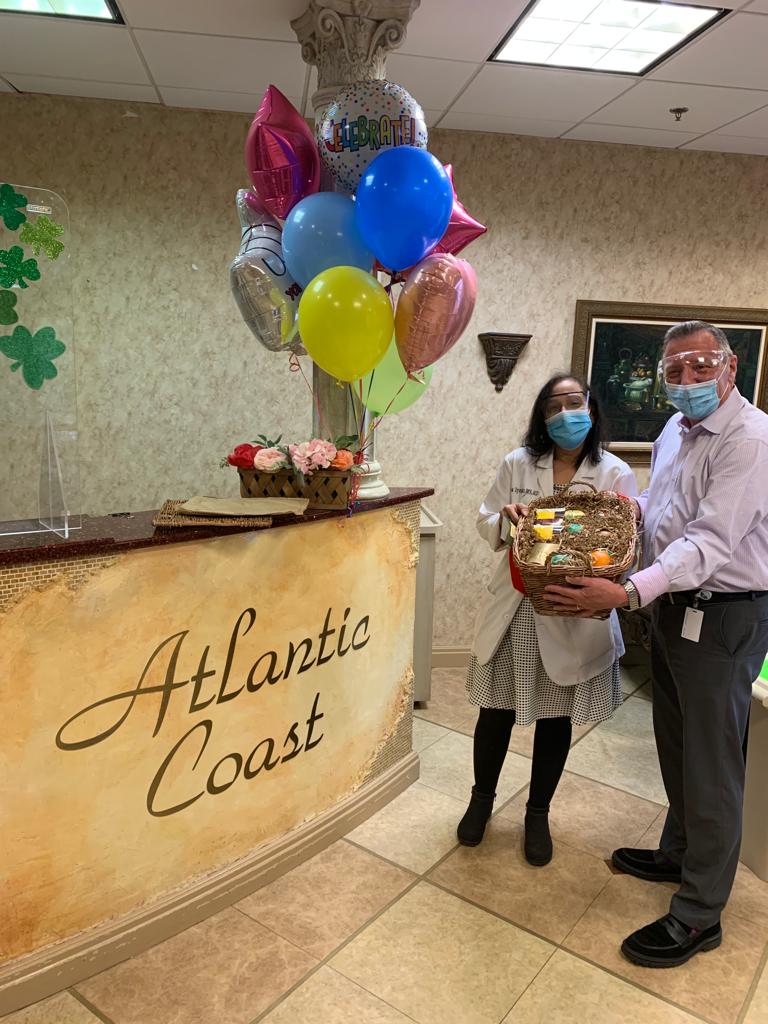
CMS rates ATLANTIC COAST REHAB & HEALTH's staffing level at 3 out of 5 stars, which is average compared to other nursing homes. Staff turnover is 39%, compared to the New Jersey average of 46%. This relatively stable workforce can support continuity of care.

What Have Inspectors Found at Atlantic Coast Rehab & Health?

State health inspectors documented 18 deficiencies at ATLANTIC COAST REHAB & HEALTH during 2020 to 2025. These included: 17 with potential for harm and 1 minor or isolated issues.
Who Owns and Operates Atlantic Coast Rehab & Health?

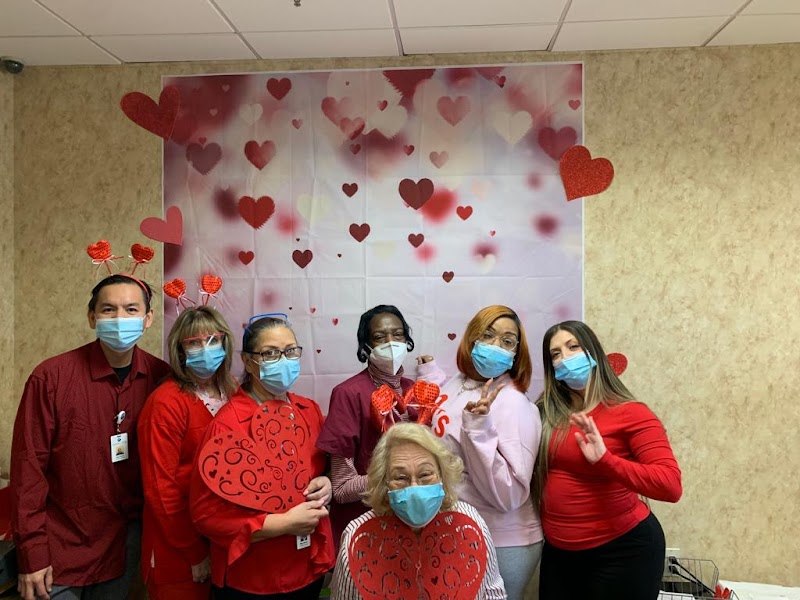
ATLANTIC COAST REHAB & HEALTH is owned by a for-profit company. For-profit facilities operate as businesses with obligations to shareholders or private owners. The facility is operated by OCEAN HEALTHCARE, a chain that manages multiple nursing homes. With 160 certified beds and approximately 138 residents (about 86% occupancy), it is a mid-sized facility located in LAKEWOOD, New Jersey.

How Does Atlantic Coast Rehab & Health Compare to Other New Jersey Nursing Homes?

Compared to the 100 nursing homes in New Jersey, ATLANTIC COAST REHAB & HEALTH's overall rating (2 stars) is below the state average of 3.2, staff turnover (39%) is near the state average of 46%, and health inspection rating (3 stars) is at the national benchmark.

What Should Families Ask When Visiting Atlantic Coast Rehab & Health?

Based on this facility's data, families visiting should ask: "Can I visit during a mealtime to observe dining assistance and food quality?" "How do you handle medical emergencies, and what is your hospital transfer rate?" "Can I speak with family members of current residents about their experience?"

Is Atlantic Coast Rehab & Health Safe?

Based on CMS inspection data, ATLANTIC COAST REHAB & HEALTH has a clean safety record: no substantiated abuse findings (meaning no confirmed cases of resident harm), no Immediate Jeopardy citations (the most serious violation level indicating risk of serious injury or death), and is not on the Special Focus Facility watch list (a federal program monitoring the lowest-performing 1% of nursing homes). The facility has a 2-star overall rating and ranks #100 of 100 nursing homes in New Jersey. While no facility is perfect, families should still ask about staff-to-resident ratios and recent inspection results during their visit.

Do Nurses at Atlantic Coast Rehab & Health Stick Around?

ATLANTIC COAST REHAB & HEALTH has a staff turnover rate of 39%, which is about average for New Jersey nursing homes (state average: 46%). Moderate turnover is common in nursing homes, but families should still ask about staff tenure and how the facility maintains care continuity when employees leave.

Was Atlantic Coast Rehab & Health Ever Fined?

ATLANTIC COAST REHAB & HEALTH has been fined $5,000 across 1 penalty action. This is below the New Jersey average of $33,129. While any fine indicates a compliance issue, fines under $50,000 are relatively common and typically reflect isolated problems that were subsequently corrected. Families should ask what specific issues led to these fines and confirm they've been resolved.

Is Atlantic Coast Rehab & Health on Any Federal Watch List?

ATLANTIC COAST REHAB & HEALTH is not on any federal watch list. The most significant is the Special Focus Facility (SFF) program, which identifies the bottom 1% of nursing homes nationally based on persistent, serious quality problems. Not being on this list means the facility has avoided the pattern of deficiencies that triggers enhanced federal oversight. This is a positive indicator, though families should still review the facility's inspection history directly.