ARISTACARE AT PARKSIDE
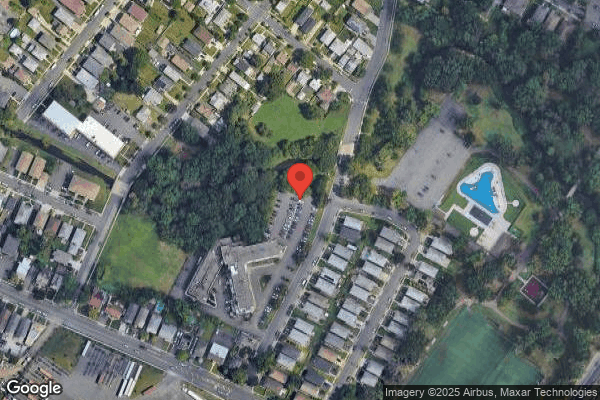
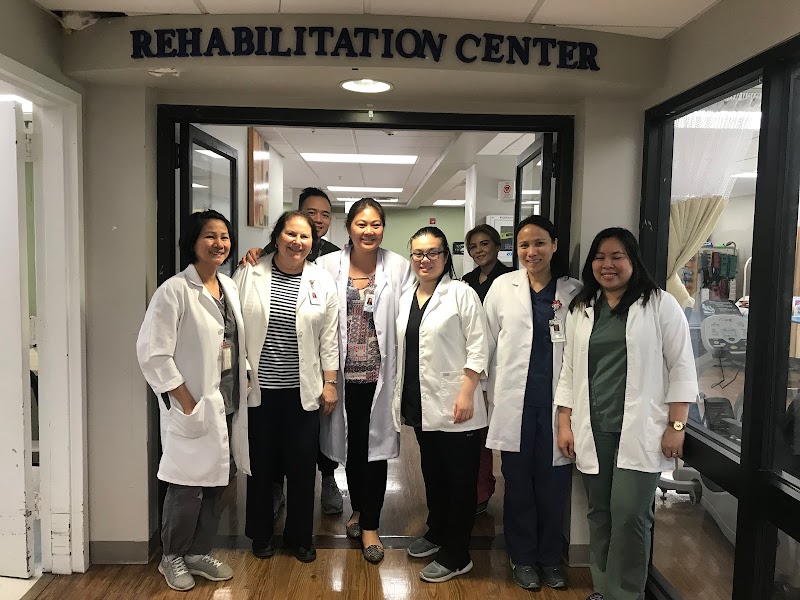
400 W STIMPSON AVE, LINDEN, NJ 07036 (908) 862-3399
For profit - Limited Liability company 240 Beds ARISTACARE Data: November 2025 1 Immediate Jeopardy citation
Trust Grade
48/100
#166 of 344 in NJ
Last Inspection: March 2025

Within standard 12-15 month inspection cycle. Federal law requires annual inspections.

Overview

Aristacare at Parkside has a Trust Grade of D, indicating below-average performance with some notable concerns. It ranks #166 out of 344 nursing homes in New Jersey, placing it in the top half but still reflecting significant room for improvement. The facility’s trend is worsening, with issues increasing from 7 in 2023 to 11 in 2025. Staffing appears to be a strength with a turnover rate of 32%, which is lower than the state average, but the RN coverage is concerning, falling short compared to 80% of facilities in New Jersey. While there have been no fines recorded, which is a positive sign, recent inspector findings noted serious incidents such as a resident with cognitive impairment being allowed to exit a secured unit unsupervised and failures in maintaining food safety and cleanliness, which raises substantial health concerns.

Trust Score
D
48/100
In New Jersey
#166/344
Top 48%
Safety Record
High Risk
Review needed
Inspections
Getting Worse
7 → 11 violations
Staff Stability
○ Average
32% turnover. Near New Jersey's 48% average. Typical for the industry.
Penalties
✓ Good
No fines on record. Clean compliance history, better than most New Jersey facilities.
Skilled Nurses
⚠ Watch
Each resident gets only 22 minutes of Registered Nurse (RN) attention daily — below average for New Jersey. Fewer RN minutes means fewer trained eyes watching for problems.
Violations
⚠ Watch
23 deficiencies on record. Higher than average. Multiple issues found across inspections.
★★★☆☆
3.0
Overall Rating
★★☆☆☆
2.0
Staff Levels
★★★★★
5.0
Care Quality
★★☆☆☆
2.0
Inspection Score
Stable
2023: 7 issues
2025: 11 issues

The Good

  • 5-Star Quality Measures · Strong clinical quality outcomes
  • Full Sprinkler Coverage · Fire safety systems throughout facility
  • No fines on record
  • Staff turnover below average (32%)

    16 points below New Jersey average of 48%

Facility shows strength in quality measures, fire safety.

The Bad

3-Star Overall Rating

Near New Jersey average (3.3)

Meets federal standards, typical of most facilities

Staff Turnover: 32%

14pts below New Jersey avg (46%)

Typical for the industry

Chain: ARISTACARE

Part of a multi-facility chain

Ask about local staffing decisions and management

The Ugly 23 deficiencies on record

1 life-threatening
May 2025 1 deficiency 1 IJ
CRITICAL (J) 📢 Someone Reported This

A family member, employee, or ombudsman was alarmed enough to file a formal complaint

Immediate Jeopardy (IJ) - the most serious Medicare violation

Accident Prevention (Tag F0689)

Someone could have died · This affected 1 resident

COMPLAINT #NJ00186243, NJ00186326 Based on observations, interviews, medical record review, and review of other pertinent facility documentation on 5/15/25 and 5/20/25, it was determined that facility...

Read full inspector narrative →
COMPLAINT #NJ00186243, NJ00186326 Based on observations, interviews, medical record review, and review of other pertinent facility documentation on 5/15/25 and 5/20/25, it was determined that facility staff allowed a severely cognitively impaired resident to exit the secured locked unit and then exit the facility while wearing a Wander Guard (WG) device. Staff also failed to follow the facility's Secure Care/Wanderguard System and Elopements policies on 5/11/25 for 1 of 3 residents (Resident #1). The resident was located at an off-site location by a relative and returned to the facility on 5/11/25 at approximately 9:30 P.M. This deficient practice placed all cognitively impaired residents who were at risk for elopement in an Immediate Jeopardy (IJ) situation. The deficient practice was evidenced by the following: A Facility Reportable Event (FRE) sent to the New Jersey Department of Health (NJDOH), dated 5/13/25, indicated that the Receptionist notified the Nursing Supervisor (NS) at 5:29 P.M. that the, . alarm at front door was sounding after multiple visitors exited the front door . The NS then proceeded to check the building and initiated a code gray. A code gray is a message alert for the facility staff a resident has left the building. The FRE further revealed that the resident was located at a nearby grocery store by a relative, unharmed. Resident #1 was escorted back to the facility by the relative at 9:30 P.M. The FRE did not indicate how the resident exited the 4th Floor secure unit nor the facility. Resident #1 was not at the facility at the time of the survey. A closed record review was conducted. According to the admission Record, Resident #1 was admitted to the facility with diagnoses which included but were not limited to: Alzheimer's Disease, Dementia, and unsteadiness on feet. A review of Resident #1's care plan (CP), revealed a Focus related to elopement, initiated on 5/9/25, that indicated, I am at risk for elopement [related to]: prior history of elopement, impaired judgement due to dementia [diagnosis], history of wandering, memory loss secondary to dementia [diagnosis], packing personal belongings, verbalization of such 'want to go home' etc. Further review of the elopement CP revealed a goal that indicated, I will not leave the building and its premises, dated 5/9/25. Review of Resident #1's Order Summary Report (OSR) for May 2025 revealed an active order for a WG placement at the right ankle, dated 5/9/25. Review of Resident #1's Treatment Administration Record (TAR) for May 2025, revealed an order for: Wanderguard at right ankle every shift -start date- 5/09/2025. The TAR revealed that Licensed Practical Nurse (LPN) documented that the resident was wearing the WG on the day shift on 5/11/25. A review of Resident #1's progress notes (PN) revealed a nursing note, dated 5/6/25, revealed that Resident #1 had a Brief Interview for Mental Status (BIMS) score of 0 out of 15, which indicated that the resident's cognition was severely impaired. Further review of the PN revealed a nursing note created by the NS on 5/11/25 at 11:04 P.M., which revealed, Patient is believed to have eloped from the building at around 5 pm - 5:30 pm. Staff at the front desk heard the alarm and saw the patient leave but did not believe it was a patient; she thought it was a visitor . The Director of Maintenance (DOM) stated during an interview with the surveyor on 5/15/25, at 10:45 A.M., that the 4th floor was designated as the dementia unit which he described as, [you] cannot leave unless you know the code or someone at the desk presses a button. He further stated that if someone wearing a WG entered the elevator, the elevator should not move, and an alarm should sound requiring a code to be entered. The DOM reported that he was informed of the incident the day after it occurred on 5/12/25. He stated that he came into the facility and checked the WG system and the doors and that everything was good. He further stated that he called the contracted provider and requested that they come to assess the system. The DOM provided an invoice from the contracted provider, dated 5/12/25, which revealed, inspection of the wanderguard control system. The inspection noted all tests performed found the system was working. The DOM further stated that he was not sure how the resident got out as the system was working. The DOM provided an email which confirmed this, dated 5/13/25. The email revealed that the [Contracted Provider] sent a technician out on 5/12/25 to test the doors. The technician tested every feature on the door. There are no repairs needed and everything is functioning properly. During an interview with the Director of Nursing (DON), Assistant Administrator (AA), Administrator, and Chief Clinical Officer (CCO) on 5/15/25 at 1:34 P.M., the AA stated that she arrived at the facility at approximately 7:15 P.M and that upon her arrival, the police and family were present, and the camera footage was reviewed. She stated that they observed the receptionist interacting with the resident in the vestibule and noted that the resident, exited the building at 5:30 P.M. She stated that the expectation was that if the alarm was sounding, staff should stop all people going out of the door to investigate. She further indicated that the footage showed the resident walking behind a group of people exiting the facility. The DON, the Administrator, and the CCO added that they all came in on the night of the incident and that the Administrator personally tested the WG system doors and elevators upon his arrival and found they were all working. In the presence of the AA and CCO, on 5/15/25 at 2:16 P.M., the CCO provided the camera footage from 5/11/25 for surveyor review. Both stated that the time stamp of the camera was off by 24 minutes. Surveyor noted that the camera footage started at 17:04 P.M., which they stated was actually 17:28 P.M. In the presence of the AA and CCO, the surveyor reviewed the footage which looked out into the lobby and a door was visible on the right hand side of the screen. The AA stated that beyond the door was a vestibule that had a double door that then lead to the outside of the facility. The following was noted: (Camera footage does not contain audio) -17:04 Receptionist was observed at the desk. -17:05:01 The AA identified to the surveyors Resident #1, by pointing at the screen when the resident appeared. Resident #1 was observed standing at the vestibule entrance with a visitor directly behind him/her pushing a person in a wheelchair. Resident #1 was wearing a straw hat, a pink long sleeve shirt, black pants, and pink shoes. -17:05:22 The door was observed opening -17:05:30 Resident #1 was observed walking out of the lobby behind the visitor and the person in the wheelchair into the vestibule. The receptionist was also observed getting up from the desk. -17:05:37 The receptionist was observed approaching the pin pad on wall to the left of the door. The AA stated that the receptionist punched in the numbers to silence the WG alarm. -17:06:03 Receptionist remained at the pin pad and footage ended. The AA further stated that the receptionist should not have let anyone in or out until it was determined why the (alarm) was going off. During an interview with the Receptionist on 5/15/25, at 3:51 P.M., she stated that receptionists are aware of the WG system and that, If a resident wearing a WG approaches the door, the alarm sounds and doors lock. The door can be opened via a button on the desk or a code entered on a pin pad next to the door. The Receptionist recalled the incident and stated that at around 5:30 P.M. she was at the [lobby] desk and the alarm went off. At that time, she recognized a visitor who was pushing a resident in a wheelchair. She pushed the button to open the door, and she heard the alarm sound while the door was opening. She immediately got up from the desk and walked over to the pin pad, where she saw the visitor with the wheelchair resident, and a gentleman/lady with a straw hat. She stated that she checked the resident in the wheelchair for a WG and she could not find one. She then observed the straw-hat's wrists and ankles and she did not see a WG. She further stated that she attempted to engage the person and asked if they were staying or leaving and the person stated leaving. She stated that the person then exited the building. The Receptionist stated that she immediately called the NS to report that the alarm sounded and was told that a search would be initiated. She stated that about an hour later she was asked if she had seen a resident and realized after inputting the name in the electronic system that she recognized Resident #1 as the person wearing the straw hat that exited the building. She further stated that Resident #1's picture was in the [elopement] binder and that, I should not have let anyone out and held the door until I checked that a resident was or wasn't there. During a telephone interview on 5/20/25, at 11:17 A.M., Certified Nursing Assistant (CNA) stated that she recalled observing a person near the elevator at around 5 P.M. and that he/she, did not look like a patient. The CNA stated that she asked the resident if he/she was okay, and did not engage any further. She stated that Resident #1 was not on her assignment, and it was after she returned from her break that she realized that it was Resident #1 that she saw by the elevator. The CNA denied hearing the alarm as well as entering the code on the pin pad. She further stated that she was agency and that she did not have the code. During a follow-up interview with the Administrator and the DON on 5/20/25, at 2:55 P.M., the Administrator stated that the 4th Floor unit was a Dementia locked unit, vigilance is required. The DON stated that, Residents should be monitored per their care plan. The Administrator also stated that he, Has yet to determine how the resident was able to leave the secure unit. He further stated that interviews were conducted of the staff that worked that night and all of them denied hearing an alarm [WG] or entering the code to bypass it. The Administrator provided copies of the witness statements to the surveyor. During a follow-up interview with the Administrator, the DON, and the CCO on 5/20/25, at 4:06 P.M., the Administrator stated that, The camera screen on the 4th Floor was not functioning and I was unable to view footage of the night of the incident. He further stated that the footage was not available for surveyor review. Review of the facility's undated Secure Care/Wanderguard System policy, revealed under Section 6 of the Procedure for Wanderguard Program, it reflected that the appropriate response for a resident who passed through a Secure Care/Wander Guard Doorway, was to redirect the resident. Review of the facilities Elopements policy, revised April 2023, revealed under Section 2 of the Policy Interpretation and Implementation, it reflected that if a staff member observed a resident leaving the facility that they should, Attempt to prevent the departure . A removal plan was provided to the surveyor on 5/22/25. The plan revealed what actions the facility took to prevent serious harm from occurring or reoccurring. The facility initiated a corrective action plan to remediate the deficient practice. The surveyor verified that the (IJ) F689 removal plan was implemented onsite on 5/27/25 at 2:42 P.M. The non-compliance continued from 5/11/25 for no actual harm with the potential for minimal harm that is not an IJ. The Removal Plan was as follows: -On 5/11/25 at 11:10 P.M., a Telehealth visit was conducted upon Resident #1's return to the facility. -On 5/11/25 at 11 P.M., facility initiated 30 Minute Monitoring of Resident #1 -On 5/11/25 at 11 P.M., facility initiated 30 Minute Monitoring of the elevator -On 5/12/25, In-services for all staff were initiated on Door Alarms, Elopement, and Code Gray and if an alarm sounds staff were to investigate prior to entering a code. -On 5/12/25, Contracted Provider completed a WG control system inspection -On 5/12/25, Facility contacted their Information Technology (IT) Department to inform them of the camera screen not working. -The facility updated the Secure Care/Wanderguard System policy, that included that a photograph be maintained at the reception desk. -Facility initiated audits on WG placement and function, admitted and discharged residents that were assigned a WG, reception area and nursing station. N.J.A.C. 8:39-27.1(a)
Mar 2025 10 deficiencies
CONCERN (D)

Potential for Harm - no one hurt, but risky conditions existed

MDS Data Transmission (Tag F0640)

Could have caused harm · This affected 1 resident

**NOTE- TERMS IN BRACKETS HAVE BEEN EDITED TO PROTECT CONFIDENTIALITY** Based on interview and record review, it was determined that the facility failed to accurately transmit the Minimum Data Set (MD...

Read full inspector narrative →
**NOTE- TERMS IN BRACKETS HAVE BEEN EDITED TO PROTECT CONFIDENTIALITY** Based on interview and record review, it was determined that the facility failed to accurately transmit the Minimum Data Set (MDS) for 2 of 3 residents reviewed for Resident Assessment, Residents #46 and #21, and was evidenced by the following: The MDS is a comprehensive federal mandated process for clinical assessment of all residents that should be completed and submitted to the Quality Measure System. The facility must electronically transmit the MDS no later than 14 days after assessment being completed. After transmitting of the MDS, it will generate a quality measure to enable a facility to monitor the residents decline and progress. The following residents were identified that the MDS were not transmitted timely: 1. Resident # 46: the discharge return not anticipated MDS dated [DATE] was completed 11/9/2024 and was due to be transmitted no later than 11/23/2024. It was transmitted on 3/10/25. 2. Resident #21: the discharge return not anticipated MDS dated [DATE] was completed on 11/6/24 and due to be transmitted on 11/20/24. It was transmitted on 3/10/25. On 03/11/25 at 09:55 AM, during an interview with the surveyor, the MDS Coordinator stated that MDS's should be transmitted within 2 weeks of completion. She stated she prefers to transmit the MDSs within a week. The MDS Coordinator acknowledged that Resident #46 and Resident #21 discharge return not anticipated MDSs were transmitted late. The facility provided policy titled, Electronic Transmission of the MDS, reflected All MDS assessments will be transmitted to the State database in accordance with current Omnibus Budget Reconciliation Act regulations governing the transmission of MDS data. NJAC 8:39 - 11.1
CONCERN (D)

Potential for Harm - no one hurt, but risky conditions existed

Assessment Accuracy (Tag F0641)

Could have caused harm · This affected 1 resident

Based on observation, interview, and record review it was determined that the facility failed to accurately assess the status of a resident in the Minimum Data Set (MDS), an assessment tool used to fa...

Read full inspector narrative →
Based on observation, interview, and record review it was determined that the facility failed to accurately assess the status of a resident in the Minimum Data Set (MDS), an assessment tool used to facilitate care. This deficient practice was identified for 1 of 36 residents (Resident #100) reviewed for MDS accuracy and was evidenced by the following: The surveyor reviewed the medical record for Resident #100. A review of the admission Record, an admission summary, revealed the resident had diagnoses which included, but were not limited to: Parkinsonism, Major Depressive Disorder, and Schizoaffective Disorder, BiPolar Type. A review of the resident's comprehensive Minimum Data Set (MDS), an assessment tool used to facilitate the management of care, dated 1/10/2025 included the resident had a Brief Interview for Mental Status (BIMS) score of 10 out of 15, which indicated the resident's cognition was moderately impaired. Section A, Question A1500, of the MDS did not identify Resident #100 as having a postitive 2 Preadmission Screening and Resident Review (PASRR) Level 2, which indicated a serious mental illness. A review of Resident #100 Electronic Medical Record (EMR) included identification of positive PASRR Level 2 Determination Notification dated 8/24/23. During an interview with the surveyor on 3/7/2025 at 10:23 AM, the Social Worker (SW) identified the positive PASRR level 2 and stated that once a resident has a positive level 2 they will always be considered positive. When asked if the most recent comprehensive MDS should identify a positive PASRR 2, the SW stated yes. During an interview with the surveyor on 3/11/2025 at 9:54 AM, the MDS Coordinator stated they will follow up to see if an MDS modification needed to be completed to identify the PASRR Level 2. During an interview with the surveyor on 3/7/2025 at 10:23 AM, the Director of Nursing, in the presence of the Regional Director of Nursing and the Licenced Nursing Home Administrator, confirmed that Resident #100 should have been coded yes for question having a state level 2 PASRR and a modification of the MDS was completed. A review of the facility's undated Electronic Transmission of the MDS policy included the following under Policy Interpretation and Implementation: 1. Specific staff members responsible for completion of the MDS receive training on the assessment process, in accordance with the MSDS 3.0 RAI instruction manual before being permitted to use the MDS computer system. NJAC 8:39-11.1
CONCERN (D)

Potential for Harm - no one hurt, but risky conditions existed

PASARR Coordination (Tag F0644)

Could have caused harm · This affected 1 resident

Based on observation, interview, and record review it was determined that the facility failed implement the recommendations into the resident's assessment and care planning from a resident's Pre-admis...

Read full inspector narrative →
Based on observation, interview, and record review it was determined that the facility failed implement the recommendations into the resident's assessment and care planning from a resident's Pre-admission Screening and Resident Review (PASARR) level 2 determination. This deficient practice was identified for 1 of 1 residents (Resident #100) reviewed for PASARR and was evidenced by the following: . A review of the admission Record, an admission summary, revealed the resident had diagnoses which included, but were not limited to: Parkinsonism, Major Depressive Disorder, and Schizoaffective Disorder, BiPolar Type. A review of the resident's comprehensive Minimum Data Set (MDS), an assessment tool used to facilitate the management of care, dated 1/10/2025 included the resident had a Brief Interview for Mental Status (BIMS) score of 10 out of 15, which indicated the resident's cognition was moderately impaired. Section A, Question A1500, of the MDS did not identify Resident #100 as having a state level 2 Preadmission Screening and Resident Review (PASRR) process to have serious mental illness. A review of the resident's individual comprehensive care plan (ICCP) did not identify Resident #100 positive PASRR Level 2 along with the state identified recommendations. A review of the PASARR Level II Determination Notification letter by the New Jersey Department of Human Services Division of Mental Health and Addiction Services dated 8/24/2023 revealed that Resident #100 had mental health treatment needs that could be met in a nursing facility. According to the notification, the recommendations made for the resident included the following: 1. Psychiatric consult upon admission to the nursing facility. 2. Routine follow up visits with the Primary Care Physician and Psychiatrist. 3. Medication Monitoring 4. Supportive Counseling 5. Routine Laboratory Testing 6. Formulate and implement a behavioral modification plan to address any behavioral disturbances. 7. Provide education to the client and family on mental illness and medication. 8. Develop a Crisis Intervention/Safety Plan with the client. During an interview with the surveyor on 3/7/2025 at 10:23 AM, the Social Worker (SW) explained that a positive PASRR 2 meant that the resident had a major mental health illness. When asked what was done with that information, the SW stated that the state recommendations on the Level 2 would be shared with the entire clinical team, including the psychiatrist, and the resident care plan would be based on those specific recommendations. The surveyor inquired if the PASRR 2 is a permanent status or if that changes based on admissions. The SW confirmed that it is a permanent status. When asked if the SW was familiar with Resident #100, the SW agreed that they are on his floor. When asked to review the resident's care plan, the SW could not identify a focus area for the positive Level 2 that included state recommendations. The surveyor inquired who would be responsible for implementing a Level 2 care plan and the SW confirmed that social work and nursing. During an interview with the surveyor on 3/12/25 at 9:36 AM, Licensed Practical Nurse Unit Manager (LPNUM) explained that a PASRR level 2 should be identified on a care plan to ensure that they are safe and properly cared for in a nursing facility. When asked if the PASRR level 2 should be on the care plan, the LPNUM confirmed and stated that it should also include all the recommended interventions. During an interview with the surveyors on 3/7/2025 at 10:23 AM, the Regional Director of Nursing, in the presence of the Director of Nursing and the Licensed Nursing Home Administrator, acknowleged that the PASRR Level 2, along with its recommendations, should be identified on a resident care plan. A review of the facility's undated Preadmission Screening and Resident Review (PASRR) Policy does not address implementation of state recommendation. NJAC 8:39-27.1 (a)
CONCERN (D)

Potential for Harm - no one hurt, but risky conditions existed

Deficiency F0761 (Tag F0761)

Could have caused harm · This affected 1 resident

Based on observation, interview, and review of pertinent facility documents it was determined that the facility failed to keep medications stored and labeled properly specifically by having unpackaged...

Read full inspector narrative →
Based on observation, interview, and review of pertinent facility documents it was determined that the facility failed to keep medications stored and labeled properly specifically by having unpackaged medications in the drawers and not labeling a medication with an opened date. The deficient practice was identified for 3 of 4 medication carts reviewed under the Medication Task. The deficient practice was evidenced by the following: On 03/07/2025 at 11:01 AM while on the second floor, the surveyor inspected the 2-C Cart. At that time while observing the top drawer of the cart, the surveyor observed an opened insulin injection pen (insulin medication needle delivery device) without a date it was opened. In the second and third drawer of the cart, the surveyor discovered ten, loose tablets and capsules. At that time of the inspection, the surveyor interviewed Licensed Practical Nurse (LPN) # 1. LPN # 1 said that the night shift is supposed to clean the cart. She also said that the nurse on each shift is responsible for the cart. Lastly, LPN # 1 said that the insulin pen should have an opened date. On the same date at 11:20 AM, while on the third floor, the surveyor inspected the medication cart on the B side unit. At that time, the surveyor observed one unidentified, loose tablet in the second drawer. On the same date at 11:29 AM, while on the fourth floor, the surveyor inspected the medication cart on the A side unit. At that time, the surveyor observed one unidentified, loose tablet in the second drawer. On 03/11/2025 at 1:13 PM during an interview with the surveyor, the Director of Nursing (DON) replied, Yes after the surveyor asked if insulin pens be dated once they are opened. The DON also said that medication carts should be checked everyday and that they are cleaned monthly. A review of the facility policy titled, Storage of Medications revealed under, Policy Interpretation and Implementation that, 1. Drugs and biologicals shall be stored in the packaging, containers or other dispensing systems in which they are received. Only the issuing pharmacy is authorized to transfer medications between containers. and that, 9. Drugs shall be stored in an orderly manner in cabinets, drawers, carts, or automatic dispensing systems. Each resident's medications shall be assigned to an individual cubicle, drawer, or other holding area to prevent the possibility of mixing medications of several residents. N.J.A.C. § 8:39-29.4 (b)
CONCERN (D) 📢 Someone Reported This

A family member, employee, or ombudsman was alarmed enough to file a formal complaint

Potential for Harm - no one hurt, but risky conditions existed

Menu Adequacy (Tag F0803)

Could have caused harm · This affected 1 resident

Complaint: NJ00183795, NJ00173600, NJ00174453 Based on observation, interview and review of facility meal tickets it was determined that the facility failed to ensure the preferences on the meal ticke...

Read full inspector narrative →
Complaint: NJ00183795, NJ00173600, NJ00174453 Based on observation, interview and review of facility meal tickets it was determined that the facility failed to ensure the preferences on the meal tickets were followed for 2 of 2 residents observed for food concerns. (Resident #89 and Resident #101 This deficient practice was evidenced by the following: According to the admission Record, Resident #89 was admitted to the facility with diagnoses including but not limited to; Morbid (severe) Obesity due to excess calories, and Type 2 Diabetes Mellites with Hyperglycemia (high blood sugar). According to the Minimum Data Set, an assessment tool used to manage care dated 12/26/2024, revealed that Resident # 89 had intact cognition. During a dining observation on 03/11/2925 at 12:23 PM, the surveyor inspected Resident #89's lunch tray and ticket for accuracy. The following items were missing from the tray coffee creamers, vegetarian vegetable soup, chef salad, and green vegetables. According to the admission Record, Resident #101 was admitted to the facility diagnoses including but not limited to: Morbid (severe) Obesity due to excess calories, and Type 2 Diabetes Mellites with Hyperglycemia (high blood sugar). According to the Minimum Data Set, an assessment tool used to manage care dated 12/21/2024, revealed that Resident # 101 had intact cognition. During a dining observation on 03/11/2025 at 12:16 PM, the surveyor inspected Resident #101's lunch tray and ticket for accuracy. The following items were missing, a fruit plate and ½ cup of grapes. During an interview on 03/11/2025 at 12:29 PM with the surveyor, the Regional Dietary Director (RDD) said the dietary aide last on the food line was responsible to assure tray accuracy before sending the trays out. The RDD also said the All-Available menu is being revamped as some items were not available. The RDD said they usually make the chef salads in the morning and that was overlooked today, and the creamers, and soup should have been on Resident # 89's tray. The RDD also said the fruit plate for Resident #101 was not available today. A review of an updated facility provided policy titled Resident Food Preferences revealed under, Policy Interpretation and Implementation that, 6. The Food service Department will offer a limited number of food substitutes for individuals who do not want to eat the primary meal. NJAC 8:39 -17.4(a)(3)
CONCERN (D)

Potential for Harm - no one hurt, but risky conditions existed

Deficiency F0813 (Tag F0813)

Could have caused harm · This affected 1 resident

Based on observation, interview, and review of pertinent facility documents, the facility failed to ensure that food brought in from visitors was stored in a safe and sanitary condition by failing to ...

Read full inspector narrative →
Based on observation, interview, and review of pertinent facility documents, the facility failed to ensure that food brought in from visitors was stored in a safe and sanitary condition by failing to document temperatures on a temperature log for personal refrigerators. The deficient practice was identified for 2 of 2 Residents who had personal refrigerators in their room. The deficient practice was evidenced by the following: On 03/07/2025 at 12:15 PM, the surveyor observed Resident # 70 in bed in their room. At that time, the surveyor observed a black, small refrigerator in their room. At that time, the surveyor observed paper on the side of the fridge titled, Temperature Log indicating the month of March. The log did not have any temperatures recording on it including the current date. On 03/09/2025 at 12:18 PM, the surveyor observed Resident # 49 in bed in their room. At that time, the surveyor observed a small, black refrigerator in the room. The refrigerator did not have a temperature log at all. On 03/11/2025 at 12:02 PM, during an interview with the surveyor, the Director of Nursing (DON) said that the temperature log is filled out on the night shift by the nurses. She replied, We don't want anything to be spoiled when the surveyor asked why would it be important to check the temperatures. On 03/12/2025 at 9:26 AM, during an interview with the surveyor, Licensed Practical Nurse (LPN) # 1 said we check the temperatures. She explained that there is a log on the refrigerator and that mostly the nurses do attempt. A review of the facility policy titled, Outside Food Policy with a review date of December, 2024 revealed that, 7. If a resident has an in-room personal refrigerator, designated staff (housekeeping?) will monitor these units for temperature control, food or beverage disposal, and sanitation, using the guidelines in this policy. N.J.A.C. § 8:39-17.4 (a)2
CONCERN (E)

Potential for Harm - no one hurt, but risky conditions existed

Safe Environment (Tag F0584)

Could have caused harm · This affected multiple residents

**NOTE- TERMS IN BRACKETS HAVE BEEN EDITED TO PROTECT CONFIDENTIALITY** Based on observation, interview, and pertinent facility documentation, it was determined that the facility failed to maintain a ...

Read full inspector narrative →
**NOTE- TERMS IN BRACKETS HAVE BEEN EDITED TO PROTECT CONFIDENTIALITY** Based on observation, interview, and pertinent facility documentation, it was determined that the facility failed to maintain a homelike environment that was clean, safe, and sanitary. This deficient practice was identified for 3 of 4 floors (2nd, 3rd, and 4th floors). This deficient practice was evidenced by the following: 1. On 03/10/2025 at 12:25 PM, Surveyor #1 observed Shower Room B on the 4th floor: the door was missing a section of the panel facing into the shower room, the white shower curtain for a stall was ripped, there were white debris on a blue shower curtain in another stall, the tiles surrounding the toilet were cracked, brown debris was present in a shower stall, and the drain contained brown matter. During an interview with Surveyor #1 on 03/11/2025 at 10:21 AM, the Housekeeping Director (HD) said that the shower rooms were cleaned twice daily. Certified Nurse Aides (CNAs) were responsible for removing any fecal matter from the showers and notifying housekeeping for necessary disinfection. Housekeeping was also tasked with reporting any broken items to nursing or maintenance, which were logged into an electronic system. Additionally, he conducts rounds throughout the facility twice a day to ensure that standards are upheld. During an interview with Surveyor #1 on 03/11/2025 at 10:31 AM, the Maintenance Director (MD) said that he conducts rounds throughout the facility three to four times a day to inspect for any broken or non-functional items, as well as to assess the overall condition of the building. He emphasized the importance of keeping an appealing environment for the residents, specifically noting that the shower room door on the 4th floor should be intact and that there should be no cracked tiles in that area. A review of the undated facility policy, titled, Homelike Environment, revealed, The facility staff and management shall maximize to the extent possible, the characteristics of the facility that reflect a personalized, homelike setting. Those characteristics includes a.) clean, sanitary, and orderly environment. 4. During initial tour on 03/06/2025 at 10:02 AM Surveyor #4 observed the following: peeling and missing wallpaper at the end of Hallway A on the fourth floor; a broken window blind in room [ROOM NUMBER]; an orange substance smeared on the floor in room [ROOM NUMBER], the wall next to bed had scratches on it and a dirty tray table; in the B side shower room, there was a dirty wound dressing on the radiator. During an observation on 03/11/2025 at 09:59 AM of the A side shower room surveyor #4 observed the following: a pair of pants on a chair; discarded clothes on a shelving unit and floor in front of the shelving unit; a tied plastic bag with what appeared to be linen in the corner; a tied plastic bag with toilet paper, and boxes of supplies in another corner with a plastic cup on the floor. During an interview on 03/11/2025 at 10:20 AM with surveyor #4, The Housekeeping Director (HD) said that the shower rooms were cleaned twice a day. The HD said that certified nursing assistants (CNA) were responsible for removing any clothes or linens from the shower room, however if housekeeping saw them in there, they would remove them. The HD also stated that rooms should be cleaned every day, the cleaning consist of dusting, taking out trash, restocking paper products, cleaning windows and mopping floors. The HD said the rooms and shower rooms should look good and clean, and if anything is broken it should be reported to the maintenance department. During an interview on 03/11/2025 AM with surveyor #4, the Maintenance Director (MD) said they round on the building 3 times a day and if anything is broken or non-function it is repaired. The MD also said that walls and wallpaper is monitored and tended to monthly. The MD also said that window blinds are an ongoing project, they are trying to keep up with it. The MD agreed that the walls, and blinds should be kept in good repair. During a dining observation on 03/10/2025 at 12:47 PM surveyor #4 observed 11 residents and 2 staff in the dining room. The resident tables were bare. The first resident was served at 12:51 PM on the tray. The last resident was served at 01:09 PM. All residents in the dining room were served on trays. During an interview with surveyor #4 the Director of Nursing (DON) said that the 4th floor dining room was used every day for meals. The DON also said the meals should be taken off the trays and served to the resident on the table. A review of an undated facility provided policy tilted Dining Policies revealed, The goal is to serve meals in a more home like setting. The staff will appropriately set up each resident's table setting individualized per the president's choice N.J.A.C. 8:39-31.4(a) 2. During the initial tour of the building on 03/06/2025 at 11:09 AM, surveyor # 2 observed Resident #66's bathroom in room [ROOM NUMBER]-1. The surveyor observed that both of the toilet safety rails attached to the wall with exposed 2x4 wood planks. The wood planks were not painted along with the wall around the project that had numerous spackling areas. On the same date at 11:19 AM, surveyor #2 observed Resident #101's room which presented with missing drawer fronts (approximately 3), resulting in exposed personal property which were viewable to the public, and drawers (approximately 3) that were not able to be closed completely. During an interview with the surveyor on 03/11/2025 at 10:23 AM, the Housekeeping Director (HD) stated that housekeeping should notify the nursing department of any broken items in resident rooms and they will put it the computer system for maintenance to follow up on. During an interview with the surveyor on 03/11/2025 at 10:31 AM, the Maintenance Director (MD) reported that all projects should look complete in the end. The MD confirmed that there should not be any exposed wood, unpainted, or raw spackled areas. When asked about broken drawers, the MD stated that the maintenance department can either fabricate or order replacement drawers. When showed pictures of Resident #66's bathroom and Resident #101's broken drawers, the MD confirmed that the bathroom should have been painted and presented in better fashion and that resident rooms should not have numerous broken drawers. During an interview with the surveyors on 03/7/2025 at 10:23 AM, the Director of Nursing, in the presence of the Regional Director of Nursing and the Licensed Nursing Home Administrator, the resident environment was acknowledged. 3. On 03/06/2025 at 10:40 AM, Surveyor # 3 observed Resident # 183 in their room. At that time, Surveyor # 3 observed two, clear plastic bags filled with linen left on the floor under the sink in the room. On 03/07/2025 at 11:14 AM, Surveyor # 3 observed the bathroom in room [ROOM NUMBER]. At that time, Surveyor # 3 observed water stains on the ceiling tile, a used, green incontinence brief in the trash can, stains on the wall near the doorway of the room. The Surveyor also observed an opened hand sanitizer wall-dispenser. There was no hand sanitizer located within. A review of the undated facility policy titled, Cleaning and Disinfection of Environmental Surfaces revealed that, 11. Walls, blinds and window curtains in resident areas will be cleaned when these surfaces are visibly contaminated or soiled.
CONCERN (E)

Potential for Harm - no one hurt, but risky conditions existed

Deficiency F0804 (Tag F0804)

Could have caused harm · This affected multiple residents

Based on observation, interview, record review, and review of facility documents, it was determined that the facility failed to ensure palatable temperature of food for 1 of 1 lunch meal. This deficie...

Read full inspector narrative →
Based on observation, interview, record review, and review of facility documents, it was determined that the facility failed to ensure palatable temperature of food for 1 of 1 lunch meal. This deficient practice was evidenced by the following: On 3/11/25 at 11:08 AM, surveyors conducted a meeting with the Resident Council which included nine residents. All nine residents reported that food not served at proper temperatures. On 3/11/25 at 11:16 AM, the surveyor observed the Regional Food Service Director (RFSD) who calibrated (process to make sure the instrument is taking an accurate temperature reading) before he proceeded to obtain food temperatures from the steam table. The RFSD confirmed that cold items should be below 41 degrees and hot items should be above 160 degrees. During this time, items were removed and reheated to proper temperatures from the steam table. The RFSD asked the kitchen staff if the items were temperature checked prior to placing on the steam table, in which it was discovered that temperature checks were not conducted. On the same date at 3/11/25 at 1:28 PM, a temperature testing tray was completed by the RFSD and Food Service Director (FSD) on the 4th floor after all trays were passed on the floor. The surveyor noted the following temperatures: Coleslaw: 52 degrees Fahrenheit Potato Salad: 52 degrees Fahrenheit Juice: 46 degrees Fahrenheit Milk: 47 degrees Fahrenheit At this time, both the RFSD and FSD confirmed that cold items temperature should be between 36 to 41 degrees. Both RFSD and FSD stated that they have been experiencing difficulty in keeping the temperature cold items. A review of the undated facility's Food Temperature policy, included: all cold items must be maintained and served at a temperature of 41° Fahrenheit or below. NJAC 8:39-17.4(a)(2)
CONCERN (E)

Potential for Harm - no one hurt, but risky conditions existed

Infection Control (Tag F0880)

Could have caused harm · This affected multiple residents

2. On 03/06/2025 at 11:07 AM during the initial tour, Surveyor # 2 observed Resident # 75 in bed in their room. At that time, Surveyor # 2 observed a nebulizer face mask (Mask used to deliver aerosoli...

Read full inspector narrative →
2. On 03/06/2025 at 11:07 AM during the initial tour, Surveyor # 2 observed Resident # 75 in bed in their room. At that time, Surveyor # 2 observed a nebulizer face mask (Mask used to deliver aerosolized medication through the nose and mouth) on top of the nebulizer machine. The mask was not covered and exposed to the air. On 03/11/2025 at 11:09 AM, Surveyor # 2 observed Resident # 75 in bed in their room. At that time, Surveyor # 2 observed the nebulizer face mask on top of the nebulizer machine. The mask was not covered and exposed to the air. A review of Resident # 75's Electronic Medical Record (EMR) revealed under Order Summary that he/she had an order to Change neb [nebulizer] tubing weekly, sign and date. On 03/11/2025 during an interview with Surveyor # 2, the Director of Nursing (DON) confirmed that nebulizers should be in covered in a bag. She further stated that it is important for infection control. Complaint: NJ174453 Based on observations, interview, record review, and review of pertinent facility documents, it was determined that the facility failed to use appropriate infection control practices, specifically by A.) failing to contain and date respiratory equipment, B.) failing to wear a gown while performing care in a room requiring personal protective equipment and C.) failing to offer hand hygiene to residents prior to eating. The deficient practice was identified for 3 of 5 residents (Residents # 75, 101, 477) reviewed for Respiratory Care, 1 of 1 resident (Resident # 84) reviewed for Tracheostomy Care, and 1 of 3 Units observed during the Dining Task. The deficient practice was evidenced by the following: 1. On 03/06/2025 at 11:26 AM during the initial tour, Surveyor # 1 observed Resident # 101 in bed. At that time, Surveyor # 1 observed a Bilevel Positive Airway Pressure (BiPAP) mask not in a bag, exposed to air. On 03/10/2025 11:26 AM, Surveyor # 1 observed Resident # 101 in bed. At that time, Surveyor # 1 observed the BiPAP mask and nasal cannula not in a bag, exposed to air. At that time, Resident # 101 said the staff used to put them in a bag all the time but haven't in months. He/She further stated that it was nice when they [facility] put them in a bag. A review of Resident # 101's Electronic Medical Record (EMR) revealed a diagnoses of but not limited to Chronic Obstructive Pulmonary Disease and Chronic Respiratory Failure. On 03/12/2025 at 9:36 AM during an interview with Surveyor # 1, the Unit Manager Nurse (UMN) replied, They should be in a plastic bag and cleaned daily. Nasal cannulas should be in a bag and changed weekly when Surveyor #1 asked how are respiratory supplies such as cannulas to be stored when not in use. On the same date at 10:36 AM during an interview with Surveyor # 1, the Infection Preventionist (IP) said masks and nasal cannulas should be in bags and they should be changed weekly. When Surveyor #1 asked why that is important, the IP replied it is exposed to germs in the air. On 03/10/2025 at 11:40 AM, Surveyor # 1 observed Resident # 84 in bed in their room. At that time, Certified Nurses Aide (CNA) # 1 was observed in the room providing care to the resident. CNA # 1 was wearing a face mask and gloves but not a gown. At that time, Surveyor # 1 retrieved the Unit Manager who confirmed that CNA # 1 should be wearing a gown in the room. A review of Resident # 84's Quarterly Minimum Data Set (an assessment tool) dated 12/15/2024 revealed that he/she received tracheostomy care, including oxygen and suctioning. A review of Resident # 84's Care Plan located in the Electronic Medical Record, revealed a focus for Enhance Barrier Precautions (an infection control strategy, involving gown and glove use during high-contact resident care activities, to reduce the transmission of multidrug-resistant organisms in nursing homes, particularly for residents with wounds or indwelling medical devices). A review of the facility-provided policy titled Enhanced Barrier Precaution Policy updated in December of 2024 revealed under Table 1: Implementing Contact verses Enhanced Barrier Precautions that use of Enhanced Barrier Precautions applied to resident that Has a wound or indwelling medical device, and secretions or excretions that are unable to be covered or contained and are not known to be infected or colonized with any MDRO [Multidrug Resistant Organism]. The facility could not provide a policy detailing how oxygen supplies are to be stored when not in use. 4. During a dining observation on 03/10/2025 at 12:47 PM surveyor #4 observed 11 residents and 2 staff in the dining room. Residents were all sitting at tables waiting for lunch to arrive. No hand hygiene was offered to residents. The First tray arrived at 12:51 PM, staff went to cart to retrieve trays and serve residents no hand hygiene was observed for staff. During an interview on 03/11/2025 at 1:13 PM with surveyor #4, The Director of Nursing replied, Yes. When asked if hand hygiene should be performed by staff and residents prior to meals. During an interview on 03/12/2025 at 10:36 AM with surveyor #4 the Infection Preventionist (IP) said residents should be offered hand sanitizer wipes before meals from the staff. The IP also said staff should be performing hand hygiene before and after providing care, before serving meals, and when visible soiled. A review of a facility provided job description for Certified Nursing Assistants revealed under Food Service Functions to, Prepare residents for meals (i.e., take to bathroom, wash hands ) A review of an undated facility provided policy titled Handwashing/Hand Hygiene revealed to wash hands, before and after eating, and before and after all resident care activities. N.J.A.C. 8:39-19.8(m), 19.4(a) 3. Upon initial tour of the facility on 03/06/2025 at 10:32 AM, Surveyor #3 observed that Resident #447 was receiving oxygen (O2) through a nasal cannula (NC), which was used to deliver supplemental oxygen, connected to an oxygen concentrator that provides extra oxygen to those who have difficulty breathing. However, the oxygen tubing was not labeled and dated. On 03/10/2025 at 12:15 PM, Surveyor #3 reviewed the electronic medical records for Resident #447 as follows: According to the admission Record Resident #447 was admitted to the facility with various diagnoses, including but not limited to Chronic Obstructive Pulmonary Disease (COPD), a progressive lung condition that leads to breathing difficulties due to airflow obstruction. A review of Resident #447's Order Summary Report indicated the following: start date 03/05/2025; the resident was to receive O2 at 3 liters per minute via NC continuously every shift for shortness of breath related to COPD. During an interview with Surveyor #3 on 03/12/2025 at 10:37 AM, the Infection Preventionist said that oxygen tubing should be changed and labeled weekly. If the oxygen tubing is not dated or signed out in the EMR, it is assumed that the task has not been completed. A review of the facility undated provided policy, titled, Oxygen Administration did not address labeling and dating.
CONCERN (F)

Potential for Harm - no one hurt, but risky conditions existed

Food Safety (Tag F0812)

Could have caused harm · This affected most or all residents

Based on observations, interview, and record review, it was determined that the facility failed to handle potentially hazardous foods and maintain sanitation in a safe consistent manner to prevent foo...

Read full inspector narrative →
Based on observations, interview, and record review, it was determined that the facility failed to handle potentially hazardous foods and maintain sanitation in a safe consistent manner to prevent food borne illness. This deficient practice was observed by the following: On 3/6/2025 from 10:02AM to 10:55 AM, the surveyor observed the following in the presence of the Food Service Director (FSD): Prep Area: 1. Upon washing hands in the prep area, the surveyor did not observe a self-closing waste receptacle next to the handwashing station. When asked if a waste receptacle was required next to the hand washing sink, the FSD responded that there was trash can upon entrance to the room that the kitchen staff use. The surveyor did not observe a lid to the garbage receptacle. 2. The table-mounted manual can opener was observed to be dirty with an unknown brown substance around the cutting blade. The FSD stated that the can opener should be clean at all times. Reach in Refrigerator #1: 1.The Refrigerator/Freezer Temperature Log the 3/6/2025 PM section was filled out identifying the temperature as 36 degrees for the refrigerator and 0 degrees for the freezer. The FSD confirmed that the log should not be pre-filled for the PM section. 2. A gallon jar of mayonnaise with no open date. When asked if there should be an open date, the FSD responded, yes, and threw away the item. 3. A knotted black bag of unknown items and a glass container with teal lid with unidentified food. The FSD identified the items as employee flood and confirmed that staff should not be putting personal food in the refrigerator. Reach in Refrigerator #2: 1. The Refrigerator/Freezer Temperature Log the PM section was filled out identifying the temperature as 36 degrees for the refrigerator and 0 degrees for the freezer. 2. A gallon jar of duck sauce with no open date. The FSD removed and threw away the item. 3. A gallon jar of barbeque with no open date. The FSD removed and threw away the item. 4. A 32oz container of Portobello Mushroom Soup with no open date. The FSD removed and threw away the item. Reach in Freezer: 1. Upon opening the right freezer door, ice and frost was observed around the left side of the door. When asked if this should occur, the FSD stated no because it could imply that the door is not closing properly. Walk in Refrigerator: 1. The Refrigerator/Freezer Temperature Log the 3/6/2025 PM section was filled out identifying the temperature as 36 degrees for the refrigerator and 0 degrees for the freezer. The FSD confirmed that the log should not be pre-filled for the PM section. 2. In the rear of the refrigerator, along the back wall, the surveyor noted brown liquid residue. When asked how often the refrigerator is cleaned, the FSD stated that it was just done but will have it mopped again. Walk in Freezer: 1. The Refrigerator/Freezer Temperature Log the 3/6/2025 PM section was filled out identifying the temperature as 36 degrees for the refrigerator and 0 degrees for the freezer. The FSD confirmed that the log should not be pre-filled for the PM section. 2. One sprinkler head completely encased in ice with a consistent frozen water stream that reached from the sprinkler to the floor with approximately 1 inch ice build up on the floor and freezer shelves. Dry Storage Area: 1. The Storeroom Temp Log the 3/6/2025 PM section was filled out identifying the temperature as 72 degrees. Dishwasher: 1. The surveyor questioned the FSD if the facility had a low temperature or high temperature dishwasher. The FSD responded that it was a low temperature dishwasher. The surveyor observed that the dishwasher was in operation and the staff were in the process of cleaning the breakfast dishes. The surveyor observed the following sign on the front of the dishwasher: Check Temps!!!!!! Before AND During dishmachine process Wash Temp falls below 160 Rinse Temp falls below 180 STOP dishwashing and notifying a supervisor immediately. The surveyor again questioned if the dishwasher is a low or high temperature. The FSD again continued to state it was a low temperature dishwasher. The surveyor and the FSD reviewed the temperatures while the dishwasher was processing dishes. The following temperatures were noted: Rinse: 155; Wash 140; Pre-Wash: 130. The surveyor asked if the temperatures were reaching proper temperatures to ensure that there is no potential bacterial growth and the potential for food borne illness. The FSD stated that she will have to check. The surveyor reviewed the Dish Machine Warewashing Log and observed that the morning temperatures were not completed. The Licensed Nursing Home Administrator was made aware and confirmed that the temperature was not meeting proper temperatures and it will be converted to a low temperature dishwasher with chemicals until the mechanic can come to address the issues. Across from the dishwasher, a slicer was observed uncovered and exposed to the environment. The FSD confirmed that it should be covered when not in use. On 3/10/2025 at 09:56 AM to 10:28, the surveyor completed a follow up inspection of the kitchen with Regional Food Service Director (RFSD) and observed the following: 1. Missing self-closing waste receptacle next to the handwashing station. When asked if a waste receptacle was required next to the hand washing sink, the RFSD confirmed that there should be one next to the sink and one has been ordered. 2. The Refrigerator/Freezer Temperature Log the PM section was not filled out for the dates of 3/6/2025; 3/7/2025; 3/8/2025; and 3/9/2025. The RFSD confirmed that it should have been filled out. When asked approximately what time the PM section should be completed, the RFSD stated around 4-5pm. 3. In the walk-in freezer, the ceiling to floor icicle was removed; however, ice blocks and shards were observed throughout the area. On the left hand side of the freezer, spilled frozen carrots were observed under the shelving. 4. The RFSD confirmed that the dishwasher has been operating as a low temperature machine since surveyors identification of the temperatures during entrance on 3/6/2025. Upon review of the Dish Machine Warewashing Log, the following was observed for morning temperatures: 3/7/2025 Wash Temp-165 Final Rinse- 120; 3/8/2025 Wash Temp- 165 Final Rinse- Unable to be identified; 3/9/2025 Wash Temp-165 Final Rinse- unable to be identified; 3/10/2025- Wash Temp-165 Final Rinse- unable to be identified. The Noon and Evening Sections were not completed for the above dates. 5. The slicer was observed uncovered and exposed to the environment. The RFSD confirmed that it should be covered when not in use. A review of the facility's Food Storage policy, last reviewed December 2024, included under Policy Interpretation and Implementation: 1. Food services, or other designated staff, will maintain clean food storage areas at all times [ .] 10. The Food Services Manager, or his/her designee, will check refrigerators and freezers daily for proper temperatures. The Food Services Director will maintain records of such information. A review of the facility's Food Safety and Sanitation policy, last reviewed December 2024, included under Procedure: 1. B. The food and nutrition services department will follow regulations as outlined by other official health agencies and organizations with jurisdiction over the facility. A review of the facility's undated Dishmachine Use policy included under Policy Interpretation and Implementation: 3. Dishmachine hot water sanitation rinse temperatures [ .] 180 degrees F for all other machines. The facility could not provide a policy regarding the storage of kitchen wares when not in use. The facility could not provide a policy regarding the identification of an open date. NJAC 8:39-17.2(g)
Jan 2023 7 deficiencies
CONCERN (D)

Potential for Harm - no one hurt, but risky conditions existed

Assessment Accuracy (Tag F0641)

Could have caused harm · This affected 1 resident

**NOTE- TERMS IN BRACKETS HAVE BEEN EDITED TO PROTECT CONFIDENTIALITY** Based on observation, interview, and review of medical records and other facility documentation, it was determined that the faci...

Read full inspector narrative →
**NOTE- TERMS IN BRACKETS HAVE BEEN EDITED TO PROTECT CONFIDENTIALITY** Based on observation, interview, and review of medical records and other facility documentation, it was determined that the facility failed to accurately complete the Minimum Data Set (MDS) for 2 of 33 residents reviewed (Residents #29 and #121). This deficient practice was evidenced by the following: The surveyor reviewed the admission Record for Resident #29 which reflected that the resident was admitted with diagnoses that included dementia and essential hypertension. The surveyor reviewed the Physician's orders for Resident # 29. There was an order dated 7/22/22 for: Accutech # 0 and bar code # B-0218-3458 in (R)wrist. (This is a wander/elopement alarm). The surveyor reviewed Resident #29's Quarterly MDS, an assessment tool utilized to facilitate the management of care, dated 11/12/22 reflected the section for wandering was coded as 1 indicating that the resident wandered 1 to 3 days during the lookback period. The section for wander/elopement alarm was coded as 0 indicating that Resident #29 did not utilize an alarm during the lookback period. When interviewed on 1/12/23 at 12:38 PM, the MDS Coordinator stated that Resident #29 utilized a wander/elopement alarm. She stated that his/her 11/12/22 MDS was coded incorrectly. She stated that it should have been coded that he/she used a wander guard alarm daily. When interviewed on 01/13/23 at 09:37 AM, the Director of Nursing (DON) stated that the MDS should have been coded correctly reflecting that Resident #29 utilizes a wander/elopement alarm. The surveyor reviewed the admission Record of Resident #121 which indicated that the resident was admitted with diagnoses which included schizoaffective disorder and Alzheimer's Disease, and encounter for palliative care. The surveyor reviewed the Physician's Orders for Resident #121. Resident #121 had an order for hospice care as of 04/13/2022. The surveyor reviewed Resident #121's Quarterly MDS dated [DATE]. The section for special treatments, procedures, and programs for hospice was coded as 0 indicating that resident did not receive hospice services during the last 14 days. When interviewed on 01/11/23 at 10:45 AM, the MDS Coordinator stated that Resident #121 was on hospice on 10/17/22 and I missed it regarding coding it. When interviewed on 01/11/23 at 12:38 PM, the DON stated that hospice should have been coded if the resident was on hospice. The DON stated that the MDS should reflect that Resident #121 was on hospice. NJAC 8:39-2(e)1
CONCERN (D)

Potential for Harm - no one hurt, but risky conditions existed

Deficiency F0658 (Tag F0658)

Could have caused harm · This affected 1 resident

Based on observation, interview, and record review, it was determined that the facility failed to maintain professional standard of practice by: a.) ensuring prescribed medications were unavailable an...

Read full inspector narrative →
Based on observation, interview, and record review, it was determined that the facility failed to maintain professional standard of practice by: a.) ensuring prescribed medications were unavailable and document communication with the physician, b.) administer insulin from a pre-filled insulin pen using appropriate needles per manufacturer instructions, c.) perform proper hand hygiene, and d.) appropriately assess the scale of pain level when administering pain medication in accordance with a physician's order, for 2 of 34 residents (Resident #361 and Resident #11) reviewed for professional standards of nursing practice. Reference: New Jersey Statutes Annotated, Title 45. Chapter 11. Nursing Board. The Nurse Practice Act for the State of New Jersey states: The practice of nursing as a registered professional nurse is defined as diagnosing and treating human responses to actual and potential physical and emotional health problems, through such services as casefinding, health teaching, health counseling, and provision of care supportive to or restorative of life and wellbeing, and executing medical regimens as prescribed by a licensed or otherwise legally authorized physician or dentist. Reference: New Jersey Statutes Annotated, Title 45, Chapter 11. Nursing Board. The Nurse Practice Act for the State of New Jersey states: The practice of nursing as a licensed practical nurse is defined as performing tasks and responsibilities within the framework of casefinding; reinforcing the patient and family teaching program through health teaching, health counseling and provision of supportive and restorative care, under the direction of a registered nurse or licensed or otherwise legally authorized physician or dentist. The evidence was as follows: On 1/9/23 at 8:35 AM, the surveyor observed Licensed Practical Nurse #1 (LPN #1) during medication administration. While LPN #1 prepared the medication for Resident #361, she informed the surveyor that the resident was prescribed atorvastatin calcium (a prescription medication used to treat high cholesterol) and Trulicity Solution Pen (an injectable medication used to treat diabetes), both of which, LPN #1 stated, were not available to administer. LPN #1 informed the surveyor that she will notify the physician after completing medication administration to all her residents so that she is only making one call. LPN #1 further informed the surveyor that the Trulicity was ordered on 1/5/23 and was not delivered by the pharmacy and she will also call the dispensing pharmacy. LPN #1 stated that she will make note in the resident's electronic medical record (EMR) progress notes of the missed medication and physician notification. On 1/9/23 at 8:50 AM LPN #1 took out a bag from the medication cart containing two Lantus insulin glargine solution (Lantus pen) (an insulin medication used to treat diabetes) pre-filled pens and an insulin syringe with needle and proceeded to plunge the needle into the pen and withdrew the insulin medication from the pen into a different syringe. When the surveyor asked LPN #1 if this was the proper way to use this medication, she replied, I don't have any needles for the pen, not supposed to do it this way but the resident needs the insulin. After surveyor inquiry, LPN #1 then identified that the insulin pen she drew the medication from belonged to a different resident. Identifying the error, LPN #1 discarded the syringe, obtained a new syringe with needle, and proceeded to withdraw insulin from Resident # 361's Lantus pen using the same technique she identified as not supposed to be done. On 1/9/23 at 9:18 AM, LPN #1 completed administering medication to Resident #361, and without performing hand hygiene, left the room, gathered the medication cart, and walked down to the next room door. After surveyor inquiry, LPN #1 then used alcohol-based hand rub (ABHR) to perform hand hygiene prior to initiating medication administration to the next resident. A review of the admission Record face sheet (an admission summary) reflected that Resident #361 had an admit date of December 2022 with diagnosis which included type two diabetes (DM) and hyperlipidemia (high cholesterol). A review of the Order summary Report (physician orders) reflected an order for Trulicity Solution Pen-injector 0.75 milligrams (mg) subcutaneously (under the skin) one time a day every Monday dated 1/5/23 to start 1/9/23, atorvastatin calcium tablet 10 mg give one tablet by mouth one time a day dated 12/22/22, and insulin glargine solution 100 units per milliliter (mL) inject 14 unit subcutaneously in the morning for type 2 DM dated 1/5/23. Review of Resident #361's EMR progress notes indicated no communication between the nursing staff and physician or nurse practitioner regarding the missing medications. On 1/9/23 at 9:42 AM, while the surveyor observed LPN #2 during medication administration, LPN #2 performed hand washing for 13 seconds prior to initiating medication administration to a resident. When the surveyor asked LPN #2 how long hand washing should be, LPN #2 stated 20 seconds. On 1/9/23 at 10:26 AM, LPN #2 entered Resident #11's room, and informed the resident that she is there to administer their medication. LPN #2 then asked Resident #11 if they had any pain, to which the resident replied, a little. LPN #2 did not properly assess the resident's pain on a scale of 1 - 10, dispensed acetaminophen tablets (a medication used to treat pain) and administered it to the resident. At this point the surveyor asked LPN #2 how she would know if the level of pain was appropriate for this medication as it is prescribed, and how she would be able to identify its effectiveness, to which LPN #2 did not have a reply. A review of the admission Record face sheet (an admission summary) reflected that Resident #11 had an admit date of August 2022 with diagnosis which included muscle weakness, heat failure, and hyperlipidemia. A review of the Order summary Report reflected an order for Resident #11 for acetaminophen tablet 325 mg give two tablets by mouth every four hours as needed for mild pain level 1-3 on a pain scale of 1-10 not to exceed 3 grams per 24 hours. On 1/9/23 at 1:02 PM, the surveyor interviewed the Director of Nursing (DON) who informed the surveyor that if medications are not available, nurses should notify the physician or nurse practitioner (NP) right away and not wait until finished with medication administration so that it does not interfere with next dose if prescribed or ask the unit manager to assist. The DON also informed the surveyor that the facility has a NP available in the facility during day shifts Monday through Friday. The DON stated that a medication ordered on 1/5/23 should have been delivered and the facility usually received a few pharmacy deliveries a day. Regarding the use of a separate syringe and needle to administer insulin from a pre-filled insulin pen, the DON stated, nurses are not allowed to access pre-filled pens with subcutaneous needles and draw into another syringe further adding this would be risk of infection control at its finest. Regarding assessment of pain the DON stated nurses should ask pain level before administering, because depending on the level of pain, they could have an order for something else for pain. Review of the facility provided manufacturer's instructions for use of Lantus SoloStar 100 units/mL solution for injection in a pre-filled pen indicated a new needle must be attached before each use. Only use needles that are compatible for use with SoloStar. Review of the facility's undated Method of Compliance Hand Hygiene policy included Employees must perform at least appropriate twenty second hand washing procedures using antimicrobial or non-antimicrobial soap and water . if hands are not visibly soiled, use an alcohol-based rub for the following situations: a. before direct contact with residents, b. before donning gloves, c. before preparing or handling medications. Review of the facility's undated Administering Pain Medication policy included the purpose of this procedure is to provide guidelines for assessing the resident's level of pain prior to administering non-narcotic or narcotic analgesics . Steps in the procedure .3. Obtain subjective information from the resident: a. location. Ask the resident to point to the site(s) of pain .b. pain intensity. Provide the resident with a 5-point (or 10-point) pain intensity scale and ask the resident to choose the best description of his/her pain experience. NJAC 8:39-11.2(b)
CONCERN (D)

Potential for Harm - no one hurt, but risky conditions existed

Deficiency F0688 (Tag F0688)

Could have caused harm · This affected 1 resident

Based on observation, interview, record review and review of other facility documentation, it was determined that the facility failed to a.) clarify and transcribe a Physician's Order (PO) for a gauze...

Read full inspector narrative →
Based on observation, interview, record review and review of other facility documentation, it was determined that the facility failed to a.) clarify and transcribe a Physician's Order (PO) for a gauze roll (a type of splint that provides a barrier between the fingers and the palm to prevent injury to the palm from finger contracture) to the left hand and b.) follow a physician's order for the application of a gauze roll to the left hand, and c.) document in the Electronic Medical Administration Record (EMAR) and Treatment Administration Record (TAR) for 1 of 3 residents ( Resident #10) reviewed for positioning and mobility. On 01/03/23 at 1:52 PM, the surveyor observed Resident #10 lying in bed with his/her daughter at the bedside. The daughter stated that she was concerned with the resident's left hand contracture. On 01/05/23 at 11:07 AM, the surveyor observed Resident #10 lying in bed with his/her eyes closed and the left arm bent upwards towards the resident's chest and the left hand in a clenched fist position. The resident did not have a gauze roll in the left hand. On 01/09/23 at 1:00 PM, the surveyor observed the Resident #10 lying in bed with eyes opened and his/her daughter at the bedside. The surveyor observed Resident #10's left arm bent towards the chest and the left hand clenched in a fist position without a gauze roll in the left hand. The resident was unable to answer the surveyor's questions. Resident #10's daughter stated that the resident used to have a blue foam for the left hand but has not seen that since before Covid. The daughter further stated that the resident should have something in his/her left palm to protect the skin. On 01/11/23 at 10:32 AM and on 01/12/23 at 12:40 PM, the surveyor observed Resident #10 lying in bed with his/her eyes opened and the left upper arm bent towards chest and the left hand in a clenched fist position without a gauze roll. According to the admission Record, Resident #10 was admitted to the facility with a diagnosis including but not limited to Dementia, cerebral infarction (a stroke) and hemiplegia (paralysis) and hemiparesis (weakness) affecting the left non-dominant side. Review of the EMAR reflected a 05/19/19 Physicians' Order that the patient may use a gauze roll on left hand as tolerated with regular skin assessment. Review of the Annual Minimum Data Set (MDS), an assessment tool utilized to facilitate the management of care, dated 11/25/22, reflected that the resident was severely cognitively impaired, total staff dependent for activities of daily living as well as having impaired use of the upper and lower extremities on one side of the body. Review of Resident #10's current Care Plan reflected that Resident #10 was at risk for contracture of left hand with interventions that included a rolled gauze to be placed on left hand as tolerated with regular skin assessment. Review of Resident #10's Occupational Therapy Evaluation and Treatment Plan, dated 05/16/19, reflected the reason for the referral was to assess for the appropriateness of a left hand splint. The therapist's recommendation was for the resident to use a left hand rolled gauze as tolerated with regular skin assessment every shift. Review of Resident #10's TAR did not reveal the Physician's Order for the gauze roll on left hand as tolerated with regular skin assessment. Review of Resident #10's progress notes did not reveal any documentation that the gauze roll was applied as ordered or tolerated by the resident. The progress notes did not reveal any documentation of the resident's refusal of the gauze roll. During an interview with the surveyor on 01/11/23 at 10:32 AM, the Certified Nursing Assistant (CNA) stated that the resident needed total care for bathing and dressing. The CNA further stated that she was unaware of any devices or palm protectors that the resident was to wear in his/her left hand. During an interview with the surveyor on 01/11/23 at 12:20 PM, the Licensed Practical Nurse (LPN) stated that Resident #10 had a left hand contracture and was supposed to have a little towel rolled up inside his/her left hand but that the resident didn't like it and would say No. The LPN further stated that the resident did not have an order for a rolled towel or palm protector to the left hand. During a follow up interview with the surveyor on 01/12/23 at 12:47 PM, the LPN stated that if a resident had a splint or gauze roll for their hand then the nurses would document the applicatiom in the TAR. If a resident refused a splint or a gauze roll then the CNA would inform the nurse and the nurse would document in the EMAR and notify the doctor. The LPN further stated that an order for a gauze roll would be transcribed onto the TAR and the nurses would document if the resident tolerated or refused the gauze roll. At that time, the LPN stated that she did not see a physician's order for a gauze roll to the left hand in the TAR. During an interview with the surveyor on 01/13/22 at 9:35 AM, the Director of Nursing stated that she could not find any documentation that Resident #10's Physician's Order (PO), dated 05/21/19, was on the TAR or EMAR. The DON further stated that the PO should have been entered into the EMAR correctly so that the order would have been on the TAR. It was a transcription error on the physician's part. The DON further stated that she could not find any documentation in the EMAR that the gauze roll was applied as ordered or that the resident had refused the gauze roll. During a follow up interview with the surveyor on 01/13/243 at 11:33 AM, the DON stated that the PO should have been entered into the EMAR correctly and the nurses should have documented in the EMAR if applied or refused. Review of the Facility's policy Rehabilitative Nursing Care, undated, revealed that rehabilitative nursing care is performed as per order for those residents who require such service and included but not limited to maintaining good body alignment and proper positioning and others as prescribed by the resident's attending physician. The facility did not provide a policy on transcribing/documentation of treatment orders or on adaptive/assistive devices. NJAC 8:39-27.1 (a)
CONCERN (D)

Potential for Harm - no one hurt, but risky conditions existed

Deficiency F0868 (Tag F0868)

Could have caused harm · This affected 1 resident

Based on observation, interview, and record review, it was determined that the facility failed to provide documented evidence on sign-in sheets that the facility's Medical Director had attended the qu...

Read full inspector narrative →
Based on observation, interview, and record review, it was determined that the facility failed to provide documented evidence on sign-in sheets that the facility's Medical Director had attended the quarterly Quality Assessment and Assurance (QAA) and Quality Assurance and Performance Improvement (QAPI) meetings. This deficient practice was identified for 6 of 8 (QAA/QAPI) monthly meetings and 1 of 3 quarterly meetings reviewed and was evidenced by the following: On 01/20/23 at 10:30 AM, the surveyor reviewed the attendance sign-in sheets for the facility's monthly QAA/QAPI meetings. The surveyor reviewed the sign-in sheets provided by the facility for the months of April, June, July, August, September, October, November, and December of 2022. For the months of June 2022, July 2022, August 2022, September 2022, November 2022, and December 2022 the Medical Director was not signed in on the attendance sheets, indicating he did not attend. On 1/18/23 at 10:30 AM, the surveyor met with the facility Licensed Nursing Home Administrator (LNHA) and the Director of Nursing (DON). The LNHA said the QAA/QAPI team met monthly and quarterly, and was attended by all department heads, unit managers. When the surveyor asked about the Medical Director the LNHA stated, the medical director usually does not make the meetings. The LNHA could not speak to the four core individuals required to be in attendance and did not mention the Medical Director needed to attend nor could the LNHA show on the sign in sheets that there was an assigned designee in the Medical Director's absence. The surveyor then asked if the Medical Director would call in for the meetings and the DON confirmed that if he did, it would have been indicated on the sign in sheet as a phone call. The DON then confirmed the Medical Director's sign in line on the attendance sheets and there was no signatures next to his name. The LNHA and DON both confirmed that the Medical Director was at the April and October meeting. On 1/20/23 at 1:00 PM, the surveyor reviewed the facility's policy Quality Assurance Performance Improvement Plan, undated. The policy did not include who should be in attendance at the quarterly meetings. Under the section titled, Authority, number two indicated that the Administrator (LNHA) was responsible for assuring that the facility's QAA/QAPI Program complies with federal, state, and local regulatory agency requirements. NJAC 8:39 33.1(b)
CONCERN (E)

Potential for Harm - no one hurt, but risky conditions existed

Deficiency F0761 (Tag F0761)

Could have caused harm · This affected multiple residents

Based on observation, interview, and review of pertinent facility documentation, it was determined that the facility failed to a.) properly store medications, b.) maintain clean and sanitary medicatio...

Read full inspector narrative →
Based on observation, interview, and review of pertinent facility documentation, it was determined that the facility failed to a.) properly store medications, b.) maintain clean and sanitary medication storage areas, and c.) properly label opened multidose medications. This deficient practice was observed in 2 of 2 medication storage rooms and 3 of 3 medication carts and was evidenced by the following: On 01/05/23 at 11:05 AM, in the presence of the Unit Manager Registered Nurse (UM/RN), the surveyor observed the two main (2M) medication storage room door unsecured and slightly opened. The UM/RN confirmed that the door to the medication storage room should have been closed and secured. The surveyor and the UM/RN entered the 2M medication storage room and observed the following: Three (3) sterile auto guard intravenous (IV) 24-gauge (24GA) catheters expired on 6/30/2021. One (1) sterile auto guard 22GA catheter expired on 10/31/2020. One (1) sterile auto guard 20GA catheter expired on 06/30/2021. One (1) sterile blood collection set expired on 07/31/2019. Six (6) 5 milliliter (ml) sterile Heparin Lock flush solution (an anticlotting injectable medication) 50USP units/5ml (10usp units/ml) prefilled syringe flushes expired on 12/31/2022. One (1) 5ml sterile Heparin Lock flush solution 50USP units/5ml (10usp units/ml) prefilled syringe flush expired on 11/30/2020. One (1) 12ml sterile Heparin Lock flush solution 50USP units/5ml (10usp units/ml) in 0.9% sodium chloride syringe expired 05/2020. One (1) opened multidose vial of tuberculin purified protein derivative Aplisol 5 TU/0.1ml (5 tuberculin units/0.1 milliliters) (an injectable medication used to test for tuberculosis) undated and unlabeled. The UM/RN at this point informed the surveyor that any nurse that opens a multidose medication should label and date the medication because each medication has a different expiration time after being opened. Two (2) sterile IV start kit packages, opened, and stored in a drawer with unopened kits. At that time, the UM/RN stated, they are not supposed to be kept once opened since they are sterile packages, and once opened they should be thrown out. One (1) fresh mint fluoride toothpaste opened, used, and stored in the cabinet. To this the UM/RN stated, it is not supposed to be stored there and possibly a staff member used it and put it back. On 01/05/23 at 12:28 PM, the surveyor interviewed the Pharmacy Consultant (PC) who stated that multidose medications should be dated and labeled appropriately once opened to comply with expiration times and once opened, the effectiveness of the medication cannot be guaranteed past expiration. On 01/05/23 at 12:43 PM, in the presence of the Unit Manager Licensed Practical Nurse (UM/LPN), the surveyor observed the three main (3M) medication storage room. The following was observed: One (1) multidose 10ml vial of insulin lispro (an injectable medication used to treat diabetes) opened and undated. Two (2) plastic containers containing food in the medication refrigerator stored next to medications and one (1) 5.3-ounce (oz) container of yogurt in the medication refrigerator freezer. At that time, the UM/LPN informed the surveyor that she kept her lunch in this refrigerator because she did not trust keeping her lunch in another refrigerator on the unit. The UM/LPN confirmed that food should not be stored in the medication refrigerator. On 01/05/23 at 1:00 PM, the PC confirmed to the surveyor that nothing, including food should be stored in the medication refrigerator. On 01/09/23 at 8:32 AM, while observing medication administration on 2M nursing unit, the surveyor observed Licensed Practical Nurse #1 (LPN #1) enter a resident's room and did not lock the medication cart while it was left unattended in the hallway. On 01/09/23 at 8:50 AM, during medication administration on nursing unit 2M, in the presence of LPN #1, the surveyor identified that two different unsampled residents' pre-filled insulin pens were stored together in one plastic bag labeled for one resident in the medication cart. LPN #1 stated at this time, that the second pen must have been placed into the wrong bag. On 01/09/23 at 9:40 AM, while observing medication administration on 3M nursing unit, the surveyor observed LPN #2 enter a resident's room and did not lock the medication cart while it was left unattended in the hallway. On 01/09/23 at 1:02 PM, the surveyor interviewed the Director of Nursing (DON) who stated that medication should be locked behind a locked door in the medication room, and the medication cart should be locked when unattended by the nurse. The DON also confirmed that only medication and a thermometer to monitor the refrigerator temperature should be stored in medication refrigerators, and food should never be stored in the medication refrigerator. The DON stated that any multidose medication that had been opened should always be properly labeled and dated. Furthermore, the DON stated that medication labeled for one resident should not be kept in a bag labeled for a different resident which could potentially lead to the wrong medication to be given to the wrong person. On 01/10/23 at 11:02 AM, in the presence of LPN #3, the surveyor observed nursing unit four main (4M) A side medication cart which had a total of 24 loose medication pills of various colors and sizes in the bottom of the drawers. At this time, LPN #3 informed the surveyor that there should not be loose pills in the medication carts. On 01/10/23 at 11:28 AM, in the presence of LPN #2, the surveyor observed nursing unit 3M A side medication cart which had a total of 59 loose medication pills of various colors and sizes in the bottom of the drawers. On 01/10/23 at 12:07 PM, in the presence of LPN #1, the surveyor observed nursing unit 2C medication cart which had a total of six (6) loose medication pills of various colors and sizes in the bottom of the drawers. On 01/11/23 at 1:21 PM, in the presence of the Licensed Nursing Home Administrator (LNHA), the DON informed the surveyor that there should not be loose medication in the medication carts and that the medication carts should be checked by each nurse to make sure it is not messy. A review of the facility's undated Storage of Medications policy included: 1. drugs and biologicals shall be stored in the packaging, containers or other dispensing systems in which they are received . 2. The nursing staff shall be responsible for maintaining medication storage and preparation areas in a clean, safe, and sanitary manner . 4 .shall not use discontinued, outdated, or deteriorated drugs or biologicals. All such drugs shall be returned to the dispensing pharmacy or destroyed . 7. Compartments (including, but not limited to, drawers, cabinets, rooms, refrigerators, carts, and boxes.) containing drugs and biologicals shall be locked when not in use and trays or carts used to transport such items shall not be left unattended if open or otherwise potentially available to others. 8. Drugs shall be stored in an orderly manner in cabinets, drawers, carts, or automatic dispensing system. Each resident's medications shall be assigned to an individual cubicle, drawer, or other holding area to prevent the possibility of mixing medications of several residents. 9. Medications requiring refrigeration must be stored in a refrigerator located in the drug room at the nurses' station or other secure location. Medications must be stored separately from food and must be labeled accordingly. 10. Only persons authorized to prepare and administer medications shall have access to the medication room, including any keys. A review of the facility's undated Administering Medications policy included: 7. Check the expiration date on the medication label. When opening a multi-dose container, place the date on the container . 9. During administration of medications, the medication cart is kept closed and locked when out of sight of the medication nurse or aide . N.J.A.C. 8:39-29.4
CONCERN (E)

Potential for Harm - no one hurt, but risky conditions existed

Food Safety (Tag F0812)

Could have caused harm · This affected multiple residents

Based on observation, interview and review of facility documentation, it was determined that the facility failed to a.) properly handle and store potentially hazardous foods in a manner that is intend...

Read full inspector narrative →
Based on observation, interview and review of facility documentation, it was determined that the facility failed to a.) properly handle and store potentially hazardous foods in a manner that is intended to prevent the spread of food borne illnesses and b.) maintain equipment and kitchen areas in a manner to prevent microbial growth and cross contamination. This deficient practice was evidenced by the following: On 01/03/2023 at 9:45 AM, the surveyor toured the kitchen, in the presence of the Food Service Director (FSD) and observed the following: In the dry storage room, there was a red food coloring bottle with the date written on it of October 2020. The FSD discarded the bottle and confirmed that the item should have been thrown away. The surveyor selected random cans from the non-dented shelf and observed 2 dented cans on the non-dented can shelf. The FSD removed the 2 dented cans, placed them on the dented can's shelf and confirmed the cans should not have been there. On the clean dry rack, the surveyor observed a personal disposable cup with a straw sticking out of it. The FSD confirmed the cup should not be placed on the clean dry rack with the clean dishes and immediately discarded it. The surveyor further observed on the clean dry rack, 3 plastic plate covers that had food particles on the plate covers and observed 2 coffee pots, along with a large metal flat pan on the clean dry rack that were visibly dirty. The FSD confirmed that the 3 plastic covers, the 2 coffee pots, and the large flat metal pan were all visibly dirty on the clean dry rack. Review of the facility's policy CCS Dating and Labeling policy dated 11/05/2022, revealed the kitchen will assure food safety by maintaining proper dates and labels for all ready to eat products. 2. all food items will be labeled with a recived date .and 5. discard all foods that expire immediately. Review of the facility's Dented Can policy dated 07/06/2022, revealed kitchen will receive quality acceptable canned goods. Uacceptable, dented canned goods will be reported and returned/discarded in a timely manner. 2. upon discovery, place dented can in the designated Dented Can area. Review of the facility's General kitchen cleaning policy undated, revealed the staff shall maintain the sanitation of the kitchen through compliance with a written, comprehensive cleaning schedule. NJAC 8:39- 17.2
CONCERN (E)

Potential for Harm - no one hurt, but risky conditions existed

Garbage Disposal (Tag F0814)

Could have caused harm · This affected multiple residents

Based on observation, interview, and review of other facility documentation, it was determined that the facility failed to provide a sanitary environment for residents, staff, and the public by failin...

Read full inspector narrative →
Based on observation, interview, and review of other facility documentation, it was determined that the facility failed to provide a sanitary environment for residents, staff, and the public by failing to keep the garbage container area free of garbage and debris. This deficient practice was evidenced by the following: On 01/03/2023 at 10:30 AM, the surveyor accompanied by the Food Service Director (FSD) took an exterior tour of the designated facility's garbage area. In the area, was a trash compactor and a dumpster. The surveyor and FSD observed the area around the facility's trash compactor and dumpster were littered with trash, which included plastic wrappers, cardboard boxes, empty containers, paper, and other unidentifiable objects. There were also two cardboard boxes laid across two holes that were filled with water from the rain. On the same date and time, in an interview, the FSD confirmed that the area was dirty and should remain clean at all times and confirmed the cardboard boxes over the holes in the ground that were filled with rainwater. The FSD removed the cardboards and threw them away. The facility's policy revealed To maintain at all times the dumpster area is clean and organized. 3. If any trash blows out of the trash can or you drop any trash on the ground or around the dumpster, you are responsible to pick it up (tie up the bags first). If you make a mess by the dumpster when throwing out garbage, you must clean it up. NJAC 8:38-19.3(c)
Dec 2020 5 deficiencies
CONCERN (D)

Potential for Harm - no one hurt, but risky conditions existed

Comprehensive Care Plan (Tag F0656)

Could have caused harm · This affected 1 resident

Based on observation, interview, and record review it was determined that the facility failed to develop a comprehensive a care plan addressing pain management for 1 resident (Resident #101) of 30 res...

Read full inspector narrative →
Based on observation, interview, and record review it was determined that the facility failed to develop a comprehensive a care plan addressing pain management for 1 resident (Resident #101) of 30 residents reviewed for care plans. The deficient practice was evidenced as follows: On 12/08/2020 at 10:55 AM, the surveyor observed Resident #101 awake in bed. The resident stated he/she had arthritic pain in the left leg. The resident further stated medication and application of heat helped control the pain. Review of the medical record revealed the following. According to the admission Record the resident was admitted to the facility on 12/2004 with diagnoses including Dementia, Osteoarthritis, and Osteoporosis. The 10/22/2020 quarterly Minimum Data Set an assessment tool, indicated the resident had moderate cognitive impairment as evidenced by a Brief Interview for Mental Status interview. The resident scored 9 of a possible 15. Additionally, a pain interview was conducted that in the past 5 days on the MDS the resident experienced almost constant pain self-measured at a level of 7, when 0 is no pain and 10 is the worst pain. The December 2020 Order Summary Report included physician orders for the following pain management medications: Acetaminophen 325 mg. 2 tablets every 6 hours as needed for mild pain; Fentanyl patch 12 mcg/hour 1 patch every 72 hours for left hip pain; Meloxicam 15 mg. 1 tablet once daily for arthritis pain; Neurontin 300 mg. 1 capsule 3 times a day for pain; Tramadol 50 mg. 2 tablets every 8 hours for osteoarthritis pain. The unit Licensed Practical Nurse provided a copy of the resident's current comprehensive care plans (CCP) to the surveyor on 12/10/2020. Upon review of the CCP, the surveyor observed there was no CCP to address the resident's pain as a concern for care planning or identify goals for pain management. Pharmacological and non pharmacological interventions to lessen the resident's pain levels were not identified in any of the CCPs reviewed. The surveyor discussed concerns regarding a pain care plan with the Director of Nursing (DON) and Administrator on 12/10/2020 at 1:50 PM. The DON confirmed a pain care plan was not initiated and provided an initial pain care plan on 12/11/2020. The DON provided the facility's Pain Management Policy and Procedure, dated 02/18/2019. The Policy Statement indicated a plan of care for pain management will be initiated to decrease or eliminate pain using pharmacological and/or non pharmacological interventions. NJAC 8:39-11.2(f); 27.1(b)
CONCERN (D)

Potential for Harm - no one hurt, but risky conditions existed

Unnecessary Medications (Tag F0759)

Could have caused harm · This affected 1 resident

Based on observation, interview and record review, it was determined that the facility failed to ensure that all medications were administered without error of 5% or more. During the medication pass o...

Read full inspector narrative →
Based on observation, interview and record review, it was determined that the facility failed to ensure that all medications were administered without error of 5% or more. During the medication pass on 12/10/20, the surveyor observed two (2) nurses administer medications to four (4) residents. There were 26 opportunities and two errors observed which calculated to a medication administration error rate of 7.6 %. This deficient practice was identified for 2 of 2 nurses administering medications to 2 of 4 residents, (Resident #49 and #139), and was evidenced by the following: 1. On 12/10/2020 at 8:04 AM, the surveyor observed the Licensed Practical Nurse (LPN#1), during the medication pass, administer eight (8) medications including one 100 milligram (MG) tablet of Cilastazol (Pletal) (a medication used to widen the blood vessels to allow increased blood flow). The surveyor with the LPN #1 observed Resident #49 sitting in a wheelchair and the LPN #1 stated that the resident had already had breakfast. Upon returning to the medication cart, the surveyor asked the LPN #1 to review the medication label for Pletal which revealed a cautionary warning to Take on an empty stomach. The LPN #1 then stated that she was unaware of the cautionary because the Pletal had an administration time of 9 AM in the electronic medication administration record (EMAR). The LPN #1 added that the 9 AM time had not triggered her to administer the medication on an empty stomach. The LPN #1 also stated that the resident had medications including Coreg and Klor Con that were administered at 9 AM that had cautionary warnings to administer with food or after a meal and she was following those cautionary warnings. The LPN #1 stated that she would have to check why the Pletal had an administration time of 9 am. (ERROR#1) The surveyor reviewed the medical records for Resident #49. A review of the resident's current Order Summary Report reflected a physician's order (PO) dated 3/18/20 for Cilastazol tablet 100 MG, give one tablet by mouth two times a day for peripheral artery disease (a circulatory condition which causes narrowing of the blood vessels and reduced blood flow to the limbs). A review of the resident's EMAR reflected the PO dated 3/18/20 with a time of administration for 9 AM and 5 PM. In addition, the EMAR indicated a time of 7:30 AM and 4 PM that was blocked out. On 12/10/2020 at 10:20 AM, the surveyor interviewed LPN #1 who stated that she spoke with the Nurse Practitioner and the time of administration for the Pletal was changed to accommodate an empty stomach. The LPN #1 added that Take on an empty stomach was added to the EMAR. On 12/10/2020 at 1:37 PM, the facility administrative team met with the survey team. The Director of Nursing (DON) stated that she would have to check why the Pletal was not timed according to the cautionary warning. The DON acknowledged that cautionary warnings for medications were to be followed. On 12/10/2020 at 2:10 PM, the surveyor interviewed the Consultant Pharmacist (CP) via telephone. The CP stated that according to her records she had made a recommendation that the Pletal be administered on an empty stomach. The CP could not speak to whether the recommendation had been followed. The CP acknowledged that Pletal manufacturer specifications indicated that Pletal be administered on an empty stomach and has done in-services for the nurses regarding following the cautionary warnings on the label of the medications. The CP could not speak to whether the EMAR would have cautionary warnings in place but stated that the nurses were instructed to read the cautionary warnings on the medication label. On 12/14/2020 at 9:55 AM, the surveyor interviewed the DON who stated that when the CP made the recommendation for the Pletal to be administered on an empty stomach there was an order entry change sent to the provider pharmacy indicating to change the time of administration. The DON added that she had spoken with the provider pharmacy liaison and there was a glitch in the computer system and the change in administration time had not occurred. The DON also stated that the administration time had been resolved and the administration time was now reflecting the medication be administered on an empty stomach. A review of an undated facility policy for Administering Medications provided by the DON reflected that Medications must be administered in accordance with the orders, including any required time frame. In addition, The individual administering the medication must check the label THREE (3) times to verify the right medication, right dosage, right time and right method of administration before giving the medication. A review of the manufacturer's specifications for administration of Pletal indicated to Take on an empty stomach, at least 30 minutes before or 2 hours after breakfast or dinner. 2. On 12/10/2020 at 8:37 AM, the surveyor observed the LPN #2, during the medication pass, preparing to administer six (6) medications to Resident #139, which included one 100 MG tablet of Thiamine (Vitamin B1) obtained from an over the counter (OTC) stock bottle. The LPN #2 stated that the Vitamin B1 was a house stock medication meaning that the facility purchased a supply of OTC medications that were not resident specific. The LPN #2 also stated that the drug name for Vitamin B1was Cyanocobalamin. The LPN #2 also stated that she was ready to administer the six (6) medications to Resident #139. At that time, the surveyor stopped the LPN #2 and asked the LPN #2 to review the EMAR with the medications that had been prepared. The surveyor with the LPN #2 reviewed the EMAR which indicated that there was no PO for Thiamine (Vitamin B1) 100 MG tablet to be administered. (ERROR#2) At that time, the surveyor with the LPN #2 further reviewed the EMAR which indicated a PO dated 9/1/20 for Cyanocobalamin tablet 100 micrograms (MCG), give one tablet by mouth one time a day for supplement. The LPN #2 again stated that the drug name for Vitamin B1 was Cyanocobalamin. The surveyor with LPN #2 read the label of the house stock bottle for Vitamin B12 tablets that was in the medication cart. The Vitamin B12 OTC house stock bottle label had the ingredient name of Cyanocobalamin. In addition, the surveyor with the LPN #2 reviewed the OTC house stock bottle for Vitamin B1 which indicated the drug name of Thiamine. The LPN #2 stated that she got confused and thought Cyanocobalamin was the name for Vitamin B1 and had not realized the doses were different. At that time, the surveyor with the LPN #2 observed in the medication cart two OTC house stock Vitamin B12 bottles, one had a dose of 500 MCG and the other had a dose of 1000 MCG. The LPN #2 then removed the Vitamin B1 100 MG tablet from the prepared medications for Resident #139 and stated that she did not have Vitamin B12 100 MCG tablets and would have to get that medication. The surveyor reviewed the medical records for Resident #139. A review of the resident's Order Summary Report reflected a PO dated 9/1/20 for Cyanocobalamin tablet 100 MCG, give one tablet by mouth one time a day for supplement. On 12/10/2020 at 11:32 AM, the surveyor interviewed the LPN #2 who stated that she was aware that the drug name for Vitamin B1 was Thiamine and the drug name for Vitamin B12 was Cyanocobalamin. The LPN #2 also stated the Vitamin B12 100 MCG tablets were being delivered. On 12/10/2020 at 1:37 PM, the facility administrative team met with the survey team. The DON stated that she had called the provider pharmacy and the Vitamin B12 100 MCG tablets were currently being delivered. The DON also stated that she would review why the medication was not in house. On 12/10/2020 at 2:10 PM, the surveyor interviewed the CP via telephone who stated that she was aware that the facility obtained OTC medications as house stock. The CP added that she has completed in-services and med passes with the nurses and stressed that the OTC medications must match the PO. The CP could not speak to whether the EMAR would generate that Vitamin B12 was Cyanocobalamin but thought that could be added to the EMAR. On 12/14/2020 at 9:55 AM, the surveyor interviewed the DON who stated that the Vitamin B12 100 MCG house stock bottle was found in the facility's central supply and that LPN #2 had been in serviced. A review of a facility policy revised 9/16/19 for OTC Medication Policy reflected that the facility maintains a supply of commonly used OTC medications considered floor stock or house stock medications which are not resident specific that are permitted to be administered upon receipt of an order from an authorized prescriber. NJAC 8:39-11.2(b), 29.2(d), 29.4(c)
CONCERN (D)

Potential for Harm - no one hurt, but risky conditions existed

Food Safety (Tag F0812)

Could have caused harm · This affected 1 resident

Based on observation, interview and review of documentation provided by the facility, it was determined that the facility failed to maintain proper kitchen sanitation practices to prevent the developm...

Read full inspector narrative →
Based on observation, interview and review of documentation provided by the facility, it was determined that the facility failed to maintain proper kitchen sanitation practices to prevent the development of food borne illness. This deficient practice was identified during the kitchen tour and was evidenced by the following: On 12/08/20 at 10:40 AM, during the initial tour of the kitchen in the presence of the Food Service Director (FSD), the surveyors observed the following: 1. There were several silver trays/pans and clear plastic bins nested on top of each other on the drying rack. The surveyor asked the FSD to separate the silver trays/pans and the clear plastic bins. There was moisture observed between four of the silver trays/pans and two of the clear plastic bins. The FSD stated that they should not be stacked until they were completely dry to avoid wet nesting because bacteria could form in the moisture. On 12/09/20 at 10:03 AM, during a tour of the kitchen in the presence of the Food Service Director (FSD) and the Regional Food Service Director (RFSD), the surveyors observed the following: 2. There were several serving silver trays/pans nested on top of each other on the drying rack. The surveyor asked the FSD to separate the silver trays/pans. There was moisture observed between two of the silver trays/pans. The FSD stated that the trays should have been separated to allow proper drying. The RFSD stated that they should not be stacked while drying to avoid wet nesting. 3. A Dietary Aide (DA) was separating silverware into clear plastic bags. The DA had a mask on with facial hair curling around the bottom of the mask. The DA stated that he should have had a beard net on so that his facial hair does not contaminate the food. The FSD stated that the DA should have had a beard guard to keep his facial hair from falling in food. The RFSD stated that facial hair should be covered 1000% of the time. Review of the facility's policy Wet Nesting of Kitchen Wares Policy with a revision date of 9/5/2018 revealed Policy: Kitchen will wash, rinse, sanitize and air dry (when wet) all pots, pans, cook ware, service wares and small wares following each meal. Procedure: 2. When using pot and pan 3 compartment sinks; a .items will be stacked or angled in such a way on a designated clean air drying rack so they may completely dry prior to usage without any pooling or nesting water visible or to touch. Review of the facility's policy Uniform Policy with a revision date of 5/27/2020 revealed Procedure: Facial hair coverings will be worn to cover any and all facial hair. NJAC 8:39-17.2 (g)
CONCERN (D)

Potential for Harm - no one hurt, but risky conditions existed

Infection Control (Tag F0880)

Could have caused harm · This affected 1 resident

Based on observation, interview, and record review it was determined the facility nurse failed to adhere to acceptable standards of infection control practices during the administration of a wound car...

Read full inspector narrative →
Based on observation, interview, and record review it was determined the facility nurse failed to adhere to acceptable standards of infection control practices during the administration of a wound care treatment. The deficient practice was identified for 1 of 1 resident (Resudent #43) and was evidenced by the following: On 12/08/20 at 11:45 AM, the surveyor interviewed Resident #43. The resident stated he/she had a wound on the left thigh. The resident voiced a concern that the wound was not consistently cleansed according to the physician's order. The resident gave permission to the surveyor to observe the wound treatment. A review of the medical record revealed the following information: The admission Record indicated the resident was admitted to the facility in 9/2018 with diagnoses including Quadriplegia, Pressure Ulcer of the Left Trochanter, and Peripheral Vascular Disease. The 9/13/20 annual Minimum Data Set (MDS), an assessment tool, identified the resident as having no cognitive impairment as evidenced by a Brief Interview for Mental Status (BIMS) score of 15 of a possible 15. The resident was care planned for skin breakdown of the left trochanter. The December 2020 Order Summary Report included a 12/10/20 physician's order for a pressure ulcer treatment to the left trochanter as follows: Cleanse wound with Dakin's solution, gently pack with calcium alginate, and cover with bordered gauze. The surveyor observed the Licensed Practical Nurse Unit Manager (LPN UM) administer wound care on 12/10/20 beginning at 11:00 AM. The LPN UM began assembling treatment supplies on the top of the sanitized treatment cart. The LPN UM donned and doffed gloves twice while assembling the supplies without hand hygiene after glove removal. The LPN UM left the supplies unattended on top of treatment cart while she walked down the hallway to obtain an additional supply item. The LPN UM returned to the treatment cart and placed the additional item on top of the cart. The LPN UM entered the resident's room and proceeded to the far side of the bedroom and stepped behind the privacy curtain. The treatment cart was out of her view in the hallway with unsecured supplies on top of the cart. The LPN UM began to prepare the clean treatment field on the over bed table (OBT) at the resident's bedside. She moved the resident's four drink containers to one side of the OBT and sanitized the other half of the OBT. She placed a three-fold paper towel down as a clean field on the sanitized half of the OBT. The surveyor observed the LPN/UM's initial hand hygiene since beginning the procedure. She washed her hands satisfactorily for 20 seconds outside of running water. Her fingernails were noted to extend well beyond the fingertip. The treatment supplies were transferred from the treatment cart in the hallway to the OBT at the resident's bedside. The LPN UM washed her hands for 5 seconds outside of the running water before rinsing. She proceeded to the doorway and touched the doorknob with her bare hand and closed the door. She donned clean gloves. A plastic trash bag was placed on the bed next to the resident's buttocks. The soiled dressing was removed from the left trochanter and placed in the plastic trash bag on the bed. Gloves were removed and clean gloves were donned without performing hand hygiene. The wound was cleansed, packed, and covered with bordered gauze according to the physician's order. The LPN UM removed her gloves, handwashed satisfactorily, and donned clean gloves. She documented the date and initialed with a ballpoint pen directly on the gauze covering the wound. The surveyor discussed the infection control breaches with the Director of Nursing (DON) and the Administrator on 12/20/20 at 1:50 PM. On 12/11/20 from 9:30 AM to 10:30 AM the DON provided to the surveyor the following documentation: the facility Wound Care Policy and Procedure (P&P), the Treatment Competency Checklist, the facility Dress Code: Professional Attire and Grooming Policy (Dress Code) and the Corrective Action Plan for the LPN UM. The Wound Care P&P, updated 5/28/2015, indicated hand hygiene is performed after removing gloves. The P&P also indicated the date and nurse's initials are to be written on tape and attached to the dressing topper. The Treatment Competency Checklist, dated 2018, was documented by the DON to indicate the LPN UM had passed the competency on 9/1/20. The checklist included hand hygiene after glove removal as a criterion for successful completion of the competency. The Dress Code, dated March 1, 2017, indicated nails are to be no longer than a quarter inch from the tip of the finger to tip of the nail. NJAC 8:39-19.4(n); 27.1(a) (e)
MINOR (B)

Minor Issue - procedural, no safety impact

Deficiency F0711 (Tag F0711)

Minor procedural issue · This affected multiple residents

**NOTE- TERMS IN BRACKETS HAVE BEEN EDITED TO PROTECT CONFIDENTIALITY** 8. On 12/11/20 at 10:32 AM, the surveyor reviewed the resident's medical record which included the following: According to the a...

Read full inspector narrative →
**NOTE- TERMS IN BRACKETS HAVE BEEN EDITED TO PROTECT CONFIDENTIALITY** 8. On 12/11/20 at 10:32 AM, the surveyor reviewed the resident's medical record which included the following: According to the admission record, Resident #52 was admitted to the facility in September 2019 with diagnoses that included but were not limited to Type 2 Diabetes Mellitus, Chronic Obstructive Pulmonary Disease, End Stage Renal Disease, Essential Hypertension. The 9/18/2020 Annual Minimum Data Set (MDS), a screening tool, reflected the resident had a BIMs score of 15 indicating the resident was cognitively intact. The EPN from 6/2020 through 11/2020 revealed that there was no documentation that the resident's primary care physician performed a face to face visit with the resident at least every 60 days. The monthly face to face visits with the resident were performed by the NP. On 12/11/20 at 11:54 AM, the surveyor interviewed the resident. The resident stated he/she sees the doctor every day or every other day. The resident also stated he/she is unable to recall the doctor's name. On 12/11/20 at 12:39 PM, the surveyors interviewed the physician who stated that he comes in and does a face to face visit with the residents and then he dictates his findings to the NP who then writes the notes. On 12/14/20 at 8:56 AM, the surveyor interviewed the NP via telephone who stated that he sees the residents most days of the of the week and writes his notes. The surveyor asked what was meant when he writes at the end of the notes dictated for collaboration with [physician]. The NP stated that he returns to the office and discusses the residents with the physician. The surveyor asked when does the physician come in to see the residents. He stated he didn't know because the doctor rounds by himself. The surveyor asked the NP if the physician dictates his notes for him to write, he said no I don't write his notes for him. A review of the facility's undated policy titled Physician Visits indicated under Policy Interpretation and Implementation #3 the following: the Attending Physician must perform relevant tasks at the time of each visit, including a review of the resident's total program of care and appropriate documentation. NAACP 8:39-27.1 6. During the initial tour of the unit on 12/08/20 at 11:40 AM, the surveyor observed Resident #30 lying in bed watching television. The surveyor reviewed the resident's medical record which included the following: According to the admission record, Resident #30 was admitted to the facility in June 2019 with diagnoses that included but not limited to Malignant Neoplasm (cancerous tumor) and Cerebral Infarct (stroke). The 8/27/2020 Significant Change MDS reflected that the resident had an moderate impaired cognitive function as evidenced by a BIMS score of 9 out of a possible 15. The resident was unable to be interviewed. The EPN from 6/2020 through 11/2020 revealed that there was no documentation that the attending physician performed a face to face visit with the resident at least every 60 days. The monthly face to face visits with the resident were primarily performed by the NP. 7. During the initial tour of the unit on 12/08/20 at 11:21 AM, the surveyor observed Resident #87 lying in bed, eyes closed. The surveyor reviewed the resident's medical record which included the following: According to the admission record, Resident #87 was admitted to the facility in December 2017 with diagnoses that included but not limited to Acute Kidney Failure and Schizoaffective Disorder (mood disorder). The 10/25/2020 quarterly MDS reflected that the resident had an mild impaired cognitive function as evidenced by a BIMS score of 10 out of a possible 15. The resident was unable to be interviewed. The EPN from 6/2020 through 11/2020 revealed that there was no documentation that the attending physician performed a face to face visit with the resident least every 60 days. The monthly face to face visits with the resident were primarily performed by the NP. Based on observation, interview and record review, it was determined that the facility failed to ensure that physician progress notes were signed and dated at each resident visit. This deficient practice was observed for 8 of 33 residents (Resident #144, #114, #141 #2, #101, #87, #30 and #52) reviewed and evidenced by the following: 1. On 12/08/20 11:46 at AM, surveyor observed Resident #144 in bed with eyes closed. The resident was lying on a pressure relieving mattress. Left side of the bed was against the wall. The surveyor reviewed Resident #144's medical records that revealed the following: According to the admission Record, Resident #144 was admitted to the facility in July 2013 and readmitted in August 2018 with diagnoses that included Chronic Obstructive Pulmonary Disease, Diabetes Mellitus, Neuromuscular Function of the Bladder, Glaucoma, Arthritis and Hypertension. The Quarterly Minimum Data Set (MDS) an assessment tool dated 11/15/20, indicated that the facility performed a Brief Interview for Mental Status (BIMS) interview. The resident scored an 11 out of 15 which indicated the resident had mild cognitive impairment. The Electronic Progress Notes (EPN) dated 5/15/20 through 11/10/20 revealed there was no documentation from the resident's primary physician. A custom search for the physician notes was done and revealed that all notes were written by the Nurse Practitioner (NP). 2. On 12/08/20 12:15 PM, the surveyor observed Resident #114 seated in a wheelchair in the resident's room participating with the exercise program. The surveyor reviewed Resident #114's medical records that revealed the following: According to the admission Record, Resident #114 was admitted to the facility January 2020 with diagnoses that included Cerebral Infarct, Cerebellar Stroke, Anemia, High Cholesterol, Peripheral Vascular Disease, Hypothyroidism, Dementia and Hypertension. The Quarterly MDS dated [DATE] indicated that the facility performed a BIMS interview. The resident scored 8 out of 15, which indicated the resident had moderate impaired cognition. The EPN dated 7/20/20 through 11/19/20 revealed there was no documentation from the resident's primary physician. A custom search for the physician notes was done and revealed that all monthly notes were written by the NP. 3. On 12/08/20 at 12:41 PM, the surveyor observed Resident #141 in the resident's room watching TV waiting for the lunch meal. The surveyor reviewed Resident #141's medical records that revealed the following: According to the admission Record the resident was admitted in October of 2016 with diagnoses that included Anemia, High Cholesterol, Hypertension and Osteoarthritis. The Quarterly MDS dated [DATE], indicated that facility performed a BIMS interview. Resident #141 scored a 13 out of 15, which indicated good cognition. The EPN dated 5/13/20 through 10/22/20 revealed there was no documentation from the resident's primary physician. A custom search for the physician notes was done and revealed that all notes were written by the NP. In addition, there was no documentation that either a physician or NP visited the resident in November 2020. On 12/10/20 at 10:30 AM, the surveyor spoke to the Registered Nurse Unit Manager and Licensed Practical Nurse (LPN) who both stated that the resident's physician does come into the facility. On 12/10/20 at 01:45 PM, the survey team discussed the above concerns with the Administrator and Director of Nursing (DON). The team requested an interview with the physician. On 12/11/20 between 11: 40 AM and 11:48 AM, the surveyor asked the translator to assist with questions for Resident #144, #114 and #141. The surveyor asked the residents if the doctor comes to visit and examine them. Resident #144 told the translator that he/she thinks so but doesn't know the name, Resident #141 stated to the translator that he/she never sees the doctor and Resident #141 stated that someone comes but doesn't remember the name. 4. On 12/08/20 at 12:16 PM, the surveyor observed Resident #2 on seated in a wheelchair at the bedside. The surveyor reviewed Resident #2's medical record which included the following: According to the admission Record Resident #2 was admitted in 08/2017 with the following diagnoses, Alzheimer's Disease and Alcohol Abuse. The 8/18/2020 Annual MDS reflected the resident had impaired cognitive function as evidenced by a BIMS score of 3 of a possible 15. The resident was unable to be interviewed. The EPN from 6/2020 through 11/2020 revealed there was no documentation that the primary physician performed a face to face visit with the resident at least every 60 days. Monthly face to face visits with the resident were performed by the NP. 5. On 12/08/20 at 10:55 AM, the surveyor observed Resident #101 awake in bed. The surveyor reviewed the resident's medical record which included the following: According to the admission record Resident #101 was admitted in 12/2004 with the following diagnoses, Osteoarthritis, Dementia, and Schizophrenia. The 10/22/2020 quarterly MDS reflected the resident had moderate cognitive impairment as evidenced by a BIMS score of 9 of a possible 15. The EPN from 6/2020 through 11/2020 revealed there was no documentation that the primary physician performed a face to face visit with the resident at least every 60 days. Monthly face to face visits with the resident were performed by the NP.
Understanding Severity Codes (click to expand)
Life-Threatening (Immediate Jeopardy)
J - Isolated K - Pattern L - Widespread
Actual Harm
G - Isolated H - Pattern I - Widespread
Potential for Harm
D - Isolated E - Pattern F - Widespread
No Harm (Minor)
A - Isolated B - Pattern C - Widespread

Questions to Ask on Your Visit

  • "What changes have you made since the serious inspection findings?"
  • "Can I speak with families of current residents?"
  • "What's your RN coverage like on weekends and overnight?"

Our Honest Assessment

Strengths
  • • No fines on record. Clean compliance history, better than most New Jersey facilities.
  • • 32% turnover. Below New Jersey's 48% average. Good staff retention means consistent care.
Concerns
  • • Multiple safety concerns identified: 1 life-threatening violation(s). Review inspection reports carefully.
  • • 23 deficiencies on record, including 1 critical (life-threatening) violation. These warrant careful review before choosing this facility.
  • • Grade D (48/100). Below average facility with significant concerns.
Bottom line: Trust Score of 48/100 indicates significant concerns. Thoroughly evaluate alternatives.

About This Facility

What is Aristacare At Parkside's CMS Rating?

CMS assigns ARISTACARE AT PARKSIDE an overall rating of 3 out of 5 stars, which is considered average nationally. Within New Jersey, this rating places the facility higher than 0% of the state's 100 nursing homes. This mid-range rating indicates the facility meets federal standards but may have areas for improvement.
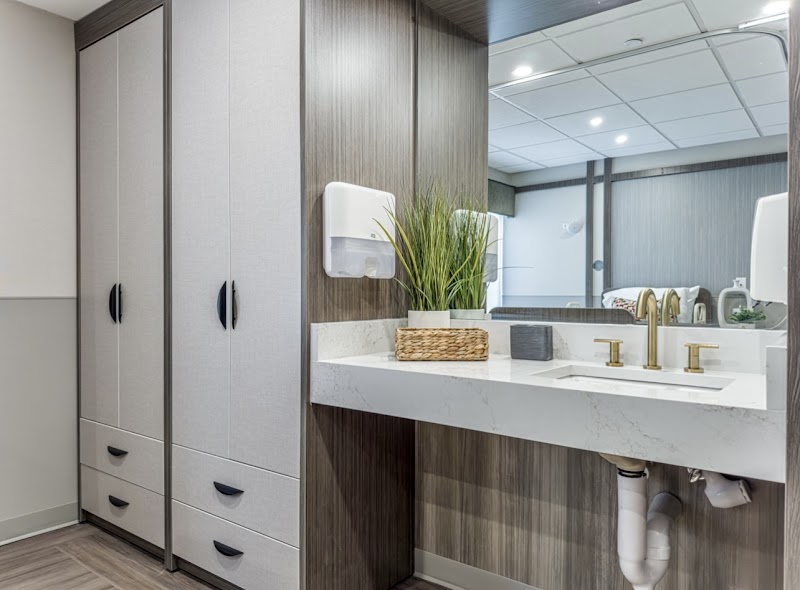
How is Aristacare At Parkside Staffed?

CMS rates ARISTACARE AT PARKSIDE's staffing level at 2 out of 5 stars, which is below average compared to other nursing homes. Staff turnover is 32%, compared to the New Jersey average of 46%. This relatively stable workforce can support continuity of care.

What Have Inspectors Found at Aristacare At Parkside?

State health inspectors documented 23 deficiencies at ARISTACARE AT PARKSIDE during 2020 to 2025. These included: 1 Immediate Jeopardy (the most serious level, indicating potential for serious harm or death), 21 with potential for harm, and 1 minor or isolated issues. Immediate Jeopardy findings are rare and represent the most serious regulatory concerns. They require immediate corrective action.
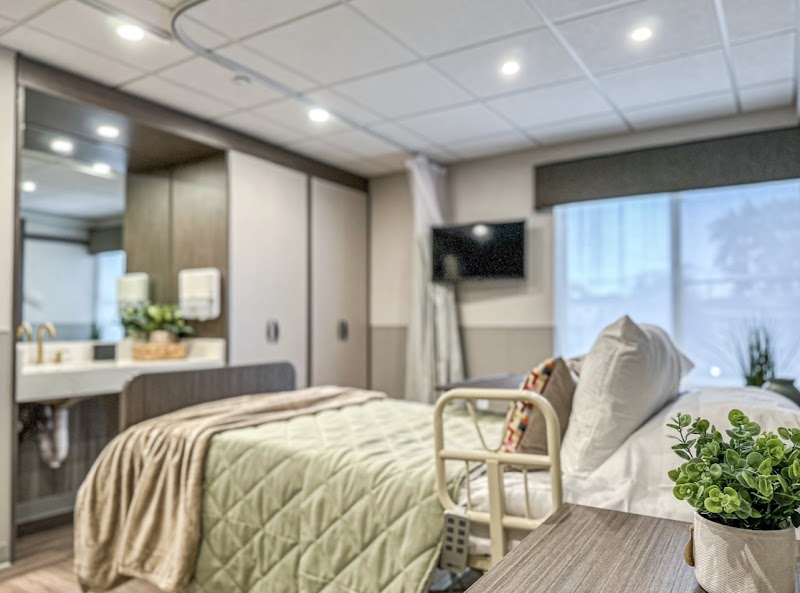
Who Owns and Operates Aristacare At Parkside?

ARISTACARE AT PARKSIDE is owned by a for-profit company. For-profit facilities operate as businesses with obligations to shareholders or private owners. The facility is operated by ARISTACARE, a chain that manages multiple nursing homes. With 240 certified beds and approximately 194 residents (about 81% occupancy), it is a large facility located in LINDEN, New Jersey.
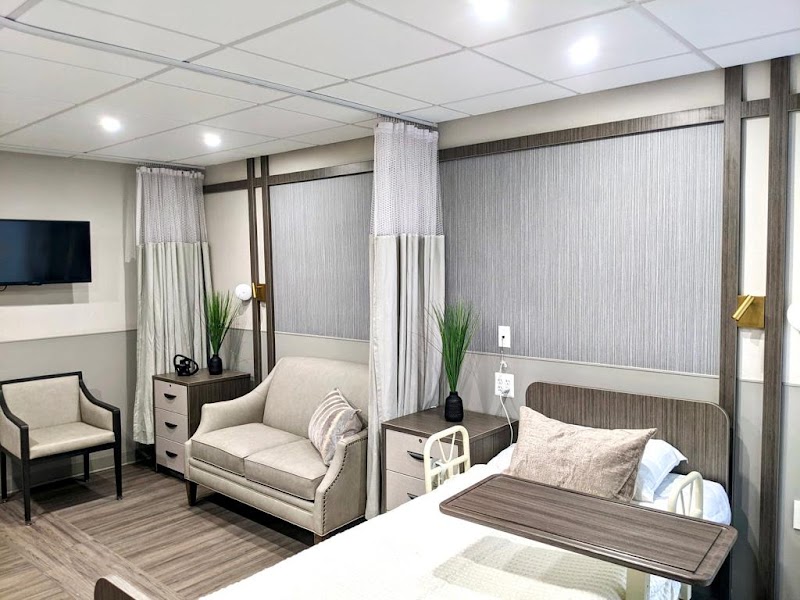
How Does Aristacare At Parkside Compare to Other New Jersey Nursing Homes?

Compared to the 100 nursing homes in New Jersey, ARISTACARE AT PARKSIDE's overall rating (3 stars) is below the state average of 3.3, staff turnover (32%) is significantly lower than the state average of 46%, and health inspection rating (2 stars) is below the national benchmark.

What Should Families Ask When Visiting Aristacare At Parkside?

Based on this facility's data, families visiting should ask: "What changes have been made since the serious inspection findings, and how are you preventing similar issues?" "Can you walk me through typical staffing levels on day, evening, and night shifts?" "Can I visit during a mealtime to observe dining assistance and food quality?" "How do you handle medical emergencies, and what is your hospital transfer rate?" These questions are particularly relevant given the facility's Immediate Jeopardy citations and the below-average staffing rating.

Is Aristacare At Parkside Safe?

Based on CMS inspection data, ARISTACARE AT PARKSIDE has documented safety concerns. Inspectors have issued 1 Immediate Jeopardy citation (the most serious violation level indicating risk of serious injury or death). The facility has a 3-star overall rating and ranks #100 of 100 nursing homes in New Jersey. Families considering this facility should ask detailed questions about what corrective actions have been taken since these incidents.

Do Nurses at Aristacare At Parkside Stick Around?

ARISTACARE AT PARKSIDE has a staff turnover rate of 32%, which is about average for New Jersey nursing homes (state average: 46%). Moderate turnover is common in nursing homes, but families should still ask about staff tenure and how the facility maintains care continuity when employees leave.

Was Aristacare At Parkside Ever Fined?

ARISTACARE AT PARKSIDE has no federal fines on record. CMS issues fines when nursing homes fail to meet care standards or don't correct problems found during inspections. The absence of fines suggests the facility has either maintained compliance or corrected any issues before penalties were assessed. This is a positive indicator, though families should still review recent inspection reports for the full picture.

Is Aristacare At Parkside on Any Federal Watch List?

ARISTACARE AT PARKSIDE is not on any federal watch list. The most significant is the Special Focus Facility (SFF) program, which identifies the bottom 1% of nursing homes nationally based on persistent, serious quality problems. Not being on this list means the facility has avoided the pattern of deficiencies that triggers enhanced federal oversight. This is a positive indicator, though families should still review the facility's inspection history directly.