MYSTIC MEADOWS REHABILITATION AND NURSING CENTER
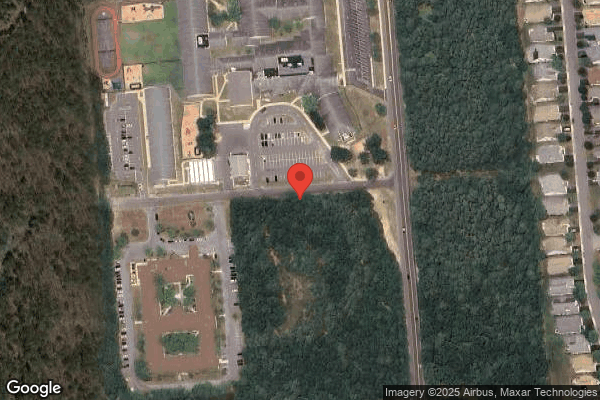
151 NINTH AVENUE, LITTLE EGG HARBOR TW, NJ 08087 (609) 294-3200
For profit - Partnership 130 Beds ATLAS HEALTHCARE Data: November 2025
Trust Grade
80/100
#146 of 344 in NJ
Last Inspection: July 2024

Within standard 12-15 month inspection cycle. Federal law requires annual inspections.

Overview

Mystic Meadows Rehabilitation and Nursing Center has received a Trust Grade of B+, indicating it is above average and recommended for families considering care options. It ranks #146 out of 344 nursing homes in New Jersey, placing it in the top half of facilities in the state, and #12 out of 31 in Ocean County, meaning only 11 local options are better. However, the facility is trending worse, increasing from 2 issues in 2022 to 4 in 2024. Staffing is rated at 4 out of 5 stars, but the 51% turnover rate is concerning as it is higher than the state average. On a positive note, there have been no fines reported, and the facility has good overall RN coverage, although it is less than 78% of New Jersey facilities, which could impact resident care. Specific incidents noted during inspections include failures in food safety practices, such as broken dish machine gauges that could lead to foodborne illness, and a resident's urinary catheter not being monitored according to care plans. Additionally, there was an incident where a resident received the wrong medication, raising concerns about the consistency of medication administration. Overall, while Mystic Meadows has strengths in its ratings and no fines, the facility has room for improvement in its trend and certain care practices.

Trust Score
B+
80/100
In New Jersey
#146/344
Top 42%
Safety Record
Low Risk
No red flags
Inspections
Getting Worse
2 → 4 violations
Staff Stability
⚠ Watch
51% turnover. Above average. Higher turnover means staff may not know residents' routines.
Penalties
✓ Good
No fines on record. Clean compliance history, better than most New Jersey facilities.
Skilled Nurses
⚠ Watch
Each resident gets only 27 minutes of Registered Nurse (RN) attention daily — below average for New Jersey. Fewer RN minutes means fewer trained eyes watching for problems.
Violations
⚠ Watch
12 deficiencies on record. Higher than average. Multiple issues found across inspections.
★★★★☆
4.0
Overall Rating
★★★★☆
4.0
Staff Levels
★★★★☆
4.0
Care Quality
★★★★☆
4.0
Inspection Score
Stable
2022: 2 issues
2024: 4 issues

The Good

  • 4-Star Staffing Rating · Above-average nurse staffing levels
  • 4-Star Quality Measures · Strong clinical quality outcomes
  • Full Sprinkler Coverage · Fire safety systems throughout facility
  • No fines on record

Facility shows strength in staffing levels, quality measures, fire safety.

The Bad

Staff Turnover: 51%

Near New Jersey avg (46%)

Higher turnover may affect care consistency

Chain: ATLAS HEALTHCARE

Part of a multi-facility chain

Ask about local staffing decisions and management

The Ugly 12 deficiencies on record

Jul 2024 4 deficiencies
CONCERN (D)

Potential for Harm - no one hurt, but risky conditions existed

Deficiency F0582 (Tag F0582)

Could have caused harm · This affected 1 resident

Based on interview and record review, it was determined that the facility failed to issue the required Skilled Nursing Facility Advance Beneficiary Notice (SNF ABN) and Notice of Medicare Non-Coverage...

Read full inspector narrative →
Based on interview and record review, it was determined that the facility failed to issue the required Skilled Nursing Facility Advance Beneficiary Notice (SNF ABN) and Notice of Medicare Non-Coverage (NOMNC) for 1 of 3 residents (Resident #56) reviewed for Beneficiary Protection Notification. The deficient practice was evidenced by the following: On 07/01/24 at 9:25 AM, the Regional Director of Case Management (RDCM) provided the SNF Beneficiary Protection Notification Review form for Resident #56, which indicated the resident started on Medicare Part A Services on 11/13/23 and was discharged from Medicare Part A Services on 12/26/23. The form further indicated the resident did not receive the SNF ABN or NOMNC beneficiary notices because he/she did not want to participate in therapy. The RDCM stated that the resident should have received the SNF ABN and NOMNC when the resident was discharged from Medicare Part A Services and remained in the facility. On 07/01/24 at 10:45 AM, the Director of Social Services (DSS) stated that residents on Medicare Part A Services were reviewed at the weekly Utilization Review meetings. The DSS further stated that when a resident was discharged from Medicare Part A Services, the resident would receive a NOMNC which notified the resident that they are being cut from Medicare Part A Services and provided information on how to appeal the decision. The DSS further stated that if the resident remained in the facility, the resident would also receive the SNF ABN which notified the resident of the private pay costs of services not covered by Medicare Part A Services if the resident chose to continue those services in the facility. The DSS also stated that if a resident initiated the discharge from Medicare Part A Services, it would be documented in the resident's progress notes, therapy notes, or on the NOMNC form. On 07/01/24 at 10:55 AM, the Director of Rehabilitation (DOR) stated that she leads the weekly Utilization Review meeting which reviews the residents' current progress in therapy so that the interdisciplinary team can decide as a team when a resident will be discharged from therapy services. The DOR further stated that the Social Worker was responsible for issuing the NOMNC and then setting the resident's discharge date . When asked about Resident #56, the DOR stated that the resident was discharged from Physical Therapy (PT) services on 12/08/24 because the resident had met his/her prior level of functioning, but continued on Occupational Therapy (OT). The DOR added that OT discharge was decided as a team for 12/26/23 because [Resident #56] had reached his/her maximum potential at that time. Review of Resident #56's progress notes, dated 11/13/23 through 12/26/23, did not indicate the resident initiated a discharge from Medicare Part A Services or that the SNF ABN or NOMNC beneficiary notices were provided when the resident was discharged from Medicare Part A Services. Review of the Service Log Matrix, dated 06/28/24, revealed Resident #56 refused PT one time on 11/17/23, and OT one time on 12/22/23. There were no other refusals documented from 11/13/23 through 12/26/23. Review of the PT Discharge Summary, for Dates of Service 11/14/23 through 12/08/23, included, D/C [discharge] Reason: Highest Practical Level Achieved. Further review revealed, Patient has reached maximum potential with skilled services. Review of the Speech Therapy Discharge Summary, for Dates of Service 11/14/23 through 12/20/23, included, D/C Reason: Highest Practical Level Achieved. Further review revealed, Patient has reached maximum potential with skilled services. Review of the OT Discharge Summary, for Dates of Service 11/14/23 through 12/26/23, included, D/C Reason: Highest Practical Level Achieved. Further review revealed, Patient has made consistent progress with skilled interventions and patient has reached maximum potential with skilled services. Review of the facility's Advance Beneficiary Notices policy, reviewed/revised 08/2022, included, For Part A items and services, the facility shall use the Skilled Nursing Facility Advance Beneficiary Notice (SNFABN), Form CMS-10055, and, A Notice of Medicare Non-Coverage (NOMNC), Form CMS-10123, shall be issued to the resident/representative when Medicare covered service(s) are ending, no matter if the resident is leaving the facility or remaining in the facility. NJAC 8:39-4.1(a)(8)
CONCERN (D) 📢 Someone Reported This

A family member, employee, or ombudsman was alarmed enough to file a formal complaint

Potential for Harm - no one hurt, but risky conditions existed

Medical Records (Tag F0842)

Could have caused harm · This affected 1 resident

Complaint #: NJ169593 Based on interview, record review, and review of pertinent facility documents, it was determined that the facility failed to accurately document in the medical records. This def...

Read full inspector narrative →
Complaint #: NJ169593 Based on interview, record review, and review of pertinent facility documents, it was determined that the facility failed to accurately document in the medical records. This deficient practice was identified for 1 of 23 resident (Resident #248) medical records reviewed and was evidenced by the following: The surveyor reviewed the medical record for Resident #248. A review of the admission Record face sheet reflected that the resident had diagnoses that included, but were not limited to, cramp and spasm, urinary tract infection, and chronic pain. A review of the quarterly Minimum Data Set (MDS), an assessment tool, dated 12/30/224, included the resident had a Brief Interview for Mental Status (BIMS) score of 15 out of 15, which indicated the resident had an intact cognition. Further review of the MDS included in Section H: Bladder and Bowel, that the resident had an indwelling catheter (urinary catheter) and in Section J: Health Conditions, under pain management, that the resident received scheduled pain medications. A review of the Order Summary Report (OSR) for December 2023, reflected the following: -Start date 06/30/23: Flush catheter with 10 milliliters (ml) normal saline (NS) every shift to prevent catheter blockage. -Start date 04/14/23: Diazepam 10 milligrams (mg) give 1 tablet by mouth every 8 hours for spasms. -Start date 10/17/23: Tizanidine 4 mg give 3 tablets by mouth every 8 hours for muscle spasms. A review of the Care Plan for Resident #248 revealed, a focus area of the resident to use anti-anxiety medication Valium [Diazepam] for muscle spasms, date initiated 03/30/23, with interventions that included to give anti-anxiety medication ordered by physician. Further review revealed a focus area of an alteration in bladder elimination related to neurogenic bladder (lack of bladder control) with indwelling urinary catheter, date initiated 3/30/23, with interventions that included catheter care per protocol, and another focus area for risk for a urinary tract infection (UTI) related to urinary catheter use, date initiated 5/15/23, with an intervention of keep urinary catheter patent and intact at all times. A review of the November 2023 Treatment Administration Record (TAR) revealed the physician's order, Flush [urinary] catheter with 10ml NS every shift to prevent catheter blockage, was not signed as completed and left blank on: -11/02/23 evening shift -11/21/23 day shift A review of the December 2023 TAR revealed the physician's order, Flush [urinary] catheter with 10ml NS every shift to prevent catheter blockage, was not signed as completed and left blank on: -12/17/23 day shift -12/20/23 day shift -12/24/23 day shift -12/26/23 day and evening shifts -12/27/23 day shift -12/28/23 day shift A review of the December 2023 Medication Administration Record (MAR) revealed the physician's order for, Tizanidine 4 mg give 3 tablets by mouth every 8 hours for muscle spasms, was not signed as administered and left blank on: -12/06/23 2200 (10pm) A review of the Progress Notes for November 2023 and December 2023 reflected there was no documentation related to the blanks on the MAR and TAR. On 07/02/24 at 09:39 AM, the surveyor interviewed the Certified Nursing Assistant (CNA) who stated that she was responsible for emptying the urinary bag the bag and to ensure it was clean. Shen then stated that she documented the urinary output in electronic medical record (EMR), which was documented every shift. The CNA stated that she was not sure if the nurses had to flush the catheter. On 07/02/24 at 09:30 AM, the surveyor interviewed the Licensed Practical Nurse (LPN #1) who stated that she was responsible to empty the urinary bag, to ensure it does not get full, and ensure the resident was comfortable. LPN #1 stated that the nurse or the CNA would document the urinary output. She further stated that the nurses were responsible to document the urinary output in the TAR, monitor the output and document the care. LPN #1 explained that flushes depended on the resident but there would be an order for it and if there was an order then the nurse would document in the TAR to indicate that the catheter was flushed. LPN #1 stated that it was important to flush the catheter because it could back flow and could cause too many complications if it was not flowing properly. She then stated if there was an order the nurses should follow the order and flush the catheter. At that time, the surveyor asked what the numbers on the MAR and TAR indicated, and LPN #1 stated that if the nurses document a number 5 then it meant hold and the number 9 meant other and was followed up with a progress note. LPN #1 stated that the MAR and TAR should not be left blank because there needs to be an explanation of why. On 07/02/24 at 09:59 AM, the surveyor interviewed the Licensed Practical Nurse/Unit Manager (LPN/UM) who stated, in the presence of the survey team, that for catheter care, the CNAs were responsible for emptying the catheter, changing the bag to a leg bag if the resident was getting out of bed, and ensuring that the privacy cover was in place The LPN/UM stated that the nurses were responsible for changing the catheter and explained catheter care included ensuring that the catheter worked appropriately and observing the catheter bag to ensure there were no sediment in the bag. The LPN/UM further stated that the nurses flushed the catheter depending on the physician's order and that it was important to flush catheters to prevent infections. The LPN/UM stated that the nurses document in the MAR or TAR because it would be an order to flush the catheter. At that time, the surveyor asked what the numbers on the MAR and TAR indicated and the LPN/UM stated that the number 5 indicated the physician's order was held and number 9 indicated other which prompted the nurse to write a progress note on it. The LPN/UM stated that the blanks on the MAR and TAR indicated that it was not filled out and not done. She stated the expectation was for staff to document on the MAR and TAR or to write a progress note. On 07/02/24 at 10:22 AM, the surveyor interviewed the Director of Nursing (DON) who stated that the CNAs were responsible to ensure the catheter was clean, that it was emptied, and that the privacy cover was place. She stated that the CNAs documented the urinary output in the EMR, and they also informed the nurses so the nurse could document it in the TAR. The DON stated that the nurses were responsible to ensure the catheter was flowing correctly, cleaned, checking the urinary output, and that it was documented. The DON stated that flushing the catheter depended on the physician's order. She stated that if the physician ordered for the catheter to be flushed every shift, the expectation would be for the catheter to be flushed as ordered. She then stated that it was important flush the catheter to prevent infections and clogging of the catheter. At that time, the surveyor asked what the numbers on the MAR and TAR indicated and the DON stated that the number 5 indicated to hold, and the number 9 indicted to follow up with a progress note to document the rationale. The DON stated that the blanks on the MAR and TAR indicated the nurse did not sign off on the order. The DON further stated that the expectation was the nurses followed the physician's order and to document, because if it is not documented it's not done. The DON stated that she could not speak to the blanks but then stated that the resident could refuse and was at times noncompliant but the nurse could have not documented it. On 07/02/24 at 11:00 AM, the surveyor interviewed the primary Medical Doctor (MD) for the resident via the phone in the presence of the DON. The MD stated that there was an order to flush the catheter because the resident had a history of blood in it. The MD stated that the expectation would be for the nurses to follow the order of the flushes. He further stated that it was important to flush the catheter to prevent it from getting clogged which could cause pain and kidney issues. He concluded that they wanted to ensure that the catheter was functioning properly. On 07/02/24 at 11:59 AM, the surveyor interviewed the Interim Licensed Nursing Home Administrator (LNHA), who also identified as a Registered Nurse (RN), who stated the agency nurses would get backed up and so she would go and flush Resident #248's catheter, but that she was not on the cart, so did not sign off on the order. She stated that she did not write a progress note or sign the TAR and that it was on me. The interim LNHA stated that she should have signed the TAR and wrote a progress note that she did it. She stated that the resident would ask why the nurse was not doing it and she stated that she would inform the resident that she was assisting the nurse with the catheter care since the nurse was behind. She stated as a nurse it was in her nature to help. The Interim LNHA then stated it was during the holidays and that was why she remembered the blanks in the TAR because they had agency staff, and they were falling behind because the resident needed a lot of care. She stated the importance of flushes was prevent the catheter from getting clogged because the resident had a history of blockage and granulates, and sediment would get into it. The Interim LNHA stated the importance of documentation was to validate that it was done. She again stated she should have documented in the EMR that she flushed the urinary catheter but since she was generally not on the floor, it was not done. The Interim LNHA concluded she was generally good for documenting and should have done it. On 07/03/24 at 10:54 AM, the DON, in the presence of the LNHA, the interim LNHA, the Regional Director of Case Management, and the survey team, stated that an incident report was done related to the blank on the MAR. She stated that the nurse informed her she gave the medication, but did not remember not signing the MAR. The DON acknowledged that staff should be signing the MAR and TAR and not leave it blank. On 07/03/24 at 10:57 AM, the Interim LNHA acknowledged, in the presence of the LNHA, the DON, the Regional Director of Case Management, and the survey team, that there were blanks on the MAR and TAR that should not have been left blank. A review of the facility's Charting and Documentation policy, dated reviewed 5/2024, included, 2. The following information is to be documented on the resident medical record: b. Medications administration, c. Treatment or services performed. 7. Documentation of procedures and treatments will include care-specific details, including: g. the signature and title of the individual documenting. NJAC 8:39-35.2 (d)
CONCERN (D)

Potential for Harm - no one hurt, but risky conditions existed

Infection Control (Tag F0880)

Could have caused harm · This affected 1 resident

Based on observation, interview, and review of facility documents it was determined that the facility failed to practice proper hand hygiene for 1 of 2 nurses observed during medication administration...

Read full inspector narrative →
Based on observation, interview, and review of facility documents it was determined that the facility failed to practice proper hand hygiene for 1 of 2 nurses observed during medication administration. The deficient practice was evidenced by the following: On 6/27/24 at 8:36 AM, the surveyor observed Licensed Practical Nurse (LPN #2) take the Blood Pressure (BP) of an unsampled resident. LPN #2 then cleaned the BP cuff with a disinfectant wipe, removed his gloves, and proceeded to the medication cart to prepare the unsampled resident's medication. At that time, LPN #2 did not perform hand hygiene. On 6/27/24 at 9:08 AM, LPN #2 donned (put on) gloves, administered the unsampled resident's medication and then doffed (removed) his gloves. At that time, LPN #2 did not perform hand hygiene. On 06/27/24 at 09:39 AM, the surveyor interviewed the Licensed Practical Nurse/Unit Manager (LPN/UM) who stated that hand hygiene should be performed when donning and doffing gloves. When asked, when should hand hygiene be performed? The LPN/UM stated it should be before and after all care. She then explained it should be performed before and after donning and doffing gloves. When asked should hand hygiene be performed after cleaning equipment. The LPN/UM replied, definitely, yes. On 6/28/24 at 11:17 AM, the surveyor interviewed the Licensed Practical Nurse/Infection Preventionist (LPN/IP) regarding hand hygiene. The LPN/IP stated that staff should perform hand hygiene anytime they are in contact with the resident. She explained staff should performed hand hygiene before donning gloves and after doffing gloves. She further stated that staff could either use alcohol-based hand rub (ABHR) or perform handwashing. A review of facility's policy titled Hand Hygiene, Date Reviewed/Revised 6/2023, included, 1. Staff will perform hand hygiene when indicated, using proper technique consistent with accepted standards of practice.6. Additional considerations: a. The use of gloves does not replace hand hygiene. If your task requires gloves, perform hand hygiene prior to donning gloves, and immediately after removing gloves. N.J.A.C 8:39-19.4(a)
CONCERN (F)

Potential for Harm - no one hurt, but risky conditions existed

Food Safety (Tag F0812)

Could have caused harm · This affected most or all residents

**NOTE- TERMS IN BRACKETS HAVE BEEN EDITED TO PROTECT CONFIDENTIALITY** Based on observation, interview, and review of pertinent facility documents, it was determined that the facility failed to handl...

Read full inspector narrative →
**NOTE- TERMS IN BRACKETS HAVE BEEN EDITED TO PROTECT CONFIDENTIALITY** Based on observation, interview, and review of pertinent facility documents, it was determined that the facility failed to handle potentially hazardous food and maintain kitchen sanitation in a safe and consistent manner in order to prevent food borne illness. This deficient practice was evidenced by the following: On 06/26/24 from 09:29 AM until 10:17 AM, the surveyor observed the following in the presence of the Food Service Director (FSD): 1.) The surveyor requested to view the dish machine that was in service at that time. The FSD stated that the wash cycle gauge was broken, and the temperature was obtained manually. The FSD then placed a manual thermometer in the water in the base of the dish machine after the wash cycle to demonstrate the wash cycle temperature which was 178 degrees Fahrenheit (F) (manufacturers instructions that were posted on the front of the dish machine indicated expected parameters for the wash cycle temperature was 160 F and the rinse cycle temperature was 180 F). The rinse cycle gauge reading was 180 F during the rinse cycle. The surveyor requested to view the dish machine temperature log at that time. Review of the Record of Dish Machine Temperature log revealed that the breakfast reading for the wash cycle temperature was recorded at 162 F and the rinse cycle was recorded at 183 F. Further review of the log revealed that the lunch service was already filled in with a wash cycle of 162 F and 183 F for the rinse cycle. The FSD stated that only the breakfast dish machine cycle should have been recorded at that time as lunch had not yet been served. 2.) The surveyor asked the Dietary Aide/Dishwasher (DA/DW) to demonstrate the sanitizer level in the three-compartment sink. The FSD proceeded to place a test strip into the sanitizer compartment and held it in the water for two seconds. The FSD stated that the color of the test strip when compared to the test strip legend was orange, which indicated an insufficient sanitizer level. The DA/DW who was present stated that the test strip was required to be submerged in the sanitizer for fifteen to thirty seconds. The DA/DW then placed the test strip into the sanitizer level for 15 seconds and stated the test strip was still orange which indicated the sanitizer level was zero and that he needed to add more sanitizer. The DA/DW stated the desired sanitation level was between 200 and 400 PPM (parts per million). The surveyor requested to view the Sanitizing Sink Testing log which revealed the following: Procedure: 1. Fill sink to marked level 2. Add Sanitizer 3. Take a piece of the test strip and hold it under water for ten (10) seconds 4. Read immediately 5. Chart results below 6. Range must be between 100 and 200. When the surveyor reviewed the legend on the side of the vial of test strips used to test the sanitizer level, there were color coded numeric readings in PPM of 0 orange, 150 brown, 200 dark brown, 400 green and 500 dark green). Review of the Sanitizing Sink Testing log revealed that the breakfast meal sanitizer level was documented as 187 PPM (not reflected as a possible value on the test strips) and the lunch result had already been recorded at 200 PPM, prior to the lunch meal service. 3.) In the food preparation area, the surveyor observed a meat slicer that was covered with plastic. The surveyor asked the FSD to remove the plastic. The surveyor noted that there was debris on the base of the food slicer. The FSD stated the meat slicer was used last night and there should not have been anything on there. 4.) In the food preparation area, the surveyor observed a free-standing mixer that was not covered with plastic. The FSD stated that the mixing bowl was replaced this morning and should have been covered. 5.) In the galley of the kitchen, the surveyor observed a table mounted can opener. The surveyor asked [NAME] #1 to remove the can opener from its sheath to expose the blade. At that time, the surveyor observed a dried brown substance on the blade. [NAME] #1 stated that she just used it that morning. [NAME] #1 then proceeded to scrape the brown matter off with her fingernail. The FSD stated that if the blade of the can opener were not cleaned prior to use, it could have resulted in cross-contamination. 6.) In the dry storage area, the surveyor observed a three-pound container of vanilla frosting that was previously opened and was dated 05/23. The FSD stated the date indicated the month and year the item was received. The surveyor asked when the vanilla frosting was opened and what the use-by date was and the FSD stated, That is a good question. The FSD was unable to describe the facility policy for labeling and dating when asked. The FSD then proceeded to discard the frosting. 7.) In the walk-in refrigerator, on the top shelf of a three-tiered wire rack, the surveyor noted a pan of leftover meatloaf that was not fully covered with clear wrap that was exposed to air. The FSD stated that the meatloaf should have been fully covered. 8.) In the food prep area, the surveyor asked the FSD to remove the cover of the cap that covered the juice machine gun. When the FSD removed the cap, the surveyor noted a brown substance. The FSD stated she did not know what the brown substance was. The FSD further stated that the juice gun should have been soaked in boiling water and cleaned nightly. 9.) The table refrigerator temperature was confirmed by the FSD on two separate thermometers with a reading of 70 F. The FSD stated that the temperature should have been below 40 F. The FSD further stated the refrigerator held multiple potentially hazardous foods such as: egg salad sandwiches, lunch meat sandwiches, and dairy items such as milk and supplements which were made this morning and needed to be thrown out. 10.) The surveyor returned to the three-compartment sink and interviewed the DA/DW who demonstrated the sanitizer level. The DA/DW dipped the test strip into the sanitizer for eight seconds. The DA/DW then proceeded to place the test strip up against the vial of test strips and compared the test strip to the legend on the side of the bottle and stated that the color indicated that the sanitizer level had reached the desired level of sanitation, between 200-400 PPM. The DA/DW stated that he ensured that he dipped the test strip into the sanitizer level for ten seconds by counting from ten to fifteen. After the kitchen tour, the surveyor interviewed the FSD regarding her hair net which did not fully cover her hair. The surveyor noted that strands of her hair hung from both the right side and the back of her hair net during the tour. The FSD stated that if her hair were not fully covered, there was a potential for the hair to go into someone's food. When the surveyor asked the FSD to explain why both the dish machine and the three-compartment sink logs were filled in prior to the lunch meal, the FSD stated she did not know why the logs were filled in for lunch when it was not completed. The FSD stated she thought that the staff were nervous because the surveyor was there. The FSD stated the logs for the dish machine must not be pre-filled in because things could change. The FSD stated if the sanitizer strip was not maintained in the sanitizer within the three-compartment sink for the required 10 seconds per manufacturer directions, then it may not show the correct amount of sanitizer level. 11.) On 06/28/24 at 10:23 AM the surveyor observed the nourishment room in the Harbor Unit in the presence of the Regional Director of Nursing (RDON). The surveyor observed a jar of French onion dip that had an expiration date of 05/18/2024, that was only marked with someone's initials, and was not labeled or dated. The RDON stated the item should have been properly labeled and dated. She further stated that she was not sure if the items were required to be discarded after 48 or 72 hours. 12.) On 06/28/24 at 10:33 AM the surveyor observed the nourishment room in the [NAME] Unit in the presence of Licensed Practical Nurse/Unit Manager (LPN/UM) #1. The surveyor observed that the freezer temperature was 20 F and the refrigerator temperature was 51 F. LPN/UM #1 stated the temperatures were too warm. The surveyor observed two resident take-out containers that were stored on the bottom shelf of the refrigerator. LPN/UM #1 stated that the containers should have been marked with the resident's room number and date because food was not permitted to be kept in the refrigerator for more than three days. LPN/UM #1 then opened the door to the microwave and the surveyor noted that the microwave was heavily soiled with dried, brown matter on all sides. The LPN/UM #1 stated the microwave looked like it needed to be cleaned as it appeared that something exploded inside and was not wiped afterward. LPN/UM #1 was not sure who was responsible to clean the microwave. 13.) On 07/01/24 from 11:23 AM until 11:49 AM during a follow-up visit to the kitchen, the surveyor observed the following in the presence of the FSD: The surveyor observed [NAME] #1 who washed his hands and dried them with a paper towel. [NAME] #1 then proceeded to lift the lid to the trash can with his bare hands and discarded the paper towel rather than using the trash can beside the sink which had a foot pedal. [NAME] #1 then donned (put on) gloves and proceeded to the food preparation area. When interviewed at that time, [NAME] #1 stated he should have used the trash can with the foot pedal instead of touching the lid of the trash can. The surveyor observed the tray line during the meal service and noted a Dietary Aide (DA) who had both a mustache and beard but only covered his beard with a beard restraint, and left his mustache exposed as he plated food. When interviewed, the DA stated that he normally worked on the evening shift. The FSD was present at that time, stated that she had not noticed the DA's mustache was not covered. The FSD stated that there was a potential for hair to get into the food if all the DA's facial hair was not covered. On 07/01/24 at 12:22 PM, the surveyor interviewed the Licensed Practical Nurse/ Infection Preventionist (LPN/IP) who stated that all hair should be pulled back to the best of their ability to ensure that it did not fall into the food. The LPN/IP further stated that if the cook opened the trash can with his bare hands before he donned gloves, then his hands were contaminated. The LPN/IP also stated that if both the dish machine temperature log and the three-compartment sink logs were filled in prior to meal service, the temperature may not be accurate, and the sanitizer level may not be up to par. Review of the facility policy, Food Safety Requirements (Reviewed/Revised 03/2023) revealed the following: Food safety practices shall be followed throughout the facility's entire food handling process .Elements of the process include the following: .Storage of food in a manner that helps prevent deterioration or contamination of the food, including from growth of microorganisms, Preparation of food ., Equipment used in the handling of food, including dishes, utensils, mixers, grinders, and other equipment that comes in contact with food. Employee hygienic practices. .Monitoring food temperatures and function of the refrigeration equipment daily and at routine intervals during all hours of operation; .Labeling, dating and monitoring refrigerated food, including, but not limited to leftovers, so it is used by its use-by date, or frozen (where applicable)/discarded; and Keeping foods covered or in tight containers . .All equipment used in handling of food shall be cleaned and sanitized, and handled in a manner to prevent contamination. Staff shall follow facility procedures for dishwashing and cleaning fixed equipment. .Staff shall adhere to safe hygienic practices to prevent contamination of foods from hands or physical objects. .Dietary staff must wear hair restraints (e.g., hairnet, hat, and/or beard restraint) to prevent hair from contacting food. Review of the facility policy, Date Marking for Food Safety (Reviewed/Revised 04/09/24) revealed the following: .Refrigerated, ready-to-eat, time/temperature for food safety (i.e. perishable food) shall be held at a temperature of 41 F or less for a maximum of 7 (seven) days. The food shall be clearly marked to indicate the date or day by which the food shall be consumed or discarded. The individual opening or preparing the food shall be responsible for date marking the food at the time the food is opened or prepared. Review of the facility policy, Sanitation Inspection (Reviewed/Revised 04/09/24) revealed the following: It is the policy of this facility, as part of the department's sanitation program, to conduct inspections to ensure food service areas are clean, sanitary and in compliance with applicable state and federal regulations. .Daily: Food service staff shall inspect refrigerators/coolers, freezers, storage area temperatures, and dishwasher temperatures daily. Review of the facility policy, Dietary Employee Personal Hygiene (Reviewed/Revised 04/09/24) revealed the following: It is the policy of this facility to utilize the following guidelines for employee personal hygiene to prevent contamination of food by foodservice employees. .Hands must always be washed after .engaging in other activities that contaminate the hands . Review of the facility policy, Dishwasher temperature (Reviewed/Revised 03/23) revealed the following: It is the policy of this facility to ensure dishes and utensils are cleaned under sanitary conditions through adequate dishwasher temperatures. All items cleaned in the dishwasher will be washed in water that is sufficient to sanitize any and all items. .Water temperatures shall be measured and recorded prior to each meal and/or after the dishwasher has been emptied or re-filled for cleaning purposes. Review of the facility policy, Use and Storage of Food Brought in by Family or Visitors (Reviewed/Revised 03/23) revealed the following: It is the right of the residents of this facility to have food brought in by family or other visitors, however, the food must be handled in a way to ensure the safety of the resident. .All food items that are already prepared by the family or visitor brought in from home must be labeled with content and dated. The facilty may refrigerate labeled and dated prepared items in the nourishment refrigerator. The prepared food must be consumed by the resident within 3 (three) days. If not consumed within 3 (three days), food will be thrown away by facility staff. Review of the facility policy, Nourishment Room Procedures (Revised February 2024) revealed the following: To promote the health of residents and staff by maintaining clean and sanitary conditions. The Housekeeping and Dietary Department cleans nourishment rooms as determined by the cleaning log. The area includes all nourishment rooms throughout the building. The items included are all kitchen appliances, cabinets, counter tops and high touch areas. .Storage: All food items in the Nourishment room must be labeled with content and dated .It is the responsibility of the facility representative to check and discard undated and expired food items. NJAC 8:39-17.2 (g)
Nov 2022 2 deficiencies
CONCERN (D)

Potential for Harm - no one hurt, but risky conditions existed

Comprehensive Assessments (Tag F0636)

Could have caused harm · This affected 1 resident

Based on interview and record review, it was determined that the facility failed to accurately complete an Annual Minimum Data Set (MDS), an assessment tool used to facilitate the management of care f...

Read full inspector narrative →
Based on interview and record review, it was determined that the facility failed to accurately complete an Annual Minimum Data Set (MDS), an assessment tool used to facilitate the management of care for a resident. This deficient practice was identified for 1 of 25 residents reviewed (Resident #73) and was evidenced by the following: Review of the 08/07/22 Annual MDS for Resident #73 reflected in Section C Cognitive Patterns, that Subsections C0100, C0200, C0300, C0400, C0500 C0600, C0700, C0900, and C1000 were not assessed. The MDS further reflected in Section Q Participation and Goal Setting that Subsections Q0100, Q0300, Q0490, Q0500, Q0550 were not assessed. Review of Section Z Assessment Administration in subsection that Subsection Z0400 Signature of Persons Completing the Assessment reflected that the MDS Coordinator completed Sections C and Q. During an interview with the surveyor on 11/01/22 at 9:01 AM, the MDS Coordinator stated that at the time the MDS assessment was completed, the facility did not have a Social Worker who would usually completed Sections C, D and Q of each MDS. The MDS Coordinator reviewed Resident #73's 08/07/22 Annual MDS, in the presence of the surveyor, and stated that Sections C, D and Q should have been completed. The MDS Coordinator added that she was working remotely and could not complete the resident interview. The MDS Coordinator stated that it was the responsibility of each department to complete their assigned sections; and if not completed, she gave them reminders to complete them. The MDS Coordinator further stated that each department should be looking daily at MDS in progress tabs to make sure their sections were completed. She added that the MDS program did not alert her when a section was not assessed. During an interview with the surveyor on 11/01/22 at 10:50 AM, the Social Worker stated that she started her position as Social Worker on 08/08/22. She confirmed that she did not complete this assessment and normally she completed Sections C, D and Q of each MDS. During an interview with the surveyor on 11/02/22 at 11:25 AM, the Director of Nursing (DON), in the presence of the Regional Director of Clinical Services, stated the MDS Coordinator was working remotely and was ultimately responsible for the completion of the MDS. The DON added that sections C and Q were normally done by Social Worker but the Unit Manager was new and completed those sections. The DON stated that she expected the MDS Coordinator to let her know that the sections were not assessed. The DON further stated she expected the Sections of the MDS to be completed. Review of the facility's RAI Process Operational Manual - Administrative Policies policy, reviewed 03/22, reflected that the facility will utilize the Resident Assessment Instrument (RAI) process as the basis for the accurate assessment of each resident's functional capacity and health status, as outlined in the CMS [Centers for Medicaid] RAI MDS 3.0 Manual. The policy further reflected that all information recorded within the MDS Assessment must reflect the resident's status. NJAC 8.39 - 11.1
CONCERN (E)

Potential for Harm - no one hurt, but risky conditions existed

Deficiency F0658 (Tag F0658)

Could have caused harm · This affected multiple residents

**NOTE- TERMS IN BRACKETS HAVE BEEN EDITED TO PROTECT CONFIDENTIALITY** 2. On 10/21/22 at 12:13 PM, the surveyor observed Resident #90 awake and alert sitting in a wheelchair in his/her room. The surv...

Read full inspector narrative →
**NOTE- TERMS IN BRACKETS HAVE BEEN EDITED TO PROTECT CONFIDENTIALITY** 2. On 10/21/22 at 12:13 PM, the surveyor observed Resident #90 awake and alert sitting in a wheelchair in his/her room. The surveyor observed a urinary catheter drainage bag in a blue privacy bag attached to the wheelchair. According to the admission Record, Resident #90 was admitted to the facility with diagnoses that included acute kidney failure (kidney damage), chronic kidney disease, urinary tract infection and schizophrenia. According to the most recent MDS, dated [DATE], Resident #90 had a BIMS score of 12, which indicated the resident had mildly impaired cognition. Section H reflected that Resident #90 had an indwelling urinary catheter. A review of Resident #90's PO dated 09/23/22 revealed an order for foley catheter output every shift. A review of Resident #90's October 2022 eTAR revealed a PO for foley catheter output every shift with a start date of 09/23/22. A review of Resident #90's Care Plan (CP), initiated 09/23/22, included a focus that I have a catheter secondary to urinary retention. The CP included interventions, initiated on 09/23/22, to Monitor and document intake and output as per facility policy. A review of Resident #90's October 2022 eTAR revealed that the aforementioned PO, with the administration time of day, evening, and night shifts. The TAR reflected no documentation for the foley catheter output on the following dates and times: Day shift:10/10/22, Evening Shift:10/08/22, 10/12/22, 10/14/22, 10/15/22 Night Shift: 10/02/22, 10/08/22, 10/11/22, 10/12/22,10/16/22, 10/17/22, 10/18/22 3. On 10/21/22 at 12:13 PM, the surveyor observed Resident #195 in bed watching television. The surveyor observed a foley drainage bag, covered with a blue flap, attached to the resident's bed. When interviewed, Resident #195 had no concerns with the care being provided for his/her foley catheter. According to the admission Record, Resident #195 was admitted with diagnoses that included, but were not limited to, hydronephrosis (a condition characterized by excess fluid in a kidney due to a backup of urine,) dementia, obstructive uropathy (a condition in which the flow of urine is blocked) and reflux uropathy (a condition in which the kidneys are damaged by the backward flow of urine into the kidney,) and retention of urine. A review of the admission MDS, dated [DATE], revealed Resident #195 had a BIMS score of 10 which indicated that the resident's cognition was moderately impaired. Further review of the MDS revealed the resident had a catheter and required extensive assistance with toilet use. A review of Resident #195's CP, initiated 10/14/22, included a focus that I have an indwelling foley catheter due to obstructive uropathy and urinary retention. The CP included interventions, initiated on 10/14/22, to Monitor and document intake and output as per facility policy and catheter output. Review of Resident #195's October Order Summary Report (OSR), for active orders as of 10/28/22, revealed an PO, dated 10/14/22, to Monitor Catheter output every shift. every shift for monitoring. Review of Resident #195's October 2022 eTAR revealed the aforementioned PO, with the administration time of day, evening, and night shifts. The eTAR reflected no documentation for the foley catheter output on the following dates and times: Day shift: 10/17/22, 10/18/22 and 10/24/22 Evening Shift: 10/25/22 and 10/26/22 Night Shift: 10/16/22, 10/17/22, 10/18/22, 10/20/22, and 10/25/22. During an interview with the surveyor on 10/27/22 at 12:27 PM, the Certified Nursing Assistant (CNA) stated she would empty the catheter drainage bag and give the amount to the nurse who would document the amount in the electronic medical record (EMR). During an interview with the surveyor on 10/28/22 at 11:01 AM, LPN #2 stated the nurse should add up the resident's total urine output for their shift and document the total amount in the eTAR by the end of their shift. The LPN further stated is was important to monitor and record the resident's output to ensure the resident was not dehydrated and was getting enough fluids. During an interview with the DON on 11/01/22 at 10:23 PM, the DON stated that she reviewed the resident's EMR and confirmed the blanks noted in the October 2022 eTAR. The DON stated the CNAs documented the resident's output on their assignment sheet, which were kept in a binder on the unit. The DON added that she expected the nurse to communicate with the CNA to get the resident's output and then document the output amount in the eTAR by the end of their shift. The DON added that late documentation should be completed within 24 hours. The surveyor reviewed the facility's Documentation of Treatment Administration policy, revised April 2022, revealed that a nurse or Certified Aide (where applicable) shall document all treatments administered to each resident on the resident's TAR. The policy further reflected that administration of a treatment must be documented after (never before) it is given. Documentation of procedures and treatments will include care-specific details, including g: the signature and title of the individual documenting. NJAC 8:39-11.2 (b); 27.1(a) Based on interview and record review, it was determined that the facility failed to consistently document the administration of a treatment in the electronic Treatment Administration Record (eTAR) in accordance with the facility policy. This deficient practice was identified for 1 of 2 residents (Resident # 29) reviewed for nutrition and for 2 of 3 residents (Residents #90 and #195) reviewed for urinary catheter and was evidenced by the following: Reference: New Jersey Statutes, Annotated Title 45, Chapter 11. Nursing Board The nurse practice act for the State of New Jersey states; The practice of nursing as a registered professional nurse is defined as diagnosing and treating human responses to actual or potential physical and emotional health problems, through such services as case finding, health teaching, health counseling, and provision of care supportive to or restorative of life and wellbeing, and executing medical regimens as prescribed by a licensed or otherwise legally authorized physician or dentist. Reference: New Jersey Statutes Annotated, Title 45, Chapter 11. Nursing Board. The Nurse Practice Act for the State of New Jersey states: The practice of nursing as a licensed practical nurse is defined as performing tasks and responsibilities within the framework of case finding; reinforcing the patient and family teaching program through health teaching, health counseling and provision of supportive and restorative care, under the direction of a registered nurse or licensed or otherwise legally authorized physician or dentist. 1. According to the admission Record, Resident #29 was admitted to the facility with diagnoses that included COPD (Chronic Obstructive Pulmonary Disease, a condition causing difficulty breathing), hypertension (high blood pressure) and Dementia. According to the Quarterly Minimum Data Set (MDS), an assessment tool utilized to facilitate the management of care dated 09/02/22, Resident #29 had a Brief Interview for Mental Status (BIMS) score of four, which indicated the resident was severely cognitively impaired. The MDS further reflected that Resident #29 was at risk for skin breakdown, sustained one fall with no injury since the last MDS assessment and received oxygen. A review of Resident #29's electronic medical record revealed the following physician orders (PO): - An order dated 04/10/22 oxygen tubing/water bottle/wash filter: change and date tubing, water bottle if applicable, wash filter every night shift every Wednesday. - An order dated 04/11/22 to monitor tab alarm for placement/function every shift for fall risk. - An order dated 09/26/22 for Nystatin Powder Apply to under right breast topically every shift for redness. - An order dated 06/23/33 to offload heels while in bed every shift for left heel is dark, red and soft. - An order dated 06/23/ to apply skin prep for left heel is dark, red and soft. Discontinued 10/30/22. - An order dated 04/08/22 for Zinc Ointment to sacrum every shift for preventative - An order dated 07/07/22 for Zinc Oxide Ointment 10% apply to right upper buttocks topically every shift to promote skin integrity due to incontinence. A review of Resident #29's August, September and October 2022 eTAR reflected blanks for the following POs, indicating that the nurse did not document in the eTAR when the treatment was rendered: - For the order dated 04/10/22 oxygen tubing/water bottle/wash filter: change and date tubing, water bottle if applicable, wash filter every night shift every Wednesday order, blanks were noted on 08/10/22, 08/31/22 and 10/12/22 for night shift. - For the order dated 04/11/22 monitor tab alarm for placement/function every shift for fall risk order, blanks were noted on 09/09/22, 10/26/22 evening shift, and on 08/10/22, 08/31/22, 09/13/22, and 10/12/22 night shift. - For the order dated 09/26/22 for Nystatin Powder Apply to under right breast topically every shift for redness order, blanks were noted on 10/26/22 evening shift and on 10/12/22 night shift. - For the order dated 06/23/22 to offload heels while in bed every shift for left heel is dark, red and soft, blanks were noted on 09/09/22 and 10/26/22 on evening shift and on 08/10/22, 08/31/22, 09/13/22 and 10/12/22 on night shift. - For the order dated 06/23/22 to apply skin prep for left heel is dark, red and soft, blanks were noted on 09/09/22, 10/26/22 and 10/30/22 on evening shift and on 08/10/22, 08/31/22, 09/13/22, and 10/12/22 on night shift. Order was discontinued 10/30/22. - For the order dated 04/08/22 for Zinc Ointment to sacrum every shift for preventative, blanks were noted on 09/12/22 on day shift, 09/09/22 and 10/26/22 on evening shift, and 08/10/22, 08/31/22, 09/13/22, and 10/12/22 on night shift - For the order dated 07/07/22 for Zinc Oxide Ointment 10% apply to right upper buttocks topically every shift to promote skin integrity due to incontinence, blanks were noted on 09/09/22 and 10/26/22 on evening shift, and on 08/10/22, 08/31/22, 09/13/22 and 10/12/22 on night shift. During an interview with the surveyor on 11/01/22 at 9:16 AM, Licensed Practical Nurse #1 (LPN) stated that after she provided a treatment to a resident, she signed the eTAR. LPN #1 stated that it was important to sign the eTAR so that everyone would know that a treatment was completed and that the resident would not receive duplicate treatments. During an interview with the surveyor on 11/01/22 at 10:23 AM with the Director of Nursing (DON) and Regional Director of Clinical Services (RDCS), the DON stated that blanks in the electronic Medication Administration Records (eMAR) and eTARs were reviewed during the clinical meeting held Monday through Friday, by Nursing Management, consisting of the Unit Managers and the DON, where they will review for any missing documentation in the eMARs and eTARs. We try to address each concern and call each nurse who had missed documentation and tell them they have 24 hours to enter the documentation. We do not have a policy to this effect. The RDCS stated that the electronic medical record computer program will allow you 30 days to make corrections; but the facility tells nurses that they only have 24 hours to complete the documentation. During a follow up interview with surveyor on 11/02/22 at 11:55 AM, the DON, in the presence of the RDCS, stated that she expected that the eMARs and eTARs should be signed by the end of the shift.
Mar 2020 6 deficiencies
CONCERN (D)

Potential for Harm - no one hurt, but risky conditions existed

Safe Environment (Tag F0584)

Could have caused harm · This affected 1 resident

Based on observation, interview and record review, it was determined that the facility failed to maintain clean and sanitary resident rooms for 2 of 23 rooms reviewed, (Residents #60 and #100). This ...

Read full inspector narrative →
Based on observation, interview and record review, it was determined that the facility failed to maintain clean and sanitary resident rooms for 2 of 23 rooms reviewed, (Residents #60 and #100). This deficient practice was evidenced by the following: During the initial tour of the facility on 03/03/20 at 11:07 AM, the surveyor observed Resident #60 lying in bed. The resident did not respond to the surveyor during this or on subsequent surveyor visits. The surveyor observed that the resident's oxygen concentrator had an accumulation of dust on its surface. Along the floor to wall juncture behind the head of the resident's bed, the surveyor observed a television remote control and packaging from a small piece of medical equipment. There was also a visible white powder along the area where the cove molding met the floor. On the pole and base of the resident's tube feeding pole, there were dried brown spills that were consistent with the color of the resident's tube feeding formula. The surveyor observed these same conditions on room visits on 03/04/20 at 12:32 PM and 03/05/20 at 9:28 AM. On 03/04/20 at 1:22 PM, the surveyor observed Resident #100 in bed. At that time, Resident #100 had two family members visiting, who stated that the resident was almost always in bed. The surveyor observed that the brown-colored laminate of the bed's footboard was torn off on one side. The particleboard on the footboard was exposed and there was black duct tape holding the rest of the laminate in place. The resident's headboard was slanted toward his/her head. The back surface of the headboard had a visible accumulation of dust on its surface. Underneath the resident's bed, near the head of the bed, there were small black disks on the floor. On 03/05/20 at 12:16 PM, the surveyor toured the unit with the Housekeeping Director (HD). At that time, the surveyor pointed out the dust on Resident 100's slanted headboard, which the HD could see and feel. The HD agreed that the headboard was dusty and said he would get housekeeping to take care of it. The surveyor showed the HD the delaminated footboard that was wrapped in duct tape. The HD stated that the condition of the footboard was such that it would not be easily cleanable. Finally, the surveyor pointed out the small black disks beneath the resident's bed. The HD stated that they tend to fall off when the head of the bed gets raised and lowered. The HD indicated that the facility was looking to replace some of the mattresses that shed the black rubber disks. On 03/05/20 at 12:26 PM, the surveyor showed the HD the room where Resident #60 was in bed. The resident's oxygen concentrator was visibly covered in dust. The HD stated that it was housekeeping's responsibility to clean the oxygen concentrators and that he would get someone to attend to it right away. The surveyor pointed out the area behind the bed, along the floor to wall juncture, where there had been a television remote control and a piece of trash for three days. At that time, the remote was placed on the resident's bedside table and the packaging for the medical equipment had been removed. The white powder that was observed along the floor to wall juncture was still visible. The HD stated that it should have been cleaned. The surveyor pointed out the brown, dried drips on the tube feeding pole. The HD stated that the dried spills could be cleaned during Carbolization (thorough cleaning) of the room. On 03/05/20 at 12:45 PM, the HD provided the surveyor with two in-services given to the housekeeping staff on 01/15/20. One described the cleaning of rooms for residents who were discharged and not expected to return to the facility. The other referred to infection control while cleaning rooms. The HD also stated that the rooms were Carbolized once a month. According to the instructions on the Carbolization Form, nursing was requested to have the residents in the room out of bed by 10:00 AM. The HD provided the surveyor with the Carbolization scheduled for February/March 2020. According to this schedule, the room where Resident #60 had been in bed during three days of observations, was to be Carbolized on 03/05/20. On 03/05/20 at 1:45 PM, the surveyor interviewed the housekeeper who was responsible for cleaning Resident #60's room. The housekeeper stated that she Carbolized the resident's room earlier in the week but did not know which day she had cleaned it. On 03/05/20 at 1:48 PM, the HD brought a new tube feeding pole for Resident #60. The surveyor reported to the HD that the housekeeper had stated she Carbolized Resident #60's room earlier this week instead of on 03/05/20 when it was scheduled to be cleaned. The HD stated that he would bring the proof of Carbolization to the surveyor that day. The HD stated that he would speak to the housekeeper and that she should have cleaned the room in accordance with the schedule. On 03/05/20 at 2:12 PM, the HD stated that he did not see a Carbolization sheet for Resident #60's room. The HD stated that he would have Resident #60's room thoroughly cleaned. NJAC 8:39-31.4 (a)(f)
CONCERN (D)

Potential for Harm - no one hurt, but risky conditions existed

Comprehensive Care Plan (Tag F0656)

Could have caused harm · This affected 1 resident

**NOTE- TERMS IN BRACKETS HAVE BEEN EDITED TO PROTECT CONFIDENTIALITY** Based on observation, interview and record review, it was determined that the facility failed to develop a comprehensive person-...

Read full inspector narrative →
**NOTE- TERMS IN BRACKETS HAVE BEEN EDITED TO PROTECT CONFIDENTIALITY** Based on observation, interview and record review, it was determined that the facility failed to develop a comprehensive person-centered care plan for a resident who required incontinence care every two hours. This deficient practice was identified for Resident #73, 1 of 27 residents reviewed for comprehensive person-centered care plans, and was evidenced by the following: On 03/05/20 at 10:14 AM, the surveyor interviewed the Power of Attorney (POA) for Resident #73. At that time, the surveyor observed the resident asleep in a wheelchair. The POA stated that she visited the resident daily for six hours, as she wanted to ensure that Resident #73 was well-cared for. The POA further explained that Resident #73 had a physician's order for Lasix (a medication that causes increased urination) and stated that Resident #73 was often soaking wet. The POA stated that the resident was supposed to be changed every two hours. The surveyor asked the POA if Resident #73 had any skin breakdown. She stated that the resident's bottom was really bad. On 03/09/20 at 11:45 AM, the surveyor reviewed the Resident Concern Form (Concern Form) dated 02/06/20 filed by the POA for Resident #73. The Concern Form revealed the resident's Need for more frequent toileting, anticipation of needs and brief changes. 3-11 and 11-7 shift. The Resolution and Disposition portion of the Concern Form revealed to have staff provide two-hour checks for Resident #73. The Follow-up portion of the Concern Form, dated 02/07/20, indicated that the Social Worker and Unit Manager (UM) met with the POA to discuss the interventions and plan of care. The conclusion of the Follow-up indicated that the POA is happy with the plan and efforts. During a follow-up interview with the surveyor on 03/10/20 at 10:07 AM, the POA stated that she was here on Sunday for a total of six hours and the resident was not changed every two hours. The resident was not changed until around 5:50 PM. The POA stated, there was a puddle in the wheelchair the resident was sitting in. The POA further stated the urine-soaked through the two-inch cushion to the wheelchair seat and the resident's clothes were saturated. On 03/10/20 at 11:43 AM, the surveyor interviewed the Certified Nurse Aide (CNA) who usually cared for Resident #73. The CNA stated that she toileted or provided incontinence care for Resident #73 at least four times during her 7 AM- 3 PM shift. The surveyor inquired if there was a way that the CNA would document that the resident received incontinence care. She stated, there was a sheet for CNAs to document toileting before Resident #73 went to the hospital. The CNA did not know if the form was still being used. She stated that at least three out of five days a week, she found that Resident #73 was really wet when she cared for the resident in the morning. On 03/10/20 at 11:50 AM, the Director of Nursing (DON) provided the surveyor with a folder that contained incontinence sheets for Resident #73. The forms were designed to be completed every two hours. The forms included columns for staff to check, which indicated if the resident was incontinent or dry and if the call light was in use. The forms were initiated on 02/06/20. They were completed accurately from 02/06/20 to 02/22/20 before the resident was sent to the hospital. Resident #73 was readmitted to the facility on [DATE]. After that date, there was a missing sheet from the folder for Saturday, 02/29/20, and the form from Sunday, 03/08/20, was incomplete. On 03/08/20, only four of the 12 daily checks were filled out by a staff member. There was no indication that Resident #73 had incontinence checks from 12:00 AM to 6:00 AM or from 4:00 PM to 10:00 PM. On 03/11/20 at 2:50 PM, the surveyor interviewed the Unit Manager (UM) regarding the missing and incomplete incontinence sheets for Resident #73. The UM stated that when she worked Monday through Friday, she would initiate the sheet and attach it to the 24-hour report. She stated that she didn't have a good answer for the incomplete and missing records. The surveyor reviewed the resident's medical record which revealed the following: The Face Sheet (an admission Summary) reflected that Resident #73 was admitted to the facility with diagnoses that included the acute onset of congestive heart failure, edema (swelling), Parkinson's Disease, muscle weakness, and difficulty walking. The Face Sheet further revealed the resident was hospitalized in February 2020 with a diagnosis of pneumonia. The most recent Minimum Data Set (MDS), an assessment tool dated 01/23/20, indicated that the resident was moderately impaired. The MDS also revealed that the resident required extensive assistance for most activities of daily living including toileting, transferring and personal hygiene. The MDS reflected that Resident #73 was completely incontinent of bowel and bladder. The most recent Physician's Order Sheet contained an order dated 02/26/20 for Lasix (Furosemide) 40 mg (milligram) twice a day for edema. The Wound Care Assessment Sheet, dated 03/09/20, reflected that the resident had a moist, deep tissue injury to the sacrum/right buttock. The wound was treated with Zinc Oxide twice a day and was healing. The on-going Interdisciplinary Care Plan revealed an intervention for toileting listed under Potential for falls. The intervention, initiated on 04/12/19, reflected offer toileting frequently, before or after meals, activities, sleep. The Care Plan did not reveal an intervention for incontinence care. The Care Plan did not include the interventions that were discussed with the POA on 02/07/20 regarding checking the resident for incontinence every two hours. On 03/12/20 at 11:08 AM, the surveyor interviewed the DON regarding Resident #73's care plan which did not include every two-hour incontinence care. She stated that the care plan does include the intervention to reposition every two hours. The DON then stated, I guess they didn't spell it out. The surveyor reviewed the facility's policy Care Plans-Comprehensive, updated on 11/17/19. The policy revealed, Our facility's Care Planning/Interdisciplinary Team, in coordination with the resident, his/her family or representative (sponsor), develops and maintains a comprehensive care plan for each resident that identifies the highest level of functioning the resident may be expected to attain. NJAC 8:39-11.2 (e)
CONCERN (D)

Potential for Harm - no one hurt, but risky conditions existed

Deficiency F0761 (Tag F0761)

Could have caused harm · This affected 1 resident

**NOTE- TERMS IN BRACKETS HAVE BEEN EDITED TO PROTECT CONFIDENTIALITY** Based on observation, interview and record review, it was determined that the facility failed to ensure that medications were st...

Read full inspector narrative →
**NOTE- TERMS IN BRACKETS HAVE BEEN EDITED TO PROTECT CONFIDENTIALITY** Based on observation, interview and record review, it was determined that the facility failed to ensure that medications were stored in a safe and sanitary manner and were maintained with appropriate labeling and dating. This deficient practice was identified in 3 of 4 medication carts and 1 of 2 medication storage rooms inspected on 2 of 3 units (Harbor Unit and [NAME] Unit) and was evidenced by the following: On 03/11/20 at 2:44 PM, in the presence of the Registered Nurse (RN), the surveyor inspected the Little Cart on the Harbor Unit. The surveyor observed a Basaglar Kwikpen, an injectable diabetes medication, (Insulin Pen #1) stored directly in a drawer on the medication cart. The surveyor also observed a Lantus Solostar Pen, an injectable diabetes medication, (Insulin Pen #2) stored directly in a drawer on the medication cart. The surveyor observed that Insulin Pen #1 and Insulin Pen #2 were stored in the same compartment in the medication cart and not in their individual plastic bags. The surveyor also observed the individual plastic bags for Insulin Pen #1 and Insulin Pen #2 stored on the medication cart were not in use. When interviewed, the RN confirmed the surveyor's findings and stated Insulin Pen #1 and Insulin Pen #2 should be stored in their individual plastic bags and were not supposed to be stored directly in the medication cart. On 03/11/20 at 2:49 PM, in the presence of the Licensed Practical Nurse (LPN #1), the surveyor inspected the High Cart on the [NAME] Unit. The surveyor observed an open and undated foil packet of Albuterol Sulfate inhalation suspension (a medication used to relax muscles in the airway and increases air flow to the lungs). The foil packet contained five vials of inhalation suspension. When interviewed, LPN #1 stated the foil packet should be dated when opened. On 03/11/20 at 3:08 PM, in the presence of LPN #2, the surveyor inspected the Low Cart on the [NAME] Unit. The surveyor observed an open and undated foil packet of Ipratropium-Albuterol inhalation suspension (a medication used to relax muscles in the airway and increases air flow to the lungs). The foil packet contained one vial of inhalation suspension. When interviewed, LPN #2 stated the foil packet should be dated when opened. On 03/11/20 at 3:12 PM, in the presence of LPN #2, the surveyor inspected the [NAME] Unit medication room refrigerator. The surveyor observed five Levemir Flextouch pens (insulin medication used to treat diabetes) bound together with a rubber band and stored directly on the refrigerator shelf. The surveyor observed that the five Levemir Flextouch pens were unlabeled. When interviewed, LPN #2 stated she did not know which resident the five Levemir Flextouch pens belonged too and would have to follow-up with the surveyor. LPN #2 further stated that the five Levemir Flextouch pens were not supposed to be stored directly on the refrigerator shelf. During an interview with the surveyor on 03/11/20 at 3:37 PM, the Unit Manager (UM) stated the five Levemir Flextouch pens belonged to a resident who had been discharged on 02/19/20. The UM further stated that the resident's family brought the five Levemir Flextouch pens from home and the nurse should not have received them. The UM stated the 11 PM-7 AM nurse was responsible for inspecting the medication room refrigerator nightly. The UM further stated she did not have the key to open the medication room when that resident was being discharged and forgot to return the five Levemir Flextouch pens back to the resident. During an interview with the surveyor on 03/12/20 at 9:20 AM, the Director of Nursing (DON) stated that resident's insulin pens were to be stored in individual plastic bags for infection control purposes. The DON further stated that insulin pens should not be stored directly in the medication cart. The DON stated that nurses were supposed to date the inhalation suspension foil packets when opened for expiration monitoring. The DON stated the five Levemir Flextouch pens should not have been stored in the medication room refrigerator without a label and that they should have been labeled with the resident's name. The DON further stated that the resident's family should have been called to see if they still wanted the five Levemir Flextouch pens and if they did not; the medications should have been discarded. A review of the facility's Storage of Medications policy, updated February 2019, provided by the DON revealed that drugs and biologicals should be stored in the packaging in which they were received. The policy further revealed that the nursing staff were responsible for maintaining storage in a clean, safe, and sanitary manner. A review of the facility's Labeling of Medication policy, updated February 2019, provided by the DON revealed that all medications maintained in the facility should be properly labeled in accordance with current state and federal regulations. The policy further revealed that labels for individual drug containers should include all necessary information, such as the resident and prescribing physician's names; the name, strength, and quantity of the drug; the prescription number; the issuing pharmacy's information; the date the medication was dispensed; and the direction for use. NJAC 8:39-29.4(a)
CONCERN (D)

Potential for Harm - no one hurt, but risky conditions existed

Infection Control (Tag F0880)

Could have caused harm · This affected 1 resident

**NOTE- TERMS IN BRACKETS HAVE BEEN EDITED TO PROTECT CONFIDENTIALITY** Based on observation, interview and record review, it was determined that the facility failed to follow proper infection control...

Read full inspector narrative →
**NOTE- TERMS IN BRACKETS HAVE BEEN EDITED TO PROTECT CONFIDENTIALITY** Based on observation, interview and record review, it was determined that the facility failed to follow proper infection control practices for handwashing to address the risk of infection transmission during wound treatments. This deficient practice was identified for 1 of 2 nurses observed during the wound treatment observation on 1 of 3 units ([NAME] Unit). On 03/09/20 at 11:11 AM, the surveyor observed the Licensed Practical Nurse (LPN), with the assistance of the Unit Manager (UM), provide wound care to Resident 8's left lateral foot, right lateral foot, left ischium, and right ischium (the lower and back part of the hip bone). During the wound treatment observation, the surveyor observed that the LPN washed her hands multiple times as follows: the LPN tapped on the motion sensor red light on the motion sensor towel dispenser to dispense a towel, turned on the faucet, applied soap to her hands, applied friction to all hand surfaces, pulled the paper towel down from the motion sensor towel dispenser, tore off the paper towel, and dried her hands. The surveyor further observed the LPN then tap the motion sensor red light on the motion sensor towel dispenser to dispense a second paper towel, tore off the towel, and turned off the faucet. The surveyor then observed the LPN don (apply) gloves and prepare the clean field. The LPN repositioned the overbed table, located next to the resident's bed, closer to the treatment cart and placed a clean covering on the overbed table. The surveyor did not observe the LPN clean the overbed table before establishing the clean field. The surveyor observed the wound treatment for the right lateral foot for Resident #8. The LPN donned gloves, removed the dressing, removed gloves, washed her hands, and donned gloves. The LPN then cleansed the wound with saline three times, applied the physician ordered betadine treatment (an antiseptic used for skin disinfection) to the wound and then covered the wound with a dressing. The surveyor further observed the LPN remove her gloves and wash her hands. The surveyor observed the wound treatment for the right ischium for Resident #8. The LPN donned gloves, removed the dressing and cleansed the wound with saline three times. The LPN then removed her gloves and washed her hands. The surveyor did not observe the LPN perform handwashing and glove change after she removed the dressing on the wound. The surveyor observed the UM remove the items from the overbed table, remove her gloves, wash her hands, and remove the trash from the room. The surveyor did not observe the UM or the LPN clean the overbed table. During an interview with the surveyor on 03/09/20 at 11:53 AM, the LPN stated that she did not know that she hit the motion sensor on the towel dispenser. The LPN further stated that sometimes the towel dispenser did not work. At that time, the surveyor tested the motion sensor towel dispenser. The dispenser worked properly with the hand motion to dispense a paper towel. During a follow-up interview with the surveyor on 03/09/20 at 1:47 PM, the LPN stated that the overbed table was wiped before entering Resident #8's room and that the UM came back to the room after we left and wiped the table. The LPN stated that she washed her hands after cleansing the resident's wound and before applying the betadine to Resident #8's right lateral foot. The LPN further stated that she washed her hands after she removed the dressing from the resident's right ischium and before cleansing the wound. The LPN stated that she washed her hands so much they hurt and they were very dry. On 03/09/20 at 2:12 PM, the surveyor tested the motion sensor towel dispenser. The dispenser worked properly with the hand motion to dispense a paper towel. During an interview with the surveyor on 03/09/20 at 2:19 PM, the UM stated that the procedure to complete a dressing change was to wash hands, don gloves, remove the dressing, remove gloves and wash hands, cleanse the wound, wash hands, apply the treatment and dressing, and wash hands. The UM confirmed that there was no need to touch the motion sensor on the towel dispenser. The UM further confirmed that the LPN completed the right lateral foot incorrectly and could not remember if she completed the right ischium correctly. The UM further stated she expected the nurse to wipe the overbed table with a sanitized wipe before setting up the clean field and could not remember if she did that. The UM confirmed that she removed the trash from the overbed table but did not sanitize the overbed table. The UM stated she thought the LPN would clean the table. During an interview with the surveyor on 03/09/20 at 3:16 PM, the Director of Nursing (DON) stated she expected her nurses to wash their hands properly. The DON confirmed the nurse should clean the overbed table with a bleach wipe before establishing a clean field and after the trash was removed. The DON further confirmed that the nurse should remove gloves and wash hands when a nurse removes the dressing, cleans the wound, and before applying treatment to the wound. During an interview with the surveyor on 03/10/20 at 9:00 AM, the Assistant Director of Nursing (ADON) stated that she completed the nurse competencies. The ADON stated that wound rounds were completed on Mondays and that she picked a nurse to follow during the wound rounds. The ADON told the surveyor that she educated the nurses to wash hands, don gloves, sanitize the overbed table, remove gloves, wash hands, don gloves, establish a clean field, and gather supplies. The nurse would then remove gloves and wash hands, don glove and remove the dressing, remove gloves, and wash hands. The nurse would then don gloves, apply the physician ordered treatment and dressing, remove gloves and wash hands. The ADON stated that she observed the LPN during wound treatment in November and she did fine. A review of the facility's Handwashing/Hand Hygiene policy, revised August 2015, revealed, All personnel shall follow the handwashing/hand hygiene procedures to help prevent the spread of infections to other personnel, residents, and visitors. The policy further revealed to wash hands with soap after handling used dressings. A review of the facility's Wound Care policy, updated February 2019, revealed the following: the working area (overbed table) should be cleansed before establishing a clean field; the nurse would don gloves, remove the dressing, remove the gloves and perform hand hygiene; and the nurse would don gloves, cleanse the wound, perform hand hygiene, don gloves and apply the treatment as ordered. The policy further revealed to clean the working area after the treatment was completed. NJAC 8:39-19.4
CONCERN (E)

Potential for Harm - no one hurt, but risky conditions existed

Deficiency F0658 (Tag F0658)

Could have caused harm · This affected multiple residents

Based on interview and record review, it was determined that the facility failed to a.) follow acceptable standards of nursing practice by administering the wrong medication to a resident and b.) cons...

Read full inspector narrative →
Based on interview and record review, it was determined that the facility failed to a.) follow acceptable standards of nursing practice by administering the wrong medication to a resident and b.) consistently document the administration of an as-needed (PRN) medication in the electronic Medication Administration Record (eMAR) in accordance with the facility policy. This deficient practice was identified for Resident #45, 1 of 27 residents reviewed for medication and was evidenced by the following: Reference: New Jersey Statutes Annotated, Title 45, Chapter 11. Nursing Board. The Nurse Practice Act for the State of New Jersey states, The practice of nursing as a licensed practical nurse is defined as performing tasks and responsibilities within the framework of case finding; reinforcing the patient and family teaching program through health teaching, health counseling and provision of supportive and restorative care, under the direction of a registered nurse or licensed or otherwise legally authorized physician or dentist. 1. According to the admission Record, Resident #45 was admitted to the facility with diagnoses that included cellulitis (skin infection), lymphedema (swelling in an arm or leg), and peripheral vascular disease (blood circulation disorder which reduces blood flow to the limbs). The admission Record further revealed that the resident was allergic to codeine (a form of narcotic medication used to treat pain). According to the Quarterly Minimum Data Set (MDS), an assessment tool dated 12/24/19, Resident #45 had a Brief Interview for Mental Status (BIMS) score of 15, which indicated the resident was cognitively intact. A review of Resident #45's March 2020 Order Summary Report (OSR) revealed a physician order, dated 02/17/20, for Percocet 5-325 mg (milligram) two tablets orally every four hours PRN for severe pain. A review of Resident #45's March 2020 eMAR indicated the resident was administered two Percocet tablets on 03/07/20 at 1:33 PM. A review of Resident #45's Progress Notes revealed a Nurse Note (NN), dated 03/07/20, that the resident was given two tablets of Tylenol with codeine instead of two tablets of Percocet 5-325 mg and that the resident was allergic to codeine. The NN further revealed Resident #45's physician was notified and ordered for the resident to be monitored. Resident #45's progress notes also revealed that the resident was monitored per the physician order and displayed no adverse reactions. The surveyor reviewed the Medication Administration Error form (Report), provided by the Director of Nursing (DON), which confirmed that the Licensed Practical Nurse (LPN #1) administered two tablets of Tylenol with codeine instead of two tablets of Percocet 5-325 mg. The Report revealed that LPN #1 did not correctly check medication bingo card (a card that holds individual doses of a medication). The Report further revealed that Resident #45 had no adverse reactions to the Tylenol with codeine. The surveyor reviewed Resident #9's (an unsampled resident) Individual Patient's Controlled Drug Record form (narcotic declining inventory sheet) which reflected that two tablets of Tylenol with codeine were removed for Resident #45 on 03/07/20 at 1:30 PM. During an interview with the DON on 03/11/20 at 11:49 PM, the DON stated she was called by LPN #1 and informed of the medication error on 03/07/20. The DON further stated that LPN #1 pulled the wrong medication bingo card by mistake and realized she gave the wrong medication during the change of shift narcotic count. During a follow-up interview with the DON on 03/11/20 at 2:04 PM, the DON stated she expected the nurses to check the medication bingo card against the physician's order three times before removing the medication. 2. A review of Resident #45's declining inventory sheet for Percocet revealed the following: 1. Percocet was documented as administered on 03/07/20 at 6:00 PM. A review of Resident #45's eMAR reflected that there was no documentation of the 03/07/20 at 6:00 PM administration. 2. Percocet was documented as administered on 03/08/20 at 8:45 AM. A review of Resident #45's eMAR reflected that there was no documentation of the 03/08/20 at 8:45 AM administration. 3. Percocet was documented as administered on 03/08/20 at 2:00 PM. A review of Resident #45's eMAR reflected that there was no documentation of the 03/08/20 at 2:00 PM administration. 4. Percocet was documented as administered on 03/08/20 at 6:00 PM. A review of Resident #45's eMAR reflected that Percocet was administered on 03/08/20 at 4:40 PM. During an interview with the DON on 03/11/20 at 12:09 PM, the DON confirmed that the nurse did not sign the eMAR on 03/07/20 at 6:00 PM, 03/08/20 at 8:45 AM, and 03/08/20 at 2:00 PM as documented on the narcotic declining inventory sheet. The DON further stated that the nurse documented the Percocet administration in the Progress Notes on 03/07/20 for the 6:00 PM administration and on 03/08/20 for the 8:45 AM administration. At which time, the DON stated the nurse did not make a notation in the Progress Notes for the 2:00 PM administration of Percocet on 03/08/20. The DON stated she expected the nurse to check the physician order against the medication bingo card three times, remove the medication, and sign the narcotic declining inventory sheet. The nurse would administer the medication to the resident and then return to the medication cart to sign the eMAR. A review of Resident #45's Progress Notes revealed a NN, with the effective date of 03/07/20 at 9:11 PM, which indicated that Percocet 5-325 mg was administered at 6:00 PM. The Progress Notes also reflected a NN, with the effective date of 03/08/20 at 12:26 PM, which indicated that Percocet 5-325 mg was administered at 9:00 AM. During a follow-up interview with the surveyor on 03/11/20 at 4:04 PM, the DON stated it was not a practice for the nurse to write a NN instead of signing the eMAR. The DON further stated that the nurses were supposed to sign the eMAR after the medication was administered to the resident. On 03/12/20 at 9:35 AM, the surveyor interviewed LPN #1, who did not sign the eMAR on 03/08/20 at 8:45 AM and 2 PM and who also administered the wrong medication to Resident #45 on 03/07/20. LPN #1 stated she would check the physician's order against the medication bingo card three times to make sure it was the right resident, right drug, right route, and correct time. LPN #1 further stated she would then remove the medication from the medication bingo card and sign the narcotic declining inventory sheet right away. LPN #1 stated she would also check the resident's armband to ensure it was the right resident and then administer the medication. LPN #1 stated she would return to the medication cart and sign the eMAR after administering the medication to the resident. When questioned about not signing the eMAR, LPN #1 stated it was human error. LPN#1 further stated that she self-reported the medication administration error to the shift supervisor, DON, and Medical Director on 03/07/20. During an interview with the surveyor on 03/12/20 at 2:07 PM, Resident #45 confirmed he/she was given the wrong medication but did not have any adverse reactions. The surveyor reviewed the facility's Administering Medications policy, dated February 2019, provided by the DON. The policy revealed that the individual administering the medication must check the label THREE (3) times to verify the right resident, right medication, right dosage, right time, and right method (route) of administration before giving the medication. The policy also revealed that allergies to medications must be checked/verified for each resident before administering medications. The policy further revealed that the individual administering the medication must initial the resident's eMAR to document administration after giving the medication. NJAC 8:39-11.2 (b); 27.1(a)
CONCERN (E)

Potential for Harm - no one hurt, but risky conditions existed

Drug Regimen Review (Tag F0756)

Could have caused harm · This affected multiple residents

Based on interview and record review, it was determined that the facility failed to act on or respond to comments made by the Consultant Pharmacist promptly. This deficient practice was identified fo...

Read full inspector narrative →
Based on interview and record review, it was determined that the facility failed to act on or respond to comments made by the Consultant Pharmacist promptly. This deficient practice was identified for 2 of 27 residents reviewed for physician orders (Residents #16 and #205) and was evidenced by the following: 1. According to the Pharmacist's Drug Regimen Review (Pharmacist DRR) progress note, dated 02/14/20, the Pharmacist Consultant (PC) made a recommendation for Resident #16 PRN [as needed] Norco used routinely. A review of Resident #16's Order Summary Report (Summary Report) for Active Orders as of 02/01/20 revealed an order, dated 01/21/20, for Norco 5-325 mg (Hydrocodone-Acetaminophen) every eight hours as needed for pain. A review of the January 2020 Electronic Medication Administration Record (eMAR) revealed Resident #16 received the medication on 01/22/20 at 9:04 AM and 7:47 PM, 01/23/20 at 8:55 AM and 5:28 PM, 01/24/20 at 9:14 AM, 01/25/20 at 9:11 AM, 01/26/20 at 9:04 AM and 4:27 PM, 01/27/20 at 9:27 AM, 01/28/20 at 9:22 AM and 5:30 PM, 01/29/20 at 9:06 AM and 5:15 PM, 01/30/20 at 9:13 AM and 5:58 PM, and 01/31/20 at 8:53 AM and 5:07 PM. A review of the February 2020 eMAR revealed Resident #16 received the medication on 02/01/20 at 11:57 AM, 02/03/20 at 8:46 AM and 4:53 PM, 02/04/20 at 8:38 AM and 4:50 PM, 02/05/20 at 9:03 am, 02/07/20 at 8:52 AM, 02/08/20 at 9:08 AM, 02/09/20 at 9:11 AM, 02/10/20 at 9:27 AM, 02/11/20 at 9:12 AM and 5:38 PM, 02/12/20 at 9:12 AM and 5:15 PM, 02/13/20 at 9:16 AM and 6:41 PM, 02/14/20 at 9:23 AM, 02/15/20 at 5:13 PM, 02/16/20 at 8:20 AM and 5:02 PM, 02/17/20 at 9:16 AM, 02/18/20 at 9:24 AM, 02/19/20 at 9:27 AM, 02/20/20 at 8:54 AM and 5:00 PM, 8/21/20 at 8:56 AM and 5:22 PM, 02/22/20 at 8:51 AM, 02/23/20 at 9:21 AM and 6:01 PM, 02/24/20 at 9:43 AM, 02/25/20 at 9:13 AM and 4:44 PM, 02/26/20 at 8:57 AM and 5:03 PM, 02/27/20 at 9:09 AM, 02/28/20 at 8:58 AM and 5:06 PM, and 02/29/20 at 11:58 AM and 8:02 PM. A review of the March 2020 eMAR revealed Resident #16 received the medication on 03/01/20 at 8:11 AM and 4:30 PM, 03/02/20 at 2:09 PM, 03/03/20 at 9:37 AM and 5:50 PM, 03/04/20 at 8:00 AM and 5:06 PM, 03/05/20 at 8:43 AM and 4:42 PM, 03/06/20 at 8:21 AM and 4:22 PM, 03/07/20 at 8:50 AM, 03/08/20 at 8:40 AM and 5:57 PM, 03/09/20 at 9:43 AM, and 03/10/20 at 8:59 AM. A review of the Physicians Progress Note, dated 02/20/20 at 12:43 PM, revealed that the physician did not address the recommendation of the PC. During an interview with the surveyor on 03/10/20 at 11:07 AM, the Unit Manager (UM) and surveyor reviewed the PC recommendation dated 02/14/20. The UM stated that she normally reviewed the PC recommendations with the physician to see if he agreed or disagreed with the recommendation. The UM further stated that she was behind and did not address the PC's 02/14/20 recommendation with the physician. During an interview with the surveyor on 03/11/20 at 10:21 AM, the Director of Nursing (DON) confirmed that Resident #16 had a PRN order for Norco during January, February and March 2020 and the medication was used routinely. The DON reviewed the Physicians Note, dated 02/20/20, with the surveyor and confirmed that the physician did not address the PC recommendation. 2. According to the Pharmacist DRR progress note dated 12/20/19, the PC made a recommendation for Resident #205 PRN Clonazepam used routinely. Please re-evaluate psych meds. A review of the Summary Report for Active Orders as of 10/01/19 to 03/31/20 revealed that Resident #205 had an order, dated 10/29/19, for Clonazepam 0.25 mg every 12 hours as needed for anxiety and an order, dated 01/03/20, for Clonazepam 0.25 mg every 12 hours as needed for anxiety. A review of the October 2019 eMAR revealed Resident #205 did not receive the PRN Clonazepam. A review of the November 2019 eMAR revealed Resident #205 received the medication on 11/12/19 at 9:04 PM, 11/15/19 at 10:35 PM, 11/20/19 at 2:01 AM, 11/21/20 at 6:45 PM, 11/23/19 at 6:06 PM, 11/25/19 at 1:06 AM, 11/26/19 at 2:30 AM and 11:30 PM, 11/28/20 at 12:37 AM, 11/29/19 at 12:51 PM, and 11/30/19 at 2:51 AM. A review of the December 2019 eMAR revealed Resident #205 received the medication on 12/01/19 at 12:46 AM, 12/02/19 at 1:59 AM, 12/03/19 at 1:54 AM, 12/04/19 at 1:48 AM, 12/05/19 at 12:51 AM, 12/06/19 at 2:24 AM, 12/07/19 at 3:10 AM, 12/08/19 at 2:58 AM and 5:25 PM, 12/09/19 at 11:52 PM, 12/11/19 at 12:45 AM, 12/12/19 at 1:07 AM, 12/13/19 at 12:19 AM, 12/14/20 at 12:35 AM, 12/15/19 at 12:06 AM, 12/16/19 at 12:34 AM and 10:19 PM, 12/18/19 at 3:00 AM, 12/19/19 at 2:51 AM and 7:41 PM, 12/22/19 at 1:19 AM, 12/23/19 at 12:43 AM and 11:07 PM, 12/25/19 at 2:02 AM, 12/26/19 at 2:28 AM, 12/27/19 at 2:07 AM and 11:48 PM, 12/28/19 at 11:50 PM, 12/30/19 at 12:49 AM, and 12/31/19 at 1:30 AM. The December 2019 MAR further revealed that the medication was discontinued on 01/02/20. A review of the January 2020 eMAR revealed Resident #205 received the medication on 01/04/20 at 2:27 AM, 01/05/20 at 2:05 AM, 01/06/20 at midnight, 01/07/20 at 1:28 AM, 01/08/20 at 12:01 AM, 01/09/20 at 2:00 AM and 11:29 PM, 01/11/20 at 4:25 AM, 01/12/20 at 2:37 AM, 01/14/20 at 12:40 AM, 01/15/20 at 12:51 AM and 8:20 PM, 01/16/20 at 11:32 PM, 01/18/20 at 1:57 AM, and 4:28 PM. The January 2020 MAR further revealed that the medication was discontinued on 01/21/20. During an interview with the surveyor on 03/10/20 at 8:20 AM, the Unit Manager (UM) stated that the PC reviewed each resident's medications monthly and made recommendations. The UM stated she reviewed the PC's recommendations and addressed each recommendation with the physician as soon as she could. The UM, in the presence of the surveyor, reviewed the PC's recommendation dated 12/20/19. The UM stated that she was behind and did not address the PC's recommendations. During an interview with the surveyor on 03/10/20 at 8:55 AM, the DON stated that the PC came in monthly to review the resident's medications. The PC would print out his recommendations when he was in the facility and give them to the UM, DON, and the Assistant DON. The UM was responsible for completing and reviewing the PC's recommendations with the physician and it was expected that the recommendations would be reviewed and completed by the UM within a day or two of receipt of the recommendations. During a follow-up interview with the surveyor on 03/11/20 at 10:34 AM, the DON reviewed the Physicians Progress Note completed by the Nurse Practioner (NP) dated 01/14/20. The DON confirmed that the NP did not address the PC's recommendation. During an interview with the surveyor on 03/12/20 at 9:35 AM, the NP stated that she usually addressed the PC's recommendations in her progress notes and that sometimes she and the UM would go through them. The NP stated that she usually ordered a medication for 14 days at a low dosage and then re-evaluated the medication. At 10:19 AM, in the presence of the surveyor, the NP reviewed the Physicians Progress Note dated 01/14/20. The NP confirmed that she did not discuss the risk versus benefit of the medication in the progress note. A review of the facility's Medication Regimen Review policy, revised in April 2007, revealed, The Consultant Pharmacist will provide the Director of Nursing Services and Medical Director with a written, signed and dated copy of the report, listing the irregularities found and recommendations for their solutions. Upon receipt of the report, the facility shall address recommendations with a reasonable time frame. NJAC 8:39-29.3
Understanding Severity Codes (click to expand)
Life-Threatening (Immediate Jeopardy)
J - Isolated K - Pattern L - Widespread
Actual Harm
G - Isolated H - Pattern I - Widespread
Potential for Harm
D - Isolated E - Pattern F - Widespread
No Harm (Minor)
A - Isolated B - Pattern C - Widespread

Questions to Ask on Your Visit

  • "Can I speak with families of current residents?"
  • "What's your RN coverage like on weekends and overnight?"

Our Honest Assessment

Strengths
  • • Grade B+ (80/100). Above average facility, better than most options in New Jersey.
  • • No major safety red flags. No abuse findings, life-threatening violations, or SFF status.
  • • No fines on record. Clean compliance history, better than most New Jersey facilities.
Concerns
  • • 12 deficiencies on record. Higher than average. Multiple issues found across inspections.
Bottom line: Generally positive indicators. Standard due diligence and a personal visit recommended.

About This Facility

What is Mystic Meadows Rehabilitation And Nursing Center's CMS Rating?

CMS assigns MYSTIC MEADOWS REHABILITATION AND NURSING CENTER an overall rating of 4 out of 5 stars, which is considered above average nationally. Within New Jersey, this rating places the facility higher than 99% of the state's 100 nursing homes. This rating reflects solid performance across the metrics CMS uses to evaluate nursing home quality.

How is Mystic Meadows Rehabilitation And Nursing Center Staffed?

CMS rates MYSTIC MEADOWS REHABILITATION AND NURSING CENTER's staffing level at 4 out of 5 stars, which is above average compared to other nursing homes. Staff turnover is 51%, compared to the New Jersey average of 46%.

What Have Inspectors Found at Mystic Meadows Rehabilitation And Nursing Center?

State health inspectors documented 12 deficiencies at MYSTIC MEADOWS REHABILITATION AND NURSING CENTER during 2020 to 2024. These included: 12 with potential for harm.

Who Owns and Operates Mystic Meadows Rehabilitation And Nursing Center?

MYSTIC MEADOWS REHABILITATION AND NURSING CENTER is owned by a for-profit company. For-profit facilities operate as businesses with obligations to shareholders or private owners. The facility is operated by ATLAS HEALTHCARE, a chain that manages multiple nursing homes. With 130 certified beds and approximately 101 residents (about 78% occupancy), it is a mid-sized facility located in LITTLE EGG HARBOR TW, New Jersey.

How Does Mystic Meadows Rehabilitation And Nursing Center Compare to Other New Jersey Nursing Homes?

Compared to the 100 nursing homes in New Jersey, MYSTIC MEADOWS REHABILITATION AND NURSING CENTER's overall rating (4 stars) is above the state average of 3.3, staff turnover (51%) is near the state average of 46%, and health inspection rating (4 stars) is above the national benchmark.

What Should Families Ask When Visiting Mystic Meadows Rehabilitation And Nursing Center?

Based on this facility's data, families visiting should ask: "Can I visit during a mealtime to observe dining assistance and food quality?" "How do you handle medical emergencies, and what is your hospital transfer rate?" "Can I speak with family members of current residents about their experience?"

Is Mystic Meadows Rehabilitation And Nursing Center Safe?

Based on CMS inspection data, MYSTIC MEADOWS REHABILITATION AND NURSING CENTER has a clean safety record: no substantiated abuse findings (meaning no confirmed cases of resident harm), no Immediate Jeopardy citations (the most serious violation level indicating risk of serious injury or death), and is not on the Special Focus Facility watch list (a federal program monitoring the lowest-performing 1% of nursing homes). The facility has a 4-star overall rating and ranks #1 of 100 nursing homes in New Jersey. While no facility is perfect, families should still ask about staff-to-resident ratios and recent inspection results during their visit.

Do Nurses at Mystic Meadows Rehabilitation And Nursing Center Stick Around?

MYSTIC MEADOWS REHABILITATION AND NURSING CENTER has a staff turnover rate of 51%, which is about average for New Jersey nursing homes (state average: 46%). Moderate turnover is common in nursing homes, but families should still ask about staff tenure and how the facility maintains care continuity when employees leave.

Was Mystic Meadows Rehabilitation And Nursing Center Ever Fined?

MYSTIC MEADOWS REHABILITATION AND NURSING CENTER has no federal fines on record. CMS issues fines when nursing homes fail to meet care standards or don't correct problems found during inspections. The absence of fines suggests the facility has either maintained compliance or corrected any issues before penalties were assessed. This is a positive indicator, though families should still review recent inspection reports for the full picture.

Is Mystic Meadows Rehabilitation And Nursing Center on Any Federal Watch List?

MYSTIC MEADOWS REHABILITATION AND NURSING CENTER is not on any federal watch list. The most significant is the Special Focus Facility (SFF) program, which identifies the bottom 1% of nursing homes nationally based on persistent, serious quality problems. Not being on this list means the facility has avoided the pattern of deficiencies that triggers enhanced federal oversight. This is a positive indicator, though families should still review the facility's inspection history directly.