SEACREST REHABILITATION AND HEALTHCARE CENTER
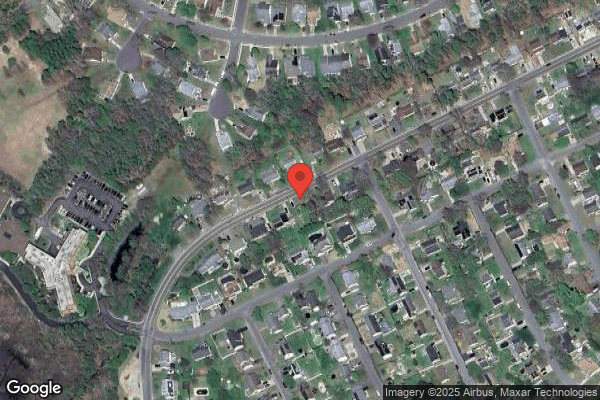

1001 CENTER ST, LITTLE EGG HARBOR TW, NJ 08087 (609) 296-9292
For profit - Limited Liability company 171 Beds MARQUIS HEALTH SERVICES Data: November 2025
Trust Grade
75/100
#153 of 344 in NJ
Last Inspection: August 2024

Within standard 12-15 month inspection cycle. Federal law requires annual inspections.

Overview

Seacrest Rehabilitation and Healthcare Center in Little Egg Harbor, New Jersey, has a Trust Grade of B, indicating it is a good choice overall. With a state rank of #153 out of 344 facilities, they are in the top half of New Jersey, and they are #14 out of 31 in Ocean County, meaning only one local facility ranks higher. The trend appears stable, with eight issues noted in both 2022 and 2024, although staffing is a concern with a 52% turnover rate, which is higher than the state average. While there have been no fines issued, which is a positive sign, there have been multiple incidents related to kitchen sanitation, including expired food items and inadequate labeling, posing potential health risks. Overall, while the facility shows strengths in its overall rating and fine history, concerns about staffing and food safety practices should be carefully considered.

Trust Score
B
75/100
In New Jersey
#153/344
Top 44%
Safety Record
Low Risk
No red flags
Inspections
Holding Steady
8 → 8 violations
Staff Stability
⚠ Watch
52% turnover. Above average. Higher turnover means staff may not know residents' routines.
Penalties
✓ Good
No fines on record. Clean compliance history, better than most New Jersey facilities.
Skilled Nurses
⚠ Watch
Each resident gets only 29 minutes of Registered Nurse (RN) attention daily — below average for New Jersey. Fewer RN minutes means fewer trained eyes watching for problems.
Violations
⚠ Watch
17 deficiencies on record. Higher than average. Multiple issues found across inspections.
★★★★☆
4.0
Overall Rating
★★☆☆☆
2.0
Staff Levels
★★★★★
5.0
Care Quality
★★★☆☆
3.0
Inspection Score
Stable
2022: 8 issues
2024: 8 issues

The Good

  • 5-Star Quality Measures · Strong clinical quality outcomes
  • Full Sprinkler Coverage · Fire safety systems throughout facility
  • No fines on record

Facility shows strength in quality measures, fire safety.

The Bad

Staff Turnover: 52%

Near New Jersey avg (46%)

Higher turnover may affect care consistency

Chain: MARQUIS HEALTH SERVICES

Part of a multi-facility chain

Ask about local staffing decisions and management

The Ugly 17 deficiencies on record

Aug 2024 8 deficiencies
CONCERN (D)

Potential for Harm - no one hurt, but risky conditions existed

Comprehensive Assessments (Tag F0636)

Could have caused harm · This affected 1 resident

**NOTE- TERMS IN BRACKETS HAVE BEEN EDITED TO PROTECT CONFIDENTIALITY** Based on observation, interview, record review, and review of pertinent facility documentation, it was determined that the facil...

Read full inspector narrative →
**NOTE- TERMS IN BRACKETS HAVE BEEN EDITED TO PROTECT CONFIDENTIALITY** Based on observation, interview, record review, and review of pertinent facility documentation, it was determined that the facility failed to identify, document, and transmit on the Minimum Data Set (MDS) an assessment tool used to facility resident care, a resident's diagnosis of skin cancer. This deficient practice was identified for 1 of 27 residents (Resident # 72) reviewed for MDS. This deficient practice was evidenced as follows: On 07/29/2024 at 9:47 AM, the surveyor observed Resident #72 self-propelling in their wheelchair (w/c) around the third-floor unit. The surveyor observed the resident had multiple red sores on their face. On 07/31/2024 at 12:52 PM, the Licensed Practical Nurse (LPN) stated that Resident # 72's sores were skin cancer lesions. The LPN further stated that the resident had this diagnosis and sores for three years. A review of the admission Record documented diagnoses which included but were not limited to; dementia, rosacea (chronic skin condition that causes redness, flushing, bumps, and visible blood vessels on the face), personal history of malignant melanoma of the skin dated 10/21/2021, and unspecified skin changes. A review of the resident-centered, on-going care plan included a focus area of impaired skin integrity r/t (related to) skin lesions and dermatitis r/t skin cancer. A review of the Annual MDS dated [DATE], included Section M1040 D. Open lesion(s) other than ulcers, rashes, cuts (e.g. cancer lesions) and had a documented response of No. A review of the Weekly Skin Check dated 12/19/2023, within the 7 day look back period of the Annual MDS, documented Resident # 72 had open lesion other than ulcer to the face and right ear. A review of the MDS dated [DATE], included Section M1040 D. Open lesion(s) other than ulcers, rashes, cuts (e.g. cancer lesions) and had a documented response of No. A review of the Weekly Skin Check dated 01/31/2024, within the 7 day look back period of the MDS, documented Resident # 72 had an open lesion other than ulcer skin cancer lesion to ear. A review of the MDS dated [DATE], included Section M1040 D. Open lesion(s) other than ulcers, rashes, cuts (e.g. cancer lesions) and had a documented response of No. A review of the Weekly Skin Check dated 07/09/2024, within the 7 day look back period of the MDS, documented Resident # 72 had an open lesion other than ulcer of the left ear. On 08/01/24 at 8:38 AM, during an interview with the surveyor, the MDS Coordinator stated that she would obtain her resident information from areas such as the progress notes, the staff, the medication and treatment administration records, and skin checks. She further stated that skin cancer on the face should have been documented on the MDS to reflect accurate care of the resident. A review of the facility provided MDS Coordinator Job Description undated, included but was not limited to; Purpose . to conduct and coordinate the development and completion of the resident assessment in accordance with the requirements of this state and the policies and goals of this Center. Care Plan and Assessment Function included but was not limited to; ensure all members of the assessment team are aware of the importance of completeness and accuracy . On 08/01/2024 at 8:30 AM, the above concern was presented to the facility administrative team. On 08/02/2024 at 9:47 AM, the administrative team acknowledged the concerns with the MDS accuracy but had no additional information to provide regarding Resident # 72. NJAC 8:39-11.1, 11.2
CONCERN (D)

Potential for Harm - no one hurt, but risky conditions existed

MDS Data Transmission (Tag F0640)

Could have caused harm · This affected 1 resident

Based on interview, record review, and review of facility documentation, it was determined that the facility failed to complete and transmit a death in facility Minimum Data Set (MDS) an assessment to...

Read full inspector narrative →
Based on interview, record review, and review of facility documentation, it was determined that the facility failed to complete and transmit a death in facility Minimum Data Set (MDS) an assessment tool, for 1 of 1 resident (Resident # 16) reviewed for MDS record over 120 days old. The deficient practice was evidenced by the following: A review of the admission Record revealed Resident # 16 was admitted with diagnoses which included but were not limited to; hypertension (elevated blood pressure) and atherosclerotic heart disease (a build up of fats in the walls of the arteries causing narrowing). A review of the progress notes revealed a note dated 05/21/2024 at 16:24 (4:24 PM), the resident was noted sitting in their wheelchair and was nonresponsive. The resident was taken to their room and was noted without a pulse and no respirations. Resident # 16's code status request was for no resuscitation and no hospitalization. The resident was pronounced dead at 4:15 PM. A review of the MDS' revealed that there was no MDS completed or transmitted to depict Resident # 16's death in the facility. On 08/01/24 at 8:35 AM, during an interview with the surveyor, the MDS Coordinator was asked about Resident # 16's death in the facility. The MDS Coordinator acknowledged it had not been completed or transmitted but should have been completed and transmitted timely. The MDS Coordinator stated it was important to keep the resident information accurate. A review of the facility provided MDS Coordinator Job Description undated, included but was not limited to; Purpose The primary purpose of your job position is to conduct and coordinate the development and completion of the resident assessment in accordance with the requirements of this state and the policies and goals of this Center. Care Plan and Assessment Function ensure that a complete resident assessment is conducted within fourteen days of a significant change in the resident's condition. A review of the facility provided policy, MDS Completion and Submission Timeframes revised October 2023, included but was not limited to; Our facility will conduct and submit resident assessments in accordance with current federal and state submission timeframes. 1. The assessment coordinator or designee is responsible for ensuring that resident assessments are submitted . in accordance with current federal and state guidelines. On 08/01/2024 at 12:30 PM, the above concern was addressed with the facility administrative team. The facility had no additional information to provide. NJAC 8:39-11.2
CONCERN (D)

Potential for Harm - no one hurt, but risky conditions existed

Comprehensive Care Plan (Tag F0656)

Could have caused harm · This affected 1 resident

Based on observation, interview, record review, and review of pertinent facility documentation it was determined that the facility failed to provide treatment and care to address the resident's positi...

Read full inspector narrative →
Based on observation, interview, record review, and review of pertinent facility documentation it was determined that the facility failed to provide treatment and care to address the resident's positioning needs that were in accordance with professional standards of practice that were based on the comprehensive assessment, person-centered care plan and the resident's choice. The deficient practice was identified for 1 of 4 residents reviewed for Position and Mobility. The deficient practice was evidenced by the following: On 07/29/2024 at 10:30 AM during the initial tour, the surveyor observed Resident # 115 in the hallway in his/her wheelchair. He/she had a white, leg splint observed on his/her left leg. The splint was located outside of his/her pants. On 07/30/2024 at 11:57 AM, the surveyor observed Resident # 115 in the hallway in his/her wheelchair. He/she had a white, leg splint observed on his/her left leg. The splint was located outside of his/her pants. On the same date at 12:45 PM, the surveyor observed Resident # 115 in his/her wheelchair in the day room eating lunch. He/she had the white, leg splint observed near the left ankle. The splint was located outside of his/her pants. A review of the physician's orders located in Resident # 115's Electronic Medical Record (EMR) did not reveal an order for Resident # 115 to wear a splint. A review of Resident # 115's diagnoses located in the EMR revealed that he/she had diagnoses of but not limited to cerebral vascular accident (stroke) and hemiplegia (unspecified affecting left nondominant side (paralysis on one side of the body). A review of Resident # 115's Care Plan located in the EMR revealed that he/she did not have a care plan focus or intervention for the splint. On 07/30/2024 at 1:26 PM during an interview with the surveyor, Licensed Practical Nurse (LPN) # 1 said that Resident # 115 chooses to wear the splint on his leg. She said that it was from a prior hospital admission. Another review of Resident # 115's Care Plan revealed a new intervention that revealed, I wear a brace to the left lower leg when out of bed. The intervention was initiated on 07/30/2024 after the surveyor's original review of the Care Plan. Another review of Resident # 115's physician's orders revealed a new order that revealed, Apply left leg brace in the morning and remove in the evening every day and evening shift. The order was added on 07/30/2024 at 20:31 (8:31 PM). On 07/31/2024 at 9:32 AM during an interview with the surveyor, Unit Manager Licensed Practical Nurse (UMLPN) # 1 replied, No, I have no reason. Going through the chart, it was on [his/her] chart from the previous stay and I do know he wears it. when the surveyor asked if there was a reason the order and care plan were input yesterday. The UMLPN # 1 replied, The day he arrived. One hundred percent. when the surveyor asked when the brace should have been ordered and care planned. On 08/01/2024 at 12:29 PM during an interview with the Director of Nursing (DON), the surveyor asked if a resident entered the facility and chose to use a leg splint or brace, should there be an order and care plan for it. The DON replied, Yes. Further, the surveyor asked when the order and care plan should be initiated. The DON replied, Upon arrival of the brace. It should be care planned and an order to be put in. A review of the facility policy titled, Care Plans, Comprehensive Person-Centered with a revised date of March 2022 revealed under, Policy Interpretation and Implementation that, 2. The comprehensive, person-centered care plan is developed within seven (7) days of the completion of the required MDS assessment (Admission, Annual or Significant Change in Status), and no more than 21 days after admission. A review of the facility policy titled, Range of Motion (ROM) Devices dated March 2022 revealed under Procedure that, 2. When a ROM device is to be utilized, the primary physician or consulting physician will provide orders specifying the type of device, the frequency of application, and the duration of application. a. If applicable, the physician's order will specify the don and doff times for the deice to be applied and removed. and 6. The resident's care plan will include measurable goals and objectives as well as resident-specific interventions for the use of ROM devices. NJAC § 8:39-27.1 (a)
CONCERN (D)

Potential for Harm - no one hurt, but risky conditions existed

Incontinence Care (Tag F0690)

Could have caused harm · This affected 1 resident

Based on observation, interview, record review and review of pertinent facility documentation it was determined that the facility failed to provide appropriate and sufficient care based upon current s...

Read full inspector narrative →
Based on observation, interview, record review and review of pertinent facility documentation it was determined that the facility failed to provide appropriate and sufficient care based upon current standards of practice and the resident's care plan by specifically having a urinary catheter drainage bag in contact with the floor and unsecured to the bed frame and failing to document urinary outputs on the treatment administration record (TAR) as ordered. The deficient practice was identified for 1 of 1 residents (Resident #73) investigated for Urinary Catheter or UTI (Urinary Tract Infection). The deficient practice was evidenced by the following: A review of Resident # 73's Minimum Data Set, an assessment tool dated 7/12/2024 located in the Electronic Medical Record revealed he/she had an indwelling urinary catheter. A review of Resident # 73's Electronic Medical Record (EMR) revealed that he/she was diagnosed with but not limited to muscle wasting and atrophy and urinary tract infection. A review of Resident # 73's physician's orders located in the EMR revealed that he/she had orders to measure urinary outputs. A review of Resident # 73's Care Plan located in the EMR revealed a focus that Resident # 73 had an indwelling urinary catheter related to retention initiated on 07/11/2024. The focus revealed an intervention to, Monitor/record/report PRN [as needed] s/sx [signs and symptoms] UTI [Urinary Tract Infection]: pain, burning, blood tinged urine, cloudiness, no output . The intervention was initiated on 07/11/2024. A review of Resident # 73's Treatment Administration Record located in the EMR revealed an order to measure urinary output every shift, document output in mls [milliliters]. The order had a start date of 07/11/2024. The following dates and times were blank revealing no urinary output in milliliters: 7/12/24 - Night 7/13/24 - Evening, Night 7/15/24 - Night 7/18/24 - Evening 7/19/24 - Night 7/20/24 - Evening 7/22/24 - Evening 7/26/24 - Night 7/29/24 - Night On 07/30/2024 at 8:25 AM while touring the unit, the surveyor observed Resident # 73 in bed. At that time, the surveyor observed the urinary catheter drainage bag in contact with the floor. The plastic securement hook was not attached to the bed frame. On 08/01/2024 at 12:29 PM, during an interview with the Director of Nursing (DON), the surveyor asked if a resident had an indwelling urinary catheter, how should the drainage bag be secured when the resident is in bed. The DON replied, .It should be hooked to the non-moveable portion of the bed. Further, the surveyor asked should the drainage bag be in contact with the floor. The DON replied, No. Lastly, the surveyor asked if a resident has an order to measure urinary outputs, would you consider it administered if the Treatment Administration Record is blank. The DON replied, No. A review of the facility policy titled, Catheter Care, Urinary revised August 2022 revealed under Infection Control that, 2. Be sure the catheter tubing and drainage bag are kept off the floor. Also, the policy revealed under, Input/Output that, 2. Follow the facility procedure for measuring and documenting input and output. NJAC § 8:39-27.1 (a)
CONCERN (D)

Potential for Harm - no one hurt, but risky conditions existed

Respiratory Care (Tag F0695)

Could have caused harm · This affected 1 resident

Based on observation, interview, record review and review of facility documentation, it was determined that the facility failed to ensure a resident's oxygen delivery system was stored to protect it f...

Read full inspector narrative →
Based on observation, interview, record review and review of facility documentation, it was determined that the facility failed to ensure a resident's oxygen delivery system was stored to protect it from the environment. This deficient practice was identified for 1 of 2 residents (Resident #118) reviewed for oxygen use and was evidenced as follows. On 07/29/2024 at 10:29 AM, the surveyor observed Resident #118 in a high back wheelchair (w/c) in the third-floor unit day room. Resident #118 had a portable oxygen tank on the back of the w/c and was wearing a nasal cannula (n/c) as an oxygen delivery system. On 07/30/2024 at 12:49 PM, the surveyor observed Resident #118 again in the third-floor unit day room. Resident #118 was not wearing a n/c. The surveyor observed the back of the w/c with the portable oxygen tank. The oxygen tubing and n/c delivery system were wrapped around the top of the portable oxygen tank. The n/c was exposed to the environment and not in any protective container. A review of the electronic medical record (EMR) for Resident #118 revealed an admission Record with diagnoses which included but were not limited to; Chronic Obstructive Pulmonary Disease (COPD - a group of persistent respiratory symptoms that damage the lungs), Dementia, and pneumonia. A review of the admission Minimum Data Set (MDS) an assessment tool used to facilitate resident care dated 07/05/2024, documented the resident scored 09 out of 15 on the Brief Interview for Mental Status (BIMS) which indicated the resident had moderate cognitive impairment. The MDS further revealed that Resident #118 used oxygen therapy. The Order Summary Report revealed a physician's order dated 07/12/2024, for Oxygen at 2 L (liters)/ Minute via Nasal Cannula as needed for SOB (shortness of breath) or SP02 (peripheral capillary oxygen saturation) of 92 percent or below as needed. A review of the resident-centered, on-going resident Care Plan included a focus area of altered respiratory status . and included an intervention to administer respiratory treatments. On 07/31/2024 at 10:12 AM, the surveyor observed Resident #118 in the third-floor unit day room. The resident was wearing the n/c oxygen delivery system, but the oxygen concentration was set at 0.5 L/minute. The Registered Nurse Unit Manager (RN UM) was at the nurse's desk and was asked to come and observe the oxygen. The RN UM acknowledged that the oxygen tanks was set at the wrong concentration and also observed there was something wrong with the portable oxygen tank. The RN UM removed the n/c from the resident. The resident took the n/c and placed it under their w/c cushion. The portable oxygen tank was changed for a new one. At that time, the RN UM was asked about how the n/c should be stored when not in use. The RN UM stated that the n/c should be kept in a plastic bag to protect it from getting dirty. The surveyor showed the RN UM the n/c not in a protective bag on 07/30/2024. The RN UM acknowledged that was not the correct way to store the n/c. A review of the facility provided policy, Oxygen & Nebulizer Use-Infection Control adopted August 2021, included but was not limited to; Purpose. The purpose of this procedure is to guide prevention of infection associated with oxygen administration. Steps in the Procedure . 8. Keep the oxygen cannula and tubing used PRN (as needed) in a plastic bag when not in use. On 08/01/2024 at 12:30 PM, the above information was provided to the Director of Nursing (DON) and the Licensed Nursing Home Administrator (LNHA). No additional information was provided by the facility. NJAC 8:39-19.4(c), 27.1(a)
CONCERN (D)

Potential for Harm - no one hurt, but risky conditions existed

Deficiency F0740 (Tag F0740)

Could have caused harm · This affected 1 resident

Based on observation, record review, and review of pertinent facility documentation, it was determined that the facility failed to consistently monitor and document behaviors of residents on psychotro...

Read full inspector narrative →
Based on observation, record review, and review of pertinent facility documentation, it was determined that the facility failed to consistently monitor and document behaviors of residents on psychotropic medications per the physician's orders and the resident-centered Care Plan. This deficient practice was identified for 2 of 7 residents (Resident # 105 and # 117) reviewed for behaviors and was evidenced by the following: 1.) On 07/29/24 at 10:13 AM, the surveyor observed Resident # 105 in the third-floor unit day room. Resident # 105 was holding a blanket; their eyes were closed, and the resident did not respond to the surveyor when the surveyor greeted the resident. On 08/01/24 at 8:12 AM, the Certified Nursing Assistant (CNA) stated she did care for Resident # 105 too often and was not sure of the resident's behaviors. On 08/01/24 at 8:18 AM, the Registered Nurse Unit Manager (RN UM) stated Resident #105 had behaviors of verbally yelling at staff during care. She stated the resident would have behavior charting documented every shift and was seen by psychiatry. The RN UM stated there should never be blank areas on any Medication Administration Record (MAR) or Treatment Administration Record (TAR). A review of the admission Record revealed that Resident # 105 was admitted with diagnoses which included but were not limited to; delusional disorders, depression, unspecified mood disorder, and dementia. A review of the Order Summary Report active orders as of 08/01/2024, included but were not limited to; an order dated 03/06/2024, for Depakote Sprinkles 125 mg (milligram) give 2 capsules by mouth two times a day related to unspecified mood disorder; dated 02/28/2024, for Escitalopram 10 mg give 1 tablet by mouth one time a day for depression; dated 04/26/2024, Seroquel 25 mg give 1 tablet by mouth at bedtime for unspecified mood disorder. There was an order dated 07/12/2024, Behaviors/Intervention monitor for paranoia, delusions, restlessness, sleeplessness, withdrawal with intervention codes may include . 1. Redirection 2. Direct supervision 3. Activity 4. Toilet 5. Food/fluid offered 6. Position change 7. Other intervention (specify in progress notes) 8. Medication every shift for behavior management. A review of the resident-centered, on-going care plan included but was not limited to the following: A focus area for the use of anti-anxiety medication, initated 04/21/2023 with an intervention to observe for effectiveness and side effects initiated 04/21/2023. A focus area for the use of anti-depressant medication, initated 02/28/2024 with interventions to observe for effectiveness and side effects, and to monitor/document/report to physician ongoing s/sx (signs/symptoms) of depression unaltered by antidepressant medication, or worsening s/sx of depression initated 02/28/2024. A focus area for the use of anti-psychotic medication r/t (related to) behavior management, depression, initated 03/03/2024 with interventions to observe for effectiveness and side effects, and to report to nurse possible medication side effects . initated 03/03/2024. A focus area of being resistive to care related to anxiety, dementia, initiated 03/05/2024 with interventions to allow the resident to make decisions initated 03/05/2024; encourage participation initated 03/05/2024; provide consistency in care initated 03/05/2024; and to provide 1:1 emotional support when needed initated 03/14/2024. A review of the TARs revealed the following: Dated March 2024, an order dated 03/03/2024, Monitor for changes in behaviors every shift. The TAR revealed two blank areas where monitoring was not documented as being completed. Dated April 2024, Monitor for changes in behaviors every shift. The TAR revealed one blank area where monitoring was not documented as being completed. Dated June 2024, Monitor for changes in behaviors every shift. The TAR revealed three blank areas and two shifts marked NO which indicated the monitoring was not documented as being completed. The TAR legend and codes did not include NO. Dated July 2024, Behaviors/Intervention monitor for paranoia, delusions, restlessness, sleeplessness, withdrawal and include intervention codes. Five shifts documented behaviors but failed to document any interventions. Nine shift documented X which indicated the monitoring was not documented as being completed. The TAR did not list X in the codes or legends. 2.) On 07/30/24 at 9:52 AM, the surveyor observed Resident # 117 in the third-floor unit day room holding a stuffed dog and having the dog jump on the table. The resident smiled when the surveyor spoke to them but did not respond. On 07/31/24 at 10:18 AM, the surveyor observed Resident # 117 in the day room sitting in a wheelchair at a table with other residents. The CNA was assisting the resident with looking at pictures. The CNA stated that the resident was easy to redirect when they get upset and likes to keep the stuffed dog with them. A review of the admission Record revealed Resident # 117 had diagnoses which included but were not limited to; major depressive disorder, mood disorder, anxiety, and dementia. A review of the Order Summary Report included an order dated 06/12/2024, Clonazepam 0.5 mg related to anxiety; dated 11/15/2023, Escitalopram 10 mg for depression; and dated 06/05/2024, Quetiapine 50 mg related to mood disorder. There was an order dated 02/22/2024, Behaviors/Intervention Monitor for (verbal or physical agitation) ie: screaming, calling out, combativeness; Intervention Codes . 1. Redirection 2. Direct supervision 3. Activity 4. Toilet 5. Food/fluid offered 6. Position change 7. Other intervention (specify in progress notes) 8. Medication every shift for behavior management. A review of the resident-centered, on-going care plan included the following: A focus area for the use of anti-depressant medication, initated 11/15/2023 with interventions observe for effectiveness and side effects, monitor/document/report to physician ongoing s/sx of depression unaltered by antidepressant medication, or worsening s/sx of depression, and report to nurse possible medication side effects initiated 11/15/2023. A focus area for use of anti-psychotic medication r/t behavior management, initiated 02/19/2024 with interventions to observe for effectiveness and side effects, and report to the nurse possible medication side effects initiated 02/19/2024. A focus area of having the potential to demonstrate verbally abusive behaviors related to Dementia, . poor impulse control, and will interfere in other residents personal space, initiated 02/22/2024. Interventions included intervene before agitation escalates, guide away from source of distress, engage in conversation, if resident is still aggressive, approach later , initiated 02/22/2024. A focus area for use of anti-anxiety medication r/t anxiety disorder, initiated 02/19/2024 with interventions to observe for effectiveness and side effects, offer to have someone sit with resident when anxious, provide quiet space and reduced stimuli, and report to nurse possible medication side effects initiated 02/19/2024. A review of the TARs revealed Behaviors/Intervention monitor for (Verbal or Physical Agitation) ie: screaming, calling out, combativeness with Intervention Codes . 1. Redirection 2. Direct supervision 3. Activity 4. Toilet 5. Food/fluid offered 6. Position change 7. Other intervention (specify in progress notes) 8. Medication every shift for behavior management. The TARs documented the following: Dated March 2024, 36 shifts left blank where monitoring was not completed. One shift marked N where monitoring was not completed. Two shifts marked X where monitoring was not completed. The TAR legend and codes did not include X or N for the # (number) of behaviors exhibited. Dated April 2024, 39 shifts left blank where monitoring was not completed. Four shifts marked X where monitoring was not completed. The TAR legend and codes did not include X. Dated May 2024, 44 shifts left blank where monitoring was not completed. Ten shifts marked X or N where monitoring was not completed. The TAR legend and codes did not include X or N for the # of behaviors exhibited. Dated June 2024, 41 shifts left blank where monitoring was not completed. Four shifts marked X or N where monitoring was not completed. The TAR legend and codes did not include X or N for the # of behaviors exhibited. Dated July 2024, 11 shifts left blank where monitoring was not completed. Eight shifts marked X where monitoring was not completed. The TAR legend and codes did not include X. On 08/01/24 at 8:47 AM, the Director of Nursing (DON) stated behavior monitoring was completed and documented on every shift. She stated that there should not be any blank areas because that indicates it was not done. On 08/02/24 at 10:42 AM, the Assistant Director of Nursing (ADON) reviewed the TARS with the surveyor. The ADON acknowledged that X means it was not done. The ADON further stated that the documentation on the TARs should have been done according to the code on the orders and not an X. A review of the facility provided policy, Charting and Documentation revised July 2017, included but was not limited to; Policy Statement The medical record should facilitate communication between the interdisciplinary team regarding the resident's condition and response to care. Policy Interpretation and Implementation 6. To ensure consistency in charting and documentation of the resident's clinical record, only facility approved abbreviations and symbols may be used when recording entries in the resident's clinical records. A review of the facility provided policy, Behavioral Assessment, Intervention and Monitoring revised March 2019, included but was not limited to; Policy Statement 2. Behavioral symptoms will be identified using facility-approved behavioral screening tools and the comprehensive assessment. 5. Residents will have minimal complications associated with the management of altered or impaired behavior. Assessment 2. As part of the comprehensive assessment, staff evaluate . a. the resident's usual patterns of cognition, mood and behavior; c. the resident's typical or past responses to stress, fatigue, fear, anxiety, frustration and other triggers. 3. The nursing staff will identify, document, and inform the physician about specific details regarding changes in an individual's mental status, behavior, and cognition . 4. New onset or changes in behavior will be documented regardless of the degree of risk to the resident or others. Causes Identification 1. The interdisciplinary team will thoroughly evaluate new or changing behavioral symptoms in order to identify underlying causes and address any modifiable factors that may have contributed to the resident's change in condition . Management 10. When medications are prescribed for behavioral symptoms, documentation will include: . h. monitoring for efficacy and adverse consequences . NJAC 8:39-27.1(a)
CONCERN (D)

Potential for Harm - no one hurt, but risky conditions existed

Medication Errors (Tag F0758)

Could have caused harm · This affected 1 resident

Based on observation, interview, record review, and review of pertinent facility documentation, it was determined that the facility failed to monitor and document potential side effects of psychotropi...

Read full inspector narrative →
Based on observation, interview, record review, and review of pertinent facility documentation, it was determined that the facility failed to monitor and document potential side effects of psychotropic medications per physician's orders and the resident-centered Care Plan. This deficient practice was identified for 2 of 5 residents (Resident # 105 and # 117) reviewed for unnecessary medications and was evidenced by the following: 1.) On 07/29/24 at 10:13 AM, the surveyor observed Resident # 105 in the third-floor unit day room. Resident # 105 was holding a blanket; their eyes were closed, and the resident did not respond to the surveyor when the surveyor greeted the resident. A review of the admission Record revealed that Resident # 105 was admitted with diagnoses which included but were not limited to; delusional disorders, depression, unspecified mood disorder, and dementia. A review of the Order Summary Report active orders as of 08/01/2024, included but were not limited to; an order dated 03/06/2024, for Depakote Sprinkles 125 mg (milligram) give 2 capsules by mouth two times a day related to unspecified mood disorder; dated 02/28/2024, for Escitalopram 10 mg give 1 tablet by mouth one time a day for depression; dated 04/26/2024, Seroquel 25 mg give 1 tablet by mouth at bedtime for unspecified mood disorder. There were orders dated 03/03/2024 to monitor for the following side effects: Anti-anxiety medications every shift which may include . sedation, drowsiness, ataxia, dizziness, nausea, vomiting, confusion, headache, blurred vision, skin rash, other (specify in progress notes) every shift side effect codes Y=yes, N=no. Anti-depressant medications every shift which may include . sedation, drowsiness, dry mouth, blurred vision, urinary retention, tachycardia (increased heart rate), muscle tremors, agitation, headache, skin rash, weight gain, other (specify in progress notes) every shift side effect codes Y=yes, N=no. Anti-psychotic medications every shift which may include . sedation, drowsiness, dry mouth, constipation, blurred vision, extrapyramidal reaction (drug induced movements), weight gain, edema (swelling), postural hypotension (low blood pressure), sweating, loss of appetite, urinary retention, other (specify in progress notes) every shift side effect codes Y=yes, N=no. A review of the resident-centered, on-going care plan included but was not limited to the following: A focus area for the use of anti-anxiety medication initiated 04/21/2023, with an intervention to observe for effectiveness and side effects initated 04/21/2023. A focus area for the use of anti-depressant medication intiated 02/28/2024 with an intervention to observe for effectiveness and side effects initated 02/28/2024. A focus area for the use of anti-psychotic medication r/t (related to) behavior management initated 03/03/2024, depression with interventions to observe for effectiveness and side effects, and to report to nurse possible medication side effects . initated 03/03/2024. A review of the Treatment Administration Records (TAR) revealed the following: Dated March 2024, the side effect monitoring of the anti-anxiety medication revealed 48 shifts were left blank and 13 shifts documented SE (side effects) as X. The side effect monitoring of the anti-depressant medication revealed 48 shifts were left blank and 13 shifts documented SE as X. The side effect monitoring of the anti-psychotic medication revealed 48 shifts were left blank and 13 shifts documented SE as X. The TAR legend and chart codes did not list X as an abbreviation for documentation. Dated April 2024, the side effect monitoring of the anti-anxiety medication revealed 40 shifts were left blank and 5 shifts documented SE (side effects) as X. The side effect monitoring of the anti-depressant medication revealed 40 shifts were left blank and 5 shifts documented SE as X. The side effect monitoring of the anti-psychotic medication revealed 40 shifts were left blank and 4 shifts documented SE as X. The TAR legend and chart codes did not list X as an abbreviation for documentation. Dated May 2024, the side effect monitoring of the anti-anxiety medication revealed 44 shifts were left blank and 5 shifts documented SE (side effects) as X. The side effect monitoring of the anti-depressant medication revealed 44 shifts were left blank and 2 shifts documented SE as X. The side effect monitoring of the anti-psychotic medication revealed 44 shifts were left blank and 2 shifts documented SE as X. The TAR legend and chart codes did not list X as an abbreviation for documentation. Dated June 2024, the side effect monitoring of the anti-anxiety medication revealed 41 shifts were left blank and 2 shifts documented SE (side effects) as X. The side effect monitoring of the anti-depressant medication revealed 41 shifts were left blank and 2 shifts documented SE as X. The side effect monitoring of the anti-psychotic medication revealed 41 shifts were left blank and 2 shifts documented SE as X. The TAR legend and chart codes did not list X as an abbreviation for documentation. Dated July 2024, the side effect monitoring of the anti-anxiety medication revealed 11 shifts were left blank and 9 shifts documented SE (side effects) as X. The side effect monitoring of the anti-depressant medication revealed 11 shifts were left blank and 9 shifts documented SE as X. The side effect monitoring of the anti-psychotic medication revealed 11 shifts were left blank and 9 shifts documented SE as X. The TAR legend and chart codes did not list X as an abbreviation for documentation. 2.) On 07/30/24 at 9:52 AM, the surveyor observed Resident # 117 in the third-floor unit day room holding a stuffed dog and having the dog jump on the table. The resident smiled when the surveyor spoke to them but did not respond. On 07/31/24 at 10:18 AM, the surveyor observed Resident # 117 in the day room sitting in a wheelchair at a table with other residents. The CNA was assisting the resident with looking at pictures. The CNA stated that the resident was easy to redirect when they get upset and likes to keep the stuffed dog with them. A review of the admission Record revealed Resident # 117 had diagnoses which included but were not limited to; major depressive disorder, mood disorder, anxiety, and dementia. A review of the Order Summary Report included an order dated 06/12/2024, Clonazepam 0.5 mg give 1 tablet by mouth two times a day related to anxiety; dated 11/15/2023, Escitalopram 10 mg give 1 tablet by mouth one time a day for depression; and dated 06/05/2024, Quetiapine 50 mg give 1 tablet by mouth three times a day related to mood disorder. There was a physician order dated 02/22/2024, to monitor for side effects of Anti-psychotic medications every shift which may include . sedation, drowsiness, dry mouth, constipation, blurred vision, extrapyramidal reaction (drug induced movements), weight gain, edema (swelling), postural hypotension (low blood pressure), sweating, loss of appetite, urinary retention, other (specify in progress notes) every shift side effect codes Y=yes, N=no. Document side effects in progress notes. There were physician's orders dated 07/12/2024, to monitor for the side effects of: Anti-anxiety medications every shift which may include . sedation, drowsiness, ataxia, dizziness, nausea, vomiting, confusion, headache, blurred vision, skin rash, other (specify in progress notes) every shift side effect codes Y=yes, N=no. Anti-depressant medications every shift which may include . sedation, drowsiness, dry mouth, blurred vision, urinary retention, tachycardia (increased heart rate), muscle tremors, agitation, headache, skin rash, weight gain, other (specify in progress notes) every shift side effect codes Y=yes, N=no. A review of the resident-centered, on-going care plan included the following: A focus area for the use of anti-depressant medication, initiated 11/15/2023 with interventions observe for effectiveness and side effects initiated 11/15/2023. A focus area for use of anti-psychotic medication r/t behavior management, initiated 02/19/2024 with interventions to observe for effectiveness and side effects, and report to the nurse possible medication side effects initiated 02/19/2024. A focus area for use of anti-anxiety medication r/t anxiety disorder, initated 02/19/2023 with interventions to observe for effectiveness and side effects initated 02/19/2024. A review of the TARs revealed the following: Dated March 2024, the side effect monitoring for anti-psychotic medications revealed 35 shifts left blank where monitoring was not completed. Two shift marked X for the SE. The TAR legend and chart codes did not list X as an abbreviation for documentation. There was no documentation of monitoring for the SE of the anti-depressant medication ordered 11/15/2023. Dated April 2024, the side effect monitoring for anti-psychotic medications revealed 39 shifts left blank where monitoring was not completed. Five shift marked X for the SE. The TAR legend and chart codes did not list X as an abbreviation for documentation. There was no documentation of monitoring for the SE of the anti-depressant medication ordered 11/15/2023. Dated May 2024, the side effect monitoring for anti-psychotic medications revealed 44 shifts left blank where monitoring was not completed. Two shift marked X for the SE. The TAR legend and chart codes did not list X as an abbreviation for documentation. There was no documentation of monitoring for the SE of the anti-depressant medication ordered 11/15/2023. Dated June 2024, the side effect monitoring for anti-psychotic medications revealed 41 shifts left blank where monitoring was not completed. Two shift marked X for the SE. The TAR legend and chart codes did not list X as an abbreviation for documentation. There was no documentation of monitoring for the SE of the anti-depressant medication ordered 11/15/2023 or the anti-anxiety medication ordered 06/12/2024. Dated July 2024, the side effect monitoring of the anti-anxiety medication revealed 9 shifts documented SE (side effects) as X. The side effect monitoring of the anti-depressant medication revealed 9 shifts documented SE as X. The side effect monitoring of the anti-psychotic medication revealed 11 shifts were left blank and 8 shifts documented SE as X. The TAR legend and chart codes did not list X as an abbreviation for documentation. On 08/01/24 at 8:47 AM, the Director of Nursing (DON) stated that there should not be any blank areas on the TAR because that indicated it was not done. On 08/02/24 at 10:42 AM, the Assistant Director of Nursing (ADON) reviewed the TARS with the surveyor. The ADON acknowledged that X means it was not done. The ADON further stated that the documentation on the TARs should have been done according to the code on the orders and not an X. A review of the facility provided policy, Charting and Documentation revised July 2017, included but was not limited to; Policy Statement The medical record should facilitate communication between the interdisciplinary team regarding the resident's condition and response to care. Policy Interpretation and Implementation 6. To ensure consistency in charting and documentation of the resident's clinical record, only facility approved abbreviations and symbols may be used when recording entries in the resident's clinical records. A review of the facility provided policy, Behavior Assessment, Intervention and Monitoring revised March 2019, included but was not limited to; Management 10. When medications are prescribed for behavioral symptoms, documentation will include: . h. monitoring for efficacy and adverse consequences . Monitoring 3. Interventions will be adjusted based on the impact on behavior and other symptoms, including any adverse consequences related to treatment. 4. If antipsychotic medications are used to treat behavioral symptoms, the IDT (interdisciplinary team) will monitor . a. the IDT will monitor for side effects and complications related to psychoactive medications; for example, lethargy, abnormal involuntary movements, anorexia, or recurrent falling. B. If such symptoms are identified, . the IDT will adjust the current regiment to try to minimize side effects while maintaining therapeutic effectiveness. NJAC 8:39-27.1(a)
CONCERN (F)

Potential for Harm - no one hurt, but risky conditions existed

Food Safety (Tag F0812)

Could have caused harm · This affected most or all residents

Based on observation, interview, and review of other facility documentation, it was determined that the facility failed to handle potentially hazardous foods and maintain sanitation in a safe and cons...

Read full inspector narrative →
Based on observation, interview, and review of other facility documentation, it was determined that the facility failed to handle potentially hazardous foods and maintain sanitation in a safe and consistent manner to prevent food borne illness. This deficient practice was evidenced by the following: On 7/29/2024 from 09:28 AM to 09:48 AM the surveyor accompanied by the Regional Food Service Director (RFSD), observed the following in the kitchen: 1. In the walk-in refrigerator there was raw fish wrapped in plastic wrap with a use by date of 7/28/2024. The RFSD removed the fish and stated, That should have been removed. 2. In the walk-in freezer there was a bag of frozen pork with a use by date of 7/10/2024 and three bags of frozen corned beef with a use by date of 5/6/2024. The RFSD removed the items and stated, They should have all been removed. 3. In the prep refrigerator there were 11 salad plates on two trays wrapped in plastic wrap with no label or date, and 2 pitchers of what the RFSD identified as iced tea with no label and no date. The RFSD removed the items and stated, They were made today but they should be labeled and dated. On 08/01/2024 at 12:30 PM during an interview with the surveyor, the Licensed Nursing Home Administrator (LNHA) replied No when asked if food that is after their use by date should still be in the freezer and refrigerator. A review of the facility provided policy Food Receiving and Storage with a revised date of November 2022 revealed under the Policy Statement that, Food shall be received and stored in a manner that complies with food handling practices. The policy also revealed under section Refrigerator/Freezer Storage that, All foods stored in the refrigerator or freezer are covered, labeled and dated (use by) date. N.J.A.C. 8:39-17.2(g)
Dec 2022 8 deficiencies
CONCERN (D)

Potential for Harm - no one hurt, but risky conditions existed

Resident Rights (Tag F0550)

Could have caused harm · This affected 1 resident

Based on observation, interview, and review of other facility documentation, it was determined that the facility failed to ensure that the residents' dining experience was provided in a manner to prom...

Read full inspector narrative →
Based on observation, interview, and review of other facility documentation, it was determined that the facility failed to ensure that the residents' dining experience was provided in a manner to promote the dignity and respect of the residents, by a) staff not sitting while feeding a resident and b) residents who were not served their meal at the same time while seated at the same table. This deficient practice was observed for 7 of 27 residents reviewed for dining (Resident # 56, Resident #91 and 5 unsampled Residents). This deficient practice was evidenced by the following: On 11/16/2022 at 12:45 PM, during the initial lunch meal observation on the 3rd floor dining room, the surveyor observed the following: 1. A staff member who identified herself as a Registered Nurse (RN) #1, was observed standing over an unsampled resident while assisting him/her to eat. The RN was not at eye level with the resident while assisting him/her to eat. RN #1 was also overheard to call the resident honey while assisting with eating. 2. The surveyor observed a table of four residents in the back of the dining area. One of the residents had completed their lunch meal, one resident was actively eating. Resident # 56 and Resident #91 were sitting at the same table talking to each other without a lunch meal or fluids in front of them. When questioned by the surveyor if they had eaten their lunch, Resident # 56 and Resident # 91 said they had not yet received their meal. Resident # 91 said everybody else is eating except us. The residents received their tray's 15 minutes later. On 11/16/2022 at 1:01 PM, a staff was observed to pour Resident #56 and Resident #91 water and both the residents were heard complaining that they are always last to be served. On 11/17/2022 at 1:12 PM, during the 3rd floor lunch meal observation, the surveyor observed a table in middle room with five residents seated at the table. One resident (unsampled) had his/her tray and was actively eating, and the other 4 residents had not been served their lunch meal. An unsampled resident who was not eating was observed to be looking at the resident who was eating and asked, When am I going to eat. On 11/17/2022 at 1:15 PM, the 2nd of 3 food carts arrived, and the other residents were served their meal. During an interview with the surveyor on 11/22/2022 at 9:23 AM, Licensed Practical Nurse (LPN #1) said it is nursing's opinion and resident right if they want to eat with others in the dining room or in their rooms. Residents at higher risk for altered diets, aspiration or assist with feeding eat in the dining room. LPN #1 went on to say the family is included in the decision where it is best for residents to eat their meals. LPN#1 further explained that the process was nursing will notify dietary if a resident wants to change where they eat. When questioned by the surveyor on how trays are set up on the carts LPN #1 said, The trays are set up on carts based on whether the resident eats in the dining room or chooses to eat in their room. During an interview with the surveyor on 11/22/2022 at 11:03 AM, the Food Service Director (FSD) said We have been doing tray service on the 3rd floor for approximately 7 months. Nursing and the Registered Dietician are responsible for alerting the FSD of changes in resident attendance and changing/manipulating tickets for the dining room. The FSD went on to say that two services in advance would be the best timeframe to be notified but that's not always the case. We adjust as needed. During an interview with the surveyor on 11/23/2022 at 10:10 AM, the Unit Manager/Licensed Practical Nurse (UM/LPN #1) said, Ideally a resident can eat where they want, and I keep those that need to be fed together. We as a team pass trays in the dining room. We try to serve everybody at same table together and the dining room trays come to the unit before the room trays. UM/LPN #1 said No, there was never a time that residents who sit at same table are not fed at the same time. She went on to say the kitchen has a list of who sits at which table and send trays accordingly. All residents' trays for the same table should come on the same food truck. If they don't come on the same truck, and ideally, they should come together, we don't hold the tray's that have come as we don't want the food to get cold. We would serve trays that are on the first truck to residents who are sitting at the table and after the 2nd truck we would serve the others seated at the table. During an interview with the surveyor on 11/23/22 at 10:58 AM, the Registered Dietician (RD) said, We try our very best to put trays in an order to be given out table by table. There is a list and the person I have puts the trays in order based on the list. The RD went on to say that all the tables meal trays ideally are on the same truck but are probably not always on the same truck. The RD went on to say dietary is notified through the unit manager or activity staff if residents change tables. The RD said, Yes all residents at same table should be served at same time. During an interview with the surveyor on 11/28/2022 at 1:19 PM, the facility Administrator said everyone at the table should be fed their meal at the same time. The surveyor then asked what if the table has resident trays split between carts? The Administrator said, we should make sure that the trays for a full table are on the same food truck. The facility was unable to provide a dining policy. 8:39-4.1(a)(12)
CONCERN (D)

Potential for Harm - no one hurt, but risky conditions existed

Deficiency F0554 (Tag F0554)

Could have caused harm · This affected 1 resident

Based on observation, interview, review of the medical record and other facility documentation, it was determined that the facility failed to: a.) obtain a physician's order for a resident to self-adm...

Read full inspector narrative →
Based on observation, interview, review of the medical record and other facility documentation, it was determined that the facility failed to: a.) obtain a physician's order for a resident to self-administer medication, and b.) periodically assess the resident's ability to safely self-administer medication. This deficient practice was identified for 1 of 27 sampled residents, (Resident #69) and was evidenced by the following: On 11/16/2022 at 10:10 AM, the surveyor observed Resident #69 sitting on the edge of the bed. The surveyor observed an inhaler on the resident's bed. Resident #69 confirmed that the they are permitted to keep the inhaler with them at all times. On 11/21/2022 at 11:57 AM, the surveyor interviewed Resident #69 regarding the inhaler usage. When asked if the facility completed any assessment for determine if she was able to keep the medication, Resident #69 responded, I don't remember if they did any type of an assessment. On 11/23/2022 at 10:12 AM, the surveyor observed Resident #69 seated at the edge of the bed with inhaler in hand. According to the admission Record, Resident #69 was admitted to the facility with diagnoses which included but were not limited to; Chronic Obstructive Pulmonary Disease (COPD) with (Acute) Exacerbation, Shortness of Breath, and Atherosclerotic Heart Disease (buildup of plaque in arteries causing reduced blood flow). A review of the most recent Minimum Data Set (MDS), an assessment tool used to facilitate care, dated 10/27/2022, revealed a Brief Interview for Mental Status score of 15/15, indicating Resident #69 is cognitively intact. A review of the physician orders on 11/17/2022 at 1:07 PM, did not include any physician orders that the medication was to remain at bedside and that the resident is approved to self administer. A review of the Medication Administration Record (MAR) dated 11/1/2022- 11/30/2022, revealed the physician order for Trelegy Ellipta Aerosol Power Breath Activated, 1 puff inhale orally one time a day for COPD Rinse the mouth after each use, with initials indicating the medication had been administered. A review of the resident's care plan with an initiated date of 6/10/2022, indicated Resident #69 had had shortness of breath related to COPD with exertion, sitting still, and cannot lay flat. Interventions included, but were not limited to, administer my medications per physicians order, and provide me with inhalation or nebulizer treatments per physicians orders. The care plan did not identify the resident as safe and approved to self-administer medications or keep medication at bedside. During an interview with the surveyor on 11/23/2022 at 09:57 AM, Certified Nursing Assistant (CNA #2) stated that bedside medications are not permitted and the nurse is supposed to take it. During an interview with the surveyor on 11/23/2022 at 10:20 AM, the assigned Registered Nurse (RN #2) stated that bedside medications are not permitted, unless it states that they self-administered in the orders (physician) itself. It would be in the care plan as well. RN #2 went on to say I do not see it on the orders. I'm curious if it is on her care plan. RN #2 then reviewed the resident's care plan and said It's not there either. During an interview with the surveyor on 11/23/2022 at 10:56 AM, the assigned Unit Manager/Licensed Practical Nurse (UM/LPN #2) stated that bedside medications, have to have a doctor's order and a care plan. I will check to see if there is an assessment. When asked if the orders are missing for self administration, UMLPN#2 responded, it's .yea. During an interview with the surveyor on 11/28/2022 at 1:05 PM, the Director of Nursing (DON) reported that medications at bedside are permitted if there is a care plan and doctor orders. When asked what steps are required for a resident to be deemed safe to self administer and the DON responded, an evaluation. When asked how the medication is to be stored at beside, the DON responded, probably locked. When asked if an Interdisciplinary Team meeting is required according to the policy, the DON responded, I would have to look at the policy. A review of an undated Facility Policy titled Administering Medication-Version 2.0 (H5MAPL0028), revealed under the Policy Interpretation and Implementation section: #27- Residents may self-administer their own medication only if the attending physician, in conjunction with the interdisciplinary care planning team, has determined that they have the decision-making capacity to do so safely. A review of an undated Facility Policy titled Self- Administration of Medications Version 2.0 (H5MAPL0812), revealed under the Policy Interpretation and Implementation section: #2. The IDT considers the following following factors when determining whether self-administration of medications is safe and appropriate for the resident: a. The medication is appropriate for self-administration. b. The resident is able to read and understand medications labels. c. The resident can follow directions and tell time to know when to take the medication d. The resident comprehends the medication's purpose, proper dosage, timing, signs of the side effects and when to report these to the staff. e. The resident has the physical capacity to open medication bottles, remove medications from a container and to ingest and swallow (or otherwise administer) the medication and f. The resident is able to safely and securely store the medication 3. If it is deemed safe and appropriate for a resident to self-administer medications, this is documented in the medical record and the care plan. The decision that a resident can safely self-administer medications is assessed periodically based on changes in the resident's medical and/or decision-making status. 7. Self-administered medications are stored in a safe and secure place, which is not accessible by other residents. If safe storage is not possible in the resident's room, the medication of residents permitted to self-administer are stored on a central medication cart or in the medications room. A licensed nurse transfers the unopened medication to the resident when the resident requests them. 8. Any medications found at the beside that are not authorized for self-administration are turned over to the nurse in charge for return to the family or responsible. NJAC 8:39-29.2(c), 6(d)
CONCERN (D)

Potential for Harm - no one hurt, but risky conditions existed

Comprehensive Care Plan (Tag F0656)

Could have caused harm · This affected 1 resident

Based on observation, interview, record review, and review of other facility documentation, it was determined that the facility failed to develop a person-centered comprehensive care plan to address t...

Read full inspector narrative →
Based on observation, interview, record review, and review of other facility documentation, it was determined that the facility failed to develop a person-centered comprehensive care plan to address the use of Insulin for Diabetes (medication used to treat high blood sugar levels) for 1 of 5 Residents (Resident #102) reviewed for unnecessary medication. This deficient practice was evidenced by the following: On 11/17/2022 at 12:51 PM, Resident # 102 was observed in his/her room sitting in a chair and was non-verbal. A review of the admission Record revealed Resident # 102 was admitted to the facility with diagnoses including but not limited to; Diabetes Mellitus (a disease in which the body's ability to produce or respond to the hormone insulin is impaired). A review of the most recent Minimum Data Set (MDS), an assessment tool used to facilitate care dated 10/27/2022, revealed Resident # 102 had a Brief Interview for Mental Status score of 00/15 indicating Resident # 102 had severe cognitive impairment. Further review revealed Resident # 102 received Insulin injections 6 of the prior 7 days. A review of the current Order Summary Report on 11/17/2022 revealed an order for Humalog Solution 100 UNIT/ML (milliliter) Inject subcutaneously (under the skin) two times a day for diabetes. An additional order for diabetes medication was listed as follows: INJECT AS PER SLIDING SCALE: IF 151 - 200 = 1 UNIT; 201 - 250 = 2 UNIT; 251 - 300 = 3 UNIT; 301 - 350 = 4 UNIT; 351 - 400 = 5 UNIT; 401+ = 6 UNITS CONTACT MD (physician) FOR BGM (blood glucose monitor) (blood sugar) GREATER THEN 400 AND LESS THEN 60, SUBCUTANEOUSLY TWO TIMES A DAY FOR DIABETES A review of Resident # 102's care plan on 11/17/2022 revealed that there was no care plan in place regarding Resident # 102's diabetes and insulin use. During an interview with the surveyor on 11/22/2022 at 9:15 AM, Licensed Practical Nurse (LPN) #1 said that nursing does the care plans, and during care conference Social Services, dietary and nursing update care plans. LPN #1 went on to say that the initial care plan includes skin, pain, falls, risk for rehospitalization, and code status. LPN #1 further said that any major co-morbidities (a disease or medical condition that is simultaneously present with another or others) would also be on the care plan. When asked what the expectation would be for a resident with diabetes, LPN #1 said, Yes, if the resident is diabetic the expectation would be to have a care plan in place for diabetes. The surveyor requested LPN #1 to review Resident # 102's care plan for a diabetes/insulin Focus area. LPN #1 reviewed the care plan and she stated, No but he/she will. During an interview with the Director of Nursing (DON) on 11/28/2022 at 1:23 PM, the DON said I believe the MDS coordinator and Unit Managers initiate the baseline care plan upon admission. The DON further said that the baseline care plan would include falls, skin, pain, Activities of Daily Living, and advanced directive. When asked what the expectation is if a resident is diabetic and on insulin the DON said, I would expect to see a care plan for a resident who is diabetic and on insulin. A review of a facility policy with a Version date of October 2022, titled Care Plans, Comprehensive Person-Centered, revealed the following under the Policy Interpretation and Implementation section 3: The care plan interventions are derived from a thorough analysis of the information gathered as part of the comprehensive assessment. The policy also indicated 7.e. reflects currently recognized standards of practices for problem areas and conditions. 8:39-11.2(d)
CONCERN (D)

Potential for Harm - no one hurt, but risky conditions existed

Accident Prevention (Tag F0689)

Could have caused harm · This affected 1 resident

Based on observation, interview, review of the medical record and other facility documentation, it was determined that the facility failed to promote an accident free environment by not conducting qua...

Read full inspector narrative →
Based on observation, interview, review of the medical record and other facility documentation, it was determined that the facility failed to promote an accident free environment by not conducting quarterly smoking assessments. This deficient practice was identified for 1 of 1 resident reviewed for smoking, (Residents #50). This deficient practice was evidenced by the following: On 11/16/2022 at 12:27 PM, the surveyor observed Resident #50 sitting outside on the second floor balcony smoking area with staff nearby observing. On 11/17/2022 at 12:14 PM, the surveyor observed Resident #50 standing outside with cigarette. Resident independently extinguished cigarette and placed in proper receptacle. According to the admission Record, Resident # 50 was admitted to the facility with diagnoses which included but were not limited to; Apraxia (inability to perform particular purposive actions as a result of brain damage), Cerebral Infarction (stroke), and Hemiplegia/Hemiparesis following Cerebral Infarction affecting right dominant side. A review of the most recent Minimum Data Set (MDS), an assessment tool used to facilitate care, dated 7/27/2022, identified the resident as tobacco user. A review of Resident #50's care plan identified a smoking safety concern. Interventions included but were not limited to, adhering to smoking policy and smoking in designated smoking area. A review of Resident #50's medical record revealed a completed: Smoking Safety Evaluation- V 2 dated 11/3/2022 and Smoking Safely Evaluation v2-V 2 dated 4/13/2022. During an interview with the surveyor on 11/23/2022 at 10:20 AM, the assigned Registered Nurse (RN #2) stated residents should have smoking assessments upon admission and care planned accordingly. When asked if there is a routine assessment for smoking safety, RN#2 responded the Unit Manager completes the assessment. During an interview with the surveyor on 11/23/2022 at 10:56 AM, the assigned Unit Manager/Licensed Practical Nurse (UM/LPN #2) confirmed that the two latest smoking evaluations are 11/3/22 and 4/13/22. UM/LPN#2 stated that smoking assessments are required upon admission and quarterly. During an interview with the surveyor on 11/28/2022 at 1:05 PM, the Director of Nursing (DON) reported that smoking assessments are to be conducted in a timely manner upon admission, every quarter, and as needed. The DON also confirmed that there should have more than two assessments completed within 2022. A review of two facility undated policies titled Smoking Policy-Residents Version 2.0 (H5MAPl0828) revealed under Policy #8 and #9, that, a resident's ability to smoke safely will be re-evaluated quarterly, upon significant change (physical or cognitive) and as determined by the staff. NJAC 8:39-33.1(d)
CONCERN (D)

Potential for Harm - no one hurt, but risky conditions existed

Incontinence Care (Tag F0690)

Could have caused harm · This affected 1 resident

Based on observation, interview, record review and review of other facility documentation, it was determined that the facility failed to to ensure the catheter collection bag (bag that collects urine ...

Read full inspector narrative →
Based on observation, interview, record review and review of other facility documentation, it was determined that the facility failed to to ensure the catheter collection bag (bag that collects urine from a urinary drainage device) did not come into contact of the floor. The deficient practice was observed for 1 (Resident #7) of 2 residents reviewed for Catheters. This deficient practice was evidenced by the following: On 11/16/2022 at 9:50 AM during the initial tour of the facility, the surveyor observed Resident #7 in their wheelchair. Underneath the wheelchair was a urinary catheter drainage tube and drainage collection bag attached to the wheelchair. The drainage collection bag was in contact with the floor as Resident #7 propelled themselves in the wheelchair. On 11/17/2022 at 12:38 PM, during an interview with the surveyor, Resident #7 confirmed they had a urinary catheter. At that time, the surveyor observed the drainage tube and collection bag in contact with the floor. On 11/18/22 at 8:57 AM, the surveyor observed Resident #7's catheter collection bag in contact with the floor as it hung from their wheelchair. A review of the Electronic Medical Record (EMR) revealed that Resident #7 had a diagnosis of but not limited to Retention of urine (urine is held in the bladder) and Extended Spectrum Beta Lactamase Resistance (a multidrug resistant organism). A review of the 9/25/2022 quarterly Minimum Data Set (an assessment tool) in the electronic medical record (EMR) revealed the Resident #7 had a Brief Interview for Mental Status (cognitive assessment score) of 14, indicating Resident #7 had no cognitive impairment. A review of the EMR under Orders revealed a physician's order for catheter care. A review of the EMR under Care Plan confirmed Resident #7 had a urinary catheter. On 11/28/22 at 1:01 PM, during an interview with the surveyor, the Director of Risk Management stated the catheter tube and collection bag should be off the floor. A review of an undated facility policy titled, Catheter Care, Urinary under section Infection Control number 2 revealed, Be sure the catheter tubing and drainage bag are kept off the floor. NJAC 8:39-19.4(a)
CONCERN (D)

Potential for Harm - no one hurt, but risky conditions existed

Antibiotic Stewardship (Tag F0881)

Could have caused harm · This affected 1 resident

Based on interview and record review, it was determined that the facility failed to monitor antibiotic use for 1 of 2 residents (Resident #59) reviewed for antibiotic use and Antibiotic Stewardship. T...

Read full inspector narrative →
Based on interview and record review, it was determined that the facility failed to monitor antibiotic use for 1 of 2 residents (Resident #59) reviewed for antibiotic use and Antibiotic Stewardship. This deficient practice was evidenced by the following: According to the admission record, Resident #59 was admitted to the facility with diagnoses that included but were not limited to: mild cognitive impairment, iron deficiency anemia, major depressive disorder, vitamin deficiency, and Alzheimer's disease. A review of Resident #59's Order Summary Report revealed that Resident #59 had the following order: NITROFURANTOIN (an antibacterial medication used to treat urinary tract infections.) 50MG (milligrams) CAPS (capsule) Give 1 capsule orally in the evening every Tue, Thu, Sat related to CYSTITIS (inflammation of the urinary bladder. It is often caused by infection and is usually accompanied by frequent painful urination) with an order date of (12/9/2021). According to the Significant Change in Status Minimum Data Set (MDS), an assessment tool, dated 11/7/2022 Resident #59 had a Brief Interview for Mental Status score of 3/15, indicating severe cognitive impairment. Section H of the MDS revealed Resident #59 was frequently incontinent of urine. Section I of the MDS revealed that Resident #59 had no urinary tract infections in the past 30 days and section N revealed that Resident #59 had received antibiotic therapy 3 times in the last 7 days of the assessment period. A review of Resident #59's comprehensive care plan with an initiated date of 5/24/2022 revealed under Focus that I have a history of urinary tract infections. I would like staff to alert nursing if I demonstrate increased incontinence, urgency, frequency, behavioral changes, etc. Under the Interventions section was, Administer medication check for effectiveness and side effects. Administer prophylactic (action taken to prevent disease, especially by specified means or against a specified disease) Macrobid (Nitrofurantoin) as ordered. On 11/23/2022 at 9:01 AM the surveyor conducted an interview with the 3rd floor Unit Manager/Licensed Practical Nurse (UM/LPN #1) The surveyor asked UM/LPN #1 if the facility had and utilized an antibiotic stewardship program (the effort to measure and improve how antibiotics are prescribed by clinicians and used by patients to effectively treat infections, protect patients from harms caused by unnecessary antibiotic use, and combat antibiotic resistance.) UM/LPN #1 stated, We do follow antibiotic stewardship at this facility. We follow the [name of the criteria] criteria (a set of criteria used retrospectively counting true infections) and we have used those criteria with both ownership groups. UM/LPN #1 further stated that if we receive a prophylactic order for antibiotics, I will discuss the order with the nurse practitioner or physician to discuss what other options there may be and then the Infection Preventionist (IP) will follow up. UM/LPN #1 also stated that if someone has colonized (colonization is the presence of bacteria on a body surface like on the skin, mouth, intestines or airway without causing disease in the person) ESBL (Extended Spectrum Beta-Lactamase, an enzyme found in some strains of bacteria) in their urine I believe that it is more the responsibility of the physician or IP to make that decision. I would not time frame how long to use a prophylactic antibiotic without symptoms, I would let the IP handle that. On 11/28/22 at 10:43 AM the surveyor reviewed the past 60-day copy (9/20/2022 to 11/21/2022) of the antibiotic surveillance tracking form provided and used by the facility for resident's receiving antibiotic therapy. A review of the surveillance tracking form revealed that Resident #59 was not included on the antibiotic surveillance tracking sheet for the prophylactic use of Macrobid for colonized ESBL. On 11/28/2022 at 10:45 AM the surveyor interviewed the facility IP. The surveyor asked the facility IP what the purpose of the facility antibiotic stewardship program was. The IP stated, The purpose of the program is to get away from the rising resistance to antibiotics and reduce the use of antibiotics inappropriately. I don't 100% know about that use of the antibiotic with Resident#59 because it (the Nitrofurantoin) started before I started as the IP. The IP further explained, I mean I would have to reach out to the doctor and see why it was ordered. I have no recollection of discussing this with the primary physician since I have taken the position. On 11/28/2022 at 1:15 PM the surveyor interviewed the facility administrative staff which included the Licensed Nursing Home Administrator, Director of Nursing, Regional Director of Risk Management (RDRM)and Regional Director of Operations (RDO). The surveyor asked the administrative staff whether resident #59 should be included on the facility antibiotic surveillance tracking form. The RDO responded, Yes, this is an instance that should be part of our antibiotic surveillance. On 11/29/2022 at 10:31 AM the survey team met with the facility administrative staff. The RDO explained to the surveyor that, We did a thorough investigation and in-service with our IP who is kind of new to the position. He/she (Resident #59) was on the antibiotic since admission in 2019. In addition, the RDRM explained, He/she should have been picked up on our antibiotic stewardship surveillance program and addressed prior to yesterday. On 11/29/2022 at 11:44 AM the surveyor conducted an additional interview with the facility IP. The surveyor asked if any other staff were responsible for tracking antibiotic use on the antibiotic surveillance tracking record. The IP responded, I am the only one responsible for adding residents and their antibiotic use on the surveillance form. The surveyor reviewed a facility policy titled Antibiotic Stewardship, undated. The Policy Statement revealed that Antibiotics will be prescribed under the guidance of the facility's antibiotic stewardship program. The policy further revealed under the heading Policy Interpretation and Implementation that: 1. The purpose of our antibiotic stewardship program is to monitor the use of antibiotics in our residents. 2. Orientation, training and education of staff will emphasize the importance of antibiotic stewardship and will include how inappropriate use of antibiotics affects individual residents and the overall community. The surveyor reviewed a facility policy titled Antibiotic Stewardship - Review and Surveillance of Antibiotic Use and Outcomes, undated. The following was revealed under the Policy Statement heading: Antibiotic usage and outcome data will be collected and documented using a facility-approved antibiotic surveillance tracking form. The data will be used to guide decisions for improvement of individual resident antibiotic prescribing practices and facility-wide antibiotic stewardship. The following was revealed under the heading Policy Interpretation and Implementation: 1. As part of the facility antibiotic stewardship program, all clinical infections treated with antibiotics will undergo review by the infection preventionist, or designee. 4. All resident antibiotic regimens will be documented on the facility-approved antibiotic surveillance tracking form. NJAC 8:39-19.1
CONCERN (E)

Potential for Harm - no one hurt, but risky conditions existed

Food Safety (Tag F0812)

Could have caused harm · This affected multiple residents

Based on observation, interview, and review of other facility documentation, it was determined that the facility failed to maintain the kitchen sanitation in a safe and consistent manner to prevent fo...

Read full inspector narrative →
Based on observation, interview, and review of other facility documentation, it was determined that the facility failed to maintain the kitchen sanitation in a safe and consistent manner to prevent food borne illness. This deficient practice was evidenced by the following: On 11/16/2022 from 9:03 to 9:43 AM the surveyor's, accompanied by the facility Food Service Director (FSD) and Registered Dietitian (RD) observed the following in the kitchen: 1. On a lower shelf, a plastic container contained bags of individually opened pasta. (3) individual bags of opened pasta wrapped in plastic wrap had no open or use by dates. (1) bag of pasta was opened and exposed to the air. On interview the FSD stated They should be labeled with an opened and use by date. 2. On a middle shelf in the designated dry storage room, an opened cardboard box of plastic forks used to serve resident's meals was opened and the plastic bag that contained the forks on the interior of the box was also open. The forks were exposed to the air and contamination. When interviewed the FSD was unaware that the opened and exposed forks were an issue. 3. On a middle shelf of the walk-in refrigerator an opened bag of shredded cheese was wrapped in plastic wrap and had an open date of 11/9/22. The FSD stated that shredded cheese, once opened, was good for 3 days. The FSD removed the cheese to the trash. On a top shelf, an opened deli turkey wrapped in plastic wrap had a received by date of 11/02/2022. The turkey had no open or use by date. On interview the FSD said, That should be dated for opened and use by. The FSD removed the deli turkey to the trash. On a middle shelf a clear, plastic container with a plastic lid contained beans. The container had an opened date on 11/09/2022 and used by 11/12/2022. The FSD stated, It should have been thrown away on the 12th. The beans were removed to the trash. On an upper shelf a plastic container contained black olives. The container lid was open and allowed the olives to be exposed to the air. 4. In the walk-in freezer on a middle shelf a bag of frozen spinach was removed from its original container. The bag had no dates. The FSD said, That should be dated. On a lower shelf an opened bag of frozen corn was wrapped in plastic wrap. The bag had no open or use by dates. The FSD stated, It's garbage. On 11/18/2022 from 11:55 AM to 12:16 PM the surveyors, accompanied by the Licensed Practical Nurse (LPN#2), observed the following on the 3rd floor Nourishment Room: 1. The surveyor observed the ice machine in the 3rd floor nourishment room. The machine was observed to be dripping from the ice dispenser into the drip pan below where cups or containers would be placed to collect ice. The drip pan and drip pan grate were coated with a white unidentified substance. The wall/backsplash of the ice machine just above the drip pan was observed to be coated with a brownish/white unidentified substance. The surveyor grabbed a hand towel from the available dispenser and proceeded to wipe the wall/backsplash of the ice machine above the drip pan in the presence of LPN #2. The hand towel was observed to be covered with a light brown, slimy substance. LPN#2 stated that maintenance cleans the ice machine monthly and the schedule attached to the ice machine revealed that the machine was due for service on 11/25/2022 and was last serviced on 10/23/2022. LPN#2 further stated that residents come into the nourishment room to get ice. LPN#2 then asked the surveyor if she wanted the surveyor to have somebody come and clean the machine. LPN#2 said that she thought housekeeping was responsible for the cleaning of the ice machine daily. A maintenance staff arrived at 12:10 PM and stated This machine drips into the drip pan because it does not have an external hose to drain the condensate, so it drips into the drip pan. I'm going to do the maintenance cleaning today since it's close to the due date anyway. We (maintenance) don't clean it on a daily basis. That should be done by staff or housekeeping. On 11/22/2022 from 10:28 to 1105 AM the surveyors, accompanied by the FSD, observed the following in the kitchen: 1. A red bucket located on the shelf of 3 the compartment sink was identified by the FSD as being used for sanitizing work surfaces and various kitchen equipment and utilized quaternary ammonium compound (a class of chemicals with disinfecting properties to kill bacteria, viruses, and fungi). The bucket was 1/2 full of a clear liquid and contained a blue wash rag. The surveyor requested the FSD to obtain a test strip to measure for proper sanitizer chemical level. The FSD proceeded to obtain and tear off an approximate 2-inch strip of Hydrion (a simple, reliable, and economical means to measure the concentration of Quaternary sanitizers) test strip. The FSD inserted the test strip in the sanitizer for 10 seconds, as per manufacturer instructions. After 10 seconds the test strip was removed and compared to the colored chart on the test strip plastic container. The surveyors and FSD noted that the level was 0-100 PPM (parts per million). The FSD replied, We usually change the buckets every 2 hours. The surveyor requested that the FSD perform a second test of the sanitizer for accuracy. The FSD again tore off an approximate 2-inch piece of test strip and dipped it into the sanitizer for 10 seconds, as per manufacturer instructions. The FSD removed the test strip after 10 seconds and again the test strip read between 0-100 ppm. The surveyor questioned the FSD if the sanitizer was at the appropriate recommended concentration to effectively sanitize kitchen surfaces and equipment. The FSD responded, No the sanitizer is not at the correct level for proper sanitizing. This was probably left out. The FSD agreed that the bucket of sanitizing solution needs to be at the proper ppm to be an effective sanitizer. A label attached to the red sanitizer bucket revealed that the sanitizer bucket was prepared on 8/22/2022 at 8:39 AM. 2. In the dessert prep area the surveyors observed a 3-level wire storage rack. The top and middle shelf were observed to have various stacks of small and large plates and small and medium bowls used for resident desserts, per staff. The bowls and plates were stored with the eating surface exposed and were not inverted or covered. The FSD stated, They should be covered or inverted. 3. In the designated pot storage rack area of the kitchen the surveyors observed 2 stacks of 1/4 pans on an upper shelf were stacked on top of each other. The surveyor removed a top 1/4 pan off each of 2 stacks of 1/4 pans and observed a wet, watery substance in the presence of the FSD and Regional Director of Dining (RDOD). The surveyor and FSD agreed after touching the surface of the 1/4 pans that they were wet to the touch. This is known as wet nesting, which occurs when wet dishes or pots and pans are stacked, preventing them from drying, and creating conditions that are ripe for microorganisms to grow. The RDOD removed the pans to be rewashed. On 11/23/2022 from 12:34 to approximately 1:10 PM the surveyors, accompanied by the FSD and RDOD observed the following in and out of the kitchen: 1. Upon entry to the kitchen the surveyors observed the dessert position employee/dietary aide (DA) walk past the surveyors in the kitchen. The DA walked past, and the surveyors noticed that the staff had her hair in a bun and had braids extending down to the shoulder area. The DA then proceeded to go to the dessert prep area and prep food. The surveyor questioned the staff if she had a hairnet on. The staff stated, I do have one. The DA then proceeded to say that it was on her bun. The surveyor then explained that all the hair on the head must be encompassed within the hair net. The staff responded, Ok and proceeded to go to the front door to the kitchen and obtain a hair net. In addition, the staff at the starter position on the lunch tray-line had lengthy hair that extended down to the shoulders. The starter had a hair net that covered their hair and pony tail. The staff had hair that was not encompassed in the hair net that extended to the shoulder area and was unprotected from the hair net. Additional observation during the lunch tray line revealed that the cook had a baseball style hat on while plating resident meals. Closer observation revealed he had no hair net and had a lengthy portion of hair extend out of the back of the hat that was exposed. 2. The surveyor conducted a resident council meeting with 6 facility residents on 11/21/2022. During the meeting the 4 out of 6 residents present complained that they received cold food at mealtime. As a result of the resident's complaint on 11/23/2022 the surveyors conducted a test tray during the lunch meal to assess meal temperatures upon arrival to facility residents. At 12:59 PM, upon completion of the lunch tray line, the surveyors requested that the tray line starter assemble one additional regular meal tray that was to be put on the same meal delivery cart with the other resident trays and was designated to go to the 3rd floor. The test tray consisted of raviolis with vodka sauce, roasted carrots, garlic bread, and apple juice. This was the main meal for the lunch served on 11/23/2022. The surveyors had previously obtained food temperatures prior to tray line and the following temperatures were observed: Ravioli: 193 F Roasted Carrots: 163 F Vodka Sauce: 166 F The juice and coffee temperatures were not taken prior secondary to the juices observed to be kept on ice and coffee was observed to be poured directly from coffee machine. The requested the test tray was placed on the cart with the other resident lunch meals for the 3rd floor at 1:04 PM. This meal cart is the last meal cart to be delivered to residents at the lunch meal. The surveyors, accompanied by the FSD and RDOD escorted the meal cart from the kitchen at 1:04 PM and after utilizing the elevator the meal cart arrived on the 3rd floor at 1:07 PM. Upon arrival to the 3rd floor at 1:07 PM the 3rd floor staff immediately began to deliver resident meal trays and the last meal tray was delivered at 1:20 PM. At 1:20 PM the surveyors requested the FSD and RDOD remove the test tray from the meal cart and bring to the nursing station counter to take food temperatures. The RDOD utilized a digital thermometer to take food temperatures, the same thermometer that was utilized to take food temperatures prior to the start of the lunch meal, as observed by the surveyor. The following food temperatures were observed: Raviolis with Vodka Sauce: 118 F Roasted Carrots: 109.6 F Apple Juice: 54 F The surveyor, after completion of the test tray food temperatures, asked the RDOD if he was familiar with the minimum serving temperatures for hot and cold foods. The RDOD said, Hot food is 135 degrees and above and cold food should be 45 degrees or below. The Danger Zone for food temperatures is defined as between above 41 F and below 135 F, this is the temperature range in which disease causing bacteria grow best. While standing at the 3rd floor nursing station with the RDOD and FSD the surveyor asked the RDOD and FSD if they observed any issues with the assembled lunch meal tray. The RDOD stated, The obvious problem is that we do not have the inserts for the pellets to help keep the food warm. The surveyor asked the RDOD if he meant the heated metal insert that is a component of the pellet system. The RDOD stated, Yes. The RDOD further explained that they do not have the metal inserts at this facility but other sister facilities do have them. The RDOD explained that previously the facility served meals from the kitchenettes located on the floors and the food would be plated in the kitchenette and distributed to residents in the dining room. In addition, residents who chose to eat in their rooms would have their tray assembled in the kitchenette and then immediately distributed to resident rooms via tray. The RDOD explained that they had no previous need for the metal inserts because the food was being immediately delivered to residents with minimal delay. The RDOD and FSD agreed that it was possible that food would lose heat from time of being assembled in the main kitchen and the time the tray is received by residents on the floors due to the unavailability of the heated metal insert for the pellet system. The pellet system holds heat at its core to keep hot foods at safe temperatures for over an hour. The surveyor reviewed a facility policy titled Preventing Foodborne Illness - Food Handling, undated. The following was revealed under the heading Policy Interpretation and Implementation section: 1. This facility recognizes that the critical factors implicated in foodborne illness are: b. inadequate cooking and proper holding temperatures. The surveyor reviewed a facility policy titled Food Receiving and Storage, undated. The following was revealed under the heading Policy Interpretation and Implementation section: 8. All foods stored in the refrigerator or freezer will be covered, labeled, and dated (use by date). The surveyor reviewed a facility policy titled Preventing Foodborne Illness - Employee Hygiene and Sanitary Practices, undated. The following was revealed under the heading Policy Interpretation and Implementation section: 12. Hair nets or caps and/or beard restraints must be worn to keep hair from contacting exposed food, clean equipment, utensils, and linens. The surveyor reviewed a facility policy titled Sanitization, undated. The following was revealed under the heading Policy Interpretation and Implementation section: 4. Sanitizing of the environmental surfaces and utensils must be performed with one of the following solutions: b. 150-200 ppm quaternary ammonium compound (QAC). NJAC 8:39-17.2(g)
MINOR (C)

Minor Issue - procedural, no safety impact

Transfer Notice (Tag F0623)

Minor procedural issue · This affected most or all residents

Based on interview and review of other facility documentation, it was determined that the facility failed to notify in writing the representative of the New Jersey Long-Term Care Ombudsman's office of...

Read full inspector narrative →
Based on interview and review of other facility documentation, it was determined that the facility failed to notify in writing the representative of the New Jersey Long-Term Care Ombudsman's office of emergency transfers to the hospital, when practicable, as mandated by Federal law. This deficient practice was evidenced by the following: During an interview with the surveyor on 11/28/2022 at 9:41 AM, the Director of admission when asked who is responsible for notifying the ombudsman of a facility-initiated emergency transfer to the hospital stated, not sure, I would think the social worker. During an interview with the surveyor on 11/28/2022 at 9:46 AM, the social worker when asked who is responsible for notifying the ombudsman of a facility-initiated emergency transfer to the hospital, stated, I'm not sure. I have to double check on that. During an interview with the surveyor on 11/28/2022 1:01 PM, the Administrator stated, It should have been done, there may have been a gap. He further stated, I do not know how long it has not been done. During a follow up interview with the surveyor on 11/29/22 at 10:31 AM, the Administrator stated that as far as I know, it hasn't been done since December of 2021. He further said that the social worker is responsible for notifying the ombudsman and she was educated regarding that process. A review of an undated facility policy titled Transfer or Discharge Notice, revealed under Policy Statement Residents and/or representatives are notified in writing . Under the Policy Interpretation and Implementation heading .6. A copy of the notice is sent to the Office of the State Long-Term Care Ombudsman. NJAC 8:39-4.1(a) 32
Oct 2020 1 deficiency
CONCERN (E)

Potential for Harm - no one hurt, but risky conditions existed

Food Safety (Tag F0812)

Could have caused harm · This affected multiple residents

Based on observation, interview, and review of facility documentation, it was determined that the facility failed to maintain the kitchen environment and equipment in a manner to prevent contamination...

Read full inspector narrative →
Based on observation, interview, and review of facility documentation, it was determined that the facility failed to maintain the kitchen environment and equipment in a manner to prevent contamination from foreign substances and the potential for development of foodborne illness. This deficient practice was identified for 3 of 4 food service areas and was evidenced by the following: On 9/28/2020 at 9:45 AM, in the presence of the Dietician, the surveyor observed the following in the main kitchen: 1. On the drying rack shelving unit in the food preparation area, there were multiple stainless-steel food pans ready for service that were stacked and wet nested with water in between them. In addition, on a four tiered metal shelving unit next to walk-in refrigerator #4, there were multiple metal bowls stacked and wet nested with water in between them on the top shelf. 2. Inside of the ice machine, the top brim contained an unknown dark brown substance. 3. In the dry storage room, a large container of balsamic glaze was opened with no open/use by date and a large bottle of Worchester sauce was opened with no open/use by date. On 9/30 20 at 1:30 PM, the surveyor observed the following in the second floor kitchenette: 1. A four compartment storage cart next to the steam table contained stacks of stoneware bowls and plates. Multiple bowls being stored were still wet to touch. 2. A metal cabinet located next to the juice machine and just above the microwave oven contained six stacks of reusable plastic cups. The interiors of multiple cups were still wet to touch. On 9/30/20 at 3:00 PM the Food Service Director (FSD) accompanied the surveyor to the second floor kitchenette. The surveyor observed that the plates and bowls in the four compartment storage cart had been replenished and several were still moist to touch. The FSD verified that the bowls and plates being stored on the unit were still wet. The FSD then stated that after going through the dish machine in the main kitchen, all serviceware was to be air dried before stacking. On 10/1/20 at 10:45 AM, in the presence of the third floor Unit Manager, the surveyor observed the following in the third floor kitchenette: 1. A four compartment storage cart beneath a metal table to the right of the steam table contained a stack of plastic three compartment dishes and scoop dishes. All were still wet to touch. 2. A metal cabinet next to juice machine and just above the microwave oven contained multiple stacks of reusable plastic cups. The interiors of multiple cups were still wet to touch. At that time, the Unit Manager verified that that the cups, three compartment dishes and scoop dishes were being stored while still wet. On 10/1/20 at 10:50 AM, the FSD came to the third floor kitchenette and confirmed that the observed serviceware was being inappropriately stored, while still wet. When interviewed on 09/30/20 at 9:38 AM, the Food Service Director stated that the maintenance department was responsible for cleaning the ice machine once a month. Upon review, the cleaning schedule provided by the Maintenance Director, indicated that the ice machine was last cleaned on 9/1/20. In an interview on 09/30/20 at 09:41 AM the Maintenance Director stated following the surveyor's observation on 09/28/20, he and the FSD discussed changes to the cleaning schedule to include more frequent cleaning of the inside of the ice machine. A review of the facility's Food Receiving and Storage revised 9/2017, stated, Dry foods that are stored in bins will be removed from original packaging, labeled and dated (used by date). A review of the facility's Dishwasher Machine Use policy revised 9/2017, stated, After running items through an entire cycle, allow to air-dry on rack. (No wet nesting.) NJAC 8:39-17.2 (g)
Understanding Severity Codes (click to expand)
Life-Threatening (Immediate Jeopardy)
J - Isolated K - Pattern L - Widespread
Actual Harm
G - Isolated H - Pattern I - Widespread
Potential for Harm
D - Isolated E - Pattern F - Widespread
No Harm (Minor)
A - Isolated B - Pattern C - Widespread

Questions to Ask on Your Visit

  • "Can I speak with families of current residents?"
  • "What's your RN coverage like on weekends and overnight?"

Our Honest Assessment

Strengths
  • • No major safety red flags. No abuse findings, life-threatening violations, or SFF status.
  • • No fines on record. Clean compliance history, better than most New Jersey facilities.
Concerns
  • • 17 deficiencies on record. Higher than average. Multiple issues found across inspections.
Bottom line: Generally positive indicators. Standard due diligence and a personal visit recommended.

About This Facility

What is Seacrest Rehabilitation And Healthcare Center's CMS Rating?

CMS assigns SEACREST REHABILITATION AND HEALTHCARE CENTER an overall rating of 4 out of 5 stars, which is considered above average nationally. Within New Jersey, this rating places the facility higher than 99% of the state's 100 nursing homes. This rating reflects solid performance across the metrics CMS uses to evaluate nursing home quality.

How is Seacrest Rehabilitation And Healthcare Center Staffed?

CMS rates SEACREST REHABILITATION AND HEALTHCARE CENTER's staffing level at 2 out of 5 stars, which is below average compared to other nursing homes. Staff turnover is 52%, compared to the New Jersey average of 46%.

What Have Inspectors Found at Seacrest Rehabilitation And Healthcare Center?

State health inspectors documented 17 deficiencies at SEACREST REHABILITATION AND HEALTHCARE CENTER during 2020 to 2024. These included: 16 with potential for harm and 1 minor or isolated issues.
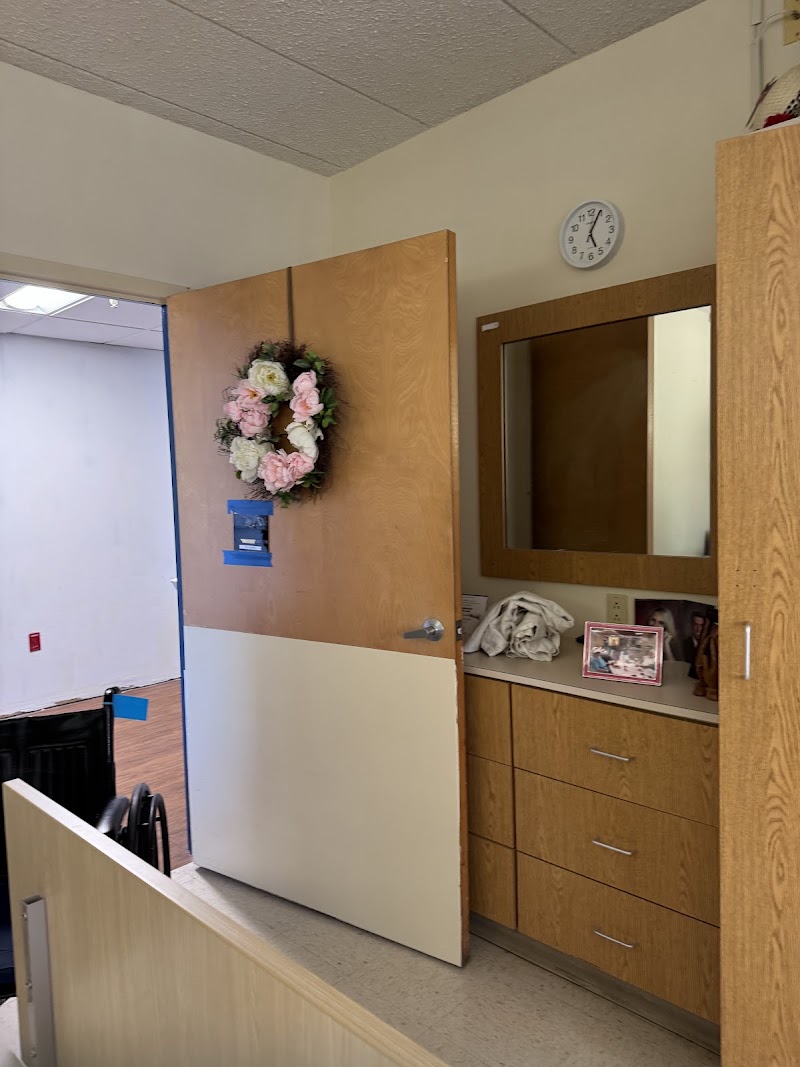
Who Owns and Operates Seacrest Rehabilitation And Healthcare Center?

SEACREST REHABILITATION AND HEALTHCARE CENTER is owned by a for-profit company. For-profit facilities operate as businesses with obligations to shareholders or private owners. The facility is operated by MARQUIS HEALTH SERVICES, a chain that manages multiple nursing homes. With 171 certified beds and approximately 149 residents (about 87% occupancy), it is a mid-sized facility located in LITTLE EGG HARBOR TW, New Jersey.
How Does Seacrest Rehabilitation And Healthcare Center Compare to Other New Jersey Nursing Homes?

Compared to the 100 nursing homes in New Jersey, SEACREST REHABILITATION AND HEALTHCARE CENTER's overall rating (4 stars) is above the state average of 3.3, staff turnover (52%) is near the state average of 46%, and health inspection rating (3 stars) is at the national benchmark.

What Should Families Ask When Visiting Seacrest Rehabilitation And Healthcare Center?

Based on this facility's data, families visiting should ask: "Can you walk me through typical staffing levels on day, evening, and night shifts?" "Can I visit during a mealtime to observe dining assistance and food quality?" "How do you handle medical emergencies, and what is your hospital transfer rate?" "Can I speak with family members of current residents about their experience?" These questions are particularly relevant given the below-average staffing rating.

Is Seacrest Rehabilitation And Healthcare Center Safe?

Based on CMS inspection data, SEACREST REHABILITATION AND HEALTHCARE CENTER has a clean safety record: no substantiated abuse findings (meaning no confirmed cases of resident harm), no Immediate Jeopardy citations (the most serious violation level indicating risk of serious injury or death), and is not on the Special Focus Facility watch list (a federal program monitoring the lowest-performing 1% of nursing homes). The facility has a 4-star overall rating and ranks #1 of 100 nursing homes in New Jersey. While no facility is perfect, families should still ask about staff-to-resident ratios and recent inspection results during their visit.

Do Nurses at Seacrest Rehabilitation And Healthcare Center Stick Around?

SEACREST REHABILITATION AND HEALTHCARE CENTER has a staff turnover rate of 52%, which is 6 percentage points above the New Jersey average of 46%. Moderate turnover is common in nursing homes, but families should still ask about staff tenure and how the facility maintains care continuity when employees leave.

Was Seacrest Rehabilitation And Healthcare Center Ever Fined?

SEACREST REHABILITATION AND HEALTHCARE CENTER has no federal fines on record. CMS issues fines when nursing homes fail to meet care standards or don't correct problems found during inspections. The absence of fines suggests the facility has either maintained compliance or corrected any issues before penalties were assessed. This is a positive indicator, though families should still review recent inspection reports for the full picture.

Is Seacrest Rehabilitation And Healthcare Center on Any Federal Watch List?

SEACREST REHABILITATION AND HEALTHCARE CENTER is not on any federal watch list. The most significant is the Special Focus Facility (SFF) program, which identifies the bottom 1% of nursing homes nationally based on persistent, serious quality problems. Not being on this list means the facility has avoided the pattern of deficiencies that triggers enhanced federal oversight. This is a positive indicator, though families should still review the facility's inspection history directly.