MOUNT HOLLY REHABILITATION & HEALTHCARE CENTER
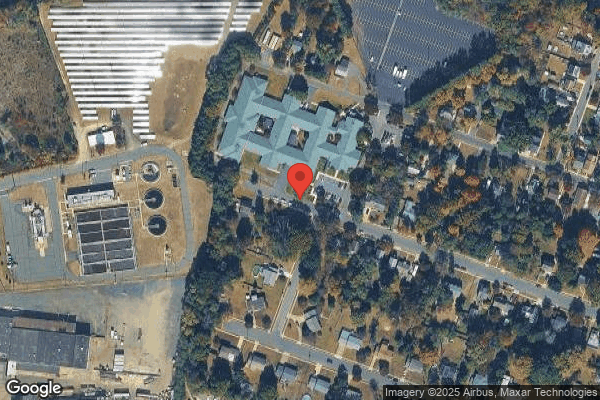

62 RICHMOND AVENUE, LUMBERTON, NJ 08048 (609) 914-8800
For profit - Limited Liability company 180 Beds MARQUIS HEALTH SERVICES Data: November 2025 1 Immediate Jeopardy citation
Trust Grade
0/100
#287 of 344 in NJ
Last Inspection: February 2025

Within standard 12-15 month inspection cycle. Federal law requires annual inspections.

Overview

Mount Holly Rehabilitation & Healthcare Center has received a Trust Grade of F, indicating significant concerns about its care and services. It ranks #287 out of 344 facilities in New Jersey, placing it in the bottom half of all nursing homes in the state and #13 out of 17 in Burlington County, meaning there are only a few local options that are better. The facility's trend is stable, as it had 17 issues in both 2023 and 2025, showing no improvement. Staffing is rated average with a 3/5 star rating and a turnover rate of 36%, which is better than the state average; however, RN coverage is concerning, being lower than 76% of facilities in New Jersey. There have been serious incidents reported, including a resident who was not provided thickened liquids as prescribed, which could lead to aspiration, and another resident who was neglected and found on the floor with a severe injury after a CNA was caught sleeping instead of supervising. Overall, while the staffing situation is somewhat stable, the facility has critical issues that families should consider carefully.

Trust Score
F
0/100
In New Jersey
#287/344
Bottom 17%
Safety Record
High Risk
Review needed
Inspections
Holding Steady
17 → 17 violations
Staff Stability
○ Average
36% turnover. Near New Jersey's 48% average. Typical for the industry.
Penalties
✓ Good
$34,584 in fines. Lower than most New Jersey facilities. Relatively clean record.
Skilled Nurses
⚠ Watch
Each resident gets only 25 minutes of Registered Nurse (RN) attention daily — below average for New Jersey. Fewer RN minutes means fewer trained eyes watching for problems.
Violations
⚠ Watch
35 deficiencies on record. Higher than average. Multiple issues found across inspections.
★★☆☆☆
2.0
Overall Rating
★★★☆☆
3.0
Staff Levels
★★★★★
5.0
Care Quality
★☆☆☆☆
1.0
Inspection Score
Stable
2023: 17 issues
2025: 17 issues

The Good

  • 5-Star Quality Measures · Strong clinical quality outcomes
  • Full Sprinkler Coverage · Fire safety systems throughout facility
  • No fines on record
  • Staff turnover below average (36%)

    12 points below New Jersey average of 48%

Facility shows strength in quality measures, fire safety.

The Bad

2-Star Overall Rating

Below New Jersey average (3.2)

Below average - review inspection findings carefully

Staff Turnover: 36%

Near New Jersey avg (46%)

Typical for the industry

Federal Fines: $34,584

Above median ($33,413)

Moderate penalties - review what triggered them

Chain: MARQUIS HEALTH SERVICES

Part of a multi-facility chain

Ask about local staffing decisions and management

The Ugly 35 deficiencies on record

1 life-threatening 4 actual harm
Feb 2025 17 deficiencies 2 Harm
SERIOUS (G) 📢 Someone Reported This

A family member, employee, or ombudsman was alarmed enough to file a formal complaint

Actual Harm - a resident was hurt due to facility failures

Free from Abuse/Neglect (Tag F0600)

A resident was harmed · This affected 1 resident

Complaint # NJ 165805 Based on interview, record review, and other facility documentation, it was determined that the facility failed to ensure that Resident #29 was free from neglect and received ad...

Read full inspector narrative →
Complaint # NJ 165805 Based on interview, record review, and other facility documentation, it was determined that the facility failed to ensure that Resident #29 was free from neglect and received adequate supervision when a Certified Nurse Aide (CNA #1) neglected to supervise the resident. Resident #29 was found lying on the floor complaining of severe pain and CNA #1 who refused to supervise Resident #29 was found sleeping at the nurses' desk on 5/17/23 at 3:35 AM. The resident required emergent transfer to the hospital and was diagnosed with a closed fracture of the left hip that required surgical repair (open reduction external fixation). This deficient practice was identified for 1 of 1 resident (Resident #29) reviewed for neglect. The evidence was as follows: On 2/5/25 at 10:30 AM, the surveyor reviewed Resident #29's electronic medical record. The admission Face Sheet reflected that Resident #29 was admitted to the facility with diagnoses which included but was not limited to; other lack of coordination, unspecified dementia with other behavioral disturbances, muscle wasting and atrophy. A review of the comprehensive Minimum Data Set (MDS), an assessment tool dated 2/25/24, revealed a Brief Interview for Mental Status (BIMS) score of 03 out of 15, which indicated Resident #29 was severely cognitively impaired. The MDS further revealed that the resident needed extensive assistance with all activities of daily living (ADL; toileting, bathing, washing, etc.). A review of the Care Plan (CP), initiated on 5/4/23, included a focus area for falls related to deconditioning, weakness, and other lack of coordination. The interventions included but were not limited to; call light within reach and to provide reminders to use call bell for assistance as needed. There was also a focus area for ADL self-care performance deficit related to deconditioning and status post hospitalization, initiated on 5/4/23. One of the interventions documented was Resident #29 required a one-person physical assist with toileting. A focus area for incontinence initiated on 5/4/23, indicated I have urinary incontinence; I will not have skin breakdown due to incontinence through the review date. Interventions included to: provide incontinence care and apply moisture barrier as needed; offer/encourage toileting prior to bedtime; check resident approximately every two hours and provide incontinence care as needed. A review of a Progress Note (PN) documented by the Licensed Practical Nurse (LPN #1), dated 5/17/23 at 4:18 AM, revealed that around 3:35 AM, a thud was heard. Staff went to check where the noise came from and found Resident #29 lying on their left side by their room door. [Resident #29] stated they had to go to the bathroom. Upon assessment, the resident could be seen with their hand over their left leg complaining of pain. [Resident #29] would not let staff turn them to assess the site where they reported the pain. The on-call Medical Doctor (MD) assessed the resident via video chat and ordered to send the resident to ER [emergency room]. The supervisor and Director of Nursing (DON) and unit manager were notified. A review of the nurse's note from the Registered Nurse/Supervisor of Nursing (RN/SON) dated 5/17/23 at 4:44 AM, included the writer was called to assess the resident who had an unwitnessed fall. Upon arrival, the resident was lying on the floor on their left side complaining of severe pain to left thigh. A complete body assessment was not completed as the resident complained of severe pain when we tried to move them. The resident denied hitting their head; no bleeding noted at this time. The MD was made aware, and paramedics were called per MD order. The resident was transferred to the ER at 4:20 AM. The Resident Representative, Licensed Nursing Home Administrator (LNHA), and DON were notified. A review of Resident #29's hospital medical record (HMR) dated 5/17/23 at 4:22 AM, included the reason for visit: fall; comments: . coming from [facility name redacted]- staff found [resident] on floor- unwitnessed fall. Hip pain: resident complaining of left hip pain . Primary diagnoses: closed fracture of left hip . On 2/5/25 at 9:40 AM, the surveyor requested the facility's investigation for review, and the DON submitted the Facility's Reportable Event record (FRE) that was forwarded to the New Jersey Department of Health (NJDOH) on 5/17/23. The FRE included no statements, and the summary provided dated 5/2023, included under investigation revealed the following: Per the Certified Nurse Aide [CNA #1], resident was last seen at 2:37 AM, and was in bed. At 3:30 AM, CNA (#2) heard a loud bang, and [Resident #29] was observed on the floor. The resident was noted in pain; new order received to be sent to hospital . Conclusion: Per hospital records, [Resident #29] sustained a fracture of the left hip. [Resident #29] will be evaluated by therapy upon return and will follow their recommendations. No abuse or neglect could be substantiated. The document was not signed. The incident occurred on 5/17/23. The surveyor reviewed the document with the DON and requested any statements from staff who were involved with Resident #29's care during the 11:00 PM-7:00 AM shift (during the time the unwitnessed fall occurred). A review of the Fall Witness Statement signed by CNA #1 revealed that the last time they saw the resident was at 2:37 AM. The resident was last toileted at 1:00 AM. CNA #1 heard a loud bang and rushed to resident room. A review of LPN #1's statement included that around 3:35 AM, she heard a thud, and staff went to check where the noise came from. Staff found [Resident #29] on the floor lying on their left side by their door, and [Resident #29] stated that they had to go to the bathroom. Upon assessment, the resident was seen with their hands over the left leg, complaining of pain. [Resident #29] would not allow staff to turn and assess the site where they were complaining of pain. The on-call MD assessed the resident via video chat and said to send resident to the ER. A review of LPN #2's statement dated 5/24/23, indicated that [Resident #29] was sleeping in bed when [CNA #1] was assigned to sit by the room side. (CNA was assigned to sit outside the resident's door and supervise them.) LPN #2 documented that both her and LPN #1 informed CNA #1 of their assignment to sit by Resident #29's door and supervise. LPN #2 documented that CNA #1 refused the assignment. LPN #1 and LPN #2 were making rounds on the unit when they heard a loud sound coming towards Resident #29's room, and they observed Resident #29 on the floor. They asked [Resident #29] if they had pain and the resident stated, yes. LPN #2 documented that CNA #1, who was assigned to supervise Resident #29, was sleeping at the nurse's desk until the nurse screamed. CNA #1 then got up and came to the scene. The paramedics were called, and the resident was taken to the hospital. On 2/5/25 at 11:15 AM, the surveyor reviewed LPN #2's statement with the DON. The DON stated that she did not review the statements, and she had not been aware that the CNA assigned to provide supervision for Resident #29 was found sleeping instead of watching the resident she was assigned to supervise. The surveyor then asked the DON what the facility protocol was if a CNA refused an assignment, and the DON stated that the nurse covered the assignment with someone else and notified the nursing supervisor immediately. The surveyor reviewed the facility provided Quality Assessment Report (incident type report) provided by the DON. The Quality Assessment Report revealed the following: Problem Statement: The resident had to go the bathroom and fell. Why 1: The resident had been toileted four hours prior. Why 2: The resident did not have to go and was asleep during next round. Root Cause: The resident was dry and asleep during last round. Awoken, self-transferred from bed and fell attempting to go the bathroom. The surveyor requested CNA #1, CNA #2, LPN #1, and LPN #2's phone numbers for interviews. The DON informed the surveyor that all four staff involved in the incident were no longer employed by the facility, and no contact information was provided. The surveyor reviewed all four staff's files (CNA #1, CNA #2, LPN #1, and LPN #2) and the incident was not documented in their employee files. A review of the facility's Abuse, Neglect, Exploitation or Misappropriation- Reporting and Investigating policy dated last revised 9/2022, included: Policy Statement: All reports of resident abuse (including injuries of unknown origin) neglect, exploitation, or theft/ misappropriation of resident property are reported to local, state and federal agencies (as required by current regulations) and thoroughly investigated by facility management. Findings off all investigations are documented and reported. Upon conclusion of the investigation, the investigator records the findings of the investigation on approved documentation forms and provides the completed documentation to the administrator . NJAC 8:39-4.1(a)5
SERIOUS (G) 📢 Someone Reported This

A family member, employee, or ombudsman was alarmed enough to file a formal complaint

Actual Harm - a resident was hurt due to facility failures

Accident Prevention (Tag F0689)

A resident was harmed · This affected 1 resident

Complaint # NJ 173844 Based on observation, interview, record review, and document review it was determined that the facility failed to provide adequate monitoring and supervision to prevent falls wit...

Read full inspector narrative →
Complaint # NJ 173844 Based on observation, interview, record review, and document review it was determined that the facility failed to provide adequate monitoring and supervision to prevent falls with injury for a resident who was assessed as a high risk for falls. On 12/23/24, Resident #92 who had a fall and the nurse documented that the resident was on one staff-to-one resident (1:1) monitoring, had a second fall within one hour that required emergency services to transfer the resident to the hospital. The resident sustained from the fall: an acute comminuted fracture (breaks in three or more pieces) of the left inferior orbital rim (eye socket); an acute comminuted and mildly displaced fracture of the left lateral orbital rim; an acute comminuted and mildly displaced and depressed fracture of the left anterior maxillary sinus wall; left periorbital and facial soft tissue contusion with soft tissue swelling; and a laceration to left cheek that required five sutures. This deficient practice occurred for 1 of 5 residents (Resident #92) reviewed for accidents. This deficient practice was evidenced by the following: On 01/29/25 at 9:15 AM, the surveyor toured the Maple Unit of the facility and observed Resident #92 seated in a recliner chair in the dayroom with a Certified Nursing Aide (CNA) at their side. Resident #92 was observed with purplish bruises to the facial area, both eyes were closed, and the resident did not engage in a conversation with the surveyor. On 01/30/25 at 10:15 AM, the surveyor observed Resident #92 in the dayroom. The CNA was observed seated next to the resident and informed the surveyor that the resident was on 1:1 observation. On 02/04/25 at 10:30 AM, the surveyor reviewed Resident #92's electronic medical record. A review of the admission Record face sheet (an admission summary) reflected that Resident #92 was admitted to the facility with diagnoses which included but were not limited to; unspecified dementia, major depressive disorder, restlessness and agitation, and other abnormalities of gait. A review of the most recent comprehensive Minimum Data Set (MDS), an assessment tool dated 12/30/24, reflected that the resident had a Brief Interview for Mental Status (BIMS) score of 03 out of 15, indicating that the resident had severe cognitive impairment. Further review of the MDS indicated that Resident #92 required supervision or touching assistance for bed mobility, required moderate assistance for transfers from the bed to the chair and utilized a wheelchair. Resident #92 was coded as Yes as having falls since admission, and coded 2 for J 1900 B. Fall with injury (except major)- including skin tears, abrasions, lacerations, superficial bruises, hematoma's and sprains; or any fall related to injury that causes the resident to complain of pain, and coded 1 for J 1900 C. Fall with Major Injury- bone fractures, joint dislocations, closed head injuries with altered consciousness, subdural hematoma. On 02/05/24 at 9:46 AM, the Director of Nursing (DON) provided the following Fall Risk Evaluations which revealed: -On 01/01/24, Resident #92 received a score of 24, which indicated a high risk for falls. -On 02/04/24, Resident #92 scored 20, which indicated a high risk for falls. -On 04/20/24, Resident #92 received a score of 23, which indicated a high risk for falls. -On 11/01/24, Resident #92 received a score of 26, which indicated a high risk for falls. A review of the Progress Notes and Care Plan (CP) revealed the following fifteen falls and the interventions implemented: 1. On 01/01/24 at 10:40 AM, the resident had a fall in the resident's bathroom. Upon assessment, the resident had moderate blood on the back of their head with a small gash. Resident #92 was sent to the hospital and the resident returned with four staples to their head from the fall. A review of the CP indicated that on 01/01/24, the intervention for staff to remain within easy reach of the resident while washing in the bathroom was added. 2. On 01/14/24 at 9:06 PM, the resident was found lying on their back with the wheelchair on side. The resident stated I hit my head. Neurological checks (neuro checks; assessment to ensure neurological functions were working correctly) were started and the resident went to the hospital. The resident returned with no injuries. A review of the CP indicated that no new interventions were added post fall on 01/14/24. 3. On 01/20/24 on 12:45 AM, the resident was found lying on top of the fall mat in their room, and the resident stated that their head was hurting. The resident reported that they fell while trying to go to the bathroom. The resident was sent to the hospital and returned to the facility with no new orders. A review of the CP indicated that no new interventions were added post fall on 01/20/24. 4. On 02/08/24 at 11:30 PM, the resident was found in their room on their knees on top of the fall mat that was next to their bed. There were no injuries noted at that time. When asked what happened, the resident stated they did not know why they were getting up since they were already in the room. A review of the CP indicated that no new interventions were added post fall on 02/08/24. 5. On 02/21/24 at 4:20 AM, the resident was found on the floor in their room, and the resident stated they were trying to get some water. The resident was noted with a skin tear to the top upper mid back and a dime sized abrasion that was reddened to their right elbow. A review of the CP indicated that no new interventions were added post fall on 02/21/24. 6. On 03/01/24 at 4:58 AM, the resident was found lying on top of the fall mat noted with redness to the inside of their bottom lip along with some blood and an abrasion to the right side of their forehead. The resident stated they had fallen and did not remember where they were going. A review of the CP indicated that on 03/01/24, the interventions to keep mobility devices close at hand and check on the resident frequently to offer assistance were added. 7. On 03/21/24 at 2:16 AM, Resident #92 was noted lying on the floor near the closet door and upon assessment, the resident was noted bleeding from their left temple and a large skin tear was seen on their lower left arm. The resident was sent to the hospital and returned with an order for Dermabond (sterile liquid, topical skin adhesive) on left eyebrow to close the laceration. A review of the CP indicated that no new interventions were added post fall on 03/21/24. 8. On 04/21/24 at 6:25 AM, the CNA went into the resident's room and notified the writer that she had observed the resident fall and hit their head on the nightstand. The resident was noted with a bump to top of scalp 1 inch by 0.5 inch, and the resident was brought to the nurse's station for monitoring and safety. A review of the CP indicated that no new interventions were added post fall on 04/21/24. 9. On 05/13/24 at 1:48 AM, the CNA and the writer (nurse) went into Resident #92's room and assisted the resident into the wheelchair to be assisted to the bathroom per the resident's request. When putting the resident back to bed, the CNA called and informed the nurse that Resident #92 complained of chest pain and upon assessment, an irregular in size bruise, red and purple in color, was observed on the resident's sternum (breastbone) area. An x-ray was ordered with no evidence of a fracture but soft tissue swelling presternal region (upper segment of breastbone). A review of the CP indicated that no new interventions were added post fall on 05/13/24. 10. On 06/16/24 at 5:40 PM, the resident attempted to get out of the geriatric (geri) chair and slid to the floor. The resident denied hitting their head, and the resident stated they only hit bottom. The resident was assessed; vital signs were stable; and denied pain. A review of the CP indicated that no new interventions were added post fall on 06/16/24. 11. On 08/15/24 at 1:05 PM, the resident was found sitting on floor in the dayroom in front of a chair and upon assessment, the resident had bleeding from a small laceration to the left side of head. Treatment services were rendered to control bleeding. A review of the CP indicated that no new interventions were added post fall on 08/15/24. 12. On 08/16/24 at 9:00 PM, the resident had fallen in the dayroom and upon assessment, the resident had bleeding from small laceration to the left side of head. Treatment services were rendered to control the bleeding. The resident was transferred to the hospital and returned with an order for cefdinir (antibiotic used to treat bacterial infection) 300 mg; give one capsule by mouth every 12 hours for a urinary tract infection. A review of the CP indicated that on 08/16/24, the intervention to provide the resident a snack was added. 13. On 08/22/24 at 7:34 PM, the resident and their primary aide were walking in the hallway when Resident #92 fell. The primary aide who witnessed the incident stated, [Resident] didn't hit [their] head. The primary aide was asked how the resident ended up falling, and the primary aide stated [Resident] turned around, I literally just saw [them] going down slowly. The resident complained of pain in the sacrum (lower back) and a noted abrasion to their right elbow area. When the nurse asked the aide how the resident fell, the CNA replied, I'm not going to be here trying to chase [resident]. A review of the CP indicated on 08/23/24, the intervention to sit and rest when noted to be fatigued was added. 14. On 09/07/24 at 5:00 PM, the resident was noted to be on the floor in the dayroom sitting on their buttocks with the chair alarm still attached to the resident and the chair. The resident was assessed and no new injuries were noted. A review of the CP indicated on 09/09/24, the intervention of hospice ordered another [specialized chair] allowing resident's feet to touch the floor was added. 15. On 12/11/24 at 6:33 PM, the resident was noted to be on the floor and upon assessment, Resident #92 was noted to have a laceration with bright red blood drainage noted to the right side of eye. The resident was sent to the hospital and returned to the facility with Dermabond to top of right eye to close the laceration. A review of the CP indicated that on 12/12/24, the intervention to keep close observation when sitting in the chair was added. The following progress notes detailed two falls that occurred within one hour on 12/23/24, and revealed the following: On 12/23/24 at 5:55 AM, this nurse was notified by staff that resident had fallen. When asked what happened staff stated, I was walking resident to the bathroom and above resident lost balance and fell. The resident was unable to give an account of what happened. The supervisor was notified; Primary Care Physician (PCP) made aware; and the Resident Representative was made aware. An assessment was conducted and the resident was at baseline, no injury noted. The resident was able to move all extremities and did not hit their head per staff. The resident had no discomfort noted on assessment and personal care needs were met. The resident was made comfortable and 1:1 was in place with safety maintained. - A subsequent note, documented by the same nurse revealed: On 12/23/24 at 7:30 AM; around 6:30 AM, this nurse was notified by staff that the resident was bleeding from their face. Upon entering the resident's room, the resident was noted with blood on their face, a cut to their left cheek area, and the resident was unable to tell what happened. The supervisor and PCP were notified. An order was obtained to send the resident to the hospital. The resident's face was cleaned, bleeding was controlled, and no further cut or open area noted. An assessment was conducted, neuro checks started, and emergency services were called. The resident was sent to the hospital at 7:05 AM, for evaluation, and the family was notified. The progress note did not include the 1:1 supervision that was documented as in place for safety being maintained in the previous note on 12/23/24 at 5:55 AM, after the resident fell. On 12/24/24 at 3:31 AM, it was documented that Resident #92 returned from the hospital around 1:33 AM, with a fracture to their left orbit [eye socket] and left maxillary sinus. They had a laceration to their left cheek with five sutures and bruising and swelling was noted to their left orbit, left cheek, left side of the neck, above left eyebrow, and upper chest. Redness was also noted to their mid-back. Care was given to the resident when they returned from the hospital. New orders for Augmentin 875-125 mg (an antibiotic) for seven days to prevent infection, Mucinex 600 mg for congestion, nasal sprays for congestion, and bacitracin to sutures. As needed Morphine (narcotic pain medication) and Ativan (sedative) were given and noted to be effective. The supervisor was made aware of the resident's return and new orders. A review of the CP provided by the Director of Nursing (DON), in effect during the time of the fall, dated last revised 01/04/25, revealed the resident was at risk for falls related to confusion, reconditioning/weakness, history of falls, poor safety awareness. The goal, dated initiated 05/24/23, with a target date of 04/07/25, included risk for serious injury from falls will be mitigated with proper interventions through review date. A second goal, dated initiated 06/07/23, with a target date of 04/07/25, included the resident will be free of falls related to injury through the next review date. The interventions included: to monitor resident at nurses station when awake overnight initiated 10/17/23, to provide staff interaction during episodes of restlessness initiated 12/17/23; and the resident receives sedatives/hypnotics at night for sleep; monitor for safety throughout the night initiated 09/04/23. A review of the Emergency Department Encounter with a Date of Service of 12/23/24 at 9:58 AM, revealed: Assessment and Plan: resident on Eliquis, presented after fall. The resident was at increased fall risk and had a history of dementia and was not a reliable historian. There was a skin tear to the left cheek, ecchymosis peri-orbitally on the left, having active epistaxis from the left nare [bleeding from left nostril]. Radiology Final Results: CT scan to head or brain without Contrast: acute left facial fractures including involving the left inferior orbital rim and the left maxillary sinus walls, with adjacent fascial contusions and hemorrhage within the sinus and nasal cavity/nasopharynx; CT Facial Bones without Contrast Final Result: Acute comminuted fracture of the left inferior orbital rim . Acute comminuted and mildly displaced fracture of the left lateral orbital rim . Mild left orbital proptosis [protrusion of eye from socket]. Acute comminuted and mildly displaced and depressed fracture of the left anterior maxillary sinus wall. Acute comminuted mildly displaced fracture of the left lateral maxillary sinus wall. Left periorbital and facial soft tissue contusion with soft tissue swelling and gas related to sinus injury. Hemorrhage near completely filling the left maxillary sinus as well within the left nasal cavity and nasopharynx . On 02/05/25 at 11:01 AM, the surveyor interviewed the DON regarding Resident #92's multiple falls. The DON stated that Resident #92 needed constant redirection and was very impulsive. The DON added that all falls were discussed in the morning meeting. When inquired about the two falls that occurred on 12/23/24, which resulted in an injury requiring hospitalization, the DON was unable to explain why after the resident fell the first time, the resident sustained the second fall within one hour. A review of the facility provided Falls- Clinical Protocol dated revised 3/2018, and updated 1/2023, which indicated the following: Under Cause and Identification: For an individual who has fallen, the staff and the practitioner will begin to try to identify possible causes within 24 hours of the fall. After a fall, Clinical staff should review the resident's gait, balance, and current medications that may be associated with dizziness or falling. The staff will continue to collect and evaluate information until the cause of the falling is identified, or it is determined that the cause cannot be found or it is not correctable. Under Treatment /Management: Based on the preceding assessment, the clinical staff will identify pertinent interventions to try to prevent subsequent falls and address the risks of clinical consequences of falling. NJAC 8:39-27.1 (a)
CONCERN (D)

Potential for Harm - no one hurt, but risky conditions existed

Deficiency F0565 (Tag F0565)

Could have caused harm · This affected 1 resident

Based on interview and record review, it was determined that the facility failed to ensure a process was followed to ensure that all concerns presented by the residents during the monthly resident cou...

Read full inspector narrative →
Based on interview and record review, it was determined that the facility failed to ensure a process was followed to ensure that all concerns presented by the residents during the monthly resident council meetings (RCM) were consistently addressed. This deficient practice was identified for 5 of 5 residents who attended a resident council meeting, for 1 of 1 monthly resident council minutes reviewed (October 2024) and was evidenced by the following: This deficient practice was evidenced by the following: On 1/31/25 at 10:30 AM, the surveyor conducted RCM with 5 of the 5 residents who stated they were unaware of any follow up to their expressed concerns and were not provided with documented follow up at subsequent resident council meetings. A review of the RCM minutes that were provided by the Licensed Nursing Home Administrator (LNHA) revealed: 1.RCM dated October 2024 at 2:00 PM Staff in attendance: Director of Life Enrichment (DLE), LNHA, Director of Nursing (DON), and Assistant Director of Nursing (ADON). Residents in attendance: 17 A review of the RCM minutes dated October 2024 included the following under Nursing: Residents asked if staff could refrain from wearing earbuds while giving care, Director of Nursing (DON) stated she will reeducate the staff of phone usage. On 2/7/25 at 11:43 AM, in the presence of the survey team, the DON acknowledged that she was unable to find any resolutions from RCM. The DON stated the process should be that during RCM all residents' concerns should be addressed and brought up at the next meeting as an old business resolution and new concerns should be added as a new business. The review of the facility's Resident Council, policy dated revised February 2021 included under Policy Interpretation and Implementations: 6. A Resident Council Response Form will be utilized to track issues and their resolution. The facility department related to any issues will be responsible for addressing the items(s) of concerns. On 2/7/25 at 12:34 PM, the survey team met with DON, RDCS and the Regional Director of Operations for an Exit Conference. The facility management did not provide additional information and did not refute the findings. NJAC 8:39-4.1 (a)(29), 27.1(a)
CONCERN (D) 📢 Someone Reported This

A family member, employee, or ombudsman was alarmed enough to file a formal complaint

Potential for Harm - no one hurt, but risky conditions existed

Deficiency F0655 (Tag F0655)

Could have caused harm · This affected 1 resident

**NOTE- TERMS IN BRACKETS HAVE BEEN EDITED TO PROTECT CONFIDENTIALITY** Complaint # NJ 170726, NJ 166401 Based on interview and document review, it was determined that facility failed to ensure a ensu...

Read full inspector narrative →
**NOTE- TERMS IN BRACKETS HAVE BEEN EDITED TO PROTECT CONFIDENTIALITY** Complaint # NJ 170726, NJ 166401 Based on interview and document review, it was determined that facility failed to ensure a ensure an initial baseline care plan (CP) was developed for pain management for a resident who was admitted for rehabilitation after hip surgery. This deficient practice occurred for 1 of 1 closed record (Resident #318) reviewed for pain management and was evidenced by the following: On 2/4/25 at 9:31 AM, the surveyor reviewed the electronic medical record for Resident #318 which revealed the following: The admission Record revealed diagnoses which included, but were not limited to; unspecified fall, non-displaced intertrochanteric fracture of right femur (fracture of large leg bone) with routine healing, and Type 2 Diabetes Mellitus. The Hospital Discharge summary dated [DATE] revealed the Primary Discharge Diagnosis was Right intertrochanteric fracture proximal femur. The Details of Hospital [NAME] revealed Resident #318 presented to the emergency room after a fall and hurting right hip. The resident required surgery for an open reduction and internal fixation of the right hip. The Assessment and Plan revealed . Pain control as needed. The Discharge Medication List for discharge to the facility for Sub-Acute Rehabilitation included the following pain medications: - oxycodone-acetaminophen, 5-325 mg [milligrams] per tablet, commonly known as: Percocet, take 1 tablet by mouth every 4 (four) hours as needed (Pain 1-4) for up to 10 days. - oxycodone-acetaminophen, 5-325 mg per tablet, commonly known as: Percocet, take 2 tablets by mouth every 4 (four)hours as needed (Pain 5-7) for up to 10 days. The admission Screener Document revealed the resident arrived at 01/22/24 at 21:00 [9:00 PM] and J. Is the resident cognitively able to report pain, yes. Most recent pain level:6, Date: 1/22/24 at 18:30 [6:30 PM]. What is the resident's acceptable pain level, 3. The seven page CP revealed the following five CP Focus areas: - Activity of Daily Living Deficit, Inititated 1/23/24; - Risk for Falls, Inititated 1/23/24; - Skin breakdown, Initiated 1/23/24; - Leisure Activities, Inititated 1/23/24; - Nutrition, Inititated 1/24/24; On 02/04/25 at 10:23 AM, the surveyor, in the presence of two other surveyors interviewed the Director of Nursing (DON) regarding the CP not identifying pain management. The DON stated Resident #318 should have been care planned for pain. The Pain- Clinical Protocol Policy, Revision Date: October 2022 revealed: Treatment/Management: 1. With input from the resident to the extent possible, the physician and staff will establish goals of pain treatment; for example, freedom from pain with minimal medication side effects, less frequent headaches, or improved functioning, mood and sleep. 8:39-27.1(a)
CONCERN (D) 📢 Someone Reported This

A family member, employee, or ombudsman was alarmed enough to file a formal complaint

Potential for Harm - no one hurt, but risky conditions existed

Quality of Care (Tag F0684)

Could have caused harm · This affected 1 resident

Complaint # NJ 165805, 166524 Based on interview, record review and document review, it was determined the facility failed to ensure quality of care was provided in accordance with professional standa...

Read full inspector narrative →
Complaint # NJ 165805, 166524 Based on interview, record review and document review, it was determined the facility failed to ensure quality of care was provided in accordance with professional standards of practice for wound care by failing to monitor, identify and report changes in a wound on 2/17/23. The Resident Representative (RR) insisted the resident to be sent to the hospital and the resident was admitted to the hospital with cellulitis of the neck, chest, and infected sacral wound. This deficient practice occurred for 1 of 1 resident reviewed for wound care (Resident #10) and was evidenced by the following: Reference: New Jersey Statutes, Annotated Title 45, Chapter 11. Nursing Board. The Nurse Practice Act for the state of New Jersey states: The practice of nursing as a registered professional nurse is defined as diagnosing and treating human responses to actual or potential physical and emotional health problems, through such services as case finding, health teaching, health counseling and provision of care supportive to or restorative of life and wellbeing, and executing medical regimes as prescribed by a licensed or otherwise legally authorized physician or dentist. Reference: New Jersey Statutes, Annotated Title 45, Chapter 11. Nursing Board. The Nurse Practice Act for the state of New Jersey states: The practice of nursing as a licensed practical nurse is defined as performing tasks and responsibilities within the framework of case finding, reinforcing the patient and family teaching program through health teaching, health counseling and provision of supportive and restorative care, under the direction of a registered nurse or licensed or otherwise legally authorized physician or dentist. On 2/5/25 at 10:30 AM, the surveyor reviewed Resident #10 electronic medical record. The admission Face Sheet reflected that Resident #10 had diagnoses which included but were not limited to; adult failure to thrive ,cellulitis unspecified, muscle waisting and atrophy, unspecified calorie malnutrition, seizure disorder. . A review of the Quarterly Minimum Data Set (MDS), an assessment tool used to facilitate the management of care, dated 12/12/24 reflected that Resident #10 was totally dependent on staff for care. Resident #10 was non verbal. A review of the individual comprehensive care plan included a focus area for pressure ulcers initiated on 8/24/24. The interventions included to monitor and document changes in skin status such as: appearance, color, wound healing, signs and symptoms of infection, changes in wound size or stage, report to physician or designee as clinically indicated. Administer treatments as ordered and monitor for effectiveness. The resident's pressure ulcer will show signs of healing and remain free from infection by/ through the review date. On 2/9/23 the Wound Care Specialist documented the following: Assessment Notes: Wound is deteriorating, noted with 20% slough and 80% granulation tissue. No debridement performed due to pain. Low air-loss mattress noted in place. Wound #1 Sacral Other Orders Treatment Recommendations Discontinue prior treatments Cleanse the wound with Normal Saline. Do not scrub or use excessive force. Pat dry. Apply Honey (Medical Grade) Gel to the wound Apply Calcium Alginate cut to size to the wound base Cover with a bordered foam dressing. Change dressing daily and when soiled. Additional Orders Other Orders Off-Loading Continue turning and repositioning as per standard of care, avoiding position directing pressure to Wound site, limiting side lying to 30 degree tilt, and limiting the head of the bed elevation to 30 degrees in bed except for meals. Low Air-Loss (LAL) mattress in place with correct settings. Plan of Care Plan of Care discussed with Facility staff. signed 02/09/2023 at 8:24:33 PM. There was no documentation in the medical record that the wound was assessed daily or the wound was being monitored. A review of the Nursing Progress Notes (NPN) from 2/09/23 to 2/15/23 did not include any documentation/data entry made by the nursing staff on regarding the resident's wound or possible infection. A nurse's notes dated 2/15/23 timed 2:12 PM, reflected that Resident #10 was transferred to the Hospital via 911 per family member request. There was no assessment to indicate why Resident #10 was transferred to the hospital. Resident #10 was transferred back to the facility on 3/3/23. The hospital record revealed that Resident #10 was admitted with cellulitis of neck and chest. Infected sacral wound., Fever. The Initial history and physical dated 3/3/2023 revealed the following: Resident #10 with history of advanced multiple sclerosis, adult failure to thrive syndrome, has PEG tube, cognitive deficits, seizure disorder, nonverbal at baseline, history of sacral decubitus ulcer presented to the ( ED) Emergency Department with fever, concerning for worsening sacral ulcer. Patient was admitted for further evaluation and management. Resident #10 was seen by ID (Infectious Disease) for stage 4 ulcer that is infected and treated with IV (Intravenous) zosyn (Antibiotic) for 15 days. Assessment/Plan: 1.Decubitus ulcer of back, stage 4- Patient non-verbal at baseline - Wound cultures with proteus and many beta hemolytic step - Blood cultures are negative to date General surgery recommended local wound care, antibiotics and placement of wound VAC (medical device that uses negative pressure to promote wound healing). They did not recommend surgical debridement. - ID recommended IV antibiotics Zosyn -has received 15 days. Augmentin for additional 2 weeks along with a probiotic to complete antibiotic course. Patient will continue to follow-up with general surgery outpatient to reassess wound and have ongoing wound VAC changes at rehab Monday, Wednesday, Friday. 2. Cellulitis- Left side of the buttock; also chest and neck on presentation Leukocytosis has resolved. Blood cultures remain negative Transition top.o. antibiotics as recommended by infectious disease. Patient will be discharged on oral (Antibiotic) Augmentin for additional 14 days 3. Seizure disorder - Continue on keppra, valium. Follow-up with outpatient neurologist 4. Multiple sclerosis; adult failure to thrive syndrome - Supportive care -Tolerating tube feeds. The facility did not have any investigation regarding the change in condition. On 2/7/25 at 12:30 PM, the Director of Nursing indicated that she was on vacation and could not comment on the issue. However she stated the nurse should have assessed the resident, called the physician prior to transfer to the hospital. A review of the facility change in a Resident's Condition Status provided by the DON on 2/7/25 at 12:55 PM, revealed the following: Our facility promptly notifies the resident, Resident Representative the attending physician of changes in the resident's medical/mental condition or status ( e.g., changes in level of care, billing/payments, resident rights, etc.). Prior to notifying the physician, or healthcare provider, the nurse will make detailed observations and gather relevant and pertinent information for the provider, including (for example ) information prompted by the interact SBAR Communication Form. NJAC 8:39-11.2(b); 27.1(a)
CONCERN (D) 📢 Someone Reported This

A family member, employee, or ombudsman was alarmed enough to file a formal complaint

Potential for Harm - no one hurt, but risky conditions existed

Deficiency F0697 (Tag F0697)

Could have caused harm · This affected 1 resident

**NOTE- TERMS IN BRACKETS HAVE BEEN EDITED TO PROTECT CONFIDENTIALITY** Complaint # NJ 170726 Based on interview and document review, it was determined that facility failed to ensure a pain assessment...

Read full inspector narrative →
**NOTE- TERMS IN BRACKETS HAVE BEEN EDITED TO PROTECT CONFIDENTIALITY** Complaint # NJ 170726 Based on interview and document review, it was determined that facility failed to ensure a pain assessment was completed and documented to ensure a resident was provided with pain medication as needed. This deficient practice occurred for 1 of 1 closed record (Resident #318) reviewed for pain management and was evidenced by the following: On 2/4/25 at 9:31 AM, the surveyor reviewed the electronic medical record for Resident #318 which revealed the following: The admission Record revealed diagnoses which included, but were not limited to; unspecified fall, non-displaced intertrochanteric fracture of right femur (fracture of large leg bone) with routine healing, and Type 2 Diabetes Mellitus. The Hospital Discharge summary dated [DATE] revealed the Primary Discharge Diagnosis was Right intertrochanteric fracture proximal femur. The Details of Hospital [NAME] revealed Resident #318 presented to the emergency room after a fall and hurting right hip. The resident required surgery for an open reduction and internal fixation of the right hip. The Assessment and Plan revealed . Pain control as needed. The Discharge Medication List for discharge to the facility for Sub-Acute Rehabilitation included the following pain medications: - oxycodone-acetaminophen, 5-325 mg [milligrams] per tablet, commonly known as: Percocet, take 1 tablet by mouth every 4 (four) hours as needed (Pain 1-4) for up to 10 days. - oxycodone-acetaminophen, 5-325 mg per tablet, commonly known as: Percocet, take 2 tablets by mouth every 4 (four)hours as needed (Pain 5-7) for up to 10 days. The admission Screener Document revealed the resident arrived at 1/22/24 at 9:00 PM, and documented under J. Is the resident cognitively able to report pain, yes. Most recent pain level:6, Date: 1/22/24 at 7:30 PM. What is the resident's acceptable pain level, 3. The Medication Administration Record Dated January 2024 revealed an order for Oxycodone-Acetaminophen Tablet 5-325 mg, give 1 tablet by mouth every 4 hours as needed for Pain 1-4. Start Date- 1/22/2024 at 9:57 PM. The Pain Level and PRN [as needed] section of the MAR was left blank. The order was discontinued on 1/23/24 at 1:36 PM. Another order, Start Date 1/23/24 at 13:45 [1:45 PM] for Oxycodone-Acetaminophen Tablet [pain medication] 5-325 mg, give 2 tablets by mouth every 4 hours as needed for severe Pain 7-10. Start Date- 1/23/2024 13:45 [1:45 PM] and the medication was administered at 17:33 [5:33 PM] for a documented pain level of 8. There was no pain assessment or medicine documented as provided in the MAR until almost 20 hours after the resident was admitted . On 02/05/25 at 9:39 AM, the surveyor interviewed the Director of Nursing (DON) in the presence of two surveyors. The surveyor asked the DON about the process to determine Resident #318 receiving pain medications. The DON stated that if the resident doesn't ask for pain medication they don't get it. The DON stated it is on the resident. The DON stated there should be a pain evaluation and she will look for it. On 02/07/25 at 8:38 AM, the survey team met with the DON, Regional Director of Operations for the facility pre-exit conference. The facility had no additional information to provide. The Pain- Clinical Protocol Policy, Revision Date: October 2022 revealed: Assessment and Recognition: 2. The nursing staff will assess each individual for pain upon admission to the facility . 3. The staff and physician will identify the characteristics of pain such as location, intensity, frequency, pattern and severity. Monitoring: 2. The staff will evaluate and report the resident/patient's use of standing and PRN analgesics. a. Review should include frequency, duration and intensity of pain, ability to perform activities of daily living (ADLs), sleep pattern, mood, behavior, and participation in activities. NJAC 8:39-27.1(a)
CONCERN (D)

Potential for Harm - no one hurt, but risky conditions existed

Unnecessary Medications (Tag F0759)

Could have caused harm · This affected 1 resident

**NOTE- TERMS IN BRACKETS HAVE BEEN EDITED TO PROTECT CONFIDENTIALITY** Based on observation, interview, and record review, it was determined that the facility failed to ensure that all medications we...

Read full inspector narrative →
**NOTE- TERMS IN BRACKETS HAVE BEEN EDITED TO PROTECT CONFIDENTIALITY** Based on observation, interview, and record review, it was determined that the facility failed to ensure that all medications were administered without error of 5% or more. During the morning medication administration observation on 1/31/25, two surveyors observed four nurses administer medications to six residents. There were 34 opportunities, and two errors were observed which calculated to a medication administration error rate of 5.8%. This deficient practice was identified for 2 of 6 residents (Resident #89 and Resident #44) that were administered medications by two of four nurses observed. The deficient practice was evidenced as follows: 1. On 1/31/24 at 8:04 AM, Surveyor #1 observed the Licensed Practical Nurse (LPN) #1 administer medications to Resident #89. LPN #4 checked the blood pressure prior to administering the medications. The blood pressure was 95/50 mm/Hg [millimeters mercury]. LPN #1 administered the following medications: Primidone (an anticonvulsant) 50 mg (milligram) 1 tablet Methimazole (to treat an overactive thyroid) 5 mg Naglimere (to treat Type 2 Diabetes) 100 mg Eliquis (a blood thinner) 5 mg Oxycontin ER (pain medication) 15 mg Pyridostigmine (a muscle stimulant) 30 mg 1 tablet The LPN informed Surveyor #1 that the Midodrine (medication used to treat low blood pressure) which was to be administered was not available, and she would follow up with the physician. A review of the admission Record documented that Resident #89 was admitted to the facility with diagnoses which included but were not limited to; Parkinsonism, cerebral infraction, adult failure to thrive. According to the Minimum Data Set (MDS) an assessment tool used to prioritize care, dated 11/16/24, Resident #89 had a Brief Interview for Mental Status (BIMS) score of 14 out of 15 indicative of intact cognition. A review of the Physician Order Summary Sheet dated February 2025, revealed an order dated 1/29/25 for Midodrine 5 mg to be administer three times daily for hypotension. DO NOT GIVE AFTER EVENING MEAL OR WITHIN 4 HOURS OF BEDTIME TO AVOID SUPINE HYPERTENSION -HOLD SBP greater than 140. On 1/31/25 at 11:17 AM, Surveyor #1 followed up with LPN #1 regarding the Midodrine. The LPN stated that she was busy and did not follow up. Resident #89 did not receive the Midodrine as prescribed by the physician. The surveyor asked the LPN if she addressed the issue with the Unit Manager, she stated, No. [ERROR #1] On 1/31/25 at 1:30 AM, the surveyor interviewed the Unit Manager (UM) regarding the protocol for ordering and addressing missing medication. The UM informed the surveyor that staff were to order any medication prior to reaching the blue line noted on the Bingo Cart (tablet #8). The UM further added that some medications can be retrieved from the facility back up supply. The surveyor then inquired about Midodrine. The UM stated that Midodrine was included in the medication box. The UM added that she was not aware that Resident #89 missed the 8:00 AM dose of Midodrine that morning. The UM added that if the medication was not in the back up supply then the pharmacy would need to be called and the physician notified. The UM then stated that there should be documentation in the electronic records which indicated the reason why a medication was not administered. On 1/31/25 at 12:30 PM, Surveyor #1 reviewed a nurse's notes created 1/31/25 timed 11:56 AM, which reflected the following: Created Date : 1/31/2025 11:56:04 Note Text: Midodrine HCl Tablet 5 MG [milligrams] Give 1 tablet by mouth three times a day for hypotension. Medication unavailable; reordered from pharmacy; Will call Medical Doctor to make aware. LPN #1 did not call the physician nor attempt to get the medication from the facility back-up box until 11:38 AM. On 2/7/25 at 12:30 PM, the above concerns were discussed with the Clinical Regional Nurse and Nurse and the Director of Nursing (DON), the DON provided in-service education which addressed medication administration. No additional information was provided. 2. On 1/31/25 at 8:07 AM, during the morning medication pass Surveyor #2 observed the LPN #2 preparing medications to be administered to Resident #44. At that time, the breakfast tray was delivered to Resident #44. LPN #2 delivered a cup with medications while the resident was actively eating. Resident #44 was administered and swallowed their medications at 8:11 AM. A review of the admission Record revealed Resident #44 had diagnoses which included but were not limited to; gastro-esophageal reflux disease (GERD - a backflow of stomach acid into the esophagus). A review of the admission MDS dated [DATE], documented a BIMS of 07 out of 15 indicating severely impaired cognition. A review of the Order Summary Report, active orders as of 1/31/25, included a physician's order dated 1/31/25, Esomeprazole Magnesium Delayed Release (gastric acid secretion reducer) 40 mg, give 1 capsule by mouth in the morning for GERD. Give at least ½ hour prior to meals. A review of the ICCP focus area dated 12/20/24, revealed a nutritional problem . related to GERD. A review of the MAR dated 1/1/25 - 1/31/25, documented Esomeprazole Magnesium Delayed Release 40 mg, give 1 capsule by mouth one time a day for GERD. Give at least ½ hour prior to meals. The MAR indicated LPN #2 signed as administered on 1/31/25. On 1/31/25 at 9:01 AM, LPN #2 stated the order was to administer the Esomeprazole half an hour prior to the meal. She further stated, I am aware. I have many medications to give but I am aware. I don't think she/he ate all their breakfast when I gave it (the Esomeprazole). [ERROR #2] On 1/31/25 at 9:42 AM, the Assistant Director of Nursing (ADON) stated an order that indicated to give half hour before a meal meant to administer the medication a half hour before the meal. She stated that it could be because of the action of the medication or just because the physician ordered it that way. A review of the facility provided, Medication Administration Competency dated 7/18/24, included but was not limited to; medication cautionaries are reviewed and followed. The Competency documented that LPN #2 demonstrated competency and was signed by LPN #2 as observed by a Registered Nurse. A review of the facility provided policy, Administering Medication revised 4/2019, included but was not limited to; 4. Medications are administered in accordance with prescriber orders . 7. Medications are administered within 1 hour of their prescribed time . 10. check the label 3 times to verify . right time before giving the medication. On 2/5/25 at 1:54 PM, the Director of Nursing (DON) and the Regional Director of Clinical Services were made aware of the above concerns. The facility had no additional information to provide. NJAC 8:39-27.1(a); 29.2(d)(5)
CONCERN (E) 📢 Someone Reported This

A family member, employee, or ombudsman was alarmed enough to file a formal complaint

Potential for Harm - no one hurt, but risky conditions existed

Deficiency F0558 (Tag F0558)

Could have caused harm · This affected multiple residents

Complaint #NJ 165805 Based on observation, interview, record review, and review of facility documents, it was determined that the facility failed to ensure the call bell was accessible and within reac...

Read full inspector narrative →
Complaint #NJ 165805 Based on observation, interview, record review, and review of facility documents, it was determined that the facility failed to ensure the call bell was accessible and within reach for all residents. This deficient practice was identified for 2 of 2 residents (Resident #22 and #29) reviewed for falls and was evidenced by the following: a) On 1/30/25 at 10:00 AM, the surveyor observed Resident #29 lying in bed, and the call bell on top of the the bedside table out of Resident #29. On 1/31/28 9:10 AM, the surveyor observed Resident #29 in bed, and the call bell was again observed on top of the bedside table. On 2/5/25 at 9:00 AM, the surveyor observed Resident #29 lying in bed and the call bell was hanging over the side rail, tucked underneath the mattress, and out of the resident's reach. The resident stated they knew how to use the call bell, but that they could not find it to demonstrate the process for the surveyor. On 2/5/25 at 9:20 AM, the surveyor escorted the Unit Manager (UM) to the resident's room and the UM confirmed that the call bell was not accessible. On 2/5/25 at 10:30 AM, the surveyor reviewed Resident #29's medical record. The admission Face Sheet reflected that Resident #29 was admitted to the facility with diagnoses which included but were not limited to; other lack of coordination, unspecified dementia, with other behavioral disturbances, muscle wasting and atrophy. The Annual Minimum Data Set (MDS), an assessment tool, dated 02/25/24, revealed a Brief Interview of Mental Status (BIMS) of 03 out of 15, which indicated the Resident's cognition was severely impaired. A review of the Care Plan (CP), Initiated 5/4/23, included a Focus for falls related to deconditioning, weakness, other lack of coordination. Interventions included but were not limited to, be sure call light is within reach, and provide reminders to use call bell for assistance as needed. During an interview with the surveyor on 02/05/25 at 9:00 AM, the Certified Nurse Aide (CNA) stated that the resident used the call bell sometimes when they needed assistance. The CNA further stated that she placed the call bell on the side of the resident's bed prior to leaving the room. During an interview with the surveyor on 2/5/25 at 9:20 AM, the Licensed Practical Nurse/Unit Manager (LPN/UM) confirmed that the resident was able to use the call bell to ask for assistance. The surveyor then escorted the LPN/UM to the room where we both observed the call bell was tucked underneath the mattress and not accessible to the resident. The UM stated that she expected staff to secure the call bell to prevent the call bell from falling out of reach of the resident. During an interview with the surveyor on 2/5/25 at 12:55 PM, the Director of Nursing (DON) stated that staff should have ensured Resident's call bell was secured and placed within reach of the resident. b) On 1/29/25 at 9:57 AM, during an initial tour the surveyor observed Resident #22 reading a book in the bed. The resident stated, I need to be changed, when the surveyor approached the resident. The surveyor observed the resident's call bell hanging from the left corner of the bed frame. Resident #22 was not able to reach the call bell. On 1/30/25 at 8:19 AM, the surveyor observed Resident #22 sitting in bed with their head of bead elevated. Resident #22's call light was hanging down from left corner of the bed frame. Resident #22 was not able to reach the call bell. On 2/4/25 at 12:45 PM, the surveyor reviewed the electronic medical record for Resident #22 which revealed: According to the admission Record (AR; admission summary), Resident #22 was admitted to the facility with diagnoses which included but were not limited to; Hypertension (high blood pressure), anxiety disorder, and difficulty in walking. A review of the Quarterly Minimum Data Set Assessment, (an assessment tool), dated 12/28/24, revealed that the Resident #22 scored 06 out of 15 on the Brief Interview for Mental Status (BIMS) which indicated that the resident had a severely impaired cognition. Further review of the MDS revealed that Resident #22 required maximal assistance with toileting hygiene. Section H of the MDS revealed that Resident #22 was frequently incontinent of bowel and bladder. A review of Resident #22's Care Plan (CP) Initiated on 10/6/23, reflected that Resident #22 had an ADL (Activities of Daily Living) self-care performance deficit. Interventions included: Encourage me to use call bell for assistance. On 2/5/25 at 1:53 PM, the survey team met with Director of Nursing (DON) and the Regional Director of Clinical Services (RDCS). The surveyor informed them of the above-mentioned concerns for all the residents. A review of the facility provided document titled: Certified Nursing Assistant (CNA) /Geriatric Nursing Assistant (GNA) under section Personal Nursing Care Functions included: Ensure that residents who are unable to call for help are checked frequently. Under Safety and Sanitation: Keep the nurses' call system within easy reach of the resident. On 2/7/25 at 12:34 PM, the survey team met with DON, RDCS and the Regional Director of Operations for an Exit Conference. NJAC 8:39-31.8 (c)(9)
CONCERN (E)

Potential for Harm - no one hurt, but risky conditions existed

Deficiency F0658 (Tag F0658)

Could have caused harm · This affected multiple residents

**NOTE- TERMS IN BRACKETS HAVE BEEN EDITED TO PROTECT CONFIDENTIALITY** 5. On 1/31/24 at 8:04 AM, Surveyor #2 observed the LPN #4 administered the following medications to Resident #89: Primidone (an ...

Read full inspector narrative →
**NOTE- TERMS IN BRACKETS HAVE BEEN EDITED TO PROTECT CONFIDENTIALITY** 5. On 1/31/24 at 8:04 AM, Surveyor #2 observed the LPN #4 administered the following medications to Resident #89: Primidone (an anticonvulsant) 50 mg 1 tablet Methimazole (to treat an overactive thyroid) 5 mg Naglimere (to treat Type 2 Diabetes) 100 mg Eliquis (a blood thinner) 5 mg Oxycontin ER (pain medication) 15 mg Pyridostigmine (a muscle stimulant) 30 mg 1 tablet LPN #4 checked the blood pressure prior to administering the medications. The blood pressure was 95/50. Resident #89, had an order for Midodrine 5 milligrams, give 1 tablet by mouth three times a day for hypotension. The Midodrine was not administered. The LPN informed the surveyor that the Midodrine was not available and she would follow up with the physician at 8:04 AM. The physician order dated 1/29/25 revealed the following: Midodrine HCl Tablet 5 MG, give 1 tablet three times a day. DO NOT GIVE AFTER EVENING MEAL OR WITHIN 4 HOURS OF BEDTIME TO AVOID SUPINE HYPERTENSION -HOLD SBP greater than 140. On 1/31/25 at 11:17 AM, Surveyor #2 followed up with LPN #4 regarding the Midodrine. The LPN stated that she was busy and did not follow up. Resident #89 did not receive the Midodrine as prescribed by the physician. The surveyor asked the LPN if she addressed the issue with the Unit Manager, she stated, No. At 11:30 AM, the surveyor interviewed the Unit Manager (UM) regarding the protocol for ordering and addressing missing medication. The UM informed the surveyor that staff were to order any medication prior to reaching the blue line noted on the Bingo Cart (tablet #8). The UM further added that some medications can be retrieved from the facility back up supply. The surveyor then inquired about Midodrine. The UM stated that Midodrine was included in the medication box. The UM added that she was not aware that Resident #89 missed the 8:00 AM dose of Midodrine that morning. The UM added that if the medication was not in the back up supply then the pharmacy would need to be called and the physician notified. The UM then stated that there should be documentation in the electronic records which indicated the reason why a medication was not administered. On 1/31/25 at 12:30 PM, Surveyor #2 reviewed the electronic medical record for Resident #89 who was admitted to the facility with diagnoses which included but were to limited to; Parkinsonism, cerebral infraction, adult failure to thrive. According to the Minimum Data Set, dated [DATE], Resident #89 had a Brief Interview for Mental Status score of 14 out of 15 indicative of intact cognition. The MDS also indicated that Resident # 89 required extensive assistance for Activities of Daily Living (ADL). Resident #89 had an ADL Self Care Performance Deficit related to weakness and deconditioning due to recent hospital stay. Review of the Physician Order Summary Sheet Dated February 2025, revealed an order for Midodrine (medication used to treat low blood pressure that causes severe dizziness and fainting) 5 mg to be administer x 3 daily for hypotension. A nurse's notes created 1/31/25 timed 11:56 AM reflected the following: Created Date :1/31/2025 11:56:04 Note Text: Midodrine HCl Tablet 5 MG Give 1 tablet by mouth three times a day for hypotension. Medication unavailable; reordered from pharmacy; Will call Medical Doctor (MD) to make aware. The LPN did not call the physician nor attempted to get the medication from the facility back up box until 11:38 AM. On 2/7/25 at 12:30 PM, the above concerns was discussed with the Regional Director of Clinical Services (RDCS), the DON provided in-services education which addressed medication administration. No additional information was provided. NJAC 8:39-11.2(b), 27.1(a), 29.2(a), 29.3(a)5 4. On 1/31/25 at 7:47 AM, Surveyor #4 observed LPN #3 prepare to administer medications on the secure memory unit. At 8:07 AM, as LPN #3 was preparing medications for Resident #44, the breakfast meal was delivered to the resident, and they began to eat the meal. On 1/31/25 at 8:11 AM, LPN #3 administered a cup filled with unidentified medications and Surveyor #4 observed Resident #44 swallowed the medications. A review of the admission Record revealed Resident #44 had diagnoses which included but were not limited to; gastro-esophageal reflux disease (GERD - a backflow of stomach acid into the esophagus). A review of the admission MDS dated [DATE], documented a BIMS of 07 out of 15 indicating severely impaired cognition. A review of the Order Summary Report, active orders as of 1/31/25, included a physician's order dated 1/31/25, Esomeprazole Magnesium Delayed Release (gastric acid secretion reducer) 40 mg, give 1 capsule by mouth in the morning for GERD. Give at least ½ hour prior to meals. A review of the Care Plan Focus area dated 12/20/24, revealed a nutritional problem . related to GERD. A review of the eMAR dated 1/1/25 - 1/31/25, documented Esomeprazole Magnesium Delayed Release 40 mg, give 1 capsule by mouth one time a day for GERD. Give at least ½ hour prior to meals and was plotted to be administered at 8:00 AM. The MAR indicated LPN #3 signed as administered on 1/31/25. On 1/31/25 at 9:01 AM, LPN #3 acknowledged the physician's order was to administer the Esomeprazole half an hour prior to the meal. She further stated, I am aware. I have many medications to give but I am aware. I don't think she/he ate all their breakfast when I gave it (the Esomeprazole). On 1/31/25 at 9:42 AM, the Assistant Director of Nursing (ADON) stated an order that indicated to be administered half hour before a meal should be administered half hour before the meal. She stated that it could be because of the action of the medication or just because the physician ordered it that way. A review of the facility provided policy, Administering Medication revised 4/2019, included but was not limited to; 4. Medications are administered in accordance with prescriber orders . 7. Medications are administered within 1 hour of their prescribed time . 10. check the label 3 times to verify . right time before giving the medication. On 2/5/25 at 1:54 PM, the DON and the RDCS were made aware of the above concerns. The facility had no additional information to provide. Based on observation, interview, record review, and review of other pertinent facility provided documentation, it was determined that the facility failed to a) ensure that physician orders were being consistently followed for a medication with hold parameters for 3 of 18 residents (Residents #82, #23 and #89), b) follow the physician orders for bilateral floor mats for a resident who was a fall risk for 1 of the 1 resident (Resident #19), c) administer medications according to the physician's orders for 1 of 6 residents (Resident #44) reviewed for medication administration. This deficient practice was evidenced by the following: Reference: New Jersey Statutes Annotated, Title 45. Chapter 11. Nursing Board. The Nurse Practice Act for the State of New Jersey states: The practice of nursing as a registered professional nurse is defined as diagnosing and treating human responses to actual and potential physical and emotional health problems, through such services as case-finding, health teaching, health counseling, and provision of care supportive to or restorative of life and wellbeing, and executing medical regimens as prescribed by a licensed or otherwise legally authorized physician or dentist. Reference: New Jersey Statutes Annotated, Title 45, Chapter 11. Nursing Board. The Nurse Practice Act for the State of New Jersey states: The practice of nursing as a licensed practical nurse is defined as performing tasks and responsibilities within the framework of case finding; reinforcing the patient and family teaching program through health teaching, health counseling, and provision of supportive and restorative care, under the direction of a registered nurse or licensed or otherwise legally authorized physician or dentist. 1. On 1/30/25 at 1:00 PM, Surveyor #1 reviewed Resident # 82's electric medical records (EMR) that revealed the following: The admission Record (an admission summary) revealed that Resident #82 had diagnoses that included but were not limited to; Chronic Kidney Disease, Stage 3 (when kidneys are damaged and can't filter blood the way they should), hypertension (high blood pressure), anxiety disorder and difficulty in walking. A quarterly Minimum Data Set (MDS), an assessment tool used to facilitate management of care, dated 1/10/25 reflected that Resident #82 had Short-term and Long-term memory problems. A review of the Order Summary Report (OSR) reflected that Resident #82 had an active Physician Order (PO) dated 5/11/22 for a medication: Hydralazine Tablet 25 MG (milligram). Give 1 tablet by mouth every 8 hours for Elevated BP (blood pressure) related to hypertensive heart and chronic (continuing for a long time) kidney disease without heart failure. Additional directions included: Hold for SBP (systolic blood pressure -a measurement of the pressure in the arteries during a heart beat) < (less than) 120, HR (heart rate) <55. The corresponding PO was transcribed into the electronic Medication Administration Record (eMAR). Further review of the December 2024 - January 2025 eMARs for Resident #82 revealed that nurses signed and reflected a checkmark which indicated that the medication was administered when the med should have been held for a SBP that was less than 120 according to the PO, for the following dates and times: Date: Time: SBP: 12/3/24 6 AM 110/48 12/12/24 10 PM 98/51 12/16/24 2 PM 112/64 12/19/24 2 PM 107/68 12/21/24 10 PM 118/53 12/23/24 2 PM 119/63 12/25/24 2 PM 119/57 12/26/24 6 AM 118/52 12/27/24 6 AM 101/54 12/29/24 6 AM 108/59 1/1/25 2 PM 115/62 1/4/25 6 AM 106/45 1/4/25 2 PM 116/61 1/4/25 10 PM 118/61 1/10/25 2 PM 115/60 1/13/25 2 PM 112/58 1/14/25 2 PM 118/48 1/19/25 2 PM 112/58 1/22/25 2 PM 118/62 1/24/25 6 AM 110/58 1/24/25 10 PM 118/70 1/25/25 6 AM 112/62 1/25/25 10 PM 118/65 1/26/25 6 AM 109/58 1/28/25 2 PM 110/51 1/29/25 2 PM 112/62 On 2/4/25 at 12:10 PM, Surveyor #1 interviewed the Licensed Practical Nurse (LPN #1) stated that the Hydralazine was for high blood pressure. The LPN #1 stated she would check resident's BP before administering the medication. The LPN #1 further stated Hydralazine was ordered with holding parameters and explained if the BP was less than 100, and HR was less than 60 then the medication would be held as per holding parameters ordered by physician. The LPN #1 further stated if Hydralazine was administered with BP less than 100 then it would lower the BP more. The LPN #1 stated if the medication was administered for BP less than 100 or HR less than 60, then she would contact and notify the physician, and the Unit Manager (UM). The LPN #1 stated that the UM was responsible to check and make sure that everything was right in the eMARs. During an interview with Surveyor #1 on 2/4/25 at 12:29 PM, the LPN/UM stated Hydralazine was for the blood pressure. The LPN/UM stated she would check the resident's BP, HR and physician's additional orders to see if there were any holding parameters. The LPN/UM further stated the medication would be held as per holding parameters. The LPN/UM stated it was important to hold medication with holding parameters because if medication was administered with low blood pressure, the resident could pass out with low BP and low HR. The LPN/UM stated she was responsible to check eMARs to make sure there were no mistakes. The LPN/UM reviewed the December 2024 and January 2025 eMARs in the presence of Surveyor #1, the LPN/UM acknowledged that the nurses should have held the medication and written a progress note that they held the medication. On 2/5/25 at 1:53 PM, the survey team met with the Director of Nursing (DON) and the Regional Director of Clinical Services (RDCS). Surveyor #1 notified them of the above-mentioned concerns for Resident #82. A review of the facility policy titled Administering Medications revised 4/19 included under Policy Statement: Medications are administered in a safe and timely manner, and as prescribed. Under section Policy Interpretation and Implementations: - 4.) Medications are administered in accordance with prescriber orders, including any required time frame. On 2/7/25 at 12:34 PM, the survey team met with DON, RDCS and the Regional Director of Operations for an Exit Conference. The facility management did not refuse the findings. 2. On 1/29/25 at 10:31 AM, Surveyor #1 observed Resident #19 sitting up in the bed. Resident was watching television (TV). Surveyor #1 observed a floor mat on the left side of the bed. On 1/30/25 at 8:52 AM, the surrey #1 observed Resident #19 eating breakfast in the bed, with their head of bed elevated. The surveyor observed a floor mat on the left side of the bed. On 1/31/25 at 10:50 AM, Surveyor #1 reviewed the electronic medical record for Resident #19 which revealed: According to the admission Record, Resident #19 was admitted to the facility with diagnoses which included but were not limited to; Repeated Falls, Hypertension and anxiety disorder. A review of the comprehensive MDS dated [DATE], revealed that the Resident #19 scored 01 out of 15 on their BIMS, which indicated that the resident had a severely impaired cognition. A review of Resident #19's Care Plan (CP) Initiated on 12/17/24, reflected that Resident #19 was at risk for falls related to Parkinson's (a brain disorder that causes unintended or uncontrollable movements, such as shaking, stiffness, and difficulty with balance and coordination) with lack of coordination and difficulty walking history of falls prior to admission, dementia . muscle wasting and atrophy (decrease in size or wasting away of a body part or tissue). The interventions initiated on 7/5/23 included: Fall mat(s) to both sides of the bed at all times when the resident is in bed. A review of the February 2025 Order Summary Report (OSR) reflected that Resident #19 had an active PO dated 8/12/24 for floor mats to both sides of the bed when resident in bed every shift. The corresponding PO was transcribed into the eMAR. Further review of the January 2025-February 2025 Medication Administration Record for Resident #19 revealed that nurses signed and reflected a checkmark which indicated that there were floor mats to both sides of the bed when resident was in bed all three shifts. On 2/5/25 at 9:23 AM, during an interview with Surveyor #1, the LPN #2 stated the POs were to have floor mats for the residents. The LPN #2 reviewed the eMAR for POs in the presence of Surveyor #1 and stated Resident #19 had PO for bilateral floor mats on the floor and the nurses check off the orders for floor mats in the eMARs each shift. The LPN #2 further stated that Resident #19 had bilateral floor mats available in the room. On 2/5/25 at 9:37 AM, during an interview with Surveyor #1, the Certified Nursing Aide (CNA #2) stated Resident #19 was at fall risk and the resident had one floor mat when the resident was in bed. The CNA #2 further stated the floor mat was placed on resident's left side, towards the window because Resident #19 liked facing towards the window. The CNA #2 further stated that the CNAs would check the floor mat placement, and the nurses would document it. Surveyor #1 accompanied the CNA #2 to Resident #19's room and observed only one floor mat to resident's left side of the bed. There was no floor mat observed to resident's right side of the bed. Surveyor #1 notified the LPN #2 about the observation of left sided floor mat. The LPN #2 acknowledged that Resident #19 should have had a floor mat on each side of their bed. On 2/5/25 at 9:49 AM, Surveyor #1 met with the LPN/UM and notified of the above-mentioned concern. The LPN/UM stated, I don't even have an answer for you. The LPN/UM further stated that the nurses should be more vigilant before signing off the orders. The LPN/UM stated the nurses should check to confirm that there were floor mats on bilateral sides before signing it off because it's a doctor's order. On 2/5/25 at 1:53 PM, the survey team met with the DON and the RDCS. Surveyor #1 informed them of the above-mentioned concerns. The facility had no policy or procedure to provide regarding the use of floor mats. On 2/7/25 at 12:34 PM, the survey team met with DON, RDCS and the Regional Director of Operations for an Exit Conference. The facility management did not provide additional information and did not refute the findings. 3. On 1/29/25 at 12:15 PM, Surveyor #3 observed Resident #23 in the dining room awaiting the meal delivery. On 2/5/25 at 1:54 PM, the surveyor reviewed the medical record for Resident #23 which revealed the following: Resident #23 was admitted to the facility with diagnoses which included but were not limited to; diabetes mellitus and hypertension. The Order Summary Report dated 02/2025 reflected an order for Olmesartan Medoxomil-Hydochloride Oral Tablet 20-12.5 milligrams (medication used to treat hypertension) give 1 tablet orally one time a day for hypertension (HTN). The order specified to hold for systolic blood pressure less than 100 and Heart Rate less that 60. Initial order date 12/27/24. A review of the electronic Medication Administration Record (eMAR) for December 2024, January 2025 and February 2025, revealed that the eMAR was signed to reflect the administration of the Olmesartan. Further review of the eMAR reflected that the blood pressure and Heart Rate had not been entered into the eMAR in accordance with the physician order [the area was left blank]. The nurses initialed the eMAR which indicated that the medication had been administered. There was no documented evidence that the physician orders for blood pressure monitoring prior to administered the anti hypertensive medication was followed. On 2/7/25 at 8:57 AM, Surveyor discussed the above concerns with the DON, and reviewed the physician orders and the eMAR's together. The DON acknowledged that the staff failed to follow the order. During the exit conference at 12:55 PM no additional information was provided. A review of the facility policy titled Administering Medications revised 4/19 included under Policy Statement: Medications are administered in a safe and timely manner, and as prescribed. Under section Policy Interpretation and Implementations: - 4.) Medications are administered in accordance with prescriber orders, including any required time frame.
CONCERN (E)

Potential for Harm - no one hurt, but risky conditions existed

Deficiency F0676 (Tag F0676)

Could have caused harm · This affected multiple residents

Repeat Deficiency Based on observation, interview, and record review, it was determined that the facility failed to provide a means of communication for a resident identified as having a language barr...

Read full inspector narrative →
Repeat Deficiency Based on observation, interview, and record review, it was determined that the facility failed to provide a means of communication for a resident identified as having a language barrier. This deficient practice was identified for Resident #122, 1 of 1 resident reviewed for communication and was evidenced by the following: On 1/29/25 at 12:58 PM, the surveyor observed Resident #122 in bed. The surveyor was unable to communicate with the resident. On 1/30/25 at 8:29 AM, the surveyor observed Resident #122 eating breakfast in the bed. Resident #122 spoke in Spanish when the surveyor was in the resident's room. The surveyor was not able to understand or communicate with the resident. On 1/30/25 at 10:15 AM, the surveyor reviewed the electronic medical record for Resident #122 which revealed: According to the admission Record (admission summary), Resident #122 was admitted to the facility with diagnoses which included but were not limited to; type 2 Diabetes mellitus and dementia. A review of the Annual Minimum Data Set Assessment, (an assessment tool) dated 10/27/24, revealed that the Resident #122 scored 00 out of 15 on the Brief Interview for Mental Status (BIMS) which indicated that the resident had a severely impaired cognition. Further review of the MDS revealed that Resident #122 was Spanish speaking. A review of Resident #122's individual Care Plan (CP) included a focus area dated 5/14/24, that the resident required the services of an interpreter because their primary language was not English. Primary language: Spanish. Interventions included: Provide resident with a communication board with common words in English and resident's preferred language to aide in communication for simple daily needs. On 2/5/25 at 9:06 AM, during an interview with the surveyor, the Certified Nurse Aide (CNA #1) stated Resident #122 was Spanish speaking. The CNA #1 stated when she had taken care of the resident, she would not understand the resident because the resident did not speak English. CNA #1 stated when she did not understand the resident then she would use hand gestures during care. CNA #1 further stated she would tap on Resident #122's side to turn to the other side when she provided toileting hygiene. CNA #1 acknowledged that when the resident spoke in their language, CNA #1 did not understand the resident and the only way she would communicate with Resident #122 was with hang gestures. On 2/5/25 at 9:55 AM, during an interview with the surveyor, CNA #2 who was assigned to the resident, stated Resident #122 was mainly Spanish speaking. The surveyor inquired about how was the resident able to make their needs knows and CNA #2 stated that the resident used hand gestures a lot. CNA #2 stated that the resident had a communication board in their room. The surveyor accompanied the CNA #2 to Resident #122's room. Both observed the resident sitting in bed and resident spoke only Spanish and tried to have conversation with CNA #2. The surveyor and the CNA both were not able to understand and/or communicate with the resident. The CNA #2 searched, and she could not find a communication board in resident's room. On 2/5/25 at 10:12 AM, during an interview with the surveyor, the Licensed Practical Nurse (LPN) stated Resident #122 was mainly Spanish speaking. The LPN stated she was able to understand the resident because some of her language vocabulary matched with resident's language, so she did not utilize any devices to communicate with the resident. The LPN further stated if she was not able to understand the resident, she would take the Spanish speaking CNA with her to resident's room. The LPN stated the communication board wouldn't be effective for Resident #122 because it was used for people who have hard time speaking or if they were hard of hearing. On 2/5/25 at 1:53 PM, the survey team met with Director of Nursing (DON) and the Regional Director of Clinical Services (RDCS). The surveyor informed them of the above-mentioned concerns for the Resident #122. The DON acknowledged that Resident #122 should have had a communication board in the room so that the resident would be able to express their needs. Review of the facility provided policy Translation and/or Interpretation Services dated 8/2021, included under policy interpretation and implementation: 3. The facility utilizes cue cards (Communication Board) to assist health professionals and residents who have English language difficulties or communication difficulties to communicate. On 2/7/25 at 12:34 PM, the survey team met with DON, RDCS and the Regional Director of Operations for an Exit Conference. The facility management did not provide additional information and did not refute the findings. NJAC 8:39-13.3(b), 27.1 (a)
CONCERN (E) 📢 Someone Reported This

A family member, employee, or ombudsman was alarmed enough to file a formal complaint

Potential for Harm - no one hurt, but risky conditions existed

ADL Care (Tag F0677)

Could have caused harm · This affected multiple residents

**NOTE- TERMS IN BRACKETS HAVE BEEN EDITED TO PROTECT CONFIDENTIALITY** Complaint #s NJ 165805, 166524, 166709, 169246, 178803 Based on observation, interview, review of records, and review of pertine...

Read full inspector narrative →
**NOTE- TERMS IN BRACKETS HAVE BEEN EDITED TO PROTECT CONFIDENTIALITY** Complaint #s NJ 165805, 166524, 166709, 169246, 178803 Based on observation, interview, review of records, and review of pertinent documents, it was determined that the facility failed to consistently provide appropriate incontinence care, and personal hygiene care for all residents. The deficient practice was identified for Resident #89, #100, #132, #152, #370, #123, #71, #122, #82, #35, and #77, for 2 of 3 resident units (Maple and Ridge Units) and evidenced by the following: 1. On 2/04/25 AM at 7:20 AM, the surveyor observed Resident #100 in bed, the head of the bed was elevated, and the resident was able to answer questions. Upon inquiry, the resident informed the surveyor that they were wet and needed to be changed. The surveyor asked the resident to activate the call light. The surveyor left the room and informed staff that Resident needed assistance. On 2/4/25 at 10:00 AM, the surveyor observed Resident # 100 in bed. The call device was on the floor. The resident informed the surveyor that they had not been changed. The surveyor left the room and asked a random Certified Nurse Aide (CNA) to assist with a care tour and the resident's brief was observed soaked with urine. The resident stated that they were last assisted with incontinence care the previous night. Resident #100 had a care plan for incontinence care initiated 12/08/23. The intervention was to provide incontinence care and apply moisture barrier as needed. Resident #100 had a Brief Interview for Mental Status (BIMS) Score of 14 out of 15 indicative of intact cognition. 2. On 1/29/25 at 9:27 AM, the surveyor observed Resident #89 in bed with long facial hair, and all nails were long and jagged. On 1/30/25 at 10:45 AM, the surveyor observed Resident #89 in bed, after morning care had been provided with nails long and jagged, black substance underneath the finger nails, and Resident #89 was unshaven. On 1/31/25 at 8:00 AM, the surveyor returned to the room and observed that Resident #89 had just completed breakfast. The resident's nails were still long, jagged and not trimmed and Resident # 89 had not been shaved. On 2/04/25 at 9:19 AM, the surveyor interviewed the resident who stated that they would like their nails to be trimmed and cleaned. On 2/05/25 at 8:35 AM, the surveyor observed the resident in bed, the resident stated again they would like to be shaved. On 2/05/25 at 12:15 AM, the surveyor reviewed Resident #89's medical record which revealed the following: Resident # 89 was admitted to the facility with diagnoses which included but were to limited to: Parkinsonism, cerebral infraction, adult failure to thrive. According to the Minimum Data Set (MDS) dated [DATE], Resident #89 had a BIMS score of 14 out of 15 indicative of intact cognition. The MDS also indicated that Resident # 89 required extensive assistance for Activities of Daily Living (ADL). Resident # 89 had an ADL Self Care Performance Deficit related to weakness and deconditioning due to recent hospital stay. Review of the Care Plan (CP) for Resident #89 initiated on 5/10/24 revealed a Focus for ADL self care performance deficit related to weakness, deconditioning. The goal was for Resident #89 to reduce risks for complications of self care deficit and impaired mobility daily. The interventions included, provide assistance with all activities of daily living including hygiene. On 2/5/25 at 10:30 AM, the surveyor interviewed the Assistant Director of Nursing regarding the care. She stated that the manager and the nurses were to make rounds and ensure the residents were being cared for. On 2/4/24 at 11:30 AM, the surveyor interviewed the CNA regarding nails care. The CNA who cared for Resident #89 stated that nail care could be offered daily with the morning care or shower days. Resident # 89 had a shower scheduled on Tuesday, had not been shaved, and the nails were not being trimmed. On 2/5/25 at 8:30 AM, the surveyor interviewed the CNA assigned to Resident #89. The CNA revealed that Resident #89 could feed themselves after set-up, was able to assist with turning and able to make their needs known. The CNA stated that she would ask the resident if they wanted to be shaved today. When asked regarding the resident nail care, the CNA did not have any comments. 3. Resident #132 was admitted to the facility with diagnoses which included but were not limited to muscle wasting and atrophy, anemia and low back pain. On 1/30/25 at 10:00 AM, the surveyor observed Resident #132 in bed, and reported being cold. Resident #132 was observed with thick facial hair. On 1/31/25 at 6:45 AM, the surveyor observed Resident #132 in bed. Resident #132 had not received care yet. A random CNA completed incontinence care for Resident #132 who was observed soaked with urine. The resident had not been shaved and the surveyor asked the resident if they would like to be shaved and they stated, Oh yes I would like to. On 1/31/25 at 11:15 AM, the surveyor observed Resident #132 in bed. The surveyor observed that the resident had not been shaved The surveyor esorted the Assistant Director of Nursing to the room where we both observed that the resident had not been shaved. On 2/5/25 at 10:30 AM, the surveyor reviewed Resident #132's electronic medical record. Resident #132 had a CP in place for ADL's Self Care Performance Deficit related to adult failure to thrive. The interventions was to provide Resident #132 with assistance with care. 4. On 1/30/25 at 9:50 AM, the surveyor observed Resident #150 in bed, their nails were long, discolored with dark substances underneath the finger nails, and Resident #150 was unshaven. On 1/31/25 at 11:30 AM, the surveyor observed Resident #150 was sitting in a wheelchair at the bedside and the nails were long, discolored and jagged. The Surveyor asked the resident if they would like their nails to be trimmed and cleaned, the Resident stated, yes. On 1/31/25 at 11:45 AM, the surveyor escorted the Unit Manager (UM) to the room where we both observed Resident #150's nails and facial hair. The UM confirmed that Resident #150's nails needed to be trimmed and cleaned and the resident shaved. On 1/31/25 at 10:00 AM, the surveyor reviewed Resident #150's electronic medical record which revealed: The Resident was admitted to the facility with diagnoses which included but were not limited to; hemiplegia, cerebral infarction and dysphagia. The Quarterly Minimum Data Set (MDS) dated [DATE], revealed that Resident #150 had intact cognition with a score of 15 out of 15 on the BIMS (Brief Interview for Mental Status). Resident #150 had a care plan initiated on 12/04/24 for ADL Self Care Performance Deficit related to left sided weakness. The goal was the resident will be clean, well groomed and appropriately dressed daily with staff assistance. The interventions was to provide Resident #150 assistance with grooming and personal hygiene, and treatments. 5. On 1/29/25 at 9:20 AM, during initial tour, the surveyor observed Resident #370 in bed and observed a urine odor in the room. The resident was not able to tell the surveyor when the last time they had incontinence care. The surveyor observed Resident #370's both hands with square shape long fingernails with jagged edges. The nail on the right index finger was half broken. Both thumb nails had dried brown colored substance around the cuticles. On 1/29/25 at 9:34 AM, the surveyor returned with the assigned CNA #1 for Resident #370 to observe the resident for incontinence rounds. The CNA #1 checked Resident # 370's brief and the resident brief was soaked with urine. The CNA #1 stated that she reported to work at 7:00 AM that morning, she delivered the breakfast tray, and she had not yet provided any care to Resident #370 (2.5 hours after she started working). CNA #1 then closed the brief without changing the resident, and informed the resident that she would come back to clean the resident after she provided a shower to resident's roommate. On 1/30/25 at 9:03 AM, the surveyor observed Resident #370 in bed. The surveyor observed Resident #370's both arms were shaking, and resident's hands were noted with square shaped long nails with jagged edges. The right index fingernail was half broken. The resident stated they would like their nails to be trimmed. On 1/31/25 at 8:18 AM, the surveyor observed Resident #370 eating breakfast in their bed. Resident #370's both arms were shaking. The surveyor observed resident #370's long nails with jagged edges in the same condition as observed on 1/29/25 and 1/30/25. On 1/30/25 at 11:34 AM, the surveyor reviewed the electronic medical record for Resident #370 which revealed: According to the admission Record (admission summary), Resident #370 was admitted to the facility with diagnoses which included but were not limited to; Urinary tract infection, Osteoarthritis (a degenerative joint disease, in which the tissues in the joint break down over time), and urge incontinence (a type of urinary incontinence that causes an urgent, uncontrollable need to urinate several times during the day and night). A review of the Annual Minimum Data Set (MDS) Assessment, an assessment tool, dated 11/13/24, revealed that the Resident #370 scored 05 out of 15 on the BIMS which indicated that the resident had a severely impaired cognition. Further review of the MDS revealed that Resident #370 required partial/moderate assistance with personal hygiene. Section H of the MDS revealed that Resident #370 was occasionally incontinent of urine. A review of Resident #370's Care Plan (CP) initiated on 11/10/24, reflected that Resident #370 had an ADL (Activities of Daily Living) self-care performance deficit related to dementia. Interventions included: Personal Hygiene: I am dependent on staff for grooming/personal hygiene; and Toileting: I am dependent on staff for toileting. On 1/31/25 at 9:07 AM, during an interview with the surveyor, the CNA #1 stated that she had not made incontinence rounds on Resident #370 and was unsure about nail care, and stated, I am assuming we can provide nail care and cut resident's nails? CNA #1 further stated it was important to provide nail care and clean nails with wash rags every day during morning care because the residents got stuff like feces and germs under their nails, and they (the residents) put their nails in their mouth and for infection control. The CNA #1 stated that Resident #370 might be able to trim their own nails if you provided assistance or sat by the resident and told them what to do. At 9:45 AM, the surveyor returned and accompanied the CNA #1 to Resident #370's room and both observed the resident with shaky arms. CNA #1 acknowledged that the resident was not able to cut their own nails. The CNA #1 looked at resident's nails and stated the nails got a lot of food under them and they needed to be cleaned and cut down. 6. On 1/29/25 at 9:31 AM, during initial tour, the surveyor observed Resident #123 in bed and observed a strong urine odor in the room. Resident stated, I am wet, I am wet. On 1/29/25 at 9:34 AM, the surveyor returned with the assigned CNA #1 for Resident #123 to check on the resident for incontinence rounds. The CNA #1 checked Resident # 123's brief and the resident brief was soaked with urine. The CNA #1 looked at the brief and stated it is kind of wet and informed the resident that she would take the resident to shower since it was their shower day. On 1/30/25 at 12:16 PM, the surveyor reviewed the electronic medical record for Resident #123 which revealed: According to the admission Record, Resident #123 was admitted to the facility with diagnoses which included but were not limited to; Pacemaker (a small electronic device that is implanted in the chest to help control abnormal heart rhythms), Atrial Fibrillation (irregular heart rhythm), and hemiplegia (total paralysis on one side of the body). A review of the quarterly MDS, dated [DATE], revealed that the Resident #123 scored 09 out of 15 on the BIMS which indicated that the resident had a moderately impaired cognition. Further review of the MDS revealed that Resident #123 was frequently incontinent of urine and was dependent on staff for toileting hygiene. A review of Resident #123's CP initiated on 8/8/24, reflected that Resident #123 had an ADL self-care performance deficit related to impaired mobility. Interventions included: Toileting: I am dependent on staff for toileting. A further review of the Resident #123's CP revealed a Focus area that the resident had urinary incontinence related to impaired mobility that was created on 8/8/24 and the interventions included check resident approximately every 2 hours and provide incontinence care as needed. 7. On 1/29/25 at 9:43 AM, during an initial tour, the surveyor observed Resident #71 walking on the unit and was holding a cup in their right hand, and the surveyor observed resident's long half broken nails with jagged edges on their right hand. On 1/31/25 at 8:59 AM, the surveyor observed resident walking on the unit. Resident #71 and both hands were observed with long nails, same as observed on 1/29/25. On 1/30/25 at 10:12 AM, the surveyor reviewed the electronic medical record for Resident #71 which revealed: According to the admission Record, Resident #71 was admitted to the facility with diagnoses which included but were not limited to; dementia, Alzheimer's disease, lack of coordination and muscle weakness. A review of the Annual MDS, dated [DATE], revealed that the Resident #71 scored 07 out of 15 on their BIMS which indicated that the resident had a severely impaired cognition. t Resident #71 also required setup or clean up assistance with Personal hygiene. A review of Resident #71's CP Initiated on 1/10/24, reflected that the resident had an ADL self-care performance deficit result to other lack of coordination. Interventions included: Personal Hhygiene: I require supervision/setup with grooming/personal hygiene. 8. On 1/30/25 at 8:29 AM, the surveyor observed Resident #122 in their bed, eating breakfast. The surveyor observed Resident #122's both hands with long square shaped and pointy nails. Resident #122 had food type debris under their nails. On 1/30/25 at 10:15 AM, the surveyor reviewed the electronic medical record for Resident #122 which revealed: According to the admission Record, Resident #122 was admitted to the facility with diagnoses which included but were not limited to; Type 2 Diabetes Mellitus and dementia. A review of the Annual MDS, dated [DATE], revealed that the Resident #122 scored 00 out of 15 on their BIMS which indicated that the resident had a severely impaired cognition also required substantial/maximal assistance with personal hygiene. A review of Resident #122's CP Initiated on 5/14/24, reflected that the resident had an ADL self-care performance deficit result to dementia. Interventions included: Monitor/record/report PRN (as needed) changes in ADL ability, potential for improvement, and/or inability to perform ADLs. 9. On 1/30/25 at 8:38 AM, the surveyor observed Resident #82 sitting up in their bed. The surveyor observed the resident's left hand placed on the left side rail and the nails were long and had brown colored discoloration and substance under their thumb nail. The surveyor was not able to observe resident's right hand. On 1/30/25 at 1:00 PM, the surveyor reviewed the electronic medical record for Resident #82 which revealed: According to the admission Record, Resident #82 was admitted to the facility with diagnoses which included but were not limited to; hypertension (high blood pressure) and major depressive disorder. A review of the Quarterly MDS, dated [DATE], revealed that the Resident #82 BIMS interview was not conducted. Section C of the quarterly MDS reflected that Resident #82 had Short-term and Long-term memory problems, and required partial/moderate assistance with Personal hygiene. A review of Resident #82's CP Initiated on 6/5/22, reflected that Resident #82 had an ADL self-care performance deficit result to dementia. 10. On 1/29/25 at 12:11 PM, the Surveyor #2 (S #2) observed Resident #77 eating lunch in the room. The surveyor observed Resident #77's long and jagged nails with dark substance underneath the fingernails. On 1/30/25 at 8:14 AM, Surveyor #1 and S #2 observed the resident eating breakfast in their bed. Both surveyors observed Resident #77's long and jagged nails with dark substance underneath the fingernails. On 1/31/25 at 12:58 AM, Surveyor #1 and S #2 observed Resident #77 sitting in bed. Both surveyors accompanied the Assistant Director of Nursing (ADON) to the resident's room and observed Resident #77's nails. The ADON acknowledged that the nails were long. On 2/4/25 at 10:15 AM, the surveyor reviewed the electronic medical record for Resident #77 which revealed: According to the admission Record, Resident #77 was admitted to the facility with diagnoses which included but were not limited to; type 2 diabetes mellitus (a condition where there is too much glucose in the blood), hypertension (high blood pressure) and primary open-angle glaucoma (is an eye condition that damages the optic nerve, which can lead to vision loss or blindness). A review of the quarterly MDS, dated [DATE], revealed that the Resident #77 scored 02 out of 15 on their BIMS which indicated that the resident had a severely impaired cognition. Further review of the MDS revealed that Resident #77 had moderately impaired vision and was dependent on staff for personal hygiene. A review of Resident #77's Care Plan initiated on 12/04/22, reflected that the resident had an ADL self-care performance deficit result to dementia. 11. On 1/30/25 at 8:35 AM, the surveyor observed Resident #35 eating breakfast in their room. The surveyor observed resident had long dark colored nails and right thumb nail was half broken horizontally. The surveyor asked the resident about their nails and the resident stated, I want my nails cut. The resident was having difficulty opening butter. The resident asked for assistance with opening up butter. The surveyor notified the staff of resident's requests. On 1/31/25 at 8:44 AM, the surveyor observed the resident eating breakfast in their bed. Resident's nails were same as observation on 1/30/25. On 2/4/25 at 10:30 AM, the surveyor reviewed the electronic medical record for Resident #35 which revealed: According to the admission Record, Resident #35 was admitted to the facility with diagnoses which included but were not limited to; hypertension, hemiplegia and hemiparesis (Weakness or partial paralysis on one side of the body), and lack of coordination. A review of the Comprehensive MDS, dated [DATE], revealed that the Resident #35 scored 05 out of 15 on their BIMS which indicated that the resident had a severely impaired cognition. Further review of the MDS revealed that Resident #35 required partial/moderate assistance with Personal hygiene. A review of Resident #35's Care Plan initiated on 1/23/25, reflected that the resident had an ADL self-care performance deficit result to debility (weakness caused by an illness). Interventions included: Personal Hygiene: I am dependent on staff for grooming/personal hygiene. On 2/5/25 at 10:15 AM, the surveyor interviewed the UM regarding her responsibilities. The UM stated that her role was to ensure the care was being delivered, communicate with staff, check assignment, and make rounds. The surveyor then asked the UM who supervise the care, the UM replied all the nurses and during medication. On 2/5/25 at 11:30 AM, the DON informed the surveyor that she was not aware of the above concerns with nails and incontinence care and would in-serviced the staff. On 2/5/24 at 11:45 AM, the surveyor escorted the UM to Resident #150's room we both observed the condition of the resident's hands and nails. The nails were jagged and a black coated substance was noted underneath the finger nails. On 2/5/25 at 1:53 PM, the survey team met with DON and the Regional Director of Clinical Services (RDCS). The surveyor informed them of the above-mentioned concerns for all the residents regarding their nail care and incontinence care. The DON stated if two residents were incontinent, and one resident was scheduled to have a shower then incontinence care should be provided to a resident who wouldn't be getting a shower first and the other resident would be next . A review of the facility provided LPN Nurse Job Description under section Peronnel Functions included: Make daily rounds of your unit/shifts to ensure that assigned CNAs/GNAs and other nursing personnel are performing their work assignments in accordance with acceptable nursing standards .Evaluate daily performance of assigned CNAs/GNAs . Under section Nursing Care Functions included: Ensure that personnel providing direct care to residents are providing such care in accordance with the resident's care plan and wishes. Under section Care Plan and Evaluation Functions included: Review care plans daily to ensure that appropriate care is being rendered. Ensure that assigned CNAs/GNAs (Geriatric Nursing Assistants) and other nursing personnel are aware of the resident care plans. Ensure that the CNAs/GNAs . refer to the resident's care plan prior to administering daily care to the resident. A review of the facility provided responsibilities Certified Nursing Assistant/Geriatric Nursing Assistant under section Purpose of your job position included: The primary purpose of your job position is to provide each of our assigned residents with routine daily nursing care and services in accordance with the resident's assessment and care plan, and as may be directed by your supervisors. Under Personal Care Functions: Assist residents with nail care (i.e., clipping, trimming, and cleaning the finger/toenails). Keep hair on female residents clean shaven (i.e., facial hair) as instructed. Keep residents dry (i.e., change, clothing, etc, when it becomes wet or soiled). Keep incontinent residents clean and dry. Ensure that residents who are unable to call for help are checked frequently. A review of the facility provided policy Fingernails/Toenails, Care Of revision date 2/2018, included under Purpose: The purposes of this procedure are to clean the nail bed, to keep nails trimmed, and to prevent infections. Under General guidelines:1. Nail care included daily cleaning and regular trimming. Under Documentation: The following information should be recorded in the resident's medical record: 1. The date and time that nail care was given. 2. The name and title of the individual(s) who administered the nail care. A review of the facility provided policy Activities of Daily Living (ADL), Supporting revision date 3/2018 included under Policy statement: Resident who are unable to carry out ADLs independently will receive the services necessary to maintain good nutrition, grooming and personal and oral hygiene. Under Policy Interpretation and Implementation: 2. Appropriate care and services will be provided for residents who are unable to carry out ADLs independently, with the consent of the resident and in accordance with the plan of care, including appropriate support and assistance with: a. hygiene ( .grooming, and oral care); c.) elimination (toileting) On 2/7/25 at 12:34 PM, the survey team met with DON, RDCS and the Regional Director of Operations for an Exit Conference and no additional information was provided. NJAC 8:39-27.1 (a)(e)(f)
CONCERN (E) 📢 Someone Reported This

A family member, employee, or ombudsman was alarmed enough to file a formal complaint

Potential for Harm - no one hurt, but risky conditions existed

Pressure Ulcer Prevention (Tag F0686)

Could have caused harm · This affected multiple residents

**NOTE- TERMS IN BRACKETS HAVE BEEN EDITED TO PROTECT CONFIDENTIALITY** Complaint #s NJ 165805, 166524 Based on observation, interview, and record review, it was determined that the facility failed to...

Read full inspector narrative →
**NOTE- TERMS IN BRACKETS HAVE BEEN EDITED TO PROTECT CONFIDENTIALITY** Complaint #s NJ 165805, 166524 Based on observation, interview, and record review, it was determined that the facility failed to: a.) ensure a treatment dressing was applied to a sacral pressure ulcer in accordance with a physician order, and b.) ensure a skin assessment was completed for a resident upon return from the hospital, and c) implement measures to prevent the development of pressure ulcers in a timely manner in accordance with professional standards of practice. This deficient practice was identified for 2 of 2 residents reviewed with pressure ulcers (Resident # 10 and #29), and was evidenced by the following: 1. On 2/04/25 at 6:05 AM, during incontinence tour, the surveyor observed Resident #10 with a deep wound to the sacral area that was not covered with a dressing. The soiled dressing was dislodged and noted in the resident's brief along with the wound packing. The Certified Nursing Aide (CNA) stated that it must have come off the wound when the resident was being turned. The incontinent brief had brown and yellow drainage in the area of contact with the resident's pressure ulcer. The surveyor observed 2 other dressing on the left and right buttocks. The CNA then stated to the surveyor that Resident #10 had only one wound. The dressing on the right and left buttocks were to protect the areas from reopening. The CNA informed the surveyor that the dressing was being changed every 3 days and when the dressing was soiled. On 2/4/25 at 7:58 AM, the surveyor inquired about the wound care and the nurse confirmed that the order was for the sacral dressing to be changed every 3 days and as needed. On 2/5/24 at 11:30 AM, the surveyor observed the Licensed Practical Nurse (LPN) prepare the table for a wound treatment. The LPN observed the resident's wound and stated that the resident had a stage 4 pressure ulcer (full thickness tissue loss wound) to the sacrum for a long time. The wound was cleansed and measured. The surveyor observed the LPN wash her hands, and don (put on) a new pair of gloves. She then cleansed the resident's sacral wound with Normal Saline Solution, pat the wound dry, removed her gloves and cleansed her hands. The LPN don gloves picked up the scissors that were on top of the treatment cart, cut the medicated packing, and was about to insert the packing when the surveyor stopped the treatment. The surveyor informed the nurse that the scissors needed to be disinfected prior to be used. The Unit Manager who was in the room to assist with the wound care, removed her gloves and gown, sanitize her hands, cleansed the scissors and assist the LPN to complete the wound care. The LPN cut a piece of the Maxsorb dressing ( absorbent dressing for moderate to heavily draining wounds). She then applied a foam dressing for optimum coverage and protection. The dressing was dated and timed appropriately with a permanent marker. The LPN then cleaned and disposed the contents in the trash, removed her gloves, washed her hands, and cleaned the over bed table with germicidal wipes. The LPN then signed the resident's Treatment Administration Record (TAR) for completion of the appropriate wound treatment. The surveyor reviewed Resident #10 electronic medical record. The admission Face Sheet reflected that Resident #10 had diagnoses which included but were not limited to; Adult failure to thrive,cellulitis unspecified, muscle waisting and atrophy, unspecified calorie malnutrition. A review of the Quarterly Minimum Data Set (MDS), an assessment tool used to facilitate the management of care, dated 12/12/24, reflected that the resident was at high risk for developing pressure ulcers and had a stage 4 pressure ulcer to the sacral area. A review of the electronic Progress Notes dated 1/28/25, reflected that the resident had a stage 4 pressure ulcer injury to the sacrum which measures 3.0 centimeters (cm) x 3.0 cm x 1.4 cm. with undermining from 9-3 o'clock measuring 2.4 cm. The note reflected that the resident was on a low air loss mattress and is offloading using repositioning wedges. A review of Physician's Orders sheet (POS) for January 2025, reflected an order dated 10/29/24 for the sacral wound to be cleansed with Normal Saline, apply Prisma moistened with saline, lightly pack with Maxsorb rope, then foam dressing every day shift every 3 days for pressure injury as needed when soiled The surveyor then reviewed the wound care consult and noted that the order for the wound care was changed on 12/3/24. At the last visit, the wound was debrided (removal of dead tissue). The recommendations was for wound care daily and as needed when soiled. A review of the TAR for January and February 2025, reflected that the order was not transcribed. On 12/07/25 at 10:49 AM, the surveyor reviewed the 12/3/24 consult with the Director of Nursing (DON). The DON confirmed that the resident only had one pressure ulcer to the sacrum. She further acknowledged the surveyor findings and stated that the nurses were to review the consult and transcribe the order. The wound care order was changed on 12/3/24 and the staff was not aware. 2. Resident #2 was transferred to the Maple Unit on 5/5/23. The nurse's progress notes dated 5/5/23 at 12:59 AM indicated the following: Note Text: Resident received in room in bed at 11:00 PM. Resident is alert and able to make needs known with periods of confusion. Resident is a new admission. Had no signs and symptoms of pain, Resident has no skin issue. Resident is incontinent of bladder and bowel and clean and dry currently. Frequent rounds made through shift. will monitor. On 5/6/2023 at 06:23 AM, the nurse wrote: Upon assessment of resident's skin, noted redness to her sacrum with a 2 cm scratch going horizontal. The left upper back appears to have some scratches that are red. Bilateral upper and lower extremities appears intact. There was no documentation of any wound to the sacral area. No treatment in place. On 5/17/23 at 3:35 AM, Resident #29 sustained a fall with fracture at the facility and was transferred to the hospital where they underwent surgery to repair the fracture. Resident #29 returned to the facility on 5/19/23. The assessment revealed that Resident #29's left thigh area noted with purplish dark red bruises. Left thigh area noted with purplish dark red bruises. Pubic/Groin area redness in skin folds There was no mention of a wound or redness to the sacral area. On 5/22/23 at 11:31 AM, The nurse's notes indicated that Resident #29 had a deep tissue injury (DTI) surrounding an open skin pressure injury. Resident has had these skin issues present during readmission. There was no documented evidence that the area was measured or the physician was called for wound care. There was no wound treatment in place. A nurse's note entered as a late entry on 5/30/23 (11) days after being readmitted , indicated the following: Type: Skin/Wound Note Focus: Monitor and document wound healing. Measure length, width, and depth (where possible). Assess and document status of wound perimeter, wound bed, and healing progress. Report changes in wound to physician or designee as clinically indicated. A nurse's notes dated 5/23/2023 timed 5:17 PM, indicated that the Resident Representative was notify of the sacral wound on 5/23/23. Resident #29 returned from the hospital on 5/19/23. A Late entry progress notes created 5/30/2023 at 5:41 by the Unit Manager reflected the following: Note Text: Late entry- Resident #29, was seen by wound care team for initial exam of an acute sacral pressure ulcer measures 5.8 x 8 x 0.2 cm in size with moderate amount serous drainage. There is 20% granulation tissue and 80% black discoloration. Treatment includes cleansing wound with NSS. Pat dry. Apply medical grade honey to wound. Apply Calcium alginate, cut to size wound base. Cover with bordered foam dressing. Change daily and when soiled. Recommend alternating pressure mattress for offloading. Turn and reposition as per standard of care. Avoid direct pressure to wound site. Limit Head of bed (HOB) elevation to 30 degrees except in bed for meals. Plan of care discussed with family and staff. The facility could not provide documentation of wound care done prior to 5/25/23 prior to the wound care initial visit. On 2/7/25 at 11:30 AM, the surveyor reviewed the skin assessment dated [DATE]. The skin assessment indicated that the resident was at moderate risk for pressure ulcer. Resident #29 received a score of 16. There was no documentation that a sacral wound was identified, measured and communicated to the physician or the resident representative. There was no wound treatment in place. However, Resident #29 had a fracture and was totally dependent on staff for bed mobility and transfer. The Comprehensive Care Plan initiated 5/4/23 had a focus for potential skin breakdown related to impaired mobility. The interventions were to document skin checks weekly and as needed. Notify the physician and resident representative of new areas if observed, dated 5/04/23. A review of the facility Prevention of Pressure Injuries provided by the facility on 2/7/25 at 12:55 PM last revised April 2020, reflected the following: Purpose: Provide information regarding identification of pressure injury [NAME] factors and interventions for specific risk factors. Preparation Review the resident's care plan and identify the risk factors as well as the interventions designed to reduce or eliminate those considered modifiable. Skin Assessment During the skin assessment, inspect: Presence of erythema Temperature of skin and soft tissue; and Edema. Inspect the skin on a daily basis when performing or assisting with personal care or ADLs, NJAC 8:39-27.1 (e)
CONCERN (E) 📢 Someone Reported This

A family member, employee, or ombudsman was alarmed enough to file a formal complaint

Potential for Harm - no one hurt, but risky conditions existed

Deficiency F0804 (Tag F0804)

Could have caused harm · This affected multiple residents

Complaint # NJ 178803 Based on observation, interview and document review it was determined that the facility failed to consistently serve food to resident that were at an appetizing temperature and t...

Read full inspector narrative →
Complaint # NJ 178803 Based on observation, interview and document review it was determined that the facility failed to consistently serve food to resident that were at an appetizing temperature and taste. The deficient practice occurred for 5 of 5 residents who attended a resident council meeting and for 1 of 1 closed record reviewed (Resident #319) for food and was evidenced by the following: On 1/30/25 at 1:30 PM, a surveyor conducted a resident council meeting with five residents. All five residents stated the food was always cold, even in the dining room, and everything tasted bad. On 1/31/25 at 7:55 AM, the surveyor observed a breakfast meal cart delivered to the Maple Unit. At that time, the surveyor requested the kitchen staff to alert the Food Service Director that a test meal would be completed. At that time, there were 4 nursing staff present and no meal trays were removed. On 01/31/25 at 8:00 AM, the first meal tray was removed and delivered to a resident. On 1/31/25 at 8:26 AM, the last meal tray was distributed by staff to a resident [26 minutes later]. The surveyor and the Food Service Director (FSD), immediately conducted a test meal for a Regular Diet. The meal tray included the following items with the temperatures taken both by the surveyor and FSD. -2 slices of breakfast sausage- both thermometers = 127 degrees Farenheight (F) -3/4 Cup Juice = both thermometers 52 F -8 oz Milk = both thermometers 55 F At that time the surveyor interviewed the FSD regarding if the food temperatures were acceptable. The FSD stated the cold temperatures were not okay, but he thought the sausage was okay. The surveyor asked the FSD what the policy was for food temperatures when the food was delivered to the residents and he stated he thought 135 F for hot and cold should be less than 41 F and he would check to see if there was a policy. On 1/31/25 at 12:00 PM, during the lunch meal tray preparation in the kitchen, two surveyors tested a meal in the presence of the FSD. The Menu included: Baked Fish Almondine Rice Pilaf Sauteed Zucchini The Alternate Item: Hamburger on a bun The surveyor requested the kitchen staff to provide the same items that were being distributed to the residents which included fish, rice, zucchini and a hamburger patty. The meal was prepared and the FSD along with two surveyors tested the meal at 12:05 PM. The FSD and a surveyor each utilized a thermometer and registered the following temperatures: Hamburger Patty - 112 F both Rice -116 F Both Fish -133.5 F Both Zucchini- 109 F Both Both surveyors tasted the fish, there were no almonds and the FSD stated the almonds did not come in. Both surveyors observed that the zucchini and rice were bland and mushy, and were not hot. The FSD requested that another tray and provided a Hamburger Patty, [NAME] and Zucchini. At 12:08 PM the temperatures revealed: Hambrger patty- 113 F Rice- 116 F The surveyor reviewed the food temperatures that were documented in the Food Temperature Log for Lunch Time 11:35 PM on 1/31/25. The Log revealed that all hot foods must be above 135 degrees before service and cold food below 41 F. On 2/4/25 at 12:20 PM, The Liscensed Nursing Home Administrator provided a Food Prepararation and Servicde Policy which revealed: Proper hot and cold temperatures are maintained during food distribution and service. [No temperature for service or for palatability was documented in the policy]. NJAC 8:39-17.4(e)
CONCERN (F) 📢 Someone Reported This

A family member, employee, or ombudsman was alarmed enough to file a formal complaint

Potential for Harm - no one hurt, but risky conditions existed

Deficiency F0725 (Tag F0725)

Could have caused harm · This affected most or all residents

**NOTE- TERMS IN BRACKETS HAVE BEEN EDITED TO PROTECT CONFIDENTIALITY** Complaint #s NJ: 165805, 166524, 166709, 169246, 170726, 173844, 175487, 178803 Based on observation, interview and document rev...

Read full inspector narrative →
**NOTE- TERMS IN BRACKETS HAVE BEEN EDITED TO PROTECT CONFIDENTIALITY** Complaint #s NJ: 165805, 166524, 166709, 169246, 170726, 173844, 175487, 178803 Based on observation, interview and document review it was determined that the facility failed to have sufficient and competent nursing staff to consistently provide all related nursing services to ensure residents received care to ensure resident safety, and maintain the highest practical physical and mental well-being by failing to ensure staff provided a) appropriate and timely incontinence and nail care for residents dependent on staff for Activities of Daily Living (ADLs) care, b) resident supervision for safety, c) appropriate wound care per physician orders, d) a communication tool for a resident who who was known to speak a foreign language (Resident #122), and e) consistent access to the call bell (Resident #20 & #29). The deficient affected, or had the potential to affect all residents who resided on 3 of 3 units, and was evidenced by the following: Refer to F558E, F600G, 676E, 677E, 684G, 686E, 689G a) 1. On 2/4/25 AM at 7:20 AM, the surveyor observed Resident #100 in bed, the head of the bed was elevated, and the resident was able to answer questions. Upon inquiry, the resident informed the surveyor that they were wet and needed incontinence care. The surveyor asked the resident to activate the call light. The resident's call device was observed lying on the floor. The surveyor informed staff that Resident needed assistance. On 2/4/25 at 10:00 AM (over 2.5 hours later), the surveyor observed Resident #100 in bed. The call device was observed on the floor. The resident informed the surveyor that they had not been changed. The surveyor left the room and asked a random Certified Nursing Aide (CNA) to assist with a care tour. The resident's incontinent brief was observed saturated with urine, and the resident stated that they were last assisted with incontinence care last night. 2. 01/29/25 at 9:27 AM, the surveyor observed Resident #89 in bed, with long facial hair, and the nails were long and jagged. On 1/30/25 at 10:45 AM, the surveyor observed Resident #89 in bed, after morning care had been provided with nails long and jagged, black substance under [NAME] the finger nails, and Resident #89 was unshaven. On 1/31/25 at 8:00 AM, the surveyor returned to the room and observed that Resident #89 had just completed breakfast. The resident's nails were still long, jagged and not trimmed. Resident #89 had not been shaved. On 2/4/25 at 9:19 AM, the surveyor interviewed the resident who stated that they would like their nails to be trimmed and cleaned. On 2/5/25 at 8:35 AM, the surveyor observed the resident in bed, the resident stated again they would like to be shaved. On 2/5/25 at 10:30 AM, the surveyor interviewed the Assistant Director of Nursing regarding the expectations for resident care. She stated that the manager and the nurses were to make rounds and ensure the residents were being cared for properly. On 2/4/24 at 11:30 AM, the surveyor interviewed the CNA regarding Resident #89's nail care. The CNA stated that nail care could be offered daily with the morning care or on shower days. The CNA stated that Resident #89 had a shower scheduled on Tuesday and they had not been shaved, and the nails were not trimmed. On 2/5/25 at 8:30 AM, the surveyor interviewed the CNA assigned to Resident #89. The CNA revealed that Resident #89 was able to feed themselves after set-up, able to assist with turning and able to make their needs known. The CNA stated that she would ask the resident if they wanted to be shaved. When asked regarding the resident nail care, the CNA did not offer any comments. 3. On 1/30/25 at 10:00 AM, the surveyor observed Resident #132 in bed, and was observed with thick facial hair. On 1/31/25 at 6:45 AM, the surveyor observed Resident #132 and had not received care yet. Resident #132 was observed saturated with urine upon during the care observation provided by a random CNA. The resident had not been shaved, and the surveyor asked the resident if they would like to be shaved, they stated, oh yes I would like to. On 1/31/25 at 11:15 AM, the surveyor observed Resident #132 in bed and observed that the resident had not been shaved. The surveyor then escorted the Assistant Director of Nursing to the room where we both observed that the resident had not been shaved. 4. 1/30/25 at 9:50 AM, the surveyor observed Resident #150 in bed, their nails were long, discolored with dark substances underneath the finger nails. Resident #150 was unshaven. On 1/31/25 at 11:30 AM, the surveyor returned to the room, the resident was sitting in a wheelchair at the bedside, The nails were long, discolored and jagged. The Surveyor asked Resident if they would like their nails to be trimmed and cleaned, the Resident stated, yes. On 1/31/25 at 11:45 AM, the surveyor escorted the Unit Manager (UM) to the room where we both observed Resident #150's nails and facial hair. The UM confirmed that Resident #150's nails needed to be trimmed and cleaned. 5. On 1/29/25 at 9:20 AM, during initial tour, the surveyor observed Resident #370 in bed and observed a strong urine odor in the room. The resident was not able to tell the surveyor when the last time was, when they were changed. The surveyor observed Resident #370's both hands with square shape long fingernails with jagged edges. The nails on the right index finger was half broken and both thumb nails had dried brown colored substance around the cuticles. On 1/29/25 at 9:34 AM, the surveyor returned with the assigned Certified Nurse Aide (CNA #1) for Resident #370 to observe the resident for incontinence rounds. The CNA #1 checked Resident # 370's brief and the resident brief was saturated with urine. The CNA #1 stated that she reported to work at 7:00 AM this morning, delivered the breakfast tray, and she stated she had not yet provided any care to Resident #370 (2.5 hours after beginning her assignment). CNA #1 then closed the brief without changing the resident, and informed the resident that she would come back to clean the resident after she provided a shower to resident's roommate. CNA #1 exited and left the resident soiled. On 1/30/25 at 9:03 AM, the surveyor observed Resident #370 in bed. The surveyor observed Resident #370's both arms were shaking, and resident's hands were noted with square shaped long nails with jagged edges. The right index fingernail was half broken. The resident stated they would like their nails to be trimmed. On 1/31/25 at 8:18 AM, the surveyor observed Resident #370 eating breakfast in their bed. Resident #370's both arms were shaking. The surveyor observed resident #370's long nails with jagged edges in the same condition as observed on 1/29/25 and 1/30/25. On 1/31/25 at 9:07 AM, during a follow-up interview with the surveyor regarding the 1/29/25 observation, the CNA #1 stated that she had not made incontinence rounds on Resident #370 until the incontinence rounds that the surveyor observed on 1/29/25. The CNA #1 stated she was familiar with Resident #370. The CNA #1 stated, I am assuming we could provide nail care and cut resident's nails. The CNA #1 further stated it was important to provide nail care and clean nails with wash rags every day during morning care because the residents got stuff like feces and germs under their nails, and they [the residents] put their nails in their mouth, and for infection control. The CNA #1 stated that Resident #370 might be able to trim their own nails if you provided assistance or sat by the resident and told them what to do. At 9:45 AM, the surveyor accompanied the CNA #1 to Resident #370's room and both observed the resident with shaky arms. The CNA #1 acknowledged that the resident was not able to cut their own nails. The CNA #1 looked at resident's nails and stated the nails got a lot of food under them, and they needed to be cleaned and cut down. 6. On 1/29/25 at 9:31 AM, during initial tour, the surveyor observed Resident #123 in bed and observed a urine odor in the room. Resident stated, I am wet, I am wet. On 1/29/25 at 9:34 AM, the surveyor returned with the assigned CNA #1 for Resident #123 to check on the resident for incontinence rounds. The CNA #1 checked Resident #123's brief and the resident brief was saturated with urine. The CNA #1 looked at the brief and stated it is kind of wet, and informed the resident that she would take the resident to shower since it was their shower day. On 1/30/25 at 12:16 PM, the surveyor reviewed the electronic medical record for Resident #123 which revealed: 7. On 1/29/25 at 9:43 AM, during an initial tour, the surveyor observed Resident #71 walking on the unit and was holding a cup in their right hand. The surveyor observed resident's long half broken nails with jagged edges on their right hand. On 1/31/25 at 8:59 AM, the surveyor observed resident walking on the unit. Resident #71 was pleasant, and the surveyor observed resident's both hands with long jagged nails, same as observed on 1/29/25. 8. On 1/30/25 at 8:29 AM, the surveyor observed Resident #122 in their bed, eating breakfast. The surveyor observed Resident #122's both hands with long square shaped and pointy nails with food like debris under their nails. 9. On 1/30/25 at 8:38 AM, the surveyor observed Resident #82 sitting up in their bed. The surveyor observed the resident's left hand placed on the left side rail with long brown colored discoloration with substance under their thumb nail. The surveyor was not able to observe resident's right hand. 10. On 1/29/25 at 12:11 PM, the Surveyor #2 (S #2) observed Resident #77 eating lunch in the room. The surveyor observed Resident #77's long and jagged nails with dark substance underneath the fingernails. On 1/30/25 at 8:14 AM, Surveyor #1 and S #2 observed the resident eating breakfast in their bed. Both surveyors observed Resident #77's long and jagged nails with dark substance underneath the fingernails. On 1/31/25 at 12:58 AM, Surveyor #1 and S #2 observed Resident #77 sitting in bed. Both surveyors accompanied the Assistant Director of Nursing (ADON) to the resident's room and observed Resident #77's nails. The ADON acknowledged that the nails were long. 11. On 1/30/25 at 8:35 AM, the surveyor observed Resident #35 eating breakfast in their room. The surveyor observed resident had long dark colored nails and right thumb nail was half broken horizontally. The surveyor asked the resident about their nails and the resident stated, I want my nails cut. The resident was having difficulty opening butter. The resident asked for assistance with opening up butter. The surveyor notified the staff of resident's requests. On 1/31/25 at 8:44 AM, the surveyor observed the resident eating breakfast in their bed. Resident's nails were same as observation on 1/30/25. On 2/5/25 at 10:15 AM, the surveyor interviewed the UM regarding her responsibilities. The UM stated that her role was to ensure the care was being delivered, communicate with staff, check assignment, and make rounds. The surveyor then asked the UM who supervise the care, the UM replied all the nurses and during medication. On 2/5/25 at 11:30 AM, the DON informed the surveyor that she was not aware of the above concerns with nails and incontinence care, and would in-serviced the staff. On 2/5/24 at 11:45 AM, the surveyor escorted the UM to Resident #150's room we both observed the condition of the resident's hands and nails. The nails were jagged and a black coated substance was noted underneath all the finger nails. On 2/5/25 at 1:53 PM, the survey team met with DON and the Regional Director of Clinical Services (RDCS). The surveyor informed them of the above-mentioned concerns for all the residents regarding their nail care and incontinence care. The DON stated if two residents were incontinent, and one resident was scheduled to have a shower then incontinence care should be provided to a resident who wouldn't be getting a shower first and the other resident would be next. The DON did not offer the survey team how long a resident should have to wait to receive incontinence care. b) On 2/5/25 at 10:30 AM, the surveyor reviewed Resident #29's electronic medical record. On 2/5/25 at 9:40 AM, the surveyor requested the facility investigation for review, and the DON submitted the Reportable Event Record (RER) that was forwarded to the Department of Health on 5/17/23. There were no statements attached to the RER and the summary provided, dated 5/2023, under Investigation the following was documented: Per the Certified Nurse Aide (CNA #1), patient was last seen at 2:37 AM and was in bed. At 3:30 AM, CNA heard a loud bang and Resident was noted on the floor. Resident was noted in pain, new order received to be sent to hospital . Conclusion: Per hospital records, Resident #29 sustained a fracture of the left hip. Resident #29 will be evaluated by therapy upon return. Will follow their recommendations. No abuse or neglect could be substantiated. The document was not signed. The incident occurred on 5/17/23. The surveyor reviewed the document with the DON and requested any statements from all staff involved with Resident #29's care during the 11:00 PM-7:00 AM shift (during the time the unwitnessed fall occurred). The Fall Witness Statement signed by CNA #1 revealed: Last seen resident at 2:37 AM. Resident was last toileted at 1:00 AM. Heard a loud bang and rushed to resident room. On 2/5/25 at 11:15 AM, the surveyor reviewed LPN #2's statement with the DON. The DON informed the surveyor that she had not reviewed the statements she had not been aware that the CNA assigned to provide supervision for Resident #29 was found sleeping instead of watching the resident as she was assigned. The surveyor then asked the DON what the facility protocol was if a CNA refused an assignment, and the DON stated that the nurse should cover the assignment with someone else then notify the nursing supervisor immediately. The surveyor reviewed the facility provided Quality Assessment Report (incident type report) provided by the DON. The following was documented: Problem Statement: Patient had to go the bathroom and fell. Why 1: Patient had been toileted four hours prior. Why 2: Patient did not have to go and was asleep during next round. Root Cause: Patient was dry and asleep during last round. Awoken, self-transferred from bed and fell attempting to go the bathroom. The surveyor requested the CNA and the nurses phone number for interviews. The DON informed the surveyor that the CNA and the nurses were no longer employed by the facility. No contact information was provided. The surveyor reviewed both the CNA and both nurses' files and the incident was not documented. On 2/07/25 at 9:00 AM, the surveyor interviewed the DON regarding the incident dated 5/17/23 when the CNA refused the assignment and the resident had fallen and sustained an injury, and the DON stated that the protocol was for the nurse to carry the assignment, then reported the incident immediately to the Nursing Supervisor. c) On 1/29/25 at 9:15 AM, the surveyor toured the Maple Unit of the facility and observed Resident #92 seated in a recliner chair in the dayroom with a Certified Nursing Aide (CNA) at their side. Resident #92 was observed with purplish bruises to the facial area, both eyes were closed, and the resident did not engage in a conversation with the surveyor. On 1/30/25 at 10:15 AM, the surveyor, again, observed Resident #92 in the dayroom. The CNA seated next to the resident informed the surveyor that the resident was on a 1:1 observation. On 2/04/25 at 10:30 AM, the surveyor completed an initial review of Resident #92's electronic medical record. The admission Record (an admission summary) reflected that Resident #92 was admitted to the facility with diagnoses which included, but were not limited to; unspecified dementia, major depressive disorder, restlessness and agitation and other abnormalities of gait. The Significant Change Minimum Data Set (MDS) dated [DATE], (an assessment tool used by the facility to prioritize care) reflected that Resident #92 scored 03 out of 15 on the Brief Interview for Mental Status (BIMS) which indicated the resident was severely cognitively impaired. Resident #92 also required supervision or touching assistance for bed mobility, required moderate assistance for transfers from the bed to the chair and utilized a wheelchair. Resident #92 was coded Yes as having falls since admission, and coded 2 for J1900B. Fall with injury (except major)- including skin tears, abrasions, lacerations, superficial bruises, hematomas and sprains; or any fall related to injury that causes the resident to complain of pain, and coded 1 for f J1900C. Fall with Major Injury- bone fractures, joint dislocations, closed head injuries with altered consciousness, subdural hematoma. The Progress Notes revealed the following: -Type: Health Status Note: Effective: 12/23/24 at 5:55 AM; This nurse was notified by staff that resident had fallen, when asked what happened staff stated, I was walking resident to the bathroom and above resident lost balance and fell. Resident unable to give account of what happened. Supervisor was notified, PCP [primary care physician] made aware, Resident Representative made aware. Assessment obtained, Resident at baseline, no injury noted, resident able to move all extremities, no head hitting noted per staff. No discomfort noted on assessment. Personal care needs met; resident was made comfortable. 1:1 in place safety maintained. - A subsequent note, documented by the same nurse revealed: Type: Health Status Note: Effective: 12/23/24 at 7:30 AM; Around 6:30 AM, this nurse was notified by staff that resident was bleeding on their face. Upon entering resident's room, noted resident with blood on their face, noted cut to left cheek area, resident unable to tell what happened. supervisor was notified. Primary Care Physician notified. Obtained an order to send resident to hospital. Face cleaned, bleeding was controlled, no further cut or open area noted. Assessment was obtained. Family made aware of the fall, Neuro check started, 911 was called and resident was sent to the hospital for evaluation at 7:05 AM. d)On 1/29/25 at 12:58 PM, the surveyor observed Resident #122 in bed. The surveyor was unable to communicate with the resident. On 1/30/25 at 8:29 AM, the surveyor observed Resident #122 eating breakfast in the bed. Resident #122 spoke in Spanish when the surveyor was in the resident's room. The surveyor was not able to understand or communicate with the resident. A review of Resident #122's individual comprehensive care plan (ICCP) included a focus area dated 5/14/24, that the resident required the services of an interpreter because their primary language was not English. Primary language: Spanish. Interventions included: Provide resident with a communication board with common words in English and resident's preferred language to aide in communication for simple daily needs. On 2/5/25 at 9:06 AM, during an interview with the surveyor, the Certified Nursing Assistance (CNA #1) stated Resident #122 was Spanish speaking. The CNA #1 stated when she had taken care of the resident, she would not understand the resident because the resident did not speak English. CNA #1 stated when she did not understand the resident then she would use hand gestures during care. CNA #1 further stated she would tap on Resident #122's side to turn to the other side when she provided toileting hygiene. CNA #1 acknowledged that when the resident spoke in their language, CNA #1 did not understand the resident and the only way she would communicate with Resident #122 was with hang gestures. On 2/5/25 at 9:55 AM, during an interview with the surveyor, CNA #2 who was assigned to the resident, stated Resident #122 was mainly Spanish speaking. The surveyor inquired about how was the resident able to make their needs knows and CNA #2 stated that the resident used hand gestures a lot. CNA #2 stated that the resident had a communication board in their room. The surveyor accompanied the CNA #2 to Resident #122's room. Both observed the resident sitting in bed and resident spoke only Spanish and tried to have conversation with CNA #2. The surveyor and the CNA both were not able to understand and/or communicate with the resident. The CNA #2 searched, and she did not find a communication board in resident's room. On 2/5/25 at 10:12 AM, during an interview with the surveyor, the Licensed Practical Nurse (LPN) stated Resident #122 was mainly Spanish speaking. The LPN stated she was able to understand the resident because some of her language vocabulary matched with resident's language, so she did not utilize any devices to communicate with the resident. The LPN further stated if she was not able to understand the resident, she would take the Spanish speaking CNA with her to resident's room. The LPN stated the communication board wouldn't be effective for Resident #122 because it was used for people who have hard time speaking or if they were hard of hearing. On 2/5/25 at 1:53 PM, the survey team met with Director of Nursing (DON) and the Regional Director of Clinical Services (RDCS). The surveyor informed them of the above-mentioned concerns for the Resident #122. The DON acknowledged that Resident #122 should have had a communication board in the room so that the resident would be able to express their needs. e) On 1/30/25 at 10:00 AM, the surveyor observed Resident #29 lying in bed, with the call bell on the the bedside table. Resident #29 was unable to reach the call bell. On 1/31/28 9:10 AM, the surveyor observed Resident # 29 in bed. The call bell was in the same position as observed on 1/30/25 at 9:25 AM, when Resident #29 was in bed and the call bell on the bedside table. On 2/5/25 at 9:00 AM, the surveyor observed Resident #29 lying in bed with the call bell hanging over the side rail, and was tucked underneath the mattress, away from the resident. The resident stated they knew how to use the call bell, but that they could not locate it to demonstrate the process to the surveyor. On 2/5/25 at 9:20 AM, the surveyor escorted the Unit Manager (UM) to the resident's room and the UM confirmed that the call bell was not accessible. During an interview with the surveyor on 02/05/25 at 9:00 AM, the Certified Nursing Assistant (CNA) stated that the resident uses the call bell sometimes when they need assistance. The CNA further stated that she placed the call bell on the side of the resident's bed prior to leaving the room. During an interview with the surveyor on 2/5/25 at 9:20 AM, the Licensed Practical Nurse/Unit Manager (LPN/UM) confirmed that the resident could use the call bell to ask for assistance. The surveyor then escorted the LPN/UM to the room where we both observed the call bell was tucked underneath the mattress and not accessible to the resident. The UM stated that she expected staff to secure the call bell to prevent the call bell from falling out of reach. f) The facility failed to maintain the required minimum direct care staff-to-shift ratios as mandated by the State of New Jersey as follows: Reference: New Jersey Department of Health (NJDOH) memo, dated 1/28/21, Compliance with N.J.S.A. (New Jersey Statutes Annotated) 30:13-18, new minimum staffing requirements for nursing homes, indicated the New Jersey Governor signed into law P.L. 2020 c 112, codified as N.J.S.A. 30:13-18 (the Act), which established minimum staffing requirements in nursing homes. The following ratio(s) were effective on 2/01/21: One Certified Nurse Aide (CNA) to every eight residents for the day shift. One direct care staff member to every 10 residents for the evening shift, provided that no fewer than half of all staff members shall be CNAs, and each direct staff member shall be signed in to work as a CNA and shall perform nurse aide duties: and One direct care staff member to every 14 residents for the night shift, provided that each direct care staff member shall sign in to work as a CNA and perform CNA duties. 1. For the 2 weeks of staffing from 8/06/2023 to 8/19/2023, the facility was deficient in CNA staffing for residents on 8 of 14 day shifts; deficient in total staff for residents on 1 of 14 evening shifts; and deficient in CNAs in total staff on 1 of 14 evening shifts as follows: -8/06/23 had 16 CNAs for 142 residents on the day shift, required at least 18 CNAs. -8/07/23 had 15 CNAs for 141 residents on the day shift, required at least 18 CNAs. -8/12/23 had 12 CNAs for 137 residents on the day shift, required at least 17 CNAs. -8/13/23 had 13 CNAs for 137 residents on the day shift, required at least 17 CNAs. -8/14/23 had 15 CNAs for 137 residents on the day shift, required at least 17 CNAs. -8/15/23 had 15 CNAs for 135 residents on the day shift, required at least 17 CNAs. -8/18/23 had 16.5 CNAs for 135 residents on the day shift, required at least 17 CNAs. -8/19/23 had 14 CNAs for 135 residents on the day shift, required at least 17 CNAs. -8/19/23 had 12 total staff for 135 residents on the evening shift, required at least 13 total staff. -8/19/23 had 5 CNAs to 12 total staff on the evening shift, required at least 6 CNAs. 2. For the 2 weeks of staffing from 8/27/2023 to 9/09/2023, the facility was deficient in CNA staffing for residents on 7 of 14 day shifts and deficient in total staff for residents on 1 of 14 overnight shifts as follows: -8/27/23 had 14 CNAs for 137 residents on the day shift, required at least 17 CNAs. -8/29/23 had 16 CNAs for 137 residents on the day shift, required at least 17 CNAs. -8/31/23 had 16.5 CNAs for 140 residents on the day shift, required at least 17 CNAs. -9/01/23 had 14 CNAs for 139 residents on the day shift, required at least 17 CNAs. -9/03/23 had 15.5 CNAs for 135 residents on the day shift, required at least 17 CNAs. -9/05/23 had 16 CNAs for 135 residents on the day shift, required at least 17 CNAs. -9/07/23 had 8.5 total staff for 135 residents on the overnight shift, required at least 10 total staff. -9/09/23 had 16.5 CNAs for 138 residents on the day shift, required at least 17 CNAs. 3. For the 2 weeks of staffing from 10/06/24 to 10/19/2024, the facility was deficient in CNA staffing for residents on 13 of 14 day shifts and deficient in total staff for residents on 1 of 14 evening shifts as follows: -10/06/24 had 12.5 CNAs for 157 residents on the day shift, required at least 20 CNAs. -10/07/24 had 18.5 CNAs for 156 residents on the day shift, required at least 19 CNAs. -10/08/24 had 14 CNAs for 156 residents on the day shift, required at least 19 CNAs. -10/09/24 had 18 CNAs for 156 residents on the day shift, required at least 19 CNAs. -10/10/24 had 16 CNAs for 156 residents on the day shift, required at least 19 CNAs. -10/11/24 had 16 CNAs for 163 residents on the day shift, required at least 20 CNAs. -10/12/24 had 15 CNAs for 163 residents on the day shift, required at least 20 CNAs. -10/12/24 had 15 total staff for 163 residents on the evening shift, required at least 16 total staff. -10/14/24 had 16 CNAs for 163 residents on the day shift, required at least 20 CNAs. -10/15/24 had 16.5 CNAs for 163 residents on the day shift, required at least 20 CNAs. -10/16/24 had 16 CNAs for 163 residents on the day shift, required at least 20 CNAs. -10/17/24 had 18 CNAs for 163 residents on the day shift, required at least 20 CNAs. -10/18/24 had 18 CNAs for 163 residents on the day shift, required at least 20 CNAs. -10/19/24 had 12 CNAs for 161 residents on the day shift, required at least 20 CNAs. 4. For the 2 weeks of staffing prior to survey from 1/05/2025 to 1/18/2025, the facility was deficient in CNA staffing for residents on 12 of 14 day shifts and deficient in total staff for residents on 1 of 14 evening shifts as follows: -1/05/25 had 16 CNAs for 161 residents on the day shift, required at least 20 CNAs. -1/06/25 had 12 CNAs for 161 residents on the day shift, required at least 20 CNAs. -1/09/25 had 20 CNAs for 168 residents on the day shift, required at least 21 CNAs. -1/10/25 had 19 CNAs for 168 residents on the day shift, required at least 21 CNAs. -1/11/25 had 19 CNAs for 168 residents on the day shift, required at least 21 CNAs. -1/12/25 had 15 CNAs for 171 residents on the day shift, required at least 21 CNAs. -1/13/25 had 13.5 CNAs for 171 residents on the day shift, required at least 21 CNAs. -1/14/25 had 16.5 CNAs for 171 residents on the day shift, required at least 21 CNAs. -1/15/25 had 19 CNAs for 170 residents on the day shift, required at least 21 CNAs. -1/16/25 had 15.5 CNAs for 170 residents on the day shift, required at least 21 CNAs. -1/17/25 had 18.5 CNAs for 169 residents on the day shift, required at least 21 CNAs. -1/17/25 had 16 total staff for 169 residents on the evening shift, required at least 17 total staff. -1/18/25 had 15 CNAs for 169 residents on the day shift, required at least 21 CNAs. -For the 2 weeks of AAS-12 staffing from 1/05/2025 to 1/18/2025, the facility was deficient in RN staffing hours as follows: For the week of 1/12/25 Required Staffing Hours: 462.50 -1/18/25 had 460 actual staffing hours, for a difference of -2.50 hours. On 2/7/25 at 9:18 AM, the Staffing Coordinator stated she was aware of the mandated staffing ratios and that the facility met those standards most of the time unless there was a call out. She further stated that the staff would be determined by the resident census and would be reassessed daily. A review of the facility provided policy, Staffing Levels dated 8/2021, was for a assisted living facility and not long-term care. The Certified Nursing Assistant Job Position document provided by the facility on 2/5/25 at 1:05 PM revealed: The primary purpose of your job position is to provide each of your assigned residents with routine daily nursing care, and services in accordance with the resident's assessment and care plan and as may be directed by your supervisors. The Personal Nursing Care Functions: Assist residents with nail care (i.e. clipping, trimming, and cleaning the finger/toenails); Shave male residents; Keep hair on female residents clean shaven (i.e. facial hair, under arms, on legs, etc.) as instructed; Keep residents dry (i.e. change gown, clothing, linen etc. when it becomes wet or soiled). The Licensed Practical Nurse Job Description revealed: The primary purpose of your position is to provide direct nursing care to the residents, and to supervise the day to day nursing activities performed by the Certified Nurse Assistants or other nursing personnel. To monitor the performance of the Certified Nurse Assistants, nursing and non-licensed personnel, provide education and counseling . Nursing Care Functions: Ensure that personnel providing direct care to resident are providing such care in accordance with the resident's care plan and wishes. NJAC 8:39-27.1(a)
CONCERN (F)

Potential for Harm - no one hurt, but risky conditions existed

Food Safety (Tag F0812)

Could have caused harm · This affected most or all residents

Based on observation, interview and review of pertinent documents it was determined that the facility failed to maintain the kitchen environment and equipment in a clean and sanitary manner to limit t...

Read full inspector narrative →
Based on observation, interview and review of pertinent documents it was determined that the facility failed to maintain the kitchen environment and equipment in a clean and sanitary manner to limit the potential for bacterial growth and potential food borne illness. The deficient practice was evidenced by the following: On 1/29/25 at 8:17 AM, an initial tour of the kitchen was conducted with the Regional Dining Director (RDD) and the surveyor observed the following: - The 1st walk in refrigeration unit had a soiled gasket, debris throughout the ceiling and on the fan. The RDD confirmed the observation and stated it needed attention right away. -There was various debris throughout the floor and on a shelf liner in the dry food storeroom. The RDD stated there was a new Food Service Director and he was helping to develop a cleaning schedule. -The meat slicer was covered and the RDD confirmed that it was clean. The cover was lifted and the surveyor observed debris on the base and by the blade. The surveyor asked the RDD if it was clean, and the RDD stated, not as clean as it should be. The Sanitization Policy, Revised November 2022 revealed a Policy Statement: The food service area is maintained in a clean and sanitary manner. 1. Al kitchen, kitchen areas and dining areas are kept clean, free from garbage and debris . NJAC 8:39-17.2(g)
CONCERN (F)

Potential for Harm - no one hurt, but risky conditions existed

Deficiency F0847 (Tag F0847)

Could have caused harm · This affected most or all residents

**NOTE- TERMS IN BRACKETS HAVE BEEN EDITED TO PROTECT CONFIDENTIALITY** Based on interview and document review, it was determined that the facility failed to ensure that residents were explicitly info...

Read full inspector narrative →
**NOTE- TERMS IN BRACKETS HAVE BEEN EDITED TO PROTECT CONFIDENTIALITY** Based on interview and document review, it was determined that the facility failed to ensure that residents were explicitly informed of, and an understanding was assessed, prior to having the residents enter into a binding arbitration agreement (AA) which was identified as a part of the admission Agreement. This deficient practice was identified for 3 of 3 residents (Resident #71, Resident #123, and Resident #370) reviewed for arbitration agreement and was evidenced as follows: On 1/29/25 at 8:50 AM, an entrance conference was conducted with the Licensed Nursing Home Administrator (LNHA) and Regional Director of Clinical Services (RDCS). The surveyor inquired if the facility used AA and the LNHA stated that it was part of the admission Agreement, but there were no residents that entered into an AA. The facility provided the names of two staff members responsible for the AA. A review of the facility provided admission Agreement included but was not limited to; Attachment J, Alternative Dispute Resolution Agreement Between Resident and Facility. Alternate Dispute Resolution (ADR) Agreement Provisions, section ii.) scope of ADR included any and all claims or controversies . whether arising out of State or Federal law, whether existing or arising in the future . for statutory, compensatory or punitive damages . in breach of contract, tort or breach of statutory duties including, without limitation, any claim based on violation of rights, negligence, medical malpractice, or any other departure from the accepted standard of health care or safety or violation of federal and/or state laws or regulations' . shall be submitted to ADR. The parties understand this ADR contains provision for both mediation and binding arbitration. Binding arbitration meaning the parties are waiving their right to trail including by a jury or judge and their right to appeal the decision of the arbitrator . The admission Agreement Signature Page included in bold print that the Agreement and its Attachments, including . Alternative Dispute Resolution Agreement . are legally binding on all parties. A review of the admission Record (an admission summary) revealed Resident #71 was admitted with diagnoses which included but were not limited to; dementia, and Alzheimer's Disease. The most recent annual Minimum Data Set (MDS) an assessment tool used to facilitate care, dated 1/17/25, included a BIMS score of 07 out of 15 which indicated a severe cognitive impairment. The individual comprehensive care plan (ICCP) included a focus area dated 4/10/24, the resident had impaired cognitive function and/or impaired thought process. The admission Agreement documented that Resident #71 had signed the AA which was marked as accept, signed by the guest services staff member, dated 1/29/24, and noted the facility representative has presented the AA to the resident and/or legal representative. A review of the admission Record revealed Resident #123 was admitted with diagnoses which included but were not limited to; altered mental status. The admission MDS dated [DATE], indicated a BIMS score of 09 out of 15 which indicated moderately impaired cognition. The admission Agreement documented that Resident #123 had signed the AA which was marked as accept, initialed by the guest services staff member, dated 8/13/24, and noted the facility representative has presented the AA to the resident and/or legal representative. A review of the admission Record revealed Resident #370 was admitted with diagnoses which included but were not limited to; altered mental status and depression. The admission MDS dated [DATE], documented a BIMS of 05 out of 15 which indicated severely impaired cognition. The ICCP included a focus area of impaired cognitive function and impaired thought processes related to dementia dated 11/10/24. The admission Agreement documented that Resident #370 had signed the AA which was marked as accept, initialed by the guest services staff member, dated 11/11/24, and noted the facility representative has presented the AA to the resident and/or legal representative. On 2/04/25 at 8:15 AM, the facility Admissions staff member was in the conference room with three surveyors. The Admissions staff member stated she was one of two staff responsible for the AA. She stated the process was when a resident was admitted , she and the guest services staff member would review the resident's Brief Interview for Mental Status. She stated they would need to make sure the resident was able to understand the AA. If a resident was cognitively impaired, they would reach out to the resident representative to sign the agreement. When asked the process to determine the resident's cognition via the BIMS score, she stated they would not have a cut off number but would just have a conversation. On 02/04/25 at 8:34 AM, the surveyor interviewed, in the presence of another surveyor, a second person that was responsible for the AA at the facility who was identified as the guest services staff member. She stated she was responsible to let residents know that arbitration meant that if they wanted to sue the facility, they would allow a mediator to come between the facility and the resident to see if they can come to an agreement prior to going to court. When asked what procedure was followed to present the AA, she stated, I don't have a script but that's my presentation. When asked if she explained the AA documented that arbitration was binding, she stated, I did not know if was binding. I understood it was so we can come to an agreement. I don't use the word binding. The admission staff member was present and stated they would present the AA to the resident to read on their own. When asked how they assessed the resident's understanding of the agreement, the guest services staff member stated she would look at the BIMS score and often asked clarifying questions such as the residents address, date of birth , where they are? She then stated she asked, general questions so I can see if the answers were accurate. When asked where the surveyors could find the documentation of the process presented to the residents and the residents understanding of the AA that was just presented to the surveyors, the guest services staff member stated there was no documentation to provide. She stated it was all verbally presented, and she would ask the resident if they understood, and the resident would answer yes or no, but she was not able to document in the electronic medical record. When asked if the staff members had reviewed the AA, they both replied yes. When asked if the two had been trained, they both replied no, but they had a briefing. The surveyor asked about the comment in the AA that a signature was not sufficient, and the resident must verbally acknowledge their understanding which would be documented by staff. The two staff members again, informed the surveyors they did not document any type of assessment of understanding. The guest services staff member further stated they would, try to say a BIMS of 10 and above and that if they were having a conversation, they might not check the BIMS at all. On 2/04/25 at 9:00 AM, the Licensed Practical Nurse (LPN) on the secure dementia unit stated she was familiar with Resident #123 and Resident #370. She stated both had dementia but could answer some general questions. When asked if they were able to sign legal documents, the LPN replied, No. I don't think so. On 2/04/25 at 9:03 AM, Resident #71 who resided on the secure dementia unit, was observed in their room. The surveyor asked Resident #71 if they knew what an AA was. The resident stated nobody ever asked them to sign one, but, I may have had to sign one in [NAME] in order to get back here. On 2/04/25 at 9:13 AM, the surveyor telephoned Resident #71's emergency contact #1, and financial and care power of attorney (POA). The POA was asked if they were ever asked to sign the AA on behalf of Resident #71. The POA replied, What is that? What does that mean? The surveyor explained it was a binding legal agreement that in case of a lawsuit, they would not sue the facility but use an arbitrator to come to an agreement. The POA stated, No. On 2/7/25 at 8:35 AM, the Director of Nursing (DON), RDCS, and the Regional Director of Operations (RDO) were in the conference room with the survey team. The surveyor informed them of the above concerns. The facility had no policy, procedure or additional information to provide. NJAC 8:39-4.1(a 8, 33) (b)
CONCERN (F)

Potential for Harm - no one hurt, but risky conditions existed

Room Equipment (Tag F0908)

Could have caused harm · This affected most or all residents

Based on observation, interview and document review, it was determined that the facility failed to address the smell of natural gas in the kitchen. Observations conducted on 1/29/25 at 8:30 AM and 8:4...

Read full inspector narrative →
Based on observation, interview and document review, it was determined that the facility failed to address the smell of natural gas in the kitchen. Observations conducted on 1/29/25 at 8:30 AM and 8:40 AM, with two surveyors, and interviews conducted that same day confirmed the smell of natural gas was present on 1/29/25, and the facility used a lighter to regularly light the gas stove. This deficient practice placed all 63 residents at risk and was evidenced by the following:On 1/29/25 8:17 AM, the surveyor conducted an initial tour of the kitchen in the presence of the Regional Director of Dining (RDD). At 8:30 AM, the surveyor approached the cooking area and observed the smell of natural gas was present and then observed a lighter was directly opposite of the stove on top of a metal table. At that time, the surveyor asked the RDD what the smell was, and the RDD stated it was gas, and stated, the pilot light was out, and the staff needed to use the lighter to light the stove. The surveyor asked the RDD how long the staff have been using the lighter to light the stove, and he stated, not today. The surveyor then asked the RDD if you needed to light the stove with the lighter all the time, and the RDD stated, most of the time. On 1/29/25 at 8:40 AM, the surveyor asked the RDD if he had informed the LNHA of the stove not working properly and he stated he did not recall if he informed the LNHA. The surveyor then exited the kitchen and returned with a second surveyor and the LNHA.On 1/29/25 at 8:44 AM, in the kitchen, in the presence of the RDD, the LNHA and another surveyor (Surveyor #2) confirmed the smell of natural gas was present and the LNHA confirmed he was not made aware of the issue of the gas and using a lighter to light the stove.On 1/29/25 at 10:09 AM, the surveyor conducted an additional interview with the RDD regarding what could happen if gas leaked and a lighter was used, and he stated, not good, disaster. The surveyor then asked if it could explode, and he confirmed, yes. The RDD stated it was the pilot light, and the surveyor asked the RDD how he would know if it was the pilot light, and the RDD stated, he did not know for sure. The surveyor asked the RDD how long it had been an issue, and he confirmed that he did not know for sure. On 1/29/25 at 10:38 AM, the surveyor interviewed the [NAME] who confirmed she used the stove on 1/29/25, to cook eggs for the breakfast meal. The [NAME] stated she had been working at the facility for the past two months and has always had to use the lighter to light the stove. When asked if she smelled the natural gas smell that was still present, she confirmed that she smelled the gas.On 1/29/25 at 11:42 AM, the surveyor interviewed the facility Maintenance Director (MD) regarding the stove. The MD stated he was unaware that the stove was not functioning but he had been aware that the lighter was used to light the pilot lights. The MD confirmed that the stove was now turned off, and if he had known it was not working properly it would have been addressed, right away. The MD also stated that a repair person was coming to fix the stove. On 1/29/25 at 1:11 PM, the surveyor entered the kitchen and observed a repairman was working on the stove and was in the presence of the Regional Director of Operations (RDO) for the facility. The surveyor asked the repairman what was wrong with the stove and the repairman stated, right now it was going to need parts, some of the pilots [pilot lights on the range] have failed, and he stated he did not have the parts to fix the pilot lights. The surveyor asked the repairman if the pilot lights failed would gas leak from the stove? The repairman stated, yes and confirmed that gas would leak from the failed pilot lights. The repairman stated it would be a small leak, but it will leak gas.On 01/30/25 at 10:07 AM, the LNHA provided the manufacturer's Owner Manual for the stove which indicated the following:Page 1. [Manufacturer's name redacted] Ranges: WARNING: Improper installation, adjustment, alteration, service or maintenance can cause property damage, injury or death .Page 2. SAFETY PRECAUTIONS: Before installing and operating this equipment, be sure everyone involved in its operation is fully trained and aware of precautions. Accidents and problems can be caused by failure to follow fundamental rules and precautions . WARNING: In the event a gas odor is detected, shut down equipment at the main gas shut- off valve and immediately call the emergency phone number of your gas supplier. Improper ventilation can result in headaches, drowsiness, nausea, and could result in death . Page 8. OPERATION: DANGER, EXPOLSION and ASPHYXIATION HAZARD; In the event a gas odor is detected, shut down equipment at the main gas shut- off valve and immediately call the emergency phone number of your gas supplier. Improper ventilation can result in headaches, drowsiness, nausea, and could result in death . CAUTION: If top burner pilots go out, the flow of gas to the burners is NOT interrupted .Consequently, it is the responsibility of the operator to check the ignition of the burners, immediately after burner valve has been turned ON .On 2/5/25 at 10:51 AM, the RDO provided the service report from the repairman. The report indicated the following: Describe the Nature of the Problem? Pilot Light Issues; What is the fuel type of the equipment? Gas; What type of commercial appliance is being repaired? Range. The report Timeline documented the following dated communication entries that were completed by the repairman to the facility:-1/29/25, Tech [Technician] Arrived: 12:31 PM and Tech Departed 2:55 PM; The work for this job is not yet complete for the following reason: Temporarily fixed, Quote needed. Comments: As reported unit had pilots not lighting. I found the front right pilot not working and the other 5 pilots degraded. Unit needs new pilots. I shut the gas off to the right front pilot to prevent any gas leaking out .-1/30/25, . Extension Approval Timelines: failed pilots. front right pilot does not light, other 5 also are degraded. shut off the gas to the failed right front pilot so no gas will leak. [documented by repairman] -1/30/25 at 11:06 AM, We ordered a new stove. [facility's response]NJAC 8:39-31.7 (d)
May 2023 14 deficiencies 1 IJ
CRITICAL (J)

Immediate Jeopardy (IJ) - the most serious Medicare violation

Deficiency F0808 (Tag F0808)

Someone could have died · This affected 1 resident

**NOTE- TERMS IN BRACKETS HAVE BEEN EDITED TO PROTECT CONFIDENTIALITY** Based on observation, interviews, record review, and facility policy review, the facility failed to ensure 1 (Resident #56) of 7...

Read full inspector narrative →
**NOTE- TERMS IN BRACKETS HAVE BEEN EDITED TO PROTECT CONFIDENTIALITY** Based on observation, interviews, record review, and facility policy review, the facility failed to ensure 1 (Resident #56) of 7 sampled residents reviewed for nutrition received thickened liquids per the physician's orders. During the survey, Resident #56, a resident assessed to be at risk for aspiration was ordered nectar thickened liquids. On 05/19/2023 at 1:13 PM, Resident #56 was provided a glass of regular consistency ice water. It was determined the facility's non-compliance with one or more requirements of participation had caused, or was likely to cause, serious injury, harm, impairment, or death of residents. The Immediate Jeopardy (IJ) was related to State Operations Manual, Appendix PP, 483.60 (Food and Nutrition Services) at a scope and severity of J. The IJ began on 05/17/2023 at 1:13 PM, when Resident #56 was not provided thickened liquids. The Administrator and the Regional Director of Clinical Services were notified of the IJ and provided the IJ Template on 05/19/2023 at 2:54 PM. A Removal Plan was requested. The Removal Plan was accepted by the State Survey Agency on 05/20/2023 at 5:23 PM. The IJ was removed on 05/20/2023 at 8:25 PM, after the survey team performed onsite verification that the Removal Plan had been implemented. Noncompliance for F808 remained at the lower scope and severity of isolated potential for harm that was not immediate jeopardy related to the potential for aspiration by Resident #56. Findings included: Review of a facility policy titled, Thickened Liquids, dated February 2023, revealed, Thickened liquids are prepared and served as prescribed by the physician. General Guidelines 1. A physician's order is required for therapeutic diets, including thickened liquids. The policy further indicated, Levels of Liquid Thickness 1. Nectar -like: Approximately as thick as a milkshake. Should pour in a continuous stream without breaking into drops, such as fruit nectars, eggnog, maple syrup, tomato juice, V-8 juice, cream-based soup and commercially prepared nectar-like thick products. Review of an admission Record indicated the facility admitted Resident #56 on 02/17/2023 with diagnoses that included hemiplegia and hemiparesis following a cerebral infarction affecting the left non-dominant side, pneumonia, acute respiratory failure with hypoxia, dysphagia (difficulty or discomfort with swallowing), and history of traumatic brain injury. The admission Minimum Data Set (MDS), with an Assessment Reference Date (ARD) of 02/21/2023, indicated Resident #56 had severely impaired cognitive skills for daily decision making based on the Staff Assessment for Mental Status. The MDS indicated the resident required limited, one-person physical assistance with eating and had functional limitation in range-of-motion on one side for both upper and lower extremities. The MDS revealed, the resident coughed or had choking during meals or when swallowing medications, had complaints of difficulty or pain with swallowing, and received a therapeutic and mechanically altered diet. Review of Resident #56's comprehensive care plans revealed a care plan, initiated on 02/20/2023, that indicated the resident had a cerebral vascular accident (stroke) related to heart disease. This care plan included an intervention that specified, If resident is able to eat, make sure diet is the correct consistency to facilitate safe swallowing. Review of Resident #56's Order Summary Report revealed an order, dated 02/17/2023, for aspiration precaution. Per the report, on 03/03/2023, the resident received an order for a consistent carbohydrate diet of pureed texture, with nectar thickened liquids. Review of Resident #56's Endoscopic Swallowing Test, dated 03/03/2023, revealed a swallowing test was ordered for Resident #56 to rule out aspiration and to judge the resident's current swallowing skills to provide recommendations for proper swallowing care. The report indicated the resident had previously been on a pureed diet with honey thickened liquids, and the reason for the referral was to determine if the resident was ready for an upgrade. The report indicated Resident #56 experienced silent aspiration with thin liquids (normal consistency). The report further indicated the contributing factors to this resident's dysphagia consisted of the following: resident exhibited penetration, silent aspiration, and coughing at times, as well as a history of aspiration pneumonia, coughing, and silent aspiration. The report included a recommendation for a pureed diet with nectar thickened liquids. The report also listed, the staff should assist and observe the resident with feeding. On 05/17/2023 at 1:13 PM, Resident #56 was observed in their bed in their room with the head of the bed raised, eating their lunch meal. Next to the resident's meal tray was a plastic cup that contained ice water, with a lid and straw. At 1:24 PM, Licensed Practical Nurse (LPN) #16 entered the resident's room and removed the lunch tray from the resident's over-bed table. The nurse informed the resident the cup of ice water would have to be removed, because the resident was supposed to have thickened liquids. As the nurse left the room, LPN #16 and the surveyor observed the straw in the cup of ice water had food debris on the outside of the straw. LPN #16 reported it appeared the resident drank some of the ice water that was not thickened. and the resident was supposed to have thickened liquids. LPN #16 stated she did not know who provided Resident #16 with the ice water. LPN #16 indicated the certified nursing assistants should check the assignment sheet that reflected which residents required thickened liquids. On 05/17/2023 at 1:35 PM, LPN #16 reported to the surveyor that Certified Nursing Assistant (CNA) #15 was the staff member that distributed the regular consistency ice water to Resident #56. During an interview on 05/17/2023 at 1:42 PM, CNA #15 said the CNAs knew which residents were to receive thickened liquids by looking at the assignment sheet that was provided at the beginning of the shift. CNA #15 referred to her assignment sheet and said it only listed Resident #56's name and room number and did not have any information about the resident's thickened liquids status. However, CNA #15 acknowledged she was aware Resident #56 required thickened liquids, because the nurse told her at the beginning of the shift. CNA #15 said she provided the ice water to the resident by mistake and said Resident #56 should not have received it. On 05/20/2023 at 11:34 AM, Registered Nurse (RN) #37, a unit manager, reported the assignment sheet, which informed the staff of the residents who required thickened liquids, had not been updated with Resident #56's thickened liquids due to the unit secretary being off with a death in the family. RN #37 said she did not have access to the software needed to add Resident #56's thickened liquids to the assignment sheet. On 05/20/2023 at 11:42 AM, the Director of Nursing (DON) indicated the staff were informed at the beginning of their shift who was on thickened liquids by the assignment sheet. The DON reported all nurses could update the assignment sheets when there were new admissions or diet changes. On 05/17/2023 at 1:59 PM, the Director of Rehabilitation reported Resident #56 had been discharged from rehabilitation services with an order for a pureed diet with nectar thick liquids. The Director of Rehabilitation stated she had discussed Resident #56 with the Speech Language Pathologist (SLP), who confirmed the resident should only be provided thickened water, without ice. In a follow-up interview on 05/18/2023 at 2:47 PM, RN #37 reported the night shift nurse, LPN #17, had reported Resident #56 could have un-thickened liquids, but had to be watched closely. During an interview on 05/19/2023 at 4:34 AM, LPN #17 said the first time she was assigned to care for Resident #56, the resident refused their thickened liquids, so she provided the resident with some sips of un-thickened water that was located on the resident's bedside table. During a follow-up interview on 05/19/2023 at 10:20 AM, LPN #17 said RN #37 had informed her Resident #56 was to receive thickened liquids as ordered, until re-evaluated by speech therapy. During an interview with Resident #56's primary physician, Medical Doctor (MD) #19, on 05/19/2023 at 11:53 AM, MD #19 reported the resident required nectar thickened liquids due to a frequent, moist cough, likely due to aspiration. MD #19 said Resident #56 was at high risk for aspiration and likely aspirated during their last meal. MD #19 indicated his expectation was that staff would provide Resident #56 with nectar thickened liquids as currently ordered. In an interview on 05/20/2023 at 4:45 PM, the Administrator reported the expectation was that staff would pay attention and follow the physician's orders to ensure thickened liquids were distributed correctly. Removal Plan l. Resident #56 was affected by this deficient practice. A nursing assessment was completed on 05/17/2023 and no negative outcomes were found. The assessment included vital signs and respiratory assessment. On 05/17/2023, results of the nursing assessment were reviewed with Resident #56's physician. No new orders at that time. As a follow up, with Resident #56's physician, he ordered a chest X-ray on 05/19/2023 with results the same day. The X-ray results were, There is no infiltrate or pleural effusion. Heart and mediastinum are within normal limits. There are degenerative changes. Follow up monitoring consists of respiratory assessments, and vital signs, every shift for 72 hours. Any changes will be immediately communicated with the physician. 2. Eleven residents have the potential to be affected. Vital signs and respiratory assessments were completed on 05/20/2023, by the Director of Nursing and Unit Managers, on each of the 11 residents. 3. On 05/17/2023, the Director of Nursing and the clinical team completed an audit of all 11 current residents that have thickened liquids. The audit consisted of comparing physician orders against the residents' [NAME], as well as the residents' care plans. 4. For residents identified as having thickened liquids, nursing updated their individual care plans to meet the residents' individual needs. We updated the care plans to identify no thin liquids, thicken liquids only. The care plans were completed on 05/17/2023. 5. Residents with thickened liquids were assessed on 05/17/2023 to assure that the correct consistency has been provided. No other residents were found to have incorrect thickened liquids. No additional assessments were needed. If any negative findings were found, they would have been immediately reported to the physician. 6. The center clinical leadership, which consists of the Director of Nursing and Assistant Director of Nursing were notified of the incident and initiated an investigation. Center leadership, Nursing Home Administrator, and Director of Nursing conducted an Ad Hoc Quality Assessment and Performance Improvement plan meeting on 05/17/2023, to develop a quality assurance process improvement action plan. The committee consisted of the Administrator, Director of Nursing, Regional Director of Clinical Services, Regional Director of Operations, and the Medical Director. 7. On 05/17/2023, the Director of Nursing re-educated Certified Nursing Assistant #15. The education included, why residents may be on different liquid consistencies, reviewing the [NAME] for resident specific liquid consistency and speak to the nurse when unsure of liquid consistency, how to identify altered liquids, and how to prepare each level of thickness and what to do if they identify incorrect liquid consistency. There was also a demonstration of each liquid consistency to ensure the certified nursing assistant knows how to prepare each liquid. The certified nursing assistant should review the [NAME] at the beginning of each shift. All clinical staff will receive an updated report generated from Point Click Care [ electronic health record system] diet type report to update the daily liquid consistency report as it relates to liquid consistency. This report will include resident name, room number, and liquid consistency. Staff will use this report to review prior to providing liquids to residents. This report will also be used as part of shift-to-shift reporting to assure that all licensed nurses and certified nursing assistants have the most up to date information. 8. On 05/17/2023, the Director of Nursing and Assistant Director of Nursing provided one-on-one education with all nurses and all certified nursing assistants who were working the 7-3 shift. Inservice educational content included: how to identify altered liquids and how to prepare each level of thickness and what to do if they identify incorrect liquid consistency. They were also inserviced on reviewing the [NAME] for the order liquid consistency prior to the start of their shift. Nurses were given one-on-one education regarding their role in assuring the accuracy of liquid consistencies is in accordance with physician orders prior to fluid hydration pass. Nurses were educated regarding their role and must supervise and oversee certified nursing assistants. All clinical staff will receive an updated report generated from Point Click Care diet type report to update the daily liquid consistency report as it relates to liquid consistency. This diet type report is given to staff by the Director of Nursing or Assistant Director of Nursing. All licensed nurses and certified nursing assistants were given education and in-service on the diet type report. This report will be given by the Director of Nursing, the unit manager, or the supervisor. This report will include resident name, room number, and liquid consistency. Staff will use this report to review prior to providing liquids to residents. This report will also be used as part of shift-to-shift reporting to assure that all licensed nurses and certified nursing assistants have the most up to date information. The Director of Nursing also in-serviced all nursing staff that nurses are responsible for the oversight of certified nursing assistants. Also, on 05/17/2023, the Director of Nursing and Assistant Director of Nursing started education of all licensed nurses and certified nursing assistant on residents on thicken liquids. Educational content included: how to identify altered liquids, how to prepare each level of thickness, and what to do if they identify incorrect liquid consistency. They were also in-service on reviewing the [NAME] for the order liquid consistency prior to the start of their shift. Nurses were given one-on-one education regarding their role in assuring the accuracy of liquid consistencies is in accordance with physician orders prior to fluid hydration pass. Nurses were educated regarding their role and must supervise and oversee certified nursing assistants. The Director of Nursing also in-serviced all nursing staff that nurses are responsible for the oversight of certified nursing assistants. Education included full-time, part-time, per diem, and agency licensed nurses and certified nursing assistant staff. Before the start of each shift, education will be given to all clinical staff, including agency staff. All clinical staff will be educated prior to the start of their next shift by the Director of Nursing, Assistant Director of Nursing, or unit managers and supervisors. No licensed nurse or certified nursing assistant will work until education is completed. 9. The Director of Nursing and clinical leadership will review all new admissions, readmits, and residents who may experience a change of condition as part of the morning clinical meeting, to determine liquid consistency. All clinical staff will receive an updated report generated from Point Click Care diet type report to update the daily liquid consistency report as it relates to liquid consistency. This report will include resident name, room number, and liquid consistency. Staff will use this report to review prior to providing liquids to residents. This report will also be used as part of the shift-to-shift reporting to assure that all licensed nurses and certified nursing assistants have the most up to date information. Auditing of this process will occur Monday through Friday, until three (3) months of 100% compliance is achieved, weekly until three (3) months of 100% compliance is achieved, and monthly until three (3) months of 100% compliance is achieved. The Director of Nursing is responsible for the oversight of this process. 10. The Administrator or the Director of Nursing will audit fluid hydration pass and medication pass to ensure the correct liquids are given, three times weekly until 100% compliance is achieved for 3 consecutive months. The Director of Nursing will bring findings from audits to the Quality Assurance and Process Improvement Committee meetings monthly for review until 100% compliance is achieved for 3 consecutive months. 11. The Administrator is responsible for the implementation and oversight of this plan. 12. The Medical Director was notified of the IJ on 05/19/2023 and was also involved in the development of the removal plan and also approved the removal plan. 13. All corrections were completed on 05/20/2023. 14. The immediacy of the IJ was removed on 05/20/2023. Onsite Validation: The survey team verified the implementation of the facility's Removal Plan as follows. Onsite verification began on 05/20/2023 at 5:29 PM . 1. Review of Resident #56's progress notes dated 05/20/2023 revealed the resident's vital signs were checked and respiratory assessments were completed. A review of the chest x-ray for Resident #56, dated 05/19/2023, revealed findings of no infiltrates or pleural effusion. 2. During the IJ process, one of the eleven residents on thickened liquids had died and one was in the hospital. The facility, at the time of the validation, had nine residents on thickened liquids. The electronic medical records were reviewed for the nine residents, including vital signs and respiratory assessments. 3. Reviews of the Diet Type Report dated 05/20/2023, the resident's [NAME], care plans, and physician orders were compared and found to be consistent with the ordered thickened liquids. 4. The care plans for the nine residents on thickened liquids were reviewed and found to reflect the resident's thickened liquids status. 5. Observations were made of thickened liquids, in resident rooms, for the nine residents with orders for thickened liquids. 6. Review of the Ad Hoc (created or done for a particular purpose as necessary) quality assurance and performance improvement (QAPI) minutes dated 05/19/2023 and interviews with the Director of Nursing and Administrator revealed the AD Hoc QAPI meeting had been conducted and the IJ concerns had been discussed on 05/19/2023. 7. Review of the in-service attendance record were reviewed, which included CNA #15. The in-services had been initiated on 05/17/2023 and continued until 05/20/2023. 8. Review of the in-service attendance logs indicated the staff had been re-educated on Knowing Diet Orders for Residents, Diet Consistencies, Liquid Consistency Report. During the validation process, current staff and oncoming staff were interviewed regarding the process for thickened liquid determination. 9. The Director of Nursing was interviewed on 05/20/2023 regarding the process for new admission, readmits, and diet changes. 10. The Director of Nursing and Administrator were interviewed on 05/20/2023 related to hydration passes and ensuring thickened liquids were correct. 11. The Administrator was interviewed regarding the plan for the oversight and process. 12. A signed document was reviewed that revealed the Medical Director (MD) #18 had been informed of the IJ on 05/19/2023. The Director of Nursing reported the MD had been involved in the development of the plan of removal and ordered resident follow-up as needed. 13. The survey team verified all corrections were completed on 05/20/2023. The IJ was removed on 05/20/2023 at 8:25 PM, after the survey team performed onsite verification that the Removal Plan had been implemented. New Jersey Administrative Code § 8:39-27.1(a)
SERIOUS (G)

Actual Harm - a resident was hurt due to facility failures

Accident Prevention (Tag F0689)

A resident was harmed · This affected 1 resident

Based on interviews, record review and facility policy review, the facility failed to ensure 1 (Resident #17) of 4 sampled residents reviewed for accidents was provided assistance with transfers. Spec...

Read full inspector narrative →
Based on interviews, record review and facility policy review, the facility failed to ensure 1 (Resident #17) of 4 sampled residents reviewed for accidents was provided assistance with transfers. Specifically, on 05/01/2023, Resident #17 was found on the floor after they attempted to transfer themself due to a lack of staff available to assist the resident back to bed. Resident #17 sustained a laceration to their forehead that required two staples to close. Findings included: Review of an undated facility policy titled, Falls and Fall Risk, Managing, indicated, Based on previous evaluations and current data, the staff will identify interventions related to the resident's specific risks and causes to try to prevent the resident from falling and to try to minimize complications from falling. Review of an admission Record indicated the facility admitted Resident #17 on 07/08/2022 with diagnoses that included anemia, hyperlipidemia, overactive bladder, hypertension, and gout. Review of a quarterly Minimum Data Set (MDS), with an Assessment Reference Date (ARD) of 03/22/2023, revealed Resident #17 had a Brief Interview for Mental Status (BIMS) score of 2, which indicated Resident #17 had severe cognitive impairment. The MDS indicated Resident #17 required extensive assistance with bed mobility and transfers. The MDS indicated Resident #17 was not steady and only able to stabilize with staff assistance when moving from seated to standing position and during surface-to-surface transfers. Review of Resident #17's care plan, with an initiation date of 09/19/2022, revealed Resident #17 was at risk for falls due to confusion, gait and balance problems, incontinence, and poor safety awareness. Interventions directed staff to anticipate and meet the resident's needs, provide hands on assistance when the resident moved from place to place, and encourage the resident to use the call lights to request assistance. A review of Resident #17's Health Status Note, dated 05/01/2023 at 11:15 PM, revealed Resident #17 was in a reclining chair and attempted to ambulate back to bed. Per the note, the resident was found face down on the floor, bleeding from their forehead. The note indicated the resident was sent to the hospital emergency department. A review of Resident #17's Health Status Note, dated 05/01/2023 at 11:48 PM, written by Registered Nurse (RN) #40, revealed Resident #17 was found on the floor at 11:05 PM between the foot end of their bed and their Geri chair. Per the note, Resident #17 had a laceration on their forehead. A review of Resident #17's Full QA [Quality Assurance] Report, dated 05/01/2023, revealed Resident #17 had fallen and was found on the ground with their face and right shoulder on the floor around 11:00 PM. The report indicated the resident sustained a head laceration that required two staples to close. The report indicated Resident #17 attempted to transfer self and fell. The report indicated a causal and contributing factors to the fall was that the resident wanted to get into bed and cna [certified nursing assistant] was with another patient. The report indicated the root cause of the fall was [Resident #17] was out of [the resident's] routine and became agitation [sic] and attempted to transfer self and fell. During an interview with RN #40 on 05/19/2023 at 4:07 PM, she stated Resident #17 was found on the floor between their bed and Geri chair. Per RN #40, Resident #17 wanted to go back to bed, but the CNA that worked did not have help to get the resident back into their bed. During an interview with the Director of Nursing (DON) on 05/20/2023 at 12:19 PM, she stated that on 05/01/2023, during the time that Resident #17 would normally go to bed, there was plenty of staff to assist the resident. Per the DON, the resident did not want to go to bed at their usual time and when Resident #17 was ready to go to bed, later that night, there was not enough staff to assist Resident #17. New Jersey Administrative Code § 8:39-5.1(a)
SERIOUS (G) 📢 Someone Reported This

A family member, employee, or ombudsman was alarmed enough to file a formal complaint

Actual Harm - a resident was hurt due to facility failures

Deficiency F0725 (Tag F0725)

A resident was harmed · This affected 1 resident

Review of an admission Record indicated the facility admitted Resident #17 on 07/08/2022 with diagnoses that included anemia, hyperlipidemia, overactive bladder, hypertension, and gout. Review of a qu...

Read full inspector narrative →
Review of an admission Record indicated the facility admitted Resident #17 on 07/08/2022 with diagnoses that included anemia, hyperlipidemia, overactive bladder, hypertension, and gout. Review of a quarterly Minimum Data Set (MDS), with an Assessment Reference Date (ARD) of 03/22/2023, revealed Resident #17 had a Brief Interview for Mental Status (BIMS) score of 2, which indicated Resident #17 had severe cognitive impairment. The MDS indicated Resident #17 required extensive assistance with bed mobility and transfers. The MDS indicated Resident #17 was not steady and only able to stabilize with staff assistance when moving from seated to standing position and during surface-to-surface transfers. Review of Resident #17's care plan, with an initiation date of 09/19/2022, revealed Resident #17 was at risk for falls due to confusion, gait and balance problems, incontinence, and poor safety awareness. Interventions directed staff to anticipate and meet the resident's needs, provide hands on assistance when the resident moved from place to place, and encourage the resident to use the call lights to request assistance. A review of Resident #17's Health Status Note, dated 05/01/2023 at 11:15 PM, revealed Resident #17 was in a reclining chair and attempted to ambulate back to bed. Per the note, the resident was found face down on the floor, bleeding from their forehead. The note indicated the resident was sent to the hospital emergency department. A review of Resident #17's Health Status Note, dated 05/01/2023 at 11:48 PM, written by Registered Nurse (RN) #40, revealed Resident #17 was found on the floor at 11:05 PM between the foot end of their bed and their Geri chair. Per the note, Resident #17 had a laceration on their forehead. A review of Resident #17's Full QA [Quality Assurance] Report, dated 05/01/2023, revealed Resident #17 had fallen and was found on the ground with their face and right shoulder on the floor around 11:00 PM. The report indicated the resident sustained a head laceration that required two staples to close. The report indicated Resident #17 attempted to transfer self and fell. The report indicated a causal and contributing factors to the fall was that the resident wanted to get into bed and cna [certified nursing assistant] was with another patient. The report indicated the root cause of the fall was [Resident #17] was out of [the resident's] routine and became agitation [sic] and attempted to transfer self and fell. During an interview with RN #40 on 05/19/2023 at 4:07 PM, she stated Resident #17 was still in their wheelchair around 11:00 PM on 05/01/2023 because there was not enough staff to assist the resident into their bed at that time. During an interview with the Director of Nursing (DON) on 05/20/2023 at 12:19 PM, she stated that on 05/01/2023, during the time that Resident #17 would normally go to bed, there was plenty of staff to assist the resident. Per the DON, the resident did not want to go to bed at their usual time and when Resident #17 was ready to go to bed, later that night, there was not enough staff to assist Resident #17. New Jersey Administrative Code § 8:39-5.1(a) Based on interviews, record review, facility document review, and facility policy review, it was determined that the facility failed to provide adequate staffing to prevent falls for 1 (Resident #17) of 4 sampled residents reviewed for accidents. Specifically, on 05/01/2023, Resident #17 was found on the floor after they attempted to transfer themself due to a lack of staff available to assist the resident back to bed. Resident #17 sustained a laceration to their forehead that required two staples to close. Findings included: Review of a facility policy titled, Staffing, Sufficient, and Competent Nursing, with a revision date of August 2022, revealed, Our facility provides sufficient numbers of nursing staff with the appropriate skills and competency necessary to provide nursing and related care for all residents in accordance with resident care plans and the facility assessment.
CONCERN (D)

Potential for Harm - no one hurt, but risky conditions existed

Deficiency F0554 (Tag F0554)

Could have caused harm · This affected 1 resident

Based on observation, interviews, record review, and facility policy review, it was determined that the facility failed to ensure that 1 (Resident #57) of 1 sampled resident reviewed for self-administ...

Read full inspector narrative →
Based on observation, interviews, record review, and facility policy review, it was determined that the facility failed to ensure that 1 (Resident #57) of 1 sampled resident reviewed for self-administration of medication was assessed prior to the self-administration of albuterol nebulizing treatment. Findings included: Review of an undated facility policy titled, Self-Administration of Medications, revealed, Residents have the right to self-administer medications if the interdisciplinary team has determined that it is clinically appropriate and safe for the resident to do so. Policy Interpretation and Implementation 1. As part of the evaluation comprehensive assessment, the interdisciplinary team (IDT) assesses each resident's cognitive and physical abilities to determine whether self-administering medications is safe and clinically appropriate for the resident. The policy further indicated, 3. If it is deemed safe and appropriate for a resident to self-administer medications, this is documented in the medical record and the care plan. A review of Resident #57's admission Record revealed the facility admitted the resident on 03/31/2023 with diagnoses that included chronic obstructive pulmonary disease (COPD), pulmonary hypertension, and peripheral vascular disease (PVD). The admission Minimum Data Set (MDS), with an Assessment Reference Date (ARD) of 04/04/2023, revealed Resident #57 had a Brief Interview for Mental Status (BIMS) score of 15, which indicated the resident was cognitively intact. Review of Resident #57's comprehensive care plans revealed a care plan initiated 04/04/2023, that indicated the resident was at risk for altered respiratory status related to a diagnosis of COPD. This care plan directed staff to administer respiratory treatments and inhalants as ordered and to monitor for effectiveness and side effects. The care plan did not indicate the resident was assessed to self-administer any of their medications. A review of Resident #57's Order Summary Report, revealed an order, dated 04/18/2023, for albuterol sulfate nebulization solution 2.5 milligrams (mg) per 3 milliliters (mL) 0.083%, inhale orally by way of nebulizer every six hours as needed for COPD. During an observation on 05/16/2023 at 1:38 PM, Resident #57 sat on their bed in their room with a nebulizer machine in the on position, on the bedside table. Resident #57 had the nebulizer mouthpiece up to their mouth, administering the nebulizer treatment. Resident #57 indicated they administered the nebulizer treatment themself daily. Resident #57 stated the nurse brought the nebulizing solution into their room, turned the machine on, left the room for 10 to 15 minutes, and then came back after the treatment was completed. There was no nurse present in Resident #57's room or in the hallway. The surveyor left Resident #57's room and found Licensed Practical Nurse (LPN) #1 on another hallway at the medication cart. During an interview on 05/16/2023 at 1:43 PM, LPN #1 stated the normal process was to bring the nebulizer treatment into the room, turn the machine on, then leave the room and come back to the room after the nebulizer treatment was finished. LPN #1 agreed the nebulizing solution was a medication. She stated she did not know if Resident #57 had an assessment to self-administer their albuterol nebulizer solution because she normally took it in the room, let Resident #57 self-administer, and came back to check on Resident #57 when the treatment was completed. LPN #1 stated she expected safe medication administration practices. During an interview on 05/18/2023 at 3:45 PM, the Director of Nursing (DON) stated she expected the nurse to stay in the room because albuterol was considered a medication, and Resident #57 did not have an assessment to self-administer the medication. She stated LPN #1 should not allow Resident #57 to administer the nebulizer treatment by themself. The DON stated she expected nurses to follow safe medication administration practices. During an interview on 05/19/2023 at 12:51 PM, the Administrator stated she considered albuterol a medication, and LPN #1 should have stayed in the room with Resident #57 during the administration of the albuterol nebulizer treatment. The Administrator stated she was not sure if Resident #57 had an assessment to self-administer medications. Per the Administrator, for a resident to self-administer, the facility must obtain a physician's order, complete an assessment, and provide education to the resident. According to the Administrator, she expected nurses to follow safe medication administration practices. New Jersey Administrative Code § 8:39-29.2(c) (1-6)
CONCERN (D)

Potential for Harm - no one hurt, but risky conditions existed

Notification of Changes (Tag F0580)

Could have caused harm · This affected 1 resident

Based on interview, record review, and facility policy review the facility failed to ensure the physician was timely notified of a change in condition for 1 (Resident #19) of 2 sampled residents revie...

Read full inspector narrative →
Based on interview, record review, and facility policy review the facility failed to ensure the physician was timely notified of a change in condition for 1 (Resident #19) of 2 sampled residents reviewed for a change in condition. Specifically, the facility failed to timely notify the physician after staff noted Resident #19 experienced unexplained bleeding on 05/06/2023. Findings included : Review of a facility policy titled, Change in a Resident's Condition or Preferences, dated January 2022, revealed, Our staff promptly notified the resident, the resident representatives, and his or her healthcare professionals and staff, of changes in the resident's medical/mental condition and/or preferences. 1. The licensed nurse will notify the resident's primary care provider when there has been a(an): a. significant change in the resident's health, functional, or psychosocial condition. The policy indicated, 6. Except in medical emergencies, notifications will be made within twenty-four (24) hours of determination of a significant change in the resident's health, functional, or psychosocial conditions. A review of an admission Record indicated the facility admitted Resident #19 on 09/21/2022 with diagnoses that included type two diabetes mellitus with hyperglycemia and unspecified dementia. The quarterly Minimum Data Set (MDS), with an Assessment Reference Date (ARD) of 03/24/2023, revealed Resident #19 had a Brief Interview for Mental Status (BIMS) score of 1, which indicated the resident had severe cognitive impairment. The MDS indicated the resident required limited assistance with toilet use and was frequently incontinent of bowel and bladder function. Review of Resident #19's care plan initiated 09/21/2022 indicated the resident had bladder incontinence related to impaired mobility and a diagnosis of dementia. Interventions included revealed the resident used disposable briefs and for staff to check the resident as required for incontinence. Review of Resident #19's Health Status Note, dated 05/06/2023 at 6:32 AM, indicated a nursing aide assigned to the resident reported Resident #19's urine contained bright blood during activities of daily living (ADL) care. Review of Resident #19's Health Status Note, dated 05/06/2023 at 7:25 AM, indicated while morning care was provided by a nursing assistant, the patient had some amber, red stains in their incontinence brief and amber, red urine. Per the note, the assessment revealed the resident was stable, there was no active bleeding, and the incoming supervisor and floor nurse were notified. A review of Resident #19's Health Status Note, dated 05/17/2023 at 1:45 PM, indicated a urology appointment was scheduled for the resident to follow up on the resident's bleeding. The note revealed on 05/17/2023, a certified nursing assistant noted a small amount of pink tinged blood in the resident's incontinent brief. Per the note, the resident's case would be discussed with Medical Doctor (MD) #19 for further direction. During an interview on 05/18/2023 at 3:28 PM, MD #19 indicated staff should have notified him before 05/17/2023 to discuss Resident #19's continued bleeding, a plan for treatment, and whether a urology appointment would benefit the resident. New Jersey Administrative Code § 8:39-13.1(d)
CONCERN (D) 📢 Someone Reported This

A family member, employee, or ombudsman was alarmed enough to file a formal complaint

Potential for Harm - no one hurt, but risky conditions existed

Report Alleged Abuse (Tag F0609)

Could have caused harm · This affected 1 resident

Based on interview, record review, and facility policy review, the facility failed to report an allegation of misappropriation of resident property to the state licensing/certification agency within 2...

Read full inspector narrative →
Based on interview, record review, and facility policy review, the facility failed to report an allegation of misappropriation of resident property to the state licensing/certification agency within 24-hours for 1 (Resident #228) of 3 sampled residents reviewed for abuse. Findings included: Review of a facility policy titled, Abuse, Neglect, Exploitation or Misappropriation - Reporting and Investigating, revised September 2022, revealed, All reports of resident abuse, neglect, exploitation, or theft/misappropriation of resident property are reported to local, state and federal agencies and thoroughly investigated by facility management. Findings of all investigations are documented and reported. Policy Interpretation and Implementation Reporting Allegations to the Administrator and Authorities l. If resident abuse, neglect, exploitation, misappropriation of resident property or injury of unknown source is suspected, the suspicion must be reported immediately to the administrator and to other officials according to state law. 2. The administrator or the individual making the allegation immediately reports his or her suspicion to the following persons or agencies: a. The state licensing/certification agency responsible for surveying/licensing the facility. The policy further indicated, 3. Immediately is defined as: a. within two hours of an allegation involving abuse or result in serious bodily injury; or b. within 24 hours of an allegation that does not involve abuse or result in serious bodily injury. A review of an admission Record indicated the facility admitted Resident #228 on 05/25/2022 with diagnoses to include lack of coordination. The admission Minimum Data Set (MDS), with an Assessment Reference Date (ARD) of 05/29/2022, indicated Resident #228 had a Brief Interview for Mental Status (BIMS) score of 8, which indicated the resident had moderate cognitive impairment. Review of the Grievance Summaries, for Resident #228 dated 06/18/2022, revealed a family member of the resident came to the facility to collect Resident #228's belongings and when they opened a personal belonging of the resident's, $200.00 was missing. Review of a typed statement from the Social Services Director dated 06/18/2022, indicated a family member of Resident #228 accused staff of taking $200.00 out of Resident #228's wallet. During an interview with the Administrator on 05/17/2023 at 12:02 PM, she stated when the grievance related to Resident #228 was requested on 05/16/2023, she realized the allegation had not been reported to the state licensing/certification agency, so she made a report on 05/17/2023. Review of the LTC Reportable Event Survey, dated 05/17/2023, indicated the facility notified the state licensing/certification agency of an allegation of misappropriation of resident property related to Resident #228's missing $200.00. New Jersey Administrative Code § 8:39-5.1(a)
CONCERN (D)

Potential for Harm - no one hurt, but risky conditions existed

PASARR Coordination (Tag F0644)

Could have caused harm · This affected 1 resident

Based on interviews, record reviews, and facility policy review it was determined that the facility failed to ensure the Preadmission Screening and Resident Review (PASARR) was updated for 2 (Resident...

Read full inspector narrative →
Based on interviews, record reviews, and facility policy review it was determined that the facility failed to ensure the Preadmission Screening and Resident Review (PASARR) was updated for 2 (Resident #61 and Resident #69) of 3 sampled residents reviewed for PASARRs who had new diagnoses of serious mental disorders. Findings included: Review of an undated facility policy titled, admission Criteria, revealed 9. All new admissions and readmissions are screened for mental disorders (MD), intellectual disabilities (ID) or related disorders (RD) per the Medicaid Pre-admission Screening and Resident Review (PASARR) process. The policy did not address updating the PASARR for a newly evident or possible serious mental disorder. 1. A review of an admission Record, indicated the facility admitted Resident #61 on 12/11/2017 with a diagnosis that included an anxiety disorder due to a known physiological condition. According to the admission record, diagnoses of bipolar disorder and major depressive disorder were added on 03/29/2022. A review of Med [Medication] Management Note, dated 04/29/2022, indicated Resident #61 had diagnoses of bipolar disorder and anxiety disorder and was seen by a physician for medication management. A review of Med Management Note, dated 02/07/2023, indicated Resident #61 had a diagnosis of bipolar disorder and anxiety and was seen by a physician for medication management. A review of Resident #61's comprehensive care plans revealed a care plan initiated 03/25/2023 that indicated the resident took antidepressant medication related to a diagnosis of depression. Another care plan initiated 03/27/2023, indicated Resident #61 took antianxiety medication related to a diagnosis of anxiety disorder. The quarterly Minimum Data Set (MDS), with an Assessment Reference Date (ARD) of 04/12/2023, revealed Resident #61 had a Brief Interview for Mental Status (BIMS) score of 13, which indicated Resident #61 was cognitively intact. The MDS indicated Resident #61 had active diagnoses to include anxiety disorder, depression, and bipolar disorder. Further review of the MDS, revealed the resident received antianxiety, antidepressant, and hypnotic medications. A review of Resident #61's Pre-admission Screening and Resident Review Level 1 Screen, dated 04/19/2023, indicated Resident #61 had diagnoses of major depressive disorder and anxiety disorder due to known physiological condition. The resident's diagnosis of bipolar disorder was not listed on the PASARR. 2. A review of an admission Record, indicated the facility admitted Resident #69 on 01/11/2020 with diagnoses to include adjustment disorder with mixed anxiety and depressed mood. According to the admission record, diagnoses of psychosis and anxiety disorder were added on 03/28/2022. A review of Resident #69's Pre-admission Screening and Resident Review Level 1 Screen, dated 01/17/2020 indicated Resident #69 had a diagnosis of psychosis. The resident's diagnosis of anxiety was not listed on the PASARR. A review of Resident #69's comprehensive care plans revealed a care plan initiated 09/13/2022 that indicated the resident took antipsychotic and antianxiety medications related to diagnoses of anxiety and depressive disorder. A review of Med [Medication] Management Note, dated 03/21/2023, indicated Resident #69 had a diagnosis of psychosis and anxiety and was seen by an advanced practice registered nurse for medication management. A review of quarterly Minimum Data Set (MDS), with an Assessment Reference Date (ARD) of 04/10/2023, revealed Resident #69 had modified independence in cognitive skills for daily decision making per the Staff Assessment for Mental Status. d The MDS indicated Resident #69 had active diagnoses to include anxiety disorder and psychotic disorder. During an interview on 05/18/2023 at 1:15 PM, the Social Services Director indicated a resident's PASARR screen should be updated with any new mental illness diagnosis. In an interview on 05/20/2023 at 12:16 PM, the Director of Nursing stated she had nothing to do with the PASARR, that it was the responsibility of the social services department. During an interview on 05/20/2023 at 6:29 PM, the Administrator indicated the resident's PASARR should be updated by the social worker when a resident had a new mental illness diagnosis. New Jersey Administrative Code §8:39-5.1(a)
CONCERN (D)

Potential for Harm - no one hurt, but risky conditions existed

Deficiency F0645 (Tag F0645)

Could have caused harm · This affected 1 resident

Based on interview, record review, and facility policy review, it was determined that the facility failed to ensure Preadmission Screening and Resident Review (PASARR) was completed accurately upon ad...

Read full inspector narrative →
Based on interview, record review, and facility policy review, it was determined that the facility failed to ensure Preadmission Screening and Resident Review (PASARR) was completed accurately upon admission for 1 (Resident #58) of 3 sampled residents reviewed for PASARRs. Findings included: Review of an undated facility policy titled, admission Criteria, specified, 9. All new admissions and readmissions are screened for mental disorders (MD), intellectual disabilities (ID), or related disorders (RD) per the Medicaid Pre-admission Screening and Resident Review (PASARR) process. a. The facility conducts a Level I PASAR screen for all potential admissions, regardless of payer source, to determine if the individual meets the criteria for a MD, ID or RD. b. If the Level I screen indicates that the individual may meet the criteria for a MD, ID, or RD, he or she is referred to the state PASARR representative for the Level II (evaluation and determination) screening process. (1) The admitting nurse notifies the social services department when a resident is identified as having a possible (or evident) MD, ID or RD. (2) The social worker is responsible for making referrals to the appropriate state-designated authority. A review of an admission Record indicated the facility admitted Resident #58 on 10/18/2018 with diagnoses that included major depressive disorder. A review of Resident #58's Med [Medication] Management Note, dated 05/20/2022, indicated Resident #58 had a diagnosis of major depressive disorder and was seen by a physician for medication management. A review of Resident #58's care plan initiated 08/25/2022, indicated Resident #58 had a diagnosis of depression related to their disease process. The quarterly Minimum Data Set (MDS), with an Assessment Reference Date (ARD) date of 05/02/2023, revealed Resident #58 had a Brief Interview for Mental Status (BIMS) score of 6, which indicated Resident #58 had severe cognitive impairment. The MDS indicated Resident #58 had active diagnoses to include depression. Further review of the MDS, revealed the resident received antidepressant medication. A review of Resident #58's undated Pre-admission Screening and Resident Review Level I Screen revealed Resident #58 did not have a diagnosis or evidence of a major mental illness. During an interview on 05/18/2023 at 1:15 PM, the Social Services Director (SSD) indicated a PASARR should be correct upon admission. Per the SSD, if the PASARR was not correct, a request would be made to the admitting entity to redo the screening and ensure it was correct. The SSD stated Resident #58 was not on the unit where she worked when the resident was admitted , and she was not involved in Resident #58's admission process. In an interview on 05/20/2023 at 12:16 PM, the Director of Nursing stated she had nothing to do with the PASARR, that it was the responsibility of the social services department. During an interview on 05/20/2023 at 6:29 PM, the Administrator indicated the PASARR should be correct upon admission and if it was not, a request should be made for it to be corrected prior to admission. New Jersey Administrative Code § 8:39-5.1(a)
CONCERN (D)

Potential for Harm - no one hurt, but risky conditions existed

Deficiency F0657 (Tag F0657)

Could have caused harm · This affected 1 resident

Based on record reviews, facility policy review, and interviews, it was determined that the facility failed to have evidence quarterly care plan meetings were conducted for 3 (Residents #48, #53, and ...

Read full inspector narrative →
Based on record reviews, facility policy review, and interviews, it was determined that the facility failed to have evidence quarterly care plan meetings were conducted for 3 (Residents #48, #53, and #110) of 33 sampled residents. Findings included: Review of an undated facility policy titled, Care Planning - Interdisciplinary Team, revealed, 1. Resident care plan are developed according to the timeframes and criteria established by § 483.21. Per the policy, 5. Care plan meetings are scheduled at the best time of the day for the resident and family when possible. 1. A review of an admission Record indicated the facility admitted Resident #53 on 01/10/2022 with diagnoses that included anemia and chronic kidney disease. A review of the quarterly Minimum Data Set (MDS), with an Assessment Reference Date (ARD) of 11/24/2022, revealed Resident #53 had a Brief Interview for Mental Status (BIMS) score of 15, which indicated the resident was cognitively intact. A review of the quarterly MDS, with an ARD of 02/23/2023, revealed Resident #53 had a BIMS score of 12, which indicated the resident had moderate cognitive impairment. On 05/19/2023 at 12:30 PM, the Social Services Director (SSD) stated care plan meetings/conferences should be held quarterly. The surveyor requested documentation of all care plan meetings for the timeframe of October 2022 through May 2023. On 05/19/2023 at 1:05 PM, the SSD provided a IDT [Interdisciplinary Team] Care Plan Meeting Review for Resident #53, dated 04/03/2023. The SSD stated she was unable to locate documentation of any other quarterly care plan meetings for Resident #53. 2. A review of an admission Record indicated the facility admitted Resident #48 on 04/27/2022 with diagnoses that included pressure ulcer of the left buttock stage 4, acute respiratory failure, hypertension, depressive disorder, and hyperlipidemia. A review of the quarterly Minimum Data Set (MDS), with an Assessment Reference Date (ARD) of 01/27/2023, revealed Resident #48 had a Brief Interview for Mental Status (BIMS) score of 11, which indicated the resident had moderate cognitive impairment. A review of the quarterly MDS, with an ARD of 04/02/2023, revealed Resident #48 had a BIMS score of 15, which indicated the resident was cognitively intact. On 05/19/2023 at 12:30 PM, the Social Services Director (SSD) stated care plan meetings/conferences should be held quarterly. The surveyor requested documentation of all care plan meetings for the timeframe of October 2022 through May 2023. On 05/19/2023 at 1:05 PM, the SSD provided a IDT [Interdisciplinary Team] Care Plan Meeting Review for Resident #48, dated 11/15/2022. The SSD stated she was unable to locate documentation of any other quarterly care plan meetings for Resident #48. 3. A review of an admission Record indicated the facility admitted Resident #110 on 12/17/2022 with diagnoses that included cerebral infarction, hemiplegia and hemiparesis affecting the right dominant side, diabetes mellitus, and aphasia. The quarterly Minimum Data Set (MDS), with an Assessment Reference Date (ARD) of 03/21/2023, revealed Resident #110 had a Brief Interview for Mental Status (BIMS) score of 9, which indicated the resident had moderate cognitive impairment. On 05/19/2023 at 12:30 PM, the Social Services Director (SSD) stated care plan meetings/conferences should be held quarterly. The surveyor requested documentation of all care plan meetings for the timeframe of October 2022 through May 2023. On 05/19/2023 at 1:05 PM, the SSD provided a IDT [Interdisciplinary Team] Care Plan Meeting Review for Resident #110, dated 12/30/2022. The SSD stated she was unable to locate documentation of any other quarterly care plan meetings for Resident #110. During an interview on 05/20/2023 at 6:42 PM, the Director of Nursing (DON) stated she expected care plan meetings to be held on a quarterly basis. New Jersey Administrative Code § 8:39-11.1
CONCERN (D)

Potential for Harm - no one hurt, but risky conditions existed

Deficiency F0676 (Tag F0676)

Could have caused harm · This affected 1 resident

Based on observation, record review, facility policy review and interviews, it was determined that the facility failed to provide necessary services to ensure 1 (Resident #110) of 2 sampled residents ...

Read full inspector narrative →
Based on observation, record review, facility policy review and interviews, it was determined that the facility failed to provide necessary services to ensure 1 (Resident #110) of 2 sampled residents reviewed for communication - sensory. Specifically, Resident #110 did not speak English and the facility failed to provide interpreter services and a communication board as required by the resident's care plan. Findings included: Review of an undated facility policy titled Translation and/or Interpretation of Facility Services specified This facility's language access programs will ensure that individuals with limited English proficiency (LEP) shall have meaningful access to information and services provided by the facility. The policy indicated 9. When written translation of vital information is unavailable, or impractical, the facility shall attempt to provide oral translation of vital documents. 10. Competent oral translation of vital information that is not available in written translation, and non-vital information shall be provided in a timely manner and at no cost to the resident through the following means (as available to the facility) a. A staff member who is trained and competent in the skill of interpreting; b. A staff interpreter who is trained and competent in the skill of interpreting; c. Contracted interpreter service; d. Voluntary community interpreters who are trained and competent in the skill of interpreting; and e. Telephone interpretation service. 11. Interpreters and translators must be appropriately trained in trained in medical terminology, confidentiality of protected health information, and ethical issues that may arise in communicating health-related information. 12. Family members and friends shall not be relied upon to provide interpretation services for the resident, unless explicitly requested by the resident. If family or friends are used to interpret, the resident must provide written consent for disclosure of protected health information. 13. It is understood that providing meaningful access to services provided by this facility requires also that the LEP resident's needs and questions are accurately communicated to the staff. Oral interpretation services therefore include interpretation from the LEP resident's primary language back to English. 14. It is understood that in order to provide meaningful access to services provided by this facility, translation and/or interpretation must be provided in a way that is culturally relevant and appropriate to the LEP individual. A review of an admission Record indicated that the facility admitted Resident #110 on 12/17/2022 with diagnoses that included cerebral infarction (stroke), hemiplegia and hemiparesis affecting the right dominant side, type 2 diabetes mellitus, and aphasia. The quarterly Minimum Data Set (MDS), with an Assessment Reference Date (ARD) of 03/21/2023, revealed Resident #110 had a Brief Interview for Mental Status (BIMS) of 9, which indicated the resident had moderate cognitive impairment. According to the MDS, the resident's primary language was Korean and Resident #110 needed or wanted an interpreter to communicate with a doctor or health care staff. Review of Resident #110's care plan initiated on 12/17/2022, revealed the resident required the services of an interpreter because their primary language was not English. Per the care plan, the resident's primary language was Korean. The goals were for the resident to be able to communicate adequately with the care team and for the resident's needs to be met. The care plan directed staff to provide a communication board with common words in English and the resident's primary language to aid in communication for simple daily needs. The care plan also directed staff to use the language line (phone service) as needed to provide adequate communication with the Resident #110. An observation on 05/16/2023 at 3:12 PM, revealed Resident #110 did not speak English. The surveyor was unable to communicate with the resident. An interview with Certified Nursing Assistant (CNA) #3 on 05/18/2023 at 11:22 AM, revealed the facility did not have a way to translate for Resident #110. CNA #3 stated that it had to be a struggle for Resident #110 and there needed to be a better way to communicate with the resident. The CNA stated a communication chart would be helpful for this resident. In an interview on 05/18/2023 at 1:55 PM, Licensed Practical Nurse (LPN) #14 stated Resident #110 was able to understand more English than the resident was able to speak. LPN #14 stated the resident spoke Korean. According to LPN #14, a phone application used for translation did not work for this resident. The Social Services Director (SSD) was interviewed on 05/18/2023 at 3:14 PM. The SSD stated Resident #110 was able to take care of their personal needs with little supervision. The SSD stated Resident #110 understood a little English and was able to point to things to help staff understand their needs. The SSD stated an interpreter phone line was available and a communication board was provided to Resident #110 on admission to the facility. In an interview on 05/18/2023 at 3:36 PM, CNA #5 stated she had worked at the facility since December 2022. She stated Resident #110 pointed to items as needed and it had been difficult at times to communicate with the resident. CNA #5 stated if staff was unable to determine the resident's needs, staff called the resident's family member. CNA #5 stated there was not a communication board available for Resident #110. During an interview on 05/19/2023 at 3:20 PM, LPN #32 stated Resident #110 understood some things and could ask for coffee or medication. LPN #32 stated Resident #110 did not have a communication board. The LPN stated, if necessary, the unit manager would call the resident's family to help with translation. In an interview on 05/19/2023 at 3:56 PM, Registered Nurse (RN) #20, a unit manager stated there had not been a situation where the staff could not meet Resident #110's needs. RN #20 stated the resident had a communication board and staff were able to communicate with Resident #110 to provide for the resident's needs. In an interview on 05/20/2023 at 5:30 PM, CNA #33 stated she had never seen a communication board for Resident #110. According to CNA #33, when Resident #110 activated the call light, the resident pointed to what they wanted the CNA to do. During an interview on 05/20/2023 at 5:33 PM, LPN #21 stated she gave medication to Resident # 110 but did not have a conversation with the resident. In an interview on 05/20/2023 at 5:34 PM, CNA #34 stated Resident #110 was able to point to things, but she had never seen a communication board for Resident #110. On 05/20/2023 at 6:10 PM, RN #20 informed the surveyor that there was a laminated paper, used for communication, in the drawer of Resident #110's room. During an interview on 05/20/2023 at 7:09 PM, the Administrator stated Resident #110 was able to signal for help with staff and get what they needed. Per the Administrator, a language line was also available to call if needed. New Jersey Administrative Code § 8:39-13.3(b)
CONCERN (D)

Potential for Harm - no one hurt, but risky conditions existed

Respiratory Care (Tag F0695)

Could have caused harm · This affected 1 resident

Based on observations, interviews, record review and facility policy review, it was determined the facility failed to ensure a physician's order was obtained for the use of oxygen therapy for 1 (Resid...

Read full inspector narrative →
Based on observations, interviews, record review and facility policy review, it was determined the facility failed to ensure a physician's order was obtained for the use of oxygen therapy for 1 (Resident #112) of 3 sampled residents reviewed for respiratory care. Findings included: A review of the facility's undated policy titled, Oxygen Administration, indicated, The purpose of this procedure is to provide guidelines for safe oxygen administration. Preparation 1. Verify that there is a physician's order for this procedure. Review the physician's order or facility protocol for oxygen administration. A review of an admission Record, indicated the facility admitted Resident #112 on 04/24/2023, with diagnoses to include pneumonia, pleural effusion (fluid around the lungs), dyspnea (difficult or labored breathing), and shortness of breath. A review of Resident #112's Health Status Note, dated 04/24/2023 at 7:49 PM, revealed Resident #112 arrived at the facility at approximately 4:00 PM. Per the note, the resident was awake and alert with oxygen therapy in place by way of nasal cannula. The admission Minimum Data Set (MDS), with an Assessment Reference Date (ARD) of 04/28/2023, revealed Resident #112 had a Brief Interview for Mental Status (BIMS) score of 15, which indicated the resident was cognitively intact. The MDS indicated the resident received oxygen therapy. Review of Resident #112's Health Status Note, dated 05/03/2023 at 9:32 PM, indicated Resident #112 was awake and alert with oxygen on due to feeling short of breath. A review of Resident #112's Health Status Note, dated 05/07/2023 at 7:57 PM, indicated the resident continued oxygen therapy at two liters per minute by way of nasal cannula. Review of Resident #112's care plan dated 05/09/2023, revealed the resident had a respiratory infection/pneumonia. The interventions directed staff to provide oxygen as ordered. Review of Resident #112's MD [Medical Doctor] Progress Note, dated 05/16/2023 at 2:14 PM, revealed the resident had no shortness of breath but was still on oxygen therapy. During the initial tour on 05/16/2023 at 9:37 AM, Resident #112 was observed sitting up in their bed, brushing their teeth. The resident had oxygen on by way of a nasal cannula at one liter. On 05/18/2023 at 1:33 PM, the surveyor observed Resident #112 in their bed eating lunch. The resident was not utilizing oxygen therapy. Resident #112 stated they punctured their rib and had to be placed on oxygen. Resident #112 stated the facility had been weaning them off oxygen. A review of Resident #112's Order Summary Report revealed the resident did not have a physician order for the use of oxygen therapy, prior to 05/18/2023. In an interview on 05/18/2023 at 1:46 PM, Registered Nurse (RN) #26 reported a physician's order was required for a resident's use of oxygen therapy and weekly oxygen tubing changes. RN #26 reviewed Resident #112's physician's orders and reported there was not a physician's order for the use of the oxygen therapy or an order to wean the resident off oxygen therapy. RN #26 stated the resident should have had those orders. During an interview on 05/20/2023 at 9:24 AM, the Director of Nursing (DON) reported the facility could apply oxygen therapy at two liters and titrate up if the resident had a change in condition. The DON stated a physician's order would be obtained after the crisis event had resolved. In an interview on 05/20/2023 at 4:45 PM, the Administrator reported she was not familiar with the facility's policy and would have to refer to the DON and read the policy. New Jersey Administrative Code § 8:39-11.2(a)
CONCERN (D)

Potential for Harm - no one hurt, but risky conditions existed

Deficiency F0700 (Tag F0700)

Could have caused harm · This affected 1 resident

Based on observations, interviews, record review, and facility policy review, it was determined the facility failed to ensure an assessment for the use of side rails was completed and informed consent...

Read full inspector narrative →
Based on observations, interviews, record review, and facility policy review, it was determined the facility failed to ensure an assessment for the use of side rails was completed and informed consent was obtained for the use of side rails for 1 (Resident #56) of 4 sampled residents reviewed for accidents. Findings included: Review of the facility's undated policy titled, Bed Safety and Bed Rails, indicated 3. The use of bed rails or side rails (including temporarily raising the side rails for episodic use during care) is prohibited unless the criteria for use of bed rails have been met, including attempts to use alternatives, interdisciplinary evaluation, resident assessment, and informed consent. The policy further indicated 8. Before using bed rails for any reason, the staff shall inform the resident or representative about the benefits and potential hazards associated with bed rails and obtain informed consent. A review of an admission Record indicated the facility admitted Resident #56 on 02/17/2023, with diagnoses including hemiplegia and hemiparesis (one-sided muscle paralysis or weakness) following a cerebral infarction (stroke) affecting left non-dominant side, major depressive disorder, muscle wasting and atrophy, difficulty walking, lack of coordination, and history of traumatic brain injury. The admission Minimum Data Set (MDS), with an Assessment Reference Date (ARD) of 02/21/2023, indicated the resident had severely impaired cognition based on the Staff Assessment for Mental Status. The MDS indicated the resident did not have behaviors and required extensive assistance with bed mobility, transfers, dressing, toilet use, and personal hygiene. The resident required physical help in part of the bathing activity. The MDS indicated the resident had impaired range of motion on one side of both upper and lower extremities. The MDS indicated side rails were not being used as a physical restraint. Review of Resident #56's care plan, dated 02/17/2023, indicated the resident had an activity of daily living (ADL) self-care performance deficit related to activity intolerance and left sided hemiparesis. Interventions included and dated 02/22/2023, directed the staff to put the two top-half bedrails up to enable increased bed mobility and patient preference. A review of Resident #56's medical record was completed. The record did not contain an assessment for the use of the side rails, including risks and benefits. The record did not contain an informed consent for the use of side rails. On 05/16/2023 at 11:00 AM, Resident #56 was observed lying on the bed. Two upper and two lower side rails were observed in the raised position. The resident's bed was observed to have an air mattress. The resident could not be interviewed due to the resident's speech being unclear. On 05/17/2023 at 9:25 AM, Resident #56 was observed lying on the bed with all four side rails in the raised position. The resident was observed with the head of the bed up. The overbed table was across the bed, and the resident was eating their breakfast meal. On 05/18/2023 at 2:34 PM, Certified Nursing Assistant (CNA) #35 and CNA #36 were observed providing care for Resident #56. The CNAs reported the resident had been sitting in the geriatric chair (Geri chair, a reclining chair with wheels) since 10:30 AM or 11:00 AM. The CNAs, with one on each side of the resident, were observed to hook their arms under the resident's arms and transfer the resident from the Geri chair into the bed. The resident was observed to bear partial weight during the transfer. During the care, the resident was physically repositioned side to side by the CNAs. The resident never attempted to utilize the side rails to assist with repositioning. CNA #35 and CNA #36 were interviewed regarding the side rails being utilized; the CNAs reported the resident did not utilize the rails for repositioning. CNA #36 reported the resident had side rails up due to the resident being at risk for falls. On 05/18/2023 at 2:47 PM, Registered Nurse (RN) #37, a unit manager, was interviewed regarding Resident #56 having four side rails up on the resident's bed. The RN reported four bed rails were not allowed, and Resident #56 should not have four bed rails up. The RN reported the resident had as-needed staff assigned yesterday, and the as-needed staff needed to be updated on side rails. The RN reported observing four side rails in the raised position when arriving to the unit that morning. On 05/18/2023 at 3:32 PM, the Director of Nursing (DON) was interviewed and reported Resident #56 should only have two side rails in the raised position. The DON indicated the side rails had not been assessed and there was no informed consent for the use of the side rails. On 05/20/2023 at 4:45 PM, the Administrator was interviewed and reported Resident #56 should only have two side rails in the up position, and side rail use required an assessment and a consent. New Jersey Administrative Code § 8:39-5.1(a)
CONCERN (D)

Potential for Harm - no one hurt, but risky conditions existed

Pharmacy Services (Tag F0755)

Could have caused harm · This affected 1 resident

Based on observation, interviews, record review, and facility policy review, it was determined the facility failed to ensure medications were available for administration for 1 (Resident #191) of 10 r...

Read full inspector narrative →
Based on observation, interviews, record review, and facility policy review, it was determined the facility failed to ensure medications were available for administration for 1 (Resident #191) of 10 residents observed for medication administration. Specifically, the facility failed to ensure glecaprevir-pibrentasvir, an antiviral medication used to treat a viral infection, and a dietary supplement, prostate health, were available for Resident #191. Findings included: Review of the facility policy titled, Unavailable Medications, dated June 2021, specified, In conjunction with the contracted pharmacy, the facility will make every effort to ensure that a medication ordered for the resident is available to meet their needs. Procedure 1. Upon receipt of information from pharmacy regarding a medication that is unavailable, nursing staff shall: a. Notify the physician of the unavailable medication, explain the circumstances, report the date of expected availability, and provide the alternative medication(s) recommended by pharmacy. i. Obtain a new order and discontinue the prior order, or ii. Obtain a hold order for the unavailable medication. b. Notify the pharmacy, if applicable. 2. In the event that a medication ordered for a resident is noted to be unavailable near or at the time it is to be dispensed, nursing staff shall: a. Contact the pharmacy regarding the unavailable medication. b. Attempt to obtain the medication from the facility's automated medication dispensing system or emergency kit. c. Notify the physician of the unavailable medication, explain the circumstances, report the date of expected availability, and provide the alternative medication(s) recommended the pharmacy. i. Obtain a new order and discontinue prior order, or ii. Obtain a hold order for the unavailable medication. d. Notify the pharmacy, if applicable. A review of the admission Record for Resident #191 indicated the facility admitted the resident on 05/16/2023, with diagnoses including a viral infection and stage 2 chronic kidney disease. The record revealed the resident had a recent hospital stay from 05/09/2023 through 05/16/2023. A review of Resident #191's hospital After Visit Summary revealed the resident was discharged on 05/16/2023 with orders for glecaprevir-pibrentasvir 100-40 milligrams (mg) tablet, three tablets by mouth daily for 10 days and prostate health 160-100-100 mg/unit/micrograms, one tablet twice a day by mouth. A review of Resident #191's Order Summary Report, indicated a physician's order, dated 05/16/2023, for glecaprevir-pibrentasvir 100-40 mg tablet, give three tablets by mouth daily one time a day until 05/26/2023. There was also an order, dated 05/16/2023, for prostate oral capsule 160 mg-100 unit-100 micrograms, one tablet by mouth two times a day. During medication administration observation on 05/18/2023 at 8:36 AM, Licensed Practical Nurse (LPN) #29 stated the prostate oral capsule and glecaprevir-pibrentasvir were not available for administration. During an interview with LPN #23 on 05/20/2023 at 8:55 AM, she stated staff should check the facility's automated medication dispensing system if a medication was not available. Per LPN #23, if the medication was not available in the dispensing system, staff should contact the resident's physician. On 05/18/2023 at 10:17 AM, Registered Nurse (RN) #26, a unit manager stated when medications were unavailable, staff should check the facility's automated medication dispensing system. RN #26 stated if a medication was not available, the pharmacy should be called to see if the medication had been shipped, and staff should place the medication on hold, so the computer did not continue to show that it needed to be administered. RN #26 stated she was not aware Resident #191's medications were not available in the facility for administration. In an interview on 05/20/2023 at 9:24 AM, the Director of Nursing (DON) stated medications should be available in either the facility's floor stock or in over-the-counter medication. Per the DON, if the medications were not available in those areas, staff should contact the DON or the Assistant Director of Nursing, and the pharmacy, The DON stated the pharmacy had not sent Resident #191's antiviral medication because the pharmacy wanted liver panel (a laboratory testing for liver function) results before distribution of the medication. The DON stated staff should have called the pharmacy to see why the medications had not been received in the facility. During an interview on 05/20/2023 at 4:45 PM, the Administrator stated the expectation was that medications be available, and the goal was to have residents' medications at the facility prior to the resident's admission to the facility. New Jersey Administrative Code § 8:39-29.6(a)
CONCERN (D)

Potential for Harm - no one hurt, but risky conditions existed

Laboratory Services (Tag F0770)

Could have caused harm · This affected 1 resident

Based on interviews, record review, document review, and facility policy review, the facility failed to ensure ordered laboratory work was obtained for 1 (Resident #19) of 2 sampled residents reviewed...

Read full inspector narrative →
Based on interviews, record review, document review, and facility policy review, the facility failed to ensure ordered laboratory work was obtained for 1 (Resident #19) of 2 sampled residents reviewed for a change in condition. Findings included: Review of an undated facility policy titled, Lab [Laboratory] and Diagnostic Test Results - Clinical Protocol revealed, 1. The physician will identify and order diagnostic and lab testing based on the resident's diagnostic and monitoring needs. 2. The staff will process test requisitions and arrange for tests. A review of an admission Record indicated the facility admitted Resident #19 on 09/21/2022 with diagnoses that included type two diabetes mellitus with hyperglycemia and unspecified dementia. The quarterly Minimum Data Set (MDS), with an Assessment Reference Date (ARD) of 03/24/2023, revealed Resident #19 had a Brief Interview for Mental Status (BIMS) score of 1, which indicated the resident had severe cognitive impairment. The MDS indicated the resident required limited assistance with toilet use and was frequently incontinent of bowel and bladder function. Review of Resident #19's care plan initiated 09/21/2022 indicated the resident had bladder incontinence related to impaired mobility and a diagnosis of dementia. Interventions included revealed the resident used disposable briefs and for staff to check the resident as required for incontinence. A review of Resident #19's Order Summary Report, revealed an order dated 03/15/2023 for a complete blood cell count with differential (CBC with diff), complete metabolic panel (CMP), glycated hemoglobin (Hgb A1C), thyroid-stimulating hormone (TSH) and thyroxine (free T4), one time only related to weight loss, diabetes, and hematuria (blood in the urine). A review of laboratory log labeled Rehabilitation Centers, dated 04/17/2023, revealed a note dated 03/14/2023 related to Resident #19's laboratory work. The note indicated Resident #19 was to have a CBC with diff, but the sample was not obtained due to the resident having behaviors. There was no documentation to indicate staff attempted to obtain the sample again at a later date and/or time. During an interview with Medical Doctor (MD) #19 on 05/18/2023 at 3:28 PM, he confirmed it looked as though the laboratory work ordered for Resident #19 on 03/15/2023 did not get done. During an interview on 05/19/2023 at 10:57 AM, with Registered Nurse (RN) #37, she explained when a nurse receives an order for laboratory work it is entered into the electronic health record and logged in the lab book on a lab slip. RN #37 revealed it looked like they had unsuccessfully attempted to obtain a sample for the laboratory work ordered on 03/15/2023, but then there was no further follow-up. During an interview with the Director of Nursing (DON) on 05/20/2023 at 12:16 PM, she confirmed the laboratory order did not get completed as ordered because Resident #19 refused when the staff initially attempted to obtain the sample. The DON stated staff should have documented this and either put the order on hold or made another attempt to obtain the sample. During an interview with the Administrator on 05/20/2023 at 6:29 PM, she confirmed the laboratory order should have been attempted again after Resident #19 refused to allow the sample to be obtained. New Jersey Administrative Code § 8:39-5.1(a)
Mar 2023 3 deficiencies
CONCERN (D) 📢 Someone Reported This

A family member, employee, or ombudsman was alarmed enough to file a formal complaint

Potential for Harm - no one hurt, but risky conditions existed

Notification of Changes (Tag F0580)

Could have caused harm · This affected 1 resident

**NOTE- TERMS IN BRACKETS HAVE BEEN EDITED TO PROTECT CONFIDENTIALITY** Complaint#: NJ155889 Based on interviews, medical records review, and review of other pertinent facility documentation on 2/22/2...

Read full inspector narrative →
**NOTE- TERMS IN BRACKETS HAVE BEEN EDITED TO PROTECT CONFIDENTIALITY** Complaint#: NJ155889 Based on interviews, medical records review, and review of other pertinent facility documentation on 2/22/2023, 2/23/2023, and 3/2/2023, it was determined that the facility failed to notify Resident #7 or the Resident's responsible party that the Resident's Physical Therapy was discontinued on 6/8/2022. This deficient practice was identified for 1 of 7 residents (Resident #7) and was evidenced by the following: A review of the Electronic Medical Record (MR) was as follows: According to the admission Record (AR), Resident #7 was admitted to the facility on [DATE] with diagnoses which included but were not limited to Permanent Atrial Fibrillation, Unspecified Bradycardia, Fracture of Nasal Bones, and Cognitive Communication Deficit. According to the Minimum Data Set (MDS), an assessment tool dated 5/23/2022, Resident #7 had a Brief Interview of Mental Status (BIMS) score of 14/15, which indicated the Resident was cognitively intact. The MDS also showed Resident #7 needed extensive assistance with one person's physical assist for most Activities of Daily Living (ADLs). The MDS further revealed Resident #7 also required staff assistance when moving from a seated to a standing position, walking, moving on and off the toilet, for a surface-to-surface transfer, and he/she uses a walker or wheelchair for mobility. A review of the Physical Therapy PT Evaluation and Plan of Treatment signed by the Physician on 6/6/2022 showed a baseline PT evaluation was completed on 5/20/22/2022. According to the Evaluation and Plan of Treatment, Resident #5 required a PT Frequency of 5 (five) times/week and for a Duration of 4 (four) weeks. The Evaluation and Plan of Treatment also showed Resident #7 had a Certification Period from 5/20/2022 through 7/18/2022. A review of the Treatment Encounter Notes for May and June 2022 reveals that Resident #7 received Physical Therapy 4-5 times a week starting on 5/20/2022 and ending on 6/8/2022. However, there was no documentation in the Physical Therapy Encounter Notes that Resident #7's representative was notified that PT services had been discontinued. A review of the Physical Therapy Discharge Summary electronically signed by the Physical Therapy Assistant (PTA) and electronically co-signed by the Physical Therapist (PT) reveals that Resident #7 was discharged from PT on 6/8/2022 for Highest Practical Level Achieved. Nevertheless, they were no documentation in the discharge summary that the Resident or their representative was notified of the discharge. During an interview on 3/2/2023 at 4:00 p.m., the Director of Social Services (DSS) stated: I notify the family when a resident is discharged from PT. When asked by the surveyor if this is documented in the Resident's medical record, she stated, Yes, I document. During a second interview at 4:10 p.m., the DSS stated that Resident #7's representative should have been notified of discharge from Physical Therapy by the former Social Worker (SW, but, she could not provide any evidence of the notification from the former SW. At the time of the survey, the facility could not provide evidence that Resident #7' or his/her representative was notified of the Resident's discharge from PT. Review of the undated facility policy titled: Change in a Resident's Condition or Status under Policy Statement indicates: Our facility promptly notifies the resident, his or her attending physician, and the resident representative of changes in the resident's medical/mental condition and/or status (e.g., changes in level of care, billing/payments, resident rights, etc.). Under Policy Interpretation and Implementation, the policy reveals: 5. Except in medical emergencies, notifications will be made within twenty-four (24) hours of a change occurring in the Resident's medical/mental condition or status. [ .] 11. A representative of the business office will notify the Resident, his/her family, or representative (sponsor), when: [ .] b. there is a change in the Resident's level of care status.
CONCERN (D) 📢 Someone Reported This

A family member, employee, or ombudsman was alarmed enough to file a formal complaint

Potential for Harm - no one hurt, but risky conditions existed

Comprehensive Care Plan (Tag F0656)

Could have caused harm · This affected 1 resident

**NOTE- TERMS IN BRACKETS HAVE BEEN EDITED TO PROTECT CONFIDENTIALITY** Complaint#: NJ155889 Based on interviews, medical records review, and review of other pertinent facility documentation on 2/22/2...

Read full inspector narrative →
**NOTE- TERMS IN BRACKETS HAVE BEEN EDITED TO PROTECT CONFIDENTIALITY** Complaint#: NJ155889 Based on interviews, medical records review, and review of other pertinent facility documentation on 2/22/2023, 2/23/2023, and 3/2/2023, it was determined that the facility failed to develop and implement a comprehensive care plan (CP) for a resident with a new diagnosis of Urinary Tract Infection (UTI) and a foley catheter for 1 of 7 residents (Resident #7). The facility also failed to follow its policy titled Care Plans, Comprehensive Person-Centered. This deficient practice was evidenced by the following: A review of the Electronic Medical Record (MR) was as follows: According to the admission Record (AR), Resident #7 was admitted to the facility on [DATE] with diagnoses which included but were not limited to Permanent Atrial Fibrillation, Bradycardia Unspecified, Fracture of Nasal Bones, and Cognitive Communication Deficit. According to the Minimum Data Set (MDS), an assessment tool dated 5/23/2022, Resident #7 had a Brief Interview of Mental Status (BIMS) score of 14/15, which indicated the Resident was cognitively intact. The MDS also showed Resident #7 needed extensive assistance with one person's physical assist for most Activities of Daily Living (ADLs). A review of Resident #7's Progress Notes (PN) written by the Registered Nurse dated 6/2/2022 at 4:51 a.m. revealed Resident #7 resting in bed, with no complaints of pain, resp [respirations] even and unlabored at rest, foley with slightly pink tinged urine in tubing, flushes easily with no clots. A review of Resident #7's PN, written by a Licensed Practical Nurse (LPN), dated 6/10/2022 at 7:52 p.m., revealed: VSS [vital signs stable] denies pain afebrile. [NAME] [able] to make needs known. Foley was draining hematuria with sediments. Foley flushed. Follow-up urology appt [appointment] 6/15. Continues on PO [oral] abt [an antibiotic] Cipro for UTI [urinary tract infection]; no adverse reaction noted. A review of the Comprehensive Care Plans initiated showed Resident #7 had CP in place for UTI or a Foley catheter [an indwelling catheter in the bladder]. During an interview on 3/2/2023 at 3:00 p.m., in the presence of the Regional Clinical Nurse (RCN), the Director of Nursing (DON) stated that there was no care plan for Resident #7 for the UTI and that the care plan would include infection precautions. She further stated that the Nurse who wrote the Progress Note with the lab results should have initiated the care plan. She also stated that the Nurse was no longer working at the facility. During an interview on 3/2/2023 at 4:05 p.m., When the Surveyor asked who is responsible for implementing a Resident's CP, the Unit Manager (UM) stated that the UM, a nurse, or the Infection Preventionist writes the Care Plans for UTI and Foley Catheter. Everyone [nurses] is responsible. She agreed there should have been a Comprehensive Care Plan for Resident #7's UTI and Foley Catheter. During an interview on 3/2/2023 at 4:43 p.m., in the presence of the Regional Clinical Nurse (RCN) and the Regional Director of Operations, the Director of Nursing (DON) stated that the Unit Manager or Nurse on the unit initiated and wrote the Comprehensive Care Plan. A review of the facility policy titled Care Plans, Comprehensive Person-Centered with a Version Date 10/2022 revealed the following: Under Policy Statement: included A comprehensive, person-centered care plan that includes measurable objectives and timetables to meet the resident's physical, psychosocial and functional needs is developed and implemented for each resident. Under Policy Interpretation and Implementation: [ .] The comprehensive, person-centered care plan includes measurable objectives and time frames, describes the services that are to be furnished to attain or maintain the Resident's highest practicable physical, mental, and psychosocial well-being, [ .] reflects currently recognized standards of practice for problem areas and conditions. [ .] Assessments of residents are ongoing and care plans are revised as information about the residents and the residents' conditions change. The interdisciplinary team reviews and updates the care plan: a. when there has been a significant change in the Resident's condition. N.J.A.C.: 8.39-27.1 (a)
CONCERN (D) 📢 Someone Reported This

A family member, employee, or ombudsman was alarmed enough to file a formal complaint

Potential for Harm - no one hurt, but risky conditions existed

Medical Records (Tag F0842)

Could have caused harm · This affected 1 resident

**NOTE- TERMS IN BRACKETS HAVE BEEN EDITED TO PROTECT CONFIDENTIALITY** Complaint #: NJ155889, NJ157751 Based on interviews, medical records review, and review of other pertinent facility documentatio...

Read full inspector narrative →
**NOTE- TERMS IN BRACKETS HAVE BEEN EDITED TO PROTECT CONFIDENTIALITY** Complaint #: NJ155889, NJ157751 Based on interviews, medical records review, and review of other pertinent facility documentation on 2/22/2023, 2/23/2023, and 3/2/2023, it was determined that the facility failed to consistently complete the Resident's Documentation Survey Report v2 for 2 of 7 Residents (Resident #2 & #7) reviewed for Activities of Daily Living (ADLs). The facility also failed to follow its policies titled Charting and Documentation, Activities of Daily Living (ADLs), Supporting, and the Certified Nursing Assistant job description. This deficient practice was evidenced by the following: A review of the Electronic Medical Record (EMR) was as follows: 1. According to the admission Record (AR), Resident #2 was admitted on [DATE] with diagnoses which included but were not limited to Muscle Wasting and Atrophy and Hypertensive Heart and Chronic Kidney Disease with Heart Failure and Stage 1 Through Stage 4 Chronic Kidney Disease, or Unspecified Chronic Kidney Disease. According to the Minimum Data Set (MDS), an assessment tool dated 8/6/2022, Resident #2 had a Brief Interview of Mental Status (BIMS) score of 12/15, indicating the Resident was cognitively moderately impaired. The MDS also showed the Resident needed limited assistance with one-person physical assist with most Activities of Daily Living (ADLs) and is at risk for Pressure Ulcer injury and has one stage 2 Pressure Ulcer. The Resident uses a walker or a wheelchair for mobility. The Surveyor reviewed Resident #2's Documentation Survey Report v2 (DSR), an ADL care task provided to the Resident and documented by the Certified Nursing Assistants (CNAs) during their assigned shift. The DSR from August 1, 2022, through August 31, 2022, revealed the following: A review of the DSR form used for ADL documentation of Intervention/Tasks, ADL - Bathing, dated 8/1/2022 through 8/31/2022, revealed blank spaces which indicated the task was not documented as follows: on the 7:00 a.m.-3:00 p.m. shift, on 8/3/2022, 8/6/2022, 8/12/2022, 8/21/2022, 8/22/2022, and 8/25/2022-8/28/2022; on the 3:00 p.m.-11:00 p.m. shift, on 8/3/2022, 8/5/2022, 8/10/2022, 8/12/2022, 8/13/2022, 8/15/2022, 8/20/2022-8/22/2022, 8/28/2022, 8/30/2022, and 8/31/2022; and on the 11:00 p.m.-7:00 a.m. shift, on 8/2/2022, 8/4/2022, 8/9/2022-8/11/2022, 8/17/2022, 8/10/2022, 8/23/2022, 8/24/2022, 8/26/2022-8/29/2022, and 8/31/2022. A review of the DSR form used for ADL documentation of Intervention/Tasks, ADL - Bed Mobility, dated 8/1/2022 through 8/31/2022 revealed blank spaces which indicated the task was not documented as follows: on the7:00 a.m.-3:00 p.m. shift, on 8/3/2022, 8/6/2022, 8/12/2022, 8/21/2022, 8/22/2022, and 8/25/2022-8/28/2022; on the 3:00 p.m.-11:00 p.m. shift, on 8/3/2022, 8/5/2022, 8/10/2022, 8/12/2022, 8/13/2022, 8/15/2022, 8/20/2022-8/22/2022, 8/28/2022, 8/30/2022, and 8/31/2022; and on the 11:00 p.m.-7:00 a.m. shift, on 8/2/2022, 8/4/2022, 8/9/2022-8/11/2022, 8/17/2022, 8/10/2022, 8/23/2022, 8/24/2022, 8/26/2022-8/29/2022, and 8/31/2022. A review of the DSR form used for ADL documentation of Intervention/Tasks, ADL - Bladder Continence, dated 8/1/2022 through 8/31/2022 revealed blank spaces which indicated the task was not documented as follows: on the 7:00 a.m.-3:00 p.m. shift, on 8/3/2022, 8/6/2022, 8/12/2022, 8/21/2022, 8/22/2022, and 8/25/2022-8/28/2022; on the 3:00 p.m.-11:00 p.m. shift, on 8/3/2022, 8/5/2022, 8/10/2022, 8/12/2022, 8/13/2022, 8/15/2022, 8/20/2022-8/22/2022, 8/28/2022, 8/30/2022, and 8/31/2022; and on the 11:00 p.m.-7:00 a.m. shift, on 8/2/2022, 8/4/2022, 8/9/2022-8/11/2022, 8/17/2022, 8/10/2022, 8/23/2022, 8/24/2022, 8/26/2022-8/29/2022, and 8/31/2022. A review of the DSR form used for ADL documentation of Intervention/Tasks, ADL - Bowel Continence, dated 8/1/2022 through 8/31/2022 revealed blank spaces which indicated the task was not documented as follows: on the 7:00 a.m.-3:00 p.m. shift, on 8/3/2022, 8/6/2022, 8/12/2022, 8/21/2022, 8/22/2022, and 8/25/2022-8/28/2022; on the 3:00 p.m.-11:00 p.m. shift, on 8/3/2022, 8/5/2022, 8/10/2022, 8/12/2022, 8/13/2022, 8/15/2022, 8/20/2022-8/22/2022, 8/28/2022, 8/30/2022, and 8/31/2022; and the 11:00 p.m.-7:00 a.m. shift, on 8/2/2022, 8/4/2022, 8/9/2022-8/11/2022, 8/17/2022, 8/10/2022, 8/23/2022, 8/24/2022, 8/26/2022-8/29/2022, and 8/31/2022. A review of the DSR form used for ADL documentation of Intervention/Tasks, ADL - Bowel Movements, dated 8/1/2022 through 8/31/2022 revealed blank spaces which indicated the task was not documented as follows: on the 7:00 a.m.-3:00 p.m. shift, on 8/3/2022, 8/6/2022, 8/12/2022, 8/21/2022, 8/22/2022, and 8/25/2022-8/28/2022; on the 3:00 p.m.-11:00 p.m. shift, on 8/3/2022, 8/5/2022, 8/10/2022, 8/12/2022, 8/13/2022, 8/15/2022, 8/20/2022-8/22/2022, 8/28/2022, 8/30/2022, and 8/31/2022; and on the 11:00 p.m.-7:00 a.m. shift, on 8/2/2022, 8/4/2022, 8/9/2022-8/11/2022, 8/17/2022, 8/10/2022, 8/23/2022, 8/24/2022, 8/26/2022-8/29/2022, and 8/31/2022. A review of the DSR form used for ADL documentation of Intervention/Tasks, ADL - CNA Skin Check, dated 8/1/2022 through 8/31/2022 revealed blank spaces which indicated the task was not documented as follows: on the 7:00 a.m.-3:00 p.m. shift, on 8/3/2022, 8/6/2022, 8/12/2022, 8/21/2022, 8/22/2022, and 8/25/2022-8/28/2022; on the 3:00 p.m.-11:00 p.m. shift, on 8/3/2022, 8/5/2022, 8/10/2022, 8/12/2022, 8/13/2022, 8/15/2022, 8/20/2022-8/22/2022, 8/28/2022, 8/30/2022, and 8/31/2022; and the 11:00 p.m.-7:00 a.m. shift, on 8/2/2022, 8/4/2022, 8/9/2022-8/11/2022, 8/17/2022, 8/10/2022, 8/23/2022, 8/24/2022, 8/26/2022-8/29/2022, and 8/31/2022. A review of the DSR form used for ADL documentation of Intervention/Tasks, ADL - Dressing, dated 8/1/2022 through 8/31/2022, revealed blank spaces which indicated the task was not documented as follows: on the 7:00 a.m.-3:00 p.m. shift, on 8/3/2022, 8/6/2022, 8/12/2022, 8/21/2022, 8/22/2022, and 8/25/2022-8/28/2022; on the 3:00 p.m.-11:00 p.m. shift, on 8/3/2022, 8/5/2022, 8/10/2022, 8/12/2022, 8/13/2022, 8/15/2022, 8/20/2022-8/22/2022, 8/28/2022, 8/30/2022, and 8/31/2022; and on the 11:00 p.m.-7:00 a.m. shift, on 8/2/2022, 8/4/2022, 8/9/2022-8/11/2022, 8/17/2022, 8/10/2022, 8/23/2022, 8/24/2022, 8/26/2022-8/29/2022, and 8/31/2022. A review of the DSR form used for ADL documentation of Intervention/Tasks, ADL - Locomotion on Unit/in Hallway, dated 8/1/2022 through 8/31/2022 revealed blank spaces which indicated the task was not documented as follows: on the 7:00 a.m.-3:00 p.m. shift, on 8/3/2022, 8/6/2022, 8/12/2022, 8/21/2022, 8/22/2022, and 8/25/2022-8/28/2022; on the 3:00 p.m.-11:00 p.m. shift, on 8/3/2022, 8/5/2022, 8/10/2022, 8/12/2022, 8/13/2022, 8/15/2022, 8/20/2022-8/22/2022, 8/28/2022, 8/30/2022, and 8/31/2022; and the 11:00 p.m.-7:00 a.m. shift, on 8/2/2022, 8/4/2022, 8/9/2022-8/11/2022, 8/17/2022, 8/10/2022, 8/23/2022, 8/24/2022, 8/26/2022-8/29/2022, and 8/31/2022. A review of the DSR form used for ADL documentation of Intervention/Tasks, ADL - Personal Hygiene, dated 8/1/2022 through 8/31/2022, revealed blank spaces which indicated the task was not documented as follows: on the 7:00 a.m.-3:00 p.m. shift, on 8/3/2022, 8/6/2022, 8/12/2022, 8/21/2022, 8/22/2022, and 8/25/2022-8/28/2022; on the 3:00 p.m.-11:00 p.m. shift, on 8/3/2022, 8/5/2022, 8/10/2022, 8/12/2022, 8/13/2022, 8/15/2022, 8/20/2022-8/22/2022, 8/28/2022, 8/30/2022, and 8/31/2022; and the 11:00 p.m.-7:00 a.m. shift, on 8/2/2022, 8/4/2022, 8/9/2022-8/11/2022, 8/17/2022, 8/10/2022, 8/23/2022, 8/24/2022, 8/26/2022-8/29/2022, and 8/31/2022. A review of the DSR form used for ADL documentation of Intervention/Tasks, ADL - Toilet Use, dated 8/1/2022 through 8/31/2022 revealed blank spaces which indicated the task was not documented as follows: on the 7:00 a.m.-3:00 p.m. shift, on 8/3/2022, 8/6/2022, 8/12/2022, 8/21/2022, 8/22/2022, and 8/25/2022-8/28/2022; on the 3:00 p.m.-11:00 p.m. shift, on 8/3/2022, 8/5/2022, 8/10/2022, 8/12/2022, 8/13/2022, 8/15/2022, 8/20/2022-8/22/2022, 8/28/2022, 8/30/2022, and 8/31/2022; and on the 11:00 p.m.-7:00 a.m. shift, on 8/2/2022, 8/4/2022, 8/9/2022-8/11/2022, 8/17/2022, 8/10/2022, 8/23/2022, 8/24/2022, 8/26/2022-8/29/2022, and 8/31/2022. A review of the DSR form used for ADL documentation of Intervention/Tasks, ADL - Transferring, dated 8/1/2022 through 8/31/2022, revealed blank spaces which indicated the task was not documented as follows: on the 7:00 a.m.-3:00 p.m. shift, on 8/3/2022, 8/6/2022, 8/12/2022, 8/21/2022, 8/22/2022, and 8/25/2022-8/28/2022; on the 3:00 p.m.-11:00 p.m. shift, on 8/3/2022, 8/5/2022, 8/10/2022, 8/12/2022, 8/13/2022, 8/15/2022, 8/20/2022-8/22/2022, 8/28/2022, 8/30/2022, and 8/31/2022; and on the 11:00 p.m.-7:00 a.m. shift, on 8/2/2022, 8/4/2022, 8/9/2022-8/11/2022, 8/17/2022, 8/10/2022, 8/23/2022, 8/24/2022, 8/26/2022-8/29/2022, and 8/31/2022. The Surveyor reviewed Resident #2's DSR documented by the CNAs during their assigned shift. The DSR from September 1, 2022, through September 30, 2022, revealed the following: A review of the DSR form used for ADL documentation of Intervention/Tasks, ADL - Bathing, dated 9/1/2022 through 9/30/2022, revealed blank spaces which indicated the task was not documented as follows: on the 7:00 a.m.-3:00 p.m. shift, on 9/2/2022, 9/3/2022, 9/16/2022-9/18/2022, 9/24/2022, 9/25/2022, and 9/29/2022; on the 3:00 p.m.-11:00 p.m. shift, on 9/1/2022, 9/2/2022, 9/6/2022, 9/8/2022, 9/10/2022, 9/11/2022, 9/16/2022-9/18/2022, 9/21/2022-9/23/2022, and 9/25/2022-9/30/2022; and on the 11:00 p.m.-7:00 a.m. shift, on 9/1/2022, 9/2/2022, 9/11/2022, 9/12/2022, 9/15/2022, 9/18/2022, 9/20/2022, 9/27/2022, and 9/29/2022. A review of the DSR form used for ADL documentation of Intervention/Tasks, ADL - Bed Mobility, dated 9/1/2022 through 9/30/2022, revealed blank spaces which indicated the task was not documented as follows: on the 7:00 a.m.-3:00 p.m. shift, on 9/2/2022, 9/3/2022, 9/16/2022-9/18/2022, 9/24/2022, 9/25/2022, and 9/29/2022; on the 3:00 p.m.-11:00 p.m. shift, on 9/1/2022, 9/2/2022, 9/6/2022, 9/8/2022, 9/10/2022, 9/11/2022, 9/16/2022-9/18/2022, 9/21/2022-9/23/2022, and 9/25/2022-9/30/2022; and on the 11:00 p.m.-7:00 a.m. shift, on 9/1/2022, 9/2/2022, 9/11/2022, 9/12/2022, 9/15/2022, 9/18/2022, 9/20/2022, 9/27/2022, and 9/29/2022. A review of the DSR form used for ADL documentation of Intervention/Tasks, ADL - Bladder Continence, dated 9/1/2022 through 9/30/2022 revealed blank spaces which indicated the task was not documented as follows: on the 7:00 a.m.-3:00 p.m. shift, on 9/2/2022, 9/3/2022, 9/16/2022-9/18/2022, 9/24/2022, 9/25/2022, and 9/29/2022; on the 3:00 p.m.-11:00 p.m. shift, on 9/1/2022, 9/2/2022, 9/6/2022, 9/8/2022, 9/10/2022, 9/11/2022, 9/16/2022-9/18/2022, 9/21/2022-9/23/2022, and 9/25/2022-9/30/2022; and on the 11:00 p.m.-7:00 a.m. shift, on 9/1/2022, 9/2/2022, 9/11/2022, 9/12/2022, 9/15/2022, 9/18/2022, 9/20/2022, 9/27/2022, and 9/29/2022. A review of the DSR form used for ADL documentation of Intervention/Tasks, ADL - Bowel Continence, dated 9/1/2022 through 9/30/2022 revealed blank spaces which indicated the task was not documented as follows: on the 7:00 a.m.-3:00 p.m. shift, on 9/2/2022, 9/3/2022, 9/16/2022-9/18/2022, 9/24/2022, 9/25/2022, and 9/29/2022; on the 3:00 p.m.-11:00 p.m. shift, on 9/1/2022, 9/2/2022, 9/6/2022, 9/8/2022, 9/10/2022, 9/11/2022, 9/16/2022-9/18/2022, 9/21/2022-9/23/2022, and 9/25/2022-9/30/2022; and on the 11:00 p.m.-7:00 a.m. shift, on 9/1/2022, 9/2/2022, 9/11/2022, 9/12/2022, 9/15/2022, 9/18/2022, 9/20/2022, 9/27/2022, and 9/29/2022. A review of the DSR form used for ADL documentation of Intervention/Tasks, ADL - Bowel Movements, dated 9/1/2022 through 9/30/2022 revealed blank spaces which indicated the task was not documented as follows: on the 7:00 a.m.-3:00 p.m. shift, on 9/2/2022, 9/3/2022, 9/16/2022-9/18/2022, 9/24/2022, 9/25/2022, and 9/29/2022; on the 3:00 p.m.-11:00 p.m. shift, on 9/1/2022, 9/2/2022, 9/6/2022, 9/8/2022, 9/10/2022, 9/11/2022, 9/16/2022-9/18/2022, 9/21/2022-9/23/2022, and 9/25/2022-9/30/2022; and on the 11:00 p.m.-7:00 a.m. shift, on 9/1/2022, 9/2/2022, 9/11/2022, 9/12/2022, 9/15/2022, 9/18/2022, 9/20/2022, 9/27/2022, and 9/29/2022. A review of the DSR form used for ADL documentation of Intervention/Tasks, ADL - CNA Skin Check, dated 9/1/2022 through 9/30/2022 revealed blank spaces which indicated the task was not documented as follows: on the 7:00 a.m.-3:00 p.m. shift, on 9/2/2022, 9/3/2022, 9/16/2022-9/18/2022, 9/24/2022, 9/25/2022, and 9/29/2022; on the 3:00 p.m.-11:00 p.m. shift, on 9/1/2022, 9/2/2022, 9/6/2022, 9/8/2022, 9/10/2022, 9/11/2022, 9/16/2022-9/18/2022, 9/21/2022-9/23/2022, and 9/25/2022-9/30/2022; and on the 11:00 p.m.-7:00 a.m. shift, on 9/1/2022, 9/2/2022, 9/11/2022, 9/12/2022, 9/15/2022, 9/18/2022, 9/20/2022, 9/27/2022, and 9/29/2022. A review of the DSR form used for ADL documentation of Intervention/Tasks, ADL - Dressing, dated 9/1/2022 through 9/30/2022, revealed blank spaces which indicated the task was not documented as follows: on the 7:00 a.m.-3:00 p.m. shift, on 9/2/2022, 9/3/2022, 9/16/2022-9/18/2022, 9/24/2022, 9/25/2022, and 9/29/2022; on the 3:00 p.m.-11:00 p.m. shift, on 9/1/2022, 9/2/2022, 9/6/2022, 9/8/2022, 9/10/2022, 9/11/2022, 9/16/2022-9/18/2022, 9/21/2022-9/23/2022, and 9/25/2022-9/30/2022; and on the 11:00 p.m.-7:00 a.m. shift, on 9/1/2022, 9/2/2022, 9/11/2022, 9/12/2022, 9/15/2022, 9/18/2022, 9/20/2022, 9/27/2022, and 9/29/2022. A review of the DSR form used for ADL documentation of Intervention/Tasks, ADL - Mobility/Locomotion on Unit/in Hallway, dated 9/1/2022 through 9/30/2022 revealed blank spaces which indicated the task was not documented as follows: on the 7:00 a.m.-3:00 p.m. shift, on 9/2/2022, 9/3/2022, 9/16/2022-9/18/2022, 9/24/2022, 9/25/2022, and 9/29/2022; on the 3:00 p.m.-11:00 p.m. shift, on 9/1/2022, 9/2/2022, 9/6/2022, 9/8/2022, 9/10/2022, 9/11/2022, 9/16/2022-9/18/2022, 9/21/2022-9/23/2022, and 9/25/2022-9/30/2022; and on the 11:00 p.m.-7:00 a.m. shift, on 9/1/2022, 9/2/2022, 9/11/2022, 9/12/2022, 9/15/2022, 9/18/2022, 9/20/2022, 9/27/2022, and 9/29/2022. A review of the DSR form used for ADL documentation of Intervention/Tasks, ADL - Personal Hygiene, dated 9/1/2022 through 9/30/2022, revealed blank spaces which indicated the task was not documented as follows: on the 7:00 a.m.-3:00 p.m. shift, on 9/2/2022, 9/3/2022, 9/16/2022-9/18/2022, 9/24/2022, 9/25/2022, and 9/29/2022; on the 3:00 p.m.-11:00 p.m. shift, on 9/1/2022, 9/2/2022, 9/6/2022, 9/8/2022, 9/10/2022, 9/11/2022, 9/16/2022-9/18/2022, 9/21/2022-9/23/2022, and 9/25/2022-9/30/2022; and on the 11:00 p.m.-7:00 a.m. shift, on 9/1/2022, 9/2/2022, 9/11/2022, 9/12/2022, 9/15/2022, 9/18/2022, 9/20/2022, 9/27/2022, and 9/29/2022. A review of the DSR form used for ADL documentation of Intervention/Tasks, ADL - Toilet Use, dated 9/1/2022 through 9/30/2022 revealed blank spaces which indicated the task was not documented as follows: on the 7:00 a.m.-3:00 p.m. shift, on 9/2/2022, 9/3/2022, 9/16/2022-9/18/2022, 9/24/2022, 9/25/2022, and 9/29/2022; on the 3:00 p.m.-11:00 p.m. shift, on 9/1/2022, 9/2/2022, 9/6/2022, 9/8/2022, 9/10/2022, 9/11/2022, 9/16/2022-9/18/2022, 9/21/2022-9/23/2022, and 9/25/2022-9/30/2022; and on the 11:00 p.m.-7:00 a.m. shift, on 9/1/2022, 9/2/2022, 9/11/2022, 9/12/2022, 9/15/2022, 9/18/2022, 9/20/2022, 9/27/2022, and 9/29/2022. A review of the DSR form used for ADL documentation of Intervention/Tasks, ADL - Transferring, dated 9/1/2022 through 9/30/2022, revealed blank spaces which indicated the task was not documented as follows: on the 7:00 a.m.-3:00 p.m. shift, on 9/2/2022, 9/3/2022, 9/16/2022-9/18/2022, 9/24/2022, 9/25/2022, and 9/29/2022; on the 3:00 p.m.-11:00 p.m. shift, on 9/1/2022, 9/2/2022, 9/6/2022, 9/8/2022, 9/10/2022, 9/11/2022, 9/16/2022-9/18/2022, 9/21/2022-9/23/2022, and 9/25/2022-9/30/2022; and on the 11:00 p.m.-7:00 a.m. shift, on 9/1/2022, 9/2/2022, 9/11/2022, 9/12/2022, 9/15/2022, 9/18/2022, 9/20/2022, 9/27/2022, and 9/29/2022. 2. According to the admission Record (AR), Resident #7 was admitted on [DATE] with diagnoses which included but were not limited to Permanent Atrial Fibrillation, Bradycardia Unspecified, Fracture of Nasal Bones, and Cognitive Communication Deficit. According to the MDS, dated [DATE], Resident #7 had a Brief Interview of Mental Status (BIMS) score of 14/15, which indicated the Resident was cognitively intact. The MDS also showed Resident #7 needed extensive assistance with most Activities of Daily Living (ADLs). The MDS further reveals that Resident #7 was not steady and required staff assistance for moving from a seated to a standing position, walking, moving on and off the toilet, and surface-to-surface transfer. Resident #7 used a walker or wheelchair for mobility and was at risk for Pressure Ulcer Injury. The Surveyor reviewed Resident #7's DSR documented by the CNAs during their assigned shift. The DSR from May 1, 2022, through May 31, 2022, revealed the following: A review of the DSR form used for ADL documentation of Intervention/Tasks, ADL - Bathing, dated 5/1/2022 through 5/31/2022, revealed blank spaces which indicated the task was not documented as follows: on the 7:00 a.m.-3:00 p.m. shift, on 5/20/2022-5/24/2022 and 5/26/2022-5/30/2022; on the 3:00 p.m.-11:00 p.m. shift, on 5/19/2022, 5/20/2022, 5/28/2022, and 5/29/2022; and on the 11:00 p.m.-7:00 a.m. shift, on 5/19/2022, 5/21/2022, 5/23/2022, and 5/28/2022. A review of the DSR form used for ADL documentation of Intervention/Tasks, ADL - Bed Mobility, dated 5/1/2022 through 5/31/2022, revealed blank spaces which indicated the task was not documented as follows: on the 7:00 a.m.-3:00 p.m. shift, on 5/20/2022-5/24/2022 and 5/26/2022-5/30/2022; on the 3:00 p.m.-11:00 p.m. shift, on 5/19/2022, 5/20/2022, 5/28/2022, and 5/29/2022; and the 11:00 p.m.-7:00 a.m. shift, on 5/19/2022, 5/21/2022, 5/23/2022, and 5/28/2022. A review of the DSR form used for ADL documentation of Intervention/Tasks, ADL - Bladder Continence, dated 5/1/2022 through 5/31/2022 revealed blank spaces which indicated the task was not documented as follows: on the 7:00 a.m.-3:00 p.m. shift, on 5/20/2022-5/24/2022 and 5/26/2022-5/30/2022; on the 3:00 p.m.-11:00 p.m. shift, on 5/19/2022, 5/20/2022, 5/28/2022, and 5/29/2022; and on the 11:00 p.m.-7:00 a.m. shift, on 5/19/2022, 5/21/2022, 5/23/2022, and 5/28/2022. A review of the DSR form used for ADL documentation of Intervention/Tasks, ADL - Bowel Continence, dated 5/1/2022 through 5/31/2022 revealed blank spaces which indicated the task was not documented as follows: on the 7:00 a.m.-3:00 p.m. shift, on 5/20/2022-5/24/2022 and 5/26/2022-5/30/2022; on the 3:00 p.m.-11:00 p.m. shift, on 5/19/2022, 5/20/2022, 5/28/2022, and 5/29/2022; and on the 11:00 p.m.-7:00 a.m. shift, on 5/19/2022, 5/21/2022, 5/23/2022, and 5/28/2022. A review of the DSR form used for ADL documentation of Intervention/Tasks, ADL - Bowel Movements, dated 5/1/2022 through 5/31/2022 revealed blank spaces which indicated the task was not documented as follows: on the 7:00 a.m.-3:00 p.m. shift, on 5/20/2022-5/24/2022 and 5/26/2022-5/30/2022; on the 3:00 p.m.-11:00 p.m. shift, on 5/19/2022, 5/20/2022, 5/28/2022, and 5/29/2022; and on the 11:00 p.m.-7:00 a.m. shift, on 5/19/2022, 5/21/2022, 5/23/2022, and 5/28/2022. A review of the DSR form used for ADL documentation of Intervention/Tasks, ADL - CNA Skin Check, dated 5/1/2022 through 5/31/2022 revealed blank spaces which indicated the task was not documented as follows: on the 7:00 a.m.-3:00 p.m. shift, on 5/20/2022-5/24/2022 and 5/26/2022-5/30/2022; on the 3:00 p.m.-11:00 p.m. shift, on 5/19/2022, 5/20/2022, 5/28/2022, and 5/29/2022; and the 11:00 p.m.-7:00 a.m. shift, on 5/19/2022, 5/21/2022, 5/23/2022, and 5/28/2022. A review of the DSR form used for ADL documentation of Intervention/Tasks, ADL - Dressing, dated 5/1/2022 through 5/31/2022, revealed blank spaces which indicated the task was not documented as follows: on the 7:00 a.m.-3:00 p.m. shift, on 5/20/2022-5/24/2022 and 5/26/2022-5/30/2022; on the 3:00 p.m.-11:00 p.m. shift, on 5/19/2022, 5/20/2022, 5/28/2022, and 5/29/2022; and on the 11:00 p.m.-7:00 a.m. shift, on 5/19/2022, 5/21/2022, 5/23/2022, and 5/28/2022. A review of the DSR form used for ADL documentation of Intervention/Tasks, ADL - Mobility on Unit/in Hallway, dated 5/1/2022 through 5/31/2022 revealed blank spaces which indicated the task was not documented as follows: on the 7:00 a.m.-3:00 p.m. shift, on 5/20/2022-5/24/2022 and 5/26/2022-5/30/2022; on the 3:00 p.m.-11:00 p.m. shift, on 5/19/2022, 5/20/2022, 5/28/2022, and 5/29/2022; and on the 11:00 p.m.-7:00 a.m. shift, on 5/19/2022, 5/21/2022, 5/23/2022, and 5/28/2022. A review of the DSR form used for ADL documentation of Intervention/Tasks, ADL - Personal Hygiene, dated 5/1/2022 through 5/31/2022, revealed blank spaces which indicated the task was not documented as follows: on the 7:00 a.m.-3:00 p.m. shift, on 5/20/2022-5/24/2022 and 5/26/2022-5/30/2022; on the 3:00 p.m.-11:00 p.m. shift, on 5/19/2022, 5/20/2022, 5/28/2022, and 5/29/2022; and on the 11:00 p.m.-7:00 a.m. shift, on 5/19/2022, 5/21/2022, 5/23/2022, and 5/28/2022. A review of the DSR form used for ADL documentation of Intervention/Tasks, ADL - Toilet Use, dated 5/1/2022 through 5/31/2022 revealed blank spaces which indicated the task was not documented as follows: on the 7:00 a.m.-3:00 p.m. shift, on 5/20/2022-5/24/2022 and 5/26/2022-5/30/2022; on the 3:00 p.m.-11:00 p.m. shift, on 5/19/2022, 5/20/2022, 5/28/2022, and 5/29/2022; and on the 11:00 p.m.-7:00 a.m. shift, on 5/19/2022, 5/21/2022, 5/23/2022, and 5/28/2022. A review of the DSR form used for ADL documentation of Intervention/Tasks, ADL - Transferring, dated 5/1/2022 through 5/31/2022, revealed blank spaces which indicated the task was not documented as follows: on the 7:00 a.m.-3:00 p.m. shift, on 5/20/2022-5/24/2022 and 5/26/2022-5/30/2022; on the 3:00 p.m.-11:00 p.m. shift, on 5/19/2022, 5/20/2022, 5/28/2022, and 5/29/2022; and on the 11:00 p.m.-7:00 a.m. shift, on 5/19/2022, 5/21/2022, 5/23/2022, and 5/28/2022. The Surveyor reviewed Resident #7's DSR documented by the CNAs during their assigned shift. The DSR from June 1, 2022, through June 30, 2022, revealed the following: A review of the DSR form used for ADL documentation of Intervention/Tasks, ADL - Bathing, dated 6/1/2022 through 6/30/2022, revealed blank spaces which indicated the task was not documented as follows: on the 7:00 a.m.-3:00 p.m. shift, on 6/2/2022, 6/4/2022, 6/5/2022, 6/7/2022/ 6/10/2022, and 6/15/2022; on the 3:00 p.m.-11:00 p.m. shift, on 6/1/2022, 6/4/2022-6/12/2022, 6/14/2022, and 6/15/2022; and on the 11:00 p.m.-7:00 a.m. shift, on 6/1/2022, 6/2/2022, 6/4/2022 - 6/6/2022, and 6/11/2022. A review of the DSR form used for ADL documentation of Intervention/Tasks, ADL - Bed Mobility, dated 6/1/2022 through 6/30/2022, revealed blank spaces which indicated the task was not documented as follows: on the 7:00 a.m.-3:00 p.m. shift, on 6/2/2022, 6/4/2022, 6/5/2022, 6/7/2022/ 6/10/2022, and 6/15/2022; on the 3:00 p.m.-11:00 p.m. shift, on 6/1/2022, 6/4/2022-6/12/2022, 6/14/2022, and 6/15/2022; and on the 11:00 p.m.-7:00 a.m. shift, on 6/1/2022, 6/2/2022, 6/4/2022 - 6/6/2022, and 6/11/2022. A review of the DSR form used for ADL documentation of Intervention/Tasks, ADL - Bladder Incontinence, dated 6/1/2022 through 6/30/2022 revealed blank spaces which indicated the task was not documented as follows: on the 7:00 a.m.-3:00 p.m. shift, on 6/2/2022, 6/4/2022, 6/5/2022, 6/7/2022/ 6/10/2022, and 6/15/2022; on the 3:00 p.m.-11:00 p.m. shift, on 6/1/2022, 6/4/2022-6/12/2022, 6/14/2022, and 6/15/2022; and on the 11:00 p.m.-7:00 a.m. shift, on 6/1/2022, 6/2/2022, 6/4/2022 - 6/6/2022, and 6/11/2022. A review of the DSR form used for ADL documentation of Intervention/Tasks, ADL - Bowel Incontinence, dated 6/1/2022 through 6/30/2022 revealed blank spaces which indicated the task was not documented as follows: on the 7:00 a.m.-3:00 p.m. shift, on 6/2/2022, 6/4/2022, 6/5/2022, 6/7/2022/ 6/10/2022, and 6/15/2022; on the 3:00 p.m.-11:00 p.m. shift, on 6/1/2022, 6/4/2022-6/12/2022, 6/14/2022, and 6/15/2022; and on the 11:00 p.m.-7:00 a.m. shift, on 6/1/2022, 6/2/2022, 6/4/2022 - 6/6/2022, and 6/11/2022. A review of the DSR form used for ADL documentation of Intervention/Tasks, ADL - Bowel Movements, dated 6/1/2022 through 6/30/2022 revealed blank spaces which indicated the task was not documented as follows: on the 7:00 a.m.-3:00 p.m. shift, on 6/2/2022, 6/4/2022, 6/5/2022, 6/7/2022/ 6/10/2022, and 6/15/2022; on the 3:00 p.m.-11:00 p.m. shift, on 6/1/2022, 6/4/2022-6/12/2022, 6/14/2022, and 6/15/2022; and on the 11:00 p.m.-7:00 a.m. shift, on 6/1/2022, 6/2/2022, 6/4/2022 - 6/6/2022, and 6/11/2022. A review of the DSR form used for ADL documentation of Intervention/Tasks, ADL - CNA Skin Check, dated 6/1/2022 through 6/30/2022 revealed blank spaces which indicated the task was not documented as follows: on the 7:00 a.m.-3:00 p.m. shift, on 6/2/2022, 6/4/2022, 6/5/2022, 6/7/2022/ 6/10/2022, and 6/15/2022; on the 3:00 p.m.-11:00 p.m. shift, on 6/1/2022, 6/4/2022-6/12/2022, 6/14/2022, and 6/15/2022; and on the 11:00 p.m.-7:00 a.m. shift, on 6/1/2022, 6/2/2022, 6/4/2022 - 6/6/2022, and 6/11/2022. A review of the DSR form used for ADL documentation of Intervention/Tasks, ADL - Dressing, dated 6/1/2022 through 6/30/2022 revealed blank spaces which indicated the task was not documented as follows: on the 7:00 a.m.-3:00 p.m. shift, on 6/2/2022, 6/4/2022, 6/5/2022, 6/7/2022/ 6/10/2022, and 6/15/2022; on the 3:00 p.m.-11:00 p.m. shift, on 6/1/2022, 6/4/2022-6/12/2022, 6/14/2022, and 6/15/2022; and on the 11:00 p.m.-7:00 a.m. shift, on 6/1/2022, 6/2/2022, 6/4/2022 - 6/6/2022, and 6/11/2022. A review of the DSR form used for ADL documentation of Intervention/Tasks, ADL - Mobility/Locomotion on Unit/in Hallway, dated 6/1/2022 through 6/30/2022 revealed blank spaces which indicated the task was not documented as follows: on the 7:00 a.m.-3:00 p.m. shift, on 6/2/2022, 6/4/2022, 6/5/2022, 6/7/2022/ 6/10/2022, and 6/15/2022; on the 3:00 p.m.-11:00 p.m. shift, on 6/1/2022, 6/4/2022-6/12/2022, 6/14/2022, and 6/15/2022; and on the 11:00 p.m.-7:00 a.m. shift, on 6/1/2022, 6/2/2022, 6/4/2022 - 6/6/2022, and 6/11/2022. A review of the DSR form used for ADL documentation of Intervention/Tasks, ADL - Personal Hygiene, dated 6/1/2022 through 6/30/2022 revealed blank spaces which indicated the task was not documented as follows: on the 7:00 a.m.-3:00 p.m. shift, on 6/2/2022, 6/4/2022, 6/5/2022, 6/7/2022/ 6/10/2022, and 6/15/2022; on the 3:00 p.m.-11:00 p.m. shift, on 6/1/2022, 6/4/2022-6/12/2022, 6/14/2022, and 6/15/2022; and on the 11:00 p.m.-7:00 a.m. shift, on 6/1/2022, 6/2/2022, 6/4/2022 - 6/6/2022, and 6/11/2022. A review of the DSR form used for ADL documentation of Intervention/Tasks, ADL - Toilet Use, dated 6/1/2022 through 6/30/2022 revealed blank spaces which indicated the task was not documented as follows: on the 7:00 a.m.-3:00 p.m. shift, on 6/2/2022, 6/4/2022, 6/5/2022, 6/7/2022/ 6/10/2022, and 6/15/2022; on the 3:00 p.m.-11:00 p.m. shift, on 6/1/2022, 6/4/2022-6/12/2022, 6/14/2022, and 6/15/2022; and on the 11:00 p.m.-7:00 a.m. shift, on 6/1/2022, 6/2/2022, 6/4/2022 - 6/6/2022, and 6/11/2022. A review of the DSR form used for ADL documentation of Intervention/Tasks, ADL - Transferring, dated 6/1/2022 through 6/30/2022, revealed blank spaces which indicated the task was not documented as follows: on the 7:00 a.m.-3:00 p.m. shift, on 6/2/2022, 6/4/2022, 6/5/2022, 6/7/2022/ 6/10/2022, and 6/15/2022; on the 3:00 p.m.-11:00 p.m. shift, on 6/1/2022, 6/4/2022-6/12/2022, 6/14/2022, and 6/15/2022; and on the 11:00 p.m.-7:00 a.m. shift, on 6/1/2022, 6/2/2022, 6/4/2022 - 6/6/2022, and 6/11/2022. During an interview on 2/23/2022 at 3:10 p.m., CNA #1, in the presence of CNA #2, stated that if there are gaps in the documentation, sometimes it means that the work was done and the CNA forgot to document or that the work was not done. During an interview on 2/23/2022 at 3:10 p.m., CNA #2, in the presence of CNA #1, stated that she documents in the computer, and if the slot is blank without initials, it was not done. During an interview on 2/23/2023 at 3:15 p.m., CNA #3 stated that not everyone [CNAs] documents their work because they forget. During an interview on 2/22/2022 at 11:25 a.m., the Licensed Practical Nurse (LPN) stated that CNAs should round and see their assigned residents at least every two hours. After they do their assigned patient tasks, they should document in the POC (an electronic tablet) on the wall, stating that you don't know if the task was done if it is not documented. During an interview on 2/23/2022 at 12:05 p.m., the Director of Nursing (DON) stated that agency CNAs sometimes don't document because they don't know the password to the POC. She said she fired two CNAs yesterday for refusing to do their tasks. If there is a gap in the documentation, they should put a code for refusal or tell the nurse to write a note. A review of Resident #2 and Resident #7's medical records did not reveal any adverse outcomes as a result of the ADLs not being documented. Resident #2 and Resident #7 are no longer at the facility. A review of the undated facility policy titled Charting and Documentation, under Policy Statement, included: All services provided to the Resident, progress toward the care plan goals, or any changes in the Resident's medical, physical, functional or psychosocial condition shall be documented in the Resident's medical record. Under Policy Interpretation and Implementation, included: 2. The following information is to be documented in the resident medical record: [ .] c. Treatments or services performed. [ .] 5. Certified nursing assistants may make entries in the Resident's medical record related to resident care tasks and activities of daily living, which are documented in the POC module and/or other location as determined by the director of nursing. A review of the undated facility policy titled: Activities of Daily Living, (ADLs), Supporting under Policy Statement: Residents will be provided with care, treatment and services as appropriate to maintain or improve their ability to carry out activities of daily living (ADLs). Residents who are unable to carry out activities of daily living independently will receive the services necessary to maintain good nutrition, grooming and personal and oral hygiene. Under Policy Interpretation and Implementation: [ .] 3. The Resident's ability to participate in ADL's and the support provided during ADL care and resident-specific tasks will be documented each shift by Certified Nursing Assistants in the medical record (i.e. POC). A review of the undated facility document titled Certified Nursing Assistant job description under Purpose of Your Job Position included: The primary purpose of your job position is to provide each of your assigned residents with routine daily nursing care and services in accordance with the resident's assessment and care plan, and as may be directed by your supervisors. Under Personal Nursing Care Functions included: Assist residents with daily dental and mouth care, [ .] Assist residents with bath functions (i.e. bed bath, tub or shower bath, etc.) as directed. [ .] Assist residents with dressing/undressing as necessary. [ .] Keep residents dry (i.e., change gown, clothing, linen, etc., when it becomes wet or soiled). [ .] Assist Resident with bowel and bladder functions (i.e., take to bathroom, offer bedpan/urinal, portable commode, etc.). [ .] Keep incontinent residents clean and dry. [ .] Assist with lifting, turning, moving, positioning, and transporting residents into and out of beds, chairs, bathtubs, wheelchairs, lifts, etc.
May 2021 1 deficiency
MINOR (B)

Minor Issue - procedural, no safety impact

Deficiency F0582 (Tag F0582)

Minor procedural issue · This affected multiple residents

Based on interview and record review, it was determined that the facility failed to provide the required Skilled Nursing Facility (SNF) Advance Beneficiary Notice (ABN) for 2 of 2 residents (Resident ...

Read full inspector narrative →
Based on interview and record review, it was determined that the facility failed to provide the required Skilled Nursing Facility (SNF) Advance Beneficiary Notice (ABN) for 2 of 2 residents (Resident #36 and Resident #57) reviewed for change in insurance coverage status and who remained in the facility. This deficient practice was evidenced by: On 05/11/2021 at 10:55 AM, the Administrator provided SNF Beneficiary Protection Notification Review (BPNR) forms for two residents, Resident #36 and Resident #57, who had a change in insurance coverage status and remained in the facility. At that time, the Administrator stated that both residents' SNF BPNR forms did not include a SNF ABN. Review of Resident #36's BPNR included the last covered day for Medicare Part A Services was 3/15/2021 and the explanation of why the resident was not provided the SNF ABN was, Long Term Care Medicaid. Review of Resident #57's BPNR included the last covered day for Medicare Part A Services was 3/19/2021 and the explanation of why the resident was not provided the SNF ABN was, Long Term Care Medicaid. During an interview on 05/11/2021 at 11:14 AM, the Social Services Director (SSD) stated that if a resident's Medicare A coverage ends with benefit days remaining and the resident chooses to stay in the facility, the resident should receive the SNF ABN. The SSD further stated that the Social Workers (SW) are aware of the proper procedure of providing the SNF ABN and that they follow written instructions provided by the Centers for Medicare and Medicaid Services to determine which forms the residents receive. During an interview on 05/11/2021 at 11:21 AM, the SW responsible for providing Resident #36 and #57 with the required SNF ABN stated the importance of providing the SNF ABN was to allow the resident to choose whether or not they want to continue with skilled services. The SW further stated Resident #36 and #57 should have received the SNF ABN, but that she forgot to attach the ABN to the email. Review of the written instructions, provided by the SSD, titled, Beneficiary Notice Guidelines, undated, included the scenario, Part A stay will end because: SNF determines the beneficiary no longer requires skilled services. Resident has days remaining in benefit period. Resident will remain in the facility, and indicated the required forms to provide included the SNF ABN. Review of the facility's Skilled Nursing Facility Notification of Financial Responsibility and Non-Coverage policy, dated 7/2018, included, If the beneficiary remains in the facility with Medicare A days left in a benefit period then a SNF ABN is required, and, the SNF ABN is completed by Social Services Department representative and delivered to the patient at least two calendar days prior to the last covered day of Medicare A. NJAC 8:39-4.1(a)(8)
Understanding Severity Codes (click to expand)
Life-Threatening (Immediate Jeopardy)
J - Isolated K - Pattern L - Widespread
Actual Harm
G - Isolated H - Pattern I - Widespread
Potential for Harm
D - Isolated E - Pattern F - Widespread
No Harm (Minor)
A - Isolated B - Pattern C - Widespread

Questions to Ask on Your Visit

  • "What changes have you made since the serious inspection findings?"
  • "What safeguards are in place to prevent abuse and neglect?"
  • "Can I speak with families of current residents?"
  • "What's your RN coverage like on weekends and overnight?"

Our Honest Assessment

Strengths
  • • 36% turnover. Below New Jersey's 48% average. Good staff retention means consistent care.
Concerns
  • • Multiple safety concerns identified: Federal abuse finding, 1 life-threatening violation(s), 4 harm violation(s), $34,584 in fines. Review inspection reports carefully.
  • • 35 deficiencies on record, including 1 critical (life-threatening) violation. These warrant careful review before choosing this facility.
  • • $34,584 in fines. Higher than 94% of New Jersey facilities, suggesting repeated compliance issues.
  • • Grade F (0/100). Below average facility with significant concerns.
Bottom line: This facility has a substantiated abuse finding. Extreme caution advised. Explore alternatives.

About This Facility

What is Mount Holly Rehabilitation & Healthcare Center's CMS Rating?

CMS assigns MOUNT HOLLY REHABILITATION & HEALTHCARE CENTER an overall rating of 2 out of 5 stars, which is considered below average nationally. Within New Jersey, this rating places the facility higher than 0% of the state's 100 nursing homes. A rating at this level reflects concerns identified through health inspections, staffing assessments, or quality measures that families should carefully consider.
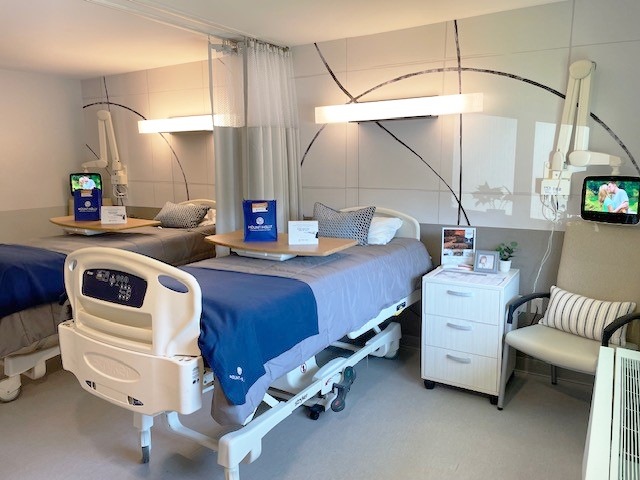
How is Mount Holly Rehabilitation & Healthcare Center Staffed?

CMS rates MOUNT HOLLY REHABILITATION & HEALTHCARE CENTER's staffing level at 3 out of 5 stars, which is average compared to other nursing homes. Staff turnover is 36%, compared to the New Jersey average of 46%. This relatively stable workforce can support continuity of care.

What Have Inspectors Found at Mount Holly Rehabilitation & Healthcare Center?

State health inspectors documented 35 deficiencies at MOUNT HOLLY REHABILITATION & HEALTHCARE CENTER during 2021 to 2025. These included: 1 Immediate Jeopardy (the most serious level, indicating potential for serious harm or death), 4 that caused actual resident harm, 29 with potential for harm, and 1 minor or isolated issues. Immediate Jeopardy findings are rare and represent the most serious regulatory concerns. They require immediate corrective action.
Who Owns and Operates Mount Holly Rehabilitation & Healthcare Center?

MOUNT HOLLY REHABILITATION & HEALTHCARE CENTER is owned by a for-profit company. For-profit facilities operate as businesses with obligations to shareholders or private owners. The facility is operated by MARQUIS HEALTH SERVICES, a chain that manages multiple nursing homes. With 180 certified beds and approximately 159 residents (about 88% occupancy), it is a mid-sized facility located in LUMBERTON, New Jersey.
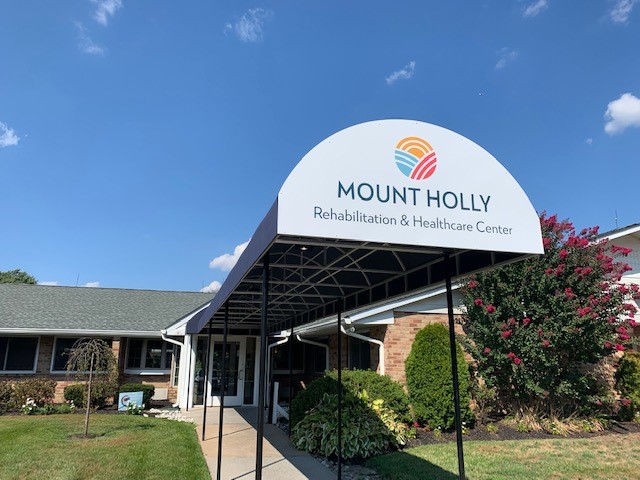
How Does Mount Holly Rehabilitation & Healthcare Center Compare to Other New Jersey Nursing Homes?

Compared to the 100 nursing homes in New Jersey, MOUNT HOLLY REHABILITATION & HEALTHCARE CENTER's overall rating (2 stars) is below the state average of 3.2, staff turnover (36%) is near the state average of 46%, and health inspection rating (1 stars) is much below the national benchmark.

What Should Families Ask When Visiting Mount Holly Rehabilitation & Healthcare Center?

Based on this facility's data, families visiting should ask: "What changes have been made since the serious inspection findings, and how are you preventing similar issues?" "What safeguards and monitoring systems are in place to protect residents from abuse or neglect?" "Can I visit during a mealtime to observe dining assistance and food quality?" "How do you handle medical emergencies, and what is your hospital transfer rate?" These questions are particularly relevant given the facility's Immediate Jeopardy citations and the substantiated abuse finding on record.

Is Mount Holly Rehabilitation & Healthcare Center Safe?

Based on CMS inspection data, MOUNT HOLLY REHABILITATION & HEALTHCARE CENTER has documented safety concerns. The facility has 1 substantiated abuse finding (meaning confirmed case of resident harm by staff or other residents). Inspectors have issued 1 Immediate Jeopardy citation (the most serious violation level indicating risk of serious injury or death). The facility has a 2-star overall rating and ranks #100 of 100 nursing homes in New Jersey. Families considering this facility should ask detailed questions about what corrective actions have been taken since these incidents.

Do Nurses at Mount Holly Rehabilitation & Healthcare Center Stick Around?

MOUNT HOLLY REHABILITATION & HEALTHCARE CENTER has a staff turnover rate of 36%, which is about average for New Jersey nursing homes (state average: 46%). Moderate turnover is common in nursing homes, but families should still ask about staff tenure and how the facility maintains care continuity when employees leave.

Was Mount Holly Rehabilitation & Healthcare Center Ever Fined?

MOUNT HOLLY REHABILITATION & HEALTHCARE CENTER has been fined $34,584 across 1 penalty action. The New Jersey average is $33,425. While any fine indicates a compliance issue, fines under $50,000 are relatively common and typically reflect isolated problems that were subsequently corrected. Families should ask what specific issues led to these fines and confirm they've been resolved.

Is Mount Holly Rehabilitation & Healthcare Center on Any Federal Watch List?

MOUNT HOLLY REHABILITATION & HEALTHCARE CENTER is not on any federal watch list. The most significant is the Special Focus Facility (SFF) program, which identifies the bottom 1% of nursing homes nationally based on persistent, serious quality problems. Not being on this list means the facility has avoided the pattern of deficiencies that triggers enhanced federal oversight. This is a positive indicator, though families should still review the facility's inspection history directly.