MANAHAWKIN HEALTH AND REHABILITATION CENTER
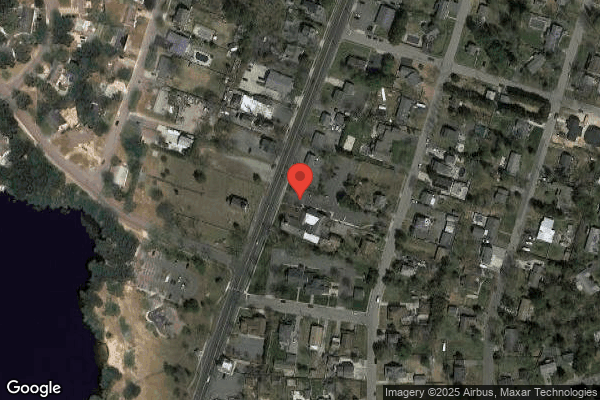
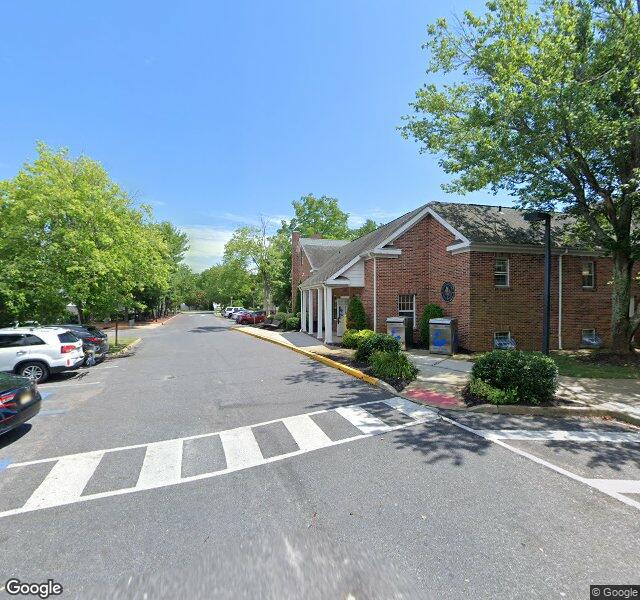
1211 RT 72 WEST, MANAHAWKIN, NJ 08050 (609) 597-8500
For profit - Corporation 120 Beds CHAMPION CARE Data: November 2025
Trust Grade
40/100
#326 of 344 in NJ
Last Inspection: December 2024

Within standard 12-15 month inspection cycle. Federal law requires annual inspections.

Overview

Manahawkin Health and Rehabilitation Center has a Trust Grade of D, indicating below-average quality with some concerns about care. They rank #326 out of 344 facilities in New Jersey, placing them in the bottom half of all nursing homes in the state, and #29 out of 31 in Ocean County, suggesting limited local options for better care. The facility is improving, having reduced issues from 15 in 2024 to 6 in 2025; however, it still recorded a concerning 43 potential harm issues. Staffing is average with a rating of 3 out of 5 stars, but the turnover rate is 46%, which is around the state average. There is less RN coverage than 95% of New Jersey facilities, which is a significant concern since RNs are essential for catching problems early. Specific incidents noted by inspectors include a failure to maintain refrigerated foods at safe temperatures, which poses a risk for foodborne illnesses, and a lack of RN coverage on certain days, which could compromise resident care. Additionally, there were issues with the facility not following the planned menu for meals, which can affect residents' satisfaction and nutrition. While there are some positive aspects, such as no fines recorded, the overall picture raises concerns for families considering this nursing home for their loved ones.

Trust Score
D
40/100
In New Jersey
#326/344
Bottom 6%
Safety Record
Low Risk
No red flags
Inspections
Getting Better
15 → 6 violations
Staff Stability
⚠ Watch
46% turnover. Above average. Higher turnover means staff may not know residents' routines.
Penalties
✓ Good
No fines on record. Clean compliance history, better than most New Jersey facilities.
Skilled Nurses
⚠ Watch
Each resident gets only 14 minutes of Registered Nurse (RN) attention daily — below average for New Jersey. Fewer RN minutes means fewer trained eyes watching for problems.
Violations
⚠ Watch
43 deficiencies on record. Higher than average. Multiple issues found across inspections.
★☆☆☆☆
1.0
Overall Rating
★★★☆☆
3.0
Staff Levels
★★☆☆☆
2.0
Care Quality
★☆☆☆☆
1.0
Inspection Score
Stable
2024: 15 issues
2025: 6 issues

The Good

  • Full Sprinkler Coverage · Fire safety systems throughout facility
  • No fines on record

Facility shows strength in fire safety.

The Bad

1-Star Overall Rating

Below New Jersey average (3.2)

Significant quality concerns identified by CMS

Staff Turnover: 46%

Near New Jersey avg (46%)

Higher turnover may affect care consistency

Chain: CHAMPION CARE

Part of a multi-facility chain

Ask about local staffing decisions and management

The Ugly 43 deficiencies on record

Jul 2025 6 deficiencies
CONCERN (D) 📢 Someone Reported This

A family member, employee, or ombudsman was alarmed enough to file a formal complaint

Potential for Harm - no one hurt, but risky conditions existed

Safe Environment (Tag F0584)

Could have caused harm · This affected 1 resident

Complaint # 2564823 Based on observation, interviews, and review of pertinent facility documents, it was determined that the facility failed to maintain a safe and comfortable room temperature levels ...

Read full inspector narrative →
Complaint # 2564823 Based on observation, interviews, and review of pertinent facility documents, it was determined that the facility failed to maintain a safe and comfortable room temperature levels in residents' shower rooms and in the facility elevator. This deficient practice was identified in 2 of 4 resident shower rooms and in 1 of 1 facility elevator (elevator car 1). This deficient practice was evidenced by the following:On 07/18/2025 at 10:23 A.M., the surveyor checked temperatures in different locations throughout the facility in the presence of the Maintenance Person (MP) and the following were obtained: The second-floor East shower room has room temperature of 84.4 degrees Fahrenheit (F). which is above the required temperature range of 71 to 81 F. There were no residents present at this time.The second-floor [NAME] shower room had room temperature of 84.4 degrees F in the shower stall and 84.2 degrees F outside of the stall. No residents were present in the shower room.In the Elevator car 1, the air temperature was 84.6 degrees F. No residents present in the elevator. After the temperature checks, the surveyor observed residents, visitors, and staff using the elevator Car 1throughout the day.On 07/18/2025 at 3:06 P.M., the surveyor interviewed the facility Maintenance Director (MD). The MD stated that the air conditioning had been working properly since the power was restored after a brief outage on 07/16/2025. The MD further stated that he was not aware of any work orders related to room temperatures. On 07/18/2025 at 4:36 P.M., the surveyor interviewed the Licensed Nursing Home Administrator (LNHA), who confirmed that the facility had a power outage on 07/16/2025. The LNHA stated that the facility's generator switched on and functioned properly. The LNHA further stated that the facility did not have an interruption in air conditioning during the power outage. The LNHA also stated that as far as she knew, the air conditioning system was functioning properly. NJAC 8:39 -31.6(p)4
CONCERN (D) 📢 Someone Reported This

A family member, employee, or ombudsman was alarmed enough to file a formal complaint

Potential for Harm - no one hurt, but risky conditions existed

Grievances (Tag F0585)

Could have caused harm · This affected 1 resident

Based on record review, interview, and facility policy review, the facility failed to ensure a family member's concern regarding missing clothing and personal items were filed as a grievance and inves...

Read full inspector narrative →
Based on record review, interview, and facility policy review, the facility failed to ensure a family member's concern regarding missing clothing and personal items were filed as a grievance and investigated for one of nine sample residents (Resident (R) 3) reviewed for grievances. This had the potential for residents' rights not being supported, to have their lost belongings searched for, and/or reimbursed.Review of the facility's policy titled, Grievance Guideline, revised on 05/31/23, revealed Purpose: To provide a process to voice grievances (such as those about treatment, care, management of funds, lost clothing, or violation of rights) and respond with prompt efforts to resolve while keeping the resident and/or resident representative appropriately apprised of progress toward resolution.Grievance Official: Our facility Grievance Official is the Administrator and/or Designee appointed by the Administrator.A grievance or concern may be expressed orally or in writing to the Grievance Official or facility staff. RESOLUTION: The Grievance Official and/or designee will complete a response within 5 days of receipt to the resident and/or resident representative.Review of R3's admission Record located in the electronic medical record (EMR) under the admission tab revealed the resident was admitted to the facility on 07/22 with a diagnosis of dementia without behavior disturbances. The resident was discharged to the hospital in 2/25 and did not return to the facility.Review of R3's Progress Note, dated 01/17/25, located in the EMR under the Progress Note tab, revealed the resident's family was in for a visit and had concerns because the resident's lock was off her closet. The nurse told the family member they would look into it.Review of the facility's Grievances for January 2025 and provided by the facility revealed no evidence of grievance being filed by the facility on behalf of R3's family.During an interview on 07/30/25 at 1:00 PM, the Licensed Practical Nurse (LPN) 2/ Unit Manager (UM) revealed back in January 2025, R3's family member said the facility could cut the lock off the resident's closet so staff could get into the closet and get the resident a change of clothes. LPN2/UM was not aware of the family reporting there was missing clothing and personal items from the closet.During an interview on 07/31/25 at 2:20 PM, the Administrator confirmed R3's family did have concerns that the resident was missing clothing and personal items from her closet back in January 2025 when the lock was removed. She confirmed she did send an email to the family on 01/18/25 stating that she would submit a request for reimbursement in the amount of $200.00 to cover the missing clothing and personal items. She stated, however, that the facility had not sent R3's family $200.00 or followed up with the family. The Administrator confirmed she did not complete a formal grievance or look into the concern. She confirmed a grievance should have been filed in order to complete a thorough investigation, so a resolution could be presented to the family of R3.
CONCERN (D) 📢 Someone Reported This

A family member, employee, or ombudsman was alarmed enough to file a formal complaint

Potential for Harm - no one hurt, but risky conditions existed

Deficiency F0658 (Tag F0658)

Could have caused harm · This affected 1 resident

Complaint # 2564823 Based on observations, interviews, medical record review, and review of other pertinent facility documentation on 07/18/2025, it was determined that the facility failed to administ...

Read full inspector narrative →
Complaint # 2564823 Based on observations, interviews, medical record review, and review of other pertinent facility documentation on 07/18/2025, it was determined that the facility failed to administer medications according to the acceptable standards of nursing practice. This deficient practice was identified for 1 of 3 residents reviewed (Resident #3).This deficient practice was evidenced by the following: Reference: New Jersey Statutes Annotated Title 45. Chapter 11. New Jersey Board of Nursing Statutes 45:11-23. Definitions b. The practice of nursing as a registered professional nurse is defined as diagnosing and treating human responses to actual or potential physical and emotional health problems, through such services as case finding, health teaching, health counseling, and provision of care supportive to or restorative of life and wellbeing, and executing medical regimens as prescribe by a licensed or otherwise legally authorized physician or dentist. Diagnosing in the context of nursing practice means that identification of and discrimination between physical and psychosocial signs and symptoms essential to effective execution and management of the nursing regimen. Such diagnostic privilege is distinct from a medical diagnosis. Treating means selection and performance of those therapeutic measures essential to the effective management and execution of the nursing regimen. Human response means those signs, symptoms and processes which denote the individual's health need or reaction to an actual or potential health problem. According to the admission Record (AR), Resident #3 was admitted to the facility with diagnoses that included but not limited to: spondylosis (degenerative changes in the spine), depression, unspecified anxiety disorder and other chronic pain. A review of the quarterly Minimum Data Set (MDS), an assessment tool dated 05/25/2025, reflected that Resident #3 had a Brief Interview for Mental Status (BIMS) score of 15 out of 15, which indicated the resident was cognitively intact. During an interview with Resident #3 on 07/18/2025 at 9:55 A.M., the surveyor observed the resident in bed with their head under the covers. The surveyor observed multiple pills of varying shapes, sizes and colors in a medicine cup on top of Resident # 3's overbed table. When interviewed, Resident #3 stated that the nurse handed the medication to them, and that they placed the cup of medication on the table and forgot about them. At that time, the surveyor called the Unit Manager (UM) and showed her the medications left at Resident #3's bedside. The UM removed the medication cup with the pills from Resident #3's bedside. On 07/18/2025 at 1:54 P.M., the surveyor interviewed the Registered Nurse (RN #1), who stated that she was the nurse caring for Resident #3 and confirmed that that during the morning medication administration, she handed a cup containing the resident's morning medications to the resident and left the room without waiting for the resident to take the medications. RN #1 stated that the usual process was to watch the resident take their medications before leaving the room. RN #1 further stated that she was in a rush that morning and did not wait for Resident #3 to take their medications. RN #1 stated that the medications she left with Resident #3 were Gabapentin (medication to treat seizures) along with the resident's other morning medications. RN #1 further stated that it was important for safety to watch residents take their medication in order to prevent accidents and medication diversion. A review of the resident's Medication Administration Record (MAR) revealed that RN #1 prepared for administration to Resident #3 the following medications: Aspirin 81 milligram (MG) delayed release tablet Escitalopram Oxalate 10 MG tablet 9 Meloxicam 15 MG tablet Multivitamin-Minerals tablet Vitamin D3 125 microgram (MCG) tablet Buspirone HCl 10 MG tablet Gabapentin 800 MG tablet (used to treat seizure disorder) An interview was conducted with the UM on 07/18/2025 at 2:30 P.M. The UM stated that that the expectation was for the nurses to watch the residents take their medications to ensure the medication was taken and that it was tolerated well. The UM stated the if the resident was not observed taking their medication, they may not receive the prescribed treatment, or another resident could take the medication. The UM further stated that the administering nurse was responsible to watch the resident take their medications. An interview was conducted with the Director of Nursing (DON) on 07/18/2025 at 4:45 P.M. The DON stated the expectation was that nurses observed the residents take their medications. The DON stated that leaving pills at the bedside did not comply with the facility's policy or his expectations for medication administration. The DON further stated that watching residents take their medications was important to in order to ensure that the resident got their ordered medications and that another resident did not get them. A review of the undated facility policy titled, Medication Administration, revealed under Policy, Medications are administered by licensed nurses [.] as ordered by the physician and in accordance with professional standards of practice. Under Policy Explanation and Compliance Guidelines: the policy revealed, 18. Observe resident consumption of medication. NJAC 8:39-29.2(d)
CONCERN (D) 📢 Someone Reported This

A family member, employee, or ombudsman was alarmed enough to file a formal complaint

Potential for Harm - no one hurt, but risky conditions existed

Quality of Care (Tag F0684)

Could have caused harm · This affected 1 resident

Based on record review, review of hospital records, interview, and review of facility policy, the facility failed to ensure ordered treatments were completed for fungal dermatitis (skin infection) and...

Read full inspector narrative →
Based on record review, review of hospital records, interview, and review of facility policy, the facility failed to ensure ordered treatments were completed for fungal dermatitis (skin infection) and arterial ulcers for one of three residents (Resident (R) 2) reviewed for skin integrity out of a total sample of nine residents. This had the potential for fungal dermatitis and arterial ulcers to worsen and a potential for infection.Review of the facility's policy titled, Skin Integrity-Incontinence Associated Dermatitis (IAD) with a date implemented 02/14/23, revealed Residents who are incontinent will receive appropriate treatment and services for the prevention and management of IAD.e. For residents with fungal skin infection, apply antifungal products as ordered by the physician.Review of R2's admission Record located in the electronic medical record (EMR) under the admission Record tab revealed R2 was admitted to the facility on 05/25 with diagnoses including peripheral vascular disease (PVD) and gangrene. The resident was discharged from the facility in 07/25.Review of R2's Hospital Record located in the EMR under the Evaluation tab, dated 05/23/25, revealed the resident was being discharged to the facility with a wound infection, osteomyelitis (bone infection), gangrene due to atherosclerosis (buildup of substances in and on the artery walls) of extremity, gangrene of right foot, and sepsis likely due to multiple poor healing lower extremity wounds.Review of R2's Care Plan located in the EMR under the Care Plan tab with an initiated date 05/29/25, revealed the resident had multiple wounds related to PVD. The goal was for the resident to have intact skin free of redness, blisters, or discoloration. Intervention included complete treatments as ordered.Review of R2's Multi Wound Chart Details, dated 05/30/25 located in the EMR under the Evaluation tab and completed by the Nurse Practitioner/Certified Wound Specialist (NP/CWS), revealed R2's fungal dermatitis and arterial ulcers were assessed and treated with the Licensed Practical Nurse (LPN) 3/Unit Manager (UM) at the bedside. The resident's following arterial ulcers and fungal dermatitis with treatment orders included the following:1.Arterial ulcer of the right medial (inner edge of foot) extending to the great toe measuring 20.0 centimeters (cm) by 8.0 cm with no depth and 100 percent (%) necrotic (dead or dying tissue), with an order to paint the wound with betadine, apply abdominal dressing pad (ABD), and wrap with Kling (bandage) daily. The treatment was completed by the NP/CWS, and subsequent treatments were to be completed by the staff of the facility.2.Arterial ulcer of the right fourth toe measuring 5.0 cm by 4.0 cm with no depth and 100% necrotic with an order to paint the wound with betadine, apply ABD pad, and wrap with Kling daily. The treatment was completed by the NP/CWS, and subsequent treatments were to be completed by the staff of the facility.3. Arterial ulcer of the right lateral foot measuring 15.0 cm by 3.0 cm with no depth and 100% necrotic with an order to paint the wound with betadine, apply an ABD pad and wrap with Kling daily. The treatment was completed by the NP/CWS, and subsequent treatments were to be completed by the staff of the facility.4. Arterial ulcer of the right dorsal (back) ankle measuring 2.0 cm by 1.0 cm with no depth and 100% necrotic with an order to paint the wound with betadine, apply and ABD pad and wrap with Kling daily. The treatment was completed by the NP/CWS, and subsequent treatments were to be completed by the staff of the facility.5.Arterial ulcer of the right distal posterior lower leg measuring 7.0 cm by 9.0 cm by 0.2 cm in depth and between 25% and 50% necrotic with an order to apply honey gel with a dressing of calcium alginate and apply an ABD pad and wrap with Kling. The treatment was completed by the NP/CWS, and subsequent treatments were to be completed by the staff of the facility.6.Right groin fungal dermatitis with measurements of 15.0 cm by 11.0 cm with no depth with erythematous (redness) with an order to cleanse the area with soap and water with a primary dressing of zinc and antifungal, dry well after cleansing, apply 1:1 nystatin powder and zinc oxide, to be completed twice a day. The treatment was completed by the NP/CWS, and subsequent treatments were to be completed by the staff of the facility.8. Left groin fungal dermatitis with measurements of 15.0 cm by 11.0 cm with no depth with erythematous (redness) with an order to cleanse the area with soap and water with a primary dressing of zinc and antifungal, dry well after cleansing, apply 1:1 nystatin powder and zinc oxide, to be completed twice a day. The treatment was completed by the NP/CWS, and subsequent treatments were to be completed by the staff of the facility.9. Sacrum extending to bilateral buttocks fungal dermatitis with measurements of 30.0 cm by 20.0 cm with no depth with erythematous, macerated (red moist area) with an order to cleanse the area with soap and water with a primary dressing of zinc and antifungal, dry well after cleansing, apply 1:1 nystatin powder and zinc oxide, to be completed twice a day. The treatment was completed by the NP/CWS, and subsequent treatments were to be completed by the staff of the facility.Review of R2's Treatment Administration Record (TAR) for May 2025 located in the EMR under the Orders tab, revealed no evidence the treatments ordered by the NP/CWS for R2's three areas of fungal dermatitis were on the TAR to be completed on 05/31/25.Review of R2's TAR for June 2025 located in the EMR under the Orders tab, revealed only one combined entry for all of R2's arterial ulcers, the treatment for all of R2's arterial ulcers were to cleanse right lower extremity wounds with Dakin's solution, pat dry, and wrap with Kling. This was documented as completed from 06/01/25 through 06/23/25. However, the treatment documented as completed was not the specific orders that were ordered by the NP/CWS on 05/30/25 for the arterial ulcers. The TAR for June 2025 further revealed the specific orders received by the NP/CWS on 05/30/25 for R2's arterial ulcers were not started until 06/26/25. There was no evidence that any treatments were completed on the resident's arterial ulcers on 06/24/25 and 06/25/25.Further review of R2's TAR for June 2025 located in the EMR under the Orders tab, revealed the treatments to the residents three fungal dermatitis areas that were ordered on 05/30/25 to be completed twice a day were not started until 06/26/25 and were only completed once a day.Review of the weekly Multi Wound Chart Details, dated 06/06/25, 06/13/25, 06/20/25, and 06/27/25, located in the EMR under the Assessment tab, revealed the NP/CWS completed the treatments to R2's fungal dermatitis and arterial ulcers once a week, and completed assessments. The status of the resident's right and left groin remained unchanged. The status of the sacrum fungal dermatitis had improved. The status of the resident's right dorsal ankle arterial ulcer increased in size to 7.0 cm by 9.0 cm by 0.3 cm in depth.During an interview on 07/31/25 at 9:30 AM, the Director of Nursing (DON) confirmed the documentation of R2's arterial ulcers completed by the facility from 06/01/25 to 06/23/25 were not according to the specific orders received by the NP/CWS on 05/30/25. He confirmed there was no evidence treatments were completed on 06/24/25 and 06/25/25. The DON confirmed the only time R2's arterial ulcer treatments were completed per order was when the NP/CWS came to the facility once a week (06/06/25, 06/13/25, and 06/20/25) and completed them as well as assessed the arterial ulcers. He further confirmed there was no evidence that R2's fungal dermatitis treatment orders were completed by the facility until 06/26/25 and they were only completed once a day, however, were ordered to be completed twice a day.During a telephone interview on 07/31/25 at 10:15 AM the LPN3/UM of the unit R2 resided on, revealed she did not know why the treatments to R2's arterial ulcers, and fungal dermatitis were not completed as ordered by the NP/CWS.
CONCERN (D) 📢 Someone Reported This

A family member, employee, or ombudsman was alarmed enough to file a formal complaint

Potential for Harm - no one hurt, but risky conditions existed

Pressure Ulcer Prevention (Tag F0686)

Could have caused harm · This affected 1 resident

Based on record review, review of hospital records, interview, and review of facility policy, the facility failed to ensure ordered treatments were completed for pressure ulcers for one of three resid...

Read full inspector narrative →
Based on record review, review of hospital records, interview, and review of facility policy, the facility failed to ensure ordered treatments were completed for pressure ulcers for one of three residents (Resident (R) 2) reviewed for pressure ulcers out of a total sample of nine residents. This had the potential for the pressure ulcers to worsen and a potential for infection. Review of the facility's policy titled, Pressure Injury Prevention and Management with a date implemented 02/14/23, revealed This facility is committed to the prevention of avoidable pressure injuries, unless clinically unavoidable, and to provide treatment and services to heal the pressure ulcer/injury, prevent infection, and the development of additional pressure ulcers/ injuries.2. The facility shall establish and utilize a systematic approach for pressure injury prevention and management, including prompt assessment and treatment.Review of R2's admission Record located in the electronic medical record (EMR) under the admission Record tab revealed R2 was admitted to the facility on 05/25 with diagnoses including peripheral vascular disease (PVD) and gangrene. The resident was discharged from the facility in 07/25.Review of R2's Hospital Record located in the EMR under the Evaluation tab, dated 05/23/25, revealed the resident was being discharged to the facility with a wound infection, osteomyelitis (bone infection), gangrene due to atherosclerosis (buildup of substances in and on the artery walls) of extremity, gangrene of right foot, and sepsis likely due to multiple poor healing lower extremity wounds.Review of R2's Care Plan located in the EMR under the Care Plan tab with an initiated date 05/29/25, revealed the resident had multiple wounds related to PVD. Intervention included complete treatments to the wounds as ordered.Review of R2's Multi Wound Chart Details, dated 05/30/25 located in the EMR under the Evaluation tab and completed by the Nurse Practitioner/Certified Wound Specialist (NP/CWS) revealed R2's wounds were assessed and treated with the Licensed Practical Nurse (LPN) 3/ Unit Manager (UM) at the bedside. The resident's following pressure ulcers with treatment orders included the following:1.Unstageable pressure ulcer of the right heel measuring 8.0 centimeters (cm) by 8.0 cm with no depth and 100% necrotic, with an order to paint the wound with betadine, apply an abdominal dressing (ABD) pad, and wrap with Kling daily. The treatment was completed by the NP/CWS, and subsequent treatments were to be completed by the staff of the facility.2. A stage IV pressure ulcer of the right medial posterior knee measuring 2.0 cm by 3.0 cm with a depth of 0.5-cm with the tendon exposed. The order revealed to apply honey gel with a dressing of calcium alginate and apply a bordered gauze daily. The treatment was completed by the NP/CWS, and subsequent treatments were to be completed by the staff of the facility.Review of R2's Treatment Administration Record (TAR) for June 2025 located in the EMR under the Orders tab, revealed only one combined entry for all of R2's wounds, the treatment for all of R2's wounds were to cleanse right lower extremity wounds with Dakin's solution, pat dry, and wrap with Kling. This was documented as completed from 06/01/25 through 06/23/25. However, the treatment documented as completed was not the specific orders that were ordered by the NP/CWS on 05/30/25. The TAR for June 2025 revealed the orders received by the NP/CWS on 05/30/25 were not started until 06/26/25. There was no evidence that any treatments were completed on the resident's pressure ulcers on 06/24/25 and 06/25/25.Review of the weekly Multi Wound Chart Details, dated 06/06/25, 06/13/25, 06/20/25, and 06/27/25, located in the EMR under the Assessment tab, revealed the NP/CWS completed the treatments once a week and assessed the residents pressure ulcers. The status of the above pressure ulcers remained unchanged.During an interview on 07/31/25 at 9:30 AM, the Director of Nursing (DON) confirmed the documentation of R2's pressure ulcers completed by the facility from 06/01/25 to 06/23/25 were not according to the orders received by the NP/CWS on 05/30/25. He confirmed there was no evidence treatments were completed at all on 06/24/25 and 06/25/25. The DON confirmed the only time R2's pressure ulcer treatments were completed per order was when the NP/CWS came to the facility once a week (06/06/25, 06/13/25, and 06/20/25) and completed them as well as assessed the pressure ulcers.During a telephone interview on 07/31/25 at 10:15 AM, the LPN3/UM of the unit R2 resided on revealed she did not know why the treatments to R2's pressure ulcers were not completed as ordered by the NP/CWS.
CONCERN (F) 📢 Someone Reported This

A family member, employee, or ombudsman was alarmed enough to file a formal complaint

Potential for Harm - no one hurt, but risky conditions existed

Food Safety (Tag F0812)

Could have caused harm · This affected most or all residents

Complaint: 2564823Based on observation, interview, and review of pertinent facility documents, it was determined that the facility failed to a.) maintain refrigerated potentially hazardous foods at ap...

Read full inspector narrative →
Complaint: 2564823Based on observation, interview, and review of pertinent facility documents, it was determined that the facility failed to a.) maintain refrigerated potentially hazardous foods at appropriate temperatures to prevent potential microbial growth, b.) discard foods that were past their date of expiration and showed signs of spoilage, c.) maintain the kitchen in a sanitary manner, e.) accurately record appropriate cooking and holding temperatures, and f.) accurately record refrigeration temperatures. This deficient practice was evidenced by the following: 1.) On 07/18/2025 at 9:30 A.M., the surveyor and the [NAME] toured the kitchen and observed the needle of the dial type external thermometer on the chest refrigerator was resting in the lowest possible position (below -40 degrees Fahrenheit (F)). The thermometer did not appear to be functioning. The internal thermometer read 50 degrees F. There was cloudy liquid pooled at the bottom of the chest refrigerator. During a follow up tour and interview on 07/18/2025 at 12:00 P.M., the Food Service Director (FSD) confirmed that the exterior thermometer of the chest refrigerator was not functioning, and that the internal thermometer read 50 degrees F. The FSD confirmed the presence of cloudy liquid at the bottom of the chest refrigerator. The FSD attempted to calibrate two digital probe thermometers which belonged to the facility, but was unsuccessful. The surveyor calibrated a digital probe thermometer in an ice bath to 32 degrees F and obtained the following temperatures from products that were held in the chest refrigerator:A single serving carton of fat free milk was 44.2 degrees F.A single serving carton of whole milk was 48.5 degrees F. The following temperatures were obtained from food items stored inside of the double-door reach-in refrigerator:A peach flavored yogurt cup was 41.9 degrees F.A butterscotch pudding was 43.3 degrees F. 2.) On 07/18/2025 at 9:44 A.M., the surveyor and the [NAME] toured the kitchen and observed on the shelving unit directly outside of the FSD's office door, a cardboard box containing bags of long rolls. The rolls were dotted with circles of a blue-green fuzzy substance. The cook stated, that is mold. The cook removed the two bags of rolls containing the blue/green fuzzy substance from the cardboard box. During a follow up tour and interview on 07/18/2025 at 12:19 P.M., the surveyor returned to the shelving unit outside of the FSD's office with the FSD. The FSD looked in the cardboard box and confirmed the presence of a blue/green fuzzy substance on an additional six packs of long rolls. The FSD stated that the substance was mold. The FSD confirmed that the expiration date of the rolls was 07/15/2025. The FSD stated that they should have been discarded on that date. 3.) On 07/28/2025 at 9:15 A.M., the surveyor and the FSD toured the kitchen. The surveyor observed on the wall next to the walk-in refrigerator and walk-in freezer, multiple spots of a black fuzzy substance extending approximately two feet up the metal wall. The floors outside of the walk-in refrigerator and walk-in freezer had standing cloudy water with small, black items in it. The FSD stated that the standing water could have been rain from outside or water left over from power-washing that occurred two or three days prior. The FSD further stated that the black substance on the wall may have been mold and the black items in the water on the floor may have been fruit flies. During the kitchen tour on 07/28/2025 at 9:15 A.M., the FSD stated that cleaning was done according to a cleaning matrix. The FSD stated that cleaning tasks were documented on a sanitation checklist by the person who completed the task. The FSD stated that completed sanitation checklists were kept in a binder in the kitchen. The FSD was unable to provide a completed sanitation checklist for the previous week. 4.) On 07/28/2025 at 8:15 A.M., the surveyor and the facility's Director of Nursing (DON) entered the kitchen, and the DON informed the [NAME] that the surveyor intended to check food temperatures. The [NAME] informed the surveyor that he did not have a thermometer, and that the facility's steam table was not working. The remaining breakfast food were disposed of by the [NAME] at that time. During an interview on 07/28/2025 at 9:10 A.M., the FSD stated that the facility's process for checking food temperatures was to take the temperatures food was finished cooking on the stove or in the oven. The FSD stated when the food was then transferred to the steam table for serving, the temperatures were checked again. The FSD acknowledged that temperatures should have been checked with a thermometer prior to service. During a follow-up interview on 07/28/2025 at 11:04 A.M., the FSD stated that food temperatures were recorded on a log that was kept in a binder in the kitchen. A review of the SERVICE LINE CHECKLIST (SLC)document with 7/28, written at the top was reviewed with the FSD. The document revealed the following under, BREAKFAST: Milk 38 degrees F, coffee 150 degrees F, [orange juice]/cereal 38 degrees F, oatmeal 160 degrees F, oatmeal 160 degrees F, bacon 175 degrees F, sausage 175 degrees F, sausage 175 degrees F, and French toast 170 degrees F. The FSD stated that food temperatures were not taken for the breakfast meal on 07/28/2025, and he filled in the SLC for the breakfast meal that day. The FSD further stated that the temperatures that were entered on the SLC for breakfast that day were based on average temperatures and not the temperatures of the food items for that day. The FSD confirmed that prior to 07/28/2025, that last entry in the SLC was made on 07/21/2025. On 07/28/2025 at 11:20 A.M., in the presence of the Licensed Nursing Home Administrator (LNHA), the [NAME] confirmed that the temperatures in the breakfast column of the SLC for 07/28/2025, were not taken by him and were entered by the FSD around 9:30 A.M., when breakfast service was complete, and no food was present. 5.) On 07/28/2025 at 3:17 P.M., the surveyor reviewed the following documents with, July 2025 written at the top with the FSD: REFRIGERATOR TEMPERATURE RECORD with the unit description, 2 Door, written at the top; REFRIGERATOR TEMPERATURE RECORD with the unit description, Milk Box, written at the top; REFRIGERATOR TEMPERATURE RECORD with the unit description, Walk-In, written at the top; and FREEZER TEMPERATURE RECORD. The surveyor obtained these logs from the kitchen during an 8:15 A.M. tour on 07/28/2025, prior to the FSD's arrival to the facility. The FSD confirmed that the last temperature entered for the refrigerator described as 2 Door, was the P.M. temperature on 07/24/2025. The FSD confirmed that the last temperature entered for the refrigerator described as Milk Box, was the A.M. temperature on 07/25/2025. The FSD confirmed that the last temperature entered for the refrigerator described as Walk-In, was the P.M. temperature on 07/26/2025. The FSD confirmed that the last temperature entered for the freezer was the P.M. temperature on 07/26/2025. The FSD confirmed that his initials appeared next to the entries for the walk-in refrigerator and freezer for 07/26/2025. The FSD stated that he did not work on that date or on 07/27/2025. The FSD further stated that he was unsure how his initials got onto the temperature logs. A review of the undated facility's Food Storage, policy included POLICY, Sufficient storage facilities are provided to keep foods safe, wholesome, and appetizing. Food is stored, prepared, and transported at an appropriate temperature and by methods designed to prevent contamination. Under, PROCEDURE, the policy revealed, 16. Refrigerator temperatures: a. Temperature for refrigerators should be 41 degrees F and below. They must be recorded daily. The policy further revealed, 17. Freezer Temperatures: Temperatures for freezer should be 0 degrees or below and must be recorded daily . A review of the facility's Record of Food Temperatures guideline with a reviewed/revised date of 03/26/2025, included It is the guideline of this facility to record food temperatures daily to ensure food is at the proper serving temperature(s) before trays are assembled. Under, Explanation and Compliance Guidelines: the guideline revealed, 1. Food temperatures will be checked on all items prepared in the dietary department. 2. Hot foods will be held at 135 degrees Fahrenheit or greater [.] 4. Potentially hazardous cold food temperatures will be kept at or below41 degrees Fahrenheit [.] 6. Measure and record the temperatures for each food product and milk at all meals. Record the temperature on the temperature log. 7. When holding hot foods for service, food temperature should be measured when placing it on the steam table [.] 14. Food temperatures will be verified using a thermometer which is both clean, sanitized and calibrated to ensure accuracy. A review of the facility's Cook job description included Overview: the job description revealed, .prepare food in accordance with current applicable federal, state, and local standards, guidelines and regulations, with our established policies and procedures [.] to assure that quality food service is provided at all times. Under, Essential Functions: the job description revealed, Perform administrative requirements such as completing necessary forms, reports, etc., and submit to the Director of Food Services. [.] Ensure that all food procedures are followed in accordance with established policies and procedures. A review of the facility's Food Service Manager, job description included Overview: the job description revealed, .assist the Dietitian in planning, organizing, developing and directing the overall operation of the Food Service Department in accordance with current federal, state, and local standards, guidelines and regulations governing our facility [.] to assure that quality nutritional services are provided on a daily basis and that the Food Services Department is maintained in a clean, safe, and sanitary manner. Under, Essential Functions: the job description revealed, Interpret the department's policies and procedures to employees [.] Perform administrative duties such as completing necessary forms, reports, evaluations, studies, etc., to assure control of equipment and supplies. [.] Inspect food storage rooms, utility/janitorial closets, etc., for upkeep and supply control. NJAC 8:39-17.2(g)
Dec 2024 13 deficiencies
CONCERN (D)

Potential for Harm - no one hurt, but risky conditions existed

Resident Rights (Tag F0550)

Could have caused harm · This affected 1 resident

Based on observation, interview, review of the Electronic Medical Record (EMR) and review of other documentation, it was determined that the facility failed to ensure a resident was transported from o...

Read full inspector narrative →
Based on observation, interview, review of the Electronic Medical Record (EMR) and review of other documentation, it was determined that the facility failed to ensure a resident was transported from one area of the unit to another in a dignified manner for 1 of 28 sampled residents, (Resident #84). This deficient practice was evidenced by the following: On 12/04/2024 at 11:37 AM, the surveyor observed the Licensed Practical Nurse/Unit Manager (LPN/UM #1) to pull a resident (Resident #84) backward in his/her wheelchair (w/c) from the nurse's station to the dining/recreation room. Resident #84's feet on which he/she was wearing slippers, were dragging on floor. There were no foot rests observed on the w/c for the resident to put his/her feet on. The surveyor reviewed the EMR on 12/04/2024 11:54 AM, as follows: According to the admission Record Resident #84 was admitted to the facility with diagnoses including but not limited to: Alzheimer's disease. A review of the most recent Minimum Data Set (MDS) an assessment tool used to facilitate care dated 11/2/2024, revealed a Brief Interview for Mental Status score of 4/15 indicating Resident #84 has severe cognitive impairment. The MDS further indicated that resident uses a w/c but not attempted for resident to wheel (self) due to medical condition or safety concern. During an interview with the surveyor on 12/04/2024 at 11:39 AM, the surveyor asked LPN/UM #1 if it was appropriate to pull a resident backwards in the w/c. LPN/UM #1 replied he/she (resident) put his/her feet down and resident is not capable of following instructions. Again, the surveyor questioned was it appropriate to pull a resident backwards in the w/c. LPN/UM #1 replied I would have to say probably not. A review of a facility policy titled Safe Resident Handling/Mobility/Transfers with implemented date of 11292023 did not include documentation of how to transport a resident from one area of the facility to another. During an interview with the surveyor on 12/06/2024 at 01:56 PM, the Director of Nursing (DON) was asked how a resident should be transported in a w/c. The DON replied they should be pushed moving forward. If (resident) unable to lift feet for any reason we would have to get leg rests for the resident. NJAC 8:39-4.1(a)(12)
CONCERN (D)

Potential for Harm - no one hurt, but risky conditions existed

Deficiency F0582 (Tag F0582)

Could have caused harm · This affected 1 resident

Based on interview and review of other facility documentation, it was determined that the facility failed to issue the required beneficiary notices for 2 of 3 residents reviewed for SNF (Skilled Nursi...

Read full inspector narrative →
Based on interview and review of other facility documentation, it was determined that the facility failed to issue the required beneficiary notices for 2 of 3 residents reviewed for SNF (Skilled Nursing Facility) Beneficiary Protection Notification (SNF BPN), (Resident #9 and #22). This deficient practice was evidenced by the following: On 12/04/2024 at 09:35 AM, the surveyor presented the facility certified social worker (CSW) with three (3) SNF BPN, one (1) resident discharged to home and two (2) residents that remained in the facility with Medicare A time remaining. The CSW explained to the surveyor that she just started issuing the SNF BPN forms in October after her predecessor left the facility. The CSW further told the surveyor on 12/04/2024 at 10:28 AM, I was unable to find the other form for the residents that went home (NOMNC CMS 10123). In my previous experience it just used to be a verbal conversation. The surveyor explained to the CSW that residents discharged to the facility with Medicare A time remaining required two (2) forms, Notice of Medicare Non-Coverage/NOMNC -Form CMS 10123 and SNF ABN (Skilled Nursing Facility Advanced Notice of Non-Coverage)- Form CMS-10055. The CSW told the surveyor, I agree that two (2) forms should be issued when a Medicare A resident is discharged to the facility with Medicare A time still remaining. On 12/04/2024 at 01:41 PM, the surveyor reviewed the following Residents for SNF BPN: 1. Resident #9's Medicare A start date was 10/17/2024 and last day covered was 11/26/2024. Resident #9 remained in the facility. Resident #9 did not receive CMS Form 10055 (SNFABN), as required. A review of the form SNF BPN revealed under Section 1 Other explain: Facility did not provide. 2. Resident #22 had a Medicare A start date was 8/6/2024 and last day covered was 9/19/2024. Resident #22 remained in the facility. The facility did not provide Resident #22 with SNFABN Form 10055 as required. A review of the SNF BPN Section 1 under Other explain: revealed that Facility did not provide. NJAC 8:39-4.1(a)(7)
CONCERN (D)

Potential for Harm - no one hurt, but risky conditions existed

Deficiency F0655 (Tag F0655)

Could have caused harm · This affected 1 resident

Based on observation, interview, review of the Electronic Medical Record (EMR) and review of other facility documentation, it was determined that the facility failed to develop and implement a baselin...

Read full inspector narrative →
Based on observation, interview, review of the Electronic Medical Record (EMR) and review of other facility documentation, it was determined that the facility failed to develop and implement a baseline care plan (BCP) within 48 hours of admission that included the minimum healthcare information necessary to properly care for the immediate needs of the resident. This deficient practice was identified for 1 of 28 sampled residents (Resident #102) and was evidenced by the following: On 12/03/2024 at 10:21 AM, Surveyor #1 observed Resident #102 lying in bed with a black splint (medical device used to immobilize, support, or protect a body part) on his/her left lower arm and wrist area. He/she said that the orthopedic doctor (medical professional who specializes in the musculoskeletal system) provided the black arm splint and a black Controlled Ankle Motion boot (CAM) boot (medical boot used to immobilize and protect the foot, ankle, and lower leg following an injury or surgery) due to a broken left arm and ankle, but he/she no longer wears the CAM boot. He/she puts the splint on his/her left lower arm and wrist at night and removes it when he/she chooses. On 12/03/2024 at 9:00 AM, Surveyor #1 reviewed the EMR for Resident #102 as follows: According to the admission Record Resident #102 was admitted to the facility with diagnoses including but not limited to: fracture of shaft of left radius, and injury left ankle. A review of the physician orders for Resident #102 did not include current or discontinued orders for a cast, splint, or a CAM boot. A review of the Nurses note dated 10/06/2024, indicated that Resident #102 was admitted with a cast on the right lower extremity and left upper extremity. A further review of the Nurses note dated 10/23/2024, indicated that the resident returned from an orthopedic appointment with a brace on the left arm. A Nurses note dated 10/25/2024, the nurse noted that the cast had been removed and replaced with a CAM boot. A review of the care plan for Resident #102 did not address or include specific instructions for the care of a cast, splint, or a CAM boot. During an interview with the surveyor on 12/05/2024 at 10:25 AM, the Licensed Practical Nurse/Unit Manager (LPN/UM #1), said resident should have had a care plan for a cast, splint, or a CAM boot. NJAC 8:39-11.2(d)
CONCERN (D)

Potential for Harm - no one hurt, but risky conditions existed

Deficiency F0661 (Tag F0661)

Could have caused harm · This affected 1 resident

Based on the interview, review of the medical record, and review of other facility documentation, it was determined that the facility failed to document a discharge summary which included a recapitula...

Read full inspector narrative →
Based on the interview, review of the medical record, and review of other facility documentation, it was determined that the facility failed to document a discharge summary which included a recapitulation of the resident's stay and a final summary of the resident's status for 1 of 1 resident reviewed for hospitalization, (Resident #109). This deficient practice was evidenced by the following: On 12/4/2024 at 1:49 PM, the surveyor reviewed the closed medical record for Resident #109 which revealed the following: Resident #109's admission Record indicated the resident had been admitted to the facility with medical diagnoses that included myocardial infarction (heart attack), anxiety and adult failure to thrive (a syndrome in older adults characterized by a significant decline in physical and mental health). A review of the resident's Discharge assessment- return not anticipated Minimum Data Set (DRNAMDS), an assessment tool used to facilitate the management of care, reflected the resident had a planned discharge to short-term general hospital. A review of the resident's Progress Notes did not reflect any documentation or note that the resident had been hospitalized or discharged from the facility. A review of the electronic medical record (EMR) did not reveal any additional information regarding the resident being hospitalized or discharged and did not include a discharge summary. On 12/5/2024 at 2:26 PM, the surveyor interviewed the facility Director of Nursing (DON) and the Licensed Nursing Home Administrator (LNHA) (via telephone), together reviewed the resident's EMR and both acknowledged the nurse, or social worker should have entered progress notes in the EMR regarding the discharge/hospitalization of the resident. The Administrative team both acknowledged there was also no discharge summary as required. The facility did not provide additional information. A review of the facility Discharge Summary policy dated implemented 10/01/2023 included the following: It is the policy of this facility to ensure that a discharge summary is provided upon a resident's discharge which addresses each resident's discharge goals and needs, including caregiver support and referrals to local agencies. .The discharge summary provides necessary information to continuing care providers pertaining to the course of treatment while the resident was in the facility and the resident's plan for care after discharge. It must contain an accurate and current description of the clinical status of the resident and sufficiently detailed, individualized care instructions, to ensure that care is coordinated and the resident transitions safely from one setting to another . NJAC 8:39-35.2(d)(16)
CONCERN (D)

Potential for Harm - no one hurt, but risky conditions existed

Drug Regimen Review (Tag F0756)

Could have caused harm · This affected 1 resident

**NOTE- TERMS IN BRACKETS HAVE BEEN EDITED TO PROTECT CONFIDENTIALITY** 2. Surveyor #2 reviewed the medical record for Resident #90 on 12/03/2024 at 08:37 AM as follows: A review of the admission Rec...

Read full inspector narrative →
**NOTE- TERMS IN BRACKETS HAVE BEEN EDITED TO PROTECT CONFIDENTIALITY** 2. Surveyor #2 reviewed the medical record for Resident #90 on 12/03/2024 at 08:37 AM as follows: A review of the admission Record revealed that Resident #90 was admitted to the facility with the following but not limited to diagnoses: type 2 diabetes mellitus, major depressive disorder, anxiety disorder, and psychoactive substance dependence. A review of the comprehensive MDS dated [DATE], revealed Resident #90 had a BIMS score of 15/15, indicating he/she was cognitively intact. Section N revealed that Resident #90 received insulin daily, as well as antianxiety medication daily, antidepressant daily, opioid daily and anticonvulsant daily. On 12/04/2024 at 09:54 AM, Surveyor #2 reviewed the consultant pharmacist (CP) monthly medication regimen review (MRR) for the past 6 months as provided by the facility Director of Nursing (DON). The following recommendations were revealed: 1. On 08/02/2024, the CP made the following recommendation for Resident #90: Please clarify Glucagon (a medication to increase blood glucose) order as needs specific instructions when to give- add order to PRN (as needed) hypoglycemia (low blood sugar) if blood sugar is < 60? A review of the 9/1/2024 - 9/30/2024 Medication Administration Record (MAR) for Resident #90 revealed that the recommendation was addressed by the facility on 09/13/2024 and discontinued the Glucagon order 40 days after the CP recommendation. 2. On 08/02/2024, the CP recommended Prostat (a liquid protein supplement) is missing an amount to administer on the MAR please clarify and update order. According to the 09/01/2024-09/30/2024 MAR the facility responded on 09/13/2024 and discontinued the order for ProStat. The follow up occurred 40 days after receiving the CP recommendation. 3. On 08/02/2024, the CP made the following recommendation: Change medication Coreg (Carvedilol) (a drug to treat heart failure) to plot at time to take with food. BID (twice daily) = 8 AM and 5 PM? The facility responded on 09/13/2024 and discontinued Carvedilol. The facility did not respond to the CP recommendation for a period of 40 days. On 09/03/2024, the CP made the following recommendations: 1. Nursing Recommendation: Please clarify Glucagon order as needs specific instructions when to give - add to order PRN hypoglycemia if blood sugar is < 60. Facility responded on 9/13/2024 by discontinuing Glucagon order, however CP made the same recommendation on 08/02/2024 MRR and facility failed to respond until 09/13/2024 as described previously. 2. Nursing Recommendation: Prostat is missing an amount to administer on the MAR please clarify and update order. Facility responded on 09/13/2024 and discontinued the Prostat order as described previously. On 11/01/2024, the CP made the following Physician recommendation: 1. Patient is receiving 1 patch Lidoderm (helps reduce itching and pain from certain skin conditions) q 12H. Lidoderm cannot be applied for more than 12 hours per manufacturer as medication can be systematically absorbed and will lead to site irritation. Recommend change to QD - apply daily and remove 12 hours later. Also please indicate if 4% or 5% patches should be used (current order does not specify)> The facility failed to respond to CP recommendation until 12/07/2024, 35 days after recommendation, by discontinuing the order the order for the Lidoderm patch. During an interview with Surveyor #2 on 12/06/2024 at 10:45 AM, Licensed Practical Nurse/Unit Manger (LPN/UM #2) was asked to briefly describe the facility process for addressing the CP MRR recommendations. LPN/UM #2 told the surveyor that the recommendations are distributed to the appropriate units. Nursing is responsible for following through on the recommendations. If it is a physician recommendation, we will call the physician and get their response. Nursing recommendations are handled by the nursing staff on the unit. For the most part I am responsible for making sure it is done. Surveyor #2 then asked LPN/UM #2 what the expected timeframe for nursing staff was to complete the MRR recommendations made by the CP. LPN/UM #2 explained that the recommendations were to be completed within 10 days of receiving the report. She further stated that we document on the CP recommendation sheet and once they are completed, we return them to the Director of Nursing (DON). During an interview with Surveyor #2 on 12/06/2024 at 02:19 PM, the DON was asked what the facility process was for responding to the CP monthly MRR recommendations. The DON told the surveyor's that the CP recommendations are emailed to the DON and unit managers (UM) or I make a copy of it and give it to them. The UM is responsible for carrying out the recommendations for nursing and to call the physician for physician recommendations. The surveyor asked the DON what the expected timeline was for completion. The DON stated the timeline is quickly as possible. I would expect the recommendations to be completed before the next month's visit. The surveyor then asked the DON who was responsible for ensuring that the recommendations were completed in a timely manner. The DON replied he would be responsible to ensure that all recommendations are completed and done in a timely manner. The DON further explained that the nurse (s) should document on the recommendation sheet to indicate that the recommendation was addressed. A review of a facility policy titled Addressing Medication Regimen Review Irregularities (Pharmacist recommendations) dated 11/11/2024 revealed . It is the policy of this facility to provide a Medication Regimen review (MRR) for each resident to identify irregularities and respond to those irregularities in a timely manner to prevent the occurrence of an adverse drug event . An irregularity refers to use of medication that is inconsistent with accepted standards of practice for providing pharmaceutical services, not supported by medical evidence and/or that impedes or interferes with achieving the intended outcomes of pharmaceutical services . the report should be submitted to the DON within 10 working days of the review and subsequent follow-up should occur by next MRR. A review of a facility policy titled Consultant Pharmacist Services, undated, revealed under Procedures: F. The consultant pharmacist documents activities performed and services provided on behalf of the residents and the facility. 1) A written or electronic report of findings and recommendations resulting from the activities as described above is given to the, attending physician, director of nursing, medical director, administrator, and others as may be appropriate at least monthly. The facility has a process to ensure that the findings are acted upon. 2) Resident-specific recommendations are documented by nursing when completed. NJAC 8:39-29.3(a)(1) Based on interview and record review it was determined that the facility failed to address recommendations made by the Consultant Pharmacist (CP) in a consistent and timely manner. This deficient practice was identified for 2 of 5 residents reviewed for medication management (Resident #22 and Resident #90) and was evidenced by the following: The deficient practice was evidenced by the following: 1. On 12/2/24 at 10:28 AM, during initial tour the Surveyor #1 observed Resident #22 in their room seated in a chair dressed and well-groomed. When asked if the staff took good care of them the resident responded by shaking their head yes then proceeded to get up from the chair and walk out of the room and down the hallway. Surveyor #1 reviewed Resident #22's medical record on 12/03/2024 at 09:51 AM as follows: A review of the admission Record reflected that the resident was admitted to the facility with diagnoses that included dementia, multiple fractures of the bones in the fingers, wrist and arms, and depression. A review of the most recent comprehensive Minimum Data Set (MDS), an assessment tool used to facilitate the management of care, dated 8/19/24, reflected that the Resident #22's Brief Interview for Mental Status (BIMS) score was 13 out of 15, which indicated that the resident's cognition was fully intact. A further review of the MDS revealed Resident #22 was taking antipsychotic, antianxiety and antidepressant medication during the last seven days or since admission. A review of the Order Summary Report (OSR) (physician's order sheet) dated August 2024 revealed a Physician order (PO) dated 8/9/24 for Ativan (lorazepam) (medication for anxiety) 0.5 mg (milligrams), give 1 tablet by mouth every 4 hours as needed for Anxiety. A review of the August 2024, September 2024 and the October 2024, Medication Administration Record (MAR) revealed an order dated 8/9/24, for Lorazepam 0.5 mg tablet, give 1 tablet by mouth every 4 hours as need for anxiety with a discontinued date of 10/16/24. A review of the Consultant Pharmacist (CP)- Pharmacist's Consult to Physician revealed the following recommendations: On 9/3/24 the CP recommended D/C (discontinue current order for PRN (as needed) Ativan. May renew PRN Ativan with a stop date exceeding 14 days if clinical rationale and anticipated during (sic)[duration] of therapy are documented in the resident's medical record. As per new CMS requirement for initial antipsychotic and psychoactive PRN medication, orders are to be limited to 14 days. Requirements for renewal of PRN psychoactive drugs after physician review and reason for continuation must be documented by the medical practitioner ordering PRN use of the psychoactive medication in the resident's chart. On 10/1/2024 the CP made the following recommendation assigned to: Nursing. Nursing: If not already done, please contact and document physician's response to my previous recommendation. recommended D/C (discontinue current order for PRN (as needed) Ativan. May renew PRN Ativan with a stop date exceeding 14 days if clinical rationale and anticipated during (sic)[duration] of therapy are documented in the resident's medical record. As per new CMS requirement for initial antipsychotic and psychoactive PRN medication, orders are to be limited to 14 days. Requirements for renewal of PRN psychoactive drugs after physician review and reason for continuation must be documented by the medical practitioner ordering PRN use of the psychoactive medication in the resident's chart. During an interview with Surveyor #1 on 12/6/2024 at 10:45 AM, Licensed Practical Nurse/Unit Manager #2 (LPN/UM #2) who stated nursing was responsible for ensuring the pharmacy consultant recommendations were addressed within 10 days of receiving them. Once the recommendations were completed, they were returned to the Director of Nursing (DON). During an interview with Surveyor #1 on 12/6/24 at 2:10 PM, in the presence of the survey team, the DON stated the CP recommendations should be addressed as soon as possible, and before the next month's pharmacy consultant review. Both the DON and the Licensed Nursing Home Administrator (LNHA) acknowledged the CP report and recommendations should have been addressed prior to the next CP review.
CONCERN (E)

Potential for Harm - no one hurt, but risky conditions existed

Safe Environment (Tag F0584)

Could have caused harm · This affected multiple residents

**NOTE- TERMS IN BRACKETS HAVE BEEN EDITED TO PROTECT CONFIDENTIALITY** On 12/02/2024 at 11:11 AM, Surveyor #3 observed the following: a black trashcan in the shower room on the second floor, containi...

Read full inspector narrative →
**NOTE- TERMS IN BRACKETS HAVE BEEN EDITED TO PROTECT CONFIDENTIALITY** On 12/02/2024 at 11:11 AM, Surveyor #3 observed the following: a black trashcan in the shower room on the second floor, containing trash but lacking a liner. Additionally, trash, including a used incontinent brief, a white sock, and a clear plastic cap, was found in the linen cart inside the same shower room. The cart also did not have a liner. On 12/05/2024 at 9:08 AM, Surveyor #3 observed floor tiles missing around the shower drain exposing a dark brown sunstance, hanging air vent with brown particles, wall tiles stained brown inside the shower room on the 1st floor. On 12/05/2024 at 9:16 AM, Surveyor #3 observed a missing baseboard on the 1st floor wall near room [ROOM NUMBER]. On 12/05/2024 at 9:24 AM, Surveyor #3 observed a drop ceiling tile with brown stains and bulging in the bathroom inside the shower room on the 1st floor. During an interview with Surveyor #3 on 12/06/2024 at 2:08 PM, Director of Nursing (DON) and Licensed Nursing Home Administrator (LNHA), were made aware of the identified environmental concerns. The DON explained that housekeeping is responsible for cleaning the shower rooms during the day, while Certified Nursing Assistants (CNAs) clean after each resident use. Nurses are responsible for cleaning the medication and treatment carts, and housekeeping performs deep cleaning and power washing as necessary. The DON noted that there is no formal cleaning schedule currently in place. A review of a facility provided policy undated, titled Routine Cleaning and Disinfection revealed that, It is the policy of this facility to ensure the provision of routine cleaning and disinfection in order to provide a safe, sanitary environment and to prevent the development and transmission of infections to the extent possible. A review of a facility provided policy undated, titled Cycle Cleaning revealed that, It is the policy of this facility to identify the functional areas in the facility that require cleaning and to use cycle cleaning schedules to outline the frequencies and maintain regularly scheduled environmental service task. 8:39-31.4 (a) On 12/06/24 at 11:18 AM Surveyor #2 observed the interior of Resident #260's room. Resident #260 had there bed against the wall on the (L) side of the room. The bed rail was disattached from the wall. The end of the chair rail was noted to have a nail protruding out of the chair rail pointing towards resident#260's bed, which would be in the area where Resident #260's head would be while lying in bed. On 12/06/2024 at 11:24 AM during an interview with the facility Director of Maintenance (DOM) the surveyors asked the DOM if weekly tours of the facility included visiting resident rooms. The DOM told the surveyors that weekly rounds would include observations of residene rooms. Surveyor #2 then made the DOM aware of the chair rail observation in Resident #260's room. The DOM replied this was the first time that I'm hearing of that. I must have missed it on my rounds. How long has it been like that? The surveyor told the DOM that it was observed on the initial tour of the facility on 12/02/2024. The DOM went on to say that it was a common occurrence in the facility with residents who have had their beds placed against the wall. Based on observation, interview, and review of other facility documentation, it was determined that the facility failed to maintain a clean, safe, and sanitary environment. This deficient practice was identified for 2 of 2 units (1st floor and 2nd floor) and was evidenced by the following: On 12/03/2024 at 11:22 AM, Surveyor #1 observed the wheels on 2 East and 2 [NAME] medication carts. There was hair and strings wrapped around the wheels. On 12/03/2024 at 11:26 AM, Surveyor #1 observed hair and debris wrapped around the wheels of the Hoyer lift on 2nd floor. On 12/03/2024 at 11:33 AM, Surveyor #1 observed 1/2 PB&J sandwich under the bed of room [ROOM NUMBER]. On 12/03/2024 at 11:42 AM, Surveyor #1 observed the 1 west treatment cart with hair wrapped around the wheels. On 12/03/2024 at12:16 PM, Surveyor #1 observed the wheels on 1 [NAME] with large amount dark hair wrapped around the wheels.
CONCERN (E)

Potential for Harm - no one hurt, but risky conditions existed

Assessment Accuracy (Tag F0641)

Could have caused harm · This affected multiple residents

**NOTE- TERMS IN BRACKETS HAVE BEEN EDITED TO PROTECT CONFIDENTIALITY** 4.) On 12/02/2024 at 10:49 AM, Surveyor #2 observed Resident #67 sitting in a Merry [NAME] (an adaptive device to allow independ...

Read full inspector narrative →
**NOTE- TERMS IN BRACKETS HAVE BEEN EDITED TO PROTECT CONFIDENTIALITY** 4.) On 12/02/2024 at 10:49 AM, Surveyor #2 observed Resident #67 sitting in a Merry [NAME] (an adaptive device to allow independent and safe walking) with the gate closed and a loose black nylon adjustable safety belt secured between his/her legs, positioned next to the nursing station. On 12/03/2024 at 10:16 AM, Surveyor #2 observed Resident #67 sitting in a Merry [NAME] with the gate closed and a loose black nylon adjustable safety belt secured between his/her legs, positioned next to the nursing station. The surveyor asked the resident if he/she could open the gate on the Merry [NAME] and remove the adjustable safety belt. The resident responded with a smile. Surveyor #2 reviewed the EMR on 12/02/2024 at 2:00 PM as follows: According to the admission Record, Resident #67 was admitted to the facility with diagnoses including but not limited to: muscle wasting and atrophy, dementia, and Alzheimer's disease. A review of the MDS dated [DATE] for Resident #67 revealed under section E Wandering-Presence and Frequency was coded as 0 indicating Resident #67 did not exhibit wandering behavior. Section P-Physical Restraints and Alarms was coded as 0 indicting Resident #67 does not use a physical restraint. A review of the physician orders included the following: a physician order dated 04/07/2024, for the use of a Merry [NAME] to promote independence and mobility. A physician order dated 04/07/2024 directing staff to assist the resident in exiting the Merry [NAME] and walking with assistance every 2 hours during each shift. a physician order dated 06/20/2024, specifying the use of the Merry [NAME] when the resident is out of bed for safety and independence, with the requirement to release the resident and ambulate for 10 minutes every 2 hours. During an interview with Surveyor #2 on 12/05/2024 at 1:00 PM, with the MDSC regarding Resident #67's QMDS from 11/04/2024 not being coded for wandering said, the resident does wander and should have been coded for wandering. He/she also considers the merry walker a restraint if the resident is unable to release it on his/her own, and in that case, it should be coded as a restraint. 5.) On 12/03/2024 at 10:21 AM, Surveyor #2 observed Resident #102 lying in bed with a black splint on his/her left lower arm and wrist area. He/she stated that the orthopedic doctor provided the black arm splint and a black cam boot due to a broken left arm and ankle, but he/she no longer wears the cam boot. He/she puts the splint on his/her left lower arm and wrist at night and removes it when he/she chooses. On 12/03/2024 at 9:00 AM, Surveyor #2 reviewed the EMR for Resident #102 as follows: According to the admission Record Resident #102 was admitted to the facility with diagnoses including but not limited to: fracture of shaft of left radius, and injury left ankle. A review of the most recent comprehensive MDS dated [DATE] for Resident #102 revealed under section O-Restorative Nursing Programs, it was coded as 0, indicating that Resident #102 does not use a splint or brace assistance, nor does the resident receive range of motion therapy. A review of the physician orders for Resident #102 did not include current or discontinued orders for a cast on the right lower extremity, a cast on the left upper extremity, a splint, or a cam boot. A review of the Nurse notes from 10/06/2024, indicated that Resident #102 was admitted with a cast on the right lower extremity and left upper extremity. On 10/23/2024, the nurse noted that the resident returned from an orthopedic appointment with a brace on the left arm, and on 10/25/2024, the nurse noted that the cast had been removed and replaced with a cam boot. A review of the Orthopedics notes dated 10/23/2024, recommended initiating physical therapy with weight-bearing as tolerated while using a cam boot. A follow-up note on 10/25/2024 outlined a treatment plan that included active range of motion, assisted active range of motion, passive range of motion, and the use of a splint for a left distal radius fracture. During an interview with Surveyor #2 on 12/05/2024 at 1:00 PM, the MDSC was questioned regarding Resident #102 from 10/09/2024 not being coded for wearing a splint. MDSC said, the resident should have been coded for wearing a splint if he/she is wearing one. 6.) On 12/02/2024 at 10:29 AM, Surveyor #2 observed the Resident #1 sitting in a wheelchair in the hallway on the second floor near the nursing station. Resident #2 was not wearing a handroll or splint on the right hand. A review of the EMR for Resident #1 on 12/03/2024 at 12:35 PM, revealed the following: According to the admission Record Resident #1 was admitted to the facility with diagnoses including but not limited to: Cerebral Palsy. A review of the most recent MDS dated [DATE], revealed under section O-Restorative Nursing Programs, it was coded as 0, indicating that Resident #1 does not use a splint or brace assistance. A review of the physician orders included the following: a physician order dated 05/12/2022, instructing the use of a right hand roll as tolerated, with skin checks every shift when in use; and a physician order dated 07/02/2024, directing the resident to wear a right hand comfy splint during functional activities out of bed, remove it at night during bathing and exercise, and check for skin redness and irritation every shift. During an interview with Surveyor #2 on 12/05/2024 at 1:05 PM, the MDSC was questioned regarding Resident #1 not being coded for wearing a handroll and splint. MDSC said, that the resident should be coded for wearing a handroll and splint if he/she is using them. NJAC 8:39-11.1 Based on observation, interview, review of the medical record and other facility documentation, it was determined that the facility failed to ensure that an accurate Minimum Data Set (MDS), an assessment tool, was completed. This deficient practice was identified for 6 of 28 residents reviewed (Residents #35, Resident #107, Resident #99, Resident #67. Resident #102, and Resident #1). and was evidenced by the following: 1.During the initial tour of the facility on Resident #35 was observed lying in bed using a cell phone with his/her left hand. Resident #35's right hand was observed to be contracted. A review of the Electronic Medical Record (EMR) on 12/02/2024 at 2:14 PM revealed the following: According to the admission Record, Resident #35 was admitted to the facility with diagnoses including but not limited to: Cerebral Infarction due to Thrombosis (stroke due to a blood clot). A review of the most recent comprehensive MDS dated [DATE], revealed that Resident #35 had impaired mobility on one side of both upper and lower extremities. A further review of section O did not indicate that Resident #35 used a splint. A review of the Order summary Report (OSR) with active orders as of 12/05/2024 revealed a physician order dated 7/18/2024 to Apply resting hand splint on right hand when out of bed during daily functional acts. Remove during bathing/shower. Check for skin integrity before and after splint application. During an interview with the surveyor on 12/5/2024 at 12:56 PM, the MDS Coordinator (MDSC) was asked who was responsible to complete the MDS. The MDSC replied I have to look at all components to make sure it is filled out by the interdisciplinary team. I am responsible to make sure of the accuracy of each block especially section GG. I do nursing parts. The surveyor asked where you get the information from. The MDSC replied I get the information from the medical and hospital record. I also interview the patient and assess their needs. On 12/05/2024 at 01:09 PM, the surveyor reviewed with the MDSC that Resident #35 had a splint to his/her right upper extremity. The surveyor asked would this be coded on the MDS. The MDSC replied braces are in section O O500. The MDSC look at section O and confirmed it was not coded and should have been coded. 2. A review of the EMR for Resident #107 on 12/02/2024 revealed the following: According to the admission Record Resident #107 was admitted with diagnoses including but not limited to: Non traumatic Intracerebral Hemorrhage (is a type of stroke caused by bleeding within the brain tissue.), and Hemiplegia (a symptom that involves one-sided paralysis). A review of a MDS section A 2000 discharge date revealed Resident #107 was discharged on 11/21/2024. A review of section A2105 Discharge Status was coded as 01. Home /community. A review of the Progress Notes for Resident #107 dated 11/20/2024 16:10 4:10 PM), that at 3:45 pm resident was noted to be sitting in the hallway in the west wing crying and saying don't let me die and c/o (complained of) falling. Denies any pain or discomfort at this time. 911 contacted and sent to Emergency Room. Physician aware. A further review of the progress notes indicated that on 11/20/2024 at 16:14 (4:14 PM) Resident #107 left facility via 911 and stretcher at 4:10pm. According to a progress note dated 11/20/2024 at 20:46 (8:46 PM) Resident admitted to hospital with Dx (diagnosis) of knee pain. During an interview with the surveyor on 12/05/2024 at 01:05 PM, the surveyor reviewed with the MDSC that Resident #107 was sent to the hospital on [DATE]. The surveyor asked how the discharge was coded. The MDSC said it was coded went to home. The surveyor asked was this correct. The MDSC said no that should have been to the hospital that date. 3. During the initial tour of the facility on 12/02/2024 at 10:35 AM, Resident #99 was observed ambulating independently in the hallway talking to him/herself. The surveyor observed a wander alarm bracelet on each ankle. A review of the EMR for Resident #99 on 12/02/2024 at 11:01 AM revealed the following: According to the admission Record, Resident #99 was admitted with diagnoses including but not limited to: Unspecified Dementia and Memory Deficit. A review of the most recent comprehensive MDS dated [DATE] revealed under section E wandering behavior occurred daily. Under section P alarms wander/elopement coded as not used. A review of the OSR with Active orders as of 12/09/2024 revealed a physician order dated 06/16/2024 to Monitor skin under left ankle wander bracelet every shift for skin integrity. The OSR also included an order dated 06/16/2024 [company name for wander alarm] left ankle- check placement and function q (every) shift for safety. During an interview with the surveyor on 12/5/2024 at 12:56 PM, the MDS Coordinator (MDSC) was asked who was responsible to complete the MDS. The MDSC replied I have to look at all components to make sure it is filled out by the interdisciplinary team. I am responsible to make sure of the accuracy of each block especially section GG. I do nursing parts. The surveyor asked where you get the information from. The MDSC replied I get the information from the medical and hospital record. I also interview the patient and assess their needs. On 12/05/2024 at 01:07 PM, the surveyor said to the MDSC, Resident #99 has a wander alarm bracelet. Please show me where this would be documented on the MDS. The MDSC said I don't remember. The surveyeyor again asked was this documented on the MDS. The MDSC said no he/she is not coded as having one. I should look under orders and he/she should have been coded as having one as of 6/16/2024.
CONCERN (E)

Potential for Harm - no one hurt, but risky conditions existed

Comprehensive Care Plan (Tag F0656)

Could have caused harm · This affected multiple residents

**NOTE- TERMS IN BRACKETS HAVE BEEN EDITED TO PROTECT CONFIDENTIALITY** B.) During the initial tour of the facility on 12/02/2024 at 10:18 AM, Resident #18 was observed in his/her room sitting on the ...

Read full inspector narrative →
**NOTE- TERMS IN BRACKETS HAVE BEEN EDITED TO PROTECT CONFIDENTIALITY** B.) During the initial tour of the facility on 12/02/2024 at 10:18 AM, Resident #18 was observed in his/her room sitting on the side of the bed with oxygen on via nasal cannula (n/c) (a device used to deliver supplemental oxygen or increased airflow to a patient in need of respiratory help). On 12/03/2024 at 10:30 AM, Surveyor #2 observed Resident #18 in their room, lying in bed with oxygen on via nasal cannula. On 12/04/2024 at 10:33 AM, the Surveyor #2 observed Resident #18 in their room sitting on the side of his/her bed with oxygen on via n/c. A review of the EMR on 12/03/2024 at 12:45 PM, revealed the following: According to the admission Record, Resident #18 was admitted to the facility with diagnoses including but not limited to: Heart Disease. A review of the most recent MDS dated [DATE] revealed under section O: no oxygen therapy. A review of the OSR with Active Orders as of 12/05/2024, revealed a physician order dated 11/20/2023, Oxygen at 2 liters via nasal canula as needed (PRN) for SOB (shortness of breath). A review of Resident #18's care plan on 12/03/2024 at 1:00 PM, did not include that Resident #18 used oxygen therapy. During an interview with Surveyor #2 on 12/05/2024 at 11:00 AM, LPN/UM #1 was questioned regarding the resident's PRN oxygen. LPNUM #1 said that the oxygen tubing should be dated weekly to indicate when it was changed. The resident should have oxygen care planned, and if nursing staff administer PRN oxygen, it should be documented in the Treatment Administration Records (TAR). Based on observation, interview, review of the Electronic Medical Record (EMR) and review of other facility documentation, it was determined that the facility failed to develop a person-centered comprehensive care plan to address the use of A. an anticoagulant (blood thinner) medication, B. oxygen therapy, C. a splint used to prevent further contracture, and D. a wander alarm used to prevent elopement. This deficient practice was identified for 4 of 28 sampled residents, (Resident #8, Resident #18, Resident #35, and Resident #99) and was evidenced by the following: A.) On 12/2/2024 at 11:01 AM, during the initial tour, Resident #8 was identified as being on an anticoagulant. A review of Resident #8's EMR on 12/02/2024 at 02:11 PM, revealed the following: A review of Resident #8's admission Record revealed that he/she had diagnoses that included but were not limited to: Acute Embolism (a blockage of a pulmonary artery) and Thrombosis of Deep Veins of the Upper Extremity (a blood clot forms in a vein deep inside a part of the body). A review of the (OSR) with an active date as of 12/05/2024, revealed the following: Eliquis Oral Tablet 2.5 milligrams; Give 1 tablet by mouth every 12 hours for Deep Venous Thrombosis. A review of the most recent comprehensive Minimum Data Set (MDS), an assessment tool used to facilitate care dated 09/10/2024, revealed under section N Resident #8 was on an anticoagulant. A review of Resident #1's care plan on 12/02/2024 at 02:11 PM, did not include documentation that Resident #8 was on an anticoagulant. During an interview with the Surveyor #1 on 12/03/2024 at 10:10 AM, the Licensed Practical Nurse/Unit Manager (LPN/UM #1) agreed that anticoagulants, including Eliquis should be care planned. During an interview with the Surveyor #1 on 12/06/2024 at 01:51 PM, the Director of Nursing (DON) agreed that an anticoagulant should be care planned. C.) During the initial tour of the facility on 12/02/2024 at 10:45 AM, Resident #35 was observed lying in bed using a cell phone with his/her left hand. Resident #35's right hand was observed to be contracted. A review of the Electronic Medical Record (EMR) on 12/02/2024 at 2:14 PM, revealed the following: According to the admission Record, Resident #35 was admitted to the facility with diagnoses including but not limited to: Cerebral Infarction due to Thrombosis (stroke due to a blood clot). A review of the most recent comprehensive MDS dated [DATE], revealed that Resident #35 had impaired mobility on one side of both upper and lower extremities. A review of the OSR with active orders as of 12/05/2024, revealed a physician order dated 7/18/2024 to Apply resting hand splint on right hand when out of bed during daily functional acts. Remove during bathing/shower. Check for skin integrity before and after splint application. A review of the care plan for Resident #35 did not include documentation that he/she used a splint as per the physician order. During an interview with Surveyor #3 on 12/05/2024 at 10:19 AM, Licensed Practical Nurse/Unit Manager (LPN/UM #1) was asked who was responsible for completing the care plan. LPN/UM #1 replied between the Unit Manager (UM) and DON we are responsible for the care plan. LPN/UM #1 went on to say the nurses initialize the care plan upon admission and UM/DON finalize them. Surveyor #3 questioned what is expected to be on the care plan for residents. LPN/UM #1 said I would say elopement risk 2 goals and at least 3 nursing interventions per goal. We review and adjust quarterly and as needed based on resident status. We look at skin, diet/weights, medications such as psych meds, falls, and Activities of Living. On 12/05/2024 at 10:23 AM, Surveyor #3 questioned if a splint would be care planned. LPN/UM #1 stated Yes, I would expect a brace/splint to be care planned. We would also monitor the skin for staying intact or protect as needed. On 12/05/2024 at 10:49 AM, the Surveyor #3 requested LPN/UM #1 to review Resident #35's care plan on the EMR for the splint. LPN/UM #1 said No, I don't see a care plan for resident's splint. LPN/UM #1 confirmed that yes, there should be one. During an interview with Surveyor #3 on 12/06/2024 at 01:50 PM, the DON was asked, what are your expectations as to what should be on a resident care plan. The DON replied Specific for patient with dx (diagnoses) condition, situation. They would include pain risk or actual skin issues, Activities of Daily Living, code status. The DON confirmed this would include a brace/splint. D.) During the initial tour of the facility on 12/02/2024 at 10:35 AM, Resident #99 was observed ambulating independently in the hallway talking to him/herself. The surveyor observed a wander alarm bracelet on each ankle. A review of the EMR for Resident #99 on 12/02/2024 at 11:01 AM, revealed the following: According to the admission Record, Resident #99 was admitted with diagnoses including but not limited to: Unspecified Dementia and Memory Deficit. A review of the most recent comprehensive MDS dated [DATE] revealed under section E wandering behavior occurred daily. Under section P alarms wander/elopement coded as not used. A review of the OSR with Active orders as of 12/09/2024 revealed a physician order dated 06/16/2024 to Monitor skin under left ankle wander bracelet every shift for skin integrity. The OSR also included an order dated 06/16/2024 [company name for wander alarm] left ankle- check placement and function q (every) shift every shift for safety. A review of Resident #99's care plan on 12/02/2024 at 11:01 AM, revealed a focus area care plan as follows: Resident #99 is an elopement risk/wanderer r/t (related to) dementia with an initiated date of 04/05/2024. Under the goal section The resident will not leave facility unattended through the review date. A further review of the care plan revealed that there were no interventions noted on the care plan for elopement risk/wanderer. During an interview with Surveyor #3 on 12/05/2024 at 10:19 AM, Licensed Practical Nurse/Unit Manager (LPN/UM #1) was asked who is responsible for completing the care plan. LPN/UM #1 replied between the Unit Manager (UM) and DON we are responsible for the care plan. LPN/UM #1 went on to say the nurses initialize the care plan upon admission and UM/DON finalize them. Surveyor #3 questioned what is expected to be on care plan for residents. LPN/UM #1 said I would say elopement risk 2 goals and at least 3 nursing interventions per goal. We review and adjust quarterly and as needed based on resident status. We look at skin, diet/weights, medications such as psych meds, falls, and Activities of Living. On 12/05/2024 at 10:27 AM, Surveyor #3 requested LPN/UM #1 look at Resident #99's care plan. She stated, I don't see any interventions for the elopement care plan. LPN/UM #1 confirmed Yes, there should be interventions. During an interview with Surveyor #3 on 12/06/2024 at 01:50 PM, the DON was asked, what are your expectations as to what should be on a resident care plan. The DON replied Specific for patient with dx (diagnoses) condition, situation. They would include pain risk or actual skin issues, Activities of Daily Living, code status. The DON confirmed he would expect interventions for a wander alarm to be on a care plan. On 12/05/2024 at 11:41 AM, a review of a facility policy titled Comprehensive Care Plans with an implemented date of 06012024 revealed under the Policy section: It is the policy of this facility to develop and implement a comprehensive person-centered care plan for each resident, consistent with resident rights, that includes measurable objectives, and timeframes to meet a resident's medical, nursing, and mental and psychosocial needs that are identified in the resident's comprehensive assessment. Under the Policy explanation and Compliance Guidelines section: 2. The comprehensive care plan will be developed within 7 days after the completion of the comprehensive MDS assessment. 3. The comprehensive care plan will describe at a minimum, the following: a. The services that are to be furnished to attain or maintain the resident highest practicable physical, mental, and psychosocial well-being. f. Resident specific interventions that reflect the resident's needs and preferences . NJAC 8:39-11.2 (e)(1), (f)
CONCERN (E)

Potential for Harm - no one hurt, but risky conditions existed

Deficiency F0688 (Tag F0688)

Could have caused harm · This affected multiple residents

**NOTE- TERMS IN BRACKETS HAVE BEEN EDITED TO PROTECT CONFIDENTIALITY** Based on observation, interview, review of the medical record and review of other facility documentation, it was determined that...

Read full inspector narrative →
**NOTE- TERMS IN BRACKETS HAVE BEEN EDITED TO PROTECT CONFIDENTIALITY** Based on observation, interview, review of the medical record and review of other facility documentation, it was determined that the facility failed to ensure that treatment for range of motion limitations were provided for 3 of 3 residents (Resident #102, Resident #1, and Resident #35) reviewed for limited range of motion. This deficient practice was evidenced by the following: 1. On 12/03/2024 at 10:21 AM, Surveyor #1 observed Resident #102 lying in bed with a black splint on his/her left lower arm and wrist area. He/she stated that the orthopedic doctor provided the black arm splint and a black cam boot due to a broken left arm and ankle, but he/she no longer wears the cam boot. He/she puts the splint on his/her left lower arm and wrist at night and removes it when he/she chooses. On 12/03/2024 at 9:00 AM, Surveyor #1 reviewed the EMR for Resident #102 as follows: According to the admission Record Resident #102 was admitted to the facility with diagnoses including but not limited to: fracture of shaft of left radius, and injury left ankle. A review of the most recent comprehensive MDS dated [DATE] for Resident #102 revealed under section O-Restorative Nursing Programs, it was coded as 0, indicating that Resident #102 does not use a splint or brace assistance, nor does the resident receive range of motion therapy. A review of the physician orders for Resident #102 did not include current or discontinued orders for a cast on the right lower extremity, a cast on the left upper extremity, a splint, or a Cam boot (Controlled Ankle Motion boot (CAM) boot (medical boot used to immobilize and protect the foot, ankle, and lower leg following an injury or surgery). The review of the care plan for Resident #102 did not address or include specific instructions for the care of a splint or a CAM boot. A review of the Nurse notes dated 10/06/2024, indicated that Resident #102 was admitted with a cast on the right lower extremity and left upper extremity. On 10/23/2024, the nurse noted that the Resident #102 returned from an orthopedic appointment with a brace on the left arm, and on 10/25/2024, the nurse noted that the cast had been removed and replaced with a CAM boot. A review of the Orthopedics notes dated 10/23/2024, recommended initiating physical therapy with weight-bearing as tolerated while using a CAM boot. A follow-up notes on 10/25/2024, outlined a treatment plan that included active range of motion, assisted active range of motion, passive range of motion, and the use of a splint for a left distal radius fracture. During an interview with Surveyor #1 on 12/05/2024 at 10:25 AM, the Licensed Practical Nurse/Unit Manager (LPN/UM #1), explained that the Resident #102 is supposed to wear the splint daily on the left arm and wrist. Resident #102 follows up with an orthopedic provider and the facility's therapy department for adjustments and evaluation of the splint. 2.) On 12/02/2024 at 10:29 AM, Surveyor #1 observed the Resident #1 sitting in a wheelchair in the hallway on the second floor near the nursing station. Resident #2 was not wearing a handroll or splint on the right hand. A review of the EMR for Resident #1 on 12/03/2024 at 12:35 PM, revealed the following: According to the admission Record Resident #1 was admitted to the facility with diagnoses including but not limited to: Cerebral Palsy. A review of the most recent MDS dated [DATE], revealed under section O-Restorative Nursing Programs, it was coded as 0, indicating that Resident #1 does not use a splint or brace assistance. A review of the physician orders included the following: a physician order dated 05/12/2022, instructing the use of a right hand roll as tolerated, with skin checks every shift when in use; and a physician order dated 07/02/2024, directing the resident to wear a right hand comfy splint during functional activities out of bed, remove it at night during bathing and exercise, and check for skin redness and irritation every shift. A review of the Medication Administration Record (MAR) and Treatment Administration Record (TAR) for 12/2024, indicated that nurses are documenting the application of the resident's right-hand roll. Surveyor #1 did not observe Resident #1 wearing the right-hand roll on 12/02/2024, 12/03/2024, 12/04/2024, and 12/05/2024. Additionally, the order for the right-hand splint was not reflected in either the MAR or TAR. During an interview with Surveyor #1 on 12/05/2024 at 10:12 AM, LPN/UM #1, explained that Resident #1 wears the hand roll and splint daily, and both certified nurse assistants (CNAs) and nurses are responsible for putting them on and removing them. LPN/UM #1 confirmed that the resident should be care planned for the hand roll and splint, and a physician's order is required. The resident follows up with in-house therapy for adjustments and evaluation of the hand roll and splint. 3. On 12/02/24 at 10:45 AM, Surveyor #2 observed Resident #35 lying in bed while using her phone. A contracture was noted in her right hand, but no splint or brace was observed. A review of the EMR for Resident #35 on 12/02/2024 at 11:16 AM, revealed the following: According to the admission Record Resident #35 was admitted to the facility with diagnoses including but not limited to: Cerebral Infarction. A review of the most recent MDS dated [DATE], revealed under section O-Restorative Nursing Programs, it was coded as 0, indicating that Resident #35 does not use a splint or brace assistance. A review of the physician orders revealed the following: apply a resting hand splint to the right hand when the resident is out of bed and during daily functional activities. The splint should be removed during bathing or showering. Skin integrity should be checked before and after applying the splint. A review of the MARs/TARS for July revealed no documentation regarding the times the splint was applied or removed. Additionally, there was no indication that the skin was checked before or after the splint was applied. The review of the care plan for Resident #35 did not address or include specific instructions for the care of a splint. A review of the Occupational Therapy (OT) (healthcare professional who helps individuals maintain the skills needed for daily activities, also known as occupations.) notes from 07/18/2024 indicated that Resident #35 received passive range of motion (PROM) exercises to the right upper extremity (RUE), including the shoulder, elbow, wrist, and fingers, to promote continued normal tone and reduce the risk of contracture. An OT note dated 07/18/2024 also indicated that nursing staff was informed about the splint and provided with a storage bin for it, along with the wearing schedule for the splint. During an interview with Surveyor #2 on 12/05/2024 at 10:17 AM, LPN/UM #1 regarding Resident #35 splint. LPN/UM #1 said, initially, Physical Therapy (PT) (healthcare professionals who helps individuals improve their movement) will provide the devices and conduct an in-service for nurses and CNAs on how to properly apply and remove the brace or splint. LPNUM #1 confirmed that staff members are required to sign off after receiving the in-service training. She also stated that the use of a brace or splint should be included in the resident's care plan. Additionally, there will be a wearing schedule, and physician orders will specify details, such as applying the splint in the morning and removing it at bedtime, or adjusting the schedule based on the resident's needs. The morning application would be done during the day shift. During an interview with the surveyors on 12/06/2024 at 01:50 PM, the Director of Nursing (DON) was asked if a resident has physician order for a splint/brace, where would the staff document the application/removal and skin checks before and after. The DON replied, It should be on the TAR. 12/06/24 02:01 PM DON AND LNHA agreed yes would expect the brace to be coded on MDS. The facility was unable to provide a policy regarding therapy services and treatment for range of motion limitations. NJAC 8:39 - 27.1 (a)
CONCERN (E)

Potential for Harm - no one hurt, but risky conditions existed

Respiratory Care (Tag F0695)

Could have caused harm · This affected multiple residents

**NOTE- TERMS IN BRACKETS HAVE BEEN EDITED TO PROTECT CONFIDENTIALITY** 3.) During the initial tour of the facility on 12/02/2024 at 10:18 AM, Resident #18 was observed in his/her room sitting on the ...

Read full inspector narrative →
**NOTE- TERMS IN BRACKETS HAVE BEEN EDITED TO PROTECT CONFIDENTIALITY** 3.) During the initial tour of the facility on 12/02/2024 at 10:18 AM, Resident #18 was observed in his/her room sitting on the side of the bed with oxygen on via n/c. On 12/03/2024 at 10:30 AM, Surveyor #2 observed Resident #18 in their room, lying in bed with oxygen on via n/c. On 12/04/2024 at 10:33 AM, the Surveyor #2 observed Resident #18 in their room sitting on the side of his/her bed with oxygen on via n/c. A review of the EMR on 12/03/2024 at 12:45 PM, revealed the following: According to the admission Record, Resident #18 was admitted to the facility with diagnoses including but not limited to: Heart Disease. A review of the most recent MDS dated [DATE] revealed under section O no oxygen therapy. A review of the OSR with Active Orders as of 12/05/2024, revealed a physician order dated 11/20/2023, Oxygen at 2 liters via nasal canula as needed (PRN) for SOB (shortness of breath). A review of the TAR for 12/2024, Surveyor #3 noted that nurses were not documenting the administration of oxygen to the resident. During an interview with Surveyor #3 on 12/05/2024 at 11:00 AM, LPN/UM #1 was questioned regarding the resident's PRN oxygen. LPN/UM #1 said that the oxygen tubing should be dated weekly to indicate when it was changed. The resident should have oxygen care planned, and if nursing staff administer PRN oxygen, it should be documented in the Treatment Administration Records (TAR). During an interview with the surveyor on 12/06/2024 at 01:54 PM, the Director of Nursing (DON) was asked if the use of supplemental oxygen by a resident required a physician order. The DON told the surveyor that resident's receiving supplemental oxygen via an oxygen concentrator required a physician order unless it was an emergency, and an order would be obtained after the emergency was resolved. The surveyor then asked what the facility practice was for oxygen when not in use. The DON explained that the equipment should be bagged when not in use. The DON also stated that oxygen tubing is to be changed once per week on 11-7 shift on Sundays and that it should be dated on that date. A review of a facility policy titled Oxygen Administration; date reviewed/revised: 01082024, revealed under Policy: Oxygen is administered to residents who need it, consistent with professional standards of practice, the comprehensive person-centered care plans, and the resident's goals and preferences. The following was revealed under Policy Explanation and Compliance Guidelines: 1. Oxygen is administered under orders of a physician, except in the case of an emergency. In such case, oxygen is administered and orders for oxygen are obtained as soon as practicable when the situation is under control. 5. Staff shall perform hand hygiene and don gloves when administering oxygen or when in contact with oxygen equipment. Other infection control measures include: b. Change oxygen tubing and mask/cannula weekly and as needed if it becomes soiled or contaminated. e. Keep delivery devices covered in a plastic bag when not in use. NJAC 8:39-27.1(a) 2. On 12/03/2024 at 08:27 AM, Surveyor #2 observed an oxygen concentrator (a medical device that gives you extra oxygen) in the room near the head of the bed. The oxygen concentrator was observed to be on and the nasal cannula (n/c), (a lightweight tube which fits in the nostrils from which a mixture of air and oxygen flows) and tubing were draped over the top of the resident's mattress and were not being utilized by Resident #261. The surveyor did not observe a date on the tubing and Resident #261 stated he/she does not wear the oxygen when asked by the surveyor. On 12/03/2024 at 11:59 AM Resident #261 was observed lying in bed with the head of bed slightly elevated. Resident #261 complained that the room was too hot and wanted the surveyor to turn the heat down. The surveyor explained he could not do that. Resident #262 was observed with an O2 concentrator at the head of the bed on the floor. The oxygen concentrator was set at two (2) liters per minute (2L/min) and was turned on. The surveyor observed the n/c draped over the top corner of the mattress and the n/c was in contact with the floor. In addition, close observation of the oxygen tubing determined that the tubing was not dated. On 12/04/2024 at 08:57 AM Resident #261 was observed lying in bed and in no distress. No shortness of breath (SOB) was noted. The oxygen concentrator was against the wall at the head of the bed. The oxygen concentrator was turned off and not in use on this observation. The nasal cannula was observed coiled up on the floor of the room without protection and no date was observed on the tubing. The n/c was exposed to contamination. On 12/05/2024 at 08:59 AM Resident #261 was observed lying in bed with supplemental oxygen via n/c at 2L/min. Resident #261 stated he/she was SOB. Resident #261 had no order for supplemental O2 at the time of administration. A review of the admission Record revealed that Resident #261 was admitted to the facility with the following but not limited to diagnoses: hemiplegia (a condition that causes paralysis or weakness on one side of the body), nontraumatic intracerebral hemorrhage (a type of brain bleed). According to the MDS dated [DATE], Resident #261 had a Brief Interview for Mental Status score of 13, indicating intact cognition. Section I indicated that Resident #262 had an active diagnosis of asthma, chronic obstructive pulmonary disease, or chronic lung disease. According to Section O of the MDS, Resident #261 did not receive any respiratory treatments, including oxygen therapy. A review of the Order Summary Report with Active Orders As of: 12/06/2024 did not reveal a physician order for the use of supplemental oxygen. A review of Resident #261's Medication Administration Record (MAR) and Treatment Administration Record (TAR) for the periods of 11/01/2024 through 11/30/2024 and 12/01/2024 through 12/09/2024 did not reveal an order for supplemental oxygen for Resident #261. A review of Resident #261's comprehensive care plan did not indicate a care planned focus for oxygen for Resident #261. During an interview with the surveyor on 12/05/2024 at 12:53 PM, Licensed Practical Nurse (LPN #3) assigned to Resident #261 was asked if residents who receive supplemental oxygen require a physician order. LPN #3 told the surveyor, 'Yeah. The surveyor then asked LPN #3 to check Resident #261's electronic medical record (EMR) for a supplemental oxygen order. LPN #3 went into the EMR of Resident #261 and told the surveyor that there was no order for supplemental oxygen. The surveyor then asked LPN #3 if Resident #261 should have an order. LPN #3 told the surveyor, Yeah. The surveyor asked LPN #3 what the facility practice was for storage of oxygen equipment (n/c) when not in use. LPN #3 responded that the nasal cannula and tubing is supposed to be protected from contamination when not in use. During an interview with the surveyor on 12/05/2024 at 01:24 PM, LPN/UM #2 was asked if residents receiving oxygen required a physician order. LPN/UM #2 told the surveyor, yes. The surveyor then asked LPN/UM #2 what the facility practice was for oxygen equipment when not in use. LPN/UM #2 told the surveyor it should be in a bag for sanitary reasons while not in use. In addition, the surveyor asked LPN/UM #2 what the facility practice was for oxygen tubing for residents receiving supplemental oxygen. LPN/UM #2 explained oxygen tubing is changed on the 11-7 shift I think every Thursday, once a week. The surveyor asked LPN/UM #2 the importance of changing oxygen tubing and LPN/UM #2 said to ensure the patency of the tubing and sanitary reasons. The surveyor then asked if Resident #261 had an order for supplemental oxygen and LPN/UM #2 stated that Resident #261 never had oxygen and she didn't know why he/she had it right now. During an interview with the surveyor on 12/06/2024 at 01:54 PM, the DON was asked if the use of supplemental oxygen by a resident required a physician order. The DON told the surveyor that resident's receiving supplemental oxygen via an oxygen concentrator required a physician order unless it was an emergency, and an order would be obtained after the emergency was resolved. The surveyor then asked what the facility practice was for oxygen when not in use. The DON explained that the equipment should be bagged when not in use. The DON also stated that oxygen tubing is to be changed once per week on 11-7 shift on Sundays and that it should be dated on that date. Based on observation, interviews, record review and review of other facility documentation, it was determined that the facility failed to obtain a physician's order for supplemental oxygen and not replacing and properly storing a nasal cannula (tube used to deliver oxygen to a person) in accordance with facility policy. This deficient practice occurred for 3 of 3 residents (Resident #54, Resident #261, and Resident #18) reviewed for respiratory care. The deficient practice was evidenced by the following: 1. On 12/3/2024 at 1:38 PM, Surveyor #1 observed Resident #54 in their room sitting on their bed and was being administered oxygen via nasal cannula. The resident informed the surveyor they had COPD (chronic obstructive pulmonary disease) and would use the oxygen concentrator when in their room but when they wanted to go outside their room, they used the portable canister. The surveyor reviewed the medical record for Resident #54 and the following was revealed: A review of the admission Record reflected the Resident #54 was admitted to the facility with diagnoses including COPD. A review of the most recent Minimum Data Set (MDS), an assessment tool dated 11/28/2024, reflected that the resident had a brief interview for mental status (BIMS) score of a 15 out 15, which indicated a fully intact cognition. A further review reflected the resident received oxygen (O2) while in the facility. A review of the Order Summary Report (OSR) from 11/1/2024 until 12/09/2024 did not include a physician's order (PO) for the resident to receive oxygen via nasal cannula. A review of the corresponding November 2024 Medication Administration Record (MAR) included a PO dated 10/12/2024 and discontinued 11/2/2024, for O2 3liters at (specify rate) L/min via (specify type) to keep sats > 90% as needed for monitoring. A review of the corresponding December 2024 Medication Administration Record (MAR) did not include a PO for oxygen use. A further review of the resident's Electronic Medical Record (EMR) revealed an O2 sat summary report (a report where nurses would document the oxygen saturation in a resident's blood) indicating the resident had used oxygen and revealed the following: 11/27/2024 O2 sat =61.0% on 2L/min (liters per minute) oxygen via nasal cannula 11/27/2024 O2 sat =92.0% on 3L/min oxygen via nasal cannula 11/27/2024 O2 sat =95.O% on 2L/min oxygen via nasal cannula A review of the individualized person-centered care plan included a focus area initiated 2/13/2024, for resident's resistance to care by increasing the liters per minute on his/her concentrator with a history of COPD. Interventions were to educate the resident/family/care givers of the possible outcomes of not complying with treatment of care. A further review of the care plan included a focus area initiated 12/12/2022, for COPD. Interventions included to give aerosol or bronchodilators (medications inhaled to the treatment of COPD) as ordered. Monitor/document any side effects and effectiveness. It did not indicate the use of oxygen for treatment of COPD. During an interview with Surveyor #1 on 12/6/2024 at 12:12 PM, Licensed Practical Nurse/Unit Manager (LPN/UM#2) stated resident #54 was on oxygen. At that time the Surveyor #1 and LPN/UM #2 reviewed the resident's EMR and confirmed the resident did not have an active PO to receive oxygen via nasal cannula. LPN/UM #2 further confirmed the resident should have had a PO for the use of oxygen. During an interview with Surveyor #1 on 12/6/2024 at 1:50 PM, the Director of Nursing (DON) confirmed Resident #54 did not have a current order for oxygen use as required.
CONCERN (F)

Potential for Harm - no one hurt, but risky conditions existed

Deficiency F0727 (Tag F0727)

Could have caused harm · This affected most or all residents

Based on interview, review of Nursing Staffing Report sheets and facility provided documents, it was determined that the facility failed to ensure a Registered Nurse (RN) worked 7 days a week for at l...

Read full inspector narrative →
Based on interview, review of Nursing Staffing Report sheets and facility provided documents, it was determined that the facility failed to ensure a Registered Nurse (RN) worked 7 days a week for at least 8 consecutive hours a day for 2 of 14 days reviewed 11/17/2024 through 11/30/2024. Based on interview and review of Nurse Staffing Report sheets, it was determined that the facility failed to ensure a Registered Nurse (RN) worked 7 days a week for at least 8 consecutive hours a day for 2 of 14 days reviewed. This deficient practice was evidenced by the following: A review of the Nurse Staffing Reports completed by the facility for the week of 11/17/2024 through11/23/2024, revealed the facility had no RN coverage for all shifts on 11/18/2024 and 11/23/2024. During an interview with the surveyor on 12/06/2024 at 2:06 PM, the Director of Nursing (DON) expressed that staffing needs are met to some extent but not fully. When an RN is unavailable to work the required 8 consecutive hours, the DON steps in as a supervisor, rather than fulfilling the DON role. At that time, the Licensed Nursing Home Administrator confirmed that the DON can not be counted as the RN on duty. A review of a facility provided policy undated titled, [facility name] Staffing revealed that, To ensure there are a sufficient number of staff members (RN, Licensed Practical Nurse, Certified Nursing Assistant) with the appropriate competencies and skill sets necessary to care for its residents' needs requirements eight (8) hours per day for RN is required daily. NJAC 8:39-25.2(h)
CONCERN (F)

Potential for Harm - no one hurt, but risky conditions existed

Menu Adequacy (Tag F0803)

Could have caused harm · This affected most or all residents

Repeat deficiency from recertification survey of 09/23/2023 Based on observations, interviews, and review review of other facility documentation, it was determined that the facility failed to follow t...

Read full inspector narrative →
Repeat deficiency from recertification survey of 09/23/2023 Based on observations, interviews, and review review of other facility documentation, it was determined that the facility failed to follow the planned, written menu and ensure residents were notified in advance of menu changes for 3 of 3 meals observed. This deficient practice was evidenced by the following: 1. On 12/03/2024 at 12:12 PM, the surveyor observed the lunch meal on the 2nd floor dining/activity room. The surveyor observed Resident #48 and seven (7) additional residents at the lunch meal. All eight (8) residents were observed to have received diced peaches in a clear plastic portion control cup for dessert at the lunch meal. According to the 12/3/2024 Week 4 cycle menu provided to the surveyor on entry to the facility, residents were to receive yellow cake for the dessert at the lunch meal on 12/03/2024. There was no yellow cake observed. When interviewed the Food Service Director (FSD) told the surveyor that they (kitchen staff) didn't make any. In addition, the lunch menu also included that a dinner roll was to be served. Observation of the 8 residents at the lunch meal revealed that 8 of 8 residents did not receive a dinner roll at the lunch meal. When interviewed the FSD told the surveyor on interview that the facility had run out the previous Friday (11/29/2024) and that they only received a delivery once a week. 2. On 12/04/2024 at 12:07 PM, the surveyor observed the lunch meal on the 2nd Floor dining room. The surveyor observed Resident #84 at the lunch meal being assisted by a staff nurse. Resident #84 received the following menu items: Salisbury steak with gravy, white rice, and mixed vegetables that contained peas, carrots, corn, and green beans (same vegetable that was served on 12/3/2024 at the lunch meal). There was no scalloped corn and there were no dinner rolls served. In addition, the menu revealed that residents were to receive a baked apple as dessert. There were no baked apples. On 12/04/2024 at 12:15 PM, the surveyor went to the kitchen and interviewed the FSD and cook. The surveyor asked the cook why residents had no received scalloped corn at the lunch meal as listed on the menu. The cook told the surveyor that they only had a few cans of corn, so she mixed it with the other vegetables, so we had enough. According to the FSD he did not contact the Registered Dietitian/Nutritionist (RDN) to obtain an approval of menu substitution prior to the lunch meal that day. The FSD told the surveyor that there were no dinner rolls in the facility and told the surveyor that they did not make yellow cake yesterday and substituted diced peaches. When asked if the FSD contacted the RDN for approval of menu substitutions prior to the meal the FSD stated he did not contact the RDN for approval prior to the lunch meal and that he had not contacted her at the time of interview. The surveyor asked the FSD if the facility process was to contact the RDN prior to making menu substitutions. The FSD agreed that he should contact the RDN for menu substitutions and document the substitutions in the meal substitution log. 3. On 12/05/2024 at 11:47 AM, during observation of tray line temperatures in the presence of the FSD, the surveyor observed that the vegetable to be served at the lunch meal on 12/5/2024 was a mixed vegetable that consisted of peas, carrots, corn, and green beans. This was the same vegetable that was observed to be served at the lunch meal on 12/3 and 12/4/2024 lunch meals. The surveyor asked the FSD if he realized that they had served the same vegetable at the lunch meal 3 days in a row. The FSD stated, Well, the menu said mixed vegetable. The FSD responded by saying that he would change the menu. A review of the Week 4 menu provided to the surveyor upon the initial tour revealed that the following vegetable was to be served at lunch meals: On 12/3/2024 the vegetable to be served according to the Week 4 menu was seasoned green peas. Residents received a mixed vegetable as described previously. On 12/4/2024 the Week 4 lunch menu revealed that residents were to receive scalloped corn at the lunch meal. Residents received the same mixed vegetable that they had received at lunch on 12/3/2024. On 12/5/2024 according to the week 4 lunch menu, residents were to receive vegetable blend. The FSD stated to the surveyor that the vegetable served was a mixed vegetable and agreed that the kitchen had served the same mixed vegetable at lunch for 3 days consecutively. On 12/05/2024 at 12:09 PM, the surveyor interviewed the facility Registered Dietitian/Nutritionist (RDN). The surveyor asked the RDN if she had been contacted by the FSD for any menu substitutions. The RDN told the surveyor that yesterday was supposed to be corn. The surveyor corrected the RDN and told her it was supposed to be scalloped corn. The RDN further stated she called yesterday (the FSD), right around 12:30 PM and she asked the FSD if there were any substitutions and he said that he made a substitution for the corn. I called earlier in the week, and I was told that there were no substitutions for the week. I was not contacted for a substitution for the yellow cake on Tuesday 12/3/2024. The surveyor asked if the FSD contacted her before or after the lunch meal to get approval for the corn substitution. The RDN told the surveyor that it was after the lunch meal. 4. On 12/06/2024 at 12:06 PM, the surveyor observed the meal delivery cart outside the 2nd floor dining room prior to the lunch meal. The surveyor observed diced fruit in a clear plastic portion control cup on resident trays. The dessert to be served according to the week 4 menu on 12/0/2024 was sherbet. On 12/06/2024 at 12:40 PM, the surveyor interviewed the facility FSD. The surveyor asked the FSD if he had completed a menu substitution for the lunch meal because the residents received diced, canned fruit as dessert and not sherbet as the menu had indicated. The FSD stated, I'm going to do it right now. The surveyor asked the FSD when the substitution should have been completed and approved. The FSD stated that it should have been done prior to the lunch meal. The surveyor asked the FSD if he had sherbet and the FSD stated, No. The facility was unable to provide the surveyor with a facility policy and procedure for menu substitutions. NJAC 8:39-17.2(b)
CONCERN (F)

Potential for Harm - no one hurt, but risky conditions existed

Food Safety (Tag F0812)

Could have caused harm · This affected most or all residents

Based on observation, interview, and review of there facility documentation, it was determined that the facility failed to maintain kitchen sanitation in a safe and consistent manner to prevent food b...

Read full inspector narrative →
Based on observation, interview, and review of there facility documentation, it was determined that the facility failed to maintain kitchen sanitation in a safe and consistent manner to prevent food borne illness. This deficient practice was evidenced by the following: On 12/02/2024 at 9:23 AM, the surveyor, accompanied by the Food Service Director (FSD), observed the following in the kitchen: 1. On the top shelf of a multi-tiered rack in the dry storage area, a previously opened pack of coffee filters were removed from their original packaging and left uncovered. The usable surface was exposed to contamination. 2. On a middle shelf of the walk-in freezer contained frozen pizza box previously opened. The lids to the box were open and the plastic bag inside that contained the pizza was opened and the pizza was exposed to the air and contamination. 3. The surveyor observed the kitchen staff operating the high temperature dish machine after the breakfast meal. The staff were actively washing dishes during this observation. The surveyor asked the FSD what the facility process was for operation of the dish machine. The FSD told the surveyor, First we check to assure proper temperatures (wash and final rinse) and record those temperatures on the temperature log prior to initiating dish washing. The surveyor then asked the FSD to provide the surveyor with the December 2024 dish machine temperature log. A review of the December dish machine temperature log revealed that no temperatures had been recorded for the month of December 2024 for the breakfast, lunch, and dinner meals for the dates 12/01/2024 up to and including breakfast on 12/02/2024. On interview the FSD agreed that dish machine temperatures must be at the required minimum temperatures and recorded on the temperature log prior to initiating dish washing. The surveyor attempted to interview the kitchen staff that was observed operating the dish machine, however the staff failed to provide the surveyor with an explanation when asked why the temperatures for the wash and final rinse had not been recorded. 4. A stack of three (3) quarter pans on a middle shelf of the pot and pan storage rack were observed to have a wet liquid substance on the interior and exterior of the pans when the surveyor lifted the top pan on the stack. On the same shelf next to the three quarter pans, a stack of four (4) half pans were observed to have a wet, clear liquid substance on the interior and exterior of the pans when the surveyor picked up the top half pan. On an adjacent rack on the middle shelf, the surveyor observed a sheet pan that was not inverted and was facing in the upward position. The pan was observed to have a clear liquid substance on the food contact surface. On interview, the FSD agreed that all pans should be air dried prior to stacking on top each other. The FSD further stated, That's wet nesting (occurs when wet dishes or pots and pans are stacked, preventing them from drying, and creating a condition that is ripe for microorganisms to grow). 5. An industrial can opener was attached to the end of the prep table in the center of the kitchen. The can opener was not currently in use, according to the FSD. When removed out of its receptacle the surveyor observed a brown/black sticky substance on the cutting blade and on the stem of the can opener. The FSD removed the can opener to the dish room to be cleaned and sanitized in the presence of the surveyor. The FSD told the surveyor that he did not have the can opener on the cleaning schedule and stated, I screwed up. On 12/03/2024 at 01:09 PM, the surveyor observed the first floor resident/dietary nourishment room. The surveyor reviewed the November 2024 and December 2024 Nourishment Room Refrigerator Temperature Log for the first floor nourishment room.A review of the temperature logs revealed that refrigerator temperatures had not been recorded from 11/27/2024 up to and including 12/3/2024. The temperature log also revealed that the facility was only monitoring temperatures for the refrigerator and no monitoring of the freezer temperatures was being conducted. observation of the interior of the freezer revealed that there was no internal thermometer present. The surveyor interviewed Licensed Practical Nurse (LPN #2) who told the surveyor that the 11-7 shift was responsible for the recording of refrigeration temperatures on the first floor unit pantry. On 12/05/2024 at 09:35 AM, the surveyor observed the 2nd floor nourishment room/resident pantry, accompanied by the staffing coordinator (SC). On an upper shelf, a clear plastic portion control cup contained what appeared to be apple sauce and a second portion control cup contained what appeared to be diced fruit. The portion control cups had no dates. The SC indicated that it was sent from the kitchen. When interviewed the SC agreed that all foods require dates. On interview with the facility FSD the surveyor was told that staff on the unit must have removed the portion control cups of applesauce and diced fruit from resident trays and placed them in the nourishment refrigerator because all foods that come from the kitchen are dated using a labeling gun. On 12/05/2024 at 11:24 AM, the surveyor, accompanied by the FSD, observed the following in the kitchen: 1. The surveyor told the FSD upon entry to the kitchen that they needed to observe tray line food temperatures for the lunch meal. The FSD told the surveyor that he would be conducting the food temperatures and proceeded to obtain a red digital thermometer and a brown paper hand towel from the hand towel dispenser wall mounted in the designated hand washing area. The FSD then approached the steam table where the lunch meal was waiting to be served from their respective pans. The FSD set the brown paper hand towel on the steam table ledge, proceeded to turn on the digital thermometer and inserted the thermometer into the first food item which was described as baked chicken. The FSD obtained a temperature of 160 F (Fahrenheit). The FSD then removed the digital thermometer from the baked chicken and proceeded to grab the brown paper hand towel. At this point the surveyor told the FSD that they needed to obtain an alcohol wipe to disinfect the probe before taking the temperature of the next food item. The FSD responded, I don't have any and proceeded to wipe the probe of the thermometer in then insert the thermometer into the next food item which was fried rice. After obtaining a temperature of 160.3 F, the FSD removed the thermometer from the rice and proceeded to wipe the probe with the brown paper hand towel previously used to clean the thermometer after the chicken. The FSD repeated this pattern for six additional food items. The digital thermometer probe was never cleaned with an approved sanitizer between foods, presenting a risk of contamination. The surveyor then conducted an interview with the facility Registered Dietitian/Nutritionist (RDN). The surveyor explained the process that the FSD utilized to sanitize the digital thermometer during the observation of lunch tray line temperatures. The RDN told the surveyor, I agree that the thermometer probe should have been cleaned with an appropriate sanitizer between foods. Using a paper towel is unacceptable. The surveyor reviewed the facility policy titled Record of Food Temperatures, undated, revealed under the heading Policy Explanation and Compliance Guidelines: Food temperatures will be verified using a thermometer which is both clean, sanitized and calibrated to ensure accuracy. The surveyor reviewed the facility policy titled Use and Storage of Food Brought in by Family and Visitors, undated, revealed under Policy Explanation and Compliance Guidelines: 2. All food items brought in that are already prepared by the family or visitor brought in must be labeled with content and dated. a. The facility may refrigerate labeled and dated prepared items in the nourishment refrigerator. The surveyor reviewed the facility policy titled Dishwasher Temperature, undated, revealed under Policy Explanation and Compliance Guidelines: Water temperatures shall be measured and recorded prior to each meal and/or after the dishwasher has been emptied or re-filled for cleaning purposes. The facility failed to provide the surveyor a policy/procedure related to wet nesting. NJAC 18:39-17.2(g)
Oct 2024 1 deficiency
CONCERN (D) 📢 Someone Reported This

A family member, employee, or ombudsman was alarmed enough to file a formal complaint

Potential for Harm - no one hurt, but risky conditions existed

Deficiency F0773 (Tag F0773)

Could have caused harm · This affected 1 resident

Based on interviews, record reviews, and policy reviews on 10/31/2024, the facility failed to notify the Physician of laboratory results for 1 of 3 Resident (Resident #3.) reviewed for laboratory serv...

Read full inspector narrative →
Based on interviews, record reviews, and policy reviews on 10/31/2024, the facility failed to notify the Physician of laboratory results for 1 of 3 Resident (Resident #3.) reviewed for laboratory services. Specifically, the facility failed to notify the Physician of Resident#3 of the abnormal urinalysis results. The Surveyor reviewed the Electronic Medical Record (EMR) was as follows: According to the admission Face Sheet Resident #3 was admitted to the facility with diagnoses which included but not limited to: Acute Kidney Failure and Acute Ethmoidal Sinusitis. A review of the Minimum Data Set (MDS), an assessment tool used to facilitate the management of care, dated 08/23/2024 showed a Brief Interview for Mental Status score of 15. This indicated that resident #3's cognition was intact. On 10/31/2024 at 10:20 AM, the Surveyor interviewed Unit Manager LPN (UM) who informed the Surveyor that urine specimen for Resident #3 was collected on 10/17/2024, The results were received by the facility on 10/18/2024. Resident #3 was started on antibiotic on 10/24/2024. UM stated the lab report was faxed to the front desk and secretary gives the labs slip to the nurses. Once the nurses' receive the lab slip results, the Physician should be notified on the same day and documented in the progress notes. At that time, the UM acknowledged that there was no documented evidence in Resident #3's EMR that the Physician was made aware of the abnormal urinalysis result on 10/18/2024. On 10/31/2024 at 1:44 PM, The surveyor interviewed and reviewed medical records with The Director of Nurses (DON) who confirmed that a urine specimen was collected for Resident #3 on 10/17/2024 with results received by the facility on 10/18/2024. Lab was not reviewed or reported to the physician. The Surveyor reviewed the progress notes with the DON who confirmed there is no documented evidence staff reported lab result for Resident #3 to Physician on. During an interview on 11/4/2024 at 1:45 PM, the Physician stated that he ordered a urinalysis for Resident on 10/17/2024. The Physician confirmed that the staff had not notified him of the results. The Physician was reviewing labs slips on 10/24/2024 and found that Resident #3 had abnormal urinalysis results. The Physician notified the Director of Nursing that same day and provided an order for antibiotic. The Physician stated that the protocol was for the nurse on duty at the facility to call him with any abnormal lab results promptly , and then he would provide an order. Review of the facility's policy titled, Physician, Physician Assistant, Nurse Practitioner or Clinical Nurse Specialist Lab Notification,'' revised October,2022, revealed, . It is the policy of this facility to timely notify the physician, physician assistant, nurse practitioner or clinical nurse specialist of lab results. Definitions: Promptly means that results shall be relayed with little or no delay to the ordering physician, physician assistant, nurse practitioner, or clinical nurse specialist. NJAC 8:39-13.1(d)
Jun 2024 1 deficiency
CONCERN (D) 📢 Someone Reported This

A family member, employee, or ombudsman was alarmed enough to file a formal complaint

Potential for Harm - no one hurt, but risky conditions existed

Deficiency F0658 (Tag F0658)

Could have caused harm · This affected 1 resident

Complaint #: NJ173948 Based on interviews, medical record review, and review of other pertinent facility documentation on 06/26/2024 and 06/27/2024, it was determined that the facility failed to follo...

Read full inspector narrative →
Complaint #: NJ173948 Based on interviews, medical record review, and review of other pertinent facility documentation on 06/26/2024 and 06/27/2024, it was determined that the facility failed to follow standards of clinical practice for documenting the administration of medications in the electronic Medication Administration Record (EMAR). This deficient practice was identified for 1 of 3 residents reviewed for medication administration (Resident #3) and was evidenced by the following: Reference: New Jersey Statutes Annotated, Title 45, Chapter 11. Nursing Board. The Nurse Practice Act for the State of New Jersey states: The practice of nursing as a licensed practical nurse is defined as performing tasks and responsibilities within the framework of case finding; reinforcing the patient and family teaching program through health teaching, health counseling and provision of supportive and restorative care, under the direction of a registered nurse or licensed or otherwise legally authorized physician or dentist. Reference: New Jersey Statutes Annotated Title 45. Chapter 11. New Jersey Board of Nursing Statutes 45:11-23. Definitions b. The practice of nursing as a registered professional nurse is defined as diagnosing and treating human responses to actual or potential physical and emotional health problems, through such services as case finding, health teaching, health counseling, and provision of care supportive to or restorative of life and wellbeing, and executing medical regimens as prescribe by a licensed or otherwise legally authorized physician or dentist. Diagnosing in the context of nursing practice means that identification of and discrimination between physical and psychosocial signs and symptoms essential to effective execution and management of the nursing regimen. Such diagnostic privilege is distinct from a medical diagnosis. Treating means selection and performance of those therapeutic measures essential to the effective management and execution of the nursing regimen. Human response means those signs, symptoms and processes which denote the individual's health need or reaction to an actual or potential health problem. According to the admission Record (AR), Resident #3 was admitted to the facility with diagnoses which included but were not limited to, Hemiplegia (paralysis on one side of body), Hemiparesis (weakness of one entire side of the body), Bipolar Disorder (a serious mental illness characterized by extreme mood swings), and Hypertension. A review of the 06/17/2024 Quarterly Minimum Data Set (MDS), an assessment tool reflected that the Resident #3 had a Brief Interview for Mental Status (BIMS) score of 14 out of 15, which indicated the resident's cognition was cognitively intact. A review of the Order Summary Report (OSR) Active Orders as of 06/27/2024 included the following Physician's Orders (POS): Levetiracetam Oral Tablet 500MG Give 1 tablet by mouth two times a day for seizures. Ferrous Sulfate Oral Tablet 325 MG Give 1 tablet by mouth one time a day for anemia. Lisinopril Oral Tablet 10 MG Give 1 tablet by mouth one time a day for acute MI (heart attack). Oxycodone HCL Oral Tablet 5 MG Give 1 tablet by mouth four times a day for moderate pain. A review of the June 2024 Electronic Medication Administration Record (EMAR) reflected blank spaces for the following medication orders on 06/06/2024 at 9:00 P.M. Levetiracetam Oral Tablet 500MG Give 1 tablet by mouth two times a day for seizures. Ferrous Sulfate Oral Tablet 325 MG Give 1 tablet by mouth one time a day for anemia. Lisinopril Oral Tablet 10 MG Give 1 tablet by mouth one time a day for acute myocardial infarction. Oxycodone HCL Oral Tablet 5 MG Give 1 tablet by mouth four times a day for moderate pain. A review of the June 2024 progress notes (PNs) did not reveal documentation that the medications were administered. During an interview with the surveyor on 06/27/2024 at 11:47A.M., the Licensed Practical Nurse (LPN #1) stated that the nurse administering medication was responsible to ensure the EMAR was initialed after administration. She further stated blank spaces indicated that medication was not given, or the task was not completed. LPN #1 further explained there should be no blank spaces on the EMAR. During an interview with the surveyor on 06/27/2024 at 1:37 P.M., the Director of Nursing (DON) stated that nurse administering meds was responsible for signing the EMAR after administration. The DON further stated blank spaces indicated that the medication was not administered. The DON stated that the expectation was that after medication administration, the nurse should go back and initial the EMAR. The DON confirmed blank spaces on Resident #3's EMAR for 06/06/2024 at 9:00 P.M. Review of the undated facility policy titled Medication Administration revealed under Policy, Medications are administered by licensed nurses, or other staff who are legally authorized to do so in this state, as ordered by the physician and in accordance with professional standards of practice . Under Policy Explanation and Compliance Guidelines 20. Sign MAR after administered. NJAC 8:39-29.2(d)
Sept 2023 14 deficiencies
CONCERN (D)

Potential for Harm - no one hurt, but risky conditions existed

Resident Rights (Tag F0550)

Could have caused harm · This affected 1 resident

Based on observation and interview, it was determined that the facility failed to ensure that the residents' dining experience was provided in a manner to promote the dignity and respect of the reside...

Read full inspector narrative →
Based on observation and interview, it was determined that the facility failed to ensure that the residents' dining experience was provided in a manner to promote the dignity and respect of the residents, who were not served their meal at the same time while seated at the same table as well as serving all residents who are seated in the dining room at the same time. This deficient practice was observed for 1 of 2 dining rooms, 2nd floor and was evidenced by the following: On 9/11/2023 at 12:18 PM, the surveyor observed the lunch meal in the 2nd floor dining room. On the 2nd floor a meal cart indicated was DR (dining room) cart. However, in the dining room was 14 total residents and 1 resident was actively eating and the other 13 were not yet served. On 9/11/2023 at 12:23 PM, a 2nd meal cart arrived in the DR and 5 residents received their lunch meal but 9 residents still with no tray and cart was removed to the unit to finish passing. On 9/11/2023 12:30 PM, a 3rd meal cart arrived to the DR. Prior to that, 2 residents had received their trays. The remaining 7 resident received their trays. On 9/13/2023 at 7:58 AM, staff was observed standing next to a resident who was in bed feeding the resident breakfast. On 9/13/2023 at 11:50 AM, the surveyor performed a meal observation at lunch on 2nd floor. 14 residents in DR. One resident sitting by him/herself at a table was actively eating and the remaining 13 had not received their meal. On 9/13/2023 at 11:58 AM, 16 residents were now in the DR. A table in the middle of the room had four residents seated. Three of the residents received their meals and were actively eating. The fourth did not receive their tray. The surveyor was sitting with a resident and the resident was asking where is my tray? He/she shrugged their shoulders. He/she called Unit Manager/Licensed Practical Nurse (UM/LPN #2) over and asked for his/her food and she looked on the cart and his/her tray was not on the cart. The resident said I don't always eat in the DR. On 9/13/2023 at 12:07 PM, the last resident at the middle table received his/her tray. On 9/15/2023 at 12:03 PM, the surveyor observed 2 residents seated at the same table eating off the same tray. Staff then removed the tray from the residents and DR. At that time 14 residents were in the DR for the lunch meal. During an interview with the surveyor on 9/15/2023 at 12:08 PM, Certified Nursing Assistant (CNA #1) said that the tray was for a resident, and he/she thinks the other resident is family. He/She always feeds him/her and confirmed he/she was eating off resident tray. On 9/15/2023 at 12:12 PM, the surveyor observed the lunch cart arrive in DR. A table with three residents seated showed two of the three received their meal and the third resident was observed looking at the other two. The third resident was served at 12:18 PM, when the 3rd meal cart arrived. A middle table that had 3 residents seated, showed that 1 resident received their tray, while the other 2 did not. Within 2 minutes a second resident received their tray. At 12:24 PM, the third resident received their tray. During an interview with the surveyor on 9/15/2023 at 1:01 PM, Graduate Nurse (GN) was asked what the process is for assisting a resident to eat. GN said you feed them one thing at a time with drinks in between every couple of bites. I would position myself in front of them so they can see me. We are supposed to be sitting regardless of resident being in chair or bed. We don't want to hover over them. During an interview with the surveyor on 9/18/2023 at 12:07 PM, UM/LPN #2 was asked what the process is for serving meals in the dining room. UM/LPN #2 said each table is to be individually served at the same time. Yes, we would like to have all resident in the dining room served at the same time in DR. UM/LPN #2 confirmed No, this was not happening that way last week. We are working on that. During an interview with the surveyor on 9/18/2023 at 12:10 PM, UM/LPN #2 was asked how staff feeds a resident who requires assistance with their meal. UM/LPN #2 said we pull up the resident, then we sit them up straight. We sometimes sit when we feed residents and depending on the resident when we are sitting it may be hard to calm them down because we don't want them throwing food. Mostly we are sitting down in chair across from them. It depends on the resident condition if it is high enough (the bed itself) we can stand to feed resident. NJAC 8:39-4.1(a)(12)
CONCERN (D)

Potential for Harm - no one hurt, but risky conditions existed

Deficiency F0582 (Tag F0582)

Could have caused harm · This affected 1 resident

Based on observation, interview, record review and review of pertinent facility documents, it was determined that the facility failed to inform the beneficiaries of potential financial liability and r...

Read full inspector narrative →
Based on observation, interview, record review and review of pertinent facility documents, it was determined that the facility failed to inform the beneficiaries of potential financial liability and related standard claim appeal rights for 1 of 3 residents (Resident #368) reviewed for the Beneficiary Notification task. The deficient practice was evidenced by the following: On 09/15/2023 at 11:14 AM the surveyor randomly selected three residents that the facility identified on the Entrance Conference Worksheet, Beneficiary Notice - Residents discharged Within the Last Six Months for the Beneficiary Notification task. A review of the facility-completed, Skilled Nursing Facility Beneficiary Protection Notification Review forms revealed that Resident #368 did not have the Notice of Medicare Non-Coverage (NOMNC). The Skilled Nursing Facility Beneficiary Protection Notification Review form for Resident #368 revealed a hand-written note that read, Cannot be found [NOMNC]. On 09/15/2023 at 12:59 PM, during an interview with the surveyor, the Director of Nursing stated, We don't have it [NOMNC] when the surveyor asked for clarification of the hand-written note. On 09/19/2023 at 01:08 PM, during an interview with the surveyor, the Administrator replied, It should be completed withing three days, I believe it is the regulation. Social Worker (SW) would take care of that, and the record of it should be kept by the SW when asked about facility's expectation for beneficiary notices/NOMNC completion. The facility was unable to provide policy addressing beneficiary notifications. N.J.A.C. § 8:39-5.1
CONCERN (D)

Potential for Harm - no one hurt, but risky conditions existed

Abuse Prevention Policies (Tag F0607)

Could have caused harm · This affected 1 resident

Based on interview, record review and review of pertinent facility documents, it was determined that the facility failed to complete criminal background checks on employees prior to employment as well...

Read full inspector narrative →
Based on interview, record review and review of pertinent facility documents, it was determined that the facility failed to complete criminal background checks on employees prior to employment as well as to complete reference checks on employees before their start date. The deficient practice was identified for 6 of 10 employees reviewed for criminal background checks and 10 of 10 employees reference checks reviewed under Sufficient and Competent Nurse Staffing task. The deficient practice was evidenced by the following: A review of employee personnel files revealed that six of ten employees did not have a criminal background check completed prior to the start of the employment. A review of the same ten requested employee files revealed that all ten did not have reference checks done prior to start of the employment. On 09/18/2023 at 12:14 PM, during an interview with the surveyor, the Human Resources Director (HRD) replied, Every employee who wants to work here needs to have one done when the surveyor asked who was required to have a criminal background check completed. During the same interview, the HRD replied, Criminal backgrounds are run prior to employee's orientation when the surveyor asked what the expectation for the criminal background check completion was. Furthermore, the HRD replied, To make sure that nobody has a criminal history . and to make sure that nobody harms the residents when asked why it was important to complete a criminal background check prior to employment. Lastly, the HRD confirmed that reference checks should be done prior to the first day of employment. On 09/19/2023 at 01:08 PM, during an interview with the surveyor, the Administrator stated, Every potential employee has to have criminal background and reference check when the surveyor asked what the expectation for criminal background and reference check completion was. During the same interview, the Administrator replied, No, they are not able to initiate employment if criminal background and reference checks are not done when the surveyor asked if an employee could start working in the facility before the criminal background and references checks were completed. A review of undated facility policy titled Abuse Policy revealed under the section titled Screening Components that It is the policy of this facility to screen employees and volunteers prior to working with residents. Screening components include verification of references, certification and verification of license and criminal background check . Further, the policy revealed under section one, titled Employee Screening and Training that a. Before new employees are permitted to work with residents, references provided by the prospective employee will be verified as well as appropriate board registrations and certifications regarding the prospective employee's background . Lastly, the same section of the policy revealed that d. Criminal background check will be conducted on all prospective employees as provided by the facility's policy in criminal background check . A review of facility policy revised November 2015 and titled Background Screening Investigations revealed under section Policy Interpretation and Implementation that 1. The Personnel/Human Resources Director, or other designee, will conduct background checks, reference checks and criminal conviction checks (including fingerprinting as may be required by state law) on all potential employees and contract personnel who meet the criteria for direct access employee as stated above. Such investigation will be initiated within two days of an offer of employment or contract agreement. N.J.A.C. § 8:39-9.3(b)
CONCERN (D)

Potential for Harm - no one hurt, but risky conditions existed

Comprehensive Care Plan (Tag F0656)

Could have caused harm · This affected 1 resident

Based on observation, interview, record review, and review of other facility documentation, it was determined that the facility failed to implement a care plan for nail care as identified in the facil...

Read full inspector narrative →
Based on observation, interview, record review, and review of other facility documentation, it was determined that the facility failed to implement a care plan for nail care as identified in the facility policy for 1 of 1 residents (Resident #101) investigated for Activities of Daily Living. On 09/11/2023 at 09:42 AM, during the initial tour, the surveyor observed Resident #101 in a wheelchair in his/her room. At that time, the surveyor observed Resident #101's fingernails on his/her left hand. The fingernails were long and discolored. Resident #101 said to the surveyor that he/she needs them cut. On 09/12/2023 at 11:09 AM, during an interview with the surveyor, Resident #101 said that a doctor came to cut his/her toenails. Resident #101 told the surveyor again that he/she wants their fingernails cut. Resident #101's fingernails continued to appear long, discolored, and dirty. A review of Resident #101's Diagnoses located in the Electronic Medical Record (EMR) revealed diagnoses of but not limited to, Type II Diabetes Mellitus (a chronic condition that affects the way the body processes blood sugar) and Respiratory Failure (A serious condition that makes it difficult to breathe on your own). A review of Resident #101's Annual Minimum Data Set (MDS; an assessment tool) dated 08/10/2023, revealed under section C. that Resident #101 had a Brief Interview for Mental Status score of 13/15 indicating he/she was cognitively intact. The MDS revealed under Section G. that Resident #101 received Limited Assistance with one person physically assisting with personal hygiene. A review of Resident #101's Care Plan located in the revealed a focus of Self Care deficit related to activity intolerance, decreased mobility, generalized weakness immobility. The Care Plan revealed an intervention initiated on 08/05/2022 that Resident #101 required the assistance of one person for personal hygiene. The Care Plan did not include focuses or interventions for nail care. On 09/15/2023 at 10:15 AM, during an interview with the surveyor, Unit Manager /Licensed Practical Nurse (UM/LPN #1) replied. I'm not sure. when the surveyor asked when the last time Resident #101 received nail care. LPN/UM #1 replied, CNA (Certified Nursing Assistant) is responsible when the surveyor asked who is responsible to trim nails. On 09/18/2023 at 1:57 PM, during an interview with the surveyor, the Director of Nursing (DON) replied, It can be the nurses, CNA, or the Nursing Assistant when the surveyor asked who is responsible for performing nail care on a resident. The DON replied, Unless it's a diabetic; we don't put nail care when asked by the surveyor if there should be a care plan for nail care. A review of the undated facility-provided policy titled, Baseline Care Plan revealed under, Policy that, The facility will develop and implement a baseline care plan for each resident that includes the instructions needed to provide effective and person-centered care of the resident that meet professional standards of quality care. A review of the undated facility-provided policy titled, Nail Care under, Policy Explanation and Compliance Guidelines revealed, 5. The resident's plan of care will identify: a. The frequency of nail care to be provided. b. The type of nail care to be provided. c. The person(s) responsible for providing nail care (e.g., licensed nurse, nurse aide, podiatrist, activity professional). 8:39-11.2 (e) 1
CONCERN (D)

Potential for Harm - no one hurt, but risky conditions existed

ADL Care (Tag F0677)

Could have caused harm · This affected 1 resident

Based on observation, interview, record review and review of pertinent facility documentation, it was determined that the facility failed to provide necessary services to maintain good personal hygien...

Read full inspector narrative →
Based on observation, interview, record review and review of pertinent facility documentation, it was determined that the facility failed to provide necessary services to maintain good personal hygiene for a resident specifically by not providing fingernail care. The deficient practice was observed for 1 of 1 residents (Resident #101) investigated for Activities of Daily Living and was evidenced by the following: On 09/11/2023 at 09:42 AM, during the initial tour, the surveyor observed Resident #101 in a wheelchair in his/her room. At that time, the surveyor observed Resident #101's fingernails on his/her left hand. The fingernails were long and discolored. Resident #101 said to the surveyor that he/she needs them cut. On 09/12/2023 at 11:09 AM, during an interview with the surveyor, Resident #101 said that a doctor came to cut his/her toenails. Resident #101 told the surveyor again that he/she wants their fingernails cut. Resident #101's fingernails continued to appear long, discolored, and dirty. A review of Resident #101's Diagnoses located in the Electronic Medical Record (EMR) revealed diagnoses of but not limited to, Type II Diabetes Mellitus (a chronic condition that affects the way the body processes blood sugar) and Respiratory Failure (A serious condition that makes it difficult to breathe on your own). A review of Resident #101's Annual Minimum Data Set (MDS; an assessment tool) dated 08/10/2023 revealed under section C. that Resident #101 had a Brief Interview for Mental Status score of 13/15 indicating he/she was cognitively intact. The MDS revealed under Section G. that Resident #101 received Limited Assistance with one person physically assisting with personal hygiene. A review of Resident #101's Care Plan located in the revealed a focus of Self Care deficit related to activity intolerance, decreased mobility, generalized weakness immobility. The Care Plan revealed an intervention initiated on 08/05/2022 that Resident #101 required the assistance of one person for personal hygiene. The Care Plan did not include focuses or interventions for nail care. A review of the Progress Notes located in the EMR revealed a Physician's Progress Note from 06/12/2023 that reflected , Keep nails trimmed. On 09/15/2023 at 10:15 AM, during an interview with the surveyor, Unit Manager/Licensed Practical Nurse UM/LPN #1) replied. I'm not sure when the surveyor asked when the last time Resident #101 received nail care. LPN/UM #1 replied, CNA (Certified Nursing Assistant) is responsible when the surveyor asked who is responsible to trim nails. On 09/18/2023 at 1:57 PM, during an interview with the surveyor, the Director of Nursing (DON) replied, They can cut their nails and they have to clean under the cuticles and also hand washing when asked by the surveyor what does nail care include when being performed on a resident. The DON replied, It can be the nurses, CNA, or the Nurses Assistant when the surveyor asked who is responsible for performing nail care on a resident. Lastly, the DON stated, Unless its a diabetic, we don't put nail care when the surveyor asked should there be a care plan for nail care. A review of the undated facility-provided policy titled, Nail Care under, Policy Explanation and Compliance Guidelines revealed, 3. Routine cleaning and inspection of nails will be provided during ADL care on an ongoing basis. The policy also revealed, 4. Routine nail care, to include trimming and filing, will be provided on a regular schedule (such as weekly on Wednesday 3-11 shift). Nail care will be provided between scheduled occasions as the need arises. Lastly, under 6. Principles of nail care: the policy revealed, b. Only licensed nurses shall trim or file fingernails of residents with diabetes . 8:39-27.1 (a)
CONCERN (D)

Potential for Harm - no one hurt, but risky conditions existed

Deficiency F0688 (Tag F0688)

Could have caused harm · This affected 1 resident

Based on observation, interview and record review, and review of other facility documentation, it was determined that the facility failed to consistently provide services to treat and prevent a declin...

Read full inspector narrative →
Based on observation, interview and record review, and review of other facility documentation, it was determined that the facility failed to consistently provide services to treat and prevent a decline in Range of Motion (ROM) for a resident with a contractures of the right hand. This deficient practice was identified for 1 of 2 residents reviewed for limited ROM (Resident #2) and was evidenced by the following: On 09/12/2023 at 08:54 AM, Resident #2 was observed in bed and being assisted with the breakfast meal by staff. Resident #2's hands were covered with bedding on this observation and the surveyor was unable to observed for right hand contracture. On 09/13/23 09:55 AM, Resident #2 was observed lying in bed and the soft comfy splint was observed to be on top of the bedside nightstand. On 09/13/20233 at 11:54 AM, the surveyors visited the room of Resident #2. Resident was not present on this observation, however, the surveyors did observe Resident #2's soft and comfy splint on the bedside nightstand. Resident #2 was then observed in the 2nd floor dining room at 11:59 AM. Resident #2 was observed to be seated in their wheelchair at a table. Resident #2 did not have the soft/comfy splint on his/her right hand as ordered when out of bed. On 09/15/2023 at 12:08 PM, Resident #2 was observed seated in his/her wheel chair in the 2nd floor dining room. Resident #2 did not have a soft/comfy splint on their right hand on this observation, as ordered on 1/20/2023. The surveyor observed the soft/comfy splint in Resident #2's room after the surveyor left the dining room and went to Resident #2's room. The splint was on top of the bedside table. The surveyor asked the Certified Nursing Assistant (CNA #1) assigned to Resident #2 if Resident #2 was supposed to wear the right hand soft/comfy splint when out of bed. CNA #1 stated, Yes, I have to be honest, I forgot to put it on. According to the admission Record Resident #2 was admitted to the facility with the following but not limited to diagnoses: Cerebral palsy, disorder of bone density and structure, unspecified intellectual disabilities, schizophrenia, psychotic disorder with delusions, and anxiety disorder. A review of the quarterly Resident Assessment Instrument Minimum Data Set (MDS), an assessment tool dated 9/4/2023, revealed that Resident #2 had a Brief Interview for Mental Status score of 10, indicating moderate cognitive impairment. Section G revealed that Resident #2 required total assist of one person for most activities of daily living. Section O revealed that Resident #2 had received approximately 150 minutes of occupational therapy during the 7 day observation period. Section O also indicated that Resident #2 received restorative nursing services 7 days a week for splint or brace assistance. A review of the Order Summary Sheet, active orders as of 09/19/20234, revealed that Resident #2 had the following physician's order: Pt (patient) to wear R (right) hand soft comfy splint during functional activities/out of bed. Remove at night and during bath/exercise. Check for skin redness/irritation every shift. order date 1/20/2023. A review of the 9/1/2023-9/30/2023 Treatment Administration Record did not reveal an order for the right hand comfy splint for Resident #2. A review of Resident #2's comprehensive care plan did not reveal a care plan for the use of the right hand soft/comfy splint for right hand contracture. On 09/15/2023 at 01:12 PM the surveyor conducted an interview with Unit Manager/Licensed Practical Nurse (UM/LPN #2). The surveyor asked UM/LPN #2 if Resident #2 had a physician's order for a soft and comfy splint to the right hand. UM/LPN #2 responded, Let me check this is only my second week, I'm not aware of everything yet. UM/LPN #2 stated that Resident #2 did indeed have a physician's order for a splint to the (R) hand when out of bed and during functional activities. The surveyor questioned UM/LPN #2 if Resident #2 should have the splint on their right hand when out of bed. UM/LPN #2 responded, Yes, the resident should have the splint on when out of bed. Yes, he/she should. On 09/19/2023 at 09:58 AM, the surveyor reviewed the 2/17/2023 RUE contracture management form provided to the surveyor via the facility rehabilitation director. The form revealed that the facility was to apply resting hand splint to right hand. Pt. (patient) to wear daily when OOB (out of bed). Remove at night and during bathing/exer. (exercise) Check for skin redness/irritation. Staff signed in-service on 2/17/2023. In addition, The Occupational Therapist (OT) documented the following on the Occupational Therapy Treatment Encounter Note, dated 2/17/2023: In-service training given to nursing unit manager and CNA's on proper use, donning/doffing and wear schedule of R (right) resting hand splint. Staff verbalized and demonstrated understanding. Provided visual handout of instructions with pictures of proper wear to facilitate carry over. In addition, OT documented the following on the 2/17/2023 Occupational Therapy Discharge Summary: Splint/Orthotic Recommendations: It is recommended the patient wear a resting hand splint on right hand for (sic) during daily tasks in order to inhibit abnormal positions, manage tone, maintain joint integrity and improve PROM (passive range of motion) for adequate hygiene. The following was revealed under RNP (restorative nursing program): RNP/FMP: To facilitate patient maintaining current level of performance and in order to prevent decline, development of and instruction in the following RNP's has been completed with the IDT splint or brace care (R resting hand splint). On 09/19/2023 at 01:23 PM, during an interview with the facility administration, the surveyor asked the purpose of the right hand splint ordered for Resident #2. The facility Director of Nursing (DON) replied, The purpose of the splint is too prevent further contraction. The surveyor asked the DON if the splint should have been listed on the TAR. The DON stated, It should be listed on the TAR. The surveyor asked if the splint should be applied to Resident #2's right hand when out of bed. The DON responded, Yes, I agree. When the resident is out of bed the splint should be applied as ordered. The facility was unable to provide a policy/procedure for splint management. N.J.A.C. 18:39-27.2(m) .
CONCERN (D)

Potential for Harm - no one hurt, but risky conditions existed

Deficiency F0730 (Tag F0730)

Could have caused harm · This affected 1 resident

Based on interview, record review and review of pertinent facility documents, it was determined that the facility failed to complete a performance review of a Certified Nurse Aide (CNA) at least every...

Read full inspector narrative →
Based on interview, record review and review of pertinent facility documents, it was determined that the facility failed to complete a performance review of a Certified Nurse Aide (CNA) at least every 12 months. The deficient practice was identified for 1 of 5 Certified Nurse Aides reviewed under Sufficient and Competent Nurse Staffing task. The deficient practice was evidenced by the following: A review of the facility-provided CNA annual performance evaluations revealed that 1 of the 5 CNAs did not have an annual performance evaluation. On 09/15/2023 at 12:01 PM, during an interview with the surveyor, the Human Resources Director confirmed one performance evaluation was not completed for one of the five CNAs. On 09/19/2023 at 01:08 PM, during an interview with the surveyor, the Director of Nursing (DON) replied, It should be done yearly when asked what the process for reviewing the performance evaluation for nurse aides was. The DON confirmed that the annual performance evaluation was not completed for one of the CNAs by replying, Yes when the surveyor stated that the CNA should have had at least one annual performance evaluation since his/her hire date. A review of facility-provided policy titled, Annual Employee Evaluations with a date implemented of May 2, 2023, revealed under section titled, Purpose that To comply with federal regulations, all employees will receive an annual evaluation of their work performance. N.J.A.C. § 8:39-43.17(b)
CONCERN (E)

Potential for Harm - no one hurt, but risky conditions existed

Safe Environment (Tag F0584)

Could have caused harm · This affected multiple residents

Based on observation and interview, it was determined that the facility failed to ensure a homelike atmosphere for 1 of 2 dining rooms, 2nd floor. This deficient practice was evidenced by the followin...

Read full inspector narrative →
Based on observation and interview, it was determined that the facility failed to ensure a homelike atmosphere for 1 of 2 dining rooms, 2nd floor. This deficient practice was evidenced by the following.: On 9/11/2023 at 12:18 PM, the surveyor observed the lunch meal on the 2nd floor dining room. 14 total residents were in the dining room. 14 of 14 residents were served their meal on the tray and the food remained on the tray throughout the meal. On 9/13/2023 at 11:50 AM, the surveyor observed the lunch meal on the 2nd floor. 16 of 16 residents were served their meal on the tray and the food remained on the tray throughout the meal. On 9/15/2023 at 12:24 PM, the surveyor observed lunch meal on the 2nd floor dining room. All residents were served their meal on the tray and the food remained on the tray throughout the meal. During an interview with the surveyor on 9/18/2023 at 1:01 PM, Licensed Practical Nurse #1 said everything should come off the tray in Dining Room. I don't think post covid people know to do that. During an interview with the surveyor on 09/18/2023 at 2:01 PM, the Licensed Nursing Home Administrator (LNHA) said I saw how they deliver the meal carts. I like everybody to be served and carts to come one right after the other. Yes, all residents at one table should be served at same time. The Director of Nursing said the staff have to help open milk, set up food for the resident unless help is not needed, or the resident doesn't want staff to do that. The LNHA said I would like to move to restaurant style where we take the food off the tray. The facility was unable to provide a dining policy. NJAC 8:39-4.1(a)(12)
CONCERN (E)

Potential for Harm - no one hurt, but risky conditions existed

Deficiency F0604 (Tag F0604)

Could have caused harm · This affected multiple residents

**NOTE- TERMS IN BRACKETS HAVE BEEN EDITED TO PROTECT CONFIDENTIALITY** Based on observation, interview, record review and review of other facility documentation, it was determined that the facility f...

Read full inspector narrative →
**NOTE- TERMS IN BRACKETS HAVE BEEN EDITED TO PROTECT CONFIDENTIALITY** Based on observation, interview, record review and review of other facility documentation, it was determined that the facility failed to identify the use of a merry walker (a folding wheeled walker with a seat designed for use by individuals with balance or walking disabilities) as a physical restraint for 2 of 5 residents (Resident #77 and Resident #79) reviewed for falls. This deficient practice was evidenced by the following: 1. On 09/11/2023 at 10:23 AM, during the initial tour of the facility, the surveyor observed Resident #77 in the 2nd floor dining room positioned in a merry walker. Resident #77 was non-interview able and pleasantly confused. Resident #77 was observed to be able to ambulate independently in the merry walker. The gate bar was observed to be in the closed position. The surveyor was unable to determine if Resident #77 was able to get out of the merry walker independently on this observation. On 09/13/2023 at 10:02 AM, the surveyor observed Resident #77 seated in the merry walker the 2nd floor dining/activity room. The gate bar was observed to be in the closed position and Resident #77 was observed to be a passive activity participant. On 09/14/2023 at 09:08 AM, Resident #77 was observed in their merry walker in the hallway. The hospice aide (HA) had completed his/her ADL (activities of daily living) care. Resident #77 was neat in appearance. Resident #77 was pleasant and answered surveyors' simple questions appropriately. Resident #77 was sitting in hallway in merry chair in front of the nurse's station. The Surveyor asked Resident #77 if he/she could open the gate bar on their merry walker. Resident #77 responded, I don't think so. The surveyor attempted to open the merry walker gate with their left hand but was unable to open it because the gate bar was too tight for the surveyor's non-dominant hand. On 09/14/2023 at 11:17 AM, Resident #77 was observed in an activity group on the 2nd floor dining/activity room. Resident #77 was seated in the merry walker with the gate bar closed and was placed in front of the activity table with 3 other residents. On 09/14/23 at 12:11 PM, Resident #77 was observed being pushed in his/her merry walker from their room out to the nurse's station by their HA. The surveyors were standing at nurses' station at. The hospice aide was observed to walk away, and Resident #77 stood up independently in their merry walker and proceeded to ambulate to the dining room without assistance. The gate bar was in the locked position. On 09/14/2023 12:20 PM, Resident #77 was observed at the lunch meal on the 2nd floor dining room. Resident #77 was seated at a standard table in their merry walker. Resident #77 was observed to ambulate to the dining room independently by the surveyor. Resident #77 was assisted to eat 1:1 by the HA. Resident #77 remained in the merry walker the entire meal with the gate bar in the closed position. According to the admission Record Resident #77 was admitted to the facility with the following but not limited to diagnoses: Type 2 diabetes mellitus, Alzheimer's disease, traumatic subdural hemorrhage without loss of consciousness, anxiety disorder, and malignant neoplasm of the left breast. According to the quarterly Resident Assessment Instrument Minimum Data Set (MDS), an assessment tool dated 7/2/2023, Resident #77 had a Brief Interview for Mental Status score of 3/15, which indicated severe cognitive impairment. Section E of the MDS revealed that Resident #77 was a wanderer. According to Section G, Resident #77 required total assist with most activities of daily living. Locomotion on the unit was described as requiring extensive assistance of one-person physical assist. Section J revealed that Resident #77 had not had any falls since the prior assessment. Section O revealed that Resident #77 received hospice services and Section P indicated that Resident #77 did not have a physical restraint or use an alarm. A review of the Clinical Physician's Orders dated 9/19/2023, did not reveal a physician's order for Resident #77 for the use of a merry walker. A review of Resident #77's comprehensive care plan revealed a care plan Focus of The resident is at risk/has potential for falls, accidents and incidents r/t (related to) generalized weakness. Date Initiated: 02/14/2023. Interventions/Tasks included: PT Eval (physical therapy evaluation) for weakness Merry-Walker safety eval (evaluation) proper footwear-non skid socks Date Initiated: 02/24/2023 A review the physical medical record (MR) revealed that Resident #77 had no consent or recommendation via physical or occupational therapy for the use of a merry walker. Review of the electronic MR revealed the same. On 09/15/2023 at 08:33 AM, the surveyor conducted an interview with the Hospice Aide (HA) assigned to Resident #77. The surveyor observed Resident #77 in their room. Resident #77 had a gown on and was seated in a merry walker. The surveyor asked the HA when is the resident is placed in the merry walker. The HA stated that Resident #77 is placed in the merry walker in the AM when he/she gets out of bed and is out of the walker when the resident is ready to return to bed, the surveyor asked if Resident #77 can be out of the merry walker during meals or activities and the HA responded, No. On 09/15/2023 at 10:16 AM, the surveyors met with the Director of Rehabilitation (DOR). The surveyor asked the DOR if they were responsible for issuing merry walkers to residents. The DOR stated that rehab did not issue merry walkers and that nursing staff was responsible for the merry walkers. On 09/18/2023 at10:56 AM, the surveyor accompanied by the Unit Manager/Licensed Practical Nurse (UM/LPN #2) observed Resident #77 in their room seated in their merry walker with the gate bar closed. Resident #77 proceeded to stand up and ambulate out of the room and down the hallway independently in the presence of the surveyors and UM/LPN #2. UM/LPN #2 approached Resident #77 in the presence of the surveyors and asked Resident #77 if he/she could open the gate bar to the merry walker. The resident stated, Right there repeatedly. After numerous verbal prompts by the UM/LPN #2 to determine if Resident #77 could independently open the gate bar to his/her merry walker, Resident #77 then responded, I can't. (Open the bar/gate). On 09/19/2023 at 11:17 AM, the surveyor reviewed the MR. The following progress note documented by the facility Director of Nursing (DON) was revealed after the facility was made aware that Resident #77's merry walker was considered a physical restraint on 9/18/2023 during a meeting with the facility administrative staff: Created Date : 9/19/2023 10:01:27 Note Text: The resident was re-assessed this morning for the use of his/her Merri-walker since there is a cognitive decline exhibited by being unable to release the safety bar anymore during an assessment. MD was made aware PT evaluation was ordered for the possibility of using W/C (wheel chair). PT (physical therapy) notified. BIM (brief interview for mental status) score updated. 2. On 09/11/2023 at 10:18 AM Resident #79 was observed lying in bed. Resident #79 was non-interview able due to cognitive issues but was awake and alert. Resident #77 had a splint on their lower left arm, and it was wrapped with an ace bandage. Resident #77 was unable to tell the surveyor what happened to their arm when questioned by the surveyor. On 09/12/2023 at 11:47 AM the surveyor observed Resident #79 in the 2nd floor dining/recreation room. Resident #79 was seated in a merry walker, with staff seated beside him/her. Resident #79 made no attempts to get up. Resident #79 was observed to get up and ambulate with staff present at the end of a song being played by the activities staff. The gate to get in/out of merry walker was closed and Resident #79 had a black strap between their legs that attached to the gate and the bottom of the merry walker seat. On 09/14/2023 at 11:01 AM Resident #79 was observed in the hallway seated in a merry walker in front of the nurse's station. Resident #79 was seated in the merry walker with the bar/gate in the closed position and a black seatbelt between their legs. The seat belt is attached to the gate bar and attached to the frame of the seat. The surveyor asked Resident #79 if he/she could open the gate bar on the merry walker. Resident #79 responded to the surveyor with non-sensical verbalizations. The surveyor requested Resident #79 x 5 to independently open the gate bar on the merry walker. Resident #79 made no attempt to open the gate bar. Resident #79 did not comprehend what the surveyor was requesting of them. On 09/14/2023 at 12:01 PM Resident #79 was observed in the dining room of the 2nd floor at the lunch meal. Resident #79 was seated at a standard height table. Resident #79 was seated in a merry walker with the gate bar in the locked position and seat belt/strap between their legs. Resident #79 was seated on the merry walker seat and was approximately 3 feet away from the dining table. Staff assisted Resident #79 to eat at this meal as Resident #79 was not able to reach their food from the seated position in the merry walker. According to the admission Record Resident #79 was admitted to the facility with the following but not limited to diagnoses: Traumatic subdural hemorrhage without loss of consciousness, depression, aphasia, and dementia. A review of the quarterly Resident Assessment Instrument Minimum Data Set (MDS), an assessment tool dated 8/4/2023, revealed that Resident #79 had short-term and long-term memory problems. Section G revealed that Resident #79 required limited assistance with all activities of daily living except transfer and eating, which were assessed as being independent. Section J of the MDS indicated that Resident #79 had no falls since admission/entry or reentry or prior assessment. Review of Section P revealed that Resident #79 did not use a physical restraint or an alarm. Review of the Order Summary Report, active as of 09/19/2023, did not include a physician order for a merry walker. A review of the physical and electronic medical record (MR) did not include any consent for the use of the merry walker. Review of Resident #79's comprehensive care plan revealed a care plan Focus of [resident name] is at risk/has potential for falls, accidents and incidents r/t (related to) deconditioning, date initiated: 12/27/2021. The following was observed under the care planned Interventions/Tasks: Education provided to staff for proper locking when device in use and not in use, date initiated: 07/17/2023 Resident uses [NAME] (sic) [NAME] for safety while ambulating throughout unit. Able to self release. Date Initiated: 02/24/2023. On 09/14/2023 at 01:19 PM, the surveyor conducted an interview with the Certified Nursing Assistant (CNA #2). The surveyor asked CNA #2, who was assigned to Resident #79 that shift and was familiar with Resident #79, what was the purpose of the merry walker. CNA #2 stated, The purpose of the merry walker is because he/she likes to walk. Sometimes he/she has poor balance, the merry walker helps with that. The surveyor asked CNA #2 how often and when Resident #79 was released from the merry walker. CNA #2 replied, I help him/her to get in the merry walker and I will get him/her out of the walker if they want to go to bed or if they are tired. The surveyor questioned CNA #2 if Resident #79 was able to independently get in and out of the merry walker without staff assistance. CNA #2 replied, We have to help him/her get out of the chair because he/she cannot open the bar/gate by themselves. The surveyor questioned if the merry walker was provided by rehabilitation services or by the nursing staff. CNA #2 stated, I'm not sure who provides the walker. The surveyor then asked if Resident #79 was provided opportunities to be out of the merry walker other than to get into bed. CNA #2 stated, I'm not sure if he/she gets out of the walker other than bed and bathroom. The surveyor asked CNA #2 what other interventions the facility has in place to keep the resident safe from falls. CNA #2 replied, I am not sure what other things he/she has for falls because I am not with him/her all the time. On 09/18/2023 at 10:50 AM, the surveyor conducted an interview with UM/LPN #2. The surveyor asked UM/LPN #2 the purpose of Resident #2 using a merry walker. UM/LPN #2 told the surveyor, The purpose of the merry walker is to walk and promote independence. The surveyor then asked UM/LPN #2 if she could demonstrate to the surveyor that Resident #79 can get out of the merry walker independently. UM/LPN #2 stated, He/she cannot get out of it by her/himself. But it is a fall prevention intervention. At 10:54 AM UM/LPN #2 asked resident #79 to open the gate on the merry walker. Despite verbal directions and verbal prompts from UM/LPN #2, Resident #79 could not independently get out of the merry walker. UM/LPN #2 stated, He/she can't get out. On 09/19/2023 at 01:14 PM, after the surveyor had made the facility Director of Nursing (DON) aware that the surveyor had concerns that the use of the merry walker by Resident #79 was considered a physical restraint on 9/18/20234 during a meeting with administrative staff, the DON told the surveyor, I called the doctor today and we updated the BIMS (Brief Interview for Mental Status) score, and I also had them evaluated by therapy. Both residents have wheelchairs right now. The DON was asked if the facility had monitored the residents use of the merry walker and reassess them for continued use of the merry walker. The DON responded, I did not monitor the resident's or reassess the residents for use of the merry walker since they were provided to the residents. The DON agreed that the merry walker was provided via the nursing department and was not provided by the therapy department. The surveyor reviewed the facility policy titled Restraint Free Environment, undated. The following was revealed under the heading Policy: It is the policy of this facility that each resident shall attain and maintain his/her highest practicable well-being in an environment that prohibits the use of restraints for discipline or convenience and limits restraint use to circumstances in which the resident has medical symptoms that warrant the use of restraints. The following was revealed under Definitions: Physical Restraint refers to any manual method or physical or mechanical device, material, or equipment attached or adjacent to the resident's body that the individual cannot remove easily which restricts freedom of movement or normal access to one's body. Physical restraints may include, but are not limited to: Placing a resident in an enclosed framed wheeled walker, in which the resident cannot open the front gate, or if the device has been altered to prevent the resident from exiting the device. N.J.A.C. 18:39-27.1 (c)(3)(i)
CONCERN (E) 📢 Someone Reported This

A family member, employee, or ombudsman was alarmed enough to file a formal complaint

Potential for Harm - no one hurt, but risky conditions existed

Accident Prevention (Tag F0689)

Could have caused harm · This affected multiple residents

**NOTE- TERMS IN BRACKETS HAVE BEEN EDITED TO PROTECT CONFIDENTIALITY** Based on observation, interview, and review of medical records and facility documents, it was determined that the facility faile...

Read full inspector narrative →
**NOTE- TERMS IN BRACKETS HAVE BEEN EDITED TO PROTECT CONFIDENTIALITY** Based on observation, interview, and review of medical records and facility documents, it was determined that the facility failed to 1.) follow fall prevention interventions as written on the resident's plan of care and ordered by the physician and 2.) ensure a resident who sustained multiple falls and cause determined to be Seizure activity, was followed by a specialist. This deficient practice was identified for 2 of 5 residents (Resident #79, and Resident #167) reviewed for falls and accidents and was evidenced by the following: 1. On 09/11/2023 at 10:18 AM, Surveyor #1 observed Resident #79 lying in bed. Resident #79 was unable to be interviewed at the time but was awake and alert. Resident #79 had a splint on their lower left arm and was wrapped with an ace bandage. Resident #79 was unable to tell the surveyors what happened to his/her left arm when asked. The bed was observed in a low position and the call bell was accessible. According to the admission Record Resident #79 was admitted to the facility with the following but not limited to diagnoses: Traumatic subdural hemorrhage without loss of consciousness, depression, aphasia (unable to comprehend or unable to formulate language because of damage to specific brain regions), and dementia. A review of the 08/24/2023 Resident Assessment Instrument Minimum Data Set (MDS), an assessment tool, revealed that Resident #79 had a Brief Interview for Mental Status score of not being able to be completed and Resident #79 had short and long-term memory problem. Section G revealed Resident #79 required limited assistance with most activities of daily living. According to Section J of the MDS Resident #79 had no falls since admission/entry or reentry or prior assessment. A review of the Order Summary Report, dated 09/19/2023 revealed Resident #79 had the following physician's order with an order date of 05/18/2022: Floor mats on both sides of the bed for fall prevention when in bed. A review of Resident #79's comprehensive care plan revealed that Resident #79 had a care plan Focus of [resident name] is at risk/has potential for falls, accidents, and incidents r/t (related to) deconditioning, initiated 12/27/2021. The Focus section also revealed that Resident #79 had a fall on 6/26/2023 with left ulna fracture and open-nasal bone fracture. Care planned Interventions/Tasks included Floor mats to each side of bed, date initiated: 04/10/2022. On 09/13/2023 at 09:42 AM the surveyor observed Resident #79 lying in bed. The bed was in the low position and the call bell was within reach. No mats were in place, as ordered, to each side of bed. On 09/14/2023 at 09:04 AM Resident #79 was observed lying in bed and asleep. The bed was in low position and Resident #79 was centered in the middle of the bed. No mats were observed on either side of the bed, as ordered by physician. On 09/15/2023 at 08:40 AM Resident #79 was observed lying in bed. The bed was in the low position and Resident #79 was centered in the middle of the bed with the head of bed elevated. Call bell was within reach. There were no floor mats next to the bed, as ordered, on this observation. The surveyor asked the Certified Nursing Assistant (CNA #1) if she was familiar with Resident #79. CNA #1 replied that she was and had worked with Resident #79 previously. CNA #1 identified Resident #79 as a fall risk and stated that Resident #79 had fall mats as a care planned intervention, but she had not seen them in a while. The surveyor asked if the mats disappeared and CNA #1 stated, Yeah, I guess. The surveyor asked CNA #1 how long the mats had been missing and CNA #1 responded, It's been a long time. It's been longer than a month. On 09/15/2023 at 12:17 PM, Surveyor #1 was approached by CNA #1 in the hallway. CNA #1 proceeded to show the surveyor that Resident #79 had floor mats in place on both sides of the bed. The surveyor asked CNA #1 who did she advise that Resident #79 had no floor mats, as ordered by the physician. CNA #1 responded, Nobody, they just showed up. On 09/15/2023 at 01:10 PM, Surveyor #1 interviewed the Unit Manager/Licensed Practical Nurse (UM/LPN #2) assigned to the second floor of the facility. The surveyor asked what interventions were in place to prevent falls or minimize injuries for Resident #79. UM/LKPN #2 stated, There are supposed to be mats to both sides of Resident #79's bed. The surveyor asked the UM/LPN #2 what the purpose of the mats was to either side of the bed for Resident #79. UM/LPN #2 responded, They are there to prevent injuries if the resident happens to fall out of bed. On 09/19/2023 at 01:20 PM, Surveyor #1 conducted an interview with the facility administration. The surveyor asked the facility Director of Nursing (DON) if she considered Resident #79 to be a fall risk. The DON responded, Yes, he/she is considered a fall risk. The surveyor then asked the DON if Resident #79 had a physician's order for fall mats to be placed on either side of the bed when Resident #79 is in bed. The DON replied, Yes, he/she had an order for fall mats to the side of the bed and it is care planned as well. The surveyor asked Resident #79 what purpose the fall mats served. The DON told the surveyor, The purpose of the mats is to be some sort of cushion in case they fall out of bed to reduce the chance of injury. The surveyor then asked the DON if the facility consistently followed the physicians order for fall mats with Resident #79. The DON stated, I agree we failed to carry out that order. Surveyor #1 reviewed the facility policy titled Fall Prevention Program, undated. The following was revealed under Policy: Each resident will be assessed for fall risk and will receive care and services in accordance with their individualized level of risk to minimize the likelihood of falls. The following was revealed under the heading Policy Explanation and Compliance Guidelines: 6. High Risk Protocols: d. Provide additional interventions as directed by the resident's assessment, including but not limited to: i. Assistive devices Surveyor #1 reviewed the facility policy titled Fall Risk Assessment, undated. The following was revealed under the heading Policy: It is the policy of this facility to provide an environment that is free from accident hazards over which the facility has control and provides supervision and assistive devices to each resident to prevent avoidable accidents. According to the Face Sheet Resident # 167 was admitted to the facility with diagnoses including but not limited to: Dementia and Seizure disorder. A review of the Physician Order form dated 10/2021 revealed physician orders for Trileptal (medication used for seizures) 600 mg (milligrams) twice daily for seizure D/O (disorder) with a start date of 06/20/2018. A further review of the Physician Order form revealed a physician order for Vimpat (a medication used for seizures) 150 mg po (by mouth) every 12 hours for seizure disorder with a start date of 01/28/2019. There was no physician order for lab work. A review of the care plan with date of 8/1/18, revealed a Problem section Potential for Injury related to Seizure Disorder. Under the Goal section Resident will remain free form injury related to seizure activity through next review. Interventions included but were not limited to: -medicate with medications as ordered. -Monitor Lab work. Notify MD (physician) of any abnormal lab values. -Keep Resident safe during Seizure Activity, A review of a second care plan indicated under the Problem Potential for Falls R/T (related to) Seizure D/O secondary to anticonvulsant drug use-Poor safety awareness cognitive deficits. Under the Goal section decrease potential for fall R/T injuries through next review. Interventions included but were not limited to: Assess fall risk on admission, quarterly and PRN (as needed). Encourage resident to wear appropriate nonskid footwear. Encourage resident to keep shoes on non-skid socks at all times. Frequent visual rounds to increase compliance. Labs for seizure meds. A review of a facility Incident Report (IR) dated 2/17/21 timed at 7:30 PM revealed saw resident sitting on floor, upon approaching resident noted blood on residents hair, cleaned area with NSS [normal saline solution] and gauze. Laceration noted Persistent bleeding. A review of the fall investigation dated 2-17-21 revealed resident unable to explain how he/she felt prior to fall. A review of a Interdisciplinary Fall/Incident Committee Report dated 2/23/21, revealed under the Brief Summary of Incident section: Resident fell while ambulating, sustained laceration to his right side of head. Went to ER [emergency room] for evaluation. Under the Interventions section: Sent to ER Upon return neuro checks initiated PT (physical therapy) screening done Resident returned with 4 staples to his/her head to be removed on 2/25/21. Added to care plan was checked. A review of a care plan dated 2/17/21 indicated resident fell while ambulating. Under the intervention section revealed Sent to ER for evaluation and PT evaluation. A review of a facility Incident Report dated 5/19/21 and timed at 11:15 AM, revealed resident observed in dining room walking swiftly. Off balance and fell forward hitting his/her head on the floor. Pt (patient) noted with seizure activity. Resident transferred to hospital. A review of a Interdisciplinary Fall/Incident Committee Report dated 5/20/21, revealed under the Brief Summary of Incident: section Resident walking off balance and fell. Under the Interventions: section Transfer to hospital for evaluation, PT/OT (occupational therapy) evaluation, Ortho (orthopedic) follow-up, encourage to wear sling. A review of a care plan dated 5/19/21, revealed Pt observed with seizure activity resulting in a fall. ER evaluation and returned fractured clavicle. under interventions: neuro (neurological) checks, ER eval (evaluation with labs, therapy screen, MD and family aware, ortho f/u (follow-up) encourage compliance with sling. A review of a facility IR dated 8/17/21 timed at 845PM revealed resident was standing at the desk, next thing he was on the floor, he/she fell backwards, hitting his/her head on the floor. 911 was called resident taken to hospital. A review of a care plan dated 8/17/21 revealed under the Evaluation section resident was standing at the nurse's station when he was observed falling backwards landing onto the floor hitting his/her head causing it to bleed, briefly unresponsive. Under the Interventions section sent to hospital rec'd (received) (4) staples to back of his/her head and returned @ 8/18/21 @8am. Therapy eval staff to enc (encourage) resident to have frequent rest periods. A review of a facility IR dated 10/16/21 timed at 745PM, revealed notified by CNA (Certified Nursing Assistant) that resident was on the floor in his/her room. Found on floor alert and awake circular hematoma (a collection of blood, usually clotted, outside of a blood vessel that may occur because of an injury to the wall of a blood vessel allowing blood to leak out into tissues where it does not belong.) on left forehead. Laceration of bridge of nose History of Seizures. Currently taking Vimpat 150mg Q (every) 12 hours. A review of a Progress Note revealed resident was sent to the hospital and subsequently transferred to a different hospital. During an interview with Surveyor #2 on 09/14/2023 at 10:25 AM, Unit Manager/Licensed Practical Nurse (UM/LPN #1) said she recalled Resident #167. I am pretty sure he/she had a seizure disorder. UM/LPN #1 went on to say that I know he would randomly fall. Resident #167 did ambulate independently, and he/she would be standing in one spot and just fall down. He/she walked around a lot. When asked what care a resident with a seizure disorder would receive, UM/LPN #1 responded If a resident had a seizure disorder, I would do levels of their medications and then go from there. I would discuss with the MD and if levels okay and still having seizure would have neurology consult as maybe something else was going on. On 09/14/2023 at 1:15 PM, Surveyor #2 requested form the DON all of Resident #167's neurology consults. On 09/15/2023 at 08:11 AM, the DON provided Surveyor #2 with neurology consult dated 2018. The DON said, We can't find any more. During an interview with Surveyor #2 on 09/18/2023 at 09:36 AM, the DON said when we have a fall we assess resident on the floor, vital signs are taken and ask if they have pain. If resident has pain don't move the resident and call 911. If no pain, we assist resident off the floor. We do an incident report, call family and DR (doctor). We assess them post incident for 3 days and if they (resident) have an injury we send them to the hospital. If they hit their head, any injury send resident to hospital. A further interview with Surveyor #2 on 09/18/2023 at 09:46 AM, the DON reviewed each incident for Resident #167 as follows: -FEB. 2021 Fall -February 17, 2021, Resident #167 had a laceration to right side of head after a fall. He/she sent to the hospital, and he came back with staples to right side of his/her head. The cause was he/she was walking and fell, weakness. When asked what intervention was put into place post fall, The DON said since it was weakness had PT to get his/her strength back. I called the prior MD office to see if he types his notes in the office and was told they have nothing but what we have here. -MAY 2021 had a fall 5/19/21 Again Resident #167 was off balance, and he/she had seizure activity. Also had a hematoma on right side of his/her forehead. Transferred to hospital. Did a CT scan of head with indication of seizure. No head fractures. Trauma to shoulder fracture right clavicle/shoulder I believe and came back with a sling. We sent him/her to ortho for f/u. The DON went on to say that post fall was f/u with ortho I guess PT evaluation and encourage resident to wear his sling. Yes, that is what I see. I don't see it here, but I remember we had the Dr. evaluate his meds due to seizure. The DON said there is no documentation that the MD saw pt due to his/her seizure and we have to have meds reviewed and will order labs. -AUGUST 2021 reviewed on 09/18/2023 at 10:01 AM, the DON said Resident #167 fell on 8/17/21. He/she was standing at the desk and fell backwards hitting his/her head on the floor. The DON said Yes, according to the notes that is what happened. Yes, he/she just fell over and was not ambulating. Yes, this is different for this resident. The resident went to the hospital again. Interventions should have been to be seen by his/her medical physician here upon return. The DON went on to say post fall beside PT/OT, should have medication evaluation, Labs should have had been done but I don't see any. Resident #167 has seizure diagnosis and yes, he/she should have had a neurology consult but I don't see it. We ask MD if wants neurology consult. I think I saw an order but couldn't find any more consults. -[DATE] reviewed on 09/18/2023 at 10:09 AM, with the DON. The DON said I remember this one. We called the police because the patient fell and was bleeding badly and the story the nurses gave us didn't match. We checked camera and the resident was coming out of the room and Temporary Nurse Aide (TNA #1) said she hadn't given care to the resident yet. TNA #1 found Resident #167 on the floor, and we asked what happened. TNA #1 said he/she (resident) was walked from dining room to his/her room and sat him/her on the chair. TNA #1 said she went to get supplies to do care and when she came back, he/she refused care and she left Resident #167 sitting on the chair in his/her room. The DON said Yes, a regular chair when asked what type of chair. The DON went on to say he/she was able to sit in his/her room without supervision. TNA #1 went back to Resident #167's room to give care and resident was on the floor bleeding and the chair was next to the bed according to TNA #1. Resident #167 went to the hospital and did not return to facility. During an interview with Surveyor #2 on 09/18/2023 at 10:23 AM, when asked if Resident #167 should have had a follow-up with a neurologist, the DON said Absolutely he/she should have been seen by a neurologist for his/her seizures. The DON went on to say No, I didn't find any more neurology consults since the 2018 one. On 09/18/2023 at 12:49 PM, the DON came to Surveyor #2 and said I can't find any consult or orders for neurology follow up. When asked should the resident have been seen by neurology, the DON replied Absolutely, should have been seen 100% he/she should have been seen. A review of a facility policy titled Fall Prevention Program, undated revealed under Policy section Each Resident will be assessed for fall risk and will receive care and services in accordance with their individualized level of risk to minimize the likelihood of falls. Under the Definition section A fall is an event in which an individual unintentionally comes to rest on the ground, floor or other level but not as a result of an overwhelming force. The event may be witnessed, reported or presumed when a resident is found on the floor or ground and can occur anywhere. Under policy Explanation and Compliance Guidelines: 1. the facility utilizes a standard risk assessment for determining a resident' fall risk. a. The risk assessment categorizes residents according to low, moderate, or high risk. 2. Upon admission the nurse will complete a fall risk assessment along with the admission assessment to determine the resident's level of fall risk. 3. The nurse will refer to the High Risk of Low/Moderate Risk protocols when determining primary interventions. 4. The nurse will refer to the facility's High risk or Low/Moderate risk protocols when determining primary interventions. A further review revealed 6. High Risk Protocols: a. The resident will be placed on the facility's Fall Prevention Program. i. Indicate fall risk on care plan. ii. Place fall prevention Indicator (such as star, color coded sticker) on the name plate to residents rooms. iii. place fall prevention indicator on residents wheelchair. b. Implement interventions from Low/Moderate Risk Protocols c. Provide interventions that address unique risk factors measured by the risk assessment tool: medications, psychological, cognitive status, or recent change in functional status. d. Provide additional interventions as directed by the resident's assessment, including but not limited to: i. assistive devices ii. increased frequency of rounds iii. Sitter, if needed. iv. medication regime review v low bed vi alternate call system access. vii. scheduled ambulating or toileting assistance viii Family/caregiver or resident education ix. Therapy services referral 8. Each resident risk factors and environmental hazards will be evaluated when developing the resident comprehensive plan of care. a. interventions will be monitored for effectiveness. b. care plan will be revised as needed. 9. When any resident experiences a fall, the facility will: a. assess resident b. complete a post fall assessment. c. complete an incident report. d. notify physician and family. e. Review the resident's care plan and update as indicated. f. Document all assessments and actions. g. obtain witness statements in the case of injury. A review of a facility titled Fall Risk Assessment policy undated, revealed under the Policy section It is the policy of this facility to provide an environment that is free from accident hazards over which the facility has control, and provides supervision and assistive devices to each resident to prevent avoidable accidents. Under the Policy Explanation and Compliance Guidelines: 1. The risk assessment will be completed by the nurse or designee upon admission, quarterly, or when a significant change is identified. 3. An At Risk for Falls care plan will be completed for each resident to address each item identified on the risk assessment and will be updated accordingly. 4. The At Risk for Falls care plan will include interventions, including adequate supervision, consistent with a resident's needs, goals, and current standards of practice in order to reduce the risk of an accident. 5. Monitor the effectiveness of the care plan interventions, and modify the interventions as necessary, in accordance with current standards of practice. NJAC 8:39-27.1(a)
CONCERN (E)

Potential for Harm - no one hurt, but risky conditions existed

Menu Adequacy (Tag F0803)

Could have caused harm · This affected multiple residents

Based on observations, interviews, and record reviews, it was determined that the facility 1.) failed to follow the planned, written menu and ensure residents were notified in advance of menu changes ...

Read full inspector narrative →
Based on observations, interviews, and record reviews, it was determined that the facility 1.) failed to follow the planned, written menu and ensure residents were notified in advance of menu changes for 2 of 2 meals observed and 2.) failed to post the menu in area that was accessible to residents. This deficient practice was evidenced by the following: 1. On 09/13/2023 at 12:03 PM the surveyor observed the lunch meal in the 2nd floor dining/recreation room. The surveyor observed Resident #77. Resident #77 received an 8oz skim milk, coffee, lemonade 4oz, mechanical pork tenderloin with gravy, mashed potato with onions, wax beans, and applesauce. On 09/13/23 at 12:13 PM the surveyor reviewed the facility menu for the lunch meal on Wednesday 9/13/2023. The Food Service Director (FSD) stated to the surveyor on the initial tour of the kitchen that the facility was currently on week 2 of the cycle menu. The menu indicated that on week 2 on Wednesday 9/13/2023 the lunch meal was to consist of the following: Cheeseburger with bacon, macaroni & cheese, baby carrots, Bun, Brownie, beverage of choice, and margarine. On 09/13/2023 at 12:18 PM the surveyor went to the kitchen to conduct an interview with the FSD. The surveyor asked the FSD what he served for the lunch meal on 9/13/2023. The FSD responded, I served pork loin, potatoes with peppers and onions and wax beans. The surveyor pointed out to the FSD that the week 2 cycle menu indicated that the lunch meal to be served was a cheeseburger with bacon, macaroni & cheese, baby carrots, bun, brownie, beverage of choice, and margarine. The surveyor asked the FSD why the menu was not served for the lunch meal today. The FSD stated, The simple answer is that I ran out of hamburgers. I ran out of hamburgers yesterday. They (dietary staff) used up the second box of hamburgers yesterday. It was the alternate yesterday. It's my fault, I'll take it. The surveyor asked the FSD to get the food substitution approval log for the surveyor to observe. The FSD responded, I have to print one up. I don't have one right now and the dietitian will not be here until Friday. The surveyor asked the FSD if he had a menu substitution book available for the surveyor to review. The FSD, I do not have a menu substitution book. I will have one. The FSD agreed that he did not follow the facility policy for menu substitutions. According to documentation provided by the FSD the census for this meal was 114. According to the lunch for 9/15/2023: Week 2 on Friday the facility was to serve the following meal: Chicken BBQ sandwich, steak fries, coleslaw, dinner roll, lemon bar, beverage of choice, margarine, mayo/ketchup. During the lunch meal observation on the 2nd floor dining/recreation room the surveyors observed the following at the lunch meal: spaghetti with tomato sauce, chicken parmesan, carrot slices, garlic bread, and orange sherbet. On 09/15/2023 at 12:33 PM the surveyor conducted an interview with the facility Registered Dietitian (RD). The surveyor asked the RD if she had been contacted by the facility FSD to approve a menu change for the lunch meal served on 9/15/2023. The RD responded, I was not contacted by the FSD for a menu change/substitution. The surveyor asked the facility RD what the policy was for menu changes in the facility. The RD explained, Our policy is that the food service director is to contact me to approve of any menu substitutions. He (FSD) contacted me on the 13th (September) concerning the menu substitution for the pork and cheeseburger, but I was not contacted today. On 09/15/2023 at 12:56 PM the surveyor conducted an interview with the facility FSD concerning the menu substitution for the lunch meal on 9/15/2023. The surveyor asked the FSD if he approved the menu substitution for the lunch meal with the facility RD prior to the lunch meal. The FSD replied, Actually, I did not, but I will do it now. According to the FSD provided documentation the census for the lunch meal on this date was 118. 2. On 09/15/2023 at 08:57 AM the surveyors toured the 1st and 2nd floors of the facility, including dining rooms and nurses' stations. The surveyors did not see or observe a menu posted in the facility for lunch or dinner meals. On 09/15/2023 at 09:03 AM the surveyor conducted an interview with Resident #74m who was seated at a table in the 2nd floor dining/recreation room at the time. The surveyor asked Resident #74 if he/she knew what was for lunch on this day. The resident responded, No. The surveyor then asked Resident #74 how do you know what they are serving? Resident #74 responded, I don't know. When the food arrives that's when I know what's to eat. The surveyor asked Resident #74 if the facility posts menus so that residents are aware what is being served at mealtimes. Resident #74 stated, No. On 09/18/2023 at 12:52 PM the surveyor observed the 1st floor dining room. The surveyor did not observe any menus posted in or around the inside/outside of the dining room so that residents could be informed of what was to eat for the week and make informed menu choices. On 09/18/2023 at 12:55 PM the surveyor observed the 2nd floor dining/recreation room. The surveyor did not observe any posted menu to inform residents of meals to be served. On 09/19/20233 at 01:27 PM during an interview with the facility administration the surveyor informed the Licensed Nursing Home Administrator (LNHA) that the survey team did not observe the menu posted in the facility throughout the survey process. The surveyor asked the LNHA who in the facility was responsible for posting menus in the facility where they are readily available to residents. The LNHA responded, I will make sure the menu gets posted. I want to get to the point where residents can select their menu, so we know exactly how much food to produce for that meal. I'm not sure at this moment who would be responsible to post the menus. I'm probably going to make it dietary. The surveyor reviewed the facility policy titled Standardized Menus, undated. The following was revealed under the heading Compliance Guidelines: Menus are revised by the Registered Dietitian and Dietary Manager based on resident food preferences. Reasons for change should be noted and kept on file. The menu should be posted in a designated area(s) where it will be readily available to residents, facility staff, and visitors. The surveyor reviewed the facility policy titled Menus and Adequate Nutrition, undated. The policy revealed the following under the heading Policy Explanation and Compliance Guidelines: Menus shall be prepared at least two weeks in advance for timely approval and ordering of food. Menus will be posted in the kitchen and in areas accessible by residents at least one week in advance. Menus will be followed as posted. Notification of any deviations from the menu shall be made as soon as practicable. Substitutions shall comprise of foods with comparable nutritive value. N.J.A.C. 18-39-17.4(a)(c)(e) N.J.A.C. 18: 39-18.4(e)
CONCERN (F)

Potential for Harm - no one hurt, but risky conditions existed

Food Safety (Tag F0812)

Could have caused harm · This affected most or all residents

**NOTE- TERMS IN BRACKETS HAVE BEEN EDITED TO PROTECT CONFIDENTIALITY** Based on observation, interview, and review of other facility documentation, it was determined that the facility failed to maint...

Read full inspector narrative →
**NOTE- TERMS IN BRACKETS HAVE BEEN EDITED TO PROTECT CONFIDENTIALITY** Based on observation, interview, and review of other facility documentation, it was determined that the facility failed to maintain kitchen sanitation in a safe and consistent manner to prevent food borne illness. This deficient practice was evidenced by the following: On 9/11/2023 from 9:15 to 9:58 AM, the surveyors, accompanied by the facility Food Service Director (FSD), observed the following in the kitchen: 1. Upon entry to the kitchen the surveyors observed a staff member at the ice machine inside of the kitchen door. The staff was actively filling a cooler on top of a wheeled cart with ice obtained from the ice machine. The staff member identified him/herself as a Recreation Assistant (RA). The female RA had lengthy hair and no hair net. The RA's hair was exposed while in the kitchen. The FSD agreed that all staff should don a hair net while in the kitchen. 2. On an upper shelf in the dry storage room a previously opened bag of uncooked pasta noodles had no dates. On interview the FSD stated that once opened the pasta required a use by date. 3. On a lower shelf, an opened box contained food thickener used to thicken foods and beverages for residents with swallowing issues. The food thickener was in an opened plastic bag within the cardboard box and the food thickener was exposed. Additionally, on a lower shelf a large bag of buttermilk biscuit mix was opened, and the biscuit mix used for resident meals was exposed. 4. In the walk-in freezer on an upper shelf an opened plastic bag within a cardboard box contained frozen omelets. The bag had no dates, and the omelets were exposed. A previously opened plastic bag within a cardboard box contained frozen waffles. The bag had no dates, and the bag had a hole in it, exposing the waffles to the air. In addition, a previously opened bag of what appeared to be croissants had no dates. 5. On a middle shelf next to the freezer door, a previously opened bag contained hot dogs. The bag had no dates, and the hot dogs were exposed. The FSD removed the items to the trash. 6. Upon exiting the walk-in freezer the surveyor went to the designated hand washing sink to get a paper towel. The dispenser was empty, and no hand towels were available. The FSD stated that he would have somebody fill it, when made aware by the surveyor. 7. In the walk-in refrigerator on a middle shelf were (6) chef salads on white plates covered with clear plastic wrap. The salads had no dates. Next to the salads, a 1/2 pan contained hard boiled eggs. The pan was covered with clear plastic wrap. The pan had no dates. In addition, a plastic container with a plastic lid on an upper shelf contained jelly. The container had no dates. 8. A cleaned and sanitized meat slicer was observed on a metal counter in the prep area. The meat slicer was not in use, per the FSD when asked by the surveyor. The meat slicer was uncovered and exposed to contamination. The FSD agreed that the slicer should be covered when not in use. On 09/13/2023 from 11:18 to 11:24 AM, the surveyor entered room [ROOM NUMBER] after being made aware that a personal refrigerator was observed in that room. Resident #52 stated that the refrigerator was in his/her room for approximately 3 months and was brought in to the facility by his/her brother. The surveyor asked Resident #52 if anybody in the facility monitored the temperature of the refrigerator or monitored the dates of the foods stored within the refrigerator. Resident #52 told the surveyor, Nobody monitors my refrigerator. Nobody checks the temperature. The surveyor did not observe a temperature log or an internal thermometer within the personal refrigerator once they received permission from the resident to look inside. The surveyor asked the Unit Manager/Licensed Practical Nurse (UM/LPN #1) if she was aware that room [ROOM NUMBER] had a personal refrigerator. UM/LPN #1 responded that she was not aware that there was a personal refrigerator in the room. The surveyor asked UM/LPN #1 if the refrigerator should be monitored for temperatures and use by dates for food and beverages. UM/LPN #1 responded, Yes, the refrigerator should be monitored for temperature and checked to ensure that foods are not expired. The surveyor informed UM/LPN #1 that there was no temperature log or internal thermometer observed in room [ROOM NUMBER] for the personal refrigerator. On 09/20/23 at 09:09 AM, the surveyor gained permission to enter room [ROOM NUMBER] from Resident #52. Upon entering the room, the surveyor observed a temperature log sheet on the front of Resident #52's personal refrigerator. The temperature log had a recorded temperature of 37 degrees in the AM on 9/13. The temperature log was labeled September. No other temperatures had been recorded since 9/13 in the AM. The surveyor had made the facility Director of Nursing and Licensed Nursing Home Administrator aware of the issue on 9/19/2023. On 09/18/2023 from 10:20 to 10:36 AM, the surveyor, accompanied by the FSD, observed the following in the kitchen: 1. Upon entry to the walk-in freezer the surveyor observed a previously opened box of frozen French Toast Slices. The French toast slices were in a clear plastic bag within the box. The bag was opened, and the French toast slices were exposed. Adjacent to the opened and exposed French toast slices, a previously opened box contained frozen egg omelets with cheese. The clear plastic bag inside the box was opened and the cheese omelets were exposed. On an upper shelf, a previously opened bag of baby carrots was removed from its original container. The carrots had no dates. 2. On a middle shelf in the walk-in refrigerator a plastic milk-style crate contained individual portions of diced pears in plastic covered portion control cups. The cups and the crate did not contain any dates. A deep, clear, plastic container contained sliced tomatoes and was covered with plastic wrap. The tomatoes were undated. The FSD stated on interview that the tomatoes were sliced this morning for today's lunch and the pears were for today's lunch meal. The FSD told the surveyor that he would in-service my staff on labeling and dating. The surveyor reviewed the facility policy titled Date Marking for Food Safety, undated. According to the Policy, The facility adheres to a date marking system to ensure the safety of ready-to-eat, time/temperature control for safety (sic) food. The following was reveled under the heading Policy Implementation and Compliance Guidelines for Staffing: Refrigerated, ready-to-eat, time/temperature control for safety food (i.e., perishable food) shall be held at a temperature of 41 F (Fahrenheit) or less for a maximum of 7 days. The food shall clearly be marked to indicate the date or day by which the food shall be consumed or discarded. The individual opening or preparing a food shall be responsible for date marking the food at the time the food is opened or prepared. The marking system shall consist of a color-coded label, the day/date of opening, and the day/date the item must be consumed or discarded. The Dietary Manager, or designee, shall spot check refrigerators weekly for compliance, and document accordingly. Corrective action shall be taken as needed. The surveyor reviewed the facility policy titled Maintaining a Sanitary Tray Line, undated. The following was revealed under the heading Compliance Guidelines: During tray assembly, staff shall: Wear hair restraints (bonnets, caps, nets, to cover hair) when preparing or handling food. N.J.A.C. 18:39-17.2(g)
CONCERN (F)

Potential for Harm - no one hurt, but risky conditions existed

Deficiency F0865 (Tag F0865)

Could have caused harm · This affected most or all residents

Based on interview and review of other facility documents, it was determined that the facility failed to ensure that their Quality Assurance and Performance Improvement (QAPI) Program was being implem...

Read full inspector narrative →
Based on interview and review of other facility documents, it was determined that the facility failed to ensure that their Quality Assurance and Performance Improvement (QAPI) Program was being implemented, and failed to provide sources of qualitative data that showed the facility had analyzed or identified quality deficiencies and evaluated program effectiveness. This deficient practice was evidenced by the following: On 09/15/2023 at 10:17 AM, the Administrator and the Director of Nursing (DON) advised the surveyor that they were unable to provide any sign-in sheets or documentation of a comprehensive QAPI program. During an interview with the surveyor on 09/15/2023, at 11:55 AM, the Administrator stated that the facility prior to his arrival in September 2023, was not conducting QAPI committee meetings. He added that the previous administration did not maintain any documentation that a QAPI program was implemented or maintained as required by the regulation. On 09/15/2023 at 01:13 PM during an interview with the DON, she stated that there has not been a QAPI program in place since she started at the facility October 2021. The DON added that she is aware of the requirements of QAPI to meet at least quarterly with all department heads; the administrator and the medical director must all be present. She added that the QAPI program must be ongoing, comprehensive and address all care areas and services provided by the facility. A review of the facility's Quality Assurance and Performance Improvement (QAPI) Plan dated August 2017, policy statement reflected, This facility shall develop, implement, and maintain an ongoing, facility wide QAPI Plan designated to monitor and evaluate the quality of resident car, pursue methods to improve care quality, and resolve identified problems. NJAC 8:39-33.1(a)(c)(e); 33.2(a)(b)(c)(d)
CONCERN (F)

Potential for Harm - no one hurt, but risky conditions existed

Deficiency F0947 (Tag F0947)

Could have caused harm · This affected most or all residents

Based on interview, record review and review of pertinent facility documents, it was determined that the facility failed to ensure that all Certified Nursing Assistants (CNAs) received 12 hours of man...

Read full inspector narrative →
Based on interview, record review and review of pertinent facility documents, it was determined that the facility failed to ensure that all Certified Nursing Assistants (CNAs) received 12 hours of mandatory in-service training and Dementia training as required. This was identified for 5 of 5 CNA files reviewed for in-service training under Sufficient and Competent Nurse Staffing task. The deficient practice was evidenced by the following: A review of five randomly selected CNA education files did not reveal the mandatory 12 hours in-service training and Dementia training. A review of Mandatory In-service sheets for year 2022 revealed that CNA #1 was hired on 11/11/2021 and completed 5.5 hours of the training. CNA #2 was hired on 06/16/2022 and completed 5.5 hours of the training. CNA #3 was hired on 07/26/2021 and completed 5.0 hours of the training. CNA #4 was hired on 05/18/2021 and completed 6.0 hours of the training. CNA #5 was hired on 08/12/2021 and completed 5.5 hours of the training. On 09/19/2023 at 12:10 PM, during an interview with the surveyor, the Staff Development Nurse (SDN) provided an additional document titled Mandatory In-service for one of the five selected CNAs. At that time, the SDN stated, That's all I have for 2022. A review of the Mandatory In-service sheet provided by the SDN revealed an initial training provided upon hire, and not the annual 12 hours training required for CNAs. A review of facility undated policy titled Required Training, Certification and Continuing Education of Nurse Aides revealed under section Policy Explanation and Compliance Guidelines that 5. The facility will provide at least 12 hours of in-service training annually . and 6. Minimum training will include . b. Dementia management and care of cognitively impaired. N.J.A.C. § 8:39-43.17(b)
Nov 2022 3 deficiencies
CONCERN (D) 📢 Someone Reported This

A family member, employee, or ombudsman was alarmed enough to file a formal complaint

Potential for Harm - no one hurt, but risky conditions existed

Comprehensive Care Plan (Tag F0656)

Could have caused harm · This affected 1 resident

**NOTE- TERMS IN BRACKETS HAVE BEEN EDITED TO PROTECT CONFIDENTIALITY** C#: NJ159383 Based on interviews, medical record review, and other pertinent facility documents on 11/15/2022, it was determined...

Read full inspector narrative →
**NOTE- TERMS IN BRACKETS HAVE BEEN EDITED TO PROTECT CONFIDENTIALITY** C#: NJ159383 Based on interviews, medical record review, and other pertinent facility documents on 11/15/2022, it was determined that the facility failed to develop and implement a baseline care plan for a resident (Resident #1) who had a surgical incision to the lumbar spine. The facility also failed to follow its policy titled Care Plans, Comprehensive Person-Center. This deficient practice was identified for 1 of 3 residents reviewed (Resident #1) and was evident by the following: Review of the medical record (MR) was as follows: According to the admission Record, Resident #1 was admitted to the facility on [DATE] with diagnoses which included but were not limited to Spinal Stenosis and Chronic Ischemic Heart Disease. According to the Minimum Data Set (MDS), an assessment tool dated 11/4/2022, Resident #1 had a Brief Interview for Mental Status (BIMS) score of 15/15, which indicated the Resident was cognitively intact. The MDS documentation included that Resident #1 had a diagnosis of Spinal Stenosis, site unspecified and required minimal staff assistance with Activities of Daily Living (ADLs). Review of Resident #1's Progress Notes (PNs) written on 10/28/2022 at 8:57 p.m. by the Licensed Practical Nurse/Unit Manager (LPN/UM) revealed that Resident #1 was noted on admission with a surgical incision to the lumbar spine. Clean, dry, no drainage noted. No S/S (Signs and Symptoms) of infection. TX (Treatment) in place. Clean with wound cleaner, pat dry, and cover with CDD (Clean Dry Dressing). A review of Resident #1's Person-Center Care Plan initiated on 11/1/2022 indicated that Resident #1 did not have a care plan for a surgical incision to the lumbar spine. During an interview on 11/15/2022 at 2:04 p.m., the LPN/UM acknowledged that Resident #1's surgical incision to the lumbar spine was not developed on the Person- Center Care Plan. The LPN/UM further stated, I am responsible to initiate and update a resident's care plan upon admission and with any changes. The LPN/UM further stated she could not answer if the site had been monitored but that Resident #1 had a weekly skin assessment done while at the facility. During an interview on 11/15/2022 at 2:45 p.m., when asked by the Surveyor if the surgical incision to the lumbar spine was care planned, the Director of Nursing (DON) replied, No, the surgical incision to the lumbar spine was not care planned. The DON confirmed that all wound care treatment should be reflected in the care plan, and the LPN/UM is responsible for initiating and updating the care plan. The DON stated she expects the care plan to be initiated upon admission and updated with any new changes to include Focus, Goals, and Interventions. Review of Resident #1's progress notes revealed no skin issues or adverse reaction was mentioned to the skin condition while at the facility. Review of the facility's undated policy titled Care Plan, Comprehensive Person-Centered under Policy reveals: A comprehensive, person-centered care plan that includes measurable objectives and timetables to meet the Resident's physical, psychological and functional needs is developed and implemented for each Resident. N.J.A.C.: 8:39-11.2(d)(2)
CONCERN (D) 📢 Someone Reported This

A family member, employee, or ombudsman was alarmed enough to file a formal complaint

Potential for Harm - no one hurt, but risky conditions existed

Deficiency F0658 (Tag F0658)

Could have caused harm · This affected 1 resident

**NOTE- TERMS IN BRACKETS HAVE BEEN EDITED TO PROTECT CONFIDENTIALITY** C#: NJ159383 Based on interviews, medical record review, and other pertinent facility documentation on 11/15/2022, it was determ...

Read full inspector narrative →
**NOTE- TERMS IN BRACKETS HAVE BEEN EDITED TO PROTECT CONFIDENTIALITY** C#: NJ159383 Based on interviews, medical record review, and other pertinent facility documentation on 11/15/2022, it was determined that the facility failed to transcribe a Physician's Order (POs) for a treatment to the Resident's (Resident #1) surgical incision. The facility also failed to follow its policy titled Medication and Treatment Orders. This deficient practice was identified for 1 of 3 residents and was evidenced by the following: Reference: New Jersey Statutes, Annotated Title 45, Chapter 11. Nursing Board The nurse practice act for the State of New Jersey states, The practice of nursing as a registered professional nurse is defined as diagnosing and treating human responses to actual or potential physical and emotional health problems, through such services as case finding, health teaching, health counseling, and provision of care supportive to or restorative of life and wellbeing, and executing medical regimens as prescribed by a licensed or otherwise legally authorized physician or dentist. Review of the medical record (MR) was as follows: According to the admission Record, Resident #1 was admitted to the facility on [DATE] with diagnoses which included but were not limited to Spinal Stenosis and Chronic Ischemic Heart Disease. According to the Minimum Data Set (MDS), an assessment tool dated 11/4/2022, Resident #1 had a Brief Interview for Mental Status (BIMS) score of 15/15, which indicated the Resident was cognitively intact. The MDS also showed Resident #1 required minimal staff assistance with Activities of Daily Living (ADLs). Review of Resident #1's Progress Notes (PNs) written on 10/28/2022 at 8:57 p.m. by the Licensed Practical Nurse/Unit Manager (LPN/UM) revealed Resident #1 noted to have a surgical incision to the lumbar spine. Clean, dry, no drainage noted. No S/S (Signs and Symptoms) of infection. TX (Treatment) in place. Clean with wound cleaner, pat dry, and cover with CDD (Clean Dry Dressing). However, review of the Order Recap Report (ORR) for 10/2022 for Resident #2 should no Physician's Orders for the surgical incision. During an interview on 11/15/2022 at 2:04 p.m., the LPN/UM revealed that she wrote the admission Assessment notes for Resident #1 and mentioned the surgical incision. The LPN/UM further stated that she obtained the order from the Physician but did not write the order on the ORR or TAR. The LPN/UM agreed that the POs for Resident #1's treatment for the surgical incision should have been written on the OOR and TAR. The LPN/UM also stated that she didn't follow the facility's policy for transcribing orders. During an interview on 11/15/2022 at 2:45 p.m., the Director of Nursing (DON) stated she expects the LPN to follow the facility's protocol for new orders. The DON further stated that the LPN should write the Physician's order, fax the order to the pharmacy, transcribe the order, update/initiate the care plan, notify the family/resident and write a note in the Resident's PNs. Review of Resident #1's MR showed no evidence of worsening to the surgical incision. Review of the facility's undated Medication and Treatment Orders under Interpretation and Implementation reveals: Verbal orders must be recorded immediately in the Resident's chart by the person receiving the order and must include prescriber's last name, credentials, date, and the time of the order. N.J.A.C: 8:39-23.2(a)
CONCERN (D) 📢 Someone Reported This

A family member, employee, or ombudsman was alarmed enough to file a formal complaint

Potential for Harm - no one hurt, but risky conditions existed

ADL Care (Tag F0677)

Could have caused harm · This affected 1 resident

**NOTE- TERMS IN BRACKETS HAVE BEEN EDITED TO PROTECT CONFIDENTIALITY** C#: NJ159383 Based on interviews, medical record review, and review of other pertinent facility documentation on 11/15/2022, it ...

Read full inspector narrative →
**NOTE- TERMS IN BRACKETS HAVE BEEN EDITED TO PROTECT CONFIDENTIALITY** C#: NJ159383 Based on interviews, medical record review, and review of other pertinent facility documentation on 11/15/2022, it was determined that the facility failed to consistently complete the Resident's Documentation Survey Report v2 (DSR) and follow the facility's policies titled Activities of Daily Living (ADLs), Supporting and Charting and Documentation, for 1 of 3 residents (Resident #1) reviewed for documentation. This deficient practice was evidenced by the following: Review of the medical record (MR) was as follows: According to the admission Record, Resident #1 was admitted to the facility on [DATE] with diagnoses which included but were not limited to Spinal Stenosis and Chronic Ischemic Heart Disease. According to the Minimum Data Set (MDS), an assessment tool dated 11/4/2022, Resident #1 had a Brief Interview for Mental Status (BIMS) score of 15/15, which indicated the Resident was cognitively intact. The MDS documentation included that Resident #1 had diagnosis of Spinal Stenosis and required minimal staff assistance with Activities of Daily Living (ADLs). The surveyor reviewed Resident #1's DSR forms [an ADLs care task provided to the Resident and documented by the Certified Nursing Assistants (CNAs) during their assigned shift] for October through November 2022, which revealed the following: The DSR forms had assigned ADLs care tasks which included but were not limited to Bed Mobility, Behavior Symptoms (Advance Reporting), Bladder Documentation/continence, Bowel Documentation, Dressing, Eating, Fluid Intake, HS Snacks, Locomotion off unit, Locomotion on Unit, Oral Care, Personal Hygiene, Toilet Use, Transferring, Turned and Reposition, Walk in Corridor, Walk in Room, 3 Day B & B Tracker, Meal Intake, Sleep log. Further review of the aforementioned ADLs care tasks on the DSR forms revealed that all tasks from October 28, 2022, through November 4, 2022, were left blank or unsigned every day and on all shifts. During an interview on 11/15/2022 at 1:10 p.m., the CNA stated she usually documents on the DSR form once care has been provided to the residents. The CNA further said the DSR forms should be documented with the time a task was performed. The CNA stated she did not know what the printed DSR looked like but also revealed that the missing initials or blank spaces on the forms indicated that the task was not completed for the shift. During an interview on 11/15/2022 at 1:38 p.m., the Licensed Practical Nurse/Unit Manager (LPN/UM) stated the LPN should ensure that the CNA completes the DSR forms daily. The LPN/UM stated, I am assuming the task was not completed because of the blank spaces/missing initials. She stated the tasks are supposed to be completed, and the CNAs initial the DSR forms. The LPN/UM explained that her expectations are for the CNAs to complete their task and initial it on the DSR forms at the end of their shift. Review of the facility's undated policy Activities of Daily Living (ADLs), Supporting, under Policy Interpretation and Implementation revealed: Appropriate care and services will be provided for residents who are unable to carry out ADLs independently, with the consent of the residents in accordance with the plan of care, including appropriate support and assistance with: a. Hygiene (bathing, dressing, grooming, and oral care); b. Mobility (transfer and ambulation, including walking); c. elimination (toileting); d. Dinning (meals and snacks). Review of the facility's undated policy Charting and Documentation, under Policy, indicated: All services provided to the Resident, progress toward the care plan goals or any changes in the Resident's medical, physical, functional, or psychosocial condition, shall be documented in the Resident's medical record. The medical records should facilitate communication between the interdisciplinary team regarding the Resident's condition and response to care. Interpretation and Implementation: 3. Documentation in the medical record will be objective (not opinionated or speculative), complete, and accurate. NJAC 8:39-35.2 (a)(g)1
Jul 2021 5 deficiencies
CONCERN (D)

Potential for Harm - no one hurt, but risky conditions existed

Deficiency F0558 (Tag F0558)

Could have caused harm · This affected 1 resident

**NOTE- TERMS IN BRACKETS HAVE BEEN EDITED TO PROTECT CONFIDENTIALITY** Based on observation, interview, record review and review of other facility documentation. it was determined that the facility f...

Read full inspector narrative →
**NOTE- TERMS IN BRACKETS HAVE BEEN EDITED TO PROTECT CONFIDENTIALITY** Based on observation, interview, record review and review of other facility documentation. it was determined that the facility failed to maintain the call light within reach of the resident according to the facility policy. This deficient practice was observed for 2 of 20 sampled residents, (Resident #56 and #69) and was evidenced by the following: 1. On 7/19/2021 at 9:04 AM, during the initial tour of the facility, the surveyor observed Resident #56 in their room. On interview Resident #56 was unable to show the surveyor where his/her call light was located. The surveyor observed Resident #56's call light on the floor in front of their roommates bedside table. The call light was not within reach of Resident #56. A review of the 5/27/2021, quarterly Minimum Data Set (MDS), an assessment tool, which revealed Resident #56 had a Brief Interview for Mental Status (BIMS) score of 6/15, indicating resident # 56 had severe cognitive impairment and a diagnosis of Non-Alzheimer's dementia. On 7/20/2021 at 8:26 AM, the surveyor entered Resident #56's room. The surveyor observed Resident #56's call light on the floor in front of their roommates bedside table. The call light was in the same spot as observed on the initial tour and was not within reach of Resident #56. On 7/21/2021 at 8:24 AM, the surveyor observed Resident #56 lying in bed sleeping. Resident #56's call light was observed to be on the floor in front of roommates bedside table, as previously observed on 7/19 and 7/20/2021. On 7/21/2021 at 11:26 AM, Resident #56 was observed to be lying in their bed. The surveyor observed Resident #56's call light on the floor in front of the roommates bedside table and not within reach of Resident #56. On 7/22/2021 at 9:16 AM, the surveyor observed Resident #56 in their room, and a Temporary Nursing Assistant (TNA #1) was present in the room assisting Resident #56 with daily care. The surveyor observed Resident #56's call light on the floor in front of the roommates bedside table and not within reach of Resident #56. The call light was in the same location as previous observations on 7/19, 7/20, and 7/21/2021. During an interview with TNA #1 concerning Resident #56's call light not being within reach of Resident #56, TNA #1 stated, In order to use the call bell I would have to move some stuff and put the call bell within reach of the resident. He/she cannot reach it where it is on the floor right now. 2. On 7/20/2021 at 8:31 AM, while on tour of the second floor, the surveyor observed Resident #69's room. The surveyor observed Resident #69's call light on the floor beneath Resident #69's bed and appeared to be stuck under the metal frame of the bed. The surveyor tugged on the call light cord and the call light was determined to be stuck under the bed frame. A review of Resident #69's most recent MDS dated [DATE], revealed Resident #69 had a BIMS score of 10/15, indicating moderate cognitive impairment and had diagnoses of dementia and history of falls. A review of Resident #69's Resident Plan of Care with a Risk for Fall Related Injuries, initiated on 5/11/2021 and updated on 6/11/2021, revealed Resident #69 had the following intervention: Keep call bell and frequently used items within reach. On 7/20/2021 at 12:14 PM the surveyor observed Resident #69's room. The surveyor observed Resident #69's call bell on the floor and stuck underneath of the bed frame, as previously observed on 7/20/2021 at 8:31 AM. On 7/21/2021 at 8:33 AM the surveyor observed Resident #69 seated in their wheelchair in the hallway outside their room. Upon entering the room, the surveyor observed Resident #69's call bell on the floor and stuck under the bedframe. When interviewed concerning the ability to use the call bell if they should need help, Resident #69 stated, It shouldn't be like that. How am I going to use it? On 7/22/2021 at 9:21 AM, the surveyor observed Resident #69 ambulating out of his/her bathroom to their wheelchair. The surveyor observed the call bell to be on the floor and under the bed frame in the same spot as previous observations. During an interview with Registered Nurse (RN #2), RN #2 stated Resident #69 had a fall twice on the same day and He/she is a fall risk. We encourage the use of a walker or wheelchair most of the time and we encourage the use of the call bell. The call bell should be in his/her reach but that's not in his/her reach, you're right. It is supposed to be clipped to the bed and within reach. RN #2 then proceeded to remove the call bell from the floor and placed within resident reach. RN#2 further stated, It is very much true that we all have the responsibility to put the call bell within reach. We do rounds every half hour to monitor. A review of a facility policy titled Answering the Call Light, with a revised date of October 2010, revealed under the heading Purpose: The purpose of this procedure is to respond to the resident's requests and needs. A further review indicated under the heading General Guidelines: 5. When the resident is in bed or confined to a chair be sure the call light is within easy reach of the resident. NJAC 8:39-31.8 (c)
CONCERN (D)

Potential for Harm - no one hurt, but risky conditions existed

Safe Environment (Tag F0584)

Could have caused harm · This affected 1 resident

**NOTE- TERMS IN BRACKETS HAVE BEEN EDITED TO PROTECT CONFIDENTIALITY** Based on observation, interview, and review of other facility documentation, it was determined that the facility failed to maint...

Read full inspector narrative →
**NOTE- TERMS IN BRACKETS HAVE BEEN EDITED TO PROTECT CONFIDENTIALITY** Based on observation, interview, and review of other facility documentation, it was determined that the facility failed to maintain a clean and sanitary environment on 2 of 2 units. The deficient practice was evidenced by the following: 1. On 7/19/21 at 7:53 AM, during the initial tour on the first floor of the facility, the surveyor observed cracked drywall and ripped wallpaper in room [ROOM NUMBER]. The surveyor also observed what appeared to be a broken door stop among crumbled drywall behind the room door. Resident #63 was present in the room during the observation. He/she stated, the room is filthy. On 7/20/21 at 8:46 AM, the surveyor entered room [ROOM NUMBER]. Resident #63 was present. The cracked drywall and ripped wallpaper from the previous day were observed again. The broken doorstop, and crumbled drywall from the previous day were also observed. During the visit, the surveyor observed the window screen which appeared to have buildup of dirt and dust. On the windowsill, behind the blinds were cobwebs and dust accumulation. During this time, Resident #63 told the surveyor that housekeeping does not place toilet paper into the holder on the wall but instead, leaves it on top of the toilet tank. In the resident's bathroom, the surveyor observed an empty toilet paper holder and three rolls of toilet paper on top of the toilet tank. On 7/20/21 at 8:51 AM, the surveyor entered room [ROOM NUMBER] which was unoccupied. The surveyor observed two brown stains on the privacy curtain closest to the doorway. The surveyor also observed various particles and stains on the wall behind the bed closest to the window. Behind that the bed, the surveyor observed an accumulation of dust against the wall. On 7/20/21 at 8:59 AM, the surveyor entered a pantry on the first floor with a door sign labeled, Nourishment. There was a plastic-wrapped piece of, what appeared to be pie covered in gray and white vegetative matter inside a non-operational refrigerator. No dates were written on the wrapper. The surveyor showed the pie to the Registered Nurse (RN #1). RN #1 stated, That's not good and disposed of it in the trash can. On 7/20/21 at 10:14 AM, the surveyor entered the clean linen room on the first floor. Upon entering the room, the surveyor observed multiple pairs of used, disposable gloves on the linen rack that contained a folded blanket. There was plastic wrap and a gait belt (a device put on a patient who has mobility issues) on the floor. On 7/21/21 at 8:56 AM, the surveyor observed room [ROOM NUMBER]. Inside the room, the surveyor observed what appeared to be water damage on the lower portion of the wall in the northwest corner of the room. The surveyor also observed a used, disposable glove on the windowsill. During an interview on 7/21/21 at 9:56 AM, the Director of House Keeping (DHK) stated he is short on staff. He further stated that pulling beds away to clean walls, and cleaning curtains is included in carbolization (a term referring to the process of thoroughly cleaning a room). A review of the July Carb Schedule, revealed that room [ROOM NUMBER] was scheduled to have been cleaned on 7/15/21. During a tour of the second floor nursing unit the following was observed; On 07/20/21 at 01:58 PM, the surveyor observed the high hall medication cart on 2nd floor wheels to have hair, strings, plastic material and tape around and on all 4 wheels. On 07/21/21 at 8:29 AM, the Wall under the room sign for room [ROOM NUMBER] the surveyor observed with brown dried debris/stains on the wall. On 07/21/21 at 08:41 AM, the surveyor observed the wall behind the door to room [ROOM NUMBER] had with dried brown debris scattered on the entire wall. On 7/21/21 at 8:48 AM, the surveyor observed the vanity in room [ROOM NUMBER] to have dark dried debris along with white matter on the top on the left side. The right side of the vanity is missing part of the wood looking overlayment. During an interview on 7/21/21 at 9:56 AM, the Director of House Keeping (DHK) stated he is short on staff and when he gets a chance he makes rounds. He further stated that pulling beds away to clean walls, and cleaning curtains is included in carbolization (a term referring to the process of thoroughly cleaning a room). A review of the July Carb Schedule, revealed that room [ROOM NUMBER] was scheduled to have been cleaned on 7/15/21. NJAC 8:39-31.4(a)
CONCERN (D)

Potential for Harm - no one hurt, but risky conditions existed

Deficiency F0697 (Tag F0697)

Could have caused harm · This affected 1 resident

**NOTE- TERMS IN BRACKETS HAVE BEEN EDITED TO PROTECT CONFIDENTIALITY** Based on observation, interview, review of the medical record and other facility documentation, it was determined that the facil...

Read full inspector narrative →
**NOTE- TERMS IN BRACKETS HAVE BEEN EDITED TO PROTECT CONFIDENTIALITY** Based on observation, interview, review of the medical record and other facility documentation, it was determined that the facility failed to follow a physician ordered consult for Pain Management for 1 of 1 resident reviewed for pain management, (Resident #87). This deficient practice was evidenced by the following: On 7/20/21 at 12:15 PM, they surveyor observed resident #87 lying in bed watching television. The resident stated that he/she has suffered from chronic pain for 20 plus years. Resident #87 stated as long as he/she gets his/her pain medication on time, he/she can maintain a comfort level to function. Resident #87 added that he has not had a pain management consultation. A review of the medical record indicated that Resident #87 had a diagnosis of Multiple Trauma, Spinal Cord Injury, Neuropathy (nerve pain) and Chronic Pain Syndrome. A Quarterly Pain assessment dated [DATE], indicated that the resident reported pain level as 8/10 with frequent chronic pain in the arms and legs. A review of the most recent Minimum Data Set (MDS), an assessment tool used to manage care dated 7/21/2021, revealed Resident #87 was cognitively intact and was on a scheduled and PRN (as needed) pain medication regimen. A review of a Physician Order dated 4/30/2021, revealed Need Pain Management Consult ASAP. A review of a Nursing Note dated 4/30/2021, acknowledged the physician order for Pain Management consult ASAP. During an interview on 7/20/2021 at 02:17 PM, the Director of Nursing (DON) stated that the Pain Management Consult was not done. The DON acknowledged that the consult should have been followed through and that she would take care of ordering the consult immediately. A review of an undated facility policy titled Pain Management Staff/Family Education. did not include documentation of following physician orders for pain management consults. NJAC 8:39-27.1(a)
CONCERN (D)

Potential for Harm - no one hurt, but risky conditions existed

Pharmacy Services (Tag F0755)

Could have caused harm · This affected 1 resident

**NOTE- TERMS IN BRACKETS HAVE BEEN EDITED TO PROTECT CONFIDENTIALITY** Based on observation, interview and review of other facility documentation, it was determined that the facility failed to detect...

Read full inspector narrative →
**NOTE- TERMS IN BRACKETS HAVE BEEN EDITED TO PROTECT CONFIDENTIALITY** Based on observation, interview and review of other facility documentation, it was determined that the facility failed to detect and remove expired medication from 1 of 2 facility medication rooms reviewed during the Medication Storage task. This deficient practice was evidenced by the following: On [DATE] at 10:49 AM, in the presence of the Licensed Practical Nurse (LPN), the surveyor observed 37 tablets of Oxycontin CR ( a controlled narcotic pain medication) 30 mg tablets in the first-floor medication room lockbox that had an expiration date of [DATE]. The LPN confirmed that the tablets were dated and expired on [DATE]. During an interview on [DATE] at 11:16 AM, the Registered Nurse (RN #1) stated that one tablet of the expired Oxycontin CR was given to Resident #16 on [DATE] at 9:00 AM. During an interview on [DATE] at 11:57 AM, the Director of Nursing confirmed the facility received the expired Oxycontin from the pharmacy on [DATE]. She further stated, Don't get me wrong. We are wrong but I am going to call them (pharmacy). A review of the House Stock-Control Countdown Sheets revealed the facility received 60 tablets of Oxycontin CR on [DATE]. The sheets further revealed that a total of 23 tablets were removed for administration to Resident #16 and Resident #66 starting on [DATE]. There was no negative outcome to Resident #16 or Resident #66. A review of the Controlled Substances policy with a written date of [DATE], revealed under the Policy Statement, The facility shall comply with all laws, regulations, and other requirements related to handling, storage, disposal, and documentation of Schedule II and other controlled substances. NJAC 8:39-29.3(k)
CONCERN (E)

Potential for Harm - no one hurt, but risky conditions existed

Food Safety (Tag F0812)

Could have caused harm · This affected multiple residents

**NOTE- TERMS IN BRACKETS HAVE BEEN EDITED TO PROTECT CONFIDENTIALITY** Based on observation, interview, and review of other facility documentation, it was determined that the facility failed to handl...

Read full inspector narrative →
**NOTE- TERMS IN BRACKETS HAVE BEEN EDITED TO PROTECT CONFIDENTIALITY** Based on observation, interview, and review of other facility documentation, it was determined that the facility failed to handle potentially hazardous food and maintain kitchen sanitation in a safe and consistent manner to prevent food borne illness. This deficient practice was evidenced by the following: On 7/19/2021 from 7:45 to 8:23 AM, the surveyor, accompanied by the cook, observed the following in the kitchen: 1. A stand up fan at the entrance of the dry storage room and facing the food production area was in operation. The fan was observed to be covered with brown dust and debris on the fan guard. When interviewed the cook stated, We had it on every day because it's been so hot in here. [NAME] or the dishwasher could clean it. 2. On a lower shelf in the walk-in refrigerator a 1/6 pan was covered with plastic wrap and labeled sauce. The label was dated 7/13-7/16. On interview the cook stated, That's expired, I'm getting rid of it. The cook removed the 1/6 pan of sauce in the presence of the surveyor. 3. A cleaned, and sanitized meat slicer was on top of the prepping table. The meat slicer was not in use, was uncovered and exposed. On interview the cook stated, That needs to be covered when not in use. The cook then proceeded to cover the meat slicer with a plastic bag. On 7/20/2021 from 10:25 to 10:43 AM, the surveyor, accompanied by the Registered Nurse (RN), observed the following on the second-floor nourishment room: 1. After entry to the nourishment room the surveyor opened the refrigerator to check the internal temperature. The internal thermometer read 50 degrees Fahrenheit (F). The surveyor asked the RN who is responsible for the monitoring and recording of refrigerator and freezer temperatures on the second-floor nourishment room. The RN stated, The 11-7 nursing staff monitors refrigerator temps. The RN further stated, That must be a little off. Is 50 degrees to hot or too cold? The surveyor responded that the appropriate temperature for refrigerated foods is 41 F or less. The RN responded, Oh the log says 40 degrees. The RN contacted the Food Service Director (FSD) regarding the refrigerator temperature and at 10:38 AM the FSD brought a new thermometer and replaced the old thermometer in the refrigerator. On interview the FSD stated, I was just up here a little while ago and had the door open so we might have lost some temperature there. I'm putting a new thermometer in now. The 11-7 nursing staff is responsible for recording refrigerator temps and alerting us of any temperature issues. 2. The surveyor reviewed the July 2021 temperature log for the second-floor nourishment room. The log revealed that no refrigerator/freezer temperature was recorded for the following dates: 7/7, 7/8, 7/11, 7/14, 7/15 and 7/18/2021. The RN on interview stated, Those temps were skipped because that employee was not working that day but that's no excuse. On 7/22/2021 from 11:41 AM to 12:02 PM, the surveyor, accompanied by the cook, made the following observations in the kitchen: 1. A stand-up fan outside the dry storage room entrance and in front of a door leading outside to the loading dock was in operation and was observed to be blowing into the kitchen towards the food production/tray line area. The fan was observed to have dust and debris attached to the protective wire covering of the fan guard. This was the same fan that was observed during the initial kitchen tour. 2. Prior to conducting tray line food temperatures for the lunch meal service, the [NAME] was observed to perform handwashing at the designated hand washing sink. The cook was observed to turn on the faucet, then she applied soap to her hands. The cook then scrubbed their hands and forearms under the running water for 15 seconds. The cook then proceeded to grab a hand towel from the dispenser on the wall next to the sink and dried her hands and forearms. The cook then used the hand towel to turn off the faucets and proceeded to throw the hand towel in the designated waste receptacle next to the sink. When interviewed on the proper handwashing protocol the cook stated, I turn on the water then I apply soap and I wash my hands for the happy birthday song two times. Then I get a towel and dry my hands, turn off the faucet with the towel and then throw the towel away. When the surveyor made the cook aware that she had performed handwashing under the running water the cook stated, Oh, I am supposed to wet them first, then apply soap and not wash under the water, OK. A review of an undated facility policy titled (Company Name) NUTRITIONAL SERVICES, revealed the following under the heading Refrigerated items and Leftovers: No leftovers will be stored longer than 72 hours (3 days). Items dated past 3 days must be discarded. A review of the facility undated copy of the Cook Weekly/Daily Cleaning Schedule, did not indicate that the AM nor PM cook was designated to clean any fans in the kitchen. A review of an undated facility policy titled General Cleaning Routine, reveled under the MONTHLY cleaning column that Fans & hood are cleaned monthly. The policy also revealed the following under the heading SLICER AND MIXER: Both machines are dismantled and cleaned after each use. After they have been unplugged; removable parts are washed following pot washing directions. Particular attention is given to corners, handles and hard to reach places. The rest is washed with Detergent Quatanary Sanitizer (DQS) and water at a temperature of at least 75 F. After air drying cover appliance. A review of the July 2021 facility copy of the second-floor nourishment room refrigerator/freezer temperature log, revealed on the bottom of the log: 11-7 is responsible for checking all refrigerators daily. Temperatures must be logged, and any items not dated, labeled or over 3 days old will be disposed of. Refrigerators should be between 36-41 F and freezers should be -10 and 0 F. A review of a facility policy titled Food Brought in from Outside Sources and Personal Food Storage, updated: 06/24/2021, revealed under the Procedure heading at 8. All refrigeration units will have internal thermometers to monitor for safe food storage temperatures. Units must maintain safe internal temperatures in accordance with state and federal standards for safe food storage temperatures. Staff will monitor and document unit refrigerator temperatures. A review of an undated facility policy titled Hand Hygiene How-To, revealed the following steps in the hand hygiene process: 1. Wet 2. Soap 3. Wash 20 seconds 4. Rinse. 5. Dry 6. Turn off water with paper towel NJAC 8:39-17.2 (g)
Understanding Severity Codes (click to expand)
Life-Threatening (Immediate Jeopardy)
J - Isolated K - Pattern L - Widespread
Actual Harm
G - Isolated H - Pattern I - Widespread
Potential for Harm
D - Isolated E - Pattern F - Widespread
No Harm (Minor)
A - Isolated B - Pattern C - Widespread

Questions to Ask on Your Visit

  • "Can I speak with families of current residents?"
  • "What's your RN coverage like on weekends and overnight?"

Our Honest Assessment

Strengths
  • • No major safety red flags. No abuse findings, life-threatening violations, or SFF status.
  • • No fines on record. Clean compliance history, better than most New Jersey facilities.
Concerns
  • • 43 deficiencies on record. Higher than average. Multiple issues found across inspections.
  • • Grade D (40/100). Below average facility with significant concerns.
Bottom line: Trust Score of 40/100 indicates significant concerns. Thoroughly evaluate alternatives.

About This Facility

What is Manahawkin Center's CMS Rating?

CMS assigns MANAHAWKIN HEALTH AND REHABILITATION CENTER an overall rating of 1 out of 5 stars, which is considered much below average nationally. Within New Jersey, this rating places the facility higher than 0% of the state's 100 nursing homes. A rating at this level reflects concerns identified through health inspections, staffing assessments, or quality measures that families should carefully consider.

How is Manahawkin Center Staffed?

CMS rates MANAHAWKIN HEALTH AND REHABILITATION CENTER's staffing level at 3 out of 5 stars, which is average compared to other nursing homes. Staff turnover is 46%, compared to the New Jersey average of 46%. This relatively stable workforce can support continuity of care. RN turnover specifically is 60%, which is notably high. RNs provide skilled clinical oversight, so turnover in this role can affect medical care quality.

What Have Inspectors Found at Manahawkin Center?

State health inspectors documented 43 deficiencies at MANAHAWKIN HEALTH AND REHABILITATION CENTER during 2021 to 2025. These included: 43 with potential for harm.

Who Owns and Operates Manahawkin Center?

MANAHAWKIN HEALTH AND REHABILITATION CENTER is owned by a for-profit company. For-profit facilities operate as businesses with obligations to shareholders or private owners. The facility is operated by CHAMPION CARE, a chain that manages multiple nursing homes. With 120 certified beds and approximately 113 residents (about 94% occupancy), it is a mid-sized facility located in MANAHAWKIN, New Jersey.

How Does Manahawkin Center Compare to Other New Jersey Nursing Homes?

Compared to the 100 nursing homes in New Jersey, MANAHAWKIN HEALTH AND REHABILITATION CENTER's overall rating (1 stars) is below the state average of 3.2, staff turnover (46%) is near the state average of 46%, and health inspection rating (1 stars) is much below the national benchmark.

What Should Families Ask When Visiting Manahawkin Center?

Based on this facility's data, families visiting should ask: "Can I visit during a mealtime to observe dining assistance and food quality?" "How do you handle medical emergencies, and what is your hospital transfer rate?" "Can I speak with family members of current residents about their experience?"

Is Manahawkin Center Safe?

Based on CMS inspection data, MANAHAWKIN HEALTH AND REHABILITATION CENTER has a clean safety record: no substantiated abuse findings (meaning no confirmed cases of resident harm), no Immediate Jeopardy citations (the most serious violation level indicating risk of serious injury or death), and is not on the Special Focus Facility watch list (a federal program monitoring the lowest-performing 1% of nursing homes). The facility has a 1-star overall rating and ranks #100 of 100 nursing homes in New Jersey. While no facility is perfect, families should still ask about staff-to-resident ratios and recent inspection results during their visit.

Do Nurses at Manahawkin Center Stick Around?

MANAHAWKIN HEALTH AND REHABILITATION CENTER has a staff turnover rate of 46%, which is about average for New Jersey nursing homes (state average: 46%). Moderate turnover is common in nursing homes, but families should still ask about staff tenure and how the facility maintains care continuity when employees leave.

Was Manahawkin Center Ever Fined?

MANAHAWKIN HEALTH AND REHABILITATION CENTER has no federal fines on record. CMS issues fines when nursing homes fail to meet care standards or don't correct problems found during inspections. The absence of fines suggests the facility has either maintained compliance or corrected any issues before penalties were assessed. This is a positive indicator, though families should still review recent inspection reports for the full picture.

Is Manahawkin Center on Any Federal Watch List?

MANAHAWKIN HEALTH AND REHABILITATION CENTER is not on any federal watch list. The most significant is the Special Focus Facility (SFF) program, which identifies the bottom 1% of nursing homes nationally based on persistent, serious quality problems. Not being on this list means the facility has avoided the pattern of deficiencies that triggers enhanced federal oversight. This is a positive indicator, though families should still review the facility's inspection history directly.