ARISTACARE AT MANCHESTER

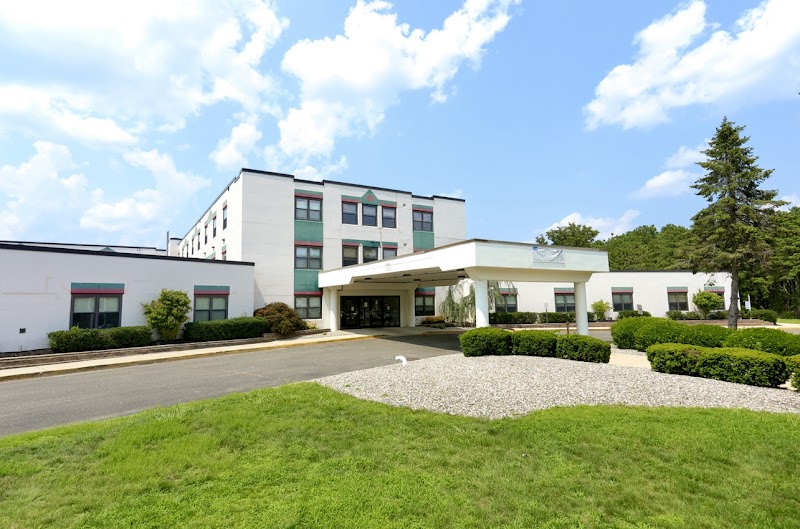
1770 TOBIAS AVENUE, MANCHESTER, NJ 08759 (732) 657-1800
For profit - Partnership 165 Beds ARISTACARE Data: November 2025 2 Immediate Jeopardy citations
Trust Grade
16/100
#165 of 344 in NJ
Last Inspection: April 2024

Within standard 12-15 month inspection cycle. Federal law requires annual inspections.

Overview

AristaCare at Manchester has received a Trust Grade of F, indicating significant concerns about the care provided, which is classified as poor. They rank #165 out of 344 nursing homes in New Jersey, placing them in the top half but still far from ideal. Although the facility's issues have decreased from 8 in 2024 to just 1 in 2025, there are still serious deficiencies, including critical incidents where residents were not adequately supervised, leading to significant safety risks. Staffing is a weakness here, with a rating of only 2 out of 5 stars and a turnover rate of 45%, which is around the state average; this suggests staff may not be as familiar with residents. Additionally, the facility has incurred $157,543 in fines, indicating compliance issues, and there is concerningly less RN coverage than 79% of New Jersey facilities, which could impact the quality of care.

Trust Score
F
16/100
In New Jersey
#165/344
Top 47%
Safety Record
High Risk
Review needed
Inspections
Getting Better
8 → 1 violations
Staff Stability
⚠ Watch
45% turnover. Above average. Higher turnover means staff may not know residents' routines.
Penalties
✓ Good
$157,543 in fines. Lower than most New Jersey facilities. Relatively clean record.
Skilled Nurses
⚠ Watch
Each resident gets only 26 minutes of Registered Nurse (RN) attention daily — below average for New Jersey. Fewer RN minutes means fewer trained eyes watching for problems.
Violations
⚠ Watch
14 deficiencies on record. Higher than average. Multiple issues found across inspections.
★★★☆☆
3.0
Overall Rating
★★☆☆☆
2.0
Staff Levels
★★★★☆
4.0
Care Quality
★★★☆☆
3.0
Inspection Score
Stable
2024: 8 issues
2025: 1 issues

The Good

  • 4-Star Quality Measures · Strong clinical quality outcomes
  • Full Sprinkler Coverage · Fire safety systems throughout facility
  • No fines on record

Facility shows strength in quality measures, fire safety.

The Bad

3-Star Overall Rating

Near New Jersey average (3.3)

Meets federal standards, typical of most facilities

Staff Turnover: 45%

Near New Jersey avg (46%)

Higher turnover may affect care consistency

Federal Fines: $157,543

Well above median ($33,413)

Significant penalties indicating serious issues

Chain: ARISTACARE

Part of a multi-facility chain

Ask about local staffing decisions and management

The Ugly 14 deficiencies on record

2 life-threatening 2 actual harm
Aug 2025 1 deficiency
CONCERN (D) 📢 Someone Reported This

A family member, employee, or ombudsman was alarmed enough to file a formal complaint

Potential for Harm - no one hurt, but risky conditions existed

Medical Records (Tag F0842)

Could have caused harm · This affected 1 resident

Complaint: NJ183978Based on interview, review of medical records and other pertinent facility documentation it was determined that the facility failed to maintain medical records accurately and comple...

Read full inspector narrative →
Complaint: NJ183978Based on interview, review of medical records and other pertinent facility documentation it was determined that the facility failed to maintain medical records accurately and completely in accordance with acceptable standards and practice. This identified for 1 of 46 residents (Resident # 150) reviewed medical records and evidenced by the following:A review of the admission Record, an admission summary, revealed that Resident #150 had diagnoses which included, but were not limited to: metabolic encephalopathy and moderate protein-calorie malnutrition. A review of the resident's individual comprehensive care plan (ICCP) had the following a focus areas, dated 2/27/2025, that the resident had an alteration in gastro-intestinal status [related to] presence of colostomy. Interventions included, but not limited to, monitor colostomy site for [signs/symptoms] of infection every shift and provide colostomy care every shift; that the resident used antidepressant medication [related to] the management of depression. Interventions included, but not limited to, antidepressant medications as ordered by physician; that the resident has chronic pain [related to] quadriplegia, presence of wounds, and polyneuropathy. Interventions included, but not limited to, monitor/record/report to nurse my complaints of pain or requests for pain treatment; that the resident had a suprapubic catheter [related to diagnosis] of neurogenic bladder. Interventions included, but not limited to, empty drainage bag [every] 8 hours. Record output if necessary; render catheter care every shift.A review of the Medication Administration Record (MAR) and Treatment Administration Record (TAR), dated as of 8/21/2025, included, but not limited to, the following physician orders (PO) and corresponding blank entries:A PO, dated 2/22/2025, for Duloxetine oral capsule delayed release particles 80 miligrams (mg) to give 1 capsule by mouth at bedtime related to depression. On 2/23/2025 a blank space was observed. A PO, dated 2/22/2025, for Fluoxetine HCL oral capsule 10mg to give 5 capsules by mouth at bedtime related to depression. On 2/23/2025 a blank space was observed. A PO, dated 2/22/2025, for Blaclofen oral tablet 10mg to give 1 tablet by mouth two times a day (2pm and 9pm) for muscle spasm *give with 20mg to equal 30mg). On 2/23/2025 a blank space was observed for the 9 PM entry.A PO, dated 2/22/2025, for Blaclofen oral tablet 200mg to give 1 tablet by mouth two times a day (2pm and 9pm) for muscle spasm *give with 10mg to equal 30mg). On 2/23/2025 a blank space was observed for the 9 PM entry.A PO, dated 2/22/2025, for Methenamine Hippurate oral tablet 1 gram (GM) to give 1 tablet by mouth every 12 hours for ESBL of urine. On 2/23/2025 a blank space was observed. A PO, dated 2/22/2025, for Gabapentin oral capsule 400mg to give 3 capsule by mouth three times (9am, 2pm, 9pm) a day for neuropathy. On 2/23/2025 a blank space was observed for the 9 PM entry.A PO, dated 2/22/2025, to monitor vital signs every shift for assessment. On 2/23/2025 (second shift) and 2/27/2025 (morning shift) did not have vital signs entered. On 2/23/2025 (day), 2/24/2025 (day), 2/27/2025 (day) blank spaces were observed. A PO, dated 2/22/2025, for Santyl External Ointment 150unit/GM to apply to sacrum and right heel topically every day and evening shift for wound care. A PO, dated 2/22/2025, to monitor colostomy stoma for [signs/symptoms] of infection every shift for infection. On 2/23/2025 (day) and 2/24/2025 (day) blank spaces were observed.A PO, dated 2/22/2025, to offload heels when in bed every shift for prevention. On 2/23/2025 (day) and 2/24/2025 (day) blank spaces were observed.A PO, dated 2/22/2025, for skin protectant to apply to buttock topically every shift for prevention. On 2/23/2025 (day) and 2/24/2025 (day) blank spaces were observed.A PO, dated 2/22/2025, to record supra pubic cather output every shift for monitoring. On 2/24/2025 (day) a blank space was observed.A PO, dated 2/22/2025, to render suprapubic catheter care every shift for prevention. On 2/24/2025 (day) a blank space was observed.On 8/26/2025 at 8:41 AM, the surveyor interviewed the Licensed Practical Nurse (LPN #1) who stated that upon administered medication and/or treatments the MAR/TAR should be checked off to show that it was given or completed. When asked what a blank box could mean, LPN #1 stated that the medication was not given or the treatment was not completed. On 8/26/2025 at 8:57 AM, the surveyor interviewed the Licensed Nurse Practioner/Unit Manager (LPN/UM) who stated that physicians orders should be carried out as written and that there should never be blanks in the MAR/TAR. When asked what a blank could mean, the LPN/UM responded that it was not done. During an interview on 8/26/2025 at 1:48 AM with the surveyor the Director of Nursing, in the presence of the Licensed Nursing Home Administrator Regional Clinical Director acknowledged that the MAR/TAR should be completed in its entirety upon completion of the order and that if it was not filled in it could mean that the order was not done. A review the undated facility policy titled, Administering Medications revealed the following under Policy Interpretation and Implementation: [ .] 3. Medications must be administered in accordance with the orders, including any required time frame. [ .] 11. The individual administering the medication must document in [electronic records] after giving each medication by clicking the Y. [ .] 13. If a drug is withheld, refused, or given at a time other than the scheduled time, the individual administering the medication shall click the N on the EMAR and then document as prompted by PCC. A review the undated facility policy titled, Charting and Documentation revealed the following under Policy Interpretation and Implementation: 1. All observations, medications administered, services performed, etc, must be documented in the resident's clinical record. NJAC 8:39- 23.2
Apr 2024 8 deficiencies 2 IJ
CRITICAL (J) 📢 Someone Reported This

A family member, employee, or ombudsman was alarmed enough to file a formal complaint

Immediate Jeopardy (IJ) - the most serious Medicare violation

Accident Prevention (Tag F0689)

Someone could have died · This affected 1 resident

**NOTE- TERMS IN BRACKETS HAVE BEEN EDITED TO PROTECT CONFIDENTIALITY** Complaint NJ #165621 Based on record review, interview, and review of pertinent documentation, it was determined that the facili...

Read full inspector narrative →
**NOTE- TERMS IN BRACKETS HAVE BEEN EDITED TO PROTECT CONFIDENTIALITY** Complaint NJ #165621 Based on record review, interview, and review of pertinent documentation, it was determined that the facility failed to a.) adequately supervise a cognitively impaired resident (Resident # 535) with exit seeking behavior from eloping the facility. This posed the likelihood of serious injury, serious harm, serious impairment or death for 1 of 3 residents reviewed for wandering/elopement. A review of a closed record revealed a Progress Note (PN) dated 05/28/23, identified that staff were unable to locate Resident #535 in the facility for approximately one hour. Resident # 535 was found at a local restaurant located near the facility. This resulted in an Immediate Jeopardy (IJ) situation. The IJ began on 05/28/23 and was identified on 04/17/24. The IJ template was given to the Licensed Nursing Home Administrator (LNHA) on 04/17/24 at 3:10 PM. An acceptable removal plan was received on 04/18/24 at 1:52 PM and was verified on-site on 04/18/24 at 2:00 PM. The removal plan indicated the facility took the following steps to prevent serious harm from occurring or recurring: 1. Resident 535 was discharged from the facility; 2. All 9 residents at risk for wandering or elopement had a wandering risk assessment completed and updated Care plans. Assessments reviewed by the Nursing administration, Administrator, Assistant Administrator, Nurse Practitioner (NP), Activities, and Social Work team. The nine (9) residents indicated were reviewed; and 3. Staff education via facility wide text message portal which consisted of where to find all residents at risk for elopement within the electronic medical record, the requirement to review the at-risk residents, and interventions at each shift. Department heads with departments that don't have access to the electronic medical record, educated their staff that the electronic medical record list will be printed and posted at the time clock and the pictures of the residents at risk will be kept at the reception desk. The lists will be updated with any changes through the weekly intervention meeting or as needed. F 689 remains a deficiency at a scope and severity of a D based on the following: The facility further failed to b.) maintain the safety of a resident who was identified as a fall risk by not following the plan of care for 1 of 32 residents (Resident #24) reviewed for falls. The evidence was as follows: Part A A review of the facility policy for Wandering, Unsafe Resident, undated, included but was not limited to: The facility will strive to prevent unsafe wandering . for residents who are at risk for elopement. 1. The staff will identify residents who are at risk . because of unsafe wandering (including elopement). 2. The staff will assess at-risk individuals for potentially correctable risk factors related to unsafe wandering. 3. The resident's care plan will indicate the resident is at risk for elopement . Interventions to try to maintain safety, such as a detailed monitoring plan will be included. 5. When the resident returns the Director of Nursing or charge nurse shall: f. document relevant information in the resident's medical record. On 04/17/24, the surveyor reviewed Resident #535's electronic medical record. A review of the admission Record dated 04/13/22, documented that Resident #535 had diagnoses which included but were not limited to: senile degeneration of the brain, dementia with behavioral disturbance, and delirium. A review of a Psychological Evaluation dated 04/19/22, included but was not limited to; resident was being referred for acting more confused . staff says he/she is wandering. A review of the current Comprehensive Care Plan on 04/20/22, revealed that the resident was an elopement risk related to dementia with goals to not leave the building unescorted, to ensure supervision while outside, and if unable to redirect resident from exit seeking, stay with resident. The Quarterly Minimum Data Set (MDS), an assessment tool used to facilitate the management of care dated 03/16/23, reflected the resident had a Brief Interview for Mental Status (BIMS) of 08 out of 15, indicating moderate cognitive impairment. Review of the PN dated 04/20/23, indicated that the resident tried to elope, redirected and wander guard was applied to the left ankle. Review of the PN dated 05/02/23, revealed that the resident removed his/her wander guard, and it was not reapplied. There were no new interventions added to the care plan to prevent further exit seeking. Review of the PN dated 05/03/23, reflected that the resident was found on the elevator. The resident stated, I want to go home . I'm like in a jail here. There were no new interventions added to the care plan to prevent further exit seeking. Review of the Interdisciplinary Team notes dated 05/04/23, revealed that the resident continued to remove the wander guard and the wander guard was discontinued. The document further revealed, Observation in place and resident not a wanderer as [he/she] has a plan to where he/she is going. There were no new interventions added to the care plan to prevent further exit seeking or that the resident's wander guard had been discontinued. The Wandering Risk Scale [an assessment tool] revealed a 9, which indicated at risk to wander. Review of the PN dated 05/22/23, revealed that the resident stated he/she was leaving, had a packed bag and was headed toward the elevator and was redirected. There were no further interventions added to the care plan. A review of the facility's Reportable Event Record/Report dated 05/28/23, identified that Resident #535 exited/eloped the facility undetected through the front door late morning. The resident was found by staff almost an hour later at a restaurant near the facility. On 05/28/23, Resident # 535 was transferred to another facility that had a locked unit. Review of the May 2023 Treatment Administration Record, included an order for OBSERVATION CHECKS every hour for OBSERVATION CHECKS-Start Date 05/18/2023 1200 [12:00 PM]. The correlating PN dated 05/19/23, documented resident is on observation monitoring r/t [related to] going in and out of other resident's rooms. On 04/17/24 at 10:46 AM, the surveyor interviewed the receptionist who stated she worked at the facility since 04/20/22, but she was not working on 5/28/2023. The receptionist stated residents who were an elopement risk or wander would wear a wander guard. She stated the wander guard and alarm would go off if a resident were close to the monitoring device. If a resident did not wear a wander guard, she could use a button to lock the front door. She stated there was a list and pictures at the front desk of residents who wander. On 04/17/2024, the Director of Nursing (DON) provided a statement dated 6/1/2023, from the receptionist who was working on 05/28/23, when the resident eloped which indicated, I was at the front desk the entire time and did not see resident leave. The receptionist who was working on 05/28/23, is no longer employed at the facility and could not be interviewed. On 04/17/24 at 10:54 AM, the surveyor interviewed the Licensed Practical Nurse (LPN) who worked on the unit the day Resident #535 eloped. She stated, I think I remember the primary care nurse told me that the resident was missing and that she thought the resident was found at a restaurant in the area. The LPN stated the normal process for a missing resident would be to search the unit, the building, announce the code, and all start searching. On 04/17/24 at 11:31 AM, the surveyor interviewed the Director of Nursing (DON) who stated she has been at the facility since 02/14/23. The DON stated the process for a resident who was an elopement risk would be to do an assessment, apply a wander guard depending on the assessment, and ensure there was a photo at the reception desk. When asked if the resident were to remove the wander guard, the DON stated it would be placed somewhere like the wheelchair or the walker if the resident used one. The DON further stated that interventions for an elopement risk or wanderer would include a wander guard, name, and photo at the reception desk, and to inform the staff. The DON explained the day Resident #535 eloped was a weekend and the staff called her. She instructed the staff to do a building sweep, open all doors, check all exits, check the stair wells, basement, inside and out. She stated the police, physician, Licensed Nursing Home Administrator (LNHA) and family were notified. She was unsure how long the resident was missing, where he/she was found, or how he/she was returned to the facility. On 04/17/24 at 1:02 PM, the surveyor interviewed the then LNHA, current Assistant LNHA, who stated she did not remember when she was made aware that Resident #535 was identified as an elopement risk. She stated the resident eloped, was found, and brought back to the facility by a staff member. The resident was transferred to a facility with a locked unit. On 04/17/24 at 1:11 PM, the then LNHA stated the front desk has a board and folder with pictures of wanderers/elopement risk residents and that the camera was working but the views did not show what we needed to see. She stated the resident had a wandering assessment on admission [DATE] and on 05/04/23, both with a score of 09 which indicated at risk for wandering. She stated she was not aware of any elopement seeking behaviors but would have to check. She stated the resident was never a wander risk inside the facility. The surveyor reviewed the 05/03/23 PN and asked if the documentation constituted an elopement behavior. The LNHA stated, I don't know if that constitutes an elopement behavior. On 04/22/24 at 10:39 AM, the surveyor in the presence of the survey team, interviewed the then LNHA who stated, I do not remember at that time if Resident #535 was an elopement risk. She stated there was conflicting documentation in the medical record and that when the resident would walk around, he/she had a goal so [he/she] was not a wanderer because [he/she] knew where [he/she] wanted to go. Part B According to the admission Record, Resident #24 was admitted to the facility with the diagnoses which included but was not limited to hemiplegia (paralysis) and hemiparesis (weakness) following cerebral infarction (stroke) affecting the left dominant side, hydrocephalus (fluid build-up in fluid-containing cavities of the brain) and dementia. The quarterly Minimum Data Set (MDS) an assessment tool that facilitates a resident's care dated 03/31/24, indicated that Resident #24 had severe cognitive deficits, had limited range of motion on one side of the body, required maximum assistance with activities of daily living (ADLs) and was dependent on staff for transfers. On 04/17/24 at 09:39 AM, the surveyor interviewed Resident #24 who stated that he/she recently fell in the shower when a male Certified Nursing Assistant (CNA) was transferring him/her. The resident could not provide the surveyor with specifics due to cognitive deficits. The resident did not appear to have any injury on the upper arms. On 04/17/24 at 09:43 AM, the surveyor interviewed the Certified Nursing Assistant (CNA #1) who stated that he had been employed in the facility for approximately 3 (three) years. He described the resident as having confusion and was incontinent of bladder and bowel. CNA #1 stated that the resident required assistance of two staff members for transfers. He stated that the resident required total care with all aspects of activities of daily living (ADLs). He continued to explain that the resident was at risk for falls and required the use of a chair alarm and utilized walker for support with assistance of two staff member for transfers. CNA #1 revealed that the resident fell a couple weeks ago. He stated that the resident currently received therapy. CNA #1 then added that it took two staff members to assist Resident #24 with showers due to the resident's height and because the resident was a fall risk. CNA #1 stated that he applied an orthotic device to the resident's left leg and that it was indicated on CNA #1's assignment schedule. He revealed that a timeframe was not documented on the assignment as to when the brace was to be applied or removed, just that the resident was supposed to wear it. On 04/17/24 at 09:53 AM, the surveyor interviewed the Director of Rehabilitation (DOR) who stated that Resident #24 was on skilled physician therapy (PT), occupational therapy (OT) and speech therapy (ST). She stated that PT was working on standing tolerance and transfers. She stated that the resident required two-person assistance with transfers and had weakness on the left side. She stated that the resident had a history of a cranial shunt due to intracranial pressure (ICP). She continued to explain that the resident received OT therapy for range of motion (ROM), strengthen exercises for the left arm. She stated that the resident wore left Ankle foot orthosis (AFO): used to stabilize the ankle. She explained that it was a good idea to wear the AFO when standing to prevent accidents. On 04/17/24 at 10:05 AM, the surveyor interviewed the primary care Licensed Practical Nurse (LPN) who stated that she had been employed in the facility for 1 (one) year. The LPN explained that Resident #24 had confusion and required total care with all aspect of ADL's and required a two-person assistance with transfer. She stated that it was important that two staff members assisted the resident during transfers to help protect the resident and the staff from getting injured. The surveyor reviewed Resident #24's Care Plan (CP), which indicated that the resident had a brace to the left lower leg. The CP intervention dated 02/24/21, indicated that the resident required extensive assistance of two staff members for transfers. The CP also indicated that the resident fell on [DATE] while CNA was transferring the resident to the shower chair, the resident lost his/her balance and was lowered to the floor and developed a skin tear. The Progress note dated 3/13/2024 at 10:39 PM (22:39), indicated the following: Health Status Note Text: Post fall- notified by CNA that resident begin to lose balance and was lowered to the ground by the CNA while being transferred into chair after shower. On assessment resident noted to have skin tear to back of left arm which was treated with Bacitracin and a band aid. Resident alert and stable no complaints of pain. Will continue to monitor. The 7:00 AM-7:00 PM, CNA Assignment Sheet dated 03/13/24, indicated that the resident required a 2-person assistance with transfers and wore a brace to the left lower leg. On 04/17/24 at 10:23 AM, the surveyor interviewed the Licensed practical Nurse Unit Manager (LPN/UM) on the B Unit second floor for a couple year and employed in the facility for 40 years. The LPN/UM stated that Resident #24 was alert and oriented to person and required extensive assist with ADLs. She stated that the resident required 2-person transfer for over 5 months. She explained that Resident #24 had poor balance and was also very tall, so for his safety and staff safety, he/she required two-person assistance with all transfers. She stated that the resident fell in the shower room a month ago. She revealed that the CNA assigned to Resident #24 on 03/13/24 on the 3:00 PM-11:00 PM shift did not follow the resident's plan of care and transferred the resident by himself. She stated that the resident sustained a skin tear to the left elbow during the fall. She continued to explain that the resident had an AFO brace on the left leg. She stated that the brace was applied by the CNA during morning care. She explained that the AFO brace was importance to wear to stabilize the resident's left leg. She also stated that the orthotic device was documented on the resident's care plan. On 04/17/24 at 10:51 AM, the surveyor interviewed the CNA #2 who stated that he worked for the agency and worked 2-3 days a week at the facility. He stated that he was familiar with the residents in the facility. He stated that he worked on 03/13/24 on the 3:00 PM-11:00 PM shift and provided care to Resident #24. He stated that while he was providing a shower to Resident #24, he transferred the resident in the shower independently and resident lost his/her balance and was lowered to the floor. He stated that the resident sustained a skin tear on left elbow area. He admitted that he did not review the assignment sheet and did not know that the resident was a two-person transfer. He stated that he should have received a briefing from the other nurses prior to showering and received help with transferring of the resident. The surveyor asked CNA #2 if there were facility documents that he could have referred to regarding how to care for the residents and he indicated that there was a section on the CNA assignment that indicated how many people were supposed to assist a resident with transfers. He stated that the facility Administration educated CNA #2, and they also performed a shadowing with another CNA to observe him while he transferred a resident so that I didn't make that mistake again. CNA #2 added that the resident had bare feet during the transfer and was not wearing a AFO at the time of the fall. On 04/17/24 at 01:17 PM, the surveyor interviewed the DOR who stated resident had a AFO (ankle foot orthosis). The DOR stated that Resident #24 Res was to wear when standing and with transfers. She stated that the resident did not need to wear it at night in bed. The DOR provided the surveyor with a Physical Therapy Treatment Encounter dated 03/25/24, which indicated that Resident #24 required maximum assistance with two staff members with AFO on the left foot. The undated facility policy titled, Care Plans indicated that the comprehensive care plan was developed for each resident that identified the highest level of functioning the resident may be expected to attain and identify the professional services that are responsible for each element of care. NJAC 8:39-27.1 (a)
CRITICAL (J)

Immediate Jeopardy (IJ) - the most serious Medicare violation

Deficiency F0808 (Tag F0808)

Someone could have died · This affected 1 resident

Based on observation, interview, record review and review of pertinent documentation, it was determined that the facility failed to ensure that staff provided a resident with the appropriate physician...

Read full inspector narrative →
Based on observation, interview, record review and review of pertinent documentation, it was determined that the facility failed to ensure that staff provided a resident with the appropriate physician ordered liquid consistency. This posed the likelihood of serious harm to the health and well-being of Resident #24. This resulted in an Immediate Jeopardy (IJ). This deficient practice occurred for 1 of 9 resident (Resident #24) reviewed for physician ordered pudding thick liquid consistency and was evidenced by the following: On 04/12/24 at 8:40 AM, the surveyor observed a Certified Nurse Aide (CNA) adding two thickener packets to Resident #24's coffee, instead of the required four, and then provided the coffee to the resident. Resident #24 was then observed drinking the coffee from the nine-ounce cup that was filled closely to the top, and Resident #24 then coughed. The meal ticket on Resident #24's tray at that time identified Resident #24's diet as Puree, Pudding Thick at the top and !!!Pudding Thick!!! at the bottom. The IJ was identified and began on 04/12/24. The IJ template was provided to the Licensed Nursing Home Administrator (LNHA) at 04/12/24 at 12:51 PM. An acceptable removal plan was received on 04/12/24 at 3:35 PM, and was verified on-site on 04/17/24 at 12:09 PM. An acceptable removal plan was received on 04/12/24 at 3:37 PM, indicating the action the facility took to prevent serious harm from occurring or recurring. The facility implemented a corrective action plan to remediate the deficient practice including: 1. Resident #24 was immediately examined by the Nurse Practitioner. 2. The physician was called and made aware. 3. The Nurse Aide was immediately in-serviced which included return demonstration. All other staff who may serve Resident # 24 as well as any other staff who may serve other residents with thickened liquids have been in-serviced with return demonstration. The evidence was as follows: On 04/12/24 at 8:31 AM, during a surveyor interview with Resident #24 a Certified Nurse Aide (CNA) brought the resident's meal tray into the room and placed it on the bed-side table. The CNA informed the resident he was going to get the resident coffee and then exited the room. The CNA returned with a 9-ounce burgundy coffee cup that was filled close to the top of the mug with coffee. On 04/12/24 at 8:40 AM, the CNA removed two packages of thickener from a drawer next to the resident's bed, then emptied the contents of both thickener packets into the coffee, stirred the contents and placed the cup in front of the resident. The CNA told the resident, go ahead and eat. The resident then proceeded to pick up the coffee cup, put his/her head back and proceeded to drink the coffee from the mug. Resident #24 again was observed coughing. The CNA then opened a coffee creamer, picked up the coffee and stirred in the creamer and again placed the coffee cup next to the resident. At that time, the surveyor observed a meal ticket on Resident #24's tray and asked the CNA to show the surveyor the ticket. The ticket identified Resident #24's diet as Puree, Pudding Thick at the top and !!!Pudding Thick!!! at the bottom. The surveyor asked the CNA what type of liquids the resident was supposed to consume, and the CNA stated, it is supposed to be nectar. The surveyor asked the CNA if he looked at the ticket and the CNA stated, I looked at the ticket. On 04/12/24 at 8:45 AM, the surveyor exited the room to inform the Licensed Practical Nurse, Charge Nurse (LPN/CN) of the surveyor's observations and asked what type of liquids the resident was prescribed. The LPN/CN stated the resident was on pudding thick liquids and accompanied the surveyor to Resident #24's room. The LPN/CN looked at the coffee and proceeded to take a spoon and lift up the coffee and drop it back into the cup. The coffee was observed to freely flow back into the cup and was not pudding thick in appearance. The surveyor asked if the coffee was the appropriate consistency. The LPN/CN stated the coffee was not pudding thick consistency and was not appropriate for the resident. At that time, in Resident #24's room, affixed to the wall close to the bed, was an 8 ½ X 11-inch sheet of paper with large black printed instructions which indicated: Pudding thick liquids -2 packets per 5 ounces. Diet: Pureed. A review of the Thickened Liquids, Fluid Restrictions and NPO [nothing by mouth] Policy dated 05/2023, included but was not limited to: Staff Responsibilities . 5. Nurse's aides are able to use prepared thickened liquid preparation from the dietary department . 6. Staff who were educated on the process are able to use thickening packet to prepare appropriate fluids. On 04/12/24 at 9:00 AM, the surveyor reviewed Resident #24's electronic medical record. Review of the Quarterly Minimum Data Set (MDS), an assessment tool used to facilitate care, dated 12/30/23, reflected the resident had a brief interview for mental status (BIMS) score of 05 out of 15, indicating that the resident had a severely impaired cognition. Section K revealed the resident received a Mechanically Altered and Therapeutic Diet. Section GG was coded as 04 which indicated that the resident required supervision for eating. Review of the admission Record dated 04/12/24, revealed that Resident #24 had diagnoses which included dysphagia (difficulty swallowing), oropharyngeal phase (middle part of throat), cerebral infarction, and hemiplegia and hemiparesis. Review of a Physician Order dated 02/16/24, revealed a Diet order for a Consistent Carbohydrate Diet, Puree Texture, Pudding consistency, No Straws, 2 packs of honey thickener to 5 ounces. Review of the Resident's current Comprehensive Care Plan documented a Focus area for the resident having a chewing and swallowing deficit which was initiated on 02/16/24. The Goal revealed the resident will chew and swallow the least restrictive diet without overt [signs and symptoms] of aspiration 95%-100% of the time given [minimum cues] which was initiated 02/16/24 with a target date of 06/29/24. The Intervention was to receive skilled [Speech Therapy] 12 sessions/30 days for [treatment] of oropharyngeal dysphagia, cognitive-linguistic deficits, [patient] caregiver training and [discharge] planning which was initiated 02/16/24. Review of the Key Information section of the electronic medical record revealed Precautions, Aspiration Precautions Puree/Pudding Thick. Review of a Speech Therapy Treatment Encounter Note signed by the Speech Therapist on 04/11/24 at 3:36 PM revealed Precautions: Aspirations precautions, Puree/pudding thick. The International Dysphagia Diet Standardization Initiative 2016: Oral Intake: Current Drinks/Liquids=Extremely Thick Drinks; Current Foods/Solids=Puree Foods; Functional Status as a Result of Skilled Interventions: Oral Intake: Current Liquids = Pudding thick liquids, Current Solids= Puree Consistencies. Review of a Nurse Practitioner Note dated 08/28/23, timed at 10:40 AM, revealed that the resident was post hospitalization for TIA [Transient Ischemic Attack ], LL PNA [Lower Lobe Pneumonia] from 8/8 to 8/13. The Plan included the following: Problem/Diagnosis Status Notes/Considerations Action Orders/Recommendations; At risk for poor prognosis, expect decline in cognitive/physical function, risk of pneumonia, swallowing difficulties, weight loss and falls; Diagnoses: Oropharyngeal dysphagia Stable Chronic Per medical records .Monitor for s/s of aspiration and if suspected stat [immediate] CXR [chest X-Ray], add steroids, duonebs [respiratory treatment], oxygen and antibiotics as warranted. Pneumonia, unspecified organism Stable Chronic Per hospitalization 8/8 to 8/13. Completed Augmentin monitor for recurrent symptoms. Monitor, Evaluate, Assess, Treat Monitor SPO2 and give supplemental O2 as needed to maintain SPO2 [blood oxygen level] > 92%. High risk for aspiration if suspected obtain stat imaging, steroids, duonebs and antibiotics as warranted. Review of a Registered Dietitian Quarterly Note, dated 03/26/24, revealed Puree diet with pudding thick liquids. On 04/12/24 at 9:50 AM, the surveyor interviewed the Speech Therapist (ST) who stated she worked at the facility for two and half years and was responsible for prescribing resident diet consistencies, working with residents on swallowing exercises and education for staff and residents. The surveyor asked the ST if she had been made aware of the observed concerns with Resident #24's liquid consistency. The ST stated she had been informed by the nurse that the liquids were not properly thickened and did not observe the resident after the incident. The ST confirmed that Resident #24's diet order was for puree food and pudding thick liquids and staff was to use 2 thickener packs for 5 ounces of liquids, and 4 packets for 8 ounces of liquid. The surveyor asked what would happen if Resident #24 did not receive the proper liquid consistency. The ST stated there was a potential for aspiration as the physician ordered aspiration precautions. On 04/12/24 at 8:53 AM, the surveyor interviewed the Registered Dietitian (RD) regarding Resident #24's physician ordered diet. The RD stated the resident had recently declined and the diet consistency had been downgraded. The surveyor asked the RD if it was important for Resident #24 to be on a thickened liquid diet and the RD stated, if the resident had pudding thick liquid on the tray ticket, absolutely, they should receive it. The surveyor asked if pudding thick liquids could be drunk from a cup and the RD stated, no, it should be by a spoon. On 04/12/24 at 9:17 AM, the surveyor interviewed the Food Service Director (FSD) regarding who was responsible for thickening liquids. The FSD stated the nursing department was responsible to thicken liquids. One packet of thickener would be used for 4 ounces of liquid to thicken to nectar thick, spoon like would require 2 packets for 4 ounces and pudding thick would require 3 packets for 4 ounces. The surveyor reviewed the thickener packet provided by the FSD which revealed: Add 1 packet to four ounces of liquid, stir with a spoon or fork for approximately 15 seconds or until thickener is dissolved. Allow 1 to 4 minutes for product to reach desired thickness. Products may thicken slightly over time. The amount of thickener may be adjusted to meet your individual needs. Results may vary depending on source of water, type, and temperature of beverages of foods. For spoon-like consistency: Add two packets to 4 ounces of liquid. On 04/12/24 at 10:28 AM, the surveyor, in the presence of four other surveyors, interviewed the Director of Nursing (DON). The surveyor asked the DON to explain the process that was in place for staff to provide thickened liquids to a resident. The DON stated the resident's meal tray would be delivered from the kitchen; a nurse would read the ticket to determine if the resident had a modified diet; if the resident had a thickened liquid diet nursing was responsible to thicken the liquids as there were no pre-thickened liquids for the past few months and the packets of thickener were available on the resident units. We thicken it to the appropriate texture and then take it to the resident, and we pour the coffee as it doesn't come up on the tray. The DON further stated, we are supposed to be completing competencies for thickening liquids. The surveyor then asked if all staff had been trained on thickening liquids for the residents and the DON stated, I don't want to say competencies, and then stated, in services. The DON stated, they should be doing thickened liquid competencies and the nurses know the consistency of the diets and liquids and should be monitoring that. The surveyor asked the DON if the nurses should be checking the consistency of the liquids and she stated, I would hope so. The surveyor asked if Resident #24's liquids should have 2 packets of thickener added to 8 ounces to make it pudding consistency, and the DON stated, no. The surveyor asked if that was a concern and the DON stated, yes. On 04/19/24 at 11:19 AM, the Licensed Nursing Home Administrator (LNHA), Assistant Administrator (AA) and Corporate Clinical Officer (CCO) presented additional information to the survey team. The LNHA stated, I agree, they didn't follow the doctor order, and confirmed by the AA. NJAC 8:39-17.4 (a)1-2; 27.1(a)
CONCERN (D) 📢 Someone Reported This

A family member, employee, or ombudsman was alarmed enough to file a formal complaint

Potential for Harm - no one hurt, but risky conditions existed

Comprehensive Care Plan (Tag F0656)

Could have caused harm · This affected 1 resident

Deficiency Text Not Available

Read full inspector narrative →
Deficiency Text Not Available
CONCERN (D)

Potential for Harm - no one hurt, but risky conditions existed

Deficiency F0658 (Tag F0658)

Could have caused harm · This affected 1 resident

**NOTE- TERMS IN BRACKETS HAVE BEEN EDITED TO PROTECT CONFIDENTIALITY** Based on observation, interview, review of medical records, and other pertinent facility documentation it was determined that th...

Read full inspector narrative →
**NOTE- TERMS IN BRACKETS HAVE BEEN EDITED TO PROTECT CONFIDENTIALITY** Based on observation, interview, review of medical records, and other pertinent facility documentation it was determined that the facility failed to obtain physician orders consistent with professional standards of clinical practice for an orthotic device (used to treat various conditions of the foot and ankle) and for the treatment of a skin tear. This deficient practice was identified for 1 of 28 residents reviewed (Residents #24) and was evidenced by the following: Reference: New Jersey Statutes, Title 45, Chapter 11, Nursing Board, The Nurse Practice Act for the state of New Jersey states; The practice of nursing as a registered professional nurse is defined as diagnosing and treating human responses to actual or potential physical and emotional health problems, through such services as case finding, health teaching, health counseling, and provision of care supportive to or restorative of life and wellbeing, and executing medical regimes as prescribed by a licensed or otherwise legally authorized physician or dentist: Reference New Jersey Statutes, Title 45, Chapter 11, Nursing Board, The Nurse Practice Act for the state of New Jersey states; The practice of nursing as a licensed practical nurse is defined as performing task and responsibilities within the framework of case finding; reinforcing the patient family teaching program through health teaching, health counseling and provision of supportive and restorative care, under the duration of a registered nurse or licensed or otherwise legally authorized physician or dentist. According to the admission Record, Resident #24 was admitted to the facility with the diagnoses which included but was not limited to hemiplegia (paralysis) and hemiparesis (weakness) following cerebral infarction (stroke) affecting the left dominant side, hydrocephalus (fluid build-up in fluid-containing cavities of the brain) and dementia. The quarterly Minimum Data Set (MDS) an assessment tool that facilitates a resident's care dated 03/31/24, indicated that Resident #24 had severe cognitive deficits, had limited range of motion on one side of the body, required maximum assistance with activities of daily living (ADLs) and was dependent on staff for transfers. On 04/17/24 at 9:39 AM, the surveyor interviewed Resident #24 who stated that he/she recently fell in the shower when a male Certified Nursing Assistant (CNA) was transferring him/her. The resident could not provide the surveyor with specifics related to the event of the fall. On 04/17/24 at 9:43 AM, the surveyor interviewed the Certified Nursing Assistant (CNA #1) who stated that he had been employed in the facility for approximately three years. He described the resident as having confusion and was incontinent of bladder and bowel. The CNA stated that the resident required assistance of two staff members for transfers. He stated that the resident required total care with all aspects of activities of daily living (ADLs). CNA #1 indicated that the resident was at risk for falls and required the use of a chair alarm and utilized walker for support and the assistance of two staff member for transfers. The CNA revealed that the resident fell a couple weeks ago but had been receiving therapy. The CNA then added that it took two staff members to assist Resident #24 with showers due to the resident's height and because the resident was a fall risk. CNA #1 stated that he applied an orthotic device to the resident's left leg as it was documented on the CNA assignment schedule. He stated that a timeframe was not documented on the assignment as to when the brace was to be applied or removed, just that the resident was supposed to wear it. On 04/17/24 at 09:53 AM, the surveyor interviewed the Director of Rehabilitation (DOR) who stated that Resident #24 was on skilled physician therapy (PT), occupational therapy (OT) and speech therapy (ST). She stated that PT was working on standing tolerance and transfers. She stated that Resident #24 required two-person assistance with transfers and had weakness on the left side. She stated that the resident had a history of a cranial shunt due to intracranial pressure (ICP). She continued to explain that the resident received OT therapy for range of motion (ROM), strengthen exercises for the left arm. She stated that the resident wore left ankle foot orthosis (AFO): used to stabilize the ankle. She explained that it was a good idea to wear the AFO when standing to prevent accidents. On 04/17/24 at 10:05 AM, the surveyor interviewed the primary care Licensed Practical Nurse (LPN) who stated that she had been employed in the facility for 1 (one) year. The LPN explained that Resident #24 had confusion and required total care with all aspect of ADL's and required a two-person assistance with transfer. She stated that it was important that two staff members assisted the resident during transfers to help protect the resident and the staff from getting injured. The LPN went into the resident's room to see what the resident was wearing on the left lower extremity and then confirmed that the resident was wearing a AFO on the left lower extremity. The LPN stated that Resident #24 fell two weeks ago but that she could not recall the details. She stated that the resident had a left elbow skin tear, but it had healed. She stated that she was not sure how developed. The surveyor reviewed the Treatment Administration Record (TAR) for April 2023 and there was no physician's order for an AFO to the left foot. There was also no documentation on who was to apply the brace, when the brace was to be applied or removed. The surveyor reviewed the TAR for March 2024, and there was no documentation for a physician's order that the staff performed treatments to skin tear of the back of the left arm that was sustained when the resident fell on [DATE]. The surveyor reviewed the facility incident and accident report and investigation dated 03/13/24 at 3:30 PM, which indicated that after Resident #24 had a shower, the resident was transferred to the wheelchair, lost his/her balance and was lowered to the ground. In the process the resident sustained a skin tear to the left elbow which was treated with bacitracin (antibiotic ointment) and a band aid. The report also indicated that the residents Responsible Party (RP) was notified and the Physician was notified. There was no documentation that indicated a treatment order was obtained from the physician. The surveyor reviewed Resident #24's Care Plan (CP), which indicated that the resident had a brace to the left lower leg. The CP also indicated that the resident's skin should be checked under the brace every shift. The CP also indicated that the resident fell on [DATE]. The CP reflected that while transferring the resident to the shower chair the resident lost his/her balance and was lowered to the floor and developed a skin tear. The Progress note dated 3/13/2024 at 10:39 PM (22:39) indicated the following: Health Status Note Text: Post fall- notified by CNA that resident begin to lose balance and was lowered to the ground by the CAN while being transferred into chair after shower. On assessment resident noted to have skin tear to back of left arm which was treated with bacitracin and a band aid. Resident alert and stable no complaints of pain. Will continue to monitor. The 7:00 AM-7:00 PM, CNA Assignment Sheet dated 03/13/24, indicated that the resident required a 2-person assistance with transfers and worn a brace to the left lower extremity. On 04/17/24 at 10:23 AM, the surveyor interviewed the Licensed practical Nurse Unit Manager (LPN/UM) on the B Unit second floor who had been employed in the facility for 40 years. The LPN/UM stated that Resident #24 was alert and oriented to person and required extensive assist with ADLs. She stated that the resident required 2-person transfer for over 5 months. She explained that Resident #24 had poor balance and was also very tall, so for his safety and staff safety, he/she required two-person assistance with all transfers. She stated that the resident fell in the shower room a month ago. The LPN/UM revealed that the CNA assigned to Resident #24 on 03/13/24 on the 3:00 PM-11:00 PM shift did not follow the resident's plan of care and transferred the resident by himself. She stated that the resident sustained a skin tear to the left elbow during the fall. She continued to explain that the resident had an AFO brace on the left leg. She stated that the brace was applied by the CNA during morning care. She explained that the AFO brace was importance to wear to stabilize the resident's left leg. The LPN/UM stated there should be a physician's order for orthotic device. She stated that the order should contain information on when the AFO should be applied, removed and who was to apply it. The LPN/UM reviewed the physician's orders in the presence of the surveyor and confirmed that there were no physicians order for the AFO. She also stated that the orthotic device was documented on the resident's care plan. She stated that physicians order for the AFO wound have been important to have so the staff knew when to apply and when to remove the AFO. She stated that the AFO should have been documented on the TAR (Treatment Administration Record) and the TAR should have contained an order for application, removal and to check skin every shift. She stated that the nurse should sign out on the TAR that the AFO was being applied, removed and that the nurses were checking the resident's skin under the AFO. The LPN/UM then stated that stated she would correct the error immediately and would obtain and physician's order for the AFO and would implement the order on the TAR. On 04/17/24 at 10:51 AM, the surveyor interviewed the CNA who stated that he worked for the agency and worked 2-3 days a week at the facility. He stated that he was familiar with the residents in the facility. He stated that he worked on 03/13/24 on the 3:00 PM-11:00 PM shift and provided care to Resident #24. He stated that while he was providing a shower to Resident #24, he transferred the resident in the shower independently and the resident lost his/her balance and was lowered to the floor. He stated that the resident sustained a skin tear on left elbow area. He admitted that he did not review the assignment sheet and did not know that the resident was a two-person transfer. He stated that he should have received a briefing from the other nurses prior to showering the resident and received help with transferring of the resident. The surveyor asked the CNA if there were facility documents that he could have referred to regarding how to care for the residents and he indicated that there was a section on the CNA assignment that indicated how many people were supposed to assist a resident with transfers. He stated that the facility Administration educated the CNA, and they also performed a shadowing with another CNA to observe him while he transferred a resident so that I didn't make that mistake again. The CNA then added that the resident had bare feet during the transfer and was not wearing a AFO at the time of the fall. On 04/17/24 at 12:44 PM, the surveyor interviewed the LPN/UM. The LPN/UM reviewed the March TAR in the presence of the surveyor and confirmed that there was no treatment order documented on the TAR for the skin tear that was sustained during the fall on 03/13/24. On 04/17/24 at 1:17 PM, the surveyor interviewed the DOR who stated resident had a AFO (ankle foot orthosis). The DOR stated that Resident #24 was to wear when standing and with transfers. She stated that the resident did not need to wear it at night in bed. On 04/17/24 at 1:27 PM, the surveyor interviewed the DOR who stated that the Resident #24 has had the AFO since had been here for about 2 years. She stated that the AFO should have had a physician's order. She stated that when therapy recommended a splint or brace, they would let the nurse know and the nurses will put the physicians order in the electronic medical record. On 04/18/24 at 10:03 AM, the surveyor interviewed the Director of Nursing (DON) who confirmed that a physician's order was required for the treatment of a skin tear or the use of an orthotic device. The undated policy titled, Equipment-Use for all Residents indicated that splints are individualized per patient and that request or the need for special equipment should be referred to the rehabilitation Department. The undated policy titled, Charting and Documentation indicated that all observations, medications administered, services performed, etc. must be documented in the clinical record. Documentation of treatments and procedures shall include care-specific details and shall include at minimum: -The date and time the procedure and treatment were provided. -The name and the title of the individual who provided the care. -The assessment data and/or any unusual findings obtained during the treatment/procedure. -How the resident tolerated the procedure/treatment. -Whether the resident refused the treatment/procedure. -Notification of the family, physician and or other staff if indicated. -The signature and title of the individual documenting. The undated facility policy titled, Accident and Incidents indicated that the injured persons physician was to be notified and his or her instructions. NJAC 8:39-27.1 (a) (d) (1-3)
CONCERN (D)

Potential for Harm - no one hurt, but risky conditions existed

Medical Records (Tag F0842)

Could have caused harm · This affected 1 resident

Based on interview, record review and review of pertinent facility documents, it was determined that the facility failed to accurately document in the medical records. This deficient practice was iden...

Read full inspector narrative →
Based on interview, record review and review of pertinent facility documents, it was determined that the facility failed to accurately document in the medical records. This deficient practice was identified for 1 of 29 residents (Resident #183) medical records reviewed and was evidenced by the following: The surveyor reviewed the medical record for Resident #183. A review of the admission Record face sheet reflected that the resident was admitted to the facility with diagnoses that included, lack of coordination, type 2 diabetes mellitus (high blood glucose), and abnormalities of gait (pattern a person walks) and mobility. A review of the Incident Report revealed that a staff member (Certified Nursing Assistant - CNA) bumped into the resident with a meal cart resulting in the resident sustaining a skin tear on their right third toe on 2/24/23 at 8:45 AM. A review of the Full QA [Quality Assurance] Report revealed investigative statements from the nurse, the resident, and the witnessed CNA were obtained. It further indicated the CNA immediately informed the nurse, the resident was assessed, a treatment was ordered, and the physician and family was notified. A review of the Progress Notes (PN) from February 2023, revealed there was no progress note in the electronic medical record (EMR) on 2/24/23 during the 7 AM to 3 PM regarding the incident not until 2/25/23 at 02:37 (2:37 AM), which indicated the resident had redness noted to the third right toe and the physician ordered an X-ray with a bacitracin (topical antibiotic ointment) treatment. On 04/17/24 at 09:30 AM, the surveyor interviewed Licensed Practical Nurse (LPN #1) who stated that they completed an accident/incident report and wrote a progress note in the electronic medical record (EMR) for any incident that occurred. She stated that it was important to document a progress note in the EMR because it was a communication tool from shift to shift, so everyone was aware of what happened with the resident. On 04/17/24 at 09:35 AM, the surveyor interviewed the Certified Nursing Assistant (CNA) who stated the process for any incident would be to call the nurse and to stay with the resident. The CNA stated that she would then write a statement for the incident report and describe what she saw if it was witnessed. She further stated that if it was unwitnessed and the resident was her resident then she would describe what the resident was doing prior to the incident. On 04/17/24 at 11:03 AM, the surveyor interviewed LPN #2 who stated the process for any incidents was to assess the resident. She then stated that she would call the supervisor to complete a full head to toe assessment. LPN #2 stated that the nurses would get statements from staff regarding the incident, notify the family and the physician. She stated they would then complete an incident report and write a progress note in the EMR. When asked should there be a progress note of the incident. LPN #2 stated that a progress note should be done with the incident report. She explained it was important to also document a progress note in the EMR, so the oncoming shift knew what was happening. She further explained it was our way of communicating and this way all staff that has access to it is aware of what occurred. LPN #2 concluded they documented for three (3) days after any incident in the EMR. On 04/17/24 at 11:04 AM, the surveyor interviewed the Licensed Practical Nurse/Unit Manager (LPN/UM) who stated that the protocol for any incident at this facility was to get a full assessment of the resident, the nurses would complete the incident report and collect statements, and document a progress note in the EMR. The LPN/UM stated that there should be a progress note in the EMR because the progress note informs the facility and all staff of what occurred with the resident, so they are aware. She further stated that the progress notes are a communication tool for the staff and physicians as well as the resident and the power of attorney (POA) so the communication could be successful. She then stated that the nurses also document on the 24-hour report daily, so all the nurses were aware of what happened in those 24 hours. The LPN/UM stated that if a resident was bumped by a cart and received a skin tear then an incident report would be completed. She further stated that they would obtain statements from the resident if alert, from staff that was around, and from other staff to see what the resident was doing prior to the incident. When asked would there also be a progress note in the EMR? The LPN/UM emphasized absolutely there should be a progress note because it was an incident, and we need to know what happened. She stated that the resident assessment, and physician and family should be notified. On 04/18/24 at 09:31 AM, the surveyor interviewed the Director of Nursing (DON) who stated that the process for any incidents was that staff would notify the supervisor, the physician, and the family. The nurses would assess the resident and an incident report was completed. She stated that the staff then wrote statements which were collected from anyone that witnessed the incident. She clarified if the incident was unwitnessed then the nurse would collect the statements from the staff that seen the resident prior to the incident. The DON stated that the nurses would write a progress note of the incident, or they would just write their note in the incident report. She then stated that if the nurses completed an incident report, then they did not have write a progress note in the EMR. She explained that they did not have a write a progress note, if they wrote in the incident report because the incident report could be printed out. When asked how would staff be aware of the incident? The DON stated that staff were aware of the incident from the 24-hour report. When asked when should a progress note be written? The DON stated it should be written for any change because it was communication tool for the staff to be informed about the resident. She stated that a progress note was considered a part of the medical record. On 04/19/24 at 11:12 AM, the Assistant Licensed Nursing Home Administrator (LNHA) stated in the presence of the survey team, the LNHA and the Corporate Clinical Officer (CCO) that it was correct the progress note was missing and should have been in the EMR. A review of the facility's undated Charting and Documentation policy, included, All services provide to the resident, or any changes in the resident's medical or mental condition, shall be documented in the resident's medical record. 3. All incidents, accidents, or changes in the resident's condition will be recorded as soon as physically as close to the occurrence as possible. 5. Documentation of procedures and treatments shall include care-specific details and shall include at a minimum: c. The assessment data. f. Notification of family, physician, or other staff, if indicated. NJAC 8:39-35.2 (d)
CONCERN (D)

Potential for Harm - no one hurt, but risky conditions existed

Infection Control (Tag F0880)

Could have caused harm · This affected 1 resident

Based on observation, interview, and record review, it was determined that the facility failed to adhere to accepted standards of infection control practices for the proper storage of respiratory tubi...

Read full inspector narrative →
Based on observation, interview, and record review, it was determined that the facility failed to adhere to accepted standards of infection control practices for the proper storage of respiratory tubing and mask after use for 2 of 2 residents reviewed (Resident #40 and #241). The deficient practice was evidenced by the following: 1. On 04/11/22 at 10:30 AM during the initial tour, the surveyor toured the subacute Unit and observed Resident #241 in bed, the head of the bed was elevated and the resident was resting with their eyes closed. The resident was receiving oxygen via a nasal cannula (tube inserted to the nose for oxygen delivery). The surveyor observed the Nebulizer mask (used for breathing treatments) directly placed on top of the night stand, touching the Nebulizer machine and in closed proximity of the resident's phone and toiletries items. The Nebulizer tubing was labeled and dated 04/11/24. On 04/12/24 at 9:45 AM, the surveyor returned to the room and observed that the Nebulizer mask was on the night stand as observed the day before. On 04/16/24 at 9:30 AM, the surveyor returned to the room and observed the Nebulizer mask directly placed on the night stand next to the Nebulizer machine. The surveyor observed the resident resting in bed. The surveyor attempted to interview the resident but the resident could not proceed with the interview. The surveyor returned to the room after the resident had been assisted with care and received morning medication and observed the Nebulizer mask on the night stand face down and not protected. The mask was dated 04/11/24. On 04/16/24 at 10:20 AM, the surveyor observed the Nebulizer mask still on the night stand, not protected and exposed to the environment. The surveyor accompanied the Infection Control Nurse Preventionist (IP) to the room where we both observed the Nebulizer Mask on the night stand and not protected. Upon inquiry, the IP informed the surveyor that the Nebulizer mask should have been placed inside a plastic bag when not in use to prevent infection. On 04/16/24 at 11:30 AM, review of the medical record reflected that Resident #241 was admitted to the facility with diagnoses which included, but were not limited to; acute respiratory failure with hypoxia, pneumonia unspecified organism. On 04/16/24 at 12:30 PM, the surveyor interviewed the Licensed Practical Nurse (LPN) assigned to the unit. She stated that after being used the Nebulizer mask should be stored in a plastic bag to prevent infection. A review of the Order Summary Report for April 2024, revealed the following orders for Resident #241: Ipratropium-Albuterol inhalation Solution 0.5-2.5(3)MG (milligrams)/ML (milliliter) Ipratropium-Albuterol 3 ml inhale orally 6 hours as needed for wheezing and shortness of breath. 2. On 04/11/24 at 10:35 AM, the surveyor entered Resident #40's room. The resident was not in the room. The surveyor observed the oxygen tubing and the nasal cannula on the bed. The oxygen tubing was not protected. Another nasal cannula was also noted on the night stand not protected. The nasal cannula on the night stand was not labeled/dated. On the same day at 12:11 PM, the surveyor returned to the room and observed a staff from physical therapy assisting the resident to the room. The staff assisted the resident to switch from the portable oxygen tank to the concentrator which was located behind the curtain next to the bed. The humidifier bottle was labeled and dated 04/11/24. The staff applied the nasal cannula that was noted on the bed. The staff used the nasal cannula that was left on the bed and not protected. On 04/12/24 at 8:30 AM, the surveyor returned to the room and observed the nasal cannula on the night stand as it was the day before, exposed to the environment. On 04/17/24 at 9:42 AM, the surveyor interviewed the LPN assigned to provide care to the resident. The LPN stated that all respiratory equipment including Nebulizer masks and oxygen tubing should be disinfected after use and placed in a bag to prevent infection. On 04/17/24 at 11:30 AM, the surveyor reviewed Resident #40's clinical record which reflected that Resident #40 had diagnoses which included but were not limited to; acute respiratory failure with hypoxia, pneumonia, emphysema and adult failure to thrive. The Order Summary Report dated April 2024, reflected an order for continuous oxygen at 2 liters per minute via nasal cannula with an original date of 03/27/24. The Order Summary Report also included an order to change and date oxygen tubing and humidification bottle (if in use) every night shift every on Wednesday for infection prevention. The order had an original date of 03/27/24 timed 23:00 [11:00 PM]. On 04/16/24 at 1:15 PM, the facility was informed of the above concerns and the surveyor requested the policy for oxygenation therapy. On 04/17/24 at 8:08 AM the facility provided an undated policy, titled, Respiratory Therapy Equipment Purpose The purpose of this procedure is to guide prevention of infection associated with respiratory therapy tasks and equipment among residents and staff. Steps 4 and 4 of the procedure indicated the following: 4. Change the oxygen cannula and tubing weekly and/or as needed. 5. Keep the oxygen cannula and tubing used PRN[as needed] in a plastic bag when not in use. Under Infection Control Considerations related to Medication Nebulizers/ Continuous aerosols the following were noted: After completion of therapy: Remove the Nebulizer container Rinse the container with fresh tap water; and Dry on a clean paper towel or gauze sponge. Reconnect to the administration set-up when air dried. Wipe the mouth piece with damp paper towel or gauze sponge. Store in plastic bag. The policy was not being followed. NJAC 8:39-19.4 (a)1,2
CONCERN (E)

Potential for Harm - no one hurt, but risky conditions existed

Deficiency F0698 (Tag F0698)

Could have caused harm · This affected multiple residents

Based on observation, interview, record review, and review of pertinent documentation, it was determined that the facility failed to complete and maintain an ongoing communication record between the f...

Read full inspector narrative →
Based on observation, interview, record review, and review of pertinent documentation, it was determined that the facility failed to complete and maintain an ongoing communication record between the facility and the dialysis center for 1 of 2 residents (Resident #19) reviewed for dialysis. The deficient practice was evidenced by the following: A review of the facility policy Hemodialysis Communication undated, included but was not limited to: to have effective communication . between facility and dialysis center . Steps . ensure the resident has their communication binder with them and filled out completely to include pre and post dialysis weights, vitals, and any medications provided . According to the admission Record, Resident #19 was admitted with diagnoses which included but were not limited to acute kidney failure, psychosis, Dementia, and dependence on renal dialysis. The resident-centered comprehensive Care Plan (CP) included a focus area . attend dialysis Tuesday, Thursdays, and Saturdays. Interventions included to ensure the resident has the dialysis communication book when going to treatments. The Quarterly Minimum Data Set (MDS) a tool used to facilitate care dated 01/17/24, documented a Brief Interview for Mental Status (BIMS) as resident is rarely/never understood and was not conducted. On 04/12/24 at 7:05 AM, the surveyor observed Resident #19 sleeping in bed. At that time, the surveyor reviewed the resident's dialysis communication binder which started January 2024 and documented the following: January 2024: Included ten forms. Nine of ten were missing the resident's name; four of ten had incomplete pre-dialysis information from the facility; and two of ten had incomplete post-dialysis information required from the dialysis facility. Two of the twelve dialysis treatment forms were missing. February 2024: Included 10 forms. Nine of ten were missing the resident's name; two of ten had incomplete pre-dialysis information; and one of ten had incomplete post-dialysis information. Two of the twelve dialysis treatment forms were missing. March 2024: Included four forms. Four of four were missing the resident's name; Two of four had incomplete pre-dialysis information; and eight of twelve dialysis treatment forms were missing. April 2024, through 04/12/24: Included five forms. Five of five were missing the resident's name. On 04/16/24 at 9:22 AM, the surveyor interviewed the direct care Licensed Practical Nurse (LPN) who stated Resident #19 would be sent with the dialysis communication book to treatment. She stated that it was the nurse's responsibility to document the vitals and that the dialysis nurse would document the vitals when the resident was finished with the treatment. She further stated that the vitals should be completely filled out so we can communicate with dialysis and provide the proper care needed. On 04/17/24 at 8:38 AM, the surveyor interviewed the Director of Nursing (DON) who stated that the facility filled out the pre-dialysis information and the dialysis center filled out the post-dialysis information. The DON stated that if that was not completely filled out, that it indicated that the post-dialysis information was incomplete, and the nurse must call the dialysis center to obtain all of the missing information. She stated the facility pre-dialysis portion should be completed and that there should be a communication sheet for every dialysis visit. The surveyor asked to review the communication book for Resident #19 with the DON. The DON confirmed that there was no name on the pages and that it was important to have the resident name on all the pages in case a page was separated from the binder. The DON acknowledged there were many blank pages and stated it was the Unit Managers (UM) responsibility to check the dialysis communication sheets to ensure completeness. On 04/17/24 at 8:45 AM, the surveyor interviewed the LPN UM who stated she was responsible to check the dialysis communication sheets to ensure they were complete and if there were orders or recommendations from the dialysis center. At that time, the surveyor reviewed the facility policy with the DON and the LPN UM. Both confirmed the facility policy was not being followed. On 04/19/24 at 11:49 AM, the surveyor informed the facility Administration of the concern and was afforded the opportunity to provide additional information. On 04/22/24, the facility Administration had no additional information to provide. NJAC 8:39-27.1(a)
CONCERN (E)

Potential for Harm - no one hurt, but risky conditions existed

Pharmacy Services (Tag F0755)

Could have caused harm · This affected multiple residents

Based on observation, interview, and review of pertinent facility documents, it was determined the facility failed to ensure an accurate ordering and receiving of narcotic medications on the required ...

Read full inspector narrative →
Based on observation, interview, and review of pertinent facility documents, it was determined the facility failed to ensure an accurate ordering and receiving of narcotic medications on the required Federal narcotic acquisition forms (DEA 222 forms) were completed with sufficient detail to enable accurate reconciliation for 3 of 3 forms provided: This deficient practice was evidenced by the following: On 4/17/24 at 10:45 AM, the surveyor reviewed the facility provided DEA 222 forms which revealed on three of the three provided forms Part 5, had not been completed upon receipt of the medications from the Provider Pharmacy as instructed on the reverse of the ordering form. The forms were as follows: Order form number: 231659497; 231659498; 23165949. On 4/17/24 at 10:50 AM, the surveyor and DON reviewed the provided DEA 222 forms. The DON acknowledged she should have completed in Part 5 as instructed on the reverse of the DEA 222 form as required. A review of the Instructions for DEA Form 222, under Part 5. Controlled Substance Receipt, 1. The purchaser fills out this section on its copy of the original order form. 2. Enter the number of packages received and date received for each line item . NJAC 8:39- 29.2(d), 29.7(c)
Jun 2023 3 deficiencies 2 Harm
SERIOUS (G) 📢 Someone Reported This

A family member, employee, or ombudsman was alarmed enough to file a formal complaint

Actual Harm - a resident was hurt due to facility failures

Free from Abuse/Neglect (Tag F0600)

A resident was harmed · This affected 1 resident

**NOTE- TERMS IN BRACKETS HAVE BEEN EDITED TO PROTECT CONFIDENTIALITY** Based on interviews, medical record (MR) review, and review of other pertinent facility documentation on [DATE], [DATE], and [DA...

Read full inspector narrative →
**NOTE- TERMS IN BRACKETS HAVE BEEN EDITED TO PROTECT CONFIDENTIALITY** Based on interviews, medical record (MR) review, and review of other pertinent facility documentation on [DATE], [DATE], and [DATE], it was determined that the facility failed to provide services necessary to prevent physical harm when a Resident (Resident #2) with a known history and diagnosis of Major Depressive Disorder and Anxiety, had changes in behavior, which included an increase in anger and anxiousness and had expressed concerns about changes in sleep and appetite. The facility also failed to follow its policy titled Abuse and Neglect - Clinical Protocol. This deficient practice was identified for 1 of 4 residents (Resident #2) and was evidenced by the following: On [DATE], the facility submitted a Facility's Reportable Event (FRE), a New Jersey Department of Health (NJDOH) document used by healthcare facilities to report incidents to NJDOH. The FRE had an event date of [DATE] and a time of event of 6:05 AM and revealed the following: According to the Timeline of Events (TLE) indicated on [DATE] at approximately 6:05 AM, the Certified Nursing Assistant (CNA) went into Resident #2's room to provide care to the Resident's roommate. The CNA headed to the bathroom with care supplies, and when she went to open the door, she felt weight against the door. Resident #2 fell backward from the bathroom as the CNA opened the door. The CNA attempted to lower the Resident to the floor, but the Resident landed on the CNA's shoes as he/she fell to the ground. The CNA immediately called for the Licensed Practice Nurse (LPN) and Registered Nurse (RN) Supervisor on duty. The TLE also indicated the RN Supervisor and LPN #1 assessed Resident #2 at that time; the Resident had no pulse and was seen with his/her bathrobe tied around his/her neck. The RN supervisor and LPN #1 did not resuscitate the Resident due to the DNR (Do Not Resuscitate) status but immediately called 911. Resident #2 was noted as deceased . The Director of Nursing (DON), the Licensed Nursing Home Administrator (LNHA), the Medical Examiner (ME), and the local police department were notified. A review of the Individual Statement Form (ISF) dated [DATE], written by the CNA, revealed at 4:15 AM, Resident #2 was sitting on his/her bed facing the wall; the Resident was usually up at night. The CNA further noted in her statement, During my last round of the shift, I came into the room to change A bed resident. I came in [and] spoke to A bed resident, letting [the Resident] know I was going to change him/her. I grabbed my washcloths and headed to the bathroom. I went to open the door, and it felt like something was against the door. I went to open the bathroom door, and Resident #2 came falling out. I attempted to catch him/her but failed. [The Resident's] head fell onto my shoes as he/she fell towards the ground. I screamed for the nurse. A review of the ISF dated [DATE], written by LPN #1, revealed that Resident #2 was in bed sleeping during the night. The last time Resident #2 was checked by staff was 4:00 AM. The LPN further noted in his statement, At around 6:15 AM, I'm on the 1st floor with the supervisor; staff called this writer and reported that the Resident (Resident #2) is on the toilet floor. Upon arrival in the Resident's toilet room, I found the Resident in a supine position, wearing a bathrobe. Immediately called the supervisor, this writer checked the Portable Medical Orders (POLST) with code status: Do not resuscitate (DNR), Do not intubate (put a breathing tube in the throat) (DNI), Do not hospitalize (DNH). The supervisor arrived on the scene, and we both noticed the robe ring tied tight on Resident #2's neck, and both untied the ring immediately. Resident unresponsive and warm, no pulse and no vitals. A review of the Employee Statement form dated [DATE] at 7:16 AM, written by the RN, noted, Around 6:10 AM, this writer was paged to the 3rd floor. Upon arriving at the unit, I was met by the floor nurse (LPN #1). He was explaining the current situation on the unit for Resident #2's bathroom. While he was talking, we walked to the room. At approximately 6:12 AM, [Resident #2] was lying on the floor on the left side/back position as if he/she had dropped out of the bathroom once the door opened. According to the statement, Resident #2's tongue was discolored and protruding from the mouth; unable to obtain a pulse or note respirations, this writer observed the bathrobe belt wrapped around [the Resident's] neck and knotted. I quickly removed the belt from [Resident #2's] throat. Multiple knots were undone (3) and unwrapped twice from around [the Resident's] throat. This writer opened the Resident's mouth to allow air around his/her tongue. Air escaped, but no breaths were taken in. The floor nurse notified this writer of the Resident's code status of DNR/DNI. No Cardiopulmonary Resuscitation (CPR) started. Called 911 to report the alleged suicide with a police response. Call also place to DON, the LNHA, and the 3rd-floor unit manager. All paperwork prepared for 911 and awaited police. A review of the Electronic Medical Records (EMRs) was as follows: According to the Face Sheet, Resident #2 was admitted to the facility on [DATE] with diagnoses that included but were not limited to Major Depressive Disorder (MDD), anxiety disorder, chronic pain syndrome, and legal blindness. According to the Quarterly Minimum Data Set (MDS), an assessment tool dated [DATE], Resident #2 has a Brief Interview for Mental Status (BIMS) score of 13/15, which indicated the Resident was cognitively intact. Resident #2 had a mood score of 6, which indicated mild depression. Also, in the MDS under Section D D0200 Resident Mood Interview (PHQ-9), a depression screen revealed Resident #2 showed little interest and pleasure in doing things and had episodes of feeling down, depressed, or hopeless. The depression screen indicated that Resident #2 had a total of 6 episodes of feeling down, depressed or hopeless, and had trouble falling asleep or sleeping too much, being present at least once for several days, and feeling tired or having little energy nearly every day. The MDS also showed Resident #2 was independent, needed one-person assistance with Activities of Daily Living (ADLs), and had severely impaired vision. Review of the Care Plan (CP) dated [DATE] and revised on [DATE] revealed under Focus, Resident #2 was at risk for psychosocial well-being related to a diagnosis of Depression/Anxiety. Under Interventions, Encourage me to express [my] feelings of depression that I may be experiencing, offer support and offer 1:1 as needed; and Monitor for any change in mood, behavior, routine, negativity, isolation, withdrawal, hopelessness, decreased participation in [the] treatment plan. Further review of Resident #2's CP revealed under Focus, Special Instructions listed, Monitor target behaviors (Alprazolam - nervousness), Zoloft sadness, and Buspar anxiety voiced by the Resident. Under Goals, included but were not limited to I will verbalize/communicate any feelings of depression or diagnosis-related symptoms while in the facility. Also noted on Resident #2's CP was independent with daily routine and decisions re: daily routine, with interventions to Encourage me to express feelings and any frustrations I may be experiencing; Monitor for any change in my mood, behavior, routine, negativity, isolation withdrawal, hopelessness, decreased participation in the treatment plan; and Provide me with support, encourage, motivation, remind me of my progress and capabilities, reassure PRN. A review of the Physician's Orders (PO) dated [DATE] revealed the following: Psychiatry Evaluation and Treatment, Psychiatry Evaluation with NYNJ (NewYork, New Jersey) Psych, Psychotherapy evaluation and treatment as indicated. Sertraline Oral Capsule 200 milligrams (mg). Give 1 capsule by mouth one time a day related to Major Depressive Disorder (MDD). Buspirone HCL tablet 10mg, Give 1 tablet by mouth three times a day for Anxiety. Xanax Oral Tablet 0.25mg, Give 1 tablet by mouth one time a day related to Anxiety. Xanax Oral Tablet 1mg, Give 1 tablet by mouth at bedtime related to Anxiety Disorders. Review of the Progress Note (PN) dated 5/23 included the following: On [DATE] at 8:57 PM, the Registered Nurse (RN) marked YES for Resident #2 had a behavior that was observed. The RN was not specific in her progress note of the Resident's behavior and what interventions were implemented. However, the RN was unavailable for an interview at the time of the survey. On [DATE] at 5:33 PM, the Medical Doctor's (MD) progress note revealed Resident #2 said he/she was getting anxious about the outcome of his/her follow-up with the eye specialist to see if anything could be done about his/her vision. On [DATE] at 8:49 PM, the Licensed Practical Nurse (LPN) noted increased anger as soon as scheduled medication administration for Resident #2. The Resident was upset because the LPN touched his left arm to get his attention prior to giving the Resident his/her medications. On [DATE] at 2:39 PM, Resident #2 expressed to the Advanced Practice Nurse (APN), I haven't been feeling well; I couldn't sleep all night. According to the PN, Resident #2 went on to report that the Resident will find out if he/she is permanently blind in the next few days. Additionally, Resident #2 reported that he/she had a poor appetite and some nausea. Resident #2 stated, I just don't feel right. I think I need my medications increased. The APN noted the Resident was referring to his pain and psychiatric medications. However, the APN did not further question Resident #2 about his/her mental health or notify the physician regarding the Resident's concerns. On [DATE] at 9:41 PM, the LPN marked YES for Resident #2 that behavior was observed. The progress note was struck out on [DATE] at 3:56 PM, signed by the LPN after Resident #2 was deceased , indicating the documentation was an error. Further review of the PN showed the facility no evidence that the staff addressed Resident #2's aforementioned concerns. A review of the medical records for the Licensed Clinical Social Worker (LCSW) clinical visit notes revealed the following: On [DATE] at 12:40 PM to 1:15 PM, Resident #2 reported that he/she has high Anxiety a deep depression over his/her medical conditions. Resident #2 currently endorses anhedonia (inability to experience pleasure from activities usually found enjoyable), disturbed sleep and appetite, low self-esteem, difficulty concentrating, difficulty making a decision, anxiety, worry, tension, and difficulty relaxing. Under Ongoing symptoms, Symptoms that needed treatment and monitoring, sadness, anger outburst, high anxiety, restlessness, poor sleep, and family conflicts. On [DATE] at 12:37 PM to 1:15 PM, Resident #2 reported the following symptoms, Anxiety over his/her upcoming appointment regarding his/her eyesight. He/she is trying to stay positive. He/she is frustrated over his/her situation and feels the need to increase Xanax medication. She informed t/her to speak to the nurses and Psychiatrist. Resident #2 feels depressed over the situation with his/her spouse and wants to live with a spouse in ALF [Assisted Living Facility]. Review of the Psychiatric Notes from the Psychiatrist revealed the following: On [DATE], Resident #2 reported increased Anxiety and frustration at nighttime. Has been upset related to pain. On [DATE], Resident #2 was described as having a Chief Complaint of Agitation and Anxiety. Initially calm, cooperative, and pleasant, later becomes tearful [and] reports continued Anxiety and frustration at night. Reports frame of panic when laying in bed at night, anxious about eye exam and blindness. On [DATE], Resident #2 reported being tortured by Post Traumatic Stress Disorder (PTSD) symptoms. The Psychiatrist noted, Today patient states that he/she is miserable, and states he/she was hoping to be accepted at Assisted Living Facility (ALF) but was recently denied. The EMR for Resident #2 showed no evidence that the Psychiatrist was notified of the Resident's voiced concern to the LCSW on [DATE] or the APN on [DATE]. During a telephone interview on [DATE] at 11:23 AM, LPN #1 stated Resident #2 slept all night until about 5:00 AM. LPN #1 stated around 6:00 AM, while on the 1st floor, the CNA called the LPN and stated Resident #2 was on the floor. The bathroom door was open when he got to the room, while Resident #2 was flat on the floor. The LPN stated he looked at Resident #2 and asked the Resident if he/she was ok. The LPN then checked Resident #2's code status, saw he/she was a DNR/DNI/DNH, and immediately called the nurse supervisor. When the nursing supervisor came to the floor, we both noticed the bathrobe tie was around the lower part of the Resident's neck, which was tight around the neck. LPN #1 further stated, Initially, it was hard to see due to the resident's neck position. The LPN and the Nursing Supervisor immediately removed the bathrobe tie. The LPN explained the bathrobe tie was hard to remove because it was tight. They checked for a pulse and vital signs since the Resident was still warm when we found him/her. Resident #2 had no pulse and no vital signs. The nursing supervisor called the DON, LNHA, and the police to inform them of what happened. He continued he last saw Resident #2 at 11:00 PM after the report when he went to check on the Resident, and he/she was in bed asleep, which was the Resident's usual routine. The LPN added Resident #2 was legally blind and depressed because he/she couldn't see. During an interview on [DATE] at 1:50 PM, LPN #2 stated if a resident was suicidal, she would call the doctor immediately for safety precautions and to issue physician's orders. She would provide close supervision, and if necessary, the physician would determine if a resident needs to get sent out for evaluation. When asked by the Surveyor if the Resident had behaviors such as being depressed or anxious, she would document it in the Resident's chart under behaviors. On [DATE] at 9:30 AM, LPN #2 stated she would make a behavior note when it was out of the Resident's baseline. She further stated even though she marked YES for the [DATE] PN at 9:30 AM, which indicated Resident #2 as having a behavior that she described as being anxious. She considered it Resident #2's baseline. When asked by the Surveyor if this was considered a change in behavior for Resident #2, LPN #2 replied, It would be a behavior to me. When asked why the behavior note for Resident #2 was struck out on [DATE] at 3:56 PM, after the Resident had passed, LPN #2 stated, I don't remember why I struck out the entry. Whatever I struck out, I struck out on my shift on [DATE] since I didn't work on [DATE]. During an interview on [DATE] at 3:28 PM, the Advanced Practice Nurse (APN) stated she saw the Resident for a medical issue on [DATE] at 1:39 PM. Resident #2 reported, I haven't been feeling well; I couldn't sleep all night; and I don't feel right; I think I need my medications increased. The APN told the Resident that the facility psychiatrist had been following the Resident. Resident #2 stated, I missed her last week because I went outside to smoke. When the Surveyor asked the APN what she would do if a resident with MDD stated they didn't feel right, the APN replied, If someone said they don't feel right, she would ask about symptoms and do a head-to-toe physical assessment. The APN stated the Resident had complaints he/she wasn't feeling well, not sleeping well, and that he/she may be permanently blind, but no complaints of being upset or depressed. The APN indicated she made no further inquiry into the Resident's concerns or what Resident #2 meant when he/she made the statement, I don't feel right; I think I need my medications increased. When asked by the Surveyor why she did not inquire further about Resident #2's concerns or notify the Psychiatrist, she did not respond. During a telephone interview on [DATE] at 2:00 PM, the Psychiatrist stated that if a resident voiced concerns about not feeling right, she would ask the Resident what he/she meant by not feeling right. The Psychiatrist further stated whenever there is a problem, they (the nurses) could call my office. She stated that her office had a schedule about who she saw in a week, when at the facility, and if the number of residents is more than she could see in one day; she would talk to facility staff about who was stable and others who are a higher priority. After she sees residents, she leaves a list with all the Nurse Managers (NM) on the floor, with changes/ recommendations, and she will write notes and her office send them to the facility. She further stated The last time she saw Resident #2 was [DATE]. The Psychiatrist stated, [Resident #2] was supposed to be seen on [DATE] and was on her schedule, but [the Resident] wasn't seen because he/she was off the unit. During an interview on [DATE] at 12:19 PM, the Licensed Clinical Social Worker (LCSW) stated she last saw Resident #2 on [DATE], and he/she wanted Xanax increased for Anxiety about his/her upcoming medical appointment for his/her eyes. She wrote in her notes, Speak with the nurse and psychiatrist about his medications. The Surveyor asked the LCSW if she followed up with the nurse after the session, and the LCSW stated, No, I did not. The LCSW stated Resident #2's biggest frustration was being in the facility because he/she wanted to go home with his/her spouse. The CNA assigned to Resident #2 at the time of the incident was unavailable for an interview at the time of the survey. Review of the facility policy titled Abuse and Neglect - Clinical Protocol revealed the following under Assessment and Recognition, 2. The nurse will report the findings to the physician. As needed, the physician will assess the Resident to verify or clarify such findings, especially if the cause or source of the problem is unclear; under 4. The physician and staff will address causes of problematic Resident behavior where possible, such as mania, psychosis, and medication side effects.
SERIOUS (G) 📢 Someone Reported This

A family member, employee, or ombudsman was alarmed enough to file a formal complaint

Actual Harm - a resident was hurt due to facility failures

Deficiency F0657 (Tag F0657)

A resident was harmed · This affected 1 resident

**NOTE- TERMS IN BRACKETS HAVE BEEN EDITED TO PROTECT CONFIDENTIALITY** C#: NJ164217 Based on interviews, medical record review, and review of other pertinent facility documents on 5/25/2023, 5/31/20...

Read full inspector narrative →
**NOTE- TERMS IN BRACKETS HAVE BEEN EDITED TO PROTECT CONFIDENTIALITY** C#: NJ164217 Based on interviews, medical record review, and review of other pertinent facility documents on 5/25/2023, 5/31/2023, and 6/1/23, it was determined that the facility failed to reevaluate the effectiveness of the Care Plan and revise its interventions to prevent physical harm for a resident (Resident #2) with a known history of Major Depressive Disorder and Anxiety who had changes in behavior and committed suicide. The facility also failed to follow its policy, Care Planning - Interdisciplinary Team. This deficient practice was identified for 1 of 4 residents (resident #2) and was evidenced by the following: A review of the Electronic Medical Records (EMRs) was as follows: According to the Face Sheet, Resident #2 was admitted to the facility on [DATE] with diagnoses that included but were not limited to Major Depressive Disorder (MDD), anxiety disorder, chronic pain syndrome, and legal blindness. According to the Quarterly Minimum Data Set (MDS), an assessment tool dated 5/5/23, Resident #2 has a Brief Interview for Mental Status (BIMS) score of 13/15, which indicated the resident was cognitively intact. Resident #2 had a mood score of 6, which indicated mild depression. Resident #2 had a pain intensity score of 8, indicating severe chronic pain. The MDS also showed Resident #2 was independent, needed one-person assistance with Activities of Daily Living (ADLs), and had severely impaired vision. A review of the medical records for the Licensed Clinical Social Worker (LCSW) clinical visit notes revealed the following: On 4/21/23 at 12:40 PM to 1:15 PM, Resident #2 reported that he/she has high Anxiety a deep depression over his/her medical conditions. Resident #2 currently endorses anhedonia (inability to experience pleasure from activities usually found enjoyable), disturbed sleep and appetite, low self-esteem, difficulty concentrating, difficulty making a decision, anxiety, worry, tension, and difficulty relaxing. Under Ongoing symptoms, Symptoms that needed treatment and monitoring, sadness, anger outburst, high anxiety, restlessness, poor sleep, and family conflicts. On 5/12/23 at 12:37 PM to 1:15 PM, Resident #2 reported the following symptoms, Anxiety over his/her upcoming appointment regarding his/her eyesight. He/she is trying to stay positive. He/she is frustrated over his/her situation and feels the need to increase Xanax medication. She informed him/her to speak to the nurses and Psychiatrist. Resident #2 feels depressed over the situation with his/her spouse and wants to live with the spouse in ALF [Assisted Living Facility]. Review of the Psychiatric Notes from the Psychiatrist revealed the following: On 4/13/23, Resident #2 reported increased Anxiety and frustration at nighttime. Has been upset related to pain. On 4/26/23, Resident #2 was described as having a Chief Complaint of Agitation and Anxiety. Initially calm, cooperative, and pleasant, later becomes tearful [and] reports continued Anxiety and frustration at night. Reports frame of panic when laying in bed at night, anxious about eye exam and blindness. On 5/3/23, Resident #2 reported being tortured by Post Traumatic Stress Disorder (PTSD) symptoms. The Psychiatrist noted, Today patient states that he/she is miserable, and states he/she was hoping to be accepted at Assisted Living Facility (ALF) but was recently denied. The Care Plan dated 11/9/21 and revised on 7/16/22 indicated under Resident #2 Focus I am at risk for psychosocial well-being related to a diagnosis of depression/Anxiety. Under Interventions to 'Encourage me to express feelings of depression that I may be experiencing, offer support and offer 1:1 as needed; and Monitor for any change in mood, behavior, routine, negativity, isolation, withdrawal, hopelessness, decreased participation in the treatment plan; and at risk for pain related to chronic pain syndrome, with interventions to provide me with my medication as indicated by my doctor. The Special Instructions listed, monitor target behaviors (Alprazolam - nervousness), Zoloft sadness, and Buspar anxiety voiced by the resident. The Goals listed included but were not limited to I will verbalize/communicating any feelings of depression or diagnosis-related symptoms while in the facility. In addition, Resident #2's CP included under Focus Resident I am independent with daily routine and decisions re: daily routine, with interventions to Encourage me to express feelings and any frustrations I may be experiencing; Monitor for any change in my mood, behavior, routine, negativity, isolation withdrawal, hopelessness, decreased participation in the treatment plan; and Provide me with support, encourage, motivate, remind me of my progress and capabilities, reassure as needed. However, there was no documentation to address Resident #2's new symptoms of increased Anxiety and depression after a psychiatrist visit on 5/3/23 or after the clinical visits with the LCSW. During an interview on 5/25/23 at 10:57 AM, the LPN/Unit Manager (UM) stated if the resident had a major depressive disorder, it would be on the CP with interventions, and the UM would update the care plans. The CP would be updated right away if there was a change in the resident's condition. If the resident required supervision or monitoring, it would be on the CP too. During an interview on 6/1/23 at 12:45 PM, the Director of Nursing (DON), in the presence of the Licensed Nursing Home Administrator (LNHA), stated, The whole Interdisciplinary Team (IDT) updates the CP. The CP is updated as needed and quarterly. The CP would note refer to psych as needed as an intervention. A review of the facility policy, Care Planning - Interdisciplinary Team, under Policy Statement: Our facility's care planning/interdisciplinary team is responsible for the development of an individualized comprehensive care plan for each resident. REF: F600 NJAC-8:39-11.2(e)(2)(i) NJAC-8:39-27.1(a)
CONCERN (D) 📢 Someone Reported This

A family member, employee, or ombudsman was alarmed enough to file a formal complaint

Potential for Harm - no one hurt, but risky conditions existed

Deficiency F0658 (Tag F0658)

Could have caused harm · This affected 1 resident

**NOTE- TERMS IN BRACKETS HAVE BEEN EDITED TO PROTECT CONFIDENTIALITY** C#: NJ164217 Based on interviews, medical record review, and review of other pertinent facility documents on 5/25/2023, 5/31/20...

Read full inspector narrative →
**NOTE- TERMS IN BRACKETS HAVE BEEN EDITED TO PROTECT CONFIDENTIALITY** C#: NJ164217 Based on interviews, medical record review, and review of other pertinent facility documents on 5/25/2023, 5/31/2023, and 6/1/23, it was determined that the facility failed to administer medications according to the Physician's Orders and standards of clinical practice for 1 of 4 residents (Resident #2) reviewed for medications. The facility also failed to follow its policies titled Administering Medications and Physician Medication Orders. This deficient practice was evidenced by the following: A review of the Electronic Medical Records (EMRs) was as follows: According to the Face Sheet, Resident #2 was admitted to the facility on [DATE] with diagnoses that included but were not limited to Major Depressive Disorder (MDD), anxiety disorder, chronic pain syndrome, and legal blindness. According to the Quarterly Minimum Data Set (MDS), an assessment tool dated 5/5/23, Resident #2 has a Brief Interview for Mental Status (BIMS) score of 13/15, which indicated the resident was cognitively intact. Resident #2 had a mood score of 6, which indicated mild depression. Resident #2 had a pain intensity score of 8, indicating severe chronic pain. The MDS also showed Resident #2 was independent, needed one-person assistance with Activities of Daily Living (ADLs), and had severely impaired vision. A review of the Physician's Orders (PO) dated 5/1/2023 revealed the following: Sertraline Oral Capsule 200 milligrams (mg). Give 1 capsule by mouth one time a day related to Major Depressive Disorder (MDD). Morphine Sulfate Extended Release (ER) tablet 15 mg. Give 1 tablet by mouth every 12 hours related to chronic pain syndrome. A review of the Medical Administration Record (MAR) dated 5/1/23-5/31/23 revealed Resident #2 did not receive his/ her medications as ordered by the Physician as follows: Morphine Sulfate ER 15 mg tablet. Give 1 tablet by mouth every 12 hours on 5/13/23, 5/14/23, and 5/15/23 at 9:00 AM and 5/14/23 and 5/15/23 at 9:00 PM. Sertraline Oral Capsule 200 mg. Give 1 tablet by mouth one time a day on 5/15/23 at 9:00 AM. The spaces on the MAR were coded with 9 - Other/See Progress Notes, which indicated from the 5/15/23 nursing progress notes the medications weren't available in the facility for administration to Resident #2. A review of Resident #2's Progress Notes (PNs) revealed the following: On 5/14/23 at 8:07 AM, Morphine Sulfate ER 15 mg was awaiting delivery. On 5/15/23 at 10:23 PM, Morphine Sulfate ER 15 mg, missed dose waiting on pending delivery confirmation to be delivered. On 5/15/23 at 1:41 PM, Sertraline 200 mg, This writer placed a call to [the Pharmacy] regarding the following missing medications. These medications are back ordered related to insurance coverage. He will be supplied 3 days' supply that is expected to arrive on the next delivery today; then the Pharmacy will send the information to the facility for clearance. During an interview on 6/1/23 at 12:45 PM, the DON stated Resident #2 didn't have his medication, Sertraline Oral Capsule 200 mg, on 5/15/23. Resident #2 was also out of Morphine Sulfate ER 15mg on 5/13/23, 5/14/23, 5/15/23 at 9:00 AM, and 5/14/23, 5/15/23 at 9:00 PM. The surveyor asked the DON when the medication would be refilled after it was depleted. The DON stated, There is no set rule of when to order a medication. No policy states to refill a medication when there are 7 pills left. When the medication gets low, the nurses would typically pull the bingo card (a specific card with each resident's medication). The DON stated her expectation for the nurses would be to pull the bingo card before it is totally empty because medications, when ordered, do not come on the same day. The DON stated, A reasonable expectation would be when they are on the last line of the bingo card. I believe there are 8 pills on the last line of the bingo card. The DON reviewed the MAR in the presence of the surveyors. The DON did not know why Resident #2 did not have Morphine Sulfate ER 15mg available on those days. During an interview on 5/31/23 at 12:50 PM, the Quality Assurance Pharmacist (QAP) gave the surveyors the delivery dates of Resident #2's Morphine Sulfate ER 15 mg and Sertraline Oral Capsule 200mg. The QAP stated that 14 capsules of Sertraline Oral Capsules were delivered on 4/15/23, and that was the most recent delivery. The QAP further stated the facility requested a refill on 5/15/23 via a phone call from the LPN, but it was not dispensed and would not have arrived at 7:41 PM on that date. The QAP stated that for the Morphine Sulfate ER 15 mg tablets, he had a record of 5/15/23, 10 tablets dispensed, 5/9/23, only four tablets left on the prescription, and they were also dispensed. At that time, a new prescription was given for Morphine Sulfate ER 15mg, given 1 tablet every 12 hours, and on 4/12/23, three tablets, 4/14/23, 22 tablets, and 4/25/23, 28 tablets were all dispensed to the facility. During an interview on 6/1/23 at 10:05 AM, LPN #1 didn't know why the resident was out of Morphine Sulfate ER 15 mg on 5/14/23 at 9:00 AM but indicated there was a note awaiting delivery. LPN #1 further stated, The doctor should have been notified when the medication wasn't available. During an interview on 6/1/23 at 1:19 PM, the surveyor asked LPN #2 how the resident received Morphine Sulfate ER 15 mg on 5/13/23 at 9:00 PM, but it wasn't available on 5/13/23, 5/14/23 and 5/15/23 at 9:00 AM and 5/14/23 and 5/15/23 at 9:00 PM. LPN #2 stated he didn't remember, but he most likely substituted with liquid or got it from the backup stock. LPN #2 further stated, If a medication wasn't available, I would notify the doctor to get a prescription and fax it to the Pharmacy. Sometimes it takes a while before it comes because the doctor is so busy. It would note awaiting delivery or waiting for the Physician to give a prescription. A review of the policy titled Administering Medications under Policy Statement, medications shall be administered in a safe and timely manner, and as prescribed; and under Policy Interpretation and Implementation. 3. Medications must be administered in accordance with the orders, including any required time frame. 8. Medications must be administered within one (1) hour of their prescribed time unless otherwise specified (for example, before and after meal orders), and 14. If a drug is withheld, refused, or given at a time other than the scheduled time, the individual administering the medication shall click N on the EMAR and then document as prompted on Point Click Care (PCC). A review of the facility policy titled Physician Medication Orders, dated 4/2023, under 4. Verbal orders must be recorded immediately in the resident's chart by the person receiving the order and must include the date and time of the order. 8. Drugs and biologicals that are required to be refilled must be reordered from the issuing Pharmacy not less than three (3) days prior to the last dosage being administered to ensure that refills are readily available. N.J.A.C.: 8.39-27.1 (a)
Dec 2021 2 deficiencies
CONCERN (D)

Potential for Harm - no one hurt, but risky conditions existed

Food Safety (Tag F0812)

Could have caused harm · This affected 1 resident

Based on observation, interview, and review of facility documentation, it was determined that the facility failed to a.) maintain kitchen equipment in a manner to prevent microbial growth and b.) labe...

Read full inspector narrative →
Based on observation, interview, and review of facility documentation, it was determined that the facility failed to a.) maintain kitchen equipment in a manner to prevent microbial growth and b.) label and date potentially hazards foods to prevent foodborne illness. This deficient practice was evidenced by the following: On 12/5/21 at 9:50 AM, the surveyor conducted a kitchen tour with the Food Service Director (FSD) and observed the following: 1. One opened half gallon container of almond milk not labeled when opened with printed expiration date of 2/18/22. The FSD stated that the facility did not label when opened because they went by the printed expiration date on the container. The surveyor and FSD observed on the container a manufacturer's specification to use within fourteen days of opening. 2. One large green cutting board located by the three-compartment sink that was pitted and discolored black. The FSD at this time confirmed that the facility should not be using that cutting board since bacteria could grow in the pitting. 3. One large white, one medium white, one medium red, one medium yellow, two medium green, one medium blue, one large red, one large yellow, two large green, and one large blue cutting boards located on the cutting board rack. The cutting boards were all discolored and pitted. At this time, the FSD acknowledged that all these cutting boards should not be in use and that she would replace today. The FSD stated that the cutting boards were probably replaced six months ago, but there was no facility policy on when to discard cutting boards. On 12/10/21 at 10:11 AM, the Licensed Nursing Home Administrator in the presence of the acting Director of Nursing and the survey team acknowledged the surveyor's findings. A review of the facility's Reporting Equipment/Maintenance Needs Policy dated created 3/2020, included that FSD or Designee will identify equipment or maintenance needs daily or as needed. A review of the facility's CCS Dating and Labeling Policy dated revised 9/21, included to use date gun, address label, or black marker with legible writing to date and label products in accordance with CCS Labeling and Dating System Protocol. A review of the facility's Labeling and Dating System Protocol dated revised 11/12/19, included to follow Manufactures' expiration date on all un-opened and opened products. NJAC 8:39-17.2(g)
MINOR (B)

Minor Issue - procedural, no safety impact

Deficiency F0761 (Tag F0761)

Minor procedural issue · This affected multiple residents

**NOTE- TERMS IN BRACKETS HAVE BEEN EDITED TO PROTECT CONFIDENTIALITY** Based on observation, interview and review of pertinent facility documents, it was determined that the facility failed to ensure...

Read full inspector narrative →
**NOTE- TERMS IN BRACKETS HAVE BEEN EDITED TO PROTECT CONFIDENTIALITY** Based on observation, interview and review of pertinent facility documents, it was determined that the facility failed to ensure that suction equipment supplies, nasal cannula, and saline solution that all expired in 2020 and 2021 respectively were removed from active inventory in 3 of 3 emergency carts. This deficient practice was evidenced by the following: On [DATE] at 1:16 PM, the surveyor observed an emergency cart located on the third floor adjacent to the nurse's station. The cart contained the following: suction tubing expired 10/2020 saline solution expired [DATE] and [DATE]. At this time, the surveyor interviewed the Licensed Practical Nurse/Unit Manager (LPN/UM #1) who stated that the 11:00 PM to 7:00 AM shift nurse inspected the carts daily to ensure that the items were not expired and the quantities were correct. The surveyor and LPN/UM #1 observed the above suction tubing and saline solution and the LPN/UM confirmed that the suction tubing and saline solution were expired and needed to be discarded. A review of the facility's third floor Crash (emergency) Cart Inventory Checklist flow sheet for [DATE] which reflected: Directions: 11-7 nurse to acknowledge each item is present on the crash cart and that items are within date. If an item is missing, you must replace it. This form to be submitted to ADON (Assistant Director of Nursing) monthly. Further review of the checklist revealed that a nurse had initialed and indicated with a checkmark that a check of the inventory had been completed daily from [DATE] through [DATE]. On [DATE] at 10:15 AM, the surveyor inspected an emergency cart located on the second floor adjacent to the nurse's station. The cart contained the following: nasal cannula expired 6/2021. At this time, the surveyor interviewed LPN/UM #2 who stated that the 11:00 PM to 7:00 AM shift nurse inspected the carts daily during their shift and ensured the items were within date and quantities were correct and reported to her and issues. The surveyor and LPN/UM #2 reviewed the above nasal cannula and the LPN/UM acknowledged that the nasal cannula should have been removed from the emergency cart in 6/2021. A review of the facility's second floor Crash Cart Inventory Checklist flow sheet for [DATE], reflected that a nurse had initialed and indicated with a checkmark that a check of the inventory had been completed daily from [DATE] through [DATE]. On [DATE] at 10:31 AM, the surveyor in the presence of LPN/UM #3, inspected an emergency cart located on the first floor adjacent to the nurse's station. The cart contained the following: suction tubing expired 10/2020. At this time, LPN/UM #3 confirmed that the 11:00 PM to 7:00 AM shift nurse inspected the carts daily during their shift and ensured the items were within date and quantities were correct and reported to her. LPN/UM #3 acknowledged that the suction tubing was expired and should not be in use. LPN/UM #3 also stated that she audited the crash carts 1-2 times a week but did not document it. A review of the facility's first floor Crash Cart Inventory Checklist flow sheet for [DATE], reflected that a nurse had initialed and indicated with a checkmark that a check of the inventory had been completed daily from [DATE] through [DATE] On [DATE] at 10:21 AM, the Licensed Nursing Home Administrator (LNHA) in the presence of the acting Director of Nursing (DON) and the survey team, acknowledged the findings. On [DATE] at 10:55 AM, the DON stated that there was no crash cart policy, but the crash cart was included in the 11-7 shift work check list. A review of the facility's 1st Floor 11-7 shift work check list (you must sign when completed) check list included to sign off check list for the crash cart/AED (Automated External Defibrillators). NJAC 8:39-29.4
Understanding Severity Codes (click to expand)
Life-Threatening (Immediate Jeopardy)
J - Isolated K - Pattern L - Widespread
Actual Harm
G - Isolated H - Pattern I - Widespread
Potential for Harm
D - Isolated E - Pattern F - Widespread
No Harm (Minor)
A - Isolated B - Pattern C - Widespread

Questions to Ask on Your Visit

  • "What changes have you made since the serious inspection findings?"
  • "Can I speak with families of current residents?"
  • "What's your RN coverage like on weekends and overnight?"

Our Honest Assessment

Strengths
  • • Licensed and certified facility. Meets minimum state requirements.
Concerns
  • • Multiple safety concerns identified: 2 life-threatening violation(s), 2 harm violation(s), $157,543 in fines. Review inspection reports carefully.
  • • 14 deficiencies on record, including 2 critical (life-threatening) violations. These warrant careful review before choosing this facility.
  • • $157,543 in fines. Extremely high, among the most fined facilities in New Jersey. Major compliance failures.
  • • Grade F (16/100). Below average facility with significant concerns.
Bottom line: Trust Score of 16/100 indicates significant concerns. Thoroughly evaluate alternatives.

About This Facility

What is Aristacare At Manchester's CMS Rating?

CMS assigns ARISTACARE AT MANCHESTER an overall rating of 3 out of 5 stars, which is considered average nationally. Within New Jersey, this rating places the facility higher than 0% of the state's 100 nursing homes. This mid-range rating indicates the facility meets federal standards but may have areas for improvement.
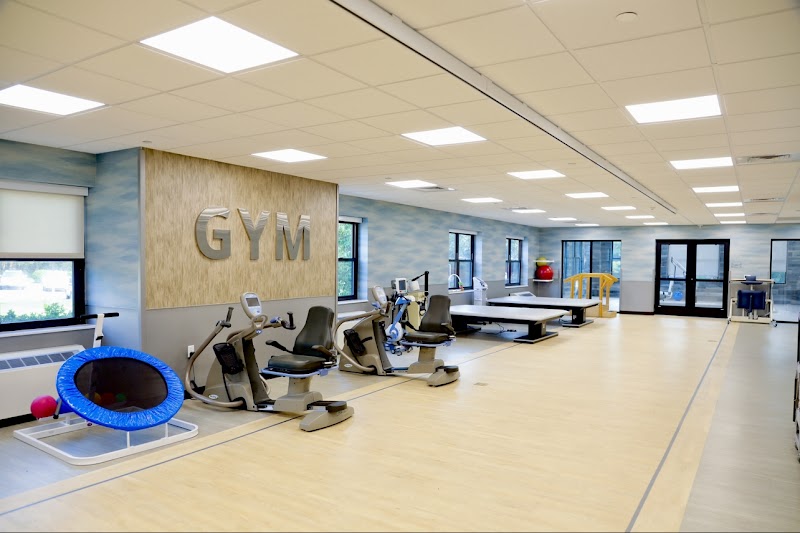
How is Aristacare At Manchester Staffed?

CMS rates ARISTACARE AT MANCHESTER's staffing level at 2 out of 5 stars, which is below average compared to other nursing homes. Staff turnover is 45%, compared to the New Jersey average of 46%. This relatively stable workforce can support continuity of care. RN turnover specifically is 59%, which is notably high. RNs provide skilled clinical oversight, so turnover in this role can affect medical care quality.

What Have Inspectors Found at Aristacare At Manchester?

State health inspectors documented 14 deficiencies at ARISTACARE AT MANCHESTER during 2021 to 2025. These included: 2 Immediate Jeopardy (the most serious level, indicating potential for serious harm or death), 2 that caused actual resident harm, 9 with potential for harm, and 1 minor or isolated issues. Immediate Jeopardy findings are rare and represent the most serious regulatory concerns. They require immediate corrective action.

Who Owns and Operates Aristacare At Manchester?

ARISTACARE AT MANCHESTER is owned by a for-profit company. For-profit facilities operate as businesses with obligations to shareholders or private owners. The facility is operated by ARISTACARE, a chain that manages multiple nursing homes. With 165 certified beds and approximately 146 residents (about 88% occupancy), it is a mid-sized facility located in MANCHESTER, New Jersey.
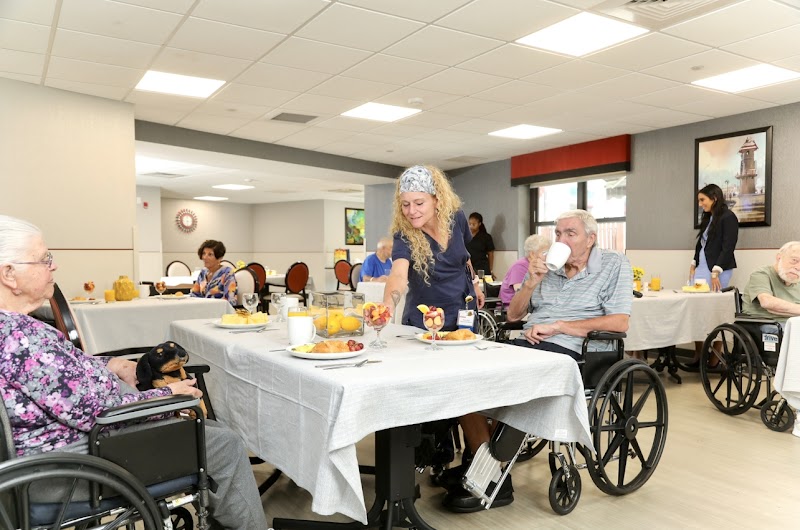
How Does Aristacare At Manchester Compare to Other New Jersey Nursing Homes?

Compared to the 100 nursing homes in New Jersey, ARISTACARE AT MANCHESTER's overall rating (3 stars) is below the state average of 3.3, staff turnover (45%) is near the state average of 46%, and health inspection rating (3 stars) is at the national benchmark.

What Should Families Ask When Visiting Aristacare At Manchester?

Based on this facility's data, families visiting should ask: "What changes have been made since the serious inspection findings, and how are you preventing similar issues?" "Can you walk me through typical staffing levels on day, evening, and night shifts?" "Can I visit during a mealtime to observe dining assistance and food quality?" "How do you handle medical emergencies, and what is your hospital transfer rate?" These questions are particularly relevant given the facility's Immediate Jeopardy citations and the below-average staffing rating.

Is Aristacare At Manchester Safe?

Based on CMS inspection data, ARISTACARE AT MANCHESTER has documented safety concerns. Inspectors have issued 2 Immediate Jeopardy citations (the most serious violation level indicating risk of serious injury or death). The facility has a 3-star overall rating and ranks #100 of 100 nursing homes in New Jersey. Families considering this facility should ask detailed questions about what corrective actions have been taken since these incidents.

Do Nurses at Aristacare At Manchester Stick Around?

ARISTACARE AT MANCHESTER has a staff turnover rate of 45%, which is about average for New Jersey nursing homes (state average: 46%). Moderate turnover is common in nursing homes, but families should still ask about staff tenure and how the facility maintains care continuity when employees leave.

Was Aristacare At Manchester Ever Fined?

ARISTACARE AT MANCHESTER has been fined $157,543 across 2 penalty actions. This is 4.5x the New Jersey average of $34,654. Fines at this level are uncommon and typically indicate a pattern of serious deficiencies, repeated violations, or failure to correct problems promptly. CMS reserves penalties of this magnitude for facilities that pose significant, documented risk to resident health or safety. Families should request specific documentation of what issues led to these fines and what systemic changes have been implemented.

Is Aristacare At Manchester on Any Federal Watch List?

ARISTACARE AT MANCHESTER is not on any federal watch list. The most significant is the Special Focus Facility (SFF) program, which identifies the bottom 1% of nursing homes nationally based on persistent, serious quality problems. Not being on this list means the facility has avoided the pattern of deficiencies that triggers enhanced federal oversight. This is a positive indicator, though families should still review the facility's inspection history directly.