COMPLETE CARE AT MADISON, LLC
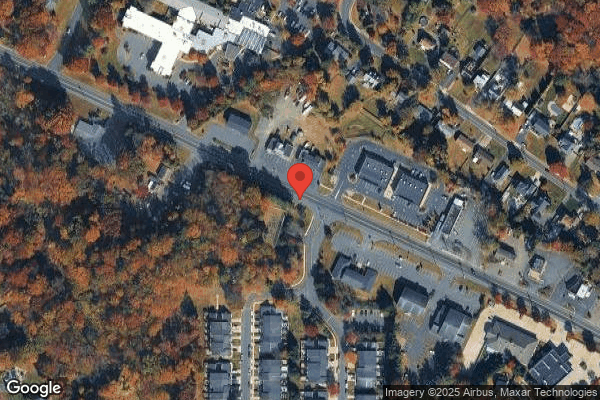
625 STATE HIGHWAY 34, MATAWAN, NJ 07747 (732) 566-6400
For profit - Corporation 167 Beds COMPLETE CARE Data: November 2025
Trust Grade
70/100
#116 of 344 in NJ
Last Inspection: August 2024

Within standard 12-15 month inspection cycle. Federal law requires annual inspections.

Overview

Complete Care at Madison, LLC has a Trust Grade of B, indicating it is a good choice among nursing homes, with solid overall performance. It ranks #116 out of 344 facilities in New Jersey, placing it in the top half, and #15 out of 33 in Monmouth County, meaning only one local option is better. However, the facility is worsening, with reported issues increasing from 2 in 2023 to 9 in 2024. Staffing is average with a turnover rate of 40%, slightly below the state average, and it has no fines on record, which is a positive sign. On the downside, there have been specific concerns, such as failures to properly store potentially hazardous foods, which could lead to food-borne illnesses, and issues with the accountability of narcotics, suggesting lapses in medication management. Additionally, timely psychiatric recommendations for a resident with bipolar disorder were not followed, potentially affecting their treatment. Overall, while there are strengths in staffing and no fines, families should weigh these concerns carefully when considering this facility.

Trust Score
B
70/100
In New Jersey
#116/344
Top 33%
Safety Record
Low Risk
No red flags
Inspections
Getting Worse
2 → 9 violations
Staff Stability
○ Average
40% turnover. Near New Jersey's 48% average. Typical for the industry.
Penalties
✓ Good
No fines on record. Clean compliance history, better than most New Jersey facilities.
Skilled Nurses
○ Average
Each resident gets 31 minutes of Registered Nurse (RN) attention daily — about average for New Jersey. RNs are the most trained staff who monitor for health changes.
Violations
⚠ Watch
22 deficiencies on record. Higher than average. Multiple issues found across inspections.
★★★★☆
4.0
Overall Rating
★★★☆☆
3.0
Staff Levels
★★★★★
5.0
Care Quality
★★★☆☆
3.0
Inspection Score
Stable
2023: 2 issues
2024: 9 issues

The Good

  • 5-Star Quality Measures · Strong clinical quality outcomes
  • Full Sprinkler Coverage · Fire safety systems throughout facility
  • No fines on record
  • Staff turnover below average (40%)

    8 points below New Jersey average of 48%

Facility shows strength in quality measures, fire safety.

The Bad

Staff Turnover: 40%

Near New Jersey avg (46%)

Typical for the industry

Chain: COMPLETE CARE

Part of a multi-facility chain

Ask about local staffing decisions and management

The Ugly 22 deficiencies on record

Aug 2024 9 deficiencies
CONCERN (D)

Potential for Harm - no one hurt, but risky conditions existed

Deficiency F0557 (Tag F0557)

Could have caused harm · This affected 1 resident

Based on interview and observation, it was determined that the facility failed to a.) ensure staff did not use their cell phones in resident care areas and while performing resident care; and b.) ensu...

Read full inspector narrative →
Based on interview and observation, it was determined that the facility failed to a.) ensure staff did not use their cell phones in resident care areas and while performing resident care; and b.) ensure staff did not speak in a non-English language while rendering care to English-speaking residents. This deficient practice was identified by 4 of 4 residents during the Resident Council group meeting (Resident #9, #14, #57, and #79) and evidenced by the following: On 8/21/24 at 10:02 AM, the surveyor conducted a resident group meeting with four residents who were alert and oriented and selected by the facility to attend the group meeting. All four residents complained that staff, both certified nursing aides (CNAs) and nurses were on their phones and some spoke in a foreign language on the phone when providing resident care. Resident #14 and Resident #57 stated that nurses were on their bluetooth earpieces on the phone when preparing and administering medications, and they both were given incorrect medications that they refused to take. All four residents agreed it was an issue, and the facility was aware of it, but nothing was done. All four residents felt that since COVID, there have been staffing shortages, so the facility let the staff in the facility do whatever they wanted with no repercussions. On 8/21/24 at 11:59 AM, the surveyor interviewed the facility's Social Worker (SW), who stated that residents have complained about staff on their cell phones, and she conducted formal education as well with staff. The SW stated that staff was not to be on their cell phone. At that time, the surveyor requested a copy of the facility's cell phone policy and inservice conducted. On 8/21/24 at 12:25 PM, the surveyor observed CNA #1 in the hallway with a bluetooth earpiece in her ear. The surveyor did not observe CNA #1 actively in a phone conversation. On 8/21/24 at 1:03 PM, the surveyor reviewed the Inservice 7/25/24, provided by the SW, which included no cell phone, headphones or ear buds allowed on the floor; must use in breakroom, and only speak English around English-speaking residents. On 8/26/24 at 10:18 AM, the surveyor interviewed the Licensed Nursing Home Administrator (LNHA), who stated staff were reminded to speak in English in resident care areas and resident rooms. The LNHA stated that staff were expected to not use personal phones in resident care areas, as well as staff should not be using bluetooth earpieces, even if they were not providing resident care. The LNHA stated there were no cell phones allowed on the floor or during care because it was disrespectful to the residents. On 8/27/24 at 9:50 AM, the Acting Director of Nursing (DON) in the presence of the LNHA and survey team, stated that the residents had a concern with staff cell phone usage that the LNHA addressed in July. The LNHA acknowledged it was still a concern. The surveyor asked if the facility disciplined staff for using their cell phones, and the LNHA stated not since the meeting but the facility had in the past. The surveyor asked what happened to the staff who was found using their phone, and the LNHA stated the facility only suspended staff during investigations for abuse, and the staff would be written up for a cell phone. The surveyor requested a copy of any staff write-ups for cell phone usage. No additional information was provided. A review of the facility's Resident Rights policy dated updated April 2024, included federal and state laws guarantee certain basic rights to all residents of this facility. These rights include resident's right to include but not limited to: .to be treated with respect, kindness, and dignity .have facility respond to his or her grievances . A review of the untitled facility provided policy dated January 2022 Edition, included Personal Electronic Device .workplace use of these devices can raise a number of issues involving safety, security, and privacy .employees should conduct personal business during meal breaks and other rest periods. This includes the use of personal communication devices .violation of this policy may result in discipline, up to and including termination of employment. NJAC 8:39-4.1(a)12
CONCERN (D)

Potential for Harm - no one hurt, but risky conditions existed

Transfer Requirements (Tag F0622)

Could have caused harm · This affected 1 resident

**NOTE- TERMS IN BRACKETS HAVE BEEN EDITED TO PROTECT CONFIDENTIALITY** Based on interview and review of pertinent facility documents, it was determined that the facility failed to document complete a...

Read full inspector narrative →
**NOTE- TERMS IN BRACKETS HAVE BEEN EDITED TO PROTECT CONFIDENTIALITY** Based on interview and review of pertinent facility documents, it was determined that the facility failed to document complete and appropriate information on the New Jersey Universal Transfer Form (UTF) to communicate with the emergency room (ER) where a resident was being transferred, or to have a policy and procedure for UTF. This deficient practice was identified for 1 of 2 residents reviewed for hospitalization (Resident #100), and was evidenced by the following: Reference: NJ.gov: https://www.nj.gov/health/forms/hfel-7instr_1.pdf: INSTRUCTIONS FOR COMPLETING THE NEW JERSEY UNIVERSAL TRANSFER FORM dated [DATE], The purpose of the New Jersey Universal Transfer Form: A form that communicates pertinent, accurate clinical patient care information at the time of a transfer between health care facilities/programs. It conveys the patient information required under federal regulations and conveys specific facts that the physician and nurse need to begin caring for a patient. The word patient is used throughout the form, but refers to resident/client or the terminology used by a specific facility or program. Complete all boxes #1 - 29. On 8/27/24 at 10:30 AM, the surveyor reviewed the medical record for Resident #100. A review of the admission Record face sheet (an admission summary) revealed the resident had diagnoses which included but were not limited to; unspecified psychosis, depressive disorder, and somatoform (health related anxiety and mental disorder) disorder. A review of the most recent quarterly Minimum Data Set (MDS), an assessment tool dated 6/19/24, reflected the resident had a brief interview for mental status (BIMS) score of 5 out of 15, indicating a severe cognitive impairment. A further review of Active Diagnoses included non-Alzheimer's dementia, depression, and schizophrenia. A review of the Order Summary Report for 7/1/24 to 7/30/24, the physician's order (PO) dated 7/23/24, for contact and droplet precautions . for diagnosis of COVID-19. A review of the individualized comprehensive care plan (ICCP) included but not limited to the focus areas of ; Advanced Directives Full code; potential to be verbally aggressive . threaten staff with physical harm with interventions which included, when [Resident # 100] became agitated: intervene before agitation escalates [ .]; an elopement risk/wanderer; a fall risk and as having had an actual fall 6/11/24; dated 7/23/24, requires isolation precautions related to COVID-19 with an intervention to educate staff, resident, family and visitors .of precautions. A review of the Progress Note (PN) dated 7/23/24 at 9:35 AM, indicated Resident #100 had begun shouting, get me an ambulance; resident became agitated and pounding fists into nursing station. The nurse called emergency services, and the resident was taken to [name redacted] hospital emergency room via ambulance. A review of the PN dated 7/23/24 at 6:43 PM, revealed that Resident #100 had returned to the facility. A review of the PN dated 7/24/24 at 7:24 AM, indicated Resident #100 was uncooperative, unable to be redirected, using vulgar language and threatening staff with physical abuse and expressing intent to elope the secured unit. Resident was placed on one-to-one observation. A review of the PN dated 7/24/24 at 11:18 AM, the Social Worker documented that Resident #100 still had behaviors of threatening staff, assault them and threatening to kill them and threatening to break the window to escape. Resident was transported to the Emergency Room. A review of the two UTFs, which documented on the top of the form Items 1 - 29 must be completed revealed the following: The first undated form revealed the reason for transfer as danger to others and self, elopement risk and the following areas were left blank: #2 date and time; #6 code status; #9 primary diagnosis including mental health diagnosis (if applicable); #12 isolation precautions with option for none; #18 personal items sent with patient with option for none; #20 at risk alerts with option for none; #21 mental status; #22 PASRR (pre-admission screening and resident review which indicates mental illness status); #23 function with option self; #25 bowels; #26 bladder; #27 no phone number of the facility sending the resident out for evaluation; and #29 who completed the UTF form. The first UTF indicated that only Resident #100's Face Sheet was attached and no other documents. The second undated form revealed the following areas were left blank: #1 transfer to what facility; #2 time of transfer; #6 code status; #8 reason for transfer; #9 primary diagnosis; #12 isolation precautions with option for none; #18 personal items sent with patient with options for none; #19 attached documents; #22 PASRR; #27 sending facility contact information; and #29 who completed the UTF form. On 8/26/24 at 11:13 AM, the surveyor interviewed the Infection Preventionist/Licensed Practical Nurse (IP/LPN), who stated if a resident was being sent out to the hospital, the staff completed the transfer form [UTF]. The IP/LPN further stated that the staff informed the transport staff verbally and that it was important in case the [hospital] staff did not get to the resident right away. On 8/26/24 at 1:05 PM, the surveyor interviewed the Licensed Nursing Home Administrator (LNHA), who stated that the facility had no policy or procedure for the staff to follow regarding the use of the UTF. The surveyor reviewed the two undated UTFs with the LNHA, who stated that the staff did not have to fill out all areas of the form regardless of the instructions on the form, but to just to fill out only relevant areas. On 8/27/24 at 9:50 AM, the LNHA in the presence of the Acting Director of Nursing (DON) and survey team stated that the medical records department, or the unit clerk were responsible to upload the UTF to the electronic medical record, but that was not done immediately. At that time, the Acting DON stated that the nurse who was sending the resident out was to ensure the UTF was completed prior to the resident leaving. A review of the facility provided policy, Transfer or Discharge, Emergency dated revised 12/1/22, .4.d. Prepare a universal transfer form to send with the resident . NJAC 8:39-4.1(a)31
CONCERN (D) 📢 Someone Reported This

A family member, employee, or ombudsman was alarmed enough to file a formal complaint

Potential for Harm - no one hurt, but risky conditions existed

Deficiency F0657 (Tag F0657)

Could have caused harm · This affected 1 resident

Deficiency Text Not Available

Read full inspector narrative →
Deficiency Text Not Available
CONCERN (D) 📢 Someone Reported This

A family member, employee, or ombudsman was alarmed enough to file a formal complaint

Potential for Harm - no one hurt, but risky conditions existed

Deficiency F0658 (Tag F0658)

Could have caused harm · This affected 1 resident

**NOTE- TERMS IN BRACKETS HAVE BEEN EDITED TO PROTECT CONFIDENTIALITY** Complaint NJ #: 163699; 172074 Based on observation, interview, and review of facility documents, it was determined that the fac...

Read full inspector narrative →
**NOTE- TERMS IN BRACKETS HAVE BEEN EDITED TO PROTECT CONFIDENTIALITY** Complaint NJ #: 163699; 172074 Based on observation, interview, and review of facility documents, it was determined that the facility failed to follow professional standards of clinical practice with respect to a.)administering pain medications as ordered for a resident with chronic pain (Resident #48); b.) increasing the dose of two medications for a resident with post traumatic stress disorder in accordance with the physician's orders (Resident #225); c.) following a physician's order for no adhesive tape to a gastronomy feeding tube site (Resident #68); and c.) following their Outbreak Plan and Isolation policy and procedures by not notifying emergency transport staff and receiving facility staff of a resident's isolation precaution status upon the resident's (Resident #100) transfer to the emergency room (ER). This deficient practice was identified for 4 of 38 resident reviewed for professional standards of practice. Reference: New Jersey Statutes Annotated, Title 45, Chapter 11. Nursing Board. The Nurse Practice Act for the State of New Jersey states: The practice of nursing as a licensed practical nurse is defined as performing tasks and responsibilities within the framework of case finding; reinforcing the patient and family teaching program through health teaching, health counseling and provision of supportive and restorative care, under the direction of a registered nurse or licensed or otherwise legally authorized physician or dentist. The surveyor reviewed the policy titled, Administering Medications, the policy had a revision date of 10/2023. The policy statement indicated that medications shall be administered in a safe and timely manner and as prescribed. Number 2 of policy interpretation indicated that medications must be administered in accordance with the orders, including any required timeframe. Number 9 indicated that if a drug is withheld, refused, or given at another time other than scheduled the individual administering the medication will document in the medication administration record. The was evidence was as follows: 1. On 8/21/24 at 9:21 AM, during the 9:00 AM medication pass for Resident #48, the resident asked the Licensed Practical Nurse (LPN #1) why they did not receive their 6:00 AM dilaudid (a drug used to treat moderate to severe pain). The nurse stated she was unsure and would investigate the issue. LPN #1 asked the resident what their pain level was, and the resident responded, seven. (On the numeric pain scale pain of a seven was severe pain.) The surveyor then reviewed the narcotic book with LPN #1 for Resident #48 medications and the last dilaudid was signed out as removed from the cart on 8/20/24 at 12:00 PM. The surveyor then observed LPN #1 do an inventory count of the dilaudid tablets, and it was accurate with the narcotic book meaning no pills were removed after the dose on 8/20/24 at 12:00 PM. On 8/21/24 at 10:10 AM, the surveyor reviewed the medical record for Resident #48. A review of the admission Record face sheet (an admission summary) reflected the resident was admitted to the facility with diagnoses that included but were not limited to; multiple myeloma (cancer in the bone marrow) and a back fracture. A review of the most recent comprehensive Minimum Data Set (MDS), an assessment tool dated 7/9/24, reflected the resident had a brief interview for mental status (BIMS) score of a 15 out of 15, which indicated a fully intact cognition. A further review revealed the resident was on a scheduled pain regimen. A review of the Medication Administration Record (MAR) revealed the dilaudid scheduled for 8/21/24 at 6:00 AM, the nurse documented it was administered. A review of the Order Summary Report included a physician's order (PO) dated 8/1/24, for dilaudid 4 milligram (mg) oral tablet; to give 1 tablet by mouth three times a day for chronic pain. A review of the individualized comprehensive care plan (ICCP) included the following focus areas: A focus area dated 5/5/22, that the resident used a back brace for support related to pain with an intervention that included to assess for pain every shift. A focus area dated 4/13/21, that the resident had chronic pain related to cancer, chronic pain, and multiple spine compression fractures. Interventions included to administer pain medication as per orders; give 1/2 hour before treatments or care; administer my pain medications per orders and notify the physician if goal was not met with regimen; anticipate the resident's need for pain relief and respond immediately to any complaint of pain; and assess my medications and adjust as needed. On 8/22/24 at 11:00 AM, surveyor interviewed the Acting Director of Nursing (DON) regarding the resident not receiving their dilaudid at 6:00 AM. The Acting DON stated that the resident was sleeping, and the nurse did not want to wake them up, and the nurse meant to sign as not given but she forgot. The Acting DON stated that the facility was going to change the dilaudid's scheduled time so the resident would not need to be woken up. 2. On 8/19/24 at 10:55 AM, during the initial tour of the facility, the surveyor observed Resident #225 in their room in bed. The resident informed the surveyor that the facility ran out of medications sometimes, For one or two days and I don't get my medicine. The resident was not able to tell the surveyor which medications. On 8/22/24 at 10:15 AM, the surveyor reviewed the medical record for Resident #225. A review of the admission Record face sheet reflected the resident was admitted to the facility with diagnoses which included but were not limited to; subdural hemorrhage (a bleed in the brain), chronic obstructive pulmonary disease (group of lung diseases that block airflow and make breathing difficult), post-traumatic stress disorder (mental condition that develops after someone experiences or witnesses a terrifying or stressful event), anxiety disorder, and depressive disorder. A review of the most recent comprehensive Minimum Data Set (MDS) dated [DATE], that the resident had a BIMS score of 15 out of 15, which meant a fully intact cognition. A review of the August 2024 MAR revealed that the resident had POs dated 8/21/24, for mirtazapine 15 mg tablet; give one tablet by mouth every bedtime for depression and a PO dated 8/21/24, for prazosin 2 mg capsules; give two capsules by mouth every night at bedtime for post-traumatic stress disorder. A review of the Order Summary Report revealed that the PO dated 7/22/24, for mirtazapine 15 mg tablets at bedtime was discontinued on 8/21/24 at 8:23 PM, and a new order for mirtazapine 30 mg at bedtime was ordered to start on 8/21/24 at 10:00 PM. Further review of the physician orders revealed prazosin was increased by the physician from 2 mg to 4 mg at bedtime on 8/21/24 at 8:23 PM, with an order start time of 8/21/24 at 10:00 PM. A review of the corresponding MAR revealed that the medications were not signed as administered by the nurse on 8/21/24. On 8/22/24 at 11:11 AM, the surveyor interviewed Resident #225, who stated they did not get their medications last night like the physician ordered and stated, I have post-traumatic stress disorder. On 8/22/24 at 12:20 PM, the surveyor reviewed the resident's ICCP which included a focus area dated 8/5/24, that the resident used psychotropic medications related to the disease process and had a mood, anxiety, and depressive disorder. On 8/22/24 at 12:25 PM, the surveyor interviewed the Acting DON regarding the resident not receiving the medications, and the Acting DON confirmed that the resident should have received the medications when the order was changed. On 8/22/24 at 12:33 PM, the surveyor conducted a telephone interview with the resident's Physician, who stated that the Psychiatric Nurse Practitioner (Psych NP) made recommendations that they did not agree was best for the resident. The Physician stated that he decided to enter his own orders, which the surveyor confirmed he entered on 8/21/24 at 8:23 PM. The Physician confirmed he wanted the new orders to start that evening. On 8/22/24 at 1:15 PM, the Acting DON provided the surveyor with Progress Notes which revealed the nurse spoke to the Physician on 8/21/24 at 5:29 PM, and that the Physician told the nurse that he would be entering his own orders into the computer. The resident was notified of the Physician's decision at that time. On 8/27/24 at 9:50 AM, the surveyor interviewed the Acting DON regarding Resident #225's medication change, and the Acting DON stated that the supervisor spoke with the Physician and the Physician entered the order, but the order was not confirmed by the nurse until 8/22/24 at 1:00 AM. The surveyor asked the Acting DON if the nurse who was aware of the upcoming change should have followed up with the orders, and the Acting DON confirmed yes. 3. On 8/19/24 at 11:18 AM, the surveyor observed Resident #68 sitting in their wheelchair in the dayroom during activities. At that time, the Resident's Representative (RR) who was with Resident #68, informed the surveyor that the facility's nurses did not communicate with each other. The RR stated that they visited the resident daily, and a few times a week, they noticed adhesive tape on the resident's abdomen for their gastronomy tube (g-tube, a feeding tube surgically inserted into the stomach to provide nutrition). The RR stated the resident could not use adhesive tape because it made their skin break out in a rash. The RR stated there was tape on the resident's stomach this morning when they arrived, and they had to remove it. On 8/22/24 at 10:08 AM, the surveyor reviewed the medical record for Resident #68. A review of the admission Record face sheet (an admission summary) reflected the resident was admitted to the facility with diagnoses which included Parkinson's disease; dementia; generalized anxiety disorder; failure to thrive (syndrome of weight loss, decreased appetite and nutrition); major depressive disorder, and bipolar. A review of the most recent quarterly Minimum Data Set (MDS), an assessment tool dated 7/1/24, reflected the resident had a brief interview for mental status (BIMS) score of a 3 out of 15, which indicated a severely impaired cognition. A further review included the resident had a feeding tube (g-tube) which they received greater than 51% of their daily calories and over 501 milliliters (mL) of fluids via the g-tube. A review of the Medication Review Report (MRR) included a physician's order (PO) dated 3/15/24, to cleanse the g-tube with normal saline solution and cover with a four by four (4 x 4) drain sponge (gauze) daily. Do not use tape on skin. On 8/22/24 at 12:30 PM, the surveyor observed Resident #68 sitting in the dining room with the RR. At that time, the RR informed the surveyor that there was adhesive tape on the resident's abdomen, and they pulled up the resident's shirt to show the surveyor. The surveyor asked if they could go back to the resident's room to show the nurse, and the RR stated yes. On 8/22/24 at 12:35 PM, the surveyor asked the Unit Manager/Licensed Practical Nurse (UM/LPN #1) to accompany them to the Resident #68's room and look if the resident had adhesive tape on their abdomen. UM/LPN #1 with the resident's permission observed the resident's abdomen, and confirmed there was adhesive tape and removed it. The RR at that time stated that the Gastrointestinal (GI) Physician did not want adhesive tape on the resident's stomach because it caused a rash. The RR stated that the GI Physician instructed that the gauze should have been wrapped around the tube and not taped to the abdomen. On 8/22/24 at 12:45 PM, UM/LPN #1 provided the surveyor with the GI consultation dated 3/12/24, which she stated that the GI Physician only recommended limit use of tape with dressing and the GI Physician did not indicate no tape. The surveyor asked if the PO indicated do not tape, and UM/LPN #1 confirmed it did. The surveyor asked if the nurses were expected to follow the PO's as written, and UM/LPN #1 confirmed yes. On 8/22/24 at 1:03 PM, the surveyor interviewed Resident #68's nurse for the day, the Licensed Practical Nurse (LPN #2), who stated she was an Agency nurse, and it was her first day on the unit. LPN #2 stated when she arrived at the unit today, she was informed the resident's treatment was done, and she observed the dressing looked clean, so she did not touch it. LPN #2 stated she was unaware the dressing should not have adhesive tape until someone brought it to her attention when the RR informed them. On 8/22/24 at 1:15 PM, the surveyor continued to review the medical record. A review of the Progress Notes included a Nurse Practitioner (NP) note dated 3/15/24 at 1:00 PM, which the NP noted that the resident's skin at their g-tube site was red and irritated from the adhesive tape. The NP ordered to not use adhesive tape on the skin. On 8/22/24 at 1:52 PM, the surveyor interviewed the Acting DON who stated nurses were expected to carry out a physician's order as written. The Acting DON confirmed the nurse should not have used adhesive tape on the resident's g-tube site. A review of the facility's Administering Medications policy dated updated October 2023, included medications must be administer in accordance with orders, including the required timeframe .if a drug is withheld, refused, or given at another time other than the scheduled time, the individual administering the medication will document in medication administration record . 4. A review of the facility provided, Policy for Emergent Infectious Diseases [EID] (COVID-19) Outbreak Plan V10 dated updated 1/1/24, included but was not limited to; Goal: to protect residents, families, and staff from .exposure to an emergent infectious disease while they are in our care center. 2. Local Threat: . d. staff will be educated on the exposure risks, symptoms, and prevention of the EID . 3. Suspected case in the care facility: g. implements the isolation protocol .please refer to (Isolation-Categories of Transmission-Based Precautions). A review of the facility provided policy, Isolation-Categories of Transmission-Based Precautions revised/reviewed 1/2024, included but was not limited to; Policy Interpretation and Implementation: 1. Transmission-based Precautions will be used whenever measure more stringent than Standard Precautions are needed to prevent or control the spread of infection. Contact Precautions: 6 Resident Transport b. If the resident is transported . to another facility, the Infection Preventionist (or designee) will notify the unit or facility of the type of precautions the resident is on and the resident's suspected or confirmed type of infection. The facility is also responsible for notifying transport staff of residents that require special care due to infectious conditions. Droplet Precautions: 5 Resident Transport c. If the resident is transported . to another facility, the Infection Preventionist (or designee) will notify the unit or facility of the type of precautions the resident is on and the resident's suspected or confirmed type of infection. The facility is also responsible for notifying transport staff of residents that require special care due to infectious conditions. On 8/26/24 at 10:38 AM, the Infection Preventionist/LPN (IP/LPN) reviewed the facility's Line Listing (LL) with the surveyor. The IP/LPN revealed that residents who were COVID-19 positive would be noted on the LL and that contact tracing would be performed to evaluate if additional residents, staff, or visitors may have been exposed to COVID-19. Upon reviewing the provided information, the surveyor noted that Resident #100 had tested positive for COVID-19 on 7/23/24, and was the only resident listed as having had gone to the hospital with the comments documented, not COVID related. A review of the electronic Progress Notes (PN) included the following: A PN dated 7/23/24 at 9:35 AM, documented that Resident #100 was threatening, shouting, and attempting to elope and was transported to [name redacted] hospital. On the same date at 5:30 PM, that the resident returned from the hospital and was COVID-19 positive. A PN dated 7/24/24 at 10:18 AM, documented that Resident #100 was uncooperative, using vulgar language and threatening staff. On the same date at 11:18 AM, the resident was transported to [name redacted] hospital for evaluation. The resident was transported by two transporters at 12:20 PM. Resident #100 was admitted to the hospital. The next PN in the medical record was dated 7/30/24 at 10:00 PM, when the resident was readmitted to the facility. There was no evidence in the PN's that the facility informed the medical transporters or receiving hospital that Resident #100 required transmission-based precautions for COVID-19. A review of the New Jersey Universal Transfer Form dated 7/24/24, item #12 isolation/precaution was left blank. Item #19 Attached Documents which included items such as physicians orders, was left blank. A review of Resident #100's medical record admission Record printed 8/27/24, revealed the resident had diagnoses which included but were not limited to; depression, dementia, and psychosis. The list of diagnoses failed to include COVID-19 onset date of 7/23/24. A review of the most recent quarterly MDS dated [DATE], reflected the resident had a BIMS score of 5 out of 15, indicating Resident #100 had severe cognitively impairment. A review of the Order Summary Report revealed an order dated 7/23/24, that the resident was on contact and droplet precautions [ .] for diagnosis of COVID-19. A review of the ICCP included a focus area that the resident required isolation precautions specifically related to COVID-19 with interventions which included to educate staff, resident, family and visitors of COVID-19 signs and symptoms and precautions. On 8/26/24 at 11:13 AM, the surveyor interviewed the IP/LPN, who stated if a resident was going to the hospital, that the staff filled out the Universal Transfer Form and wrote isolation precautions on the form. The IP/LPN also stated that the staff called the hospital with a report, and they verbally informed the transport staff. The IP/LPN confirmed it was important to document in case the receiving staff did not get to the resident right away in the hospital. On 8/27/24 at 10:57 AM, the surveyor asked the IP/LPN and Acting DON in the presence of the survey team, about informing the transporters and receiving hospital regarding Resident #100 being COVID-19 positive. The Acting DON stated if it was not documented that it was reported to transport and the hospital staff that the resident was COVID-19 positive, it was not done. She further stated COVID-19 positive results should be documented on the New Jersey Universal Transfer Form to ensure whoever receives the resident was aware. The Acting DON stated that if the COVID-19 positive status was not conveyed, it could spread the infection. On 8/27/24 at 11:21 AM, the IP/LPN stated that the COVID-19 precautions were on the physician's orders, but she could not provide any documentation that transport or anyone at the receiving hospital was made aware that Resident #100 was COVID-19 positive. No additional information was provided. NJAC 8:39-11.2, 27.1, 29.2
CONCERN (D) 📢 Someone Reported This

A family member, employee, or ombudsman was alarmed enough to file a formal complaint

Potential for Harm - no one hurt, but risky conditions existed

Deficiency F0761 (Tag F0761)

Could have caused harm · This affected 1 resident

Based on observation, interview, and review of pertinent facility documents, it was determined that the facility failed to properly store medication. This deficient practice was identified in 3 of 3 m...

Read full inspector narrative →
Based on observation, interview, and review of pertinent facility documents, it was determined that the facility failed to properly store medication. This deficient practice was identified in 3 of 3 medication carts inspected, and was evidenced by the following: On 8/26/24 at 9:55 AM, the surveyor, in the presence of the Registered Nurse (RN), inspected the B-Wing nursing unit's Medication Cart #2 and observed two unidentifiable, loose medication pills of varying shapes, color, and size in the bottom of the drawer containing the medication blister packages. At that time, the RN confirmed that there should be no loose pills in the medication cart, and that the nurses assigned to the cart were responsible for maintaining the organization and cleanliness of the cart and its contents. On 8/26/24 at 10:37 AM, the surveyor, in the presence of the Unit Manager/Licensed Practical Nurse (UM/LPN), inspected the C-Wing nursing unit's Medication Cart #1 and observed nineteen unidentifiable, loose medication pills of various colors, shapes, and sizes in the bottom of the drawer containing the medication blister packages. At that time, the UM/LPN confirmed that there should never be any loose pills in the medication cart, and that the nurses assigned to the cart were responsible for maintaining the organization and cleanliness of the cart and its contents. On 8/26/24 at 11:11 AM, the surveyor, in the presence of the Licensed Vocational Nurse (LVN), inspected the A-Wing nursing unit's Medication Cart #1 and observed six unidentifiable, loose medication pills of various colors, shapes, and sizes in the bottom of the drawer containing the medication blister packages. At that time, the LVN confirmed that there should never be any loose pills in the medication cart, and that the nurses assigned to the cart were responsible for maintaining the organization and cleanliness of the cart and its contents. On 8/26/24 at 12:22 PM, the surveyor interviewed the Acting Director of Nursing (DON), who stated all medications should be stored in the packaging in which it was received, and that there should be no loose pills in the medication carts. A review of the facility's Medication Storage policy dated reviewed January 2024, included the facility shall store all medication and biologicals in a safe, secure, and orderly manner .medications and biologicals shall be stored in the packaging, containers, or other dispensing system in which they are received . NJAC 8:39-29.4
CONCERN (D) 📢 Someone Reported This

A family member, employee, or ombudsman was alarmed enough to file a formal complaint

Potential for Harm - no one hurt, but risky conditions existed

Deficiency F0825 (Tag F0825)

Could have caused harm · This affected 1 resident

Complaint NJ #: 172074 Based on observation, interview, and review of pertinent facility documents, it was determined the facility failed to provide Speech Therapy services to a resident in a timely m...

Read full inspector narrative →
Complaint NJ #: 172074 Based on observation, interview, and review of pertinent facility documents, it was determined the facility failed to provide Speech Therapy services to a resident in a timely manner. This deficient practice was identified for 1 of 1 resident reviewed for rehabilitation (Resident #226), and was evidenced by the following: On 8/19/24 at 11:04 AM, during the initial tour of the facility, the surveyor observed Resident #226 in their room in bed. The surveyor asked the resident if they were receiving speech, physical, or occupational therapy and the resident stated not yet, but that was the plan. On 8/19/24 at 1:00 PM, the surveyor reviewed the medical record for Resident #226. A review of the admission Record face sheet (an admission summary) reflected that the resident was admitted to the facility with diagnoses which included but not limited to; hemiplegia (paralysis of one side of the body), cerebral vascular accident (damage to the brain from an interruption of blood), hypertension (high blood pressure), and gastrostomy tube (a feeding tube (FT) into the stomach for artificial feeding). A review of the most recent comprehensive Minimum Data Set (MDS), an assessment tool dated 5/7/24, reflected the resident had a brief interview for mental status (BIMS) score 7 out of 15, which indicated a severely impaired cognition. A further review revealed that the resident had upper and lower extremity impairment on one side, and they required maximum assistance for eating. A review of the Order Summary Report included the following physician's orders (PO) dated 7/27/24, for Occupational Therapy (OT), Speech Therapy (ST), and Physical Therapy (PT) evaluation and treatment as recommended. A further review included a PO dated 7/31/24, for aspiration precautions (practices that help prevent food, fluids, saliva, or foreign objects from entering a person's lungs) every shift. On 8/20/24 at 12:03 PM, the surveyor reviewed the therapy schedule from C-wing which included names and times of all therapies for the unit residents. Resident #226 was not on the therapy schedule. On 8/20/24 at 12:07 PM, the surveyor interviewed the Director of Rehabilitation (DPT), who stated she was a ST. The DPT stated that the resident did not receive physical therapy or occupational therapy yet because the family wanted to wait to get the resident a Botox injection. On 8/22/24 at 10:58 AM, the surveyor reviewed Resident #226's physician's orders which included the PO dated 7/27/24, for the ST evaluation. The surveyor asked the DPT why the resident did not receive the ordered ST evaluation, and the DPT responded that she needed to check if it was completed. On 8/22/24 at 11:03 AM, the DPT informed the surveyor that the ST evaluation was missed, and she would complete the evaluation on the resident at lunch today. The DPT could not speak to why the evaluation was not done at the time ordered, and the surveyor asked if the evaluation should have been a priority since the resident had oral feeds, a FT, and was on aspiration precautions and the DPT responded, yes. The surveyor asked the DPT what the facility's process was for receiving new therapy orders, and the DPT stated that the nurse informed her in morning meeting, and the nurse probably did not inform her of Resident #226's ST evaluation order. On 8/26/24 at 1:05 PM, the surveyor informed the Licensed Nursing Home Administrator (LNHA) and the Acting Director of Nursing (DON), in the presence of the survey team, their concern. The Acting DON acknowledged that the resident was received a ST evaluation after surveyor inquiry. A review of the facility's Tender Touch policy dated revised February 2020, included evaluations may be performed by licensed Physical, Occupational, and Speech therapists. Evaluations should be initiated within 24 hours of the order and completed within 48 hours as feasible . NJAC 8:39-37.1
CONCERN (D)

Potential for Harm - no one hurt, but risky conditions existed

Deficiency F0919 (Tag F0919)

Could have caused harm · This affected 1 resident

Based on observations and interviews, it was determined that the facility failed to ensure that the resident call bell system functioned by: a.) ensuring call bell light illuminated outside of the res...

Read full inspector narrative →
Based on observations and interviews, it was determined that the facility failed to ensure that the resident call bell system functioned by: a.) ensuring call bell light illuminated outside of the resident's room when pushed; b.) call bell system volume was set to a level to be heard; and c.) the call bell system accurately identified the room in need of assistance. This deficient practice was identified for 3 of 10 call bell lights tested and was evidenced by the following: On 8/21/24 at 1:45 PM, the surveyor in the presence of the Regional Maintenance Director (RMD) observed that Resident Room A-5 (door) call bell light did not illuminate outside of the resident's room when tested by the RMD. The call bell system identified the room incorrectly as 0222, and there was no audible notification at the nurse's station call bell system. On 8/21/24 1:46 PM, the surveyor in the presence of the RMD observed that Resident Room A-5 (window) call bell did not illuminate outside of the resident's room and did not register a signal at the nurse's station call bell system when tested by the RMD. On 8/21/24 at 1:48 PM, the surveyor in the presence of the RMD, observed that Resident Room A-4 (door) call bell did not illuminate outside of the resident's room and there was no audible notification at the nurse's station call bell system when tested by the RMD. On 8/21/24 at 1:49 PM, the surveyor in the presence of the RMD, observed that Resident Room A-4 (window) call bell did not illuminate outside of the resident's room and there was no audible notification at the nurse's station call bell system when tested by the RMD. On 8/21/24 at 2:00 PM, the surveyor in the presence of the RMD, observed that Resident Room A-30 call bell did illuminate outside of the resident's room and was properly identified at the nurse's station call bell system when tested by the RMD but there was no audible notification. Interview at the time of the observations, revealed that the Licensed Nursing Home Administrator (LNHA) confirmed that there was no audible notification. Upon further investigation of the call bell system, the LNHA discovered that the audible notification volume was turned all the way down on the call bell system and proceeded to raise the volume so that audible notification could be heard. On 8/22/24 at 11:10 AM, the surveyor interviewed the facility's Resident Call Bell System Vendor (RCBSV), who stated that they were in the process of updating the call bell system on the computer. The RCBSV stated that the updates were to correct the room identification displayed at the nurse's station, and they would stay and verify that the system was working properly before they left. The LNHA was notified of the deficient practice at the Life Safety Code exit conference on 8/22/24. NJAC 8:39-31.2(e); 31.8(c)9
CONCERN (E) 📢 Someone Reported This

A family member, employee, or ombudsman was alarmed enough to file a formal complaint

Potential for Harm - no one hurt, but risky conditions existed

Pharmacy Services (Tag F0755)

Could have caused harm · This affected multiple residents

Based on observation, interview, and review of pertinent facility documents, it was determined that the facility failed to a.) ensure the narcotic count was completed on multiple days and shifts for A...

Read full inspector narrative →
Based on observation, interview, and review of pertinent facility documents, it was determined that the facility failed to a.) ensure the narcotic count was completed on multiple days and shifts for August 2024 for 3 of 3 medication carts reviewed; b.) ensure accurate accountability for individual controlled medications for 3 of 3 medication carts reviewed; and c.) ensure the required Federal narcotic acquisition forms (DEA 222 forms) were dated and signed by the Medical Director as of the day it was submitted for filling for 1 of 1 forms provided. The deficient practice was evidenced by the following: 1. During medication storage review on 8/26/24 at 9:55 AM, the surveyor in the presence of the Registered Nurse (RN), reviewed the B-Wing nursing unit's Medication Cart #2's August 2024 Narcotic and Controlled Drug Sign-in Sheet (shift-to-shift accountability count sheet for controlled substance and narcotics (narc) signed by the incoming and outgoing nurses each shift) which revealed the following: The narcotic counts were blank for the incoming nurse Total # of Narcs for the following shifts: All shifts on: 8/1; 8/2; 8/5; 8/10; 8/13; 8/15; 8/16; 8/17; 8/18; and 8/23. For the day shift (7:00 AM to 3:00 PM) on: 8/3; 8/4; 8/6; 8/7; 8/11; 8/12; 8/14; and 8/26. For the evening shift (3:00 PM to 11:00 PM) on: 8/3; 8/6; 8/7; 8/8; 8/12; 8/14; 8/24; and 8/25. For the overnight shift (11:00 PM to 7:00 AM) on: 8/11; 8/12; 8/19; 8/20; 8/21; 8/22; 8/24; and 8/25. The narcotic counts were left blank for the outgoing Total # of Narcs for the following shifts: All shifts on: 8/1; 8/2; 8/5; 8/10; 8/13; 8/14; 8/15; 8/16; 8/17; 8/18; and 8/23. For the day shift on: 8/3; 8/4; 8/6; 8/7; 8/9; 8/11; 8/12; 8/20; and 8/26. For the evening shift on: 8/3; 8/6; 8/7; 8/8; 8/12; 8/22; 8/24; and 8/25. For the overnight shift on: 8/9; 8/11; 8/19; 8/21; 8/22; 8/24; and 8/25. Nursing signatures were missing for Incoming Nurse evening shift on 8/9 and Outgoing Nurse for 8/22 evening shift. A further review of the Individual Patient Controlled Substance Administration Record (declining inventory sheet; declining inventory log used to document individual resident-controlled substance administration) revealed the following: Resident #275's declining inventory sheet for oxycodone 10 milligram (mg), a pain medication, the nurse did not sign the dose for 8/20/24 at 5:25 PM. Resident #62's declining inventory sheet for morphine sulfate 100 mg/5 milliliter (mL), a pain medication, the nurse did not sign the dose for 8/18/24 at 9:00 PM and 8/19/24 at 10:00 PM. At that time, the RN confirmed that the narcotic shift-to-shift log and the declining inventory sheets were missing nurses' signatures and there should not be. On 8/26/24 at 10:37 AM, the surveyor in the presence of the Unit Manager/Licensed Practical Nurse (UM/LPN), reviewed the C-Wing nursing unit's Medication Cart #1's August 2024 Narcotic and Controlled Drug Sign-in Sheet which revealed the following: The narcotic counts were blank for the incoming nurse Total # of Narcs for the following shifts: All shifts on: 8/1; 8/2; 8/3; 8/4; 8/5; 8/6; 8/7; 8/8; 8/9; 8/10; 8/11; 8/12; 8/13; 8/14; 8/15; 8/16; 8/17; 8/18; 8/19; 8/20; 8/22; 8/23; and 8/25. For the day shift on: 8/24 and 8/26. For the evening shift on: 8/21. For the overnight shift on: 8/21. The narcotic counts were left blank for the outgoing Total # of Narcs for the following shifts: All shifts on: 8/1; 8/2; 8/3; 8/4; 8/5; 8/6; 8/7; 8/8; 8/9; 8/10; 8/11; 8/12; 8/13; 8/14; 8/15; 8/16; 8/17; 8/18; 8/19; 8/20; 8/22; 8/23; and 8/25. For the day shift on: 8/24. For the evening shift on: 8/21. For the overnight shift on: 8/21 and 8/24. Nursing signatures were missing for 8/25 Incoming Nurse evening and Outgoing Nurse evening shift. Further review of the Individual Patient Controlled Substance Administration Record revealed the following: Resident #46's declining inventory sheet for morphine sulfate solution 100 mg/5 mL was missing the date, time, and Nurse Administering signature for the fourth dose administered with a remaining balance of 28.5 mL. At that time, the UM/LPN acknowledged that there should be no missing signatures or documentation on any of the narcotic logs. On 8/26/24 at 11:11 AM, the surveyor in the presence of the Licensed Vocational Nurse (LVN), reviewed the A-Wing nursing unit's Medication Cart #1's August 2024 Narcotic and Controlled Drug Sign-in Sheet which revealed the following: The narcotic counts were blank for the # of count sheets for the following shifts: For the day shift on: 8/12; and 8/25. For the evening shift on: 8/5; 8/11; and 8/25. For the overnight shift on: 8/1; 8/2; 8/4; 8/5; 8/8; 8/10; 8/11; 8/12; 8/15; 8/21; 8/24; and 8/25. The column labeled is count correct? was blank on the following shifts: For the evening shift on: 8/25. For the overnight shift on: 8/5; 8/9; 8/15; 8/22; and 8/23. Nurse's Signature Going off Duty was blank for 8/24 day shift and pre-signed for 8/26 evening shift. Further review of the Individual Patient Controlled Substance Administration Record revealed the following: Resident #11 declining inventory sheet for alprazolam 0.5 mg (a medication used to treat anxiety) was missing the Nurse Administering signature for the dose administered on 8/5/24 at 9:00 AM, and the 8/26/24 at 10:00 AM dose the LVN administered. Resident #70's declining inventory sheet for clonazepam 1 mg (seizure medication) was not signed by the LVN for the dose administered on 8/26/24 at 9:00 AM. Resident #28's declining inventory sheet for lorazepam 0.5 mg (seizure medication) was not signed by the LVN for the dose administered on 8/26/24 at 9:00 AM. At that time, the LVN acknowledged that there should be no missing documentation on the narcotic logs. The LVN stated that she did not sign the individual declining inventory sheets that morning because she got busy, and I would come back to them. The LVN also acknowledged that she had pre-signed the shift-to-shift count log for the end of her shift, and that was not the appropriate protocol. The LVN confirmed that the incoming and the outgoing nurses were to complete the count and sign together at the end of each shift. On 8/26/24 at 12:22 PM, the surveyor interviewed the Acting Director of Nursing (DON), who stated that the narcotic count for each medication cart was to be completed at each shift hand off by the incoming and the outgoing nurses. The Acting DON confirmed that there should be no missing documentation on narcotic logs, and there should also be no pre-signed fields, and the if it was not documented, it was considered not done. The Acting DON further stated that declining inventory logs were to be completed by the administering nurse for each dose at the time the medication was dispensed to keep accountability of the narcotics administered. 2. On 8/27/24 at 10:11 AM, the surveyor in the presence of the Acting DON and the survey team, reviewed the facility provided DEA 222 forms which revealed that order form number 240132045 had been pre-signed by the facility's Medical Director prior to submission to the provider pharmacy for filling. At that time, the Acting DON confirmed that the DEA 222 form should not have been pre-signed by the physician. The facility was unable to provide a policy regarding the completion of the DEA 222 form. A review of the facility's Controlled Substances policy dated updated April 2024, included .nursing staff must count controlled medications at the end of each shift. The nurse coming on duty and the nurse going off duty must make the count together. They must document and report any discrepancies to the Director of Nursing Services . The policy did not include resident's declining inventory sheets. NJAC 8:39-29.7(c)
CONCERN (E)

Potential for Harm - no one hurt, but risky conditions existed

Laboratory Services (Tag F0770)

Could have caused harm · This affected multiple residents

Based on observation, interview, and review of pertinent facility documents, it was determined that the facility failed to ensure psychiatric recommendations from 2/7/24 and 7/31/24, to check therapeu...

Read full inspector narrative →
Based on observation, interview, and review of pertinent facility documents, it was determined that the facility failed to ensure psychiatric recommendations from 2/7/24 and 7/31/24, to check therapeutic levels of medication used to treat bipolar, were obtained in a timely manner. The deficient practice was identified for 1 of 5 residents reviewed for unnecessary medications (Resident #68), and was evidenced by the following: On 8/19/24 at 11:18 AM, the surveyor observed Resident #68 sitting in the dayroom during activities. They were unable to be interviewed. On 8/22/24 at 10:08 AM, the surveyor reviewed the medical record for Resident #68. A review of the admission Record face sheet (an admission summary) reflected the resident was admitted to the facility with diagnoses which included Parkinson's disease; dementia; generalized anxiety disorder; failure to thrive (syndrome of weight loss, decreased appetite and nutrition); major depressive disorder, and bipolar. A review of the most recent quarterly Minimum Data Set (MDS), an assessment tool dated 7/1/24, reflected the resident had a brief interview for mental status (BIMS) score of a 3 out of 15; which indicated a severely impaired cognition. A further review included the resident took antipsychotic and antidepressant medications daily. A review of the Medication Review Report included a physician's order dated 12/4/23, for lithium carbonate (a medication used to treat bipolar) 150 milligram (mg) capsule; give one capsule by mouth at bedtime for manic depression. A review of the individualize comprehensive care Plan (ICCP) included a focus area dated 10/24/23, that the resident used antidepressant medication fluvoxamine and lithium carbonate with regards to depression. Interventions included to administer medications as ordered. A review of the Psychiatry Progress Note dated 2/7/24, included for the plan to repeat lithium level (a laboratory (lab) test to determine the therapeutic levels of lithium in the blood). A review of the corresponding lab reports revealed that the lithium levels were not tested until 3/25/24. A review of the Progress Notes from 2/7/24 until the labs were completed on 3/25/24, did not include a note for the delay in labs. A review of the Psychiatry Progress Note dated 7/31/24, included for the plan to check lithium levels. A review of the corresponding lab reports did not include a lithium test was completed. A review of the Progress Notes included a Nurse's Note dated 8/1/24 at 1:51 PM, that resident was seen by psychiatry at beside with Resident Representative (RR) present with a new recommendation to increase Seroquel (antipsychotic medication). The note did not include to check the lithium levels. On 8/22/24 at 12:48 PM, the surveyor interviewed the Unit Manager/Licensed Practical Nurse (UM/LPN), who stated after a resident was seen by Psychiatry, the nurse reviewed the consultation (consult), and if there were any new recommendations, the nurse called the resident's physician to tell them. The UM/LPN stated the physician was notified right away, and the nurse documented it. The UM/LPN stated if labs were recommended, the labs were usually ordered for the next day. The UM/LPN confirmed Resident #68 took lithium, and the physician ordered labs for the therapeutic levels she thought quarterly, but the labs were completed when ordered. At that time the surveyor reviewed with the UM/LPN the resident's Psychiatry Progress Notes from 2/7/24 and 7/31/24, which both recommended to check lithium levels. The UM/LPN confirmed the only labs in the electronic medical record were from 3/25/24, but she stated she would check to see if any labs were done and not in the electronic medical record. On 8/22/24 1:23 PM, the surveyor re-interviewed the UM/LPN confirmed the only lab report for the lithium level being checked was from 3/25/24. The UM/LPN stated that she had to call the physician to see if they wanted the resident's lithium levels checked, that it was usually done quarterly. On 8/22/24 at 1:52 PM, the surveyor interviewed the Acting Director of Nursing (DON), who stated after a resident had a consult, the nurse reviewed the consult with the resident's physician as soon as possible, and documented in the Progress Notes if the physician agreed or disagreed with the recommendation. At that time the surveyor with the Acting DON reviewed Resident #68's Psychiatry Progress Notes from 2/7/24 and 7/31/24, and the DON confirmed the physician should have been notified immediately. On 8/27/24 at 9:50 AM, the Acting DON in the presence of the Licensed Nursing Home Administrator (LNHA) and survey team, acknowledged that there was no documentation that the nurses notified the physician after the resident's consults, and that the physician either agreed of disagreed with the recommendation to check the lithium levels. The Acting DON confirmed the only labs for lithium levels that were performed this year was on 3/25/24. A review of the facility's Laboratory Services and Reporting policy dated revised April 2024, included the facility must provide or obtain laboratory services to meet the needs of the residents; the facility is responsible for the timeliness of the services . A review of the facility's Physician Orders policy dated revised December 2023, included Consultant Recommendations/Orders: in all cases, the attending physician must be notified of the order and approve per state regulation; findings and recommendations will be documented on the Consultation Form; the nurse will notify the physician of findings and recommendations; the attending physician, if in agreement, will order the specific treatments as outlined by the consultant. NJAC 8:39-27.1(a)
Apr 2023 2 deficiencies
CONCERN (D) 📢 Someone Reported This

A family member, employee, or ombudsman was alarmed enough to file a formal complaint

Potential for Harm - no one hurt, but risky conditions existed

Deficiency F0657 (Tag F0657)

Could have caused harm · This affected 1 resident

Complaint # : NJ 163368 Based on observation, interview, and record review, the facility failed to update a care plan of one Resident (R) 8) unable to reposition themself, of three residents reviewed ...

Read full inspector narrative →
Complaint # : NJ 163368 Based on observation, interview, and record review, the facility failed to update a care plan of one Resident (R) 8) unable to reposition themself, of three residents reviewed for pressure injuries. This failure to relate information to staff has the potential to affect the healing process of a stage four pressure injury. Findings include: Review of a facility's Grievance Log provided by the facility, revealed on 04/06/23, a grievance filed by R8's guardian regarding the positioning of him in bed related to the presence of a stage four pressure injury on the right hip, which the nurse on duty claimed was on the left hip. Review of R8's Order Summary from the facility electronic medical record (EMR), Orders tab showed an admission date of 01/12/23 with medical diagnoses that included cerebral palsy, adult failure to thrive, stage four pressure ulcer of the right hip, and pressure-induced deep tissue damage of the right hip. The Order Summary also showed an order for wound cleansing with half-strength Dakins solution, apply honey gel to the wound and cover with a super absorbent dressing daily. In response to the grievance, the facility held an in-service training for staff regarding wound care and positioning of residents with wounds. Observation of R8 on 04/26/23 at 5:20 PM showed he was positioned on his right side. The Director of Nursing (DON) confirmed R8's position and advised the Certified Nurse Aide, that came to room to assist R8 with his meal, the resident was not to be on his right side. Review of R8's Care Plan from the EMR Care Plan tab showed a care plan for right ankle wounds, that are documented in the EMR by the wound care physician as healed on 01/20/23, further review of the care plan revealed. Focus: Patient has an stage 4 wound to right hip. Date Initiated: 01/13/2023, Revision on: 04/24/2023. Goal: Patient's unstageable wound will show signs of healing by review date. Date Initiated: 01/13/2023. Revision on: 04/24/2023.Target Date: 04/28/2023. Interventions: Administer treatment to unstageable wound as ordered. Date Initiated: 01/13/2023. Air loss mattress -Date Initiated: 04/24/2023. Enhanced barrier precautions-Date Initiated: 04/25/2023. Wound consult with wound doctor-Date Initiated: 01/13/2023. Additionally, Focus: The resident has actual impairment to skin integrity of the right hip-Date Initiated: 01/13/2023-Revision on: 01/13/2023. Goal: I will not experience any additional skin breakdown or other complications. Date Initiated: 01/13/2023-Revision on: 04/24/2023-Target Date: 04/28/2023. Interventions: I will regain skin integrity; reddened or pressure areas will decrease in size. Date Initiated: 01/13/2023-Revision on: 04/24/2023-Target Date: 04/28/2023. Assist me with my general hygiene and comfort measures-Date Initiated: 01/13/2023. Follow facility protocols for treatment of injury-Date Initiated: 01/13/2023. Keep my linen dry, clean, and free of wrinkles-Date Initiated: 01/13/2023. Keep skin clean and dry. Use lotion on dry skin-Date Initiated: 01/13/2023, Revision on: 01/13/2023. While the care plan was updated on 04/24/23, there was nothing included regarding the positioning of residents. During interviews with Certified Nurse Aides (CNA's) regarding where information to care for a resident was located, it was discovered: 04/27/23 at 1:35 PM, CNA5 was asked about R8's positioning the evening before and responded, I was on A hall, I went to feed them. When asked where he would find the information to care for him, CNA5 stated, I don't know. The DON told me don't put him on that side because of the wound. If we don't know how to take care of them, we always ask the nurse. 04/27/23 at 4:10 PM, CNA1 stated, I ask the nurse if there is anything new, I am given information at report. 04/27/23 at 4:14 PM, in a joint interview with CNA3 and CNA4 responded: CNA3: The nurse gives you report. CNA4: If you don't know, you ask the nurse. When asked if you do not know a resident, if there was any information in their Point of Care charting system, CNA4 responded, No and CNA3 stated, If you don't know the patient the nurse will tell you, she will know. 04/27/23 at 4:45 PM, CNA2 responded, Before I care for a resident, especially if it is a new resident, I ask the nurse and receive information during report. In an interview on 04/27/23 at 4:17 PM, regarding where information to care for a resident was found, Licensed Practical Nurse (LPN) 3 responded, The chart and the report I get, the rounds on a patient, and I go through the resident chart to see. When asked what the care plan included, LPN3 stated, The care plan is to guide what the patient is at risk for. In an interview on 04/27/23 at 6:35 PM, the DON stated, an expectation the care plan would be updated for resident care. Review of the facility policy titled Care Plans, Comprehensive Person-Centered, updated 10/2022, revealed: Policy Statement A comprehensive, person-centered care plan that includes measurable objectives and timetables to meet the resident's physical, psychosocial and functional needs is developed and implemented for each resident. Policy Interpretation and Implementation . 13. Assessments of residents are ongoing and care plans are revised as information about the residents [sic] and residents' conditions change. Review of the facility policy titled Pressure Ulcer/Injury Risk Assessment, updated 10/2019, showed: . 5. Develop the resident-centered care plan and interventions based on the risk factors identified in the assessments, the condition of the skin, the resident's overall clinical condition, and the resident's stated wishes and goals. a. The interventions must be based on current, recognized standards of care. The [sic] b. effects of the interventions must be evaluated. c. The care plan must be modified as the resident's condition changes, or if current interventions are deemed inadequate.
CONCERN (D) 📢 Someone Reported This

A family member, employee, or ombudsman was alarmed enough to file a formal complaint

Potential for Harm - no one hurt, but risky conditions existed

Pressure Ulcer Prevention (Tag F0686)

Could have caused harm · This affected 1 resident

Complaint # : NJ 163368 Based on observation, interview, and record review, the facility failed to ensure the positioning of one Resident (R) 8) unable to reposition themself, of three current residen...

Read full inspector narrative →
Complaint # : NJ 163368 Based on observation, interview, and record review, the facility failed to ensure the positioning of one Resident (R) 8) unable to reposition themself, of three current residents reviewed for pressure injuries, was conducive to the healing of a stage four pressure injury. This failure to relate ensure appropriate positioning has the potential to affect the healing process of a stage four pressure injury. Findings include: Review of a facility's Grievance log provided by the facility, dated 04/06/23 revealed R8's guardian filed a grievance regarding the positioning of him in bed related to the presence of a stage four pressure injury on the right hip. Review of R8's Order Summary from the facility electronic medical record(EMR), Orders tab showed an admission date of 01/12/23 with medical diagnoses that included cerebral palsy, adult failure to thrive, stage four pressure ulcer of the right hip, and pressure-induced deep tissue damage of the right hip. The Order Summary also showed an order for wound cleansing with half-strength Dakins solution, apply honey gel to the wound and cover with a super absorbent dressing daily. In response to the grievance, the facility held an in-service training for staff regarding wound care and positioning of residents with wounds on 04/07/23. Observation of R8 on 04/26/23 at 5:20 PM showed he was positioned on his right side. The Director of Nursing (DON) confirmed R8's position and advised the Certified Nurse Aide that came to room to assist R8 with his meal the resident was not to be on his right side. During interviews with Certified Nurse Aides (CNA's) regarding where information to care for a resident was located, it was discovered: 04/27/23 at 1:35 PM, CNA5 was asked about R8's positioning the evening before and responded, I was on A hall, I went to feed them. When asked where he would find the information to care for him, CNA5 stated, I don't know. The DON told me don't put him on that side because of the wound. If we don't know how to take care of them, we always ask the nurse. 04/27/23 at 4:10 PM, CNA1 stated, I ask the nurse if there is anything new, I am given information at report. 04/27/23 at 4:14 PM, in a joint interview with CNA3 and CNA4 responded: CNA3: The nurse gives you report. CNA4: If you don't know, you ask the nurse. When asked if you do not know a resident if there was any information in their Point of Care charting system, CNA4 responded No and CNA3 stated, If you don't know the patient the nurse will tell you, she will know. 04/27/23 at 4:45 PM, CNA2 responded, Before I care for a resident, especially if it is a new resident, I ask the nurse and receive information during report. In an interview on 04/27/23 at 4:17 PM regarding where information to care for a resident was found, Licensed Practical Nurse (LPN) 3 responded, The chart and the report I get, the rounds on a patient and I go through the resident chart to see. When asked what the care plan included, LPN3 stated, The care plan is to guide what the patient is at risk for. In an interview on 04/27/23 at 6:35 PM, DON stated an expectation the staff would know how to position the resident off the hip with the pressure ulcer. Review of the facility policy titled Pressure Ulcer/Injury Risk Assessment, updated 10/2019, showed: .2. Risk factors that increase a resident's susceptibility to develop or to not heal PUiPIs include, but are not limited to: a. Under nutrition, malnutrition, and hydration deficits; b. Impaired/decreased mobility and decreased functional ability; .
Dec 2022 7 deficiencies
CONCERN (D)

Potential for Harm - no one hurt, but risky conditions existed

Deficiency F0637 (Tag F0637)

Could have caused harm · This affected 1 resident

**NOTE- TERMS IN BRACKETS HAVE BEEN EDITED TO PROTECT CONFIDENTIALITY** Based on observation, interview, and record review, it was determined that the facility failed to ensure that a significant chan...

Read full inspector narrative →
**NOTE- TERMS IN BRACKETS HAVE BEEN EDITED TO PROTECT CONFIDENTIALITY** Based on observation, interview, and record review, it was determined that the facility failed to ensure that a significant change Minimum Data Set (MDS), an assessment tool used to facilitate the management of care was completed. This deficient practice was identified for 1 of 27 residents reviewed, (Resident #36) for accurate completion of a significant change MDS. The deficient practice was evidenced by the following: On 11/28/22 at 10:45 AM, the surveyor observed Resident #36 lying in bed. At that time, the surveyor attempted to interview the resident. The resident was unable to verbally respond, made eye contact with the surveyor, shook his/her head and smiled. The surveyor further observed that the resident's lips and gums were pink and moist. On 11/30/22 at 10:56 AM, the surveyor interviewed the Registered Nurse/Unit Manager (RN/UM) who stated that Resident #36 was discharged from hospice on 09/16/22. On 12/01/22 at 11:19 AM, the surveyor interviewed the Minimum Data Set/Registered Nurse (MDS/RN) in the presence of the Regional/Minimum Data Set/Registered Nurse (R/MDS/RN). The MDS/RN stated, The MDS hospice area documented as the patient being on hospice was an error. The surveyor reviewed the medical record for Resident #36. A review of the admission Record, reflected that Resident #36, was admitted to the facility on [DATE] with a diagnosis which included but not limited to unspecified dementia with behavioral disturbances. A review of the residents annual MDS dated [DATE], reflected the Brief Interview for Mental Status score (BIMS) of 0 out of 15 which refelcted the resident had severely impaired cognition. A further review of the resident's MDS, Section - O - Special Treatments, Procedures, and Programs indicated that the resident was on hospice services. A review of the residents Significant Change MDS dated [DATE], revealed in Section - O - Special Treatments, Procedures, and Programs that the resident was receiving hospice services. A review of the Hospice Visit Note dated 9/16/22, provided by the Director of Nursing (DON) on 12/1/22 at 8:30 AM, revealed that Resident #36 was admitted to hospice services on 07/29/20 and discharged from hospice services on 09/16/22 A review of the CMS's RAI version 3.0 Manual for MDS revealed a provider should Code residents identified as being in a hospice program. NJAC 8:39-11.2
CONCERN (D)

Potential for Harm - no one hurt, but risky conditions existed

Deficiency F0658 (Tag F0658)

Could have caused harm · This affected 1 resident

Based on observation, interview, and record review, it was determined that the facility failed to follow acceptable professional standards of clinical practice by not accurately administering a medica...

Read full inspector narrative →
Based on observation, interview, and record review, it was determined that the facility failed to follow acceptable professional standards of clinical practice by not accurately administering a medication, (insulin), from a prefilled pen device using the proper technique. The deficient practice was identified for one of two nurses observed during medication administration for one of four residents, (Resident #61). The deficient practice was evidenced by the following: Reference: New Jersey Statutes Annotated, Title 45. Chapter 11. Nursing Board. The Nurse Practice Act for the State of New Jersey states: The practice of nursing as a registered professional nurse is defined as diagnosing and treating human responses to actual and potential physical and emotional health problems, through such services as case finding, health teaching, health counseling, and provision of care supportive to or restorative of life and wellbeing, and executing medical regimens as prescribed by a licensed or otherwise legally authorized physician or dentist. Reference: New Jersey Statutes Annotated, Title 45, Chapter 11. Nursing Board. The Nurse Practice Act for the State of New Jersey states: The practice of nursing as a licensed practical nurse is defined as performing tasks and responsibilities within the framework of case finding; reinforcing the patient and family teaching program through health teaching, health counseling and provision of supportive and restorative care, under the direction of a registered nurse or licensed or otherwise legally authorized physician or dentist. On 11/30/22 at 8:51 AM, during the medication administration observation, the surveyor observed the Registered Nurse (RN) preparing to administer medications to Resident #61. The RN stated that she had to administer a long-acting insulin to the resident. The surveyor observed the RN remove an insulin glargine (Semglee) (a long-acting synthetic version of human insulin used to replace the insulin normally produced and move sugar from the blood to other body tissues to be used for energy) 100 units (U) per milliliter (ML) prefilled pen device labeled for Resident #61 from the medication cart. The RN stated that the Semglee dose was 30 U and dialed the insulin pen device to 30 and showed the surveyor the number 30 in the dose window section of the pen device. There was no initial priming prior to dialing the dose to be administered. On 11/30/22 at 9:02 AM, the surveyor observed the RN administer the insulin pen device subcutaneously (SC) into Resident #61 by injecting the needle of the insulin pen device, pushing the injector button down, and holding the insulin pen device for approximately less than two (2) seconds. The surveyor reviewed the medical record for Resident #61. A review of the resident's admission Record revealed diagnoses which included Type 2 Diabetes Mellitus (DM) with hyperglycemia (a chronic condition that affects the way the body processes blood sugar, high blood sugar), long term (current) use of insulin and anxiety. A review of the quarterly Minimum Data Set (MDS), an assessment tool used to facilitate the management of care, dated 11/15/22, reflected the resident had a Brief Interview for Mental Status (BIMS) score of 15 out of 15, indicating that the resident had an intact cognition. A review of the November 2022 Order Summary Report reflected a physician's order (PO) dated 9/15/22 for Insulin Glargine-yfgn (Semglee), 100 U/ML solution pen-injector, Inject 30 U SC in the morning for DM. A review of the November 2022 electronic medication administration record (EMAR) reflected the same PO dated 9/15/22 with an administration time of 8:00 AM. On 11/30/22 at 10:05 AM, the surveyor interviewed the RN who stated that the insulin pen device was administered SC the same as using a syringe except the pen had a dialing calibration for the dose. On 11/30/22 at 10:10 AM, the surveyor interviewed the Licensed Practical Nurse (LPN)/Unit Manager (UM) who stated that insulin was injected SC the same method whether a syringe or a pen device was used. On 11/3022 at 10:15 AM, the surveyor interviewed the LPN/Infection Preventionist (IP) who stated that she started in the role of IP in the last three months but previous to that was the LPN/UM on the B wing. The LPN/IP added that she was considered a staff educator. The LPN/UM was unable to speak to the technique for administration of an insulin pen device and further stated that she would have to get the information. On 11/30/22 at 11:25 AM, the surveyor interviewed the Director of Nursing (DON) and LPN/IP. The LPN/IP stated that there was a difference in the method of administration of insulin when using a syringe versus a pen device. The DON stated that the insulin prefilled pen device required two U to be discarded before dialing the actual dose for administration. The DON added that when the insulin pen device was injected, the plunger needed to be held in for six to 10 seconds before removing. The DON then stated that the nurses were instructed on the insulin pen device administration technique when the insulin pens first came out and was unsure if there had been an in-service recently. On 11/30/22 at 2:36 AM, the DON provided the surveyor with surveyor an in-service dated 3/30/22, for Administering Medications, Insulin Pen Instructions and Charting and Documentation. The RN had not attended the in-service. In addition, the DON provided the surveyor with a Medication Pass Observation Worksheet dated 4/20/22 that was completed by the Consultant Pharmacist (CP) for the RN. The worksheet indicated that the RN had Proper technique with insulin pen. On 12/2/22 at 9:13 AM, the surveyor, in the presence of the survey team, interviewed the CP. The CP stated that he had not seen insulin pens used that much in the facility. The CP stated that the proper technique that he would expect to see when using the insulin pen device was that the pen was primed before administering the actual dose and when injected the plunger had to be held in place to ensure the entire dose was administered. On 12/2/22 at 10:16 AM, the surveyor interviewed Resident #61 who stated that the nurses administered his/her insulin injections and had no issues. The resident was unable to speak to the method of administration of the insulin pen device. A review of the facility policy, Insulin Administration updated 10/2019, provided by the DON reflected that, The nursing staff will have access to specific instructions (from the manufacturer if appropriate) on all forms of insulin delivery system(s) prior to use. A review of the manufacturer specifications for instructions on how to administer Insulin Glargine-yfgn (Semglee) using the prefilled pens reflected, Always do a safety test before each injection. The specifications add that a safety test checks that the pen and the needle are working properly and will make sure the patient will receive the correct dose. Further instructions indicate that to do a safety test, Select 2 units by turning the dose selector until the dose pointer is at the 2 mark. Press the inject button all the way in. When insulin comes out of the needle tip, your pen is working correctly. Further review of the manufacturer specifications for instructions indicated when injecting the insulin pen to Keep the injection button held in and when you see 0 in the dose window, slowly count to 10. This will make sure you get the full dose. NJAC 8:39- 11.2(b), 27.1(a), 29.2(d)
CONCERN (D)

Potential for Harm - no one hurt, but risky conditions existed

Pharmacy Services (Tag F0755)

Could have caused harm · This affected 1 resident

**NOTE- TERMS IN BRACKETS HAVE BEEN EDITED TO PROTECT CONFIDENTIALITY** Based on observation, interview, and record review, it was determined that the facility failed to maintain an accurate accountab...

Read full inspector narrative →
**NOTE- TERMS IN BRACKETS HAVE BEEN EDITED TO PROTECT CONFIDENTIALITY** Based on observation, interview, and record review, it was determined that the facility failed to maintain an accurate accountability and reconciliation for two controlled drugs, (Morphine Sulfate and Fentanyl) for one resident, (Resident #162). The deficient practice was identified for one of three units reviewed for medication storage. The deficient practice was evidenced by the following: 1. On 11/29/22 at 9:46 AM, the surveyor, with the Licensed Practical Nurse (LPN), observed the controlled drugs that were locked in the refrigerator of the B unit medication storage room for inventory accountability and reconciliation. The surveyor, with the LPN, verified that there were four intravenous (IV) 250 milliliter (ML) bags containing 250 milligrams (MG) of Morphine Sulfate (MS) each were labeled for Resident #162. Three of the four bags had the same prescription number on the label and one of the four bags had a different prescription number on the label. At that time, the LPN obtained the corresponding Individual Patient Controlled Substance Administration Records (IPCSAR) (a declining inventory record) from a binder on the medication cart for the four MS IV bags. The LPN showed the surveyor two different IPSCAR's for the MS IV bags that were labeled for Resident #162 with the following documentation: -The first IPSCAR reflected a label from the pharmacy provider that had the quantity filled was four MS IV bags containing 250 MG/250 ML each with a signature that the Registered Nurse (RN) signed as a received date of 11/23/22. The amount received was blank and in the lower left-hand corner was handwritten 4 bag. The prescription number on the label corresponded with the one of four bags that was stored in the B unit refrigerator. There was no documentation that any of the bags were removed from inventory and that the inventory should be a total of four bags. The second IPSCAR reflected a handwritten label for Resident #162 Infuse Morphine 250 MG/250 ML at 1 MG/HR continuously. Demand dose at 15 MG every 1.5 hours. The RN signed a received date 11/27/22 with an amount received of four and documentation of one MS IV bag being removed on 11/29/22 at 8:20 AM with three bags remaining. There was no corresponding prescription number on the handwritten label. The LPN stated that there were no other IPSCAR's in the binder for MS IV bags for Resident #162 and that the MS IV bags were removed when the pump signaled another bag was needed and the IPSCAR would be signed when the MS IV bag was removed from inventory. The LPN added that he thought the second IPSCAR with the signature that the MS IV bag was removed from inventory on 11/29/22 at 8:20 AM reflected the bag that was currently hanging but was unable to speak to any discrepancy in the inventory count. A review of the Narcotic & Controlled Drug Sign-In Sheet reflected that there were no signatures for the incoming nurse and outgoing nurse for 11/28/22 and there was no indication that there was a discrepancy. On 11/29/22 at 10:15 AM, the surveyor, with the Infection Preventionist(IP)/LPN and the LPN, observed Resident #162 in his/her room with a MS IV bag in use via a pump system. The resident stated that he/she was familiar with his/her medications and had been in control of all his/her medications prior to coming to the facility. At that time, the surveyor, with the IP/LPN, observed the label of the MS IV bag that was in use which revealed a prescription number that corresponded with the three of the four bags from the refrigerator. On 11/29/22 at 10:19 AM, the surveyor interviewed the IP/LPN who stated that she thought when the MS IV bags were hung that date and time on the electronic medication administration record (EMAR) would correlate with the removal of the MS IV bags on the IPSCAR. On 11/29/22 at 10:21 AM, the surveyor interviewed the Regional Clinical Nurse (RCN) in the presence of the IP/LPN and LPN regarding the MS IV bags that were found in the refrigerator for Resident #162 along with the two corresponding IPSCARs. The RCN and IP/LPN acknowledged that the IPSCAR with the provider pharmacy label indicating that there should be four MS IV bags with the same prescription number had only one MS IV bag in the refrigerator. In addition, the three MS IV bags with a different prescription number corresponded to the handwritten IPSCAR by default since the handwritten IPSCAR had no prescription number to verify. The RCN, IP/LPN and LPN could not speak to the discrepancy. The RCN stated that he would have to notify the Director of Nursing (DON). On 11/29/22 at 12:26 PM, the surveyor interviewed the Registered Pharmacist (RP) from the provider pharmacy who stated that he was the IV RP and was unaware that there were any issues with the MS IV bags for Resident #162. The RP stated that one IPSCAR was usually sent for controlled drugs with the same prescription number. The RP further explained that there would be four (4) MS IV bags per one IPSCAR. The RP added that the nurses should be signing the IPSCAR for the date and time when a MS IV bag was removed from inventory. The RP verified that four MS IV bags were delivered to the facility and received on 11/23/22 with the same prescription number. The RP added that another delivery of four MS IV bags were made on 11/27/22 with a different prescription number. The RP also stated that it was possible that an IPSCAR for the 11/27/22 delivery was not sent with the MS IV bags but if the facility had called and let him know then an IPSCAR would have been sent. In addition, the RP stated that if the facility was creating a handwritten IPSCAR then the prescription number should be on the label. The RP stated that possibly the IPSCAR was confusing because the MS IV was administered continuously, (meaning there was always a MS IV bag hanging at all times so when one was finished the next had to be hung), but the nurses should still have been signing for the removal of a MS IV bag from inventory from the corresponding IPSCAR. The surveyor reviewed the medical record for Resident #162. A review of the resident's admission Record revealed diagnoses which included [NAME]-Danlos syndrome (a genetic connective tissue disorder), Osteomylitis, opioid dependence, epilepsy and chronic pain syndrome. A review of the admission Minimum Data Set (MDS), an assessment tool used to facilitate the management of care, dated 11/15/22, reflected the resident had a brief interview for mental status (BIMS) score of 15 out of 15, indicating that the resident had an intact cognition. A review of the Order Summary Report reflected a physician's order (PO) dated 11/28/22 for Morphine Sulfate Solution, 10 MG/ML, use 1 MG/ML IV shift for chronic (severe) pain supervised self-administration continuous via CADD pump. Administer 1 MG/HR continuous, 20 MG IV push demand dose, 1 hour 30 minutes lock interval. A review of the EMAR reflected the same PO dated 11/28/22 with nurses' initials for administration times of Night on 11/28/22 and Day 7 on 11/29/22. Further review of the EMAR reflected the same PO dated 11/28/22 with a discontinue date of 11/28/22 had nurses' initials for the administration time of Day 7 on 11/28/22. In addition, the EMAR reflected the same PO dated 11/25/22 with a discontinue date of 11/28/22 with nurses' initials for the administration times of Eve 3 and Night for 11/25/22 and Day 7, Eve 3, Night for 11/26/22 and 11/27/22. On 11/30/22 at 1:24 PM, the surveyor interviewed the RCN who provided two additional ICSPARs for the MS IV bags. The RCN stated that the MS IV bags were all accounted for and had additional IPSCARs but was unable to speak to what had happened. The RCN was also unable to speak to whether the EMAR corresponded with the IPSCAR. A review of the two additional IPSCARs revealed the following: The first IPSCAR reflected a label from the pharmacy provider that had the quantity filled was four MS IV bags containing 250 MG/250 ML each with a signature that the RN signed as a received date of 11/23/22. The amount received had 250 MG/250 ML and in the lower left-hand corner was handwritten 3 bag. The prescription number on the label corresponded with the one of four bags that was stored in the B unit refrigerator. There was documentation that one MS IV bag was removed from inventory on 11/28/22 at 1:47 PM with no ending balance of inventory noted. The second IPSCAR reflected a handwritten label for Resident #162 Morphine 250 MG/250 ML, RX# 11777. at 1 MJ/HR continuously. Demand dose at 15 MG every 1.5 hours. The RN signed a received date 11/23/22 with an amount received of four and documentation of two MS IV bag removed from inventory on 11/26/22 at 12:50 PM and 11/27/22 at 10:30 AM with two bags remaining. At that time, the RCN explained that the IPSCAR with the handwritten label indicating RX# 11777 was inadvertently used as the prescription number but had corresponded to another number on the pharmacy provider label. The RCN was unable to speak to why there were several IPSCARs for the same prescription number or why there was handwritten IPSCARs being used. On 11/30/22 at 1:48 PM the surveyor interviewed the DON who stated that he had accounted for all the MS IV bags. The DON explained that the nurses had used separate IPSCARs for the removal of each MS IV bag and that was why the bottom left corner of the IPSCAR indicated 4 bag and 3 bag. The DON stated that there was confusion with the documentation on the EMAR because the MS was a continuous IV and therefore may have been the reason that the EMAR was not correlating with when the MS IV bags were removed from inventory. At that time, the surveyor was provided by the DON the packing receipts from the provider pharmacy with the dates of delivery that corresponded to the number of MS IV bags received. The DON added that when the nurses received the MS IV bags, they had not received an IPSCAR from the provider pharmacy each time, so the nurses had created a handwritten IPSCAR. The DON acknowledged that the handwritten IPSCAR had not included the prescription number and should not have been used. The DON stated that the additional signed IPSCARs for the MS IV bags were kept in his office and were not in the binder on the medication cart. The DON acknowledged that one IPSCAR per prescription would indicate the actual inventory and when the inventory was completed on 11/29/22 on the unit, the narcotic binder with the two IPSCARs for MS IV bags for Resident #162 had not accurately reflected the actual inventory and reconciliation. On 11/30/22 at 2:20 PM, the surveyor interviewed the DON in the presence of the survey team. The DON acknowledged that the EMAR had not correlated with the removal from inventory for each MS IV bag. The DON stated that he would have to make sure that the nurses were signing for the removal of a MS IV bag on the IPSCAR and correspond that to the EMAR. On 12/2/2022 at 9:13 AM, the surveyor interviewed the Consultant Pharmacist (CP) who stated that he was not familiar with the IPSCAR for the MS IV bags. The CP acknowledged that the IPSCAR should correspond with the actual count of a controlled medication and the removal dates, times and signatures should indicated on the IPSCAR and should correlate with the medication administration on the EMAR. On 12/5/22 at 8:33 AM, the surveyor interviewed via telephone the RN who stated that she had signed for the receipt of the MS IV bags. The RN had recalled that there were a couple times that she had received MS IV bags on different days. The RN stated that sometimes she had not received the IPSCAR from the provider pharmacy and had created a handwritten IPSCAR. The RN added that she had completed one IPSCAR for each MS IV bag and put all the IPSCARs in the narcotic binder. The RN added that sometimes the provider pharmacy had sent one IPSCAR for the four MS IV bags. The RN was unsure of why both methods were used, but thought the inventory would still be accurate. On 12/5/2022 at 12:48 PM, the survey team met with the facility administrative team. The DON stated that he was updating the forms for the MS IV bags to reflect an accurate count, removal from inventory and administration. A review of the facility policy dated as revised April 2022 for, Controlled Substance provided by the DON reflected that the facility shall comply with all laws, regulations, and other requirements related to handling, storage, disposal, and documentation of Schedule II and other controlled substances. In addition, the policy reflected: If the count is correct, a control sheet must be made for each substance. Do not enter more than one (1) prescription per page. Also, Nursing staff must count controlled drugs at the end of each shift. The nurse coming on duty and the nurse going off duty must make the count together. They must document and report any discrepancies to the DON. 2. On 11/29/22 at 10:11 AM, the surveyor, with the LPN, observed an IPSCAR for Fentanyl (Duragesic) 50 micrograms per hour (MCG/HR) and another IPSCAR for Duragesic 100 MCG/HR that were both for Resident #162. The IPSCAR reflected that Duragesic patches for the 50 MCG and 100 MCG were applied on 11/25/22 and 11/28/22 at 9 AM. There was no indication or signatures on the IPSCAR that the patches that were applied on 11/25/22 were removed and wasted. The LPN stated that one patch of each dose was applied to the resident for a total dose of 150 MCG/HR and the patches that were currently on the resident were applied on 11/28/22. The LPN then stated that when the patches were removed the nurses were to sign the EMAR for removal and that was why the IPSCAR had not indicated the Date removed & wasted, Time removed & wasted along with the nursing signatures for the 11/25/22 Duragesic patches that were removed. On 11/29/22 at 10:19 AM, the surveyor interviewed the IP/LPN who stated that she thought the removal of the Duragesic patches was documented in the EMAR. On 11/29/22 at 10:21 AM, the surveyor, with the RCN, observed the EMAR which revealed a nurses' initials documented for the removal of the Duragesic patches on 11/28/22 for Resident #162. The RCN stated that the electronic system only allowed for one signature for the removal. The RCN acknowledged that there should be two nurses' signatures for the removal of a Duragesic Patch but was unable to speak to why there was only one signature for the removal on 11/25/22. On 11/29/22 at 12:50 PM, the surveyor interviewed the RP from the provider pharmacy via telephone who stated that the Duragesic patch IPSCAR was supplied by the provider pharmacy, but the facility was responsible for the method of documentation for the removal of the patches. The RP added that the Duragesic patch IPSCAR provides a section to document the removal, but the facility could utilize another system. The RP added that removal of a Duragesic patch required the signature of a nurse and a witness because Duragesic was a Schedule II controlled drug. On 12/2/2022 at 9:13 AM, the surveyor interviewed the CP who stated that when Duragesic patches were removed there was to be signatures from two nurses for the removal and destruction of the Schedule II controlled drug. On 12/2/22 at 8:12 AM, the surveyor interviewed the DON who acknowledged that the facility policy for Controlled Substance that had been provided had not reflected how a controlled drug was to be destroyed and documented. The DON stated that all controlled drugs were to be destroyed or wasted in the presence of two nurses and the medication was to be placed in a drug disposal system used by the facility and both nurses were to sign the IPSCAR for the destruction. On 12/5/22 at 12:48 PM, the survey team met with the administrative team. The DON acknowledged that the removal of the Duragesic patch required two nurses to sign for the removal and destruction and was in servicing the nurses on the correct method. A review of the facility policy dated as revised April 2022 for Controlled Substance provided by the DON reflected that the facility shall comply with all laws, regulations, and other requirements related to handling, storage, disposal, and documentation of Schedule II and other controlled substances. Also, Nursing staff must count controlled drugs at the end of each shift. The nurse coming on duty and the nurse going off duty must make the count together. They must document and report any discrepancies to the DON. NJAC: 8:39-29.2(a)(d), 29.4(k), 29.7(c)
CONCERN (D)

Potential for Harm - no one hurt, but risky conditions existed

Medication Errors (Tag F0758)

Could have caused harm · This affected 1 resident

**NOTE- TERMS IN BRACKETS HAVE BEEN EDITED TO PROTECT CONFIDENTIALITY** Based on observation, interview, and record review, it was determined that the facility failed to monitor a.) specific target be...

Read full inspector narrative →
**NOTE- TERMS IN BRACKETS HAVE BEEN EDITED TO PROTECT CONFIDENTIALITY** Based on observation, interview, and record review, it was determined that the facility failed to monitor a.) specific target behaviors with quantifiable data for a resident on psychotropic medications and ensure b.) non-pharmacological interventions were attempted prior to administering Seroquel (an Antipsychotic medication) as a one-time dose for a resident with agitation. This deficient practice was identified for 1 of 5 residents, (Resident #105) reviewed for unnecessary medication use. This deficient practice was evidenced by the following: On 12/1/22 at 11:09 AM, the surveyor observed Resident #105 out of bed seated at a table with two other residents and working a puzzle. The activity staff member spoke in Spanish when she conversed with the resident. The surveyor reviewed the medical record for Resident #105. A review of the admission Record reflected that the resident was admitted to the facility on [DATE], with diagnoses which included unspecified dementia, unspecified severity, without behavioral disturbance, psychotic disturbance, mood disturbance, and anxiety. A review of the admission Minimum Data Set (MDS), an assessment tool used to facilitate the management of care dated 10/5/22, reflected that the resident had a brief interview for mental status (BIMS) score of 03, indicating that the resident had severe cognitive impairment. Review of section E for behavior indicated that the resident had no symptoms of behaviors in the last seven days that impacted care. A review of the Order Summary Report reflected a Physician's Order (PO) dated 9/29/22 for Seroquel (Quetiapine Fumarate) [an Antipsychotic medication] 25 mg (milligrams) one tablet by mouth one time only for agitation. Further review of the Order Summary Report reflected a PO dated 10/17/22, for Quetiapine Fumarate (Seroquel) 50 mg one tablet by mouth two times a day for schizoaffective disorder. A review of the initial Psychiatric Evaluation dated 10/5/22, reflected that the resident had a history of dementia with behavioral disturbances and was admitted to the facility after hospitalization for aggressive behavior and altered mental status. The evaluation indicated that the resident was confused with a neutral mood and appropriate affect and normal speech. The evaluation further indicated that the resident was on Quetiapine 50 mg twice a day for dementia. The psychiatric diagnoses indicated dementia with behavioral disturbance, insomnia, mood disorder, and rule out schizoaffective disorder. The plan indicated to always consider supportive interventions including support/reassurance, comfort measures, reduced stimulation, expression of feelings, family involvement; continue current medication regimen benefit outweigh risks; monitor for changes in behavior/mood. Notify psych; will continue to follow; and to change diagnosis for Quetiapine to mood disorder and rule out schizoaffective disorder. The psychiatric evaluation did not reflect a diagnosis of schizoaffective disorder. A review of the resident's individualized Comprehensive Care Plan initiated on 9/29/22, indicated that the resident had the potential to be verbally aggressive related to dementia. Interventions included to analyze key times, places, circumstances, triggers, and what de-escalates behavior and document. A review of the Psychotropic Monthly Review assessment dated [DATE], indicated a target behavior(s) for racing thoughts and walking until exhaustion. The number of behavioral episodes or the quantitative measure of episodes indicated 0. A review of the Psychotropic Monthly Review assessment dated [DATE], indicated yes for target behaviors. There was no specific target behaviors identified with quantifiable data documented in the assessment. A review of the November 2022 Behavior Monitoring and Interventions provided by the Director of Nursing, indicated NB (no behaviors). Further review of the behavior monitoring, and interventions revealed that on 11/8/22, 11/11/22, 11/19/22, 11/28/22, 11/29/22, and 11/30/22 of various shifts indicated -97 (not applicable). The DON stated that the Certified Nursing Assistants fill out this section in the electronic medical record. A review of the electronic Progress Note (ePN) dated 9/29/22 and timed at 10:04 AM, indicated that the resident was agitated and vocal, call out to MD [medical doctor]. Further review of the 9/29/22 PN's reflected that the MD called back and ordered Seroquel 25 mg as a one time dose. There was no documented evidence of non-pharmacological interventions prior to the administration of Seroquel. Review of the Physician History and Physical ePN dated 10/1/22, reflected that the resident was hospitalized due to agitation and combativeness Review of a Late Entry ePN dated 10/18/22 timed at 11:28 AM and titled Care Plan Meeting reflected that the resident was aggressive at home and does not currently have behaviors noted .exhibits s/sx [signs and symptoms] of anxiety daily. Review of the ePN dated 11/30/22 timed at 2:55 PM, indicated that the resident observed verbally aggressive. Displaying behavior of yelling and disrupting ongoing activities. A review of the October and November 2022 electronic Medication Administration Record (eMAR) reflected to monitor side effects for an Antipsychotic. Resident is on Quetiapine Fumarate every shift CD = Code Description. USE LEGEND ON NURSES CART AND NURSES STATION. On 12/2/22 at 11:30 AM, the surveyor inquired about the legend kept on the nurse's cart or at the nurses station. There was no legend provided. On 12/2/22 at 12:01 PM, the surveyor interviewed a Certified Nursing Assistant (CNA#1) who was familiar with Resident #105. The CNA#1 stated that sometimes the resident was a little confused and urinated on the floor and sometimes the resident would curse but not to much and sometimes during the 3-11 shift, the resident would confuse night with day but the resident had no aggressive behaviors. On that same day, a short time later, the surveyor interviewed CNA #2 who stated she took care of Resident #105. She stated the only problem was that if the resident needed to urinate then he/she would need the urinal right away. She further stated that sometimes the resident would yell, but not all the time and was easily redirected. She confirmed that the resident was not aggressive and was easily redirected. On 12/2/22 at 9:15 AM, the surveyor interviewed the Licensed Practical Nurse (LPN#1) who completed the Psychotropic Monthly Review assessment dated [DATE]. LPN #1 stated that the target behaviors were discussed with the psychiatric nurse practitioner and confirmed that there should have been specific target behavior(s) monitored for the resident. On 12/2/22 at 12:17 PM, the surveyor interviewed LPN #2 who completed the Psychotropic Monthly Review assessment dated [DATE]. LPN #2 could not speak to what a target behavior was or what the target behavior(s) were for Resident #105. He further stated that if the resident had no behaviors, then the medication was working. On 12/5/22 at 12:52 PM, the surveyor interviewed the DON in the presence of the survey team. The DON stated that the electronic medical record system did not allow the nurses to enter target behavior(s) into the system. The facility was going to update the process to include target behaviors for residents on psychotropic medications. He further stated that the monthly behavior charting did not include target behaviors. He stated that when the resident exhibited behaviors it was documented in the progress notes, but it wasn't a quantitative monthly summary. A review of the facility's Behavioral Assessment, Intervention and Monitoring Policy updated 10/2022, included that targeted and individualized interventions for the behavioral and/or psychosocial symptoms; specific and measurable goals for targeted behaviors and how the staff will monitor for effectiveness of the interventions. The policy also reflected that non-pharmacological approaches will be utilized to the extent possible to avoid or reduce the use of antipsychotic medications to manage behavioral symptoms. In addition, when medications are prescribed for behavioral symptoms, documentation will include specific target behaviors and expected outcomes, duration, monitoring for efficacy and adverse consequences; and plans for gradual dose reduction. NJAC 8:39-27.1(a),29.4(n)
CONCERN (D)

Potential for Harm - no one hurt, but risky conditions existed

Food Safety (Tag F0812)

Could have caused harm · This affected 1 resident

Based on observation, interview, and review of pertinent facility documentation, it was determined that the facility failed to sanitize, store, and maintain kitchen equipment to prevent microbial grow...

Read full inspector narrative →
Based on observation, interview, and review of pertinent facility documentation, it was determined that the facility failed to sanitize, store, and maintain kitchen equipment to prevent microbial growth. This deficient practice was identified during the initial tour of the kitchen and was evidenced by the following: On 11/28/22 at 9:55 AM, the surveyor observed the can opener to have copious amounts of food debris and metal fragments on the blade and the body of the unit. On 11/28/22 at 10:00 AM, the surveyor observed copious amounts of accumulated food debris under the range burners without a removable tray to catch, dispose of and clean properly. On 11/28/22 at 10:10 AM, the surveyor observed the double stacked convention oven to have copious amounts of brown matter on the internal glass doors and interior of the unit. During an interview on 11/28/22 at 10:42 AM, the Food Service Director (FSD), stated that it was his first day at the facility and he was unsure of the current cleaning schedule and policies. During an interview on 11/28/22 at 10:50 AM, the Regional Food Service Director (RFSD) stated the can opener should be cleaned with every meal, and washed through the wash cycle of the dish washer. The RFSD observed the can opener in the presence of the surveyor. The RFSD stated that daily cleaning to the can opener was not performed by the kitchen staff, there was no schedule in place for cleaning the can opener and there was no accountability of a cleaning schedule for the can opener. On 12/01/2022 at 1:00 PM, the surveyor discussed the findings with the facility Licensed Nursing Home Administration (LNHA). A review of the facilities policy titled, Oven Cleaning and Sanitation Policy, reviewed/revised on 10/12/2021, revealed that ovens would be cleaned as needed based upon grease or soil buildup and weekly as a minimum standard practice. The facility's, Oven Cleaning and Sanitation Policy further reflected visible build up or debris must be cleaned immediately. A review of the facilities policy titled, Can Opener Cleaning Policy, reviewed 6/2021, revealed that the kitchen staff would ensure that the manual can-opener would be in good operating condition, with no visible food debris buildup. NJAC 8:39-17.2(g)
CONCERN (D)

Potential for Harm - no one hurt, but risky conditions existed

Medical Records (Tag F0842)

Could have caused harm · This affected 1 resident

**NOTE- TERMS IN BRACKETS HAVE BEEN EDITED TO PROTECT CONFIDENTIALITY** Based on observation, interview, and record review, it was determined that the facility failed to maintain a complete, accurate,...

Read full inspector narrative →
**NOTE- TERMS IN BRACKETS HAVE BEEN EDITED TO PROTECT CONFIDENTIALITY** Based on observation, interview, and record review, it was determined that the facility failed to maintain a complete, accurate, readily accessible, and systematically organized medical record. This deficient practice was identified for 1 of 24 residents, (Resident #38) reviewed for complete and accurate medical records and was evidenced by the following: On 11/28/2022 at 10:32 AM, the surveyor observed Resident #38 lying in bed. The surveyor interviewed the resident. During the interview the surveyor observed that the resident had discolored, jagged, and missing teeth on the top and bottom of their mouth. During an interview on 12/02/2022 at 10:45 AM, the A-wing, Licensed Practical Nurse (LPN), stated that the resident would allow staff to perform mouth care and oral hygiene, but if staff took too long performing the care, the resident would yell. The LPN also stated that the resident did not wear dentures. During the interview the surveyor asked what the facility process was to obtain dental services for the resident? The LPN stated that if facility staff identified the resident needed a dental consult, she would notify the Unit Manager (UM), the UM would notify the dentist via e-mail to schedule an appiontment, and then document the concern and need for the dental consult in the resident's medical record. During an interview on 12/02/2022 at 10:41 AM, the A-Wing Registered Nurse/Unit Manager (RN/UM) stated she had not requested a dental consult for Resident #38 because there had not been issues with the resident's dentition. The RN/UM further stated that the resident ate all his/her food and had not complained of pain. The surveyor asked her to explain the facility process to initiate a consult or annual dental visit. The RN/UM stated that the process was she would e-mail the dentist for a consult visit and the resident would be placed on an examination list which was distributed to staff at the nursing station. At that time, the RN/UM called the contracted dental office to see if dental services had been performed for Resident #38 because the hybrid medical record did not reflect that a dental visit was made. The contracted dental office stated that Resident #38 had an annual dental exam on June 29, 2022. The RN/UM requested a faxed copy of the consult to be placed in the resident's medical record. During an interview on 12/05/22 at 1:08 PM, the Director of Nursing (DON) stated, When the resident was seen by a dentist the dentist would provide the facility with the consult documentation and they would provide the consult and exam to the facility and upload it into the resident's electronic medical record. If it was a hard copy, the copy would be placed in their medical record. During an interview on 12/05/22 at 1:12 PM, the Infection Preventionist Licensed Practical Nurse (IP/LPN) stated, a list will be provided to the UM, given to aides so they can get the residents ready to see the dentist. On the day the dentist comes, we print the list, the aides and floor nurses will know. The dentist will then go to the resident's room and the dentist will evaluate the resident in their room. The IP/LPN further stated that once the dentist had completed their visit with the resident and documented the care provided, they would upload the document into the residents electronic medical record. The surveyor reviewed the hybrid medical record for Resident #38. A review of the admission Record reflected that Resident #38 was admitted to the facility on [DATE] with a diagnosis which included but were not limited to a history of brain injury (results from a violent blow or jolt to the head or body.), unspecified mood (affective) disorder (symptoms predominate that are characteristic of a depressive disorder and cause clinically significant distress or impairment in social, occupational, or other important areas of functioning.), and generalized anxiety (usually involves a persistent feeling of anxiety or dread, which can interfere with daily life). A review of the residents annual Minimum Data Set (MDS), an assessment tool used to facilitate the management of care dated January 3, 2022, reflected the Brief Interview for Mental status Score (BIMS) was 0 out of 15 indicating the residents' cognitive skills for daily decision making were severely impaired. A review of the resident's progress notes revealed that there was not a nursing note created for the dental visit on 6/29/22. A review of the facility's policy titled, Physician Services Policy Statement, updated 10/2022, indicated physician visits, frequency of visits, emergency care of residents, and consultative services shall be made available from community-based consultants or from local hospital or medical center. A review of the facility's policy titled, Dental Services policy statement, updated on 10/2021, revealed all dental services provided are recorded in the resident's medical record. A copy of the resident's dental record is provided to any facility to which the resident is transferred. A review of the facilities policy titled, Dental Service Agreement, signed and dated on 10/6/2021, revealed responsibilities of Facility: #2, Document in the nursing notes each dental visit per patient. A review of the facility's policy titled, Retention of Medical Records Policy Statement revealed, medical records shall be retained by the facility in accordance with the current applicable laws. NJAC 8:39-35.2 (d)(5)
CONCERN (E)

Potential for Harm - no one hurt, but risky conditions existed

Quality of Care (Tag F0684)

Could have caused harm · This affected multiple residents

Based on observation, interview, record review, and review of pertinent facility documentation, it was determined that the facility failed to: a.) routinely change the dressing surrounding a central v...

Read full inspector narrative →
Based on observation, interview, record review, and review of pertinent facility documentation, it was determined that the facility failed to: a.) routinely change the dressing surrounding a central venous catheter (a thin, flexible tube that is inserted into a vein, usually below the right collarbone and threaded into a larger vein above the right side of the heart), b.) obtain a Physician's Order (PO) to flush the Central Venous Catheter (CVC), and c.) develop a comprehensive care plan for the care of the CVC. This deficient practice was identified for one of one resident's reviewed, (Resident #14) for care related to a CVC. This deficient practice was evidenced by the following: On 11/28/22 at 12:39 PM, the surveyor observed Resident #14 sitting upright in bed, naked, with a sheet covering the resident's body. At that time, the surveyor observed that the resident had a CVC in his/her right upper chest. The surveyor further observed a clear plastic dressing surrounding the CVC. The edges of the clear, plastic dressing surrounding the CVC were observed to be peeling and curling up at the sides. The clear plastic dressing was further observed to be undated. The surveyor observed that the resident's CVC had a double lumen (a small, flexible, open tubing attached to the CVC that medication can be administered into) with two blue caps on them. The resident stated that he/she was re-admitted from the hospital about three weeks ago and the staff working at the facility had only changed the dressing to the CVC once since his/her re-admission to the facility. The resident told the surveyor that facility staff had not been flushing his/her CVC with normal saline (a prescription solution used to flush the lines of the central venous catheter to maintain patency). On 11/30/22 at 11:36 AM, the surveyor observed the resident lying in bed naked with a sheet covering the resident's bare chest. The resident stated that the staff changed the dressing to the CVC yesterday (11/29/22). The surveyor observed that the clear, plastic dressing surrounding the CVC was curling up at the edges and undated. On 12/02/22 at 10:06 AM, the surveyor observed the resident sitting upright in bed scrolling through Face Book (FB) on his/her cell phone. The surveyor observed a clear, plastic dressing over the CVC on the resident's right upper chest. The dressing was dated 12/01/22. The surveyor reviewed the electronic medical record for Resident #14. A review of the resident's admission Record reflected that the resident was admitted to the facility in the beginning of August 2022 and re-admitted the second week of November 2022. A further review of Resident #14's admission Record indicated that the resident had diagnoses which included but were not limited to lupus erythematosus (an inflammatory disease when the immune system attacks its own tissues), anemia (a condition where the blood does not have enough healthy red blood cells and leads to reduced blood flow to the body's organs), morbid obesity due to excess calories, antiphospholipid syndrome (a disorder in which the immune system mistakenly attacks normal proteins in the blood), and sickle-cell trait (an inherited group of disorders in which the red blood cells form a sickle shape which reduces blood supply to the spleen). A review of the resident's admission Minimum Data Set (MDS), an assessment tool used to facilitate the management of care dated 08/19/22, reflected that the resident had a Brief interview for Mental Status (BIMS) score of 15 out of 15 which indicated the resident was cognitively intact. A review of the resident's August 2022 Medication Administration Record (MAR) reflected a prn (as needed) PO dated 8/06/22, to change catheter site transparent dressing. A further review of the resident's August 2022 MAR did not reveal that the nurses had signed that they changed the resident's CVC dressing site as needed. The August 2022 MAR further reflected a PO dated 8/05/22, to change IV dressing per sterile technique every Monday during night shift. There were no signatures for the above PO on the August 2022 MAR. The August 2022 MAR indicated a PO dated 8/06/22, to flush each unused lumen with 10 millimeters (ml) of normal saline followed by 10 ml of heparin every 12 hours for patency. A review of the August 2022 MAR indicated that the nurses signed that they flushed the CVP at 0900 (9:00 AM) and 2100 (9:00 PM) on 08/06/22. A further review of the August 2022 revealed no further signatures for the above PO. A review of the August 2022 Treatment Administration Record (TAR) did not reveal a PO for the dressing change of the CVC or a PO to flush the CVC to maintain patency. A review of the resident's September 2022 MAR reflected a prn PO dated 9/04/22, to change catheter site transparent dressing. A further review of the resident's September 2022 MAR did not reveal that the nurses had signed that they changed the resident's CVC dressing site as needed. A continued review of the September 2022 MAR revealed a PO dated 9/14/22, to change CVC line per sterile technique every week and prn when it became wet or dislodged. The PO reflected to hold the CVC dressing change from 9/14/22 to 9/25/22. A further review of the September 2022 MAR reflected that the nursing performed the dressing change to the CVC site on Friday 9/16/22 and Friday 9/23/22. The September 2022 MAR indicated a PO dated 9/04/22, to flush each unused lumen with 10 millimeters (ml) of normal saline followed by 10 ml of heparin every 12 hours for patency. A review of the September 2022 MAR indicated that the nurses signed that they flushed the CVP at 0900 (9:00 AM) and 2100 (9:00 PM) on 09/04/22. A further review of the September 2022 revealed no further signatures for the above PO. A review of the September 2022 TAR did not reveal a PO for the dressing change of the CVC or a PO to flush the CVC to maintain patency. A review of the October 2022 MAR did not reveal a PO to change the CVC dressing. A review of the October 2022 MAR revealed a PO dated 10/11/22, to flush each unused lumen with 10 ml of normal saline followed by 10 ml of heparin every 12 hours for patency. A further review of the October 2022 MAR reflected that the nurses signed that they flushed the CVP at 0900 (9:00 AM) and 2100 (9:00 PM) from 10/11/22 through 10/19/22. The PO was put on hold on 10/20/22 and 10/21/22 then discontinued. A review of the October 2022 TAR did not reveal a PO for the dressing change of the CVC or a PO to flush the CVC to maintain patency. A review of the November 2022 MAR did not reveal a PO to change the CVC dressing. A further review of the November 2022 MAR did not reflect a PO to flush the unused lumen of the CVC to maintain patency. A review of the November 2022 TAR did not reveal a PO for the dressing change of the CVC or a PO to flush the CVC to maintain patency. A review of the December 2022 MAR revealed a PO dated 12/02/22, after surveyor inquiry to flush CVC with 20 ml of normal saline, followed by 5 ml of heparin every shift. A further review of the December 2022 MAR reflected a PO dated 12/02/22, after surveyor inquiry to change CVC with transparent dressing on admission, weekly, and as needed every Thursday night. A review of the December 2022 TAR did not reveal a PO for the dressing change of the CVC or a PO to flush the CVC to maintain patency. A review of the resident's comprehensive care plan did not reveal a focus area that the resident had a CVC or goals and interventions for the care of the CVC. On 12/02/22 at 11:27 AM, the surveyor interviewed the resident's Certified Nursing Aide (CNA) who told the surveyor that she was not the resident's regular assigned CNA, but she had taken care of the resident before and was assigned to care for the resident that day. The CNA stated that the resident was alert and oriented and had a central line in his/her right upper chest. The CNA further stated that she never performed care on the resident's CVC because that was the nurses responsibility. On 12/02/22 at 11:37 AM, the surveyor interviewed the resident's Licensed Practical Nurse (LPN) who stated that she regularly cared for Resident #14, the resident was alert and oriented and was able to make his/her needs known. The LPN told the surveyor that the resident had a CVC in his/her right upper chest and the dressing change for the CVC was not performed during her shift, but the resident was able to verbalize when he/she wanted the dressing to be changed. The LPN stated that the purpose of routinely changing the dressing to the CVC was to prevent an infection. The LPN further stated that the nursing staff flushed the CVC lumen (lines) with normal saline and the purpose of flushing the lines was to maintain patency. The surveyor asked the nurse how frequently the lumen to the CVC were flushed and the nurse stated that she was unsure, but it does get flushed. The LPN told the surveyor that if the dressing changed to the central line was being performed and the central line was being flushed, there should have been a PO to reflect the care. The LPN further stated that the purpose of the PO would be to inform the nurses of the frequency and accountability of the care. The LPN stated that if a resident had a CVC that would be something that would be care planned for and the unit managers were responsible for creating the care plans for the residents. On 12/02/22 at 11:57 AM, the surveyor reviewed the December 2022 MAR and December 2022 TAR in the presence of the resident's LPN and identified that there were no PO's to sign for changing the resident's CVC dressing or flushing the CVC. On 12/02/22 at 11:59 AM, the surveyor interviewed the resident's Licensed Practical Nurse/Unit Manager (LPN/UM) who stated that she was new to the position and in training. The LPN/UM further stated that if a resident had a CVC there should be a PO to reflect the care of the CVC. The LPN/UM told the surveyor that the CVC dressing should have a PO to be changed weekly and as needed and the lines into the CVC should be flushed every shift. The LPN/UM further stated that the dressing change was important because the dressing acted as barrier to prevent infection and flushing the lumen maintained patency of the CVC. The LPN/UM stated that the resident's CVC should be care planned for. On 12/02/22 at 12:04 PM, the surveyor interviewed the Director of Nursing (DON) who stated if a resident had a CVC, the resident should have a PO for the CVC dressing to be changed weekly or as needed. The DON further stated that if the resident was not regularly receiving an Intravenous (IV) medication through the central line, the CVC should be flushed once a shift and the care of the CVC should be care planned for. A review of the facility's, Central Venous Catheter Dressing Changes Policy and Procedure reviewed 1/10/22, indicated that the purpose of changing a CVC was to prevent infections. The Facility's, Central venous Catheter Policy and Procedure further indicated that the documentation that was required to be in the resident's medical record included: the date and time the dressing was changed, the location and objective description of the insertion site, complications and interventions that were performed for the resident, and the signature and title of the person recording the information. The facility's Policy and Procedure did not specify how frequently the resident's CVC was to be changed. A review of the facility's, Central Venous and Midline Flushing policy and Procedure reviewed 1/10/22, indicated that the purpose of the procedure was to maintain the patency of the CVC. The facility's Central Venous and Midline Flushing policy and Procedure further indicated that when the CVC was flushed, The following information should be documented in the resident's medical record: 1. The date and time the medication was administered. 2. The amount of flush administered. 3. The route and rate of the medication administered. 4. The condition of the IV site before and after administration. 5. Notification of the physician, if there are any complications. 6. Resident response. 7. The signature and title of the person recording the data. NJAC 8:39-27.1(a)
Oct 2020 4 deficiencies
CONCERN (D)

Potential for Harm - no one hurt, but risky conditions existed

Accident Prevention (Tag F0689)

Could have caused harm · This affected 1 resident

Based on observation, interview and record review, it was determined that the facility failed to a.) ensure that a resident was not in possession of a cigarette lighter, b.) initiate a care plan (CP) ...

Read full inspector narrative →
Based on observation, interview and record review, it was determined that the facility failed to a.) ensure that a resident was not in possession of a cigarette lighter, b.) initiate a care plan (CP) for a resident who was identified as a smoker, and c.) complete a smoking evaluation of the resident in a timely manner and in accordance with the facility policy. This deficient practice was identified for Resident #63, 1 of 1 resident reviewed for smoking and was evidenced by the following: During the tour of C-wing Unit on 9/21/20 at 11:51 AM, the surveyor observed Resident #63 lying in bed watching television. The surveyor also observed an open pack of cigarettes and a lighter on the overbed table next to the resident's bed. The surveyor made the same observation on 9/24/20 at 10:18 AM. The surveyor noted that the resident's room was closed. The surveyor did not notice any residents walking about the unit. According to the admission Record, Resident #63 was admitted with medical diagnoses that included: hypertension, cerebral infarction (stroke), and muscle weakness. Review of the Quarterly Minimum Data Set (MDS), an assessment tool dated 8/21/20, revealed that Resident #63 was cognitively intact and had no behaviors. Review of Resident #63's CP which was initiated on 9/21/20, revealed a Focus area that indicted: patient may smoke with supervision per smoking assessment. The CP further indicated to monitor patient's compliance to smoking policy. During an interview with the Registered Nurse/Unit Manager (RN/UM) on 9/24/20 at 10:05 AM, the RN/UM stated that she recently started work on C-wing unit in August 2020. When questioned about the facility's smoking evaluation process, the RN/UM stated that residents were assessed on admission and as needed. The RN/UM explained that any resident identified as a smoker would have smoking evaluation completed. The RN/UM stated the smoking evaluation assesses the resident's cognitive status, behaviors, ability to locate the designated smoking area and any history of unsafe smoking habits. The RN/UM further stated that staff also assessed whether the resident could hold, light, and discard a cigarette properly. The RN/UM stated that some residents were allowed to keep their own cigarettes, and that residents are not allowed to keep their own lighters. The RN/UM stated that the facility has a grill lighter that was kept at the front desk and that the lighter remained with staff during smoking break. During an interview with Resident #63 on 09/24/20 at 10:18 AM, Resident #63 stated that he/she had been smoking for a while and went out daily during smoking breaks. The resident did not provide specific date he/she started smoking. During a follow up interview with the RN/UM on 9/24/20 at 10:56 AM, she stated that Resident #63 recently started smoking at the beginning of September 2020 and that the 9/21/20 smoking evaluation was the only evaluation on file for the resident. On 9/24/20 at 2:33 PM, the surveyor went to the smoking area and observed residents during their scheduled smoking break time in the presence of the Assistant Director of Activities (ADA), who was assigned to monitor the afternoon smoking break session. The surveyor observed the ADA open door to the designated smoking area. The ADA then used a hand-held lighter to light the cigarettes of the first two residents in line as they entered the smoking area. The surveyor observed that the ADA did not light the cigarettes of three residents including Resident#63. Once in the designated smoke area, the surveyor observed Resident #63 remove a lighter from his/her pocket and lit his/her cigarettes and then lit the cigarettes of three other residents in the area. At that time, the surveyor interviewed the ADA who acknowledged that Resident #63 usually lit other residents' cigarettes because of social distancing. The ADA further stated that Resident #63 routinely lit his/her own cigarettes. During an interview with the Certified Nursing Assistant (CNA #2) on 9/29/20 at 10:15 AM, CNA #2 stated that she regularly worked on the C-wing unit and that assignments were switched monthly. CNA #2 stated that Resident #63 was independent and would ask staff for assistance as needed. CNA #2 further stated that Resident #63 was smoker and was able to ambulate with cane to the smoking area. CNA #2 stated that the resident was compliant with abiding by smoking schedule. During a follow-up interview with the ADA on 9/29/20 at 11:41 AM, the ADA stated that residents who smoked usually had a smoking assessment completed. The ADA further stated that he followed the smoking list (a list that documents the names and room numbers of residents who smoke) and that Resident #63 was recently added to the smoking list. The ADA stated that residents who were not listed on the smoking list were not allowed into the courtyard during smoke breaks. During an interview with the Recreation Director (RD) on 9/29/20 at 12:08 PM, the RD stated that she in-serviced staff assigned to monitor smoke break sessions about the smoking policy and procedures. The RD further stated that smoking list was updated as needed and that Resident #63 recently decided to pick up smoking this month of September. The RD stated that the facility policy indicated that residents were not allowed to keep personal lighters. The RD further stated that if a resident was found with a lighter, that staff should confiscate the lighter immediately and educate the resident on policy. The RD stated that nursing staff should complete a smoker's assessment and update the care plan. The RD added that Resident #63's assessment was initiated on 9/21/20. The surveyor reviewed Resident #63's 8/26/20 Care Plan Meeting note (note) with the effective date of 8/26/20. The note reflected that Resident #63 was a smoker and followed the facility smoking policy. The note also indicated that the CP was reviewed and was appropriate. There was no smoking care plan initiated until 9/21/20. During an interview with the Center Nurse Executive (CNE) on 9/29/20 at 1:20 PM, she stated that smoking evaluation was completed for smokers on admission, quarterly, and if there was a change in condition. The CNE further stated that smoking CP was initiated once a resident started to smoke and was usually addressed during the IDCP (interdisciplinary care plan meeting). The CNE confirmed that Resident #63's smoking CP was initiated on 9/21/20 and not on 8/26/20. On 9/24/20, the CNE stated that social services (SS) met with the resident and discussed the rules and informed that residents were not allowed to keep lighters after surveyor inquiry. The CNE stated if staff saw a resident with a lighter, she expected them to confiscate the lighter. During an interview with the Social Service Director (SSD) on 9/29/20 at 1:30 PM, the SSD stated that smoking assessments were generated by nursing on admission and as needed. The SSD further stated that staff supposed to review the facility smoking policy with the resident to make sure the resident understood. During an interview with the Center Executive Director (CED) on 9/30/20 at 11:47 AM, in the presence of the CNE and other surveyors, the CED stated that Resident #63 was fairly new to the smoker's club and was not educated properly. When the surveyor questioned about the 8/26/20 Note where the resident was identified as a smoker. The CNE stated she was unable to locate any previous smoking evaluation or CP for Resident #63. A review of the facility's OPS137 Smoking policy, with the review date of 11/4/19, revealed patients would be assessed on admission, quarterly, and with change in condition for the ability to smoke safely. The policy further revealed that a patient's smoking status would be documented in the CP and updated as necessary. The policy reflected that patients were not allowed to maintain their own lighter or matches. NJAC 8:39-27.1(a)
CONCERN (D)

Potential for Harm - no one hurt, but risky conditions existed

Deficiency F0761 (Tag F0761)

Could have caused harm · This affected 1 resident

Based on observation, interview and review of facility documentation, it was determined that the facility failed to ensure that all drugs and biologicals used in the facility are stored in accordance ...

Read full inspector narrative →
Based on observation, interview and review of facility documentation, it was determined that the facility failed to ensure that all drugs and biologicals used in the facility are stored in accordance with professional standards, including removing of expired medications and biologicals from the medication room cabinets. This deficient practice was identified in 1 of 2 medication rooms inspected and was evidenced by the following: On 09/21/2020 at 12:28 PM, the surveyor inspected the Medication Room (med room) on C- wing unit in the presence of a unit nurse - Licensed Practical Nurse (LPN#1). The surveyor observed the following: 1. A box containing two vials of Evencare glucometer control solutions (a reagent used to check the functionality of glucometer). The vial with a blue top was labeled high and had an expiration date of 9/12/20. The vial with a white top was labeled low and had an expiration date of 9/11/2020. The outside of the box was dated 7/15. When interviewed regarding 7/15, LPN#1 who was with the surveyor during the inspection, stated that 7/15 was the open date of the solutions, and clarified that the solution was opened on 7/15/2020. The review of manufacturer's guide on Evencare control solutions indicated not to use expired solutions and to discard unused solutions three months after the vial was opened. 2. There was a plastic Ziploc bag with 12 sachets of Hema- screen (this is a substrate used to test for blood in stool). The surveyor noted that 4 of 12 sachets expired in August 2020, while 8 sachets were not yet expired. All the sachets were mixed together in one Ziploc bag. 3. Fifteen sachets of hema-screen were found in a basket inside a cabinet in which 13 sachets expired on 6/2019 and two sachets expired on 3/2019. 4. One Ziploc bag containing heparin lock flush solution in 3 ml syringes. (Heparin lock flush is an anti-coagulation medication used to keep intravenous central line access open to prevent the line from clotting). There were 17 syringes of the heparin inside the bag. Seven of 17 syringes were not yet expired, while 10 syringes expired on 8/31/20. All the syringes were stored together in one zip lock bag. 5. One odor shield dressing pad (used for wound covering) which expired in June 2020, was found in a basket on the shelf among other items. 6. Three stool specimen bottles (para-Pak C&S) that expired in March 2003 (this is container with reagent used to collect stool sample). There were four other bottles of the same stool specimen bottles that expired in July of 2020. On 09/21/20 at 01:07 PM, the surveyor interviewed LPN#1 who is a unit medication nurse. He stated that staff rarely used the supplies in the medroom and that the supplies were stored in the med room just in case staff needed them. LPN#1 stated that staff usually obtained their supplies from the central supply room on the second floor. LPN#1 added that laboratory staff occasionally obtained supplies from the medroom if they ran out of their own supplies and all staff members were irresponsible for checking the medroom to ensure that medical supplies were not expired and remove expired items from the medroom. On 09/24/20 at 10:07 AM, the surveyor interviewed RN#1 on B-wing unit. When asked about the use of medical supplies from the medication room, RN#1 stated that she usually obtained supplies from the medroom, and if there wasn't any, she would then go to the central supply. On 09/29/20 10:52 AM, the surveyor interviewed the resident's nurse, LPN #2 regarding the use of medication room. LPN#2 stated that she would obtain supplies from the medroom if she needed supplies for resident's care. She also stated that the night shift nurses were responsible for checking and removing expired items from the shelf. The surveyor reviewed the medroom storage policy dated 12/02/2017 and titled: Storage and expiration Dating of medications, Biologicals, Syringes and Needles. The policy reflected that the facility should ensure that medications and biologicals that had been retained longer than recommended by manufacturer, should be stored separate from other medications/biologicals until destroyed or returned to the pharmacy. The Policy also indicated that the facility should destroy outdated/expired medications or biologicals. On 09/30/20 at 11:38 AM, during interview with the Director of Nursing (DON), she stated that staff was supposed to remove expired items from the medication cabinet in accordance with facility policy. NJAC8:39-29.4(h)
CONCERN (E)

Potential for Harm - no one hurt, but risky conditions existed

Infection Control (Tag F0880)

Could have caused harm · This affected multiple residents

**NOTE- TERMS IN BRACKETS HAVE BEEN EDITED TO PROTECT CONFIDENTIALITY** Based on observation, interview, review of medical record and other facility documents, it was determined that the facility fail...

Read full inspector narrative →
**NOTE- TERMS IN BRACKETS HAVE BEEN EDITED TO PROTECT CONFIDENTIALITY** Based on observation, interview, review of medical record and other facility documents, it was determined that the facility failed to follow facility policy to ensure that Personal Protective Equipment was utilized consistently to minimize the potential spread of infection during a.) lunch meal distribution to residents and b.) video conferencing. This Deficient practice was identified for 2 staff members and on 1 of 3 nursing units and was evidenced by the following: 1. On 09/21/20 at 9:39 AM, the surveyor interviewed the Center Executive Director (CED) who stated that a portion of B-Wing unit was utilized for residents who were newly admitted /re-admitted to the facility and/or received dialysis who were maintained on observation status in private rooms in order to minimize the potential spread of infection of COVID-19. The CED further stated that Personal Protective Equipment (PPE) (garments or equipment worn to protect the body from infection) which included an N-95 Mask (particulate-filtering mask), face shield or goggles, gown and gloves were required in order to enter the aforementioned resident rooms. At 1:17 PM, the surveyor entered the unit through double doors on B -Wing Nursing Unit and noted signage affixed to residents' room doors which were maintained closed. The signage was a Stop Sign which cautioned: Patient-Specific Contact Plus Airborne Precautions for special respiratory circumstances please see the nurse before entering the resident's room. The instructions specified that an N-95 Respirator (a particulate-filtering face mask that filters 95% of airborne particles), gown, face shield and gloves were required to enter the room. The surveyor observed a Certified Nursing Assistant (CNA) #3 who wore a KN-95 Mask (particulate-filtering mask) and goggles as she obtained a lunch tray from the food cart located outside of the double doors. CNA #3 proceeded to deliver the meal tray without first donning (applying) a gown and gloves before she entered a resident's room even though the room had cautionary signage affixed to the door, specifying that the resident was on Contact Plus Airborne Precautions. The surveyor observed CNA #3 perform hand hygiene using alcohol-based hand rub (ABHR) after she exited the resident's room. At that time the surveyor interviewed CNA #3 who stated that she worked for an outside agency. She stated that she was not sure if the portion of the unit where she distributed meals was utilized for quarantine or for isolation of residents. She also added that she did not know if she was required to wear gown and gloves for meal tray distribution or not. She further stated that she had not receive direction from nursing staff prior to her shift. Review of facility in-service training showed that CNA#3 had training on proper PPE use on the units. The signage on the doors also explained the required PPE for the resident rooms. The surveyor observed CNA #3 deliver two additional meal trays to residents' rooms wearing a KN-95 Mask and eye goggles and she did not donn a gown, face shield or gloves as the signage indicated. The CNA did perform hand hygiene after each meal tray delivery. At 1:24 PM, the surveyor interviewed the Unit Manager (UM), a Licensed Practical Nurse (LPN/UM #1) who stated that the assigned nurse was responsible to delegate required PPE use for meal pass to the CNA. The surveyor noted a cart located next to the entryway of the double door which contained the required PPE and it was accessible to all staff. At 1:25 PM, the surveyor interviewed the Registered Nurse (RN) #1 who stated that CNA #3 was instructed to donn both gown and gloves before she delivered meal trays. RN #1 then instructed CNA #3 to donn a gown and gloves before she delivered another meal tray. CNA #3 obtained another meal tray, opened the door to a resident's room and without going into the room handed the tray to another staff member with full PPE who was present inside the doorway of the resident's room. RN #1 stated that CNA #3 had been educated along with all staff by the Staff Educator numerous times that a gown and gloves were required to be worn in addition to an N-95 Mask and protective eyewear on this section of the unit within isolation rooms. Review of facility in-service training showed that CNA#3 and all other staff members had training on proper PPE use on the units. RN#1 also stated during another interview with the surveyor on 10/7/20 at 12:12 PM, that she provided oversight to CNAs to ensure they wore proper PPE. RN#1 confirmed that she had observed and reported CNA#3's non-compliance once to the Assistant Director of Nursing (ADON) prior to the 9/21/20 observation by the surveyor and that the Staff Educator who served as the Infection Preventionist (IP) provided re-inservce to CNA#3 at the time. On 9/23/20 at 11:56 AM, the surveyor interviewed the CED who stated that staff were required to wear full PPE, with gown and glove changes and to perform hand hygiene after each meal tray was delivered. He further stated that agency staff received the same training as facility staff. At 12:47 PM, the surveyor interviewed the Center Nurse Executive (CNE) who stated that staff who did not have direct resident contact, but who enter the room of a resident on Contact and Airborne Isolation for quarantine and dialysis unit, were required to wear a face shield, N-95 Mask, gown and gloves. On 09/29/20 at 12:04 PM, the surveyor interviewed LPN/UM #1, who stated that all CNA's were required to wear an N-95 Mask, gown, gloves, and face shield during meal tray pass. She further stated that staff were required to remove PPE and wash their hands before going to the next room. LPN/UM #1 stated that she was not aware that CNA#3 has had issues with non-compliance in wearing appropriate PPE. No other saff reported concerns regarding CNA #3's use of appropriate PPE. At 1:35 PM, the surveyor interviewed the Infection Preventionist (IP) who stated that when staff distributed meal trays to residents who were in a Contact/Airborne Precautions room, they were required to wear a gown, gloves, face shield and N-95 mask. She stated that everyone was expected to perform hand hygiene each time they removed their PPE. She further stated that the potential risk of contamination from room to room was possible if required PPE was not worn. On 09/23/20 at 12:32 PM, the CNE provided the surveyor with an In-Service Sign-in Sheet dated 05/06/20, with the Topic: Meal Tray Pass during COVID-19 which revealed that CNA #3 received education. The in-service specified that: Nurse aide (s) and nurses will be assigned to deliver trays to suspected, presumed, or confirmed positive COVID-19 patients. The Nurse aide and nurses passing trays to these patient rooms will wear a gown, gloves, N95 respirator, and a face shield when passing the meal trays. Further review of the facility documentation reflected that the facility removed CNA #3 from the schedule for 9/22/20 and also submitted a formal letter of termination of employment to CNA#'s outside agency on 9/24/20. During interview with the facility IP on 10/7/20 at 10:18 AM, the IP stated that she also conducted oversight on staff compliance with wearing appropriate PPE. The IP provided a document titled: Covid-19 walking/virtual Rounds for Infection control. The rounding document showed daily walking rounds of units and one episode when a staff member was re-educated by the IP regarding the use of proper PPE during the month of September. 2. A review of the admission Record revealed that Resident #53 was admitted to the facility with diagnoses that included: End-stage renal disease, tracheostomy (an incision made in the windpipe to assist with breathing), chronic respiratory failure, cerebral infarction (stroke). Review of the quarterly MDS dated [DATE], revealed that the resident was rarely understood and was severely cognitively impaired. The MDS specified that the resident required total dependence of two persons for transfers and that the resident had a tracheostomy and required both oxygen therapy, suctioning of the trach and dialysis treatments. Review of Resident #53's Care Plan revealed an entry that was revised on 09/04/2020, which indicated that the resident had the potential for infection/COVID 19 and was at risk for infection. The care plan indicated that the resident was at High Risk due to frequent medically necessary care outside facility (dialysis) and that Resident#53 was on Contact Plus Airborne Precautions. On 09/22/20 at 1:15 PM, the surveyor approached the room of Resident #53 and saw a signage affixed to the outside of the door which indicated that the resident was on Contact Plus Airborne Precautions and all who entered the room must donn an N-95 Respirator, gown, face shield, and gloves prior to entry. The surveyor entered the room and observed the Social Services Director (SSD) seated in a chair at the bedside in the resident's room. The SSD wore a KN-95 Mask and goggles but did not wear a face shield, gown or gloves. When interviewed, she stated that she was there to conduct a video conference between the resident and a family member. The surveyor observed a tablet computer which was set up in a freezer bag on the resident's over bed table. At 1:19 PM, the surveyor interviewed the SSD who stated that a mask, goggles and gown were required to enter the resident's room but she could not find a gown. She stated that while she did not wear gloves during the video conference in the resident's room, she wore mask, goggles and performed hand hygiene. During another interview with the SSD on 10/7/20 at 11:32 AM, she stated she did receive education education about PPE use and that Resident #53 was not newly readmitted to the facility and as such, she looked at the resident differently with regard to wearing face shield. The SSD stated that she did not see any other resident after Resident#53. The SSD also stated that she was re-inserviced by the IP following the above incident. On 09/23/20 at 10:21 AM, the surveyor interviewed the Infection Preventionist (IP) who stated that Resident #53 was on dialysis and required Contact Plus Airborne Precautions per protocol. She further stated that when the SSD entered the resident's room she was supposed to donn a gown, gloves, face shield and N-95 mask to conduct the video conference in an isolation room to prevent contamination. On 09/23/20 at 12:47 PM, the surveyor interviewed the CNE who stated that whoever entered isolation rooms and rooms of residents on dialysis were required to wear a face shield, N-95 mask, gown and gloves and hand hygiene was required to prevent the spread of infection regardless of having direct contact with the resident or not. Review of Resident #53's Lab Results Report dated 09/30/20 at 12:42 PM, revealed that the resident's sputum culture was positive for Acinetobacter Baumannii (multi drug resistant organism) and Pseudomonas Aeruginosa. Review of Practitioner Note dated 09/28/20 at 4:24 PM, revealed that Resident #53 had confirmed sputum culture for Acinetobacter Baumannii (multi drug resistant organism) and Pseudomonas Aeruginosa. The CNE provided the surveyor with an in-Service Sign-in Sheet dated 05/08/20, which indicated that the SSD received training on: Guidance on expanded use of K-N95 Masks, New Precaution Signs, Hand Hygiene and Safe Practices and PPE for Health Care Personnel per Centers for Disease Control Guidance which contained a copy of the Extended Contact and Airborne Precautions and all requirements for PPE usage within resident rooms. The surveyor reviewed the facility policy, IC301 Contact Precautions (Revision Date 06/15/19) revealed the following: In addition to Standard Precautions, Contact Precautions will be used for diseases transmitted by direct or indirect contact with the patient or the patient's environment. to reduce the risk of transmission of epidemiologically important microorganisms by direct or indirect contact and that staff must use barrier precautions when entering the room, including to wear a gown and gloves. NJAC 8:39-19.4
CONCERN (F)

Potential for Harm - no one hurt, but risky conditions existed

Food Safety (Tag F0812)

Could have caused harm · This affected most or all residents

Based on observation, interview and review of facility documentation, it was determined that the facility failed to a.) store, label and date potentially hazardous foods in a manner to prevent food-bo...

Read full inspector narrative →
Based on observation, interview and review of facility documentation, it was determined that the facility failed to a.) store, label and date potentially hazardous foods in a manner to prevent food-borne illness and b.) maintain and record refrigerator temperatures. This deficient practice was observed on 09/21/2020 at 09:55 AM, during the initial kitchen tour in the presence of the Food Service Director (FSD), and was evidenced by the following: 1. On a stainless steel shelving unit in the center of the kitchen was one plastic scoop in a 10 pound bag of flour that was half full and one plastic scoop in a 10 pound bag of sugar that was less than half full. 2. Walk in refrigerator temperatures not checked or documented on the logs in the evening of 9/20/2020 or the morning of 9/21/2020. 3. In the walk in refrigerator on the top shelf were two 32 ounce jars of chopped garlic that were opened and half used with no received, opened or use by date. 4. In the walk in refrigerator on the second shelf was one opened gallon container of relish with no received, opened or use by date, and one opened gallon container of Italian salad dressing with no received, opened or used by date. 5. In the walk in refrigerator on the bottom shelf was one deep plastic gray tray that contained five clear storage bags of completely thawed chicken pieces. In the bottom of the tray was approximately one quarter inch of light red liquid. There were no pull dates or use by dates on the chicken. On 09/21/2020 at 10:30 AM, the surveyor interviewed the Food Service Director (FSD) regarding dating of items. The FSD told the surveyor stickers are available for the staff to use and all items should be dated. The FSD told the surveyor that the chicken that was observed was pulled from the freezer by the cook that morning of the initial tour and should have been dated. On 09/21/2020 at 10:38 AM, the surveyor interviewed the cook regarding the thawed chicken. The cook told the surveyor that normally he would label it with apull date when it is taken out of the freezer but that he forgot to put a label on the chicken that particular day. On 09/21/20 at 01:18 PM, the surveyor reviewed the policy titled Use by dating guidelines. The policy had a revision date of 12/1/15. Under the section of refrigerator it was written that chicken that is placed in the refrigerator to thaw would be dated with a use by date of 1-2 days. On 09/23/20 at 12:47 PM, the surveyor reviewed the policy titled Refrigeration/freezer temperature standards. The policy was revised 12/1/2015. The policy indicated that the FSD or designee observes and records the temperatures of refrigerators and freezers on using the refrigerator/freezer temperature log. The surveyor then interviewed the FSD who told surveyor the facility checks the refrigerator temperatures every morning and every evening. The FSD could not say why the logs were not checked for the two dates and times. On 09/30/20 at 09:50 AM, the surveyor reviewed the Food Storage and Retention Guide. The section titled Shelf Stable Foods indicated that condiments (salad dressing and relish) could be in dry storage for 12 months and once opened could remain in the refrigerator for 3 months when stored below or equal to 41 degrees F. NJAC 8:39-17.2 (g)
Understanding Severity Codes (click to expand)
Life-Threatening (Immediate Jeopardy)
J - Isolated K - Pattern L - Widespread
Actual Harm
G - Isolated H - Pattern I - Widespread
Potential for Harm
D - Isolated E - Pattern F - Widespread
No Harm (Minor)
A - Isolated B - Pattern C - Widespread

Questions to Ask on Your Visit

  • "Can I speak with families of current residents?"
  • "What's your RN coverage like on weekends and overnight?"

Our Honest Assessment

Strengths
  • • No major safety red flags. No abuse findings, life-threatening violations, or SFF status.
  • • No fines on record. Clean compliance history, better than most New Jersey facilities.
  • • 40% turnover. Below New Jersey's 48% average. Good staff retention means consistent care.
Concerns
  • • 22 deficiencies on record. Higher than average. Multiple issues found across inspections.
Bottom line: Mixed indicators with Trust Score of 70/100. Visit in person and ask pointed questions.

About This Facility

What is Complete Care At Madison, Llc's CMS Rating?

CMS assigns COMPLETE CARE AT MADISON, LLC an overall rating of 4 out of 5 stars, which is considered above average nationally. Within New Jersey, this rating places the facility higher than 99% of the state's 100 nursing homes. This rating reflects solid performance across the metrics CMS uses to evaluate nursing home quality.

How is Complete Care At Madison, Llc Staffed?

CMS rates COMPLETE CARE AT MADISON, LLC's staffing level at 3 out of 5 stars, which is average compared to other nursing homes. Staff turnover is 40%, compared to the New Jersey average of 46%. This relatively stable workforce can support continuity of care.

What Have Inspectors Found at Complete Care At Madison, Llc?

State health inspectors documented 22 deficiencies at COMPLETE CARE AT MADISON, LLC during 2020 to 2024. These included: 22 with potential for harm.

Who Owns and Operates Complete Care At Madison, Llc?

COMPLETE CARE AT MADISON, LLC is owned by a for-profit company. For-profit facilities operate as businesses with obligations to shareholders or private owners. The facility is operated by COMPLETE CARE, a chain that manages multiple nursing homes. With 167 certified beds and approximately 131 residents (about 78% occupancy), it is a mid-sized facility located in MATAWAN, New Jersey.

How Does Complete Care At Madison, Llc Compare to Other New Jersey Nursing Homes?

Compared to the 100 nursing homes in New Jersey, COMPLETE CARE AT MADISON, LLC's overall rating (4 stars) is above the state average of 3.3, staff turnover (40%) is near the state average of 46%, and health inspection rating (3 stars) is at the national benchmark.

What Should Families Ask When Visiting Complete Care At Madison, Llc?

Based on this facility's data, families visiting should ask: "Can I visit during a mealtime to observe dining assistance and food quality?" "How do you handle medical emergencies, and what is your hospital transfer rate?" "Can I speak with family members of current residents about their experience?"

Is Complete Care At Madison, Llc Safe?

Based on CMS inspection data, COMPLETE CARE AT MADISON, LLC has a clean safety record: no substantiated abuse findings (meaning no confirmed cases of resident harm), no Immediate Jeopardy citations (the most serious violation level indicating risk of serious injury or death), and is not on the Special Focus Facility watch list (a federal program monitoring the lowest-performing 1% of nursing homes). The facility has a 4-star overall rating and ranks #1 of 100 nursing homes in New Jersey. While no facility is perfect, families should still ask about staff-to-resident ratios and recent inspection results during their visit.

Do Nurses at Complete Care At Madison, Llc Stick Around?

COMPLETE CARE AT MADISON, LLC has a staff turnover rate of 40%, which is about average for New Jersey nursing homes (state average: 46%). Moderate turnover is common in nursing homes, but families should still ask about staff tenure and how the facility maintains care continuity when employees leave.

Was Complete Care At Madison, Llc Ever Fined?

COMPLETE CARE AT MADISON, LLC has no federal fines on record. CMS issues fines when nursing homes fail to meet care standards or don't correct problems found during inspections. The absence of fines suggests the facility has either maintained compliance or corrected any issues before penalties were assessed. This is a positive indicator, though families should still review recent inspection reports for the full picture.

Is Complete Care At Madison, Llc on Any Federal Watch List?

COMPLETE CARE AT MADISON, LLC is not on any federal watch list. The most significant is the Special Focus Facility (SFF) program, which identifies the bottom 1% of nursing homes nationally based on persistent, serious quality problems. Not being on this list means the facility has avoided the pattern of deficiencies that triggers enhanced federal oversight. This is a positive indicator, though families should still review the facility's inspection history directly.