MEADOWBROOK RESPIRATORY AND NURSING CENTER
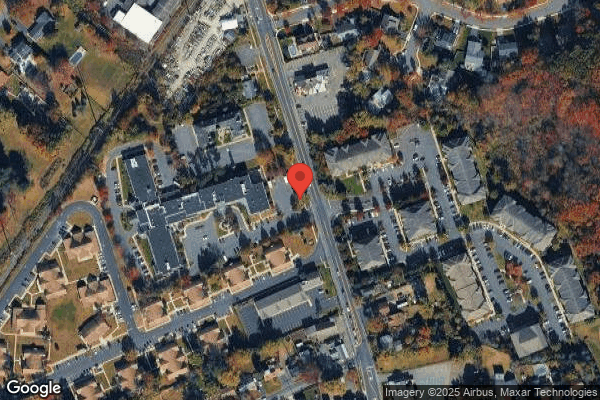
38 FRENEAU AVENUE, MATAWAN, NJ 07747 (732) 765-5600
Non profit - Corporation 130 Beds ATLAS HEALTHCARE Data: November 2025 1 Immediate Jeopardy citation
Trust Grade
28/100
#284 of 344 in NJ
Last Inspection: May 2025

Inspected within the last 6 months. Data reflects current conditions.

Overview

Meadowbrook Respiratory and Nursing Center has received a Trust Grade of F, indicating significant concerns about the facility's care quality. Ranking #284 out of 344 in New Jersey places it in the bottom half of nursing homes in the state, and #30 out of 33 in Monmouth County suggests that only a couple of local options are better. The facility is on an improving trend, having reduced issues from 15 in 2023 to 9 in 2025, though it still faces challenges. Staffing ratings are average at 3 out of 5 stars, but the turnover rate of 53% is concerning compared to the state average of 41%. Additionally, the facility has incurred $58,016 in fines, which is higher than 83% of New Jersey facilities, indicating potential compliance problems. There are also several critical issues regarding infection control; for instance, during an outbreak of drug-resistant bacteria, staff failed to follow proper protocols for personal protective equipment, which raises serious safety concerns. Another finding noted that the facility did not implement its infection control program effectively during this outbreak, further highlighting potential risks to residents. On a positive note, quality measures received a rating of 4 out of 5 stars, showing some areas of strength despite the overall concerns.

Trust Score
F
28/100
In New Jersey
#284/344
Bottom 18%
Safety Record
High Risk
Review needed
Inspections
Getting Better
15 → 9 violations
Staff Stability
⚠ Watch
53% turnover. Above average. Higher turnover means staff may not know residents' routines.
Penalties
⚠ Watch
$58,016 in fines. Higher than 84% of New Jersey facilities, suggesting repeated compliance issues.
Skilled Nurses
○ Average
Each resident gets 31 minutes of Registered Nurse (RN) attention daily — about average for New Jersey. RNs are the most trained staff who monitor for health changes.
Violations
⚠ Watch
25 deficiencies on record. Higher than average. Multiple issues found across inspections.
★★☆☆☆
2.0
Overall Rating
★★★☆☆
3.0
Staff Levels
★★★★☆
4.0
Care Quality
★★☆☆☆
2.0
Inspection Score
Stable
2023: 15 issues
2025: 9 issues

The Good

  • 4-Star Quality Measures · Strong clinical quality outcomes
  • Full Sprinkler Coverage · Fire safety systems throughout facility
  • No fines on record

Facility shows strength in quality measures, fire safety.

The Bad

2-Star Overall Rating

Below New Jersey average (3.2)

Below average - review inspection findings carefully

Staff Turnover: 53%

Near New Jersey avg (46%)

Higher turnover may affect care consistency

Federal Fines: $58,016

Above median ($33,413)

Moderate penalties - review what triggered them

Chain: ATLAS HEALTHCARE

Part of a multi-facility chain

Ask about local staffing decisions and management

The Ugly 25 deficiencies on record

1 life-threatening
May 2025 6 deficiencies
CONCERN (D)

Potential for Harm - no one hurt, but risky conditions existed

Safe Environment (Tag F0584)

Could have caused harm · This affected 1 resident

Based on observation, interview, and review of pertinent facility documentation, it was determined that the facility failed to maintain the residents' living environment in a clean, comfortable, homel...

Read full inspector narrative →
Based on observation, interview, and review of pertinent facility documentation, it was determined that the facility failed to maintain the residents' living environment in a clean, comfortable, homelike manner. This deficient practice was identified on 1 of 3 nursing units observed, and was evidenced by the following: On 5/12/25 at 10:55 AM, during initial tour of the facility, the surveyor observed Resident #45 resting in bed. The wall behind the bed appeared to have a spackled and dried patch approximately two feet wide which was unpainted and unfinished. The resident stated that the wall had that appearance for at least a couple months and that the resident did not like it. On 5/12/25 at 11:06 AM, during initial tour of the facility, the surveyor observed Resident #24 sitting in a wheelchair and watching television in their room. The surveyor observed the wall behind the resident's bed was repaired with spackle that dried, and in one area of the dried spackle, it was severely damaged with multiple long holes in the wall that measured approximately three feet. The resident informed the surveyor that the wall was in that condition for about three weeks or so. On 5/19/25 at 11:30 AM, the surveyor interviewed the Licensed Practical Nurse (LPN), who stated that staff communicated with the maintenance department using a computerized maintenance and repair order communication system [name redacted]. The LPN stated that maintenance usually was able to respond to requests within minutes. On 5/19/25 at 12:48 PM, the surveyor interviewed the facility's Director of Maintenance (DOM), who confirmed that the facility utilized a computerized maintenance work order system [name redacted] which sent notifications to both the maintenance department's computers as well as their mobile devices. The DOM further stated that all maintenance employees received the notifications and were responsible to address them. The DOM stated that a wall repair should take approximately a day to complete since the facility had the necessary supplies. The DOM further included that the facility's administration team conducted twice weekly audits of all resident rooms to ensure all repairs were addressed and completed. He stated the importance of this was to ensure a comfortable, homelike environment for all residents. On 5/19/25 at 1:05 PM, the surveyor interviewed the Licensed Nursing Home Administrator (LNHA), who confirmed that administration conducted a twice weekly tour to audit the living environment of all resident rooms. He further stated that wall repairs should have been completed entirely to ensure a homelike environment for residents. The LNHA confirmed the use of the computerized maintenance and repair order system [name redacted] and stated all facility departments and staff had access to the system which could be found on any facility computer to place a work order request. A review of the facility's Safe and Homelike Environment policy with a revised date of 11/2024, included but was not limited to; the facility will create and maintain, to the extent possible, a homelike environment that de-emphasizes the institutional character of the setting .housekeeping and maintenance services will be provided as necessary to maintain a sanitary, orderly, and comfortable environment . NJAC 8:39-31.4(a)
CONCERN (D) 📢 Someone Reported This

A family member, employee, or ombudsman was alarmed enough to file a formal complaint

Potential for Harm - no one hurt, but risky conditions existed

Deficiency F0658 (Tag F0658)

Could have caused harm · This affected 1 resident

NJ Complaint: NJ176627 Based on observation, interview, and review of pertinent facility documents, it was determined that the facility failed to a.) administer medication according to the physician's...

Read full inspector narrative →
NJ Complaint: NJ176627 Based on observation, interview, and review of pertinent facility documents, it was determined that the facility failed to a.) administer medication according to the physician's orders and b.) ensure a resident received care and services for the provisions of observation, documentation, measurements and dressing changes to a midline catheter (peripherally inserted catheter (PIC)) site consistent with a physician's order and professional standards of practice. This deficient practice was identified for 2 of 27 residents reviewed for professional standards of practice (Resident #60 & Resident #241), and was evidenced by the following: Reference: New Jersey Statutes, Annotated Title 45, Chapter 11. Nursing Board. The Nurse Practice Act for the state of New Jersey states: The practice of nursing as a registered professional nurse is defined as diagnosing and treating human responses to actual or potential physical and emotional health problems, through such services as case finding, health teaching, health counseling and provision of care supportive to or restorative of life and wellbeing, and executing medical regimes as prescribed by a licensed or otherwise legally authorized physician or dentist. Reference: New Jersey Statutes, Annotated Title 45, Chapter 11. Nursing Board. The Nurse Practice Act for the state of New Jersey states: The practice of nursing as a licensed practical nurse is defined as performing tasks and responsibilities within the framework of case finding, reinforcing the patient and family teaching program through health teaching, health counseling and provision of supportive and restorative care, under the direction of a registered nurse or licensed or otherwise legally authorized physician or dentist. 1. On 5/19/25 at 9:50 AM, the surveyor reviewed Resident #241's medical record and the following was observed: A review of the admission Record face sheet (an admission summary) indicated that Resident #241 was admitted to the facility with diagnosis which included but was not limited to; malignant neoplasm of left renal pelvis (malignant cancer of the left kidney) and retention of urine. A review of the physician's Order Summary Report included an order with a start date of 8/28/24, for lidocaine hydrochloride (HCl) external gel 1% (a medication used to treat pain) to be applied topically twice daily for herpes. A review of the August 2024 MAR indicated that the following doses were not signed off by nursing staff as having been applied as ordered: On 8/28/24, the 5:00 PM dose. On 8/30/24, the 9:00 AM and 5:00 PM doses. A review of the resident's individualized comprehensive care plan (ICCP) included a focus area for potential for pain initiated 8/27/24. Interventions which included but was not limited to; administer analgesia (pain medication) as per orders. On 5/19/25 at 11:03 AM, the surveyor interviewed the Licensed Practical Nurse/Unit Manager (LPN/UM), who stated that nurses should sign the MAR when medication was administered as ordered to indicate it was administered. She further acknowledged that that if it was not documented, it was not done. On 5/19/25 at 11:49 AM, the surveyor interviewed the Director of Nursing (DON), who after reviewing Resident #241's MAR, stated the blank portions of the August MAR indicated that it was not administered based on documentation. The DON further acknowledged that there was no other documentation in the medical record to indicate those three doses of lidocaine gel were administered as ordered and that the nurses should have documented whether the medication was administered or not by signing the MAR or creating a progress note. A review of the facility's Administering Medications policy with a revision date of April 2025, included but was not limited to: .21. if a drug is withheld, refused, or given at a time other than the scheduled time, the individual administering the medication shall initial and circle the MAR space provided for that drug and dose. 22. The individual administering the medication initials the resident's MAR on the appropriate line after giving each medication and before administering the next ones . 2. On 5/15/25 at 12:12 PM, the surveyor observed Resident #60 had a PIC located in their left forearm. The surveyor observed the dressing was not labeled or dated. On 5/19/25 at 12:04 PM, the surveyor reviewed the medical record for Resident #60. A review of the admission Record face sheet (an admission summary) reflected Resident #60 was admitted to the facility with medical diagnoses which included but was not limited to; chronic respiratory failure (CRF; lungs are unable to adequately exchange oxygen and carbon dioxide in the blood.), anoxic brain damage (damage to the brain due to lack of oxygen), and neurogenic bladder (caused by damage to the brain, spinal cord, or nerves that control bladder function). A review of the most recent quarterly Minimum Data Set (MDS), an assessment tool, reflected the resident had a Brief Interview for Mental Status (BIMS) score of 99, which meant the resident was unable to complete interview. The assessment identified the resident to have a cognitively impaired cognition. A review of the Medication Administration Record (MAR) dated 5/1/25-5/31/25, included an order with a start date of 4/18/25 at 3:00 PM, for a PIC line site check. A review of the Treatment Administration Record (TAR) dated 5/1/25-5/31/25, included a treatment order with a start date of 4/28/25 at 11:00 PM, for PIC line dressing change and date dressing every night shift on Mondays. A further review of the TAR revealed a signature on 5/12/25, for the completion by nursing, and on 5/19/25, there was no signature at the time of observation. A review of the individualized comprehensive care plan (ICCP) included a focus area dated 4/23/25, for a peripheral catheter. Interventions included to monitor and change according to policy. On 5/19/25 at 12:25 PM, the surveyor interviewed the Infection Preventionist, who stated the staff nurse was to follow the order on the TAR and date the dressing as per facility policy to prevent infection or a prolonged dressing. On 5/19/25 at 12:55 PM, the surveyor interviewed the Director of Nursing (DON), who stated that all dressings were to be dated to allow all staff know exactly when the dressing was changed to prevent infection and incompletion of the treatment. On 5/19/25 at 12:16 PM, the survey team met with the Licensed Nursing Home Administrator (LNHA) and DON, who all acknowledged the surveyor's concerns and had nothing more to provide. A review of the facility's Peripheral and Midline IV Dressing Change policy, dated 10/2024, which included steps in procedure . Label dressing with date and time of dressing change with initials. NJAC 8:39-27.1(a)
CONCERN (D)

Potential for Harm - no one hurt, but risky conditions existed

Food Safety (Tag F0812)

Could have caused harm · This affected 1 resident

**NOTE- TERMS IN BRACKETS HAVE BEEN EDITED TO PROTECT CONFIDENTIALITY** Based on observation, interview, and record review, it was determined that the facility failed to maintain kitchen equipment in ...

Read full inspector narrative →
**NOTE- TERMS IN BRACKETS HAVE BEEN EDITED TO PROTECT CONFIDENTIALITY** Based on observation, interview, and record review, it was determined that the facility failed to maintain kitchen equipment in a clean and sanitary manner, as evidenced by the following: On 5/12/25 at 10:04 AM, in the presence of the Director of Dietary Services (DODS), the surveyor observed the following during kitchen tour: 1. Two of two convection ovens were soiled with baked on brown coloring on the glass doors and interior of the unit. The DODS acknowledged and stated, it was not cleaned according to facility policy. 2. The six-burner stove top and oven were covered with cooked on grease and sediment crusted around the burners. The oven had food sediment and debris on the interior and the interior door. The catch tray that was lined with foil had burnt liquid, and food debris covering the entire tray and foil. The DODS acknowledged and stated, it was not cleaned according to facility policy. 3. The four-burner stove top and oven were covered with cooked on grease and sediment crusted around the burners. The oven had food sediment and debris on the interior and the interior door. The catch tray that was lined with foil had burnt liquid, and food debris covering the entire tray and foil. The DODS acknowledged and stated, it was not cleaned according to facility policy. 4. A five slot wooden block knife holder was mounted to the wall, it contained clean knives per the DODS. The wall directly above the knife block had a purple and yellow sticky substance that was wipeable by the DODS. The DODS stated, she was unsure what the sticky substance was, why it was there and that the knives in the block are clean. The surveyor observed that the knives were clean when removed from the block. The DODS acknowledged and stated, the area above the knife block was not cleaned according to facility policy. 5. The walk-in freezer had two items, a box of carrots and a box of beef burgers that were open to air and were undated. The DODS acknowledged that the items were subject to freezer burn and should have been sealed and dated with open date. 6. The walk-in freezer contained a metal tray of [NAME] that were opened and in a prepared liquid covered with plastic wrap and foil that was ripped on the corner. The foil was dated 4/22/25-4/29/25. The DODS was not able to tell the surveyor what the tray was from or why it was there. The DODS could not speak to what the labeled date meant .open, used by, or expiration. On 5/12/25 at 10:55 AM, the surveyor interviewed the DODS, who stated, I acknowledged that the equipment should have been cleaned and maintained in a sanitized way to prevent food borne illness and contamination for safety of our residents and staff. Further, we have a labeling system and the frozen food items should be properly sealed and dated to prevent food borne illness, palatability and waste. On 5/20/25 at 1:45 PM, the survey team met with the Licensed Nursing Home Administrator (LNHA) and the Director of Nursing (DON), who both acknowledged the surveyor's concerns. No additional information was provided. A review of the facility's, undated, Sanitation policy, included food service area shall be maintained in a clean and sanitary manner .all kitchens and kitchen area, shall be kept clean .to protect from rodents, roaches, flies and other insects. NJAC 8:39-17.2(g)
CONCERN (E) 📢 Someone Reported This

A family member, employee, or ombudsman was alarmed enough to file a formal complaint

Potential for Harm - no one hurt, but risky conditions existed

Quality of Care (Tag F0684)

Could have caused harm · This affected multiple residents

**NOTE- TERMS IN BRACKETS HAVE BEEN EDITED TO PROTECT CONFIDENTIALITY** Complaint #NJ184589, NJ184632 Based on interview, record review, and review of other pertinent facility documentation, it was de...

Read full inspector narrative →
**NOTE- TERMS IN BRACKETS HAVE BEEN EDITED TO PROTECT CONFIDENTIALITY** Complaint #NJ184589, NJ184632 Based on interview, record review, and review of other pertinent facility documentation, it was determined that the facility failed to a.) follow the Wound Care Practitioner's (WCP) treatment recommendations for a newly identified wound and document accurate measurements after a wound was identified and b.) obtain a treatment order for a skin tear identified on the left wrist from 11/29/24 until 12/6/24. This deficient practice was identified for 1 of 4 residents reviewed for accidents (Resident #141), and was evidenced by the following: A review of the admission Record face sheet (admission summary) reflected that Resident #141 was admitted to the facility with the diagnoses which included but was not limited to; peripheral vascular disease (PVD; is a slow and progressive disorder of the blood vessels), atherosclerotic cardiovascular disease (ASCVD; is caused by plaque buildup in arterial walls), and cellulitis of the right lower limb (skin infection). A review of the comprehensive Minimum Data Set (MDS) an assessment dated [DATE], indicated that the Resident #141 scored a 3 out of 15 on the Brief Interview for Mental Status (BIMS), which indicated that the resident had severe cognitive impairment. The MDS indicated that the resident required substantial assistance with activities of daily living (ADLs). The MDS also revealed that the resident had one arterial ulcer and had the application of non-surgical dressings (with or without topical medications) other than the feet and the application of ointments/medications other than to feet. The resident was not able to be interviewed and was discharged [DATE]. 1. A review of the Incident Accident Report (IAR) #785 dated 11/8/24 at 9:30 AM, indicated that during morning care, a Certified Nursing Assistant (CNA) discovered an open area to the resident's right lower leg. The right foot had plus one pitting edema (swelling in the body caused by excess fluid and if you press on a swollen area and an indentation or pit remains) and redness to the right lower leg. Resident #141 indicated that they were not sure how the wound happened. The IAR revealed that the treatment consisted of cleaning the right lower leg with Dakin's solution (antiseptic), application of calcium alginate (wound care dressing), and cover with an abdominal dressing (ABD; functioning as absorbers of wound discharge) then wrap with kling (gauze bandages that are soft and conform easily). The IAR reflected that the wound measured 2.5 by (x) 2.5. The depth of the wound was not documented. The IAR indicated that on 11/2/24, a skin assessment was completed, and the resident's skin was intact, and staff reported that skin was intact on 11/7/24 (based on the facility's staff interviews). A review of the Nurses Notes (NN) dated 11/8/24 at 9:49 AM, indicated that Resident #141 had a scheduled skin check and findings reflected a new skin impairment was observed on the outer right ankle with classification of venous leg ulceration (VLU) measuring 5.0 centimeters (cm) x 4.0 cm. No depth of wound was documented. The NN indicated that the supervisor and wound care nurse were made aware of the skin findings. A review of the Interdisciplinary Care Plan (ICP) dated 11/8/24, indicated that Resident #141 had actual skin breakdown related to venous ulcer on the right lower leg. Interventions included: vascular consult, weekly wound evaluation, Wound Care Consult (WCC) as ordered and treatments to be done as ordered. A review of the venous doppler report completed 11/9/24, reflected that Resident #141 had no deep vein thrombosis (DVT; blood clot) and the veins were patent with positive flow. A review of the arterial doppler report 11/9/24, reflected that Resident #141 had mild stenosis within the common femoral artery. A review of the WCC dated 11/8/24, indicated that the Wound Care Nurse Practitioner (WCP) classified the wound as a venous wound with measurements 2.5 [cm] x 2.5 [cm] x 0.2 [cm] and had mild exudate (drainage). The WCP recommended that the wound be cleansed with Dakin's solution 0.125% (1/4 strength), apply calcium alginate, and cover with ABD and wrap with kling. A review of the physician's orders dated 11/9/24, revealed that the treatment ordered to the right leg venous ulcer was to cleanse the right ankle every day and evening shifts with normal saline solution (NSS) and apply calcium alginate and cover with ABD and wrap with kling. A review of the Medication Administration Record (MAR) dated 11/9/24, reflected a treatment order to cleanse the right ankle VLU every day and evening shift with NSS, apply calcium alginate cover with ABD and wrap with kling. The WCP treatment recommendations dated 11/8/24, indicated that the VLU was to be cleansed with Dakin's solution, not NSS as ordered on 11/9/24. A review of the WCC dated 11/15/24, indicated that the WCP assessed the VLU with measurements documented as 1.8 [cm] x 1.2 [cm] x 0.2 [cm]. The WCP indicated that the wound was improving and recommended that the wound be cleansed with Dakin's solution 0.125% (1/4 strength) calcium alginate and cover with ABD and wrap with kling. A review of the subsequent WCP recommendations dated 11/8/25 and 11/15/24, reflected that the facility did not follow the wound care recommendations to cleanse the right leg venous ulceration with Dakin's solution as recommended and were cleansing the VLU with normal saline solution (NSS). A review of the WCC report dated 11/29/24, indicated that the WCP recommended to change the treatment for the right leg ulceration by cleansing the wound with NSS and applying calcium alginate and collagen sheet. Then an application of a single-layer of xerofoam (is a sterile, non-adhering protective dressing consisting of absorbent, fine-mesh gauze impregnated with a petrolatum blend) followed by ABD and then wrap with kling. These recommendations were not followed, and the physician orders were not updated to reflect the new WCP treatment recommendation. On 5/15/25 at 12:06 PM, the surveyor interviewed the Licensed Practical Nurse/Unit Manager (LPN/UM), who stated that the WCP classified the wound. The LPN/UM did not have an explanation as to why the WCP treatment recommendations to cleanse the right leg ulceration with Dankin's solution was not ordered as recommended. The LPN/UM reviewed the IAR report as well as the physician's orders and the MAR in the presence of the surveyor, and stated that she could not remember the events that had occurred and did not have an explanation as to why an order for the Dankin's solution was not ordered as recommended. The LPN/UM did not have an explanation as to why the WCP recommendation dated 11/29/24, for a new treatment for the right leg venous ulceration was not followed or ordered for Resident #141. The surveyor asked the LPN/UM why the wound measurements that were documented in the progress notes on 11/8/24 at 9:49 PM, were different from the wound measurements that were documented by the WCP, and the LPN/UM did not have an explanation. On 5/15/25 12:42 PM, the surveyor conducted a telephone interview with the WCP, who explained the process when a wound was identified by the facility. He stated that his responsibilities were to follow-up with new consults and make rounds with existing residents. The WCP stated he was also responsible for evaluating wounds and making classification to as what caused the wound. He then would measure the wound, document description of the wound and make treatment recommendations for the wound care. The WCP stated that he evaluated Resident #141's right leg wound on 11/8/24, and classified the wound as a venous ulcer. The WCP stated that he recommended that the wound was to be cleansed with Dakin's solution 0.125% (1/4 strength), apply calcium alginate, and cover with ABD and kling. The surveyor reviewed the orders dated 11/9/24, with the WCP for the treatment of the right ankle venous ulcer which indicated that the wound was to be cleansed with Dakin's solution. The surveyor explained to the WCP that the facility ordered the wound to be cleansed with NSS, and the WCP stated that the order was not what he had recommended and that it must have been taken off wrong. On 5/19/25 at 9:37 AM, the surveyor interviewed both the Director of Nursing (DON) and Regional Clinical Services Registered Nurse (RCS/RN), who both agreed that the process that occurred in the facility when a new wound was identified was to notify the physician and family. The facility was also responsible for obtaining treatment orders, measurements the wound, and obtain a wound consult from the WCP. The DON stated that she was not sure why the nurses did not follow the WCP treatment recommendation to clean the wound with Dakin's solution and used NSS to clean the wound instead. The also stated that she was not sure why there was a discrepancy in the wound measurements in the IAR, nursing progress notes, IDCP and WCP notes. She stated it would have been important to write the accurate measurements to assure that the wound was healing properly. 2. A review of the ARI dated 11/29/24 at 9:30 AM, which indicated that Resident #141 was observed scratching their hand causing a small skin tear to the left wrist measuring 2.0 cm x 1.0 cm. The physician and wound care team were notified and ordered the area too be cleaned with NSS and apply a xeroform dressing. The surveyor reviewed the physician's orders, Treatment Administration Record (TAR), and MAR, and the surveyor could not find treatment orders for the skin tear to the resident's left wrist. A review of the WCC dated 11/29/24, reflected that Resident #141 had a skin tear on the left wrist that measured 2.0 [cm] x 1.0 [cm] x 0.1 [cm] and treatment recommendations were to cleanse the area with NSS and apply a single layer xeroform and wrap with kling. This recommendation was not addressed by the facility. A review of a late entry progress note dated 11/29/24 at 2:58 PM, and documented on 12/5/24 at 2:59 PM, indicated that the resident had a skin tear on the left wrist measuring 2.0 cm x 1.0 cm. The note indicated that the supervisor and WCP were made aware. A review of physician's orders dated 11/29/24, revealed that treatment orders were not implemented for the left wrist skin tear at the time of discovery however, a review of the physician's orders dated 12/6/24, (8 days after identification of the wound) revealed an order to cleanse the left wrist skin tear with NSS and apply a xeroform dressing and wrap with kling. On 5/19/25 at 10:26 AM, the surveyor interviewed the LPN/UM, who reviewed the TAR in the presence of the surveyor and could not find a treatment order for the skin tear that was identified on the resident's left wrist on 11/29/24. The LPN/UM reviewed the TAR for December 2024, and the treatment for the left wrist skin tear was not ordered until 12/6/24. The LPN/UM stated that the treatment should have been ordered right away on 11/29/24, and did not have explanation as to why there was delay in the treatment order. A review of the WCR dated 12/6/24, indicated that the skin tear on the right wrist did not deteriorate and the WCP recommendation was to apply skin prep to the area. A review of the WCR dated 12/13/24, indicated that the skin tear on the right wrist resolved. On 5/20/25 at 1:00 PM, the DON, RCS/RN, and Licensed Nursing Home Administrator (LNHA) and LNHA in training did not provide any additional information. The facility provided the surveyor an undated form that the facility used as a teaching tool and quality improvement interventions titled, Immediate wound order transcription and prompt follow-up on Wound Consultation recommendations which indicated that it was the urgent responsibility of all licensed nurses to transcribe wound care orders immediately once a wound was identified , and ensure timely implementation of wound consult recommendations to prevent delays in treatment, avoid complications and maintain compliance with regulatory and reimbursement standards. A review of facility policy dated 4/2018, and titled, Pressure Ulcers/Skin Breakdown-Clinical Protocol indicated the nursing staff, and practitioner will assess and document an individual's significant risk factors and in addition the nurses shall describe and document/report location, stage, length, width and depth as well as the presence of exudate or necrotic tissue. The policy indicated that the physician wound order pertinent wound treatments, wound cleansing, dressing and topical agents. A review of the facility policy dated 7/2024, and titled, Charting and Documentation indicated that all services provided to the resident, progress toward care plan goals, or any changes in the resident's medical, physical, functional and psychological condition shall be documented in the resident's medical record. Documentation of procedures and treatments would include care-specifics including date and time of treatment or procedure. Documentation in the medical record will be objective, complete and accurate. NJAC 8:39-27.1(a)
CONCERN (E)

Potential for Harm - no one hurt, but risky conditions existed

Drug Regimen Review (Tag F0756)

Could have caused harm · This affected multiple residents

Based on observation, interview and review of pertinent facility documents, it was determined that the facility failed to act upon Consultant Pharmacy recommendations to provide adequate monitoring fo...

Read full inspector narrative →
Based on observation, interview and review of pertinent facility documents, it was determined that the facility failed to act upon Consultant Pharmacy recommendations to provide adequate monitoring for the use of as needed psychoactive medications. This deficient practice was identified for 1 of 5 residents reviewed for unnecessary medications (Resident #55), and was evidenced by the following: On 5/12/25 at 11:15 AM, the surveyor observed Resident #55 self-propelling in a wheelchair on the first floor of the building. The resident told the surveyor they were just out on a smoking break. A review of the admission Record face sheet (an admission summary) revealed Resident #55 was admitted to the facility with medical diagnoses which included but were not limited to; malnutrition, major depression, respiratory failure, and anxiety disorder. A review of the comprehensive Minimum Data Set (MDS), an assessment tool dated 3/1/25, revealed the resident had a Brief Interview of Mental Status score of 12 out of 15, meaning the resident had moderate cognitive impairment. A review of the physician's order summary revealed that the resident was prescribed Valium (a benzodiazepine used to treat anxiety disorders) 5 milligrams (mg) every 12 hours as needed for anxiety for 30 days ordered on 5/6/25, and fluoxetine (antidepressant) oral capsule 50 mg; administer one time a day for depression ordered on 2/22/25. A review of individualized comprehensive care plan (ICCP) initiated on 9/16/24, included a focus area for the resident using anti-anxiety medications related to an anxiety disorder. The goals were decreased episodes of anxiety and target symptoms would be reduced. Interventions included but were not limited to; monitoring/recording occurrence for target behavior symptoms (pacing, wandering, disrobing, inappropriate response to verbal communication, aggression/violence towards others, and document per facility protocol. Another focus area was that the resident used antidepressant medication related to depression. The interventions included but were not limited to; monitor, document, and report to physician ongoing signs and symptoms of depression unaltered by antidepressant medications: sad, irritable, anger, never satisfied, crying, shame, worthlessness, guilt, suicidal ideations, and anxiety. A review of the past six months of pharmacy consultant recommendations revealed that it was recommended on 12/17/24, that the facility should document non-drug interventions attempted prior to administering Valium. The facility documented that nursing was educated. A review of the Medication Administration Record (MAR) for February 2025, March 2025, April 2025, and May 2025 did not include any behavior monitoring. On 5/15/25 at 10:10 AM, the surveyor reviewed the progress notes which did not show any documentation of non-drug interventions attempted prior to the administration of the Valium. On 5/15/25 at 11:30 AM, the surveyor interviewed the Licensed Practical Nurse (LPN) regarding behavior monitoring for residents on anti-anxiety, antidepressants, and antipsychotics. The LPN told the surveyor behaviors were monitored by the staff and documented on the MAR. On 5/19/25 at 2:00 PM, the surveyor met with the Director of Nursing (DON) regarding behavior monitoring and attempting non-drug interventions for Resident #55, and she stated she would investigate it. The surveyor asked where the staff documented behavior monitoring, and the DON said on the MAR. On 5/20/25 at 11:22 AM, the surveyor met with DON regarding the behavior monitoring for Resident #55. The DON responded, We missed it, I checked all of the others, and they were good. The surveyor then asked about the non-drug interventions prior to administering Valium and she replied, No, it wasn't done. A review of the facility's Behavioral Assessment, Interventions, and Monitoring policy dated 2/2025, included non-pharmacological approaches are used to the extent possible to avoid or reduce the use of psychotropic medications and manage behavioral symptoms and staff will monitor of efficacy and adverse consequences of the medications . NJAC 8:39-29.3(a)1
CONCERN (E)

Potential for Harm - no one hurt, but risky conditions existed

Deficiency F0760 (Tag F0760)

Could have caused harm · This affected multiple residents

Based on observation, interview, and review of pertinent facility documents, it was determined that the facility failed to ensure blood pressure medication was administered in accordance to physician ...

Read full inspector narrative →
Based on observation, interview, and review of pertinent facility documents, it was determined that the facility failed to ensure blood pressure medication was administered in accordance to physician ordered parameters to prevent significant medication errors. This deficient practice was identified for 1 of 27 residents (Resident #7) reviewed for professional standards of practice, and was evidenced by the following: On 5/12/25 at 10:46 AM, during initial tour of the facility, the surveyor observed Resident #7 sleeping in their bed. On 5/13/25 at 10:10 AM, the surveyor reviewed the medical record for Resident #7. A review of the admission Record face sheet (admission summary) reflected that the resident was admitted to the facility with diagnosis that included but not limited to; hypertension (high blood pressure). A review of the most recent comprehensive Minimum Data Set (MDS), an assessment tool dated 3/31/25, indicated the resident had a Brief Interview for Mental Status (BIMS) score of 8 out of 15, which indicated a moderately impaired cognition. A review of the Order Summary Report included a physician's order (PO) dated 3/9/25, for clonidine hydrochloride (HCl) oral tablet 0.1 milligram (mg); administer every 8 hours for hypertension; hold if systolic blood pressure (SBP; the measure of the pressure in the arteries during the heart beat) less than 130 and heart rate less than 60. A review of the individual comprehensive care plan (ICCP) included a focus area dated 12/3/24, that the resident had hypertension related to congestive heart failure (CHF; fluid build-up within the heart). Interventions included but not limited to; give anti-hypertension medications as ordered and monitor for side effects such as orthostatic hypotension (low blood pressure that occurs when standing after sitting or lying down) and increased heart rate. A review of the corresponding Medication Administration Record (MAR) for April 2025 and May 2025, revealed that the clonidine HCl tablet was administered out of the physician's parameters as followed: 4/1/25 at 10:00 PM, the blood pressure was 122/64 (systolic pressure over the diastolic pressure (pressure at the artery in between beats)) and pulse (heart rate) 65. 4/2/25 at 2:00 PM, the blood pressure was 119/50 and pulse 63. 4/9/25 at 10:00 PM, the blood pressure was 113/52 and pulse 76. 4/13/25 at 6:00 AM, the blood pressure was 122/65 and pulse 63. 4/14/25 at 10:00 PM, the blood pressure was 128/72 and pulse 80. 4/18/25 at 2:00 PM, the blood pressure was 121/75 and pulse 70. 4/24/25 at 6:00 AM, the blood pressure was 128/68 and pulse 68. 4/27/25 at 2:00 PM, the blood pressure was 128/76 and pulse 75. 4/29/25 at 2:00 PM, the blood pressure was 129/61 and pulse 64. 4/30/25 at 10:00 PM, the blood pressure was 129/62 and pulse 69. 5/3/25 at 10:00 PM, the blood pressure was 116/65 and pulse 61. 5/7/25 at 6:00 AM, the blood pressure was 125/54 and pulse 68. 5/10/25 at 10:00 PM, the blood pressure was 127/75 and pulse 65. 5/11/25 at 10:00 PM, the blood pressure was 125/61 and pulse 94. 5/13/25 at 10:00 PM, the blood pressure was 129/67 and pulse 68. 5/15/25 at 2:00 PM, the blood pressure was 129/68 and pulse 63. On the above dates in April and May 2025, the nurse documented with their initials that the blood pressure medication clonidine HCl was administered. On 5/20/25 at 10:15 AM, the surveyor interviewed the Licensed Practical Nurse (LPN), who stated when administering a blood pressure medication that had parameters, the nurse was to take the blood pressure first and follow the parameters on the physician's order. The LPN further stated that if the blood pressure was outside the parameters, the nurse would hold the medication. The LPN confirmed that the parameters for the blood pressure medication should be held if the blood pressure was less than 130 or if the heart rate was less than 60. The LPN acknowledge that on the dates listed above, the medication was administered outside of the parameters. The LPN further stated that it was important to follow the physician's order for blood pressure parameters to prevent a low blood pressure. On 5/20/25 at 10:25 AM, the surveyor interviewed the Director of Nursing (DON), who stated that when administering a blood pressure medication, the nurse was to follow the physician's order. The DON also stated that if there were parameters, the nurse took the resident's blood pressure to determine if the medication should be administered. The DON further stated that if the blood pressure was outside the parameters, the nurse should not administer the medication. The DON then verified the parameters for the clonidine HCl was to hold if the SBP was less than 130 or heart rate less than 60. The DON acknowledged that the blood pressure medication was administered outside of the parameters. On 5/20/25 at 10:39 AM, the DON, in the presence of Licensed Nursing Home Administrator (LNHA), Regional Director of Clinical Services, and the survey team, confirmed that the clonidine HCl was administered outside of the parameters. The DON stated that the importance of following parameters was to ensure the blood pressure does not drop low. A review of the facility's policy dated revision April 2025, included medications are administered in a safe and timely manner, and as prescribed .medications are administered in accordance with prescriber orders, including any required time frame .the individual administering the medication initials the resident's MAR on the appropriate line after giving each medication . NJAC 8:39-27.1(a)
May 2025 1 deficiency
CONCERN (D) 📢 Someone Reported This

A family member, employee, or ombudsman was alarmed enough to file a formal complaint

Potential for Harm - no one hurt, but risky conditions existed

Report Alleged Abuse (Tag F0609)

Could have caused harm · This affected 1 resident

COMPLAINT#: NJ00182326 Based on observations, interviews, medical records review, and review of other pertinent facility documentation on 5/6/25 it was determined that the facility failed to report an...

Read full inspector narrative →
COMPLAINT#: NJ00182326 Based on observations, interviews, medical records review, and review of other pertinent facility documentation on 5/6/25 it was determined that the facility failed to report an injury of a severely cognitively impaired resident to the New Jersey Department of Health (NJDOH). This deficient practice was identified for 1 of 2 (Resident #1) residents sampled for falls and was evidenced by the following: Resident #1 was not at the facility at the time of the survey. A closed record review was conducted. The surveyor reviewed Resident #1's admission Record (AR) which revealed that the resident was admitted to the facility with diagnoses which included but were not limited to: Alzheimer's Disease, dementia, and hypertension. The surveyor reviewed Resident #1's annual Minimum Data Set (MDS), an assessment tool used to facilitate the management of care, dated 12/12/24, revealed that Resident #1 had a Brief Interview for Mental Status (BIMS) score of 3 out of 15, which indicated that the resident's cognition was severely impaired. The surveyor reviewed the resident's medical record, which included an Incident Report (IR), dated 12/26/24. The IR revealed that the resident was observed face down on the floor and had sustained a cut on the top of the head. The IR revealed that the resident fell out of the wheelchair while attempting to reach for a piece of candy. The resident was transferred to the hospital. The IR did not indicate that the NJDOH had been notified of the incident. The surveyor reviewed the hospital discharge paperwork for Resident #1, dated 12/26/24, which indicated that Resident #1 presented with: -Fall -Head Injury (without loss of consciousness) -Laceration. The paperwork also indicated that the resident received 7 staples to the forehead. The surveyor reviewed a facility reportable that was completed by the facility, dated 12/30/24. The IR did not indicate that the NJDOH had been notified of the incident. During an interview on 5/6/25, at 4:55 P.M., with the Regional Nurse, the Assistant Director of Nursing (ADON), and a Nurse Supervisor (NS), the Regional Nurse stated that the incident had been investigated and reported to the NJDOH by the previous Administrator due to the resident having a laceration that required staples. Documentation provided to the surveyor did not indicate that the NJDOH had been notified. She then stated that they would search for it. The surveyor did not receive additional documentation indicating that the NJDOH had been contacted regarding the incident. NJAC 8:39-27.1(a)
Feb 2025 2 deficiencies
CONCERN (D) 📢 Someone Reported This

A family member, employee, or ombudsman was alarmed enough to file a formal complaint

Potential for Harm - no one hurt, but risky conditions existed

Deficiency F0558 (Tag F0558)

Could have caused harm · This affected 1 resident

**NOTE- TERMS IN BRACKETS HAVE BEEN EDITED TO PROTECT CONFIDENTIALITY** Based on interviews and record review, as well as review of pertinent facility documents on 02/20/25, 02/21/25, and 02/24/25, it...

Read full inspector narrative →
**NOTE- TERMS IN BRACKETS HAVE BEEN EDITED TO PROTECT CONFIDENTIALITY** Based on interviews and record review, as well as review of pertinent facility documents on 02/20/25, 02/21/25, and 02/24/25, it was determined that the facility failed to accommodate a residents' need and preference related to activities for 2 of 3 residents (Resident #2 and Resident #4). This deficient practice is evidenced by the following: 1. According to the admission Record, Resident #2 was admitted 10/2019 to the facility with diagnoses which included but were not limited to: Acute and Chronic Respiratory Failure, Tracheostomy Status (a hole a surgeon makes through the neck and into the windpipe, where a tube is placed to help with breathing), and Dependence on Respirator (Ventilator) Status. The Minimum Data Set (MDS), an assessment tool, dated 12/31/24, revealed that Resident #2 had severely impaired cognition, and was dependent on staff with Activities of Daily Living (ADLs) and transfers. Resident #2's Care Plan (CP), revealed a focus that was initiated on 6/12/24, that showed [Resident #2] was dependent on staff for activities, cognitive stimulation, social interaction. The interventions included but were not limited to: All staff to assist [Resident #2] to participate in activities program and invite [Resident #2] to scheduled activities. On 02/20/25 at 1:30 PM, Resident #2 was sent to the hospital for a change in condition and was not available to provide an interview, so a record review was conducted. 2. According to the admission Record, Resident #4 was admitted [DATE] to the facility with diagnoses including but not limited to: Chronic Respiratory Failure, Tracheostomy status, Dependence on Respirator (Ventilator) Status. The MDS dated [DATE] revealed Resident #4 had severely impaired cognition and was dependent on staff for ADLs and transfers. Resident #4's CP, with a focus that was initiated on 04/09/24, showed [Resident #4] was dependent on staff for activities, cognitive stimulation and social interaction. Interventions included but not limited to: Invite [Resident #4] to scheduled activities. During an interview on 02/20/25 at 10:19 AM, both Resident #4 and the family member stated, Resident has not left the room to participate in any of the scheduled activities, nor are any activities provided while Resident #4 is in his/her room. On 02/20/25 at 12:44 PM, interview was conducted with Activities Director (AD). AD stated that activities are completed 2-3 times a week for residents that are bed bound. The AD stated that they offer bingo, or socialization opportunities with the residents and the documentation is handwritten on paper. At 2:14 PM, during an interview with the AD, she provided copies of the activity documentation for Residents #2 and #4. The copies revealed, the last documented activity for Resident #2 was on 01/03/25, for greetings and the last documented activity for #4 was on 09/04/24 for music therapy. The AD stated that activities are important for residents for socialization and engagement and just overall well-being of the residents. She stated the staff sometimes did not have time to document the encounters, but the residents were still being offered activities. She further stated that there should probably be some form of documentation. On 2/20/25, at 3:07 PM, the AD provided a document titled Vent Activities Visit Schedule. The document revealed that Resident #2 had activity visits scheduled on Tuesdays between 2-5 PM and Resident #4 had activity visits scheduled on Thursdays between 2-5 PM. However, no further documentation was provided regarding the visits. NJAC: 8:39-8.1
CONCERN (D) 📢 Someone Reported This

A family member, employee, or ombudsman was alarmed enough to file a formal complaint

Potential for Harm - no one hurt, but risky conditions existed

Quality of Care (Tag F0684)

Could have caused harm · This affected 1 resident

Based on observation, interview, and review of pertinent facility documents, it was determined that the facility failed to ensure that residents' call bells were answered in a timely manner. This defi...

Read full inspector narrative →
Based on observation, interview, and review of pertinent facility documents, it was determined that the facility failed to ensure that residents' call bells were answered in a timely manner. This deficient practice was identified for 1 of 8 (Resident #4) sampled residents and was evidenced by the following: According to the admission Record, Resident #4 was admitted on 11/23 with diagnoses including but not limited to: Chronic Respiratory Failure, Tracheostomy status (a hole a surgeon makes through the neck and into the windpipe, where a tube is placed to help with breathing), and Dependence on Respirator (Ventilator) Status. The Minimum Data Set (MDS), an assessment tool, dated 11/30/24 revealed that Resident #4 had severely impaired cognition and was dependent on staff for Activities of Daily Living (ADL) and transfers. The Physician order dated 11/14/2024, revealed Resident #4 had order for Tracheostomy Suctioning to be completed every shift and as needed. Resident #4's Care Plan (CP), had a focus that was initiated on 11/29/23, showed Resident #4 had a Tracheostomy related to Respiratory Failure. The interventions included but were not limited to: Suction as ordered and as needed. On 2/20/25 at 10:19 AM, Resident #4 was observed in bed watching TV with a family member at bedside. A Soft touch call light was observed on the pillow next to the resident's head. At 10:37 AM, Resident #4 turned on the call light to show surveyor that call light was within reach. At 10:46 AM, resident began coughing, and stated they needed suctioning; call light was still on. At 10:48 AM, the surveyor stepped out into the hallway and observed, a nurse by the medication cart outside resident's door, and other staff in the hallway. The surveyor further observed, the light indicator for call light was lit up in hallway and the call light alarm was sounding in the nurses' station. Surveyor requested for nurse to suction resident. Nurse stated she would get the Respiratory Therapist (RT). At 10:52 AM RT came into the room and suctioned resident. Resident stated feeling relieved. Resident denied having shortness of breath. Stated that his/her throat felt irritated, which would cause him/her to keep coughing. During an interview with a Certified Nursing Aide (CNA) on 2/20/25 at 11:42 AM, they stated that a call bell should be answered immediately, as soon as it turns on. She further stated, that if she was not able to answer a call bell right away, that anyone can answer a call bell. During an interview with a Licensed Practical Nurse (LPN) on 2/20/25 at 12:01 PM, she stated call bells should be answered as soon as possible, because you must see what the resident needs, there could be an emergency. During an interview with DON, Regional DON and Administrator on 2/20/25 at 3:15 PM, Regional DON stated that the CNA did not want to enter the room, because she knew the surveyor was in the room and wanted to provide privacy. She further stated that the reason she did not enter Resident #4's room was not acceptable. A review of the facility's policy Call System, Residents indicated that, .6. Calls for assistance are answered as soon as possible, but no later than 5 minutes. Urgent requests for assistance are addressed immediately. staff should answer the call light and go to the room to turn the light off. NJAC 8:39-4.1
Jul 2023 2 deficiencies 1 IJ (1 facility-wide)
CRITICAL (L) 📢 Someone Reported This

A family member, employee, or ombudsman was alarmed enough to file a formal complaint

Immediate Jeopardy (IJ) - the most serious Medicare violation

Infection Control (Tag F0880)

Someone could have died · This affected most or all residents

⚠️ Facility-wide issue

**NOTE- TERMS IN BRACKETS HAVE BEEN EDITED TO PROTECT CONFIDENTIALITY** Complaint NJ #165644 Part A Based on observation, interview, record review, and review of documentation, it was determined that ...

Read full inspector narrative →
**NOTE- TERMS IN BRACKETS HAVE BEEN EDITED TO PROTECT CONFIDENTIALITY** Complaint NJ #165644 Part A Based on observation, interview, record review, and review of documentation, it was determined that the facility, who has been in an active outbreak of the multi- drug resistant organism (MDRO) of Carbapenem-Resistant Acinetobacter baumannii (CRAB - bacteria resistant to nearly all antibiotics and difficult to control and irradicate from the environment) and Candida auris (CA - a dangerous fungus that can be difficult to identify and treat) since 01/2023, failed to: 1) follow the Centers for Disease Control (CDC) guidance related to infection control practices for the Personal Protective Equipment (PPE) to be worn to reduce or prevent the spread of infection, and 2.) follow facility posted signage for PPE to be worn. This deficient practice was identified on 2 of 3 resident units, which included the ventilator unit (a specialized unit to care for residents who required the use of a mechanical ventilator for breathing). The facility's system wide failure to ensure all staff followed the appropriate PPE guidelines to prevent the transmission of the MDROs posed a serious and immediate risk to the health and well-being of all residents who resided at the facility and was a public health concern for the potential transmission of the contagious potentially deadly MDRO to staff and visitors. A serious adverse outcome occurred as the identified non-compliance resulted in an Immediate Jeopardy (IJ) situation that was identified on [DATE] at 3:09 PM. On [DATE] at 10:19 AM, the survey team verified the removal plan to remove the immediacy was implemented. On [DATE] at 9:10 AM, during an interview with the surveyors, the LNHA stated that the facility was in an outbreak of CRAB and CA that began in [DATE]. The survey team requested an ongoing line listing (a document that contains incidence and prevalence of infections) on [DATE] at 12:07 PM. The LNHA provided the survey team with the Current Isolation/Precautions list. The list included areas to document the name, room, type of isolation/precaution, reason for isolation, onset, and off isolation. The list provided failed to identify the onset date of the infections and if any residents were taken off isolation. At that time, the LNHA stated the Infection Preventionist Registered Nurse (IP RN) was on vacation and that he would print another list. The LNHA did not reference a line listing (LL) for the infections and referred to the Current Isolation/Precaution list as the facility LL. On [DATE] at 12:30 PM, the LNHA provided a second list which documented the first onset for CRAB as [DATE]. The survey team questioned the LNHA about the [DATE] onset as the LNHA informed the survey team that the outbreak began in [DATE], and the LNHA then confirmed the outbreak of CRAB began in [DATE]. Reference: CDC Donning (putting on) and Doffing (removing) PPE https://www.cdc.gov/HAI/pdfs/ppe/ppeposter148.pdf The evidence was as follows: 1.) On [DATE] at 9:10 AM, the surveyors toured the first floor of the facility and observed signages posted in the hallway for COVID-19 prevention which indicated the PPE required and sequence for donning and doffing PPE. On [DATE] at 9:30 AM, while on the first-floor Ventilator Unit, Surveyor #1 observed a Nursing Assistant (NA) #1, through an open door and in direct sight, wearing only a surgical mask, no eye protection, no gloves, and no PPE gown were observed being worn by NA #1, and was inside a resident room at the resident's bedside. The resident was observed to be connected to a mechanical ventilator and the NA #1 was in close proximity and was communicating with the resident. The Surveyor #1 observed signage posted directly outside of the resident room which indicated Contact Precautions and Droplet Precautions. The Contact Precautions sign indicated EVERYONE MUST: clean their hands, including before entering and when leaving the room; put on gloves before room entry. Discard gloves before room exit; put on gown before room entry. Discard gown before room exit; do not wear the same gown and gloves for the care of more than one person; use dedicated or disposable equipment. Clean and disinfect reusable equipment before use on another person. The Droplet Precautions sign with a RED stop sign indicated EVERYONE MUST: clean their hands, including before entering and when leaving the room; make sure their eyes, nose and mouth are fully covered before room entry; remove face protection before room exit. Surveyor #1 observed NA #1 positioned on the left side of the bed, adjusting the bed linen while interacting with Resident #1 who was lying in bed. NA #1 then using her bare hand, reached into a cardboard glove box, then retrieved a single glove but did not don (put on) the glove and proceeded to use the glove to pick up and remove a soiled tissue that was observed to be directly rested on the resident's bed. NA #1 placed the glove and soiled tissue in the garbage can inside the resident room, and then without first performing hand hygiene or washing her hands, proceeded to exit the room wearing the same surgical mask. NA #1 was observed to begin walking in the hallway when Surveyor #1 asked her to stop. At that time, a PPE bin with supplies was observed as being easily accessible outside of the resident's room. NA #1 was not wearing the PPE (gown, gloves, or eye protection) as indicated by the signage posted at the entrance door. The signage indicated, Contact and Droplets Precautions and instructed to perform hand hygiene, wear a surgical mask, gown, and gloves prior to entering and exiting the room. On [DATE] at 9:35 AM, Surveyor #1 attempted to interview NA #1 regarding infection control prevention. NA #1 attempted to exit down the hallway away from the surveyor, and the surveyor asked her to stay present. The NA #1 refused to provide the surveyor with her name and was not wearing a name tag. NA #1 then informed Surveyor #1 that she went to school to become a Certified Nursing Assistant but had not taken the certification test yet. NA #1 could not elaborate on the rationale for not wearing the proper PPE, or for not performing hand hygiene prior to entering and exiting the isolation room. Surveyor #1 then asked NA #1 to elaborate on her failure to follow the posted signage and the significance of the signage noted at the entrance door. NA #1 was unable to communicate with the surveyor and appeared to have a language barrier. NA #1, then without first performing hand hygiene, reached into her pocket for her cell phone and proceeded to call another staff member. Another surveyor was also present in the hallway during Surveyor #1's observations and confirmed NA #1 was inside the isolation room wearing only a surgical mask. Surveyor #2 summoned the charge nurse to the hallway where the charge nurse also observed that NA #1 was inside of the isolation room without wearing the proper PPE. The charge nurse then communicated to NA #1, in her native language, that she should have on a PPE gown and gloves prior to entering the room. The Assistant Director of Nursing (ADON) was also present on the first-floor ventilator unit and was made aware of the incident. At that time, the ADON stated that staff were provided PPE and were aware to don and doff (remove) the PPE. The ADON further stated that the purpose of the PPE was to contain infection and not spread any infections. The ADON stated that NA #1 was now contaminated and then escorted the NA to the ADON's office. The ADON stated that the NA needed to be reeducated and NA #1 was assigned seven residents to care for on her assignment. Four of the seven residents were on Contact and Droplet precautions for CA and CRAB, and one resident was also on contact isolation for ESBL (Extended Spectrum Beta Lactamase- also an MDRO). A review of Resident #1's medical records revealed an admission Record which indicated Resident #1 had been admitted to the facility on [DATE], with diagnoses which included but were not limited to; CA, chronic respiratory failure, and dependence on respirator ventilator. A review of the Order Summary Report revealed a physician's phone order dated [DATE], for transmission-based precautions: contact and droplet precautions for Acinetobacter (CRAB) in the rectum. A review of Resident #1's on-going care plan included a focus area of contact and droplet isolation precautions secondary to CA and CRAB. Interventions included but were not limited to; place PPE /isolation station at entrance of room, and signage on door. A review of the admission Minimum Data Set (MDS -an assessment tool to facilitate care) dated [DATE], revealed a Brief Mental Status (BIMS) score of 3/15 which indicated cognitively impaired. On [DATE] at 9:38 AM, the surveyor interviewed the Licensed Practical Nurse (LPN) #1 assigned to the Ventilator Unit. She stated that out of the 16 residents, 9 residents were positive for CA and CRAB. Surveyor #1 then inquired what the process was prior to entering any isolation room. LPN #1 stated that staff were to observe and follow the signage at the entrance of the resident's door. LPN #1 stated that prior to entering the room, all staff must don gloves and a PPE gown. Staff were to follow the sequence for PPE removal and perform hand hygiene prior to exiting the room. LPN #1 stated that the IP RN placed the signage at the door to indicate the types of isolation and the PPE required. On [DATE] at 12:15 PM, the surveyor interviewed NA #2 assigned to the Ventilator Unit. NA #2 stated that during orientation he was educated on donning and doffing and hand hygiene. NA #2 stated he was not educated on CA and CRAB infection precautions. On [DATE] at 10:13 AM, Surveyor #1 toured the 2nd floor unit (Long-Term Care) and observed a NA #3 exiting a resident's room (room [ROOM NUMBER]) wearing gloves and entering another resident room (room [ROOM NUMBER]). LPN #2 was observed at the medication cart in the same hallway. An interview with NA #3 revealed that he was assisting the resident to the bathroom, and he heard a noise. He exited the room to ensure the other resident who occupied room [ROOM NUMBER] was safe. He acknowledged he omitted to remove his contaminated gloves and disinfect his hands prior to exiting the room. Surveyor #1 observed NA #3 remove the soiled gloves and don another set of gloves while in the hallway. NA #3 then returned to room [ROOM NUMBER] to attend to the resident who was noted sitting in the bathroom. On [DATE] at 10:21 AM, the surveyor continued the tour of the second floor and observed a Certified Nursing Assistant (CNA) #1 wearing gloves in the hallway and was assisting a resident in a wheelchair. When the CNA #1 noticed the surveyor, she left the resident in the hallway and returned to the room. Surveyor #1 followed CNA #1 into the room and then observed CNA #1 remove her soiled gloves and don another pair of gloves without first performing hand hygiene. During an interview with Surveyor #1, CNA #1 stated that she forgot to remove the soiled gloves prior to exiting the room. The CNA stated that she had been working at the facility as a CNA for 5 years and acknowledged that she had been educated on infection control practices and PPE. On [DATE] at 10:30 AM, Surveyor #1 observed NA #3 performing hand hygiene with soap and water. The NA wet his hands and proceeded to apply friction without applying soap. NA #3 then applied soap and washed his hands for 6.78 seconds. On [DATE] at 11:05 AM, Surveyor #1 conducted an interview with the ADON who was also identified as the nurse educator. The surveyor discussed the above concerns with the ADON. The ADON stated that staff should not be wearing gloves in the common areas, and she would need to reeducate both staff on infection control. 2.) On [DATE] at 9:26 AM, Surveyor #2 observed room [ROOM NUMBER] with signage on the door for Contact Precautions and Droplet Precautions. The Contact Precautions sign indicated EVERYONE MUST: clean their hands, including before entering and when leaving the room; put on gloves before room entry. Discard gloves before room exit; put on gown before room entry. Discard gown before room exit; do not wear the same gown and gloves for the care of more than one person; use dedicated or disposable equipment. Clean and disinfect reusable equipment before use on another person. The Droplet Precautions sign indicated EVERYONE MUST: clean their hands, including before entering and when leaving the room; make sure their eyes, nose and mouth are fully covered before room entry; remove face protection before room exit. Surveyor #2 observed a staff member inside the room wearing a surgical mask, eye protection, gloves, and a PPE gown which was not secured in the back and flowing freely. Surveyor #2 observed the staff member directly next to the resident in door bed (Resident #2). On [DATE] at 9:29 AM, during an interview with Surveyor #2, the staff member identified himself as the lead Respiratory Therapist (RT). The RT was unable to say what either resident required isolation precautions for. The RT stated he had been trained on the use of PPE and that PPE was intended to protect the residents. The RT acknowledged that his PPE gown had not been secured in the back and stated, Oh yeah that should be tied. A review of Resident #2's medical records included an admission Record which indicated Resident #2 had been admitted [DATE], with diagnoses which included but were not limited to; respiratory failure, dependence on respirator ventilator status, bacterial agents as the cause of diseases, and carrier of other bacterial diseases. A review of the Order Summary Report revealed a physician's telephone order dated [DATE], for transmission-based precautions: contact and droplet precautions for CRAB in the sputum [DATE]. A review of the on-going care plan included a focus area of requires contact and droplet isolation secondary to the presence of Acinetobacter in the sputum with interventions that included but were not limited to; place PPE and isolation station at entrance of room and place signage on door. A review of the most recent quarterly MDS dated [DATE], included but was not limited to; a BIMS of 11/15 which indicated mildly cognitively impaired. On [DATE] at 10:05 AM, Surveyor #2 observed a staff member don a PPE gown but failed to tie or secure the back and the PPE gown was flowing freely. The staff member then donned gloves and had been wearing a surgical mask. The staff member entered room [ROOM NUMBER], leaned over with his PPE gown flowing towards the floor and opened a drawer of the Resident #2 in the door bed. Then the staff member walked to the window bed (Resident #3) turned, and headed toward the door. At that time, Surveyor #2 interviewed the staff member who was identified as NA #2. NA #2 stated he had been trained on washing his hands, and how to use PPE. He stated the PPE was to protect the residents and myself and that he intentionally did not tie the back of his PPE gown because he was just going into the room to check supplies. A review of Resident #3's medical records included an admission Record which indicated Resident #3 had been admitted to the facility on [DATE], with diagnoses which included but were not limited to; other bacterial agents as the cause of diseases, respiratory failure, dependence on respirator ventilator status, and pneumonia due to other gram-negative bacteria. A review of the Order Summary Report revealed a physician's phone order dated [DATE], for contact and droplet precautions for CRAB in the sputum. A review of the on-going care plan included a focus area of requires contact and droplet isolation secondary to the presence of Acinetobacter in the sputum with interventions that included place PPE and isolation station at entrance of room and place signage on door. A review of the most recent quarterly MDS dated [DATE], included but was not limited to a BIMS which could not be conducted. A review of the facility provided, Transmission-Based (Isolation) Precautions, undated, included but was not limited to Policy: to take appropriate precautions to prevent transmission of pathogens. Policy Explanation and Compliance Guidelines: 1. Apply Transmission-Based Precautions, in addition to standard precautions, to residents with known or suspected to be infected or colonized with certain infectious agents. 2. Use standard approaches, as defined by the CDC, for transmission-based precautions: airborne, contact, and droplet. The category will determine the type of PPE to be used. 7. b. nursing staff receive training on signs and symptoms of infection, common organisms that require additional control measures, and considerations for residents colonized with infectious organisms. Recommendation for PPE included but was not limited to Contact: gloves when touching the patient's intact skin or surfaces and articles in close proximity (bed rails), [NAME] gloves upon entry into the room. Gown when anticipating clothing will have direct contact with the patient or potentially contaminated environmental surfaces in close proximity to the patient. [NAME] gown upon entry into the room. Droplet: gloves, gown as per standard precautions and mask upon entry into the patient room. A review of the facility provided, Infection Prevention and Control Program, undated, included but was not limited to Policy: an infection prevention and control program designed to provide a safe, sanitary, and comfortable environment and to help prevent the transmission of communicable diseases and infections. Policy Explanation and Compliance Guidelines: 2. All staff are responsible for following all policies and procedures related to the program. 4. Standard Precautions: c. all staff shall use PPE according to established facility policy governing the use of PPE. 5. Isolation Protocol (Transmission-Based Precautions): a. a resident with an infection or communicable disease shall be placed on transmission-based precautions as recommended by CDC guidelines. 16. Staff Education: a. all staff shall receive training, regarding the facility's infection prevention and control program. A review of the facility provided, MDRO Infection policy, undated, included but was not limited to Policy: implement facility-wide strategies for preventing the spread of infections with MDRO. MDROs are bacteria and other microorganisms that have developed resistance to one or more classes of antimicrobial drugs. Infections with MDRO are difficult to treat and are associated with increased mortality rates. Policy Explanation and Compliance Guidelines: 2. Information related to a resident with known MDRO will be communicated: d. report to IP for surveillance and other infection prevention and control activities, including the reporting to the local and state health department as indicated. 3. Infection Control Precautions: a. staff will use contact precautions in addition to standard precautions for residents with MDRO infection. B. signage at entry of the resident's room shall indicate Contact Precautions and the type of PPE that is required upon entry into the room. 6. Active surveillance cultures for MDRO colonization will not be performed routinely. They may be performed when the facility implements intensified MDRO control efforts: b. when the incidence or prevalence of a particular MDRO is elevated despite the use of routine control measures, or c. the facility experiences an outbreak of an MDRO. 7. Additional efforts may be implemented as needed, after additional surveillance. Ex: b. evaluating facility systems, such as training, available resources, and performance monitoring, that may be contributing to the problem. c. additional individual or departmental education. f. increase frequency or intensity of surveillance activities. 14. Care related for CRAB: c. the organisms are spread by direct contact. 15. Care considerations for CA: d. it is spread by direct contact. According to the CDC, CRAB poses a serious threat to public health. Infections with CRAB are difficult to treat and have been associated with mortality rates of up to 50% for hospitalized residents. Healthcare facilities should recognize these organisms as important to patient safety and adhere to public health guidance for detection, tracking and reporting. Ensure that the facility has a policy in place to alert clinical and infection prevention staff when the infection is identified. Ensure precautions are implemented for CRAB colonized or infected residents. Whenever possible, place acute care patients currently or previously colonized or infected in a private room with a bathroom and dedicate noncritical equipment (e.g., stethoscope, blood pressure cuff) to CRAB residents. The facility should have and enforce a policy for using gown and gloves when caring for residents with CRAB; have and enforce policies for healthcare personnel hand hygiene before and after contact with residents or their environment and increase emphasis on hand hygiene on a unit caring for residents with CRAB. The facility should have a system in place to assess at admission, if residents have received medical care somewhere, including other facilities. A review of the CDC Sequence for Donning PPE included but was not limited to 1. Gown: fasten in back of neck and waist. Part B F 880 remains a deficiency at a scope and severity of an F based on the following: Based on interview and review of facility provided documents, it was determined that the facility failed to: 1) ensure a process was in place and was followed for infectious disease surveillance, and 2) all staff were educated on infection control related to the specific MDRO infections in the facility. The deficient practice affected 3 of 3 resident units and was evidenced by the following: On [DATE] at 9:10 AM, during an interview with the surveyors, the LNHA stated that the facility was currently in an outbreak of CRAB and CA that began in [DATE]. The surveyors requested an ongoing line listing and was provided with the Current Isolation/Precautions list. The list failed to document the onset of the infection. The LNHA stated the Infection Preventionist Registered Nurse (IP RN) was on vacation and that he would print another list. The LNHA provided a second list which started with the onset date of [DATE]. When questioned about the [DATE] date, the LNHA confirmed the outbreak began and the first facility case was in [DATE]. On [DATE] at 11:22 AM, during an interview with surveyors, the LNHA stated that the outbreak affected 16 of 22 residents of the ventilator dependent residents. The LNHA stated the facility communicated weekly with the State Department of Health (DOH) and that he believes the local health department was aware. When asked how many of the communications or phone calls the LNHA had been involved with, the LNHA stated not many. On [DATE] at 8:09 AM, the LNHA provided the surveyors with his CDC Nursing Home Infection Preventionist Training Course, dated [DATE], and stated he was assisting the Assistant Director of Nursing (ADON) with the Infection Preventionist duties while the IP RN was on vacation from [DATE] and would return [DATE]. The LNHA also provided the proof of completion for Nursing Home Infection Preventionist Training Course for the IP RN. On [DATE] at 8:52 AM, during an interview with Surveyor #2, LPN #3 stated she was educated on hand hygiene, donning and doffing PPE. LPN #3 further stated that all residents were monitored for signs of infection. LPN #3 stated she was not aware of any signs or symptoms to monitor residents for regarding CRAB or CA. On [DATE] at 9:45 AM, the LNHA stated that the facility conducted routine respiratory assessment monitoring but nothing new related to the CRAB outbreak. The LNHA stated he was still unaware if the local health department had been alerted of the CRAB and CA cases on the ventilator unit. When asked if the facility had an increase or decrease in CRAB, the LNHA stated the cases were increasing. When asked if the staff had been educated on what should be monitored regarding CRAB, the LNHA stated, I'll have to check. I don't know exactly. Surveyor #2 questioned if the residents who were on the assignment of NA #1 and the RT were being monitored given the observation of the breaks in infection control. The LNHA stated he was unable to provide that information to the surveyors. The LNHA then provided a census sheet for the first-floor ventilator unit with two handwritten notes documented on the bottom: 7/15 res (residents) evaluated for any change in condition. There was no documentation to indicate what the residents were specifically being monitored for, and no documentation was provided for [DATE]. The LNHA also provided another Respiratory Surveillance List which listed 12 residents. The Respiratory Surveillance List included areas to document name, age, gender, if resident or staff, resident's floor, resident's room number, symptom onset date (mm/yy), fever, cough, myalgia (body aches), additional documented s/s (signs and symptoms), other s/s, chest x-ray, type of specimen collected, other type of specimen collected, date of collection, type of test ordered, other type of tests ordered, pathogen detected, other type of pathogen detected, symptom resolution date (mm/yy), hospitalized , died, and case or not a case. Only one of the 12 residents had a symptom onset date documented. All 12 residents had a type of specimen collected documented but only three of the 12 had the specimen collection date documented. When the surveyor questioned the LNHA on the blank areas, the LNHA stated, Oh I thought it did have that. When asked about any staff education specific to CRAB and CA, the LNHA stated it was covered under the MDRO policy. When asked how CRAB could be spread, the LNHA stated, direct contact and air. Surveyor #1 showed the LNHA the facility provided MDRO policy which revealed: Care considerations related to CRAB: a. CRAB is a drug-resistant strain of certain bacteria normally present in the human intestines. b. the bacteria produce enzymes that breakdown carbapenems (a class of antibiotics) and make them ineffective. c. the organisms are spread by direct contact. Care considerations related to Candida auris: a. Candida auris is a yeast (fungus) that has become resistant to antifungal medications commonly used to treat Candida infections. b. it is an emerging infectious disease (relatively new). c. it has caused bloodstream and wound infections and has been isolated from respiratory and urine specimens. d. it is spread by direct contact. The LNHA acknowledged the MDRO policy in use was incorrect and that CRAB was also spread in the air. On [DATE] at 8:14 AM, during an interview with Surveyor #3, the IP RN stated he began working as the facility IP RN on [DATE]. The surveyor asked the IP RN what his job responsibilities included, and he stated the main thing was to prevent any spread of infection. The IP RN stated he would also educate housekeeping staff on droplet and contact precautions and Surveyor #3 asked if chemicals could kill the CRAB and Cauris. The IP RN stated that the main way to fight these infections is to wear PPE. The IP RN confirmed that infection surveillance was part of his job responsibilities and specifically to monitor MDROs. The IP RN stated that there was one case of CRAB when he started his position and CA was also prevalent in the facility. Surveyor #3 asked the IP RN what his responsibility was to control CRAB. The IP RN stated there was no antibiotic to treat the CRAB and the main thing was to stop the spread. The IP RN stated that most staff can transmit the infection through droplet and contact with the MDRO, and the main way to fight infection was to wear PPE. When asked if he had contacted the local department of health for guidance, the IP RN stated, no. He stated the Director of Nursing was responsible for that. Surveyor #3 asked the IP RN for a copy of the facility LL. The IP RN provided Surveyor #3 with a copy of the undated Current Isolation/Precautions list. Surveyor #3 again, requested a LL from the IP RN. The IP RN stated, we don't have a line listing per se. The IP RN confirmed that he was not using a LL and was using the Current Isolation/Precautions in lieu of a LL. Surveyor #3 reviewed the Current Isolation/Precautions in the presence of the IP RN, which documented Name, Room Type of Isolation/Precaution, Reason for Isolation, Onset and Off Isolation. The Off Isolation section was completely blank. The document revealed thirteen names and included five residents identified with CRAB, four residents with CRAB and CA, one resident with CRAB, CA and MRSA (an MDRO- Methicillin-resistant Staphylococcus aureus) and three residents with ESBL (an MDRO- Extended Spectrum Beta Lactamase), one resident with CA and Pseudomonas Aeruginosa (can be treated with antibiotics). Surveyor #3 asked the IP RN to clarify where the cases of CRAB originated from since he confirmed that there was only one case in the building when he assumed the IP RN position on [DATE]. On [DATE] at 8:29 AM, The IP RN stated that there were three in house acquired CRAB cases, and the surveyor asked the IP RN if he had conducted an investigation regarding the three new cases of CRAB. The IP RN stated, What do you mean, investigation and stated that he sent the information to the state Department of Health. When asked if there was documentation regarding communication to the state Department of Health, he stated yes we provided then with a list. Surveyor #3 asked about any communication with the local Department of Health and he confirmed that they have not been contacted and stated he has not spoken with anyone from the county [local Department of Health] regarding the current outbreak. On [DATE] at 8:50 AM, during an interview with Surveyor #2, the LNHA stated that all the documentation to support the facility's actions during the outbreak had been provided. When asked about a completed updated LL, the LNHA stated, I have to get that. The LNHA further stated that the process was for the IP RN to send out a list to the staff of all residents on isolation. The LNHA stated he only found out on [DATE], when the surveyors brought it to his attention, that a line listing was not being completed. The LNHA stated that the line listing was to ensure infections were being tracked for information such as where an infection was acquired. He stated that information could show any infections spreading in house (at the facility). The LNHA stated if there were in house infections, a MDRO investigation with contact tracing should be done to try to identify any common factors. The LNHA stated that the IP RN would report to the Director of Nursing and the LNHA. When asked if he had ever reviewed the line listing, the LNHA replied, no I did not review it and confirmed that what the IP RN used to document the infections was not a LL and was a created list. The LNHA stated that he reached out via email to the local health department on [DATE]. The survey team requested the communication documentation with any department of health. On [DATE] at 8:57 AM, surveyor #3 interviewed the LNHA in the presence of the survey team and in the presence of two Regional Registered Nurses (RRN) and a Regional Administrator. Surveyor #3 asked the LNHA when he became aware that there was no LL completed, and he stated when the current survey began. Surveyor #3 asked the LNHA if he had ever reviewed the LL, and he stated no, he did not review it. At 9:30 AM, Surveyor #3 asked the Regional Administrator, and two RRNs if they were aware that a LL was not being completed and all three confirmed they had been unaware. On [DATE], the day of exit, the survey team was provid[TRUNCATED]
CONCERN (F) 📢 Someone Reported This

A family member, employee, or ombudsman was alarmed enough to file a formal complaint

Potential for Harm - no one hurt, but risky conditions existed

Administration (Tag F0835)

Could have caused harm · This affected most or all residents

**NOTE- TERMS IN BRACKETS HAVE BEEN EDITED TO PROTECT CONFIDENTIALITY** Based on observation, interview, review of medical records and review of facility provided documents, it was determined that the...

Read full inspector narrative →
**NOTE- TERMS IN BRACKETS HAVE BEEN EDITED TO PROTECT CONFIDENTIALITY** Based on observation, interview, review of medical records and review of facility provided documents, it was determined that the facility Licensed Nursing Home Administrator (LNHA) failed to ensure the Infection Control Program was effectively implemented to prevent the spread of infection during an outbreak of Multidrug-Resistance Organisms (MDRO) of Carbapenem-resistant Acinetobacter baumannii (CRAB - bacteria resistant to nearly all antibiotics and difficult to remove from the environment) and Candida auris (CA - a dangerous fungus that can be difficult to identify and treat). This deficient practice was evidenced by the following: Refer to 880L A review of the facility provided, Administrator Job Description, updated 05/23, revealed duties and responsibilities that included but were not limited to: Plans, develops, organizes, implements, evaluates, and directs the overall operation of the facility as well as its programs and activities, in accordance with state and federal laws and regulations. Leads and coordinates .management team meetings to discuss priorities and develop solutions .such as clinical health . Knows and understands general nursing practices and procedures. Ensures delivery of compassionate quality care and services .as evidenced by adequate, and competent facility staff Identified and collaborates .to identify opportunities for enhanced services to the residents and/or resolve issues. Performs rounds to observe residents and ensure overall needs are being met. Communicates directly with residents, medical and nursing staff, family members, department heads .to coordinate care and services. Follows established infection control policies and procedures. On 7/14/23 at 9:10 AM, during an interview with the surveyors, the LNHA stated that the facility was currrently in an outbreak of CRAB and CA that began in January 2023. The survey team requested the ongoing facility line listing (an infection surveillance document that contains the incidence and prevalence of infection cases during an identified outbreak and includes the origination date of the outbreak). On 07/14/23 at 12:07 PM, the LNHA provided the survey team with the Current Isolation/Precautions list (CPL) which documented 12 residents names. The CPL failed to document the onset date of all of the infections and also failed to identify if any residents had been removed from isolation. The LNHA stated the CPLwas the facility's line listing (LL). On 07/14/23 at 12:30 PM, the LNHA provided a second CPL which documented the first onset of CRAB dated as 03/10/23 and failed to identify the onset of one of the listed residents who had ESBL (extended-spectrum beta-lactamases an enzyme which can cause resisitance to antibiotics) in the urine. When questioned, the LNHA confirmed the outbreak of CRAB began in January 2023. The LNHA stated the Infection Preventionist Registered Nurse (IP RN) was on vacation and unavailable, and that he also had an IP certification and had been working together with the Assistant Director of Nursing (ADON) in the interim. On 07/14/23 at 1:35 PM, the LNHA provided the survey team with a new titled document, the Surveillance Line List (SLL). The SLL included 11 residents names. The SLL failed to document an onset date for all 11 residents, if the infection was facility acquired (fa) or community acquired (ca), date of specimen collection, and any symptom reduction dated as the columns were blank. On 07/17/23 at 9:09 AM, the ADON provided a third CPL which now listed 12 residents names, and differed from the SLL that had been provided on 07/14/23. The CPL again documented the first onset of CRAB as 03/10/23 and failed to document if any residents have been taken off of isolation. On 07/17/23 at 9:45 AM, the LNHA provided a SLL with 13 residents (two additional) names listed and was incomplete. The SLL failed to document all, but one, onset date, if the infection was fa or ca, all specimen collection dates, and any symptom reduction dates. On 07/18/23 at 8:52 AM, the LNHA provided a third SLL which now listed 19 residents names. The third SLL failed to document all, but three, infection onset dates, if the infection was fa or ca, and any symptom reduction dates. On 07/18/23 at 9:26 AM, the Regional Nurse (RN) provided a fourth SLL which now listed 14 residents names. The fourth SLL failed to document all, but three, infection onset dates and symptom reduction dates. On 07/18/23 at 9:30 AM, the same RN provided a fifth SLL which now listed 11 residents names. The fifth SLL documented a different fa/ca status on one resident, failed to document all, but two, onset dates and symptom reduction dates. On 07/18/23 at 10:10 AM, the same RN provided a sixth and final SLL which now listed 19 resident names and differed from the list she had provided at 9:30 AM. The sixth SLL documented changes in the fa/ca status on two residents, and remained incomplete by not documenting all, but two, onset dates and any symptom reduction dates. On 07/18/23 at 8:29 AM, the IP RN had returned and stated to the survey team that there were three in house acquired CRAB cases. The IP RN further stated he was responsible for completing the facility line listing. The IP RN confirmed he had not conducted any investigations regarding the increasing outbreak of CRAB and CA and had not alerted the local health department of the current outbreak. On 07/18/23 at 8:50 AM, during an interview with Surveyor #1, the LNHA stated he only found out on 7/14/23, when the surveyors brought it to his attention, that the SLL was not being completed. The LNHA stated that the line listing was to ensure infections were being tracked, and for information such as where an infection was acquired. The LNHA stated if there were in house infections, a MDRO investigation along with contact tracing should be completed to try to identify any common factors. The LNHA stated that the IP RN would report to the Director of Nursing and the LNHA. When asked if he had ever reviewed the line listing, the LNHA replied, no, I did not review it. The survey team requested the communication documentation with any either the state or local department of health. On 07/18/23 at 8:57 AM, Surveyor #2 interviewed the LNHA, in the presence of the survey team and in the presence of two Regional Registered Nurses (RRN) and a Regional Administrator. Surveyor #2 asked the Regional Administrator, and two RRNs if they were aware that a SLL was not being completed, and all three confirmed they were unaware. On 7/18/23, the day of exit, the survey team was provided with email communications between the LNHA and the State Department of Health Epidemiology (DOHE). The first dated email, 01/5/23, was sent from DOHE to the LNHA regarding a facility resident who had tested positive for CA on 12/25/22. The email also included a line list template for the facility to utilize and infection prevention and control recommendations. An email dated 01/9/23, from DOHE to the LNHA was an inquiry about a resident and if that resident was at the facility the end of November or beginning of December 2022. The email informed the LNHA that a resident tested positive for CRAB at the hospital on [DATE]. A review of the Surveillance Line List provided on 07/18/23 at 9:26 AM, confirmed the resident in question had been a resident at the facility since 10/11/22 and had been admitted to the hospital on [DATE] from the facility. The SLL further revealed that the CRAB was FA for facility acquired. This was the first time that resident was documented on the facility provided line listing as FA. The last line listing provided at 10:10 AM, had the resident status documented as CA for community acquired, which was incorrect. An email dated 01/17/23, from DOHE to the LNHA was a follow up regarding the above-mentioned resident who had been at the facility. The email went on to reveal that CRAB is of high concern both to the CDC and the [State] Department of Health and considered to be an urgent threat due to the very limited available treatment options for infected patients. that the resistant gene (of CRAB) is a very environmentally hardy organism capable of persisting in the environment for up to several months. A review of the facility provided, Infection Prevention and Control Program, undated, included but was not limited to; Policy: an infection prevention and control program designed to provide a safe, sanitary, and comfortable environment and to help prevent the transmission of communicable diseases and infections. Policy Explanation and Compliance Guidelines: 2. All staff are responsible for following all policies and procedures related to the program. 16. Staff Education: a. all staff shall receive training, regarding the facility's infection prevention and control program. A review of the facility provided, MDRO Infection policy, undated, included but was not limited to; Policy: implement facility-wide strategies for preventing the spread of infections with MDRO. MDROs are bacteria and other microorganisms that have developed resistance to one or more classes of antimicrobial drugs. Infections with MDRO are difficult to treat and are associated with increased mortality rates. Policy Explanation and Compliance Guidelines: 2. Information related to a resident with known MDRO will be communicated: d. report to IP for surveillance and other infection prevention and control activities, including the reporting to the local and state health department as indicated. 6. Active surveillance cultures for MDRO colonization will not be performed routinely. They may be performed when the facility implements intensified MDRO control efforts: b. when the incidence or prevalence of a particular MDRO is elevated despite the use of routine control measures, or c. the facility experiences an outbreak of an MDRO. 7. Additional efforts may be implemented as needed, after additional surveillance. Ex: b. evaluating facility systems, such as training, available resources, and performance monitoring, that may be contributing to the problem. c. additional individual or departmental education. f. increase frequency or intensity of surveillance activities. 14. Care related for CRAB: c. the organisms are spread by direct contact. 15. Care considerations for CA: d. it is spread by direct contact. According to the CDC, CRAB poses a serious threat to public health. Infections with CRAB are difficult to treat and have been associated with mortality (death) rates of up to 50% for hospitalized residents. Healthcare facilities should recognize these organisms as important to patient safety and adhere to public health guidance for detection, tracking and reporting. Ensure that the facility has a policy in place to alert clinical and infection prevention staff when the infection is identified. NJAC 8:39-9.2(a), 19.4(a)(d)(e)(f)(g)(n)
May 2023 8 deficiencies
CONCERN (D)

Potential for Harm - no one hurt, but risky conditions existed

Investigate Abuse (Tag F0610)

Could have caused harm · This affected 1 resident

Based on observation, interview, and review of pertinent facility documents, it was determined that the facility failed to thoroughly investigate an injury of unknown origin to rule out abuse and negl...

Read full inspector narrative →
Based on observation, interview, and review of pertinent facility documents, it was determined that the facility failed to thoroughly investigate an injury of unknown origin to rule out abuse and neglect for a resident identified on 3/13/23. This deficient practice was identified for 1 of 6 residents reviewed for accidents (Resident #14), and was evidenced by the following: On 4/26/23 at 11:24 AM, the surveyor observed Resident #14 in their room. The resident was lying in bed with the head of the bed elevated, with the bed in the lowest position and a fall prevention mat on the floor next to the bed. On 4/26/23 11:41 AM, the surveyor interviewed Resident #14 who stated he/she could not walk at all and could not remember if they had any falls or injuries lately. The surveyor reviewed the medical record for Resident #14. A review of the admission Record face sheet (an admission summary) reflected the resident was admitted to the facility in October of 2020, with diagnoses that included dementia with behavioral disturbance, repeated falls, major depressive disorder, obesity, and intervertebral disc degeneration (arthritis or loss of cushioning between vertebrae in the spine). A review of the most recent quarterly Minimum Data Set (MDS), an assessment tool dated 2/28/23, reflected the resident had a brief interview for mental status (BIMS) score of 6 out of 15, which indicated a severely impaired cognition. A review of the individualized comprehensive care plan dated 10/14/20, included a focused area that the resident was at risk for injuries related to falls, imbalanced gait, attempts to transfer independently, short term memory loss and confusion. Interventions included to position bed in lowest position at bedtime or when in bed; fall risk - fall mat; and reorient as needed. A review of the Progress Notes included a Nurses Note dated 3/13/23 9:35 PM, that the Licensed Practical Nurse (LPN) wrote the resident was observed on the floor in supine position (on their back); [he/she] was alert and disoriented with bulge on the right side of [his/her] head that was not there previously. Informed my supervisor; called the resident's representative, and contacted the physician. Neurological checks (neurochecks; a neurological assessment of sensory and motor responses) started until resident was sent to the hospital for a computerized topography (CT; x-ray image procedure) scan of head. On 5/1/23 at 1:19 PM, the survey team received incident/accident reports from the Director of Nursing (DON) who confirmed the reports provided were original, complete, and contained all documents. On 5/3/23 at 12:02 PM, the surveyor reviewed an Incident Report and Fall Investigation for Resident #14, both dated 3/13/23 which revealed the following: The Incident Report was completed by the LPN on 3/13/23 at 9:46 PM, included the Certified Nursing Aide (CNA) alerted the LPN to go to the resident's room where she found the resident on the floor in a supine position alert and disoriented with swelling on the right side of their head. The report also included two written statements; one from the CNA and one from the Nursing Supervisor/Registered Nurse (NS/RN). The CNA's statement indicated she had entered Resident #14's room to provide care and found the resident sitting on the floor with small swelling on their left forehead and proceeded to notify the nurse. The statement provided by the NS/RN indicated she had last seen Resident #14 during her rounds, and the resident was alert and verbally responsive. Then around 10:24 PM, the NS/RN stated the resident was noted sitting on the floor with slight swelling on the left forehead, and upon assessment by herself, identified a swelling measuring two centimeters by two centimeters on the resident's left forehead. The resident's physician was notified, and the physician ordered the resident be sent to the hospital for evaluation. The report did not include at what time and where the resident was last seen, toileted, or possible causes to why the resident was on the floor. A review of the resident's Fall Investigation completed by the DON on 3/13/23, included that the resident was confused, forgetful, restless, and agitated at times and was a high risk for falls, and had prior incidents of falls in the past. The form also indicated the incident had occurred in the resident's room and was an unwitnessed event with the possible cause of the event that the resident slid out of bed. The report indicated that the resident was unable to provide an explanation; the resident was confused and stated, we have to get my parents because someone has a gun to their heads. There was no evidence of what time and where the resident was last seen; was the resident in bed prior to the incident; when the resident was last toileted; if anyone was observed going into the resident's room; how the resident hit their head or obtained the hematoma; if the resident's roommate was ambulatory or interviewed; or a summary or conclusion for what occurred to rule out abuse or neglect. On 5/03/23 at 1:02 PM, the surveyor asked the DON if there were any additional information, or a conclusion related to the investigation for the unwitnessed fall dated 3/13/23. The DON stated she would check and get back to the surveyor. On 5/3/23 at 2:04 PM, the DON provided a summary of the investigation for Resident #14's unwitnessed fall on 3/13/23. The DON stated she had taken so long to provide the investigation summary because she had to type the conclusion, since the surveyor had asked for it. The surveyor at this time asked for clarification if the conclusion was already completed at the time of the incident or the DON just typed one as previously stated. The DON confirmed she just typed a conclusion upon surveyor inquiry because she thought the surveyor wanted a summary and conclusion, and it was not part of the initial report prepared on 3/13/23. The DON stated after an unwitnessed fall, a clinical meeting was held where they discussed the root cause as to why the person fell and then came up with new interventions to put in place to prevent further accidents. As a result of the unwitnessed fall on 3/13/23, the resident sustained a bump on their head and the resident was very confused at the time and was attempting to get out of bed to see their parents. The DON stated even though the resident was confused, there was truthfulness in what they said. The DON stated she did not believe this was a case of abuse or neglect, that she only typed up a summary report if she had to report the incident to the New Jersey Department of Health (NJDOH). The DON acknowledged the entire investigation should be kept complete, including all interviews, conclusions, and documentation in one report. On 5/4/23 at 10:18 AM, the surveyor interviewed the CNA who stated on 3/13/23, she was walking by Resident #14's room to care for another resident when she saw Resident #14 on the floor on the floor mat. The CNA stated she did not see any blood, but noticed a bump on the resident's forehead and believed the resident had slipped out of bed because he/she could be confused and sometimes tried to climb out of bed. On 5/4/23 at 10:41 AM, the surveyor attempted to interview the LPN via telephone who did not answer. The surveyor left a message to return call. On 5/4/23 at 10:42 AM, the surveyor interviewed the NS/RN who was the Nursing Supervisor on 3/13/23, at the time of Resident #14's fall. The NS/RN stated she was familiar with Resident #14, and that the resident was confused and always tried to get out of bed. The NS/RN stated she was alerted by the LPN that the resident was found on the floor, so she went to Resident #14's room and found the resident on the floor. The NS/RN stated she did an initial assessment, identified a bump on their forehead, and the LPN called the resident's physician. The NS/RN was unsure if the resident had been sent to the hospital, that her shift ended at 11:00 PM. The NS/RN stated she filled out an individual statement form and believed the CNA and the LPN had as well. The DON was responsible for the final investigation. On 5/4/23 at 12:07 PM, the surveyor interviewed the Licensed Nursing Home Administrator (LNHA) in the presence of the DON who stated there was a misunderstanding that there was additional information regarding the investigation for Resident #14's unwitnessed fall on 3/13/23. The LNHA stated the interdisciplinary care team met after a fall and discussed the incident, investigated the root cause, and developed interventions to prevent further accidents. The LNHA confirmed this was not included in the incident report or the resident's medical record; that it was a discussion with the team. The LNHA confirmed the purpose of an investigation was to find the cause of the incident to prevent it from happening again, and to rule out abuse and neglect. The LNHA confirmed an incident report should be complete by showing what happened and summarized to show how the facility ruled out abuse and neglect. The LNHA confirmed the incident report could have included more information including a summary of events to paint the whole picture. A review of the facility's Accidents and Incidents-Investigating and Reporting policy dated revised July 2017, included .the following data, as applicable, shall be on the Report of Incident/Accident form: .c. The circumstance surrounding the accident or incident .incident/accident reports will be reviewed by the safety committee for trends related to accident or safety hazards in the facility and to analyze any individual resident vulnerabilities. A review of the facility's Abuse, Neglect, Exploitation or Misappropriation - Reporting and Investigating policy dated revised September 2020, included all reports of resident abuse (including injuries of unknown origin), neglect, exploitation, or theft/misappropriation of resident property are reported to local, state and federal agencies (as required by current regulations) and thoroughly investigated by facility management NJAC 8:39-4.1(a)5
CONCERN (D)

Potential for Harm - no one hurt, but risky conditions existed

Deficiency F0658 (Tag F0658)

Could have caused harm · This affected 1 resident

Based on observation, interview, and review of pertinent documents, it was determined that the facility failed to communicate a recommendation for a decrease in the administration frequency for an ant...

Read full inspector narrative →
Based on observation, interview, and review of pertinent documents, it was determined that the facility failed to communicate a recommendation for a decrease in the administration frequency for an anti-anxiety medication (Klonopin) used on an as needed basis to the physician in accordance with professional standards of practice. This deficient practice was identified for 1 of 23 residents reviewed for standards of practice (Resident #28) and was evidenced by the following: Reference: New Jersey Statutes Annotated, Title 45, Chapter 11. Nursing Board. The Nurse Practice Act for the State of New Jersey states: The practice of nursing as a licensed practical nurse is defined as performing tasks and responsibilities within the framework of casefinding; reinforcing the patient and family teaching program through health teaching, health counseling and provision of supportive and restorative care, under the direction of a registered nurse or licensed or otherwise legally authorized physician or dentist. On 4/26/23 at 10:10 AM, the surveyor observed Resident #28 in the Second-Floor day room in a wheelchair. The resident was sitting at a table with two other residents and was crying out and kicking the table with his/her feet. A staff member from the maintenance department made a nurse aware of the resident's behavior and the nurse then proceeded to take the resident to their room. On 4/28/23 at 10:08 AM, the surveyor interviewed the Unit Manager/Licensed Practical Nurse (UM/LPN) who stated Resident #28 was alert with some confusion and had trouble communicating and yelled out or screamed when he/she needed something. The resident was compliant with care, had no combative behavior but may kick the table to push away from the table and needed assistance to get around in the wheelchair. The UM/LPN stated the resident had recently started taking medication as needed for anxiety because he/she had been yelling out and was difficult to re-direct at times, but the new medication had helped. The surveyor reviewed the medical record for Resident #28. A review of the admission Record face sheet (an admission summary) reflected the resident was admitted to the facility in July of 2014, with diagnoses which included Huntington's Disease (an inherited condition in which nerve cells in the brain break down over time), hypertension (high blood pressure) and Alzheimer's Disease. A review of the most recent significant change Minimum Data Set (MDS), an assessment tool dated 4/25/23, reflected a brief interview for mental status (BIMS) score of 3 out of 15, which indicated a severely impaired cognition. A review of the individualized comprehensive care plan reflected a focus area initiated 4/3/23, for use of anti-anxiety medications related to anxiety disorder and agitation. Interventions included to give anti-anxiety medications as ordered by the physician; monitoring and documenting side effects and effectiveness; and psychiatry and/or psychology consultations as needed. A review of the most recent Psychiatric Follow-Up Note included recommendations dated 4/14/23, to discontinue previous Klonopin order; start Klonopin 0.5 milligram (mg) by mouth every twelve hours as needed for thirty days with a stop date of 5/13/23. A review of the Order Summary Report included a physician's order (PO) for the recommended change for Klonopin dated 4/28/23. This was fourteen days after the recommendation from the Psychiatric Nurse Practitioner (Psych NP). A review of the corresponding April 2023 Medication Administration Record (MAR) reflected the administration of this medication at this frequency was not started until 4/28/23. On 5/2/23 at 12:23 PM, the surveyor re-interviewed the UM/LPN who stated the process for recommendations made by a specialist were the nurses or the UM/LPN called the resident's primary physician with the recommendation and if the primary physician agreed with the recommendation, then the nurse entered the new order into the electronic medical record. At this time, the UM/LPN and the surveyor reviewed the most recent Psychiatric Follow-up Note dated 4/14/23. The UM/LPN reviewed the recommendation made by the Psych NP dated 4/14/23, to decrease the as needed frequency of the Klonopin from every eight hours to every twelve hours and she acknowledged that it had not been ordered until 4/28/23. The UM/LPN stated the Physician did not want to decrease the frequency yet; that she did not agree with the recommendation and did not want to decrease the frequency. The UM/LPN further stated she had not documented that the Physician disagreed with the Psych NP's recommendation. The UM/LPN continued that on 4/28/23, she spoke with the Psych NP again regarding the recommendation to decrease the frequency of the Klonopin, as the resident had a decrease in behaviors. The Psych NP agreed, so the UM/LPN again spoke with the Physician who then agreed to the recommendation. When the surveyor asked if there was documentation regarding this conversation on 4/28/23, the UM/LPN stated there was not. On 5/4/23 at 12:55 PM, the surveyor interviewed via telephone the Psych NP who stated when she made a recommendation for a resident, the nurse reached out to the primary physician and if they agreed, the nurse entered the order. The Psych NP stated the primary physicians usually agreed with her recommendations. The Psych NP stated that she decreased the frequency of Resident #28's as needed Klonopin from every eight hours to every twelve hours and increased the duration to thirty days because the nurses' documentation reflected the resident had fewer behaviors and had only received the Klonopin typically once or twice a day according to the MAR and therefore warranted a decrease. The Psych NP acknowledged the last time she had seen Resident #28 was on 4/14/23, and on 4/28/23, the UM/LPN approached her for an updated Klonopin prescription for every twelve hours as needed. The Psych NP stated the UM/LPN did not specify why there was a delay for the new order; she was not aware that the Physician had disagreed with her recommendation from 4/14/23, and had assumed it had been an oversight on the UM/LPN's part. On 5/4/23 at 1:30 PM, the surveyor interviewed the Director of Nursing (DON) who stated psychiatry came to the facility on Fridays and would make recommendations. The nurse would then contact the primary physician for approval, and once the primary physician approved the recommendation, then the nurse entered the new order into the computer. The DON continued if the primary physician denied the recommendation, it should be a documented in the Progress Notes with a rationale as to why they disagreed with the recommendation. The DON acknowledged there was no documentation that the Physician disagreed with the Psych NP's recommendation for Klonopin, and she could not speak to why the order to decrease the frequency of the Klonopin had been delayed fourteen days. On 5/4/23 at 1:38 PM, the surveyor interviewed via telephone the Physician who stated when the Psych NP made a recommendation, she typically followed their recommendations. The Physician stated Resident #28 was seen by psychiatry for anxiety, and she could not recall being contacted on 4/14/23, regarding a decrease in the frequency of the Klonopin, and she did not disapprove of any recommendations made by the Psych NP so there would have been no reason for a delay. The Physician stated the recommendation may have been an oversight by the nurse. On 5/8/23 at 9:38 AM, the Licensed Nursing Home Administrator (LNHA) in the presence of the DON, Director of Clinical, and survey team acknowledged that recommendations should be communicated at the time with the physician, and if the physician chose to disagree with the recommendation, the nurse documented at the time that they spoke to the physician who disagreed with the recommendation. The LNHA acknowledged there was no documentation that the UM/LPN spoke to the Physician on 4/14/23, who disagreed with the recommendation, or that the UM/LPN spoke to the Physician on 4/28/23. A review of the facility's Medication and Treatment Orders policy dated July 2016, did not include the process of how to proceed with a recommendation or order made by a specialist requiring primary physician approval. NJAC 8:39-27.1(a)
CONCERN (D)

Potential for Harm - no one hurt, but risky conditions existed

Deficiency F0761 (Tag F0761)

Could have caused harm · This affected 1 resident

Based on observation, interview, and review of pertinent facility documents, it was determined that the facility failed to a.) maintain medication carts free from unmarked and unwrapped medications, a...

Read full inspector narrative →
Based on observation, interview, and review of pertinent facility documents, it was determined that the facility failed to a.) maintain medication carts free from unmarked and unwrapped medications, and ensure a shift to shift narcotic accountability count was completed for 1 of 3 medication carts observed (Second-Floor high-side) on 1 of 2 nursing units (Second-Floor); and b.) ensure an accurate ordering and receiving of narcotic medications on the required Federal narcotic acquisition forms (DEA 222 forms) were completed with sufficient detail to enable accurate reconciliation for 1 of 6 forms provided. The evidence was as follows: 1. On 4/27/23 at 12:45 PM, in the presence of the Licensed Practical Nurse (LPN), the surveyor inspected the Second-Floor nursing unit high-side medication cart and observed inside the top drawer, two tablets in a small plastic cup, unmarked. At this time, the LPN informed the surveyor that she was not sure what the medications were and removed them from the cart for destruction. The LPN stated that they must have been left by the previous nurse as she had not noticed the unlabeled medications until the surveyor brought it to her attention. The LPN acknowledged that unlabeled medications should not be stored in medication carts. At this time, the surveyor reviewed the Controlled Drugs-Count Record, (a shift-to-shift accountability form for reconciliation of Narcotics) and observed that the LPN had not signed the form. The LPN acknowledged that she should have signed the form. 2. On 4/28/23 at 9:00 AM, the surveyor reviewed six of DEA 222 forms. A review of the order form numbered 222011599 and dated 3/24/23, revealed that Section 5 was not completed according to the Instructions for DEA 222 forms. Controlled Substance Receipt reflected the purchaser filled out this section on its copy of the original order form. On 4/28/23 at 10:55 AM, the surveyor interviewed the Director of Nursing (DON) and together they reviewed the findings of the inspection of the Second-Floor high-side medication cart and DEA 222 forms. The surveyor showed the DON the Controlled Drugs-Count Record which reflected that the incoming LPN had not signed the sheet on 4/28/23 at 7:00 AM, which indicated the count had not been done. The DON stated she was very strict with narcotics and the form should have been signed by two nurses before leaving the shift. The oncoming and outgoing nurses counted and signed ensuring the narcotic counts were correct. The DON further stated that she was responsible for completing the DEA 222 forms and acknowledged she should have completed Section 5, but that she overlooked it. On 5/8/23 at 9:38 AM, the DON in the presence of the Licensed Nursing Home Administrator (LNHA), Regional Director of Clinical, and survey team acknowledged the above concerns. A review of the facility's Storage of Medications policy dated revised November 2020, included .the facility stores all drugs and biological's in a safe, secure, and orderly manner. A review of the facility's Controlled Substances policy dated revised April 2019, included .controlled substances are reconciled upon receipt, administration, disposition . controlled medications are counted at the end of each shift. The nurse coming on duty and the nurse going off duty determine the count together any discrepancies are documented and reported to the director of nursing services immediately. NJAC 8:39-29.4(h)
CONCERN (D)

Potential for Harm - no one hurt, but risky conditions existed

Food Safety (Tag F0812)

Could have caused harm · This affected 1 resident

Based on observation, interview, and review of facility documentation, it was determined that the facility failed to maintain kitchen equipment in a manner to prevent microbial growth. This deficient ...

Read full inspector narrative →
Based on observation, interview, and review of facility documentation, it was determined that the facility failed to maintain kitchen equipment in a manner to prevent microbial growth. This deficient practice was evidenced by the following: On 4/26/23 at 9:26 AM, the surveyor toured the kitchen with the Dietary Director (DD), Dietary Supervisor (DS), and Registered Dietitian (RD). The surveyor observed the following: The cutting board on the steam table tray line was discolored black, brown, and reddish with the plastic peeling off and deeply pitted. The DD stated that the facility used that cutting board to cut food such as sandwiches on the tray line during meal service. The DD stated that the dietary staff first wrapped the board in aluminum foil and plastic wrap prior to cutting food on it. The surveyor asked if that practice was acceptable, and the DD and the DS stated they thought yes. The RD at this time confirmed wrapping the cutting board was not acceptable practice and the cutting board should not be used. On a drying rack hanging, one medium green, two medium yellow, two medium red, one medium light blue, one large green, one large light blue, and one large brown cutting boards all discolored and deeply pitted. The DD confirmed at this time the cutting boards should not be used because bacteria growth could occur in the pitting. The DD stated the facility had not changed the cutting boards in at least six months, and the RD confirmed the cutting boards should not be used and needed to be discarded. At this time, the surveyor asked the DD if the facility had a policy on maintaining kitchen equipment. The DD stated she would look for one. On 5/8/23 at 9:38 AM, the Licensed Nursing Home Administrator (LNHA) in the presence of the Director of Nursing (DON), Regional Director of Clinical, and survey team acknowledged the above findings. A review of the undated facility provided Care and Use of Equipment inservice education included proper use and care of equipment is very important to everyone's safety and productivity in the kitchen .cutting boards - one for vegetable and one for meats. Wash and sanitize between each use and between each food you cut .look for potential problems and report them to your supervisor immediately .The policy did not include when to replace cutting boards. NJAC 8:39-17.2(g)
CONCERN (D)

Potential for Harm - no one hurt, but risky conditions existed

Medical Records (Tag F0842)

Could have caused harm · This affected 1 resident

**NOTE- TERMS IN BRACKETS HAVE BEEN EDITED TO PROTECT CONFIDENTIALITY** Based on observation, interview, review of the medical record, and other facility documentation, it was determined that the faci...

Read full inspector narrative →
**NOTE- TERMS IN BRACKETS HAVE BEEN EDITED TO PROTECT CONFIDENTIALITY** Based on observation, interview, review of the medical record, and other facility documentation, it was determined that the facility failed to maintain an accurate, complete, and easily accessible medical record. This deficient practice was identified for 1 of 22 resident medical records reviewed (Resident #88), and was evidenced by the following: 1. On 4/26/23 at 12:10 PM, the surveyor observed Resident #88 sitting outside their room eating lunch. The surveyor attempted to interview the resident at this time who was non-responsive. The surveyor reviewed the medical record for Resident #88. A review of the admission Record face sheet (an admission summary) reflected the resident was admitted to the facility in March of 2023 with diagnoses which included unspecified fracture of the right femur (thigh bone); adjustment insomnia; bipolar disorder; unspecified abnormalities of gait and mobility; and history of falling. A review of the admission Minimum Data Set (MDS), an assessment tool dated 3/14/23, reflected the resident had a brief interview for mental status (BIMS) score of a 6 out of 15, which indicated a severely impaired cognition. A further review of the MDS reflected the resident had a fall with a fracture in the past six months prior to admission, and a fall with no injury since admission. On 5/1/23 at 1:19 PM, the surveyor received from the Director of Nursing (DON) all incident and accident reports for Resident #88. The DON confirmed at this time that the reports provided were the original and complete accident reports. A review of a fall report dated 3/9/23, included on 3/9/23 at about 9:45 AM, the primary nurse reported to the supervisor that the resident was noted lying on the floor in supine position (on their back) by the right side of their bed .resident was alert with confusion and stated I slid off the bed .Immediate action taken included neurological checks (neurochecks; a neurological assessment of sensory and motor responses) initiated. A review of the Neurological Record included in the investigation was dated 3/9 and timed 5:00 AM; 5:15 AM; 5:30 AM; 6:00 AM; 7:00 AM; 8:00 AM; 9:00 AM; 10:00 AM; 11:00 AM; 1:00 PM; 3:00 PM; 5:00 PM; 7:00 PM; and 9:00 PM. The top portion of the vital signs and pupil response was completed until 7:00 AM; the portion labeled eye response, level of consciousness, and speech was completed at 5:00 AM only; and the portion labeled motor response was completed until 8:00 AM. A review of a fall report dated 3/28/23, included on 3/27/23 at about 11:00 PM, resident was heard calling for help. Upon arrival, resident was noted lying on the floormat on [his/her] right side. Bed was in lowest position. Resident was noted with dried scanty amount of bleeding and a hematoma (bruise) to [his/her] right forehead .Immediate action taken included neurochecks initiated. A further review of the incident report did not include the Neurological Record. A review of a fall report dated 4/18/23, included on 4/17/23 at approximately 11:00 PM, resident was observed on the floormat sitting in an upright position on [his/her] buttocks with [his/her] back against the wall in proximity to the bathroom. Resident's bed was wet with urine, and so was the floor around [his/her] bed. Resident had phone in [his/her] hand stating that had been kidnapped and needed help. Body assessment was performed and noted a skin tear to right forearm .Immediate action taken included neurochecks initiated. A further review of the incident report did not include the Neurological Record. A review of a fall report dated 4/25/23, included on 4/25/23 at approximately 1:30 PM, resident was noted on [his/her] buttocks in front of the wheelchair. Resident was asked what happened, and responded I slid from my wheelchair. Body assessment done and noted no apparent skin injury .Immediate action included neurochecks initiated. A further review of the incident report did not include the Neurological record. On 5/2/23 at 10:19 AM, the surveyor interviewed a Licensed Practical Nurse (LPN) who stated when completing an incident report for an unwitnessed fall, the nurses initiated neurochecks. The LPN continued neurochecks were completed every fifteen minutes, then every thirty minutes, then every hour, every two hours, and finally every four hours for twenty-four hours and documented on the Neurological Record. The LPN stated when the twenty-four hours was completed, the Neurological Record was filed on the resident's paper medical chart. At this time, the LPN showed the surveyor a Neurological Record that was filed on another sampled resident's paper medical chart. The surveyor reviewed Resident #88's paper medical chart which did not include Neurological Records for the falls that occurred on 3/9/23, 3/28/23, 4/17/23, and 4/25/23. On 5/3/23 at 11:14 AM, the surveyor interviewed the resident's Registered Nurse (RN) who stated the process for an unwitnessed fall included to complete neurochecks for twenty-four hours that was documented on the Neurological Record. The RN stated that the Neurological Record was kept on the resident's paper medical chart. The RN stated she could not recall the last time Resident #88 fell, she thought maybe two weeks ago. On 5/3/23 at 11:21 AM, the surveyor interviewed the Unit Manager/LPN (UM/LPN) who stated for unwitnessed falls, the nurse completed neurochecks every fifteen minutes for the first hour, then thirty minutes for the next hour, every hour for four hours, and then every two hours for eighteen hours to total twenty-four hours. The UM/LPN provided the surveyor with a copy of the facility's undated Neuro Check policy. The UM/LPN continued neurochecks were documented in the nurse's notes as well as on the Neurological Record that was kept on the resident's paper medical chart. At this time, the UM/LPN accompanied by the surveyor reviewed Resident #88's paper medical chart and the UM/LPN stated the Neurological Record was not on the resident's chart, and he would have to follow-up with the Licensed Nursing Home Administrator (LNHA) to find out where the record could be. A review of the facility provided undated Neuro Check policy included every fifteen minutes for one hour; every thirty minutes for one hour; every hour for four hours, and every two hours for eighteen hours to total twenty-four hours. On 5/3/23 at 12:41 PM, the Director of Nursing (DON) provided the surveyor with Resident #88's Neurological Records dated 3/9/23 and 4/25/23. The DON stated the records were found in the twenty-four hour nursing report. At this time, the surveyor asked the DON if this was all the Neurological Records for the resident, and the DON responded she would have to check. On 5/3/23 at 12:47 PM, the Assistant Director of Nursing (ADON) provided the surveyor with additional Neurological Records dated 3/27/23 to 3/29/23 and 4/17/23 to 4/19/23. The surveyor asked the ADON where these Neurological Records were located, and the ADON stated they were found in the investigation reports within the nurse's statements. On 5/3/21 at 12:51 PM, the surveyor reviewed the facility's original investigation files provided by the DON still in the possession of the survey team. When the surveyor compared the Neurological Record dated 3/9 that was included in the facility's original investigation file (NR #1) and compared it to the Neurological Record dated 3/9 (NR #2) provided by the DON, the surveyor observed the following discrepancies: At 5:00 AM, the blood pressure (BP) was 146 millimeters of mercury over 67 (146/67 mm Hg) on NR #1 and 149/73 mm Hg on NR #2; the temperature was 98.2 degrees Fahrenheit (F) on NR #1 and 97.9 F on NR #2; and pulse rate was 78 on NR #1 and 77 on NR #2. At 5:15 AM, the BP was 145/70 mm Hg on NR #1 and 146/67 mm Hg on NR #2; the temperature was 97.9 F on NR #1 and 98.1 F on NR #2; the pulse rate was 77 on NR #1 and 75 on NR #2; the eye response, level of consciousness, and speech were not completed on NR #1, but completed on NR #2. At 5:30 AM, NR #1 was completed for the vital signs, pupil response, and motor response, but there was no documentation for 5:30 AM on NR #2. At 5:45 AM, NR #1 was not documented, but the vital signs, pupil response, eye response, level of consciousness, speech, and motor response were completed on NR #2. At 6:00 AM, the BP was 147/68 mm Hg on NR #1 and 137/73 mm Hg on NR #2; the temperature was 97.6 F on NR #1 and 98.0 F on NR #2; the pulse rate was 77 on NR #1 and 74 on NR #2; the eye response, level of consciousness, speech, and motor response were not completed on NR #1, but completed on NR #2. At 6:30 AM, the BP was 139/70 mm Hg on NR #1 and 139/69 mm Hg on NR #2; the temperature was 97.8 F on NR #1 and 97.6 F on NR #2; the pulse rate was 76 on NR #1 and 75 on NR #2; the eye response, level of consciousness, speech, and motor response were not completed on NR #1, but completed on NR #2. At 7:00 AM, the BP was 143/69 mm Hg on NR #1 and 141/71 mm Hg on NR #1; the temperature was 97.6 F on NR #1 and 97.7 F on NR #2; the pulse rate was 75 on NR #1 and 78 on NR #2; the eye response, level of consciousness, speech, and motor response were not completed on NR #1, but completed on NR #2. NR #1 was not completed for 8:00 AM, 9:00 AM, 10:00 AM, 11:00 AM, 1:00 PM, 3:00 PM, 5:00 PM, 7:00 PM, or 9:00 PM on NR #1, but was completed on NR #2 except for the BP at 3:00 PM, 5:00 PM, 7:00 PM, and 9:00 PM. Both NR #1 and NR #2 were not completed for twenty-four hours per facility policy. On 5/3/23 at 2:48 PM, the surveyor asked the ADON in the presence of the LNHA, DON, and Regional Director of Clinical (RDC) where she had located the Neurological Records for 3/27/23 to 3/29/23 and 4/17/23 to 4/19/23, and the ADON confirmed in the incident report. The surveyor than asked the Administration team how the records could be located in the files the survey team currently had, and the ADON responded it was in a different incident binder. At this time, the DON confirmed the surveyor had the completed incident reports. The surveyor then reviewed the NR #1 and NR #2 with the LNHA, who stated NR #1 was just the initial Neurological Record and NR #2 was when it was completed. The LNHA acknowledged the information on NR #1 and NR #2 did not all match, and could not speak to it. On 5/4/23 at 10:25 AM, the DON informed the surveyor that the ADON had not located the additional Neurological Records in an incident binder because the facility did not have an incident binder and she, the DON only had the incident reports. The DON stated the additional Neurological Records must have been found in the twenty-four hour report, but acknowledged when the records were completed, they were to be filed in the resident's paper medical chart and confirmed the four Neurological Records were not filed on Resident #88's chart as should have been. The DON could not speak to the conflicting documentation on NR #1 and NR #2. On 5/4/23 at 2:26 PM, the surveyor informed the LNHA, DON, ADON, and RDC their concerns and requested a copy of the facility's policy for maintaining medical records. On 5/8/23 at 9:38 AM, the LNHA in the presence of the DON, RDC, and survey team stated the facility did not have a policy for maintaining active resident's medical records. The LNHA stated that the paper chart should contain at least three months of records. The LNHA acknowledged that medical records should be maintained accurate, complete, and easily accessible. 2. On 4/26/23 at 12:10 PM, the surveyor observed Resident #88 sitting outside their room eating lunch. The surveyor attempted to interview the resident at this time who was non-responsive. The surveyor reviewed the medical record for Resident #88. A review of the admission Record face sheet reflected the resident was admitted to the facility in March of 2023 with diagnoses which included unspecified fracture of the right femur (thigh bone); adjustment insomnia; bipolar disorder; unspecified abnormalities of gait and mobility; and history of falling. A review of the admission MDS dated [DATE], reflected the resident had a BIMS score of a 6 out of 15, which indicated a severely impaired cognition. A further review of the MDS reflected the resident received psychotropic medication on 7 of 7 days during a seven day look back period. A review of the individualized comprehensive care plan included a focused area initiated 3/7/23, for use of psychotropic medication with regards to mood disorder as manifested by screaming without apparent to the point of exhaustion. Interventions included to administer medication dose as ordered; encourage resident to verbalize his/her feelings; for possible gradual dose reduction as needed; monitor adverse side effects of medication; monitor and document target behaviors; and redirect resident during outburst of behavior. A review of the March 2023 Order Summary Report (OSR) included a physician's order (PO) dated 3/25/23, for Ativan 0.5 milligram (mg) tablet; give one tablet every eight hours as needed for anxiety. A review of the April 2023 OSR included a PO dated 4/7/23, for Ativan 0.5 mg tablet; give one tablet by mouth every twelve hours as needed for anxiety for fourteen days. On 5/2/23 at 10:59 AM, the surveyor interviewed the UM/LPN who stated the process for a resident on psychotropic medications was to monitor and document on a behavior monitoring sheet specific to that medication what was resident's target behaviors and non-pharmalogical interventions that nurses were required to complete every shift. The UM/LPN continued that the behavior monitoring sheets were located in the behavior monitoring binder and at the end of the month, the behavior monitoring sheets were filed in the resident's paper medical chart. At this time, the surveyor and the UM/LPN reviewed the behavior monitoring binder, and the UM/LPN confirmed the resident's May behavior monitor sheet was not located in it, as well as their April sheet was not located in the binder's side pocket with the other resident's sheets. The surveyor and the UM/LPN reviewed the resident's paper medical chart, and the UM/LPN acknowledged the resident's chart did not include March or April's behavior monitoring sheets. On 5/2/23 at 1:50 PM, the UM/LPN provided the surveyor with the resident's April 2023 Behavior Monitoring Form for Risperdal (mood stabilizer); Ativan; and Trazadone (antidepressant). The UM/LPN stated they were located in a lab book. The surveyor then asked where the resident's May 2023 form were, and the UM/LPN proceeded to the behavior binder and showed the surveyor monitoring sheets for Risperdal 75 mg at time of bed, Risperdal 0.5 mg tablet two times a day, Ativan, and Trazadone. The Ativan and Trazadone sheets were not completed for the 5/1/23 evening or night shift; and the two Risperdal sheets were not completed for the 5/1/23 evening shift. On 5/2/23 at 2:00 PM, the surveyor asked the DON in the presence of the UM/LPN where the resident's March 2023 Behavior Monitoring Form was, and she responded to ask the UM/LPN. At this time, the surveyor asked the UM/LPN who confirmed it was not in the resident's paper chart, that maybe the Consultant Pharmacist (CP) had it. On 5/3/23 at 8:45 AM, the surveyor asked the UM/LPN where the resident's March 2023 Behavior Monitoring Form that was requested yesterday, and the UM/LPN stated he was still trying to locate. On 5/3/23 at 10:12 AM, the LNHA in the presence of the DON stated he was unaware of the confusion with obtaining the resident's Behavior Monitoring Form that the CP had the sheets. The LNHA continued that in early March the facility identified that staff were not monitoring behaviors and was working on it. At this time, the surveyor requested Resident #88's March 2023 Behavior Monitoring Form. The DON confirmed that the sheet should be located on the resident's paper medical chart; that medical records should be maintained on the paper chart for at least three months. On 5/3/23 at 10:44 AM, the DON informed the surveyor that the facility cannot locate the March 2023 Behavior Monitoring Sheet; that she did not want to lie. On 5/3/23 at 1:27 PM, the surveyor interviewed via telephone the CP who stated that she started working at the facility since February 2023 and noticed there was no system for monitoring psychotropic medication. The CP continued that there was a lot of documentation needed to administer an as needed anti-anxiety medication which included what the specific behavior occurring was and what specific non-pharmalogical intervention was attempted. The CP stated every month she reviewed the psychotropic medications, and the facility scanned a copy of the Behavior Monitoring Form for her to review. On 5/8/23 at 9:38 AM, the LNHA in the presence of the DON, RDC, and survey team stated the facility did not have a policy for maintaining active resident's medical records. The LNHA stated that the paper chart should contain at least three months of records. The LNHA acknowledged that medical records should be maintained accurate, complete, and easily accessible. NJAC 8:39-35.2(d)
CONCERN (E)

Potential for Harm - no one hurt, but risky conditions existed

Respiratory Care (Tag F0695)

Could have caused harm · This affected multiple residents

**NOTE- TERMS IN BRACKETS HAVE BEEN EDITED TO PROTECT CONFIDENTIALITY** Based on observation, interview, record review, and review of pertinent facility documents it was determined that the facility f...

Read full inspector narrative →
**NOTE- TERMS IN BRACKETS HAVE BEEN EDITED TO PROTECT CONFIDENTIALITY** Based on observation, interview, record review, and review of pertinent facility documents it was determined that the facility failed to maintain proper infection control practices during tracheostomy care. This deficient practice was identified for 2 of 2 residents observed for tracheostomy care (Resident #16 and #70), and was evidenced by the following: 1. On 4/26/23 at 10:21 AM, the surveyor observed Resident #16 in their room in bed. The resident had a tracheostomy (trach; a surgically made hole through the front of the neck into the trachea (windpipe) with a tube placed through the hole to help the person breath) which was attached to a ventilation system (breathing machine that helps or breathes for a person). The surveyor reviewed the medical record for Resident #16. A review of the admission Record face sheet (an admission summary) reflected the resident was admitted to the facility in March of 2023, and had diagnoses which included tracheostomy, respiratory failure, and dependence on respirator (ventilator) status. A review of the admission Minimum Data Set (MDS), an assessment tool dated 4/7/23, reflected that the resident had a brief interview for mental status (BIMS) score 3 out of 15, which indicated a severely impaired cognition. A further review of Section G reflected that the resident was totally dependent for all activities of daily living (ADLs). A review of Section O reflected the resident received the following respiratory treatments: oxygen therapy, suctioning, trach care, and mechanical ventilator. A review of the Order Summary Report dated as of 5/1/23, included the following physician's orders (PO): A PO dated 3/31/23, trach care; to change gauze/dressing, Humidified Moisture Exchanger (HME; a device that provides humidification to trach), and ties (straps that hold the trach in place) every day shift. A PO dated 3/31/23, trach care: change gauze/dressing, HME, change inner cannula (liner that fits into the trach tube) and/or ties as needed. On 4/28/23 at 9:10 AM, the surveyor observed the Respiratory Therapist Supervisor (RTS) provide trach care for Resident #16 and observed the following: The RTS gathered the trach supplies from the respiratory cart which included a sterile trach kit, normal saline vials, alcohol pads, and an inner cannula, and placed them on the shelf of the television stand that was not sanitized. The RTS used alcohol-based hand rub (ABHR) and donned (put on) a pair of gloves and proceeded to open the trach kit and the normal saline vial and emptied the vial into the pop-up basin that was inside the kit. The RTS then suctioned the resident's trach, which was a closed suction system, and without changing his gloves and sanitizing the overbed table, he moved the trach kit onto the overbed table. The RTS then proceeded to remove the gauze that was around the resident's trach site. The RTS used the cleaning brush from the trach kit to clean around the stoma (hole or opening at the base of neck), and then used the cotton tipped applicator to clean the outer part of the trach. The RTS without changing his gloves or performing hand hygiene, opened the inner cannula package and replaced the inner cannula of the trach and reconnected the ventilator to the trach. The RTS doffed (removed) the gloves and without performing hand hygiene, donned a new pair of gloves and replaced the trach gauze dressing around the stoma. The RTS with the same gloved hands opened a HME device and removed a marker from his pocket, dated the equipment and then replaced the equipment on the ventilator. He doffed the gloves and used ABHR. On 4/28/23 at 9:45 AM, the surveyor interviewed the Infection Preventionist/Registered Nurse (IP/RN) who stated that during trach care and changing of the trach gauze good handwashing would be needed. On 4/28/23 at 11:35 AM, the surveyor interviewed the RTS who stated he did not have to change his gloves during trach care because his gloves were not visibly soiled, so he therefore did not have to change his gloves after removing the used gauze and cleaning the trach prior replacing the inner cannula and gauze because his gloves were not visibly dirty. At this time, the RTS provided the surveyor with the respiratory therapy policy which indicated gloves were only changed when visibly soiled. On 4/28/23 at 12:56 PM, the surveyor interviewed the Assistant Director of Nursing (ADON) who stated she was the staff educator as well. The ADON stated that trach care was a sterile procedure, and the trach kits came sterile for that reason so infection control practices like changing gloves, hand hygiene, and cleaning bedside surfaces that you performed care on was important. On 5/1/23 at 2:16 PM, the surveyor via telephone interviewed the Ventilator Unit/Medical Director ([NAME]/MD), who stated general trach care was done every twelve hours and dressing changes could be done on an as needed bases. The [NAME]/MD further stated the inner cannula replacement was a sterile procedure, and the trach dressing change would be a clean procedure. The [NAME]/MD stated he would expect the staff to use standard personal protective equipment (PPE) protocol throughout the dressing change which included removing gloves and performing hand hygiene after touching something dirty or cleaning prior to putting on clean gauze or changing the inner cannula because gloves could be contaminated without being visibly soiled and there was no way to determine. On 5/3/23 at 2:52 PM, the surveyor informed the Licensed Nursing Home Administrator (LNHA), the Director of Nursing (DON), ADON, and the Regional Director of Clinical (RDC) the trach care observation for Resident #16. On 5/8/23 at 9:38 AM, the LNHA in the presence of the DON, RDC, and survey team stated the facility updated the policy for trach care to include changing gloves after changing the inner cannula. 2. On 4/26/23 at 11:48 AM, the surveyor observed Resident #70 in their room in bed with the head of the bed elevated. The resident had a trach which was attached to a ventilation system. The surveyor reviewed the medical record for Resident #70. A review of the admission Record face sheet reflected the resident was admitted to the facility in September of 2021, and had diagnoses which included tracheostomy, respiratory failure, and dependence on respirator status. A review of the most recent quarterly MDS dated [DATE], reflected that the resident had short and long-term memory problems with a severely impaired cognition. A further review of Section G reflected that the resident was totally dependent for all activities of daily living (ADLs). A further review of Section O reflected the resident received the following respiratory treatments: oxygen therapy, suctioning, trach care and mechanical ventilator. A review of the Order Summary Report reflected dated as of 5/1/23, included the following physician's orders (PO): A PO dated 6/18/23, respiratory order: Humidified Moisture Exchange (HME) are change daily. A PO dated 6/18/22, respiratory order: trach care daily inner cannula, trach ties, trach sponge clean stoma HME. A review of the individualized comprehensive care plan dated 10/24/21, included a focus that the resident was ventilator dependent. The goal of the care plan reflected the resident would be on the most appropriate ventilator and setting to maintain adequate ventilation. The interventions included to hand wash for thirty seconds before and after resident contact. On 4/28/23 at 9:50 AM, the surveyor observed the Respiratory Therapist (RT) provide trach care for Resident #70 and observed the following: The RT gathered the trach kit, used alcohol-based hand rub (ABHR) and donned gloves. The RT then opened the kit and an inner cannula and placed them both on the overbed table that was not sanitized. The RT placed the sterile waterproof drape (barrier) over the resident's chest and removed the sterile gloves from the trach kit and donned the sterile gloves over her already gloved hands and removed the gauze from around the trach and placed the gauze on the corner of the sterile drape. The RT then removed the outer glove from her double gloved right hand and removed from her pocket with her right gloved hand, a vial of normal saline and then donned the previously removed glove back on her right hand. She then proceeded to squeeze the vial of normal saline into the pop-up basin in the trach kit; she removed the inner cannula from the trach and without changing gloves of performing hand hygiene, replaced the trach with a new inner cannula. She then squeezed normal saline from the vial onto the four -by-four (4 x 4) gauze from the trach kit and wiped each side of the stoma area to clean. The RT with the same gloved hands removed a 4 x 4 trach gauze package from the tray under the resident's ventilator, opened the package, and placed the gauze around the cleaned stoma of the trach. The RT with the same gloved hands disconnected the suction, turned the knob on the wall to the suction, and opened and replaced the HME device. The RT without changing gloves or performing hand hygiene, removed the stethoscope from around her neck, listened to the resident's lung sounds and without sanitizing the stethoscope, replaced the stethoscope back around her neck. The RT gathered the used supplies, placed them into the garbage, removed her gloves, and exited the room and performed hand hygiene using ABHR in the hallway. On 4/28/23 at 9:45 AM, the surveyor interviewed the IP/RN who stated that during trach care and changing of the trach gauze good handwashing would be needed. On 4/28/23 at 10:10 AM, the surveyor interviewed the RT who stated she was nervous and that she would usually not remove a glove and then put it back on and that she should have used disinfectant wipes to clean her stethoscope. The RT further stated when she replaced the inner cannula that should have been a sterile procedure meaning she should have doffed her gloves, performed hand hygiene, and then donned a pair of sterile gloves. On 4/28/23 at 12:56 PM, the surveyor interviewed the ADON who stated she was the staff educator as well. The ADON stated that trach care was a sterile procedure, and the trach kits came sterile for that reason so infection control practices like changing gloves, hand hygiene, and cleaning bedside surfaces that you performed care on was important. On 5/1/23 at 2:16 PM, the surveyor via telephone interviewed the [NAME]/MD who stated general trach care was done every twelve hours and dressing changes could be done on an as needed bases. The [NAME]/MD further stated the inner cannula replacement was a sterile procedure, and the trach dressing change would be a clean procedure. The [NAME]/MD stated he expected the staff to use standard PPE protocol throughout the dressing change which included removing gloves and performing hand hygiene after touching something dirty or cleaning prior to putting on clean gauze or changing the inner cannula because gloves could be contaminated without being visibly soiled and there was no way to determine. On 5/3/23 at 2:52 PM, the surveyor informed the LNHA, DON, ADON, and RDC the trach care observation for Resident #70. On 5/8/23 at 9:38 AM, the LNHA in the presence of the DON, RDC, and survey team stated the facility updated the policy for trach care to include changing gloves after changing the inner cannula. A review of the facility's Tracheostomy Care policy dated revised 9/28/22, included .perform hand hygiene per facility; put exam gloves on both hands; mask and eye wear should be worn if there is a likelihood of splashes and splattering; suction tracheostomy per facility policy; remove old dressing; pull soiled glove down over the hand, and soiled dressing and roll glove over dressing; discard both in appropriate receptacle. Perform hand hygiene . A review of the facility's Hand Hygiene policy dated revised 3/2020, included .facility staff follow the hand hygiene procedures to help prevent the spread of infections to other staff, residents, and visitors .facility staff, visitors, and volunteers must perform hand hygiene procedures in the following circumstances: wash hands with soap and water .in between glove changes. Alcohol-based hand hygiene products can and should be used to decontaminate hands .before putting on sterile gloves for the purpose of performing procedures for which aseptic technique is required. After removing personal protective equipment .the use of gloves does not replace hand hygiene procedures . NJAC 8:39-25.2(b), (c)4
CONCERN (E)

Potential for Harm - no one hurt, but risky conditions existed

Medication Errors (Tag F0758)

Could have caused harm · This affected multiple residents

Based on observation, interview, record review, and review of pertinent facility documents, it was determined that the facility failed to ensure: a.) non-pharmalogical interventions were attempted pri...

Read full inspector narrative →
Based on observation, interview, record review, and review of pertinent facility documents, it was determined that the facility failed to ensure: a.) non-pharmalogical interventions were attempted prior to the administration of an anti-anxiety medication; and b.) specific target behaviors were monitored prior to the administration of an anti-anxiety medication for a resident who received an anti-anxiety medication (Xanax) since March of 2023. This deficient practice was identified for 1 of 5 residents reviewed for unnecessary medications (Resident #47), and was evidenced by the following: On 4/26/23 at 11:47 AM, the surveyor observed Resident #47 sitting in a wheelchair in their room eating lunch. Resident #47 stated they had a diabetic foot ulcer and went to the dialysis center twice a week. The surveyor reviewed the medical record for Resident #47. A review of the admission Record face sheet (an admission summary) reflected the resident was admitted to the facility in February of 2023 with diagnoses which included type II diabetes mellitus (a chronic illness that affects blood sugar levels), end stage renal disease, depression, and anxiety disorder. A review of the admission Minimum Data Set (MDS), an assessment tool dated 2/23/23, reflected the resident had a brief interview for mental status (BIMS) score of 15 out of 15, which indicated an intact cognition. A further review of the MDS indicated the resident had no behaviors and received anti-anxiety medications on four out of the last seven days during the seven day look-back period. A review of the individualized comprehensive care plan included a focus area initiated 2/17/23 and last revised on 3/1/23, that the resident used psychotropic medication (anti-anxiety) with regards to a diagnosis of anxiety disorder as manifested as getting continuously anxious about [his/her] right foot that [he/she] does not want it to be cut and yelling at staff during care, on Xanax. Interventions included to administer medication dose as ordered; encourage frequent family visits for emotional support; encourage resident to verbalize his/her feelings/emotions; possible gradual dose reduction as needed; psychological consultation as needed; monitor adverse effects of medications; monitor and document target behaviors; give anti-anxiety medications as ordered; monitor and document for side effects and effectiveness; and redirect resident during outburst of behavior. A review of the March 2023 Order Summary Report (OSR) included the following physician's order (PO): A PO dated 2/17/23 and discontinued 3/3/23, for Xanax oral tablet 1 milligram (mg); give one tablet by mouth every eight hours as needed (PRN) for anxiety for fourteen days. A PO dated 3/3/23 and discontinued on 3/24/23, for Xanax oral tablet 1 mg; give one tablet every twelve hours PRN for anxiety for thirty days. A PO dated 3/24/23 and discontinued 4/21/23, for Xanax oral tablet 0.5 mg; give one tablet every eight hours PRN for anxiety. A review of the corresponding March 2023 Medication Administration Record (MAR) reflected that the resident received 1 mg of Xanax on 3/1 at 10:23 AM and 8:21 PM; 3/2 at 8:17 PM; 3/4 at 10:52 AM; 3/5 at 9:54 AM; 3/6 at 4:07 AM; 3/8 at 9:59 AM; 3/10 at 10:51 AM; 3/11 at 9:27 AM; 3/12 at 8:01 PM; 3/15 at 8:57 AM; 3/18 at 11:27 PM; 3/22 at 10:28 AM and 9:11 PM; 3/23 at 10:36 AM; and 3/24 at 9:15 AM. A further review revealed the resident received 0.5 mg of Xanax on 3/26 at 9:17 AM and 10:29 PM; 3/27 at 9:17 AM and 8:18 PM; 3/28 at 10:16 AM and 8:42 PM; and 3/29 at 9:37 AM. A review of the corresponding Progress Notes revealed electronic MAR [eMAR] - Administration Notes dated 3/1/23 at 2:22 PM; 3/1/23 at 11:17 PM; 3/3/23 at 12:30 AM; 3/4/23 at 11:35 AM; 3/9/23 at 11:13 AM; 3/11/23 at 12:36 AM; 3/11/23 at 10:12 AM; 3/12/23 at 8:25 AM; 3/15/23 at 12:33 PM; 3/19/23 at 3:31 PM; 3/22/23 at 4:01 PM; 3/23/23 at 4:22 AM; 3/23/23 at 12:47 PM; 3/24/23 at 9:45 AM; 3/26/23 at 9:31 AM; 3/27/23 at 12:17 AM; 3/27/23 at 8:42 PM; 3/28/23 at 1:11 PM; 3/28/23 at 9:36 PM; and 3/29/23 at 9:43 PM, that an as needed [prn] medication was administered and effective. The note did not include what the resident was exhibiting or verbalizing that warranted the use of the anti-anxiety medication or documented evidence of non-pharmalogical interventions attempted prior to administering the anti-anxiety medication. A further review of the Progress Notes revealed eMAR - Administration Notes dated 3/5/23 at 3:00 PM and 3/6/23 at 4:48 AM, that Xanax 1 mg tablet to administer one tablet every twelve hours was effective. The note did not include the behaviors the resident was exhibiting or what the resident was verbalizing that warranted the use of the anti-anxiety medication. Further, there was no documentation of non-pharmalogical interventions attempted. An additional review of the Progress Notes revealed an eMAR - Administration Note dated 3/27/23 at 11:02 AM, that Xanax 0.5 mg tablet to administer one tablet every eight hours for anxiety was effective. The note did not include the behaviors the resident was exhibiting or what the resident was verbalizing that warranted the use of the anti-anxiety medication. Further, there was no documentation of non-pharmalogical interventions attempted. A review of the April 2023 OSR included an additional PO dated 4/21/23 with an end date of 6/20/23, for Xanax oral tablet disintegrating 0.5 mg; give one tablet by mouth every twelve hours as needed for anxiety for sixty days. A review of the corresponding April 2023 MAR reflected the resident received 0.5 mg of Xanax on 4/1 at 9:19 PM; 4/3 at 9:07 AM and 9:06 PM; 4/4 at 10:27 AM; 4/5 at 8:45 PM; 4/6 at 8:34 PM; 4/7 at 9:47 AM and 8:56 PM; 4/9 at 9:24 AM; 4/10 at 9:05 PM; 4/11 at 9:08 PM; 4/12 at 8:58 AM; 4/13 at 9:53 AM; 4/15 at 9:23 AM; 4/17 at 7:52 AM; 4/18 at 9:38 AM; 4/22 at 10:41 AM; 4/23 at 8:38 PM; 4/24 at 9:06 AM; 4/25 at 9:42 PM; 4/26 at 9:14 PM; 4/28 at 7:34 PM; 4/29 at 9:04 AM; and 4/30 at 10:34 PM. A review of the corresponding Progress Notes revealed eMAR - Administration Notes dated 4/1 at 10:32 PM; 4/3 at 9:12 PM; 4/6 at 9:57 PM; 4/7 at 5:57 PM; 4/9 at 9:32 AM; 4/10 at 9:44 PM; 4/11 at 7:20; 4/11 at 9:08 PM; 4/12 at 9:48 AM; 4/13 at 10:10 AM; 4/15 at 1:47 PM; 4/17 at 8:48 PM; 4/22 at 1:44 PM; 4/23 at 8:59 PM; 4/24 at 1:53 PM; 4/26 at 9:19 PM; and 4/28 at 7:37 AM. The note did not include what the resident was exhibiting or verbalizing that warranted the use of the anti-anxiety medication or documented evidence of non-pharmalogical interventions attempted prior to administering the anti-anxiety medication. A review of the Psychiatric Initial Evaluation dated 2/24/23, included a psychological evaluation was requested for a resident with a history of anxiety and depression. The resident reported feeling very anxious and reported taking Xanax at home for many years. Plan was to continue as needed Xanax (1 mg) for an anxiety with an end date of 3/3/23. Monitor and document resident's mood and behavior; report any concerns to Psychiatry. A review of a Psychiatric Follow-up Note dated 3/3/23, included resident was acclimating to the facility well; nurses reported no acute concerns. The resident was calm and cooperative with a neutral mood and reported episodic periods of anxiety. The plan was to renew Xanax 1 mg every twelve hours as needed for thirty days for anxiety with an end date of 4/2/23. Monitor and document resident's mood and behavior; report any concerns to Psychiatry. A review of a Psychiatric Follow-up Note dated 3/24/23, included resident had a history of anxiety and depression with reported depressed mood and ongoing anxiety. The plan was to decrease Xanax 1 mg and start Xanax 0.5 mg every eight hours for anxiety with an end date of 4/23/23. Monitor and document resident's mood and behavior; report any concerns to Psychiatry. A review of a Psychiatric Follow-up Note dated 4/21/23, included resident reported mood not as bad as was; denies feeling overly depressed or hopeless and reported occasional periods of anxiety. The plan was to discontinue previous order of Xanax 0.5 mg every eight hours as needed, and start Xanax 0.5 mg every twelve hours as needed for anxiety with an end date of 6/20/23. Monitor and document resident's mood and behaviors; report any concerns to Psychiatry. On 5/2/23 at 10:59 AM, the surveyor interviewed the Unit Manager/Licensed Practical Nurse (UM/LPN) who stated the process for a resident on psychotropic medications such as an anti-anxiety, was to review the medication and monitor and document on the behavior monitoring sheet specific to that medication what was the resident's target behaviors and non-pharmalogical interventions that nurses were required to complete every shift. The UM/LPN continued that the behavior monitoring sheets were located in the behavior monitoring binder and at the end of the month, the behavior monitoring sheets were filed in the resident's paper medical chart. On 5/2/23 at 1:34 PM, the surveyor observed Resident #47 in their room eating lunch. The resident stated he/she was not feeling well today. On 5/2/23 at 2:10 PM, the surveyor asked the UM/LPN where Resident #47's April 2023 behavior monitoring sheet was. The UM/LPN confirmed the sheets were not in the resident's paper medical chart or in the binder. The surveyor then asked where the resident's March 2023 behavior monitoring sheet was, and the UM/LPN confirmed it was not in the resident's medical record. At this time the surveyor and UM/LPN reviewed the resident's May 2023 Behavior Monitoring Form for Xanax which indicated the behavioral symptom code for the medication was anxious to the point of exhaustion with no intervention codes listed. The sheet was also only completed for the day shifts on 5/1/23 and 5/2/23, which both days revealed the resident had no behaviors that shift; and the 5/1/23 evening and night shift were not completed. The UM/LPN confirmed the sheets should have been filled out completely for all shifts. The surveyor continued to review the medical record. A review of the May 2023 MAR revealed the resident received a 0.5 mg Xanax tablet on 5/2/23 at 8:30 AM, however there was no documented behavior on the Behavior Monitoring Form for May 2023 that justified the use of the anti-anxiety medication at that time. A review of the corresponding Progress Notes included an eMAR - Administration Notes dated 5/2/23 at 12:46 PM, that a Xanax 0.5 mg tablet; give one tablet every twelve hours for anxiety was administered and effective. The note did not include what the resident was exhibiting or verbalizing to warrant the administration of the anti-anxiety medication. There was also no documentation of attempted non-pharmalogical interventions. A review of the Certified Consultant Pharmacist Monthly Progress Notes dated reviewed 4/29/23, indicated that nursing must denote a behavior daily from each time an as needed Xanax was used. On 5/3/23 at 8:45 AM, the UM/LPN provided the surveyor with Resident #47's April 2023 Behavior Monitoring Form. The surveyor asked where the form was located and the UM/LPN stated it was found somewhere, sometimes misplaced. The surveyor then asked where the March 2023 Behavior Monitoring Form was, and the UM/LPN stated he could not locate it yet, but he would continue looking. The surveyor reviewed the April 2023 Behavior Monitoring Form for Xanax provided by the UM/LPN which indicated the behavioral symptom code was anxious to the point of exhaustion with no intervention codes. A further review revealed the resident had zero episodes of anxiety to the point of exhaustion and there were no non-pharmalogical interventions attempted for the month. (This did not correspond with the twenty-four doses of Xanax that were administered to the resident for the month in accordance with the April 2023 MAR). On 5/3/23 at 10:12 AM, the Licensed Nursing Home Administrator (LNHA) in the presence of the Director of Nursing (DON) stated he was unaware of the confusion with obtaining the resident's Behavior Monitoring Form that the Consultant Pharmacist (CP) had the sheets. The LNHA continued that in early March the facility identified that staff were not documenting the monitoring of the behaviors and they were working on it. At this time, the surveyor requested Resident #47's March 2023 Behavior Monitoring Form. The DON confirmed that the sheet should be located on the resident's paper medical chart; that medical records should be maintained on the paper chart for at least three months. On 5/3/23 at 10:44 AM, the DON informed the surveyor that the facility cannot locate the March 2023 Behavior Monitoring Sheet and that she did not want to lie. On 5/3/23 at 1:27 PM, the surveyor interviewed via telephone the CP who stated that she started working at the facility since February 2023 and noticed there was no system for monitoring psychotropic medication. The CP continued that there was a lot of documentation needed to administer an as needed anti-anxiety medication which included what the specific behavior occurring was and what specific non-pharmalogical intervention was attempted such as redirect but specifically how by offering a snack, activity, or toileting for example. The CP stated there should be a nurse's note documenting what occurred at that time that warranted the use of that medication. The CP stated every month she reviewed the psychotropic medications, and the facility scanned a copy of the Behavior Monitoring Form for her to review. The CP confirmed at this time, the facility was lacking in documentation for the necessary use of as needed anti-anxiety medications; that yesterday she completed an audit and the as needed documentation was still bad and at the very least should match. The CP stated if an as needed medication was administered, a nursing note should document what transpired; that agitated and restless was not a reason. On 5/4/23 at 9:38 AM, the surveyor interviewed the LNHA who stated the CP sent a pharmacist to the facility today to inservice staff that every time an as needed psychotropic medication was administered, the nurse needed to document the reason the resident needed it and what was occurring at the time. The LNHA confirmed the facility did not have a separate policy for the use of as needed psychotropic medications, that it was included in the medication administration policy. On 5/4/23 at 10:13 AM, the surveyor interviewed Resident #47 who stated he/she was still having some pain today; that they went for testing yesterday. The resident continued that he/she was unsure of the medications they received, and the surveyor would have to speak to their nurse. The surveyor asked the resident if he/she received Xanax at the facility and the resident stated that he/she did not have to ask for Xanax that they received it routinely daily in the morning and at night 1 mg each time. The resident stated at home, they took Xanax three times a day, but that prescription was on 0.5 mg, so he/she assumed the higher dosage here evened out. On 5/4/23 at 10:31 AM, the surveyor interviewed the resident's LPN who stated the resident was generally very needy, and was a musician so music calmed him/her down. The LPN continued that the resident had no moods or behaviors, but sometimes could be a little demanding. The LPN stated the resident did not have a standing order for routine Xanax; that was given as needed. The LPN stated she asked the resident if he/she wanted the Xanax every morning and if he/she did, then she administered it. The LPN continued sometimes on dialysis days (Monday and Friday) the resident could get anxious about the transportation arriving and she tried to calm them down and reassure that the transportation would arrive. The surveyor asked what the process was for administering an as needed Xanax and the LPN responded that she evaluated the level of anxiousness or sometimes will administer as a precautionary measure. The surveyor asked if the nurse needed to document anything, and the LPN stated that she documented the medication was administered and if effective; that she did not have to document the behavior or if the resident requested the medication. On 5/4/23 at 11:34 AM, the surveyor interviewed the resident's Certified Nursing Aide (CNA) who stated the resident was pleasant with no behaviors observed with her. On 5/8/23 at 9:38 AM, the LNHA in the presence of the DON, Regional Director of Clinical (RDC), and survey team acknowledged the surveyor's concerns regarding the documentation of the use of as needed Xanax. A review of the facility's Behavioral Assessment, Intervention and Monitoring policy dated revised March 2019, included the facility will provide and residents will receive behavioral health services as needed to attain or maintain the highest practicable physical, mental and psychosocial well-being in accordance with the comprehensive assessment and plan of care .the facility will comply with regulatory requirements related to the use of medication to manage behavioral changes .the nursing staff will identify, document, and inform the physician about specific details regarding changes in the individual's mental status, behavior, cognition, including: a. onset, duration, intensity and frequency of behavioral symptoms .interventions will be individualized and part of overall care environment .non-pharmacological approaches will be utilized to the extent possible to avoid or reduce the use of antipsychotic medications to manage behavioral symptoms. When medications are prescribed for behavioral symptoms, documentation will include: rationale for use; potential underlying causes of behavior; other approaches and interventions tried prior to use of antipsychotic medications; potential risk versus benefits of medications; specific target behaviors and expected outcomes; dosage; duration; monitoring for efficacy and adverse consequences . NJAC 8:39-27.1(a)
CONCERN (E)

Potential for Harm - no one hurt, but risky conditions existed

Deficiency F0804 (Tag F0804)

Could have caused harm · This affected multiple residents

Based on observation, interview, and review of pertinent facility documentation, it was determined that the facility failed to ensure safe and appetizing temperatures of food for 4 of 5 entree meals o...

Read full inspector narrative →
Based on observation, interview, and review of pertinent facility documentation, it was determined that the facility failed to ensure safe and appetizing temperatures of food for 4 of 5 entree meals observed during 2 of 2 meal observations (breakfast and lunch). This deficient practice was evidenced by the following: On 4/28/23 at 10:00 AM, the surveyor conducted a Resident Council meeting which included four residents (Resident #26, #31, #63, and #64). All four residents informed the surveyor that all meals served at the facility were cold. Resident #26 stated that the residents had been complaining for months at their council meetings to the facility about the cold food. On 5/3/23 at 11:32 AM, the surveyor informed the Dietary Supervisor (DS) they wanted to observe the lunch meal for the day including food temperatures. The surveyor asked the DS to calibrate two digital thin probe thermometers in their presence; which the DS completed using an ice bath, and the thermometers reached 32 degrees Fahrenheit (F). On 5/3/23 at 11:33 AM, the surveyor observed the DS using one of the thermometers calibrated to 32 F and took the following temperatures for the lunch meal: Chicken stir fry 184 F Rice 195 F Carrots 140 F Gravy 144 F Puree chicken 180 F Puree carrots 181 F Mashed potatoes 173 F Ground chicken 161 F Ground carrots 177 F Sliced turkey (alternative regular meal option) 116 F; the DS stated she needed to return to the oven to increase the temperature Soup, pre-portioned and not stored on a heating element, 144 F Fat-free milk 36 F Whole milk 36 F Fruit cup 35 F On 5/3/23 at 11:44 AM, the DS stated that the facility's plate warmer, a device used to heat the plates prior to serving was broken, and the facility was utilizing plastic insulated domes and pellets (plate liner). The DS informed the surveyor that hot food should be served at 135 F or higher. On 5/3/23 at 11:47 AM, the surveyor observed the DS remove the sliced turkey from the oven, and she obtained a temperature of 148 F. On 5/3/23 at 12:14 PM, the surveyor was informed that the last meal for the 2-East nursing unit was plated, and the surveyor requested and observed plated three test tray meals which included a regular texture, alternative regular texture, and ground texture meals. The regular meal contained chicken stir fry, rice, milk, juice, coffee, and fruit; the alternative regular meal included sliced turkey, rice, and carrots; and the ground meal contained chicken, carrots, and mashed potatoes. On 5/3/23 at 12:17 PM, the surveyor observed the Dietary Aide (DA) leave the kitchen with the meal cart for the 2-East nursing unit. At this time, the surveyor, Dietary Director (DD), and DS accompanied the DA with a thin probed thermometer calibrated to 32 F. On 5/3/23 at 12:18 PM, the DA arrived on 2-East nursing unit with the meal cart and left the meal cart on the nursing unit. On 5/3/23 at 12:19 PM, staff began serving the meal trays. On 5/3/23 at 12:27 PM, the surveyor observed the last meal tray was served to the resident. The surveyor asked the DD and DS at what temperature should food be served at, and they both responded hot food should be 135 F or higher and cold food should be 40 F or lower. At this time, the DD in the presence of the DS and the surveyor obtained the following temperatures from the sample trays: Regular meal texture: Chicken stir fry 118 F Rice 121 F Fruit cup 46 F Milk 46 F Juice 43 F Alternative regular meal texture: Sliced turkey 109 F Rice 116 F Carrots 106 F Ground meal texture: Chicken 110 F Mashed potatoes 122 Carrots 114 At this time, both the DD and the DS confirmed the above temperatures were not acceptable. On 5/4/23 at 7:24 AM, the surveyor informed the DS they wanted to observe the breakfast meal for the day including food temperatures. The surveyor asked the DS to calibrate two digital thin probe thermometers in their presence; which the DS completed using an ice bath, and the thermometers reached 32 F. On 5/4/23 at 7:33 AM, the surveyor observed the DS using one of the thermometers calibrated to 32 F and took the following temperatures for the breakfast meal: French toast 142 F Sausage 183 F Ground bacon 180 F Puree eggs 160 F Puree sausage 140 F, DS stated will put in oven to make hotter Ground toast 150 F Hard-boiled eggs 162 F Oatmeal, pre-portioned in insulated bowls with lids not stored on a heating element, 183 F Fat-free milk 33 F Juice 28 F Coffee 168 F At this time, the DD stated she was aware of residents' complaints of cold food, so the facility purchased enclosed meal carts and tried to encourage managers on the floors to deliver meal trays because food sat on the units waiting to be served to the residents. On 5/4/23 at 8:27 AM, the surveyor was informed the last meal was completed for the 2-West nursing unit, and the surveyor requested a regular texture and puree texture meal test tray. The regular texture meal consisted of French toast, sausage, oatmeal, coffee, whole milk, and juice; and the puree texture meal consisted of pureed eggs, pureed sausage, and pureed toast. On 5/4/23 at 8:38 AM, the DA left the kitchen with the 2-West nursing unit's meal cart. At this time, the surveyor, DD, and DS accompanied the meal to 2-West nursing unit. On 5/4/23 at 8:39 AM, the meal truck arrived on the 2-West nursing unit, and staff began delivering trays at 8:40 AM. On 5/4/23 at 8:44 AM, the surveyor was informed the last meal tray was delivered and the DS obtained the following temperatures that were below 135 F and above 41 F: Regular texture meal: French toast 125 F Sausage 118 F Oatmeal 112 F Juice 44 F Whole milk 42 F Puree texture meal: Pureed eggs 132 F At this time, the DD and DS confirmed the above temperatures were not acceptable. On 5/4/23 at 9:40 AM, the surveyor interviewed the Licensed Nursing Home Administrator (LNHA) who stated the facility was aware of residents' complaints of cold food, and the facility was in the process of improving which included ordering enclosed meal carts. The LNHA stated he did not attend resident council minutes unless invited by the residents, but he stated that he received grievances about the cold food. A review of the facility's undated Resident Nutrition Services policy included .to minimize the risk of foodborne illness, the time potentially hazardous foods remain in the danger zone (41 F to 135 F) will be kept to a minimum .food will be served palatable, attractive and at a safe and appetizing temperature. NJAC 8:39-17.4(a)(2)
Jan 2023 5 deficiencies
CONCERN (D) 📢 Someone Reported This

A family member, employee, or ombudsman was alarmed enough to file a formal complaint

Potential for Harm - no one hurt, but risky conditions existed

Notification of Changes (Tag F0580)

Could have caused harm · This affected 1 resident

**NOTE- TERMS IN BRACKETS HAVE BEEN EDITED TO PROTECT CONFIDENTIALITY** C #s: NJ154926 Based on interviews, review of the medical records, and review of other pertinent facility documents, on 1/4/23, ...

Read full inspector narrative →
**NOTE- TERMS IN BRACKETS HAVE BEEN EDITED TO PROTECT CONFIDENTIALITY** C #s: NJ154926 Based on interviews, review of the medical records, and review of other pertinent facility documents, on 1/4/23, 1/5/23, and 1/6/23, it was determined that the facility failed to notify and/or document the notification of the physician when the Resident's pain management was not administered for the Resident who was experiencing pain. The facility also failed to follow its policy titled Pain Management for 1 of 2 residents (Resident #5) reviewed for pain management. This deficient practice was evidenced by the following: According to the admission Record, Resident #5 was admitted to the facility on [DATE] with diagnoses that included but not limited to: Joint Replacement Surgery and Osteoarthritis of the Left Knee. The Minimum Data Set (MDS), an assessment tool dated 5/14/2022 and 5/24/22, indicated that Resident #5's cognition was intact and required limited assistance with most Activities of Daily Living (ADLs). The MDS further indicated that Resident #5 received an as needed (PRN) pain medication regimen. Resident #5 had pain frequently with a pain intensity (PI) rating of 8 out of 10, with 1 being the lowest and 10 being the highest pain. The Care Plan (CP) for Resident #5, undated indicated that Resident #5 had pain and had the potential for pain, Chronic Physical Disability related to Lymphedema, and Surgical Procedure of Left Total Knee Replacement. The CP also indicated a goal that pain will be relieved. Interventions included but not limited to: Anticipate the Resident's need for pain relief and respond to any complaint of pain and notify physician if interventions were not successful. The Order Summary Report (OSR), dated 5/7/22, revealed an order for Acetaminophen Tablet 325 milligram (mg), give 2 tablets by mouth every 6 hours as needed for Mild Pain and Pain assessment every shift. 5/12/22, an order for Hydrocodone-Acetaminophen Tablet 5-300 mg, give 1 tablet by mouth every 4 hours as needed for moderate and severely pain. On 5/18/2022 during the night shift, Resident #5 verbalized of PI of 10. The Pain Level Summary report indicated that on 5/19/22 at 2:36 am, Resident #5 verbalized of PI of 10. The progress note (PN), documented by the Registered Nurse (RN #2), revealed that on 5/19/22 at 2:36 am, Resident #5's PRN narcotics (resident's pain medication) was not delivered from the pharmacy. The RN also indicated that he applied a cold compress to Resident's left knee area. At 4:01 am, RN #2 further documented that the cold compress had minimal effect, Resident #5 was able to stand and pivot for toileting needs. The PN had no documented evidence that Resident #5 was given PRN pain medication to address the pain and if the physician was notified which was not according to physician's order and the facility policy. During the interview with the UM #1 and UM #2 on 1/6/23 from 12:00 pm to 1:37 pm, both confirmed that if a resident was experiencing pain and the medication was not available, the physician should be contacted and documented. During a telephone interview with Resident #5 on 1/6/23 at 3:35 pm, Resident #5 stated that he/she complained of pain a few days before her/his discharge (unable to recall the exact date). Resident #5 further stated that the nurse had offered Tylenol, however, she/he did not take it because it would not work. RN #2 was not available for interview on 1/6/22. During the interview with the Administrator and Director of Nursing (both were not an employee in 5/2022) on 1/6/23 from 12:18 pm, both stated that the aforementioned medication did not arrive from the pharmacy. They both further stated that the nurse should have checked the backup medications and if the medications was not available, the nurse had to call the primary physician to get an alternative pain medication to relief the pain and document. Review of the Job Description titled Staff Nurse-RN, dated 9/1/2019, showed .Administer medications to residents in an accurate, timely manner. Monitor residents for effectiveness of drug therapy and occurrence of adverse effects. Document resident care related to medication administration, related monitoring, effectiveness of drug therapy and occurrence of adverse effects. Notify physician, when necessary, of changes in residents' conditions, weight, medication errors, medication not available .Document physician notification and follow up action(s) per facility policy. Complete all documentation related to the resident's medication administration . The facility policy titled Pain Management revised on 2/2022, indicated The Licensed Nurse will administer pain medication as ordered and document medication administered on the Medication/Treatment Administration Record (MAR/TAR) .the pain has not been relieved with current medication, the Licensed Nurse will notify the Attending Physician for a review of medications . NJAC 8:39-27.1(a) NJAC 8:39-13.1(d)
CONCERN (D) 📢 Someone Reported This

A family member, employee, or ombudsman was alarmed enough to file a formal complaint

Potential for Harm - no one hurt, but risky conditions existed

Deficiency F0658 (Tag F0658)

Could have caused harm · This affected 1 resident

**NOTE- TERMS IN BRACKETS HAVE BEEN EDITED TO PROTECT CONFIDENTIALITY** C #s: NJ154926, NJ157332 Based on interviews, review of the medical records, and pertinent facility documents on 01/04/23, 01/0...

Read full inspector narrative →
**NOTE- TERMS IN BRACKETS HAVE BEEN EDITED TO PROTECT CONFIDENTIALITY** C #s: NJ154926, NJ157332 Based on interviews, review of the medical records, and pertinent facility documents on 01/04/23, 01/05/23, and 01/06/23, it was determined that the facility's Nursing staff failed to accurately document the administration of routine medications for 5 of 9 Residents (Resident #14, Resident #15, Resident #16, Resident #17, and Resident #18) reviewed for medication administration. This deficient practice was evidenced by the following: On 01/4/23 at 10:26 am, the surveyor conducted a medication pass observation on the first floor with the Registered Nurse (RN #1), the surveyor observed a red color on the Electronic Medication Administration Record (EMAR) screen for Resident #14, #15, #16, #17, and #18. RN#1 explained that the red color on the screen meant that the Residents medications were late which were due to be given at 9:00 am. RN #1 further explained that the residents' medications were already administered at 8:00 am. RN stated that the medications she administered to the aforementioned residents were not signed out by her as administered and will be signed after all medications were administered to all residents. The Medical Record (MR) for Residents' #14, #15, #16, #17, and #18, revealed the following: 1. According to the admission RECORD (AR). Resident #14 was admitted to the facility on [DATE], with diagnoses that included but were not limited to: Sepsis, Urinary Tract Infection, and Hypertension. The Minimum Data Set (MDS) an assessment tool dated 11/7/22, revealed that Resident #14's cognitive function was moderately impaired. The Order Summary Report (OSR) for Resident #14 indicated that on 11/1/22, a Physician's order for the following medications to be given by mouth. Losartan Potassium Tablet, give 50 milligrams (mg) by mouth two times a day for Hypertension. Dorzolamide HCl-Timolol Mal Solution 22.3-6.8 mg/Milliliter (ml), to instill 1 drop to both eyes two times a day for Glaucoma. The Medication Administration Record (MAR) for the month of 1/2023 revealed that aforementioned medications were scheduled to be administered at 9:00 am on 1/4/2023. Progress Notes (PN) dated 1/4/23 at 12:19 pm, documented by RN #1, indicated that Resident # 14's medications were administered. 2. According to the AR, Resident #15 was admitted to the facility on [DATE], with diagnoses that included but were not limited to: Diabetes Mellitus, Hypertension, and Tracheostomy. The MDS dated [DATE], showed that Resident #15's cognitive function was moderately impaired. The OSR for Resident #15 indicated that on 12/4/22, a Physician's order for the following medications to be given via Gastrostomy Tube (GT): Amlodipine Besylate Tablet 10 mg, give 1 tablet one time a day for Hypertension. Ascorbic Acid Tablet 500 mg, give 1 tablet one time a day for Supplement. Hydrochlorothiazide Tablet 25 mg, give 1 tablet one time a day for Hypertension. Lansoprazole 30 mg Capsule, give 1 capsule one time a day for Prevacid. Multi-Vitamin Tablet, five 1 tablet one time a day for Supplement. Thiamin Tablet 100 mg, give 1 tablet one time a day for Supplement. Zinc Capsule 220 mg, give 1 capsule one time a day for Supplement. The MAR for the month of 01/2023 revealed that the aforementioned medications were scheduled to be administered at 9:00 am on 1/4/2023. 3. According to the AR, Resident #16 was admitted to the facility on [DATE], with diagnoses that included but were not limited to: Hypertension, Syncope, and Cerebral infarction. The MDS dated [DATE], showed that Resident #16's cognitive function was severely impaired. The OSR for Resident #16 indicated that on 11/15/22, a Physician's order for the following medications to be given by mouth. Ascorbic Acid Tablet 500 mg, give 1 tablet one time a day for Supplement. Aspirin Tablet 81 mg, give 1 tablet one time a day for Cardiovascular Accident. Clonidine Table 0.1 mg, give 1 table three times a day for Hypertension. Multi-Vitamin Tablet, give 1 tablet one time a day for Supplement. Nifedipine Tablet 30 mg, give 1 tablet one time a day for hypertension. The OSR for Resident #16, dated 11/16/22, indicated a Physician's order for Metoprolol Succinate 50 mg, give 1 one tablet by mouth two times a day for Hypertension. The MAR for the month of 01/2023 revealed that the aforementioned medications were scheduled to be administered at 9:00 am on 1/4/2023. Progress Notes (PN) dated 1/4/23 at 1:15 pm, documented by RN #1, indicated that Resident #16's medications were administered. 4. According to the AR, Resident #17 was admitted to the facility on [DATE], with diagnoses that included but were not limited to: Diabetes Mellitus, Hypertension, and Asthma. The MDS dated [DATE], showed that Resident #16's cognitive function was severely impaired. The OSR for Resident #17 indicated that on 12/1/22, a Physician's order for the following medications to be given by mouth. Amiodarone Tablet 200 mg, give 1 tablet every 12 hours for Atrial Fibrillation. Cholecalciferol Capsule 125 mcg, give 1 capsule one time a day for Supplement. Clonidine Tablet 0.1 mg, give 1 tablet two times a day for Hypertension. Lexapro Tablet 10 mg, give 1 tablet one time a day for Depression. Losartan Potassium Tablet 25 mg, give 1 tablet by mouth one time a day for Hypertension. Nifedipine Tablet 30 mg, give 1 table one time a day for Hypertension. Plavix Tablet 75 mg, give 1 tablet one time a day for Anticoagulant. The MAR for the month of 1/2023 revealed that the aforementioned medications were scheduled to be administered at 9:00 am on 1/4/2023. 5. According to the AR, Resident #18 was admitted to the facility on [DATE], with diagnoses that included but were not limited to: Diabetes Mellitus, Hypertension, and Congested Heart Failure. The MDS dated [DATE], showed that Resident #16's cognitive function was severely impaired. The OSR for Resident #18, indicated that on 5/17/22, a Physician's order for the following medications to be given by mouth. Amiodarone Tablet 200 mg, give 1 tablet 1 time a day for Atrial Fibrillation. Ascorbic Acid Tablet 500 mg, give 1 tablet one time a day for Supplement. Furosemide Tablet 20 mg, give 1 tablet 1 time a day for Hypertension. Lisinopril Tablet 40 mg, give 1 tablet 1 time a day for Hypertension. Multi-Vitamin Tablet give one tablet one time a day for Supplement. Nifedipine Tablet 90 mg, give 1 tablet one time a day for Hypertension. Pantoprazole Sodium Tablet, give 1 table two times a day for Gastroesophageal Reflux Disease. On 5/23/22, an order for Ferrous Sulfate Tablet 325 (65 Fe) mg, give 1 tablet one time a day for Supplement. On 9/5/22, an order for Januvia Tablet 50 mg, give 1 tablet one time a day for Diabetes Mellitus. On 10/14/22, an order for Fluticason Propionate Suspension 50 mcg/act spray in each nostril one time a day for Allergies. The MAR for the month of 01/2023 revealed that the aforementioned medications were scheduled to be administered at 9:00 am on 1/4/2023. The surveyor conducted an interview with RN #1 on 1/4/23 at 2:53 pm. The RN confirmed that she administered the aforementioned medications to the aforementioned residents according to the schedule. The RN further confirmed that she did not sign the MAR after she administered medications to each resident to save time. RN #1 stated that the protocol after a medication was administered was for the nurse to sign the MAR as soon as the resident took the medication. The nurse is responsible to make sure that it was documented property, accurately, and to avoid medication error. The surveyor conducted an interview with the Director of Nursing (DON) on 1/4/23 at 3:07 pm. The DON stated that the facility's protocol for administering medication was for the nurse to sign the MAR after administering medication to each resident before moving on to administer medications to the next resident. Review of the Job Description titled Staff Nurse-RN, dated 9/1/2019, revealed Assume responsibility for compliance with federal, State and local regulations within the assigned unit . Review of the Color Coding and Symbols provided by the facility indicated that Red means documentation overdue, administration window to document has passed, Green means documentation completed, and Yellow means documentation due now, administration window to document is open. The form MEDICATION ADMINISTRATION OBSERVATION (MAO) dated 12/14/22 for RN #1, indicated Medication are documented as per regulation. A signature is present for each set of initials that are present on MAR [Medication Administration Reconciliation]. Nurse's initials are present for each scheduled time of medication administration per documentation on MAR after medication is administered . The facility policy titled Administering Medications, dated 11/2021, indicated The individual administering the medication initials the resident's MAR/eMAR on the appropriate line after giving each medication and before administering the next ones . NJAC 8:39-29.2 (d)
CONCERN (D) 📢 Someone Reported This

A family member, employee, or ombudsman was alarmed enough to file a formal complaint

Potential for Harm - no one hurt, but risky conditions existed

Deficiency F0697 (Tag F0697)

Could have caused harm · This affected 1 resident

**NOTE- TERMS IN BRACKETS HAVE BEEN EDITED TO PROTECT CONFIDENTIALITY** C #s: NJ154926, Based on interviews, review of the medical records, and review of other pertinent facility documents, on 1/4/23...

Read full inspector narrative →
**NOTE- TERMS IN BRACKETS HAVE BEEN EDITED TO PROTECT CONFIDENTIALITY** C #s: NJ154926, Based on interviews, review of the medical records, and review of other pertinent facility documents, on 1/4/23, 1/5/23, and 1/6/23, it was determined that the facility failed to consistently follow residents' care plan, evaluate pain and ensure that pain medications were administered according to the physician's orders (PO's) for residents who was experiencing pain. The facility also failed to follow its policy titled Pain Management for 1 of 2 residents (Resident #5) reviewed for pain management. This deficient practice was evidenced by the following: According to the admission Record, Resident #5 was admitted to the facility on [DATE] with diagnoses that included but not limited to: Joint Replacement Surgery and Osteoarthritis of the Left Knee. The Minimum Data Set (MDS), an assessment tool dated 5/14/2022 and 5/24/22, indicated that Resident #5's cognition was intact and required limited assistance with most Activities of Daily Living (ADLs). The MDS further indicated that Resident #5 received an as needed (PRN) pain medication regimen. Resident #5 had pain frequently with a pain intensity (PI) rating of 8 out of 10, with 1 being the lowest and 10 being the highest pain. The Care Plan (CP) for Resident #5, undated indicated that Resident #5 had pain and had the potential for pain, Chronic Physical Disability related to Lymphedema, and Surgical Procedure of Left Total Knee Replacement. The CP also indicated a goal that pain will be relieved. Interventions included but not limited to: Anticipate the Resident's need for pain relief and respond to any complaint of pain and notify physician if interventions were not successful. The Order Summary Report (OSR), dated 5/7/22, revealed an order for Acetaminophen Tablet 325 milligram (mg), give 2 tablets by mouth every 6 hours as needed for Mild Pain and Pain assessment every shift. 5/12/22, an order for Hydrocodone-Acetaminophen Tablet 5-300 mg, give 1 tablet by mouth every 4 hours as needed for moderate and severely pain. The MEDICATION ADMINISTRATION RECORD (MAR) revealed the aforementioned orders. The MAR indicated that Resident #5 received the Hydrocodone-Acetaminophen Tablet 5-300 mg 1 tablet on 5/18/2022 at 7:00 pm for a PI of 6. On 5/18/2022 during the night shift, Resident #5 verbalized of PI of 10. The Pain Level Summary report indicated that on 5/19/22 at 2:36 am, Resident #5 verbalized of PI of 10. The progress note (PN), documented by the Registered Nurse (RN #2), revealed that on 5/19/22 at 2:36 am, Resident #5's PRN narcotics (resident's pain medication) was not delivered from the pharmacy. The RN also indicated that he applied a cold compress to Resident's left knee area. At 4:01 am, RN #2 further documented that the cold compress had minimal effect, Resident #5 was able to stand and pivot for toileting needs. The PN had no documented evidence that Resident #5 was given PRN pain medication to address the pain which was not according to physician's order and the facility policy. During the interview with the UM #1 and UM #2 on 1/6/23 from 12:00 pm to 1:37 pm, both confirmed that if a resident was experiencing pain and the medication was not available, the physician should be contacted and documented. During a telephone interview with Resident #5 on 1/6/23 at 3:35 pm, Resident #5 stated that he/she complained of pain a few days before her/his discharge (unable to recall the exact date). Resident #5 further stated that the nurse had offered Tylenol, however, she/he did not take it because it would not work. RN #2 was not available for interview on 1/6/22. During the interview with the LNHA and DON (both were not an employee in 5/2022) on 1/6/23 from 12:18 pm, both stated that the aforementioned medication did not arrive from the pharmacy. They both further stated that the nurse should have checked the backup medications and if the medications was not available, the nurse had to call the primary physician to get an alternative pain medication to relief the pain and document. Review of the Job Description titled Staff Nurse-RN, dated 9/1/2019, showed .Administer medications to residents in an accurate, timely manner. Monitor residents for effectiveness of drug therapy and occurrence of adverse effects. Document resident care related to medication administration, related monitoring, effectiveness of drug therapy and occurrence of adverse effects. Notify physician, when necessary, of changes in residents' conditions, weight, medication errors, medication not available .Document physician notification and follow up action(s) per facility policy. Complete all documentation related to the resident's medication administration . The facility policy titled Pain Management revised on 2/2022, indicated The Licensed Nurse will administer pain medication as ordered and document medication administered on the Medication/Treatment Administration Record (MAR/TAR) .the pain has not been relieved with current medication, the Licensed Nurse will notify the Attending Physician for a review of medications . NJAC 8:39-27.1(a)
CONCERN (D) 📢 Someone Reported This

A family member, employee, or ombudsman was alarmed enough to file a formal complaint

Potential for Harm - no one hurt, but risky conditions existed

Infection Control (Tag F0880)

Could have caused harm · This affected 1 resident

**NOTE- TERMS IN BRACKETS HAVE BEEN EDITED TO PROTECT CONFIDENTIALITY** C #: NJ157332 Based on observations, interviews, and record review on 1/4/23, 1/5/23, and 1/6/23, it was determined the facility...

Read full inspector narrative →
**NOTE- TERMS IN BRACKETS HAVE BEEN EDITED TO PROTECT CONFIDENTIALITY** C #: NJ157332 Based on observations, interviews, and record review on 1/4/23, 1/5/23, and 1/6/23, it was determined the facility failed to implement the use of Personal Protective Equipment (PPEs) according to their policies and acceptable standards of infection control practice according to the Centers for Disease Control and Prevention (CDC). This deficient practice was identified for 1 of 3 staff (Housekeeping Staff (HS #1)) observed for Infection Control. This deficient practice was evidenced by the following: Reference: Centers for Disease Control and Prevention (CDC) COVID-19 Interim Infection Prevention and Control Recommendations for Healthcare Personnel During the Coronavirus Disease 2019 (COVID-19) Pandemic, updated 9/23/22, .Personal Protective Equipment HCP [Health Care Provider] who enter the room of a patient with suspected or confirmed SARS-CoV-2 infection should adhere to Standard Precautions and use a NIOSH-approved particulate respirator with N95 filters or higher, gown, gloves, and eye protection (i.e., goggles or a face shield that covers the front and sides of the face) . On 1/4/23 at 9:40 am, during the entrance conference with the Administrator (LNHA) and the Director of Nursing (DON), they stated that as of 1/4/23, the facility had 3 Covid positive residents on the first floor and they were placed in a private room for isolation. The DON further stated that the staff were required to donn full PPEs when entering the isolation room. According to admission Record, Resident #3 was admitted to the facility on [DATE] with diagnoses that included but was not limited to: Diabetes Mellitus, Hypertension, and COVID-19. The Order Summary Report (OSR), dated 12/31/22, indicated that Resident #3 was on Droplet Precaution for 10 days. The care plan (CP), undated, indicated that Resident #3 was positive for Covid 19. Intervention included but not limited to: Contact/Droplet Precautions. The progress note (PN) dated 1/3/23 at 11:26 am, indicated that Resident #3 was on isolation precaution for positive Covid 19. On 1/4/23 at 9:54 am, the surveyor toured the first-floor unit with the Unit Manager (UM #1). UM #1 stated that the 1st floor had 3 residents who were on isolation precaution. At 9:58 am, the surveyor observed 3 signage's attached to Resident #3's door. First signage indicated STOP CONTACT PRECAUTIONS EVERYONE MUST: Clean their hands, including before entering and when leaving the room. PROVIDERS AND STAFF MUST ALSO: Put on gloves before room entry. Discard gloves before room exit. Put on gown before room entry. Discard gown before room exit . Second signage STOP COHORT 1 EVERY ONE MUST: DON A GOWN N95 MASK HAND HYGIENE KEEP DOOR CLOSED GLOVES FACE SHIELD OR SAFETY GLASSES, and third signage STOP DROPLET PRECAUTIONS EVERYONE MUST: Clean their hands, including before entering and when leaving the room. Make sure their eyes, nose and mouth are fully covered before room entry . At this time, the surveyor also observed HS #1 enter Resident #3's room wearing a surgical mask and gloves, HS #1 was not wearing a gown, N95, and face shield or goggles. HS #1 grabbed Resident #3's trash bag from the trash container, which included but not limited to dirty gloves, gowns, and paper towels, stepped out of the room with the same gloves on and placed Resident #3's plastic bag of trash into the housekeeping cart. HS #1 then proceeded to touch and fix her surgical mask multiple times that she was wearing. Afterwards, the HS went to the clean PPEs in front of Resident #3's room looking for a gown and face shield. Then the UM handed HS#1 a gown, donned a gown and face shield prior to entering Resident #3's room to continue to clean the Resident's room. The HS stated that she did not see and was not paying attention to the signage's hung on the door prior to entering the room. She further stated that she should have worn the proper PPE as indicated on the signage's to prevent spreading the germs. On 1/4/23 from 9:54 am to 10:15 am, during the tour with the UM, the UM confirmed that Resident #3 was positive for Covid and was on isolation. She stated that the HS was required to don full PPE as indicated upon entering the room. The surveyor observed the UM sanitized the PPEs storage that was hung on the wall and replaced all the PPE supplies. On 1/6/23 at 10:04 am, the surveyor conducted an interview with the Infection Control Preventionist (ICP). The ICP stated that full PPEs must be worn when entering the room of an isolation room. The ICP further stated that the HS should have worn full PPEs when entering Resident #3's room. Review of the Job Description titled Housekeeping Aide, dated 9/1/2020, indicated .Follow oral and written instructions .Observe infection control procedures related to Housekeeping Department . A review of Communication Meeting (CM), dated 12/6/22 at 1:00 pm, indicated that HS was provided education on the facility policy on PPE during the COVID-19 Public Health Emergency. The facility's policy titled PPE during the COVID-19 Public Health Emergency, dated 3/13/20 and revised on 9/2020, indicated Personal Protective Equipment (PPE) will be used in accordance with CMS, CDC, OSHA and NJ Department of Health guidance to protect residents, staff and visitors from COVID-19 and other communicable diseases .Cohort COVID-19 Positive Type of Precautions and PPE Needed Droplet Precautions N95 mask Gloves Gown Eye protection (Goggles or Shield). The facility's policy titled Resident Isolation-Initiating Transmission-Based Precautions dated 3/2020, indicated .To ensure the use of transmission-based precautions when a resident has a communicable infectious disease .When transmission-based precautions are implemented, the Infection Preventionist (or designee) .personnel are aware that they must first see a nurse to obtain additional information about the situation before entering the room . NJAC 8:39-19.4 (a)(2)
MINOR (B) 📢 Someone Reported This

A family member, employee, or ombudsman was alarmed enough to file a formal complaint

Minor Issue - procedural, no safety impact

Medical Records (Tag F0842)

Minor procedural issue · This affected multiple residents

**NOTE- TERMS IN BRACKETS HAVE BEEN EDITED TO PROTECT CONFIDENTIALITY** 2. According to the AR, Resident #10 was admitted to the facility on [DATE] with diagnosis that included but was not limited to ...

Read full inspector narrative →
**NOTE- TERMS IN BRACKETS HAVE BEEN EDITED TO PROTECT CONFIDENTIALITY** 2. According to the AR, Resident #10 was admitted to the facility on [DATE] with diagnosis that included but was not limited to Hypertension, Chronic Respiratory Failure, and Dependence on Ventilator status. The MDS dated [DATE], revealed a Brief Interview for Mental Status (BIMS) score of 15 which indicated that the Resident's cognitive status was intact. The MDS also indicated that the Resident required limited to extensive assistance from staff for ADLs. Review of Resident #10's PN and ADL record for the month of June 2022 revealed that no documentation was completed for the aforementioned ADL care for the following dates and shifts: During 7:00 am-3:00 pm shift on 6/21/22 to 6/24/22, and 6/27/22 to 6/30/22. During 3:00 pm-11:00 pm shift on 6/21/22 to 6/29/22. During 11:00 pm-7:00 am shift on 6/21/22 to 6/30/22. 3. According to the AR, Resident #11 was admitted to the facility on [DATE] with diagnosis that included but was not limited to Hypertension and Spondylosis, Lumbar Region. The MDS dated [DATE], revealed a BIMS score of 11 which indicated that the Resident's cognitive status was moderately impaired. The MDS also indicated that the Resident required extensive assistance from staff for ADLs. Review of Resident #11's PN and ADL record for the month of December 2022 revealed that no documentation was completed for the aforementioned ADL care for the following dates and shifts: During 7:00 am-3:00 pm shift on 12/6/22 and 12/9/22. During 3:00 pm-11:00 pm shift on 12/4/22, 12/5/22, 12/7/22, 12/11/22, and 12/14/22. During 11:00 pm-7:00 am shift on 12/2/22, 12/3/22, 12/9/22, 12/16/22, and 12/18/22. During an interview with the surveyor on 1/6/23 at 11:37 AM, CNA #1 stated that CNAs are responsible for documenting the ADL care into the POC (Point of Care) ADL record what was provided for the residents during the shift. She explained that she would document even if the care was not provided due to refusal or not applicable. She further explained that the documentation must be completed by the end of each shift to show that the care was provided to the residents. CNA #1 could not explain why there were blanks in the sampled resident's ADL records but stated that they should have been completed. During an interview with the surveyor on 1/6/23 at 1:35 PM, the Licensed Practical Nurse/Unit Manager #1 (LPN.UM) for Subacute/Ventilator units stated that CNA's are expected to document the ADL care provided to the resident by the end of their shift. She explained that nurses and the UM ensure that the ADL record is completed. However, the LPN/UM #1 could not explain why there were blanks in the sampled Resident's ADL records but stated that they should have been completed. During exit conference with the Director of Nursing (DON) and Administrator on 1/6/23 at 4:00 PM, the DON stated that CNAs are expected to document the ADL care provided to the residents timely, at the end of their shift. The DON could not explain why there were blanks in the sampled Resident's ADL records but stated that they should have been completed to show that the ADL care was completed for the residents. Review of the job description titled Certified Nursing Assistant, dated 9/1/19, indicated .Document in the nursing assistant notes the care and treatment provided to the resident and the resident's response or lack of response to care provided .Complete documentation accurately, timely and following facility policies and procedures . The facility policy titled Charting and Documentation, dated 7/2022, showed .The following information is to be documented in the resident medical record .Treatments or services performed .Documentation in the medical record will be objective .complete, and accurate . NJAC 8:39-35.2(d)(9) C #s: NJ157072, NJ159667, NJ155310, NJ160313, NJ157824, NJ159673 Based on interviews, medical record review, and review of other pertinent facility documents on 1/4/23, 1/5/23, and 1/5/23, it was determined that the facility staff failed to consistently document in the Documentation Survey Report (DSR) the Activities of Daily Living (ADL) status and care provided to the resident. In addition, the facility staff failed to follow the facility's policy titled Guidelines for Charting and Documentation for 3 of 8 residents (Resident #2, #10, and #11) reviewed for documentation. This deficient practice was evidenced by the following: 1. According to the admission Record (AR), Resident #2 was admitted to the facility on [DATE], with diagnoses that included but were not limited to: Neurocognitive Disorder with Lewy Bodies, Muscle Weakness, and Abnormalities of Gait and Mobility. The Minimum Data Set (MDS) an assessment tool dated 11/3/22, Resident #2's cognition was intact and required extensive assistance from staff with ADLs. The Care Plan (CP), undated, indicated that Resident #2 had limited physical mobility. Review of Resident #1's DSR and the progress notes (PN) for the month of 8/2022, showed no documented evidence that the care was provided on the following dates and shifts which was not according to their policy. On Toilet Use, Transferring, and Turning and Reposition on the following dates and shifts: During 7:00 am-3:00 pm shift on 8/4/22 to 8/6/22, 8/9/22, 8/11/22, 8/21/22, and 8/30/22. During 3:00 pm-11:00 pm shift on 8/4/22, 8/6/22, 8/7/22, 8/9/22, 8/12/22, 8/13/22, 8/22/22, 8/26/22, 8/27/22, 8/29/22, and 8/31/221
Mar 2021 1 deficiency
CONCERN (F)

Potential for Harm - no one hurt, but risky conditions existed

Food Safety (Tag F0812)

Could have caused harm · This affected most or all residents

Based on observation, interview, and document review, it was determined that the facility failed to a.) perform hand hygiene and properly wear a hair restraint during a meal service, b.) store food it...

Read full inspector narrative →
Based on observation, interview, and document review, it was determined that the facility failed to a.) perform hand hygiene and properly wear a hair restraint during a meal service, b.) store food items in a manner to ensure they are not used beyond safe use by dates, and c.) maintain kitchen equipment in a manner to prevent microbial growth, cross contamination and avoid the potential for food borne illness. This deficient practice was evidenced by the following: On 03/11/21 at 9:55 AM, two surveyors completed an initial tour of the kitchen in the presence of the Director of Dietary (DD) and observed the following: 1. A box of partially frozen chicken was located on a shelf inside the walk-in refrigeration unit. The chicken had a white sticker that was dated 02/05/21 and did not contain a use by date. The DD stated the use by date was five days from when the item was opened and confirmed there was no use by date on the chicken. 2. One box of frozen French toast had keep frozen printed on the box and was located on a shelf inside the walk-in refrigeration unit. Six slices of French toast were inside of an unsealed plastic bag that was open to air. The French toast box was stamped with a manufacture date of 12/17/20 and a received date of 02/03/21. The DD confirmed there was no use by date located on the French toast box. 3. Two, 1/2 size deep metal pans and two, 1/3 deep metal pans were stacked together and when separated by the DD they were visibly wet inside. The DD stated the pans should not be wet inside. 4. A package of twelve club rolls was located on a rack containing bread. The rolls were dated 03/11/21 and were observed with multiple green areas that could be seen through the clear package. The DD stated that is mold and they should have been thrown out. 5. A three bin storage container was located in the cooking battery area. The bins were labeled flour, rice and thickener and were labeled with a use by date of 01/03/21. All three bins contained debris on the lids and the thickener bin was visibly cracked. The DD stated the lids should have been cleaned and that debris could get inside of the broken lid. On 03/16/21 at 11:28 AM through 11:49 AM, two surveyors observed the following: A dietary staff (DS) member wearing gloves pushed a cart into the walk-in refrigeration unit. The staff member then exited the walk-in refrigeration unit wearing gloves and immediately proceeded to the tray line which was in operation for the lunch meal trays. The staff did not remove gloves or perform hand hygiene (HH) prior to placing meal plates, which were obtained from the cook, onto resident meal trays. The DS proceeded to place soup on the trays, held the meal tickets, and touched the other items on the resident trays. During this observation, the DS also adjusted her mask with her gloves and adjusted her glasses five times while handling resident meal plates, touched her hair and other items and she did not perform HH. The DS' hair was not fully restrained inside of the hair net. During this time, the surveyor interviewed the DD. The DD stated the DS was checking the tray line and was responsible for checking the resident meal trays against the tray tickets for accuracy of the resident meal tray, and also placed the dessert and soup on the trays. The DD stated the DS should have washed her hands and changed her gloves after exiting the walk-in refrigerator and definitely should not have touched her face because it could spread gems. On 03/17/21 at 10:50 AM, the surveyor interviewed the facility Infection Preventionist registered nurse (IPRN) about the observations with the DS. The IPRN stated the DS should have washed her hands and changed her gloves after leaving the walk-in refrigerator. She stated the mask is dirty an should not have been touched and all of the DS' hair should have been covered. Review of the Food Receiving and Storage policy, updated February 2021, revealed foods shall be received and stored in a manner that complies with safe food handling practices. Dry foods that are stored in bins will be removed from original packaging, labeled, and dated (use by date). Such foods will be rotated using a first in-first out system. All foods stored in the refrigerator or freezer will be covered, labeled and dated (use by date). Review of the Preventing Foodborne Illness-Employee Hygiene and Sanitary Practices, last updated February 2021, revealed food and nutrition services employees will follow appropriate hygiene and sanitary procedures to prevent the spread of foodborne illness. Employees must wash their hands whenever entering or re-entering the kitchen, before coming in contact with any food surfaces and during food preparation, as often as necessary to remove soil and contamination and to prevent cross contamination when changing tasks . Gloves are considered single-use items and must be discarded after completing the task for which they are used. The use of disposable gloves does not substitute for proper handwashing. NJAC 8:39- 17.2 (g)
Understanding Severity Codes (click to expand)
Life-Threatening (Immediate Jeopardy)
J - Isolated K - Pattern L - Widespread
Actual Harm
G - Isolated H - Pattern I - Widespread
Potential for Harm
D - Isolated E - Pattern F - Widespread
No Harm (Minor)
A - Isolated B - Pattern C - Widespread

Questions to Ask on Your Visit

  • "What changes have you made since the serious inspection findings?"
  • "Can I speak with families of current residents?"
  • "What's your RN coverage like on weekends and overnight?"

Our Honest Assessment

Strengths
  • • Licensed and certified facility. Meets minimum state requirements.
Concerns
  • • Multiple safety concerns identified: 1 life-threatening violation(s), $58,016 in fines. Review inspection reports carefully.
  • • 25 deficiencies on record, including 1 critical (life-threatening) violation. These warrant careful review before choosing this facility.
  • • $58,016 in fines. Extremely high, among the most fined facilities in New Jersey. Major compliance failures.
  • • Grade F (28/100). Below average facility with significant concerns.
Bottom line: Trust Score of 28/100 indicates significant concerns. Thoroughly evaluate alternatives.

About This Facility

What is Meadowbrook Respiratory And Nursing Center's CMS Rating?

CMS assigns MEADOWBROOK RESPIRATORY AND NURSING CENTER an overall rating of 2 out of 5 stars, which is considered below average nationally. Within New Jersey, this rating places the facility higher than 0% of the state's 100 nursing homes. A rating at this level reflects concerns identified through health inspections, staffing assessments, or quality measures that families should carefully consider.
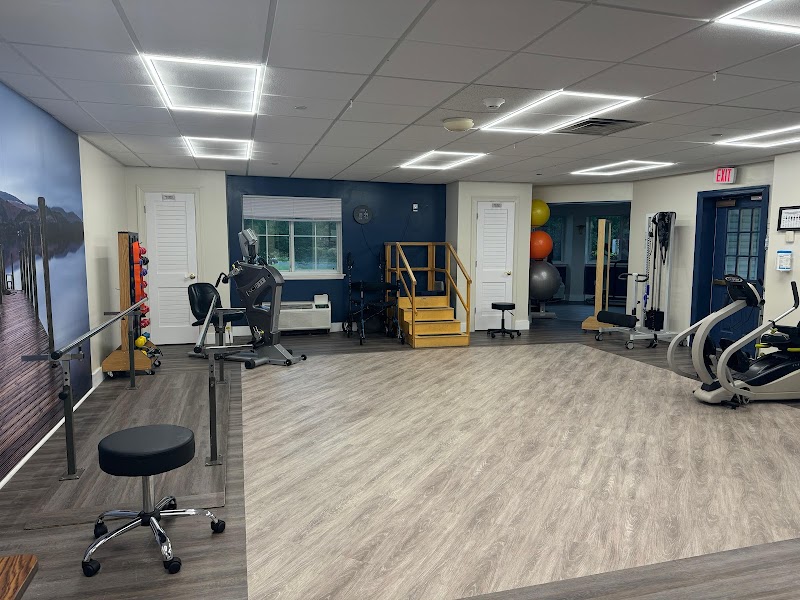
How is Meadowbrook Respiratory And Nursing Center Staffed?

CMS rates MEADOWBROOK RESPIRATORY AND NURSING CENTER's staffing level at 3 out of 5 stars, which is average compared to other nursing homes. Staff turnover is 53%, compared to the New Jersey average of 46%.

What Have Inspectors Found at Meadowbrook Respiratory And Nursing Center?

State health inspectors documented 25 deficiencies at MEADOWBROOK RESPIRATORY AND NURSING CENTER during 2021 to 2025. These included: 1 Immediate Jeopardy (the most serious level, indicating potential for serious harm or death), 23 with potential for harm, and 1 minor or isolated issues. Immediate Jeopardy findings are rare and represent the most serious regulatory concerns. They require immediate corrective action.

Who Owns and Operates Meadowbrook Respiratory And Nursing Center?

MEADOWBROOK RESPIRATORY AND NURSING CENTER is owned by a non-profit organization. Non-profit facilities reinvest revenue into operations rather than distributing to shareholders. The facility is operated by ATLAS HEALTHCARE, a chain that manages multiple nursing homes. With 130 certified beds and approximately 101 residents (about 78% occupancy), it is a mid-sized facility located in MATAWAN, New Jersey.

How Does Meadowbrook Respiratory And Nursing Center Compare to Other New Jersey Nursing Homes?

Compared to the 100 nursing homes in New Jersey, MEADOWBROOK RESPIRATORY AND NURSING CENTER's overall rating (2 stars) is below the state average of 3.2, staff turnover (53%) is near the state average of 46%, and health inspection rating (2 stars) is below the national benchmark.

What Should Families Ask When Visiting Meadowbrook Respiratory And Nursing Center?

Based on this facility's data, families visiting should ask: "What changes have been made since the serious inspection findings, and how are you preventing similar issues?" "Can I visit during a mealtime to observe dining assistance and food quality?" "How do you handle medical emergencies, and what is your hospital transfer rate?" "Can I speak with family members of current residents about their experience?" These questions are particularly relevant given the facility's Immediate Jeopardy citations.

Is Meadowbrook Respiratory And Nursing Center Safe?

Based on CMS inspection data, MEADOWBROOK RESPIRATORY AND NURSING CENTER has documented safety concerns. Inspectors have issued 1 Immediate Jeopardy citation (the most serious violation level indicating risk of serious injury or death). The facility has a 2-star overall rating and ranks #100 of 100 nursing homes in New Jersey. Families considering this facility should ask detailed questions about what corrective actions have been taken since these incidents.

Do Nurses at Meadowbrook Respiratory And Nursing Center Stick Around?

MEADOWBROOK RESPIRATORY AND NURSING CENTER has a staff turnover rate of 53%, which is 7 percentage points above the New Jersey average of 46%. Moderate turnover is common in nursing homes, but families should still ask about staff tenure and how the facility maintains care continuity when employees leave.

Was Meadowbrook Respiratory And Nursing Center Ever Fined?

MEADOWBROOK RESPIRATORY AND NURSING CENTER has been fined $58,016 across 2 penalty actions. This is above the New Jersey average of $33,659. Fines in this range indicate compliance issues significant enough for CMS to impose meaningful financial consequences. Common causes include delayed correction of deficiencies, repeat violations, or care failures affecting resident safety. Families should ask facility leadership what changes have been made since these penalties.

Is Meadowbrook Respiratory And Nursing Center on Any Federal Watch List?

MEADOWBROOK RESPIRATORY AND NURSING CENTER is not on any federal watch list. The most significant is the Special Focus Facility (SFF) program, which identifies the bottom 1% of nursing homes nationally based on persistent, serious quality problems. Not being on this list means the facility has avoided the pattern of deficiencies that triggers enhanced federal oversight. This is a positive indicator, though families should still review the facility's inspection history directly.