TOTAL REHAB MOORESTOWN
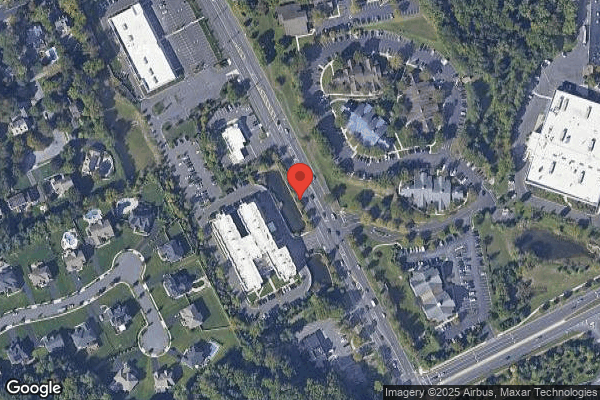
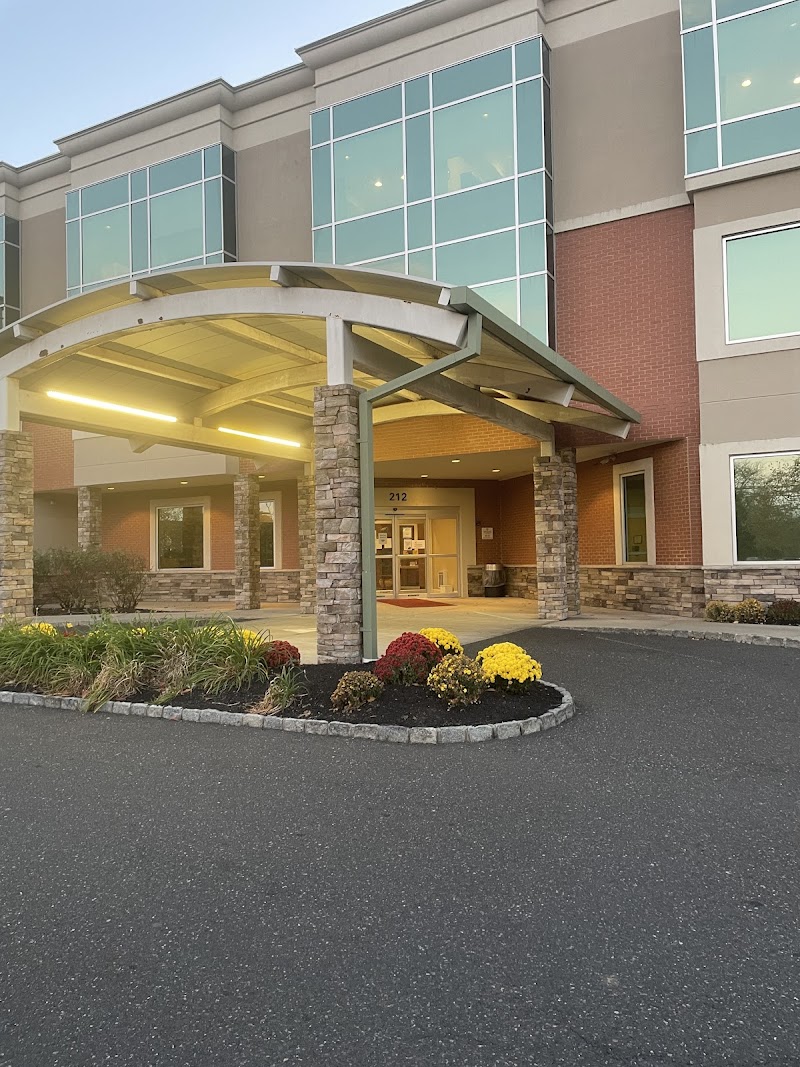
212 MARTER AVENUE, MOORESTOWN, NJ 08057 (856) 291-4800
For profit - Partnership 124 Beds PREFERRED CARE Data: November 2025
Trust Grade
85/100
#75 of 344 in NJ
Last Inspection: December 2023

Within standard 12-15 month inspection cycle. Federal law requires annual inspections.

Overview

Total Rehab Mooresown has a Trust Grade of B+, which means it is above average and generally recommended for families looking for a nursing home. It ranks #75 out of 344 facilities in New Jersey, placing it in the top half of the state, and #4 out of 17 in Burlington County, indicating that only a few local options are better. However, the facility's performance is worsening, with the number of issues increasing from 1 in 2021 to 7 in 2023. Staffing is a concern here, with a rating of 2 out of 5 stars and a turnover rate of 47%, which is higher than the state average. On a positive note, the facility has no fines on record, more RN coverage than 87% of New Jersey facilities, and a perfect rating for health inspections and quality measures. Specific incidents identified during inspections include a failure to clarify a physician's order for a resident's medication over a month, which could lead to potential health risks. Additionally, a nurse did not promptly record the administration of a controlled drug, which raises concerns about medication management. Lastly, there were issues with the dishwashing equipment not reaching the proper rinse temperature, risking infection control. While Total Rehab Mooresown has commendable strengths in certain areas, families should weigh these against the weaknesses observed during inspections.

Trust Score
B+
85/100
In New Jersey
#75/344
Top 21%
Safety Record
Low Risk
No red flags
Inspections
Getting Worse
1 → 7 violations
Staff Stability
⚠ Watch
47% turnover. Above average. Higher turnover means staff may not know residents' routines.
Penalties
✓ Good
No fines on record. Clean compliance history, better than most New Jersey facilities.
Skilled Nurses
✓ Good
Each resident gets 67 minutes of Registered Nurse (RN) attention daily — more than 97% of New Jersey nursing homes. RNs are the most trained staff who catch health problems before they become serious.
Violations
⚠ Watch
13 deficiencies on record. Higher than average. Multiple issues found across inspections.
★★★★★
5.0
Overall Rating
★★☆☆☆
2.0
Staff Levels
★★★★★
5.0
Care Quality
★★★★★
5.0
Inspection Score
Stable
2021: 1 issues
2023: 7 issues

The Good

  • 5-Star Quality Measures · Strong clinical quality outcomes
  • Full Sprinkler Coverage · Fire safety systems throughout facility
  • No fines on record

Facility shows strength in quality measures, fire safety.

The Bad

Staff Turnover: 47%

Near New Jersey avg (46%)

Higher turnover may affect care consistency

Chain: PREFERRED CARE

Part of a multi-facility chain

Ask about local staffing decisions and management

The Ugly 13 deficiencies on record

Dec 2023 5 deficiencies
CONCERN (D) 📢 Someone Reported This

A family member, employee, or ombudsman was alarmed enough to file a formal complaint

Potential for Harm - no one hurt, but risky conditions existed

Deficiency F0658 (Tag F0658)

Could have caused harm · This affected 1 resident

Based on observation, interview and review of the medical records and other facility documentation, it was determined that the facility failed to clarify a physician's order from 10/25/23 until 11/30/...

Read full inspector narrative →
Based on observation, interview and review of the medical records and other facility documentation, it was determined that the facility failed to clarify a physician's order from 10/25/23 until 11/30/23 for 1 of 4 residents (Resident #94) observed during medication observation. This deficient was evidenced by the following: Reference: New Jersey Statutes Annotated, Title 45. Chapter 11. Nursing Board. The Nurse Practice Act for the State of New Jersey states: The practice of nursing as a registered professional nurse is defined as diagnosing and treating human responses to actual and potential physical and emotional health problems, through such services as case finding, health teaching, health counseling, and provision of care supportive to or restorative of life and wellbeing, and executing medical regimens as prescribed by a licensed or otherwise legally authorized physician or dentist. Reference: New Jersey Statutes Annotated, Title 45, Chapter 11. Nursing Board. The Nurse Practice Act for the State of New Jersey states: The practice of nursing as a licensed practical nurse is defined as performing tasks and responsibilities within the framework of case finding; reinforcing the patient and family teaching program through health teaching, health counseling and provision of supportive and restorative care, under the direction of a registered nurse or licensed or otherwise legally authorized physician or dentist. Review of the admission Record for Resident #94 reflected the resident was admitted to the facility with medical diagnoses which included, but were not limited to, displaced intertrochanteric fracture of left femur subsequent encounter for closed fracture with routine healing, pain in left hip, pain in right knee, and difficulty walking. The admission Minimum Data Set (MDS), an assessment tool, dated 9/21/23, reflected that Resident #94 was cognitively intact and required limited to extensive assistance with activities of daily living. The MDS also indicated that the resident was on scheduled pain medications. On 11/30/23 at 9:14 AM, the surveyor observed the Licensed Practical Nurse (LPN) administer medications to Resident #94. The LPN asked Resident #94 if he/she wanted the lidocaine patch that was ordered for pain in the knee. The resident replied, yes and further stated, not on the right knee, but on the left. The LPN replied, okay and proceeded back to the medication cart to prepare the lidocaine patch for the resident. During an interview with the surveyor at that time, the LPN stated, we just ask the resident which knee and [he/she] tells us. When asked how the nurses document which knee the patch was applied to, the LPN responded, we don't. On 11/30/23 at 9:14 AM, the surveyor reviewed the Physician's Order Sheet (POS), dated 10/25/23, with a physician's order for the Lidocaine patch that read: for knee pain apply in the AM and remove at night and apply to knee topically one time a day for remove at 9p. The physician's order did not specify to which knee to apply the Lidocaine 5% patch. The Treatment Administration Record (TAR) for the month of November 2023 did not reflect an order to document location of Lidocaine patch after application. On 12/05/23 at 12:33 PM, the surveyor interviewed the Director of Nursing (DON) who stated that the order for Lidocaine 5% patch for Resident #94 should have been clarified and was considered incomplete. The facility policy labeled Nursing Medication Administration with revised date of 01/18/2023 indicated that Medications are administered by licenses nurses, or other staff who are legally authorized to do so in this state, as ordered by the physician and in accordance with professional standards of practice, in a manner to prevent contamination or infection. Under a subsection called Policy Explanation and Compliance Guidelines, numbered 1 to 21, reflected under #11 that nursing should Compare medication source (bubble pack, vial, etc.) with MAR to verify the resident name, medication name, form, dose, route and time. Under #21 of the subsection Policy Explanation and Compliance it further directed nursing to Correct any discrepancies and report to nurse manager. N.J.A.C. 8:39-27.1 (c) (3i)
CONCERN (D)

Potential for Harm - no one hurt, but risky conditions existed

Pharmacy Services (Tag F0755)

Could have caused harm · This affected 1 resident

Based on observation, interview, and review of facility documents, it was determined that the facility failed to promptly record the removal of controlled drugs from the narcotic inventory record for ...

Read full inspector narrative →
Based on observation, interview, and review of facility documents, it was determined that the facility failed to promptly record the removal of controlled drugs from the narcotic inventory record for 1 of 3 nurses observed during medication pass observation. This deficient practice was evidenced by the following: On 11/30/23 at 9:40 AM, the surveyor asked the Licensed Practical Nurse (LPN) to complete a narcotic count for the third-floor medication cart labeled High Cart C. As the surveyor and the LPN proceeded to conduct the narcotic count the surveyor discovered that the Controlled Drug Record (CDR) sheet for the narcotic medication named Lacosamide 100mg tablets (medication used to control seizures) for Resident #80 indicated that there should have been 25 tablets available, however there was only 24 tablets in the pill packet. The LPN at stated she gave the medication earlier, but forgot to sign it in the CDR to indicate that she had administered the narcotic. She then proceeded to search the time that she administered the medication in the Electronic Medical Record (EMR). Afterwards, she proceeded to sign the CDR in the presence of the surveyor that indicated that she administered the narcotic. When the surveyor asked the LPN why it was important to sign out narcotic medications on the CDR at the time the medication was given, the LPN stated to ensure the narcotic count was correct and to avoid medication errors. The surveyor reviewed Resident #80's admission Record which indicated that the resident was admitted to the facility with a diagnosis which included, but was not limited to, unspecified convulsions. Review of the Physician Order Report indicated that the physician had prescribed Lacosamide 100 mg to be given two times a day for seizure disorder. Review of the EMR indicated that the LPN gave the narcotic medication Lacosamide 100 mg on 11/30/23 at 09:17 am. The surveyor observed that the nurse did not sign the CDR until 9:40 am after surveyor inquiry. On 12/05/23 at 12:33 PM, the surveyor interviewed the Director of Nursing (DON) who stated that the LPN should had signed the narcotic inventory log immediately after the narcotic medication was administered to Resident #80. She further stated that the LPN had already brought this to her attention after it was discovered by the surveyor and the LPN was in-serviced (educated) by the DON. The facility provided the surveyor with an individual one on one in-service untimed and dated 11/30/23, which indicated that the LPN was educated on the importance of ensuring that medications were signed out immediately after administration on the EMR and narcotic sign out sheet. Review of the facility policy titled, Controlled Substances, dated 02/08/2023, which indicated that the facility complies with all laws, regulations, and other requirements related to handling, storage, disposal, and documentation of controlled medications. The policy also specified that controlled substances are reconciled upon receipt, administration, disposition, and at the end of each shift. Review of the facility policy titled, Medication Administration, dated 01/18/2023, indicated that the nurse was responsible to sign the Medication Administration Record after the medication was administrated and if the medication was a controlled substance the nurse was responsible to sign the narcotic book. N.J.A.C. 8:39-29.7 (c)
CONCERN (D)

Potential for Harm - no one hurt, but risky conditions existed

Deficiency F0761 (Tag F0761)

Could have caused harm · This affected 1 resident

**NOTE- TERMS IN BRACKETS HAVE BEEN EDITED TO PROTECT CONFIDENTIALITY** Based on observation, interview, and pertinent facility policies, it was determined that the facility failed to a.) secure a med...

Read full inspector narrative →
**NOTE- TERMS IN BRACKETS HAVE BEEN EDITED TO PROTECT CONFIDENTIALITY** Based on observation, interview, and pertinent facility policies, it was determined that the facility failed to a.) secure a medication administration cart during the medication pass conducted on [DATE] and b.) maintain medications with appropriate label/dating for 2 of 8 medication administration carts inspected This deficient practice was evidenced by the following: 1.) On [DATE] at 9:40 AM, the surveyor observed the medication storage cart on the third floor labeled High Cart C. During the inspection Licensed Practical Nurse (LPN #2) proceeded to walk to the medication storage room with the surveyor and away from the medication cart without locking and securing it. The surveyor went over to the medication cart to wait for the LPN's return from the storage area. When LPN #2 returned to High Cart C, the surveyor asked LPN #2 if the medication cart should be unlocked. LPN #2 stated probably not and further stated she usually locked the cart, but was very nervous at this time. She then explained that it was important to lock the medication cart when out of her eyesight because if a resident was to wander through the unit, they could get in the medication cart and take the medication. She confirmed that locking the medication cart protected the residents. On [DATE] at 12:40 PM, in the presence of the survey team, the Director of Nursing (DON) stated that the medication cart should always be kept locked when out of the nurse's view to prevent any issues with unauthorized individuals gaining access to the medications. 2.) On [DATE] at 9:40 AM, the surveyor conducted a medication administration observation and inspection of the 3rd floor medication administration cart. The surveyor observed LPN #2 perform medication administration on a medication cart labeled High Cart C. At this time during the cart inspection, the surveyor observed the following opened short expiration medications were not labeled with the date they were opened: -Budesonide 0.5 9 milligrams (mg) 2ml opened foil packet. According to the manufactures recommendations after the envelope is opened the shelf-life of the unused ampules was two weeks. LPN #2 was interviewed at this time and indicated that medications should be dated when opened. On [DATE] at 08:32 AM, the surveyor conducted an inspection of the medication storage cart on the second floor labeled High Cart B. The surveyor observed that the following short expiration medications were not labled with a date when opened: -Trilogy Elipta Inhaler 200mg/62.5 mcg/25/mcg. The surveyor observed that the foil tray containing the inhaler was not dated when opened and according to manufactures recommendation, the medication was only good for six (6) weeks after opening the foil tray. - Fluticasone Furate Inhaler 100 mch/25 mcg. According to the insert on the box the medication was only good for 6 weeks after opening. The surveyor interviewed LPN #3 at this time who indicated that she was not sure why the medications were not dated when opened. She stated that all medications should be opened when dated because certain medications could expire after opening and were only good for a certain amount of time. On [DATE] at 11:21 AM, the surveyor interviewed the Pharmacy Consultant (PC) who stated that he had been coming to the facility for about 5 years. The PC stated that he was in the facility monthly and inspected the medication carts to assure proper labeling and dating. He stated that he focused on all medications in the medication cart however prioritized the medications with shortened expiration dates after they were opened. He stated that the nurses were to monitor these types of medications to assure that they kept track of the shorter expiration date medications in between his visits. He stated that the nurses needed to check that these medications were dated when opened. He stated that the medication Budesonide was light sensitive and when a pouch is opened it expires 7 days after opening. He stated that some literature regarding this medication indicated that it expired 14 days after opening, but other literature indicated that it expired 7 days after opening. He further stated that the facility followed the more stringent recommendations of 7 days. He also stated that this medication was very light sensitive and that since it could not be assured that it was out in the light too long, that he educated the nurses in the facility that it expired 7 days after opening. He continued to add that it was good practice is to assure that medications were dated when opened. He confirmed that the medications Trilogy Elipta Inhaler and Fluticasone Furate Inhaler expired 6 weeks after opening. The facility policy titled, Security of the Medication Cart dated [DATE], which indicated that the medication cart shall be secured during medication passes. The policy indicated that the nurse would secure the medication art during the medication pass to prevent unauthorized entry and that medication carts must be securely always locked when out of the nurse's view. The facility policy titled, Labeling of Medication Containers with a revised date of [DATE] which indicated that all medications maintained at the facility were properly labeled in accordance with current state and federal guidelines and regulations. NJAC 8:39-29.2(d) NJAC 8:39-29.4(a)
CONCERN (D)

Potential for Harm - no one hurt, but risky conditions existed

Infection Control (Tag F0880)

Could have caused harm · This affected 1 resident

Based on observation, interview, record review, and review of other pertinent facility documentation, it was determined that the facility failed to follow appropriate infection control practices to pr...

Read full inspector narrative →
Based on observation, interview, record review, and review of other pertinent facility documentation, it was determined that the facility failed to follow appropriate infection control practices to prevent the spread of infection. This deficient practice was identified for 1 of 3 nurses observed during a medication administration observation. The deficient practice was evidenced by the following: On 11/30/23 at 9:44 AM, the surveyor observed the Licensed Practical Nurse (LPN) administer medications to Resident #419. The Department Nurse Manager (DNM), with an ungloved hand, handed the LPN three (3) packets of medication for Resident #419. The medications received by the LPN included one (1) buspirone HCL oral tablet 5 milligram (mg), one (1) folic acid oral tablet 1 mg, and one (1) nifedipine 30mg 24hr extended-release oral tablet. The LPN received the packets of medication in her ungloved hands and then placed them in her pocket. The LPN then went to finish the narcotic count with the surveyor in the storage room. No hand hygiene was observed at this time. On 11/30/23 at 9:59 AM, the LPN returned to the medication cart and began to prepare the medications received from the DNM for Resident #419. The LPN removed the medication with her ungloved hand from her pocket and placed the unopened packets into a medicine cup. The LPN then removed one (1) pill of cetirizine 10mg from a medication bottle and placed that into the same medicine cup with the unopened packets. The LPN then stated she will be giving the patient the medications now. At that time, the surveyor confirmed with LPN that she will be giving Resident #419 the medications as prepared and the LPN replied, yes. The LPN failed to follow appropriate infection control practices by placing loose medication (cetirizine 10mg) into the same medication cup with unopened packets of medication which included one (1) buspirone hcl oral tablet 5 mg, one (1) folic acid oral tablet 1 mg, and one (1) nifedipine 30mg 24hr extended-release oral tablet. All medication packets had been touched by both the DNM and the LPN with ungloved hands. On 11/20/23 at 10:02 AM, the surveyor interviewed the LPN. On interview of the LPN the surveyor asked the LPN if it was acceptable to give the medications the way she had prepared them with the closed packets and the open medication in the same medicine cup, after the packets were touched by multiple staff. The LPN replied, no because it would be contaminated. It was at that time the LPN stated she will restart her medication preparation, and proceeded to appropriately waste the loose pill of cetirizine 10mg that was in the medicine cup. The LPN then discarded the old medicine cup; performed hand hygiene, donned gloves, retrieved a new medicine cup, and began preparing medications again for Resident #419, which included pouring a new tab of cetirizine10mg into a clean medicine cup from the supply bottle and then removing the medication from the pill packets before placing them into the medication administration cup. On 12/05/23 at 11:51 AM, the surveyor interviewed the Registered Nurse Infection Preventionist (RN/IP). The RN/IP explained that the LPN should not have placed medications that were still in blister packs, in the same medicine cup as loose medications because it can cause cross contamination. On 12/06/23 at 1:28 PM, the surveyor reviewed the facility policy labeled Infection Control Program and Surveillance Plan with revised date of 02/01/2023, indicated that Total Rehab + at Moorestown's infection control program will identify and reduce the risk of acquiring and transmitting infections among residents, staff volunteers, students, and visitors. The program incorporates a broad range of education, surveillance, prevention, and infection control practices involving all departments with oversight by the designated infection control preventionist nurse under the guidance of the Infection Control Committee. Under subsection called Structure and Organization it further specifies that This manual also contains information related to specific clinical conditions, including practices to prevent or minimize the spread or occurrence of infections while caring for residents including General Infection control policies and procedures that mandate routine infection control practices, including personal protective measures, hand hygiene and guidelines for Standard and Transmission-Based Precautions. NJAC 8:39-19.4(a)
MINOR (C)

Minor Issue - procedural, no safety impact

Deficiency F0836 (Tag F0836)

Minor procedural issue · This affected most or all residents

**NOTE- TERMS IN BRACKETS HAVE BEEN EDITED TO PROTECT CONFIDENTIALITY** Based on observation, interview, and review of pertinent facility documents it was determined that the facility failed to notify...

Read full inspector narrative →
**NOTE- TERMS IN BRACKETS HAVE BEEN EDITED TO PROTECT CONFIDENTIALITY** Based on observation, interview, and review of pertinent facility documents it was determined that the facility failed to notify CMS (Centers for Medicare & Medicaid Services) and receive authorization for a change in the facility's name in accordance with 42 CFR (Code of Federal Regulations) 424.516. This deficient practice was evidenced by the following: According to 42 CFR 424.516 Additional provider and supplier requirements for enrolling and maintaining active enrollment status in the Medicare Program: (a) Certifying compliance. CMS enrolls and maintains an active enrollment status for a provider or supplier when that provider or supplier certifies that it meets, and continues to meet, and CMS verifies that it meets, and continues to meet, all of the following requirements: (1) Compliance with title XVIII of the Act and applicable Medicare regulations. (2) Compliance with Federal and State licensure, certification, and regulatory requirements, as required, based on the type of services, or supplies the provider or supplier type will furnish and bill Medicare. (3) Not employing or contracting with individuals or entities that meet either of the following conditions: (i) Excluded from participation in any Federal health care programs, for the provision of items and services covered under the programs, in violation of section 1128 A(a)(6) of the Act. (ii) Debarred by the General Services Administration (GSA) from any other Executive Branch procurement or nonprocurement programs or activities, in accordance with the Federal Acquisition and Streamlining Act of 1994, and with the HHS Common Rule at 45 CFR part 76 (d) Reporting requirements for physicians, nonphysician practitioners, and physician and nonphysician practitioner organizations. Physicians, nonphysician practitioners, and physician and nonphysician practitioner organizations must report the following reportable events to their Medicare contractor within the specified timeframes: (1) Within 30 days - (i) A change of ownership; (ii) Any adverse legal action; or (iii) A change in practice location. (2) All other changes in enrollment must be reported within 90 days. On [DATE] at 10:45 AM, upon arrival of the surveyors to the facility, the surveyor observed a facility sign, Total Rehab at Moorestown that had a name that did not correspond with the CMS licensed, approved name and provider registered name Promedica Total Rehab + Moorestown. Upon entrance into the facility, the survey team observed there were displayed signs and brochures with the same name Total Rehab at Moorestown. The facility name displayed in the entrance area, Total Rehab at Moorestown did not correspond with the CMS licensed and approved name of Promedica Total Rehab + Moorestown. On [DATE] at 11:57 AM, the survey team conducted the entrance conference with the Director of Nursing (DON), the License Nursing Home Administrator (LNHA), and the [NAME] President of Clinicals (VP of Clinicals). During the discussion the LNHA informed the survey team that the facility was now named Total Rehab at Moorestown and was under the new ownership of Preferred Care. The VP of Clinical stated that the ownership and name change occured in January of 2023. She further stated that the New Jersey Department of Health (NJDOH) state licensing was notified of the new ownership and name change. On [DATE] at 09:00 AM, the survey team reviewed various pertinent facility documents - the facility's website and brochures which indicated the facility was advertising as Total Rehab at Moorestown rather than Promedica Total Rehab + Moorestown. The pertinent documents provided reflected that the facility name currently in use did not match the facility's licensed name. The facility name, Total Rehab at Moorestown utilized was not approved by CMS. The Surveyor reviewed the facility license which documented, Promedica Total Rehab + (Moorestown) as the facility name. The license issued by the New Jersey Department of Health (NJDOH) Division of Certificate of Need and Licensing was issued on [DATE] and expired on [DATE]. On [DATE] at 09:20 AM, the LNHA stated in the presence of the survey team that he was unsure if the CMS 855A application for the name change was completed. On [DATE] at 09:41 AM, the LNHA in the presence of the survey team stated that the signage outside and the documents that reflected Total Rehab at Moorestown was done prior to him starting at the facility. The LNHA stated he become the LNHA two (2) months ago, and prior to that he started as the Assistant LNHA in April of 2023. On [DATE] at 12:38 PM, the LNHA provided the LSC-9 Application for a Long-Term Care Facility License that was submitted in February of 2023. On [DATE] at 01:12 PM, the surveyor interviewed the Regional LNHA who stated he spoke with the corporate office and that the CMS 855A application could not be submitted until they received approval from the state licensure. Upon further review of the documents provided by the LNHA, there was an email dated for [DATE] and [DATE] sent to NJDOH from the facility's attorney regarding the new license, reflected the following: -After approval and closing, the new name of the facility will be Total Rehab Moorestown. -Page 3: The Medicare provider number will be assigned to Moorestown Operator, LLC following approval of a CMS855A application, and a new Medicaid provider number will be issued to the applicant following the review and approval. The state surveyor met with the facility's LNHA to discuss the deficient practice of utilizing the facility name Total Rehab at Moorestown without NJDOH Licensure approval. On [DATE] at 09:22 AM, the LNHA in the presence of the Regional Nurse, the Assistant LNHA, the DON and survey team, stated that the name change, and transfer of ownership was sent in February 2023 and should be getting approval this week. He further stated that the facility reached out to their lawyer who was not aware it was an issue. The LNHA stated that the CMS 855A application could only be completed once the NJDOH gave the approval. The LNHA acknowledged they did not get official approval for the name change. No further information or documentation was provided to the survey team to refute these findings. NJAC 8:39-5.1 (a)
May 2023 2 deficiencies
CONCERN (D) 📢 Someone Reported This

A family member, employee, or ombudsman was alarmed enough to file a formal complaint

Potential for Harm - no one hurt, but risky conditions existed

Notification of Changes (Tag F0580)

Could have caused harm · This affected 1 resident

**NOTE- TERMS IN BRACKETS HAVE BEEN EDITED TO PROTECT CONFIDENTIALITY** C#: NJ164303 Based on interviews, medical records review, and review of other pertinent facility documentation on 5/24/2023, it ...

Read full inspector narrative →
**NOTE- TERMS IN BRACKETS HAVE BEEN EDITED TO PROTECT CONFIDENTIALITY** C#: NJ164303 Based on interviews, medical records review, and review of other pertinent facility documentation on 5/24/2023, it was determined that the facility failed to notify the Physician when a resident refused his/her medications. The facility also failed to follow its policies titled Documentation in Medical Records. This deficient practice was identified for 2 of 4 residents (Resident #1 & #2) and was evidenced by the following: 1. According to the admission Record (AR), Resident #1 was admitted to the facility on [DATE] with diagnoses which included but were not limited to Other Intestinal Obstruction Unspecified As To Partial Versus Complete Obstruction and Essential (Primary) Hypertension. According to the Minimum Data Set (MDS), an assessment tool dated 5/2/2023, Resident # 1 had a Brief Interview of Mental Status (BIMS) score of 15/15, which indicated the Resident was cognitively intact. The MDS also showed Resident #1 needed extensive assistance with most Activities of Daily Living (ADLs). A review of Resident #1's Order Summary Report (OSR) dated Active Orders as of 5/24/2023, included under Order Summary: Miralax Oral Packet 17 GM (gram) (Polyethylene Glycol 3350). Give 1 packet by mouth one time a day for constipation, order date 5/11/2023. A review of Resident #1's Medication Administration Record (MAR) dated 5/1/2023-5/31/2023 revealed the Resident refused the aforementioned Physician's Order on 5/21/2023, 5/22/2023, 5/23/2023 and 5/24/2023 at 9:00 a.m. as evidenced by the code 2=Offered and Refused . A review of Resident #1's Progress Notes (PNs) revealed no documentation that the Physician was notified of the medication refusals at the time of the survey. 2. According to the AR, Resident #2 was admitted to the facility on [DATE] with diagnoses which included but were not limited to Idiopathic Aseptic Necrosis of the Right Femur, Direct Infection of the Right Hip in the Infectious and Parasitic Diseases Classified Elsewhere and the Presence of Other Orthopedic Implants. According to the MDS, dated [DATE], Resident #2 had a BIMS score of 14/15, which indicated the Resident was cognitively intact. The MDS also showed Resident #2 needed limited assistance with most ADLs. A review of Resident #2's Care Plan (CP) revealed under Focus included: Nutritional Status as evidenced by patient-reported decreased intake levels r/t (related/to) medical status. Under Goal: Will consume appropriate amounts of food and fluids to promote healing/strength for therapy participation; under Interventions included: .Provide diet supplements per orders - pro liquid once/day for 21 days, order date 5/19/2023. A review of Resident #2's OSR dated Active Orders as of 5/24/2023 revealed under Order Summary included: ProMod Liquid (Nutritional Supplements) Give 30 ml (milliliter) by mouth one time a day for protein, dated 5/19/2023. A review of Resident #2's MAR dated 5/1/2023-5/31/2023 revealed the aforementioned Physician's Order revealed the Resident refused the order on 5/22/2023, 5/23/2023, and 5/24/2023 as evidenced by the code 2=Offered and Refused . A review of Resident #2's eMAR (electronic Medication Administration Record) Progress Notes (PNs) revealed on 5/24/2023 at 8:29 a.m., written by the Registered Nurse (RN) ProMod Liquid 30 mL 1 time a day for protein pt [patient/resident] does not want at this time. Further review of Resident #2 PNs revealed no documentation that the Physician was notified of the medication refusals at the time of the survey. During an interview on 5/24/2023 at 12:30 p.m., when the Surveyor asked him should the Physician be notified for a medication refusal, the Acting Clinical Director/Licensed Practice Nurse (ACD/LPN) stated: If a resident refuses meds [medications] ascertain why they [he/she] refuse[d], educate on why meds [are] important and notify [the] MD [Physician] and document if [the] refusal continues. He continued, On the eMAR, when the resident refuses, it prompts a note, a Progress Note (PNs) to generate. In the same interview, the ACD/LPN stated: If [the] Physician was notified, it would also be [documented] in that note (PNs), the doctor is expected to be called if the medication is refused and [it] would be documented only in the PNs. During an interview on 5/24/2023 at 1:55 p.m., the Regional Director of Nursing (RDON), in the presence of the Administrator, stated, . there's no specific Physician Notification Policy. She continued to say, If a resident consistently refuses [medication], we educate the patient [resident], tell [the] NP (Nurse Practitioner), and if the NP was notified, there could be a note. During an interview on 5/24/2023 at 2:29 p.m., the Registered Nurse (RN) assigned to Residents #1 & #2 stated, [the] doctor [physician] is notified by the Unit Manager (UM), Clinical Director or the nurse assigned to the resident when a medication is refused. She continued that whenever the nurse calls the doctor, [the nurse] documents in the PNs. The RN stated, . if it's not documented, it's not done. At the time of the survey, the nurses who did not administer the medications were unavailable. A review of the facility policy titled Documentation in Medical Records, last date revised 1/18/2023, revealed the following: Under Policy: included Each resident's medical record shall contain an accurate representation of the actual experiences of the resident and include enough information to provide a picture of the resident's progress through complete, accurate, and timely documentation. Under Policy Explanation and Compliance Guidelines: included: 1. Licensed staff and interdisciplinary team members shall document all assessments, observations, and services provided in the Resident's medical record in accordance with state law and facility policy. 2. Documentation shall be completed at the time of service but no later than the shift in which the assessment, observation, or care service occurred. 3. Principles of documentation include, but not limited to: .b. Documentation shall be accurate, relevant, and complete, containing sufficient details about the Resident's care and/or responses to care. c. Documentation shall be timely and in chronological order . N.J.A.C. 8.39-13.1 (d)
CONCERN (D) 📢 Someone Reported This

A family member, employee, or ombudsman was alarmed enough to file a formal complaint

Potential for Harm - no one hurt, but risky conditions existed

Medical Records (Tag F0842)

Could have caused harm · This affected 1 resident

Complaint #NJ164303 Based on observation, interview, review of the medical record, and other facility documentation, it was determined that the facility failed to provide evidence that an Intravenous ...

Read full inspector narrative →
Complaint #NJ164303 Based on observation, interview, review of the medical record, and other facility documentation, it was determined that the facility failed to provide evidence that an Intravenous medication was administered according to the Physician's Order and failed to follow its policies titled Medication Administration, and Intermittent Infusion Administration. This deficient practice was identified for 1 of 4 residents (Resident #3) reviewed for medication administration and was evidenced by the following: Review of the Medical Record (MR) was as follows: According to Resident #3, Face Sheet, the resident was admitted to the facility with diagnoses which included but were not limited to Bacteremia (a bloodstream infection), sepsis (blood poisoning), and Endocarditis (an infection of the heart involving heart valves). A review of the initial Minimum Data Set (MDS), an assessment tool dated 4/25/23, revealed Resident #3 had a Brief Interview for Mental Status (BIMS) score of 15/15, which indicated the resident was cognitively intact. This MDS also showed the resident required Intravenous (IV) medications. A review of Resident #3's Care Plan (CP) dated 4/19/23 addressed the potential for complications related to antibiotic therapy, which included interventions as follows: Administer Antibiotic medications as ordered by a physician. Monitor/document side effects and effectiveness. A review of the Physician's Order Summary (POS) dated 4/19/23 included an order for Ceftriazone Sodium Intravenous Solution Reconstituted 2grams, use 2grams intravenously every 12 hrs for Bacteremia/Encarditis to be administered to Resident #3. A review of the Medication Administration Record (MAR) on 5/24/23 at 1:28 PM revealed there was no documented evidence that Resident #3 received the scheduled IV medication of Ceftriaxone Sodium 2gm every 12 hours on 5/10/23 and 5/19/23 at 6:00 PM since both spaces were left blank. During an interview conducted by the surveyor on 5/24/23 at 2:29 PM with the Director of Nursing (DON), the DON stated she made a telephone call to the Licensed Practical Nurse (LPN) who was on duty for the evening shift. The LPN stated to the DON that she gave the medication but probably forgot to save it in the computer. The DON further stated her expectation was the LPN should have documented the medication after it was administered to Resident #3 . During an interview conducted by the surveyor with the DON on 5/24/23 at 3:00 PM, the surveyor reviewed Resident #3's MAR. The DON acknowledged that no documentation would most likely mean the medication wasn't given. A review of the facility's policy titled Medication Administration, dated 7/20/20, and revised 1/18/23, included, Policy: Medications are to be administered by licensed nurse, or other staff who are legally authorized to do so in this state as ordered by the physician and in accordance with professional standards of practice, in a manner to prevent contamination or infection. Also included in the policy under 10. Review MAR to identify medication to be administered; 17., Sign MAR after administered; and 20. Monitor for side effects or adverse drug reactions immediately after administration and throughout each shift. A review of the facility policy titled Intermittent Infusion Administration, dated 4/18/2018, included under S., Document the dose given on the medication administration record as well as any IV site complications/concerns and resident's tolerance of procedure in the nurse's notes. The IV flow sheet is to be completed per facility policy. NJAC 8:39-27.1(a)
Aug 2021 1 deficiency
CONCERN (D)

Potential for Harm - no one hurt, but risky conditions existed

Deficiency F0658 (Tag F0658)

Could have caused harm · This affected 1 resident

Based on observation, interview, record review and review of facility documents, it was determined that the facility failed to follow professional standards of clinical practice during medication admi...

Read full inspector narrative →
Based on observation, interview, record review and review of facility documents, it was determined that the facility failed to follow professional standards of clinical practice during medication administration for 1 of 4 residents (Resident #23) observed for medication pass. This deficient practice was evidenced by the following: Reference: New Jersey Statutes, Annotated Title 45, Chapter 11 Nursing Board, The Nurse Practice Act for the State of New Jersey state: The practice of nursing as a registered professional nurse is defined as diagnosing and treating human responses to actual or potential physical and emotional health problems, through such services as case finding, health teaching, health counseling, and provision of care supportive to or restorative of life and well-being, and executing a medical regimen as prescribed by a licensed or otherwise legally authorized physician or dentist. Reference: New Jersey Statutes, Annotated Title 45, Chapter 11 Nursing Board, The Nurse Practice Act for the State of New Jersey state: The practice of nursing as a licensed practical nurse is defined as performing tasks and responsibilities within the framework of case finding; reinforcing the patient and family teaching program through health teaching, health counseling and provision of supportive and restorative care, under the direction of a registered nurse or licensed or otherwise legally authorized physician or dentist. On 08/19/2021 at 8:45 AM, the surveyor observed the Licensed Practical Nurse (LPN) administer medications to Resident #23. The LPN dispensed 13 medications, including a Lidocaine Patch 4%. The LPN removed the patch from the packaging and labeled the patch with the date, time and her own initials. Upon entering the resident's room with the medication, the LPN explained to the resident that she was going to apply the Lidocaine Patch and exposed the resident's back. At that time, the surveyor stopped the LPN and asked to return to the medication cart. The LPN removed the Lidocaine Patch box from the medication cart and verified the strength was 4%. The LPN then reviewed the physician's order on the Medication Administration Record (MAR) and acknowledged the order was for Lidocaine Patch 5%. The LPN then stated that the physician had to be notified to clarify the order. Review of Resident #23's Order Summary Report included a physician's order for Lidocaine Patch 5% Apply to back topically for back pain and remove per schedule, with a start date of 08/15/2021. During an interview with the surveyor on 08/19/2021 at 9:10 AM, the LPN stated she performed three checks prior to administering medications, to ensure the right resident receives the right medication and dose. When asked if the LPN performed the three checks prior to administering the Lidocaine Patch, the LPN stated, I didn't see the 4% on the box. During an interview with the surveyor on 08/19/2021 at 10:07 AM, the Care Manager stated that the nurse administering medications should perform three checks by comparing the medication to the physician's order to ensure the right resident receives the right medication and dose. During an interview with the surveyor on 08/19/2021 at 10:25 AM, the Director of Nursing (DON) stated that the nurse administering medications should review the physician's order and compare it against the medication to ensure the right medication and dose are being administered to the right resident. The DON further stated that the LPN should have performed these checks prior to administering the Lidocaine Patch. Review of the facility's Medication Administration: Medication Pass policy, dated 03/2010, included, Open MAR to patient record and review physician medication order against medication label, and, compare MAR with medication label for accuracy. NJAC 8:39-27.1(a)
Sept 2019 5 deficiencies
CONCERN (D)

Potential for Harm - no one hurt, but risky conditions existed

Pressure Ulcer Prevention (Tag F0686)

Could have caused harm · This affected 1 resident

**NOTE- TERMS IN BRACKETS HAVE BEEN EDITED TO PROTECT CONFIDENTIALITY** Based on observation, interview, and record review, it was determined that the facility failed to ensure that pressure ulcer pre...

Read full inspector narrative →
**NOTE- TERMS IN BRACKETS HAVE BEEN EDITED TO PROTECT CONFIDENTIALITY** Based on observation, interview, and record review, it was determined that the facility failed to ensure that pressure ulcer prevention interventions were implemented to address the risk of development of a pressure ulcer for a resident that was identified as being at risk for pressure ulcer development. This deficient practice was identified for Resident #108, 1 of 2 residents reviewed for pressure ulceer and was evidenced by the following: On 09/18/19 at 8:28 AM, during the initial tour, the surveyor observed Resident #108, who was awake, alert and lying supine (on back facing upward) in bed with the head of the bed slightly elevated. Concurrently, the surveyor observed the Registered Nurse, Minimum Data Set Coordinator (RN/MDS) and Assistant Director of Nursing (ADON) enter the resident's room. They stated they were going to boost the resident up in bed. The ADON stated, upon lifting the resident up in bed, these need to come out. The ADON was observed removing towels and a sheet, that appeared wet, from underneath the resident. The resident stated, they told me it was a good cushion for my bed sore. The resident was not observed lying on a air mattress. At 8:51 AM, the surveyor returned and continued the interview with Resident #108. The surveyor observed Resident #108 lying supine in bed with head of bed slightly elevated. The resident stated that he/she had a sore on the base of his/her spine and that he/she did not have any sores, or any issues with his/her skin before coming to the facility. The resident further stated that he/she spent many weeks in another facility and had no problems with his/her skin and that since he/she came to the facility that he/she got a sore from being left lying in a wet incontinence brief and due to frequent urination. The resident continued to state that he/she had a scar from a cyst that was removed at [AGE] years of age and that there was also a little divot in the area of his/her spine. The resident stated that he/she thought the divot was not getting wiped clean by the CNAs. Resident #108 further stated that he/she kept telling the CNAs that his/her backside was burning and that they (CNAs) told me it was red and that it was okay. On 09/19/19 at 8:33 AM, the surveyor observed Resident #108 lying supine in bed with the head of the bed slightly elevated. No air mattress was observed. The surveyor interviewed the resident regarding the towels and sheet that was observed being removed from underneath the resident on 09/18/19. The resident stated, yesterday, the CNA put the towels under me because of my heavy wetting. According to the admission Record, the resident was admitted to the facility on [DATE] with diagnoses that included quadriplegia (paralysis of all four limbs) and unspecified injury of the cervical spinal cord. A Physician follow-up note, dated 08/20/19, revealed the resident was assessed as having a neurogenic bowel and bladder (loss of control of bowels and bladder due to problems with the nervous system). According to the admission Minimum Data Set (MDS), an assessment tool used to facilitate care dated 08/19/19, the resident had a Brief Interview for Mental Status (BIMS) score of 15, which indicated the resident was cognitively intact. The MDS also revealed that the resident needed maximal assistance to roll left and right, was dependent on staff for toileting, was non-ambulatory, was at risk for developing pressure ulcers, did not have any unhealed pressure ulcers, was frequently incontinent of urine, and that a trial toileting program has not been attempted. Review of a Nursing admission Documentation Note (NADN), dated 08/12/19 at 5:04 PM, revealed Resident #108 was admitted without a pressure ulcer and that the resident scored 10 on the Braden Score (an assessment tool used to assess a resident's risk of developing a pressure ulcer). A score of 10 indicated the resident was at high risk for developing a pressure ulcer. An ADL (Activity of Daily Living) summary revealed the resident was totally dependent on staff for bed mobility, personal hygiene/dressing and required extensive assistance for toileting. The genitourinary system reviewed and urinary toileting program section was blank. Review of an Occupational Therapy Encounter Note (OT), dated 08/22/19 revealed precautions for skin integrity. The note also included that the resident was dependent for bed mobility and skilled interventions that included promotion of postural alignment and control and patient/caregiver education in bed positioning strategies to focus on facilitation of pressure distribution, facilitation of pelvic alignment and pain reduction. Review of an OT Note, dated 08/29/19, revealed precautions for skin integrity and skilled interventions that included, patient/caregiver education in bed positioning strategies focusing on optimal skin integrity and pain reduction. Review of the Care Plan (CP) revealed a Focus area, initiated 08/12/19, which revealed that Resident #108 was dependent (on staff) for bathing, grooming, personal hygiene, dressing, eating, bed mobility, transfer, locomotion, and toileting related to limited mobility. The goal was to anticipate and meet the resident's ADL (activities of daily living) needs. Interventions initiated included to provide the resident with a total assist of two staff for bed mobility and transfers via Hoyer (a mechanical lift device). The CP further revealed that upon admission, 08/12/19, the resident was dependent on two staff for bed mobility. The CP did not have specific, quantifiable or measurable interventions noted for repositioning the resident. There was no CP intervention for the resident's frequent urinary incontinence; although, on 08/23/19, the CP revealed that the resident was at risk for skin breakdown related to decreased activity and incontinence. The CP did not reveal bed positioning strategies as documented in the OT Note and to maintain optimal skin integrity, Review of the CP revealed a Focus area, initiated 08/13/19, which indicated that Resident #108 was at risk for skin breakdown due to decreased activity. The goal was to remain free of skin tear and/or bruising X 90 days. Interventions initiated at that time included, apply barrier cream with each cleansing, pat (do not rub) skin when drying, and provide preventative skin care i.e. lotions, barrier creams as ordered. Review of a Physician Progress Note, dated 08/20/19, revealed the resident leaned to the right and required full assistance for repositioning. The Physician recommendations for skin included an air mattress, gel cushion, and educating the resident and family on turning the resident. Review of the CP revealed an intervention for pressure redistribution surface to bed which was initiated on 09/06/19 and not on 08/20/19 when recommended by the physician. Review of a Nursing Progress Note (NPN), dated 09/06/19 at 11:41 AM, revealed a Certified Nurse Aide (CNA) had provided peri-care for Resident #108 and notified the nurse that the resident was complaining of a burning sensation to the sacrum (area below the spine and above the buttocks). During that observation the nurse observed an opening 1 centimeter (cm) by 0.5 cm in size to Resident #108's sacrum. A review of a Physician's Order Summary (POS) Report revealed a treatment order, dated 09/06/19 for the sacrum: clean skin tear, apply hydrogel, and cover with dry sterile dressing (DSD) every night shift for wound treatment. Review of the Progress Note, signed by a Registered Nurse (RN), dated 09/10/19 at 9:33 AM, revealed the facility in-house acquired pressure wound was identified as Stage 2 (partial thickness skin loss). The note also revealed that the resident refused an air mattress and education was provided on the benefits of high air loss mattress. There was no alternative intervention, nor additional interventions added to the CP after the resident's refusal of the air mattress. Review of a Nursing Documentation Note (NDN), dated 09/10/19 at 3:59 PM, completed by a Licensed Practical Nurse (LPN), revealed No skin injury/wound(s) noted. Review of the September 2019 Treatment Administration Record (TAR) revealed there was no corresponding documentation regarding the turning and repositioning and checking the resident's skin every two hours. Review of a Wound Visit note, dated 09/10/19 at 8:07 PM, completed by the Advanced Practice Nurse (APN), revealed a Stage 2 wound that measured 1.8 centimeters (cm) in length, 0.9 cm in width and 0.2 cm in depth with small exudate (drainage). The APN Wound visit recommendations revealed to limit seating to two hours at a time. There was no change in the treatment order, nor was there a physician order corresponding with the recommendations made by the APN to limit seating to two hours at a time. The APN visit further revealed that the plan of care was discussed with the nursing staff. Review of a Wound Visit note, dated 09/17/19 at 00:00, completed by the APN for follow up a a Stage 2 pressure ulcer, revealed that the resident stated she cannot tolerate the low air loss mattress but would like to try an eggcrate. The visit further revealed the APN discussed this with the resident and the Unit Manager who will follow up. The visit further revealed the APN now classified the wound as an in-house acquired Stage 3 (full thickness skin loss involving damage or necrosis of tissue) that measured 1.0 cm in length, 0.7 cm width and 0.2 cm depth. A picture of the wound, dated 09/17/19 revealed a deteriorating 7 day old wound that measured 1.02 centimeters (cm) in length, 0.7 cm in width and a depth of 0.2 cm with small exudate (drainage). The APN visit further revealed to D/C (discontinue) hydrogel to the sacral wound and apply Santyl and Calcium Alginate to sacral wound daily and cover with a dry dressing and border gauze and limit seating to two hours at a time. Review of a wound assessment, dated 09/18/19, revealed that as of 09/15/19, the 8 days old in-house acquired sacrum pressure ulcer was Stage 2 and deteriorating. There were no additional interventions added to the CP to prevent additional wound deterioration. Review of the POS, dated 09/19/19 at 12:31 PM, revealed that there was no indication or documentation that the hydrogel was discontinued and the Santyl was ordered in accordance with the APN recommendations on 09/17/19. Further, the TAR, printed on 09/19/19 at 12:42 PM, revealed the hydrogel treatment was administered on 09/17/19 and 09/18/19 and remained on the TAR as active. There was no documentation to support the APN recommendation to limit the resident's seating to two hours at a time nor, support the trial of an egg crate. There was no evidence of changes in the CP interventions noted on 09/17/19 when the wound was identified as progressing to a Stage 3 by the APN. On 09/19/19 at 11:11 AM, the surveyor interviewed the Licensed Practical Nurse (LPN) #1 regarding if the resident gets out of the bed and if the resident was on a turning and repositioning schedule. LPN #1 stated that the resident can get out of the bed and go into a wheelchair. LPN #1 further stated that the resident is not on a turning schedule because if the resident was on a turning schedule that it would be on the sheet. LPN #1 proceeded to show the surveyor the LPN's Report Sheet, dated 09/19/19. As an example, LPN #1 showed the surveyor another resident's notes that clearly indicated, and was highlighted, to turn the resident every two hours. LPN #1 stated if Resident #108 was supposed to be turned every two hours, it would appear under the resident's name on the Report Sheet. On 09/19/19 at 2:12 PM, the surveyor interviewed the CNA assigned to Resident #108. The CNA showed the surveyor a hand-held computer and stated that if the resident was on a turning schedule then it should be on her hand-held computer, which had the CNA Kardex (resident care instruction) section in it. The CNA was unable to locate the turning schedule for Resident #108 in the Kardex and stated they took it off, it is not here. The surveyor reviewed the Skin Care interventions on the CNA Kardex, dated 09/19/19. The interventions revealed, observe skin condition daily with ADL care and report abnormalities, pat (do not rub) skin when drying, preventative skin care lotions/cream-type and site to be applied to bilateral legs and feet and during incontinence and preventative skin care, float heels while in bed with pillow. The CNA further stated that the resident could not turn him/herself and the resident was not on an air mattress and stated that she knew that because I just changed the resident's sheets. Review of a nursing Skin & Wound Evaluation (SWE), dated 09/24/19 at 7:54 AM, revealed the sacral wound had progressed to a Stage 3 in-house acquired pressure wound (full thickness wound with skin loss) on sacrum. The SWE further revealed, under additional care, a cushion and turning/repositioning program. Notes: revealed treatment changed from Santyl to medihoney with alginate, gauze and bordered gauze. Review of the handwritten two-hour repositioning sheets, dated 08/16/19, 08/17/19, 08/18/19, 08/19/19, 08/20/19, and 08/21/19, revealed that the resident refused to be repositioned: 08/17/19-four times, 08/18/19-two times, 08/19/19-two times, and 08/21/19-one time. The sheets were not completed after 08/21/19. On 09/24/19 at 9:05 AM, the surveyor interviewed the Center Nurse Executive (CNE), in the presence of the survey team, Administrator and Corporate Clinical Director. The CNE stated the providers were aware that the resident refused to be turned at times and no new interventions were implemented to prevent further skin breakdown. She continued to state there was no order for the turning schedule other than the care plan. She further stated that the manual (handwritten) sheets would have been used to document the resident's turning schedule and there was no information in the electronic medical record that would document the two hour turning schedule or the refusals. She did not provide an explanation as to why the two-hour turning schedule sheets were not completed after 08/21/19. She confirmed that once it was known that the resident was refusing to be turned, there were no additional preventative interventions implemented and confirmed the facility acquired pressure ulcer advanced to a Stage 3 and the staff documented the resident's refusal of an air mattress. On 9/24/19 at 11:04 AM, the surveyor, in the presence of the survey team, interviewed the CNE regarding the further progression of Resident #108's pressure ulcer. The CNE stated that the facility had initiated an investigation to determine how Resident #108's pressure ulcer progressed to a Stage 3. Review of the facility Skin Integrity Management Policy, revised on 07/01/19, revealed, Staff continually observes and monitors patients for changes and implements revisions to the plan of care as needed. NJAC 8:39-27.1(e)
CONCERN (D)

Potential for Harm - no one hurt, but risky conditions existed

Deficiency F0804 (Tag F0804)

Could have caused harm · This affected 1 resident

Based on observation, interview and document review, it was determined that the facility failed to provide palatable foods at appetizing temperatures. This deficient practice was identified for 3 of 5...

Read full inspector narrative →
Based on observation, interview and document review, it was determined that the facility failed to provide palatable foods at appetizing temperatures. This deficient practice was identified for 3 of 5 residents reviewed for food (Residents #58, #162, #215) and was evidenced by the following: On 09/17/19 at 10:20 AM, the surveyor interviewed Resident #58. The resident was alert and oriented and observed sitting on the edge of the resident's bed. The resident stated the toast today was hard as a rock. At 10:27 AM, the surveyor interviewed Resident #162. The resident was alert and oriented and observed sitting in a chair in the resident's room. The resident stated sometimes the food is cold at dinner and lunch is either warm or luke warm. At 12:51 PM, the surveyor interviewed Resident #215 during the lunch meal. The resident was alert and oriented and observed sitting upright in bed. The meal included a sloppy joe sandwich. The resident stated the sandwich was dry even though he/she had requested extra gravy. On 09/19/19 at 11:41 AM, the surveyor observed the lunch tray meal preparation line in the kitchen. The surveyor randomly selected food items from the meal. The items included puree beef, puree carrots and mashed potato. Additionally, one-half of an egg salad sandwich was selected from the sandwich preparation unit which was adjacent to the lunch tray preparation line and was being used by staff. The sample food items were placed on the Three High unit food cart and the surveyor, and Dietary Director (DD) accompanied the tray to the unit. At 11:58 AM, the last tray was passed on the unit. The surveyor, used a calibrated thermometer to immediately check the food temperatures and the DD concurrently checked food temperatures with his thermometer. The DD stated the cold food should have a temperature of less than 40 degrees Fahrenheit (F) and the hot food should be no less than 145 degrees F at the point the resident received the food. The DD stated that the beef item was the puree hot version of the main entree which was roast beef and provolone sandwich. The following food temperatures were recorded: Puree Beef Surveyor: 116 degrees F DD: 115.8 degrees F Puree Carrots Surveyor: 119 degrees F DD: 118.6 degrees F Mashed Potato Surveyor: 123.8 degrees F DD: 126.3 degrees F Egg Salad Surveyor: 56.2 degrees F DD 59.5 Upon completion of the temperatures the DD stated that the hot food was too cold and the egg salad should not have been greater than 40 degrees F. The surveyor observed that the puree beef had a grayish color and was spread out on the plate and the puree carrots had a shiny appearance and gel-like texture. The surveyor and DD tasted the puree beef and puree carrots. Both food items had a gritty feel when tasted, which is consistent with too much thickening agent used when the items were prepared. The DD confirmed the surveyors assessment of the puree beef and carrots. The DD stated there are recipes that are used for the puree food items. At 12:17 PM, the surveyor and DD returned to the main kitchen. The DD stated the sandwich preparation unit was kept open during meal time and sandwiches were made on demand for residents. The lunch meal tray preparation line continued and the surveyor and DD concurrently checked the temperature of the egg salad which was located in the sandwich preparation unit. The surveyor recorded a temperature of 41 degrees F and the DD recorded a temperature of 43 degrees F. The DD stated the temperature of the egg salad should not have been higher than 40 degrees F. On 09/20/19 at 8:37 AM, the surveyor interviewed the cook, in the presence of the DD, regarding the food temperature log for 09/19/19. The Service Line Checklist (Food Temperature Log), dated 09/19/19, did not have food temperatures logged for the lunch puree vegetable and beef items. The DD confirmed that no temperatures were recorded for the puree carrots or beef. At 9:01 AM, the surveyor in the presence of the DD, interviewed the cook who prepared the puree meal on 09/19/19. The cook stated he cooked four puree meals that day. The cook further stated there were recipes for the puree food and the recipes for the puree hot roast beef, bread and puree sliced carrots were reviewed with the cook and DD. The puree hot roast beef, bread recipe indicated that the ingredients were a hot roast beef sandwich. The Week-At-A-glance, Rehab Summer 2019 Week 2 menu revealed a puree roast beef and provolone on bread sandwich was listed as the puree entree. The surveyor did not taste any bread or cheese in the puree beef . The cook stated he did not puree bread, although it was on the menu and that he did not add the provolone cheese to the puree beef. The cook stated he has not pureed bread in a year and did not offer a reason why. Review of the recipe procedures for the puree hot roast beef, bread, revealed that the portions were transferred to a food processor, blended and if too thick, add a small amount of broth or hot water and if too thin, add a small amount of non-nutritive food thickener. Similarly, the sliced carrot recipe revealed that if the puree carrots were too thick to add a small amount of broth or hot water and if they are too thin, add a small amount of non-nutritive food thickener. Upon further interview, and when asked how much thickener should be added, the cook stated a small amount. The cook further stated that he did not taste the puree roast beef or carrots after he prepared them and he confirmed that he did not puree the bread or add provolone cheese as the menu required. The cook did not provide the surveyor with a reason that the bread was not pureed and the cheese was not added or why he did not taste the food to confirm that it was properly prepared. The sliced carrots puree recipe further revealed that the temperature for service was 145 degrees. The surveyor interviewed the facility Registered Dietitian (RD) regarding the amount of thickener that should be added when pureeing the food. The RD stated that a tablespoon would be a suggestion. She continued to state that she was unaware of any menu substitutions for 09/19/19 or if there were reasons that the cook did not prepare the puree bread. She further stated that the cooks should be following the menu and taking the temperatures of the food prior to serving the food to ensure the food is not in the danger zone. NJAC 8:39-17.4(a)2
CONCERN (D)

Potential for Harm - no one hurt, but risky conditions existed

Deficiency F0813 (Tag F0813)

Could have caused harm · This affected 1 resident

**NOTE- TERMS IN BRACKETS HAVE BEEN EDITED TO PROTECT CONFIDENTIALITY** Based on observation, interview, and document review, it was determined the facility failed to follow their policy regarding out...

Read full inspector narrative →
**NOTE- TERMS IN BRACKETS HAVE BEEN EDITED TO PROTECT CONFIDENTIALITY** Based on observation, interview, and document review, it was determined the facility failed to follow their policy regarding outside food brought in for residents and maintained in the resident room refrigerator to ensure food is stored in a safe and sanitary manner. This deficient practice was evidenced by the following: On 09/18/19 at 11:27 AM, during the tour of the facility, the surveyor observed the bedside table of Resident #108, which contained an empty dirty glass. The resident stated the glass contained chocolate milk and they don't ever clean it, that chocolate shake is old. The surveyor observed a refrigerator in the resident's room and with permission of the resident, observed the contents. The resident's refrigerator contained multiple spills and visible debris, four glasses of an unlabeled, undated beverage, what appeared to be an open to air stick of butter, and three additional unlabeled, unidentified and one uncovered food container. According to the resident's admission Record, the resident was admitted to the facility on [DATE] with diagnoses that included quadriplegia (paralysis of all four limbs), unspecified injury of the cervical spinal cord, and muscle weakness. According to the admission Minimum Data Set (MDS), an assessment tool used to facilitate care dated 08/19/19, the resident had a Brief Interview for Mental Status (BIMS) score of 15, which indicated the resident was cognitively intact. On 09/20/19 at 10:22 AM, the surveyor interviewed the Administrator regarding the existence of a policy for monitoring the food and cleanliness of the resident room refrigerators. The Administrator stated there is no policy for the room refrigerators and that Housekeeping cleans the refrigerators. He further stated, I don't think they open the refrigerator door every time they go in. On 09/24/19 at 9:16 AM, the surveyor, in the presence of the survey team and Center Nurse Executive (CNE), interviewed the Administrator regarding the surveyor's observations of Resident #108's room refrigerator. The Administrator stated, it is impossible to keep up on labeling and dating in the refrigerators for individual rooms. He further stated, if food is expired and we see it, the food would be thrown out and the refrigerator would be cleaned. He also stated, we are a short stay building and we have been doing it this way for six years and there has not been an issue. The housekeeper may have looked the day before. The Administrator did not provide information regarding a process for monitoring the foods stored in, or the cleanliness of the resident room refrigerators. On 09/24/19 at 9:31 AM, the surveyor interviewed the Director of Housekeeping (DOH), in the presence of the survey team and Administrator. The DOH stated she was unaware of the condition of Resident #108's refrigerator per the surveyor's observation on 09/18/19. The DOH stated she observed the Resident #108's refrigerator this morning and the refrigerator was stuffed with stuff. The DOH stated she was not aware of the condition of the resident's refrigerator being as dirty as it was, until this morning. She further stated that her staff is supposed to tell her if the refrigerators are dirty. On 09/24/19 at 11:49 AM, the surveyor was provided a copy of the Food Brought in for Patients/Resident's Policy, effective 11/28/18. The policy revealed food brought to patients/residents by family or visitors will be handled and stored in a safe and sanitary manner. Food may be stored in refrigerators outside of the Food and Nutrition Services Department on the nursing unit or in personal refrigerators in resident rooms. Food items that require refrigeration must be labeled with the patient's/resident's name and date the food was brought in. Food items must be stored in a closed container to prevent contamination. Foods considered unsafe for consumption or beyond the expiration date will be discarded by staff upon notification to patient/resident. Food will be held in the refrigerator for three (3) days following date on label and will be discarded by staff upon notification to patient/resident. NJAC 8:39-17.2(g)
CONCERN (D)

Potential for Harm - no one hurt, but risky conditions existed

Infection Control (Tag F0880)

Could have caused harm · This affected 1 resident

This is a repeated deficiency from the last standard survey, dated 09/28/18, for example #2. Based on observation and interview, it was determined that the facility failed to follow appropriate infec...

Read full inspector narrative →
This is a repeated deficiency from the last standard survey, dated 09/28/18, for example #2. Based on observation and interview, it was determined that the facility failed to follow appropriate infection control procedures to: 1.) apply gloves during nasal medication administration for Resident #218; 2.) clean and disinfect shared medical equipment prior to resident use observed during medication pass; and 3.) perform hand hygiene after handling dirty linen and then providing resident care. The deficient practice was observed for 2 of 5 residents (Residents #43 and #86) reviewed for medication administration and 1 of 24 residents reviewed for infection control (Resident #108) and was evidenced by the following: 1. On 09/20/19 at 8:43 AM, the surveyor observed Licensed Practical Nurse (LPN) #1 administer medication to Resident #218 during the medication pass. The surveyor observed LPN #1 perform hand hygiene using an alcohol based hand sanitizer and then administer the nasal medication into Resident #218's nostrils. LPN #1 did not don gloves prior to administering the nasal medication. On 09/24/19 at 9:10 AM, the surveyor interviewed the Center Nurse Executive (CNE). The CNE stated it was policy for the nurse to don gloves when administering nasal medications. The CNE further stated the procedures for nasal medication administration starts out instructing for the nurse to don gloves. Review of the facility's Medication Administration: Nasal policy with the revision date of 01/02/14. The policy instructed under the Administer medication section to put on gloves when administering nasal medications. 2. On 09/20/19 at 8:49 AM, the surveyor observed LPN #2 take the blood pressure (with a blood pressure cuff) of Resident #43. LPN #2 applied the blood pressure cuff to the resident's arm, obtained the reading and removed the blood pressure cuff. The surveyor observed that LPN #2 did not clean the blood pressure cuff prior to or after applying the device on Resident #43. On 09/20/18 at 9:07 AM, the surveyor observed LPN #2 take the blood pressure of Resident #86. LPN #2 applied the blood pressure cuff on the resident's left arm, obtained the reading and removed the blood pressure cuff. The surveyor observed LPN #2 did not clean the blood pressure cuff prior to using it on Resident #86. The surveyor observed LPN #2 return to the medication cart, remove a wipe from a container with a blue top that was stored on the bottom shelf, and wipe the blood pressure cuff. The surveyor observed the container with the blue top was labeled as instant hand sanitizing wipes. On 09/20/19 at 9:12 AM, the surveyor interviewed LPN #2. LPN #2 stated he usually cleaned the blood pressure cuff after every resident. LPN #2 further stated he had run out of the other wipes yesterday and that he used the wipes that was stored on the medication cart. On 09/20/19 at 11:10 AM, the surveyor interviewed the CNE. The CNE stated nurses were supposed to wipe down shared medical equipment before and after every resident use. The CNE further stated the blood pressure cuffs are cleaned with the wipes in the black top container (germicidal wipes). At which time, the CNE stated there was no shortage of the germicidal wipes at the facility. The CNE stated that hand sanitizing wipes were not used to disinfect shared medical equipment. When interviewed on 09/20/19 at 12:14 PM, the CNE confirmed that germicidal wipes were used to disinfect shared medical equipment such as blood pressure cuffs and the hand sanitizing wipes were used on the hands. Review of the facility's IC201 Cleaning and Disinfecting policy, dated reviewed 11/15/18, revealed the Purpose was To prevent infectious spread from items or environment to patients and/or staff and To ensure reusable medical equipment is cleaned and disinfected appropriately. The policy further revealed that multi-patient equipment must also be cleaned/disinfected after patient use. 3. On 09/18/19 at 9:05 AM, the surveyor observed the alcohol based hand sanitizer (ABHS) dispenser, located outside of the soiled linen room had a flashing red light. The surveyor attempted to use the alcohol based hand sanitizer (ABHS) from the dispenser and nothing was dispensed. At 9:09 AM, the surveyor observed a Certified Nurse Aide (CNA) enter the soiled linen room holding a bag of soiled linen in her hand. The soiled linen room had a red biohazard sign affixed to outside of the door. The CNA was observed exiting the soiled linen room and then proceeding to Resident #108's room where she donned gloves and began to provide care for Resident #108. The CNA was not observed using ABHS or washing hands prior to donning gloves and providing care. The surveyor interviewed the CNA regarding the surveyor's observations. The CNA confirmed that she took dirty linen into the soiled linen room. She confirmed that she did not wash her hands prior to care and stated it was a rush thing and I needed to get the resident up, regarding caring for Resident #108. When asked about the blinking light on the hand sanitizer located outside of the soiled linen room, the CNA stated that she observed the hand sanitizer was empty, I was off for two days and it was there before I left. At 10:51 AM, the surveyor interviewed the Assistant Director of Nursing (ADON) in front of the blinking ABHS dispenser. The ADON confirmed that the ABHS dispenser was not functioning. She further stated that it was not acceptable to drop off dirty linen in the soiled linen room and provide care without washing hands or using ABHS. On 09/20/19 at 10:51 AM, the surveyor interviewed the Clinical Operations Manager regarding what should be done after staff exit the soiled linen room and prior to staff providing resident care. She stated the staff can either wash their hands or use ABHS prior to providing resident care. Review of the facility's Hand Hygiene policy, dated reviewed 11/15/18, indicated to perform hand hygiene before and after patient care and after contact with the patient's environment. NJAC 8:39-19.4(a)1
CONCERN (F)

Potential for Harm - no one hurt, but risky conditions existed

Food Safety (Tag F0812)

Could have caused harm · This affected most or all residents

Based on observation, interview, and document review, it was determined that the facility failed to maintain a.) equipment in a manner to minimize microbial growth and cross contamination, and b.) the...

Read full inspector narrative →
Based on observation, interview, and document review, it was determined that the facility failed to maintain a.) equipment in a manner to minimize microbial growth and cross contamination, and b.) the proper rinse temperature for the dish machine. This deficient practice was evidenced by the following: On 09/17/19 at 8:57 AM, during the initial tour of the kitchen and accompanied by the Chef, the surveyor observed the dish machine in operation and the Dish Washer (DW) was observed pushing two small containers through the machine to be washed. The rinse temperature was 140 degrees Fahrenheit (F). The DW stated it is stuck, referring to the gauge. At 9:04 AM, the Dietary Director (DD) joined the tour. The DD director was interviewed regarding if the hot water booster was in operation, he stated it was on. The DD confirmed that the rinse temperature of the dish machine was not reaching proper temperature and he stated he will make a service call. The tour continued with the Chef and the following was observed: The can opener blade contained debris. The large blender that was identified as clean, was stored upright and was wet. A rack, identified as containing clean equipment, by the Chef, contained the following: 6-1/3 shallow pans were stacked together and were wet inside 1-1/3 shallow pan was wet with plastic stuck to the bottom interior of the pan 2 large shallow steam table pans were wet inside 2 large shallow steam table pans contained debris inside A large bin of ladles was exposed to air and debris was noted inside the container containing the ladles The meat slicer was covered and identified as clean by the Chef. Debris was observed on the blade and base of the slicer. At 9:20 AM, the surveyor and DD continued the tour and the DW was observed using the dish machine and running through a steam table pan. The rinse temperature was observed, as in previous observation, at 140 degrees F. The surveyor asked the DW what the rinse temperature should be and he stated 180 degrees F. At that time, the Food and Nutrition Services, Machine Warewashing Sanitation Log was reviewed. The Final Rinse Temperature for the 09/16, Noon meal was 157 with the initial of the DM next to the temperature. The DW confirmed he took that temperature and stated he was unaware of the temperature not reaching 180 degrees F. At that time, the DD instructed the DW to stop using the dish machine and a service call was placed. On 09/19/19 at 12:20 PM, the DD provided the surveyor with a copy of a service call for the dish machine, dated 09/17/19 at 9:56 AM. The comments indicated the Booster heater was tripped. Took off panel and hit the reset button. Temp went up to 190 after reset button was pushed. Review of the Food Handling Policy in the Food and Nutrition Services Policies and Procedures manual, revised 08/08/18, revealed that food thermometers are available to all employees who are responsible for checking the internal temperature and holding temperature of the foods. Review of the Machine Warewashing and Sanitizing Policy in the Food and Nutrition Services Policies and Procedures manual, revised 03/16/14, revealed the final rinse temperature is a minimum of 180 degrees F. If temperatures fall below the standard for either wash or final rinse, the Director of Dining Services or Maintenance is notified immediately. Review of the Cleaning Procedure from the Warewashing Manual, dated 12/01/15, revealed to place dishware on drain board, inverted to drain and air dry. NJAC 8:39 17.2.(g)
Understanding Severity Codes (click to expand)
Life-Threatening (Immediate Jeopardy)
J - Isolated K - Pattern L - Widespread
Actual Harm
G - Isolated H - Pattern I - Widespread
Potential for Harm
D - Isolated E - Pattern F - Widespread
No Harm (Minor)
A - Isolated B - Pattern C - Widespread

Questions to Ask on Your Visit

  • "Can I speak with families of current residents?"
  • "What's your RN coverage like on weekends and overnight?"

Our Honest Assessment

Strengths
  • • Grade B+ (85/100). Above average facility, better than most options in New Jersey.
  • • No major safety red flags. No abuse findings, life-threatening violations, or SFF status.
  • • No fines on record. Clean compliance history, better than most New Jersey facilities.
Concerns
  • • 13 deficiencies on record. Higher than average. Multiple issues found across inspections.
Bottom line: Generally positive indicators. Standard due diligence and a personal visit recommended.

About This Facility

What is Total Rehab Moorestown's CMS Rating?

CMS assigns TOTAL REHAB MOORESTOWN an overall rating of 5 out of 5 stars, which is considered much above average nationally. Within New Jersey, this rating places the facility higher than 99% of the state's 100 nursing homes. This rating reflects solid performance across the metrics CMS uses to evaluate nursing home quality.
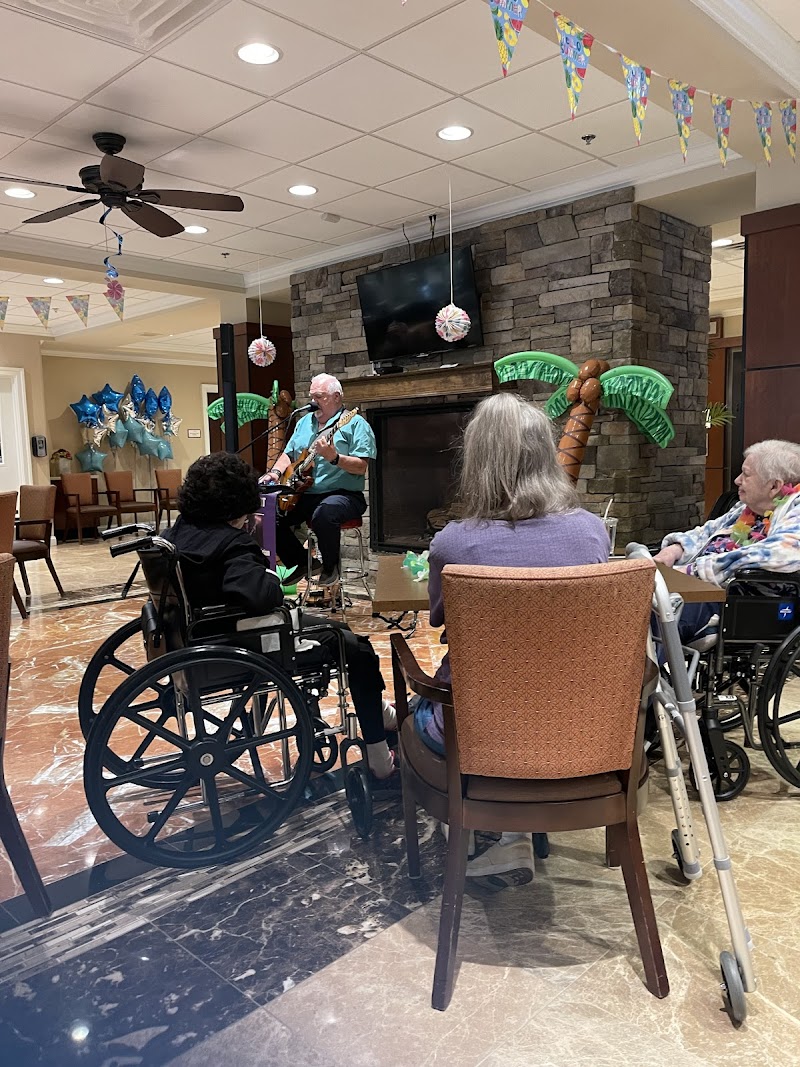
How is Total Rehab Moorestown Staffed?

CMS rates TOTAL REHAB MOORESTOWN's staffing level at 2 out of 5 stars, which is below average compared to other nursing homes. Staff turnover is 47%, compared to the New Jersey average of 46%.

What Have Inspectors Found at Total Rehab Moorestown?

State health inspectors documented 13 deficiencies at TOTAL REHAB MOORESTOWN during 2019 to 2023. These included: 12 with potential for harm and 1 minor or isolated issues.
Who Owns and Operates Total Rehab Moorestown?

TOTAL REHAB MOORESTOWN is owned by a for-profit company. For-profit facilities operate as businesses with obligations to shareholders or private owners. The facility is operated by PREFERRED CARE, a chain that manages multiple nursing homes. With 124 certified beds and approximately 122 residents (about 98% occupancy), it is a mid-sized facility located in MOORESTOWN, New Jersey.
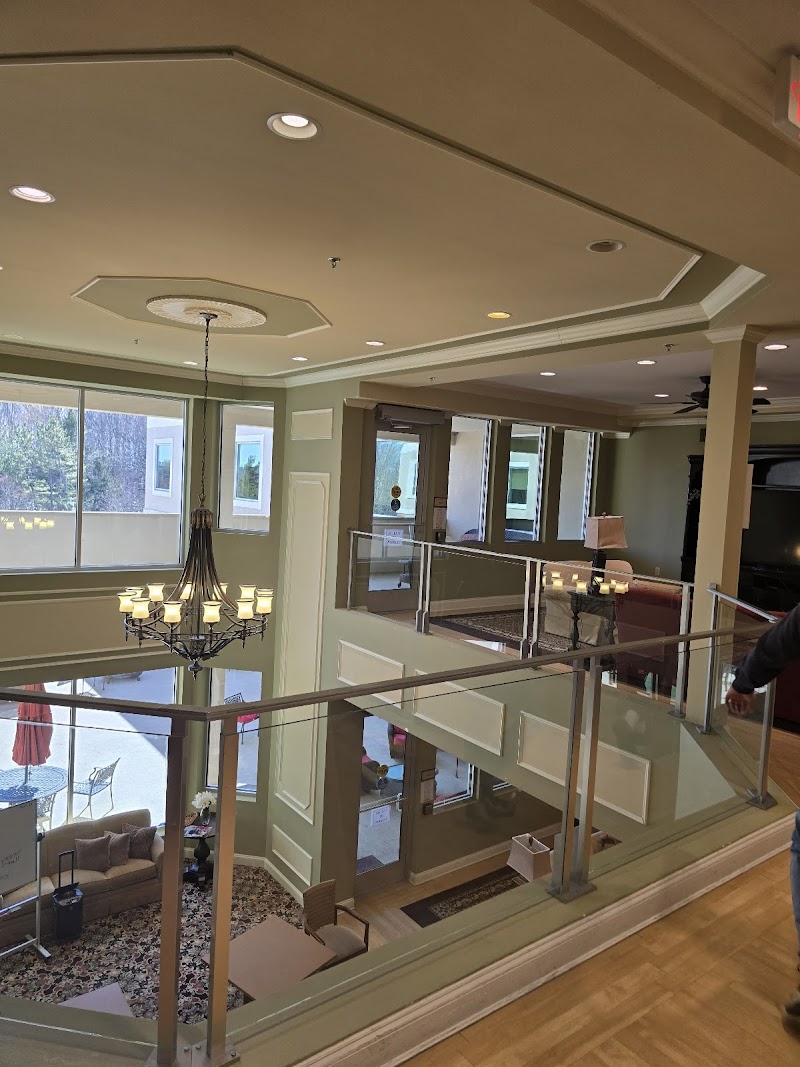
How Does Total Rehab Moorestown Compare to Other New Jersey Nursing Homes?

Compared to the 100 nursing homes in New Jersey, TOTAL REHAB MOORESTOWN's overall rating (5 stars) is above the state average of 3.3, staff turnover (47%) is near the state average of 46%, and health inspection rating (5 stars) is much above the national benchmark.

What Should Families Ask When Visiting Total Rehab Moorestown?

Based on this facility's data, families visiting should ask: "Can you walk me through typical staffing levels on day, evening, and night shifts?" "Can I visit during a mealtime to observe dining assistance and food quality?" "How do you handle medical emergencies, and what is your hospital transfer rate?" "Can I speak with family members of current residents about their experience?" These questions are particularly relevant given the below-average staffing rating.

Is Total Rehab Moorestown Safe?

Based on CMS inspection data, TOTAL REHAB MOORESTOWN has a clean safety record: no substantiated abuse findings (meaning no confirmed cases of resident harm), no Immediate Jeopardy citations (the most serious violation level indicating risk of serious injury or death), and is not on the Special Focus Facility watch list (a federal program monitoring the lowest-performing 1% of nursing homes). The facility has a 5-star overall rating and ranks #1 of 100 nursing homes in New Jersey. While no facility is perfect, families should still ask about staff-to-resident ratios and recent inspection results during their visit.

Do Nurses at Total Rehab Moorestown Stick Around?

TOTAL REHAB MOORESTOWN has a staff turnover rate of 47%, which is about average for New Jersey nursing homes (state average: 46%). Moderate turnover is common in nursing homes, but families should still ask about staff tenure and how the facility maintains care continuity when employees leave.

Was Total Rehab Moorestown Ever Fined?

TOTAL REHAB MOORESTOWN has no federal fines on record. CMS issues fines when nursing homes fail to meet care standards or don't correct problems found during inspections. The absence of fines suggests the facility has either maintained compliance or corrected any issues before penalties were assessed. This is a positive indicator, though families should still review recent inspection reports for the full picture.

Is Total Rehab Moorestown on Any Federal Watch List?

TOTAL REHAB MOORESTOWN is not on any federal watch list. The most significant is the Special Focus Facility (SFF) program, which identifies the bottom 1% of nursing homes nationally based on persistent, serious quality problems. Not being on this list means the facility has avoided the pattern of deficiencies that triggers enhanced federal oversight. This is a positive indicator, though families should still review the facility's inspection history directly.