MOUNTAINSIDE SKILLED NURSING AND REHAB
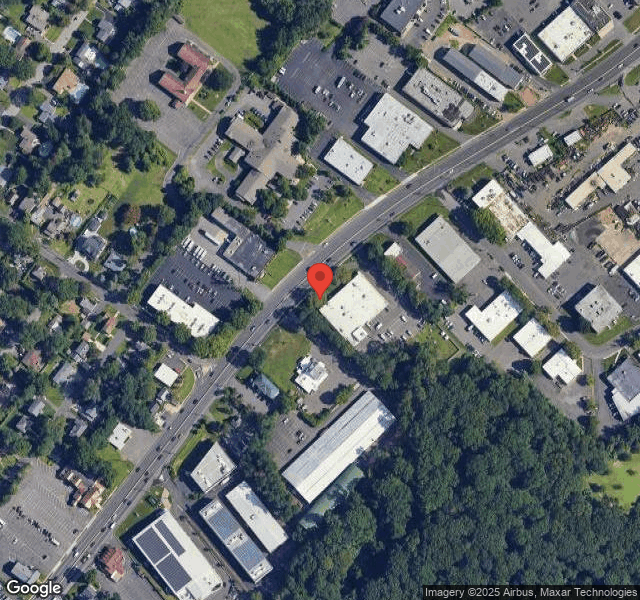
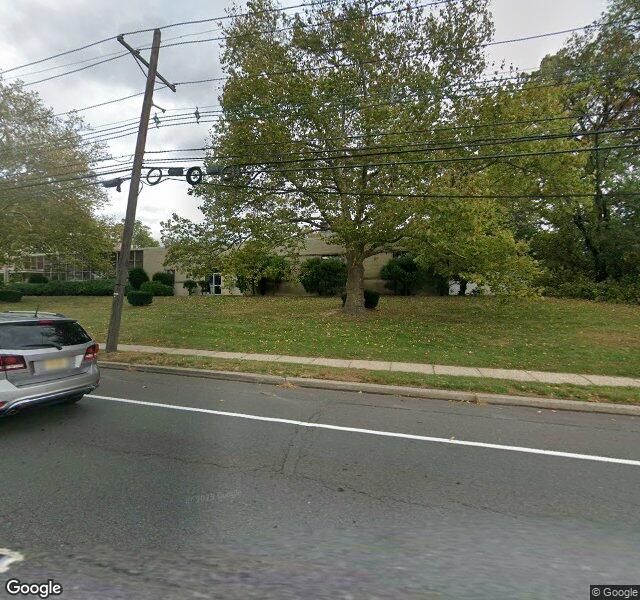
1180 US HIGHWAY 22, MOUNTAINSIDE, NJ 07092 (908) 654-0020
For profit - Limited Liability company 151 Beds BEST CARE SERVICES Data: November 2025 1 Immediate Jeopardy citation
Trust Grade
21/100
#288 of 344 in NJ
Last Inspection: March 2025

Within standard 12-15 month inspection cycle. Federal law requires annual inspections.

Overview

Mountainside Skilled Nursing and Rehab has received a Trust Grade of F, indicating significant concerns regarding its care and operations. It ranks #288 out of 344 nursing homes in New Jersey, placing it in the bottom half of facilities statewide, and #22 out of 23 in Union County, meaning only one nearby option is rated lower. The facility is worsening, with reported issues increasing from 2 in 2024 to 20 in 2025. Staffing is a weak point, with a poor rating of 1 out of 5 stars and less RN coverage than 82% of state facilities, although there is a low turnover rate of 0%. The facility has faced a concerning $3,250 in fines and has been found to have critical deficiencies, including failing to protect a cognitively impaired resident from alleged physical abuse and not maintaining proper food safety standards, which raises serious health concerns. While the quality measures rating is excellent, the overall environment and safety practices need significant improvement.

Trust Score
F
21/100
In New Jersey
#288/344
Bottom 17%
Safety Record
High Risk
Review needed
Inspections
Getting Worse
2 → 20 violations
Staff Stability
○ Average
Turnover data not reported for this facility.
Penalties
✓ Good
$3,250 in fines. Lower than most New Jersey facilities. Relatively clean record.
Skilled Nurses
⚠ Watch
Each resident gets only 21 minutes of Registered Nurse (RN) attention daily — below average for New Jersey. Fewer RN minutes means fewer trained eyes watching for problems.
Violations
⚠ Watch
32 deficiencies on record. Higher than average. Multiple issues found across inspections.
★★☆☆☆
2.0
Overall Rating
★☆☆☆☆
1.0
Staff Levels
★★★★★
5.0
Care Quality
★☆☆☆☆
1.0
Inspection Score
Stable
2024: 2 issues
2025: 20 issues

The Good

  • 5-Star Quality Measures · Strong clinical quality outcomes
  • Full Sprinkler Coverage · Fire safety systems throughout facility
  • No fines on record

Facility shows strength in quality measures, fire safety.

The Bad

2-Star Overall Rating

Below New Jersey average (3.2)

Below average - review inspection findings carefully

Federal Fines: $3,250

Below median ($33,413)

Minor penalties assessed

Chain: BEST CARE SERVICES

Part of a multi-facility chain

Ask about local staffing decisions and management

The Ugly 32 deficiencies on record

1 life-threatening
Aug 2025 2 deficiencies 1 IJ
CRITICAL (J) 📢 Someone Reported This

A family member, employee, or ombudsman was alarmed enough to file a formal complaint

Immediate Jeopardy (IJ) - the most serious Medicare violation

Free from Abuse/Neglect (Tag F0600)

Someone could have died · This affected 1 resident

Complaint # 2587610 Based on interviews and review of pertinent facility documents on 08/19/25, it was determined that the facility failed to implement their abuse prevention policy to protect a cogni...

Read full inspector narrative →
Complaint # 2587610 Based on interviews and review of pertinent facility documents on 08/19/25, it was determined that the facility failed to implement their abuse prevention policy to protect a cognitively impaired resident (Resident #1) from physical abuse when Resident #1's Representative (RR #1) reported to the facility's Social Worker (SW) an allegation of abuse. This deficient practice was identified for 1 of 3 residents reviewed (Resident #1). On 8/4/25, RR #1 reported to the SW that they were on the phone with Resident #1 while the Certified Nursing Aide (CNA #1) was providing care, and the resident was screaming. RR #1 stated that they spoke to CNA #1 through the phone who was not receptive or admitting any wrongdoing. On 8/5/25, RR #1 escalated the concern alleging that CNA #1 bent the resident's fingers/hand back and poured liquid on the resident. The SW immediately reported the allegation to the Registered Nurse Unit Manager (RNUM #1) who went to Resident #1's room to complete a body assessment. CNA #1 continued to work and was not suspended until 8/8/25, three days after the allegation of physical abuse was made, and they worked six shifts on multiple resident care assignments. An interview with the Director of Nursing (DON) and the Licensed Nursing Home Administrator (LNHA) on 8/19/25, revealed that the facility initiated an investigation into the allegation on 8/5/25, but confirmed that CNA #1 was not suspended until 8/8/25. The facility's failure to implement their abuse policy including protecting all residents from abuse during an investigation, placed all residents at risk for abuse. This posed the likelihood of serious physical and emotional harm, or impairment which resulted in an Immediate Jeopardy (IJ) situation. The IJ began on 8/5/25, after RR #1 alleged CNA #1 physically abused Resident #1. The facility's Administration was notified of the IJ on 8/19/25 at 6:00 PM. The facility submitted an acceptable Removal Plan on 8/20/25 at 2:00 PM. The surveyor verified the implementation of the Removal Plan during an on-site visit survey on 8/21/25. The deficient practice was evidenced as follows: A review of the facility's Abuse, Neglect, Exploitation or Misappropriation - Reporting and Investigating policy initialed by the LNHA with a handwritten date of 8/7/2025, included Policy Statement: All reports of abuse (including injuries of unknown origin), neglect, exploitation, or theft/misappropriation are [.] thoroughly investigated by facility management.Reporting Allegations to the Administrator and Authorities.6. Upon receiving any allegation of abuse, neglect, exploitation, misappropriation of resident property or injury of unknown source, the administrator is responsible for determining what actions (if any) are needed for protection of residents.Investigating Allegations .6. Any employee who has been accused of resident abuse is placed on leave with no resident contact until the investigation is complete. A review of the Facility Reportable Event (FRE) submitted by the facility to the New Jersey Department of Health (NJDOH) on 8/11/25, included the date and time of event: 8/4/25 at 10:00 AM. The FRE further included under Narrative that on 8/4/25, [RR #1] reported concern to facility's SW that [RR #1] was on the phone with [the] resident while care being rendered by [CNA #1]. [RR #1] stated resident was yelling through the phone. [RR #1] stated [they] spoke to [CNA #1] through the telephone and [CNA #1] was not admitting to wrongdoing. Nursing unit manager made aware and responded immediately to resident room for body assessment and interview. On 8/7/25, [RR #1's] concern escalated to accusations requesting investigation of [RR #1's] concern and on 8/8/25, [an Interdisciplinary Care Plan (IDCP)] team held over the phone with [RR #1] and updated [RR #1] with good result. Another escalated email followed. Doctor informed, police notified, and [CNA #1] suspended pending investigation. A review of the facility's Investigation Report (IR) with date of incident 8/4/25, and date of investigation 8/8/25, included the following: Summary of Alleged Incident: On 8/4/25, [RR #1] reported a concern to SW [that they were] on the phone with resident while care being rendered. [RR #1] stated that the resident was yelling through the phone, [RR #1] states [they] spoke to [CNA #1] on the phone and [CNA #1] was not receptive nor admitting to wrongdoing. Concern was concluded with [RR #1's] satisfaction. On 8/5/25, [RR #1] escalated the initial concern and alleged [CNA #1] bent fingers/hand back and poured liquid on [the] resident. SW made nursing unit manager aware and responded immediately to resident room for body assessment and interview following report. No redness, no swelling, no bruising noted, skin intact, resident declined pain. Resident did not recollect account of an incident in room or bed on this date but stated in [a house of worship] over the weekend they jumped on top of [the resident], bent [the resident's] hands back, pulled [the resident's] hair, and poured liquid on [the resident]. Interview with [CNA #1] stated she was washing resident body and was assisting [the resident] to turn to the other side by reaching for [the resident's] hands which were on the edge of bed, no intention to cause harm to resident. While assisting resident to the other side, resident began to yell out and [CNA #1] stopped. [CNA #1] was able to complete care and transferred resident into [wheelchair]. Call placed [to RR #1] for discussion of alleged incident by unit manager with good result and agreeable to take [CNA #1] from resident assignment due to [RR #1's] negative perception of [CNA #1's] response when on the phone. On 8/7/25, at approximately 2:45 PM, [RR #1] sent an email regarding care concern requesting updates. On 8/8/25 at 11:35 AM, [RR #1] sent another email awaiting another response. [RR #1] began to escalate [CNA #1] allegations. On 8/8/25 at 2:22 PM, another email escalating care concern was received with allegation of [CNA #1]. Allegation was reported. Police were called. [CNA #1] was suspended until investigation was completed. A review of CNA #1's statement dated 8/5/25 at 1:30 PM, for the incident dated 8/4/25, included that I went to provide care for [Resident #1], who was refusing, but [RR #1] was on the phone and encouraged to finish care. While providing care I asked [Resident #1] to roll to other side and [the resident] refused. I reached out my hands to assist to roll over since resident was grabbing edge of bed. While assisting to the other side, the resident began to yell out and I stopped. [RR #1] began to yell through the phone asking what I was doing to the patient. I responded that I was cleaning resident and did not do anything to [the resident]. I finished dressing resident and transferred to [wheelchair] and resident thanked me. I would not cause harm to any resident. The surveyor reviewed the medical record for Resident #1. A review of the admission Record face sheet (an admission summary), revealed that Resident #1 was admitted to the facility with diagnoses which included but were not limited to: metabolic encephalopathy (a condition where the brain's function is impaired due to underlying metabolic disturbance), cerebral infarction (stroke), hypotension (low blood pressure), insomnia (sleep disorder), obesity, muscle weakness, and type 2 diabetes mellitus without complications. A review of the Minimum Data Set (MDS), an assessment tool dated 6/2/25, indicated the resident had a Brief Interview for Mental Status (BIMS) score of 3 out of 15, which indicated a severely impaired cognition. The MDS further revealed that the resident required assistance from staff in the completion of their activities of daily living (ADLs). A review of the resident's individual comprehensive care plan (ICCP) included a focus area initiated 1/3/25, that the resident was resistive/noncompliant with treatment/care refusing ADL, nails, [laboratory work], and medications related to belief that treatment was not needed/working. Interventions included to allow flexibility in ADL routine to accommodate mood, preferences, and customary routine; and if resists care, leave (if safe to do so) and return later. According to CNA #1's statement, the resident was refusing care, and CNA #1 continued, which was not what the intervention instructed to do. On 8/19/25 at 11:38 AM, the surveyor interviewed RNUM #1, who stated that on 8/5/25, Tuesday morning, RR #1 called the SW and said, I know that I said that, but I slept on it and felt like something happened. The SW then told RNUM #1 and the DON about RR #1's phone call and their conversation with RR #1 from the previous day. RNUM #1 stated then she went upstairs with the DON and interviewed Resident #1, who stated, yes something happened in the [house of worship]. RNUM #1 stated they then did an immediate body assessment of the resident, assessed them for pain, removed CNA #1 from the resident's care assignment, and she did the incident report with the DON. RNUM #1 further stated that with the DON, they called and spoke to RR #1 and informed them that they did a body and pain assessment right away when they found out and started an investigation. RNUM #1 stated that RR #1 was satisfied that CNA #1 was taken off the resident's care. RNUM #1 stated on that same day, they took statements from other residents and Resident #1's roommate. RNUM #1 said that the roommate stated they did not hear anything, and the police came later in the week after the LNHA and DON received an email from RR #1 regarding the investigation. On 8/19/25 at 12:21 PM, the surveyor requested CNA #1's timecard and resident care assignments for the month of August 2025. A review of the timecard provided by the facility revealed that CNA #1 worked on the following days: -8/4/25 - CNA #1 punched in at 6:48 AM and out at 3:14 PM.-8/5/25 - CNA #1 punched in at 6:48 AM and out at 11:05 PM.-8/6/25 - CNA #1 punched in at 6:48 AM and out at 3:19 PM.-8/7/25 - CNA #1 punched in at 6:48 AM and out at 3:13 PM, and -8/8/25 - CNA #1 punched in at 6:48 AM and out at 5:37 PM. A review of the documents provided by the facility for CNA #1's resident care assignments according to Unit assignments were as follows: -8/4/25 - Unit 2, 7:00 AM to 3:00 PM (7-3) shift, CNA #1 was assigned to Post 4 with 9 room assignments. Resident #1 was in CNA #1's assignment. -8/5/25 - Unit 2, 7-3 shift, CNA #1 was assigned to Post 6 with 10 room assignments.-8/5/25 - Unit 2, 3:00 PM to 11:00 PM (3-11) shift, CNA #1 was assigned to Post 5 with 12 room assignments.-8/6/25 - Unit 1, 7-3 shift, CNA #1 was assigned to Post 3 with 11 room assignments.-8/7/25 - Unit 1, 7-3 shift, CNA #1 was assigned to Post 5 with 9 room assignments, and-8/8/25 - Unit 2, 7-3 and 3-11 shifts, CNA #1 was assigned to Post 5 with 10 room assignments. On 8/19/25 at 12:59 PM, the surveyor interviewed the SW, who stated that on 8/4/25, RR #1 called them around 10:00 AM during morning meeting. RR #1 asked the SW if they could run upstairs and check on [the resident] because they did not sound right when RR #1 was talking to the resident on the phone. The SW stated they went upstairs and saw the resident in their room in their wheelchair and eating their lunch. The SW stated that they asked the resident how they were, and the resident stated they could not remember the SW's name and said they were ok. The SW further stated the resident was pleasant and appeared to be in no distress, so the SW called RR #1 while they were in the resident's room and gave them updates on the resident. The SW said the RR #1 frequently called them and asked to check on [the resident]. The SW stated at that time, RR #1 reported they had a concern with CNA #1 splashing liquid on the resident. The SW stated they told RR #1 that the resident was sitting in their wheelchair and eating lunch and there was no liquid anywhere else in the room. The SW stated they then asked RR #1 if they were referring to when CNA #1 was washing or bathing the resident? The SW reported that at the end of the conversation, RR #1 was ok after the SW explained the splashing could have been during care. The SW stated they did not report that conversation with RR #1 to any of the nursing staff until 8/5/25, when RR #1 called again and said after sleeping on it, I felt like it was more than the splashing of liquid and [RR #1] further said that [CNA #1] was bending the resident's hand back, pulled [the resident's] hair, and hit [the resident] with a chair. The SW stated they then reported RR #1's concerns to RNUM #1 and the DON, who went upstairs and spoke to the resident and CNA #1. On 8/19/25 at 1:21 PM, the surveyor interviewed the LNHA and the DON. The LNHA and the DON stated that when they knew of RR #1's concerns on 8/5/25, they started the investigation; RNUM #1 did a body assessment on the resident, they interviewed and gathered witness statements, and conducted a customer service in-service. They further stated they removed CNA #1 from the resident's care and assigned a two-person assistance for [the resident's] care. They stated that they started the investigation, but did not suspend CNA #1 from other residents' care assignments because at the end of the day on 8/5/25, when they spoke to RR #1, RR #1 was agreeable with the result of their report. The LNHA and DON stated they suspended CNA #1 and called police on 8/8/25, when RR #1 emailed and escalated their concerns. An acceptable Removal Plan (RP) was received on 8/20/25 at 2:00 PM, indicating the action the facility will take to prevent serious harm from occurring or reoccurring. The facility implemented a corrective action plan to remediate the deficient practice including: on 8/19/25, CNA #1 remained suspended; all residents who received care by CNA #1 were assessed for pain, skin, and social services with no concerns; past three months of grievances were reviewed with no concerns for abuse; Regional staff in-serviced the LNHA and DON on the facility's abuse and abuse reporting policies; the DON or designee began in-servicing all staff on abuse and abuse reporting; and the DON or designee will quiz all staff on abuse.The survey team verified the implementation of the RP on-site on 8/21/25. N.J.A.C. 8:39-4.1(a)5
CONCERN (D) 📢 Someone Reported This

A family member, employee, or ombudsman was alarmed enough to file a formal complaint

Potential for Harm - no one hurt, but risky conditions existed

Report Alleged Abuse (Tag F0609)

Could have caused harm · This affected 1 resident

Complaint # 2587610 Based on interviews and review of pertinent facility documents on 08/19/25, it was determined that the facility failed to report within two hours to the New Jersey Department of He...

Read full inspector narrative →
Complaint # 2587610 Based on interviews and review of pertinent facility documents on 08/19/25, it was determined that the facility failed to report within two hours to the New Jersey Department of Health (NJDOH) an allegation of physical abuse that occurred on 8/4/25. This deficient practice was identified for 1 of 3 residents reviewed (Resident #1), and was evidenced by the following: A review of the Facility Reportable Event (FRE) submitted by the facility to the New Jersey Department of Health (NJDOH) on 8/11/25, included the date and time of event: 8/4/25 at 10:00 AM. The FRE further included under Narrative that on 8/4/25, [RR #1] reported concern to facility's SW that [RR #1] was on the phone with [the] resident while care being rendered by [CNA #1]. [RR #1] stated resident was yelling through the phone. [RR #1] stated [they] spoke to [CNA #1] through the telephone and [CNA #1] was not admitting to wrongdoing. Nursing unit manager made aware and responded immediately to resident room for body assessment and interview. On 8/7/25, [RR #1's] concern escalated to accusations requesting investigation of [RR #1's] concern and on 8/8/25, [an Interdisciplinary Care Plan (IDCP)] team held over the phone with [RR #1] and updated [RR #1] with good result. Another escalated email followed. Doctor informed, police notified, and [CNA #1] suspended pending investigation. The FRE further indicated that the event was called in on 8/8/25 at 6:30 PM. A review of the facility's Investigation Report (IR) with date of incident 8/4/25, and date of investigation 8/8/25, included the following:Summary of Alleged Incident:On 8/4/25, [RR #1] reported a concern to SW [that they were] on the phone with resident while care being rendered. [RR #1] stated that the resident was yelling through the phone, [RR #1] states [they] spoke to [CNA #1] on the phone and [CNA #1] was not receptive nor admitting to wrongdoing. Concern was concluded with [RR #1's] satisfaction.On 8/5/25, [RR #1] escalated the initial concern and alleged [CNA #1] bent fingers/hand back and poured liquid on [the] resident. SW made nursing unit manager aware and responded immediately to resident room for body assessment and interview following report. No redness, no swelling, no bruising noted, skin intact, resident declined pain. Resident did not recollect account of an incident in room or bed on this date but stated in a mosque over the weekend they jumped on top of [the resident], bent [the resident's] hands back, pulled [the resident's] hair, and poured liquid on [the resident]. Interview with [CNA #1] stated she was washing resident body and was assisting [the resident] to turn to the other side by reaching for [the resident's] hands which were on the edge of bed, no intention to cause harm to resident. While assisting resident to the other side, resident began to yell out and [CNA #1] stopped. [CNA #1] was able to complete care and transferred resident into [wheelchair]. Call placed [to RR #1] for discussion of alleged incident by unit manager with good result and agreeable to take [CNA #1] from resident assignment due to [RR #1's] negative perception of [CNA #1's] response when on the phone.On 8/7/25, at approximately 2:45 PM, [RR #1] sent an email regarding care concern requesting updates.On 8/8/25 at 11:35 AM, [RR #1] sent another email awaiting another response. [RR #1] began to escalate [CNA #1] allegations.On 8/8/25 at 2:22 PM, another email escalating care concern was received with allegation of [CNA #1]. Allegation was reported. Police were called. [CNA #1] was suspended until investigation was completed. A review of CNA #1's statement dated 8/5/25 at 1:30 PM, for the incident dated 8/4/25, included that I went to provide care for [Resident #1], who was refusing, but [RR #1] was on the phone and encouraged to finish care. While providing care I asked [Resident #1] to roll to other side and [the resident] refused. I reached out my hands to assist to roll over since resident was grabbing edge of bed. While assisting to the other side, the resident began to yell out and I stopped. [RR #1] began to yell through the phone asking what I was doing to the patient. I responded that I was cleaning resident and did not do anything to [the resident]. I finished dressing resident and transferred to [wheelchair] and resident thanked me. I would not cause harm to any resident.The surveyor reviewed the medical record for Resident #1. A review of the admission Record face sheet (an admission summary), revealed that Resident #1 was admitted to the facility with diagnoses which included but were not limited to: metabolic encephalopathy (a condition where the brain's function is impaired due to underlying metabolic disturbance), cerebral infarction (stroke), hypotension (low blood pressure), insomnia (sleep disorder), obesity, muscle weakness, and type 2 diabetes mellitus without complications. A review of the Minimum Data Set (MDS), an assessment tool dated 6/2/25, indicated the resident had a Brief Interview for Mental Status (BIMS) score of 3 out of 15, which indicated a severely impaired cognition. The MDS further revealed that the resident required assistance from staff in the completion of their activities of daily living (ADLs).On 8/19/25 at 12:59 PM, the surveyor interviewed the SW, who stated that on 8/4/25, RR #1 called them around 10:00 AM during morning meeting. RR #1 asked the SW if they could run upstairs and check on [the resident] because they did not sound right when RR #1 was talking to the resident on the phone. The SW stated they went upstairs and saw the resident in their room in their wheelchair and eating their lunch. The SW stated that they asked the resident how they were, and the resident stated they could not remember the SW's name and said they were ok. The SW further stated the resident was pleasant and appeared to be in no distress, so the SW called RR #1 while they were in the resident's room and gave them updates on the resident. The SW said the RR #1 frequently called them and asked to check on [the resident]. The SW stated at that time, RR #1 reported they had a concern with CNA #1 splashing liquid on the resident. The SW stated they told RR #1 that the resident was sitting in their wheelchair and eating lunch and there was no liquid anywhere else in the room. The SW stated they then asked RR #1 if they were referring to when CNA #1 was washing or bathing the resident? The SW reported that at the end of the conversation, RR #1 was ok after the SW explained the splashing could have been during care. The SW stated they did not report that conversation with RR #1 to any of the nursing staff until 8/5/25, when RR #1 called again and said after sleeping on it, I felt like it was more than the splashing of liquid and [RR #1] further said that [CNA #1] was bending the resident's hand back, pulled [the resident's] hair, and hit [the resident] with a chair. The SW stated they then reported RR #1's concerns to RNUM #1 and the DON, who went upstairs and spoke to the resident and CNA #1. On 8/19/25 at 1:21 PM, the surveyor interviewed the LNHA and the DON. The LNHA and the DON stated that when they knew of RR #1's concerns on 8/5/25, they started the investigation; RNUM #1 did a body assessment on the resident, they interviewed and gathered witness statements and conducted a customer service in-service. They further stated they removed CNA #1 from the resident's care and assigned a two-person assistance for [the resident's] care. They stated that they started the investigation, but did not suspend CNA #1 from other residents' care assignments because at the end of the day on 8/5/25, when they spoke to RR #1, RR #1 was agreeable with the result of their report. The LNHA and DON stated they suspended CNA #1 and called police on 8/8/25, when RR #1 emailed and escalated their concerns. They further stated they called in the event to NJDOH on that day 8/8/25 but submitted the FRE [AAS-45] to NJDOH on 8/11/25. The LNHA and DON stated that they were aware that incidents involving abuse and neglect have to be reported immediately to NJDOH. On 8/19/25 at 3:49 PM, the surveyor interviewed the LNHA regarding the facility's policy and procedure on Abuse allegations and reporting. The LNHA stated that on 8/5/25, RR #1 was agreeable with the facility's explanation of events and there were no signs of abuse and the resident was confused and inconsistent with their stories so we did not consider it as abuse. A review of the facility's Abuse, Neglect, Exploitation or Misappropriation - Reporting and Investigating policy initialed by the LNHA with a handwritten date of 8/7/2025, included Policy Statement: All reports of abuse (including injuries of unknown origin), neglect, exploitation, or theft/misappropriation are [.] thoroughly investigated by facility management.Reporting Allegations to the Administrator and Authorities:1. If resident abuse, neglect, exploitation, misappropriation of resident property or injury of unknown source is suspected, the suspicion must be reported immediately to the administrator and to other officials according to state law .N.J.A.C 8:39-9.4(f)
Mar 2025 18 deficiencies
CONCERN (D)

Potential for Harm - no one hurt, but risky conditions existed

Resident Rights (Tag F0550)

Could have caused harm · This affected 1 resident

Based on observaton and interview it was determined that the facility failed to interact with residents in a dignified and respectful manner. The deficient practice was noted for 1 resident (Resident ...

Read full inspector narrative →
Based on observaton and interview it was determined that the facility failed to interact with residents in a dignified and respectful manner. The deficient practice was noted for 1 resident (Resident #45) during an individual interview, for 5 of 5 residents (#34, 84, 67, 108, 24) in attendance at the resident group meeting, and in 1 of 2 nursing unit dining rooms during lunch meal observations. The findings were as follows: 1. The surveyor interviewed Resident #45 in their room on 2/25/25 at 11:18 AM. The resident stated nursing staff spoke in a foreign language in front of the resident. Resident #45 stated that they did not understand the language and it made the resident feel uncomfortable. The surveyor conducted the resident group meeting on 2/27/25 at 10:30 AM. During the meeting, 5 of 5 residents in attendance stated staff frequently spoke in a foreign language in front of them. The surveyor discussed the concern with the Administrator and the Director of Nursing on 2/27/25 at 2 PM. The facility provided the 9/2024 Dignity policy and procedure on 3/4/25. The policy indicated residents were to be treated with dignity and respect at all times and spoken to respectfully at all times. 2. On 2/25/25 at 12:30 PM, the surveyor observed the lunch meal on the second floor in the dining room. On each of the 3 tables, staff served the residents' meals on trays. Additionally, the dome lids from the plates were placed upside down in the center of the tables and used as trash receptacles. At one table where two residents were seated, one of the two residents was eating their meal while the other resident sat and waited eight additional minutes for their meal to be served. On 3/3/25 at 12:13 PM, the surveyor observed the lunch meal on the second floor in the dining room. The Registered Nurse/ Minimum Data Set (MDS) Coordinator served 4 of the 6 residents seated in the dining room. Two residents who were seated at two different tables, waited for more than 10 minutes for their meals to be served. On 3/3/25 at 12:50 PM, during an interview, the RN/MDS Coordinator acknowledged that the two residents should not have waited more than 10 minutes for their trays while all the other residents had been served. On 3/3/25 at 1:00 PM, the surveyor interviewed the Certified Nursing Assistant (CNA), who stated that she should have served the residents by tables and should not have used the dome lids as trash receptacles. On 3/3/25 at 2:58 PM, the surveyor discussed the above observations and concerns with the Director of Nursing (DON) and Licensed Nursing Home Administrator (LNHA) who confirmed that residents should be served by tables and that the dome lids should not be used as trash receptacles. NJAC 8:39-4.1(a)12.
CONCERN (D)

Potential for Harm - no one hurt, but risky conditions existed

Deficiency F0557 (Tag F0557)

Could have caused harm · This affected 1 resident

Based on observation and interview it was determined that the facility failed to provide residents access to the NJ Department of Health (NJDOH) survey results. This deficient practice was identified ...

Read full inspector narrative →
Based on observation and interview it was determined that the facility failed to provide residents access to the NJ Department of Health (NJDOH) survey results. This deficient practice was identified for 5 of 5 residents in attendance at the resident group meeting (Resident #34, 84, 67, 108, 24) and was evidenced by the following: On 2/25/25 at 9:00 AM, the surveyor observed a binder in the lobby area containing past NJDOH survey results. On 2/27/25 at 10:30 AM, the surveyor conducted the resident group meeting. All 5 of the 5 residents stated they were unaware of how they could access the NJDOH survey reports. The residents stated they do not go into the lobby. They stated they have not seen the survey reports on their nursing units. On 2/27/25 at 1:30 PM, the Administrator and the Director of Nursing stated the survey reports were only located in the lobby and were not available to the residents on the nursing units. The facility provided their 9/2024 Examination of Survey Results policy and procedure to the surveyor on 3/4/25 at 12:00 PM. The policy indicated the survey results were kept in areas frequented by most residents. NJAC 8:39-4.1(a)35
CONCERN (D) 📢 Someone Reported This

A family member, employee, or ombudsman was alarmed enough to file a formal complaint

Potential for Harm - no one hurt, but risky conditions existed

Deficiency F0558 (Tag F0558)

Could have caused harm · This affected 1 resident

Complaint #NJ181450 Based on interview and record review it was determined that the facility failed to a.) respond to residents' requests for assistance in a timely manner for 5 of 5 residents in atte...

Read full inspector narrative →
Complaint #NJ181450 Based on interview and record review it was determined that the facility failed to a.) respond to residents' requests for assistance in a timely manner for 5 of 5 residents in attendance at the resident group meeting (Resident #24, 34, 67, 84, and 108) and b.) ensure the call bell (bell used to summon staff for assistance) was placed within a resident's reach for 1 of 30 Residents (Resident # 74). This deficient practice was evidenced by the following: 1. The surveyor conducted the resident group meeting on 2/27/25 at 10:30 AM. All 5 of 5 residents stated that the call bell response was slow on the 11 PM -7 AM shift. One resident stated one time they had waited from 1:00 AM to 3:00 AM. The resident stated they needed drinking water and I have bilateral contractures and can't do it myself. A review of minutes from past resident council meetings included a 12/26/24 comment from a resident stating that staff needs to answer call bells in timely manner. 2. On 2/25/25 at 11:15 AM, during an initial tour of the second-floor unit, the surveyor observed Resident #74 in his/her room seated in the wheelchair with anti-tippers. The surveyor observed the call bell on the floor under the bed, not within the resident's reach. The surveyor reviewed the medical record for Resident #74. A review of Resident #74's admission Record reflected that the Resident was admitted to the facility with diagnoses that included but were not limited to; blindness in the right eye, anoxic brain damage (occurs when the brain is deprived of oxygen for an extended period of time), hemiplegia (mild or partial weakness or loss of strength on one side of the body) and hemiparesis (severe or complete loss of strength or paralysis on one side of the body), affecting the resident's right dominant side. A review of Resident #74's Quarterly Minimum Data Set (MDS), an assessment tool dated 1/8/25, revealed Resident #74 had a Brief Interview for Mental Status (BIMS) score of 3 out of 15 which indicated a severe cognitive impairment. A review of Resident #74's individualized comprehensive care plan (ICCP) initiated on 4/18/24, reflected a focus area that included impaired vision related to a history of ocular injury to the left eye and cataract to both eyes initiated 4/18/24 with interventions that included keeping frequently used items within easy reach; encourage to wear glasses and provide activity of daily living assistance as needed. On 2/27/25 at 2:30 PM, the surveyor discussed the above observations and concerns with the Licensed Nursing Home Administrator and Director of Nursing who confirmed that all residents should have their call bells answered timely and kept within thier reach. NJAC 8:39- 31.8 (c)(9)
CONCERN (D)

Potential for Harm - no one hurt, but risky conditions existed

Free from Abuse/Neglect (Tag F0600)

Could have caused harm · This affected 1 resident

Complaint #: NJ162370; NJ1162293 Based on interview and record review, it was determined that the facility neglected to provide a resident who required extensive assistance of two or more caregivers f...

Read full inspector narrative →
Complaint #: NJ162370; NJ1162293 Based on interview and record review, it was determined that the facility neglected to provide a resident who required extensive assistance of two or more caregivers for personal care the required amount of assistance who complained of rough care while being repositioned by one caregiver. The deficient practice was identified for 1 of 6 residents reviewed for those requiring assistance with activities of daily living (ADL) (Resident #333), and was evidenced by the following: The surveyor reviewed the closed electronic medical record of Resident #333 which revealed the following information: A review of the Minimum Data Set (MDS), an assessment tool dated 2/25/23, indicated the resident had mild cognitive impairment and required extensive assistance of two or more caregivers with bed mobility and incontinence care. A review of the individualized comprehensive care plan (ICCP) included a focus area for ADL self-care deficit as evidenced by the need for assistance related to physical limitations initiated 12/20/21 through 7/21/24. Interventions included to provide two caregiver assistance for care. A review of a General Progress Note dated 3/4/23, indicated that on 3/4/23 at 3:15 PM, the Resident's Representative (RR) complained that Resident #333 rough care when being repositioned during personal care on the 3/4/23 night shift. A physical assessment was performed by the Director of Nursing (DON) with the RR present at the bedside, and no injuries were found. The resident's physician was notified on the same day of the incident. A review of the Social Services Note dated 3/20/23, identified as a late note, indicated that the Social Worker met with the resident on 3/6/23, to provide counsel to the resident. The resident informed the Social Worker that they felt comfortable after the incident was addressed with the people in charge and the resident felt safe in the facility. The resident stated they understood the Certified Nursing Assistant (CNA) would no longer be caring for the resident. The Social Services Note included that the Social Worker documented that she had interviewed six other residents who required assistance with care who were also on the same CNA's assignment. There were no further complaints about the care received from that CNA. The facility's investigation dated 3/4/23 concluded the allegation of abuse was unsubstantiated. The facility documented that no injuries were noted on a head-to-toe nursing assessment. The facility documented no other residents reported rough handling by the CNA. However, the facility documented that the CNA failed to enlist the assistance of a second caregiver to care for the resident as was required. The facility provided one-to-one education to the CNA. The CNA was suspended during the investigation. A review of the Human Resource Department records indicated that the CNA was employed for 14 months at the time of the alleged incident. The CNA had a negative criminal background check, an active CNA certification, and received abuse prevention training as an orientee and annually. The CNA was suspended for two days during the completion of the investigation. The CNA's statement indicated that the resident was checked on three times during the 3/4/23 night shift. At 12:00 AM, the resident was dry and did not require care. At 5:00 AM, the resident needed to have incontinence care that was performed, and the CNA reported nothing unusual during that time. At 7:00 AM, the resident was brought water. The CNA stated she had this resident on her assignment many times and did not know the resident required a two person for assistance for care. During orientation, the CNA signed the Nurse Aide job description on 1/27/22, which included the following statements - observes the safety needs of patients as indicated in the resident's care plan and receives a nursing report upon reporting for duty. The CNA was unavailable for interview by the surveyor during the 3/4/25 survey. The concerns were discussed with the Licensed Nursing Home Administrator (LNHA) and the DON on 2/27/25 at 1:30 PM. A review of the facility's Abuse, Neglect, Exploitation and Misappropriation Prevention Program policy dated 9/2024, included in Section 7 .adequately prepare staff for caregiving responsibilities . NJAC 8:39-4.1(a)5
CONCERN (D)

Potential for Harm - no one hurt, but risky conditions existed

Assessment Accuracy (Tag F0641)

Could have caused harm · This affected 1 resident

**NOTE- TERMS IN BRACKETS HAVE BEEN EDITED TO PROTECT CONFIDENTIALITY** 2. The surveyor reviewed Resident # 131's records. The resident was discharged from the facility and according to the Discharge ...

Read full inspector narrative →
**NOTE- TERMS IN BRACKETS HAVE BEEN EDITED TO PROTECT CONFIDENTIALITY** 2. The surveyor reviewed Resident # 131's records. The resident was discharged from the facility and according to the Discharge Return Not Anticipated MDS, an assessment tool used to facilitate the management of care, dated 11/27/24, revealed that the resident was discharged to home/community. A review of Resident # 131's progress notes dated 11/27/24, revealed the resident had a discharge to the hospital. On 3/3/25 at 12:20 PM, the surveyor interviewed the MDS Coordinator, who stated that the discharge MDS for Resident # 131 should have indicated that the resident was discharged to the hospital. During an interview on 3/3/25 at 2:06 PM, the surveyor brought the above concerns to the attention of the Director of Nursing and Administrator. Based on observation, interview, and record review, it was determined that the facility failed to accurately assess a resident's status in the Minimum Data Set (MDS), an assessment tool used to facilitate the management of care. This deficient practice was identified for 3 of 30 residents reviewed (Resident #59, #131, and #132) and was evidenced by the following: 1. The surveyor reviewed Resident # 132's records. The resident was discharged from the facility, and according to the Discharge Return Not Anticipated MDS, dated [DATE], the resident was discharged to the hospital. A review of Resident #132's progress notes dated 12/20/24, revealed the resident was discharged home. On 2/27/25 at 1:06 PM, the surveyor interviewed the Registered Nurse/MDS Coordinator (RN/MDS), who stated that the discharge MDS for Resident #132 should have indicated that the resident was discharged to their home. 3. On 2/25/25 at 11:15 AM, the surveyor observed Resident #59 lying in bed with both arms raised and hands tucked behind their head. The resident had a left leg brace, and the bed was at the lowest position. The resident informed the surveyor that they came from the hospital with a fractured kneecap and was able to move from their bed to their wheelchair independently to smoke outside. On 2/25/25 at 1:06 PM, the surveyor observed the resident outside smoking and propelled their wheelchair with their hands. The surveyor reviewed the medical record for Resident #59. Resident #59's admission Record (AR; or face sheet; an admission summary) reflected that the resident was admitted to the facility with diagnoses which included fracture of the left patella (kneecap). A review of the admission Minimum Data Set (MDS), an assessment tool dated 1/29/25, reflected the resident had a Brief Interview for Mental Status (BIMS) score of 13 out of 15, which indicated the resident was cognitively intact. A review of the resident's functional range in motion reflected the following: Resident #59 was assessed with an upper extremity (shoulder, elbow, wrist and hand). The assessment also reflected that the resident was assessed with no limitation of motion for the lower extremity (hip, knee, ankle and foot). Further review of the MDS reflected the MDS for the range of motion was signed accurate and completed by the Director of Rehabilitation (DoR). A review of the Occupational Therapy (OT) Evaluation/ Plan of Treatment, under assessment reflected the resident had impairments in balance, strength and mobility. The OT's goal for the resident included a process to achieve dynamic standing balance. On 2/26/25 at 11:06 AM, during an interview with the surveyor, the OT/DoR confirmed Resident #59 received services and that the assessment for the resident was completed by her. On 2/27/25 at 2:36 PM, during a meeting with the survey team, the Licensed Nursing Home Administrator (LNHA) , and the Director of Nursing (DON), the surveyor discussed the concern regarding the discrepancy for Resident #59's limited range of motion for the upper extremity and did not reflect limited range of motion for the lower extremity. On 3/3/25 at 10:21 AM, during a follow-up meeting with the survey team, and the LNHA, the DON acknowledged and confirmed that it was coding error by the rehabilitation department. The DON also stated that the coding of MDS was important for proper care, and appropriate services. A review of the facility provided policy; Resident assessment dated /revised March 2024 included that all persons who completed any portion of the MDS resident assessment form must sign the document attesting to the accuracy of such information. N.J.A.C. 8:39-11.2(e)1
CONCERN (D)

Potential for Harm - no one hurt, but risky conditions existed

Comprehensive Care Plan (Tag F0656)

Could have caused harm · This affected 1 resident

Based on observation, interview, and record review, it was determined that the facility failed to accurately develop and implement a person-centered comprehensive care plan for care and service needs....

Read full inspector narrative →
Based on observation, interview, and record review, it was determined that the facility failed to accurately develop and implement a person-centered comprehensive care plan for care and service needs. This deficient practice was observed for 1 of 30 residents reviewed, Resident # 236, was evidenced by the following: On 2/25/25 at 1:55 PM, the surveyor observed Resident # 236, in bed in their room and the resident was receiving oxygen therapy via nasal cannula (NC). The surveyor reviewed Resident #236's Electronic Medical Record. Resident #236's face sheet revealed that the resident was admitted to the facility with diagnoses which included but were not limited to; chronic respiratory failure and pulmonary fibrosis. A review of the Physician's Order Sheet dated February 2025, revealed the resident had a physician's order for O2 via NC continuous at 3 LPM. The surveyor reviewed the resident's current care plans. There was no comprehensive care plan developed regarding the resident's order for the oxygen therapy. On 2/27/25 at 10:46 AM, the surveyor interviewed the Licensed Practical Nurse, who cared for Resident # 236, who stated that there should be a care plan in place for oxygen therapy and he was not sure why there was none in place. On 3/3/25 at 2:58 PM, the surveyor discussed the above concerns with the Administrator and the Director of Nursing, who stated that there should have been a care plan in place. NJAC 8:39- 11.2 (e)
CONCERN (D)

Potential for Harm - no one hurt, but risky conditions existed

Deficiency F0658 (Tag F0658)

Could have caused harm · This affected 1 resident

Based on observation, interview, and record review, it was determined that the facility failed to ensure a.) proper administration of Fluticasone nasal spray in accordance with manufacturer's specific...

Read full inspector narrative →
Based on observation, interview, and record review, it was determined that the facility failed to ensure a.) proper administration of Fluticasone nasal spray in accordance with manufacturer's specifications, and b.) administration and availability of prescribed medication(s) in accordance with professional standards of practice. The deficient practice was identified for 1 of 4 nurses who administered medications to 1 of 4 residents (Resident #127) and 1 of 27 Residents reviewed for Medication Record Review. The evidence was as follows: Reference: New Jersey Statutes, Annotated Title 45, Chapter 11. Nursing Board. The nurse practice act for the State of New Jersey states: The practice of nursing as a registered professional nurse is defined as diagnosing and treating human responses to actual or potential physical and emotional health problems, through such services as casefinding, health teaching, health counseling, and provision of care supportive to or restorative of life and wellbeing, and executing medical regimens as prescribed by a licensed or otherwise legally authorized physician or dentist. Reference: New Jersey Statutes, Annotated Title 45, Chapter 11. Nursing Board. The nurse practice act for the State of New Jersey states: The practice of nursing as a licensed practical nurse is defined as performing tasks and responsibilities within the framework of casefinding; reinforcing the patient and family teaching program through health teaching, health counseling and provision of supportive and restorative care, under the direction of a registered nurse or licensed or otherwise legally authorized physician or dentist. A review of the manufacturer's specification for Fluticasone under instructions for use included the following: Step 1: Blow nose to clear the nostrils; Step 2: Close 1 nostril. Tilt head forward slightly and keeping the bottle upright, carefully insert the nasal applicator into the nostril; Step 3: Breathe in through nose, while breathing in press firmly and quickly 1 time on the applicator to release the spray . 1. On 2/26/25 at 9:04 AM, the surveyor observed the Licensed Practical Nurse (LPN #1) prepare medications for Resident #127. The medications included a physician's order for Fluticasone (Flonase; used to relieve allergies and nasal congestion) Allergy Relief nasal suspension 50 microgram /actuation, 1 spray in each nostril one time a day for allergies with an order start date of 1/18/25. At 9:06 AM, the LPN confirmed that he was ready to administer Resident #127's medications, knocked on the door and entered the resident's room. The surveyors observed the resident seated and was receiving oxygen via nasal cannula (ube inserted to the nose for oxygen delivery). At 9:08 AM, the LPN removed the nasal cannula and administered the flonase to each side of the resident's nostril then gave the resident a tissue. At 9:09 AM, the resident dabbed their nostrils and stated that their nose was always running. At 9:12 AM, outside the resident's room, in front of the medication cart, the surveyor and the LPN reviewed the manufacturer's specification for Fluticasone nasal spray that was stored in the LPN's medication cart. At that time, the LPN acknowledged that he should have performed step 1 which was to ask the resident to blow their nose to clear the nostrils and step 2, was to close one nostril while administering to the other nostril. The LPN acknowledged that these steps were important for proper dosing. 2. On 2/25/25 at 11:31 AM, during the initial tour of the facility the surveyor observed Resident #13 lying in bed. The head of the bed was elevated. The resident stated that the breakfast and care were satisfactory. According to the admission Record face sheet, an admission summary, reflected that Resident #13 was admitted to the facility with diagnoses that included, end stage renal disease, dependence on renal dialysis. A review of the electronic Medication Administration Record (eMAR) included the following physician's orders: -Sevelamer 800 mg. give 1 tablet by mouth three times a day for phosphorus, started on 1/30/25, and discontinued on 2/19/25. Further review of the eMAR reflected that the medication was not consistently signed as administered three times a day, every day, had documented code of 9 on non-Renal Dialysis days and reflected the following: 1/30/25 signed administered at 5pm 1/31/25 signed administered at 9am and 5pm 2/1/25 signed administered at 5pm 2/2/25 signed administered at 9am, 1pm and 5pm 2/3/25 signed administered at 9am and 5pm 2/4/25 signed administered at 9am, 1pm 2/5/25 signed administered at 9am and 5pm 2/6/25 signed administered at 9am, 1pm and 5pm 2/7/25 signed administered at 9am and 5pm 2/8/25 signed administered at 9am, 1pm and 5pm 2/9/25 signed administered at 9am, 1pm and 5pm 2/10/25 signed administered at 9am and 5pm 2/11/25 signed administered at 9am, 1pm and 5pm 2/12/25 signed administered at 9am and 5pm 2/13/25 signed administered at 9am, 1pm and 5pm 2/14/25 signed administered at 9am and 5pm 2/15/25 signed administered at 9am, 1pm and 5pm 2/16/25 signed administered at 9am, 1pm and 5pm 2/17/25 signed administered at 9am and 5pm 2/18/25 signed administered at 9am, 1pm and 5pm 2/19/25 signed administered at 9am -Velphoro 500 mg, give 1 tablet by mouth three times a day for phosphate binder with meals, started on 1/30/25, and discontinued on 2/19/25. Further review of the eMAR reflected that the medication was not consistently signed as administered three times a day, every day, had documented code of 9 on non-Renal Dialysis days and reflected the following: 1/30/25 signed administered at 5pm 1/31/25 signed administered at 9am and 5pm 2/1/25 signed administered at 5pm 2/2/25 signed administered at 9am, 1pm and 5pm 2/3/25 signed administered at 9am and 5pm 2/4/25 signed administered at 9am, 1pm and 5pm 2/5/25 signed administered at 9am and 5pm 2/6/25 signed administered at 9am, 1pm and 5pm 2/7/25 signed administered at 9am and 5pm 2/8/25 signed administered at 9am, 1pm and 5pm 2/9/25 signed administered at 9am, 1pm and 5pm 2/10/25 signed administered at 9am and 5pm 2/11/25 signed administered at 9am, 1pm and 5pm 2/12/25 signed administered at 9am and 5pm 2/13/25 signed administered at 5pm 2/14/25 signed administered at 9am and 5pm 2/15/25 signed administered at 9am, 1pm and 5pm 2/16/25 signed administered at 9am, and 1pm 2/17/25 signed administered at 5pm 2/18/25 signed administered at 5pm 2/19/25 was not administered. A review of the Renal Dialysis communication form (RDCF) for February 2024 did not reflect the RD center administration of Sevelamer and Velphoro to Resident #13 while at the RD center. On 2/27/25 at 7:53 AM, during an interview with the surveyor, LPN #2 stated that the supply of Sevelamer and Velphoro were provided by the RD center but could not definitively say if the medication was in the facility from 1/30/25 to 2/19/25. On 3/3/25 at 10:58 AM, the surveyor, and the Registered Nurse/Unit Manager (RN/UM) reviewed the eMAR together. The RN/UM stated that the codes 5 and 9 on the eMAR meant the medication was not given. The RN/UM could not explain the reason why the medication was not consistently administered, including on the non-dialysis days. The RN/UM stated she would inform her supervisor. On 3/3/25 at 10:21 AM, the surveyor discussed the concerns with the Licensed Nursing Home Administrator regarding Resident #13's duplicate therapy, the inconsistent administration of Sevelamer and Velphoro according to the eMAR. On 3/3/25 at 2:07 PM, during a meeting with the survey team, the Licensed Nursing Home Administrator and the Director of Nursing (DON), the surveyor asked who was responsible for identifying a duplicate therapy. The DON stated that the CP conducted an MRR review upon admission and monthly thereafter. The DON provided a medication manifest from the pharmacy provider that reflected medications delivered for Resident #13. The Sevelamer and Velphoro medication were not listed in the manifest. At that time, the surveyor discussed the concern that the nurses inconsistently signed for administration of both Sevelamer and Velphoro and did not inform the physician when the medicaton was documented as not administered. The DON stated that she would conduct further investigation to see if the medications inconsistently signed as administered were available in the facility from 1/30/25 to 2/19/25. A review of the provided facility policy, Administering Medications, dated/revised 9/2024, included the following under Policy Interpretation and Implementation: The individual administering the medication, initials the resident MAR . No further information was provided. NJAC 8:39-11.2(b), 29.2(d)
CONCERN (D)

Potential for Harm - no one hurt, but risky conditions existed

Accident Prevention (Tag F0689)

Could have caused harm · This affected 1 resident

Based on observation, interview, and record review it was determined that the facility failed to maintain medical equipment in good working condition to prevent injuries for 1 of 24 residents reviewed...

Read full inspector narrative →
Based on observation, interview, and record review it was determined that the facility failed to maintain medical equipment in good working condition to prevent injuries for 1 of 24 residents reviewed (Resident #108). This deficient practice was evidenced by the following: The surveyor interviewed Resident #108 on 2/25/25 at 1:13 PM. The resident stated several months ago they reported to staff that the raised toilet seat had rusted screws which affixed the seat to the metal frame. The raised toilet seat was replaced with another which had similiar rusted screws and also a crack in the seat. The resident stated they would put a paper towel over the crack and lean to the side in order not to get pinched. At that time, the surveyor observed the raised toilet seat which was in place in the resident's bathroom. The seat had 2 rusted screws and a thin crack running from the center of the seat to the upper edge near the screws. The quarterly 11/21/24 Minimum Data Set (MDS) assessment indicated the resident had no cognitive deficits and required assistance with toilet use. The surveyor interviewed the Administrator on 2/27/25 at 2:00 PM regarding the damaged raised toilet seat. The Administrator provided documentation to the surveyor on 3/3/25 that the resident received a new raised toilet seat. Additionally, documentation was given to the surveyor showing facility-wide medical equipment received safety checks in November 2024 and was scheduled to be rechecked in May 2025. The surveyor interviewed the Maintenance Director on 3/04/25 at 9:49 AM. He stated he goes into every resident room at least once a month to check room temperatures and observe for any equipment that needs to be fixed/replaced. Additionally, he stated there is an electronic system for staff to log in requests. He stated replacements are made with new equipment if in stock, if not available, a used replacement is given. He added, any rusted equipment would be replaced. NJAC 8:39-33.1(d)
CONCERN (D)

Potential for Harm - no one hurt, but risky conditions existed

Respiratory Care (Tag F0695)

Could have caused harm · This affected 1 resident

**NOTE- TERMS IN BRACKETS HAVE BEEN EDITED TO PROTECT CONFIDENTIALITY** 2. On 2/25/25 at 1:55 PM, the surveyor observed Resident # 236, in bed in their room and the resident was receiving oxygen thera...

Read full inspector narrative →
**NOTE- TERMS IN BRACKETS HAVE BEEN EDITED TO PROTECT CONFIDENTIALITY** 2. On 2/25/25 at 1:55 PM, the surveyor observed Resident # 236, in bed in their room and the resident was receiving oxygen therapy via nasal cannula (NC). The surveyor observed that the oxygen flow via the oxygen concentrator for the resident, was set to 3.5 LPM. On 2/26/25 at 7:50 AM, the surveyor observed Resident # 236, in bed in their room and the resident was receiving oxygen therapy via NC. The surveyor observed that the oxygen flow via the oxygen concentrator for the resident, was again set to 3.5 LPM. The surveyor reviewed Resident #236's Electronic Medical Record. Resident #236's face sheet revealed that the resident was admitted to the facility with diagnoses which included but were not limited to; chronic respiratory failure and pulmonary fibrosis. A review of the Physician's Order Sheet revealed the resident had a physician's order for O2 via NC continuous at 3 LPM. On 2/26/25 at 8:28 AM, the surveyor interviewed the LPN #2, who cared for Resident # 236 and he stated that the oxygen should be set at 3 LPM and could not explain why the oxygen was set for 3.5 LPM. 3. On 2/25/25 at 11:22 AM, during the initial tour on the 2nd-floor unit, the surveyor observed Resident #52 was not in their room. The surveyor observed an O2 concentrator in the room with the NC tubing hung over the concentrator, with the part of the tubing that was supposed to be connected to the O2 concentrator, disconnected and on the floor. On 2/27/25 at 11:34 AM, the surveyor observed the resident was not in their room. The surveyor observed an O2 concentrator in the room with the NC tubing hung over the concentrator with the part of the tubing that was supposed to be connected to the O2 concentrator disconnected and on the floor. On 2/27/25 at 12:59 PM, the surveyor observed the Resident in the hallway in front of their room, seated in a wheelchair. The resident stated that he/she used O2 every night for difficulty breathing. The surveyor reviewed the medical record for Resident #52. A review of Resident #52's admission Record reflected that the resident was admitted to the facility with diagnoses that included but were not limited to diabetes mellitus, obstructive sleep apnea, and COPD. A review of the admission MDS, dated [DATE], reflected Resident #52 had a BIMS score of 14 out of 15, which indicated fully intact cognition. A review of the current POS included a PO dated 10/17/24 for O2 at 2 LPM for shortness of breath (SOB) if the O2 is below 90 %. A review of the CP revealed a focus area which included the resident has COPD with interventions that included but were not limited to; give O2 therapy as ordered by the physician. On 2/27/25 at 11:38 AM, the surveyor and the Certified Nursing Assistant (CNA) assigned to Resident #52's care entered Resident #52's room and together observed the NC tubing hung over the concentrator and on the floor. The CNA picked the tubing up off the floor and put it in the bag that was affixed to the concentrator. On 2/27/25 at 11:44 AM, the surveyor interviewed the Licensed Practical Nurse/ Unit Manager (LPN/UM), who stated that all O2 NC tubing was changed weekly and should be contained in a plastic bag when not in use. The LPN/UM further stated that the CNA should have discarded the NC tubing and that both the CNA and the nurse assigned to Resident #52 should have ensured the NC tubing was stored in the plastic bag for infection control prevention. On 2/27/25 at 2:30 PM, the surveyor discussed the above concerns with the Licensed Nursing HomeAdministrator (LHNA) and the Director of Nursing (DON). On 3/3/25 at 9:40 AM, the LNHA and the DON stated that the resident's O2 should have been administered according to the physician's order and that O2 NC tubing should be stored in a bag when not in use. NJAC 8:39-27.1 (a) Based on observation, interview, record review, and review of pertinent facility documents, it was determined that the facility failed to a.) administer oxygen therapy according to the physician's order for 2 of 2 residents reviewed for oxygen therapy (Resident #66 and #236) and b.) ensure respiratory nasal cannula (NC) tubing was stored in accordance with infection control measures for 1 of 1 resident (Resident #52). This deficient practice was evidenced by the following: Reference: New Jersey Statutes Annotated, Title 45. Chapter 11. Nursing Board. The Nurse Practice Act for the State of New Jersey states: The practice of nursing as a registered professional nurse is defined as diagnosing and treating human responses to actual and potential physical and emotional health problems, through such services as case-finding, health teaching, health counseling, and provision of care supportive to or restorative of life and wellbeing, and executing medical regimens as prescribed by a licensed or otherwise legally authorized physician or dentist. Reference: New Jersey Statutes Annotated, Title 45, Chapter 11. Nursing Board. The Nurse Practice Act for the State of New Jersey states: The practice of nursing as a licensed practical nurse is defined as performing tasks and responsibilities within the framework of case finding; reinforcing the patient and family teaching program through health teaching, health counseling, and provision of supportive and restorative care, under the direction of a registered nurse or licensed or otherwise legally authorized physician or dentist. 1. On 2/25/25 at 1:00 PM, the surveyor observed Resident #66 in their room seated in a wheelchair and the resident was receiving oxygen (O2) therapy via a NC tubing. The surveyor observed that the O2 flow via the concentrator for the resident, was set to 1.5 Liters per minute (LPM). The NC tubing was dated 2/10/25. The resident stated that he/she needed O2 continuously for difficulty breathing. On 2/26/25 at 8:40 AM, the surveyor observed Resident #66 in their room, seated in a wheelchair, receiving O2 therapy via a NC tubing. The surveyor observed that the O2 flow via the O2 concentrator was again set to 1.5 LPM. The NC tubing was dated 2/26/25. The surveyor reviewed the medical record for Resident #66. A review of the admission Record reflected the Resident was admitted to the facility with diagnoses which included but were not limited to; Chronic Obstructive Pulmonary Disease (COPD) (a lung disease that causes breathing difficulties). A review of the admission Minimum Data Set (MDS), an assessment tool dated 1/14/25 reflected Resident #66 had a brief interview for mental status (BIMS) score of 3 out of 15, which indicated a severe cognitive impairment. Section O indicated Resident #66 received Respiratory Treatment which included O2 Therapy. A review of the current Physician Order Sheet (POS) revealed an active Physician's Order (PO) dated 1/9/25 for O2 therapy at 3 LPM via NC continuous; record O2 saturation every shift for Shortness of Breath (SOB) keep greater than 92% and a PO dated 1/29/25 to change O2 tubing, storage bag, and humidifier q Saturday 11-7 AM, shift and as needed, label and date. A review of Resident #66's Individual Comprehensive Care Plan (CP) had a focus area that included the Resident was at risk for respiratory impairment related to COPD and was dated as initiated on 1/9/25 with interventions that included to administer O2 as per PO at 3 LPM via NC. On 2/26/25 at 8:45 AM, the surveyor and the Licensed Practical Nurse (LPN) #1 entered Resident #66's room and together observed the O2 via the O2 concentrator was set at 1.5 LPM. The LPN #1 stated the O2 should be set at 3 LPM per the PO. The LPN #1 confirmed that she had not checked to ensure the O2 concentrator was set at 3 LPM when she conducted her rounds that morning.
CONCERN (D)

Potential for Harm - no one hurt, but risky conditions existed

Drug Regimen Review (Tag F0756)

Could have caused harm · This affected 1 resident

Refer F658 Based on observation, interview, and record review, it was determined that the facility failed to ensure that the Consultant Pharmacist (CP) identified and reported a medication irregularit...

Read full inspector narrative →
Refer F658 Based on observation, interview, and record review, it was determined that the facility failed to ensure that the Consultant Pharmacist (CP) identified and reported a medication irregularity, to the attending physician, the facility's medical director, and the director of nursing (DON). This deficient practice was identified for 1 of 5 residents (Resident #13) reviewed for unnecessary medications and was evidenced by the following: On 2/25/25 at 11:31 AM, during the initial tour of the facility the surveyor observed Resident #13 lying in bed. The head of the bed was elevated. The resident stated that the breakfast and care were satisfactory. The surveyor reviewed the medical record of Resident #13. According to the admission Record face sheet, an admission summary, reflected that Resident #13 was admitted to the facility with diagnoses that included, end stage renal disease, dependence on renal dialysis. A review of medication list from the hospital included the following: -Sevelamer carbonate (Renvela; a phosphate binder to control serum phosphorus levels for those with chronic kidney disease) 800 milligrams (mg). Take 1 tablet by mouth three times a day with meals. Sevelamer was last given to the resident 01/29/25 at 5:01 PM -Sucroferric Oxyhydroxide (Velphoro; a phosphare bnder for the control of serim phosphorus levels for those with chronic kidney disease on dialysis). Chew one tablet (500 mg) three times a day. The last administered time was not indicated. A review of the electronic Medication Administration record included the following physician's orders: -Sevelamer 800 mg. give 1 tablet by mouth three times a day for phosphorus, started on 1/30/25, and discontinued on 2/19/25. -Velphoro 500 mg, give 1 tablet by mouth three times a day for phosphate binder with meals, started on 1/30/25, and discontinued on 2/19/25. A review of the Renal Dialysis communication form (RDCF) for February 2024 did not reflect the RD center administered to Resident #13, the Sevelamer and the Velphoro while at the RD center. A review of the CP's Medication Regimen Review (MRR) for January 2025, revealed that the CP failed to identify, obtain a rationale, and report the duplicate therapy of two phosphate binders prescribed to Resident #13. On 3/3/25 at 12:06 PM, during an interview with the surveyor, the CP stated that he had seen both medications prescribed in the past for different residents and did not think to question the prescriber. The CP acknowledged that MRRs should be individualized. At that time, the CP also stated that he did not review the admission medication record for Resident #13. On 3/3/25 at 2:07 PM, during a meeting with the survey team, the Licensed Nursing Home Administrator and the DON, the surveyor asked who was responsible for identifying duplicate therapy. The DON stated that the CP was responsible for the identification of duplicate therapy/irregularity. The CP conducted an MRR review upon admission and monthly thereafter. The concern regarding the failure to identify, obtain a rationale and report the irregularity of two phosphate binders for Resident #13 was discussed with the LNHA and the DON. A review of the provided facility policy, Medication Regimen Reviews (MRR), dated/revised 3/11/24, included that the MRR involved a thorough review of the resident's medical record to prevent, identify, report and resolve medication related problems, medication errors and other irregularities, for example . duplicative therapies . No further information was provided. NJAC 8:39-29.3
CONCERN (D)

Potential for Harm - no one hurt, but risky conditions existed

Deficiency F0809 (Tag F0809)

Could have caused harm · This affected 1 resident

Based on interview and record review it was determined that the facility failed to provide a nourishing snack at bedtime when the time between dinner and breakfast exceeded 14 hours. The deficient pra...

Read full inspector narrative →
Based on interview and record review it was determined that the facility failed to provide a nourishing snack at bedtime when the time between dinner and breakfast exceeded 14 hours. The deficient practice was identified for 5 of 5 residents (Resident #34, 84, 67, 108, 24) in attendance at the resident group meeting and was evidenced by the following: The surveyor conducted the resident group meeting on 2/27/25 at 10:30 PM. All 5 of 5 residents stated they were not aware that evening snacks were available for residents. All of the residents resided on the second floor nursing units. All of the residents stated they would like to have an evening snack available to them. Resident #34 stated they eat dinner at 5 pm and eat breakfast at 9 AM. A review of the Meal Truck Delivery Schedule revealed the time between delivery of dinner and the delivery of breakfast ranged from 14.5 hours to 15.5 hours. The 7/2024 facility Frequency of Meals policy indicated a nourishing snack will be offered if the time span between evening meal and the next day's breakfast exceeds 14 hours. NJAC 8:39-17.2(f)1; 17.4(b)
CONCERN (D)

Potential for Harm - no one hurt, but risky conditions existed

Infection Control (Tag F0880)

Could have caused harm · This affected 1 resident

Based on observation, interview, and review of pertinent facility documents, it was determined that the facility failed to follow appropriate infection control practices and perform hand hygiene as in...

Read full inspector narrative →
Based on observation, interview, and review of pertinent facility documents, it was determined that the facility failed to follow appropriate infection control practices and perform hand hygiene as indicated during dining observation. This deficient practice was observed in 1 of 2 dining rooms and was evidenced by the following: According to the CDC Hand Hygiene in Healthcare Settings, Hand Hygiene Guidance, last reviewed on January 30, 2020, included that Healthcare personnel should use an alcohol-based hand rub or wash with soap and water for the following clinical indications: Immediately before touching a patient Before performing an aseptic task or handling invasive medical devices Before moving from work on a soiled body site to a clean body site on the same patient After touching a patient or the patient's immediate environment After contact with blood, body fluids, or contaminated surfaces Immediately after glove removal. On 2/25/25 at 12:30 PM, the surveyor observed nine residents seated in the Second-Floor dining room waiting for their lunch meal. On 2/25/25 at 12:35 PM, the surveyor observed the Certified Nursing Assistant (CNA) putting clothing protectors on each resident with no observed hand hygiene between residents. The surveyor observed the CNA then applied Alcohol Based Hand Rub (ABHR) to each of the residents' hands, assisted the residents with rubbing their hands together without sanitizing her own hands between the residents. On 3/3/25 at 12:13 PM, the surveyor observed six residents seated in the Second-Floor dining room waiting for their lunch meal. The surveyor observed the Licensed Practical Nurse/Unit Manager (LPN/UM) apply ABHR to four residents hands and assisted each of the residents with rubbing their hands together, with no observed hand hygiene between residents. On 3/3/25 at 12:20 PM, the surveyor observed the Registered Nurse/Minimum Data Set (MDS) coordinator serve lunch to residents in the 2nd floor dining room. The MDS coordinator removed the items from the tray, removed the dome lids, opened foods, and without sanitizing her hands went back into the food truck to remove another tray. The surveyor observed the MDS coordinator served and remove five meal trays without any observed hand hygiene. On 3/3/25 at 12:50 PM, during an interview, the RN/MDS coordinator confirmed that she should have performed hand hygiene between residents. On 3/3/25 at 12:55 PM, during an interview, the LPN/UM acknowledged she should have performed hand hygiene between residents. On 3/3/25 at 1:00 PM, during an interview, the CNA stated that she had applied ABHR prior to assisting the residents and then after assising all of them, but was not aware that she should have sanitized her hands between residents. On 3/3/25 at 2:58 PM, the surveyor discussed the above observations and concerns with the LNHA and DON. A review of the facility's Handwashing/Hand Hygiene policy and procedure dated as revised July 2024 reflected .the facility considers hand hygiene the primary means to prevent the spread of infection .all personnel shall follow the handwashing/hand hygiene procedures to help prevent the spread of infection to other personnel, residents and visitors .Use of an ABHR or soap and water should be used before and after direct contact with a resident .before and after handling food and before and after assisting a resident with meals . NJAC 8:39 - 19.4(a)(m)(n); 27.1 (a)
CONCERN (E)

Potential for Harm - no one hurt, but risky conditions existed

Safe Environment (Tag F0584)

Could have caused harm · This affected multiple residents

**NOTE- TERMS IN BRACKETS HAVE BEEN EDITED TO PROTECT CONFIDENTIALITY** 2. On 2/26/25 beginning at 9:24 AM, the surveyor observed the following environmental concerns on the 2nd floor nursing units: ...

Read full inspector narrative →
**NOTE- TERMS IN BRACKETS HAVE BEEN EDITED TO PROTECT CONFIDENTIALITY** 2. On 2/26/25 beginning at 9:24 AM, the surveyor observed the following environmental concerns on the 2nd floor nursing units: In room [ROOM NUMBER]A, a 12 inch area of a wallpaper seam had peeled away from the wall. The area was stapled and taped to the wall. The doorknob on the door to the entrance to room [ROOM NUMBER] had caused a circular hole in the wall behind it. The bathroom of room [ROOM NUMBER] contained a raised toilet seat with rusted screws and a cracked seat. In the hallway across from room [ROOM NUMBER], a full soiled linen cart emitted a strong odor of urine and stool. In room [ROOM NUMBER]B, a section of cove base was missing near the heating unit. A section of wallpaper was missing near the head of the bed. In room [ROOM NUMBER]A, a red wheelchair had multiple cracked vinyl areas on the seat and on the back. In room [ROOM NUMBER]B, there were several areas of peeling wallpaper. In room [ROOM NUMBER]A, there were several areas of peeling wallpaper across from the foot of the bed. In the hallway outside of room [ROOM NUMBER], a section of vinyl floor planking was broken. On 2/26/25 at 11:18 AM, the surveyor observed in the left elevator, 2 pieces of broken wood paneling screwed into the elevator wall. On 2/27/25 at 10:37 AM, 5 of 5 residents attending the resident group meeting told the surveyor that the facility needs sprucing up when asked about the condition of the environment. The facility provided their 11/2024 Homelike Environment policy and procedure to the surveyor on 3/4/25 at 12 PM. The policy indicated the residents are to be provided with a safe, clean, comfortable, and homelike environment. Based on observation and interview it was determined the facility failed to maintain the residents' living environment in a clean, sanitary, and homelike manner in multiple areas on 2 of 2 floors located throughout the facility. The deficient practice was evidenced by the following: 1. On 2/25/25 at 1:55 PM, in Resident # 236's room located on the 1st floor in room [ROOM NUMBER], the surveyor observed five different areas of peeling and scratched wall paper on the wall, across from the resident's bed, which was exposing the sheet rock underneath. The surveyor also observed an 8 inch area of torn wall paper and a white colored spackle on the wall around it. The surveyor observed that the top drawer on the dresser located near the resident's bed, was observed to be broken and unable to be pushed back into the dresser. The survyeor observed that the bottom left side of the top drawer had paint peeling off and the pressed wood was exposed. Lastly, the surveyor observed that the cove base in the residents room, between the bathroom and closet doors was discolored with a brown coloration and also separating from the wall as well. 3. On 02/27/25, beginning at 9:50 AM, the surveyor observed the following environmental concerns on the 2nd-floor nursing units: In room [ROOM NUMBER], a section of the cove base was missing near the HVAC unit. A section of wallpaper on the wall next to the head of the bed was missing. The ceiling tiles in the bathroom were stained; the wallpaper behind the toilet was peeling; the cove base was soiled, and the floor was stained. In room [ROOM NUMBER]A, there was a hole in the wall to the left of the headboard; a section of wallpaper on the wall next to the head of the bed was missing. In room [ROOM NUMBER] B, there was a section of wallpaper on the wall next to the head of the bed missing, and the area was patched. On Unit 2 East, several ceiling tiles around the nurse's station were broken, missing, and scotch taped. In the Unit 2 Dining room, there were holes in the walls and peeling wallpaper. 4. On 2/27/25 at 12:14 PM, the surveyor observed inside Resident #76's room, number 255, The wallpaper underneath the window was peeling off and had a blackish/grayish material in between the wall and the wallpaper. Adjacent to the wallpaper was the cooling/heating system. NJAC 8:39-4.1(a), 11, 31.4 (a), (b), (c), (f)
CONCERN (E) 📢 Someone Reported This

A family member, employee, or ombudsman was alarmed enough to file a formal complaint

Potential for Harm - no one hurt, but risky conditions existed

ADL Care (Tag F0677)

Could have caused harm · This affected multiple residents

**NOTE- TERMS IN BRACKETS HAVE BEEN EDITED TO PROTECT CONFIDENTIALITY** Complaint # NJ 00162506, NJ 177359, NJ 183441 Based on observation, interview, record review, and review of facility-provided do...

Read full inspector narrative →
**NOTE- TERMS IN BRACKETS HAVE BEEN EDITED TO PROTECT CONFIDENTIALITY** Complaint # NJ 00162506, NJ 177359, NJ 183441 Based on observation, interview, record review, and review of facility-provided documentation, it was determined that the facility failed to ensure that incontinence care was provided to dependent residents in a timely manner for 4 of 6 residents (Resident #,76 #103, #105, and #113) observed for incontinence care on 1 of 2 units (2nd-floor Nursing Unit). This deficient practice was evidenced by the following: On 2/26/25 at 7:50 AM, the surveyor completed an incontinence tour on the 2nd floor Nursing Unit and observed the following: 1. On 2/26/25 at 8:00 AM, the surveyor, accompanied by the Certified Nursing Assistant (CNA #1) observed Resident #103 in bed. CNA #1 exposed Resident #103's incontinence brief, and the surveyor observed that it was saturated with urine. CNA #1 confirmed that the brief was saturated with urine. A review of Resident #103's admission Record reflected that the Resident was admitted to the facility with diagnoses which included but were not limited to; myasthenia gravis, dysphagia, quadriplegia, and history of traumatic brain injury. A review of Resident #103's Quarterly Minimum Data Set (MDS), an assessment tool dated 1/21/25, revealed Resident #103 had a Brief Interview for Mental Status (BIMS) score of 12 out of 15, which indicated Resident #103 had a moderate cognitive impairment. The MDS further revealed that the resident was dependent on staff for personal hygiene, and he/she was always incontinent of bowel and bladder. A review of Resident #103's Individualized Care Plan (CP) initiated on 8/12/24 and revised on 2/10/25 had a focus area that included Urinary incontinence related to impaired mobility with interventions that included but were not limited to; provide incontinent care as needed. 2. On 2/26/25 at 8:15 AM, the surveyor accompanied by CNA #2 observed Resident #113 in bed. CNA #2 exposed Resident #113's incontinence brief, which was saturated with urine. At that time, when CNA #2 exposed the incontinence brief, another incontinence brief was observed, which was also saturated with urine. CNA #2 acknowledged the two briefs were saturated with urine and confirmed that the facility policy was that residents should not have two incontinence briefs in place. A review of Resident #113's admission Record revealed Resident #113 was admitted to the facility with diagnoses which included but were not limited to; diabetes mellitus, obstructive uropathy (a condition where urine flow is blocked within the urinary tract), and reflux uropathy (urine flows backward from the bladder into the ureters; the tubes leading to the kidneys.) A review of Resident #113's most recent MDS, dated [DATE], revealed Resident #113 had a BIMS score of 3 out of 15, which indicated a severe cognitive impairment. The MDS further revealed that the resident was dependent on staff for toileting and was always incontinent of bowel and bladder. A review of Resident #113's CP initiated on 9/1/24 and revised on 1/6/25 had a focus area that included the resident was at risk for alteration in skin integrity related to .diabetes and incontinence .with interventions that included an air mattress in place at all times, barrier cream to peri area/buttocks as needed, observe skin condition with ADL care daily . 3. On 2/26/25 at 8:20 AM, the surveyor, accompanied by CNA #2, observed Resident #76 in their room seated in a wheelchair with the mechanical lift pad positioned underneath them. Resident #76 stated that she/he was only provided incontinence care once per shift and was informed by staff that since she/he required the use of a mechanical lift during transfers, it was too difficult to get him/her back into bed before the evening shift arrived at 3:00 PM, therefore she/he had to stay in a saturated brief, which at times was saturated with urine and feces. The surveyor reviewed the medical record for Resident #76. A review of Resident #76's admission Record revealed the resident was admitted to the facility with diagnoses which included but were not limited to; hemiplegia (mild or partial weakness or loss of strength on one side of the body) and hemiparesis (severe or complete loss of strength or paralysis on one side of the body) and urinary incontinence. A review of Resident #76's Quarterly MDS dated [DATE] revealed Resident #76 had a BIMS score of 15 out of 15 which indicated Resident #76's cognition was intact. The MDS further revealed that the resident required staff assistance for personal hygiene, and he/she was always incontinent of bowel and bladder. A review of Resident #76's CP initiated on 3/14/24 had a focus area that included urinary incontinence related to impaired mobility with interventions that included to provide incontinence care as needed. 4. On 2/26/25 at 8:30 AM, the surveyor, accompanied by CNA #3, observed Resident #105 seated on the side of his/her bed. CNA #3 exposed Resident #105's incontinence brief, and the surveyor observed it was saturated with urine. CNA #3 acknowledged the brief was saturated with urine. CNA #3 confirmed that all residents should be provided incontinence care every 2 hours and should not be left saturated. A review of Resident #105's admission Record reflected that the Resident was admitted to the facility with diagnoses which included but were not limited to; chronic kidney disease, dementia, and hypertension. A review of Resident #105's admission MDS dated [DATE] revealed Resident #105 had a severe cognitive impairment. The MDS further revealed that the resident required staff assistance for personal hygiene, and he/she was occasionally incontinent of bladder and always incontinent of bowel. A review of Resident #105's CP initiated on 1/12/25 had a focus area that included occasional urinary and bowel incontinence with interventions that included to provide incontinence care as needed. During an interview with the surveyor on 2/27/25 at 12:48 PM, the Director of Nursing (DON) confirmed that incontinence rounds should be done every 2-3 hours on the night shift and that residents should not have two diapers in place. The surveyor attempted phone interviews with the 11:00 PM-7:00 AM CNAs assigned to the above residents on 2/25/25-2/26/25. The CNAs did not return the call. On 2/27/25 at 2:40 PM, the survey team discussed the above observations and concerns with the DON and Licensed Nursing Home Administrator (LNHA). A review of the facility's Activities of Daily Living (ADL), Supporting policy dated as revised July 2024 reflected that residents who are unable to carry out activities of daily living independently will receive the services necessary to maintain good nutrition, grooming and personal and oral hygiene. NJAC 8:39-27.1 (a), 27.2 (h)
CONCERN (E)

Potential for Harm - no one hurt, but risky conditions existed

Deficiency F0698 (Tag F0698)

Could have caused harm · This affected multiple residents

**NOTE- TERMS IN BRACKETS HAVE BEEN EDITED TO PROTECT CONFIDENTIALITY** 2. On 02/25/25 at 11:18 AM, during the initial tour on the 2nd floor, the surveyor observed Resident # 3 in their room seated in...

Read full inspector narrative →
**NOTE- TERMS IN BRACKETS HAVE BEEN EDITED TO PROTECT CONFIDENTIALITY** 2. On 02/25/25 at 11:18 AM, during the initial tour on the 2nd floor, the surveyor observed Resident # 3 in their room seated in a geriatric chair. The resident stated that he/she goes out of the facility for dialysis. On 3/3/25 at 1:00 PM, the surveyor observed Resident #3 was not in their room. The Unit Manager stated that the resident was at the dialysis center. The surveyor reviewed the medical record for Resident #3. A review of the admission Record revealed Resident #3 was admitted to the facility on [DATE] with diagnoses which included but were not limited to; dependence on renal dialysis. A review of the Quarterly Minimum Data Set, dated [DATE] revealed Resident #3 had a brief interview for mental status score of 12 out of 15 which, indicated a moderate cognitive impairment. Section O revealed Resident #3 received dialysis. A review of the Order Summary Report revealed an active physician order (PO) for: Dialysis Monday & Friday pick up time 12:15 PM, with a start date 9/24/24. A review of the Individual Comprehensive Care Plan (CP) included a Focus area for: Renal insufficiencies related to: chronic renal failure and, the presence of fistula; with interventions that included checking the access site for lack of thrill/bruit (vibration and sound caused by blood flowing through the fistula which indicates the fistula is working) the evidence of infection, swelling, or excessive bleeding, to coordinate dialysis care with the dialysis treatment center, Dialysis on Monday and Friday at 1:00 PM, meal to accompany patient, send Hemodialysis communication book to Dialysis center on HD days. A review of the February 2025, communication book, which contained the Hemodialysis Communication Forms (CF) and a review of Nurses' Progress Notes (NN) revealed the following: the resident's dialysis access site was not assessed for the following: clean, dry, intact, in place, functional, signs of bleeding, signs of infections, warmth to the area, pain, bruising or redness) after returning to the facility from (Renal Dialysis) RD (post). The NN revealed the following: On 2/28/25, no pre or post RD evaluation of the access site was documented in the NN; the pre-RD vitals were documented on the CF. On 2/24/25, no pre or post RD evaluation of the access site was documented in the NN; the pre-RD vitals were documented on the CF. On 2/21/25, no pre or post RD evaluation of the access site was documented in the NN; the pre-RD vitals were documented on the CF. On 2/17/25, no pre or post RD evaluation of the access site was documented in the NN; the pre-RD vitals were documented on the CF. On 2/14/25, no pre or post RD evaluation of the access site was documented in the NN; the pre-RD vitals were documented on the CF. On 2/10/25 no pre or post RD evaluation of the access site was documented in the NN; the pre-RD vitals were documented on the CF. On 2/7/25 no pre or post RD evaluation of the access site was documented in the NN; the pre-RD vitals were documented on the CF. On 2/3/25 no pre or post RD evaluation of the access site was documented in the NN; the pre-RD vitals were documented on the CF. On 3/3/25 at 2:58 PM, the survey team discussed the above observations and concerns with the Licensed Nursing Home Administrator (LNHA) and Director of Nursing (DON). The DON confirmed that the pre and post RD assessment should have been documented in the NN each time the resident went and returned from RD. A review of the provided facility policy, Hemodialysis Access Care reviewed 7/2024, included that the medical nurse should document in the resident's medical record, observations of post-dialysis. NJAC 8:39 - 27.1 (a) Based on observation, interview, and record review it was determined that the facility failed to assess residents' vital signs and dialysis access site for complications upon return from the renal dialysis (RD) center. This deficient practice was identified for 2 of 2 residents (Resident #3 and #13) reviewed for dialysis and was evidenced by the following: 1. On 2/25/25 at 11:31 AM, during the initial tour of the facility the surveyor observed Resident #13 lying in bed. The head of the bed was elevated. The resident stated that the breakfast and care were satisfactory. The surveyor reviewed the medical record of Resident #13. According to the admission Record face sheet, an admission summary, reflected that Resident #13 was admitted to the facility with diagnoses that included, end stage renal disease, dependence on renal dialysis. A review of Resident #13's renal dialysis (RD) communication book revealed the resident went to the RD center on Monday, Wednesday, and Friday with a chair time of 9:30 AM. On 2/27/25 at 7:53 AM, during an interview with the surveyor, the Licensed Practical Nurse (LPN) stated Resident #13 left for dialysis at 8:30 AM, and her morning medications and her meals were given before the resident left for their RD appointment. A review of the February 2025, communication forms (CF) and the Nurses Progress Notes did not reflect the following: the resident's dialysis access site was assessed (eval; evaluation of the access site for the following: clean, dry, intact, in place, functional, signs of bleeding, signs of infections, warmth to the area, pain, bruising or redness) after returning to the facility from RD (post). The Nurse's Progress Notes (NPN ) included the following: On 2/24/25, no pre and post RD eval of access site were documented on the PN; the pre-RD vitals were documented on the CF. On 2/21/25, no pre and post RD eval of access site were documented on the PN; the pre-RD vitals were documented on the CF. On 2/17/25, no pre and post RD eval of access site were documented on the PN; the pre-RD vitals were documented on the CF. On 2/14/25, no pre and post RD eval of access site were documented on the PN; the pre-RD vitals were documented on the CF. On 2/12/25, no pre and post RD eval of access site was documented on the PN; the pre-RD vitals were documented on the CF. On 2/5/25 no post RD eval of access site were documented on the PN; the pre-RD vitals were documented on the CF. On 3/3/25 at 10:58 AM, the surveyor and the Registered Nurse/Unit Manager (RN/UM) stated that the pre and post RD assessment were documented in the PN. The surveyor and the RN/UM reviewed the PN together which revealed the assessments were inconsistent and were not always documented. The concern was discussed with the RN/UM. On 3/3/25 at 11:49 AM, the surveyor discussed the concern the Licensed Nursing Home Administrator (LNHA). On 3/3/25 at 3:03 PM, during a meeting with the survey team, and the LNHA, the Director of Nursing acknowledged that the pre and post RD assessment should have been documented each time the resident went and returned from RD. A review of the provided facility policy, Hemodialysis Access Care reviewed 7/2024, included that the medical nurse should document in the resident's medical record, observations of post-dialysis.
CONCERN (E) 📢 Someone Reported This

A family member, employee, or ombudsman was alarmed enough to file a formal complaint

Potential for Harm - no one hurt, but risky conditions existed

Deficiency F0725 (Tag F0725)

Could have caused harm · This affected multiple residents

Complaint # NJ 00162506, NJ 177359, NJ 183441 Based on observation, interview, and review of pertinent facility documentation, it was determined the facility failed to a.) maintain the required minimu...

Read full inspector narrative →
Complaint # NJ 00162506, NJ 177359, NJ 183441 Based on observation, interview, and review of pertinent facility documentation, it was determined the facility failed to a.) maintain the required minimum direct care staff-to-resident ratios as mandated by the State of New Jersey, and b.) failed to ensure that sufficient and competent staff were available to provide appropriate incontinence care to dependent residents for 4 of 6 residents (Resident #76 #103, #105, and #113) on 2 of 3 units (2nd-floor Nursing Unit 1 and Unit 2). This deficient practice was evidenced by the following: Refer to F677 Reference: NJ State requirement, CHAPTER 112. An Act concerning staffing requirements for nursing homes and supplementing Title 30 of the Revised Statutes. Be It Enacted by the Senate and General Assembly of the State of New Jersey: C.30:13-18 Minimum staffing requirements for nursing homes effective 2/1/21. 1. a. Notwithstanding any other staffing requirements as may be established by law, every nursing home as defined in section 2 of P.L.1976, c.120 (C.30:13-2) or licensed pursuant to P.L.1971, c.136 (C.26:2H-1 et seq.) shall maintain the following minimum direct care staff -to-resident ratios: (1) one certified nurse aide to every eight residents for the day shift. (2) one direct care staff member to every 10 residents for the evening shift, provided that no fewer than half of all staff members shall be certified nurse aides, and each staff member shall be signed in to work as a certified nurse aide and shall perform certified nurse aide duties, and (3) one direct care staff member to every 14 residents for the night shift, provided that each direct care staff member shall sign in to work as a certified nurse aide and perform certified nurse aide duties b. Upon any expansion of resident census by the nursing home, the nursing home shall be exempt from any increase in direct care staffing ratios for a period of nine consecutive shifts from the date of the expansion of the resident census. c. (1) The computation of minimum direct care staffing ratios shall be carried to the hundredth place. (2) If the application of the ratios listed in subsection a. of this section results in other than a whole number of direct care staff, including certified nurse aides, for a shift, the number of required direct care staff members shall be rounded to the next higher whole number when the resulting ratio, carried to the hundredth place, is fifty-one hundredths or higher. (3) All computations shall be based on the midnight census for the day in which the shift begins. d. Nothing in this section shall be construed to affect any minimum staffing requirements for nursing homes as may be required by the Commissioner of Health for staff other than direct care staff, including certified nurse aides, or to restrict the ability of a nursing home to increase staffing levels, at any time, beyond the established minimum . A review of New Jersey Department of Health Long Term Care Assessment and Survey Program Nurse Staffing Report for the two weeks of staffing from 2/9/25 through 2/22/25 prior to the Standard survey of 3/4/25 revealed the facility was deficient in staffing hours as evidenced by the following: For the 2 weeks of staffing prior to survey from 02/09/2025 to 02/22/2025, the facility was deficient in CNA staffing for residents on 8 of 14 day shifts as follows: -02/14/25 had 17 CNAs for 145 residents on the day shift, required at least 18 CNAs. -02/15/25 had 17 CNAs for 145 residents on the day shift, required at least 18 CNAs. -02/16/25 had 17 CNAs for 143 residents on the day shift, required at least 18 CNAs. -02/17/25 had 17 CNAs for 143 residents on the day shift, required at least 18 CNAs. -02/19/25 had 17 CNAs for 142 residents on the day shift, required at least 18 CNAs. -02/20/25 had 16 CNAs for 142 residents on the day shift, required at least 18 CNAs. -02/21/25 had 16 CNAs for 141 residents on the day shift, required at least 18 CNAs. For the 2 weeks of Complaint staffing from 10/13/2024 to 10/26/2024, the facility was deficient in CNA staffing for residents on 2 of 14 day shifts as follows: -10/13/24 had 16 CNAs for 133 residents on the day shift, required at least 17 CNAs. -10/21/24 had 16 CNAs for 133 residents on the day shift, required at least 17 CNAs. The surveyor observed postings of daily nursing staffing reports on each day of the survey. On 3/4/25 at 10 am the survey team discussed the shortages of nursing staffing hours with the Licensed Nursing Home Administrator. On 2/26/25 at 7:50 AM, the surveyor completed an incontinence tour on the 2nd floor Nursing Unit and observed the following: 1 On 2/26/25 at 8:00 AM, the surveyor, accompanied by the Certified Nursing Assistant (CNA #1) observed Resident #103 in bed. CNA #1 exposed Resident #103's incontinence brief, and the surveyor observed that it was saturated with urine. CNA #1 confirmed that the brief was saturated with urine. Review of the 11-7:00 AM CNA assignment sheet revealed that unit 2 on the second floor nursing unit had a census of 58 Residents with 3 assigned aides.The CNA (CNA # 4 ) had an assignment of 19 residents on that 11-7AM shift. 2. On 2/26/25 at 8:15 AM, the surveyor accompanied by CNA #2 observed Resident #113 in bed. CNA #2 exposed Resident #113's incontinence brief, which was saturated with urine. At that time, when CNA #2 exposed the incontinence brief, another incontinence brief was observed, which was also saturated with urine. CNA #2 acknowledged the two briefs were saturated with urine and confirmed that the facility policy was that residents should not have two incontinence briefs in place. Review of the CNA assignment sheet revealed the unit 2 second floor had a census of 58 Residents with 3 assigned aides. The CNA (CNA #5) had an assignment of 19 residents on that 11-7AM shift. 3. On 2/26/25 at 8:20 AM, the surveyor, accompanied by CNA #2, observed Resident #76 in their room seated in a wheelchair with the mechanical lift pad positioned underneath them. Resident #76 stated that she/he was only provided incontinence care once per shift and was informed by staff that since she/he required the use of a mechanical lift during transfers, it was too difficult to get him/her back into bed before the evening shift arrived at 3:00 PM, therefore she/he had to stay in a saturated brief, which at times was saturated with urine and feces. Review of the CNA assignment sheet revealed the unit 2 second floor had a census of 58 Residents with 3 assigned aides. The CNA (CNA #5) had an assignment of 19 residents on that 11-7AM shift. 4. On 2/26/25 at 8:30 AM, the surveyor, accompanied by CNA #3, observed Resident #105 seated on the side of his/her bed. CNA #3 exposed Resident #105's incontinence brief, and the surveyor observed it was saturated with urine. CNA #3 acknowledged the brief was saturated with urine. CNA #3 confirmed that all residents should be provided incontinence care every 2 hours and should not be left saturated. Review of the CNA assignment sheet revealed that unit 1 second floor nursing unit had a census of 47 Residents with 3 assigned aides. The CNA (CNA# 6 ) had an assignment of 17 residents on that 11-7AM shift. During an interview with the surveyor on 2/27/25 at 12:48 PM, the Director of Nursing (DON) confirmed that incontinence rounds should be done every 2-3 hours on the night shift and that residents should not have two incontinence briefs in place. The DON confirmed that the ratio for the 11:00 PM-7:00 AM, shift was 1 CNA to 14 Residents. During an interview with the surveyor on 3/4/25 at 10:21 AM, the Staffing Coordinator confirmed that on 2/25/25 during the 11:00 PM-7:00 AM, shift the census on Unit 1 (second floor) was 47 and Unit 2 (second floor) was 58. The Staffing Coordinator stated that there were two CNA call outs for that shift and confirmed that the CNAs had 17 and 19 residents on each of their assignments. The Staffing coordinator stated that she was aware of the 1 CNA to 14 resident ratio for the night shift. The surveyor attempted phone interviews with the 11:00 PM-7:00 AM CNAs assigned to the above residents. The CNAs did not return the call. On 2/27/25 at 2:40 PM, the survey team discussed the above observations and concerns with the DON and Licensed Nursing Home Administrator (LNHA). A review of the facility's Activities of Daily Living (ADL), Supporting policy dated as revised July 2024 reflected that residents who are unable to carry out activities of daily living independently will receive the services necessary to maintain good nutrition, grooming and personal and oral hygiene. NJAC 8:39-5.1(a), 27.1 (a), 27.2 (h)
CONCERN (E)

Potential for Harm - no one hurt, but risky conditions existed

Pharmacy Services (Tag F0755)

Could have caused harm · This affected multiple residents

**NOTE- TERMS IN BRACKETS HAVE BEEN EDITED TO PROTECT CONFIDENTIALITY** Based on observations, interviews, record review, and review of other facility documents, it was determined that the facility fa...

Read full inspector narrative →
**NOTE- TERMS IN BRACKETS HAVE BEEN EDITED TO PROTECT CONFIDENTIALITY** Based on observations, interviews, record review, and review of other facility documents, it was determined that the facility failed to provide pharmaceutical services in accordance with professional standards and ensure a.) expired biologicals were removed from active inventory, b.) consistently implement a system of records for all controlled drugs in sufficient detail to enable an accurate reconciliation for the dispensing of controlled medications, and c.) an intravenous bag was stored in a tamper proof and contaminant resistant packaging, The deficient practices were identified for two (2) of two (2) medication rooms and two (2) of three (3) medication carts inspected during the medication storage and labeling observation and was evidenced by the following. Reference: According to the manufacturer specification of Aplisol, under storage included that vials in use for more that 30 days should be discarded due to possible oxidation and degradation which may affect potency. According to the Centers for Disease Control and Prevention , for Prevention Unsafe Injection Practices, dated [DATE], included the following under key points for multi-dose vials: Once a multi-dose vial is opened (e.g., needle-punctured) the vial should be dated and discarded within 28 days unless the manufacturer states another date for that opened vial. The beyond-use-date should never exceed the manufacturer's original expiration date. https://www.cdc.gov/injection-safety/hcp/clinical-safety/ 1. On [DATE] at 9:47 AM, in the presence of the Registered Nurse/Unit Manager (RN/UM) began the medication room inspection located on the first floor. At that time, the surveyor observed an open vial of Aplisol (an injectable used to detect tuberculosis (TB)). The opened Aplisol vial had a handwritten date of [DATE]. At that time, the surveyor asked the RN/UM when did the Aplisol expire. The RN/UM looked at the box and stated that the Aplisol did not expire until 5/2026. 2. At that time, the surveyor continued the inspection of the refrigerator and found an opened, punctured Lorazepam Injectable 20 milligram /10 milliliter (a controlled substance used to treat symptoms of anxiety and is also used as an anticonvulsant) . The bottle had a handwritten date of [DATE] and a pharmacy label that reflected House Stock dated [DATE]. The RN/UM stated the Lorazepam Injectable expired after 60 days from the first date it was opened; She acknowledged the Lorazepam had been expired [for six (6) months]. At that time, the surveyor and the RN/UM reviewed the Controlled Substance Record for Lorazepam Injection (an accountability log, that denoted who administered the medication, the date and time of the administration, amount on-hand, amount received, amount given, and the amount remaining). The accountability log was blank, did not indicate who administered the medication to whom, when, the amount removed, the amount given and the remaining quantity. The RN/UM stated that a shift-to-shift count was conducted daily between two nurses and could not explain how in six (6) months, the discrepancy of who opened the controlled substance Lorazepam, and if it was administered to a resident or was diverted was not identified. The RN/UM stated she would inform the Director of Nursing and investigate. 3. On [DATE] at 10:56 AM, in the presence of the Licensed Practical Nurse (LPN #1) the surveyor began the narcotic medication inspection, which was stored in a mounted, double locked portion of the medication cart located in unit 1, on the second floor. The surveyor observed Resident #16's bingo card (blister packet which contains the medication) with a pharmacy label for Tramadol 50 mg, and contained 11 tablets. The Individual Patient Controlled Drug Record (IPCDR) for Resident #16's Tramadol reflected a remaining quantity of 12 tablets. At that time, LPN #1 stated she administered the medication that morning and acknowledged she should have signed the IPCDR immediately upon removal of the narcotic medication. At that time, the surveyor observed Resident #64's bingo card with a pharmacy label for Methylphenidate 5 mg, that was empty. The IPCDR reflected a remaining quantity of one (1) tablet. LPN #1 stated she administered the medication that morning and did not sign when she removed the Methylphenidate for administration. 4. On [DATE] at 11:27 AM, in the presence of LPN #1 began the medication room inspection and observed -one (1) bag of sodium chloride for injection 250 ml, without an outer packaging or seal. At that time, LPN #1 stated she would dispose of the sodium chloride ad inform her supervisor. 5. On [DATE] at 12:18 PM, On [DATE] at 10:56 AM, in the presence of LPN #2, the surveyor began the narcotic medication inspection, of the medication cart located in unit 2, on the second floor. LPN #2 stated that the previous nurse on the cart had to suddenly leave, and a narcotic count prior to taking over the cart did not occur. The surveyor observed the following: -Resident #38's bingo card had a pharmacy label for Tramadol 50 mg and contained 2 tablets. The corresponding IPCDR for reflected a remaining quantity of 3 tablets. -Resident #75's bingo card had a pharmacy label for Lorazepam 0.5 mg and contained 45 tablets. The corresponding IPCDR reflected a remaining quantity of 46 tablets. - Resident #63's bingo card had a pharmacy label for Oxycodone Immediate Release 10 mg and contained 19 tablets. The corresponding IPCDR reflected a remaining quantity of 20 tablets. On [DATE] at 2:36 PM, during a meeting with the survey team, the Licensed Nursing Home Administrator (LNHA) , and the Director of Nursing (DON), the surveyor discussed the concerns regarding the expired TB diagnostic [24 days], the expired Lorazepam [6 months], an intravenous bag that was not stored in a tamper and contaminant resistant packaging, failure to consistently implement a system of records for controlled drugs in sufficient detail to enable an accurate reconciliation for the dispensing of controlled medications, the opened Lorazepam's accountability log was blank without evidence of whom it was administered to, or diverted and the multiple discrepancies between the Resident's medication inventory (Resident #16, #64, #38, #75 and #63) and the corresponding IPCDR. On [DATE] at 10:21 AM, during a follow-up meeting with the survey team, and the LNHA, the DON acknowledged that expired medication should be removed from active inventory. The DON could not account to whom the Lorazepam was administered to and presented a blank accountability log. The DON also stated that an in-service for intravenous packaging was provided and for the process of proper narcotic documentation. A review of the provided facility policy, Controlled Substances dated/revised [DATE], included: Upon Administration, the nurse administering he medication is responsible for recording name of the resident receiving the medication, name, strength and dose of the medication, time of administration, method of administration, remaining quantity of the medication, and signature of the nurse administering the medication. At the end of each shift, the nurse on duty and the nurse going off duty, determine the count together. A review of the provided facility policy, Storage of Medications, dated/reviewed 7/2024, included that drugs and biologicals are stored in the packaging, containers or other dispensing systems in which they are received. No further information was provided. NJAC 8:39-27.1(a), 29.4 (g)(k), 29.7(c)
CONCERN (E)

Potential for Harm - no one hurt, but risky conditions existed

Unnecessary Medications (Tag F0759)

Could have caused harm · This affected multiple residents

Refer 658 Based on observation, interview, and record review, it was determined that the facility failed to ensure that all medications were administered without error of 5% or more. During the medica...

Read full inspector narrative →
Refer 658 Based on observation, interview, and record review, it was determined that the facility failed to ensure that all medications were administered without error of 5% or more. During the medication administration observation on 2/26/25 and 2/27/25, the surveyor observed four (4) nurses administer medications to four (4) residents. There were 30 opportunities, and three errors were observed which resulted in a medication error rate of 10%. This deficient practice was identified for two (2) of four (4) residents (Resident #80 and #115), that was administered by two (2) of four (4) nurses. This deficient practice was evidenced by the following: Reference: A review of the manufacturer's specifications for Humalog under Dosage and Administration: Administer HUMALOG® U-100 or U-200 by subcutaneous injection into the abdominal wall, thigh, upper arm, or buttocks within 15 minutes before a meal or immediately after a meal. Under Warning and Precautions included Hypoglycemia: May be life-threatening. Monitor blood glucose and increase monitoring frequency with changes to insulin dosage, use of glucose lowering medications, meal pattern . 1. On 2/26/25 at 7:48 AM, the surveyors observed Resident #80 seated in a wheelchair, on the hallway speaking with the Licensed Practical Nurse (LPN #1) standing in front of the medication cart. Resident #80 requested for Tramadol (a narcotic pain medication) from LPN #1. LPN #1 asked the resident to rate their pain level from 1 (mild) to 10 (severe). Resident #80 stated their pain level at that time was 1 or 2 (mild). At that time, the surveyors observed LPN #1 prepare medications for Resident #80. The medications included the following physician's order: -Humalog 100 units/milliliter (Insulin Lispro; used to control high blood sugar) Inject per sliding scale: 151-200 = 2 units . subcutaneously before meals and at bedtime; was started on 2/12/25. -Ferrous Sulfate 325 milligram (mg) , give 1 tablet by mouth one time a day for supplement; was started on 8/10/22. -Tylenol 8 Hour Extended Release (Acetaminophen) give 325 mg (1 tablet) by mouth every 8 hours for pain management. Not to exceed three grams; was started on 9/2/22. At that time, LPN #1 informed the surveyor, that Resident #80 had an appointment that morning and was preparing to leave. LPN #1 took the resident's blood sugar level in the hallway. The blood sugar monitor reflected a reading of 158. LPN #1 injected, 2 units of the Humalog to Resident #80 in the hallway and failed to provide privacy. On 2/26/25 at 7:54 AM, LPN #1 confirmed she had three (3) tablets in the medication cup and that it contained one (1) tablet of Ferrous Sulfate, and two (2) tablets of Tylenol 325 mg. LPN #1 stated she reviewed the electronic Medication Administration Record (eMAR) and was ready to administer. At that time, the surveyor and LPN #1 reviewed the eMAR together. The eMAR reflected that the resident did not have an order for two ( 2) tablets of Tylenol for pain. LPN #1 acknowledged and confirmed that she had made an error in preparing two tablets of Tylenol. Further review of the eMAR reflected Tylenol was administered that morning by a different nurse from a prior shift. LPN #1 stated that she looked at the As needed order for Tylenol 325 mg , one (1) tablet every 4 hours for elevated temperature. Additionally, an order for Tramadol 50 milligram (mg) 1 tablet every 12 hours as needed for pain/severe pain; started on 5/21/24, was observed. LPN #1 stated that Tramadol was indicated for pain level of 0 to 10 and could have administered as needed Tramadol to the resident. At that time, LPN #1 also acknowledged that she should not have administered insulin to a resident in the hallway to protect patient's privacy rights. At that time, the LPN stated that the resident was given a breakfast bag that they took with them to the appointment. On 2/26/25 at 8:05 AM, the breakfast truck arrived. The surveyor asked the Certified Nursing Assistant (CNA) for the breakfast tray for Resident #80 . The CNA pulled and showed the surveyor Resident #80's breakfast tray which was untouched. On 2/26/25 at 11:34 AM, during an interview with the surveyor, the CNA stated that when a resident had an early morning appointment, the nurse on duty would inform her to have the resident ready for their appointment. The nurse on duty would also call dietary services to send the breakfast tray for the resident earlier so they can have breakfast before leaving. On 2/26/25 at 11:47 AM, during an interview with the surveyor the Registered Nurse (RN) assigned to unit 1 of the second floor, stated that they had a calendar in the electronic Medical Record (eMR). The RN stated that for resident with an early morning appointment were known to the nursing staff through the calendar. When a resident on her unit had an appointment, she would inform the CNA assigned to resident to provide morning care earlier. The RN also stated that she would call dietary to ensure the breakfast tray was provided earlier, this was important for those who were to receive a dose of insulin and/or medications that required to be administered with food. On 2/26/25 at 12:06 PM, during an interview with the surveyor, Resident #80 stated that prior to an appointment breakfast does not happen. The resident stated that they did not want to bother the nurses as they were busy and was satisfied that the CNA provided the morning care prior to the appointment. Resident #80 informed the surveyor that they did not receive a snack bag from the facility that morning. The resident stated that the nurse checked their blood sugar level when they returned, and it was about 100. The resident also stated that they bounced along while traveling to their appointment and would have normally received Tramadol for comfort. A review of the eMAR reflected the resident's blood sugar on 2/26/25 at 11:30 AM was 101. On 2/27/25 at 7:53 AM, during an interview with two surveyors, LPN #2 stated that for residents that required insulin the resident must eat before leaving for their appointment to avoid hypoglycemia (low blood sugar). 2. On 2/27/25 at 8:02 AM, the surveyor observed LPN #2 prepare medications for Resident #115. The medications included a physician's order of Carvedilol 3.125 mg, give 1 tablet twice a day for hypertension (high blood pressure). Hold for systolic blood pressure less than 105, heart rate less than 60. Give with food. The order was started on 2/24/25. At 8:14 AM, the LPN #2 finished preparing the medications, and confirmed she was ready to administer the medications to Resident #115. At 8:17 AM, the surveyor stopped the medication pass observation and asked to speak with LPN #2 outside the resident's room. The surveyor and LPN #2 reviewed the order for Carvedilol. LPN #2 stated she had taken all the vitals at 7:30 AM. LPN #2 acknowledged blood pressure should be taken prior to administration and stated that she would take the blood pressure prior to administration of the medication. On 2/27/25 at 2:36 PM, during a meeting with the survey team, the Licensed Nursing Home Administrator (LNHA) , and the Director of Nursing (DON), the surveyor discussed the concerns regarding the failure provide privacy to Resident #80, failure to ensure medication that were required to be administered before meals, received a meal, failure to administer medications in accordance with the physician's order (Resident #80 and #115). On 3/3/25 at 10:21 AM, during a follow-up meeting with the survey team, and the LNHA, the DON acknowledged and provided education on privacy. The DON stated that breakfast should have been offered earlier. The DON acknowledged and confirmed that an order with parameters should be followed. A review of the provided facility policy, Administering Medications, dated/revised 9/2024, indicated that medications were to be administered in a safe, timely and as prescribed. Additionally, t under Policy Interpretation and Implementation: Medications were administered in accordance with prescriber orders, including any required time frame. The individual administering the medication checks the label three (3) times to verify the right resident, the right medication, the right dosage . NJAC 8:39-11.2(b), 29.2(d)
Nov 2024 1 deficiency
CONCERN (D) 📢 Someone Reported This

A family member, employee, or ombudsman was alarmed enough to file a formal complaint

Potential for Harm - no one hurt, but risky conditions existed

Deficiency F0760 (Tag F0760)

Could have caused harm · This affected 1 resident

COMPLAINT: # NJ00179522 Based on interviews, record review, and review of pertinent facility documents on 11/14/2024, it was determined that the facility failed to ensure that residents were free of s...

Read full inspector narrative →
COMPLAINT: # NJ00179522 Based on interviews, record review, and review of pertinent facility documents on 11/14/2024, it was determined that the facility failed to ensure that residents were free of significant medication errors for 2 of 5 residents (Resident #1 and Resident #2) reviewed for medication administration, follow the facility's Licensed Practical Nurse (LPN) job description, and follow the facility policy titled Administering Medications. This deficient practice is evidenced by the following: 1. According to the admission Record (AR) Resident #1 was admitted to the facility with diagnoses that included but were not limited to encephalopathy, unspecified (a syndrome of overall brain dysfunction); hepatitis A without hepatic coma (an infectious disease of the liver); type 2 diabetes mellitus with hyperglycemia; legal blindness; and chronic pain syndrome. The most recent Minimum Data Set (MDS), an assessment tool, revealed that Resident #1's Brief Interview for Mental Status (BIMS) was 9 out of 15 indicating that Resident #1's cognition was moderately impaired. Review of the facility's document titled Order Summary Report (OSR), dated 12/04/2024, revealed a provider order for Gabapentin Capsule 100 MG Give 1 capsule by mouth three times a day for muscle pain. This order had a start date of 07/31/2024. Review of the facility's document titled Medication Admin Audit Report (MAAR), dated 11/15/2024, revealed the Gabapentin Capsule 100 MG had Schedule Date(s) (SDs) of 11/08/2024 at 9:00AM and 11/08/2024 at 1:00PM. The MAAR further revealed that Gabapentin Capsule 100 MG had Administration Time(s) (ATs) of 11/08/2024 at 12:57PM for both the 9:00 AM and 1:00PM doses. Review of the progress notes (PN) for Resident #1 revealed no documentation related to administration times of the aforementioned medication. 2. According to the AR Resident #2 was admitted to facility with diagnoses that included but were not limited to: paraplegia, unspecified; idiopathic progressive neuropathy (nerve damage that causes weakness, numbness, and pain); restless leg syndrome; and other chronic pain. The most recent MDS revealed that Resident #2's BIMS was 15 out of 15, which indicated that Resident #2's cognition was intact. Review of the facility's OSR for Resident #2, dated 12/04/2024, revealed a provider order for Gabapentin Oral Capsule 300 MG Give 2 capsules by mouth three times a day for neuropathy. This order had a start date of 10/17/2024. Review of the facility's MAAR document for Resident #2, dated 11/15/2024 revealed that the Gabapentin Capsule 300 MG had SDs of 11/08/2024 at 9:00AM and 1:00PM. The MAAR further revealed that Gabapentin Capsule 300 MG had ATs of 11/08/2024 at 12:50PM for both the 9:00 AM and 1:00PM doses. Review of the facility's OSR for Resident #2, dated 12/04/2024, revealed a provider order for Carvedilol Oral Tablet 6.25 MG (Carvedilol), Give 1 tablet by mouth two times a day for HTN (hypertension/high blood pressure) HOLD IF SBP (systolic blood pressure) 110. This order had a start date of 07/10/2024. Review of the facility's MAAR document for Resident #2, dated 11/15/2024, revealed that Carvedilol Oral Tablet had a SD of 11/08/2024 at 9:00AM. The MAAR further revealed that Carvedilol Oral Tablet had an AT of 11/08/2024 at 12:53PM for the 9:00 AM dose. Review of the facility's OSR for Resident #2, dated 12/04/2024, revealed a provider order for OxyCONTIN Oral Tablet ER 12 Hour Abuse-Deterrent 10MG (Oxycodone HCl), Give 1 tablet by mouth two times a day for pain. This order had a start date of 05/17/2024. Review of the facility's MAAR document for Resident #2, dated 11/15/2024 revealed that for OxyCONTIN Oral Tablet ER 12 Hour Abuse-Deterrent 10MG had a SD of 11/08/2024 at 10:00AM. The MAAR further revealed that OxyCONTIN Oral Tablet ER 12 Hour Abuse-Deterrent 10MG had an AT of 11/08/2024 at 12:50PM for the 10:00 AM dose. The PNs for Resident #2 revealed no documentation related to the administration times of the Gabapentin, Carvedilol, or Oxycontin on 11/08/2024. During an interview on 11/14/2024 at 11:02 AM, Resident #2 stated last Friday (11/08/2024) at 12:00PM I had not gotten my morning medication. Resident #2 further stated at 1:00PM (the LPN) came in with our medication. The surveyor attempted to conduct a telephone interview with the LPN involved, however, the nurse was not available. During an offsite telephone interview on 11/15/2024 at 2:57 PM, the Director of Nursing (DON) stated that the SD as shown on the MAAR was the ordered and expected administration time of medications. The DON stated that the AT was the time the medication was administered to the resident. The DON stated that it was her expectation that medications were given as ordered and within a window of 60 minutes before to 60 minutes after the SD. The DON confirmed the aforementioned ATs of medications for Resident #1 and Resident #2. The DON confirmed that giving medication at the wrong time could cause unwanted effects that can harm a resident. The facility's policy titled Administering Medications, revised April 2022, revealed [ .] Medications are administered within one (1) hour of their prescribed time, unless otherwise specified [ .] The facility's job description document titled Charge Nurse (LPN/RN), undated, revealed under the Drug Administration Function section Prepare and administer medications as ordered by the physician. NJAC 8:39-29.2 (d)
Jul 2024 1 deficiency
CONCERN (E) 📢 Someone Reported This

A family member, employee, or ombudsman was alarmed enough to file a formal complaint

Potential for Harm - no one hurt, but risky conditions existed

Incontinence Care (Tag F0690)

Could have caused harm · This affected multiple residents

**NOTE- TERMS IN BRACKETS HAVE BEEN EDITED TO PROTECT CONFIDENTIALITY** Complaint #: NJ172131, NJ175519 Based on observation, interview, review of the medical record, and review of other facility docu...

Read full inspector narrative →
**NOTE- TERMS IN BRACKETS HAVE BEEN EDITED TO PROTECT CONFIDENTIALITY** Complaint #: NJ172131, NJ175519 Based on observation, interview, review of the medical record, and review of other facility documentation, it was determined that the facility failed to obtain a physician's order for the care of an indwelling Foley catheter (a catheter that is inserted through the urethra to allow for bladder drainage), for Resident #2. This deficient practice was identified for 1 of 4 residents (Resident #2) reviewed for the use of an indwelling Foley catheters and was evidenced by the following: According to the admission Record, Resident #2 had diagnoses that included, but were not limited to, Chronic Kidney Disease (CKD) (A condition characterized by a gradual loss of kidney function), Obstructive and Reflux Uropathy (flow of urine is blocked, causing urine to back up and injure one or both kidneys), and Acute Kidney Failure (kidneys suddenly can't filter waste products from the blood). Review of Resident #2's Quarterly Minimum Data Set (MDS), dated [DATE], included the resident had a Brief Interview for Mental Status (BIMS) of 12, which indicated that the resident was moderately impaired. Further review of the MDS revealed the resident had an indwelling Foley catheter and had impairment to upper and lower extremities. Review of Resident #2's Care Plan (CP) revealed a Focus initiated on 11/26/23, for the resident's use of an indwelling Foley catheter due to obstructive uropathy with Foley retention. The CP included an intervention, initiated on 11/27/23, to change catheter per physician order, every month and as needed. Review of Resident #2's Order Summary Report (OSR), for active orders as of 1/1/2024 - 3/1/2024 showed there were no orders for indwelling Foley catheter change or indwelling Foley catheter care. Review of Resident #2's Medication Administration Record (MAR) and Treatment Administration Record (TAR) for the month of 1/1/2024 through 3/12/2024 did not reveal any documentation of indwelling Foley catheter change or indwelling Foley catheter care for Resident #2. Review of Resident #2's Progress notes for January 2024 and February 2024, revealed no documentation that Resident #2's indwelling Foley catheter was changed or indwelling Foley catheter care was completed. Review of Resident #2's progress note documentation dated 3/13/2024, revealed that Resident #2's indwelling Foley catheter was changed on 3/13/2024. Prior to 3/13/2024, Resident #2's indwelling Foley catheter was changed four months prior on 11/15/2023. During an interview with the Surveyor on 07/31/24 at 3:05 PM, the Unit Manager/Registered Nurse (UM, RN) stated, there should be an order if a resident has a Foley catheter. A Foley catheter should be changed every 30 days. The UM/RN further stated that there should have been an order for Foley catheter change. During an interview with the Surveyor on 7/31/24 at 2:44PM, the Director of Nursing (DON) stated that prior to the Concern Form dated 3/14/2024 from Resident #2's representative, there was no order for Foley catheter care. The DON also stated that there should have been an order for the Foley catheter and that the Foley catheter should have been changed monthly and as needed as per policy. The DON further stated, the facility's policy was not followed. Review of the facility's Foley Catheter Care and Change Policy, revised on 09/2014, indicated that indwelling Foley catheter be changed monthly and as needed to prevent infection, clogging, and catheter-associated urinary tract infections. NJAC 8:39 - 19.4 (a)(5)
Jan 2023 8 deficiencies
CONCERN (D)

Potential for Harm - no one hurt, but risky conditions existed

Resident Rights (Tag F0550)

Could have caused harm · This affected 1 resident

**NOTE- TERMS IN BRACKETS HAVE BEEN EDITED TO PROTECT CONFIDENTIALITY** Based on observations, interviews, record review, and facility policy review, the facility failed to cover a urinary drainage ba...

Read full inspector narrative →
**NOTE- TERMS IN BRACKETS HAVE BEEN EDITED TO PROTECT CONFIDENTIALITY** Based on observations, interviews, record review, and facility policy review, the facility failed to cover a urinary drainage bag to provide privacy and dignity for 1 (Resident #108) of 1 resident who had an indwelling urinary catheter. Findings included: A review of the facility's policy, Catheter Care: Indwelling Catheter-Resident Services, with a copyright of 2023, indicated the catheter should be in catheter bag holder if appropriate. A review of the admission Record Report indicated the facility admitted Resident 108 with diagnoses that included quadriplegia, anemia, urinary tract infection, and acute cystitis. The quarterly Minimum Data Set (MDS), dated [DATE], revealed Resident #108 had a Brief Interview for Metal Status (BIMS) score of 15, which indicated the resident was cognitively intact. The MDS indicated Resident #108 required total assistance for all activities of daily living and identified Resident #108 used an indwelling urinary catheter. Review of Resident #108's care plan with a revision date of 01/24/2023, indicated Resident #108 used an indwelling urinary catheter. The care plan did not address whether a privacy bag was to be used to cover the urinary drainage bag to promote dignity. An observation was made of Resident #108 on 01/23/2023 at 10:50 AM. The resident's urinary catheter drainage bag was hanging on the side of the bed by the window, and there was no privacy bag covering the drainage bag. During an observation and interview on 01/25/2023 at 10:30 AM, Certified Nursing Assistant (CNA) #5 and CNA #6 were dressing Resident #108. The urinary drainage bag was lying on the bed by the resident's feet and had no privacy bag. Both CNAs confirmed the drainage bag had no privacy bag. CNA #5 stated the urinary drainage bag should be covered but added the bag was not covered when they came into the room. The CNAs did not get a privacy cover while dressing Resident #108. Resident #108 was observed and interviewed on 01/25/2023 at 1:00 PM. The resident was sitting in a geri-chair and the resident's catheter drainage bag was now enclosed in a privacy bag. Resident #108 stated when they lived on another unit at the facility, the urinary drainage bag stayed covered. Resident #108 stated the urinary drainage bag had not been covered since they had been living in the current unit. Resident #108 stated the staff knew the catheter drainage bag should have been covered. Licensed Practical Nurse (LPN) #7 was interviewed on 01/25/2023 at 1:20 PM. The LPN stated the privacy of residents was the number one priority. She stated she was unsure who was responsible for covering a urinary drainage bag. LPN #7 stated no one had reported there was no privacy bag covering Resident #108's urinary catheter drainage bag. Registered Nurse (RN) #8 was interviewed on 01/26/2023 at 9:53 AM. RN #8 stated it was the policy of the facility to use a dignity bag to cover a resident's urinary catheter drainage bag. The Director of Nursing (DON) was interviewed on 01/26/2023 at 1:47 PM. The DON stated she expected the catheter drainage bag to be covered. During an interview on 01/26/2023 at 4:08 PM, the Administrator stated urinary catheter drainage bags should be covered to promote dignity. New Jersey Administrative Code § 8:39-4.1(a)12
CONCERN (D)

Potential for Harm - no one hurt, but risky conditions existed

Deficiency F0554 (Tag F0554)

Could have caused harm · This affected 1 resident

**NOTE- TERMS IN BRACKETS HAVE BEEN EDITED TO PROTECT CONFIDENTIALITY** Based on observations, interviews, record review, and facility policy review, the facility failed to obtain an order and assess ...

Read full inspector narrative →
**NOTE- TERMS IN BRACKETS HAVE BEEN EDITED TO PROTECT CONFIDENTIALITY** Based on observations, interviews, record review, and facility policy review, the facility failed to obtain an order and assess a resident's ability to self-administer medications for 1 (Resident #13) of 1 sampled resident observed with prescription medications at the bedside. Findings included: A review of a facility policy titled, Medication self-administration, long-term care, dated as revised 05/20/2022, indicated, The interpretive guidelines in the SOM [State Operations Manual] state that if a resident requests to self-administer drugs, then the interdisciplinary team is responsible for determining whether it's safe for the resident to do so before the resident may exercise that right. The interdisciplinary team also must determine who will be responsible (the resident or the nursing staff) for storing and documenting administration of drugs as well as the site of drug administration (for example, in the resident's room, at the nurses' station, or in the activities room). This information should be documented in the resident's care plan. A review of an admission Record Report revealed the facility admitted Resident #13 with diagnoses that included acute embolism (blockage in a vein or artery due to a blood clot) and thrombosis (blood clot in a blood vessel), pneumonia, hypertension, and unspecified intellectual deficits. The annual Minimum Data Set (MDS), dated [DATE], revealed Resident #13 had a Brief Interview for Mental Status (BIMS) score of 8, which indicated moderate cognitive impairment. The MDS indicated Resident #13 was independent or required supervision for most activities of daily living, with extensive assistance required for dressing and toilet use. Observations on 01/23/2023 at 1:50 PM, 01/24/2023 at 3:50 PM, 01/25/2023 at 9:00 AM and 1:30 PM, and 01/26/2023 at 9:15 AM revealed a container of prescription antifungal powder on Resident #13's bedside table. Review of Resident #13's Care Plan, dated as revised 11/14/2022, revealed self-administration of medication was not addressed. A review of Resident #13's physician's orders, dated 08/11/2022, indicated the physician had ordered Nystatin powder (a topical antifungal) to be applied twice daily to affected areas until healed. Review of Resident #13's medical record revealed no evidence the resident had been assessed for self-administration of medication. Licensed Practical Nurse (LPN) #7 was interviewed on 01/25/2023 at 1:35 PM. LPN #7 stated she was unaware of any resident on the unit who self-administered medications. She stated no medications should be left at the bedside, including antifungal powders. Certified Nursing Assistant (CNA) #9 was interviewed on 01/26/2023 at 9:15 AM. CNA #9 stated Resident #13 was alert and oriented, and the resident's vision was okay. The CNA stated Resident #13 had a red rash to the bilateral groin, armpits, and under one breast and received powder on those areas that was applied by the nurse. At this time, the CNA observed the antifungal powder on Resident #13's bedside table and stated that although she was caring for the resident that day, she had not noticed the medication on the table. LPN #10 was interviewed on 01/26/2023 at 9:25 AM. LPN #10 was assigned to care for Resident #13 on 01/26/2023. The LPN stated she had no resident on the hall who self-administered medications and added medications should not be left at the bedside. The LPN stated some antifungal medications were left in residents' rooms in the bedside table drawers. LPN #10 observed the bottle of antifungal powder and stated this medication should not have been left in Resident #13's room. LPN #10 stated she was unaware the medication was at the resident's bedside, and no one had reported the medication was in the room. LPN #10 stated Resident #13 was unable to understand how to use and administer the medication independently. Registered Nurse (RN) #8, who was the Unit Manager for Resident #13's unit, was interviewed on 01/26/2023 at 9:28 AM. The RN stated she expected no medications to be left at the bedside, which would include antifungal powders. RN #8 stated Resident #13 was not capable of self-administration of medication. RN #8 stated she was unaware of antifungal powder being left at the resident's bedside. The Director of Nursing (DON) was interviewed on 01/26/2023 at 1:47 PM. The DON stated her expectation was for medications not to be left at the bedside because another person could take the medication, or the resident could administer the medication incorrectly. The DON stated that prior to resident self-administration of medications, the resident had to be assessed, an order obtained from the physician, and if the medication was kept in the resident's room, the medication had to be kept in a locked box. The Administrator was interviewed on 01/26/2023 at 4:22 PM and stated medications were not to be kept at the bedside. The Administrator stated with a BIMS of 8, Resident #13 would be unable to safely administer medications independently. New Jersey Administrative Code § 8:39-29.2
CONCERN (D)

Potential for Harm - no one hurt, but risky conditions existed

Deficiency F0558 (Tag F0558)

Could have caused harm · This affected 1 resident

**NOTE- TERMS IN BRACKETS HAVE BEEN EDITED TO PROTECT CONFIDENTIALITY** 2. A review of an undated facility policy titled, Call Light, revealed, Purpose: To use a call light and/or sound system to aler...

Read full inspector narrative →
**NOTE- TERMS IN BRACKETS HAVE BEEN EDITED TO PROTECT CONFIDENTIALITY** 2. A review of an undated facility policy titled, Call Light, revealed, Purpose: To use a call light and/or sound system to alert staff to patient needs. The policy also indicated, 6. Position call light conveniently for use and within reach. A review of an admission Record Report revealed the facility admitted Resident #36 with diagnoses that included cardiomegaly (enlarged heart) and sleep apnea. A quarterly Minimum Data Set (MDS), dated [DATE], revealed Resident #36 had a Brief Interview for Mental Status (BIMS) score of 3, which indicated severe cognitive impairment. The resident required total dependence with bed mobility, dressing, toilet use, and bathing, extensive assistance with personal hygiene, and supervision with eating. Review of a Care Plan, dated as initiated 02/01/2021, revealed Resident #36 was at risk for falls. Interventions included to reinforce the need to use the call light for assistance (initiated 02/01/2021). The care plan indicated Resident #36 had also experienced a fall. Interventions included to remind the resident to use the call light and to call for help (initiated 02/01/2021). On 01/23/2023 at 11:15 AM, Resident #36 was observed in bed. The call light was behind a chest of drawers approximately 3.5 feet away from resident. During an interview at this time, Resident #36 stated they did not know where their call light was located, could never find it, and staff did not give them their call light. During an interview on 01/23/2023 at 11:29 AM, Certified Nursing Assistant (CNA) #2 was called to Resident #36's room and asked about the location of the call light. CNA #2 looked around the room and then stated the call light was on the floor and behind the dresser. She stated Resident #36 was able to use the call light but guessed it fell on the floor. CNA #2 stated call lights should be in reach so residents can call for help. During an interview on 01/23/2023 at 1:09 PM, Unit Manager (UM) #1 stated all staff, when they went into a resident's room, should check to ensure the call light was within the resident's reach. During an interview on 01/25/23 at 2:59 PM, the Director of Nursing (DON) stated call lights should always be within reach to allow residents to call for help. The DON stated it was the responsibility of all staff to ensure call lights were within reach each time they went in a resident's room. She expected call lights to be within residents' reach. During an interview on 01/25/2023 at 3:13 PM, the Administrator stated Resident #36 could use the call light and that the call light should have been within the resident's reach. He indicated CNAs and nurses were to make sure before leaving a room that the call light was within reach so the resident could call for assistance. He indicated all staff were responsible for ensuring call lights were in reach. The Administrator stated the unit managers were responsible for monitoring staff, including ensuring call lights were within reach. New Jersey Administrative Code § 8:39-31.8(c) Based on observations, interviews, record review, document review, and facility policy review, it was determined that the facility failed to ensure reasonable accommodations were provided to meet resident needs and functional ability for 2 (Resident #36 and Resident #108) of 2 residents reviewed for accommodations of needs. Specifically, the facility failed to: 1. Ensure Resident #108 was provided with a modified call light that the resident was able to use. 2. Ensure Resident #36's call light was placed within the resident's reach. Findings included: 1. A review of an undated facility policy titled, F Tag 558-Reasonable Accommodations of Needs/Preferences indicated residents had, The right to reside and receive services in the facility with reasonable accommodations of resident needs and preferences except when to do so would endanger the health or safety of the resident or other residents. A review of an admission Record Report revealed the facility admitted Resident #108 with diagnoses that included quadriplegia (paralysis of all four limbs), anemia (deficiency of red blood cells), and urinary tract infection. A quarterly Minimum Data Set (MDS), dated [DATE], revealed Resident #108 had a Brief Interview for Mental Status (BIMS) score of 15, which indicated the resident was cognitively intact. The MDS indicated Resident #108 was totally dependent for all activities of daily living (ADLs). According to the MDS, the resident had functional limitation in range of motion in the upper and lower extremities on both sides. An observation was made of Resident #108 on 01/23/2023 at 10:52 AM. Resident #108's arms and hands were contracted. The resident exhibited limited movement in the upper extremities. A flat pancake call light was positioned on the edge of the bed on the resident's right side, near the edge of the bed, and approximately 12 inches from the resident's reach. Resident #108 stated they were unable to use the call light and would have to yell for help until the staff responded. The resident added that in a previous facility, a call light they could blow into had been used and worked better for the resident. Review of Resident #108's Care Plan, dated as created 09/12/2022, revealed Resident #108 had limitations in mobility related to a diagnosis of quadriplegia. The resident's ability to use the call light was not addressed in the care plan. Licensed Practical Nurse (LPN) #7 was interviewed on 01/25/2023 at 1:20 PM. LPN #7 stated Resident #108 had moved to the unit about a week and a half prior, and staff were concerned because the resident was unable to use the call light. LPN #7 stated she and an evening shift nurse had discussed the resident's inability to use the call light but had not reported their concerns to anyone. The LPN stated she guessed all they had done was complain about the resident's inability to use the call light and she was not sure anyone had reported the concerns. Registered Nurse (RN) #8 was interviewed on 01/26/2023 at 9:00 AM. She stated Resident #108 was able to move their hands but was unable to reach over and get the call light or push the pancake call light for help. The RN stated she had not reported the resident's inability to use the call light and added that Resident #108 called out for help when needed. An observation was made on 01/26/2023 at 10:06 AM. Resident #108's call light was located by the resident's right elbow. The resident stated they were unable to move their hands/arms enough to reach the call light. Certified Nursing Assistant (CNA) #11 was interviewed on 01/26/2023 at 10:32 AM and stated that unless the call light was right under Resident #108's hand, there would be no way the resident could use it to call for help. She stated the resident would yell out if the resident needed help. The CNA stated a different kind of call light, one the resident could blow into, would be better. The Director of Maintenance (DOM) was interviewed on 01/26/2023 at 10:50 AM. The DOM stated he had different types of call lights in stock, including standard push button, pancake call lights, and ones that looked like a little balloon, and he had one call light that could be used by blowing into the tube and could be bent in different ways to make its use easier for a resident. The DOM stated no one had mentioned there was a resident living in the facility who would have benefited from a call light that could be used by blowing into a tube. The DOM stated he had seen Resident #108 the other day, and the resident had not mentioned the call light they had was not working for them. The Director of Nursing (DON) was interviewed on 01/26/2023 at 1:47 PM. The DON stated she would have expected the nurses to communicate their concerns about Resident #108's inability to use the call light to someone so the call light could have been changed to a call light Resident #108 could use. The Administrator was interviewed on 01/26/2023 at 4:19 PM and stated he was familiar with Resident #108 and knew the resident was unable to move their hands. The Administrator stated if Resident #108 were to try to use the pancake call light, the call light would have to be positioned where the resident's chin would touch the call light to activate it.
CONCERN (D)

Potential for Harm - no one hurt, but risky conditions existed

Assessment Accuracy (Tag F0641)

Could have caused harm · This affected 1 resident

**NOTE- TERMS IN BRACKETS HAVE BEEN EDITED TO PROTECT CONFIDENTIALITY** Based on interviews, record review, document review, and facility policy review, it was determined the facility failed to ensure...

Read full inspector narrative →
**NOTE- TERMS IN BRACKETS HAVE BEEN EDITED TO PROTECT CONFIDENTIALITY** Based on interviews, record review, document review, and facility policy review, it was determined the facility failed to ensure Minimum Data Set (MDS) assessments accurately reflected residents' status to facilitate appropriate care planning for 2 (Resident #71 and Resident #85) of 24 sampled residents reviewed for MDS accuracy. Findings included: Review of the Long-Term Care Resident Assessment Instrument (RAI) 3.0 User's Manual, dated 10/2019, specified, 1.3 Completion of the RAI. The RAI process has multiple regulatory requirements. Federal regulation at 42 Code of Federal Regulation (CFR) 483/20 (b) (1) (xviii), (g), and (h) require that (1) the assessment accurately reflects the resident's status. A review of an admission Record Report revealed the facility admitted Resident #85 with diagnoses that included tracheostomy status, anoxic brain damage, and gastrostomy status. Review of a Care Plan, dated as initiated 09/12/2021, revealed Resident #85 was at risk for respiratory impairment related to hypoxemia and tracheostomy (trach). Interventions (dated as initiated 09/12/2021) included to suction the resident per physician's orders, trach care per protocol, administer medications/treatments per order, and maintain a replacement tracheostomy tube at bedside. A review of a Physician Order Summary for the month of January 2023 revealed Resident #85 had a physician's order dated 07/30/2022 for staff to provide trach care every shift with a size #8 non-fenestrated, cuffed, disposable trach cannula and to monitor the resident's oxygen saturation every shift. Additionally, the summary indicated the resident had a physician's order dated 10/20/2022 for oxygen at two liters per minute via trach collar with 35% humidification as needed. A quarterly Minimum Data Set (MDS), dated [DATE], indicated Resident #85 was in a persistent vegetative state/had no discernible consciousness. The cognitive status section of the MDS was not completed, as the instructions on the MDS indicated if a resident was in a persistent vegetative state, the cognitive status section of the MDS was to be skipped. The MDS did not indicate that the resident received respiratory treatments of oxygen therapy, suctioning, and tracheostomy care. A modified quarterly Minimum Data Set (MDS), dated [DATE], revealed no modifications of the cognitive or respiratory sections of the MDS and again indicated the resident was in a persistent vegetative state/had no discernible consciousness. During an interview on 01/25/2023 at 2:03 PM, MDS Coordinator #3 revealed Resident #85 had a tracheostomy and received oxygen therapy, suctioning, and tracheostomy care. She stated the MDS should have been coded for those to accurately reflect the Resident #85's status. MDS Coordinator #3 revealed she was responsible for completing the cognitive status section of the MDS for Resident #85, although that section was normally completed by the social worker. She indicated she had coded the resident as being in a vegetative state, but the resident was not, and the cognitive status section should have been completed. She stated she expected to follow the RAI Manual and complete MDS assessments accurately. She indicated she would resubmit Resident #85's MDS with accurate information. During an interview on 01/25/2023 at 2:12 PM, MDS Coordinator #4 stated she was MDS Coordinator #3's supervisor and conducted audits of MDSs, but the last time she audited MDSs was sometime in the summer of 2022. She expected MDS assessments to be coded correctly and accurately. During an interview on 01/25/2023 at 3:03 PM, the Director of Nursing (DON) revealed the cognitive patterns, tracheostomy, suctioning, and trach care for Resident #85 should be coded on the MDS to accurately reflect the resident's status. The DON stated she just started in the position three days prior but expected MDS assessments to be coded accurately. During an interview on 01/25/2023 at 3:10 PM, the Administrator revealed Resident #85 had a tracheostomy and received oxygen therapy, suctioning, and tracheostomy care, and the MDS should have been coded to accurately reflect the resident's status. The Administrator stated the MDS coordinators were responsible for ensuring MDSs were coded accurately, and he expected the MDSs to be coded correctly and accurately. 2. A review of the admission Record Report revealed the facility admitted Resident #71 with diagnoses that included adjustment disorder, syncope and collapse, anemia, diabetes, and hypokalemia. A quarterly Minimum Data Set (MDS), dated [DATE], revealed Resident #71 had a Brief Interview for Mental Status (BIMS) score of 5, which indicated severe cognitive impairment. Review of Resident #71's care plan, with a revision of 05/07/2019, revealed the resident was on anticoagulant (blood thinner) therapy related to a deep vein thrombosis. Interventions included monitoring/reporting to the physician any signs and symptoms of blood in the resident's urine or stool and observing for skin abnormalities. The care plan also addressed multiple behaviors exhibited by Resident #71. A review of the November 2022 Medication Administration Record revealed Resident #71 received medications that included the following: - Eliquis (a blood thinner) 2.5 milligram (mg) one tablet twice daily from 11/01/2022 through 11/15/2022. - Remeron (mirtazapine - an antidepressant) 7.5 mg every night at 9:00 PM 11/01/2022 through 11/30/2022 (except for 11/19/2022 and 11/21/2022 when the MAR was left blank for the scheduled doses of Remeron). - Seroquel (quetiapine fumarate - an antipsychotic) for schizophrenia 50 mg every night at 9:00 PM from 11/01/2022 through 11/15/2022 and 25 mg every night at 9:00 PM from 11/20/2022 through 11/30/2022 (except for 11/21/2022 when the MAR was left blank for the scheduled dose). A review of an Order Summary Report for Resident #71, dated 01/24/2023, revealed the resident's current physician's orders included the Eliquis, Remeron, and Seroquel. Review of the Medications section of Resident #71's quarterly MDS dated [DATE] revealed the MDS inaccurately indicated that the resident received no antidepressant medication and no anticoagulant (blood thinner) during the assessment period. Additionally, schizophrenia was not identified on the MDS as an active diagnosis, although Resident #71 received Seroquel (an antipsychotic) for schizophrenia during the assessment period. MDS Coordinator #4 was interviewed on 01/26/2023 at 11:43 AM. She stated medications such as psychiatric medications and anticoagulants taken during the assessment period would be captured on the MDS. She added if any medication taken was omitted, that would be considered an MDS inaccuracy. The MDS Coordinator reviewed the MDS for Resident #71 and confirmed the Eliquis, Remeron and schizophrenia were not coded on the MDS and therefore, there were errors on the MDS. MDS Coordinator #4 stated MDS Coordinator #3 was the nurse who completed Resident #71's MDS assessment. MDS Coordinator #3 was interviewed on 01/26/2023 at 12:02 PM. She stated any antipsychotic or anticoagulant taken during the assessment period should be added to the MDS, and if these medications were not added, the MDS would not be accurate. She indicated if a resident had a diagnosis of schizophrenia that was not addressed on the MDS, this would be an MDS inaccuracy. The nurse reviewed the MDS for Resident #71 and stated it was an oversight that the medications and diagnosis had not been included. During an interview on 01/25/2023 at 3:03 PM, the Director of Nursing (DON) stated she just started in the position three days prior but expected MDS assessments to be coded accurately. During an interview on 01/25/2023 at 3:10 PM, the Administrator stated the MDS coordinators were responsible for ensuring MDSs were coded accurately. He indicated he expected the MDSs to be coded correctly and accurately. New Jersey Administrative Code § 8:39-11.1
CONCERN (D)

Potential for Harm - no one hurt, but risky conditions existed

PASARR Coordination (Tag F0644)

Could have caused harm · This affected 1 resident

**NOTE- TERMS IN BRACKETS HAVE BEEN EDITED TO PROTECT CONFIDENTIALITY** Based on interviews, record reviews, and facility policy review, it was determined the facility failed to ensure residents with ...

Read full inspector narrative →
**NOTE- TERMS IN BRACKETS HAVE BEEN EDITED TO PROTECT CONFIDENTIALITY** Based on interviews, record reviews, and facility policy review, it was determined the facility failed to ensure residents with a new mental illness diagnosis were referred to the state-designated authority for a level two pre-admission screening and resident review (PASRR) for 2 (Resident #74 and Resident #71) of 3 sampled residents reviewed for PASRR. Findings included: A review of the facility policy titled, Preadmission Screening and Resident Review (PASARR), copyright 2023, revealed, 4. Social services staff are required to coordinate the PASARR assessments and recommendations including: Referring Level II patients and patients with newly evident or possible serious mental disorder, intellectual, or a related condition for Level II review upon a significant change in status assessment. 1. A review of an admission Record Report revealed the facility admitted Resident #74 on 08/22/2022 with diagnoses including type 2 diabetes mellitus and unspecified dementia. A review of a Preadmission Screening and Resident Review (PASRR) Level I Screen, dated as completed 08/20/2020, revealed Resident #74 did not have a mental illness (MI) and no level two PASRR was required. A review of a care plan, dated as initiated 02/18/2022, revealed Resident #74 was at risk for adverse effects related to the use of the antipsychotic medication, Risperdal. Further review of Resident #74's admission Record Report indicated the resident was diagnosed with unspecified psychosis on 02/18/2022. A review of an Order Summary Report revealed Resident #74 had a physician's order dated 06/23/2022 to start Risperdal at bedtime for psychosis and hallucinations. A quarterly Minimum Data Set (MDS), dated [DATE], revealed the resident had an active diagnosis of psychotic disorder. Review of Resident #74's medical record revealed no evidence the resident was referred to the state-designated authority for further PASRR screening after being newly diagnosed with a mental illness. During an interview on 01/26/2023 at 12:18 PM, the Social Worker (SW) revealed he was responsible for ensuring a new PASRR was completed after a new diagnosis of a mental illness. The SW stated he was not working in the facility in February 2022 when Resident #74 received a new diagnosis of psychosis and was prescribed Risperdal, but he stated another PASRR screening should have been completed at that time. During an interview on 01/26/2023 at 12:40 PM, Minimum Data Set (MDS) Coordinator #4 revealed it was her responsibility to ensure a level one PASRR was completed on admission. She stated she also reviewed the level one screening and any new diagnoses when she completed a quarterly, significant, or annual MDS assessment. MDS Coordinator #4 stated she should have identified Resident #74's February 20222 mental illness diagnosis when she completed the resident's March 2022 quarterly MDS assessment. MDS Coordinator #4 stated going forward she would have to do a better job of monitoring diagnoses and prescriptions for antipsychotic medications. During an interview on 01/26/2023 at 1:43 PM with the Director of Nursing (DON) revealed it was her fourth day in the DON role. The DON stated she was unsure of the timing of referring a resident for further PASRR screening, but she would have expected a new PASRR to be completed in February 2022, when there was a new mental illness diagnosis for Resident #74. During an interview on 01/26/2023 at 4:00 PM, the Administrator revealed a level one PASRR should be completed for every resident on admission. The Administrator stated the facility received the PASRR from the hospital at the time of admission, but he was unsure when another PASRR should be completed. The Administrator stated he believed another screening should be completed when there was a change in condition and indicated he would have expected another PASSR to be completed after Resident #74 received a new mental illness diagnosis. The Administrator stated it was important for the facility to complete the PASRRs timely and accurately to ensure residents were in the appropriate level of care and received any necessary services for which they might be eligible in a timely manner. 2. A review of an admission Record Report revealed the facility admitted Resident #71 with diagnoses that included adjustment disorder, syncope and collapse, anemia, diabetes, and hypokalemia. A review of a Pre-admission Screening and Resident Review (PASRR) Level 1 Screen, with an authorization date of 05/04/2019, indicated Resident #71 had no qualifying mental illness including schizophrenia, delusions, or psychosis. The PASRR indicated the screening for Resident #71 was a negative screen, and nothing further was required. Review of Resident #71's care plan, dated as revised 05/07/2019, indicated the resident received Seroquel (an antipsychotic medication) due to behaviors that included being disruptive in groups. The care plan revealed the resident was combative during care, resistive and/or refusing care, and refusing medications and food. A review of the November 2022 Medication Administration Record revealed Resident #71 received Seroquel (quetiapine - an antipsychotic medication) for schizophrenia. A quarterly Minimum Data Set (MDS), dated [DATE], revealed Resident #71 had a Brief Interview for Mental Status (BIMS) score of 5, which indicated the resident had severe cognitive impairment. The MDS indicated the resident had active diagnoses of non-Alzheimer's dementia, psychotic disorder, and adjustment disorder with anxiety. Review of medications used by the resident within the previous seven days included antipsychotic and antidepressant medications. A review of an Order Summary Report revealed Resident #74 had a physician's order for quetiapine, which was started on 11/19/2022 and was an active order. The Order Summary Report also indicated the resident had diagnoses including psychotic disturbance, mood disturbance, anxiety, and unspecified psychosis. The Social Worker (SW) was interviewed by phone on 01/26/2023 at 12:18 PM. The SW stated one of his responsibilities was PASRR completion, but since he was an interim SW, he did not always have access to all clinical information. The SW stated that unless there was something he was unaware of when a PASRR was done, nothing further was required. He stated the only time a PASRR would be redone was if a mental illness was missed. The SW reviewed Resident #71's clinical information and stated if the initial PASRR was completed in 2019 and a diagnosis of schizophrenia was added after admission, as was found in Resident #71's chart, a new PASRR evaluation should have been completed for the resident. The Director of Nursing (DON) was interviewed on 01/26/2023 at 1:44 PM and stated she was aware that if a resident received a new diagnosis of mental illness a new PASRR had to be completed. The DON acknowledged that, based on what she reviewed in Resident #71's chart, the resident should have been re-evaluated. The Administrator was interviewed on 01/26/2023 at 3:40 PM. The Administrator stated his expectation was for the PASRR to be completed prior to admission. The Administrator stated he was unsure when the PASRR required re-evaluation, but he expected re-evaluation to be completed as needed per regulatory guidelines. New Jersey Administrative Code § 8:39-6.1
CONCERN (D)

Potential for Harm - no one hurt, but risky conditions existed

Incontinence Care (Tag F0690)

Could have caused harm · This affected 1 resident

**NOTE- TERMS IN BRACKETS HAVE BEEN EDITED TO PROTECT CONFIDENTIALITY** Based on observations, record review, interviews, and facility policy review, the facility failed to provide treatment and servi...

Read full inspector narrative →
**NOTE- TERMS IN BRACKETS HAVE BEEN EDITED TO PROTECT CONFIDENTIALITY** Based on observations, record review, interviews, and facility policy review, the facility failed to provide treatment and services to prevent potential complications related to the use of an indwelling urinary catheter for 1 (Resident #108) of 1 sampled resident reviewed for urinary catheter care. Specifically, the facility failed to secure Resident #108's catheter to prevent excessive tension on the catheter which could cause dislodgement of the catheter or injury to the bladder/urethra; failed to ensure the catheter's drainage bag was maintained below the level of the bladder to facilitate bladder emptying; and failed to avoid application of creams/ointments to the catheter tubing to prevent potential urinary tract infection. Findings included: A review of a facility policy titled, Catheter Care: Indwelling Catheter-Resident Services, copywrite 2023, indicated, Secure catheter tubing to resident's leg using a securement device or Velcro leg strap as ordered and clinically indicated - prevents traction on the urethra. Check that tubing is not looped, kinked, clamped or positioned above the level of the bladder and off the floor. The policy also indicated, Avoid using powders and sprays on the perineal areas unless ordered by a physician. A review of an admission Record Report indicated the facility admitted Resident #108 with diagnoses that included quadriplegia (paralysis of all four limbs), urinary tract infection, and acute cystitis (infection or inflammation of the bladder). A quarterly Minimum Data Set (MDS), dated [DATE], revealed Resident #108 had a Brief Interview for Mental Status (BIMS) score of 15, which indicated the resident was cognitively intact. The MDS indicated Resident #108 required total assistance for all activities of daily living and had an indwelling urinary catheter. Review of Resident #108's Care Plan, dated as revised 10/11/2022, indicated Resident #108 had an indwelling urinary catheter. Interventions included keeping the drainage bag below the level of the bladder and securing the catheter. A review of an Order Summary Report revealed Resident #108 had a physician's order dated as initiated 10/18/2022 to maintain the indwelling catheter due to a neurogenic bladder. Additionally, the resident had a physician's order dated 11/17/2022 for Z guard (a medication to treat and prevent diaper rash and other minor skin irritations) to the perineal area and buttocks as needed. On 01/25/2023 at 10:30 AM, an observation was made of Certified Nursing Assistant (CNA) #5 and CNA #6 providing care for Resident #108, and the CNAs were interviewed during the observation. The CNAs stated catheter care had been completed. Observation of the catheter tubing revealed a large amount of barrier cream caked on the catheter tubing up to the point the tubing entered Resident #108's body. The catheter tubing had no device that secured the tubing to keep the tubing from being pulled. At the time the observation began, the urinary drainage bag was lying in bed with the resident, close to the resident's feet. CNA #5 stated the urinary drainage bag had been placed in bed with the resident due to care being provided. CNA #6 then removed the bag from the bed and held it in her hands approximately 10 inches above the level of the bed and the resident's bladder and then placed the catheter drainage bag back on bed with the resident. CNA #5 stated this was her first day working with Resident #108. Resident #108's urinary drainage bag remained on the bed while staff provided care. Further interview with CNA #5 and CNA #6 confirmed when they entered the room, Resident #108's catheter tubing was not secured. In addition, the CNAs placed pants on Resident #108, without securing the resident's catheter to prevent potential trauma. Upon exit from Resident #108's room at 10:42 AM, the resident's urinary drainage bag remained on the bed with the resident. The resident was observed and interviewed on 01/25/2023 at 1:00 PM. The resident stated staff had placed a leg strap to secure the catheter tubing. Resident #108 stated there had been no issues with having a leg strap to secure the catheter when they resided on another unit in the facility but since moving to the current unit, the securing device had been removed and had not been replaced. Resident #108 stated staff knew the catheter should have been secured. Licensed Practical Nurse (LPN) #7 was interviewed on 01/25/2023 at 1:20 PM. The LPN stated there should have been a strap to secure Resident #108's catheter tubing to prevent stress on the urethra (the duct that allows urine to empty from the bladder and exit the body). The LPN stated the CNA notified her that morning that Resident #108 did not have a securing device and the LPN applied a leg strap to secure the catheter. LPN #7 stated even when care was being provided, a urinary drainage bag should be kept below the level of the bladder to prevent the backflow of urine, which increased the risk of infection. The nurse stated the moisture barrier cream on the catheter tubing would capture all types of germs and increase the risk of infection. Registered Nurse (RN) #8 was interviewed on 01/26/2023 at 9:53 AM. The RN stated the catheter bag and tubing should be maintained below the level of the bladder and not touching the floor. She added catheter tubing should be secured to prevent pulling on the urethra. RN #8 added the catheter tubing should be free of powders and creams. The RN stated that even during care, the drainage bag should not be on the bed but hung on one side of the bed or the other. The Director of Nursing (DON) was interviewed on 01/26/2023 at 1:47 PM. The DON stated she expected the catheter tubing to be secured so the tubing would not tug and harm the resident. The DON stated a urinary drainage bag should be placed below the level of the bladder. The Administrator was interviewed on 01/26/2023 at 4:17 PM. The Administrator stated a urinary drainage bag should be located below the level of the bladder, and catheter tubing should be properly secured. New Jersey Administrative Code § 8:39-19.4
CONCERN (D)

Potential for Harm - no one hurt, but risky conditions existed

Infection Control (Tag F0880)

Could have caused harm · This affected 1 resident

Based on observations, interviews, record review, and facility policy review, the facility failed to: 1. Ensure staff donned proper personal protective equipment (PPE) when entering a room where a res...

Read full inspector narrative →
Based on observations, interviews, record review, and facility policy review, the facility failed to: 1. Ensure staff donned proper personal protective equipment (PPE) when entering a room where a resident was on contact isolation for 1 (Resident #12) of 2 residents observed on isolation precautions. 2. Ensure staff properly cleaned a glucometer following manufacturer's instructions during 1 of 1 fingerstick blood sugar observation. Findings included: 1. A review of the facility's Practice Guidelines, dated 07/2021, revealed Contact transmission is the most important and frequent mode of transmission of healthcare associated infections. It is divided into two (2) subgroups: direct and indirect contact transmission. The guidelines added that in addition to standard precautions, other measures were necessary for contact precautions including gloves, gown, disposable patient care equipment, and to limit transport and movement of residents outside the room and provide a private room when possible. An observation was made on 01/24/2023 at 9:05 AM of Registered Nurse (RN) #8 entering the room of Resident #12 to provide the resident with medications, including an insulin injection. On Resident #12's door was a contact isolation sign that indicated anyone entering the room should wear gloves, a gown, eye protection, and a mask. By the door of Resident #12's room was a chest containing gloves, gowns, and eye protection. When RN #8 entered the resident's room, she wore gloves, a mask, and eye protection, but failed to don a gown. On exiting the room a few moments later, RN #8 was interviewed. She stated the resident had been placed on isolation for ESBL (extended-spectrum beta-lactamases, which are enzymes that break down and destroy some commonly used antibiotics) of the urine. The nurse stated she thought the sign meant if she was going to contact the resident then she needed to don all the PPE listed. She stated that since she had not been providing care and was not going to contact the resident physically, she did not think she needed to wear a gown. The nurse stated that when giving the resident the insulin injection, the resident had pulled up the gown and she had not touched the resident. In an interview on 01/24/2023 at 9:15 AM, RN #8 reviewed the Contact Isolation sign on Resident #12's door and acknowledged the sign stated a gown must be donned before entering the room. The Director of Nursing (DON) was interviewed on 01/26/2023 at 3:19 PM. The DON stated she expected any employee entering a contact isolation room to wear a gown, gloves, and follow the signage on the door. The consequences of not following the signage and contact precautions could be spreading of infection. The Administrator was interviewed on 01/26/2023 at 4:23 PM. The Administrator stated with a resident on contact isolation, the gown should be worn along with gloves. The Administrator stated that even if the nurse was going into the room to give medications, the precautions posted should be posted and followed. 2. A review of the facility's policy, Blood glucose monitoring, long-term care, revised 11/28/2022, revealed, If one device must be used to monitor several residents, it must be cleaned and disinfected after every use following the manufacturer's instructions to prevent carryover of blood and infectious agents. A review of the manufacturer's instructions for the EvenCare G3 blood glucose monitoring system Healthcare Professional Operator's Manual revealed, The EvenCare G3 Meter should be cleaned and disinfected between each patient. The operator's manual gave specific directions for cleaning and disinfecting the meter which included, Inspect for blood, debris, dust, or lint anywhere on the meter. Blood and bodily fluids must be thoroughly cleaned from the surface of the meter. To clean the meter, use a moist (not wet) lint-free cloth dampened with a mild detergent. Wipe all external areas of the meter including both the front and the back surfaces util visibly clean. Avoid wetting the meter test strip port. To disinfect your meter, clean the meter surface with an EPA registered disinfecting wipe. Wipe all external areas of the meter including both front and back surfaces util visibly wet. During medication pass observation, which started on 01/24/2023 at 11:10 AM, Licensed Practical Nurse (LPN) #10 was preparing medications for Resident #51. On top of the medication cart was a small basket filled with lancets, a bottle of strips for checking fingerstick blood sugars, and a glucometer. The nurse carried the entire basket into the room to check Resident #51's blood sugar. While LPN #10 was checking the resident's blood sugar, she passed the basket to another staff member in the room to hold. LPN #10 donned gloves, checked the blood sugar, placed the used glucose strip and lancet in her glove, removed the glove, and rolled the used items within the glove. She carried the glucometer out with her bare hands. Once in the hall, LPN #10 placed the glucometer back into the basket on top of the clean lancets and with the bottle of strips without first cleaning the glucometer. The nurse then placed the basket inside the medication cart. At 11:30 AM on 01/24/2023, LPN #10 was interviewed and stated she had been taught to clean the glucometer prior to placing the glucometer back into the medication cart. She stated the other items in the basket remained clean since the top of the glucometer, the side closest to the resident, had not touched the lancets or the vial of test strips. LPN #10 stated she typically used the basket to take all needed items used for fingerstick blood sugars into resident rooms and without another staff member present placed the basket on the resident's over-bed table or nightstand. The nurse stated she took the entire basket into rooms because sometimes she had to use more than one lancet, and this kept the lancets close. The Director of Nursing (DON) was interviewed on 01/26/2023 at 3:19 PM and stated she expected the glucometer to be cleaned and disinfected with an approved disinfectant prior to placing the glucometer back in the medication cart. The DON stated she expected the nurse to take only the supplies needed for a resident into a room and not an entire basket of supplies. The Administrator was interviewed on 01/26/2023 at 4:23 PM. The Administrator stated an entire container of supplies should not be taken into residents' rooms and returned to the medication cart. The Administrator stated the glucometer had to be cleaned after each use and before placing it back into the cart. New Jersey Administrative Code § 8:39-19.4
CONCERN (E)

Potential for Harm - no one hurt, but risky conditions existed

Menu Adequacy (Tag F0803)

Could have caused harm · This affected multiple residents

**NOTE- TERMS IN BRACKETS HAVE BEEN EDITED TO PROTECT CONFIDENTIALITY** A review of Resident #101's quarterly Minimum Data Set (MDS), dated [DATE], revealed the resident had a Brief Interview of Menta...

Read full inspector narrative →
**NOTE- TERMS IN BRACKETS HAVE BEEN EDITED TO PROTECT CONFIDENTIALITY** A review of Resident #101's quarterly Minimum Data Set (MDS), dated [DATE], revealed the resident had a Brief Interview of Mental Status (BIMS) of 14, indicating the resident was cognitively intact. A review of Resident #101's diet order, dated 08/09/2022, revealed the resident was to receive a controlled carbohydrate, low sodium cardiac diet. During an interview on 01/23/2023 at 12:41 PM, Resident #101 stated the facility did not follow the menus. Resident #101 stated the food listed on the menu was not always what was sent out to the residents. Resident #101 stated that today's menu was country fried steak, but the kitchen sent chopped up meat with peppers instead. An observation of Resident #101's tray at this time revealed the resident did not receive country fried steak or the alternate of baked rosemary chicken but received chopped meat with peppers instead. Review of Resident #101's meal card revealed for lunch on 01/23/2023, the resident should have received an entrée of country fried steak with gravy or baked rosemary chicken. On 01/26/2023 at 11:13 AM, the Director of Nursing (DON) stated she had only been employed by the facility for four days but expected menus and serving sizes to be followed. She expected residents to be notified of any menu changes. The DON stated the registered dietitian should have signed off on the diet changes and then the residents should have been informed. On 01/26/2023 at 11:15 AM, the Administrator stated the dietitian was off work and did not make changes to the menu served on 01/23/2023. He indicated the FSM or registered dietitian did not mention they could not get the planned lunch menu items from the vendor. He stated he expected the menus to be followed and reviewed by the dietician before making any changes, which did not happen. He indicated staff were trained to follow the menu, including serving sizes. He stated residents should not have been given a menu of food items then served something different. He stated he would start monitoring the menu. He stated he normally monitored in the kitchen for sanitation practice but not the menu or serving sizes but would start. The Administrator expected the menu and serving sizes to be followed. New Jersey Administrative Code § 8:39-17.2 Based on observations, interviews, record reviews, document review, and facility policy review, it was determined that the facility failed to follow the planned, written menu and ensure residents were notified in advance of menu changes for 1 of 1 meal observed. The facility identified 86 residents who received meals from the kitchen (total census 118). Review of a facility policy titled, Menu Overview and Changes, dated 11/2020, revealed the suggested steps to follow when changing the menu included, 4. The registered/licensed dietician approves the changes and signs the diet spreadsheet where changes were made. The food service director makes the approved changes on the following menu components: week at a glance, diet spreadsheet, posting menus, and selective menus. Review of a facility policy titled, Portion Control Equipment, dated 11/2020, revealed, Portioning is used with standardized recipes to meet menu requirements. 1. Identify portion control equipment needed by checking recipes and the diet spreadsheet. 7. Review serving sizes on recipes and menus with staff before meal preparation and service. Review of a facility policy titled, Menu Substitutions, dated 11/2020, revealed, A record of menu substitutions is maintained. 2. Patients are notified about menu changes prior to meals when possible. 3. The menu substitution may be recoded on the menu or on a separate log. 4. The registered dietician reviews menu substitutions and provides staff education as needed. Review of the Cycle P Regular Menu Week 3 revealed the following menu items: country fried steak, cream gravy, mashed potatoes, squash casserole, wheat roll, and cherry top pound cake. Alternates included baked rosemary chicken, gravy, parmesan rice, and baked tomatoes. Review of the Week 3 Day 16 Lunch Menu Diet Spreadsheet revealed residents on regular diets were to receive 3 ounces (oz.) country fried steak, 2 oz. of cream gravy, 4 oz. of mashed potatoes, 4 oz. of squash casserole, one wheat roll, one serving of margarine spread, a 2-inch (in) by (x) 3-in portion of cherry topped pound cake, coffee or tea, and garnish of choice. Alternates included 3 oz. of baked rosemary chicken, 4 oz. of parmesan rice, and 4 oz. of baked tomatoes. The dysphagia mechanical diet included a #12 scoop of county fried steak, 2 oz. of gravy, 4 oz. of mashed potatoes, a #12 scoop of pureed squash casserole, a #16 scoop of bread, a #10 scoop of cherry topped pound cake. Alternates were a #10 scoop of baked rosemary chicken, 2 oz. of gravy, a #10 scoop of pureed rice, and 4 oz. of vegetable juice. The mechanical diet was a #12 scoop of country fried steak, 2 oz. of gravy, 4 oz. of mashed potatoes, 4 oz. of squash casserole, a wheat roll, a 2 in x 3 in of cherry top pound cake. Alternates of #10 scoop of baked rosemary chicken, 2 oz. of gravy, 4 oz. parmesan rice and 4 oz. of vegetables juice. Pureed diet of 3 oz. of beef patty, 2 oz. of gravy, 4 oz. of mashed potatoes, #12 scoop of squash casserole, #16 scoop of pureed bread, #10 scoop of cherry top pound cake. Alternates of 3 oz. baked rosemary chicken, 2 oz. of gravy, #10 scoop of rice, and 4 oz. of vegetable juice. On 01/23/2023 at 12:01 PM, the steam table holding the lunch menu items and a warming box was observed with the main menu items of chopped steak meat with diced green and red peppers and onions, mixed vegetables, mashed potatoes, and brown gravy. Bananas were observed sitting on top of the steam table. The alternate lunch menu items consisted of baked chicken breast patties, diced yellow squash, white rice, and baked tomatoes. Chocolate pudding was also on the serving line. On 01/23/2023 from 12:03 PM to 12:35 PM, Dietary [NAME] (DC) #12 was observed plating lunch menu items for the residents' lunch meal trays. DC # 12 was observed plating regular diet meals with chopped up steak meat with diced green and red peppers using a #16 scoop, mixed vegetables using a 4 oz. ladle, brown gravy using a 2 oz. ladle, and mashed potatoes using a #8 scoop. Dietary Employee (DE) #13 was observed placing a banana or pudding on the residents' trays. DE #13 stated they did not have the cherry pound cake, so a banana or pudding were offered. DC #12 was also observed plating mechanical diet trays of chopped steak with red and green peppers and onions using a 2 oz. ladle, mixed vegetables using a 4 oz. ladle, brown gravy using a 2 oz. ladle, mashed potatoes using a #8 scoop, and pureed bread using a #16 scoop. For the regular meal, there was no squash casserole or cherry topped pound cake. For the mechanical alternate, DC #12 was observed plating ground chicken using a 2 oz ladle and gravy using a 2 oz. ladle. There was no 4 oz. cup of vegetable juice, cherry pound cake, or squash casserole served. DC #12 was observed plating mechanical dysphagia diet trays of chopped steak with red and green peppers and onions using a 2 oz. ladle, gravy using a 2 oz. ladle, mashed potatoes using a #8 scoop, mixed veggies using a 4 oz. ladle, and pureed scoop of bread using a #16 scoop. There was no squash casserole or cherry topped pound cake served. For the alternate mechanical dysphagia diet, DC #12 was observed plating ground steak meat and ground chicken using a 2 oz. ladle. There was no vegetable juice served. On 01/26/2023 at 9:05 AM, the Food Service Manager (FSM) stated the registered dietitian did not sign off on the menu changes for 01/23/2023. She indicated the facility got the menus from corporate, but some food items were not available, so the other food items were served. She stated the chicken fried steak was substituted with chopped steak meat with peppers and onions, but the menu and diet spreadsheet indicated country fried steak. The menu and diet spreadsheet indicated to serve squash casserole, cherry top pound cake, roll, and veggie juice but was not served. The FSM stated the vendor did not have the cherry pound cake, so a banana or chocolate pudding was served. She indicated for the mechanical diets, no vegetable juice was given because they did not have any in the facility. FSM stated she did not know to tell the residents about the changes since she received the menus from corporate, even though different food items were served. She indicated the menu was given to the residents but not followed. The FSM stated the menu serving sizes should be followed. She indicated she expected the menu and serving sizes to be followed according to the planned menu. She indicated she would fix the issues going forward and monitor staff. On 01/26/2023 at 9:42 AM, DC #12 stated they were out of chicken fried steak, so he cooked diced steak meat with peppers and onions. He indicated they only had a small amount of squash casserole, so mixed veggies were served instead. He indicated the facility did not have vegetable juice, so it was not served. DC #12 stated he should have used the correct serving sizes according to the planned menu. He indicated he was trained to serve residents according to the planned menu. He indicated he would monitor the diet spreadsheet more closely, so residents were served what was indicated on it. He acknowledged the residents were given a menu but most of the food items were not served. He expected the planned menu and serving sizes to be followed.
Dec 2020 2 deficiencies
CONCERN (D)

Potential for Harm - no one hurt, but risky conditions existed

Deficiency F0698 (Tag F0698)

Could have caused harm · This affected 1 resident

**NOTE- TERMS IN BRACKETS HAVE BEEN EDITED TO PROTECT CONFIDENTIALITY** Based on observation, interview and record review, it was determined that the facility failed to consistently maintain communica...

Read full inspector narrative →
**NOTE- TERMS IN BRACKETS HAVE BEEN EDITED TO PROTECT CONFIDENTIALITY** Based on observation, interview and record review, it was determined that the facility failed to consistently maintain communication with the dialysis center and coordinate medication administration according to the dialysis schedule. This deficient practice was observed for 1 of 3 residents (Resident #84) reviewed for dialysis services. The deficient practice was evidenced by the following: On 12/17/20 at 12:47 PM, the surveyor observed the resident in bed awake with oxygen in place. The resident informed the surveyor that they go to dialysis Tuesday, Thursday and Saturday. The resident gets picked up approximately 2:30 PM and returns at approximately 7 PM. The surveyor reviewed Resident #84's medical records which revealed the following: According to the admission record, Resident #84 was admitted [DATE] with diagnoses that included End Stage Renal Disease. The November 2020 and December 2020 Physician's Orders (PO) and Medication Administration Records (MAR) revealed the following medications were ordered and scheduled one or three times a day and included a 5 PM dose , the time Resident #84 was out of the facility for dialysis. The medications with a scheduled 5 PM administration time were: [NAME]-Vit 0.8 mg (milligrams) daily at 5 PM, Renavela 800 mg three times a day with meals 8 AM, 12 PM and 5 PM, Prosource 30 ml (milliliters) daily at 5 PM and on 12/6/20 Acyclovir cream was ordered to be applied 9 AM, 1 PM, 5 PM and 9 PM. The Progress Notes dated 11/26/20 - 12/18/20 indicated the nurses documented when Resident #84 went out to dialysis and returned from dialysis on the following dates: 11/28/20, 12/1/20, 12/3/20, 12/5/20, 12/8/20, 12/12/20, 12/15/20 and 12/17/20. The facility had Hemodialysis Communication Forms (HCF) to go with the resident as part of the coordination of care with the dialysis center. There was no HCF for 12/3/20, 12/12/20 and 12/17/20 in the resident's medical record. The comprehensive care plan titled The resident needs dialysis hemo/RT renal failure does not include interventions to include the adjust medications according to the dialysis schedule, nor was there an intervention to include HCF to be completed by the facility and dialysis center. On 12/21/20 at 12:17 PM, the surveyor interviewed the Licensed Practical Nurse Supervisor #1 (LPNS #1) regarding the missing HCFs and the medications that were scheduled while the resident was out to dialysis. She stated that if the resident doesn't return from dialysis with the HCF, that the nurse should call the dialysis center and request a copy. LPNS #1 confirmed that the resident left the facility for dialysis between 2:30 PM - 3 PM and returned between 7 PM - 8 PM. She wasn't aware the 5 PM medications were signed by the 3-11 nurses as administered when Resident #84 was out to dialysis. LPNS #1 further stated she would contact the dialysis center to obtain the Hemodialysis Communication Forms that were missing. At 2 PM, the surveyor discussed the above concern with the Administrator and Director of Nursing (DON). In addition, LPNS #1 had not provided the missing HCFs. On 12/22/20 at 9:30 AM, the DON informed the surveyor that she had communicated with three 3-11 nurses who were on duty on the days Resident #84 was out to dialysis. The response from the 3-11 nurses was that they gave the 5 PM medications when the resident returned between 6:30 PM and 7 PM. The DON informed the surveyor that LPNS #2 was currently in the building and available for an interview. On 12/22/20 at 12:12 PM, the surveyor interviewed LPNS #2 regarding the HCF and 5 PM medications scheduled on dialysis days. She stated she didn't remember if the resident returned with the HCF or not, and if the resident didn't return with the form, she would call the dialysis center. When the surveyor questioned LPNS #2 about the 5 PM medications, she stated that she gave the resident the 5 PM medications when the resident returned from dialysis around 6:30 PM. The facility did not have a policy and procedure related to Medication Administration Times for residents who are receiving dialysis treatments or for the Hemodialysis Communication Forms On 12/23/20 at 11 AM, the DON did not provide any additional information regarding the missing HCF. NJAC 8:39-27.1(a)
CONCERN (F)

Potential for Harm - no one hurt, but risky conditions existed

Food Safety (Tag F0812)

Could have caused harm · This affected most or all residents

Based on observation, interview, and review of other facility documentation, it was determined that the facility failed to handle potentially hazardous foods and maintain sanitation in a safe consiste...

Read full inspector narrative →
Based on observation, interview, and review of other facility documentation, it was determined that the facility failed to handle potentially hazardous foods and maintain sanitation in a safe consistent manner to prevent food borne illness. This deficient practice was evidenced by the following: On 12/6/20 at 9:19 AM, the surveyor, accompanied by the Food Service Director (FSD), observed the following in the kitchen: 1. The surveyor observed a four-pound jar of grape jelly opened and more than half empty stored on a shelf next to a tub of peanut butter in the sandwich prep area. The jelly had an expiration date of 3/11/22 and an open date of 11/30/20. When interviewed at the time, the FSD said jelly should be stored in the refrigerator when not in use, however, a Food Service Worker (FSW) was, Just using it. The surveyor felt the jar which felt room temperature. The surveyor requested the FSD take temperature of the jelly using a calibrated thermometer. The temperature on the jelly was 73 Fahrenheit. The FSD read the label which indicated the product should be refrigerated after opening. The FSD discarded the jelly. 2. The surveyor observed a FSW with a curly beard that was poking out around his surgical mask. When the surveyor asked the length of his beard, the FSW stretched out a piece of the curly beard hair and said it was about an inch or 2 long. The FSW said he didn't need a beard guard in this part of the kitchen, only in the food prep area. At 10:30 AM, the surveyor observed the same FSW labeling snacks in a food preparation area counter. The FSW said a beard guard was not needed in the area (of the kitchen). The FSD handed the FSW a beard guard and he returned wearing the guard. The FSD said beard guards should be worn anywhere in the kitchen for any length of beard. 3. The surveyor observed a FSW pre-rinse dirty dishes to feed into the dishwasher in the dish machine area. Wearing the same pair of soiled gloves, the FSW moved to the clean dish area of the dish machine and began to unload and stack clean plates into the plate warmer. When interviewed at the time, the FSW said she should have rinsed her gloves before touching the clean dishes, reflected for a moment, and said she should wash her gloves before touching the clean dishes. The FSD said all the dishes will have to be rewashed and sanitized. The surveyor observed the FSW wash her hands. There was not a box of gloves in the dish area, The FSD placed a box on the shelf in the area and the FSW put on a pair of clean gloves. The surveyor observed the FSW remove the dishes from the plate storage cart to be rewashed. 4. The surveyor observed a 10-pound bag of elbow macaroni that was open and undated in the dry storage area. When interviewed at the time, the FSD it should be dated when its opened and immediately discarded the macaroni. On 12/22/20 at 11:39 AM, the Administrator confirmed jelly should refrigerated after opening, beard guards should be worn in any part of the kitchen for any length of beard, if one person was working at the dish machine, staff should change gloves in between working with the dirty and clean dishware and any container of food that is opened should be dated with the date of opening. The surveyor reviewed the facility's unsigned procedure entitled Dishwasher Operation, provided by the Administrator, with a date of 11/2020. Changing gloves between the dirty and clean side of the dish machine was not addressed. The surveyor reviewed the facility's unsigned procedure entitled Hair Restraints, provided by the Administrator, with a date of 11/2020. The procedure indicated hair restraints, including beard guards, should be worn in the kitchen. The surveyor reviewed the facility's unsigned procedure entitled An Introduction to Safe Food Handling, provided by the Administrator, with a date of 11/2020. The procedure indicated temperature of food should be controlled to prevent foodborne illness. NJAC 8:39-17.2(g)
Understanding Severity Codes (click to expand)
Life-Threatening (Immediate Jeopardy)
J - Isolated K - Pattern L - Widespread
Actual Harm
G - Isolated H - Pattern I - Widespread
Potential for Harm
D - Isolated E - Pattern F - Widespread
No Harm (Minor)
A - Isolated B - Pattern C - Widespread

Questions to Ask on Your Visit

  • "What changes have you made since the serious inspection findings?"
  • "What safeguards are in place to prevent abuse and neglect?"
  • "Can I speak with families of current residents?"
  • "What's your RN coverage like on weekends and overnight?"

Our Honest Assessment

Strengths
  • • $3,250 in fines. Lower than most New Jersey facilities. Relatively clean record.
Concerns
  • • Multiple safety concerns identified: Federal abuse finding, 1 life-threatening violation(s). Review inspection reports carefully.
  • • 32 deficiencies on record, including 1 critical (life-threatening) violation. These warrant careful review before choosing this facility.
  • • Grade F (21/100). Below average facility with significant concerns.
Bottom line: This facility has a substantiated abuse finding. Extreme caution advised. Explore alternatives.

About This Facility

What is Mountainside Skilled Nursing And Rehab's CMS Rating?

CMS assigns MOUNTAINSIDE SKILLED NURSING AND REHAB an overall rating of 2 out of 5 stars, which is considered below average nationally. Within New Jersey, this rating places the facility higher than 0% of the state's 100 nursing homes. A rating at this level reflects concerns identified through health inspections, staffing assessments, or quality measures that families should carefully consider.

How is Mountainside Skilled Nursing And Rehab Staffed?

CMS rates MOUNTAINSIDE SKILLED NURSING AND REHAB's staffing level at 1 out of 5 stars, which is much below average compared to other nursing homes.

What Have Inspectors Found at Mountainside Skilled Nursing And Rehab?

State health inspectors documented 32 deficiencies at MOUNTAINSIDE SKILLED NURSING AND REHAB during 2020 to 2025. These included: 1 Immediate Jeopardy (the most serious level, indicating potential for serious harm or death) and 31 with potential for harm. Immediate Jeopardy findings are rare and represent the most serious regulatory concerns. They require immediate corrective action.

Who Owns and Operates Mountainside Skilled Nursing And Rehab?

MOUNTAINSIDE SKILLED NURSING AND REHAB is owned by a for-profit company. For-profit facilities operate as businesses with obligations to shareholders or private owners. The facility is operated by BEST CARE SERVICES, a chain that manages multiple nursing homes. With 151 certified beds and approximately 138 residents (about 91% occupancy), it is a mid-sized facility located in MOUNTAINSIDE, New Jersey.

How Does Mountainside Skilled Nursing And Rehab Compare to Other New Jersey Nursing Homes?

Compared to the 100 nursing homes in New Jersey, MOUNTAINSIDE SKILLED NURSING AND REHAB's overall rating (2 stars) is below the state average of 3.2 and health inspection rating (1 stars) is much below the national benchmark.

What Should Families Ask When Visiting Mountainside Skilled Nursing And Rehab?

Based on this facility's data, families visiting should ask: "What changes have been made since the serious inspection findings, and how are you preventing similar issues?" "What safeguards and monitoring systems are in place to protect residents from abuse or neglect?" "Can you walk me through typical staffing levels on day, evening, and night shifts?" "Can I visit during a mealtime to observe dining assistance and food quality?" These questions are particularly relevant given the facility's Immediate Jeopardy citations, the substantiated abuse finding on record, and the below-average staffing rating.

Is Mountainside Skilled Nursing And Rehab Safe?

Based on CMS inspection data, MOUNTAINSIDE SKILLED NURSING AND REHAB has documented safety concerns. The facility has 1 substantiated abuse finding (meaning confirmed case of resident harm by staff or other residents). Inspectors have issued 1 Immediate Jeopardy citation (the most serious violation level indicating risk of serious injury or death). The facility has a 2-star overall rating and ranks #100 of 100 nursing homes in New Jersey. Families considering this facility should ask detailed questions about what corrective actions have been taken since these incidents.

Do Nurses at Mountainside Skilled Nursing And Rehab Stick Around?

MOUNTAINSIDE SKILLED NURSING AND REHAB has not reported staff turnover data to CMS. Staff turnover matters because consistent caregivers learn residents' individual needs, medications, and preferences. When staff frequently change, this institutional knowledge is lost. Families should ask the facility directly about their staff retention rates and average employee tenure.

Was Mountainside Skilled Nursing And Rehab Ever Fined?

MOUNTAINSIDE SKILLED NURSING AND REHAB has been fined $3,250 across 1 penalty action. This is below the New Jersey average of $33,111. While any fine indicates a compliance issue, fines under $50,000 are relatively common and typically reflect isolated problems that were subsequently corrected. Families should ask what specific issues led to these fines and confirm they've been resolved.

Is Mountainside Skilled Nursing And Rehab on Any Federal Watch List?

MOUNTAINSIDE SKILLED NURSING AND REHAB is not on any federal watch list. The most significant is the Special Focus Facility (SFF) program, which identifies the bottom 1% of nursing homes nationally based on persistent, serious quality problems. Not being on this list means the facility has avoided the pattern of deficiencies that triggers enhanced federal oversight. This is a positive indicator, though families should still review the facility's inspection history directly.