KING MANOR CARE AND REHABILITATION CENTER
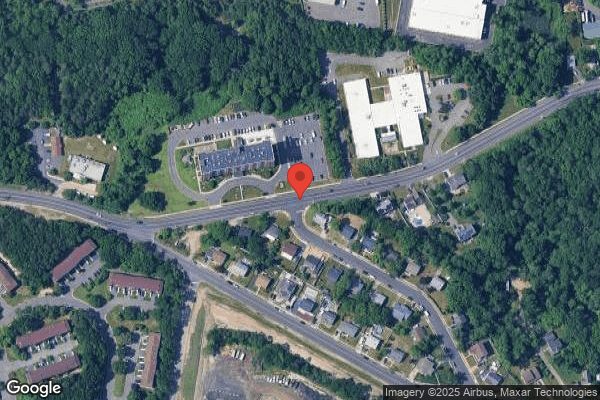
2303 WEST BANGS AVE, NEPTUNE, NJ 07753 (732) 774-3500
For profit - Limited Liability company 120 Beds Independent Data: November 2025
Trust Grade
80/100
#139 of 344 in NJ
Last Inspection: October 2024

Within standard 12-15 month inspection cycle. Federal law requires annual inspections.

Overview

King Manor Care and Rehabilitation Center has a Trust Grade of B+, indicating it is above average and recommended for families considering care. It ranks #139 out of 344 facilities in New Jersey, placing it in the top half, and #19 out of 33 in Monmouth County, meaning only a few local options are better. Unfortunately, the facility is worsening, with issues increasing from 4 in 2023 to 6 in 2024. Staffing is rated below average at 2 out of 5 stars, with a turnover rate of 46%, which is close to the state average, suggesting some staff instability. On a positive note, there have been no fines recorded, which is a good sign of compliance, and the facility has average RN coverage, which is important for catching potential health issues. However, there are concerning incidents, including a resident waiting over an hour for assistance with incontinence care and another resident not being properly turned to prevent pressure ulcers. Overall, while King Manor has some strengths, the increasing number of concerns may be a red flag for families.

Trust Score
B+
80/100
In New Jersey
#139/344
Top 40%
Safety Record
Low Risk
No red flags
Inspections
Getting Worse
4 → 6 violations
Staff Stability
⚠ Watch
46% turnover. Above average. Higher turnover means staff may not know residents' routines.
Penalties
✓ Good
No fines on record. Clean compliance history, better than most New Jersey facilities.
Skilled Nurses
⚠ Watch
Each resident gets only 25 minutes of Registered Nurse (RN) attention daily — below average for New Jersey. Fewer RN minutes means fewer trained eyes watching for problems.
Violations
⚠ Watch
11 deficiencies on record. Higher than average. Multiple issues found across inspections.
★★★★☆
4.0
Overall Rating
★★☆☆☆
2.0
Staff Levels
★★★★☆
4.0
Care Quality
★★★★☆
4.0
Inspection Score
Stable
2023: 4 issues
2024: 6 issues

The Good

  • 4-Star Quality Measures · Strong clinical quality outcomes
  • Full Sprinkler Coverage · Fire safety systems throughout facility
  • No fines on record

Facility shows strength in quality measures, fire safety.

The Bad

Staff Turnover: 46%

Near New Jersey avg (46%)

Higher turnover may affect care consistency

The Ugly 11 deficiencies on record

Oct 2024 6 deficiencies
CONCERN (D)

Potential for Harm - no one hurt, but risky conditions existed

Quality of Care (Tag F0684)

Could have caused harm · This affected 1 resident

Based on observation, interview and record review, it was determined that the facility failed to follow a physician order for a treatment to treat a moisture associated dermatitis identified on 10/21/...

Read full inspector narrative →
Based on observation, interview and record review, it was determined that the facility failed to follow a physician order for a treatment to treat a moisture associated dermatitis identified on 10/21/24. This deficient practice was identified for 1 of 21 residents reviewed (Resident #3) for quality of care and was evidenced by the following: On 10/21/24 at 8:45 AM, with the Certified Nursing Assistant (CNA) present and observed that Resident #3, a CNA #2 entered the room to provide incontinence care to Resident #3. The surveyor observed that the incontinence brief was bulging from the front to the back, and Resident #3 was wearing two incontinent briefs which were both saturated with urine and feces. The surveyor observed that the bed pad was yellow stained. CNA #2 then informed the surveyor that she had not yet provided care to the resident had visible redness on the groin and buttocks areas. The concerns were reported to the Registered Nurse (RN) Unit Manager (UM) who then generated a wound consult for Resident #3. On 10/23/24 at 11:00 AM, the surveyor reviewed the medical record for Resident #3 which revealed: -On 10/22/24 the resident was evaluated by the wound practitioner and diagnosed with MASD (Moisture-Associated Skin Damage). The order indicated the resident was to have Nystatin External 10,000 Unit/GM ) gram Nystatin Topical (antifungal) Apply to bilateral groin topically every shift for MASD after washing area with mild soap and water, Pat it dry,leave open to air. -The diagnoses included, but were not limited to, acute kidney failure, essential hypertension and acute respiratory failure. On 10/23/24 at 9:04 AM, the surveyor entered the room and observed Resident #3 was in bed. A CNA was also in the room and Resident #3 stated in the presence of the CNA the they were last changed yesterday, referring to the 3:00 PM to 11:00 AM shift. The incontinence brief was again observed bulging to the front and Resident #3 was soiled with feces and urine. The bed pad to protect the bed was again observed yellow stained. The surveyor observed that the groin and buttocks areas were still reddened. The surveyor reviewed the Treatment Administration Record (TAR) and could not locate the order from the wound practitioner. On 10/24/14 at 1:30 PM, the surveyor reviewed the wound practitioner consultation with the Registered Nurse / Unit Manager (RN/UM) who confirmed that Resident #3 had been evaluated and was ordered to have the Nystatin Cream applied to the buttocks and groin areas. The surveyor reviewed the Physician Order Sheet (POS) and the TAR dated October 2024, that was provided by the Assistant Administrator (AA) with the Licensed Practical Nurse (LPN) that was assigned to the unit. The order was not transcribed on the TAR and could not be located. Resident #3 did not receive the treatment ordered on 10/22/23, 10/23/24 and 10/24/23 as ordered by the physician. On 10/24/14 at 1:30 PM during an interview with the Director of Nursing (DON) and the AA, the DON stated if a medication was ordered that the medication should be administered immediately. The AA informed the survey team that she was not aware that Resident #3 did not receive the treatment as ordered by the physician. On 10/25/24 at 11:00 AM, the AA informed the survey team that the Unit Manager failed to transcribe the order. No further information was provided. NJAC 8:39-27.1 (a)
CONCERN (D)

Potential for Harm - no one hurt, but risky conditions existed

Infection Control (Tag F0880)

Could have caused harm · This affected 1 resident

Based on observation, interview, record review, and review of pertinent documentation, it was determined that the facility failed to consistently perform hand hygiene to prevent the spread of potentia...

Read full inspector narrative →
Based on observation, interview, record review, and review of pertinent documentation, it was determined that the facility failed to consistently perform hand hygiene to prevent the spread of potential infection. This deficient practice was identified for 1 of 2 licensed nurses observed during the medication administration observation, and for 2 staff members observed assisting during the meal service and was evidenced by the following: 1. On 10/22/24 at 8:27 AM, Surveyor #1 observed a Licensed Practical Nurse (LPN) during the medication administration pass. The LPN was observed to enter a resident bathroom, turn on the water, applied soap to her hands, and washed her hands under the stream of water for 12 seconds. Next, the LPN dried her hands and used a paper towel to turn off the water. On 10/22/24 at 8:53 AM, the same LPN was observed in another resident bathroom. She turned on the water, applied soap, applied friction for 8 seconds outside the flow of water and next proceeded to wash her hands for 13 seconds under the flow of water. On 10/22/24 at 9:09 AM, the LPN stated that the procedure for hand washing was to turn on the water, use soap and wash for 10 to 15 seconds outside the stream of water to kill germs, rinse the hands, use a paper towel to dry her hands, and a new paper towel to turn off the water. When asked about the two observations, the LPN stated, I don't know why I did it that way. A review of the facility provided, Medication Pass Observation dated 09/17/2024, included but was not limited to; 10. Hand washing (alcohol-based hand rub or soap and water per facility policy) . c. between every resident even if patient contact is not made. The medication observation was for the LPN and signed that the LPN successfully performed hand hygiene. A review of the facility provided policy and procedure, Administering Medications revised April 2019, included but was not limited to; 25. Staff follows established facility infection control procedures (e.g. handwashing, .) for the administration of medications, as applicable. 2. On 10/21/24 at 12:14 PM, Surveyor #1 observed a staff member identified as the Director of Activities (DA) enter the dining room with a portable oxygen tank. She attached the oxygen tank on the back of a resident's wheelchair. The DA then touched the resident's back then without performing hand hygiene (HH) went to the front of the dining room to the drink cart and poured two sodas that were distributed to residents. On 10/21/24 at 12:19 PM, the DA used her hands to open a drink container for a resident, then without first performing hand hygiene, she went to another table, Table 7, and placed both her bare hands on the table while speaking to the residents. On 10/22/24 at 11:26 AM, Surveyor #2 observed the lunch meal in the facility dining room. Surveyor #2 observed a Certified Nursing Aide (CNA) was wearing gloves, removed her gloves and discarded the gloves in the trash next to Surveyor #2. The CNA failed to perform HH, and proceeded to assist residents at a table of three by opening the hand wipes for each and washing their hands, and without first performing HH she began opening drinks and assisting with the meal set up. The CNA left the used dirty hand wipes that the residents used on the table and walked away. On 10/22/24 at 11:57 AM, Surveyor #1 observed the CNA pour a resident's milk and place a spoon on the plate. The CNA next, without first performing HH, tried to place a clothing protector on another resident at the same table. She then sat next to the first resident and used her bare hand to brush away the residents hair. The CNA had not performed any hand hygiene in between residents. On 10/22/24 at 12:01 PM, Surveyor #1 observed the DA deliver a grilled cheese sandwich to a resident. The DA next walked to supply closet for a cup, poured water and delivered the water to another resident without first performing HH. On 10/22/24 at 12:21 PM, during an interview with Surveyor #1, the Infection Preventionist stated that HH must be performed by staff upon entering the room, during passing out meals, absolutely yes use [HH] between different residents. She stated the purpose of hand hygiene was to stop the spread of infection. The Infection Preventionist stated that the hand washing process was to use friction for 20-30 seconds. She further stated that friction for 20 seconds was to be performed outside the stream of water, so the soap is not rinsed off. On 10/22/24 at 12:29 PM, the DA stated, it's my fault I'm just too quick when asked about performing hand hygiene in between residents and tasks. On 10/22/24 at 12:33 PM, the CNA stated the process was to use hand hygiene in between residents and when hands were visibly dirty. A review of the facility provided, Hand Hygiene Competency Validation dated 09/04/24, revealed that the DA had performed the competency successfully and was signed. A review of the facility provided, Hand Hygiene Competency Validation dated 02/06/24, revealed the CNA performed the competency successfully and was signed. A review of the facility provided, Hand Hygiene policy and procedure revised 04/26/24, included but was not limited to; Purpose: prevent the spread of infection and to ensure the safety of employees, residents, vendors, and visitors. Handwashing: hands should be washed for at least 20 seconds . wash your hands for at least 20 seconds Hand Hygiene: . before and after contact with a resident, equipment, food or drink, medication, soiled material, objects in the immediate vicinity of a resident . before, after, and during preparing food or drink. NJAC 8:39-19.4(a); 27.1(a)
CONCERN (D)

Potential for Harm - no one hurt, but risky conditions existed

Deficiency F0919 (Tag F0919)

Could have caused harm · This affected 1 resident

**NOTE- TERMS IN BRACKETS HAVE BEEN EDITED TO PROTECT CONFIDENTIALITY** Based on observation and interview on 10/22/2024 in the presence of the Director of Maintenance (DOM) and Assistant Administrato...

Read full inspector narrative →
**NOTE- TERMS IN BRACKETS HAVE BEEN EDITED TO PROTECT CONFIDENTIALITY** Based on observation and interview on 10/22/2024 in the presence of the Director of Maintenance (DOM) and Assistant Administrator (AA), it was determined that the facility failed to ensure that the call bell system was properly functioning in 1 of 5 tested rooms and was evidenced by the following: An observation at 1:45 PM revealed, the call bell button for room [ROOM NUMBER] window bed did not function when tested by the DOM. The facility's Assistant Administrator was informed of the deficient practice at the Life Safety Code exit conference at 1:30 PM. N.J.A.C 8:39-31:2(e)
CONCERN (E) 📢 Someone Reported This

A family member, employee, or ombudsman was alarmed enough to file a formal complaint

Potential for Harm - no one hurt, but risky conditions existed

ADL Care (Tag F0677)

Could have caused harm · This affected multiple residents

**NOTE- TERMS IN BRACKETS HAVE BEEN EDITED TO PROTECT CONFIDENTIALITY** Complaint # NJ 168449 Based on observation, interview, record review, and review of facility provided documents it was determine...

Read full inspector narrative →
**NOTE- TERMS IN BRACKETS HAVE BEEN EDITED TO PROTECT CONFIDENTIALITY** Complaint # NJ 168449 Based on observation, interview, record review, and review of facility provided documents it was determined that the facility failed to consistently provide appropriate and timely incontinence care for residents who were dependent on staff for Activities of Daily Living (ADLs) care. This deficient practice was identified for 2 of 3 residents (Resident #3 and #184) reviewed for ADL care and was evidenced by the following: 1. On 10/21/24 at 8:20 AM, the surveyor conduced an initial tour of the [NAME] Unit and observed a strong urine odor in the hallway. On 10/21/24 at 8:21 AM, the surveyor observed Resident #3 in bed in their room. The surveyor inquired regarding the care received at the facility, and Resident #3 stated that they were soiled and needed to be changed. The resident, then activated the call light, and stated that staff took a long time to answer the call light. Resident #3 stated sometimes it could take one hour for staff to answer the call light and incontinence care was not provided timely. The surveyor exited the room and informed the certified Nursing Assistant (CNA #1) in the next hallway of Resident #3's request. The CNA informed the surveyor that she was on light duty but she would get another CNA to assist. On 10/21/24 at 8:45 AM [24 minutes later], CNA #2 entered the room to provide incontinence care to Resident #3. The surveyor observed that the incontinence brief was bulging from the front to the back, and Resident #3 was wearing two incontinent briefs which were both saturated with urine and feces. The surveyor observed that the bed pad was yellow stained. CNA #2 then informed the surveyor that she had not yet provided care to the resident. On 10/21/24 at 11:30 AM, the surveyor interviewed CNA #1 who confirmed she delivered the breakfast tray to the resident around 7:50 AM. CNA #1 stated she did not ask the resident if they were soiled and did not check to see if they needed incontinence care prior to providing the resident with the breakfast meal. On 10/23/24 at 9:04 AM, the surveyor entered the room and observed Resident #3 was in bed. A CNA was also in the room and Resident #3 stated in the presence of the CNA the they were last changed yesterday, referring to the 3:00 PM to 11:00 AM shift. The incontinence brief was again observed bulging to the front and Resident #3 was soiled with feces and urine. The bed pad to protect the bed was again observed yellow stained. On 10/24/24 at 8:32 AM, the surveyor observed Resident #3 in bed. Resident #3 stated that they already ate breakfast. When inquired if they received incontinence care, Resident #3 stated in the presence of the Licensed Practical Nurse (LPN), I was last changed yesterday. The LPN checked the resident with the surveyor present and observed that the brief was soiled with urine and feces. On 10/24/24 9:40 AM, a telephone interview was conducted with CNA #2 who provided care to Resident #3 on 10/21/24 who stated that she provided incontinence care to the resident at 5:00 AM. CNA #2 stated that she placed two incontinent briefs on Resident #3 because the resident requested two briefs. She then stated that did not inform the nurse that she had been placing two briefs on the resident. When inquired about what could happen with two briefs that were saturated with urine and feces, she stated the skin could break down. On 10/24/24 at 10:30 AM, the surveyor reviewed Resident #3's medical record which revealed the following: -admission Record (AR) revealed, Resident #3 was admitted to the facility with diagnoses which included but were not limited to: Anemia, difficulty walking, acute respiratory failure with hypoxia, metabolic encephalopathy. -The quarterly Minimum Data Set (MDS) assessment tool dated 09/16/24, revealed that Resident #3 had intact cognition. Resident #3 received a score of 15 out of 15 on the Brief Interview for Mental Status (BIMS). Section G of the MDS which referred to Activities of Daily Living (ADLs) revealed that Resident #3 was totally dependent on staff for care. -Review of the Care Plan for Resident #3 initiated on 06/08/22, included a Focus for ADL Self Care Performance Deficit related to: Activity intolerance, fatigue and impaired balance. The goal was for Resident # 3 to improve current level of function in bathing, dressing, toileting, transfers and walking through the review date. Revised 03/07/2024. The interventions were to provide all necessary supplies for each ADL task and assist as needed. The care plan did not indicate the frequency for staff to provide incontinence care to the resident. On 10/24/24 at 9:39 AM, the surveyor interview the Registered Nurse/ Unit Manager (RN/UM) regarding Resident #3's incontinence care. The RN/UM revealed that she was not aware that direct care staff were placing two incontinent briefs on the resident. The RN/UM stated she was made aware on 10/21/24 of the double incontinent briefs being used on residents. The RN/UM added that double briefs should not be used on residents as they could cause skin irritation. When inquired regarding the frequency of incontinence care should be provided, the UM stated that incontinence should be provide every two hours. The 7:00 AM- 3:00 PM shift were supposed to check residents for incontinence care as soon as they received their assignment. The surveyor asked about Resident #3 wearing two incontinent briefs and she stated that staff should only apply only one incontinent brief and Resident #3 did not request double briefs. 2. On 10/21/24 at 9:30 AM, the surveyor entered a room and observed Resident #184 in bed. Resident #184 stated that incontinence care was not being provided in a timely manner. Resident #184 stated that they wore a Condom Catheter (a gender specific external catheter to facilitate urinary flow) and all the staff did not know how to properly apply the Condom Catheter (CC). The resident stated that most of the time the CC would be dislodged and they would be wet and staff did not check for incontinence care in a timely manner. Resident #184 added sometimes staff would not be available for 4 to 5 hours. The CC would be leaking and they would be soaked with urine. The surveyor then asked Resident #184 to activate the call light, and a CNA entered the room within 5 minutes and inquired regarding the call light. The CNA assisted with the incontinence care and the surveyor observed Resident #184's hospital gown and incontinence brief was soaked with urine. Resident #184 informed the surveyor that they were not checked during the night, or before breakfast. The CNA confirmed that she did not check Resident #184 prior to serve the breakfast meal. On 10/23/24 at 8:00 AM, the surveyor reviewed Resident #184's medical record which revealed the following: - The admission Face Sheet, an admission summary revealed that Resident #184 had diagnoses which included but were not limited to; quadriplegia (severe medical condition characterized by the partial or total loss of function in all limbs and the torso). -The admission Minimum Data Set (MDS), dated [DATE], an assessment tool used by the facility to prioritize care reflected that Resident #184 was alert and able to make their needs known. Resident #184 received a score of 15 on the Brief Interview for Mental Status (BIMS) indicative of intact cognition. -Resident #184 care plan had a Focus for ADLs self-care performance deficit related to quadriplegia, initiated 08/05/24. The goal was for Resident #184 to improve current level of functioning. Interventions included: Provide all necessary supplies for each ADL task and assist as needed. Resident #184 is totally dependent on staff for toilet use. On 10/23/24 at 11:30 AM, the surveyor reviewed the TASK (electronic record where the CNA documented the care provided to each resident). The ADL task page which included toileting was left blank for 10/21 and 10/22. On 10/24/24 at 12:30 PM, during the pre-exit conference with the Assistant Administrator (AA) and Director of Nursing (DON), the above findings were presented. A review of the facility policy titled, Activities of Daily Living (ADL) Supporting, last revised 2018, indicated the following: Policy Statement revealed: Residents will be provided with care, treatment and services as appropriate to maintain or improve their ability to carry out activities of daily living (ADLs) Residents who are unable to carry out activities of daily living independently will receive the services necessary to maintain good nutrition, grooming and persona and oral hygiene. NJAC 8:39-27.1 (a)
CONCERN (E)

Potential for Harm - no one hurt, but risky conditions existed

Pressure Ulcer Prevention (Tag F0686)

Could have caused harm · This affected multiple residents

Based on observation, interview, record review, and review of pertinent documentation, it was determined that the facility failed to ensure a system was in place to ensure a resident with a pressure u...

Read full inspector narrative →
Based on observation, interview, record review, and review of pertinent documentation, it was determined that the facility failed to ensure a system was in place to ensure a resident with a pressure ulcer, who was dependent on staff for care, was turned and repositioned. This deficient practice was identified for 1 of 1 resident (Resident #56) reviewed for care and services for pressure ulcers and was evidenced by the following: On 10/21/2024 at 8:32 AM, the surveyor observed Resident #56 lying in bed on their back on a scoop type mattress (a mattress with a concave center) and a Certified Nursing Aide (CNA) was assisting the resident with breakfast. CNA #1 stated that she was not too sure about the resident but knew there was a wound dressing on the resident's hip. On 10/22/2024 at 9:48 AM, the surveyor observed Resident #56 lying on their back in bed on a scoop mattress with a fall mat on one side and the bed pushed against one wall. On 10/23/2024 at 9:05 AM, the surveyor, again, observed Resident #56 lying on their back in bed on a scoop mattress. At 10:01, CNA #2 was in the room and showed the surveyor a dressing on the resident's left hip area. CNA #2 stated that the staff should be turning the resident every two hours but stated there was no documentation to show that all staff turned the resident. On 10/23/24 at 11:00 AM, the surveyor reviewed Resident #56's medical record which revealed: -admission Record with diagnoses which included but were not limited to; toxic encephalopathy (neurological disorder caused by exposure to a toxin), muscle weakness, age-related osteoporosis, and mood disorder due to known physiological condition. -The Order Summary Report included an order dated 04/13/2024, to document any disruptive behavior during the shift; dated 10/16/2024, to cleanse with normal saline and apply betadine and a bordered gauze day shift to the left trochanter wound; dated 02/27/2024, to apply zinc oxide to buttocks for skin protection every shift; dated 07/16/2024, for a scoop mattress for positioning; and dated 10/16/2024, cleanse with normal saline and apply zinc oxide paste to sacral/coccyx area wound every shift. -The ongoing resident-centered on-going Care Plan (CP) included but was not limited to; a focus area of at risk for skin breakdown . left trochanter opening, sacral wound date initiated 04/18/2023. Left trochanter opening to resolve, date initiated 01/23/2024. Interventions included but were not limited to; turn and position q (every) 2-3 hours and prn (as needed). A focus area of limited physical mobility r/t (related to) weakness date initiated 06/09/2023 and revised 05/21/2024. Goals which included remain free of skin-breakdown. Interventions included scoop mattress to bed for positioning and comfort and nursing restorative program AROM (assisted range of motion) to BUE/BLE (bilateral upper extremities and bilateral lower extremities). -A review of the quarterly Minimum Data Set (MDS) an assessment tool used to facilitate resident care, dated 08/19/2024, included but was not limited to; the resident was not able to complete a Brief Interview for Mental Status; there were no behaviors exhibited during a 7-day look back period; the resident was dependent on staff for Activities of Daily living and for rolling, sitting, standing, and transferring; the resident was documented as having one Stage 2 pressure ulcer, one Stage 3 pressure ulcer, and one Stage 4 pressure ulcer and not on a turning/repositioning program. -The facility provided, Braden Scale for Predicting Pressure Sore Risk dated 05/17/2024, included but was not limited to; completely immobile, bedfast, and problem with friction and shear. Resident #56's score was an 8 which indicated Very High Risk for pressure sores. On 10/23/2024 at 10:03 AM, the Registered Nurse (RN) caring for Resident #56 stated that the scoop mattress was to prevent falls. She stated that the resident had pressure ulcers and that the CNAs would turn and reposition the resident and that would be documented in the electronic medical record. The RN accessed the electronic medical record in the presence of the surveyor and acknowledged there was no documentation that Resident #56 was being turned and repositioned. On 10/23/2024 at 10:29 AM, the Director of Nursing (DON) stated that the wound team would come once or twice a week. She stated that she was in charge of that unit at that time and would be responsible for tracking, trending, and wound assessments. The DON stated, the buck stops with me. On 10/23/24 at 1:10 PM, the Rehabilitation Director (RD) stated that the scoop mattress was used to help keep Resident #56 mid-line in the bed and that it was ordered previously by hospice in May 2024, and not the facility. The RD stated, the thin layer (scoop mattress) was to keep the resident mid-line and lays on [Resident #56's] back, but [Resident #56] can't move. The RD further stated that the staff would need to turn and reposition the resident and that there was a restorative CNA who was responsible. The RD stated that when the resident was not on hospice any longer that she would have expected the resident to have been put on a restorative program with therapy. On 10/24/2024 at 8:19 AM, the Assistant Licensed Nursing Home Administrator (AA) stated she was unable to locate any documentation that Resident #56 was on a turning and repositioning schedule. She stated a restorative log noted bed mobility A x 1, but the AA was unable to explain what that entailed and that the restorative activities were for 15 minutes a day only. A review of the facility provided, Restorative Progress Report dated October 2024, included Resident #56 was being provided AROM to BUE/BLE; bed mobility Ax1; and splint/brace to palm protector to be worn throughout the day all for only 15 minutes a day. A review of the facility provided policy, Prevention of Pressure Ulcers/Injuries revised July 2017, included but was not limited to; Purpose . to provide information regarding identification of pressure ulcer/injury risk factors and interventions . Risk Assessment 4.e. reposition resident as indicated on the care plan. Mobility/Repositioning. 1. Choose a frequency for repositioning based on the resident's mobility . 2. At least every hour, reposition residents who are chair-bound or bed-bound . 3. At least every two hours, reposition residents who are reclining and dependent on staff for repositioning. 4. Reposition more frequently as needed, based on the condition of the skin and the resident's comfort. Support Surfaces and Pressure Redistribution select appropriate support surfaces . Monitoring 2. Review the interventions and strategies for effectiveness on an ongoing basis. On 10/24/2024 at 11:15 AM, the above concerns were presented to the facility. On 10/25/2024 at 8:29 AM, the AA and DON were in the conference room with the survey team. The AA acknowledged there was no documented turning and repositioning program for Resident #56. NJAC 8:39-27.1(a)(e)
CONCERN (E)

Potential for Harm - no one hurt, but risky conditions existed

Deficiency F0698 (Tag F0698)

Could have caused harm · This affected multiple residents

Based on observation, interview, record review, and review of pertinent documentation, it was determined that the facility failed to follow the Facility Assessment and facility policy to ensure that s...

Read full inspector narrative →
Based on observation, interview, record review, and review of pertinent documentation, it was determined that the facility failed to follow the Facility Assessment and facility policy to ensure that staff were educated to care for residents who required hemodialysis and had different types of access sites. The deficient practice was identified for 2 of 2 residents reviewed for dialysis (Resident #57 and #185) and was evidenced by the following: A review of the facility provided, Facility Assessment dated 2023-2024, included but was not limited to; Requirement . resident population and the resources our facility needs to care for our residents as per the recommended guidelines: The facility assessment must address or include: (1) the facility's resident population, including, but not limited to, . b. the care required by the resident population considering the types of diseases, conditions, physical, and cognitive disabilities, overall acuity, and other pertinent facts that are present with in that population; c. the staff competencies that are necessary to provide the level and types of care needed for the resident population; . Additional References to the Facility Assessment: 1. Nursing Services - the facility must have sufficient nursing staff with the appropriate competencies and skills sets to provide nursing and related services to assure resident safety and attain or maintain the highest practicable physical, mental, and psychosocial well-being of each resident, as determined by resident assessments and individual plans of care . 7. Training Requirements. A facility must develop, implement, and maintain an effective training program . consistent with their expected roles. A facility must determine the amount and types of training necessary based on a facility assessment as specified. Acuity describe your residents' acuity levels . to understand potential implications regarding the intensity of care and services needed. Special Treatments: Other Dialysis' Staff Training and Education: based upon our population, the following staff training and educational topics will be offered throughout the year and available for all staff to attend. We will reach out to our vendors for specialty in-services in their areas of expertise . Competency Assessed Dialysis AVF (arteriovenous fistula)/Perma Cath Care. 1. On 10/22/2024 at 9:54 AM, the surveyor observed Resident #185 sitting in a wheelchair (w/c). The resident stated that they had to go to dialysis later in the day, and that they had a chest access (Permacath). A subsequent review of the medical records revealed that Resident #185 was admitted with diagnoses which included but were not limited to; end stage renal disease. A review of the resident-centered Care Plan included a focus area of receiving dialysis for Stage 4 chronic kidney disease via a right neck Permacatheter [permacath]. Interventions included but were not limited to: monitor for signs and symptoms of infection to the access site. A review of the Order Summary Report included an order dated 10/07/2024, check for bruit on the central line (a tube that goes into the neck and flows into the large vessel by the heart) on right side of neck. A review of the Treatment Administration Record (TAR) revealed that staff had been signing off that they had checked the Permacath every shift for a bruit. On 10/23/2024 at 9:03 AM, the Registered Nurse (RN) #1 stated that her responsibility was to monitor the Permacath dressing. On 10/23/2024 at 9:31 AM, during a second interview, RN #1 reviewed the resident's medical record with the surveyor and stated that the staff were to check the Permacath for a bruit (a swooshing sound made by blood flow). RN #1 stated she would, put my finger on the site to feel the bruit or I can use a stethoscope. RN #1 further stated, as far as my practice, we don't do a bruit for a Permacath. On 10/23/2024 at 11:44 AM, RN #1 informed the surveyor that she had never had a competency on the assessment and care of the dialysis Permacath. 2. On 10/22/2024 at 11:34 AM, the surveyor observed Resident #57 in a w/c in their room. The resident stated the facility staff did not check their dialysis site. Resident #57 showed the surveyor their AVF on the left upper arm and showed the surveyor how they check their own AVF. A review of the medical record revealed that Resident #57 had been admitted with diagnoses which included but were not limited to; end stage renal disease. A review of the Order Summary Report revealed an order dated 09/02/2024, to check AV fistula for thrill and bruit every shift and to monitor for bleeding. A review of the resident-centered Care Plan included a focus area of end stage renal disease receiving hemodialysis. Interventions included to monitor for any signs of infection. Monitor AVF for bruit and thrill. On 10/23/2024 at 12:18 PM, RN #2 stated that she would monitor Resident #57 for active bleeding and vital signs and for a bruit and thrill. RN #2 stated that she had never had any competencies on the assessment and care of the dialysis AVF. On 10/23/2024 at 12:05 PM, during a telephone call, Resident #185's physician stated that her expectation would be to assess the Permacath site for redness, fever and to ensure the dressing was clean. The physician stated there was no bruit or thrill for a Permacath, but only for an AVF. On 10/24/2024 at 8:32 AM, the Assistant Licensed Nursing Home Administrator stated that the facility did not have nurse competencies for the assessment and care of the hemodialysis accesses. A review of the facility provided policy, Hemodialysis Catheters - Access and Care of undated, included but was not limited to; Purpose hemodialysis catheters will only be accessed by medical staff who have received training and demonstrated clinical competency regarding use of this catheter. Types of Hemodialysis Catheters: 1. AVF . AVG (arteriovenous graft) . Central catheters [Permacatheter]. NJAC 8:39-27.1(a)
Jun 2023 4 deficiencies
CONCERN (D)

Potential for Harm - no one hurt, but risky conditions existed

Deficiency F0558 (Tag F0558)

Could have caused harm · This affected 1 resident

Based on observation, interview, and review of pertinent facility documents, it was determined that the facility failed to maintain a homelike environment that accommodated resident needs and preferen...

Read full inspector narrative →
Based on observation, interview, and review of pertinent facility documents, it was determined that the facility failed to maintain a homelike environment that accommodated resident needs and preferences. This deficient practice was identified for 1 of 22 residents reviewed (Resident #59) and was evidenced by the following: On 6/6/23 at 10:46 AM, the surveyor observed Resident #59 attempting to navigate their room. Resident #59's bed was located closest to the door. Due to their height, the resident's bed was adapted with a detachable foot extension. In order to get to the opposite side of the bed, the surveyor observed Resident #59 remove the bed extension, self-propel backwards in their wheelchair past the foot of the bed, then reattach the extender. The surveyor reviewed the medical record for Resident #59. A review of the admission Record face sheet (an admission summary) reflected the resident was admitted to the facility in July of 2020, with diagnoses which included cerebral infarction (stroke) and hemiplegia (paralysis of one side of the body). A review of the most recent annual Minimum Data Set (MDS), an assessment tool dated 5/17/23, reflected a brief interview for mental status (BIMS) score of 14 out of 15, which indicated a fully intact cognition. On 6/9/23 at 10:39 AM, the surveyor interviewed Resident #59's unsampled roommate, who confirmed that resident was not able to easily access the entirety of the room. The roommate also confirmed that they have witnessed Resident #59 remove the bed extender to get past their bed. On 6/13/23 at 10:43 AM, the surveyor interviewed Resident #59 who agreed that they had a difficult time getting around the room. When asked if they were able to open the bathroom door all the way, Resident #59 stated no. The surveyor observed the closed bathroom door that was located directly across from the foot of Resident #59's bed. The surveyor tested the bathroom door. When in the opened position, the door was obstructed by the bed extension which blocked the passage to the room. On 6/13/23 at 11:20 AM, the surveyor interviewed the Director of Rehabilitation (DOR) who confirmed that nursing should identify if a room was not accessible or if there were accessibility concerns. The DOR advised that the process for environmental evaluations was situational, and they could be notified of any concerns through various means. The DOR indicated that room accessibility was important for the resident's quality of life and that the facility does not want to take away any accessibility. The DOR continued to state that a room modification would make residents more independent in the room and prevent any fall or injury. On 6/14/23 at 8:35 AM, the surveyor interviewed the Certified Nursing Assistant (CNA) who stated that part of their role and responsibility was to make sure residents can get around the room. When asked if the bathroom doors were supposed to be able to open all the way CNA #1 responded, yes and make sure there is obstruction in the way. On 6/14/23 at 8:47 AM, the surveyor interviewed the Licensed Practical Nurse (LPN) who confirmed that resident rooms were to be wheelchair accessible meaning that residents in wheelchairs were able to easily navigate the room. When asked if the bathroom door should be able to be opened all the way CNA #1 stated, yes it should. On 6/14/23 at 8:55 AM, the surveyor interviewed Unit Manager/Registered Nurse (UM/RN) who stated that the resident should not have to force the bathroom door open. The UM/RN confirmed that the bathroom door should open all the way and residents should not have to remove a bed extension in order to access the entirety of their room. When asked who had the responsibility to ensure that resident rooms were wheelchair assessable, UM/RN responded, everyone is responsible and, of course, the aide is the one that would report first thing. The UM/RN stated they were not aware of any issues with Resident #59's room. In the presence of the surveyor, the UM/RN attempted to open Resident #59's bathroom door. The UM/RN confirmed that the door did not open all the way. At this time, the DOR and UM/RN together confirmed that the bathroom door should open all the way to allow access for Resident #59 and the roommate. On 6/15/23 at 9:44 AM, the Licensed Nursing Home Administrator (LNHA) confirmed that their expectation for resident rooms and wheelchair accessibility was that rooms should always be accessible. The LNHA further confirmed that residents should not have to remove a bed extension to access their room and bathroom doors should not be obstructed when opening. A review the facility's Homelike Environment policy dated November 2021, included .1. Staff provides person-centered care that emphasizes the residents' comfort, independence, and personal needs and preferences . A review the facility's Accommodation of Needs policy dated March 2021, included .1. The resident's individual needs and preferences are accommodated to the extent possible, except when the health and safety of the individual or other residents would be endangered. 2. The resident's individual needs and preferences, including the need for adaptive devices and modifications to the physical environment, are evaluated upon admission and reviewed on an ongoing basis. 3. In order to accommodate individual needs and preferences, adaptions may be made to the physical environment, including the resident's bedroom and bathroom, as well as the common areas in the facility. 4. In order to accommodate individual needs and preferences, staff attitudes and behaviors are directed towards assisting the residents in maintaining independence, dignity and well being to the extent possible and in accordance with residents' wishes . NJAC 8:39-4.1(a)11
CONCERN (D)

Potential for Harm - no one hurt, but risky conditions existed

Deficiency F0761 (Tag F0761)

Could have caused harm · This affected 1 resident

**NOTE- TERMS IN BRACKETS HAVE BEEN EDITED TO PROTECT CONFIDENTIALITY** Based on observation, interview, and review of pertinent facility documents, it was determined that the facility failed to a.) m...

Read full inspector narrative →
**NOTE- TERMS IN BRACKETS HAVE BEEN EDITED TO PROTECT CONFIDENTIALITY** Based on observation, interview, and review of pertinent facility documents, it was determined that the facility failed to a.) maintain medication carts free from unmarked and unwrapped medications and b.) accurately document the administration of controlled medications on the Controlled Drug Administration Record Tablet (declining inventory sheet) for an unsampled resident. This deficient practice was identified for 1 of 2 medication carts on 1 of 2 nursing units ([NAME] low- side) and was evidenced by the following: On 6/6/23 at 12:53 PM, the surveyor in the presence of the Licensed Practical Nurse (LPN) inspected the [NAME] nursing unit's low-side medication cart and observed the following: 1. Inside the top drawer on the right side of the medication cart, a small plastic medication cup which contained two unmarked tablets. At this time, the LPN identified the tablets as an iron supplement and repaglinide (diabetic medication) that she had just poured into the cup for an unsampled resident and meant to administer it, but got busy. 2. A review of the narcotic medication located in the secured and locked narcotic box, when the narcotic medication inventory was compared to the corresponding Controlled Drug Record Tablet (declining inventory sheet), the surveyor identified an unsampled resident's oxycodone/acetaminophen 5/325 milligram (mg) tablets, a medication used for pain, did not match. The blister pack contained 22 tablets and the declining inventory sheet indicated there should be 23 tablets remaining. At this time, the surveyor interviewed the LPN who stated that she administered the unsampled resident's oxycodone at 11:30 AM, and forgot to sign the declining inventory sheet. The LPN further stated that her regular practice was to sign the declining inventory sheet after she administered the medication. On 6/6/23 at 1:22 PM, the surveyor interviewed the Unit Manager/Registered Nurse (UM/RN) who stated when the nurse removed the controlled medication from the blister pack in inventory, they immediately signed the declining inventory sheet which indicated the medication had been removed from inventory. The UM/RN continued that once the medication was administered to the resident, the nurse signed the Medication Administration Record (MAR) to document the resident received the medication. The UM/RN acknowledged the LPN should have signed the declining sheet immediately after removing the medication from inventory. On 6/13/23 at 1:45 PM, the surveyor informed the Licensed Nursing Home Administrator (LNHA), Assistant Licensed Nursing Home Administrator (ALNHA) and Director of Nursing (DON) the above concerns. The DON confirmed the nurse should have signed the declining inventory sheet for the oxycodone when she removed the medication from inventory, and not after she administered the medication to the resident. On 6/15/23 at 9:43 AM, the LNHA in the presence of the DON, ALNHA, and survey team confirmed that once medication was removed from its packaging, it should immediately be administered to the resident and not stored in a medication cup in the medication cart. A review of the facility's Controlled Substances policy dated revised November 2022, included .controlled substance inventory is monitored and reconciled to identify loss or potential diversion in a manner that minimizes the time between loss/diversion and detection/follow-u .the system of reconciling the receipt, dispensing and disposition of controlled substances includes .declining inventory records . A review of the facility's undated Storage of Medications policy included .the facility stores all drugs and biologicals in a safe, secure, and orderly manner .drugs and biologicals are stored in the packaging, containers or other dispensing systems in which they are received . NJAC 29.4 (a),(h)
CONCERN (D)

Potential for Harm - no one hurt, but risky conditions existed

Food Safety (Tag F0812)

Could have caused harm · This affected 1 resident

Based on observation, interview, and review of facility documentation, it was determined that the facility failed to maintain kitchen equipment in a manner to prevent microbial growth. This deficient ...

Read full inspector narrative →
Based on observation, interview, and review of facility documentation, it was determined that the facility failed to maintain kitchen equipment in a manner to prevent microbial growth. This deficient practice was evidenced by the following: On 6/6/23 at 10:01 AM, the surveyor toured the kitchen with the Food Service Director (FSD). The surveyor observed the following: In the meat kitchen hanging above the tray serving line on a utensil rack, one large and one medium rubber spatula. The spatulas were both cracked and discolored, and the medium rubber spatula was missing rubber in parts. The FSD confirmed the spatulas should not be in use. In the dairy kitchen hanging above the tray serving line on a utensil rack, one large rubber spatula cracked and discolored. The FSD confirmed the spatula should not be in use. On a rack, two large white, one medium green, one medium yellow, and one medium red cutting boards all discolored and pitted. There was also a tan rubber cutting board discolored black. The FSD stated cutting boards were changed as needed and she had not changed the cutting boards since she started at the facility in February of 2023. The FSD confirmed the cutting boards needed to be replaced because of concern for contamination and could harbor bacteria. On 6/15/23 at 9:43 AM, the Licensed Nursing Home Administrator (LNHA) in the presence of the Director of Nursing (DON), Assistant Licensed Nursing Home Administrator (ALNHA), and survey team, acknowledged the above concerns. A review of the facility provided undated Food Contact Surfaces policy included .replace cutting boards that become deeply scratched, carved or grooved. Boards that are scored, gouged and chipped are no longer cleanable and therefore cannot be effectively cleaned and sanitized. Other food contact items, such as smallwares, cooking/serving utensils and pots and pans should also be monitored for such wear and tear. If present these items should be replaced as well. NJAC 8:39-17.2(g)
CONCERN (D)

Potential for Harm - no one hurt, but risky conditions existed

Safe Environment (Tag F0921)

Could have caused harm · This affected 1 resident

**NOTE- TERMS IN BRACKETS HAVE BEEN EDITED TO PROTECT CONFIDENTIALITY** Based on observation, interview, and review of pertinent facility documents, it was determined that the facility failed to maint...

Read full inspector narrative →
**NOTE- TERMS IN BRACKETS HAVE BEEN EDITED TO PROTECT CONFIDENTIALITY** Based on observation, interview, and review of pertinent facility documents, it was determined that the facility failed to maintain a safe and sanitary environment for 3 of 50 residents' rooms for hand sinks (Resident room [ROOM NUMBER], #17, and #23). The deficient practice was evidenced by the following: On 6/6/23 at 9:32 AM, the surveyor observed in Resident room [ROOM NUMBER], the cabinet sink in the bathroom was in a state of disrepair. The front of the cabinet had missing laminate covering that had exposed the particle board. The doors to the cabinet were misaligned, had a missing handle, and the laminate covering was missing, which exposed the particle board on the doors. On 6/6/23 at 10:45 AM, the surveyor observed in Resident room [ROOM NUMBER], the molding in the front of the hand sink was missing and the wood was separated, exposing the particle board. The vertical molding of the sink was missing exposing the wood from the sink to the floor. On 6/623 at 11:34 AM, the surveyor observed in Resident room [ROOM NUMBER], the front of the hand sink had missing molding exposing the particle board. The vertical molding of the sink was missing exposing wood from the sink to the floor. On 6/12/23 at 1:41 PM, the surveyor interviewed the Unit Manager/Registered Nurse (UM/RN) who stated the staff reported any maintenance issues in a maintenance book or verbally informed the Maintenance Department of any environmental problems. The UM/RN stated that she had not notified the Maintenance Department about the condition of the sinks. On 6/12/23 at 1:47 PM, the surveyor interviewed the Maintenance Director (MD) who stated he made facility rounds, had no documented records of these rounds. The MD said that he knew the cabinet and the sink areas must be replaced and repaired and that the wing would be remodeled. The MD stated that the Lisenced Nursing Home Administrator (LNHA) made rounds as well, and he was aware of the condition of the sinks. On 6/13/23 at 1:47 PM, the surveyor interviewed the LNHA who acknowledged the sinks and cabinets should not have been in disrepair, and after the surveyor's inquiry, the vanity was replaced, and the sinks were repaired. A review of the facility's Homelike Environment policy dated revised 2021, included the facility staff and management maximizes, to the extent possible, the characteristics of the facility that reflects a personalized homelike setting. These characteristics include: a clean, sanitary and orderly environment .inviting color, and décor. NJAC 8:39-31.4(a)
Aug 2021 1 deficiency
CONCERN (D)

Potential for Harm - no one hurt, but risky conditions existed

Food Safety (Tag F0812)

Could have caused harm · This affected 1 resident

Based on observation, interview, and record review, it was determined that the facility failed to maintain sanitation in a safe and consistent manner to prevent food borne illness. This deficient prac...

Read full inspector narrative →
Based on observation, interview, and record review, it was determined that the facility failed to maintain sanitation in a safe and consistent manner to prevent food borne illness. This deficient practice was evidenced by the following: On 08/06/21 from 11:28 AM until 11:48 AM, during a follow-up visit to the kitchen, the surveyor observed the following in the presence of the Food Service Director (FSD): 1. The surveyor observed the [NAME] who wore a hair net that did not completely cover her hair as she prepared to obtain food temperatures from the steam table. When interviewed, she stated that her hair was supposed to be fully covered because she could possibly contaminate the food. 2. The surveyor observed that the Dietary Aide wore a hair net that did not completely cover her hair as she obtained food from the reach-in refrigerator located in the galley of the kitchen. She stated that everyone knew that their hair was supposed to be fully covered. When interviewed, the FSD stated that both the [NAME] and the Dietary Aide were required to ensure that their hair was fully covered. The surveyor interviewed the Licensed Nursing Home Administrator (LNHA) at 2:05 PM, who stated that kitchen staff were required to wear their hair nets properly so that their hair was fully covered. The surveyor reviewed the facility's policy, Hair Restraints (01/01/20) which revealed the following: Policy: It is the policy of the facility to assure all food handlers wear effective hair restraints to cover all exposed body hair. Procedure 1. All food handlers with exposed hair must wear hair nets . 2. Hair restraints must be worn effectively to keep hair from contacting and contaminating any exposed food, clean equipment, utensils, unwrapped single service items and single use articles . NJAC 8:39-17.2(g)
Understanding Severity Codes (click to expand)
Life-Threatening (Immediate Jeopardy)
J - Isolated K - Pattern L - Widespread
Actual Harm
G - Isolated H - Pattern I - Widespread
Potential for Harm
D - Isolated E - Pattern F - Widespread
No Harm (Minor)
A - Isolated B - Pattern C - Widespread

Questions to Ask on Your Visit

  • "Can I speak with families of current residents?"
  • "What's your RN coverage like on weekends and overnight?"

Our Honest Assessment

Strengths
  • • Grade B+ (80/100). Above average facility, better than most options in New Jersey.
  • • No major safety red flags. No abuse findings, life-threatening violations, or SFF status.
  • • No fines on record. Clean compliance history, better than most New Jersey facilities.
Concerns
  • • 11 deficiencies on record. Higher than average. Multiple issues found across inspections.
Bottom line: Generally positive indicators. Standard due diligence and a personal visit recommended.

About This Facility

What is King Manor Care And Rehabilitation Center's CMS Rating?

CMS assigns KING MANOR CARE AND REHABILITATION CENTER an overall rating of 4 out of 5 stars, which is considered above average nationally. Within New Jersey, this rating places the facility higher than 99% of the state's 100 nursing homes. This rating reflects solid performance across the metrics CMS uses to evaluate nursing home quality.

How is King Manor Care And Rehabilitation Center Staffed?

CMS rates KING MANOR CARE AND REHABILITATION CENTER's staffing level at 2 out of 5 stars, which is below average compared to other nursing homes. Staff turnover is 46%, compared to the New Jersey average of 46%. RN turnover specifically is 56%, which is notably high. RNs provide skilled clinical oversight, so turnover in this role can affect medical care quality.

What Have Inspectors Found at King Manor Care And Rehabilitation Center?

State health inspectors documented 11 deficiencies at KING MANOR CARE AND REHABILITATION CENTER during 2021 to 2024. These included: 11 with potential for harm.

Who Owns and Operates King Manor Care And Rehabilitation Center?

KING MANOR CARE AND REHABILITATION CENTER is owned by a for-profit company. For-profit facilities operate as businesses with obligations to shareholders or private owners. The facility operates independently rather than as part of a larger chain. With 120 certified beds and approximately 98 residents (about 82% occupancy), it is a mid-sized facility located in NEPTUNE, New Jersey.

How Does King Manor Care And Rehabilitation Center Compare to Other New Jersey Nursing Homes?

Compared to the 100 nursing homes in New Jersey, KING MANOR CARE AND REHABILITATION CENTER's overall rating (4 stars) is above the state average of 3.3, staff turnover (46%) is near the state average of 46%, and health inspection rating (4 stars) is above the national benchmark.

What Should Families Ask When Visiting King Manor Care And Rehabilitation Center?

Based on this facility's data, families visiting should ask: "Can you walk me through typical staffing levels on day, evening, and night shifts?" "Can I visit during a mealtime to observe dining assistance and food quality?" "How do you handle medical emergencies, and what is your hospital transfer rate?" "Can I speak with family members of current residents about their experience?" These questions are particularly relevant given the below-average staffing rating.

Is King Manor Care And Rehabilitation Center Safe?

Based on CMS inspection data, KING MANOR CARE AND REHABILITATION CENTER has a clean safety record: no substantiated abuse findings (meaning no confirmed cases of resident harm), no Immediate Jeopardy citations (the most serious violation level indicating risk of serious injury or death), and is not on the Special Focus Facility watch list (a federal program monitoring the lowest-performing 1% of nursing homes). The facility has a 4-star overall rating and ranks #1 of 100 nursing homes in New Jersey. While no facility is perfect, families should still ask about staff-to-resident ratios and recent inspection results during their visit.

Do Nurses at King Manor Care And Rehabilitation Center Stick Around?

KING MANOR CARE AND REHABILITATION CENTER has a staff turnover rate of 46%, which is about average for New Jersey nursing homes (state average: 46%). Moderate turnover is common in nursing homes, but families should still ask about staff tenure and how the facility maintains care continuity when employees leave.

Was King Manor Care And Rehabilitation Center Ever Fined?

KING MANOR CARE AND REHABILITATION CENTER has no federal fines on record. CMS issues fines when nursing homes fail to meet care standards or don't correct problems found during inspections. The absence of fines suggests the facility has either maintained compliance or corrected any issues before penalties were assessed. This is a positive indicator, though families should still review recent inspection reports for the full picture.

Is King Manor Care And Rehabilitation Center on Any Federal Watch List?

KING MANOR CARE AND REHABILITATION CENTER is not on any federal watch list. The most significant is the Special Focus Facility (SFF) program, which identifies the bottom 1% of nursing homes nationally based on persistent, serious quality problems. Not being on this list means the facility has avoided the pattern of deficiencies that triggers enhanced federal oversight. This is a positive indicator, though families should still review the facility's inspection history directly.