COMPLETE CARE AT OCEAN GROVE LLC
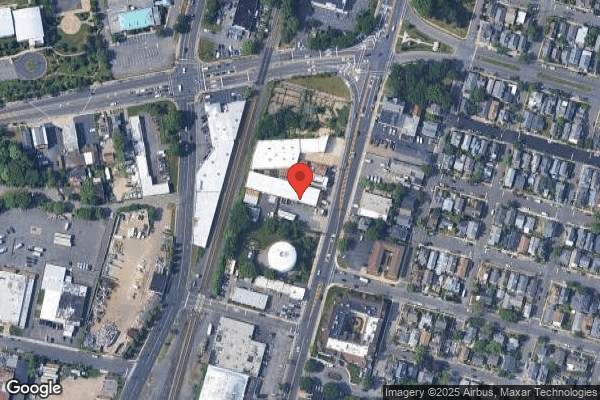
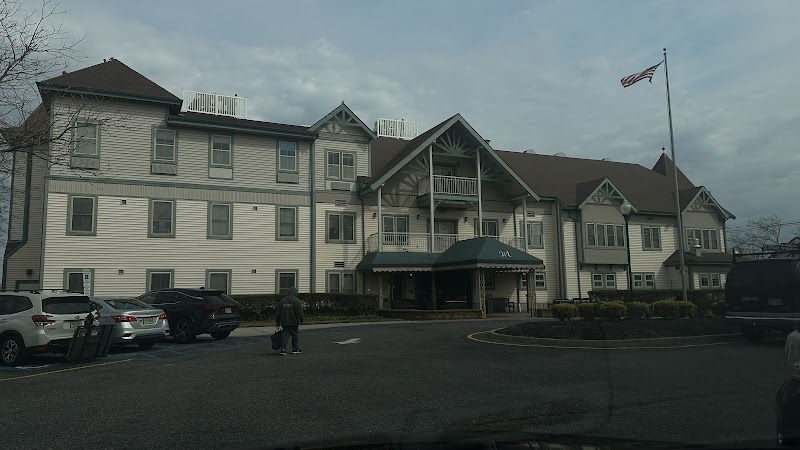
160 S MAIN ST, OCEAN GROVE, NJ 07756 (732) 481-8300
For profit - Limited Liability company 147 Beds COMPLETE CARE Data: November 2025
Trust Grade
75/100
#118 of 344 in NJ
Last Inspection: February 2024

Within standard 12-15 month inspection cycle. Federal law requires annual inspections.

Overview

Complete Care at Ocean Grove LLC has received a Trust Grade of B, indicating it is a good choice for families seeking care, but there is room for improvement. It ranks #118 out of 344 facilities in New Jersey, placing it in the top half, and #16 of 33 in Monmouth County, meaning only 15 local options are better. The facility is improving, with issues decreasing from 11 in 2024 to 4 in 2025. However, staffing is a concern with a rating of 2 out of 5 stars and a turnover rate of 54%, which is higher than the state average. On a positive note, there have been no fines recorded, indicating compliance with regulations. Specific incidents raised during inspections include the facility failing to properly label and store potentially hazardous foods, which could lead to foodborne illness, and issues with medication administration practices for some residents, which may affect their health and safety. Overall, while there are strengths such as no fines and a good Trust Grade, families should consider the staffing challenges and recent inspection findings when researching this nursing home.

Trust Score
B
75/100
In New Jersey
#118/344
Top 34%
Safety Record
Low Risk
No red flags
Inspections
Getting Better
11 → 4 violations
Staff Stability
⚠ Watch
54% turnover. Above average. Higher turnover means staff may not know residents' routines.
Penalties
✓ Good
No fines on record. Clean compliance history, better than most New Jersey facilities.
Skilled Nurses
○ Average
Each resident gets 32 minutes of Registered Nurse (RN) attention daily — about average for New Jersey. RNs are the most trained staff who monitor for health changes.
Violations
⚠ Watch
18 deficiencies on record. Higher than average. Multiple issues found across inspections.
★★★★☆
4.0
Overall Rating
★★☆☆☆
2.0
Staff Levels
★★★★★
5.0
Care Quality
★★★☆☆
3.0
Inspection Score
Stable
2024: 11 issues
2025: 4 issues

The Good

  • 5-Star Quality Measures · Strong clinical quality outcomes
  • Full Sprinkler Coverage · Fire safety systems throughout facility
  • No fines on record

Facility shows strength in quality measures, fire safety.

The Bad

Staff Turnover: 54%

Near New Jersey avg (46%)

Higher turnover may affect care consistency

Chain: COMPLETE CARE

Part of a multi-facility chain

Ask about local staffing decisions and management

The Ugly 18 deficiencies on record

Jul 2025 2 deficiencies
CONCERN (D) 📢 Someone Reported This

A family member, employee, or ombudsman was alarmed enough to file a formal complaint

Potential for Harm - no one hurt, but risky conditions existed

ADL Care (Tag F0677)

Could have caused harm · This affected 1 resident

Number of residents sampled: 6Number of residents cited: 2Complaint NJ #00174809Based on observation, interview, record review, and review of pertinent facility documents, it was determined that the f...

Read full inspector narrative →
Number of residents sampled: 6Number of residents cited: 2Complaint NJ #00174809Based on observation, interview, record review, and review of pertinent facility documents, it was determined that the facility failed to provide appropriate incontinence care for residents who were dependent on staff for Activities of Daily Living. This deficient practice was identified for 1 unsampled resident (Resident #34) and 1 sampled resident (Resident #67) out of 6 residents observed during incontinence rounds on 1 of 2 nursing units and was evidenced by the following:1. On 7/21/2025 at 8:54 AM, the surveyor performed incontinence rounds with Licensed Practical Nurse/ Unit Manager (LPN/UM) #1 and observed Resident #34 in bed. LPN/UM #1 exposed the resident's green incontinence brief from the front and stated that the resident was wet. LPN/UM #1 proceeded to close the brief. The surveyor noticed that the edge of the incontinence brief appeared layered. The surveyor asked LPN/UM #1 to expose the back of the incontinence brief. The surveyor observed a wet blue incontinence brief inside the wet green incontinence brief. The surveyor asked LPN/UM #1 if applying 2 briefs on the resident was appropriate. LPN/UM #1 stated that it was not right and that they will find out who did it and provide education to the staff.The surveyor reviewed the medical record of Resident #34.A review of the resident's admission Record reflected that the resident was admitted to the facility with diagnoses that included but were not limited to; congestive heart failure and type 2 diabetes mellitus.A review of the resident's most current quarterly Minimum Data Set (MDS), an assessment tool dated 6/29/25, revealed that the resident had a Brief Interview for Mental Status (BIMS) score of 2 out of 15, which indicated severely impaired cognition. The MDS further assessed that the resident was dependent on staff assistance for toileting hygiene and that the resident was always incontinent of bowel and bladder.A review of the resident's Individualized Care Plan (ICP) included a problem area revised on 4/13/2023, that the resident had incontinence of urine and bowel and required incontinence checks as needed. 2. On 7/21/2025 at 9:08 AM, during the incontinence rounds with LPN/UM #1, the surveyor observed Resident #67 in bed. LPN/UM #1 exposed the resident's white incontinence brief from the front. The brief was soaked. LPN/UM #1 proceeded to close the incontinence brief when the surveyor asked them to expose the back of the brief. The bedsheet was noted wet in the area beneath the resident's buttocks. When the resident's brief was exposed at the back, the surveyor noted a soaked green incontinence brief inside the white brief. The surveyor asked LPN/UM #1 if applying 2 briefs on the resident was appropriate. LPN/UM #1 stated that it was not right and that they will find out who did it and provide education to the staff. The surveyor reviewed the medical record of Resident #67.A review of the resident's admission Record reflected that the resident was admitted to the facility with diagnoses that included but were not limited to; acute respiratory failure and type 2 diabetes mellitus.A review of the resident's most current quarterly Minimum Data Set (MDS), an assessment tool dated 5/19/25, revealed that the resident had a Brief Interview for Mental Status (BIMS) score of 15 out of 15, which indicated intact cognition. The MDS further assessed that the resident was dependent on staff assistance for toileting hygiene and that the resident was always incontinent of bladder and frequently incontinent of bowel.A review of the resident's Individualized Care Plan (ICP) included a problem area revised on 7/8/2025, that the resident had toileting and mobility deficit related to impaired balance and respiratory failure. The care plan did not include specific interventions addressing the resident's incontinence. On 7/22/2025 at 9:42 AM, during a tour of the storage room with the unit secretary, the surveyor confirmed the following sizes of incontinence briefs based on color: large (blue), extra-large ( yellow/ tan), 2-extra large (green), bariatric (white). On 7/22/2025 at 1:11 PM, during an interview with the survey team, the Regional Nurse (RN) stated that applying double incontinence brief on residents was not acceptable.A review of facility-provided policy titled Incontinence Care date implemented on 9/1/2024, included under Policy Explanation and Compliance Guidelines: 4. Residents that are incontinent of bladder or bowel will receive appropriate treatment to prevent infections and to restore continence to the extent possible. N.J.A.C. 8:39 - 27.1 (a); 27.2 (h)
CONCERN (F) 📢 Someone Reported This

A family member, employee, or ombudsman was alarmed enough to file a formal complaint

Potential for Harm - no one hurt, but risky conditions existed

Food Safety (Tag F0812)

Could have caused harm · This affected most or all residents

Based on observations, interviews, and review of pertinent facility documents, it was determined that the facility failed to a.) label, date, and store potentially hazardous foods appropriately to pre...

Read full inspector narrative →
Based on observations, interviews, and review of pertinent facility documents, it was determined that the facility failed to a.) label, date, and store potentially hazardous foods appropriately to prevent food borne illness and b.) maintain kitchen equipment in a clean and sanitary manner to prevent microbial growth. This deficient practice was evidenced by the following:On 7/16/25 at 9:50 AM, the surveyor toured the kitchen with the Food Service Director (FSD) and the Regional Food Service Director (RFSD). The following was observed:1. Condensation on the outside of the ice machine on the top of lid and when opened an unidentified yellow substance was observed on the inside cover.2. Duct tape on the left and right corner above the ice machine lid and what appeared to be a white bonding material applied to the front lower left side.The surveyor interviewed the FSD who stated the machine was last cleaned on 7/8/25 but could not identify the yellow substance or explain why it was on the ice machine. The FSD explained that the duct tape was applied to prevent the sides of the ice machine from falling off and that the white substance was applied to cover up damage to the ice machine.3. Greasy, brown-appearing substance on the inner surface of the oven.The surveyor interviewed the FSD who stated that the oven should kept clean and should not have any substances in the inside of the oven.4. 5 (five) out of 5 (five) heads of wilted and partially decomposed lettuce in a clear plastic bag in the walk-in refrigerator number 1 (one).The surveyor interviewed the FSD who stated that the lettuce should have been discarded since it was spoiled. The FSD discarded the lettuce at the time of finding. The surveyor asked the FSD why the lettuce was kept in the refrigerator in the deteriorated condition. The FSD stated that produce is checked when the food is prepped and not daily.5. An opened and exposed to air a 10 lb. (pound) box of sausage which was not labeled and dated with an opened or used-by date, in walk-in refrigerator number 2 (two).6. A 5 (five) lb. container of cottage cheese which was not labeled and dated with an opened or used-by date, in the walk-in refrigerator number 2.The surveyor interviewed the FSD who stated that the box of sausage should be covered and labeled with an opened/used-by dates. The FSD stated that it was important to ensure that food is used before the used-by date and to prevent serving decayed food.On 7/21/25 at 10:08 AM, the surveyor toured the kitchen with the Food Service Director (FSD) and the Regional Food Service Director (RFSD). The following was observed:7. 2 (two) out of 3 (three) heads of celery that were wilted and yellow in appearance, stored in walk-in refrigerator number 1.8. Four (4) out of 10 (ten) cucumbers had visible signs of spoilage with white, furry-appearing patches throughout the cucumbers & cucumber juice had leaked into the box in walk-in refrigerator number 1.Both the FSD and RFSD agreed that the celery and cucumbers should not had been in the refrigerator since they were spoiled. The FSD stated that produce should have been checked during meal prep and spoiled items are discarded.A review of the Tuesday special cleaning, schedule, indicated the following:During week 3, three cooks were tasked with cleaning the ice machine inside and outside.During weeks 1, 3 and 4, three cooks were assigned to clean and organize the fridge and freezer in the morning.On 7/24/25 at 11:50 AM, the Licensed Nursing Home Administrator (LNHA), in the presence of the Director of Nursing (DON), Regional Resource Registered Nurse (RRRN), and survey team, acknowledged the ice machine and oven should be cleaned and maintained per facility policy, prepped items should be labeled and have a used-by date, and spoiled foods should be promptly discarded.A review of the facility's policy dated 2/16/25 and titled Ice Machine Sanitation Policy, indicated that the kitchen staff will spray inside of the bin and lid with sanitizing solution and wipe the bin and lid with clean disposable kitchen wipe in steps number 7 (seven) and eight (8).A review of an undated facility's policy, titled Ice Machine Maintenance, indicated that the machine should be emptied and fully sanitized monthly and that the machine inside rim should be inspected with a white single use paper towel weekly to ensure no residue. The 2025 ice machine cleaning log indicated that the ice machine was cleaned on July 8, 2025.A review of the facility's policy dated 2/16/24 and titled Equipment Cleaning Policy indicated that conventional and convection ovens should be cleaned inside and outside with soap and water after each use and an oven-grill cleaner or degreaser should be used for heavy carbon build up.A review of the facility's protocol dated 11/12/19 and titled Labeling and Dating System Protocol, indicated that cottage cheese should be used by one week from the opened date; beef, pork, poultry should be used within 3 days after opening.NJAC 8:39-17.2(g)
May 2025 2 deficiencies
CONCERN (D) 📢 Someone Reported This

A family member, employee, or ombudsman was alarmed enough to file a formal complaint

Potential for Harm - no one hurt, but risky conditions existed

Deficiency F0727 (Tag F0727)

Could have caused harm · This affected 1 resident

NJ175245, NJ184348 Based on interview and review of facility documents on 5/15/25, it was determined that the facility failed to ensure a Registered Nurse (RN) worked for at least eight consecutive ho...

Read full inspector narrative →
NJ175245, NJ184348 Based on interview and review of facility documents on 5/15/25, it was determined that the facility failed to ensure a Registered Nurse (RN) worked for at least eight consecutive hours a day for 1 of 21 days reviewed. This deficient practice was evidenced by the following: Review of the Nurse Staffing Reports completed by the facility for the weeks of 06/23/24 through 06/29/24, 04/20/25 through 04/26/25, and 4/27/25 through 5/3/25, revealed that the facility had no RN coverage for all shifts on 04/20/25. During interview with the surveyor on 5/15/25 at 3:12 p.m., the surveyor inquired about RN staffing in the building. The Regional Clinical Director and Interim Director of Nursing (IDON) stated, Yes, there should be an RN in the building within a 24-hour period to assist with assessments and overall care of the residents. The surveyor inquired about an RN in the building on 4/20/25, and the IDON confirmed that there were no RN in the building on 4/20/25 and stated, there should have been an RN in the building to assist with the resident care and to assess residents. The IDON further stated, It was Easter Sunday, and the schedule was made, and an RN was assigned, and the RN called out. I called the Agency and requested a nurse but did not realize it was my RN that called out and the Agency sent a Licensed Practical Nurse (LPN). The IDON further stated, I did not check, it was my error, and I did not realize it until the next shift. Review of the facility policy, Nursing Services and Sufficient Staff, with Date Implemented on 9/1/24 and Date Reviewed/Revised on 3/6/25, under the Policy section revealed, It is the policy of this facility to provide sufficient staff with appropriate competencies and skill sets to assure resident safety and attain or maintain the highest practicable physical, mental, and psychosocial well-being of each resident, as determined by resident assessments and individual plans of care. Under Policy Explanation and Compliance Guidelines section revealed 1. The facility will supply services by sufficient number of the following personnel types on a 24-hour basis to provide nursing care to all residents in accordance with the resident care plans . NJAC 8:39-25.2(h)
CONCERN (D) 📢 Someone Reported This

A family member, employee, or ombudsman was alarmed enough to file a formal complaint

Potential for Harm - no one hurt, but risky conditions existed

Medical Records (Tag F0842)

Could have caused harm · This affected 1 resident

Complaint # NJ175245 Based on observations, interviews, medical records review, and review of other pertinent facility documentation 5/5/25 and 5/15/25, it was determined that the facility failed to m...

Read full inspector narrative →
Complaint # NJ175245 Based on observations, interviews, medical records review, and review of other pertinent facility documentation 5/5/25 and 5/15/25, it was determined that the facility failed to maintain a complete and accurate medical record. This deficient practice was identified for 1 of 4 sampled residents (Resident #2) and was evidenced by the following: According to the admission Record (AR), Resident #2 had diagnoses that included but were not limited to: Infection and Inflammatory Reaction due to Internal Right Knee Prosthesis, Arthritis due to other Bacteria, Right Knee, Pyrogenic Arthritis, Unspecified, and Other Chronic Pain. A review of Resident #2's Minimum Data Set (MDS), an assessment tool dated 6/9/2024, revealed a Brief Interview of Mental Status (BIMS) of 15 out of 15, which indicated the resident's cognition was intact. A review of Resident #2's Order Summary Sheet (OSR) with an order date of 6/13/24 revealed the following medication order: Oxycodone HCI (Hydrochlorine Controlled-Released) Oral Tablet 10 MG ( Milligrams) Give 1 tablet by mouth every 6 hours a needed for severe pain, with an order date of 6/13/24, and a start date of 6/13/24. The surveyor requested the complete Controlled Drug Administration Record (CDAR)/Declining Sheet for Resident #2 for the drug Oxycodone 10 MG for 6/2024 starting from 6/13/24. The surveyor received one sheet of the CDAR for Resident #2 for the drug Oxycodone 10 MG with a Date Issued on 6/26/24. During an interview on 5/15/25 at 1:38 PM with the Interim Director of Nursing, the surveyor requested the CDAR/Declining Sheet for Resident #2 for the drug Oxycodone 10 MG, However, the facility was unable to provide the entire CDAR Sheets. The Interim Director of Nursing stated that they are still searching for it. A review of the email response from the Administrator dated 5/20/25 at 12:25 PM revealed, Unfortunately, we have still not been able to locate the Declining sheet. NJAC 8:39-27.1(a)
Jun 2024 2 deficiencies
CONCERN (E) 📢 Someone Reported This

A family member, employee, or ombudsman was alarmed enough to file a formal complaint

Potential for Harm - no one hurt, but risky conditions existed

Pharmacy Services (Tag F0755)

Could have caused harm · This affected multiple residents

**NOTE- TERMS IN BRACKETS HAVE BEEN EDITED TO PROTECT CONFIDENTIALITY** Complaint #: NJ00173104 Based on interviews and record review, as well as a review of pertinent facility documents on 06/27/24 a...

Read full inspector narrative →
**NOTE- TERMS IN BRACKETS HAVE BEEN EDITED TO PROTECT CONFIDENTIALITY** Complaint #: NJ00173104 Based on interviews and record review, as well as a review of pertinent facility documents on 06/27/24 and 06/28/24, it was determined that the facility failed to administer the medications in accordance with the acceptable standard of nursing practice and follow the facility policy on Administering Medications for 2 of 4 sampled residents (Residents#1 and #2), reviewed for medication administrations. This deficient practice was evidenced by the following: 1. According to the admission RECORD (AR), Resident #1 was admitted with diagnoses including but not limited to Hypertension and Pain. A review of the Minimum Data Set (MDS), an assessment tool dated 04/18/24, revealed that Resident #1 had a Brief Interview of Mental Status (BIMS) score of 15, indicating that Resident #1 had intact cognition and required assistance with Activity of Daily Living (ADLs). A review of Resident #1's Medication Review Report (MRR) revealed an order for the following: On 4/11/24, Clonidine Tablet 0.1 milligram (mg), give 1 tablet by mouth every 8 hours for Hypertension. On 4/25/24, Gabapentin Oral Tablet, give 400 mg by mouth every 8 hours for Nerve Pain. A review of Resident #1's Medication Administration Report (MAR) for 4/2024 confirmed the medications were scheduled and to be administered as follows: Clonidine Tablet 0.1 mg and Gabapentin Oral Tablet at 6:00 a.m., 2:00 p.m., and 10:00 p.m. A review of Resident #1's Medication Admin Audit Report (MAAR) from 4/1/24 to 4/30/24 indicated that the aforementioned medications were not administered according to the scheduled time. The medications were administered as follows: Clonidine Tablet 0.1 mg was scheduled to be administered at 6:00 a.m., however, it was administered as follows: 4/17/24 at 8:03 a.m. 4/18/24 at 7:45 a.m. 4/19/24 at 8:10 a.m. 4/20/24 at 8:15 a.m. 4/21/24 at 7:51 a.m. 4/22/24 at 7:51 a.m. 4/23/24 at 8:03 a.m. 4/24/24 at 8:07 a.m. 4/25/24 at 8:35 a.m. Clonidine Tablet 0.1 mg was scheduled to be administered at 2:00 p.m., however, it was administered on 4/30/24 at 4:14 p.m. Gabapentin Oral Tablet, give 400 mg by mouth was scheduled to be administered at 6:00 a.m., however, it was administered as follows: 4/17/24 at 8:03 a.m. 4/18/24 at 7:45 a.m. 4/19/24 at 8:11 a.m. 4/20/24 at 8:16 a.m. 4/21/24 at 7:51 a.m. 4/22/24 at 7:52 a.m. 4/23/24 at 8:04 a.m. 4/24/24 at 8:08 a.m. Gabapentin Oral Tablet, give 400 mg by mouth was scheduled to be administered at 2:00 p.m., however, it was administered on 4/30/24 at 4:15 p.m. A review of Resident #1's progress notes (PN) from 4/1/24 to 4/30/24, there was no indication in the PN that the Resident's Primary Care Physician (PCP) was notified that the aforementioned medications were not administered according to the scheduled time. In addition, there was no documented evidence of harm to the Resident from the late administration of medications. 2. According to the AR, Resident #2 was admitted with diagnoses including but not limited to Hypertension and Dermatitis. A review of the MDS dated [DATE], revealed that Resident #2 had a BIMS score of 14, indicating that Resident #2 had intact cognition and required assistance with ADLs. A review of Resident #2's CP, initiated on 5/1/23 and revised on 9/24/23 indicated that Resident #2 had Hypertension. Intervention included but were not limited to give anti-hypertensive as ordered. A review of Resident #2's Order Summary Report (OSR), dated 3/1/24, revealed an order for Cozaar Tablet 25 mg, give 1 tablet by mouth two times a day for Hypertension and Hydroxyzine Tablet 25 mg, give 1 tablet by mouth three times a day for Itching. A review of Resident #2's MAR for the month of 6/2024 confirmed the abovementioned medications were scheduled and to be administered as follows: Cozaar Tablet 25 mg, give 1 tablet by mouth to be administered at 9:00 a.m. and 5:00 p.m. Hydroxyzine Tablet 25 mg, give 1 tablet by mouth to be administered at 9:00 a.m., 1:00 p.m., and 5:00 p.m. A review of Resident #2's MAAR indicated that the abovementioned medications were not administered according to the scheduled time. The medications were administered as follows: Cozaar Tablet 25 mg, was schedule to be administered at 9:00 a.m., however, it was administered as follows: 6/1/24 at 1:45 p.m. 6/2/24 at 11:45 a.m. 6/3/24 at 1:04 p.m. 6/4/24 at 11:39 a.m. 6/6/24 at 11:26 a.m. 6/7/24 at 11:25 a.m. 6/8/24 at 3:10 p.m. 6/11/24 at 12:56 p.m. 6/12/24 at 10:59 a.m. 6/15/24 at 1:08 p.m. 6/18/24 at 11:48 a.m. 6/23/24 at 10:49 a.m. 6/26/24 at 1:24 p.m. 6/27/24 at 2:38 p.m. Cozaar Tablet 25 mg, was schedule to be administered at 5:00 p.m., however, it was administered as follows: 6/1/24 at 7:21 p.m. 6/3/24 at 9:10 p.m. 6/4/24 at 7:36 p.m. 6/5/24 at 9:02 p.m. 6/6/24 at 11:01 p.m. 6/9/24 at 7:45 p.m. 6/10/24 at 10:38 p.m. 6/11/24 at 11:55 p.m. 6/16/24 at 8:55 p.m. 6/18/24 at 10:19 p.m. Hydroxyzine Tablet 25 mg, give 1 tablet by mouth was schedule to be administered at 9:00 a.m. and 1:00 p.m., however, it was administered follows: 6/1/24 9:00 a.m. given at 1:45 p.m. and the 1:00 p.m. dose at 1:47 p.m. 6/2/24 9:00 a.m. given at 11:42 a.m. and the 1:00 p.m. dose at 2:58 p.m. 6/3/24 9:00 a.m. given at 1:03 p.m. and the 1:00 p.m. dose at 1:03 p.m. 6/4/24 9:00 a.m. given at 11:39 a.m. 6/6/24 9:00 a.m. given at 11:26 a.m. 6/7/24 9:00 a.m. given at 11:25 a.m. 6/8/24 9:00 a.m. and the 1:00 p.m. were given at 3:10 p.m. 6/10/24 1:00 p.m. given at 2:33 p.m. 6/11/24 9:00 a.m. and the 1:00 p.m. given at 12:56 p.m. 6/15/24 9:00 a.m. and the 1:00 p.m. given at 1:08 p.m. 6/16/24 9:00 a.m. and the 1:00 p.m. given at 12:48 p.m. 6/18/24 9:00 a.m. given at 11:48 a.m. 6/23/24 1:00 p.m. given at 2:56 p.m. 6/26/24 9:00 a.m. given at 1:24 p.m. and the 1:00 p.m. given at 1:24 p.m. 6/27/24 9:00 a.m. given at 2:28 p.m. and the 1:00 p.m. given at 2:37 p.m. A review of Resident #2's PN from 6/1/24 to 6/27/24, there was no indication in the PN that the Resident's PCP was notified that the aforementioned medications were not administered according to the scheduled time. In addition, there was no documented evidence of harm to the Resident from the late administration of medications. During an interview with the Registered Nurse (RN #1) on 6/27/24 at 12:06 p.m., the RN stated that the nurses were to administer the medications according to the schedule, one hour before and one hour after. RN #1 further stated that if the medications were not administered on scheduled time, the nurse was to notify the Doctor and document in the residents' medical records (MR) for continuity of care and to avoid errors. During an interview with the 3rd floor Unit Manager/RN (UM/RN #2) on 6/27/24 at 12:47 p.m., the UM/RN#2 stated that the nurses were expected to administer the medications according to the schedule, one hour before and one hour after. The UM/RN #2 further stated that if the medications were not administered on scheduled time, the nurse was to notify the doctor and document in the residents' (MR). The UM/RN explained that if not documented means it didn't happen, the Doctor was not notified. A review of the facility's policy titled Medication Administrations, dated on 10/2022, revealed Medications shall be administered in a safe and timely manner, and as prescribed .2. Medications must be administered in accordance with the orders, including any required time frame. 3. Medications must be administered within one (1) hour of their prescribed time, unless otherwise specified .11. If a drug is withheld, refused, or given at a time other than the scheduled time, the individual administering the medication will document in medication administration record . NJAC 8:39-29.2 (d)
CONCERN (E) 📢 Someone Reported This

A family member, employee, or ombudsman was alarmed enough to file a formal complaint

Potential for Harm - no one hurt, but risky conditions existed

Medical Records (Tag F0842)

Could have caused harm · This affected multiple residents

**NOTE- TERMS IN BRACKETS HAVE BEEN EDITED TO PROTECT CONFIDENTIALITY** C #: NJ00173104 and NJ00171706 Based on interviews, medical record review, and review of other pertinent facility documents on 6...

Read full inspector narrative →
**NOTE- TERMS IN BRACKETS HAVE BEEN EDITED TO PROTECT CONFIDENTIALITY** C #: NJ00173104 and NJ00171706 Based on interviews, medical record review, and review of other pertinent facility documents on 6/27/24 and 6/28/24, it was determined that the facility staff failed to consistently document in the Documentation Survey Report (DSR) the Activities of Daily Living (ADL) status and care provided to the resident according to the facility policy and protocol for 2 of 4 residents (Resident #1 and Resident #3) reviewed for documentation. This deficient practice was evidenced by the following: 1. According to the admission RECORD (AR), Resident #1 was admitted with diagnoses including but not limited to Muscle Weakness and Encounter for Orthopedic Aftercare Following Surgical Amputation. A review of the Minimum Data Set (MDS), an assessment tool dated 4/18/24, revealed that Resident #1 had a Brief Interview of Mental Status (BIMS) score of 15, indicating that Resident #1 had intact cognition and required assistance with ADLs. Resident #1's Care Plan (CP) initiated on 4/12/24 and revised on 4/29/24 indicated that Resident #1 had a self-care, toileting and mobility performance deficit related to impaired balance musculoskeletal impairment. The form DSR (ADL Record), dated 4/2024 for completion of ADL under Intervention/Task did not indicate that the rolling left and right, turned and repositioned, and toileting were provided to the Resident on the following dates and time: Rolling Left and Right and Turned and Repositioned, During 7:00 a.m. to 3:00 p.m. shift, on 4/13/24 to 4/30/24. During 3:00 p.m. to 11:00 p.m. shift, on 4/14/24 to 4/26/24, 4/29/24 and 4/30/24. During 11:00 p.m. to 7:00 a.m. shift, on 4/14/24 to 4/17/24, 4/21/24 to 4/23/24, 4/29/24, and 4/30/24. Toileting: During 7:00 a.m. to 3:00 p.m. shift, on 4/21/24 to 4/30/24 During 3:00 p.m. to 11:00 p.m. shift, on 4/21/24 to 4/25/24, 4/27/24, 4/29/24, and 4/30/24. During 11:00 p.m. to 7:00 a.m. shift, on 4/21/24, 4/23/24, 4/29/24, and 4/30/24. 2. According to the AR, Resident #3 was admitted with diagnoses that included but were not limited to: Parkinsonism, Alzheimer's Disease, and Dementia. The MDS, dated [DATE] indicated that Resident #3 was rarely/never understood, indicating severe impairment in cognition and required total assistance from staff with ADLs. Resident #3's CP initiated on 5/1/24 indicated that Resident #3 had limited physical mobility related to contractures and Parkinson's Disease. Interventions included but not limited to: Providing supportive care, assistance with mobility as needed, and document assistance as needed. Review of Resident #3's DSR and PN for the months of 5/2024 and 6/2024, there were no indication that the care was provided on the following dates and shifts which was not according to their policy. The form DSR, dated 6/2024 for completion of ADL under Intervention/Task did not indicate that the bed mobility, turned and repositioned, and toileting were provided to the Resident on the following dates and time: Bed Mobility, Turned and Repositioned, and Toileting: During 7:00 a.m. to 3:00 p.m. shift, on 5/2/24, 5/3/24, 5/9/24, 5/15/24 to 5/28/24, 5/30/24, 5/31/24, 6/01/24 to 6/4/24, and 6/6/24 to 6/13/24. During 3:00 p.m. to 11:00 p.m. shift, on 5/1/24 to 5/4/24, 5/6/24 to 5/9/24, 5/16/24 to 5/31/24, 6/01/24 to 6/4/24, 6/6/24, 6/11/24, and 6/13/24. During 11:00 p.m. to 7:00 a.m. shift, on 5/1/24 to 5/9/24, 5/16/24 to 5/31/24, and 6/1/4 to 6/11/24. During an interview with the surveyor on 6/28/23 at 11:44 AM, the Certified Nursing Assistants (CNA #1), who took care of Resident #3, stated that CNAs are responsible for documenting the ADL care provided into the Point of Care (POC), a mobile-enabled app that runs on wall-mounted kiosks or mobile devices that enables care staff to document activities of daily living at or near the point of care to help improve accuracy and timeliness of documentation, at the end of the shift. CNA #1 explained that the ADLs provided to the residents had to be documented in POC to communicate to other staff that the care was done. During an interview with the surveyors on 6/28/24 at 12:47 P.M., the Unit Manager/Registered Nurse (UM/RN#1), stated that CNAs were responsible for documenting the ADL care provided into the POC. The UM/RN further stated that the CNAs need to document in the DSR even if the care was not provided due to refusal. He explained that the documentation must be completed in the residents' DSR by the end of each shift to show that the care was provided to the residents. Review of the facility policy titled Charting and Documentation, dated 1/2022, reflected POLICY Statement All services provided to the resident, progress toward the care plan goals, or any changes in the resident's medical, physical, functional or psychosocial condition, shall be documented in the resident's medical record The medical record should facilitate communication between the interdisciplinary team regarding the resident's condition and response to care .1. Documentation in the medical record may be electronic, manual or a combination. 2. The following information is to be documented in the resident medical record .c. Treatment or services performed . NJAC: 8:39-35.2 (d)(6)
Feb 2024 9 deficiencies
CONCERN (D)

Potential for Harm - no one hurt, but risky conditions existed

Free from Abuse/Neglect (Tag F0600)

Could have caused harm · This affected 1 resident

**NOTE- TERMS IN BRACKETS HAVE BEEN EDITED TO PROTECT CONFIDENTIALITY** Based on record review, interview and policy review, the facility failed to ensure residents were free from physical abuse for f...

Read full inspector narrative →
**NOTE- TERMS IN BRACKETS HAVE BEEN EDITED TO PROTECT CONFIDENTIALITY** Based on record review, interview and policy review, the facility failed to ensure residents were free from physical abuse for four of six residents reviewed for resident-to-resident abuse (Resident (R) 136, R18, R27 and R139). Findings Include: 1. Review of R27's admission Record, located in the Profile tab of the electronic medical record (EMR) revealed admission to the facility on [DATE] and was re-admitted on [DATE] with diagnoses including dementia in other diseases classified elsewhere severe, and anxiety disorder. Review of R27's quarterly Minimum Data Set (MDS) assessment under the MDS tab of the EMR, with an Assessment Reference Date (ARD) of 12/11/23, revealed a Brief Interview for Mental Status (BIMS), score of 02 out of 15 which indicated severe cognitive impairment. Review of R27's Care Plan, located under the Care Plan tab of the EMR and dated 05/07/23, revealed The resident had impaired cognitive function or impaired thought related to dementia. Impaired decision making and unable to concentrate. Interventions in place were to ask yes or no questions, use resident's preferred name, face the resident when speaking and make eye contact, reduce any distractions, and keep the residents routine consistent. Further review revealed the resident was an elopement and wandered risk due to impaired safety awareness and wandering aimlessly. Interventions in place were identify patterns of wandering, monitor location, wander guard, and provide structured activities. Review of R18's admission Record, located in the Profile tab of the electronic medical record (EMR) revealed admission to the facility on [DATE] with diagnoses including hemiplegia and hemiparesis, and morbid obesity. Review of R18's quarterly Minimum Data Set (MDS) assessment under the MDS tab of the EMR, with an Assessment Reference Date (ARD) of 12/25/23, revealed a Brief Interview for Mental Status (BIMS), score of 15 out of 15 which indicated no cognitive impairment. Review of R18's Care Plan, located under the Care Plan tab of the EMR and dated 06/26/23, revealed The resident was at risk for potential impairment to skin integrity related to fragile skin. Review of a Nurse's Note, in the EMR, written by Registered Nurse (RN) 3 and dated 04/13/23 at 2:09 PM indicated, R18called me in to her room to tell me while had been sleeping, R27 entered her room, took her fly swatter, and began hitting her with it. R18 asked R27 why she did it and she stated, because you are fat. During an interview on 02/13/24 at 9:30 AM R18 said there was one incident when R27 came into her room and hit her on the arm with a fly swatter. R18 said it happened years ago and she did not think R27 meant to hit her. She said, I think she was trying to wake me up. There was no injury, and it did not hurt. She said she honestly had forgotten about the incident since it was a long time ago. She has not had any other issues with R27. An attempted call on 02/14/24 at 9:30 AM to Certified Nurse Aide (CNA) 3 was unsuccessful and a voice message was left requesting a return call. A return call was not received by the end of the survey. During an interview on 02/14/24 at 9:33 AM RN3 stated the facility completed abuse training annually, and in-services related to abuse throughout the year. She said staff were expected to report any concern to the Director of Nursing (DON) and ensure the resident was safe. She said R27 had advanced dementia and wandered about the facility freely. She said she vaguely remembered the incident that occurred in April 2023 with R18. She did remember that when the incident occurred it was when the staff were attempting a gradual dose reduction (GDR) of her psychotropic medication but R27's behaviors increased and the resumed the medication at the original does. She said that R27 does have on a wander guard and staff supervise throughout the day and there hasn't been another incident with another resident. During an interview on 02/15/24 at 11:23 AM the DON stated the facility completed abuse training quarterly or if there were any new concerns. Staff were expected to notify her, and she would notify the Administrator. She said she was the abuse coordinator. She said she did not remember the 04/13/23 incident between R27 and R18 off hand She could not remember if R27 was able to say why but R27 wore a wander guard and was supervised by staff throughout the day. She said there has not been another incident. During an interview on 02/15/24 at 12:30 PM the Regional Administrator stated his expectation was that residents would be free from abuse. Review of the facilities policy titled Abuse, Neglect, Exploitation or Misappropriation - Reporting and Investigating, revised 01/2023, revealed, all reports of resident abuse (including injuries of unknown origin), neglect, exploitation, or theft/misappropriation of resident property are reported to local, state, and federal agencies (as required by current regulations) and thoroughly investigated by facility management. Findings of all investigations are documented and reported. 2. Review of R136's undated admission Record, located in the Profile section of the EMR, revealed R136 was admitted to the facility on [DATE] with diagnoses which included chronic obstructive pulmonary disease (COPD) and diabetes mellitus. Review of R136's annual MDS assessment with an ARD of 01/26/23, located in the MDS tab of the EMR, revealed R136 scored 15 of 15 on the BIMS which indicated the resident was cognitively intact. Review of R136's nursing notes, provided by the facility, revealed a note written by Registered Nurse (RN)2 on 03/13/23 at 6:46 PM, which specified, Another resident came into [R136's] room thinking he was in his own room. [R136] told the Resident to, Get out of my room. When he did not listen, [R136] attempted to push the wheelchair out of her room. At that time [R136] was kicked in the right lower leg by the Resident. Family and MD were notified. Review of R139's undated admission Record, located in the Profile section of the EMR revealed R77 was admitted to the facility on [DATE] and had a diagnosis of dementia. Review of R139's quarterly MDS assessment with an ARD of 01/18/23, located in the MDS tab of the EMR, revealed R139 scored nine of 15 on the BIMS which indicated the resident was moderately cognitively impaired. Review of R139's nursing notes, provided by the facility, revealed a note written by RN2 on 03/13/23 at 6:32 PM, which specified, Behavior Note: [R139] entered into another resident's room thinking it was his own room. Became adamant about being in his own room. The other resident attempted to push him out of the room. At this time [R139] kicked the other Resident in the leg. [R139] is now on ½ hour behavior checks. During an interview on 02/14/24 at 3:05 PM, RN2 stated she did not recall much about the 03/13/23 incident between R136 and R139. RN2 stated she recalled hearing R136 yelling get out, get out, get out. RN2 stated she responded and found R139 in R136's room and she redirected R139 out of the room. RN2 stated she reported the incident to the DON and did not recall if R136 was injured. Review of the facility's investigation of the 03/13/23 resident-to-resident altercation between R136 and R139 completed by the DON and dated 03/14/23 revealed, On the evening of 03/13/23 at around 4:30 PM, [R139] wheeled himself to the entrance of [R136's] room. [R136] was laying [sic] in bed and got out of bed when [R139] appeared at the entrance of her room. [R136] told [R139] to get out of her room to which [R139] responded this is my room. [R136] and [R139] continued to exchange words. [R136] then attempted to push [R139's] wheelchair out of the doorway and reportedly kicked [R136's] right medial ankle. The two residents were separated. A skin check was immediately performed and a small purpuric area [a rash of purple spots on the skin caused by internal bleeding from small blood vessels] was noted approximately the size of dime on [R136's] right lower leg. During an interview on 02/14/24 at 3:25 PM, the DON stated the facility investigated the 03/13/23 resident to resident altercation between R136 and R139. The DON stated the facility's investigation determined on 03/13/23 as R136 was attempting to remove R139 from her room when R139 kicked R136 in the right lower leg. The DON explained R136 experienced a small, reddened area on her right lower leg as a result of being kicked by R139. During an interview on 02/15/24 at 12:40 PM, the facility's Regional Administrator (RADM) stated it was the facility's expectation for residents to be safe and have an abuse free environment. NJAC 8:39-4.1(a)5 NJAC 8:39-33.2(c)12
CONCERN (D)

Potential for Harm - no one hurt, but risky conditions existed

Report Alleged Abuse (Tag F0609)

Could have caused harm · This affected 1 resident

Based on record review, interview and policy review, the facility failed to report resident to resident incident and injury of an unknown origin timely to the state survey agency for three of six inci...

Read full inspector narrative →
Based on record review, interview and policy review, the facility failed to report resident to resident incident and injury of an unknown origin timely to the state survey agency for three of six incidents reviewed for abuse (Resident (R) R18, and R27). Refer to F600 Findings Include: 1. Review of a Nurse's Note, in the electronic medical record (EMR), written by Registered Nurse (RN) 3 and dated 04/13/23 at 2:09 PM indicated, R18 called me in to her room and stated while she had been sleeping and R27 entered her room, took her fly swatter, and began hitting her with it. R18 asked R27 why she did it and she stated, because you are fat. During an interview on 02/14/24 at 9:33 AM, RN3 stated she became aware of the incident on 04/13/23 at 2:09 PM and reported it to the Director of Nursing (DON). Review of the facility's Investigation Summary revealed the incident occurred on 04/13/23 around 2:30 PM. However, the incident was not reported to New Jersey Department of Health (NJDOH) until 04/14/23 at 12:25 PM. 2. Review of a Nurse's Note, in the EMR, written by Licensed Practical Nurse (LPN) 6 and dated 07/18/23 at 1:46 PM indicated, R27 was found with a bruise to the left wrist measuring about two inches long and one inch wide. R27 stated That a guy grabbed her a statement was received from CNA. The family and nurse practitioner (NP) was made aware. During an interview on 02/14/24 at 12:57 PM LPN 6 stated she became aware of the bruise on R27 wrist on 07/18/23 at 1:46 PM and reported it to the DON and former Administrator. Review of the facility's Reportable Event Record revealed the incident occurred on 07/18/23 at 12:00 PM. However, the incident was not reported to New Jersey Department of Health (NJDOH) until 07/21/23 at 1:02 PM. 3. Review of a Nurse's Note, in the EMR, written byLPN2 and dated 09/14/23 at 8:45 AM indicated, noted during rounds at 7:30am that R27 has a bruised right finger 2nd digit, a small bruise near right elbow and an abrasion on right elbow. Active range of motion to right finger, no complaints of pain or discomfort and no acute distress noted. Review of the facility Accident/Incident Report, dated 09/14/23 at 7:00 AM, revealed R27 had a bruised finer and a scraped elbow and small bruise on the side of elbow. Further review revealed this was not reported to New Jersey Department of Health. During an interview on 02/14/24 at 12:57 PM LPN6 stated she became aware of R27's finger after LPN2 reported it to her at 11:00 AM when LPN2 documented it in progress notes. She reported it to the DON, but she was unsure if it was reported to the state or investigated. LPN6 stated they were never able to determine how the injuries occurred. During an interview on 02/15/24 at 11:23 AM the DON stated the facility had 24 hours if there was no significant injury, and she was not aware abuse must be reported within two hours of the facility becoming aware. But she agreed they all should have been reported timely. During an interview on 02/15/24 at 12:30 PM the Regional Administrator stated he expected that all incidents be reported within the required 2 hours. Review of the facilities policy titled, Abuse, Neglect, Exploitation or Misappropriation - Reporting and Investigating, revised 01/2023, revealed, all reports of resident abuse (including injuries of unknown origin), neglect, exploitation, or theft/misappropriation of resident property are reported to local, state, and federal agencies (as required by current regulations) and thoroughly investigated by facility management. Findings of all investigations are documented and reported. If resident abuse, neglect, exploitation, misappropriation of resident property or injury of unknown source is suspected, the suspicion must be reported immediately to the administrator and to other officials according to state law. The administrator or the individual making the allegation immediately reports his or her suspicion to the following persons or agencies: The state licensing/certification agency responsible for surveying/licensing the facility, the local state ombudsman; the resident's representative; adult protective services (where state law provides jurisdiction in long-term care); law enforcement officials; the resident's attending physician; and the facility medical director Immediately is defined as: within two hours of an allegation involving abuse or result in serious bodily injury; or within 24 hours of an allegation that does not involve abuse or result in serious bodily injury. NJAC 8:39-9.4(f)
CONCERN (D)

Potential for Harm - no one hurt, but risky conditions existed

Investigate Abuse (Tag F0610)

Could have caused harm · This affected 1 resident

Based on record review, interview and policy review, the facility failed to investigate injuries of an unknown origin for one of six residents reviewed for abuse (Resident R27). Findings Include: Rev...

Read full inspector narrative →
Based on record review, interview and policy review, the facility failed to investigate injuries of an unknown origin for one of six residents reviewed for abuse (Resident R27). Findings Include: Review of a Nurse's Note, in the EMR, written by Licensed Practical Nurse (LPN) 6 and dated 07/18/23 at 1:46 PM indicated, R27 was found with a bruise to the left wrist measuring about 2 inches long and 1 inch wide. R27 stated That a guy grabbed her a statement was received from CNA. The family and nurse practitioner (NP) was made aware. During an interview on 02/14/24 at 12:57 PM LPN 6 stated she became aware of the bruise on R27 wrist on 07/18/23 at 1:46 PM and reported it to the DON and former Administrator. Review of the facility's Reportable Event Record revealed the incident occurred on 07/18/23 at 12:00 PM. Further review revealed no skin audit for R27, or any other residents were completed, and no residents were interviewed. Review of a Nurse's Note, in the EMR, written by LPN2 and dated 09/14/23 at 8:45 AM indicated, during rounds at 7:30AM R27 has a bruised right finger 2nd digit, a small bruise near right elbow and an abrasion on right elbow. Active range of motion to right finger, no complaints of pain or discomfort and no acute distress noted. During an interview on 02/14/24 at 12:57 PM, LPN6 stated reported it to the DON when she became aware of R27's bruised finger, but she was unsure it if was investigated. LPN6 stated they were never able to determine how the injuries occurred. Review of the facility's Accident/Incident Report, dated 09/14/23 at 7:00 AM revealed R27 had a bruised finger and a scraped elbow and small bruise on the side of elbow. Further review revealed a statement by the staff who observed the bruise was taken but there was no additional staff or resident statements or additional body audits. Also, staff did not review the camera footage at the time the bruises were identified. During an interview on 02/15/24 at 11:23 AM the DON stated she was the abuse coordinator. The DON stated if there was an injury of an unknown origin staff would complete an incident report, get statements, and review the video feed at the time around the occurrence. They would look at documentation for 24 hours for injury of unknown origin. She said she was not sure why there was no skin assessment completed for the bruise discovered on R27 wrist on 07/21/23 but there should have been. She said they were just learning their new EMR system, and they did not know what they were doing and where to document. She also said they should have talked with other residents and completed additional body audits. She could not remember the injuries found on R27 on 09/14/23 and she was unsure why it was not investigated but agreed that it should have been. During an interview on 02/15/24 at 12:30 PM the Regional Administrator stated he expected that all incidents to be thoroughly investigated. Review of the facilities policy titled Abuse, Neglect, Exploitation or Misappropriation - Reporting and Investigating, revised 01/2023, revealed, all reports of resident abuse (including injuries of unknown origin), neglect, exploitation, or theft/misappropriation of resident property are reported to local, state, and federal agencies (as required by current regulations) and thoroughly investigated by facility management. Findings of all investigations are documented and reported. All allegations are thoroughly investigated. The administrator initiates investigations. The individual conducting the investigation as a minimum, reviews the documentation and evidence; reviews the resident's medical record to determine the resident's physical and cognitive status at the time of the incident and since the incident; observes the alleged victim, including his or her interactions with staff and other residents; interviews the person(s) reporting the incident; interviews any witnesses to the incident; interviews the resident (as medically appropriate) or the resident's representative; interviews the resident's attending physician as needed to determine the resident's condition; interviews staff members (on all shifts) who have had contact with the resident during the period of the alleged incident; interviews the resident's roommate, family members, and visitors; interviews other residents to whom the accused employee provides care or services; reviews all events leading up to the alleged incident; and documents the investigation completely and thoroughly. The following guidelines are used when conducting interviews: Each interview is conducted separately and in a private location. The purpose and confidentiality of the interview is explained thoroughly to each person involved in the interview process. NJAC 8:39-9.4(f)
CONCERN (D)

Potential for Harm - no one hurt, but risky conditions existed

Deficiency F0655 (Tag F0655)

Could have caused harm · This affected 1 resident

**NOTE- TERMS IN BRACKETS HAVE BEEN EDITED TO PROTECT CONFIDENTIALITY** Based on staff interview, medical record review and policy review, the facility staff failed to complete a baseline care plan wi...

Read full inspector narrative →
**NOTE- TERMS IN BRACKETS HAVE BEEN EDITED TO PROTECT CONFIDENTIALITY** Based on staff interview, medical record review and policy review, the facility staff failed to complete a baseline care plan within 48 hours of admission for one of 39 residents in the survey sample (Resident (R)72). Findings include: Review of the undated admission Record under the Profile tab in the electronic medical record (EMR) revealed R72 was admitted to the facility on [DATE] with the diagnosis of diabetes mellitus, spinal stenosis, and quadriplegia. Review of R72's admission Minimum Data Set (MDS) with an Assessment Reference Date (ARD) of 11/15/23 coded the resident of having a Brief Interview for Mental Status (BIMS) score of 12 out of a possible score of 15. This represents R72 was moderately cognitive impaired. Review of R72's EMR revealed the resident did not have a base line care plan developed within 48 hours of admission to the facility. R72 was admitted on [DATE]. However, a base line care plan was developed but it had a completion date of 11/29/23. Interviewed the Director of Nursing (DON) on 02/15/24 at 11:00 AM. The DON stated, The nurses have to do a base line care plan within 48 hours of admission. Interviewed registered nurse (RN)6 on 02/15/24 at 1:24 PM. PM. RN6 reviewed the EMR and stated, No, I didn't do it within 48 hours. Review of the facility policy Baseline Care Plan dated 10/02/23 revealed, .The baseline care plan will be .developed within 48 hours of a resident's admission . NJAC 8:39-11.1 NJAC 8:39-11.2
CONCERN (D)

Potential for Harm - no one hurt, but risky conditions existed

ADL Care (Tag F0677)

Could have caused harm · This affected 1 resident

**NOTE- TERMS IN BRACKETS HAVE BEEN EDITED TO PROTECT CONFIDENTIALITY** Based on interview, observation, record review, and facility policy review, the facility failed to provide two (Resident (R) 21 ...

Read full inspector narrative →
**NOTE- TERMS IN BRACKETS HAVE BEEN EDITED TO PROTECT CONFIDENTIALITY** Based on interview, observation, record review, and facility policy review, the facility failed to provide two (Resident (R) 21 and R51) of three dependent residents reviewed for Activities of Daily Living (ADLs) with showers twice a week as scheduled in a total sample of 25. Findings include: Review of the facility's ''Bath, Shower/Tub policy, dated 03/2023, indicated, in pertinent part, ''The purpose of this procedure are to promote cleanliness, provide comfort to the resident and to observe the condition of the resident's skin. 1. Review of R21's undated admission Record, located in the Profile section of the electronic medical record (EMR), revealed R21 was admitted to the facility on [DATE] with diagnoses of end stage renal disease, chronic obstructive pulmonary disease (COPD), hemiplegia, and diabetes mellitus. Review of R21's annual Minimum Data Set (MDS) with an Assessment Reference Date (ARD) of 02/05/24, located in the EMR found under the MDS tab, revealed R21 had a Brief Interview for Mental Status (BIMS) score of 15 out of 15, which indicated she was cognitively intact. The MDS also indicated R21 had not rejected care and had functional limitation in range of motion on one side of her upper and lower extremities. Review of R21's comprehensive Care Plan, dated 02/06/24, located in the EMR under the Care Plan tab identified that R21 had an ADL self-care performance deficit related to immobility, decreased physical mobility, cerebral vascular accident (CVA) with right sided weakness, hemiplegia, and diabetic neuropathy. A care plan Intervention/Task. indicated, Bathing/Showering: Provide a sponge bath when a full bath cannot be tolerated. Review of R21's undated Shower Schedule, documented her shower days were on Mondays and Thursdays during the 7:00 AM to 3:00 PM shift. Review of R21's January and February 2024 Documentation Survey Report indicated no shower was provided on 01/01/24 (Monday), 01/22/24 (Monday), 01/29/24 (Monday), 02/01/24 (Thursday), 02/05/24 (Monday), and 02/12/24 (Monday). Interview on 02/12/24 at 1:05 PM, R21 stated she needed staff assistance with showers, but staff did not always provide her showers as scheduled. R21 stated she was scheduled to receive two showers per week on Monday and Thursday. R21 explained she had not yet received her scheduled shower today (Monday, 02/12/24). R21 explained staff being able to provide her scheduled showers depended on how many staff were working on her shower days. Interview on 02/13/24 at 12:10 PM, R21 stated she did not receive her shower as scheduled on Monday (02/12/24). During an interview on 02/15/24 at 12:50 PM, R21 stated she still had not received a shower this week. R21 stated she preferred to receive a shower because it made her feel better than a bed bath. 2. Review of R51's undated admission Record, located in the Profile section of the EMR, revealed R51 was admitted to the facility on [DATE] with diagnoses of cerebral infarction and hemiplegia. Review of R51's significant change MDS with an ARD of 02/05/24, located in the EMR found under the MDS tab, revealed R51 had a BIMS score of 13 out of 15, which indicated he was cognitively intact. The MDS also indicated R51 had not rejected care and had functional limitation in range of motion on one side of her upper and lower extremities. Review of R51's comprehensive Care Plan, dated 02/06/24, located in the EMR under the Care Plan tab indicated, The resident has a potential for ADL self-care performance deficit r/t [related to] Activity Intolerance, Disease Process CVA [cerebral vascular accident], Hemiplegia, Limited Mobility, Stroke, neuropathic changes to leg and skin. Review of R51's undated Shower Schedule, documented his shower days were on Mondays and Thursdays during the 7:00 AM to 3:00 PM shift. During an interview on 02/12/24 at 11:20 AM, R51 stated needed staff assistance with showers, but he did not always receive his scheduled showers. R51 stated he was supposed to get showers two times per week and sometimes only received a shower one day or no days for a week. R51 stated he wanted at least two showers per week, as scheduled. Stated staff will provide a bed bath if not able to provide his shower, but he would prefer to receive his two showers per week as scheduled. Review of R51's January and February 2024 Documentation Survey Report indicated no shower was provided on 01/01/24 (Monday), 01/18/24 (Thursday), 01/22/24 (Monday), 01/29/24 (Monday), and 02/01/24 (Monday). During an interview on 02/15/24 at 9:25 AM, CNA8, who was caring for R21 and R51 stated the residents readily accept their scheduled showers twice a week. CNA8 stated when there were only two nursing assistants working the hallway, she may not be able to provide all of the scheduled resident showers. CNA8 stated if she was unable to provide a resident with a scheduled shower, she would provide the resident with a bed bath. CNA8 checked the shower schedule and confirmed R21 and R51's scheduled shower days were on Monday and Thursday. During an interview on 02/15/24 at 12:15 PM, LPN5 stated R21 and R51 was scheduled to receive showers on Monday and Thursday, and they readily accepted their showers. LPN5 reviewed R21 and R51's shower documentation and confirmed it reflected the resident's showers were not always being provided twice a week as scheduled. LPN5 stated the nurse aides were expected to document completed showers and if a resident refused their shower. During an interview on 02/15/24 at 12:25 PM, the DON stated the expectation was residents would receive their showers as scheduled. The DON stated she was aware there were times when residents were not receiving their showers as scheduled twice a week. The DON explained when staff were unable to provide a resident with their scheduled shower the resident was to receive a good bed bath. NJAC 8:39-4.1(a)22 NJAC 8:39-27.2(i)
CONCERN (D)

Potential for Harm - no one hurt, but risky conditions existed

Unnecessary Medications (Tag F0759)

Could have caused harm · This affected 1 resident

**NOTE- TERMS IN BRACKETS HAVE BEEN EDITED TO PROTECT CONFIDENTIALITY** Based on observation, record review, and staff interview, the facility staff failed to ensure the facility was free of a medicat...

Read full inspector narrative →
**NOTE- TERMS IN BRACKETS HAVE BEEN EDITED TO PROTECT CONFIDENTIALITY** Based on observation, record review, and staff interview, the facility staff failed to ensure the facility was free of a medication error rate of five percent or greater for two of five residents in the medication administration observation (Resident (R)22 and R6. Resident (R)22 had a physician order for acetaminophen to treat mild pain and R6 had a physician order for spironolactone to treat edema. Findings include: Review of R22's undated admission Record located under the Profile tab in the electronic medical record (EMR) revealed R22 was admitted to the facility on [DATE] with the diagnosis of diabetes mellitus, bipolar disease, and schizophrenia. Review of R22's quarterly Minimum Data Set (MDS) with an Assessment Reference Date (ARD) of 12/22/23 revealed R22 had a Brief for Mental Status (BIMS) score was nine out of a possible 15. This represents R22 was moderately cognitive impaired. During the Medication Administration Observation on 02/14/24 at 8:25 AM, Licensed Practical Nurse (LPN)7 was observed administrating one acetaminophen 500 milligram (mg) tablet by mouth to R22. Review of the Physician Orders under the Orders tab in the EMR revealed a physician order for R22, dated 10/12/23, to administrator acetaminophen 500 mg give two tablets by mouth in the morning for pain. Interview with the Director of Nursing (DON) on 02/15/24 at 11:00 AM revealed, All medications are to be given as ordered by the doctor. Interview with LPN7 on 02/15/24 at 4:00 PM revealed I thought I gave two tablets. But if you saw me give one then I probably did. Interview with LPN5 on 02/15/24 at 4:30 PM revealed She [nurse] is to give the resident what the doctor orders for them to have. 2. Review of R6's undated admission Record located under the Profile tab in the EMR revealed R6 was admitted to the facility on [DATE] with the diagnosis of hypertension, and congestive heart failure. Review of R6's admission MDS with an (ARD) of 01/11/24 revealed R6 had a BIMS score was 13 out of a possible 15. This represents R6 was cognitively intact. During the Medication Administration Observation on 02/14/24 at 8:56 AM, Registered Nurse (RN)5 was observed to be holding spironolactone 25 mg. RN5 stated, His blood pressure is 91/53 and he [R6] has orders to hold this medication when the blood pressure is that low. Review of the Physician Orders under the Orders tab in the EMR revealed a physician order for R6, dated 01/04/24, for R6 to be administrated spironolactone 25 mg give one tablet by mouth in the morning for edema. There were no parameters to hold this medication and not administer to R6. Interview with the DON on 02/15/24 at 11:00 AM revealed, The nurse is to call the doctor if they feel the blood pressure is too low to give the medication the doctor has ordered. The medications are to be given as ordered by the physician. Interview with RN6 on 0215/24 at 1:25 PM revealed R6 doesn't have parameter for the spironolactone to be held. RN5 was unavailable to be interviewed on 02/15/24 prior to the exit conference. NJAC 8:39-29.2(d)
CONCERN (D)

Potential for Harm - no one hurt, but risky conditions existed

Medical Records (Tag F0842)

Could have caused harm · This affected 1 resident

**NOTE- TERMS IN BRACKETS HAVE BEEN EDITED TO PROTECT CONFIDENTIALITY** Based on interview, record review, and facility policy review, the facility failed to ensure medical records were readily access...

Read full inspector narrative →
**NOTE- TERMS IN BRACKETS HAVE BEEN EDITED TO PROTECT CONFIDENTIALITY** Based on interview, record review, and facility policy review, the facility failed to ensure medical records were readily accessible for one (Resident (R)137) of 25 sampled residents whose medical records were reviewed in a total sample of 25. Findings include: Review of the facility's policy titled, Medical Record retention Policy and Procedure, dated 2023, indicated, The purpose of this policy is to ensure the Complete Care at Ocean Grove (the Facility) and any and all owners, directors, officers, clinical staff, employees, independent contractors, consultants, and other currently or potentially working for the Facility (Associates) comply with applicable rules regarding the maintenance of medical records, as required by state and federal law. Policy It is the policy of the Facility to maintain medical records for the period required by law. Procedure 1. Retention of Medical Records A. The Facility shall maintain residents' medical records pursuant to applicable State law for a period of 10 year. Review of R137's admission assessment, provided electronically by the facility, revealed R137 was admitted to the facility on [DATE] with diagnoses which included hypertension, diabetes, and dementia. Review of the facility's current electronic medical record (EMR) system on [DATE] at 9:30 AM revealed there was no information for R137 in the system. During an interview on [DATE] at 10:00 AM, the Director of Nursing (DON) confirmed R137's EMR was not accessible in the facility's current medical records system. The DON explained when R137 resided at the facility it was owned by a different company which used a different EMR system. A request was made for the DON to provide R137's medical record, including the resident's [DATE] wound treatment report, to the survey team. The DON stated she would see what medical record information was available to provide for R137's stay at the facility. During an interview on [DATE] at 12:15 PM, the facility's Registered Nurse Consultant (RNC) was informed the survey team had not received R137's medical record information. At this time, a written request was provided to the RNC for the facility to provide copies of R137's June, July, and [DATE] physician's orders, treatment records, medication administration records, progress notes, physician progress notes, and documentation from the resident's [DATE], wound center visit, and the resident's Minimum Data Set (MDS) assessment and care plan prior to [DATE]. The RNC stated she would contact the company who previously owned the facility and request R137's medical records. During an interview on [DATE] at 4:30 PM, the Administrator was informed the survey team still had not been provided with R137's medical record information that was requested earlier in the day. The Administrator stated the staff would continue to work on obtaining R137's medical record information during the evening. During an interview on [DATE] at 7:50 AM, the Administrator stated the facility was unable to obtain R137's medical record information. At this time, the survey team provided the Administrator with a written list of information the survey team was requesting to obtain from R137's medical record which included; admission assessment, was pressure ulcer to right foot facility acquired or community acquired, orders for dressing changes to the right foot along with all wound care notes from the time pressure to the was addressed, physician progress notes, treatment administration records (TARs) if this is where dressing changes were documented by the nurses, MDS assessments including annual and quarterly and significant changes, care plans from the resident's admission to when the resident expired with all revisions, documentation of how and when maggots were noted in the pressure wound to the resident's foot, all documentation of why R137 was sent to the hospital in [DATE] and hospital record for emergency room visit and hospital admission. During an interview on [DATE] at 9:02 AM, the Administrator stated the facility was still unable to obtain the information requested from R137's medical record. The Administrator stated the facility thought they would be able to provide the requested information to the survey team within an hour. During an interview on [DATE] at 10:15 AM, the facility's Regional Administrator stated the facility was still unable to obtain R137's medical record information. The Regional Administrator stated the facility was working with IT (Information Technology) department to gain access to R137's medical record. During an interview on [DATE] at 11:14 AM, the facility's Administrator stated the facility gained access to R137's medical record and he would send the information to the survey team's Team Coordinator (TC) via secure email. However, when the survey TC attempted to open the information via secure email, she was unable to access R137's medical record information contained in the emails. During an interview on [DATE] at 1:53 PM, the facility's Regional Administrator provided the survey team with a computer tablet. The Regional Administrator stated the computer tablet contained over 1800 pages of R137's medical record in a portable document format (pdf). The survey team's review of the information on the computer tablet revealed R137's wound treatment consultation of [DATE], wound treatment records, wound care notes, and care plans during the resident's entire facility stay could not be found in the information provided. During an interview on [DATE] at 3:55 PM, the Regional Administrator stated Complete Care took over the facility on [DATE]. The Regional Administrator explained a pdf file format was the only format R137's medical record information could be made accessible for the survey team to review at this time and separate copies of the resident's medical record information could not be made. During an interview [DATE] at 3:30 PM, family member (F)137 stated she went with R137 to the resident's wound care appointment on [DATE] and during this appointment maggots were found in the resident's foot wound. F137 stated she had a copy of the resident's [DATE] wound care report which specified maggots were found in the resident's foot wound and the facility should have a copy of this report in the resident's medical records as well. The family member stated R137 expired at the facility on [DATE]. NJAC 8:39-35.2(d)(k)
CONCERN (D)

Potential for Harm - no one hurt, but risky conditions existed

Infection Control (Tag F0880)

Could have caused harm · This affected 1 resident

**NOTE- TERMS IN BRACKETS HAVE BEEN EDITED TO PROTECT CONFIDENTIALITY** NJAC 8:39-19.4(a)(b)(l) Based on observation, interview, record review, and facility policy review the facility failed to ensure...

Read full inspector narrative →
**NOTE- TERMS IN BRACKETS HAVE BEEN EDITED TO PROTECT CONFIDENTIALITY** NJAC 8:39-19.4(a)(b)(l) Based on observation, interview, record review, and facility policy review the facility failed to ensure one hospitality aide (HA1) donned a N-95 face mask and eye protection when entering resident (Resident (R) 77) room and was positive for COVID-19. The facility failed to ensure one certified nursing assistant (CNA9) doffed his personal protective equipment (PPE) inside R186's room before exiting her room. A licensed practical nurse (LPN 4) failed to wear gloves when cleaning a glucometer prior to a finger stick for R44. These failures could lead to residents being exposed to COVID-19 and blood borne pathogens. Findings include: 1. Observation on 02/13/24 at 8:44 AM of HA1 donning her PPE to enter R77's room revealed she entered the room wearing a gown, gloves, and a surgical mask. R77 was positive for COVID-19 and the HA1 did not put on a N-95 mask or eye protection. When HA1 exited the room at 8:55 AM she had on the surgical mask and no other PPE. An interview was done at that time and HA1 stated she did not know she had to wear an N-95 and eye protection. Interview with the Director of Nursing (DON) on 02/14/24 at 1:15 PM revealed she expected staff to wear the correct PPE when entering a COVID positive room or any room of a resident that was on isolation precautions. 2. Review of the undated admission Record under the Profile tab in the electronic medical record (EMR) revealed Resident (R)186 admitted to the facility on [DATE] with the diagnosis of diabetes mellitus, and infection to the internal right hip prosthesis. Review of the CCARESJ - Nursing Comprehensive Assessment - Admit/Readmit/Annual/Sig Change - V10 dated 02/09/24 revealed R186 was oriented to person, place, time and situation. On 02/14/24 at 8:50 AM, CNA9 was observed coming out of R186's room and then doffing the gown once outside of the resident's door. R186 was in strict contact precautions due to having Methicillin Susceptible Staphylococcus Aureus (MSSA) in a wound. During an interview on 02/14/24 at 9:25 AM, CNA9 stated, I should not have done that, but I was rushing to get the resident what she needed. Interview with Registered Nurse (RN)6 on 02/15/24 at 1:25 PM,RN6 stated, CNA9 was to doff the gown before he left the resident's room and not out in the hallway. Interview with the Director of Nursing (DON) on 02/15/24 at 11:00 AM the, DON confirmed the staff are to doff their gown tight before leaving the resident's room and not in the hallway. Review of the undated Donning and Doffing PPE [personal protective equipment] instructional sheet stated, .Before leaving room, remove gown and gloves slowly in sequence to prevent self-contamination. Discard in isolation bin inside the patient's room . 3. Review of the undated admission Record under the Profile tab in the EMR revealed R44 admitted to the facility on [DATE] with the diagnosis of diabetes mellitus. Review of R44's quarterly Minimum Data Set (MDS) with an Assessment Reference Date (ARD) of 11/19/23 coded R44 as having a Brief Interview for Mental Status (BIMS) score of 13 out of a score of 15. This represents R44 was cognitively intact. An observation was made on 02/14/24 at 11:37 AM after R44's insulin administration was completed by Licensed Practical Nurse (LPN)4 . LPN4 returned to the medication cart with the used glucometer in his hand and began cleaning the glucometer with a Sani Cloth with Bleach wipe. LPN4 did not wear gloves while cleaning the glucometer. Interview with LPN4 on 02/14/24 at 11:46 AM revealed I never thought about wearing gloves when cleaning the glucometer. Interview with LPN5 on 02/14/24 at 11:52 AM revealed The process is to put down a clean barrier, put on gloves and clean the glucometer . Interviewed the director of nursing (DON) on 02/15/24 at 11:00 AM. The DON stated, My expectation is that the nurses use gloves when cleaning the glucometer.
CONCERN (E)

Potential for Harm - no one hurt, but risky conditions existed

Deficiency F0582 (Tag F0582)

Could have caused harm · This affected multiple residents

**NOTE- TERMS IN BRACKETS HAVE BEEN EDITED TO PROTECT CONFIDENTIALITY** Based on interview, record review, and facility policy review the facility failed to ensure the Notice of Medicare Non-Coverage ...

Read full inspector narrative →
**NOTE- TERMS IN BRACKETS HAVE BEEN EDITED TO PROTECT CONFIDENTIALITY** Based on interview, record review, and facility policy review the facility failed to ensure the Notice of Medicare Non-Coverage (NOMNC) included the required information of the name of the QIO (Quality Improvement Organization) and the TTY (teletypewriters) a special telecommunications equipment for the deaf or hard of hearing for three of three residents (Resident (R) 23, R188, and R189.) This failure could prevent a Medicare beneficiary with hearing impairment from being able to file an appeal in a timely manner. Findings include: Review of the Form Instructions for the Notice of Medicare Non-Coverage (NOMNC) CMS (Centers for Medicare and Medicaid)-10123 revealed the notice must include .Bullet # 4 Insert the name and telephone numbers (including TTY) of the applicable QIO in no less than 12-point type. Review of R23's NOMNC revealed it did not contain the name of the Medicare QIO or the TTY as required. R23 was admitted on [DATE] for therapy. He was discharged home with his wife on 01/31/24. His last covered day (LCD) of therapy was 01/30/24. Review of R188's NOMNC with a LCD of 08/10/23, was issued by phone on 08/08/23 to the daughter who handled all of R188's business. The NOMNC did not include the name of the QIO or the TTY number to file an expedited appeal. Resident 188 remained in the facility for long-term care. Review of R189's NOMNC with a LCD of10/13/23, was issued on 10/11/23. The NOMNC did not include the name of the QIO or the TTY phone number to call for an expedited appeal. The resident remained in the facility for long-term care During an interview on 2/14/24 at 11:40 AM with the Director of Social Services (DSS) she stated she was not aware the name of the QIO or TTY number had to be included on the NOMNC. Review of the facility policy, Beneficiary Notice Policy and Procedure dated 2022 revealed, .The NOMNC informs beneficiaries of the right to an expedited review by a Quality Improvement Organization. NJAC 8:39-5.1(a)
Nov 2021 1 deficiency
CONCERN (D)

Potential for Harm - no one hurt, but risky conditions existed

PASARR Coordination (Tag F0644)

Could have caused harm · This affected 1 resident

**NOTE- TERMS IN BRACKETS HAVE BEEN EDITED TO PROTECT CONFIDENTIALITY** 2. Review of the face sheet revealed the facility admitted Resident #46 to the facility on [DATE] with multiple diagnoses that i...

Read full inspector narrative →
**NOTE- TERMS IN BRACKETS HAVE BEEN EDITED TO PROTECT CONFIDENTIALITY** 2. Review of the face sheet revealed the facility admitted Resident #46 to the facility on [DATE] with multiple diagnoses that included anemia, cancer, hypertension, viral hepatitis, cerebrovascular accident, and seizure disorder. A review of the Pre-admission Screening and Resident Review (PASRR) Level 1 screen on 05/19/2018 revealed Resident #46's PASRR level outcome and certification of screening professional completing level 1 form was noted as negative (no mental illness). The facility had no other PASRR screening completed after 05/19/2018. The significant change Minimum Data Set (MDS) assessment, dated 10/15/2021, indicated Resident #46's active diagnoses included major depressive disorder, schizoaffective disorder, and anxiety disorder. Resident #46's care plan, dated 10/15/2021, revealed the resident had a history of physical aggression and yelling to the point of exhaustion. The goals were measurable, and the interventions were appropriate. Review of Resident # 46's medical record revealed new diagnoses of major depressive disorder, schizoaffective disorder and anxiety disorder were added on 06/25/2018. An observation was conducted of Resident #46 on 11/12/2021 at 11:30 AM. There were no observed behavioral issues noted. An interview was conducted with the Social Worker (SW) on 11/11/2021 at 10:09 AM. The SW confirmed that Resident #46's PASRR level outcome and certification screening form was noted as negative on 05/19/2018. She indicated that when the resident had diagnoses of major depressive disorder, schizoaffective disorder, and anxiety disorder added, reevaluation for Level II PASRR screening should have been completed. The SW indicated she was not aware that when a resident had a new diagnosis of a serious mental illness disorder, a PASRR Level II screening was required. During an interview on 11/11/2021 at 10:09 AM, the Administrator stated he was not aware that a resident who was newly diagnosed with a serious mental illness disorder, a PASRR Level II screening was required. The administrator indicated the SW would make sure moving forward the PASRR Level II screening would be completed for a newly identified mental illness disorder. During an interview on 11/11/2021 at 12:25 PM, the MDS Coordinator stated she was not aware that when a resident was diagnosed with a new diagnosis of serious mental illness disorder, a PASRR Level II screening was required. An interview was conducted with the Director of Nursing (DON) on 11/12/19 at 9:00 AM. The DON indicated that she was not aware that Resident #46's PASRR Level II was not completed. She indicated that moving forward, the SW would complete the PASRR Level II screening and make a referral for a newly identified mental illness disorder. New Jersey Administrative Code § 8:39-5.1(a) Based on record reviews, observation, and staff interviews, it was determined that the facility failed to make a referral for re-evaluation after a change in mental health status for two (Residents #64 and #46) of two residents reviewed for pre-admission screening and resident review (PASRR) level II. Findings included: 1. Review of Resident #64's face sheet indicated the facility admitted Resident #64 on 01/02/2019 and readmitted the resident on 12/30/2020 with diagnoses that included major depressive disorder and psychotic disorder (other than schizophrenia). A review of the Pre-admission Screening and Resident Review (PASARR) Level 1 screen on 12/31/2018 revealed the resident's PASARR level outcome and certification of screening professional completing Level 1 form was noted as negative. The facility had no other PASARR screening. A review of the resident's quarterly Minimum Data Set (MDS), dated [DATE], indicated Resident #64's cognition was intact. The resident's active diagnoses were depression and psychotic disorder (other than schizophrenia). A review of the resident's care plan, dated 05/31/2021, revealed the resident had symptoms of depression such as distress associated with current health state and long-term care placement, verbal abuse directed at staff, paranoia, self-isolation, and an inability to cope. Interventions included psychotropic medications as ordered to manage behaviors and to document behaviors in the medical record. An observation on 11/10/2021 at 10:48 AM revealed Resident #64 had no observed behavioral issues. An interview on 11/11/2021 at 10:09 AM with the Social Worker (SW) and Administrator revealed they were not aware that when a resident had a newly diagnosed serious mental illness disorder, a PASARR screening was required. In an interview on 11/11/2021 at 12:25 PM, the MDS Coordinator stated she was not aware that when a resident had a newly diagnosed serious mental illness disorder, a PASARR screening was required.
Nov 2019 2 deficiencies
CONCERN (D)

Potential for Harm - no one hurt, but risky conditions existed

Pharmacy Services (Tag F0755)

Could have caused harm · This affected 1 resident

Based on observation, interview and review of facility documents, it was determined that the facility failed to ensure a.) an accurate count of controlled medications administered was maintained for 2...

Read full inspector narrative →
Based on observation, interview and review of facility documents, it was determined that the facility failed to ensure a.) an accurate count of controlled medications administered was maintained for 2 of 4 Medication Carts inspected and; b.) that the Count Record for Controlled Drugs was completed for 3 of 6 Medication Carts inspected. This deficient practice was evidenced by the following: 1. On 10/31/19 at 9:39 AM, the surveyor inspected Medication Cart One on First Floor East. During the reconciliation of controlled medications with the Registered Nurse (RN) #1 caring for Resident #88, the surveyor observed that the Alprazolam 0.25 mg tablets (a medication used to treat anxiety and panic disorders) medication card contained 23 tablets, while the declining inventory form showed the count to be 24 tablets. RN #1 stated he gave Resident #88 the medication, but he did not follow procedure and sign in the binder at the time the medication was removed from the card. On 11/01/19 at 12:15 PM, the surveyor inspected Medication Cart Three on First Floor West. During the reconciliation of controlled medications with RN #2 caring for Resident #108, the surveyor observed the Oxycodone/APAP 5 mg/325 mg tablets (a medication used for pain management) medication card contained 11 tablets, while the declining inventory form showed the count to be 12 tablets. RN #2 stated she gave Resident #108 one tablet at 9:00 AM, but forgot to sign the sheet. She stated that she should have signed the declining inventory sheet as soon as she removed the medication from the card. 2. On 10/31/19 at 9:39 AM, the surveyor reviewed the facility form titled, Controlled Drugs - Count Record for Medication Cart One on First Floor East and observed that the RN #1 had signed his name in the Nurse Off Column (7-3) under the heading 3-11 Shift. RN #1 stated that he did this so that he would not forget to sign the sheet at the end of the day. When asked by the surveyor if signing the sheet before the end day without counting the narcotics or in the presence of the oncoming nurse was proper procedure, he stated, No. On 11/01/19 at 11:18 AM, the surveyor inspected Medication Cart Two, which was a shared cart used by a Licensed Practical Nurse (LPN) #1 and RN #2 for First Floor East and West. The surveyor reviewed the facility form titled, Controlled Drugs - Count Record and observed that RN #2 had signed her name in the Nurse Off Column (7-3) under the heading 3-11 Shift. When interviewed by the surveyor, LPN #1 stated that the narcotic count and signing of the record should take place at the end of the shift. RN #2 agreed, but stated she made a mistake and signed in the wrong column. The surveyor then asked RN #2 what she should have done if she knew she had signed in the wrong column of the record. RN #2 stated that she should have put a line through her signature, initialed it and wrote the word error, otherwise it appeared she had completed the narcotic count by herself and before the end of her shift. On 11/4/19 at 7:00 AM, the surveyor inspected Medication Cart One on First Floor East and observed LPN #2 had signed the Controlled Drugs - Count Record prior to the narcotics being counted. When the surveyor interviewed LPN #2 at that time, she stated that she signed the count form right before she did the count with the incoming nurse. On 11/08/19 at 11:20 AM, the surveyor met with Administrator and Director of Nursing, who confirmed that the Controlled Drugs - Count Record should not be signed off until the end of the shift and only after the count was completed. In addition, they both agreed that when a controlled medication was given to a resident, the declining inventory form should be signed by the nurse at the time the medication was removed from the medication card. On 11/08/19 at 1:00 PM, the surveyor reviewed the facility policy titled, Medication Administration, with a last revised date of 12/2018, under letter P it read: When a controlled medication is administered, the declining inventory is signed by the nurse at the time the medication is removed from the container and the Medication Administration Record (MAR) is signed after the resident takes the medication. The surveyor then reviewed the facility policy titled, Controlled Substances, with a last revised date of 11/2018, under the heading Controlled Drug Substances - Management on Patient Care Units, Number 4 read: Cycle Counts: A full count of all controlled substances on the unit will be completed daily at 7 AM by 2 (two) licensed individuals - either 2 RN(s), or an RN and an LPN representing the day shift and the night shift. Cycle Counts are to be completed prior to shift report to identify any discrepancies or partial dose medications that need to be reconciled. N.J.A.C. 8:39-29.7 (c)
MINOR (B)

Minor Issue - procedural, no safety impact

Deficiency F0577 (Tag F0577)

Minor procedural issue · This affected multiple residents

Based on observation and interview, it was determined that the facility failed to post the most recent state survey inspection report in an area that was accessible to residents, visitors and others. ...

Read full inspector narrative →
Based on observation and interview, it was determined that the facility failed to post the most recent state survey inspection report in an area that was accessible to residents, visitors and others. The facility also failed to post signage that would direct residents, residents' families, and residents' legal representatives to the location of the state survey inspection results. The deficient practice was evidenced by the following: On 11/1/19 at 10:30 AM, the surveyor held a meeting with seven alert and oriented residents in attendance. The surveyor asked the residents if they knew the location of the state survey inspection report. Of the seven residents in attendance one resident said they knew where the report was kept. The resident said it was by the front desk. The other six residents said they did not know where to locate the report. On 11/1/19 at 1:52 PM, the surveyor asked the Assistant Administrator (AA) where the state survey inspection results were located. She directed the surveyor to a table in the front lobby. There was a compartment attached to the back of the table that held a binder. The nurse staffing report was in a stand blocking the view of the binder. The AA said there was a binder at each nurses station also. The AA and the surveyor went to each of the five nurses stations. Four of the five nurses stations did have a binder in a clear plastic bin attached to the wall at eye level or higher and inaccessible to individuals in wheel chairs. The binders had narrow labels on the spines that indicated the binders held the state survey inspection results. The spines with the labels were not visible when the binders were in the bins. The fifth nurses station had a plastic bin that held the state survey inspection results attached to the wall up above a cabinet with other folders in front of it. On 11/1/19 at 2:00 PM, the surveyor asked the AA if there was signage posted somewhere to direct residents, resident's families, and resident's legal representatives to the location of the state survey inspection results. The AA said there was not. NJAC 8:39-4.1, 34
Understanding Severity Codes (click to expand)
Life-Threatening (Immediate Jeopardy)
J - Isolated K - Pattern L - Widespread
Actual Harm
G - Isolated H - Pattern I - Widespread
Potential for Harm
D - Isolated E - Pattern F - Widespread
No Harm (Minor)
A - Isolated B - Pattern C - Widespread

Questions to Ask on Your Visit

  • "Can I speak with families of current residents?"
  • "What's your RN coverage like on weekends and overnight?"

Our Honest Assessment

Strengths
  • • No major safety red flags. No abuse findings, life-threatening violations, or SFF status.
  • • No fines on record. Clean compliance history, better than most New Jersey facilities.
Concerns
  • • 18 deficiencies on record. Higher than average. Multiple issues found across inspections.
Bottom line: Generally positive indicators. Standard due diligence and a personal visit recommended.

About This Facility

What is Complete Care At Ocean Grove Llc's CMS Rating?

CMS assigns COMPLETE CARE AT OCEAN GROVE LLC an overall rating of 4 out of 5 stars, which is considered above average nationally. Within New Jersey, this rating places the facility higher than 99% of the state's 100 nursing homes. This rating reflects solid performance across the metrics CMS uses to evaluate nursing home quality.
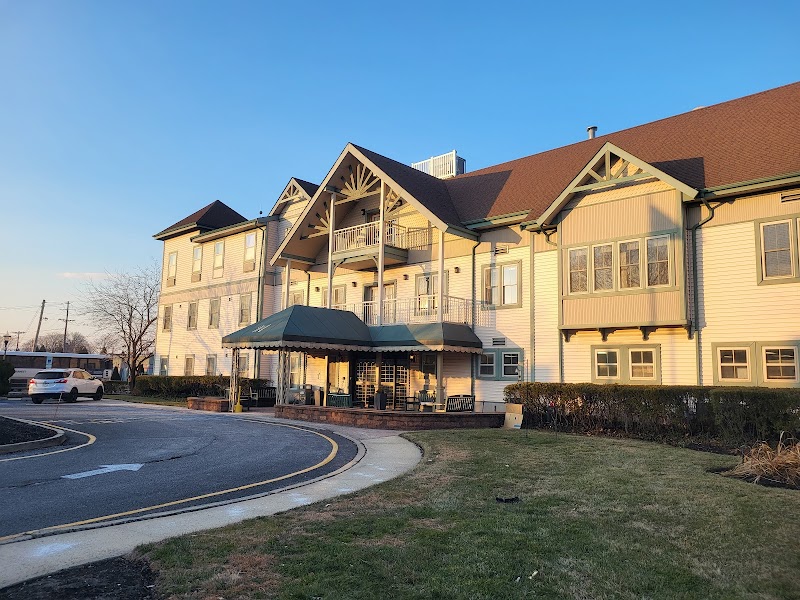
How is Complete Care At Ocean Grove Llc Staffed?

CMS rates COMPLETE CARE AT OCEAN GROVE LLC's staffing level at 2 out of 5 stars, which is below average compared to other nursing homes. Staff turnover is 54%, compared to the New Jersey average of 46%. RN turnover specifically is 63%, which is notably high. RNs provide skilled clinical oversight, so turnover in this role can affect medical care quality.

What Have Inspectors Found at Complete Care At Ocean Grove Llc?

State health inspectors documented 18 deficiencies at COMPLETE CARE AT OCEAN GROVE LLC during 2019 to 2025. These included: 17 with potential for harm and 1 minor or isolated issues.
Who Owns and Operates Complete Care At Ocean Grove Llc?

COMPLETE CARE AT OCEAN GROVE LLC is owned by a for-profit company. For-profit facilities operate as businesses with obligations to shareholders or private owners. The facility is operated by COMPLETE CARE, a chain that manages multiple nursing homes. With 147 certified beds and approximately 91 residents (about 62% occupancy), it is a mid-sized facility located in OCEAN GROVE, New Jersey.
How Does Complete Care At Ocean Grove Llc Compare to Other New Jersey Nursing Homes?

Compared to the 100 nursing homes in New Jersey, COMPLETE CARE AT OCEAN GROVE LLC's overall rating (4 stars) is above the state average of 3.3, staff turnover (54%) is near the state average of 46%, and health inspection rating (3 stars) is at the national benchmark.

What Should Families Ask When Visiting Complete Care At Ocean Grove Llc?

Based on this facility's data, families visiting should ask: "Can you walk me through typical staffing levels on day, evening, and night shifts?" "Can I visit during a mealtime to observe dining assistance and food quality?" "How do you handle medical emergencies, and what is your hospital transfer rate?" "Can I speak with family members of current residents about their experience?" These questions are particularly relevant given the below-average staffing rating.

Is Complete Care At Ocean Grove Llc Safe?

Based on CMS inspection data, COMPLETE CARE AT OCEAN GROVE LLC has a clean safety record: no substantiated abuse findings (meaning no confirmed cases of resident harm), no Immediate Jeopardy citations (the most serious violation level indicating risk of serious injury or death), and is not on the Special Focus Facility watch list (a federal program monitoring the lowest-performing 1% of nursing homes). The facility has a 4-star overall rating and ranks #1 of 100 nursing homes in New Jersey. While no facility is perfect, families should still ask about staff-to-resident ratios and recent inspection results during their visit.

Do Nurses at Complete Care At Ocean Grove Llc Stick Around?

COMPLETE CARE AT OCEAN GROVE LLC has a staff turnover rate of 54%, which is 8 percentage points above the New Jersey average of 46%. Moderate turnover is common in nursing homes, but families should still ask about staff tenure and how the facility maintains care continuity when employees leave.

Was Complete Care At Ocean Grove Llc Ever Fined?

COMPLETE CARE AT OCEAN GROVE LLC has no federal fines on record. CMS issues fines when nursing homes fail to meet care standards or don't correct problems found during inspections. The absence of fines suggests the facility has either maintained compliance or corrected any issues before penalties were assessed. This is a positive indicator, though families should still review recent inspection reports for the full picture.

Is Complete Care At Ocean Grove Llc on Any Federal Watch List?

COMPLETE CARE AT OCEAN GROVE LLC is not on any federal watch list. The most significant is the Special Focus Facility (SFF) program, which identifies the bottom 1% of nursing homes nationally based on persistent, serious quality problems. Not being on this list means the facility has avoided the pattern of deficiencies that triggers enhanced federal oversight. This is a positive indicator, though families should still review the facility's inspection history directly.