AUTUMN LAKE HEALTHCARE AT OLD BRIDGE
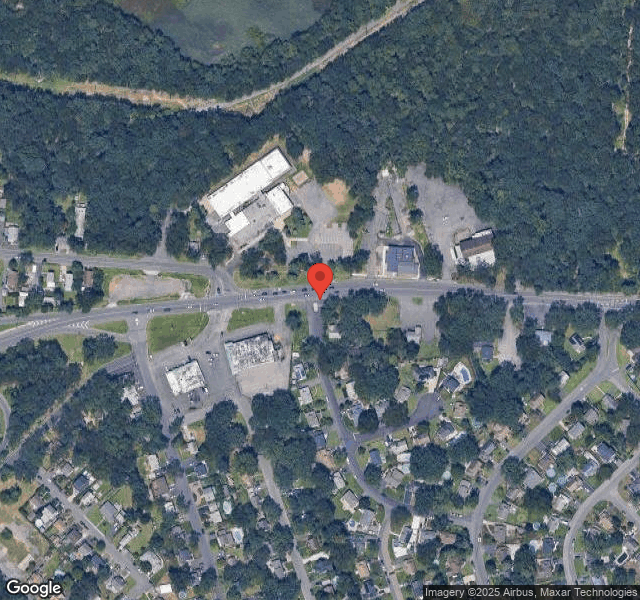
111 ROUTE 516, OLD BRIDGE, NJ 08857 (732) 254-8200
For profit - Limited Liability company 120 Beds AUTUMN LAKE HEALTHCARE Data: November 2025
Trust Grade
75/100
#93 of 344 in NJ
Last Inspection: October 2024

Within standard 12-15 month inspection cycle. Federal law requires annual inspections.

Overview

Autumn Lake Healthcare at Old Bridge has a Trust Grade of B, indicating it is a good choice for families, though it is not among the very best. It ranks #93 out of 344 facilities in New Jersey, placing it in the top half, and #7 out of 24 in Middlesex County, meaning only six local options are better. The facility is showing improvement, having reduced its issues from 6 in 2023 to 4 in 2024. While staffing has a low rating of 2 out of 5 stars and a concerning turnover rate of 63%, the absence of fines is a positive sign. However, there have been specific incidents of concern, such as not applying necessary support cushions for a resident's wheelchair and failing to adjust medication times for dialysis, which indicates some gaps in care. Overall, while there are strengths, like no fines and an improving trend, families should weigh these alongside the staffing challenges and specific care issues.

Trust Score
B
75/100
In New Jersey
#93/344
Top 27%
Safety Record
Low Risk
No red flags
Inspections
Getting Better
6 → 4 violations
Staff Stability
⚠ Watch
63% turnover. Above average. Higher turnover means staff may not know residents' routines.
Penalties
✓ Good
No fines on record. Clean compliance history, better than most New Jersey facilities.
Skilled Nurses
○ Average
Each resident gets 30 minutes of Registered Nurse (RN) attention daily — about average for New Jersey. RNs are the most trained staff who monitor for health changes.
Violations
⚠ Watch
12 deficiencies on record. Higher than average. Multiple issues found across inspections.
★★★★☆
4.0
Overall Rating
★★☆☆☆
2.0
Staff Levels
★★★☆☆
3.0
Care Quality
★★★★☆
4.0
Inspection Score
Stable
2023: 6 issues
2024: 4 issues

The Good

  • Full Sprinkler Coverage · Fire safety systems throughout facility
  • No fines on record

Facility shows strength in fire safety.

The Bad

Staff Turnover: 63%

17pts above New Jersey avg (46%)

Frequent staff changes - ask about care continuity

Chain: AUTUMN LAKE HEALTHCARE

Part of a multi-facility chain

Ask about local staffing decisions and management

Staff turnover is elevated (63%)

15 points above New Jersey average of 48%

The Ugly 12 deficiencies on record

Oct 2024 4 deficiencies
CONCERN (D)

Potential for Harm - no one hurt, but risky conditions existed

Deficiency F0688 (Tag F0688)

Could have caused harm · This affected 1 resident

Based on observation, interview, record review, and review of other facility documentation, it was determined that the facility failed to: a.) consistently follow a physician's order for the applicati...

Read full inspector narrative →
Based on observation, interview, record review, and review of other facility documentation, it was determined that the facility failed to: a.) consistently follow a physician's order for the application of a bolster (cushion used for support) to the left arm rest of a wheelchair for a resident with decreased range of motion and mobility, b.) follow the residents individualized comprehensive care plan (ICCP), and c:) consistently document accountability for the placement of the device. The deficient practice was identified for 1 of 1 resident (Resident #10) reviewed for positioning and mobility. This deficient practice was evidenced by the following: On 10/01/24 at 11:40 AM, the surveyor observed Resident #10 in his/her wheelchair in the dayroom without a bolster applied to the left arm of the wheelchair. On 10/02/24 at 11:35 AM, the surveyor observed the Resident in his/her wheelchair in the dayroom without a bolster applied to the left arm of the wheelchair. The surveyor reviewed Resident #10's electronic Medical Record (eMR). A review of the resident's admission Record revealed diagnoses that included but were not limited to: transient cerebral ischemic attack (a short period of symptoms similar to a stroke) and unspecified dementia. A review of the resident's Quarterly Minimum Data Set (MDS), a tool used to facilitate the management of care, dated 7/5/24, revealed a Brief Interview for Mental Status (BIMS) score of 6 out of 15, which indicated a severely impaired cognition. A review of the October 2024 Order Summary Report, revealed a physician's order (PO), dated 6/3/24, for Therapy: apply bolster to L (left) arm rest of w/c (wheelchair)individual daily morning. A review of the October 2024 Treatment Administration Record (TAR), did not reflect the above PO. A review of the ICCP, dated 8/8/24, revealed a care plan for .right and left upper extremities weakness. The goals revealed [name redacted] will maintain or improve ADL [activities of daily living] function over next quarter. Further review revealed the intervention Apply bolster to L arm rest of wheelchair . for positioning. A review of the Certified Nursing Assistant (CNA) Tasks revealed a Task: Apply bolster to left arm rest of wheelchair . for positioning when resident in wheelchair. Further review of the Tasks from the dates of 9/3/24 through 10/2/24, revealed no documented accountability for placement of this device for 13 out of 30 days reviewed. There was no documented accountability for device placement on 10/2/24. On 10/02/24 at 12:23 PM, the surveyor observed Resident #10 in the day room, awaiting lunch, in his/her wheelchair at a table without a bolster applied to the left arm of the wheelchair. The surveyor interviewed the Licensed Practical Nurse/Unit Manager (LPN/UM) and together observed the resident in his/her wheelchair. She acknowledged that there was no bolster applied to the left arm of the wheelchair. The LPN/UM stated that the purpose of the device was for positioning, and it was the responsibility of the CNA to apply the device when they transfer the resident to his/her wheelchair. She stated that she was not sure if it should be on the TAR for accountability. She further acknowledged that if the device was evidenced in the CNA Tasks, that it would have been the CNA's responsibility to document accountability that the device was in place. The surveyor and the LPN/UM reviewed the TASKs in the eMR, and she acknowledged that there were multiple omissions to account for CNA placement of the bolster device from dates 9/3/24 through 10/2/24, including 10/2/24. She also stated that it should have been both the nurse and therapists' responsibility to oversee this process. The surveyor and LPN/UM went to Resident #10's room which revealed the bolster (black in color) in the top of the resident's closet. In addition, she stated that the CNA assigned to the resident today was new and did not have access to the eMR and TASKs, and therefore he probably did not know the resident required the bolster. She further stated, we should have told him to apply the device. The LPN/UM stated that the staffing coordinator should have provided the CNA with access to the eMR and TASKs. On 10/02/24 at 1:45 PM, the surveyor interviewed the CNA who stated that he had worked at the facility one day in March 2024 and this was his first day back since then. He stated that he requested access to the eMR from the LPN/UM, who then requested the same from the staffing coordinator. He stated that up until this point he still had no access to the eMR. The CNA further acknowledged that he had no knowledge that the resident required a bolster to the left arm of the wheelchair and that no one told him. On 10/02/24 at 2:03 PM, the surveyor interviewed the staffing coordinator. She verified that it was the CNAs first day and that he should have received eMR access. She stated that she was mostly responsible to set up access for the CNA prior to the start date. The staffing coordinator stated that in the event it could not have been done timely, the Licensed Nursing Home Administrator (LNHA) had the ability to gain access as well. She further stated she was busy but that is no excuse. The staffing coordinator acknowledged the LPN/UM requested access for the CNA and that she had not done so yet. On 10/03/24 at 9:00 AM, the surveyor interviewed the Director of Rehabilitation. She stated that the bolster for the left arm of the wheelchair was for positioning and that the resident tends to lean due to a stroke. She stated that the device was trialed, and it was successful. She also stated that it was the responsibility of the CNA to apply the bolster and account for that in the TASKs section of the eMR. She further stated that nursing should oversee this process to ensure placement and accountability, and she was not sure if the PO should have also been on the TAR. She stated that the resident was discharged from therapy on 8/21/24. On 10/08/24 at 9:40 AM, the surveyor interviewed the Director of Nursing (DON) in presence of survey team as well as the LNHA and the Regional DON. She acknowledged that the bolster had not been in place as the surveyor observed and was not accounted for on the TAR. The LNHA acknowledged that the staffing coordinator should have gotten the CNA access to the eMR and provided it to nursing prior to the CNAs arrival. In addition, he stated that he also had the ability to acquire access. The DON stated that in the event eMR access was not available that nursing should have given the CNA a verbal report of the resident's needs. A review of the facility policy Activities of Daily Living (ADLs) dated February 2024, included The facility will, based on the resident's comprehensive assessment and consistent with the resident's needs and choices, ensure a resident's abilities in ADLs do not deteriorate unless deterioration is unavoidable. A review of the facility policy Assistive Devices and Equipment dated July 2024, included the following: Our facility maintains and supervises the use of assistive devices and equipment for residents. Certain devices and equipment that assist with resident mobility, safety and independence are provided for residents. Recommendations for the use of devices and equipment are based on the comprehensive assessment and documented in the residents care plan. Staff and volunteers are trained and demonstrate competency on the use of devices and equipment prior to assisting or supervising residents. A review of the facility policy Care Plans, Comprehensive Person-Centered dated July 2024, included A comprehensive, person-centered care plan that includes measurable objectives and timetables to meet the resident's physical, psychosocial and functional needs is developed and implemented for each resident. NJAC 8:39-27.1(a)
CONCERN (D)

Potential for Harm - no one hurt, but risky conditions existed

Deficiency F0698 (Tag F0698)

Could have caused harm · This affected 1 resident

Based on observation, interview, and record review, it was determined that the facility failed to provide care and services in accordance with professional standards by adjusting medication administra...

Read full inspector narrative →
Based on observation, interview, and record review, it was determined that the facility failed to provide care and services in accordance with professional standards by adjusting medication administration times to accommodate for a resident's dialysis scheduled times. The deficient practice was identified for one (1) of one (1) resident, (Resident #151) reviewed for dialysis services and was evidenced by the following: Reference: New Jersey Statutes Annotated, Title 45. Chapter 11. Nursing Board. The Nurse Practice Act for the State of New Jersey states: The practice of nursing as a registered professional nurse is defined as diagnosing and treating human responses to actual and potential physical and emotional health problems, through such services as case finding, health teaching, health counseling, and provision of care supportive to or restorative of life and wellbeing, and executing medical regimens as prescribed by a licensed or otherwise legally authorized physician or dentist. Reference: New Jersey Statutes Annotated, Title 45, Chapter 11. Nursing Board. The Nurse Practice Act for the State of New Jersey states: The practice of nursing as a licensed practical nurse is defined as performing tasks and responsibilities within the framework of case finding; reinforcing the patient and family teaching program through health teaching, health counseling and provision of supportive and restorative care, under the direction of a registered nurse or licensed or otherwise legally authorized physician or dentist. On 10/2/24 at 1:00 PM, the surveyor interviewed Resident #151 in their room. The resident stated that they go to dialysis on Monday, Wednesday and Friday (MWF) and was usually picked up after 3 PM and would return to the facility around 9 PM. The resident stated that the nurses brought them their medication. The resident was unable to speak to which medications and what times they received their medications. The surveyor reviewed the medical record for Resident #151. A review of the resident's admission Record revealed diagnoses which included but not limited to, end stage renal disease (a condition which the kidneys cannot filter waste from the blood) and dependence on renal dialysis (a mechanical process used to filter waste from the blood). A review of the most recent comprehensive Minimum Data Set (MDS), an assessment tool used to facilitate the management of care, dated 9/9/24, reflected the resident had a brief interview for mental status (BIMS) score of 15 out of 15, indicating that the resident had an intact cognition. A review of the resident's interdisciplinary care plan (IDCP) revealed as a focus that the resident received hemodialysis (same as dialysis and renal dialysis) due to renal failure. An intervention/task included but was not limited to, that the resident received dialysis MWF with a chair time of 4:15 PM and pick up time of 3:15 PM and to offer the resident a dinner tray upon returning from dialysis. The goal reflected that the resident would not have signs and symptoms of complications from dialysis. The IDCP had not indicated any interventions regarding medication times. A review of the resident's dialysis book, that was kept on the unit, reflected that dialysis was scheduled for MWF 3:15 PM pick up time and chair time was 4:15 PM and treatment 4 hours. In addition, the dialysis book contained a Dialysis Communication Form for the dates of 9/27/24 and 10/2/24 that were completed indicating that the resident had received dialysis on those days. A review of the resident's Order Summary Report for active orders as of 9/27/24 revealed a physician's order (PO) dated 9/27/24 for the following: -Ascorbic Acid (Vitamin C, a supplement) Oral Tablet 500 milligrams (MG) (Ascorbic Acid) Give 1 tablet by mouth two times a day (BID) for supplement until 10/27/24 23:59 (11:59 PM) Give Ascorbic Acid 500 MG BID by mouth. -Insulin Lispro Injection solution (a rapid acting insulin medication used to lower blood sugar),100 units per milliliter, Inject 5 units (U) subcutaneously three times a day for Type 2 DM. -Calcium Acetate (Phos Binder) (a medication used to bind phosphates in food consumption) Oral Capsule 667 MG (Calcium Acetate (Phosphate Binder) Give 1 capsule by mouth three times a day for Hypophosphatemia. Administer with meals. -Prostat (sugar free)(SF) (a wound healing supplement) two times a day for supplement until 10/27/24 23:59 Give Prostat SF 30 ML BID by mouth. There were no PO indicating medications to be administered on dialysis days and non-dialysis days or changes in administration times on dialysis and non-dialysis days. A review of the September and October 2024 electronic medication administration record (eMAR) for the POs listed above indicated medication administration times that occurred during the time that the resident was out of the facility at dialysis on 9/27/24 and 10/2/24. The eMAR revealed the following: -on 9/27/24 the doses for Vitamin C 500 MG at 5 PM, Lispro 5 U at 5 PM, Prostat 30 ML at 5pm and Calcium Acetate at 5:30 PM, all indicated for administration the number 5 which corresponded to the code chart hold/see nurses notes. -on 10/2/24 the doses for Vitamin C 500 MG at 5 PM, Lispro 5 U at 5 PM, Prostat 30 ML at 5pm and Calcium Acetate at 5:30 PM, all indicated for administration the number 9 which corresponded to the code chart other/see nurses notes. A review of the resident's corresponding electronic progress notes (EPN) revealed the following: -on 9/27/24 an eMAR Administration Note for 21:25 (9:25 PM) indicated for Vitamin C, Insulin Lispro, Calcium Acetate and Prostat out to hemodialysis. -on 10/2/24 an eMAR Administration Note for 16:39 (4:39 PM) indicated for Vitamin C, Insulin Lispro, Calcium Acetate and Prostat out to dialysis. On 10/4/24 at 11:19 AM, the surveyor interviewed the Licensed Practical Nurse (LPN) who verified that Resident #151 on MWF was picked up from the facility at approximately 3:15 PM for dialysis. The LPN stated that she was able to administer all the resident's medications during her shift which was 7 AM to 3 PM. The LPN added that when the resident was out to dialysis then medications should not appear on the eMAR for administration. The LPN added that if a medication was on the eMAR when the resident was out to dialysis then the time of the medication should be changed. On 10/4/24 at 1:00 PM, the surveyor interviewed the Unit Manager/LPN (UM/LPN) who stated that medication times should be reviewed with the physician and adjusted to accommodate the resident being out of the facility at dialysis. The surveyor, with the UM/LPN reviewed the eMAR for Resident #151. The UM/LPN acknowledged that Vitamin C, Insulin Lispro, Calcium Acetate and Prostat had times of administration when the resident was out to dialysis. The UM/LPN stated that those medications should not have an administration time when the resident was at dialysis. The UM/LPN stated, I have to fix that. The UM/LPN added that Resident #151 was recently readmitted to the facility and the prior admission had the medication times adjusted. The UM/LPN explained that upon readmission the nurses should have compared the medication times and obtained a PO for those medications to accommodate when the resident was out to dialysis. On 10/7/24 at 11:50 PM, the surveyor interviewed the Director of Nursing (DON), who acknowledged that upon the resident's readmission the medications were not timed to accommodate when the resident went out to dialysis. The DON added that a chart review should have been completed to make sure the medications were timed correctly. On 10/8/24 at 12:25 PM, the surveyor interviewed the Consultant Pharmacist (CP), who stated that medication times need to be adjusted to accommodate dialysis times. The CP added that she would make that recommendation during her chart review. The CP also stated that her last chart review was 9/12/24 and the resident was readmitted just last week. A review of the facility policy updated July 2024 for Administering Medications provided by the DON, reflected that medications are to be administered in a timely manner as prescribed. Further review of the policy reflected, Medications are administered within one (1) hour of their prescribed time, unless otherwise specified (for example, before and after meal orders). A review of the facility policy dated as revised February 2023 for Hemodialysis provided by the DON, reflected that This facility will provide the necessary care and treatment, consistent with professional standards of practice, physician's orders, the comprehensive person-centered care plan, and the resident's goals and preferences, to meet the special medical, nursing, mental, and psychosocial needs of residents receiving hemodialysis. In addition, the policy reflected that The facility will ensure that the physician's orders for dialysis include: .f. Any medication administration or withholding of specific medications prior to dialysis treatments. NJAC: 8:39-11.2(b), 27.1(a), 29.2(a)(d)
CONCERN (D) 📢 Someone Reported This

A family member, employee, or ombudsman was alarmed enough to file a formal complaint

Potential for Harm - no one hurt, but risky conditions existed

Pharmacy Services (Tag F0755)

Could have caused harm · This affected 1 resident

**NOTE- TERMS IN BRACKETS HAVE BEEN EDITED TO PROTECT CONFIDENTIALITY** COMPLAINT # NJ00169735, NJ00170064 and NJ00170351 Based on observation, interview and record review, it was determined that the ...

Read full inspector narrative →
**NOTE- TERMS IN BRACKETS HAVE BEEN EDITED TO PROTECT CONFIDENTIALITY** COMPLAINT # NJ00169735, NJ00170064 and NJ00170351 Based on observation, interview and record review, it was determined that the facility failed to provide pharmaceutical services in accordance with professional standards of practice by not ensuring that a.) medications were administered to a resident in a timely manner as ordered by a physician, (Resident #72). This was identified for one (1) of eight (8) residents, reviewed for medication management. and b.) a controlled drug (Oxycodone) was available for administration and accurately documented as per a physician's order in the electronic medication administration record (Resident #87). This was identified for one (1) of eight (8) residents, reviewed for medication management. The deficient practices were evidenced by the following: Reference: New Jersey Statutes Annotated, Title 45. Chapter 11. Nursing Board. The Nurse Practice Act for the State of New Jersey states: The practice of nursing as a registered professional nurse is defined as diagnosing and treating human responses to actual and potential physical and emotional health problems, through such services as case finding, health teaching, health counseling, and provision of care supportive to or restorative of life and wellbeing, and executing medical regimens as prescribed by a licensed or otherwise legally authorized physician or dentist. Reference: New Jersey Statutes Annotated, Title 45, Chapter 11. Nursing Board. The Nurse Practice Act for the State of New Jersey states: The practice of nursing as a licensed practical nurse is defined as performing tasks and responsibilities within the framework of case finding; reinforcing the patient and family teaching program through health teaching, health counseling and provision of supportive and restorative care, under the direction of a registered nurse or licensed or otherwise legally authorized physician or dentist. 1. On 10/1/24 at 10:32 AM, the surveyor interviewed Resident #72 in their room. The resident stated that they were blind but had all their faculties. The resident stated that they knew all their medications and what time they were due. The resident added that they had to make sure that they received their fast-acting insulin before they ate and that sometimes was late getting their medications. The resident added that they knew specifically in January 2024 they had received their medications late. On 10/2/24 at 8:27 AM, during the morning medication administration observation with the Licensed Practical Nurse (LPN), the surveyor observed Resident #72 at their room door in a wheelchair calling out to the LPN. The LPN stated that she would be giving medications to the resident next. The surveyor reviewed the medical record for Resident #72. A review of the resident's admission Record revealed diagnoses which included but not limited to; blindness right eye category 3 (blindness), blindness left eye category 3, and type 2 Diabetes Mellitus (DM) (high blood sugars), glaucoma (a disease that damages the optic nerve), anemia (a condition of deficient red blood cells), peripheral vascular disease (a circulatory condition) and congestive heart failure (a condition where the heart does not pump blood as well as it should). A review of the most recent annual comprehensive Minimum Data Set (MDS), an assessment tool used to facilitate the management of care dated 8/21/24, reflected the resident had a brief interview for mental status (BIMS) score of 15 out of 15, indicating that the resident had an intact cognition. A review of the resident's interdisciplinary care plan (IDCP) revealed as a focus that the resident has DM and an intervention/task included but was not limited to, Diabetes medication as ordered by doctor. Additionally, another focus was that the resident has hypertension (high blood pressure) with an intervention/task to Give antihypertensive medications as ordered. A review of the resident's Medication Administration Audit Report (MAAR) revealed that on 1/10/24 and 1/11/24 Resident #72 had received their medications out of the allowed time range of one hour before or 1 hour after the time of administration as ordered by the physician. The report reflected the following for 1/10/24: -Zinc Gluconate (a supplement) had a scheduled time of 9 AM and had an administration time of 11:36 AM and a documented time of 11:41 AM. -Clonidine (a medication used to lower blood pressure (BP)) had a scheduled time of 2 PM and had an administration time of 3:52 PM and a documented time of 4:53 PM. -Brimonidine Tartrate Ophthalmic Solution 0.2 % (eyedrop used for glaucoma) had a scheduled time of 5:05 PM and had an administration time of 6:51 PM and a documented time of 6:51 PM. -Admelog SoloStar (Insulin Lispro)(a fast-acting insulin used to lower blood sugar) had a scheduled time of 5:15 PM and had an administration time of 6:51 PM and a documented time of 6:51 PM. -Metoprolol Tartrate (a beta-blocker medication used to lower BP) had a scheduled time of 5:30 PM and had an administration time of 6:51 PM and a documented time of 6:51 PM. Further review of the MAAR reflected the following for 1/11/24: -Admelog SoloStar (Insulin Lispro) had a scheduled time of 8:15 AM and had an administration time of 11:12 AM and a documented time of 11:13 AM. -Accu check with freestyle Libre sensor (a sensor that shows the measurement of the blood sugar level) had a scheduled time of 8:15 AM and had an administration time of 11:14 AM and a documented time of 11:14 AM. -Metoprolol Tartrate had a scheduled time of 8:30 AM and had an administration time of 11:13 AM and a documented time of 11:13 AM. -Magnesium Oxide (a supplement) had a scheduled administration time of 9 AM and had an administration time of 11:12 AM and a documented time of 11:13 AM. -Dorzolamide HCl Ophthalmic Solution 2 % (eye drop used to treat glaucoma) had a scheduled time of 9AM and had an administration time of 11:12 AM and a documented time of 11:13 AM. -Aspirin 81 MG had a scheduled time of 9 AM and had an administration time of 11:12 AM and a documented time of 11:13 AM. -Zinc Gluconate had a scheduled time of 9 AM and had an administration time of 11:12 AM and a documented time of 11:13 AM. -Fluticasone Propionate Nasal Suspension (a steroid nose spray) had a scheduled time of 9 AM and had an administration time of 11:12 AM and a documented time of 11:13 AM. -Ferrous Sulfate (an iron supplement) had a scheduled time of 9am and had an administration time of 11:12 AM and a documented time of 11:13 AM. -Claritin (an antihistamine) had a scheduled time of administration for 9 AM and had an administration time of 11:12 and a documented time of 11:13 AM. -Paxlovid (a medication used to treat mild to moderate coronavirus) had a scheduled time of 9 AM and had an administration time of 11:12 AM and a documented time of 11:13 AM. -Polyethylene Glycol 3350 Powder (a medication used to treat constipation) had a scheduled time of 9 AM and had an administration time of 11:14 AM and a documented time of 11:14 AM. -Dorzolamide HCl Ophthalmic Solution 2 % had a scheduled time of 5 PM and had an administration time of 10:46 PM and a documented time of 10:47 PM. -Fish Oil (a supplement) had a scheduled time of 7 PM and had an administration time of 9:16 PM and a documented time of 9:48 PM. -Latanoprost Ophthalmic Solution 0.005 % (an eyedrop used to treat glaucoma) had a scheduled time of 9:05 PM and had an administration time of 10:47 PM and a documented time of 10:47 PM. A review of the January 2024 electronic medication administration record (eMAR) revealed nurse's initials that signified that the above medications were administered at their scheduled times. This contradicted the above administration times. A review of the electronic progress notes (ePN) had not revealed that there was any indication of a need for the above medications to be administered outside of the time of administration that was ordered by the physician. On 10/4/24 at 3:12 PM, the survey team met with the Director of Nursing (DON) and the Regional Director of Nursing (RDON) and reviewed the above concern regarding late medication administration for Resident #72 on 1/10/24 and 1/11/24. The DON stated that she would have to review. The DON was unable to speak to whether audits were reviewed to ensure and identify accurate medication administration times documented on the eMAR. On 10/7/24 at 11:50 AM, the surveyor interviewed the DON who stated that Resident #72 had been on contact precautions for COVID (Coronavirus disease) in January. The DON added that the nurses should be signing the eMAR after the medication was administered and should not be administering or documenting late. The DON acknowledged that according to the MAAR the above medications were administered late. A review of the facility policy updated July 2024 for Administering Medications provided by the DON, reflected that medications are to be administered in a timely manner as prescribed. Further review of the policy reflected, Medications are administered within one (1) hour of their prescribed time, unless otherwise specified (for example, before and after meal orders). In addition, the policy reflected, If a drug is withheld, refused, or given at a time other than the scheduled time, the individual administering the medication shall initial and circle the MAR space provided for that drug and dose. 2. On 10/3/24 at 11:56 AM, the surveyor interviewed Resident #87 in their room. The resident stated they felt that the nurses frequently ran out of their medication, Oxycodone. The resident also stated that they were supposed to receive the Oxycodone every four (4) hours. The resident added that the nurses would tell them that they were waiting for the pharmacy to deliver the medication. The resident then stated this past weekend there was a problem on Sunday and Monday with getting the Oxycodone. The resident stated, On Monday morning at 9 AM and 1 PM the nurse did not have any Oxycodone, so I did not receive any until 5 PM. The resident further stated that I was okay because I have a 20 milligram (MG) dose I can take in between, and I took that at 11 AM. The resident also stated that they thought it was odd that the nurse could not get the Oxycodone because usually the nurses would tell them that they had to go to the backup when they did not have the Oxycodone in the medication cart. The surveyor reviewed the medical record for Resident #87. A review of the resident's admission Record revealed diagnoses which included but not limited to; pain in unspecified hip, stress fracture, left foot, personal history (healed) traumatic fracture and opioid abuse. A review of the most recent quarterly comprehensive MDS, dated [DATE], reflected the resident had a BIMS score of 15 out of 15, indicating that the resident had an intact cognition. A review of the electronic Order Summary Report revealed a physician's order (PO) dated 6/4/24 for Oxycodone HCl(hydrochloride) oral tablet 15 MG (Oxycodone HCl) Give 1 tablet by mouth every 4 hours for pain management. A review of the September 2024 eMAR revealed the above PO with administration times of 1 AM, 5 AM, 9 AM, 1 PM, 5 PM and 9 PM. In addition, the eMAR revealed that on 9/29/24 at 9 AM and 1 PM, the nurse entered the number 9 for administration which corresponded with the chart code Other/see nurses notes. A review of the ePN dated 9/29/24 at 9:00, titled eMAR Medication Administration Note for Oxycodone indicated medication not given notified MD medication pending delivery from pharmacy. In addition, another eMAR Medication Administration Note dated 9/29/24 at 23:02 (11:02 PM) for Oxycodone indicated pharmacy notified, pending delivery. MD notified. A review of the Control/Narc Backup Box Medications Contents list provided by the DON revealed that Oxycodone 5 MG tablets and 10 MG tablets were available. A review of the removals from the controlled drug backup box revealed the House Stock Control Countdown Sheet (HSCCS) for Oxycodone IR (immediate release) 5 MG tablets reflected that there was removal of one (1) tablet from inventory on 8/19/24 at 12:30 AM, 5 AM, 9 AM, 1:48 PM, 5 PM and 9 PM. In addition, one (1) tablet was removed on 8/20/24 at 1 AM and on 9/29/24 at 1 AM and 6 AM. A review of the HSCCS for Oxycodone IR 10 MG tablets reflected that there was removal of one (1) tablet from inventory on 8/19/24 at 12:30 AM, 5 AM, 9 AM, 1:48 PM, 5 PM and 9 PM. In addition, one (1 ) tablet was removed on 8/20/24 at 1 AM and on 9/29/24 at 1 AM and 6 AM. A review of the September and October 2024 eMAR revealed the above PO and indicated that Oxycodone was administered as a 15 MG tablet for the same dates and times listed above on the HSCCS. A review of the ePN for the same dates and times as the HSCCS had not indicated that one (1) 5 MG tablet and one (1) 10 MG tablet was administered or that a PO was obtained. There was no documentation that there was a PO obtained allowing the administration of one (1) 5 MG and one (1) 10 MG tablet for a total dose of 15 MG for the dates and times indicated on the HSCCS. On 10/4/24 at 11:52 AM, the surveyor interviewed the Registered Nurse (RN), who stated that she was responsible for the medications for Resident #87 and worked at the facility on a regular basis. The RN verified that the resident had a PO for Oxycodone to be administered every four (4) hours. The RN explained that the procedure was to order the Oxycodone or any medication for refill before running out. The RN stated that the Nurse Practitioner (NP) was available every Tuesday and Thursday and if a new prescription was needed then the NP would write one. The RN added that Oxycodone was also in the facility backup supply but she tried not to use that because the Oxycodone was a routine PO and should be available. On 10/4/24 at 3:12 PM, the survey team met with the DON and RDON and reviewed the above concern of Oxycodone not being available on 9/29/24 and the use of the backup supply of Oxycodone. The DON stated that she would have to review. On 10/7/24 at 11:50 AM, the surveyor interviewed the DON, who acknowledged that the Oxycodone was not administered on 9/29/24 at 9 AM and 1 PM. The DON further acknowledged that Oxycodone 5 Mg and 10 MG tablets were available in the backup supply and was unable to speak to why the nurse had not used the backup supply. In addition, the DON stated that according to the HSCCS, the removal of one (1) 5 MG tablet and one (1) 10 MG tablet accounted for all the doses documented as administered on the eMAR for the same dates and times. The DON added that the correct dose was administered. The DON acknowledged that the PO was for Oxycodone 15 MG tablets and that according to the eMAR a 15 MG tablet was documented as administered for the same dates and times as the HSCCS indicated removals from the backup inventory for Oxycodone 5 MG and 10 MG tablets. The DON was unable to speak to the documentation on the eMAR not matching what the physician ordered. On 10/8/24 at 12:25 PM, the surveyor interviewed the Consultant Pharmacist (CP) who stated that the dose of any medication as ordered by the physician had to match the dose being administered. The CP also stated that if the PO was for a 15 MG tablet, then a new PO was needed to administer one (1) five (5) MG tablet plus one (1) ten (10) MG tablet to make the total dose of 15 MG. The CP added that the eMAR must be signed for the actual doses being administered as ordered. A review of the facility policy titled Medication and Treatment Orders provided by the DON dated July 2024 reflected that Drugs and biologicals that are required to be refilled should be reordered from the issuing pharmacy not less than three (3) days prior to the last dosage being administered to ensure that refills are readily available. In addition, the policy reflected that Orders for medications must include: a. name and strength of the drug; A review of the facility policy titled Backup Medications and Controlled Medications in Long-Term Care Setting provided by the DON and updated 10-24 which reflected that The facility will maintain a system for the secure management of backup and controlled medications to ensure availability while minimizing risks of misuse or diversion. In addition, for Administration: Ensure that all staff are trained on the protocols for accessing and administering backup medications. Document administration in the resident's medical record. And 4. Documentation: Ensure administration of controlled medications are documented accurately in the resident's medical record and in a controlled substance log. The policy also revealed for Administration: Ensure that all staff are trained on the protocols for accessing and administering backup medications. Document administration in the resident's medical record. And 4. Documentation: Ensure administration of controlled medications are documented accurately in the resident's medical record and in a controlled substance log. NJAC 8:39-11.2(b), 29.2 (a)(d), 29.4(k), 29.7(c)
CONCERN (D)

Potential for Harm - no one hurt, but risky conditions existed

Unnecessary Medications (Tag F0759)

Could have caused harm · This affected 1 resident

Based on observation, interview, and record review, it was determined that the facility failed to ensure that all medications were administered without error of 5% or more. During the medication obser...

Read full inspector narrative →
Based on observation, interview, and record review, it was determined that the facility failed to ensure that all medications were administered without error of 5% or more. During the medication observation on 10/2/24, the surveyor observed two (2) nurses administer medications to five (5) residents. There were 31 opportunities, and two (2) errors were observed which calculated to a medication administration error rate of 6.45 %. This deficient practice was identified for one (1) of five (5) residents, (Resident #72), that were administered medications by one (1) of two (2) nurses. The deficient practice was evidenced as follows: On 10/2/24 at 8:27 AM, the surveyor observed the Licensed Practical Nurse (LPN) preparing to administer 12 medications to Resident #72, which included two (2) different insulin pen injectors, Basaglar (a long-acting insulin (a medication used to lower blood sugar)) and Fiasp (a rapid-acting insulin), according to the electronic medication administration record (eMAR). The LPN removed the Basaglar and Fiasp pen-injectors from the medication cart, removed the pen caps and attached a needle to each pen-injector. At that time, the LPN explained that Resident #72 had poor eyesight, was alert and oriented x 3 (meaning that the resident had an intact cognition), was able to administer the pen injectors themself and was very involved and aware of their medications. On 10/2/24 at 8:52 AM, the surveyor observed the LPN give the Basaglar pen-injector to the resident who self-administered a dose of four (4) units (U) and then the surveyor observed the LPN give the resident the Fiasp pen-injector who then self-administered a dose of 16 U. The surveyor had not observed the LPN prime either the Basaglar or the Fiasp pen-injectors before administration. (ERROR #1 and #2) The surveyor reviewed the medical records for Resident #72. A review of the resident's admission Record reflected that the resident had diagnoses which included but not limited to, type 2 Diabetes Mellitus (DM) with unspecified complications (high blood sugar). A review of the resident's Order Summary Report reflected the following: - a physician's order (PO) with an order date of 8/1/24 for Basaglar KwikPen Subcutaneous (SC) Solution Pen-Injector 100 U/milliliter (ML) (Insulin Glargine), inject 4 units subcutaneously in the morning for DM supervised self-administration Rotate Sites. - a PO with an order date of 8/19/24 for Fiasp Flextouch SC Solution Pen-Injector 100 U/ML (Insulin Aspart(with Niacinamide)), Inject 4 unit subcutaneously in the morning related to Type 2 DM with unspecified complications supervised self-administration refrigerate until opening, store at room temp after opening, rotate sites. -a PO with an order date of 8/19/24 for Fiasp Flextouch SC Solution Pen-Injector 100 U/ML (Insulin Aspart(with Niacinamide)), Inject as per sliding scale: if 0-100 = 0 units; 101-150 =1 units; 151-200 = 2 u; 201-250=3 units; 251-300=4 units; Call MD if greater than 300 , subcutaneously four times a day related to Type 2 DM with unspecified complications supervised self-administration Give 15 minutes prior to a meal or snack, refrigerate until opened. A review of the eMAR reflected the above POs. On 10/3/24 at 8:30 AM, the surveyor interviewed the LPN who stated that she only performed a test on the insulin pen- injectors when they were fresh out of the refrigerator. The LPN explained that the insulin pens were stored in the refrigerator until it was time to use the pen-injector and then it remained stored in the medication cart until it was finished. The LPN further explained that the test was done on the pen-injector by dialing two (2) U and then seeing that the insulin liquid comes out of the needle. The LPN stated that she had not tested the insulin pens before each injection because she thought that would be wasting the insulin. The LPN acknowledged that the test she had described was the same as priming the insulin pen injector but was unaware that the pen injector needed to be primed before each dose. The LPN stated that she had been working at the facility for six (6) months and was unsure if there had been an inservice regarding insulin pen injector technique. The LPN also stated that she would have to do the priming of the insulin pen-injector for Resident #72 because the resident had poor vision. On 10/3/24 at 9:10 AM, the surveyor interviewed the Consultant Pharmacist (CP) via the telephone. The CP stated that the insulin pens were required to be primed before each injection. The CP added that she had done training in the past but not recently. The CP also stated that there had been a handout regarding Insulin pen-injector technique that was posted in the medication room at one time. A review of an information sheet for Insulin Pens & Administration provided by the CP revealed for Administration Techniques 2. Priming the Pen (airshot) a. Dial the specified amount of units. B. Orient the pen properly (point up-vertically-unless otherwise specified) and tap cartridge holder to collect air at the top c. Push the dose knob in until it stops. D. Priming is complete when a drop of insulin appears at the needle tip. E. If a drop of insulin does not appear, repeat priming steps; if no results, change the needle. On 10/3/24 at 1:27 PM, the survey team met with the Director of Nursing (DON) and the Regional Director of Nursing (RDON). The DON acknowledged that the insulin pens were to be primed prior to each injection and by not following the manufacturer's specifications for priming an insulin pen-injector could affect the dosage of the insulin. (ERROR #1 and #2) On 10/4/24 at 3:12 PM, the surveyor team met with the DON and RDON. The DON stated that instructions for priming the insulin pen-injector prior to each injection was added to the eMAR. A review of the facility policy for Insulin Pen, dated as accessed April 2024, provided by the DON reflected for 11. Procedure: h. Prime the insulin pen: i. Dial 2 units by turning the dose selector clockwise. ii. With the needle pointing up, push the plunger, and watch to see that at least one drop of insulin appears on the tip of the needle. If not, repeat until at least one drop appears. A review of the manufacturer specifications for Instructions for Use for Basaglar KwikPen revealed People who are blind or have vision problems should not use the Pen without help from a person trained to use the Basaglar prefilled pen. In addition, the instructions reflected Prime before each injection. Priming means removing the air from the Needle and Cartridge that may collect during normal use. It is important to prime your Pen before each injection so that it will work correctly. If you do not prime before each injection, you may get too much or too little insulin. A review of the manufacturer specifications for Instructions for Use for Fiasp PenFill revealed Check the insulin flow Step 5: Small amounts of air may collect in the cartridge during normal use. You must do an airshot before each injection to avoid injecting air and to make sure you receive the prescribed dose of your medicine. NJAC 8:39-11.2(b), 29.2(d)
May 2023 6 deficiencies
CONCERN (D)

Potential for Harm - no one hurt, but risky conditions existed

Transfer Notice (Tag F0623)

Could have caused harm · This affected 1 resident

**NOTE- TERMS IN BRACKETS HAVE BEEN EDITED TO PROTECT CONFIDENTIALITY** Based on observation, interview, and record review it was determined that the facility failed to provide the resident representa...

Read full inspector narrative →
**NOTE- TERMS IN BRACKETS HAVE BEEN EDITED TO PROTECT CONFIDENTIALITY** Based on observation, interview, and record review it was determined that the facility failed to provide the resident representative with written notification of the reason for emergency transfer for 1 Resident #106, of 2 residents reviewed for hospitalization. The deficient practice is evidenced by the following: A review of the electronic medical record revealed the following information. The Census tab indicated the resident was transferred to the hospital on [DATE]. On 5/12/23 at 9:15 AM, the surveyor interviewed the Regional Director of Nursing (RDON) who stated the facility is responsible for providing written documentation to the resident representative and the Long-Term Care Ombudsman (LTCO) with the reason for a resident's emergency transfer. She further stated the notification was sent to the LTCO, however, it was not sent to the resident representative. She stated, It was missed. On 5/16/23 and 5/17/23 the surveyor requested the facility policy for notifications to resident representatives regarding the reason for emergency transfers. None was provided. The undated Policy for Transfer and Discharge (including AMA) is revealed under Policy Explanation and Compliance Guidelines 4. The facility's transfer/discharge notice will be provided to the resident and the resident's representative in a language and manner in which they can understand. The notice will include all of the following at the time it is provided: a. The specific reason and basis for transfer or discharge. NJAC 8:39-4.1(a)31
CONCERN (D)

Potential for Harm - no one hurt, but risky conditions existed

Deficiency F0625 (Tag F0625)

Could have caused harm · This affected 1 resident

Based on observation, interview, and record review it was determined that the facility failed to provide written notification of the bed hold policy to the resident representative upon emergency trans...

Read full inspector narrative →
Based on observation, interview, and record review it was determined that the facility failed to provide written notification of the bed hold policy to the resident representative upon emergency transfer for 1 Resident, #14, of 2 residents reviewed for hospitalization. The deficient practice is evidenced by the following. Resident #14 was observed on 5/4/23 seated in a wheelchair in the unit day room. The resident pleasantly engaged in conversation with the surveyor. A review of the electronic medical record revealed the following information. The Census tab indicated the resident was transferred to the hospital on 2/27/23 and 3/4/23. On 5/12/23 at 9:15 AM, the surveyor interviewed the Regional Director of Nursing (RDON) regarding written notification of the bed hold party to Resident #14's resident representative for the emergency transfers on 2/27/23 and 3/4/23. The RDON was unable to provide the documentation of the notifications. On 5/17/23 at 9:00 AM, the RDON provided the facility policy titled Bed Hold Notice Upon Transfer, undated. The policy specified that prior to discharge, the facility will provide to the resident and/or the resident representative written information regarding the bed hold policy. NJAC 8:39-4.1(a)31
CONCERN (D)

Potential for Harm - no one hurt, but risky conditions existed

Assessment Accuracy (Tag F0641)

Could have caused harm · This affected 1 resident

**NOTE- TERMS IN BRACKETS HAVE BEEN EDITED TO PROTECT CONFIDENTIALITY** 2. During the initial facility tour on 5/4/23 at 12:39 PM, the surveyor observed Resident #55 out of bed to a wheelchair inside ...

Read full inspector narrative →
**NOTE- TERMS IN BRACKETS HAVE BEEN EDITED TO PROTECT CONFIDENTIALITY** 2. During the initial facility tour on 5/4/23 at 12:39 PM, the surveyor observed Resident #55 out of bed to a wheelchair inside the main dining room. The surveyor reviewed the medical records of Resident #55 which revealed the following: The QMDS with an ARD of 4/10/23 reflected that the resident had a BIMS score of 15 out of 15 which indicated that the resident's cognition was intact. The QMDS Section J Any Falls Since Admission/Entry or Reentry or Prior Assessment (OBRA or Scheduled PPS) of Resident #55 Fall on 2/5/23 was coded 0 (zero) or No, which did not reflect the resident's fall incident. The Care Plan initiated on 11/24/21 reflected Focus: [NAME] is at risk for falls r/t Dx. Tear of a meniscus of the left knee, Dx.Chronic pain, Dx.Morbid Obesity, Use of Pain medication, Use of Psych medication, Dx. Trigeminal Neuralgia (type of pain that involves facial), Independent transfers from wheelchair level, and Noncompliance with calling for help 2/05/23 Actual Fall, unwitnessed with no injury. The Progress Notes dated 2/05/23 under General Nurses Notes stated that At about 7:49 pm writer was called into the resident room to observed her sitting on her bathroom floor her entire body was assess, no apparent visual injury noted. On 05/12/23 at 11:05 AM, the surveyor, in the presence of another surveyor, interviewed the MDS Coordinator via speaker phone who stated she is not aware that the resident had a fall incident and that it should be coded in the quarterly assessment. Review of the Long-Term Care Facility Resident Assessment Instrument 3.0 User's Manual, Version 1.17.1, dated October 2019 reflected under Section J: Any Falls Since Admission/Entry or Reentry or Prior Assessment (OBRA or Scheduled PPS), whichever is more recent under Steps for Assessment 2. If this is not the first assessment/entry or reentry, the review period is from the day after the ARD of the last MDS assessment to the ARD of the current assessment the Coding instructions, Code 1, yes: if the resident has fallen since the last assessment. Continue to Number of Falls, Since Admission/Entry or Reentry or Prior Assessment (OBRA or Scheduled PPS) item, whichever is more recent. 3. On 05/04/23 at 11:30 AM, during the initial facility tour, the surveyor observed Resident #53 lying in bed with an indwelling catheter in a privacy bag draining yellowish urine. The surveyor reviewed the medical records of Resident #53 which revealed the following: The admission Record showed that Resident #53 was admitted to the facility with a diagnosis that included but was not limited to other acute kidney failure and urinary tract infections. The admission MDS (AMDS) dated [DATE] showed that the resident had a BIMS score of 0 out of 15 which reflected that the resident's had severe impairment in cognition. The AMDS Section H Appliances did not reflect that Resident #53 had an indwelling catheter. The Treatment Administration Record (TAR) for March 2023 reflected an order of 16 french Catheter Care Q shift every shift. The Order Summary Report (OSR) which reflected the active physician order date of 3/24/23 revealed, Maintain 16 french Foley catheter for diagnosis of Chronic Urinary Retention. On 05/09/23 at 10:01 AM, the surveyor interviewed CN/RN regarding resident used of indwelling catheter. CN/RN stated that the resident was using indwelling catheter since admission in March 2023. On 05/12/23 at 11:09 AM, the surveyor interviewed MDS Coordinator who stated that she is not aware that the resident has an indwelling catheter and that it should be coded. NJAC 8:39 - 11.2 (e) Based on observation, interview, and record review, it was determined that the facility failed to accurately assess and properly code a resident's status in the Minimum Data Set (MDS), an assessment tool used to facilitate the management of care. This deficient practice was identified for three (3) of 27 residents (Residents #26, #53 and #66). This deficient practice was evidenced by the following: Reference: According to the CMS's (Centers for Medicare & Medicaid Services) RAI (Resident Assessment Instrument) Version 3.0 Manual dated October 2019 indicates the completion of the RAI process has multiple regulatory requirements. Federal regulations at 42 CFR 483.20 (b)(1)(xviii), (g), and (h) require that (1) the assessment accurately reflects the resident's status (2) a registered nurse conducts or coordinates each assessment with the appropriate participation of health professionals (3) the assessment process includes direct observation, as well as communication with the resident and direct care staff on all shifts. In addition, an accurate assessment requires collecting information from multiple sources, some of which are mandated by regulations. Those sources must include the resident and direct care staff on all shifts, and should also include the resident's medical record, physician, and family, guardian, or significant other as appropriate or acceptable. It is important to note here that information obtained should cover the same observation period as specified by the MDS items on the assessment and should be validated for accuracy (what the resident's actual status was during that observation period) by the IDT completing the assessment. 1. On 5/4/23 at 11:41 AM, the surveyor observed Resident #26 ambulating on his/her own down the hallway using a rolling walker. The resident then stopped at the nursing station and spoke with the Unit Secretary (US) in a different language other than English. The resident then independently went and sat in a chair across from the nursing station. At that time, the US stated that she was getting another employee to interpret because she could not understand everything the resident was saying. The surveyor attempted to interview the resident, but the resident had not responded to the surveyor. On 5/8/23 at 11:05 AM, the surveyor interviewed the Certified Nursing Assistant (CNA) who stated that she was familiar with Resident #26 and had been assigned to care for the resident. The CNA stated that the resident needed help with dressing but was able to get in and out of bed and eat independently. The CNA added that the resident spoke another language but was able to understand some English and understand gestures. The CNA was unable to speak to any restraints or alarms that the resident had. On 5/8/23 at 11:16 AM, the surveyor observed Resident #26 sitting on his/her bed folding clothes. The surveyor attempted to interview the resident who was able to shake his/her head yes and no. The surveyor pointed to the half length bed rails on the resident's bed that were in the down position. The surveyor asked the resident if the resident wanted the bed rails, and the resident shook his/her head yes and through gesturing showed the surveyor how he/she used the rails to help themselves when they were in bed. The surveyor observed the resident using the rolling walker and was able to move around the room. The surveyor reviewed the medical records of Resident #26. The admission Record (admission summary) reflected that the resident was admitted to the facility with diagnoses that included but were not limited to hypertension (high blood pressure), hyperlipidemia (high lipid levels), unspecified intellectual disabilities and obstruction of the duodenum (small intestine). The quarterly Minimum Data Set (QMDS) with an Assessment Review Date (ARD) of 3/21/23, reflected a brief interview for mental status (BIMS) score of three (3) out of 15, indicating that the resident had a severely impaired cognition. In addition, in Section P: Restraints and Alarms indicated that Bed Rail was coded used daily as a restraint. On 5/11/23 at 12:36 PM, the surveyor interviewed the Charge Nurse/Registered Nurse (CN/RN) who stated that Resident #26 had no restraints. The surveyor, with the CN/RN, reviewed the resident's interdisciplinary care plan which revealed that the resident had no focus area for a restraint. The CN/RN was unable to speak to the QMDS coding of a restraint and stated that the MDS Coordinator completed the MDS. On 5/12/23 at 10:59 AM, the surveyor, in the presence of another surveyor, interviewed the MDS Coordinator via speaker phone who stated that she had worked for the facility a little over a year. The MDS Coordinator stated that she had completed the QMDS with the ARD of 3/21/23 for Resident #26. The MDS Coordinator verified that she had entered the coding in the MDS that indicated that the resident had a restraint of bed rails in Section P. The MDS Coordinator stated that she had mistakenly coded the QMDS incorrectly for Section P because the resident had never had a restraint. The MDS Coordinator added that she was unaware of any restraint that the resident had and would have to modify the QMDS. On 5/16/23 at 12:18 PM, the survey team met with the Licensed Nursing Home Administrator (LNHA) and the Regional Director of Nursing (RDON). The RDON acknowledged that Resident #26 had no restraints. On 5/17/22 at 11:13 AM, the survey team met with the LNHA, the Director of Nursing (DON) and RDON. The LNHA stated that the QMDS with the ARD of 3/21/23 for Resident #26 was modified. The LNHA also stated that the facility policy for Resident Assessment was the current policy. A review of the undated facility policy Resident Assessment provided by the LNHA revealed that All persons who have completed any portion of the MDS resident assessment form must sign the document attesting to the accuracy of such information. NJAC 8:39-11.1, 11.2(e)(1)
CONCERN (D)

Potential for Harm - no one hurt, but risky conditions existed

Deficiency F0805 (Tag F0805)

Could have caused harm · This affected 1 resident

**NOTE- TERMS IN BRACKETS HAVE BEEN EDITED TO PROTECT CONFIDENTIALITY** Based on observation, interview, and record review it was determined that the facility failed to ensure that the resident was pr...

Read full inspector narrative →
**NOTE- TERMS IN BRACKETS HAVE BEEN EDITED TO PROTECT CONFIDENTIALITY** Based on observation, interview, and record review it was determined that the facility failed to ensure that the resident was provided with the consistency of liquid in accordance with the physician's order. This was found with Resident # 57, 1 of 1 residents reviewed for thickened liquids. The deficient practice was evidenced by the following: On 5/9/23 at 1:15 PM, the surveyor observed Resident # 57 being fed by a Certified Nursing Assistant (CNA). The CNA poured a packet of thickening powder that read Honey Consistency into 4 ounces of apple juice that the CNA had poured into a cup. The CNA held the cup and the resident drank the thickened apple juice after feeding the resident half of a portion of chocolate pudding. The surveyor checked the meal ticket. The meal ticket read Nectar Thick. On 5/9/23 at 1:38 PM, the surveyor asked the CNA if she noticed the thickening packet was honey thick but the meal ticket said nectar thick. She said she usually checked the packet to make sure it was the right consistency but today she forgot to check the meal ticket before she mixed it with the apple juice. On 5/9/23 at 1:59 PM ,the surveyor spoke with the Director of Nursing (DON) the Regional Nurse, and the Administrator, and made them aware of the concern with the CNA providing apple juice in a consistency that was contrary to what the physician ordered. On 5/10/23 at 9:30 AM, the surveyor reviewed the resident's record which revealed the following: An admission record with diagnoses which included, Metabolic Encephalopathy, Dysphagia, Oropharangeal Phase, Dementia, Dysphagia Following Cerebral Infarction, and Aphasia. A Physician's Order Sheet with an order that read Regular Diet Pureed texture, Nectar Thickened Liquids consistency. Small portions pleasure feeds. 4 oz. moist puree and 4 oz. nectar liquid via straw or teaspoon sips. Aspiration precautions. Feed only when alert and willing to accept po. Provide pleasure feedings for lunch and supper only. No breakfast tray. A Minimum Data Set Quarterly assessment dated [DATE]. The assessment included a Brief Interview for Mental Status Assessment (BIMS). The BIMS was not able to be completed. The assessment indicated that the resident was rarely/never understood and that their cognitive skills for daily decision making was severely impaired. A quarterly screening by the Speech Language Pathologist dated 4/6/23. The quarterly screen indicated that the resident had Dysphagia. The screen also indicated that the resident was receiving nectar thick liquid and that there was no difficulty with the current diet. On 5/11/23 at 12:15 PM, the surveyor reviewed the facility's policy and procedure titled Thickened Liquids and updated October 2022. Number 6. read; Considerations for safety and to ensure appropriate consistencies: a. Do not add ice to thickened liquids. b. Refrain from heating the liquid, which may inadvertantly thin the liquid, unless product specifications indicate it is safe to do so. Follow any product recommendations. c. C.N.A. may thicken 4 oz of fluid. Number 8. read Per this facility policy, other than the speech therapist, nurses will thicken resident fluids. NJAC 8:39-27.1 (a)
CONCERN (D) 📢 Someone Reported This

A family member, employee, or ombudsman was alarmed enough to file a formal complaint

Potential for Harm - no one hurt, but risky conditions existed

Food Safety (Tag F0812)

Could have caused harm · This affected 1 resident

Based on observation, interview, record review and policy review, it was determined that the facility failed to a.) failed to sanitize and air-dry steam table pans in a manner to prevent microbial gro...

Read full inspector narrative →
Based on observation, interview, record review and policy review, it was determined that the facility failed to a.) failed to sanitize and air-dry steam table pans in a manner to prevent microbial growth. This deficient practice was evidenced by the following: On 5/8/23 at 11:06 AM, in the presence of Director of Dietary (DD) the surveyor observed the following: In the dishwashing area, the surveyor observed a dishware drying rack with four shallow one quarter steam table pans stacked with water between them, three deep quarter steam table pans stacked with water between them, and two sheet pans stacked with water between them as well. The DD stated that the dishware should not be stacked on top of each other when wet. On 5/8/23 at 1:13 PM, the surveyor discussed the above concerns with the Administrator, Director of Nursing (DON), and Regional DON. The surveyor reviewed the facility's policy titled, Sanitization dated December 2022 which revealed that food preparation equipment and utensils that area manually washed will be allowed to air dry. NJAC 8:39-17.2(g)
CONCERN (D) 📢 Someone Reported This

A family member, employee, or ombudsman was alarmed enough to file a formal complaint

Potential for Harm - no one hurt, but risky conditions existed

Infection Control (Tag F0880)

Could have caused harm · This affected 1 resident

Based on observation, interview, and record review, it was determined that the facility failed to store four of four linen carts in a sanitary manner. This deficient practice was as evidenced by the f...

Read full inspector narrative →
Based on observation, interview, and record review, it was determined that the facility failed to store four of four linen carts in a sanitary manner. This deficient practice was as evidenced by the following: On 5/8/23 at 11:20 AM, the surveyor observed four blue linen carts outside of the facility on the sidewalk located underneath a tree, which were not covered. The surveyor observed that the items inside the first blue linen bin, nearest the building outside, which were washable incontinence under pads, bed sheets and blankets, was soiled with a small tree branch on top of the items and brown and tan colored debris from the tree above the bin. The surveyor observed that the items inside the second blue linen bin, which were resident gowns, was soiled with brown and tan colored debris from the tree above the bin. The surveyor observed that the items inside the third blue linen bin, which were more bedsheets, was soiled with brown and tan colored debris from the tree above the bin. The surveyor observed that the items inside the fourth blue linen bin, which were towels and washcloths, was soiled with brown and tan colored debris from the tree above the bin. At 11:33 AM, the surveyor showed the House Keeping Director (HKD), Director of Nursing (DON) and Regional DON the carts outside. The HKD stated that these carts contained newly laundered items and were delivered on Saturday 5/6/2023 and they should have been covered. The HKD stated that these items should have been brought inside and kept in a clean environment. At 12:17 PM, the HKD provided the surveyor a delivery receipt from the laundering service that the facility uses which revealed that these carts were delivered on 5/6/23 and included 300 large sheets, 50 knit contours, 40 draw sheets, 50 thermal blankets, 90 pillowcases, 200 washcloths, 600 bath towels, 150 patient gowns and 90 under pads. The HKD stated that the two porters who worked on 5/6/23 should have brought these carts inside once the laundered items were delivered. At 5/8/23 at 1:00 PM, the surveyor discussed the above concerns with the Administrator, DON and, Regional DON. On 5/9/23 at 930 AM, the surveyor received the Receiving and Storing Clean Linen policy, dated December 2022, which revealed that all linens shall be stored in a clean and dry area, free from any potential sources of contamination. N.J.A.C. 8:39-19.4(a)
Apr 2021 2 deficiencies
MINOR (B)

Minor Issue - procedural, no safety impact

Deficiency F0582 (Tag F0582)

Minor procedural issue · This affected multiple residents

Based on observation, interview, and review of pertinent facility documents, it was determined that the facility failed to provide written notification to the beneficiary of the potential liability ch...

Read full inspector narrative →
Based on observation, interview, and review of pertinent facility documents, it was determined that the facility failed to provide written notification to the beneficiary of the potential liability charges for services not covered, when the resident was discharged from Medicare Part A services with benefit days remaining. This deficient practice was identified for 2 of 3 residents reviewed for beneficiary notice reviews (Resident #14 and Resident #55), and was evidenced by the following: On 4/15/21 at 11:20 AM, the surveyor reviewed the facility provided Skilled Nursing Facility Advance Beneficiary Notice of Non-Coverage (SNFABN) Forms for Resident #14 and Resident #55 which revealed the following: Resident #14's SNFABN form, provided to the resident on 1/19/21, indicated that Beginning on 1/30/21 you may have to pay out of pocket for this care if you do not have any other insurance that may cover these costs. Under the section for Care included that the resident may have to pay out of pocket for physical [and] occupational therapy. Under the sections for Reason Medicare May Not Pay and Estimated Cost used to inform the resident of any liability costs not covered by insurance, the areas were left blank. Resident #55's SNFABN form, provided to the resident on 2/10/21, indicated that Beginning on 2/18/21 you may have to pay out of pocket for this care if you do not have any other insurance that may cover these costs. Under the section for Care included that the resident may have to pay out of pocket for physical therapy [and] occupational therapy. Under the sections for Reason Medicare May Not Pay and Estimated Cost used to inform the resident of any liability costs not covered by insurance, the areas were left blank. There was no documented evidence that the facility provided Resident #14 and Resident #55 the estimated cost of their liability not covered by insurance upon discharge from Medicare Part A services. On 4/15/21 at 11:29 AM, the surveyor interviewed the Admissions Director (AD) regarding the blanks on the SNFABN forms for Resident #14 and #55. The AD stated that she did not place the cost on the SNFABN forms because she did not know what the price would be. She then stated that if the resident declined the service there would be no need to the provide the liability costs, but that if there was an interest [for the services] that she would follow up with the resident and get a price list from the therapy department or other department if needed. She further stated that she would not know what the potential services would be that were needed and could not give a guesstimate. On 4/19/21 at 9:10 AM, the Regional Nurse and the Licensed Nursing Home Administrator (LNHA) stated in the presence of the survey team, that there should not be any blanks on the SNFABN form and that going forward an estimated cost of liability would be included on the form, even if the resident agrees to be discharged from services. The LNHA acknowledged costs not covered by insurance should be provided to the resident even if the resident agreed to have services end. The Regional Nurse stated that the two residents were interviewed and there were was no subsequent negative outcomes. The surveyor reviewed the facility provided policy titled, Advance Beneficiary Notice of Noncoverage with an updated date of October 2020, which included, It is the policy of this facility to issue a Skilled Nursing Facility Advance Beneficiary Notice (SNFABN) if there is a reason to believe that Medicare Part A may not cover or continue to cover a resident's care or stay because it isn't reasonable or necessary or is considered Custodial Care.Under Policy Interpretation and Implementation: The SNFABN will let a resident know that Medicare will likely no longer pay for their services. If a resident chooses to get the services that Medicare may not cover, the resident does not have to pay for these services until a claim is submitted and Medicare officially denies payment. However, while the claim is processed, the resident will have to continue paying costs that they normally have to pay like the daily coinsurance and costs for services and supplies Medicare generally doesn't cover. NJAC 8:39-5.4 (b)(c)
MINOR (C)

Minor Issue - procedural, no safety impact

Deficiency F0885 (Tag F0885)

Minor procedural issue · This affected most or all residents

Based on interview and review of pertinent facility documents, it was determined that the facility failed to ensure resident representatives were informed of a newly confirmed COVID-19 diagnosis of a ...

Read full inspector narrative →
Based on interview and review of pertinent facility documents, it was determined that the facility failed to ensure resident representatives were informed of a newly confirmed COVID-19 diagnosis of a staff member in the facility by 5 PM the next calendar day. This deficient practice was identified for 1 of 1 staff who tested positive for COVID-19 (Licensed Practical Nurse). The evidence was as follows: On 4/12/21 at 10:09 AM, the surveyor conducted a survey entrance conference with the Licensed Nursing Home Administrator (LNHA), Director of Nursing (DON), Assistant Director of Nursing/Infection Preventionist (ADON/IP) and the Regional Nurse. The DON stated that the facility was not currently in a COVID-19 outbreak, but that they recently had a Licensed Practical Nurse (LPN) test positive for COVID-19 on 4/6/21. The DON stated that the LPN had a COVID-19 test on 4/6/21 using the Polymerase Chain Reaction (PCR) (a specific DNA sample method to determine presence of, in this case, COVID-19), and the positive COVID-19 results via PCR were reported to the facility on Friday 4/9/21. The DON stated that the LPN was asymptomatic (had no signs or symptoms). A review of the COVID-19 line list for staff revealed the same, that the LPN had tested positive for COVID-19 on 4/6/21. A review of the COVID-19 PCR laboratory result for the LPN reflected that the nasal swab sample was collected on 4/6/21 with an abnormal Positive result. The positive lab result indicated that the result was verified and reported to the facility on 4/9/21. A review of the Confirmation Robo call notification receipt dated Monday 4/12/21 at 11:33 AM reflected that the family representatives of residents were notified via a Robo call. On 4/14/21 at 1:12 PM, the surveyor interviewed the LNHA who stated that he was notified of the positive COVID-19 case for the LPN late Saturday night 4/10/21. He stated that he was usually responsible for notification of families via the Robo call system. He stated that he was not available over that weekend to send the notification out to to the families, but stated that the DON or the Corporate Central Office could also do it. The LNHA acknowledged that the Robo call receipt confirmation email was the Robo call sent out to notify families of the new COVID-19 case in the building. The LNHA acknowledged that the families should have been notified on 4/10/21 by 5 PM, and acknowledged that family notification on 4/12/21 was nearly two days later than required. On 4/19/21 at 9:47 AM, the LNHA provided the surveyor a copy of the Notification of Confirmed COVID-19 (or COVID-19 Persons Under Investigation) Among Residents and Staff in Nursing Homes policy dated 4/27/2020 included that At a minimum, this facility will inform residents and their representatives within 12-24 hour of the occurrence of a single confirmed infection of COVID-19, or three or more residents or staff with new onset of respiratory symptoms that occur within 24 hours. All POA [Power of Attorney] should be contacted by the facility phone call . In addition, the information contained above, will be readily available to the administrator and a designated person on a daily basis (in case that person is unavailable) . The LNHA was unable to provide any additional documentation that families were notified by 4/10/21 at 5 PM when the new COVID-19 positive case was confirmed on 4/9/21. NJAC 8:39-5.1 (a)
Understanding Severity Codes (click to expand)
Life-Threatening (Immediate Jeopardy)
J - Isolated K - Pattern L - Widespread
Actual Harm
G - Isolated H - Pattern I - Widespread
Potential for Harm
D - Isolated E - Pattern F - Widespread
No Harm (Minor)
A - Isolated B - Pattern C - Widespread

Questions to Ask on Your Visit

  • "Why is there high staff turnover? How do you retain staff?"
  • "Can I speak with families of current residents?"
  • "What's your RN coverage like on weekends and overnight?"

Our Honest Assessment

Strengths
  • • No major safety red flags. No abuse findings, life-threatening violations, or SFF status.
  • • No fines on record. Clean compliance history, better than most New Jersey facilities.
Concerns
  • • 12 deficiencies on record. Higher than average. Multiple issues found across inspections.
  • • 63% turnover. Above average. Higher turnover means staff may not know residents' routines.
Bottom line: Generally positive indicators. Standard due diligence and a personal visit recommended.

About This Facility

What is Autumn Lake Healthcare At Old Bridge's CMS Rating?

CMS assigns AUTUMN LAKE HEALTHCARE AT OLD BRIDGE an overall rating of 4 out of 5 stars, which is considered above average nationally. Within New Jersey, this rating places the facility higher than 99% of the state's 100 nursing homes. This rating reflects solid performance across the metrics CMS uses to evaluate nursing home quality.

How is Autumn Lake Healthcare At Old Bridge Staffed?

CMS rates AUTUMN LAKE HEALTHCARE AT OLD BRIDGE's staffing level at 2 out of 5 stars, which is below average compared to other nursing homes. Staff turnover is 63%, which is 17 percentage points above the New Jersey average of 46%. High turnover can affect care consistency as new staff learn residents' individual needs.

What Have Inspectors Found at Autumn Lake Healthcare At Old Bridge?

State health inspectors documented 12 deficiencies at AUTUMN LAKE HEALTHCARE AT OLD BRIDGE during 2021 to 2024. These included: 10 with potential for harm and 2 minor or isolated issues.

Who Owns and Operates Autumn Lake Healthcare At Old Bridge?

AUTUMN LAKE HEALTHCARE AT OLD BRIDGE is owned by a for-profit company. For-profit facilities operate as businesses with obligations to shareholders or private owners. The facility is operated by AUTUMN LAKE HEALTHCARE, a chain that manages multiple nursing homes. With 120 certified beds and approximately 108 residents (about 90% occupancy), it is a mid-sized facility located in OLD BRIDGE, New Jersey.

How Does Autumn Lake Healthcare At Old Bridge Compare to Other New Jersey Nursing Homes?

Compared to the 100 nursing homes in New Jersey, AUTUMN LAKE HEALTHCARE AT OLD BRIDGE's overall rating (4 stars) is above the state average of 3.3, staff turnover (63%) is significantly higher than the state average of 46%, and health inspection rating (4 stars) is above the national benchmark.

What Should Families Ask When Visiting Autumn Lake Healthcare At Old Bridge?

Based on this facility's data, families visiting should ask: "How do you ensure continuity of care given staff turnover, and what is your staff retention strategy?" "Can you walk me through typical staffing levels on day, evening, and night shifts?" "Can I visit during a mealtime to observe dining assistance and food quality?" "How do you handle medical emergencies, and what is your hospital transfer rate?" These questions are particularly relevant given the facility's high staff turnover rate and the below-average staffing rating.

Is Autumn Lake Healthcare At Old Bridge Safe?

Based on CMS inspection data, AUTUMN LAKE HEALTHCARE AT OLD BRIDGE has a clean safety record: no substantiated abuse findings (meaning no confirmed cases of resident harm), no Immediate Jeopardy citations (the most serious violation level indicating risk of serious injury or death), and is not on the Special Focus Facility watch list (a federal program monitoring the lowest-performing 1% of nursing homes). The facility has a 4-star overall rating and ranks #1 of 100 nursing homes in New Jersey. While no facility is perfect, families should still ask about staff-to-resident ratios and recent inspection results during their visit.

Do Nurses at Autumn Lake Healthcare At Old Bridge Stick Around?

Staff turnover at AUTUMN LAKE HEALTHCARE AT OLD BRIDGE is high. At 63%, the facility is 17 percentage points above the New Jersey average of 46%. High turnover means new staff may not know residents' individual needs, medications, or preferences. It can also be disorienting for residents, especially those with dementia who rely on familiar faces. Families should ask: What is causing the turnover? What retention programs are in place? How do you ensure care continuity during staff transitions?

Was Autumn Lake Healthcare At Old Bridge Ever Fined?

AUTUMN LAKE HEALTHCARE AT OLD BRIDGE has no federal fines on record. CMS issues fines when nursing homes fail to meet care standards or don't correct problems found during inspections. The absence of fines suggests the facility has either maintained compliance or corrected any issues before penalties were assessed. This is a positive indicator, though families should still review recent inspection reports for the full picture.

Is Autumn Lake Healthcare At Old Bridge on Any Federal Watch List?

AUTUMN LAKE HEALTHCARE AT OLD BRIDGE is not on any federal watch list. The most significant is the Special Focus Facility (SFF) program, which identifies the bottom 1% of nursing homes nationally based on persistent, serious quality problems. Not being on this list means the facility has avoided the pattern of deficiencies that triggers enhanced federal oversight. This is a positive indicator, though families should still review the facility's inspection history directly.