REFORMED CHURCH HOME
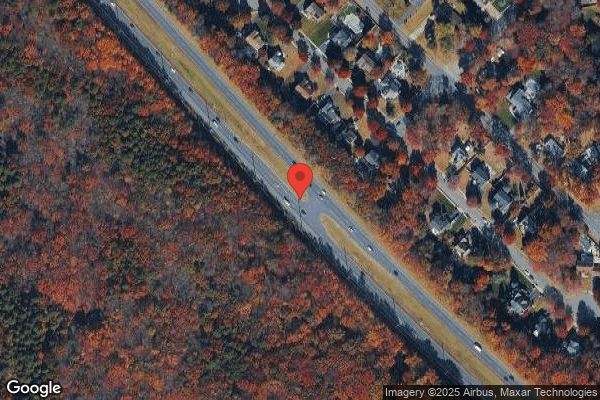
1990 ROUTE 18 NORTH, OLD BRIDGE, NJ 08857 (732) 607-9230
Non profit - Church related 108 Beds Independent Data: November 2025
Trust Grade
95/100
#66 of 344 in NJ
Last Inspection: December 2024

Within standard 12-15 month inspection cycle. Federal law requires annual inspections.

Overview

Reformed Church Home in Old Bridge, New Jersey, has received an impressive Trust Grade of A+, indicating it is an elite facility providing high-quality care. It ranks #66 out of 344 nursing homes in the state, placing it in the top half, and #2 out of 24 in Middlesex County, suggesting that it is one of the best local options available. The facility is currently improving, with issues decreasing from three in 2023 to just one in 2024, and it has a good staffing rating with a low turnover rate of 17%, well below the state average. While there have been no fines reported, which is a positive sign, there have been some concerns raised during inspections, such as failing to follow fall prevention protocols for one resident and not investigating a bruise of unknown origin for another resident. Overall, while there are strengths in staffing and quality of care, families should be aware of the specific incidents that could impact resident safety.

Trust Score
A+
95/100
In New Jersey
#66/344
Top 19%
Safety Record
Low Risk
No red flags
Inspections
Getting Better
3 → 1 violations
Staff Stability
✓ Good
17% annual turnover. Excellent stability, 31 points below New Jersey's 48% average. Staff who stay learn residents' needs.
Penalties
✓ Good
No fines on record. Clean compliance history, better than most New Jersey facilities.
Skilled Nurses
✓ Good
Each resident gets 87 minutes of Registered Nurse (RN) attention daily — more than 97% of New Jersey nursing homes. RNs are the most trained staff who catch health problems before they become serious.
Violations
○ Average
6 deficiencies on record. Average for a facility this size. Mostly minor or procedural issues.
★★★★★
5.0
Overall Rating
★★★★☆
4.0
Staff Levels
★★★★★
5.0
Care Quality
★★★★★
5.0
Inspection Score
Stable
2023: 3 issues
2024: 1 issues

The Good

  • 4-Star Staffing Rating · Above-average nurse staffing levels
  • 5-Star Quality Measures · Strong clinical quality outcomes
  • Low Staff Turnover (17%) · Staff stability means consistent care
  • Full Sprinkler Coverage · Fire safety systems throughout facility
  • No fines on record
  • Staff turnover is low (17%)

    31 points below New Jersey average of 48%

Facility shows strength in staffing levels, quality measures, staff retention, fire safety.

The Bad

No Significant Concerns Identified

This facility shows no red flags. Among New Jersey's 100 nursing homes, only 1% achieve this.

The Ugly 6 deficiencies on record

Dec 2024 1 deficiency
CONCERN (D) 📢 Someone Reported This

A family member, employee, or ombudsman was alarmed enough to file a formal complaint

Potential for Harm - no one hurt, but risky conditions existed

Accident Prevention (Tag F0689)

Could have caused harm · This affected 1 resident

Complaint # NJ 179632 Based on observation, interviews, review of medical records and facility documents, it was determined that the facility failed to follow fall prevention interventions as written ...

Read full inspector narrative →
Complaint # NJ 179632 Based on observation, interviews, review of medical records and facility documents, it was determined that the facility failed to follow fall prevention interventions as written on the resident's individual comprehensive care plan (ICCP). This deficient practice was identified for 1 of 4 residents (Resident # 44) reviewed for accidents. This deficient practice was evidenced by the following: On 12/04/24 at 12:30 PM, during the initial tour of the 1st floor unit, the surveyor observed Resident #44 in a reclining chair in the day room with other residents and staff members. The surveyor observed a thick cushioned fall mat leaning against the wall in the resident's room. The surveyor reviewed the electronic medical record (EMR) for Resident # 44. A review of the admission Record revealed the resident was admitted to the facility with diagnoses which included but were not limited to; Parkinson's disease (is a brain disorder that causes unintended or uncontrollable movements, such as shaking, stiffness, and difficulty with balance and coordination) and dementia in other diseases classified elsewhere, unspecified severity, with behavior disturbance (a mental disorder that can cause a person to lose the ability to learn, remember, think, solve problems, and make decisions.) A review of the quarterly Minimum Data Set (MDS), an assessment tool dated 7/12/24, revealed Resident #44 had a Brief Interview for Mental Status of 6 out of 15, indicating the resident was severely cognitively impaired. Further review of the MDS, revealed the resident required substantial/max assistance, helper does more than half the effort. A review of the Fall Risk Assessment-Eight Category completed on 8/5/2024 revealed Total: 17 High Risk! A review of Resident # 44's ICCP revealed a Focus: FALLS, Resident is at risk for fall due to: impaired mobility .9/1/24-had fall .interventions included: Mattress to the right side of bed. Bed in lowest position, Active Effective: 6/4/2021 .Hourly visual checks when resident is in bed, Active Effective: 6/23/2023 . Keep floor bed even with a thick floor mat, and 2 landing strips next to each other on the right side of bed when resident is in bed, Active effective: 6/24/2021. A review of facility progress notes revealed a nursing note dated 09/01/2024 at 01:14 AM, Called to patient room observed with hematoma (a bruise) to the left forehead and laceration 1 cm x 1/2cm to the left forehead redness to both knees and left shoulder positive ROM (range of motion) to all extremities called MD (medical doctor) via service and received call back and received TVO (telephone verbal order) to send patient to the ER (emergency room) to rule out head injury. A review of the facility provided investigation revealed: An investigation was conducted, and it was determined that the bed had been lowered but the floor mats identified in the care plan (CP) were not in place at the time of the fall . The CNA (Certified Nursing Assistant) lowered the bed prior to leaving the room but at the time of the fall the floor nurse noted that bed was not in the lowest position. Further reviewed revealed: Summary: We could not substantiate abuse, but we did identify that the care plan was not followed for falls. On 12/06/24 at 11:00 AM, the surveyor interviewed the Director of Nursing (DON), who stated the CNA caring for the resident was an agency CNA who did not know the resident. She stated the nurse gave the CNA report but was unable to verify exactly what was said. The DON stated a form Resident Care Needs was made so all staff can be made aware of resident's needs. On 12/06/24 at 1:23 PM, the surveyor interviewed the Registered Nurse/Unit Manager (RN/UM), who stated Resident #44 was always in the day room so that staff can observe the resident. She also stated that the resident liked to socialize. The RN/UM stated all falls should be on the CP. She then stated the CP purpose was to know what care the resident needs and how to get the best outcomes for residents. On12/09/24 at 9:31 AM, the surveyor interviewed Resident #44's assigned CNA, who stated she knows the resident well. She stated when the resident was in bed, the bed must be in the lowest position and the thick fall matts need to be next to the bed to keep the resident safe. She stated she knows this because I reviewed the care plan. A review of the facility's policy Fall Risk Assessment revised 1/2019, revealed Procedure: 3. Residents with a score of 10 or more will be considered risk for falls and interventions will be implement. 4. A person-centered Fall Care Plan will be developed, and interventions will be reviewed with each new fall, quarterly, annually, and significant change assessment, and as needed. NJAC 8:39-27.1 (a)
Aug 2023 3 deficiencies
CONCERN (D)

Potential for Harm - no one hurt, but risky conditions existed

Report Alleged Abuse (Tag F0609)

Could have caused harm · This affected 1 resident

Based on observation, interview and record review it was determined that the facility failed to report a bruise of unknown origin to the New Jersey Department of Health (NJDOH) for 1 of 1 resident rev...

Read full inspector narrative →
Based on observation, interview and record review it was determined that the facility failed to report a bruise of unknown origin to the New Jersey Department of Health (NJDOH) for 1 of 1 resident reviewed for bruise of unknown origin (Resident #21). Findings included: On 08/02/23 at 10:00 AM, the surveyor toured the 200 unit of the facility and observed Resident #21 seated in the bed, watching television. The surveyor observed a bluish discoloration to the resident's left jaw. When asked about the discoloration, the resident replied, I don't know. On 08/02/23 at 12:01 PM, the surveyor returned to the unit to observe the lunch meal. The surveyor heard some noise and profanities coming from Resident #21's room and the curtain was drawn. The surveyor knocked at the door and the staff prompted the surveyor to enter the room. The surveyor observed Resident #21 seated on the bed. The surveyor also observed two Certified Nursing Assistants (CNAs) at the resident's bedside. The CNAs were about to transfer Resident #21 to the wheelchair and the resident kept repeating, No. Resident #21 was flailing his/her hands in an attempt to not be transferred, and was using abusive language towards the CNAs. On 08/03/23 at 11:30 AM, the surveyor reviewed Resident #21's electronic medical record which revealed: The admission Face Sheet (an admission summary) reflected that Resident #21 was admitted to the facility with diagnoses which included but were not limited to, altered mental status and Alzheimer's disease with late onset and dementia. Review of the admission Minimum Data Set (MDS), an assessment tool used by the facility to prioritize care dated 06/19/23, reflected that Resident #21 was severely cognitively impaired and scored 6/15 on the Brief Interview for Mental Status (BIMS). Resident #21 required extensive to total assistance of two persons physical assist with bed mobility and transfer. Section E of the MDS which addressed behavior, indicated on E 0200 (section A) that Resident #21 exhibited some physical behavior symptoms directed at others (e.g., hitting, scratching, grabbing). A review of the 24-hour Report dated 07/27/23, from 11:00 PM-07:00 AM revealed the following: Bruise to left side of lip and left side of chin. A review of a Progress notes dated 07/28/23 timed 07:41 AM, indicated the following: Note: Daily Skin Observation Note. Affected area Status: New. Comment: Bruise to resident's left side of lip/ chin noted during rounds. Unable to explain what happened. Family informed. MD (medical doctor informed). On 08/04/23, the surveyor requested all investigative reports for Resident #21 for review. On 08/04/23 at 11:15 AM, the Director of Nursing (DON) provided 2 Incident/Accident Investigation reports. Review of the Incident/accident Investigation dated 07/12/23 timed 9:30 AM, revealed during a 2-person transfer, Resident #21 sustained an abrasion. Another Incident/Accident Investigation dated 07/27/23 timed 11:30 PM, indicated, Bruising to left side of lip/chin noted during rounds by assigned Aide. Assessed, Denies pain, Resident unable to explain what happened due to cognitive impairment. The surveyor reviewed the incident report dated 07/27/23, and noted that four statements were attached to the incident investigation report. One statement was from the RN who worked the 11:00 PM- 07:00 AM shift dated 07/27/23 timed 11:30 PM, revealed the following: Notified by assigned Aide during change of shift that she noticed a bruise on the left side of resident's lip. Went into resident's room with outgoing nurse to assess. Bruise noted to left side of lip/chin. Resident unable to explain what happened. No pain to touch. Family notify MD (Medical Doctor) office made aware. Assistant Director of Nursing notified. Another statement from the CNA who first identified and reported the bruise indicated the following: Around 11:10 PM, when I was doing my round, I noticed a bruise to the patient's left side of her lip, I went to tell the nurse. The CNA assigned to Resident #21 on the 07:00 AM-3:00 PM shift, wrote: Yesterday I was assigned to Resident #21 I did not noticed any bruise on her/him. A statement from the RN Nursing Supervisor, who worked on 07/27/23, the 3:00 PM-11:00 PM shift indicated the following: I worked the shift as a supervisor and as a floor nurse on the 3rd floor. When I saw Resident #21 in the day room at approximately at 8:00 PM, Resident #21 did not have a bruised face. Later, when assigned nurse gave me report, she told that no incident, no skin change this shift. Another statement from another RN dated 07/29/23, revealed that she worked on 07/27/23 during the day shift and there was no bruise on the resident's face. She observed the resident in the dayroom listening to music around 3:30 PM. The surveyor reviewed the nursing assignment from 07/25/23 to 07/29/23. The facility did not provide any statement from the staff assigned to Resident #21 on 07/27/23 for the 3:00 PM-11:00 PM shift. The surveyor then asked the DON what is the process to investigate an injury of unknown origin. The DON stated the facility would collect statement from all staff involved in the resident care for 24 to 48 hours. The DON also added the incident of 07/27/23 was not an injury of unknown origin. The surveyor asked the DON for any reportable incident that was reported to NJDOH. The DON informed the surveyor that this incident was not reported to NJDOH since the Registered Nurse Unit Manager (RN/UM) concluded what had happened. On 08/10/23 at 09:30 AM, the surveyor conducted a telephone interview with the CNA who first observed and reported the bruise on 07/27/23 at 11:10 PM. She confirmed that she observed the bruise during round and reported it to the nurse immediately. On 08/10/23 at 10:30 AM, the surveyor conducted a telephone interview with the RN who wrote the incident report. The RN confirmed she was the nurse who observed the bruise to Resident #21's lip and left chin and completed the incident report on 07/27/23 at 11:30 PM. The RN indicated that when she entered the resident's room with the Licensed Practical Nurse (LPN) who worked the 3:00 PM-11:00 PM shift, the resident was in bed. She assessed the bruised area on the left chin and lip which was not there the day before. The RN indicated that she assessed the area, assessed the resident for pain. She asked the resident what happened, the resident was confused and could not provide any information. She reported to the Nursing Supervisor, and called the physician and the responsible party in the morning. She informed the UM and the DON also in the morning. On 08/10/23 at 12:01 PM, the surveyor conducted a face to face interview with the RN Unit Manager who concluded that the bruise was from the drinking cup. The Unit Manager stated she stood at the door and observed the resident eating while watching television. She stated she assumed that the bruise could be from the drinking cup and the bruise was an injury of unknown origin and should be further investigated to rule out abuse. On 08/11/23 at 11:30 AM, an interview was conducted again with the DON, the DON stated that the RN/UM's conclusion seemed logical so she did not consider the bruise as an injury of unknown origin and did not report it to the NJDOH [Department of Health]. On 08/14/23 at 10:09 AM, the surveyor interviewed the Assistant Administrator. She indicated that she reviewed all investigations in conjunction with the Administrator. The DON was responsible to complete the investigation and submitted it for review. She was told in the morning meeting that the bruise was from the drinking cup. She did not review the investigation. The team then asked the Assistant Administrator to elaborate on the process for an injury of unknown origin. She stated that We have to investigate. The supervisor will inform the DON who will follow the process. The components of the investigation protocol must be followed. The facility must obtained statements from all staff involved in the resident's care for 24-48 hours. We need the statements and then we review the statements. The Assistant Administrator further stated They [the facility] have to get the statements. The Assistant Administrator stated to be honest, in morning meeting they told me that they already knew the cause of the bruise, I never reviewed it. The survey team then asked the Assistant Administrator if she had reviewed the investigation, would she have told them that statements were missing? She replied, I would have told them to get the statements. The survey team then asked the Assistant Administrator what the facility's definition was of an injury of unknown origin. The Assistant Administrator stated, when we don't know the origin. On 08/14/23 at 10:22 AM, the Assistant Administrator showed the surveyor that she did not sign the investigation nor review the summary provided by the UM. She stated clearly that although she was responsible to determine the causal factor after reviewing all statements, she did not make nor sign the determination that the bruise was from the drinking cup. Her expectation was that the facility would thoroughly investigate injuries of unknown origin and complete the required documentation per the facility policy. On 08/14/23 at 11:42 AM, the LPN who worked the 3:00 PM - 11:00 PM shift on 07/27/23, returned the call and informed the survey team that she did not write a statement on 07/27/23. The LPN further stated that when she returned to work on 07/28/23, the DON stated that the issue with the bruise was resolved, she was not asked to provide a statement. When asked to elaborate regarding the incident, she stated she could not remember if she went to the room with the RN and observed the bruise. A review of the facility abuse policy last revised 2023, indicated the following: Injuries of Unknown Origin: An injury should be classified as an injury of unknown source when both of the following conditions are met: The source of the injury was not observed by any person or the source of the injury could not be explained by the resident. The injury is suspicious because of the extent of the injury or the location of the injury (e.g., the injury is located in an area not vulnerable to trauma) or the number of injuries observed at one particular point in time or the incidence of injuries over time. Under Reporting and Response, it is stated that all alleged violations involving abuse, or mistreatment including injuries of unknown source are reported immediately, but not later than 2 hours after the allegation is made and no later that 24 hours if the events that cause the allegation do not involve abuse and do not result in serious bodily injury. NJAC 8:39-9.4(f)
CONCERN (D)

Potential for Harm - no one hurt, but risky conditions existed

Investigate Abuse (Tag F0610)

Could have caused harm · This affected 1 resident

**NOTE- TERMS IN BRACKETS HAVE BEEN EDITED TO PROTECT CONFIDENTIALITY** Based on observation, interview, record review and review of pertinent facility documents, it was determined that the facility f...

Read full inspector narrative →
**NOTE- TERMS IN BRACKETS HAVE BEEN EDITED TO PROTECT CONFIDENTIALITY** Based on observation, interview, record review and review of pertinent facility documents, it was determined that the facility failed to thoroughly investigate a bruise of unknown origin that was identified on 07/27/27. This deficient practice was identified for 1 of 1 resident (Resident #21) reviewed for a bruise of unknown origin and was evidenced by the following: On 08/02/23 at 10:00 AM, the surveyor observed Resident #21 with a bluish discoloration to the left chin. The surveyor inquired about the discoloration, the resident stated, I don't know. On 08/02/23 at 1:15 PM, the surveyor interviewed a CNA about Resident #21. Upon inquiry, the CNA informed the surveyor that Resident #21 could be combative with care, but if you explained what you were about to do the resident would cooperate. On 08/03/23 at 11:30 AM, the surveyor reviewed Resident #21's electronic medical record which revealed: The admission Face Sheet (a summary document) reflected that Resident #21 was admitted to with diagnoses which included but were not limited to, altered mental status, Alzheimer's disease with late onset, and dementia. Review of the admission Minimum Data Set (MDS) dated [DATE], an assessment tool used by the facility to prioritize care, reflected that Resident #21 scored 6 /15 on the Brief Interview for Mental Status (BIMS) which indicated the resident was severely cognitively impaired. Resident #21 required extensive to total assistance of two persons physical assist with bed mobility and transfer. A review of Resident #21's Plan of Care (PC) initiated on 06/27/23, reflected a care plan with a Focus for abusive behavior. The goal was for staff to approach the resident calmly and unhurriedly, explain all procedures and reason before performing. Encourage Resident #21 to make choices in the timing of care. The interventions included: If possible-stop giving care when resident is anxious and try later. Attempt to refocus behavior to something positive when the resident is exhibiting anxious behavior. Acknowledge and validate feelings. Monitor behaviors target behaviors. 2 staff assist during care and transfers. Provide emotional support during resident care and transfers to help alleviate anxiety. Review of an Incident/Accident investigation dated 07/27/23, timed 11:30 PM and signed by the Registered Nurse (RN) assigned to the 200's Unit, revealed that Resident #21 was noted with a bruise to the lip and left chin. There was no measurement documented for the bruise and the RN indicated that the resident was unable to explain what had happened due to cognitive impairment. The incident report listed the immediate actions taken were an assessment was completed, the bruise was noted, vital signs were taken and the physician and responsible party were notified. A review of the Progress Notes dated 07/28/23 timed 07:41 AM, revealed the following under Daily Skin Observation: Status: New. Comment: Bruise to resident's left side of lip/chin noted during rounds. Unable to explain what happened. A review of the conclusion Incident/Accident Investigation report dated 07/27/27 provided by the DON revealed that the Unit Manager (UM) concluded on 07/28/23 that the bruise was from the drinking cup. The Assistant Administrator did not sign to indicate that she reviewed and agreed with the conclusion. The Unit Manager did not interview the staff who provided care to Resident #21 on the 3:00 PM-11:00 PM shift A review of the assignment sheets from 07/25/23 to 07/29/23, revealed that the staff assigned to Resident #21 on 07/27/23 for the 3:00 PM-11:00 PM shift were not included to provide statements. There was not a statement from the Licensed Practical Nurse (LPN) who cared for Resident #21. The Certified Nursing Aides (CNAs) involved with the resident's care during the 3:00 PM-11:00 PM shift were not interviewed, nor asked to provide statements. According to the Plan of Care, Resident #21 required two person physical assist during care and transfer. The surveyor reviewed a nursing note dated 07/28/23 time 07:41 AM. The note was signed by the RN who wrote the incident report. The note revealed: Bruise to resident's left side of lip/chin noted during round. Unable to explain what happened. Family and Physician notified. The physician's Order sheet was reviewed and there was no new orders. There were no entries from the Nurse Practitioner or the physician regarding the bruise. The nursing Progress notes for 07/28/23 during the 3:00 PM-11:00 PM shift entered at 4:12 PM, failed to document anything regarding the resident's bruise. The nursing progress note documented no behavioral problems. The nursing progress notes dated 07/29/23 timed 8:10 AM, documented the following: S/P [Status post] incident day 2/3. Bruising to lip/chin persist. The nursing progress notes dated 07/29/23 timed 2:30 PM, indicated, S/P fall day 2, small ecchymosis to left of face noted, denied pain at site. Left hip and shin redness noted, skin intact. The facility failed to provide any fall incident reports for review. On 08/03/23 at 9:25 AM, the surveyor observed Resident #21 in bed and appeared more alert. The surveyor observed that the resident ate 100% of their breakfast and that the bruise was still visible to the left chin area. On 08/10/23 at 12:30 PM the surveyor interviewed the Director of Nursing (DON) regarding the investigation provided. The surveyor reviewed the assignment sheet with the DON. The DON stated that the CNA assigned to the resident was an agency CNA and she confirmed that she did not get a statement. The DON further stated that the bruise was not identified as an injury of unknown origin. The DON would not elaborate regarding the determination that was made by the UM. On 08/10/23 at 1:15 PM, during an interview with the UM, she revealed that the same night [referring to 07/27/23] she received an email from the nurse regarding the incident. When asked to provide the email, she stated that she could not retrieve the email. The UM further added that on 07/28/23 during the breakfast meal, she observed Resident #21 eating breakfast while watching television and she concluded that the bruise could have been from the drinking cup. The UM added that she did not observe the injury, nor interview the resident and confirmed that the bruise was an injury of unknown origin and should be investigated. The Surveyor then asked the UM to elaborate on the investigative process for an injury of unknown origin. The UM added statements from all staff involved with the resident over a period of 24-48 hours should be obtained. The surveyor again reviewed the Incident/Accident Investigation report dated 07/27/23, and noted that four statements were attached to the incident investigation report. One statement was from the RN who worked the 11:00 PM- 7:00 AM shift dated 07/27/23 timed 11:30 PM, revealed the following: Notified by assigned Aide during change of shift that she noticed a bruise on the left side of resident's lip. Went into resident's room with outgoing nurse to assess. Bruise noted to left side of lip/chin. Resident unable to explain what happened. No pain to touch. Family notify MD (Medical Doctor) office made aware. Assistant Director of Nursing notified. Another statement from the CNA who first identified and reported the bruise indicated the following: Around 11:10 PM, when I was doing my round, I noticed a bruise to the patient's left side of her lip, I went to tell the nurse. The CNA assigned to Resident #21 on the 7:00 AM-3:00 PM shift, statement indicated: Yesterday I was assigned to Resident #21. I did not noticed any bruise on [her/him]. A statement from the RN Nursing Supervisor, who worked the 3:00 PM-11:00 PM, shift indicated the following: I worked the shift as a supervisor and as a floor nurse on the 3rd floor. When I saw Resident #21 in the day room at approximately at 8:00 PM, Resident #21 did not have a bruised face. Later, when the assigned nurse gave me report, she stated that no incident, no skin change this shift. Another statement from another RN dated 07/29/23, revealed that she worked on 07/27/23 during the day shift and there was no bruise on the resident's face. She observed the resident in the dayroom listening to music around 3:30 PM. On 08/10/23 at 11:30 AM, the surveyor conducted a face to face interview with the RN Unit Manager who concluded that the bruise was from the drinking cup. The Unit Manager stated she stood at the door and observed the resident eating while watching television. She stated that she observed a line from the upper lip extended to the chin. She did not have any input from the direct care staff regarding the resident's behavior the evening when the bruise was discovered. She further stated that since no one knew what happened, she came to a reasonable conclusion the bruise could have been from the drinking cup. The UM added that the bruise was an injury of unknown origin and should be further investigated to rule out abuse. On 08/11/23 at 11:10 AM, the surveyor conducted a telephone interview with the CNA who first observed and reported the bruise on 07/27/23 at 11:10 PM. She confirmed that she observed the bruise during rounds and reported it to the nurse immediately. On 08/11/23 at 11:43 AM, the surveyor conducted a telephone interview with the RN who documented the incident report. The RN confirmed she was the nurse who observed the bruise to Resident #21's lip and left chin and completed the incident report on 11/27/28 at 11:30 PM. The RN indicated that when she entered the resident's room with the Licensed Practical Nurse (LPN) who worked the 3:00 PM-11:00 PM shift, the resident was in bed. She assessed the bruised area on the left chin and lip which was not there the day before. The RN indicated that she assessed the area, assessed the resident for pain. She asked the resident what happened, the resident was confused and could not provide any information. She reported to the Nursing supervisor, and called the physician and the responsible party in the morning. She informed the UM and the DON also in the morning. There were no entries from either the physician or the Nurse Practitioner regarding the bruise dated 07/27/23 in the medical record. The surveyor attempted to interview the Nursing Supervisor on 08/10/23, 08/11/23 and 08/14/23. The Nursing Supervisor who worked the 3:00 PM-11:00 PM shift, returned the call on 08/14/23 but declined to comment on the incident. On 08/11/23 at 11:30 AM, an interview was conducted again with the DON, the DON stated that the RN/UM's conclusion seemed logical so she did not consider the bruise as an injury of unknown origin and did not proceed further with the investigation. When asked about the staff statement from the staff that worked the 3:00 PM-11:00 PM shift, the DON stated that she stopped the investigation since she concluded what had happened. On 08/14/23 at 09:18 AM, an interview was conducted with the DON regarding the investigation. The DON maintained that the bruise was not an injury of unknown origin. The surveyor then reviewed the facility abuse policy which included the criteria that must be met for injury of unknown origin which revealed: According to the facility's policy an injury should be classified as an injury of unknown source when both of the following conditions are met: 1. The source of the injury was not observed by any person or the source of the injury could not be explained by the resident. 2. The injury is suspicious because of the extent of the injury or the location of the injury (e.g., the injury is located in an area not vulnerable to trauma) or the number of injuries observed at one particular point in time or the incidence of injuries over time. On 08/14/23 at 10:09 AM, the survey team interviewed the Assistant Administrator in charge of the facility investigations. The Assistant Administrator stated that she was told that the staff observed a bruise and the causal factor was identified. The Assistant Administrator further stated that she was not provided with the investigation for review and she had been informed by the DON that the investigation was completed. The Assistant administrator stated, That was my mistake. I did not review the Incident/Accident Investigation. It is not a complete investigation, we need statements. On 08/14/23 at 10:22 AM, the Assistant Administrator showed the surveyor that she did not sign the investigation nor review the summary provided by the UM. She stated clearly that although she was responsible to determine the causal factor after reviewing all statements, she did not make nor sign the determination that the bruise was from the drinking cup. Her expectation was that the facility would thoroughly investigate injuries of unknown origin and complete the required documentation per the facility policy. On 08/14/23 at 11:42 AM, the LPN who worked the 3:00 PM- 11:00 PM shift on 07/27/23 returned the call and informed the survey team that on 07/27/23, she did not write a statement regarding the bruise. The LPN further stated that when she returned to work on 07/28/23, the DON stated that the issue with the bruise was resolved and she was not asked to provide a statement. When asked to elaborate regarding the incident she stated she could not remember if she went to the room with the RN and observed the bruise. The surveyor then asked the LPN if she was aware of the facility's process when an injury of unknown origin was identified. The LPN stated that whoever discovered the bruise should write a statement. She could not provide the rationale for not writing a statement on 07/27/23 after she observed the bruise. Review of the facility's administrative policy and procedures dated 02/2023 indicated the following: Policy: It is the policy of the facility that all incidents are reported, recorded, and analyzed for causal factors and trends. Corrective and/or preventive measures will be implemented as indicated. Incident Documentation: Each incident will be documented on the Incident Report form. All sections of the form [NAME] be completed. Incident Investigation An investigation will be initiated on all reported incidents. An incident Investigation Report form will be completed at the time of the incident. At the time of the incident, all nursing staff assigned to the unit will complete written statements regarding the incident when the incident is not witnessed. All nursing staff assigned to the unit during the previous two shifts will complete written statements when the incident is not witnessed. Additional statements may be warranted during the investigation. All statements must be signed by the writer, including any statements from everyone. NJAC 8:39-4.1(a)
CONCERN (D)

Potential for Harm - no one hurt, but risky conditions existed

Deficiency F0804 (Tag F0804)

Could have caused harm · This affected 1 resident

Based on observation, interview and document review it was determined that the facility failed to serve foods at an acceptable temperature for 1 of 18 residents reviewed (Resident #67) and for 1 of 3 ...

Read full inspector narrative →
Based on observation, interview and document review it was determined that the facility failed to serve foods at an acceptable temperature for 1 of 18 residents reviewed (Resident #67) and for 1 of 3 resident units (2nd floor). The deficient practice was evidenced by the following: On 08/02/23 at 10:33 AM, during an interview with Resident #67, the resident expressed concerns over the meal temperature. On 08/04/23 at 7:24 AM, the surveyor observed the breakfast meal distribution from the 2nd floor remote food service kitchen. Three meal trucks left the kitchen at that time and arrived on A, B, C Wings and the surveyor observed the meal cart that arrived on the B Wing at 7:26 AM. The cart contained seven trays and was left on the unit for distribution. On 08/04/23 at 7:27 AM, one staff member removed a meal tray for service to a resident. On 08/04/23 at 7:31 AM, 4 trays remained and 1 staff delivered the meals. On 08/04/23 at 7:43 AM, the last tray (17 minutes from when the trays arrived on the unit) was to be served, and the surveyor proceeded to test the meal temperatures. 08/04/23 7:44 AM, in the presence of another surveyor, the test tray revealed the following food temperatures: scrambled eggs 119 degrees Fahrenheit (F), oatmeal 128 F, 4 ounces milk 63 F, 4 ounces juice 62 F. On 08/04/23 at 8:02 AM, the surveyor relayed the test tray food food temperatures to the Regional Director of Operations for the food management company (RDO). The RDO stated that the standard was 140 F for serving hot foods and 40 F for serving cold foods. The surveyor showed the RDO the food temperatures and asked if they were acceptable and he stated, no. On 08/04/23 at 8:05 AM, the surveyor requested a food temperature policy. On 08/04/23 at 9:40AM, the Food Service Director provided a Meal Temperature Policy dated January 1, 2021. the Temperature Records and Taste Panel Evaluation Form Revealed, 3.Recommended Service Temperatures, Cold Food 40 F or below, Other Entrees: 160 F . NJAC 8:39-17.4 (a)2
Jul 2021 2 deficiencies
CONCERN (D)

Potential for Harm - no one hurt, but risky conditions existed

Unnecessary Medications (Tag F0759)

Could have caused harm · This affected 1 resident

Based on observation, interview, record review and review of other facility documentation, it was determined that the facility failed to administer medications and maintain a medication error rate of ...

Read full inspector narrative →
Based on observation, interview, record review and review of other facility documentation, it was determined that the facility failed to administer medications and maintain a medication error rate of less than 5%. This deficient practice was identified for 2 of 2 nurses who were observed during medication pass. There were a total of 30 medication opportunities, administered to four residents, on two units (First Floor and Second Floor) during the medication pass. There were two errors observed (Residents #6 and #51), which resulted in a medication error rate of 6%. This deficient practice was evidenced by the following: The surveyor observed the Licensed Practical Nurse (LPN #1) administer medications to Resident #6 on 07/27/21 at 8:36 AM, on the second floor. The LPN prepared seven medications, consisting of a total of 11 dosage units (tablets and capsules) for the resident, including the following: one tablet of Lasix 40 milligrams (mg) (for edema), one capsule of Cranberry 425 mg (supplement), one tablet of Myrbetriq 25 mg (for overactive bladder), four tablets of Calcium Citrate 250 mg (calcium supplement), one tablet of Zoloft 50 mg (for anxiety disorder), two tablets of Vitamin C 500 mg (supplement), and one tablet of Losartan 50 mg (for hypertension). During the time that the LPN was preparing medications for the resident, she also placed a bottle of Multivitamin tablets on the medication cart, but did not remove any tablets from the bottle, prior to returning it into the drawer of the medication cart. The LPN confirmed which medications were placed in the medication cup by naming each of them and then confirmed there were a total of 11 dosage units within the cup. The LPN then proceeded to the bedside of Resident #6 and administered the medication, despite the surveyor's request to return to the cart first. The surveyor asked the LPN to return to the medication cart with him once again, after the resident took his/her medication. During an interview with the surveyor at this time, LPN #1 reviewed and counted the medications which were present in the medication cup, prior to administration. She indicated that there were a total of 11 dosage units in the cup, before she gave them to the resident, in accordance with review of the physician's orders. The surveyor asked the LPN to review the medication record for Resident #6 again. Upon doing so, the LPN determined and acknowledged that the resident's Multivitamin was not included with the other medications, and it was ordered by the physician. The LPN further stated that there should have been a total of 12 dosage units prepared and confirmed that one medication, the Multivitamin, was missing. The LPN gestured the number one with her index finger to the surveyor while speaking to him. The surveyor obtained and reviewed the physician's orders for Resident #6. According to the physician's orders, the resident had an order for Multivitamin tablet, give one tablet by oral route once daily for vitamin deficiency. The surveyor observed another LPN (LPN #2) administer medications to Resident #51 on 07/28/21 at 8:47 AM, on the first floor. The LPN prepared several medications for administration to the resident, including a Lidocaine 4% patch, which was incorrectly labeled as a Lidocaine 5% patch. (Lidocaine patches are a topical (local) medication placed on the skin in a particular area of the body, in order to help treat pain.) The LPN administered all of the other medications in accordance with the physician's orders and left the application of the patch for the end of the medication pass. The LPN then removed the Lidocaine 4% patch from its container, dated it, initialed it, and asked the resident to turn over, so that she could place the patch onto Resident #51's back. The surveyor asked LPN #2 to return to the cart with him, before placing the patch on the resident. During an interview with the surveyor at this time, the LPN reviewed the physician orders for Resident #51, realized the error, and acknowledged it to the surveyor. The LPN confirmed that the box containing the Lidocaine 4% patches were labeled as Lidocaine 5% patches. The LPN further stated that the physician's order indicated for the resident to receive a Lidocaine 5% patch to his/her back, that the patches came from the pharmacy labeled incorrectly and that the nursing staff, including herself, should have noticed the labeling error and further clarified the order. The surveyor obtained and reviewed the physician's orders for Resident #51. According to the physician's orders, the resident had an order for Lidocaine 5% topical patch, apply one patch by topical route once daily and remove at 9:00 PM. During an interview with the surveyor on 07/29/21 at 1:24 PM, the Director of Nursing (DON) acknowledged that the omission of the Multivitamin tablet by LPN #1 and administration of an incorrectly tabled Lidocaine Patch by LPN #2 were both errors, since they were not consistent with the physician's orders or the facility's policy, as related to passing medication. A review of the facility's undated Policy and Procedure Medication Administration policy reflected medications are to be administered in accordance with written orders by the attending physician and Advanced Practical Nurse. The policy further references the need to administer the right dosage of medication. NJAC 8:39 - 29.2(d)
CONCERN (D)

Potential for Harm - no one hurt, but risky conditions existed

Infection Control (Tag F0880)

Could have caused harm · This affected 1 resident

2. On 07/28/21 at 11:55 AM, during lunch dining services on the third floor C Wing, the surveyor observed a CNA perform hand hygiene. The CNA turned on the faucet, applied soap, lathered her hands, sc...

Read full inspector narrative →
2. On 07/28/21 at 11:55 AM, during lunch dining services on the third floor C Wing, the surveyor observed a CNA perform hand hygiene. The CNA turned on the faucet, applied soap, lathered her hands, scrubbed them under the stream of water, rinsed her hands, and then used a paper towel to dry both hands. The CNA used a separate paper towel to turn off the faucet. During an interview with the surveyor on 07/28/21 at 11:59 AM, the CNA stated that the process for handwashing was to turn on the water, rinse hands with the water, apply soap to hands and scrub hands together under the steam of water, then rinse both hands and dry with paper towels and turn off water with a separate paper towel. A review of the CNA's Observation of Hand Hygiene competency, completed on 06/17/21, included Hands are wet from wrist to fingertips. Soap is placed and hands are rubbed vigorously for at least 20 seconds (scrub all surfaces of hands including palms, back of hands, fingers and nails. The competency form was not specific regarding hands being rubbed vigorously, outside the stream of water. During an interview with the surveyor on 07/29/21 at 10:37 AM, the Infection Preventionist (IP) stated that the process for handwashing included to wet the hands, lather for at least 20 seconds or sing the Happy Birthday song twice, scrub between fingers, wrists and hands, rinse hands, use a paper towel to dry the hands and then use another paper towel to shut off the faucet. The IP stated the process was not specific regarding lathering inside the stream of water or outside the stream of water but ideally you should lather and scrub outside the stream of water. During a follow up interview with the surveyor on 07/29/21 at 11:38 AM, the IP stated that the staff were educated to lather and scrub their hands and that she should have been more specific regarding the lathering of hands for 20 seconds, outside the stream of water. During an interview with the survey team, in the presence of the Administrator, on 07/29/21 at 1:26 PM, the Director of Nursing (DON) stated that hand hygiene should occur before and after giving medications and before and after donning gloves. The DON further clarified that proper hand washing involved rubbing the hands for 20 seconds, usually outside the stream of water. A review of the facility's undated Medication Administration policy revealed that a person administering medication should use proper hand hygiene, before beginning a medication pass, prior to handling any medication and after coming in direct contact with a resident. A review of the facility's Hand Hygiene policy, revised December 2019, included the procedure for handwashing as follows: 1. Wet your hands with clean running water (warm or cold), turn off the tap, and apply soap. 2. Lather your hands by rubbing then together with the soap. Lather the backs of your hands, between your fingers, and under your nails. 3. Scrub your hands for at least 20 seconds. Need a timer? Hum the Happy Birthday song from the beginning to end twice. 4. Rinse your hands well under clean, running water. 5. Dry your hands thoroughly using a clean, single use towel. 6. Use towel to turn off faucet. NJAC 8:39-19.4(a)(1) Based on observation, interview, record review and other facility documentation, it was determined that the facility failed to to minimize the potential spread of infection to residents during observation of the medication pass and during dining observation. This deficient practice was identified for 1 of 2 nurses observed during the medication pass on 1 of 3 floors (second floor) and for 1 of 1 Certified Nursing Assistants (CNA) observed during dining services on 1 of 3 floors (third floor). This deficient practice were evidenced by the following: 1. On 07/27/21 at 8:35 AM, the surveyor observed the Licensed Practical Nurse (LPN) administer medication to the first resident and then wash her hands for 10 seconds. The LPN then donned a pair of gloves to both hands and placed a medicated patch onto the same resident. The LPN removed the gloves, washed her hands for 10 seconds and then proceeded to give medication to a second resident. On 07/27/21 at 9:17 AM, the LPN proceeded to a third resident's room to administer medications. The LPN realized that the resident was ordered a dose of Vitamin C 500 milligrams (mg) tablets and there was no remaining supply of this item on the medication cart. The LPN walked to the medication storage room, opened the door of the room, opened the door of the cabinet and removed a bottle of Vitamin C 500 mg tablets. The LPN then closed the cabinet door, the door of the medication storage room, and returned to the medication cart. The LPN then prepared and administered medications to the resident, without performing hand hygiene. During an interview with the surveyor on 07/28/21 at 9:50 AM, the LPN stated that according to the facility's policy, hand washing should occur before and after putting gloves on and before and after giving medication to a resident. The LPN further stated that the handwashing process included rubbing hands with soap for 20 seconds, prior to rinsing with water. At that time, the surveyor informed the LPN that she washed her hands for 10 seconds on two occasions and the LPN stated she understood the surveyor's concerns. The LPN acknowledged that hand hygiene should have occurred after she obtained the bottle of Vitamin C 500 mg from the storage room and prior to administering medication to the resident. A review of the LPN's Observation of Hand Hygiene competency, completed on 06/17/21, included Hands are wet from wrist to fingertips, Soap is placed, and hands are rubbed vigorously for at least 20 seconds (scrub all surfaces of hands including palms, back of hands, fingers and nails.
Understanding Severity Codes (click to expand)
Life-Threatening (Immediate Jeopardy)
J - Isolated K - Pattern L - Widespread
Actual Harm
G - Isolated H - Pattern I - Widespread
Potential for Harm
D - Isolated E - Pattern F - Widespread
No Harm (Minor)
A - Isolated B - Pattern C - Widespread

Questions to Ask on Your Visit

  • "Can I speak with families of current residents?"
  • "What's your RN coverage like on weekends and overnight?"

Our Honest Assessment

Strengths
  • • Grade A+ (95/100). Above average facility, better than most options in New Jersey.
  • • No major safety red flags. No abuse findings, life-threatening violations, or SFF status.
  • • No fines on record. Clean compliance history, better than most New Jersey facilities.
  • • 17% annual turnover. Excellent stability, 31 points below New Jersey's 48% average. Staff who stay learn residents' needs.
Concerns
  • • No significant concerns identified. This facility shows no red flags across CMS ratings, staff turnover, or federal penalties.
Bottom line: Generally positive indicators. Standard due diligence and a personal visit recommended.

About This Facility

What is Reformed Church Home's CMS Rating?

CMS assigns REFORMED CHURCH HOME an overall rating of 5 out of 5 stars, which is considered much above average nationally. Within New Jersey, this rating places the facility higher than 99% of the state's 100 nursing homes. This rating reflects solid performance across the metrics CMS uses to evaluate nursing home quality.

How is Reformed Church Home Staffed?

CMS rates REFORMED CHURCH HOME's staffing level at 4 out of 5 stars, which is above average compared to other nursing homes. Staff turnover is 17%, compared to the New Jersey average of 46%. This relatively stable workforce can support continuity of care.

What Have Inspectors Found at Reformed Church Home?

State health inspectors documented 6 deficiencies at REFORMED CHURCH HOME during 2021 to 2024. These included: 6 with potential for harm.

Who Owns and Operates Reformed Church Home?

REFORMED CHURCH HOME is owned by a non-profit organization. Non-profit facilities reinvest revenue into operations rather than distributing to shareholders. The facility operates independently rather than as part of a larger chain. With 108 certified beds and approximately 96 residents (about 89% occupancy), it is a mid-sized facility located in OLD BRIDGE, New Jersey.

How Does Reformed Church Home Compare to Other New Jersey Nursing Homes?

Compared to the 100 nursing homes in New Jersey, REFORMED CHURCH HOME's overall rating (5 stars) is above the state average of 3.3, staff turnover (17%) is significantly lower than the state average of 46%, and health inspection rating (5 stars) is much above the national benchmark.

What Should Families Ask When Visiting Reformed Church Home?

Based on this facility's data, families visiting should ask: "Can I visit during a mealtime to observe dining assistance and food quality?" "How do you handle medical emergencies, and what is your hospital transfer rate?" "Can I speak with family members of current residents about their experience?"

Is Reformed Church Home Safe?

Based on CMS inspection data, REFORMED CHURCH HOME has a clean safety record: no substantiated abuse findings (meaning no confirmed cases of resident harm), no Immediate Jeopardy citations (the most serious violation level indicating risk of serious injury or death), and is not on the Special Focus Facility watch list (a federal program monitoring the lowest-performing 1% of nursing homes). The facility has a 5-star overall rating and ranks #1 of 100 nursing homes in New Jersey. While no facility is perfect, families should still ask about staff-to-resident ratios and recent inspection results during their visit.

Do Nurses at Reformed Church Home Stick Around?

Staff at REFORMED CHURCH HOME tend to stick around. With a turnover rate of 17%, the facility is 28 percentage points below the New Jersey average of 46%. Low turnover is a positive sign. It means caregivers have time to learn each resident's needs, medications, and personal preferences. Consistent staff also notice subtle changes in a resident's condition more quickly. Registered Nurse turnover is also low at 12%, meaning experienced RNs are available to handle complex medical needs.

Was Reformed Church Home Ever Fined?

REFORMED CHURCH HOME has no federal fines on record. CMS issues fines when nursing homes fail to meet care standards or don't correct problems found during inspections. The absence of fines suggests the facility has either maintained compliance or corrected any issues before penalties were assessed. This is a positive indicator, though families should still review recent inspection reports for the full picture.

Is Reformed Church Home on Any Federal Watch List?

REFORMED CHURCH HOME is not on any federal watch list. The most significant is the Special Focus Facility (SFF) program, which identifies the bottom 1% of nursing homes nationally based on persistent, serious quality problems. Not being on this list means the facility has avoided the pattern of deficiencies that triggers enhanced federal oversight. This is a positive indicator, though families should still review the facility's inspection history directly.