AUTUMN LAKE HEALTHCARE AT MEMORIAL BRIDGE
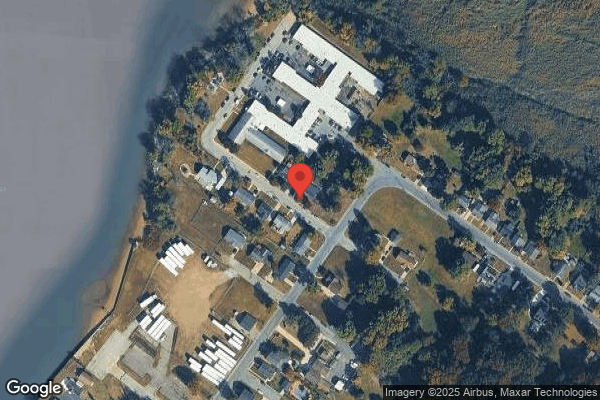

201 FIFTH AVENUE, PENNS GROVE, NJ 08069 (856) 299-6800
For profit - Corporation 161 Beds AUTUMN LAKE HEALTHCARE Data: November 2025
Trust Grade
45/100
#244 of 344 in NJ
Last Inspection: June 2025

Inspected within the last 6 months. Data reflects current conditions.

Overview

Autumn Lake Healthcare at Memorial Bridge has a Trust Grade of D, indicating below-average performance with some significant concerns. It ranks #244 out of 344 nursing homes in New Jersey, placing it in the bottom half, but it is the best option among four facilities in Salem County. Unfortunately, the facility's situation is worsening, with the number of reported issues increasing from 8 in 2023 to 11 in 2025. Staffing is rated average with a 3/5 star rating and a turnover rate of 47%, which aligns with the state average but suggests some instability. While there have been no fines, which is a positive sign, the facility has concerningly low RN coverage compared to 97% of other facilities in the state. Specific incidents noted during inspections include a resident falling and injuring themselves due to insufficient safety measures and multiple concerns about cleanliness and maintenance in the kitchen and facility areas. Overall, families should weigh these strengths and weaknesses carefully when considering this home for their loved ones.

Trust Score
D
45/100
In New Jersey
#244/344
Bottom 30%
Safety Record
Moderate
Needs review
Inspections
Getting Worse
8 → 11 violations
Staff Stability
⚠ Watch
47% turnover. Above average. Higher turnover means staff may not know residents' routines.
Penalties
✓ Good
No fines on record. Clean compliance history, better than most New Jersey facilities.
Skilled Nurses
⚠ Watch
Each resident gets only 15 minutes of Registered Nurse (RN) attention daily — below average for New Jersey. Fewer RN minutes means fewer trained eyes watching for problems.
Violations
⚠ Watch
26 deficiencies on record. Higher than average. Multiple issues found across inspections.
★★☆☆☆
2.0
Overall Rating
★★★☆☆
3.0
Staff Levels
★★★☆☆
3.0
Care Quality
★★☆☆☆
2.0
Inspection Score
Stable
2023: 8 issues
2025: 11 issues

The Good

  • Full Sprinkler Coverage · Fire safety systems throughout facility
  • No fines on record

Facility shows strength in fire safety.

The Bad

2-Star Overall Rating

Below New Jersey average (3.2)

Below average - review inspection findings carefully

Staff Turnover: 47%

Near New Jersey avg (46%)

Higher turnover may affect care consistency

Chain: AUTUMN LAKE HEALTHCARE

Part of a multi-facility chain

Ask about local staffing decisions and management

The Ugly 26 deficiencies on record

1 actual harm
Jun 2025 11 deficiencies 1 Harm
SERIOUS (G) 📢 Someone Reported This

A family member, employee, or ombudsman was alarmed enough to file a formal complaint

Actual Harm - a resident was hurt due to facility failures

Accident Prevention (Tag F0689)

A resident was harmed · This affected 1 resident

Complaint: NJ184164 Based on observation, interview, review of medical records and other facility documentation, it was determined that the facility failed to provide appropriate safety interventions ...

Read full inspector narrative →
Complaint: NJ184164 Based on observation, interview, review of medical records and other facility documentation, it was determined that the facility failed to provide appropriate safety interventions to a cognitively impaired resident (Resident #124) with a history of refusal of care. On 3/4/25, Resident #124 fell when a Certified Nursing Assistant (CNA #4) refused to allow the resident to close his/her door causing the resident to fall and hit the back of their head causing a laceration. Resident #124 was sent to the hospital for evaluation. This deficient practice was identified for 1 of 2 Residents, (Resident # 124), reviewed for falls and evidenced by the following: On 5/28/25 at 11:19 AM, the surveyor observed Resident #124 in the C-wing dining room sitting in a chair. The C-wing unit was a locked unit for residents with behaviors. The surveyor attempted to speak with the resident but was unable due to cognitive impairment. On 5/29/25 the surveyor reviewed the admission Record, an admission summary, that revealed Resident #124 had diagnoses which included, but were not limited to: Metabolic Encephalopathy (a brain dysfunction caused by problems with metabolism) and Dementia with Psychotic Disturbance. On 5/29/25 the surveyor reviewed the resident's quarterly Minimum Data Set (MDS), an assessment tool used to facilitate the management of care, dated 5/20/25, that documented Resident #124's Brief Interview for Mental Status (BIMS) score was 3 out of 15 indicating severe cognitive impairment. On 5/29/25 the surveyor reviewed the resident's Individual Comprehensive Care Plan (ICCP) which included a focus area, dated 2/24/25, regarding Resident #124 receiving medications to manage his/her Dementia with Psychotic Disturbances and behaviors. The ICCP documented that the resident's behaviors included: destructive and intrusive behaviors; verbal outbursts; and refusal of medications and care. Interventions included: Attempt to redirect any negative behaviors with distractions; activities, 1:1 conversation, family contact, quiet environment. An additional focus area of the ICCP, revised on 12/5/24, indicated that the resident was at risk for falls related to medication use and poor safety awareness. Interventions included to monitor for changes in gait status. On 5/29/25, the surveyor reviewed the 3/4/25 . Fall Risk Evaluation which documented that Resident #124 was at moderate risk of falls. On 5/29/25, the surveyor reviewed the facility's fall investigation file regarding Resident #124's 3/4/25 fall. Per the investigation, Resident #124 fell and hit the back of their head causing a 3 x 4 centimeter laceration after CNA #4 would not allow the resident to close their door. The resident complained of a headache and was sent to the hospital for evaluation after neurological checks were started and the laceration was cleaned. The surveyor reviewed CNA #4's written statement regarding the 3/4/25 incident. CNA #4 documented that she tried to check on Resident #124 but the resident kept refusing and tried to shut the door. CNA #4 documented that she told Resident #124 that he/she had to let CNA #4 in but Resident #124 would not allow it. CNA #4 wrote that as I was trying to get (Resident #124) to let me in (Resident #124) fell backwards onto the floor. A review of LPN #2's written statement reflected that she was called to Resident #124's room and observed the resident standing in the doorway with blood coming from the back of the resident's head. LPN #2 wrote that CNA #4 told her that she was trying to get into the resident's room but the resident was blocking the door. CNA #4 tried to get passed the resident when the resident lost their balance and fell hitting the back of their head. On 5/29/25 at 09:20 AM, the surveyor interviewed the Licensed Practical NurseUnit Manager (LPN/UM #1) who stated that employees received abuse training monthly and upon hiring. When asked about the 3/4/25 incident, LPN/UM #1 stated that she was not in the facility at the time, but was informed that CNA #4 had possibly done something she wasn't supposed to do and was terminated. On 5/29/25 at 12:16 PM, the surveyor interviewed the Director of Nursing (DON) in the presence of the Regional Clinical Director of Nursing (RCDON) and the Licensed Nursing Home Administrator (LNHA). The DON stated that based on the facility's investigation, CNA #4's actions of pushing through the door triggered Resident #124 to lose their balance and fall resulting in a laceration to the back of the head and an emergency room evaluation. On 5/30/25 at 9:03 AM, the surveyor interviewed CNA #2 who confirmed that upon hiring she received training about how to approach and care for residents with a dementia diagnosis. When asked, based on her training, if a resident refused care what should she do, CNA #2 stated that she would stop whatever she was doing, contact the nurse, and go back at a later time. CNA #2 identified that the resident's right to privacy should never be violated. Lastly, the surveyor asked if she was engaged with a resident that was pushing or pulling on an object what would she do. CNA #2 responded that she would stop because being combative is part of the disease behavior and, as a result, the resident and she could fall or get hurt. On the same date at 9:09 AM, the surveyor interviewed LPN #1 who confirmed that upon hiring and on a regular basis staff received regular in-services on how to care for residents with cognitive impairments. LPN #1 confirmed that a resident's privacy, regardless of their cognition, is not to be violated, and that they have the right to refuse care. When asked how to proceed with a resident that is refusing care, LPN #1 stated that she would give the resident time and possibly switch with another staff member to see if they could proceed with care. LPN #1 stated that she was familiar with Resident #124 and that he/she is very particular with what he/she wants and how to receive it. When asked if the resident was combative, LPN #1 stated that she had not seen that, but Resident #124 can become upset if things are not done his/her way. On 5/30/25 at 12:32 PM, during an interview with the DON, in the presence of the LNHA and the RCDON, the DON confirmed that CNA #4 should not have continued to attempt to enter the room after Resident #124 refused to let her in, and this behavior resulted in the injury to Resident #124. The DON further acknowledged that staff received training on how to care for residents with cognitive impairments. The DON stated that all residents have the right to privacy and refuse care, and that the expectation was that CNA #4 was to stop what she was doing. A review of the facility's undated Certified Nursing Assistant Job Function identified the following: [ .] Ensure that you treat all resident fairly, and with kindness, dignity, and respect; [ .]Honor the resident's refusal of treatment request. Report such request to your supervisor. A review of the facility's undated Resident Rights Policy identified the following under Policy Explanation: Employees shall treat residents with kindness, respect, and dignity. The following was located under Policy Interpretation and Implementation: Federal and State laws guarantee certain basic rights to all residents of this facility. These rights include the resident's right to: A dignified existence; Be treated with respect, kindness, and dignity; [ .] self-determination; Be supported by the facility in exercising his or her rights; [ .] privacy and confidentiality; [ .] orientation and in-servicing training programs are conducted quarterly to assist our employees in understanding our resident rights. A review of the facility's undated Fall Prevention Policy identified the following under Policy Explanation and Compliance Guidelines: 3. The nurse will indicate on the (specify location) the resident's fall risk and initiate interventions on the resident's baseline care plan, in accordance with the resident's level of risk. A review of the facility's undated Abuse Neglect, and Exploitation Policy identified the following under Policy Interpretation and Implementation, and subheading Employee Training: A. New employees will be educated on abuse, neglect during initial orientation; B. Existing staff will receive annual education and as needed; and C. Training topics included that understanding behavioral symptoms, such as wandering, resistance to care and outbursts, of residents that may increase the risk of abuse and neglect. NJAC 8:39-33.1 (d)
CONCERN (D)

Potential for Harm - no one hurt, but risky conditions existed

Deficiency F0558 (Tag F0558)

Could have caused harm · This affected 1 resident

**NOTE- TERMS IN BRACKETS HAVE BEEN EDITED TO PROTECT CONFIDENTIALITY** Based on observation, interview, record review, and review of facility documents, it was determined that the facility failed acc...

Read full inspector narrative →
**NOTE- TERMS IN BRACKETS HAVE BEEN EDITED TO PROTECT CONFIDENTIALITY** Based on observation, interview, record review, and review of facility documents, it was determined that the facility failed accommodate resident's need by not keeping the nurse's call bell within the resident's reach. This deficient practice was identified for 2 of 33 residents (Resident #27 and #45) reviewed for accommodation of need and was evidenced by the following: Upon initial tour of the A Wing Unit on 05/27/2025 at 11:07 AM, the surveyor observed the call bell of Resident #27 on the floor underneath the head of the resident's bed. On the same date and time, the surveyor observed the call bell of Resident #45 wrapped around the wall unit of the nurse's call bell system. While in the room with the residents, a Certified Nursing Assistance (CNA) who identified herself as an agency nurse confirmed that nursing call bells were to be located on the bed within resident's reach and further stated, I cant fix everything here. The surveyor reviewed the medical record for Resident #27. A review of the admission Record, an admission summary, revealed the resident had diagnoses which included, but were not limited to: Chronic Obstructive Pulmonary Disease (a chronic lung disease that causes breathlessness, coughing and mucus production) and Neurosyphilis (a complication of syphilis that affects the brain and spinal cord). A review of the resident's quarterly Minimum Data Set (MDS), an assessment tool used to facilitate the management of care, dated 5/17/2025 included the resident had a Brief Interview for Mental Status (BIMS) score of 0 out of 15, which indicated the resident's cognition was severely impaired. A review of the resident's individual comprehensive care plan (ICCP) included a focus area, dated 12/14/2021, that the resident was at risk for falls [related to] medication use, unsteady gait at times and use of assistive device during ambulation. Interventions included: Encourage [resident] to use call bell if she needs assistance. The surveyor reviewed the medical record for Resident #45 A review of the admission Record, an admission summary, revealed the resident had diagnoses which included, but were not limited to: Alzheimer's Disease (a brain disorder that destroys memory and thinking skills) and Essential Hypertension (abnormally high blood pressure). A review of the resident's most recent comprehensive MDS dated [DATE] identified the resident has cognitively impaired. A review of the resident's (ICCP) included a focus area, dated 12/16/2021, that the resident was at risk for falls, increased need for assistance with activities of daily living [ADL]/transfers, medication use, poor safety awareness, unsteady gait. Interventions included: Encourage [resident] to use call bell if she needs assistance. On 05/29/2025 at 11:19 AM, the surveyor interviewed CNA #1 who confirmed call bells are to be on the bed and easily accessible. On 05/30/2025 at 12:32 PM, during an interview with the Director of Nursing (DON), in the presence of the Licensed Nursing Home Administrator (LNHA) and the Regional Clinical Director of Nursing (RCDON), confirmed that nursing call bells should be within reach of the resident and that anyone who walks by a room should ensure that the call bell is clipped to the blanket or bed. A review of the facility's undated Certified Nursing Assistant Job Function identified the following: [ .] Keep the nurse's call system within easy reach of the resident[ .]. A review of the facility's undated Answering the Call Light/Call bell policy identified the following under General Guidelines: When the resident is in bed or confined to a chair be sure the call light or call bell is within easy reach of the resident. NJAC 8:39-27.1 (a)
CONCERN (D)

Potential for Harm - no one hurt, but risky conditions existed

Deficiency F0577 (Tag F0577)

Could have caused harm · This affected 1 resident

Based on observation and interviews, it was determined that the facility failed to maintain the most recent State of New Jersey inspection results in a place readily accessible to the residents, famil...

Read full inspector narrative →
Based on observation and interviews, it was determined that the facility failed to maintain the most recent State of New Jersey inspection results in a place readily accessible to the residents, families, and the public. This deficient practice was evidenced by the following: During the Resident Council Meeting on 05/29/2025 at 10:31 AM, four of four alert and oriented residents said they were not aware of the location of the State Survey results and that the facility had not spoken to them about the results. During a tour of each unit, the surveyor observed signs that stated the State Survey results were in the lobby. The C-wing unit is a locked unit. In the lobby the surveyor observed a sign on a buffet cabinet that said State Survey results here. The binder was located inside the buffet cabinet where a door had to be opened outward. During an interview on 05/29/2025 at 11:06 AM with the surveyor, the Unit Manager (UM) of C-wing said the Survey Results were in lobby and all the residents had to do was ask to see them. When asked if the State Survey result were readily accessible to the residents on C-wing, the UM replied No During an interview with the surveyor on 05/30/2025 at 12:32 PM, the Licensed Nursing Home Administrator (LNHA) replied, No When asked if they considered if the results binder was readily accessible to the residents on the C- wing. A review of an undated facility provided policy titled Examination of survey Results revealed Survey reports and plans of correction are readily accessible to the residents and to the public. NJAC 8:39-9.4(b)
CONCERN (D) 📢 Someone Reported This

A family member, employee, or ombudsman was alarmed enough to file a formal complaint

Potential for Harm - no one hurt, but risky conditions existed

Investigate Abuse (Tag F0610)

Could have caused harm · This affected 1 resident

Complaint: NJ184164 Based on interview, record review and document review it was determined that the facility failed to maintain documentation and ensure that a complete and thorough investigation was...

Read full inspector narrative →
Complaint: NJ184164 Based on interview, record review and document review it was determined that the facility failed to maintain documentation and ensure that a complete and thorough investigation was conducted for 1 of 2 residents (Resident #124) reviewed for abuse. This deficient practice was evidenced by the following: On 05/28/2025 at 11:19 AM, the surveyor observed Resident #124 in the Dining Room of C Wing sitting in a chair. The surveyor attempted to speak with the resident but was unable to do so due to cognitive impairment. A review of the admission Record, an admission summary, revealed the resident had diagnoses which included, but were not limited to: Metabolic Encephalopathy and Unspecified Dementia (Unspecified Severity) with Psychotic Disturbance. A review of the resident's quarterly Minimum Data Set (MDS), an assessment tool used to facilitate the management of care, dated 05/20/2025, identified that the resident was unable to complete the Brief Interview for Mental Status (BIMS). A review of the resident's individual comprehensive care plan (ICCP) included a focus area, dated 02/24/2025, that the resident [Resident Name Redacted] has a diagnosis of Dementia with Psychotic Disturbances and takes medications to manager her diagnosis and behaviors (destructive behaviors, intrusive behaviors, verbal outbursts, refusal of meds, refusal of care). Interventions included: Attempt to redirect any negative behaviors with distractions; activities, 1:1 conversation, family contact, quiet environment and Monitor for changes in mood and behaviors such as increased agitation, increased aggression, hallucination, verbal outbursts. During the recertification survey, the surveyor reviewed a Facility Reported Event (FRE) Form submitted to the Department of Health (DOH) on 03/05/2025 in which the facility identified that an employee (a Certified Nursing Assistant {CNA}] was entering the room and [Resident #124] fell to the floor. The surveyor requested the full investigation of the incident. Per facility documentation, the incident occurred on 03/04/2025 during the evening hours. Upon review of the CNA statement that they, were trying to get [Resident #124] to let me in the [the room] [Resident #124] fell backwards onto the floor. Another employee statement reported that CNA was trying to get into residents [sic] room to check on residents [sic] roommate and resident was blocking the door and as she tried to get passed the resident [they] lost [their] balance and fell back hitting her head. On 05/29/2025 at 09:20 AM, the surveyor interviewed Licensed Nurse Practitioner Unit Manager (LPN/UM #1) who reported that as a unit manager she is responsible for gathering witness statements upon receiving notification of an alleged abuse. LPN/UM #1 indicated that she would gather a statement from aides, residents, any witnesses. Upon gathering all the information, she would also determine who was in the area at the time of the incident and make sure they provide a statement. LPN/UM #1 indicated that she reviewed the statements and if any further witnesses were identified in it a statement should be obtained from them. LPN/UM #1 confirmed that the Resident #124 resided in a room that has four beds but was unable to confirm who was present in the room at the time of incident. LPN/UM #1 further acknowledged that a care plan would be updated to identify the resident as a potential victim. When asked regarding the incident that occurred on 03/04/2024, LPN/UM #1 stated that she was not in the facility on that date but was informed that the CNA had possibly done something she wasn't supposed to do and was terminated. At this time, LPN/UM #1 advised that the incident may have been captured by the security camera that was located above the nursing station. On the same date at approximately 10:00 AM, the Director of Nursing (DON) confirmed that the video was reviewed the day after the event. On 05/29/2025 at 12:16 PM, the surveyor interviewed the DON in the presence of the Regional Clinical Director of Nursing and the Licensed Nursing Home Administrator, who confirmed that she was responsible for overseeing the investigation and ensuring that it was thoroughly conducted. The DON was provided the CNA's handwritten statement and her Investigation of Summary by the surveyor. Upon review, the DON acknowledged that the CNA identified a roommate as being present at the time of the incident but confirmed that her summary did not identify that any roommates were present at the time of the incident. When asked if any attempt was made to interview the roommates, the DON responded that she was unsure but that it should have been identified and investigated. When asked if it was possible that one of the residents could have provided some insight to the incident the DON agreed. When asked if Investigation of Summary identified that the wing of which the incident occurred had cameras and if it was viewed to assist in the incident conclusion, the DON denied. When asked if the resident's care plan should have been updated to reflect the allegation the DON denied. Upon review of the discussion and what was provided to the survey team, the surveyor inquired if a thorough investigation was completed. The DON responded that she believed it was completed but now is not sure. A review of the facility's undated Abuse Neglect, and Exploitation Policy identified the following under Policy Explanation and Compliance Guidelines and the Heading V. Investigation of Alleged Abuse, Neglect, and Exploitation: B. Written procedures for investigations include: [ .]4. Identifying and interviewing all involved persons, including the alleged victim, alleged perpetrator, witnesses, and other who might have knowledge of the allegations; [ .] A review of the facility's undated Abuse Investigation and Reporting Policy identified the following under Role of the Investigator: Review the completed documentation forms; [ .] Interview the resident's roommate, family members, and visitors [ .]
CONCERN (D)

Potential for Harm - no one hurt, but risky conditions existed

Incontinence Care (Tag F0690)

Could have caused harm · This affected 1 resident

Based on observation, interview, record review, and review of pertinent facility documents, it was determined that the facility failed to provide appropriate treatment and care for a resident with a i...

Read full inspector narrative →
Based on observation, interview, record review, and review of pertinent facility documents, it was determined that the facility failed to provide appropriate treatment and care for a resident with a indwelling, urinary catheter. The deficient practice was identified for 1 of 3 residents (Resident # 254) reviewed for Urinary Catheter or UTI (Urinary Tract Infection). The deficient practice was evidenced by the following: On 05/27/2025 at 10:37 AM during the initial tour, the surveyor observed Resident # 254 in bed in their room. At that time, the surveyor observed a urinary catheter drainage bag containing tinged, red urine. The drainage bag did not have a cover for privacy. At that time, the surveyor asked the resident if there was a device on his/her leg that secured the tube of the indwelling, urinary catheter. Resident # 254 denied having one and showed the surveyor his/her leg. There was no securement device observed on his/her leg. On 05/28/2025 at 11:23 AM, the surveyor observed Resident # 254 in bed in their room. At that time, the surveyor observed the urinary catheter drainage bag unsecured from the frame of the bed and instead left in a privacy cover. On 05/30/2025 at 12:35 PM during an interview with the surveyor, the Director of Nursing replied, We have them [indwelling catheter drainage bag] in a privacy bag, Sometimes the cover is on them and there is a hook on the bag as well. Below the bladder. Lastly, the DON replied, We have a stat lock that would be placed on them and attach the tubing to that. when the surveyor asked how should a urinary catheter tube be secured to a resident. The DON replied, So it's not tugging or causing discomfort or harm. when asked why it would be important to secure the tube. A review of Resident # 254's orders revealed an order to maintain the catheter for a diagnosis of Urinary Retention (inability to fully empty the bladder). A review of Resident # 254's Care Plans located in the Electronic Medical Record revealed a focus that [Resident 254] has indwelling catheter for Urinary Retention. A review of the undated policy titled, Foley Catheterization revealed, The purpose of urinary catheterization is to facility urinary draining when medical necessary. Urinary catheters should be evaluated every day for need and removed promptly when no longer necessary. N.J.A.C. § 8:39-27.1 (a)
CONCERN (D) 📢 Someone Reported This

A family member, employee, or ombudsman was alarmed enough to file a formal complaint

Potential for Harm - no one hurt, but risky conditions existed

Deficiency F0760 (Tag F0760)

Could have caused harm · This affected 1 resident

NJ Complaint: #00173841 Based on interview, record review, and review of pertinent facility documentation, it was determined that the facility failed to follow the prescriber's orders and acceptable p...

Read full inspector narrative →
NJ Complaint: #00173841 Based on interview, record review, and review of pertinent facility documentation, it was determined that the facility failed to follow the prescriber's orders and acceptable professional standards and principles by administering medications past the required time frame. The deficient practice was identified for 1 of 1 resident reviewed for being free of significant med errors. The deficient practice was evidenced by the following: A review of Resident #77's annual Minimum Data Set (an assessment tool) dated 03/08/2025, revealed that Resident #77 had a brief interview of mental status score of 0 which indicated he/she was not cognitively intact. A review of Resident #77's physician's orders revealed the following orders but not limited to Jardiance 10mg (milligrams, a medication used to manage and treat diabetes) one time a day, metoprolol tartrate 25mg (milligrams, a medication used to treat high blood pressure) twice a day, and Depakote Sprinkles delayed release 125mg (milligrams, a seizure medication often used for mood disorders) 3 capsules in the morning. A review of Resident #77's Medication Administration Audit Report for May 2025 revealed the following medications were administered past the required time frame as follows: On 05/25/2025: Jardiance scheduled for 08:00 AM was given at 09:36 AM Metoprolol Tartrate scheduled for 08:00 AM was given at 09:36 AM Depakote Sprinkles scheduled for 08:00 AM was given at 09:36 AM On 05/29/2025: Jardiance scheduled for 08:00 AM was given at 10:08 AM Metoprolol Tartrate scheduled for 08:00 AM was given at 10:08 AM Depakote Sprinkles scheduled for 08:00 AM was given at 10:08 AM On 05/29/2025 at 12:08 PM, during an interview with the surveyor, the Registered Nurse (RN) stated that medications should be administered one hour before or one hour after the scheduled medication administration time. The RN acknowledged that he administered medication to Resident # 77 late. The RN said he should have administered medication to Resident #77 first. A review of the facility policy titled, Administering Medications with a revision date of November 2017, reflected under number 11., Administer within 60 minutes prior to or after scheduled time unless otherwise ordered by physician. N.J.A.C.: 8.39-29.2 (d)
CONCERN (D)

Potential for Harm - no one hurt, but risky conditions existed

Deficiency F0761 (Tag F0761)

Could have caused harm · This affected 1 resident

Based on observation, interview, and review of pertinent facility documents it was determined that the facility failed to properly store medications and failed to maintain a sanitary environment in a ...

Read full inspector narrative →
Based on observation, interview, and review of pertinent facility documents it was determined that the facility failed to properly store medications and failed to maintain a sanitary environment in a medication room. The deficient practice was identified for 1 of 3 medication rooms and 2 of 7 medications carts reviewed under the Medication Storage Task. The deficient practice was evidenced by the following: On 05/28/2025 at 9:17 AM during an inspection of the B Unit Medication Room, the surveyor observed six beverages in opened containers left on the counter inside the Medication Room. Two personal bags were also in the room. At the time of observation the Licensed Practical Nurse/Unit Manager (LPN/UM) replied, No when the surveyor asked if it is reasonable staff should be keeping their beverages and bags in the medication room. The LPN/UM confirmed that there is a staff breakroom where beverages can be kept. On the same date at 9:35 AM, the surveyor inspected the B wing medication cart 2. At that time, the surveyor observed two, loose tablets inside the drawer of the medication cart. On the same date at 11:10 AM, the surveyor inspected the A wing medication cart 2. At that time, the surveyor observed eleven, loose tablets inside the drawer of the medication cart. On 05/30/2025 at 12:35 PM during an interview with the surveyor, the Director of Nursing (DON) replied, I have them check monthly to do an audit. when the surveyor asked how often are medication carts cleaned of loose tablets. Lastly, the DON replied, There is a closet on B-Wing with lockers. when the surveyor asked if a variety of beverages and person bags in a medication room contribute to a clean environment for medication preparation. A review of the undated facility policy titled, Storage of Medications revealed that, Drugs and biologicals shall be stored in the packaging, containers, or other dispensing systems in which they are received. Only the issuing pharmacy is authorized to transfer medications between containers. and The nursing staff shall be responsible for maintaining medication storage AND preparation areas in a clean safe, and sanitary manner. Lastly, the policy revealed, Drugs shall be stored in an orderly manner in cabinets, drawers, carts, or automatic dispensing systems. Each resident's medications shall be assigned to an individual cubicle, drawer or or other holding area to prevent the possibility of mixing medications of several residents. N.J.A.C. § 8:39-29.4 (h)
CONCERN (D)

Potential for Harm - no one hurt, but risky conditions existed

Infection Control (Tag F0880)

Could have caused harm · This affected 1 resident

Based on observation, interview, record review and review of pertinent facility documentation, it was determined that the facility failed to use appropriate infection control practices, specifically w...

Read full inspector narrative →
Based on observation, interview, record review and review of pertinent facility documentation, it was determined that the facility failed to use appropriate infection control practices, specifically when facility staff failed to wear the appropriate personal protective equipment while in a room under Contact Precautions. The deficient practiced was identified for 1 of 7 Residents (Resident # 258) reviewed under the Infection Control task. The deficient practice was evidenced by the following: On 05/27/2025 at 1:32 PM during the initial tour of the facility, the surveyor observed housekeeper (HK) # 1 inside Resident # 258's room. HK # 1 was mopping the floor. Outside of the room was a sign that revealed, Stop: Everyone Must: Clean their hands, including before entering and when leaving the room. The sign further revealed that, Providers and Staff Must Also: Put on gloves before room entry. Discard gloves before room exit. Put on gown before room entry, Discard grown before room exit. Do not wear the same gown and gloves for the care of more than one person. Use dedicated or disposable equipment. Clean and disinfect reusable equipment before use on another person. At the time of observation, HK # 1 had no gown or gloves on. Attached to the door of the room was an over-door organizer containing disposable gowns and gloves. On the same date and approximate time, HK # 1 replied, It's only for aides when they change [him/her]. after the surveyor asked if HK # 1 should be wearing personal protective equipment in that room. A review of Resident # 258's orders located in the Electronic Medical Record (EMR) that he/she has an order to Maintain special contact isolation precautions every shift for VRE [Vancomycin Resistant Enterococcus) UTI (Urinary Tract Infection) for 7 days all nursing, therapy, dietary & activities services to be provided in resident's room. The order was started on 5/21/2025. A review of Resident # 258's Care Plan located in the EMR revealed a Care Plan intervention to Maintain contact isolation precautions for the duration of ABT [antibiotic] for VRE UTI On 5/30/2025 at 10:19 AM during an interview with the Infection Preventionist, the surveyor asked Should housekeeping be wearing a gown and gloves in rooms when there is a Contact Isolation sign at the doorway and PPE hanging on the door? The Infection Preventionist replied, Yes. The Infection Preventionist added further that, The housekeeper should have absolutely had PPE [Personal Protective Equipment] for sure. On 5/30/2025 at 12:35 PM, during an interview with the surveyor, the Director of Nursing replied, Yes, they should be. when the surveyor asked if a resident is on contact precautions, should house keeping be wearing a gown and gloves while inside that room. The DON further replied, They [housekeeping] could be in contact with furniture or devices. A review of the facility policy titled, Contact Isolation updated on 8-24 revealed, Staff and visitors will wear a disposable gown upon entering the room and remove them before leaving the room and avoid touching potentially contaminated surfaces with clothing after gown is removed . N.J.A.C. § 8:39-19.4 (a)
CONCERN (E)

Potential for Harm - no one hurt, but risky conditions existed

Comprehensive Care Plan (Tag F0656)

Could have caused harm · This affected multiple residents

**NOTE- TERMS IN BRACKETS HAVE BEEN EDITED TO PROTECT CONFIDENTIALITY** Based on observation, interview, and record review, it was determined that the facility failed to develop and implement a compre...

Read full inspector narrative →
**NOTE- TERMS IN BRACKETS HAVE BEEN EDITED TO PROTECT CONFIDENTIALITY** Based on observation, interview, and record review, it was determined that the facility failed to develop and implement a comprehensive person-centered care plan that identified furnished services to attain or maintain the resident's highest practical physical, mental, and psychosocial well-being for 4 of 33 (Resident # 13, 80, 44, 47) residents reviewed for care plans, specifically a resident that required a hand orthotic (Resident 13), a resident with a Positive Pres-admission Screening and Resident Review (PASARR) Level 2, and a resident that required oxygen (Resident #80). This deficient practice was evidenced by the following: The deficient practice was evidenced by the following: On 05/27/2025 at 10:12 AM, Surveyor #1 observed Resident # 80 in bed receiving Oxygen via nasal cannula (a device used to deliver supplemental oxygen). Surveyor #1 reviewed Resident #80's medical record which reflected that the resident had a diagnosis which included asthma (narrowing and swelling of the airway). A review of the physician orders for Resident # 80 reflected an order dated 09/09/2024 for the resident receive Oxygen via nasal cannula. The minimum data set, an assessment tool, dated 05/07/2025 reflected that Resident #80 utilized Oxygen. Surveyor #1 reviewed the Resident # 80's care plans which revealed there was no care plan developed to address the use of Oxygen. On 05/30/2025 at 10:02 AM, Surveyor #1 interviewed the Assistant Director of Nursing (ADON) who said that the nurse manager or any nurse were responsible for ensuring care plans were completed. The ADON said that Oxygen use should be included on the care plan. The ADON and surveyor reviewed the care plans of Resident #80 together. She confirmed that there was no care plan addressing the use of Oxygen. A review of the facility's undated Comprehensive Care Plan policy identified the following: it is the policy of this facility to develop and implement a comprehensive person centered care plan for each resident, that includes measurable objectives and timeframes to meet a resident's medical, nursing, and mental and psychosocial needs that are identified in the resident's comprehensive assessment. NJAC 8:39-27.1(a) 3. Upon initial tour of the facility on 05/27/2025 at 11:00 AM, the surveyor observed Resident #44 in bed. A review of the admission Record, an admission summary, revealed the resident had diagnoses which included, but were not limited to: Chronic Obstructive Pulmonary Disease with Acute Exacerbation (COPD- a common lung disease causing restricted airflow and breathing problems) and Unspecified Psychosis not due to a Substance or Known Physiological Condition. A review of the resident's most recent comprehensive Minimum Data Set (MDS), an assessment tool used to facilitate the management of care, dated 05/15/2024, identified under Section A, Question A1500, of the MDS that Resident #44 had state level 2 Preadmission Screening and Resident Review (PASRR) process to have serious mental illness. A review of the PASARR Level II Determination Notification letter by the New Jersey Department of Human Services Division of Mental Health and Addiction Services dated 05/26/2016 revealed that Resident #44 had mental health treatment needs that could be met in a nursing facility. A review of the resident's individual comprehensive care plan (ICCP) included a focus area that [the resident had] a [diagnosis] of depression and anxiety, dated 12/14/2021, but did not identify the resident's positive PASARR Level 2. During an interview with the surveyor on 05/29/2025 at 01:05 PM, the Social Worker (SW #1 and SW #2) explained that a positive PASARR Level 2 is assigned by a State of New Jersey PASARR Coordinator and will identify the resident with a mental disability. SW #1 and SW #2 further advised that when a PASARR Level 2 is confirmed it will remain until the State of New Jersey removes it. The surveyor requested that SW #1 and SW #2 review the care plan for Resident #44 and confirm if the PASARR Level 2 is identified. SW #1 and SW #2 acknowledged that Resident #44 had a care plan for Depression and Anxiety, but it did not identify that the resident had a positive PASARR Level 2. When asked if it should be identified, SW #1 and SW #2 stated that they could see the rationale behind identifying it on the care plan but we've never done it. On 05/29/2025 at 12:16 PM, the surveyor interviewed the Director of Nursing (DON) in the presence of the Regional Clinical Director of Nursing and the Licensed Nursing Home Administrator, who confirmed that the PASARR Level 2 should be identified on the care plan and that the Social Workers would be responsible for updating. A review of the facility's undated Comprehensive Care Plan policy identified the following: [ .]3. The comprehensive care plan will describe, at a minimum, the following: [ .]c. Any specialized services or specialized rehabilitation services the nursing facility will provide as a result of PASARR recommendations [ .]. NJAC 8:39-27.1 (a) A review of Resident # 13's admissions record revealed that, Resident # 13 was admitted with but not limited to Osteomyelitis (an infection in a bone), Cerebral Infarction (when blood flow is blocked to part of the brain causing dead tissue in the brain) and, Seizures. A review of Resident #13's Electronical Medical Record revealed a physician's order with a start date of 11/01/2024 for Handroll to left hand every day shift. A review of the current Care Plan (CP) for Resident #13 did not include documentation of a CP focus area or interventions for the use of a hand roll. A review of Resident # 47's admissions record revealed that, Resident # 47 was admitted with but not limited to Benign Prostatic Hyperplasia (a condition where the prostate gland is enlarged), and Type 2 Diabetes (a chronic condition characterized by insulin resistance and high blood sugar levels.) A review of Resident #47's admission Minimum Data Set (MDS) dated [DATE] revealed under section H that the resident was frequently incontinent of bowel and bladder A review of the current Care Plan (CP) for Resident #47 did not include documentation of a CP focus area or interventions for incontinence. During an interview on 05/30/2025 at 09:04 AM with surveyor #2 the Unit Manger (UM)# 1 on C-wing said that care plan consists of focus areas for medication, care that is pertinent, recent incidents and any information that other departments would need to know. When asked if resident is incontinent is that something that should be on the care plan, the UM # 1 stated, yes I would but it under skin assessment. When asked about a resident with a splint or hand roll, the UM stated, Yes I usually put that under skin assessment as well. During an interview on 05/30/2025 at 12:32 PM with surveyor #2 the Director of Nursing said, there should be a focus for incontinence and on the use of splints or hand rolls on the resident's care plan. A review of the facility's undated policy titled Comprehensive Care Plan revealed under Policy Explanation and Compliance Guidelines that, 3. The comprehensive care plan will describe, at a minimum, the following: a. The services that are to be furnished to attain or maintain the resident's highest practicable, physical, mental, and psychosocial well-being. NJAC 8:39-27.1(a)
CONCERN (E)

Potential for Harm - no one hurt, but risky conditions existed

ADL Care (Tag F0677)

Could have caused harm · This affected multiple residents

**NOTE- TERMS IN BRACKETS HAVE BEEN EDITED TO PROTECT CONFIDENTIALITY** Complaint # 173841 Based on observation, interview, record review, and review of facility provided documentation, it was determi...

Read full inspector narrative →
**NOTE- TERMS IN BRACKETS HAVE BEEN EDITED TO PROTECT CONFIDENTIALITY** Complaint # 173841 Based on observation, interview, record review, and review of facility provided documentation, it was determined that the facility failed to ensure that proper incontinence care was provided to 1 of 1 resident reviewed for Bowel and Bladder (Resident # 47) and 3 of 11 resident reviewed for incontinence rounds. (Resident # 6, Resident #113, and Resident # 402) This deficient practice was evident by the following: On 05/27/2025 at 09:59 during initial rounds Resident # 47 was observed in bed in a t-shirt with the covers at the bottom of the bed. Resident # 47 was observed to have a saturated incontinent brief. Resident # 47 was unsure of the last time he/she was changed. A review of Resident # 47's admissions record revealed that, Resident # 47 was admitted with but not limited to Benign Prostatic Hyperplasia (a condition where the prostate gland is enlarged), and Type 2 Diabetes (a chronic condition characterized by insulin resistance and high blood sugar levels.) A review of Resident #47's admission Minimum Data Set (MDS) dated [DATE] revealed under section H that the resident was frequently incontinent of bowel and bladder. On 05/28/2025 at 08:14 AM surveyor #1 accompanied the C-wing Unit Manger (UM) # 1 conducted incontinence tour on the C-wing. Four random residents who were identified by UM#1 as being dependent on staff for care, were observed. Surveyor # 1 and the UM entered Resident #6 room. Resident # 6 was in bed wearing a hospital style gown. At the time, the resident granted permission for the survey to observe his/her incontinent brief. Surveyor # 1 observed the incontinent brief to be saturated and soaked through to his/her gown. Resident # 6 said he/she was waiting for someone to come in. The UM said they were just getting done breakfast and are starting to get residents ready. A review of Resident # 6's admissions record revealed that, Resident # 47 was admitted with but not limited to Type 2 Diabetes (a chronic condition characterized by insulin resistance and high blood sugar levels.) and muscle weakness. A review of Resident #6's admission Minimum Data Set (MDS) dated [DATE] revealed under section H that the resident was occasionally incontinent of bowel and bladder. During an interview on 05/29/2025 at 01:08 PM with Surveyor #1, the Certified Nursing Assistant #1 (CNA) said that incontinence care should be done at least every 2 hours. The CNA also said that residents that are heavy wetter's should be checked more often and should not be soaked through. During an interview on 05/30/2025 at 09:04 AM with surveyor # 1, the UM #1 said that incontinence rounds are done two to three times a shift and as needed. The UM # 1 also said that residents should not be soaked through, however sometimes it takes a while to get to all the residents. During an interview on 05/30/2025 at12:32 PM with surveyor #1, the Director of Nursing (DON) said that incontinent rounds should be done every two hours or as needed. When asked if residents should be soaked through their briefs, the DON replied, No A review of an undated policy titled Incontinent Care revealed, It is the policy of [facility name] that incontinent residents will be maintained clean and dry. NJAC 8:39- 27.2 (h) On 05/28/2025 at 8:53 AM, Surveyor #2 completed an incontinence round with Licensed Practical Nurse/Unit Manager #1 (LPN/UM #1) on B-Wing for Resident #402. The adult incontinent brief was visibly soiled with urine, which was confirmed by LPN/UM #1. The LPN/UM #1 said that she would have the Certified Nurse Aide (CNA) assigned to the resident complete the incontinence care. On 05/28/2025 at 8:59 AM, Surveyor #2 completed an incontinence round with LPN/UM #1, on B-Wing, for Resident #113. The adult incontinent brief was visibly soiled with urine and feces and confirmed with LPN/UM #1. The LPN/UM #1 said that she would have the CNA assigned to the resident complete the incontinence care. On 05/28/2025 at 9:22 AM, Surveyor #2 observed that the call light for Resident #113 on B-Wing was flashing. After knocking on the resident's door and receiving permission to enter, Surveyor #2 was informed by Resident #113 that the call light had been on for 20 minutes, he/she needed to be changed, and no staff had responded to the call bell. On 05/28/2025 at 9:24 AM, Surveyor #2 completed another incontinence round for Resident #113 with CNA #1. The adult incontinent brief remained visibly soiled with urine and feces. CNA #1 said that she would complete the incontinence care. On 05/28/2025 at 9:28 AM, Surveyor #2 completed another incontinence round for Resident #402 with LPN #2. The adult incontinent brief remained visibly soiled with urine. LPN #2 said that she would complete the incontinence care. On 05/29/2025 at 11:06 AM, Surveyor #2 reviewed the electronic medical records (EMR) for Resident #113 as follows: According to the admission record, the resident was admitted to the facility with diagnoses including, but not limited to, cerebral infarction, which occurs when blood flow to a part of the brain is blocked, leading to tissue death due to a lack of oxygen and nutrients. A review of the resident's admission Minimum Data Set (MDS), an assessment tool used to facilitate care management, dated 04/02/2025, included a Brief Interview for Mental Status (BIMS) score of 15 out of 15, indicating intact cognition. Further review of the MDS revealed that Section GG- Functional Abilities was coded as 1, reflecting impairment on one side of both the upper and lower extremities, and Section H- Bladder and Bowel was coded as 3, meaning the resident is always incontinent of both urine and bowel. The resident's comprehensive care plan, dated 04/10/2025, included a focus area indicating that he/she is at risk for skin breakdown related to decreased mobility. Interventions included, but were not limited to, keeping the resident's skin as clean as possible and checking for incontinence and assist with changes routinely and as needed. On 05/29/2025 at 11:30 AM, Surveyor #2 reviewed the electronic medical records (EMR) for Resident #402 as follows: According to the admission record, the resident was admitted to the facility with diagnoses including, but not limited to, cerebral infarction. A review of the resident's admission Minimum Data Set (MDS), an assessment tool used to facilitate the management of care, dated 04/02/2025, included a Brief Interview for Mental Status (BIMS) score of 4 out of 15, indicating severely impaired cognition. Further review of the MDS revealed that Section GG- Functional Abilities was coded as 1, reflecting impairment on one side of the upper extremities, and Section H- Bladder and Bowel was coded as 3, meaning the resident is always incontinent of urine. The resident's comprehensive care plan, dated 04/29/2025, included a focus area indicating that he/she has bowel and bladder incontinence related to cerebral infarction. Interventions included, but were not limited to, checking the resident as required for incontinence. During an interview with Surveyor #2 on 05/28/2025 at 9:26 AM, CNA #1 said that she tries to respond to call lights immediately but was unaware that Resident #113's call light was on because she was assisting another resident in a different room. She reported that incontinent care is provided every two hours or as needed and that she feels she has enough time to complete her assigned duties. During an interview with Surveyor #2 on 05/28/2025 at 9:30 AM, LPN #2 said that she is an agency nurse and not directly employed by the facility. She explained that she tries to answer call lights immediately and that incontinent care at the facility is provided every two hours or as needed. She also expressed that she feels she has enough time to complete her assigned duties. During an interview with Surveyor #2 on 05/30/2025 at 12:04 PM, the Director of Nursing (DON) said that incontinence rounds should be completed every two hours, as needed, and upon resident request. She also confirmed that call lights should be answered immediately. A review of the undated facility policy, titled, Incontinent Care, revealed that, It is the policy of the facility that incontinent residents will be maintained clean and dry. NJAC 8:39-27.1 (a), 27.2 (h)
CONCERN (F)

Potential for Harm - no one hurt, but risky conditions existed

Safe Environment (Tag F0584)

Could have caused harm · This affected most or all residents

**NOTE- TERMS IN BRACKETS HAVE BEEN EDITED TO PROTECT CONFIDENTIALITY** On 05/27/2025 at 11:02 AM, Surveyor #2 observed the following on A Unit: the wall to left of Resident room [ROOM NUMBER]'s door ...

Read full inspector narrative →
**NOTE- TERMS IN BRACKETS HAVE BEEN EDITED TO PROTECT CONFIDENTIALITY** On 05/27/2025 at 11:02 AM, Surveyor #2 observed the following on A Unit: the wall to left of Resident room [ROOM NUMBER]'s door had peeling paint. The wall to the left of Resident room [ROOM NUMBER] had paint peeling under the chair rail. There was missing floor tile to the right of the nurse's station. The shower room had multiple missing tiles on the wall. On 05/27/2025 at 01:43 PM, Surveyor #2 observed the following on A Unit: the paint under the heater in Resident room [ROOM NUMBER] was chipped. The ice machine at the nurse's station was missing a tile near the drainpipe and the black pad underneath the ice machine had a straw under it. On 05/28/2025 at 12:07 PM, Surveyor #2 observed the following on A Unit: there was black debris/discoloration next to the wardrobe and under the heater in Resident room [ROOM NUMBER]. There was peeling paint on the door to the smoking area. There was a broken cover on the thermometer in the dining room. There was chipped and peeling paint on the door jam and molding near the nurse's station. On 05/30/2025 at 12:03 PM, during an interview with the maintenance and housekeeping director, he acknowledged that A Unit requires housekeeping and repairs. He said he would get back to painting the units. He furthered that he will take care of it. On 5/27/2025 at 1:37 PM during the initial tour of the facility, Surveyor # 5 observed the B-Unit shower room. At that time, the shower room contained a duffel bag and a blazer jacket left on the chair. A nail clipper was also observed left out. On the same date at 11:12 AM during the initial tour of the facility, Surveyor # 5 onbserved room [ROOM NUMBER]. Upon observation of the bathroom, there was no bathroom mirror on the wall and no toilet paper available. 8:39-31.4 (a) 4. Upon initial tour of the A Wing Unit on 05/27/2025 at 11:24 AM, surveyor #4 observed approximately 5 resident wheelchairs, 2 geriatric reclining chairs, and one resident patient lift system that prevented the enjoyment and viewing of the A Wing fish tank. On 05/29/2025 at 11:19 AM, surveyor #4 interviewed CNA #3 who confirmed that resident and facility medical equipment was usually stored in corner somewhere when they are not in use. When asked if the equipment should be stored in front of the nurses by the fish tank CNA #3 responded, that's really the only spot to put them. At this time, CNA #3 confirmed that the medical equipment blocked the view of the A Wing fish tank and did not promote a homelike environment. On 05/30/2025 at 10:07 AM, during an interview with the Assistant Director of Nursing (ADON) confirmed that the residents in A Wing should be able to access all the activities and furnishings on the wing. Upon viewing the picture of the resident and medical equipment in front of the fish tank, the ADON acknowledged that the residents would not be able to access it and that it presented as an institutional like setting. On 05/30/2025 at 12:32 PM, during an interview with the Director of Nursing (DON), in the presence of the Licensed Nursing Home Administrator (LNHA) and the Regional Clinical Director of Nursing (RCDON), confirmed that the area in front A Wing fish tank should have been empty and accessible for resident viewing. A review of the facility's undated Safe and Homelike Environment Policy identified the following under Policy Explanation and Compliance Guidelines: 1. The facility will create and maintain, to the extent possible, a homelike environment that deemphasizes the institutional character of the setting [ .] Housekeeping and maintenance services will be provided as necessary to maintain a sanitary, orderly and comfortable environment [ .]. 3. During initial tour of C-Wing unit on 05/27/2025 at 10:03 AM, Surveyor # 3 observed the blue heaters in the hallway with peeling paint, a missing drawer in the dresser of room [ROOM NUMBER], a broken plastic covering on the door to room [ROOM NUMBER] and the thermostat box with dead bugs and cobwebs inside. During an interview on 05/30/2025 at 12:03 PM with surveyor # 3, the Maintenance and Housekeeping Director said that he does rounds on the units weekly and prioritizes safety concerns when making repairs to the units. He acknowledged the concerns on the C-wing and said they needed to be repaired. During and interview on 05/30/2025 at 12:32 PM with surveyor # 3, the LNHA acknowledge the concerns on C-wing unit and said, It's a little rougher of a unit due to the nature of the residents and the unit is next to a swamp. The LNHA also said they are working to make all repairs to the unit. Based on observation, interview, and pertinent facility documentation, it was determined that the facility failed to maintain a homelike environment that was clean, safe, and sanitary. This deficient practice was identified for 3 of 3 units (Units A, B, and C). This deficient practice was evidenced by the following: 1. On 05/27/2025 at 10:52 AM, Surveyor #1 observed several items in the C-Wing unit shower room. A loose, unsealed razor was in a basin on the shower bed. Hair was visible in the shower stall drain. An empty bodywash bottle was on the floor under the shower chair. A coffee cup with a red straw was sitting on the supply cart. An open container with a yellow substance inside was placed on top of the trash can liner in the trash can. On 05/27/2025 at 10:58 AM, Surveyor #1 observed a geriatric chair (specialized, high-backed reclining chair designed to provide comfort, support, and mobility for individuals with limited mobility) in the C-Wing female unit hallway with a ripped seat and a broken foot recliner. On 05/27/2025 at 11:10 AM, Surveyor #1 observed a plastic-framed picture on the wall with a crack in it, located in the hallway of the C-Wing female unit. On 05/27/2025 at 11:14 AM, Surveyor #1 observed a square-shaped hole in the wall near the window, a hole near bed B, a heater vent with brown spots, cracked windowsill molding, and cracked drywall on the ceiling in bedroom [ROOM NUMBER] on the C-Wing female unit. On 05/27/2025 at 11:22 AM, Surveyor #1 observed a loose door handle in bedroom [ROOM NUMBER] on C-wing female unit. On 05/27/2025 at 11:24 AM, Surveyor #1 observed a cracked door panel in bedroom [ROOM NUMBER] on C-wing female unit. On 05/27/2025 at 11:30 AM, Surveyor #1 observed two drains on the C-Wing female unit hallway with missing floor tiles and brown residue surrounding them. During an interview with Surveyor #2 on 05/30/2025 at 12:03 PM, the Maintenance/Housekeeping Director (MHD) said that housekeeping staff clean the shower rooms on each unit daily. He also explained that Certified Nurse Aides (CNAs) are responsible for cleaning the shower room after each resident they bathe, and confirmed that the shower room should have been cleaned. During an interview with Surveyor #2 on 05/30/2025 at 12:04 PM, the Licensed Nursing Home Administrator (LNHA) said that C-Wing presents unique challenges due to the nature of its resident population, which often results in frequent maintenance issues. While efforts are made to address problems promptly, new issues tend to arise just as quickly. Additionally, the unit's proximity to a nearby swamp contributes to high moisture levels, which impact the building's condition and appearance.
Sept 2023 8 deficiencies
CONCERN (D) 📢 Someone Reported This

A family member, employee, or ombudsman was alarmed enough to file a formal complaint

Potential for Harm - no one hurt, but risky conditions existed

Safe Environment (Tag F0584)

Could have caused harm · This affected 1 resident

**NOTE- TERMS IN BRACKETS HAVE BEEN EDITED TO PROTECT CONFIDENTIALITY** Based on observation, review of the maintenance log, and interview, the facility failed to provide a clean, comfortable, homelik...

Read full inspector narrative →
**NOTE- TERMS IN BRACKETS HAVE BEEN EDITED TO PROTECT CONFIDENTIALITY** Based on observation, review of the maintenance log, and interview, the facility failed to provide a clean, comfortable, homelike environment for two of three units (B and C units) of the facility. Findings include: 1. Observation on 09/26/23 at 12:20 PM of C unit revealed in room [ROOM NUMBER] on the B side of the room there were water marks going down the wall by the air conditioning window unit. The molding around the air conditioner appeared dark in color and not clean. There was no resident currently residing on the B side, however there was a resident in the room on the A side. 2. Observation on 09/26/23 at 12:50 PM of the B unit revealed the plastic handrail on the B hall across from the nurse's station had a crack in the rail which could fit a hand inside and could cause possible injury. There was also a handrail with a crack and hole in it across from room [ROOM NUMBER]. Review of the Maintenance Log provided by the Maintenance Director (MD) dated August 2023 did not reveal the handrails or room [ROOM NUMBER] to be on the log to be fixed. Interview and observation on 09/29/23 at 11:28 AM with the MD confirmed the plastic handrail on the B unit hall across from the nurse's station had a crack in it which could fit a hand inside and could cause possible injury. Observation of room [ROOM NUMBER] on C unit revealed the air conditioner unit was installed above B bed and there were water marks down the wall. The molding was dark in color. The MD stated the box was not installed properly to drain backwards outside. He confirmed that this could cause a problem for residents residing in the room. The MD confirmed he did not have room [ROOM NUMBER] and the handrails on the maintenance log to be repaired. NJAC 8:39-4.1(a)11 NJAC 8:39-31.2(e) NJAC 8:39-31.4(a)(f)
CONCERN (D) 📢 Someone Reported This

A family member, employee, or ombudsman was alarmed enough to file a formal complaint

Potential for Harm - no one hurt, but risky conditions existed

Free from Abuse/Neglect (Tag F0600)

Could have caused harm · This affected 1 resident

**NOTE- TERMS IN BRACKETS HAVE BEEN EDITED TO PROTECT CONFIDENTIALITY** COMPLAINT#: NJ162927, NJ164068 Based on interview, record review, and facility policy review, the facility failed to ensure two ...

Read full inspector narrative →
**NOTE- TERMS IN BRACKETS HAVE BEEN EDITED TO PROTECT CONFIDENTIALITY** COMPLAINT#: NJ162927, NJ164068 Based on interview, record review, and facility policy review, the facility failed to ensure two (Resident (R) 20 and R57) of six sampled residents reviewed for abuse were free from resident-to-resident physical abuse out of a total sample of 28 residents. Findings include: 1. Review of R20's admission Record, located in the Profile section of the electronic medical record (EMR), revealed R20 was admitted to the facility on [DATE]. Review of R20's quarterly Minimum Data Set (MDS) assessment with an assessment reference date (ARD) of 04/12/20, located in the MDS tab of the EMR, revealed R20 scored seven of 15 on the Brief Interview Mental Status (BIMS) which indicated severe cognitive impairment. Review of R20's Nursing Notes,' located in the Progress Notes section of the EMR, dated 05/05/23 at 4:48 PM, revealed, Called to C wing by nurse on floor s/p [status post] resident to resident altercation. Observed [R20] seated in WC [wheelchair] at nurse's station with 3-centimeter (cm) skin tear to left posterior forearm visible. Assessed area and initiated treatment. Review of R77's admission Record, located in the Profile section of the EMR revealed R77 was admitted to the facility on [DATE]. Review of R77's annual MDS assessment with an ARD of 02/17/23, located in the MDS tab of the EMR, revealed R77 scored five of 15 on the BIMS which indicated severe cognitive impairment. Review of R77's Nursing Notes, located in the Progress Notes section of the EMR dated 05/05/23 at 5:16 PM, revealed, Called to C wing by nurse on floor s/p resident to resident altercation in which [R77] was the aggressor. Resident was observed standing in the hallway. Assessed for injury, none noted. When asked about incident, the resident did not give verbal response & shrugged shoulder. Escorted resident back to room & placed on 1:1 [one on one] supervision. Review of the facility's Investigation and Summary, dated 05/08/23, of the resident-to-resident altercation between R20 and R77 revealed, On May 5th the following incident occurred. At approximately 3:45 PM, the district nurse notified the supervisor that there was a resident-to-resident altercation occurred between resident [R20] and [R77]. The district nurse heard yelling coming from the room of [R20], when she entered, she found [R20] sitting in his wheelchair with a skin tear noted to his forearm and resident [R77] standing in front of the closet. The two residents were immediately separated. The supervisor interviewed [R20] who stated, He came into my room and was going through my closet. I took the sweatshirt away from him, he tried to take it back and scratched my arm. Then the nurse walked in. Then [sic] supervisor then interviewed [R77], who was unable to provide information due to cognitive status. [R20] denied any pain at the time of the incident. [R77] was placed on 1:1 close monitoring. IDC [Interdisciplinary Care Team] met to discuss the incident and believe that abuse did not occur. [R77] made contact with [R20's] arm while trying to obtain the sweatshirt back from him. [R77] intention was not to harm [R20] but to obtain the sweatshirt from him. Interview with the Director of Nursing (DON) on 09/28/23 at 3:16 PM confirmed on 05/05/23 R77 entered R20's room and scratched R20's arm. The DON stated the facility investigated this resident-to-resident altercation between R77 and R20 and the IDC team did not believe abuse occurred. 2. Review of R57's admission Record, located in the Profile section of the EMR, revealed R57 was admitted to the facility on [DATE]. Review of R57's annual MDS assessment with an ARD of 05/15/23, located in the MDS tab of the EMR, revealed R57 scored 15 of 15 on the BIMS which indicated R57 was cognitively intact. Review of R57's Nurses Notes in the Progress Notes section of the EMR, dated 03/23/23 which specified R57 called a nurse to her room following a physical altercation between her and another resident (R79). Residents were immediately separated with no apparent injuries and no complaints of pain or discomfort. Review of R79's admission Record, located in the Profile section of the EMR revealed R79 was admitted to the facility on [DATE]. Review of R79's annual MDS assessment with an ARD of 02/10/23 located in the MDS tab of the EMR, revealed R79 scored zero of 15 on the BIMS which indicated severe cognitive impairment. Review of the facility's Investigation and Summary, dated 03/24/23, of the resident-to-resident altercation between R57 and R79 revealed, on 03/23/23 At approximately 5:45 PM, a nurse was called to [R57's] by resident [R57]. Resident [R57] stated that resident [R79] wandered into his/her room. [R57] stated that she attempted to coach [R79] out of her room by the arm when [R79] began hitting [R57] in the chest. The nurse immediately separated the two residents .No skin impairments or complaints of pain were noted upon assessment. [R79] was placed on 1:1 close monitoring. IDT [Interdisciplinary Team] met to discuss the incident and believe that abuse did not occur. Due to [R79's] cognitive impairment, she did not understand what was occurring when [R57] attempted to redirect [R79] out of her room and became defensive due to the redirection. During an interview on 09/28/23 at 3:16 PM the DON confirmed that the 03/23/23 incident occurred and added that R79 is no longer combative and has not been combative since the incident of 03/23/23. Interview with the facility's Regional Nurse on 09/29/23 at 12:35 PM revealed the facility's expectation was residents would be free from abuse. Review of the facility's undated policy titled, Preventing Resident Abuse, indicated, It is the policy of the facility that our facility will not condone any form of resident abuse and will continually monitor our facility's policies and procedures, training programs, systems, etc., to assist in preventing resident abuse. NJAC 8:39-4.1(a)5
CONCERN (D) 📢 Someone Reported This

A family member, employee, or ombudsman was alarmed enough to file a formal complaint

Potential for Harm - no one hurt, but risky conditions existed

Report Alleged Abuse (Tag F0609)

Could have caused harm · This affected 1 resident

**NOTE- TERMS IN BRACKETS HAVE BEEN EDITED TO PROTECT CONFIDENTIALITY** Based on interview, record review, and review of facility policy, the facility failed to send a final investigation report withi...

Read full inspector narrative →
**NOTE- TERMS IN BRACKETS HAVE BEEN EDITED TO PROTECT CONFIDENTIALITY** Based on interview, record review, and review of facility policy, the facility failed to send a final investigation report within 5-days to the Department of Health, as required for one (Resident (R)260) of one sampled resident reviewed for misappropriation of resident property in a total sample of 28. Findings include: Review of an undated facility policy titled, Investigating Incidents of Theft and/or Misappropriation of Resident Property, revealed, .Misappropriation of resident property is defined as the deliberate misplacement, exploitation, or wrongful, temporary, or permanent use of a resident's belongings or money without the resident's consent .It is the policy of Facility (sic) that all reports of theft or misappropriation of resident property be promptly and thoroughly investigated . Review of the admission Record located in the Profile tab of the electronic medical record (EMR) revealed R260 was admitted to the facility on [DATE] and discharged on 08/31/23. Review of the annual Minimum Data Set (MDS) assessment, located in the MDS tab of the EMR, with an Assessment Reference Date (ARD) of 06/14/23 revealed, R260 had a Brief Interview of Mental Status (BIMS) score of 15 out of 15 which indicated she was cognitively intact. Review of the 07/24/23 Social Service Note located in the Progress Notes tab of the EMR revealed, Administrator, DON [Director of Nursing], Unit Coordinator, and myself met with R260 and her dgt (daughter) to discuss a number of issues. Her dgt is requesting that she be called for changes/problems regarding her mother since she is POA (Power of Attorney.) R260 is agreeable to this .R260 had reported money missing that she Kept (sic) in her pillow. R260 has two lock (sic) areas in her room. She stated she prefers to keep her money on her because nursing has a key. Administrator suggested and dgt agreed they will buy a lock and only [R260] will have a key . The final Investigation Report, summary, dated 08/02/23, provided by the Director of Nursing (DON), revealed, .On July 19th, 2023, the Administrator and Director of Nursing were made aware of the following incident. R260 reported to the social worker than (sic) she was missing $30 that she kept in a pillow case in her wheelchair. She stated she noticed the money missing Sunday morning, July 15th. The social worker immediately notified the Administrator for investigation. During an interview on 09/27/23 at 3:37 PM, the DON confirmed the initial report was sent on 07/19/23 and the final report was sent to the Department of Health on 08/02/23 which was more than five days. The DON acknowledged the final Investigation Report was sent in late however, she wanted to have the meeting with the resident's daughter prior to sending in the report so everything was in order. NJAC 8:39-9.4(f)
CONCERN (D) 📢 Someone Reported This

A family member, employee, or ombudsman was alarmed enough to file a formal complaint

Potential for Harm - no one hurt, but risky conditions existed

Assessment Accuracy (Tag F0641)

Could have caused harm · This affected 1 resident

**NOTE- TERMS IN BRACKETS HAVE BEEN EDITED TO PROTECT CONFIDENTIALITY** Based on interview, record review, and review of the Resident Assessment Instrument (RAI) manual, the facility failed to ensure ...

Read full inspector narrative →
**NOTE- TERMS IN BRACKETS HAVE BEEN EDITED TO PROTECT CONFIDENTIALITY** Based on interview, record review, and review of the Resident Assessment Instrument (RAI) manual, the facility failed to ensure the accuracy of the Minimum Data Set (MDS) assessment for one resident in a total sample of 28 residents (Resident (R) 77) whose assessments were reviewed. The facility failed to accurately assess behaviors exhibited for R77. This failure placed the residents at risk of having unmet care needs and services. Findings include: Review of the RAI Manual 3.0, dated 10/19 revealed, .If an MDS assessment is found to have errors that incorrectly reflect the resident's status, then that assessment must be corrected . Review of the admission Record found on the Profile page of the electronic medical record (EMR) revealed R77 was admitted to the facility on [DATE] with diagnoses of dementia with behavioral disturbance, and major depressive disorder. Review of R77's behavior and medication administration notes found on the Progress Notes tab revealed the following entries: On 05/26/23 at 2:20 PM Behavior Note: Resident noted entering other resident rooms and taking their belongings. During attempt at redirection, resident punched male aide. On 05/27/23 at 11:07 AM Medication Administration Note: Resident was noted pacing corridors looking into other residents [sic] room. Resident was redirected back to his room multiple times where he would remain for a short period then attempts to enter other residents [sic] room and steal there [sic] belongings. On 05/27/23 at 7:06 PM Medication Administration Note: Resident wandering into female bedrooms and tried to hit staff members when confronted. On 05/28/23 at 12:00 PM Medication Administration Note: Resident noted entering other residents [sic] room and stealing there [sic] belongings. On 05/30/23 at 1:38 PM Behavior Note: Resident noted pacing corridors looking into other residents [sic] room. Resident was redirected back to his room multiple times where he would remain for a short period then attempts to enter other residents [sic] rooms and steal there [sic] belongings. Review of R77's discharge- return anticipated MDS with an Assessment Reference Date (ARD) of 05/30/23, located in the MDS tab of the EMR, indicated, R77 exhibited wandering behavior daily, but the assessment did not reflect that R77 was exhibiting physical behaviors directed toward others (including hitting) or other behavioral symptoms not directed toward others (including pacing and rummaging). During an interview on 09/29/23 at 8:30 AM, the MDS Coordinator (MDSC) reviewed R77's progress notes and 05/30/23 discharge MDS assessment. The MDSC stated, R77 had exhibited physical behaviors toward others and other behaviors including pacing, rummaging, and attempting to steal other resident's belongings that were not reflected on the resident's 05/30/23 MDS. The MDSC stated she coded R77's 05/30/23 discharge MDS assessment inaccurately. NJAC 8:39-11.2(g)
CONCERN (D) 📢 Someone Reported This

A family member, employee, or ombudsman was alarmed enough to file a formal complaint

Potential for Harm - no one hurt, but risky conditions existed

Comprehensive Care Plan (Tag F0656)

Could have caused harm · This affected 1 resident

**NOTE- TERMS IN BRACKETS HAVE BEEN EDITED TO PROTECT CONFIDENTIALITY** Based on observation, interview, record review, and review of facility policy, the facility failed to develop a comprehensive pl...

Read full inspector narrative →
**NOTE- TERMS IN BRACKETS HAVE BEEN EDITED TO PROTECT CONFIDENTIALITY** Based on observation, interview, record review, and review of facility policy, the facility failed to develop a comprehensive plan of care directing measurable goals and person-centered interventions for two (Residents (R)100 and R59) in a total sample of 28. The facility failed to develop specific care plan and person-centered interventions related to an anti-coagulant medication for R100, and failed to develop a person-centered care plan with interventions related activities of daily living (ADLs) for R59. These failures placed the residents at risk for unmet care needs and a diminished quality of life. Findings included: Review of an undated facility policy titled, Care Plan, Comprehensive Person-Center, revealed, .A comprehensive, person-centered care plan that includes measurable objectives and timetables to meet the resident's physical, psychosocial and functional needs is developed and implemented for each resident .Describes the services that are to be furnished to attain or maintain the resident's highest practicable physical, mental, and psychosocial well-being, including: ~ Services that would otherwise be provided for the above, but are not provided due to the resident exercising his or her rights, including the right to refuse treatment. ~ Any specialized services to be provided as a result of PASARR [Pre-admission Screening and Resident Review] recommendations and ~ Which professional services are responsible for each element of care; includes the resident's stated goals upon admission and desired outcomes. ~ builds on the resident's strengths; and ~ Reflects currently recognized standards of practice for problem areas and conditions. ~ Services provided for or arranged by the facility and outlined in the comprehensive care plan are: Provided by qualified persons; culturally competent; and trauma-informed . The Care Plan, Comprehensive Person-Centered facility policy further revealed, .Care plan interventions are chosen only after data gathering, proper sequencing of events, careful consideration of the relationship between the resident's problem areas and their causes, and relevant clinical decision making. When possible, interventions address the underlying source(s) of the problem area(s), not just symptoms . 1. Review of the admission Record located in the Profile tab of the electronic medical record (EMR) revealed R100 admitted to the facility on [DATE] with diagnoses that included dementia, impulse disorder, and anxiety disorder. Review of the Order Summary located in the Orders tab of the EMR revealed the follow physician orders: Xarelto (a blood-thinning medication) 20 MG (milligrams) Give 1 tablet in the evening for atrial fibrillation [an irregular heart rhythm], dated 02/26/23. Review of the quarterly Minimum Data Set (MDS) located in the MDS tab of the EMR with an Assessment Reference Date (ARD) of 06/07/23 revealed R100 had a Brief Interview of Mental Status (BIMS) score of one out of 15 which indicated he was severely impaired in cognition and was administered an anticoagulant medication for seven out of seven days during the observation period, According to the Food and Drug Administration online resource at accessdata.fda.gov, revealed that Xarelto are black box warning medications. A black box warning is the strictest and most serious type of warning that the FDA gives a medication. A black box warning is meant to draw attention to a medication's serious or life-threatening side effects or risks. Review of the updated Behavior's Care Plan located in the Care Plan tab of the EMR, dated 07/17/23, did not reveal a focus, measurable goal, or specific interventions for the use of the high-risk medication, Xarelto. During an interview on 09/27/23 at 2:30 PM, the Director of Nursing (DON) was asked who was responsible for care plan development. The DON stated, It used to be me and the MDS Coordinator and now we have unit managers who are starting to do some of them. The DON was asked if a resident is on anticoagulant medication would you expect a care plan for the medication as it's a high-risk medication. The DON stated, Yes, but we just put it on the Skin Care Plan to monitor for bruising and bleeding. During an interview on 09/28/23 at 9:33 AM, the MDS Coordinator (MDSC) stated that Xarelto did not come up in the Care Area Assessment as a triggered problem therefore a care plan was not developed for the medication. 2. Review of the admission Record located in the Profile tab of the EMR revealed, R59 was admitted to the facility on [DATE] with diagnoses that included induced dementia from alcohol abuse, post-traumatic stress disorder [PTSD], schizoaffective disorder (a mental illness that combines schizophrenia and bipolar depression), and anxiety. Review of the quarterly MDS located in the MDS tab of the EMR with an Assessment Reference Date (ARD) of 08/08/23 revealed R59 had a BIMS score of six out of 15 which indicated she was severely impaired in cognition, required supervision for ambulation, limited assistance with dressing, was extensive assistance with toilet use and personal hygiene and was occasionally incontinent of bowel and bladder. Review of the updated Care Plan located in the Care Plan tab of the EMR, dated 08/23/23 revealed no focus, measurable goal, or specific person-centered interventions related to ADL's including hair washing. Review of the Kardex (a care plan for nursing assistants with direction on how to care for residents) located in the Tasks tab of the EMR revealed no information for ADLs, based on the MDS assessment on how to care for R59. During an initial observation on 09/26/23 at 10:00 AM, R59 was in her room and her hair appeared greasy and matted. R59 stated, I can toilet myself and do my own personal hygiene. During an interview on 09/28/23 at 9:12 AM, R59 was asked if she was getting her showers routinely. R59 stated, I do them myself. I don't like the shower, so I clean myself up at the sink in my room. R59 was asked if staff helped her with getting her hair washed. She stated, I do that myself. I don't like the water running over my head. R59 further stated, I just washed my hair this morning at 4:00 AM. R59's hair continued to look greasy and matted. During an interview on 09/28/23 at 9:13 AM, Certified Nurse Assistant (CNA) 2 was asked about R59's ADLs. CNA 2 stated, Basically you have to assist her a lot, change her brief, change her clothes, she says she is independent, but she requires assistance. She never wants to take a shower. CNA 2 further stated that the facility has shower caps with the dry shampoo in them and her normal aide is good with her, they aren't great but if she will let us, they are better than nothing. During an interview on 09/28/23 at 9:45 AM, MDSC was asked if there was an ADL Care Plan developed with resident-specific interventions. The MDSC stated, No, not by itself. The MDSC was asked on the Kardex there is no information for the aides to document how independent, assisted, or what support is needed or what her specific needs were related to ADLs. The MDSC stated, Yes, I am aware that it's not in the computer. Our other sister facilities have that tab, but we don't, and I don't know who it works. NJAC 8:39-11.2(e)
CONCERN (D) 📢 Someone Reported This

A family member, employee, or ombudsman was alarmed enough to file a formal complaint

Potential for Harm - no one hurt, but risky conditions existed

Infection Control (Tag F0880)

Could have caused harm · This affected 1 resident

Based on observation, staff interview, and facility policy review, the facility failed to ensure staff followed enhanced barrier precautions (EBP) for one of one resident observed (Resident) (R) 72) d...

Read full inspector narrative →
Based on observation, staff interview, and facility policy review, the facility failed to ensure staff followed enhanced barrier precautions (EBP) for one of one resident observed (Resident) (R) 72) during medication pass. Findings include: Observation during medication pass on 09/27/23 at 1:32 PM revealed Licensed Practical Nurse (LPN) 2 placed the medication cart by the door to R72's room. Posted on the wall by the entrance to R72's room was a sign that indicated R72 was on EBP. The signage revealed, Staff must wear gloves and gown for the following high contact resident care activities; device care use, central line, urinary catheter, feeding tube LPN2 removed a stethoscope from a drawer in the medication cart, placed two-barrel syringes on top of the cart and removed a 10 milligram (mg) tablet of Isosorbide from R72's bubble pack. LPN2 entered R72's room without donning (putting on) a gown and placed all the gathered supplies on the top of R72's over the bed table without cleaning the table or using a barrier. After doffing gloves and performing hand hygiene, LPN 2 picked up the potentially contaminated stethoscope and placed it back in the drawer of the medication care. During an interview with LPN2 at 1:45 p.m. on 09/27/23 when questioned about a gown not donned prior to entering R 72's room and potentially contaminating the stethoscope, LPN 2 replied, I was going to check it [placement of the G-tube] with the stethoscope but decided to aspirate instead. Yes I forgot to clean it off. I should have worn a gown. I didn't think of that. During an interview with the Director of Nursing (DON) at 12:30 PM on 09/29/23, the above observations of LPN2's breaks in infection control were reviewed. The DON indicated that he/she was aware and stated, I've already done some education with that LPN. Review of the facility policy titled Enhanced Barrier Precautions updated June 2023 revealed, Enhanced barrier precautions (EBPs) are used as an infection prevention and control intervention to reduce the spread of multi-drug resistant organisms (MDROs) to residents. EBPs employ targeted gown and glove use during high contact resident care activities when contact precautions do not otherwise apply. a. Gloves and gowns are applied prior to performing the high contact resident care activity. g. The use of gown and gloves, device care or use (central line, urinary catheter, feeding tube). NJAC 8:39-19.4(a)
CONCERN (F) 📢 Someone Reported This

A family member, employee, or ombudsman was alarmed enough to file a formal complaint

Potential for Harm - no one hurt, but risky conditions existed

Food Safety (Tag F0812)

Could have caused harm · This affected most or all residents

Based on observation, staff interview, and facility policy review, the facility failed to keep the kitchen's convection oven, stove spill pan, large manual can opener and base attachment, large electr...

Read full inspector narrative →
Based on observation, staff interview, and facility policy review, the facility failed to keep the kitchen's convection oven, stove spill pan, large manual can opener and base attachment, large electric mixer, and ice machine clean. Additionally, the date opened on bread products was not labeled with an use by date. This failure had the potential to affect 107 residents who consumed food prepared in the facility's kitchen. Findings include: Review of the facility's policy titled, Sanitation, dated January 2023, indicated, All kitchens, kitchen areas and dining areas shall be kept clean. All equipment, food contact surfaces and utensils shall be washed to remove or completely loosen soils by using the manual or mechanical means necessary and sanitized using hot water and/or chemical sanitizing solutions. Review of the facility's policy titled, Dating and Labeling, dated January 2023, indicated, It is the policy of this facility for the kitchen to assure food safety by maintaining proper dates and labels to all food products. All food must have a receive date as well as a use by date. 1. Observation on 09/26/23 from 9:45 AM to 10:30 AM, during the initial kitchen inspection with the Dietary Manager (DM) present, revealed the following: a. The kitchen's convection oven was unclean with heavy accumulated blackened and dried food spills on their interior cooking compartment and on the inside of their doors. b. The stove top's spill pan was unclean with a heavy accumulation of burnt on food spills. c. One of the kitchen's large manual can openers, which was attached to a food preparation table, was unclean with accumulated food substances on its blade and metal table base attachment. d. Eight serving scoops, that were stored and ready for use, were stored wet with accumulated pooled water in them. e. The kitchen's large electric mixer was unclean with dried food substances on the mixer's underside of the mixer's head and the mixer's base that could be wiped away with a paper towel. f. The interior of the kitchen's ice machine contained a black colored substance, which appeared to be mold, which could be wiped away with a paper towel. g. Observation on 09/26/23 from 9:45 AM to 10:30 AM, during the initial kitchen inspection with the DM present, revealed four packages of opened sliced bread, two packages of opened hamburger buns, and two packages of opened hot dog buns, stored on bread racks and ready for use, which did not have a use by or expiration date on their package. Interview with the DM, during the initial kitchen inspection on 09/26/23 from 9:45 AM to 10:30 AM, the DM confirmed the kitchen's convection oven, stove top's spill pan, large manual can opener, electric mixer, ice machine and eight serving scoops were unclean and/or stored wet. The DM stated food preparation and service equipment should be kept clean and dry. The DM further confirmed the eight opened packages of bread products that were stored and ready for use in the kitchen did not have a use by or expiration dates on their package. The DM stated when bread products are delivered to the kitchen staff are expected to date the bread. NJAC 8:39-17.2(g) NJAC 8:39-19.7(d)
MINOR (C) 📢 Someone Reported This

A family member, employee, or ombudsman was alarmed enough to file a formal complaint

Minor Issue - procedural, no safety impact

Deficiency F0836 (Tag F0836)

Minor procedural issue · This affected most or all residents

**NOTE- TERMS IN BRACKETS HAVE BEEN EDITED TO PROTECT CONFIDENTIALITY** Based on interview and record review, the facility failed to ensure an 855 application for facility name change was done in a ti...

Read full inspector narrative →
**NOTE- TERMS IN BRACKETS HAVE BEEN EDITED TO PROTECT CONFIDENTIALITY** Based on interview and record review, the facility failed to ensure an 855 application for facility name change was done in a timely manner. This failure had the potential to create confusion for not knowing the current name of the facility. Findings include: On 09/26/23 at 9:20 AM, the survey team entered the facility. The front door of the facility and all signs leading to the facility indicted that the name of the facility was [NAME] Lake Healthcare at Memorial Bridge despite documentation, provided by the State of New Jersey indicating the name of the facility was Carney's Point Rehabilitation and Nursing Center. Upon entrance, the survey team was met by the Human Resources Director (HR) who was asked about the difference in the name of the facility as compared to what the survey team had. The HR Director was then asked if there was an 855-application on file, indicating the State of New Jersey had acknowledged the name change. The HR Director stated she did not know what an 855-application was and to ask the Administrator. During the entrance conference on 09/26/23 at 9:44 AM, the Administrator was asked if he had an 855-application for facility name change which had been sent to the Medicare Administrator Contractor (MAC). The Administrator stated, It is a DBA (doing business as), and we are under the same license number. The Administrator further stated that he did not know if an 855-application had been sent but would check with the corporate office. On 09/26/23 at 4:00 PM, the Administrator provided the survey team with the New Jersey Department of Health Division of Certificate of Need and Licensing which indicated that the facility Carney's Point Rehabilitation and Nursing Center LLC is hereby licensed to operate as [NAME] Lake Healthcare at Memorial Bridge. The Certificate was dated 09/26/23 at 3:56 PM During an interview on 09/26/23 at 4:30 PM, the Administrator stated, We had paid an outside company to do this, and I guess they didn't do it. NJAC 8:39-2.4(e)2 NJAC 8:39-3.1(b)
May 2022 7 deficiencies
CONCERN (D)

Potential for Harm - no one hurt, but risky conditions existed

Assessment Accuracy (Tag F0641)

Could have caused harm · This affected 1 resident

Based on observation, interview, and record review, it was determined that the facility failed to accurately code a resident's Minimum Data Set (MDS), an assessment tool used to facilitate the managem...

Read full inspector narrative →
Based on observation, interview, and record review, it was determined that the facility failed to accurately code a resident's Minimum Data Set (MDS), an assessment tool used to facilitate the management of care. This deficient practice was identified for 1 of 3 residents, (Resident #86) reviewed for accidents and was evidenced by the following: During an interview with the surveyor on 05/16/22 at 12:25 PM, Resident #86 stated that he/she had smoked daily since admission to the facility. The resident confirmed that he/she was an independent smoker, meaning that the resident can go to the designated smoking area whenever Resident #86 desired and held his/her own cigarettes and lighter. According to the admission Record, Resident #86 was admitted to the facility with diagnoses that included, but were not limited to, Hypertension and heart failure. Review of Resident #86's handwritten Care Plan under Other Helpful Information for Care reflected that resident was an independent smoker. Review of the Annual MDS with an ARD (Assessment Reference Date) of 10/14/21 indicated that the resident had a Brief Interview for Mental Status score of 14 out of 15 which indicated the resident's cognition was intact. A review of the resident's MDS, Section J1300 - Current Tobacco Use indicated No that the resident did not use tobacco. During an interview with the surveyor on 05/16/22 at 1:13 PM, the Licensed Practical Nurse/Unit Manager #2 (LPN/UM) stated that Resident #86 was an independent smoker and does not have to follow the designated smoking times. The LPN/UM #2 stated that Resident #86, smoked daily and holds his/her own cigarettes and lighter. During an interview with the surveyor on 05/16/22 at 4:40 PM, the interim MDS Coordinator stated that the Annual MDS was inaccurately coded. The resident was a smoker and Section J1300 should have been coded Yes for tobacco use. During an interview with the surveyor on 05/17/22 at 9:45 AM, the Director of Nursing stated that it is my expectation that the information in the MDS is correct, as it reflects the resident preferences and plan of care. According to the (Resident Assessment Instrument) RAI Manual 3.0, Version 1.17.1, dated October 2019, the Steps for Assessment for Section J1300 reflected to ask the resident if he or she used tobacco in any form during the 7-day look-back period. If the resident states that he or she used tobacco, code Yes. If the resident was unable to answer or indicates that he or she did not use tobacco of any kind during the look-back period, review the medical record and interview staff for any indication of tobacco use by the resident during the look-back period. NJAC 8:39 - 11.1
CONCERN (D)

Potential for Harm - no one hurt, but risky conditions existed

Unnecessary Medications (Tag F0759)

Could have caused harm · This affected 1 resident

Based on observation, interview, record review, and review of other facility documentation, it was determined that the facility failed to administer medications and maintain a medication error rate of...

Read full inspector narrative →
Based on observation, interview, record review, and review of other facility documentation, it was determined that the facility failed to administer medications and maintain a medication error rate of less than 5%. This deficient practice was identified for 2 of 3 nurses who were observed for the medication pass task. There was a total of 27 medication opportunities, administered to five residents, on one of three units (A-Wing Nursing Unit) during the medication pass. There were two errors observed (Resident #3 and Resident #82), which resulted in a medication error rate of 7%. This deficient practice was evidenced by the following: 1. On 05/06/22 at 9:05 AM, the surveyor observed the Licensed Practical Nurse/Unit Manager (LPN/UM) administer medication to Resident #82. The surveyor observed the LPN/UM administered Artificial Tears Eye Drops to the resident and indicated to him/her that he was administering one drop to each eye. Artificial Tears Eye drops are used to treat burning or dryness of the eyes, that may be associated with various conditions of the eye. During an interview with the surveyor at the conclusion of the observation, the LPN/UM confirmed to the surveyor that he administered one drop of the Artificial Tears Eye Drops to each eye of Resident #82. Review of the Physician Order Form (POF) for Resident #82 revealed an order for Artificial Tears Solution, instill two drops in both eyes three times per day for allergies. Review of the Medication Administration Record (MAR, a recording document) revealed an order for Artificial Tears Solution, instill two drops in both eyes three times per day for allergies. During an interview with the surveyor on 05/13/22 at 10:20 AM, the LPN-UM acknowledged the medication error with respect to the eye drops for Resident #82, indicating that two drops should have been instilled into each eye, rather that one drop to each eye as observed by the surveyor. 2. On 05/16/22 at 1:02 PM, the surveyor observed the Licensed Practical Nurse (LPN) administer medication to Resident #3. This included an order for Clonazepam Tablet Disintegrating 0.5 milligram (mg) (a medication which can be used to treat anxiety). The surveyor observed the LPN remove one dose of Clonazepam 0.5 mg tablet from the resident's medication supply, which contained a sticker indicating, Swallow Whole With A Drink Of Water on it. The LPN then crushed the tablet, placed it into a medication cup, and proceeded towards the resident, also with a feeding tube flushing kit (a compilation of instruments used to administer medication through a feeding tube, which may be present when a person cannot take medication by mouth due to various conditions). The surveyor asked the LPN to return to the medication cart at that time. During an interview with the surveyor, the LPN described the process by which medication was administered to Resident #3 via the peg (feeding) tube. The LPN stated that one listens to the area on the stomach near the tube placement with a stethoscope, in order to ensure the tube is properly placed, 30 milliliters (ml) of water are injected into the tube with a syringe from the kit before the medication, the crushed medication is then mixed with 5 ml of water and injected with the same syringe, and then an additional 30 ml of water are injected into the tube at the conclusion of the medication pass. The LPN acknowledged there was a label on the medication supply, indicating for the medication to be swallowed whole with water but that there was an order by the physician to give it through the peg (feeding) tube. In addition, the LPN acknowledged there was a difference in dosage form between the medication referenced on the order as disintegrating (something which readily breaks up) as compared to the medication in supply, a form that is not disintegrating. The LPN further stated that Resident #3 took orally disintegrating Clonazepam in the past and did not know why the pharmacy sent the non-disintegrating supply. In addition, the LPN acknowledged that the administration of the medication and its form should have been further clarified through a consult with the physician and acknowledged that this did not occur in this case. Review of the POF for Resident #3 revealed an order for Clonazepam Tablet Disintegrating 0.5 mg, give one tablet via peg-tube three times a day for anxiety. Review of the MAR for Resident #3 revealed an order for Clonazepam Tablet Disintegrating 0.5 mg, give one tablet via peg-tube three times a day for anxiety. During an interview with the surveyor and survey team on 05/17/22 at 9:44 AM, the Director of Nursing (DON) acknowledged the error associated with the different dosage forms of Clonazepam 0.5 mg tablet for Resident #3. The DON further stated that the resident was originally on an order for the disintegrating dosage form and the order was accidentally changed to the regular (non-disintegrating) form by the physician. The DON stated that the difference in dosage forms should have been detected, but this did not happen. Review of the facility's policy, Administering Medications, last updated in March 2019, revealed that medication must be administered in accordance with orders. Review of the facility's undated document, 6 Rights of Drug Administration revealed a need to administer the right dose of the medication, specifically referencing the right dosage form. NJAC 8:39 - 29.2(d)
CONCERN (E)

Potential for Harm - no one hurt, but risky conditions existed

Resident Rights (Tag F0550)

Could have caused harm · This affected multiple residents

Based on observation, interview, record review, and review of other facility documents, it was determined that facility failed to obtain consents from a resident representative prior to administering ...

Read full inspector narrative →
Based on observation, interview, record review, and review of other facility documents, it was determined that facility failed to obtain consents from a resident representative prior to administering the COVID-19 vaccination for 1 of 6 residents (Resident #34) reviewed for immunizations. This deficient practice was evidenced by the following: On 05/12/2022 at 12:52 PM, the surveyor observed Resident #34 sitting in a reclining chair. The surveyor greeted the resident, but he/she did not verbally respond. The resident lifted his/her left arm and shook his/her head at the surveyor. The surveyor asked the resident if he/she was okay and the resident shook his/her head yes. The surveyor also asked the resident if he/she received a shot in his/her arm last month and the resident shook his/her head yes. The surveyor then asked the resident if he/she knew the name of the shot, if he/she knew what the shot was for, and if the facility asked him/her about the shot. To each question, the resident shook his/her head no. According to admission Record, Resident #34 had diagnoses that included, but were not limited to, Schizophrenia and Unspecified Dementia with Behavioral Disturbance. Further review of the admission Record revealed under Contacts that there were no known contacts. Review of the resident's Quarterly Minimum Data Set (MDS), an assessment tool used to facilitate the management of care, dated 02/25/2022, included, Should Brief Interview for Mental Status [BIMS] be Conducted? with a response of, No (resident is rarely/never understood). The MDS further revealed the resident's cognitive skills for daily decision making was, Severely impaired. Review of the resident's Social History & Assessment, dated 12/02/2010, included, [Resident] is alert and oriented to name, and, According to records there is no known family. Review of the Care Area Assessment (CAA) Summary, dated 08/08/2019, revealed a CAA of, Cognitive Loss, with a summary of, Triggers R/T [related to] BIMS score of 0 [a BIMS score of 0 indicates the resident's cognition is severely impaired] and inattention. [Resident] is oriented to self and place. [He/She] continues with confusion to time. Further review of the CAA Summary included a CAA of, Communication, with a summary of, Triggers R/T difficulty expressing ideas and wants. [Resident's] speech is mumbled and unclear at times, [he/she] is usually able to make needs known. [Resident] does better with simple, yes/no questions. Review of the resident's undated Care Plan included a focus that, [Resident] has impaired cognitive function R/T schizophrenia and dementia, with an intervention that, [Resident] needs assistance with all decision making. Review of the resident's psychiatry consult, dated 05/02/2022, included, PT [patient] is poor historian, most information obtained from medical record and staff report, and, [he/she] only answers yes/no questions. Review of the resident's Immunization Report, printed 05/13/2022, included the resident received a COVID-19 vaccine on 01/05/2021, 01/26/2021, and 10/28/2021, and that all vaccinations had been consented. Review of the January 2021 Medication Administration Record (MAR) revealed the resident received a COVID-19 vaccine on 01/05/2021 and 01/26/2021. Review of the October 2021 MAR revealed the resident received a COVID-19 vaccine on 10/28/2021. Review of a Progress Note (PN), dated 10/27/2021, included, Spoke to MD [physician] regarding consents for COVID-19 Booster vaccine. Resident educated on risk vs. benefits of vaccine and verbalized understanding. MD made aware and consented and orders obtained. Review of the April 2022 MAR revealed the resident received a COVID-19 vaccine on 04/29/2022. Review of a PN, dated 04/27/2022, included, Spoke with MD as resident has no known family contacts in order to consent to vaccine. Resident educated r/t risks vs. benefits and common known side effects and resident verbalized understanding. MD agreeable to 2nd COVID-19 booster vaccination, consent obtained. Review of the resident's COVID-19 Vaccine Consent Form, undated, revealed the Nurse Practitioner (NP) signed the consent for the resident's two step COVID-19 vaccination on the line designated for the resident's Proxy's Signature (if resident unable to sign). Review of the resident's COVID-19 Booster Vaccine Consent Form, dated 10/27/2021, revealed two nurses signed under the section, If Resident or Proxy is unable to sign, Nurse will contact family for verbal consent, and that the nurses obtained verbal consent from the NP. Review of the resident's COVID-19 2nd Booster Dose Vaccine Consent Form, dated 04/19/2022, revealed the NP signed the consent on the line designated for the resident's Proxy's Signature (if resident unable to sign). During an interview with the surveyor on 05/12/2022 at 12:55 PM, the Certified Nursing Assistant (CNA) stated Resident #34 was alert and oriented to self only. She further stated that the resident communicates by making noises and is not able to make needs known. During an interview with the surveyor on 05/12/2022 at 12:57 PM, Licensed Practical Nurse/Unit Manager #2 (LPN/UM) stated Resident #34 was alert, confused, and oriented to self only. LPN/UM #2 further stated that the resident uses non-verbal communication and staff ask the resident yes or no questions. When asked who signed consents for the resident, LPN/UM #2 stated the resident doesn't have family and that the physician signed the consents. During an interview with the surveyor on 05/13/2022 at 10:35 AM, the Social Worker (SW) stated that if a resident cannot make decisions for themselves, decisions would be made by the resident's family or guardian. When asked who would make decisions for a severely cognitively impaired resident without family or a guardian, the SW stated, I would think the medical field would do what's best for the patient. The SW then stated that it is important for a severely cognitively impaired resident to have a representative or guardian in order to make objective decisions and that if the facility was the resident's guardian, it would be a conflict of interest. During an interview with the surveyor on 05/13/2022 at 10:47 AM, the Director of Nursing (DON), in the presence of the Administrator, stated that decisions for severely cognitively impaired residents are made by the resident's Power of Attorney, family, or representative. When asked who would make decisions for a severely cognitively impaired resident without family or a guardian, the DON stated decisions would be made by the physician who would weigh the risks versus benefits themselves. The DON further stated that it is important for a severely cognitively impaired resident to have a representative or guardian in order to represent the resident's choices in his/her best interest. During a follow-up interview with the surveyor on 05/13/2022 at 1:14 PM, the DON stated that residents or their family, representative, or guardian would sign consents for all vaccines offered. The DON further stated that if the resident was unable to sign and did not have a representative, the physician or NP would sign the consent. The DON then stated that the nurse should check the consent form prior to giving the vaccination in order to honor the resident's rights. When asked about Resident #34, the DON stated, we should have probably contacted the Ombudsman [New Jersey Office of the Long Term Care Ombudsman (NJLTCO)] to see how they wanted to progress prior to administering the vaccines. During a follow-up interview with the surveyor on 05/16/2022 at 11:04 AM, when asked how the facility determined that the physician could make decisions for a severely cognitively impaired resident without a representative, the DON stated she reached out to the previous DONs who researched the topic and came to that conclusion. At 11:19 AM, the Regional Nurse provided the surveyor with the aforementioned research which was a study done by the American Bar Association titled, Incapacitated and Alone: Health Care Decision-Making for the Unbefriended Elderly, and dated July 2003. Review of the American Bar Association study Incapacitated and Alone: Health Care Decision-Making for the Unbefriended Elderly, dated July 2003, included, The court may appoint a special guardian if the patient is unable to consent to medical treatment. Further review of the study included, informal surrogates are not empowered legally to make decisions for nursing home residents, and, informal surrogates will not be directly involved in the care of the residents whose interests they are representing. During a follow-up interview with the surveyor on 05/17/2022 at 09:36 AM, the DON stated she was unable to provide any additional information to support having the physician make decisions for residents whose cognition is severely impaired. During a telephone interview with the surveyor on 05/17/2022 at 12:04 PM, the attorney for the NJLTCO stated that the physician making decisions for the resident would be a conflict of interest. Review of the facility's COVID-19 Vaccination Policy, updated 02/22/2022, included, Residents or their representatives and staff will sign the consent form prior to administration of the COVID-19 vaccine. Review of the facility's Vaccine Information and Consent policy, undated, included, Prior to the administration of each vaccine, the person receiving the immunization, or his/her legal representative will be provided with information/education of CDC's current vaccine information relative to that vaccine, and, Individuals receiving vaccines, or their legal representative, will be required to sign a consent form prior to the administration of such vaccine(s). NJAC 8:39 - 4.1(a)(4)
CONCERN (E)

Potential for Harm - no one hurt, but risky conditions existed

Accident Prevention (Tag F0689)

Could have caused harm · This affected multiple residents

**NOTE- TERMS IN BRACKETS HAVE BEEN EDITED TO PROTECT CONFIDENTIALITY** Based on observation, interview, and record review, it was determined that the facility failed to follow the resident's care pla...

Read full inspector narrative →
**NOTE- TERMS IN BRACKETS HAVE BEEN EDITED TO PROTECT CONFIDENTIALITY** Based on observation, interview, and record review, it was determined that the facility failed to follow the resident's care plan to consistently assess residents to determine the level of supervision needed while smoking. This deficient practice was identified for 2 of 3 residents (Residents #88 and #90) reviewed for smoking and was evidenced by the following: 1. On 05/05/22 at 11:49, 05/10/22 at 11:45 AM, 05/12/22 at 1:26 PM, 05/13/22 at 11:54 AM and 05/16/22 at 11:30 AM, the surveyor observed Resident #88 in the smoking area seated in a wheelchair. The smoking area was supervised by a staff member who provided Resident #88 with a cigarette and lit the cigarette for the resident. According to the admission Record, Resident #88 was admitted to the facility with diagnoses that included, but were not limited to, Type 2 Diabetes Mellitus and Hypertension. Review of the Annual Minimum Data Set (MDS), an assessment tool utilized to facilitate the management of care, dated 10/16/21, indicated that Resident #88 had a Brief Interview for Mental Status (BIMS) score of 9 out of 15 which indicated the resident's cognition was moderately impaired. The MDS further reflected under Section J1300 that resident was a smoker. Review of the Care Plan, initiated 04/18/22, revealed a focus that Resident #88 was a supervised smoker with the goal that resident will be compliant with the smoking policy over the next quarter. The Care Plan further reflected the intervention that a smoking assessment will be completed on admission, readmission, quarterly and as needed. During an interview with the surveyor on 05/13/22 at 11:57, the Licensed Practical Nurse (LPN) confirmed that Resident #88 was a smoker and stated that the Social Worker completed the smoking assessments. During an interview with the surveyor on 05/13/22 at 12:02 PM, the LPN/Unit Manager #1 (LPN/UM) stated the smoking assessments were completed by the Social Worker. When questioned, how often the smoking assessment were completed, LPN/UM #1 stated, probably quarterly. During an interview with the surveyor on 05/13/22 at 12:08 PM, the Social Worker stated that she completed the smoking contracts and smoking assessments for each resident. The Social Worker stated that a resident's smoking assessments were completed when the resident was admitted to the facility and as needed. The Social Worker stated that the smoking contracts and smoking assessments were kept in her office, in the resident's hard chart or in the electronic medical record. In the surveyor's presence, the Social Worker reviewed Resident #88's file stored in her office. The SW stated that the file did not contain the resident's most recent contract or smoking assessment. During an interview with the surveyor on 05/13/22 at 12:15 PM, the Director of Nursing (DON) stated that the Social Worker was responsible to complete the resident's smoking contract and smoking assessments. The smoking contract ensured that the resident understood the smoking rules and that the facility's smoking policy was followed. The DON further stated that the Social Worker completed the smoking assessments quarterly and as needed. The smoking assessments determined if a resident was an independent or supervised smoker. During a follow-up interview with the surveyor on 05/13/22 at 1:08 PM, in the presence of the DON and the Regional Nurse, the Social Worker reviewed with the surveyor the undated Acknowledgment of Supervise Smoking Rules signed by Resident #88 and the undated Smoking Assessment signed by Resident #88 with a handwritten notation of 3-2020 in the upper right-hand corner. The Social Worker stated that the Smoking Assessment was completed in March of 2020 but could not tell the surveyor the exact date in March when the assessment was completed. The surveyor asked the Social Worker if these were the only two assessments completed since 2020, when resident was transferred to a different unit, and the Social Worker replied, It appears so. 2. On 05/16/22 at 11:30 AM, the surveyor observed Resident #90 in the smoking area seated in a wheelchair. The smoking area was supervised by a staff member who provided Resident #90 with a cigarette and lit the cigarette for the resident. According to the admission Record, Resident #90 was admitted to the facility with diagnoses that included, but were not limited to, Hypertension. Review of the Annual MDS, dated [DATE], indicated that Resident #90 had a BIMS score of 15 out of 15, which indicated the resident's cognition was intact. The MDS further reflected under Section J1300 that resident was a smoker. Review of the ongoing Care Plan revealed a focus that Resident #90 was a smoker with the goal that resident will be compliant with the smoking policy. The Care Plan further reflected the intervention that a smoking assessment will be completed on admission, readmission, quarterly and as needed. On 05/16/22 at 11:19 AM, the Social Worker provided the surveyor with a copy of the undated Acknowledgement of Supervise Smoking Rules. The Social Worker stated that Resident #90 was moved onto the clean unit during Covid, liked the unit and wanted to remain on the unit. The Social Worker further provided a Smoking assessment dated [DATE] which reflected that resident required supervised smoking. The Social Worker confirmed there were no other assessments completed for Resident #90 prior to surveyor inquiry on 05/13/22. During a follow up interview with the surveyor on 05/17/22 at 9:45 AM, the DON stated that her expectation was that the residents' smoking contracts and assessments are completed in their entirety and moving forward they will be completed by nursing quarterly to keep each resident safe. Review of the facility's undated Smoking Policy reflected that the facility will establish and maintain safe resident smoking practices. NJAC 8:39-27.1(a)
CONCERN (E)

Potential for Harm - no one hurt, but risky conditions existed

Deficiency F0745 (Tag F0745)

Could have caused harm · This affected multiple residents

Based on observation, interview, record review, and review of other facility documents, it was determined that facility failed to provide social services for a resident with severe cognitive impairmen...

Read full inspector narrative →
Based on observation, interview, record review, and review of other facility documents, it was determined that facility failed to provide social services for a resident with severe cognitive impairment. This deficient practice was identified for 1 of 8 vulnerable residents (Resident #34) reviewed and was evidenced by the following: On 05/12/2022 at 12:52 PM, the surveyor observed Resident #34 sitting in a reclining chair. The surveyor greeted the resident, but he/she did not verbally respond. The resident lifted his/her left arm and shook his/her head at the surveyor. According to admission Record, Resident #34 had diagnoses that included, but were not limited to, Schizophrenia and Unspecified Dementia with Behavioral Disturbance. Further review of the admission Record revealed under Contacts that there were no known contacts. Review of the resident's Quarterly Minimum Data Set (MDS), an assessment tool used to facilitate the management of care, dated 02/25/2022, included, Should Brief Interview for Mental Status [BIMS] be Conducted? with a response of, No (resident is rarely/never understood). The MDS further revealed the resident's cognitive skills for daily decision making was, Severely impaired. Review of the resident's Social History & Assessment, dated 12/02/2010, included, [Resident] is alert and oriented to name, and, According to records there is no known family. Review of the Care Area Assessment (CAA) Summary, dated 08/08/2019, revealed a CAA of, Cognitive Loss, with a summary of, Triggers R/T [related to] BIMS score of 0 [a BIMS score of 0 indicates the resident's cognition is severely impaired] and inattention. [Resident] is oriented to self and place. [He/She] continues with confusion to time. Further review of the CAA Summary included a CAA of, Communication, with a summary of, Triggers R/T difficulty expressing ideas and wants. [Resident's] speech is mumbled and unclear at times, [he/she] is usually able to make needs known. [Resident] does better with simple, yes/no questions. Review of the resident's undated Care Plan included a focus that, [Resident] has decreased cognition, with an intervention for, Social services to provide support. Further review of the Care Plan revealed a focus that, [Resident] has impaired cognitive function R/T schizophrenia and dementia, with an intervention that, [Resident] needs assistance with all decision making. Review of the resident's psychiatry consult, dated 05/02/2022, included, PT [patient] is poor historian, most information obtained from medical record and staff report, and, [he/she] only answers yes/no questions. During an interview with the surveyor on 05/12/2022 at 12:55 PM, the Certified Nursing Assistant (CNA) stated Resident #34 was alert and oriented to self only. She further stated that the resident communicates by making noises and is not able to make needs known. During an interview with the surveyor on 05/12/2022 at 12:57 PM, Licensed Practical Nurse/Unit Manager (LPN/UM) #2 stated Resident #34 was alert, confused, and oriented to self only. LPN/UM #2 further stated that the resident uses non-verbal communication and staff ask the resident yes or no questions. During an interview with the surveyor on 05/13/2022 at 10:35 AM, the Social Worker (SW) stated a BIMS assessment tests the resident's cognition and a score of 0 to 8 indicates the resident's cognition is severely impaired. The SW further stated that if a resident had a decline in cognition, the SW would speak with the resident, discuss the decline with the nurse, and consider consulting psychiatry. The SW also stated that if a resident cannot make decisions for themselves, decisions would be made by the resident's family or guardian. When asked how the SW would get a resident a guardian if the resident had no family or representative, the SW stated she could not explain the process and that she would have to ask the administrator. The SW then stated she could reach out to the facility's corporate office or the New Jersey Office of the Long Term Care Ombudsman (NJLTCO). The SW further stated that it is important for a severely cognitively impaired resident to have a representative or guardian in order to make objective decisions and that if the facility was the resident's guardian, it would be a conflict of interest. When asked what should have happened when Resident #34's cognition declined, the SW stated the facility should have gotten the resident a psychiatry evaluation and applied for a guardian. During an interview with the surveyor on 05/13/2022 at 10:47 AM, the Director of Nursing (DON), in the presence of the Administrator, stated that if a resident had a decline in cognition, the facility would re-evaluate the BIMS score and discuss the change with the physician. The DON further stated that if a resident cannot make decisions for themselves and the resident didn't have family or a guardian, decisions would be made by the physician who would weigh the risks versus benefits themselves. The DON also stated that if a resident needed a guardian, the facility's corporate office would initiate the process and that the DON could reach out to the NJLTCO for further guidance. The DON further stated that it is important for a severely cognitively impaired resident to have a representative or guardian in order to represent the resident's choices in his/her best interest. When asked what should have happened when Resident #34's cognition declined, the DON stated the facility should have reached out to the physician for advice and also contacted the NJLTCO for guidance. During a follow-up interview with the surveyor on 05/16/2022 at 11:04 AM, when asked how the facility determined that the physician could make decisions for a severely cognitively impaired resident without a representative, the DON stated she reached out to previous DONs who researched the topic and came to that conclusion. At 11:19 AM, the Regional Nurse provided the surveyor with the aforementioned research which was a study done by the American Bar Association titled, Incapacitated and Alone: Health Care Decision-Making for the Unbefriended Elderly, and dated July 2003. Review of the American Bar Association study Incapacitated and Alone: Health Care Decision-Making for the Unbefriended Elderly, dated July 2003, included, The court may appoint a special guardian if the patient is unable to consent to medical treatment. Further review of the study included, informal surrogates are not empowered legally to make decisions for nursing home residents, and, informal surrogates will not be directly involved in the care of the residents whose interests they are representing. During a follow-up interview with the surveyor on 05/17/2022 at 09:36 AM, the DON stated she was unable to provide any additional information to support having the physician make decisions for residents whose cognition is severely impaired. During a telephone interview with the surveyor on 05/17/2022 at 12:04 PM, the attorney for the NJLTCO stated that the facility should have petitioned for a guardian and that the physician making decisions for the resident would be a conflict of interest. Review of the facility's BIMS policy, undated, included, The objective of this interview is not to diagnose, but to assist with recognizing a resident's possible need for further evaluation. Review of the facility's job description of a SW, undated, included, The primary purpose of your job position is to plan, organize, develop, and direct the overall operation of the Social Services Department in accordance with current federal, state, and local standards, guidelines and regulation, our established policies and procedures, and as may be directed by the Administrator, to assure that medically related emotional and social needs of the resident are met/maintained on an individual basis. The job description further included, Refer resident/families to appropriate social service agencies when the facility does not provide the services. NJAC 8:39 - 39.4 (f)(i)
CONCERN (E)

Potential for Harm - no one hurt, but risky conditions existed

Pharmacy Services (Tag F0755)

Could have caused harm · This affected multiple residents

Based on observation, interview, and review of other facility documentation, it was determined that the facility failed to a). detect and remove expired medication in 1 of 1 medication storage areas, ...

Read full inspector narrative →
Based on observation, interview, and review of other facility documentation, it was determined that the facility failed to a). detect and remove expired medication in 1 of 1 medication storage areas, located in the C-Wing Nursing Unit, reviewed during the medication storage and labeling task and b). ensure accurate completion of a Drug Enforcement Agency (DEA) Form-222 (a federal narcotic requisition form), to enable accurate reconciliation of controlled-dangerous substances (medications, that due to their high potential for abuse, are tracked with detail) for 2 of 3 forms reviewed during the medication storage and labeling task. This deficient practice was evidenced by the following: 1. On 05/13/22 at approximately 10:35 AM, the surveyor found the following expired items in the medication storage area, in the presence of the Registered Nurse/Unit Manager (RN/UM): three bottles of Calcium 600 milligrams (mg) with each bottle containing 60 tablets and an expiration date of 07/20 and one box of 24HR-Prevacid 15 mg capsules with the box containing 42 capsules and an expiration date of 03/22. During an interview with the surveyor at this time, the RN/UM acknowledged the presence of the expired medication in the storage area. The RN/UM stated she thinks the Director of Nursing (DON) checks the items in the storage area for supply and expiration dates but cannot recall the frequency with which this task is performed. The DON further stated that expired medications are sometimes received in delivery but, if this was the case, the expiration dates should have been detected by staff and the items should have been returned. During an interview with the surveyor on 05/13/22 at 11:00 AM with the Administrator present, the DON stated there was a unit clerk responsible for receiving, checking, and storing medication for stock supply in the referenced storage area. The DON stated that the unit clerk audits such medications, approximately every other month. The DON was not able to provide any further detail regarding the expired medications found by the surveyor but acknowledged that their presence in stock would be of concern. During an interview with the surveyor and survey team on 05/17/22 at 9:44 AM with facility administrative staff present, the DON reiterated an uncertainty as to the reason for the presence of expired medication in storage. The DON stated that the items may have been sent to the facility expired, but they should have been detected and sent back to the supplier. A review of the facility's policy titled, Storage of Medications revealed no initiation or revision date. According to the policy, the facility shall not use outdated drugs or biologicals. 2. On 05/13/22 at 12:45 PM a review of the facility's DEA Form-222 revealed the facility did not complete the number of packages received and the date the medication was received in Part 5, as instructed on the face of DEA Form-222, within each section. The inaccuracies were as follows: Order Form Number: 200211299, dated 10/06/21 did not include the number received or the date received for Items 1 and 2. Order Form Number: 200211301, dated 10/15/21 did not include the number received or the date received for Items 1, 2, 3, and 4. During an interview with the surveyor and team on 05/13/22 at 1:30 PM, the Director of Nursing (DON) acknowledged that the referenced DEA Form-222 documents were incomplete, specifically as related to the number of items subsequently received upon delivery and the date on which the items were received. The DON confirmed and clarified that the dates on the referenced forms were 10/06/21 and 10/15/21. During an additional interview with the surveyor and team on 05/17/21 at 9:44 AM, the DON reconfirmed that the DEA-222 Form, dated 10/06/21, should have been completed with respect to the number of items received and the date received, despite being referenced elsewhere, such as tracking forms and delivery manifests. Review of the facility's policy titled, Controlled Substances revealed the policy was reviewed and updated in August 2021. It indicated that it was necessary for the facility to comply with all laws, regulations, and other requirements related to the handling, storage, disposal, and documentation of controlled substances. NJAC 8:39-29.4(c); 29.7
CONCERN (E)

Potential for Harm - no one hurt, but risky conditions existed

Deficiency F0760 (Tag F0760)

Could have caused harm · This affected multiple residents

Based on interview, record review, and review of other facility documentation, it was determined that the facility failed to accurately transcribe and ensure that a resident received psychotropic medi...

Read full inspector narrative →
Based on interview, record review, and review of other facility documentation, it was determined that the facility failed to accurately transcribe and ensure that a resident received psychotropic medication in accordance with the psychiatric recommendation and physician's order. The deficient practice was identified for 1 of 5 residents (Resident #83) reviewed for psychotropic medications and was evidenced by the following: According to the admission Record, Resident #83 was admitted with diagnoses that included, but were not limited to, Alzheimer's disease, major depressive disorder, anxiety, and paranoid schizophrenia. Review of the Progress Notes (PN) revealed that Resident #33 had a telehealth psychiatric consult (psych consult) on 05/14/20 and a recommendation to start Trazadone (a psychotropic medication used to treat depression) 25 milligrams (mg) in the AM was noted. The PN further revealed that the NP [nurse practitioner] was aware and in agreement. Review of the 05/14/20 psych consult included a recommendation for Trazadone 25 mg in the AM and Trazadone 50 mg at HS [hour of sleep]. Review of the Order Summary Report (OSR) for active orders as of 06/15/20 revealed a 01/07/20 physician order (order) for Trazadone 50 mg one time a day for depression. The OSR revealed a second order, dated 05/14/20, for Trazadone 50 mg and to administer a half tablet (25 mg) one time a day for depression. Review of the May 2020 and June 2020 Medication Administration Records (MAR) revealed the aforementioned orders reflected that both orders had a scheduled administration time of 9:00 AM. Further review of the MARs revealed that Resident #83 received both Trazadone 50 mg and Trazadone 25 mg tablets for a total of 75 mg on the following dates during the 9:00 AM medication administration: 05/15/20, 05/16/20, 05/17/20, 05/18/20, 05/19/20, 05/20/20, 05/21/20, 05/22/20, 05/23/20, 05/24/20, 05/25/20, 05/26/20, 05/27/20, 05/28/20, 05/29/20, 05/30/20, 05/31/20, 06/01/20, 06/02/20, 06/03/20, 06/04/20, 06/05/20, 06/06/20, 06/07/20, 06/08/20, 06/09/20, 06/10/20, 06/11/20, 06/12/20, 06/13/20, 06/14/20 and 06/15/20. During an interview with the surveyor on 05/12/22 at 10:26 AM, the Licensed Practical Nurse/Unit Manager #1 (LPN/UM) stated that the nurse should review the psych recommendations with the resident's physician and note any new orders. LPN/UM #1 further stated that the nurse would then discontinue the old order prior to entering the new order into the Electronic Medical Record (EMR.) During an interview with the surveyor on 05/12/22 at 01:03 PM, the Registered Nurse/Unit Manager (RN/UM) stated she would review the recommendation with the resident's physician or NP and note any new orders. The RN/UM added that the old order would then be discontinued prior to entering the new order in the EMR. The RN/UM stated that if she was not sure of the correct medication dosage, she would call the physician to clarify the order. The RN/UM further stated that if there were two orders for the same medication; the order would include the total dosage amount that should be administered at that time. During an interview with the surveyor on 05/17/22 at 09:36 AM, the Director of Nursing (DON) stated that she was notified of the medication error during the monthly psych evaluation. The DON further stated the resident was to receive 75 mg of Trazadone daily and that the total dose was administered during the AM medication administration. The DON added that Resident #83 was supposed to receive Trazadone 25 mg in the AM and Trazadone 50 mg in the PM. Review of the facility's Medication and Treatment Order policy, reviewed and updated in March 2019, indicated that orders for medications and treatments would be consistent with principles of safe and effective order writing. NJAC 8:39-27.1(a), 29.2(d)
Understanding Severity Codes (click to expand)
Life-Threatening (Immediate Jeopardy)
J - Isolated K - Pattern L - Widespread
Actual Harm
G - Isolated H - Pattern I - Widespread
Potential for Harm
D - Isolated E - Pattern F - Widespread
No Harm (Minor)
A - Isolated B - Pattern C - Widespread

Questions to Ask on Your Visit

  • "Can I speak with families of current residents?"
  • "What's your RN coverage like on weekends and overnight?"

Our Honest Assessment

Strengths
  • • No fines on record. Clean compliance history, better than most New Jersey facilities.
Concerns
  • • 26 deficiencies on record, including 1 serious (caused harm) violation. Ask about corrective actions taken.
  • • Grade D (45/100). Below average facility with significant concerns.
Bottom line: Trust Score of 45/100 indicates significant concerns. Thoroughly evaluate alternatives.

About This Facility

What is Autumn Lake Healthcare At Memorial Bridge's CMS Rating?

CMS assigns AUTUMN LAKE HEALTHCARE AT MEMORIAL BRIDGE an overall rating of 2 out of 5 stars, which is considered below average nationally. Within New Jersey, this rating places the facility higher than 0% of the state's 100 nursing homes. A rating at this level reflects concerns identified through health inspections, staffing assessments, or quality measures that families should carefully consider.
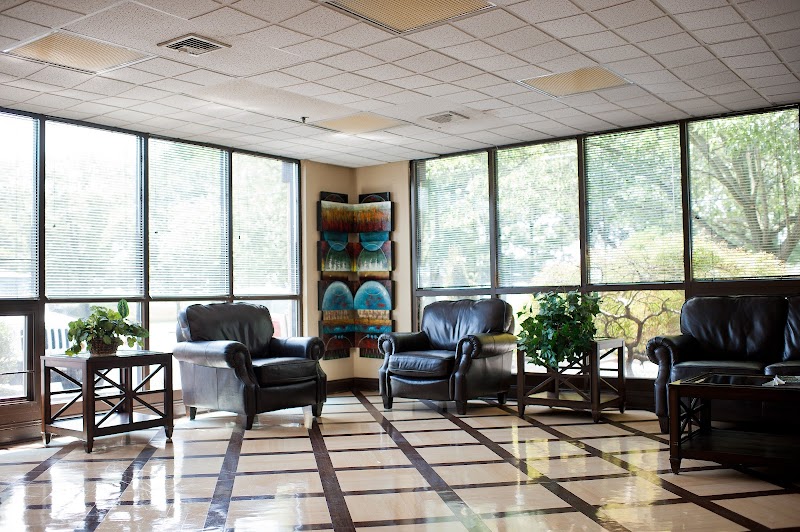
How is Autumn Lake Healthcare At Memorial Bridge Staffed?

CMS rates AUTUMN LAKE HEALTHCARE AT MEMORIAL BRIDGE's staffing level at 3 out of 5 stars, which is average compared to other nursing homes. Staff turnover is 47%, compared to the New Jersey average of 46%.

What Have Inspectors Found at Autumn Lake Healthcare At Memorial Bridge?

State health inspectors documented 26 deficiencies at AUTUMN LAKE HEALTHCARE AT MEMORIAL BRIDGE during 2022 to 2025. These included: 1 that caused actual resident harm, 24 with potential for harm, and 1 minor or isolated issues. Deficiencies causing actual harm indicate documented cases where residents experienced negative health consequences.
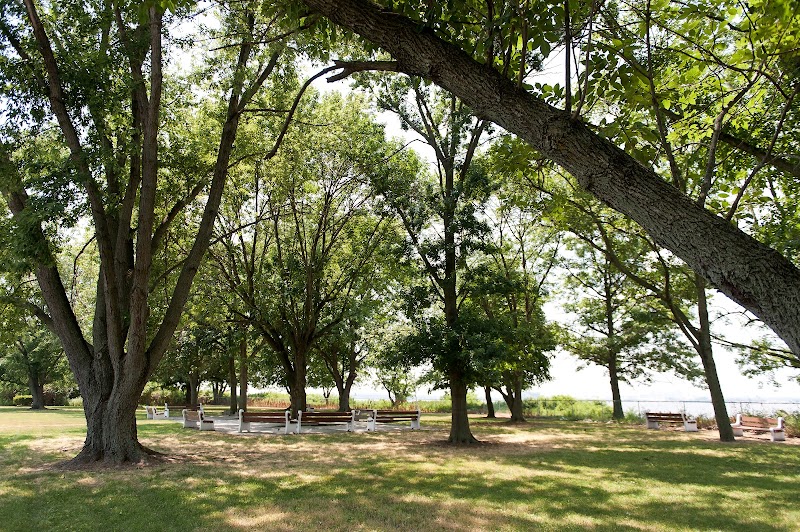
Who Owns and Operates Autumn Lake Healthcare At Memorial Bridge?

AUTUMN LAKE HEALTHCARE AT MEMORIAL BRIDGE is owned by a for-profit company. For-profit facilities operate as businesses with obligations to shareholders or private owners. The facility is operated by AUTUMN LAKE HEALTHCARE, a chain that manages multiple nursing homes. With 161 certified beds and approximately 150 residents (about 93% occupancy), it is a mid-sized facility located in PENNS GROVE, New Jersey.
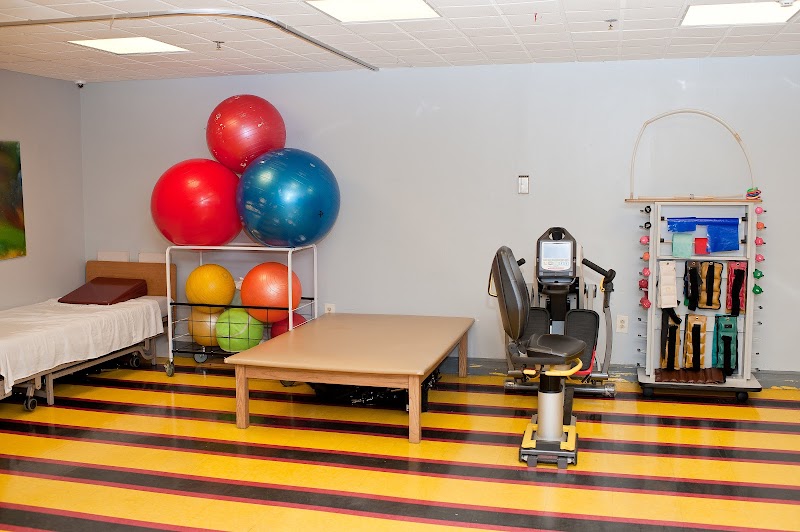
How Does Autumn Lake Healthcare At Memorial Bridge Compare to Other New Jersey Nursing Homes?

Compared to the 100 nursing homes in New Jersey, AUTUMN LAKE HEALTHCARE AT MEMORIAL BRIDGE's overall rating (2 stars) is below the state average of 3.2, staff turnover (47%) is near the state average of 46%, and health inspection rating (2 stars) is below the national benchmark.

What Should Families Ask When Visiting Autumn Lake Healthcare At Memorial Bridge?

Based on this facility's data, families visiting should ask: "Can I visit during a mealtime to observe dining assistance and food quality?" "How do you handle medical emergencies, and what is your hospital transfer rate?" "Can I speak with family members of current residents about their experience?"

Is Autumn Lake Healthcare At Memorial Bridge Safe?

Based on CMS inspection data, AUTUMN LAKE HEALTHCARE AT MEMORIAL BRIDGE has a clean safety record: no substantiated abuse findings (meaning no confirmed cases of resident harm), no Immediate Jeopardy citations (the most serious violation level indicating risk of serious injury or death), and is not on the Special Focus Facility watch list (a federal program monitoring the lowest-performing 1% of nursing homes). The facility has a 2-star overall rating and ranks #100 of 100 nursing homes in New Jersey. While no facility is perfect, families should still ask about staff-to-resident ratios and recent inspection results during their visit.

Do Nurses at Autumn Lake Healthcare At Memorial Bridge Stick Around?

AUTUMN LAKE HEALTHCARE AT MEMORIAL BRIDGE has a staff turnover rate of 47%, which is about average for New Jersey nursing homes (state average: 46%). Moderate turnover is common in nursing homes, but families should still ask about staff tenure and how the facility maintains care continuity when employees leave.

Was Autumn Lake Healthcare At Memorial Bridge Ever Fined?

AUTUMN LAKE HEALTHCARE AT MEMORIAL BRIDGE has no federal fines on record. CMS issues fines when nursing homes fail to meet care standards or don't correct problems found during inspections. The absence of fines suggests the facility has either maintained compliance or corrected any issues before penalties were assessed. This is a positive indicator, though families should still review recent inspection reports for the full picture.

Is Autumn Lake Healthcare At Memorial Bridge on Any Federal Watch List?

AUTUMN LAKE HEALTHCARE AT MEMORIAL BRIDGE is not on any federal watch list. The most significant is the Special Focus Facility (SFF) program, which identifies the bottom 1% of nursing homes nationally based on persistent, serious quality problems. Not being on this list means the facility has avoided the pattern of deficiencies that triggers enhanced federal oversight. This is a positive indicator, though families should still review the facility's inspection history directly.