RIVER FRONT REHABILITATION AND HEALTHCARE CENTER

5101 NORTH PARK DRIVE, PENNSAUKEN, NJ 08109 (856) 665-8844
For profit - Limited Liability company 180 Beds EXCELSIOR CARE GROUP Data: November 2025
Trust Grade
53/100
#223 of 344 in NJ
Last Inspection: August 2024

Within standard 12-15 month inspection cycle. Federal law requires annual inspections.

Overview

River Front Rehabilitation and Healthcare Center has a Trust Grade of C, which means it is average-neither great nor terrible. It ranks #223 out of 344 nursing homes in New Jersey, placing it in the bottom half of facilities in the state, and #11 out of 20 in Camden County, indicating that there are better local options available. The facility is improving, having reduced its issues from 13 in 2024 to just one in 2025. However, it has a concerning staffing rating of 2 out of 5 stars with a high turnover rate of 62%, which is significantly above the New Jersey average. Additionally, the home has received $20,000 in fines, indicating some compliance problems, and has less RN coverage than 90% of other facilities, which can affect the level of care residents receive. Specific incidents reported include instances of inadequate staffing, leading to long wait times for assistance, and failures to follow COVID-19 safety protocols during an outbreak, which could compromise resident safety. Overall, while there are some strengths, such as a high rating for quality measures, families should carefully consider the weaknesses when researching this facility.

Trust Score
C
53/100
In New Jersey
#223/344
Bottom 36%
Safety Record
Low Risk
No red flags
Inspections
Getting Better
13 → 1 violations
Staff Stability
⚠ Watch
62% turnover. Above average. Higher turnover means staff may not know residents' routines.
Penalties
✓ Good
$20,000 in fines. Lower than most New Jersey facilities. Relatively clean record.
Skilled Nurses
⚠ Watch
Each resident gets only 16 minutes of Registered Nurse (RN) attention daily — below average for New Jersey. Fewer RN minutes means fewer trained eyes watching for problems.
Violations
⚠ Watch
32 deficiencies on record. Higher than average. Multiple issues found across inspections.
★★★☆☆
3.0
Overall Rating
★★☆☆☆
2.0
Staff Levels
★★★★★
5.0
Care Quality
★★☆☆☆
2.0
Inspection Score
Stable
2024: 13 issues
2025: 1 issues

The Good

  • 5-Star Quality Measures · Strong clinical quality outcomes
  • Full Sprinkler Coverage · Fire safety systems throughout facility
  • No fines on record

Facility shows strength in quality measures, fire safety.

The Bad

3-Star Overall Rating

Near New Jersey average (3.3)

Meets federal standards, typical of most facilities

Staff Turnover: 62%

16pts above New Jersey avg (46%)

Frequent staff changes - ask about care continuity

Federal Fines: $20,000

Below median ($33,413)

Minor penalties assessed

Chain: EXCELSIOR CARE GROUP

Part of a multi-facility chain

Ask about local staffing decisions and management

Staff turnover is elevated (62%)

14 points above New Jersey average of 48%

The Ugly 32 deficiencies on record

Feb 2025 1 deficiency
CONCERN (E) 📢 Someone Reported This

A family member, employee, or ombudsman was alarmed enough to file a formal complaint

Potential for Harm - no one hurt, but risky conditions existed

Safe Environment (Tag F0584)

Could have caused harm · This affected multiple residents

**NOTE- TERMS IN BRACKETS HAVE BEEN EDITED TO PROTECT CONFIDENTIALITY** Complaint #: NJ180849 Based on observations, interviews, and review of other facility documentation on 2/10/2025, it was determi...

Read full inspector narrative →
**NOTE- TERMS IN BRACKETS HAVE BEEN EDITED TO PROTECT CONFIDENTIALITY** Complaint #: NJ180849 Based on observations, interviews, and review of other facility documentation on 2/10/2025, it was determined that the facility failed to maintain a clean and homelike environment for the residents. This deficient practice was identified for 2 of 3 units, (Pavilion 2 and Pavilion 3) and was evidenced by the following: During a tour of the 2nd floor unit (Pavilion 2) on 2/10/2025 at 10:08 AM, the surveyor observed the following: 1.) Inside resident room [ROOM NUMBER], a brown stain on the ceiling tile and a build-up of dust and unknown debris in the heater vent. 2.) Inside resident room [ROOM NUMBER], four small holes in the wall behind the television for Bed-B and chipped paint on the walls. 3.) Inside resident room [ROOM NUMBER], two holes in the wall next to the bathroom door, a build-up of unknown debris in the heater vent, and chipped paint on the heater. 4.) Inside resident room [ROOM NUMBER], two holes in the wall behind the television for Bed B, a build-up of unknown debris in the heater vent, a build-up of dirt around the heater knobs, and tape around the heater. 5.) Inside resident room [ROOM NUMBER], a build-up of unknown debris in the heater vent and chipped paint on the heater. During a tour of the 3rd floor unit (Pavilion 3) on 2/10/24 at 10:40 AM, the surveyor observed the following: 1.) Inside resident room [ROOM NUMBER], a build-up of unknown debris in the heater vent. 2.) Inside resident room [ROOM NUMBER], a build-up of unknown debris in the heater vent, chipped paint on the heater, the electrical outlet cover had rust on it, multiple circular rust spots on the bathroom floor, and a hole on the right side of the toilet behind the toilet seat. During an interview with the surveyor on 2/10/2025 at 1:37 PM, the Director of Maintenance (DM) stated that the maintenance staff was responsible for fixing stains on the ceiling tile, cleaning the heaters and the heater vents, painting, and repairing holes. The DM stated that environmental rounds were conducted weekly on a different floor by himself, the Housekeeping Director (HD), Nursing staff, and the Licensed Nursing Home Administrator (LNHA). He further stated that anything that needed repair would have been noticed during environmental rounds and put into the facility's work order system. The DM stated that he had not been made aware of the stain on the ceiling tile, holes in the walls, the build-up of dust and unknown debris in the heater vents, the chipped paint on the heater, and the hole on the toilet prior to the tour with the surveyor. The DM confirmed that the above findings did not create a homelike environment for the residents. On 2/10/2025 at 2:03 PM, the LNHA in the presence of the DM, the HD, and the surveyor acknowledged the above findings. On 2/10/2025 at 3:22 PM, the surveyor asked the LNHA for evidence that the environmental rounds were being conducted weekly. The LNHA stated that the only evidence that environmental rounds were conducted was the facility's work order sheets. During exit conference on 2/10/2025 at 4:08 PM, the facility was unable to provide the surveyor with evidence that the weekly environment rounds had been completed. A review of the facility's policy titled Maintenance Services and Work Orders last revised on 10/1/2024 revealed, 1. The Maintenance Department will operate the facility in compliance with current federal, state and local laws, regulations and guidelines that may include, maintaining: the building in good repair and free from hazards. 3.The Maintenance Department will provide and document routine and emergency maintenance services to all areas of the facility. NJAC 8:39-31.4 (a) (b)
Aug 2024 13 deficiencies
CONCERN (D)

Potential for Harm - no one hurt, but risky conditions existed

Resident Rights (Tag F0550)

Could have caused harm · This affected 1 resident

Based on observation and interview, and review of other facility documentation, it was determined that the facility failed to ensure the transport of a non-ambulatory resident was provided in a manner...

Read full inspector narrative →
Based on observation and interview, and review of other facility documentation, it was determined that the facility failed to ensure the transport of a non-ambulatory resident was provided in a manner to promote the dignity and respect of the resident. This deficient practice was identified for 1 of 32 residents reviewed for dignity, (Resident #27) and was evidenced by the following: A review of a facility policy titled Resident Rights, Created: 2/2024, revealed the following under Policy Explanation and Compliance Guidelines: 10. All residents will be treated equally regardless of age, race, ethnicity, religion, culture, language, physical or mental disability, socioeconomic status, sex, sexual orientation, or gender identity or expression. 11. The facility will ensure that all staff members are educated on the rights of residents and the responsibility of the facility to properly care for its residents. The following was revealed under the heading Resident rights: The resident has the right to a dignified existence, self-determination, and communication with and access to persons and services inside and outside the facility. On 08/05/2024 11:23 AM, during the initial tour of the facility, the surveyor observed Resident #27 seated in a Geri-chair. A female staff was observed to transport Resident #27 from the Pavilion 3 dining/activity room and past the nursing station by pulling the Geri-chair from behind and not pushing Resident #27 facing forward. The surveyor interviewed Licensed Practical Nurse (LPN #2). The surveyor asked LPN #2 how a non-ambulatory resident should be properly transported. LPN #2 responded by stating that she was sorry. A review of the Electroinic Medical Record on 08/06/2024 at 09:26 AM, revealed the following: A review of the admission Record revealed that Resident #27 was admitted to the facility with the following but not limited to diagnoses: Contracture (unspecified joint), vascular dementia, and major depressive disorder. A review of the comprehensive Minimum Data Set (MDS), an assessment tool, dated June 28, 2024, revealed Resident #27 had a Brief Interview for Mental Status score of 3/15, which indicated severe cognitive impairment. Section GG revealed that Resident #27 had impairment on side to both the lower and upper extremity. On 08/13/2024 at 02:20 PM, the surveyor conducted an interview with the facility administration which included the Director of Nursing DON), the Licensed Nursing Home Administrator (LNHA), and the [NAME] President of Clinical Services. When asked how to properly transport a non-ambulatory resident, the DON told the surveyors, The resident should be transported from behind so that the staff and resident are moving forward in the same direction to see where you are going and for dignity issues. NJAC 4.1(a)(12)
CONCERN (D) 📢 Someone Reported This

A family member, employee, or ombudsman was alarmed enough to file a formal complaint

Potential for Harm - no one hurt, but risky conditions existed

Safe Environment (Tag F0584)

Could have caused harm · This affected 1 resident

**NOTE- TERMS IN BRACKETS HAVE BEEN EDITED TO PROTECT CONFIDENTIALITY** 2. On 08/05/2024 at 10:35 AM Resident #101 was observed lying in bed on the initial tour of the facility. Tube feeding (TF) was ...

Read full inspector narrative →
**NOTE- TERMS IN BRACKETS HAVE BEEN EDITED TO PROTECT CONFIDENTIALITY** 2. On 08/05/2024 at 10:35 AM Resident #101 was observed lying in bed on the initial tour of the facility. Tube feeding (TF) was observed to be off at this time of observation. The surveyor observed what appeared to be tan/brown tube feed formula to be spilled on the floor and on the base of the IV pole. On 08/07/2024 at 08:26 AM Resident #101 was observed lying in bed with the head of the bed (HOB) slightly elevated. TF is not hung or infusing on this observation. The IV pole base remains covered with an unidentified tan colored substance on the base of the IV pole. On 08/08/2024 at 08:24 AM Resident #101was observed lying in bed with HOB elevated. Enteral pump is turned off and no tube feed is present. Base of IV pole and floor are stained/covered with an unidentified tan/brown substance that resembles an enteral feed, as seen on previous observations. On 08/12/2024 at 11:10 AM Resident #101was observed lying in bed and receiving intravenous fluids. No TF was hung at this time. IV pole base is covered with an unidentified tan/brown substance that is dried onto the base. Appears to be dried tube feed formula that spilled. On 08/13/2024 at 08:35 AM Resident #101 was observed lying in bed with HOB elevated. Tube feeding of Jevity 1.5 (an enteral formula to provide nutrition to residents that are unable to eat by mouth). IV pole base is covered with what appears to be dried enteral feeding. The surveyor conducted an interview with the Housekeeping Assistant assigned to Resident #101's room. When asked who was responsible for cleaning of IV poles the house keeping assistant (HKA #2) stated that housekeeping staff were responsible for the maintenance/cleaning of IV poles in the facility. HKA #2 agreed that the IV pole needed cleaning and agreed that enteral formula had been spilled on the IV pole base. On 08/13/2024 at 09:45 AM the surveyors conducted an interview with the facility Director of Environmental Services and Laundry (DEVS). When asked who was responsible for the cleaning of IV poles the DEVS responded, We are responsible to clean the IV poles. They are scheduled once a week to be cleaned but they can be cleaned daily if need be. On 08/13/2024 at 02:26 PM during an interview with facility administration the DON and LNHA confirmed housekeeping/environmental services was responsible for cleaning IV poles as well as the person making the spill. NJAC 8:39-31.4(a) C/O # NJ 156940 Based on observation, interview, and review of other facility documentation, it was determined that the facility failed to maintain the facility in a clean and sanitary environment. This deficient practice was identified for 2 of 3 units, (Pavilion 2 and Pavilion 3) and was evidenced by the following: 1. On 08/13/2024 at 10:40 AM, a review of a facility policy titled Complete Room Cleaning dated 06/2024, revealed under the purpose section; The complete room cleaning schedule insures {sic} (ensures)that each resident room is discharge-cleaned on a monthly basis. Under the Patient Room section 3. Starting in a clockwise rotation from patient room door; clean polish, scrub, scrape, dust, disinfect, sweep, wipe and mop everything in the room including: . Check all the corners, ceiling and floors, Remove buildup on floor, dust mop and damp mop entire room. Under the Bathrooms section: . Toilet: scrub and disinfect toilet bowl. Use cleanser on interior of bowl only. Remove all stains and buildup. Remove all buildup from the floor around the bowl, door frame, corners and edges. Dust mop the entire floor. Make sure vent in the bathroom is cleaned. Damp mop the entire floor. During the initial tour of the facility on the 2nd floor on 08/05/2024, the surveyor observed the following: + at 11:11 AM, in room [ROOM NUMBER] floor the surveyor feet stuck to floor. + at 11:14 AM room [ROOM NUMBER] had debris on floor. During a subsequent tour of the 2nd floor on 08/07/2024 at 12:12 PM, the surveyor observed the following: + room [ROOM NUMBER] floor with debris, hair knot by wheel at bottom of the bed, floor near door where the jam meets floor with dark spots, + room [ROOM NUMBER] dark marks on floor where the door jam and floor meet. + surveyor shoes stuck to the floors in rooms [ROOM NUMBERS]. + room [ROOM NUMBER] dark marks floor and where the door jam and floor meet. + hair knot observed on the floor outside room [ROOM NUMBER] in hallway. On 08/07/2024 at 12:23 PM, the hallway 2nd floor high hall was observed with various colored debris marks on the floor between rooms [ROOM NUMBERS]. + room [ROOM NUMBER] corner of wall upon entering on left missing baseboard, cracked paint. + corners where door jams meet floor rooms 222, 223, 221, 220 219, 218, 217, 216, all have debris and dark marks. + floor room [ROOM NUMBER] upon entering with dark marks and w/c wheel trails. + medication cart high hall 2nd floor wheels with hair wrapped around wheels. + room [ROOM NUMBER] in the bathroom, floor where the baseboard and floor meet have dark stains, on left side of toilet when looking at it, on the floor is discolored and stains along base of toilet and inside toilet bowl. During an interview with the surveyor on 08/07/2024 at 12:24 PM, a family member said they are supposed to clean the rooms every day. They only mop the floors, don't sweep before mopping. Look at the stuff on the floors. The family member said they only mop floor in bathroom, they don't clean toilet. On 08/12/2024 at 12:00 PM, medication cart high hall 2nd floor wheel stills have hair wrapped on wheels. On 08/12/2024 at 09:06 AM, observed laminate board on door to room [ROOM NUMBER] peeling off. During an interview with the surveyor on 08/13/2024 at 09:44 AM, the Director Environmental Services and Laundry (DEVS) was asked what the process was for cleaning resident rooms. The DEVS responded first they knock on door, empty trash, sweep rooms (dry sweep) with dustpan and broom, wipe on top and bottoms of all surface areas, also clean top of lights. Then they go to the bathroom, clean toilet, sink and mirrors, check make sure toilet paper and paper towels are inside the holder not on back of toilet. They finish with wet mop rooms and bathroom. The DEVS also said they check privacy curtains to make sure they are clean of spills or stains. When asked how often this is done, he said this is done daily. The DEVS said I usually have 2 housekeepers on each floor and 1 porter on day shift. On evening we have 2 floor techs, and they are responsible for day rooms and scrub the hallways, and empty soiled linen and trash. The surveyor asked what about the corners of the room. The DEVS replied that is also part of the daily cleaning. When asked who is responsible to clean the hallways, the DEVS said the evening floor techs. The housekeeper or floor tech are responsible to clean marks off the floors. The DEVS went on to say that hallways are cleaned daily, and twice weekly halls are scheduled to be scrubbed. The surveyor questioned what scrubbed means and he said we run the floor machine is what scrubbing means. The surveyor asked how often room carbs (carbolization which is the process of deep cleaning a room) done. The DEVS replied 1 room on each floor daily including weekends. This includes pulling all dressers, beds away from the wall, cleaning behind everything, top of lights, wipe call bell and phone lines are cleaned, wiping remotes (done daily as well) dust TV, picture frames, bed frames, mattresses, window frames and windowsills and windows. The surveyor asked who is responsible to clean the medication carts. The DEVS responded Housekeeping is responsible to clean the medication carts. We have a spare, we clean that one, nursing then switches cart and then we take the dirty cart and clean it. Yes, that includes wheels and drawers, scrape anything left in there and when it is clean we leave for nursing to switch back. That is done monthly. During an interview with the surveyor on 08/13/2024 at 01:15 PM, the Housekeeping Assistant (HKA #1) said rooms are clean daily. The process is to sweep floor, mop floor, clean toilet, clean sink, dust top of dressers, lights, wipe bed down including mattress every day. When questioned about carbolizations, how often is this done. The Housekeeper replied do one room a day so done monthly.
CONCERN (D)

Potential for Harm - no one hurt, but risky conditions existed

Comprehensive Care Plan (Tag F0656)

Could have caused harm · This affected 1 resident

Based on observation, interview, record review, and review of other facility documentation, it was determined the facility failed to develop and implement a comprehensive person-centered care plan tha...

Read full inspector narrative →
Based on observation, interview, record review, and review of other facility documentation, it was determined the facility failed to develop and implement a comprehensive person-centered care plan that included measurable objectives, timelines, and interventions to meet resident's medical and nursing needs for 1 out of 4 residents investigated for Respiratory Care. A review of a facility policy reviewed on 08/08/2024 at 11:05 AM, titled, Care Plan, dated June 2024, revealed the following statement, It is the policy of [facility name] that all residents admitted to the facility will have adequate person-centered care plans that provide for all their needs in a timely manner. Under Procedures, #1. Baseline Care Plans for all new admissions will be initiated within 48 hours of admission. Under #2. They will include initial goals, MD orders, medications, treatments, dietary orders, therapy orders, social service and PASARR recommendations. The deficient practice was evidenced by the following: On 08/05/2024 at 10:13 AM, the surveyor observed Resident #372 in his/her room, lying in bed with a tracheostomy, (an opening surgically created through the neck into the trachea (windpipe) to allow air to fill the lungs) with 5 liters of continuous oxygen inhalation therapy infusing. A review of Resident #372's Electronic Medical Record on 08/06/2024 at 09:31 AM, revealed the following: A review of Resident #372's admission Record revealed that he/she had a diagnosis of Multiple Sclerosis, Paraplegia, Tracheostomy, and Chronic Respiratory Failure with Hypoxia. A review of the resident physician orders revealed orders for the care and treatment of the tracheostomy. A review of Resident #372's most recent comprehensive Minimum Data Set (MDS), an assessment tool to facilitate resident care dated 07/18/2024, under Section O-Special Treatments, Procedures, and Programs, indicated that Resident #372 required Oxygen therapy, Suctioning, and Tracheostomy Care. A review of Resident # 372's care plan did not include the required care and maintenance for the resident's tracheostomy. During an interview with the surveyor on 08/07/2024 at 09:10 AM, Registered Nurse/Unit Manager (RN/UM #1), stated that there was no care plan for the respiratory care for Resident #372. RN/UM #1 added that it was ultimately her responsibility to assure that a care plan was in place. 8:39-11.2 (e)
CONCERN (D)

Potential for Harm - no one hurt, but risky conditions existed

Deficiency F0658 (Tag F0658)

Could have caused harm · This affected 1 resident

2. On 8/13/24 at 8:47 AM, the surveyor reviewed the medical record for Resident #137, a hospitalized resident. A review of the admission Record reflected the resident was admitted to the facility wit...

Read full inspector narrative →
2. On 8/13/24 at 8:47 AM, the surveyor reviewed the medical record for Resident #137, a hospitalized resident. A review of the admission Record reflected the resident was admitted to the facility with diagnoses which included injury of the cervical (neck) spinal cord, muscle weakness and difficulty walking. A review of the Progress Notes (PN), Health Status Note, dated 8/3/24 at 8:14 PM, the resident was observed with SOB (shortness of breath) and skin pale in color. The NP (Nurse Practitioner) was contacted and ordered resident to be sent out [to the hospital] via 911. A review of the Medication Review Report for August 2024 did not reveal a physician's order for the resident to be sent to the hospital on 8/3/24. On 8/14/24 at 8:42 AM, the surveyor interviewed the DON who stated there should be a physician's order for a resident to be transferred to the hospital. The DON acknowledged there was no order for Resident #137 to be transferred to the hospital in the resident's medical record. NJAC 8:39-11.2(b); 27.1(a) Based on interview, review of the Electronic Medical Record (EMR), and review of other facility documentation, it was determined that the facility failed to ensure a resident had a Physician Order (PO) for transfer to the hospital. This deficient practice was identified for 2 of 2 residents reviewed for hospitalizations (Resident # 126 and Resident # 137) and was evidenced by the following: On 08/14/2024 at 9:52 AM, a review of the facility's Transfer or Discharge, Emergency policy dated revised June 2024, included, Should it become necessary to make an emergency transfer or discharge to a hospital . Notify the resident's attending physician; place order for transfer per attending physician/NP (nurse practitioner)/PA .(physician assistant) On 08/06/2024 at 11:42 AM, a review of the Electronic Medical Record (EMR) revealed the following: 1. A review of the admission record revealed Resident #126 was admitted to the facility with diagnoses including but not limited to: Conversion Disorder with Seizures or Convulsions. A review of a facility progress note (PN) dated 11/5/2023 revealed Resident #126 was observed sitting in the chair with both eyes rolled up and unresponsive. 911 was called and Resident #126 left with Emergency Medical Services to the local hospital. A further review of the EMR did not include a physician order to transfer Resident #126 to the hospital. During an interview with the surveyor on 08/14/2024 at 09:10 AM, the Director Of Nursing (DON) said there was no order to transfer Resident #126 to the hospital. The surveyor asked should there have been an order and she replied, Yes.
CONCERN (D)

Potential for Harm - no one hurt, but risky conditions existed

Tube Feeding (Tag F0693)

Could have caused harm · This affected 1 resident

Based on observation, interview, review of the medical record and other facility documentation, it was determined that the facility failed to follow physician orders specifically to change the piston ...

Read full inspector narrative →
Based on observation, interview, review of the medical record and other facility documentation, it was determined that the facility failed to follow physician orders specifically to change the piston set (a device intended for medical purposes that consists of a calibrated hollow barrel and a movable plunger) every 24 hours for 1 of 3 residents reviewed for Tube Feeding, (Resident #54). This deficient practice was evidenced by the following: On 08/12/2024 at 12:10 PM, a review of a facility policy titled Enteral Tubes with a last revised date of 06/3/2024, revealed under the Procedure section: 16. Rinse Thoroughly with tap water and place in a labeled dry plastic bag to remain at bedside. *Change syringe and bag every 24 hours. During the initial tour of Pavilion 2 on 08/05/2024 at 10:58 AM, Resident # 54's piston set was observed on the bed side table. The bottled had the residents name and was dated 8/3/24. A review of the Electronic Medical Record on 08/06/2024 at 09:29 AM, revealed the following: Resident #54 was admitted with diagnoses including but not limited to: Multiple Sclerosis, Gastrostomy (G Tube), Dysphagia (difficulty swallowing). A review of the most recent Quarterly Minimum Data Set, an assessment tool, dated 05/24/2024, revealed under section K Resident #54 had a swallowing disorder and had a feeding tube under Nutritional Approaches. A review of the Physician Order Summary included a physician order with a start date of 02/23/2022 to change piston set every shift (Name and date bottle/package) every night shift. A review of the Medication Administration Record for August 2024 revealed the aforementioned order. Under the dates 08/04 and 08/05 signatures that the order was completed were observed. During an interview with the surveyor on 08/12/2024 at 09:23 AM, the Registered Nurse/Unit Manager (RN/UM #1) was asked what was the facility process for the use of piston sets. RN/UM #1 replied they are changed daily in the evening, usually 11-7 shift which is night. They are used to flush water and give hydration through the G tube. It is important to change every 24 hours for infection control. The surveyor asked what was meant by infection control and she said you could be entering bacteria directly into blood stream of the resident. It is also used to check residual as well. The surveyor also asked where this would be documented, and she responded on the TAR (Treatment Administration Record). RN/UM #1 went on to say if there are initials on the TAR it means it was changed and completed. They are signing for that. On 08/12/2024 at 09:32 AM, the surveyor reviewed the evidence of the irrigation set dated 8/3/24 with RN/UM #1 and confirmed that on 08/05 it had not been changed for 2 days even though it was signed out as having been done. During an interview with the surveyor on 08/12/2024 at 11:05 AM, the Director of Nursing (DON) was asked what was the process for the use of piston sets. The DON replied, to provide fluids or nutrition to the patient. They are supposed to be changed every 24 hours. It is an infection control issue. The surveyor questioned what was meant by infection control issue. The DON responded Make sure that anything going right into their (residents) body is safe and not introduce foreign bacteria into GI (gastrointestinal) system. When asked where this would be documented, the DON replied, It should be on the TAR. On 08/12/2024 at 11:09 AM, the surveyor reviewed the evidence with the DON who confirmed it (the piston set) should have been changed. NJAC 8:39-27.1(a)
CONCERN (D)

Potential for Harm - no one hurt, but risky conditions existed

Respiratory Care (Tag F0695)

Could have caused harm · This affected 1 resident

Based on observation, interview, review of the Electronic Medical Record (EMR) and review of other facility documentation, it was determined that the facility failed to ensure a resident who used Oxyg...

Read full inspector narrative →
Based on observation, interview, review of the Electronic Medical Record (EMR) and review of other facility documentation, it was determined that the facility failed to ensure a resident who used Oxygen therapy at night, had a Physician Order. This deficient practice was identified for 1 of 4 residents reviewed for Respiratory Care (Resident #117) and was evidenced by the following: During the initial tour of the facility on 08/05/2024 at 10:29 AM, the surveyor observed oxygen tubing next to the resident in bed. The tubing was not dated. Resident #117 said he/she uses it at night. There was no observed oxygen sign outside the room. On 08/08/2024 at 01:10 PM, a review of a facility policy titled Oxygen Administration with a revised date of January 2024, revealed under the Policy section: Oxygen administration will be carried out only with a physician order. A review of the EMR on 08/05/2024 at 12:00 PM, revealed the following: According to the admission Record Resident #117 was admitted to the facility with diagnoses including but not limited to: Hypertensive heart Disease. A review of the most recent quarterly Minimum Data Set (MDS), an assessment tool used to facilitate resident care, dated 08/03/2024, revealed Resident #117 had a Brief Interview for Mental Status score of 13/15, indicating Resident #117 was cognitively intact. The MDS indicated under section O that Resident #117 used oxygen upon admission and while a resident. A review of the Wts. (weights)/Vitals tab in the EMR included documentation of Pulse Ox (noninvasive test that measures the oxygen saturation level in the blood) under the Method section Oxygen via Nasal Cannula. A review of the Order Summary Report with Active Orders as of 08/13/2024, did not include a physician order for Resident #117 to use oxygen at bedtime. A review of the comprehensive Care Plan revealed a Focus area of [ resident name] has potential for altered respiratory status/difficulty breathing r/t (related to) COPD, respiratory/cold symptoms Created on: 08/14/2023. Interventions included but were not limited to: OXYGEN SETTINGS: O2 via nasal cannula @ 2L/min (liters per minute) at bedtime Created on: 05/08/2024 During an interview with the surveyor on 08/12/2024 at 11:31 AM, Licensed Practical Nurse (LPN #1) was asked what was the facility policy regarding oxygen use. LPN #1 responded, We need a physician order for oxygen. We look at records to make sure liters and definitely get an order. During an interview with the surveyor on 08/13/2024 at 11:31 AM, Registered Nurse/Unit Manager (RN/UM #1) was asked what was the facility policy regarding oxygen use. RN/UM #1 responded, It depends on the medical condition determined by the physician and the physician orders. The surveyor asked RN/UM #1 if oxygen use required a physician order. RN/UM #1 said, If in emergency no. If standard use continuously, there would be a sign on the door and a physician order for the oxygen. On 08/13/2024 at 11:36 AM, RN/UM #1 told the surveyor, I was told in the past he/she has used oxygen before. The surveyor asked RN/UM #1 to look at the resident's orders. RN/UM #1 then told the surveyor, No, I do not see a physician order for oxygen. The surveyor also reviewed with RN/UM #1 that Resident #117 told the surveyor he/she wore oxygen every night. The surveyor also reviewed with the RN/UM #1 that the nurses are documenting pulse ox's on oxygen. RN/UM #1 looked at the EMR and saw the documentation for the pulse ox's on nasal cannula and said, I see that. During an interview with the surveyor on 08/13/2024 02:40 PM, the facility Director of Nursing (DON) was asked what the facility policy was regarding oxygen use. The DON said they have to have an order from MD (physician) with amount of oxygen needed, whether prn (as needed) or continuous, how given either nasal cannula or via mask, and a care plan. NJAC 8:39-27.1(a)
CONCERN (D)

Potential for Harm - no one hurt, but risky conditions existed

Deficiency F0698 (Tag F0698)

Could have caused harm · This affected 1 resident

**NOTE- TERMS IN BRACKETS HAVE BEEN EDITED TO PROTECT CONFIDENTIALITY** Based on observation, interview, review of medical records and other facility documentation, it was determined that the facility...

Read full inspector narrative →
**NOTE- TERMS IN BRACKETS HAVE BEEN EDITED TO PROTECT CONFIDENTIALITY** Based on observation, interview, review of medical records and other facility documentation, it was determined that the facility failed to complete the dialysis communication book for a resident on dialysis (Resident #94). This deficient practice was identified for 1 of 1 residents reviewed for dialysis. The evidence was as follows: On 8/16/2024 at 12:00 PM the surveyor reviewed the facility's Dialysis Management (Hemodialysis) policy with a revised date of 6/2024 included . If Dialysis is provided at off-site Dialysis Center .Assure facility completed Dialysis communication form accompanies resident to dialysis on treatment days, to communicate resident information and coordinate care between Dialysis center and facility .Dialysis center personnel to complete Dialysis communication form and return and return to the facility . Upon return from Dialysis Center, review information provided on Dialysis communication form . On 8/7/24 at 11:18 AM the surveyor observed the Resident #94 in a wheelchair in their room. The resident stated they went to dialysis on Tuesday, Thursday and Saturday and further stated he/she would bring a communication binder back and forth from the dialysis center that contained his/her records. The surveyor reviewed the medical record for Resident #94 on 08/06/2024 at 11:43 AM. A review of the admission Record reflected that the resident was admitted to the facility with diagnoses that included chronic kidney disease; dependence on renal dialysis; and type II diabetes mellitus. A review of the Order Summary Report included a physician's order (PO) dated 5/13/24, for hemodialysis every Tuesday, Thursday, and Saturday; 10:45 AM- 2:30 PM return time, wheelchair transport. A review of the most recent comprehensive Minimum Data Set (MDS) dated [DATE], reflected the resident had a brief interview for mental status score of 15 out of 15, which indicated a fully intact cognition. A further review of the MDS indicated the resident had received dialysis treatments while in the facility. On 8/12/2024 at 11:07 AM, the surveyor interviewed the residents Licensed Practical Nurse (LPN #1) who stated Resident #94 received dialysis on Tuesday, Thursday, and Saturday, and that the facility communicated with the dialysis center using a communication book the resident would transport with them. LPN #1 further explained the facility nurse would fill out the top portion with the resident's vital signs and the dialysis center fills out the bottom portion. A review of Resident # 94's dialysis communication book which included forms dated 8/1/24, 8/3/24, 8/6/24, 8/8/24, and 8/10/24 and observed the following: On 8/1/24 the dialysis center did not complete their portion of the Nurse Communication Record. On 8/3/24 the facility did not complete their portion of the Nurse Communication Record. , On 8/12/2024 at 11:26 AM the surveyor interviewed the resident's Registered Nurse Unit Manager (RN/UM #1) who stated that in July 2024 the resident returned back from dialysis without their communication book from dialysis, so a new communication book/binder was created beginning August 2024. At that time the surveyor and the RN/UM #1 reviewed the resident's dialysis communication book and she confirmed two of the five forms provided were not completed in their entirety. RN/UM #1 stated the sending nurse was responsible to complete the top portion of the form and the dialysis nurse would complete the bottom portion of the form. RN/UM #1 further stated the nurse who received the resident after dialysis was responsible for reviewing the form and should call the dialysis center if the form was not completed. On 8/13/2024 at 2:22 PM, the survey team met with the facility administration. The Director of Nursing (DON) stated the nurses were responsible to ensure the dialysis communication form was completed in its entirety and sent with the resident to dialysis. Then upon the return to the facility from dialysis the nurse should review the form for any treatments provided or recommendations. If the form was not completed from the dialysis center, then the nurse should have reached out to the dialysis center to have the form completed. NJAC 8:39-27.1(a)
CONCERN (D)

Potential for Harm - no one hurt, but risky conditions existed

Pharmacy Services (Tag F0755)

Could have caused harm · This affected 1 resident

Cross Reference F867 Based on observation, interview, record review and review of other facility documentation, it was determined that the facility failed to ensure: a) a discontinued and expired medi...

Read full inspector narrative →
Cross Reference F867 Based on observation, interview, record review and review of other facility documentation, it was determined that the facility failed to ensure: a) a discontinued and expired medication (pantoprazole, used to treat gastroesophogeal reflux disease /GERD, a condition in which stomach acid repeatedly flows back up into the tube connecting the mouth and stomach) was removed from active inventory b) maintain an accurate accountability for controlled substances within the medication administration cart c) a controlled medication that was expired was removed from an automated medication dispensing system. This deficient practice was identified for 1 of 3 medication carts, and 1 of 1 automated medication dispensing system reviewed during the medication storage task. A review of the facility policy, Medication Administration (Reviewed 06/24) revealed the following: .Check the expiration date on medication label. A review of an undated facility policy, 6.0 Inventory Control of Drugs revealed the following: Controlled drugs are inventoried and documented under proper conditions with regard to security and state/federal regulations. .Schedule II medications are counted by the oncoming nurse and the outgoing nurse at least once (1) a day or at the change of each shift and documented on a Controlled Drug Count Verification (Shift Count Sheet for Narcotics). A review of the facility policy, 4.0 Schedule II Controlled Substance Medication (Revised 10/01/18) revealed the following: .An inventory count of all CDS (controlled dangerous substances) medications stored on each nursing unit shall be performed at each change of shift by both the incoming and outgoing nurse. Both nurses are responsible for the count and must sign the inventory count form. This deficient practice was evidenced by the following: 1. On 08/07/2024 at 11:23 AM, during a medication cart inspection of the Short Hall Medication Cart on the Pavilion Two Unit in the presence of Licensed Practical Nurse (LPN #1), the surveyor noted a bingo card (unit dose medication blister packaged onto a multiple-dose card) that contained pantoprazole 40 milligrams (mg) that was ordered for Resident #8 had expired on 08/01/24. When interviewed at that time, LPN #1 stated that the resident received the medication this morning. LPN #1 further stated that he had not seen the expiration date. On 08/07/2024 at 11:56 AM, the surveyor interviewed the Registered Nurse/Unit Manager (RN/UM #1) who stated that staff should check medications before the medication pass to make sure that they were not expired. On 08/08/2024 at 12:48 PM, the surveyor conducted a telephone interview with the Consultant Pharmacist (CP) who stated that nursing should look at the expiration date on the medication prior to administration. The CP stated that she expected nursing to look through their carts each time that they handled medications. The CP stated that as a CP, part of her role was to check the bingo cards during cart inspection. On 08/08/2024 at 1:33 PM, the surveyor interviewed the Director of Nursing (DON) who stated that the expiration date should have been on the back of the blister pack and the nurse should have looked at the expiration date prior to administration. The surveyor reviewed the unsampled resident's electronic health record and noted an order for pantoprazole 40 mg give 1 (one) tablet orally one time a day for GERD was ordered on 05/24/22 and was discontinued on 03/03/24. The discontinued medication remained within the resident's active inventory of medications through 08/07/24, until surveyor inquiry. 2. On 08/07/2024 at 11:34 AM, the surveyor reviewed the Narcotic (a controlled substance used to dull the senses and relieve pain) Book in the presence of LPN #1 for the Pavilion Two Unit Short Hall Medication Cart. The surveyor reviewed the Narcotic Count Record for August 2024 and noted that LPN #1, who was scheduled to work the 7 AM to 3 PM shift, had already signed his name in the space provided for the Offgoing Nurse Signature for the 3 PM to 11 PM shift. When the surveyor asked why he signed the Narcotic Count Record prior to performing a narcotic count of all controlled medications within the medication cart with the Oncoming Nurse he stated, So I do not forget. On 08/07/2024 at 11:56 AM, the surveyor interviewed RN/UM #1 of Pavilion Two who stated that the purpose of the narcotic count was for the incoming and outgoing nurses to document that they were in agreement that the count was correct. The RN/UM #1 stated that it was not acceptable to sign out for the outgoing shift before the count was completed. LPN #1 was present at that time, and stated that he was mistaken. On 08/08/2024 at 12:48 PM, the surveyor conducted a telephone interview with the Consultant Pharmacist (CP) who stated that the 7 AM to 3 PM nurse absolutely should not have signed out as the outgoing nurse on the 3 PM to 11 PM shift because they did not count with the incoming nurse. The CP stated that the whole idea was to make sure that the narcotic count was okay. The CP stated, It is not okay to pre-sign. On 08/08/2024 at 1:33 PM, the surveyor interviewed the DON who stated that the process for the narcotic count was to sign to verify what you see at that point, because things change. The DON stated that both the incoming and outgoing nurses should count what they have in the medication cart together and then sign afterward. The DON further stated, We should never pre-sign for anything. 3. On 08/07/2024 at 12:13 PM, the surveyor observed the DON and RN/UM #1 as they performed a cycle count of back up controlled medications stored within the automated medication dispensing system. The DON stated that the Registered Nurse Supervisor and the Infection Preventionist (IP) performed a cycle count daily. During the inventory count, the DON stated that eight of eight Fentanyl (an opioid pain reliever) 50 microgram/hour (mcg/hr) patches, expired on 07/20/24. The DON stated that the expired medication should have been identified during the daily cycle count. The DON stated the pharmacy also should have known the medication was expired. The DON stated that the efficacy (ability to produce a desired or intended result) would be compromised if the medication were administered. The DON further stated that the expired Fentanyl patches should have been removed from the automated dispensing system on 07/01/24, as the facility went by the first day of the month. On 08/08/2024 at 12:48 PM, the surveyor interviewed the Consultant Pharmacist (CP) who stated that there should not have been expired Fentanyl patches in the automated medications dispensing system. The CP stated that the staff should have checked the expiration dates when they did the counts. The CP stated that the potency of the Fentanyl patches would have been affected if it were expired and the resident may have received less medication if the patch were administered. The CP stated, There is no excuse for expired medications, they should be checking those things. NJAC 8:39-29.4(g); 29.7 (c); 29.1(e)
CONCERN (D)

Potential for Harm - no one hurt, but risky conditions existed

QAPI Program (Tag F0867)

Could have caused harm · This affected 1 resident

Cross Reference F755 Based on observation, interview, and review of pertinent facility records, it was determined that the facility Quality Assessment and Performance Improvement (QAPI) committee fail...

Read full inspector narrative →
Cross Reference F755 Based on observation, interview, and review of pertinent facility records, it was determined that the facility Quality Assessment and Performance Improvement (QAPI) committee failed to utilize the Facility Performance Improvement Plan (PIP) to follow the facility process to measure and utilize data for checking medication carts three times weekly for expired medications. This deficient practice was evidenced by the following: On 08/13/2024 at 09:51 AM, the surveyor reviewed the facility policy titled Quality Assurance Performance Improvement, Date Reviewed/Revised: 9/14/23. The following was revealed under Purpose: Our Quality Assurance and Performance Improvement Program (QAPI) represent our facility's commitment to continuous quality improvement. The program ensures a systematic performance evaluation, problem analysis, and implementation of improvement strategies to achieve our performance goals. The following was revealed at II. Guidelines for Governance and Leadership: a. Nursing and Facility Administration are responsible and accountable for developing, leading, and closely monitoring a QAPI program. Under an additional Policy heading on page 3 of 7 of the QAPI policy the following was revealed: 5. The QAPI Team oversight responsibilities shall include, but are not limited to the following: Utilize facility data to identify opportunities to improve systems and care. Data may include, but is not limited to; grievance logs, medical record review, skilled care claims, fall log, pressure ulcer log, treatment logs, staffing trends, incident and accident reports, quality measures, survey outcomes, etc. 1. On 08/13/2024 at 10:50 AM, the surveyors, while reviewing the facilities QAPI policy and procedure and QAPI plan asked the facility administration to provide the surveyors with 3 current QAPI's that the facility was addressing. After receiving the binder, the surveyors observed that in February of 2024 the facility identified via pharmacy reports that expired medications were a major concern. Root cause analysis identified 1.) expired medications on carts and medication rooms were found during inspection by the consultant pharmacist (CP). 2. Nurses were not checking medication carts for expired medications. Goals & Objectives were defined as: 1.) To have all expired meds out of medication carts and stock rooms. 2. Educate all Licensed Practical Nurses about checking carts for expired medications. Responsible team members were identified as DON (Director of Nursing), ADON (Assistant Director of Nursing), and LPN (Licensed Practical Nurse). Estimated and Completion date were ongoing. Education was identified as being on going. The Comments section of the February 2024 QAPI Action Plan noted that Education will be ongoing and that medication carts will be checked periodically for expired medications three (3) times per week. A copy of the April 2024 QAPI plan revealed that Pharmacy reports have expired medications as a major concern. Root Cause Analysis revealed the following: 1.) Expired medications on carts, medication rooms were found during inspection. and 2.) Charge nurses are not checking carts for expired medications. In the Action Items section, the QAPI plan revealed 1. LPN staff will be educated on dating and disposing of medications. and 2. All carts will be checked periodically for expired medications. Start date was listed as 2/2024 and responsible team members were DON, ADON, LPN. Estimated and Actual Completion Date were identified as ongoing. The following was documented in the Comments section of the plan: Education will be ongoing. Labeling is still a concern with compliance at 77% which is up from March Also in the Comments section, it was stated that Checks will be done regularly. 4/24 - Currently all expired medications are out of med rooms and carts. The surveyors did not observe any data collection forms in the facility QAPI binder associated with the data collection for the expired medication QAPI plan for February or April of 2024. At this point the surveyors requested from the facility DON and/or Licensed Nursing Home Administrator copies of data collection for the QAPI plan for expired medication cart medications that was revealed via consultant pharmacist reports. On 08/13/2024 at 01:09 PM, during an interview with the facility DON and ADON, the DON told the surveyors that they do not have any data collected for the expired medication QAPI plan for February or April of 2024 and that they cannot provide the surveyor with any data from the 2/2024 QAPI Action Plan related to pharmacy reports that have expired meds as a major concern. The DON further told the surveyor that the reason they did not have any audits is because the QAPI plan did not work, and they are coming up with a new one. On 08/13/2024 at 02:32 PM, the facility told the surveyor when asked where the facility obtained a rate of 77% compliance on the April 2024 QAPI plan the DON told the surveyor that It's possible that the data reported came from the monthly CP visit. NJAC 8:39-33.1(c) 33.2(a)(b)(d)
CONCERN (D)

Potential for Harm - no one hurt, but risky conditions existed

Infection Control (Tag F0880)

Could have caused harm · This affected 1 resident

Based on observation, interviews, and review of pertinent facility documentation, it was determined that the facility failed to a.)properly store and maintain both sterile and non-sterile medical supp...

Read full inspector narrative →
Based on observation, interviews, and review of pertinent facility documentation, it was determined that the facility failed to a.)properly store and maintain both sterile and non-sterile medical supplies in a safe and sanitary manner and b.) ensure that laundry staff used the appropriate personal protective equipment while handling items that were likely contaminated with infectious bodily fluids. This deficient practice was identified for 2 of 2 medication storage rooms reviewed for the medication storage task and 1 of 1 laundry staff and was evidenced by the following: On 08/07/2024 at 9:41 AM, during the inspection of the Pavilion Three Medication Storage Room, in the presence of Licensed Practical Nurse Unit Manager (LPN/UM #1) the surveyor observed: three enema kits, two packages of heel booties, and a box of wound treatment supplies which included: a half filled box of fifty count 4 x 4 gauze pads, a fifteen count box of border gauze dressings, two rolls of gauze, and a roll of paper tape that were stored beneath the handwashing sink. LPN/UM #1 stated that Central Supply stocked the supply room and placed the items under the sink. LPN/UM #1 stated that she never checked under the sink and did not know that the supplies were there. LPN/UM #1 further stated that the issue with the items being stored under the sink was contamination. On 08/07/2024 at 12:45 PM, during the inspection of the Pavilion Two Medication Room in the presence of the Registered Nurse/Unit Manager (RN/UM #1), the surveyor observed a one liter bag of 0.45% sodium chloride injection (Intravenous fluid solution) and noted that the outer plastic packaging was previously opened and remained in storage. The RN/UM #1 stated that the effectiveness of the medication could be compromised. On 08/08/2024 at 10:15 AM, the surveyor interviewed the Infection Preventionist (IP) in the presence of the survey team. The IP stated that he did not know the facility policy for storing items beneath the handwashing sink. The IP stated that the wound treatment supplies would no longer be sterile or usable if it were to become wet beneath the sink. The IP stated that if either the enema kits or heel booties got wet they would become contaminated and could not be used. The IP stated that the facility did not have a policy that pertained to the prohibited storage of medical supplies beneath the sink. On 08/08/2024 at 12:36 PM, the surveyor interviewed the Central Supply Director (CSD), who stated that she placed items from central supply in the medication storage rooms in the cabinets and storage bins. The CSD stated she would never store anything under the sink because if it happened to leak, she did not want the leakage to reach the stock. The CSD stated, We are not allowed to place anything under the sink because it was a rule put into place by both the former and current administrators, and was an infection control issue. The CSD stated that the nurses have access to the area and put things away. The CSD further stated that the cabinets beneath the sinks should be fixed, and not opened. On 08/08/2024 at 1:33 PM, the surveyor interviewed the Director of Nursing (DON) who stated that it was unsanitary and we risked our dressings no longer being sterile if fluids were on on the wound treatment supplies and they went into someone's wound. The DON stated that nothing should be stored under the handwashing sink. At that time, the DON further stated that a liter of IV fluids should not have been placed back into storage after it was opened, as the package should have remained sterile and not opened until ready for usage. On 08/12/2024 at 01:12 PM, a review of a facility policy titled Linen Handling Policy with a reviewed date of 6/3/2024 revealed under 3: Personal Protective Equipment (PPE) for laundry Staff Practice hand hygiene before and after removing PPE. Wear tear resistant gloves when handling and laundering soiled linens. If there is a risk of splashing (e.g. hand-washing laundry) Laundry staff should also wear gowns or aprons and face protection . On 08/12/2024 at 09:37 AM, the surveyor observed the following in the facility laundry area: Observed a laundry staff wearing a surgical mask under her nose and gloves while emptying soiled laundry from plastic bags into soiled laundry bins. When the surveyor asked what she was required to wear when sorting soiled laundry, she replied, I have to wear gloves, mask, and cover (apron) to keep clothes clean. The surveyor asked the laundry staff if she was wearing a cover and she responded, No, I wasn't wearing the cover when the surveyor came in. The surveyor questioned the laundry staff member as to what the purpose of wearing the cover was and the laundry staff replied, Not messing with your clothes. The laundry staff then put the apron on in the presence of the surveyor. The surveyor then asked about the dryer. The staff removed the cover/apron and draped it over the dirty laundry bin, removed her gloves and proceeded to open the dryer lint door. The staff did not perform hand hygiene after removing her gloves. During an interview with the Infection Preventionist (IP) on 08/08/2024 at 10:19 AM, the surveyor questioned what surveillance you perform in the laundry department. The IP replied, I am here at 5am daily. I go through the laundry and make sure we have enough linen. I look to make sure everything is ok. When asked what facility policy was regarding handling of soiled linen, the IP said, I am not familiar with the laundry policy regarding soiled linens. During an interview with the surveyor on 08/13/2024 at 09:44 AM, the Director of Environmental Services and Laundry (DEVS) was questioned as to what the laundry staff are to wear while sorting soiled linens. The DEVS replied, They are supposed to be covered up with gown, gloves, and mask. The surveyor asked what gown he meant. The DEVS said, They normally wear yellow gowns. I have never seen anybody wear the apron. Gowns are back there and provided for them. NJAC 8:39-19.4 NJAC 8:39-19.4 (a)(1)
CONCERN (E)

Potential for Harm - no one hurt, but risky conditions existed

Drug Regimen Review (Tag F0756)

Could have caused harm · This affected multiple residents

**NOTE- TERMS IN BRACKETS HAVE BEEN EDITED TO PROTECT CONFIDENTIALITY** Based on observation, interview, review of the medical record, and review of pertinent facility records it was determined that t...

Read full inspector narrative →
**NOTE- TERMS IN BRACKETS HAVE BEEN EDITED TO PROTECT CONFIDENTIALITY** Based on observation, interview, review of the medical record, and review of pertinent facility records it was determined that the facility failed to follow through on recommendations made by the consultant pharmacist (CP) during their monthly medication regimen review (MRR) in a consistent and timely manner. This deficient practice was identified for 2 of 5 residents reviewed for unnecessary medications, (Resident #55 and Resident #89) and was evidenced by the following: The surveyor reviewed the facility policy on 08/13/2024 at 10:45 AM, titled Medication Regimen Review Policy NO: ROP-32, Reviewed: 6/2/2024. The following was revealed under POLICY: It is the facilities policy to provide a Medication regimen review (MRR) for all residents admitted to the nursing facility. The following was revealed under Policy Explanation and Compliance Guidelines: 1. Medication Regimen Review (MRR) is a thorough evaluation of the medication regimen of a resident with the goal of promoting positive outcomes and minimizing adverse consequences associated with medication. The review includes preventing, identifying, reporting, and resolving medication-related problems, medication errors, or other irregularities, and collaborating with other members of the interdisciplinary team. 4. The pharmacist must report any irregularities to the attending physician and the facility's medical director and director of nursing, and the reports must be acted upon. c. The attending physician must document in the resident's medical record that the identified irregularity has been reviewed and what, if any, action has been taken to address it. If there is to be no change in the medication, the attending physician should document his or her rationale in the resident's medical record. 7. Upon completion of the MRR, the facility designee and/or physician, will respond to the recommendations in a timely manner. 10. Each resident's drug regimen remains free of unnecessary drugs. An unnecessary drug is any drug when used: a. In excessive doses, including duplicate therapy. b. For excessive duration. c. Without adequate monitoring. d. Without adequate indications for its use. e. In the presence of adverse consequences which indicate the dose should be reduced or discontinued. 1.On 08/06/2024 at 08:43 AM Resident #55 was observed lying in bed and asleep. Resident #55 did not respond to the surveyor voice. A review of the Electronic Medical Record on 08/06/2024 at 12:01 PM revealed the following: According to the admission Record Resident #55 had the following but not limited to diagnoses: Osteoarthritis of left knee, diabetes mellitus, encounter for attention to colostomy, and acquired absence of left toe. A review of the comprehensive Minimum Data Set (MDS), an assessment tool dated June 14, 2024, revealed that Resident #55 had a Brief Interview for Mental Status score of 15/15 indicating intact cognition. Section N of the MDS revealed Resident #55 received antidepressant, anticoagulant, opioid and hypoglycemic medications daily. A review of the Order Summary Report revealed that Resident #55, as of 8/14/2024 had the following active order: Dicyclomine HCl (hydrochloric acid) Oral Tablet 20MG (milligram) (Dicyclomine HCl) Give 1 tablet by mouth every 12 hours as needed for Abdominal pain Order Status: Active Order Date: 01/19/2024. A review of the July 2024 and August 2024 Medication Administration Record (MAR) revealed Resident #55 had not received Dicyclomine HCl oral tablet during the month of July or August 2024. A review of the CP MRR Note To Attending Physician/Prescriber MRR Date: 6/24/2024 revealed the following CP recommendation: Recommend discontinuing PRN (as necessary) Dicyclomine. The resident has not used medication > (greater than) 60 days. A review of the Physician/Prescriber Response revealed that the physician/prescriber Agreed: and was signed and dated 7/2/24. A review of the Consultant Pharmacist's Medication Regimen Review document for recommendations created between 6/23/2024 and 6/24/2024 revealed the following recommendation: Recommend discontinuing PRN Dicyclomine. The resident has not used medication for > 60 days. Under the Follow-Through heading the following was documented: Note written to physician 2. On 08/06/2024 at 09:07 AM, Resident #89 was observed lying in bed with the head of the bed elevated. Resident #89 was asleep, and no maladaptive behaviors were exhibited on this observation. A review of the Medical Record on 08/06/2024 at 10:37 AM revealed the following: A review of the admission Record revealed Resident #89 had the following but not limited to diagnoses: Chronic Obstructive Pulmonary Disease (a type of progressive lung disease), morbid obesity, hypertensive heart disease (high blood pressure), atherosclerotic heart disease, and paranoid schizophrenia. A review of Resident #89's comprehensive MDS, dated [DATE], revealed that Resident #89 had a Brief Interview for Mental Status score of 15/15 indicating intact cognition. Section N of the MDS revealed that Resident #89 received a diuretic (promotes increased production of urine) daily. A review of the Order Summary Report with Active Orders As Of: 08/14/2024, revealed Resident #89 had the following physician/practitioner order: Lasix Oral Tablet 40 MG (Furosemide) Give 1 tablet by mouth one time a day for edema Order Status: Active Order Date: 10/04/2023. A review of Resident #89's comprehensive care plan revealed a care plan Focus: I am on diuretic therapy (Lasix) r/t (related to): HTN (hypertension) Created on: 05/24/2023. The following was revealed under Interventions: Ask physician to review medication for possible dose reduction every three months Created on: 05/24/2023 and Administer medication as ordered and monitor for side effects. Report to MD as appropriate. Created on: 05/24/2023. A review of Resident #89's MAR for 7/1/2024 - 7/31/2024 revealed that Resident #89 received Lasix Oral Tablet 40 MG daily at 0800 (8:00 AM) for the dates of 7/1/2024 through 7/31/2024. A review of Resident #89's 8/1/2024 - 8/31/2024 MAR revealed that Resident #89 received Lasix Oral Tablet 40 MG daily from 8/1/2024 through 8/8/2024 (MAR was provided to surveyor on 8/8/2024). On 08/08/2024 at 11:33 AM the surveyor conducted a review of the CP MRR for the past 6 month period. Review of the Consultant Pharmacist's Medication Regimen Review for recommendations created between 6/23/2024 and 6/24/2024 revealed the following recommendation for Resident #89: Resident has been on Lasix for edema since 10/5/2023. Please re-evaluate continuous need and consider discontinuing. Has the edema resolved? Under the Follow-Through heading the following documentation was observed: Note written to physician. A review of the Note To Attending Physician/Prescriber MRR Date: 6/24/2024 revealed the following: Resident has been on Lasix for edema since 10/5/2023. Please re-evaluate continuous need and consider discontinuing. Has the edema resolved? The following was documented under Physician/Prescriber Response: Agree signed and dated 7/2/24. A review of Resident #89's progress notes dated 7/2/2024 and 7/3/2024 did not reveal any documentation concerning the discontinuation of the Lasix medication. On 08/13/2024 at 08:53 AM, the surveyor interviewed Licensed Practical Nurse/Unit Manager (LPN/UM #1) who was assigned to the unit that Resident #55 and #89 resided. The surveyor asked LPN/UM #1 to describe the facility process for responding to the CP MRR. LPN/UM #1 told the surveyor The physician recommendations are given to the doctors in a folder monthly. They respond to them and sign them and then they are given back to me. I (UM/LPN #1) take care of the monthly nursing recommendations. It is up to the physicians to handle and agree or disagree with the CP monthly medication regimen reviews. During a follow-up interview with LPN/UM #1 on 08/14/2024 at 09:02 AM, the surveyor asked LPN/UM #1 if she had ever been responsible for discontinuing physician orders recommended by the CP. LPN/UM #1 replied, I've never had to discontinue an order from the physician side. I/we (nursing) are only responsible for nursing recommendations. The physician is responsible for carrying out their own recommendations concerning consultant pharmacy recommendations. On 08/14/2024 at 09:52 AM, the surveyor conducted an interview with the facility Director of Nursing (DON). The surveyor asked the DON what the facility process was concerning the CP MRR. The DON told the surveyor, The physician will discontinue the order, or they will provide nursing with a verbal order to discontinue a CP recommendation if they agree with the recommendation. That applies to physicians and nurse practitioners. For Resident #89 the Lasix order should have been discontinued on 7/2 or 7/3/2024. Concerning Resident #55 Yes, the Dicyclomine should have been discontinued according to the physician checking Agree and signing and dating. I agree that there is a breakdown in the MRR process, and I take that seriously. NJAC 8:39-29.3(a)(1)
CONCERN (E)

Potential for Harm - no one hurt, but risky conditions existed

Food Safety (Tag F0812)

Could have caused harm · This affected multiple residents

**NOTE- TERMS IN BRACKETS HAVE BEEN EDITED TO PROTECT CONFIDENTIALITY** Based on observation, interview, and record review, it was determined that the facility failed to handle potentially hazardous f...

Read full inspector narrative →
**NOTE- TERMS IN BRACKETS HAVE BEEN EDITED TO PROTECT CONFIDENTIALITY** Based on observation, interview, and record review, it was determined that the facility failed to handle potentially hazardous foods and maintain sanitation in a safe and consistent manner to prevent food borne illness. This deficient practice was evidenced by the following: The surveyor reviewed a facility policy on 08/05/2024 at 12:02 PM, titled [company name] Dining Services Food Storage, undated. The following was revealed under Canned Fruits: Dented or bulging cans shall be placed on Damaged Goods Shelf and returned for credit. The following was revealed under Canned Vegetables: Dented or bulging cans shall be placed on Damaged Goods Shelf and returned for credit. The surveyor reviewed a facility policy on 08/05/2024 at 12:02 PM, titled [facility name] Dining Services Pots and Pans - Sanitizing Solution, undated. The following was revealed under the heading SANITATION OF EQUIPMENT: NOTE: Allow all items to air dry. Towels shall never be used for drying. When items are dry, store in proper storage area. On 08/11/2024 at 12:26 PM, the facility provided the surveyor with a copy of the facility policy for refrigerators in the pantries, Reviewed 2/2024. The policy revealed the following under the heading POLICY: The facility recognizes the importance of ensuring that all foods are held at a safe temperature to ensure the safety of its residents. All refrigerators on the units will be monitored daily for correct temperatures. The policy did not address the monitoring of freezer temperatures. On 8/5/2024 from 9:26 to 10:05 AM, the surveyors, accompanied by the facility Food Service Director (FSD), observed the following in the kitchen: 1. In the dry storage room a can of mushrooms on a multi-tiered rack had a significant dent on the seam. The FSD removed the can of mushrooms to the designated dented can area with the other dented cans that were removed for dents. 2. A stack of five (5) deep/full pans on a middle rack of the pot and pan storage rack were stored in the inverted position. The surveyor picked up the top pan with their hand and observed a clear, watery substance on the bottom surface of the pan beneath. Further observation revealed that the additional three (3) pans in the stack also were covered with a wet watery substance, a process known as wet nesting (occurs when wet dishes or pots and pans are stacked, preventing them from drying, and creating conditions that are ripe for microorganisms to grow). The FSD removed the stack of five (5) pans from the pot/pan storage rack to be rewashed and sanitized. On 08/08/2024 from 12:57 to 1:17 PM, the surveyors, accompanied by Unit Manager/Licensed Practical Nurse (UN/LPN #1) observed the following on the PAV1 (pavilion 1) pantry: 1. The surveyor reviewed the PAV1 Pantry Food Refrigerator Temperature Log, dated [DATE]. The log revealed that the Refrigerator range for foods was 32-40 degrees Fahrenheit and Freezer: -10 to 0 F. Observation of the interior of the pantry freezer determined there was no internal thermometer in the freezer and no temperatures were recorded for the [DATE] PAV1 Pantry freezer on the temperature log only refrigerator temperatures. On interview the UM/LPN # stated that she was not aware that the freezer required a thermometer and that the temperature needed to be monitored. UM/LPN # told the facility Infection Preventionist who was walking by that the unit needs a thermometer for the PAV 1 freezer in the presence of the surveyor. On 08/08/2024 from 1:20 to 1:30 PM, the surveyor, accompanied by LPN/UM #1 observed the following in the PAV3 (pavilion 3 pantry): 1. The temperature log, as described above for PAV1 had no freezer temperatures recorded for the dates 8/1 thru 8/8/2024. Observation of the freezer revealed no internal thermometer was present to monitor the freezer temperature. On interview LPN/UM #1 stated, I was not aware that we had to do the freezer as well as the refrigerator. It makes perfect sense. I will get a thermometer. NJAC 18:39-17.2(g)
CONCERN (F) 📢 Someone Reported This

A family member, employee, or ombudsman was alarmed enough to file a formal complaint

Potential for Harm - no one hurt, but risky conditions existed

Deficiency F0725 (Tag F0725)

Could have caused harm · This affected most or all residents

Complaint # NJ 158956, 166158, 170632 Based on interview, and review of other facility documentation, it was determined the facility failed to ensure there was sufficient nursing staff on a 24-hour b...

Read full inspector narrative →
Complaint # NJ 158956, 166158, 170632 Based on interview, and review of other facility documentation, it was determined the facility failed to ensure there was sufficient nursing staff on a 24-hour basis to provide nursing care to the residents. This deficient practice was evidenced by the following: A review of the provided Facility Assessment dated March 2024 included .our approach to ensure adequate staff based on our resident population and their needs for care . for Certified Nurse Aides 1:8 Residents for days, 1:10 evenings, 1:14 nights, one Restorative Aide day shift weekdays and one Restorative Aide Day shift weekends. During resident Council meeting on 08/08/2024 at 11:00 AM, a resident stated nights are short staffed, and wait time is long. Only two were on 2nd floor last night. 2 of 5 residents stated they have waited 4 to 5 hours for an aide. A review of New Jersey Department of Health Long Term Care Assessment and Survey Program Nurse Staffing Report for the following weeks weeks revealed the facility was deficient in CNA staffing for residents as follows: 1. For the 2 weeks of staffing prior to survey from 07/21/2/2024 to 08/03/2024, the facility was deficient in CNA staffing for residents on 14 of 14 day shifts and deficient in total staff for residents on 1 of 14 overnight shifts as follows: The facility provided less than half the required CNA staffing for resident care on 4 day shifts. -07/21/24 had 14 CNAs for 168 residents on the day shift, required at least 21 CNAs. -07/22/24 had 16 CNAs for 168 residents on the day shift, required at least 21 CNAs. -07/23/24 had 16 CNAs for 168 residents on the day shift, required at least 21 CNAs. -07/24/24 had 12 CNAs for 168 residents on the day shift, required at least 21 CNAs. -07/25/24 had 16 CNAs for 170 residents on the day shift, required at least 21 CNAs. -07/26/24 had 15 CNAs for 170 residents on the day shift, required at least 21 CNAs. -07/27/24 had 13 CNAs for 170 residents on the day shift, required at least 21 CNAs. -07/28/24 had 12 CNAs for 173 residents on the day shift, required at least 22 CNAs. -07/29/24 had 13 CNAs for 171 residents on the day shift, required at least 21 CNAs. -07/29/24 had 10 total staff for 171 residents on the overnight shift, required at least 12 total staff. -07/30/24 had 15 CNAs for 168 residents on the day shift, required at least 21 CNAs. -07/31/24 had 16 CNAs for 165 residents on the day shift, required at least 21 CNAs. -08/01/24 had 13 CNAs for 164 residents on the day shift, required at least 20 CNAs. -08/02/24 had 13 CNAs for 164 residents on the day shift, required at least 20 CNAs. -08/03/24 had 11 CNAs for 163 residents on the day shift, required at least 20 CNAs. 2. For the week of Complaint staffing from 07/30/2023 to 08/05/2023, the facility was deficient in CNA staffing for residents on 5 of 7 day shifts as follows: -07/30/23 had 5 CNAs for 163 residents on the day shift, required at least 20 CNAs. -07/31/23 had 16 CNAs for 163 residents on the day shift, required at least 20 CNAs. -08/01/23 had 19 CNAs for 163 residents on the day shift, required at least 20 CNAs. -08/04/23 had 18 CNAs for 159 residents on the day shift, required at least 20 CNAs. -08/05/23 had 18 CNAs for 159 residents on the day shift, required at least 20 CNAs. 3. For the week of Complaint staffing from 08/13/2023 to 08/19/2023, the facility was deficient in CNA staffing for residents on 2 of 7 day shifts as follows: -08/13/23 had 13 CNAs for 160 residents on the day shift, required at least 20 CNAs. -08/18/23 had 17 CNAs for 159 residents on the day shift, required at least 20 CNAs. 4. For the week of Complaint staffing from 08/27/2023 to 09/02/2023, the facility was deficient in CNA staffing for residents on 3 of 7 day shifts as follows: -08/27/23 had 9 CNAs for 157 residents on the day shift, required at least 20 CNAs. -08/28/23 had 16 CNAs for 157 residents on the day shift, required at least 20 CNAs. -09/01/23 had 18 CNAs for155 residents on the day shift, required at least 19 CNAs. 5. For the week of Complaint staffing from 12/31/2023 to 01/06/2024, the facility was deficient in CNA staffing for residents on 7 of 7 day shifts and deficient in total staff for residents on 2 of 7 evening shifts as follows: -12/31/23 had 10 CNAs for 155 residents on the day shift, required at least 19 CNAs. -01/01/24 had 11 CNAs for 155 residents on the day shift, required at least 19 CNAs. -01/01/24 had 14 total staff for 155 residents on the evening shift, required at least 15 total staff. -01/02/24 had 14 CNAs for 155 residents on the day shift, required at least 19 CNAs. -01/03/24 had 16 CNAs for 155 residents on the day shift, required at least 19 CNAs. -01/04/24 had 17 CNAs for 155 residents on the day shift, required at least 19 CNAs. -01/05/24 had 11 CNAs for 155 residents on the day shift, required at least 19 CNAs. -01/06/24 had 12 CNAs for 155 residents on the day shift, required at least 19 CNAs. -01/06/24 had 14 total staff for 155 residents on the evening shift, required at last 15 total staff. 6. For the week of Complaint staffing from 01/21/2024 to 01/27/2024, the facility was deficient in CNA staffing for residents on 7 of 7 day shifts, and deficient in total staff for residents on 2 of 7 evening shifts as follows: -01/21/24 had 10 CNAs for 162 residents on the day shift, required at least 20 CNAs. -01/21/24 had 15 total staff for 162 residents on the evening shift, required at least 16 total staff. -01/22/24 had 7 CNAs for 162 residents on the day shift, required at least 20 CNAs. -01/23/24 had 14 CNAs for 161 residents on the day shift, required at least 20 CNAs. -01/24/24 had 15 CNAs for 161 residents on the day shift, required at least 20 CNAs. -01/25/24 had 16 CNAs for 161 residents on the day shift, required at least 20 CNAs. -01/26/24 had 16 CNAs for 161 residents on the day shift, required at least 20 CNAs. -01/26/24 had 15 total staff for 161 residents on the evening shift, required at least 16 total staff. -01/27/24 had 16 CNAs for 158 residents on the day shift, required at least 20 CNAs. 7. For the week of Complaint staffing from 05/25/2024 to 06/01/2024, the facility was deficient in CNA staffing for residents on 7 of 7 day shifts and deficient in total staff for residents on 1 of 7 overnight shifts as follows: -05/26/24 had 18 CNAs for 166 residents on the day shift, required at least 21 CNAs. -05/27/24 had 12 CNAs for 165 residents on the day shift, required at least 21 CNAs. -05/27/24 had 9 total staff for 165 residents on the overnight shift, required at least 12 total staff. -05/28/24 had 16 CNAs for 165 residents on the day shift, required at least 21 CNAs. -05/29/24 had 16 CNAs for 165 residents on the day shift, required at least 21 CNAs. -05/30/24 had 15 CNAs for 165 residents on the day shift, required at least 21 CNAs. -05/31/24 had 16 CNAs for 165 residents on the day shift, required at least 21 CNAs. -06/01/24 had 15 CNAs for 165 residents on the day shift, required at least 21 CNAs. On 8/14/24 at 10:34 AM, the surveyor interviewed the facility Staffing Coordinator (SC) who stated she was aware of the staffing requirements for Certified Nurse Aides in New Jersey. The SC stated one CNA to 10 residents on dayshift, one CNA to 10 residents on the evening shift and one CNA to 20 residents on the night shift. The SC stated she did her best and believed they were meeting the minimum staffing requirements a majority of the time. During an interview with the Director of Nursing (DON) on 08/13/2024 at 02:44 PM, the surveyor reviewed the Facility Assessment and asked the DON what was the facility's staffing pattern for nurses? The DON explained the following: PAV (Pavilion) 1 DAY 2 nurses EVE 2 nurses NIGHT 2 nurse PAV 2 DAY 2 nurses EVE 2 nurse NIGHT 1 nurse PAV 3 DAY 2 nurses EVE 2 nurses NIGHT 1 nurse.
Dec 2022 12 deficiencies
CONCERN (D)

Potential for Harm - no one hurt, but risky conditions existed

Comprehensive Assessments (Tag F0636)

Could have caused harm · This affected 1 resident

**NOTE- TERMS IN BRACKETS HAVE BEEN EDITED TO PROTECT CONFIDENTIALITY** Based on observation, interview, and record review, it was determined that the facility failed to complete a resident assessment...

Read full inspector narrative →
**NOTE- TERMS IN BRACKETS HAVE BEEN EDITED TO PROTECT CONFIDENTIALITY** Based on observation, interview, and record review, it was determined that the facility failed to complete a resident assessment that accurately reflected the resident's status. This was identified during a review of the quarterly Minimum Data Set (MDS), an assessment tool to facilitate the management of care, for 1 of 31 residents reviewed (Resident #15). This deficient practice was evidenced by the following: On 12/07/22 at 10:54 AM, during tour, the surveyor observed Resident #15 sitting in a chair at bedside. The resident was observed with an anti-pressure cushion on the wheelchair and an anti-pressure mattress on the bed. The surveyor interviewed the resident at that time and Resident #15 stated that he/she had a sore on the right foot and pointed to the planter area of the right foot. The resident was washed and dressed and had socks on both feet. Review of the resident medical record revealed the following: Review of the admission Record (AR) reflected that Resident #15 was admitted to the facility with the diagnoses which included but was not limited to: atrial fibrillation (an irregular and often very rapid heart rhythm (arrhythmia) that can lead to blood clots in the heart), heart failure, and osteoarthritis. Review of the quarterly Minimum Data Set (MDS) and assessment tool utilized to facilitate the management of care, dated 11/30/22, reflected that Resident #15 was cognitively intact and required extensive assistance with activities of daily living (washing, dressing, grooming and hygiene). Under section M Skin conditions of the MDS revealed that the resident had an application of a dressing to the feet (with or without topical medications). There was no documentation on the MDS to specify what type of wound the resident had on the feet. Review of the physician Order Summary Report (OSR) dated 10/01/22 reflected a physician's order dated 09/08/22, for a treatment to cleanse the right planter foot with normal saline solution (NSS). Pat dry. Apply Medihoney and cover with a dry dressing (DD). The physician OSR, dated 12/08/22 ,reflected a physician's order dated 09/06/22, for a wound care consult for pressure ulcer of the right planter foot. The wound consult dated 09/07/22 indicated that Resident #15 was seen for right plantar foot wound. Subsequent wound care consults dated 09/14/22, 09/28/22, 10/04/22, 10/10/22,10/18/22 ,10/25/22,11/01/22,11/08/22,11/15/22,11/22/22,11/29/22, and 12/06/22 did not have any documentation that specified what type of wound the resident had on the right planter foot. On 12/09/22 at 10:01 AM, the surveyor interviewed the MDS Coordinator (MDSC #2) who has been employed since October and MDS Coordinator (MDSC #1) who had been employed in the facility for approximately one (1) year. MDSC #1 and #2 both explained to the surveyor the process on how they obtained information to be able to score the resident's condition accurately on the MDS. They both agreed that they looked for information in the resident's medical record and interviewed residents and staff to fill out the MDS out as accurately as possible. They stated that there was a look back window in which information was obtained about the residents. MDS Coordinator (MDSC #2) confirmed that she completed Resident #15's quarterly MDS on 11/30/22 and documented on the MDS that the resident had a dressing that was applied to the feet however did not know what type of wound it was because the wound practitioner notes did specify what type of wound was on the foot. She stated that she did not see any documentation in the medical record that identified the right planter wound as an arterial wound or pressure ulcer. The MDSC#2 stated that it would be important to find out specifically what type of wound was on the right planter foot as the wound was there since 09/07/22 but did not have an explanation as to why she did not investigate the matter so that the wound could be identified and documented accurately on the on the quarterly MDS dated [DATE]. The surveyor reviewed a progress note dated 12/01/22, which reflected that the MDSC #2 wrote a progress note indicating that the resident had a diabetic right planter wound. On 12/12/22 at 01:16 PM, the surveyor questioned the MDSC #2 who documented that the resident had a diabetic right foot planter wound and she stated that she made a typographical error when she documented that entry. On 12/16/22 at 10:24 AM, the Regional Registered Nurse (RRN) and the Director of Nursing (DON) confirmed that there was no documentation in the medical record to specify was type of wound was on the resident's right planter foot and confirmed that the MDS coordinator should have coded accurately to reflect the resident's condition. A review of the undated job description of the MDS Coordinator was to ensure that all assessments were completed and report problem areas to the Administrator, assist in determining appropriate treatment based on medical and social history of residents, demonstrate to residents and staff personnel the procedures involved in the treatment process as necessary, ensure that appropriate health professionals are involved in the assessment and that all members of the assessment team were aware of the importance of completeness and accuracy. The policy dated 09/28/22 and titled, Minimum Data Set (MDS)-V 3.0 indicated that the MDS Registered Nurse was responsible for the completion of the section M of the MDS related to skin conditions. The policy also indicated that all disciplines that make entries on the MDS were responsible to sign and date the sections completed and that the signatures indicated that the section was reviewed and attest to the accuracy of the items. NJAC 8.39 - 11.1
CONCERN (D)

Potential for Harm - no one hurt, but risky conditions existed

Deficiency F0658 (Tag F0658)

Could have caused harm · This affected 1 resident

Based on interview, record review, and other pertinent facility documentation it was determined that the facility failed to a.) accurately document neuro checks (a nurse assessment to document an indi...

Read full inspector narrative →
Based on interview, record review, and other pertinent facility documentation it was determined that the facility failed to a.) accurately document neuro checks (a nurse assessment to document an individual's neurological functions, motor and sensory response and level of consciousness) in accordance with professional standards of practice for one resident who sustained a fall b.) follow physician orders for the application of compression stockings. This deficient practice was identified for 1 of 5 residents (Resident #37) reviewed for hospitalizations and 1 of 1 (Resident #15) reviewed for edema (swelling) and was evidenced by the following: Reference: New Jersey Statutes, Annotated Title 45, Chapter 11. Nursing Board The nurse practice act for the State of New Jersey states; The practice of nursing as a registered professional nurse is defined as diagnosing and treating human responses to actual or potential physical and emotional health problems, through such services as case finding, health teaching, health counseling, and provision of care supportive to or restorative of life and wellbeing, and executing medical regimens as prescribed by a licensed or otherwise legally authorized physician or dentist. Reference: New Jersey Statutes Annotated, Title 45, Chapter 11. Nursing Board. The Nurse Practice Act for the State of New Jersey states: The practice of nursing as a licensed practical nurse is defined as performing tasks and responsibilities within the framework of case finding; reinforcing the patient and family teaching program through health teaching, health counseling and provision of supportive and restorative care, under the direction of a registered nurse or licensed or otherwise legally authorized physician or dentist. A.) Review of the admission Record reflected that Resident #37 was admitted to the facility with diagnoses which included, but were not limited to, a history of falls. Review of the Quarterly Minimum Data Set (MDS), an assessment tool utilized to facilitate the management of care, dated 09/05/22, reflected that resident was confused, and had a history of falls. Review of the current Care Plan reflected a focus that Resident #37 had an actual fall with no injury initiated 09/06/22 with the intervention dated 09/06/22 to continue interventions on the at-risk plan. The Care Plan further reflected a focus that Resident #37 was at risk for falls related to a history of falls, poor safety awareness, side effects of medication and weakness initiated on 02/15/19 and revised on 10/17/22 with the intervention of fall mats to both sides of the bed initiated on 07/23/21 and revised on 10/10/22. Review of the Fall incident report dated 09/06/22 reflected that Resident #37 sustained a fall at 2:05 AM on 09/06/22. At that time, Resident #37 was lying on the floor mat on the left side of the bed, presented with confusion and was unable to give a proper response to what happened. The Fall incident report further reflected that the Immediate Action Taken, among other things, was neuro check initiated. On 12/14/22 at 9:05 AM, the Director of Nursing (DON) provided a blank Neurological Assessment Flow Sheet (Neuro Flow Sheet) to the surveyor. Review of the blank Neuro Flow Sheet, in the presence of the DON, reflected the following: - Instructions for the nurse to follow. The surveyor noted the instructions did not include how often the nurse would assess the resident in minutes/hours. - Columns of information for the nurse to complete with the headings of date, time, level of consciousness, pupil response, motor function, pain response, vitals, observations, and signature. The surveyor noted one column without a heading. This column included the numbers 15 30 1 and 4. At that time, the DON stated that the aforementioned numbers reflected the intervals of minutes and hours that the nurse would assess the resident. The nurse would assess the resident every 15 minutes times four (4), every 30 minutes times two (2), every one (1) hour times two (2) and every four (4) hours times 16, for a total of 72 hours. - The form included 24 lines where the nurse would document the aforementioned information. - The form further included an area where the nurse would document the resident's name, attending physician and room/bed number. Review of the Neuro Flow Sheet completed by the nurses for Resident #37's fall of 09/06/22 did not include the column of numbers as referenced above. The surveyor compared the blank Neuro Flow Sheet with the completed 09/06/22 Neuro Flow Sheet and observed the following errors: - the nurse completed six (6) neurological assessments every 15 minutes and - the nurse completed two (2) neurological assessments every two (2) hours. During an interview with the surveyor on 12/15/22 at 10:32 AM, the Licensed Practical Nurse (LPN) #2 reviewed the 09/06/22 Neurological Assessment Flow Sheet. She confirmed the above referenced column was missing and that the neuro checks were not completed as scheduled. LPN #2 stated that when she started a Neuro Flow Sheet that she will write the times in the time column to avoid confusion when the neuro checks should be completed. LPN #2 further stated it was important to complete the neuro checks as scheduled in order to report a change in resident status to the physician. During an interview with the surveyor on 12/15/22 at 11:12 AM, the LPN/Unit Manager (LPN/UM) #3 reviewed the 09/06/22 Neuro Flow Sheet. The LPN/UM #3 verified that the nurses used an incomplete form and that the nurses did not follow the designated times to complete the neuro checks. She stated that she expected the nurses to use the correct form and complete the neuro checks as indicated on the form because it was important to look for any changes in resident status. During an interview with the surveyor on 12/15/22 at 2:20 PM, the DON stated that she expected the nurses to complete the Neuro Flow Sheet in its entirety. During a follow up interview with the surveyor on 12/16/22 at 9:13 AM, the DON stated that the directions to complete the neuro checks were included in the fall packet according to the Neurological Check Guidelines. Review of the facility's Neurological Check Guidelines, revised July 2019, reflected the Neurological checks will be performed as follows or as otherwise ordered by the Physician: A. Every 15 minutes for 1 hour, then, B. Every 30 minutes for 1 hour, then C. Every hour for 2 hours, then D. Every 4 hours for a combined total of 72 hours. Review of the facility's Accidents: Assessment, Prevention and Interventions policy, reviewed 10/16/22, did not address neuro checks. B.) On 12/07/22 at 9:38 AM, during the initial tour, the surveyor observed Resident #15 sitting up in a chair at the side of his/her bed fully dressed wearing cotton socks on both feet. The surveyor observed that both residents' lower extremities were swollen. The surveyor did not observe the resident wearing compression stockings. The resident was interviewed at this time and stated that she always had swollen legs, but that the swelling comes and goes. The admission Record reflected that Resident #15 was admitted to the facility with the diagnoses which included but was not limited to: atrial fibrillation (an irregular and often very rapid heart rhythm (arrhythmia) that can lead to blood clots in the heart), heart failure, and osteoarthritis. The quarterly Minimum Data Set (MDS) and assessment tool utilized to facilitate the management of care, dated 11/30/22, reflected that Resident #15 was cognitively intact and required extensive assistance with activities of daily living (washing, dressing, grooming and hygiene). The surveyor reviewed the resident's physician's order dated 06/18/19 that indicated compression stockings were to be worn every day-shift for edema and to apply in the morning and to remove every evening-shift at bedtime. On 12/08/22 at 10:21 AM, the surveyor interviewed Resident #15 who stated that she did not wear any devices on her feet. The surveyor observed that the resident had edema of both lower extremities and was wearing cotton socks. The surveyor asked the resident if she wore any devices to the lower extremities to decrease the edema. The resident stated, Do you mean the elastic stockings? She then stated that she had elastic compression stockings in the drawer but that she hasn't worn them in weeks because she didn't like them. She stated that the compression stockings caused more pressure in her feet and that it caused her to have edema in other places. The resident could not provide the surveyor with a specific date when she stopped wearing the compression stockings. The surveyor reviewed the Treatment Administration Record (TAR) dated 11/01/22 until 11/30/22 and 12/01/22 until 12/07/22 that reflected nursing signatures on the 07:00 AM -03:00 PM shift and 03:00PM-11:00 PM shift that compression stockings were being applied and removed according to the physician orders; however, the surveyor did not observe the resident wearing the compression stockings on 12/07/22 or 12/08/22 and the resident stated that she had not worn them in weeks. There was no documentation in the TAR from 12/01/22 until 12/07/22 that the resident had been refusing to wear the compression stocking. On 12/09/22 at 8:51 AM, the surveyor interviewed a Licensed Practical Nurse (LPN#4) on Pavilion 2 unit who stated treatments were applied by either the wound nurse or the primary nurse that was assigned to the resident. She explained that the primary nurse assigned to the resident was responsible for applying assistant devices, preventative creams and/or ointments. She added that if a resident refused the treatment that she would usually go back and ask them again and provide education on importance of treatment. She stated that resident have the right to refuse and if the resident refused treatment for more than three (3) times then the physician would be notified, and nursing supervisor would be notified regarding the resident's refusal of treatment. She added that it was the responsibility of the nurse to document the refusal in the progress notes and TAR. She further added that the treatment would either be discontinued or something different could be ordered. The LPN did not have a response as to why the nurses were documenting on the TAR that they were applying compression stocking when the resident had been refusing to wear them. On 12/09/22 at 9:03 AM, the surveyor interviewed LPN #5 who stated that she had been employed in the facility for approximately one (1) year. She stated that the wound care nurse usually performed the treatments for any major wounds such as pressure ulcers however it was the responsibility of the primary care nurse that was assigned to the residents to apply any creams, ointments, or preventative devices. She confirmed that it was the nurse responsibility to apply and remove compression stockings. She stated that if a resident refused to have a treatment done such as application of compression stocking, then the resident would be educated on the importance of the application of the treatment and the nurse would document the refusal in the progress notes and on the TAR. The nurse would also be responsible to call the MD and get further orders and inform the supervisor of the resident's refusal to apply the compression stockings. On 12/09/22 at 9:23 AM, the surveyor interviewed the Licensed Practical Nurse Unit Manager (LPN/UM #2) for the Pavilion 2 Unit who stated that she had been employed in the facility for a month. She explained that treatment to wounds such a pressure ulcer were treated by the wound care nurse. She stated that primary care nurses assigned to the residents performed all other treatments. She stated that when a treatment was administered to a resident the nurse would sign the treatment out in the TAR. This signature on the TAR would indicate that the treatment was performed. The LPN/UM #2 further explained that if a resident refused treatment, the resident would be educated on the importance of having the treatment done and the if the resident kept refusing the nurse would notify the physician and family. She added that the nurse and doctor would try to find an alternative treatment on how to treat the resident's condition. LPN/UM #2 stated, We would also care plan the resident's non-compliance with treatment and would have to be documented in the progress notes regarding the education that was provided to the resident and the resident refusal. The LPN/UM #2 stated that she was not notified that Resident #15 was refusing to wear the compression stocking to his/her bilateral lower extremities. The LPN/UM reviewed the TAR with the surveyor and confirmed that the nurses were documenting that they were applying the compression stockings. The LPN/UM #2 interviewed Resident #15 and the resident informed her that he/she had been refusing to wear the compression stocking. The LPN/UM #2 then confirmed that there was no documentation in the medical record that indicated that the resident was refusing to wear the compression stocking. LPN/UM #2 stated that the nurses should have been documenting on the TAR that the resident was refusing to wear the compression stocking and that after 3 times of refusals then the physician should have been notified and it should have been documented in the progress notes and then updated on the care plan. The surveyor reviewed the progress note dated 12/09/2022 at 11:42 that the compression stocking for Resident #15 were discontinued due to resident refusing to wear. The note indicated that the physician was made aware and ordered for them to be discontinue. On 12/16/22 at 10:30 AM, the Director of Nursing (DON) did not have any additional information to present to the surveyor. The facility policy dated 07/01/22 and titled, Medication Administration and Documentation Policies, Procedures and Information indicated that the licensed nurse was responsible for: 1.) Documentation in the Electronic Medication Administration Record (EMAR) immediately following administration (i.e., refused, etc ) and identified the reason. 2.) Documents all held or refused medications on the EMAR. Uses prudent professional judgement by informing physician in a timely manner when medications were held, refused, or otherwise unavailable for administration. The facility policy dated 07/21/22 and titled, Physician Orders indicated that it was the policy of the center to write physician orders to establish a plan of care to follow for the care of the patient. The purpose was to ensure that the plan of care was followed in accordance with the orders established by the physician and/or nurse practitioner. NJAC 8:39-27.1 (a)
CONCERN (D)

Potential for Harm - no one hurt, but risky conditions existed

ADL Care (Tag F0677)

Could have caused harm · This affected 1 resident

Based on observation, interview and review of the medical record and other facility documentation, it was determined that the facility failed to provide finger nail care to a resident that was depende...

Read full inspector narrative →
Based on observation, interview and review of the medical record and other facility documentation, it was determined that the facility failed to provide finger nail care to a resident that was dependent on the staff for hygiene for (one)1 of 31 residents (Residents #64). This deficient practice was evidenced by the following: According to the admission Record, Resident #64 was admitted to the facility with the diagnoses which included but was not limited to: vascular dementia, neuropathy, depression, and glaucoma. The quarterly Minimum Data Set (MDS), an assessment tool used facilitate the management of a resident's care, dated 09/13/22, indicated that Resident #64 had severe cognitive impairment and required extensive assistance with personal hygiene and total dependence on staff for bathing. On 12/07/22 at 11:00 AM, the surveyor observed Resident #64 sitting up in a chair in the resident's room and the surveyor observed that the resident's finger nails on bilateral hands were long, broken, and jagged. The resident was pleasant, however confused and unable to participate in an interview. On 12/08/22 at 11:20 AM, the surveyor observed Resident #64 sitting up in the chair in the room,washed and dressed. The resident's finger nails on both hands continued to be jagged, broken, and long on her bilateral hands. On 12/09/22 at 08:43 AM, the surveyor interviewed a Licensed Practical Nurse (LPN #4) on the Pavilion 2 Unit who stated that she had been employed in the facility for approximately (three) 3 months. She stated that residents were given showers (two) 2 to (three) 3 times a week. She stated that showers consisted of washing the resident and providing skin care. She also added that during the shower once a week, the nurse would perform a skin assessment on the day the resident was scheduled for a shower. LPN #4 explained that when the nurse performed the skin assessment that she was to document any skin issues. She stated that she was not sure who provided the nail care to the residents. She stated that if a resident asked her to file their nails that she would. On 12/09/22 at 09:11 AM, the surveyor interviewed LPN #5 who stated that the Certified Nursing Assistance (CNAs) were responsible to wash and dress the residents. She explained that when a CNA performed the activities of daily living (ADLs) they were responsible to wash the residents, perform mouth care, any shaving that was needed, change protective briefs if incontinent and dress them. She stated that there was a shower schedule in which the CNAs could look at to find out who was due for a shower. She stated that skin checks were performed weekly and scheduled on the Electronic Medication Administration record (EMAR). She stated that the nurses were responsible to sign out that skin checks were done on the EMAR. She added that it would be expected that the CNA would provide nail care during the shower process. On 12/09/22 at 09:37 AM, the surveyor interviewed the Licensed Practical Nurse Unit Manager (LPN/UM #2) who stated the residents were showered (two) 2 times a week on alternate days. She explained that the primary nurse was responsible to sign Treatment Administration Record (TAR) which indicated that the shower and the skin check were completed. She stated that the CNA was responsible to fully shower and clean the resident. She further added that the CNA was also required to perform nail care and dress the resident. She revealed that if a resident refused care, then it should be reported to the nurse and the nurse was to document the refusal in the progress notes. On 12/09/22 at 09:47 AM, the surveyor interviewed Resident #64's primary care CNA #1 in the presence of the LPN/UM #2 who stated that she had been employed in the facility for 24 years. She stated that she reviewed the CNA assignment sheet daily to see what resident required a shower. She explained that when showering a resident, she would wash the resident and dress them. She stated that she had been caring for Resident #64 for a long time and the resident never gets a shower. She stated, I just wash the resident at the bedside. She stated that she did tell the nurses that Resident #64 refused showers and refused to have his/her nails cut. She stated that the resident cursed at her when she tried to shower her. She also stated that the resident refused to let her cut his/her nails. She added that the resident refused to get a shower today but that she did not report it to the nurse today because she was doing something with another resident. CNA #1 added that she spoke with the responsible party (RP) the other day and told him that the resident refused to let her cut his/her nails. She further added that the RP indicated to CNA #1 that he was going to take Resident #64 to the nail salon. On 12/09/22 at 09:53 AM, the surveyor interviewed the LPN/UM #2 who accompanied the surveyor to Resident #64's room and stated that the resident should not have finger nails that were that long. LPN/UM #2 stated that someone should have made her aware that the resident was refusing showers and nail care so that she could have implemented a care plan with interventions. On 12/09/22 at 10:48 AM, the surveyor interviewed the 1st RP listed on the resident's admission Record, in the presence of the survey team by way of speaker phone, who stated that he was not made aware that his grandmother/grandfather was refusing showers or refusing to have his/her nails cut. He stated that he had visited the other day and mentioned to CNA #1 that he needed to take his grandmother/grandfather to get his/her finger nails done because he noticed that they were long. He further stated that it was not brought to his attention that he/she refused to have them cut. The RP added that he would like the facility to cut Resident #64's finger nails. The surveyor reviewed the Progress Notes (PN) from 11/22 until surveyor inquiry of 12/07/22 and there was no documentation in the medical record that the resident had refused showers or nail care. There was also no documentation in the Care Plan that the resident refused showers or nail care. The surveyor reviewed the Treatment Administration Records (TAR) dated October 2022, November 2022 and December 2022 and there was no documentation that Resident #64 refused showers. On 12/09/22 at 12:02 PM, the surveyor interviewed the Director of Nursing (DON) who stated that residents were to be showered twice a week and skin checks were to be done once a week during a shower day. The DON explained that when a CNA performed showers that they should be washing, bathing, and checking that the resident's nails were at a proper length and were clean underneath. She further added that when she had an extra CNA that she would assign that CNA a special assignment which could include nails, showers, passing ice out etc. The DON explained that the CNA would sign in the POC (Point of Care) that they performed the shower for the resident. She stated that the nurses would perform the skin checks on the shower days once a week. She further added that the nurses signed out that the shower and skin check were completed on the TAR. She stated that the CNA was expected to communicate to the nurse when residents refused a shower or any other care and the nurse was expected to inform the Unit Manager of the refusal. She then explained that when a nurse was informed that a resident refused any care that the nurse would document the refusal in the progress notes and on 24-hour report. She stated that if a resident refused care two (2) or three (3) times it should be care planned and anytime a resident refused care or treatment it should be documented in the progress notes. The DON stated that the RP and physician should be notified if a resident refused any treatment or care. On 12/16/22 at 10:19 AM, in the presence of the survey team, the Regional Registered Nurse (RRN#1) stated that the Administration interviewed the 2nd responsible party who stated that his mother/father always liked his/her nails long. The DON added that when the staff recently attempted to cut the residents nails that resident cussed the staff out. Both the RRN #1 and the DON stated that the CNA should have informed the nurses that the resident was refusing to shower and have his/her nails cut and that it should have been documented in the progress notes. The RRN#1 stated that if it was communicated correctly then the nurse would have documented the refusals in the progress notes and that a care plan would have been formulated to indicate the nail and shower refusals. The facility policy and procedure titled, ADLs, dated 07/28/22, indicated that the policy of the center was to provide ADL care to all residents based on assessment of needs. The policy indicated that ADL care consisted of bathing, dressing, eating, transfers, toileting, bed mobility, ambulation, and grooming (shaving, nail care etc.) The policy also indicated that the CNA responsibility included that nails were inspected and care was provided as needed and that if a resident refused, that the charge nurse and social services would be notified for interventions. NJAC 8:39-27.2 (g)
CONCERN (D)

Potential for Harm - no one hurt, but risky conditions existed

Garbage Disposal (Tag F0814)

Could have caused harm · This affected 1 resident

Based on observation, interview and review of other facility documents, it was determined that the facility failed to provide a sanitary environment for residents, staff and the public by failing to k...

Read full inspector narrative →
Based on observation, interview and review of other facility documents, it was determined that the facility failed to provide a sanitary environment for residents, staff and the public by failing to keep the garbage compacter area free of garbage and debris and failed to have the doors to the trash compactor closed for 1 of 1 trash compactor. This deficient practice was evidenced by the following: On 12/07/22 at 10:54 AM, the surveyor toured the kitchen with the Food Service Director (FSD) and requested to see the outside garbage receptacle area. The surveyor observed a trash compactor (TC) on a cement pad. The surveyor further observed that both the left-side and right-side doors of the TC open exposing multiple trash bags inside. The surveyor further observed that the outside garbage receptacle area was littered with leaves, debris, used gloves, cans, cardboard boxes, milk and juice cartons. When interviewed at that time, the FSD stated that everyone was responsible for cleaning the garbage receptacle area and the lids and doors of the TC should be closed when not in use. A reviewed the facility's Policy for garbage and dumpster pick up, with an approved date of 11/23/22, indicated that the Dumpster is provided and kept outside / area is kept cleaned at all time[s] and compactor is kept closed at all time[s]. The policy further instructed to clean around in case any garbage fell on the ground and to close dumpter['s] doors. NJAC 8:39-19.7
CONCERN (E)

Potential for Harm - no one hurt, but risky conditions existed

Comprehensive Care Plan (Tag F0656)

Could have caused harm · This affected multiple residents

**NOTE- TERMS IN BRACKETS HAVE BEEN EDITED TO PROTECT CONFIDENTIALITY** Based on observation, interview, and record review, it was determined that the facility failed to update the resident's comprehe...

Read full inspector narrative →
**NOTE- TERMS IN BRACKETS HAVE BEEN EDITED TO PROTECT CONFIDENTIALITY** Based on observation, interview, and record review, it was determined that the facility failed to update the resident's comprehensive care plan in a timely manner. This deficient practice was identified for 2 of 34 residents (Residents #119 and #141) reviewed for care plans and was evidenced by the following: 1. On 12/07/22 at 12:00 PM, 12/08/22 at 10:14 AM and 12/09/22 at 12:30 PM, the surveyor observed the resident seated at a table in the dayroom. The surveyor observed that Resident #119 had a palm guard applied to the left hand at the time of each observation. According to the admission Record, Resident #119 was admitted with diagnoses which included, but were not limited to, contracture of the muscle to the left hand. Review of the Quarterly Minimum Data Set (MDS), an assessment tool utilized to facilitate the management of care, dated 09/12/22, reflected that Resident #119 was cognitively intact, required supervision with dressing including how the resident puts on, fastens, and takes off all items of clothing and that Resident #119 had a contracture of the muscle to the left hand. Review of the Medication Review Report dated 12/12/22, reflected an order dated 04/06/21 to don a palm guard to Resident #119's left hand, monitor skin integrity, and remove for hygiene/care every shift. Review of the current Care Plan included a focus that resident requires assistance with ADL functions initiated and reviewed on 12/21/21. The surveyor observed that the facility updated the Care Plan with an intervention that Resident #119 will independently don/doff L [left] palm guard during day shift on 12/07/22, approximately nineteen months after the physician ordered Resident #119's left palm guard on 04/06/21. 2. During the initial tour on 12/07/22 at 11:52 AM, the surveyor observed Resident #141 seated on the side of the bed eating lunch. The resident told the surveyor his/her name and said lunch was good. On 12/08/22 at 10:22 AM and 12/09/22 at 12:02 PM, the surveyor observed Resident #141 lying in bed with eyes closed. According to the admission Record, Resident #141 was admitted to the facility with diagnoses which included, but were not limited to, schizophrenia (a disorder that affects a person's ability to think, feel, and behave clearly), mixed anxiety disorders and dementia with behavioral disturbance. Review of the Quarterly MDS dated [DATE], reflected that Resident #141 exhibited the behaviors of disorganized thinking, inattention and wandering, and had diagnoses of Non-Alzheimer's Dementia, anxiety disorder and schizophrenia. The MDS further reflected that Resident #141 received an antipsychotic medication daily for the last seven days. Review of the Medication Review Report dated 12/12/22, reflected an order dated 07/08/22 for Seroquel Tablet (an antipsychotic drug used to treat schizophrenia) 25 mg, give 0.5 mg tablet by mouth in the afternoon for mood disorder. 0.5 mg = 12.5 mg. Review of the current Care Plan reflected a focus that Resident #141 uses a psychotropic medication (Seroquel) to help manage target symptoms related to schizophrenia with an initiation date of 06/28/22 and a revised date of 12/08/22. The Care Plan further reflected the following interventions: - Administer medications as ordered. Monitor/document for side effects and effectiveness. - Consult with pharmacy, MD to consider dosage reduction when clinically appropriate. - Resident #141 receives an antipsychotic. Monitor/record/report to MD prn (as needed) side effects and adverse reactions of psychoactive medications: unsteady gait, tardive dyskinesia (a condition affecting the nervous system), EPS (shuffling gait, ridged muscles, shaking), frequent falls, refusal to eat, difficulty swallowing, dry mouth, depression, suicidal ideations, social isolation, blurred vision, diarrhea, fatigue, insomnia, loss of appetite, weight loss, muscle cramps, nausea, vomiting, behavior symptoms not unusual to the person. - Monitor/record occurrence for target behavior symptoms (pacing, wandering, disrobing, inappropriate response to verbal communications, violence/aggression towards staff/others, etc.). -Offer non-pharmacological interventions as needed (activities of interest, snack, nap, walk, music of interest, calling a loved one, distraction.) -Psychiatry and/or psychology consult as needed. The surveyor observed that the care plan focus had an initiation date of 06/28/22, which was prior to the physician order for Seroquel dated 07/08/22. The surveyor further observed that each intervention was dated 12/07/22, approximately five months after the physician order for Seroquel dated 07/08/22. During an interview with the surveyor on 12/08/22 at 1:58 PM, the MDS Coordinator #1 stated that care plans are updated quarterly and the nurses also assist with updating the care plan. During an interview with the surveyor on 12/09/22 at 12:05 PM, Licensed Practical Nurse (LPN) #1 stated that the nurses do not complete the care plan and that the nurse manager completed the care plans. During an interview with the surveyor on 12/09/22 at 12:22 AM, the LPN/Unit Manager (LPN/UM) #1 stated that she was responsible, together with the MDS Coordinator, to update the care plans quarterly and with any change in resident status. The LPN/UM stated that it was important to update the care plan timely so that everyone knows the current status of a resident. During an interview with the surveyor on 12/12/22 at 8:12 AM, the Director of Nursing stated that the care plan was updated quarterly at the care conference and with any change in resident status. It was the responsibility of the UM to oversee any resident change in condition and update the care plan within 24-48 hours of the change in status. Review of the facility's Comprehensive Care Plan policy, reviewed 08/01/22, reflected that each resident's comprehensive care plan shall be reviewed and updated by the interdisciplinary team as per the MDS 3.0 schedule: quarterly, annually, significant change in condition and if the resident's condition warrants it. NJAC8:39-11.2 (e)(2)
CONCERN (E)

Potential for Harm - no one hurt, but risky conditions existed

Pressure Ulcer Prevention (Tag F0686)

Could have caused harm · This affected multiple residents

**NOTE- TERMS IN BRACKETS HAVE BEEN EDITED TO PROTECT CONFIDENTIALITY** Based on observation, interview, review of medical records and other pertinent facility documentation, it was determined that th...

Read full inspector narrative →
**NOTE- TERMS IN BRACKETS HAVE BEEN EDITED TO PROTECT CONFIDENTIALITY** Based on observation, interview, review of medical records and other pertinent facility documentation, it was determined that the facility failed to a.) accurately identify a wound type from first identification of the wound on 09/07/22 until 12/15/22 and b.) clarify the implementation of a diagnostic study recommended by a wound care consultant. This deficient practice was identified for 1 (one) of 2 (two) residents (Resident #15) reviewed for pressure ulcers and was evidenced by the following: On 12/07/22 at 10:54 AM, during initial tour, the surveyor observed Resident #15 sitting in a chair at his/her bedside. The resident was observed with an anti-pressure cushion on the wheelchair and an anti-pressure mattress on the bed. The surveyor interviewed the resident at that time and Resident #15 stated that he/she had a sore on the right foot and pointed to the planter (the arch of the foot) area of the right foot. The resident was washed and dressed and had socks on both feet. Review of the resident medical record revealed the following: Review of the admission Record (AR) reflected that Resident #15 was admitted to the facility with the diagnoses which included but were not limited to: atrial fibrillation (an irregular and often very rapid heart rhythm (arrhythmia) that can lead to blood clots in the heart), heart failure, and osteoarthritis. Review of the quarterly Minimum Data Set (MDS) an assessment tool utilized to facilitate the management of care, dated 11/30/22, reflected that Resident #15 was cognitively intact and required extensive assistance with activities of daily living (washing, dressing, grooming and hygiene). Under section M Skin conditions of the MDS revealed that the resident had an application of a dressing to the feet (with or without topical medications). There was no documentation on the MDS that specified what type of wound the resident had on the affected foot. Review of the physician Order Summary Report (OSR) dated 10/01/22, reflected a physician's order dated 09/08/22, for a treatment to cleanse the right planter foot with normal saline solution (NSS). Pat dry. Apply Medihoney and cover with a dry dressing (DD). The physician order did not specify what type of wound the resident had on the right plantar foot. The physician OSR, dated 12/08/22, reflected a physician's order dated 09/06/22, for a wound care consult for pressure ulcer of the right planter foot. The wound care consult dated 09/07/22, indicated that Resident #15 was seen for right plantar foot wound. There was no documentation on the wound consult report that accurately identified what type of wound Resident #15 had on the right plantar foot. Subsequent wound care consults dated 09/14/22, 09/28/22, 10/04/22, 10/10/22, 10/18/22, 10/25/22, 11/01/22, 11/08/22, 11/15/22, 11/22/22, 11/29/22, and 12/06/22, also did not have documentation that indicated what type of wound was on the residents right plantar foot The wound care consult dated 09/14/22, had recommendations from the wound care physician for a doppler study (is a medical non-invasive study of the heart and blood vessels) to be performed to assess the resident for peripheral vascular disease (is a slow and progressive circulation disorder). Subsequent wound care consults dated 09/14/22, 09/28/22, 10/04/22, 10/10/22, 10/18/22, 10/25/22, 11/01/22, 11/08/22, 11/15/22, 11/22/22, 11/29/22, and 12/06/22 also reflected recommendation for the resident to have a doppler study to assess for PVD. The surveyor could not find any documentation in the medical record the primary care physician was notified of the recommendation for a doppler study to be performed. There was no documented evidence that the doppler study was performed in the medical record. On 12/09/22 at 10:01 AM, the surveyor interviewed the MDS Coordinator (MDSC #2) who has been employed since October and MDS Coordinator (MDSC #1) who had been employed in the facility for approximately one (1) year. MDSC #1 and #2 both explained to the surveyor the process on how they obtained information to be able to score the resident's condition accurately on the MDS. They both agreed that they looked for information in the resident's medical record and interviewed residents and staff to fill out the MDS out as accurately as possible. They stated that there was a look back window in which information was obtained about the residents. MDS Coordinator (MDSC #2) confirmed that she completed Resident #15's quarterly MDS on 11/30/22, and documented on the MDS that the resident had a dressing that was applied to the feet, however did not know what type of wound it was because the wound care practitioner notes did not specify what type of wound was on the right foot. She stated that she did not see any documentation in the medical record that identified the right planter wound as an arterial wound or pressure ulcer. The MDSC #2 stated that it would be important to find out specifically what type of wound was on the right planter foot as the wound was identified on 09/07/22, but did not have an explanation as to why she did not investigate the matter so that the wound could be accurately identified and documented on the on the quarterly MDS dated [DATE]. On 12/12/22 at 11:44 AM, the surveyor interviewed the Assistant Director of Nursing Infection Preventionist (ADON/ICP #2) who stated that he would assist the wound care consultant with wound rounds. ADON/ICP #2 stated that if a recommendation was made by the wound care physician, then the wound nurse or unit manager would notify the primary care physician regarding any recommendations. He stated that the primary care physician would either agree with the recommendations or not agree with the recommendations and that it would be the responsibility of the wound nurse or the unit manager to write the primary care physician responses to the recommendations in the progress notes. He stated that it would be important to document the physician responses to the recommendations so that team was made aware of his decision. He also added that there should have been documentation in the wound care consults what type of wound the resident had because it could be caused by pressure or by poor circulation. He added that depending on what type of wound it was, a treatment plan would have been developed to treat that specific wound. On 12/12/22 at 11:54 AM, the surveyor interviewed the Licensed Practical Nurse Unit Manager (LPN/UM #2) for the Pavilion 2 unit who stated that the wound nurse that accompanied the wound care practitioner weekly for wound rounds was usually responsible to call the primary care physician regarding any recommendations that the wound care practitioner had. If the primary care physician agreed with the recommendations, the wound care practitioner would write the orders for the recommendations in the physician orders. If the primary care physician was not in agreement with the recommendations, then the wound care nurse should have documented the conversation she had with the physician in the progress notes. The LPN/UM #2 confirmed that there was no documentation in Resident #15's medical record that indicated that the primary care physician was notified of the wound care practitioners' recommendations for a doppler study and confirmed that there was no documentation that specified what type of wound Resident #15 had on the right planter foot. The LPN/UM #2 stated that there was documentation in the medical record that the wound was related to pressure, however, it was not related to pressure and was related to ischemia (is a restriction in blood supply to any tissue, muscle group, or organ of the body, causing a shortage of oxygen that is needed for cellular metabolism). On 12/12/22 at 12:10 PM, the surveyor interviewed the wound care consult practitioner who stated that she was familiar with Resident #15 and saw the resident one time per week. She stated that she evaluated the resident's wound, performed measurements of the wound, would ask the resident general health questions, and assured that there was no infection in the wound. She stated, I believe the primary care physician did not want a doppler done therefore, the doppler was not completed. The surveyor questioned the wound nurse practitioner regarding why there was no documentation on the wound care notes for the recommendations to perform a doppler to rule out PVD and she stated that the electronic medical record was flukey and that's why the recommendation for the doppler study kept showing up on the wound care sheets. The wound care practitioner did not have a response as to why there was no documentation that she had a conversation regarding the doppler recommendation to rule out PVD with the primary care physician. She further stated that the resident was comfort care and that she did not think that the family wanted any further interventions or tests done but did not have any documentation to include specific dates when she spoke with the family. The wound care practitioner also did not have a response as to why there was no documentation on the wound care consults as to what specific type of wound was on the resident's right planter foot. The surveyor reviewed the progress notes dated 12/01/22 at 09:07 AM, that was written by the MDSC #2 who documented that the resident had a diabetic right planter wound. On 12/12/22 01:16 PM, the surveyor interviewed the MDSC #2 who stated that she made a typographical error when she documented on 12/1/22, that the resident had a diabetic right planter wound. On 12/16/22 at 10:24 AM, the surveyor interviewed the Regional Registered Nurse and the Director of Nursing in the presence of the survey team and both confirmed that there was no documentation in the medical record to accurately specify what type of wound was on Resident #15's right planter foot. It was also confirmed that when the staff informed the physician of the recommendations from the wound care practitioner for the resident to have a doppler study on 9/14/22 to rule out PVD, that it should have been documented in the progress notes. They both confirmed that the primary care physician should have also documented the diagnoses of PVD in the resident's medical record. On 12/16/22 at 11:07 AM, the surveyor conducted a telephone interview with the primary care physician in the presence of the survey team, and he stated that he already knew that Resident #15 had a diagnoses of PVD and therefore, he was not in agreement with the resident having a doppler study done. He confirmed that the documentation should have been completed in the resident's medical record that Resident #15 had the diagnosis of PVD. He also confirmed that there should have been documentation in the resident's medical record to accurately specify what type of wound the resident had and stated that he would speak to the wound care consult physician regarding this issue with documentation. He further stated, I agree and we will try to do better. The facility policy dated 07/05/22 and titled, Documentation: The Physicians/Consultant Role. The policy indicated that the center was to establish guidelines for documentation expected of all primary care physicians and consultant physicians. The policy indicated that the attending physician should provide timely medical orders based on an appropriate patient assessment and provide documentation required to explain medical decisions, that promotes effective care, and allows nursing facility to comply with relevant legal and regulatory requirements. The facility policy dated 07/05/22 and titled, Medical Administration indicated that the center was to establish guidelines for documentation expected of all primary care physicians and Consultant physicians. The policy indicated that the attending physician should, at each visit: - Provide a legible note in a timely manner for placement in the chart and over time, these progress notes should address relevant information about specific ongoings, active, potential problems, including reasons for changing or maintaining treatments or medications and plan to address relevant medical issues. -Properly define and describe patient symptoms and problems, clarify, and verify diagnoses, relate diagnoses to patient problems and help establish a realistic prognoses and care goals. -Provide documentation required to explain medical decisions, that promotes effective care and allows nursing to comply with legal and regulatory compliance. NJ: 8:39-27.1(a)
CONCERN (E)

Potential for Harm - no one hurt, but risky conditions existed

Medication Errors (Tag F0758)

Could have caused harm · This affected multiple residents

**NOTE- TERMS IN BRACKETS HAVE BEEN EDITED TO PROTECT CONFIDENTIALITY** Based on observation, interview, review of the medical record and review of other facility documentation, it was determined that...

Read full inspector narrative →
**NOTE- TERMS IN BRACKETS HAVE BEEN EDITED TO PROTECT CONFIDENTIALITY** Based on observation, interview, review of the medical record and review of other facility documentation, it was determined that the facility failed to adequately monitor the target behaviors for the use of psychotropic medications (mood altering medications) for 2 of 5 residents (Resident #86 and #115) reviewed for mood/behavior. This deficient practice was evidenced by the following: 1. On 12/08/22 at 11:29 AM, the surveyor observed Resident #86 seated in a wheelchair in the dayroom while an activity was being held. On 12/08/22 at 12:23 PM, the surveyor reviewed Resident #86's electronic medical record (eMR). A review of the admission Record face sheet (an admission summary) reflected that the resident was admitted to the facility with diagnoses which included but were not limited to dementia without behavioral disturbance, psychotic disturbance, mood disturbance and anxiety. A review of Resident #86's annual Minimum Data Set (MDS), an assessment tool used to facilitate the management of care, dated 12/16/22, reflected that the resident had a Brief Interview for Mental Status (BIMS) score of 11 out of 15, which indicated that Resident #86 had moderately impaired cognition. A further review of the MDS, indicated that the resident received psychotropic medications on 7 out of the last 7 days during the look-back period. A review of the electronic Medication Administration Record (eMAR) revealed the following order: Risperdal (an antipsychotic medication which is a psychotropic medication) tablet 0.5 mg (milligram) Give one tablet by mouth one time a day for psychosis. The eMAR did not include an order to monitor behaviors to record the number of episodes of target behaviors that occur each day to monitor the use of psychotropic medications. A review of the Psychiatrist Follow up note dated 11/25/22 included the following: Pt seen for medication follow up .Risperdal was started on 6/14/22 r/t (related to) psychosis w/ (with) disorganized thought/behaviors, agitation, combativeness. Further review of the electronic Medical Record (eMR) revealed that Resident #86 had two Psychotropic Notes (PN), a monthly summary of target behaviors that were to be monitored, one dated 09/16/22 and the other dated 10/03/22. There was not any other PN's in the eMR. The PN dated 10/03/22 included the following: A. 1st Psychotropic Medication: 1. Psychoactive Medication-Risperdal; 2. Dosage- 0.5mg; 3. Diagnosis-Anxiety Disorder; Target Behaviors: 4a. Behavior-Self isolation, Antidepressant; 4aa. Monthly Total-0 E. Monthly Summary. 1a. Month-9) September. 1.b. Year-f) 2022. The diagnosis of anxiety disorder was not an indication for the antipsychotic medication prescribed for Resident #86. The facility did not monitor the appropriate target behavior for the medication listed. There was no documented evidence that the facility had a PN for any other months. On 12/09/22 at 9:04 AM, the surveyor interviewed the Licensed Practical Nurse (LPN) #3 regarding the behavior monitoring for Resident #86. LPN #3 stated that he was from an agency and that he worked at the facility on and off for the last two years and that he had been at the facility for the last two weeks. He stated that he did not see behavior monitoring in the eMAR. He stated that he was not familiar with target behaviors at this facility but that at other facilities he would document it. The surveyor then asked what the purpose of target behaviors and LPN #3 stated that for a particular diagnosis they would monitor for the signs and symptoms of behaviors and document the behaviors related to the medications for the psychiatrist to review. The surveyor then asked what the target behaviors that were to be monitored for Resident #86 and LPN #3 stated that he did not know of any target behaviors and added that he was not familiar with Resident #86. On 12/09/22 at 11:32 AM, the surveyor interviewed the LPN unit manager of the third floor (LPN/UM #3) regarding Resident #86's target behaviors and the behavior monitoring. LPN/UM #3 stated that Resident #86 could be verbally abusive and had poor safety awareness and that the resident received the medication Risperdal. The surveyor then asked the LPN/UM #3 if there were any additional PN's besides for the two dated 09/03/22 and 10/16/22. LPN/UM #3 confirmed that there were none prior to 09/03/22 and none after 10/16/22. On 12/15/22 at 10:13 AM, the surveyor interviewed the Director of Nursing (DON) regarding the behavior monitoring of Resident #86. The DON stated that there should have been other monthly PN's done. She then stated that the PN's done were not filled out appropriately. The DON stated that anxiety is not the indication for Risperdal to her knowledge. She added that the resident was not being monitored appropriately. 2. On 12/08/22 at 10:02 AM, the surveyor observed Resident #115 in bed watching television. A review of the admission Record face sheet reflected that the resident was admitted to the facility with diagnoses which included but were not limited to hypertension (high blood pressure), schizoaffective disorder, and major depressive disorder. A review of Resident #115's quarterly MDS, dated [DATE], reflected that the resident had a BIMS score of 13 out of 15, which indicated that Resident #115 was cognitively intact. A further review of the MDS, indicated that the resident received psychotropic medications on 7 out of the last 7 days during the look-back period. A review of the eMAR revealed the following orders: Olanzapine (an antipsychotic medication which is a psychotropic medication) tablet 5 mg Give 0.5 tablet by mouth in the evening for schizoaffective disorder. Monitor mood/behavior. Paroxetine HCL (an antidepressant which also has proven effective in treating generalized anxiety, also a psychotropic medication) tablet 20 mg Give 1 tablet by mouth one time a day for anxiety. Hydroxyzine HCL (an antihistamine used in the treatment of anxiety, also a psychotropic medication) tablet 25 mg Give 1 tablet by mouth every 8 hours for anxiety . The eMAR did not include a separate order to monitor behaviors to record the number of episodes of target behaviors that occur each day to monitor the use of psychotropic medications. A review of the Psychiatrist Follow up note dated 11/25/22 included the following: Diagnosis: 1. Schizoaffective d/o (disorder) 2. Anxiety 3. Dementia Plan: 1. Continue Zyprexa (Olanzapine) for schizoaffective d/o (dose decreased on 11/8/22) .4. Continue to monitor mood and behaviors and note any issues/concerns during Zyprexa GDR. A review of the order summary indicated that Resident #86 had received Olanzapine, Paroxetine and Hydroxyzine medications since they were initially ordered on 07/02/20. Further review of the eMR revealed that Resident #115 had one PN, a monthly summary of target behaviors that were monitored, dated 09/30/22. There was not any other PN's in the eMR. The PN dated 09/30/22 included the following: A. 1st Psychotropic Medication: 1. Psychoactive Medication-Olanzapine; 2. Dosage- 5 mg; 3. Diagnosis-Bipolar Disorder Antianxiety. Bipolar Disorder Antidepressant. Bipolar Disorder Antipsychotic; Target Behaviors: 4.a. Behavior-Self isolation Antidepressant: 4.aa. Monthly Total-0 B. 2nd Psychotropic Medication: 1. Psychoactive Medication-Paroxetine; 2. Dosage- 20 mg; 3. Diagnosis-Anxiety Disorder Antianxiety; Target Behaviors: 4.a. Behavior-Trouble concentrating Antidepressant; E. Monthly Summary: 1.a. Month-9) September.; 1.b. Year-f) 2022 . The Hydroxyzine medication and the target behavior to monitor for the medication was not listed on the PN. The diagnosis of schizoaffective disorder was not indicated on the PN for the antipsychotic medication prescribed for Resident #115. The facility did not monitor the appropriate target behavior for the antipsychotic medication. There was no documented evidence that the facility had a PN for any other months. On 12/09/22 at 9:04 AM, the surveyor interviewed LPN #3 regarding the behavior monitoring for Resident #115. LPN #3 stated that he was from an agency and that he worked at the facility on and off for the last two years and that he had been at the facility for the last two weeks. He stated that he did not see behavior monitoring in the eMAR. He stated that he was not familiar with target behaviors at this facility but that at other facilities he would document it. The surveyor then asked what the purpose of target behaviors were. LPN #3 stated that for a particular diagnosis they would monitor for the signs and symptoms of behaviors and document the behaviors related to the medications for the psychiatrist to review. The surveyor then asked what the target behaviors that were to be monitored for Resident #115. LPN #3 stated that he did not know of any target behaviors and added that he was not familiar with Resident #115. On 12/09/22 at 09:21 AM, the surveyor interviewed LPN/UM #3 regarding Resident #115's target behaviors and the behavior monitoring. LPN/UM #3 stated that the facility would document a behavior note if the resident had a behavior. She added that for residents that do have behaviors, some may have an order in the eMAR for the behavior monitoring. The surveyor then asked if a resident was on a psychotropic medication if they would have behavior monitoring. The LPN/UM #3 stated that the monitoring would be a monthly summary under the assessment tab in the eMR. She added that she would print out the eMAR and go through the medications, see if a gradual dose reduction (GDR) was done and when the physician last visited them. She then stated that she would count out how many behaviors were documented in the progress notes. She stated that everyone on psychotropic meds should have a monthly psychotropic note and have a target behavior to monitor and the target behavior should be in the resident's care plan. The surveyor then asked what the purpose was for behavior monitoring and target behaviors. The LPN/UM #3 stated that it was to see if the resident needed an adjustment in medication dose, to see if the medication was working, or to see if they needed a GDR. The surveyor then asked if Resident #115 was on any psychotropic medications. The LPN/UM #3 stated that the resident was on olanzapine, paroxetine and hydroxyzine. The surveyor then asked what the target behaviors were for Resident #115. She stated that the resident preferred to be in his/her room by themselves. She added that the resident was anxious and that you can see it when he/she is anxious. The surveyor then asked if Resident #115's target behaviors to be monitored were on the resident's care plan. The LPN/UM #3 stated that Resident #115's care plan did not have the target behaviors and that they should be on the care plan. The surveyor then asked the LPN/UM #3 if there were any PN's beside for the PN dated 09/30/22. The LPN/UM #3 confirmed that there were no other monthly PNs and that there should have been PN's done monthly. On 12/09/22 at 11:30 AM, the surveyor asked the LPN/UM #3 if the medication of hydroxyzine should have been included on the PN dated 09/30/22 and she confirmed that it should have been included. On 12/09/22 at 11:43 AM, the surveyor interviewed the Assistant Director of Nursing/Infection Consultant Preventionist (ADON/ICP) #2 regarding the facility's behavior monitoring. The ADON/ICP #2 stated that he started at the facility in July and that he was not very informed on the policy at the facility for psychotropic medications and behavior monitoring. The surveyor asked the ADON/ICP #2 what his expectation would be if someone was on a psychotropic medication. He stated that they would have behavior monitoring and that if the resident had behaviors, it would be documented in the eMR. He added that there were different ways to document it and that it could be an order in the eMAR or a behavior note in the electronic progress notes. The surveyor then asked if a monthly summary of the behaviors should be done. The ADON/ICP #2 stated that he was not familiar if a monthly summary should be done. The ADON/ICP #2 stated that a target behavior was specific to the resident and what behaviors were to be monitored. He added the reason to monitor target behaviors was to see if the medication was effective or not effective. On 12/15/22 at 10:07 AM, the surveyor interviewed the DON regarding behavior monitoring. The DON stated that the resident should have had a monthly PN while on the [psychotropic] medication. She confirmed that the medication hydroxyzine should have been included on the PN that was done. The DON stated that the PN did not list the appropriate target behavior and that it looked like the nurse did the assessment based on diagnosis and not behaviors. She added that the PN was not filled out in its entirety. The DON then confirmed that an order for behavior monitoring in the eMAR was ordered and started after surveyor inquiry. The surveyor then asked if Resident #115's target behaviors were on the resident's care plan. The DON confirmed that the resident's care plan did not have the targeted behaviors on the care plan and that they should have been included in the care plan. On 12/16/22 at 9:49 AM, in the presence of the survey team, the surveyor interviewed Regional Registered Nurse (RRN) #1 regarding the behavior monitoring for Resident #86 and Resident #115. The RRN #1 confirmed that the behavior monitoring was incomplete and that it was not done monthly and that it should have been done monthly. A review of the facility provided policy titled, Managing/Documenting Resident Behaviors with a review date of 8/1/22, included the following: Policy: It is the policy of this facility to monitor resident's behavior and document behaviors in the medical record. Purpose: To provide a method of addressing resident behaviors, documenting behaviors. Procedure: Registered Nurse 1. Assess resident for behaviors, how behaviors have been managed in the past, what triggers the behaviors, and what pharmacological interventions have been successful. 2. All residents with known behaviors or history of behaviors should have a behavior care plan. 3. Will initiate behavior care plan and psychoactive medications for anyone on psych medications. Licensed Nurse 4. Documents episodically in medical record to include where possible, cause or trigger all interventions attempted, disruption to others and duration of episode. 5. Documents on episodic behavior note summarizing type of behavior, diagnoses, medications, other interventions. 6. A monthly cycle note should also summarize behavior or no behaviors is residents not on any medications but may have had a history of behaviors Nurse manager/designee 8. Review psych consult and psychology notes and updates behavior and psych care plan accordingly. Updates diagnoses according to psychiatrist findings. Certified nursing Assistant 10. Notifies nurse of any behaviors noted on tour of duty. A review of the facility provided policy, titled Antipsychotic Medication Use with a revised date of 10/22/22 included the following: Under Policy Statement Antipsychotic medications will be prescribed at the lowest possible dosage for the shortest period of time and are subject to gradual dose reduction and re-review Under Policy Interpretation and Implementation 1. Resident will only receive antipsychotic medications when necessary to treat specific conditions for which they are indicated and effective. 2. The Attending Physician and other staff will gather and document information to clarify a resident's behavior, mood, function, medical condition, specific symptoms, and risks to the resident and others. 3. The Attending Physician will identify, evaluate and document, with input from other disciplines and consultants as needed, symptoms that may warrant the use of antipsychotic medications. The policy did not address behavior monitoring. N.J.A.C. 8:39-27.1 (a)
CONCERN (E)

Potential for Harm - no one hurt, but risky conditions existed

Deficiency F0760 (Tag F0760)

Could have caused harm · This affected multiple residents

Based on interview, review of the medical record, and other facility documentation, it was determined that the facility failed to verify and accurately transcribe readmission medications. The deficien...

Read full inspector narrative →
Based on interview, review of the medical record, and other facility documentation, it was determined that the facility failed to verify and accurately transcribe readmission medications. The deficient practice was identified for 1 of 5 residents (Resident #80) reviewed for unnecessary medications and was evidenced by the following: According to the admission Record, Resident #80 was admitted with diagnoses that included, but were not limited to, psychosis, anxiety disorder, and depression. Review of Resident #80's Quarterly Minimum Data Set (MDS), an assessment tool used to facilitate the management of care, dated 09/10/22, included the resident had a Brief Interview for Mental Status of 15, which indicated that the resident was cognitively intact. Further review of the MDS revealed the resident received antidepressant medication for the last 7 days. Review of the 07/28/22 psychiatric consult (psych consult) indicated to continue all current medications as prescribed, which included Duloxetine 90 mg daily for depression. The benefits outweigh the risk. Review of the Progress Notes (PN) revealed a 08/11/22 nursing progress note that Resident #80 was readmitted to the facility and that medications and treatments were confirmed by the APN [advanced practice nurse]. Review of Resident #80's 08/11/22 After Visit Summary report (hospital discharge instructions) reflected under the Medication List medication order for Duloxetine (Cymbalta) (an antidepressant) 30 milligram (mg) and to administer three capsules daily. [for a total of 90 mg daily]. Review of the Order Summary Report, order date range 08/01/22-09/30/22, revealed a 08/11/22 physician order (po) for Duloxetine 30 mg and to administer three capsule three times a day. [for a total of 270 mg daily]. Review of the August 2022 and September 2022 Medication Administration Records (MAR) revealed the aforementioned order with the administration times of 9:00 AM, 1:00 PM and 5 PM. Further review of the MARs revealed that Resident #80 received Duloxetine 270mg daily for the following dates: -08/12/22, 08/15/22, 08/16/22, 08/17/22, 08/18/22, 08/19/22, 08/20/22, 08/21/22, 08/22/22, 08/23/22, 08/24/22, 08/25/22, 08/26/22, 08/27/22, 08/28/22, 08/29/22, 08/30/22, 08/31/22, 09/01/22, 09/02/22, 09/03/22, 09/04/22, 09/05/22, 09/06/22, 09/07/22, 09/08/22, 09/09/22, 09/10/22, 09/11/22, 09/12/22, 09/13/22, 09/14/22, 09/15/22, 09/16/22, 09/17/22, 09/18/22, and 09/19/22. Review of Resident #80's 11/04/22 After Visit Summary report reflected under the Medication List section, a po for Duloxetine 20 mg and to administer 90 mg daily. Review of the Order Summary Report, for active orders as of 11/05/22, revealed a 11/04/22 po for Duloxetine 30 mg and to administer three capsule three times a day. [for a total of 270 mg daily]. Review of the November 2022 MAR revealed the aforementioned order with the administration times of 9:00 AM, 1:00 PM and 5 PM. Further review of the MARs revealed that Resident #80 received Duloxetine 270mg daily on 11/05/22, 11/06/22 and 11/07/22. During an interview with the surveyor on 12/09/22 at 11:48 AM, LPN #1 stated the admitting nurse would review the packet from hospital, which included the discharge instruction and medication list. LPN #1 added that if there was a change in dosage of a medication, she would inform the physician of the previous dosage and the dosage recommended from hospital in order to make sure the correct dose was ordered and administered. During an interview with the surveyor on 12/09/22 at 12:01 PM, Licensed Practical Nurse/Unit Manager (LPN/UM) #3 stated the admitting nurse would review the hospital record, verify the medication list with the physician and then input any orders into the Electronic Medical Record (EMR). LPN/UM #3 added that the nurse should review the resident's previous medication list, the hospital discharge medication list, and clarify any dosage discrepancy with the physician to make sure the resident was receiving the correct dosage. During an interview with the surveyor on 12/09/22 at 12:20 PM, the Director of Nursing (DON), stated that the nurse should reconcile the resident's previous medication orders and hospital discharge medication list with the physician. Review of the 08/11/22 Medication Error Report Form indicated the incident type was incorrect dosage. The Resident was ordered Duloxetine 90 mg/day and was given 270 mg/day due to transcription error. Review of the 11/08/22 Medication Error Report Form indicated the incident type was incorrect dosage. The Resident was to receive Cymbalta 30 mg, 3 caps [capsules] one time a day. Resident receive[d] Cymbalta 30 mg 3 caps [capsules] 3 times a day. Review of the facility's Physician's Orders policy, last reviewed on 08/01/22, indicated that all orders upon admission/readmission must be reconciled with the discharge medication list/discharge record, transcribed appropriately and verified with the physician. NJAC 8:39-27.1(a), 29.2(d)
CONCERN (E)

Potential for Harm - no one hurt, but risky conditions existed

Food Safety (Tag F0812)

Could have caused harm · This affected multiple residents

Based on observation, interview, and review of facility documentation, it was determined that the facility failed to handle potentially hazardous foods and maintain sanitation in a safe, consistent ma...

Read full inspector narrative →
Based on observation, interview, and review of facility documentation, it was determined that the facility failed to handle potentially hazardous foods and maintain sanitation in a safe, consistent manner designed to prevent foodborne illness. This deficient practice was evidenced by the following: On 12/07/22 at 10:54 AM, the surveyor, in the presence of the Food Service Director (FSD), observed the following during the kitchen tour: 1. A stack of 18-inch sheet pans was stored on a multi-tiered cart. The surveyor observed the top sheet pans were wetnesting. When interviewed, the FSD stated the sheet pan should not have been stacked while wet. 2. In the dry storage room, an opened, undated container of beef base wrapped in plastic was stored on a shelf. When interviewed, the FSD stated the container should have been dated when opened. 3. In the dry storage room, a dented can with no labeled was stored on a shelf alongside undented cans. When interviewed, the surveyor observed the FSD remove the dented can from the rack and placed it on the shelve designated for the dented cans. The FSD stated the can should not have been on the rack and should have been placed in the designated dented can area. 4. A stack of uncovered coffee filters was stored directly on top of the juice dispenser machine. When interviewed, the FSD stated the stacks of coffee filters should be stored in a plastic bag. 5. In the walk-in freezer, two packages of crab flake were stored on the top rack under the freezer fans. The surveyor observed the packages of crab flake covered with ice build-up. When interviewed, the FSD stated the freezer fan leaked from time to time. 6. In the walk-in refrigerator, the surveyor observed multiple trays stored on a multitiered cart. The first tray contained 23 fully thawed undated/unlabeled vanilla health shakes. The survyeor observed a ripped piece of cardboard, dated 12/07 and 12/14. A second tray contained seven fully thawed undated/unlabeled vanilla health shakes. A third tray contained 42 fully thawed undated/unlabeled vanilla health shakes. The surveyor observed a ripped piece of card, dated 12/07 and 12/10. When interviewed, the FSD confirmed the surveyor's findings and stated the health shakes should have been dated as soon as they were pulled from the freezer. On 12/15/22 11:30 AM, the surveyor, in the presence of the FSD, observed the following during the second kitchen tour: 7. In the dry storage room, a dented can of spaghetti sauce was stored on a shelf alongside undented cans. When interviewed, the surveyor observed the FSD remove the dented can from the rack and place it on the shelve designated for the dented cans. 8. The surveyor observed dietary staff actively plating residents' lunch meal plates and requested to review the facility's Service Line Checklist, form (a form that documents the tray line food temperatures) for the 12/15/22 lunch meal service. The FSD provided the surveyor with a Service Line Checklist dated 12/14/22. When questioned about the 12/14/22 date, the FSD responded that the staff must have written the wrong date on the sheet and confirmed that the provided 12/14/22 Service Line Sheet was for the 12/15/22 lunch meal service. Review of Service Line Checklist, dated 12/14/22, revealed that the following tray line food items' temperatures were not documented: -beef goulash with brown sauce -mashed potatoes -beef gravy. When interviewed, the FSD stated that everything [food] on the tray line should have a temperature documented on the Service Line Checklist form. Review of the facility's Policy for Wet nesting, with the approval dated of 11/23/22, indicated that all pots and pans must be put on shelve side way for airdry for at least 10 minutes or and until it is completely dried. Review of the facility's Policy for Label and dating, with the approval dated of 11/23/22, indicated that leftover food should be clearly labeled and dated. The policy further indicated that Health shakes will be put out of freezer and labeled to expire for 14 days after thawing. Review of the facility's Policy for dented cans, with the approval dated of 11/23/22, revealed that All dented and rusted cans must be put at a designated area to be returned. Review of the facility's Policy for food temperatures, with a approval dated in March of 2022, revealed that The temperatures will be taken and recorded for all items at all meals. NJAC 8:38-17.2 (g)
CONCERN (F)

Potential for Harm - no one hurt, but risky conditions existed

Infection Control (Tag F0880)

Could have caused harm · This affected most or all residents

Based on interview and review of other pertinent documents, it was determined that the facility who had been in an active COVID-19 outbreak since 11/18/22, failed to: a) follow the facility policy and...

Read full inspector narrative →
Based on interview and review of other pertinent documents, it was determined that the facility who had been in an active COVID-19 outbreak since 11/18/22, failed to: a) follow the facility policy and conduct complete and thorough contact tracing to prevent the spread of COVID-19 (a potentially, deadly virus) and b) implement measures to prevent the growth of Legionella (bacterium that causes legionnaires' disease, a type of pneumonia caused by legionella bacteria that spreads through mist such as through air conditioning units and can also occur in potable water) and other waterborne pathogens in the facility's water systems. This deficient practice was identified for 1 (one) of 1 (one) sampled COVID-19 positive resident (Resident #107) and a review of 1 (one) of 1(one) COVID-19 positive staff member (Certified Nursing Assistant (CNA) #4) and was evidenced by the following: Reference: Contact Tracing for COVID-19 Centers for Disease Control: https://www.cdc.gov/coronavirus/2019-ncov/php/contact-tracing/contact-tracing-plan/contact-tracing.html. Reference F886 a) On 12/07/22 at 9:30 AM, during the entrance conference, both the Director of Nursing (DON) and Administrator confirmed that the facility was in a COVID-19 Outbreak and indicated that there were no residents who required transmission based precautions (TBP, infection control precautions for residents known or suspected to be infected) or who were considered persons under investigation (PUI) for COVID-19 who were monitored for signs and symptoms of COVID-19 under TBP. On 12/12/22 at 11:24 AM, the surveyor interviewed the Infection Control Preventionist (ICP #1) who stated that on 11/11/22, Resident #107 was not feeling well and was sent to the hospital where he/she was diagnosed with COVID-19. ICP #1 stated that since the resident was unable to be interviewed immediately for contact tracing purposes (process for identification of individuals who have been within six feet of proximity of a person diagnosed with an infectious disease, i.e. COVID-19, for a total of 15 minutes within a 24 hour period) she rapid tested the resident's unsampled room mate and transferred the resident to the PUI unit for observation where the resident continued to test negative for COVID-19 on day five and day 10. ICP #1 stated that since Resident #107 was a smoker, she then tested all smokers who may have went out to smoke with the resident on 11/11/22. ICP #1 stated that she did not conduct contact tracing or testing with the Activity Aides (AA) who supervised the residents during smoking sessions as they were all up to date with their COVID-19 vaccinations. ICP #1 further stated that she assumed that the AA remained inside while masked behind the door while the residents smoked outdoors and did not have prolonged exposure to Resident #107. Review of the facility's Smoke Break Record Sheet revealed the Resident #107 last attended Smoke Break on 11/9/22 at 8:45 AM. ICP #1 further stated that an employee, a Certified Nursing Assistant (CNA #4), tested positive for COVID-19 on 11/29/22. ICP #1 explained that CNA #4 worked the 11-7 shift on 11/28/22, and called ICP #1 that morning to inform her that she was not feeling well and was recently exposed to a family member who tested positive for COVID-19. CNA #4 informed ICP #1 that she tested herself with a home test kit which was positive. ICP #1 stated that she directed CNA #4 to have a PCR (polymerase chain reaction, lab test to detect COVID-19) test completed at urgent care. ICP #1 confirmed that CNA #4 subsequently tested positive for COVID-19 via PCR testing on 11/29/22. ICP #1 provided the surveyor with the Contact Tracing-Employee form which indicated that CNA #4 who was up to date with her COVID-19 vaccinations and booster, tested positive for COVID-19 via PCR test on 11/29/22, was symptomatic, with no signs or symptoms checked off in the spaces provided on the form, and last worked 11-7 shift on 11/28/22. The remainder of the form was not filled in and failed to include a designated area to document any residents or staff members who may have been in close contact with CNA #4 prior to testing positive for COVID-19. ICP #1 noted that was the only documentation that she completed regarding CNA #4's diagnosis of COVID-19. ICP #1 further stated that CNA #4 denied being near any staff for a 15 minute period. ICP #1 stated that she did not ask CNA #4 who she may have shared her meal time with. ICP #1 stated that when CNA #4 texted her on 11/29/22, with her signs and symptoms which included body pain and coughing she acknowledged that she did not document the information on the Contact Tracing form in the space provided as she, Was playing catch up. ICP #1 stated that she just did testing in response to the interview that she had with CNA #4 and did not document the interview on the form or elsewhere. ICP #1 confirmed that she did not complete any additional contact tracing with other staff or residents in response to CNA #4 or Resident #107's confirmed diagnosis of COVID-19. ICP #1 also failed to complete a COVID Risk Assessment form as outlined within the facility policy. Review of Resident #107's admission Record (an admission summary) revealed that the resident was readmitted to the facility with diagnoses which included but were not limited to: Cerebral infarction (stroke), acquired absence of left leg below knee (amputation), difficulty in walking, and need for assistance with care. Review of Resident #107's quarterly Minimum Data Set (MDS), an assessment tool dated 10/05/22, revealed that the resident had a Brief Interview for Mental Status (BIMS) score of 15 out of 15, which indicated that the resident was fully, cognitively intact. Review of the functional status portion of the MDS revealed that the resident was independent and required no staff assistance for bed mobility, transfer, both walking in room and in the corridor, dressing, eating or personal hygiene. Further review of the MDS indicated that the resident had a limb prosthesis (artificial lower extremity). On 12/15/22 at 9:58 AM, the surveyor observed Resident #107 ambulating independently within his/her room and the resident wore a surgical mask that hung from the right ear by a single loop and did not cover the resident's mouth and nose. When interviewed, the resident stated that he/she usually smoked three times per day. The resident reportedly walked down the hall to the exit, waited in line, and went out to smoke. The resident did not immediately recall being hospitalized when questioned. At 10:03 AM, Resident #107 was observed seated alone in a chair at the end of the hall with a rollator walker positioned in front of him/her. The resident wore a surgical mask. At 10:04 AM, the surveyor interviewed CNA #3 who stated that Resident #107 was independent with care and mainly just went out to smoke or sat in a chair at the end of the hallway. On 12/12/22 at 2:12 PM, in a later interview with ICP #1, she confirmed that she had not completed Contact Tracing with the Activity Aides who supervised Resident #107 during smoking observation prior to the resident's hospitalization and she did not know for sure without asking them if they went outside to supervise the residents during smoke break, which left room for error with possible exposure to COVID-19. ICP #1 further stated that she was from out of state and had begun working at the facility on 06/30/21, as a new Infection Preventionist. ICP #1 stated that she was getting used to how they did things in New Jersey and was still learning the role as ICP. ICP #1 stated that after surveyor inquiry she realized that,maybe she should have documented her interview with CNA #4 as part of the Contact Tracing and that was something that she needed to start doing. ICP #1 stated that the DON trained her on how to do the ICP role. On 12/12/22 at 12:35 PM, the surveyor interviewed the DON in the presence of the survey team, who stated that when ICP #1 completed Contact Tracing, she should have ensured that the Contact Tracing forms were completed and included information about both the residents and the staff that CNA #4 worked with. The DON stated that CNA #4's signs and symptoms should have been documented on the form in the space provided. The DON stated that ICP #1 also should have documented whether CNA #4 shared a meal break with another staff member and documented the outcome on the Contact Tracing form, though the form did not provide a designated field for this information. The DON stated that the Contact Tracing form was created for a reason and in order to do proper Contact Tracing, the form should have been completed in its entirety. On 12/13/22 at 9:43 AM, the surveyor interviewed the Administrator who stated that the Contact Tracing form was developed under previous ownership and remained in effect since the current company took over on 07/01/22. When the surveyor asked if ICP #1 received training on how to complete the Contact Tracing form, the DON who was present stated that we covered everything in town hall meetings and all staff were in-serviced. ICN #1 who was present at that time, acknowledged that she should have completed all required fields on the Contact Tracing form. On 12/16/22 at 9:55 AM, Regional Registered Nurse (RRN #1) provided the surveyor with Employee Education Attendance Record with Topic of In-Service: COVID Contact Tracing and Testing that was presented by ICP #1 and was dated 12/13/22, which was noted to have been conducted via discussion with participation in discussion and verbalization of content with facility nursing staff. On 12/16/22 at 9:47 AM, the surveyor interviewed RRN #1 in the presence of the survey team, who stated that the smokers who were potentially exposed to Resident #107 prior to the resident being diagnosed with COVID-19 were not subject to Contact Tracing and should have been. RRN #1 acknowledged that the Contact Tracing Forms that were utilized by ICN #1 failed to contain a 48 hour look back period to identify close contacts to help prevent the spread of infection. b) On 12/15/22 at 12:00 PM, the surveyor interviewed the facility's Maintenance Director (MD) who stated that he served in the position for nearly five years. The MD stated that the local municipality provided the facility with a annual waters quality report. The MD provided the surveyor with Annual Water Quality Report from 2018 and 2020, and was unable to provide the surveyor with a current report to reflect the municipality's findings of the facility's water supply. The MD confirmed that neither Annual Water Quality Report indicated that the water supply was tested for the presence of Legionella. The MD further stated that in his ten years of experience in working in long-term care, testing for Legionella had never come up before, and he has never had to test for it. The MD further stated that the facility's water supply should be tested because if there were pathogens in the water, he would want to know about it. On 12/15/22 at 1:20 PM, the Administrator showed the surveyor a text message on his cell phone and stated that the photo depicted an alleged Legionella water test kit result that was obtained by his Regional Maintenance Director in October 2022. The Administrator stated that the results of the testing were not documented and he was unable to validate that the test results pertained to the facility's water supply. The Administrator confirmed that the facility did not have a purchase order or a contract in place for water testing. The Administrator further stated that all of this was new to him and he would implement measures to test the facility's water supply for the presence of pathogens such as Legionella, going forward. On 12/16/22 at 9:55 AM, the RRN #1 provided the surveyor with a QAPI Action Plan related to Contact Tracing dated 12/13/22, which revealed the following: Concern: It was noted that the facility does not always follow Contact tracing and testing guidelines, especially in regard to documentation Review of the Root Cause Analysis revealed the following: 1. Facility staff, IP (Infection Preventionist) or designee not always compliant with consistently documenting contact tracing and COVID testing 2. Facility staff, IP or designee inconsistent with filling out the contact tracing form in its entirety 3. Facility staff, IP designee requiring re education on importance of timely and appropriate contact tracing procedure/COVID testing procedure and documentation as per guidelines and facility policy 4. Facility staff, IP or designee requiring consistent oversight to ensure compliance with contact tracing, COVID testing procedure and documentation Review of the facility's undated, Water Management Plan revealed the following: Identify Areas Subject to Legionella: Ice machines, Water coolers, HVAC-PTAC units, Eyewash systems, Hot water holding tanks, Faucet Aerators/Shower heads Control Measures & Corrective Action included a cleaning and inspection schedule of all aforementioned areas subject to Legionella. The Water Management Plan failed to identify a process for water testing to detect the presence of pathogens within the facility's water supply. Review of the facility policy, Contact Tracing Policy COVID 19 Pandemic (Revised 09/30/22) revealed the following: Purpose: The facility is committed to following all State and Federal guidance and regulations to prevent the spread of COVID-19. For a new onset of a positive COVID case for a resident or staff member the Infection Preventionist will document all contacts and conduct contact tracing for the 48 h prior to the positive test result utilizing facility Contact Tracing procedure. For any COVID positive patient, the COVID Risk Assessment form and Contact Tracing form (patient) must be filled out. For any COVID positive staff, the Contact Tracing form (employee) must be filled out. The Infection Preventionist will keep a Contact Tracing form/log for all positive cases (patients and employees). Any patient identified as close contact with a COVID positive patient will have to be tested immediately (rapid antigen test) Any employee identified as close contact with a COVID positive patient ill have to be tested immediately (rapid antigen test) Any employee identified as a close contact with a COVID positive patient will have to be tested immediately (rapid antigen test). NJAC 8:29-19.2(a) 19.4 (a) (d) (f) (g); 27.1 (a)
CONCERN (F)

Potential for Harm - no one hurt, but risky conditions existed

Deficiency F0886 (Tag F0886)

Could have caused harm · This affected most or all residents

**NOTE- TERMS IN BRACKETS HAVE BEEN EDITED TO PROTECT CONFIDENTIALITY** Based on interviews, and review of pertinent documents, it was determined that the facility failed to: a) conduct immediate, com...

Read full inspector narrative →
**NOTE- TERMS IN BRACKETS HAVE BEEN EDITED TO PROTECT CONFIDENTIALITY** Based on interviews, and review of pertinent documents, it was determined that the facility failed to: a) conduct immediate, comprehensive resident and staff COVID-19 (a potentially, deadly virus) testing upon the identification of a single positive resident or staff member in accordance with the facility policy b) ensure that comprehensive COVID-19 testing was completed and accurately documented during a COVID-19 outbreak that began on 11/18/22, in accordance with current Federal, State and Centers for Disease Control guidelines. This deficient practice was identified for 1 (one) of 1 (one) COVID-19 positive resident (Resident #107), 1 (one) of 1 (one) COVID-19 staff members (Certified Nursing Assistant (CNA #4) on 3 (three) of 3 (three) nursing units, and was evidenced by the following: Reference: Interim Final Rule (IFC), CMS-3401-IFC, Additional Policy and Regulatory Revisions in Response to the COVID-19 Public Health Emergency related to Long-Term Care (LTC) Facility Testing Requirements (Ref: QSO-20-38-NH) Revised 09/23/22 Centers for Disease Control and Prevention: COVID-19 Interim Infection Prevention and Control Recommendations for Healthcare Personnel During the Coronavirus Disease 2019 (COVID-19) Pandemic (updated 09/23/22) According to QSO-20-38-NH (revised 09/23/22), Interim Final Rule: Upon identification of a single new case of COVID-19 infection in any staff or residents, testing should begin immediately (but not earlier than 24 hours after the exposure, if known). Facilities have the option to perform outbreak testing through two approaches, contact tracing or broad based (e.g. facility-wide testing). If the facility has the ability to identify close contacts of the individual with COVID-19, they could choose to conduct focused testing based on known close contacts. If the facility does not have the expertise, resources, or ability to identify all close contacts, they should instead investigate the outbreak at a facility-wide or group-level (e.g., unit, floor, or other specific area (s) of the facility) . Documentation of Testing: Facilities must demonstrate compliance with the testing requirements. To do so, the facilities should do the following: For symptomatic residents and staff, document the date( s) and time (s) of the identification of signs and symptoms, when testing was conducted, when results were obtained, and the actions the facility took based on the results. Upon identification of a new COVID-19 case in the facility, document the date the case was identified, the date other residents and staff are tested, the dates that staff and residents who tested negative are retested, and the results of all tests (see section Testing of Staff and Residents During an Outbreak Investigation ) . According to the CDC's, Interim Infection Prevention and Control Recommendations for Healthcare Personnel During the Coronavirus Disease 2019 (COVID-19) Pandemic (09/23/22): Perform testing for all residents and HCP (health care providers) identified as close contacts or on the affected unit (s) if using broad-based approach, regardless of vaccination status. Testing is recommended immediately (but not earlier than 24 hours after the exposure) and, if negative, again 48 hours after the first negative test and, if negative, again 48 hours after the second negative test. This will typically be at day 1 (where day of exposure is day 0), and day 3 (three), and day 5 (five). .If no additional cases are identified during contact tracing or the broad-based testing, no further testing is indicated. Refer to F 880 On 12/07/22 at 9:30 AM during the Entrance Conference, that was attended by both the Director of Nursing (DON) and Administrator, it was confirmed that the facility was in an active COVID-19 Outbreak and the facility tested the unvaccinated, exempt staff twice weekly and once weekly testing was performed for residents and staff. At that time, it was confirmed that there were no positive cases of COVID-19 in the building, and the census was 154. On 12/12/22 at 10:00 AM, during an interview with Assistant Director of Nursing/Infection Control Preventionist (ADON/ICP #2), it was revealed that the facility experienced an Outbreak of COVID-19 after CNA #4 tested positive, date not immediately specified. ADON/ICP #2 further stated that the testing that was completed was based on the Contact Tracing that was completed by ICP #1 and anyone else who may not have been up-to-date with their vaccinations. ADON/ICP #2 stated that staff members who were not up to date were tested twice weekly due to high community rates of COVID-19. He further stated that only staff who were not up to date or were identified as having been a close contact (within six feet distance for fifteen minutes total in a twenty-four hour period due to an exposure to someone who tested positive for COVID-19). ADON/ICP #2 further stated that ICP #1 did all of the testing. On 12/12/22 at 11:24, AM the surveyor interviewed ICP #1 in the presence of the survey team, who stated that in response to Resident #107's confirmed COVID-19 diagnosis that was reported to the facility from the acute care facility on 11/11/22, ICP #1 tested the resident's unsampled roommate immediately prior to transferring the resident to the PUI unit (persons under investigation, for COVID-19), then tested the resident on day five and day ten and all testing yielded negative results. ICP #1 stated that since Resident #107 was a smoker, she asked the Activity Aides which smokers went out to smoke with Resident #107 during that time. ICP #1 maintained that all smokers who went out to smoke on 11/11/22, were tested for COVID-19 only once with no positive results. ICP #1 further stated that no staff were tested as they were all up to date with their vaccinations and boosters. ICP #1 further stated that CNA #4 tested positive for COVID-19 via an at home rapid test on 11/28/22, after she had just worked the 11 (eleven) to 7 (seven) shift. She stated that CNA #4 was referred to urgent care where she tested positive for COVID-19 on 11/29/22 with PCR (polymerase chain reaction, diagnostic test) testing. ICP #1 maintained that she only tested the residents that CNA #4 cared for in the previous 48 hours prior to testing positive for COVID-19. ICP #1 further stated that she did not test any staff who worked with CNA #4 as they were not determined to have been close contacts. ICP #1 stated right now, she tested the residents who were exposed to CNA #4 and were not up to date with their vaccinations based on Local Health Department (LHD) recommendations. The surveyor requested to view all guidance provided by the LHD at that time and ICP #1 was unable to provide the guidance that she referenced. ICP #1 stated that the testing was conducted based on staff interview, which she failed to document. At that time, the surveyor requested to view all Contact Tracing and COVID-19 testing that was obtained in response to the current outbreak. ICP #1 stated that the information was in her office. ICP #1 provided the surveyor with Resident testing logs that were dated 11/14/22, 11/16/22, 11/29/22, and 12/1/22. The surveyor noted that the Resident Testing Log dated 12/01/22 was largely incomplete. On the first page of the logs, there were 13 resident names listed and only the first resident on the list had the following information filled in: date of testing, time (7-3), result (Neg) and the testers signature, ICP #1. There was no documented evidence to indicate that the remaining 12 residents on the page were tested. On page two and three of the log only the date was filled in for the first of 13 residents on the list and none of the aforementioned information was filled in on the log for any of the residents. On the last page of the log, seven resident names were listed and only the date was filled in for the first resident listed and no other information was documented on the log to indicate that any of the residents had been tested. ICP #1 stated that on 12/01/22, she conducted rapid testing and went through the roster to determine which residents were up to date and tested the residents who were not up to date with their vaccinations. When the surveyor questioned why the log was not filled in ICP #1 stated that she only listed the names of each resident, so that she knew who she had to see. The surveyor asked how anyone would know that the residents were tested if the testing were not documented? ICP #1 stated that if she were off, the facility would have to call her to find out if the residents were tested because she did not document the results of testing for each resident on the testing log as required. ICP #1 further stated, I intended to fill it in later, because it is just me, this is my process. ICP #1 clarified that she tested all residents independently. ICP #1 stated, If it was not documented, it was not done. ICP #1 further stated that she tried to fill it in later that same day. ICP #1 confirmed that she, delayed completing the form since 12/01/22, because there was always something going on and she tried to find a way to get organized. ICP #1 further stated that while in outbreak, she tested residents twice weekly in the beginning. ICP #1 stated that when she learned that Resident #107 tested positive on 11/11/22, she confirmed that she was working that day. ICP #1 stated that Resident #107's roommate was tested on [DATE]. ICP #1 attempted to look through piles of papers on her desk for the remainder of testing that was completed on 11/11/22, and handed the surveyor an undated piece of paper which was titled, Pav (pavilion) 2 and listed nine residents all of which had the word (NEG) listed next to each name. ICP #1 stated that the Unit Managers had obtained testing for their perspective units and she agreed to furnish the documentation for Pavilion One and Three. On 12/12/22 at 12:01 PM, in a later interview with ICP #1, she stated that she only tested the smokers once and did not have any guidance to support the decision to stop testing, as it was something that she had come up with. ICP #1 stated that on 11/11/22 when the Unit Managers helped her conduct testing, she did not transcribe the information onto a Resident Testing Log. ICP #1 explained that on 11/11/22, the Unit Managers helped me to test smokers. ICP #1 further explained that all of the smokers that were exposed to Resident #107 were tested regardless of vaccination status. On 12/12/22 at 12:35 PM, the surveyor interviewed the DON in the presence of the survey team. The DON stated that she completed Infection Prevention training. She stated that twice weekly testing was required to continue for 28 days for outbreak testing and close contacts. The DON stated at this point, it does not matter if the resident was up to date with vaccinations or not. She stated, Everyone should be tested. The DON stated that ICP #1 should have maintained all COVID-19 testing on the logs. She stated that ICP #2 assisted ICP #1 with the Infection Control task as, ICP #1 gets overwhelmed. The DON further stated that she would have expected that ICP #1 would have tested all smokers during outbreak testing which should have been completed on 12/05/22. On 12/12/22 at 1:04 PM, ICP #1 presented the surveyor with Nursing Progress Notes that were dated 11/11/22, which were documented by the Pavilion One Unit Manager and revealed that she tested eight residents using a rapid test and all eight residents were asymptomatic, and tested negative for COVID-19. At that time, ICP #1 also provided the surveyor with COVID Testing that was completed by the Pavilion Three Unit Manager and there were eight resident's names highlighted, and four of the eight highlighted residents had the notation, wasn't out next to their names. ICP #1 further stated, in addition to the testing conducted by the Pavilion One, Two and Three Unit Managers, she conducted testing of all residents who were not up to date with their vaccinations on 11/14/22, 11/16/22, 11/21/22, 11/29/22 and 12/1/22. The surveyor reviewed the logs and questioned why on 11/29/22, only six residents were tested. ICP #1 confirmed that those residents were not up to date and were tested in response to exposure to CNA #4. ICP #1 explained, Further testing should have been completed on 12/05/22, but I had other stuff I was assigned to do. ICP #1 stated that she would have to check to determine when she was required to cease outbreak testing. ICP #1 further who stated that she looked at the CDC website today after surveyor inquiry because the facility did not have a policy related to post-exposure testing. ICP #1 stated that according to the Outbreak policy, testing should have happened for everyone on 11/11/22, when Resident #107 tested positive for COVID-19. ICP #1 stated, Maybe, I should have tested them the first day (11/11/22), then in 48 hours, and in another 48 hours in accordance with CDC guidelines. ICP #1 stated that according to the facility Outbreak Policy, testing should have happened for everyone on 11/11/22, the guidance directed to test everyone who was not up to date or unvaccinated, and was not current. ICP #1 stated we used to test everyone under the prior ownership. ICP #1 stated that under this company, I was only taught to test residents who were not up to date or who were unvaccinated. ICP #1 explained that for employees, we mandated that they all have to be up to date and none of them were tested during outbreak because only two staff members were not up to date who were exempt. ICP #1 stated that, The risk of delayed testing was that it could spread throughout the facility and puts other residents at risk for contracting COVID-19. ICP #1 further stated, I test on Monday and Thursday, but that does not always happen. She maintained that testing should have continued and been done on 12/05/22, 12/08/22, and 12/12/22. ICP #1 stated that she had not obtained the testing as described, (last test date was 12/01/22) and did not tell anyone that she needed help with the testing because everyone has been really busy around here. ICP #1 stated that, Testing was the most important part of identification of new COVID cases during an outbreak. ICP #1 stated that no residents were tested in response to CNA #4 testing positive for COVID-19. The surveyor reviewed the testing log completed for 12/1/22 and determined that only three of the ten residents that CNA #4 cared for on her assignment were tested on that date. ICP #1 further stated that the Activity Staff who supervised Resident #107 while smoking should have been interviewed for Contact Tracing purposes and tested as they too could have been exposed to COVID-19. On 12/14/22 at 8:57 AM, the DON presented the surveyor with the Root Cause Analysis dated 12/13/22, related to Testing and Contact Tracing. The surveyor noted that the Testing Log for 12/01/22 was now completely filled in and asked the DON to explain the rationale for this. The DON stated that, ICP #1 filled in the Resident Testing last night, because it was not filled in yesterday when you viewed it. On 12/13/22 at 9:43 AM, the DON stated that, Broad based testing (testing the whole facility) would have been done if someone tested positive out of the group of smokers that we tested, because we would have had to do Contact Tracing with that person who tested positive. On 12/13/22 at 9:58 AM, ICP #1 stated that she only tested three of the ten residents on CNA #4's assignment as those were the residents with whom she would have had over 15 minutes of direct contact with based on their level of care. ICP #1 stated that one of the (unsampled) residents that were tested required CNA #4 to provide 1:1 observation on 11/26/22, and that resident was tested on [DATE] and was negative. Review of CNA #4's Assignment Sheets failed to indicate that CNA #4 was assigned to a 1:1 as described by ICP #1. ICP #1 further explained that she only tested those residents that CNA #4 indicated she was in close contact with. ICP #1 confirmed that she did not document the conversation that she had with CNA #4 in order to validate the explanation. ICP #1 stated that after surveyor inquiry, she will document all such data in the medical record going forward, even if asymptomatic and negative. ICP #1 further stated, she was testing twice weekly, and should have tested on ce more after 12/01/22, on 12/05/22. ICP #1 stated that, The residents were not done (tested) because I honestly did not get to it. The DON who was present stated that while she provided oversight to ICP #1, she was not aware that testing did not occur as required. ICP #1 stated that weekly testing on Monday and Thursday should have been completed for two rounds of testing and again on 12/08/22. The Administrator who was present stated, The residents were vaccinated and asymptomatic, we tested twice, and they were all negative, and signs and symptoms were monitored and that was part of the logic. The Administrator further stated, Because everyone was vaccinated, we tested the smokers who were asymptomatic, there was not a need for more testing. On 12/16/22 at 9:47 AM, the Registered Regional Nurse (RRN #1) stated, We did a root cause analysis to see what we did and what we could do better. RRN #1 stated that Resident #107 was ambulatory and kept to themselves. The smokers were tested, but a second round of testing was required and was not completed. RRN #1 stated that we only did the initial testing with the smokers and subsequent testing in the policy at that time, indicated that testing should have occurred twice weekly for two weeks. RRN #1 stated that after review of the current CDC guidance dated 09/23/22, it was identified that testing should have occurred on day one, three and five. RRN #1 agreed that the smokers were not subject to contact tracing and should have been. RRN #1 stated that going forward, Contact Tracing would be performed prior to testing. Review of the QAPI (Quality Assurance Performance Improvement) Action Plan provided by the Regional Registered Nurse (RRN) #1 on 12/16/22 and implemented on 12/13/22, revealed the following: Concern: It was noted that the facility does not always follow Contact Tracing and Testing guidelines, especially in regard to documentation. Root Cause Analysis: .IP, or designee requiring consistent oversight to ensure compliance with Contact tracing, COVID testing, procedure and documentation . Review of the facility policy, COVID-19 Management (revised 10/12/22) revealed the following: Testing Summary: Testing Trigger: Newly identified COVID-19 positive staff or resident in a facility that can identify close contacts. Staff: Test all staff regardless of vaccination status, that had a higher-risk exposure with a COVID 19 positive individual Residents: Test all residents, regardless of vaccination status, that had close contact with a COVID 19 positive individual Trigger: Newly identified COVID 19 positive staff or resident a facility that is unable to identify close contacts. Staff: Test all staff, regardless of vaccination status, facility wide or at a group level if staff are assigned to a specific location where the new case occurred (e.g., unit, floor or other specific area (s) of the facility). Residents: Test all residents, regardless of vaccination status, facility wide or at a group level (e.g., unit, floor or other specific area (s) of the facility). Review of the facility policy titled, Smoking (reviewed 10/25/22) revealed the following: Residents will be observed by staff while smoking, 6-10 feet away, identify any unsafe behavior such as smoking cigarette down to the filter, incorrect placement of smoking apron, allowing ash to accumulate before disposing in ashtray, hording [sic.] of cigarettes, etc. Staff will wear a mask at all times. NJAC 8:39-19.4 (a) (f)
MINOR (C)

Minor Issue - procedural, no safety impact

Deficiency F0838 (Tag F0838)

Minor procedural issue · This affected most or all residents

**NOTE- TERMS IN BRACKETS HAVE BEEN EDITED TO PROTECT CONFIDENTIALITY** Based on interview and review of other pertinent facility documentation, it was determined that the facility failed to ensure th...

Read full inspector narrative →
**NOTE- TERMS IN BRACKETS HAVE BEEN EDITED TO PROTECT CONFIDENTIALITY** Based on interview and review of other pertinent facility documentation, it was determined that the facility failed to ensure that the Facility Assessment included the resources required to establish policies and procedures for the management of an active COVID-19 (a potentially deadly virus) outbreak. This deficient practice was identified by the following. Reference F880, F886 On 12/07/22 at 9:30 AM during the entrance conference, both the Administrator and the Director of Nursing (DON) stated that the facility was in an active outbreak of COVID-19 and confirmed that there were no active cases of COVID-19, or persons under investigation (PUI) for signs and symptoms of COVID-19. At that time, the DON stated that those staff who were not up to date with their COVID-19 vaccinations (unvaccinated, exempt employees) were tested twice weekly and both residents and staff were tested on ce weekly. On 12/12/22 at 11:14 AM, the surveyor interviewed Infection Control Practitioner (ICP #1) in the presence of the survey team. ICP #1 stated that on 11/11/22, Resident #107 was hospitalized and tested positive for COVID-19 at the hospital. ICP #1 stated that the resident was a smoker and all residents who went out to smoke with the resident prior to hospitalization were tested on ce for COVID-19. ICP #1 further stated that no staff were tested as she had determined that based on the process used for smoking supervision, staff did not have close contact with the resident, and staff were up to date with both their COVID-19 vaccinations and boosters. ICP #1 further stated that CNA #4 tested positive for COVID-19 on 11/29/22, and the residents that she cared for were tested on e time in response to their exposure. ICP #1 stated that she tested all residents who were not up to date with their Covid vaccinations on 11/14/22, 11/16/22, 11/21/22, 11/29/22 and 12/1/22. ICP #2 stated that further testing for COVID-19 should have been completed on 12/5/22, but she had other stuff that she was assigned to do and was unable to complete the required testing. On 12/12/22 at 12:35 PM, the surveyor interviewed the DON in the presence of the survey team. The DON stated that she would have expected that all smokers would have been tested twice weekly with results documented on a log during outbreak through 12/05/22. The DON stated that while symptom monitoring was conducted once every shift, she would not know if somebody was positive for COVID-19 if the residents were not tested and testing was not documented as required. The DON stated that no residents should have been excluded during outbreak testing. The DON further stated that outbreak testing should have begun immediately and should not have been delayed until 11/14/22, as there was a concern for spread of infection. On 12/13/22 at 8:57 AM, the DON provided the surveyor with a copy of the facility Resident and Staff Outbreak Line List (a table that contains key information about each case in an outbreak) which revealed that Resident #107 who was admitted to the facility in December of 2019 had a syncopal (temporary loss of consciousness caused by a fall in blood pressure) episode and was sent to the hospital where he/she tested positive for COVID-19 on 11/11/22. The resident returned to the facility on [DATE] and was placed on transmission-based precautions through 11/21/22. Further review of the line list confirmed that CNA #4 developed a cough after being exposed to a sick family member who tested positive for COVID-19. CNA #4 then tested positive for COVID-19 on 11/29/22 and remained home under quarantine through 12/4/22. On 12/13/22 at 9:58 AM, the surveyor interviewed the Administrator in the presence of the survey team, who stated that the residents were vaccinated for Covid, asymptomatic, tested twice for Covid, and were all negative. The Administrator further stated that because everyone was vaccinated and we tested the smokers who were asymptomatic, there was not a need for more testing. On 12/15/22 at 9:55 AM, the surveyor notified the Administrator that a copy of the facility assessment was needed for review. On 12/15/22 at 10:42 AM, the surveyor reviewed the Facility Assessment titled, Facility Wide Assessment Tool. The date of the Assessment was January 2022. Further review of the document revealed that Quality Assurance Performance Improvement (QAPI) Committee Reviews of the document were conducted in January 2022, April 2022, July 2022 and October 2022. Further review of the documented revealed the following: Riverfront Rehab can provide care for residents, that may develop the following common diseases, conditions, physical and cognitive disabilities, or combinations of conditions that may require complex medical care and management. For all admissions accepted, the center coordinates services to ensure all required equipment, treatments, and training/skills, necessary to care for the specific diagnosis/conditions of each new admission is coordinated and ready on the day of admission . A review of the Category of Infectious Diseases failed to include care of the resident with COVID-19. On 12/15/22 at 10:42 AM, the surveyor interviewed the Administrator who stated that COVID-19 should have been included in the Facility Assessment. The Administrator stated that the Facility Assessment served as a guide for the building and the whole team. The Administrator stated that the facility did have policies related to COVID-19 and that the Facility Assessment did not cover everything. The Administrator stated that staff roles and responsibilities related to COVID-19 should have been included within the Facility Assessment. The Administrator maintained that COVID-19 may have been inadvertently removed from the Facility Assessment when he last updated the document, and he was unable to provide the surveyor with documentation to support the explanation for the omission when requested. Review of the facility policy, Annual Facility Assessment (reviewed 06/16/22) revealed the following: It is the policy of this facility to conduct and document facility wide assessments to determine the resources necessary to care for our residents competently during both day-to-day operations and emergencies to ensure that quality of care and quality of life are maintained. The facility assessment must address or include: The care required by the resident population considering the types of diseases, conditions, physical and cognitive abilities, overall acuity, and other pertinent facts that are present within a population. Responsibility: Administrator Procedure: Responsible for ensuring that the facility assessment is completed no less than annually and whenever there is, or the facility plans for, any change that would require a substantial modification to any part of this assessment. NJAC 8:39-19.1 (a) (b)
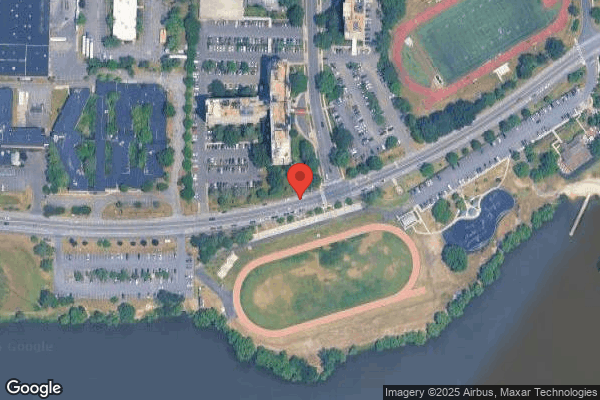
Oct 2020 6 deficiencies
CONCERN (D)

Potential for Harm - no one hurt, but risky conditions existed

Drug Regimen Review (Tag F0756)

Could have caused harm · This affected 1 resident

Based on interview and record review, it was determined that the facility failed to act on or respond to, comments made by the Consultant Pharmacist (CP) in a timely manner. This deficient practice wa...

Read full inspector narrative →
Based on interview and record review, it was determined that the facility failed to act on or respond to, comments made by the Consultant Pharmacist (CP) in a timely manner. This deficient practice was identified for 2 of 6 residents reviewed (Residents #21 and # 26) for medications. This deficient practice was evidenced by: 1. According to the admission Record (AR) dated 10/09/20, Resident #21 was admitted to the facility with medical diagnoses which included Major Depressive Disorder and Anxiety Disorder. The annual Minimum Data Set (MDS) and assessment tool dated 09/24/2020, reflected that Resident #21 was cognitively intact and required limited assist with activities of daily living (ADL's). The MDS also indicated that the resident was taking routine psychotropic medications. The surveyor reviewed the medical record of Resident #21 for PRN (as needed) psychotropic medications. The Electronic Medical Record revealed a physician order dated 07/09/20 for the antianxiety medication Lorazepam (Ativan) 0.5 mg, give one tablet every 4 hours as needed for anxiety. The physician order did not contain a stop date of 14 days. The July 2020 Medication Administration Record (MAR) revealed the Ativan was administered to Resident #21 on 07/11/20, The August 2020 MAR documented the Ativan was administered to Resident #21 on 08/05/20 and 08/12/20. The September 2020 MAR documented the Ativan was administered to Resident #21 on 09/07/20, 09/09/20 and 09/10/20. The October 2020 MAR contained no documentation that the Ativan was administered to Resident #21. A review of the CP's Therapeutic Suggestions dated 07/12/20 revealed a recommendation that A duration must be specified for PRN [as needed] psychoactive medications. First order is limited to only 14 days, but if rationale documented by prescriber to continue order, then next duration may be longer, i.e. 30, 60 or 90 days. Please update order for Lorazepam per CMS regulations. The document did not reflect a signature from the physician that the pharmacist recommendation was reviewed. A review of the CP's Monthly Report dated 08/17/20 revealed a recommendation that Regarding the comment made on 07/12/2020: A duration must be specified for PRN psychoactive medications. First order is limited to only 14 days, but if rationale documented by prescriber to continue order, then next duration may be longer, i.e. 30,60 or 90 days. Please update order for Lorazepam per CMS regulations. **The Pharmacy Consult was not addressed. The document did not reflect a signature from the physician that the pharmacist recommendation was reviewed. A review of the CP's Monthly Report dated 09/16/20 revealed a recommendation that Regarding the comment made on 08/17/2020: A duration must be specified for PRN psychoactive medications. First order is limited to only 14 days, but if rationale documented by prescriber to continue order, then next duration may be longer, i.e. 30,60 or 90 days. Please update order for Lorazepam per CMS regulations. **The Pharmacy Consult was not addressed. The surveyor noted a handwritten Action Taken on the CP's Monthly Report dated 9/16/20. The handwritten Action Taken revealed reach out to MD spoke with NP [nurse practitioner] stated she'll have MD call, spoke with MD gave d/c [discontinue] date for Lorazepam to be extended until 1/8/2021. The documents did not reflect a signature from the physician that the pharmacist recommendation was reviewed. A review of the Nursing Progress Note dated 10/08/20 at 4:33 PM revealed Spoke with MD stated for residents Lorazepam prn order to extend for 90 days. MD will write note as to why medication is bring [sic] extended. All orders noted. A review of the Advanced Practice Nurse (APN) History & Physical (H&P) dated 08/11/20 revealed Resident #21 has panic attacks. The 08/11/20 H&P further revealed start Lorazepam 0.5 mg every four hours prn for anxiety for a trial for 10 days to assess anxiety . A review of the APN PCP [Primary Care Physician] Progress Note - Clinical dated 08/18/20 and 09/22/20 did not address the recommendations of the PC. A review of the Physician's PCP Progress Note - Clinical dated 08/28/20 and 09/10/20 did not address the recommendations of the PC. A review of the Psychiatrist Consultation dated 07/29/20 revealed to Continue current medications. The Psychiatrist Consultation revealed Resident #21 was on the following medications for the diagnosis Anxiety: Wellbutrin/ER 30 mg daily, Buspar 15 mg twice daily, Ativan (Lorazepam) 0.5 mg at hour of sleep and Trazodone 50 mg at hour of sleep. The 07/29/20 Psychiatrist Consultation report did not address the as needed Lorazepam. During an interview with the surveyor on 10/08/20 at 12:05 PM, the Licensed Practical Nurse (LPN #1) Unit Manager stated that a new PRN Ativan order should have a stop date of 14 days and then be reevaluated by the physician. If the physician wants to continue the PRN order, we have to make sure there is a stop date and the physician documents an explanation for the medication's continued use. LPN #1 Unit Manager stated that she usually received an email with the Pharmacy Consultant's recommendations. She stated that she reviewed the recommendations; and if there was a need to call the physician, she would do so. LPN #1 Unit Manager further stated there are some some recommendations I can do myself. LPN #1 Unit Manager stated that she was not instructed when to complete the pharmacy recommendations. During an interview with the surveyor on 10/08/20 at 2:30 PM, the Infection Control Regional Nurse (IC RN) stated that the nurse will address the nurse concerns. For a physician concern, the nurse will call the physician or put the recommendation in the physician's mailbox. Once it is addressed by the physician, the completed forms will be returned to the Director of Nursing (DON). The forms addressed by the physician are put in the chart. The process should be completed in one week. During an interview with the surveyor on 10/08/20 at 2:35 PM, the DON stated that he expects that PRN Ativan is initially ordered for 14 days with an end date. During a follow-up interview with the surveyor on 10/08/20 at 2:36 PM, the IC RN stated that with the initial PRN Ativan 14-day order, the nurses will document the behaviors. After 14 days, the physician will reevaluate the resident and may reorder the PRN medication with a rationale as to why to continue the medication and include a duration date in the order. During an interview with the surveyor on 10/09/20 at 11:32 PM, the LPN #2 stated that she works night shift and reviews the physician orders. She will check to make sure that a PRN Ativan order had a 14-day stop date; and if not, she will call the physician and clarify. LPN #2 further stated that if a PRN Ativan is reevaluated by the physician and is reordered, she ensured that the order had a stop date and that the physician wrote a rationale to continue the medication. The facility policy dated December 2016 and titled, Antipsychotic Medication Use indicated that antipsychotic medications will be prescribed at the lowest possible dosage for the shortest period of time and are subject to gradual dose reduction and re-review. The policy also reflected that: -Residents will not receive prn doses of psychotropic medications unless that medication is necessary to treat a specific condition that is documented in the clinical record. -The need to continue prn for psychotropic medications beyond 14 days requires that the practitioner document the rational for the extended order. The duration of the prn order will be indicated in the order. -PRN orders for antipsychotic medications will not be renewed beyond 14 days unless the healthcare practitioner has evaluated the resident for the appropriateness of that medication. NJAC 8:39 - 29.3(a)(4)
CONCERN (D)

Potential for Harm - no one hurt, but risky conditions existed

Infection Control (Tag F0880)

Could have caused harm · This affected 1 resident

Based on observation, interview and review of other pertinent facility documentation, it was determined that the facility failed to follow appropriate infection control practices for a.) washing hands...

Read full inspector narrative →
Based on observation, interview and review of other pertinent facility documentation, it was determined that the facility failed to follow appropriate infection control practices for a.) washing hands between residents and b.) disinfecting durable medical equipment in between resident use. This deficient practice was identified for 1 of 2 nurses on 1 of 2 units (Pavilion II) during medication administration observation and was evidenced by the following: On 10/06/20 at 08:47 AM, the surveyor conducted a medication administration observation with a Licensed Practical Nurse (LPN) on Pavilion II (second floor). The surveyor observed the following: The surveyor observed the LPN prepare and administer medications to Resident #202. The LPN did not perform hand hygiene (washing hands or using an alcohol-based hand rub) prior to the medication preparation. The LPN took the resident's blood pressure (BP), pulse, temperature and pulse Ox (used to measure the concentration of oxygen in the blood) with an all-in-one vital sign (VS) machine. After the LPN took the resident's VS, she was observed touching the resident's breakfast tray, cup and other resident items on the resident's bedside table. The LPN then administered the medication to Resident #202. The LPN then cleaned the blood pressure cuff and the inside of the pulse Ox with a small alcohol pad. She did not clean the thermometer part of the VS machine. The LPN then exited the room and did not perform hand hygiene. The LPN went to the next resident's room and prepared to take the vital signs of Resident #203. Prior to the LPN taking the resident's vital signs, the surveyor asked the LPN what product should she clean the VS machine with. The LPN replied, I guess I should have cleaned it with the purple top disinfectant. The surveyor then inquired why she did not clean the thermometer with the disinfectant, and the LPN replied that she forgot. The LPN then cleaned the VS machine with the appropriate disinfectant and went into Resident #203's room to take the resident's VS. The surveyor stopped the LPN and asked her what should she do next before touching the resident. The LPN did not respond to the surveyor. The LPN was then reminded by the surveyor that she should wash her hands or perform hand hygiene before resident to resident contact. The LPN then washed her hands, took the resident's vital signs and administered the medications to Resident #203. After the LPN was finished with this resident's VS and medications she washed her hands, came out of the resident's room and signed out the medications in the Medication Administration Record (MAR). The surveyor then inquired as to what the LPN should do next. The LPN did not respond to the surveyor. The surveyor then reminded the LPN that she now had to sanitize the VS machine. The LPN responded with O yea, I forgot. During an interview with the surveyor on 10/6/20 at 11:28 AM, the Regional Infection Control Registered Nurse (IC RN) stated that the LPN was a relatively new nurse in the facility and that she would require some education on infection control during medication pass. The IC RN confirmed that the LPN should have washed her hands after resident-to-resident contact and should have cleaned the VS machine with disinfectant wipes after resident contact. During an interview with the surveyor on 10/13/2020 at 11:30 AM, the Director of Nursing (DON) had no additional information to provide to the surveyor. The facility policy dated April 2019 and titled, Administering Medications reflected that staff should follow established facility infection control procedures (e.g., handwashing, antiseptic technique, gloves, isolation precautions, etc.) for the administration of medications, as applicable. The facility policy dated October 2018 and titled, Cleaning and Disinfection of Resident-Care Items and Equipment indicated that resident-care equipment, including reusable and durable medical equipment (DME) will be cleaned and disinfected according to current Center for Disease Control (CDC) recommendations for disinfection and OSHA Bloodborne Pathogens Standard. The policy indicated that reusable items are cleaned and disinfected or sterilized between residents (e.g., stethoscopes, durable medical equipment.) The policy also indicated that reusable care equipment and DME must be cleaned and disinfected before reuse by another resident and according to manufactures instructions. The facility policy dated August 2019 and titled, Handwashing/Hand Hygiene indicated that the facility considers hand hygiene the primary means to prevent the spread of infection and that all personnel shall follow the handwashing/hand hygiene procedures to help prevent the spread of infection to other personnel, residents and visitors. The facility hand hygiene policy reflected that use of an alcohol-based hand rub containing 62% alcohol: or alternatively, soap and water for the following situations: -Before and after direct contact with residents -Before preparing or handling medications -Before and after eating or handling food. -After contact with objects (e.g., medical equipment) in the immediate vicinity of the resident. NJAC 8:39 - 19.4(a)
CONCERN (E)

Potential for Harm - no one hurt, but risky conditions existed

Respiratory Care (Tag F0695)

Could have caused harm · This affected multiple residents

**NOTE- TERMS IN BRACKETS HAVE BEEN EDITED TO PROTECT CONFIDENTIALITY** Based on observation, interview, medical record review and review of other pertinent facility documentation it was determined th...

Read full inspector narrative →
**NOTE- TERMS IN BRACKETS HAVE BEEN EDITED TO PROTECT CONFIDENTIALITY** Based on observation, interview, medical record review and review of other pertinent facility documentation it was determined that the facility failed to provide the necessary respiratory care for changing oxygen tubing for 4 of 4 resident's reviewed (Resident #61, #80, #86 and #136) and was evidenced by the following: 1.) The admission Record (AR) dated 10/5/2020 indicated that Resident #61 was admitted to the facility with the diagnoses that included and was not limited to Epilepsy, Diabetes Mellitus (DM), Tracheostomy and Malignant Neoplasm of the Glottis. The quarterly Minimum Data Set (MDS) an assessment tool dated 7/26/2020, indicated that Resident #61 was cognitively intact and required limited assistance with activities of daily living (ADL's). The MDS further reflected that the resident received oxygen (O2), suctioning and tracheostomy care. On 10/02/20 at 10:26 AM during the initial tour of the Pavilion II nursing unit, the surveyor observed the resident's suction tubing was labeled with a date of 07/31/2020, the O2 corrugated tubing that was used to deliver O2 to the resident's tracheostomy (the surgical formation of an opening into the trachea through the neck especially to allow the passage of air) was dated 09/3/2020 and the O2 humidification bottle was not dated. Resident #61 was unable to be interviewed because he/she was out to an appointment. On 10/02/20 10:40 PM, the surveyor reviewed the Order Summary Record (OSR) for Active Orders as of 10/5/20. The OSR did not reveal a physician's order to change the O2 tubing or other respiratory tubing. The surveyor reviewed the October 2020 Treatment Administration Record (TAR). The October 2020 TAR did not reveal that Resident #61's oxygen tubing or respiratory tubing was to be changed. On 10/05/20 at 09:38 AM, the surveyor observed Resident #61 resting in bed with eyes closed. The corrugated O2 tubing and O2 tubing that was attached to the corrugated tubing was dated 09/03/2020. The O2 humidification bottle was undated. During an interview with the surveyor on 10/05/20 at 09:50 AM, the Licensed Practical Nurse (LPN) stated that she had been employed in the facility for only two weeks and was not educated on how often respiratory supplies and tubing were supposed to be changed. I think daily, but not sure. On 10/05/20 at 10:12 AM, the Licensed Practical Nurse Unit Manager (LPN UM) accompanied the surveyor to Resident #61's room and was interviewed at that time. The LPN UM stated that all the respiratory tubing should be dated and changed weekly. I'm not sure why it's dated 09/03/2020 because we had a Respiratory Therapist (RT) who comes in weekly to see the residents with tracheostomy's and they should have changed the tubing. The LPN UM also added that she is not sure who the RT was because it's a contract company and there were different RTs every week. During an interview with the surveyor on 10/05/20 at 10:17 AM, the Director of Nursing (DON) who stated that it was the nursing staff's responsibility to change all the respiratory tubing weekly on 11-7 and not the responsibility of the RT that comes in weekly. The DON added, If a nurse saw that the tubing was out of date or not dated, they should change the tubing and date accordingly. The DON confirmed that there should be a physician's order to change the O2 tubing/Respiratory tubing weekly and the nurse was to sign the TAR to show that the tubing was changed. 2.) The AR dated 10/5/2020, indicated that Resident #80 was admitted with the diagnoses that included but was not limited to Cerebellar Stoke Syndrome, Atrial Fibrillation, and Cardiovascular Disease. The quarterly MDS dated [DATE], indicated that the resident had severe cognitive impairment and required complete care with all aspect of ADLs. The MDS further reflected that the resident received O2. On 10/02/20 at 9:47 AM, during tour of the Pavilion II nursing unit, the surveyor observed Resident #80 sitting up in bed with O2 on at 2 liters via (by way of) nasal cannula, a device consisting of a light-weight tube which on one end splits into two prongs which are placed in the nostrils and from which a mixture of air and oxygen flows). The O2 tubing was undated and unlabeled. The resident was unable to be interviewed at this time due to poor/impaired cognition. On 10/05/20 at 09:29 AM, the surveyor observed Resident #80 sitting up in the bed with O2 on at 2 liters via nasal cannula. The O2 tubing observed was undated. The OSR for Active Orders as of 10/05/20 revealed two physician orders. One order was dated 05/23/2020 and indicated that the O2 tubing was to be changed on night shift on Wednesday and the other order dated 06/24/2020 indicated that the O2 tubing was to be changed every Thursday morning for oxygen therapy. The October 2020 TAR indicated that the O2 tubing was to be changed on Thursday, 10/01/2020 at 6:00 AM. The October 2020 TAR did not reflect that the nurse signed on 10/01/20 to indicate that the O2 tubing was changed. During a follow up interview with the surveyor on 10/05/20 at 12:10 PM, the DON stated that there should be a physician order to change all respiratory tubing and that the order should be on the TAR. The nurse should sign the TAR to indicate that he/she did in fact change the tubing. The DON added that it was the responsibility of the RN UM on the 11 PM - 7 AM shift to assure that the process was being done. The DON also confirmed that there should be only one order to change the O2 tubing in the medical record. On 10/05/20 at 12:28 PM, the DON provided the surveyor with a undated facility form titled, 11-7 M-F Supervisor Duties which reflected that the supervisor on the 11 PM-7 AM shift was to ensure that nurses changed the oxygen/nebulizer/tracheostomy supplies. The surveyor attempted to conduct a telephone interview with the Registered Nurse Supervisor on the 11 PM - 7 AM shift; with no answer. The surveyor left a message. 3.) The AR dated 10/05/2020 indicated that Resident #86 was admitted to the facility with the diagnoses that included but were not limited to Chronic Respiratory Failure with Hypoxia (low oxygen in the blood), Chronic Obstructive Pulmonary Disease (COPD) and Emphysema. The quarterly MDS dated [DATE] indicated that the resident was cognitively intact, required supervision with ADLs. The MDS further reflected that the resident received O2. On 10/02/20 at 9:58 AM, the surveyor observed Resident #86 sitting on the side of the bed. Resident #86 stated that the O2 tubing on the portable O2 tank and the O2 tubing on the concentrator were never changed. The Surveyor observed that the O2 tubing on the portable O2 tank and the concentrator were not labeled or dated. The OSR for Active Orders as of 10/05/20 revealed a physician order dated 06/24/2020 to change the oxygen tubing every Thursday morning. The October 2020 TAR indicated that the O2 tubing was to be changed on 10/01/2020 at 6:00 AM. The October 2020 TAR did not reflect that the nurse signed on 10/01/20 to indicate that the O2 tubing was changed. On 10/05/20 09:31 AM, the surveyor observed the resident sitting up in bed. The surveyor observed that the O2 tubing that was attached to the portable O2 tank on the wheelchair and the O2 tubing that was attached to the oxygen concentrator were undated. The resident stated that he/she does not remember the last time the O2 tubing was changed. The surveyor observed that the nebulizer tubing sitting on the bed was undated and the plastic bag that stores the nebulizer tubing was dated 09/10/2020. The resident was interviewed at this time and stated that the staff does not change the O2 tubing unless the resident reminds them. He/she added that the nebulizer tubing was changed last week but that they never changed the bag that the tubing was stored in, so his/her clean tubing had to go back into a dirty bag. 4.) The AR dated 10/5/2020 indicated that Resident #136 was admitted to the facility with the diagnoses that included but was not limited to Sepsis, Pneumonitis due to inhalation of food and vomit and Chronic Neoplasm of the Cerebral Meninges. The annual MDS dated [DATE] reflected that Resident #136 had severe cognitive impairment and required total assistance with ADL's. The MDS indicated that the resident received O2 and required suctioning and tracheostomy care. On 10/02/20 at 10:08 AM, the surveyor observed Resident #136 in bed with O2 on via tracheostomy. The surveyor observed that the corrugated O2 tubing was dated 09/03/20. The resident was non-verbal and tracking the surveyor with eyes. The resident was not able to be interviewed due to severe cognitive impairment. On 10/05/20 at 09:24 AM, the surveyor observed Resident #136 in bed and was non-verbal. The corrugated O2 tubing observed was dated 09/03/20 and the O2 tubing coming from the concentrator attached to the corrugated tubing was not dated. The O2 humification bottle was dated 10/05/2020. On 10/05/20 at 10:24 AM, the LPN UM accompanied the surveyor to Resident #136's room and was interviewed at that time. The LPN UM stated that all respiratory tubing should be changed weekly and then dated. The LPN UM then confirmed that the O2 tubing coming from the O2 concentrator was not changed weekly according to the date that that was on the O2 tubing. The OSR for Active Orders as of 10/05/20 did not reveal a physician's order to change O2 tubing or any other respiratory tubing. The October 2020 TAR did not reveal that Resident 136's oxygen tubing or respiratory tubing was to be changed. The facility policy dated 3/20 and titled, Oxygen Administration indicated under Infection Control A.) that all oxygen tubing for humidifiers, nebulizers, masks, tracheostomies and cannulas used to deliver oxygen: -Are for single resident use only. -will be changed weekly and when visibly soiled, or as indicated by state regulation. B.) Oxygen items will be stored in a plastic bag at the residents bedside to protect equipment from dust and dirt when not in use. NJAC 8:39-25.2 (b), 3, 4
CONCERN (E)

Potential for Harm - no one hurt, but risky conditions existed

Deficiency F0825 (Tag F0825)

Could have caused harm · This affected multiple residents

**NOTE- TERMS IN BRACKETS HAVE BEEN EDITED TO PROTECT CONFIDENTIALITY** Based on observation, interview and record review, it was determined that the facility failed to effectively document Restorativ...

Read full inspector narrative →
**NOTE- TERMS IN BRACKETS HAVE BEEN EDITED TO PROTECT CONFIDENTIALITY** Based on observation, interview and record review, it was determined that the facility failed to effectively document Restorative Nursing Program orders in the Electronic Medical Record (EMR) for 4 of 15 residents reviewed (Residents #36, #62, #109 and #135) for therapy recommendations utilizing assistive devices. This deficient practice was evidenced by: 1. The surveyor observed Resident #109 laying supine in bed with the head of the bed elevated on 10/05/20 at 9:46 AM, 10/06/20 at 08:46 AM, 10/06/20 at 10:44 AM, 10/06/20 at 12:20 PM and 10/07/20 at 8:37 AM. With each observation, the surveyor did not observe a hand splint to the resident's left hand. According to the admission Record, Resident #109 was admitted to the facility with diagnoses which included flaccid hemiplegia affecting left nondominant side. Review of the October 2020 Orders in the EMR, the Occupational Therapist wrote an order Respectfully recommending L [left] resting hand splint use for 6-7 hours during AM shift to promote optimal position, decrease risk for further contracture and to decrease c/g [caregiver] assistance during performance of ADL tasks dated 10/01/20. The surveyor noted the EMR October 2020 Treatment administration Record (TAR) did not reveal a corresponding order for the nurse to sign that the resting hand splint had been applied and removed as recommended by the Occupational Therapist. The Significant Change Minimum Data Set (MDS) dated [DATE] revealed that Resident #109 was cognitively impaired, required total assistance with Activities of Daily Living (ADL) and had upper extremity impairment on one side of the shoulder, elbow, wrist or hand. The ongoing Care Plan revealed a Focus that Resident #109 had an alteration in musculoskeletal status r/t [related to] hand contractions with an intervention of Encourage/supervise/assist The resident with the use of supportive devices L [left] resting hand splint as recommended dated 10/05/20. During an interview with the surveyor on 10/07/20 at 8:53 AM, CNA #1 stated that she is the primary CNA for Resident #109. CNA #1 stated that she was not aware that there was an order for a left-hand splint. In the presence of the surveyor CNA #1 searched the resident's room and could not locate the hand splint in the resident's room. On 10/07/20 at 9:14 AM, CNA #1 showed Resident #109's left hand splint in a mesh laundry bag. CNA #1 stated that she found the splint in the laundry. 2. During tour on 10/02/20 at 12:31 PM, the surveyor observed Resident #36 lying in bed with both arms flexed inward towards the shoulders. The surveyor observed a blue colored hand splint lying directly on the overbed table. On 10/05/20 at 9:43 AM, the surveyor observed Resident # 36 lying in bed with both hands covered by the sheet and a blue colored hand splint lying directly on the overbed table. On 10/05/20 at 12:10 PM, the surveyor observed a blue colored hand splint lying directly on the bedside table. On 10/06/20 at 8:20 AM and at 12:34 AM, the surveyor observed a blue colored hand splint lying directly on the bedside table. On 10/07/20 at 9:30 AM and at 1:24 PM, the surveyor observed a blue colored hand splint lying directly on the bedside table. According to the admission Record, Resident #36 was admitted to the facility with diagnoses which included hemiplegia and hemiparesis following cerebral infarction. Review of the September 2020 orders in the EMR, the Occupational therapist wrote an order Recommending use of left-hand splint for 6-7 hour or as tolerated during AM shift without s/s [signs and symptoms] of redness of skin tear, dated 09/08/20 and signed by the attending physician on 09/08/20 at 3:58 PM. The surveyor noted the EMR September and October 2020 TAR did not reveal a corresponding order for the nurse to sign/document that the left hand splint had been applied and removed. The Quarterly MDS dated [DATE] revealed the resident was severely cognitively impaired and required total assistance for ADLs, had impairment on mobility and had upper extremity impairment on one side. The ongoing care plan, dated 09/28/20, revealed a Focus that Resident #36 had a need for Restorative Nursing Program (RNP) due to decrease in ROM, presence of contractures with an intervention to apply splint on (L)[Left]) as ordered. During an interview with the surveyor on 10/05/20 at 12:48 PM, CNA #2 stated that Resident #36 left arm was contracted and had a splint that therapy puts on the resident. During an interview with the surveyor on 10/07/20 at 9:30 AM, CNA #3 stated that Resident #36 does not use any splints or braces on his/her arms. During an interview with the surveyor on 10/07/20 at 10:51 AM, LPN #2 stated that Resident # 36 had a splint for the left hand that the aides put on the resident after the resident gets washed. During an interview with the surveyor on 10/07/20 at 10:51 AM, the Occupational Therapist (OT) stated that after a resident has been evaluated and treated in therapy, they may go on restorative care. Myself and the other OTs were taught by our supervisor to write a restorative order for the resident in the EMR. We cannot take a telephone order from the physician; we put the order in the EMR, and the nurses call the physician to get the order approved. Before we put the orders in the EMR, we used to complete a written order in the paper chart and flag it for the nurse to address with the physician. During an interview with the surveyor on 10/07/20 at 11:12 AM, the Director of Rehabilitation stated that the OTs document the orders in the EMR. The Director of Rehabilitation stated that it is job of the Restorative Aid, CNA or nurse to continue the plan of care. Once the order is documented in the EMR, it will be reviewed for the nurses/physician to sign off. During an interview with the surveyor on 10/07/20 at 1:05 PM, the LPN Unit Manager stated that she believes the 11-7 shift does the chart checks. The 11-7 nurse will run an Order Listing Report which shows all orders for the last 24 hours. The nurse would print the report daily and compare the orders with the Medication Administration Record (MARS) and the TARS so that it is an exact match. During a follow-up interview with the surveyor on 10/07/20 at 1:10 PM, the Director of Rehabilitation stated that when a resident is on case load, therapy monitored the resident. When a resident is discharged from therapy, residents are then screened quarterly and it is up to the nursing staff to report if there is a problem with a device, i.e. skin breakdown, a lost device or the resident cannot tolerate the device. During an interview with the surveyor on 10/07/20 at 1:23 PM, LPN #1 reviewed the order for the left hand splint. LPN #1 stated that the order was a recommendation, so she thought it was something that therapy was doing. She did not know about the order because it was not reflected on the TAR. LPN #1 stated that if she saw the order, she would have asked therapy about it. LPN #1 stated that she did not know that Resident #109 had a splint. During an interview with the surveyor on 10/07/20 at 12:29 PM, LPN #2 stated that there was an order for Resident #36 in the EMR, but it was a recommendation not an order and it did not transfer onto the MAR/TAR as an order. LPN #2 further stated that she did not apply the hand splint on Resident #36 and that the nurse on night shift should have checked the orders on the 24-hour chart check. During a follow up interview with the surveyor on 10/07/20 at 2:13 PM, LPN #2 further stated that if an order in the computer does not seem correct, she would call the doctor to clarify the order. LPN #2 stated she did not call the doctor to clarify the order but did notify her unit manager. During an interview with the surveyor on 10/07/20 at 02:38 PM, the Infection Control Regional Nurse (IC RN) stated that she expected the nurses to clarify the OT order. A completed order included the start date, application time and removal time for a restorative device. The IC RN further stated that the night nurse pulled the Order Listing Report daily and reviewed each order to confirm that it was documented on the MAR/TAR, the frequency of use and the start time. There was a large notebook on each unit that contained the Order Listing Reports that were reviewed daily and signed by the nurse who completed the review. The surveyor reviewed the Order Listing Report notebook for Pavilion I. The surveyor observed the Order Listing Report for the order date range of 09/30/20 - 10/31/20 did not reveal the OT order for Resident #109 dated 10/01/20. The surveyor reviewed the Order Listing Report notebook for Pavilion III. The surveyor observed the order Listing report for the order date range of 09/07/20 - 09/10/20 did not reveal the OT order for Resident #36. During a follow up interview with the surveyor on 10/08/20 at 11:18 AM, the IC RN stated that chart checks should be completed daily by night shift. The IC RN stated that the facility called the EMR company and found out that when therapy wrote an order, it was not flagged for the nurses to check. The IC RN further stated that the OT orders did not need to be verified by nursing or confirmed by the physician. The IC RN confirmed that the OT orders did not populate on the Order Listing Report. The IC RN stated that the 11-7 nurse will pull the report to complete the chart check. The IC RN stated that currently the OTs will not be writing any orders in the EMR until this has been resolved. The OTs will handwrite the order in the paper chart and flag the order for the nurse to follow up. During an interview with the surveyor on 10/09/20 at 10:58 AM, LPN #3 stated that she worked the 11-7 shift and had completed chart checks. LPN #3 stated that she ran the Order Listing Report each night. She would print the report but did not compare the orders to the MARs and TARs. LPN #3 stated that she did not do that because once the order is confirmed, it usually goes onto the MAR/TAR. The surveyor and LPN #3 reviewed Resident #109's OT order dated 10/01/20. LPN #3 stated that she would have called the physician for a clarification because the order stated that it is a recommendation. The LPN went on to say that she usually did not see orders that had been written by the OTs. On 10/08/20 at 2:15 PM, the facility provided the surveyor with copies of the OT orders written for an additional 13 residents (Residents #47, #50, #52, #54, #62, #63, #77, #93, #107, #123, #124, #130 and #135). The survey team reviewed the orders to confirm that the OT orders matched the TARs for each resident. Two of the 13 residents (Resident #62 and #135) were added to the sample for surveyor review. 3. During an interview with the surveyor on 10/09/20 at 7:50 AM, Resident #62 told the surveyor that he/she wore a splint to the right hand and that he/she had been in and out of the hospital several times with several room changes. The resident stated that the splint was usually kept in the drawer and that he/she had not seen the staff member who puts the splint on. According to the admission Record, Resident #62 was admitted to the facility with diagnosis which included unspecified sequelae of unspecified cerebrovascular disease. Review of the October 2020 Orders in the EMR, the Occupational Therapist wrote an order for a R [right] resting hand orthotic approxi. [approximately] 7 hours during day hours, 3-5 x/wk. skin check pre/post orthotic application for signs of skin breakdown dated 10/05/20. The surveyor noted the EMR October 2020 Treatment Administration Record (TAR) did not reveal a corresponding order for the nurse to sign that the hand orthotic was applied and removed. The Order Listing Report with an Order Date Range of 10/05/20 - 10/06/20 did not reveal the OT order dated 10/05/20. The admission MDS dated [DATE] revealed the resident is cognitively intact. The ongoing Care Plan revealed a Focus that Resident #62 required extensive assist x2 staff with bed mobility transfer, dressing, toileting, personal hygiene, bathing and required extensive assist x1 staff with eating and locomotion with an intervention to apply right hand splint in [sic] at start of shift, remove prior to end of shift dated 10/08/20. During an interview with the surveyor on 10/09/20 at 8:05 AM, the LPN #4 stated that Resident #62 does not wear a splint to the right hand. During an interview with the surveyor on 10/09/20 at 8:10 AM, the CNA #4 stated that Resident #62 does not wear a splint to either hand. 4. On 10/09/20 at 7:55 AM, the surveyor observed Resident #135 lying in bed asleep with the head of the bed elevated. The surveyor observed that both resident's hands were under the covers. According to the admission Record, Resident #135 was admitted to the facility with diagnoses which flaccid hemiplegia affecting right nondominant side. Review of the October 2020 Orders in the EMR, the Occupation Therapist wrote an order R [right] grip hand orthotic approx. 7 hours during daytime hours, 3-5X/wk. skin check pre/post orthotic application for signs of skin breakdown dated 10/07/20. The surveyor noted the EMR October 2020 TAR did not reveal a corresponding order for the nurse to sign that the right grip hand orthotic was applied and removed. The Order Listing Report with an Order Date Range of 10/07/20 - 10/08/20 did not reveal the OT order dated 10/07/20. The Significant MDS dated [DATE] revealed the resident was cognitively impaired, required total assistance with Activities of Daily Living and had upper extremity impairment on both sides of the shoulder, elbow, wrist or hand. The ongoing Care Plan revealed a Focus that Resident #135 was at risk for further contractures and requires right grip hand [sic] with a Goal to Apply right hand palm guard daily in AM and remove palm guard each evening at bedtime through next review revised on 10/07/20. During an interview with the surveyor on 10/09/20 at 8:05 AM, LPN #4 stated that Resident #135 does not wear hand splints. During an interview with the surveyor on 10/09/20 at 8:10 AM, the CNA #4 stated that Resident #135 does not wear hand splints. A review of the facility's policy titled, Splinting, dated 02/2020, revealed that a physician's order will be obtained for the use of a splint. An attending physicians order for splint services must be in the chart indicating: A. reason why splint is needed and B. frequency and wearing schedule of the splint. The policy further reveals that the nursing department is responsible for splint application and will document placement in the electronic medical record. The facility was unable to provide a policy for 24-hour chart checks by nursing staff. NJAC 8:39-37.1
MINOR (B)

Minor Issue - procedural, no safety impact

MDS Data Transmission (Tag F0640)

Minor procedural issue · This affected multiple residents

**NOTE- TERMS IN BRACKETS HAVE BEEN EDITED TO PROTECT CONFIDENTIALITY** Based on interview and record review, it was determined that the facility failed to complete and transmit Minimum Data Set (MDS)...

Read full inspector narrative →
**NOTE- TERMS IN BRACKETS HAVE BEEN EDITED TO PROTECT CONFIDENTIALITY** Based on interview and record review, it was determined that the facility failed to complete and transmit Minimum Data Set (MDS) assessments in accordance with the Resident Assessment Instrument (RAI) 3.0 Manual guidelines. This deficient practice was identified for 3 of 35 residents reviewed for resident assessment (Residents #1, #2 and #108). This deficient practice was evidenced by: 1.) On 10/5/2020 at 9:00 AM, the surveyor reviewed the admission Record (AR) for Resident #1 which revealed that Resident #1 was admitted to the facility with diagnoses of Diverticulitis of the large intestine with perforation and abscess and Colostomy. Further review of the AR revealed that Resident #1 was discharged to home on [DATE]. The surveyor reviewed the Minimum Data Set (MDS) assessment history assessment tool, which included all of the completed MDSs for the resident. The MDS assessment history revealed that there was no Discharge Assessment-return not anticipated (DRNA-MDS) completed for the resident's discharge date of 04/20/2020. 2.) On 10/5/2020 at 9:45 AM, the surveyor reviewed the AR for Resident #2 which revealed that Resident #2 was admitted to the facility with diagnoses of Cerebral Infarction, Angina and Sick Sinus Syndrome and was discharged on 05/28/2020 with a length of stay at the facility of 31 days. The surveyor reviewed the MDS assessment history assessment tool, which included all of the completed MDSs for the resident. The MDS assessment history revealed that there was no DRNA-MDS completed for the resident's discharge date of 05/28/2020. 3. On 10/07/2020 at 9:02 PM, the surveyor reviewed the AR for Resident #108 which revealed that Resident #108 was admitted to the facility with diagnoses of Respiratory Failure, Hypertension and Chronic Pain. According to the Census section of the Electronic Medical Record (EMR), Resident #108 was discharged from the facility on 08/06/20. At that time, the facility completed a DRNA-MDS. The surveyor reviewed the MDS assessment history assessment tool, which included all of the completed MDSs for the resident. The MDS assessment history revealed that there was no Entry MDS completed when Resident#108 was admitted to the facility on [DATE]. During an interview with the surveyor on 10/05/20 at 10:52 AM, the lead Registered Nurse MDS Coordinator (CRC), who had been employed since September, stated that the discharge assessments for Resident #1 and Resident #2 were not completed and that she was not employed by the facility at the time these assessments were supposed to be completed. During an interview with the surveyor on 10/06/20 at 09:55 AM, the Licensed Practical Nurse MDS Coordinator (LPN MDS Coordinator) stated that the lead CRC would do the schedule for the MDS. I did not take over the scheduling till August and even then, the CRC would check to assure the schedule was done correctly. The LPN MDS Coordinator stated that she was not sure why there were missing discharge assessments for Resident #1 and Resident #2. She stated, We have a MDS Consultant Company that looks over our [NAME] Report. (A reporting application which enables facilities to connect electronically to the National Reporting Database). I'm not sure they check the schedule, but they check our coding accuracy. I don't know why they were missed. During a follow-up interview with the surveyor on 10/06/20 at 10:10 AM, the LPN MDS Coordinator stated she was familiar with Resident #108. She stated that the resident went home and then returned to the facility. The LPN MDS Coordinator stated that there should have been an Entry MDS completed upon the resident's return to the facility. During a follow-up interview with the surveyor on 10/06/20 at 11:00 AM, the CRC stated that an Entry MDS should have been completed for Resident #108. During an interview with the surveyor on 10/06/20 at 12:49 PM, the Infection Control Regional Nurse stated, I am not sure why the MDS assessments were missed. During an interview with the surveyor on 10/06/20 at 2:03 PM, the Administrator stated that the MDS Consultant Company reviewed the [NAME] reports to check for compliance but was not sure if they were checking every single one. He added that the consulting company was able to check for missing or late assessments. During a telephone interview with the surveyor on 10/06/20 at 02:14 PM, the MDS Consulting Company (CC) Supervisor stated that the company started with the facility in June 2020. The Supervisor from the CC stated that the company looks over quality measures and assured that coding for the MDS was done accurately. We don't run the missing assessments from the [NAME] report. We don't have access to the [NAME] Reports. So we would not know if an assessment was missing. We're working on trying to clean this up and think it was a problem during Covid pandemic. We are now getting systems in place so this can be corrected. The facility's untitled policy dated 10/20 reflected that it was the facilities policy to complete the Resident Assessment Instrument (RAI) process according to the requirements and standards of the latest published RAI manual. The policy indicated that the Nurse Assessment Coordinator would schedule and open all appropriate MDSs (Admission, Quarterly, Annual, Significant Change, Significant Correction, Discharges, Entry's and Medicare Assessments) in a timely manner according to the RAI manual schedule and standards. The MDSs will be filled out accurately, after proper collection of data, in a timely manner according to the RAI manual standards. The policy also indicated that periodic checks will be performed to ensure that the MDS is opened, filled out and transmitted timely and accurately according to the RAI requirements. The Center for Medicare/Medicaid Services (CMS) - Resident Assessment Instrument (RAI) 3.0 Manual (updated October 2019) Version 1.17.1. reveals: page 2-11: Entry is a term used for both an admission and a reentry and requires completion of an Entry tracking record. Entry and Discharge Reporting MDS assessments are tracking records that include a select number of items from the MDS used to track residents and gather important quality data at transition points, such as when they enter a nursing home, leave a nursing home, or when a resident's Medicare Part A stay ends, but the resident remains in the facility. Entry/Discharge reporting includes Entry tracking record, OBRA Discharge assessments, Part A PPS Discharge assessment, and Death in Facility tracking record. page 2-14: OBRA-Required Tracking Records and Assessments are Federally mandated, and therefore, must be performed for all residents of Medicare and/or Medicaid certified nursing homes. These assessments are coded on the MDS 3.0 in items A0310A (Federal OBRA Reason for Assessment) and A0310F (Entry/discharge reporting). They include: Tracking records: Entry and Death in facility and Assessments: - admission (comprehensive) - Quarterly - Annual (comprehensive) - Discharge (return not anticipated or return anticipated) page 2-21: For a resident who goes in and out of the facility on a relatively frequent basis and return is expected within the next 30 days, the resident may be discharged with return anticipated. This status requires an Entry tracking record each time the resident returns to the facility and an OBRA Discharge assessment each time the resident is discharged . N.J.A.C. 8:39-11.1
MINOR (B)

Minor Issue - procedural, no safety impact

Medical Records (Tag F0842)

Minor procedural issue · This affected multiple residents

**NOTE- TERMS IN BRACKETS HAVE BEEN EDITED TO PROTECT CONFIDENTIALITY** Based on interview and record review, it was determined that the facility failed to maintain complete and accurate medical recor...

Read full inspector narrative →
**NOTE- TERMS IN BRACKETS HAVE BEEN EDITED TO PROTECT CONFIDENTIALITY** Based on interview and record review, it was determined that the facility failed to maintain complete and accurate medical records. This deficient practice was identified for 1 of 1 residents who expired in the facility (Resident #152) and was evidenced by the following: According to the admission Record, Resident #152 was admitted to the facility with diagnoses including Hypertension, Dementia, Parkinson's Disease and Asthma. The admission Minimum Data Set, dated [DATE] revealed resident was cognitively impaired and required extensive to total assistance with Activities of Daily Living. A review of the Nursing Progress Note dated [DATE] at 8:00 AM in the Electronic Medical Record (EMR) revealed that the resident expired at 7:45 AM and that the physician and family were notified. The progress note further revealed that a funeral home had not been prearranged and that the family was asked to choose a funeral home and notify the facility. The surveyor observed the EMR Progress Notes did not reveal further entries after the Nursing Progress Note dated [DATE] at 8:00 AM. The surveyor reviewed the closed paper chart for Resident #152. The paper chart did not reveal the name of the funeral home and that the resident's remains were removed from the facility. During an interview with the surveyor on [DATE] at 9:08 AM, the Director of Nursing (DON) reviewed the EMR progress note dated [DATE] at 8:00 am and the closed paper file. When asked where the body was, the DON could not say. He indicated that he would like to research this matter and get information from the funeral home that the body was picked up. The DON stated that his expectations were that the nurse document the funeral home and the time the body was removed from the facility. During an interview with the surveyor on [DATE] at 9:29 AM, the Registered Nurse, who wrote the progress note on [DATE], stated that she probably worked overnight and the resident's remains were picked up during the day after she left. She stated that when the funeral home picked up the body, they leave a form which we have to sign. The RN further stated that when the remains were picked up, the nurse should have written a progress note and there should have been a form from the funeral home that the body was removed from the facility. Review of the facility's policy, Death of a Resident, adopted 2/19, revealed that The name of the mortician and person removing the deceased resident must be entered in the resident's medical record. Review of the facility's policy, Charting and Documentation, adopted 2/20, revealed that Documentation in the medical record will be objective (not opinionated or speculative), complete, and accurate. NJAC 8:39-35.2
Understanding Severity Codes (click to expand)
Life-Threatening (Immediate Jeopardy)
J - Isolated K - Pattern L - Widespread
Actual Harm
G - Isolated H - Pattern I - Widespread
Potential for Harm
D - Isolated E - Pattern F - Widespread
No Harm (Minor)
A - Isolated B - Pattern C - Widespread

Questions to Ask on Your Visit

  • "Why is there high staff turnover? How do you retain staff?"
  • "Can I speak with families of current residents?"
  • "What's your RN coverage like on weekends and overnight?"

Our Honest Assessment

Strengths
  • • No major safety red flags. No abuse findings, life-threatening violations, or SFF status.
Concerns
  • • 32 deficiencies on record. Higher than average. Multiple issues found across inspections.
  • • $20,000 in fines. Above average for New Jersey. Some compliance problems on record.
  • • Grade C (53/100). Below average facility with significant concerns.
  • • 62% turnover. Above average. Higher turnover means staff may not know residents' routines.
Bottom line: Mixed indicators with Trust Score of 53/100. Visit in person and ask pointed questions.

About This Facility

What is River Front Rehabilitation And Healthcare Center's CMS Rating?

CMS assigns RIVER FRONT REHABILITATION AND HEALTHCARE CENTER an overall rating of 3 out of 5 stars, which is considered average nationally. Within New Jersey, this rating places the facility higher than 0% of the state's 100 nursing homes. This mid-range rating indicates the facility meets federal standards but may have areas for improvement.

How is River Front Rehabilitation And Healthcare Center Staffed?

CMS rates RIVER FRONT REHABILITATION AND HEALTHCARE CENTER's staffing level at 2 out of 5 stars, which is below average compared to other nursing homes. Staff turnover is 62%, which is 16 percentage points above the New Jersey average of 46%. High turnover can affect care consistency as new staff learn residents' individual needs.

What Have Inspectors Found at River Front Rehabilitation And Healthcare Center?

State health inspectors documented 32 deficiencies at RIVER FRONT REHABILITATION AND HEALTHCARE CENTER during 2020 to 2025. These included: 29 with potential for harm and 3 minor or isolated issues.

Who Owns and Operates River Front Rehabilitation And Healthcare Center?

RIVER FRONT REHABILITATION AND HEALTHCARE CENTER is owned by a for-profit company. For-profit facilities operate as businesses with obligations to shareholders or private owners. The facility is operated by EXCELSIOR CARE GROUP, a chain that manages multiple nursing homes. With 180 certified beds and approximately 164 residents (about 91% occupancy), it is a mid-sized facility located in PENNSAUKEN, New Jersey.

How Does River Front Rehabilitation And Healthcare Center Compare to Other New Jersey Nursing Homes?

Compared to the 100 nursing homes in New Jersey, RIVER FRONT REHABILITATION AND HEALTHCARE CENTER's overall rating (3 stars) is below the state average of 3.3, staff turnover (62%) is significantly higher than the state average of 46%, and health inspection rating (2 stars) is below the national benchmark.

What Should Families Ask When Visiting River Front Rehabilitation And Healthcare Center?

Based on this facility's data, families visiting should ask: "How do you ensure continuity of care given staff turnover, and what is your staff retention strategy?" "Can you walk me through typical staffing levels on day, evening, and night shifts?" "Can I visit during a mealtime to observe dining assistance and food quality?" "How do you handle medical emergencies, and what is your hospital transfer rate?" These questions are particularly relevant given the facility's high staff turnover rate and the below-average staffing rating.

Is River Front Rehabilitation And Healthcare Center Safe?

Based on CMS inspection data, RIVER FRONT REHABILITATION AND HEALTHCARE CENTER has a clean safety record: no substantiated abuse findings (meaning no confirmed cases of resident harm), no Immediate Jeopardy citations (the most serious violation level indicating risk of serious injury or death), and is not on the Special Focus Facility watch list (a federal program monitoring the lowest-performing 1% of nursing homes). The facility has a 3-star overall rating and ranks #100 of 100 nursing homes in New Jersey. While no facility is perfect, families should still ask about staff-to-resident ratios and recent inspection results during their visit.

Do Nurses at River Front Rehabilitation And Healthcare Center Stick Around?

Staff turnover at RIVER FRONT REHABILITATION AND HEALTHCARE CENTER is high. At 62%, the facility is 16 percentage points above the New Jersey average of 46%. High turnover means new staff may not know residents' individual needs, medications, or preferences. It can also be disorienting for residents, especially those with dementia who rely on familiar faces. Families should ask: What is causing the turnover? What retention programs are in place? How do you ensure care continuity during staff transitions?

Was River Front Rehabilitation And Healthcare Center Ever Fined?

RIVER FRONT REHABILITATION AND HEALTHCARE CENTER has been fined $20,000 across 1 penalty action. This is below the New Jersey average of $33,279. While any fine indicates a compliance issue, fines under $50,000 are relatively common and typically reflect isolated problems that were subsequently corrected. Families should ask what specific issues led to these fines and confirm they've been resolved.

Is River Front Rehabilitation And Healthcare Center on Any Federal Watch List?

RIVER FRONT REHABILITATION AND HEALTHCARE CENTER is not on any federal watch list. The most significant is the Special Focus Facility (SFF) program, which identifies the bottom 1% of nursing homes nationally based on persistent, serious quality problems. Not being on this list means the facility has avoided the pattern of deficiencies that triggers enhanced federal oversight. This is a positive indicator, though families should still review the facility's inspection history directly.