SPRING CREEK HEALTHCARE CENTER

1 LINDBERGH AVENUE, PERTH AMBOY, NJ 08861 (732) 826-0500
For profit - Individual 179 Beds ALLAIRE HEALTH SERVICES Data: November 2025 2 Immediate Jeopardy citations
Trust Grade
34/100
#225 of 344 in NJ
Last Inspection: April 2025

Within standard 12-15 month inspection cycle. Federal law requires annual inspections.

Overview

Spring Creek Healthcare Center in Perth Amboy, New Jersey, has received a Trust Grade of F, indicating significant concerns about the quality of care provided. Ranking #225 out of 344 facilities in New Jersey places it in the bottom half, and #16 out of 24 in Middlesex County means there are only a few local options that are better. The facility's situation is improving, with issues decreasing from 7 in 2023 to 5 in 2025. Staffing is a weakness here, with a rating of 2 out of 5 stars and a turnover rate of 50%, which is higher than the state average. Notably, there have been critical incidents, including failures to monitor a resident for opioid intoxication and not properly isolating COVID-19 exposed residents, which created serious risks for all residents. While the facility has some average ratings in overall care and quality measures, these weaknesses raise concerns that families should consider when researching options for their loved ones.

Trust Score
F
34/100
In New Jersey
#225/344
Bottom 35%
Safety Record
High Risk
Review needed
Inspections
Getting Better
7 → 5 violations
Staff Stability
⚠ Watch
50% turnover. Above average. Higher turnover means staff may not know residents' routines.
Penalties
○ Average
$23,989 in fines. Higher than 52% of New Jersey facilities. Some compliance issues.
Skilled Nurses
⚠ Watch
Each resident gets only 24 minutes of Registered Nurse (RN) attention daily — below average for New Jersey. Fewer RN minutes means fewer trained eyes watching for problems.
Violations
⚠ Watch
19 deficiencies on record. Higher than average. Multiple issues found across inspections.
★★★☆☆
3.0
Overall Rating
★★☆☆☆
2.0
Staff Levels
★★★☆☆
3.0
Care Quality
★★★☆☆
3.0
Inspection Score
Stable
2023: 7 issues
2025: 5 issues

The Good

  • Full Sprinkler Coverage · Fire safety systems throughout facility
  • No fines on record

Facility shows strength in fire safety.

The Bad

3-Star Overall Rating

Near New Jersey average (3.3)

Meets federal standards, typical of most facilities

Staff Turnover: 50%

Near New Jersey avg (46%)

Higher turnover may affect care consistency

Federal Fines: $23,989

Below median ($33,413)

Minor penalties assessed

Chain: ALLAIRE HEALTH SERVICES

Part of a multi-facility chain

Ask about local staffing decisions and management

The Ugly 19 deficiencies on record

2 life-threatening 1 actual harm
Apr 2025 5 deficiencies
CONCERN (D)

Potential for Harm - no one hurt, but risky conditions existed

Resident Rights (Tag F0550)

Could have caused harm · This affected 1 resident

Based on observation, interview, and pertinent facility documentation, it was determined that the facility did not maintain the dignity of a resident specifically, by transporting the resident backwar...

Read full inspector narrative →
Based on observation, interview, and pertinent facility documentation, it was determined that the facility did not maintain the dignity of a resident specifically, by transporting the resident backward in a geriatric chair (specialized, high-backed reclining chair designed to provide comfort, support, and mobility for individuals with limited mobility) down the hallway. This deficiency was identified in 1 of the 36 residents (Resident # 2) reviewed. This deficient practice was evidenced by the following: On 01/13/2025 at 10:15 AM, the surveyor observed Certified Nurse Aide #1, pulling the resident in a geriatric chair backward down the third-floor hallway. During an interview with the surveyor on 04/14/2025 at 11:22 AM, the Licensed Practical Nurse/Unit Manager #1 said that residents should not be pushed backward in their geriatric chairs as it is a dignity concern. During an interview with the surveyor on 04/15/2025 at 10:04 AM, the Director of Nursing said that residents should not be pushed backward in a geriatric chair it is a dignity issue. A review of a facility policy dated 01/2025 titled, Quality of Life -Dignity, revealed, Residents shall be treated with dignity and respect at all times. N.J.A.C. 8:39-4.1(a)(16)
CONCERN (D)

Potential for Harm - no one hurt, but risky conditions existed

Safe Environment (Tag F0584)

Could have caused harm · This affected 1 resident

**NOTE- TERMS IN BRACKETS HAVE BEEN EDITED TO PROTECT CONFIDENTIALITY** Based on observation, interview, and review of other facility documentation, it was determined that the facility failed to maint...

Read full inspector narrative →
**NOTE- TERMS IN BRACKETS HAVE BEEN EDITED TO PROTECT CONFIDENTIALITY** Based on observation, interview, and review of other facility documentation, it was determined that the facility failed to maintain a clean, safe and sanitary environment for 2 of 3 units, the second floor and the third floor. This deficient practice was evidenced by the following: During initial tour on 04/09/2025 at 10:56 AM surveyor #1 observed the wall behind bed 1 in room [ROOM NUMBER], which had two strips of black sticky tape with what appeared to be white foam on them that looked to have been used to anchor an object to the wall. During a room visit on 04/10/2025 in room [ROOM NUMBER], bed 2, surveyor #1 observed broken trim with sharp edges along the center of the wall behind the resident's bed. The resident was unsure of how long the trim had been broken. During an interview on 04/14/2025 at 11:56 AM with surveyor #1, the Maintenance Director (MD) said that rounds on the resident's room were done daily to see if anything was in need of repair. The MD said that he would talk to the residents to see if there were any problems in their rooms and that the nurses would put the concerns in the maintenance computer system. The MD said he had not been made aware of any concerns in rooms [ROOM NUMBERS]. Once shown the pictures the MD stated, they should not look like that. During an interview on 04/15/2025 at 09:58 AM with surveyor # 1, the Director of Nursing (DON) said there should not be anything broken in the residents' rooms. A review of an undated facility provided policy revised on 01/2025 and titled Quality of Life - Homelike Environment, revealed, Residents are provided with a safe, clean, comfortable, and homelike environment and encouraged to use their personal belongings to the extent possible. On 04/09/2025 at 10:15 AM, Surveyor #2 observed Resident #2 seated in a geriatric chair (specialized, high-backed reclining chair designed to provide comfort, support, and mobility for individuals with limited mobility). The chair had a piece of white cloth caught in one of the back wheels and there were stains of brown debris on the side. On 04/10/2025 at 12:23 PM, Surveyor #2 observed the shower room on the third floor, with hair in the shower drain and a piece of brown paper in the stall. During an interview with Surveyor #2 on 04/09/2025 at 11:05 AM, the Licensed Practical Nurse/Unit Manager said that the resident should not have had a piece of white cloth caught in one of the back wheels of the geriatric chair or stains of brown debris on the side, as the facility strives to maintain a clean, home-like environment. During an interview with Surveyor #2 on 04/14/2025 at 11:04 AM, the Housekeeping Director said that the Certified Nurse Aides (CNAs) check the shower rooms for cleanliness in the morning and afternoon and notify housekeeping to sanitize the shower rooms when needed. Housekeeping is responsible for cleaning the shower stalls and drains if hair, debris, or trash is present. The CNAs are responsible for cleaning up residents' belongings after showers and informing housekeeping to sanitize the area. During an interview with Surveyor #2 on 04/15/2025 at 10:04 AM, the Licensed Nursing Home Administrator said that it is housekeeping's responsibility to clean the shower rooms after the CNAs shower the residents. A review of the dated facility provided policy revised on 01/2025 and titled, Quality of Life - Homelike Environment, revealed, Residents are provided with a safe, clean, comfortable, and homelike environment and encouraged to use their personal belongings to the extent possible. N.J.A.C. 8:39-31.4(a)
CONCERN (D)

Potential for Harm - no one hurt, but risky conditions existed

Comprehensive Care Plan (Tag F0656)

Could have caused harm · This affected 1 resident

Based on interview and record review, it was determined that the facility failed to develop and implement a care plan that meets the medical needs identified on the comprehensive assessment care for 1...

Read full inspector narrative →
Based on interview and record review, it was determined that the facility failed to develop and implement a care plan that meets the medical needs identified on the comprehensive assessment care for 1 of 24 residents reviewed for comprehensive care plans, Resident #36. This deficient practice was evidenced by the following: A review of Resident # 36's admissions record revealed that, Resident #36 was admitted with but not limited to Chronic Obstructive Pulmonary Disease (an ongoing lung condition caused by damage to the lungs), and Major Depressive Disorder. There was no order for Atrial Fibrillation (rapid heart rhythm) until brought to the facilities attention by the surveyor. A review of Resident #36's Electronical Medical Record revealed a physician's order with a state date of 08/05/2024 Apixaban (an anticoagulant used to lower the risk of a stroke) 5 milligrams twice a day for Arterial fibrillation. There were no orders to monitor for any signs of bleeding. A review of the current Care Plan (CP) for Resident #36 did not include documentation of a CP focus area or interventions for the use of an anticoagulant. During an interview on 04/11/2025 at 10:41 AM with the surveyor the Licensed Practical Nurse Infection Preventionist (LPNIP) said that all resident's on an anticoagulant should have a relevant medical diagnosis, physician orders to monitor signs and symptoms of bleeding, and that the care plan should identify the medication. While the LPNIP was in Resident 36's chart, she was unable to find the diagnosis of Atrial fabulation under the resident's medical record. During further investigation the LPNIP confirmed that Resident #36 had an episode of abnormal heart rhythm in the hospital and was ordered Apixaban. She said the diagnosis should have been added to the resident's diagnosis and added it at that time. During the same interview the LPNIP was also unable to find an order to monitor for signs and symptoms of bleeding. She said the resident should have an order; I am putting it in now. During the same interview the LPNIP lastly said the resident was not care planed for the anticoagulant and would update the care plan. During an interview on 04/15/2025 at 09:58 AM with the surveyor, the Director of Nursing (DON) said that residents on an anticoagulant should have a diagnosis that reflects the need for the medication. The DON also agreed that there should be orders to monitor for signs or symptoms of bleeding and the resident should be care planned for anticoagulants. A review of a facility provided policy revised on 1/2025 and titled, Anticoagulation-Clinical Protocol revealed under, Policy Guidelines that, 1. Anticoagulants shall be prescribed by a physician or other authorized practitioner with clear indications for use. 4. Resident's plan of care shall alert staff to monitor for adverse consequences. 5. The residents plan of care shall include interventions to minimize risk of adverse consequences. A review of a facility provided policy revised on 01/2025 and titled Care Plans. Comprehensive, Person-Centered revealed, 8. The comprehensive, person-centered care plan will: 10. Incorporate identified problem areas. 11. Incorporate risk factors associated with identified problems. NJAC 8:39-27.1(a)
CONCERN (D)

Potential for Harm - no one hurt, but risky conditions existed

Respiratory Care (Tag F0695)

Could have caused harm · This affected 1 resident

Based on observation, interview, record review, and review of pertinent facility documents, it was determined that the facility failed to provide respiratory care consistent with professional standard...

Read full inspector narrative →
Based on observation, interview, record review, and review of pertinent facility documents, it was determined that the facility failed to provide respiratory care consistent with professional standards of practice by not storing a nebulizer (a small machine that turns liquid medicine into a mist that can be easily inhaled) mask properly and failed to document the use of oxygen in Electronic Medical Record (EMR) for 1 of 2 residents (Resident #67) reviewed for Respiratory Care. The deficient practice was evidenced by the following: During the initial tour on 04/09/2025 at 10:09AM, Resident #67 was observed sitting in the wheelchair with oxygen in use via a nasal cannula (tubing that delivers oxygen through the nose). The surveyor also observed a nebulizer mask laying open to air on the resident's bed. On 04/10/2025 at 11:29 AM the surveyor observed Resident # 67 in the wheelchair with oxygen in use via nasal cannula. The surveyor also observed a nebulizer mask laying open to air on the resident's bed with a plastic bag next to it. Resident # 67 said he/she uses oxygen everyday when in their room and when sleeping. According to the admission Record, Resident #67 was admitted to the facility with diagnoses including but not limited to; Heart Failure, and Atrial Fibrillation (an irregular heart rhythm). A review of the Order Summary Report dated 10/29/2024, revealed a physician order for Ipratropium-Albuterol Solution (a medication used to relax the airway to increase air flow to the lungs), 1 vial inhale orally via a nebulizer every six hours. The Order Summary Report also revealed, and order dated 01/20/2025 to administer oxygen via nasal cannula as needed for shortness of breath. A review of Resident #67's Medication Administration Record (MAR) for the month of April revealed that the oxygen order administration documentation was blank. During an interview on 04/11/2025 at 11:02 AM with the surveyor, the Infection Preventionist (IP) said that when nebulizer masks and nasal cannulas are not in use, they should be stored in plastic bags with their names on them and in the top drawer of the nightstand for infection control purposes. During the same interview the IP said as needed oxygen use should be documented in the EMR or in vital signs. During an interview on 04/11/2025 at 11:05 AM with the surveyor, the Licensed Practical Nurse (LPN#1) said she saw Resident # 67 with oxygen on 4/09/2025 and 04/10/2025. She said the resident uses oxygen all the time. When asked where it was documented, LPN#1 said, I didn't know, there was a place in the MAR [Medication Administration Record] to document it. I will start documenting. During an interview on 04/15/2025 at 09:58 AM with the surveyor, the Director of Nursing (DON) said that nebulizer mask and oxygen tubing should be kept in a plastic bag when not in use. The DON also said oxygen should documented in the MAR when needed. A review of a facility provided policy revised on 1/2025 and titled Oxygen Administration revealed under, Steps in the Procedure to, 21. Replace entire set-up every seven days. Date and store in treatment bag when not in use. The policy also revealed under Documentation that, After completing the oxygen setup or adjustment, the following information should be recorded in the resident's medical record: 1. The date and time . and 9. The signature and title of the person recording the data. NJAC 8:39-27.1(a)
CONCERN (F)

Potential for Harm - no one hurt, but risky conditions existed

Food Safety (Tag F0812)

Could have caused harm · This affected most or all residents

Based on observation, interview, and document review, it was determined that the facility failed to handle potentially hazardous foods and maintain sanitation in a safe consistent manner. This deficie...

Read full inspector narrative →
Based on observation, interview, and document review, it was determined that the facility failed to handle potentially hazardous foods and maintain sanitation in a safe consistent manner. This deficient practice was evidenced by the following: On 04/09/2025 from 9:59 AM until 10:37 AM the surveyor, who was accompanied by the Director of the Kitchen (DOK), observed the following in the kitchen: 1. In the first refrigerator, there was baked ziti in a metal container covered with clear plastic wrap. It was dated 3/8/25. The DOK said the baked ziti was probably misdated, however she will throw it away. 2. In the first refrigerator there was a loaf of rye bread dated 3/13/25 and a loaf of raisin bread dated 3/24/25. The DOK said the bread is good for 30 days in the refrigerator. On 04/10/2025 at 12:11 PM, the Licensed Nursing Home Administrator clarified that bread is good for 5 to 7 days in the refrigerator and the 2 loaves of bread were discarded. On 04/10/2025 at 11:29 AM, the surveyor, accompanied by the Licensed Practical Nurse (LPN#1), observed the following in the second-floor pantry: 1. A brown bag with a resident name with a container of leftover food that was not labeled or dated. The LPN said it should have been labeled and dated. She threw it out. 2. A sandwich in a brown bag that was not labeled or dated. The LPN#1 said it should be labeled and dated. The LPN#1 threw the sandwich in the trash. 3. An opened plastic bag with a raw piece of fish that was not labeled or dated. The LPN#1 said the fish should have been labeled and dated. The LPN#1 threw the fish in the trash. 4. The floor tile under the ice machine was chipped, the cabinets were chipped and worn, and the backsplash was falling off the wall. The LPN#1 nurse acknowledged these and stated they were renovating. On 04/10/2025 at 11:36 AM, the surveyor, accompanied by the Unit Manager Licensed Practical Nurse (UMLPN#1), observed the following in the third-floor pantry: 1. In the refrigerator, there was a container with a resident name and room number. It was not dated. The UMLPN#1 said it should have been dated and threw it away. 2. In the refrigerator, a black bag of a staff member's food was not labeled or dated. The UMLPN#1 said the food should have been labeled and dated. 3. The cabinets were chipped, the tile flooring was cracked and there was molding missing from the wall to the right of the door. The UMLPN#1 acknowledged these findings and said the facility was doing renovations. On 04/10/2025 at 11:50 AM, the surveyor, accompanied by Unit Manager Licensed Practical Nurse2 (UMLPN#2), observed the following in the first-floor pantry: 1. In the refrigerator, there was a container of soup that was not labeled or dated. The UMLPN#2 said the soup should have been labeled and dated. She threw the soup in the trash. 2. In the refrigerator, there was a clear container with red lid that was not labeled or dated. The UMLPN#2 said the container should have been labeled and dated. She threw the container away. 3. In the refrigerator, there was a black container with a clear top that was not labeled or dated. The UMLPN#2 said the container should have been labeled and dated. She threw the container away. 4. In the refrigerator, there was a clear container with a burgundy lid that was not labeled or dated. The UMLPN#2 said the container should have been labeled and dated. She threw the container away. On 04/14/25 at 11:56 AM, during an interview with the surveyor, the Maintenance Director (MD) stated that he goes into the unit pantries once or twice a day to check the ice machines. He acknowledged that repairs were needed on the cabinets, tile floors, back splash, and molding. He said that he started the repairs. A review of the facility provided policy titled, Food Safety Requirements, reviewed/revised 01/2025 reflected that food will also be stored, prepared and served in accordance with professional standards for food service safety and labeling, dating, and monitoring refrigerated food, including, but not limited to leftovers, so it is used by its use by date. A review of the facility provided policy titled, Bread Handling and Storage Policy, revised 1/2025 reflected that bread should be stored in a cool, dry place, away from direct sunlight and moisture. The policy does not reflect how long bread can be kept in the refrigerator. A review of the facility provided policy titled, Outside Food Policy, reviewed/revised 01/2025 reflected that refrigerated foods must be labeled with the resident's name and the date the food was brought in, and will be discarded by staff no more than three days after being brought in. NJAC 8:39-17.2(g)
Oct 2023 1 deficiency
CONCERN (D) 📢 Someone Reported This

A family member, employee, or ombudsman was alarmed enough to file a formal complaint

Potential for Harm - no one hurt, but risky conditions existed

Safe Transfer (Tag F0626)

Could have caused harm · This affected 1 resident

**NOTE- TERMS IN BRACKETS HAVE BEEN EDITED TO PROTECT CONFIDENTIALITY** COMPLAINT # NJ168251 Based on interviews, medical record review, and review of other pertinent facility documentation on 10/17/2...

Read full inspector narrative →
**NOTE- TERMS IN BRACKETS HAVE BEEN EDITED TO PROTECT CONFIDENTIALITY** COMPLAINT # NJ168251 Based on interviews, medical record review, and review of other pertinent facility documentation on 10/17/23 and 10/18/23, it was determined that the facility failed to follow their policies and procedures for a facility-initiated discharge. A resident (Resident #3) was involved in an altercation with another resident and was sent to the hospital for a behavioral evaluation. When the resident was discharged from the hospital, the facility would not permit the resident to return to the facility. The deficient practice was identified for Resident #3, 1 of 6 residents reviewed and was evidenced by the following: According to the admission Record, Resident #3 was admitted to the facility on [DATE] with diagnoses which included but were not limited to: Chronic Obstructive Pulmonary Disease (COPD) (a group of lung diseases that block airflow and make it difficult to breathe), Cardiomegaly (an enlarged heart), Peripheral Vascular disease (a circulatory condition in which narrowed blood vessels reduce blood flow to the limbs), Abnormalities of gait and mobility, Unsteadiness on feet, Chronic Deep Vein Thrombosis (DVT) (when a blood clot forms in a vein deep inside the body), Bipolar disorder (a disorder associated with episodes of mood swings), Major Depressive Disorder (MDD)(a mental health disorder characterized by persistently depressed mood), and Generalized Anxiety Disorder (severe, ongoing anxiety that interferes with daily activities). Review of the Annual Minimum Data Set (MDS), an assessment tool used to facilitate the management of care, dated 9/18/23, revealed that Resident #3 had a Brief Interview for Mental Status (BIMS) score of 12, which indicated the resident had moderate cognitive impairment. The MDS also showed that the resident had no behaviors noted. Review of Resident #3's 9/15/23 Pre-admission Screening and Resident Review (PASRR) Level 1 Screen (a comprehensive evaluation assessment whether placement or continued stay in a nursing facility is appropriate) reflected that the resident had mental health treatment needs that could be met at a nursing facility. Review of Resident #3's Care Plan (CP) revealed a Focus, initiated on 6/21/22, that Resident #3 had the potential to be verbally aggressive with staff and other residents related to coping skills and poor impulse control. Under the Interventions/Task section, indicated to analyze key times, places, circumstances, triggers and what de-escalates behavior and document. The CP also reflected to assess the resident's understanding of the situation, allow time for the resident to express self and feeling towards the situation, monitor behaviors every shift and document observed behavior and attempted interventions. The CP revealed a Focus, initiated on 3/28/22, that Resident #3 had a physical altercation with another resident on 1/24/23 and 9/23/23. Under Interventions/Tasks section indicated that Resident #3 was immediately separated from the other resident. A body assessment was completed and the psychiatrist was notified. Review of Resident #3's Incident Report, dated 9/23/23 at 11:04 PM, completed by the Licensed Practical Nurse (LPN), revealed that she was notified by the Activities Staff that the resident had a physical altercation with resident (Resident #2). The Nurse Supervisor (NS) was contacted and the police were called. The residents were immediately separated and body assessments were completed for the residents. Resident #3 was sent out for evaluation. During an interview with the surveyor on 10/17/23 at 12:25 PM, the Maintenance Assistant (MA), stated that he was working on the first floor when he overheard a conversation between two residents in which they were yelling at each other. The MA heard a rustling of Resident #3's keys and saw the residents hitting each other. The MA ran over to the residents and separated them. He stayed with Resident #3 and notified the receptionist to call someone. The receptionist called the NS who reported to the first floor hallway. Resident #3 was taken outside and then sent out to the hospital. During an interview with the surveyor on 10/17/23 at 1:25 PM, the Director of Nursing (DON) was asked about the incident between Resident #3 and Resident #2. The DON stated she was told by the NS that Resident #3 punched Resident #2 in the face, but she wasn't provided any specifics at that time. The NS completed an assessment, and no injuries were noted to Resident #2's face. The DON instructed the NS to send Resident #3 to the hospital for an evaluation, but Resident #3 refused to be sent out. The DON stated she spoke to Resident #3 and encouraged him/her to go, and the resident agreed. The surveyor asked the DON if there had been any previous altercations involving Resident #3 to which she replied, she wasn't sure. The DON stated Resident #3 had on and off behaviors. The surveyor asked the DON how were Resident #3's behaviors being monitored and she stated, Documentation would be in the nursing progress notes, and that's how it would be tracked. The surveyor asked the DON for reasons why Resident #3 could not be readmitted back to the facility. The DON stated she did not know why Resident #3 was not able to be readmitted to the facility and that, The Licensed Nursing Home Administrator (LNHA) was the point of contact and would know more. During an interview with the surveyor on 10/17/23 at 1:54 PM, the LNHA stated that a facility-initiated emergency transfer was made for Resident #3, due to his mental state at the time of the incident. The incident involved a resident-to-resident altercation between Resident #3 and Resident #2. Resident #3 had an involuntary admission to the hospital and was eventually discharged to the community. The LNHA further stated the hospital wanted to transfer Resident #3 back to the facility and that the resident wished to return. The LNHA stated that Resident #3 did not return to the facility because the team felt it would be unsafe for the other residents and Resident #2. The LNHA added that the Medical Director (MD) felt it was not safe for Resident #3 to be in the facility, however, if things changed, the resident could come back. He stated the facility did not issue a 30-day notice of discharge to Resident #3 because they didn't get a chance. The LNHA added that he had a conversation with the Social Worker (SW) and the Ombudsman's office regarding Resident #3's safe placement. The Ombudsman explained to the LNHA about Resident #3's rights to return to the facility. The LNHA told the Ombudsman that it was not safe for the residents and others in the facility for Resident #3 to return. During an interview with the surveyor on 10/18/23 at 9:57 AM, the Licensed Practical Nurse/Unit Manager (LPN/UM) stated that Resident #3 had behavior issues. The LPN/UM stated Resident #3 was not polite to staff and would become verbally aggressive when staff tried to deescalate a situation with him/her. The LPN/ UM further stated Resident #3 had no behavioral issues with other residents, as far as she knew. The surveyor asked how was Resident #3's behavior monitored. The LPN/UM stated behavioral monitoring was done periodically and Resident #3 would have behaviors weekly, sometimes daily. The LPN/UM added when she observed behaviors she would document the behaviors in Resident #3's PNs. The surveyor asked the LPN/UM why there wasn't any documented behaviors in Resident #3's PNs and she replied, I don't have an answer for that. During a follow-up interview with the surveyor on 10/18/23 at 11:07 AM, the LPN/UM stated Resident #3's behaviors would be documented in the PN and that was the only way to document behaviors for a resident. The LPN/UM reviewed Resident #3's PNs, in the presence of the surveyor, and noted there was a 9/4/23 incident when another resident ran over Resident #3's foot with the wheelchair. When asked by the surveyor, how is that a behavior, the LPN/UM stated, Well, it's not really a behavior. He got his foot run over. The surveyor further inquired, how do you know he was having behaviors, to which the LPN/UM replied, I just know, because I know the resident. The LPN/UM continued to check the Resident #3's PNs for other documented behaviors. She located a PN from 1/30/23 as the only other behavior documented in Resident #3's PNs. Review of Resident #3's Progress Notes (PN) from 1/30/23 to 9/23/23 revealed a PN dated 1/30/23 at 3:18 PM that Resident #3 had increased agitated behavior while going out for an A.M. smoke - cursing nonstop - states he's in prison - he's tired of being here! Advised resident to go outside for fresh air and change of scenery. Positive and effective redirection noted - no further behavioral episodes. A second PN dated 1/30/23 at 3:48 PM indicated, RTF [Returned to Facility] at 3:30 PM - stable upon arrival. Further review of the PN revealed a 3/7/23 at 5:50 PM PN that Resident #3 was observed dancing around in the dayroom. No signs or symptoms of distress noted. Resident in pleasant mood and laughing with other resident and staff. Resident #3's PN revealed a PN dated 9/4/23 at 3:54 PM, that Resident #3 was observed standing in the middle of the second-floor dayroom. While another resident was ambulating via wheelchair in the dayroom, he/she accidentally wheeled over Resident #3's left foot with the wheels of his/her wheelchair. Resident #3 began to scream really loud and curse inappropriately due to pain. No major injury observed, but skin tear noted on left second toe, with minor bleeding, and no swelling. The PN revealed a 9/23/23 at 1:29 PM Note Text that Resident #3 was involved in an altercation per activity staff. Resident taken for medical evaluation. The PN did not include any physician documentation of the specific needs that could not be met at the facility for Resident #3. The PN also did not include any documentation that the safety of individuals in the facility were endangered due to the clinical or behavioral status of the resident or that the health of individuals in the facility would otherwise be endangered. During a follow-up interview with the surveyor on 10/18/23 at 11:50 AM, the LNHA stated he could not provide documentation that Resident #3's behaviors would exclude him from coming back to the facility. The LNHA further stated he could not provide documentation that prevented Resident #3's readmission back to the facility. During an interview with the surveyor on 10/18/23 at 12:00 PM, the MD stated Resident #3 became extremely agitated numerous times with the nursing staff. He could not provide documentation on Resident #3's behaviors because he was not Resident #3's personal physician. The MD stated, he did not know if Resident #3's personal physician saw or assessed Resident #3 prior to him/her being sent out to the hospital. The MD stated he did not observe any behaviors and that he went by staff input about Resident #3's behaviors. The MD further stated the resident became disruptive and was sent out to the hospital. The facility called him and said they were reluctant to have Resident #3 readmitted back from the hospital, because the staff felt threatened by the resident. The MD stated he agreed with the facility and advised them not to take the resident back. The MD also stated there was no 30-day discharge initiated. During an interview with the surveyor on 10/18/23 at 12:45 PM, the LPN stated she didn't know if Resident #3 had behaviors. She stated Resident #3 would help people in the dining room and would sometimes argue about playing cards. The LPN added that she never noticed Resident #3 have behaviors with anybody in the facility. The LPN further stated, I never had a problem with Resident #3. During an interview with the surveyor on 10/18/23 at 12:56 PM, the Activities Aide (AA) stated the MA separated Resident #3 and Resident #2 during the incident. The AA added that Resident #3 would help with the coffee social by giving snacks to other residents. She stated Resident #3 enjoyed helping out other residents and was pleasant. The AA further stated, she never felt threatened around Resident #3 and no other residents were threatened by him/her as far as she knew. The AA added that she hadn't had any problems with Resident #3. During an interview with the surveyor on 10/18/23 at 1:19 PM, the DON stated the facility did not issue a 30-day notice to Resident #3. She stated she was told it was being discussed, but that she didn't know why it wasn't issued. The DON stated she observed Resident #3 being verbally aggressive with the LHNA in July and she tried to intervene. The DON added that she did not document the incident and stated, I don't know why, but I should have. The surveyor asked the DON how were Resident #3's threatening behaviors monitored. The DON stated, Based on observation only. And if it was not documented, it didn't happen. The DON further stated there was no documentation indicating why Resident #3 couldn't come back to the facility. Review of the facility's Transfer or Discharge Documentation, reviewed/revised on 1/2023, reflected under the Under the Policy Interpretation and Implementation section revealed 1. Each resident will be permitted to remain in the facility, and not be transferred or discharged unless- a) The transfer or discharge is necessary for the residents' welfare and the resident's needs cannot be met in this facility; c) The safety of individuals in the facility is endangered due to the clinical or behavioral status of the resident; d) The health of individuals in the facility would otherwise be endangered . 5. Should the resident be transferred or discharged for any of the following reasons, the basis for the transfer or discharge will be documented in the resident's clinical record by the resident's Attending Physician: a. The transfer or discharge is necessary for the resident's welfare, and the resident's needs cannot be met in the facility; or b. The transfer or discharge is appropriate because the resident's health has improved sufficiently so the resident no longer needs the services provided by the facility. The policy also revealed that 6. Should the resident by transferred or discharged for any of the following reasons, the basis for the transfer or discharge will be documented in the resident's clinical record by a physician: a. The safety of individuals in the facility is endangered due to the clinical or behavioral status of the resident; or b. the health of individuals in the facility would otherwise be endangered. NJAC 8:39 4.1(a)32 NJAC 8:39 5.1(d)
Apr 2023 6 deficiencies
CONCERN (D)

Potential for Harm - no one hurt, but risky conditions existed

Deficiency F0576 (Tag F0576)

Could have caused harm · This affected 1 resident

Based on interview, it was determined that the facility failed to provide daily delivery of mail, to include Saturdays. This deficient practice was identified for 7 of 7 residents interviewed during t...

Read full inspector narrative →
Based on interview, it was determined that the facility failed to provide daily delivery of mail, to include Saturdays. This deficient practice was identified for 7 of 7 residents interviewed during the resident council group meeting (Resident #21, #30, #43, #72, #73, #91 and #100), and was evidenced by the following: On 04/03/23 at 10:30 AM, the surveyor attended a resident council group meeting with Residents #21, #30, #43, #72, #73, #91 and #100. The surveyor interviewed the residents regarding mail delivery and all the residents in attendance told the surveyor that mail was only delivered on Mondays and Fridays, with no other days during the week. On 04/04/23 at 11:45 AM, the surveyor interviewed the Activities Director (AD) regarding mail delivery. The AD told the surveyor that the process for the mail was that it gets delivered to the facility, the front desk goes through the mail and hands it over to the business office. From the business office, the mail then goes to the Social Worker (SW) who will go through the mail and the mail then gets placed in a box for the activities department to deliver. The AD told the surveyor that the mail was delivered Monday and Friday unless a resident receives a package, then the resident would receive that on the day it gets delivered to the facility. The surveyor also confirmed with the AD that the SW was off on Saturdays and the activity staff had no access to the box holding the mail within the SW's office on the weekends. On 04/04/23 at 1:15 PM, the surveyor reviewed the April 2023 activity calendar. Mail delivery was listed on the schedule at 5:30 PM for Mondays and Fridays. There was no mail delivery included on the other days, nor was it scheduled for Saturdays. On 04/04/23 at 09:30 AM, the surveyor requested a policy or procedure regarding mail delivery from the AD and the facility could not provide one. NJAC 8:39-4.1 (a)(19)
CONCERN (D)

Potential for Harm - no one hurt, but risky conditions existed

Assessment Accuracy (Tag F0641)

Could have caused harm · This affected 1 resident

**NOTE- TERMS IN BRACKETS HAVE BEEN EDITED TO PROTECT CONFIDENTIALITY** Based on observation, interview, and review of medical records and other facility documentation, it was determined that the faci...

Read full inspector narrative →
**NOTE- TERMS IN BRACKETS HAVE BEEN EDITED TO PROTECT CONFIDENTIALITY** Based on observation, interview, and review of medical records and other facility documentation, it was determined that the facility failed to accurately complete the Minimum Data Set (MDS) for 1 of 26 residents reviewed, Resident #54. This deficient practice was evidenced by the following: The surveyor reviewed the admission Record for Resident #54 which reflected that the resident was admitted with diagnoses that included depression and hypertension (high blood pressure). The surveyor reviewed the smoking safety evaluation dated 6/30/22, which indicated that Resident #54 currently smokes. The surveyor reviewed Resident #54's Annual MDS dated [DATE]. The section for current tobacco use was coded as zero (0), indicating that Resident #54 does not currently use tobacco. When interviewed on 4/3/23 at 12:38 PM, the MDS Coordinator stated that Resident #54's Annual MDS dated [DATE] should have been coded as Resident #54 currently using tobacco. When interviewed on 4/4/23 at 11:30 AM, the Director of Nursing acknowledged that the MDS for Resident #54 was coded incorrectly. . NJAC 8:39-2(e)1
CONCERN (D)

Potential for Harm - no one hurt, but risky conditions existed

Deficiency F0658 (Tag F0658)

Could have caused harm · This affected 1 resident

**NOTE- TERMS IN BRACKETS HAVE BEEN EDITED TO PROTECT CONFIDENTIALITY** Based on interview, observation, and record review it was determined the facility failed to maintain professional standards of c...

Read full inspector narrative →
**NOTE- TERMS IN BRACKETS HAVE BEEN EDITED TO PROTECT CONFIDENTIALITY** Based on interview, observation, and record review it was determined the facility failed to maintain professional standards of clinical practice for 1 of 28 residents reviewed (Resident # 206) by failing to document the transfer of a resident to the hospital following a fall. This deficient practice was evidenced by the following: Reference: New Jersey Statutes, Annotated Title 45, Chapter 11. Nursing Board The nurse practice act for the State of New Jersey states; The practice of nursing as a registered professional nurse is defined as diagnosing and treating human responses to actual or potential physical and emotional health problems, through such services as case finding, health teaching, health counseling, and provision of care supportive to or restorative of life and wellbeing, and executing medical regimens as prescribed by a licensed or otherwise legally authorized physician or dentist. Reference: The practice of nursing as a licensed practical nurse is defined as performing tasks and responsibilities within the framework of case finding; reinforcing the patient and family teaching program through health teaching, health counseling and provision of supportive and restorative care, under the direction of a registered nurse or licensed or otherwise legally authorized physician or dentist. According to the facility admission Record, Resident #206 was admitted to the facility on 1/2022 with diagnoses which included, but were not limited to; dementia (condition characterized by progressive or persistent loss of intellectual functioning), diabetes (high blood sugar), urinary incontinence, unsteadiness on feet, muscle weakness, hypertension (high blood pressure) and anemia (low blood count). On 04/04/23 at 10:20 AM, the surveyor reviewed the annual Minimum Data Set (MDS), an assessment tool, dated 5/5/2022. Resident #206 had a Brief Interview for Mental Status (BIMS) score of 03, which indicated the resident had severe cognitive impairment. Review of Section G of the MDS, functional status revealed Resident #206 ambulated without assistance from staff. On 04/04/23 at 10:36 AM, the surveyor reviewed an Incident Report (IR) dated 9/27/2022 at 7:00 PM. The IR revealed Resident #206 was found lying face down in the hallway in front of room [ROOM NUMBER]. The resident was assisted off the floor and back to the room by the Unit Manager (UM) and Certified Nurse Assistant (CNA). A full body assessment was completed and a raised area was noted to the right side of the forehead. It was also documented that the resident had a swollen lip. Pain medication was given and a call was made to the physician on the same date at 7:00 PM. The physician gave an order to send Resident #206 to the emergency room (ER) for evaluation. Further review of the incident report revealed that the family was notified on 9/28/22 at 1:35 AM. At the same time, the surveyor reviewed an Incident note (IN) dated 9/27/2023 at 7:33 PM, written by Licensed Practical Nurse #1 (LPN#1) which revealed LPN #1 assessed the resident and documented that the resident would be monitored for any changes. The transporation company was notified with an estimated pick up time of one hour and the family was notified. On 04/04/23 at 11:15 AM, the surveyor reviewed a progess note dated 9/28/2023 at 7:26 AM, by LPN #2 which revealed that at 2:45 AM, the hospital called the facility, to inform them that the resident sustained a closed fracture of right maxilla (jaw bone). At 3:00 AM on the date Resident #206 was returned to facility via ambulance. Further review of the progress note did not reveal any documentation to show the time that the resident was picked up by transportation to the emergency room or documentation of the delay in transportation. No documentation was provided to show that a call was made to the physician informing of the delay in transport. No additional information or documentation was provided by the facility. On 4/5/23 at 10:00 AM, the surveyor interviewed the Director of Nursing (DON) in the presence of the Licensed Nursing Home Administrator (LNHA) regarding the process when staff receive a verbal order from a physician. The DON stated in this case, the staff should have called 9-1-1 right away. The DON further stated that the resident should have been taken to the emergency room immediately after hitting their head and if the nurse waited for transport (since the resident was stable), there should have been a follow up with transport after the estimated wait time. The resident should have been reassessed and then 9-1-1 should have been called at that time. At the same time, the surveyor requested the time and date that Resident #206 was transported to the hospital. During the interview with the surveyor, the LNHA stated the date was 9/27/2023 and the time was from 7:33 PM until right before 12 midnight. The surveyor stated there was nothing to support that Resident #206 was transported before midnight on 9/27/2022 and asked for documentation to confirm when Resident #206 was picked up from the facility. The facility was unable to provide any further documentation to confirm the date and time Resident #206 was transported to the hospital. Review of the hospital registration documents confirmed that Resident #206 arrived at the emergency room (ER) on 9/28/22 at 12:33 AM, indicating a 5 hour and 33 minute delay from when the facility received the physician order on 9/27/23 at 7 PM, to send Resident #206 to the ER for evaluation. On 4/5/2023 at 1:25 PM, during an interview with the surveyor, the LNHA provided the surveyor with a hospital transfer list with a date of 9/28/2022, Resident #206 hospital transfer date, and the facility's transfer policy. On 04/05/23 at 02:00 PM, the surveyor reviewed the facility's policy Transfer or Discharge, Emergency, dated 1/2022 which revealed that Emergency transfers or discharges may be necessary to protect the health and/or wellbeing of the resident(s). Number 4 on the policy stated that Should it become necessary to make an emergency transfer or discharge to a hospital or other related institution, our facility will implement the following procedures: b. notify the receiving facility that the transfer is being made; c. prepare the resident for transfer; d. prepare a transfer form to send with the resident; and f. assist in obtaining transportation. NJAC 8:39-27.1
CONCERN (D)

Potential for Harm - no one hurt, but risky conditions existed

Pharmacy Services (Tag F0755)

Could have caused harm · This affected 1 resident

Based on observation, interview, and record review, it was determined that the facility failed to provide pharmaceutical services in accordance with professional standards to ensure expired controlled...

Read full inspector narrative →
Based on observation, interview, and record review, it was determined that the facility failed to provide pharmaceutical services in accordance with professional standards to ensure expired controlled substance (narcotic) medications were detected, removed, and disposed from the emergency (back-up) supply identified for 1 of 1 back up box. This deficient practice was evidenced by the following: On 4/3/23 at 10:30 AM, the surveyor and the Assistant Director of Nursing (ADON) entered the room that contained the narcotic back up medications which was stored in a locked box in a locked room on the second floor. At 10:34 AM, the surveyor with the ADON began the inspection of the narcotic medications in the back up box. At 10:36 AM, in the presence of the ADON, the surveyor observed five patches of Fentanyl 50 microgram/hour (mcg/hr.; a medication used to relieve the symptom of pain) which reflected a manufacturer expiration date of 8/2022. At that time, the ADON confirmed she observed five Fentanyl 50 mcg/hr. which reflected a manufacturer expiration date of 8/2022. At 10:52 AM, in the presence of the ADON, the surveyor observed 8 tablets of Tramadol 25 milligram (mg; half tablets of Tramadol 50 mg tablets) (a medication used to relieve symptom of pain) which reflected a manufacturer expiration date of 02/14/23. At that time, the ADON confirmed she also observed 8 tablets of Tramadol 25 mg which reflected a manufacturer expiration date of 02/14/23. At 10:55 AM, during an interview with the surveyor, the ADON stated that the shift-to-shift Supervisors were responsible to ensure the narcotic counts were reconciled and the expired medications were identified and removed. The ADON stated she would remove the expired narcotic medications from the back-up box, educate the nurses and that she and the Director of Nursing would dispose of the narcotic medications. At that time, the ADON stated that expired narcotic medications should not have been present in the back-up box, it should have been in date. At 11:01 AM, in the presence of the surveyor and Director of Nursing, the ADON stated expired medications would have decreased efficacy. On 4/4/23 at 12:52 PM, in the presence of the survey team, Licensed Nursing Home Administrator and the DON, the surveyor discussed the concerns about the expired narcotic medications found in the back-up box. A review of facility policy provided, Storage of Medications reviewed/revised 12/2018 included under Policy Interpretation and Implementation section 4. The facility shall not use discontinued, outdated, or deteriorated drugs or biologicals. All such drugs shall be returned to the dispensing pharmacy or destroyed. A review of facility policy provided, Controlled Substances reviewed/revised 12/2018 included under Policy Statement; The facility shall comply with all laws, regulations, and other requirements related to handling, storage, disposal and documentation of Schedule II and other controlled substances. No further information was provided. NJAC 8:39-29.4 (g)
CONCERN (D)

Potential for Harm - no one hurt, but risky conditions existed

Unnecessary Medications (Tag F0759)

Could have caused harm · This affected 1 resident

Based on observation, interview, and review of pertinent facility documents, it was determined that the facility failed to ensure that all medications were administered without error of 5% or more. Du...

Read full inspector narrative →
Based on observation, interview, and review of pertinent facility documents, it was determined that the facility failed to ensure that all medications were administered without error of 5% or more. During the medication observation performed on 3/31/23, the surveyors observed two (2) nurses administer medication to five (5) residents. There were 28 opportunities, and two (2) errors were observed, which calculated to a medication administration error rate of 7.14%. This deficient practice was identified for 2 of 5 residents (Unsampled Resident #1, and Unsampled Resident #2) that were administered medications by 1 of 2 nurses. The deficient practice was evidenced by the following: On 3/31/23 at 8:21 AM, during the medication administration observation, the surveyor observed breakfast meal trays being collected from resident rooms, indicating breakfast had been served and consumed. The Licensed Practical Nurse (LPN) informed the surveyor at this time that Unsampled Resident #1 had already eaten breakfast. The surveyor observed the LPN as she prepared 11 medications for Unsampled Resident #1. Included in these medications was glipizide 10 milligram (mg) tablet (tab) (a medication used to treat diabetes). As the LPN reviewed the orders in the medication administration record (MAR) with the surveyor, she stated the physician's order (PO) for the glipizide indicated that it was to be given before breakfast. At this point the LPN stated, this should have been given before breakfast, but I will give it now. (Error #1) A review of the admission Record face sheet reflected the resident was admitted to the facility in January 2022 and had diagnoses which included diabetes mellitus (DM). A review of the resident's physician's order summary report reflected an active order with a start date of 7/29/22 for glipizide tab 10 mg give one tablet orally one time a day for DM give before breakfast. On 3/31/23 at 9:29 AM, during a continued medication administration observation, the surveyor observed the LPN enter Unsampled Resident #2's room and check the resident's blood pressure and heart rate using a digital blood pressure machine. The LPN showed the surveyor the blood pressure (BP) reading to be 141 systolic (SBP) over 68 diastolic (DBP) (141/68) and the heart rate (HR) 57 beats per minute (bpm). The LPN then proceeded to the medication cart to check the resident's orders in the MAR and gather the medication to be administered to this resident. The LPN informed the surveyor that she would be withholding the resident's metoprolol tartrate (a medication used to treat blood pressure) stating, I'm holding metoprolol because the heart rate was 57, and the order states to hold it if the SBP is below 110 and the heart rate is below 60. I'm using nursing judgement and holding it since the heart rate is below 60. The LPN then proceeded to prepare and administer six other scheduled medications to Unsampled Resident #2. (Error #2) A review of the admission Record face sheet reflected the resident was admitted to the facility in July 2022 with diagnosis which included essential hypertension (HTN) (high blood pressure). A review of the resident's physician's order summary report reflected an active order with a start date of 9/16/22 for metoprolol tartrate tablet 25 mg give 1 tablet orally two times a day for HTN hold for SBP less than (<) 110 & (and) HR < 60. A Review of the most recent pharmacy consultant visit review and recommendations dated 3/6/23 indicated, please note that metoprolol hold parameters read to hold if both BP AND HR are below a certain value. It appears medication was held this month when only 1 was outside value. This is not consistent with the medication order. Please review with nursing and correct. This recommendation was acknowledged by the facility with a hand-written corrected statement on the recommendation. On 3/31/23 at 10:48 AM, the surveyor interviewed the Director of Nursing (DON) in the presence of the survey team. When asked about the medication which was ordered but held for unsampled Resident #2, the DON stated that this medication should have been given based on the PO and the pharmacy consultant recommendation documentation but would double check and get back to the surveyor. On 03/31/23 at 11:00 AM, the DON returned to the survey team accompanied by the second-floor Licensed Practical Nurse Unit Manager (LPN/UM). The LPN/UM stated that the corrective action taken for the pharmacy consultant's recommendation was that she in-serviced all the nurses on the second floor on how to properly read and determine parameters indicated in medication orders. The LPN/UM further stated that she would have also held this medication based on nursing judgement despite the pharmacy consultant recommendation and physician ordered parameters. The surveyor then asked the LPN/UM if the physician was contacted to clarify this order and if not, why not, to which the LPN/UM had no response. At this point, the DON stated since the metoprolol was held this order was not followed, now we should call the doctor to clarify. On 4/4/23 at 12:40 PM, the surveyor interviewed the DON in the presence of the survey team and the Licensed Nursing Home Administrator (LNHA), regarding Unsampled Resident #1's glipizide medication not being administered before breakfast as ordered, the DON agreed that was too was not consistent with following the physician's order. A review of the facility's Administering Medications policy dated reviewed/revised 12/2022, included: 3. Medications must be administered in accordance with the orders, including any required time frame .7. The individual administering the medication must check the label THREE (3) times to verify the right resident, right medication, right dosage, right time, and right method (route) of administration before giving the medication. 8. The following information must be checked/verified for each resident prior to administering medication: a. Allergies to medication; and b. vital signs, if necessary per physician's order. NJAC 8:39-11.2(b)
CONCERN (F)

Potential for Harm - no one hurt, but risky conditions existed

Food Safety (Tag F0812)

Could have caused harm · This affected most or all residents

Based on observation, interview and review of facility documentation, it was determined that the facility failed to a.) properly handle and store potentially hazardous foods in a manner that is intend...

Read full inspector narrative →
Based on observation, interview and review of facility documentation, it was determined that the facility failed to a.) properly handle and store potentially hazardous foods in a manner that is intended to prevent the spread of food borne illnesses, b.) properly wash hands and c.) maintain equipment and kitchen areas in a manner to prevent microbial growth and cross contamination. This deficient practice was evidenced by the following: On 03/27/2023 at 9:40 AM, the surveyor toured the kitchen, in the presence of the Regional Food Service Director (RFSD) and the Food Service Director (FSD) and observed the following: The surveyor observed an unlabeled box filled with seven logs of frozen ground beef in the freezer. Upon interviewing the dietary aide (DA), the DA stated the older meat was placed in the same box on top of the newer meat and informed the surveyor that they could tell the difference because the older meat had a darker discoloration. The surveyor asked how they could identify the date that the older or newer meat came in to which neither the DA, RFSD, nor the FSD could provide an answer. In the dry storage room, there was a tote filled with coffee filters that were uncovered and exposed to air, there was also a box of tea bags and a couple of miscellaneous items that were unlabeled. These items were observed and confirmed by the FSD. In the cleaned food preparation area, there was a meat grinder which the FSD and DA confirmed was clean. The grinder was unplugged with crumbs and food particles that were under the grinder and left on the base. The grinder appeared to have been cleaned at some point but was left uncovered and not properly stored after it was cleaned. On 04/04/2023 at 10:04 AM, during the second tour of the kitchen, the surveyor observed three dietary aids not wearing face masks properly while preparing food, there was also two staff who were not wearing gloves while preparing food, one was putting dessert in bowls and preparing coffee cups while the other was preparing coffee. The surveyor further observed handwashing for three staff, two performed their handwashing properly but the third did not follow the proper handwashing procedure. This was observed and confirmed by the RFSD and FSD. Review of the facility's Food Preparation and Service policy with a review date of July 2023 included Food service employees shall prepare and serve food in a manner that complies with safe food handling practices . 1. e. food preparation staff will adhere to proper hygiene and sanitary practices to prevent the spread of foodborne illnesses . 5. f. Bare hand contact with food is prohibited. Gloves must be worn when handling food directly . 6.a. Perishable foods must be stored in a covered container and clearly labeled with item name, date, and use by date (using the 7 day rule) . the kitchen will assure food safety by maintaining proper dates and labels for all ready to eat products, and all food items will be labeled with a received date upon acceptance of delivery. Review of the facility's Hand Washing Techniques and Hand Hygiene Procedure policy, under the section titled interpretation and implementation included the following: IV. Procedure: A. Turn on faucet, B. Keeping fingertips down; completely wet own hands and wrists under warm running water, C. Apply soap and spread over both hands and wrists including between fingers and under nails. NJAC 8:39-17.2
Dec 2022 2 deficiencies
CONCERN (E)

Potential for Harm - no one hurt, but risky conditions existed

Infection Control (Tag F0880)

Could have caused harm · This affected multiple residents

**NOTE- TERMS IN BRACKETS HAVE BEEN EDITED TO PROTECT CONFIDENTIALITY** Based on observation, interview, document review, facility policy review, Centers for Disease Control and Prevention (CDC) guide...

Read full inspector narrative →
**NOTE- TERMS IN BRACKETS HAVE BEEN EDITED TO PROTECT CONFIDENTIALITY** Based on observation, interview, document review, facility policy review, Centers for Disease Control and Prevention (CDC) guidelines, and Occupational Safety and Health Administration (OSHA) standards, the facility failed to maintain an infection prevention and control program to help prevent the development and transmission of communicable diseases by failing to ensure all employees were fit tested for the use of an N95 respiratory mask. A review of the facility documents revealed 98 out of 141 employees had not been fit tested for an N95 respiratory mask which had the potential to affect all residents of the facility. Findings included: Review of the facility policy titled, Respiratory Protection Program (Respiratory Fit Testing), revised 12/2022, indicated, It is the policy of Spring Creek Healthcare Center to protect the health and safety of its employees by: 1. Eliminating hazardous exposures where feasible. 2. Engineering and administrative controls to minimize hazardous exposures that cannot be eliminated. 3. Utilizing Respiratory protection and other personal protective equipment when the frequency and duration of exposures cannot be substantially reduced or eliminated. Further review of the policy revealed, The purpose of this respiratory protection program (RPP) is to maximize the protection afforded by respirators when they must be used. It establishes the procedures necessary to meet the regulatory requirements described in OSHA's Respiratory Protection standard (29 CFR 1910.134) and NJ State requirements if different or more stringent. The policy further indicated, All employees will complete a Medical Questionnaire to fill out and keep in file. See Appendix A. Paper storage bags for masks will be used when not in use. Maintenance departments will establish their own guidelines related to the chemicals they use and suggest the appropriate respirator to use. Facility will schedule fit testing with the Regional Director of Respiratory Care. The time needed with each Employee is 10-15 mins [minutes]. Medical questionnaire will be completed ahead of scheduled fit testing. A review of the Centers for Disease Control and Prevention (CDC) guidelines, titled Types of Masks and Respirators, updated 09/08/2022, revealed, employers who want to distribute N95 respirators to employees shall follow an Occupational Safety and Health (OSHA) respiratory protection program. A review of the OSHA standards regarding personal protective equipment, titled, Respiratory protection, revealed in any workplace where respirators are necessary to protect the health of the employee or whenever respirators are required by the employer, the employer shall establish and implement a written respiratory protection program with worksite specific procedures. The standard further indicated the respiratory protection program shall include fit testing procedures for tight-fitting respirators. The section for fit testing, indicated, before an employee may be required to use any respirator with a negative or positive pressure tight-fitting facepiece, the employee must be fit tested with the same make, model, style, and size of respirator that will be used. The fit testing section also included, The employer shall ensure that an employee using a tight-fitting facepiece respirator is fit tested prior to initial use of the respirator, whenever a different respirator facepiece (size, style, model or make) is used, and at least annually thereafter. A review of the facility fit testing records indicated the facility had two fit testing clinics during 2022. The first one was on 01/12/2022 and the second one was on 11/30/2022. On 12/06/2022 at 12:27 PM, Certified Nursing Assistant (CNA) #1 was interviewed. CNA #1 stated she had been fit tested to wear the N95 mask she had on. On 12/06/2022 at 12:44 PM, a simultaneous interview was conducted with Licensed Practical Nurse (LPN) #2, LPN #3, and LPN #4. Each stated they had been fit tested for the N95 mask they were wearing. On 12/06/2022 at 3:35 PM, CNA #15 was observed donning personal protective equipment (PPE) to go work on the COVID-19 positive unit. CNA #15 was observed donning an N95 mask as part of all the PPE he was required to wear. An interview with CNA #15 at the time of the observation revealed he was fit tested to wear the N95 mask. Review of the facility documentation of all staff who were fit tested for the N95 mask revealed CNA #1, CNA #15, LPN #2, and LPN #4 had not been fit tested for the N95 mask. On 12/06/2022 at 4:32 PM, the Infection Preventionist (IP) Nurse was interviewed. The IP Nurse stated that since the facility was in outbreak status, the required PPE within the facility was that every employee was to be wearing an N95 mask and a form of eye protection. On 12/06/2022 at 4:56 PM, the Director of Nursing (DON) was interviewed. The DON stated she was new to her role, but to the best of her knowledge, the IP Nurse had been completing a lot of in-servicing related to hand hygiene, donning and doffing PPE, how to wear a gown and gloves, and ensuring staff were fit tested for the N95 mask. Record review of all employees who had been fit tested revealed the DON was fit tested on [DATE]. On 12/07/2022 at 9:56 AM, the IP Nurse was interviewed. When asked how she ensured that all employees were fit tested for the N95 respirator mask, the IP Nurse stated she would have to compare the fit testing records with a full list of employees, and if there were employees who had not been fit tested at least annually, she would have to arrange for the respiratory therapist, who was the company's designated person to complete fit testing, back in for another clinic. The IP Nurse was unable to confirm if all staff had been fit tested. On 12/07/2022 at 10:08 AM, the Medical Director (MD) was interviewed over the telephone. He stated the facility had a respiratory therapist on staff that would complete the fit testing for the N95 mask. It was the expectation of the MD that all employees would be fit tested. On 12/07/2022 at 10:36 AM, the Nursing Home Administrator (NHA) was interviewed. The NHA stated the last fit testing clinic, held on 11/30/2022, was a collaborative effort between the IP Nurse and the NHA. He stated the point of the clinic was to get every single employee fit tested. He further indicated that every employee that was assigned to work the COVID-19 positive unit should be fit tested and wear an N95 mask, and if they had not, that would need to be done as soon as possible. New Jersey Administrative Code § 8:39-19.4(a)1-6
CONCERN (F)

Potential for Harm - no one hurt, but risky conditions existed

Deficiency F0883 (Tag F0883)

Could have caused harm · This affected most or all residents

**NOTE- TERMS IN BRACKETS HAVE BEEN EDITED TO PROTECT CONFIDENTIALITY** Based on interviews, facility policy review, record review, and Centers for Disease Control (CDC) guidelines, it was determined ...

Read full inspector narrative →
**NOTE- TERMS IN BRACKETS HAVE BEEN EDITED TO PROTECT CONFIDENTIALITY** Based on interviews, facility policy review, record review, and Centers for Disease Control (CDC) guidelines, it was determined that the facility failed to ensure age-appropriate residents were being screened for and offered the pneumococcal vaccine for 10 of 10 sampled residents that were age [AGE] or older. This had the potential to affect 75 of 110 residents at the facility that were [AGE] years of age or older. Findings included: Review of the facility policy titled, Pneumococcal Vaccine, revised 12/2022, specified, Policy Statement. All residents will be offered pneumococcal vaccines to aid in preventing pneumonia/pneumococcal infections. Policy Interpretation and Implementation - 1. Prior to or upon admission, residents will be assessed for eligibility to receive the pneumococcal vaccine series, and when indicated, will be offered the vaccine series within thirty (30) days of admission to the facility unless medically contraindicated or the resident has already been vaccinated. 2. Assessments of pneumococcal vaccination status will be conducted within five (5) working days of the resident's admission if not conducted prior to admission. 3. Before receiving a pneumococcal vaccine, the resident or legal representative shall receive information and education regarding the benefits and potential side effects of the pneumococcal vaccine. Provision of such education shall be documented in the resident's medical record. 4. Pneumococcal vaccines will be administered to residents (unless medically contraindicated, already given, or refused) per our facility's physician-approved pneumococcal vaccination protocol. 5. Residents/representatives have the right to refuse vaccination. If refused, appropriate entries will be documented in each resident's medical record indicating the date of the refusal of the pneumococcal vaccination. 6. For residents who receive the vaccines, the date of vaccination, lot number, expiration date, person administering, and the site of vaccination will be documented in the resident's medical record. 7. Administration of the pneumococcal vaccines or revaccinations will be made in accordance with current Centers for Disease Control and Prevention (CDC) recommendations at the time of the vaccination. Review of the CDC guidelines for the pneumococcal vaccine, dated 01/24/2022, specified, CDC recommends routine administration of pneumococcal conjugate vaccine (PCV15 or PCV20) for all adults 65 years or older who have never received any pneumococcal conjugate vaccine or whose previous vaccination history is unknown: If PCV15 is used, this should be followed by a dose of PPSV23 one year later. The minimum interval is 8 weeks and can be considered in adults with an immunocompromising condition, cochlear implant, or cerebrospinal fluid leak. If PCV20 is used, a dose of PPSV23 is NOT indicated. 1. A review of the admission Record indicated the facility admitted Resident #1 with diagnoses that included COVID-19, Alzheimer's disease, dysphagia, and muscle weakness. A review of the immunization record in the electronic medical record (EMR) indicated Resident #1 did not have any immunizations. A review of the current physician orders revealed no indication of an order for the pneumococcal vaccine. Further review of the EMR revealed no documentation to indicate a pneumococcal vaccine was offered to the resident or the resident's representative upon the resident's admission to the facility. There was no documentation the resident's primary care physician had indicated the resident was not a candidate for the vaccine. 2. A review of the admission Record indicated the facility admitted Resident #2 with diagnoses that included COVID -19, chronic kidney disease, dysphagia, and supraventricular tachycardia. A review of the immunization record in the electronic medical record (EMR) indicated Resident #2 did not have the pneumococcal vaccination. A review of the current physician orders revealed no indication of an order for the pneumococcal vaccine. Further review of the EMR revealed no documentation to indicate a pneumococcal vaccine was offered to the resident or the resident's representative upon the resident's admission to the facility. There was no documentation the resident's primary care physician had indicated the resident was not a candidate for the vaccine. 3. A review of the admission Record indicated the facility admitted Resident #3 with diagnoses that included COVID-19, epilepsy, anemia, vitamin D deficiency, and dementia. A review of the immunization record in the electronic medical record (EMR) indicated Resident #3 did not have the pneumococcal vaccination. A review of the current physician orders revealed no indication of an order for the pneumococcal vaccine. Further review of the EMR revealed no documentation to indicate a pneumococcal vaccine was offered to the resident or the resident's representative upon the resident's admission to the facility. There was no documentation the resident's primary care physician had indicated the resident was not a candidate for the vaccine. 4. A review of the admission Record indicated the facility admitted Resident #5 with diagnoses that included gastro-esophageal reflux disease (GERD) and altered mental status. A review of the immunization record in the electronic medical record (EMR) indicated Resident #5 did not have the pneumococcal vaccination. A review of the current physician orders revealed no indication of an order for the pneumococcal vaccine. Further review of the EMR revealed no documentation to indicate a pneumococcal vaccine was offered to the resident or the resident's representative upon the resident's admission to the facility. There was no documentation the resident's primary care physician had indicated the resident was not a candidate for the vaccine. 5. A review of the admission Record indicated the facility admitted Resident #6 with diagnoses that included COPD, emphysema, asthma, and acute respiratory failure. A review of the immunization record in the electronic medical record (EMR) indicated Resident #6 did not have the pneumococcal vaccination. An interview with Resident #6 on 12/07/2022 at 2:42 PM revealed they received the influenza vaccine and the COVID-19 vaccine and boosters but did not want the pneumococcal vaccination. The resident stated no one at the facility had offered the pneumococcal vaccination. Further review of the EMR revealed no documentation to indicate a pneumococcal vaccine was offered to the resident or the resident's representative upon the resident's admission to the facility. There was no documentation the resident's primary care physician had indicated the resident was not a candidate for the vaccine. 6. A review of the admission Record indicated the facility admitted Resident #7 on 01/17/2022 with diagnoses that included COPD, cerebral infarction, and Todd's paralysis (a period of paralysis following a seizure). A review of the immunization record in the electronic medical record (EMR) indicated Resident #7 did not have the pneumococcal vaccination. A review of the Progress Notes indicated Resident #7 was diagnosed with pneumonia on 07/24/2022. A review of a hospital admission record, dated 09/14/2022, indicated Resident #7 had received the pnuemo vaccine on 01/17/2022. Further review of the EMR revealed no documentation to indicate a pneumococcal vaccine was offered to the resident or the resident's representative upon the resident's admission to the facility. There was no documentation the resident's primary care physician had indicated the resident was not a candidate for the vaccine. 7. A review of the admission Record indicated the facility admitted Resident #9 on 09/27/2022 with diagnoses that included heart failure, unstable angina, depression, acute respiratory failure, and aphasia. The admission record further indicated the resident was discharged from the facility on 12/06/2022. A review of the immunization record in the electronic medical record (EMR) indicated Resident #9 did not have the pneumococcal vaccination. Further review of the EMR indicated Resident #9 was diagnosed with pneumonia on 10/31/2022 and was treated at the facility with oral antibiotics. A review of the Admission/readmission Assessment, dated 09/27/2022,, indicated Resident #9 had the Pneumovax, but no date was documented. 8. A review of the admission Record indicated the facility admitted Resident #10 with diagnoses that included Alzheimer's disease, type 2 diabetes mellitus, and heart failure. A review of the immunization record in the electronic medical record (EMR) indicated Resident #10 did not have the pneumococcal vaccination. Further review of the record revealed Progress Notes that indicated Resident #10 was diagnosed with pneumonia on 05/10/2022 and was treated at the facility with oral antibiotics. Further review of the EMR revealed no documentation to indicate a pneumococcal vaccine was offered to the resident or the resident's representative upon the resident's admission to the facility. There was no documentation the resident's primary care physician had indicated the resident was not a candidate for the vaccine. 9. A review of the admission Record indicated the facility admitted Resident #11 with diagnoses that included poly-osteoarthritis, muscle weakness, and secondary hypertension. A review of the immunization record in the electronic medical record (EMR) indicated Resident #11 did not have the pneumococcal vaccination. On 12/07/2022 at 2:18 PM, Resident #11 was interviewed. Resident #11 was admitted six days prior to the interview and stated they had the pneumococcal vaccination during a hospital admission in 2020, but no one at the facility had mentioned the pneumonia vaccine to the resident. Further review of the EMR revealed no documentation to indicate a pneumococcal vaccine was offered to the resident or the resident's representative upon the resident's admission to the facility. There was no documentation the resident's primary care physician had indicated the resident was not a candidate for the vaccine. 10. A review of the admission Record indicated the facility admitted Resident #12 with diagnoses that included respiratory failure, pneumonia, and COVID-19. A review of the immunization record in the electronic medical record (EMR) indicated Resident # 12 did not have the pneumococcal vaccination. Further review of the EMR revealed no documentation to indicate a pneumococcal vaccine was offered to the resident or the resident's representative upon the resident's admission to the facility. There was no documentation the resident's primary care physician had indicated the resident was not a candidate for the vaccine. On 12/06/2022 at 4:03 PM, the Infection Preventionist (IP) Nurse was interviewed. The IP Nurse stated the facility was offering the COVID-19 vaccine and the influenza vaccine. When asked if the pneumococcal vaccination was offered, the IP nurse stated, I'm not sure we have offered that recently. The IP nurse stated if a resident was to refuse any of the offered vaccines, it would be documented and offered again at a later time. The IP nurse stated the facility was to provide education as to the risks and benefits of vaccines. In a follow-up interview with the IP Nurse on 12/06/2022 at 4:27 PM, the IP Nurse stated she was planning to do an audit of the residents who were [AGE] years old and older to offer them the pneumococcal vaccine. The IP Nurse stated she had been in her position since June 2022. On 12/06/2022 at 4:56 PM, the Director of Nursing (DON) was interviewed. The DON stated it was her expectation for the facility to offer vaccination for COVID-19, influenza, and pneumococcal for residents 65 years or older. The DON stated they had just started offering the pneumococcal vaccination, but they were not yet finished. During a joint interview with the IP Nurse and the DON, on 12/06/2022 at 5:17 PM, the DON stated it had been discussed in the morning meeting that an audit needed to be done and was surprised to hear that it had not been started. The IP Nurse stated she had started in her position in June of 2022, and the pneumococcal vaccination had not been offered since she had been in the position of IP. On 12/07/2022 at 10:36 AM, the Nursing Home Administrator (NHA) was interviewed. The NHA stated that 75 out of the current 110 residents at the facility were age [AGE] or over, and those 75 residents should have been screened for eligibility for the pneumococcal vaccination. On 12/07/2022 at 10:08 AM, the Medical Director (MD) was interviewed over the telephone. The MD stated he followed the CDC recommendations and believed that residents aged 65 and older should be offered the pneumococcal vaccination. He stated he was surprised to hear the facility had not been offering the vaccination and was unaware that the facility had not been offering the pneumococcal vaccine. On 12/07/2022 at 12:34 PM, the Regional Director of Clinical Services (RDCS) was interviewed. He stated that at least once per week, all infections in the facility were discussed during the morning meeting. He stated it was his expectation that the facility staff should have been offering the pneumococcal vaccination. Upon admission, the staff needed to check to see if they had the COVID-19 vaccination, the influenza vaccination, and the pneumonia vaccination. The facility needed to offer the vaccine if the resident was age [AGE] or older, and there needed to be a reason why they did not accept it. If the resident was [AGE] years old or older, they needed to talk to the resident about it. The RDCS continued by stating his expectation was the team would be talking about this in morning meeting, and then the DON and/or her designee would follow through with the next steps, which could be calling the physician to get an order for the vaccine. The RDCS stated he expected the staff to review the admission paperwork to determine if the resident had a history of the vaccine and if not, then they should catch it. The RDCS stated there was a lot of work to do at the facility. On 12/07/2022 at 2:12 PM, Licensed Practical Nurse (LPN) #9 was interviewed. LPN #9 stated vaccination information should come over with the resident from the hospital. She indicated she would reach out to the resident and the responsible party to get a vaccination history. LPN #9 stated she did not document if she had a discussion with a family about vaccinations and they refused. LPN #9 stated there used to be a consent form for vaccinations in the admission chart that the nurses could use while doing the admission paperwork. On 12/07/2022 at 2:26 PM, the Director of Admissions was interviewed. She stated it used to be her responsibility to ask about vaccination status for all vaccines as part of her screening a potential new admission. She stated that when the new company took over (January 2022) she was only required to ask about the COVID-19 vaccine, and the nurses were supposed to ask about the other vaccines upon admission. The Director of Admissions stated she made up the admission chart with the needed paperwork upon admission. Once again, the Director of Admissions stated that prior to the new company taking over, she would include a consent document for the pneumococcal vaccination in with the admission documents. On 12/07/2022 at 2:32 PM, LPN #11 was interviewed. LPN #11 stated they asked about all the vaccinations upon admission. If there was anything that needed follow up, they told the IP Nurse. On 12/07/2022 at 2:34 PM, LPN #12 was interviewed. LPN #12 stated the nurses were supposed to offer if a resident would like vaccinations. If a resident wanted one, the nurses got a consent form signed. LPN #12 stated she had not given any pneumococcal vaccinations. On 12/07/2022 at 2:37 PM, LPN #2 was interviewed. LPN #2 stated that when the unit got an admission, the staff would go through the paperwork from the transferring facility. LPN #2 stated having no memory of the last time she gave a resident the pneumococcal vaccination and stated she had never asked a resident or their responsible party if they wanted to receive it. On 12/07/2022 at 3:57 PM, Registered Nurse (RN) #13 stated she started working at the facility in September 2022 and had not had to do many admissions. She stated asking about vaccinations was on the admission paperwork they needed to fill out in the EMR. RN #13 stated no residents had asked her for the pneumococcal vaccination. At 4:05 PM, RN #13 was observed having a conversation with the IP Nurse. RN #1 asked if there was a consent form for the pneumococcal vaccine. The IP Nurse stated admissions used to put a consent form in the admission chart, but the IP Nurse had not seen that form in a long time. On 12/07/2022 at 4:16 PM, during a follow-up interview with the IP Nurse, the IP Nurse confirmed that she started her position in 06/2022 and she had never done any tracking/checking/auditing of the pneumococcal vaccination. On 12/07/2022 at 4:27 PM, LPN #14 was interviewed. LPN #14 stated that a year ago the facility was giving out the pneumonia vaccine quite often, but not much this year. She stated she had not even been offering it to residents because she did not think they kept it in stock at the facility. On 12/07/2022 at 4:54 PM, the Minimum Data Set (MDS) Nurse was interviewed. The MDS Nurse stated most of the vaccination information he got was historical by going through the resident's hospital records and not from the resident. He stated the facility primarily received re-admissions. On 12/07/2022 at 5:36 PM, the NHA was interviewed. The NHA stated it was his expectation that when a resident was admitted and was eligible for the pneumococcal vaccination, they would talk with the responsible party and/or the resident. If they found out there was a history of the vaccine, they would document those dates in the EMR. The facility should also document if there was a refusal. The NHA stated, In a perfect world, we try to have a signed refusal. The NHA stated he was not aware of the use of a consent form and if it had been taken out of the admission packet. The NHA was shown an audit from the facility EMR. The audit documented that none of the residents had the pneumococcal vaccination. He stated, The number zero sounds concerning. New Jersey Administrative Code § 8:39-19.4(i)
Nov 2022 2 deficiencies
CONCERN (D) 📢 Someone Reported This

A family member, employee, or ombudsman was alarmed enough to file a formal complaint

Potential for Harm - no one hurt, but risky conditions existed

Notification of Changes (Tag F0580)

Could have caused harm · This affected 1 resident

**NOTE- TERMS IN BRACKETS HAVE BEEN EDITED TO PROTECT CONFIDENTIALITY** C# 00159057 Based on observation, interview, record review, and review of pertinent facility documents on [DATE] an [DATE], it w...

Read full inspector narrative →
**NOTE- TERMS IN BRACKETS HAVE BEEN EDITED TO PROTECT CONFIDENTIALITY** C# 00159057 Based on observation, interview, record review, and review of pertinent facility documents on [DATE] an [DATE], it was determined that the nursing staff failed to notify the Physician about the resident's changes in condition and follow the facility policy for 2 of 2 residents (Resident #2 and #3) reviewed for Physician notification. This deficient practice is evidenced by the following: Review of the Electronic Medical Records (EMRs) were as follows: 1. According to the admission Record (AR), Resident #2 was admitted to the facility on [DATE] and readmitted on [DATE]. The Minimum Data Set (MDS), an assessment tool, dated [DATE], revealed a Brief Interview for Mental Status (BIMS) score of 15 which indicated that the Resident's cognitive status was intact. The MDS also indicated that the Resident was ambulatory and independent with Activities of Daily Living (ADL). The Medical Doctor (MD) Progress Notes (MDPN) dated [DATE] indicated diagnoses that included but were not limited to: Depression, Substance Abuse, and S/P (Status Post) Heroin overdose. The MDPN History and Physical dated [DATE] at 1:22 PM, by the Attending Physician (AP) showed EMT [Emergency Medical Technician] responded to 911 call, patient was unresponsive in his/her room, Narcan given with good results, patient transported to the ED [Emergency Department] where Heroin was found by Detectives in the patients clothing. He/she is now in his room, awake and alert in NAD [No Acute Distress]. Review of the nurse's Progress Notes (PN) dated [DATE] at 4:15 AM, indicated that Resident #2 became unresponsive while the nurse was attending to the roommate (Resident #3), 911 was activated and upon arrival, the 911 responder administered Narcan (emergency treatment of an opioid overdose) to Resident #2 who subsequently regained consciousness. Resident #2 was transported to the ER afterwards. Review of the Licensed Practical Nurse/Shift Supervisor (LPN/SS) statement dated [DATE] at 12:45 PM, indicated that at 9:00 PM (no date) Resident #2 was found sitting outside on the bench and clearly under the influence of something. The LPN/SS further indicated both patients [Resident #2 and #3] were stable but acting not like their normal self. The Licensed Nursing Home Administrator (LNHA) was made aware and instructed the LPN/SS to place both residents in room [ROOM NUMBER] on the 3rd floor (both Residents lived on another floor). There was no documented evidence in the nurse's PN that reflected the LPN/SS statement as well as Resident #2's assessment. Additionally, there was no documented evidence that AP was notified about the changes in Resident's condition. 2. According to the AR, Resident #3 was admitted to the facility on [DATE] with diagnoses that included but were not limited to: Schizophrenia, Chronic Obstructive Pulmonary Disease (COPD), and Secondary Parkinsonism. The MDS dated [DATE], revealed a BIMS score of 14 which indicated that the Resident's cognitive status was intact. The MDS also indicated that the Resident was ambulatory and independent with ADLs. Review of the nurse's PN dated [DATE] at 3:10 PM, revealed that LPN #1 was called to the hallway for Resident #3 and upon her arrival, she observed 2 staff holding the Resident to prevent from falling. The Resident was transferred to a wheelchair and assisted to the room. LPN #1 took the Resident's Vital Sign (VS) but only documented the Oxygen Saturation Level (O2 Sat) of 87% (level for a healthy person range between 95% and 100%). The LPN administered 2 Liters of Oxygen via nasal cannula which increased the O2 Sat level to 93%. The LPN administered the oxygen without a Physician's Oder (PO), which she confirmed during her interview on [DATE] at 9:49AM. Despite diagnosis of COPD, Resident #3's recorded O2 Sat level from [DATE] to [DATE] ranged between 94-98% in room air (without use of oxygen) and the Order Summary Report (OSR) did not reveal an order for oxygen. The PN notes indicated that the Resident was out and ambulatory. Further review of the nurse's PN dated [DATE] at 10:30 PM, revealed that at 9:40 PM, LPN #1 was called to the smoking patio because Resident #3 and another resident (Resident #2) needed assistance. When LPN#1 and LPN/SS responded, Resident #3 was sitting at a bench, was noted with periods of confusion, and unable to stand. Resident #3 was assisted and transported back to his/her unit (1st floor) in a wheelchair. At 11:00 PM, the LPN/SS moved Resident #3 to the 3rd floor in the same room with Resident #2 for monitoring. At 3:45 AM, Resident #3 was found on the floor convulsing and when the convulsion stopped, his/her O2 Sat level dropped to 88%. While the LPN/SS was conducting her assessment, Resident #3 started making snoring noises, which prompted the LPN/SS to call 911. Resident #3 then stopped breathing and pulse could not be felt. The LPN/SS initiated Cardiopulmonary Resuscitation (CPR) (emergency lifesaving procedure performed when the heart stops beating) until the 911 responder arrived. Resident #3 was pronounced dead at 04:10 AM. Review of Resident #3's recorded O2 Sat level from [DATE] to [DATE] revealed that the Resident had O2 Sat levels that ranged between 94-98% in room air (without use of oxygen.) There was no documented evidence in the nurse's PN that the Attending Physician (AP) was notified when Resident #3's O2 sat dropped to 87% on [DATE] at 3:00 PM, which was out of range and not within the Resident's O2 Sat baseline and when Resident #3 had a change in condition, an episode of confusion and unable to stand at 9:40 PM. On [DATE] at 2:07 PM, the surveyor conducted a phone interview with the AP who stated that he is the AP for both Residents. The AP stated that he expects the nurses to call him for any changes in patient's status or condition so he can order an intervention based on the nurse's report. He explained that the staff did not notify him until the next day, on [DATE], about the changes in clinical condition of both Residents, Resident #2's transfer to the hospital, and the death of Resident #3. On [DATE] at 9:49AM, the surveyor interviewed the LPN #1 who stated that she did not notify the AP when Resident #3's O2 Sat dropped to 87% at 3:10 PM on [DATE] or the episode of confusion at 9:40 PM on [DATE]. She explained that the Assistant Director of Nursing (ADON) came and assessed the Resident during the first event at 3:10 PM. LPN #1 could not explain her reason for not notifying the Physician about the changes in Resident's O2 Sat level even after she administered the 2 Liters of Oxygen without a Physician's order or when the Resident was noted with an episode of confusion. However, she acknowledged that she should have called and notified the AP when she noticed the changes in the Resident's status. The surveyor reviewed the ADON's statement dated [DATE]. The statement indicated that on [DATE] at around 3:20 PM, LPN #1 called her to assess Resident #3. The ADON took the Resident's VS and conducted a head-to-toe assessment and found no abnormal findings. On [DATE] at 10:26 AM, the surveyor interviewed the ADON who confirmed what she wrote in her statement was accurate. The surveyor asked if she notified the AP about Resident #3's condition and she answered no. She explained that her assessments were normal and that she was not aware that the Resident's O2 Sat dropped to 87% prior to her assessment and LPN #1 administered the Oxygen without calling the AP. Furthermore, the ADON could not answer when the surveyor asked why there was no documentation of her assessment in the EMR, however, she acknowledged that she should have documented her assessment and called the AP. The surveyor interviewed the LPN/SS on [DATE] at 10:37 AM who confirmed that what was written on her statement was accurate. The surveyor asked what she meant when she wrote clearly under the influence of something and both patients [Resident #2 and #3] were stable but acting not like their normal self. The LPN/SS stated, because it already happened before and she felt suspicious that both residents took drugs. Furthermore, the surveyor asked, why there was no documentation about the Resident's assessment in the PN as well as AP notification when her observation indicated that both residents were not acting like their normal self and could have taken drugs. She explained that she did not notify the AP and assumed that LPN #1 had notified the AP about Resident #3's changes in condition. Furthermore, the LPN/SS could not explain why she did not notify the AP about Resident #2's changes in clinical condition but acknowledged that she should have called the AP and notified him herself. On [DATE] at 11:30 AM, the surveyor interviewed the Director of Nursing (DON) who stated that she expects the nurses to notify her and the AP when there's changes in resident's clinical condition. She explained that she was not informed about the changes in status of both Residents and the events that took place on [DATE] until the next morning. She acknowledged that LPN #1 and LPN/SS are responsible for notifying the AP for any changes in a Resident condition and abnormal VS. On [DATE] at 11:35 AM, the surveyor interviewed the LNHA who stated that the LPN/SS called him on [DATE] and informed him that both Residents (Resident #2 and #3) did not seem right. He instructed the LPN/SS to move both residents on the 3rd floor to monitor. The surveyor asked the LNHA if he instructed that LPN/SS to call the AP, or the DON and the LNHA stated that it was a clinical judgment, and the LPN/SS should have notified the AP and DON based on her clinical judgment. Review of facility's policy titled Change in Condition or Status revised 1/2022, under Policy Statement indicated Our facility should promptly notify the resident, his or her Attending Physician, and representative of changes in the resident's medical/mental condition and/ or status under Policy Interpretation indicated 1. The nurse will notify the resident's Attending Physician or physician on call when there has been a (an) d. significant change in resident's physical/emotional/mental condition. NJAC 8:39-27.1
CONCERN (D) 📢 Someone Reported This

A family member, employee, or ombudsman was alarmed enough to file a formal complaint

Potential for Harm - no one hurt, but risky conditions existed

Medical Records (Tag F0842)

Could have caused harm · This affected 1 resident

**NOTE- TERMS IN BRACKETS HAVE BEEN EDITED TO PROTECT CONFIDENTIALITY** C# 00159057 Based on interviews, record review, and review of pertinent facility documents on 11/3/22 and 11/4/22, it was determ...

Read full inspector narrative →
**NOTE- TERMS IN BRACKETS HAVE BEEN EDITED TO PROTECT CONFIDENTIALITY** C# 00159057 Based on interviews, record review, and review of pertinent facility documents on 11/3/22 and 11/4/22, it was determined that the nursing staff failed to accurately document the resident's status and assessments in the Resident's Progress Notes in accordance with accepted professional standards of practice and facility policy for 2 of 2 residents (Resident #2 and #3) reviewed for documentation. This deficient practice is evidenced by the following: Review of the Electronic Medical Records (EMRs) were as follows: 1. According to the admission Record (AR), Resident #2 was admitted to the facility on [DATE] and readmitted on [DATE]. The Minimum Data Set (MDS), an assessment tool, dated 8/13/22, revealed a Brief Interview for Mental Status (BIMS) score of 15 which indicated that the Resident's cognitive status was intact. The MDS also indicated that the Resident was ambulatory and independent with Activities of Daily Living (ADL). Review of the nurse's Progress Notes (PN) dated 10/19/22 at 1:11 PM, indicated that Resident #2 was alert and oriented, ambulated on and off the unit, and had no pain or discomfort. The succeeding documentation was written at 4:15 AM, when Resident #2 became unresponsive and 911 was activated. The 911 responder administered Narcan (emergency treatment of an opioid overdose) to Resident #2 who subsequently gained consciousness. Resident #2 was transported to the ER afterwards. Review of the Licensed Practical Nurse/Shift Supervisor (LPN/SS) statement dated 10/23/33 at 12:45 PM, 3 days after the incident, indicated on 10/19/22 at around 9:00 PM, Resident #2 was found sitting outside on the bench and clearly under the influence of something. The LPN/SS further indicated both patients (Resident #2 and #3) were stable but acting not like their normal self. The Licensed Nursing Home Administrator was made aware and instructed the LPN/SS to place both residents in room [ROOM NUMBER] on the 3rd floor (both Residents lived on another floor). There was no documented evidence in the nurse's PN that Resident #2 was assessed, or vital signs (VS) was taken on 10/19/22 or after the event. 2. According to the AR, Resident #3 was admitted to the facility on [DATE] with diagnoses that included but were not limited to: Schizophrenia, Chronic Obstructive Pulmonary Disease (COPD), and Secondary Parkinsonism. The MDS dated [DATE], revealed a BIMS score of 14 which indicated that the Resident's cognitive status was intact. The MDS also indicated that the Resident was ambulatory and independent with ADLs. Review of the nurse's PN dated 10/19/22 at 3:10 PM, revealed that LPN #1 was called to the hallway for Resident #3 and upon her arrival, she observed 2 staff holding the Resident to prevent from falling. The Resident was transferred to a wheelchair and assisted to the room. LPN #1 took the Resident's VS but only documented the Oxygen Saturation Level (O2 Sat) of 87% (level for a healthy person range between 95% and 100%). Afterwards, the LPN administered 2 Liters of oxygen which increased to 93%. Despite diagnosis of COPD, Resident #3's recorded O2 Sat level from 9/1/22 to 10/20/22 ranged between 94-98% in room air (without use of oxygen) and the Order Summary Report (OSR) did not reveal an order for oxygen. There was no further documentation of the Resident's status in the progress notes until 9:40 PM on 10/19/22. The surveyor reviewed the ADON's statement dated 10/19/22. The statement indicated that on 10/19/22 at around 3:20 PM, LPN #1 called her to assess Resident #3. The ADON took the Resident's VS and conducted a head-to-toe assessment and found no abnormal findings. On 11/4/22 at 10:26 AM, the surveyor interviewed the ADON who confirmed what she wrote in her statement was accurate. However, the ADON could not answer when the surveyor asked why there was no documentation of her assessment in the EMR and acknowledged that she should have documented her findings in the Resident's PN. The surveyor interviewed the LPN/SS on 11/4/22 at 10:37 AM who confirmed that what was written on her statement was accurate. The surveyor asked what she meant when she wrote clearly under the influence of something and both patients (Resident #2 and #3) were stable but acting not like their normal self. The LPN/SS stated, because it already happened before and she felt suspicious that both residents took drugs. The surveyor asked why there was no documentation in Resident #2's PN about what she wrote in her statement and her observations or assessment of Resident #2. The LPN/SS could not answer and stated that she should have documented her observation in the PN. On 11/4/22 at 11:30 AM, the surveyor interviewed the Director of Nursing (DON) who stated that she expects the nurses to notify her and the AP when there are changes in resident's clinical condition. She explained that she was not informed about the changes in status of both Residents and the events that took place on 10/19/22 until the next morning, on 10/20/22. She acknowledged that LPN #1 and LPN/SS were responsible for notifying the AP for any changes in Resident's condition and abnormal VS. Additionally, the DON stated that she expects the nurses to write or enter accurate documentation in the Resident's progress notes to reflect their assessments and the Resident's status. Review of facility's policy titled Charting and Documentation revised 7/2022, under Policy Statement indicated All services provided to the residents, progress toward the care plan goals, or any changes in the resident's medical, physical, functional, and psychosocial condition, shall be documented in the resident's medical record. Under Policy Interpretation and Implementation indicated that 2. The following information is to be documented in the resident medical record: a. Objective observations .d. Changes in resident's condition, e. Events, incidents or accidents involving the resident. 3. Documentation in the medical record will be objective, complete, and accurate. 5. Documentation .will include care-specific details, including: a. date and time .c. the assessment data and/ or unusual findings . NJAC 8:39-35.2 (d) 5, 6
Apr 2021 3 deficiencies 2 IJ (2 affecting multiple)
CRITICAL (K)

Immediate Jeopardy (IJ) - the most serious Medicare violation

Quality of Care (Tag F0684)

Someone could have died · This affected multiple residents

**NOTE- TERMS IN BRACKETS HAVE BEEN EDITED TO PROTECT CONFIDENTIALITY** Based on observations, staff interviews, physician interview, medical record review and review of other pertinent documents, it ...

Read full inspector narrative →
**NOTE- TERMS IN BRACKETS HAVE BEEN EDITED TO PROTECT CONFIDENTIALITY** Based on observations, staff interviews, physician interview, medical record review and review of other pertinent documents, it was determined that the facility failed to a.) recognize and assess the risk factors that placed a resident at risk for serious harm from drug overdose. b.) evaluate a resident's repeated symptoms of opioid intoxication that often occurred after the resident's return from treatment at a methadone clinic from [DATE] to [DATE]. c.) Evaluate the resident's non-compliance and how it may impact other residents. This deficient practice was identified for Resident #101, 1 of 24 residents reviewed for the quality of care provided to the facility residents and was evidenced by the following: Resident #101 experienced repeated significant changes in mental and physical condition that included stupor, altered mental status and collapse following visits to outside physicians and the methadone clinic . The facility could not provide any evidence that they attempted to determine the reason for repeated sudden drastic declines in the resident's mental and physical condition. Nor was there any evidence the facility communicated with the methadone clinic the resident's episodic stuporus condition upon return to the facility from the methadone clinic or possible misuse of the Methadone given to the resident for the days he/she did not go to the clinic. This failure to determine and address the cause of these episodes and other episodes of noncompliance posed a serious threat to the safety and well being of Resident #101 and other resident's at the facility. This resulted in an Immediate Jeopardy situation that began on [DATE] at 2:30 PM when Resident #101 experienced a sudden change in condition involving lethargy, disorientation and difficulty to rouse upon return to the facility from a post-operative surgical visit. The Licensed Nursing Home Administrator (LNHA) was notified of the IJ on [DATE] at 4:30 PM. The lack of monitoring of Resident #101 who left the facility three times a week (Monday, Wednesday and Friday ) for treatment at a Methadone clinic and the repeated nature of Resident # 101's sudden change in condition upon return from the Methadone clinic and other follow up medical appointments constituted Immediate Jeopardy due to the potential for injury or death to the resident. The Team Coordinator provided the Administrator and the Director of Nursing (DON) the IJ Template and informed the LNHA that an acceptable Removal Plan must be submitted to the Department of Health on [DATE] by 10:00 AM. On [DATE] the facility submitted a Removal Plan by e-mail. The Removal Plan was reviewed and accepted by the New Jersey Department of Health (NJDOH) on [DATE]. The survey team conducted an onsite visit on [DATE] for the verification of the removal plan. The survey team could not verify the facility's removal plan for the following reasons: The facility was unable to provide the following information that had been included in their Removal Plan: 1. Policy and procedure for methadone receipt from a clinic that prohibits the facility to acquire the drug and receipt, storage, and administration of methadone. 2. A copy of the Root Cause Analysis (RCA) that was completed 3. Policy regarding resident's escort to and from the methadone clinic 4. Documented evidence that the administrator spoke with the methadone clinic on [DATE] and scheduled a weekly conference with the case management of the clinic to discuss the compliance of the resident 5. A contract from the administrator and the transport service regarding transport and monitoring to the clinic. On [DATE] at 10:37 AM the the surveyors interviewed a staff member who identified herself as being part of the Quality Assurance (QA) team. She told the surveyors that she was not involved in the development of the Root Cause Analysis. This was done by the Department Heads and Regional Corporate person and she would get a copy when it was completed, she continued that otherwise she was not involved. At 10:46 AM the surveyor interviewed the Receptionist who stated she did not receive any inservice during the survey relating to Resident #101's transportation to and from the methadone clinic. She did receive some training relating to transport about a month and a half ago. Surveyors interviewed 5 Certified Nursing Assistants (CNAs) and only one CNA had received an in-service education regarding the 1:1 monitoring of Resident #101. The facility administrator was unavailable, either in person or by phone. On [DATE] the surveyors made a second onsite visit to determine if the removal plan for F684 had been implemented. Based on interview with administrative staff and review of records, On [DATE] AT 10:51 AM the survey team determined the Removal Plan had been implemented by the facility. The IJ was removed. The facility currently has no residents on Methadone treatment. The deficient practice is evidenced by the following: The surveyor reviewed the clinical record of Resident #101 on [DATE] at 01:57 PM. The admission Face Sheet revealed that Resident #101 was admitted to the facility on [DATE]. There was a readmission on [DATE] with diagnoses that included bipolar disorder, anxiety, hypertension, alcohol intoxication, asthma and ankle surgery for repair of right ankle. Physician's orders dated [DATE](a Readmission) contained an order for Methadone HCL 120 mg/12 ml by mouth daily for a diagnosis of drug abuse. Methadone is a Schedule II narcotic and has strict regulations for the ordering, dispensing, and accountability of the narcotic. It is the facility's responsibility to appropriately receive, store, dispense and account for this medication. The facility was unable to provide a Policy and Procedure for the receipt, transportation from the Methadone clinic, storage, dispensing and accountability of the Methadone It was not noted on the Medication Administration Records reviewed until April. The Annual Minimum Data Set (MDS) assessment tool dated [DATE] and the Quarterly MDS dated [DATE] revealed that Resident #101 was awake, alert and oriented. Resident #101 scored 15 on the Brief Interview for Mental Status (BIMS), indicating intact cognition. Further review of the clinical record on [DATE] revealed a form titled: New Jersey Universal Transfer Form (NJUTF). This form is used to document pertinent medical information about a resident for the receiving health care facility when a resident is sent out for an acute care treatment or when returning from treatment. The surveyor noted the following NJUTFs for Resident #101: Feb. 12, 2020 PM (no specific time) the NJUTF from the acute care hospital (MC #1 to the facility noted the reason for transfer as alcohol intoxication with delirium, altered mental status. Allergies listed were Latex and Methadone. NJUTF dated [DATE] and timed 12:50 PM from the facility to MC #1. This form noted Resident #101 was sent to MC #1 for opioid OD (overdose). The form listed the resident was allergic only to Latex. NJUTF dated Dec. 8, 2020 timed 2:45 PM from the facility to MC #1 noted that Resident #101 was found on the floor and was difficult to rouse. The form failed to include the information that the resident had returned earlier that day from the methadone clinic. The Interdisciplinary Progress Notes concerning this incident documented that the resident returned from the methadone clinic at 10:45 AM. At 12:45 PM the resident had been found stuporus in the bathroom with water running and flooding his/her room. At 2:00 PM the resident was found collapsed on the floor by his/her wheelchair and was described as difficult to rouse with several attempts and had been incontinent. The facility called 911 and when the ambulance arrived at 2:15 PM the resident refused to go to the hospital. That same day at 10:00 PM after returning from the outside smoking area the resident requested to go to the hospital for a sore throat and pain in leg. MD was called and ordered transport to MC #1 which the resident refused, insisting on going to MC #2. The resident packed belongings and went to his/her friend's room and then to outside smoking area. The transport company arrived, refused to take him/her to MC #2. Resident insisted Emergency 911 be called because they would take him/her to their choice of MC #2. Resident left the facility at 12:30 AM on Dec. 9, 2020 via the 911 Emergency ambulance service. There is no NJUTF from MC #2 to Amboy Care. According to the IDCP notes, the resident returned on [DATE] at 5:30 PM and told the staff he/she had COVID. The transport service employee said she did not have COVID, paperwork from sending hospital did not note COVID, and a rapid test at the facility was negative for COVID. The resident then proceeded to the outdoor smoking area. On [DATE] at 9:30 AM, the surveyor requested the investigative reports and any hospital records for the above dates but the facility did not provide any of this information. The surveyor also requested the police reports from the two dates the police were called for Resident #10. The facility could not provide these reports. On [DATE] the surveyor requested a copy of the Interdisciplinary Progress Notes concerning the above incidents from the DON and the Regional Licensed Practical Nurse (R-LPN). The IDCP note dated [DATE] at 10:30 AM, indicated that Resident #101 was picked up by the ambulance for a post-operative appointment. The note reflected that Resident #101 returned to the facility and was wheeled to the nursing unit by his/her roommate at 2:30 PM and that the resident appeared lethargic and had slurred speech. A nurse followed the resident into their room, the resident verbalized that he/she was tired and wanted to go to sleep and did not want to eat. The nurse documented that they would continue to monitor the resident every 15 minutes and that they notified the physician who ordered a urinalysis with a culture and sensitivity and a drug panel screen. It was documented the urine specimen was collected on [DATE]. On [DATE] at 11:55 AM, the LNHA provided the surveyor a copy of the urine lab result. The lab result showed that Resident #101 tested positive for cocaine and barbiturates. The barbiturates were part of a prescribed medication, the cocaine was not. Review of an IDCP note dated [DATE], revealed that the physician was made aware of the laboratory result on [DATE] and that no new order was received. The note also indicated that the physician asked the nurse to inform the DON of the cocaine positive lab result. An attached note dated [DATE] (the date of collection of the specimen) and signed by the LNHA, acknowledged that LNHA was aware of the urine specimen positivity for cocaine and barbiturates. On [DATE] at 3:35 PM, the DON provided the surveyor with the investigation of the [DATE] incident. The investigation revealed that the facility team met with Resident #101 to discuss the positive cocaine lab result. The investigation indicated that the police were called to the facility to speak with Resident #101. The facility further documented on the investigation that Resident #101 would be escorted to the Methadone clinic by staff to monitor the resident. The plan was written up and presented to the resident to sign but Resident #101 refused. The IDCP note dated [DATE] and timed 4:00 PM, indicated that Resident #101's room had a strong odor of cigarettes smoke, and that the LNHA and Director of Nursing were notified. The IDCP note indicated that the facility installed a smoke detector in the resident's room that same day at 4:30 PM. The facility was unable to provide the surveyors with an investigation into why the resident's room smelled of cigarette smoke. Smoking is prohibited in the facility. The resident is familiar with the facility smoking area as evidenced by numerous IDCP notes reflecting the resident is out in smoking area. The IDCP note dated [DATE] and timed 6:00 PM, reflected that Resident #101 was observed in their room seated in the wheelchair, slumped over onto the bed, and was difficult to rouse. There was no further information provided by the facility regarding this change in mental status, and no evidence of an assessment into the reason for the lethargy. The resident stated she was tired. The IDCP note dated [DATE] and timed 12:30 PM documented that staff looked through the window and observed Resident #101 in the courtyard slumped over in the wheelchair. The IDCP noted that the night shift reported the resident had left for the clinic. The return time was not noted. Resident #101 had returned from the Methadone clinic but did not report to the nursing unit until 11:30 AM. An IDCP note timed 12:15 PM indicated that the resident still appeared lethargic and slumped over when staff observed the resident in the doorway to his/her room after returning to the nursing unit. The staff notified the MD and DON. The MD ordered the administration of Narcan (an opioid antagonist which will reverse the effects of narcotics) 0.4 milligrams x 1 dose and to send Resident #101 to the Emergency Department for evaluation. The Resident refused to go to the hospital and refused to take Narcan. The facility could not produce an investigation of the incident in order to determine the cause of the extreme lethargy. There was no communication with the Methadone clinic concerning dosage given at the clinic and the Methadone sent back to the facility with the resident. That same day at 8:45 PM nursing staff documented that a resident reported Resident #101 asked for his/here Percocet, an opioid combination medication. The resident refused to give Resident #101 any Percocet. A [DATE] note at 11:00 PM reported resident was off the floor outside most of the shift and 30 min checks ongoing. An IDCP note dated [DATE], indicated that Resident #101 left for the Methadone clinic at 9:45 AM with one transport escort. The staff were unable to determine the resident's return time. A 12:00 PM IDCP note documented that at 11:45 AM, they saw the resident outside with other residents. A [DATE] IDCP note timed 12:15 PM noted the resident was in his/her room slumped in wheelchair, rousable, with slurred speech/ The physician was in the facility, was notified and ordered a urinalysis and a drug screen and it was noted the resident was compliant with the order. At 1:30 PM the resident was observed by staff to be still asleep in the wheelchair. At 2:30 PM the resident was found in a stuporus condition kneeling on the floor with a reddened left knee. Resident denied pain except for the post surgical pain. The DON and Supervisor were notified and ordered transport to MC #1 for evaluation. At 4:00 PM the transport service arrived and the resident refused hospitalization. The facility called the police who did arrive and interview the resident . The police told the facility that they cannot force her to go to hospital. There was no documentation of Narcan being ordered, there was no documentation of the Methadone clinic being contacted about the resident's condition. There was no information provided regarding who accompanied the resident to and from the methadone clinic, what time the resident returned, how the Methadone for the next days' doses was transported to the facility and how that Methadone is held once in the facility. A Licensed Practical Nurse (LPN # 5) documented in an IDCP Note dated [DATE] 4:45 PM, that Urine specimen obtained and lab collected. A report from the laboratory dated [DATE] provided to the surveyors on [DATE] at 2:45 PM, revealed that the request for Multi Class drugs urine test was not performed because no specimen was received and that the test should be rescheduled. There was no evidence that the test was completed as ordered. There was no documentation that the MD was made aware. An IDCP note dated [DATE] timed 9:00 AM, indicated that the resident returned from the Methadone clinic. The methadone bottle was checked by staff who noted the seal had been opened and there was a little bit of liquid in it. When staff questioned the resident about the open methadone bottle seal the resident stated, That is what I received. There was no evidence the facility contacted the Methadone clinic to confirm the dosage give to the resident and the condition of the bottle and seal. At 9:45 the staff documented in an IDCP note that Resident #101 was observed in his/her room, was lethargic and had dropped her cell phone to the floor. When staff approached the resident he/she told them to leave him/her alone. At 10:45 AM the resident went outside, and at 11:10 AM was asleep in front of the nurses station. IDCP note from [DATE] timed 8:38 AM documented methadone given resident has the key to the box. At this same time staff documented there was some drainage from the surgical site, resident advised to elevate foot but refused. On [DATE] at 6:00 PM staff documented that the resident was lethargic seated in wheelchair with head slumped over onto bed sleeping. Was rousable. An IDCP note date [DATE] time 7 AM to 3 PM noted resident looks sleepy, took all meds, but was sleeping when taking meds, only woke when name called, drooling from mouth while sleeping in wheelchair and leaning over bed On [DATE] the IDCP note documented the resident went out to the methadone clinic at 9:00 AM and returned at 10:45 AM stating I'm so tired. At 12:45 AM the resident was found seated in wheelchair by bathroom sink with the water running and flooding the entire room. Resident stated I'm tired. At 2:00 PM staff documented resident found on floor by wheelchair, difficult to rouse and incontinent. No injuries noted, Emergency 911 called, DON and Supervisor notified. When Emergency ambulance arrived the resident once again refused to go to hospital. Review of an investigation dated [DATE], revealed that a Certified Nursing Assistant (CNA ) found Resident #101 on the bedroom floor. LPN #2 documented that she assessed Resident #101 and noted the resident's left knee with redness. Resident #101 reported feeling tired and was transferred from the floor to the wheelchair and assessed further by nursing staff, who found no other apparent injury. Staff called 911 to transfer the resident to the emergency room for further assessed since the fall was unwitnessed, but the resident refused to go. On this same day at 10:00 PM after smoking outside with close friend, the resident came to the nurse and stated he/she wanted to go to hospital, after calling the MD the transport service arrived. While awaiting transport service resident returned with friend to smoking area. The resident refused transport service and demanded Emergency 911 be called because they would take him/her where he/she wanted to go, MC #2. Resident returned to facility on [DATE] at 5:30 PM. IDCP note dated [DATE] timed 2:00 PM notes resident seen putting pills in pocket, resident did comply with showing meds to nurse. Nurse was shown 1 Klonopin tablet, .5 mg. The medication taken from the resident. The LNHA, physician and DON were notified. The Physician ordered all meds to be crushed going forward. Klonopin is used to treat seizures and panic attacks, it is included in the class of drugs known as Benzodiazepines. Among other disorders is used to treat panic attacks. It can cause severe drowsiness, breathing problems (respiratory depression), coma, and death when taken with opioid medicines. Klonopin can cause sleepiness or dizziness and can depress thinking and motor skills. On [DATE] at 11:28 AM, the surveyor interviewed Resident #101 regarding holding onto the Klonopin pills. Resident #101 informed the surveyor that sometimes he/she would save the physician prescribed Klonopin and used the Klonopin dose with half of his/her Neurontin (an anti-convulsant and nerve pain medication) dose and would take them together at night to get a good night sleep. The surveyor informed the Registered Nurse (RN #1) of the above statement. RN#1 did not indicate that she was aware that Resident #101 was accumulating or saving the medication instead of taking it. An IDCP Note dated [DATE] at 2:00 PM, indicated that RN #1 observed Resident #101 putting a Klonopin dose in the coat pocket. RN #1 asked Resident #101 to search the coat. Resident #101 removed the Klonopin tablet and gave it to RN #1. On [DATE], the surveyor interviewed RN #1 who wrote the [DATE] IDCP note. RN#1 confirmed the [DATE] event. RN #1 stated that she informed the MD who is also the Medical Director and that MD suggested that the Klonopin be crushed to promote resident's compliance. Review of medical record showed that the facility did not follow through with the MD's order of crushing the Klonopin. Review of the Medication Administration Record (MAR) showed that the Klonopin dose had not been crushed to promote compliance. RN #1 documented that the LNHA and the DON were made aware that Resident #101 saved his/her medication without taking it as prescribed. The facility was unable to provide any investigation into this behavior. When interviewed on [DATE] at 4:00 PM, the LNHA stated that he could not recall if he was made aware of the above incident. An interview with RN #1 on [DATE] at 11:40 AM, revealed that Resident #101 would bring the Methadone box and it's key to the facility and would give the key to the nurse. After the incident the nurse kept the Methadone box on the medication cart, and the resident had the key. There was no Policy and Procedure or consistent process regarding the management and storage of Methadone being brought by the resident from the Methadone clinic. During interview with the facility administration on [DATE] at 4:00 PM, the LNHA denied that Resident #101 currently brought Methadone to the facility and stated that was in the past. The LNHA did not provide a policy and did not seem to be aware that Resident #101 brought Methadone to the facility. At the first revisit on [DATE] at 10:46 AM the surveyor interviewed the Receptionist about Resident #101 and the Methadone Clinic. The Receptionist told the survey that she accompanied the resident to the Methadone Clinic in [DATE]. She would wait in the transport van unless she had permission from the resident to enter the building. She never entered the building, the resident entered alone. After being seen the resident walked directly from the clinic to the van. She stated in the past this had been a problem and that is why she was assigned to accompany the resident. The resident would return to the van with the box. The receptionist did no know if the box was locked. At the facility the resident would give the box to the Lead Receptionist. The Receptionist told the surveyor that sometimes Resident #101 was drowsy and sometimes normal. Review of the plan of care dated [DATE] included focus areas for drug abuse and potential for complications such as recurrence of substance use, mood, and behavior disturbance. Interventions included to discuss issues which may lead to substance abuse/ misuse. Explore alternative methods of coping. Notify MD when observed to be intoxicated. Send Resident to hospital. Obtain consent of resident for personal items to be reviewed. Obtain urine specimen to test for drug use. Educate on risk of drug abuse and to inform the resident that continued drug use may result in 30 days discharge notice. The resident had episodes of sudden change in condition on [DATE], [DATE], [DATE], [DATE], [DATE], [DATE] and [DATE]. The surveyor noted that these days corresponded to the days the resident went to Methadone clinic for treatment. There was no evidence that the facility contacted the Methadone clinic to inform them of the resident's condition upon return from the clinic, implemented the plan of care or put a system in place to address the risk factors in order to protect Resident #101 and other residents. An observation of Resident #101 was made during the initial tour of the facility on [DATE] 11:25 AM, as the resident was seated in the wheelchair in their room. The surveyor interviewed Resident #101 and noted that the resident was alert and oriented, answered all questions appropriately. Resident #101 expressed concerns over his/her pain and stated that the pain was not being addressed by the facility. On [DATE] 12:27 PM, the surveyor went to see the resident, but staff informed the surveyor that the resident was not in the facility because he/she went to the Methadone clinic. On [DATE] at 10:03 AM, the surveyor was informed that the resident was admitted to the hospital. On [DATE] at 10:56 AM, the surveyor observed the resident in the room eating breakfast, awake and alert and reported no pain. On [DATE] at 11:28 AM, the surveyor interviewed Resident #101 regarding the change in condition that occurred on [DATE]. Resident #101 stated that he/she could not recall the event. On [DATE], the surveyor interviewed LPN #8 who completed the NJUTF dated [DATE]. LPN #8 informed the survey team that the DON assessed Resident #101 on [DATE] and notified the MD and that it was the MD who dictated the opioid overdose information that the DON entered on the NJUTF. On [DATE] at 11:20 AM, the surveyor interviewed LPN #2 who wrote the IDCP Notes dated [DATE] and [DATE]. LPN #2 stated that she noted that Resident #101 was disoriented and lethargic and that she obtained the resident's vital signs which included: Blood Pressure (BP) 99/69, Heart Rate 70. Oxygen saturation 86%. LPN #2 further stated that she notified the Physician and the DON and that when the ambulance arrived, the resident's B/P was 81/52, Heart rate 61, oxygen saturation was 91%. LPN #2 commented that Resident #101 had a history of drug abuse. [DATE] at 2:02 PM, the surveyor interviewed the DON who confirmed that Resident #101 had a change in condition on [DATE]. The DON informed the surveyor that she assessed Resident #101 and that Resident #101 was lethargic and difficult to arouse, with low blood pressure and shallow respiration. The DON stated that Resident #101 had a history of drug abuse and that the MD had ordered Narcan which Resident #101 refused. The DON did not provide further information as to how they ensured that the resident did not experience repeated episodes of negative health symptoms on the days he/she went to the Methadone clinic. On [DATE] at 10:30 AM, the surveyor conducted an interview with the Attending Physician for Resident #101 who was also the Medical Director (MD.) The MD indicated that he was familiar with Resident #101 and was aware of the change in condition that occurred on [DATE] and other subsequent episodes. The MD stated that Resident #101 almost died twice at the facility from overdose and that Narcan was administered. He added that investigations were completed, and that the police was called. When asked about the evidence of investigation, the MD told the team that he does not have time to document and that Resident #101 was non- compliant. The MD did not provide any information regarding how the facility addressed the problem to prevent it from continuing to happen. The surveyor asked for the police reports but the facility was unable to produce them. On [DATE], the surveyor reviewed the Physician's Progress Notes which did not reflect the incident of [DATE] nor the other incidents. On [DATE] at 11:30 AM, the surveyor asked the DON for the investigations and the Hospital record for Resident #101 for the episodes of change in condition on [DATE], [DATE], [DATE], [DATE], [DATE] and [DATE]. The surveyor noted that investigations were completed for the following dates: [DATE], [DATE] and [DATE]. There was no evidence that the facility implemented interventions to address the root causes of these incidents. On [DATE] at 4:41 PM two surveyor interviewed the LNHA and the DON. The DON stated that at some point the facility asked the Methadone Clinic if a staff member could go to the clinic and pick up the resident's prescribed dose. The DON told the surveyors the clinic said only the resident could pick up the Methadone. The DON also stated that the resident would bring the Methadone back to the facility and the nurses would put it in the narcotic box. The DON also said that at times the dosage appeared to be off and the facility was not sure if the resident took any of it before handing the Methadone over to the nurse. The DON stated there was documentation in her office that a staff member had called the clinic to check on the resident. The surveyors asked for this but it was not provided. The Management Team Note dated [DATE] included the following: On [DATE], the resident was seen by the management staff and presented with a copy of her urine screen that was positive for cocaine. The resident denied any use of recreational or illegal substances. The Management Team asked the resident for permission to check his/her belongings for substances or drug paraphernalia. The police were notified and came to the facility to speak with the management team as well as the resident. The resident was informed that an escort from the transport company would follow him/her to the Methadone clinic and would stay with the resident until the resident was brought back to the facility. The Team Note also reflected that the resident was educated on the interactions of drugs and medications, and informed that items brought to the facility from others will be reviewed by management and that continued use of drugs may result in a 30-day notice of discharge but the resident refused to sign this plan. The facility did not provide any information as to what they did after Resident #101 refused to follow the above plan, and continued to experience episodes of extreme lethargy after returning from Methadone clinic. There was no evidence that the facility had contact with the clinic concerning the resident's frequent medical issues after returning from the clinic or how the methadone should be handled. After the [DATE] incident the facility had the nurse store the box in the medication cart and the resident will keep the key. LNHA stated on [DATE] at 4:00 PM that he reached out to the transportation provider and arranged for the company escort to stay with Resident #101 at all times. The administrator was asked to provide the accountability log from the transport provider to show that the monitoring arrangement was being followed by the escort but the LNHA did not provide evidence of how the facility accounted for the escort monitoring of Resident #101. An interview with the unit staff revealed that nursing staff could not account for when Resident #101 left and returned to the facility from the Methadone clinic. There was no follow up done and no laboratory tests completed when Resident #101 exhibited sudden change in conditions on [DATE], [DATE], [DATE] and [DATE]. The facility did not conduct root cause analysis in regard to Resident #101's pattern of sudden change in condition upon return from the Methadone clinic and other medical appointments. Review of an undated policy titled: Suspected and Drug or alcohol Use Policy indicated the following: In an effort to provide a continuous safe environment for all residents and staff, if resident is suspected to be under the influence of drugs or alcohol the following is to occur, The resident will be assessed by the assigned nurse or supervisor (vital signs, physical assessment, etc) The assigned physician's will be called to hold all narcotics for 24 hours period. Wi[TRUNCATED]
CRITICAL (K)

Immediate Jeopardy (IJ) - the most serious Medicare violation

Infection Control (Tag F0880)

Someone could have died · This affected multiple residents

**NOTE- TERMS IN BRACKETS HAVE BEEN EDITED TO PROTECT CONFIDENTIALITY** Based on observation, interview, medical record review, and review of other facility documentation during a Recertification surv...

Read full inspector narrative →
**NOTE- TERMS IN BRACKETS HAVE BEEN EDITED TO PROTECT CONFIDENTIALITY** Based on observation, interview, medical record review, and review of other facility documentation during a Recertification survey ending on 4/6/21, it was determined that the facility failed to: a.) follow isolation precaution protocols for residents on Transmission-Based Precautions (TBP) on the unit for Persons under observation (PUI) and b.) properly isolate PUI residents from well, non Covid-19 exposed residents as a preventative measure to prevent the transmission of COVID-19. Residents and Health Care Personnel who have been exposed to Covid-19 have the potential to be Covid-19 positive and show no symptoms, thereby spreading this deadly virus. The facility's failure to isolate Resident #4, #45, #104, and #321 from the well, non-exposed residents posed a serious and immediate threat to the safety and wellbeing of the well, non-exposed residents. This resulted in an Immediate Jeopardy (IJ) situation that began on 3/14/2021, when it was determined that the the facility failed to follow Transmission Based Precautions of 14 -day quarantine for Residents #4, #45, #104 and #321. The facility's Administration was notified of the IJ on 3/22/2021 at 3:15 PM after the surveyors consultation with the New Jersey Department of Health. On 3/23/2021 while the Recertification survey was still in progress the surveyors received an acceptable Removal Plan. On 3/24/21 the immediacy was removed after verification that the Removal Plan was implemented. This deficient practice was identified for 4 of 4 residents reviewed for infection control precautions; (Residents #4, #45, #104, and #321) and was evidenced by the following: 1. During the initial tour of the third-floor nursing unit on 3/15/21 at 12:08 PM, the surveyor observed that the third floor was divided into two wings, with a nurse's station in between the two wings. The surveyor noted that the negative, well residents resided on one wing while the opposite wing housed residents under a 14-day observation for potential exposure to Covid-19 / Persons Under Investigation (PUI) side. The surveyor observed Resident #4 as he/she walked down the hallway, dressed in a coat and carrying a plastic bag. The resident was not wearing a mask as he/she entered the of room of Resident #104. At 12:30 PM, the surveyor observed Resident #4 exit Resident #104's room, walk down the hall and into his/her own room. The surveyor was not aware of either resident's isolation status at the time of this observation. The surveyor observed a sign on Resident #4's door warning Stop - please see nurse before entering room. There was also a 3- drawer plastic cart filled with Personal Protective Equipment (PPE) which was outside the room. The surveyor noted that there was no signage on the door of Resident #104's room and no isolation cart with PPE outside the room. On 3/15/21 at 12:32 PM, the surveyor interviewed Resident #4's assigned Certified Nursing Assistant (CNA #1). CNA #1 informed the surveyor that Resident #4 was supposed to be in isolation but refuses. CNA #1 stated that Resident #4 wanders everywhere and did not follow rules. CNA #1 stated that Resident #104 was not on isolation. On 3/15/21 at 12:38 PM, the surveyor interviewed the Licensed Practical Nurse (LPN #1) who was caring for Resident #4. LPN #1 told the surveyor Resident #4 was in the hospital on 3/14/21 and that he/she was on PUI precautions. LPN #1 stated that Resident #4 was supposed to be on quarantine, but that Resident #4 refused to stay in the PUI designated section of the 3rd floor and was given a private room to quarantine in place. LPN #1 further stated that Resident #4 often left their room and refused to remain in the room. LPN #1 stated that Resident #104 was not on isolation or any precautions. The surveyor observed that Resident #4's private room was located at the end of the well residents' wing of the third floor. On 3/15/21 at 12:40 PM, the surveyor spoke with Resident #22 who resided on the Well side of the third floor unit. Resident #22 told the surveyor that Resident #4 was supposed to be on quarantine, but usually left their room and walked everywhere in the facility. Resident #22 remarked that Resident #4 walked around the facility like he/she owns the place. Resident #22 further stated that he/she was concerned for his/her own health because Resident #4 was supposed to be on isolation. Resident #22 stated that he/she had reported these concerns and observations to the Licensed Nursing Home Administrator (LNHA) more than once. Resident #22 did not explain how he/she learned of Resident #4's isolation status. A review of the Quarterly MDS (Minimum Data Set) assessment tool dated 3/14/21, indicated that Resident #22 had BIMS (Brief Interview for Mental Status) of 15, which indicated the resident had fully intact cognition. On 3/15/21 at 12:46 PM, the surveyor interviewed LPN #2 who stated that new and readmission residents were supposed to quarantine as PUI for 14 days. LPN #2 stated that Resident #4 was non-compliant, refused to follow PUI protocols and that the supervisor was aware of the resident's behavior. LPN #2 further stated that Resident #4 was educated numerous times about infection control protocols, but the resident refused to follow the rules and that the facility Administration was aware. On 3/15/21 at 3:00 PM, the surveyor observed Resident #4, wearing a surgical mask standing in the lobby of the facility talking to the receptionist who was seated behind the front desk. On 3/16/21 at 10:33 AM, the surveyor observed Resident #104 was not wearing a mask as he/she exited Resident #4's room. The surveyor interviewed Resident #104 who told the surveyor he/she was visiting with Resident #4. Resident #104 further stated that Resident #4 was not on isolation precautions and added: that sign on the door means nothing. At that time, Resident # 104 walked down the hall and entered his/her own room. On 3/16/21 at 10:35 AM, the surveyor interviewed Resident #4 who stated that he/she did not have to be quarantined because he/she was only at the hospital for a few hours. Resident #4 stated that he/she had lung disease and had breathing problems and so, had to go to the hospital on 3/14/21. Resident #4 stated that there was no reason to have a sign on his/her door for isolation and added: I came right back. On 3/16/21 at 12:20 PM, the surveyor interviewed the facility Infection Preventionist (IP), who stated that residents who were newly admitted and readmitted were supposed to be placed on the PUI unit for a 14- day quarantine. The IP stated that Resident #4 refused to stay on the PUI unit. Because of this refusal he/she was given a private room to quarantine in place. The IP stated that Resident #4 was non-compliant and that the resident was difficult to manage. At that time, the surveyor requested a copy of the facility's policy on PUI and TBP. The IP stated that she would provide the policy. The surveyors never received the facility's policy on PUI/TBP. On 03/17/21 at 11:30 AM, another member of the survey team observed Resident #4 wearing a surgical mask as he/she walked out of the smoking area located on the first-floor courtyard and onto the elevator. There was no one else in the elevator at the time. The smoking area is for all residents. On 03/17/21 at 1:33 PM, a second member of the survey team observed Resident #4 wearing a surgical mask and ambulating in the third floor hallway to their room. The surveyor walked up to Resident #4's room and observed a bin containing PPE outside the resident's room but did not observe any signage indicating isolation precautions. The surveyor donned full PPE which included an N-95 mask with surgical mask over it, face shield, isolation gown and gloves and entered Resident #4's room to interview the resident. Resident #4 claimed he/she was not informed that he/she needed to be on isolation. The resident stated, I went to the hospital and was only there for 4 hours and I was not admitted so I don't need to be on isolation. Resident #4 further stated, I went out before and they did not quarantine me. On 03/18/21 at 11:07 AM, the surveyor interviewed RN #2 regarding the facility's protocol for TBP/PUI. RN#2 stated that residents who were readmissions or new admissions to the facility were placed on quarantine on droplet precautions on the PUI Unit for 14 days. RN#2 further stated that Resident #4 went to the emergency room and was supposed to be on quarantine. RN#2 also stated that they frequently encouraged Resident #4 to wear a surgical mask when out of the room. On 03/18/21 at 12:16 PM, the surveyor interviewed the Director of Social Services (DSS) who stated that the LNHA was very involved with Resident #4 and the resident's daughter. The DSS told the surveyor no other staff or residents had complained to him directly regarding any concerns with Resident #4. On 3/19/21 at 10:00 AM, the surveyor interviewed LPN #3 about PUI protocol. LPN #3 stated that all admissions and readmissions must be quarantined for 14 days on the PUI unit. LPN #3 stated that Resident #4 was noncompliant with infection control protocols and walked out of his/her room all the time and needed constant encouragement and reminders to wear a mask when going to the smoking area. LPN #3 stated that Resident #4 did not follow any rules of the facility. On 3/19/21 at 10:05 AM, the surveyor interviewed LPN #4 about the facility's TBP protocol. She stated that admissions and readmissions were to be put on the PUI unit and quarantined for 14 days. LPN #4 stated that Resident #4 refused to go on the PUI unit when he/she returned from the hospital, and was given a private room instead. LPN #4 stated that Resident #4 was non-compliant and did not follow any PUI protocols or rules of the facility. LPN #4 further stated that Resident #4 was frequently encouraged by staff to maintain PUI protocol, but the resident refused to follow infection control protocols and would verbally abuse staff when asked to do so. On 3/19/21 at 10:15 AM, the surveyor interviewed the IP again. The IP stated that residents who were out of the facility for 4 hours or less on appointments did not have to be quarantined. The IP stated that if a resident was out of facility for more than 4 hours, the resident would have to be on the PUI unit and quarantined for 14 days. At this time, the surveyor requested from the IP again, a copy of the facility policy for PUI/TBP but the IP still did not provide the facility's policy. On 3/22/21 at 9:57 AM, the surveyor interviewed Resident #82 who resides on the third floor. Resident #82 stated that Resident #4 was supposed to be on quarantine but walked all over the unit and frequently left their room without wearing a mask. Resident #82 also stated that Resident #104 went in and out of Resident #4's room all day and neither Resident #4 nor Resident #104 wore masks. Resident #82 also stated that Resident #4 was usually out of the room without a mask while speaking with nurses in the hall. Resident #82 told the surveyor that nursing staff encouraged Resident #4 to wear mask only when other residents complained about Resident #4. Resident #82 further stated that on 3/17/21, he/she observed Resident #4 coughing and touching the food on the meal cart while standing and looking for his/her tray. Resident #82 added that he/she had to order another meal after seeing Resident #4 touch all the meal trays on the cart. Resident #82 stated that he/she was concerned for their own health because Resident #4 was supposed to be quarantined and not walking around without a mask. Resident #82 stated that he/she had reported these concerns to the LNHA more than once. Resident #82 stated that the LNHA usually stated that he would talk to Resident #4. Resident #82 stated that he/she had observed no changes in Resident #4 behavior related to quarantine and that it is extremely frustrating. A review of the Quarterly MDS dated [DATE], showed that Resident #82 had BIMS of 15, which indicated Resident #82 had intact cognition. On 03/22/21 at 10:03 AM, the surveyor interviewed Resident #35 another resident residing on the third-floor who stated that he/she had observed Resident #4 walking in the hallways and into Resident # 104's room. Resident #35 further stated that Resident #4 was argumentative and added: I feel he/she is out of control. A review of Resident #35's medical record revealed that Resident #35 was cognitively intact. On 3/22/21 at 10:14 AM, the surveyor interviewed Resident #22 who also resided on the third floor. Resident #22 stated that he/she saw Resident #4 last Wednesday (3/17/21) rummaging through the lunch truck and coughing. Resident #22 further stated that he/she ordered another tray because he/she was scared for their health. A review of the Quarterly MDS dated [DATE], indicated that Resident #22 had a BIMS of 15, which indicated intact cognition. Review of medical record and Quarterly MDS dated [DATE], showed that Resident #4 had BIMS of 15, which indicated intact cognition. The MDS also indicated that Resident #4 had diagnosis that included depression. Review of Resident #4's care plan indicated that the facility would evaluate and treat, order psychiatric consultation. There was no care plan intervention regarding the resident's non-compliance with infection control/PUI protocol. Further review of the medical record showed that Resident #4 had Covid-19 test was on 3/14/21 and 3/17/21, 3/22/21 which were negative for Covid-19. On 3/22/21 at 11:51 AM, during an interview with the administrative team, the LNHA and the Regional MDS Coordinator (MDS) both stated that Resident #4 and his/her daughter were given verbal notification regarding Resident #4's pending discharge to another facility due to Resident #4's continued non-compliance with the facility's policies. The LNHA and MDS also indicated that both Resident #4 and his/her daughter would be issued the discharge notification in writing today being 3/22/21 and that Resident #4 had agreed to be discharged to another facility. There was no intervention in place to protect other residents in the facility given Resident #4's noncompliance with infection control protocols. 2. On 3/23/21 at 9:34 AM., the surveyor observed a resident (Resident #321), in the elevator with another resident. Resident #321 informed the surveyor that he/she was newly admitted to the facility on [DATE] from the hospital. The surveyor noted that both residents wore surgical masks. The surveyor observed the other resident got off on the second floor. Resident #321 rode in the elevator with the surveyor and got off the elevator on the third- floor. The surveyor observed Resident #321 walk past the nurses' station and onto the PUI area, then went into his/her room on the PUI wing of the unit. Review of Resident #321's medical records revealed that Resident #321 was newly admitted to the facility on [DATE]. There was no MDS completed at this time. On 3/23/21 at 9:40 AM, during interview, LPN #3 stated that residents on PUI could leave the PUI unit to go to the smoking area independently but needed to wear an N95 mask. Staff did not provide information on who or how oversight was provided for residents on PUI unit who went outside to smoke. 3. On 3/23/21 at 9:50 AM, the surveyor observed that Resident #104 had a sign on his/her room door warning, Stop see nurse before entering. There was a cart filled with PPE outside the resident's room but there was no description of the type of precautions to be followed for Resident #104. Further investigation on 3/23/21 at 9:52 AM, revealed that Resident #104 was on PUI precautions. LPN #3 stated that Resident #104 went to the emergency room on 3/20/21 at 10:30 AM, and returned to the facility the same day (3/20/21) at 7:30 PM. LPN #3 also stated that Resident #104 refused to stay on the PUI wing of the unit and therefore was given a private room. On 3/23/21 at 9:55 AM, the surveyor interviewed CNA #1 who stated that Resident #104 was on PUI/TBP precautions. On 3/23/21 at 10:10 AM, the surveyor interviewed Resident #104 who stated that he/she went to the hospital on 3/20/21 for leg pain and returned to the facility on the same day. Resident #104 stated that he/she was on quarantine upon return and was asked to wear an N95 mask when leaving his/her room. When asked about the meaning of Quarantine, Resident #104 stated that Quarantine meant staying 6 feet away from other people. The resident then added: No one here explained anything to me. Resident #104 stated that when he/she returned to the facility, he/she had a rapid Covid-19 test done and that it was negative. On 3/23/21 at 10:20 AM, the surveyor observed Resident #104 walk out of his/her room without a mask to the nurses' desk and asked for a towel. At that time, the LPN at the nurses' desk escorted Resident #104 to his/her room. A review of the admission assessment dated [DATE], showed that Resident #104 had a BIMS of 15, which indicated intact cognition. A review of Resident #104's medical records indicated the resident had diagnoses that included Bacterium (presence of bacteria in the bloodstream), Diacritics (inflammation of Lumbar region), Bipolar disorder, and Heroine abuse. Further review of the medical record showed that Resident #104 had a physician's order dated 3/20/21 for Transmission Based Precautions (TBP) for 14 days for Covid-19 precautions. There was no documented evidence that the facility informed Resident #104's physician regarding the resident's noncompliance with TBP/PUI precautions. On 3/23/21 at 10:46 AM, the surveyor requested from the IP, a copy of the facility's PUI/Quarantine policy, and smoking policy for PUI/Quarantine residents. On 3/23/21 at 10:53 AM, the LNHA provided a one - paragraph untitled statement dated May 11, 2021, which indicated: It is the Policy of Amoy Care Center that when a resident is seen outside the facility for a medical appointment or has been seen at the emergency room for less than twenty-four (24) hours, upon return the resident will receive a rapid Covid-19 test and a repeat of this test in 72 hours. This written statement from the LNHA was different from the information provided to the survey team by the IP. The LNHA provided another one paragraph statement titled: Out on Pass Policy during Covid-19 Pandemic/Amoy Care Center, and dated 9/1/2020 with review date of 1/24/21. The document reflected the following: It is the policy of Amoy Care Center that residents may go out on Pass but upon return each resident will be placed on Transmission based precautions/PUI for a duration of no less than 14 days. The documented also indicated that upon return each resident would be administered a rapid Covid-19 test and that residents were educated on risks of exposure to Covid-19 virus including risk of exposure to other residents and staff members. There was no evidence that this statement was communicated to the facility staff and that the facility implemented the instructions on the document. On 3/23/21 at 10:58 AM, during an interview with the LNHA, IP and DON, in the presence of the survey team, the LNHA stated that it was his decision regarding whether a resident was placed on the PUI unit upon returning from the hospital or not, and that the facility was following CDC guidelines. The LNHA further stated that it was their facility's policy that only residents who were out of the facility for over 24 hours needed to be placed on PUI/TBP upon return. The LNHA did not provide the CDC guidance he followed to make his determination for TBP/PUI quarantine. Also, none of the staff members interviewed was aware of this 24 -hour policy. The IP stated that the facility encouraged residents to wear an N-95 mask when they left their rooms. The IP further stated that when a resident was on PUI precautions, the residents could leave their rooms to go to the designated smoking area and were to wear an N-95 mask. The IP stated that their practice for non-compliant residents was for staff to continue to encourage the residents to cooperate with infection control protocols. The IP did not provide information on how they supervised the noncompliant residents on TBP precautions, to ensure the protection of other residents from potential exposure to Covid-19. 4. On 3/23/21 at 01:00 PM, the surveyor reviewed Resident #45's chart. The chart contained an ICP note written by LPN #5 dated 02/13/21 at 11:00 AM, which reflected that Resident #45 signed a Against Medical Advice (AMA ) form to leave the facility and discharged him/herself from the facility. The resident was noted to use a motorized wheelchair. The nurse's note dated 02/13/21 at 02:35 PM revealed that Resident #45 returned to the facility after being away from the facility for several hours. There was no documentation as to where Resident #45 had gone and no documented evidence that the resident was placed on quarantine after the resident returned to the facility. Review of the Annual Comprehensive MDS dated [DATE], Resident #45 was cognitively intact and independent for mobility at a wheelchair level. On 03/23/21 at 2:55 PM, the surveyor interviewed LPN #5 who confirmed that Resident #45 had left the facility AMA on 2/13/21 and returned at 2:35 PM on the same day. LPN #5 stated that Resident #45 returned to his/her room which he/she shared with another resident. Resident #45 was not placed on PUI precautions. LPN #5 did not stated how many hours Resident #45 was out of the facility or where the resident went. On 03/24/21 at 10:30 AM, the surveyor interviewed Resident #70, (the roommate of Resident #45), who stated that Resident #45 left the faciity on AMA and returned to the facility about two hours later and came back into their room. The surveyor asked Resident #70 if he knew about Resident #45 leaving the building. Resident # 70 told the surveyor that Resident #45 went to visit his kids and went to Wendy's fast food restaurant. Resident #45 brought Resident back a sandwich. A review of Resident #70's medical record revealed that Resident #70 was cognitively intact. The surveyor was unable to interview Resident #45 as the resident had expired. On 03/24/21 at 02:12 PM, the surveyor interviewed the IP who stated that the facility's AMA policy was that if a resident left the facility AMA, the resident should not return to the facility. The facility was unable to provide a policy and procedures for residents that left the facility against medical advice (AMA), and there was no process for readmitting residents that left the facility AMA. A review of the facility's Outbreak Plan revised on 08/2020, defined Isolation as a separation of an individual or group who is reasonably suspected to be infected with a communicable disease from those who are not infected to prevent the spread of the disease. Quarantine was defined as a separation of an individual or group reasonably suspected to have been exposed to a communicable disease but who is not yet ill (displaying signs and symptoms) from those who have not been so exposed to prevent the spread of the disease. According to the facility's Outbreak Plan, the facility will cohort residents as follows: A. COHORT A- INFECTED RESIDENTS: This cohort consists of both symptomatic and asymptomatic residents who test positive for the infectious virus, including any new or re-admissions known to be positive, who have not met the discontinuation of Transmission-Based Precautions criteria. B. COHORT B- NEGATIVE, (EXPOSED): This cohort consists of symptomatic and asymptomatic residents who tested negative for the virus with an identified exposure to someone who was positive. C. COHORT C- NEGATIVE, (NOT EXPOSED): Facility will dedicate a separate unit/wing with residents who test negative for the virus with no symptoms and are thought to have no known exposure. D. COHORT D- NEW OR RE-ADMISSIONS: This cohort consists of all persons from the community or other healthcare facilities who are newly or readmitted . This cohort serves as an observation area when persons remain for 14 days to be monitored for symptoms that may be compatible with the infectious virus, including Covid-19. Review of the U.S. Center for Disease Control and prevention (CDC) guidelines, Clinical Questions about Covid-19: Questions and Answers, updated 1/7/21, reflected to, Place potentially exposed patients who are currently admitted to the healthcare facility in appropriate Transmission Based Precautions and monitor them for the onset of Covid-19 until 14 days after their last possible exposure. Review of the facility's Infection Prevention and Control Program updated on 10/2020, indicated that the facility will implement appropriate isolation precautions when necessary; and follow established general and disease-specific guidelines such as those of the Centers for Disease Control (CDC). There was no evidence that the facility ensured that new/readmission residents were properly isolated and monitored to prevent potential cross-contamination with infectious agents. A review of the facility's smoking policy dated 10/19/2020 revealed that during the Covid-19 pandemic, all residents that were positive for Covid-19, PUI, or on Transmission based precautions will be seated away from other smokers on the patio to achieve proper social distancing. The facility had no process in place to separate TBP/PUI residents away from well residents. N.J.A.C. 8:39-19.4 (a)(b)(c)(d); 27.1 (a)
SERIOUS (G)

Actual Harm - a resident was hurt due to facility failures

Accident Prevention (Tag F0689)

A resident was harmed · This affected 1 resident

Based on observation, interview, review of medical record and other pertinent documents, it was determined that the facility did not have a Policy and Procedure to ensure a safe temperature for servin...

Read full inspector narrative →
Based on observation, interview, review of medical record and other pertinent documents, it was determined that the facility did not have a Policy and Procedure to ensure a safe temperature for serving hot beverages to residents. A resident spilled coffee on his/her lap sustaining a second degree burn to both upper thighs. The facility failed to thoroughly investigate and institute in a timely manner staff training and procedures for serving hot beverages in order to mitigate further instances of harm to residents. This deficient practice was identified for Resident #85, 1 of 2 residents reviewed for accidents and hazards and was evidenced by the following. During the initial tour on 03/15/21 at 12:15 PM, the surveyor observed Resident # 85 in bed as the Certified Nursing Assistant (CNA) assisted the resident with lunch. The CNA told the surveyor that Resident #85 had some confusion and behavior issues. The surveyor observed the resident ate some ice cream and stated that he/she was not feeling well. On 03/17/21, the surveyor reviewed the medical record which showed that Resident #85 was admitted to the facility with diagnoses that included Schizophrenia, Cataract and Glaucoma (eye disease). The most recent Minimum Data Set (MDS), an assessment tool dated 2/7/21, indicated that the resident had Brief Interview for Mental Status (BIMS) score of 11 which meant that the resident had mild to moderate cognitive impairment. The surveyor reviewed an Interdisciplinary Progress Note (IDCP) dated 2/24/21 at 10:00 AM, which documented that a nurse responded to Resident #85 who was screaming in the hallway and found the resident wet from the waist down. Resident #85 informed the nurse that he/she spilled coffee onto his/herself. The IDCP note documented that the spill was from coffee that was poured for the resident by a Recreational Aide (RA) during the coffee social activity program. Further review of the nurse's note showed that the resident sustained blisters to both inner thigh areas. The nurse's note further indicated that staff notified the physician and obtained a treatment order for the burned area. Review of a document titled: Comprehensive Healthcare Management dated 2/25/21, documented that staff heard the resident screaming in hallway around 10:00 AM, after spilling coffee onto him/herself. A Licensed Practical Nurse (LPN #5) documented that the resident was wet from waist down and staff noted blisters on the resident's inner thighs. Upon further review of the Comprehensive Healthcare Management, the surveyor noted that there were two statements: one from the resident's nurse (LPN #5) and another one from a Certified Nursing Assistant (CNA #10). CNA #10 stated that she responded to a call to change Resident #85's wet clothing. LPN #5 stated that she responded to the resident's screaming for help. There was no evidence to show that the facility investigated the root cause of this incident. There were no statements from the recreational aides who were responsible for pouring coffee for residents during coffee socials. There was no statement from RA #2 who served the coffee to Resident #85, no statement from the Food Service Director (FSD) or any kitchen staff who were responsible for brewing the coffee and pouring it into the Urn, and who might have provided information about the temperature of the coffee on the day of the incident. There was also no evidence that the facility put a system in place to monitor/check coffee temperature at the kitchen before it was sent to the recreational staff to serve for coffee social or on the units when staff were about to serve the coffee. On 03/17/21 at 01:40 PM, the surveyor interviewed the Activity Director (AD). The AD stated that the recreation department provided coffee socials as part of routine activity program every morning at about 09:30 AM. The AD stated that recreational Aides or herself usually obtained the coffee Urn from the kitchen, would take it to residents' rooms, and offered it to residents. When questioned about how they checked the coffee temperature (temp) prior to offering it to residents, the AD stated that recreational department did not usually check coffee temperatures because she believed the kitchen department checked the temperatures before giving it to recreational staff. The AD added that since the hot coffee incident a few weeks ago, she had suggested to the Food Service Director-(FSD) to prepare the coffee an hour prior to pick up to ensure the coffee had time to cool down. The AD added that she had not provided written in-service to recreation department staff but that she verbally informed staff to make sure the coffee temperature was taken by kitchen staff before they picked the Urn from the kitchen. When asked about the recommended coffee/hot liquid temperatures, she stated that did not know the recommended hot liquid/coffee temperature for nursing home residents. On 03/17/21 at 2:00 PM, the surveyor interviewed the Recreation Aide (RA #1). The AD told the surveyor that RA #1 was in-charge of the coffee social program. RA#1 told the surveyor that she had worked at the facility for eight months. She stated that she usually picked up the coffee Urn from the kitchen and would go from room to room giving out coffee to any resident that wanted it on all the three units. When asked about coffee temperature checks, she stated that she believed that the kitchen staff checked the temperature before sending it for coffee social. RA#1 stated that she would feel the back of coffee cups with her hands before giving it to residents. When questioned about the hot coffee incident with Resident #85, she stated that she was not asked to make a statement and that she was not the person that served coffee on the day of the accident. RA#1 also stated that she received in-service about hot coffee one day ago. At 2:06 PM, the surveyor interviewed the FSD who stated that kitchen staff usually made a pot of coffee in the morning for use at the coffee social. The FSD added that he had started checking coffee temp before it was poured into the Urn for coffee social since the hot coffee accident, and that they did not check coffee temperature prior to the incident. The FSD added that the coffee temperature in the kitchen was 200 degrees Fahrenheit and that they let the coffee stand for a while before sending it to recreational staff. When asked for coffee temperature log since the 2/24/21 incident, FSD stated that he did not have a log. The surveyor had checked the temperature of the coffee earlier that day and found the temperature to be 190 degrees Farenheit. When asked if he provided in-service to kitchen staff regarding checking the temperature of the coffee to be used at the coffee social, he stated that he had not provided a written in-service to staff but that he informed the cook and kitchen staff verbally to check coffee social temperatures. The FSD also stated that they now send the coffee to recreational staff at a temperature of 160 degrees Fahrenheit. He stated that the Licensed Nursing Home Administrator (LNHA) informed him some days after the hot coffee incident, and told him to ensure that coffee temp was checked. On 03/17/21 at 2:45 PM, the surveyor interviewed the Director of Nursing (DON) and the LNHA in the presence of the survey team. The DON stated that she was notified by nursing staff shortly after the 2/24/21 hot coffee incident. The DON stated that nursing staff assessed the resident, notified the physician, and obtained an order for treatment prophylactic antibiotic treatment for the burn wound. The DON stated that nursing staff investigated the incident and that she verbally informed staff to always check the coffee temperature before giving to residents. The DON further stated that she verbally informed the FSD, the kitchen and the recreational staff about checking the temperature of coffee being served to the residents. The DON stated that she was not sure that a formal in-service was conducted and that she would check with the Infection Preventionist (IP) to see if she conducted a formal in-service with staff. The surveyor conducted a follow up interview with the DON on 3/18/21 at 10:00 AM. The DON told the surveyor they did not need to look back 24 hours during the investigation because they knew exactly the time and cause of the resident's burns as verbalized to them by the resident. The DON did not explain why they did not obtain statements from staff members that were directly involved in the incident to determine the root cause of the incident. The DON did not provide any documented evidence of post accident interventions to ensure such accident did not happen again. On 3/18/21 at 3:45 PM, the Infection Preventionist provided the surveyor with an attendance sheet with the topic: ensuring proper procedure when providing hot liquid to residents. The IP stated that she educated staff on 2/24/21. Review of the attendance sheet reflected signatures of some staff members. The surveyor noted that the cook, Dietary Aide #1, whom the FSD identified as part of coffee crew, and RA #2, the recreational aide that served the coffee to Resident #82, were not on the list of attendees to the in-service. The IP did not provide an explanation for why the above staff members were not in-serviced after the incident. On 3/18/21 at 10:50 PM, the surveyor interviewed the Registered Nurse (RN #1)caring for the resident. RN #1 stated Resident #85 did not have tremors and was usually able to feed him/herself and took own fluid independently. On 3/18/21 at 01:00 PM, the surveyor interviewed Recreational Aide #2, who served the coffee to Resident #85 on 2/24/21. She stated that she did not remember if she served the resident with black coffee or coffee with milk. RA #2 stated that black coffee was hotter and that most residents took their coffee with milk. She also stated that she was not aware of Resident #85's accident until much later when the AD informed her. RA #2 added that she could not remember the date she received an in-service regarding hot coffee/beverage temperature. She also stated that she was not in-serviced on the recommended coffee/hot beverage for nursing home residents. She told the surveyor she usually felt the coffee cup with her hands and checked for steam before serving coffee to residents. On 3/19/21 at 09:45 AM, the surveyor interviewed the [NAME] who stated that he attended an in-service on 3/19/21 concerning temperatures of hot liquids and that he became aware of the hot coffee incident on 3/13/21 when he returned to work. He stated that he had been sending out coffee social at the temp of between 180 - 190 degrees Fahrenheit. The [NAME] stated that he believed the recommended hot liquid temp was 165 degrees Fahrenheit to serve residents in the nursing home. On 3/19/21 at 09:50 AM, the surveyor interviewed Dietary Aide #1 who stated that she was one of the kitchen staff in charge of coffee. Dietary Aide #1 also stated that she received in-service on 3/19/21 but she was not informed of the recommended hot beverage/coffee temperature for nursing home residents. On 3/19/21 at 10:05 AM, the surveyor interviewed Certified Nursing Assistant (CNA #4) who stated that she was not involved in coffee social and that she was provided in-service about coffee temp on 3/18/21. On 3/22/21 at 11:45 AM, the LNHA provided the surveyor with two written statements, which were signed by FSD, RA #1 and RA #2. The LNHA stated that the facility obtained the statements after surveyor inquiry and added that they should have conducted a thorough investigation by obtaining statements from all involved staff members. Review of policy titled: Safety of Hot Liquids dated 2/2/21, indicated that food service will monitor and maintain food temperature that comply with food safety requirements. The policy also stated that they will maintain hot liquid temperature that was no more than 180 degrees Fahrenheit., they would implement interventions to minimize risks of burns., which included maintaining hot liquids serving temperature of not more than 180 degrees Fahrenheit. During a meeting with the facility administrative team on 3/19/21 at 2:25 PM, the Regional Licensed Practical Nurse (R-LPN) stated that the facility should have obtained statements from dietary, recreational as well as nursing staff in order to find out the root cause of the incident. Review of policy on investigation of incidents dated 4/12/2020: indicated that staff would initiate investigations promptly and would gather information regarding the circumstances of the incident, obtain witness statements to the incident and their account of what happened, There was no evidence that the facility obtained statements from all the involved staff members until after surveyor inquiry. On 03/19/21 at 12:50 PM, the surveyor went to Resident #85's room and noted the resident seated in wheelchair. The resident appeared confused and talked about calling the police and asking for his/her mother and father. The surveyor tried to interview Resident #85, but the resident declined to answer questions. On 03/19/21 at 12:55 PM, the surveyor interviewed CNA #7 who stated that she used to care for the resident in the past. CNA #7 stated that the resident was not confused prior to his/her Covid-19 diagnosis last year. CNA #7 also stated that she was not involved in the coffee social. The surveyor monitored coffee temperature from the Urn and during coffee social throughout the survey and the temperature was between 135-160 degrees Fahrenheit. Facility did not provide any evidence that they checked coffee temperatures in the kitchen prior to sending and no temperature logs were started until the surveyor requested to review the logs. Review of Resident #85's current care plan did not reflect any interventions to ensure hot liquids was served safely to resident. Review of policy titled: safety and supervision of residents/Amboy Care Center and dated 2/2/21, reflected that when accidents are identified, the safety committee shall evaluate and analyze the causes of the hazards and develop strategies to mitigate . NJAC 8:39-27.1
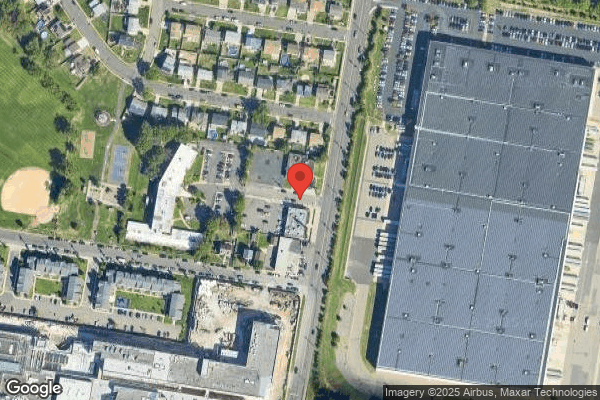
Understanding Severity Codes (click to expand)
Life-Threatening (Immediate Jeopardy)
J - Isolated K - Pattern L - Widespread
Actual Harm
G - Isolated H - Pattern I - Widespread
Potential for Harm
D - Isolated E - Pattern F - Widespread
No Harm (Minor)
A - Isolated B - Pattern C - Widespread

Questions to Ask on Your Visit

  • "What changes have you made since the serious inspection findings?"
  • "Can I speak with families of current residents?"
  • "What's your RN coverage like on weekends and overnight?"

Our Honest Assessment

Strengths
  • • Licensed and certified facility. Meets minimum state requirements.
Concerns
  • • Multiple safety concerns identified: 2 life-threatening violation(s), 1 harm violation(s). Review inspection reports carefully.
  • • 19 deficiencies on record, including 2 critical (life-threatening) violations. These warrant careful review before choosing this facility.
  • • $23,989 in fines. Higher than 94% of New Jersey facilities, suggesting repeated compliance issues.
  • • Grade F (34/100). Below average facility with significant concerns.
Bottom line: Trust Score of 34/100 indicates significant concerns. Thoroughly evaluate alternatives.

About This Facility

What is Spring Creek Healthcare Center's CMS Rating?

CMS assigns SPRING CREEK HEALTHCARE CENTER an overall rating of 3 out of 5 stars, which is considered average nationally. Within New Jersey, this rating places the facility higher than 0% of the state's 100 nursing homes. This mid-range rating indicates the facility meets federal standards but may have areas for improvement.

How is Spring Creek Healthcare Center Staffed?

CMS rates SPRING CREEK HEALTHCARE CENTER's staffing level at 2 out of 5 stars, which is below average compared to other nursing homes. Staff turnover is 50%, compared to the New Jersey average of 46%.

What Have Inspectors Found at Spring Creek Healthcare Center?

State health inspectors documented 19 deficiencies at SPRING CREEK HEALTHCARE CENTER during 2021 to 2025. These included: 2 Immediate Jeopardy (the most serious level, indicating potential for serious harm or death), 1 that caused actual resident harm, and 16 with potential for harm. Immediate Jeopardy findings are rare and represent the most serious regulatory concerns. They require immediate corrective action.

Who Owns and Operates Spring Creek Healthcare Center?

SPRING CREEK HEALTHCARE CENTER is owned by a for-profit company. For-profit facilities operate as businesses with obligations to shareholders or private owners. The facility is operated by ALLAIRE HEALTH SERVICES, a chain that manages multiple nursing homes. With 179 certified beds and approximately 129 residents (about 72% occupancy), it is a mid-sized facility located in PERTH AMBOY, New Jersey.

How Does Spring Creek Healthcare Center Compare to Other New Jersey Nursing Homes?

Compared to the 100 nursing homes in New Jersey, SPRING CREEK HEALTHCARE CENTER's overall rating (3 stars) is below the state average of 3.3, staff turnover (50%) is near the state average of 46%, and health inspection rating (3 stars) is at the national benchmark.

What Should Families Ask When Visiting Spring Creek Healthcare Center?

Based on this facility's data, families visiting should ask: "What changes have been made since the serious inspection findings, and how are you preventing similar issues?" "Can you walk me through typical staffing levels on day, evening, and night shifts?" "Can I visit during a mealtime to observe dining assistance and food quality?" "How do you handle medical emergencies, and what is your hospital transfer rate?" These questions are particularly relevant given the facility's Immediate Jeopardy citations and the below-average staffing rating.

Is Spring Creek Healthcare Center Safe?

Based on CMS inspection data, SPRING CREEK HEALTHCARE CENTER has documented safety concerns. Inspectors have issued 2 Immediate Jeopardy citations (the most serious violation level indicating risk of serious injury or death). The facility has a 3-star overall rating and ranks #100 of 100 nursing homes in New Jersey. Families considering this facility should ask detailed questions about what corrective actions have been taken since these incidents.

Do Nurses at Spring Creek Healthcare Center Stick Around?

SPRING CREEK HEALTHCARE CENTER has a staff turnover rate of 50%, which is about average for New Jersey nursing homes (state average: 46%). Moderate turnover is common in nursing homes, but families should still ask about staff tenure and how the facility maintains care continuity when employees leave.

Was Spring Creek Healthcare Center Ever Fined?

SPRING CREEK HEALTHCARE CENTER has been fined $23,989 across 2 penalty actions. This is below the New Jersey average of $33,319. While any fine indicates a compliance issue, fines under $50,000 are relatively common and typically reflect isolated problems that were subsequently corrected. Families should ask what specific issues led to these fines and confirm they've been resolved.

Is Spring Creek Healthcare Center on Any Federal Watch List?

SPRING CREEK HEALTHCARE CENTER is not on any federal watch list. The most significant is the Special Focus Facility (SFF) program, which identifies the bottom 1% of nursing homes nationally based on persistent, serious quality problems. Not being on this list means the facility has avoided the pattern of deficiencies that triggers enhanced federal oversight. This is a positive indicator, though families should still review the facility's inspection history directly.