ARISTACARE AT NORWOOD TERRACE
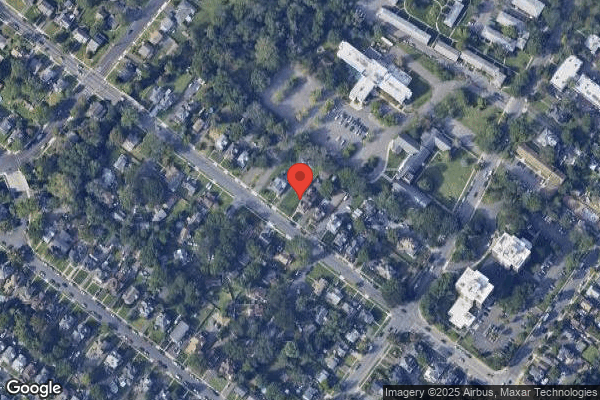
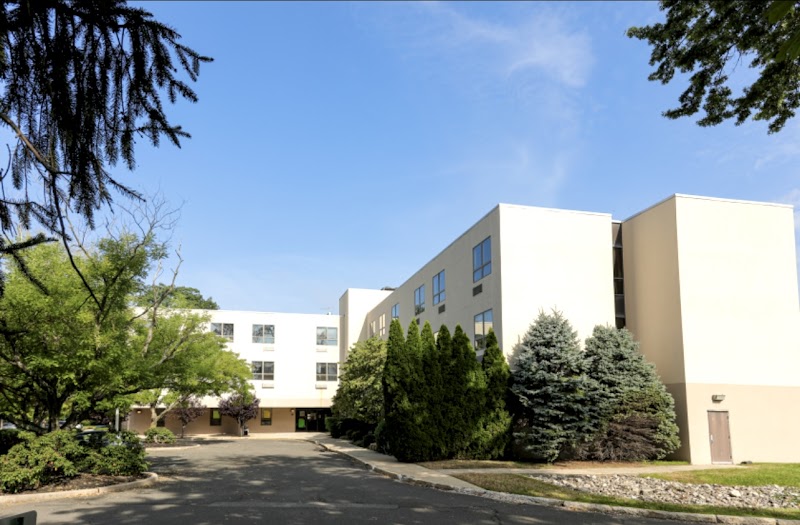
40 NORWOOD AVENUE, PLAINFIELD, NJ 07060 (908) 769-1400
For profit - Limited Liability company 120 Beds ARISTACARE Data: November 2025
Trust Grade
90/100
#4 of 344 in NJ
Last Inspection: April 2025

Within standard 12-15 month inspection cycle. Federal law requires annual inspections.

Overview

Aristacare at Norwood Terrace has received an excellent Trust Grade of A, indicating a high level of quality and care. Ranked #4 out of 344 facilities in New Jersey and #1 out of 23 in Union County, this nursing home is in the top tier of options available. The facility is improving, with issues decreasing from five in 2023 to four in 2025. Staffing is rated average with a turnover rate of 44%, slightly above the state average, but they maintain a good level of care with 5/5 stars in quality measures. While there have been no fines, some concerns were noted, including improper food storage practices that could lead to foodborne illnesses and the delayed removal of expired medications, which presents potential risks.

Trust Score
A
90/100
In New Jersey
#4/344
Top 1%
Safety Record
Low Risk
No red flags
Inspections
Getting Better
5 → 4 violations
Staff Stability
○ Average
44% turnover. Near New Jersey's 48% average. Typical for the industry.
Penalties
✓ Good
No fines on record. Clean compliance history, better than most New Jersey facilities.
Skilled Nurses
○ Average
Each resident gets 35 minutes of Registered Nurse (RN) attention daily — about average for New Jersey. RNs are the most trained staff who monitor for health changes.
Violations
⚠ Watch
12 deficiencies on record. Higher than average. Multiple issues found across inspections.
★★★★★
5.0
Overall Rating
★★★☆☆
3.0
Staff Levels
★★★★★
5.0
Care Quality
★★★★☆
4.0
Inspection Score
Stable
2023: 5 issues
2025: 4 issues

The Good

  • 5-Star Quality Measures · Strong clinical quality outcomes
  • Full Sprinkler Coverage · Fire safety systems throughout facility
  • No fines on record
  • Staff turnover below average (44%)

    4 points below New Jersey average of 48%

Facility shows strength in quality measures, fire safety.

The Bad

Staff Turnover: 44%

Near New Jersey avg (46%)

Typical for the industry

Chain: ARISTACARE

Part of a multi-facility chain

Ask about local staffing decisions and management

The Ugly 12 deficiencies on record

Apr 2025 4 deficiencies
CONCERN (D)

Potential for Harm - no one hurt, but risky conditions existed

Comprehensive Care Plan (Tag F0656)

Could have caused harm · This affected 1 resident

**NOTE- TERMS IN BRACKETS HAVE BEEN EDITED TO PROTECT CONFIDENTIALITY** Based on interview and record review, it was determined that the facility failed to develop and implement a care plan that meets...

Read full inspector narrative →
**NOTE- TERMS IN BRACKETS HAVE BEEN EDITED TO PROTECT CONFIDENTIALITY** Based on interview and record review, it was determined that the facility failed to develop and implement a care plan that meets the medical needs identified on the comprehensive assessment care for 1 of 20 residents reviewed for comprehensive care plans. (Resident #94). This deficient practice was evidenced by the following: A review of Resident # 94's admissions record revealed that, Resident # 94 was admitted with but not limited to Heart Failure, Asthma (a long-term inflammatory disease in the lungs), and Acute Pulmonary Edema (a buildup of fluid in the lungs), A review of Resident #94's admission Minimum Data Set (MDS) dated [DATE] revealed under section O that the resident received continues oxygen. A review of Resident #94's Electronical Medical Record revealed a physician's order with a state date of 02/03/2025 for oxygen at 2 liters via nasal cannula (a tube that delivers oxygen into the nose) every shift for shortness of breath. A review of the current Care Plan (CP) for Resident #94 did not include documentation of a CP focus area or interventions for the use of oxygen. During an interview on 04/01/2025 at 10:55 AM with the surveyor the Unit Manger Licensed Practical Nurse (UMLPN)# 1 said that care plan consists of focus areas for falls, shin, pain, behaviors, dialysis, oxygen, and certain medications. When asked if Resident #94 should be care planned for oxygen the UMLPN replied, yes During an interview on 04/02/2025 at 12:00 PM with the surveyor the Director of Nursing stated, there should be a focus on use of oxygen on the resident's care plan. A review of a facility provided policy titled Care Plans revealed under section Policy Statement that, An individualized care plan that includes measurable objectives and timetables to meet the resident's medical, nursing, mental and psychological needs is developed for each resident. NJAC 8:39-27.1(a)
CONCERN (D)

Potential for Harm - no one hurt, but risky conditions existed

ADL Care (Tag F0677)

Could have caused harm · This affected 1 resident

Compliant #NJ00175438 Based on observation, interview, and pertinent facility documentation, it was determined that the facility failed to ensure that incontinence care was provided to a dependent res...

Read full inspector narrative →
Compliant #NJ00175438 Based on observation, interview, and pertinent facility documentation, it was determined that the facility failed to ensure that incontinence care was provided to a dependent resident in a timely manner. This deficient practice was identified for 1 of 20 residents (Resident #73) during incontinence care observations on 1 of the 2 units (2nd and 3rd Floors). This deficient practice was evidenced by the following: On 03/27/2025 at 10:14 AM, during the initial tour of the facility, the surveyors noted a strong odor of fecal matter and urine in the hallway on the third floor, immediately upon exiting the elevators. On 03/27/2025 at 10:15 AM, the surveyor observed Resident #73 sitting on the bed in his/her bedroom with his/her pants down, exposing a brown stained and torn incontinent brief. There was also brown debris on the front of the resident's pants, and the room had a strong ammonia-like odor. During an incontinence tour on the 3rd floor with the surveyor on 03/27/2025 at 10:18 AM, the Registered Nurse/Unit Manager (RN/UM) said that Resident #73's incontinent brief was wet with urine. The resident is incontinent of both bowel and bladder and requires assistance with ambulation to the bathroom as well as with his/her incontinence care. On 04/01/2025 at 10:48 AM, the surveyor observed Resident #73 sitting on the edge of the bed. The resident was seated on a washable incontinent bed pad with brown stains, and the bedroom had a strong ammonia-like odor. During an interview with the surveyor on 04/01/2025 at 10:55 AM, the RN/UM said she had noticed the strong ammonia-like odor in the bedroom and the brown stained washable incontinent bed pad. She explained that the resident often refused care when in a bad mood, and that afternoons were typically the best time to provide care. The facility staff had attempted to offer incontinence care earlier in the morning, but the resident had been disruptive and combative. On 04/01/2025 at 1:30 PM, the surveyor reviewed the electronic medical records (EMR) and found no documentation regarding the resident's refusal of care or any instances of disruptive and combative behavior during that the day shift. On 04/02/2025 at 10:32 AM, the surveyor reviewed the electronic medical records (EMR) and found no documentation regarding the resident's refusal of care or any instances of disruptive and combative behavior on 04/01/2025 during the day shift. A review of the undated facility policy, titled, ADL's (Activities of Daily Living), revealed under purpose and documentation that, Ensuring residents are receiving the activities related to personal care. Information to be documented in POC/PCC. NJAC 8:39-27.1 (a), 27.2 (h)
CONCERN (D)

Potential for Harm - no one hurt, but risky conditions existed

Incontinence Care (Tag F0690)

Could have caused harm · This affected 1 resident

Based on observation, interview, record review, and pertinent facility documents it was determined that the facility failed to provide appropriate and sufficient treatment and care based upon current ...

Read full inspector narrative →
Based on observation, interview, record review, and pertinent facility documents it was determined that the facility failed to provide appropriate and sufficient treatment and care based upon current standards of practice specifically by allowing a catheter drainage bag to be in contact with the floor. The deficient practice was identified for 1 of 1 resident (Resident # 7) reviewed for Urinary Catheter or Urinary Tract Infection. On 3/27/2025 at 10:59 AM during the initial tour, the surveyor observed Resident # 7 in bed. At that time, the surveyor observed a catheter drainage bag covered by a privacy bag secured to the bed frame but in contact with the floor below. On 3/28/2025 at 10:50 AM, the surveyor observed Resident # 7 in bed. At that time, the surveyor observed a catheter drainage bag covered by a privacy bag secured to the bed frame but in contact with the floor below. The tube connected to the drain bag was also in contact with the floor. On 4/2/2025 at 10:22 AM, the surveyor observed Resident # 7 sitting on the side of the bed. At that time, the surveyor observed the catheter drainage bag covered by a privacy bag secured to the bed but in contact with the floor below. A review of the physician's orders located in the Electronic Medical Record (EMR) revealed that Resident # 7 had an order for a catheter due to urinary retention, neurogenic bladder (nerves that control bladder function are damaged, leading to abnormal bladder control), and/or wound healing secondary to incontinence. A review of the Care Plan located in the EMR revealed that Resident # 7 had a focus of an indwelling catheter due to neurogenic bladder initiated on 3/14/2025. On 4/02/2025 at 12:00 PM during an interview with the surveyor, the Director of Nursing (DON) replied, If the resident is in bed the catheter drainage bag should be attached to the bed in a privacy bag. after the surveyor asked where should catheter drainage bags be located when a resident is in bed. The DON replied, it should not. when the surveyor asked if it should be on the floor. Lastly, the DON replied, Infection control when the surveyor asked why is that important. A review of the undated facility policy titled, Foley Catheter Insertion revealed that, 26. Hang the drainage bag on the side of the bed, below the level of the bladder. N.J.A.C. § 8:39-27.1 (a)
CONCERN (D)

Potential for Harm - no one hurt, but risky conditions existed

Infection Control (Tag F0880)

Could have caused harm · This affected 1 resident

**NOTE- TERMS IN BRACKETS HAVE BEEN EDITED TO PROTECT CONFIDENTIALITY** Based on observation, interview, review of medical records, and review of other facility documentation, it was determined that t...

Read full inspector narrative →
**NOTE- TERMS IN BRACKETS HAVE BEEN EDITED TO PROTECT CONFIDENTIALITY** Based on observation, interview, review of medical records, and review of other facility documentation, it was determined that the facility failed to implement infection control measures for the handling and storage of respiratory equipment for 1 of 2 residents reviewed for respiratory care (Residents #94). This deficient practice was evidenced by the following: On 03/28/2025 at 11:41 AM, during rounds the surveyor observed Resident #94 sitting in bed in his/her room with the nasal cannula (a tube used to deliver oxygen through the nose) rolled up exposed to the air on top of the oxygen concentrator (a medical device that delivers extra oxygen to the patient). The oxygen concentrator was turned on. On 04/01/2025 at 10:46 AM during rounds the surveyor observed Resident # 94's nasal cannula rolled up and exposed to air on the top of the oxygen concentrator. Resident #94 was out of the facility at this time. A review of Resident # 94's admissions record revealed that, Resident # 94 was admitted with but not limited to Heart Failure, Asthma (a long-term inflammatory disease in the lungs), and Acute Pulmonary Edema (a buildup of fluid in the lungs), A review of Resident #94's admission Minimum Data Set (MDS) dated [DATE] revealed under section O that the resident received continues oxygen. A review of Resident #94's Electronical Medical Record revealed a physician's order with a state date of 02/03/2025 for oxygen at 2 liters via nasal cannula (a tube that delivers oxygen into the nose) every shift for shortness of breath. During an interview on 04/01/2024 at 10:55 AM with the surveyor the Unit Manger Licensed Practical Nurse (UMLPN), said that all respiratory equipment should be kept in a bag when not in use. The surveyor and the UMLPN went to Resident #94's room. When the UMLPN saw the nasal cannula, she said, that should be in a bag, I should have come back after she left and checked. During an interview on 04/02/2025 at 12:00 PM with the surveyor, the Director of Nursing (DON) said the nasal cannulas should be kept in a plastic bag when not in use for infection control. A review of a facility provided policy titled Oxygen Administration, revised on 03/24/2025 revealed under section, Steps in the Procedure that, 11. When oxygen is not in use store the nasal cannula in a plastic bag. 8:39-19.4 (k)
Feb 2023 5 deficiencies
CONCERN (D)

Potential for Harm - no one hurt, but risky conditions existed

Assessment Accuracy (Tag F0641)

Could have caused harm · This affected 1 resident

**NOTE- TERMS IN BRACKETS HAVE BEEN EDITED TO PROTECT CONFIDENTIALITY** Based on observation, interview, and review of facility documentation, it was determined that the facility failed to accurately ...

Read full inspector narrative →
**NOTE- TERMS IN BRACKETS HAVE BEEN EDITED TO PROTECT CONFIDENTIALITY** Based on observation, interview, and review of facility documentation, it was determined that the facility failed to accurately assess two residents' status in the Minimum Data Set (MDS), an assessment tool used to evaluate resident's care needs. This deficient practice was observed for 2 of 22 residents reviewed, Resident #21 and #31 and was evidenced by the following: 1. Review of the admission Record indicated that Resident #31 was admitted to the facility on 4/2013. Review of the most recent quarterly MDS dated [DATE] indicated that Resident #31 had a Brief Interview of Mental Status of 3, meaning the resident had severe cognitive impairment. Medical Diagnosis for Resident #31 included, but not limited to dementia, urinary calculus (kidney stones), dysphasia (difficulty swallowing), hypothyroidism (slow thyroid function), and hypertension (high blood pressure). On 01/27/2023 at 09:45 AM, the surveyor reviewed the most recent quarterly MDS dated [DATE]. Under section H, titled bowel and bladder no was marked for indwelling catheter. Earlier review of the progress notes indicated the indwelling catheter was initially inserted on 12/8/2022 and was present on the day of the review. On 02/01/2023 at 12:53 PM, the surveyor interviewed the Minimum Data Set Coordinator (MDSC) regarding the answer no under section H for bowel and bladder and why indwelling catheter was marked no. The MDSC said the resident had the catheter and then it was removed and then reinserted. The surveyor was told the catheter was reinserted on 12/16/2022. The surveyor asked the MDSC when the quarterly MDS, section H, that was completed on 12/26/2022 was updated and the MDSC replied, when it was brought to my attention on January 30th. This was after the surveyor's inquiry. 2. On 01/27/2023 at 2:05 PM, the surveyor observed resident #21 outside in the smoking area, smoking a cigarette. There was a staff member present and the resident could also be seen through the glass door by the front desk receptionist. There was a cigarette disposal receptacle that the resident was utilizing as well. On 01/30/2023 at 10:59 AM, the surveyor interviewed Resident #21 and he/she stated that he/she smokes and the facility holds their cigarettes at the front desk and Resident #21 retrieves the cigarettes when he/she was ready to smoke during the designated smoking times. At that same date and time, review of the admission MDS that was completed on 12/06/2022 by the MDS Coordinator (MDSC) showed that Resident #21 was admitted on 11/2022, and has a BIMS of 12, has limited assistance with ADL's, and under section J1300, Resident #21 was listed as 0 for (No) under current tobacco use. Resident #21 should have been coded number 1 for (Yes) as being a smoker on the admission MDS. Medical diagnosis for Resident 21 included, but not limited to hypokalemia, major depressive disorder, anxiety disorder, chronic obstructive pulmonary disease (COPD), type 1 diabetes, hypertension (high blood pressure), obesity, type 2 diabetes, rheumatoid arthritis, schizophrenia, fatty liver, nicotine dependence, colostomy status, psychotic disorder with delusions, cirrhosis of the liver, and disorder of muscle. On 02/01/2023 at 12:53 PM, MDSC was interviewed by surveyors and asked about the process for a new admission and how the MDSC would know that a newly admitted resident was a smoker. The MDSC stated the info usually comes in and is available on the paperwork that presents with the resident and if not, then the MDSC would have to rely on staff to let her know that info and sometimes it is not given to her. On 02/01/2023 at 12:58 PM, the Administrator was interviewed and confirmed that the MDS should be documented and coded correctly to identify whether the resident was a smoker and there should be a smoking assessment done for smokers as well. On 02/01/2023 at 1:35 PM, the surveyor reviewed the care plan (CP) and Resident #21's care plan area revealed that resident has COPD related to smoking which was initiated on 11/30/2022 and revised on 12/28/2022. The CP did not address any safety measures for the resident to adhere to, no mention of smoking times, where cigarettes/matches are to be stored, or the process for staff or the resident to follow to ensure Resident #21's safety. Upon further review, there were no smoking assessments available for Resident #21. The Administrator was asked for MDS, CP, and smoking assessments. MDS and CP were provided but no smoking assessment was received. There also was nothing specific that shows that the resident agrees to adhere to the facility's smoking policy up to or through the review date. Surveyor was provided a blank smoking policy that was not signed by Resident #21. On 02/01/2023 at 02:08 PM, the surveyor reviewed the policy provided by the facility titled, Smoking Policy, an undated policy. The policy revealed, AristaCare at [NAME] Terrace shall establish and maintain safe smoking practices. All smokers are supervised at AristaCare at [NAME] Terrace. 4. The staff will review as needed and quarterly the status of a resident's smoking privileges periodically and consult as needed with the Director of Nursing and attending physician. The last line stated, I have been informed of the AristaCare at [NAME] Terrace Smoking policy and agree to abide by it. with a line for a signature. This policy was presented to the surveyor unsigned by Resident #21. On 02/02/2023 at 11:20 AM, the surveyor reviewed the policy provided by the facility titled, MDS Completion and Submission Timeframes, an undated policy. The policy revealed our facility will conduct and submit resident asssessments in accordance with current federal and state submission timeframes. The policy did not speak to the accuracy of MDS assessments, only to submitting the MDS within the required timeframes. NJAC 33.2 (d)
CONCERN (D)

Potential for Harm - no one hurt, but risky conditions existed

Deficiency F0658 (Tag F0658)

Could have caused harm · This affected 1 resident

Based on observation, interview, and record review it was determined the facility failed to maintain profession standards of clinical practice for 2 of 22 residents (Resident #8 and #66) reviewed by a...

Read full inspector narrative →
Based on observation, interview, and record review it was determined the facility failed to maintain profession standards of clinical practice for 2 of 22 residents (Resident #8 and #66) reviewed by a.) documenting on the Treatment Administration Record (TAR) that preventative heel boots were applied to a resident when they were not and not following the physicians most recent order for heel boots and b.) correctly transcribe an order to the Medication Administration Record (MAR) to remove a medication patch. This deficient practice was evidenced by the following: a.) On 01/23/23 at 10:53 AM, during the initial tour of the facility Resident #8 was observed in bed. The surveyor observed that there were foot boots on the resident's nightstand. Resident #8 told the surveyor they get put on at night. The surveyor asked the resident if he/she could move legs and the resident said, not at all. Review of the admission Record indicated that Resident #8 was admitted to the facility on 11/2016. Review of the most recent annual Minimum Data Set (MDS), an assessment tool dated 11/15/22 showed Resident #8 had a Brief Interview of Mental Status (BIMS) of 13, meaning the resident was cognitively intact. Section G of the MDS, functional status indicated the resident was a two person assist for transfers, bed mobility, transfers, and dressing. Medical diagnoses included, but not limited to major depressive disorder, muscle weakness, dementia, diabetes (high blood sugar), and hypertension (high blood pressure). On 01/25/23 at 09:53 AM, the surveyor reviewed the physician orders and there was an active order for no shoes, heel boots on at all times The order date was 12/7/2017 and remained an active order. There was also an older order for suspension heel booties while in bed every shift for wound prevention with a start date of 11/04/2016. On 01/25/23 at 10:35 AM, the surveyor went to see the resident. A housekeeper in the room told the surveyor the resident was in activities on the first floor. The surveyor observed the resident's heel boots on the nightstand next to the bed. On 01/25/23 at 10:48 AM, the surveyor observed Resident #8 in the first-floor dining room participating in activities while sitting in a wheelchair. The resident did not have any heel boots on during the observation. On 01/26/23 on 10:38 AM, the surveyor observed the resident in bed. The resident had foam boots to both feet. The surveyor asked the resident if he/she wore them all the time and the resident said no, I wear them in bed, when I'm in the wheelchair, I don't need to wear anything on my feet. On 01/26/23 at 11:15 AM, the surveyor reviewed the Treatment Administration Record (TAR) and it showed the nurses were signing the resident's boots as applied on day shift, evening shift, and night shift, meaning the resident was wearing the boots 24 hours each day. On 1/27/23 at 11:20 AM, the surveyor observed Resident #8 in the day room sitting in a wheelchair for activities. The resident did not have the heel boots in place. On 01/27/23 at 11:34 AM, the surveyor interviewed the Licensed Practical Nurse (LPN) regarding Resident #8 heel boots. The surveyor asked how they were ordered by the physician and the LPN said, all the time, but the resident usually just wears them in bed. Sometimes she/he doesn't want to wear them. On 01/27/23 at 12:02 PM, the surveyor reviewed the progress notes for December 2022 and January 2023. There was no documentation that Resident #8 was refusing to wear the heel boots. On 01/27/23 at 12:56 PM, the surveyor interviewed the Unit Manager/Licensed Practical Nurse (UM/LPN) regarding Resident #8 and the heel boots. The UM/LPN told the surveyor the resident is supposed to always wear them but has been refusing lately. The surveyor asked why the nursing staff were documenting the boots as being on the resident during the day, evening and night shifts and the UM/LPN said, they should not document that if the boots are not on. The surveyor asked if the physician was aware of the resident's refusal to wear the boots and the UM/LPN said, we will have to document he/she is refusing and let the doctor know. On 02/01/23 at 10:12 AM, The Licensed Nursing Home Administrator (LNHA) met with surveyor and explained that Resident #8 had two orders for heel boots, one order said at all times and one order said while in bed. The LNHA said the staff were following the most up to date order of while in bed. The surveyor asked why the Treatment Administration Record was signed as if the resident was wearing the boots on days, evenings, and nights and the LNHA said, no your right they shouldn't have signed as if they were on, I can't argue with that. b. On 01/26/23 at 11:10 AM the surveyor observed Resident #66 completing a puzzle with the assistance of a staff member. According to the admission Record, Resident #66 was admitted to the facility with a diagnosis including but not limited to disorder of muscle, unspecified. A review of his 12/14/22 quarterly minimum data set reflects that he has long and short term memory deficits Review of the October, November, December 2022 medication administration record (MAR) and January 2023 MAR of Resident #66 reflected an order for lidocaine patch 4% apply to lower back topically one time a day for back pain. There was no order observed to remove the patch. Review of the Order Summary Report with Active Orders as of 1/30/2023 reveals under the heading other to remove lidocaine patch at bedtime per schedule with a date of 10/4/2022. The order was not transcribed to the MAR for the nurse to remove the patch. During an interview on 1/27/2023 at 12:10PM, the Director of Nursing stated that the order to remove the lidocaine patch was ordered and designated in the other category and was not designated to the (MAR). Review of the Facility's policy Physicians' Medication Orders, revealed 7. Order will be electronically shown on the MAR or TAR NJAC 8:39-27.1 (a)
CONCERN (D)

Potential for Harm - no one hurt, but risky conditions existed

Incontinence Care (Tag F0690)

Could have caused harm · This affected 1 resident

Based on observation, interview, and review of facility documentation it was determined that the facility failed to obtain physician orders for urinary catheter care for Resident #31, 1 of 2 resident ...

Read full inspector narrative →
Based on observation, interview, and review of facility documentation it was determined that the facility failed to obtain physician orders for urinary catheter care for Resident #31, 1 of 2 resident reviewed for urinary catheters and was evidenced by the following: On 01/23/23 at 10:40 AM, during the initial tour of the facility Resident #31 was in the bed. The surveyor observed a urinary catheter tubing with dark yellow urine hanging at the bedside. The urinary collection bag was in a privacy bag. Review of the admission Record indicated that Resident #31 was admitted to the facility on 4/2013. Review of the most recent quarterly Minimum Data Set (MDS), an assessment tool dated 12/26/22 indicated that Resident #31 had a Brief Interview of Mental Status of 3, meaning the resident had severe cognitive impairment. Review of section G, functional status, of the MDS indicated the resident was a two-person assist for transfers, mobility, dressing, and personal hygiene. Medical Diagnosis for Resident #31 included, but not limited to dementia, urinary calculus (kidney stones), dysphasia (difficulty swallowing), hypothyroidism (slow thyroid function), and hypertension (high blood pressure). On 01/27/23 at 09:32 AM, the surveyor reviewed the Physician Orders (POS) which showed an order for the following: indwelling foley catheter (urinary catheter) every shift for urinary retention document output, it was an active order dated 12/21/22. Further review of the orders did not show any orders for changing the urinary collection bag, catheter care, size of catheter or frequency of catheter changes. On 01/27/23 at 10:06 AM, the surveyor reviewed the progress notes which showed the urinary catheter was inserted on 12/8/22. The following was documented in the progress notes: Order given by Nurse Practitioner for bladder scan. Order carried out scan shows 481cc of urine. Urinary catheter inserted, output 800cc. On 01/27/23 at 10:10 AM, the surveyor reviewed the Treatment Administration Record (TAR) for December 2022 and January 2023. The December 2022 TAR included the following order: Indwelling foley catheter every shift for urinary retention document output. The order had a start date of 12/21/2022. The TAR was blank from 12/21/22 to 12/31/22, meaning not signed as done by any nurses, and the progress notes indicated the catheter was inserted 12/8/23. The January 2023 TAR included an indwelling catheter every shift for urinary retention and document amounts every shift. On 01/27/23 at 12:45 PM, the surveyor interviewed the Unit Manager/Licensed Practical Nurse (UM/LPN) regarding urinary catheters and catheter care. The surveyor asked the UM/LPN what gets documented for catheters after insertion. The UM/LPN told the surveyor, The actual insertion and the size of the catheter will get documented in the computer. The surveyor asked how often urinary catheter bags are changed and the UM/LPN told the surveyor they were changed weekly and documented in the electronic medical record and there should be a physician order. The surveyor asked if that documentation should be on the Treatment Administration Record and the UM/LPN said yes. The UM/LPN could not speak to why it was not on the residents TAR. On 2/2/23, the surveyor reviewed the policy titled, Catheter Care, Urinary, an undated policy. The policy did not contain guidelines for documentation of urinary catheters. NJAC-8:39-33.2 (c) 5
CONCERN (D)

Potential for Harm - no one hurt, but risky conditions existed

Respiratory Care (Tag F0695)

Could have caused harm · This affected 1 resident

Based on observation, interview, review of the medical record and other facility documentation, it was determined that the facility failed to obtain a physician order for the use of oxygen for 1 of 1 ...

Read full inspector narrative →
Based on observation, interview, review of the medical record and other facility documentation, it was determined that the facility failed to obtain a physician order for the use of oxygen for 1 of 1 residents reviewed for oxygen, (Resident #19). This deficient practice was evidenced by the following: During the initial tour of the facility on 01/23/23 at 10:40 AM the surveyor observed Resident # 19 in bed receiving Oxygen via nasal cannula (a device used to deliver supplemental oxygen). On 01/24/23 at 11:48 AM and on 01/26/23 10:41 AM the surveyor observed Resident #19 receiving Oxygen via nasal cannula. According to the admission Record, Resident #19 was admitted to the facility with diagnosis of Chronic Obstructive Pulmonary Disease (COPD). The surveyor reviewed the Clinical Physician Orders for Resident #19 and did not observe an order for Oxygen. The surveyor reviewed the January 2023 Medication Administration Record (MAR) and Treatment Administration Record (TAR) and did not observe an order for Oxygen. During an interview on 01/26/23 at 11:12 AM, the assigned Licensed Practical Nurse (LPN) stated Resident #19 uses Oxygen via nasal cannula continuously. During an interview on 01/27/23 at 9:38 AM, the LPN Nurse Manager (LPN/NM) stated that Resident # 19 uses Oxygen continuously. She furthered that a Physician's Order (PO) is required for the use of Oxygen. When the Surveyor and LPN/NM reviewed the PO for Resident #19, the LPN/NM replied, She doesn't have an order. During an interview on 01/30/23 at 11:38 AM the Director of Nursing acknowledged that Resident #19 should have an order for Oxygen. A review of the facility provided Oxygen Administration policy reflects 1. Verify that there is a physician's order for this procedure. N.J.A.C. 8:39-27.1(a)
CONCERN (E)

Potential for Harm - no one hurt, but risky conditions existed

Food Safety (Tag F0812)

Could have caused harm · This affected multiple residents

**NOTE- TERMS IN BRACKETS HAVE BEEN EDITED TO PROTECT CONFIDENTIALITY** Based on observation, interview and review of facility documentation, it was determined that the facility failed to a.) properly...

Read full inspector narrative →
**NOTE- TERMS IN BRACKETS HAVE BEEN EDITED TO PROTECT CONFIDENTIALITY** Based on observation, interview and review of facility documentation, it was determined that the facility failed to a.) properly handle and store potentially hazardous foods in a manner that is intended to prevent the spread of food borne illnesses and b.) maintain equipment and kitchen areas in a manner to prevent microbial growth and cross contamination. This deficient practice was evidenced by the following: On 01/23/2023 at 9:54 AM, the surveyor toured the kitchen, in the presence of the Director of Dietary (DOD) and observed the following: In the food preparation area, there were 4 cartons of milk and 6 dessert cups that were sitting on the table, unlabeled, and not refrigerated or being kept cold on ice. The DOD stated the items were left over from breakfast and confirmed the milk and dessert cups should have been labeled and refrigerated. In the main area of the kitchen against the wall next to the refrigerator, there were several boxes of ice cream that were unlabeled in the stand alone ice cream freezer cart. The DOD confirmed that the boxes of ice cream should have been labeled. In the dry storage room, the surveyor selected random cans from the non-dented shelf and observed 3 dented cans on the non-dented can shelf. The DOD removed the 3 dented cans, placed them on the dented can's shelf and confirmed the cans should not have been there. On the overhead shelf, there was an unlabeled bag of oats and a container of [NAME] that was open and exposed to the air. In the dry storage room, there was an unlabeled box of large coffee filters that were outside the plastic wrap and exposed to the air. The DOD confirmed there should have been a label on the plastic bag of oats, on the Argos box, and on the box containing the large coffee filters. The DOD also confirmed that the plastic bag of oats, the box of Argos, and the large coffee filters should not have been left open and exposed to the air. On a bottom shelf of the dry pot/pan storage rack, the surveyor observed a wet, watery substance on the base of 2 pans. The surveyor touched the first pan base and it was determined to be wet to the touch. The surveyor then asked the DOD to move the second pan and observed the second pan base to be wet with a watery substance and wet to the touch. The second pan's handle was also melted and burned on top. The DOD observed the same and confirmed that the 2 pans were wet to the touch. The DOD removed the 1 pan to be rewashed and threw the second pan with the burnt handle in the garbage. On 01/30/2023 at 9:40 AM, during the second tour of the kitchen, the surveyor observed the dish machine cycle. The dietary aide (DA) pushed the full rack of food insulated tops through the machine, the surveyor and DOD observed that the final rinse cycle did not reach 180 degrees, even after the second attempt was made. The DA stated maybe the machine needs time to warm up like when you warm your car up in the morning. The DOD shut the machine down and advised surveyor that the Dish Service company would be called and the facility was equipped with disposables and they also had other dishes that were sanitized at the right temperature that could be used. Review of the facility's CCS Dating and Labeling policy outdated 09/20/2021, revealed the kitchen will assure food safety by maintaining proper dates and labels for all ready to eat products. 2. all food items will be labeled with a received date upon acceptance of delivery. Review of the facility's Dented Can policy dated 07/06/2022, revealed kitchen will receive quality acceptable canned goods. Uacceptable, dented canned goods will be reported and returned/discarded in a timely manner. 2. upon discovery, place dented can in the designated Dented Can area. Review of the facility's Wet Nesting of Kitchen Wares policy outdated 09/05/2021, revealed the kitchen will wash, rinse, sanitize and air dry (when wet) all pots, pans, cook ware, service wares and small wares following each meal. Items will not be force dried with any type of rags or wipes. 1. After items have been properly cleaned, rinsed and sanitized and items are still wet staff will stack or angle pans in such a way on a designated clean air drying rack so they may completely dry prior to usage without any pooling or nesting water visible or to touch. Review of the facility's Dish Machine Process policy undated, revealed before using dishwashing machine, make sure soap, sanitizer, and drying agent is enough and hooked up properly. Wash is minimum of 150 degrees and rinse is minimum of 180 degrees. NJAC 8:39-17.2
Apr 2021 3 deficiencies
CONCERN (D)

Potential for Harm - no one hurt, but risky conditions existed

Unnecessary Medications (Tag F0759)

Could have caused harm · This affected 1 resident

**NOTE- TERMS IN BRACKETS HAVE BEEN EDITED TO PROTECT CONFIDENTIALITY** Based on observation, interview, and record review, it was determined that the facility failed to ensure that all medications we...

Read full inspector narrative →
**NOTE- TERMS IN BRACKETS HAVE BEEN EDITED TO PROTECT CONFIDENTIALITY** Based on observation, interview, and record review, it was determined that the facility failed to ensure that all medications were administered without an error rate of 5% or more. During the medication pass on 3/31/21, the surveyor observed two (2) nurses administer medications to six (6) residents. There were 34 opportunities and two (2) errors observed which calculated to a medication administration error rate of 5.8%. This deficient practice was identified for 2 of 2 nurses administering medication to 2 of 6 residents, (Resident #25 and #73). The evidence was as follows: 1. On 3/31/21 at 8:43 AM, the surveyor conducted the medication pass in the presence of a second surveyor. At that time, the surveyor observed the Licensed Practical Nurse (LPN #1), during the medication pass, preparing to administer five (5) medications including one tablet of Sucralfate (Carafate) one (1) gram (GM) (a medication used to treat the lining of the stomach). The surveyor with LPN #1 observed Resident #25 sitting in a chair eating breakfast. LPN #1 reviewed the medications with the surveyor. LPN #1 stated Carafate had an administration time of 7:30 AM in the electronic Medication Administration Record (eMAR) and was color coded red because it was one hour past the 7:30 AM scheduled timeframe to give the medication. LPN #1 stated that the resident was already eating breakfast and was not going to administer the Carafate. Upon returning to the medication cart, the surveyor asked LPN #1 how often she completed medication pass during a shift. The LPN #1 stated she did three medication passes during her 7 AM - 3PM shift and usually started her first medication pass around 7:30 AM. The surveyor continued to interview LPN #1 regarding the process for withholding medications. LPN #1 stated she wrote a progress note which stated Resident #25 was eating as the reason she withheld the Carafate. LPN #1 further stated she would administer the Carafate at lunch time because it was scheduled for three times a day before meals. (Error #1). The surveyor reviewed the medical records for Resident #25. According to the Order Summary Report for March 2021 in the electronic medical record (EMR), Resident #25 was admitted with diagnoses which included but not limited to: gastro-esophageal reflux disease without esophagitis. A review of the annual Minimum Data Set (MDS), an assessment tool used to facilitate the management of care, dated 6/30/20 reflected that the resident had a Brief Interview of Mental Status (BIMS) score of 10 out of 15 which indicated the resident had a moderately impaired cognition. It further reflected that the resident required extensive assistance with most activities of daily living, including bed mobility, transferring, dressing and toileting. A review of the resident's current Order Summary Report reflected a physician's order (PO) dated 6/19/19 for Sucralfate (Carafate) tablet one (1) GM, give one tablet by mouth three times a day for gastroesophageal reflux disease (GERD), a digestive condition which affects the muscle between the esophagus and the stomach and causing stomach acid to backup into the esophagus. A review of the resident's eMAR for March 2021 reflected the corresponding PO with a start date of 6/20/19 and was scheduled to be administered at 7:30 AM, 11:30 AM, and 4:30 PM. On 4/1/21 at 10:02 AM, the surveyor interviewed the Director of Nursing (DON) regarding who was responsible to ensure medications where administered in a timely manner. The DON stated the nurses were to check the PO on the times to administer the medications and the Unit Managers (UM) are responsible to check and follow up with the nurses to check the accuracy of medication administration. The DON also emphasized the Consultant Pharmacist came into the facility and conducted medication passes with the nurses. The surveyor asked the DON about the process for omitted medications. The DON stated the nurse should notify the UM and the primary physician. In addition, to monitoring the resident for any adverse reactions. The DON concluded she would then educate the nurse to ensure appropriate administration time of the medication. The DON confirmed that the resident had no adverse outcome from the carafate not being administered. On 4/1/21 at 10:27 AM, the surveyor interviewed the Consultant Pharmacist (CP) via telephone. The CP stated she came into the facility monthly to conduct a medication pass with the nurses, unit inspections and psychiatric meetings with the psychiatrist, the DON, and the UM. She further stated she completed the medication regimen review remotely since the facility was completely paperless. The CP acknowledged there were no specific amount of times a nurse should complete medication passes during a shift. She stated nurses should administer medications according to the times they are scheduled. The surveyor asked the CP regarding the expectations if a medication was omitted. The CP stated the expectation would be to inform the UM and the physician that the resident did not receive the medication; in addition to monitoring the resident. A review of the medication pass observation dated 3/12/21 completed by the CP reflected that the LPN #1 had a medication error for medication administered outside the time frame for meals. A review of an in-service provided by the DON dated the same day 3/12/21 for Medication Pass indicated that the CP presented an in-service to LPN #1 and educated LPN #1 regarding the medication error. A review of an undated facility policy for Administering Medications provided by the DON reflected that .Medications must be administered in accordance with the orders, including any required time frame .medications . must be administered within one (1) hour of their prescribed time, unless otherwise specified (for example, before and after meal orders). A review of the manufacturer's specifications for administration of Carafate indicated administered on an empty stomach at least 1 hour before a meal. 2. On 3/31/21 at 9:01 AM, the surveyor observed LPN #2, during the medication pass, preparing to administer 13 medications to Resident #73, which included one 120 milligram (MG) tablet of Nateglinide (Starlix), a medication used to help control high blood sugar. LPN #2 stated that she was ready to administer the 13 medications to Resident #73. The surveyor with LPN #2 observed Resident #72 seated on the side of his/her bed with a breakfast meal tray in front of him/her. The surveyor observed that the breakfast had been consumed. At 9:09 AM, the surveyor questioned LPN #2 regarding Starlix being displayed as red in the eMAR. LPN #2 stated because it was scheduled for 8 AM and it was past the one hour window to give the medication. The surveyor further asked LPN #2 about administering Starlix before meals. LPN #2 stated she would try to give every resident their before meals medications but sometimes she was not able to and so she would administer the medication during and after meals, even though the medication was ordered for before meals. The surveyor asked LPN #2 how often she completed medication pass during a shift. The LPN #2 stated she did two medication passes during her 7 AM - 3PM shift at 7 AM and 1 PM. At 9:19 AM, the two surveyors observed LPN #2 administering the 13 medications to the Resident #73, which included Starlix which should be given before the meal. The surveyor asked Resident #73 regarding their breakfast and he/she confirmed, I had finished my breakfast before he/she had received the medications. (Error #2) At 9:25 AM, the surveyor continued to interview the resident who told the surveyor sometimes he/she received their medications before meals, but it was mostly after meals. The surveyor reviewed the medical records for Resident #73. According to the Order Summary Report for March 2021 in the electronic medical record (EMR), Resident #73 was admitted with diagnoses which included but not limited to: type 2 diabetes mellitus and hypertension. A review of the annual MDS, dated [DATE] reflected that the resident had a BIMS score of 15 out of 15 which indicated the resident had an intact cognition. It further reflected that the resident required supervision assistance with most activities of daily living, including bed mobility, transferring, dressing and toileting. A review of the resident's current Order Summary Report reflected a physician's order (PO) dated 11/9/14 for Nateglinide (Starlix) tablet 120 MG, give one tablet orally in the morning for diabetes mellitus give at 8 AM. A review of the resident's eMAR for March 2021 reflected the PO started 2/24/15 with a time of administration for 8 AM. There was no evidence that the resident's fasting blood glucose levels were adversely affected. On 4/1/21 at 10:02 AM, the surveyor interviewed the DON regarding administering medications ordered before meals. The DON stated the nurse review the PO and administer medications according to the order for their shift. She emphasized the CP came in the facility to conduct medication passes with the nurses on each unit. The DON concluded she provided re-educations to the nurses after their medication pass observation with the CP. The DON confirmed that the resident's blood sugars were not adversely affected. On 4/1/21 at 10:27 AM, the surveyor interviewed the CP via telephone. The CP stated she was not quite sure but believed with Starlix it was okay to administer to the resident if one (1) minute before the meal or with the first bite of the meal. The CP further stated if the resident was in the middle of their meal and the medication Starlix was administered then the expectation was for the nurse to notify the UM and physician; in addition to monitoring the resident for adverse reactions. The CP stated there were no specific amount of times a nurse should complete medication passes during a shift. She acknowledged nurses should administer medications according to the time they are scheduled. A review of the medication pass observation dated 3/22/21 completed by the CP reflected that the LPN #2 had a medication error for medication administered. A review of an in-service provided by the DON dated 3/22/21 for Medication Pass indicated that the CP presented an in-service to the LPN #2 and educated the LPN #2 regarding the medication error. A review of an undated facility policy for Administering Medications provided by the DON reflected that .Medications must be administered in accordance with the orders, including any required time frame .medications . must be administered within one (1) hour of their prescribed time, unless otherwise specified (for example, before and after meal orders). A review of the facility's policy, Medication Error Reporting dated September 2018 included, medication errors are documented and reported .in the event of a medication error immediate action is taken as necessary, to protect the resident's safety and well being .the attending physician group is notified of the error for any further directions A review of the manufacturer's specifications for administration of Starlix, indicated should be taken 1 to 30 minutes prior to meals. NJAC 8:39-29.2 (d)
CONCERN (D)

Potential for Harm - no one hurt, but risky conditions existed

Deficiency F0760 (Tag F0760)

Could have caused harm · This affected 1 resident

**NOTE- TERMS IN BRACKETS HAVE BEEN EDITED TO PROTECT CONFIDENTIALITY** Based on observation, interview, record review, and review of pertinent facility documentation, it was determined that the facil...

Read full inspector narrative →
**NOTE- TERMS IN BRACKETS HAVE BEEN EDITED TO PROTECT CONFIDENTIALITY** Based on observation, interview, record review, and review of pertinent facility documentation, it was determined that the facility failed to ensure: a.) a long-acting scheduled dose of an antipsychotic medication (Haldol) was administered every 28 days in accordance with a resident's psychiatric plan of care, and b.) a comprehensive care plan was in place to address the resident's antipsychotic medication (Haldol). This deficient practice was identified for 1 of 5 residents reviewed for unnecessary medications (Resident #227). The evidence was as follows: On 3/31/21 at 8:25 AM, the surveyor observed Resident #227 seated on the edge of the bed in his/her room. The resident appeared comfortable and was well-groomed. The surveyor observed that the resident was wearing a Darco boot (a post-surgical walking boot) on the right foot and holding a black pouch with a Wound-VAC (vacuum assisted closure) device (a medical device that provides negative pressure to a wound bed to promote healing and reduce drainage). The resident had slurred speech and spoke in a quiet tone stating that he/she was going to the wound center today. The surveyor continued to interview the resident who answered yes or no questions but was not willing to elaborate further on yes or no questions asked. The resident denied any concerns with his/her medication regimen at the facility. The surveyor reviewed the hospital medical records for Resident #227. A review of the Hospital After Visit Summary dated 3/12/21 reflected that the resident was hospitalized from [DATE] to 3/12/21 and was a new admission to the facility on 3/12/21. A review of the resident's History and Physical dated on admission to the hospital on 3/4/21 and conducted by the Physician's Assistant (PA) revealed that the resident had an unspecified Schizophrenia diagnosis and that they were going to hold the monthly dose of an antipsychotic medication Haldol Deconate injection because they not sure when [his/her] last dose was given, tried calling psych facility [behavioral health clinic name redacted] where shot is administered but was closed. The PA documented that they were going to resume the resident's oral dose of Risperdal (an antipsychotic medication) and behavioral health was consulted. A review of the hospital psychiatric consult dated 3/5/21 reflected that the resident was seen due to a history of Schizophrenia and was currently being treated with Haldol Deconate intramuscularly with the last dose TBD [to be determined] at [behavioral health clinic name redacted]. The consult further included that the resident was stable on [his/her] current regimen and per collateral, has not exhibited any changes in .mood/behaviors. will refer for outpatient psychiatric follow up .no sign of imminent danger to self or others noted during today's interview .Patient is stable from a psychiatric standpoint for discharge .continue with current psychotropic medications . A review of the Hospital Discharge Medication List reflected that the resident was to continue on his/her medication regimen which included: Haloperidol Deconate (Haldol) 50 milligrams (mg) / milliliter (mL) injection; administer 50 mg into the muscle every 28 days. The order specified that the last dose was administered at a specific behavioral healthcare clinic in the community. The prescribing physician of the Haldol from the behavioral healthcare clinic and the phone number was written with the Haldol order. In addition, administer Risperidone (Risperdal), an oral antipsychotic medication, tablets by mouth to total 5 mg at bedtime. The surveyor reviewed the facility's medical record for Resident #227. A review of the resident's admission Record face sheet (an admission summary) reflected that the resident was admitted to the facility on [DATE] with diagnoses which included osteomylitis (an infection in the bone) and Schizophrenia. The surveyor attempted to review the admission Minimum Data Set (MDS), an assessment tool used to facilitate the management of care, but the MDS had not yet been submitted as complete. A review of a Brief Interview for Mental Status (BIMS) assessment dated [DATE] revealed that the resident had a score of 15 out of 15, indicating fully intact cognition. A review of the resident's individualized care plan dated 3/12/21 did not address that the resident received antipsychotic medication including the Haldol intramuscularly in the community, what his/her target behaviors were, or interventions specific to address his/her diagnosis of Schizophrenia. A review of the physician's order sheet for March 2021 did not address a physician's order for the resident's long-acting antipsychotic medication, Haldol 50 mg/mL intramuscularly every 28 days, a hold order, or any projected date for the administration of the Haldol in accordance with the resident's psychiatric plan of care for Schizophrenia and discharge medication list. According to the physician's order sheet, there were no other changes to the residents oral antipsychotic medication regimen. A review of the electronic Medication Administration Record (eMAR) for March 2021 did not reflect documented evidence that the resident received Haldol or that there was a projected date for the administration of the Haldol 50 mg/mL. A review of the electronic Progress Notes (ePN) did not reflect documented evidence that attempts to call the resident's behavioral health clinic in the community to determine the date of the last dose of Haldol to ensure continuity of care were made. An ePN dated 3/14/21 at 9:55 AM reflected that Psychiatry was called to discuss the resident's medication regimen and that the Psychiatrist stated It would be beneficial for this patient to be maintained on [his/her] current dose of Risperdal due to the threat of decompensation. The staff will continue to monitor behaviors and document any event. However the ePN did not address the long acting Haldol dose received every 28 days. On 3/31/21 at 8:35 AM, the surveyor interviewed the resident's assigned Certified Nursing Aide (CNA) who stated that the resident was alert and oriented and was able to make his/her needs known. The CNA stated that she assists the resident with morning care by setting up all the materials and that he/she performs the tasks independently and that she cleans up after him/her and puts items away in their respective places. The surveyor inquired if the resident had any known behaviors, and the CNA stated that the resident was compliant with care but that that the resident refused to allow her to assist in any physical care. She stated that she didn't think that it was a behavior but a preference. The CNA denied that the resident had any behaviors. She stated that she was not told to monitor for any behaviors either, but that if the resident had a change she would let the nurse know. At 8:40 AM, the surveyor interviewed the resident's assigned Licensed Practical Nurse (LPN). The LPN and the surveyor reviewed the resident's medication regimen together on the eMAR for March 2021. The LPN confirmed that the resident was receiving the antipsychotic medication Risperdal 5 mg total at bedtime. The surveyor asked why the resident was receiving that dose and the LPN looked in the order and stated that it was for his/her mood disorder. She stated that the resident had a diagnosis of Schizophrenia. The surveyor asked the LPN if she knew what the resident's target behaviors were for the Risperdal, and the LPN stated that she was not sure. She stated that the resident's moods are stable and that there was nothing to monitor because he/she was stable. The LPN added that if there was a change in behavior, they would document in the eMAR and in a progress note that the resident exhibited a change in behavior and notify the family representative and Attending Physician. She reviewed what antipsychotic medications the resident was currently taking and it did not include the Haldol 50 mg/mL. The LPN stated that the resident had just been transferred to her wing and was being discharged home today, but further questions on the residents history could be answered by the LPN/Unit Manager (LPN/UM) who has known the resident a little longer. At approximately 8:45 AM, the surveyor interviewed the LPN/UM who stated that when a resident is admitted to the facility on antipsychotic medications, she would call the consulting Psychiatrist to notify her of the list of medications the resident was being admitted on , and monitor for any behaviors. She stated that hospital records would be reviewed to determine if there were any behaviors there as well. She stated that target behaviors for each medication would get recorded for the resident and go inside her Psychotropic Medication book. The LPN/UM showed the surveyor the monthly Psychotropic Medication book and opened it, and there was no Psychotropic Medication regimen review for Resident #227. The LPN/UM confirmed that there was none in that book yet for Resident #227 because the resident had only been at the facility from 3/12/21 until 3/31/21. She stated that it had not been 30 days yet to review the resident's monthly psych summary that happens at the beginning of each month and discussed in the monthly psychiatric meetings. She surveyor asked what the resident's target behaviors were, and the LPN/UM stated that she read in the hospital records that the resident had behaviors of eating skin protectant cream, but the LPN/UM could not provide documented evidence of where that was documented in the resident's past medical history, hospital records or facility documentation. The surveyor and the LPN/UM reviewed the resident's antipsychotic medications together and the LPN/UM confirmed that the resident received a routine dose of Risperdal 5 mg at bedtime while a resident at the facility and that there had been no adjustments to the dose during admission. She further added that the resident was on Haldol every 28 days in the community, but that the resident did not receive the Haldol here at the facility. The surveyor asked when the last dose of Haldol was, and the LPN/UM stated that she was not sure. The LPN stated that the reason the resident was admitted to the facility was for wound care management and intravenous antibiotic therapy. The surveyor reviewed the care plan with the LPN/UM who stated that she was responsible for initiating the comprehensive care plans, but that the admission nurse does the baseline care plan. The LPN/UM confirmed that the care plan did not address the Haldol or the target behaviors. The LPN stated the resident had not exhibited any unwanted behaviors while a resident here at the facility. At 11:03 AM, the surveyor conducted a phone interview with the resident's Case Manager assigned at the behavioral health center clinic in the community. The Case Manager stated that the resident was being administered a long acting dose of Haldol 50 mg Intramuscularly every 28 days for a diagnosis of paranoid Schizophrenia. She stated that the last dose was administered on 2/16/21 and was due to receive the next dose on 3/17/21. The Case Manager stated that she became aware that the resident was in a skilled nursing center when the resident did not show up for the appointment which was not like him/her, and so she called the resident on 3/17/21 and again on 3/18/21. She stated that she was able to speak to the resident on 3/18/21 and the resident informed her that he/she was currently at the skilled nursing facility. The Case Manager stated that typically when a resident is admitted in a nursing facility, the admitting Physician would address the Haldol dose and that their clinic wouldn't necessarily be involved further until they were discharged from the nursing facility. The Case Manager stated that no one from the facility had attempted to contact them regarding when the last dose of Haldol was given to Resident #227 and that she would have been the one that would have contacted the facility back to verify when the next dose was due if the physician wanted it to be given. She stated that residents who are admitted to skilled nursing facilities do not leave the facility to get their injections at their clinic and return back to the facility. She added that facilities handle doses that are due internally at the facility with the resident's Attending Physician. The Case Manager stated that as far as she knew the resident had been stable on the prescribed medication regimen. On 4/1/21 at 10:13 AM, the surveyor conducted a phone interview with the facility's consulting Psychiatrist. The Psychiatrist stated that when a resident is admitted to the facility on antipsychotic medications, they do a drug regimen review to determine whether the medication is necessary or not and they discuss the case by phone. She further stated that clinical decisions are made on a case-by-case basis and is dependent on many factors. She stated that typically if a resident is admitted to the facility on an antipsychotic medication, they continue on it initially and are monitored for any behaviors. She stated that she was not formally consulted for Resident #227 because the resident was stable on his/her psychiatric medication regimen. She stated that during the Psychiatric medication review consultation on admission, the suggestion was to continue all the residents current antipsychotic medications and a gradual dose reduction (GDR) was not recommended to avoid decompensation. She added that she was familiar that the resident was engaged in a community behavioral health clinic and that if the resident had an order for a long-acting Haldol to be given intramuscularly every 28 days, the facility would determine the date of the last dose, and we would put the order in for [Resident #227] to receive it as previously scheduled. She stated that they had done that in the past with the long acting Haldol for stabilizing Schizophrenia. The Psychiatrist stated that sometimes nurses may mistake their understanding of Haldol, and that there was a long-acting Haldol, and an immediate-acting Haldol which is restricted to the extent possible. The Psychiatrist stated that the 28-day dose doesn't work in the same manner as the immediate acting Haldol. She added that if the Haldol deck was ordered, sometimes family can bring it in if there was a formulary issue. The Psychiatrist could not be sure if the resident received the dose of Haldol 50 mg every 28 days or if he/she was supposed to receive the dose of Haldol in the future. She stated that if the resident did not receive it on a due date, that 14 days or so without the dose would be okay because the resident was also on Risperdal orally for the Schizophrenia. She stated that the resident did not have a change in behaviors during the admission at the facility and had the resident had any changes in behaviors during that time, she would not have given the resident the long-acting Haldol dose, she would just adjust the oral Risperdal dose while a resident in the facility. At 10:46 AM, the surveyor interviewed the LPN/UM a second time. The LPN/UM stated that Resident #227 was discharged yesterday during the 3 PM to 11 PM evening shift and that she went over all the medications with the resident's representative who picked him/her up. She stated that the facility never gave the Haldol dose because We don't give Haldol here. The surveyor asked who told her that, and the LPN/UM stated that she thought it was the Psychiatrist but couldn't be sure. She confirmed that she never called the behavioral health clinic to find out when it was due to be given within the 28 day cycle. The LPN/UM stated that she didn't see it on the discharge medication list from the hospital and that was also the reason. The surveyor and the LPN/UM reviewed the resident's discharge instructions dated 3/31/21 which also did not address the Haldol to be continued or instructions on scheduling the behavioral health clinic appointment for the Haldol dose on discharge. The LPN/UM stated that she believed that the family representative was already aware of it, but acknowledged she didn't document instructions regarding the long acting Haldol dose for discharge. On 4/1/21 at approximately 1:00 PM, the surveyor discussed the findings with the Director of Nursing (DON) and the Licensed Nursing Home Administrator (LNHA). On 4/6/21 at 9:57 AM, the DON stated that she was finally able to get in touch with the behavioral health clinic and that the resident's last dose of Haldol was given on 2/16/21 and that the resident was due to receive it by 3/17/21. The DON acknowledged that the resident was admitted to the facility from 3/12/21 until 3/31/21 and did not receive the long acting Haldol 50 mg deck, nor was it addressed in the physician's orders or progress notes indicating a reason as to why it was not going to be given. The DON confirmed that if the resident was supposed to receive it by 3/17/21 that it was a period of 15 days after it was due that the resident had not yet received the dose. She acknowledged that there was no documented evidence of that attempts to call the Behavioral Health Clinic to determine that last scheduled dose, nor was it addressed in the resident's discharge instructions. She stated that she had called the family representative on 4/1/21 to inform them about scheduling the next dose of Haldol in the community at the behavioral health clinic. The DON stated that the resident never had any behaviors or adverse effects from not receiving the dose of Haldol and that he/she would be getting it in the community. The DON confirmed that the LPN/UM should have attempted to call the clinic to get the date the last dose it was given and if they couldn't reach the clinic, she should have notified the Psychiatrist to address the long acting Haldol. The DON acknowledged that there was no reason it should not have been addressed whether the resident needed the Haldol here at the facility or if it was going to be held until discharge back to the community. A review of the facility's admission Medication Reconciliation Process dated 5/1/17 included, When a resident is admitted or readmitted from the hospital, the hospital medication orders will be reconciled with the attending physician at the time of admission to the skilled nursing center . Review medications listed on the hospital transfer form with the attending physician, covering physician or physician extender. Note changes on the hospital transfer form, if applicable .The nurse on the following shift and/or Unit Manager or designee will complete a second review/reconciliation using hospital transfer record and compare to orders entered into electronic health record. The nurse confirming admission medications will enter a note into the medical record indicating review and confirmation of hospital transfer orders with the physician as well as any ordered changes to the hospital medications. NJAC 8:39-11.2(b), 29.2(d)
CONCERN (E)

Potential for Harm - no one hurt, but risky conditions existed

Pharmacy Services (Tag F0755)

Could have caused harm · This affected multiple residents

Based on observation, interview and record review, it was determined that the facility failed to: a.) remove controlled drugs (Valium, Ativan bottle #1 and Ativan bottle #2) from active inventory stor...

Read full inspector narrative →
Based on observation, interview and record review, it was determined that the facility failed to: a.) remove controlled drugs (Valium, Ativan bottle #1 and Ativan bottle #2) from active inventory stored in the refrigerator in a timely manner when the controlled drugs were discontinued on 5/1/2020, 12/31/20 and 2/18/21 respectively, b.) perform accountability and reconciliation for controlled drugs (Valium and Ativan bottle #1) and c.) remove a controlled drug (Ativan bottle #2) that had expired on 1/18/21. This deficient practice was identified for 1 of 2 refrigerated medication storage units reviewed and was evidenced by the following: On 3/31/21 at 11:02 AM, two surveyors reviewed the medications stored in the refrigerator on the nursing unit with the Licensed Practical Nurse (LPN) At that time, the surveyors observed in the refrigerated locked box three (3) controlled drugs: 1.) An antianxiety/sedative medication, Diazepam (Valium) 10 milligram (mg) suppositories with a count of 15 labeled for Resident #44. 2.) An unopened bottle of an antianxiety medication Ativan. It was a 30 milliliter (ml) bottle #1 of Lorazepam (Ativan) solution, 2 mg per/ml labeled for Resident #77. 3.) An opened 30 ml bottle #2 of Lorazepam (Ativan) solution, 2 mg per/ml labeled for an unsampled resident with 13 ml remaining in the bottle and a date of 10/18/2020 written on the bottle. At that time, the LPN stated that she was unsure if Resident #44 was still receiving the Valium suppositories. The LPN also stated that Resident #77 had expired in the facility and the Ativan bottle #1 should have been removed after the resident's death. The LPN was unsure of when the resident died. The LPN explained that the date 10/18/2020 written on Ativan bottle #2 with 13 ml remaining for the unsampled resident was the date that bottle #2 had been opened and was unsure if the resident was still receiving the Ativan. At that time, the surveyor, in the presence of another surveyor, with the LPN reviewed the label of Ativan bottle #2 which revealed that once opened the Ativan liquid was to be discarded after 90 days of being opened. The LPN stated that she was unaware that Ativan bottle #2 should have been removed and discarded on 1/18/2020. The LPN added that a Controlled Drug Administration Record (CDAR) for each of the controlled drugs stored in the refrigerator was kept in a binder on the medication cart. The LPN added that the CDARs were used to complete a shift to shift count of controlled drugs to ensure accurate accountability. On 3/31/21 at 11:18 AM, the LPN provided the surveyors with Ativan bottle #2 CDAR for the unsampled resident that she had removed from the binder on the medication cart. The LPN also stated that she was unable to locate the Valium CDAR labeled for Resident #44 and the Ativan bottle #1 CDAR labeled for Resident #77 from the binder on the medication cart. The LPN added that she had checked both medication cart binders and that they were not there. A review of the CDAR for the unsampled resident for Ativan bottle #2 revealed a date received of 9/25/20 and a declining inventory of 13 ml remaining in bottle #2. Further review, revealed a cautionary statement on the label Discard opened bottle after 90 days. On 3/31/21 at 11:19 AM, the surveyor, in the presence of another surveyor, interviewed the Unit Manager/LPN (UM/LPN) who stated that when the CDAR was removed from the binder then the medication should be removed from active inventory. The UM/LPN stated that she would have to check with Medical Records for the CDARs for Valium for Resident #44 and Ativan bottle #1 for Resident #77. The UM/LPN acknowledged that the CDARs were to be kept in the binder on the medication cart and the controlled drugs were counted each shift using the CDARs. The UM/LPN acknowledged that the removal of the CDAR meant that the 30 ml Ativan bottle #1 and the 15 Valium suppositories stored in the refrigerator were not being accounted for and reconciled during the shift to shift controlled drug inventory count. At that time, the UM/LPN also stated that she thought Resident #77's death occurred in March. In addition, the LPN added that she was unaware that the Ativan bottle #2 for the unsampled resident had expired on 1/18/21. The UM/LPN was unsure if the unsampled resident was still receiving Ativan bottle #2. The UM/LPN stated that any medication when expired should be removed immediately from active inventory. The UM/LPN added that when a controlled drug was discontinued the medication should be removed along with the CDAR and given to the Director of Nursing (DON) for destruction with the witnessing nurse. The UM/LPN added that she usually checks the medications in the refrigerator for expiration dating and removal if discontinued. On 3/31/21 at 1:05 PM, the UM/LPN, in the presence of the DON, provided the surveyor with the Valium CDAR for Resident #44 and the Ativan bottle #1 CDAR for Resident #77 which had been retrieved and filed separately in medical records. A review of the CDAR for Resident #44 for the Valium reflected a date received of 4/23/20 and 15 suppositories remaining. This coincided with the number of Valium suppositories the surveyors observed in the refrigerator. A review of the electronic health records (eHR) for Resident #44 revealed an original prescription dated 4/22/20 for Valium 10 mg suppositories, give one suppository via the rectum every 2 hours as needed for seizure activity. Further review of an Order Audit Report revealed a physician's order dated 5/1/2020 for the Valium to be discontinued. A review of the CDAR for the Resident #77 for the Ativan bottle #1 reflected a date received of 2/6/20 and the remaining amount of 30 ml. A review of the eHR for Resident #77 revealed an original physician's order dated 1/13/2020 for Ativan 2 mg sublingually every 4 hours as needed for restlessness/anxiety. Further review of an Order Summary Report revealed a physician's order dated 12/31/20 for the Ativan bottle #1 to be discontinued. A review of the eHR for the unsampled resident reflected an original physician's order dated 9/25/2020 for Ativan 2 mg/ml give 0.25 ml by mouth twice a day for anxiety. Further review of an Order Summary Report revealed physician's orders dated 10/2/2020, 10/17/2020 and 11/20/2020 to change the dosage of the Ativan. In addition, a physician's order dated 2/18/21 was noted for the Ativan bottle #2 to be discontinued. Further review of the CDAR for the unsampled resident for Ativan bottle #2 revealed that the last date of administration of the Ativan bottle #2 was 12/27/20. On 4/1/21 at 10:27 AM, the surveyor interviewed the Consultant Pharmacist (CP) via the telephone. The CP stated she completed unit inspections every second Friday of each month. The CP further stated she completed a unit inspection in March 2021. The CP acknowledged she checked the refrigerators but when it came to the control drugs, she did a spot check and did not check every month. She elaborated and stated that the nursing staff should be monitoring the control drugs in the refrigerator. A review of the CP Monthly Report for January 2021 revealed that a unit inspection was not performed due to COVID 19 restrictions. A review of the Unit Inspection Reports that were performed by the CP during the months of February 2021 and March 2021 had no recording of expired controlled drugs in the refrigerator. On 4/1/21 at 12:32 PM, the survey team met with the Licensed Nursing Home Administrator (LNHA), the DON and the Infection Preventionist (IP). The DON stated that when a controlled drug was removed from inventory, the corresponding CDAR would also be removed from the binder and be given to her for destruction. After destruction the CDAR would have the documentation of the controlled drug being destroyed and would then be given to medical records to become part of the resident's chart. The DON stated that CDARs should not go directly to medical records. The DON added that the CP does perform unit inspections at the facility but there was a time that the CP was not on site due to COVID 19 restrictions. On 4/6/21 at 9:47 AM, the survey team met with the LNHA, DON and IP. The DON stated that the nursing staff was responsible for removing expired medications. The DON acknowledged that the controlled drugs stored in the refrigerator were to have a CDAR in the binder for accountability and reconciliation. A review of an undated facility policy for Controlled Substances provided by the DON included that the facility would comply with all laws related to storage, disposal, and documentation of controlled substances. In addition, the nursing staff must count the controlled drugs at the end of the shift. A review of an undated facility policy for Discarding and Destroying Medications provided by the DON included that controlled drugs must be destroyed by the DON and another licensed nurse. A review of the Manufacturer's specifications for Ativan oral solution reflected that the Ativan bottles be refrigerated and to discard an opened bottle after 90 days. NJAC 8:39- 29.4(g),29.4(k), 29.7(c)
Understanding Severity Codes (click to expand)
Life-Threatening (Immediate Jeopardy)
J - Isolated K - Pattern L - Widespread
Actual Harm
G - Isolated H - Pattern I - Widespread
Potential for Harm
D - Isolated E - Pattern F - Widespread
No Harm (Minor)
A - Isolated B - Pattern C - Widespread

Questions to Ask on Your Visit

  • "Can I speak with families of current residents?"
  • "What's your RN coverage like on weekends and overnight?"

Our Honest Assessment

Strengths
  • • Grade A (90/100). Above average facility, better than most options in New Jersey.
  • • No major safety red flags. No abuse findings, life-threatening violations, or SFF status.
  • • No fines on record. Clean compliance history, better than most New Jersey facilities.
  • • 44% turnover. Below New Jersey's 48% average. Good staff retention means consistent care.
Concerns
  • • 12 deficiencies on record. Higher than average. Multiple issues found across inspections.
Bottom line: Generally positive indicators. Standard due diligence and a personal visit recommended.

About This Facility

What is Aristacare At Norwood Terrace's CMS Rating?

CMS assigns ARISTACARE AT NORWOOD TERRACE an overall rating of 5 out of 5 stars, which is considered much above average nationally. Within New Jersey, this rating places the facility higher than 99% of the state's 100 nursing homes. This rating reflects solid performance across the metrics CMS uses to evaluate nursing home quality.

How is Aristacare At Norwood Terrace Staffed?

CMS rates ARISTACARE AT NORWOOD TERRACE's staffing level at 3 out of 5 stars, which is average compared to other nursing homes. Staff turnover is 44%, compared to the New Jersey average of 46%. This relatively stable workforce can support continuity of care.

What Have Inspectors Found at Aristacare At Norwood Terrace?

State health inspectors documented 12 deficiencies at ARISTACARE AT NORWOOD TERRACE during 2021 to 2025. These included: 12 with potential for harm.
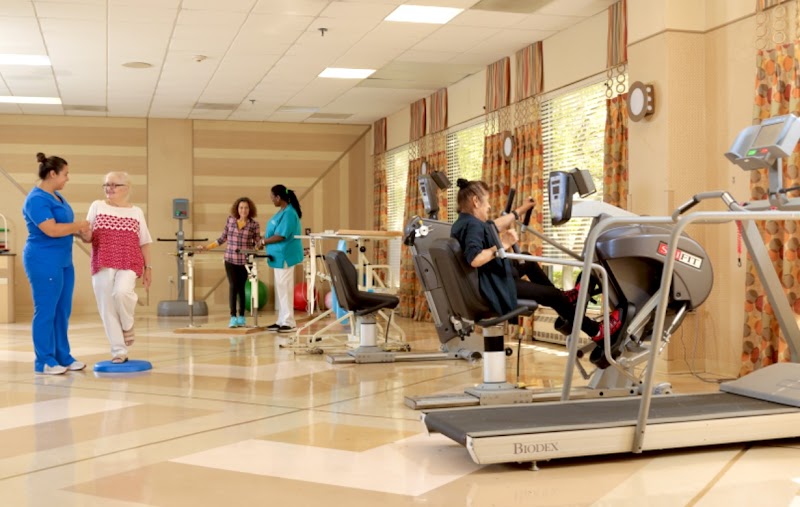
Who Owns and Operates Aristacare At Norwood Terrace?

ARISTACARE AT NORWOOD TERRACE is owned by a for-profit company. For-profit facilities operate as businesses with obligations to shareholders or private owners. The facility is operated by ARISTACARE, a chain that manages multiple nursing homes. With 120 certified beds and approximately 102 residents (about 85% occupancy), it is a mid-sized facility located in PLAINFIELD, New Jersey.

How Does Aristacare At Norwood Terrace Compare to Other New Jersey Nursing Homes?

Compared to the 100 nursing homes in New Jersey, ARISTACARE AT NORWOOD TERRACE's overall rating (5 stars) is above the state average of 3.3, staff turnover (44%) is near the state average of 46%, and health inspection rating (4 stars) is above the national benchmark.

What Should Families Ask When Visiting Aristacare At Norwood Terrace?

Based on this facility's data, families visiting should ask: "Can I visit during a mealtime to observe dining assistance and food quality?" "How do you handle medical emergencies, and what is your hospital transfer rate?" "Can I speak with family members of current residents about their experience?"

Is Aristacare At Norwood Terrace Safe?

Based on CMS inspection data, ARISTACARE AT NORWOOD TERRACE has a clean safety record: no substantiated abuse findings (meaning no confirmed cases of resident harm), no Immediate Jeopardy citations (the most serious violation level indicating risk of serious injury or death), and is not on the Special Focus Facility watch list (a federal program monitoring the lowest-performing 1% of nursing homes). The facility has a 5-star overall rating and ranks #1 of 100 nursing homes in New Jersey. While no facility is perfect, families should still ask about staff-to-resident ratios and recent inspection results during their visit.

Do Nurses at Aristacare At Norwood Terrace Stick Around?

ARISTACARE AT NORWOOD TERRACE has a staff turnover rate of 44%, which is about average for New Jersey nursing homes (state average: 46%). Moderate turnover is common in nursing homes, but families should still ask about staff tenure and how the facility maintains care continuity when employees leave.

Was Aristacare At Norwood Terrace Ever Fined?

ARISTACARE AT NORWOOD TERRACE has no federal fines on record. CMS issues fines when nursing homes fail to meet care standards or don't correct problems found during inspections. The absence of fines suggests the facility has either maintained compliance or corrected any issues before penalties were assessed. This is a positive indicator, though families should still review recent inspection reports for the full picture.

Is Aristacare At Norwood Terrace on Any Federal Watch List?

ARISTACARE AT NORWOOD TERRACE is not on any federal watch list. The most significant is the Special Focus Facility (SFF) program, which identifies the bottom 1% of nursing homes nationally based on persistent, serious quality problems. Not being on this list means the facility has avoided the pattern of deficiencies that triggers enhanced federal oversight. This is a positive indicator, though families should still review the facility's inspection history directly.