COMPLETE CARE AT WOODLANDS
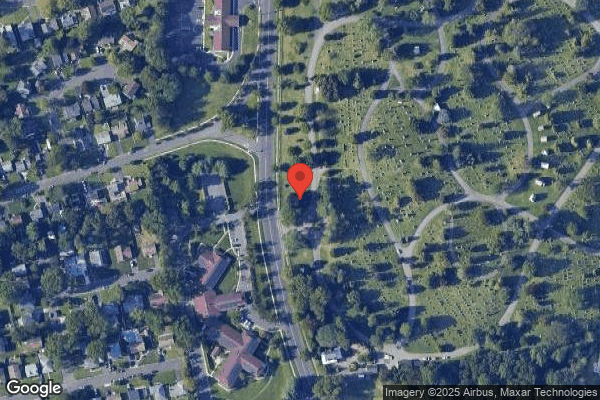
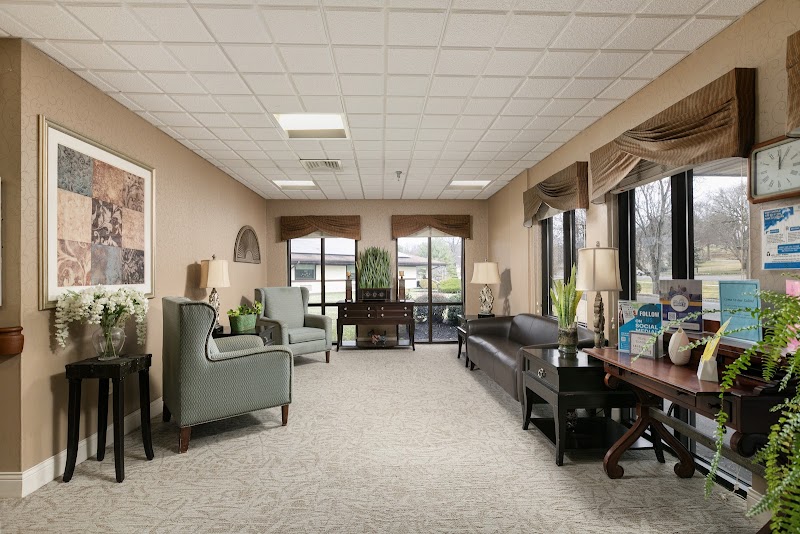
1400 WOODLAND AVE, PLAINFIELD, NJ 07060 (908) 753-1113
For profit - Corporation 120 Beds COMPLETE CARE Data: November 2025
Trust Grade
85/100
#30 of 344 in NJ
Last Inspection: July 2025

Inspected within the last 6 months. Data reflects current conditions.

Overview

Complete Care at Woodlands has a Trust Grade of B+, which means they are recommended and perform above average compared to other nursing homes. They rank #30 out of 344 facilities in New Jersey, placing them in the top half, and #5 out of 23 in Union County, indicating only four local facilities are better. The facility is improving, with issues decreasing from eight in 2024 to just one in 2025. Staffing is a relative strength with a rating of 4 out of 5 stars and a turnover rate of 32%, which is lower than the New Jersey average of 41%, suggesting that staff are experienced and familiar with the residents. While there have been no fines, which is a positive sign, the facility has had some concerns, including failure to timely submit assessments for ten residents and incidents where staff did not perform proper hand hygiene while assisting residents during meals, which poses a risk for infection. Overall, while there are areas for improvement, the facility has strong staffing and is on an upward trend.

Trust Score
B+
85/100
In New Jersey
#30/344
Top 8%
Safety Record
Low Risk
No red flags
Inspections
Getting Better
8 → 1 violations
Staff Stability
○ Average
32% turnover. Near New Jersey's 48% average. Typical for the industry.
Penalties
✓ Good
No fines on record. Clean compliance history, better than most New Jersey facilities.
Skilled Nurses
✓ Good
Each resident gets 43 minutes of Registered Nurse (RN) attention daily — more than average for New Jersey. RNs are trained to catch health problems early.
Violations
⚠ Watch
15 deficiencies on record. Higher than average. Multiple issues found across inspections.
★★★★★
5.0
Overall Rating
★★★★☆
4.0
Staff Levels
★★★★★
5.0
Care Quality
★★★★★
5.0
Inspection Score
Stable
2024: 8 issues
2025: 1 issues

The Good

  • 4-Star Staffing Rating · Above-average nurse staffing levels
  • 5-Star Quality Measures · Strong clinical quality outcomes
  • Full Sprinkler Coverage · Fire safety systems throughout facility
  • No fines on record
  • Staff turnover below average (32%)

    16 points below New Jersey average of 48%

Facility shows strength in staffing levels, quality measures, fire safety.

The Bad

Staff Turnover: 32%

14pts below New Jersey avg (46%)

Typical for the industry

Chain: COMPLETE CARE

Part of a multi-facility chain

Ask about local staffing decisions and management

The Ugly 15 deficiencies on record

Jul 2025 1 deficiency
CONCERN (D)

Potential for Harm - no one hurt, but risky conditions existed

Unnecessary Medications (Tag F0759)

Could have caused harm · This affected 1 resident

**NOTE- TERMS IN BRACKETS HAVE BEEN EDITED TO PROTECT CONFIDENTIALITY** Based on observation, interview, record review, and review of facility policy and manufacturer's instructions, the facility fail...

Read full inspector narrative →
**NOTE- TERMS IN BRACKETS HAVE BEEN EDITED TO PROTECT CONFIDENTIALITY** Based on observation, interview, record review, and review of facility policy and manufacturer's instructions, the facility failed to ensure a medication error rate below five percent. During medication administration for one (Resident (R)133) of seven residents, two medication errors occurred out of 31 opportunities for error, or a medication error rate of 6.45%. This failure had the potential to increase or decrease the effectiveness of these medications.Findings include:Review of the facility's policy titled Medication Administration dated 06/01/2025 indicated, . 10. Ensure that the six rights of medication administration are followed: a. Right resident, b. Right drug, c. Right dosage, d. Right route, e. Right time, f. Right documentation.17. Administer medication as ordered in accordance with manufacturer specifications. c. Crush medications as ordered. Do not crush medications with do not crush instructions. Do Not Crush Mediations: Slow release, Enteric coated, Crushed meds are not to be combined and given all at once.Observation during the medication administration on 07/23/25 at 9:20AM, Licensed Practical Nurse (LPN) 1 administered to R133 Tamsulosin HCI one tab 0.4mg, and Risperidone 3mg one tablet which were all crushed and placed in apple sauce.Review of R133's Face Sheet located under the Profile tab admission Record in the electronic medical record (EMR) revealed R133 was originally admitted to the facility on [DATE] with the diagnosis of Transient Cerebral Ischemic Attack, unspecified, Hemiplegia and Hemiparesis following Cerebral Infarction affection Right Dominate Side, Muscle weakness, Dysphagia, and Oropharyngeal Phase.Review of R133's Physician Orders provided by the facility revealed Tamsulosin HCl Oral Capsule 0.4 MG (Tamsulosin HCl) Give 1 capsule by mouth one time a day for dysfunction of the urinary bladder do not crush open or chew dated 07/23/25, and Risperidone oral tablet 3MG (Risperidone) give 1 tablet by mouth two times a day for mixed bipolar affective disorder dated 07/09/25.During the interview on 07/23/25 at 10:05AM, when asked why the two medications were crushed, LPN1 replied, There is this little statement at top of screen that says, crush and place in apple sauce.During the interview on 07/23/25 at 4:25PM, the Director of Nursing (DON) stated that staff were in-serviced on whether medications can be crushed.Review of Tamsulosin manufacturer recommendation revealed that tamsulosin HCl capsules should not be crushed, chewed, or opened. Review of the Risperidone manufacturer recommendation revealed crushing Risperidone tablets is generally not recommended due to crushing this medication can change the way the medication is delivered to the blood stream and for the medication not to work as it is manufactured and designed to perform in one's body. NJAC 8:39-29.2(d)
Sept 2024 1 deficiency
CONCERN (D) 📢 Someone Reported This

A family member, employee, or ombudsman was alarmed enough to file a formal complaint

Potential for Harm - no one hurt, but risky conditions existed

Medical Records (Tag F0842)

Could have caused harm · This affected 1 resident

**NOTE- TERMS IN BRACKETS HAVE BEEN EDITED TO PROTECT CONFIDENTIALITY** Complaint#: NJ00175265 Based on observation, interview, review of medical records and other pertinent facility documentation on ...

Read full inspector narrative →
**NOTE- TERMS IN BRACKETS HAVE BEEN EDITED TO PROTECT CONFIDENTIALITY** Complaint#: NJ00175265 Based on observation, interview, review of medical records and other pertinent facility documentation on 09/24/24 and 09/25/24, it was determined that the failed to maintain an accurate and complete medical record in accordance with acceptable standards and practice by not documenting a registered nurse's (RN) assessment of a resident that presented with a change in condition. The facility also failed to follow it's Charting and Documentation policy. This deficient practice was identified for 1 of 3 residents (Resident #1) reviewed and was evidenced by the following: On 09/24/24, at 11:11 A.M., the surveyor observed the resident seated in a wheelchair beside the bed. The resident stated that staff was sometimes responsive to resident's needs. According to the facility admission Record, Resident #1 was admitted with diagnoses that included, but were not limited to hemiplegia (paralysis of one side of the body) and hemiparesis (a condition that causes weakness or an inability to move on one side of the body), anxiety, and major depressive disorder. The Quarterly Minimum Data Set (MDS), dated [DATE], an assessment tool used to facilitate the management of care revealed that Resident #1 had a Brief Interview for Mental Status (BIMS) score of 13, which indicated that the resident's cognition was intact. The surveyor reviewed Resident #1's progress notes which revealed the following: -On 5/24/24, at 10:27 P.M., a Licensed Practical Nurse (LPN) documented, Resident vomitingx1. Stomach soft and nondistended. Bowel sounds noted to all four quadrants . -On 5/26/24, at 6:37 A.M., an LPN documented, Resident was noted to have had x2 loose stools. -On 5/27/24, at 3:47 P.M., an LPN documented, . resident vomiting coffee ground liquid x3 and diarrhea. Stomach soft and nondistended. Bowel sounds noted to all four quadrants . A further review of the resident's progress notes failed to provide documented evidence that the resident was assessed by a registered nurse during any of the aforementioned days. On 09/24/24, at 3:06 P.M., the surveyor interviewed the Registered Nurse/Unit Manager (RN/UM) who stated that any change in a resident's condition should be reported by an LPN to an RN. She further stated that episodes of nausea, vomiting, and loose stools/diarrhea were each considered a change in a resident's condition that should have been reported to the RN on the unit and who then should assess the resident. The RN/UM further stated that she recalled the aforementioned dates and that she did assess the resident during that time period. She further stated that she could not recall why she did not document her assessments, but that she should have. On 09/25/24, at 1:05 P.M., the surveyor interviewed the Director of Nursing (DON) who stated that her expectation is that any change in a resident's condition that is noted by an LPN should be reported to an RN, who should then verify the data and document it. The surveyor reviewed the facility's Charting and Documentation, policy, revised January 2023, revealed that all services provided to the resident were to be documented in the medical record. The Policy Interpretation and Implementation section revealed a list of information was that was to be documented in the medical record including, . d. Changes in the resident's condition . NJAC 8:39-27.1(a)
Feb 2024 7 deficiencies
CONCERN (D)

Potential for Harm - no one hurt, but risky conditions existed

Resident Rights (Tag F0550)

Could have caused harm · This affected 1 resident

**NOTE- TERMS IN BRACKETS HAVE BEEN EDITED TO PROTECT CONFIDENTIALITY** Based on observations, interviews, record review, and facility policy review, the facility failed to provide one of 27 sampled r...

Read full inspector narrative →
**NOTE- TERMS IN BRACKETS HAVE BEEN EDITED TO PROTECT CONFIDENTIALITY** Based on observations, interviews, record review, and facility policy review, the facility failed to provide one of 27 sampled residents (Resident (R) 87) a dignified dining experience. Specifically, the facility failed to provide regular silverware to R87, who was not assessed to be a danger to herself or others, for 14 months. Findings include: During an observation on 01/29/24 at 12:28 PM, R87 was in bed with her lunch tray in front of her. R87 was using plastic silverware to eat. When interviewed, R87 stated she did not know why she was provided plastic utensils to eat her meal. During an observation on 01/30/24 at 9:58 AM, R87 was in bed with her breakfast tray in front of her. R87 stated breakfast was great. The resident had eaten 100 % of her meal using plastic utensils. When interviewed, R87 stated, I've never had anything but plastic. During an observation on 01/30/24 at 12:07 PM, R87 was in bed with her lunch tray in front of her. R87 had plastic utensils provided to eat her meal. When interviewed, R87 stated, I don't know why I have plastic, I'm not suicidal. During an observation on 01/31/24 at 8:23 AM, R87 was in bed with her breakfast tray in front of her. R87 stated look, I don't know how I got them. R87 was observed pointing at the silverware on her tray. When interviewed, R87 stated, it's much easier to eat with these than plastic. During an observation on 02/01/24 at 8:32 AM, R87 was observed to have regular silverware on her breakfast tray. R87 stated, I'm very happy to have silverware. Review of R87's Census located under the Clinical tab in the electronic medical record (EMR) revealed R87 was admitted on [DATE] with diagnoses that included hemiplegia and hemiparesis following cerebral infarction affecting left non-dominant side, major depressive disorder, and anxiety disorder. Review of R87's annual Minimum Data Set (MDS) with an Assessment Reference Date (ARD) of 11/21/23 revealed a Brief Interview for Mental Status (BIMS) score of 15 out of 15 indicating R87 was cognitively intact. Review of the Mood and Behavior sections noted no serious mental illness and no behaviors toward self or others. Review of nurses' progress notes, located in the EMR Clinical tab and dated 11/16/22, revealed R87 is on monitoring every 15mins [minutes], no abnormal behavior noted. All medications given as ordered, no adverse reactions noted. Safety precautions in place Review of the 11/16/22 Psychiatry Notes,: located under the EMR Miscellaneous tab, revealed Psych [psychiatric] Eval [evaluation] req.[requested] . S/P [status post] Hosp [hospital] (Intracerebral [NAME]). Per records resident w/SI [with suicidal ideation] during hosp stay-Seen by Psych. Nursing staff report no behaviors/concerns. AAOX3 [alert and oriented times person, place, time], calm, cooperative. Denies feeling depressed or hopeless. Denies SI/HI [suicidal/homicidal ideation]. No plan/intent. Expresses frustration being in facility. Expresses desire to go home. Sleep-Fair. Appetite-Adequate. Energy-Good. Denies A/V/H [auditory/visual/hallucinations]. No psychosis. Plan noted Monitor & Document Resident's Mood & Behaviors. Report any concerns to Psychiatry. Review of Individual psychotherapy progress notes, located and the EMR Miscellaneous tab, dated 01/13/24, 12/20/23, 11/07/23, 07/07/23 revealed no indication of SI/HI. Review of the Every 15 minute monitoring logs, provided by the facility, beginning at 5:00 PM on 11/15/22 to 3:00 PM on 11/16/23 revealed no behaviors. No other monitoring in place for behavioral needs Review of R87's care plan, revised on 01/13/24 and located under the Clinical tab, revealed R87 did not have an intervention for plastic utensils. During an interview on 01/31/24 at 11:13 AM, the Social Service Director (SSD) stated she did not know why R87 was served her meals with plastic utensils. During an interview on 01/31/24 at 2:04 PM, the Dietary Manager (DM) stated, when the resident first came in she had threatened others, nurses told dietary no silverware, never told anything different. During an interview on 02/01/24 at 8:46 AM, Unit Manager (UM) 1 said she did not know that R87 was served with plastic utensils, she's not a danger to anyone. Review of the facility's Suicide Assessment policy and procedure, provided by the Director of Nurses, dated 01/10/23, revealed Residents will be assessed for suicide risk upon admission and as indicated. The facility social worker or designee will conduct a medical record review and then interview the resident regarding any risk factors that have been identified. Protective factors will be explored with the resident as well. NJAC 8:39-17.2
CONCERN (D)

Potential for Harm - no one hurt, but risky conditions existed

Deficiency F0658 (Tag F0658)

Could have caused harm · This affected 1 resident

**NOTE- TERMS IN BRACKETS HAVE BEEN EDITED TO PROTECT CONFIDENTIALITY** Based on observation, staff interview, and record review, the facility staff failed to follow professional standards of practice...

Read full inspector narrative →
**NOTE- TERMS IN BRACKETS HAVE BEEN EDITED TO PROTECT CONFIDENTIALITY** Based on observation, staff interview, and record review, the facility staff failed to follow professional standards of practice and left medications at the bedside that were not ordered to be self-administered for one of one resident (Resident (R) 98). Findings include: Review of the undated admission Record under the Profile tab in the electronic medical record (EMR) revealed R98 was admitted to the facility on [DATE] with the diagnosis of respiratory failure, sepsis, and pneumonia. Review of R98's admission Minimum Data Set (MDS) with an Assessment Reference Date (ARD) of 12/22/23 coded the resident of having a Brief Interview for Mental Status (BIMS) score of 15 out of a possible score of 15. This represented R98 was cognitively intact. An observation was made on 01/31/24 at 9:38 AM in which Registered Nurse (RN)1 was walking out of R98's room. On the overbed table, there were two pills in a medicine cup left. RN1 returned to R98's room after five minutes and stated, One of those pills is his Lasix [a diuretic] and the other one is his blood pressure medicine. RN1 then stated, I should not have left the room. During an interview on 01/31/24 at 3:00 PM, the Director of Nursing (DON) stated, Nurses are not to leave any medications unattended in the resident's room unless they are self-administrated medications. Review of R98's Physician Orders under the Orders tab located in the EMR revealed orders for Lasix and three blood pressure medications were not ordered to be self-administered. NJAC 8:39-29.2(2)
CONCERN (D)

Potential for Harm - no one hurt, but risky conditions existed

Deficiency F0660 (Tag F0660)

Could have caused harm · This affected 1 resident

**NOTE- TERMS IN BRACKETS HAVE BEEN EDITED TO PROTECT CONFIDENTIALITY** Based on observation, record review, staff interview, and policy review, the facility failed to ensure a safe discharge for resi...

Read full inspector narrative →
**NOTE- TERMS IN BRACKETS HAVE BEEN EDITED TO PROTECT CONFIDENTIALITY** Based on observation, record review, staff interview, and policy review, the facility failed to ensure a safe discharge for residents that left Against Medical Advice by ensuring agencies in the community were made aware the resident was returning to the community prior to a planned discharge and that prescriptions for care and medications were provided to ensure continuity of care for two of two (Resident (R) 107 and R105) residents reviewed for unplanned discharge. Findings include: 1. Review of R107's ''admission Record,'' located in the ''Profile'' tab of the electronic medical record (EMR), revealed she was admitted to the facility on [DATE] with diagnoses including paroxysmal atrial fibrillation, chronic obstructive pulmonary disease, type 2 diabetes, acute kidney failure, hyperkalemia, major depressive disorder, and unspecified psychosis. Review of R107's admission Minimum Data Set (MDS)'' assessment, located under the ''MDS'' tab of the EMR, with an Assessment Reference Date (ARD) of 10/06/23 revealed she scored 04 out of 15 on the ''Brief Interview for Mental Status (BIMS),'' indicating severe cognitive impairment. Review of R107's care plan, located under the ''Care Plan'' tab of the EMR and dated 03/27/19, revealed R107 was care planned for psychotropic drug use, chronic pain, and chronic obstructive pulmonary disease (COPD). Interventions in place were to administer psychotropic medications as ordered and monitor, and oxygen via nasal cannula. Review of R107's ''Voluntary Discharge Against Medical Advice,'' located under the ''Observations'' tab in the EMR and dated 11/14/23 at 3:25 PM, revealed unit manager (UM) 1 signed the form stating that R107 refused to sign. Review of R107's physician orders, located under the ''Orders'' tab in the EMR and dated 11/12/23, revealed oxygen inhalation at 3 liter per minute (LPM) to keep oxygen saturation above 92%, Medi honey wound/burn dressing apply to coccyx topically everyday day shift for wound care, hydroxyzine pamoate every 12 hours as needed for anxiety, metoprolol once a day for hypertension, quetiapine fumarate once daily for depression, and midodrine every 8 hours for orthostatic hypotension. Review of R107's ''Nurse's Note,'' located under the ''Notes'' tab in the EMR and dated 11/13/23 at 4:14 PM, by Licensed Practical Nurse (LPN) 2 revealed R107 left the facility AMA. She was alert and responsive and able to verbalize her needs and was in no distress while leaving the facility. Further review of the EMR Notes tab lacked evidence of discharge planning or discussions of R107's discharge. During an interview on 01/31/24 at 9:11 AM, LPN2 stated when a resident wanted to leave against medical advice (AMA) staff notified the unit manager and the social worker (SW). LPN2 was unsure if staff were to make these notifications before the resident actually left the building. LPN2 stated staff would speak with the resident and ask them why or what reason led them to want to leave; they should be offered the voluntary discharge form to sign and if they refuse that would have been documented. LPN2 stated the physician should have been notified while the resident was still in the building and the family would have been made aware. LPN2 stated social services along with the physician would have attempted to talk with the resident and make them aware what AMA meant and how it would have affected their medical wellbeing. LPN2 stated if there was any skin care or nebulizer care staff would provide the care before the resident left the building if the resident allowed. LPN2 stated R107's family was here with her, and she signed the AMA form and wound care was also provided prior to R107 leaving but she did not document that. LPN2 stated she made UM1 along with the Social Services Director (SSD) aware and that one of them should have contacted the physician. During an interview on 01/31/24 at 10:20 AM, UM1 stated when a resident requests to leave AMA the team would try to find out why and would notify the physician, family and any other department that was providing care to the resident. UM1 stated staff would have tried to talk to the resident to get them to reconsider and remain in the facility. UM1 stated there was an AMA form that most residents refused to sign but AMA did not happen very often. UM1 stated all notifications should have been documented in the progress notes and if the AMA form was signed or if the resident refused. UM1 stated while R107 was in the facility she refused therapy and was not all there mentally; and R107 would not have been able to leave on her own, someone would have had to come and get her. UM1 stated R107 was always threatening to leave the facility but was unsure if that was ever reported to social services or to anyone else to follow up with the resident. UM1 stated staff should have been proactive and spoke to R107 to see if there was something that could have been done to make her happy with her care prior to her wanting to leave before she was medically ready and that all the notifications should have been documented in progress notes. UM1 confirmed there was no documentation of the notifications. She did not remember anything about R107 leaving AMA. During an interview on 01/31/24 at 10:40 AM, the SSD stated when a resident left AMA staff would try to discourage them from leaving for their health and wellbeing. The SSD stated they explain what leaving AMA means so the resident can give informed consent and are aware of the possible repercussions of leaving. The SSD stated that was only for a resident with a higher BIMS who would be able to understand the decision, a seven or eight would be too low, and that person would not be considered responsible competent, and staff would have to call next their next of kin. The SSD stated she could have gotten a referral to have a visiting nurse agency (VNA) in the community, but the agency would not accept referrals for residents that left AMA. The SSD stated if the resident's family was on the ball and there was no concern, they may not call adult protective services (APS) because they would not get involved unless there was established neglect and not just if there was a potential for neglect. The SSD stated R107 was a very quiet lady who preferred to lay in bed. The SSD stated R107 had a close relationship with her paramour who visited the facility often. The SSD stated one day R107 decided she wanted to go home. The SSD stated she looked into trying to get her some help and told her she needed an aide in the home to make it a safe discharge. The SSD stated she found an agency that would have provided an aide in the home if R107 signed the form, but she did not have any documentation of that. The SSD stated on the day R107 left AMA she called the resident's son and set up transportation who came and transported R107 home. The SSD stated she did not follow up with R107 in the community after she left, but she thought it was a questionable situation of R107 leaving AMA and was not happy with it. The SSD stated she felt R107 was okay in the community since she had a responsible family who she felt would contact the facility if there were any issues in the community. The SSD stated that all the information should have been documented but she was busy and could not always get to it. During an interview on 01/31/24 at 12:03 PM, R107 stated it was her decision to leave the facility and that her case worker wanted her to sign something to stay at the facility, but she did not have on her glasses and was unable to read the form. R107 stated the facility had a cab or an uber take her home because she did not pay for it. R107 stated she had her house keys and the driver who transported her helped her walk up the 5 stairs in front of her doorway because she went home by herself, and she lived alone. R107 stated none of her family were with her at the facility to escort her home the day she left. R107 stated nobody explained what the form was that she was asked to sign or offered to read it to her. R107 stated she would not sign anything she was unable to read. R107 stated staff did not call her family and did not have to provide her with any prescriptions for any of her medications or supplies for her wound care. During an interview on 01/31/24 at 12:10 PM, Physician 1 said anytime a resident wanted to leave AMA staff should inform her and that most times it was because the resident was unhappy with the facility about their care. Physician 1 could not remember why R107 wanted to leave or what happened and did not remember the specifics of R107 leaving AMA. Physician 1 was unsure if she instructed staff to do anything for R107 or if she spoke with the resident and she would need to look at her records and get back. During a follow-up call on 01/31/24 at 12:52 PM, Physician 1 stated she remembered R107 told her she was doing better and was ready for discharge. Physician 1 recalled she told R107 she would talk with therapy and social services to see about setting a discharge date . Physician 1 stated a few days later, 11/13/23 at 3:51 PM, she was told by staff via text that R107 wanted to leave AMA. Physician 1 stated any residents who went AMA who received wound care would have been provided a prescription for the wound care supplies along with a 30 prescription for all regular prescriptions and a 5-day prescription for any narcotic medications and a script for home nursing services. Physician 1 was unsure why that was not provided to R107 and stated she thought R107 just walked out of the facility but stated they can call in the prescriptions to the pharmacy. Physician 1 stated she thought the facility did not have time to provide the scripts to R107 because she thought R107 just walked out. Physician 1 was unable to state why the facility did not ensure R107 was provided with scripts for her medications and wound care supplies. Physician 1 stated again she thought R107 just up and left. When she was informed the AMA was signed as refusing at 3:25 PM but she was not notified by staff until 3:51 PM almost 30 min later, she said she would have expected to be notified timely but would not say if the facility was right or wrong. And again, said R107 was not provided with any scripts for any of her medications, wound care, or a home health nurse. During an interview on 02/01/24 at 1:07 PM, the Director of Nursing (DON) stated when a resident wanted to leave AMA staff would try and encourage the resident to stay and educate them on what leaving against medical advice meant. But if they do decide to leave their physician was notified and an AMA form was filled out and signed. She said the facility did not make anyone in the community aware to ensure they were safe because she said they did not feel the need to notify anyone. She said the residents were educated and it was their choice to leave, and the family was usually aware. 2. Closed record review of R105's Census located in the EMR under the Clinical tab revealed R105 was admitted on [DATE] with diagnoses that included malignant neoplasm of cervix uteri, acute kidney failure, aftercare following surgery for neoplasm, and depression. Review of the Nurses' Progress Notes, dated 12/04/23 at 11:52 AM, located under the Clinical tab in the EMR revealed R105 pt [patient] left with daughter AMA [against medical advice], awake, alert, 0 s/s [zero signs/symptoms] of distress, 0 c/o [zero complaints of] pain, able to make needs known. The progress note was recorded by Licensed Practical Nurse (LPN) 1. Review of the Voluntary Discharge Against Medical Advice form, provided by the facility and dated 12/04/23 at 11:02 AM, revealed R105 signed the form as her own responsible person and LPN1 and UM1 signed the form as witnesses. There was no documentation on the form that the physician had been notified. During an interview on 01/31/24 at 2:40 PM, LPN1 stated she could not remember anything about R105. LPN1 reviewed R105's EMR and stated hospital, she didn't go to the hospital, it says AMA. LPN1 confirmed it was her signature on the progress note dated 12/04/23 at 11:52 AM. LPN1 stated, If someone is going AMA, we have to fill out a form, get a signature, the social worker [SSD] or the unit manager [(UM) 1] call the doctor, I do not. LPN1 stated she did not know if the physician had been notified, there isn't anything documented. During an interview on 02/01/24 at 8:46 AM, UM1 stated she had no recollection of [R105] and no knowledge of who would have called the MD [physician] or if it was done. During a telephone interview on 02/01/24 at 10:51 AM, R105's Physician (Physician 1) stated, I know I have not seen this patient. I don't know that I received a text that she went AMA, but the facility has to document, this is very important. Physician 1 stated she conducts rounding on Tuesdays and Wednesdays. This resident must have left before I saw her. You know they send me information to review medications and give orders. I want to see new patients within 48 hours, but I did not see her, I was not notified she left AMA. During an interview on 02/01/24 at 1:26 PM, with UM1 and the DON, the DON stated, we try to encourage the resident to stay, if they choose to go AMA, then we inform the physician. The UM1 stated, in the interview on 02/01/24 at 1:26 PM, the staff should have the resident sign the form and staff, either me or the SSD call the physician. Review of the facility's policy titled ''Discharge Against Medical Advice (AMA)'' dated 11/05/23 revealed, the resident and family/legal representative should be informed of the risks involved, the benefits of staying at the facility, and the alternatives to both. Under no circumstances will the facility force, pressure, or intimidate a resident into leaving AMA. The physician should be notified of the intended AMA discharge and be encouraged to speak with the resident to encourage them to stay at the facility. Documentation of this notification should be entered in the nurses' notes by the nursing department. The social service designee should document any discussions held with the resident/family in the social service progress notes, if present. Notify Adult Protection Services, or other entity, as appropriate if self-neglect is suspected. Document accordingly. NJAC 8:39-35.2(d)15,16
CONCERN (D)

Potential for Harm - no one hurt, but risky conditions existed

Quality of Care (Tag F0684)

Could have caused harm · This affected 1 resident

**NOTE- TERMS IN BRACKETS HAVE BEEN EDITED TO PROTECT CONFIDENTIALITY** Based on observation, record review, and staff interview, the facility failed to accurately screen residents for elopement risk ...

Read full inspector narrative →
**NOTE- TERMS IN BRACKETS HAVE BEEN EDITED TO PROTECT CONFIDENTIALITY** Based on observation, record review, and staff interview, the facility failed to accurately screen residents for elopement risk and have measures in place to ensure residents with a wander guard had documented exit seeking behaviors prior to use for one of one resident (Resident (R)76) reviewed for wander guards. Findings include: Review of R76's ''admission Record,'' located in the ''Profile'' tab of the electronic medical record (EMR), revealed she was admitted to the facility on [DATE] with diagnoses including cerebral infarction, schizophrenia, right bundle branch block, and hemiplegia and hemiparesis. Review of R76's quarterly ''Minimum Data Set (MDS)'' assessment, located under the ''MDS'' tab of the EMR, with an Assessment Reference Date (ARD) of 12/11/23, revealed she scored 09 out of 15 on the ''Brief Interview for Mental Status (BIMS),'' indicating some cognitive impairment. Further review revealed no wandering behavior exhibited. Review of R76's care plan, located under the ''Care Plan'' tab of the EMR and dated 03/09/22, revealed ''The resident was care planned for risk for elopement related to poor safety awareness Interventions in place were to distract resident from wandering and secure care device. Review of R76's ''Elopement Risk Assessment'' located under the ''Observations'' tab in the EMR and dated 12/07/23 revealed R76 was not at risk for elopement. Review of R76's ''physician orders'' located under the ''Orders'' tab in the EMR and dated 11/07/23 revealed ''check wander guard and placement.'' Review of R76s ''Treatment Administration Record'' located under the ''Orders'' tab dated January 2024 revealed ''Nurse to check placement and function every day and evening shift. Further review revealed no expectation to document wandering or exit seeking behaviors. An observation and interview on 01/30/24 at 12:28 PM of R76 revealed lying in bed on top of linens fully dressed along wearing shoes and wander guard on (L) ankle. R76 said the wander guard bothered his leg and he did not know why he had to wear it. He said he has had it on for about 1 year, but staff have never explained to him why he needs to wear it. An observation on 01/31/24 at 8:35 AM R76 walked in hallway from resident room to the TV room. R76 went straight to TV room and did not wander or walk around on the unit or in the hallway. During an interview on 01/31/24 at 9:31 AM, Certified Nurse Aide (CNA) 1 stated R76 was very independent and provided most of his own activities of daily living (ADL) care. CNA1 stated R76 was nothing by mouth (NPO) and staff did watch him to ensure he did not sneak foods. CNA1 stated R76 was usually out and about in the facility and loved to walk around. R76 did not require any extra supervision for his movement around the facility and has never been exit seeking or attempted to elope. CNA1 knew R76 wore a wander guard, but she was unsure why. CNA1 stated R76 did not ever wander around the facility or walk towards exit doors or in other resident rooms. During an interview on 01/31/24 at 9:36 AM, Licensed Practical Nurse (LPN) 3 stated R76 was not compliant with cares since he was very independent. LPN3 stated sometimes R76 would go to the shower room on his own, but staff were supposed to assist him; R76 spent most of the day sitting in the tv room. LPN3 said he would go back and forth between the tv room and his room throughout the day, but that R76 had never attempted to leave the unit or was exit seeking. LPN3 stated when R76 walked around he knew exactly where he was going, and he went straight there. LPN3 was unsure why R76 wore a wander guard. LPN3 said residents who had to wear wander guards were elopement risks, but R76 was not a risk. During an interview on 02/01/24 at 9:13 AM, Unit Manager (UM) 1 stated residents that were observed trying to exit the facility or expressed a desire to leave would need to wear a wander guard; or if they were observed aimlessly wandering around the facility. UM1 said an elopement risk assessment was completed for all residents on admission, quarterly or as needed. UM1 stated a score of 0 would mean there was no risk for elopement and there would be no need for a wander guard. UM1 said R76 was observed wandering in the facility over a year ago and that when R76 was readmitted from the hospital they discussed the continued need for the wander guard but did not discontinue it. UM1 stated R76 was never one that wanted to go anywhere but he would go into other areas of the facility, but they were areas he was allowed to go. UM1 said there has been ongoing discussion about the continued need for the wander guard but there was no documentation for that. UM1 stated staff do not think he is trying to leave but that they would rather have a wander guard on a resident that does not need it than to miss putting one on a resident that did need it. During an interview on 02/01/24 at 1:27 PM, the Director of Nursing (DON) said all residents that were exiting seeking and ambulatory would have a wander guard placed on them. The DON stated the wander guard was checked on all shifts to ensure they were functioning properly, and staff completed an elopement evaluation quarterly to reevaluate. The DON stated R76 had a wander guard due to a possible history of exit seeking, But he was not exit seeking. When asked why the wander guard was removed yesterday after it was brought to staff's attention, she said they just met as a team and decided he did not need it. But she was unable to state what changed in his behavior or condition day that led to them discontinue the use of a wander guard. A review of the facility's policy titled ''Elopement/Missing Residents policy and procedure'' updated December 31, 2023, revealed, It is always the policy of the facility to protect residents by identifying and preventing the possibility of elopement and locating residents who are reported missing. Residents who are determined to be an immediate risk for elopement will be placed on wander guard monitoring system when applicable. NJAC 8:39-27.1
CONCERN (D)

Potential for Harm - no one hurt, but risky conditions existed

Pressure Ulcer Prevention (Tag F0686)

Could have caused harm · This affected 1 resident

**NOTE- TERMS IN BRACKETS HAVE BEEN EDITED TO PROTECT CONFIDENTIALITY** Based on staff interview and medical record review, the facility staff failed to obtain a physician order when change in treatme...

Read full inspector narrative →
**NOTE- TERMS IN BRACKETS HAVE BEEN EDITED TO PROTECT CONFIDENTIALITY** Based on staff interview and medical record review, the facility staff failed to obtain a physician order when change in treatment occurred and failed to obtain a physician order for wound care when a resident was admitted to the facility for two of five residents (Resident (R) 45 and R32) reviewed for pressure injuries. Findings included: 1. Review of the undated admission Record under the Profile tab in the electronic medical record (EMR) revealed R45 was admitted to the facility on [DATE] with the diagnoses including stage four (sore extends below subcutaneous fat into deep tissues) pressure injury. Review of R45's admission Minimum Data Set (MDS) with an Assessment Reference Date (ARD) of 11/23/23 coded the resident of having a Brief Interview for Mental Status (BIMS) score of three out of a score of 15. This represents R45 was severely cognitively impaired. Review of R45's Physician Orders, under the Orders tab located in the EMR, revealed the order, Wound vac [vacuum] dressing change every day shift every Mon [Monday], Thu [Thursday] for wound vac, started on 11/23/23 and discontinued on 01/27/24. There were no orders dated for January 2024, at which time the facility was performing dressing changes which had not been ordered. During an interview on 02/01/24 at 9:19 AM, Unit Manager (UM) 2 stated, R45 admitted to the facility with a pressure injury on the sacrum with a wound vacuum. UM2 stated, they had problems with the wound vacuum and stopped using it and started to cover the wound with betadine (antiseptic solution) and covered it. UM2 stated, when she went back to the wound care clinic, we asked if the therapy could be changed because we were having to put our own dressings on it. That visit was a week ago [referring to the last wound care visit on 01/26/24]. UM2 confirmed there was no notification to the doctor and no orders for dressing changes prior to the wound care visit on 01/26/24. On 02/02/24 at 2:10 PM, the Director of Clinical Services was interviewed. The Director of Clinical Services stated, . definitely need an order and notification of the doctor for a change in treatment. 2. Review of the undated admission Record under the Profile tab in the electronic medical record (EMR) revealed R32 was admitted to the facility on [DATE] with the diagnosis of congestive heart failure, hypertension, and diabetes mellitus. Review of R32's 01/26/24 admission Assessment under the Evaluation tab located in the EMR, revealed R32 was alert and oriented and was admitted with a stage four pressure injury with eschar (dead tissues) present. The admission Minimum Data Set (MDS) was not completed at that time of the survey. Review of R32's EMR, since admission on [DATE], revealed there was no documentation or orders for wound care until 01/30/24. During an interview on 01/31/24 at 2:23 PM, UM2 stated, The nurse that admitted [R32] should go by the orders that come with the resident or we use Medi-honey on it until the wound care team sees them. The nurse that admitted her was here I think all weekend and she would have been performing the dressing changes. There is a protocol, but I don't know if all the nurses use it. During an interview on 01/31/24 at 3:10 PM, the Director of Nursing (DON) stated, The nurse will assess the wound, we have standing orders for treatment, and confer with the doctor to see if he wants these orders. This should be done on admission for any resident that is found to have a wound. During an interview on 01/31/24 at 3:10 PM, Licensed Practical Nurse (LPN) 4 stated, I used skin prep on it and placed a boot on it [referring to the left ankle wound]. We sprayed skin prep on it each day and covered it with a 4X4 and placed a boot on it .I didn't have a chance to document. I totally forgot; it was so busy with admissions. LPN4 stated the wound treatment was a nursing judgement, she did not recall if she notified the physician of the wound treatment. NJAC 8:39-27.1(e)
CONCERN (E)

Potential for Harm - no one hurt, but risky conditions existed

MDS Data Transmission (Tag F0640)

Could have caused harm · This affected multiple residents

**NOTE- TERMS IN BRACKETS HAVE BEEN EDITED TO PROTECT CONFIDENTIALITY** Based on record review, interview, review of the Resident Assessment Instrument (RAI) manual and policy review, the facility fai...

Read full inspector narrative →
**NOTE- TERMS IN BRACKETS HAVE BEEN EDITED TO PROTECT CONFIDENTIALITY** Based on record review, interview, review of the Resident Assessment Instrument (RAI) manual and policy review, the facility failed to ensure ten residents out of 27 sampled resident's (Resident (R)16, R62, R6, R42, R44, R97, R72, R78, R2, R15) Minimum Data Set (MDS) assessments were transmitted in a timely manner. Findings include. Review of the facility policy titled, MDS Completion and Submission Timeframes, dated 10/22/23, revealed, . Our facility will conduct and submit resident assessments in accordance with current federal and state submission timeframes . The Assessment Coordinator or designee is responsible for ensuring that resident assessments are submitted to CMS [Center for Medicare/Medicaid Services] QIES [Quality Improvement & Evaluation System] Assessment Submission and Processing (ASAP) system in accordance with current federal and state guidelines . Timeframes for completion and submission of assessments is based on the current requirements published in the Resident Assessment Instrument Manual . Review of the CMS Long-term Facility Assessment Instrument 3.0 User's Manual, version 1.18.11, dated 10/23/23, revealed, . Chapter 2: Assessments for the Resident Assessment Instrument, 2.6: Required OBRA Assessments for the MDS . RAI OBRA [Omnibus Budget Reconciliation Act]-required assessment summary for quarterly, significant change, and annual, and discharge assessments are no later than ARD [assessment reference date] + 14 calendar days . 1. Review of the annual MDS, located in the MDS tab of the electronic medical record (EMR), with an ARD date of 12/17/23 revealed R16 was admitted to the facility on [DATE]. On 01/31/24, the assessment was identified to be export ready and was to be submitted by 01/21/24. The assessment was 10 days late in being submitted. 2. Review of the quarterly MDS located in the MDS tab of the EMR with an ARD of 12/22/23 revealed R62 was admitted to the facility on [DATE]. On 01/31/24, the assessment was identified to be export ready and should have been submitted on 01/19/24. The assessment was 12 days late in being submitted. 3. Review of the quarterly MDS located in the MDS tab of the EMR with an ARD of 12/20/23 revealed R6 was admitted to the facility on [DATE]. On 01/31/24, the assessment was identified to be submitted 14 days late on 01/17/24 and should have been submitted on 01/03/24. 4. Review of the quarterly MDS located in the MDS tab of the EMR with an ARD of 12/25/23 revealed R42 was admitted to the facility on [DATE]. On 01/31/24, the assessment was identified to be in progress. The assessment should have been submitted on 01/08/24. The assessment was 23 days late in being submitted. 5. Review of the annual MDS located in the MDS tab of the EMR with an ARD of 12/22/23 revealed R44 admitted to the facility on [DATE]. On 01/31/24, the annual MDS was identified to be in progress. The assessment should have been submitted on 01/05/24. The assessment was 26 days late in being submitted. 6. Review of the quarterly MDS located in the MDS tab of the EMR with ARD of 12/24/23 revealed R97 was admitted to the facility on [DATE]. On 01/31/24, the quarterly MDS was identified to be export ready and was to be submitted by 01/21/24. The assessment was 10 days late in being submitted. 7. Review of the significant change MDS located in the MDS tab of the EMR with an ARD of 12/26/23, revealed R72 was admitted to the facility on [DATE]. On 01/31/24, the assessment was identified to be export ready and was to be submitted by 01/20/24. The assessment was 11 days late in being submitted. 8. Review of the annual MDS located in the MDS tab of the EMR with an ARD of 12/21/23 revealed R78 was admitted to the facility on [DATE]. On 01/31/24, the assessment was identified to be export ready and was to be submitted by 01/25/24. The assessment was six days late in being submitted. 9. Review of the annual MDS located in the MDS tab of the EMR with an ARD of 12/23/23 revealed R2 was admitted to the facility on [DATE]. On 01/31/24, the assessment was identified to be export ready and was to be submitted by 01/27/24. The assessment was four days late in being submitted. 10. Review of the significant change MDS located in the MDS tab of the EMR with an ARD of 12/24/23 revealed R15 was admitted to the facility on [DATE]. On 01/31/24, the assessment was to export ready and was to be submitted on 01/28/24. The assessment was three days late in being submitted. During an interview on 01/31/24 at 8:37 AM, the MDS Coordinator (MDSC) was asked why the assessments were not submitted in a timely manner. She stated, I am the only one doing MDS assessments. I know they are not submitted but I have been waiting on social services as they have not been able to input their information timely. NJAC 8:39-11.2(3)
CONCERN (E)

Potential for Harm - no one hurt, but risky conditions existed

Deficiency F0655 (Tag F0655)

Could have caused harm · This affected multiple residents

**NOTE- TERMS IN BRACKETS HAVE BEEN EDITED TO PROTECT CONFIDENTIALITY** 4. Review of the undated admission Record under the Profile tab in the EMR revealed R45 was admitted to the facility on [DATE] w...

Read full inspector narrative →
**NOTE- TERMS IN BRACKETS HAVE BEEN EDITED TO PROTECT CONFIDENTIALITY** 4. Review of the undated admission Record under the Profile tab in the EMR revealed R45 was admitted to the facility on [DATE] with the diagnosis of stage four pressure ulcer, cerebral infarction, and hypertension. Review of R45's admission Minimum Data Set (MDS) with an Assessment Reference Date (ARD) of 11/23/23 coded the resident of having a Brief Interview for Mental Status (BIMS) score of three out of a possible score of 15. This represents R45 was severely cognitively impaired. Review of R45's EMR revealed the resident did not have a base line care plan developed within 48 hours of admission to the facility. R45 was admitted on [DATE]. During an interview on 02/01/24 at 1:11 PM, UM1 reviewed the EMR and stated, There isn't a base line care plan that was started for [R45] . We have a care plan meeting, but it is done when they are here for 72 hours. 5. Review of the undated admission Record under the Profile tab in the EMR revealed R32 was admitted to the facility on [DATE] with the diagnosis of congestive heart failure, hypertension, and diabetes mellitus. Review of R32's admission Assessment under the Evaluation tab located in the EMR revealed R32 was alert and oriented. The admission MDS was not completed at that time of the survey. Review of R32's EMR revealed the resident did not have a base line care plan developed within 48 hours of admission to the facility. R32 was admitted on [DATE]. During an interview on 02/01/24 at 10:01 AM, UM2 stated, I only do care plans. I have never heard of giving this to the resident or [responsible party]. How would I know the regulations? We usually have a care plan meeting within 72 hours that we go over this with them. UM2 verbally confirmed R32 did not have a baseline care plan. Review of the facility policy Baseline Care Plan dated 10/02/23 revealed, The facility will develop and implement a baseline care plan for each resident that includes the instructions, needed to provide effective and person-centered care of the resident that meet professional standards of quality care.The baseline care plan will be . developed within 48 hours of a resident's admission . A supervising nurse will verify within 48 hours that a baseline care plan has been developed . A written summary of the baseline care plan shall be provided to the resident and representative in a language that the resident/representative can understand . A supervising nurse or MDS [Minimum Data Set] nurse/designee is responsible for providing the written summary of the baseline care plan to the resident and representative . The person providing the written summary of the baseline care plan shall . Obtain a signature from the resident/representative to verify that the summary was provided . Make a copy for the medical record. If the summary was provided via [by] telephone, the nurse shall indicate the discussion, sign the summary document, and make a copy of the written summary before mailing the summary to the resident/representative . NJAC 8:39-11.1 NJAC 8:39-11.2 Based on observations, interviews, record review, and facility policy review, the facility failed to develop a baseline care plan for five of 27 residents (Resident (R) 159, R109, R160, 45, and R32) to include interventions to address current resident needs. Findings include: 1. Review of R159's Census, located in the electronic medical record (EMR) under the Clinical tab, revealed R159 was admitted to the facility on [DATE] and had diagnoses that included pressure ulcer of left buttock, stage 2; pressure ulcer of left hip, stage 2; non-pressure chronic ulcer of right ankle with unspecified severity; non-pressure chronic ulcer of other part of right foot with unspecified severity. During an observation on 01/29/24 at 12:46 PM, R159 was lying in bed groaning. R159 appeared frail and distressed. When interviewed, R159 stated, I don't know what to do, oh help me, what do I do? R159 was observed to have three separate bandages on her right arm, one above her elbow, one below her elbow, and one near her wrist. R159 was not interviewable. During an observation on 01/30/24 at 9:58 AM, R159 was asleep in bed. R159's right arm was observed to have three separate bandages on. During an observation on 01/31/24 at 8:31 AM, R159 was in bed and stated, no, oh, oh. Unit Manager (UM) 1 was assisting R159 to take sips of thickened orange juice from a spoon. R159 was observed to say, no, and put her napkin in front of her mouth. R159's right arm was observed without bandages. Three closed skin tears were noted, uncovered on her right arm. The UM1 stated, her skin is so thin, she has several skin problems. Review of R159's baseline care plan, initiated 01/26/24, revealed focus areas identified as: moderate risk for falls; enhanced barrier precautions related to wounds; history of urinary tract infection; use of antidepressant medication; severe protein calorie malnutrition due to moderate body fat loss and muscle mass loss; potential/actual impairments to skin integrity related to fragile skin and immobility. There was not a focus concern to address R159's pain and discomfort due to the pressure ulcers and skin wounds. During an interview on 02/01/24 at 12:48 PM with the Director of Nursing (DON) and UM1, the DON stated, it is our expectation that pain would be on the baseline care plan. 2. Review of R109's Census located in the EMR under the Clinical tab revealed R109 was admitted to the facility on [DATE] and had diagnoses that included toxic encephalopathy, epilepsy, Alzheimer's disease, syncope and collapse, difficulty walking, and lack of coordination. During an observation on 01/29/24 at 12:56 PM, R109 was in her room seated in her wheelchair while Family Member (F4) assisted her to eat a dessert. F4 stated, I'm here every day, [R109] can't be left alone, I'm afraid she will fall and get hurt like at the hospital. F4 stated, she can't speak for herself anymore, she has a lot of pain in her right arm from the fall. F4 touched R109's right hand/arm, R109 said, ow, ow, and pulled her right hand/arm away. Review of R109's baseline care plan, initiated 01/09/24, revealed focus areas identified as: dependent on staff for meeting emotional, intellectual, physical, and social needs related to disease process; at risk for falls; requires enhanced barrier precautions related to sacral wound; resident has a seizure disorder; at risk for malnutrition; and resident has potential/actual impairment to skin. There was not a focus concern to address R109's right arm pain or R109's communication needs. In an interview on 02/01/24 at 12:48 PM with the DON and UM1, the DON stated, it is our expectation that pain, and communication would be on the baseline care plan. 3. Review of R160's Census located in the EMR under the Clinical tab revealed R160 was admitted to the facility on [DATE] and had diagnoses that included encounter for surgical aftercare following surgery on the digestive system and wedge compression fracture of the first lumbar vertebra. During an observation on 01/29/24 at 12:30 PM, R160 was in her room in her wheelchair with her lunch tray in front of her. R109 spoke only Spanish, rubbed her stomach, raised her shoulders, and stated, no English. During an observation on 01/31/24 at 8:28 AM, R160 was sitting upright in bed with her breakfast tray in front of her. R160 pointed to her orange juice and smiled, pointed to her plate, and shook her head no, and placed her hand on her stomach. Review of R160's baseline care plan, initiated on 01/25/24, revealed focus areas identified as: independent for meeting emotional and social needs; resident has diabetes mellitus; resident has an alteration in gastrointestinal status; at risk for malnutrition related to varied intake. There was not a focus concern to address R160's pain or R160's communication needs. During an interview on 01/31/24 at 1:25 PM, R160 (with R160's three Family Members (F1, F2, and F3) present to translate, stated she had 17 staples in her stomach from the surgery and confirmed that she had a compression fracture in her back. R160 did not state that she had any pain at the time of the interview, however, did confirm that she has had pain from the surgery and fracture. In an interview on 02/01/24 at 12:48 PM with the DON and UM1, the DON stated, it is our expectation that pain, and communication would be on the baseline care plan.
Nov 2023 3 deficiencies
CONCERN (D) 📢 Someone Reported This

A family member, employee, or ombudsman was alarmed enough to file a formal complaint

Potential for Harm - no one hurt, but risky conditions existed

Assessment Accuracy (Tag F0641)

Could have caused harm · This affected 1 resident

**NOTE- TERMS IN BRACKETS HAVE BEEN EDITED TO PROTECT CONFIDENTIALITY** Complaint #: NJ00157992 Based on interview, record review, and review of the Resident Assessment Instrument (RAI) User's Manual,...

Read full inspector narrative →
**NOTE- TERMS IN BRACKETS HAVE BEEN EDITED TO PROTECT CONFIDENTIALITY** Complaint #: NJ00157992 Based on interview, record review, and review of the Resident Assessment Instrument (RAI) User's Manual, the facility failed to ensure the Minimum Data Set (MDS) assessment was accurately coded for one of nine sampled residents (Resident (R)4). Findings include: Review of the RAI 3.0 User's Manual Version 1.18.11, dated 10/01/23, revealed, . Chapter 3: MDS Items . Section K: Swallowing/Nutritional Status . K0520: Nutritional Approaches .Steps for Assessment . Review the medical record to determine if any of the listed nutritional approaches were performed during the look-back period . o K0520B, feeding tube - nasogastric or abdominal (PEG). Coding Instructions for Column 1 o Check all nutritional approaches performed during the first 3 days of the SNF PPS Stay Review of R4's admission Record, located in the electronic medical record (EMR) under the Profile tab, indicated the resident was admitted to the facility on [DATE] with diagnoses that included hemiplegia and hemiparesis following cerebral infarction affecting right dominant side, and unspecified severe protein-calorie malnutrition. R4 was discharged on 04/10/23. Review of R4's Physician's Orders, started on 01/20/22 and discontinued on 05/31/22, located under the Orders tab in the EMR, indicated an order for Jevity 1.5 at 90ml (milliliters)/hr. (hour) pump infusion via GT (gastrostomy tube). Administer at 4pm-8pm, 12am-4am, 8am-12pm. TV: 1080mL/24hrs (1620 kcal (kilocalories)/24hrs). Review of R4's annual MDS, with an Assessment Reference Date (ARD) of 05/17/22, located under the MDS tab in the EMR indicated under I8000. Additional active diagnosis gastrostomy status was coded and under K0510. Nutritional Approaches, c. mechanically altered diet and D. therapeutic diet were checked under column 2 while a resident; however, B. feeding tube was not checked while a resident in the facility. Review of R4's Nursing Progress Note, dated 05/28/22, located in the EMR under the Prog Note tab, revealed Resident picked up by ambulance and taken to [hospital's name] emergency department [ED] . Review of R4's Nursing Progress Note, dated 05/31/22, located in the EMR under the Prog Note tab revealed, Pt [patient] was readmitted today via stretcher at 2:15pm from [hospital] Pt is now on a mechanical soft diet. GT [gastrostomy tube] was not replaced. During an interview on 11/16/23 at 10:18 AM, the MDS Coordinator confirmed R4's annual MDS dated [DATE] was not coded correctly because enteral feeding was provided per the medication administration record (MAR) in May 2022 and should have been coded on the MDS. The MDS Coordinator stated that the Registered Dietician (RD) was responsible for coding section K swallowing and nutritional approaches. During an interview on 11/16/23 at 10:24 AM, the RD verified that R4 had a physician's order for the enteral feeding dated 01/20/22 until 05/31/22, and it should have been coded on the annual MDS with an ARD of 05/17/22. During an interview on 11/16/23 at 2:42 PM, the Director of Nursing (DON) stated that she expected the MDS to be coded accurately following the coding instructions in the RAI Manual. NJAC 8:39-11.1
CONCERN (D) 📢 Someone Reported This

A family member, employee, or ombudsman was alarmed enough to file a formal complaint

Potential for Harm - no one hurt, but risky conditions existed

Infection Control (Tag F0880)

Could have caused harm · This affected 1 resident

**NOTE- TERMS IN BRACKETS HAVE BEEN EDITED TO PROTECT CONFIDENTIALITY** Complaint #: NJ00168238 Based on interview, document review, and policy review, the facility failed to implement their COVID-19 ...

Read full inspector narrative →
**NOTE- TERMS IN BRACKETS HAVE BEEN EDITED TO PROTECT CONFIDENTIALITY** Complaint #: NJ00168238 Based on interview, document review, and policy review, the facility failed to implement their COVID-19 outbreak policy to mitigate the spread of COVID-19 when one of four employees (Certified Nursing Assistant (CNA) 1) tested positive for COVID-19, was at home for five days and did not test negative twice within 48 hours prior to returning to work. Findings include: Review of the facility's policy titled Policy for Emergent lnfectious Diseases (COVID-19) (Outbreak Plan V11), revised 05/22/23, revealed . 8. Return to Work (Criteria for HCP [healthcare personnel] 1. HCP with Confirmed SARS-CoV-2 infection HCP with mild to moderate illness who are 4q[ moderately to severely immunocompromised could return to work after the following criteria have been met: At least 7 days have passed since symptoms first appeared if a negative viral test* is obtained within 48 hours prior to returning to work (or 10 days if testing is not performed), and at least 24 hours have passed since last fever without the use of fever-reducing medications, and Symptoms (e.g., cough, shortness of breath) have improved. Either a NAAT (molecular) or antigen test may be used. lf using an antigen test, HCP should have a negative test obtained on day 5 and again 48 hours later Review of CNA1's Staff COVID-19 Contact Tracing Form, dated 10/04/23, revealed CNA1 tested positive for COVID-19 and was symptomatic (sore throat) then sent home, tested negative at home on [DATE], tested negative at the facility on 10/10/23 then returned to work on 10/10/23 from 3:00 to 11:00 PM. Review of CNA1's Timecard revealed CNA1 worked 5.75 hours on 10/04/23 from 3:00 PM until 8:45 PM, was off on 10/05/23, 10/05/23, 10/06/23, 10/07/23, 10/08/23, and 10/09/23, then returned to work on 10/10/23 (worked from 3:06 PM until 10:56 PM). Review of CNA1's [NAME] BinaxNOW (Antigen) COVID-19 Test Result, dated 10/04/23, revealed a positive (+) result. Review of CNA1's [NAME] BinaxNOW (Antigen) COVID-19 Test Result, dated 10/10/23, revealed a negative (-) result. Review of the facility's form titled Employee COVID 19 POC Testing Log - [NAME] BinaxNOW revealed CNA1 had a negative COVID-19 test result at home on [DATE], had a negative COVID-19 test result at the facility on 10/10/23. During an interview on 11/14/23 at 12:37 PM, the Infection Preventionist (IP) confirmed during a recent COVID-19 outbreak that CNA1 was symptomatic at work with a sore throat, tested positive for COVID-19, was sent home on [DATE], was home for five days (10/04/23 until 10/09/23), tested negative for COVID-19 at home on [DATE], tested negative for COVID-19 at the facility on 10/10/23, and returned to work on 10/10/23. The IP stated that their COVID-19 outbreak policy stated that employees were not allowed to return to work until they were home for five days then tested negative twice within 48 hours, specifically tested negative on day five then test negative 48 hours later. During an interview on 11/14/23 at 5:03 PM, CNA1 confirmed she had a positive COVID-19 test result on 10/04/23 and was sent home, stayed home for five days, tested negative at home on [DATE], tested negative at the facility on 10/10/23, and was approved to return to work by the Charge Nurse, Staff Scheduler, and IP after the negative test result on 10/10/23. During an interview on 11/14/23 at 5:25 PM, the Administrator stated that during the recent COVID-19 outbreak, CNA1 was allowed to return to work prior to testing negative twice within 48 hours prior to returning to work. The Administrator acknowledged the infection control policy was not followed to stop the spread of the virus. NJAC: 8:39- 19.4 (a)
CONCERN (D) 📢 Someone Reported This

A family member, employee, or ombudsman was alarmed enough to file a formal complaint

Potential for Harm - no one hurt, but risky conditions existed

Safe Environment (Tag F0921)

Could have caused harm · This affected 1 resident

**NOTE- TERMS IN BRACKETS HAVE BEEN EDITED TO PROTECT CONFIDENTIALITY** Complaint #:NJ00168734 Based on observation, interview, document review and policy review, the facility failed to ensure the bed...

Read full inspector narrative →
**NOTE- TERMS IN BRACKETS HAVE BEEN EDITED TO PROTECT CONFIDENTIALITY** Complaint #:NJ00168734 Based on observation, interview, document review and policy review, the facility failed to ensure the bedrails were clean in one of 28 resident rooms (room [ROOM NUMBER]-B) on the Oakwood Unit. Findings include: Review of the facility's policy titled Safe/Clean/Comfortable/Homelike Environment, dated 02/14/23, revealed Purpose: The resident has a right to a .clean, .environment . Procedure: . The facility will maintain Housekeeping .services necessary to ensure sanitary conditions and cleanliness. Review of the facility's undated 7-Step Cleaning Process, revealed, .3. Damp Wipe . 7. Inspect the Room Observation on 11/15/23 at 1:26 PM of the empty bed in room [ROOM NUMBER] bed B with the Housekeeping Director revealed the inside of the right-side bed rail had multiple light brown dried spots on it. The Housekeeping Director wetted a washcloth with water then scrubbed the light brown spots. During an interview with the Housekeeping Director at this time, he confirmed the spots were removed with the washcloth and should have been cleaned by the housekeeper assigned to the room. The Housekeeping Director stated he trained HK1 on the seven-step cleaning process yesterday and expected her to clean the .the bed rails. The Housekeeping Director stated he inspected four rooms a day to ensure the housekeepers were cleaning the rooms correctly but did not inspect room [ROOM NUMBER]. During an interview on 11/15/23 at 1:33 PM, HK1 acknowledged she was assigned to clean room [ROOM NUMBER] but must not have cleaned the inside of the bed rails. HK1 stated she was supposed to spray a chemical on the inside and outside of the bed rail, then use a towel to wipe it off. During an interview on 11/15/23 at 4:15 PM, the Administrator stated the Housekeeping Director made regular rounds to ensure the bed rails were cleaned. NJAC 8.39-31.4 (a)
Aug 2021 3 deficiencies
CONCERN (D)

Potential for Harm - no one hurt, but risky conditions existed

Deficiency F0658 (Tag F0658)

Could have caused harm · This affected 1 resident

Based on observation, interview and record review, it was determined that the facility failed to follow acceptable standards of clinical practice related to wound care administration and accurate impl...

Read full inspector narrative →
Based on observation, interview and record review, it was determined that the facility failed to follow acceptable standards of clinical practice related to wound care administration and accurate implementation of physician's orders. This deficient practice was identified for 1 of 1 resident reviewed for wound care (Resident #51), and was evidenced by the following: Reference: New Jersey Statutes, Annotated Title 45, Chapter 11 Nursing Board, The Nurse Practice Act for the State of New Jersey state: The practice of nursing as a registered professional nurse is defined as diagnosing and treating human responses to actual or potential physical and emotional health problems, through such services as case finding, health teaching, health counseling, and provision of care supportive to or restorative of life and well-being, and executing a medical regimen as prescribed by a licensed or otherwise legally authorized physician or dentist. Reference: New Jersey Statutes, Annotated Title 45, Chapter 11 Nursing Board, The Nurse Practice Act for the State of New Jersey state: The practice of nursing as a licensed practical nurse is defined as performing tasks and responsibilities within the framework of case finding; reinforcing the patient and family teaching program through health teaching, health counseling and provision of supportive and restorative care, under the direction of a registered nurse or licensed or otherwise legally authorized physician or dentist. According to the facility's admission Record, Resident #51 was re-admitted to the facility on 05/21 with diagnosis that included but were not limited to: multiple sclerosis, stage four pressure ulcer (full-thickness skin and tissue loss has occurred, with exposed fascia, muscle, tendon, ligament, cartilage, or bone) of the left buttock, and complete paraplegia (paralysis of the legs and lower body). A review of Resident #51's Quarterly Minimum Data Set (MDS), an assessment tool dated 06/19/21, revealed that the resident Brief Interview for Mental Status (BIMS) score of 14 indicated that the resident was cognitively intact. Further review of the MDS revealed that the resident required extensive assistance of one person for bed mobility, dressing, toilet use and personal hygiene. A review of the Skin Conditions portion of the MDS indicated that the resident had three stage two pressure Ulcers (partial-thickness skin loss) and one stage four pressure ulcer all of which were documented to have been present on admission/entry or reentry to the facility. A review of Resident #51's Order Summary Report (OSR) dated 08/13/21, showed physician's orders that included, but were not limited to the following: -Cleanse lateral left foot wounds with normal saline solution (NSS) and apply Skin Prep daily every day shift for wound care (Order dated 06/09/21). -Silvadene cream 1% apply to left heel topically one time a day for wound care (order dated 08/03/21). On 08/13/21 at 12:11 PM, the surveyor observed the Registered Nurse (RN) perform a wound treatment on Resident #51 and observed the following: The RN reviewed Resident #51's wound treatment orders in the Electronic Health Record (EHR) in the presence of the surveyor. The RN obtained two packages of 4 x 4 dressings from the treatment cart before she entered the resident's room to perform the treatment. The surveyor observed the RN as she applied a 4 x 4 dressing to Resident #51's left heel and a second 4 x 4 dressing was applied to the lateral aspect of the left foot. She then placed a heel boot on the resident's left foot to secure the 4 x 4 dressings in place. The RN then returned to the computer and documented in the EHR that she performed the following wound treatments: -Silvadene cream 1% apply to left heel topically one time a day for wound care (order dated 08/03/21). -Cleanse lateral left foot wounds with normal saline solution (NSS) and apply Skin Prep daily every day shift for wound care (Order dated 06/09/21). The surveyor asked the RN why she documented that she administered both Silvadene Cream 1% and Skin Prep to Resident #51 as ordered when only 4 x 4 dressings were applied to the affected areas during the wound treatment observation. The RN stated that the resident informed her last week, after a visit to the Wound Treatment Center, that the facility no longer needed to put Silvadene on the wound and had instead recommended continued use of the 4 x 4 dressings only. She stated that the areas on the resident's foot and heel were healed and the treatment was no longer needed. The RN stated that she had not applied Silvadene Cream 1% to the resident's left foot since last week when the resident advised her that it was no longer required and had continued to document that the treatment was rendered in the EHR as the order remained active and was not discontinued. The RN further stated that Resident #51 was alert and told her what to do. She stated that she should have called the doctor to clarify the resident's account regarding the appropriateness for continued use of Silvadene Cream 1% to the resident's left heel. The RN acknowledged that she should not have documented that she administered a treatment that was not rendered. During an interview with the surveyor on 08/17/21 at 12:25 PM, the Registered Nurse Unit Manger (RN/UM) stated that the Wound Treatment Center either sent recommendations for wound treatments or the facility called the center for an update. She stated if the resident was competent, she would know more about the current treatment than she did. She stated that the order should be discontinued if the wound was healed. Nursing should have called the Wound Treatment Center and clarified the order when the resident stated that a change in orders was recommended. During an interview with the surveyor on 08/19/21 at 9:43 AM, the Infection and Education Registered Nurse, stated that the RN should have questioned the order and phoned the physician to obtain an updated wound treatment order and updated the resident's care plan if applicable. She stated that when the RN documented that she administered a treatment that was not rendered, that was a failure to follow a medical doctor's order. She stated that nursing should never sign out an order for a treatment that was not rendered and cannot act on what the resident stated and should have instead called the Wound Treatment Center to clarify their recommendations. Nursing cannot sign for something that you did not do. The surveyor reviewed the current Follow Up Instructions from the Wound Treatment Center which was dated 08/03/21 and revealed the following: Please apply Silvadene Cream to sacrum and left heel .Return in two weeks. Review of Resident #51's Treatment Administration Record (TAR) for the month of August 2021 revealed that the RN documented that she administered the following order: Silvadene Cream 1% (Silver sulfadiazine) Apply to L heel topically one time a day for wound care (08/03/21) on 08/04/21, 08/05/21, 08/06/21, 08/09/21, 08/10/21, 08/11/21 and 08/13/21. Further review of the TAR for the month of August 2021 revealed that the RN documented that she administered the following order: Cleanse Lateral left food wounds with NSS and apply skin prep daily every day shift for wound care (06/09/21) on 08/01/21, 08/02/21, 08/04/21, 08/05/21, 08/06/21, 08/09/21, 08/10/21, 08/11/21, and 08/13/21. Review of a Treatment Competency (TC) dated 06/22/21 revealed that the RN completed the competency on 06/22/21 and was required to: .Communicate(s) changes to the Dietician/physician and/or Wound Care Nurse as appropriate. On 8/17/21 at 1:35 PM, the Director of Nursing (DON) provided the surveyor with the Wound Care Policy (Revised October 2010) Updated 10/2021 [sic.] which was reviewed and revealed the following: .Verify that there is a physician's order for this procedure . .Any change in the resident's condition/concerns/refusal should be documented in the medical record . NJAC 8:39-11.2(b)
CONCERN (D)

Potential for Harm - no one hurt, but risky conditions existed

Food Safety (Tag F0812)

Could have caused harm · This affected 1 resident

Based on observation, interview and review of facility documentation it was determined that the facility failed to a.) properly handle and store potentially hazardous foods in a manner that is intende...

Read full inspector narrative →
Based on observation, interview and review of facility documentation it was determined that the facility failed to a.) properly handle and store potentially hazardous foods in a manner that is intended to prevent the spread of food borne illnesses, b.) maintain equipment and kitchen areas in a manner to prevent microbial growth and cross contamination and c.) failed to maintain adequate infection control practices during food service in the kitchen. This deficient practice was observed and evidenced by the following: On 08/11/21 from 09:25 AM to 10:18 AM, the surveyor toured the kitchen in the presence of the Account Manager (AM) and observed the following: 1. The surveyor washed hands at handwashing sink #1 and observed that the foot pedal trash can was not lined with a trash bag and both trash and food debris were observed in the can. The surveyor observed the foot pedal trash can at handwashing sink #2 was not lined with a trash bag and both trash and food debris were observed in the can. The AM acknowledged the debris and stated there should be a trash bag in each can. 2. In the walk in freezer, there was one opened box of presheeted pizza dough with the inner plastic bag unsealed and failed to contain an opened on date. The dough was visible and exposed to air. The AM stated the plastic bag should be folded over and should have an opened date on it. There was one sealed, packaged whole roast beef with no received by date. The AM stated she was unsure when it was received and acknowledged that it should have been labeled with a received on date. 3. In the walk in refrigerator there was a large metal prep bowl marked 8/8/21 and use by 8/12/21, that was partially covered by foil and partially covered by clear plastic wrap with two sides of the bowl that were left uncovered and exposed the contents. The AM identified it as chicken and acknowledged it was not fully covered as required. The AM added additional foil to fully cover the bowl and stated it was important to wrap it correctly to prevent bacterial growth and frostbite. 4. The meat slicer was observed covered with a clear plastic bag. Upon removal of the plastic bag, the blade and cutting surface were observed to have white and tan debris. The AM acknowledged it was dirty and it needed to be cleaned. She stated that it was cleaned after each use, then covered in plastic. She further stated that no cleaning log was kept. 5. The mixer was observed covered with a clear plastic bag. Upon removal of the plastic bag, the front and side of the mixer was noted to have tan debris. The AM acknowledged it was dirty and needed to be cleaned. She confirmed that no cleaning log was kept. 6. There was one large, white, free standing covered bin containing sugar with the lid marked sugar that was not dated. There was one large, white, free standing covered bin containing flour with the lid marked flour that was not dated. The AM acknowledged there were no dates on the bins and stated they should be dated. During an interview at that time, the AM stated it was the responsibility of the dietary aide who comes in on Thursdays when the delivery comes to date everything that was delivered. On 8/12/21 from 12:17 PM to 12:24 PM during a follow up visit to the kitchen, the surveyor toured the kitchen in the presence of the AM and observed the following: 1. The dietary aide (DA) wore a hairnet that only covered her ponytail at the back of her head as she performed as the second person on the tray line with responsibilities that included: putting the tea, milk, bread and plated food on each food tray, covering the plated food with the plastic lids and loading the trays into the food truck. The DA acknowledged the hairnet should have fully covered her head when in the kitchen. During an interview with the surveyor on 8/12/21 at 12:25 PM, the AM stated the hairnet should cover the whole head to make sure no hair contaminated the food. During an interview with the surveyor on 08/18/21 at 09:12 AM, the Director of Operations (DO) stated hairnets were used in the kitchen to restrain hair or facial hair and were to be worn at all times over all of the hair to eliminate hair from going into food products. Review of the facility's policy Environment, HCSG Policy 028, with a revision date of 9/2017, revealed Procedures 3. All food contact surfaces will be cleaned and sanitized after each use. 6. All trash will be contained in covered, leak-proof containers that prevent cross contamination. Review of the facility's policy Food Storage: Cold Foods, HCSG Policy 019, with a revision date of 4/2018, revealed Procedures 5. All foods will be stored wrapped or in covered containers, labeled and dated, and arranged in a manner to prevent cross contamination. Review of the facility's policy Food Storage: Dry Goods, HCSG Policy 018, undated, revealed Procedures 1. All food items will be appropriately dated with receive date and follow manufacturer guidelines of Best By/Use By per product packaging. 9. Storage areas will be neat, arranged for easy identification, and date marked as appropriate. Review of the facility's policy Food: Preparation, HCSG Policy 016, with a revision date of 9/2017, revealed Procedures 3. All utensils, food contact equipment, and food contact surfaces will be cleaned and sanitized after every use. Review of the facility's policy Staff Attire, HCSG Policy 024, with a revision date of 9/2017, revealed Procedures 1. All staff members will have their hair off the shoulders, confined in a hair net or cap, and facial hair properly restrained. NJAC 8:39-17.2(g)
CONCERN (E)

Potential for Harm - no one hurt, but risky conditions existed

Infection Control (Tag F0880)

Could have caused harm · This affected multiple residents

2. On 08/12/21 the surveyor observed the following during lunch in the Oakwood dining room: 1. At 12:42 PM, Certified Nursing Assistant (CNA)#1 placed clothing protectors on six residents and then sta...

Read full inspector narrative →
2. On 08/12/21 the surveyor observed the following during lunch in the Oakwood dining room: 1. At 12:42 PM, Certified Nursing Assistant (CNA)#1 placed clothing protectors on six residents and then started to feed a Resident #52. No hand hygiene was performed between residents or before starting the resident was fed. 2. At 12:47 PM, CNA #1's phone started ringing. She reached down to her pocket and silenced the phone. No hand hygiene was performed before she picked up the spoon and continued to feed Resident #52. 3. At 12:51 PM, CNA #1 stopped feeding Resident #52 and walked over to Resident #73, who was sitting in a wheelchair. CNA #1 wheeled Resident #73 to the other side of the room and positioned a bedside table in front of the resident. CNA #1 adjusted the height of the bedside table. No hand hygiene was performed. 4. At 12:52 PM, CNA #1 returned to Resident #52 and continued to feed resident. 5. At 1:07 PM, CNA #1 picked up Resident #52's bread roll, barehanded and held it up to Resident #52's mouth to take a bite. 6. At 1:10 PM, CNA #1 stopped feeding Resident #52 and picked up Resident #35's spoon and moved the food around on the plate to the middle. CNA #1 gave the spoon back to Resident #35 and then picked up Resident #52's glass and gave the resident a drink. No hand hygiene was performed between residents. CNA #1 then picked up the bread roll, bare handed and continued to feed Resident #52. During an interview with the surveyor on 08/12/21 at 1:12 PM, CNA #1 stated that she should wash her hands before and after gloves, when she went in and out of the rooms, and should have used hand sanitizer in between residents. CNA #1 stated that the hand sanitizer was empty in the dining room. During an interview with the surveyor on 08/12/21 at 1:17 PM, LPN #1 stated that hand hygiene should be done before, after, and in between each resident. She stated hand hygiene should be performed to prevent infection. During an interview with the surveyor on 08/12/21 at 01:17 PM, the UM stated that hand hygiene should be performed before and after each resident to prevent the spread of infection. During an interview with the surveyor on 08/12/21 at 01:43 PM, the DON stated that hand hygiene should be performed prior to passing out trays and in between each resident. The DON stated that CNA #1 should have performed hand hygiene between each resident and should finish with one resident before going onto another resident for infection control. Review of the facility's In-Service Sign in sheets for Hand Hygiene, Hand Washing, and Infection control revealed that CNA #1 had attended on 04/19/2021, 07/15/21 and 8/3/2021. Review of the facility's Eating Assistance checklist revealed that CNA #1 Met Eating Assistance requirements on 07/15/2021 which included but not limited to; Perform hand hygiene. Use infection control measures and standard precautions during the entire procedure to prevent the transmission of microorganisms. Review of the facility's Procedure of Feeding a Resident, not dated, revealed: 2. Cleanses hands. 3. On 8/12/21 from 12:17 PM to 12:24 PM, surveyor #3 toured the kitchen in the presence of the Account Manager (AM) and observed the following: 1. The dietary aide (DA) adjusted her hairnet then removed her gloves. She turned on the faucet at the handwashing sink and rinsed her hands for 3 seconds then dried her hands and turned off the water with the same paper towel. During an interview at that time, the DA performed handwashing by turning on the water, lathering with soap for 14 seconds, rinsed her hands, dried her hands with a paper towel and turned off the faucet with the same paper towel. The DA stated she thought she did it long enough and acknowledged proper handwashing was important for better health and hygiene and to decrease contamination. During an interview with surveyor #3 on 08/12/21 at 12:25 PM, the AM acknowledged that the DA should not have lathered for 14 seconds and that when handwashing you should lather for 20 seconds. During an interview with surveyor #3 on 08/18/21 at 09:12 AM, the Director of Operations (DO) stated when handwashing you wet your hands, apply soap, lather especially between fingers at least 20 seconds, rinse your hands, dry your hands with a paper towel and use another paper towel to turn off faucet. The DO further stated that handwashing was important to eliminate any cross contamination and for infection control. Review of the facility's electronic In-Service sign in sheet for DS Handwashing and Handwashing, revealed that the DA attended 4/12/21, 2/12/21, 10/22/20, and 8/5/20. Review of the facility's Handwashing/Hand Hygiene policy and procedure with a reviewed/revised date: 2/2021, revealed 2. All personnel shall follow the handwashing/hand hygiene procedures to help prevent the spread of infections to other personnel, resident, and visitors. 6. Use an alcohol-based hand rub containing at least 70 % alcohol; or, alternatively, soap (antimicrobial or non-antimicrobial) and water for the following situations: b. Before and after direct contact with residents; n. Before and after eating or handling food; c. before preparing or handling medications; g. Before handling clean or soiled dressings, gauze pads, etc; h. Before moving from a contaminated body site to clean body site during resident care; i. After contact with a resident's intact skin; k. After handling used dressing, contaminated equipment, etc; l. after removing gloves; n. Before and after eating or handling food; o. Before and after assisting a resident with meals; 7. Hand hygiene is the final step after removing and disposing of personal protective equipment. 8. The use of gloves does not replace hand washing/hand hygiene, Integration of glove use along with routine hand hygiene is recognized as the best practice for preventing healthcare-associated infections. Washing Hands: 1. Vigorously lather hands with soap and rub them together, creating friction to all surfaces, for a minimum of 20 seconds. 3. Dry hands thoroughly with paper towels and then turn off faucets with a clean, dry paper towel. NJAC 8:39-19.4(a)(1)(c)(m)(n); Based on observation, interview, record review, and review of facility documentation, it was determined that the facility failed to maintain infection control standards and procedures to address the risk of infection transmission by failing to: a) perform proper hand hygiene and perform a wound treatment in a safe and sanitary manner for 1 of 1 nurse observed providing a wound care treatment, to 1 of 1 resident, (Resident #51); b) perform proper hand hygiene during meal service for 1 of 3 dining rooms observed; and c.) perform proper hand hygiene to maintain sanitation in a safe and consistent manner to prevent food borne illness. 1. On 08/11/21 at 11:09 AM, the surveyor observed Resident #51 lying in bed, which had a pressure-relieving device attached to the end of the bed. When interviewed, the resident stated that he/she had a facility acquired pressure ulcer and went to the wound treatment center weekly in addition to receiving daily wound care at the facility. According to the facility's admission Record, Resident #51 was re-admitted to the facility on 05/21 with diagnosis that included but were not limited to: multiple sclerosis, stage four pressure ulcer (full-thickness skin and tissue loss has occurred, with exposed fascia, muscle, tendon, ligament, cartilage, or bone) of the left buttock, and complete paraplegia (paralysis of the legs and lower body). A review of Resident #51's Quarterly Minimum Data Set (MDS), an assessment tool dated 06/19/21, revealed that the resident's Brief Interview for Mental Status (BIMS) score of 14 indicated that the resident was cognitively intact. Further review of the MDS revealed that the resident required extensive assistance of one person for bed mobility, dressing, toilet use and personal hygiene. A review of the Skin Conditions portion of the MDS indicated that the resident had three stage two pressure Ulcers (partial-thickness skin loss) and one stage four pressure ulcer all of which were documented to have been present on admission/entry or reentry. On 08/13/21 at 11:55 AM, the surveyor observed the Registered Nurse (RN) perform a wound treatment on Resident #51 and observed the following: The surveyor observed the RN wash her hands and donned gloves prior to the wound treatment. She stated that she cleaned the table that was used to hold the treatment supplies with a bleach wipe and allowed it to dry for 30 seconds before she covered it with a drape prior to the surveyor's arrival. She stated that she also placed Silvadene (topical antibiotic used to prevent and treat wound infections) in a medication cup and taped a trash bag to the end of the table to discard the wound treatment supplies post-treatment. The surveyor observed the RN wearing exam gloves and then accessed the computer keyboard and utilized the mouse to review the wound treatment supplies. She removed 4 x 4 gauze pads from the treatment cart, opened the packaging, removed the 4 x 4 dressings with her gloved hands and placed them on the drape on top of the table. The RN doffed her gloves and performed hand hygiene. The RN donned gloves and pulled back Resident #51's bed sheets to reveal the resident's sacral area which was covered with a large non-adherent dressing. The RN pulled the outer corner of the dressing and removed it and discarded it. She did not doff her gloves or perform hand hygiene after she removed the soiled dressing. The RN then cleansed the wound with normal saline solution (NSS). She then patted the wound dry with 4 x 4 dressings. The RN did not remove her gloves or perform hand hygiene before she applied Silvadene to the sacral wound with an applicator stick. The RN placed a 4 x 4 dressing and a non-adherent dressing over the wound bed and applied two dated border gauze dressings over them to secure the dressing in place. The RN doffed her gloves and placed them in the trash bag that was secured to the table with adhesive. She then removed the drape from the table and placed it in the trash bag. She disposed of the trash bag in a larger trash bag that was in the resident's bathroom. The RN washed her hands before she exited the resident's room. The RN returned to the computer located on the treatment cart to chart the sacral wound treatment. She obtained two packages of 4 x 4 dressings from the treatment cart. The RN donned gloves without first performing hand hygiene. The RN applied a 4 x 4 dressing to Resident #51's left heel and the lateral aspect of the resident's left foot. She applied a heel boot over the 4 x 4 dressings to secure them in place and then applied a heel boot to the resident's right foot. The RN doffed her gloves and washed her hands before she exited the room. The RN returned to the computer to sign out the left foot dressing. She then stated, I am done here. She did not clean the table that remained in the hall outside of the resident's room that was used to provide the resident's wound treatment. When interviewed at that time, the RN stated that she could have potentially contaminated the 4 x 4's and dressings that she touched with her gloved hands when she accessed the treatment cart, gathered supplies and touched the computer's mouse and keyboard. She stated that she realized it after she finished the treatment. She further stated that sometimes when she was nervous, she forgot. When the surveyor asked the RN if she was required to clean the table after the treatment she stated, Yes, that is automatic. The RN donned gloves and cleaned the table with a bleach wipe and doffed and discarded her gloves after. The RN picked up a package of sealed 4 x 4's that were located on top of the treatment cart and returned them to the treatment cart without first performing hand hygiene. The RN donned gloves, obtained a paper towel and dried the table with a paper towel instead of allowing the table to air dry. The RN stated that she wiped it dry so that it was not sticky. She further stated that she did not wipe the table dry when she cleaned it prior to Resident #51's wound treatment. The RN doffed her gloves and did not perform hand hygiene after. The RN accessed the treatment cart to return a roll of trash bags to a drawer within the cart. She returned Resident #51's table to the room. She then closed the lid to the trash can that was located on the outside of the treatment cart. The RN pushed the treatment cart to the end of the hall as she prepared to enter another resident's room accompanied by the surveyor without first performing hand hygiene. When the surveyor asked the RN why she did not perform hand hygiene after glove removal when she cleaned the table and entered the treatment cart the RN stated, I thought that I washed my hands. During an interview with the surveyor on 8/17/21 at 12:25 PM, the Registered Nurse Unit Manager (RNUM) stated that nursing was required to perform hand hygiene before gloves were donned and after gloves were doffed, and before and after the table used for wound treatment supplies was cleaned. She further stated that the hands were contaminated after soiled dressing removal and should have been washed and new gloves donned before the wound was cleansed with normal saline and patted dry. At that point, the RN should have doffed her gloves and washed her hands and donned new gloves prior to the application of Silvadene to the wound bed. She stated that everything should be aseptic (free from contamination caused by harmful bacteria, viruses or microorganisms). During an interview with the surveyor in the presence of the survey team on 08/19/21 at 9:43 AM, the Infection and Education RN (IERN) stated that she heard about the wound treatment observation, It was an epic fail. She stated that the RN should have doffed her gloves and performed hand hygiene before she accessed the computer. She stated that she risked contamination from touching the keyboard and mouse, the contents of the cart, Silvadene and 4 x 4 dressings. She further stated that the RN should not have touched the dressings with her gloved hands after she wore them to access the computer and treatment cart because of the need for infection control. She stated that the resident's table that was used for the wound treatment should have remained in the resident's doorway of the room rather than in the hallway due to the risk of cross-contamination. The IERN further stated that the RN should have doffed her gloves and performed hand hygiene after she removed Resident #51's soiled dressing and prior to cleaning the wound with normal saline to prevent the spread of infection. She stated that she did not believe that hand hygiene was required to be performed after the wound was cleansed prior to Silvadene application if the hands were not visibly soiled. The IERN further stated that the RN was required to clean the table after the treatment was completed. She stated that the bleach wipes had a dwell time for the solution to sit to ensure that it was cleaned per manufacturers recommendations to prevent the spread of infection to anyone else. She stated that the RN was required to wear gloves when she cleaned the table and should have doffed the gloves and performed hand hygiene after to prevent the spread of infection. The surveyor reviewed the RN's competencies which revealed that the RN received Treatment Competency on 06/22/21. Surveyor review of the facility policy, Wound Care (Updated 10/2021) [sic.] which revealed the following: The purpose of this procedure is to provide guidelines for the care of wounds to promote healing. Preparation:Verify that there is a physician's order for this procedure Wash and dry your hands thoroughly Put on exam glove. Loosen tape and remove dressing. Pull glove over dressing and discard into appropriate receptacle. Wash and dry your hands thoroughly. Put on gloves .Cleanse wound with normal saline or as ordered using sterile technique, apply treatment as indicated. Dress wound .Use clean field saturated with alcohol to wipe overbed table Wash and dry your hands thoroughly.
Understanding Severity Codes (click to expand)
Life-Threatening (Immediate Jeopardy)
J - Isolated K - Pattern L - Widespread
Actual Harm
G - Isolated H - Pattern I - Widespread
Potential for Harm
D - Isolated E - Pattern F - Widespread
No Harm (Minor)
A - Isolated B - Pattern C - Widespread

Questions to Ask on Your Visit

  • "Can I speak with families of current residents?"
  • "What's your RN coverage like on weekends and overnight?"

Our Honest Assessment

Strengths
  • • Grade B+ (85/100). Above average facility, better than most options in New Jersey.
  • • No fines on record. Clean compliance history, better than most New Jersey facilities.
  • • 32% turnover. Below New Jersey's 48% average. Good staff retention means consistent care.
Concerns
  • • 15 deficiencies on record. Higher than average. Multiple issues found across inspections.
Bottom line: Generally positive indicators. Standard due diligence and a personal visit recommended.

About This Facility

What is Complete Care At Woodlands's CMS Rating?

CMS assigns COMPLETE CARE AT WOODLANDS an overall rating of 5 out of 5 stars, which is considered much above average nationally. Within New Jersey, this rating places the facility higher than 99% of the state's 100 nursing homes. This rating reflects solid performance across the metrics CMS uses to evaluate nursing home quality.
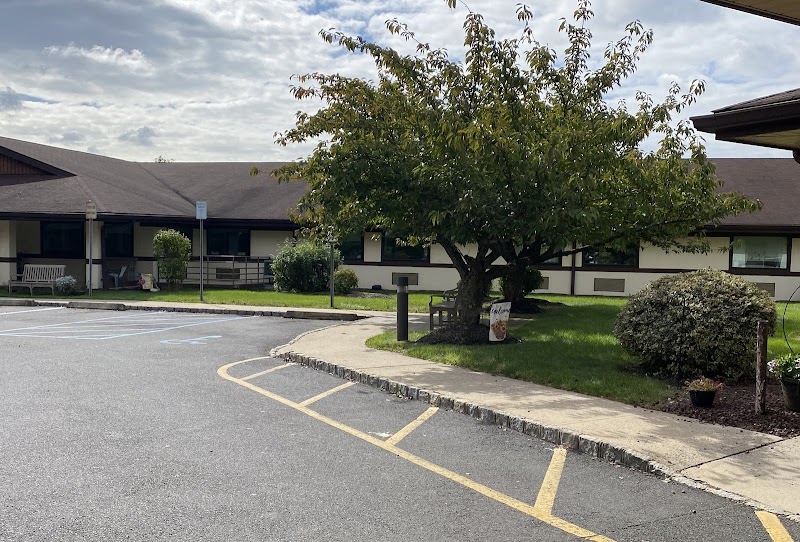
How is Complete Care At Woodlands Staffed?

CMS rates COMPLETE CARE AT WOODLANDS's staffing level at 4 out of 5 stars, which is above average compared to other nursing homes. Staff turnover is 32%, compared to the New Jersey average of 46%. This relatively stable workforce can support continuity of care.

What Have Inspectors Found at Complete Care At Woodlands?

State health inspectors documented 15 deficiencies at COMPLETE CARE AT WOODLANDS during 2021 to 2025. These included: 15 with potential for harm.
Who Owns and Operates Complete Care At Woodlands?

COMPLETE CARE AT WOODLANDS is owned by a for-profit company. For-profit facilities operate as businesses with obligations to shareholders or private owners. The facility is operated by COMPLETE CARE, a chain that manages multiple nursing homes. With 120 certified beds and approximately 106 residents (about 88% occupancy), it is a mid-sized facility located in PLAINFIELD, New Jersey.
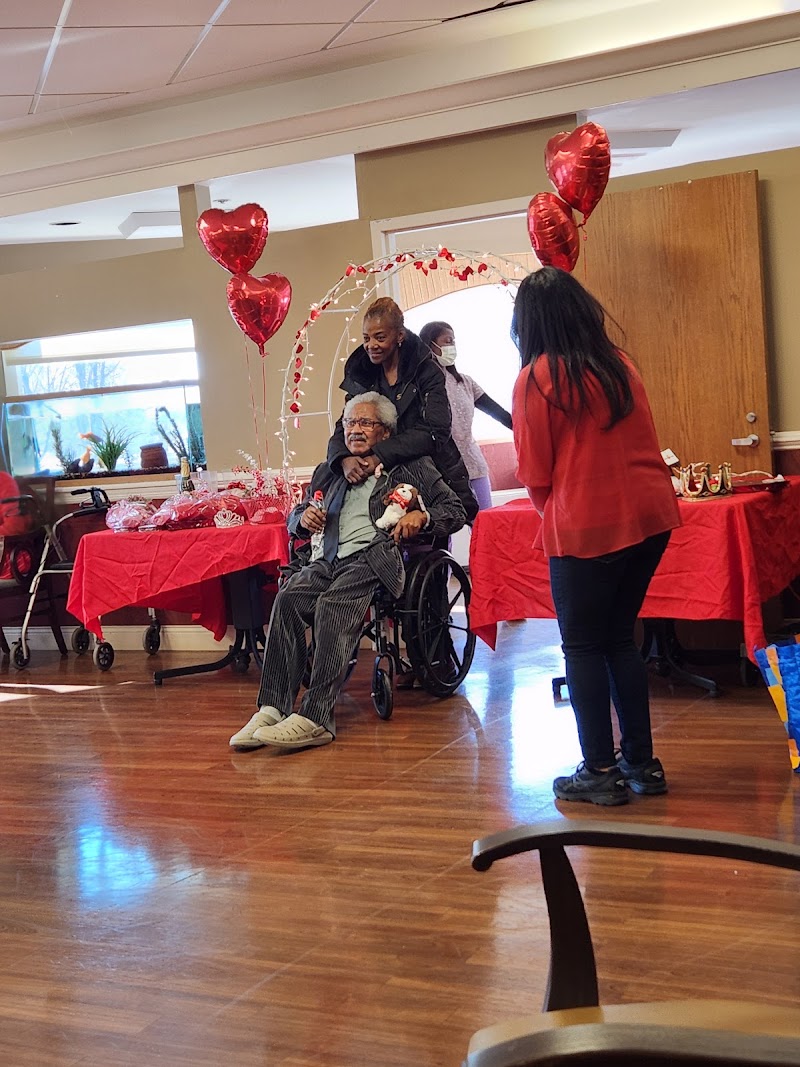
How Does Complete Care At Woodlands Compare to Other New Jersey Nursing Homes?

Compared to the 100 nursing homes in New Jersey, COMPLETE CARE AT WOODLANDS's overall rating (5 stars) is above the state average of 3.3, staff turnover (32%) is significantly lower than the state average of 46%, and health inspection rating (5 stars) is much above the national benchmark.

What Should Families Ask When Visiting Complete Care At Woodlands?

Based on this facility's data, families visiting should ask: "Can I visit during a mealtime to observe dining assistance and food quality?" "How do you handle medical emergencies, and what is your hospital transfer rate?" "Can I speak with family members of current residents about their experience?"

Is Complete Care At Woodlands Safe?

Based on CMS inspection data, COMPLETE CARE AT WOODLANDS has a clean safety record: no substantiated abuse findings (meaning no confirmed cases of resident harm), no Immediate Jeopardy citations (the most serious violation level indicating risk of serious injury or death), and is not on the Special Focus Facility watch list (a federal program monitoring the lowest-performing 1% of nursing homes). The facility has a 5-star overall rating and ranks #1 of 100 nursing homes in New Jersey. While no facility is perfect, families should still ask about staff-to-resident ratios and recent inspection results during their visit.

Do Nurses at Complete Care At Woodlands Stick Around?

COMPLETE CARE AT WOODLANDS has a staff turnover rate of 32%, which is about average for New Jersey nursing homes (state average: 46%). Moderate turnover is common in nursing homes, but families should still ask about staff tenure and how the facility maintains care continuity when employees leave.

Was Complete Care At Woodlands Ever Fined?

COMPLETE CARE AT WOODLANDS has no federal fines on record. CMS issues fines when nursing homes fail to meet care standards or don't correct problems found during inspections. The absence of fines suggests the facility has either maintained compliance or corrected any issues before penalties were assessed. This is a positive indicator, though families should still review recent inspection reports for the full picture.

Is Complete Care At Woodlands on Any Federal Watch List?

COMPLETE CARE AT WOODLANDS is not on any federal watch list. The most significant is the Special Focus Facility (SFF) program, which identifies the bottom 1% of nursing homes nationally based on persistent, serious quality problems. Not being on this list means the facility has avoided the pattern of deficiencies that triggers enhanced federal oversight. This is a positive indicator, though families should still review the facility's inspection history directly.