ADVANCED SUBACUTE REHABILITATION CENTER AT SEWELL
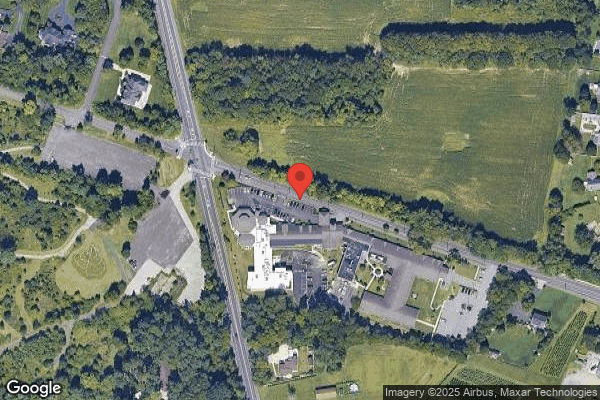
685 SALINA ROAD, SEWELL, NJ 08080 (856) 468-2500
For profit - Individual 139 Beds FAMILY OF CARING HEALTHCARE Data: November 2025 1 Immediate Jeopardy citation
Trust Grade
48/100
#159 of 344 in NJ
Last Inspection: March 2025

Within standard 12-15 month inspection cycle. Federal law requires annual inspections.

Overview

Advanced Subacute Rehabilitation Center at Sewell has a Trust Grade of D, indicating below-average performance with some concerns. They rank #159 out of 344 facilities in New Jersey, placing them in the top half, but still below many others. The facility is improving, with issues decreasing from 9 in 2023 to 8 in 2025. Staffing is average, with a rating of 3 out of 5 stars and a turnover rate of 43%, which is close to the state average. However, the facility has concerning fines of $34,398, which are higher than 75% of New Jersey facilities, and less RN coverage than 95% of state facilities, potentially affecting resident care. Specific incidents noted in inspections include a critical finding where hot water temperatures exceeded safe levels, posing a burn risk to residents, and failures in maintaining food safety standards, which could lead to foodborne illnesses. Additionally, there were concerns regarding the administration's ability to ensure the well-being of all residents across the facility. While there are positive aspects, such as the average overall star rating of 3 out of 5 and excellent quality measures, families should weigh these strengths against the highlighted weaknesses and compliance issues when considering this nursing home.

Trust Score
D
48/100
In New Jersey
#159/344
Top 46%
Safety Record
High Risk
Review needed
Inspections
Getting Better
9 → 8 violations
Staff Stability
○ Average
43% turnover. Near New Jersey's 48% average. Typical for the industry.
Penalties
⚠ Watch
$34,398 in fines. Higher than 95% of New Jersey facilities. Major compliance failures.
Skilled Nurses
⚠ Watch
Each resident gets only 20 minutes of Registered Nurse (RN) attention daily — below average for New Jersey. Fewer RN minutes means fewer trained eyes watching for problems.
Violations
⚠ Watch
18 deficiencies on record. Higher than average. Multiple issues found across inspections.
★★★☆☆
3.0
Overall Rating
★★★☆☆
3.0
Staff Levels
★★★★★
5.0
Care Quality
★★☆☆☆
2.0
Inspection Score
Stable
2023: 9 issues
2025: 8 issues

The Good

  • 5-Star Quality Measures · Strong clinical quality outcomes
  • Full Sprinkler Coverage · Fire safety systems throughout facility
  • No fines on record
  • Staff turnover below average (43%)

    5 points below New Jersey average of 48%

Facility shows strength in quality measures, fire safety.

The Bad

3-Star Overall Rating

Near New Jersey average (3.3)

Meets federal standards, typical of most facilities

Staff Turnover: 43%

Near New Jersey avg (46%)

Typical for the industry

Federal Fines: $34,398

Above median ($33,413)

Moderate penalties - review what triggered them

Chain: FAMILY OF CARING HEALTHCARE

Part of a multi-facility chain

Ask about local staffing decisions and management

The Ugly 18 deficiencies on record

1 life-threatening
Mar 2025 8 deficiencies 1 IJ
CRITICAL (J) 📢 Someone Reported This

A family member, employee, or ombudsman was alarmed enough to file a formal complaint

Immediate Jeopardy (IJ) - the most serious Medicare violation

Accident Prevention (Tag F0689)

Someone could have died · This affected 1 resident

**NOTE- TERMS IN BRACKETS HAVE BEEN EDITED TO PROTECT CONFIDENTIALITY** Complaint #: NJ 172818 Based on observation, interview, record review, and review of facility documents, it was determined that ...

Read full inspector narrative →
**NOTE- TERMS IN BRACKETS HAVE BEEN EDITED TO PROTECT CONFIDENTIALITY** Complaint #: NJ 172818 Based on observation, interview, record review, and review of facility documents, it was determined that the facility failed to ensure a.) hot water temperatures were maintained at safe levels to protect residents from third degree burns and/or serious injury. This deficient practice was identified on 1 of 3 nursing units (the Long-Term Care (LTC) unit). Hot water temperatures obtained on 3/4/25, in resident's rooms on the LTC unit registered between 138 degrees Fahrenheit (F) and 140 degrees F. Interviews with the Director of Maintenance (DM) confirmed that the water temperatures should be below 120 degrees F to be at a safe level. The facility's failure to ensure that residents were protected from excessive hot water temperatures posed the likelihood of serious harm and injury from third degree burns. This resulted in an Immediate Jeopardy (IJ) situation. The IJ began on 3/4/25 at 10:47 AM, when the survey team identified hot water temperatures on the LTC resident unit in excess of 120 degrees F. The facility's Administration were notified of the IJ on 3/4/25 at 2:46 PM. The facility submitted an acceptable Removal Plan (RP) on 3/5/25. The survey team verified the implementation of the RP during the continuation of the on-site survey on 3/7/25. The facility further failed to b.) ensure fall interventions were in place for a resident with a history of falls. This deficient practice was identified for 1 of 2 residents reviewed for falls (Resident #94) . The evidence was as follows: Part A Reference: State Operation Manual; Guidance to Surveyors for Long Term Care Facilities; 483.25 (d)(1); Water Temperature - Water may reach hazardous temperatures in hand sinks, showers, tubs, and any other source or location where hot water is accessible to a resident. Burns related to hot water/liquids may also be due to spills and/or immersion. Many residents in long-term care facilities have conditions that may put them at increased risk for burns caused by scalding. These conditions include decreased skin thickness, decreased skin sensitivity, peripheral neuropathy, decreased agility (reduced reaction time), decreased cognition or dementia, decreased mobility, and decreased ability to communicate. Time and Temperature Relationship to Serious Burns Water Temperature and Time Required for Third degree Burn (Penetrate the entire thickness of the skin and permanently destroy tissue). Water temperature and time required for a third degree burn to occur: 148 degrees F - 2 Seconds 140 degrees F - 5 Seconds 133 degrees F - 15 Seconds 127 degrees F - 1 Minutes 124 degrees F - 3 Minutes 120 degrees F - 5 Minutes 100 degrees F - Safe temperatures for bathing A review of the facility's Water Management policy, dated reviewed June 2024, included 1. The Maintenance Director will maintain documentation that describes the facility's water system . 6. Based on the risk assessment, control measures will be established to address potential hazards. 7. Testing protocols and acceptable ranges (control limits) will be established for each control measure . A. Individuals responsible for testing or visual inspection will document findings. A review of the facility's Safe Water Temperature policy, dated reviewed October 2024, included 1. Direct care staff will monitor residents during prolonged exposure to warm or hot water . 5. Water temperatures will be set to a temperature of no more than 160 F at the heater, and no more and 110 F at the faucet, or the state's allowable maximum water temperature. 6. Maintenance staff will check water heater temperature controls and the temperatures of tap water in all hot water circuits weekly and as needed. 7. Documentation of testing will be maintained for 3 years. On 3/4/25 at 10:07 AM, during the Medication Administration Pass observation, the surveyor observed the Licensed Practical Nurse (LPN #1) perform hand hygiene in Resident room [ROOM NUMBER]'s sink. At that time, LPN #1 stated, Oh my God, it's too hot, I burned my skin. On 3/4/25 at 10:47 AM, the surveyor accompanied the DM to Resident room [ROOM NUMBER]. The DM, with a calibrated digital probe thermometer, obtained a hot water temperature from the resident's sink which registered 138 degrees F. At that time, a Certified Nursing Assistant (CNA #2) was assisting Resident #108 with morning care. The surveyor observed a wash basin filled with water on the sink. The DM obtained a hot water temperature in the wash basin which registered 113 degrees F. On 3/4/25 at 10:52 AM, the DM obtained a hot water temperature in Resident room [ROOM NUMBER], which registered 140 degrees F. On 3/4/25 at 10:54 AM, the DM obtained a hot water temperature in the central LTC shower room, which registered 118 degrees F. On 3/4/25 at 11:26 AM, the DM, in the presence of the survey team, stated the water temperatures were checked twice a day; once around 7:30 AM by himself and around 11:00 AM by the Maintenance Assistant (MA). The DM stated he checked the water temperatures in two randomly selected rooms on each unit, the kitchen, the salon, the activities room, the gym, and the shower rooms. The DM stated that the water temperatures should range from 100 to 114 degrees F, and no more than 120 degrees F. The DM then stated that he tried to ensure the water temperature was not higher than 120 degrees F. The DM explained that a pipe for the water boiler busted and the part was replaced a couple days prior. The DM stated that he thought the service company had turned the boiler up to 140 degrees F and it was never turned back down. The DM stated that the boiler was 114 degrees F the previous day, but that morning, 3/4/25, after surveyor inquiry, when he checked the boiler and it was 140 degrees F. The DM did not know how or when it was turned back up to 140 degrees F. The DM then stated he was unable to provide the maintenance temperature logbook because he was unsure where the MA placed it. The DM verified that he turned the water boiler down to 114 degrees F after surveyor inquiry. Upon discovery of the high temperatures, the surveyor and the DM inspected other rooms. On 3/4/25 from 11:38 AM to 12:13 PM, the surveyor toured all three units (LTC, Subacute, and Memory Unit) with the DM. On 3/4/25 at 11:47 AM, the DM stated that since he started at the facility, there had been issues with leveling out of the water temperatures. The DM then stated it would either be too hot in the LTC unit, but fine on the Subacute unit. On 3/4/25, from 11:53 AM to 12:13 PM, the following hot water temperatures were obtained and reflected hot water temperatures of 110 degrees F and above: Resident room [ROOM NUMBER] - 111 degrees F. Resident room [ROOM NUMBER] - 110 degrees F. Resident room [ROOM NUMBER] - 116 degrees F. Resident room [ROOM NUMBER] - 118 degrees F. Resident room [ROOM NUMBER] - 118 degrees F. Resident room [ROOM NUMBER] - 119 degrees F. Resident room [ROOM NUMBER] - 119 degrees F. Resident room [ROOM NUMBER] - 118 degrees F. Resident room [ROOM NUMBER] - 117 degrees F. On 3/4/25 at 11:52 AM, the surveyor interviewed CNA #1, who stated that she was assigned to Resident room [ROOM NUMBER] that day. CNA #1 stated that the water temperature was hotter than usual today. CNA #1 then stated that the LTC shower was hot. CNA #1 stated if it felt hot to her, she knew it felt hot to the residents. CNA #1 stated that she had to add cold water to tone it down. On 3/4/25 at 11:55 AM, the surveyor interviewed CNA #2, who stated she was assigned to Resident Rooms #202, #203, #204, and #207. CNA #2 stated she had let the water run, but it was hotter than normal today. CNA #2 then stated that she mixed the hot water with cold water. CNA #2 further stated that the water temperature was hotter than normal half of the time. On 3/4/25 at 11:59 AM, the surveyor interviewed Resident #99, who resided in one of the affected rooms, who stated that the water temperature was normally cold, and they had to wait for the temperature to heat up. A review of the comprehensive Minimum Data Set (MDS), an assessment tool dated 12/20/24, reflected that Resident #99 had a Brief Interview for Mental Status (BIMS) score of 6 out of 15, which indicated a severely impaired cognition. A further review of the MDS indicated for shower/bathe self: not attempted due to medical condition or safety concerns. On 3/4/25 at 12:02 PM, the surveyor interviewed Resident #83, who resided in one of the affected rooms, who stated they did not have any issues with the water temperatures. A review of the comprehensive MDS dated [DATE], reflected that Resident #83 had a BIMS score of 15 out of 15, which indicated an intact cognition. A further review of the MDS indicated that the resident required substantial/maximal assistance (helper does more than half the effort) for personal hygiene. On 3/4/25 at 12:17 PM, the surveyor interviewed CNA #2, who stated that she was assigned to Resident #108, who stated that during morning care, she tried to fill the basin with water for the resident, but the resident wanted to do it on their own. CNA #2 further stated that after the resident filled the basin, she checked the water, and it was too hot, so she poured the water out, turned on both the hot and cold water and rechecked it. CNA #2 stated that the resident did not touch the water before she checked the temperature. CNA #2 then stated that normally she informed the supervisor that the water was too hot, but she was unable to at that moment because a CNA had asked her for assistance with another resident. A review of the comprehensive MDS dated [DATE], reflected that Resident #108 had a BIMS score of 12 out of 15, which indicated a moderately impaired cognition. A further review of the MDS indicated the resident required substantial/maximal assistance (helper does more than half the effort) for personal hygiene. On 3/4/25 at 12:27 PM, the surveyor interviewed LPN #1, who stated that today, 3/4/25, was the first time the water was too hot for his hands. LPN #1 then stated that his skin had been sensitive and a little cracked lately, so there was no need for a follow-up with the maintenance staff regarding the water temperatures. On 3/4/25 at 1:04 PM, the surveyor interviewed Resident #108, who resided in one of the affected rooms, who stated that the water temperature during morning care was comfortable. On 3/4/25 at 1:10 PM, the surveyor interviewed the Regional Nurse, who stated one of the three boilers had gone down and parts were replaced. The Regional Nurse stated that no residents were affected and the water was not shut down. On 3/4/25 at 1:17 PM, the Director of Nursing (DON) provided an invoice from a service company. At that time, she stated that the water boiler parts were replaced on 2/28/25. On 3/4/25 at 2:00 PM, the surveyor interviewed the DON, who stated that there were no resident accidents or incidents related to the hot water temperatures. When asked if water temperatures were taken on 2/28/25, the DON replied yes, but he thought they were in the maintenance temperature logbook. On 3/5/25 at 8:46 AM, the surveyor interviewed the Licensed Nursing Home Administrator (LNHA) in the presence of the DON, the Chief Operating Officer (COO), and the survey team. The LNHA stated that it was not the entire boiler that went down, and that it was the mixing valve (combines two or more fluid streams at different temperatures to produce a mixed stream at a desired temperature) that needed to be repaired. The LNHA stated that the DM should be checking the water temperatures, and for abnormal findings, they adjusted the mixing valve. An acceptable Removal Plan (RP) was received on 3/5/25 at 1:50 PM, which indicated the action the facility would take to prevent serious harm from occurring or reoccurring. The facility implemented a corrective action plan to remediate the deficient practice which included: the DM immediately checked the boiler mixing valve to check the temperatures and adjusted the valve; the Regional DM immediately rechecked the temperatures in the affected rooms; random rooms were tested throughout the day and evening shifts; all staff were educated to check water temperatures and adjust the faucets according to the residents' satisfaction, notify the DM immediately if the water was too hot or too cold; the Maintenance staff will check the water temperatures daily; the Maintenance staff will check any abnormal findings and adjust water temperatures by adjusting the mixing valve, then recheck water temperatures in the residents' rooms and all units randomly until safer water temperatures are reached; and all temperatures will be documented in the maintenance logbook. On 3/5/25 at 2:27 PM, the LNHA provided the maintenance temperature logbook. A review of the logbook included water temperatures, but it did not include all of the rooms and water temperatures from the Removal Plan. A review of the facility's Water and Air Temperature Log from 1/1/25 to 3/5/25, revealed water temperatures above 120 degrees F as follows: -On 3/2/25, in Resident room [ROOM NUMBER], the water temperature was documented as 120 degrees F. -On 3/3/25, in Resident room [ROOM NUMBER], the water temperature was documented as 122 degrees F. -On 3/3/25, in Resident room [ROOM NUMBER], the water temperature was documented as 121 degrees F. -On 3/3/25, in Resident room [ROOM NUMBER], the water temperature was documented as 120 degrees F. -On 3/3/25, in Resident room [ROOM NUMBER], the water temperature was documented as 120 degrees F. -On 3/3/25, in Resident room [ROOM NUMBER], the water temperature was documented as 121 degrees F. -On 3/3/25, in the LTC shower rooms, the water temperature was documented as 121 degrees F. A further review of the Water and Air Temperature Log, from 1/1/25 to 3/5/25, reflected water temperatures that were documented above 110 degrees F, ranging from 111 degrees F to 119 degrees F on all three units. The units included resident rooms, shower rooms, activity rooms, and the hair salon. There was no documented evidence that the affected rooms with water temperatures above 120 degrees were rechecked prior to surveyor inquiry. On 3/6/25 at 11:01 AM, the surveyor conducted a telephone interview with the Medical Director (MD), who stated that he was not made aware of the water temperatures being above 120 degrees F. The MD stated that he was at the facility once a week, and he was unable to speak about the water temperatures. The MD confirmed that 140 degrees F was too hot and there was potential that a resident could be burned. On 3/6/25 at 12:29 PM, the LNHA stated that the Regional Director of Maintenance (RDM) had the documentation for the remaining water temperatures and that he was not currently in the facility. On 3/6/25 at 2:17 PM, the surveyor interviewed the LNHA, in the presence of the survey team, who stated that his role was to manage the entire facility and to ensure the residents, the staff, and the visitors were safe. The LNHA stated that he was the leader of the building and was responsible for operating the entire facility. The LNHA stated he was aware of all concerns that were brought to his attention. On 3/7/25 at 8:30 AM, the LNHA provided the remaining water temperature logs. On 3/7/25 at 11:58 AM, the surveyor interviewed the RDM, who stated that the water temperatures should be checked and documented daily at different times of the day because you never know. The RDM further stated that the temperatures were documented in the maintenance logbook and if there were any issues, the maintenance staff or the service company fixed it. The RDM stated that the managers and LNHA should be notified if the water felt too hot. The survey team verified the implementation of the RP during the continuation of the on-site survey on 3/7/25. Part B On 3/3/25 at 8:43 AM, the surveyor observed Resident #94 in bed. The resident had a floor mat in place to the resident's right side, but the floor mat for the resident's left side was folded up and not in place. The resident's call bell was also not within reach and was hanging down by the back of the bed frame and was touching the floor. On 3/5/25 at 8:30 AM, the surveyor observed Resident #94 in bed. The resident had a floor mat in place to the resident's right side, but the floor mat for the resident's left side was folded up and not in place. The surveyor reviewed the medical record for Resident #94. A review of the admission Record face sheet, an admission summary, revealed the resident had diagnoses which included but were not limited to; traumatic subdural hemorrhage (a brain bleed that can happen after a head injury), fracture of left pubis, fracture of sacrum, fracture with routine healing, wedge compression fracture of first thoracic vertebra (a type of spinal fracture), history of falling, and unspecified dementia. A review of the quarterly Minimum Data Set (MDS), an assessment tool used to facilitate the management of care dated 1/19/25, included the resident had a Brief Interview for Mental Status (BIMS) score of 4 out of 15, which indicated the resident's cognition was severely impaired. A further review of the MDS revealed the resident had one fall without injury since the prior assessment. A review of the individualized comprehensive care plan (ICCP) included a focus that the resident was high risk for falls related to a history of falls and weakness. Interventions included: Be sure call light is within reach and encourage to use if for assistance as needed. The resident needs prompt response to all requests for assistance, and Bilateral floor mats in place while in bed to prevent injury. A review of the Order Summary Report (OSR) dated as of 3/6/25, included the following physician's order (PO): -A PO dated 5/21/24, for Device: Floor Mat B/L (bilateral) bed A review of the March 2025 Medication Administration Record (MAR) and Treatment Administration Record (TAR) did not include the above physician's order for nursing staff to sign off that the floor mats were being checked for proper placement. On 3/6/25 at 10:15 AM, the surveyor interviewed Certified Nursing Assistant (CNA #3), who stated Resident #94 was dependent on staff for care and that the resident was able to use the call bell for assistance. CNA #3 explained that the resident's call bell should be secured to the resident's sheet or gown to prevent it from falling on the floor. CNA #3 further stated that residents with floor mats should have the mats down whenever the resident is in bed to prevent injury. On 3/6/25 at 10:24 AM, the surveyor interviewed Licensed Practical Nurse (LPN #2), who stated that call bells should be secured to the side rail near the resident's hand so that the resident can call for assistance. LPN #2 also stated that residents with floor mats should always have the mats in place when the resident was in bed to protect the resident from falls. On 3/6/25 at 10:27 AM, the surveyor interviewed Licensed Practical Nurse/Unit Manager (LPN/UM #2), who stated call bells should be secured to the resident's blanket or sheet and be within reach so the resident could call for assistance. LPN/UM #2 further stated that residents with floor mats should have mats down in place any time the resident is in bed to decrease injuries from falls. On 3/6/25 at 12:38 PM, the surveyor interviewed the Director of Nursing (DON) in the presence of the survey team. The DON stated that the call bell should be secured to the resident's bedsheet and within reach in case the resident needed assistance. The DON further stated that residents should have floor mats in place whenever the resident was in bed to prevent injuries from falls. At that time, the surveyor informed the DON of the observations made of Resident #94 on 3/3/25 and 3/5/25, and the DON confirmed that the resident's call bell should have been secured within reach and the floor mat should have been on the floor beside the bed. A review of the facility's Falls Management policy, revised October 2024, included the following: 3. If a resident/patient is found to be at significant risk for falls, intervention will be implemented which will include, but are not limited to the following: -Safety education and instructions to resident/patient i.e. use of call bell . 4. A care plan such as . constantly checking that call light is within reach . will be implemented. 5. Safety devices: CNAs and charge nurses will be responsible for checking all residents/patients at the beginning of each shift. NJAC 8:39-27.1 (a) NJAC 8:39-31.7 (h)
CONCERN (D) 📢 Someone Reported This

A family member, employee, or ombudsman was alarmed enough to file a formal complaint

Potential for Harm - no one hurt, but risky conditions existed

Transfer Notice (Tag F0623)

Could have caused harm · This affected 1 resident

Complaint #: NJ171573, NJ170867 Based on interview, record review, and review of facility documents, it was determined that the facility failed to notify the Office of the State Long-Term Care Ombudsm...

Read full inspector narrative →
Complaint #: NJ171573, NJ170867 Based on interview, record review, and review of facility documents, it was determined that the facility failed to notify the Office of the State Long-Term Care Ombudsman of a resident hospitalization for 1 of 1 resident (Resident #176) reviewed for hospitalization. This deficient practice was evidenced by the following: On 3/3/25 at 11:05 AM, the surveyor reviewed the closed medical record for Resident #176. A review of the admission Record, an admission summary, revealed the resident had diagnoses which included, but were not limited to, pneumonitis (an inflammation of the lung tissue) due to inhalation of food and vomit, quadriplegia (paralysis of all four limbs), unspecified, dysphagia (difficulty swallowing), unspecified, end stage renal (kidney) disease, Type 2 (two) diabetes mellitus (adult onset diabetes) with unspecified complications, anemia (lack of blood), unspecified, other sequelae of cerebral infarction (stroke), and malignant neoplasm of prostate (cancerous tumor in the male prostate gland). The resident's most recent comprehensive Minimum Data Set (MDS), an assessment tool used to facilitate the management of care, remained in progress and was not available for review. A review of the Progress Notes (PN) revealed a Late Entry, dated 2/17/24 at 12:09 PM, that was written by Licensed Practical Nurse/Supervisor (LPN/S) #1, who documented Nursing consulted dietician about tube feeding, which n/o [new order] for a bolus feed was placed, resident did receive bolus feed before transfer. Family was also notified about n/o. Once family came to the facility they were upset and they wanted resident sent out to hospital [name redacted] d/t [due to] family belief of change in mental status Family stated that resident wasn't talking as they knew as [his/her baseline], nurse did let family know that resident spoke with this nurse during bolus feed and resident didn't c/o [complain of] any pain or discomfort. Family still wasn't pleased with all nursing interventions and called 911 themselves. Resident was sent to hospital via EMTS [Emergency Medical Technicians] Further review of the PN revealed a PN, dated 2/17/24 at 8:15 PM, which revealed that the hospital was called and the resident was admitted for altered mental status. On 3/4/25 at 10:58 AM, the surveyor interviewed the Social Worker (SW) who stated that he could not find the notification of hospitalization to the Office of the Ombudsman. He further stated that it did not look like it was done. On 3/5/25 at 9:41 AM, during a follow-up interview with the SW, he stated that he personally would have notified the Ombudsman that the resident was sent to the hospital upon family request. On 3/6/25 at 1:04 PM, the surveyor interviewed the Director of Nursing (DON) who stated that she would have expected the Social Worker to have notified the Ombudsman and the resident's family in writing of the resident's transfer to the hospital. On 3/6/25 at 2:02 PM, the surveyor interviewed the Licensed Nursing Home Administrator (LNHA) who stated that the resident's family requested the resident be sent out. The LNHA stated that the ombudsman should have been notified in writing. A review of the facility's Transfer and Discharge (including AMA (against medical advice) policy, reviewed October 2024, included: Provide transfer notice as soon as practicable to resident and representative. Social Services Director, or designees, shall provide notice of transfer to a representative of the State Long-Term Ombudsman via monthly list. NJAC 8:39-4.1(a)3
CONCERN (D) 📢 Someone Reported This

A family member, employee, or ombudsman was alarmed enough to file a formal complaint

Potential for Harm - no one hurt, but risky conditions existed

Quality of Care (Tag F0684)

Could have caused harm · This affected 1 resident

Complaint #: NJ171573 Based on interview, record review, and review of facility documents, it was determined that the facility failed to initiate physician's orders for an enteral tube feeding formula...

Read full inspector narrative →
Complaint #: NJ171573 Based on interview, record review, and review of facility documents, it was determined that the facility failed to initiate physician's orders for an enteral tube feeding formula (liquid nutritional products that provide nutrients directly into the gastrointestinal tract through a surgically created opening in the abdominal wall) in a timely manner in accordance with professional standards of practice for 1 of 2 residents (Resident #176) reviewed for tube feeding administration. This deficient practice was evidenced by the following: On 3/3/25 at 11:05 AM, the surveyor reviewed the closed medical record for Resident #176. A review of the admission Record, an admission summary, revealed the resident had diagnoses which included, but were not limited to, pneumonitis (an inflammation of the lung tissue) due to inhalation of food and vomit, quadriplegia (paralysis of all four limbs), dysphagia (difficulty swallowing), end stage renal (kidney) disease, Type 2 (two) diabetes mellitus (adult onset diabetes) with unspecified complications, anemia (lack of blood), other sequelae of cerebral infarction (stroke), and malignant neoplasm of prostate (cancerous tumor in the prostate gland). The resident's most recent comprehensive Minimum Data Set (MDS), an assessment tool used to facilitate the management of care, remained in progress and was not available for review. A review of the resident's Order Summary Report (OSR), dated 2/17/24, included the following physician's orders (PO): -A PO, dated 2/16/24, for Regular Diet Mechanical Soft-Chopped Texture, Thin Liquids consistency. -A PO, dated 2/16/24, for Enteral Feed Order every shift Nepro 50 cubic centimeters (cc)/hour x 20 hours from 12 PM to 8 AM daily and flush tube with 30 cc water every six hours. -A PO, dated 2/17/24, for Enteral Feed Order every six hours, Enteral: Bolus Feeding (a method of administering liquid nutrition through a feeding tube in large, intermittent doses), Administering 237 milliliters (ml) per Percutaneous Endoscopic Gastrostomy (PEG - a thin flexible tube inserted through the skin and into the stomach) tube via bolus. Rate: 237 ml per feeding, four times per day to provide 1680 calories/24 hours. A review of the resident's Baseline Care Plan included a focus area, dated 2/16/24, which indicated that the resident had a nutritional problem or potential nutritional problem. Interventions included: Provide and serve diet as ordered. The Baseline Care Plan did not include any interventions related to tube feeding administration. A review of a Documentation Survey Report revealed the following: -On 2/16/24 at 1:00 PM, under the section titled Eating on the 7:00 AM to 3:00 PM shift, the resident was documented as being dependent with feeding. -On 2/16/24 at 1:00 PM, under the Nutrition Section, the Amount Eaten was documented as -95 in the space provided. -On 2/16/24 at 1:00 PM, on the 3:00 PM to 11:00 PM shift, a zero (0) was documented for the amount eaten, which indicated that the resident had eaten between 0-25% of the meal -On 2/17/24 at 9:00 AM, on the 7:00 to 3:00 PM shift, a two (2) was documented in the space provided, which indicated that the resident had eaten between 51-75% of the meal. -On 2/17/24 at 1:00 PM, on the 7:00 AM to 3:00 PM shift, RN was documented in the space provided instead of the percentage of the meal that was consumed. A review of the progress notes (PN) included an Admission/re-admission Screen Note, dated 2/16/24 at 11:14 AM, which included: admitted /re-admitted from Acute Care Hospital and arrived to the facility via stretcher . Nutrition/Communication: No dentures noted. Mechanically altered diet noted-refer to physicians orders for consistency . Speech is clear. Easily understood and able to make needs known . Further review of the PN included a Physician Note, dated 2/16/24 at 10:01 PM, which revealed: Pt [patient] seen in room in bed with family present. Sacral [triangular bone at the base of the spine] Ulcer [wound] examined . Pt awake and alert and pt with dysarthria [difficulty speaking]. PEG in place . Plan: .dysphagia-had video swallow [a diagnostic procedure to evaluate swallowing function] and no aspiration noted. Cont. [continue) with po [oral] diet and speech can follow here as well. Spouse [redacted] states pt was also receiving feeds along with diet as he/she was not taking much in A review of the Medication Administration Record (MAR) revealed the following: -An entry dated 2/16/24 at 11:00 PM, for Enteral Feed order every shift Nepro 50 cc/hour x 20 hours from 12 PM to 8 AM daily and flush tube with 30 cc water every six hours. -On 2/16/24, the night shift entry was coded with a 9 (nine). A review of the chart codes legend revealed a coding of 9=Other/See Progress Notes. A review of the Progress Notes revealed that there was no documented evidence that the tube feeding was initiated as ordered. Further review of the MAR revealed the following: -An entry dated 2/17/24 at 12:00 PM, for an Enteral Feed order every six hours Enteral: Bolus Feeding: Administer 237 ml (8 fl oz per PEG via bolus. Rate: 237 ml per feeding, 4 (four) times per day to provide 1680 calories/24 hours. -On 2/17/24 at 12:00 PM, the order administration was coded with a 9 for Other/See Progress Notes. A review of the PN revealed a Late Entry, dated 2/17/24 at 12:09 PM, that was written by Licensed Practical Nurse/Supervisor (LPN/S) #1, who documented the following: Nursing consulted dietician about tube feeding, which n/o [new order] for a bolus feed was placed, resident did receive bolus feed before transfer. Family was also notified about n/o. Once family came to the facility they were upset and they wanted resident sent out to hospital [name redacted] d/t [due to] family belief of change in mental status . Family stated that resident wasn't talking as they knew as his/her baseline, nurse did let family know that resident spoke with this nurse during bolus feed and resident didn't c/o [complain of] any pain or discomfort. Family still wasn't pleased with all nursing interventions and called 911 themselves. Resident was sent to hospital via EMTS [Emergency Medical Technicians]. Further review of the PN revealed a PN, dated 2/17/24 at 8:15 PM, which revealed that the hospital was called and the resident was admitted for altered mental status. On 3/4/25 at 9:32 AM, the surveyor interviewed Certified Nursing Assistant (CNA) #4 who stated that nursing was responsible to ensure that all tube feeding supplies were available and ready for the resident upon arrival to the facility. On 3/4/25 at 9:54 AM, the surveyor interviewed LPN/S #1 who stated that the Admissions Director (AD) determined if the resident required any special equipment prior to admission and if so, the equipment was placed in the resident's room prior to the resident's arrival. LPN/S #1 further stated that a form was given to nursing with the resident's name, diagnoses, and any special equipment that was needed. LPN/S #1 also stated that she was the charge nurse and worked on the 3:00 PM - 11:00 PM shift on 2/16/24, and the 7:00 AM - 3:00 PM shift on 2/17/24. LPN/S #1 explained that from what she recalled, the tube feeding order was changed from a continuous feeding to a bolus feeding, but she did not know why. LPN/S #1 further explained that the resident also ate and was not 100% dependent on the tube feeding. LPN/S #1 stated she only recalled that the facility had a feeding pump and the resident was upgraded to a bolus feeding. LPN/S #1 further stated that usually the Dietician changed the orders. On 3/5/25 at 8:28 AM, the surveyor interviewed Registered Dietician (RD) #1, who stated that she was contacted on a Friday into Saturday to put the order in for a tube feeding and had not seen the resident because it was a weekend. RD #1 further stated that if they did not have the right tubing to do the continuous feeds, the bolus would meet the resident's needs. RD #1 stated that she could not recall if the facility had the correct tubing available for continuous tube feeding administration and that she put orders in for both an oral diet and for tube feedings. RD #1 further stated that if the resident were ordered an oral diet, it was not as urgent, as it was not as though the resident were not eating. RD #1 also stated that she put the order in as soon as she got the memo for the consult and that the hospital normally sent the necessary tube feeding supplies with the resident. RD #1 further stated, we do not get many PEG tubes here, but we usually take care of it right there and then. When the surveyor asked RD #1 if she documented her correspondence with the facility regarding the resident's tube feeding orders, RD #1 stated, Unfortunately, I did not get to see the patient. There was no documentation that detailed RD #1's rationale for changing the resident's order from a continuous tube feeding for 20 hours per day via a tube feeding pump to a bolus tube feeding in the resident's medical record. On 3/4/25 at 9:13 AM, the surveyor interviewed the Admissions Director (AD) who stated that the facility had a liaison and a portal, and the liaisons were in touch with Social Services at the hospital. The AD stated that they go into the portal, print the referral, and the Director of Nursing (DON) reviewed the referral to ensure that the facility can handle the patient and their needs. The AD stated that Social Services informed the facility of the discharge date from the hospital and all equipment was ordered prior to the resident's admission. The AD stated that they make sure equipment was ready prior to arrival and that they upload clinical records under the miscellaneous (misc.) tab in the electronic health record. The AD stated that the facility checked with the hospital prior to ensure that the tubing for the tube feeding was there and that all clinical needs were in place prior to the resident's admission to the facility. On 3/5/24 at 2:07 PM, the AD provided the surveyor with a document titled, Notice of admission or Re-Admission that was dated 2/16/24, which indicated that the form was provided to nursing prior to a resident admission. The surveyor reviewed the document and in the comments section it was noted, tube feed Nepro 50 cc/h . On 3/6/24 at 12:39 PM, the surveyor interviewed the DON in the presence of the survey team. The DON stated that the tube feeding should have been available upon admission, and if Nepro was in stock, it should have been administered immediately. The DON also stated that the facility got the tube feeding from the pharmacy, but it could take awhile to receive it if it were not available and that the RD would write an order for bolus feedings if necessary. The DON further stated that if nursing documented a status of 9 for Other/See Progress Notes in the area of tube feeding administration, she would have expected to see a progress note otherwise it was inaccurate documentation. The DON added that there should have been documentation if any component of the tube feeding was not available and stated, normally, they call me, but I never got a phone call. The DON stated that it had not appeared that the facility was prepared to receive the resident as a new admission. On 3/7/25 at 10:05 AM, the surveyor conducted a follow-up interview with the AD who stated that she checked her email and had no record of the facility's liaison's intake (a document used to communicate clinical information between the hospital and the facility prior to the resident's arrival) as previously stated. On 3/7/25 at 11:55 PM, the DON stated that she was unable to provide any clarification regarding the resident's tube feeding status. A review of the facility's admission to Facility policy, reviewed October 2024, included: Our facility will admit only those residents whose medical and nursing care needs can be met. The objectives of our admissions policies are to: .Prior to or at the time of admission, the resident's Attending Physician must provide the facility with information needed for the immediate care of the resident, including orders covering at least: Type of diet (e.g., regular, mechanical, etc.) Residents will be admitted to this facility as long as their nursing and medical needs can be adequately met by the facility. Examples of nursing/medical needs that can be adequately met include: . Tube feed Company Liaison will review potential admission from the hospital for Insurance, Clinical Capabilities as appropriate. A review of the facility's Charting and Documentation policy, reviewed October 2024, included: All services provided to the resident, any changes in the resident's medical or mental condition, shall be documented in the resident's medical record. All incidents, accidents, or changes in the resident's condition must be recorded. NJAC 8:39-11.2 (b)
CONCERN (D)

Potential for Harm - no one hurt, but risky conditions existed

Respiratory Care (Tag F0695)

Could have caused harm · This affected 1 resident

Based on observation, interview, record review, and review of facility documents, it was determined that the facility failed to follow a physician's order to provide humidified oxygen and ensure respi...

Read full inspector narrative →
Based on observation, interview, record review, and review of facility documents, it was determined that the facility failed to follow a physician's order to provide humidified oxygen and ensure respiratory equipment was stored in an appropriate way to prevent the spread of infection for 1 of 3 residents (Resident #89) reviewed for respiratory care. This deficient practice was evidenced by the following: On 3/3/25 at 8:29 AM, during the initial tour, the surveyor observed Resident #89 awake and alert, seated on the bed, wearing a nasal cannula (tubing) attached to an oxygen concentrator (a medical device that provides concentrated oxygen). The concentrator was set between three (3) and four (4) liters (L) of oxygen. Resident #89 stated, My nose is so congested. At that time, the surveyor observed two concentrators in the resident's room, but the resident stated that only one of the concentrators was operable. There was no humidifier bottle attached to the operable concentrator the resident used. At that time, the surveyor observed a nebulizer mask that was uncovered in a wash basin on the nightstand. On 3/5/25 at 9:41 AM, the surveyor conducted a follow-up visit to the resident's room, but Resident #89 was not in their room at that time. The humidifier bottle was not observed on the concentrator, and the nebulizer mask remained uncovered in a wash basin on the resident's nightstand. A review of the admission Record, an admission summary, revealed the resident had diagnoses which included, acute and chronic respiratory failure with hypoxia, anemia, emphysema, chronic obstructive pulmonary disease, pneumonia, and anxiety disorder. The surveyor reviewed the medical record for Resident #89. A review of the comprehensive Minimum Data Set (MDS), an assessment tool used to facilitate the management of care, dated 2/8/25, included the resident had a Brief Interview for Mental Status (BIMS) score of 10 out of 15, which indicated the resident's cognition was moderately impaired. Further review of the MDS revealed that the resident was receiving continuous oxygen therapy. A review of the individual comprehensive care plan (ICCP), dated 2/1/25, included a focus area which indicated that the resident had an altered respiratory status and difficulty breathing related to chronic obstructive pulmonary disease (COPD). The interventions included: humidified oxygen as needed. A review of the Order Summary Report (OSR), dated as of 3/5/25, included a physician order (PO), dated 2/11/25, to please make sure patient's O2 [oxygen] is humidified. Every shift for nosebleed. On 3/5/25 at 9:51 AM, the surveyor interviewed Licensed Practical Nurse/Unit Manager (LPN/UM) #1 who stated the physician's orders (PO) should be followed and the nurses should be checking the oxygen concentrators to ensure they contained a humidifier bottle. LPN/UM #1 also stated that the nebulizer mask should be covered when not in use. At that time, the surveyor and LPN/UM #1 went to the resident's room. LPN/UM #1 confirmed that the oxygen concentrator that the resident used, which was plugged in at that time, did not contain a humidifier bottle. LPN/UM #1 pointed to the top rear of the concentrator and stated, this is where the bottle should be. At that time, LPN/UM #1 also confirmed that the nebulizer mask was uncovered on top of the resident's nightstand. The LPN/UM #1 immediately discarded the mask and stated that she would replace it. On 3/6/25 at 1:04 PM, the surveyor interviewed the Director of Nursing (DON) who stated that the nurses should follow the PO and check to make sure that the oxygen was humidified. The DON stated that if the oxygen was not humidified, it could dry the resident out and cause a nosebleed. She then stated the nebulizer mask should be covered when not in use for infection control purposes. A review of the facility's Oxygen/Nebulizer Care policy, reviewed October 2024, included d. Fill the humidifier container to the correct level with distilled water and attach to the concentrator or use a disposable humidifier. All tubing and masks shall be placed in a plastic bag for storage when not in use. NJAC:27.1(a)
CONCERN (D)

Potential for Harm - no one hurt, but risky conditions existed

Unnecessary Medications (Tag F0759)

Could have caused harm · This affected 1 resident

Based on observation, interview, record review, and review of facility documents, it was determined that the facility failed to maintain a medication error rate of less than 5%. This deficient practic...

Read full inspector narrative →
Based on observation, interview, record review, and review of facility documents, it was determined that the facility failed to maintain a medication error rate of less than 5%. This deficient practice was identified for 2 of 4 residents (Resident #38 and #91), during the medication pass observation on 3/4/25, the surveyor observed four (4) nurses, administer 27 doses of medication to five (5) residents and there were two (2) errors, which resulted in a medication error rate of 7%. The deficient practice was evidenced by the following: 1. On 3/4/25 at 8:35 AM, during the medication administration observation, the surveyor observed Licensed Practical Nurse (LPN) #3 prepare to administer medications to Resident #91, which included a multivitamin with minerals. The surveyor observed LPN #3 place one (1) tab of multivitamin with minerals in the medication cup and then hand the house stock bottle of multi-vitamin with minerals to the surveyor to verify. LPN #3 gathered the resident's medications and water for administration. At that time, LPN #3 confirmed that she would administer the medications in the cup and that they were correct. The surveyor then informed the LPN that there was a discrepancy between the multi-vitamin with minerals that she dispensed in the cup and what was prescribed. LPN #3 stated in response that is the one we use here for the daily multivitamin. After the surveyor's inquiry, LPN #3 removed the multi-vitamin with minerals from the medication cup. At that time the surveyor interviewed LPN #3, who stated that she should check to see if there was another medication that she should use and call the doctor. The surveyor reviewed the medical record for Resident #91. A review of the Admissison Record, an admission summary, revealed Resident #91 had diagnoses which included, anemia and unspecified protein-calorie malnutrition A review of the Order Summary Report (OSR), dated 3/6/25, included the physician's order (PO): Multivitamin oral tablet (multiple vitamin) give 1 tablet by mouth one time a day for supplement. (Error #1) 2.) On 3/4/25 at 9:06 AM, during the medication administration observation, the surveyor observed Registered Nurse (RN) #1 prepare medications to administer to Resident #38, which included a Frosty Heat pain relief patch Menthol 5%. The surveyor observed RN #1 remove a single patch from the box. After dispensing the medication, RN #1 handed the box of patches to the surveyor. The RN gathered all of Resident #38's medications and confirmed that all the medications were correct and would administer the medications. At that time, the surveyor informed RN #1 that there was a discrepancy between the Frosty Heat pain relief patch and what the physician prescribed. The RN stated that it was the house stock supply and that was the medication that she usually administered to the resident. After the surveyor inquiry, RN #1 did not administer the patch and stated that she would check with the doctor. The surveyor reviewed the medical record for Resident #38. A review of the admission Record, revealed Resident #38 had diagnoses which included, difficulty in walking. A review of the Order Recap Report (ORR) included the PO for LidoPatch Pain Relief External Patch 3.99-1.25 % (Lidocaine-Menthol) Apply to right foot topically one time a day for pain administer to top right foot. (Error #2) On 3/6/25 at 10:03 AM, the surveyor interviewed Licensed Practical Nurse/Unit Manager (LPN/UM) #1 who stated when administering medications, the five rights must be adhered to which included the right patient, the right drug, the right dose, the right route, and the right time. On 3/6/25 at 1:04 PM, the surveyor interviewed the Director of Nursing (DON) who stated the PO should be double checked before giving medications. She further stated the five rights should be adhered to which included the right patient, the right drug, the right dose, the right route and the right time. A review of the facility's Administering Medications Using Electronic System policy, revised April 2010, included 3. Medications must be administered in accordance with doctor's orders, 6. The individual administering the medication must check the label THREE (3) times to verify the right medication, right dosage, right time and right method (route) of administration before giving the medication. NJAC 8:39-29.2(d)
CONCERN (D)

Potential for Harm - no one hurt, but risky conditions existed

Deficiency F0761 (Tag F0761)

Could have caused harm · This affected 1 resident

Based on observation, interview, and review of pertinent documents, it was determined that the facility failed to store medications under acceptable temperatures and sanitary conditions. This deficie...

Read full inspector narrative →
Based on observation, interview, and review of pertinent documents, it was determined that the facility failed to store medications under acceptable temperatures and sanitary conditions. This deficient practice was observed in 1 of 2 medication storage rooms (Long-Term Care medication room) and was evidenced by the following: On 3/6/25 at 11:18 AM, the surveyor observed the Long-Term Care (LTC) medication storage room in the presence of Licensed Practical Nurse (LPN) #4 and LPN #5. At that time, the surveyor observed two small chunks of ice fell to the floor upon opening the medication refrigerator door. The thermometer hanging on the wire shelf inside of the refrigerator read 26 degrees Fahrenheit (F). A review of the Refrigerator/Freezer Temperature Log posted on the outside of the refrigerator door included January, February, and March 2025, with the following out-of-range temperatures: 1/4/25: 31 F 1/5/25: 33 F 1/6/25: 33F 1/7/25: 31 F 1/8/25: 33 F 1/21/25: 31 F 1/22/25: 31 F 1/27/25: 32 F 2/1/25: 30 F 2/4/25: 32 F 2/5/25: 31 F 2/10/25: 32 F 2/14/25: 32 F 2/18/25: 32 F 2/19/25: 32 F 2/24/25: 30 F 2/25/25: 30 F 2/28/28: 30 F 3/1/25: 30 F 3/4/25: 30 F 3/5/25: 30 F 3/6/25: 30 F At that time, the surveyor observed medications in the refrigerator were stored in a basin. Inside the basin was a pool of water and the following medications: -Two opened vials of Tuberculin, (sterile liquid used in a skin test to help diagnose tuberculosis, a potentially serious infectious bacterial disease that effects the lungs). Both boxes of Tuberculin were saturated. -Nine Trulicity insulin pens (a medication that lowers blood sugar) in plastic bags. -Two vials of Lantus Insulin (a medication used to lower blood sugar levels). -Six packets of Veltassa 8.4 gram (a medication used to treat high potassium levels in your blood). -Five bottles of Latanoprost 0.005% ophthalmic solution in individual plastic pouches (a medication used to treat glaucoma and ocular hypertension). On 3/6/25 at 1:04 PM, the surveyor interviewed the Director of Nursing (DON) who stated that she was unaware of what the temperature range should be for the medication refrigerator and would look into it. On 3/6/25 at 1:14 PM, the surveyor interviewed the Pharmacy Consultant, who stated that the medication refrigerator temperature should be maintained between 36 F and 46 F. She further stated that the manufacturer does not recommend storing insulin and Tuberculin at 26 F, as the medication may freeze, affecting the potency. A review of the facility's Storage of Medications policy, revised/reviewed October 2024, included, The nursing staff shall be responsible for maintaining medication storage and preparation areas in a clean, safe, and sanitary manner. The policy did not include the acceptable temperature ranges for medication refrigerators. NJAC 8:39-29.4 (a)
CONCERN (E)

Potential for Harm - no one hurt, but risky conditions existed

Food Safety (Tag F0812)

Could have caused harm · This affected multiple residents

Based on observations, interview, and record review, it was determined that the facility failed to handle potentially hazardous foods and maintain sanitation in a safe consistent manner to prevent foo...

Read full inspector narrative →
Based on observations, interview, and record review, it was determined that the facility failed to handle potentially hazardous foods and maintain sanitation in a safe consistent manner to prevent food borne illness. This deficient practice was evidenced by the following: On 3/3/25 from 8:09 AM to 9:02 AM, the surveyor observed the following in the presence of the Dietary Assistant Supervisor (DAS): In the Reach-in Refrigerator: 1. A five (5) pound container of hummus which was previously opened, was not labeled or dated with an opened or use-by date. The DAS discarded the container of hummus. The DAS stated that the hummus should have had an opened date and a used by date. 2. A pan of ground beef which was sealed with aluminum foil, dated 2/27/25, had a tear in the aluminum foil exposing the ground beef to the air. The DAS discarded the ground beef. The DAS stated the aluminum foil should not have had a tear in it. In the Walk- In Freezer: 1. A large pan of frozen fish was sealed with aluminum foil, dated 2/25/25, with a tear in the aluminum foil exposing the fish to the air. The DAS stated the foil should not have a tear in it and discarded the fish. The DAS also stated the fish should have had a used by date. On 3/5/25 at 8:27 AM, in the Long-Term Care Unit pantry, the surveyor observed the freezer did not have a thermometer. The surveyor reviewed the Refrigerator/Freezer temperature log attached to the refrigerator, which revealed that the last freezer temperature was recorded January 1, 2025. At that time, the surveyor interviewed Licensed Practical Nurse Unit Manager (LPN/UM) #2 who stated that the freezer should have a thermometer. LPN/UM #2 further stated that the nurses on the 11:00 PM to 7:00 AM shift were responsible to check the refrigerator and freezer temperatures daily and document on the log sheet. On 3/6/25 at 10:02 AM, the surveyor interviewed the Director of Nursing (DON), in the presence of the Licensed Nursing Home Administrator, who stated that nursing was responsible for checking the temperatures in the pantry freezer and documenting the temperatures on the form attached to the refrigerator. The DON stated that the freezer should have had a thermometer in it and that the importance of checking the freezer temperatures daily was for food preservation. At that time, the surveyor notified the DON and LNHA about the above kitchen concerns. A review of the facility's Labeling and Dating of Dry, Refrigerated and Freezer Food Items policy, revised October 2024, included that all food products shall be dated upon receipt or when they are prepared and when they are opened, refrigerated food items such as cold cuts, leftover meat, prepared salad are good for 3 days and to cover tightlym and freezer food items that are opened should be kept tightly covered. A review of the facility's Refrigerator and Freezer policy, last reviewed 10/2024, included check the temperature of the refrigerator and freezer daily and freezers should keep food frozen solid, ideally around zero-degree Fahrenheit. NJAC 8:39-17.2(g)
CONCERN (F)

Potential for Harm - no one hurt, but risky conditions existed

Administration (Tag F0835)

Could have caused harm · This affected most or all residents

**NOTE- TERMS IN BRACKETS HAVE BEEN EDITED TO PROTECT CONFIDENTIALITY** Based on observations, interviews, and review of pertinent facility documents, it was determined that the facility's Licensed Nu...

Read full inspector narrative →
**NOTE- TERMS IN BRACKETS HAVE BEEN EDITED TO PROTECT CONFIDENTIALITY** Based on observations, interviews, and review of pertinent facility documents, it was determined that the facility's Licensed Nursing Home Administrator (LNHA) failed to ensure policies, procedures, and effective systems were implemented to maintain each resident's highest practicable wellbeing. The deficient practice had the potential to affect all residents who resided on 3 of 3 units and was evidenced by the following: Refer to F689 and F812 A review of the Administrator's job description provided by the facility revealed the following: The Administrator's primary purpose is to direct the day-to-day functions of the center in accordance with current federal, state, and local standards, guideline, and regulations that govern nursing centers to assure that the highest degree of quality care can be provided to the residents at all times. Duties and Responsibilities included but not limited to: plan, develop, organize, implement, evaluate, and direct the center's programs and activities; Develop and maintain written policies and procedures and professional standards of practice that govern the operation of the center; Review the facility's policies and procedures at least annually and make changes as necessary to assure continued compliance with current regulations; Ensure that all employees, residents, visitors, and the general public follow the center's established policies and procedure; Make routine inspections of the facility to assure that established policies and procedures are being implemented; Ensure that all facility personnel, residents, visitors, etc., follow established safety regulations. On 3/3/25 at 8:13 AM, during the entrance conference, the Director of Nursing (DON) stated the LNHA was on vacation and would be returning on Wednesday, 3/5/25. She then stated that the LNHA had been there for three (3) years. On 3/4/25 at 10:47 AM, the surveyor accompanied the Director of Maintenance (DM) to Resident room [ROOM NUMBER]. The DM, with a calibrated digital probe thermometer, obtained a hot water temperature from the resident's sink which registered 138 degrees Fahrenheit (F). At that time, a Certified Nursing Assistant (CNA #2) was assisting Resident #108 with morning care. The surveyor observed a wash basin filled with water on the sink. The DM obtained a hot water temperature in the wash basin which registered 113 degrees F. On 3/4/25 at 10:52 AM, the DM obtained a hot water temperature in Resident room [ROOM NUMBER], which registered 140 degrees F. On 3/4/25 at 10:54 AM, the DM obtained a hot water temperature in the central LTC shower room, which registered 118 degrees F. Upon discovery of the high temperatures, the surveyor and the DM inspected other rooms on all three (3) units. A review of the facility's Water and Air Temperature Log from 1/1/25 to 3/5/25, revealed water temperatures above 120 degrees F in resident rooms. Further review of the Water and Air Temperature log from 1/1/25 to 3/5/25, reflected water temperatures that were documented above 110 degrees F, ranging from 111 degrees F to 119 degrees F on all 3 units, which included resident's rooms, the shower rooms, the activities rooms, and the hair salon. There was no documented evidence that the affected rooms with water temperatures above 120 degrees were rechecked prior to surveyor inquiry. On 3/6/25 at 2:15 PM, the LNHA acknowledged the concerns that were brought to his attention in the presence of the DON and the survey team. On 3/6/25 at 2:17 PM, the surveyor interviewed the LNHA, in the presence of the survey team, who stated his role was to manage the entire facility and to ensure the residents, the staff and the visitors were safe. He stated that he was the leader of the building and responsible for operating the entire facility. NJAC 8:39-9.2(a); 9.3(a); 27.1(a)
Dec 2023 2 deficiencies
CONCERN (D) 📢 Someone Reported This

A family member, employee, or ombudsman was alarmed enough to file a formal complaint

Potential for Harm - no one hurt, but risky conditions existed

Accident Prevention (Tag F0689)

Could have caused harm · This affected 1 resident

**NOTE- TERMS IN BRACKETS HAVE BEEN EDITED TO PROTECT CONFIDENTIALITY** Complaint # NJ 160965 Based on observation, interview, record review, and review of facility investigation and policies, the fac...

Read full inspector narrative →
**NOTE- TERMS IN BRACKETS HAVE BEEN EDITED TO PROTECT CONFIDENTIALITY** Complaint # NJ 160965 Based on observation, interview, record review, and review of facility investigation and policies, the facility failed to ensure a fall risk assessment was completed upon admission and quarterly for one of three residents (Resident (R) 1) reviewed for falls out of 15 sample residents. This failure placed the resident at risk of repeated falls and a diminished quality of life. Findings include: Review of R1's admission Record located in the Profile tab of the electronic medical record (EMR) revealed R1 was admitted to the facility on [DATE] with diagnoses that included a history of falls with fracture, dementia, and anxiety disorder. Review of the admission Minimum Data Set (MDS) assessment located in the MDS tab of the EMR with an Assessment Reference Date (ARD) of 07/14/23 revealed R1 had a Brief Interview for Mental Status (BIMS) score of four out of 15 which indicated she had severely impaired cognition. The assessment further revealed that R1 had a history of falls and had a fracture within the previous six months prior to admission. Review of the Assessments tab of the EMR did not show that an admission fall risk assessment had been completed in July 2023 and a quarterly fall risk assessment had not been completed in October 2023. Review of a Fall Investigation, provided by the Director of Nursing (DON), dated 11/15/23, revealed .R1 admitted to the facility on [DATE] with a fracture of the sternum [------]. On 11/15/23 at approximately 3:15 AM, upon answering call light initiated by roommate, R1 was observed sitting on floor close to her roommate's bed. R1 was assessed with two small skin tears to left elbow and complained of pain in left hip. R1 was administered Tylenol and x-rays were ordered of the left hip, pelvis, and femur .X-ray taken at facility at 9:15 AM and demonstrated 'acute or subacute fracture of the femoral neck with displacement of fracture fragment noted. Osteopenia degenerative changes noted' .R1 is being sent to the hospital for evaluation and treatment . Review of the Fall Care Plan, initiated on 11/21/23, revealed R1 is high risk for falls r/t [related to] history of falls and weakness. Fall with injury 11/15/23. Interventions included, .Anticipate and meet needs. Frequent incontinence checks throughout the evening, while awake, dated 11/15/23 .Be sure call light is within reach and encourage to use it for assistance as needed. The resident needs prompt response to all requests for assistance, dated 07/07/23 .Bed in lowest position at HS [hour of sleep] and when in bed, dated 07/07/23 .Encourage the resident to participate in activities that promote exercise, physical activity for strengthening and improved mobility, dated 11/15/23 .Encourage to wear appropriate footwear, use of non-skid socks when ambulating or mobilizing in w/c [wheelchair], dated 07/07/23 .Ensure R1 is toileted before going to bed, dated 11/15/23 .Keep room clutter free, dated 07/07/23 . During an observation and interview on 12/27/23 at 8:32 AM, R1 was dressed and seated in a high-back wheelchair with the over bed table in front of her. She was awake and alert. R1 was asked if she had fallen recently. She stated, Yes, I did. I hurt my hip and had surgery. R1 was asked if there was anything she remembered that was put into place to keep her safe after the fall. She stated, That bed over there, with the covers, it keeps me safe. During an interview on 12/28/23 at 7:40 AM, the DON was asked about the missing admission and quarterly fall risk assessments in the Assessments tab of the EMR. The DON looked through the EMR Assessments tab and confirmed they were not done. During an interview on 12/28/23 at 7:56 AM, the Unit Manager (UM) 2 was asked about the missing fall risk assessments. She stated, I did a fall risk assessment when she came back from the hospital in November. I was off the entire month of July, and I don't know if any other assessments were completed. Review of the facility's policy titled, Falls Management, revised 01/23, revealed .Any resident/patient who is at risk for falls will be identified through an assessment process. Any resident/patient found to be at a significant risk for falls will have appropriate interventions addressed in the individualized care plan .Fall Risk Assessment form will be completed: upon admission; quarterly and annual MDS review . NJAC 8:39-27.1
CONCERN (D) 📢 Someone Reported This

A family member, employee, or ombudsman was alarmed enough to file a formal complaint

Potential for Harm - no one hurt, but risky conditions existed

Medical Records (Tag F0842)

Could have caused harm · This affected 1 resident

**NOTE- TERMS IN BRACKETS HAVE BEEN EDITED TO PROTECT CONFIDENTIALITY** Complaint #: NJ 165790 Based on interview, record review, and review of facility policy, it was determined that the facility fai...

Read full inspector narrative →
**NOTE- TERMS IN BRACKETS HAVE BEEN EDITED TO PROTECT CONFIDENTIALITY** Complaint #: NJ 165790 Based on interview, record review, and review of facility policy, it was determined that the facility failed to ensure the medical record was accurate in accordance with acceptable standards of practice for one of 15 residents (Resident (R) 5) whose medical records were reviewed. The facility failed to ensure the SBAR [situation, background, assessment, recommendation-documentation that is used to facilitate prompt and appropriate communication] was completed by the staff person who witnessed the event. This failure placed residents at risk for unmet care needs and falsification of documentation. Findings include: Review of R5's admission Record located in the Profile tab of the electronic medical record (EMR) revealed R5 was admitted to the facility on [DATE] and was discharged to the hospital on [DATE]. R5 had a diagnosis that included respiratory failure which required her to have a tracheostomy (a tube inserted into the larynx to allow breathing). Review of the admission Minimum Data Set (MDS) assessment located in the MDS tab of the EMR with an Assessment Reference Date (ARD) of 06/28/23 revealed R5 had a Brief Interview for Mental Status (BIMS) score of four out of 15 which indicated she had severely impaired cognition. The assessment further revealed that R5 had a tracheostomy and required suctioning. Review of the SBAR documentation located in the Progress Notes tab of the EMR revealed on 07/15/23 at 6:04 PM, the Unit Manager (UM) 2 documented, .Late Entry: Situation: resident presented in a panicked stated with SOB [shortness of breath]. VS [vital signs] 239/116 HR [heart rate] 126 with tachypnea [abnormally rapid breathing] POX [pulse ox] remained 97% via trach collar-resident suctioned, no sign of mucous plug, MD [medical doctor] notified pending call back . Assessment (RN) [Registered Nurse]/Appearance (LPN) [Licensed Practical Nurse]: Resident appeared in a panicked state and hyperventilating in room, husband at bedside unable to describe chain of events to staff. Recommendations: n/o [new order] given by MD for administration of nitro (nitroglycerin) 0.3 mg [milligrams] however, husband called 911 himself . During an interview on 12/27/23 at 12:56 PM, UM2 was asked about the events that night with R5. The UM stated, I was not here when she went out (to the hospital). It was a weekend. The UM was asked why she had documented an SBAR on the day of the event when she did not witness or have firsthand knowledge of the event. The UM stated, Staff told me. I think I took information from the note that the other nurse wrote. The UM further stated, I should have had LPN1 type the note, but I was showing him how to do an SBAR, so I typed if for him. During an interview on 12/27/23 at 1:12 PM, the Director of Nursing (DON) stated, I don't remember anything about the incident, in particular. Normally, I would expect them (nursing staff) to call me, they usually do, but they did not call me that night. The DON further stated, The UM should have put 'per nurse' (to indicate she was not involved) however, she did not. Review of the facility's policy titled, Charting and Documentation, revised 01/23, revealed .All services provided to the resident, or any changes in the resident's medical or mental condition, shall be documented in the resident's medical record .Entries may only be recorded in the resident's clinical record by licensed personnel (i.e. RN, LPN/LVN [Licensed Vocational Nurse], physicians, therapists, etc.) in accordance with state law and facility policy . NJAC 8:39-35.2 (d) 6
Feb 2023 7 deficiencies
CONCERN (D)

Potential for Harm - no one hurt, but risky conditions existed

Resident Rights (Tag F0550)

Could have caused harm · This affected 1 resident

**NOTE- TERMS IN BRACKETS HAVE BEEN EDITED TO PROTECT CONFIDENTIALITY** Based on observation, interview, record review and review of pertinent facility documentation it was determined that the facilit...

Read full inspector narrative →
**NOTE- TERMS IN BRACKETS HAVE BEEN EDITED TO PROTECT CONFIDENTIALITY** Based on observation, interview, record review and review of pertinent facility documentation it was determined that the facility failed to provide a resident with respect and a dignified existence by failing to provide adequate colostomy (a surgical operation in which a piece of the colon is moved to an artificial opening in the abdominal wall to bypass a damaged part of the colon) care. This deficient practice was identified for one (1) of 21 resident's, (Resident #159) reviewed for respect and dignity and was evidenced by the following: Refer to F691 On 02/07/23 at 12:05 PM, the surveyor entered Resident #159's room and observed the resident lying flat in bed. The resident told the surveyor that he/she had been admitted to the facility about a week ago from the hospital and had a bowel obstruction (a gastrointestinal condition in which digested material is prevented from passing normally through the bowel, causing blockage) and had undergone surgery to create the colostomy. At that time the, the resident pulled up the bed sheets that were covering his/her stomach and the surveyor observed the resident's colostomy bag. The surveyor observed thin yellow liquid the same color as the thin yellow liquid in the resident's colostomy bag on the resident's bed sheets. The resident further told the surveyor that the colostomy care has been an ongoing problem. The resident explained that one day he/she sat in bed for two hours with the colostomy bag leaking on him/her. The resident told the surveyor that the hospital had sent him/her to the facility with colostomy supplies, but the supplies were few, had run out, and the facility did not have the appropriate supplies that fit his/her colostomy. The resident further stated that he/she had told multiple people that he/she did not want to be staying in the facility anymore. The resident stated, I just want to go back to the hospital and start all over again. I don't want to be here. The surveyor reviewed the medical record for Resident #159. A review of the resident's admission Record reflected that the resident was admitted to the facility on [DATE] with diagnoses that included but were not limited to sepsis, intestinal obstruction, generalized anxiety disorder, and type two diabetes. A review of the resident's admission Minimum Data Set (MDS), an assessment tool used to facilitate the management of care, reflected that the MDS assessment was still in progress as the resident had been admitted to the facility for less than 14 days. A review of the February 2023 Order Summary Report (OSR) reflected a Physician's Order (PO) dated 02/01/23 to change colostomy pouch every seven (7) days or as needed for ostomy care. A review of the February 2023 Medication Administration Record (MAR) revealed that on 02/01/23 at 0900 (9:00 AM) and on 02/07/23 at 0900, a nurse had signed that the colostomy bag was changed. The February 2023 MAR did not reflect that nursing staff had changed the colostomy bag as needed. A review of the resident's Care Plan revealed a focus area that the resident had a colostomy related to small bowel obstruction surgery. The goal of the resident's Care Plan was that the resident would be free from complications of colostomy function and healing through next review. The interventions in the resident s Care Plan included colostomy care each shift and as needed and to observe the colostomy site each shift for signs and symptoms of irritation and infection. On 02/07/23 at 12:14 PM, the surveyor interviewed the Licensed Practical Nurse/Unit Manger (LPN/UM) who stated that she had went into the resident's room and helped the resident with his/her colostomy care because the resident was, upset about their colostomy. The LPN/UM did not specify a date or time that she had assisted the resident with colostomy care, The surveyor asked the LPN/UM what caused the resident to be upset and the LPN/UM stated the resident was, concerned about the colostomy because it was a special device and the resident wanted to make sure that the facility had the appropriate supplies to care for it. On 02/09/23 at 10:01 AM, the surveyor interviewed one of the Certified Nursing Aide's (CNA)s on the subacute unit who stated that she never had the resident on her assignment but would answer the residents' call bell. The CNA told the surveyor that the resident expressed to her that she was depressed at the facility and wanted to go home. The CNA further stated that she would reposition the resident for comfort and the resident never expressed concerns to her about his/her colostomy bag. On 02/13/23 at 10:45 AM, the surveyor interviewed Licensed Practical Nurse (LPN) who stated that she had cared for the resident and the resident was alert and oriented to person, place, and time. The LPN told the surveyor that the resident was depressed. The surveyor asked in what way did the resident demonstrate depression. The LPN stated that the resident would say to her that he/she was hopeful to get better and wanted to go home. She explained that the resident came to the facility with colostomy supplies and had a big ostomy (a surgery to create an opening [stoma] from an area inside the body to the outside). The LPN stated that the colostomy bags that were sent from the hospital were oval shaped with a round lid on it, and the bag was able to be drained. The LPN told the surveyor that she recalled changing the resident's colostomy bag on Sunday (02/05/23) and had used the last bag the resident had, which was sent from the hospital. The LPN stated that she believed on Sunday when she cared for the resident that the facility was in the process of ordering supplies for the resident and was hoping that the supplies would be there soon for the resident. The surveyor asked the LPN if the colostomy bag ever leaked when she cared for the resident. The LPN stated, Yes. The bag was leaking and that was why I changed it. The LPN explained that the bag was leaking because it was a wax type of material that stuck to the resident's skin and the skin needed to remain dry around the bag. The LPN stated that on Sunday when she had changed the resident's bag it had been her second time changing it and both the bags were leaking. The LPN told the surveyor that if a resident had a colostomy bag the expectation would be for the facility to have the appropriate supplies to care for the resident and the supplies should have been readily available. On 02/13/23 at 11:32 AM, the surveyor conducted a follow up interview with the LPN/UM who stated that prior to the resident being admitted to the facility she reached out to management staff because she had concerns related to the resident's care, such as available colostomy supplies. The LPN/UM stated that the resident was admitted from the hospital with 2 colostomy bags and that she, was frustrated because she was waiting for the supplies to come in for the resident. The LPN/UM stated that the resident, definitely had issues with the colostomy bag leaking. She further stated that the resident came from the hospital with the 2 devices and when she went into the room on Tuesday (02/07/23), the resident did not have supplies left. The LPN/UM stated that when she went into the resident's room that Tuesday, she had observed feces on the resident's bed because the resident's colostomy bag was leaking. She told the surveyor that her and another nurse cleaned up the resident and did the best they could to secure the colostomy bag in place for the resident. On 02/13/23 at 12:30 PM, the surveyor conducted a telephone interview with the resident's representative who stated that the resident was sent from the hospital to the facility with maybe three (3) colostomy bags and the facility ran out of colostomy supplies. The resident representative told the surveyor that when he/she visited the resident on Saturday (02/04/23), the colostomy bag was leaking everywhere, and he/she observed towels that were soaked in feces. The resident representative further stated that the colostomy bags had not arrived on Monday (02/06/23) or Tuesday (02/07/23) for the resident. On 02/16/23 at 11:08 AM, the surveyor interviewed the facility's Director of Nursing (DON) who stated that the resident had a long history of anxiety and depression. The DON further stated that the resident's colostomy bag was leaking so the resident was sent out to the hospital. A review of the facility's Resident Rights Guidelines for All Nursing Procedures dated 06/04/22 indicated that prior to providing direct-care responsibilities for resident's, staff must have in-service training on resident dignity and respect. A review of the facility's Quality of Life - Dignity Policy and Procedure revised 02/23 indicated, Each resident shall be cared for in a manner that promotes and enhances quality of life, dignity, respect and individuality. The facility's Quality of Life - Dignity Policy and Procedure further indicated that residents should be always treated with dignity and respect. Treated with dignity meant the resident would be assisted in maintaining and enhancing their self-esteem, self-worth, residents would be groomed as they wished to be groomed, and staff would promptly assist the resident with standards of care that promote dignity such as toileting assistance. NJAC 8:39 4.1(a)(11)(12),27.1(a)
CONCERN (D)

Potential for Harm - no one hurt, but risky conditions existed

Safe Environment (Tag F0584)

Could have caused harm · This affected 1 resident

Based on observation, interview and review of pertinent facility documentation, it was determined that the facility failed to provide a clean, comfortable, homelike environment for two (2) out of 21 r...

Read full inspector narrative →
Based on observation, interview and review of pertinent facility documentation, it was determined that the facility failed to provide a clean, comfortable, homelike environment for two (2) out of 21 resident's, (Resident #99 and Resident #158) reviewed and on one (1) unit, (subacute unit) out of three (3) nursing units. The deficient practice was evidenced by the following: On 02/07/23 at 11:36 AM, the surveyor entered Resident #99 and Resident #158's room on the sub-acute unit at the facility and observed that the room was unkept. There was a crack in floor in the center of the resident's room, an another large, long crack which extended up the wall in the center of the resident's room. The surveyor observed that Resident #99 had tannish brown colored splatter underneath his/her Tube Feeding (TF) pole on the floor and directly on the base of the TF pole. The surveyor saw a large amount of tannish brown liquid pooled on the floor underneath Resident #158's TF pole. The surveyor further observed tannish brown splatter on the base of Resident #158's TF pole. There were black smudges and indentations observed on the walls throughout the resident's room. The surveyor further observed spackle (a thick white coating used to cover up holes in walls) on the walls throughout the resident's room. The spackle had not been sanded down to be even with the walls exterior and was not painted over. Resident #158's resident representative was in the room who stated that he/she had come earlier and cleaned up the garbage that was on the floor. Resident #158 shook his/her up and down to indicate, yes the room was dirty and his/her representative had picked garbage up off the floor. The surveyor entered the resident's bathroom and observed no liner (garbage bag) in the garbage can. The garbage can was filled to the top. The surveyor saw paper towels and gloves on the floor in the resident's bathroom, not in the garbage can. The surveyor further observed uneven white plaster all over the walls in the resident's bathroom. On 02/08/23 at 12:03 PM, the surveyor observed tannish brown spillage on the bottom of Resident #99's TF pole and on the floor underneath the resident's TF pole. On 02/13/23 at 10:33 AM, the surveyor and the resident's Certified Nursing Aide (CNA) entered Resident #99 and Resident #158's room together. The CNA stated that the black indentations were observed on the walls in the resident's room, behind the resident's dresser, nightstands, and beds. The CNA told the surveyor that she observed the crack in the floor and up the wall in the resident's room along with the white spackle markings. The CNA stated that the housekeeping department was responsible for cleaning the resident's room and the maintenance department was responsible for maintaining the integrity of the walls and the floor in the facility. On 02/13/23 at 10:39 AM, the surveyor interviewed the housekeeper on the sub-acute unit who stated that she usually worked on another unit in the facility. The surveyor entered Resident #99's and Resident #158's room with the housekeeper who confirmed through observation that there were black indentations throughout the walls in the resident's room, white spackle on the walls, and a large crack in the floor and wall in the center of the room. The housekeeper stated that she was responsible for cleaning the TF pole in the resident's room. On 02/13/23 at 11:44 AM, the surveyor entered the resident's room with the subacute Licensed Practical Nurse/Unit Manger (LPN/UM). The LPN/UM confirmed the observations that the walls in the resident's room had black indentations and markings throughout, white spackle on the walls, a crack in the floor in the center of the resident's room, and a crack up the wall in the center of the resident's room. The LPN/UM stated there should not be left over spillage from the tube feeding formula underneath or on the TF pole and it was the housekeepers job responsibility to clean the resident's room and TF pole. On 02/13/23 at 12:01 PM, the surveyor interviewed the facility's Director of Housekeeping who stated that he made daily rounds to all the resident's rooms to check for cleanliness. He further stated that it was the housekeeper's responsibility to clean the TF poles in the resident's rooms. On 02/13/23 at 12:16 PM, the surveyor interviewed the facility's Maintenance Director (MD) who stated that the facility just had finished building a brand-new subacute unit that was going to open soon. The MD explained that he made daily rounds in which he checked the resident's rooms for comfortable room and water temperatures, checked to make sure the call bells were functioning properly, looked for holes in walls, would touch up walls with paint, and would fix things in the resident's rooms like the sink or toilet if it was broken. The MD stated that if he identified that the walls needed to be touched up with paint and had scuffs or indentations on them, he would spackle and paint over them. The MD told the surveyor that he had identified rooms that needed to be touched up, notified management of the repairs but as of now had been, holding off on repair because he was told by the facility's managemnt that a new subacute unit was going to open soon. The MD further told the surveyor that when he started working at the facility approximately six (6) months ago, he had noticed the cracks in the floor, indentiations, and spackle on the walls in the resident's room. A review of the facility's, Cleaning and Disinfection of Resident-Care Items and Equipment Policy and Procedure revised 06/22 indicated, Resident-care equipment, including reusable items and durable medical equipment will be cleaned and disinfected according to current CDC recommendations for disinfection and the OSHA Bloodborne Pathogens Standard, A review of the facility's Resident Room Cleaning Housekeeping In-Service Training dated 02/14/22 indicated that daily cleaning would ensure an optimum level of cleanliness and sanitation, prohibit the spread of infection, bacteria, and maintain the outward appearance of the facility. The Resident Room Cleaning Housekeeping In-Service Training further indicated that housekeeping staff were responsible for cleaning surfaces in resident rooms, picking up debris, and washing the floor. A review of the facility's undated Day in the Life of an Executive Housekeeper job responsibilities indicated that the Director of Housekeeping was responsible for checking regular room cleaning. A review of the facility's Maintenance Director's Job Description dated 07/28/22 indicated that the Maintenance Director was responsible for keeping the building in good repair and maintained the building and grounds in compliance with Federal, State, and local laws. NJAC 8:39-31.4(a)(f)
CONCERN (D)

Potential for Harm - no one hurt, but risky conditions existed

Deficiency F0691 (Tag F0691)

Could have caused harm · This affected 1 resident

**NOTE- TERMS IN BRACKETS HAVE BEEN EDITED TO PROTECT CONFIDENTIALITY** Based on observation, interview, record review and review of pertinent facility documentation it was determined, that the facili...

Read full inspector narrative →
**NOTE- TERMS IN BRACKETS HAVE BEEN EDITED TO PROTECT CONFIDENTIALITY** Based on observation, interview, record review and review of pertinent facility documentation it was determined, that the facility failed to: a.) provide appropriate care for a resident with a new colostomy (a surgical operation in which a piece of the colon is moved to an artificial opening in the abdominal wall to bypass a damaged part of the colon) in accordance with professional standards of nursing practice. This deficient practice was identified for one (1) of 1 resident, (Resident #159) reviewed for colostomy care and was evidenced by the following: Refer to F550 On 02/07/23 at 12:05 PM, the surveyor entered Resident #159's room and observed the resident lying flat in bed. The resident told the surveyor that he/she had been admitted to the facility about a week ago from the hospital and had a bowel obstruction (a gastrointestinal condition in which digested material is prevented from passing normally through the bowel, causing blockage) and had undergone surgery to create the colostomy. At that time the, the resident pulled up the bed sheets that were covering his/her stomach and the surveyor observed the resident's colostomy bag. The surveyor observed thin yellow liquid the same color as the thin yellow liquid in the resident's colostomy bag on the resident's bed sheets. The resident further told the surveyor that the colostomy care has been an ongoing problem. The resident stated that the facility was trying to find a colostomy device that fit, but it was taking time. The resident explained that one day he/she sat in bed for two hours with the colostomy bag leaking on him/her. The resident told the surveyor that the hospital had sent him/her to the facility with colostomy supplies, but the supplies were few, had run out, and the facility did not have the appropriate supplies that fit his/her colostomy. On 02/07/23 at 12:14 PM, the surveyor interviewed the Licensed Practical Nurse/Unit Manger (LPN/UM) who stated that she had went into the resident's room and helped the resident with his/her colostomy care because the resident was, upset about their colostomy. The LPN/UM did not specify a date or time that she had assisted the resident with colostomy care, The surveyor asked the LPN/UM what caused the resident to be upset and the LPN/UM stated the resident was, concerned about the colostomy because it was a special device and the resident wanted to make sure that the facility had the appropriate supplies to care for it. On 02/07/23 at 12:18 PM, the surveyor interviewed the facility's Social Worker (SW) who stated that she had been in communication with the resident and the resident's representative and had a family meeting scheduled for tomorrow, (02/08/23) to address the resident's care and concerns at the facility. The SW told the surveyor that the resident came to the facility with colostomy supplies from the hospital, the facility currently did not have the resident's colostomy supplies, nursing had ordered more, and they were waiting for the supplies to arrive. On 02/08/23 at 12:01 PM, the surveyor observed a vacant bed where the resident had been staying the day before. At that time the surveyor interviewed a staff member who was walking by the resident's room who stated that the resident had been sent to the hospital and admitted with sepsis (a life-threatening complication of an infection.) The surveyor reviewed the medical record for Resident #159. A review of the resident's admission Record reflected that the resident was admitted to the facility on [DATE] with diagnoses that included but were not limited to sepsis, intestinal obstruction, generalized anxiety disorder, and type two diabetes. A review of the resident's admission Minimum Data Set (MDS), an assessment tool used to facilitate the management of care, reflected that the MDS assessment was still in progress as the resident had been admitted to the facility for less than 14 days. A review of the February 2023 Order Summary Report (OSR) reflected a Physician's Order (PO) dated 02/01/23 to change colostomy pouch every seven (7) days or as needed for ostomy care. A review of the February 2023 Medication Administration Record (MAR) revealed that on 02/01/23 at 0900 (9:00 AM) and on 02/07/23 at 0900, a nurse had signed that the colostomy bag was changed. The February 2023 MAR did not reflect that nursing staff changed the colostomy bag as needed. A review of the resident's Care Plan revealed a focus area that the resident had a colostomy related to small bowel obstruction surgery. The goal of the resident's Care Plan was that the resident would be free from complications of colostomy function and healing through next review. The interventions in the resident s Care Plan included colostomy care each shift and as needed and to observe the colostomy site each shift for signs and symptoms of irritation and infection. On 02/09/23 at 10:01 AM, the surveyor interviewed one of the Certified Nursing Aide's (CNA)s on the subacute unit who stated that she never had the resident on her assignment but would answer the residents' call bell. The CNA told the surveyor that the resident expressed to her that he/she was depressed at the facility and wanted to go home. The CNA further stated that she would reposition the resident for comfort and the resident never expressed concerns to her about his/her colostomy bag. On 02/13/23 at 10:45 AM, the surveyor interviewed Licensed Practical Nurse (LPN)#1 who stated that she had cared for the resident and the resident was alert and oriented to person, place, and time. LPN#1 told the surveyor that the resident was depressed. The surveyor asked in what way did the resident demonstrate depression. LPN#1 stated that the resident would say to her that he/she was hopeful to get better and wanted to go home. She explained that the resident came to the facility with colostomy supplies and had a big ostomy (a surgery to create an opening [stoma] from an area inside the body to the outside). LPN#1 stated that the colostomy bags that were sent from the hospital were oval shaped with a round lid on it, and the bag was able to be drained. LPN#1 told the surveyor that she recalled changing the resident's colostomy bag on Sunday (02/05/23) and had used the last bag the resident had, which was sent from the hospital. LPN#1 stated that on Sunday, she believed the facility was in the process of ordering supplies for the resident and was hoping that the supplies would be there soon. The surveyor asked LPN#1 if the colostomy bag ever leaked when she cared for the resident. LPN#1 stated, Yes. The bag was leaking and that was why I changed it. LPN #1 explained that the bag was leaking because it was a wax type of material that stuck to the resident's skin and the skin needed to remain dry around the bag. LPN#1 stated that on Sunday when she had changed the resident's bag it had been her second time changing it and both the bags were leaking. LPN#1 told the surveyor that if a resident had a colostomy bag the expectation would be for the facility to have the appropriate supplies to care for the resident and the supplies should have been readily available. On 02/13/23 at 11:32 AM, the surveyor conducted a follow up interview with the LPN/UM who stated that prior to the resident being admitted to the facility she reached out to the Nurse Educator because she had concerns related to the resident's care, such as available colostomy supplies. The LPN/UM stated that the resident was admitted from the hospital with two (2) colostomy bags and that she, was frustrated because she was waiting for the supplies to come in. The LPN/UM told the surveyor that upon the resident's admission to the facility, staff made central supply aware that they needed additional supplies for the colostomy. The LPN/UM stated that she also made the Administrator and Director of Nursing (DON) aware that the resident needed colostomy supplies. The LPN/UM stated that the resident, definitely had issues with the colostomy bag leaking. She further stated that the resident came from the hospital with the 2 devices and when she went into the room on Tuesday (02/07/23), the resident did not have supplies left. The LPN/UM stated that when she went into the resident's room that Tuesday, she had observed feces on the resident's bed because the resident's colostomy bag was leaking. She told the surveyor that her and LPN#2 cleaned up the resident and did the best they could to secure the colostomy bag in place for the resident. On 02/13/23 at 11:50 AM, the surveyor interviewed the staff member who worked in Central Supply who was responsible for ordering the facility's equipment and supplies. He stated that when a resident was a new admission to the facility, the admissions department and unit mangers would notify him of what supplies he needed to order for the residents. The surveyor asked him he if recalled ordering colostomy supplies for Resident #159. The central supply staff member stated that he did remember ordering supplies for the resident but could not produce documentation as to when the supplies were ordered by him. The central supply staff member was unsure if he could place an order to receive supplies more quickly to accommodate a resident's needs. On 02/13/23 at 12:30 PM, the surveyor conducted a telephone interview with the resident's representative who stated that the resident was sent from the hospital to the facility with maybe three (3) colostomy bags and the facility ran out of colostomy supplies. The resident representative told the surveyor that the SW told him/her the colostomy supplies were special ordered for the resident on Friday afternoon and they were waiting for the supplies to be delivered. The resident representative told the surveyor that when he/she came to visit the resident on Saturday (02/04/23), the colostomy bag was leaking everywhere, and towels were soaked in feces. The resident representative further stated that the colostomy bags had not arrived on Monday (02/06/23) or Tuesday (02/07/23) for the resident. On 02/14/23 at 10:12 AM, the surveyor conducted a follow up interview with the SW who stated that she was not the person who was responsible for ordering colostomy supplies. The SW told the surveyor that she had spoken to Resident #159's representative on Monday (02/06/23), and told him/her that the order for the supplies was placed that day, and the supplies would be arriving Monday night. This contradicted what the resident representative said to the surveyor. The SW further told the surveyor that she told the resident representative through hearsay (information received from another source) that the colostomy bags were being delivered Monday night because that was what was communicated to her in the morning meeting by the nursing department. On 02/14/23 at 10:31 AM, the surveyor conducted a follow up interview with the central supply staff member who showed the surveyor on his cell phone text messages that he had requested colostomy supplies on 02/03/23 at 10:43 AM and 02/07/23 at 1:15 PM. The central supply staff member stated that the supplies were initially requested Wednesday (02/01/23), but he was unable to show the surveyor evidence to corroborate his statement. The central supply staff member told the surveyor that most supplies were ordered Tuesday and delivered every Thursday. The central supply staff member stated that he was at, the mercy of the supply company on when they delivered the supplies to the facility and only administrative staff had the capability to order supplies for the resident from a different supply company. The central supply staff member did not communicate to the surveyor that the supply company notified him that the resident's colostomy supplies were on back-order and would not arrive in a timely manner. On 02/15/23 at 10:07 AM, the surveyor interview LPN#2 who stated that the resident had a new colostomy, came to the facility from the hospital with 2 -3 colostomy bags, and the colostomy bag was leaking often. LPN#2 told the surveyor that he did not know why the bag was leaking and made multiple attempts to secure the colostomy bag to prevent leakage but was unable. LPN#2 explained that he had communicated to management that the resident needed more colostomy supplies, believed the supplies were ordered by a third-party company, and they came in the morning after the resident was admitted to the hospital. On 02/16/23 at 11:05 AM, the surveyor interviewed the facility's Administrator in the presence of the Director of Nursing (DON) and survey team who stated that the resident came from the hospital 1 - 2 colostomy bags. The Administrator explained that the colostomy supplies were ordered for the resident the morning after the resident was admitted to the facility, the colostomy supplies were supposed to be delivered on 02/03/23, they did not arrive, so the central supply staff member reached out to the company that day and the company told him that the colostomy supplies would be delivered to the facility on [DATE]. The Administrator further stated that they were notified by the supply company on 02/03/23 that the supplies were on back order, so they ordered them from another provider. The Administrator did not speak to why the colostomy supplies for the resident were not ordered from a different supply on 02/03/23 when the facility was made aware that the colostomy supplies were on back order and would not be available to the resident. A review of a letter sent to the facility's Administrator from the facility's supply company dated 02/15/23 reflected a timeline of the resident's colostomy bag order. The letter indicated that on 02/01/23 the central supply staff member working at the facility ordered six (6) colostomy supplies with the expected delivery date of 02/03/23. The letter further revealed that on 02/03/23 the representative from the supply company spoke with the central supply staff member telling him that the product was on back order and would not arrive till 02/09/23. A review of the facility's Colostomy/Ileostomy Care Policy and Procedure revised 06/22 indicated that a clean drainage bag was necessary equipment and supplies required to perform colostomy care. NJAC 8:39-27.1(a)
CONCERN (D)

Potential for Harm - no one hurt, but risky conditions existed

Respiratory Care (Tag F0695)

Could have caused harm · This affected 1 resident

**NOTE- TERMS IN BRACKETS HAVE BEEN EDITED TO PROTECT CONFIDENTIALITY** Based on observation, interview, record review and review of pertinent facility documentation, it was determined that the facili...

Read full inspector narrative →
**NOTE- TERMS IN BRACKETS HAVE BEEN EDITED TO PROTECT CONFIDENTIALITY** Based on observation, interview, record review and review of pertinent facility documentation, it was determined that the facility failed to: a.) appropriately follow physician orders for the care of respiratory equipment and b.) store respiratory equipment in a manner to prevent infection. This deficient practice was identified for two (2) of 2 residents, (Resident #99 and Resident #158) reviewed for tracheostomy (a surgically created role in your windpipe that provides an alternative way of breathing) respiratory care. The deficient practice was evidenced by the following: 1.) On 02/07/23 at 11:39 AM, the surveyor observed Resident #158 sitting upright in bed, with a tracheostomy. The resident's representative was in the room with the resident. The surveyor further observed that all the respiratory and oxygen tubing in the resident's room was not dated or labeled. The surveyor saw that the oxygen tubing connected to the resident's tracheostomy was connected to the humidification machine on the resident's nightstand. The surveyor observed an oxygen concentrator (a machine that plugs into the wall and administers oxygen) in the resident's room, not in use. The resident was alert and able to communicate to the surveyor by mouthing words, shaking his/her up and down and by using his/her hands. The resident representative told the surveyor that the resident had been admitted to the facility on the 3:00 PM - 11:00 PM shift the night before. The surveyor visually assessed that the resident was not in respiratory distress. On 02/08/23 at 12:14 PM, the surveyor observed the resident in his/her room sitting upright in bed. At that time, the surveyor observed that the resident's oxygen tubing was not labeled or dated. The surveyor saw that the resident's oxygen tubing was connected to the humidification machine, not the oxygen concentrator. The surveyor further observed that the resident was not in respiratory distress. On 02/09/23 at 10:31 AM, the surveyor observed that all the resident's oxygen tubing was labeled with a piece of tape and dated 2/8 (February 8th). The surveyor further observed oxygen tubing connected to the oxygen concentrator. The oxygen concentrator was flowing at a rate of three (3) liters per minute (LPM). The surveyor reviewed the medical record for Resident #158. A review of the resident's admission Record reflected that the resident was admitted to the facility on [DATE] with diagnoses which included but were not limited to malignant neoplasm of nasopharynx (cancer of the cavity behind the nose and mouth), acute respiratory failure with hypoxia (lack of oxygen), tracheostomy status and aphonia (loss of the ability to speak). A review of the resident's admission Minimum Data Set (MDS), an assessment tool used to facilitate the management of care, reflected that the MDS assessment was still in progress as the resident had been admitted to the facility for less than 14 days. A review of the resident's February 2023 Order Summary Report (OSR) revealed the following Physician Orders (PO): - PO dated 02/06/23 to change oxygen tubing, cannula, mask weekly. Label with date, time, and nurse's initials every night shift on Sunday for preventative care. - PO dated 02/06/23 to check oxygen saturation as needed for shortness of breath. - PO dated 02/06/23 to check oxygen saturation every shift. - PO dated 02/08/23 for tracheostomy care, oxygen via trach mask at 3 LPM every shift. A review of the February 2023 Medication Administration Record (MAR) indicated a PO dated 02/12/23 to change oxygen tubing, cannula, mask weekly. Label with date, time, and nurse's initials every night shift on Sunday for preventative care. There was no nursing signature on the MAR indicting the resident's oxygen tubing had been dated and labeled. A further review of the resident's February 2023 MAR revealed a PO dated 02/07/23 to administer oxygen at 3 LPM via trach continuous inhalation every shift. The February 2023 MAR reflected that the nurses had signed the MAR on 02/07/23 through 02/08/23 on the 7:00 AM - 3:00 PM shift, 3:00 PM - 11:00 PM shift, and 11:00 PM - 7:00 AM shift that the resident was receiving oxygen at 3 LPM via trach continuous. Additionally, the nurses had signed the MAR on 02/09/23 during the 7:00 AM - 3:00 PM shift that the resident was receiving oxygen at 3 LPM continuous. The MAR further reflected that the nurses were documenting the resident's oxygen saturation every shift which was within normal range. A review of the resident's Care Plan reflected a focus area that the resident had an altered respiratory status and difficulty breathing related to nasopharyngeal carcinoma. The goal of the resident's Care Plan was that the resident would have no signs and symptoms of poor oxygen absorption through the next review date. The interventions in the residents Care Plan included to administer medications as ordered and position the resident with proper body alignment for an optimal breathing pattern. The resident's Care Plan did not reflect the amount of oxygen the resident was to receive, the route the oxygen was to be administered, or the care of respiratory equipment. On 02/09/23 at 12:06 PM, the surveyor interviewed the resident's Certified Nursing Aide (CNA) who stated that the resident was alert and oriented and able to communicate with staff by writing with a pen and paper. The CNA told the surveyor that the nurses were responsible for the care of the resident's respiratory equipment On 02/09/23 at 12:33 PM, the surveyor interviewed the resident's Licensed Practical Nurse (LPN) who stated that the resident had a tracheostomy, and the nurse's performed tracheostomy care every shift. The LPN stated that the oxygen tubing should have been dated for infection control reasons, the resident was currently receiving oxygen at 3 LPM and should have always been receiving the oxygen at that flow rate. On 02/09/23 at 12:50 PM, the surveyor interviewed the Licensed Practical Nurse/Unit Manger (LPN/UM) who stated that the resident had a tracheostomy and the oxygen tubing in the resident's room was supposed to be labeled, dated, and changed weekly to prevent risk for infection. The LPN/UM further stated that the resident was supposed to be receiving oxygen at 3 LPM and she noticed that yesterday the oxygen tubing was not hooked up to the oxygen concentrator, so she fixed it. On 02/16/23 at 11:26 AM, the Director of Nursing (DON) in the presence of the facility's Administrator and survey team stated that the nurses should have followed the physician's order for the administration of oxygen. 2.) On 02/07/23 at 11:23 AM, the surveyor observed Resident #99 in his/her room sitting upright in bed. The resident had a tracheostomy and was receiving oxygen at five (5) LPM. The surveyor observed that the oxygen and respiratory equipment in the resident's room was not labeled or dated. The surveyor further observed additional respiratory tubing in the top drawer of the resident's nightstand in direct contact with the drawer of the nightstand. The resident's eyes were closed at the time of observation. On 02/08/23 at 12:03 PM, the surveyor observed the resident in bed, with his/her eyes closed on oxygen at five (5) LPM via tracheostomy. The surveyor further observed that none of the oxygen tubing in the resident's room was labeled or dated. The respiratory tubing was connected to the suction machine and observed placed in the top drawer of the resident's nightstand in direct contact with the drawer of the nightstand, undated and not stored in a plastic bag. On 02/09/23 at 10:05 AM, the surveyor observed Resident #99's oxygen tubing and canister dated 2/8 (February 8th). The surveyor further observed that the respiratory tubing connected to the suction canister was placed in the top drawer of the resident's nightstand in direct contact with the drawer of the nightstand, undated and not stored in a plastic bag. The surveyor reviewed the medical record for Resident #99. A review of the resident's admission Record reflected that the resident was admitted to the facility in December 2022 and had diagnoses which included but were not limited to nontraumatic intracerebral hemorrhage (bleeding in the brain not caused by trauma), other speech and language deficits, tracheostomy status, moyamoya disease (a rare blood vessel disorder in which the major artery that brings blood to the brain becomes blocked or narrowed, reducing blood flow to the brain. Tiny blood vessels then develop at the base of the brain to supply the brain with blood which can cause bleeding in the brain), and acute respiratory failure with hypoxia. A review of the resident's admission MDS dated [DATE] reflected that the resident's Brief Interview for Mental Status (BIMS) score was 00 out of 15 which indicated the resident had severe cognitive impairment. A further review of the resident's MDS, Section O - Special Treatments, Procedures, and Programs revealed that the resident required tracheostomy care. A review of the resident's February 2023 OSR indicated a PO dated 12/27/22 to change tracheostomy tube outer cannula supplies weekly every night shift every Tuesday for routine care. A review of the February 2023 Treatment Administration Record (TAR) reflected that the nurse had signed on 02/07/23 during the 11:00 PM - 7:00 AM shift that the resident's tracheostomy tube, outer cannula and supplies were changed. A review of the resident's Care Plan revealed a focus area that the resident had altered respiratory status and difficulty breathing related to [NAME]/[NAME] disease with tracheostomy. The goal of the resident's Care Plan was the resident would not have signs or symptoms of poor oxygen absorption through the next review date. The interventions in the resident's Care Plan included to administer medications as ordered, monitor for effectiveness and oxygen via trach mask. On 02/09/23 at 12:10 PM, the surveyor interviewed the resident's CNA who stated that she was familiar with the resident and the resident had some level of cognitive awareness because he/she would communicate with her by shaking his/her head yes and no. The CNA stated that she did not touch the oxygen equipment in the resident's room because that was the nurse's job. On 02/09/23 at 12:22, the surveyor interviewed the resident's LPN who stated that the resident was admitted to the facility with a tracheostomy and nursing performed tracheostomy care on the resident every shift. The LPN further stated that that all the oxygen tubing and respiratory equipment should be dated and labeled for infection control purposes. The LPN explained to the surveyor that if the respiratory tubing was not in use, it should be stored in a plastic bag for infection control purposes On 02/09/23 at 01:01 PM, the surveyor interviewed the LPN/UM who stated that the oxygen (respiratory) tubing should have been dated and labeled for infection control purposes and if the respiratory tubing was not in use, it should have been stored in a plastic bag. On 02/16/23 at 11:26 AM, the DON in the presence of the facility's Administrator and survey team stated that staff was educated on dating and labeling oxygen equipment and the importance of dating and labeling oxygen equipment was for infection control purposes. A review of the facility's, Oxygen/Nebulizer Care Policy and Procedure reviewed 06/22 indicated that the nurses were to obtain a physician's order for the flow rate and route of administration of oxygen, assemble the oxygen concentrator and tubing, making sure it's secure, change oxygen tubing, humidifier bottle, and nebulizer tubing weekly and label and date with initials. NJAC 8:39-27.1(a)
CONCERN (D)

Potential for Harm - no one hurt, but risky conditions existed

Room Equipment (Tag F0908)

Could have caused harm · This affected 1 resident

**NOTE- TERMS IN BRACKETS HAVE BEEN EDITED TO PROTECT CONFIDENTIALITY** Based on observation, interview, record review and review of pertinent facility documentation, it was determined that the facili...

Read full inspector narrative →
**NOTE- TERMS IN BRACKETS HAVE BEEN EDITED TO PROTECT CONFIDENTIALITY** Based on observation, interview, record review and review of pertinent facility documentation, it was determined that the facility failed to maintain: a.) mechanical lifts with scales in accurate operating condition and b.) a functional tube feeding pump, an essential piece of equipment that administered nutrition to a resident. This deficient practice was identified for two (2) of 21 resident's reviewed, (Resident #81 & Resident #158). This deficient practice was evidenced by the following: 1.) On 02/07/23 at 10:11 AM, during the initial tour on the Memory Lane unit, Surveyor #1 observed Resident #81 supine in bed, alert, nonverbal. On 02/08/23 at 11:48 AM, Surveyor #1 reviewed the resident's electronic medical record (EMR.) The resident was admitted with diagnoses which included dysphagia (inability to swallow) and dementia with other behavioral disturbance. A review of the resident's quarterly Minimum Data Set (MDS), an assessment tool used to facilitate the management of care dated 01/25/23, revealed the resident had a Brief Interview for Mental Status (BIMS) score of 00 out of 15 which indicated the resident had severe cognitive deficits. The MDS also revealed the resident required extensive assistance from two people for physical assistance for bed mobility and transfers. A complete review of the resident's EMR revealed deviations in weights that were assessed and addressed by the Registered Dietician (RD). On 02/13/23 at 11:15 AM, Surveyor #1 interviewed the Certified Nursing Assistant (CNA#1) who was assigned to Resident #81. CNA#1 stated that the Mechanical Lift (ML) with the scale (an electrical piece of equipment that's used to weigh and to transfer residents) was used to weigh Resident #81. CNA#1 explained that normally a nurse and an aide would use the equipment together to weigh the resident and the resident was weighed at the beginning of the month unless physician orders specified otherwise. CNA#1 stated that once the weight was obtained, the nurse was told the weight verbally, would document the weight and that if there was a significant change, like 10 pounds gained or lost, the resident would have been reweighed for accuracy. CNA#1 explained to the surveyor that a re-weight was conducted for accuracy, to ensure that staff did not make an error and to ensure the scale was calibrated correctly. CNA#1 stated that there were two MLs on the unit but only one had a scale and that was the most accurate way to weigh the resident. CNA#1 further stated that to ensure the scale was not malfunctioning, it should be zeroed out before the weight was obtained so there was not information left from the last weight. CNA#1 then stated that it was important to have an accurate weight to ensure that the resident was getting the right nutrition and that they didn't gain or lose too much weight. On 02/13/23 at 11:24 AM, Surveyor #1 interviewed the Licensed Practical Nurse (LPN#1) who stated the CNA and the nurse do the ML weights together, the lift should have been hooked up and the scale was on zero before the resident was lifted. LPN#1 stated she would confirm an accurate weight was done by reweighing the resident and that she would know that the scale was malfunctioning because the weights would not have been accurate. On 02/13/23 at 11:54 AM, Surveyor #1 interviewed the Memory Lane Unit Manager (UM) who stated that Resident #81's weights were done with the ML with the scale and that the CNAs weighed all the residents weekly. The UM stated that the weights were documented in the EMR under weights/vitals and that a reweight would be done if there was a gain or loss of two pounds. The UM stated that to confirm the accuracy of the weight that she would need to observe the scale while the resident was being weighed and that she would know if the scale was malfunctioning if it did not zero out or did not turn on. On 02/13/23 at 12:48 PM, in the presence of the other surveyors and the Regional RD, Surveyor #1 interviewed the RD who stated the nurses and CNAs weighed the residents and reported the weight to the UM who entered the information into the EMR under the weights/vitals tab and that the residents were weighed monthly. The RD stated that if there was a gain or loss that a weekly weight would be done to check the accuracy and that if there was a deviation of weights, she would ask the UM for a reweight and that both weights would be documented into the EMR to assess any weight changes in the future. The RD further stated that she would confirm it was an accurate weight by the reweight and then she monitored and trended the residents weights. On 02/14/23 at 10:34 AM, Surveyor #1 observed LPN#1 enter the shower room on the Memory Lane unit and obtain a ML with a scale. The surveyor observed LPN#1 press the on/off buttons on the scale which made the scale display blink on, then turn off. LPN#1 stated, I am not sure it works, I don't prefer that one. LPN#1 further stated that she knew it did not work because the scale turned on then off. LPN#1 then reported to the UM that she needed a ML with a scale and that the one on the unit was not working right. LPN#1 went to the Long Term Care unit to obtain a ML with a scale but there was none. LPN#1 then went to the Subacute unit to obtain a ML scale. LPN#1 obtained the ML with the scale, pressed the scale on/off button and the display stayed on. LPN#1 stated, that's how you know it's working, and brought the ML scale to the Memory Lane unit to weigh Resident #81. On 02/14/23 at 10:46 AM, Surveyor #1 observed LPN#2 press the on/off button on the ML scale from the subacute unit and 346 appeared on the scale display. LPN#2 pressed the zero button, 0.00 appeared on the display and LPN#2 stated you had to press the zero button to zero out the scale before use. LPN#1, LPN#2 and Surveyor #1 then entered Resident #81's room with the ML scale. Surveyor #1 observed both LPNs perform handwashing, raised the resident's bed, placed the ML pad under the resident, hooked the pad to the ML, then LPN#1 turned on and zeroed out the scale. LPN#1 then lowered the resident's bed and pressed the up button on the ML scale control to raise the lift arm which made a clicking sound but did not raise. LPN#2 stated he would get a new battery for the ML and left the room. LPN#1 pressed the down button on the ML control and the lift arm was observed to lower however, when LPN#1 pressed the up button on the ML scale control the arm did not move and audible clicks were heard. LPN#1 stated they would normally get a new battery if the ML scale did not work. On 02/14/23 at 10:55 AM, LPN#2 returned to the resident's room and stated he got another battery that was on the charger and stored in the medication room then proceeded to change the battery on the ML. LPN#1 pressed the up button on the ML control and the arm did not raise, audible clicks were heard. On 02/14/23 at 10:56 AM, LPN#1 left the resident's room, then returned and stated that the battery charger in the medication room was dead and she had to go to another unit to obtain a battery. On 02/14/23 at 11:01 AM, LPN#1 returned to Resident #81's room and again replaced the battery on the ML. LPN#1 pressed the up button on the ML control and the arm did not raise, audible clicks were heard. At this time LPN#1 stated they would get another ML, test another battery then write in the maintenance log on the unit for the maintenance staff to check the ML. LPN#1 stated it was important to have a functioning ML and scale to monitor weights accurately as the resident could have congestive heart failure (malfunctioning of the heart muscle which can lead to fluid retention) and we would have needed to know if they gained or lost weight. In the medication room, the LPN#1 showed Surveyor #1 where the ML batteries were stored and charged. LPN#1 stated that the charger was unplugged and pointed to the unlit light on the charger which indicated the unit was not on. On 02/14/23 at 11:05 AM, Surveyor #1 informed the UM that the ML and scale were not functioning. The UM stated that the process if the ML or scale were not working was that she would call or e-mail maintenance to have them come to the unit to look at the ML. On 02/14/23 at 12:04 PM, Surveyor #1 interviewed the Maintenance Director (MD) who stated that if there was an issue with equipment that each unit had a logbook that was reviewed by maintenance daily. The MD further stated that the staff would write down minor problems that they would fix and if they were unable to fix them that they would have called an outside vendor to take care of the issue. Surveyor #1 inquired as to whether there were ever any problems with the ML and the MD stated, Not until today, about 15 minutes ago. The MD further stated the an outside vendor was responsible for the ML and that he did not have a log of their visits. This indicated that there was no accountability for the ML and scale functioning. The MD did not speak to how frequently the batteries for the ML's and scales were checked for proper functioning. On 02/14/23 at 01:01 PM, the surveyors met with the Administrator and Director of Nursing (DON) who were made aware of concerns with the ML and malfunctioning scales. On 02/14/23 at 01:19 PM, in the presence of the surveyors and the Administrator, Surveyor #1 interviewed the DON who stated that the CNAs were responsible for weighing the residents. The DON further stated that she would confirm the accuracy of the weight by reweighing the resident and that if the weight was off that she would have done it again. The DON further stated that the staff would let her or the Administrator know of a malfunctioning scale and that they would have maintenance or an outside service involved. The DON did not speak to how frequently the batteries for the ML's with scales were checked for proper functioning. On 02/15/23 at 11:12 AM, Surveyor #1 observed LPN#3 enter the shower room on the Memory Lane unit and obtain a ML with a scale. LPN#3 stated that before a resident was lifted by the ML that the scale would need to be zeroed out. Surveyor #1 observed LPN#3 turn on the scale and pressed the zero button which caused the display to read 0.00. On 02/15/23 at 11:20 AM, Surveyor #1 observed LPN#3 and CNA#1 enter Resident #81's room with the ML. CNA#1 pressed the on/off button on the scale then pressed the up button on the ML control. The ML arm did not raise, audible clicks were heard and CNA#1 stated that the battery was dead. LPN#3 removed the battery from the ML and left the room. This was the third time the surveyor observed a malfunctioning scale on the ML prior to weighing the resident. On 02/15/23 at 11:24 AM, LPN#3 returned to the resident's room, replaced the battery, and pressed the up button on the ML control which caused the ML arm to raise. LPN#3 and CNA#1 placed the ML pad under the resident, positioned the ML, attached the pad loops to the arm of the ML, zeroed out the scale, and raised the resident off the bed to obtain a weight of 135.8 pounds. On 02/16/23 at 11:54 AM, Surveyor #1 interviewed the DON in the presence of the Administrator who stated that the scale on the ML needed to be zeroed out before weighing a resident for accuracy and the batteries to the ML with the scales should be charged daily to maintain proper functioning and accuracy of resident weights. The DON further stated that all staff were responsible for changing the batteries on the scale. The DON was unsure of how frequently the batteries on the ML needed to be changed. At that time the survey team asked the Administrator how frequently the scales were calibrated for accuracy. The Administrator stated that he was unsure and would have to check with the MD. The Administrator was unable to provide the survey team with an accountability record for charging the batteries on the ML and scales. 2.) On 02/07/23 at 11:36 AM, the surveyor entered Resident #158's room and observed the resident sitting upright in his/her bed with his/her resident representative in the room. The surveyor observed that the resident had a Tube Feeding (TF) formula hanging on a pole, not attached to a TF pump, and not flowing. The resident was alert, able to mouth words, able to use hand gestures to communicate, able to shake his/her indicating yes or no, but unable to speak due to a tracheostomy (a surgically created hole [stoma] in the windpipe that provides an alternative airway for breathing). The resident's representative told the surveyor that the resident was admitted to the facility the night before. On 02/08/2 at 3 12:14 PM, the surveyor observed the resident in his/her room with his/her resident representative at their bed side. The surveyor further observed a TF formula connected to a TF pump. The TF formula contained 1500 milliliters (ml) in the bottle which was full. The bottle was observed to have a label attached to it. Documented on the TF formula label indicated that the TF formula was hung on 02/07/23 at eight (8). The label did not indicate if the TF formula was hung at 8:00 AM or 8:00 PM. The surveyor observed the TF pump which revealed that the TF formula was flowing at 80 ml/hour and 280 ml was the Total Volume (TV) that was administered through the TF pump. The surveyor heard the TF pump beeping. The words, feed error - bag empty, - clog in line, valve not loaded appeared on the TF pump in front of the surveyor. At that time the resident representative stated that the lady had come into the resident's room and told him/her to push a button on the TF pump because the TF pump was messed up and shouldn't have been beeping like that. The resident representative further told the surveyor that another resident representative had been at the facility into the evening hours the night before and the TF formula was administered to the resident around 7:30 PM. Resident #158 shook his/her head up and down in agreement. The surveyor reviewed the medical record for Resident #158. A review of the resident's admission Record indicated the resident was admitted to the facility on [DATE] and had diagnoses which included but were not limited to malignant neoplasm of nasopharynx (cancer of the cavity behind the nose and mouth), acute respiratory failure with hypoxia (lack of oxygen), tracheostomy status and aphonia (loss of the ability to speak), gastronomy status (a flexible tube inserted into an individual's stomach in which they receive nutrition). A review of the resident's admission Minimum Data Set (MDS), an assessment tool used to facilitate the management of care, reflected that the MDS assessment was still in progress as the resident had been admitted to the facility for less than 14 days. A review of the resident's February 2023 Order Summary Report (OSR) revealed the following Physician Orders (PO): -PO dated 02/06/23 for Enteral Feed Order every night shift. Maintain a closed system. Change feeding administration set with each new bottle; label the formula container, syringe, and administration set with resident's name, date, time, and nurse's initials. -PO dated 02/08/23 for Enteral Feeding Order six times a day to meet nutritional needs, document percent administered via bolus feeding, 300 ml per feeding, 6 times a day to provide 2700 calories in a 24-hour period. A review of the resident's February 2023 Medication Administration Record (MAR) reflected the PO dated 02/06/23 for Enteral Feed Order every night shift. Maintain a closed system. Change feeding administration set with each new bottle; label the formula container, syringe, and administration set with resident's name, date, time, and nurse's initials. A further review of the MAR indicated that the TF formula for the resident had not been administered on 02/06/23 at nighttime. On 02/09/23 at 12:39 PM, the surveyor interviewed the Licensed Practical Nurse/Unit Manger (LPN/UM) who stated that the resident was sent form the hospital with PO for his/her current TF formula. The LPN/UM further explained that after the resident was admitted to the facility the Registered Dietician (RD) would assess the resident's nutritional needs. The LPN/UM further stated that if the TF pump was not working correctly, it would be nurses' responsibility to fix the TF pump right away so the resident could receive the adequate nutrition they needed. The LPN/UM told the surveyor that the resident's order was discontinued on 02/08/23 to bolus (gravity feedings) because the resident's TF pump was not working properly. The LPN/UM stated that as soon as she found out that the TF pump wasn't working, she went looking for a replacement pump and could not find one, so she notified the facility's RD who changed the resident's nutritional intake to bolus feeding On 02/09/23 at 09:54 AM, the surveyor conducted a follow up interview with the resident's representative who stated that the TF pump was not working all day on 02/08/23, so around 2:30 PM - 3:00 PM he/she discussed their concerns with facility management who resolved his/her concerns. The resident representative stated that it was inappropriate that the nurse told him/her to press the button on the TF pump for it to work because it was the nurse's job to make sure the resident received their nutrition. The resident representative stated that the RD had told him/her that Resident #158 had not received his/her TF as he/she was supposed to. On 02/09/23 at 10:12 AM, the surveyor observed the resident in his/her room. There was no TF pump in the resident's room. The resident communicated to the surveyor that he/she had received a bolus feeding from the nurse that morning On 02/09/23 at 12:06 PM, the surveyor interviewed the resident's Certified Nursing Aide who stated that it was her second day taking care of the resident and the resident received his/her nutrition by way of g-tube On 02/09/23 at 12:25 PM, the surveyor interviewed the resident's Licensed Practical Nurse (LPN) who stated that he worked the 3:00 PM - 11:00 PM shift the day before (02/08/23) and saw that the resident's TF was changed to bolus feedings. The LPN further stated that the TF pump was not working properly yesterday so they had to change the order to bolus feedings for the resident. On 02/14/23 at 11:38 AM, the RD stated that she did not know the TF pump in the resident's room was not working. On 02/17/23 at 10:39 AM, the surveyor interviewed the Administrator in the presence of the facility's DON and survey team who stated that if staff was given medical equipment that did not work properly then they should have notified management. The Administrator further stated that the facility had contracts with outside companies that inspected the medical equipment to make sure it was functional, and he or the Maintenance Director would also try and fix the equipment if it was broken. NJAC 8:39-31.2(c)(e)
CONCERN (E)

Potential for Harm - no one hurt, but risky conditions existed

Tube Feeding (Tag F0693)

Could have caused harm · This affected multiple residents

**NOTE- TERMS IN BRACKETS HAVE BEEN EDITED TO PROTECT CONFIDENTIALITY** Based on observation, interview, record review and review of other pertinent facility documentation, it was determined that the ...

Read full inspector narrative →
**NOTE- TERMS IN BRACKETS HAVE BEEN EDITED TO PROTECT CONFIDENTIALITY** Based on observation, interview, record review and review of other pertinent facility documentation, it was determined that the facility failed to: a.) administer Tube Feedings (nutrition received through a flexible tube surgically inserted into the stomach) per physician's order. This deficient practice was identified for two (2) of 2 resident's, (Resident #99 and Resident #158) reviewed for receiving nutrition via Tube Feeding and was evidenced by the following: 1.) On 02/07/23 at 11:36 AM, the surveyor entered Resident #158's room and observed the resident sitting upright in his/her bed with his/her resident representative in the room. The surveyor observed that the resident had an undated Tube Feeding (TF) formula hanging on a pole, not attached to a TF pump, and not flowing. The resident was alert, able to mouth words and use gestures, but unable to speak due to a tracheostomy (a surgically created hole [stoma] in the windpipe that provides an alternative airway for breathing). The resident's representative told the surveyor that the resident was admitted to the facility the night before. On 02/08/2 at 3 12:14 PM, the surveyor observed the resident in his/her room with his/her resident representative at their bed side. The surveyor further observed a TF formula connected to a TF pump. The TF formula contained 1500 milliliters (ml) in the bottle which was full. The bottle was observed to have a label attached to it. Documented on the TF formula label indicated that the TF formula was hung on 02/07/23 at eight (8). The label did not indicate if the TF formula was hung at 8:00 AM or 8:00 PM. The surveyor observed the TF pump which revealed that the TF formula was flowing at 80 ml/hour and 280 ml was the Total Volume (TV) that was administered through the TF pump. The surveyor heard the TF pump beeping. The words, feed error - bag empty, - clog in line, valve not loaded appeared on the TF pump in front of the surveyor. At that time the resident representative stated that the lady had come into the room and told him/her to push a button on the TF pump because the TF pump was messed up and shouldn't have been beeping like that. The resident representative further told the surveyor that another resident representative had been at the facility into the evening hours the night before and the TF formula was administered to the resident around 7:30 PM. Resident #158 shook his/her head up and down in agreement. The surveyor reviewed the medical record for Resident #158. A review of the resident's admission Record indicated the resident was admitted to the facility on [DATE] and had diagnoses which included but were not limited to malignant neoplasm of nasopharynx (cancer of the cavity behind the nose and mouth), acute respiratory failure with hypoxia (lack of oxygen), tracheostomy status and aphonia (loss of the ability to speak), gastronomy status (a flexible tube inserted into an individual's stomach in which they receive nutrition). A review of the resident's admission Minimum Data Set (MDS), an assessment tool used to facilitate the management of care, reflected that the MDS assessment was still in progress as the resident had been admitted to the facility for less than 14 days. A review of the resident's February 2023 Order Summary Report (OSR) revealed the following Physician Orders (PO): -PO dated 02/06/23 for Enteral Feed Order every night shift. Maintain a closed system. Change feeding administration set with each new bottle; label the formula container, syringe, and administration set with resident's name, date, time, and nurse's initials. -PO dated 02/08/23 for Enteral Feeding Order six times a day to meet nutritional needs, document percent administered via bolus feeding, 300 ml per feeding, 6 times a day to provide 2700 calories in a 24-hour period. A complete review of the February 2023 OSR did not reveal there was a PO for the type of TF formula, the flow rate the of the TF, the TV of the tube feeding formula, or time the TF was to be administered to the resident prior to 02/08/23. A review of the resident's February 2023 Medication Administration Record (MAR) reflected the PO dated 02/06/23 for Enteral Feed Order every night shift. Maintain a closed system. Change feeding administration set with each new bottle; label the formula container, syringe, and administration set with resident's name, date, time, and nurse's initials. A further review of the MAR indicated the TF formula for the resident had not been administered on 02/06/23 at night time. The February 2023 MAR revealed that nursing staff signed for the administration of the TF on 02/07/23 and 02/08/23 at night. A review of the resident's Care Plan dated 02/06/23 revealed a focus area that the resident required a tube feeding related to tracheostomy, dysphagia, and risk for aspiration. The goal of the resident's Care Plan was for the resident to remain free from side effects or complications related to the tube feeding through the next review date. The interventions in the resident's Care Plan included dietician consult and to monitor caloric intake for the resident. On 02/09/23 at 12:39 PM, the surveyor interviewed the Licensed Practical Nurse/Unit Manger (LPN/UM) who stated that the resident was sent form the hospital with physican orders for his/her current TF formula. The LPN/UM further explained that after the resident was admitted to the facility the Registered Dietician (RD) would assess the resident's nutritional needs. The LPN/UM stated that if the TF pump was not working correctly, it would be nurses' responsibility to fix the TF pump right away so the resident could receive the adequate nutrition they needed. The LPN/UM told the surveyor that the resident's order was discontinued on 02/08/23 to bolus (gravity feedings) because the resident's TF pump was not working properly. The LPN/UM stated that the label on the TF formula should accurately document the physician's order which included the rate, total volume to be administered to the resident, date, and time the TF was hung, along with the resident's name and room number. On 02/09/23 at 09:54 AM, the surveyor conducted a follow up interview with the resident's representative who stated that the TF pump was not working all day on 02/08/23, so around 2:30 PM - 3:00 PM he/she discussed their concerns with facility management who resolved his/her concerns. The resident representative stated that it was inappropriate that the nurse told him/her to press the button on the TF pump for it to work because it was the nurse's job to make sure the resident received their nutrition. On 02/09/23 at 10:12 AM, the surveyor observed the resident in his/her room. There was no TF pump in the resident's room. The resident communicated to the surveyor that he/she had received a bolus feeding from the nurse that morning. On 02/09/23 at 12:06 PM, the surveyor interviewed the resident's Certified Nursing Aide who stated that it was her second day taking care of the resident and the resident received his/her nutrition by way of g-tube (a flexible tube inserted into an individuals stomach to receive nutrition). The CNA told the surveyor that her responsibility of care related to the TF was to make sure the resident's head of bed remained elevated. On 02/09/23 at 12:25 PM, the surveyor interviewed the resident's Licensed Practical Nurse (LPN)#1 who stated that he worked the 3:00 PM - 11:00 PM shift the day before (02/08/23) and saw that the resident's TF was changed to bolus feedings. LPN#1 further stated that the TF pump was not working properly yesterday so they had to change the order to bolus feedings for the resident. LPN#1 told the surveyor that the label on the TF bottle should always be filled out completely by the nurse administering the TF formula. On 02/10/23 at 10:56 AM, the surveyor interviewed the RD in the presence of the Regional/Registered Dietitian (R/RD) who stated that the resident had a diagnosis of esophageal cancer with dysphagia and the resident was admitted to the facility from the hospital with physician orders for his/her TF. On 02/10/23 at 11:00 AM, the R/RD stated that when a resident came from the hospital, they were usually on a continuous TF, so it was imperative that the TF was hung right away. The R/RD and the RD reviewed the resident's MAR in the presence of the surveyor and stated that the MAR did not indicate that the resident was administered his/her TF formula on 02/06/23, the night the resident was admitted to the facility because the nurses had not signed for the administration of it. The R/RD further stated that nursing staff should fill out the label on the TF bottle to make sure the information on it reflected the PO for the resident. The RD explained that she met with the resident and the resident's representative and the resident told her that he/she was on bolus feedings prior to his/her recent hospitalization and the resident could administer the bolus feedings to himself/herself, so she changed the order after speaking with the resident. On 02/16/23 at 11:26 AM, the Administrator stated that nursing staff were provided education for proper dating of the TF bottle. 2.) On 02/07/23 at 11:23 AM, the surveyor observed Resident #99 sitting upright in bed with his/her eyes closed. The surveyor observed that the resident had a TF flowing at 60 ml/hour and the TV fed on the TF pump read 115 ml. The TF formula was a 1500 ml container and there was 900 ml left in the TF container. This indicated that 600 ml of the TF formula was administered to the resident. The TV documented on the TF container to be administered was 1320 ml. On 02/08/23 at 12:03 PM, the surveyor observed the resident in bed with his/her eyes closed. The surveyor observed the resident's representative massaging the resident's feet. The surveyor further observed the TF flowing at 60 ml/hour and 1526 ml was the TV administered on the TF pump. The surveyor saw that there was 1200 ml left in the 1500 ml TF container. The TF container was not dated or labeled. On 02/09/23 at 10:05 AM, the surveyor observed Resident #99 in bed, with the head of the bed elevated. The TF was flowing at 60 ml/hour and the TV fed through the pump was 471 ml. The label on the TF container that was hanging and connected to the pump was not dated, the start time was documented at 0600 (6:00 AM). The surveyor observed approximately 300 ml left in the 1500 ml TF container. This indicated that the resident had received 1200 ml of their TF formula and nutrition. On 02/09/23 at 10:12 AM, the surveyor interviewed LPN#2 who stated that she was not sure when the TF formula was hung was because she did not hang the bottle for the resident. LPN#2 stated that it was the nurse's responsibility who hung the TF formula to fill out the label correctly and completely. On 02/09/23 at 10:16 AM, the surveyor interviewed LPN#2 who stated that he was the primary nurse for Resident #99. LPN#2 told the surveyor that he was not the nurse that hung the TF formula for the resident and the label and date on the TF container should have been filled out correctly. LPN#2 stated that he was unsure when the nurse hung the TF formula and assumed that it was hung the day before at 6:00 AM because that was what the label read. The surveyor asked LPN#2 if he knew the TV the resident was to receive. LPN#2 stated he was unsure, but the pump was set for the TV the resident was supposed to receive daily. The surveyor asked LPN#2 to check the TF pump in the surveyor's presence and let the surveyor know how much TF formula the resident was supposed to receive. LPN#2 checked the TF pump which indicated on the dose check button that 6223 ml of the TF formula had been administered to the resident. The surveyor asked LPN#2 to explain how the nurses would know to stop the TF formula if the TV was not set into the pump, LPN#2 could not explain and stated that they followed the physician's order. On 02/09/23 at 12:10 PM, the surveyor interviewed the resident's CNA who stated that she was familiar with the resident and the resident had some level of cognitive awareness because the resident was able to shake his/her head yes or no. The CNA further stated that the resident did not touch the TF pump On 02/09/23 at 12:14 PM, the surveyor conducted a follow up interview with LPN#2 who stated that the resident was not alert or oriented and unable to make needs known. LPN#2 told the surveyor that the resident was Nothing Per Mouth (NPO) and received the TF for all his/her nutritional needs. LPN#2 further stated that the resident's had a PO for his/her TF to run continuously for 22 hours, and it would be taken down at 1:00 PM and put back up at 3:00 PM. LPN#2 explained that the TV on the TF pump should be cleared every day and the dose should have been re-set to account for the TV of nutrition the resident was administered per physician order. LPN#2 stated that the TF pump would beep once the full amount was administered to the resident. LPN#2 further stated that the importance of setting the TV dose to be administered daily would make be to make sure the resident received the accurate amount because if the nurse let the machine keep running, the resident would receive an excess of the TF formula. On 02/09/23 at 12:56 PM, the surveyor interviewed the LPN/UM who stated that the label should have been accurately filled out on the TF bottle to reflect the amount (TV) of formula the resident was to receive. The LPN/UM stated that the TF was not appropriately set for Resident #99, and she identified that the nursing staff were not clearing the pump daily. The LPN/UM further stated that she determined that the resident had received an excess of TF formula the day before, so she called the resident's physician to notify and discussed the concern with the RD. On 02/10/23 at 11:12 AM, the surveyor interviewed the RD in the presence of the R/RD who stated that the resident was admitted to the facility at the end of December on the TF. The RD explained that the nursing staff should be documenting on the TF container the date and time that the TF was administered for the resident. The RD further stated that the nurses should have zeroed out the TV on the TF pump daily and set the dose to reflect the amount administered per physician order, so the resident received an accurate amount of nutrition On 02/10/23 at 11:16 AM, the surveyor interviewed the R/RD in the presence of the RD who stated that after surveyor inquiry the nursing staff identified that there was a discrepancy in the amount of TF formula the resident had received. The surveyor reviewed the medical record for Resident #99. A review of the resident's admission Record reflected that the resident was admitted to the facility in December 2022 and had diagnoses which included but were not limited to nontraumatic intracerebral hemorrhage (bleeding in the brain not caused by trauma), other speech and language deficits, tracheostomy status, moyamoya disease (a rare blood vessel disorder in which the major artery that brings blood to the brain becomes blocked or narrowed, reducing blood flow to the brain. Tiny blood vessels then develop at the base of the brain to supply the brain with blood which can cause bleeding in the brain), and acute respiratory failure with hypoxia. A review of the resident's admission MDS dated [DATE] reflected that the resident's Brief Interview for Mental Status (BIMS) score was 00 out of 15 which indicated the resident had severe cognitive impairment. A further review of the resident's MDS, Section K - Swallowing/Nutritional Status revealed that the resident recently had no weight loss or gain and received 51% or more of their caloric needs through tube feeding. A review of the resident's February 2023 OSR reflected a PO dated 01/28/23 for Enteral Feed Order via peg at 60 ml/hour x 22 hours, TV 1320 ml; provides 1980 kcal. A review of the resident's February 2023 MAR revealed that the nursing was signing for Enteral Feed Order via peg at 60 ml/hour x 22 hours, TV 1320 ml; provides 1980 kcal up at 1300 (1:00 PM) and down at 1500 (3:00 PM) from 02/01/23 through 02/08/23. A review of the resident's Care Plan reflected a focus area that required tube feeding via peg related to nothing per mouth status. The goal of the resident's Care Plan included that the resident would remain free of side effects or complications related to tube feeding through review date. The interventions in the resident's Care Plan included to maintain the resident's bed at 45 degrees during and thirty minutes after tube feed and TF as ordered. A review of the facility's Tube Feeding In-Service reviewed 06/22 and provided to the survey team on 02/13/23 at 8:50 AM indicated that staff were educated that a resident's tube feeding orders, will be written to ensure consistent volume infusion. The following information will be included to ensure that the full volume will be infused, regardless of any interrupted feeding: a. Pump feeding: (1) Product name; (2) Type of tube; (3) Rate of infusion [number of ml per hour]; (4) total calories per day; (5) Start time; and (6) Total daily volume to be infused (number of ml per day). NJAC 8:39-27.1(a)
CONCERN (E)

Potential for Harm - no one hurt, but risky conditions existed

Food Safety (Tag F0812)

Could have caused harm · This affected multiple residents

**NOTE- TERMS IN BRACKETS HAVE BEEN EDITED TO PROTECT CONFIDENTIALITY** Based on observation, interview, and review of other facility documentation, it was determined that the facility failed to handl...

Read full inspector narrative →
**NOTE- TERMS IN BRACKETS HAVE BEEN EDITED TO PROTECT CONFIDENTIALITY** Based on observation, interview, and review of other facility documentation, it was determined that the facility failed to handle potentially hazardous food and maintain sanitation in a safe and consistent manner to prevent food borne illness. This deficient practice was evidenced by the following: 1.) On 2/07/23 from 9:27 AM to 10:04 AM, the surveyor accompanied by the Director of Dining Services (DODS), completed the Initial Tour of the Kitchen, observed and reviewed the refrigerator and freezer temperature logs with the following missing entries: Kitchen Reach in Refrigerator Temperature Log. Location: Milk Fridge; Month/Year: [DATE]. Days1 through 5 not completed. Kitchen Reach in Refrigerator Temperature Log. Location: Trayline Fridge; Month/Year: [DATE]. Days 1 through 5 not completed. Kitchen Reach in Refrigerator Temperature Log. Location: Health Shakes; Month/Year: [DATE]. Days 1 through 5 not completed. Kitchen Walk-in Refrigerator/Freezer Temperature Log. Location Back of Kitchen; Month/Year: [DATE]. Days 1 through 5 not completed. Kitchen Reach in Refrigerator Temperature Log. Location: [NAME] Chest Freezer ; Month/Year: [DATE]. Days 1 through 5 not completed. Kitchen Reach in Refrigerator Temperature Log. Location: Prep Fridge; Month/Year: [DATE]. Days 1 through 5 not completed. When asked who is responsible for completing the temperature logs for the refrigerator and the freezer, the DODS responded, The cooks should be doing them and I should be checking them. 2.) The surveyor observed and reviewed that the Three Compartment Sink Parts Per Million (PPM) Chlorine Month/Year January 2023 log displayed with following missing entries: Day 16 through 22 Breakfast, Lunch, and Dinner Day 24 Lunch and Dinner Day 25 Breakfast, Lunch, and Dinner Day 26-27 Dinner Day 29 Breakfast and Lunch Day 30 Lunch -Water Temp of 3rd Sink and Initials and entire Dinner Day 31 Lunch and Dinner February Log was not posted and not completed. Upon reviewing the Three Compartment Sink Parts Per Million (PPM) Chlorine Month/Year January 2023 log, the DODS stated, I realized that the wrong log was up. This [sink] is a Quat and this is the log for Chlorine and it for January. When asked who was responsible for completing the logs, the DODS responded, Dietary Aides are responsible and I should be checking. 3.) The surveyor observed in Prep Area, under the sink on the bottom shelf was an uncovered slicer unit with its corresponding pusher holder exposed to the environment with debris noted. Located on the table across from the prep area sink was an uncovered slicer unit exposed to the environment with debris noted. When asked how unused kitchen equipment is to be stored the DODS responded, They are to be cleaned and covered. During an interview with the surveyor on 2/16/23 at 11:31 AM, the Administrator stated that the expectation for the Refrigerator/Freezer and 3 Sink Compartment logs were for them to be completed on a daily basis and the Dietary Director was responsible for ensuring completeness. When asked how the kitchen equipment is to be stored in the kitchen, the Administrator responded cleaned and covered. When asked who is responsible for the overall cleanliness and storage of kitchen equipment the Administrator responded anyone is responsible. When asked who is responsible for ensuring that everything is stored correctly the LNHA stated the Dietary Director. The surveyor reviewed the facility policy titled, Food Storage that was Reviewed/Revised 6/2022. The following was revealed under the heading Policy Interpretation and Implementation: 12. The Food Service Director, or his/her designee, will check refrigerators and freezers in all units daily for proper temperatures. The Food Service Director will maintain records of such information. The surveyor reviewed the facility policy titled, Preventing Foodborne Illness-Food Handling that was Revised April 2010. The following was revealed under the heading Policy Interpretation and Implementation: 5. Functioning of the refrigeration and food temperatures will be monitored at designated intervals throughout the day and documented according to state-specific requirements. The surveyor reviewed the facility policy titled, Daily Temperatures Log of Refrigeration and Freezer with the Effective Date 2023. The following was revealed under the heading Procedure: Log will be maintained for all refrigerators and freezers (both walk-in and reach-in units) in the kitchen. A designated food service employee will log the date, temperatures and their initials each day. Temperature must be log at least twice per day, once in the morning and once in the evening. The surveyor reviewed the facility policy titled, Three Compartment Sink that was Revised on 7/1/22. The review of the policy does not reflect the requirement of completion and maintenance of the Three Compartment Sink PPM Log. The surveyor reviewed an undated facility policy titled, Cleaning and Sanitation of Equipment. The following was revealed under the heading Policy, Cleaning and sanitation of equipment is to remove food debris that bacteria need to grow, and to kill those bacteria that are present. It is important that the cleaned and sanitized equipment are stored dry so as to prevent bacteria growth. The following is identified under the heading, Procedure: MEAT SLICER-Frequency: after each use 10. Cover slicer after it has air-dried and is not in use. N.J.A.C 18:39-17.2(g)
Nov 2020 1 deficiency
CONCERN (E)

Potential for Harm - no one hurt, but risky conditions existed

Room Equipment (Tag F0908)

Could have caused harm · This affected multiple residents

Based on observation and interview, in the presence of facility's Maintenance Director and Laundry Director, it was determined that the facility failed to maintain 4 of 4 commercial clothes dryer drum...

Read full inspector narrative →
Based on observation and interview, in the presence of facility's Maintenance Director and Laundry Director, it was determined that the facility failed to maintain 4 of 4 commercial clothes dryer drums in a safe operating condition. This deficient practice was evidenced by the following: On 11/25/2020 at 11:52 AM, the surveyor observed that only 1 of 4 commercial clothes dryers were in operation. Commercial dryers #1, #2 and #4 were out of order and the #3 dryer was the only currently working unit. The surveyor observed that all of the dryers (#1, #2, #3 and #4) had a coating of an unknown brown plastic-like substance embedded into the rotating steel drum along with 30 plus clothes labels that were stuck to the rotating drum blocking many of the vent holes. The substance covering the vent holes could cause a delay in the heating process and cause an unsafe and ineffective operating condition. At the time of observation, the surveyor interviewed the Maintenance Director and the Laundry Director. Both Directors confirmed the surveyors above observation of the dryers' drums, including dyer #3 which was operational. The directors also confirmed that the #1, #2, and #4 commercial dryers were not in operation and stated that they were not functioning due to maintenance issues. Upon request, the facility could not provide a policy and procedure or drum cleaning log to the surveyor at the time of survey. If particles built-up in the vents of the rotating drums, it could cause a risk of fire. If vents became clogged, it could reduce air-flow and create excessive heat build-up that could spark a fire. The Administrator was notified of the deficiency at the life safety code exit conference on 11/25/2020 at 12:10 P.M. NJAC 8:39-31.2(e) NJAC 8:39-31.4(b)
Understanding Severity Codes (click to expand)
Life-Threatening (Immediate Jeopardy)
J - Isolated K - Pattern L - Widespread
Actual Harm
G - Isolated H - Pattern I - Widespread
Potential for Harm
D - Isolated E - Pattern F - Widespread
No Harm (Minor)
A - Isolated B - Pattern C - Widespread

Questions to Ask on Your Visit

  • "What changes have you made since the serious inspection findings?"
  • "Can I speak with families of current residents?"
  • "What's your RN coverage like on weekends and overnight?"

Our Honest Assessment

Strengths
  • • 43% turnover. Below New Jersey's 48% average. Good staff retention means consistent care.
Concerns
  • • Multiple safety concerns identified: 1 life-threatening violation(s), $34,398 in fines. Review inspection reports carefully.
  • • 18 deficiencies on record, including 1 critical (life-threatening) violation. These warrant careful review before choosing this facility.
  • • $34,398 in fines. Higher than 94% of New Jersey facilities, suggesting repeated compliance issues.
  • • Grade D (48/100). Below average facility with significant concerns.
Bottom line: Trust Score of 48/100 indicates significant concerns. Thoroughly evaluate alternatives.

About This Facility

What is Advanced Subacute Rehabilitation Center At Sewell's CMS Rating?

CMS assigns ADVANCED SUBACUTE REHABILITATION CENTER AT SEWELL an overall rating of 3 out of 5 stars, which is considered average nationally. Within New Jersey, this rating places the facility higher than 0% of the state's 100 nursing homes. This mid-range rating indicates the facility meets federal standards but may have areas for improvement.
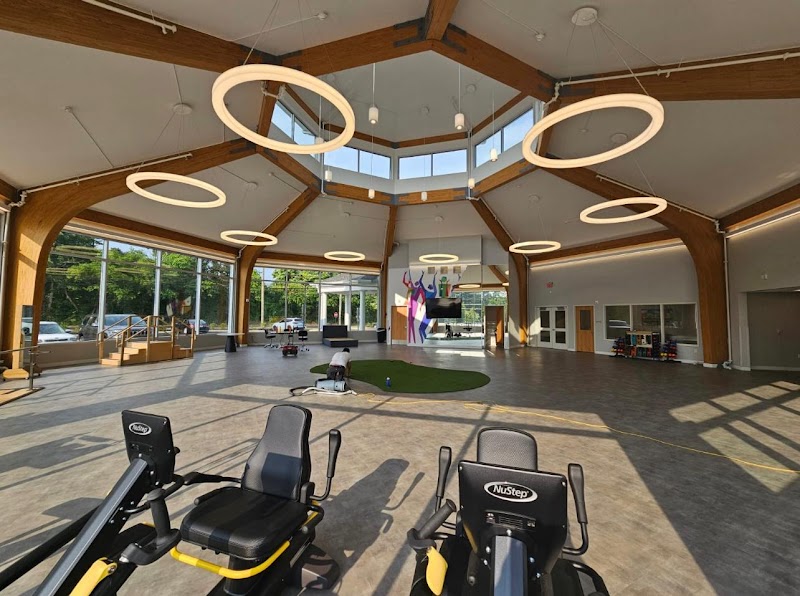
How is Advanced Subacute Rehabilitation Center At Sewell Staffed?

CMS rates ADVANCED SUBACUTE REHABILITATION CENTER AT SEWELL's staffing level at 3 out of 5 stars, which is average compared to other nursing homes. Staff turnover is 43%, compared to the New Jersey average of 46%. This relatively stable workforce can support continuity of care.

What Have Inspectors Found at Advanced Subacute Rehabilitation Center At Sewell?

State health inspectors documented 18 deficiencies at ADVANCED SUBACUTE REHABILITATION CENTER AT SEWELL during 2020 to 2025. These included: 1 Immediate Jeopardy (the most serious level, indicating potential for serious harm or death) and 17 with potential for harm. Immediate Jeopardy findings are rare and represent the most serious regulatory concerns. They require immediate corrective action.
Who Owns and Operates Advanced Subacute Rehabilitation Center At Sewell?

ADVANCED SUBACUTE REHABILITATION CENTER AT SEWELL is owned by a for-profit company. For-profit facilities operate as businesses with obligations to shareholders or private owners. The facility is operated by FAMILY OF CARING HEALTHCARE, a chain that manages multiple nursing homes. With 139 certified beds and approximately 128 residents (about 92% occupancy), it is a mid-sized facility located in SEWELL, New Jersey.
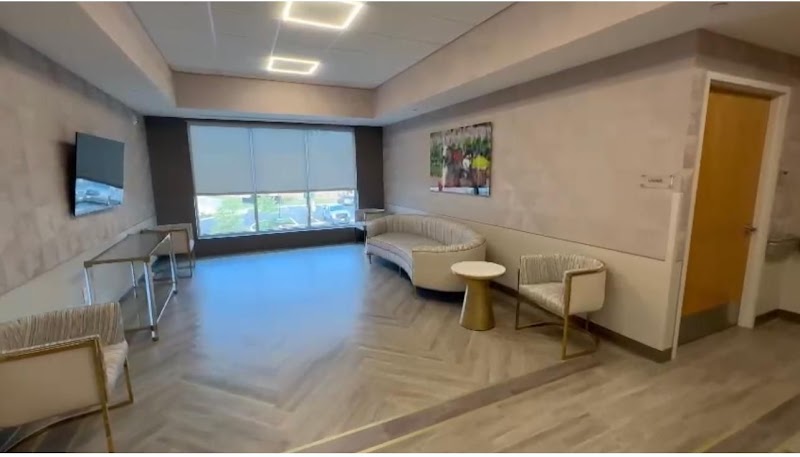
How Does Advanced Subacute Rehabilitation Center At Sewell Compare to Other New Jersey Nursing Homes?

Compared to the 100 nursing homes in New Jersey, ADVANCED SUBACUTE REHABILITATION CENTER AT SEWELL's overall rating (3 stars) is below the state average of 3.3, staff turnover (43%) is near the state average of 46%, and health inspection rating (2 stars) is below the national benchmark.

What Should Families Ask When Visiting Advanced Subacute Rehabilitation Center At Sewell?

Based on this facility's data, families visiting should ask: "What changes have been made since the serious inspection findings, and how are you preventing similar issues?" "Can I visit during a mealtime to observe dining assistance and food quality?" "How do you handle medical emergencies, and what is your hospital transfer rate?" "Can I speak with family members of current residents about their experience?" These questions are particularly relevant given the facility's Immediate Jeopardy citations.

Is Advanced Subacute Rehabilitation Center At Sewell Safe?

Based on CMS inspection data, ADVANCED SUBACUTE REHABILITATION CENTER AT SEWELL has documented safety concerns. Inspectors have issued 1 Immediate Jeopardy citation (the most serious violation level indicating risk of serious injury or death). The facility has a 3-star overall rating and ranks #100 of 100 nursing homes in New Jersey. Families considering this facility should ask detailed questions about what corrective actions have been taken since these incidents.

Do Nurses at Advanced Subacute Rehabilitation Center At Sewell Stick Around?

ADVANCED SUBACUTE REHABILITATION CENTER AT SEWELL has a staff turnover rate of 43%, which is about average for New Jersey nursing homes (state average: 46%). Moderate turnover is common in nursing homes, but families should still ask about staff tenure and how the facility maintains care continuity when employees leave.

Was Advanced Subacute Rehabilitation Center At Sewell Ever Fined?

ADVANCED SUBACUTE REHABILITATION CENTER AT SEWELL has been fined $34,398 across 1 penalty action. The New Jersey average is $33,423. While any fine indicates a compliance issue, fines under $50,000 are relatively common and typically reflect isolated problems that were subsequently corrected. Families should ask what specific issues led to these fines and confirm they've been resolved.

Is Advanced Subacute Rehabilitation Center At Sewell on Any Federal Watch List?

ADVANCED SUBACUTE REHABILITATION CENTER AT SEWELL is not on any federal watch list. The most significant is the Special Focus Facility (SFF) program, which identifies the bottom 1% of nursing homes nationally based on persistent, serious quality problems. Not being on this list means the facility has avoided the pattern of deficiencies that triggers enhanced federal oversight. This is a positive indicator, though families should still review the facility's inspection history directly.