CEDAR GROVE RESPIRATORY AND NURSING CENTER

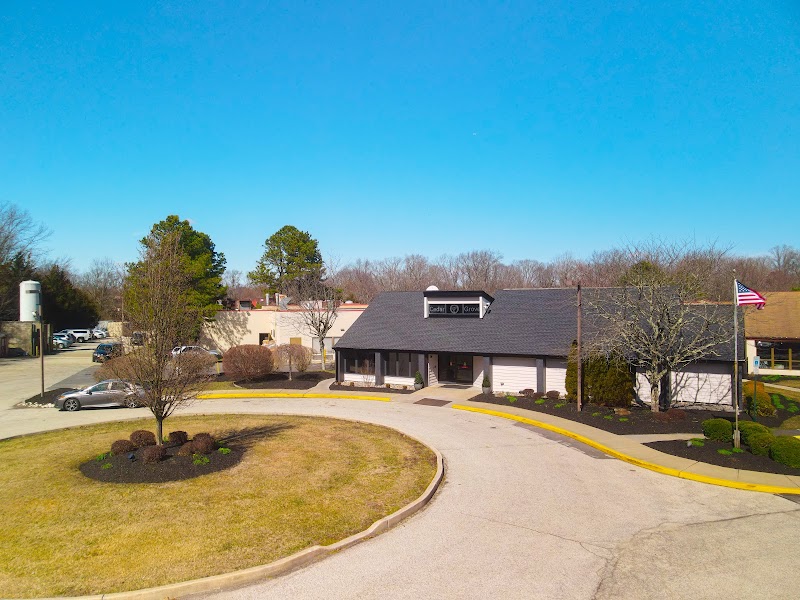
1420 SOUTH BLACK HORSE PIKE, WILLIAMSTOWN, NJ 08094 (856) 875-0100
For profit - Limited Liability company 180 Beds ATLAS HEALTHCARE Data: November 2025
Trust Grade
80/100
#17 of 344 in NJ
Last Inspection: May 2025

Inspected within the last 6 months. Data reflects current conditions.

Overview

Cedar Grove Respiratory and Nursing Center has a Trust Grade of B+, which means it is above average and recommended for families considering care options. It ranks #17 out of 344 nursing homes in New Jersey, placing it in the top half, and #2 of 9 in Gloucester County, indicating that it is one of the best local choices. The facility is improving, with a reduction in issues from 10 in 2023 to 6 in 2025. However, staffing is a concern, with a rating of 2 out of 5 stars and a turnover rate of 45%, which is average for the state. While there have been no fines reported, indicating good compliance, the facility has had issues such as improper food handling, which could risk foodborne illness, and failure to track staff vaccination status, potentially jeopardizing safety during COVID-19. Overall, Cedar Grove has strengths in its ranking and a good health inspection score, but families should be aware of the staffing challenges and specific health and safety incidents.

Trust Score
B+
80/100
In New Jersey
#17/344
Top 4%
Safety Record
Low Risk
No red flags
Inspections
Getting Better
10 → 6 violations
Staff Stability
⚠ Watch
45% turnover. Above average. Higher turnover means staff may not know residents' routines.
Penalties
✓ Good
No fines on record. Clean compliance history, better than most New Jersey facilities.
Skilled Nurses
⚠ Watch
Each resident gets only 28 minutes of Registered Nurse (RN) attention daily — below average for New Jersey. Fewer RN minutes means fewer trained eyes watching for problems.
Violations
⚠ Watch
33 deficiencies on record. Higher than average. Multiple issues found across inspections.
★★★★★
5.0
Overall Rating
★★☆☆☆
2.0
Staff Levels
★★★★★
5.0
Care Quality
★★★★☆
4.0
Inspection Score
Stable
2023: 10 issues
2025: 6 issues

The Good

  • 5-Star Quality Measures · Strong clinical quality outcomes
  • Full Sprinkler Coverage · Fire safety systems throughout facility
  • No fines on record

Facility shows strength in quality measures, fire safety.

The Bad

Staff Turnover: 45%

Near New Jersey avg (46%)

Higher turnover may affect care consistency

Chain: ATLAS HEALTHCARE

Part of a multi-facility chain

Ask about local staffing decisions and management

The Ugly 33 deficiencies on record

May 2025 6 deficiencies
CONCERN (D) 📢 Someone Reported This

A family member, employee, or ombudsman was alarmed enough to file a formal complaint

Potential for Harm - no one hurt, but risky conditions existed

Safe Environment (Tag F0584)

Could have caused harm · This affected 1 resident

**NOTE- TERMS IN BRACKETS HAVE BEEN EDITED TO PROTECT CONFIDENTIALITY** During rounds on 05/15/2025 at 09:39 AM survey #2 observed the wardrobe door in room [ROOM NUMBER]-unit B peeling off with sharp...

Read full inspector narrative →
**NOTE- TERMS IN BRACKETS HAVE BEEN EDITED TO PROTECT CONFIDENTIALITY** During rounds on 05/15/2025 at 09:39 AM survey #2 observed the wardrobe door in room [ROOM NUMBER]-unit B peeling off with sharp edges. During an interview on 05/20/2025 at 09:25 AM with surveyor #2, the Acting Maintenance Director (AMD) said they inspect random rooms weekly. The AMD said that when they see furniture in need of repair, they order replacement furniture it can sometimes take two weeks to a month to be replaced. When asked if there should be peeling furniture in residents' rooms, the AMD said no it can be a dignity and safety issue. During an interview with surveyor #2 Licensed Nursing Home Administrator (LHNA) said that there should not be any broken or peeling furniture in residents' rooms and that they are working on replacing all furniture that is not in good repair to provide a homelike environment. A review of an undated facility provided policy tilted Homelike Environment revealed, The facility staff and management maximizes, to the extent possible, the characteristics of the facility that reflect a personalized, homelike setting. These characteristics include: a. clean, sanitary and orderly environment. N.J.A.C. 8:39-31.4(a) Complaint # NJ00176427 Based on observation, interview, and pertinent facility documentation, it was determined that the facility failed to maintain a homelike environment that was clean, safe, and sanitary. This deficient practice was identified for 2 of 4 units (B and C units). This deficient practice was evidenced by the following: On 05/13/2025 at 10:01 AM during initial tour, Surveyor #1 observed that in bedroom [ROOM NUMBER]B, the wall mounting was broken off, with pieces of jagged wood exposed. In addition, there was brown debris on both the floor and the wall near the dresser. On 05/13/2025 at 11:05 AM during initial tour, Surveyor #1 observed that in bedroom [ROOM NUMBER]A, the wall mounting was broken off from the wall, with pieces of jagged wood exposed. On 05/14/2025 at 8:19 AM, Surveyor #1 observed that the closet in bedroom [ROOM NUMBER]B was missing a drawer front. On 05/14/2025 at 12:36 AM, Surveyor #1 observed that in bedroom [ROOM NUMBER]B, the wall mounting was broken off, with pieces of jagged wood exposed. In addition, there was brown debris on both the floor and the wall near the dresser. On 05/15/2025 at 9:36 AM, Surveyor #1 observed that in bedroom [ROOM NUMBER]B, the wall mounting was broken off, with pieces of jagged wood exposed. In addition, there was brown debris on both the floor and the wall near the dresser. During an interview with Surveyor #1 on 05/19/2025 at 12:31 PM, the Licensed Nursing Home Administrator (LNHA) said that the broken wall mountings, exposed jagged wood, brown debris on the floor and wall, and missing drawer front are not appropriate and do not reflect a home-like environment. During an interview with Surveyor #1 on 05/20/2025 at 9:25 AM, the Acting Maintenance Director (AMD) said that the broken items are documented in the facility's electronic maintenance system, and he receives alerts on his phone through the system. He conducts weekly rounds in resident rooms and responds as needed when issues arise. Facility staff notify him when something requires repair. He emphasized that the facility should not have broken furniture, it does not look appealing. A review of the undated facility policy, titled, Homelike Environment, revealed, The facility staff and management shall maximize to the extent possible, the characteristics of the facility that reflect a personalized, homelike setting. Those characteristics includes a.) clean, sanitary, and orderly environment. N.J.A.C. 8:39-31.3(a)
CONCERN (D)

Potential for Harm - no one hurt, but risky conditions existed

Tube Feeding (Tag F0693)

Could have caused harm · This affected 1 resident

Based on observation, interview, record review and review of other pertinent facility documentation, it was determined that the facility failed to administer Tube Feedings per Physician's order (PO). ...

Read full inspector narrative →
Based on observation, interview, record review and review of other pertinent facility documentation, it was determined that the facility failed to administer Tube Feedings per Physician's order (PO). This deficient practice was identified for 1 of 5 residents (Resident #82) reviewed for receiving nutrition via Tube Feeding (TF) and was evidenced by the following: On 05/14/2025 09:08 AM, the surveyor entered Resident # 82's room and observed the resident in bed. The surveyor observed that the resident had a TF (nutrition received through a flexible tube surgically inserted into the stomach) formula hanging on a pole, attached to a TF pump, and infusing at a rate of 55 ml/hr (milliliters per hour). On 05/14/2025 at 1:04 PM, the surveyor observed Resident #82 in the bed. The surveyor further observed a TF connected to a TF pump and infusing at a rate of 55 ml/hr. The surveyor reviewed the medical record for Resident #82. According to the admission Record the resident was admitted to facility with diagnoses which included but were not limited to: dysphagia (a swallowing disorder) and gastrostomy status (a surgical procedure used to insert a flexible tube, often referred to as a G-tube, through the abdomen and into the stomach, in which they receive nutrition). According to the most recent Annual Minimum Data Set (MDS), an assessment tool used to facilitate the management of care, dated 03/11/2025, revealed Resident #82 had a Brief Interview for Mental Status (BIMS) score of 00 which indicated the resident was severely cognitively impaired. A review of the 05/12/2025 nutrition note reflected a recommendation to adjust the TF related to high blood sugar. TF recommendation Glucerna 1.5 at 60ml/hr. The Order Summary Report revealed a PO dated 05/12/2025 for the following: Resident on enteral feeding of (Glucerna 1.5) via pump at the rate of (60ml/hr to start at (1800) and down at (1400) or until the completion of total volume (1200ml). The above PO for Glucerna via pump was transcribed to the May 2025 electronic Medication Administration Record (eMAR) indicated that Resident #82 had received TF at 60 ml/hr and was signed by the nurses. A review of the Care Plan a document that summarizes a person's health condition, specific care needs and health condition) included a focus for: I have a nutritional problem. Interventions included to Provide and serve diet as ordered. NPO; Glucerna 1.5 @ 60ml/hr total volume 1200ml. On 05/15/2025 at 01:44 PM, when the surveyor informed the nurse manager that Resident #82's TF was at 55ml/hr when the 5/12/25 PO was for 60ml/hr she stated that it was not acceptable and that she will investigate the discrepancy. A review of the facility provided Enteral Tube Feeding policy, with a revision dated of November 2018, reflected to check the enteral nutrition label against the order before administration. Check the following information: g. rate of administration. NJAC 8:39-27.1(a)
CONCERN (D)

Potential for Harm - no one hurt, but risky conditions existed

Unnecessary Medications (Tag F0759)

Could have caused harm · This affected 1 resident

Based on observation, interview and record review, it was determined that the facility failed to administer medication with an error rate of less than 5%. The surveyor observed 2 nurses administer med...

Read full inspector narrative →
Based on observation, interview and record review, it was determined that the facility failed to administer medication with an error rate of less than 5%. The surveyor observed 2 nurses administer medications for 6 residents with 33 opportunities for error. There were 3 errors resulting in an error rate of 9% as evidenced by the following: During the medication pass on 05/14/2025 from 8:00 AM until 8:55 AM, the surveyor observed the following: At 8:43 AM, the surveyor observed the Licensed Practical Nurse (LPN) administer a Cholecalciferol (Vitamin D3) 1000 unit capsule to Resident #72. The LPN stated she is giving a capsule not a tablet. The Physician Order (PO) dated 08/31/2023 indicated to give a Cholecalciferol 1000 unit tablet; not a capsule. At 8:45 AM, the surveyor observed the Licensed Practical Nurse (LPN) administer a Cholecalciferol (Vitamin D3) 25 micrograms capsule to Resident #45. The Physician Order (PO) dated 02/15/2024 indicated to give a Cholecalciferol 25 micrograms tablet; not a capsule. At 8:55 AM, the surveyor observed the Licensed Practical Nurse (LPN) administer a Cholecalciferol (Vitamin D3) 1000 unit capsule to Resident #146. The Physician Order (PO) dated 03/26/2025 indicated to give a Cholecalciferol 1000 unit tablet; not a capsule. At that time the surveyor stated the order reflected to give a tablet. The LPN responded, Yes, I know. When interviewed on 05/14/2025 at 11:09 AM, the LPN acknowledged that she gave a Cholecalciferol capsule when the order is for a tablet to Resident #72, #45, and #146. The LPN said there were no Cholecalciferol tablets available. She furthered that she should have called the doctor and had the order changed to Cholecalciferol capsules. When interviewed on 05/14/25 at 11:09 AM, the Assistant Director of Nursing said if the order for Cholecalciferol was a tablet, then give a tablet. If not available, then call the doctor and have them change the order to what is available. A review of the facility provided policy, Administering Medications, with a revision date of April 2019 reflected 4. Medications are administered in accordance with prescriber orders, including any required time frame and 10. The individual administering medication checks the label three times to verify the right resident, right medication, right dosage, right time and right method of administration before giving the medication. NJAC 8:39-29.2(d)
CONCERN (D)

Potential for Harm - no one hurt, but risky conditions existed

Deficiency F0761 (Tag F0761)

Could have caused harm · This affected 1 resident

**NOTE- TERMS IN BRACKETS HAVE BEEN EDITED TO PROTECT CONFIDENTIALITY** Based on observation, interview, and pertinent facility documentation, it was determined that the facility failed to ensure that...

Read full inspector narrative →
**NOTE- TERMS IN BRACKETS HAVE BEEN EDITED TO PROTECT CONFIDENTIALITY** Based on observation, interview, and pertinent facility documentation, it was determined that the facility failed to ensure that a medication was secured in a locked compartment accessible only to authorized personnel with a key. This deficient practice was identified for 1 of 4 units (C unit). This deficient practice was evidenced by the following: On 05/14/2025 at 12:40 PM, the surveyor observed an opened 4% Lidocaine patch (pain-relief patch) on top of the dresser in room [ROOM NUMBER]A. During an interview with the surveyor on 05/19/2025 at 12:45 PM, the Director of Nursing said that the patch should not have been left on the resident's dresser and stored in a locked medication cart for safety reasons. A review of the facility's undated policy, titled, Medication Labeling and Storage, revealed that, The facility stores all medications and biologicals in locked compartments under proper temperature, humidity, and light control. Only authorized personnel have access to keys. NJAC 8:39-29.2(d)
CONCERN (D)

Potential for Harm - no one hurt, but risky conditions existed

Infection Control (Tag F0880)

Could have caused harm · This affected 1 resident

**NOTE- TERMS IN BRACKETS HAVE BEEN EDITED TO PROTECT CONFIDENTIALITY** Based on observation, interview, record review, and review of pertinent facility documents it was determined that the facility A...

Read full inspector narrative →
**NOTE- TERMS IN BRACKETS HAVE BEEN EDITED TO PROTECT CONFIDENTIALITY** Based on observation, interview, record review, and review of pertinent facility documents it was determined that the facility A.) failed to use appropriate infection control practices, specifically hand hygiene when providing wound care and B.) failed to implement infection control measures for the handling and storage of respiratory equipment. The deficient practice was identified for 1 of 3 residents (Resident # 110) reviewed for Pressure Ulcer/Injury and 1 of 3 residents (Residents #9) reviewed for respiratory care. The deficient practice was evidenced by the following: A review of Resident # 110's Minimum Data Set (an assessment tool) revealed under section M that he/she had a pressure ulcer. A review of Resident # 110's Electronic Medical Record (EMR) under Orders revealed an order that revealed, Acetic Acid Irrigation Solution 0.25 % (Acetic Acid): Use 1 application via irrigation every day shift for Wound Care Cleanse sacrum with Acetic Acid 0.25% Solution and pat dry. Pack with Acetic Acid 0.25% gauze and cover with foam dressing daily and PRN [as needed] for accidental removal/soilage. AND Use 1 application via irrigation as needed for Wound Care Cleanse sacrum with Acetic Acid 0.25% Solution and pat dry. Pack with Acetic Acid 0.25% gauze and cover with foam dressing daily and PRN for accidental removal/soilage. A review of Resident # 110's Care Plan located in the EMR revealed a focus for, I have actual skin breakdown r/t [related to] sacrum wound. The Care Plan focus was initiated on 2/26/2025. On 5/14/2025 at 10:59 AM, after obtaining permission from Resident # 110, the surveyor observed wound care being administered by Licensed Practical Nurse (LPN) # 1. Once LPN # 1 set up the area and applied non-sterile disposable gloves, she removed a used incontinence brief from the mattress area into a plastic bag for disposal. At that time, LPN # 1 removed the gloves and applied a new pair of non-sterile disposable gloves. LPN # 1 did not complete hand hygiene between changing gloves. After irrigating the wound, LPN # 1 used her finger which was covered by a non-sterile disposable glove to depress the saturated gauze into the wound. LPN # 1 then applied a clean, dry dressing over the wound area. LPN # 1 did not change gloves between applying the moistened gauze in the wound and the clean, dry dressing. At approximately 11:20 AM on the same date, LPN # 1 removed the non-sterile, disposable gloves and applied a new pair. She did not complete hand hygiene in between changing gloves. At that time, she then placed the used supplies into a plastic trash bag. On the same date at 11:28 AM during an interview with the surveyor, LPN # 1 replied, Yes when the surveyor asked when changing gloves, should hand hygiene be performed. During the same interview, LPN # 1 replied, Yes when the surveyor asked when adding the gauze to the wound, should you have used a sterile applicator instead of using your finger to depress the dressing into the wound. It should be noted, two, sterile, cotton-tipped applicators were observed on top of the treatment cart during the wound care. They were never brought into the room. On 5/14/2025 at 11:48 AM during an interview with the surveyor, the Infection Preventionist replied, Yes when asked if LPN # 1 should have performed hand hygiene in between glove changes. A review of the facility provided policy titled, Wound Care revealed a revision date of October 2010. Under the section titled, Steps in the Procedure the policy revealed, Wear sterile gloves when physically touching the wound or holding a moist surface over the wound. A review of the facility policy titled, Handwashing/Hand hygiene with a revised date of October 2023, revealed under the section titled, Indications for Hand Hygiene that hand hygiene is indicated, g. immediately after glove removal. N.J.A.C. § 8:39-19.4 (a) B.) On 05/13/2025 at 10:26 AM during the initial tour, surveyor #2 observed Resident #9 in bed in his/her room with the nebulizer mask (a medical device that converts liquid medication into a fine mist that can be inhaled through the lungs) on the bed side table exposed to the air. Surveyor # 2 also observed Resident # 9's continuous positive airway pressure (C-PAP; a machine that uses mild air pressure to keep breathing airways open while you sleep) nose piece exposed to the air and on the floor. On 05/15/2025 at 09:09 AM during rounds surveyor #2 observed Resident # 9's C-PAP nose piece exposed to the air and on the floor. A review of Resident # 9's admissions record revealed that, Resident # 9 was admitted with but not limited to Heart Failure, Asthma (a long-term inflammatory disease in the lungs), Chronic Pulmonary Edema (a buildup of fluid in the lungs), and Obstructive Sleep Apnea (a sleep disorder that causes repeated episodes of complete or partial blockage of the upper airway during sleep, leading to reduced or absent breathing. A review of Resident #9's admission Minimum Data Set (MDS) dated [DATE] revealed under section O that the resident uses a non-invasive mechanical ventilator. (a respiratory method that delivers positive airway pressure without an invasive artificial airway) A review of Resident #9's Electronical Medical Record revealed a physician's order with a start date of 07/10/2024 for C-PAP on for naps and bedtime, as well as a physician's order with a start of 03/06/2025 to keep respiratory tubing/Neb kit: in a bag when not in use. During an interview on 05/19/2025 at 10:00 AM with surveyor #2 the Infection Preventionist (IP), said that all respiratory equipment should be kept in a bag when not in use for cleanliness and to keep them off the floor. During an interview on 05/19/2025 at 10:33 AM with surveyor #2 the B unit, Unit Manger Register Nurse (UMRN), said that respiratory equipment should be kept in a bag at the bed side when not use to prevent contamination. During an interview on 05/19/2025 at 12:46 PM with surveyor #2, the Director of Nursing (DON) said the nebulizer masks and C-PAP mask should be kept in a plastic bag when not in use for infection control. A review of a facility provided policy titled Administering Medication Through a Small Volume Nebulizer, revealed under section, Steps in the Procedure that, 29. When equipment is completely dry, store in a plastic bag with the resident's name and date on it. 8:39-19.4 (k)
CONCERN (D)

Potential for Harm - no one hurt, but risky conditions existed

Deficiency F0919 (Tag F0919)

Could have caused harm · This affected 1 resident

**NOTE- TERMS IN BRACKETS HAVE BEEN EDITED TO PROTECT CONFIDENTIALITY** Based on observation, interview, and pertinent facility documentation, it was determined that the facility failed to ensure that...

Read full inspector narrative →
**NOTE- TERMS IN BRACKETS HAVE BEEN EDITED TO PROTECT CONFIDENTIALITY** Based on observation, interview, and pertinent facility documentation, it was determined that the facility failed to ensure that the resident call system was maintained in an operable condition. This deficient practice was identified on 1 of 4 units (C unit). This deficient practice was evidenced by the following: On 05/13/2025 at 10:01 AM, the surveyor observed that in bedroom [ROOM NUMBER]B, the call bell device cord was detached from the wall system. On 05/14/2025 at 12:26 PM, the surveyor observed that in bedroom [ROOM NUMBER]B, the call bell device cord was detached from the wall system. On 05/15/2025 at 9:36 AM, the surveyor observed that in bedroom [ROOM NUMBER]B, the call bell device cord was detached from the wall system. During an interview with the surveyor on 05/19/2025 at 12:45 PM, the Director of Nursing said that the call bell cords need to be securely attached to the wall system for safety reasons. A review of the facility's undated policy, titled, Call System, Residents, revealed that, The resident call system remains functional at all times. If audible communication is used, the volume is maintained at an audible level that can be easily heard. If visual communication is used, the lights remain functional. NJAC 8:39-31.8(c)9
Dec 2023 1 deficiency
CONCERN (D) 📢 Someone Reported This

A family member, employee, or ombudsman was alarmed enough to file a formal complaint

Potential for Harm - no one hurt, but risky conditions existed

Free from Abuse/Neglect (Tag F0600)

Could have caused harm · This affected 1 resident

**NOTE- TERMS IN BRACKETS HAVE BEEN EDITED TO PROTECT CONFIDENTIALITY** NJ 167523 Based on interview, record review, and policy review, the facility failed to protect the resident's right to be free f...

Read full inspector narrative →
**NOTE- TERMS IN BRACKETS HAVE BEEN EDITED TO PROTECT CONFIDENTIALITY** NJ 167523 Based on interview, record review, and policy review, the facility failed to protect the resident's right to be free from physicial abuse by another resident for one (Resident (R) 19) of nine residents reviewed for abuse. R23 approached R19, while the resident was in her bathroom and hit R19's back, neck, and shoulders. R19 sustained pain and fear during the altercation. Finding include: Review of a policy provided by the facility titled Abuse, Neglect and Exploitation, dated July 2023 indicated .It is the policy of this facility to provide protections for the health, welfare and rights of each resident by developing and implementing written policies and procedures that prohibit and prevent abuse . 'Abuse' means the willful inflection of injury, unreasonable confinement, intimidation, or punishment with resulting physical harm, pain or mental anguish, which can include staff to resident abuse and certain resident to resident altercations . 'Willful' means the individual must have acted deliberately, not that the individual must have intended to inflict injury or harm . 1. Review of R19's electronic medical record (EMR) titled admission Record located under the Profile tab indicated the resident was admitted initially to the facility on [DATE]. Review of R19's quarterly Minimum Data Set (MDS) with an Assessment Reference Date (ARD) of 07/28/23 indicated R19 had a Brief Interview for Mental Status (BIMS) of 15 out of 15 which revealed the resident was cognitively intact. The assessment indicated R19 required extensive assistance of one staff member for bed mobility and for transfers. Review of R19's EMR titled SBAR [Situation, Background, Assessment, and Recommendation] Progress Notes, located under the Prog [Progress] Note tab and dated 09/17/23, indicated R19 was approached by R23 when R19 was in her wheelchair and in her bathroom and had a physical confrontation. The SBAR indicated R19 had pain after the incident. The physician and the responsible party were notified of the resident-to-resident incident. Review of R19's EMR titled Care Plan located under the Care Plan tab dated 11/29/23 indicated the resident was at risk for misappropriation, neglect, and/or abuse. The goal was not to experience any form of abuse. During an interview on 12/05/23 at 12:46 PM, R19 stated she did not remember the name of the resident she had an altercation with, but stated she was fearful, and pain was caused at the time of the incident. R19 stated she was in the bathroom and the resident came into the bathroom and began to hit her. R19 stated she yelled out and staff came in to separate the resident from her. The resident stated she was not currently afraid and had not seen the other resident again. 2. Review of R23's EMR titled admission Record located under the Profile tab indicated R23 was admitted to the facility on [DATE] with a diagnosis of unspecified dementia with other behavioral disturbances. Review of R23's EMR titled Care Plan located under the Care Plan dated 09/01/23 indicated the resident had impaired cognitive function. Review of R23's EMR titled admission MDS with an ARD date of 09/08/23 revealed a BIMS score of five out of 15 which revealed R23 was severely cognitively impaired. The assessment indicated R23 had no behaviors which affected others. The assessment indicated R23 was ambulatory. Review of R23's EMR titled SBAR Progress Notes, located under the Prog Note tab and dated 09/17/23, indicated R23 was . physically aggressive towards another resident . Prior to this incident, R23 would wander about the facility and was easily redirectable by staff. An attempt was made to interview R23, the resident was not interviewable. Review of a document provided by the facility titled Investigational Summary, dated 09/17/23, indicated the Long-Term Care Ombudsman was notified of the resident-to-resident which involved R23 and R19. According to the report, both residents were separated and a Stop sign was posted across the doorway of R19's room to prevent R23 from entering. The investigative report indicated both residents did not sustain injury from the incident. The report revealed the physician was notified and ordered laboratory blood values and urinalysis for both residents. In addition, mental health services were ordered for each resident. The report indicated the facility could not substantiate the allegation of abuse. The investigation was completed by the Director of Nursing (DON). During an interview on 12/05/23 at 1:57 PM, the former Social Services Assistant (SSA1) stated when she worked at the facility, she would receive information on allegations of abuse from nursing so she could follow up with the resident. SSA1 stated her definition of abuse was anything that might be harmful to the resident. SSA1 was asked if R19 was abused by R23, and she stated more than likely R19 was abused by R23. SSA1 stated R23 was not in her right mind, and R19 stated she was hurt but there were no injuries. During an interview on 12/06/23 at 4:34 PM, the DON confirmed she investigated the incident between R19 and R23. NJAC 8:39-4.1 a (5)
May 2023 9 deficiencies
CONCERN (D)

Potential for Harm - no one hurt, but risky conditions existed

Safe Environment (Tag F0584)

Could have caused harm · This affected 1 resident

Based on observation and interview it was determined that the facility failed to create a homelike environment during dining by not removing food from serving trays. The deficient practice was observe...

Read full inspector narrative →
Based on observation and interview it was determined that the facility failed to create a homelike environment during dining by not removing food from serving trays. The deficient practice was observed in the facility's main dining room and was evidenced by the following: 1. On 05/03/2023 at 12:06 PM, the surveyor observed the main dining room at the lunch meal. 8 residents were present at various tables. 8 of 8 residents were observed to be eating their lunch meal from a plastic tray. 2. On 05/08/2023 at 12:06 PM, the surveyor observed the main dining room at the lunch meal. 11 of 11 residents present in the dining room were observed eating their lunch meal from a plastic tray. The facility did not provide a policy or procedure for dining pertaining to not serving residents on trays in the dining room. N.J.A.C. 8:39-4.1(a)(12)
CONCERN (D)

Potential for Harm - no one hurt, but risky conditions existed

Respiratory Care (Tag F0695)

Could have caused harm · This affected 1 resident

Based on observation, interview, medical record review and review of other facility documentation, it was determined that the facility failed to contain oxygen/nebulizer delivery systems in a manner t...

Read full inspector narrative →
Based on observation, interview, medical record review and review of other facility documentation, it was determined that the facility failed to contain oxygen/nebulizer delivery systems in a manner to prevent the spread of infection for 1 of 6 residents (Resident #120) reviewed for respiratory care. This deficient practice was evidenced by the following: On 05/03/2023 at 09:59 AM, during the initial tour of the facility, the surveyor observed Resident #120 lying in bed while receiving oxygen via nasal cannula. Resident #120 stated that he/she wore received oxygen continuously. On 05/09/2023 at 08:40 AM, Resident #120 was observed sitting up in bed eating breakfast. The nebulizer mask was in the top drawer of the opened bedside table. The mask was uncovered and exposed. Portable oxygen was observed to be in a back pocket of the resident's wheelchair. The oxygen tubing was hanging from the push handle and was exposed while not in use. On 05/09/2023 at 01:57 PM Resident #120 was observed seated in their wheelchair in their room. The nebulizer mask was observed in the top drawer of the bedside table with the drawer open. The mask was not in use and was uncovered and exposed. On 05/10/2023 at 09:17 AM Resident #120 was observed in bed with oxygen via nasal cannula (n/c). The nebulizer mask was hanging from the bed and suspended above the floor. The mask was uncovered and exposed. According to the admission Record, Resident #120 was admitted to the facility with diagnoses including but not limited to: dyspnea (shortness of breath), chronic obstructive pulmonary disease (COPD) (a group of lung diseases that block airflow and make it difficult to breathe), dependence on supplemental oxygen, and encounter for palliative care (comfort care). A review of the quarterly Minimum Data Set Resident Assessment Instrument (MDS), an assessment tool, Resident #120 had a Brief Interview for Mental Status score of 12/15, indicating moderate cognitive impairment. According to section G of the MDS Resident #120 required extensive assistance with most activities of daily living. Section I of the MDS revealed that Resident #120 had active diagnoses of chronic obstructive pulmonary disease. Section O of the MDS revealed that Resident #120 received oxygen therapy. A review of the Order Summary Report, dated 05/17/2023, revealed the following physician orders: AHC: Oxygen Tubing Storage: keep tubing in bag when not in use for infection control, order date 05/23/2022. O2 (oxygen) 2L (liters) via nasal cannula (a device used to deliver supplemental oxygen) every day and night shift for copd, order date 01/16/2022. DuoNeb Solution 0.5-2.5 (3) MG/3ML (milligram/milliliter) 3 ml inhale every 8 hours for COPD, order date 07/20/2022. A review of Resident #120's comprehensive care plan revealed a care plan Focus of: I have alteration in respiratory status, and I am on Chronic O2 r/t (related to) COPD. Interventions include: give nebulizer treatments as ordered. According to the Medication Administration Record, dated 05/01/2023-05/31/2023, Resident #120 received Duoneb Solution 0.5-2.5 (3) MG/3ML (Ipratropium-Albuterol) 3cc (cubic centimeters) inhale orally every 8 hours for COPD on the following dates and times: 5/1/2023 up to 5/17/2023 at 0600, 1400, and 2200. According to the Treatment Administration Record, dated 5/1/2023-5/31/2023, Resident #120 had the following treatment completed for day and night 5/1/2023 up to 5/16/2023: Respiratory Tubing/Neb Kit: Keep in bag when not in use. Labeled with name and room #. Change as needed every shift for infection control. Start date 08/23/2022 1900. On 05/11/2023 at 09:48 AM, the surveyor observed Resident #120 lying in bed with oxygen via n/c. The nebulizer mask was observed on the floor and under the over the bed table. The mask was not covered and was exposed and in contact with the floor. The surveyor asked the resident if he/she had had a nebulizer treatment this morning. Resident #120 responded that he/she had not had a nebulizer treatment today and that they last had received a treatment yesterday. The surveyor interviewed the Licensed Practical Nurse (LPN #2) assigned to Resident #120 on this shift. LPN #2 confirmed that Resident #120 received the prescribed Duoneb solution is delivered via nebulizer mask. On 05/17/23 at 07:39 AM, the surveyor had LPN #3 come to Resident #120's room. Resident #120 was observed sleeping with oxygen via n/c. The nebulizer mask was lying on the floor next to the bed with mask face down on the floor surface. When shown to LPN #3, LPN #3 stated, That should be in a bag when it is not in use. The night shift must have forgotten to bag it. The plastic storage bag is on top of the bedside table. On 05/17/23 at 10:54 AM the surveyor interviewed the Registered Nurse/Unit Manager (RN/UM #1) assigned to the B-Unit where Resident #120 resided. The surveyor asked RN/UM #1 what the facility practice for respiratory equipment was when not in use. RN/UM #1 responded, Bagged, dated. Cleaned. On 05/17/23 at 01:10 PM the surveyor asked the facility Director of Nursing (DON) what the facility practice was for nebulizer mask storage when not in use, The DON replied, Should be bagged and labeled when not in use. The surveyor reviewed the facility policy titled Oxygen Administration, undated. The following was revealed under the heading Policy Explanation and Compliance Guidelines: 5. Staff shall perform hand hygiene and don gloves when administering oxygen or when in contact with oxygen equipment. Other infection control measure include: c. Keep delivery devices covered in plastic bag when not in use. N.J.A.C. 8:39-27.1(a)
CONCERN (D) 📢 Someone Reported This

A family member, employee, or ombudsman was alarmed enough to file a formal complaint

Potential for Harm - no one hurt, but risky conditions existed

Deficiency F0697 (Tag F0697)

Could have caused harm · This affected 1 resident

Complaint # NJ00160866 Based on interview, record review, and review of other pertinent facility documentation, it was determined that the facility failed to provide pain management that met professio...

Read full inspector narrative →
Complaint # NJ00160866 Based on interview, record review, and review of other pertinent facility documentation, it was determined that the facility failed to provide pain management that met professional standards of practice related to pain management. Specifically, by giving pain medication outside of the window of administration. This deficient practice was identified for 1 of 1 resident investigated for pain. The deficient practice was evidenced by the following: On 05/09/2023 at 12:12 PM, during an interview with the surveyor, Resident #108 said that medications are sometimes an hour or an hour and a half late. He/She has called the police about his/her medications being late. A review of Resident #108's quarterly Minimum Data Set (MDS) an assessment tool dated 02/27/2023, revealed that Resident #108 received scheduled and PRN (as needed) pain medication. It further revealed that Resident #108 experienced pain almost constantly. A review of Resident #108's electronic medical record (EMR) revealed a diagnosis of but not limited to chronic pain, low back pain, gout (a form of arthritis characterized by severe pain, redness, and tenderness in joints), and polyneuropathy (simultaneous malfunction of many peripheral nerves throughout the body). A review of Resident #108's physician's orders located in the EMR revealed an order for Tylenol Extra Strength tablet, 1000 mg (milligrams) to be given by mouth every 8 hours for pain. A review of Resident #108's care plan located in the EMR revealed that Resident #108 is at risk for pain related to a medical condition/diagnosis. The care plan further revealed an intervention to administer medication as ordered. A review of the Medication Administration Audit for January 2023 revealed Tylenol Extra Strength tablets were administered on the following dates and times: 01/04/2023 scheduled for 02:00 PM and given at 03:46 PM 01/06/2023 scheduled for 10:00 PM and at given 11:55 PM 01/07/2023 scheduled for 02:00 PM and given at 05:22 PM 01/07/2023 scheduled for 10:00 PM and given at 12:30 AM on 01/08/2023 01/12/2023 scheduled for 02:00 PM and given at 03:19 PM 01/14/2023 scheduled for 10:00 PM and given at 11:39 PM. 01/15/2023 scheduled for 02:00 PM and given at 04:50 PM 01/18/2023 scheduled for 10:00 PM and given at 12:02 AM on 1/19/2023 01/19/2023 scheduled for 02:00 PM and given at 03:48 PM 01/29/2023 scheduled for 02:00 PM and given at 04:12 PM 01/27/2023 scheduled for 10:00 PM and given at 05:11 AM on 01/28/2023 On 05/17/2023 at 09:30 AM, during an interview with the surveyor, Registered Nurse/Unit Manager #1 stated that the window of time for administering medications was an hour before and an hour after the scheduled time. She further confirmed that the above orders were given outside of the administration time after the surveyor showed her the administration times. On 05/17/2023 at 01:01 PM, during an interview with the surveyor, the Director of Nursing (DON) confirmed that the window of time for administering medications was an hour before and an hour after the scheduled time. When the surveyor asked whether a Tylenol Extra Strength scheduled for 2:00 PM should be given at 5:22 PM, the DON replied, No. A review of the facility policy titled, Administering Medications with a revision date of April, 2021, states under Policy Interpretation and Implementation number 4., Medications are administered in accordance with prescriber orders, including any required time frame. The policy further revealed under number 7., Medications are administered within one (1) hour of their prescribed time, unless otherwise specified (for example, before and after meal orders.) NJAC 8:39-27.1(a)
CONCERN (D)

Potential for Harm - no one hurt, but risky conditions existed

Pharmacy Services (Tag F0755)

Could have caused harm · This affected 1 resident

B.) On 05/11/2023 at 10:11 AM, the B-Wing Medication Cart #1 was inspected by Surveyor #2 in the presence of Licensed Practical Nurse (LPN #1). A review of the SHIFT to SHIFT CONTROLLED MEDICATION COU...

Read full inspector narrative →
B.) On 05/11/2023 at 10:11 AM, the B-Wing Medication Cart #1 was inspected by Surveyor #2 in the presence of Licensed Practical Nurse (LPN #1). A review of the SHIFT to SHIFT CONTROLLED MEDICATION COUNT LOG for the month of May revealed a signature in the 7P-7A (7PM-7AM) signature box for the off-going nurse. During an interview at the time of observation, LPN #1 replied yes when asked if the incoming and outgoing signatures noted on the controlled medication count log for May 11th, 7A-7P and 7P- 7A were hers. When asked should the same incoming nurse sign both the incoming 7AM-7PM and off-going 7P-7A box at the start of the 7AM shift, LPN #1 replied, Usually I don't, but I did today, because I still have to leave at some point. On the same date at 10:53 AM, during an interview with Surveyor #2,Registered Nurse/Unit Manager (RN/UM #1) was asked to describe the process for the narcotic count. RN/UM #1 stated it should be a double count with incoming and outgoing nurse, the incoming nurse signs the incoming signature box that he or she verified the narcotic count. During an interview with the Surveyor #2 on 05/17/2023 at 09:52 AM, the ADON replied, absolutely not when asked should the incoming nurse sign both incoming and outgoing at the same time. A review of a facility policy Controlled Substances revised date of April 2019 indicates, .12. At the End of Each Shift: a. Controlled medications are counted at the end of each shift. The nurse coming on duty and the nurse going off duty determine the count together. N.J.A.C. 8:39-29.7(c) Based on observation, interview, and review of other facility documentation, it was determined that the facility failed to a.) to maintain a detailed record of receipts and accurate reconciliation of controlled medications for 7 of 7 Drug Enforcement Administration (DEA) 222 forms (a form used for ordering controlled substances)and b.) failed to ensure that controlled drugs are reconciled in accordance with facility policy and professional nursing standards on 1 of 5 SHIFT to SHIFT CONTROLLED MEDICATION COUNT LOG (B Unit, Cart #1). This deficient practice was evidenced by the following: A.) On 05/11/2023 at 09:22 AM, Surveyor #1 requested all of the DEA 222 forms for the last six (6) months from the Assistant Director of Nursing (ADON). The ADON provided Surveyor #1 with seven (7) DEA 222 forms. Surveyor #1 reviewed the DEA 222 forms and found seven of seven forms were not completed and accurately documented as follows: 1. DEA 222 form #221418084 was written on 12/22//22 and contained an order for 1 package of 20 Oxycodone IR (Immediate release) 5 milligram (mg), 1 package of 20 Oxycodone IR 10 mg, and 1 package of 10 Morphine Sulfate 10 mg/0.5ml (milliliter). The DEA 222 form was missing the number received and date received. The printed instructions on the front of the DEA 222 form indicated Part 5: To BE FILLED IN BY PURCHASER, number of packages received and date received. 2. DEA 222 form #221418085 was written on 1/17/2023 and contained an order for 1 package of 30 Oxycodone IR 10mg. The DEA 222 form was missing the number received and date received. The printed instructions on the front of the DEA 222 form indicated Part 5: To BE FILLED IN BY PURCHASER, number of packages received and date received. 3. DEA 222 form #221418091 was written on 1/26/23 and contained an order for 1 package of 20 Oxycodone IR 10mg and 1 package of 30 Oxycodone IR 5mg. The DEA 222 form was missing the number received and the date received. The printed instructions on the front of the DEA 222 form indicated Part 5: To BE FILLED IN BY PURCHASER, number of packages received and date received. 4. DEA 222 form #221418086 was written on 3/10/23 and contained an order for 1 package of 30 Oxycodone IR 5mg tab (tablet), 1 package of 30 Oxycodone IR 10mg tab, 1 package of 10 Morphine Sulfate 10mg/0.5ml, 1 package of 10 Fentanyl 25mcg (microgram)/hr (hour) Patch. The DEA 222 form was missing the number received and the date received. The printed instructions on the front of the DEA 222 form indicated Part 5: To BE FILLED IN BY PURCHASER, number of packages received and date received. 5. DEA 222 form # 221418087 was written on 3/21/23 and contained an order for 1 package of 30 Oxycodone IR 15mg tab and 1 package of Fentanyl 25mcg/hr Patch. The DEA 222 form was missing the number received and the date received. The printed instructions on the front of the DEA 222 form indicated Part 5: To BE FILLED IN BY PURCHASER, number of packages received and date received. 6. DEA 222 form #221418088 was written on 4/4/23 and contained an order for 1 package of 10 Hydrocodone/Acetaminophen 5mg/325mg and 1 package of 30 Fentanyl 25mcg/hr patch. The DEA 222 form was missing the number received and the date received. 7. DEA 222 form #230310473 was written on 5/4/22 {?23}and contained an order for 1 package of 20 Oxycodone IR 5mg tab, 1 package of 30 Oxycodone IR 10mg tab and 1 package of 30 Oxycodone IR 15mg. The DEA 222 form was missing the number received and the date received. The printed instructions on the front of the DEA 222 form indicated Part 5: To BE FILLED IN BY PURCHASER, number of packages received and date received. On 05/11/2023 at 10:47 AM, Surveyor #1 requested copy of the back of the DEA 222 form from the ADON. On 05/11/2023 at 11:00 AM, Surveyor #1 received a copy of the back of the DEA 222 form from ADON. The back of the DEA 222 form includes Instructions for the DEA 222 form under part 5 Controlled Substance Receipts, 1. purchaser fills out this section on its copy of the original order form 2. Enter the number of packages received and date received for each line item. 3. purchaser must keeps its copy of each executed order form and all copies of unaccepted or defective forms and any attached statements or other related documents available for inspection for a period of 2 years. A review of an undated facility policy titled Federal Regulations Regarding DEA Form 222, revealed under the Procedures for obtaining, executing and filing of DEA Form 222 are described described within this code. 2. Receiving C-II Controlled Substances (Part 5) A. Verify that the quantities, packaging size and items received from the pharmacy match what is on the retained copy of the original 222 form. B. Fill in the number of packages received, and the date received for each item. During an interview with Surveyor #1 on 05/17/2023 at 07:37 AM, the ADON said I was not aware there were directions for completing the DEA 222 form until you asked for a copy. I then saw what you were looking at and I will be completing part 5 as well.
CONCERN (D)

Potential for Harm - no one hurt, but risky conditions existed

Deficiency F0760 (Tag F0760)

Could have caused harm · This affected 1 resident

NJ Complaint: #NJ00160866 Based on interview, record review, and review of pertinent facility documentation, it was determined that the facility failed to follow the prescriber's orders and accepted p...

Read full inspector narrative →
NJ Complaint: #NJ00160866 Based on interview, record review, and review of pertinent facility documentation, it was determined that the facility failed to follow the prescriber's orders and accepted professional standards and principles by administering medications past the required time frame. The deficient practice was identified for 1 of 1 resident reviewed for being free of significant med errors. The deficient practice was evidenced by the following: A review of Resident #108's quarterly Minimum Data Set (an assessment tool) dated 02/27/2023, revealed that Resident #108 had a brief interview of mental status score of 15 which indicated he/she was cognitively intact. A review of Resident #108's physician's orders revealed the following orders but not limited to Digoxin tablet 250mcg (micrograms, medication used to manage and treat heart failure) one time a day and to hold for a heart rate greater than 60 beats per minute, lisinopril (medication used to treat high blood pressure) tablet 2.5mg (milligrams) one time a day, furosemide (medication used to manage and treat heart failure) tablet 40mg one time a day, and metoprolol tartrate (medication used to treat high blood pressure and chest pain) tablet 50mg ever 12 hours and to hold for a systolic blood pressure less than 95mmHg (millimeters of mercury) and/or a heart rate less than 60 beats per minute. On 05/10/2023 on 11:43 AM, during an interview with the surveyor, Resident #108 said that they have informed the facility about receiving late medications and the facility did nothing about it when the surveyor asked if he/she told anyone about getting medications late. A review of Resident #108's Medication Administration Audit Report for January 2023 revealed the following medications were administered past the required time frame as follows: On 01/03/2023: Lisinopril (medication used to treat high blood pressure) scheduled for 09:00 AM was given at 10:31 AM Digoxin scheduled for 09:00 AM was given at 10:29 AM Furosemide (medication used to treat and manage fluid retention) scheduled for 09:00 AM was given at 10:31 AM Metoprolol Tartrate (medication used to treat high blood pressure and chest pain) scheduled for 09:00 AM was given at 10:31 AM On 01/16/2023: Metoprolol Tartrate scheduled for 03:00 PM was given at 05:18 PM 01/18/2023 Metoprolol Tartrate scheduled for 09:00 PM was given at 12:15 AM on 01/19/2023 01/19/2023: Lisinopril scheduled for 09:00 AM was given at 10:12 AM Digoxin scheduled for 09:00 AM was given at 10:12 AM Furosemide scheduled for 09:00 AM was given at 10:12 AM Metoprolol Tartrate scheduled for 09:00 AM was given 10:12 AM 01/20/2023: Metoprolol Tartrate scheduled for 03:00 PM was given 05:57 PM 01/21/2023 Metoprolol Tartrate scheduled for 03:00 PM was given at 04:17 PM 01/22/2023: Lisinopril scheduled for 09:00 AM was given at 01:22 PM Digoxin scheduled for 09:00 AM was given at 01:22 PM Furosemide scheduled for 09:00 AM was given at 11:57 AM Metoprolol Tartrate scheduled for 09:00 AM was given at 01:21 PM 01/22/2023: Metoprolol Tartrate scheduled for 09:00 PM was given at 10:17 AM and the 03:00 PM dose was given at 4:43 PM. 01/26/2023 Metoprolol Tartrate scheduled for 03:00 PM was at given 05:41 PM. On 05/17/2023 at 01:01 PM, during an interview with the surveyor, the Director of Nursing (DON) replied, Hour before and an hour after when asked what the window of time for administering medications was. The DON further revealed that, Depending on the medication in your body, you take a medication and it builds up a level in your system and you want to maintain that level, so you are controlled. A review of the facility policy titled, Administering Medications with a revision date of April, 2021, states under Policy Interpretation and Implementation number 4., Medications are administered in accordance with prescriber orders, including any required time frame. The policy further revealed under number 7., Medications are administered within one (1) hour of their prescribed time, unless otherwise specified (for example, before and after meal orders.) N.J.A.C.: 8.39-29.2 (d)
CONCERN (D)

Potential for Harm - no one hurt, but risky conditions existed

Deficiency F0761 (Tag F0761)

Could have caused harm · This affected 1 resident

Based on observation, interview, and document review, it was determined that the facility failed to store a biological (Tubersol INJ [injection], used to aid in the diagnosis of tuberculosis infection...

Read full inspector narrative →
Based on observation, interview, and document review, it was determined that the facility failed to store a biological (Tubersol INJ [injection], used to aid in the diagnosis of tuberculosis infection [TB]) in accordance with the manufacturer's instructions. This deficient practice was identified in 1 of 5 medication carts inspected. On 05/11/2023 at 10:11 AM, the B-Wing Medication Cart #1 was inspected, by the surveyor, in the presence of Licensed Practical Nurse (LPN #1). Upon opening the bottom right-hand drawer, the surveyor observed an unopened box of house stock Tubersol INJ (Injectable) 5/0.1 ML (Milliters) manufactured by [company name]. A label affixed to the outside of the box indicated Refrigerate, Do Not Freeze, as well as an image of a refrigerator and the word REFRIGERATE written in bold letters next to the image. At the time of the observation, LPN #1 stated that she was unsure of how long the Tubersol had been in the drawer. On the same day at 10:53 AM, during an interview with the surveyor, the Registered Nurse/Unit Manager (RN/UM #1) replied, in the fridge when asked how Tubersol should be stored. In addition, RN/UM #1 replied yes when asked should the Tubersol be stored under a controlled temp that's monitored. On 05/17/2023 at 09:52 AM, during an interview with the surveyor, the Assistant Director of Nursing confirmed that Tubersol should be stored in the refrigerator. The facility was unable to provide a policy pertaining to the storage of Tubersol. A review of the Tubersol manufacturer package insert indicated, Store at 2° to 8° C (35° to 46° F). N.J.A.C. 8:39-29.4(h)
CONCERN (D)

Potential for Harm - no one hurt, but risky conditions existed

Menu Adequacy (Tag F0803)

Could have caused harm · This affected 1 resident

Based on observation, interview, and record review, it was determined that the facility failed to provide all the items that were on the menu. This deficient practice occurred during one lunch meal th...

Read full inspector narrative →
Based on observation, interview, and record review, it was determined that the facility failed to provide all the items that were on the menu. This deficient practice occurred during one lunch meal that was observed in the main dining room and was evidenced by the following: 1. On 05/09/2023 at 11:48 AM, during the lunch meal in the main dining room, the surveyor observed 12 residents were present in the dining room. According to the menu, residents were to receive a slice of apple pie at the lunch meal on 05/09/2023. The surveyor observed 12/12 residents in the main dining room receive strawberry ice cream for dessert at the lunch meal instead of apple pie. The surveyor interviewed resident #39 during the lunch meal observation. Resident #39 stated to the surveyor when he pointed out that they were provided strawberry ice cream instead of apple pie, Sometimes we get a piece of cake that is pink and sometimes we get strawberry ice cream, but we never get strawberry shortcake. The surveyor then told the resident that the dessert for the lunch meal was apple pie on 05/09/2023. Strawberry shortcake was to be served on 05/10/2023 at the lunch meal. 2. On 05/09/2023 at 12:09 PM, the surveyor interviewed the facility Dietary Director (DD). The DD stated, We don't have strawberry shortcake. I've been doing red velvet cake. I can't get strawberry filling. The surveyor asked the DD what the facility process was for menu substitutions. The DD replied, I have to get the dietitian to sign the substitution log. I didn't do it before making the substitution. The menu comes from corporate, and I've sent plenty of emails about not getting strawberry filling to make the strawberry shortcake. The DD then printed out a blank menu substitution form in the dietary office in the presence of the surveyor. The DD then filled in a lunch substitution of strawberry ice cream for apple pie and stated, All I have to do now is get the dietitian to sign it. The surveyor asked for a copy of the substitution form. The DD asked the surveyor if she should have the dietitian sign off on it first. The surveyor responded, No. (Note that surveyor and DD both were mistaken in thinking strawberry shortcake was to be served at the lunch meal on 05/09/2023. Both agreed to the mistake and agreed that apple pie was to be served at the lunch meal on 05/09/2023 and strawberry short cake was to be served at the lunch meal on 05/10/2023.) Apple pie was not available at the lunch meal, as indicated on the menu on 05/09/2023. 3. On 05/10/2023 at 01:31 PM, the surveyor conducted an interview with the facility dietitian. The dietitian told the surveyor, I signed off on the dietary director's menu substitutions today for the past couple of days. The surveyor asked if she (dietitian) approves the menu substitution prior to the DD making the change or after the substitution has already been made. The dietitian responded, No, I just sign off on them when I get to it. The facility did not provide a policy or procedure for menu substitutions. N.J.A.C. 8:39-17,2(b)
CONCERN (D)

Potential for Harm - no one hurt, but risky conditions existed

Deficiency F0919 (Tag F0919)

Could have caused harm · This affected 1 resident

Based on observation, interview, and review of pertinent facility documentation, it was determined that the facility failed to provide access to the call system while a resident was in bed. The defici...

Read full inspector narrative →
Based on observation, interview, and review of pertinent facility documentation, it was determined that the facility failed to provide access to the call system while a resident was in bed. The deficient practice was identified for 1 of 1 resident (Resident #423) investigated under the Environment Task. On 05/03/2023 at 09:40 AM, during the initial tour of the facility, the surveyor observed Resident #423 asleep in bed. At that time, the surveyor observed the handheld call system on the floor adjacent to the bed. On 05/11/2023 at 09:56 AM, the surveyor observed Resident #423 awake in bed. At that time, the surveyor observed the handheld call system on the floor adjacent to the bed. On the same date at 10:00 AM, during an interview with the surveyor, Resident #423 said the handheld call system is on the floor sometimes and makes it difficult to get care. He/She stated that he/she leaves the door open so the staff can hear him/her. A review of Resident #423's Care Plan located in the Electronic Medical Record, revealed that he/she is at risk for falls. The Care Plan revealed an intervention to, Place call bell within reach. On 05/17/2023 at 01:01 PM, during an interview with the surveyor, the Director of Nursing (DON) replied, Within reach, on their bed if they are on their bed. when asked where should a handheld call system be placed within the resident's room. The DON confirmed that the handheld call system should not be on the floor and that staff should put it back if it is inadvertently placed on the floor. A review of the facility policy titled, Call System, Resident dated September 2022 revealed under Policy Interpretation and Implementation number 1., Each resident is provided with a means to call staff directly for assistance from his/her bed . N.J.A.C. § 8:39-31.8
CONCERN (E)

Potential for Harm - no one hurt, but risky conditions existed

Food Safety (Tag F0812)

Could have caused harm · This affected multiple residents

**NOTE- TERMS IN BRACKETS HAVE BEEN EDITED TO PROTECT CONFIDENTIALITY** Based on observation, interview, and review of other facility documentation, it was determined that the facility failed to handl...

Read full inspector narrative →
**NOTE- TERMS IN BRACKETS HAVE BEEN EDITED TO PROTECT CONFIDENTIALITY** Based on observation, interview, and review of other facility documentation, it was determined that the facility failed to handle potentially hazardous food and maintain sanitation in a safe and consistent manner to prevent food borne illness. This deficient practice was evidenced by the following: On 05/03/2023 from 08:32 to 09:04 AM, the surveyor, accompanied by the Dietary Director (DD), observed the following in the kitchen: 1. On an upper shelf under the refrigeration unit of the walk-in refrigerator, an opened box contained individual packets of [NAME] Sour Cream. The packets had a use by date of [DATE]. The DD removed the box of individual sour cream packets to the trash. 2. On a lower shelf of the walk-in refrigerator, a sheet pan contained a package of ground beef pulled from the freezer to defrost. The ground beef had a pull date of 4/27/23 and a use by date of 5/2/2023, a period of 6 days. The DD stated, Its garbage, we should only go 5 days after pull from freezer. On 5/09/2023 at 12:16 PM the surveyor observed a dietary aide (DA) exit the kitchen door pushing a food cart to be delivered for the lunch meal. The DA had her hair in lengthy braids. The DA was not wearing a hair net and her hair was exposed. On interview the DD agreed that the DA was not wearing a hair net, and her hair was exposed in the kitchen. A review of the facility policy titled Dining Services Policy and Procedure 2G: Standards for Dry Storage. The following was revealed under the heading INSTRUCTIONS: 7. Don't keep or use food beyond the expiration or use by dates. A review of the facility policy titled Dining Services Policy and Procedure 2F FIFO (First in, First out), undated, revealed the following under the heading INSTRUCTIONS: 3. Individuals receiving goods will arrange them in dry storage, coolers, and freezers with new items behind old items to ensure that older items are used first. (First In, First Out inventory rotation). 4. The individuals who remove products from storage will use the older stock first. The following was revealed under the heading MONITORING: 1. A direct supervisor will monitor that all foodservice employees are adhering to the above stated employee policy during all hours of operation. N.J.A.C. 18;39-17.2(g)
Feb 2022 17 deficiencies
CONCERN (D)

Potential for Harm - no one hurt, but risky conditions existed

Deficiency F0645 (Tag F0645)

Could have caused harm · This affected 1 resident

Based on interview and record review, it was determined that the facility failed to refer Resident #14 to the appropriate state-designated authority for level II Preadmission Screening and Resident Re...

Read full inspector narrative →
Based on interview and record review, it was determined that the facility failed to refer Resident #14 to the appropriate state-designated authority for level II Preadmission Screening and Resident Review (PASARR) evaluation and determination. This deficient practice was identified for 1 of 4 residents reviewed for Level II PASARR. On 2/11/2022 at 2:21 PM the surveyor reviewed Resident #14's electronic and paper record. According to the admission record Resident #14 was admitted to the facility with the following diagnoses: injury of cauda equina (a sack of nerve roots at the lower end of the spinal cord), suicidal ideations, schizoaffective disorder (a combination of symptoms of schizophrenia and mood disorder, such as depression or bipolar disorder), schizophrenia, major depressive disorder, and anxiety disorder. A further review of the medical record revealed a positive Level I screen for mental illness (MI) for the diagnoses of schizoaffective disorder and depression documented on PASARR Level I Screen, dated 10/20/2021. Further review of the Level I screen revealed that within the last 2 years had Resident #14 had either/both experienced one psychiatric treatment episode that was more intensive than routine follow-up care and/or due to mental illness, experienced at least one episode of significant disruption to the normal living situation requiring supportive services to maintain functioning while living in the community or intervention by housing or law enforcement officials. On 2/15/22 at 8:54 AM the surveyor requested a copy of the Level II PASARR evaluation and determination screen for Resident #14 from the facility Assistant Director of Nursing. The facility Acting Director of Social Work (ADSW) at 10:27 AM explained to the surveyor, We do not have the Level II screen for Resident #14. It was determined that he/she did not have their level II screen on the third week of January (2022) when we audited the C unit medical records for PASARR completion. The ADSW further explained, Social services is responsible for contacting the particular agency for positive Level I screens. I'm here on contract for the facility since August. I've been in and out because they haven't been able to retain staff. The department has been bad, that is why our audits are bad. It's due to staffing. We have 1 full time person and me part time. On 2/17/2022 at 9:23 AM the facility social worker provided the surveyor with a fax transmittal of the PASARR Level II Psychiatric Evaluation, dated 2/17/2022 at 17:10 (5:10 PM) to the New Jersey Division of Mental Health and Addiction Services for Resident #14. On 2/23/2022 at 10:09 AM the surveyor conducted a follow-up interview with the facility ADSW. The ADSW explained, The State Agency has not come to the facility at this time to evaluate the resident. I made the referral prior to vacation but they haven't been here yet. The surveyor reviewed the facility provided Pre-admission Screening Resident Review (PASARR), Policy No. -NP-123, date revised: November 01, 2021. The following was revealed: Purpose: To ensure that all Facility applicants are screened for mental illness and/or intellectual disability prior to admission and to ensure this assessment effort is coordinated with the appropriate state agencies if indicated. Preadmission Screening and Resident Review (PASARR) is a federal requirement to help ensure that individuals who have a mental disorder or intellectual disabilities are not inappropriately placed in nursing homes for long term care. III. Screening Results A. If the Level I screening results indicate that the applicant should receive the Level II screening, the Facility shall contact the appropriate state agency for additional screening.
CONCERN (D)

Potential for Harm - no one hurt, but risky conditions existed

Deficiency F0657 (Tag F0657)

Could have caused harm · This affected 1 resident

Based on observation, interview, review of the medical record and review of other facility documentation, it was determined that the facility failed to revise a care plan when there was a change in th...

Read full inspector narrative →
Based on observation, interview, review of the medical record and review of other facility documentation, it was determined that the facility failed to revise a care plan when there was a change in the medication regime for 1 of 33 sampled residents, (Resident # 58). This deficient practice was evidenced by the following: During the initial tour of the ventilatory unit on 2/11/22 at 10:40 AM, Resident #58 was observed lying in bed with their tracheostomy connected to a mechanical ventilator with their eyes closed. A review of the admission Record revealed Resident #58 was admitted to the facility with diagnoses including but not limited to; acute and chronic respiratory failure, and anoxic brain damage (lack of oxygen to the brain). A review of an Order Summary Report dated active orders as of 2/16/22, did not include an order for anticoagulant medication (a blood thinning medication). On 2/14/22 at 1:35 PM, the surveyor reviewed Resident #58's Care Plan that revealed a focus area of I am at risk for bleeding secondary to the use of anticoagulant therapy for Deep Vein Thrombosis prophylaxis (blood clot prevention) with a Date Initiated of: 8/24/2021 and Revision on: 8/24/2021. During an interview with the surveyor on 2/16/22 at 10:39 AM, the Registered Nurse Unit Manager (RNUM #2), revealed when a new admission comes, a standard care plan is done and individualized with medications and treatments. RNUM #2 said we do skin risk, pain, falls, Activities of Daily Living's then based on history and diagnosis and medications. She also said we start the care plan within 24 hours of admission, and we meet every 3 months for care plan review. RNUM #2 went on to say the Unit Manager is responsible to do care plans and if medications are discontinued, the Unit Manager is responsible to make sure care plan is revised as needed. She went on to say that yes, it is my responsibility to resolve or revise care plan. During an interview with the surveyor on 2/16/22 at 10:54 AM, the Assistant Director of Nursing (ADON) said ultimately the Unit Manager is responsible for updating and revising the care plans. During an interview with the surveyor on 2/22/22 at 1:50 PM, the Director of Nursing (DON) said her expectations of care plan revisions is they are to be done whenever there is a resident change in condition, quarterly, upon admission and readmissions and as needed. A review of a facility policy titled Care Planning with a revised date of April 03, 2021, revealed under the IDT section V. The IDXT will revise the Comprehensive Care Plan as needed at the following intervals: D to address changes in behavior and care . NJAC 8:39-11.2(i)
CONCERN (D)

Potential for Harm - no one hurt, but risky conditions existed

Deficiency F0658 (Tag F0658)

Could have caused harm · This affected 1 resident

B.A review of the admission Record revealed Resident #9 was admitted with the diagnosis including, but not limited to, Heart Failure, Reflux Disease, Dependence on Supplemental Oxygen, and Cough. On ...

Read full inspector narrative →
B.A review of the admission Record revealed Resident #9 was admitted with the diagnosis including, but not limited to, Heart Failure, Reflux Disease, Dependence on Supplemental Oxygen, and Cough. On 2/17/22 at 01:14 PM the surveyor reviewed the February 2022 Medication Administration Record (MAR), Treatment Administration Record (TAR), and Order Summary Report with active orders as of 2/22/2022 for Resident #9 and the following was revealed: 1.Atorvastatin Calcium Tablet 40 mg give 1 tablet by mouth one time a day for hyperlipidemia which was ordered on 1/5/2022. There was no documentation to indicate that the medication was administered as ordered on: 2/3/22 at 2200, 2/10/22 at 2200, 2/14/22 at 2200. 2. Guaifenesin Tablet give 600 mg by mouth every 12 hours for copious, fragrant secretions which was ordered on 1/5/22. there was no documentation to indicate that the medication was administered as ordered on: 2/3/22 at 2100 2/14/22 at 2100. 3. Neurontin Capsule 300 mg (Gabapentin) give 1 capsule by mouth bedtime for neuropathy which was ordered 1/7/22. There was no documentation to indicate that the medication was administered as ordered on: 2/3/22 at 2200 2/14/22 at 2200. 4. Pantoprazole Sodium Packet 40 mg give 1 tablet by mouth one time a day for Gerd was ordered on 1/6/22. There was no documentation to indicate that the medication was administered as ordered on: 2/11/22 at 0600. 5. Administer oxygen at 2 Liters Per Minute continuous every shift for chronic obstructive pulmonary disease (COPD) which was ordered on 1/6/22. There was no documentation to indicate that the medication was administered as ordered on: 2/3/22 Day and Night Shift 2/5/22 Night Shift 2/7/22 Night Shift 2/10/22 Day Shift and Night Shift 2/14/22 Day Shift 6. physician order to obtain saturation of peripheral oxygen level (oxygen saturation is a vital sign that measures the amount of oxygen in the bloodstream) every day and night shift which was ordered 1/6/22. There was no documentation to indicate that the medication was administered as ordered on: 2/3/21 Day and Night Shift 2/5/22 Night Shift 2/7/22 Night Shift 2/10/22 Night Shift 2/11/22 Night Shift During an interview with surveyor #7 on 2/17/2022 at 01:45 PM, the surveyor asked if there is ever to be an empty space in a MAR or TAR. Licensed Practical Nurse (LPN #1) replied, no. A review of the policy titled Administering Medications with a revision date of April 2021, revealed under the heading Policy Interpretation and Implementation: The individual administering the medication signs/initials the resident's EMAR/MAR on the appropriate space/line after giving each medication and before administering the next ones. NJAC 8:39-27.1(a) Based on observation, interview, review of the medical record, and other facility documentation it was determined that the facility failed to follow acceptable standards of clinical practice in accordance with the New Jersey Board of Nursing Statutes by not maintaining medication records that were complete with staff signatures for 2 of 33 residents reviewed (Resident # 9 and Resident #75). This deficient practice was evidenced by the following: Reference: New Jersey Statutes, Annotated Title 45, Chapter 11. Nursing Board The nurse practice act for the State of New Jersey states; The practice of nursing as a registered professional nurse is defined as diagnosing and treating human responses to actual or potential physical and emotional health problems, through such services as case finding, health teaching, health counseling, and provision of care supportive to or restorative of life and wellbeing, and executing medical regimens as prescribed by a licensed or otherwise legally authorized physician or dentist. Reference: New Jersey Statutes Annotated, Title 45, Chapter 11. Nursing Board. The Nurse Practice Act for the State of New Jersey states: The practice of nursing as a licensed practical nurse is defined as performing tasks and responsibilities within the framework of case finding; reinforcing the patient and family teaching program through health teaching, health counseling and provision of supportive and restorative care, under the direction of a registered nurse or licensed or otherwise legally authorized physician or dentist. A. According to the admission Record, Resident #75 was admitted to the facility with diagnoses that included arthritis. A review of the Order Summary Report with active orders as of 2/17/2022, revealed a physician's order dated 12/9/2021 for the resident to receive nystatin powder (an antifungal medication)10000 UNIT/GM . every morning and at bedtime for fungal infection. A review of the MAR and TAR for January 2022 and February 2022 revealed that on the following dates and times, there was no documentation to indicate that the medication was administered as ordered on: 1/2/2022 at 2100 1/3/2022 at 0900 and 2100 1/7/2022 at 2100 1/13/2022 at 0900 and 2100 1/16/2022 at 2100 1/17/2022 at 0900 1/18/2022 at 0900 and 2100 1/21/2022 at 0900 1/29/2022 at 0900 1/30/2022 at 0900 1/31/2022 at 0900 and 2100 2/3/2022 at 0900 and 2100 2/5/2022 at 2100 2/7/2022 at 2100 2/8/2022 at 2100 2/9/2022 at 2100 2/10/2022 at 2100 2/11/2022 at 2100 2/12/2022 at 0900 2/14/2022 at 0900 2/15/2022 at 2100. During an interview with surveyor #2 on 2/17/22 at 12:36 PM, the Licensed Practical Nurse (LPN #1) stated there should not be blanks on the MAR or TAR. The surveyor and LPN #1 reviewed the January and February 2022 TAR. She stated those should not be blank.
CONCERN (D)

Potential for Harm - no one hurt, but risky conditions existed

ADL Care (Tag F0677)

Could have caused harm · This affected 1 resident

**NOTE- TERMS IN BRACKETS HAVE BEEN EDITED TO PROTECT CONFIDENTIALITY** B) On 2/15/2022 at 09:17 AM, surveyor #7 observed dirty and long nails on Resident #92 right hand. The left thumb nail observed ...

Read full inspector narrative →
**NOTE- TERMS IN BRACKETS HAVE BEEN EDITED TO PROTECT CONFIDENTIALITY** B) On 2/15/2022 at 09:17 AM, surveyor #7 observed dirty and long nails on Resident #92 right hand. The left thumb nail observed to be long with reddish/brown material under nail. On 2/16/2022 at 01:04 PM, surveyor #7 observed dirty and long nails on Resident #92's left thumb with reddish/brown debris under nail. The nails appeared to be at the same length as prior observation. According to the admission record, Resident #92 was admitted to the facility with diagnoses including but not limited to; chronic respiratory failure with hypoxia (low oxygen level), tracheostomy (a surgically created opening through the neck to provide an airway and remove secretions from the lungs) status, dependence on respirator [ventilator] status, anoxic brain damage (as a result of the oxygen deprivation). A review of Resident # 92 care plan revealed that he/she is dependent with ADL functions related to cognitive impairment. The interventions included provide me with total assist of 1 for grooming personal hygiene, dressing, bathing and incontinent care needs, and total assist of 1 for bed mobility. During an interview with surveyor #7 on 2/17/2022 at 12:28 PM, Registered Nurse Unit Manager (RNUM #1), stated that resident nails are to be completed by the certified nursing assistance (CNA) as part of their shower schedule. The surveyor reviewed the facility provided CNA Shower and Rounds Sheet and which showed a column titled Nails Clipped. RNUM #1 stated that nails are to be inspected daily. During an interview with the survey team on 2/22/2022 at 01:35 PM, the Director of Nursing (DON) reported that CNAs should be completing resident nail care routinely. Review of facility policy titled Activities of Daily Living (ADLs), Supporting revised November 2021 revealed under Policy Statement that, Residents who are unable to carry out activities of daily living independently will receive the services necessary to maintain good nutrition, grooming and personal and oral hygiene. N.J.A.C. 8:39-27.2(g) Based on observation, interview, record review, and other pertinent facility documentation, the facility failed to ensure residents who are unable to carry out activities of daily living (ADL) received the necessary nail care to maintain proper grooming and personal hygiene. The deficient practice was observed for 2 out of 3 residents reviewed for Activities of Daily Living, (Resident #99 and Resident #92). The deficient practice was evidenced by the following: A) During the initial tour of the facility on 2/11/22 at 10:13 AM, surveyor #6 observed Resident #99 in their room. At that time, the surveyor observed Resident #99's fingernails on his/her right hand. The nails were chipped, long, and had unidentified matter underneath the nails. On 2/14/22 at 9:19 AM, surveyor #6 observed Resident #99 in their room and the fingernails on his/her right hand remained uncut and still contained matter underneath the nails. At that time, surveyor #6 observed that the left-hand fingernails also had unidentified matter underneath. Surveyor #6 also observed Resident #99's left foot which was exposed. His/her toenails appeared long and uncut. On 2/14/22 at 11:45 AM, surveyor #6 observed Resident #99 in their room. His/her fingernails remained uncut and still contained matter underneath the nails. On 2/15/22 at 10:18 AM, surveyor #6 observed Resident #99 in their room. His/her fingernails remained uncut and still contained matter underneath the nails. 2/16/22 at 9:54 AM, surveyor #6 observed Resident #99 in their room. His/her fingernails remained uncut and still contained matter underneath the nails. A review of the Electronic Medical Record revealed under Medical Diagnosis that Resident #99 was diagnosed with, but not limited to hemiplegia (muscle weakness or partial paralysis on one side of the body) that was followed by a nontraumatic intracerebral hemorrhage (bleeding into the substance of the brain in the absence of trauma or surgery). A review of the most recent Minimum Data Set, dated [DATE], revealed that Resident #99 was totally dependent on one person to physically assist in his/her personal hygiene which includes nail care. A review of Resident #99's Care Plan initiated on 2/5/20 and revised on 10/9/20, revealed that he/she requires assistance with ADL functions. During an interview with surveyor #6 on 2/16/21 at 9:56 AM, Temporary Nurse Aide (TNA #1) stated that residents receive nail care about every two days. She confirmed that cleaning the nails and nail clippers can be used. During an interview with surveyor #6 on 2/16/21 at 10:21 AM, the Licensed Practical Nurse Unit Manager #1 (LPNUM #1) said that resident nail care is done by the nurse aides as needed. She confirmed that nail care consists of clipping, filing, and cleaning.
CONCERN (D)

Potential for Harm - no one hurt, but risky conditions existed

Incontinence Care (Tag F0690)

Could have caused harm · This affected 1 resident

Based on observation, interview, record review, and review of other pertinent facility documentation, it was determined that the facility failed to ensure a resident had physician's orders for ongoing...

Read full inspector narrative →
Based on observation, interview, record review, and review of other pertinent facility documentation, it was determined that the facility failed to ensure a resident had physician's orders for ongoing care and protocols for a Foley catheter (tube inserted into the bladder to drain urine) for 1 of 3 residents reviewed for a Foley, (Resident #477). The deficient practice was evidenced by the following: During the initial tour of the facility on 2/11/22 at 10:34 AM, the surveyor observed Resident #477 in bed. A Foley catheter drainage bag was on the floor with a tube ascending towards the resident. A review of Resident #477's Electronic Medical Record (EMR) revealed under, Medical Diagnosis that he/she had a diagnosis of but not limited to, Focal Traumatic Brain Injury (localized damage to the brain from direct mechanical forces), and a Pressure Ulcer of Sacral Region. A review of the 5-Day Minimum Data Set (an assessment tool) dated for 1/29/22, revealed Resident #477 had an indwelling catheter. A review of the EMR under, Orders did not include any physician's orders for the Foley catheter. A review of Resident #477's care plan revealed that he/she had a Foley catheter for neurogenic bladder. During an interview with the surveyor on 2/16/22 at 10:21 AM, the Licensed Practical Nurse Unit Manager #1 said residents with Foley catheters should have orders and a care plan. She further revealed the orders should consist of catheter flushes, irrigation, level of the bag, and size of the Foley. During an interview with the surveyor on 2/23/22 at 9:32 AM, the Assistant Director of Nursing confirmed Resident #477 had no orders for a Foley catheter. A review of the facility policy titled, Catheter - Indwelling, Insertion of with a revision date of August 2021, revealed under Policy subsection I., Catheterization is provided under the direction of a physician's order, which will include the medical necessity for use, the size of the catheter and balloon. N.J.A.C. 8:39-23.2(a)
CONCERN (D)

Potential for Harm - no one hurt, but risky conditions existed

Tube Feeding (Tag F0693)

Could have caused harm · This affected 1 resident

Based on observation, interview, record review, and review of other facility documentation, it was determined that the facility failed to accurately and consistently monitor an enteral tube feeding ad...

Read full inspector narrative →
Based on observation, interview, record review, and review of other facility documentation, it was determined that the facility failed to accurately and consistently monitor an enteral tube feeding administration pump free water flush in accordance with physician's orders. This deficient practice was observed for 1 of 3 residents (Resident #149) reviewed for tube feeding and was evidenced by the following: On 2/11/2022 at 10:50 AM, during the initial tour of the facility, the surveyor observed Resident #149 lying in bed with the head of bed elevated. The surveyor observed the following from the enteral pump screen: Resident #149 was actively receiving a tube feed of Jevity 1.5 (a type of nutritional formula) infusing at 60 milliliters per hour (ml/hr). In addition, Resident #149 was receiving an autoflush (water flush) at 60 ml q (every) hour. The enteral water bag was labeled 2/10 and had a hang time of 6 PM. On 2/14/2022 at 8:49 AM, the surveyor observed Resident #149's in progress enteral feeding. The tube feed was infusing at 60 ml/hr via pump of Jevity 1.5 and the autoflush was observed to be infusing at 60 ml q 1 hour and the enteral water bag had a hang time of 6 PM and dated 2/13. On 02/15/2022 at 9:03 AM, the surveyor observed Resident #149 tube feed of Jevity 1.5 infusing at 60 ml/hr of Jevity 1.5. Autoflush was set at 60 ml/hr. In addition, on 2/16/2022 at 9:29 AM the surveyor observed Resident #149's tube feed of Jevity 1.5 infusing at 60 ml/hr and an autoflush set at 60 ml q 1 hr. According to Resident #149's most recent admission Record he/she was admitted to the facility with diagnoses of pneumonia, anoxic brain damage, respiratory failure, dysphagia, and gastrostomy status. A review of the medical record documentation did not identify any adverse consequences for Resident # 149 having more water flush than was prescribed. According to a significant change Minimum Data Set (MDS), an assessment tool, Resident #149 had a Brief Interview for Mental Status score of 0/15 indicating severe cognitive impairment. Section G of the MDS indicated Resident #149 was total dependence for eating and required one-person physical assist to eat. Section K revealed that Resident #149 had a feeding tube and had 51% or more of total calories received through tube feeding and 501 cc/day or more average fluid intake per day via tube feeding. According to the Order Summary Report, dated 2/22/2022 Resident #149 had the following physician's orders: NPO diet (nothing by mouth), order date 1/19/2022 Enteral Feed Order one time a day Jevity 1.5 via G-tube at 60 ml/hr x 20 HRS Total Feeding 1200 ml. Autoflush 45 ml/hr, order date 1/18/2022. Change Enteral Tube Administration Set (spike, cap, bag) one time a day, order date 1/18/2022. A review of the comprehensive care plan identified Resident #149 had a care plan that addressed the following: I have a nutritional problem or potential nutritional problem r/t (related to) NPO status and fluid with history of dependence on enteral nutrition, COPD (chronic obstructive pulmonary disease), anoxic encephalopathy, respiratory failure w/hypoxia, generalized b/l (bilateral) edema, and diuresis regimen. Care planned interventions included the following: Provide tube feedings and flushes as ordered, date initiated: 10/2/2021 and Revision on: 1/22/2022. The surveyor reviewed the 2/1/2022-2/28/2022 Medication Administration Record (MAR). The MAR revealed that on 2/11/2022, 2/14/2022, 2/15/2022, and 2/16/2022 nursing staff documented that Resident #149 received the following: Enteral Feed Order one time a day Jevity 1.5 @ 60 ml/hr x 20 HRS Total feeding 1200 ml. Autoflush 45ml/hr. During an interview with the surveyor on 2/16/2022 at 10:48 AM, the Registered Nurse/Supervisor (RN #2) assigned to take care of resident #149 on this day, was questioned regarding what the current autoflush was for Resident #149. RN #2 responded, They get an autoflush of 45 ml/hour. The surveyor then accompanied RN #2 to Resident #149's room to assess the current and active autoflush setting on the enteral pump. According to RN #2, The pump is set to deliver 60 ml per hour. It should be set at 45 ml per hour. He/she is being delivered an extra 300 ml of water per day. The pump was already on when I started my shift today. I'm going to check the order and then I'm going to contact the physician/nurse practitioner to let them know and see how they want to proceed. On 2/16/2022 at 11:05 AM, RN #2 went to check Resident #149's enteral feeding order to see if there had been a change from 45 to 60 ml per hour. RN #2 checked the order via the electronic medical record and responded, There was no change from 45 to 60. I'm going to talk to the nurse practitioner now. I'll be right back. RN #2 at 11:07 AM responded to the surveyor, The nurse practitioner is going to assess him/her. I'm going to monitor him/her for any respiratory issues, and I will report them to the nurse practitioner. The nurse practitioner said she may order Lasix (a diuretic) if there are any respiratory issues. RN #2 had adjusted the enteral pump in the presence of the surveyor to deliver the ordered dose of water to 45 ml/hr. A review of the medical record documentation did not identify any adverse consequences for Resident # 149 having more water flush than was prescribed. On 2/23/2022 at 9:50 AM, the surveyor in the presence of the facility administrator and Assistant Director of Nursing (ADON), asked the ADON what the facility practice is concerning the initiation of an enteral feeding. The ADON responded, The assigned nurse needs to ensure that enteral pump is programmed according to the physician's order and ensure that the pump is set accurately prior to initiating the enteral feeding and water flush. The surveyor reviewed the facility provided policy titled Enteral Feedings-Safety Precautions, reviewed November 2021. The following was revealed under the heading Purpose: To ensure the safe administration of enteral nutrition. Under the Preparation heading the policy revealed: 1. All personnel responsible for preparing, storing and administering enteral nutrition formulas will be trained, qualified and competent in his or her responsibilities. In addition to the above the policy further revealed the following under General Guidelines: Preventing errors in administration 1. Check the entire nutrition label against the order before administration. Check the following information: a. Resident name, ID, and room number. b. Type of formula. c. Date and time formula was prepared. d. Route of delivery. e. Access site. f. Method (pump, gravity, syringe); and g. Rate of Administration (ml/hour). 2. On the formula label document initials, date, and time the formula was hung, and initial that the label was checked against the order. N.J.A.C. 8:39-27.1(a)
CONCERN (D)

Potential for Harm - no one hurt, but risky conditions existed

Respiratory Care (Tag F0695)

Could have caused harm · This affected 1 resident

Based on observation, interview, review of the medical record and review of other facility documentation, it was determined that the facility failed to ensure respiratory equipment was stored properly...

Read full inspector narrative →
Based on observation, interview, review of the medical record and review of other facility documentation, it was determined that the facility failed to ensure respiratory equipment was stored properly when not in use, to reduce the risk of infection for 1 of 2 residents reviewed for respiratory equipment, (Resident #126). The deficient practice was evidenced as follows: On 2/11/2022 at 11:20 AM, during the initial tour of the B Unit, the surveyor observed a nebulizer machine on top of Resident #126's four drawered dresser. The dry nebulizer mask was exposed, connected to the dry medication cup, and the tubing was connected to the nebulizer machine. The mask was resting on top of a TV remote control, and a tan rolled bandage. The equipment was unlabeled and undated. During an interview at that time, the resident stated the nebulizer was for her to use when she got winded. The resident further stated that the nurse placed the nebulizer on the dresser. On 2/15/2022 at 09:42 AM, the surveyor observed a nebulizer machine on top of the resident's four drawered dresser. The dry nebulizer mask was exposed, connected to the dry medication cup, and the tubing was connected to the nebulizer machine. The mask was resting against an adjacent closet. The equipment was unlabeled and undated. According to the admission Record, Resident #126 was admitted with a diagnosis which included, but was not limited to; Hypertension (high blood pressure). A review of an admission Minimum Data Set (MDS), an assessment tool dated 1/11/2022, revealed the resident had a Brief Interview for Mental Status (BIMS) score of 15/15, which indicated Resident #126 was cognitively intact. A review of the resident's Order Summary Report revealed an order dated 1/24/2022 for Albuterol Sulfate Nebulizing Solution (2.5 MG (milligram)/3 ML (milliliter) 0.083%, 3 ML inhale orally via nebulizer (a machine that delivers aerosol medication into the lungs) every 4 hours as needed for SOB (shortness of breath.) A review of Resident #126's February 2022 Medication Administration Record (MAR) reflected the above physician's order and was documented as administered. On 2/16/22 at 11:09 AM, the surveyor brought the assigned Licensed Practical Nurse (LPN #1) to Resident #126 's room. The nebulizer mask, medication cup, and tubing were bagged, and the tubing was connected to the nebulizer machine. LPN #1 removed the nebulizer mask from the bag revealing the tubing was dated 2/11/22. LPN #1 acknowledged the nebulizer was ordered PRN (as needed) and stated that the process after the nebulizer medication was administered was that the medication cup would have been opened and allowed to dry on a paper towel. Then once it was dry it would then get stored in a bag. LPN #1 further stated that if the tubing or the bag had no date it would have been thrown away and replaced. During an interview with the surveyor on 2/16/22 at 12:43 PM, the Registered Nurse/Unit Manager (RNUM #1) stated that when the nebulizer was ordered it was the nurse's responsibility to set up the nebulizer, date the tubing and mask, and store the tubing and mask in a plastic bag labeled with resident's name. The RNUM #1 stated that the process for cleaning and sterilizing a nebulizer mask was to wash it with water and let it air dry and that if a mask was found out of a bag that it would have been replaced. During an interview with the surveyor on 2/17/22 at 01:04 PM, the Assistant Director of Nursing (ADON) stated that it was the nurse's responsibility to date the nebulizer tubing and attachment and store it in a bag. Also, after the medication was administered through the nebulizer the mouthpiece and medication cup should be run under tap water and air dried, then replaced into the bag. The ADON further stated that Resident #126's nebulizer mask should not have been resting on the dresser unbagged and that it was an infection control issue because aerosol products go directly into the lungs. Review of the facility policy Administering Medications through a Small Volume (Handheld) Nebulizer, with a revision date of December 2021, revealed Steps in the Procedure: 24. When treatment is complete, turn off nebulizer and disconnect T-piece, mouthpiece, and medication cup. 28. Store equipment in clean, dry plastic bag. Review of the facility policy Medication Nebulization (AARC #2720), undated, revealed Procedure: 16. If mouthpiece or mask is visibly soiled or debris present may wipe with alcohol wipe to clean. Store in zippered or drawstring bag. NJAC 8:39-15.1(a)
CONCERN (D)

Potential for Harm - no one hurt, but risky conditions existed

Deficiency F0697 (Tag F0697)

Could have caused harm · This affected 1 resident

Based on interview, record review and review of other facility documentation, it was determined that the facility failed to document that topical pain medication was administered as ordered by the phy...

Read full inspector narrative →
Based on interview, record review and review of other facility documentation, it was determined that the facility failed to document that topical pain medication was administered as ordered by the physician. This deficient practice was identified for 1 of 3 residents reviewed for pain management, (Resident #75) and was evidenced by the following: According to the admission Record, Resident #75 was admitted to the facility with diagnoses that included arthritis. A review of review the Order Summary Report revealed a physician's order dated 12/9/2021 for the resident to receive Voltaren Gel 1% (a topical pain medication) Apply to B/L (bilateral) knees topically two times a day for pain. A review of the electronic Treatment Administration Record (eTAR) for Resident #75 for January and February 2022, revealed the pain medication Voltaren Gel with scheduled administration times of 0900 (9:00 AM) and 2100 (9:00 PM). On the following dates and times, there was no documentation to indicate that the medication was administered as ordered on: 1/2/2022 at 2100 1/3/2022 at 0900 and 2100 1/7/2022 at 2100 1/13/2022 at 0900 and 2100 1/16/2022 at 2100 1/17/2022 at 0900 1/18/2022 at 0900 and 2100 1/21/2022 at 0900 and 2100 1/29/2022 at 0900 1/30/2022 at 0900 1/31/2022 at 0900 and 2100 2/3/2022 at 0900 and 2100 2/5/2022 at 2100 2/7/2022 at 2100 2/8/2022 at 2100 2/9/2022 at 2100 2/10/2022 at 2100 2/11/2022 at 2100 2/12/2022 at 0900 2/14/2022 at 0900 2/15/2022 at 2100. There was no documented evidence in the medical record that the resident experienced a negative reaction/harm from the late administration of the medications. During an interview with the surveyor on 2/17/22 at 12:36 PM, the Licensed Practical Nurse (LPN #1) stated there should not be blanks on the Medication Administration Record or TAR. The surveyor and LPN #1 reviewed the January and February 2022 TAR. She stated those should not be blank. A review of a facility policy titled Administering Medications with a revised date of April 2021, included 22. The individual administering the medication signs/initials the resident's EMAR/MAR on the appropriate space/line after giving each medication and before administering the next ones. A review of a facility policy titled Pain Management with a revised date of February 2022, included A. The Licensed Nurse will administer pain medication as ordered and document medication administered on the Medication/Treatment Administration Record. NJAC 8:39-27.1(a)
CONCERN (D)

Potential for Harm - no one hurt, but risky conditions existed

Deficiency F0698 (Tag F0698)

Could have caused harm · This affected 1 resident

Based on observation, interview, record review and review of other facility documentation, it was determined that the facility failed to consistently communicate with a contracted dialysis facility ac...

Read full inspector narrative →
Based on observation, interview, record review and review of other facility documentation, it was determined that the facility failed to consistently communicate with a contracted dialysis facility according to facility policy and procedure. This deficient practice was observed for 1 of 1 residents (Resident #50) reviewed for dialysis. This deficient practice was evidenced by the following: A review of an admission Minimum Data Set (MDS), an assessment tool dated 12/1/21, revealed Resident #50 had a Brief Interview for Mental Status score of 13/15, indicating that he/she was cognitively intact. According to section I of the MDS, Resident #50 had an active diagnosis of end stage renal disease and section O revealed that Resident #50 received dialysis while a resident. According to the Order Summary Report, Active Orders As Of: 2/22/2022, Resident #50 had an order, dated 11/26/2021 for: Dialysis treatment 3 times a week on M-W-F Pick-up at 800 am. On 2/17/2022 at 11:17 AM, the surveyor reviewed Resident #50's dialysis communication book for the period of 12/24/2021 up to and including 2/16/2022. Review of the communication binder revealed that communication sheets were not completed by the facility or the dialysis facility on the following dates: 12/29/2021, 1/26/2022, 1/31/2022, and 2/4/2022. The facility was unable to provide a dialysis communication sheet for 4 of 24 dialysis visits by Resident #50 in this time frame. During an interview with the surveyor on 2/17/2022 at 11:29 AM, the Licensed Practical Nurse/Unit Manager (LPNUM #2) assigned to the C Unit. The surveyor asked the LPNUM #2 what the facility procedure was for the dialysis communication book. LPNUM #2 responded, We are responsible for documenting the vitals prior to the resident leaving the facility and any other pertinent information that is important to communicate with the dialysis center Upon return to the facility the dialysis center is responsible for providing the facility with pertinent information including pre and post weights, medications provided during treatment, vital signs and other pertinent information. The surveyor asked the LPNUM #2 what staff would be expected to do if the dialysis facility failed to fill out the Nurses Dialysis Communication Record. The LPN/UM responded, If the dialysis center does not fill out the appropriate information the receiving nurse assigned to that resident would be responsible for contacting the dialysis center by phone during their shift to obtain information for that resident from the dialysis staff. The surveyor reviewed the facility policy titled Dialysis Care; date revised: November 01, 2021. The following was revealed under the Procedure heading: III. Communication and Collaboration A. The Nursing Staff, Dialysis Provider Staff, and the Attending Physician (Dialysis Staff) will collaborate on a regular basis concerning the resident's care as follows: i. Nursing staff will communicate pertinent information in writing to the Dialysis staff which may include: a. any medication changes b. Any recent changes in condition c. The resident's tolerance of dialysis procedures ii. The Dialysis Provider will communicate in writing to the Facility: a. The resident's current vital signs b. Pre and Post dialysis weight; and c. Any problems encountered while the resident was at the dialysis provider. v. Nursing Staff may use NP-225-Form A-Nurses Dialysis Communications Record to convey information to the Dialysis Provider (or equivalent). N.J.A.C. 8:39-27.1 (a)
CONCERN (D)

Potential for Harm - no one hurt, but risky conditions existed

Deficiency F0730 (Tag F0730)

Could have caused harm · This affected 1 resident

Based on interview and review of other facility documentation, it was determined that the facility failed to ensure that all Certified Nursing Assistants (CNA) received 12 hours of mandatory education...

Read full inspector narrative →
Based on interview and review of other facility documentation, it was determined that the facility failed to ensure that all Certified Nursing Assistants (CNA) received 12 hours of mandatory education training, annually as required. This deficient practice was identified for 1 of 5 CNA files reviewed and was evidenced by the following: On 02/17/22 at 10:09 AM, the surveyor obtained and reviewed the performance evaluations and continuing education (CE) records of five randomly selected CNA staff members from the Assistant Director of Nursing (ADON). Upon review of the records, the surveyor noted the following: 1 of 5 Certified Nursing Assistants had no annual education for 2021. On 02/17/22 at 12:30 PM, the Infection Prevention Nurse (IPN) stated they did not have the required annual education for 1 of the 5 CNA's the surveyor requested for 2021. When asked who was responsible to make sure the required yearly education was completed, she stated she and the ADON were responsible to make sure it was completed. On 02/18/22 at 08:53 AM, the surveyor interviewed the ADON regarding the continuing education credits (CE) for CNA staff. She confirmed that CE credits for CNA staff were counted in terms of a calendar year, from January 1 through December 31 of a given year after their first year of employment. She also confirmed the CNA who was missing the required education hours was hired on 05/30/2001 and had been employed at the facility since that date. The ADON then confirmed that the facility was not able to locate this CNA's required 12 hours of training for 2021. She then stated she as well as the IPN were currently responsible to make sure the CNAS have their yearly education. According to the policy titled, In-Service Training Program, Nurse Aide all nurse aide personnel should participate in regularly scheduled in-service training classes . .4. Annual in-services: a. ensure the continuing competence of nurse aides; b. are no less than 12 hours per employment year . On 02/22/22 at 02:10 PM, during an interview with the survey team, the Director of Nursing acknowledged the facility did not follow their policy to ensure all their CNAs have the required yearly education. NJAC 839-43.17(b)
CONCERN (D)

Potential for Harm - no one hurt, but risky conditions existed

Drug Regimen Review (Tag F0756)

Could have caused harm · This affected 1 resident

Based on interview, record review and review of other facility documentation, it was determined that the facility failed to follow the recommendation identified by the Consultant Pharmacist. This defi...

Read full inspector narrative →
Based on interview, record review and review of other facility documentation, it was determined that the facility failed to follow the recommendation identified by the Consultant Pharmacist. This deficient practice was identified for 1 of 5 Residents (Resident #75) reviewed for unnecessary medications, psychotropic medications, and medication regimen review and was evidenced by the following: According to the admission Record, Resident #75 was admitted to the facility with diagnoses that included arthritis. A review of the Order Summary Report with active orders as of 2/17/2022, revealed a physician's order dated 12/9/2021 for the resident to receive Voltaren Gel 1% (a topical pain medication) Apply to B/L (bilateral) knees topically two times a day for pain. A review of the Consultant Pharmacist's Medication Regimen Review Active Recommendations Lacking Final Response dated 1/16/2022, indicated please update Voltaren gel order with number of grams to be applied. Upon review of the January and February 2022 Treatment Administration Record of Resident # 75 the facility did not address this recommendation. On 02/17/22 at 11:50 AM, the Director of Nursing verified that the nurse manager should have followed up with a clarification for the grams for Voltaren. During an interview with the surveyor on 2/17/22 at 01:09 PM, the Registered Nurse/Unit Manager #1 stated that she completed the rest of the recommendations that were required but she must have forgot to complete the recommendation for the Voltaren dosage. According to the Drug Regimen Review with a revised date of November 1, 2021, the pharmacist will report any irregularities to the attending physician and the facility medical director and director of nursing, and these reports must be acted upon. NJAC 8:39 - 29.3
CONCERN (D)

Potential for Harm - no one hurt, but risky conditions existed

Infection Control (Tag F0880)

Could have caused harm · This affected 1 resident

Based on observation, interview, record review, and review of other pertinent facility documents, it was determined the facility failed to A.) ensure a used syringe left in a plastic cup on a bedside ...

Read full inspector narrative →
Based on observation, interview, record review, and review of other pertinent facility documents, it was determined the facility failed to A.) ensure a used syringe left in a plastic cup on a bedside table was placed into a puncture proof container, B.) ensure a peripheral venous catheter (PVC) (medical tube placed into a peripheral vein for venous access to administer intravenous medications) had a protective sterile cap (an antimicrobial impregnated plastic device) applied when it was not in use to prevent exposing the access device to the environment and C.) failed to maintain contact isolation for 3 of 6 residents reviewed for Infection Control (Resident #477, Resident #169 and Resident # 103). The deficient practice was evidenced by the following: A.) During the initial tour of the facility on 2/11/22 at 10:40 AM, surveyor #6 observed a used syringe with a depressed plunger placed inside a plastic cup on the bedside table in Resident #477's room. During an interview with surveyor #6 on 2/16/22 at 10:21 AM, Licensed Practical Nurse Unit Manager Nurse (LPNUM #2) revealed that each medication cart has a puncture proof container where syringes should be disposed of. B.) During the initial tour of the facility on 2/11/22 at 10:19 AM, surveyor #6 observed Resident #169 in his/her room. At that time, the surveyor observed that Resident #169 had a PVC in his/her right arm. The surveyor observed that the PVC access device was not covered with a protective sterile cap, exposing it to the environment. On 2/14/22 at 1:03 PM, surveyor #6 observed Resident #169 in his/her room. At that time, the surveyor observed that Resident #169's PVC was not covered with a protective sterile cap, exposing it to the environment. On 2/16/22 at 9:17 AM, surveyor #6 observed that Resident #169's PVC was not covered with a protective sterile cap, exposing it to the environment. A review of the EMR revealed under Medical Diagnosis that Resident #169 was diagnosed with but not limited to Cellulitis of Unspecified Part of Limb and Infection and Inflammatory Reaction Due to Other Internal Orthopedic Prosthetic Devices, Implants and Grafts. A review of Resident #169's 5-Day Minimum Data Set (an assessment tool) dated 1/19/22, revealed he/she received intravenous medications before and during his/her stay in the facility. A review of Resident #169's Electronic Medical Record (EMR) under Orders revealed an order for Ertapenem Sodium Solution (an antibiotic) 1 gram given intravenously every 24 hours for left foot cellulitis (a skin infection). During an interview with surveyor #6 on 2/16/22 at 10:21 AM, LPNUM #2 revealed her expectation from nurses is after using the PVC for medication administration, they cap it. The surveyor clarified if she was referring to the protective sterile cap. The LPNUM #2 replied, Yes. During an interview with surveyor #6 on 2/23/22 at 9:32 AM, the Assistant Director of Nursing confirmed that the PVC access device has to have a protective sterile cap when it is not in use. C.) On 2/14/22 at 1:32 PM, surveyor #2 observed signage outside Resident # 103's door reflecting that resident is on contact precautions which includes use of gloves and gowns. The surveyor also observed a 3-drawer clear plastic container with gloves and gowns outside of the room. According to the electronic medical record Resident #103 had diagnoses which included Candida Auris, a fungal infection. A review of an Order Summary Report with active orders date of 2/22/22, revealed a Physician Order (PO) for CONTACT ISOLATION: CANDIDA AURIS every shift. On 2/15/22 at 11:22 AM, surveyor #2 observed a Certified Nursing Assistant (CNA #1) in Resident # 103's room with no gown. When interviewed CNA #1 stated she should have donned (put on) a gown prior to entering the resident room. During an interview with surveyor #6 on 02/16/22 at 12:53 PM, the Infection Prevention Nurse (IPN) acknowledged that Resident # 103 was on contact isolation for Candida Auris. She stated that gloves and gowns are required to enter the room. She stated that CNA #1 should have been wearing a gown while in Resident #103's room. A review of the facility policy titled, 7.0 Sharps, Needles and Syringe Procedure revised April 2018 under the section titled, Procedure subsection, B. revealed, Immediately after use, discard intact sharps, syringes and needles into the prominently labeled puncture proof container . Review of the facility policy titled, 4.0 Intermittent Infusion Administration with a revised date of April 2018 under the section Policy revealed, A protective sterile cap is to be applied to the distal end of the tubing when it is disconnected from the resident. The policy further revealed under the section, Procedure subsection, P., After completion of infused medication disconnect tubing from the resident and apply a sterile protective cap to the end . A review of a facility policy titled Resident Isolation-Categories of Transmission-Based Precautions with a Revised/Reviewed date of 01/2022 indicated, iii. Contact Precautions .C. Gloves and Handwashing i. gloves are worn when entering the room .iii Gloves are removed before leaving room and hands are washed immediately with an antimicrobial agent or a waterless antiseptic agent. Under D. Gown i. a (clean, non-sterile) gown is worn for interactions that may involve resident contact with the resident or potentially contaminated items in resident's environment. NJAC 8:39 - 19.4(a)(1)(2) N.J.A.C 8:39-27.1(a)
CONCERN (D)

Potential for Harm - no one hurt, but risky conditions existed

Antibiotic Stewardship (Tag F0881)

Could have caused harm · This affected 1 resident

Based on observation, interview, record review, and review of other pertinent facility documentation, it was determined that the facility failed to A.) implement a system to review antibiotic (medicin...

Read full inspector narrative →
Based on observation, interview, record review, and review of other pertinent facility documentation, it was determined that the facility failed to A.) implement a system to review antibiotic (medicine used against bacteria) use with the consultant pharmacist by failing to obtain monthly reports documenting potential areas of improvement, irregularities, and recommendations and B.) failed to implement ongoing education on the Antibiotic Stewardship Program (program to improve clinical outcomes and minimize harms by improving antibiotic prescribing). The deficient practice was evidenced by the following: During an interview with the surveyor on 2/16/22 at 10:21 AM, the Licensed Practical Nurse Unit Manager (LPNUM #2) revealed she is not sure what Antibiotic Stewardship is. LPNUM #2 revealed that when the facility obtains a new order for an antibiotic, there is nothing specific to do. During an interview with the surveyor on 2/16/22 at 1:01 PM, the Infection Prevention Nurse (IPN) stated she could not provide the consultant pharmacist monthly report. When the surveyor asked if the consultant pharmacist should be providing a monthly report, the Assistant Director of Nursing (ADON) replied, Yes, they should be. On 2/17/22 at 10:30 AM, the facility provided an undated signature document with a handwritten title that read, Antibiotic Stewardship presented by the IPN. The signatures on the document were representing staff who allegedly participated in education about Antibiotic Stewardship. The signatures appeared to be photocopied. During an interview with the surveyor on 2/17/22 at 11:10 AM, the ADON and IPN were unable to provide the original signature document. At this time, the ADON confirmed that the Antibiotic Stewardship education did not happen. During a follow-up interview with the surveyor on 02/23/22 at 09:32 AM, the ADON reaffirmed the signature document was fraudulent and the education represented never occurred. She further acknowledged that the Consultant Pharmacist will adhere to facility policy moving forward. A review of the facility policy titled, Antibiotic Stewardship Program with a revised date of April 28, 2021, under section I. Leadership subsection ii revealed, The Facility's leadership team will create awareness and culture to promote education, regarding appropriate use of antibiotics, implement quality assurance validation, and monitor the goals of the ASP. Further review of the policy under section II. Accountability subsection D. revealed, The Consultant Pharmacist will prepare a written report documenting potential areas for improvement, irregularities, and recommendations. This report will be shared with the ICC and/or the Quality Assessment and Assurance Committee (QAC). §N.J.A.C. 8:39-19.4(a)
CONCERN (E)

Potential for Harm - no one hurt, but risky conditions existed

Comprehensive Care Plan (Tag F0656)

Could have caused harm · This affected multiple residents

**NOTE- TERMS IN BRACKETS HAVE BEEN EDITED TO PROTECT CONFIDENTIALITY** b) On 2/11/2022 at 11:20 AM, during the initial tour of the B Unit, the surveyor observed a nebulizer connected to tubing, a mas...

Read full inspector narrative →
**NOTE- TERMS IN BRACKETS HAVE BEEN EDITED TO PROTECT CONFIDENTIALITY** b) On 2/11/2022 at 11:20 AM, during the initial tour of the B Unit, the surveyor observed a nebulizer connected to tubing, a mask and medication cup resting on the resident's four drawered dresser. During an interview with the surveyor at that time, resident #126 acknowledged the nebulizer was his/hers and that he/she took it When I get winded. According to the admission Record, Resident #126 was admitted to the facility with diagnoses that included but not limited to; Hypertension (high blood pressure.) A review of an admission MDS, dated [DATE], revealed that Resident #126 had a Brief Interview for Mental Status (BIMS) score of 15 which indicated that the resident's cognition was intact. A review of the resident's Order Summary Report revealed an order dated 1/24/2022 for Albuterol Sulfate Nebulizing Solution (2.5 MG (milligrams)/3 ML (milliliter)) 0.083%, 3 ML inhale orally via nebulizer (a machine that delivers aerosol medication into the lungs) every 4 hours as needed for SOB (shortness of breath.) A review of Resident #126's February 2022 Medication Administration Record (MAR) reflected the above physician's order and was documented as administered. A review of Resident #126's Care Plan provided to the surveyor on 2/17/22 at 12:40 PM, did not include a Care Plan for the nebulizer use, care, cleaning, or storage. During an interview with the surveyor on 2/22/22 at 09:35 AM, the ADON reviewed Resident #126's Care Plan and acknowledged that the Care Plan did not include the nebulizer. Based on observation, interview, record review and review of other facility documentation, it was determined that the facility failed to develop a person-centered comprehensive care plan (CP) or develop a person-centered comprehensive care plan in a timely manner a) addressing the placement and care of hand mitts on left/right hands (Resident #23), b) addressing the use, care, cleaning and storage of a nebulizer (a machine that delivers aerosol medication into the lungs) (Resident #126), and c) failure to develop a hospice care plan in a timely manner for a resident enrolled and disenrolled in hospice services (Resident #69) . This deficient practice was observed for 3 of 33 residents reviewed and was evidenced by the following: a) On 2/11/2022 at 11:14 AM, the surveyor observed Resident #23 in bed, on a ventilator with a tracheostomy in place. At that time, the surveyor noted a left-hand Posey mitt in place, (Posey Mitts are used to help protect patients who are prone to disrupting medical treatment or self-harm). According to the admission Record, Resident #23 was admitted to the facility with diagnoses that included but not limited to; Respiratory Failure with dependence on respirator (Ventilator), Tracheostomy, Restlessness and Agitation. A review of the most recent Minimum Data Set (MDS), an assessment tool, dated 10/30/2021, indicated daily use under Section P, the restraint section. A review of the February 2022 Order Summary Report for Resident #23 revealed a Physician Order (PO) dated 11/2/2022, to Place mitt on left/right hands check skin every 2 hours, for tube pulling. A review of Resident #23's Care Plan provided to the surveyor on 2/17/2022 at 10:10 AM did not include a care plan for restraints or Posey Mitts. During an interview with the surveyor on 2/22/2022 at 10:32 AM, the Assistant Director of Nursing (ADON) reviewed the comprehensive care plan for Resident #23. The ADON acknowledged that the care plan did not include a plan for the use of restraints/mitts for Resident #23. c) During a review of the medical record (MR) on 2/14/2022 at 9:56 AM, the quarterly MDS dated [DATE], revealed that Resident #69 had a BIMS score of 5/15, indicating severe cognitive impairment. In addition, section O of the MDS revealed that resident #69 received hospice care while a resident in the facility. In addition, the Order Summary Report had an order for Hospice, dated 4/29/2021. According to the admission Record, Resident #69 was admitted to the facility with the following diagnoses: encounter for palliative care, polymyalgia rheumatica (an inflammatory disorder causing muscle pain and stiffness around the shoulders and hips), fibromyalgia, and unspecified dementia with behavioral disturbance. On 2/15/2022 at 11:32 AM the surveyor reviewed the electronic MR. According to the hospice document titled [hospice name] Long Term Care Facility-Business Office Notification, Resident #69 was admitted to hospice services on 3/30/2021. A further review of facility documentation revealed that Resident #69 was discharged from hospice care on 1/21/2022, per the [hospice name] Long Term Care Facility-Business Office Notification sheet. On 2/15/22 at 12:02 PM the surveyor reviewed Resident #69's comprehensive care plan via the electronic MR. The surveyor observed a care plan addressing the following: Resident is on Hospice Care (hospice name) on comfort care only Severe Dementia, Date Initiated: 09/22/2021. The care plan initiation date for hospice occurred approximately 6 months from hospice enrollment for Resident #69. On 2/22/2022 at 2:06 PM the surveyor conducted an interview in the presence of the facility Director of Nursing (DON), ADON, Administrator and Regional Clinical Service Director (RCSD). The surveyor asked when the care plan should have been developed after Resident #69 was enrolled on hospice care. The DON and RCSD responded, Nursing would definitely collaborate with hospice to develop the care plan which should have occurred within 24-48 hours. The surveyor reviewed the facility policy titled Care Planning, Date Revised: April 03, 2021. The following was revealed under the heading Policy: II. The Care Plan serves as a course of action where the resident .resident's Attending Physician, and IDT work to help the resident move toward resident-specific goals that address the resident's medical, nursing, mental and psychosocial needs. III. A Licensed Nurse will initiate the Care Plan, and the plan will be finalized in accordance with OBRA/NDS guidelines and updated as indicated for change in condition, onset of new problems, resolution of current problems, and as deemed appropriate by clinical assessment and judgement on an as needed bases. (sic) The following was revealed under the heading Procedure: VIII. A comprehensive person-centered Care Plan will be developed for each resident. The Care Plan will include measurable objectives and timetables to meet a resident's medical, nursing, mental and psychosocial needs. V. (page 3) The IDT will revise the Comprehensive Care Plan as needed at the following intervals: A. Per RAI schedules. B. As dictated by changes in the resident's condition. C. In preparation for discharge. D. To address changes in behavior and care, and E. Other times as appropriate or necessary. A review of an undated facility policy titled, Restraints, revealed the following under the Care Planning section: Care plans for residents with restraints will reflect: A. The type of restraint to be used B. The medical symptoms requiring the use of restraints C. The treatment team's goals in using the restraint D. Interventions that address the immediate medical symptom(s) and the underlying problems that may be causing the symptom(s) E. Systematic and gradual approaches for minimizing or eliminating the concerning behavior and restraint use F. Frequent observation and release every 2 hours for toileting and/or repositioning and checking the condition of skin and impaired circulation if indicated G. The use of postural support and the method of application will be specified in the resident's Care Plan. NJAC 8:39-27.1(a)
CONCERN (E)

Potential for Harm - no one hurt, but risky conditions existed

Deficiency F0888 (Tag F0888)

Could have caused harm · This affected multiple residents

Based on observation, interview, and review of other facility documentation, it was determined that the facility failed to A) develop and implement a policy to track facility staff vaccination status ...

Read full inspector narrative →
Based on observation, interview, and review of other facility documentation, it was determined that the facility failed to A) develop and implement a policy to track facility staff vaccination status to ensure all eligible staff were vaccinated by the required dates and B) follow their own policy for contingency plans by not ensuring unvaccinated staff wore an N 95 mask to mitigate the potential spread of COVID-19. This deficient practice was evidenced by the following: On 2/11/22 during entrance conference, the facility was asked to provide a matrix of the vaccination status of all their staff. The facility provided a sheet of paper, separated by department, and listed the number of total vaccinated and unvaccinated staff. The paper did not identify or specify which facility staff were vaccinated or unvaccinated. A.) A review of the facility provided matrix on 2/16/22, revealed 25 new hire employees from November of 2021 to February 2022. Of those 25 new hire employees, 8 are no longer on the schedule, 6 have pending exemptions, and 11 were unvaccinated. During an interview with surveyor #1 on 2/17/22 at 10:05 AM, the Director of Nursing (DON) said the Infection Prevention Nurse (IPN) and Assistant Director of Nursing (ADON) were responsible for maintaining their COVID-19 vaccine policy. The DON acknowledged staff could have received the vaccine in the community or in house at their monthly clinic. When asked how long an employee could work without being vaccinated the DON said, I will get you that answer. Surveyor #1 asked for clarification since the completed vaccination matrix revealed 3 pending exemptions and the IPN submitted employee documentation for 17 exemptions. The IPN also provided dates of hire for the 25 new employees, however, only 23 new hires were listed. The DON responded, I know. I think it was confusing how it was on that form (Matrix). During an interview with surveyor #1 on 02/17/22 at 12:30 PM, the IPN explained a new hire probationary period is 3 months. The IPN also stated, First dose of the vaccine should have been by January 27th, 2022, I believe, and the 2nd by February 27, 2022. The IPN confirmed to surveyor #1, I am responsible to track vaccinations as the IPN. During an interview with surveyor #3 on 2/17/22 at 12:40 PM, the Temporary Nursing Assistant (TNA #2), who was one of the 11 documented unvaccinated employees, said she was vaccinated at a community pharmacy with the first dose of a 2-dose vaccine in January of 2022. TNA #2 stated, Administration made me verbally aware that to continue employment that I would need to be fully vaccinated. During a follow up interview with surveyor #1 on 2/17/22 at 1:25 PM, the IPN said she was not given a deadline for vaccines or exemption completion dates. The IPN further said she was not familiar with the vaccination requirements and had not had time to read the most recent guidance. During an interview with surveyor #5 on 2/17/22 at 1:43 PM, TNA #3 said upon hire she was told by Human Resources that she had until 2/25/22 to get vaccinated or lose her job. She went on to say she scheduled her 1st vaccination on 2/22/22 to be received during the facility vaccination clinic. Surveyor #2 went to the unit to speak with TNA #4 on 2/17/22 at 1:42 PM and was told TNA #4 had been sent home because she did not have her vaccine. During an interview with surveyor #6 on 2/17/22 at 1:54 PM, TNA #1 denied being vaccinated and filled out a non-medical exemption form. She went on to say that when she was first hired, they told me I had to be vaccinated. They never really pushed for it. During an interview with surveyor #1 on 2/22/22 at 10:29 AM, the IPN said the tracking process for staff vaccines is, I have a log to track dates of vaccines, boosters, and a swabbing log. She went on to say she puts the unvaccinated in there as well and checks every time there is a clinic. The IPN continued, I send out a voice print (electronic voice mail) to staff regarding updating me on if they have received the vaccine. The IPN said she asks during orientation, who is vaccinated, and they will submit me their card [ .] If unvaccinated I will offer them a clinic and if they want to sign up, they can, or I offer them the community option for vaccines. The IPN said, If they give me a card, I will update the list [ .] I don't have a time frame for when they need to get vaccinated by. The ADON added, We don't have a way to track the unvaccinated and will need to come up with something. During an interview with the surveyor on 2/22/22 at 1:52 PM, the DON and the Regional Clinical Service Director (RCSD) said the reviews for exemptions should not take long. There was no specific timeframe provided to the surveyor. The RCSD went on to say that at this time all unvaccinated staff are unable to work until they provide proof of vaccination or file for an exemption. The RCSD further stated that moving forward staff must be fully vaccinated before they start here and/or file for an exemption. B.) On 2/17/22 at 12:40 PM, TNA # 2 was observed by surveyor #3 to be wearing a surgical mask. When asked if she had been instructed by Administration to wear an N-95 level mask while working in the facility TNA #2 said, I was not made aware that I was to wear N-95 mask due to my vaccination status. TNA #2 said she had been fit tested (specific test performed under a hood using sweet/sour smell to ensure correct fit of the mask). On 2/17/22 at 1:43 PM, TNA #3 was observed by surveyor #5 wearing a surgical mask and full-face shield. When asked about what mask she should be wearing she said she wears an N-95 in the yellow zone (area for persons under investigation/ PUI for Covid). On 2/17/22 at 1:54 PM, TNA #1 was observed to be wearing a surgical mask and eye protection. When asked by surveyor #6 about her use of an N-95 mask she said, No, not really. I did use it in the subacute covid area. I wear just a surgical mask. During an interview with surveyor #1 on 2/17/22 at 1:25 PM, when asked about mitigation, the IPN said mitigation was nasal swab twice a week, staff should wear PPE in green zone (no covid or PUI) consisting of face shield and surgical mask. The IPN went on to say, No, staff does not need to wear N-95 at all times. During an interview with surveyor #1 on 2/17/22 at 2:13 PM, the DON was asked what mitigation process was utilized for unvaccinated or partially vaccinated staff. The DON replied, It should be an N-95 mask and face shield. The DON went on to say that the ADON or IPN should have told them (unvaccinated/partially vaccinated new employees) during orientation of the requirement. The DON also said the Unit Managers or Supervisors are responsible for monitoring staff on the units to ensure they are compliant with their N-95 mask usage. A review of a facility policy titled (Company Name) Covid-19 Vaccine Policies and Procedures, updated 1/26/2022 revealed under the Staff Vaccine Requirements section All facility staff are required to have received at least one dose of an FDA authorized Covid-19 vaccine by January 27, 2022, and the second dose by February 28, 2022, and any booster shots for which they are eligible. In addition, the policy revealed the following under the Additional Precautions and Contingency Plans for Unvaccinated Staff: Require use of a NIOSH-approved N-95 or equivalent or higher-level respirator for source control, regardless of whether they are providing direct acre to or otherwise interacting with patients. NJAC 8:39-5.1(a)
MINOR (B)

Minor Issue - procedural, no safety impact

Deficiency F0582 (Tag F0582)

Minor procedural issue · This affected multiple residents

Based on interview and review of other facility documentation, it was determined that the facility failed to provide residents with the required beneficiary notices for 2 of 3 residents reviewed for B...

Read full inspector narrative →
Based on interview and review of other facility documentation, it was determined that the facility failed to provide residents with the required beneficiary notices for 2 of 3 residents reviewed for Beneficiary Protection Notification (Resident #41 and Resident #160). This deficient practice was evidenced by the following: On 2/17/22 at 8:30 AM, the surveyor reviewed the SNF Beneficiary Protection Notification Review (SNFBPNR) completed by the facility for Resident #41. The SNFBPNR indicated that Resident #41 last covered Medicare day was 4/10/22 and the resident remained in the building. The SNFBPNR further revealed that a Notice of Medicare Non-Coverage-Form CMS 10123 (NOMNC) was not provided to Resident #41. On 2/17/22 at 8:38 AM, the surveyor reviewed the SNFBPNR completed by the facility for Resident #160. The SNFBPNR indicated that Resident #160's last covered Medicare day was 4/20/22 and the resident remained in the building. The SNFBPNR further revealed that a Notice of Medicare Non-Coverage-Form CMS 10123 (NOMNC) was not provided to Resident #160. During an interview with the surveyor on 2/17/22 at 8:58 AM, the facility Business Office Manager (BOM) acknowledged that the NOMNC forms were not given to Resident #41 or Resident #160. The BOM added that the facility does not give NOMNC's to residents that remain in the facility. NJAC 8:39-4.1(a)(7)
MINOR (B)

Minor Issue - procedural, no safety impact

Deficiency F0637 (Tag F0637)

Minor procedural issue · This affected multiple residents

**NOTE- TERMS IN BRACKETS HAVE BEEN EDITED TO PROTECT CONFIDENTIALITY** Based on interview and record review, it was determined that the facility failed to complete a Significant Change in Status Asse...

Read full inspector narrative →
**NOTE- TERMS IN BRACKETS HAVE BEEN EDITED TO PROTECT CONFIDENTIALITY** Based on interview and record review, it was determined that the facility failed to complete a Significant Change in Status Assessment Minimum Data Set (SCSA-MDS) using the Resident Assessment Instrument (RAI), an assessment tool, process on a resident who elected hospice benefits. This deficient practice was identified for 1 of 2 residents (Resident #69) reviewed for hospice and end of life. This deficient practice was evidenced by the following: According to the most recent admission Record, Resident #69 was admitted to the facility with diagnoses that included: encounter for palliative care, polymyalgia rheumatica, fibromyalgia, and unspecified dementia with behavioral disturbance. On [DATE] at 11:19 AM during the initial tour of the facility the surveyor observed Resident #69 lying in bed. Resident #69 appeared clean and neat and no signs or symptoms of pain or shortness of breath were observed. Resident #69 was pleasantly confused and stated to the surveyor, I'm leaving. My mom just died. On [DATE] at 2:23 PM the surveyor reviewed the medical record (MR) for Resident #69. According to the MR, Resident #69 was enrolled on hospice care on [DATE] with a facility contracted hospice provider, as observed on the Long Term Care Facility - Business Office Notification sheet in Resident #69's MR. Upon further review of the MR, it was observed that Resident #69 was disenrolled from hospice services on [DATE], per the Long Term Care Facility-Business Office Notification sheet observed in Resident #69's MR. A review of the Minimum Data Set (MDS) 3.0 Assessment History it was determined that Resident #69 did not have a SCSA-MDS completed for hospice enrollment until [DATE]. Further review of the MDS assessment history revealed that Resident #69 did not have a SCSA-MDS initiated or completed for Resident #69's discharge from hospice care on [DATE]. During an interview with the surveyor on [DATE] at 10:36 AM, Licensed Practical Nurse/Unit Manager (LPN/UM #2) stated, Yes, he/she graduated from hospice. I'm not sure of the date but I can get it for you. The LPN/UM#2 returned at 10:40 AM and told the surveyor, He/she came off hospice on [DATE]st of this year (2022) according to admissions. During an interview with the surveyor on [DATE] at 10:49 AM, with the facility MDS Coordinator, the surveyor asked the MDS coordinator how they are informed and made aware of significant changes in status of facility residents. The MDS coordinator replied, I created a sheet to ask questions daily at the morning meeting to gather information that may necessitate a significant change in status. The surveyor then questioned the MDS coordinator what types of changes would necessitate a significant change in status MDS, and the time frame involved for the assessment and completion of the significant change in status assessment. The MDS coordinator replied, If there is a significant change in status, I generally open it within the week, generally. The assessment should be completed within 14 days of the date of the significant change in status. I complete change of status assessments for greater than 2 areas of care, like a decline in 2 or more ADL's, a fall with a fracture, hospice initiation or coming off hospice. On [DATE] at 10:55 AM the surveyor asked the facility MDS coordinator if a significant change in status should have been completed for Resident #69 prior to [DATE]. The MDS coordinator replied, [Resident name] should have had a significant change in status completed by [DATE]th or 14th of 2021. She did not have one until June. It was late. The surveyor then asked the MDS coordinator if she was aware that Resident #69 had been disenrolled from hospice on [DATE]. The MDS coordinator responded, No. There should have been an additional change of status assessment completed approximately 14 days from [DATE]nd of 2022. I was not aware that he/she was disenrolled from hospice in January. I am going to change it now. The surveyor reviewed the significant change in status assessment guidelines. According to the latest version of the Center for Medicare/Medicaid Services (CMS) - RAI 3.0 Manual (updated [DATE]) page 2-23 SCSA is required to be performed when a terminally ill resident enrolls in a hospice program (Medicare-certified or licensed hospice provider) or changes hospice providers and remains a resident at the nursing home. The ARD (assessment reference date) must be within 14 days from the effective date of the hospice election (which can be the same or later than the date of the hospice election statement, but not earlier than). An SCSA must be performed regardless of whether an assessment was recently conducted on the resident. This is to ensure a coordinated plan of care between the hospice and nursing home is in place. In addition, page 2-23 and 24 revealed the following: An SCSA is required to be performed when a resident is receiving hospice services and then decides to discontinue those services (known as revoking of hospice care). The ARD must be within 14 days from one of the following: 1) the effective date of the hospice election revocation (which can be the same or later than the date of the hospice election revocation statement, but not earlier than); 2) the expiration date of the certification of terminal illness; or 3) the date of the physician's or medical director's order stating the resident is no longer terminally ill. N.J.A.C. 8:39-11.2(i)
Understanding Severity Codes (click to expand)
Life-Threatening (Immediate Jeopardy)
J - Isolated K - Pattern L - Widespread
Actual Harm
G - Isolated H - Pattern I - Widespread
Potential for Harm
D - Isolated E - Pattern F - Widespread
No Harm (Minor)
A - Isolated B - Pattern C - Widespread

Questions to Ask on Your Visit

  • "Can I speak with families of current residents?"
  • "What's your RN coverage like on weekends and overnight?"

Our Honest Assessment

Strengths
  • • Grade B+ (80/100). Above average facility, better than most options in New Jersey.
  • • No major safety red flags. No abuse findings, life-threatening violations, or SFF status.
  • • No fines on record. Clean compliance history, better than most New Jersey facilities.
Concerns
  • • 33 deficiencies on record. Higher than average. Multiple issues found across inspections.
Bottom line: Generally positive indicators. Standard due diligence and a personal visit recommended.

About This Facility

What is Cedar Grove Respiratory And Nursing Center's CMS Rating?

CMS assigns CEDAR GROVE RESPIRATORY AND NURSING CENTER an overall rating of 5 out of 5 stars, which is considered much above average nationally. Within New Jersey, this rating places the facility higher than 99% of the state's 100 nursing homes. This rating reflects solid performance across the metrics CMS uses to evaluate nursing home quality.
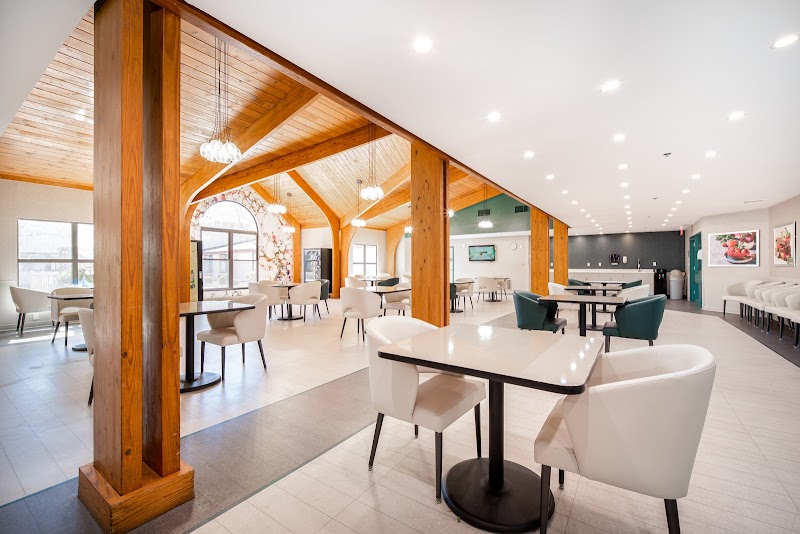
How is Cedar Grove Respiratory And Nursing Center Staffed?

CMS rates CEDAR GROVE RESPIRATORY AND NURSING CENTER's staffing level at 2 out of 5 stars, which is below average compared to other nursing homes. Staff turnover is 45%, compared to the New Jersey average of 46%. This relatively stable workforce can support continuity of care.

What Have Inspectors Found at Cedar Grove Respiratory And Nursing Center?

State health inspectors documented 33 deficiencies at CEDAR GROVE RESPIRATORY AND NURSING CENTER during 2022 to 2025. These included: 31 with potential for harm and 2 minor or isolated issues.
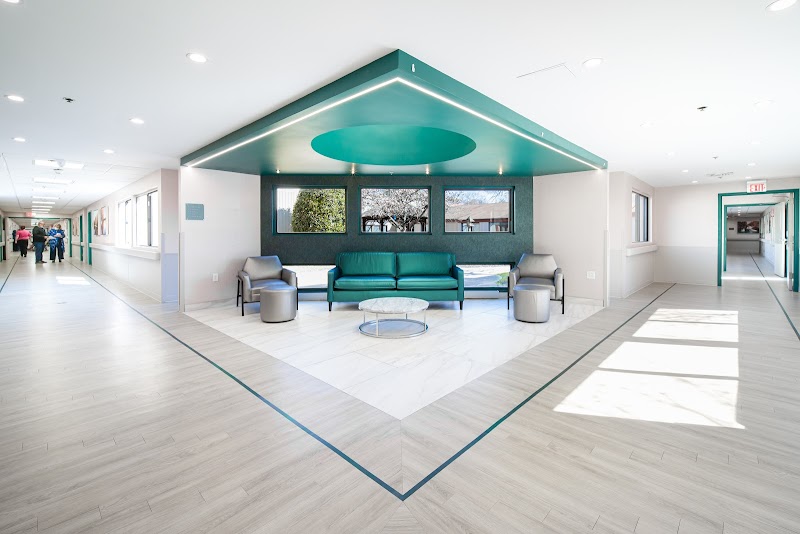
Who Owns and Operates Cedar Grove Respiratory And Nursing Center?

CEDAR GROVE RESPIRATORY AND NURSING CENTER is owned by a for-profit company. For-profit facilities operate as businesses with obligations to shareholders or private owners. The facility is operated by ATLAS HEALTHCARE, a chain that manages multiple nursing homes. With 180 certified beds and approximately 168 residents (about 93% occupancy), it is a mid-sized facility located in WILLIAMSTOWN, New Jersey.
How Does Cedar Grove Respiratory And Nursing Center Compare to Other New Jersey Nursing Homes?

Compared to the 100 nursing homes in New Jersey, CEDAR GROVE RESPIRATORY AND NURSING CENTER's overall rating (5 stars) is above the state average of 3.3, staff turnover (45%) is near the state average of 46%, and health inspection rating (4 stars) is above the national benchmark.

What Should Families Ask When Visiting Cedar Grove Respiratory And Nursing Center?

Based on this facility's data, families visiting should ask: "Can you walk me through typical staffing levels on day, evening, and night shifts?" "Can I visit during a mealtime to observe dining assistance and food quality?" "How do you handle medical emergencies, and what is your hospital transfer rate?" "Can I speak with family members of current residents about their experience?" These questions are particularly relevant given the below-average staffing rating.

Is Cedar Grove Respiratory And Nursing Center Safe?

Based on CMS inspection data, CEDAR GROVE RESPIRATORY AND NURSING CENTER has a clean safety record: no substantiated abuse findings (meaning no confirmed cases of resident harm), no Immediate Jeopardy citations (the most serious violation level indicating risk of serious injury or death), and is not on the Special Focus Facility watch list (a federal program monitoring the lowest-performing 1% of nursing homes). The facility has a 5-star overall rating and ranks #1 of 100 nursing homes in New Jersey. While no facility is perfect, families should still ask about staff-to-resident ratios and recent inspection results during their visit.

Do Nurses at Cedar Grove Respiratory And Nursing Center Stick Around?

CEDAR GROVE RESPIRATORY AND NURSING CENTER has a staff turnover rate of 45%, which is about average for New Jersey nursing homes (state average: 46%). Moderate turnover is common in nursing homes, but families should still ask about staff tenure and how the facility maintains care continuity when employees leave.

Was Cedar Grove Respiratory And Nursing Center Ever Fined?

CEDAR GROVE RESPIRATORY AND NURSING CENTER has no federal fines on record. CMS issues fines when nursing homes fail to meet care standards or don't correct problems found during inspections. The absence of fines suggests the facility has either maintained compliance or corrected any issues before penalties were assessed. This is a positive indicator, though families should still review recent inspection reports for the full picture.

Is Cedar Grove Respiratory And Nursing Center on Any Federal Watch List?

CEDAR GROVE RESPIRATORY AND NURSING CENTER is not on any federal watch list. The most significant is the Special Focus Facility (SFF) program, which identifies the bottom 1% of nursing homes nationally based on persistent, serious quality problems. Not being on this list means the facility has avoided the pattern of deficiencies that triggers enhanced federal oversight. This is a positive indicator, though families should still review the facility's inspection history directly.