ATLAS REHABILITATION & HEALTHCARE AT WASHINGTON
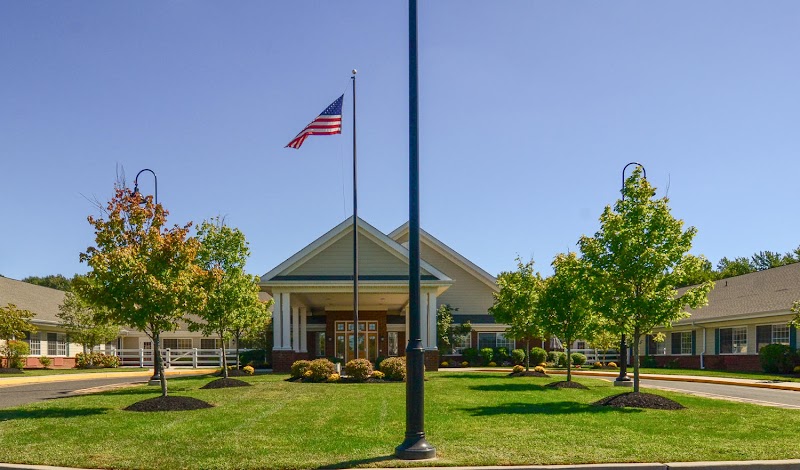
378 FRIES MILL ROAD, SEWELL, NJ 08080 (856) 218-4200
For profit - Limited Liability company 120 Beds ATLAS HEALTHCARE Data: November 2025 2 Immediate Jeopardy citations
Trust Grade
26/100
#170 of 344 in NJ
Last Inspection: September 2024

Within standard 12-15 month inspection cycle. Federal law requires annual inspections.

Overview

Atlas Rehabilitation & Healthcare at Washington has received a Trust Grade of F, indicating significant concerns about its quality of care. It ranks #170 out of 344 nursing homes in New Jersey, placing it in the top half of the state's facilities, but this is not reassuring given the low grade. The facility is improving, as it has reduced the number of issues from 18 in 2023 to 7 in 2024, but it still reported a concerning $96,477 in fines, which is higher than 90% of other New Jersey facilities. Staffing ratings are below average with a 50% turnover rate, though it has average RN coverage, which is important for catching potential problems. Specific incidents include a critical failure to address smoking overhead lights, which posed an electrical fire risk, and a lack of supervision that allowed a resident to wander outside unsupervised, highlighting serious safety concerns. While the facility has some strengths, such as excellent quality measures, families should weigh the significant weaknesses in safety and staffing when considering this option.

Trust Score
F
26/100
In New Jersey
#170/344
Top 49%
Safety Record
High Risk
Review needed
Inspections
Getting Better
18 → 7 violations
Staff Stability
⚠ Watch
50% turnover. Above average. Higher turnover means staff may not know residents' routines.
Penalties
⚠ Watch
$96,477 in fines. Higher than 93% of New Jersey facilities. Major compliance failures.
Skilled Nurses
○ Average
Each resident gets 33 minutes of Registered Nurse (RN) attention daily — about average for New Jersey. RNs are the most trained staff who monitor for health changes.
Violations
⚠ Watch
31 deficiencies on record. Higher than average. Multiple issues found across inspections.
★★★☆☆
3.0
Overall Rating
★★☆☆☆
2.0
Staff Levels
★★★★★
5.0
Care Quality
★★☆☆☆
2.0
Inspection Score
Stable
2023: 18 issues
2024: 7 issues

The Good

  • 5-Star Quality Measures · Strong clinical quality outcomes
  • Full Sprinkler Coverage · Fire safety systems throughout facility
  • No fines on record

Facility shows strength in quality measures, fire safety.

The Bad

3-Star Overall Rating

Near New Jersey average (3.3)

Meets federal standards, typical of most facilities

Staff Turnover: 50%

Near New Jersey avg (46%)

Higher turnover may affect care consistency

Federal Fines: $96,477

Well above median ($33,413)

Moderate penalties - review what triggered them

Chain: ATLAS HEALTHCARE

Part of a multi-facility chain

Ask about local staffing decisions and management

The Ugly 31 deficiencies on record

2 life-threatening
Sept 2024 7 deficiencies
CONCERN (D) 📢 Someone Reported This

A family member, employee, or ombudsman was alarmed enough to file a formal complaint

Potential for Harm - no one hurt, but risky conditions existed

Deficiency F0655 (Tag F0655)

Could have caused harm · This affected 1 resident

Complaint #NJ172198 Based on interview, review of the medical record and other pertinent facility documentation, it was determined that the facility failed follow their policy to develop and implement...

Read full inspector narrative →
Complaint #NJ172198 Based on interview, review of the medical record and other pertinent facility documentation, it was determined that the facility failed follow their policy to develop and implement a person-centered, comprehensive baseline care plan within 48 hours of a resident's admission. This deficient practice was identified for 1 of 35 residents (Resident #154) reviewed for baseline care plan implementation. This deficient practice was identified by the following: Refer to F684 A review of Resident #154's admission Record (an admission summary) revealed that the resident was admitted to the facility with diagnosis which included but were not limited to: Paroxysmal atrial fibrillation (abnormal heart beat), pseudocyst of pancreas (a large gland behind the stomach with development of a collection of leaked pancreatic fluids), cognitive communication deficit, anemia (lack of healthy red blood cells to carry oxygen through the blood), dizziness and giddiness, need for assistance with personal care. A review of Resident #154's admission Minimum Data Set (MDS), an assessment tool, revealed that the assessment tool remained in progress and was not yet completed due to the resident's short length of stay at the facility prior to hospitalization (less than 14 days). During the review of Resident #154's electronic health record (EHR) and closed record on 09/19/24 at 9:36 AM, the surveyor requested a copy of the resident's care plan. On 09/19/24 at 11:28 AM, the Director of Nursing (DON) provided the surveyor with Resident #154's Care Plan (CP) which was printed on a single page dated 03/08/24, and only listed one Focus of: I am at risk for malnutrition [sic.] r/t (related to) chronic disease, recent hospitalization, h/o (history of) poor intake with wt loss PTA (prior to admission). The entry listed goals and interventions that pertained to the resident's food intake, weight, diet, and laboratory values. There were no other Focuses, Goals or Interventions/Tasks identified for the resident's plan of care. During an interview with the surveyor on 09/19/24 at 11:41 AM, the DON stated that she was only able to view the one page, and something was not right. The DON stated that she had put a call out. When the surveyor informed the DON that both the EHR and the closed record were reviewed and the CP only consisted of a single entry on page 1 (one) of 1, she stated that the nurse or the unit manager was supposed to do the baseline CP upon admission. The DON further stated that the baseline CP was supposed to identify if the resident was at risk for falls, skin, adls (activities of daily living), pain and whatever other diagnosis the resident had. A review of the facility policy, Care Plans-Baseline (Revision Date March 2022) revealed the following: A baseline plan of care to meet the resident's immediate health and safety needs is developed for each resident within forty-eight (48) hours of the admission. .The baseline care plan includes instructions needed to provide effective, person-centered care of the resident that meet professional standards of quality care and must include the minimum healthcare information necessary to properly care for resident including, but not limited to the following: Initial goals based on admission orders and discussion with the resident/representative; Physician orders; Dietary orders; Therapy services; Social services; . The baseline care plan is used until the staff can conduct the comprehensive assessment and develop an interdisciplinary person-centered comprehensive care plan (no later than 21 days after admission). The baseline care plan is updated as needed to meet the resident's needs until the comprehensive care plan is developed. .The resident and/or representative are provided with a written summary of the baseline care plan (in a language that the resident/representative can understand) that includes, but is not limited to the following: The stated goals and objectives of the resident; A summary of the resident's medications and dietary instructions; Any services or treatments to be administered by the facility and personnel acting on behalf of the facility; and Any updated information based on the details of the comprehensive care plan, as necessary. Provision of the summary to the resident and/or resident representative is documented in the medical record. NJAC 8:39-11.2(d)
CONCERN (D) 📢 Someone Reported This

A family member, employee, or ombudsman was alarmed enough to file a formal complaint

Potential for Harm - no one hurt, but risky conditions existed

Deficiency F0660 (Tag F0660)

Could have caused harm · This affected 1 resident

Complaint #NJ172198 Based on interview, record review, and review of other pertinent documentation, it was determined that the facility failed to ensure that a resident was provided with a discharge s...

Read full inspector narrative →
Complaint #NJ172198 Based on interview, record review, and review of other pertinent documentation, it was determined that the facility failed to ensure that a resident was provided with a discharge summary and post discharge instructions to ensure a safe and effective transition of care for 1 of 2 closed records (Resident #155) reviewed for appropriate discharge planning. This deficient practice was evidenced by the following: A review of Resident #155's admission Record (an admission summary) revealed that the resident was admitted to the facility with diagnoses which included but were not limited to: Encounter for surgical aftercare following surgery on the digestive system, acute cholecystitis (gallbladder inflammation), protein-calorie malnutrition, dysphagia, unspecified (difficulty swallowing food or liquids), acquired absence of other specified parts of the digestive tract, cognitive communication deficit, difficulty in walking, muscle weakness (generalized), and a need for assistance with personal care. A review of Resident #155's admission Minimum Data Set (MDS), an assessment tool, reflected that the resident had a Brief Interview for Mental Status (BIMS) score of 9 out of 15, which indicated that the resident was moderately cognitively impaired. Further review of the MDS included skin and ulcer/injury treatments which included: surgical wound care. A review of Resident #155's Order Listing Report included the following physician's orders (PO): 1. On 03/06/24 an order was written to: Change choleycystectomy (surgical removal of the gallbladder) dressing 2 (two) x/week and PRN (as needed) for soilage and lifting. Cleanse the skin around catheter with NSS (normal saline (salt in water) solution), pat dry. Place drain gauze and cover with tegaderm (transparent) dressing. Do cover with plastic wrap when showering every shift every Mon (Monday), Fri (Friday) for Chole Drain Tube Care. 2. On 03/07/24, an order was written that specified: Choleycystectomy: Empty choleycystectomy bag every shift and as needed for Choleycystectomy care. 3. On 03/07/24, an order was written to: Flush the choleycystectomy catheter daily with 5 cc (cubic centimeters, a unit of measurement equal to one milliliter) of NSS if drainage is slowing down (less than 10 ml) 1. Disconnect the catheter from the drainage bag 2. Clean the end of the catheter with an alcohol wipe 3. Connect syringe to catheter 4. Flush slowly with NSS, then pull back on the syringe plunger so that content comes back into syringe and discard contents 5. Clean ends with alcohol wipe and reconnect catheter to drainage bag every evening shift for Chole Drain/Tube Care. 4. On 03/07/24, an order was written to: Notify MD (Medical Doctor) if s/sx (signs and symptoms) of infection, complication or no output (the amount of drainage). The drain should stay in place for at least 6 (six) weeks or until F/U (follow up) appointment every shift for Choleycystectomy Care. 5. On 03/06/24, an order was written to: Record choleycystectomy drainage output BID (twice daily); send output record to follow up appointment every day and evening shift for output. A review of Resident #155's Treatment Administration Record (TAR) revealed an entry dated 03/06/24 at 0700 (7:00 AM) for Ostomy (an artificial opening in an organ of the body, created during an operation) teaching with patient every shift and as needed every shift for Choleycystectomy care. A review of the resident's electronic health record (EHR) revealed that there was no documented evidence within the progress notes to indicate that resident verbalized understanding or demonstrated competency of the teaching that was provided. A review of the Social Services Assessment (SSA) and Documentation note that was dated 03/06/24 at 12:58 PM, revealed that the resident's discharge plan was to return to the community in the care of his/her family member, an identified health care proxy at their home. A review of the Progress Notes revealed a Physician/Practitioner Progress Note dated 03/15/24 at 9:34 AM, which detailed .Patient seen and examined this morning resting comfortably in bed. Appears non-toxic, NAD (no apparent distress), VSS (vital signs stable). Pt denies any issues at this time .Pt slated for dc (discharge) this day, SW following, durable medical equipment (DME) to be delivered to patient today as per notes. DC scripts on chart. No further issues reported by pt or nursing at this time . During an interview with the surveyor on 09/17/24 at 10:18 AM, Licensed Practical Nurse (LPN) #2 stated that social work was involved in the discharge process. LPN #2 stated that nursing did the teaching for wound management and the facility used home care services to follow-up in the resident's home. LPN #2 stated that either nursing or the Unit Manager did the discharge instructions and printed a copy out for both the nurse and the resident to sign to indicate that the resident was in receipt of the instructions. LPN #2 stated that nursing was also required to document any teaching that was provided during review of the discharge instructions in the progress notes. During an interview with the surveyor on 09/17/24 at 10:40 AM, the Licensed Practical Nurse/Unit Manager (LPN/UM) stated that typically, a care conference was held with both the resident and their family to discuss discharge planning. The LPN/UM stated that education for wounds or drainage tubes care would be set up and care planned for the family to come in closer to discharge to learn how to perform the procedures at home. The LPN/UM stated that the nursing staff should have provided education on wound care and other applicable treatments such as dressing changes, emptying the drainage tube and how to look for signs and symptoms of infection. The LPN/UM stated that it should have been documented in a progress note if it were done with the family. The LPN/UM stated that nursing was required to give the discharge instructions to the resident or their family who then signed the last page of the instructions. The LPN/UM stated that they were then provided with a copy to take home. The LPN/UM stated that there should be a progress note documented on the last day to indicate that the resident was discharged from the facility with any medical equipment that was ordered. The LPN/UM stated that after the prescriptions and discharge instructions were reviewed, nursing should then document that all questions were answered at that time. During an interview with the surveyor on 09/17/24 at 11:43 AM, the Director of Nursing (DON) stated that she would have expected for training and education to be done by the nurse for wound treatments and tube care. The DON stated that the training should have been documented in the progress notes. The DON stated that she thought that social work held a meeting and had the family come in for training. The DON stated that either the nurse or unit manager reviewed the discharge instructions with the patient or family if the resident were not able, and they were given a hard copy to take home. During an interview with the surveyor on 09/17/24 at 12:31 PM, the Director of Social Services (DSS) stated that she had not sent anyone home with a biliary drainage tube (choleycystectomy drainage tube) before. She stated if she did, it would have been through their home health. The DSS stated that she recalled Resident #155, and she did not recall if there was an initial meeting. The DSS stated, It looks like we did not to have time for an official meeting, a team meeting, or care conference meeting. The DSS further stated that it was just a bunch of calls with the resident's family member who wanted the resident to be discharged back to his/her home by the end of the week. The DSS stated that she had to scramble to put everything together and that she did not remember what services were ordered for home care which depended on the prescription that was provided by the doctor. On 09/17/24 at 1:38 PM, the surveyor received Resident #155's closed record after multiple requests to view the record on that date. The surveyor reviewed a copy of the prescriptions that that were dated 03/14/24 and were written by the PA. Further review of the prescriptions revealed that there was no documented evidence that the resident was provided with a prescription for the care of the choleycystectomy drainage tube site for dressing changes, emptying and recording of drainage output, or flushing of the drainage tube with NSS as indicated in the physician's orders and that were reflected on the resident's MAR/TAR. Further review of Resident #155's closed record revealed an IDT: Discharge Instructions and Summary form, dated 03/15/24 with an effective time of 08:10 AM, which was electronically signed by LPN #4 on 03/15/24. The surveyor observed a hand written note that was documented beneath LPN #4's electronic signature which revealed the following: This nurse completed the discharge instructions with the patient, he/she verbalized understanding and all questions were asked and answered at the time of discharge. The DON who was present at that time, confirmed that the signature of the handwritten entry belonged to the LPN/UM. During an interview with the surveyor on 09/18/24 at 10:18 AM, the surveyor showed LPN #4 a copy of Resident #155's discharge instructions and asked LPN #4 to explain why his signature was electronically signed on the document, but there was no documented evidence within the progress notes to suggest that LPN #4 reviewed the instructions with the resident. LPN #4 stated that if he worked nights he may have started the discharge instructions, but someone else may have given it to the resident. LPN #4 stated that the resident was then supposed to sign the discharge instructions and a copy of it was placed in the resident's chart. There was no resident signature noted to indicate resident receipt of the discharge instructions as previously described by LPN #4. During an interview with the surveyor on 09/18/24 at 10:27 AM, the LPN/UM stated that it was her expectation that a resident signature were obtained when the discharge instructions were provided. The LPN/UM confirmed that her signature was on the discharge instructions. The LPN/UM stated that she may have called the resident to confirm that the resident received the instructions the day after discharge. When the surveyor asked the LPN/UM why she did not document the date and time on the discharge instructions beside her signature she stated, After it was brought to your attention yesterday that the resident may or may not have received his/her discharge information, she conferred with LPN #4 who stated that he did give the resident the instructions and the resident understood them. She stated that she did not date the discharge instructions or write a note in the computer because the resident was already discharged . The LPN/UM stated, It was brought to my attention yesterday that I needed to find out if the the nurse provided the discharge instructions to the resident. The LPN/UM further stated, I was asked to document whether the resident received them. There was no documented evidence within the EHR or the closed record to indicate that Resident #155 or their responsible party received a copy of the discharge instructions prior to the resident's discharge. A review of the facility policy, Transfer and Discharge (including AMA (against medical advise) (Reviewed and Revised on 07/10/24) revealed the following: .Anticipated Transfers or Discharges-resident-initiated discharges. Obtain physicians' orders for transfer or discharge and instructions or precautions for ongoing care. A member of the interdisciplinary team completes relevant sections of the Discharge Summary. The nurse caring for the resident at the time of discharge is responsible for ensuring the Discharge Summary is complete and includes, but not limited to, the following: A recap of the resident's stay that includes diagnoses, course of illness/treatment or therapy, and pertinent lab, radiology and consultation results. A final summary of the resident's status. Reconciliation of all pre-discharge medications with the resident's post-discharge medications (both prescribed and over the counter). A post-discharge care plan that is developed with the participation of the resident, and the resident's representative (s) which will assist the resident to adjust to his or her new living environment. Orientation for transfer or discharge must be provided and documented to ensure safe and orderly transfer or discharge from the facility, in a form and manner that the resident can understand. Depending on the circumstances, this orientation may be provided by various members of the interdisciplinary team. .The comprehensive, person-centered care plan shall contain the resident's goals for admission and desired outcomes and shall be in alignment with the discharge. .Supporting documentation shall include evidence of the resident's or resident representative's verbal or written notice of intent to leave the facility, a discharge plan, and documented discussion with the resident and/or resident representative. NJAC 8:39-5.4 (a) (b) (c)
CONCERN (D) 📢 Someone Reported This

A family member, employee, or ombudsman was alarmed enough to file a formal complaint

Potential for Harm - no one hurt, but risky conditions existed

Quality of Care (Tag F0684)

Could have caused harm · This affected 1 resident

Complaint #NJ168202 and NJ172198 Based on interview, record review, and review of other pertinent facility documents, it was determined that the facility failed to a.) document a physician notificatio...

Read full inspector narrative →
Complaint #NJ168202 and NJ172198 Based on interview, record review, and review of other pertinent facility documents, it was determined that the facility failed to a.) document a physician notification in response to a resident's change of condition, b.) obtain an order for supplemental oxygen use, c.) obtain an order to send the resident to the hospital, d.) document a Registered Nurse (RN) assessment, and e.) document a resident's clinical status after the resident was sent to the hospital in accordance with professional standards. This deficient practice was identified for 1 of 2 residents (Resident #154) reviewed for change in condition. This deficient practice was evidenced by the following: Refer to F655 The surveyor reviewed the closed Electronic Health Record (EHR) of Resident #154 and noted a Health Status Note within the Progress Notes (PN) that was written by Licensed Practical Nurse (LPN #2) on 03/14/24 at 14:25 (2:25 PM) which revealed, Patient received in bed with eyes opened, easily aroused. Able to make all needs known. Requires on person assist with care and transfer. Continent of bowel and bladder. vitals stable. oxygen 87% apply oxygen via nasal cannula (plastic tubing inserted into the nostrils to delivery oxygen). no slurred speech noted. Resident daughter talked to one of the staff, request resident to send out 911 for slurred speech. Patient was seen and assessed by . the Registered Nurse/Infection Preventionist (RN/IP), neuro check normal. 0930 (9:30 AM) 911 transported resident to emergency .There were no additional progress notes within the resident's EHR that detailed the resident's status after the resident was transferred to the hospital via 911. A review of Resident #154's admission Record (an admission summary) revealed that the resident was admitted to the facility with diagnosis which included but were not limited to: Paroxysmal atrial fibrillation (abnormal heart beat), pseudocyst of pancreas (a large gland behind the stomach with development of a collection of leaked pancreatic fluids), cognitive communication deficit, anemia (lack of healthy red blood cells to carry oxygen through the blood), dizziness and giddiness, need for assistance with personal care. A review of Resident #154's admission Minimum Data Set, an assessment tool, revealed that the assessment tool remained in progress and was not yet completed due to the resident's short length of stay at the facility prior to hospitalization (less than 14 days). A review of Resident #154's Order Listing Report (OLR) failed to include an order to apply oxygen via nasal cannula to the resident or to send the resident to the hospital via 911. Further review of the OLR revealed a physician's order for: Vital signs. Notify MD/NP (Medical Doctor/Nurse Practitioner) if temp >100.4 every shift for New/re-admission for 100 days. During an interview with the surveyor on 09/17/24 at 10:08 AM, LPN #2 stated that if a family member expressed a concern about a resident, she told the Unit Manager (UM) and called the doctor. LPN #2 stated that she would have reassured the family that the resident could go to the hospital but would first assess the resident and then call the doctor for further orders. At that time, the surveyor read Resident #154's Health Status Note aloud that was written by LPN #2 on 03/14/24 at 2:25 PM. LPN #2 stated that she did not recall the resident but remembered the note. LPN #2 stated that she should have written the vital signs down. LPN #2 stated that we always called the doctor and were given a prn (as needed) order for oxygen. LPN #2 stated that we might have forgotten to write the order and include it in our note, but we always called the doctor if we have a pulse ox (pulse oximetry, a probe that is placed on the finger to detect the oxygen level in the blood) of 87% (normal parameters are between 95-100%). LPN #2 stated that the RN/IP should have written a note when she did a neurological assessment on the resident. When the surveyor asked how frequently vital signs (blood pressure, pulse oximetry, pulse, heart rate, and respirations) were performed on the subacute unit LPN #2 stated, every shift. The surveyor reviewed Resident #154's Weights and Vitals Summary and noted that Resident #154's vital signs were last recorded on 03/13/24 at 20:38 (8:38 PM) which failed to contain a pulse oximetry level, only a blood pressure pulse, and temperature were recorded. The resident's last recorded pulse oximetry level was recorded on 03/13/24 at 13:10 (1:10 PM) and was 97% on room air. During an interview with the surveyor on 09/17/24 at 10:23 AM, the Licensed practical Nurse/Unit Manager (LPN/UM) stated that she would have responded to a family member's concern about the resident's condition by evaluating the resident's vital signs, doing a stroke assessment and go from there. The LPN/UM stated that if the resident's pulse ox level was 87%, she would first reposition the resident to see if that were a factor, then place the resident on oxygen, and phone the doctor to obtain orders and go forward from there. The LPN/UM stated that typically, if we only do one neurological assessment we write the outcome in a progress note. The LPN/UM stated that if a Registered Nurse (RN) assessed the resident, I would expect the RN to document her own findings, not second hand. The LPN/UM stated that the doctor gives the order to send the resident out for further evaluation or if further interventions were warranted here at the facility. The LPN/UM stated that the nurse should have phoned the hospital to follow up on the resident's status and possible return. At that time, the LPN/UM reviewed Resident #154's Health Status Note that was written by LPN #2 in the presence of the surveyor. The LPN/UM stated that vital signs were required to be done every shift and I would have expected to see them documented every shift or in the progress notes. The LPN/UM stated that she did not see an order for oxygen in the medical record. The LPN/UM further stated that it was her expectation that the doctor would have been notified and an order obtained to send the resident to the ER. During an interview with the surveyor on 09/17/24 at 10:50 AM, the Registered Nurse/Infection Preventionist (RN/IP) stated that if she were asked to do a resident assessment, she would do an assessment from head to toe and if no apparent neurological symptoms were noted, she would reach out to the physician no matter what. The RN/IP stated that she would document in the EHR in the notes about what occurred, and what we did, and document that the provider was called, and send the resident to the hospital if an order was given, after the doctor were notified of our assessment findings. The RN/IP stated that she would tell the LPN to document and then follow up with her own documentation. When the surveyor reviewed the documentation aloud to the RN/IP she stated, I did not do a follow-up note? The RN/IP further stated that she normally would do a follow-up note. The RN/IP reviewed the resident's orders and stated that she did not see an order to discharge the resident to the hospital or to place the resident on oxygen, but she would have expected to see orders to send the resident out to the hospital and to place the resident on oxygen. The RN/IP stated that she did not see any vital signs documented that coincided with the incident on 03/14/24. The RN/IP stated, It appears the resident was sent out to the hospital and received oxygen without an order. The RN/IP stated that there was nothing in the progress note that was written by LPN #2 that said the doctor was notified, and there was no order. The RN/IP further stated, If not documented, it was not done. During an interview with the surveyor on 09/17/24 at 11:24 AM, the surveyor asked the DON if it were permissible for a LPN to document an RN assessment in the progress notes, rather than the RN writing a narrative to detail the assessment herself? The DON stated, If the LPN wrote the note, I think that would be okay. When asked if an order were required to send a resident to the hospital the DON stated, Do we always write the order? We send them, and let the doctor know afterward, they do not always put the order in. The DON further stated that she did not know if it was required. The DON stated, Just because you did not document it, does not mean you did not do it. The DON stated that it sounded like LPN #2 wrote the RN/IP's note. When the DON was asked if the nursing staff were required to call the hospital to follow-up on the resident's status and document the resident's condition, she stated they normally called the hospital and checked on their status and documented what that status was. The surveyor asked the DON how frequently vital signs were required to be done on the subacute unit? The DON responded, Vital signs were done every shift, but it depends. The DON stated that if a resident presented with slurred speech and or shaking, they should have definitely been monitored, but it was not necessary to do vital signs every shift. The DON further stated, they are supposed to do vital signs every shift for five days, I think that is what it is here. On 09/18/24 at 12:35 PM, the surveyor reviewed the closed record of Resident #154 and noted a handwritten interim telephone order dated 03/14/24, that was written by the LPN/UM which indicated, Send pt to ED for eval r/t (related to) slurred speech. The order was not found within the EHR. During an interview with the surveyor on 09/18/24 at 1:04 PM, the surveyor asked the LPN/UM in the presence of the survey team to explain why the handwritten interim order dated 03/14/24 to Send patient to the ED for eval r/t slurred speech was not found within Resident #154's EHR? The LPN/UM stated, I wrote the order today, I mean on 03/14/24. The LPN/UM then stated that the receptionist discharged the resident out of the system as soon as the resident left the building and I had to call the doctor for a verbal order to send the resident out via 911. The LPN/UM clarified that all orders to send the resident to the hospital should be written while the resident were still in the building. The LPN/UM explained that the EHR could not be accessed once the resident was discharged from the facility. During an interview with the surveyor on 09/18/24 at 1:35 PM, the Receptionist stated that she logged the resident into the LOA (leave of absence) book and into the EHR once they passed the Receptionist Desk with 911. The Receptionist stated that she did not discharge or remove the resident from the EHR until she received confirmation that the resident was not coming back to the facility. A review of the facility policy, Resident Examination and Assessment (Revision date February 2014) revealed the following: .Documentation: The following information should be recorded in the resident's medical record: The date and time the procedure was performed. The name and title of the individual (s) who performed the procedure. The assessment data obtained during the procedure. How the resident tolerated the procedure. .The signature and title of the person recording the data. .Reporting: .Notify the physician of any abnormalities such as, but not limited to: abnormal vital signs .change in cognitive, behavioral or neurological status from baseline; A review of the facility policy, Vital Signs (Reviewed/Revised 04/02/24) revealed the following: The purpose of this policy is to provide guidelines for the measurement and reporting of vital signs: Definition: vital signs are indicators of health status, including temperature, pulse, blood pressure, respiratory rate, oxygen saturation, and pain. Licensed nurses are responsible for knowing the usual range of a resident's vital signs, analyzing and interpreting routine vital signs, and notifying the physician of abnormal findings. Oxygen saturation and pain are to be obtained and interpreted by licensed nurses. Vital signs shall be obtained at least in the following circumstances: .At least daily for a resident receiving skilled services. When the resident's general condition changes. .Oxygen saturation is assessed for residents requiring oxygen at intervals specified by the physician . A review of the facility policy, Change in a Resident' Condition or Status (Revision date February 2021) revealed the following: Policy Statement: Our facility promptly notifies the resident, his or her attending physician, and the resident representative of the changes in the resident's medical/mental condition and/or status . The nurse will notify the resident's attending or physician on call when there has been a (an): .significant change in the resident's physical/emotional/mental condition; .Need to transfer the resident to a hospital/treatment authority; and/or discharge without proper medical authority; and/or Specific instruction to notify the physician of changes in the resident's condition. A review of the facility policy: Charting and Documentation (Revision July 2017) revealed the following: All services provided to the resident, progress toward the care plan goals, or any changes in the resident's medical, physical, functional or psychosocial condition, shall be documented in the resident's medical record. The medical record should facilitate communication between the interdisciplinary team regarding the resident's condition and response to care. .The following information is to be documented in the resident medical record: Objective observations; .Changes in the resident's condition; .Documentation of procedures and treatments will include care-specific details, including: .notification of family, physician or other staff, if indicated; . A review of the facility policy, Verbal Orders (Revision February 2014) revealed the following: .The practitioner will review and countersign verbal orders during his or her next visit. NJAC 8:39-27.1 (a), 13.1(d), 35.2(d)(16), 35.2(e), 35.2(g)(3)(i-iv)
CONCERN (D)

Potential for Harm - no one hurt, but risky conditions existed

Pressure Ulcer Prevention (Tag F0686)

Could have caused harm · This affected 1 resident

Based on interview, record review, and review of facility documents, it was determined that the facility failed to address recommendations from the Wound Care Consultant in a timely manner for 1 of 1 ...

Read full inspector narrative →
Based on interview, record review, and review of facility documents, it was determined that the facility failed to address recommendations from the Wound Care Consultant in a timely manner for 1 of 1 resident (Resident #74) reviewed for pressure ulcers. This deficient practice was evidenced by the following: On 09/15/24 at 9:54 AM, the surveyor observed Resident #74 lying in bed. The resident stated he/she had a wound. According to the admission Record, Resident #74 had diagnoses which included, but were not limited to, pressure ulcer of sacral region, diabetes mellitus type 2, paraplegia, and morbid obesity. Review of the quarterly Minimum Data Set (MDS), an assessment tool used to facilitate the management of care, dated 08/23/24, included the resident had a Brief Interview for Mental Status score of 15, which indicated the resident's cognition was intact. Further review of the MDS included the resident had a pressure ulcer that was present on admission to the facility. Review of the Care Plan included a focus, initiated 11/16/23, that the resident had actual skin breakdown with interventions for treatments as ordered, and, Wound Care Consultant as ordered. Review of the Wound Care Consultant (WCC) report, dated 08/28/24, included the resident was seen for a sacral pressure ulcer which measured 0.1x 0.1x 0.1 centimeters (cm) and was improving. Further review of the WCC report included recommendations for a collagen treatment (a wound dressing that promotes healing). Review of the WCC report, dated 09/04/24, included the resident was seen for a subsequent visit for the sacral pressure ulcer which revealed the wound progress had no change. Further review of the WCC report included a recommendation for a collagen treatment. Review of the WCC report, dated 09/11/24, included the resident was seen for a subsequent visit for the sacral pressure ulcer which revealed the wound progress had no change, and the WCC again recommended a collagen treatment. Review of the September 2024 Treatment Administration Record (TAR) included a treatment order to, Cleanse sacrum wound with NSS [normal saline solution] and pat dry. Pack wound with collagen and CDD [clean dry dressing] and PRN [as needed] for soilage every Day Shift for Wound Care for 7 days, with a start date of 08/30/24 and an end date of 09/05/24. Further review of the September 2024 TAR did not include a collagen treatment order for the sacral wound from 09/06/24 through 09/16/24. Review of the September 2024 Progress Notes did not include any documentation related to the WCC recommendations, wound treatment re-evaluation, or notification to the physician for new wound treatment orders. During an interview with the surveyor on 09/17/24 at 10:52 AM, Licensed Practical Nurse (LPN) #1 stated the WCC would come to the facility weekly and pass on any recommendations to the floor nurse or Unit Manager (UM). The LPN further stated that recommendations should be addressed within 24 hours to prevent any delay in resident care. The LPN also stated that for treatment orders that contained a duration, the floor nurse assigned on the day the treatment ended would have to document on the wound condition and notify the physician for treatment orders if needed. When asked about Resident #74, the LPN stated she was assigned to the resident, but that the resident did not have a treatment order for a sacral wound. During an interview with the surveyor on 09/17/24 at 12:17 PM, the Registered Nurse/Unit Manager (RN/UM) stated that the UMs would conduct wound rounds with the WCC weekly and would be immediately notified of any new wound treatment recommendations. The RN/UM further stated that recommendations were implemented as soon as wound rounds were completed to prevent a delay in resident care. The RN/UM also stated that for treatment orders that contained a duration, the UM would re-evaluate the resident's wound to determine if a new wound treatment needed to be ordered. When asked about Resident #74, the RN/UM reviewed the resident's medical record and confirmed the resident did not have a collagen treatment order for the sacral wound. The RN/UM then reviewed the WCC reports and verified the WCC recommended a collagen treatment for the sacral wound on 09/04/24 and 09/11/24. The RN/UM stated she had only been the UM for two weeks, but that it was still her responsibility to ensure the WCC recommendations were addressed. During an interview on 09/17/24 at 1:13 PM, the Director of Nursing (DON) stated the WCC would come to the facility weekly on Wednesdays and the facility would receive the WCC recommendations the following day. The DON further stated it was important to address the WCC recommendations timely to provide the best wound care for the resident. At that time, the surveyor informed the DON of Resident #74's WCC recommendations that were not addressed, and the DON stated that the UM or the floor nurse should have addressed the recommendations and that if the resident was supposed to receive a wound treatment, there should be a treatment order in place. During an interview with the surveyor on 09/18/24 at 8:43 AM, the WCC stated she comes to the facility weekly on Wednesdays and makes recommendations for wound treatments. The WCC explained that before she leaves the facility, she discusses all resident recommendations with the DON and UM in an exit meeting. The WCC stated that if the facility was not going to follow her recommendations, she would expect the facility to notify her of the reasoning. When asked about Resident #74, the WCC stated she discussed her recommendations with the DON and UM on 09/11/24 prior to leaving the facility and that she never received notification that the treatment was not ordered. Review of the facility's Pressure Injuries Overview policy, revised 03/2020, did not include the facility's policy related to the WCC or their recommendations. Review of the facility's Medication and Treatment Orders policy, revised 07/2016, did not include re-evaluation of wound treatments with a duration. NJAC 8:39-27.1(a)
CONCERN (D)

Potential for Harm - no one hurt, but risky conditions existed

Deficiency F0698 (Tag F0698)

Could have caused harm · This affected 1 resident

Based on observation, interview, review of the medical record and review of other facility documentation, it was determined that the facility failed to ensure a resident's medication times were adjust...

Read full inspector narrative →
Based on observation, interview, review of the medical record and review of other facility documentation, it was determined that the facility failed to ensure a resident's medication times were adjusted to accommodate their dialysis schedule for 1 of 1 resident (Resident #57) reviewed for dialysis. This deficient practice was evidenced by the following: On 09/15/2024 at 9:54 AM, Resident #57 was observed sitting in his wheelchair with his eyes closed. A review of the Electronic Medical Record revealed Resident #57 was admitted to the facility with diagnoses including but not limited to, Acute Kidney Failure, Chronic Kidney Disease, Dependence on Renal Dialysis. A review of the most recent Minimum Data Set (MDS), an assessment tool used to facilitate care, dated 08/07/24, revealed a Brief Interview for Mental Status score of 10/15, indicating Resident #57 has moderately impaired cognition. The MDS further revealed Resident #57 received dialysis while a resident at the facility. A review of the Physicians Orders (PO)revealed the following; PO dated 8/3/24 Dialysis treatment (3) times a week on (: Tue [Tuesday], Thu [Thursday], Sat [Saturday] at 5 AM. A further review of the physician's order revealed the following orders: Change medication and treatment timing from facility's medication and treatment administration time to accommodate hemodialysis treatment. PO dated 7/31/24 Insulin Lispro-aabc injection Inject as per sliding scale: if 151-200 = 2 unit call MD if BS less than 70/greater than 400; 201-250 = 4 unit; 251-300 = 6 unit; 301-350 = 8 unit; 351-400 = 10 unit subcutaneously before meals for BS (blood sugar). A review of the Medication Administration Record (MAR) revealed the following administration times for Insulin Lispro sliding scale, 4:00 AM, 7:30 AM, 12:00 AM, and 5:30 PM. The Physician order and MAR did not indicate the days and times in accordance with Resident #57's dialysis schedule. A review of the Medication Administration Record (MAR) dated 9/1/2024-9/30/2024 revealed the physician order for Insulin Lispro There were nurses' initials and a check mark to indicate the blood sugar was checked at approximately 4:00 AM on the following dates that Resident #57 remained at the facility and was not scheduled for dialysis: Resident #57's accuchecks were not done at 730 AM on the mentioned days. During an interview with the surveyor on 09/18/2024 at 10:07 AM, the Unit Manager Registered Nurse #2 (UM/RN) stated that the resident goes to dialysis on Tuesdays Thursdays, and Saturdays at 5:00 AM and usually returns around lunchtime. She also stated that the accucheck were done at the incorrect time on 09/11/2024, 09/13/2024, 09/15/2024, 09/16/2024, and 09/18/2024 and it should have been done at 7:30 AM on those days that the resident was not scheduled for dialysis. The blood sugar levels on the above-mentioned days were below 150 mg/dl therefore the resident did not require Lispro insulin coverage. During an interview with the surveyor on 09/18/2024 at 12:42 PM, the Director of Nursing (DON) stated usually we call the doctor to get the medications around the time that the resident is in the building and we coordinate things with dialysis. Everything should be based around the time that he is in the building. Review of facility policy titled Administering Medications, dated April 2019 revealed, 4. Medications are administered in accordance with prescriber orders, including any required time frame. NJAC 8:39-27.1(a)
CONCERN (D)

Potential for Harm - no one hurt, but risky conditions existed

Infection Control (Tag F0880)

Could have caused harm · This affected 1 resident

Based on observation, interview, and review of pertinent facility documentation, it was determined that the facility failed to a.) ensure hand hygiene was performed following medication administration...

Read full inspector narrative →
Based on observation, interview, and review of pertinent facility documentation, it was determined that the facility failed to a.) ensure hand hygiene was performed following medication administration, and b.) follow transmission-based precautions (TBP) to prevent the potential spread of infection by not utilizing personal protective equipment (PPE) for a resident on contact precautions for 1 of 2 residents (Resident #255) being observed during a medication observation. This deficient practice was evidenced by the following: On 09/16/24 at 8:12 AM, during a medication administration observation, the surveyor observed Licensed Practical Nurse (LPN) #3 enter Resident #255's room to administer medications. After the resident took their medication, LPN #3 took the empty medicine cup and drinking cup from the resident using her bare hands, discarded the cups, and exited the resident's room. LPN #3 proceeded to her medication cart and did not perform hand hygiene. Review of the admission Record revealed Resident #255 had diagnoses including, but not limited to, parainfluenza (respiratory infection) virus pneumonia, chronic obstructive pulmonary disease with (acute) exacerbation, acute respiratory failure with hypoxia. A review of Resident #255's physician orders revealed an active physician order dated 9/6/24 at 5:49 PM for contact isolation secondary to MRSA (Methicillin-resistant staphylococcus aureus; a type of bacteria that's resistant to many antibiotics and can cause skin and serious infections) MDRGN (Multidrug resistant Gram-negative bacteria; bacteria resistant to multiple antibiotics.) There was no signage outside Resident #255's doorway indicating that he/she was on contact isolation. LPN #3 did not wear any PPE during the medication administration observation when entering Resident #255's room. On 09/17/24 at 09:38 AM during surveyor interview, the Licensed Practical Nurse/Unit Manager (LPN/UM) reviewed Resident #255's electronic medical record and confirmed there was an active order for contact isolation. The LPN/UM stated that when a resident was on contact isolation, PPE was set up adjacent to the resident's room and signage was placed outside of the doorway which indicated to any visitors to see the nurse prior to entry into the room. She continued by stating that the appropriate PPE should be donned prior to entering the resident's room. The LPN/UM also stated that hand hygiene should be performed prior to providing care, immediately after doffing PPE, and if contact is made with any soiled materials before, during, or after care. During surveyor interview on 09/17/24 at 11:20 AM, the Infection Preventionist (IP) stated, if the resident had an order for contact isolation, there should have been a sign posted on the door. During surveyor interview on 09/19/24 at 09:42 AM, the Director on Nursing (DON) stated her expectation was for staff to follow the contact isolation order. She continued by stating that if there was a discrepancy with the order it should have been clarified and/or discontinued. The DON also stated after surveyor inquiry, the medical director determined that contact isolation was no longer needed, and the order was discontinued. A review of the facility policy Isolation- Initiating Transmission- Based Precautions, dated August 2019, revealed, Policy Interpretation and Implementation 2. Transmission-based precautions are utilized when a resident meets the criteria for transmissible infection AND the resident has risk factors that increase the likelihood of transmission. These may include (but are not limited to ): a uncontrolled excretions/secretions; b. non- compliance with standard precautions; .3. When transmission-based precautions are implemented, the infection preventionist (or designee): a. clearly identifies the type of precautions, the anticipated duration, and the personal protective equipment (PPE) that must be used; .d. determines the appropriate notification on the room entrance door and on the front of the resident's chart so that personnel and visitors are aware of the need for and type pf precautions; (1) The signage informs the staff of the type of CDC [Center for Disease Control]precaution(s), instructions for use of PPE, and/or instructions to see a nurse before entering the room e. ensures that protective equipment (i.e. [example], gloves, gowns, masks, etc.) is maintained outside the resident's room so that anyone entering the room can apply the appropriate equipment; .4. Transmission-based precautions remain in effect until the attending physician or infection preventionist discontinues them, which occurs after criteria for discontinuation are met. N.J.A.C 8:39-19.4(a)
CONCERN (F)

Potential for Harm - no one hurt, but risky conditions existed

Food Safety (Tag F0812)

Could have caused harm · This affected most or all residents

Based on observation, interview, and record review, it was determined that the facility failed to handle potentially hazardous foods and maintain sanitation in a safe, consistent manner intended to pr...

Read full inspector narrative →
Based on observation, interview, and record review, it was determined that the facility failed to handle potentially hazardous foods and maintain sanitation in a safe, consistent manner intended to prevent food borne illness. This deficient practice was evidenced by the following: On 9/15/24 from 9:19 AM until 10:00 AM, the surveyor observed the following in the presence of the Assistant Food Service Director (AFSD): 1. The AFSD turned on the faucet, wet her hands, applied soap to her hands, and lathered her hands with soap for a period of time too briefly to be counted, before she rinsed her hands under the running water, and dried her hands with a paper towel. The AFSD discarded the paper towel and obtained a second paper towel to turn off the faucet and then discarded it. 2. The oven was noted with heavy black soiling both inside the oven, on the outer ledge, and on the glass doors. The AFSD stated that, the cooks cleaned the oven two weeks ago, and that, the Food Service Director (FSD) just came down on us about cleaning the oven. When the surveyor asked for the cleaning schedule, the AFSD stated our paperwork went missing for the cleaning cycle, and, the new FSD has not started the new cleaning cycle yet. 3. The free-standing mixer was not covered. The AFSD stated that the mixer was cleaned the night prior and it should have been covered. 4. The deli slicer was not covered. The AFSD stated that the deli slicer was last used either Thursday, 9/12/24 or yesterday 9/14/24, and it was supposed to be covered. 5. The AFSD pulled the can opener out of the sheath when requested. The can opener had brown debris stuck on the top of the blade. The AFSD stated that the can opener was ran through the dishwasher the night prior. The AFSD then scraped the blade with her fingernail and returned the can opener to the sheathe that was mounted on the table in the food prep area. When asked what could happen if the blade were used to open a can with debris present on the blade, the AFSD stated that she did not know. Inside the walk-in refrigerator, the following was observed: 6. On the top of a three-tiered rack, an opened container of Apple sauce, that the AFSD stated contained less than a quart, was dated 09/09/24, and had no use-by date. The AFSD stated that it was good for three days. 7. On the bottom shelf of a three-tiered shelf, a two-quart container of chopped chicken dated 09/14/24, had no use-by date. The AFSD stated it was left over from the night prior and it should have a use-by date. 8. A container of baked chicken was on the bottom shelf of a three-tiered rack and was dated 09/13/24 and had no use-by date. 9. An opened five-pound container of Cottage cheese, was on the top shelf of a three-tiered rack, had an opened date of 08/28/24. The AFSD stated that it should have been used within three to five days and should have a use-by date. 10. Two pounds of sliced turkey deli meat, was on the second shelf of a four-tiered rack, was dated 09/13/24, and had no use-by date. In the walk-in freezer, the following was observed: 11. Ten pounds of pulled pork, was on the second shelf of a four-tiered rack, had a use-by date 08/14/23. The AFSD stated that it should have only remained in the freezer for one year. The AFSD stated that weekly walk throughs were performed to ensure that foods were within date. 12. Two (2) five-pound boxes of pepperoni, were on the top shelf of a four-tiered rack and were dated 03/09/23. The AFSD stated that it should have been discarded within one year. After returning to the kitchen from the trash area, the following was observed: 13. The surveyor observed the AFSD as she washed her hands for ten seconds. The AFSD stated handwashing should include lathering of the hands for 20 seconds and rinsing. The AFSD further stated that she determined that 20 seconds had passed by singing the happy birthday once. During an interview with the surveyor on 09/17/24 at 11:13 AM, the Registered Nurse/Infection Preventionist (RN/IP) explained the handwashing process, which included: Turn on water, wet hands, get soap, apply friction, wash hands, nails, wrists for at least 20 seconds, rinse hands, grab paper towels, dry, discard, then get another towel and turn off the faucet and discard that. The RN/IP stated, I do observations often on different departments, new hires, and kitchen staff. The kitchen staff are preparing food and you do not want bacteria to go into your food and make patients sick if they are not performing proper hand hygiene. The RN/IP further stated, It is very important that they wash their hands when they are handling food. During an interview with the surveyor on 09/17/24 at 11:48 AM, the Director of Nursing explained the handwashing process. She stated, We sing the alphabet song three times, so they go above and beyond. First, turn on water, then put soap on hands, wash hands and lather singing the song, get paper towel after rinse, dry hands off, take towel, place in trash, get another towel to turn the faucet off. The DON stated they are not properly washing their hands if they wash their hands for 10 seconds or less. The DON further stated, they get in-servicing and handwashing is something that we do. On 09/18/24 from 10:58 AM until 11:31 AM, the surveyor observed the following in the presence of the Food Service Director (FSD): 1. During the tray line service, the [NAME] placed a ladle (large, deep sppon) and a scooper directly on the prep counter of the steam table while she obtained food temperatures. The [NAME] then used the scoop to stir the food as she attempted to obtain food temperatures. The [NAME] then proceeded to hang the ladle on a hook that hung above the steam table. The [NAME] then placed the scoop into the spinach and used it to serve during the tray line service. 2. A Dietary Aide (DA) was observed as she washed her hands for 10 seconds. On 09/18/24 at 11:32 AM, during a later interview with the FSD he stated, He did not see a cleaning schedule, so he started one for accountability on Monday 09/16/24. The FSD stated that the bowl mixer had a cover, but there was no requirement for either the bowl mixer or meat slicer to be covered. The FSD stated that the can opener should be cleaned after every use and should not have been placed back into the sleeve if it had debris on it. The FSD stated that his expectation for labeling and dating was for the item to be discarded within three days of the opened date, or the manufacturer's expiration date. The FSD stated that it was the Cook's responsibility to do a daily walk through, and he was surprised by the expired meat in the freezer. The FSD stated that once a ladle or scoop was placed on the counter it should have been replaced. The FSD stated that the DA may have missed the last handwashing in-service that was provided on Monday due to a call out. A review of the facility policy, Date Marking for Food Safety (Reviewed/Revised 04/09/24) revealed the following: The facility adheres to a date marking system to ensure the safety of ready-to-eat, time/temperature control for safety food [sic.]. Refrigerated, ready-to-eat, time/temperature control for safety food [sic.] (i.e. perishable food) shall be held at a temperature of 41 F (Fahrenheit) or less for a maximum of 7 (seven) days. The food shall be clearly marked to indicate the date or day by which the food shall be consumed or discarded. The individual opening or preparing a food shall be responsible for date marking the food at the time the food is opened or prepared. The marking system shall consist of a color-coded label, the day/date of opening, and the day/date the item must be consumed or discarded. The discard day or date may not exceed the manufacturer's use-by date, or four days, whichever is earliest. The date of opening or preparation counts as day 1 (one). (For example, food prepared on Tuesday shall be discarded on or by Friday). The Head Cook, or designee, shall be responsible for checking the refrigerator daily for food items that are expiring, and shall discard accordingly. The Dietary Manager, or designee, shall spot check refrigerators weekly for compliance, and document accordingly. Corrective action shall be taken a needed . A review of an undated facility policy, Steps that need to be taken when cleaning a conventional oven revealed the following: First the oven should be cleaned once it cools down after use if any spills occur. It should be clean [sic.] with proper oven cleaner with all racks removed. Let the oven cleaner sit for about thirty minutes, and then wipe away the grease and grime. The glass surfaces should be cleaned with soapy water using a soft cloth also a glass cleaner can be used. A review of the facility policy, Hand Hygiene (Reviewed/Revised 05/29/24) revealed the following: All staff will perform hand hygiene procedures to prevent the spread of infection to other personnel, residents and visitors. This applies to all staff working in all locations within the facility. .Hand hygiene technique when using soap and water: Wet hand with water .Apply to hands the amount of soap recommended by the manufacturer, rub hands together vigorously for at least 20 seconds, covering all surfaces of the hands and fingers, Rinse hands with water, Dry thoroughly with a single-use towel, Use clean towel to turn off the faucet. NJAC 8:39-17.2 (g), 19.4
Sept 2023 9 deficiencies 1 IJ
CRITICAL (J) 📢 Someone Reported This

A family member, employee, or ombudsman was alarmed enough to file a formal complaint

Immediate Jeopardy (IJ) - the most serious Medicare violation

Accident Prevention (Tag F0689)

Someone could have died · This affected 1 resident

Based on observations, interviews, record review, and policy review, it was determined that the facility failed to ensure resident safety related to lights over headboard are smoking when turned on fo...

Read full inspector narrative →
Based on observations, interviews, record review, and policy review, it was determined that the facility failed to ensure resident safety related to lights over headboard are smoking when turned on for (Resident (R)73 and R51). The lights were found to be smoking by staff on 8/31/2023 and not repaired until 9/28/2023. This failure placed R73 and R51, as well as all residents, at risk of an electrical fire and in an Immediate Jeopardy situation. Additionally, the facility failed to provide a safe smoking environment for 10 residents (Resident (R) 17, R24, R48, R52, R55, R60, R65, R72, R159, and R160) of the facility identified as smokers. The facility's Administrator was informed on 09/28/23 at 6:54 PM that Immediate Jeopardy existed related to the failure to ensure overhead lights were not smoking when turned on for R73 and R51 resulting in the potential for an electrical fire. The facility provided an Immediate Jeopardy Removal Plan that was accepted on 09/30/23 at 9:39 AM. The survey team validated implementation of the removal plan through interviews and record review. Immediate Jeopardy was removed on 09/30/23 at 2:40 PM. After removal of the Immediate Jeopardy, the deficiency remained at a D scope for isolated potential for more than minimal harm. Findings include: 1. Review of the facility policy titled, Maintenance Services, revised 08/01/17, revealed . The Maintenance Department is responsible for maintaining the buildings, grounds, and equipment in a safe and operable manner at all times . Maintaining the building free from hazards .Maintaining all mechanical, electrical, and patient care equipment in safe operating condition .The Director of Maintenance is responsible for maintaining the following records/reports: .work order requests . a. Review of R73's admission Record located in the paper chart, indicated she was originally admitted to the facility with a primary diagnosis of pulmonary embolism (blood clot in the lung). Review of R73's Orders, located in the electronic medical record (EMR) under the Orders tab, included Hoyer lift with transfers dated 08/11/23. Review of R73's Care Plan, located in the EMR under the Care Plan tab and revised on 06/15/23, included assistance with transfers and use of mechanical aid such as Hoyer lift. Review of R73's admission Minimum Data Set (MDS) located in the EMR under the MDS tab with an Assessment Reference Date (ARD) of 05/16/23, indicated a Brief Interview for Mental Status (BIMS) score of 15 out of 15, indicating she was cognitively intact. R73 required extensive, two-person assistance with bed mobility and transfers. 2. Review of R51's admission Record, located in the EMR under the Profile tab, indicated she was originally admitted to the facility with a primary diagnosis of primary hyperparathyroidism. Review of R51's Care Plan located in the EMR under the Care Plan tab, revised 08/07/23, did not include ambulation/bed mobility status. Review of R51's annual MDS with an ARD of 07/28/23, located in the EMR under the MDS tab revealed a BIMS score of 14 out of 15, indicating she was cognitively intact. R51 required limited assistance with one-person physical assist for bed mobility and transfers. During an interview on 09/27/23 at 5:58 PM, R51 stated she forgot to mention to the surveyor during the initial interview that the light above her roommate's bed [R73] did not work and that it had exploded when somebody turned it on and that now there was a sign on it to not touch the light. An observation on 09/26/23 at 12:07 PM, revealed a sign above R73's bed stating, 08/25/23 Do not turn bed light on. During an interview on 09/26/23 at 12:07 PM, R73 confirmed that she required full assistance from staff with all transfers and that staff use a Hoyer lift to get her out of bed. During an observation on 09/28/23 at 12:25 PM, a sheet of notebook paper above R73's bed, taped to the wall below the malfunctioning light revealed, 08/25/23 Do not turn bed light on. Review of a work order dated 08/31/23 at 3:05 AM, provided by the facility revealed, lights over headboard are smoking when turned on in room for R73. During an interview on 09/28/23 at 11:51 AM, Certified Nursing Assistant (CNA)2 confirmed that R73's light over her bed was not working and that when they tried to use it the light smoked and that it had been that way for about a month. CNA2 confirmed that R73 required full assistance with transfers and a mechanical lift. During an interview on 09/28/23 at 12:11 PM, CNA1 confirmed that R73's light over her bed was not working and that she had heard from other staff that it had previously sparked so she did not turn it on. Additionally, CNA1 confirmed there was a sign above R73's bed stating to not use the light. Additionally, CNA1 stated that R73 required full assistance with bed transfers and a mechanical lift. During an interview on 09/28/23 at 12:25 PM, R51 and R73 stated that about three weeks ago one of the CNAs turned on the light and she got shocked. The Maintenance Director had come to check the light the following week and told them he would be back but had not returned. The residents stated due to the light not working above the bed for R73, staff and residents were having to use the overhead light to the room, or the light above the bed for R51. During an interview on 09/28/23 at 12:51 PM, Registered Nurse (RN)1 confirmed that R79 was bedbound and required two-person assist with all transfers and repositioning. Additionally, she was aware of the light not working above R73's bed, but she did not know why. During an interview and observation on 09/28/23 at 2:49 PM, the surveyor asked the Maintenance Director if he had followed up on the light in R73's room. Initially the Maintenance Director did not know what room the surveyor was referring to so the surveyor and Maintenance walked to the room together. R73 was in bed and we announced that we were in the room to check on the light and the heat. Once the Maintenance Director entered the room, he recalled the malfunctioning light. R73 stated It doesn't work [referring to the light]. The Maintenance Director went over to the light and picked up the top metal covering over the light fixture and then the light illuminated. During an interview on 09/28/23 at 3:08 PM, the Maintenance Director stated he was aware that staff reported the light sparking that was located over R73's bed on 08/31/23, via the online TELS program (maintenance requests). Four surveyors were present for his statement. When asked what precautions had been put in place, he stated there was a hand-written sign hanging above the bed stating to not use the light and that he had disconnected the light from the circuit on 08/31/23. He was not able to explain how he disconnected the light or electricity going to the light fixture, and did not have any documentation to reflect he had disconnected the electricity going to the light. He then went on to say that when he pulled the light string on 09/28/23 at 2:49 PM he saw a spark come out near the location of the string coming out of the light unit. When asked if a replacement light had been ordered, he was unable to locate the order, and stated he was in the process of ordering a new light fixture. He stated that he was currently in the process of disconnecting the circuit from the light and that every Monday he chooses a hall to check the lights. He confirmed he had not checked the light unit above bed for R73 since 08/31/23. Additionally, the Maintenance Director acknowledged that an unknown person had put in a bulb on an unknown date, and he didn't understand why. On 09/29/23 at 9:30 AM the Maintenance Director notified the survey team that an electrician made a visit on 09/28/23 around 9:30 PM and noted two separate ballasts for the light fixture above the bed (for R73). One ballast had a frayed wire, and the other ballast was fine. The electrician provided a written statement to the facility verifying that the power going to the light fixture was disconnected when he made the visit on evening of 09/28/23. During an interview on 09/28/23 at 5:55 PM, R73 stated on 08/25/23 she saw the light spark, and R51 stated she smelled something burning but could not tell where the smell was coming from due to the privacy curtain being pulled for privacy of R73 and that this occurred on the evening shift and that staff put up the sign stating to not use the light. R51 stated she was afraid of the light fixture causing an electrical fire. During an interview on 09/28/23 at 6:18 PM the Administrator stated he was not aware of the malfunctioning light above R73's bed until the surveyors notified him. Review of the facility's Smoking Policy, dated 07/23, revealed It is the policy of this facility to provide a safe and healthy environment for residents, visitors, and employees, including safety as related to smoking. Safety protections apply to smoking and nonsmoking residents. The policy explanation and compliance guidelines included provision of ashtrays made of noncombustible material and safe design; accessible metal containers with self-closing covers into which ashtrays can be emptied; residents who smoke will be further assessed to determine whether or not supervision is required for smoking, or if resident is safe to smoke at all; any resident who is deemed safe to smoke, with or without supervision, will be allowed to smoke in designated smoking areas (weather permitting), at designated times, and in accordance with his/her care plan; smoking materials of residents requiring supervision with smoking will be maintained by nursing staff. The facility identified 10 residents who smoked (R17, R24, R48, R52, R55, R60, R65, R72, R159, and R160). All 10 residents smoked on the outdoor smoking patio. a. Review of R17's quarterly Minimum Data Set (MDS), located under the MDS tab in the electronic medical record (EMR) with an assessment reference date (ARD) of 08/11/23, revealed a Brief Interview for Mental Status (BIMS) score of 15 out of 15, indicating R17 was cognitively intact. Review of R17's smoking assessment, located under the assessment tab with an ARD of 06/14/23, revealed R17 required no supervision for smoking. b. Review of R24's quarterly MDS, located under the MDS tab in the EMR with an ARD of 07/10/23, revealed a BIMS score of 12 out of 15, indicating R24 was moderately cognitively impaired. Review of R24's smoking assessment, located under the assessment tab with an ARD of 09/13/23, revealed R24 required no supervision for smoking. c. Review of R48's admission MDS, located under the MDS tab in the EMR with an ARD of 09/21/23, revealed a BIMS score of 14 out of 15, indicating R48 was cognitively intact. Review of R48's smoking assessment, located under the assessment tab with an ARD of 09/14/23, revealed R48 required no supervision for smoking. d. Review of R52's admission MDS, located under the MDS tab in the EMR with an ARD of 09/08/23, revealed a BIMS score of 15 out of 15, indicating R52 was cognitively intact. Review of R52's smoking assessment, located under the assessment tab with an ARD of 08/08/23, revealed R52 required no supervision for smoking. e. Review of R55's quarterly MDS, located under the MDS tab in the EMR with an ARD of 08/12/23, revealed a BIMS score of 13 out of 15, indicating R55 was cognitively intact. Review of R55's smoking assessment, located under the assessment tab with an ARD of 09/13/23, revealed R55 required no supervision for smoking. f. Review of R60's annual MDS, located under the MDS tab in the EMR with an ARD of 08/17/23, revealed a BIMS score of 15 out of 15, indicating R60 was cognitively intact. Review of R60's smoking assessment, located under the assessment tab with an ARD of 02/19/23, revealed R60 was a safe smoker. g. Review of R65's admission MDS, located under the MDS tab in the EMR with an ARD of 08/10/23, revealed a BIMS score of 15 out of 15, indicating R65 was cognitively intact. Review of R65's smoking assessment, located under the assessment tab with an ARD of 08/10/23, revealed R65 required no supervision for smoking. h. Review of R72's admission MDS, located under the MDS tab in the EMR with an ARD of 07/05/23, revealed a BIMS score of 15 out of 15, indicating R72 was cognitively intact. Review of R72's smoking assessment, located under the assessment tab with an ARD of 06/28/23, revealed R72 required no supervision for smoking. i. Review of R159's admission MDS, located under the MDS tab in the EMR with an ARD of 09/25/23, revealed a BIMS score of 15 out of 15, indicating R159 was cognitively intact. Review of R159's smoking assessment, located under the assessment tab with an ARD of 09/18/23, revealed R159 required no supervision for smoking. j. Review of R160's admission MDS, located under the MDS tab in the EMR with an ARD of 09/18/23, revealed a BIMS score of 12 out of 15, indicating R160 was moderately impaired cognitively. Review of R160's smoking assessment, located under the assessment tab with an ARD of 09/11/23, revealed R160 required no supervision for smoking. Observation on 09/28/23 at 1:10 PM, of the designated smoking area revealed the area was an outside covered patio which contained three self-extinguishing tower ashtrays; one open ashtray with a trash can, lined with a plastic trash bag, underneath; a smoking blanket; a fire extinguisher; and a large open trash can, lined with a plastic bag. Ten residents were waiting in a lounge for the staff member, assigned to monitor the smoking time. When the staff member, Licensed Practical Nurse (LPN)3, arrived, she said no one goes out without a smoking apron on. When smoking, the 10 residents said they put their cigarette butts in the open ashtray, when it gets full, we dump it in the bottom trashcan. The ashtray and trashcan were noted to be metal. Observation on 09/29/23 at 9:10 AM, of the designated smoking area revealed the open ashtray with cigarette butts inside and the plastic bag lined trashcan underneath. Nine residents were outside smoking. LPN3 and the residents were asked how they were able to get back into the building as there was no keypad on the inside of the door to get outside. R55 said we're supposed to push the doorbell, but it's broken, you just have to knock really loud. On 09/29/23 at 10:47 AM, the surveyor, Administrator, Maintenance Director (MD), and Director of Housekeeping (DH) observed the open trashcan on the smoking patio. The DH lifted the plastic bag out of the trashcan. The bag contained approximately five inches of cigarette butts in the bottom. As the DH lifted the bag completely out of the trashcan, the bag ripped as it was burned/melted on the bottom. The DH said he would remove the trashcan and they can use the other one, which was an actual trashcan with a plastic liner. The Administrator said he would find a more permanent/safe solution. Observation on 09/29/23 at 6:20 PM revealed the open ashtray and trash can had been removed, however the large open trashcan with a plastic liner remained on the smoking patio. During an interview on 09/29/23 at 6:22 PM, LPN3 revealed she did not like that they could not open the door to get back into the building if needed for a medical concern. NJAC 8:39-4.1(a)11 NJAC 8:39-27.1(a)
CONCERN (D) 📢 Someone Reported This

A family member, employee, or ombudsman was alarmed enough to file a formal complaint

Potential for Harm - no one hurt, but risky conditions existed

Deficiency F0578 (Tag F0578)

Could have caused harm · This affected 1 resident

**NOTE- TERMS IN BRACKETS HAVE BEEN EDITED TO PROTECT CONFIDENTIALITY** Based on interviews, record reviews, and facility policy review, the facility failed to ensure a resident's right to formulate o...

Read full inspector narrative →
**NOTE- TERMS IN BRACKETS HAVE BEEN EDITED TO PROTECT CONFIDENTIALITY** Based on interviews, record reviews, and facility policy review, the facility failed to ensure a resident's right to formulate or refuse an Advance Directive upon admission relating to healthcare in the event that the resident becomes incapacitated for one of two residents (Resident (R) R35) reviewed for Advanced Directives. The facility failed to follow up with R35's responsible party to obtain copies of R35's Advance Directives. Findings include: Review of R35's undated admission Record provided by the facility revealed she was admitted to the facility on [DATE] with a primary diagnosis of obstructive hydrocephalus. Review of R35's annual Minimum Data Set (MDS) located in the electronic medical record (EMR) under the MDS tab with an Assessment Reference Date (ARD) of 06/07/23 revealed a Brief Interview of Mental Status (BIMS) score of nine out of 15, indicating the resident had moderately impaired cognition. Review of R35's Care Plan, initiated on 12/09/20, indicated she did not have an Advance Directive in place, but that her code status was DNR/Do not resuscitate. Review of R35's Order Summary Report provided by the facility, included an order for DNR and do not intubate, dated 12/09/20. Review of R35's paper chart and EMR did not include a copy of an Advance Directive. During an interview on 09/28/23 at 11:41 AM R35 revealed she did not know what an Advance Directive was. During an interview on 09/30/23 at 5:00 PM the Director of Nursing (DON) confirmed that there was an order for DNR, but no Advance Directive on file. During an interview on 09/30/23 at 6:36 PM the Administrator stated he was not able to locate the admission packet/agreement that confirmed the resident, or her responsible party were offered the opportunity and education to formulate an Advance Directive. Additionally, no Advance Directive documentation was available to support the resident's decision for DNR. The Administrator did not state what his expectation was for obtaining a copy of the Advance Directive for the resident. Additionally, the Administrator stated that the Social Worker would have assisted the resident in formulating an Advance Directive in 2020 was no longer working at the facility but would have educated and provided the opportunity for Advance Directives. Review of the facility's policy titled, Communication of Code Status, revised 11/2022, indicated It is the policy of this facility to adhere to residents' rights to formulate advance directives. In accordance to these rights, this facility will implement procedures to communicate a resident's code status to those individuals who need to know this information . NJAC 8:39-4.1(a)2 NJAC 8:39-9.6(a) NJAC 8:39-35.2(d)14
CONCERN (D) 📢 Someone Reported This

A family member, employee, or ombudsman was alarmed enough to file a formal complaint

Potential for Harm - no one hurt, but risky conditions existed

Assessment Accuracy (Tag F0641)

Could have caused harm · This affected 1 resident

**NOTE- TERMS IN BRACKETS HAVE BEEN EDITED TO PROTECT CONFIDENTIALITY** Based on observations, record reviews, and review of the Resident Assessment Instrument (RAI) Manual, the facility failed to ens...

Read full inspector narrative →
**NOTE- TERMS IN BRACKETS HAVE BEEN EDITED TO PROTECT CONFIDENTIALITY** Based on observations, record reviews, and review of the Resident Assessment Instrument (RAI) Manual, the facility failed to ensure two (Resident (R)22 and R257) out of 28 sampled residents had an accurate Minimum Data Set (MDS) assessment. Failure to code the MDS correctly could potentially lead to inaccurate federal reimbursements, inaccurate assessment, and inaccurate care planning of the resident. Findings include: 1. Review of R22's undated admission Record provided by the facility indicated she was originally admitted to the facility on [DATE] and re-admitted [DATE] with a primary diagnosis of polyarthritis. Review of R22's Care Plan located in the electronic medical record (EMR) under the Care Plan tab, revised 05/21/23, indicated R22 had lost her dentures 05/21/23, with interventions to encourage the resident to wear her dentures for meals. Review of R22's admission MDS located in the EMR under the MDS tab with an Assessment Reference Date (ARD) of 09/19/22 revealed a Brief Interview for Mental Status (BIMS) score of 12 out of 15, indicating she had moderately impaired cognition. R22's dental/oral status indicated she had no broken or loosely fitting dentures, and that she had all of her natural teeth. Additionally, R22's quarterly MDS assessments with ARD's of 03/22/23 and 06/22/23 also indicated that she had all her natural teeth, and no dentures/partials. Review of R22's Order Summary Report provided by the facility, included an order for mechanical soft diet and thin liquids. Review of R22's Progress Note, dated 09/11/23, located in the EMR under the Progress Note tab revealed the resident wore dentures. Review of R22's Nursing Assessment located in the EMR under the Assessments tab, dated 09/11/23, indicated the resident wore dentures. Review of R22's Dietary Assessment located in the EMR under the Assessments tab, dated 09/21/23, indicated the resident had no natural teeth. Review of R22's Atlas- NSG [Nursing] Quarterly Annual Significant Change Evaluation - V 4, dated 09/14/23, indicated the resident wore dentures. Review of R22's dental note located in the paper chart revealed the Dentist evaluated her on 08/18/23 and stated that her dentures did not fit. She was also noted to have been seen on 05/11/23 for dental consult for dentures, and on 07/26/23 for wax mold for upper dentures. During an observation and interview on 09/26/23 at 1:11 PM R22 revealed she had no teeth and that the dentures that she currently had did not fit correctly, causing her to gag. The resident showed this surveyor that she had no natural teeth and that she had a container with her dentures that did not fit correctly. During an interview on 09/28/23 at 11:14 AM R22 revealed she had mentioned to staff that her dentures were too big and that they make her gag. During an interview on 09/29/23 at 3:57 PM the Unit Manager South confirmed that R22 had been seen by the dentist multiple times for dentures. During an interview on 09/30/23 at 3:43 PM the MDS Coordinator (MDSC)2 confirmed that R22 did not have any teeth, had dentures per nursing progress notes, and that the MDS assessments should have reflected edentulous oral status. Additionally, the MDSC2 stated that the protocol was to review nursing progress notes and nursing assessments for oral/dental status. The quarterly nursing assessment located in the EMR under the assessments was not completed for the MDS nurse to review and reference. 2. Review of R257's admission Record located in the EMR under the Profile tab indicated he was originally admitted to the facility on [DATE] and re-admitted on [DATE] with a primary diagnosis of end stage renal disease with comorbidities including bipolar two disorder, major depressive disorder, and generalized anxiety disorder. Review of R257's Care Plan located in the EMR under the Care Plan tab, initiated on 03/21/23 included the use of antipsychotic medications. Review of R257's quarterly MDS located in the EMR under the MDS tab revealed a BIMS score of 15, indicating he was cognitively intact. The assessment indicated that he took antipsychotic medications for the past seven days during the look-back period, however, it indicated that no antipsychotics were received during the look-back period. Review of R257's Physician Orders located in the EMR under the Orders tab included multiple orders for Abilify (antipsychotic medication) 30mg (milligram) tablet once daily as of 03/18/23. During an interview on 09/29/23 at 5:48 PM the MDSC1 confirmed that R257 had been taking antipsychotic medications and that the MDS coding was incorrect. Review of the RAI Manual, dated 10/01/19, indicated . It is important to note here that information obtained should cover the same observation period as specified by the MDS items on the assessment and should be validated for accuracy (what the resident's actual status was during that observation period) by the IDT [Interdisciplinary team] completing the assessment . NJAC 8:39-11.2(g)
CONCERN (D) 📢 Someone Reported This

A family member, employee, or ombudsman was alarmed enough to file a formal complaint

Potential for Harm - no one hurt, but risky conditions existed

Comprehensive Care Plan (Tag F0656)

Could have caused harm · This affected 1 resident

**NOTE- TERMS IN BRACKETS HAVE BEEN EDITED TO PROTECT CONFIDENTIALITY** Based on interview, record review, and facility policy review, the facility failed to ensure a comprehensive care plan was in pl...

Read full inspector narrative →
**NOTE- TERMS IN BRACKETS HAVE BEEN EDITED TO PROTECT CONFIDENTIALITY** Based on interview, record review, and facility policy review, the facility failed to ensure a comprehensive care plan was in place for the diagnosis of dementia for one (Resident(R)102) of 28 sample residents reviewed for care plans. This had the potential for the resident to have unmet care needs. Finding include: Review of R102's undated Face Sheet located in the electronic medical record (EMR) under the Profile tab indicated the resident was admitted on [DATE] with diagnoses including vascular dementia, and severe with psychotic disturbance. Review of R102's Care Plan, dated 08/24/23, located in the EMR under the Care Plan tab revealed the resident's diagnosis of vascular dementia was not included in the comprehensive care plan. During an interview on 09/30/23 at 11:54 AM, the Director of Nursing (DON), upon review of R102's diagnosis and care plan, confirmed R102's care plan did not address her diagnosis of vascular dementia. Review of the facility's policy titled Comprehensive Care Plans, dated 09/23, revealed It is the policy of this facility to develop and implement a person-centered care plan for each resident, consistent with resident rights, that includes objectives and timeframes to meet a resident's medical, nursing, and mental and psychosocial needs that are identified in the resident's comprehensive assessment. NJAC 8:39-11.2(e)
CONCERN (D) 📢 Someone Reported This

A family member, employee, or ombudsman was alarmed enough to file a formal complaint

Potential for Harm - no one hurt, but risky conditions existed

Deficiency F0698 (Tag F0698)

Could have caused harm · This affected 1 resident

**NOTE- TERMS IN BRACKETS HAVE BEEN EDITED TO PROTECT CONFIDENTIALITY** Based on observation, interview, record review, and facility contract review, the facility failed to provide timely transportati...

Read full inspector narrative →
**NOTE- TERMS IN BRACKETS HAVE BEEN EDITED TO PROTECT CONFIDENTIALITY** Based on observation, interview, record review, and facility contract review, the facility failed to provide timely transportation of residents to the dialysis center for one of two (Residents (R)1) reviewed for dialysis. This had the potential to cause disruption of R1's treatment and pose a significant health risk. Findings include: Review of R1's Face Sheet, provided by the facility, revealed R1 was admitted to the facility on [DATE] with diagnoses which included end stage renal disease (ESRD) and type 2 diabetes mellitus. Review of R1's comprehensive Care Plan located in the resident's electronic medical record (EMR) under the Care Plan tab revealed a Focus initiated on 07/09/21 and revised on 07/12/23 that specified R1 needs hemodialysis r/t renal failure treated at [name of dialysis center] interventions included Encourage R1 to go for the scheduled dialysis appointments and pt may go to dialysis via wheelchair. The Care Plan did not address transportation from the facility to the dialysis center. Review of R1's quarterly Minimum Data Set (MDS) with an Assessment Reference Date (ARD) of 05/19/23 in the EMR under the MDS tab revealed R1 was readmitted to the facility on [DATE] and received dialysis. R1 had a Brief Interview for Mental Status (BIMS) score of 15 out of 15 which indicated intact cognition. Review of R1's Physician Orders, located in the resident's EMR under the Orders tab, revealed a current order for the resident to receive dialysis on Tuesday/Thursday/Saturday, pick up time 4:30 AM and chair time 5:30 AM. During an interview on 09/26/23 at 3:40 PM R1 stated that transportation had been late taking her to the dialysis center. She stated this was the second week of being late. She stated they are supposed to leave the facility at 4:30 AM to make it to the chair time at 5:30 AM. Today she stated she didn't get to the dialysis center until 6:10 AM. Subsequently she missed out on part of her dialysis. During a phone interview on 09/30/23 at 1:18 PM the Unit Manager (UM on R1's unit) stated that It [transport] is late, they continuously pick her up late. The UM revealed she thought the dialysis center filed a complaint against the transportation company. She further revealed R1 was supposed to be picked up at 4:30 AM because her chair time was 5:30 AM. The transportation company told the UM to fax over another form to change the time, she faxed it over and they still came at 5:50 AM. The UM revealed she tried to take care of this issue on her own and not bother nursing and administration with it. She stated that in the last few weeks they have been running late, and that they will shorten the treatment time, which she thought was about six to eight hours. The transportation company sent a letter to the patient about this issue. Review of R1's Response Letter from the transportation [NAME] company, provided by the Assistant Director of Nursing (ADON) revealed that a complaint was filed by the resident on 09/19/23 indicating that the transportation provider was a No Show. The investigation revealed that R1 had a 4:30 AM pickup for a 5:30 AM medical appointment. The member contacted the [NAME] [name of [NAME]] at 11:30 AM stating the provider [name of provider] was late causing the member's life sustaining treatment to be cut short. The provider would be advised that continual no shows may result in a reduction in trip volume. During an additional interview on 09/30/23 at 1:34 PM, R1 stated that transportation was late again. She stated they told her there were issues with dispatch. She stated her chair time was 5:30 AM and she got there at 6:10 AM During an interview on 09/30/23 at 1:39 PM the ADON stated that the transportation company was not dependable, they came late. She stated insurance paid for certain transport options. She revealed they confirmed the pickup time (name of company) and she had noticed a couple times that you had to call. She stated she did not think they would have stopped the HD (hemodialysis) early. The ADON stated the dialysis center hasn't called to report that. She stated she'd like to hope that they had enough chairs. During an interview on 09/30/23 at 3:23 PM the Director of Nursing (DON) stated It was just brought to my attention that the transportation to dialysis was running late. The Administrator and I will reach out to the dialysis company, and we will have a conversation. The DON stated she was not sure how arriving late or not at all would impact R1's treatment, but she thought they might perform the dialysis the next day. She stated that the dialysis transport arriving late was a concern for her. During an interview on 09/30/23 at 4:59 PM the Administrator stated that they had some issues with the current transport provider and corporate was trying to provide some services to our area. This is a dead zone for ambulance providers. He stated he became aware of the official complaint today. He stated that the dialysis center had a responsibility to dialyze, not aware of R1 missing any dialysis times. Review of the facility's dialysis contract titled, Long Term Care Facility Outpatient Dialysis Services Coordination Agreement, dated 10/05/18, revealed in pertinent part, The Long Term Care Facility shall be responsible for arranging for suitable and timely transportation of the ESRD Residents to and from the ESRD Dialysis Unit, including the selection of the mode of transportation, qualified personnel to accompany the ESRD Residents. NJAC 8:39-2.9(c)1
CONCERN (D) 📢 Someone Reported This

A family member, employee, or ombudsman was alarmed enough to file a formal complaint

Potential for Harm - no one hurt, but risky conditions existed

Deficiency F0806 (Tag F0806)

Could have caused harm · This affected 1 resident

**NOTE- TERMS IN BRACKETS HAVE BEEN EDITED TO PROTECT CONFIDENTIALITY** Based on observations, interviews, record review, and facility policy review, the facility failed to follow the prescribed diet ...

Read full inspector narrative →
**NOTE- TERMS IN BRACKETS HAVE BEEN EDITED TO PROTECT CONFIDENTIALITY** Based on observations, interviews, record review, and facility policy review, the facility failed to follow the prescribed diet and honor preferences, food allergies, and intolerances for three (Residents (R)1, R90, and R161) of 10 residents sampled for food preferences, out of 28 sample residents. This had the potential for the residents having negative health consequences. Findings include: 1. Review of R1's Face Sheet, found in the electronic medical record (EMR) under the admission Record tab, revealed R1 was originally admitted to the facility on [DATE] with the following diagnoses: end stage renal disease, type 2 diabetes, Crohn's disease, and anemia. Review of R1's Nutrition Care Plan, dated 11/16/20, located in the EMR under the Care Plan tab, indicated R1 has alteration in nutritional status r/t [related to] sacral wound, DM [diabetes mellitus], ESRD [end stage renal disease], low albumin and obesity. Refuse oral supplement; Interventions included: Honor food preferences; likes Greek yogurt, Provide high protein, renal diet as ordered. Review of the annual Minimum Data Set (MDS) with an Assessment Reference Date (ARD) of 02/16/23 in the EMR under the MDS tab revealed R1 was admitted to the facility on [DATE]. R1 had a Brief Interview for Mental Status (BIMS) score of 15 out of 15 which indicated intact cognition. Her preferences for customary routines revealed that it was very important for the residents to have snacks available between meals. Review of R1's Physician Orders dated 09/22/23, located in the EMR under the Physician Orders tab revealed that the resident was on a Consistent Carbohydrate, Renal Diet, Regular texture, thin liquids. Extra gravy on all proteins for diet. During an interview on 09/26/23 at 3:44 PM R1 stated that her meals were not tasty, and she received small portions (even though she should get double portions of meat) she also stated she did not always feel like eating when she got back from dialysis, and she just wanted to get some broth and she could not get broth. During an observation on 09/27/23 at 12:01 PM R1 was observed with two baked chicken legs (the standard portion on the menu) and nothing else on her plate. Review of her tray ticket indicated that R1 was on a renal, consistent carbohydrate diet and should have received double meat. She did not receive starch on her plate or a dessert which was indicated as sherbet on the menu. R1 stated this happens all the time. During an observation and interview on 09/29/23 at 6:26 PM R1 was observed receiving her dinner tray. The Registered Dietitian (RD) and Certified Nursing Assistant (CNA) 4 were also in the room. The resident received one slice of roast turkey breast, a small portion of vegetables and no starch on her plate. The RD stated that R1 should have received double portions of meat on the tray. The resident asked for potatoes and the RD stated she would go get some for her, and that she would liberalize her diet going forward since her potassium levels have been within normal limits at dialysis. During an interview on 09/28/23 at 11:00 AM the RD stated that she knew R1 had issues with the food, carbohydrate controlled renal, regular (was on mechanical soft) her numbers were good, her weights were good. She was supposed to get double meat, her albumin fluctuated. The RD stated right before the Dietary Manager (DM) started working, the RD received a lot of complaints about portion sizes. The morning cook, was helping fill in with the ordering etc. She stated she thought they were giving smaller potions, not sure why, they may have been using the wrong utensils. She stated R1 did not like the liquid protein, she did not like the boost, and she did not like novasource. The RD stated she did get a protein bar when she was at HD [hemodialysis]. 2. Review of R90's Face Sheet, located in the EMR under the admission Record tab, revealed R90 was admitted to the facility on [DATE]. Review of R90's current Nutrition Care Plan, located in the EMR under the Care Plan tab, indicated R90 had alteration in nutritional status r/t [related to] altered skin integrity, Right (R) open reduction and internal fixation (ORIF) with wound vac, anemia, and obesity. Interventions included: Honor food preferences, offer routine snacks prn [as needed/requested], provide vitamin C and ProSource for wound healing, RD [Registered Dietitian] to evaluate and make diet change recommendations PRN. Review of the admission MDS with an ARD of 07/04/23 in the EMR under the MDS tab revealed R90 was admitted to the facility on [DATE]. R90 had a BIMS score of seven out of 15 which indicated severely impaired cognition. Her preferences for customary routines were left blank. Review of R90's Physician Orders located in the EMR under the Physician Orders tab revealed that the resident was on a Regular diet, Regular texture, Regular consistency, dated 09/22/23. During an observation on 9/28/23 at 8:05 AM R90 was observed with an eight-ounce fat free milk and a four-ounce plastic container of a pink liquid on her breakfast tray. She stated she won't use the milk because she is lactose intolerant. Her tray ticket indicated she should have received lactose free milk and a 4-ounce cranberry juice. R90 stated the pink liquid doesn't taste like cranberry juice, she added that they received it last night at dinner as well. On 09/28/23 at 8:18 AM Licensed Practical Nurse (LPN) 1 verified that the milk was fat free, not lactose free milk. She stated that she knows that the lactose milk comes in a green container. During an interview on 09/28/23 at 11:49 AM the DM stated that this morning they ran out of cranberry juice (or that maybe they ran out last night once informed that a resident said they had gotten the fruit punch last night) and he used fruit punch instead. He stated that there was a resident who was no longer here who was getting multiple cranberry juices and that maybe that was why he ran out. He stated he also didn't order enough juice for the week. During an interview on 09/29/23 at 3:00 PM the DM stated he was out of lactose free milk, and that was why residents were not getting it. He stated the milk delivery came in yesterday [Thursday], he did not know the correct number of lactose free milks to order and thus sometimes it could have been short. The DM stated he had been showing his staff how to do the proper kitchen techniques and educating them on checking the tray ticket to make sure residents were getting what they should get. He added that he had not followed up with R1 about her broth, but that he did not have broth available if it was after 2:00 PM. During an interview on 09/30/23 at 9:14 AM and after the RD reviewed the nutrition analysis provided by the vendor, specifically a diabetic renal diet. She stated that it may not be enough protein if residents were on dialysis and that she might need to increase the protein if that was the case. There's a disconnect between the menu, dietary manager (software) and the tray line. The RD went on to state that the sodium was a little high on the diabetic renal diet. She stated if R1 had received the proper portions it would have been sufficient. The RD stated if they substituted something the residents should have been notified that it was a substitution. She stated it did not seem like a good system. She stated the residents got the menu, they wrote the meals they want on it, and they only received a tray ticket which did not have the meal on it. 3. Review of R161's Census located in the EMR under the Clinical tab, revealed an admission date of 09/14/23. Review of the Dietary Assessment, located under the Assessments tab, dated 09/15/23, revealed the resident had an allergy to eggs. Review of R161's admission MDS located in the EMR under the MDS tab with an ARD of 09/21/23, revealed a BIMS score of 15 out of 15, indicating R161 was cognitively intact. During an interview on 09/26/23 at 1:00 PM, R161 stated don't get me started, when asked about the facility meals. R161 stated they always send eggs, I'm allergic to eggs, all my life I've been allergic to eggs. During an interview on 09/27/23 at 4:04 PM, a family member (F)2 was interviewed while visiting R161. F2 said we keep writing allergic to eggs, no eggs, don't send eggs, but they keep sending them. Observation of the breakfast room tray, on 09/28/23 at 8:08 AM, revealed R161 was served two donuts and a small juice. The DM was assisting with room tray deliveries and delivered R161's breakfast to her. The surveyor reviewed the diet card, with the DM, prior to delivery. The diet card noted egg allergy. When asked, the DM said, she ordered Danishes, and delivered the tray to R161. R161 told the DM I can't have anything with eggs, I'm allergic. She ordered toast with jelly which was provided. During an interview on 09/28/23 at 4:38 PM, with R161, F1, F2, and F3, F3 said, her throat will close if she eats eggs. R161 said, I know not to eat anything with egg, but they shouldn't send it to me. During an interview on 09/30/23 at 12:06 PM, the RD stated she had changed the resident's diet card to include all baked goods along with the identified egg allergy, met with the resident and family members, and updated the Care Plan on 09/29/23. When asked what her expectation was for the 15-day delay in identifying a harmful food allergy for R161, the RD said they needed to do better. During an interview on 09/30/23 at 4:02 PM, the DM denied knowledge of R161's egg allergy despite it being written on the diet card which was on the tray he delivered to the resident on 09/27/23. The DM said, I don't receive the diet cards or choice menus, so I would not see the notations written by R161's family. The DM said he was not notified by his staff of the allergy. Review of the facility's policy titled Food Preparation Guidelines dated 03/2023, read in pertinent part, Strategies to ensure resident satisfaction include: a. Providing meals that are varied in color and texture. b. Using spices or herbs to season food in accordance with recipes. c. Serving hot foods/drinks hot and cold foods/drinks cold. d. Addressing resident complaints about foods/drinks. e. Honoring resident preferences, as possible, regarding foods and drinks. Staff shall accommodate resident allergies, intolerances, and preferences, providing appropriate alternatives when needed. 6. Staff shall offer residents appropriate alternatives when they choose not to consume food/drink that is initially served or when a different food/drink choice is requested. NJAC 8:39-17.4(a)1,2(e)
CONCERN (F) 📢 Someone Reported This

A family member, employee, or ombudsman was alarmed enough to file a formal complaint

Potential for Harm - no one hurt, but risky conditions existed

Menu Adequacy (Tag F0803)

Could have caused harm · This affected most or all residents

**NOTE- TERMS IN BRACKETS HAVE BEEN EDITED TO PROTECT CONFIDENTIALITY** Based on observation, interview, record review, and facility policy review, the facility failed to ensure that menus were being ...

Read full inspector narrative →
**NOTE- TERMS IN BRACKETS HAVE BEEN EDITED TO PROTECT CONFIDENTIALITY** Based on observation, interview, record review, and facility policy review, the facility failed to ensure that menus were being followed, that the menus reflected input received from residents and resident council, and were reviewed by the facility's dietitian for nutritional adequacy for 107 out of 107 residents residing in the facility who receive meals from the kitchen. Specifically, menu items were substituted without notifying the residents, incorrect serving utensils were being utilized on the tray line leading to smaller portion sizes being served, standardized recipes were not being utilized, and current menus had not been reviewed by the dietitian. This had the potential to lead to nutrient deficiencies for all 107 residents. Findings include: 1. Review of the Resident Council Meeting minutes revealed the following comments from anonymous residents: On 04/27/23 residents stated they were not receiving soda although they were putting it on their tickets. Residents stated the eggs did not taste like eggs and the pork was not cooked consistently. One resident was concerned about portion size. Suggested having a way to have coffee on units that was available most of the day. A resident stated that the tuna the other night did not taste like tuna and would like soda back. Other residents agreed. A resident stated that the omelet was cold and hard, and she stated there was too much inconsistency. A resident stated that some residents did not receive coffee at breakfast or lunch. Multiple residents mentioned that they have not consistently been receiving evening snacks. On 08/24/23 Food Service Committee moved to Tues, [DATE]th, 2023, at 10am.The residents stated that this morning and yesterday's milk was sour. The following comments were noted: pancakes were hard, they would like liquid creamer for coffee (not powder) and Lactaid (not milk), sometimes trays are missing utensils, some would like double portions, one day last week they ran out of white and wheat bread. 2. Review of the weekly menu date 09/26/23 revealed the lunch meal for regular diet residents was scheduled to be meatloaf with beef brown gravy, scalloped potatoes, seasoned beets, and chilled peaches. Observations of the residents' trays revealed that the kitchen did not serve meatloaf or scalloped potatoes, but rather it appeared to be a Salisbury steak and mashed potatoes. Additionally, beets were not seen on the residents' trays. 3. During an interview with a resident group meeting on 09/28/23 at 10:30 AM residents commented that the kitchen did not follow what was on the menu, or what was chosen by the residents. They stated that the food is terrible, they don't receive what they request and last week they received spoiled milk. A food committee was scheduled to meet that afternoon. (But was subsequently canceled) During an interview on 09/28/23 at 10:57 AM the Registered Dietitian (RD) stated she was not surprised about the food complaints. We have several residents and patients that complain about cold food and not getting what they order. She stated that she has tried the food and it depended on who was cooking, and that the kitchen should have been following the recipes. She stated sometimes the food was bland and other days it tasted good. Breakfast is always challenging as far as temperature. She also stated that at some point she noticed that evening snacks were not coming up. The RD stated all residents should have been offered a snack, but there had been changes over time. She thought the kitchen didn't want to send the snacks, they just didn't want to do it. She stated she tried to put (nighttime) HS snack orders in for residents on insulin and it would have been placed under nourishment in the electronic medical record (EMR), but there was no guarantee that they would have received it. The RD stated that right before the current Dietary Manager (DM) started, she received a lot of complaints about portion sizes. She stated the morning cook was helping fill in with the ordering etc. She stated she thought the kitchen was giving smaller portions, but she was not sure why. She stated the staff may have been using the wrong utensils. During an interview on 09/28/23 at 11:49 AM the DM was asked about the recipes used on the menus and why the meatloaf didn't look like meatloaf. The DM stated that they just google the recipes. When asked about where the menus were derived from, he stated he thought they only had corporate menus. The DM stated that lunch for Tuesday was indeed a Salisbury steak as opposed to meatloaf which was on the menu. He said they used pre-portioned meat. 4. During an observation and interview during tray line on 09/28/23 at 12:05 PM the DM was asked about portion sizes on the tray line. He observed that the rice had a yellow scoop in it. The DM stated that this scoop was approximately 1.75 ounces. Though the rice was not on the menu, the standard serving for starches were four ounces. The cook stated I have been giving double scoops though this was not directly observed previously. During an interview on 09/29/2023 at 2:55 PM the Registered Dietitian (RD) she was asked if there was a nutrition analysis of the current menu. The RD stated, That's a good question. She stated that she had modified the previous menu (under the previous owners) but that the input that she provided to Atlas did not go on that. They ended up using a menu from the food service provider. During an interview on 09/29/23 at 3:00 PM the DM stated he swapped out the lunch meal of meatloaf on Tuesday and replaced it with the Salisbury steak because the ground beef wasn't thawed in time. He also stated he substituted the cranberry juice, which they had run out of on Wednesday night and gave the residents a fruit punch instead. He was not sure why they ran out of juice. The DM stated he was out of lactose free milk, which was why residents were not getting it. He said he did not know the correct number of lactose free milks to order and thus sometimes it could have been short. During an interview on 09/30/23 at 9:14 AM the RD stated she had spent time working on the menu, analyzing (nutritionally) and she took the tomato sauce off the renal diet. She stated she did not want to sign off on the new menus because the people doing the menus were not dietitians. When asked if she had a diet manual, she stated I'm not aware that I have a diet manual but she would follow up. No diet manual was provided. The RD reviewed the nutrition analysis provided by the vendor, specifically a diabetic renal diet. She stated that it may not have been enough protein if they were on dialysis and that she might have needed to increase the protein if that was the case. The RD went on to state that the sodium was a little high on the diabetic renal diet. The RD stated that if the kitchen substituted a menu item, the resident should have been notified of the substitution. She stated it did not seem like a good system. She stated they got the menu and wrote their meals on it and then they received a tray ticket that did not have the meal on it. During an interview on 09/30/23 at 3:59 PM the DM stated that if allergy info was passed on to him, he took it and gave it to a diet aide to put it in the system. He stated most likely he'd have to do an education with the staff regarding allergies if they were not catching the items with eggs in it. He stated he had been working with the staff on portions. The DM stated he hasn't heard anything about food being overcooked. He thought since he had been here satisfaction among the residents had increased. He stated since he had been at the facility, he did not recall anything else being out of stock, but he tried to let the residents know what was wrong. He stated this was the first time he heard that residents filled out food items and then did not receive the food items. He stated that yesterday the trays were late because the baked potatoes were not done. He acknowledged dietary did not have broth available when residents were coming back from dialysis. During an interview on 09/30/23 at 4:54 PM the Administrator stated he terminated the old foodservice director in response to the residents making the same complaints over and over and they weren't getting addressed by dietary. He stated he was happy with the progress the new DM had made so far. He stated they handled it as a team, IDT (Interdisciplinary). Review of the facility's policy titled Food Preparation Guidelines, dated 03/23, Policy Explanation and Compliance Guidelines: 1. The cook, or designee, shall prepare menu items following the facility's written menus and standardized recipes .5. Staff shall accommodate resident allergies, intolerances, and preferences, providing appropriate alternatives when needed. a. Alternatives shall be appealing and of similar nutritive value to the food that is being substituted. b. Alternatives shall be consistent with the usual and/or ordinary food items provided by the facility. 6. Staff shall offer residents appropriate alternatives when they choose not to consume food/drink that is initially served or when a different food/drink choice is requested .d. Other liquids, such as broth, popsicles, or ice cream will be offered as needed to encourage fluid intake .8. Nursing staff shall communicate diet orders and changes in diet orders to the Food and Nutrition Services Department through the designated in-house communication form. 9. Resident preferences and allergies shall be obtained during the resident assessment process and added to the resident's dietary tray card. NJAC 8:39-17.1(b) NJAC 8:39-17.2(b)(d)
CONCERN (F) 📢 Someone Reported This

A family member, employee, or ombudsman was alarmed enough to file a formal complaint

Potential for Harm - no one hurt, but risky conditions existed

Deficiency F0804 (Tag F0804)

Could have caused harm · This affected most or all residents

**NOTE- TERMS IN BRACKETS HAVE BEEN EDITED TO PROTECT CONFIDENTIALITY** Based on observation, interview, record review, and facility policy review, the facility failed to ensure palatable food was ser...

Read full inspector narrative →
**NOTE- TERMS IN BRACKETS HAVE BEEN EDITED TO PROTECT CONFIDENTIALITY** Based on observation, interview, record review, and facility policy review, the facility failed to ensure palatable food was served to 11 (Resident (R) 96, R160, R95, R77, R10, R51, R54, R90, R60, R1 and R53) of 107 total residents. Specifically, the food did not look appetizing, lacked flavor and was not at an appropriate temperature. Failure to provide palatable food to residents has the potential to affect nutritional status and quality of life. Findings include: 1. During an interview on 09/26/23 at 10:14 AM R96 stated he doesn't like the food and that some staff refuse to microwave his food or get him hot water for his noodles. Review of R96's admission Minimum Data Set (MDS) with an Assessment Reference Date (ARD) of 07/27/23 in the electronic Medical Record (EMR) under the MDS tab revealed R96 was admitted to the facility on 07/20.23. The MDS indicated R96 had a Brief Interview for Mental Status (BIMS) score of 15 out of 15, indicating the resident was cognitively intact. 2. During an interview on 09/26/23 at 10:27 AM R160 stated that she has only been eating peanut butter and jelly sandwiches because the food was horrible, and she needed to gain weight. She stated she's been requesting whole milk, but instead received lactose free, even though she was not lactose intolerant. R160 stated she took pictures of her meals because she did not even know what they were. Review of R160's entry MDS with an ARD of 09/11/23 in the EMR under the MDS tab revealed R160 was admitted to the facility on [DATE]. The BIMS score was left blank. 3. During an interview on 09/26/23 at 12:05 PM R95 stated the food is terrible. Review of R95's admission MDS with an ARD of 09/01/23 in the EMR under the MDS tab revealed R95 was admitted to the facility on [DATE]. R95 had a BIMS score of 10 out of 15 which indicated moderately impaired cognition. 4. During an interview on 01/23/23 at 10:29 R77 stated the food sucks, the kitchen is not following the diet he is not supposed to get sweets, but he will eat them if they send them, the coffee is terrible, the tuna salad looked indiscernible, pork is served on white bread, there's a little improvement then it [the food] goes back to slop again. The eggs are always cold, he ends up buying own food. He has gotten sour milk. There are no snacks in the evening and no individual Jello cups. There's only orange juice at breakfast and he has to buy his own fresh fruit, Review of R77's admission MDS with an ARD of 08/17/23 in the EMR under the MDS tab revealed R77 was admitted to the facility on [DATE]. R77 had a BIMS score of 15 out of 15 which indicated intact cognition. 5. During an interview on 09/26/23 at 12:31 PM R10 stated they don't give you any bread and they don't have any toast. She stated she would like a piece of bread. Review of R10's admission MDS with an ARD of 06/30/23 in the EMR under the MDS tab revealed R10 was admitted to the facility on [DATE]. R10 a BIMS score of 10 out of 15 which indicated moderately impaired cognition. 6. During an interview on 09/26/23 at 12:07 PM, R51 stated, food is served at room temperature. She stated she used to get soup, salad, dessert, beverages, and bread. She stated she no longer received salad or bread and the portions were very small. R51 stated she frequently ordered her own food. She stated she had her own cereal and peanut butter. Review of R51's annual MDS with an ARD of 07/28/23 in the EMR under the MDS tab revealed R51 was admitted to the facility on [DATE]. R51 had a BIMS score of 14 out of 15 which indicated intact cognition. 7. During an interview on 09/26/23 at 12:45 PM, R54 stated They are serving small amounts of food. He has asked for double food portions. Review of R54's quarterly MDS with an ARD of 06/12/23 in the EMR under the MDS tab revealed R54 was admitted to the facility on [DATE]. R54 had a BIMS score of 15 out of 15 which indicated intact cognition. 8. During an observation and interview on 09/27/23 at 12:04 PM R90 was observed with two stuffed shells and nothing else on her plate. She stated the shells were cold (the tray had just arrived) she added that the staff have told her that they can't heat the food up on the unit because there's no microwave. She stated that anything that the kitchen actually has to cook, or season doesn't taste good. During an observation and interview on 9/28/23 at 8:05 AM R90 was observed with an eight-ounce fat free milk instead of a lactose free milk. She stated she won't use it because she was lactose intolerant. Her tray ticket indicated she should have received lactose free milk. A pink liquid was observed in a four-ounce plastic container which R90 stated doesn't taste like cranberry juice, she added that they received it last night at dinner as well. On 09/28/23 at 8:18 AM Licensed Practical Nurse (LPN) 1 verified that the milk was fat free, not lactose free milk. She stated that she knows that the lactose milk comes in a green container. 9. During an interview on 09/26/23 at 12:48 PM, R60 stated The food is not that great here. He stated he thought it was precooked but when he first looked at the menu, it didn't look too bad. He stated he did not like there was hot food at both lunch and dinner. He stated he did not want to have two bad dinners in the same day. R60 stated they did have food meetings and it [the food] improved but there was still room for improvement. He received a cut up Salisbury steak and mashed potatoes for lunch. Review of R60's annual MDS with an ARD of 08/17/23 in the EMR under the MDS tab revealed R60 was admitted to the facility on [DATE]. R60 had a BIMS score of 15 out of 15 which indicated intact cognition. 10. During an interview on 09/26/23 at 03:44 PM, R1 stated that the food is not tasty, there are small portions, and this has been going for a while. She stated she also could not get broth when she came back from dialysis. On 09/27/23 at 11:33 AM R1 stated she received an egg on a hamburger roll for breakfast and that she would have just liked real eggs and bacon. Review of R1's quarterly MDS with an ARD of 05/19/23 in the EMR under the MDS tab revealed R1 was admitted to the facility on [DATE]. R1 had a BIMS score of 15 out of 15 which indicated intact cognition. During an observation and interview on 09/27/23 at 12:01 PM R1 was observed with two baked chicken legs (the standard portion on the menu) and nothing else on her plate. Review of her tray ticket indicated that R1 is on a renal, consistent carbohydrate diet and should have received double meat. She did not receive starch on her plate whatsoever or a dessert which was indicated as sherbet on the menu. R1 stated this happens all the time. 11. During an interview on 09/27/23 at 12:48 PM R53 stated that the lunch was cold. Review of R53's quarterly MDS with an ARD of 06/15/23 in the EMR under the MDS tab revealed R53 was admitted to the facility on [DATE]. R53 had a BIMS score of 15 out of 15 which indicated intact cognition. During an observation and interview on 9/28/23 at 8:20 AM R53 was observed with only a fruit punch and a yogurt on her breakfast tray. She stated this was the only thing she liked to eat here. Review of the Food Committee Minutes from the meeting on 08/29/23 at 10:00 AM and provided by the Registered Dietitian (RD) on 09/30/23 revealed the following comments from residents: Everyone agreed that breakfast foods (like pancakes and eggs) were cold. -R51 said The turkey stuffing is salty and portion sizes are getting smaller. -R257 said If the kitchen is out of what is ordered, but he does not get a replacement. -R 23 said she wanted regular sugar packets, and more salt and pepper packets. -R58 said she did not want gravy on the entrée but wanted it on the potatoes. -R81 said he wanted bacon and sausage at breakfast. -R1 said there aren't enough snacks at night. During an interview on 09/27/23 at 12:11 PM the Assistant Director of Nursing (ADON) stated that they could take the food to the kitchen to heat it up if a resident wanted, but that they did not have a microwave on the unit. During an interview on 09/28/23 at 10:57 AM the RD stated that she was not surprised about the food complaints. We have several residents and patients that complain about cold food and not getting what they order. She stated that she had tried the food and it depended on who was cooking. She stated sometimes the food was bland and other days it tasted good. Breakfast is always challenging as far as temperature. She stated she thought the kitchen was giving smaller potions. She stated she was not sure why; the staff may have been using the wrong utensils. During an interview on 09/28/23 at 12:01 PM, the DM stated that he was actively checking into what happened with the spoiled milk. He was not sure if it came from the manufacturer spoiled or if there was some other reason On 09/28/23 at 12:29 PM, a regular test tray was obtained from the kitchen. The DM took the following temperatures of the test tray food items after they delivered to the northside unit: roast beef - 145.6 degrees Fahrenheit (F), carrots - 146 degrees F, mashed potatoes 177 degrees F. The DM brought the tray to the conference room. The survey team then tasted the test tray. The roast beef tasted within acceptable palatability standards; however, the mashed potatoes and seasoned carrots were found to be bland, the potatoes had a gummy texture, and the carrots had a mushy texture. During an interview on 09/28/23 at 12:51 PM Registered Nurse (RN)1 stated that residents frequently complained about receiving cold or overcooked food. During an interview on 09/29/23 at 3:00 PM the DM stated that he swapped out the lunch meal of meatloaf on Tuesday and replaced it with the Salisbury steak because the ground beef wasn't thawed in time. He also stated he substituted the cranberry juice, which they had run out of on Wednesday night and gave the residents a fruit punch instead. He stated he was out of lactose free milk and that was why residents were not getting it. The milk delivery came in yesterday [Thursday]. He stated he did not know the correct number of lactose free milks to order and thus sometimes it could have been short. He stated he had been doing an ongoing education with the staff and felt the meal service had improved over the past five to six weeks. During an interview on 09/30/23 at 3:59 PM the DM stated if he received information on a resident's allergy he communicates it to a dietary aide. He stated he had been working with the staff on portions. He stated he hasn't heard anything about food being overcooked. He stated he thought since he had been here satisfaction among the residents had increased. The DM stated this was the first time he heard that residents were filling out food items and then not getting them. He stated the trays were late because the baked potatoes were not done. He confirmed they did not have broth available when residents were coming back from Dialysis. During an interview on 09/30/23 at 4:54 PM the Administrator stated he terminated the old foodservice director in response to the residents making the same complaints over and over and they weren't getting addressed by dietary. He stated he was happy with the progress the new DM had made so far. Review of the facility's policy titled Food Preparation Guidelines, dated 03/23, Food and drinks shall be palatable, attractive, and at a safe and appetizing temperature. Strategies to ensure resident satisfaction include: a. Providing meals that are varied in color and texture. b. Using spices or herbs to season food in accordance with recipes. c. Serving hot foods/drinks hot and cold foods/drinks cold. d. Addressing resident complaints about foods/drinks. e. Honoring resident preferences, as possible, regarding foods and drinks. NJAC 8:39-17.4(a)2
CONCERN (F) 📢 Someone Reported This

A family member, employee, or ombudsman was alarmed enough to file a formal complaint

Potential for Harm - no one hurt, but risky conditions existed

Food Safety (Tag F0812)

Could have caused harm · This affected most or all residents

Based on observation, interview, and facility policy review, the facility failed to ensure cold and dry storage food items were labeled properly and not expired and did not contain stagnant rainwater....

Read full inspector narrative →
Based on observation, interview, and facility policy review, the facility failed to ensure cold and dry storage food items were labeled properly and not expired and did not contain stagnant rainwater. This had the potential to affect 107 of 107 residents who received food from the kitchen. Findings include: 1. The initial kitchen inspection was conducted on 09/26/23 from 9:41 AM through 10:19 AM with the Dietary Manager (DM). The following concerns were noted: a. In the walk-in refrigerator an unlabeled jug of red liquid was dated 09/23. The DM stated that this was marinara sauce and that the date was the open date. He stated that different foods had different use-by dates. A large unlabeled plastic container dated 09/25 with a use by date of 10/02 was observed. The DM stated that this food item was egg salad. A large unlabeled plastic container had an open date of 09/26 and a use by date of 09/30. The DM stated that the food item was tuna salad. A gallon container of barbeque sauce had an opened date of 09/24/23 and no discard date. A two-gallon container of an unlabeled food item had an open date of 09/18 and a use by date of 09/28. The DM stated that the food item was peaches. A 32-ounce carton of liquid eggs carton had an open date of 09/26 and no use by date. b. In the walk-in freezer an unlabeled, undated sheet pan with non-freezer safe loose aluminum foil cover containing an unknown food item was observed. The DM stated that the food item was lasagna and that someone must not have covered the lasagna correctly. c. In the dry storage area two boxes dated 09/16/23 containing brownish/black bananas were observed with fruit flies flying around them. When asked if the bananas were past their use by date, the DM stated that he had to check with the cook to see if she wanted to make banana bread. The DM was unclear about pest control in terms of the kitchen. He stated that there were some gnats in the storage room. A four-pound opened container of peanut butter was observed with no opened date and no discard date. A 45-pound container of canola oil dated 08/24/23, no discard date observed. An opened package of breadcrumbs was observed with an opened date of 05/26/23 and no discard date, d. In the right-side corner of the dry storage area an open plastic trash bin was observed. The bin contained about five inches of stagnant rainwater that had leaked into the dry storage area from the roof. The DM stated that maintenance had set up a garbage to catch the rainwater over the weekend and it was here when he had arrived. 2. During a kitchen observation on 09/28/23 at 11:49 AM inn the dry storage area the trash bin with standing water had been removed. The DM stated that maintenance was aware of the water leak coming from the roof. On 09/29/23 at 9:11 AM during an observation with the Registered Dietitian (RD) the nourishment room on the southside unit was observed. The refrigerator contained an undated Styrofoam box of food with Resident (R) 50's room number on it, a half full quart of soup dated 09/28 with R30's room number on it and no discard date was noted. The freezer contained an undated bag of frozen grapes with R1's room number on it. On 09/30/23 at 9:57 AM a follow-up observation of the nourishment rooms was conducted with the RD. In the southside nourishment room refrigerator, two unlabeled submarine sandwiches dated 09/30/23 were noted in the refrigerator. A Licensed Practical Nurse (LPN) 2 in the nourishment room revealed she did not know who put the sandwiches in, but she did state that when a family brought in food for the resident, they [nursing] had to label and put a date on it. Inside the refrigerator an undated, unlabeled Styrofoam take out box was noted; an undated Wawa bag of unknown food contents and an unknown resident's name was noted. The RD stated the resident had probably been discharged . There were two undated, unlabeled, red-lidded plastic containers on the top shelf that looked to contain a type of pasta and an undated cardboard box of leftover pizza with R77's room number on it was noted. A submarine sandwich was noted in the refrigerator for a discharged resident and an unlabeled ShopRite bag containing a wrap and chips was noted. Undated takeout items with R41's room number were noted, an undated, unlabeled bag of take out was noted, an unlabeled, undated brown paper bag with takeout in it was noted. The door of the refrigerator had an 8-ounce chocolate milk with an expiration date of 09/16/23 and a bulging 32-ounce carton of prune juice dated 08/11/23 with about a quarter of the carton left. The freezer contained an opened, undated pint of ice cream for an unknown resident, and an unlabeled, undated pint of water ices. On 09/28/23 at 9:01 AM during an interview with the Maintenance Director (MD) about the kitchen roof leak he stated, we already have estimates for it, and it is being addressed. At most it's been a week, week and a half. He stated that the roof only leaked when there was an issue, estimates were waiting to be approved. On 09/29/23 at 3:08 PM the DM stated, every product is different in how you label it, it depends on if you open it and when you use it by. He stated he would look for a policy on labeling. Review of the policy titled Use and storage of Food Brought in by Family or Visitors, dated 03/23, revealed It is the right of the residents of this facility to have food brought in by family or other visitors, however the food must be handled in a way to ensure the safety of the resident .All food items that are already prepared by the family or visitor brought in must be labeled with content and dated. A. The facility may refrigerate labeled and dated prepare items in the nourishment refrigerator b. the prepared food must be consumed by the resident within 3 days c. if not consumed within 3 days, food will be thrown away by facility staff. Review of the paper Food Preparation Guidelines policy dated 03/2023, revealed. It is the policy of this facility to prepare foods in a manner to preserve or enhance a resident's nutrition and hydration status .Food shall be prepared by methods that conserve nutritive value, flavor and appearance. This includes but is not limited to storing food in a manner to minimize exposure to light and air . NJAC 8:39-17.2(g) NJAC 8:39-19.7(d)
Feb 2023 9 deficiencies 1 IJ
CRITICAL (J) 📢 Someone Reported This

A family member, employee, or ombudsman was alarmed enough to file a formal complaint

Immediate Jeopardy (IJ) - the most serious Medicare violation

Accident Prevention (Tag F0689)

Someone could have died · This affected 1 resident

**NOTE- TERMS IN BRACKETS HAVE BEEN EDITED TO PROTECT CONFIDENTIALITY** Complaint Intake #NJ161004 and NJ160982 Based on interviews, record review, facility policy review, and video surveillance revie...

Read full inspector narrative →
**NOTE- TERMS IN BRACKETS HAVE BEEN EDITED TO PROTECT CONFIDENTIALITY** Complaint Intake #NJ161004 and NJ160982 Based on interviews, record review, facility policy review, and video surveillance review, the facility failed to provide supervision for 1 (Resident #5) of 8 residents reviewed for wandering/elopement. The facility failed to identify and implement interventions to prevent elopement for Resident #5 who had a documented history of elopement attempts, was cognitively impaired, and was unable to walk safely. On 12/15/2022, Resident #5 left the facility without staff knowledge. A staff member leaving the facility found the resident in the rain by a busy four-lane highway by the facility and assisted the resident back to the facility. Resident #5 was outside unsupervised without staff knowledge for approximately nine minutes. It was determined the facility's noncompliance with one or more requirements of participation caused, or was likely to cause, serious injury, harm, impairment, or death to residents. The Immediate Jeopardy (IJ) was related to State Operations Manual, Appendix PP, 483.25 (Quality of Care) at a scope and severity of J. The IJ began on 11/30/2022 when Resident #5 was expressing the desire to leave the facility by calling a ride-hailing service. The Nursing Home Administrator (NHA) and Regional Director of Operations (RDO) were notified of the IJ on 02/19/2023 at 3:40 PM and provided the IJ template at that time. A Removal Plan was requested. The Removal Plan was accepted by the State Survey Agency (SSA) on 02/24/2023 at 1:03 PM. The IJ was removed on 02/24/2022 at 6:30 PM after the survey team performed onsite verification that the Removal Plan had been implemented. Noncompliance remained at the lower scope and severity that was not immediate jeopardy for F689. Findings included: Review of the facility policy titled, Wandering and Elopements, revised March 2019, indicated, The facility will identify residents who are at risk of unsafe wandering and strive to prevent harm while maintaining the least restrictive environment for residents. 1. If identified as at risk for wandering, elopement or other safety issues, the resident's care plan will include strategies and interventions to maintain the resident's safety. 2. If an employee observes a resident leaving the premises, he/she should: a. attempt to prevent the resident from leaving in a courteous manner; b. get help from other staff members in the immediate vicinity, if necessary; and c. instruct another staff member to inform the charge nurse of director of nursing services that a resident is attempting to leave or has left the premises. 4. When the resident returns to the facility, the director of nursing services or charge nurse shall: a. examine the resident for injuries; e. complete and file an incident report; and f. document relevant information in the resident's medical record. During an interview on 02/24/2023 at 5:32 PM, the Director of Nursing (DON) stated elopement and other assessments were done upon admission, quarterly, and with any changes. The DON stated nursing staff completed the admission assessments, and the quarterly assessments were completed by the nurse manager. A review of the admission Record Report indicated the facility admitted Resident #5 on 11/25/2022 with diagnoses that included COVID-19, muscle weakness, arteriosclerotic health disease, and cognitive communication deficit. A family member, Family Member #1 was listed as the first emergency contact for Resident #5. Further review of the admission Record Report revealed Resident #5 experienced a hospital stay from 12/09/2022 to 12/15/2022, and the resident's current admission date was 12/15/2022. Review of the pre-admission hospital record revealed a physician history and physical note, dated 11/18/2022, indicating Resident #5 had a history of leaving healthcare facilities against medical advice (AMA). The hospital provider indicated the resident left AMA on a prior admission several days ago. Review of an Admission/re-admission Evaluation dated 11/25/2022, revealed Resident #5 had no history or presence of wandering, history of exit seeking, nor verbalizing a desire to exit. Review of Resident #5's care plan, dated 11/25/2022, revealed resident showed potential for discharge and the patient and relative expressed a wish for discharge. Interventions included discussing the discharge process, investigating needs for special equipment and referrals, and reviewing progress toward discharge during scheduled meetings. Review of nursing Progress Notes dated 12/01/2022 at 11:31 PM, revealed Resident #5 was alert but confused. Review of Resident #5's Progress Notes, dated 12/01/2022 at 4:08 PM, revealed the resident had weakness, moderate cognitive impairment on the Brief Interview for Mental Status (BIMS) assessment, and limited safety awareness. The admission Minimum Data Set (MDS), dated [DATE], revealed Resident #5 had a BIMS score of 8, which indicated the resident had moderate cognitive impairment. The MDS indicated the resident had not exhibited wandering behavior nor behavioral symptoms during the previous seven days. The MDS indicated Resident #5 required extensive staff assistance for bed mobility, transfers, toileting, and hygiene. The MDS indicated the resident did not walk in the resident's room or in the corridor. According to the MDS, Resident #5 was unsteady and utilized a wheelchair for mobility. Further review of Resident #5's care plan, dated 12/05/2022, revealed the resident was at risk for complications related to cognitive impairment due to the resident's desire to participate in outdoor hot/cold weather activities. The facility developed interventions that included avoiding extended amounts of time outdoors, observing for signs and symptoms of over exposure, and offering and assisting with protective garb such as gloves, hat, and coat. There was no documented evidence the facility addressed the resident's supervision needs while outdoors. Review of Progress Notes revealed on 11/30/2022 at 1:55 PM, the Infection Preventionist (IP Nurse) documented Resident #5 was slightly agitated about being here and stated the resident would catch a uber to come pick me up. The note indicated the IP Nurse attempted to redirect Resident #5, but the resident became angry and said, I'm getting out of here. The note revealed the IP nurse called the family who stated the resident had been confused since being in the hospital and indicated the resident, could not leave. The IP Nurse notified the nurse practitioner of the incident. The Progress Notes further indicated the nurse practitioner saw the resident on 11/30/2022 at 3:24 PM and indicated the resident wanted to leave the facility. Review of Progress Notes, dated 12/05/2022 at 12:09 PM, revealed Resident #5 was delirious, and very short tempered with family and staff. The note further indicated the resident believed the resident could go home alone and did not need assistance. However, the provider had discussed this with occupational therapy (OT) and OT stated the resident was unsafe to return home alone and needed 24-hour care. The note further indicated the resident had poor judgement and insight. According to the Progress Notes, Resident #5 had a diagnosis of vascular dementia with delirium. Review of Progress Notes, dated 12/09/2022 at 11:43 AM, revealed Registered Nurse (RN) #9 documented Resident #5 was propelling himself/herself in and out of other residents' rooms and the resident was unable to be redirected. The resident would become agitated and try to walk unsteadily in the hallway. The Progress Notes further indicated at 2:24 PM on 12/09/2022, Resident #5 was caught opening the window in the resident's room. The note indicated the resident stated, I want to jump out of this window, I'm tired of this place and the physician was notified immediately. The Progress Notes indicated at 4:13 PM on 12/09/2022, the physician saw the resident and was argumentative and insisting on going home. There was no documented evidence the facility reassessed the resident for elopement or identified Resident #5 as at risk for wandering, elopement, or other safety issues. A review of Progress Notes, dated 12/09/2022 at 4:45 PM, revealed Resident #2 was very agitated. The resident was Demanding to go home. Attempting to leave [the] facility to catch a bus. Unable to be redirected. The note indicated the resident's family was notified and gave permission to transfer the resident. Emergency Medical Services (EMS) was notified, and the resident willingly left with EMS. A review of an Acute Care Transfer-V2 form dated 12/09/2022, revealed Resident #5 had At Risk Alerts that included being a wanderer and being at risk for falls. A review of the hospital history and physical, dated 12/09/2022 at 8:45 PM, revealed Resident #5 presented to the emergency department (ED) with altered mental status. The resident was delirious and not offering any subjective history. The resident became aggressive toward other residents and became agitated which prompted the facility to send the resident to the ED. The resident was found to have a urinary tract infection and delirium for which the resident was being admitted . A review of a hospital physician Progress Note, dated 12/13/2022, revealed while at the hospital, Resident #5 tried to leave, and the hospital had a one-to-one sitter with the resident. The note revealed the resident had delirium that had been improving. A review of a hospital physician's progress note, dated 12/14/2022 at 10:36 AM, revealed Resident #5 had no focal deficit (a focal neurological deficit is a problem with nerve, spinal cord, or brain function). The physician indicated the resident was alert but disoriented. Review of the resident's acute care hospital stay record, which was part of Resident #5's facility readmission packet on 12/15/2022, revealed a progress note from a hospital nurse dated 12/13/2022 at 4:45 AM, that indicated Patient got restless and combative after using the restroom at 4:45 AM. The note indicated Resident #5 gathered [his/her] belongs (keys and bag) and said [he/she] was leaving. The resident was immediately placed on one-to-one monitoring with nursing staff helping. However, the resident got out of [his/her] room and begun to walk out of the building AMA. Security was called; however, before security could reach Resident #5, the resident unexpectantly hit the nurse in the chest with a fist blow. Upon arrival, security escorted the resident to the resident's room and one on one supervision continued. A review of a Fast Track form, dated 12/15/2022, revealed Resident #2 was readmitted to the facility on [DATE] at 11:30 AM. Review of Resident #5's MDS assessments revealed the facility completed an entry MDS on 12/15/2022, following the acute care hospital stay and submitted the MDS on 12/19/2022. A review of an Admission/re-admission Evaluation-V7, with an admission date of 12/15/2022 but signed by the nurse on 11/25/2022, submitted by the facility following the survey exit date, indicated the resident had no behavioral symptoms. There was no documented evidence that the facility identified the resident was at risk of elopement nor developed interventions to address the resident's risk. A review of a Witness Statement revealed Certified Nurse Aide (CNA) #3 provided a statement to the facility regarding an incident with Resident #5 on 12/15/2022 at 3:42 PM. According to the statement, CNA #3 was in her car going home when she saw Resident #5 walking in the rain. The CNA parked her car and walked with the resident back inside the facility. The statement indicated CNA #3 told the nurse who was responsible for Resident #5's care about the incident and the nurse told the CNA to be quiet. A review of Resident #5's electronic medical record revealed the surveyor was unable to determine what transpired with Resident #5 from readmission to the facility on [DATE] at 11:30 AM until a staff member found the resident outside unsupervised by a four-lane highway near the facility at approximately 3:05 PM. A review of the weather history for the area on 12/15/2022 at 2:54 PM and 3:19 PM, obtained from www.wunderdground.com, revealed the temperature was 43 degrees Fahrenheit and it was raining. On 02/17/2023 at 1:32 PM, CNA #3 was interviewed. CNA #3 stated she primarily worked on the 7:00 AM to 3:00 PM shift at the facility. CNA #3 stated when she was leaving work on 12/15/2022, she was driving out of the facility parking lot when she observed Resident #5 standing outside in the rain. It was approximately 3:05 PM. Resident #5 was close to the busy, four-lane highway, by the facility's monument sign. The CNA indicated she parked her car and walked up to Resident #5 to see if the resident was okay. The resident told CNA #3 that the resident was waiting for the bus. CNA #3 stated she was able to coax the wet resident back into the facility. CNA #3 stated Resident #5 had just returned to the facility from a hospital stay at approximately 1:00 PM. CNA #3 stated when she assisted Resident #5 back to the North Unit, CNA #3 reported the resident's elopement to the Charge Nurse, Registered Nurse (RN) #15. RN #15 responded to CNA #3 by making a Shhh sign, by using her index finger over her mouth. CNA #3 stated she was always taught to report things such as an elopement and she did not appreciate being told to shhh when this was important, and the resident's safety was at risk. CNA #3 stated, They like to sweep things under the rug around here. CNA #3 further stated the facility had video surveillance and the Director or Maintenance (DOM) had access to the footage. Further interview with CNA #3 revealed the CNA wrote a statement about Resident #5's elopement and gave it to Licensed Practical Nurse (LPN) #16. On 02/17/2023 at 2:50 PM, the DOM was interviewed in the maintenance office that housed the video surveillance equipment. While the DOM was retrieving the video, he stated that Resident #5 could be seen walking right out the front door. He continued by stating the camera on the front of the building was not very clear, but Resident #5 could be seen standing at the edge of the property by the monument sign. The DOM revealed that the Nursing Home Administrator (NHA) reviewed the video the day the resident eloped. The DOM stated that while he did not have a lot of information about the elopement, he knew no one in the facility was aware that Resident #5 had walked out the front of the facility and the police were never called. The DOM revealed the facility would routinely follow up with in-service training after an event such as an elopement, but nothing was done following the elopement with Resident #5. Observation of the facility's video surveillance footage with the DOM revealed on 12/15/2022 at 3:06 PM there were approximately five people standing around the front lobby reception desk. Per the video, Resident #5 walked around the people at the desk and proceeded to walk out the front door. The front entry to the facility had two sets of doors. Resident #5 first walked out the door into a vestibule area and then out the second door to the outside. An observation of the video footage revealed that no one acknowledged Resident #5 leaving the facility. The camera located on the front of the building showed Resident #5 walking towards the four-lane highway. At 3:15 PM on 12/15/2022, Resident #5 was seen walking back toward the facility, escorted by CNA #3. Resident #5 returned to the front lobby at 3:30 PM. On 02/20/2023 at 10:03 AM, Receptionist #20 was interviewed. Receptionist #20 stated that unless the resident had a WanderGuard bracelet (a device that alerts staff when a resident gets near an exit door equipped with a WanderGuard system), she would not necessarily realize if a resident went out the front door. She stated she never saw Resident #5 walk out. Receptionist #20 stated the day Resident #5 walked out there were about four or five people standing around the reception desk, and it wasn't until I saw CNA #3 bring Resident #5 back in that I found out the resident had walked out. She revealed the facility had a notebook at the front desk with a list of residents who wandered, but the same residents also had a WanderGuard bracelet. If one of those residents came near the front door, the door would lock, and an alarm would sound. Resident #5 did not have WanderGuard bracelets. On 02/18/2023 at 10:18 AM, RN #15 was interviewed regarding elopements. RN #15 stated that when a resident wandered out of the facility they called a code, they notified the DON and/or the nursing supervisor, and if the resident could not be found, the police were also notified. RN #15 stated her definition of elopement was anyone who left the facility without staff letting them out. RN #15 stated she did not recall any recent elopements. When asked specifically about the day Resident #5 eloped on 12/15/2022, RN #15's response was, Now you did it. RN #15 followed up and stated she did not remember a resident with Resident #5's name. RN #15 stated if any resident left the building, it should be considered an elopement and should always be reported. A follow-up interview with RN #15 on 02/18/2023 at 11:25 AM, revealed RN #15 had no recollection of CNA #3 reporting that a resident had eloped. RN #15 stated if she was giving report, then she had no memory of CNA #3 reporting an elopement. On 02/18/2023 at 11:41 AM, LPN #16 was interviewed. LPN #16 defined elopement as a time when a resident walked out the door unsupervised. LPN #16 stated the procedure following an elopement was to report the incident and place a WanderGuard on the resident. LPN #16 indicated Resident #5 walked out the front door because the resident did not want to be at the facility. During the previous admission, LPN #16 stated Resident #5 was always looking for his/her purse so the resident could go home. According to LPN #16, Resident #5 had not previously wandered off the unit, but would wander into other resident rooms. LPN #16 stated one of the CNAs (CNA #3) found Resident #5 outside when she was leaving for the day. LPN #16 indicated CNA #3 wrote out a statement about the elopement, and LPN #16 gave the statement to the NHA to use for reporting the incident. On 02/18/2023 at 4:35 PM, LPN #18 was interviewed via the telephone. LPN #18 defined elopement as when a resident steps outside that front door. He stated if a resident was trying to leave, a WanderGuard would be placed on the resident, and the DON, physician, and family would be notified. LPN #18 did not recall ever working with Resident #5 and did not recall being notified of an elopement. On 02/20/2023 at 10:33 AM, LPN #2 was interviewed. LPN #2 stated a resident needed to be supervised if they were going out the front door. LPN #2 recalled Resident #5 and remembered the resident was transferred to the hospital. LPN #2 stated she received a report from the hospital about 30 minutes prior to Resident #5 returning to the facility on [DATE]. However, LPN #2 stated she never saw Resident #5 when the resident returned and was never told that the resident was discharged against medical advice (AMA) the same day. LPN #2 stated when a resident was re-admitted , the nurse was expected to take vital signs right away. She stated it would be unusual for a resident to refuse vital signs. LPN #2 also stated that as a nurse, You don't forget when you hear about an elopement. LPN #2 stated it was a huge concern if an elopement happened during a shift change, and both nurses did not remember the incident. LPN #2 followed up by stating, I have been told by leadership to not discuss some situations. On 02/18/2023 at 1:05 PM, the NHA was interviewed. The NHA defined elopement as someone who left a secured area without people knowing they were gone and without having eyes on the resident. She stated a WanderGuard bracelet would be placed on a resident who had eloped. The NHA stated she did not view the instance when Resident #5 left the facility as an elopement. The NHA stated when Resident #5 returned from the hospital stay, the resident indicated a desire to go home and was not going to stay at the facility. According to the NHA, if assessments were not completed when the resident came back from the hospital on [DATE], she did not consider the resident as having been readmitted to the facility. After learning that an entry MDS had been completed and submitted for Resident #5, the NHA then stated that she would have to agree that Resident #5 was re-admitted , if there was an MDS done. The NHA stated she had reviewed the incident with Regional Director of Operation (RDO) #17, who agreed that it was not a reportable occurrence. On 02/19/2023 at 1:11 PM, RDO #17 was interviewed via the telephone. Initially during the interview, RDO #17 stated he understood the facts to be that Resident #5 was a new admission and did not want to stay. He stated it was his understanding that there was no consent to treat, no assessments had been completed, and the family picked up the resident. The RDO acknowledged he told the staff Resident #5 did not elope if the resident was never admitted . He stated, I thought we were fine with this, and I thought it wasn't an issue. RDO #17 revealed he did not know Resident #5 was a readmission to the facility. He stated the NHA had not made him aware of this information. RDO #17 stated the staff should have kept Resident #5 safe. On 02/18/2023 at 1:57 PM, the Regional Director of Clinical Services (RDCS) was interviewed. The RDCS stated her definition of an elopement was when a resident exited the building without the staff being aware. Regarding Resident #5, the RDCS stated if none of the staff knew the resident had gone outside, then it was an elopement. The RDCS stated if the resident had not allowed the staff to complete the admission assessment because the resident wanted to go home, then the facility would have to call the hospital to get the resident somewhere safe. The RDCS stated if those assessments did not occur, then the resident would not be considered admitted . The RDCS continued by stating the facility was responsible for Resident #5 as long as the resident was in the facility. However, the RDCSF stated she would need more information about what happened from the time Resident #5 returned to the facility to when Resident #5 left to determine if there was an elopement. Removal Plan: 1. Resident #5 no longer resides at the center. All residents who are at risk for elopement were reviewed by licensed nursing staff on 02/19/2023 using the new elopement risk assessment. It includes ambulation status, predisposing diseases, mental status, cognitive processes, days of residence, history of elopement episodes for the last three months, is there a transient medical cause contributing to increasing confusion, and is there a transient cause contributing to increased confusion. The assessment is currently on paper. The licensed nurses observed the wander guards in place on the six residents that were previously identified as being at risk for elopement. The nursing staff checked the wander guards for functioning. All wander guards functioned appropriately. All six residents had a care plan in place for elopement risk. All facility residents were reviewed by licensed nurses using the elopement risk assessment. There is an elopement risk list at the reception desk. This list has been there since prior ownership. When a resident exhibits a change that indicates they could be at risk for elopement, an elopement assessment will be completed by a licensed nurse. Changes that may indicate a resident is at risk for elopement may include exit seeking behaviors, which could include verbalization of wanting to leave the facility. 2. All nursing supervisors, nurses, nurse's aides, and staff in all departments were in-serviced on 02/23/2023 by the NHA/DON/Designee on elopement assessments, elopement care planning, and elopement interventions. Staff who work per diem or who are on time off will be in-serviced at the beginning of their next shift. 3. A new elopement risk evaluation will be completed by licensed nurses on all residents upon admission, re-admission, quarterly, and with any changes. When a resident exhibits signs that they have had a change that indicates they could be at risk for elopement, an elopement assessment will be completed by licensed nurses. Residents identified as being at risk for elopement will have a wander guard placed by licensed nurses as well as a care plan for being at risk for elopement. The provider and resident responsible party are also notified. 4. The NHA/DON/Designee will review admissions and if a resident triggers for being at risk for elopement based on the elopement risk assessment, the DON/NHA/Designee will confirm placement of the wander guard and confirm care planning for risk for elopement is in place. The NHA/DON/Designee will review residents that have been identified as being at risk for elopement after admission for placement of the wander guard and a care plan for risk for elopement. These audits will be conducted weekly x [for] 4 weeks, then every other week for 4 weeks, and then monthly x [for] three months. All findings will be reviewed at the quarterly quality assurance meetings. 5. All corrections were completed on 02/23/2023. 6. The immediacy of the IJ was removed on 02/23/2023. Onsite Verification of Removal Plan: The survey team conducted an onsite verification that the Removal Plan had been implemented on 02/24/2023. The IJ was removed on 02/24/2023 at 6:30 PM. The survey team verified the use of a new elopement risk assessment and verified that the facility completed elopement risk assessments on all residents in the facility. The survey team verified that the residents identified at risk for elopement had a care plan in place and were identified on a list kept at the reception desk. The survey team verified educational sign-in sheets for staff education regarding elopement were completed. All staff members were identified by the facility as having received the education and signed the in-service sheets. This was verified by interviews on 02/24/2023 with two staff from housekeeping, three staff from therapy, two dietary staff, an activity assistant, four CNAs, one LPN, one RN, the MDS coordinator, the DON, and the Administrator. Interviews with these staff revealed education had been provided regarding when elopement risk assessments would be completed, what to do if a resident exhibited exit seeking behaviors, interventions to prevent an elopement, and notifying responsible parties and providers of elopement attempts. The survey team verified new residents admitted to the facility had an elopement assessment completed upon admission. The survey team verified the facility had completed an initial audit to identify residents at risk for elopement and interviews with the DON and Administrator verified that these audits would be completed weekly on Mondays. New Jersey Administrative Code § 8:39-27.1(a)
CONCERN (D) 📢 Someone Reported This

A family member, employee, or ombudsman was alarmed enough to file a formal complaint

Potential for Harm - no one hurt, but risky conditions existed

Free from Abuse/Neglect (Tag F0600)

Could have caused harm · This affected 1 resident

**NOTE- TERMS IN BRACKETS HAVE BEEN EDITED TO PROTECT CONFIDENTIALITY** Complaint Intake #NJ160621 Based on interviews, record review, facility document review, and facility policy review, the facilit...

Read full inspector narrative →
**NOTE- TERMS IN BRACKETS HAVE BEEN EDITED TO PROTECT CONFIDENTIALITY** Complaint Intake #NJ160621 Based on interviews, record review, facility document review, and facility policy review, the facility failed to ensure 1 (Resident #4) of 3 residents reviewed for abuse was not abused by a staff member, Certified Nursing Assistant (CNA) #45. Findings included: A review of the facility's undated policy titled, Abuse, Neglect and Exploitation, indicated, It is the policy of this facility to provide protections for the health, welfare and rights of each resident by developing and implementing written policies and procedures that prohibit and prevent abuse, neglect, exploitation and misappropriation of resident property. According to the policy, Verbal Abuse means the use of oral, written or gestured communication or sounds that willfully includes disparaging and derogatory terms to residents or their families, or within their hearing distance regardless of their age, ability to comprehend, or disability. The policy indicated Mental Abuse includes, but is not limited to, humiliation, harassment, threats of punishment or deprivation. A review of Resident #4's admission Record Report revealed the facility admitted the resident with diagnoses that included morbid obesity, muscle strain, tendinitis (inflammation of the tendon) of the right hip, and diabetes. A review of the Minimum Data Set (MDS), dated [DATE], revealed Resident #4 had a Brief Interview for Mental Status (BIMS) score of 12, which indicated the resident had moderate cognitive impairment. According to the MDS, Resident #4 required extensive assistance for bed mobility, transfers, dressing and personal hygiene and limited assistance for eating. A review of Resident #4's care plan initiated 01/05/2023, indicated the resident had alteration in their nutritional status. The care plan interventions included to encourage and assist the resident with food and/or fluid consumption. A review of an undated, typed statement by the Administrator revealed a verbal conversation between the Administrator and Licensed Practical Nurse (LPN) #1. According to the statement, LPN #1 stated she witnessed the interaction on 01/05/2023 between CNA #45 and Resident #4. The statement indicated LPN #1 heard the resident say they could not hear everything CNA #45 was saying, and that CNA #45 was not being professional. Per the statement, LPN #1 witnessed CNA #45 pull down his mask so Resident #4 could hear the CNA. LPN #1 also reported, CNA #45 showed the resident his face, stated he was not mad, and smiled. According to the statement, CNA #45 did not do or say anything that was unprofessional. During an interview on 02/22/2023 at 2:37 PM, LPN #1 stated as she stood in the hallway, she asked CNA #45 to assist Resident #4 to eat their meal. LPN #1 stated she started to hear Resident #4, and CNA #45 argue in the resident's room. LPN #1 stated she went into the room and told CNA #45 to leave the resident's room and that she would assist the resident to eat. Per LPN #1, Resident #4 made comments to CNA #45 and the CNA argued with the resident. LPN #1 stated she did not see CNA #45 pull down their mask. LPN #1 further stated she had to tell CNA #45 to leave the resident's room again and reported the incident to LPN #16. LPN #1 stated it was unprofessional for a staff member to argue with a resident. An attempt to conduct a telephone interview with LPN #16 was made on 02/20/2023 at 2:45 PM. The surveyor left a message, and no response was received by the end of the survey. During an interview on 02/22/2023 at 2:46 PM, CNA #3 stated she was across the hall when the incident with Resident #4 and CNA #45 occurred. CNA #3 stated she heard the resident and CNA #45 arguing. A review of CNA #45's handwritten Witness Statement, dated 01/05/2023, indicated CNA #45 entered Resident #4's room to assist the resident with eating. According to the statement, Resident #4 pushed their breakfast meal tray towards CNA #45, hit the CNA in their genital area, and voiced some expletive language at CNA #45. CNA #45 responded and said to the resident not to speak to him like that and if the resident continued that I wouldn't assist with feeding. A review of an Employee Warning Notice, dated 01/11/2023, indicated CNA #45 had poor customer service in their tone, voice, and positioning, and the decision was made to terminate CNA #45's employment with the facility. The notice further indicated the facility accepted CNA #45's voluntary resignation and CNA #45 was not eligible for rehire. During an interview on 02/24/2023 at 5:32 PM, the DON stated she had only been working at the facility for a few weeks. The DON stated she was not at the facility at the time of the incident with Resident #4 and CNA #45 and could not comment. During an interview on 02/24/2023 at 6:19 PM, the Administrator stated LPN #1 told her that CNA #45 pulled down his mask and smiled at Resident #4. According to the Administrator, LPN #1 did not feel CNA #45 had done anything wrong. The Administrator stated CNA #45 was terminated due to in the short time CNA #45 was at the facility, the CNA did not demonstrate the skills to communicate effectively. New Jersey Administrative Code 8:39-4.1(a)(5)
CONCERN (D) 📢 Someone Reported This

A family member, employee, or ombudsman was alarmed enough to file a formal complaint

Potential for Harm - no one hurt, but risky conditions existed

Report Alleged Abuse (Tag F0609)

Could have caused harm · This affected 1 resident

**NOTE- TERMS IN BRACKETS HAVE BEEN EDITED TO PROTECT CONFIDENTIALITY** Complaint Intake #: NJ160621 Based on interviews, record review, facility document review, and facility policy review, the facil...

Read full inspector narrative →
**NOTE- TERMS IN BRACKETS HAVE BEEN EDITED TO PROTECT CONFIDENTIALITY** Complaint Intake #: NJ160621 Based on interviews, record review, facility document review, and facility policy review, the facility failed to report an allegation of abuse to the state agency for 1 (Resident #4) of 3 residents reviewed for abuse. Specifically, Resident #4 alleged Certified Nursing Assistant (CNA) #45 verbally and physically abused the resident on 01/05/2023, and the facility failed to report the allegation to the state agency. Findings included: A review of the facility's undated policy, titled, Abuse, Neglect and Exploitation, indicated, VII. Reporting/Response A. The facility will have written procedures that include: 1. Reporting of all alleged violations to the Administrator, state agency, adult protective services and to all other required agencies within specified timeframes: a. Immediately, but not later than 2 hours after the allegation is made, if the events that cause the allegation involve abuse or result in serious bodily injury, or b. Not later than 24 hours if the events that cause the allegation do not involve abuse and do not result in serious bodily injury. A review of Resident #4's admission Record Report revealed the facility admitted the resident with diagnoses that included morbid obesity, muscle strain, tendinitis (inflammation of the tendon) of the right hip, and diabetes. A review of the Minimum Data Set (MDS), dated [DATE], revealed Resident #4 had a Brief Interview for Mental Status (BIMS) score of 12, which indicated the resident had moderate cognitive impairment. According to the MDS, Resident #4 required extensive assistance for bed mobility, transfers, dressing and personal hygiene and limited assistance for eating. A review of Resident #4's care plan initiated 01/05/2023, indicated the resident had alteration in their nutritional status. The care plan interventions included to encourage and assist the resident with food and/or fluid consumption. A review of an undated, typed statement by the Administrator revealed a verbal conversation between the Administrator and Licensed Practical Nurse (LPN) #1. According to the statement, LPN #1 stated she witnessed the interaction on 01/05/2023 between CNA #45 and Resident #4. The statement indicated LPN #1 heard the resident say they could not hear everything CNA #45 was saying, and that CNA #45 was not being professional. Per the statement, LPN #1 witnessed CNA #45 pull down his mask so Resident #4 could hear the CNA. LPN #1 also reported, CNA #45 showed the resident his face, stated he was not mad, and smiled. According to the statement, CNA #45 did not do or say anything that was unprofessional. During an interview on 02/22/2023 at 2:37 PM, LPN #1 stated as she stood in the hallway, she asked CNA #45 to assist Resident #4 to eat their meal. LPN #1 stated she started to hear Resident #4, and CNA #45 argue in the resident's room. LPN #1 stated she went into the room and told CNA #45 to leave the resident's room and that she would assist the resident to eat. Per LPN #1, Resident #4 made comments to CNA #45 and the CNA argued with the resident. LPN #1 stated she did not see CNA #45 pull down their mask. LPN #1 further stated she had to tell CNA #45 to leave the resident's room again and reported the incident to LPN #16. LPN #1 stated it was unprofessional for a staff member to argue with a resident. A review of LPN #16's Witness Statement indicated on 01/05/2023, LPN #16 was called to Resident #4's room because the resident was upset. According to the statement, Resident #4 explained to LPN #16 that they had been verbally and physically abused by CNA #45, but was unable to tell LPN #16 how the resident was abused. An attempt to conduct a telephone interview with LPN #16 was made on 02/20/2023 at 2:45 PM. The surveyor left a message, and no response was received by the end of the survey. During an interview on 02/22/2023 at 2:46 PM, CNA #3 stated she was across the hall when the incident with Resident #4 and CNA #45 occurred. CNA #3 stated she heard the resident and CNA #45 arguing. A review of an undated typed statement by the previous Director of Nursing (DON) indicated that on 01/05/2023 at approximately 9:45 AM, she was notified that Resident #4 was angry and did not like CNA #45. According to the statement, Resident #4 stated they pushed their breakfast meal tray towards CNA #45 and CNA #45 pushed the meal tray back towards the resident's bed. CNA #45 then pulled his face mask down and stated he wanted Resident #4 to see who the resident was talking to. A review of CNA #45's handwritten Witness Statement, dated 01/05/2023, indicated CNA #45 entered Resident #4's room to assist the resident with eating. According to the statement, Resident #4 pushed their breakfast meal tray towards CNA #45, hit the CNA in their genital area, and voiced some expletive language at CNA #45. CNA #45 responded and said to the resident not to speak to him like that and if the resident continued that I wouldn't assist with feeding. Per the statement, CNA #45 acknowledged being aware that Resident #4 reported being abused by the CNA. A review of an Employee Warning Notice, dated 01/11/2023, indicated CNA #45 had poor customer service in their tone, voice, and positioning, and the decision was made to terminate CNA #45's employment with the facility. The notice further indicated the facility accepted CNA #45's voluntary resignation and CNA #45 was not eligible for rehire. During an interview on 02/24/2023 at 5:32 PM, the DON stated she had only been working at the facility for a few weeks. Per the DON, the Administrator was the Abuse Coordinator. During an interview on 02/24/2023 at 6:19 PM, the Administrator stated the staff should report any abuse they witnessed or any allegations they received immediately to their supervisor, who should report it to her so she could report it to the state within two hours. According to the Administrator, LPN #1 did not feel CNA #45 had done anything wrong and that was why she did not report it to the state agency as an allegation of abuse. New Jersey Administrative Code 8:39-5.1(a)
CONCERN (D) 📢 Someone Reported This

A family member, employee, or ombudsman was alarmed enough to file a formal complaint

Potential for Harm - no one hurt, but risky conditions existed

Investigate Abuse (Tag F0610)

Could have caused harm · This affected 1 resident

**NOTE- TERMS IN BRACKETS HAVE BEEN EDITED TO PROTECT CONFIDENTIALITY** Complaint Intake # NJ160621 Based on interviews, record review, facility document review, and facility policy review, the facili...

Read full inspector narrative →
**NOTE- TERMS IN BRACKETS HAVE BEEN EDITED TO PROTECT CONFIDENTIALITY** Complaint Intake # NJ160621 Based on interviews, record review, facility document review, and facility policy review, the facility failed to thoroughly investigate an allegation of abuse for 1 (Resident #4) of 3 residents reviewed for abuse. Specifically, the facility failed to investigate an allegation of verbal and physical abuse reported by Resident #4 that involved the resident and Certified Nursing Assistant (CNA) #45. Findings included: A review of the facility's undated policy, titled, Abuse, Neglect and Exploitation, indicated, V. Investigation of Alleged Abuse, Neglect and Exploitation A. An immediate investigation is warranted when suspicion of abuse, neglect or exploitation, or reports of abuse, neglect or exploitation occur. The policy further indicated, written procedures for investigations include: 4. Identifying and interviewing all involved persons, including the alleged victim, alleged perpetrator, witnesses, and others who might have knowledge of the allegations; and 6. Providing complete and thorough documentation of the investigation. A review of Resident #4's admission Record Report revealed the facility admitted the resident with diagnoses that included morbid obesity, muscle strain, tendinitis (inflammation of the tendon) of the right hip, and diabetes. A review of the Minimum Data Set (MDS), dated [DATE], revealed Resident #4 had a Brief Interview for Mental Status (BIMS) score of 12, which indicated the resident had moderate cognitive impairment. According to the MDS, Resident #4 required extensive assistance for bed mobility, transfers, dressing and personal hygiene and limited assistance for eating. A review of Resident #4's care plan initiated 01/05/2023, indicated the resident had alteration in their nutritional status. The care plan interventions included to encourage and assist the resident with food and/or fluid consumption. A review of an undated, typed statement by the Administrator revealed a verbal conversation between the Administrator and Licensed Practical Nurse (LPN) #1. According to the statement, LPN #1 stated she witnessed the interaction on 01/05/2023 between CNA #45 and Resident #4. The statement indicated LPN #1 heard the resident say they could not hear everything CNA #45 was saying, and that CNA #45 was not being professional. Per the statement, LPN #1 witnessed CNA #45 pull down his mask so Resident #4 could hear the CNA. LPN #1 also reported, CNA #45 showed the resident his face, stated he was not mad, and smiled. According to the statement, CNA #45 did not do or say anything that was unprofessional. During an interview on 02/22/2023 at 2:37 PM, LPN #1 stated as she stood in the hallway, she asked CNA #45 to assist Resident #4 to eat their meal. LPN #1 stated she started to hear Resident #4, and CNA #45 argue in the resident's room. LPN #1 stated she went into the room and told CNA #45 to leave the resident's room and that she would assist the resident to eat. Per LPN #1, Resident #4 made comments to CNA #45 and the CNA argued with the resident. LPN #1 stated she did not see CNA #45 pull down their mask. LPN #1 further stated she had to tell CNA #45 to leave the resident's room again and reported the incident to LPN #16. LPN #1 stated it was unprofessional for a staff member to argue with a resident. A review of LPN #16's Witness Statement indicated on 01/05/2023, LPN #16 was called to Resident #4's room because the resident was upset. According to the statement, Resident #4 explained to LPN #16 that they had been verbally and physically abused by CNA #45, but was unable to tell LPN #16 how the resident was abused. An attempt to conduct a telephone interview with LPN #16 was made on 02/20/2023 at 2:45 PM. The surveyor left a message, and no response was received by the end of the survey. During an interview on 02/22/2023 at 2:46 PM, CNA #3 stated she was across the hall when the incident with Resident #4 and CNA #45 occurred. CNA #3 stated she heard the resident and CNA #45 arguing. A review of an undated typed statement by the previous Director of Nursing (DON) indicated that on 01/05/2023 at approximately 9:45 AM, she was notified that Resident #4 was angry and did not like CNA #45. According to the statement, Resident #4 stated they pushed their breakfast meal tray towards CNA #45 and CNA #45 pushed the meal tray back towards the resident's bed. CNA #45 then pulled his face mask down and stated he wanted Resident #4 to see who the resident was talking to. A review of CNA #45's handwritten Witness Statement, dated 01/05/2023, indicated CNA #45 entered Resident #4's room to assist the resident with eating. According to the statement, Resident #4 pushed their breakfast meal tray towards CNA #45, hit the CNA in their genital area, and voiced some expletive language at CNA #45. CNA #45 responded and said to the resident not to speak to him like that and if the resident continued that I wouldn't assist with feeding. Per the statement, CNA #45 acknowledged being aware that Resident #4 reported being abused by the CNA. A review of an Employee Warning Notice, dated 01/11/2023, indicated CNA #45 had poor customer service in their tone, voice, and positioning, and the decision was made to terminate CNA #45's employment with the facility. The notice further indicated the facility accepted CNA #45's voluntary resignation and CNA #45 was not eligible for rehire. During an interview on 02/24/2023 at 5:32 PM, the DON stated she had only been working at the facility for a few weeks. Per the DON, the Administrator was the Abuse Coordinator. A review of facility documents related to allegation of abuse reported by Resident #4, revealed the facility collected an undated statement from the previous DON, an undated statement from the Administrator and a witness statement from CNA #45 (the alleged perpetrator) and LPN #16. There were no other interviews with others who might have knowledge of the allegation and there was no complete and thorough documentation of the investigation. During an interview on 02/24/2023 at 6:19 PM, the Administrator she was the facility's Abuse Coordinator and stated abuse investigation was a collaborative team effort, but she and the DON were ultimately responsible. The Administrator explained that during an investigation, a statement was obtained from the alleged perpetrator before being sent home. A statement would be obtained from the person who made the allegation and statements from anyone who may have participated in or witnessed the allegation. The Administrator stated the social worker would also interview other residents who were cared for by the alleged perpetrator. According to the Administrator, LPN #1 did not feel CNA #45 had done anything wrong and that was why she did not investigate the resident's allegation of abuse. New Jersey Administrative Code 8:39-5.1(a)
CONCERN (D) 📢 Someone Reported This

A family member, employee, or ombudsman was alarmed enough to file a formal complaint

Potential for Harm - no one hurt, but risky conditions existed

Comprehensive Care Plan (Tag F0656)

Could have caused harm · This affected 1 resident

**NOTE- TERMS IN BRACKETS HAVE BEEN EDITED TO PROTECT CONFIDENTIALITY** Complaint Intake #NJ161004 and NJ160982 Based on interviews, record review, and facility policy review, the facility failed to d...

Read full inspector narrative →
**NOTE- TERMS IN BRACKETS HAVE BEEN EDITED TO PROTECT CONFIDENTIALITY** Complaint Intake #NJ161004 and NJ160982 Based on interviews, record review, and facility policy review, the facility failed to develop a comprehensive care plan to address exit seeking behavior for 1 (Resident #5) of 8 residents reviewed for elopement. Findings included: Review of the facility policy titled, Interdisciplinary Care Planning, updated 03/2018, indicated, Purpose: To provide guidelines on the process of interdisciplinary care planning. The policy further indicated, Planning the patient's care includes identifying problems and/or risks (potential or actual), strengths, and needs; evaluating whether the problem is acute or chronic; setting measurable goals with time frames; and determining the interventions that will enable the patient to meet their goals. A review of the admission Record Report indicated the facility admitted Resident #5 with diagnoses that included COVID-19, muscle weakness, arteriosclerotic health disease, and cognitive communication. The admission Minimum Data Set (MDS) dated [DATE], revealed Resident #5 had a Brief Interview for Mental Status (BIMS) score of 8, which indicated the resident had moderate cognitive impairment. Review of Resident #5's Progress Notes dated 11/30/2022 at 1:55 PM, indicated Resident #5 was slightly agitated about being in the facility and stated, I'll catch a [name of a transportation company] to come pick me up. Per the note, the resident was redirected but became angry and stated, I'm getting out of here. Review of Resident #5's Progress Notes dated 12/05/2022 at 12:09 PM, indicated the resident was delirious and very short tempered with their family and staff. Per the note, Resident #5 believed they could go home alone and did not need any help. The note further indicated, the resident's care was discussed with occupational therapy, who felt the resident was unsafe to return home alone and needed 24-hour care. According to the note, Resident #5's had poor insight and judgment. Review of Resident #5's Progress Notes dated 12/09/2022 at 2:24 PM, indicated around 2:35 PM, Resident #5 was caught opening the window in their room. The assigned aide asked Resident #5 what was going on, and the resident replied, I want to jump out of this window, I'm tired of this place. Per the note, the physician was called, and staff would keep an eye on Resident #5. Review of Resident #5's Progress Notes dated 12/09/2022 at 4:13 PM, indicated the resident insisted on going home. Review of Resident #5's Progress Notes dated 12/09/2022 at 4:45 PM, indicated the resident was agitated, demanded to go home, and had attempted to catch a bus to leave the facility. Per the note, Resident #5 was unable to be redirected. The resident's family was called and gave permission for the resident to be sent to crisis (local hospital). The note further indicated, Resident #5's physician was made aware and agreed to a crisis intervention. During an interview on 02/24/2023 at 1:11 PM, Registered Nurse (RN) #33, the MDS Coordinator, stated all the resident information would be used to develop the resident's care plan. During an interview on 02/24/2023 at 6:19 PM, the Administrator stated the care plan would be completed based on the MDS assessment. New Jersey Administrative Code § 8:39-11.2(e)(1)
CONCERN (D) 📢 Someone Reported This

A family member, employee, or ombudsman was alarmed enough to file a formal complaint

Potential for Harm - no one hurt, but risky conditions existed

Medical Records (Tag F0842)

Could have caused harm · This affected 1 resident

**NOTE- TERMS IN BRACKETS HAVE BEEN EDITED TO PROTECT CONFIDENTIALITY** Complaint Intake #NJ160982 and #NJ161004 Based on interviews, record review, and facility policy review, the facility failed to ...

Read full inspector narrative →
**NOTE- TERMS IN BRACKETS HAVE BEEN EDITED TO PROTECT CONFIDENTIALITY** Complaint Intake #NJ160982 and #NJ161004 Based on interviews, record review, and facility policy review, the facility failed to maintain complete and accurate records for 1 (Resident #5) of 1 resident who left the facility against medical advice. Findings included: Review of a facility policy titled, Medical Records, dated 03/2022, specified, One of the most important responsibilities in Medical Records is the accuracy and completeness of each patient's clinical record. Responsibilities of the Medical Records department staff include, but are not limited to: Protect and collect records. The policy further specified, Track incomplete records; Produce records on request. Review of a facility policy titled, Against Medical Advice, revised 2022, specified, Policy. A resident/resident representative may leave the Facility against the advice of his/her physician. Procedure. I. Mitigating circumstances influencing the resident's decision to leave should be evaluated and addressed in an effort to prevent the resident from leaving against medical advice (AMA). II. A licensed nurse will notify the attending physician, on call physician, or medical director of the resident's desire to leave the facility AMA. III. The Facility and/or physician will discuss with the resident and/or the resident's personal representative, if applicable, the reason for the AMA decision and will advise them of the potential consequences of the AMA decision. IV. A licensed nurse will have the resident or the resident's personal representative sign Against Medical Advice. A. If the resident or personal representative refuses to sign, the licensed nurse will read the form to the resident, make a specific notation in the progress notes of the refusal to sign, and have a witness sign the form as acknowledgment of the resident's or resident's personal representative's refusal to sign. The policy further specified, VI. If the resident demonstrates the following risks, the charge nurse will notify the Administrator/designee, Director of Nursing Services, Attending Physician, Responsible Party, and law enforcement: A. Resident displays impaired cognition. B. Resident is at risk of harming self or others. VII. Nursing staff will document in the progress notes all pertinent information concerning the resident's actions, including the resident's stated reasons for his/her desire to leave the Facility. Review of the admission Record Report revealed Resident #5 was admitted to the facility with diagnoses that included COVID-19, muscle weakness, arteriosclerotic health disease, and cognitive communication deficit. The admission Record Report identified a family member as the first emergency contact for Resident #5. The admission Minimum Data Set (MDS), dated [DATE], revealed Resident #5 had a Brief Interview for Mental Status (BIMS) score of 8, which indicated the resident had moderate cognitive impairment. Review of the Care Plan, initiated 11/25/2022, revealed Resident #5 showed a potential for discharge and the resident and a relative had expressed a need for discharge. Review of the admission Record Report indicated Resident #5 was re-admitted to the facility on [DATE], following a hospital stay. Review of the Progress Notes revealed a discharge planning/discharge entry, dated 12/15/2022 at 4:26 PM. The entry indicated that at 3:50 PM, the resident's emergency contact gave the facility permission to have another family member sign Resident #5 out against medical advice (AMA) and take the resident home. The Progress Notes further indicated the family member signed the AMA form and took Resident #5 from the facility. During a telephone interview on 02/17/2023 at 3:48 PM, Resident #5's emergency contact did not recall who they spoke with from the facility, but the other family member was supposed to sign paperwork to allow Resident #5 to go home. The emergency contact stated the facility was supposed to have Resident #5 and the family member sign discharge paperwork. The emergency contact stated the facility had called to inform him/her that Resident #5 was at the front desk and wanted to be discharged . During an interview on 02/18/2023 at 11:41 AM, Licensed Practical Nurse (LPN) #16 stated that on 12/15/2022, after Resident #5 had eloped from the facility, a family member arrived to take Resident #5 home AMA. The Administrator was still fairly new and did not know where to locate the AMA paperwork. LPN #16 stated she gave the AMA paperwork to the Administrator to have the resident fill out and sign. LPN #16 stated to the best of her knowledge, the AMA paperwork was signed by Resident #5 and the family member who picked up the resident, but she was not aware of what happened with the AMA paperwork. During an interview on 02/18/2023 at 1:05 PM, the Administrator stated since Resident #5 had just returned to the facility and expressed not wanting to stay, the Administrator did not feel as though Resident #5 had actually been admitted back into the facility. The Administrator stated she thought it was worthwhile noting to have the AMA paperwork filled out. The Administrator viewed the AMA paperwork as Resident #5 was refusing the admission and that was against medical advice. On 02/18/2023 at 4:20 PM, the Administrator stated she did not have Resident #5 sign AMA paperwork. The Administrator stated maybe LPN #16 had the family member sign it. At this time, the facility was unable to locate the AMA paperwork. The Administrator stated Resident #5's emergency contact gave verbal permission for Resident #5 to leave the facility AMA. On 02/19/2023 at 10:43 AM, the Administrator stated LPN #16 had the family sign the AMA paperwork. The facility was still unable to produce Resident #5's AMA paperwork. During an interview on 02/24/2023 at 5:32 PM, the Director of Nursing (DON) stated that when a resident requested to leave and the resident was not medically stable per the physician, the resident was asked to fill out AMA paperwork. The DON stated the AMA paperwork should remain in the resident's medical record, whether it was uploaded into the electronic record or the paper chart. During an interview on 02/24/2023 at 6:19 PM, the Administrator stated if a resident wanted to leave without a discharge plan, the facility staff would call the physician and let the physician know. The Administrator stated the physician might say it was okay, but if the physician said it was not safe, then the facility staff had the resident sign AMA paperwork. Per the Administrator, sometimes residents refused to sign the AMA paperwork. The Administrator stated that once the AMA paperwork was signed, it should be put in the resident's chart. According to the Administrator, Resident #5's AMA paperwork should have gone to medical records to be put into the resident's record. New Jersey Administrative Code § 8:39-35.2(d)12
CONCERN (D) 📢 Someone Reported This

A family member, employee, or ombudsman was alarmed enough to file a formal complaint

Potential for Harm - no one hurt, but risky conditions existed

Infection Control (Tag F0880)

Could have caused harm · This affected 1 resident

**NOTE- TERMS IN BRACKETS HAVE BEEN EDITED TO PROTECT CONFIDENTIALITY** Based on observation, interview, and facility policy review, the facility failed to ensure 3 (Certified Nursing Aide [CNA] #12, ...

Read full inspector narrative →
**NOTE- TERMS IN BRACKETS HAVE BEEN EDITED TO PROTECT CONFIDENTIALITY** Based on observation, interview, and facility policy review, the facility failed to ensure 3 (Certified Nursing Aide [CNA] #12, CNA #13, and Registered Nurse [RN] #14) of 3 staff observed working on the COVID-19 (coronavirus disease 2019) Hallway removed their N95 mask and face shield before exiting the room of a resident who tested positive for COVID-19. This had the potential to affect 16 of 16 residents residing on the COVID-19 Hallway. Findings included: The facility policy titled, Donning and Doffing PPE (Personal Protective Equipment), revised 03/2022, indicated the purpose of the policy was, To guide the proper procedure to don and doff PPE. The policy specified, How to take off (doff) PPE gear. 1. Remove Gloves. Ensure glove removal does not cause additional contamination of hands. Gloves can be removed using more than one technique (e.g., glove-in-glove or bird beak). 2. Remove gown. Untie all ties (or unsnap all buttons). Some gown ties can be broken rather than untied. Do so in gentle manner, avoiding a forceful movement. Reach up to the shoulders and carefully pull down and way from the body. Rolling the gown down is an acceptable approach. Dispose in trash receptacle with a covering/lid. 3. Healthcare personnel may now exit patient room. 4. Perform hand hygiene. 5. Remove face shield or goggles. Carefully remove face shield or goggle by grabbing the strap and pulling upwards and away from the head. Do not touch the front of face shield or goggles. Face shields or goggles should be cleaned with an EPA (Environmental Protection Agency) approved product according to the manufacture's guidelines. 6. Remove and discard respirator (or facemask if used instead of respirator). Respirator: Remove the bottom strap by touching only the strap and bringing it carefully over the head. Grasp the top strap and bring it carefully over the head, and then pull the respirator away from the face without touching the front of the respirator. Facemask: Carefully untie (or unhook from the ears) and pull away from the face without touching the front. 7. Perform hand hygiene after removing the respirator/face mask and before putting it on again if your workplace is practicing reuse. During interview on 02/17/2023 at 11:30 AM, the Infection Preventionist Nurse (IP Nurse) stated staff provided by a staffing agency received a packet of documents to review and check off along with an orientation to the unit. The IP Nurse stated it was her expectation that before staff entered a room where a resident who tested positive for COVID-19 resided, staff would don an N95 mask, gown, face shield, and gloves. She added that before the staff person exited the COVID-19 positive room, the staff person should doff all PPE including, their face shield and N95 mask. The IP Nurse stated she had not been doing return demonstrations with staff to ensure they were donning and doffing PPE properly. On 02/17/2023 at 12:32 PM, CNA #12 who was wearing an N95 mask and face shield, was observed donning a gown and gloves prior to entering a COVID-19 positive room, room [ROOM NUMBER]. Prior to leaving the COVID-19 positive room, CNA #12 was observed doffing the gown and gloves inside the room but exited the room wearing the N95 mask and face shield. At 12:35 PM, CNA #12 was interviewed. CNA #12 revealed she had not been changing her N95 mask and face shield when leaving a COVID-19 positive room and wore the same N95 mask and face shield throughout the day while caring for residents who tested positive for COVID-19 and residents who were not positive for COVID-19. When asked about doffing the N95 mask and face shield, CNA #12 asked, Am I supposed to? CNA #12 stated she had not received any training from the facility During an interview on 02/17/2023 at 12:40 PM, CNA #13 indicated it was her second day working at the facility through a staffing agency. CNA #13 said she was given an orientation packet to read through and sign but had not been asked to demonstrate how to don/doff the PPE. CNA #13 stated she wore the same face shield and N95 mask when providing care for various residents in COVID-19 positive and COVID-19 negative rooms and was never told the N95 mask and face shield had to be changed. On 02/17/2023 at 3:43 PM, the Administrator was interviewed. The Administrator stated the facility was addressing education for agency CNAs about how to properly don and doff PPE, including doffing the N95 mask and face shield when exiting a COVID-19 positive room. On 02/18/2023 at 9:50 AM, Registered Nurse (RN) #14 was observed exiting a COVID-19 positive room, room [ROOM NUMBER]. RN #14 did not remove her N95 mask or face shield. RN #14 was interviewed, and stated she was trained to doff PPE, including N95 masks and face shields, inside the COVID-19 positive room prior to exiting. RN #14 stated she had been working at the facility for a few months and her training did not consist of any return demonstration. During an interview on 02/24/2023 at 5:32 PM, the Director of Nursing (DON) stated that when staff went into an isolation room, they should wear a gown, N95 mask, eye protection, and gloves, and when exiting the room, they should doff all the PPE and clean the goggles. She stated the staff could wear a surgical mask over their N95 mask and then discard the surgical mask when they came out of the room or just change the N95 mask. She stated training was being done with agency staff regarding PPE use, and it was part of their training checklist that was completed by all agency staff. The checklist was requested at that time and was not provided by the end of the survey. During an interview on 02/24/2023 at 6:16 PM, the Administrator stated that staff should be wearing an N95 mask, face shield, gown, and gloves when going into an isolation room. She stated the staff could also put a surgical mask over the N95 and then remove the surgical mask when they came out of the room. Otherwise, they would remove their N95 mask and clean the face shield. The Administrator stated they had a checklist for agency CNAs that covered PPE use. New Jersey Administrative Code §8:39-19.4(a)1-6
CONCERN (E) 📢 Someone Reported This

A family member, employee, or ombudsman was alarmed enough to file a formal complaint

Potential for Harm - no one hurt, but risky conditions existed

Resident Rights (Tag F0550)

Could have caused harm · This affected multiple residents

**NOTE- TERMS IN BRACKETS HAVE BEEN EDITED TO PROTECT CONFIDENTIALITY** Complaint Intake #NJ160714 and #NJ160621 Based on record review, interviews, facility document review, and facility policy revie...

Read full inspector narrative →
**NOTE- TERMS IN BRACKETS HAVE BEEN EDITED TO PROTECT CONFIDENTIALITY** Complaint Intake #NJ160714 and #NJ160621 Based on record review, interviews, facility document review, and facility policy review, it was determined that the facility failed to ensure residents were treated with dignity and respect. Specifically, the facility failed to provide timely call light response times for 5 (Residents #19, #2, #3, #4, and #7) of 7 residents reviewed for call light response. This has the potential to affect all residents. Findings included: The facility's undated policy, titled, Call Light, indicated, Answer call lights in a prompt, calm, courteous manner. Staff, regardless of assignment, answer call lights. The policy also stated, Turn off call light should not be turned off until request is met. Respond to request or, if unable to do so, refer request to appropriate staff member as soon as possible. 1. A review of an Order Summary Report indicated the facility admitted Resident #19 with diagnoses that included hemiplegia and hemiparesis (paralysis and weakness) following a cerebral infarction (stroke) affecting the left non-dominant side. The admission Minimum Data Set (MDS), dated [DATE], revealed Resident #19 had a Brief Interview for Mental Status (BIMS) score of 15, which indicated the resident was cognitively intact. The resident required extensive assistance with their activities of daily living (ADLs). Review of Resident #19's care plan, with an initiation date of 02/04/2023, revealed the resident was at risk for falls due to an unsteady gait. Interventions included, Reinforce need to call for assistance. During an interview on 02/20/2023 at 12:36 PM, Resident #19 stated they had to wait for an hour to two and a half hours for their call light to be answered. The resident stated the staff would come in, ask what the resident wanted, turn off the light, and not come back. Resident #19 stated that after a while they would put the call light back on and go through the entire process again. The resident stated five to fifteen minutes was an acceptable amount of time to wait for assistance after activating the call light. A review of call light response report for Resident #19's room from 02/03/2023 through 02/21/2023 revealed extended wait times of greater than 40 minutes as follows: - 02/04/2023 at 4:35 AM, 47 minutes. - 02/04/2023 at 4:27 PM, 45 minutes. - 02/05/2023 at 7:09 AM, 51 minutes. - 02/05/2023 at 5:04 PM, 40 minutes. - 02/07/2023 at 2:40 PM, 44 minutes. - 02/10/2023 at 6:14 PM, 1 hour and 6 minutes. - 02/11/2023 at 3:53 PM, 53 minutes. - 02/12/2023 at 6:05 PM, 42 minutes. - 02/14/2023 at 7:58 PM, 40 minutes. - 02/15/2023 at 11:13 AM, 1 hour and 23 minutes. - 02/15/2023 at 2:27 PM, 1 hour and 5 minutes. - 02/15/2023 at 9:43 PM, 48 minutes. - 02/19/2023 at 9:39 PM, 1 hour and 57 minutes. - 02/20/2023 at 9:54 AM, 44 minutes. 2. A review of Resident #2's Order Summary Report revealed the facility admitted the resident with diagnoses that included a fracture of the left foot with orthopedic aftercare, unspecified disorders of the muscle, diabetes mellitus, and chronic obstructive pulmonary disease (COPD). A review of the admission Minimum Data Set (MDS), dated [DATE], revealed Resident #2 had a Brief Interview for Mental Status (BIMS) score of 14, indicating the resident was cognitively intact. According to the MDS, the resident required extensive assistance with activities of daily living (ADLs) including transfers, toileting, personal hygiene, and bathing. A review of Resident #2's Care Plan, with an initiation date of 08/03/2022, indicated the resident had a self-care deficit related to physical limitations. Interventions included to assist with daily hygiene, grooming, dressing, oral care, and eating, and to bathe/shower as needed. A review of a Concern Form, dated 08/15/2022, indicated Resident #2's family was concerned related to call light response times. No resolution or facility follow-up to this concern was documented. A review of a Concern Form, dated 08/22/2022, indicated Resident #2 put their call light on and it took over 30 minutes for care to be rendered after a nurse answered the call light and stated he would locate an aide and return to provide assistance. The resolution of concern documented on the form indicated the call light report was consistent with the resident's complaint, and it was re-enforced with the staff that call lights must be answered timely and the staff must provide the requested need. A review of a progress note, dated 10/16/2022, indicated Resident #2 required extensive assistance with bed mobility, transfers, and toileting. A review of the call light response report for Resident #2's room from 10/01/2022 through 10/17/2022 revealed the resident had to wait over an hour on two different occasions for the call light to be answered. Further review of the response times revealed the following: - 10/01/2022 at 1:38 PM, 1 hour and 34 minutes. - 10/03/2022 at 1:18 PM, 29 minutes. - 10/03/2022 at 2:20 PM, 33 minutes. - 10/04/2022 at 4:45 PM, 28 minutes. - 10/05/2022 at 10:20 AM, 30 minutes. - 10/05/2022 at 3:51 PM, 37 minutes. - 10/05/2022 at 8:46 PM, 21 minutes. - 10/05/2022 at 11:13 PM, 27 minutes. - 10/07/2022 at 6:42 AM, 27 minutes. - 10/07/2022 at 7:26 AM, 26 minutes. - 10/07/2022 at 11:48 PM, 23 minutes. - 10/09/2022 at 1:22 PM, 24 minutes. - 10/09/2022 at 8:16 PM, 43 minutes. - 10/10/2022 at 3:19 PM, 28 minutes. - 10/11/2022 at 2:58 PM, 29 minutes. - 10/11/2022 at 9:19 PM, 37 minutes. - 10/12/2022 at 6:55 PM, 23 minutes. - 10/13/2022 at 6:08 PM, 26 minutes. - 10/13/2022 at 11:19 PM, 24 minutes. - 10/16/2022 at 7:18 AM, 30 minutes. - 10/16/2022 at 2:00 PM, 1 hour and 4 minutes. - 10/16/2022 at 6:39 PM, 23 minutes. 3. A review of Resident #3's Order Summary Report revealed the facility admitted the resident with diagnoses that included encephalopathy, epilepsy, cerebral infarction, depression, and anxiety disorder. A review of the admission Minimum Data Set (MDS), dated [DATE], revealed Resident #3 had a Brief Interview for Mental Status (BIMS) score of 9, indicating the resident was moderately cognitively impaired. According to the MDS, the resident had physical and verbal behavioral symptoms directed towards others and rejection of care that occurred one to three days during the assessment period. The MDS indicated the resident required extensive assistance of one to two staff for activities of daily living (ADLs). A review of Resident #3's care plan, with an initiation date of 12/09/2022, indicated the resident was at risk for falls. Interventions included to reinforce the need to call for assistance. A review of the call light response report for Resident #3's room on 12/24/2022 revealed the resident put their call light on at 9:10 PM with a response time of 1 hour and 9 minutes, and again at 11:40 PM with a response time of 24 minutes. 4. A review of Resident #4's Order Summary revealed the facility admitted the resident with diagnoses that included morbid obesity, muscle strain, and tendinitis (inflammation of the tendon) of the right hip. A review of the five-day Minimum Data Set (MDS), dated [DATE], revealed Resident #4 had a Brief Interview for Mental Status (BIMS) score of 12, indicating the resident was moderately cognitively impaired, and the resident had no behavioral symptoms. According to the MDS, the resident required extensive assistance for toileting and limited assistance with eating. A review of the call light response report for Resident #4's room, dated 01/05/2023, revealed the following response times: - 01/05/2023 at 6:53 AM, 1 hour and 32 minutes. - 01/05/2023 at 9:29 AM, 57 minutes. - 01/05/2023 at 2:06 PM, 28 minutes. - 01/05/2023 at 3:31 PM, 25 minutes. 5. A review of Resident #7's admission Record Report revealed the facility admitted the resident with diagnoses that included hemiplegia and seizures. A review of the admission Minimum Data Set (MDS), dated [DATE], revealed Resident #7 had a Brief Interview for Mental Status (BIMS) score of 12, indicating the resident was moderately cognitively impaired and the resident had no behavioral symptoms. According to the MDS, the resident required extensive assistance with the activities of daily living (ADLs). A review of the call light response report for Resident #7's room, dated 01/05/2023, revealed the following response times: - 01/05/2023 at 6:56 AM, 1 hour and 29 minutes. - 01/05/2023 at 3:36 PM, 20 minutes. - 01/05/2023 at 6:45 PM, 14 minutes. 6. A review of call light response reports for a randomly selected room on each hallway in the facility on 01/27/2023 revealed the following: South Unit - Hall 1, room [ROOM NUMBER]-1: The average response time was 13 minutes and 47 seconds, and the longest response time was 13 minutes and 47 seconds. North Unit - Hall 1, room [ROOM NUMBER]-1: The average response time was 20 minutes and 37 seconds, and the longest response time was 53 minutes and 13 seconds. - Hall 1, room [ROOM NUMBER]-2: The average response time was 25 minutes and 47 seconds; other response times recorded on this date were 52 minutes and 42 seconds and 46 minutes and 29 seconds. - Hall 3, room [ROOM NUMBER]-2: The average response time was 16 minutes and 51 seconds with response times as long as 1 hour and 19 minutes and 37 minutes and 36 seconds. A review of call light response reports for a randomly selected room on each hallway in the facility on 01/30/2023 revealed the following: South Unit - Hall 1, room [ROOM NUMBER]-1: The average response time was 10 minutes and 39 seconds, and the longest response time was 21 minutes and 40 seconds. - Hall 1, room [ROOM NUMBER]-2: The average response time was 21 minutes and 21 seconds, and the longest response time was 21 minutes and 21 seconds. North Unit - Hall 1, room [ROOM NUMBER]-1: The average response time was 7 minutes and 22 seconds, and the longest response time was 9 minutes and 22 seconds. - Hall 2, room [ROOM NUMBER]-2: The average response time was 8 minutes and 10 seconds, and the longest response time was 17 minutes and 25 seconds. - Hall 3, room [ROOM NUMBER]-2: The average response time was 10 minutes and 4 seconds, and the longest response time was 30 minutes and 8 seconds. During an interview on 02/24/2023 at 10:42 AM, Physical Therapist (PT) #24 stated call lights should be answered in less than five minutes. She stated if they were not answered in a timely manner, the resident could be at risk for accidents or incontinence. She stated all staff were required to answer the call lights. During an interview on 02/24/2023 at 11:01 AM, Certified Occupational Therapy Assistant (COTA) #26 stated call lights should be answered by all staff to make sure resident needs were met. She stated if the staff member responding to the call light could not provide the assistance themselves, then they needed to find the person that could. COTA #26 stated an acceptable call light wait time would be a minute or two. She stated the responding staff needed to at least let the resident know they were aware of the resident's need and reassure them that assistance would be provided. She stated falls could occur or medical needs could go unmet when call lights were not answered in a timely manner. During an interview on 02/24/2023 at 11:15 AM, Physical Therapy Assistant (PTA) #27 stated call lights should be answered within 15 minutes. During an interview on 02/24/2023 at 11:34 AM, Certified Nurse Aide (CNA) #28 stated a resident should wait no longer that five minutes for their call light to be answered. She stated if the call light was not answered promptly, anything could happen to the resident such as they could be on the floor or having a heart attack. During an interview on 02/24/2023 at 11:47 AM, CNA #29 stated a resident should wait no more than five minutes for their call light to be answered, and all staff should answer the call lights. She stated if a call light was not answered promptly, a lot of different situations could happen. During an interview on 02/24/2023 at 12:15 PM, Licensed Practical Nurse (LPN) #30 stated the call light should be answered as soon as possible. He stated he tried not to interrupt medication pass to answer a call light but would not let a call light go unanswered for a period of time if he was able to answer it. During an interview on 02/24/2023 at 12:32 PM, Registered Nurse (RN) #31 stated call lights should be answered within a minute of the resident's activation of the call light. She stated the resident could have fallen or be incontinent and need assistance. During an interview on 02/24/2023 at 12:48 PM, CNA #32 stated call lights should be answered as soon as possible but should not be on for longer than five minutes because a fall could occur, or the resident could be incontinent. During an interview on 02/24/2023 at 1:29 PM, Activity Assistant (AA) #35 stated call lights should be answered within five minutes. During an interview on 02/24/2023 at 5:32 PM, the Director of Nursing (DON) stated call lights should be answered as soon as possible because the resident could need to use the restroom or need pain medication. The DON said anything could happen when a resident was waiting for their call light to be answered. During an interview on 02/24/2023 at 6:19 PM, the Administrator stated their expectation was that if a staff member saw a call light on, they should answer it, or if they were with another resident, answer the call light after they provided care for the other resident. New Jersey Administrative Code § 8.39 - 4.1(a)(12)
CONCERN (E) 📢 Someone Reported This

A family member, employee, or ombudsman was alarmed enough to file a formal complaint

Potential for Harm - no one hurt, but risky conditions existed

Deficiency F0558 (Tag F0558)

Could have caused harm · This affected multiple residents

**NOTE- TERMS IN BRACKETS HAVE BEEN EDITED TO PROTECT CONFIDENTIALITY** During an interview on 02/24/2023 at 10:42 AM, Physical Therapist (PT) #24 stated the call light should be placed where a reside...

Read full inspector narrative →
**NOTE- TERMS IN BRACKETS HAVE BEEN EDITED TO PROTECT CONFIDENTIALITY** During an interview on 02/24/2023 at 10:42 AM, Physical Therapist (PT) #24 stated the call light should be placed where a resident could reach it. PT #24 stated there was a clip on the cord so that it could be placed wherever the resident could reach it. During an interview on 02/24/2023 at 11:01 AM, Certified Occupational Therapy Assistant #26 stated the call light should be placed next to the resident within reach. During an interview on 02/24/2023 at 11:15 AM, Physical Therapy Assistant #27 stated the call light should be placed where a resident could reach it. During an interview on 02/24/2023 at 11:34 AM, CNA #28 stated a resident's call light should be within arm's reach of the resident, either in the resident's hand or clipped to the resident. During an interview on 02/24/2023 at 11:47 AM, CNA #29 stated the call light should be placed within reach of the resident. During an interview on 02/24/2023 at 12:32 PM, Registered Nurse #31 stated the call light should be placed next to a resident where the resident could reach it. During an interview on 02/24/2023 at 12:48 PM, CNA #32 stated the call light should be placed within reach of a resident. During an interview on 02/24/2023 at 1:29 PM, Activity Assistant #35 stated the call light should be placed right next to a resident, and if the resident was unable to use their call light, the resident should be checked on by staff frequently. During an interview on 02/24/2023 at 5:32 PM, the Director of Nursing stated the call light should be placed within reach of a resident. During an interview on 02/24/2023 at 6:19 PM, the Administrator stated call lights should be placed where a resident wanted it placed and where it could be reached by the resident. Per the Administrator, sometimes where the resident wanted their call light was not where the resident could reach it, so staff had to educate the resident. New Jersey Administrative Code 8:39-31.8(c)(9) Complaint Intake: #NJ160476 Based on observation, interview, record review, and facility policy review, it was determined the facility failed to ensure residents' call lights were within reach for 5 (Residents #22, #23, #24, #25, and #26) of 14 residents reviewed for call light accessibility. Findings included: A review of the facility's undated policy titled, Call Light, indicated in part, Purpose: To use a call light and/or sound system to alert staff to patient needs. The policy further indicated, 6. Position call light conveniently for use within reach. 1. A review of Resident #22's quarterly Minimum Data Set (MDS), dated [DATE], revealed the resident had a Brief Interview for Mental Status (BIMS) score of 13, which indicated the resident was cognitively intact. Per the MDS, Resident #22 required extensive assistance with bed mobility and toilet use, limited assistance with eating, and was totally dependent on staff for dressing, personal hygiene, and bathing. On 02/20/2023 at 1:30 PM, Resident #22 was observed in their room and the resident's call light was noted on the nightstand, out of reach of the resident. On 02/20/2023 at 5:38 PM, Resident #22 could be heard calling out for a nurse. The surveyor noted the resident's call light was on the resident's nightstand, out of reach of the resident. At 5:41 PM, a nurse entered the resident's room to answer Resident #22's request; however, the nurse did not place the resident's call light within reach of the resident. 2. A review of Resident #23's Medical Diagnosis document indicated the resident had diagnoses that included unspecified dementia, aphasia, and other specified disorders of muscle. A review of Resident #23's quarterly Minimum Data Set (MDS), dated [DATE], revealed the resident had severely impaired cognitive skills for daily decision-making. Per the MDS, Resident #23 required extensive assistance with bed mobility, dressing, and personal hygiene and was totally dependent on staff for eating, toilet use, and bathing. On 02/20/2023 at 5:52 PM and 02/21/2023 at 9:49 AM, Resident #23 was observed in their room and the resident's call light was noted on the nightstand, out of reach of the resident. 3. A review of Resident #24's Medical Diagnosis document indicated the resident had diagnoses that included dementia, difficulty walking, and weakness. A review of Resident #24's significant change in status Minimum Data Set (MDS), dated [DATE], revealed the resident had severely impaired cognitive skills for daily decision-making. Per the MDS, the resident required extensive assistance with eating and was totally dependent on staff for all other activities of daily living. On 02/20/2023 at 5:53 PM, Resident #24 was observed asleep in bed. The resident's call light was on the nightstand, out of reach of the resident. On 02/21/2023 at 9:47 AM, Resident #24 was observed dressed and sitting up in their bed. The surveyor noted the resident's call light was on the nightstand, out of reach of the resident. 4. A review of Resident #25's Medical Diagnosis document indicated Resident #25 had diagnoses that included chronic kidney disease, chronic pain, a history of falling, muscle weakness, and insomnia. A review of Resident #25's annual Minimum Data Set (MDS), dated [DATE], revealed the resident had severely impaired cognitive skills for daily decision-making. Per the MDS, Resident #25 required limited assistance with eating and extensive assistance with bed mobility, transfers, dressing, toilet use, personal hygiene, and bathing. A review of Resident #25's care plan, initiated 01/07/2020, revealed the resident was at risk for falls related to impaired cognition, impaired mobility, a history of falls, impulsive behavior, and medications. A care plan intervention, initiated on 11/28/2022, directed staff to reinforce the need for the resident to call for assistance. During an interview on 02/20/2023 at 12:34 PM, Resident #25's family member stated they occasionally found the resident's call light on the nightstand. On 02/20/2023 at 5:35 PM, Resident #25's call light was observed on the bedside table, out of reach of the resident. On 02/21/2023 at 9:56 AM and 3:04 PM, Resident #25's call light was observed on the nightstand. 5. A review of Resident #26's Medical Diagnosis document indicated the resident had diagnoses that included fracture of the right pubis, fracture of the left clavicle, respiratory failure with hypoxia, macular degeneration, and dysphagia. A review of Resident #26's quarterly Minimum Data Set (MDS), date 12/31/2022, revealed the resident had a Brief Interview for Mental Status (BIMS) score of 11, which indicated the resident had moderate cognitive impairment. Per the MDS, Resident #26 required extensive assistance with bed mobility, transfers, dressing, eating, toilet use, personal hygiene, and bathing. Review of Resident #26's care plan, initiated 06/23/2022, revealed the resident was at risk for falls due to unsteady gait and a diagnosis of blindness. A care plan intervention, initiated on 07/28/2022, directed staff to reinforce with the resident the need to call for assistance. On 02/20/2022 at 5:42 PM, Resident #26 was observed sitting up in a wheelchair on the left side of the resident's bed. The resident's call light and television remote were on the right edge of the resident's bed, out of reach of the resident. The resident asked the surveyor to hand them their call light because the resident wanted to go back to bed. The resident stated, Why do they always do this to me? In an interview on 02/21/2023 at 3:17 PM, Certified Nursing Assistant (CNA) #21 stated the expectation was that a resident's call light should always be within reach or clipped to the resident. CNA #21 stated all the residents on her assignment on the south side unit could use their call light. During an interview on 02/21/2023 at 3:20 PM, CNA #22 stated residents should always have their call light placed close to them. Per CNA #22, all residents on her assignment on the south side unit could use their call light. In an interview on 02/21/2023 at 3:25 PM, CNA #23 stated a resident's call light should be within the resident's reach. According to CNA #23, sometimes when he came into work, he noticed that some call lights were not within the residents' reach. CNA #23 explained that some residents were not able to use their call light, but the call light was also the television remote and, for that reason, it should be within the resident's reach.
Jul 2022 6 deficiencies
CONCERN (D)

Potential for Harm - no one hurt, but risky conditions existed

Quality of Care (Tag F0684)

Could have caused harm · This affected 1 resident

Based on interview, record review, and review of other facility documents, it was determined that the facility failed to complete neurological evaluations (neuro checks) after an unwitnessed fall for ...

Read full inspector narrative →
Based on interview, record review, and review of other facility documents, it was determined that the facility failed to complete neurological evaluations (neuro checks) after an unwitnessed fall for 1 of 2 residents (Resident #39) reviewed for accidents. This deficient practice was evidenced by the following: On 06/24/2022 at 10:22 AM, the surveyor observed Resident #39 sitting up in a wheelchair. The resident stated he/she had a history of falls at the facility. According to the admission Record, Resident #39 was admitted with diagnoses which included, but were not limited to, unspecified fracture, contusion of lower back, periprosthetic (a structure in close relation to an implant) fracture, fracture of coccyx, syncope and collapse, and Alzheimer's Disease. Review of Resident #39's Quarterly Minimum Data Set (MDS), an assessment tool used to facilitate the management of care, dated 05/14/2022, included the resident had a Brief Interview for Mental Status of 12, which indicated that the resident's cognition was moderately impaired. Further review of the MDS revealed that the resident had one fall without injury since the prior MDS. Review of Resident #39's Care Plan included a focus, dated 11/08/2021, that the resident was at risk for falls due to fractures, hx [history] of falls, medications, seizures, cardiac history. Review of Resident #39's Progress Note (PN), dated 04/01/2022 at 12:01 AM, included, Patient was found on the floor, lying on their back, next to their bed. No injuries were noted at this time, and, Patient was assessed and then placed back in bed with assist of staff. Vital signs and neurological evaluation were all within normal limits. Further review of Resident #39's PNs did not include documentation of neuro checks for the dates of 04/02/2022, 04/03/2022, or 04/04/2022. Review of Resident #39's Neurological Evaluation Flow Sheet included plotted dates and times from 03/31/22 at 11:30 PM to 04/04/22 at 4:00 AM, however, the neuro checks were only completed from 3/31/22 through 04/01/22. The neuro checks for 04/02/22 through 04/04/22 were blank. Further review of the flow sheet included directions to, Complete neurological evaluation with vital signs initially, then every 30 minutes x 4, then every hour x 4, then every 8 hours x 9 (72 hours), and, Complete episodic charting for at least 72 hours including any pertinent evaluation finding related to the neurological evaluation. During an interview with the surveyor on 06/28/2022 at 1:32 PM, the Certified Nursing Assistant #1 stated Resident #39 had a history of falls. During an interview with the surveyor on 06/28/2022 at 1:36 PM, the Licensed Practical Nurse #2 (LPN) stated that if a resident fell, the nurse would assess the resident, notify the physician, and initiate neuro checks if the fall was unwitnessed. LPN #2 further stated that neuro checks should be completed in their entirety so that the nurse can identify any neurological changes after the fall. During an interview with the surveyor on 06/28/2022 at 1:46 PM, the Registered Nurse/Unit Manager #2 (RN/UM) stated that if a resident fell, the nurse would assess the resident, notify the physician and family, complete an incident report, and initiate neuro checks if the fall was unwitnessed. RN/UM #2 further stated that neuro checks are started right away and go for 72 hours, and should be completed in their entirety to monitor any changes in mental status. During an interview with the surveyor on 06/28/2022 at 1:52 PM, the Director of Nursing (DON) stated that if a resident falls, the nurse would assess the resident, complete an incident report, and initiate neuro checks. The DON further stated that neuro checks start as soon as the resident is assessed and goes for 72 hours, and should be completed in their entirety to be sure there isn't any neurological changes. Review of the facility's Neurological Evaluation policy, dated 03/2010, included, A neurological evaluation is used to establish a baseline neurological status upon which subsequent evaluations may be compared and changes in neurological status may be determined, and, After completion of initial neurological evaluation with vital signs, continue evaluations every 30-minutes x4, then every 1-hour x4, then every 8-hours x9 (for the next 72 hours). Review of the facility's Post-Fall Evaluation policy, dated 11/2021, included, Neurological evaluation (neuro check) is completed whenever there is a witnessed fall when a patient has hit their head; following an unwitnessed fall when a head injury may be suspected and following non-fall patient events which result in a known or suspected head injury, and, The licensed nurse is responsible for completing this evaluation and reporting changes in condition to the attending physician. NJAC 8:39-29.2(d)
CONCERN (D)

Potential for Harm - no one hurt, but risky conditions existed

Respiratory Care (Tag F0695)

Could have caused harm · This affected 1 resident

**NOTE- TERMS IN BRACKETS HAVE BEEN EDITED TO PROTECT CONFIDENTIALITY** Based on observation, interview, and record review, it was determined that the facility failed to follow the oxygen administrati...

Read full inspector narrative →
**NOTE- TERMS IN BRACKETS HAVE BEEN EDITED TO PROTECT CONFIDENTIALITY** Based on observation, interview, and record review, it was determined that the facility failed to follow the oxygen administration policy for 2 of 2 residents (Residents #1 and #503) reviewed for respiratory care. This deficient practice was evidenced by the following: 1. On 06/23/22 at 10:37 AM, 06/24/22 at 10:19 AM, and 06/27/22 at 10:14 AM, the surveyor observed Resident #1 wearing oxygen at two liters per minute via nasal cannula. The surveyor observed the oxygen tubing was undated and the nebulizer mask (a mask used to administer aerosol medications) was lying directly on the nebulizer machine, not stored in a plastic bag. According to the admission Record, Resident #1 was admitted to the facility with diagnoses that included, but were not limited to, acute respiratory failure with hypoxia (a deficiency of oxygen reaching the tissues of the body), pneumonia due to Coronavirus Disease 2019, unspecified bacterial pneumonia, and Alzheimer's Disease with late onset. Review of the admission Minimum Data Set (MDS), dated [DATE], revealed a Brief Interview for Mental Status (BIMS) score of 8, which indicated Resident #1 had mild cognitive impairment. Further review of the MDS revealed the resident received oxygen therapy. Review of the Order Summary Report revealed a physician's order (PO), dated 06/13/22, to wean oxygen and to give one-two liters of oxygen PRN (as needed) for shortness of breath (SOB), pulse ox <92% (percentage of oxygen in the blood) every 24 hours as needed to wean oxygen. Further review of the Order Summary Report for Resident #1 revealed a PO, dated 06/11/22, for Albuterol Sulfate Nebulization Solution 1.25 mg (milligram)/3 ml (milliliters), to administer one application inhaled orally via nebulizer every 6 hours for wheezing/coughing. Review of the June 2022 Medication Administration Record (MAR) and Treatment Administration Record (TAR) did not reveal a PO to change and date the oxygen tubing weekly. Further review of the June 2022 MAR revealed a PO for Albuterol Sulfate Nebulization Solution (used to prevent and treat wheezing and shortness of breath caused by breathing problems) 1.25 mg/3 ml one application inhaled orally via nebulizer every 6 hours for wheezing/coughing with a start date of 06/11/22. The MAR also revealed that the resident was administered a respiratory treatment every six hours and was last administered a respiratory treatment on 06/27/22 at 6:00 PM. During an interview with the surveyor on 06/27/22 at 10:19 AM, the Registered Nurse #1 (RN) stated the oxygen tubing should be dated and changed weekly. RN #1 also stated the nebulizer mask and tubing should be changed once a week and should be stored in a plastic bag when not in use. RN #1 further stated that it was important to store the nebulizer mask and tubing in a plastic bag for infection control reasons and, We don't want the residents to get an infection. On 06/27/22 at 10:23 AM, the surveyor, accompanied by RN #1, entered Resident #1's room and observed the oxygen tubing not dated and the nebulizer mask lying directly on the nebulizer machine. RN #1 stated the oxygen tubing should have been dated and the nebulizer mask should have been stored in a plastic bag. 2. On 06/23/22 at 10:27 AM, 06/24/22 at 10:22 AM, and 06/27/22 at 10:16 AM, the surveyor observed Resident #503 awake and alert, lying in bed wearing oxygen at two liters per minute via nasal cannula and the oxygen tubing was undated. During an interview with the surveyor on 06/27/22 at 10:15 AM, Resident #503 stated that the staff had not changed his oxygen tubing. According to the admission Record, Resident #503 was admitted to the facility with diagnoses that included, but were not limited to, hypoxemia (an abnormally low concentration of oxygen in the blood), heart failure, and nontraumatic subarachnoid hemorrhage. Review of the admission MDS, dated [DATE], revealed a BIMS score of 14, which indicated Resident #503 was cognitively intact. Further review of the MDS indicated the resident received oxygen therapy. Review of the Order Summary Report did not include a PO for oxygen or to change and date the oxygen tubing. Review of the June 2022 MAR and TAR did not include an PO for oxygen therapy and to change and date the oxygen tubing weekly. During an interview with the surveyor on 06/27/22 at 11:04 AM, RN #1 confirmed Resident #503's oxygen tubing was not labeled or dated. During an interview with the surveyor on 06/27/22 at 11:21 AM, the Registered Nurse/Unit Manager #1 (RN/UM) stated that all oxygen treatments should have a physician's order which included oxygen rate in liters per minute. RN/UM #1 further stated, I would expect the nebulizer mask be cleaned after each use and stored in a plastic bag when not in use, and, I would expect the oxygen tubing to be changed weekly and dated. RN/UM #1 also stated it was important to keep the nebulizer mask clean, stored in a plastic bag and the oxygen tubing should be dated and changed weekly to reduce and prevent infection. During an interview with the surveyor on 06/27/22 at 1:13 PM, the interim Infection Preventionist (IP) stated all oxygen tubing and nebulizer masks were to be changed and dated every Thursday on the 11:00 PM-7:00 AM shift to promote hygiene and prevent infections. The IP further stated the nebulizer masks should be stored in a plastic bag when not in use. The IP also stated that there should be a PO for oxygen and if there was not an order, the nurse should call the doctor to obtain an order. During an interview with the surveyor about Resident #503 on 06/28/22 at 1:30 PM, the Director of Nursing (DON) stated, The resident doesn't have a physician's order for oxygen. It is important for the resident to have a physician's order because oxygen requires a physician's order. Without a physician's order there is no way to know what the setting for the oxygen should be. The DON further stated, The nurses should be checking to make sure there is a physician's order for oxygen. The DON then observed, after record review, Resident #503 had a physician's progress note on 06/12/22 that mentioned oxygen saturation at 98% on two liters of oxygen, but there was no mention of oxygen on the original admission note by the nurses. After further investigation by the DON, the DON observed a note from 06/11/22 that mentioned oxygen by the nurses. The DON stated, They forgot to write an order for the oxygen. The nurses would be the ones to set up the oxygen for the resident. At this point, there was no verified physician's order for oxygen in the chart. A review of the facility's policy titled Oxygen Administration, updated 03/2001, revealed under Procedure to verify the physician's order. Under Completion of Procedure, the policy reflected that when oxygen was not in use, store oxygen tubing and nasal cannula or mask in a separate, labeled plastic bag and to change tubing and masks and label with date and initials. NJAC 8:39-27.1(a)
CONCERN (D)

Potential for Harm - no one hurt, but risky conditions existed

Drug Regimen Review (Tag F0756)

Could have caused harm · This affected 1 resident

Based on interview, record review, and review of other facility documents, it was determined that the facility failed to ensure recommendations made by the Consultant Pharmacist were acted upon in a t...

Read full inspector narrative →
Based on interview, record review, and review of other facility documents, it was determined that the facility failed to ensure recommendations made by the Consultant Pharmacist were acted upon in a timely manner for 1 of 5 residents (Resident #33) reviewed for unnecessary medications. This deficient practice was evidenced by the following: According to the admission Record, Resident #33 was admitted with diagnoses that included, but were not limited to, bipolar disorder and depression. Review of Resident #33's Order Recap Report included a Physician's Order (PO) for Melatonin Tablet 3 MG [milligrams] Give 1 tablet by mouth every 24 hours as needed [PRN] for insomnia at bedtime, with an order date of 01/19/2022 and a discontinuation date of 06/17/2022. The PRN Melatonin order did not include a duration and was in effect for approximately five months. Review of Resident #33's January 2022 Medication Administration Record (MAR) revealed PRN Melatonin was not administered after being ordered on 1/19/2022. Review of Resident #33's Medication Regimen Review (MRR) in the Electronic Health Record (EHR), dated 02/06/2022, included a recommendation from the Consultant Pharmacist (CP) of, suggest PRN Melatonin order for Insomnia indicates 'x 14 days.' The facility was unable to provide the hard copy of the recommendation which would have included the physician's response. Review of the February 2022 MAR revealed the PRN Melatonin order remained unchanged without a duration and had not been administered. Review of the MRR in the EHR, dated 03/10/2022, included a recommendation from the CP of, is PRN Melatonin for Insomnia still needed? If so, suggest order includes a length of therapy up to 'x 90 days.' The hard copy of the recommendation revealed the physician's response of, okay, dated 03/21/2022. Review of the March 2022 MAR revealed the PRN Melatonin order remained unchanged without a duration and had been administered once. Review of the MRR in the EHR, dated 04/17/2022, included a recommendation from the CP of, is PRN Melatonin for Insomnia still needed? If so, suggest order includes a length of therapy up to 'x 90 days.' The hard copy of the recommendation revealed the physician circled x 90 days and responded, add. The physician also checked off the box that included, Accept the recommendation(s) above, please implement as written, dated 04/21/2022. Review of the April and May 2022 MAR revealed the PRN Melatonin order remained unchanged without a duration and had not been administered. Review of the MRR in the EHR, dated 06/15/2022, included a recommendation from the CP of, is PRN Melatonin for Insomnia still needed? If so, suggest order includes a length of therapy up to 'x 90 days.' The hard copy of the recommendation revealed the physician checked off the box that included, Accept the recommendation(s) above with the following modifications: if taking - keep, if not - D/C [discontinue], dated 06/17/2022. Review of the June 2022 MAR revealed the PRN Melatonin order remained unchanged without a duration and had not been administered prior to being discontinued on 06/17/2022. Review of Resident #33's Progress Notes, dated 01/19/2022 through 06/29/2022 did not include documentation from the nurse or physician in response to the CP's recommendations until 06/27/2022 which included, Pharmacy consult - review need for Melatonin - was d/c'd [discontinued] already. During an interview with the surveyor on 06/28/2022 at 1:36 PM, the Licensed Practical Nurse #2 (LPN) stated that when the CP makes recommendations, it is entered into the EHR and the nurse will then notify the physician of the recommendation. LPN #2 further stated that if the physician agrees with the recommendation, the nurse should log into the EHR to discontinue the old PO and initiate the new PO. LPN #2 also stated that after changing the PO, the nurse should write a progress note and that the entire process should be completed on the same shift that the CP's recommendation was received. During an interview with the surveyor on 06/28/2022 at 1:46 PM, the Registered Nurse/Unit Manager #2 (RN/UM) stated that when the CP makes recommendations, the nurse will notify the physician who will agree or disagree with the recommendation. RN/UM #2 further stated that if the physician agrees with the recommendation, the nurse will write a new PO. During an interview with the surveyor on 06/28/2022 at 1:52 PM, the Director of Nursing (DON) stated that when the CP makes recommendations, the recommendation is given to the physician who will then write their response on the hard copy. The DON further stated that if the physician agrees with the CP's recommendation, the nurse will write a new PO and that the entire process should be completed within a few days. Review of the facility's Medication Regimen Review policy, revised 08/2018, included, Consultant Pharmacists perform Medication Regimen Review (MRR) for patients and will generate recommendations with the overall goal of promoting positive outcomes and minimizing adverse consequences. Further review of the policy also included, The Nursing Center's Consultant Pharmacist will present MRR recommendations on individual patient specific reports on the day of their review. The process to ensure MRR recommendations are addressed timely: . The pharmacist generates 3 copies of the MRR recommendations on the day of their review with one copy provided to the DON . one copy provided to the medical director, and one copy provided to the attending physician or prescriber, and, The DON, or designee reviews the MRR and contacts the attending physician to review and obtain orders as warranted. The DON, or designee documents on the MRR and in the patient's clinical record, the physician order(s) and forwards the completed MRR to the DON within 30 days of the Consultant Pharmacist's review. NJAC 8:39-29.3
CONCERN (D)

Potential for Harm - no one hurt, but risky conditions existed

Deficiency F0760 (Tag F0760)

Could have caused harm · This affected 1 resident

Based on observation, interview, and record review, it was determined that the facility failed to follow professional standards of nursing practice by administering expired insulin medication. This de...

Read full inspector narrative →
Based on observation, interview, and record review, it was determined that the facility failed to follow professional standards of nursing practice by administering expired insulin medication. This deficient practice was identified for Resident #66 on 1 of 3 medication carts inspected during the medication storage task and was evidenced by the following: On 06/28/22 at 1:14 PM, in the presence of Registered Nurse Supervisor (RNS), the surveyor inspected Medication Cart #1 located on the South Unit. During the inspection, the surveyor observed a Tresiba Flextouch pen (insulin pen) (a disposable pre-filled insulin pen which contained a medication used to control blood sugar), which was stored on the top shelf of the medication cart. The surveyor observed that the insulin pen's label had a handwritten opened date of 04/25/22. Just below the 04/25/22 opened date, there was a printed cautionary label to discard unused medication after 56 days of the date the insulin pen was opened, which indicated the medication should have been discarded by 06/20/22. During an interview with the surveyor on 06/28/22 at 1:35 PM, the RNS stated that Resident #66 receives 10 units of Tresiba every morning. The RNS inspected Resident #66's insulin pen, in the presence of the surveyor, and confirmed the 04/25/22 open date. At that time, the RNS confirmed that was the only Triseba insulin pen on the medication cart and stated that she administered the insulin pen dated 04/25/22 to Resident #66 that morning. According to the admission Record, Resident #66 was admitted to the facility with diagnoses which included, but were not limited to, Type 2 Diabetes Mellitus (DM) (high levels of sugar in the blood) and secondary parkinsonism (a condition that involves the types of movement problems seen Parkinson disease.) Review of the Quarterly Minimum Data Set (MDS), an assessment tool used to facilitate the management of care, dated 05/30/22, revealed that Resident #66 was cognitively intact and had received insulin injections 7 out of 7 days during the assessment period. Review of Resident #66's physician order detail reflected a physician order, dated 03/04/22, to inject 10 units of Tresiba FlexTouch Pen one time a day. Review of Resident #66's June 2022 Medication Administration Record (MAR) reflected the corresponding 03/04/22 physician order for Tresiba FlexTouch Pen one time a day with a scheduled with an administration time of 9:00 AM. Further review of the June 2022 MAR reflected that nurses administered the expired Tresiba FlexTouch pen on the following dates: 06/21/22, 06/22/22, 06/23/22, 06/24/22, 06/25/22, 06/26/22, 06/27/22 and 06/28/22. During an interview with the surveyor on 06/28/22 at 1:52 PM, the Registered Nurse/Unit Manager #2 (RN/UM) stated that insulin pens should be dated when opened in order to prevent administration of expired medications. At that time, RN/UM #2 inspected Resident #66 insulin pen and confirmed the surveyor's findings. During a follow up interview with the surveyor on 06/30/22 at 1:06 PM, the RNS stated that insulin pens have a certain number of days the medication is good after opening. The RNS further stated she wasn't aware that Resident #66's insulin pen was good for only 56 days after opening and that she should not have administered the medication on 06/28/22 because it was expired. During an interview with the surveyor on 07/01/22 at 12:15 PM, the Director of Nursing (DON) stated Resident #66's insulin pen should have been discarded. The DON further stated the nurse should not have administered the medication because it was expired. Review of the facility's Storage and Expiration Dating of Drugs, Biologicals, syringes, and needles policy, revised on 08/2018, revealed that once any drug was opened, the Nursing Center should follow manufacturer guidelines with respect to expiration dates for opened medications. NJAC 8:39-29.2(b)
CONCERN (D)

Potential for Harm - no one hurt, but risky conditions existed

Infection Control (Tag F0880)

Could have caused harm · This affected 1 resident

Based on observation, interview, record review, and review of other facility documents, it was determined that the facility failed to perform hand hygiene and don (put on) proper Personal Protective E...

Read full inspector narrative →
Based on observation, interview, record review, and review of other facility documents, it was determined that the facility failed to perform hand hygiene and don (put on) proper Personal Protective Equipment (PPE) to minimize the potential spread of infection when caring for 2 of 6 residents (Residents #602 and #654) reviewed for Transmission Based Precautions and for one resident (Resident #657) during observation of medication pass for 1 of 3 nurses observed on 1 of 2 units (North Unit). This deficient practice was evidenced by the following: 1.) On 06/24/22 at 10:33 AM, the surveyor observed Certified Nursing Assistant #2 (CNA) enter Resident #654's room wearing only a face shield and N95 face mask. Outside Resident #654's room were isolation precaution signs for Airborne, Droplet, and Contact Precautions reflecting directions for everyone entering the room to wear an N95 mask, isolation gown, gloves, and eye protection, as well as performing hand hygiene before entering and after exiting the room. At that time, the surveyor interviewed CNA #2 regarding the required PPE to enter the isolation room. CNA #2 stated, I know I'm supposed to put a gown on, but I saw the call light and I just went in and forgot. CNA #2 confirmed that the precaution signs on the resident's door reflected a staff member would wear full PPE which included a N95 mask, isolation gown, gloves, and eye protection. Review of Resident #654's Electronic Health Record (EHR) revealed under Orders a physician's order for Contact/Airborne/Droplet precautions until 06/29/22. During an interview with the surveyor on 06/24/22 at 11:16 AM, the Infection Preventionist (IP) stated that isolation rooms required a face shield, gown, gloves, and a mask to enter, and droplet and airborne precaution rooms needed an N95 mask. The IP further stated that the purpose of the entire process was to prevent the spread of infectious diseases. The IP further confirmed that full PPE was required when entering isolation rooms even when staff are not performing care. 2.) On 06/27/22 at 8:54 AM, the surveyor observed Resident #602 exit his/her room via a wheelchair and entered the hallway. At that time, the Registered Nurse Unit Manager #1 (RN/UM) assisted Resident #602 by pushing his/her wheelchair back into the room. Outside of Resident #602's room were signs for Contact, Droplet, and Airborne Precautions. The Contact Precaution sign revealed, EVERYONE MUST: Clean their hands, including before entering and leaving the room. The sign also revealed, PROVIDERS AND STAFF MUST ALSO: Put on gloves before room entry. Discard gloves before room exit; put on gown before room entry, discard gown before room exit. During the surveyor's above observation, RN/UM #1 did not wear a gown or gloves when entering Resident #602's room. After she exited the room and returned to the nurse's station, she did not perform hand hygiene. There were approximately four alcohol-based hand rub dispensers mounted to the wall from Resident #602's room to the nurse's station. Review of Resident #602's EHR revealed under Orders a physician's order for Contact/Droplet/Airborne precautions until 06/29/22. 3.) On 06/27/22 at 9:32 AM, during medication pass, the surveyor observed the Licensed Practical Nurse #1 (LPN) administer medications to Resident #657. Outside of the resident's room were Contact, Droplet, and Airborne Precaution signs. The Contact Precaution sign revealed, Put on gloves before room entry. While in Resident #657's room, the surveyor observed LPN #1 did not wear gloves and moved the bed side table located in the room with her bare hand prior to administering the medications. On the same date and time, during an interview with the surveyor, LPN #1 stated, I didn't wear gloves in the room because I wasn't really touching anything. Review of Resident #657's EHR revealed under Orders a physician's order for Contact/Airborne/Droplet precautions until 06/30/22. During an interview with the surveyor on 06/27/22 at 9:38 AM, RN/UM #1 confirmed the precaution signs were located outside of Resident #602's room and they reflected the required PPE to be worn. During an interview with the surveyor on 06/29/22 at 12:40 PM, the Director of Nursing (DON) stated Yes when asked if a staff member should wear a gown when entering a room on isolation precautions. The DON further stated, Yes when asked if a nurse should wear gloves when administering medications within a room on isolation precautions. Lastly, the DON confirmed that staff should perform hand hygiene after exiting a resident's room and in between resident contact. Review of the facility's policy, Hand Hygiene, updated on 03/2020, revealed under subsection, When to wash hands or use alcohol-based hand rub, that washing hands or using alcohol-based hand rub is done, After contact with inanimate objects (including medical equipment) in the immediate vicinity of the patient. Review of the facility's Practice Guideline, dated 07/2021, indicated Standard precautions include: Hand hygiene (hand washing with soap and water or use of an alcohol-based hand sanitizer) before and after patient contact and after contact with the immediate patient care environment The Practice Guideline further reflected In addition to standard precautions, the following measures are necessary for contact precautions: Wear gloves for any interactions with patient or their environment . Wear gown when clothing anticipated to come in contact with the patient, environmental surfaces or items in room contaminated with organism and PPE that is required based on exposure risk is donned prior to providing direct care for the patient. NJAC 8:39-19.4(a)(n)
CONCERN (E)

Potential for Harm - no one hurt, but risky conditions existed

Deficiency F0761 (Tag F0761)

Could have caused harm · This affected multiple residents

Based on observation, interview, and review of other facility documents, it was determined that the facility failed to properly label and store medications in accordance with acceptable standards. Thi...

Read full inspector narrative →
Based on observation, interview, and review of other facility documents, it was determined that the facility failed to properly label and store medications in accordance with acceptable standards. This was observed for 1 of 2 medication rooms (South Unit) and for 1 of 3 medication carts (Cart 1) reviewed during the medication storage and labeling task. This deficient practice was evidenced by the following: On 06/28/22 at 1:00 PM, the surveyor, in the presence of the Registered Nurse/Unit Manager (RN/UM #2), observed the following within the medication room on the South Unit: -one open box of Acetylcysteine 20% VL, containing two vials of medication in the refrigerator (Acetylcysteine 20% is a medication that may be used to break up excess mucus in the chest to help with breathing). The box was labeled with a date of 08/16/21 and was for Resident #352. During an interview with the surveyor at that time, RN/UM #2 stated the resident for whom the medication was prescribed was deceased and the medication should not have been left in the refrigerator. RN/UM #2 further stated that since the resident expired, the referenced medication should have been removed and returned to the pharmacy. The surveyor, in the presence of RN/UM #2, then proceeded to check the storage cabinet in the medication room and observed the following items: -one open and undated bottle of Calcium 600 milligram (mg) tablets (a dietary supplement that aids in the maintenance of healthy teeth and bones) -one open bottle of Dextromethorphan Hydrobromide (a cough medication) dated 03/24/21. The bottle was visibly soiled, sticky to the touch, and surrounded by a dried, pink substance on the shelf. -one open and undated bottle of Guaifenesin (a cough medication). The bottle was soiled, sticky to the touch, and surrounded by a dried, pink substance on the shelf. During an interview with the surveyor at that time, RN/UM #2 stated the bottle of Calcium should have been labeled with a date, once opened. RN/UM #2 further stated the bottles of cough syrup should have been stored in the medication cart once opened, not in the cabinet of the medication room. RN/UM #2 also stated that the unlabeled, open bottle should have been labeled accordingly. On 06/28/22 at 1:14 PM, the surveyor, in the presence of the Registered Nurse Supervisor (RNS), observed the following items in the South Unit medication cart (Cart 1): -one open and undated inhaler of Incruse Ellipta 63.5 micrograms (mcg) INH (a medication used to help in breathing) for Resident #74 -one opened and undated vial of Admelog 100-units (insulin used to regulate blood sugar) for Resident #37 -one opened and undated Basaglar 100-unit/milliliter (ml) pen (insulin used to regulate blood sugar) for Resident #37 -one unopened Basaglar 100-units/ml pen for Resident #37 During an interview with the surveyor at that time, the RNS stated that the unopened Basaglar 100-units/ml pen should have been kept in the refrigerator until opened, rather than on the medication cart. Additional items observed in Cart 1 included: -one opened and undated ProAir Respiclick 90 mcg inhaler (a medication used to help in breathing) for Resident #30 -one opened and undated Basaglar 100-unit/ml pen for Resident #30 -one opened and undated inhaler of Breo Ellipta 200 mcg/25 mcg (a medication used for breathing) for Resident #26 -one opened and unlabeled inhaler of Albuterol Sulfate HFA Inhalation Aerosol 90 mcg, with a handwritten date of 01/01/22 and the name of Resident #26 -one unopened Insulin Lispro pen (insulin used to regulate blood sugar) for Resident #87 -one opened and undated Insulin Lispro pen for Resident #87 -one opened and undated Basaglar 100-units/ml pen for Resident #87 During an interview with the surveyor at that time, the RNS acknowledged, that an unopened insulin pen should have been stored in the refrigerator, rather than within the medication cart. Additional items observed in Cart 1 included: -one Tresiba FlexTouch 200-unit pen, labeled with an opened date of 04/25/22 and directions to discard the item after 56 days, for Resident #66 During an interview with the surveyor on 06/28/22 01:29 PM, the RNS described the process of opening and labeling medication for storage on the medication cart. According to the RNS, the nurse should label medications with the open date because some medications have an expiration date once opened, which precedes the expiration date of the manufacturer. The RNS inspected the medications in the presence of the surveyor and confirmed that the medications were not labeled, as they should have been, at the time they were opened. During the same interview with the surveyor at 1:35 PM, the RNS further confirmed that the referenced Tresiba FlexTouch pen was opened on 04/25/22 and should have been discarded 56 days from the day the item was opened. During an additional interview with the surveyor on 06/28/22 at 1:52 PM, RN/UM #2 reiterated that medication should be dated once a nurse opens it. When asked about the opened but unlabeled Albuterol Sulfate HFA Inhalation Aerosol 90 mcg unit, RN/UM #2 stated the inhaler must have been removed from the automated pharmacy dispensing machine (APDM) and that the APDM was capable of printing a label. RN/UM #2 further stated that it was best for nursing staff not to use the medication, because it was potentially unclear as to whom the medication belonged. RN/UM #2 also stated the nurse should have gotten a new physician order and obtained a correctly labeled inhaler to avoid any possible confusion. In addition, RN/UM #2 inspected the insulin pens and confirmed the surveyor's findings. RN/UM #2 stated the insulin pens should be dated when opened, to prevent administration of expired medications. During a follow-up interview with the surveyor on 06/30/22 at 1:06 PM, the RNS stated that the insulin pens have a limit to the number of days in which they may be used after opening them. She stated she was not aware that the Tresiba FlexTouch pen had a limit of use for 56 days once opened and acknowledged that it was expired on the date the surveyor found it. During an interview with surveyor, in the presence of the survey team, on 07/01/22 at 12:15 PM, the Director of Nursing (DON) acknowledged that the medications found should not have been left opened and undated in the respective areas, as observed by the surveyor in the presence of various staff members. The DON clarified that the unlabeled Albuterol Inhaler should have come labeled appropriately from the pharmacy when the resident was using it in January of 2022, and upon discontinuation of the order, the inhaler should have been removed from the cart. In addition, the DON stated that unopened and unused insulin pens should have been stored in the refrigerator, rather than in the medication cart. Finally, the DON confirmed the nurse should not have administered the Tresiba FlexTouch pen because it was expired per manufacturer guidelines. Review of the facility's policy titled, STORAGE AND EXPIRATION DATING OF DRUGS, BIOLOGICALS, SYRINGES AND NEEDLES, revised 08/18, revealed it is necessary for the nursing center to ensure that drug and biologicals have an expiration date on the label or medication container, have not been retained longer than recommended by manufacturer or supplier guidelines, and have not been contaminated or deteriorated and are stored separately from other medications until destroyed or returned to the supplier. In addition, the policy included that once any drug or biological is opened, the nursing center should follow manufacturer guidelines with respect to expiration dates for opened medications. The nursing center staff should record the date opened on the medication container in cases where the medication has a shortened expiration date once opened. Finally, the policy indicated it was necessary for the nursing center to destroy and reorder drugs or biologicals with soiled, illegible, worn, makeshift, incomplete, damaged, or missing labels. NJAC 8:39-29.4(h)
Understanding Severity Codes (click to expand)
Life-Threatening (Immediate Jeopardy)
J - Isolated K - Pattern L - Widespread
Actual Harm
G - Isolated H - Pattern I - Widespread
Potential for Harm
D - Isolated E - Pattern F - Widespread
No Harm (Minor)
A - Isolated B - Pattern C - Widespread

Questions to Ask on Your Visit

  • "What changes have you made since the serious inspection findings?"
  • "Can I speak with families of current residents?"
  • "What's your RN coverage like on weekends and overnight?"

Our Honest Assessment

Strengths
  • • Licensed and certified facility. Meets minimum state requirements.
Concerns
  • • Multiple safety concerns identified: 2 life-threatening violation(s), $96,477 in fines. Review inspection reports carefully.
  • • 31 deficiencies on record, including 2 critical (life-threatening) violations. These warrant careful review before choosing this facility.
  • • $96,477 in fines. Extremely high, among the most fined facilities in New Jersey. Major compliance failures.
  • • Grade F (26/100). Below average facility with significant concerns.
Bottom line: Trust Score of 26/100 indicates significant concerns. Thoroughly evaluate alternatives.

About This Facility

What is Atlas Rehabilitation & Healthcare At Washington's CMS Rating?

CMS assigns ATLAS REHABILITATION & HEALTHCARE AT WASHINGTON an overall rating of 3 out of 5 stars, which is considered average nationally. Within New Jersey, this rating places the facility higher than 0% of the state's 100 nursing homes. This mid-range rating indicates the facility meets federal standards but may have areas for improvement.
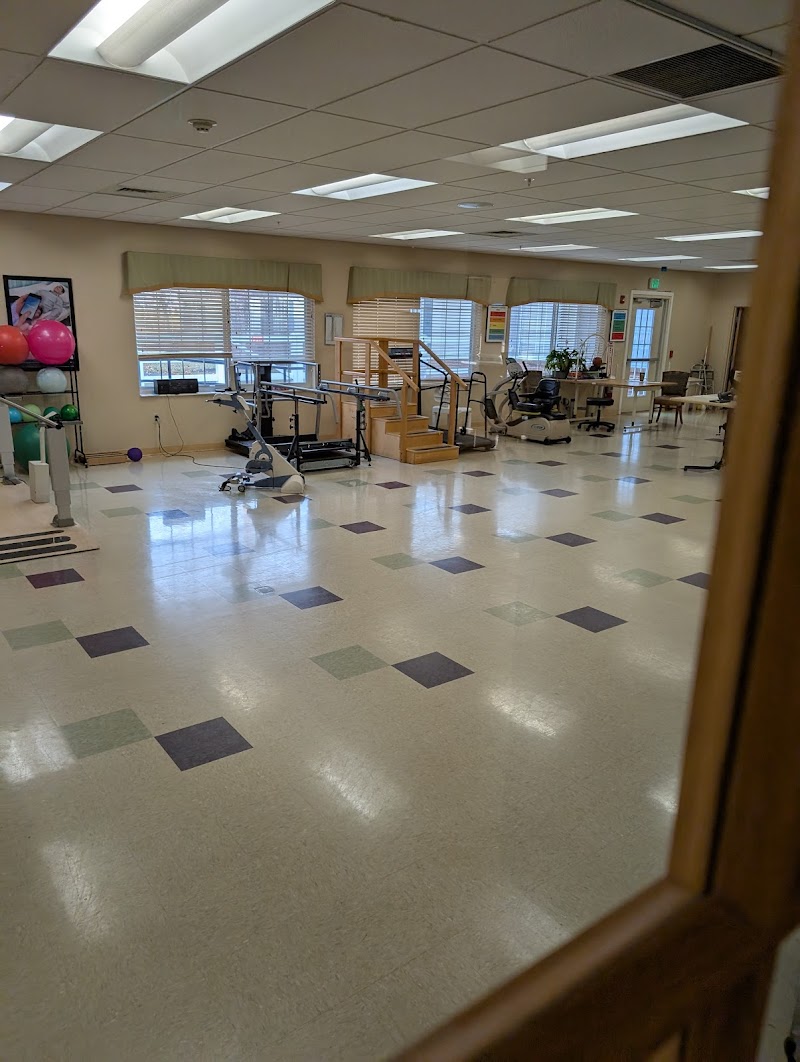
How is Atlas Rehabilitation & Healthcare At Washington Staffed?

CMS rates ATLAS REHABILITATION & HEALTHCARE AT WASHINGTON's staffing level at 2 out of 5 stars, which is below average compared to other nursing homes. Staff turnover is 50%, compared to the New Jersey average of 46%.

What Have Inspectors Found at Atlas Rehabilitation & Healthcare At Washington?

State health inspectors documented 31 deficiencies at ATLAS REHABILITATION & HEALTHCARE AT WASHINGTON during 2022 to 2024. These included: 2 Immediate Jeopardy (the most serious level, indicating potential for serious harm or death) and 29 with potential for harm. Immediate Jeopardy findings are rare and represent the most serious regulatory concerns. They require immediate corrective action.
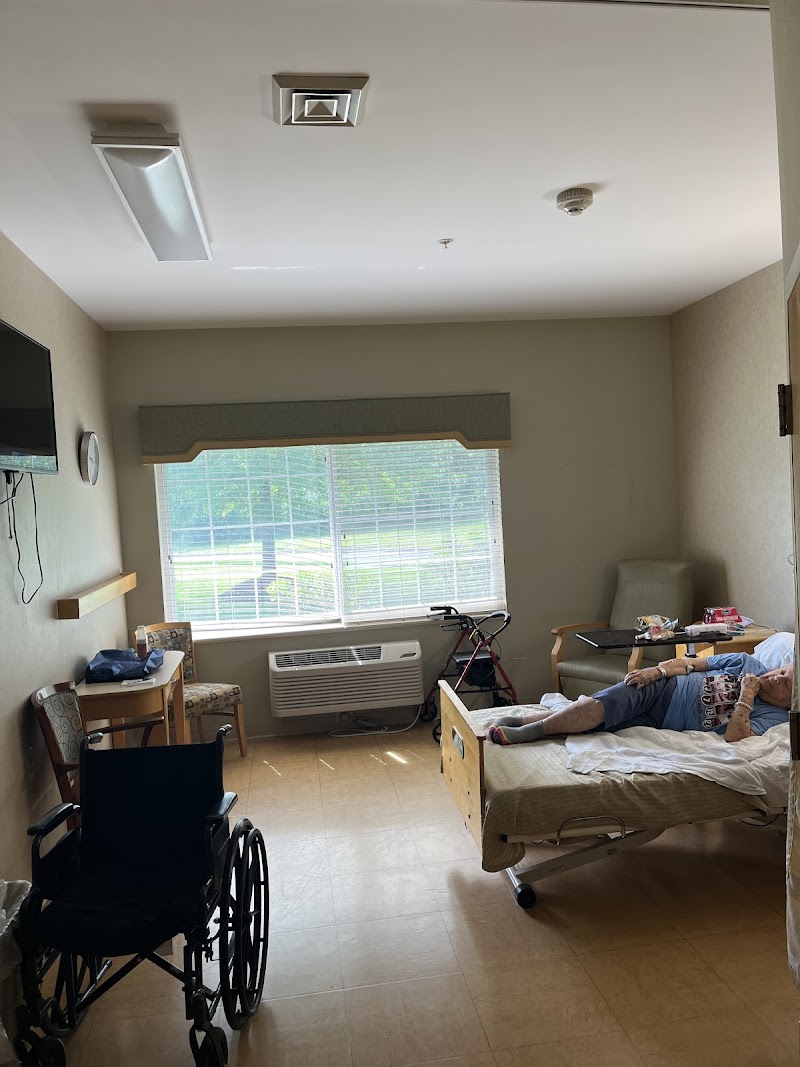
Who Owns and Operates Atlas Rehabilitation & Healthcare At Washington?

ATLAS REHABILITATION & HEALTHCARE AT WASHINGTON is owned by a for-profit company. For-profit facilities operate as businesses with obligations to shareholders or private owners. The facility is operated by ATLAS HEALTHCARE, a chain that manages multiple nursing homes. With 120 certified beds and approximately 111 residents (about 92% occupancy), it is a mid-sized facility located in SEWELL, New Jersey.
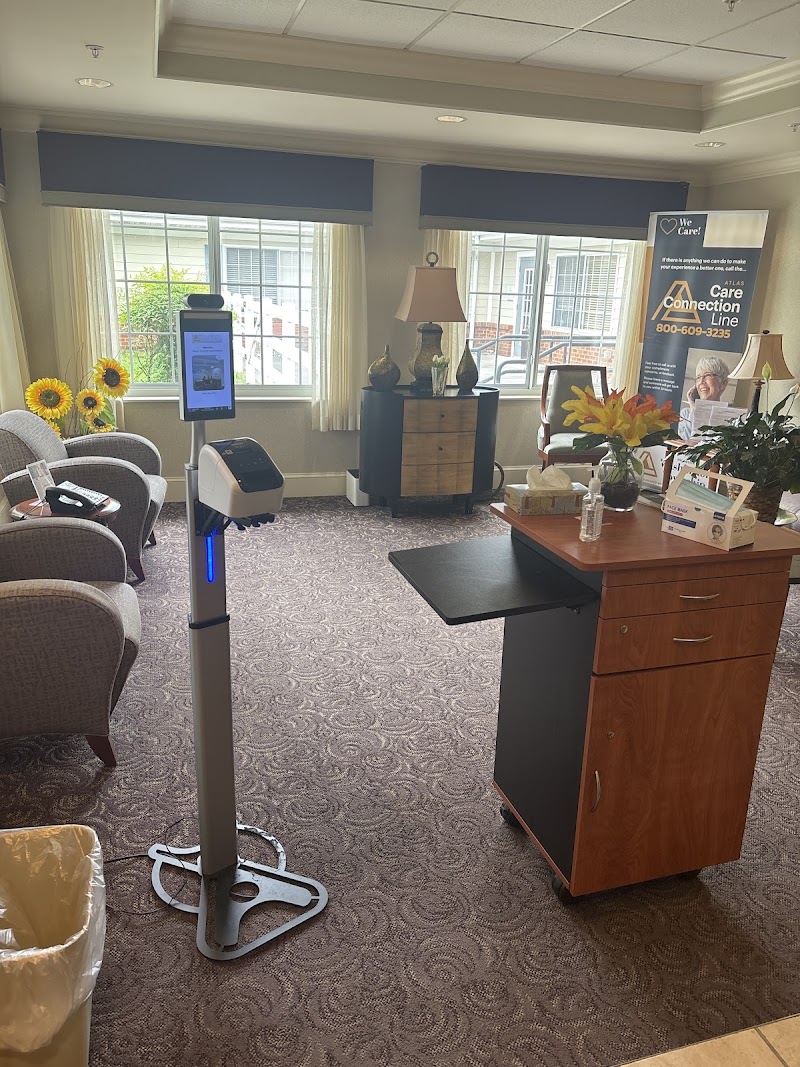
How Does Atlas Rehabilitation & Healthcare At Washington Compare to Other New Jersey Nursing Homes?

Compared to the 100 nursing homes in New Jersey, ATLAS REHABILITATION & HEALTHCARE AT WASHINGTON's overall rating (3 stars) is below the state average of 3.3, staff turnover (50%) is near the state average of 46%, and health inspection rating (2 stars) is below the national benchmark.

What Should Families Ask When Visiting Atlas Rehabilitation & Healthcare At Washington?

Based on this facility's data, families visiting should ask: "What changes have been made since the serious inspection findings, and how are you preventing similar issues?" "Can you walk me through typical staffing levels on day, evening, and night shifts?" "Can I visit during a mealtime to observe dining assistance and food quality?" "How do you handle medical emergencies, and what is your hospital transfer rate?" These questions are particularly relevant given the facility's Immediate Jeopardy citations and the below-average staffing rating.

Is Atlas Rehabilitation & Healthcare At Washington Safe?

Based on CMS inspection data, ATLAS REHABILITATION & HEALTHCARE AT WASHINGTON has documented safety concerns. Inspectors have issued 2 Immediate Jeopardy citations (the most serious violation level indicating risk of serious injury or death). The facility has a 3-star overall rating and ranks #100 of 100 nursing homes in New Jersey. Families considering this facility should ask detailed questions about what corrective actions have been taken since these incidents.

Do Nurses at Atlas Rehabilitation & Healthcare At Washington Stick Around?

ATLAS REHABILITATION & HEALTHCARE AT WASHINGTON has a staff turnover rate of 50%, which is about average for New Jersey nursing homes (state average: 46%). Moderate turnover is common in nursing homes, but families should still ask about staff tenure and how the facility maintains care continuity when employees leave.

Was Atlas Rehabilitation & Healthcare At Washington Ever Fined?

ATLAS REHABILITATION & HEALTHCARE AT WASHINGTON has been fined $96,477 across 3 penalty actions. This is above the New Jersey average of $34,044. Fines in this range indicate compliance issues significant enough for CMS to impose meaningful financial consequences. Common causes include delayed correction of deficiencies, repeat violations, or care failures affecting resident safety. Families should ask facility leadership what changes have been made since these penalties.

Is Atlas Rehabilitation & Healthcare At Washington on Any Federal Watch List?

ATLAS REHABILITATION & HEALTHCARE AT WASHINGTON is not on any federal watch list. The most significant is the Special Focus Facility (SFF) program, which identifies the bottom 1% of nursing homes nationally based on persistent, serious quality problems. Not being on this list means the facility has avoided the pattern of deficiencies that triggers enhanced federal oversight. This is a positive indicator, though families should still review the facility's inspection history directly.