REGENCY HERITAGE NURSING AND REHABILITATION CENTER
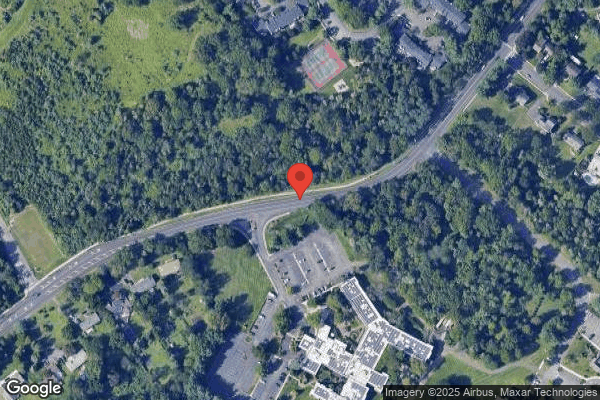
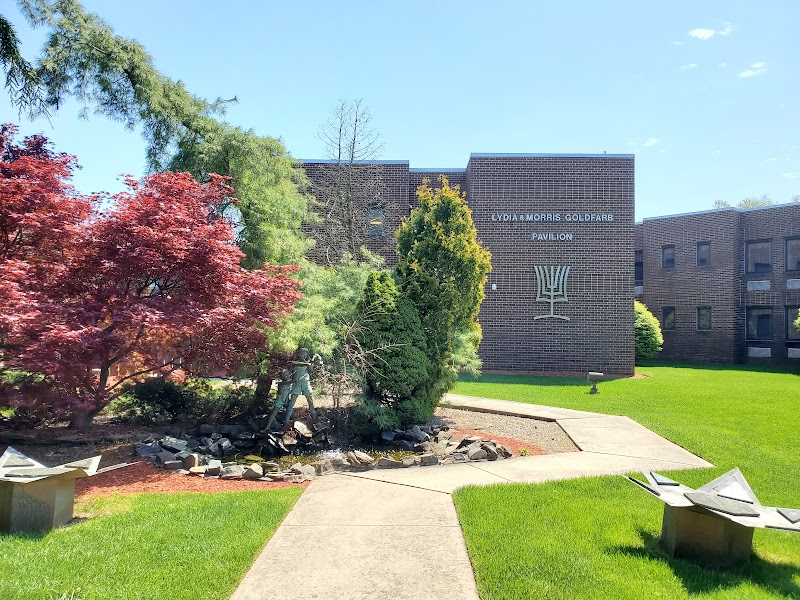
380 DEMOTT LANE, SOMERSET, NJ 08873 (732) 873-2000
For profit - Individual 265 Beds Independent Data: November 2025
Trust Grade
90/100
#67 of 344 in NJ
Last Inspection: June 2025

Inspected within the last 6 months. Data reflects current conditions.

Overview

Regency Heritage Nursing and Rehabilitation Center in Somerset, New Jersey, has received a Trust Grade of A, indicating it is an excellent choice for families seeking care for their loved ones. With a state rank of #67 out of 344, they are in the top half of nursing facilities in New Jersey, and they rank #3 out of 15 in Somerset County, suggesting limited local competition. However, the facility's trend is worsening, with issues increasing from 2 in 2024 to 7 in 2025, which raises some concerns about their quality of care. Staffing is rated at 4 out of 5 stars, with a turnover rate of 47%, which is average for the state, but they have more RN coverage than 96% of New Jersey facilities, which is a strong point as RNs can identify issues that CNAs might miss. Fortunately, the facility has no fines on record, which is a positive sign, but they have faced issues such as improper food handling and failure to complete necessary assessments for residents, indicating areas that need improvement. Overall, while there are strengths in staffing and RN coverage, families should be mindful of the increasing number of concerns noted in recent inspections.

Trust Score
A
90/100
In New Jersey
#67/344
Top 19%
Safety Record
Low Risk
No red flags
Inspections
Getting Worse
2 → 7 violations
Staff Stability
⚠ Watch
47% turnover. Above average. Higher turnover means staff may not know residents' routines.
Penalties
✓ Good
No fines on record. Clean compliance history, better than most New Jersey facilities.
Skilled Nurses
✓ Good
Each resident gets 64 minutes of Registered Nurse (RN) attention daily — more than 97% of New Jersey nursing homes. RNs are the most trained staff who catch health problems before they become serious.
Violations
⚠ Watch
11 deficiencies on record. Higher than average. Multiple issues found across inspections.
★★★★★
5.0
Overall Rating
★★★★☆
4.0
Staff Levels
★★★★★
5.0
Care Quality
★★★★☆
4.0
Inspection Score
Stable
2024: 2 issues
2025: 7 issues

The Good

  • 4-Star Staffing Rating · Above-average nurse staffing levels
  • 5-Star Quality Measures · Strong clinical quality outcomes
  • Full Sprinkler Coverage · Fire safety systems throughout facility
  • No fines on record

Facility shows strength in staffing levels, quality measures, fire safety.

The Bad

Staff Turnover: 47%

Near New Jersey avg (46%)

Higher turnover may affect care consistency

The Ugly 11 deficiencies on record

Jun 2025 6 deficiencies
CONCERN (D)

Potential for Harm - no one hurt, but risky conditions existed

Deficiency F0637 (Tag F0637)

Could have caused harm · This affected 1 resident

Based on observations, interviews, review of medical records and other facility documentation, it was determined that the facility failed to complete a Significant Change in Status Assessment (SCSA) u...

Read full inspector narrative →
Based on observations, interviews, review of medical records and other facility documentation, it was determined that the facility failed to complete a Significant Change in Status Assessment (SCSA) using the Resident Assessment Instrument (RAI) process on a resident who was discharged from hospice benefits. This deficient practice was identified for 1 of 3 residents reviewed for hospice (Resident #122). This deficient practice was evidenced by the following: On 6/19/25 at 9:22 AM, the surveyor observed Resident #122 lying in bed. The resident stated they were doing well today. On 6/19/25 at 11:14 AM, the surveyor reviewed the electronic medical record (EMR) which revealed orders for DNR (Do Not Resuscitate), DNI (Do Not Intubate), DNH (Do Not Hospitalize) dated 3/24/25. A physician order dated 1/25/25 was noted for [name redacted] hospice. On 6/19/25 at 11:14 AM, the surveyor reviewed the resident's Minimum Data Set (MDS) 3.0 Assessment History, an assessment tool, which revealed that a SCSA was not completed for the resident within 14 calendar days from the resident's hospice admission as required. The EMR revealed an annual (comprehensive) MDS was completed on 10/21/24 and quarterly MDS assessments were completed on 1/15/25 and 4/15/25. The quarterly assessment of 4/15/25, indicated a Brief Interview for Mental Status (BIMS) score of 3, indicating severe cognitive impairment and diagnoses including hypertension (high blood pressure) and Alzheimer's disease (a progressive disease that impairs memory and other functions). On 6/24/25 at 10:55 AM, the surveyor interviewed the MDS Coordinator who stated that when a resident signed on to hospice, she received an email from the Assistant Director of Nursing (ADON). She stated that she then updated her (hospice) list, does the care plan and does the SCSA within fourteen days. After checking the EMR for Resident #122, she then stated that this SCSA should have been done by 2/7/25. She further stated, Maybe I overlooked that one, I will tell it to the ADON. On 6/25/25 at 1:55 PM, the Licensed Nursing Home Administrator (LNHA), Director of Nursing (DON), ADON, and the [NAME] President of Business Development (VPBD) were notified of the above concern. On 6/26/25 at 10:39 AM, the DON stated Resident #122 did not need a SCSA due to returning from the hospital on 1/25/25 on hospice. She provided the surveyor with the RAI User's Manual October 2024, page 2-25, which included If a resident is admitted on the hospice benefit (i.e., the resident is coming into the facility having already elected hospice), or elects hospice on or prior to the ARD (Assessment Reference Date) of the admission assessment, the facility should complete the admission assessment, checking the Hospice Care item, O0110K1. Completing an admission assessment followed by an SCSA is not required. The surveyor indicated that this resident did not have an admission assessment, or a comprehensive assessment that indicated hospice care was in place. Further review of the RAI User's Manual page 2-25 also included, An SCSA is required to be performed when a terminally ill resident enrolls in a hospice program or changes hospice providers and remains a resident at the nursing home. The ARD must be within 14 days from the effective date of the hospice election. An SCSA must be performed regardless of whether an assessment was recently conducted on the resident. Review of facility provided policy Completion of the MDS, updated 1/2025 included: Policy: The MDS is a standardized data-collection tool that assists the Interdisciplinary Team to perform an accurate assessment by capturing information regarding the resident's functional status. The RAI User's Manual provided an item-by-item guide to the MDS, outlines the process of fathering this information and instructs the members of the Interdisciplinary Team on proper coding procedures for each MDS item. NJAC 8:39-11.2(i)
CONCERN (D)

Potential for Harm - no one hurt, but risky conditions existed

Assessment Accuracy (Tag F0641)

Could have caused harm · This affected 1 resident

Based on observation, interviews, review of medical records, other facility documentation, and review of the Resident Assessment Instrument (RAI) User's Manual, it was determined that the facility fai...

Read full inspector narrative →
Based on observation, interviews, review of medical records, other facility documentation, and review of the Resident Assessment Instrument (RAI) User's Manual, it was determined that the facility failed to accurately complete the Minimum Data Set (MDS), an assessment tool, for 1 of 35 residents reviewed (Resident #122). This deficient practice was evidenced by the following: On 6/19/25 at 9:22 AM, the surveyor observed Resident #122 lying in bed. The resident stated they were doing well today. On 6/19/25 at 11:14 AM, the surveyor reviewed the electronic medical record (EMR) which revealed a physician order dated 1/25/25 for [name redacted] hospice. On 6/19/25 at 11:14 AM, the surveyor reviewed the resident's MDS 3.0 Assessment History, an assessment tool, which revealed that a quarterly assessment on 1/15/25, indicated a Brief Interview for Mental Status (BIMS) score of 3, indicating severe cognitive impairment and diagnoses including hypertension (high blood pressure), Alzheimer's disease (a progressive disease that impairs memory and other functions), and currently receiving hospice care. On 6/26/25 at 1:09 PM, the surveyor interviewed the MDS Coordinator who checked the EMR and stated that Resident #122 was admitted to hospice on 1/25/25. When asked why hospice care was checked on the 1/15/25 MDS, she stated, Hospice should not have been checked. Sorry about that. On 6/26/25 at 1:16 PM, the surveyor interviewed the Director of Nursing regarding whether hospice should have been checked on the 1/15/25 quarterly MDS. She stated, Hospice should not be checked. We can modify that. Review of the facility provided policy Completion of the MDS, updated 1/2025 included: Policy: The MDS is a standardized data-collection tool that assists the Interdisciplinary Team to perform an accurate assessment by capturing information regarding the resident's functional status. The RAI User's Manual provided an item-by-item guide to the MDS, outlines the process of fathering this information and instructs the members of the Interdisciplinary Team on proper coding procedures for each MDS item. N.J.A.C 8:39-11.1
CONCERN (D)

Potential for Harm - no one hurt, but risky conditions existed

Pharmacy Services (Tag F0755)

Could have caused harm · This affected 1 resident

Based on observation, interviews, record review, and review of pertinent facility documents, it was determined that the facility failed to provide pharmaceutical services in accordance with profession...

Read full inspector narrative →
Based on observation, interviews, record review, and review of pertinent facility documents, it was determined that the facility failed to provide pharmaceutical services in accordance with professional standards by not ensuring a.) accurate documentation for the inventory of a controlled medication (Marinol) for one (1) of five (5) medication carts, b.) refrigerated medications for discharged residents were removed from active inventory from one (1) of two (2) medication storage room refrigerators and, c.) accountability of the shift-to-shift inventory documentation for the count of controlled medications for one (1) of five (5) medication carts inspected. Reference: New Jersey Statutes Annotated, Title 45. Chapter 11. Nursing Board. The Nurse Practice Act for the State of New Jersey states: The practice of nursing as a registered professional nurse is defined as diagnosing and treating human responses to actual and potential physical and emotional health problems, through such services as case finding, health teaching, health counseling, and provision of care supportive to or restorative of life and wellbeing, and executing medical regimens as prescribed by a licensed or otherwise legally authorized physician or dentist. Reference: New Jersey Statutes Annotated, Title 45, Chapter 11. Nursing Board. The Nurse Practice Act for the State of New Jersey states: The practice of nursing as a licensed practical nurse is defined as performing tasks and responsibilities within the framework of case finding; reinforcing the patient and family teaching program through health teaching, health counseling and provision of supportive and restorative care, under the direction of a registered nurse or licensed or otherwise legally authorized physician or dentist. The deficient practices were evidenced by the following: 1. On 6/25/24 at 9:41 AM, the surveyor with the Assistant Director of Nursing (ADON) inspected the G1 unit medication storage room. Upon inspection of the medication refrigerator, the surveyor, with the ADON, observed 22 capsules of Dronabinol (Marinol) [medication used as an appetite stimulant] 2.5 milligrams (MG) labeled for unsampled Resident #1. The ADON stated that Resident #1 was discharged from the facility. The ADON added that it was the responsibility of the nurses to remove all medications from the medication cart and refrigerator when residents were discharged . At that time, the ADON reviewed the A side medication cart for the corresponding Controlled Substance Administration Record (CSAR) for the Marinol but was unable to find it. The ADON added she thought the discharged unsampled Resident #1 was on that side but would have to check. On 6/25/25 at 11:05 AM, the surveyor was provided a copy of the CSAR for the Marinol labeled for unsampled Resident #1 by the Licensed Nursing Home Administrator (LNHA), who stated that the CSAR was in the back of the binder on the A side medication cart and was missed during the first check. A review of the CSAR revealed 60 capsules of Marinol were received on 3/22/25 and there were 23 capsules remaining. At that time, the surveyor asked the LNHA to review with the ADON, the CSAR which indicated 23 capsules of Marinol were remaining and the actual inventory of 22 capsules remaining was counted by the surveyor and the ADON. The LNHA stated that he would have to check. A review of the June 2025 Narcotics & Barbiturates Inventory & Certification Record (NBICR) for the A side medication cart revealed there were signatures for the 7 AM nurse incoming and the nurse outgoing on the 7AM shift for 6/25/25. According to the NBICR, The undersigned have jointly counted and certify to correct count of narcotics and barbiturates for this nursing unit. On 6/25/25 at 2:05 PM, the survey team met with the LNHA, Director of Nursing (DON), ADON and VP of Business Development. The ADON stated she was actively investigating the discrepancy of the Marinol capsules. The ADON acknowledged that the Marinol CSAR was in the binder of the A side medication cart and the count should have been checked and both the Marinol and CSAR should have been removed when the resident was discharged . On 6/26/25 at 9:38 AM, the survey team met with the LNHA, DON and ADON. The LNHA explained that according to the investigation performed by the ADON, unsampled Resident #1 was in the facility on 4/11/25 and a nurse removed a capsule but was unable to administer the medication and line 25 on the CSAR was documented as wasted and there was a documented progress note. Then, on 4/18/25 a nurse removed two (2) capsules of Marinol and signed over line 25 and line 24 which left line 23 open, indicating 23 capsules were remaining when the CSAR should have indicated 22 capsules were remaining. LNHA added that the nurse on 4/18/25 mistakenly removed (2) capsules and had to waste them. The LNHA added that the count for the Marinol was correct for 22 capsules. The LNHA, DON and ADON acknowledged that the CSAR read as 23 capsules remaining and should have been corrected and brought to the attention of nursing. A review of the CENSUS report provided by the LNHA revealed unsampled Resident #1 was discharged from the facility on 4/11/25. On 6/26/25 at 11:19 AM, the surveyor interviewed the Consultant Pharmacist (CP #1) via telephone who stated that she was not the actual CP for the facility, and that CP #2 completed on site visits to the facility but that she was a supervisor and could answer general questions because CP #2 was not available. CP #1 stated that unit inspections were performed every month. CP #1 added that they looked for expiration dating and may not be aware of residents that have been discharged and would think the nurses would remove discharged residents' medications from the medication cart and refrigerator. In addition, CP #1 stated that a spot check was done for controlled drugs and if there was a discrepancy then the CP #2 would bring the discrepancy to the attention of nursing. A review of the facility policy updated 1/2025 for Medication Storage provided by the LNHA, reflected The nursing staff shall be responsible for maintaining medication storage AND preparation areas in a clean, safe, sanitary manner. In addition, The facility shall not use discontinued, outdated, or deteriorated drugs or biologicals. All such drugs shall be returned to the dispensing pharmacy or destroyed. A review of the facility policy updated 1/2025 for Managing Controlled Substances provided by the LNHA reflected, to provide proper ordering, storage, disposal and security of controlled drugs and included, On going inventory of controlled medications . 2. Counting Procedure conducted by 2 Nurses will confirm that the Declining Inventory matches the quantity of drugs in the container. 3. The signature of both nurses confirms that the count is complete and accurate. 4. Nursing Supervisor/Charge Nurse/ADON will be notified if there is a discrepancy in the count and an investigation will be initiated immediately. 2. On 6/25/25 at 9:41 AM, the surveyor, with the ADON, inspected the G1 unit medication storage room. Upon inspection of the refrigerated medications, the surveyor, with the ADON, observed an insulin (medication used to lower blood sugars) Lispro KwikPen (a disposable single-patient-use prefilled insulin pen) and two (2) Basaglar KwikPens labeled for unsampled Resident #2. The ADON stated that unsampled Resident #2 was discharged from the facility. The ADON also added that it was the responsibility of the nurses to remove all medications from the medication cart and refrigerator when residents were discharged . On 6/26/25 at 11:19 AM, the surveyor interviewed CP #1 via telephone who stated that she was not the actual CP for the facility, and that CP #2 completed on site visits to the facility but that she was a supervisor and could answer general questions because CP #2 was not available. CP #1 stated that unit inspections were performed every month. CP #1 added that they looked for expiration dating and may not be aware of residents that have been discharged and would think the nurses would remove discharged residents' medications from the medication cart and refrigerator. A review of the CENSUS report provided by the LNHA revealed unsampled Resident #2 was discharged from the facility on 6/16/25. A review of the facility policy updated 1/2025 for Medication Storage provided by the LNHA reflected, The nursing staff shall be responsible for maintaining medication storage AND preparation areas in a clean, safe, sanitary manner. In addition, The facility shall not use discontinued, outdated, or deteriorated drugs or biologicals. All such drugs shall be returned to the dispensing pharmacy or destroyed. 3. On 6/25/25 at 9:58 AM, the surveyor, with the Registered Nurse (RN #1), inspected the C side medication cart on the G1 unit. The surveyor asked RN #1 for the shift-to-shift nursing signature sheet for the counting of the controlled drugs stored in the medication cart. RN #1 removed the NBICR from a plastic holder and signed for the 7 AM Nurse Incoming dated 6/25/25. RN #1 stated that she had counted with the 11-7 nurse and thought she signed the sheet in the morning, but the nurse outgoing forgot to sign the sheet. RN #1 could not speak to any missing signatures on the NBICR. RN #1 acknowledged that the NBICR was to be signed by both nurses after verifying the count of all controlled drugs for that medication cart at the change of shift. The controlled drug count for the C medication cart was accurate. A review of the June 2025 NBICR for the C side medication cart revealed the following nurse signatures were missing: -6/22/25 3 PM Nurse Incoming -6/22/25 11 PM Nurse Outgoing -6/23/25 3PM Nurse Incoming -6/23/25 11 PM Nurse Outgoing -6/24/25 7 AM Nurse Incoming -6/24/24 11 PM Nurse Incoming and Nurse Outgoing -6/25/25 7AM Nurse Outgoing On 6/25/25 at 10:04 AM, the surveyor, with the ADON, reviewed the NBICR from the C side medication cart. The ADON stated before starting a shift the outgoing nurse was to verify with the incoming nurse, an accurate count of all controlled drugs in that medication cart. The ADON added that there should not be any missing signatures. On 6/26/25 at 11:19 AM, the surveyor interviewed the CP #1 via telephone who stated that she was not the actual CP for the facility and that CP #2 went on site to the facility but that she was a supervisor and could answer general questions because the CP #2 was not available. CP #1 stated that unit inspections were performed every month and if there were missing signatures on the shift to shift forms the unit inspection form would indicate that. A review of the Unit Inspection Report completed by the CP #2 on 6/9/25, indicated that the change of shift log was complete. A review of the facility policy updated 1/2025 for Managing Controlled Substances provided by the LNHA, reflected to provide proper ordering, storage, disposal and security of controlled drugs and included On going inventory of controlled medications. 1. Count must be performed by an incoming Nurse and outgoing Nurse. NJAC 8:39-29.4 (g)(k), 29.7(c)
CONCERN (D)

Potential for Harm - no one hurt, but risky conditions existed

Deficiency F0868 (Tag F0868)

Could have caused harm · This affected 1 resident

Refer to F 881 Based on interview and review of pertinent facility documentation, the facility failed to a.) ensure the required committee members, the Infection Preventionist (IP), was present for on...

Read full inspector narrative →
Refer to F 881 Based on interview and review of pertinent facility documentation, the facility failed to a.) ensure the required committee members, the Infection Preventionist (IP), was present for one of four Quality Assurance and Performance Improvement (QAPI) meetings and b.) ensure antibiotic stewardship was presented for two of the four QAPI meetings. This deficient practice was evidenced by the following: On 6/18/25 at 10:57 AM, during entrance conference the surveyor requested the QAPI sign in sheets from April of 2024 to present. On 6/26/25 at 8:59 AM, the surveyor reviewed the In-Service sign in sheet;Topic: QAPI dated 8/27/24, which revealed the IP did not sign the sheet. On 6/26/25 at 11:27 AM, during the QAPI interview review, the Director of Nursing (DON) reviewed the In-Service sign in sheet; Topic: QAPI dated 8/27/24 and confirmed the IP did not sign the sign in sheet. She stated the purpose of the sign in sheet was to verify that everyone attended the meeting. The DON reviewed the QAPI book for the 8/27/24 meeting minutes and verified the IP was not on the sign in sheet. Further review of the minutes by the DON, did not reflect antibiotic stewardship was reviewed at the meeting. She also verified, at that same time, the QAPI minutes dated 4/29/25 revealed antibiotic stewardship was not presented at that meeting. A review of the facility's policy Quality Assurance Performance Improvement Program updated 4/2025 revealed, 2 .Review reports such as CMS Quality Indicator Profile, Infection Control Report .The Infection Preventionist will give report on the status of the facilities IPCP program. NJAC 8:39-33.1(a)(b)
CONCERN (D)

Potential for Harm - no one hurt, but risky conditions existed

Infection Control (Tag F0880)

Could have caused harm · This affected 1 resident

Based on observation, interviews, record review, and review of pertinent facility documentation, it was determined that facility staff members failed to ensure infection control practices were impleme...

Read full inspector narrative →
Based on observation, interviews, record review, and review of pertinent facility documentation, it was determined that facility staff members failed to ensure infection control practices were implemented by not appropriately donning (put on) and doffing (remove) Personal Protective Equipment (PPE) and perform appropriate hand hygiene to prevent the spread of infection, in accordance with accepted national standards, Centers for Disease Control and Prevention (CDC) guidelines, before and after exiting one of one resident's room, (Resident #228), who was on Transmission Based Precautions (TBP) due to a Clostridium Difficile Infection (CDI) [infectious diarrhea that can be transmitted through direct contact], on one (1) of four (4) units. The deficient practice was evidenced by the following: According to the U.S. CDC guidelines for Transmission-Based Precautions dated 4/3/2024, indicated to Use personal protective equipment (PPE) appropriately, including gloves and gown. Wear a gown and gloves for all interactions that may involve contact with the patient or the patient's environment. Donning PPE upon room entry and properly discarding before exiting the patient room is done to contain pathogens. According to the U.S. CDC 2007 Guideline for Isolation Precautions: Preventing Transmission of Infectious Agents in Healthcare Settings updated September 2024, indicated Healthcare personnel caring for patients on Contact Precautions wear a gown and gloves for all interactions that may involve contact with the patient or potentially contaminated areas in the patient's environment. Donning PPE upon room entry and discarding before exiting the patient room is done to contain pathogens, especially those that have been implicated in transmission through environmental contamination (e.g., VRE, C. difficile, noroviruses and other intestinal tract pathogens; RSV). In addition, Wash hands with non-antimicrobial soap and water or with antimicrobial soap and water if contact with spores (e.g., C. difficile or Bacillus anthracis) is likely to have occurred. The physical action of washing and rinsing hands under such circumstances is recommended because alcohols, chlorhexidine, iodophors, and other antiseptic agents have poor activity against spores. On 6/18/25 at 10:21 AM, the surveyor interviewed the Registered Nurse (RN #1) who stated that Resident #228 was on TBP for C. Diff (CDI). On 6/18/25 at 10:34 AM, the surveyor interviewed the Assistant Director of Nursing (ADON) who verified that Resident #228 was on TBP. The ADON stated Resident #228 was a recent admission to the facility from the hospital and was on TBP because the resident had CDI from the hospital and was on Vancomycin (an antibiotic used to treat infections caused by bacteria) orally to treat C.Diff. On 6/18/25 at 11:19 AM, the surveyor observed a closed door to the room of Resident #228 with signage on the hallway wall near the closed door which indicated STOP CONTACT PRECAUTIONS STOP EVERYONE MUST: Clean their hands, including before entering and when leaving the room. PROVIDERS AND STAFF MUST ALSO: Put on gloves before room entry. Discard gloves before room exit. Put on gown before room entry. Discard gown before room exit. The surveyor also observed a plastic bin with drawers containing PPE (gowns and gloves) and a bottle of alcohol-based hand rub (ABHR) on top. The surveyor reviewed the medical record for Resident #228. A review of the Face Sheet (an admission record) reflected diagnoses which included, but were not limited to, enterocolitis (inflammation in the small intestine and colon's inner lining) due to Clostridium difficile (CDI), not specified as recurrent. A review of the resident's interdisciplinary comprehensive Care Plans report (CP) dated as report period 6/9/2025 revealed an activity type Infection Control Precautions which included GI (gastrointestinal), requires use of TBP related to C.Diff (Contact). A review of the Physician Orders revealed a physician's order (PO), dated 6/16/25 for an antibiotic Vancocin (Vancomycin) HCL (hydrochloride) oral capsule 125 milligrams (MG) by mouth from June 16 to June 30, every 6 hours (Q 6 hours), Enterocolitis due to Clostridium difficile, not specified as recurrent. An additional PO dated 6/18/25, indicated Isolation Precautions, Contact Precautions: Diarrhea associated with C. Difficile, Stool. On 6/23/25 at 1:20 PM, the surveyor observed, in the hallway, the call light on, above the door for Resident #228's room with the door open and RN #2 in the hallway at the door of the resident's room talking to the resident. At that time, the surveyor interviewed RN #2 who stated that the resident was on Contact Precautions and that was why she was talking to the resident from the doorway because if she had to enter then she would have had to wear a gown and gloves. On 6/23/25 at 1:27 PM, the surveyor observed from the hallway, the Unit Secretary (US #1) enter Resident #228's room. US #1 moved a chair and touched the resident's side rail attached to the bed and turned the call light off, talked to the resident and then walked out of the room. US #1 then used the ABHR that was on top of the bin in the hallway outside the door. The surveyor did not observe US #1 donn gown and gloves before entering Resident #228's room or wash their hands with soap and water before exiting the room. . At that time, the surveyor interviewed US #1 who stated that the resident's call light was on, and she helped the nursing staff by answering call bell lights. US #1 added that the resident wanted the sheet pulled out. US #1 acknowledged that she walked into Resident #228's room without PPE and stated that she was just answering the call bell light and was not providing care. On 6/23/25 at 1:28 PM, the surveyor observed the Certified Nursing Assistant (CNA #1) enter Resident #228's room carrying a meal tray, placed the tray on the resident's overbed table and moved the overbed table and then walked out of the resident's room and put on gloves at the bin with PPE by the door. CNA #1 then walked back into Resident #228's room and moved the overbed table closer to the resident, set up the tray and helped position Resident #228 to sit upright. On 6/23/25 at 1:30 PM, the surveyor also observed from the hallway, after CNA #1 helped position Resident #228, CNA #1 walked to the door, moved a chair over that was by the door, closed the door part of the way, then reopened the door. The surveyor had not heard any sound of water running. Upon opening the door, the surveyor observed CNA #1 no longer had gloves on. CNA #1 then walked out of the room and proceeded to take another resident's meal tray from the meal truck. The surveyor had not observed CNA #1 donn gown and gloves when entering Resident #228's room and perform hand hygiene with soap and water before exiting the room. At that time, the surveyor interviewed CNA #1 who stated that she had worked at the facility since August 2024 and was aware Resident #228 was on contact precautions. CNA #1 also stated she did not have to wear a gown to deliver a meal tray because she was not providing care. CNA #1 added that the resident had a wound and if she was providing care like changing or showering would wear the gown for safety. CNA #1 also stated that she only needed gloves for bringing a meal tray and that she was supposed to wash her hands every time she went in and out of the room. CNA #1 added that she washed her hands when she closed the door and took off her gloves. CNA #1 could not speak to the timing of washing her hands. On 6/23/25 at 1:33 PM, the surveyor interviewed RN #3 who stated that Resident #228 was on contact precautions for CDI and that contact precautions meant you must wear a gown and gloves every time you enter the room. RN #3 added even for a meal tray. On 6/23/25 at 1:41 PM, the surveyor, in the presence of another surveyor, interviewed the Infection Preventionist (IP/RN) who stated she had two residents in the facility on TBP and Resident #228 was on contact precautions and was currently being treated for CDI. The IP/RN added that she followed CDC guidelines and for Contact Precautions expected the staff to wear a gown and gloves before entering the resident's room and removed before exiting the room and wash their hands with soap and water before exiting the room. The IP/RN added when staff went into the resident's room for any reason, they must wear gown and gloves and wash their hands. The IP/RN also stated that she had done inservicing on Contact Precautions and would provide a copy of the content that was reviewed. The surveyor reviewed two Inservice Sign-In Sheets for Infection Precaution Signage dated 6/10/25 and Isolation Signage dated 6/11/25, which indicated the presenter was the IP/RN. Each program was 10 minutes in length, and the brief description included, Airborne, Contact, Enhanced Barrier (EBPs), Droplet. In addition, handouts were attached for Infection Precaution Signage which included C Diff for a reason for Contact Precautions and the signage for contact precautions which was the same CDC Contact Precautions signage that was observed on the hallway wall at Resident #228's room with an additional handwritten Use soap + water for C. Diff under the Clean their hands, including before entering and when leaving the room. US #1 had signed the inservice dated 6/11/25. CNA #1 had not signed as attending either inservice. On 6/23/25 at 2:00 PM, the surveyor interviewed the Director of Nursing (DON) and ADON who acknowledged Resident #228 was on contact precautions for CDI and expected staff to wear a gown and gloves for any entry into the resident's room. The ADON added that upon exiting the room hand hygiene was to be performed, either ABHR or hand washing. The surveyor reviewed the above observations with the DON and ADON. On 6/26/25 at 9:38 AM, the survey team met with the Licensed Nursing Home Administrator (LNHA), DON and ADON. The LNHA stated that he had spoken with CNA #1 and she stated she had washed her hands after she closed the door. LNHA could not speak to the timing of washing hands. LNHA acknowledged that CNA #1 was supposed to wear a gown and gloves upon entry to the resident's room on Contact Precautions. The ADON stated that she had done inservicing with staff On Contact Precautions for CDI on 6/23/25 after surveyor observations. NJAC 8:39-19.4 (a) (1,2)
CONCERN (D)

Potential for Harm - no one hurt, but risky conditions existed

Antibiotic Stewardship (Tag F0881)

Could have caused harm · This affected 1 resident

Based on interviews, record reviews and review of pertinent facility documents, it was determined that the facility failed to utilize an infection assessment tool prior to prescribing antibiotics and ...

Read full inspector narrative →
Based on interviews, record reviews and review of pertinent facility documents, it was determined that the facility failed to utilize an infection assessment tool prior to prescribing antibiotics and conduct an ongoing review of this process for their Antibiotic Stewardship (AS) Program. This deficient practice was identified for 2 of 3 residents reviewed for antibiotic use (Resident's #114 and #155). This deficient practice was evidenced by the following: On 6/18/25 at 9:50 AM, the surveyor interviewed the Infection Preventionist (IP) / Registered Nurse (RN) who stated that she started working at the facility in April 2025. She stated that the facility did not have a AS program in place and they were working on it. She stated she followed the Centers for Disease Control (CDC) [the national public health agency of the United States] and Association for Professionals in Infection Control (APIC) guidelines for antibiotic surveillance. The surveyor requested to review the AS program antibiotic tracking logs for the months of March, April and May 2025. A review of the facility provided Infection Control/Antibiotic Log's included, the resident's name and room number, the name of the antibiotic, the start and stop date of the antibiotic and the indication for the antibiotic. The log for May 2025 revealed that Resident #155 received Amoxicillin & Clavulanate 875 milligrams (mg)-125mg (an antibiotic) tablet by mouth twice daily from 5/05/2025 thru 5/12/2025 for a urinary tract infection. A review of the electronic medical record (EMR) confirmed that Resident #155 had a Physician's Order (PO) dated 5/06/2025, for Amoxicillin & Clavulanate 875mg-125mg (an antibiotic) give one tablet by mouth twice daily from 5/05/2025 thru 5/12/2025 for a urinary tract infection. A review of the EMR for Resident #114 revealed a PO dated 6/19/2025, for Ciprofloxacin 500mg (an antibiotic) tablet by mouth twice daily from 6/20/2025 thru 6/27/2025 for a urinary tract infection. On 6/25/25 at 10:58 AM, the surveyor interviewed the Assistant Director of Nursing (ADON) regarding the AS program. The ADON stated the facility used McGeer's Criteria (an assessment tool used to define and diagnose healthcare associated infections in long-term care facilities). She stated the nurses completed the McGeer's Situation-Background-Assessment-Recommendation (SBAR) form located in the EMR prior to the physician's order for antibiotics. She stated that the McGeer's surveillance should have been completed prior to the resident receiving antibiotics. On 6/25/25 at 01:00 PM, the surveyor reviewed the EMR alongside the ADON for Resident #114 and Resident #155's. The ADON was unable to locate the SBAR forms in the EMR and acknowledged that the McGeer's Criteria were not completed for either resident. She stated prior to the resident receiving an antibiotic the form should have been completed. On 6/26/25 at 10:25 AM, during an interview with the Director of Nursing (DON) and ADON. The DON stated the McGeer's SBAR form should have been completed on all residents who received antibiotic therapy. She acknowledged that she reviewed residents who received antibiotics and stated, some SBARs were not done. In addition, the DON stated the IP/RN was in the process of working on the AS program. She added that residents should have had a SBAR completed if they were started on antibiotics in the facility. The ADON stated that the purpose of the Antibiotic Stewardship Program was to eliminate unnecessary antibiotic use and the reduce the development of Multidrug Resistant Organisms (MDROs) [a living thing that can resist common antibiotics]. A review of the facility's policy, Antibiotic Stewardship revised 2025, revealed to treat infections and improve the use of antibiotics and included, Nursing staff will identify signs and symptoms of infection based on McGeer's Criteria for Long Term Facilities. Nurse will use the SBAR when suspected infection arises. NJAC 8:39-19.4 (e)
Apr 2025 1 deficiency
MINOR (B) 📢 Someone Reported This

A family member, employee, or ombudsman was alarmed enough to file a formal complaint

Minor Issue - procedural, no safety impact

Medical Records (Tag F0842)

Minor procedural issue · This affected multiple residents

**NOTE- TERMS IN BRACKETS HAVE BEEN EDITED TO PROTECT CONFIDENTIALITY** Complaint #s: NJ00185340, NJ00175616, NJ00183791 Based on interviews, record review, and review of pertinent facility documents ...

Read full inspector narrative →
**NOTE- TERMS IN BRACKETS HAVE BEEN EDITED TO PROTECT CONFIDENTIALITY** Complaint #s: NJ00185340, NJ00175616, NJ00183791 Based on interviews, record review, and review of pertinent facility documents on 04/24/2025 and 04/28/2025, it was determined that the facility failed to accurately and consistently document all the Activities of Daily Living (ADLs) of Residents #1,#2, and #3 in the Certified Nursing Assistant [CNA]Observation Sheet (COS)according to their facility's policy and procedure on ADL flow sheets. This deficient practice was observed in three out of five residents reviewed for ADLs documentation and was evidenced as follows: 1.According to Resident's Face Sheet (FS), Resident #1 was admitted to the facility with following diagnoses that included but not limited to cellulitis of left lower limb, moderate protein-calorie malnutrition, pain in left hip, dysphagia, muscle weakness, acute embolism and thrombosis of deep veins of lower extremity -bilateral, atrial fibrillation, sepsis, osteomyelitis of vertebra, generalized anxiety disorder, essential hypertension, Alzheimer's disease, and type 2 diabetes mellitus, depression, and anemia. Review of the Minimum Data Set (MDS), an assessment tool that provides a comprehensive assessment of a resident's functional capabilities and helps the facility identify residents' health problems, dated 01/15/2025, showed that Resident #1 Brief Interview for Mental Status (BIMS) Summary Score is 01 which indicated Resident's cognition was severely impaired. The MDS further revealed in Section GG- Functional Abilities that the Resident was dependent and required staff assistance in completing her/his ADLs. Review of Resident #1's Care Plan (CP) dated 04/16/2025 under Problem Type: ADL Function: Problem Description: Bathing, Extensive Assist, 1 Person; Dressing, Extensive Assist, 1 Person; Personal Hygiene, Extensive Assist, 1 Person, Total Care, 1 Person; Eating, Total Care, 1 Person; Approaches: .provide set up, partial, total care with bathing; set up supplies for grooming/oral care; .monitor meal consumption and record, .provide assistance with dressing and hygiene as indicated on Kardex [care record]. Review of Resident #1's COS with Month/Year 2025 of April 2025 revealed blank boxes on the following dates associated with the type of ADLs that was provided to the Resident: a. Dietary Intake [Monitor Meal Consumption]: -Breakfast: 04/19/2025, 04/20/2025, 04/21/2025, 04/22/2025, 04/23/2025, 04/24/2025, 04/25/2025, 04/26/2025, 04/27/2025, 04/28/2025, 04/29/2025, and 04/30/2025. - Lunch: 04/19/2025, 04/20/2025, 04/21/2025, 04/22/2025, 04/23/2025, 04/24/2025, 04/25/2025, 04/26/2025, 04/27/2025, 04/28/2025, 04/29/2025, and 04/30/2025. - Dinner: 04/01/2025 to 04/30/2025. b. Toileting Checks: Toileting/Incontinence Care: -11p-7a [night Shift]: 04/01/2025 to 04/30/2025. -7am-3pm [morning Shift]: 04/19/2025, 04/20/2025, 04/21/2025, 04/22/2025, 04/23/2025, 04/24/2025, 04/25/2025, 04/26/2025, 04/27/2025, 04/28/2025, 04/29/2025, and 04/30/2025. -3pm-11pm [afternoon shift]: 04/01/2025 to 04/30/2025; 04/13/2025 was initialed. c. Bladder: -11p-7a: 04/01/2025 to 04/30/2025 -7am-3pm: 04/19/2025 to 04/30/2025 -3p-11pm: 04/01/2025 to 04/30/2025. d.Bowel: -11pm-7am: 04/01/2025 to 04/30/2025 -7am-3am: 04/19/2025 to 04/30/2025 -3pm-11pm: 04/01/2025 to 04/30/2025; 04/13/2025 was initialed. e. Turning and Positioning Q [every] 2 hours: -11pm-7am: 04/01/2025 to 04/30/2025 -7am-3pm: 04/01/2025 to 04/30/2025 -3p-11pm: 04/01/2025 to 04/30/2025. 2. According to Resident's FS, Resident #2 was admitted to the facility with the following diagnoses that included but not limited to acute respiratory failure with hypoxia, hypomagnesemia, chronic respiratory failure, dysphagia, anxiety disorder, and low back pain. Review of the Resident MDS, dated [DATE], showed that Resident #2 BIMS Summary Score was 15 which indicated Resident's cognition was intact. The MDS further revealed in Section GG- Functional Abilities that the Resident was dependent and required staff assistance in completing her/his ADLs. Review of Resident #2's Care Plan (CP) dated 01/29/2025 under Problem Type: ADL Function: Problem Description: Bathing, Total Care, 1 Person; Dressing, Total Care,1 Person; Personal Hygiene, Extensive Assist, 1 Person; Eating, Supervision, with set-up; Approaches: .provide set up, partial, total care with bathing; set up supplies for grooming/oral care; .monitor meal consumption and record, .provide assistance with dressing and hygiene as indicated on Kardex [care record]. Review of Resident #1's COS with Month/Year 2025 of April 2025 revealed blank boxes on the following dates associated with the type of ADLs that was provided to the Resident: a. Dietary Intake [Monitor Meal Consumption]: -Breakfast: 04/01/2025 to 04/30/2025. - Lunch: 04/01/2025 to 04/30/2025. - Dinner: 04/01/2025 to 04/30/2025. b. Toileting Checks: Toileting/Incontinence Care: -11p-7a [night Shift]: 04/01/2025 to 04/30/2025. -7am-3pm [morning Shift]: 04/01/2025 to 04/30/2025. -3pm-11pm [afternoon shift]: 04/01/2025 to 04/30/2025. c. Bladder: -11p-7a: 04/01/2025 to 04/30/2025 -7am-3pm: 04/01/2025 to 04/30/2025 -3p-11pm: 04/01/2025 to 04/30/2025. d.Bowel: -11pm-7am: 04/01/2025 to 04/30/2025 -7am-3am: 04/01/2025 to 04/30/2025 -3pm-11pm: 04/01/2025 to 04/30/2025. e. Turning and Positioning Q [every] 2 hours: -11pm-7am: 04/01/2025 to 04/30/2025 -7am-3pm: 04/01/2025 to 04/30/2025 -3p-11pm: 04/01/2025 to 04/30/2025. 3. According to Resident's FS, Resident #3 was admitted to the facility with the following diagnoses that included but not limited to shortness of breath, headache, gastro-esophageal reflux disease without esophagitis, unspecified dementia with unspecified severity, muscle weakness, stress incontinence, anxiety disorder, and anemia. Review of the Resident MDS, dated [DATE], showed that Resident #3 BIMS Summary Score was 07 which indicated Resident's cognition was severely impaired. The MDS further revealed in Section GG- Functional Abilities that the Resident was dependent and required staff assistance in completing her/his ADLs. Review of Resident #3's Care Plan (CP) dated 03/21/2025 under Problem Type: ADL Function: Problem Description: Bathing, Extensive Assist,1 Person; Dressing, Extensive Assist,1 Person; Personal Hygiene, Limited Assist,1 Person; Eating, Supervision, with set-up; Approaches: .provide set up, partial, total care with bathing; set up supplies for grooming/oral care; .monitor meal consumption and record, .provide assistance with dressing and hygiene as indicated on Kardex [care record]. Review of Resident #1's COS with Month/Year 2025 of April 2025 revealed blank boxes on the following dates associated with the type of ADLs that was provided to the Resident: a. Dietary Intake [Monitor Meal Consumption]: -Breakfast: 04/01/2025 to 04/30/2025. - Lunch: 04/01/2025 to 04/30/2025. - Dinner: 04/01/2025 to 04/30/2025. b. Toileting Checks: Toileting/Incontinence Care: -11p-7a [night Shift]: 04/01/2025 to 04/30/2025. -7am-3pm [morning Shift]: 04/01/2025 to 04/30/2025. -3pm-11pm [afternoon shift]: 04/01/2025 to 04/30/2025. c. Bladder: -11p-7a: 04/01/2025 to 04/30/2025 -7am-3pm: 04/01/2025 to 04/30/2025 -3p-11pm: 04/01/2025 to 04/30/2025. d.Bowel: -11pm-7am: 04/01/2025 to 04/30/2025 -7am-3am: 04/01/2025 to 04/30/2025 -3pm-11pm: 04/01/2025 to 04/30/2025. e. Turning and Positioning Q [every] 2 hours: -11pm-7am: 04/01/2025 to 04/30/2025 -7am-3pm: 04/01/2025 to 04/30/2025 -3p-11pm: 04/01/2025 to 04/30/2025. On 04/24/2025 at 1:35 pm [afternoon], the Surveyor interviewed Licensed Practical Nurse (LPN) #1 assigned to Unit [name] High Side. LPN #1 stated the Certified Nursing Assistants (CNAs) document their tasks [activities of daily living] in a folder in the nurses station. The binder was labelled as CAN checklist with log sheets inside titled the CAN Observation Sheet (COS). LPN #1 further stated the CNAs initialed the sheet according to the type of assistance in each ADL provided to the residents. LPN #1 the CAN would call her if it after CNAs gave shower or baths to residents to check their skin. On 04/24/2025 at 2:13 pm, the Surveyor interviewed Certified Nursing Assistant (CNA #1), CNA#1 stated they had COS binder where they signed and initialed what ADL it was for the resident. The Surveyor requested for the COS binder and asked CNA#1 if there was another binder that would include the other ADLS. CNA#1 provided the COS binder and stated if the boxes were signed or initialed meaning it was done. CNA#1 further stated the Assistant Director of Nursing (ADON) or Director of Nursing (DON) would get the books at the end of the month for their meetings. On 04/24/2025 at 3:14 pm, the Surveyor interviewed the Licensed Nursing Home Administrator (LNHA), DON, and the ADON. The LNHA and DON stated their CNAs document their ADLs in the ADL sheet in each Unit. The ADL sheet was the COS according to the DON and ADON. The DON stated after each shift these, COS are being filled out by the CNAs. DON further said the nurse supervisor would audit and go over the sheets and would perform in-services as needed. DON further stated if COS not filled out, DON said they would be omissions. LNHA stated if not filled out the ADLs were done but not documented. On 04/28/2025 at 1:40 pm, the Surveyor requested from facility for other documents pertaining to and would reflect the other ADLs such as personal hygiene, dressing, grooming/oral care as indicated in Residents Kardex [care record]. The facility was unable to further provide any pertinent documentations. Review of the facility's policy titled, Nursing Policy and Procedure, Subject: ADL Flow Sheet and updated 1/2025, states The ADL flow sheets will have all pertinent information concerning each individual resident .The ADL flow sheets, and shower book are an internal QA tool used by nursing administration to help ensure highest practical level of care is provided by the certified nurse aides . NJAC 8:39- 27.1(a)
Apr 2024 2 deficiencies
CONCERN (D) 📢 Someone Reported This

A family member, employee, or ombudsman was alarmed enough to file a formal complaint

Potential for Harm - no one hurt, but risky conditions existed

Notification of Changes (Tag F0580)

Could have caused harm · This affected 1 resident

**NOTE- TERMS IN BRACKETS HAVE BEEN EDITED TO PROTECT CONFIDENTIALITY** Based on record review, interview and policy review, the facility failed to notify the resident's responsible party regarding a ...

Read full inspector narrative →
**NOTE- TERMS IN BRACKETS HAVE BEEN EDITED TO PROTECT CONFIDENTIALITY** Based on record review, interview and policy review, the facility failed to notify the resident's responsible party regarding a new diagnosis of pneumonia and a change in antibiotic for one (Residents (R) 434) of three resident reviewed for change in condition. Findings include: Review of R434's admission Record, located in the Profile tab of the electronic medical record (EMR) revealed admission to the facility on [DATE] with diagnosis including pneumonia. Review of R434's quarterly Minimum Data Set (MDS) assessment under the MDS tab of the EMR, with an Assessment Reference Date (ARD) of 04/02/23, revealed a Brief Interview for Mental Status (BIMS), score of three out of 15 which indicated severe cognitive impairment. Review of R434's Care Plan, located under the Care Plan tab of the EMR and dated 04/07/23, revealed The resident was care planned for presence of infection, pneumonia. Interventions in place were to note any abnormalities in the color/character of sputum, assess for local systematic signs or symptoms of infection and monitor temperature. Review of Physician Orders, dated 04/04/23 in the EMR under the Orders tab revealed, Augmentin 875 milligram (mg) oral tablet by mouth twice a day. Review of a Nurses Notes, in the EMR, under the Resident Services tab by Licensed Practical Nurse (LPN) 2 dated 04/05/23 indicated, results of chest x-ray left lower lobe infiltrate and small left pleural effusion. Review of a Nurses Notes, in the EMR, under the Resident Services tab by LPN2 dated 04/05/23 indicated, received call from pharmacy stating that resident has an allergy to Penicillin and should not be taking Augmentin. A call was made to the physician and order was received to discontinue Augmentin and to start resident on Azithromycin 500 mg now and 250 mg by mouth for five days. During an interview on 04/25/24 at 11:13 AM, LPN2 said as soon as staff identified anything different in a resident's condition, they were to notify the family. They would be expected to notify the family after a resident was diagnosed with pneumonia or after any change in a resident's medication. That should be documented in a nurse progress note. She said she remembered R434 had chest x-ray but could not remember anything specific. After reviewing the progress note dated 04/04/23 she remembered there was a cousin who was R434's responsible party (RP) and she said she tried to call the cousin but there was no answer, so she just left a message to call back. She said she never spoke with the RP. She said she should have documented that attempt it in progress note. She also said she tried to call the RP after there was a change in the antibiotics that R434 was prescribed but she did not document that either but should have. She said there was no documentation to show she tried to inform the RP about the residents change in condition. During an interview on 04/26/24 at 12:50 PM, the Director of Nursing (DON) said staff should make sure the family was notified within 24 hours after a resident's change in condition and it should be documented in the nurse's notes. The DON stated that there was no documentation in the EMR that the family was made aware of the pneumonia or the change in antibiotic medication. Review of the facility's policy titled Notification of change in Patient's Status updated 07/20/2023 revealed to keep the responsible party fully aware of a resident's status. It will be the policy for the facility to notify the following when there is a significant change in a patient's physical status. Family or Power of Attorney (POA) will be notified of any changes in a resident's physical status. Proper documentation will be entered on the residents' chart. Notification to family will be done within 24 hours from the time of condition of change. NJAC 8:39-13.1(C)
CONCERN (D)

Potential for Harm - no one hurt, but risky conditions existed

Deficiency F0645 (Tag F0645)

Could have caused harm · This affected 1 resident

**NOTE- TERMS IN BRACKETS HAVE BEEN EDITED TO PROTECT CONFIDENTIALITY** Based on record review and staff interview, the facility failed to ensure that an accurate Preadmission Screening and Resident R...

Read full inspector narrative →
**NOTE- TERMS IN BRACKETS HAVE BEEN EDITED TO PROTECT CONFIDENTIALITY** Based on record review and staff interview, the facility failed to ensure that an accurate Preadmission Screening and Resident Review (PASARR) Level I assessment was completed after admission for three (Resident (R)154, R61 and R84) out of 12 residents reviewed for PASARR I. Findings include: 1. Review of R154's admission Record, located in the Resident Information tab of the electronic medical record (EMR) revealed admission to the facility on [DATE] and a readmission on [DATE] with diagnoses including unspecified psychosis, anxiety disorder and Bipolar disorder. Review of R154's PASARR I located under the Resident Documents tab in the EMR and dated 05/31/23 did not indicate any mental illness diagnosis. Review of R154's Diagnosis List, located under the Medical Diagnosis tab of the EMR and dated 04/22/24, revealed diagnoses of unspecified psychosis, anxiety disorder, depression, and bipolar disorder. During an interview on 04/25/24 at 2:21 PM, the Admissions Director (ADD) stated that it was her responsibility to review the PASARR level 1 and ensure it was completed accurately. She said she had all the resident's medical records information on admission to know what information should be on the PASARR I. She was aware that R154 had several mental illnesses diagnoses but she did not complete another PASARR level I since she did not think R154 would have screened positive for a level II. She did think another PASARR level I needed to be completed with all the correct mental illness information. During an interview on 04/26/24 at 12:46 PM the Director of Nursing (DON) stated any mental illness diagnosis should be listed on the PASARR I. 2. Review of R61's admission Record located in the EMR under the Resident Information tab indicated admission date of 11/11/19. Review of R61's Diagnosis List, located under the Medical Diagnosis tab of the EMR revealed diagnosis of Schizophrenia. Review of R61's PASARR Level I Screen dated 03/24/23 located under the Resident Documents tab in the EMR indicated no mental illness and did not list a diagnosis of Schizophrenia. Interview on 04/25/24 at 02:12 PM, the ADD stated that the PASARR Level I screen is required for each admission from the hospital and should be reviewed for accuracy by the admissions coordinator. 3. Review of R84's Face Sheet located in the electronic medical record (EMR), resident's information tab, revealed an initial admission date of 08/02/22 with diagnoses of bipolar disorder and Schizophrenia. Review of R84's PASARR located under the Resident Documents tab in the EMR revealed the document did not indicate a date. In addition, the document did not identify R84's diagnoses of bipolar disorder and Schizophrenia. During an interview with the DON on 04/26/24 at 12:46 PM, she stated the ADD would be responsible for completing the PASARR I and ensuring the document was accurate on admission of a resident to the facility. She stated that the ADD would be responsible for checking all of the residents' PASARR I for accuracy. NJAC 8:39-5.1(a)
Jan 2022 2 deficiencies
CONCERN (D)

Potential for Harm - no one hurt, but risky conditions existed

Respiratory Care (Tag F0695)

Could have caused harm · This affected 1 resident

**NOTE- TERMS IN BRACKETS HAVE BEEN EDITED TO PROTECT CONFIDENTIALITY** Based on observations, interviews, record review and review of other facility documentation, it was determined that the facility...

Read full inspector narrative →
**NOTE- TERMS IN BRACKETS HAVE BEEN EDITED TO PROTECT CONFIDENTIALITY** Based on observations, interviews, record review and review of other facility documentation, it was determined that the facility failed to implement infection control measures for the handling and storage of respiratory equipment for 2 of 4 residents reviewed for respiratory care, (Resident #34 and Resident #9). This deficient practice was evidenced by the following: 1. On 01/04/2022 at 10:32 AM, surveyor #1 observed Resident #34 lying in bed with the head of the bed elevated. Resident #34 had a tracheostomy (trach) (a surgical opening in the throat area with a tube for breathing) with a mask over the trach (used to deliver oxygen, humidification, and medications) connected to blue corrugated tubing. On the bedside table was a high output compressor with a water/humidification bottle (a machine used for administering humidification), a suction machine and a nebulizer machine (a machine used to deliver medications). The blue tubing was connected to a water/humidification bottle which was empty and had no water inside. There was also a tubing connected to an oxygen concentrator (a machine used to provide supplemental oxygen) and the blue corrugated tubing. There were no observed dates on the blue tubing, the oxygen tubing, the nebulizer tubing, or the suction machine tubing to indicate when the tubing were last changed. There was also a used suction catheter (used to remove secretions from the trach) connected to the suction tubing and hanging over the suction machine. The oxygen concentrator was observed to have dried tan substance on the top of the machine. On 01/05/2022 at 11:32 AM, surveyor #1 observed the assigned Registered Nurse (RN #1) perform tracheal suctioning for Resident #34. Upon completion, RN #1 coiled the used suction catheter and tubing up and placed it in the top drawer of a 3-drawer bed side chest. The suction catheter was lying on top of a white paper exposed and uncovered. RN #1 then left the room after removing gloves and performing hand hygiene. The surveyor observed minimal water in the humification bottle and a small tag on blue corrugated tubing dated 1/2/22 that was not observed by the surveyor on 1/4/22 with no other dates on the oxygen or suction tubing. On 1/05/2022 at 11:40 AM, RN #1 said that since she has been there, she has seen that they (other staff) place the used suction catheter attached to tubing in the drawer. She went on to say, No I don't think it is the facility policy and I don't know what the policy is. She said the tubings were changed days during week but was unable to be more specific. According to the Face Sheet, Resident #34 was admitted to the facility with diagnosis including but not limited to; COVID-19 and encounter for attention to tracheostomy. A review of the most recent Minimum Data Set (MDS), an assessment tool dated 10/5/2021, revealed Resident #34 had severe cognitive impairment. The MDS also reflected that Resident #34 used a trach, suctioning and oxygen. A review of the current Physician Orders did not include an order to change blue corrugated tubing, suction tubing, oxygen tubing, or nebulizer tubing. During an interview with surveyor #1 on 1/10/2022 at 9:22 AM, the Assistant Director of Nursing (ADON) and Director of Nursing (DON) stated that the oxygen tubing, blue corrugated and suction tubing should be changed once a week and as needed as part of the order set for respiratory care. The ADON further said this would be documented on the Treatment Administration Record (TAR). The ADON went on to say that the suction order was as needed, and suctioning was a sterile procedure, and we should be using kits. She also said they should throw out the suction catheter after each use as it was no longer sterile. On 1/10/2022 at 9:28 AM, surveyor #1 reviewed the findings with the DON and ADON. The ADON stated that the suction catheter should not be hanging over the suction machine. The DON also stated the suction catheter should not be coiled up in a drawer after use. During an interview with surveyor #1 on 01/10/2022 at 12:54 PM, the ADON said she reviewed the Electronic Medical Record for Resident #34 and the order to change the tubing's weekly was not checked and would not show up on the TAR. She went on to say there is no documentation to indicate that the blue corrugated tubing, oxygen tubing, suction tubing or nebulizer tubing was changed. A review of a facility policy titled Suctioning Tracheostomy Tube updated 2021, revealed disconnect catheter from tubing. Wrap catheter around the gloved hand. Pull the glove off and over the catheter. Discard in designated waste. The policy did not include documentation of when the suction tubing was to be changed. A review of a facility policy titled Respiratory-Oxygen Concentrators updated 9/2021, did not include documentation of when the oxygen tubing was to be changed. 2. During the initial tour on 01/04/2022 at 10:56 AM, surveyor #2 observed a nebulizer mask (covers the mouth and nose, used to administer medication in the form of a mist, directly into the lungs by inhalation) that was connected to a nebulizer machine (used to change liquid medicine into fine droplets that are inhaled through a mask) lying directly on the overbed table. The nebulizer was not in use. On 01/06/2022 at 10:46 AM, surveyor #3 observed a nebulizer mask attached to a nebulizer machine lying on the nightstand. The nightstand was out of reach from the resident. The mask was not in a bag and was lying directly on top of a box of gloves. The resident told surveyor #3 that he/she was waiting for the nurse to administer the nebulizer treatment. According to the Face Sheet, Resident #9 was admitted with diagnoses that included but were not limited to; Unspecified asthma (a condition in which a person's airway becomes inflamed and makes it difficult to breathe), and Chronic Obstructive Pulmonary Disease (a group of lung diseases that block airflow and make it difficult to breathe). A review of Resident #9's MDS, dated [DATE], revealed the resident had a Brief Interview for Mental Status of 14/15, which indicated that the resident was cognitively intact. A review of Resident #9's Care Plan, dated 09/15/2021, revealed that the resident received respiratory therapy and was to be monitored while taking an effective inhaler treatment. A review of a medication order dated 12/29/21, revealed that Resident #9 was receiving Levalbuterol HCL inhalation Nebulization Solution (a medication used to treat wheezing and shortness of breath) 0.63/3ML (milliliters), 1.0 vials via nebulizer from [DATE], Every Day at times: 12 am, 6 am, 12 pm, 6 pm for unspecified asthma, uncomplicated. A review of the Medication Administration Records for January 2022 revealed that Resident #9 had received the Levalbuterol HCL inhalation Nebulization Solution as ordered and at the times it was scheduled. During an interview with surveyor #3 on 01/10/2022 at 10:08 AM, RN #2 stated that nebulizer masks would be stored in a Ziploc bag while not in use to prevent any type of infection and to isolate bacteria. Surveyor #3 reviewed the findings with RN #2, and she stated that was not acceptable and that the mask should be thrown out. During an interview with surveyor #3 on 01/10/2022 at 10:43 AM, the DON stated that when nebulizer masks were not being used, they should be stored in a bag and dated for infection control purposes. Surveyor #3 reviewed the findings with the DON, and she stated, it should not be stored that way. A review of a facility policy titled Nebulizer Procedure with an effective date of 2021, revealed: Cleaning Nebulizer, after treatment: 2. Disassemble the nebulizer; 5. Line table surface with paper towel; 6. air dry and place on a Ziploc bag. NJAC 8:39-27.1(a)
CONCERN (E)

Potential for Harm - no one hurt, but risky conditions existed

Food Safety (Tag F0812)

Could have caused harm · This affected multiple residents

**NOTE- TERMS IN BRACKETS HAVE BEEN EDITED TO PROTECT CONFIDENTIALITY** Based on observations, interviews, and review of other facility documentation, it was determined that the facility failed to han...

Read full inspector narrative →
**NOTE- TERMS IN BRACKETS HAVE BEEN EDITED TO PROTECT CONFIDENTIALITY** Based on observations, interviews, and review of other facility documentation, it was determined that the facility failed to handle potentially hazardous food and maintain sanitation in a safe and consistent manner to prevent food borne illness. This deficient practice was evidenced by the following: On 1/4/2022 from 9:53 to10:42 AM, the surveyors, accompanied by the Assistant Administrator (AA) observed the following in the kitchen: 1. In the dry storage room on a middle shelf a stack of Styrofoam bowls was removed from their original packaging. The bowls were uncovered, and the eating surface was exposed. On interview the AA stated, I'll take those. That shouldn't be like that. 2. On a middle shelf in the dry storage room a can of Cuts Hearts of Palm had a significant dent on the upper seam. The AA removed the can to the designated dented can area. 3. On a middle shelf in the Meat Walk-In Refrigerator a half pan covered with plastic wrap contained leftover salad, per the AA. The salad had a use by date of 1/3. The AA removed the 1/2 pan of salad to the trash. 4. On a top shelf in the Meat Walk-In refrigerator two separate and opened packages of hot dogs wrapped in plastic wrap had no dates. The AA removed the hot dogs to the trash. 5. On a rear top shelf in the Produce Walk-In refrigerator a plastic container of horseradish with beets had a use by date of 1/2/22. On the same shelf a full pan contained sliced tomatoes. The pan was covered with plastic wrap and had a use by date of 12/31. The plastic wrap did not fully cover the tomatoes leaving them exposed. On the same shelf a container of macaroni salad and a container of [NAME] slaw had their lids partially opened, exposing the macaroni salad and [NAME] slaw to the air. The opened container of macaroni salad had no dates, and a white, unidentified liquid substance covered the lid. The AA removed both the macaroni salad and [NAME] slaw to the trash. 6. A half pan of diced pears covered with plastic wrap on a middle shelf of the Dairy Refrigerator had a use by date of 12/27. On the same shelf, a half pan covered with plastic wrap contained what appeared to be oatmeal. The pan had no dates. On an upper shelf an opened package of soft, sliced cheese was wrapped in plastic wrap. The cheese had a use by date of [DATE]/21. The AA removed all food products to the trash. On 1/10/2022 from 9:44 to 10:01 AM, the surveyor, accompanied by the Unit Secretary (US) and an Executive Administration (EA) member observed the following on the G1 unit pantry refrigerator designated for outside food: 1. On the inside shelf of the refrigerator door, an opened bottle of Light Zesty Italian Dressing & Marinade had a Best if used by date of SEP 25, 2020. On a lower shelf of the door, a brown paper bag was labeled with a resident name and room number. The bag contained what appeared to be an Asian style take out container with unidentified food. The bag had no dates. 2. On an upper shelf in the refrigerator, the surveyor observed (2) brown paper bags labeled with a resident name and room number. One bag stated, Please use for Monday 1/3 and the second brown paper bag was labeled with a resident name and room number and stated, Please use for Sunday 1/9. In addition, on the same shelf a plastic bag contained unidentified food. The bag was labeled with a resident name and room number. The bag had no dates. 3. On a middle shelf of the refrigerator a plastic take out style container with a clear plastic lid appeared to contain leftover beef. The container had no name, room number, or dates. 4. On a bottom shelf of the refrigerator, a white Styrofoam take out style container contained unidentified food. The container had no name, date, or room number. On the same shelf a plastic clear sealable bag contained what appeared to be 3 pieces of loaf style bread. The plastic clear sealable bag had no name, or dates. The following sign was observed to be posted on the outside of the freezer door: Attention Residents and Families Please remember to label any items placed in this refrigerator with resident's name and date. Unlabeled items will be discarded. All food will be discarded after 72 hours. On interview with the US concerning the above observations the US stated, Ok, they are not labeled properly. The surveyor then questioned who was responsible for monitoring the refrigerator designated for outside food. The US deferred to the EA and the EA stated, I believe that nursing management monitors the refrigerator for expired food but I'm not certain. On 1/10/2022 at10:32 AM in the L2 Pantry, the surveyor interviewed a Dietary Aide (DA) who was observed to be cleaning the refrigerator upon entry to the pantry. The DA stated, I am responsible for maintaining the nourishment refrigerator for the dietary supplies from the facility and the refrigerator and freezer that is used to store resident food from outside. I don't like to do the resident refrigerator because they put stuff in there and don't label it. On 1/11/2022 from 10:01 to 10:20 AM, the surveyor, accompanied by the AA observed the following in the kitchen: 1. In the dish room, a (4) wheeled mobile cart contained cleaned and sanitized plates used for resident meals. The cart was under a wet metal shelf adjacent to the clean end of the high temperature dish machine. The plates were stacked with the food contact surface facing upward and not in the inverted position. The food contact surface was exposed. The high temperature dish machine was in operation at the time by the AA, as staff had gone on break. The AA was loading the dish machine with plastic racks used to hold dirty dishware so that the surveyor could observe the wash and rinse temperatures. The dish machine was observed to emit steam in the direction of the cart of cleaned and sanitized plates. The AA stated, They need to be covered. They shouldn't be left in that location. The AA instructed staff to rewash all plates on the cart. A review of a facility policy titled Dietary Services/Outside Food with effective date: 06/2009, revealed under the heading Policy Interpretation and Implementation: 6. Non-perishable foods permitted to be retained in the resident's room must be stored in plastic containers with tight-fitting lids, except fruit. Perishable, prepared foods stored in refrigerators @ 40 F or below must be discarded after 72 hours. A review of a facility policy titled Dented Cans with effective date: 09/20/2021, revealed under the heading Purpose: To assure all cans are dent free, in good condition, maintaining contents wholesome integrity. The following was revealed under the heading PROCEDURE: 1. Upon discovery, all dented cans shall be removed to a designated space to prevent use and return to vendor. 2. All dietary staff, have/will receive proper training to recognize and remove dented cans to The Dented Can Rack. A review of a facility policy titled Food Labeling/Dating, with effective date: 04/01/2016, revealed under the heading POLICY: All food items must be labeled and dated. In addition, the following was revealed under the heading PROCEDURE: All food items shall be labeled and dated with a USE BY date once opened, not to exceed the manufacturer's expiration, best by or use by date according to the following parameters: All cooked food: 72 hours following preparation. Hard and Sliced Cheese: 14 days Cottage Cheese/Sour Cream: 7 days Purchased, prepared salads; Potato, Macaroni, [NAME] Slaw: 7 days In addition, the policy revealed under the heading RESPONSIBILITY: Food Service Director, Cooks, Food Service Staff N.J.A.C. 8:39-17.2(g)
Understanding Severity Codes (click to expand)
Life-Threatening (Immediate Jeopardy)
J - Isolated K - Pattern L - Widespread
Actual Harm
G - Isolated H - Pattern I - Widespread
Potential for Harm
D - Isolated E - Pattern F - Widespread
No Harm (Minor)
A - Isolated B - Pattern C - Widespread

Questions to Ask on Your Visit

  • "Can I speak with families of current residents?"
  • "What's your RN coverage like on weekends and overnight?"

Our Honest Assessment

Strengths
  • • Grade A (90/100). Above average facility, better than most options in New Jersey.
  • • No major safety red flags. No abuse findings, life-threatening violations, or SFF status.
  • • No fines on record. Clean compliance history, better than most New Jersey facilities.
Concerns
  • • 11 deficiencies on record. Higher than average. Multiple issues found across inspections.
Bottom line: Generally positive indicators. Standard due diligence and a personal visit recommended.

About This Facility

What is Regency Heritage's CMS Rating?

CMS assigns REGENCY HERITAGE NURSING AND REHABILITATION CENTER an overall rating of 5 out of 5 stars, which is considered much above average nationally. Within New Jersey, this rating places the facility higher than 99% of the state's 100 nursing homes. This rating reflects solid performance across the metrics CMS uses to evaluate nursing home quality.

How is Regency Heritage Staffed?

CMS rates REGENCY HERITAGE NURSING AND REHABILITATION CENTER's staffing level at 4 out of 5 stars, which is above average compared to other nursing homes. Staff turnover is 47%, compared to the New Jersey average of 46%.

What Have Inspectors Found at Regency Heritage?

State health inspectors documented 11 deficiencies at REGENCY HERITAGE NURSING AND REHABILITATION CENTER during 2022 to 2025. These included: 10 with potential for harm and 1 minor or isolated issues.
Who Owns and Operates Regency Heritage?

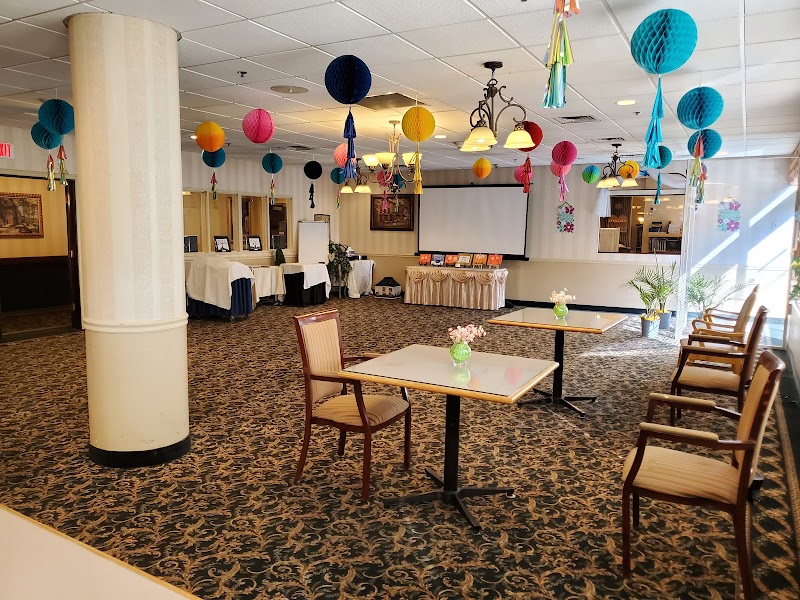
REGENCY HERITAGE NURSING AND REHABILITATION CENTER is owned by a for-profit company. For-profit facilities operate as businesses with obligations to shareholders or private owners. The facility operates independently rather than as part of a larger chain. With 265 certified beds and approximately 183 residents (about 69% occupancy), it is a large facility located in SOMERSET, New Jersey.
How Does Regency Heritage Compare to Other New Jersey Nursing Homes?

Compared to the 100 nursing homes in New Jersey, REGENCY HERITAGE NURSING AND REHABILITATION CENTER's overall rating (5 stars) is above the state average of 3.3, staff turnover (47%) is near the state average of 46%, and health inspection rating (4 stars) is above the national benchmark.

What Should Families Ask When Visiting Regency Heritage?

Based on this facility's data, families visiting should ask: "Can I visit during a mealtime to observe dining assistance and food quality?" "How do you handle medical emergencies, and what is your hospital transfer rate?" "Can I speak with family members of current residents about their experience?"

Is Regency Heritage Safe?

Based on CMS inspection data, REGENCY HERITAGE NURSING AND REHABILITATION CENTER has a clean safety record: no substantiated abuse findings (meaning no confirmed cases of resident harm), no Immediate Jeopardy citations (the most serious violation level indicating risk of serious injury or death), and is not on the Special Focus Facility watch list (a federal program monitoring the lowest-performing 1% of nursing homes). The facility has a 5-star overall rating and ranks #1 of 100 nursing homes in New Jersey. While no facility is perfect, families should still ask about staff-to-resident ratios and recent inspection results during their visit.

Do Nurses at Regency Heritage Stick Around?

REGENCY HERITAGE NURSING AND REHABILITATION CENTER has a staff turnover rate of 47%, which is about average for New Jersey nursing homes (state average: 46%). Moderate turnover is common in nursing homes, but families should still ask about staff tenure and how the facility maintains care continuity when employees leave.

Was Regency Heritage Ever Fined?

REGENCY HERITAGE NURSING AND REHABILITATION CENTER has no federal fines on record. CMS issues fines when nursing homes fail to meet care standards or don't correct problems found during inspections. The absence of fines suggests the facility has either maintained compliance or corrected any issues before penalties were assessed. This is a positive indicator, though families should still review recent inspection reports for the full picture.

Is Regency Heritage on Any Federal Watch List?

REGENCY HERITAGE NURSING AND REHABILITATION CENTER is not on any federal watch list. The most significant is the Special Focus Facility (SFF) program, which identifies the bottom 1% of nursing homes nationally based on persistent, serious quality problems. Not being on this list means the facility has avoided the pattern of deficiencies that triggers enhanced federal oversight. This is a positive indicator, though families should still review the facility's inspection history directly.