ASTER CREEK NURSING AND REHABILITATION CENTER
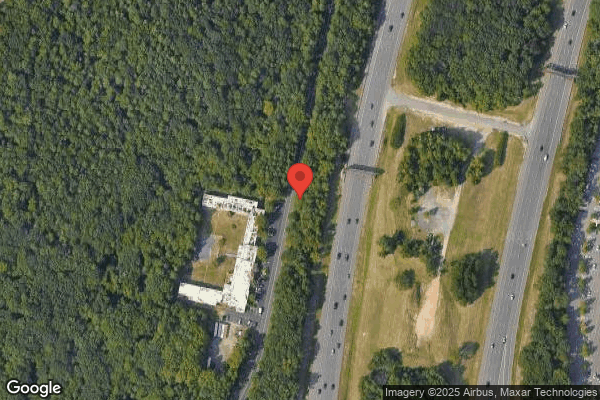

524 WARDELL ROAD, TINTON FALLS, NJ 07753 (732) 922-9330
For profit - Limited Liability company 100 Beds Independent Data: November 2025
Trust Grade
55/100
#168 of 344 in NJ
Last Inspection: October 2024

Within standard 12-15 month inspection cycle. Federal law requires annual inspections.

Overview

Aster Creek Nursing and Rehabilitation Center has a Trust Grade of C, indicating that the facility is average, placing it in the middle of the pack among nursing homes. It ranks #168 out of 344 facilities in New Jersey, meaning it is in the top half, but still has significant room for improvement. Unfortunately, the facility is worsening, with issues increasing from 5 in 2023 to 7 in 2024. Staffing is a relative strength, rated at 3 out of 5 stars with a turnover rate of 38%, which is below the state average, but RN coverage is concerning as it is less than that of 93% of facilities in New Jersey. Families should note that Aster Creek has been fined a substantial $93,206, indicating compliance issues, and recent inspections found several serious concerns, such as food being stored improperly and the environment not being maintained in a clean and safe manner, which could pose risks to residents.

Trust Score
C
55/100
In New Jersey
#168/344
Top 48%
Safety Record
Moderate
Needs review
Inspections
Getting Worse
5 → 7 violations
Staff Stability
○ Average
38% turnover. Near New Jersey's 48% average. Typical for the industry.
Penalties
○ Average
$93,206 in fines. Higher than 74% of New Jersey facilities. Some compliance issues.
Skilled Nurses
⚠ Watch
Each resident gets only 17 minutes of Registered Nurse (RN) attention daily — below average for New Jersey. Fewer RN minutes means fewer trained eyes watching for problems.
Violations
⚠ Watch
15 deficiencies on record. Higher than average. Multiple issues found across inspections.
★★★☆☆
3.0
Overall Rating
★★★☆☆
3.0
Staff Levels
★★★★☆
4.0
Care Quality
★★★☆☆
3.0
Inspection Score
Stable
2023: 5 issues
2024: 7 issues

The Good

  • 4-Star Quality Measures · Strong clinical quality outcomes
  • Full Sprinkler Coverage · Fire safety systems throughout facility
  • No fines on record
  • Staff turnover below average (38%)

    10 points below New Jersey average of 48%

Facility shows strength in quality measures, fire safety.

The Bad

3-Star Overall Rating

Near New Jersey average (3.3)

Meets federal standards, typical of most facilities

Staff Turnover: 38%

Near New Jersey avg (46%)

Typical for the industry

Federal Fines: $93,206

Well above median ($33,413)

Moderate penalties - review what triggered them

The Ugly 15 deficiencies on record

Oct 2024 7 deficiencies
CONCERN (D)

Potential for Harm - no one hurt, but risky conditions existed

Deficiency F0657 (Tag F0657)

Could have caused harm · This affected 1 resident

Based on observations, interviews, and review of pertinent facility documents, it was determined that the facility failed to revise an individual comprehensive care plan for a resident with a history ...

Read full inspector narrative →
Based on observations, interviews, and review of pertinent facility documents, it was determined that the facility failed to revise an individual comprehensive care plan for a resident with a history of falls at the facility. This deficient practice was identified for 1 of 1 resident reviewed for falls (Resident #53), and was evidenced by the following: On 10/1/24 at 10:17 AM, during the initial tour of the facility, the surveyor observed Resident #53 in bed with blankets over their head. On 10/2/24 at 11:30 AM, the surveyor observed Resident #53 in bed. Resident #53 told the surveyor that they liked to stay in bed and they ate meals in their room. The surveyor asked the resident if they had any history of falling, and the resident said yes, but did not say if they were every injured during a fall. The surveyor observed no fall mats. On 10/2/24 at 12:15 PM, the surveyor reviewed the medical record for Resident #53. A review of the admission Record face sheet (an admission summary) reflected the resident was admitted to the facility with medical diagnoses which included but not limited to; depression, schizophrenia (a disorder that affects a person's ability to think, feel, and behave clearly), hypertension (high blood pressure), and low back pain. A review of the most recent quarterly Minimum Data Set (MDS), an assessment tool dated 9/9/24, revealed the resident had a Brief Interview of Mental Status (BIMS) score of 14 out of 15; meaning the resident was cognitively intact. A review of Section GG for functional status revealed no impairment of upper or lower extremities, and that the resident was independent with toileting and hygiene. On 10/3/24 at 10:56 AM, the surveyor reviewed incidents and accidents which indicated that Resident #53 had a fall on 8/19/24. The resident was found on the floor in the room by the staff. The resident told staff that they tripped over their shoes and did not hit their head. Staff documented that no injuries were observed; and neurological (neuro) checks (evaluation of a person's nervous system) were initiated; and the resident's family and physician were notified. On 10/7/24 at 10:19 AM, the surveyor reviewed the resident's individualized comprehensive care plan (ICCP) which included a focus area dated 12/8/21 and revised 5/14/24, that the resident was at risk for falls related to psychotropic drug use. Interventions included to leave call bell within reach; ensure the resident was wearing appropriate footwear; keep pathways clear; and physical and occupational therapy to evaluate and treat as needed. The ICCP did not include the fall from 8/19/24, and was not revised following the fall. On 10/7/24 at 12:08 PM, the surveyor interviewed the Unit Manager/Licensed Practical Nurse (UM/LPN) regarding the facility's post falls process. The UM/LPN said if a resident's fall was unwitnessed, neuro checks were started, a physical therapy evaluation was ordered if appropriate, and then we meet as a team to add interventions. The UM/LPN said the ICCP was revised with new interventions to implement. The surveyor asked the UM/LPN to review Resident #53's ICCP, and verify if the ICCP was revised after the resident's fall in August 2024. The UM/LPN confirmed the ICCP was not updated after the resident's fall. On 10/8/24 at 11:00 AM, the Licensed Nursing Home Administrator, in the presence of the Acting Director of Nursing (ADON) and survey team, acknowledged Resident #53's ICCP was not updated post fall until surveyor inquiry. A review of the facility's Care Planning policy dated revised April 2024, included that care plan development, renewal and revision will be based upon results of the resident assessment .when a problem, goal, approach or target date is added, changed or resolved it is indicated in the care plan . NJAC 8:39-27.1(a)
CONCERN (D)

Potential for Harm - no one hurt, but risky conditions existed

Accident Prevention (Tag F0689)

Could have caused harm · This affected 1 resident

Based on observation, interview, and review of pertinent facility documents, it was determined that the facility failed to ensure a resident who smoked cigarettes was assessed for safety. The deficien...

Read full inspector narrative →
Based on observation, interview, and review of pertinent facility documents, it was determined that the facility failed to ensure a resident who smoked cigarettes was assessed for safety. The deficient practice was identified for 1 of 5 residents reviewed for accidents (Resident #25), and was evidenced by the following: On 10/1/24 at 10:28 AM, during initial tour of the facility, the surveyor observed Resident #25 in their room watching television. Resident #25 stated that they were a smoker and went outside to smoke at 9:00 AM, 1:00 PM, and 4:00 PM. The resident also stated that the activities staff held on to their cigarettes and lighter. On 10/1/24 at 12:26 PM, the surveyor reviewed the medical record for Resident #25. A review of the admission Record face sheet (an admission summary) reflected that the resident was admitted to the facility with diagnoses including but not limited to; hypertension (high blood pressure), depression, and hyperlipidemia (abnormally high levels of lipids or fats in the blood). A review of the most recent comprehensive Minimum Data Set (MDS), an assessment tool dated 6/2/24, indicated the resident had a brief interview for mental status score of 15 out of 15, indicating a fully intact cognition. A further review in Section J Health Conditions reflected the resident was a current tobacco user. A review of the individualized comprehensive care plan (ICCP) included a focus area dated 6/20/22, that the resident was a smoker. Interventions included that the resident required supervision while smoking; will be assessed quarterly for smoking safety; instruct the resident about smoking risks and hazards and about smoking cessation aids that are available; instruct the resident about the facility policy on smoking locations, times, and safety concerns; have smoking supplies stored with the activity department; observe the resident's clothing and skin for signs of cigarette burns; the facility smoking contract has been reviewed with the resident and they have signed it; and to notify the charge nurse immediately if it was suspected that the resident had violated the facility's smoking policy. A review of the Smoking Safety Screen, located in the electronic medical record (eMR). revealed the most recent smoking safety screen was completed on 5/31/24. The Smoking Safety Screen indicated that the resident was a smoker and could smoke safely with supervision. A review of the resident's Smoking Contract was signed by the resident on 6/25/24. On 10/7/24 at 12:14 PM, the surveyor interviewed the Activities Director (AD), who stated that residents were assessed upon admission, quarterly, annually, and if there was a significant change for smoking which included safety. The AD stated that Resident #25 was a smoker and provided the surveyor with the most recent Smoking Safety Screen dated 5/31/24. The AD stated that there should have been a smoking assessment completed the first week of September, and they could not speak to why there was no Smoking Safety Screen completed. The AD stated the importance of completing a Smoking Safety Screen was for the safety of the resident, and to determine if there were any changes such as needing a smoking apron. On 10/7/24 at 1:35 PM, the surveyor interviewed the Acting Director of Nursing (ADON), who stated Smoking Safety Screenings should be completed upon admission. The ADON could not speak to when Smoking Safety Screenings should be completed other than upon admission. On 10/8/24 at 11:00 AM, the Licensed Nursing Home Administrator (LNHA), in the presence of the ADON and survey team, stated that the Smoking Safety Screenings were completed quarterly, or if there was a significant change. The LNHA also stated that the Smoking Safety Screening was due when the facility was changing Activities Directors, and we missed the September screening. The LNHA further stated that Resident #25's Smoking Safety Screening was completed on 10/7/24, after it was brought to our attention. The LNHA acknowledge a Smoking Safety Screening should have been completed in September. A review of the facility's Resident Smoking Policy dated revised 8/30/23, included the resident will be evaluated upon admission, re-admission, and quarterly or upon any significant change to a residents physical or cognitive status . NJAC 8:39-27.1(a)
CONCERN (D)

Potential for Harm - no one hurt, but risky conditions existed

Respiratory Care (Tag F0695)

Could have caused harm · This affected 1 resident

Based on observations, interview, and review of pertinent facility documentation, it was determined that the facility failed to label, date, and initial a resident's oxygen tubing. This deficient prac...

Read full inspector narrative →
Based on observations, interview, and review of pertinent facility documentation, it was determined that the facility failed to label, date, and initial a resident's oxygen tubing. This deficient practice was identified in 1 of 1 residents reviewed for respiratory therapy (Resident #49), and was evidenced by the following: On 10/1/24 at 10:07 AM, during initial tour of the facility, Resident #49 approached the surveyor in the main dining room on the second floor. During the observation, the resident had a walker and a portable oxygen tank. The tubing that supplied the oxygen that went from the resident to the tank did not have a date. The surveyor then entered the resident's room with the resident, and the resident had an oxygen concentrator (a medical device that separates nitrogen from the air around you so you can breathe up to 95 % pure oxygen) in the room. The concentrator had oxygen tubing that went from the concentrator and into a bag. The resident told surveyor that they wore that when in bed. On 10/1/24 at 10:37 AM, the surveyor observed Resident #49 in the bed. The resident was being administered oxygen at three liters per minute from an oxygen concentrator. The resident's oxygen tubing was not dated. On 10/1/24 at 11:20 AM, the surveyor reviewed the medical record for Resident #49. A review of the admission Record face sheet (an admission summary) reflected that the resident was admitted to the facility with medical diagnoses that included but not limited to; chronic obstructive pulmonary disease (common lung disease that makes it difficult to breathe), respiratory failure, and anxiety. A review of the most recent quarterly Minimum Data Set (MDS), an assessment tool dated 9/4/24, revealed the resident had a Brief Interview of Mental Status (BIMS) score of 15 out of 15, meaning the resident was cognitively intact. A further review revealed the resident used oxygen. A review of the physician's orders (PO) included the following POs: A PO dated 12/15/23, for humidified oxygen when oxygen was in use every twenty-four hours as needed. To apply oxygen per nasal cannula (medical device that provides oxygen to a patient through their nose) at 3 liter per minute as needed every twenty-four hours for wheezing and shortness of breath. A PO dated 12/15/23, for the staff to change the oxygen tubing weekly and date the tubing and bag every night shift on Sunday. A review of the individual comprehensive care plan (ICCP) included a focus area dated 8/3/22 and revised 7/31/24, that the resident was able to apply the oxygen therapy when needed. Interventions included to change the oxygen tubing weekly. On 10/3/24 at 1:00 PM, the surveyor observed Resident #49 smoking under the supervision of the activities staff. The resident removed the oxygen prior to going outside to smoke and the oxygen remained in the building. Resident #49 went back into building and reapplied the oxygen. The surveyor observed that the tubing was not dated. On 10/7/24 at 12:16 PM, the surveyor interviewed the Unit Manager/Licensed Practical Nurse (UM/LPN) regarding oxygen tubing. The UM/LPN stated that oxygen tubing was changed every Sunday night and the tubing was dated. The surveyor informed the UM/LPN that on Monday, Tuesday, Wednesday, and Thursday of last week, the surveyor observed that Resident #49's oxygen tubing was not dated. The UM/LPN could not speak to why the tubing was not dated. On 10/7/24 at 2:01 PM, the surveyor informed the Licensed Nursing Home Administrator (LNHA) and the Acting Director of Nursing (ADON) about the multiple observations of Resident #49's oxygen tubing not dated. No additional information was provided. A review of the facility's Oxygen Administration policy dated revised 7/10/23, included .staff were to date and initial tubing and humidifiers when changing each week . NJAC 8:39-27.1(a)
CONCERN (D)

Potential for Harm - no one hurt, but risky conditions existed

Infection Control (Tag F0880)

Could have caused harm · This affected 1 resident

Based on observation, interview, and review of pertinent facility documents, it was determined that the facility failed to use appropriate hand hygiene and proper disinfection while providing wound ca...

Read full inspector narrative →
Based on observation, interview, and review of pertinent facility documents, it was determined that the facility failed to use appropriate hand hygiene and proper disinfection while providing wound care to a resident. The deficient practice was observed for 1 of 1 residents reviewed for pressure ulcers/injury (Resident #8), and was evidenced by the following: On 10/1/24 at 10:40 AM, during initial tour of the facility, the surveyor observed Resident #8 sleeping in their bed. The surveyor observed the resident wearing bilateral heel protectors. On 10/2/24 at 10:08 AM, the surveyor reviewed the medical record for Resident #8. A review of the admission Record face sheet (an admission summary) reflected that the resident was admitted to the facility with diagnoses including but not limited to; acute respiratory failure with hypercapnia (a condition where you do not have enough oxygen in the tissues in your body), metabolic encephalopathy (short- or long-term change in how your brain functions), and muscle weakness. A review of the most recent comprehensive Minimum Data Set (MDS), an assessment tool dated 8/13/24, indicated the resident had a brief interview for mental status score of 9 out of 15, indicating a moderately impaired cognition. A further review in Section M Skin Conditions reflected the resident had five venous and arterial ulcers present. A review of the individualized comprehensive care plan (ICCP) included a focus area dated 3/25/24, that the resident had a potential for impairment to skin integrity/pressure injury development related to decreased mobility, dementia, and incontinence. In March 2024, the resident returned from the hospital with a sacral (lower back) wound, a left toe wound, and a left heal wound. Interventions included to monitor the resident for picking at their skin; podiatry consultation as indicated for foot care; pressure relieving mattress while in bed; weekly treatment documentation to include measurement of each area of the skin breakdown's width, length, depth, type of tissue and exudate (secretions), and any other notable changes or observations; wound consult as indicated; wound treatment as per physician orders. A review of the Physician Order Summary Report reflected the following physician's orders (PO):with a start date of 10/5/24: A PO dated 10/5/24, for Betadine External Solution 10% (povidone-iodine); apply to left dorsal foot (upper surface of the foot) arterial topically every day shift for wound care. First cleanse with Betadine; apply Betadine to base of the wound; leave open to air; and change daily. A PO dated 10/5/24, for Betadine External Solution 10% (povidone-iodine); apply to right dorsal foot arterial topically every day shift for wound care. First cleanse with Betadine; apply Betadine to base of the wound; leave open to air,; and change daily. A PO dated 10/4/24, for Dakins (1/2 strength) External Solution 0.25% (an antiseptic); apply to left lateral heel arterial topically every day and evening shift for wound care. First cleanse with 0.25% Dakins solution; apply skin prep to periwound (area around wound); apply Dakins moistened fluffed gauze to base of wound; secure with dry gauze and lightly rolled gauze; change twice a day (BID) and as needed soilage, or dislodgement. On 10/7/24 at 9:33 AM, the surveyor obtained verbal permission from Resident #8 to observe their wound care. The surveyor observed the Licensed Practical Nurse (LPN) began to perform wound care to the left and right foot. The LPN performed hand hygiene prior to donning (apply) gloves and gown at the start of the wound care. The LPN removed the old dressing and disposed of it in the trash receptacle. The LPN then doffed (removed) their gloves, and without performing hand hygiene, donned a new pair of gloves and cleansed the left dorsal foot wound with Betadine External Solution using a four-by-four (4 x 4) gauze. The LPN then cleansed the right dorsal foot wound with Betadine External Solution using a 4 x 4 gauze. The LPN then doffed her gloves and without performing hand hygiene, donned a new pair of gloves and cleansed the left heel wound with Dakins solution 25%, applied skin prep, applied 4 x 4 gauze moistened with Dakins solution, and gauze wrap to the left heel. The LPN then removed her gloves, and without performing hand hygiene donned a new pair of gloves and dated the dressing on the left heel. The LPN then removed both gloves once the wound care treatment was completed and performed hand hygiene. On 10/7/24 at 10:00 AM, the surveyor interviewed the LPN in the presence of the Unit Manager/LPN (UM/LPN), who stated that hand hygiene should have been completed in between each glove change. The LPN then acknowledged that they should have used alcohol-based hand rub or washed their hands using soap and water in between glove changes. The LPN acknowledge that they did not complete hand hygiene in between the glove changes during wound care. The UM/LPN confirmed that hand hygiene should have been performed in between glove changes. On 10/7/24 at 1:32 PM, the surveyor asked the Acting Director of Nursing (ADON) what their expectations were for staff for hand hygiene while performing wound care, and the ADON stated for the staff to do it properly. The ADON stated staff were to wash their hands prior to wound care, anytime they removed their gloves, and when wound care was finished. On 10/8/24 at 11:00 AM, the Licensed Nursing Home Administrator (LNHA) in the presence of the ADON and survey team, stated that the facility had began inservicing staff on handwashing. The LNHA acknowledge handwashing should be completed in between glove changes. A review of the facility's Infection Control Policy Procedures 2020 included Handwashing/Hand Hygiene .hand hygiene is the final step after removing and disposing of personal protective equipment. The use of gloves does not replace hand washing/hand hygiene. Integration of glove use along with routine hand hygiene is recognized as the best practice for preventing healthcare-associated infections . NJAC 8:39-19.4(a)
CONCERN (E)

Potential for Harm - no one hurt, but risky conditions existed

Safe Environment (Tag F0584)

Could have caused harm · This affected multiple residents

**NOTE- TERMS IN BRACKETS HAVE BEEN EDITED TO PROTECT CONFIDENTIALITY** Based on observation, interview, and review of pertinent facility documents, it was determined that the facility failed to maint...

Read full inspector narrative →
**NOTE- TERMS IN BRACKETS HAVE BEEN EDITED TO PROTECT CONFIDENTIALITY** Based on observation, interview, and review of pertinent facility documents, it was determined that the facility failed to maintain residents' living environment in a clean, comfortable, homelike manner. This deficient practice was identified on 1 of 2 nursing units reviewed for environment (300 unit), and was evidenced by the following: 1. On 10/1/23 at 12:24 PM, during initial tour of the facility, the surveyor entered onto a ramp that led to the 300 nursing unit, and observed the following: 1. The handrail on right side of wall going up the ramp had three areas where it was not connected to itself, which left a gap in the system where the metal framing was exposed. This presented a safety hazard for residents that were unsteady on their feet. 2. The wallpaper was peeling and bubbling throughout the entire entrance to the 300 nursing unit. 3. The threshold that connected the ramp to the 300 nursing unit corridor had tile removed, missing and uneven elevations in areas presenting a tripping hazard. 4. The entrance to 300 nursing unit's doorframe had a hole in the wall by the doorframe. and around the hole was white crumbling debris. On 10/3/23 at 12:02 PM, the surveyor toured the 300 nursing unit, and entered hallway vestibule entrance and observed the following: 1. To the left side of hall at two joining walls, there was a split in the wallpaper along the corner seam from the floor to approximately four feet. The area behind the wallpaper was black and had white dust debris. 2. On the right side of the 300 nursing unit hallway, there was an interior soffit enclosure that had a rectangular cutout hole that exposed the interior of the soffit. On 10/7/24 at 12:00 PM, the surveyor observed on the 300 nursing unit in Resident room [ROOM NUMBER], the doorway threshold had cracked and sunken tiles, which caused the entryway into the room to be uneven. On 10/7/24 at 12:00 PM, the surveyor observed on the 300 nursing unit in Resident room [ROOM NUMBER], the doorway threshold had cracked tiles that were lifted and created a lip to the entrance of the room. On 10/7/24 at 12:37 PM, the surveyor interviewed with Housekeeping Director (HKD), who stated that housekeeping staff was responsible for mopping and cleaning the floors. The HKD stated that the Maintenance Director (MD) and upper management were responsible for changing the tiles and flooring. On 10/7/24 at 1:15 PM, the surveyor and the Licensed Nursing Home Administrator (LNHA) toured the 300 nursing unit, and the surveyor showed the LNHA the identified concerns. The LNHA acknowledged he was aware of the identified concerns, and he stated that the facility planned to remodel the nursing unit, but there was no definitive date. The LNHA acknowledged that the residents could cut their hands on the handrail or trip on the elevated thresholds or missing tiles. The LNHA confirmed the flooring presented an issue with safety and was a tripping hazard. The Maintenance Director was unavailable for an interview during survey. 2. On 10/1/24 at 9:40 AM, during the initial tour of the facility, the surveyor observed Resident room [ROOM NUMBER]. On immediate entrance into the room, the surveyor noted a thick buildup of a brown substance on the floor. There was also a twelve-inch by twelve-inch (12 x 12) tile that was sunken down on the right side adjoining to another tile which was unleveled that created a tripping hazard. The crack in the sunken down tile, between the two tiles had a dark brown substance. The surveyor then entered the bathroom in Resident room [ROOM NUMBER]. On entrance to the bathroom, the surveyor noted a small tile that was missing the corner edge creating a small hole. In front of the toilet there was a loose tile, and around the base of the toilet towards the front was a dark brown substance. When exiting the bathroom, the surveyor noted an area in the corner by the hinged side of the bathroom door, an area of a grayish brown substance on the floor and in the corner by the door jamb was a black and white substance on the floor and on the door jamb. On 10/7/24 at 12:25 PM, the surveyor interviewed the Housekeeping Director (HKD) regarding the process for cleaning resident rooms. The HKD stated that the worst rooms were cleaned first, and the housekeepers had a daily focus. The HKD stated that the floors were mopped daily or twice daily, and that the 300 nursing unit had one housekeeper and one porter (cleaned equipment and emptied trash). On 10/7/24 at 12:50 PM, the surveyor reviewed a room checklist provided by the HKD, and Resident room [ROOM NUMBER] was marked as unsatisfactory. The checklist was dated 10/7/24, after surveyor inquiry. On 10/8/24 at 11:00 AM, the surveyor requested from the LNHA and Acting Director of Nursing (ADON) a clean homelike environment policy. On 10/8/24 at 12:10 PM, the surveyor reviewed the maintenance request logs provided by the facility. On 9/19/24, there was a maintenance request submitted for water leaking in a bathroom. The room number was not identified on the log, and the details written by maintenance were that there were no leaks, and the floor was just dirty. No additional information was provided. A review of the undated facility's Maintenance Service policy included .1. the maintenance department is responsible for maintaining the buildings, grounds, and equipment in a safe and operable manner at tall times. 2. functions of the maintenance personnel include but are not limited to a. maintaining the building in compliance with the current federal, state, and local laws, regulations, and guidelines. b. maintaining the building in good repair and free from hazards. 3. the Maintenance Director is responsible for developing and maintaining a schedule of maintenance service to assure that the buildings, grounds, and equipment are maintained in a safe and operable manner .8. maintenance is responsible for maintaining the following records/reports .a. inspection of the building, b. work order requests, c. maintenance schedules . NJAC 8:39-31.4(a)
CONCERN (E)

Potential for Harm - no one hurt, but risky conditions existed

Garbage Disposal (Tag F0814)

Could have caused harm · This affected multiple residents

Based on observation and interview, it was determined that the facility failed to properly dispose and maintain waste in garbage dumpster areas. This deficient practice was identified for 1 of 1 garba...

Read full inspector narrative →
Based on observation and interview, it was determined that the facility failed to properly dispose and maintain waste in garbage dumpster areas. This deficient practice was identified for 1 of 1 garbage disposal areas, and the facility was previously cited for this during their last standard survey on 9/1/23. The evidence was as follows: On 10/1/24 at 10:46 AM, the surveyor and the Food Service Director (FSD) toured the facility's outside garbage disposal area and observed the following: 1. The cardboard dumpster had no lid and garbage debris was around it. The FSD stated the facility was trying to get the company to replace the lid. 2. The other three dumpsters had paper and food waste around it. 3. A storage container in the area had food and paper debris, wooden boards, and an unidentifiable large object around it. 4. The wooded area along the dumpster area had trash including food product, paper waste, broken wooden boards, and a mattress. 5. The fence along the inside of the garbage area had three pallets leaning against it, and the fence along the outside had an accumulation of both intact and broken pallets as well as other debris surrounding it. The fence itself was dirty and falling down. The FSD stated that someone came to pick up the pallets, but he did not know when. They had not come for the pallets in a minute. At the time of the observation, the surveyor interviewed the FSD who stated housekeeping staff maintained the garbage area, and it was important to maintain the area because of the woods and what comes out. The FSD acknowledged that the area needed to be cleaned. On 10/7/24 at 12:25 PM, the surveyor interviewed the Housekeeping Director (HKD), who stated both housekeeping and the kitchen maintained the garbage area. The HKD stated the day the surveyor identified the debris, housekeeping staff cleaned the area. The HKD stated that they tried to clean the area daily but sometimes forgot. The HKD stated that the guys who made deliveries threw the pallets by the fence and have been like that for a while; at least two or three months. The HKD stated it was important to maintain the garbage area, so no one got hurt or it did not attract rodents, and the HKD acknowledged the condition was unacceptable during the surveyor's observation. On 10/8/24 at 11:00 AM, the Licensed Nursing Home Administrator (LNHA), in the presence of the Acting Director of Nursing (ADON) and survey team, stated all the surveyor's concerns were addressed. No additional information was provided. A review of the facility's Housekeeping - Outdoor Trash Area policy dated revised April 2024, included our nursing home is committed to maintaining a clean, safe, and hygienic environment for our residents, staff, and visitors .housekeeping staff are responsible for regularly cleaning and maintaining the outdoor trash area .the maintenance team will ensure the trash bins are in good condition and are adequately covered to prevent odors and pests. They will promptly repair or replace any damaged bins or equipment in the outdoor trash area. All staff members are expected to dispose of waste properly by placing it in designated trash bins. No littering is allowed in or around trash area .housekeeping staff will perform routine checks to ensure that the outdoor trash area is free of litter and debris. Any litter found in the vicinity will be promptly cleaned up to maintain a neat appearance . NJAC 8:39-19.3(a); 19.7(a)(b)
CONCERN (F)

Potential for Harm - no one hurt, but risky conditions existed

Food Safety (Tag F0812)

Could have caused harm · This affected most or all residents

**NOTE- TERMS IN BRACKETS HAVE BEEN EDITED TO PROTECT CONFIDENTIALITY** Based on observation, interview, and review of pertinent facility documents, it was determined that the facility failed to a.) d...

Read full inspector narrative →
**NOTE- TERMS IN BRACKETS HAVE BEEN EDITED TO PROTECT CONFIDENTIALITY** Based on observation, interview, and review of pertinent facility documents, it was determined that the facility failed to a.) discard potentially hazardous foods past their date of expiration; b.) ensure potentially hazardous foods were stored at least six inches from the floor; c.) maintain multiuse food-contact surface cutting boards in a manner to prevent microbial growth; d.) maintain kitchen and storage areas in a sanitary manner; and e.) perform hand hygiene to prevent food borne illness. This deficient practice was evidenced by the following: Upon arrival to the facility on [DATE] at 8:45 AM, the surveyor observed eight boxes of bread that were delivered and placed directly on the ground in the parking lot. The bread boxes were stacked in two piles with two boxes directly on the pavement. On 10/1/24 at 8:50 AM, the surveyor accompanied by the Acting Director of Nursing (ADON) exited the facility and observed the bread delivery on the ground. The ADON confirmed food should not be stored directly on the ground. On 10/1/24 at 10:07 AM, the surveyor observed the Food Service Director (FSD) enter the kitchen, and the FSD stated he had just come from the stock room and hung up his coat. The surveyor interviewed the FSD, who stated that the bread company always delivered the bread and placed it directly on the ground in the parking lot outside the building. The FSD stated that it was acceptable for the bread to be stored on the ground since the bread was in a box. At that time, the surveyor and FSD began a tour of the kitchen. The surveyor observed no hand hygiene from the FSD after returning to the kitchen from the stock room and hanging up his coat. The FSD began to open the reach-in refrigerator, when the surveyor asked the FSD if he had just left the kitchen and hung up his personal jacket, was there anything he needed to do. The FSD acknowledged he should have performed hand hygiene. The FSD proceeded to perform hand hygiene using soap and water, lathering outside the flow of running water for twenty seconds, then used a paper towel to dry his hands. The FSD then obtained a clean paper towel to turn the sink faucet off, then used that paper towel to continue to dry his hands. The FSD then dropped the paper towel on the floor, picked it, disposed of it in the trash receptacle, and proceeded on the tour. The surveyor asked the FSD if he used the paper towel that he turned the faucet off with to dry his hands and then dropped it on the floor and picked it up, were his hands still clean? The FSD acknowledged he needed to perform hand hygiene again because his hands were considered dirty. On 10/1/24 at 10:18 AM, the surveyor and the FSD toured the kitchen and observed the following: 1. In the kitchen on the wall directly next to the reach-in refrigerator, a light powered bug trap. The bottom of the bug trap had over twenty dead bugs, and the area was opened, exposing the dead bugs to the kitchen area. The FSD acknowledged that the trap needed to be cleaned. 2. In the reach-in refrigerator, a container of egg salad with a use by date of 9/29/24. The FSD confirmed it needed to be discarded. 3. In the reach-in refrigerator, a container of macaroni salad with a use by date of 9/22/24. The FSD confirmed it needed to be discarded. 4. In the reach-in refrigerator, a one-pound opened container of cottage cheese with no opened date and an expiration date of 11/18/24. The FSD stated the kitchen used cottage cheese for thirty days. At that time, the surveyor showed the FSD the cottage cheese packaging which indicated use within seven days of opening. 5. The inside of the microwave had caked on debris on the roof and sides as well as the plate. The FSD acknowledged it needed to be cleaned. 6. On a drying rack, one large green cutting board deeply pitted and discolored. The FSD stated the grooves caused cross-contamination and led to bacterial growth. The FSD acknowledged it should be discarded. 7. In dry storage on the active can rack, one six-pound twelve-ounce (oz) can of vegetarian bean and sauce and one six-pound twelve-ounce can of red kidney beans, both dented. 8. In the walk-in freezer, the vinyl strip curtains located in the entrance to the freezer were missing three strips on the outer sides of the doorway. These curtains protected the inside of the freezer from outside dust particles as well as kept the cold air from escaping the freezer when the door was opened. The FSD acknowledged the vinyl strips maintained temperature and prevented dust particles from entering the freezer. 9. On a storage rack in the kitchen, one large brown, one large yellow, one large white, one large blue, and one large red cutting boards all pitted and discolored. The FSD stated he usually changed the cutting boards every eight to nine months, and acknowledged these cutting boards were ready to be replaced. 10. Outside the kitchen, freezer chest #2 had a build-up of ice accumulation around the sides. The FSD stated the ice affects the temperature, and the facility cleaned every six months. 11. Outside the kitchen, freezer chest #1 had a build-up of ice accumulation along the sides. On 10/1/24 at 10:30 AM, the surveyor and FSD toured a food storage room located in the 200-unit hallway and observed the following: 12. The storage room floor was soiled with black colored build-up and the tiles were coming up. The FSD stated that there was a flood in the room that past summer, so the flooring came up. When the surveyor questioned about the flood, the FSD stated it was not a flood, the air conditioner (AC) was running all summer so there was condensation on the floor. 13. Directly on the soiled floor was a box of corn flakes cereal and the emergency water. The FSD acknowledged the cereal and water should not be stored directly on the floor. 14. Directly on the soiled floor was a twenty-five pound of Japanese breadcrumbs. The bottom of the bag had a discolored brownish area that appeared to be discoloration from sitting on liquid. The bottom of the bag was also ripped, had bugs flying around it, and patches of a green fur-like substance that the FSD identified as mold. The FSD acknowledged that the breadcrumbs were not store appropriately and needed to be discarded. 15. On a storage rack, a white condiment bottle pump that was caked on with brownish/black substance. The FSD stated it needed to be discarded. On 10/8/24 at 11:00 AM, the Licensed Nursing Home Administrator (LNHA), in the presence of the ADON and survey team, acknowledged the concerns. A review of the undated facility provided Stock Room Storage Policy included .boxes must be stored six inches above the [floor] . A review of the undated facility provided Refrigerator Storage Policy and Procedure included .check for out dated food. If any discard. A review of the facility provided Infection Control Policy Procedures 2020 included Handwashing/Hand Hygiene .1. vigorously lather hands with soap and water creating friction to all surfaces, for a minimum of 20 seconds [ .] 2. rinse hands thoroughly under running water [ .] 3. dry hands thoroughly with paper towels and then turn off faucets with a clean, dry paper towel 4. discard towels into trash . NJAC 8:39-17.2(g)
Sept 2023 4 deficiencies
CONCERN (D)

Potential for Harm - no one hurt, but risky conditions existed

Resident Rights (Tag F0550)

Could have caused harm · This affected 1 resident

Based on observation, interview, and record review, it was determined that the facility failed to treat each resident with respect and dignity in a manner that promotes his/her quality of life. This d...

Read full inspector narrative →
Based on observation, interview, and record review, it was determined that the facility failed to treat each resident with respect and dignity in a manner that promotes his/her quality of life. This deficient practice was identified for one (1) of 19 residents (Resident #27) reviewed for resident rights. This deficient practice was evidenced by the following: On 8/24/2023 at 10:32 AM, the surveyor observed Resident #27 seated in their wheelchair across from the nurse's station. Resident #27 asked the Acting Licensed Practical Nurse Unit Manager (LPN UM #1) if they can have their medication. LPN UM #1 responded that they would notify their nurse when they returned from break. Resident #27 stated to LPN UM #1 that there was a medication error and they did not receive their medication in the morning and wanted it now. LPN UM #1 sternly directed Resident #27 to go to their room. Resident #27 responded, you don't have a right to speak with me like that. At that time, LPN UM #1 again stated they would notify their nurse and transported the resident from the nursing station to the resident's room. On 8/24/2023 at 10:39 AM, the surveyor interviewed Resident #27 who stated that they wanted their medication at that time and that the interaction between them and LPN UM #1 was always like that. On 8/24/2023 at 11:17 AM, the surveyor interviewed LPN UM #1 regarding their interaction with Resident #27. LPN UM #1 stated that Resident #27 asked for their medication too early and they didn't want Resident #27 to keep speaking about the medication in front of the surveyors, which prompted LPN UM #1 to transport Resident #27 to their room. LPN UM #1 stated Resident #27 had a tendency to ask for medication when it was too early and would threaten the staff. The surveyor reviewed the medical record for Resident #27. A review of the admission Record face sheet (an admission summary) reflected that the resident was admitted to the facility with diagnoses which included anxiety disorder, conversion disorder with seizure or convulsions, and schizoaffective disorder. Resident #59 was then readmitted with a diagnoses which included major depressive disorder and insomnia. A review of the most recent quarterly Minimum Data Set (MDS), an assessment tool dated 7/1/2023, reflected a brief interview for mental status (BIMS) score of 15 out of 15, which indicated a fully intact cognition. A review of the individualized comprehensive care plan (ICCP) included a focus area revised on 7/5/2023, that the resident had accusatory behaviors towards the staff and was verbally abusive towards the staff. Interventions included: intervene as necessary to protect the rights and safety of others. Approach/speak in a calm manner. The ICCP also identified another focus area revised on 4/9/23, that the resident was alert, oriented, verbal and able to make decisions as to how the resident spent leisure time, but due to physical limitations, and mood fluctuations, relied on staff support for meeting emotional, intellectual, physical, and social needs. Interventions included: While I am able to self propel my wheelchair on flat surfaces, I will be offered and provided with escort assistance when I need to navigate the ramps. On 8/24/2023 at 11:50 AM, the surveyor interviewed the Director of Nursing (DON) and the Licensed Nursing Home Administrator (LNHA) who confirmed that LPN UM #1's interaction with Resident #27 was not appropriate and they shouldn't have spoken to Resident #27 that way. When asked if Resident #27 had the right to be in the nurses area, the DON stated, I think that [Resident #27] has a right to be there. The DON further stated that LPN UM #'1 had attended the facility's sensitivity training prior. During a follow up interview with the surveyor on 8/25/23 at 11:47 AM Resident #27 stated that they would have liked to stay at the nurses station, and did not feel that LPN UM #1's tone towards the resident was threatening but felt that LPN UM #1 could talk to us [the residents] a little better. A review the facility's Resident Rights policy that was last reviewed April 2023, included .1) Federal and state laws guarantee certain basic rights to all residents of this facility. These rights include the resident's right to: a) a dignified existence .c)treated with respect, kindness, and dignity .i) be supported by the facility in exercising his or her rights .j) exercise his or her rights without interference, coercion, discrimination or reprisal from the facility . A review the facility's LPN Charge Nurse Position Summary policy with an effective date of October 2019, included .Implement and update care plans as appropriate .direct the delivery of care using sound good judgement while applying the highest standards of care and within the nurse practice act. A review the facility's Staff Sensitivity and Gentleness in Caring for Residents training completed on 6/5/23, included .1) Be conscious of the need to be gentle in all care situations .3) Be aware of the resident's needs and apply those more gentle and cautious applications that show your skill and level of caring for residents. The DON acknowledged LPN UM #1 signature on 6/5/23. NJAC 8:39-4.1(a)(12)
CONCERN (D)

Potential for Harm - no one hurt, but risky conditions existed

Garbage Disposal (Tag F0814)

Could have caused harm · This affected 1 resident

Based on observation, interview, and review of other facility documentation, it was determined that the facility failed to provide a sanitary environment for residents, staff, and the public by failin...

Read full inspector narrative →
Based on observation, interview, and review of other facility documentation, it was determined that the facility failed to provide a sanitary environment for residents, staff, and the public by failing to keep the garbage container area free of garbage and debris. This deficient practice was evidenced by the following: On 8/22/23 at 9:35 AM, the surveyor, in the presence of the Food Service Director (FSD), toured the kitchen and the designated garbage area and observed the following: There were three dumpsters in the designated area for the facility's garbage. All three lids were opened and several garbage bags were filled with trash on the ground near the dumpsters. There was debris around all the dumpsters, and behind one of the dumpsters, there was furniture such as mattresses, frames for the beds, overbed tables, and dressers. The Food Service Director (FSD) stated that the housekeeping department was responsible for keeping the area clean. On 8/23/23 at 8:55 AM, the surveyor toured the garbage area in the presence of the FSD. The furniture was in one of the dumpsters, and there were piles of debris around the dumpsters. During an interview with the surveyor on 8/23/23 at 9:25 AM, the Director of Housekeeping, stated that there was construction at the facility that finished approximately two months ago, and the furniture was left behind the dumpsters. He said that he was unsure of where the furniture would go. He further stated that the garbage around the dumpsters was the responsibility of both maintenance and housekeeping to keep the area clean and that the area should not have been left like that. On 8/23/23 at 9:19 AM, the surveyors met with the Licensed Nursing Home Administrator (LNHA) and the Director of Nursing (DON) and were informed of the findings. The LNHA stated that the garbage area did have furniture in the area and that the area had become a mess. Review of the facility policy titled Housekeeping-Outdoor Trash Area with a revised date of 2/2023, indicating that the housekeeping staff are responsible for regular cleaning and maintaining the outdoor trash. They will ensure that the area is free of litter and debris. The Maintenance team will ensure that the trash bins are in good condition and are adequately covered to prevent odors and pests. N.J.A.C. 8:39-19.3(c)
CONCERN (D)

Potential for Harm - no one hurt, but risky conditions existed

Medical Records (Tag F0842)

Could have caused harm · This affected 1 resident

**NOTE- TERMS IN BRACKETS HAVE BEEN EDITED TO PROTECT CONFIDENTIALITY** Based on observation, interview, review of medical records and other pertinent facility documentation it was determined that the...

Read full inspector narrative →
**NOTE- TERMS IN BRACKETS HAVE BEEN EDITED TO PROTECT CONFIDENTIALITY** Based on observation, interview, review of medical records and other pertinent facility documentation it was determined that the facility failed to maintain medical records accurately and completely in accordance with acceptable standards and practice by not documenting pertinent clinical documentation on the resident's medical record for a resident who had a change in condition. This was identified for 1 of 18 residents (Resident #68) reviewed and was evidenced by the following. a.) According to Resident #68's medical record, the resident was admitted to the facility with the diagnoses which included but not limited to hypertension (high blood pressure), obstructive uropathy (retention of urine), and cerebral infarction (stroke). The significant change Minimum Data Set (MDS-a assessment that facilitates a resident's care) dated 06/12/23, indicated that the resident had moderate cognitive impairment and required expensive assistance with activities of daily living (ADL's) On 08/23/23/ at 10:00 AM, the surveyor was unable to interview Resident #68 because the resident was in the hospital. On 08/23/23 at 10:44 AM, the surveyor reviewed Resident #68's progress notes which revealed the following information: The nurses note date 08/19/2023 at 7:09 AM reflected the following documentation: Note Text: Resident is alert slept well F/C [foley catheter] intact urine output 800 cc yellow color, no behavior problems penis noted swelling continue to monitor and offer fluids. The nurses' notes dated 08/19/2023 at 8:31 AM reflected the following documentation: Note Text: Resident has a change of mental status, and F/C not draining, penis is swollen, Dr is made aware. Ambulance is waiting for transport to ER, family contact is notified, resident is aware going to ER. Report pass on to 7-3 nurse. The nurses' notes dated on 8/19/2023 at 10:44 AM reflected the following documentation: Note Text: Medical transportation in to transport to ER for eval. The nurses' notes dated on 8/19/2023 at 18:02 (6:02 PM) reflected the following documentation. Note Text: Resident admitted to JSMU for sepsis (infection of the blood stream resulting in a cluster of symptoms such as drop in a blood pressure, increase in heart rate and fever). The surveyor reviewed the subsequent nurses' notes regarding Resident #68's change of condition on 08/19/23 which did not contain information regarding what the resident's vital signs were or type of mental status change the resident was experiencing at the time that the resident had a change in condition. The surveyor reviewed the Weights and Vitals Summary dated for the month 08/2023 and there was no documentation that the resident had vital signs taken when the resident had a change in condition on 08/19/23 at 8:31 AM. On 08/23/23 at 11:11 AM, the surveyor interviewed the Licensed Practical Nurse (LPN#2). LPN #2 stated that if a resident had a change in condition that the nurse would perform an assessment. She stated that an assessment would include a full set of vital signs (VS) to include a pulse Oximeter reading, blood pressure, pulse, temperature, and examination of all body symptoms. She confirmed that all assessments performed would be documented in the resident's medical record. She continued to explain that the nurse would be required to fill out a Universal Transfer Form (UTF). She stated that a UTF was a communication form that was utilized between the facility and the hospital and would provide the hospital with information regarding the resident's medical condition, code status, resident information, vital signs and how to care for the resident. LPN #2 added the UTF was an important communication tool between the facility and the hospital. On 08/23/23 at 11:19 AM, the surveyor interviewed the acting LPN Unit Manager who stated that the nurse was responsible to assess the resident and to obtain a full set of vital signs if a resident had a change in condition. He added that the nurse would be responsible to complete a UTF. The LPN/UM confirmed that there was no VS documented in Resident #68's medical record when the resident had a change in condition on 08/19/23. He stated that this would have been important as the resident was admitted to the hospital with the diagnose of sepsis. He stated, There is no documentation that the resident even had a temperature. On 08/23/23 at 12:09 PM, the surveyor interviewed the DON in the presence of the survey team. The DON explained that if a resident had a change in condition, the nurse would immediately physically assess the resident and obtain a full set of VS which would include pulse Ox (checks O@ level of the blood), level of conscience, evaluate for pain etc. He stated that if VS were taken during the assessment, then it should be documented under the weights and VS section of the electronic medical record and in the nursing progress notes. The surveyor reviewed the progress notes that were written on 08/19/23 at 8:31 AM when Resident #68 had a change of condition and the DON confirmed that the documentation was not specific regarding what type of mental status change the resident was experiencing or any VS. The DON could not explain why the RN did not document that she had taken the residents VS when the resident had a change in condition. On 08/28/23 at 10:26 AM, the surveyor interviewed LPN who stated that that on 08/19/23, she arrived at the Unit 3 late. She indicated that the 11:00 PM-07:00 AM shift Registered Nurse (RN) gave her report that Resident #68's penis area was swollen and that she was going to assess the resident before she left. She then explained that the RN then went back to assess the resident and she went back to performing her medication pass for other residents. She then added that the RN did not report to her that the resident had a change in mental status. She stated that the RN only reported to her that the resident's penis was swollen and that the RN would notify the MD. LPN #1 then stated the RN told her that the MD ordered the resident to be sent to the hospital for evaluation. LPN #1 and the surveyor reviewed the resident's progress notes. LPN #1 confirmed that the 11:00 PM-07:00 AM RN documented that Resident #68 had a change of condition at 8:31 AM and confirmed that there was no further documentation or progress notes written until 10:44 AM when LPN #1 documented that the resident was transferred to the hospital. LPN #1 stated that she did check on Resident #68 between 08:31 AM and 10:44 AM she and the resident gave her a thumbs up. LPN #1 stated that she did not document the resident's condition in the resident's medical record while the resident was waiting for transport to the hospital from 8:31 AM till 10:44 AM (approximately 2 1/2 hours). The surveyor reviewed the resident medical records and there was no documentation regarding the resident's medical condition from 8:31 AM till 10:44 AM while the resident was waiting to be transferred to the hospital for evaluation. She stated that it would have been important to document on a resident who had a change in condition, but that she was passing out medications to other residents and didn't have the time to perform the documentation until after the resident was already transferred to the hospital. The LPN admitted that she did not document in Resident #68's medical record any resident assessments subjective or objective that she performed for Resident #68 that was reported to have a change in condition. On 08/28/23 at 11:05 AM, the surveyor interviewed the RN who worked on 08/19/23 11:00 PM-07:00 AM shift on Unit 3 and sent the resident to the hospital to be evaluated for a change in mental status and swollen penis 08/19/2023 at 8:31 AM. The RN described Resident #68 as being hard of hearing and unable to verbalize. The RN added that Resident #68 communicated with the use of a communication board, IPAD and sign language. She also indicated that the resident was alert and oriented and could communicate his needs and wants. She explained that Resident #68 had a chronic curvature catheter (tube that facilitated the draining of urine from the bladder) utilized for blockages associated with the resident's anatomy. She stated that on 08/19/23 during the 11:00 PM-07:00 AM shift, the resident slept well and had 800 cc of urinary output. She stated that at the end of her shift and the beginning of the day shift the resident was noted to be tugging at the urinary catheter and had appeared to be in discomfort. She explained that when she asked the resident if he/she was in pain that the resident shook his/her head no indicating that he did not have pain. The RN then explained that she took the resident's vital signs in the middle of the shift and prior to noticing that the resident's penis head was swollen. She then added that she did not recall writing the resident's VS to include the resident's temperature in the medical record, but recall did recall writing them on the UTF. The surveyor explained to the RN that upon the surveyor's review of the UTF, there were two sets of vital signs on the form and that one set of VS were typed and the other set of VS were handwritten. The RN confirmed that the typed VS were not the VS that she took and did not know how that set of VS got on the UTF. She then confirmed that the handwritten blood pressure and pulse were the VS that she had written on the UTF. The RN could not explain to the surveyor why the resident's temperature was not documented by her on the UTF. The RN also confirmed that it would have been important to have documented the full set vital signs to include temperature, pulse, blood pressure, and pain in the resident's medical records and on the UTF that was sent to the hospital. The RN stated that it was the change of shift and that the other nurse that came on duty was also involved with the resident's change in condition and was surprised that the other oncoming nurse did not document her assessments of the resident in the medical record. The surveyor reviewed the physician Discharge summary dated [DATE] at 06:55 PM, which indicated that Resident #68 was noted to have a fever and unstable vital signs and was sent to the hospital for evaluation for sepsis. The surveyor was unable to locate any evidence in the medical record that indicated that the resident had unstable vital signs or fever at the time that the resident was had a change of condition on 08/19/2023. On 08/29/23 at 10:07 AM, the surveyor interviewed the primary care physician (PCP) who stated that the VS that were documented on the resident's Discharge summary dated [DATE] at 6:55 PM, were not accurate and not updated since his last assessment of the resident. He stated that the VS that were documented on the discharge summary were not the VS that were exhibited by Resident #68 at the time the resident had a change in condition and was sent to the hospital for evaluation. On 09/01/23 at 09:24 AM, the Administrator and DON provided progress notes for Resident #68 titled, late entry for 8/19/13 which was dated 9/1/23 at 07:10 AM by the RN. Review of the progress note included documentation of the resident's VS and assessment. The Administrator confirmed that the nurses should have documented their assessment and VS prior to the late entry. The surveyor reviewed the facility policy titled, Change in Condition with a revised date 04/2023 which indicated the clinical nurse will recognize and appropriately intervene in the event of a change in resident condition. The policy indicated that with a change in condition, the clinical nurse will gather all subjective and objective assessment information. The nurse was responsible to complete an assessment of the resident's condition to include vital signs, level of conscience and any other symptoms related to the resident's condition. The surveyor reviewed the facility policy titled, Nursing Documentation with a revised date of 04/2023 which indicated that pertinent information should be documented in the individual's record in an accurate, timely and legible manner. It also indicated that the individual's record is a permanent legal document that provides a comprehensive account of information about the individuals health care status. NJAC 8:39-35.2 (d)6, 16(e)
CONCERN (E)

Potential for Harm - no one hurt, but risky conditions existed

Food Safety (Tag F0812)

Could have caused harm · This affected multiple residents

Based on observation, interview, and review of pertinent facility documents, it was determined that the facility failed to: a.) store, label, and date potentially hazardous foods to prevent food-borne...

Read full inspector narrative →
Based on observation, interview, and review of pertinent facility documents, it was determined that the facility failed to: a.) store, label, and date potentially hazardous foods to prevent food-borne illness, b.) air dry kitchen equipment in a manner to prevent microbial growth, c.) maintain kitchen equipment in a sanitary manner, d.) maintain proper kitchen sanitation practices. This deficient practice was evidenced by the following. On 08/22/23 at 9:35 AM, the surveyor, in the presence of the Food Service Director (FSD), toured the kitchen and observed the following: 1. In the reach-in refrigerator, sliced yellow American cheese wrapped in clear plastic that was not dated or labeled with a used-by date. The FSD stated that the staff should have labeled and dated when the cheese was sliced. Ten cupcakes in a store-bought plastic container were not labeled or dated. The FSD stated that the cupcakes were from the recreation department and should not have stored them there. The FSD discarded the cupcakes. 2. On the front of the stove, underneath the grill top, there was a buildup of brownish-dried substance. The FSD stated that this is from grease catcher where the grease collects, spills out, and runs down the front of the oven. When the FSD opened the double oven doors, the right and left side doors dropped simultaneously. The FSD stated that the hinges were bad, and the oven doors would not stay closed. The FSD stated he had temporarily placed latches on both sides of the oven to keep the oven doors closed until the oven was fixed. The FSD stated there is a cleaning schedule for the kitchen, including the stove. 3. On a metal rack, four hotel pans were wet nested, and the FDS removed the pans and placed them near the sink to be washed. 4. During a tour of the dry storage area, there was an opened box of taco shells with three opened packages wrapped in clear plastic that were not labeled or dated. The FSD removed and discarded them. There was a 20-pound box of spaghetti with an opened package of spaghetti wrapped in plastic that was not labeled or dated. A 5-gallon plastic container, identified as panko by the FSD, was not labeled or dated. 5. At 10:00 AM, the surveyor observed the cook enter the kitchen without a hair net. The cook stated that he should have had a hair net on because it is very unsanitary as hair could get into the food. The FSD was made aware at that time. On 8/23/23 at 9:19 AM, the surveyors met with the Licensed Nursing Home Administrator (LNHA) and the Director of Nursing (DON) and were informed of the findings. The LNHA stated the cook should have put a hair net on before he walked into the kitchen, the stove is on the list to be replaced, and the staff will have a schedule to keep the stove clean. A review of the facility's policy, Food Brought in from the Outside, dated 1/6/23, included a designated pantry space and refrigerators for residents' outside foods. A review of the facility's policy Use of Hair Nets and [NAME] Nets dated 3/10/23 included that hair nets and beard nets are necessary items required by the FDA and USDA in food handling settings .When entering the kitchen, always wearing a hair net and beard net when handling food .or any duty in the kitchen area is mandatory. They are an effective tool for preventing the spread of hair in food processing and food service. A review of the facility's policy Food Labeling and Dating for Kitchen, dated 6/10/23, included all food .should be labeled with the common name of the food, the date the food was made, and a use-by date. NJAC 8:39-17.2(g)
Feb 2023 1 deficiency
CONCERN (D)

Potential for Harm - no one hurt, but risky conditions existed

Infection Control (Tag F0880)

Could have caused harm · This affected 1 resident

**NOTE- TERMS IN BRACKETS HAVE BEEN EDITED TO PROTECT CONFIDENTIALITY** Based on observations, interviews, review of facility policy, and review of Centers for Disease Control (CDC) guidelines, it was...

Read full inspector narrative →
**NOTE- TERMS IN BRACKETS HAVE BEEN EDITED TO PROTECT CONFIDENTIALITY** Based on observations, interviews, review of facility policy, and review of Centers for Disease Control (CDC) guidelines, it was determined that the facility failed to maintain an infection prevention and control program to prevent the transmission of Coronavirus Disease 2019 (COVID-19) to staff and residents on 1 of 4 hallways. Specifically, the facility failed to ensure staff appropriately wore personally protective equipment (PPE) and donned all required PPE prior to entering a room with a COVID-19 positive resident. This had the potential to affect the 18 residents residing on the 2nd floor back hall out of a total census of 72 residents. Findings included: A review on 02/06/2023 of the CDC Interim Infection Prevention and Control Recommendations for Healthcare Personnel During the Coronavirus Disease 2019 (COVID-19) Pandemic, last updated 09/23/2022, revealed healthcare providers who enter the room of a patient with suspected or confirmed SARS-COv-2 [severe acute respiratory syndrome; a virus of the species severe acute respiratory syndrome-related coronavirus] infection should adhere to Standard Precautions and use a NIOSH [National Institute for Occupational Safety and Health]-approved N95 or equivalent or higher-lever respirator, gown, gloves, and eye protection (i.e. [id est; that is to say], goggles or a face shield that covers the front and sides of the face. Review of a facility policy titled, Infection Control Isolation Precautions/Guidelines, dated 03/03/2020, specified, 2. The following transmission guidelines will be used: Airborne Precautions. Diseases spread through the air and remain infectious over long distances when suspended in the air. PPE - mask, gown, and gloves. For Covid-19 [COVID-19] - PPE - N95 mask, gowns, gloves, eye (goggles or face shield) when aerosol generating procedure are performed in suspected or confirmed Covid-19. During observations on 02/04/2023 at 11:50 AM, Certified Nurse Aide (CNA) #3 was observed passing lunch trays on the 2nd floor back hall. CNA #3 was wearing an N95 mask with the bottom strap hanging below his chin instead of being properly placed behind his head to ensure a tight fit. At 11:52 AM, CNA #3 was observed to put on a plastic isolation gown and enter room [ROOM NUMBER], an isolation room for a COVID-19 positive resident. CNA #3 was not wearing eye protection or gloves and was wearing the N95 mask inappropriately. CNA #4 handed CNA #3 a lunch tray, and CNA #3 delivered the tray to the resident in the room. CNA #3 removed the gown inside the resident's room by the doorway and disposed of it in the trash can inside the room then turned and went back into the room when the resident asked him a question. When CNA #3 came out of the room, he did not perform hand hygiene. CNA #3 was interviewed at that time and stated he should have worn a gown, gloves, N95 mask, and goggles when he entered the isolation room and realized at that time that he was not wearing eye protection. CNA #3 stated the bottom strap of the mask should be behind his head in order for the mask to fit correctly. CNA #3 put the bottom strap of the mask behind his head at that time. During an interview on 02/04/2023 at 11:55 AM, CNA #4 stated a gown, gloves, N95 mask, and a face shield should be worn whenever entering an isolation room. She stated she did not notice when CNA #3 entered the isolation room, he was without eye protection. During an interview on 02/04/2023 at 11:57 AM, Licensed Practical Nurse (LPN) #2 stated that when going into an isolation room, staff should wear a gown, gloves, face shield, and N95 mask. During an interview on 02/04/2023 at 12:01 PM, Registered Nurse (RN) #1 stated the staff should be wearing gown, gloves, face shield, and an N95 fitted mask when entering an isolation room. She stated it was important to wear the N95 mask appropriately for it to be effective. During an interview on 02/04/2023 at 4:15 PM, the Director of Nursing (DON) stated staff should be wearing a gown, gloves, N-95 mask, and a face shield when they went into an isolation room and should wear the equipment appropriately. He stated the strap of the mask should not be below the staff's chin. The DON stated he was going to provide education with all the staff. During an interview on 02/05/2022 at 2:25 PM, the Administrator stated the staff should be wearing the appropriate PPE correctly when entering an isolation room to prevent the possible spread of the virus. He stated the PPE should include a gown, gloves, N95 mask, and face shield. New Jersey Administrative Code: § 8:39-19.4(a)1-6
Jun 2021 3 deficiencies
CONCERN (D)

Potential for Harm - no one hurt, but risky conditions existed

Respiratory Care (Tag F0695)

Could have caused harm · This affected 1 resident

Based on observation, interview, and record review, it was determined that the facility failed to: a.) assess and obtain a physician's order (PO) for the self-administration of oxygen; b.) label, date...

Read full inspector narrative →
Based on observation, interview, and record review, it was determined that the facility failed to: a.) assess and obtain a physician's order (PO) for the self-administration of oxygen; b.) label, date, and initial oxygen tubing c.) Care Plan for the self-administration of oxygen and d.) ensure oxygen tubing, equipment, and BiPAP masks were stored in accordance to professional standards of practice. This deficient practice was identified for 1 of 3 residents reviewed for respiratory care (Resident #13) and was evidenced by the following. On 6/8/21 at 11:04 AM, the surveyor observed Resident #13 sitting in his/her room. The resident was receiving oxygen via nasal cannula (NC; a tube used to deliver oxygen via the nostrils) connected to an oxygen concentrator (a machine used to pull room air through a filter to remove the nitrogen to make the oxygen more concentrated) set at three liters per minute (3 lpm). The surveyor also observed a BiPAP machine (non-invasive ventilation therapy system used to facilitate breathing) that was not in use with an uncovered mask and tubing connected to the machine and placed in a drawer ontop of clear plastic bags. The oxygen concentrator was observed to be soiled with brownish spots. The resident stated that he/she administered their own oxygen, and at night switched themselves from the oxygen concentrator to the BiPAP machine. The surveyor observed an opened gallon of distilled water next to the BiPAP machine, which the resident stated that he/she used that water to fill-up the BiPAP machine. When asked, the resident stated that he/she knew how to use the oxygen concentrator and BiPAP machine so staff did not assist him/her. The surveyor reviewed the medical record for Resident #13. According to the admission Record, the resident was admitted to the facility in December 2020 and had diagnoses which included hypertension (high blood pressure), heart failure, chronic obstructive pulmonary disease (COPD; lung diseases that block airflow and make it difficult to breathe), and dependence on supplemental oxygen. A review of the most recent quarterly Minimum Data Set (MDS), an assessment tool dated 3/17/21, reflected that the resident had a Brief Interview for Mental Status (BIMS) score of 15 out of 15 which indicated a fully intact cognition. A review of the Physician's Order sheet dated 6/2/21 reflected a PO for oxygen continuous at 2 lpm via NC. An additional order included to change oxygen tubing weekly on Sundays 11:00 PM to 7:00 AM shift. There was an additional PO for BiPAP 20/12 centimeter water with oxygen at bedtime and off in the morning. There was no indication in these orders that the resident self-administered the oxygen. A review of the individualized Care Plan (CP) included a focused area dated 12/8/2020 and last revised on 5/14/21 that I have oxygen therapy with regards to shortness of breath and hypoventilation syndrome (a disorder that affects normal breathing causing shallow breaths). Interventions included to administer BiPAP at bedtime; encourage the proper use of oxygen and BiPAP at night as I am non-compliant at times; give medications as ordered by physician; monitor for signs and symptoms of respiratory distress and report to physician as needed; and oxygen setting via NC as ordered. The CP did not reflect self-administration of oxygen. A review of the Interdisciplinary Progress Notes included a Nurse's Notes (NN) dated 6/5/21 which reflected that the resident was alert and oriented to person, place, and time; denies any pain or shortness of breath; and oxygen administered at 3 lpm via NC. A review of an additional NN dated 6/5/21 reflected that the resident stayed in his/her room all shift on continuous oxygen at 4 lpm via NC and put on BiPAP machine at 9:00 PM. On 06/09/21 at 09:24 AM, the surveyor observed the resident in their room being administered oxygen via the NC. The oxygen concentrator was observed soiled still with the same brownish spots and the BiPAP mask and tubing was observed uncovered on top of an opened drawer. On 06/09/21 at 10:00 AM, the surveyor observed the resident by nurse's station with a portable oxygen tank delivering oxygen via the NC. At this time, the resident's Physician approached and asked if he/she were using their BiPAP machine every night. The resident verified yes, and the Physician stated that it was good because he/she needed to wear it daily. On 06/10/21 at 09:05 AM, the surveyor interviewed the Director of Nursing (DON) who stated that the facility currently had no residents who were self-administering any medications. The DON stated that prior to any resident self-administering medications, they would have to be assessed to make sure competent enough, a PO indicating self-administration of medication would be obtained, medication would be stored in a locked closet, and staff would continue sign the Medication Administration Record (MAR) or Treatment Administration Record (TAR) since the nurses were still required to monitor the administration. At this time, the DON confirmed when asked that no one was administering their own oxygen, nebulizer, or BiPAP treatments. On 06/10/21 at 10:32 AM, the surveyor observed the resident self-propelling down hallway from their room towards nurse's station. The resident was being administered oxygen via the NC from a portable oxygen tank. At this time, the surveyor walked past the resident's room and heard a hissing sound. On 6/10/21 at 10:35 AM, the surveyor accompanied by the Licensed Practical Nurse (LPN #1) entered Resident #13's room and observed the oxygen tubing attached to the oxygen concentrator unbagged and undated laying directly on the floor and that the oxygen concentrator was still on. At this time LPN #1 turned off the oxygen concentrator; confirmed that the oxygen tubing should be labeled, dated, and placed in a bag; and discarded the oxygen tubing. At this time, the surveyor pointed out the soiled oxygen concentrator to LPN #1 who stated that the stains were probably coffee and needed to be cleaned off by the nurse. LPN #1 also confirmed that the BiPAP mask should be stored in a bag. When questioned why the oxygen concentrator was still on and who put the portable oxygen on the resident, LPN #1 stated that there was another LPN (LPN #2) who was here this morning and left the facility around 10:00 AM who probably put the oxygen on the resident. LPN #1 stated that the resident was non-compliant with care at times and tried to administer their own oxygen and BiPAP treatments. On 6/10/21 at 10:45 AM, the surveyor and LPN #1 joined the resident by the upstairs elevators. The resident at this time informed them that he/she had removed themselves from and turned off the oxygen concentrator and placed themselves on the portable oxygen tank. At this time, LPN #1 confirmed that the oxygen was being administered at 4 lpm instead of the ordered 2 lpm. The resident stated that he/she increased the oxygen flow since the tank felt empty. Upon questioning, the resident stated that he/she administered their own oxygen and BiPAP machine treatments and they were educated on how to do this by the nurse. The resident stated that he/she does not recall signing anything to administer their own oxygen, and denied ever being told that the tubing and masks needed to be stored in bags. The resident stated that he/she tried to make sure only that the tubing and mask were not on the floor. When the resident was asked who cleaned their oxygen concentrator and when it was cleaned, the resident stated that they were unaware of the answer. On 6/10/21 at 10:59 AM, LPN #1 checked the resident's oxygen saturation level (how much oxygen your red blood cells are carrying) which was 94% (within normal level). At this time LPN #1 informed the resident that he would change the portable oxygen tank and set the oxygen flow to 2 lpm. On 6/11/21 at 9:18 AM, the surveyor interviewed the DON in the presence of the Licensed Nursing Home Administrator (LNHA) who stated that the nurses cleaned the oxygen tanks and concentrators daily with germicidal wipes; oxygen tubing was stored in a plastic bag when not in use, changed weekly with a label indicating date and initials of who changed it; and BiPAP masks were store in plastic bags when not in use. The DON stated that residents were not permitted to change from oxygen concentrator to oxygen tank without being assessed and a PO to self-administer oxygen. At this time, the surveyor informed the DON and LNHA of their observation of Resident #13. A review of the facility's Self Administration of Medication policy dated 12/2020 and revised 2/21 included that when the resident expressed the desire to self-administer medications, the Interdisciplinary Team evaluate to determine if the criteria for self-administration is met. If the resident is permitted to self-administer medications, the PO will reflect that resident may self-administer medications. A review of the facility's Oxygen Administration policy dated 4/2/2020 and revised 10/2020 included that oxygen will be administered per physician's order to aid in breathing. The policy also included to date and initial tubing and humidifiers when started each week and to clean oxygen tank daily with germicidal wipes. NJAC 8:39-11.2(b); 27.1(a)
CONCERN (D)

Potential for Harm - no one hurt, but risky conditions existed

Deficiency F0836 (Tag F0836)

Could have caused harm · This affected 1 resident

Based on observation, interview and review of facility provided documentation, the facility failed to maintain the required minimum direct care staff-to-resident ratios as mandated by the state of New...

Read full inspector narrative →
Based on observation, interview and review of facility provided documentation, the facility failed to maintain the required minimum direct care staff-to-resident ratios as mandated by the state of New Jersey. This deficient practice was evidenced by the following: Reference: NJ State requirement, CHAPTER 112. An Act concerning staffing requirements for nursing homes and supplementing Title 30 of the Revised Statutes. Be It Enacted by the Senate and General Assembly of the State of New Jersey: C.30:13-18 Minimum staffing requirements for nursing homes effective 2/1/21. 1. a. Notwithstanding any other staffing requirements as may be established by law, every nursing home as defined in section 2 of P.L.1976, c.120 (C.30:13-2) or licensed pursuant to P.L.1971, c.136 (C.26:2H-1 et seq.) shall maintain the following minimum direct care staff -to-resident ratios: (1) one certified nurse aide to every eight residents for the day shift; (2) one direct care staff member to every 10 residents for the evening shift, provided that no fewer than half of all staff members shall be certified nurse aides, and each staff member shall be signed in to work as a certified nurse aide and shall perform certified nurse aide duties; and (3) one direct care staff member to every 14 residents for the night shift, provided that each direct care staff member shall sign in to work as a certified nurse aide and perform certified nurse aide duties b. Upon any expansion of resident census by the nursing home, the nursing home shall be exempt from any increase in direct care staffing ratios for a period of nine consecutive shifts from the date of the expansion of the resident census. c. (1) The computation of minimum direct care staffing ratios shall be carried to the hundredth place. (2) If the application of the ratios listed in subsection a. of this section results in other than a whole number of direct care staff, including certified nurse aides, for a shift, the number of required direct care staff members shall be rounded to the next higher whole number when the resulting ratio, carried to the hundredth place, is fifty-one hundredths or higher. (3) All computations shall be based on the midnight census for the day in which the shift begins. d. Nothing in this section shall be construed to affect any minimum staffing requirements for nursing homes as may be required by the Commissioner of Health for staff other than direct care staff, including certified nurse aides, or to restrict the ability of a nursing home to increase staffing levels, at any time, beyond the established minimum . On 6/8/2021 at 12:40 PM, the surveyor interviewed the Certified Nurses Aide (CNA) regarding the emptying of nephrostomy (urinary) bags. During this interview, the CNA informed the surveyor that she was caring for 15 residents today. The surveyor asked if that was her usual assignment and the CNA stated that the unit (3) usually had three CNAs, but sometimes there are four. The census for this unit today was 31 residents. On 6/9/2021 at 12:05 PM, the surveyor interviewed the Licensed Practical Nurse (LPN #1) regarding CNA scheduling and assignments. LPN #1 supplied the surveyor with a copy of that day's CNA assignment for the unit titled Unit 3 Assignment Evening Shift. When questioned why the form indicated Evening Shift, LPN #1 stated that he had just grabbed an assignment sheet for three CNAs and did not pay attention to the form's name. LPN #1 stated that the unit had assignment sheets depending on how many CNAs were scheduled for that shift. LPN #1 when asked stated that the unit usually had two or three CNAs and rarely a fourth CNA. LPN #1 confirmed the unit's census was 32 residents for the day. At this time, the surveyor reviewed the CNA assignment sheet for that day which reflected that there were three CNAs assigned for the day shift. The surveyor verified that there were only three CNAs working that shift. On 06/10/21 at 09:15 AM, LPN #2 provided the surveyor a copy of the CNA assignment schedule for the day listing four scheduled CNAs. LPN #2 stated, usually we have three but today is four for help. LPN #2 stated that the fourth CNA was agency staff and had only been at the facility a couple times. When asked what the unit's resident census for today was, LPN #2 stated 31. On 06/11/21 at 10:00 AM, the surveyor reviewed the Unit 3 CNA assignment sheets provided by the facility for 6/8/21 and 6/11/21, which both reflected that three CNAs were assigned for each day. The surveyor then reviewed the facility provided Daily Nursing Schedule obtained from 6/8/21 to 6/14/21 which included the following staff to resident ratio: 6/8/21 - Unit 3 (Census 31) Day Shift CNA: 10.3 residents 6/9/21 - Unit 3 (Census 32) Day Shift CNA: 10.7 residents 6/10/21 - Unit 3 (Census 32) Day Shift CNA: 8 residents 6/11/21 - Unit 3 (Census 31) Day Shift CNA: 10.3 residents 6/12/21 - Unit 3 (Census 31) Day Shift CNA: 10.3 residents 6/13/21 - Unit 3 (Census 32) Day Shift CNA: 10.7 residents 6/14/21 - Unit 3 (Census 32) Day Shift CNA: 8 residents Five of the seven day shifts did not meet the minimum required ratio of one CNA to eight residents. On 6/11/21 at 12:22 PM, the surveyor in the presence of the Director of Nursing (DON), Licensed Nursing Home Administrator (LNHA), and survey team addressed their staffing concerns. At this time, the DON stated that the facility only scheduled three CNAs for Unit 3 because some of these residents provided care for themselves. NJAC-8:39-5.1 (a)
CONCERN (D)

Potential for Harm - no one hurt, but risky conditions existed

Infection Control (Tag F0880)

Could have caused harm · This affected 1 resident

Based on observation, interviews, record review, and review of pertinent facility documentation, it was determined that the facility failed to a.) maintain proper infection control practices for donni...

Read full inspector narrative →
Based on observation, interviews, record review, and review of pertinent facility documentation, it was determined that the facility failed to a.) maintain proper infection control practices for donning (putting on) the appropriate Personal Protective Equipment (PPE) prior to entering an isolation room to prevent the transmission of infection and b.) maintain appropriate hand hygiene practices in accordance with the Center for Disease Control . This deficient practice was identified for 1 of 2 nursing units (400), and for 2 of 2 residents (Resident #202 and Resident #203) on the Persons Under Investigation (PUI; for possible COVID-19 infection) unit and for observed hand hygiene in the kitchen. This was evidenced by the following: 1. On 06/09/21 at 12:15 PM the surveyor observed two Certified Nursing Aides (CNA), CNA #1 and CNA#2 delivering lunch trays to two residents on the PUI (400) unit. CNA#1 entered Resident #202's isolation room without donning the required PPE, wearing only a surgical mask. CNA#1 had not donned a gown, gloves, N95 (respirator) mask and eye protection posted outside the door to enter an isolation precaution room, that was stocked in a bin outside the resident's room. At this time, the surveyor observed CNA#2, enter Resident #203's room with a lunch tray, wearing only a KN95 mask as PPE. When CNA #1 and CNA#2 exited the room, the surveyor had not observed either CNA perform hand hygiene. There was visible signage for both rooms which indicated it was an isolation room, as well as, stocked PPE isolation bins outside the doors. On 06/09/21 at 12:20 PM, the surveyor interviewed CNA#1 regarding PPE usage before entering an isolation room who stated that she was just serving the food and wanted to get it in there fast, but she was not providing patient care. CNA#1 acknowledged that she saw the sign before entering into the room, but made a mistake and wanted to serve the resident's food so it would be hot when it was received. CNA#1 stated she was in-serviced on COVID-19, isolation precautions and PPE usage about two weeks prior to today (5/31/21). On 06/09/21 at 12:25 PM, the surveyor interviewed CNA#2 regarding PPE usage before entering an isolation room who stated, Oh, I should have put on a gown. The surveyor interviewed CNA#2 regarding isolation precautions who stated that she was just serving the food and not providing patient care. If she was providing care, then she would have put on a gown and gloves in addition. CNA #2 stated she wanted to get the food in there fast and hot, but she acknowledged that she saw the isolation sign and knew what that meant. CNA#2 stated she was in-serviced on isolation precautions, COVID-19 and PPE usage about two weeks prior to today (5/31/21). When the surveyor interviewed both CNAs #1 and #2 about what the signage meant, they stated These rooms are quarantine rooms, which means the residents stay in their rooms and don't mix with other people. Both CNA#1 and CNA#2 acknowledged they should have donned full PPE (gown, gloves, N95 mask, surgical mask, and eye protection) prior to entering the PUI rooms. On 06/10/21 at 09:02 AM, the surveyor interviewed the Licensed Practical Nurse (LPN) on the 400 unit who stated that anytime staff entered a PUI room, they must don full PPE, even if it was to drop off a lunch tray to that resident. The LPN stated that she regularly oversaw the CNAs to make sure they were in compliance with the isolation room policy. On 06/11/21 at 09:10 AM, the surveyor interviewed the Director of Nursing (DON) in the presence of the Licensed Nursing Home Administrator (LNHA) regarding PPE usage on the PUI unit. The DON stated that staff needed to don full PPE anytime they into the room, including when they deliver food trays to the resident. All staff members doffed (removed) PPE inside the room prior to exit, and then were required to perform hand hygiene using soap and water or an alcohol based hand rub. The DON confirmed that all staff had been educated on this procedure, and that she and the LNHA did informal audits every day on the floor. The DON stated that the LPN on the unit also monitored what the CNAs did when they provided care to the resident and the LPN would correct any discrepancies with the CNA's care, based on observation, but nothing was formally documented. The DON provided education for the whole facility or the managers will in service specific departments. On 06/11/21 at 11:00 AM the surveyor reviewed in service training all facility staff. CNA#1 and CNA#2 were both in-serviced on 5/31/21 on Infection control and standard precautions by the DON. A review of the facility's Contact Precautions policy dated 6/2021, included that Prior to entering rooms of Residents under Isolation (PUI), all staff must do the following practice: Handwashing prior and after leaving the PUI rooms. Hand sanitizer can be used if your hands are not visible soil. 1)Mask must be on covering the mouth and nose. 2)Eye shield or goggle must be on for eye protection. 3)Gown must be worn. 4)Gloves must be worn. 5)All PPE should be taken off and place into the receptacle prior to leaving the PUI room. 2. On 6/8/21 at 9:56 AM, in the presence of the Food Service Director (FSD), the surveyor washed their hands in the kitchen's handwashing sink prior to kitchen tour. After the surveyor washed their hands, they observed no trash receptacle at the handwashing sink, but observed one large manually covered trash receptacle in the kitchen work area. At this time, the FSD removed the trash receptacle's lid for the surveyor to throw out the paper towel, and placed the lid back on top. The FSD stated that he was ready to begin the kitchen tour and upon questioning there was nothing that he needed to do. At this time, the surveyor asked the FSD if after touching the trash receptacle's lid, if he should wash his hands. The FSD confirmed that his hands needed to be washed and proceeded to wash his hands appropriately. When questioned why there was no trash receptacle at the handwashing sink, the FSD stated that at one point there was a trash receptacle at the handwashing sink, but staff were not emptying that receptacle so he punished them by removing the trash receptacle so that staff could not have that convenience. On 6/8/21 at 10:05 AM, the surveyor in the presence of the FSD, observed the [NAME] appropriately wash his hands, but removed the trash receptacle's lid with his clean hands to discard the paper towel, and then placed the lid back on the receptacle. The [NAME] immediately went to don (put on) gloves. At this time, the FSD informed the [NAME] that he had to dispose of those gloves and wash his hands again. A review of the facility's Hand-Washing Routine policy dated 12/11 and revised 4/21 included that hands should be washed after touching surfaces such as bedside tables, doorknob, remote control, phones, keyboards, et cetera. NJAC 8:39-19.4(a)(2); 27.1(a)
Understanding Severity Codes (click to expand)
Life-Threatening (Immediate Jeopardy)
J - Isolated K - Pattern L - Widespread
Actual Harm
G - Isolated H - Pattern I - Widespread
Potential for Harm
D - Isolated E - Pattern F - Widespread
No Harm (Minor)
A - Isolated B - Pattern C - Widespread

Questions to Ask on Your Visit

  • "Can I speak with families of current residents?"
  • "What's your RN coverage like on weekends and overnight?"

Our Honest Assessment

Strengths
  • • 38% turnover. Below New Jersey's 48% average. Good staff retention means consistent care.
Concerns
  • • 15 deficiencies on record. Higher than average. Multiple issues found across inspections.
  • • $93,206 in fines. Extremely high, among the most fined facilities in New Jersey. Major compliance failures.
  • • Grade C (55/100). Below average facility with significant concerns.
Bottom line: Mixed indicators with Trust Score of 55/100. Visit in person and ask pointed questions.

About This Facility

What is Aster Creek's CMS Rating?

CMS assigns ASTER CREEK NURSING AND REHABILITATION CENTER an overall rating of 3 out of 5 stars, which is considered average nationally. Within New Jersey, this rating places the facility higher than 0% of the state's 100 nursing homes. This mid-range rating indicates the facility meets federal standards but may have areas for improvement.
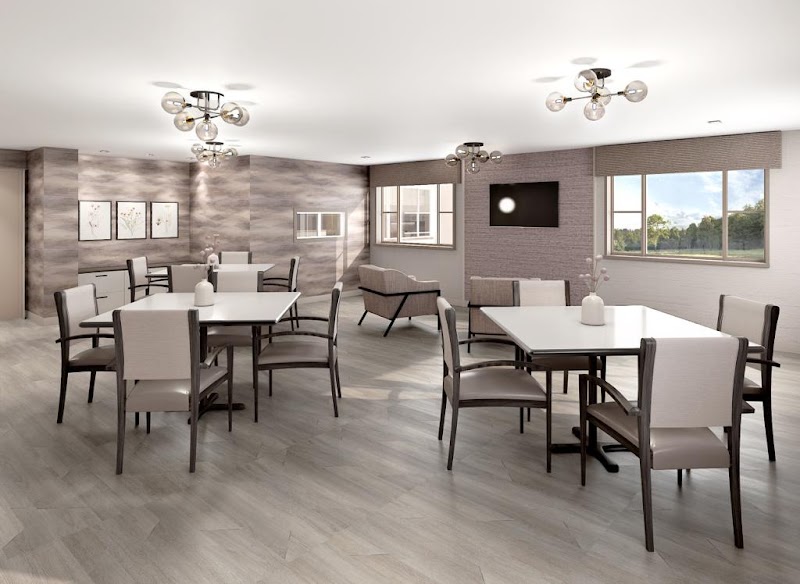
How is Aster Creek Staffed?

CMS rates ASTER CREEK NURSING AND REHABILITATION CENTER's staffing level at 3 out of 5 stars, which is average compared to other nursing homes. Staff turnover is 38%, compared to the New Jersey average of 46%. This relatively stable workforce can support continuity of care. RN turnover specifically is 62%, which is notably high. RNs provide skilled clinical oversight, so turnover in this role can affect medical care quality.

What Have Inspectors Found at Aster Creek?

State health inspectors documented 15 deficiencies at ASTER CREEK NURSING AND REHABILITATION CENTER during 2021 to 2024. These included: 15 with potential for harm.

Who Owns and Operates Aster Creek?

ASTER CREEK NURSING AND REHABILITATION CENTER is owned by a for-profit company. For-profit facilities operate as businesses with obligations to shareholders or private owners. The facility operates independently rather than as part of a larger chain. With 100 certified beds and approximately 70 residents (about 70% occupancy), it is a mid-sized facility located in TINTON FALLS, New Jersey.

How Does Aster Creek Compare to Other New Jersey Nursing Homes?

Compared to the 100 nursing homes in New Jersey, ASTER CREEK NURSING AND REHABILITATION CENTER's overall rating (3 stars) is below the state average of 3.3, staff turnover (38%) is near the state average of 46%, and health inspection rating (3 stars) is at the national benchmark.

What Should Families Ask When Visiting Aster Creek?

Based on this facility's data, families visiting should ask: "Can I visit during a mealtime to observe dining assistance and food quality?" "How do you handle medical emergencies, and what is your hospital transfer rate?" "Can I speak with family members of current residents about their experience?"

Is Aster Creek Safe?

Based on CMS inspection data, ASTER CREEK NURSING AND REHABILITATION CENTER has a clean safety record: no substantiated abuse findings (meaning no confirmed cases of resident harm), no Immediate Jeopardy citations (the most serious violation level indicating risk of serious injury or death), and is not on the Special Focus Facility watch list (a federal program monitoring the lowest-performing 1% of nursing homes). The facility has a 3-star overall rating and ranks #100 of 100 nursing homes in New Jersey. While no facility is perfect, families should still ask about staff-to-resident ratios and recent inspection results during their visit.

Do Nurses at Aster Creek Stick Around?

ASTER CREEK NURSING AND REHABILITATION CENTER has a staff turnover rate of 38%, which is about average for New Jersey nursing homes (state average: 46%). Moderate turnover is common in nursing homes, but families should still ask about staff tenure and how the facility maintains care continuity when employees leave.

Was Aster Creek Ever Fined?

ASTER CREEK NURSING AND REHABILITATION CENTER has been fined $93,206 across 2 penalty actions. This is above the New Jersey average of $34,011. Fines in this range indicate compliance issues significant enough for CMS to impose meaningful financial consequences. Common causes include delayed correction of deficiencies, repeat violations, or care failures affecting resident safety. Families should ask facility leadership what changes have been made since these penalties.

Is Aster Creek on Any Federal Watch List?

ASTER CREEK NURSING AND REHABILITATION CENTER is not on any federal watch list. The most significant is the Special Focus Facility (SFF) program, which identifies the bottom 1% of nursing homes nationally based on persistent, serious quality problems. Not being on this list means the facility has avoided the pattern of deficiencies that triggers enhanced federal oversight. This is a positive indicator, though families should still review the facility's inspection history directly.