CONTINUING CARE AT SEABROOK
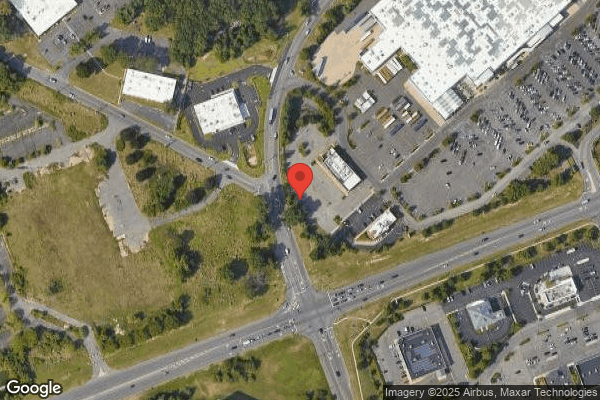
3002 ESSEX ROAD, TINTON FALLS, NJ 07753 (732) 643-2000
Non profit - Corporation 86 Beds ERICKSON SENIOR LIVING Data: November 2025
Trust Grade
95/100
#32 of 344 in NJ
Last Inspection: September 2024

Within standard 12-15 month inspection cycle. Federal law requires annual inspections.

Overview

Continuing Care at Seabrook has a Trust Grade of A+, indicating it is an elite facility that ranks among the best in the state. It is ranked #32 out of 344 nursing homes in New Jersey, placing it in the top half, and #3 out of 33 in Monmouth County, showing that only two local options are better. The facility is improving, with a decrease in reported issues from 2 in 2023 to just 1 in 2024. Staffing is a strong point, with a 5/5 star rating and a low turnover rate of 22%, significantly better than the state average of 41%. There have been no fines, which is a positive sign, but there were some concerns noted during inspections, including a failure to ensure proper monitoring of residents on psychoactive medications and instances of staff not following hand hygiene protocols, which could pose infection risks.

Trust Score
A+
95/100
In New Jersey
#32/344
Top 9%
Safety Record
Low Risk
No red flags
Inspections
Getting Better
2 → 1 violations
Staff Stability
✓ Good
22% annual turnover. Excellent stability, 26 points below New Jersey's 48% average. Staff who stay learn residents' needs.
Penalties
✓ Good
No fines on record. Clean compliance history, better than most New Jersey facilities.
Skilled Nurses
✓ Good
Each resident gets 52 minutes of Registered Nurse (RN) attention daily — more than average for New Jersey. RNs are trained to catch health problems early.
Violations
○ Average
6 deficiencies on record. Average for a facility this size. Mostly minor or procedural issues.
★★★★★
5.0
Overall Rating
★★★★★
5.0
Staff Levels
★★★★☆
4.0
Care Quality
★★★★★
5.0
Inspection Score
Stable
2023: 2 issues
2024: 1 issues

The Good

  • 5-Star Staffing Rating · Excellent nurse staffing levels
  • 4-Star Quality Measures · Strong clinical quality outcomes
  • Low Staff Turnover (22%) · Staff stability means consistent care
  • Full Sprinkler Coverage · Fire safety systems throughout facility
  • No fines on record
  • Staff turnover is low (22%)

    26 points below New Jersey average of 48%

Facility shows strength in staffing levels, quality measures, staff retention, fire safety.

The Bad

Chain: ERICKSON SENIOR LIVING

Part of a multi-facility chain

Ask about local staffing decisions and management

The Ugly 6 deficiencies on record

Sept 2024 1 deficiency
CONCERN (D)

Potential for Harm - no one hurt, but risky conditions existed

Deficiency F0883 (Tag F0883)

Could have caused harm · This affected 1 resident

**NOTE- TERMS IN BRACKETS HAVE BEEN EDITED TO PROTECT CONFIDENTIALITY** 2. On 9/8/24 at 10:08 AM, during initial tour of the facility, the surveyor observed Resident #23 in their bedroom lying in bed ...

Read full inspector narrative →
**NOTE- TERMS IN BRACKETS HAVE BEEN EDITED TO PROTECT CONFIDENTIALITY** 2. On 9/8/24 at 10:08 AM, during initial tour of the facility, the surveyor observed Resident #23 in their bedroom lying in bed watching television. On 9/9/24 at 12:26 PM, the surveyor reviewed the medical record for Resident #23. A review of the admission Record face sheet reflected that the resident was admitted to the facility with diagnoses including but not limited to; chronic obstructive pulmonary disease, hypertension (high blood pressure), congestive heart failure (heart muscle does not pump blood as well as it should), and hypertensive chronic kidney disease (elevated blood pressure caused by kidney disease). A review of the most recent quarterly MDS dated [DATE], reflected the resident had a BIMS score of 10 of out of 15, indicating a moderately impaired cognition. A review of Section O0300 indicated Resident #23's pneumococcal vaccine was up to date. A review of the Vaccine Administration Record revealed that the pneumococcal vaccine was administered on 8/29/16. A review of the (eMR) did not include documentation that the resident was offered and declined the vaccination upon admission. On 9/10/24, the surveyor requested the Pneumococcal Vaccine Consent Form declination form from the IP. On 9/10/24 at 12:33 PM, the surveyor interviewed the IP who stated that the pneumococcal vaccine administered on 8/29/16, was the most up to date vaccine for Resident #23. The IP stated that the facility was putting a system into place for the long-term care residents to offer vaccines to the residents upon admission. The IP confirmed that the resident was eligible for the pneumococcal vaccine, but was not offered. The IP was unable to provide any declination documentation. On 9/12/24 at 11:22 AM, the DON in the presence of AIT #1, AIT #2, and the survey team, provided the surveyor with a Pneumococcal Vaccine Consent Form declination for Resident #23 dated 9/10/24. The DON confirmed that the declination should have been obtained prior to surveyor inquiry. On 9/12/24 at 11:45 AM, the surveyor in the presence of the DON, AIT #1, AIT #2, and survey team, interviewed the Medical Director, who confirmed that Resident #23 should have been offered pneumococcal vaccine. A review of the facility's Infection Prevention and Control Preventing Transmission of Infectious Agents Process: Screening and Vaccinations policy dated June 2021, included .4. vaccines will be offered to residents and staff when available unless the immunization is medically contraindicated or the resident/staff has already been immunized . 6. the resident, resident representative, or staff member will have the opportunity to accept or refuse a vaccine and may change their decision at any time .documentation of refusal will be completed in the resident's EMR or the employee's health record .8. the resident's medical record and the employee's health record will include documentation that indicates [ .] if the resident did not receive the vaccine that this was due to medical contraindications or refusal . NJAC 8:39-19.4(i) Based on observation, interview, and review of pertinent facility documents, it was determined that the facility failed to ensure that all eligible residents were educated and offered the pneumococcal vaccination (vaccine) to prevent incidence of pneumonia. The deficient practice was identified for 2 of 5 residents reviewed for immunizations (Resident #23 and Resident #40), and was evidenced by the following: 1. On 9/8/24 at 10:44 AM, during initial tour of the facility, the surveyor observed Resident #40 in the activity room sleeping upright in their wheelchair. On 9/9/24 at 10:27 AM, the surveyor reviewed the medical record for Resident #40. A review of the admission Record face sheet (an admission summary) reflected that the resident was admitted to the facility with diagnoses included but not limited to; dementia, major depressive disorder, and generalized weakness. A review of the most recent comprehensive Minimum Data Set (MDS), an assessment tool dated 8/30/24, reflected that the resident had a brief interview for mental status (BIMS) score of 3 out of 15, which indicated a severely impaired cognition. A review the electronic Medical Record (eMR) did not include documentation that the resident received or declined the pneumococcal vaccination. On 9/10/24 at 11:19 AM, the surveyor with the Unit Manager/Registered Nurse (UM/RN #1) reviewed Resident #40's eMR, and UM/RN #1 confirmed there was no documentation that the resident received or declined the pneumococcal vaccination. UM/RN #1 stated that she would follow-up with the Infection Preventionist (IP) to see if they had any further information. When asked who was responsible for obtaining the vaccination consent or declination and maintaining the vaccine records, UM/RN #1 stated the IP and the facility was responsible. On 9/10/24 at 12:15 PM, the surveyor in the presence of UM/RN #1 and the survey team interviewed the IP, who stated that Resident #40's family refused the pneumococcal vaccination, but the facility was still working on the long-term care process for declinations. When asked if there was any documentation of the refusal, the IP responded that she was working on that now to get it. The IP confirmed that the declination should have been obtained prior to surveyor inquiry and that the responsibility of maintaining the vaccine records was a collective between herself and the clinical team. On 9/12/24 at 11:22 AM, the Director of Nursing (DON) in the presence of the Administrator in Training (AIT #1), AIT #2, and survey team, acknowledged that the resident's declination for the pneumococcal vaccination should have been obtained prior to surveyor inquiry.
Aug 2023 2 deficiencies
CONCERN (D)

Potential for Harm - no one hurt, but risky conditions existed

Medication Errors (Tag F0758)

Could have caused harm · This affected 1 resident

**NOTE- TERMS IN BRACKETS HAVE BEEN EDITED TO PROTECT CONFIDENTIALITY** Based on observation, interview, record review and review of facility policy, it was determined that the facility failed to ensu...

Read full inspector narrative →
**NOTE- TERMS IN BRACKETS HAVE BEEN EDITED TO PROTECT CONFIDENTIALITY** Based on observation, interview, record review and review of facility policy, it was determined that the facility failed to ensure the facility policy was followed to identify and adequately monitor target behaviors for residents receiving psychoactive drug therapy for 2 of 2 residents (Residents #27 and #33) reviewed for use of psychoactive medication use. The deficient practice was evidenced by the following: 1. On 08/22/23 at 10:05 AM during the initial tour, the surveyor observed Resident #27 sitting in the room and a visitor was at the bedside. The surveyor knocked on the door and was prompted by the visitor to enter the room. The surveyor explained the purpose of the visit to both the resident and the visitor. The visitor identified himself as the resident's representative and agreed to engage in a conversation with the surveyor at a later time. On 08/23/23 at 9:15 AM, the surveyor observed Resident #27 in the dining room area eating breakfast. On 08/25/23 at 7:45 AM, the surveyor observed Resident #27 asleep in bed. The resident representative was observed in the room. The surveyor observed two landing pads on each side of the bed. An interview with the representative revealed that Resident #27 could be aggressive at times with care givers. He stated that Resident #27 was recently hospitalized for Pneumonia (lung inflammation caused by bacteria or viral infection) and the visitor further stated that they were looking forward to taking the resident home. On 08/25/23 at 10:15 AM, the surveyor reviewed Resident #27 medical record. The admission Face Sheet (an admission summary) reflected that Resident #27 was admitted to the facility with diagnoses which included, but were not limited to, pneumonia due to other specified infectious organisms, Alzheimer's Disease, unspecified dementia in other disease classified elsewhere, chronic obstructive pulmonary disease with lower respiratory infection, and acute respiratory failure with hypoxia. The admission Minimum Data Set (MDS) with an assessment reference date of 07/18/23, revealed that Resident #27 scored 02 out of 15 on the Brief Interview for Mental Status (BIMS) which was indicative of a severely impaired cognition. The Comprehensive Care Plan (CP) initiated 07/14/23 indicated under Cognitive Patterns, Mood, and Expressions #13 Goal(s) the following: I would like to have 6-8 hours of sleep throughout the night. Staff will be able to assist me to decrease the episodes of negative outbursts and or expressions throughout my stay. I become anxious when I am unable to remember things. This is how I exhibit or express anxiety, upset and agitated. The CP for Resident #27 did not address all behaviors exhibited by the resident. Resident #27 had physician's orders for the following psychoactive medications: Seroquel (Antipsychotic used to treat schizophrenia, bipolar disorder and depression) 25 milligrams (mg) tablet daily for mood disorder. 1(tab) Tablet Oral every day for mood disorder. Depakote Sprinkles (anticonvulsant used to treat bipolar disorder) 125 mg capsule, delayed release (2 caps) Capsule every twelve hours. Xanax (sedative used to treat anxiety and panic disorder) 0.25 mg tablet 1 tablet as needed every 8 hours as needed for anxiety. The psychiatry Progress Note dated 08/16/23, indicated the following: Patient reevaluated for Dementia, Mood Disorder, Anxiety. Nursing staff continue to report increased in agitation, yelling, hitting, difficulty to redirect during episodes, spits out oral anti-anxiety medications. On examination, patient [referring to Resident #27] was confused. Thought process is impoverished. Patient is likely to benefit from topical anti-anxiety medication as oral medication is sometimes not effective (spitting out). Plan: 1. Always consider supportive and individualized non-pharmacological interventions. Treat medical issues. Encourage participation in activities, social engagement as tolerated and as possible for psychosocial well-being. 1. Add Ativan gel 1 mg /ml (milliliter) topical every 12 hours as needed for anxiety. Continue will all current treatments, Benefit greater than risks. Resident #27 had diagnosis of Chronic Obstructive Pulmonary Disease (COPD), was recently admitted with hypoxia and the oxygen saturation would drop at times and causing him/her to be anxious. On 08/29/23 at 8:57 AM, during an interview with the Clinical Coordinator Registered Nurse (CC/RN), she stated that Resident #27 had episodes of disruptive behavior, kicking, cursing and yelling. The psychotropic medication was prescribed during the resident hospitalization for agitation and altered mental status. The CC/RN further stated on 08/29/23 at 10:30 AM, that if the resident displayed target behaviors, they would be included in the nurses notes and then summarized monthly. The surveyor requested the monthly summary notes regarding the psychoactive medications and behaviors, and the facility was unable to provide. On 08/29/23 at 11:37 AM, during an interview with the the CC/RN and the Assistant Director of Nursing (ADON) both revealed that resident documentation was completed by exception. The ADON stated that the Certified Nursing Assistant (CNA) would ask questions from the Action and Expression Touch Screen, then document their answers and then report the information to the nurse. The nurse would then enter their documentation in the monthly summary. The surveyor requested the Action and Expressions Form for review. The surveyor reviewed the medical record and the following behaviors were entered in the progress notes for Resident #27: 07/13 07:05 AM, disrobing. 07/20/23 3:49 PM, agitated during lunch, shout[ing] at other residents, cursing. Agitated the other residents. 07/22/23 06:19 AM, agitation. 08/04/23 04:39 PM, agitation, restless, arguing with staff and residents. Continued to display Actions and Expressions. Swing arms at staff and residents. 08/11/23 2:35 PM, yelling, resistant with staff. 08/16/23 7:50 PM, spitting using foul language. On 08/30/23 at 12:27 PM, during a pre-exit conference with the administrative staff, the Director of Nursing (DON) stated that target behaviors for psychoactive medications were documented on the Activities of Daily Living Flow Sheet (ADLs) Form Action and Expression Touch Screen and she would provide the documentation in the morning. On 08/31/23 at 8:27 AM, the ADON in the presence of the survey team, stated that the CNA's failed to document the behavior on the ADLs Touch Screen Action and Expression. The ADON provided the CNA's documentation for the resident which documented, No behavior. On 08/31/23 at 9:30 AM, when the nurses notes were reviewed, along with the documentation from the Actions and Expressions Touch Screen provided by the facility for the corresponding time periods (07/13/23-08/29/23), the CNAs documentation did not include any behavior entries for the number of behavior incidents reportedly displayed and were documented in the medical record. 2. Resident #33 was admitted to the facility with diagnoses which included, but was not limited to Bipolar Disorder, major depressive disorder and anxiety. On 08/22/23 at 10:30 AM, the surveyor observed Resident #33 in the room and the resident was awake and alert and able to maintain a conversation. On 08/24/23 at 11:30 AM, the surveyor reviewed the medical record which revealed that Resident #33 was prescribed the following psychoactive medications: Seroquel 350 mg at bedtime for Bipolar disorder Seroquel 25 mg every one day for Bipolar Disorder. Depakote 250 mg tablet, 1 tablet twice daily for Bipolar Disorder. Bupropion Hydrochloride (medication used to treat anxiety) (100 mg) daily for bipolar Disorder current episode mixed. moderate. Ativan (medication used to treat anxiety) 0.5 mg as needed at bedtime for anxiety disorder. On 08/28/23 at 11:30 AM, the surveyor interviewed the resident regarding the prescribed medications. Resident #33 informed the surveyor that he/she could not recall all the medications prescribed, however he/she had been diagnosed with mental illness a long time ago. The Quarterly Minimum Data Set (MDS) dated [DATE] revealed that Resident #33 was able to make his/her needs known. Resident #33 scored 14 out of 15 on the Brief Interview for Mental Status (BIMS) indicative of an intact cognition. The Comprehensive Care Plan (CP) dated 08/10/23 which did not include a focus area for behavior. On 08/28/23 at 11:30 AM, the surveyor interviewed the CC/RN regarding the above medications and the target behavior that was identified and what was being monitored. The CC/RN could not identify the target behaviors for the above medications. When inquired regarding if the resident's behavior had been monitored and documented, the CC/RN stated that the behaviors were documented on the monthly summary. On 08/29/23 at 11:30 AM, the surveyor then requested the monthly summaries for review. The CC/RN could not provide the monthly summaries. A review of the nurses notes failed to identify the target behaviors that were being monitored. A review of the psychiatry consultation dated 05/01/23 indicated the following: Client was referred to [name redacted- crisis response program for the elderly ] due to become paranoid and anxious in response to being informed by staff that he/she is being transferred to a new psychiatric Nurse Practitioner. Progress notes were reviewed and there was no documentation regarding the resident exhibiting paranoid behavior. The following recommendations were suggested on the psychiatry consultation from [name redacted- crisis response program for the elderly]. 1. Have client participate in a behavioral Contract and Token Economy as a means of helping to decrease inappropriate behavior and providing positive reinforcement to encourage appropriate behavior, [name redacted- crisis response program for the elderly] recommend staff training on: ABC Tracking-Monitoring and Identifying Potential Triggers to behaviors (Assessment tool used to gather information that should evolve into a behavior implementation plan). The same recommendations were again documented on 06/13/23. When interviewed on 08/29/23 at 11:00 AM, the CC/RN confirmed that monthly summaries to monitor behaviors for Resident #33 were not being completed. The target behaviors were not identified or documented. The Patient Care associate [CNA] could not comment on the behavior. Upon inquiry the staff that were assigned to Resident #33 stated that the resident was attention seeking and would lower him/herself on the floor to get staff into the room. The staff did not state that the resident had been aggressive toward staff. The behavior was not captured on the ADL's Touch Screen Action and Expression. The CNA's indicated in their documentation that the resident did not exhibit any behaviors. On 08/30/23 at 12:33 PM, the DON stated that the CNA's documented the behavior on the computer, reported the behaviors to nursing and then the nurse would complete the monthly summary. On 08/31/23 at 8:27 AM, the ADON in the presence of the survey team, stated that the CNA's failed to document the behavior on the ADLs Touch Screen Action and Expression for both residents Resident #27 and #33. The ADON provided the CNA's documentation which revealed all documented, No behavior. On 08/31/23 at 9:30 AM, during a pre-exit conference held with the administrator and the DON, the DON confirmed that target behaviors were not identified or documented. A review of the facility policy titled, Psychoactive Medications dated 05/2003 last updated 06/2021, revealed the following : Psychoactive medication therapy shall be used only when it is necessary to achieve specific treatment goals. Once treatment goals have been achieved, residents on psychoactive medications will receive gradual dose reductions and behavioral interventions, as clinically indicated, in an effort to discontinue these medications. Procedure: All psychoactive medication orders will contain supporting documentation to define specific goals of treatment. The minimum documentation required includes a specific diagnosis or condition, if known, or a specific target behavior. Any medication used to manage the behavior will include provider documentation of target symptoms or behaviors in the clinical record and the documentation will be sufficient to demonstrate that said behaviors are : a. Violent or dangerous to self or others. b. Extremely disturbing to the resident or other staff. c. Interfere significantly with care delivery causing adverse outcomes. N.J.A.C. 8:39-27.1(a)
CONCERN (D)

Potential for Harm - no one hurt, but risky conditions existed

Infection Control (Tag F0880)

Could have caused harm · This affected 1 resident

Based on observation, interview, and document review it was determined that the facility failed to follow their Handwashing/Hand Hygiene policy and perform hand hygiene during a lunch meal observation...

Read full inspector narrative →
Based on observation, interview, and document review it was determined that the facility failed to follow their Handwashing/Hand Hygiene policy and perform hand hygiene during a lunch meal observation. This deficient practice was observed on 1 of 2 resident units and was evidenced by the following: On 08/22/23 at 11:55 AM, during the observation of the lunch meal in the main dining area on the fourth-floor unit, a Certified Nurse Aide (CNA) #1 was observed without performing hand hygiene as follows: 11:55 AM before and after delivering a lunch tray to Resident #1. 11:59 AM before and after delivering a lunch tray to Resident #2. 12:04 PM before delivering a lunch tray to Resident #3, and then required a second tray and was taken away. 12:07 PM CNA # 1 reached into her scrub top pocket, answered her cell phone, put the phone back into her pocket and then delivered a tray to Resident #3. 12:09 PM CNA #1 dropped a pen out of her pocket and then picked it up off of the ground. CNA #1 then delivered a lunch tray to Resident # 4. 12:11 PM before and after delivering lunch tray to Resident #5. 12:13 PM before and after delivering lunch tray to Resident #6. 12:14 PM before and after delivering a cup and drink to Resident #7. 12:16 PM before and after delivering lunch tray to Resident #8. 12:19 PM CNA #1 walked away from the dining area into another room to talk on her cell phone, and then returned to continue with meal delivery without first performing hand hygiene. 12:21 PM CNA #1 exited the dining room and then returned the cell phone into her pocket. On 08/22/23 at 12:23 PM, during an interview with the surveyor, CNA #1 stated she was supposed to use hand hygiene between passing each residents meal tray. You caught me, we were just hectic. CNA #1 also stated that the cell phone in her pocket was also dirty and hand hygiene needed to be performed after using her cell phone or reaching into her scrub pocket, which she acknowledged was a dirty environment. On 08/22/23 at 12:25 PM, during an interview with the surveyor, the Licensed Practical Nurse # 1 (LPN #1) explained her job duty was to oversee meals making sure the residents were safe and not choking. LPN #1 also stated that hand hygiene must be performed before and after delivering food to prevent the spread of germs. On 08/22/23 at 12:37 PM, the Director of Nursing (DON) stated the process for the lunch meal was that dietary and nursing were present for assisting, and the nursing staff would bring in hand wipes for the residents and also assist with feeding. The DON stated, staff should perform hand hygiene in between residents for infection control. She further stated that any items in scrub pockets were considered dirty and hand hygiene should be completed. A review of the facility provided, Handwashing/Hand Hygiene policy dated 5/2019 included but not limited to: Purpose to prevent the spread of potentially infectious organism to residents/patients, staff, and visitors. Definition hand hygiene means cleaning your hands by using either handwashing (washing hands with soap and water), antiseptic hand wash, antiseptic hand rub (i.e. alcohol-based hand sanitizer including foam or gel), or surgical hand antisepsis. When to perform some form of hand hygiene (at a minimum) -After touching a resident/patient's immediate environment -Hand washing is required anytime you are handling food -When handling food, hands must be washed. Alcohol based sanitizers can not be substituted. NJAC 8:39-19.4(a); 27.1(a)
Mar 2022 3 deficiencies
CONCERN (D)

Potential for Harm - no one hurt, but risky conditions existed

Incontinence Care (Tag F0690)

Could have caused harm · This affected 1 resident

Based on observation, interview, review of the medical record and review of other facility documentation, it was determined that the facility failed to ensure that an indwelling urinary catheter drain...

Read full inspector narrative →
Based on observation, interview, review of the medical record and review of other facility documentation, it was determined that the facility failed to ensure that an indwelling urinary catheter drainage bag (drainage bag) was stored in a way to prevent the spread of infection. This deficient practice was identified for 1 of 3 residents reviewed for the use of indwelling urinary catheters (Resident #8) and was evidenced by the following: According to the admission Record, Resident #8 had diagnoses that included, but were not limited to: dementia, neuromuscular dysfunction of bladder, and chronic kidney disease. Review of the Quarterly Minimum Data Set (MDS), an assessment tool used to facilitate the management of care, dated 01/13/22, revealed the resident had a Brief Interview for Mental Status of 04, which indicated that the resident was severely cognitively impaired. Further review of the MDS revealed the resident was incontinent, had an urinary indwelling catheter, was impaired on one side of the body and required extensive assistance of two staff for toilet use. On 03/04/22 at 9:57 AM, the surveyor observed Resident #4's drainage bag and tubing was stored in a clear plastic bag that was tied to the handrail in the bathroom. The surveyor observed that the opening of the drainage bag was open and did not have a cap applied. On 03/08/22 at 12:29 PM, the surveyor observed Resident #4's drainage bag stored in a clear plastic bag that was tied to the handrail in the bathroom. The surveyor observed that the opening of the drainage bag was open and did not have a cap applied. The surveyor further observed a blue drainage bag cap (cap) stored inside a gray bin next to the drainage bag. During an interview with the surveyor on 03/08/22 at 12:47 PM, the Care Associate (CA) assigned to Resident #8, stated the resident was incontinent, had an indwelling urinary catheter and required total assist with care. The CA further stated the resident wore a leg bag when out of bed and that the drainage bag was reattached when the resident returned back to bed. The CA added that the drainage bag was cleansed, capped and stored in a plastic bag in the resident's bathroom when not in use. During an interview with the surveyor on 03/08/22 at 12:58 PM, the Clinical Manager (CM) stated Resident #8 required total assist with care and that staff were responsible for making sure the resident's urinary catheter was patent and intact. The CM further stated the resident changed into a leg bag when out of bed and that staff was supposed to rinse the drainage bag, apply a cap to the tip of the drainage bag opening and store it in a plastic bag in the resident's bathroom. At that time, the CM accompanied the surveyor to the resident's room to observe the resident's drainage bag storage. The CM confirmed the surveyor's findings and stated the resident's drainage bag was probably not capped because there was cap in the grey bin stored next to the drainage bag. The CM stated the resident's drainage bag should have been capped and that capping the opening of the drainage bag was important to prevent infection. During an interview with the surveyor on 03/09/22 at 10:59 AM, the Director of Nursing (DON) stated she expected staff to rinse the drainage bag, make sure it was capped securely and store it in a clean plastic bag. The DON added that it was important to securely cap the drainage bag to make sure bacteria was not introduced into the drainage bag that the resident would be using. A review of the facility's Urinary Catheters policy, dated 6/2021, indicated that proper infection control practices regarding catheter care, tubing and collection bag [drainage bag] would be followed at all times. NJAC 8:39 - 19.4 (a)(5)
CONCERN (D)

Potential for Harm - no one hurt, but risky conditions existed

Pharmacy Services (Tag F0755)

Could have caused harm · This affected 1 resident

Based on observation, interview, record review, and review of other facility documentation, it was determined that facility staff failed to administer medication in accordance with a physician's order...

Read full inspector narrative →
Based on observation, interview, record review, and review of other facility documentation, it was determined that facility staff failed to administer medication in accordance with a physician's orders. This deficient practice was identified in 1 of 3 nurses, on 1 of 2 units (Fourth Floor Nursing Unit) observed during the medication pass. This deficient practice was evidenced by the following: On 03/04/22 at 8:47 AM, the surveyor observed the Licensed Practical Nurse (LPN) administer medication to a resident (Resident #43). At that time, the LPN advised the surveyor that he obtained a blood pressure reading for Resident #43 of 108/70. The surveyor observed the LPN prepare various medications for administration to the resident, including but not limited to one tablet of Carvedilol 12.5 milligrams (mg) (a medication used to treat blood pressure) and one tablet Potassium Chloride Extended Release 20 milliequivalents (mEq) (a medication used to supplement potassium levels). The LPN then proceeded to the bedside of the resident, to administer medication to the resident. The surveyor asked the LPN to return to the cart, so that the two of them could review the medication regimen for Resident #43. The LPN stated that he should have prepared two tablets of Potassium Chloride for administration to the resident, as per the physician's order. In addition, the LPN stated that he should not have included the tablet of Carvedilol for administration to the resident. He further stated that the resident's systolic blood pressure (SBP) (top number, indicating a measure of exertion when the heart beats) was 108 mm Hg (the unit of measure used for blood pressure) and the physician's order indicated that the medication should be held for a systolic blood pressure less than 110 mm Hg. During this time, the LPN acknowledged that two medication errors occurred. He added one tablet of Potassium Chloride to the resident's medication for administration and removed the tablet of Carvedilol from the resident's medication for administration. A review of the admission Face Sheet for Resident #43 revealed a diagnosis that included but was not limited to hypertension (high blood pressure). A review of the Physician Order Form for March 2022 revealed orders that included but were not limited to the following for Resident #43: Potassium Chloride ER 20 mEq tablet, two tablets orally for hyperkalemia (low potassium) and Carvedilol 12.5 mg, one tablet orally for hypertension (high blood pressure), which included a note to hold for SBP less than 110. A review of the March 2022 Medication Administration Record (MAR) for Resident #43 revealed the LPN's initials on the referenced orders for the morning of 03/04/22. In addition, it was noted that the Carvedilol was not administered to the resident, due to a vital sign (blood pressure) being out of range. During an interview with the surveyor, the survey team, and administrative staff on 03/04/2022 at 1:07 PM, the Director of Nursing (DON) stated that it would be her expectation for nursing staff to administer medication as ordered by the physician, including adherence with parameters and doses that comprised the order. The DON and Continuing Care Administrator (CCA) acknowledged the referenced errors, stated they understood the concerns of the survey team, and had no additional questions regarding the matters presented to them. A review of the facility's policy titled, Medication Administration, Receipt, Storage, & Disposal revealed an origination date of April 2005 and a version date of June 2021. Further review of the policy revealed that it was necessary for designated staff to administer medication correctly, including the right dose. The policy did not address administering medication in accordance with any parameters, a numerical or other measurable factor that provides a condition or guidance in which further action or inaction may occur. NJAC 8:39 - 29.2(d)
MINOR (B)

Minor Issue - procedural, no safety impact

Deficiency F0638 (Tag F0638)

Minor procedural issue · This affected multiple residents

2). The surveyor reviewed the MDS information for Resident #7, contained within the electronic medical record. Further review revealed that the most recent MDS record for the referenced resident was c...

Read full inspector narrative →
2). The surveyor reviewed the MDS information for Resident #7, contained within the electronic medical record. Further review revealed that the most recent MDS record for the referenced resident was created on 10/03/21, with an ARD of 10/26/21, and was signed on 11/21/21. 3). The surveyor reviewed the MDS information for Resident #14, contained within the electronic medical record. Further review revealed that the most recent MDS record for the referenced resident was created on 10/25/21, with an ARD date of 11/02/21, and was signed on 11/23/21. During an interview with the surveyor on 03/07/22 at 10:35 AM, the Continuing Care Administrator (CCA) stated that the MDS Coordinator (MDS-C) was on leave until April of 2022. The CCA further stated that an acting MDS-C was completing the MDS assessments in her absence. During an interview with the surveyor on 03/08/22 at 11:09 AM, the acting MDS-C stated that she was covering for an absent staff member, who ordinarily serves in the referenced capacity and has been doing so since 01/20/22. During the same date and time, the acting MDS-C stated that the most recent Quarterly MDS for Resident #7 was completed on 10/26/21 and acknowledged that an additional Quarterly MDS should have been completed in January of 2022. She also stated that the most recent Quarterly MDS for Resident #14 was dated 11/02/21 and acknowledged that an additional Quarterly MDS should have been completed in February 2022. During an interview with the surveyor on 03/08/22 at 12:20 PM, the Registered Nurse/Clinical Manager (RN/CM) stated the most recent Quarterly MDS for Resident #7 was completed around 10/26/21 and acknowledged that an additional Quarterly MDS should have been completed in January of 2022. She also stated that the most recent Quarterly MDS for Resident #14 was completed around 11/02/21 and acknowledged that an additional Quarterly MDS should have been completed in February of 2022. During an interview with the surveyor and team on 03/08/22 at 1:53 PM, the Director of Nursing (DON) stated that MDS assessments should be completed on resident admission, annually, at any time that a significant change in health or status occurs for a resident, and in the absence of such events, on a quarterly basis. The DON acknowledged that the MDS Quarterly assessments should have been completed for both Resident #7 and Resident #14 prior to March of 2022. During an interview with the survey team and administrative staff on 03/09/21 at 10:51 AM, the DON further acknowledged that an additional Quarterly MDS assessment was missed for Resident #5. The CCA stated that Resident #5 had been coded incorrectly in the MDS tracking system and the Quarterly MDS assessment should have been completed. The CCA reiterated that the Quarterly MDS assessments for Residents #7 and #14 should have both been completed prior to March of 2022. She further stated that the acting MDS-C scanned the wrong nursing unit (floor), causing some of the residents to be missed for timely MDS completion. Finally, she stated that it would be her expectation for assessments to be completed as they are due. During the same date and time, the DON stated it would be her expectation for MDS assessment tracking to occur more than once per month, so that potential issues such as those discovered are detected sooner. A review of the facility's policy titled, MDS Completion and Management revealed the policy had an origin date of April 2005 and a current version date of June 2021. The policy revealed a need for a quarterly MDS to be completed by the team on each resident within skilled nursing. In addition, it revealed that the MDS Coordinator or designee maintains the schedule for MDS completion within the electronic medical record and schedules subsequent assessments. NJAC 8.39 - 11.1 Based on interview and record review, it was determined that the facility failed to complete a quarterly Minimum Data Set Assessment (MDS), an assessment tool used to facilitate the management of care, for 3 of 21 residents (Residents #5, #7 and #14) reviewed for resident assessments. This deficient practice was evidenced by the following: 1). The surveyor reviewed the MDS information for Resident #5, contained within the electronic medical record. Further review revealed that the most recent MDS record for the referenced resident was created on 01/11/22, with an Assessment Reference Date (ARD, the end date for the observation period) of 01/27/22. The surveyor observed the Quarterly MDS was not completed.
Understanding Severity Codes (click to expand)
Life-Threatening (Immediate Jeopardy)
J - Isolated K - Pattern L - Widespread
Actual Harm
G - Isolated H - Pattern I - Widespread
Potential for Harm
D - Isolated E - Pattern F - Widespread
No Harm (Minor)
A - Isolated B - Pattern C - Widespread

Questions to Ask on Your Visit

  • "Can I speak with families of current residents?"
  • "What's your RN coverage like on weekends and overnight?"

Our Honest Assessment

Strengths
  • • Grade A+ (95/100). Above average facility, better than most options in New Jersey.
  • • No major safety red flags. No abuse findings, life-threatening violations, or SFF status.
  • • No fines on record. Clean compliance history, better than most New Jersey facilities.
  • • 22% annual turnover. Excellent stability, 26 points below New Jersey's 48% average. Staff who stay learn residents' needs.
Concerns
  • • No significant concerns identified. This facility shows no red flags across CMS ratings, staff turnover, or federal penalties.
Bottom line: Generally positive indicators. Standard due diligence and a personal visit recommended.

About This Facility

What is Continuing Care At Seabrook's CMS Rating?

CMS assigns CONTINUING CARE AT SEABROOK an overall rating of 5 out of 5 stars, which is considered much above average nationally. Within New Jersey, this rating places the facility higher than 99% of the state's 100 nursing homes. This rating reflects solid performance across the metrics CMS uses to evaluate nursing home quality.

How is Continuing Care At Seabrook Staffed?

CMS rates CONTINUING CARE AT SEABROOK's staffing level at 5 out of 5 stars, which is much above average compared to other nursing homes. Staff turnover is 22%, compared to the New Jersey average of 46%. This relatively stable workforce can support continuity of care.

What Have Inspectors Found at Continuing Care At Seabrook?

State health inspectors documented 6 deficiencies at CONTINUING CARE AT SEABROOK during 2022 to 2024. These included: 5 with potential for harm and 1 minor or isolated issues.

Who Owns and Operates Continuing Care At Seabrook?

CONTINUING CARE AT SEABROOK is owned by a non-profit organization. Non-profit facilities reinvest revenue into operations rather than distributing to shareholders. The facility is operated by ERICKSON SENIOR LIVING, a chain that manages multiple nursing homes. With 86 certified beds and approximately 61 residents (about 71% occupancy), it is a smaller facility located in TINTON FALLS, New Jersey.

How Does Continuing Care At Seabrook Compare to Other New Jersey Nursing Homes?

Compared to the 100 nursing homes in New Jersey, CONTINUING CARE AT SEABROOK's overall rating (5 stars) is above the state average of 3.3, staff turnover (22%) is significantly lower than the state average of 46%, and health inspection rating (5 stars) is much above the national benchmark.

What Should Families Ask When Visiting Continuing Care At Seabrook?

Based on this facility's data, families visiting should ask: "Can I visit during a mealtime to observe dining assistance and food quality?" "How do you handle medical emergencies, and what is your hospital transfer rate?" "Can I speak with family members of current residents about their experience?"

Is Continuing Care At Seabrook Safe?

Based on CMS inspection data, CONTINUING CARE AT SEABROOK has a clean safety record: no substantiated abuse findings (meaning no confirmed cases of resident harm), no Immediate Jeopardy citations (the most serious violation level indicating risk of serious injury or death), and is not on the Special Focus Facility watch list (a federal program monitoring the lowest-performing 1% of nursing homes). The facility has a 5-star overall rating and ranks #1 of 100 nursing homes in New Jersey. While no facility is perfect, families should still ask about staff-to-resident ratios and recent inspection results during their visit.

Do Nurses at Continuing Care At Seabrook Stick Around?

Staff at CONTINUING CARE AT SEABROOK tend to stick around. With a turnover rate of 22%, the facility is 24 percentage points below the New Jersey average of 46%. Low turnover is a positive sign. It means caregivers have time to learn each resident's needs, medications, and personal preferences. Consistent staff also notice subtle changes in a resident's condition more quickly. Registered Nurse turnover is also low at 20%, meaning experienced RNs are available to handle complex medical needs.

Was Continuing Care At Seabrook Ever Fined?

CONTINUING CARE AT SEABROOK has no federal fines on record. CMS issues fines when nursing homes fail to meet care standards or don't correct problems found during inspections. The absence of fines suggests the facility has either maintained compliance or corrected any issues before penalties were assessed. This is a positive indicator, though families should still review recent inspection reports for the full picture.

Is Continuing Care At Seabrook on Any Federal Watch List?

CONTINUING CARE AT SEABROOK is not on any federal watch list. The most significant is the Special Focus Facility (SFF) program, which identifies the bottom 1% of nursing homes nationally based on persistent, serious quality problems. Not being on this list means the facility has avoided the pattern of deficiencies that triggers enhanced federal oversight. This is a positive indicator, though families should still review the facility's inspection history directly.