CHILDRENS SPECIALIZED HOSPITAL TOMS RIVER
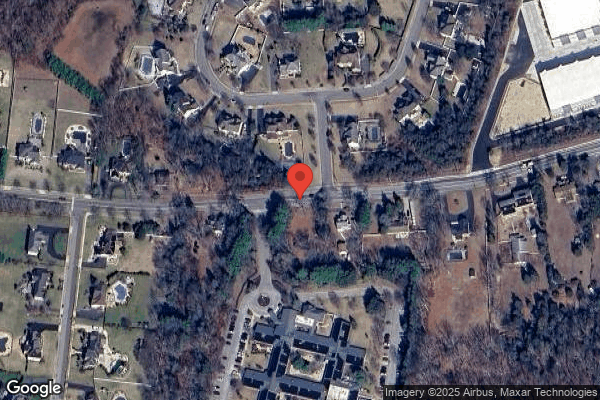
94 STEVENS ROAD, TOMS RIVER, NJ 08755 (732) 797-3800
Non profit - Other 26 Beds Independent Data: November 2025
Trust Grade
90/100
#19 of 344 in NJ
Last Inspection: September 2024

Within standard 12-15 month inspection cycle. Federal law requires annual inspections.

Overview

Families considering Children's Specialized Hospital in Toms River, New Jersey, will find it has an excellent Trust Grade of A, indicating a high level of quality care. The facility ranks #19 out of 344 in New Jersey, placing it in the top half of nursing homes in the state, and #2 out of 31 in Ocean County, meaning there is only one better local option. The facility is improving, as the number of issues noted dropped from three in 2023 to two in 2024. Staffing is a strong point with a 5/5 star rating and a turnover rate of 35%, which is lower than the state average, ensuring continuity of care. However, there were some concerning findings, such as a lack of proper food sanitation practices and cleanliness issues in resident rooms, which families should consider when making their decision. Overall, while there are areas needing attention, the facility's strong staffing and improving trends are positive indicators.

Trust Score
A
90/100
In New Jersey
#19/344
Top 5%
Safety Record
Low Risk
No red flags
Inspections
Getting Better
3 → 2 violations
Staff Stability
○ Average
35% turnover. Near New Jersey's 48% average. Typical for the industry.
Penalties
✓ Good
No fines on record. Clean compliance history, better than most New Jersey facilities.
Skilled Nurses
✓ Good
Each resident gets 224 minutes of Registered Nurse (RN) attention daily — more than 97% of New Jersey nursing homes. RNs are the most trained staff who catch health problems before they become serious.
Violations
○ Average
7 deficiencies on record. Average for a facility this size. Mostly minor or procedural issues.
★★★★★
5.0
Overall Rating
★★★★★
5.0
Staff Levels
★★★★★
5.0
Care Quality
★★★★☆
4.0
Inspection Score
Stable
2023: 3 issues
2024: 2 issues

The Good

  • 5-Star Staffing Rating · Excellent nurse staffing levels
  • 5-Star Quality Measures · Strong clinical quality outcomes
  • Full Sprinkler Coverage · Fire safety systems throughout facility
  • No fines on record
  • Staff turnover below average (35%)

    13 points below New Jersey average of 48%

Facility shows strength in staffing levels, quality measures, fire safety.

The Bad

Staff Turnover: 35%

11pts below New Jersey avg (46%)

Typical for the industry

The Ugly 7 deficiencies on record

Sept 2024 2 deficiencies
CONCERN (D)

Potential for Harm - no one hurt, but risky conditions existed

Safe Environment (Tag F0584)

Could have caused harm · This affected 1 resident

**NOTE- TERMS IN BRACKETS HAVE BEEN EDITED TO PROTECT CONFIDENTIALITY** Based on observation, interview, and review of pertinent facility documents it was determined that the facility failed to provid...

Read full inspector narrative →
**NOTE- TERMS IN BRACKETS HAVE BEEN EDITED TO PROTECT CONFIDENTIALITY** Based on observation, interview, and review of pertinent facility documents it was determined that the facility failed to provide a clean environment for 2 of 7 occupied resident rooms. The deficient practice was evidenced by the following: On 09/10/2024 at 09:41 AM during the initial tour, the surveyor entered room [ROOM NUMBER] which was occupied by residents. At that time, the surveyor observed an unpackaged, oral syringe on the floor, an unpackaged nutritional formula bag left on a bed occupied by a resident, and residue stains on the floor. On 09/11/2024 at 08:59 AM, the surveyor entered room [ROOM NUMBER]. At that time, the surveyor observed the closed-top trash bin partially open with disposable gowns visible over the brim of the bin. On 09/12/2024 at 08:53 AM, the surveyor entered room [ROOM NUMBER]. At that time, the surveyor observed a bedside table. The surveyor observed disposable gloves and two tissues left on top of the table. On the same date at 08:54, the surveyor entered room [ROOM NUMBER]. At that time, the surveyor observed the closed-top trash bin partially open with disposable gowns visible over the brim of the bin. On 09/12/2024 at 11:06 AM during an interview with the Environmental Services Director (ESD), the surveyor asked how often are trash cans emptied. The ESD replied, Each time they [Environmental Service Employees] visit the rooms. He also said that environmental service employees do not work overnight. Lastly, he said that rooms are cleaned twice daily. On the same date at 12:36 PM during an interview with the ESD, the surveyor asked who is responsible for cleanliness when Environmental Services leave for the day. The EVD replied, Shared responsibility. A review of the facility-provided policy titled, IC Cleaning and Disinfection of Room Following Discontinuation of Transmission Based Precautions dated 1/1/2024 revealed under, Policy that, To maintain a clean environment for patients/residents and minimize the risk of patient/resident and healthcare personnel exposure to potentially infectious microorganisms. The patient care environment throughout the facility will be maintained in a state of cleanliness that meets professional standards in order to protect patients/residents and healthcare personnel from potentially infectious microorganisms. § 8:39-31.4 (a)
CONCERN (F)

Potential for Harm - no one hurt, but risky conditions existed

Food Safety (Tag F0812)

Could have caused harm · This affected most or all residents

Based on observation, interview, and review of other facility documents, it was determined that the facility failed to handle potentially hazardous food and maintain sanitation in a safe and consisten...

Read full inspector narrative →
Based on observation, interview, and review of other facility documents, it was determined that the facility failed to handle potentially hazardous food and maintain sanitation in a safe and consistent manner to prevent food borne illness. This deficient practice was evidenced by the following: On 09/10/2024 at 07:50 AM, the surveyors observed the Director of Maintenance (DOM) in the kitchen area. The DOM had a mustache and beard. The DOM was not wearing a beard restraint. When interviewed at that time by the surveyor the DOM said while in the kitchen he should have on a beard restraint. On 09/10/2024 from 8:03 AM to 8:37 AM, the surveyors, accompanied by the Swing [NAME] (SC), observed the following: 1.) In the meat refrigerator there was a metal tier rack with twenty 3-ounce bowls of pears, 3 trays of 3-ounce bowls of gelatin, 1 tray of 3-ounce bowls of applesauce with no open or expiration date. There was a tray of fourteen plated brownies dated 09/06/2024. The SC said she was going to throw away the pears, gelatin, applesauce and brownies. The SC also said the items should be labeled and have an expiration date. 2.) In the meat refrigerator there was 1 case of frozen hot dogs. One bag was opened, exposed to air, and not labeled with an open or expiration date. At that time, the SC said she was going to throw the bag of exposed hotdogs away. 3.) In the produce / milk refrigerator there was a bag of unopened coleslaw with an expiration date of 08/23/2024. The SC said she was going to throw the coleslaw away. 4.) In the dry storage area, there was 15 loose coffee lids exposed to air. The SC said the coffee lids should not be exposed to air and she was going to throw them away. 5.) In the freezer, there was 1 bag of breaded nuggets that was opened and exposed to air. The bag was not labeled with an open or expiration date. The SC said she was going to throw the bag of breaded nuggets away. On 09/10/2024 at 8:40 AM during an interview with the surveyors, the Director of the Kitchen (DOK) said that the DOM should have worn a beard restraint while in the kitchen area. He also said metal tier racks should be labeled and dated. A review of the undated facility policy titled, Employee Sanitary Practices, revealed under number 1 that all employees shall wear hair restraints (hairnet, hat, and/or bead restraint) to prevent hair from contacting exposed food. A review of the undated facility policy titled, Labeling and Dating, revealed under procedure: 1.) That any newly opened perishable food items will have an Opened On date and a Use By date. Will be discarded after 7 days. 2.) That leftover cooked food products will have a Use By date and will be discarded after 3 days. 5.) That all foods are to be stored in an airtight manner and not exposed to open air. 6.) That food items will be discarded upon expiration. A review of the undated facility policy titled, Storage Areas, revealed under procedure number 13 that leftover food is stored in covered containers or wrapped carefully and securely. Each item is clearly labeled and dated before being refrigerated. Leftover food is used within 3 days or discarded. A review of the undated facility policy titled, Storage Areas, revealed under procedure frozen foods that all foods should be covered, labeled, and dated. All foods will be checked to assure that foods will be consumed by their safe use by dates or discarded. A review of the undated facility policy titled, Storage Areas, revealed under procedure number 5 that all foods are to be stored in an airtight manner and not exposed to open air. A review of the undated facility policy titled, Deliveries, revealed under procedure number 4 that perishable food will be properly covered, labeled, and dated. N.J.A.C 8:39-17.2 (g)
Jun 2023 3 deficiencies
CONCERN (D)

Potential for Harm - no one hurt, but risky conditions existed

Respiratory Care (Tag F0695)

Could have caused harm · This affected 1 resident

**NOTE- TERMS IN BRACKETS HAVE BEEN EDITED TO PROTECT CONFIDENTIALITY** Based on observation, interview, and review of medical record it was determined that the facility failed to assure that 1 of 3 r...

Read full inspector narrative →
**NOTE- TERMS IN BRACKETS HAVE BEEN EDITED TO PROTECT CONFIDENTIALITY** Based on observation, interview, and review of medical record it was determined that the facility failed to assure that 1 of 3 residents, (Resident #17) reviewed for respiratory care was administered a nebulizer (a medication delivery system for aerosolized inhaled medication) treatment appropriately. This deficient practice is evidenced by the following: A review of the admission record reflected that Resident #17 was admitted in April of 2023 with diagnoses that included but were not limited to failure to thrive, tracheostomy (a surgical opening in the neck which allows air to fill the lungs) status, stridor (high pitched sound during breathing usually caused by an obstruction in the airway), paralysis of vocal cords and larynx, personal history of other diseases of the respiratory system, preterm newborn, and gestational age [AGE] completed weeks. A review of Long Term Care Orders, revealed a physician order for the medication, Albuterol Sulfate 2.5 mg/inhaled BID (twice a day) and Budesonide 0.25 mg/inhaled BID. A review of the paper Medication Administration Record (MAR) dated 06/13/23 -06/16/23 revealed an physician order dated 06/05/23, for Albuterol Sulfate 2.5 mg (milligram)/3 ml (milliliter) neb (nebule) inhaled BID SCH (scheduled) and Budesonide 0.25 mg/2 ml nebule inhaled BID SCH. A review of the June 2023 electronic MAR revealed that Albuterol Sulfate 2.5 mg inhaled was administered on 06/13/23 at 08:54 AM. The record also revealed that Budesonide 0.25 mg inhaled was administered on 06/13/23 at 08:54 AM. On 06/13/23 at 08:52 AM, Resident #17 was observed supine in bed with a tracheostomy intact and had an audible moist cough. On 06/13/23 at 08:53 AM, two staff members arrived at the resident's bedside with a medication cart. The surveyor interviewed the Licensed Practical Nurse (LPN) who stated she was the orientee and that the Registered Nurse (RN) was the orienter. The LPN approached the resident's bedside and the RN stood next to the end of the bed at the medication cart. The LPN suctioned the resident's trach and then attached a nebulizer, with a connected medication cup filled with clear liquid, to the tracheostomy (trach) collar and the other end attached to oxygen tubing. The LPN then placed the trach collar over the resident's trach. The trach collar was observed to have two green loose fitting elastic straps attached to each side of the collar. On 06/13/23 at 08:59 AM, the LPN and the RN left Resident #17's room with the medication cart and entered another room. The surveyor remained in the resident's room. On 06/13/23 at 09:02 AM, the surveyor observed Resident #17's trach collar connected to the nebulizer treatment with the trach collar resting on the resident's left shoulder. The trach collar was not covering the trach. On 06/13/23 at 09:04 AM, the surveyor observed Resident #17's trach collar connected to the nebulizer treatment with the trach collar resting on the resident's left shoulder. The trach collar was not covering the trach. The resident was holding the nebulizer in his/her hands. On 06/13/23 at 09:08 AM, the surveyor observed Resident #17's trach collar connected to the nebulizer treatment with the trach collar resting on the resident's left shoulder. The trach collar was not covering the trach. The resident was holding the nebulizer in his/her hands. On 06/13/23 at 09:11 AM, the LPN and the RN returned to Resident #17's bedside. At that time, the surveyor interviewed the LPN and the RN. The RN stated that it was the nurse's responsibility to administer the breathing treatments if there was no respiratory therapist working. The LPN stated the process for administering a nebulizer treatment was that the medication got added to the nebulizer medication cup which was connected to the trach collar and was also connected to the oxygen tubing. The surveyor inquired if the trach collar was in place over the trach when the nurses returned to the resident's room. The LPN stated, No, it was on the side, so I tightened it a bit more to keep it in place. The surveyor inquired as to how the nurse would have known how much medication was given if the trach collar was not covering the trach. The LPN stated she did not know and that she would tighten the green straps (that are connected to the trach collar) to keep the trach collar in place. The LPN further stated that it was important to ensure the collar was in proper position so that the resident received the proper dose of medication. On 06/13/23 at 09:16 AM, the surveyor interviewed the Assistant Unit Manager (AUM) who stated that it was the nurse's responsibility to administer nebulizer treatments when there was not a respiratory therapist working. The AUM acknowledged that the resident would not have received the full ordered medication dose if the trach collar was resting on his/her shoulder and that the collar would have needed to be closer to the trach. The AUM stated that it was important for the trach collar to have been secured and have stayed in place with the medication cup upright during the medication administration so that the resident received the physician ordered dose and that the nurse should have stayed at the bedside to ensure the collar stayed in place. On 06/13/23 at 12:14 PM, via phone the surveyor interviewed the Respiratory Therapist (RT) who stated that the RT would have administered respiratory treatments but that she worked 4:00 PM to 12:30 AM on Monday through Friday and that sometimes there were per diem (as needed) RTs from 06:00 AM until 10:00 AM. The RT stated that if no RT was working that it was the nurse's responsibility to administer nebulizer treatments. The RT stated that when a resident had a trach and was ordered a nebulizer treatment that the trach collar was positioned over the trach stoma (opening in neck.) The surveyor informed the RT of the nebulizer administration observation and the RT stated that the trach collar should not have been resting on the resident's shoulder and that she would have stayed and watched the resident and would not have left the room while the medication was being administered because it would not have been known how much medication the resident received. The RT further stated that it was important to ensure the trach collar was in place over the trach stoma when administering a nebulizer treatment so that the resident got the ordered medication. On 06/14/23 at 11:54 AM, the surveyor interviewed the Director of Nursing (DON) who stated that the RT was primarily responsible for providing respiratory treatments but that the RTs were not available at all times so it would have been the nurse's responsibility to administer nebulizer treatments. The DON stated that the trach collar was like a bow tie and got positioned in front of the trach which could have been loosened or tightened with the connected elastic band. The surveyor informed the DON of the nebulizer administration observation and the DON stated that the trach collar should not have been resting on the resident's shoulder and that it was too loose and navigated to his/her shoulder and was not administering the nebulizer treatment to him/her. The DON further stated that it was important to make sure the trach collar was over the trach stoma when the nebulizer was administered because it was an inhaled treatment and it would have ensured the resident received the respiratory treatment. A review of the facility policy, PC-Aerosol Administration, effective date 1/1/2023, revealed, Procedure: 11. a. Initiate treatment using age and condition appropriate method. i. Age and ability to cooperate will affect treatment method used. b. Via trach collar: iv. Make sure trach collar is placed securely over tracheostomy tube. N.J.A.C. 8:39-27.1(a)
CONCERN (D)

Potential for Harm - no one hurt, but risky conditions existed

Food Safety (Tag F0812)

Could have caused harm · This affected 1 resident

Based on observation, interviews and review of facility documentation it was determined that the facility failed to: a.) properly handle and store potentially hazardous foods in a manner intended to p...

Read full inspector narrative →
Based on observation, interviews and review of facility documentation it was determined that the facility failed to: a.) properly handle and store potentially hazardous foods in a manner intended to prevent the spread of food borne illnesses, b.) maintain equipment and kitchen areas in a manner to prevent microbial growth and cross contamination, and c.) maintain adequate infection control practices during food service in the kitchen. This deficient practice was observed and was evidenced by the following: On 06/09/23 at 09:46 AM, in the presence of the Director of Nutritional Services (DNS), the surveyor toured the kitchen and observed the following: 1.) In the walk-in refrigerator #1, there was a rolling metal rack with a tray containing yellow cut squash that was uncovered and exposed to air. The DNS acknowledged the tray was uncovered and stated that it was important to make sure prepped foods were covered to protect from debris and contamination. 2.) In the walk-in freezer #2, on a metal rack, there was an opened 10 pound box marked beef franks which contained an opened clear package of eight beef franks that were wrapped with clear plastic wrap with no open or use by dates. The DNS acknowledged that he was unsure when the package was opened and stated that it was important to date the food items when they were opened to ensure they were not expired. 3.) In the dry storage room, there was half a loaf of brown sliced bread, the DNS identified the bread as raisin bread, that was wrapped in clear plastic wrap with no label or use by dates. The DNS acknowledged the bread was not wrapped correctly and stated that the package should have had an opened or use by date. 4.) In the kitchen there was a meat slicer that was covered with a dark plastic bag. The DNS stated that once the slicer was used that it was cleaned and covered with the plastic bag. The DNS removed the plastic bag and there was white and tan debris on the base and tan debris on the arm of the slicer which the DNS removed with his finger. The DNS acknowledged the debris and stated that it should not have been there and that it was important to keep the equipment clean for infection control. 5.) In the prep area there was one large box containing a roll of clear plastic wrap film that was opened, uncovered and exposed to air. There was one large box containing a roll of aluminum foil that was opened, uncovered and exposed to air. The DNS stated that the plastic wrap and the foil were used to cover food and acknowledged that it was important to keep them covered to avoid getting dust or debris on them. 6.) On a clean rack under a prep area there was a rack that contained one green plastic cutting board with a large amount of tan debris and black smudges. There was one white plastic cutting board with gouges, and black and brown debris. The DNS stated they were used for food prep and that they were cleaned and sanitized after each use. The DNS stated they were clean then moved the cutting boards to the dishwashing area. 7.) At the grill, there was a cook observed cooking hamburgers who had a moustache and beard stubble with no facial hair restraint. The cook acknowledged that he was not wearing a beard guard and that he probably should have been. The cook stated that it was important to keep all hair covered so that hair did not fall into the food. During an interview with the surveyor at that time, the DNS stated the hairnet policy included that everyone in the kitchen had to wear a hair restraint such as a hairnet or hat and that beard guards were to be worn for those with beards. When the surveyor inquired as to whether the cook should have been wearing a beard guard, the DNS stated, I suppose. On 06/14/23 at 12:39 PM, the surveyors met in the conference room with the Licensed Nursing Home Administrator and the Director of Nursing who were made aware of the kitchen observations. A review of the undated facility policy, General Food Preperation and Handeling [sic], revealed Procedure: 2. Food Storage, b. Food is covered for storage. 3. Food Preparation, e. cutting boards are washed and sanitized after each use. 5. Equipment, a. all food service equipment should be cleaned, sanitized, dried, and reassembled after each use. b. plastic-ware or dishware that has lost its glaze or is chipped or cracked must be disposed of. A review of the undated facility policy, Storage Areas, revealed Procedure: 8. c. Food should be dated as it is placed on the shelves. 13. Leftover food is stored in covered containers or wrapped carefully and securely. Each item is clearly labeled and dated before being refrigerated. 14. Refrigerated Food Storage: f. All foods should be covered, labeled and dated. 15. Frozen Foods: d. All foods should be covered, labeled and dated. A review of the undated facility document, Proper Hair Restraint, revealed, Food employees shall wear hair restraints, such as hats, hair coverings or nets, beard restraints, and clothing that covers body hair, that are designed and worn to effectively keep their hair from contacting: exposed food, clean equipment, and utensils. NJAC 8:39-17.2(g)
CONCERN (E)

Potential for Harm - no one hurt, but risky conditions existed

Pressure Ulcer Prevention (Tag F0686)

Could have caused harm · This affected multiple residents

Based on observation, interview, review of medical records and other pertinent facility documentation it was determined that the facility failed to: a.) assure that a pressure relieving device was in ...

Read full inspector narrative →
Based on observation, interview, review of medical records and other pertinent facility documentation it was determined that the facility failed to: a.) assure that a pressure relieving device was in place to prevent the development of a pressure ulcer b.) timely notify the physician regarding the resident change in skin condition consistent with professional standards of practice and c.) accurately document a skin assessment. This deficient practice was identified for 1 of 1 resident, (Resident #9) reviewed for pressure ulcer care and was evidenced by the following: A review of Resident #9's admission Record indicated that the resident was admitted to the facility with diagnoses which included but was not limited to encephalopathy (a broad term for any brain disease that alters brain function or structure) and right distal femur fracture. A review of the resident's quarterly Minimum Data Set (MDS), an assessment tool used to facilitate the management of a resident's care dated 04/05/23, indicated that Resident #9 had severe cognitive impairment and required total care with all aspects of activities of daily living. The MDS indicated that the resident was at risk for the development of pressure ulcers. The MDS further indicated that the facility was not utilizing pressure relieving devices for the resident's wheelchair or bed. The surveyor reviewed the undated Interdisciplinary Plan of Care (CP) which indicated that the resident was at high risk for impaired skin integrity. The CP did not include interventions such as an antipressure cushion for the resident's wheelchair to prevent the reoccurrence or development of a pressure ulcer. On 06/12/23 at 08:42 AM, the surveyor observed the resident sitting up in a wheelchair. The resident appeared to be sitting on a positioning cushion. The resident was not able to be interviewed due to decreased cognition and was not verbal. On 06/12/23 at 09:05 AM, the surveyor reviewed Resident #9's electronic medical record (EMR) and according to the physician order history on the EMR a treatment was ordered by the physician on 06/10/23 at 16:42 for saline/Mepilex application to a sacral wound. On 06/13/23 at 09:21 AM, the surveyor interviewed the Registered Nurse (RN #1) who stated that she had been employed in the facility for approximately 16 years. RN #1 stated that the Certified Nursing Assistant (CNA) reported to the nurse on 06/13/23 that Resident #9 had some redness on the left heel and that Physical Therapy (PT) was notified and adjusted the resident's boot. The RN then added that the resident had developed a stage 2 skin opening (pressure ulcers are characterized by partial-thickness skin loss into but no deeper than the dermis to include intact or ruptured blisters) on the sacral area and that the nursing staff was applying dressings to the area every 12 hours. She stated that the wound was discovered on 5/29/23. The RN showed the surveyor the Skin and Wound Assessment (SWA) sheet dated 06/13/23, which indicated that the wound was located on the resident's coccyx area and measured 0.2 centimeters (cm) x 0.2 cm. RN #1 further stated that two (2) nurses assessed that the wound was a stage 2 pressure area. She then stated that a skin assessment was completed for Resident #9 every 12 hours. RN #1 stated that the PT should have been notified to see if the wheelchair was the cause of the breakdown or if there was a positioning issue, but she was not sure if that was done. She then reviewed the SWA dated 05/29/23 and explained to the surveyor that the wound was discovered by RN #2 on 05/29/23 and provided the surveyor with RN #2's name. RN #1 then stated that according to the SWA the wound was not measured upon discovery, but that the wound should have been monitored and measured every 12 hours. She stated that the treatment was being administered every 12 hours. RN #1 could not explain to the surveyor why the physicians order was dated 06/10/23 when the wound was discovered on 05/29/23. On 06/13/23 at 09:41 AM, the surveyor interviewed the PT who stated that she had been employed by the facility for 22 years. The PT explained the process the occurred when residents in the facility developed wounds. The PT explained that when a wound was discovered, the nurse would measure the wound and a treatment would be ordered by the physician. The PT continued to explain that there was a team approach that happened to investigate the cause of the wound. She stated that some wounds were caused by mechanical issues, and some were caused by physical issues. She explained that when she was notified that any resident had developed a wound, she would look at seating to see if the chair was causing the issue or if the resident required extra cushioning such as an anti-pressure device (chair cushion used for treating or preventing pressure ulcers). She continued to add that the nurses would be responsible to find out if the resident needed a new mattress. She stated that she was made aware that Resident #9 developed a coccyx wound. She stated that the antipressure roho cushions that were currently in stock in the facility, were too big. She revealed that she was only told yesterday (06/12/23) that Resident #9 had a stage two coccyx wound and she explained that she needed to order the chair cushion. She indicated that she had not yet sent the email to order the cushion. On 06/13/23 at 10:04 AM, the PT provided the surveyor with a copy of an email dated 06/13/23 at 09:59 AM, that indicated that the PT attempted to contact a provider requesting the need for a low profile antipressure cushion to be delivered to the facility for Resident #9. On 06/13/23 at 10:10 AM, the surveyor interviewed the Registered Nurse/Assistant Nurse Manager (RN/ANM) who stated that she had been employed in the facility for 4 years. The RN/ANM explained to the surveyor what her responsibilities included. She explained that she acted as the Director of Nursing (DON) when DON was not available. She added that she made sure resident appointments were scheduled, organized the unit, and made sure that the unit was flowing right. She continued to explain that each shift nurse was responsible to monitor a wound's condition, assure that there were no signs and symptoms of infection and perform measurements of the wound. The RN/ANM stated that Resident #9's wound was not measured when the wound was discovered on 05/29/23 and that there was not a description of the wound documented on the SWA on 05/29/23. The RN/ANM also confirmed that there was not any documentation that the physician was notified at that time or that the responsible party was notified. She stated that she would have to investigate it and get back to the surveyor. On 06/13/23 at 10:18 AM, the surveyor interviewed the Registered Dietician (RD) who stated that she had been employed in the facility for 22 years and explained that if a resident developed an in-house pressure ulcer, then she should have been notified. She stated that she was notified of Resident #9's coccyx wound last Friday on 6/13/2023. She indicated that she was notified through the supervisor's report. She stated that she was very familiar with Resident #9 and would not be changing the resident's feeding and that the resident's nutritional needs were being met through the feeding tube. She continued to add that that she did not feel that the facility acquired wound was caused by malnutrition. She stated that the resident's formula was very high in protein and that his/her weight was stable. She stated that the wound could have been caused by other reasons such as positioning issues, however that was to be determined by the PT. On 06/13/23 at 11:45 AM, the surveyor interviewed the Director for Professional Development and Research who was also a Registered Nurse. She explained the facility process if a resident developed a facility acquired pressure ulcer. She indicated that two clinicians were to assess and stage the pressure ulcer and treatment was then ordered. She also stated that as soon as a pressure ulcer was identified that an intervention to prevent further deterioration of the skin should have been put in place as soon as possible. On 06/13/23 at 12:28, the RN/ANM provided the surveyor with copies of the resident's medical records to the surveyor for review. On 06/14/23 at 09:20 AM, the surveyor reviewed the SWA dated 05/29/23 which indicated that Resident #9 developed a stage 1 pressure area on the coccyx (near the buttocks). The surveyor did not observe that there were any measurements of the wound nor any physical description of the wound documented on the SWA. The surveyor then interviewed the Registered Nurse (RN #2) who discovered the wound. RN #2 stated that she was notified by a CNA on 5/29/23 that Resident #9 had a wound on the coccyx area. She stated that there was an area of skin on the coccyx that was just red and was not open. She stated that she notified the Registered Nurse/ Charge Nurse (RN/CN) and that together both RN #2 and the RN/CN assessed the wound and determined that the wound was a stage 1. She did admit to not measuring the wound and confirmed that she should have measured the wound so that there was a baseline. She added that she completed the Situation Background and Recommendation (SBAR) - Change in condition assessment and a wound assessment. She stated that she did not update the CP with interventions. She revealed that the resident did not have an anti-pressure device on his/her wheelchair at the time that the wound was discovered. She stated that she did not call the physician about the wound and that she was not sure who called the physician. She continued to explain that the nurses applied a treatment to the wound but did not obtain a physician's order until later. RN #2 could not explain why if a wound developed on 05/29/23, there was not a physician's treatment order until 06/10/23. She could not speak to the process regarding putting interventions in place that would have prevented further deterioration of the skin. RN#2 further stated that she had not implemented interventions since she has been working in the facility. On 06/14/23 at 09:40 AM, the surveyor attempted to telephone interview the RN Charge Nurse that assessed Resident #9's wound on 05/29/23 however there was no answer. The surveyor left a message. On 06/14/23 at 11:13 AM, the surveyor interviewed the Director of Nursing (DON) who stated that she had been employed at the facility for eight years. The DON explained that if a pressure injury was discovered that two nurses were required to assess the wound, measure it and then stage the wound. The DON continued to explain that the nurses were to notify the provider (physician) to inform them that there was a change in the status of the resident's skin. The DON explained that the provider should have been notified so that the plan of care could have been edited and the physician could have provided additional orders. She then stated that if the wound was related to positioning or an orthotic that the resident wore, then the nurses would notify the PT for lower body and Occupational Therapist (OT) for upper body, to see if modifications had to be done to the orthotic or if any additional interventions needed to be obtained. She stated that the PT oversaw the rehabilitation technician build the resident's wheelchair. She stated that PT would recommend an anti-pressure cushion. She continued to explain that children grow and may need wheelchair modifications to accommodate growth. She stated that any changes in a resident's skin condition would be documented on the SWA. She continued to add the facility's SBAR form was a change in condition form that was formulated to be able to communicate a change in the resident's condition and to communicate recommendations. The DON reviewed the SBAR note that was completed on 05/29/23, regarding Resident #9's facility acquired pressure ulcer. She stated that the form was not complete to include that the parent or guardian was notified or that the physician was notified that the resident had a change in condition. The DON stated that the PT should have been notified the day that a new wound was discovered. The DON stated that the wound was a re-occurring wound. She stated that her expectation would be that the PT would have been notified about the resident's development of a wound within 24 hours. She stated that if the physician ordered an ointment to be applied to the wound, the facility would have been required to obtain a physician's order but since the treatment was only a dressing, the facility was not required to obtain a physician's order. The DON explained why the resident did not have an antipressure device on his/her wheelchair from 05/26/23 until 05/31/23. She explained that on 05/26/23 the resident came home from school with his/her chair cushion in a bag. She stated that the cushion had a strong odor, such as a bowel movement odor. She stated that the resident usually had a strong body odor. She explained that the cushion had to be cleaned and deodorized. She further revealed that while the cushion was being cleaned and deodorized, the facility did not have a replacement cushion to put onto the resident's chair. The resident developed a pressure area on 05/29/23 during the time that the antipressure cushion was not available. On 06/14/23 at 11:55 AM, the surveyor reviewed the PT LTC productivity minutes dated 05/31/23 at 16:00 hrs (04:00 PM) which indicated that the resident was without an anti-pressure cushion and was not sitting on a cushion from 05/26/23 until 05/31/23. On 06/15/23 at 08:10 AM, the surveyor observed the wound on Resident #9's coccyx area. The surveyor observed a very small pinpoint opening and the surrounding area slightly red. The DON stated that the area was a small layer of skin that the facility was being extra cautious of, so they treated it as a wound to prevent further skin breakdown. The DON further stated that it was a reoccurring skin issue that the resident had, so it was not necessary to call the physician and notify the physician of the open area at that time because the physician was already aware of it and that they were going to round with the physician the next day. On 06/15/23 at 10:30 AM, the DON stated that she was not disputing the surveyor findings and had no additional information to provide. The surveyor reviewed the facility policy, Pressure Injury Prevention and Management, dated 01/01/2023, which indicated that nursing, in collaboration with the healthcare team, would assess and manage skin integrity for all patients throughout their stay. The prevention procedure indicated that pressure relieving surfaces/specialty beds as clinically appropriate. Documentation of pressure injury prevention and pressure relieving devices and support surfaces (cushions, beds, boots, etc.). The policy also indicated that pressure injuries were assessed with each ordered dressing change and documentation should be as followed: Pressure ulcer description and size. The policy also indicated that the facility was to communicate to the provider, any new areas of skin breakdown and concern. Initiate appropriate nutritional referrals and notify the provider as soon as a pressure ulcer is identified. Patient and family education concerning pressure ulcer care and pressure injury prevention. NJAC 8:39-27.1(e)
Aug 2021 2 deficiencies
CONCERN (D)

Potential for Harm - no one hurt, but risky conditions existed

Deficiency F0688 (Tag F0688)

Could have caused harm · This affected 1 resident

Based on observation, interview, medical record review and review of other facility documentation, it was determined that the facility failed to apply bilateral upper extremity splints based on the pe...

Read full inspector narrative →
Based on observation, interview, medical record review and review of other facility documentation, it was determined that the facility failed to apply bilateral upper extremity splints based on the person-centered care plan for 1 of 2 residents reviewed for limited range of motion, (Resident #13). This deficient practice was evidenced by the following: On 07/27/21 at 10:48 AM, during the initial tour, the surveyor observed Resident #13 in the activities room with splints on his/her right and left arms. On 07/28/21 at 01:15 PM, the surveyor observed Resident #13 in his/her room seated in a wheelchair. There were no splints on his/her right and left arms at this time. On 7/29/21 at 12:31 PM, the surveyor observed Resident #13 in his/her room seated in a wheelchair. There were no splints on his/her right or left arms. According to the medical record, Resident #13 was admitted to the facility with a diagnosis including but not limited to; Spastic Quadriplegic (all 4 extremities) Cerebral Palsy (the inability to control and use the legs, arms, and body). A review of Long Term Care orders with a date of 7/28/21, revealed under OT (Occupational Therapy) Modalities (treatments) Splinting. A review of Resident #13's care plan revealed under the problem section, Impaired joint mobility. Under the goals section, Maintain ROM (Range of motion), (Resident #13) will maintain PROM (Passive Range of Motion) through exercises and splinting as needed as noted by sustained PROM in LUE (Left upper extremity) wrist and hand. The interventions in the care plan included to Apply upper extremity splint. Type of splint: LUE [NAME] dorsal volar splint (splints that extend from the middle of the forearm to the top crease in the palm. RUE (Right upper extremity) [NAME] Ulnar splint. Wearing schedule: 0700-1000, 1200-1500 (3:00 PM), 1600-1900 (4:00 PM-7:00 PM). During an interview on 07/29/21 at 12:33 PM, Registered Nurse (RN #2) stated, they (the splints) should be on in response to the surveyor's question about why Resident #13 does not have the splints on. RN #1 confirmed the order for the splints in the Electronic Medical Record. At that time, RN #2 confirmed that Resident #13 did not have splints on his/her right and left arms. RN #2, with the help of another staff member, applied the splints to Resident #13. A review of a facility policy titled, Splinting Procedure with a reviewed date of 7/21, revealed under the Purpose statement, To Promote appropriate alignment of body/joints and to prevent loss of ROM. Under the Procedure section, A wearing schedule will be established by the therapist and communicated to the primary nurse and assistants, as well as Nursing will be responsible for monitoring splints and informing therapists if there are any problems. N.J.A.C 8:39-27.1 (a)
CONCERN (D)

Potential for Harm - no one hurt, but risky conditions existed

Infection Control (Tag F0880)

Could have caused harm · This affected 1 resident

**NOTE- TERMS IN BRACKETS HAVE BEEN EDITED TO PROTECT CONFIDENTIALITY** Based on observation, interview, record review and review of other facility documentation, it was determined that the facility f...

Read full inspector narrative →
**NOTE- TERMS IN BRACKETS HAVE BEEN EDITED TO PROTECT CONFIDENTIALITY** Based on observation, interview, record review and review of other facility documentation, it was determined that the facility failed to ensure an enteral feeding pump set (bags that are designed to be used with feeding pumps) were set up according to manufacturer's directions, to minimize the risk of contamination during the administration of enteral feedings for 2 of 10 sampled residents (Resident #14 and #18). This deficient practice was evidenced by the following: 1. During the initial tour on 7/27/21 at 10:14 AM, the surveyor observed a tube feeding pump set connected to Resident #18's gastrostomy tube (GT), (a tube inserted through the belly that brings nutrition directly to the stomach). The top cap of the pump set was opened and exposed the nutritional formula to potential contamination. On 7/29/21 at 08:02 AM, the surveyor observed the tube feeding pump set connected to resident #18's GT. The top cap of the pump set was opened and exposed the nutritional formula to potential contamination. On 8/2/21 at 09:21 AM, the surveyor observed Resident #18's pump set top cap was opened and exposed the nutritional formula to potential contamination during active tube feed administration. According to medical record Resident #18 was admitted to the facility with a diagnosis of but not limited to; Anoxic Brain Damage (lack of oxygen to the brain resulting in brain cell death), and Dysphagia (difficulty swallowing). A review of the Annual Minimum Data Set (MDS), an assessment tool dated 05/12/21, revealed Resident #18 had a feeding tube. A review of the Long Term Care Orders dated 4/28/2021 revealed Resident #18 had the following tube feed orders: Nutren [NAME] with Fiber, full strength, 35 milliliters (ml) per hour via GT, start drip 2100 (9:00 PM) and stop drip 0300 (3:00 PM). Nutren [NAME] with Fiber, full strength, 120 ml twice daily via GT at 1000 and 1400 (2:00 PM) with 30 ml water to feeds. Nutren [NAME] with Fiber, 2/3 strength, 120 ml via GT twice daily at 0600 and 1800 (6:00 PM). During an interview on 7/29/21 at 8:44 AM, Registered Nurse (RN #1) stated, The nutritional bag doesn't have to be closed but it is preferred. 2. On 7/29/2021 at 12:14 PM, Resident #14 was observed lying in bed receiving an enteral feeding. The surveyor observed the top cap on the enteral feeding bag opened and the nutritional formula was exposed to potential contamination. According to the quarterly MDS, dated [DATE] Resident #14 had the following diagnoses: Respiratory failure and gastrostomy status. The MDS further revealed in section K that resident #14 had a feeding tube. A review of the Long Term Care Orders for Resident #14 revealed the following physician orders: 5/4/2021: Vital 1.5 300 ml plus 120 ml water and 30 ml sugar free prostat (a liquid protein supplement) at 110 ml per hour via jejunostomy tube (JT), a soft plastic tube placed through the skin of the abdomen into the midsection of the small intestine, start drip at 2300 (11:00 PM) and end drip at 0300. In addition, Resident #18 has the following order, dated 7/22/2021: Vital 1.5 237 ml. Add 120 ml of water to each feed and run over 60 minutes at 0600, 1200, and 1800 (6:00 PM). Add 15 ml sugar free prostat to each feed. During an interview on 7/29/2021 at 12:25 PM, RN #2, who was assigned to care for Resident #18, stated the following: The bag should be capped as best practice during tube feed administration. The most concern would be that you do not want any contaminants in the feeding. You want it closed as best practice. During an interview on 8/3/2021 at 8:31 AM, with the Registered Dietitian (RD), the RD, when questioned concerning the administration of enteral feedings being delivered with the cap of the pump set open the RD responded, I would expect that the bag would be closed during administration of an enteral feeding but that is more of a nursing thing. When questioned whether the manufacturer directions for the enteral pump set setup should be followed the RD stated, Yes, I would follow the manufacturer's instructions. During an interview on 8/3/2021 at 9:31 AM, the Director of Nursing (DON), the DON stated, We are aware that the manufacturer recommends that the bag be closed and that is our policy. I think we aren't closing the bags appropriately and they are coming open. We are going to in-service our staff for consistency in this procedure. A review of the manufacturer Tube Feeding Pump Set directions revealed the following under Directions, 1. Fill bag with desired amount of formula. 2. Close and hang bag . NJAC 8:39-27.1 (a)
Understanding Severity Codes (click to expand)
Life-Threatening (Immediate Jeopardy)
J - Isolated K - Pattern L - Widespread
Actual Harm
G - Isolated H - Pattern I - Widespread
Potential for Harm
D - Isolated E - Pattern F - Widespread
No Harm (Minor)
A - Isolated B - Pattern C - Widespread

Questions to Ask on Your Visit

  • "Can I speak with families of current residents?"
  • "What's your RN coverage like on weekends and overnight?"

Our Honest Assessment

Strengths
  • • Grade A (90/100). Above average facility, better than most options in New Jersey.
  • • No major safety red flags. No abuse findings, life-threatening violations, or SFF status.
  • • No fines on record. Clean compliance history, better than most New Jersey facilities.
  • • 35% turnover. Below New Jersey's 48% average. Good staff retention means consistent care.
Concerns
  • • No significant concerns identified. This facility shows no red flags across CMS ratings, staff turnover, or federal penalties.
Bottom line: Generally positive indicators. Standard due diligence and a personal visit recommended.

About This Facility

What is Childrens Specialized Hospital Toms River's CMS Rating?

CMS assigns CHILDRENS SPECIALIZED HOSPITAL TOMS RIVER an overall rating of 5 out of 5 stars, which is considered much above average nationally. Within New Jersey, this rating places the facility higher than 99% of the state's 100 nursing homes. This rating reflects solid performance across the metrics CMS uses to evaluate nursing home quality.

How is Childrens Specialized Hospital Toms River Staffed?

CMS rates CHILDRENS SPECIALIZED HOSPITAL TOMS RIVER's staffing level at 5 out of 5 stars, which is much above average compared to other nursing homes. Staff turnover is 35%, compared to the New Jersey average of 46%. This relatively stable workforce can support continuity of care.

What Have Inspectors Found at Childrens Specialized Hospital Toms River?

State health inspectors documented 7 deficiencies at CHILDRENS SPECIALIZED HOSPITAL TOMS RIVER during 2021 to 2024. These included: 7 with potential for harm.

Who Owns and Operates Childrens Specialized Hospital Toms River?

CHILDRENS SPECIALIZED HOSPITAL TOMS RIVER is owned by a non-profit organization. Non-profit facilities reinvest revenue into operations rather than distributing to shareholders. The facility operates independently rather than as part of a larger chain. With 26 certified beds and approximately 14 residents (about 54% occupancy), it is a smaller facility located in TOMS RIVER, New Jersey.

How Does Childrens Specialized Hospital Toms River Compare to Other New Jersey Nursing Homes?

Compared to the 100 nursing homes in New Jersey, CHILDRENS SPECIALIZED HOSPITAL TOMS RIVER's overall rating (5 stars) is above the state average of 3.3, staff turnover (35%) is significantly lower than the state average of 46%, and health inspection rating (4 stars) is above the national benchmark.

What Should Families Ask When Visiting Childrens Specialized Hospital Toms River?

Based on this facility's data, families visiting should ask: "Can I visit during a mealtime to observe dining assistance and food quality?" "How do you handle medical emergencies, and what is your hospital transfer rate?" "Can I speak with family members of current residents about their experience?"

Is Childrens Specialized Hospital Toms River Safe?

Based on CMS inspection data, CHILDRENS SPECIALIZED HOSPITAL TOMS RIVER has a clean safety record: no substantiated abuse findings (meaning no confirmed cases of resident harm), no Immediate Jeopardy citations (the most serious violation level indicating risk of serious injury or death), and is not on the Special Focus Facility watch list (a federal program monitoring the lowest-performing 1% of nursing homes). The facility has a 5-star overall rating and ranks #1 of 100 nursing homes in New Jersey. While no facility is perfect, families should still ask about staff-to-resident ratios and recent inspection results during their visit.

Do Nurses at Childrens Specialized Hospital Toms River Stick Around?

CHILDRENS SPECIALIZED HOSPITAL TOMS RIVER has a staff turnover rate of 35%, which is about average for New Jersey nursing homes (state average: 46%). Moderate turnover is common in nursing homes, but families should still ask about staff tenure and how the facility maintains care continuity when employees leave.

Was Childrens Specialized Hospital Toms River Ever Fined?

CHILDRENS SPECIALIZED HOSPITAL TOMS RIVER has no federal fines on record. CMS issues fines when nursing homes fail to meet care standards or don't correct problems found during inspections. The absence of fines suggests the facility has either maintained compliance or corrected any issues before penalties were assessed. This is a positive indicator, though families should still review recent inspection reports for the full picture.

Is Childrens Specialized Hospital Toms River on Any Federal Watch List?

CHILDRENS SPECIALIZED HOSPITAL TOMS RIVER is not on any federal watch list. The most significant is the Special Focus Facility (SFF) program, which identifies the bottom 1% of nursing homes nationally based on persistent, serious quality problems. Not being on this list means the facility has avoided the pattern of deficiencies that triggers enhanced federal oversight. This is a positive indicator, though families should still review the facility's inspection history directly.