COMPLETE CARE AT BEY LEA, LLC
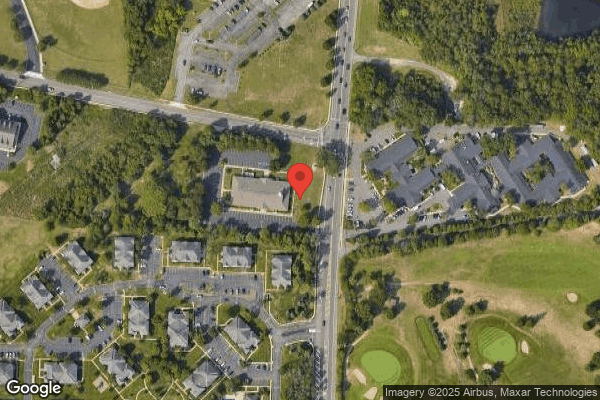

1351 OLD FREEHOLD ROAD, TOMS RIVER, NJ 08753 (732) 240-0090
For profit - Corporation 120 Beds COMPLETE CARE Data: November 2025
Trust Grade
70/100
#185 of 344 in NJ
Last Inspection: October 2024

Within standard 12-15 month inspection cycle. Federal law requires annual inspections.

Overview

Complete Care at Bey Lea in Toms River, New Jersey, has a Trust Grade of B, indicating it is a good choice overall. However, it ranks #185 out of 344 facilities in the state, placing it in the bottom half. The facility's trend is stable, with the same number of issues reported in both 2023 and 2024. Staffing is a concern, receiving only 1 out of 5 stars, but with a turnover rate of 0%, meaning staff members tend to stay long-term. While the facility has no fines, which is positive, there have been issues, such as failing to provide nutritional supplements to residents and not ensuring proper sanitation in the kitchen, both of which could affect residents' health and safety. Additionally, a resident was found receiving oxygen without proper physician orders, which raises serious care concerns. Overall, while there are strengths, such as no fines and stable staffing, families should be aware of the deficiencies noted during inspections.

Trust Score
B
70/100
In New Jersey
#185/344
Bottom 47%
Safety Record
Low Risk
No red flags
Inspections
Holding Steady
4 → 4 violations
Staff Stability
○ Average
Turnover data not reported for this facility.
Penalties
✓ Good
No fines on record. Clean compliance history, better than most New Jersey facilities.
Skilled Nurses
○ Average
Each resident gets 30 minutes of Registered Nurse (RN) attention daily — about average for New Jersey. RNs are the most trained staff who monitor for health changes.
Violations
○ Average
9 deficiencies on record. Average for a facility this size. Mostly minor or procedural issues.
★★★☆☆
3.0
Overall Rating
★☆☆☆☆
1.0
Staff Levels
★★★★☆
4.0
Care Quality
★★★★☆
4.0
Inspection Score
Stable
2023: 4 issues
2024: 4 issues

The Good

  • 4-Star Quality Measures · Strong clinical quality outcomes
  • Full Sprinkler Coverage · Fire safety systems throughout facility
  • No fines on record

Facility shows strength in quality measures, fire safety.

The Bad

3-Star Overall Rating

Near New Jersey average (3.3)

Meets federal standards, typical of most facilities

Chain: COMPLETE CARE

Part of a multi-facility chain

Ask about local staffing decisions and management

The Ugly 9 deficiencies on record

Oct 2024 4 deficiencies
CONCERN (D) 📢 Someone Reported This

A family member, employee, or ombudsman was alarmed enough to file a formal complaint

Potential for Harm - no one hurt, but risky conditions existed

Deficiency F0658 (Tag F0658)

Could have caused harm · This affected 1 resident

C/O # NJ 175730 Based on observation, interview and review of other facility documentation, it was determined that the facility failed to provide resident Health Shakes (a nutritional supplement) for ...

Read full inspector narrative →
C/O # NJ 175730 Based on observation, interview and review of other facility documentation, it was determined that the facility failed to provide resident Health Shakes (a nutritional supplement) for 9 of 9 Health Shakes observed for delivery. This deficient practice was evidenced by the following: On 10/16/2024 at 11:55 AM, on Pleasant Plains Unit, the surveyor observed nine (9) four (4) ounce Health Shakes with the individual resident names sitting on a tray on top of the nurses station. Each container was labeled with the resident name along with AM 10/16. During an interview with the surveyor on 10/16/2024 at 12:06 PM, the surveyor asked the Licensed Practical Nurse/Unit Manager (LPN/UM #1) why are the Health Shakes still sitting on the counter. She replied Thats a good question. When asked should these have been provided to resident's, the LPN/UM replied Sure, they should have been passed out already. During an interview with the surveyor on 10/18/2024 at 01:48 PM, the Director of Nursing (DON) was asked what is the expectation for passing of AM snacks/Health Shakes. The DON replied, The Health Shakes should be administered around 10 am, that is when they are scheduled. On 10/21/2024 at 8:52 AM, the DON provided a facility policy titled Medication Orders last updated 6/28/24, the following was revealed under Recording Orders section 7. Commercial Dietary Supplements-When recording orders for commercial dietary supplements, specify the type, amount and frequency. NJAC 8:39-27.1(a)
CONCERN (D)

Potential for Harm - no one hurt, but risky conditions existed

Respiratory Care (Tag F0695)

Could have caused harm · This affected 1 resident

Based on observations, interviews, and review of other pertinent facility documents, it was determined that the facility failed to obtain a physician's order for supplemental oxygen and develop a care...

Read full inspector narrative →
Based on observations, interviews, and review of other pertinent facility documents, it was determined that the facility failed to obtain a physician's order for supplemental oxygen and develop a care plan for 1 of 1 resident (Resident #53) reviewed for respiratory care. This deficient practice was evidenced by the following: On 10/15/2024 at 10:39 AM during the initial tour of the facility the surveyor observed Resident #53 lying in bed and receiving oxygen via nasal cannula (a device used to deliver supplemental oxygen or increased airflow to a patient or person in need of respiratory help). The oxygen concentrator was observed to be set at 2 liters per minute (L/min) and the oxygen tubing appeared to be dated 10/4/24. According to the admission Record, Resident #53 was admitted to the facility with the following but not limited to diagnoses: Dementia, anxiety disorder, diabetes mellitus, and chronic obstructive pulmonary disease. A review of the comprehensive Resident Assessment Instrument Minimum Data Set (MDS), an assessment tool, dated 09/16/2024, revealed Resident #53 had a Brief Interview for Mental Status score of 9/15, which indicated moderate cognitive impairment. Section O of the MDS indicated that Resident #53 received intermittent oxygen therapy on admission and while a resident in the facility. Section O also revealed that Resident #53 received respiratory therapy for a total of 4 days. A review of Resident #53's Order Summary Report, with active orders as of 10/18/2024, did not reveal a physician's order for supplemental oxygen use. In addition, the surveyor reviewed the 09/01/2024-09/30/2024 Medication Administration Record (MAR) and the Treatment Administration Record (TAR), as well as the 10/01/2024-10/31/2024 MAR and TAR for Resident #53. The MAR's and TARs did not reveal that Resident #53 received supplemental oxygen. A review of the comprehensive care plan for Resident #53 did not reveal that Resident #53 had a care plan developed for supplemental oxygen. On 10/16/2024 at 08:10 AM the surveyor observed Resident #53 with oxygen via nasal cannula while lying in bed. The oxygen concentrator was on and set at 2L/min. The oxygen concentrator had surgical tape dated 10/9/2024. on the front of the concentrator. On 10/16/2024 at 10:52 AM Resident #53 was observed to be out of the room. The surveyor observed that the oxygen tubing was currently disconnected from the oxygen concentrator and the concentrator was turned off at the time of observation. On 10/18/2024 at 09:10 AM the surveyor interviewed the Licensed Practical Nurse (LPN #1) assigned to Resident #53's unit. The surveyor asked LPN #1 if residents who are receiving supplemental oxygen require a physician order? LPN #1 told the surveyor, Yes, we need an order for oxygen if it is standing or PRN (as necessary). LPN #1 further explained that if you came in from the hospital with it (supplemental oxygen), it should be on the admission orders. If it happens after admission, then we would contact the physician for the order. On 10/18/2024 at 09:39 AM Resident #53 was observed lying in bed with the head of the bed elevated. Resident #53 was observed to receive oxygen at 1L/min by nasal cannula. On 10/18/2024 at 10:07 AM the surveyor reviewed the Orders section of the electronic medical record (EMR). Review of Resident #53's orders revealed that there was no current order for Resident #53 to receive supplemental oxygen. The surveyor also reviewed Resident #53's 09/01/2024-09/30/2024 and 10/1/2024-10/31/2024 Medication Administration Record (MAR) and Treatment Administration Record (TAR) in the EMR. No orders for supplemental oxygen treatment were observed. On 10/18/2024 at 12:47 PM the surveyor interviewed the Licensed Practical Nurse/unit manager (LPN/UM #2) assigned to Resident #53's unit. The surveyor asked LPN/UM #2 if a resident receiving supplemental oxygen required a physician order. LPN/UM #2vtold the surveyor, Yes, a resident requires a physician's order for oxygen. LPN/UM #2 further stated to the surveyor that you need an order for everything. On 10/18/2024 at 01:37 PM during a meeting with facility administrative staff which included the Regional Licensed Nursing Home Administrator (RLNHA), the facility Director of Nursing (DON), and the Regional Nurse Manager (RNM), the surveyor told the staff that Resident #53 was observed to receive supplemental oxygen via nasal cannula on the following dates: 10/15/2024, 10/16/2024, and 10/18/2024. When asked if a resident who receives supplemental oxygen requires a physician order the staff all agreed that a resident receiving oxygen should have a physician order and a care plan. The surveyor reviewed the facility policy titled Oxygen Administration; date implemented: 9/1/2024. The following was revealed under Policy: Oxygen is administered to residents who need it, consistent with professional standards of practice, the comprehensive person-centered care plans, and the resident's goals and preferences. In addition, the following was revealed under the heading Policy Explanation and Compliance Guidelines: 1. Oxygen is administered under orders of a physician, except in the case of emergency. In such case, oxygen is administered and orders for oxygen are obtained as soon as practicable when the situation is under control. 4. The resident's care plan shall identify the interventions for oxygen therapy, based upon the resident's assessment and orders, such as, but not limited to: a. The type of oxygen delivery system. b. When to administer, such as continuous or intermittent and/or when to discontinue. c. Equipment setting for the prescribed flow rates. d. Monitoring of SpO2 (oxygen saturation) levels and/or vital signs. e. Monitoring for complications associated with the use of oxygen. The surveyor reviewed the facility policy titled Comprehensive Care Plans; date implemented: 9/1/2024. The following was revealed under the heading Policy: It is the policy of this facility to develop and implement a comprehensive person-centered care plan for each resident, consistent with resident rights, that includes measurable objectives and timeframes to meet a resident's medical, nursing, and mental and psychosocial needs that are identified in the resident's comprehensive assessment. In addition, the following was revealed under the heading Policy Explanation and Compliance Guidelines: 2. The comprehensive care plan will be developed within 7 days after the completion of the comprehensive MDS assessment. All Care Assessment Areas (CAAs) triggered by the MDS will be considered in developing the plan of care. Other factors identified by the interdisciplinary team, or in accordance with the resident's preferences, will also be addressed in the plan of care. The facility's rationale for deciding whether to proceed with care planning will be evidenced in the clinical record. NJAC 8:39-27.1(a)
CONCERN (D)

Potential for Harm - no one hurt, but risky conditions existed

Pharmacy Services (Tag F0755)

Could have caused harm · This affected 1 resident

Based on observation, interview, and review of pertinent facility documents it was determined the facility failed to ensure an accurate ordering and receiving of narcotic medications by failing to ens...

Read full inspector narrative →
Based on observation, interview, and review of pertinent facility documents it was determined the facility failed to ensure an accurate ordering and receiving of narcotic medications by failing to ensure and that the required Federal narcotic acquisition forms (DEA 222 form) were dated and signed as of the day it was submitted for filling for 1of 9 forms provided, and was evidenced by the following: On 10/16/24 at 10:03 AM, the surveyor reviewed the facility provided DEA 222 forms which revealed one of the nine provided forms had been pre-signed by the facility's Medical Director (MD) prior to submission to the provider pharmacy for filling. The forms were as follows: Order form number: 240371632 240371633 240371634 240371640 240371639 240371638 240371637- pre-signed by Medical Director 240371636 240371635 On 10/16/24 at 12:07 PM, the surveyor interviewed the Director of Nursing (DON) who confirmed there were nine DEA 222 forms in the facility provided binder and one form had been pre-signed by the MD. The DON stated she was unaware there were any pre-signed forms. The process was she would complete the form then have the MD review and sign it before it was sent to the pharmacy to be filled, so there should be no pre-signed forms. On 10/18/24 at 11:55 AM, the surveyor attempted to interview the MD via telephone, but the MD was unavailable. On 10/18/24 at 1:40 PM, the survey team met with the facility DON, Licensed Nursing Home Administrator (LNHA) and Regional Nurse Manager to discuss concerns found on survey. All three acknowledged there should be no pre-signed DEA 222 forms. On 10/21/24 at 9:24 AM, the surveyor in the presence of the survey team, interviewed via telephone the facility MD, who stated the facility used his DEA number to order narcotics. When narcotic medication needed to be ordered the DON filled out the DEA 222 forms then he would sign the form to be sent to the provider pharmacy for filling. The surveyor then asked the MD why there was a pre-signed form found in the facility binder? He stated he was informed of the finding and thought he remembered when it happened, that in his haste he had signed the wrong form, and his expectation was that the form would be destroyed. The MD acknowledged there should be no pre-signed forms because the forms could be misdirected or misused for drug diversion. A review of the Instructions for DEA Form 222, under Part 1. Purchaser Information, 6. The order form must be signed and dated by the purchaser on the day it is submitted for filling. A review of the facility provided, undated 6.0 Controlled Dangerous Substance Inventory for Back Up Box and Emergency Kits policy . A DEA Form 222 must be completed to obtain the par level of Schedule II CDS in the emergency box supply. Upon signature of the Medical Director or his/her designee, the two copies are sent to the pharmacist in charge . NJAC 8:39-29.7(c)
CONCERN (D)

Potential for Harm - no one hurt, but risky conditions existed

Deficiency F0849 (Tag F0849)

Could have caused harm · This affected 1 resident

Based on observation, interview, review of the Electronic Medical Record (EMR), and review of other facility documentation, it was determined that the facility failed to initiate a person-centered car...

Read full inspector narrative →
Based on observation, interview, review of the Electronic Medical Record (EMR), and review of other facility documentation, it was determined that the facility failed to initiate a person-centered care plan for Hospice services. This deficient practice was identified for 1 of 2 residents reviewed for Hospice services (Resident #26) and was evidenced by the following: During the initial tour on 10/15/2024 at 10:59 AM, Resident #26 was observed lying in bed with their eyes closed. A review of the EMR on 10/15/2024 at 03:49 PM, revealed the following: According to the admission Record Resident #26 was admitted with diagnoses including but not limited to: Alzheimer's disease. A review of the most recent comprehensive Minimum Data Set, an assessment tool used to facilitate care, dated 01/31/2024 revealed Resident #26 had a Brief Interview for Mental Status score of 1 of 15 indicating severe cognitive impairment. Under section O resident received hospice while a resident. A review of the Order Summary Report with Active Orders as of 10/18/2024, showed a physician order dated 01/17/2024 for hospice Eval (evaluation) & Treat w (with)/ [company name] Hospice. A review of the care plan for Resident #26 did not include a Hospice Care plan. During an interview with the surveyor on 10/18/2024 at 10:05 AM, Licensed Practical Nurse/Unit Manager (LPN/UM #1) was asked what the process is when a resident or family requests hospice services. LPN/UM #1 replied the Social Worker would be notified and he would put out a referral to the hospice company of choice. We get the order from the physician and then hospice comes and does the evaluations. We give them options and they can choose a company. When questioned as to who provides the care, LPN/UM #1 replied Hospice aides do resident care if they can but if not, our staff are responsible to make sure resident care is performed and they assist with meals. The Hospice nurses come at least weekly, and we can reach them by phone. The surveyor asked who is responsible for completing the care plan. LPN/UM #1 replied The hospice is responsible for completing the care plan. LPN/UM #1 confirmed that yes, we have a care plan on all hospice patients in the EMR. On 10/18/2024 at 10:13 AM, the surveyor requested LPN/UM #1 to pull Resident #26's care plan up in the EMR. LPN/UM #1 pulled up a hospice care plan with date initiated of 10/17/24 and said he/she has been on hospice awhile and this done by the corporate nurse. During an interview with the surveyor on 10/18/2024 at 10:25 AM, the Regional Nurse Manager (RNM) was asked if she initiated the Hospice care plan for Resident #26. The RNM replied I did an audit yesterday (10/17/2024) and updated his/her care plan to include hospice. The surveyor asked if this resident had a care plan for hospice prior to yesterday and she replied, I don't remember that there was a care plan prior to that. During an interview with the surveyor on 10/18/2024 at 01:50 PM, the Director of Nursing was asked if the expectation was that a resident on hospice would have a care plan in the EMR. The DON said Yes, if there had been one (care plan) it would be in the medical record. During a follow-up interview on 10/21/2024 08:53 AM, the DON said no there was no hospice care plan for Resident #26. Unfortunately, that was an oversight, and it has been updated and corrected. The DON confirmed Resident #26 should have had a care plan when he/she first started hospice. A review of a facility policy on 10/16/2024 at 10:15 AM, titled Hospice Program with reviewed date of March 2024, revealed under the Policy Interpretation and Implementation section 13. Coordinated care plans for residents receiving hospice services will include the most recent hospice plan of care as well as the care and services provided by our facility (including the responsible provider and discipline assigned to specific tasks) in order to maintain the residents highest practicable physical, mental and psychosocial well-being. 14. The coordinated care plan will reflect the resident's goals and wishes, as stated in his or her advanced directives and during on going communication with the resident or representative, including: a. palliative goals and objectives; b. palliative interventions and c. Medical treatment and diagnostic tests. 15. The coordinated care plan shall be revised and updated as necessary to reflect the resident's current status including but not limited to; a. diagnosis; b. problem list; c. symptom management (pain, nausea vomiting etc.) d. bowel and bladder care; e. nutrition and hydration needs; f. oral health; g. skin integrity; h. spiritual, activity and psychosocial needs; and mobility i and positioning. NJAC 8:39-(27.1)(a)
May 2023 4 deficiencies
CONCERN (D)

Potential for Harm - no one hurt, but risky conditions existed

PASARR Coordination (Tag F0644)

Could have caused harm · This affected 1 resident

Based on interviews, record review, and facility policy review, it was determined that the facility failed to complete a new Pre-admission Screening and Resident Review (PASARR) level I for 1 (Residen...

Read full inspector narrative →
Based on interviews, record review, and facility policy review, it was determined that the facility failed to complete a new Pre-admission Screening and Resident Review (PASARR) level I for 1 (Resident #11) of 3 residents reviewed for PASARRs. Specifically, the facility failed to submit an updated PASARR level I when Resident #11 was diagnosed with bipolar disorder and unspecified psychosis after admission. Findings included: Review of the facility's policy, titled, Coordination - Pre-admission Screening and Resident Review Program, updated in January 2023, indicated, It is the policy of the facility to assure that all residents admitted to the facility receive a Pre-admission Screening and Resident Review, in accordance with State and Federal regulations. The policy indicated, Coordination includes: a. Incorporating the recommendations from the PASARR level II determination and the PASARR evaluation report into a resident's assessment, care planning, and transitions of care. b. Referring all level II residents and all residents with newly evident or possible serious mental disorder, intellectual disability, or a related condition for level II resident review upon a significant change in status assessment. Further review of the policy revealed, A nursing facility must notify the state mental health authority or state intellectual disability authority, as applicable, promptly after a significant change in the mental or physical condition of a resident who has mental illness or intellectual disability for resident review. A review of Resident #11's admission Record revealed the facility admitted the resident on 02/18/2021. Per the record, on 12/30/2021, the resident received a diagnosis of bipolar disorder and on 02/08/2023 a diagnosis of unspecified psychosis not due to a substance or known physiological condition. Review of the significant change in status Minimum Data Set (MDS), with an Assessment Reference Date (ARD) of 04/05/2023, revealed Resident #11 had a Brief Interview for Mental Status (BIMS) score of 9, indicating the resident had moderate cognitive impairment. Further review of the MDS revealed Resident #11 had active diagnoses that included bipolar disorder and psychotic disorder (other than schizophrenia). A review of Resident #11's care plan, with an initiation date of 06/17/2021, revealed the resident displayed signs and symptoms of a mood disorder. Interventions directed staff to administer medications as ordered, monitor the side effects and effectiveness of the medications, and obtain a psychiatric consult as needed. A review of Resident #11's PASARR level I dated 06/17/2021 revealed Resident #11 did not have a diagnosis of bipolar disorder or psychosis disorder and had a negative screening for mental illness. Review of the resident's medical record revealed, Resident #11 had not had another PASARR level I screen completed since 06/17/2021. During an interview on 05/18/2023 at 2:31 PM, the Social Worker (SW) stated he relied on the nursing staff to notify him if a resident had a new mental health diagnosis that required another PASARR level I be completed. The SW stated that with Resident #11's new diagnoses of bipolar disorder and unspecified psychosis, the resident should have had another PASARR level I completed. The SW stated PASARRs should be completed accurately and timely to ensure residents received the proper level of care. During an interview on 05/19/2023 at 8:42 AM, the Director of Nursing (DON) stated she would have to check the facility's policy on whether another PASARR level I screen needed to be completed when a resident had a new mental health diagnosis. The DON later stated it was important to ensure it was completed because the level I screen evaluated a resident's need for further treatment or intervention. During an interview on 05/19/2023 at 11:10 AM, the Administrator stated he was not familiar with the PASARR process and was not sure if another screen needed be conducted when a resident had a new mental health diagnosis after admission. New Jersey Administrative Code § 8:39-5.1(a)
CONCERN (D)

Potential for Harm - no one hurt, but risky conditions existed

Deficiency F0645 (Tag F0645)

Could have caused harm · This affected 1 resident

2. A review of Resident #43's admission Record indicated the facility admitted Resident #43 on 01/09/2018 with diagnoses that included unspecified dementia, major depressive disorder, anxiety disorder...

Read full inspector narrative →
2. A review of Resident #43's admission Record indicated the facility admitted Resident #43 on 01/09/2018 with diagnoses that included unspecified dementia, major depressive disorder, anxiety disorder, and mixed obsessional thoughts and acts. A review of the quarterly Minimum Data Set (MDS), with an Assessment Reference Date (ARD) of 04/12/2023, revealed Resident #43 had a Brief Interview for Mental Status (BIMS) score of 3, which indicated the resident had severe cognitive impairment. The MDS indicated Resident #43 had active diagnoses that included anxiety disorder, depression, post-traumatic stress disorder, and mixed obsessional thoughts and acts. A review of Resident #43's care plan initiated 01/28/2022, revealed Resident #43 used antidepressant medication due to depression. Interventions directed staff to administer antidepressant medications as ordered by the physician, monitor adverse reactions, and provide non-pharmacological interventions. A review of Resident #43's Pre-admission Screening and Resident Review Level I Screen, dated 01/08/2018, revealed the screening form indicated Resident #43 did not have a diagnosis or evidence of a major mental illness. An interview on 05/18/2023 at 2:31 PM with the Social Worker (SW) revealed the PASARR level I came from the hospital, but he was responsible for reviewing it for accuracy. The SW stated if there were any discrepancies, he would complete a new one that reflected the correct resident information. The SW reviewed the Level I PASARR completed on 01/08/2018 for Resident #43 and confirmed the diagnoses should have been included in section two of the PASARR level I screen. The SW stated it was completed incorrectly, and he should have caught that and corrected that section and submitted the correct PASARR level I for a level II determination. The SW stated it was important to ensure the PASARR level I was completed accurately to ensure residents were in the appropriate level of care and received any additional services they were potentially eligible to receive. An interview on 05/19/2023 at 8:34 AM with the Director of Nursing (DON) revealed that upon admission a resident's PASARR level I was completed by the hospital. However, the facility was responsible for reviewing the level I to ensure it was accurate and reflected the resident's correct diagnoses. The DON stated if the PASARR level I was inaccurate and completed prior to admission, the facility would send the level I back to the hospital to redo. The DON stated the facility would still have been responsible for reviewing it for accuracy, and it would be sent to the social work department if there were any inaccuracies. The DON stated she would have expected the Social Worker (SW) to review Resident #43's PASARR level I and correct any inaccuracies before submitting it for level II determination. An interview on 05/19/2023 at 11:19 AM with the Administrator revealed their admissions department requested the PASARR level I from the discharging hospital. Per the Administrator, if the hospital did not send one then the Social Worker would be responsible for completing the form. The Administrator stated he thought the one sent from the hospital was reviewed, but he was not sure if the SW corrected the PASARR level I if there were discrepancies. The Administrator stated he would expect that all PASARR level I screens were completed and submitted accurately. New Jersey Administrative Code § 8:39-5.1(a) Based on record reviews, interviews, and facility policy review, the facility failed to ensure a Preadmission Screening and Resident Review (PASARR) was accurately completed prior to admission for 2 (Resident #43 and Resident #91) of 3 residents reviewed for PASARRs. Findings included: A review of the facility policy, titled, Coordination-Pre-admission Screening and Resident Review program, updated January 2023, indicated, It is the policy of the facility to assure that all residents admitted to the facility receive a Pre-admission Screening and Resident Review, in accordance with State and Federal Regulations. The policy further indicated The facility will coordinate assessments with the pre-admission screening and resident review (PASARR) program under Medicaid in subpart C of this part to the maximum extent practicable to avoid duplicative testing and effort. 1. A review of an admission record revealed the facility admitted Resident #91 on 03/30/2023 with diagnoses to include major depressive disorder and chronic post-traumatic stress disorder. A review of Resident #91's 5-day Minimum Data Set (MDS) with an Assessment Reference Date (ARD) of 03/31/2023, revealed the resident had an active diagnosis to include depression. A review of Resident #91's Preadmission Screening and Resident Review Level I Screen, dated 03/27/2023, indicated the resident did not have a known or suspected diagnosis of a major mental illness. An interview on 05/18/2023 at 2:31 PM with the Social Worker (SW) revealed the PASARR level I came from the hospital, but he was responsible for reviewing it for accuracy. The SW stated if there were any discrepancies, he would complete a new one that reflected the correct resident information. The SW reviewed Resident #91's PASARR level I dated 03/27/2023 that was completed on admission and verified that section two did not indicate the resident's diagnosis for major depressive disorder or post-traumatic stress disorder or any mental illness diagnosis. The SW stated it was completed incorrectly, and he should have caught that and corrected that section and submitted the correct PASARR level I for a level II determination. The SW stated it was important to ensure the PASARR level I was completed accurately to ensure residents were in the appropriate level of care and received any additional services they were potentially eligible to receive. An interview on 05/19/2023 at 8:34 AM with the Director of Nursing (DON) revealed that upon admission a resident's PASARR level I was completed by the hospital. However, the facility was responsible for reviewing the level I to ensure it was accurate and reflected the resident's correct diagnoses. The DON stated if the PASARR level I was inaccurate and completed prior to admission, the facility would send the level I back to the hospital to redo. The DON stated the facility would still have been responsible for reviewing it for accuracy, and it would be sent to the social work department if there were any inaccuracies. The DON stated she would have expected the Social Worker (SW) to review Resident #91's PASARR level I and correct any inaccuracies before submitting it for level II determination. An interview on 05/19/2023 at 11:19 AM with the Administrator revealed their admissions department requested the PASARR level I from the discharging hospital. Per the Administrator, if the hospital did not send one then the Social Worker would be responsible for completing the form. The Administrator stated he thought the one sent from the hospital was reviewed, but he was not sure if the SW corrected the PASARR level I if there were discrepancies. The Administrator stated he would expect that all PASARR level I screens were completed and submitted accurately.
CONCERN (D)

Potential for Harm - no one hurt, but risky conditions existed

Deficiency F0761 (Tag F0761)

Could have caused harm · This affected 1 resident

Based on observations, interviews, and facility policy review, it was determined that the facility failed to ensure medication and treatment carts were secured while unattended for 1 of 5 medications ...

Read full inspector narrative →
Based on observations, interviews, and facility policy review, it was determined that the facility failed to ensure medication and treatment carts were secured while unattended for 1 of 5 medications carts and 1 of 2 treatment carts. Findings included: Review of a facility policy titled, Storage of Medications, reviewed January 2023, revealed, 1. Drugs and biologicals used in the facility are stored in locked compartments under proper temperature, light and humidity controls. Only persons authorized to prepare and administer medications have access to locked medications. The policy continued, 6. Compartments (including, but not limited to, drawers, cabinets, rooms, refrigerators, carts, and boxes) containing drugs and biologicals are locked when not in use. Unlocked medication carts are not left unattended. During an observation on 05/17/2023 at 5:17 AM, there was an unlocked and unattended medication cart on Pleasant Plains hallway. During an interview on 05/17/2023 at 5:20 AM, Licensed Practical Nurse (LPN) #16 indicated the unlocked medication cart should not have been left unattended. LPN #16 indicated she was not the last one to use the cart, then walked away and left the medication cart unlocked. The surveyor opened the top drawer to the medication cart and asked LPN #16 if it was safe. LPN #16 then returned to the medication cart and locked it. During an observation on 05/17/2023 at 5:24 AM, a treatment cart that contained prescription creams was observed unlocked and unattended on the low end of Pleasant Plains hallway. During an interview on 05/17/2023 at 5:25 AM, LPN #16 indicated all the carts needed to be locked. LPN #16 indicated she had not accessed the treatment cart, and it had probably been unlocked since she came in at 12:00 AM. During an interview on 05/17/2023 at 5:50 AM, LPN #17 indicated medication and treatment carts should not be left unlocked. During an interview on 05/18/2023 at 10:50 AM, the Director of Nursing (DON) indicated unattended medication and treatment carts should be locked when not in use so no one could access them. During an interview on 05/19/2023 at 11:35 AM, the Administrator indicated he expected the medication and treatment carts to be locked if not being watched. New Jersey Administrative Code § 8:39-29.4(h)
CONCERN (D)

Potential for Harm - no one hurt, but risky conditions existed

Infection Control (Tag F0880)

Could have caused harm · This affected 1 resident

Based on observations, interviews, record reviews, and facility policy review, it was determined that the facility failed to ensure that hand hygiene, including glove change, was performed during inco...

Read full inspector narrative →
Based on observations, interviews, record reviews, and facility policy review, it was determined that the facility failed to ensure that hand hygiene, including glove change, was performed during incontinence care for 2 (Resident #7 and Resident #75) of 2 residents observed for incontinence care. Findings included: Review of a facility policy titled, Handwashing/Hand Hygiene, dated January 2023, specified, 7. Use an alcohol-based hand rub containing at least 70% alcohol; or, alternatively, soap (antimicrobial or non-antimicrobial) and water for the following situations: j. after contact with blood or bodily fluids; k. after handling used dressings, contaminated equipment, etc. The policy further indicated, 9. The use of gloves does not replace hand washing/hand hygiene. Integration of glove use along with routine hand hygiene is recognized as the best practice for preventing healthcare-associated infections. 1. A review of an admission Record indicated the facility admitted Resident #75 on 12/13/2021 with diagnoses that included urinary tract infection, acute pyelonephritis, and acute kidney failure. The quarterly Minimum Data Set (MDS), with an Assessment Reference Date (ARD) of 03/21/2023, revealed Resident #75 had a Brief Interview for Mental Status (BIMS) score of 12, which indicated the resident had moderate cognitive impairment. The MDS indicated the resident required limited assistance with toilet use and personal hygiene. Per the MDS, the resident was occasionally incontinent of bladder and bowel. A review of Resident #75's plan of care, initiated 12/27/2021, revealed the resident was at risk for skin impairment related to episodes of incontinence. This care plan directed staff to provide perineal care as needed to prevent breakdown. During an observation of incontinence care for Resident #75 on 05/17/2023 at 5:25 AM, Certified Nursing Assistant (CNA) #18 washed her hands and applied gloves. Resident #75's brief was minimally soiled. CNA #18 provided incontinence care, removed the soiled brief, and then obtained and applied a clean brief without changing gloves or performing any type of hand hygiene. CNA #18 indicated gloves should be changed after the soiled brief was removed. CNA #18 indicated she did not change her gloves. 2. A review of an admission Record indicated the facility admitted Resident #7 on 09/12/2022 with diagnoses that included stage 3 chronic kidney disease and overactive bladder. The quarterly Minimum Data Set (MDS), with an Assessment Reference Date (ARD) of 03/04/2023, revealed Resident #7 had a Brief Interview for Mental Status (BIMS) score of 8, which indicated the resident had moderate cognitive impairment. The MDS indicated the resident required extensive assistance with toilet use and personal hygiene. Per the MDS, the resident was always incontinent of bladder and bowel. A review of Resident #7's plan of care, initiated 09/21/2022, revealed the resident was at risk for skin impairment related to the need for assistance with activities of daily living and incontinence. This care plan directed staff to provide perineal care as needed to prevent breakdown. During an observation of incontinence care for Resident #7 on 05/17/2023 at 5:33 AM, CNA #13 washed his hands and applied gloves. Resident #7's brief was soiled with urine and a small amount of bowel. CNA #13 provided incontinence care, removed the soiled brief, and then obtained and applied the clean brief without changing his gloves or performing any type of hand hygiene. During an interview on 05/17/2023 at 1:22 PM, the Infection Control Preventionist (ICP) indicated it was the facility's policy to wash hands prior to putting gloves on and to change gloves if they became soiled. The ICP indicated if gloves became soiled, hand hygiene should be performed. The ICP indicated gloves should be changed between dirty and clean tasks for infection control. When informed that staff did not change gloves during incontinence care through applying the clean brief, the ICP stated that was an infection control issue. During an interview on 05/18/2023 at 10:53 AM, the Director of Nursing (DON) indicated gloves should be changed when they became soiled and in between residents for infection control purposes. The DON indicated if gloves had been in contact with bodily fluid, then she would change the gloves. The DON indicated she expected that if gloves became soiled during incontinence care, they should be changed before touching unsoiled items. During an interview on 05/19/2023 at 11:35 AM, the Administrator indicated his expectation according to the facility's policy was that if gloves were soiled, they should be changed. New Jersey Administrative Code § 8:39-19.4(a)
Apr 2021 1 deficiency
CONCERN (E)

Potential for Harm - no one hurt, but risky conditions existed

Food Safety (Tag F0812)

Could have caused harm · This affected multiple residents

Based on observation, interview, and review of other facility documentation, it was determined that the facility failed to handle potentially hazardous foods and maintain sanitation in a safe consiste...

Read full inspector narrative →
Based on observation, interview, and review of other facility documentation, it was determined that the facility failed to handle potentially hazardous foods and maintain sanitation in a safe consistent manner designed to prevent food borne illness. This deficient practice was evidenced by the following: On 4/26/2021 from 9:42 AM to 10:47 AM the surveyor, accompanied by the Food Service Director (FSD), observed the following in the kitchen: 1. In the Dry Storage room a on top of a wheeled cart, a cleaned and sanitized stand up mixer was uncovered and exposed. On interview the FSD stated, On our previous survey the surveyor told us to not cover the equipment when not in use. The surveyor referred the FSD to the Sanitation Code. 2. On a middle shelf in the dry storage room, a stack of 10 cleaned and sanitized china plates were stored in a plastic tub uncovered, not in the inverted position and were exposed. On interview the FSD stated, They should be wrapped. In addition, on an upper shelf of the same storage rack, 2 separate stacks of cleaned and sanitized hotel pans were uncovered and not in the inverted position. On interview the FSD stated, They should be covered or inverted. I am going to wash them again and wrap them before use. 3. On a lower shelf of a multi-tiered rack in the dry storage room, a clear plastic container contained plastic forks that residents use to eat food. The forks were exposed as the container was only half covered and the plastic bag was ripped exposing the plastic forks. On interview the FSD stated, I'm gonna throw them away they are exposed. In addition, on the same shelf, a sleeve of plastic lids had been opened. The lids were not sealed and were exposed. The FSD stated, I'm gonna throw them away, their exposed. 4. On the multi-level can storage rack, a can of Golden Sweet Corn had a significant dent on the upper side seam. On interview the FSD stated, That should have been put in the dented can area. The FSD removed the can and placed it in the designated dented can area. 5. On a middle rack of a multi-tiered storage rack in the walk-in refrigerator, a half-pan contained (2) cooked pork loins. The pan was labeled open date/prep/pulled 4/21/2021 and had a use by date 4/23/2021. On interview the FSD stated, I think it's good for 6 days. They cooked it, froze it, and then pulled for defrost. I can't figure it out, I'm gonna throw it away. The pork loins were thrown in the trash. On further interview the FSD stated, I am responsible and the cook for monitoring expiration dates. 6. On a counter in the cook's prep area, a cleaned and sanitized meat slicer was uncovered and exposed. When interviewed the FSD stated, On our last state survey, the surveyor said that they don't want the equipment bagged so we stopped bagging it. Surveyor referred FSD to the Sanitation Code. On 4/29/2021 from 11:22 AM to 11:52 AM the surveyor, accompanied by the FSD, observed the following in the kitchen: 1. A dietary aide (DA) was observed to scoop ice from the ice machine and place the ice on the cold beverages to be served with the lunch meal. The DA was observed to wear disposable gloves and upon completion of scooping ice removed and threw the disposable gloves in the trash. The surveyor then observed the DA perform hand hygiene at the designated hand washing sink. The DA proceeded to turn on the faucets, wet their hands under running water, applied soap, performed vigorous hand washing for 5 seconds then proceeded to put hands under the running water and continue to perform vigorous hand washing for 10 seconds under the running water, which effectively removed the soap from his hands. The DA then proceeded to grab a hand towel, dry hands and then threw hand towel in the designated waste receptacle. The DA then grabbed an additional hand towel, turned off faucets and threw hand towel in the waste receptacle. On interview the DA stated, I turned on the faucet and wet my hands. I then put on soap and washed my hands. The surveyor questioned how long hand washing should be performed and the DA stated, twenty seconds. The surveyor stated to the DA that he was observed to perform handwashing for 5 seconds before placing his hands under running water. The DA stated, Oh. On interview the FSD stated, Yes, we do hand washing in-services and the DA has been in-serviced on proper handwashing. The FSD provided the surveyor with a copy of the Hand washing/Proper wearing of Personal Protective Equipment in-service, dated 3/12/2021. The DA's name was observed on the roster and had completed the handwashing in-service. The surveyor reviewed an undated facility policy titled Receivable and Storage Policy. The following was observed at Procedure 1. Upon delivery, all foods items will be checked to ensure packaging is intact and marked off against the packaging slip. Check for signs of thawing and refreezing on perishable (large ice crystals on the product) food items. Check for signs of torn, damaged and dents on all food items. Ensure that there are no broken case(s). Check for missing labels, shortage, or overages upon order delivery. All food and nonfood items that are unacceptable at time of delivery will be returned to the vendor. All dented cans will be place (sic) only on designated area and must be marked as dented cans. The following was also revealed at 7: All open items such as disposable plates, lids, cups, spoons, forks, knives and others must be sealed and (sic) from dust. The surveyor reviewed an undated facility policy titled Dating and Labeling Policy. The following was revealed under the Procedure section: 4. Ready to eat foods must be dated with a 72-hour use by date and discarded when expired. 10. Discard all foods that expire immediately. The surveyor reviewed an undated facility provided policy titled Hand Washing Policy/Competency Form. The policy revealed the following at 2. How to Wash Hands: Turn on the faucet using a paper towel to avoid contaminating the faucet, Wet hands and forearms with warm water (minimum 110 F) and apply an antibacterial soap, Scrub well with soap and additional water as needed, scrubbing all areas thoroughly. Scrub for a minimum of 20 seconds within the 30-second hand washing procedure. Apply vigorous friction between fingers and fingertips. Rinse with clean running warm water. Rinse thoroughly Dry hands with paper towel. Turn the faucet off with a new paper towel or use a hand blow drier. Use the towel to open the door if needed, then discard the towel. NJAC 8:39-17.2 (g) NJAC 8:24 4.11(1 and 2)
Understanding Severity Codes (click to expand)
Life-Threatening (Immediate Jeopardy)
J - Isolated K - Pattern L - Widespread
Actual Harm
G - Isolated H - Pattern I - Widespread
Potential for Harm
D - Isolated E - Pattern F - Widespread
No Harm (Minor)
A - Isolated B - Pattern C - Widespread

Questions to Ask on Your Visit

  • "Can I speak with families of current residents?"
  • "What's your RN coverage like on weekends and overnight?"

Our Honest Assessment

Strengths
  • • No major safety red flags. No abuse findings, life-threatening violations, or SFF status.
  • • No fines on record. Clean compliance history, better than most New Jersey facilities.
Concerns
  • • No major red flags. Standard due diligence and a personal visit recommended.
Bottom line: Mixed indicators with Trust Score of 70/100. Visit in person and ask pointed questions.

About This Facility

What is Complete Care At Bey Lea, Llc's CMS Rating?

CMS assigns COMPLETE CARE AT BEY LEA, LLC an overall rating of 3 out of 5 stars, which is considered average nationally. Within New Jersey, this rating places the facility higher than 0% of the state's 100 nursing homes. This mid-range rating indicates the facility meets federal standards but may have areas for improvement.

How is Complete Care At Bey Lea, Llc Staffed?

CMS rates COMPLETE CARE AT BEY LEA, LLC's staffing level at 1 out of 5 stars, which is much below average compared to other nursing homes.

What Have Inspectors Found at Complete Care At Bey Lea, Llc?

State health inspectors documented 9 deficiencies at COMPLETE CARE AT BEY LEA, LLC during 2021 to 2024. These included: 9 with potential for harm.

Who Owns and Operates Complete Care At Bey Lea, Llc?

COMPLETE CARE AT BEY LEA, LLC is owned by a for-profit company. For-profit facilities operate as businesses with obligations to shareholders or private owners. The facility is operated by COMPLETE CARE, a chain that manages multiple nursing homes. With 120 certified beds and approximately 90 residents (about 75% occupancy), it is a mid-sized facility located in TOMS RIVER, New Jersey.

How Does Complete Care At Bey Lea, Llc Compare to Other New Jersey Nursing Homes?

Compared to the 100 nursing homes in New Jersey, COMPLETE CARE AT BEY LEA, LLC's overall rating (3 stars) is below the state average of 3.3 and health inspection rating (4 stars) is above the national benchmark.

What Should Families Ask When Visiting Complete Care At Bey Lea, Llc?

Based on this facility's data, families visiting should ask: "Can you walk me through typical staffing levels on day, evening, and night shifts?" "Can I visit during a mealtime to observe dining assistance and food quality?" "How do you handle medical emergencies, and what is your hospital transfer rate?" "Can I speak with family members of current residents about their experience?" These questions are particularly relevant given the below-average staffing rating.

Is Complete Care At Bey Lea, Llc Safe?

Based on CMS inspection data, COMPLETE CARE AT BEY LEA, LLC has a clean safety record: no substantiated abuse findings (meaning no confirmed cases of resident harm), no Immediate Jeopardy citations (the most serious violation level indicating risk of serious injury or death), and is not on the Special Focus Facility watch list (a federal program monitoring the lowest-performing 1% of nursing homes). The facility has a 3-star overall rating and ranks #100 of 100 nursing homes in New Jersey. While no facility is perfect, families should still ask about staff-to-resident ratios and recent inspection results during their visit.

Do Nurses at Complete Care At Bey Lea, Llc Stick Around?

COMPLETE CARE AT BEY LEA, LLC has not reported staff turnover data to CMS. Staff turnover matters because consistent caregivers learn residents' individual needs, medications, and preferences. When staff frequently change, this institutional knowledge is lost. Families should ask the facility directly about their staff retention rates and average employee tenure.

Was Complete Care At Bey Lea, Llc Ever Fined?

COMPLETE CARE AT BEY LEA, LLC has no federal fines on record. CMS issues fines when nursing homes fail to meet care standards or don't correct problems found during inspections. The absence of fines suggests the facility has either maintained compliance or corrected any issues before penalties were assessed. This is a positive indicator, though families should still review recent inspection reports for the full picture.

Is Complete Care At Bey Lea, Llc on Any Federal Watch List?

COMPLETE CARE AT BEY LEA, LLC is not on any federal watch list. The most significant is the Special Focus Facility (SFF) program, which identifies the bottom 1% of nursing homes nationally based on persistent, serious quality problems. Not being on this list means the facility has avoided the pattern of deficiencies that triggers enhanced federal oversight. This is a positive indicator, though families should still review the facility's inspection history directly.