ROSE GARDEN NURSING AND REHABILITATION CENTER
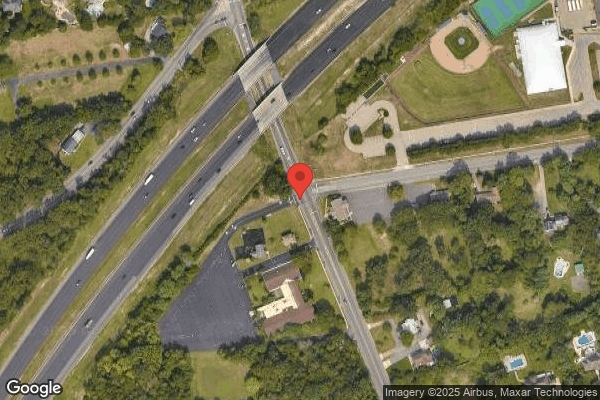

1579 OLD FREEHOLD ROAD, TOMS RIVER, NJ 08753 (732) 505-4477
For profit - Corporation 128 Beds Independent Data: November 2025
Trust Grade
80/100
#151 of 344 in NJ
Last Inspection: May 2024

Within standard 12-15 month inspection cycle. Federal law requires annual inspections.

Overview

Rose Garden Nursing and Rehabilitation Center has received a Trust Grade of B+, indicating it is above average and recommended for families considering care options. It ranks #151 out of 344 facilities in New Jersey, placing it in the top half of the state, and #13 out of 31 in Ocean County, meaning there are only 12 local options that are rated higher. However, the facility is experiencing a worsening trend, with issues increasing from 1 in 2022 to 6 in 2024. Staffing is a concern, as it received a 2 out of 5 stars rating, with a turnover rate of 45%, which is average, but reports from residents indicate that the facility is often short-staffed, particularly on weekends. Fortunately, there have been no fines reported, but the facility's RN coverage is lower than 77% of New Jersey facilities, which could affect the quality of care. Specific incidents noted include a resident not receiving their bed bath due to staffing shortages and food safety concerns involving improperly stored items in the kitchen, highlighting both strengths and weaknesses at this facility.

Trust Score
B+
80/100
In New Jersey
#151/344
Top 43%
Safety Record
Low Risk
No red flags
Inspections
Getting Worse
1 → 6 violations
Staff Stability
○ Average
45% turnover. Near New Jersey's 48% average. Typical for the industry.
Penalties
✓ Good
No fines on record. Clean compliance history, better than most New Jersey facilities.
Skilled Nurses
⚠ Watch
Each resident gets only 23 minutes of Registered Nurse (RN) attention daily — below average for New Jersey. Fewer RN minutes means fewer trained eyes watching for problems.
Violations
○ Average
9 deficiencies on record. Average for a facility this size. Mostly minor or procedural issues.
★★★★☆
4.0
Overall Rating
★★☆☆☆
2.0
Staff Levels
★★★★☆
4.0
Care Quality
★★★★☆
4.0
Inspection Score
Stable
2022: 1 issues
2024: 6 issues

The Good

  • 4-Star Quality Measures · Strong clinical quality outcomes
  • Full Sprinkler Coverage · Fire safety systems throughout facility
  • No fines on record
  • Staff turnover below average (45%)

    3 points below New Jersey average of 48%

Facility shows strength in quality measures, fire safety.

The Bad

Staff Turnover: 45%

Near New Jersey avg (46%)

Typical for the industry

The Ugly 9 deficiencies on record

May 2024 6 deficiencies
CONCERN (D)

Potential for Harm - no one hurt, but risky conditions existed

Deficiency F0582 (Tag F0582)

Could have caused harm · This affected 1 resident

Based on interview and review of other facility documentation, it was determined that the facility failed to issue the required beneficiary notices for 2 of 3 residents reviewed for Beneficiary Protec...

Read full inspector narrative →
Based on interview and review of other facility documentation, it was determined that the facility failed to issue the required beneficiary notices for 2 of 3 residents reviewed for Beneficiary Protection Notification, (Resident #32 and Resident #73). This deficient practice was evidenced by the following: The surveyor reviewed the SNF (Skilled Nursing Facility) SNF Beneficiary Protection Notification Review (SNFBPNR) completed by the facility for Resident #32. The SNFBPNR indicated the residents last covered Medicare day was 02/29/2024 and the resident remained in the facility. The SNFBPNR further revealed that a Skilled Nursing Facility Advanced Beneficiary Notice of Non-Coverage Form CMS-10055 was given to Resident #32. When the surveyor requested a copy, the Administrator in Training (AIT) provided the surveyor with a copy of Resident #32's signed admission Agreement. The surveyor reviewed the SNF (Skilled Nursing Facility) SNF Beneficiary Protection Notification Review (SNFBPNR) completed by the facility for Resident #73. The SNFBPNR indicated the residents last covered Medicare day was 02/29/2024 and Resident #73 remained in the facility. The SNFBPNR further revealed that a Skilled Nursing Facility Advanced Beneficiary Notice of Non-Coverage Form CMS-10055 was given to Resident #73. When the surveyor requested a copy, the AIT provided the surveyor with copy of Resident #73's signed admission Agreement. During an interview with the surveyor on 04/24/2024 at 12:32 PM, the AIT said this comes up every year at survey as we use section 5 of the admission agreement as the SNFABN. When the surveyor asked the AIT do you use the CMS -10055 form, the AIT said no. Historically we only use the admission agreement. The surveyor reviewed the form with the AIT, and she said yes, I know about that form. We are waiting to see if we are told to change our practice. During a follow-up interview with the AIT on 04/24/2024 at 12:41 PM, the AIT clarified that we are waiting to see if it ever came up with survey and that we are not able to utilize this (admission agreement). Every survey we are questioned but it never comes up as an issue. NJAC 8:39-4.1(a)(7)
CONCERN (D)

Potential for Harm - no one hurt, but risky conditions existed

Deficiency F0658 (Tag F0658)

Could have caused harm · This affected 1 resident

Based on observation, interview, and review of the medical record and other facility documentation, it was determined that the facility failed to follow a physician order for weekly weights on 1 of 3 ...

Read full inspector narrative →
Based on observation, interview, and review of the medical record and other facility documentation, it was determined that the facility failed to follow a physician order for weekly weights on 1 of 3 residents reviewed for nutrition. This deficient practice was evidenced by the following: Reference: New Jersey Statutes, Annotated Title 45, Chapter 11. Nursing Board. The Nurse Practice Act for the state of New Jersey states: The practice of nursing as a registered professional nurse is defined as diagnosing and treating human responses to actual or potential physical and emotional health problems, through such services as case finding, health teaching, health counseling and provision of care supportive to or restorative of life and wellbeing, and executing medical regimes as prescribed by a licensed or otherwise legally authorized physician or dentist. Reference: New Jersey Statutes, Annotated Title 45, Chapter 11. Nursing Board. The Nurse Practice Act for the state of New Jersey states: The practice of nursing as a licensed practical nurse is defined as performing tasks and responsibilities within the framework of case finding, reinforcing the patient and family teaching program through health teaching, health counseling and provision of supportive and restorative care, under the direction of a registered nurse or licensed or otherwise legally authorized physician or dentist. According to the Face Sheet, Resident #54 was admitted to the facility with diagnoses including but not limited to: Encounter for surgical aftercare following surgery on digestive system and Major depressive disorder. On 04/24/24 at 11:47 AM, Resident #54 was observed seated in the dining room eating lunch. Resident #54's lunch consisted of a mechanical soft diet that included roasted turkey, grilled zucchini, stuffing, gravy, cheesecake, juice, protein shake, and high protein jello. A review of the Resident Physician Orders with a start date of 3/19/2024 revealed a physician order for Weekly weights on Monday before breakfast or any intake. A review of the Medication Administration Records (MAR) for the months of March 2024, and April 2024, showed the physician order for weekly weights. The blocks for March 25, 2024 and April 15, 2024 were blank. There was no documentation to indicate that the weights had been completed as ordered. A review of the Electronic Medical Record (EMR), in the weight section, there was no documentation of the weight for the aforementioned. During an interview with the surveyor on 4/29/24 at 9:48 AM , Licensed Practical Nurse (LPN #2) said that weights are usually done by the Certified Nursing Assistants (CNA) at 6 AM prior to breakfast. We (the nurses) would let the aides know who is popping up for weights. If they were to refuse weekly weights the Unit Manager would be notified and then it is replotted for the next morning. During an interview with the surveyor on 4/29/24 10:10 AM, Unit Manager/Licensed Practical Nurse (UM/LPN ) revealed that weekly weights are done on Mondays between 7 AM and 3 PM. It is done for 4 (four) weeks after the resident is admitted , then monthly. The dietician will review the weight. If there is no stop date (on the physician order), the weights should continue. UM/LPN also stated that nursing usually weighs the resident and the weight should be documented in the resident's Medication Administration Record (MAR). During the interview the UM/LPN accessed Resident # 54's electronic medical record and stated, Yeah, he/she's weekly (weights) since 3/19. The UM/LPN confirmed that the MAR was blank for 3/25/24 and 4/15/24. The UM/LPN replied yes when asked, is it fair to say that if there is no documentation, the wt (weight) was not done. During an interview with the surveyor on 4/29/24 at 1:08 PM, the Director of Nursing (DON) revealed that the CNAs are usually tasked to weigh the residents and it is the nurses responsibility to make sure the task is delegated to the CNA. The DON continued to say that due to staffing challenges, the nurses weigh the residents and the weight should be documented in the MAR. The DON further stated, there should be documentation if the resident refuses to be weighed. A review of a the facility policy titled Weight Monitoring, undated, under the procedure for monitoring weights section revealed Weekly weights will be done when ordered by the physician, recommended by the Dietician, or as a nursing intervention. A review of a facility policy titled Physician's Orders, undated, under the note section revealed Each Physician order shall be executed by the nursing, Dietary, Social Work, Activities, Rehab, or Pharmacy service as appropriate in accordance with professional standards of practice. If the order cannot be carried out within 24 hours, the reason for this must be documented in the medical record and the Physician notified. NJAC 8:39-27.1(a)
CONCERN (D)

Potential for Harm - no one hurt, but risky conditions existed

Respiratory Care (Tag F0695)

Could have caused harm · This affected 1 resident

**NOTE- TERMS IN BRACKETS HAVE BEEN EDITED TO PROTECT CONFIDENTIALITY** Based on observation, interview, and review of the medical record and other facility records, it was determined that the facilit...

Read full inspector narrative →
**NOTE- TERMS IN BRACKETS HAVE BEEN EDITED TO PROTECT CONFIDENTIALITY** Based on observation, interview, and review of the medical record and other facility records, it was determined that the facility failed to consistently assess or measure SPO2 (blood oxygen saturation) for a resident with an order for PRN (as necessary) supplemental oxygen use. This deficient practice occurred for 1 of 4 residents (Resident #46) reviewed for respiratory care. This deficient practice was evidenced by the following: On 04/23/2024 at 11:05 AM, the surveyor observed an oxygen concentrator against the wall in Resident #46's room. The oxygen concentrator was not observed to be in use and according to nursing staff Resident #46 didn't use it (oxygen) regularly. According to the Resident Face Sheet Resident #46 was admitted with diagnoses including but not limited to: Chronic obstructive pulmonary disease (a type of progressive lung disease characterized by long term respiratory symptoms and air flow limitation), acute respiratory failure with hypoxia (a condition in which the body or a region of the body is deprived of adequate oxygen supply at the tissue level), and congestive heart failure (when your heart can't pump enough blood to provide your body with the blood and oxygen it needs). A review of the most recent Minimum Data Set (MDS), an assessment tool, dated 1/30/2024, revealed a Brief Interview for Mental Status score of 4/15, indicating severely impaired cognition. According to Section J Resident #46 did not have shortness of breath. Section O did not indicate that Resident #46 received oxygen therapy. A record review for Resident #46 was initiated on 4/23/2024 at 1:53 pm and continued 4/24/2024 upon arrival to the facility. The medical record included the following physician order: Administer O2 at 2 Liters per minute via nasal cannula PRN (as necessary) for spO2 less than 91% room air or visible shortness of breath. Start Date: 4/24/2024. On 04/25/2024 at 09:55 AM the surveyor reviewed the electronic medical record (EMR) for Resident #46. The March 2024 Medication Administration Record (MAR) revealed that Resident #46 had the following order: Administer O2 at 2 Liters per minute via nasal cannula PRN (as needed) if oxygen drops below 92% Start Date: 06/02/2023 03:21 PM. There is no evidence on the March 2024 MAR to indicate that the facility was monitoring SPO2 for Resident #46. The surveyor then requested a copy of SPO2 monitoring for March/April 2024. In addition, the surveyor requested from the facility Director of Nursing (DON) copies of the MAR and Treatment Administration Record (TAR) for the following: March/April 2024 and June 2023. On 04/25/2024 at 11:05 AM the surveyor spoke with facility DON. The surveyor asked if Resident #46 only had SPO2's for the dates of 4/24 and 4/25/2024 and no SPO2's for the previous 23 days of April 2024. The DON then proceeded to go into Resident #46's EMR to bring up Resident #46's SPO2's for March 2024. The DON was unable to find any SPO2's for the month of March 2024 in the electronic health record. The surveyor utilized the EMR to get SPO2 monitoring from 6/3/2023 up to 4/25/2024. The following results were obtained: Oxygen Saturation 94 % 06/03/2023 08:00 am Administration Record Oxygen Saturation 97 % 06/03/2023 10:05 pm Administration Record Oxygen Saturation 98 % 06/04/2023 08:42 am Administration Record Oxygen Saturation 93 % 06/05/2023 12:18 am Administration Record Oxygen Saturation 97 % 06/05/2023 01:01 pm Administration Record Oxygen Saturation 97 % 06/06/2023 12:02 am Administration Record Oxygen Saturation 97 % 06/06/2023 09:26 am Administration Record Oxygen Saturation 94 % 06/06/2023 11:48 pm Administration Record Oxygen Saturation 96 % 04/24/2024 08:04 am Administration Record Oxygen Saturation 96 % 04/24/2024 08:42 pm Administration Record Oxygen Saturation 94 % 04/25/2024 01:15 am Administration Record Oxygen Saturation 95 % 04/25/2024 08:00 am Administration Record There was no documented spO2 from 06/07/2023 until 04/24/2024 when a new order for PRN O2 was written on 4/24/2024. At the time of entrance to the facility on [DATE], Resident #46 had an active order from 6/2/2023 for the following: Administer O2 at 2 Liters per minute via nasal cannula PRN if oxygen drops below 92% Start Date: 06/02/2023 03:21 PM. On 04/26/2024 at 09:56 AM, the surveyor conducted an interview with the 1st Floor Unit Manager/Registered Nurse (UM/RN). The surveyor asked the UM/RN what is the facility policy for the use of PRN oxygen? The UM/RN replied, I think everybody has an order for PRN oxygen for SPO2 less than 91% or visible shortness of breath. We do vitals every shift for subacute residents, and we do vitals for long term resident's weekly unless otherwise stated. The surveyor asked UM/RN if Resident #46 was considered long term care. UM/RN stated, yes, he/she is. We put him/her on vitals recently because he/she had issues with their breathing, but they are fine now. The UM/RN further mentioned we do vital signs weekly and of course we can see when he/she is short of breath. According to the facility policy titled Pulse Oximetry, undated, the procedure section revealed that All residents on oxygen use must have a Pulse Oximeter check. Residents on continuous oxygen will have their Pulse Oximeter check every shift, and for PRN, will have a Pulse Oximeter check at 9:00 p.m. daily. In addition, the facility Oxygen Administration policy revealed that All orders for oxygen therapy, either continuous or PRN, shall also have an order for pulse oximetry tests (SPO2) at least once daily, but more often if appropriate for the resident's condition and need for use of oxygen therapy. See Policy: Pulse Oximetry. On 04/30/2024 at 09:58 AM,the surveyor interviewed the facility Director of Nursing (DON). The DON explained to the surveyor that During COVID we were checking everyone's symptoms. We actually changed our policy to reflect the new guidance after COVID. We revised the policy (Pulse Oximetry) on May 11, 2023. Up until that point the policy did include checking the SPO2 daily at 9 PM. That was my predecessor's policy. On 04/30/2024 at 10:57 AM, the surveyor conducted an interview with the facility DON. The surveyor explained to the DON that Resident #46 had an order dated 6/2/2023 at 3:21 PM for the following: Administer O2 at 2 Liters per minute via nasal cannula PRN if oxygen drops below 92% Start Date: 06/02/2023 03:21 PM. The surveyor explained that there is no order to check for shortness of breath. The order specifically stated to apply oxygen at 2 liters per minute via nasal cannula PRN if oxygen drops below 92%. The DON agreed that the physician order from 6/2/2023 up until changed on 4/24/2024 would require checking the residents pulse oximetry to assess if it was 92% or less and provide oxygen if necessary. The DON stated, Yes, I understand now that it has a number parameter and would need to be measured as the order is written. NJAC 8:39-27.1(a)
CONCERN (D)

Potential for Harm - no one hurt, but risky conditions existed

Infection Control (Tag F0880)

Could have caused harm · This affected 1 resident

Based on observation, interview, review of the medical record and other facility documentation, it was determined that the facility failed to a) change respiratory equipment tubing in a manner to prev...

Read full inspector narrative →
Based on observation, interview, review of the medical record and other facility documentation, it was determined that the facility failed to a) change respiratory equipment tubing in a manner to prevent the spread of infection for 1 of 4 resident's (Resident #33) and b) properly store a nasal cannula (tube used to deliver oxygen to a person) in accordance with facility policy and not properly store a nebulizer (small machine that turns liquid medicine into a mist that can be easily inhaled) and nebulizer equipment according to facility policy for 1 of 4 residents (Resident #91) reviewed for respiratory care. This deficient practice was evidenced by the following: A) During the initial tour of the 2nd floor on 04/23/2024 at 09:53 AM, Surveyor #1 observed resident #33 sleeping in bed. Resident #33 was receiving oxygen at 3 liters per minute (lpm) via nasal cannula. Surveyor #1 observed the nasal cannula tubing with a piece of tape attached to the tubing and dated 04/12/2024. According to the admission Record, Resident #33 was admitted to facility with diagnoses including but not limited to: Chronic Obstructive Pulmonary Disease (COPD) (refers to a group of diseases that cause airflow blockage and breathing-related problems) and Pneumonia (refers to infection in your lungs caused by bacteria, viruses, or fungi). According to the most recent Minimum Data Set (MDS), an assessment tool dated 02/08/2024, Resident #33 had a Brief Interview for Mental Status score of 09/15 indicating moderately impaired cognition. A review of the Physician Orders with active orders as of 03/28/2024 revealed a physician order to administer O2 (oxygen) at 3 liters per minute (lpm) via nasal cannula continuous for chronic obstructive pulmonary disease. The Physician Orders also included a physician order to change and date O2 and nebulizer tubing weekly, every week on Saturday at 7:00pm - 7:00am. On 04/25/2024 at 11:07 AM, Resident #33 was observed in bed sleeping in no distress. Resident #33 was receiving oxygen at 3 lpm via nasal cannula. Surveyor #1 observed the nasal cannula tubing which revealed it was dated 04/12/2024. On 04/26/2024 at 10:31 AM, Surveyor #1 observed resident #33 in bed sleeping. Resident #33 was receiving oxygen at 3 lpm via nasal cannula. Surveyor #1 observed the nasal cannula tubing which revealed it was dated 04/12/2024. During an interview with Surveyor #1 on 04/26/2024 at 10:45 AM, Licensed Practical Nurse (LPN #1) was asked how often oxygen tubing gets changed. LPN #1 responded, The oxygen tubing is to be changed every week and as needed. Surveyor #1 asked who is responsible to change the oxygen tubing. LPN #1 said the nurse on the overnight (7 pm - 7am) shift. Surveyor #1 then asked should the tubing remain on the oxygen concentrator past seven days. LPN #1 stated, No, it should be changed weekly as ordered. During an interview with Surveyor #1 on 04/29/2024 at 09:52 AM, the Unit Manager/Licensed Practical Nurse (UM/LPN) said oxygen tubing is to be changed weekly on Saturdays by the overnight nurse. When asked should the tubing remain on the oxygen concentrator past seven days, the UM/LPN said no it should be changed weekly. During an interview with Surveyor #1 on 04/29/2024 at 1:19 PM, the Director of Nursing (DON) said that the respiratory tubing gets changed every Saturday on the overnight shift. The DON went on to say that oxygen tubing should not remain on the oxygen concentrator past the seven days for infection control purposes. B. On 04/23/2024 at 10:26 AM, during the initial tour of the facility, Surveyor #2 observed Resident #91 seated in their wheelchair in their room. Surveyor #2 observed an oxygen concentrator machine next to the bedside table behind Resident #91, and the nasal cannula draped was over the trash can next to Resident #91's bed with the nasal cannula inside the trash can. The oxygen concentrator was turned on at the time and was set at 2 liters per minute. In addition, observation of the bedside table revealed a humidifier mask lying on top of bedside table attached to a nebulizer machine. The humidifier mask was exposed while not in use with face side facing up. When asked by Surveyor #2 , Resident #91 agreed that he/she utilized oxygen to help them breathe. According to the Resident Face Sheet, Resident #91 was admitted to the facility with diagnoses including but not limited to: Pneumonia, sepsis (blood infection), acute respiratory failure with hypoxia (a condition in which the body or a region of the body is deprived of adequate oxygen supply at the tissue level), chronic obstructive pulmonary disease (a type of progressive lung disease), and fever. A review of the most recent MDS, an assessment tool, Resident #91 had a Brief Interview for Mental Status score of 11/15, indicating moderate cognitive impairment. According to Section I, Resident #91 had active diagnoses of chronic obstructive pulmonary disease and respiratory failure. Section O indicated that Resident #91 received continuous oxygen therapy. A review of the Physician's Orders, revealed the following orders for Resident #91: 1. Maintain O2 (oxygen) at 2LPM (liters per minute) continuous. Every Day at 7:00 am - 7:00 pm; 7:00 pm - 7:00 am. Original order date: 03/12/2024. 2. Duoneb (medication used to help open the airways in your lungs) 0.5 mg (milligrams) - 3 mg (2.5 mg base)/3 ml (milliliters) solution for nebulization. Inhale 3 ml by nebulization route 3 times per day. Every Day at 9:00 am; 1:00 pm; 5:00 pm. Original Order Date: 03/12/2024. A review of the April 2024 Medication Administration Record (MAR) for Resident #91 revealed that Resident #91 received continuous oxygen on 4/23/2024 at 7:00 am to 7:00 pm and a nebulizer treatment on 4/23/2024 at 9:00 am, as indicated by nursing documentation. During an interview with Surveyor #2 on 04/30/2024 at 09:38 AM, Registered Nurse (RN#3) assigned to Resident #91, was asked if it was facility practice to allow a resident's nasal cannula to be suspended in the trash can and to allow a nebulizer mask to be exposed when not in use. RN#3 responded, He/she constantly plays with his/her stuff. They are on continuous O2 so it should not be off. But it shouldn't have been in the trash can for sure. I'll have to talk to him/her. Surveyor #2 then asked if the nebulizer mask should be left exposed when not in use. RN #3 stated, The nebulizer mask when not in use should be covered for infection control. During an interview with Surveyor #2 on 04/30/2024 at 10:03 AM, the DON stated, The nebulizer mask should be bagged between uses for infection control purposes. It is the responsibility of the nurse or helping hands staff can assist. A review of a facility policy titled Oxygen Administration undated, revealed under the heading NOTE: 6. Infection control procedures shall be followed: No oxygen cannulas or tubing touching the floor. Nasal cannulas shall be changed weekly or more often, if necessary. Cannulas, masks, or other respiratory equipment will be covered by plastic bags when not in use. NJAC 8:39-19.4(k)
CONCERN (E)

Potential for Harm - no one hurt, but risky conditions existed

Food Safety (Tag F0812)

Could have caused harm · This affected multiple residents

**NOTE- TERMS IN BRACKETS HAVE BEEN EDITED TO PROTECT CONFIDENTIALITY** Based on observation, interview, and review of other facility documentation, it was determined that the facility failed to handl...

Read full inspector narrative →
**NOTE- TERMS IN BRACKETS HAVE BEEN EDITED TO PROTECT CONFIDENTIALITY** Based on observation, interview, and review of other facility documentation, it was determined that the facility failed to handle potentially hazardous food and maintain sanitation in a safe and consistent manner to prevent food borne illness. This deficient practice was evidenced by the following: On 4/23/2024 from 09:23 to 10:04 AM, the surveyor, accompanied by the Food Service Director (FSD), observed the following in the kitchen: 1. In the dry storage room on a middle shelf a quarter pan contained (7) bottles of Smucker's Breakfast syrup. (6) bottles had a best if used by date of [DATE]. The FSD removed the expired syrups from storage. 2. In the walk-in freezer on a middle shelf a plastic bag contained frozen hash brown potatoes. The product inside the bag was covered in ice. The bag had no dates. The FSD removed the frozen hash browns to the trash. On a lower shelf a box contained frozen French fries. The bag of French fries was opened and exposed to the air. The FSD removed the bag of French fries to the trash. A review of a facility policy titled Dating and Labeling Policy, Est: 12.22. revealed: All Cambro (An insulated container for keeping food or drink hot), plastic wrapped, or and foods otherwise stored outside their original containers, must be labeled, and dated at the time it (sic) put into its container. The label must include the item description, the date stored and the use by date. All items are to be dated with an expiration date of 5 days unless otherwise specified. All kitchen staff are responsible for labeling items as they are opened and stored as they work. All dates and labels are monitored and verified at the end of each service day by the Prep cooks and Cooks on duty to ensure items have been dated properly, used by their Use-By-Date, or discarded if necessary. NJAC 18:39-17.2 (g)
CONCERN (F)

Potential for Harm - no one hurt, but risky conditions existed

Deficiency F0725 (Tag F0725)

Could have caused harm · This affected most or all residents

Based on interview, review of the Nurse Staffing Report and the PB&J (Payroll Based Journal) report and other facility documentation, it was determined that the facility failed to ensure there was suf...

Read full inspector narrative →
Based on interview, review of the Nurse Staffing Report and the PB&J (Payroll Based Journal) report and other facility documentation, it was determined that the facility failed to ensure there was sufficient nursing staff on a 24-hour basis to provide nursing care to the residents. This deficient practice was evidenced by the following: During the initial tour on 04/23/2024 at 10:30 AM, Resident #32 was just getting morning care. Resident #32 said, They are short of nurses and aides all the time, especially on weekends. On 04/23/2024 at 10:30 AM, Resident #72 stated that they do not have enough aides on the weekends. Resident #72 also stated that he/she did not receive their bed bath yesterday due to being short staffed. During the Resident Council Meeting on 04/24/2024 at 10:00 AM, 3 of 5 Residents reported there is not enough staff, especially at night. Resident #77 said, It seems like they go on break, everyone goes on break. 1. For the 2 weeks of Complaint staffing from 07/30/2023 to 08/12/2023, the facility was deficient in CNA staffing for residents on 14 of 14 day shifts, deficient in total staff for residents on 1 of 14 evening shifts, and deficient in total staff for residents on 1 of 14 overnight shifts as follows: -07/30/23 had 8 CNAs for 114 residents on the day shift, required at least 14 CNAs. -07/30/23 had 7.5 total staff for 114 residents on the overnight shift, required at least 8 total staff. -07/31/23 had 11 CNAs for 113 residents on the day shift, required at least 14 CNAs. -08/01/23 had 11 CNAs for 112 residents on the day shift, required at least 14 CNAs. -08/02/23 had 10 CNAs for 112 residents on the day shift, required at least 14 CNAs. -08/03/23 had 9 CNAs for 112 residents on the day shift, required at least 14 CNAs. -08/04/23 had 9.5 CNAs for 112 residents on the day shift, required at least 14 CNAs. -08/05/23 had 8.5 CNAs for 115 residents on the day shift, required at least 14 CNAs. -08/06/23 had 10.5 CNAs for 115 residents on the day shift, required at least 14 CNAs -08/07/23 had 9 CNAs for 115 residents on the day shift, required at least 14 CNAs. -08/08/23 had 9 CNAs for 115 residents on the day shift, required at least 14 CNAs. -08/09/23 had 10 CNAs for 115 residents on the day shift, required at least 14 CNAs. -08/09/23 had 10.5 total staff for 115 residents on the evening shift, required at least 11 total staff. -08/10/23 had 10 CNAs for 118 residents on the day shift, required at least 15 CNAs. -08/11/23 had 9.5 CNAs for 118 residents on the day shift, required at least 15 CNAs. -08/12/23 had 9.5 CNAs for 116 residents on the day shift, required at least 14 CNAs. 2. For the 2 weeks of staffing prior to survey from 04/07/2024 to 04/20/2024, the facility was deficient in CNA staffing for residents on 12 of 14 day shifts, deficient in total staff for residents on 2 of 14 evening shifts, deficient in CNAs to total staff on 2 of 14 evening shifts, and deficient in total staff for residents on 1 of 14 overnight shifts as follows: -04/07/24 had 10 CNAs for 110 residents on the day shift, required at least 14 CNAs. -04/08/24 had 10 CNAs for 107 residents on the day shift, required at least 13 CNAs. -04/09/24 had 10 CNAs for 107 residents on the day shift, required at least 13 CNAs. -04/11/24 had 10 CNAs for 107 residents on the day shift, required at least 13 CNAs. -04/12/24 had 7 CNAs for 108 residents on the day shift, required at least 13 CNAs. -04/13/24 had 7.5 CNAs for 107 residents on the day shift, required at least 13 CNAs. -04/14/24 had 8.75 CNAs for 107 residents on the day shift, required at least 13 CNAs. -04/14/24 had 10.5 total staff for 107 residents on the evening shift, required at least 11 total staff. -04/14/24 had 4.5 CNAs to 10.5 total staff on the evening shift, required at least 5 CNAs. -04/15/24 had 9 CNAs for 107 residents on the day shift, required at least 13 CNAs. -04/16/24 had 9 CNAs for 107 residents on the day shift, required at least 13 CNAs. -04/17/24 had 10 CNAs for 107 residents on the day shift, required at least 13 CNAs. -04/18/24 had 11 CNAs for 107 residents on the day shift, required at least 13 CNAs. -04/19/24 had 9 CNAs for 107 residents on the day shift, required at least 13 CNAs. -04/19/24 had 9 total staff for 107 residents on the evening shift, required at least 11 total staff. -04/19/24 had 6 total staff for 107 residents on the overnight shift, required at least 8 total staff. -04/20/24 had 7.75 CNAs to 16.25 total staff on the evening shift, required at least 8 CNAs. During an interview with the surveyor on 04/26/2024 at 09:45 AM, Registered Nurse (RN#1) said, We are challenged a lot for staff, and we have call outs. We try to have at least 1 desk nurse on the weekend as back up for call out. Also, if you call out on weekend you have to make it up. During an interview with the surveyor on 04/26/2024 at 11:02 AM, Certified Nursing Assistant (CNA #1) said, We are always short. We have 3 aides today and I have like 19 residents. When asked how is staffing on weekends, CNA #1 said I work every other weekend and we are always short on weekends. When asked how many aides you should have, CNA #1 replied, we are supposed to have eight (8) aides but may have same as today. There are no hospice aides to help on weekends. During an interview with the surveyor on 04/29/2024 at 10:15 AM, the Staffing Coordinator said she was aware of the minimum staffing requirements for CNA's which is 1 to 8 residents for 7-3 shift, 1 to 10 for 3-11 shift and 1 to14 for 11-7 shift. When asked if the facility meets those requirements, the staffing coordinator said, No. A review of the Facility Assessment last updated 2/15/23 revealed the following: Under 2. Facility Staffing Plan section: Nursing Day Shift 7a-3p 1st floor 1 Unit manager & desk Nurse 3 Nurse 7 CNA's Avg. census:56 Nursing Evening Shift 3p-11p Supervisor 2 Nurses 7 CNA's Avg. Census: 56 Nursing Night Shift 11p-7a Supervisor 2 Nurses 4CNA's Avg. census: 56 2nd Floor Nursing Day shift 7a-3p 1 Unit Manager& Desk Nurse 3 Nurses 8 CNA's Avg. Census:59 Nursing Evening Shift 3p-11p Desk Nurse 3p-7p 2 nurses 7 CNA's Avg. Census: 59 Nursing Night Shift 11p-7a 2 nurses 5 CNA's Avg. Census:59 During an interview with the surveyor on 04/29/2024 at 01:11 PM, the Director of Nursing (DON) was asked what the facility staffing plan is for the 1st and 2nd floor. The DON replied with the following: 1st floor 7a-3p shift 1 desk nurse, 1 Unit Manager (UM), 3 nurses and 5-7 CNA's pending census. 3p-11p shift Nurse 12-hour shifts and there are 3 until 7PM then goes to 2 nurses at 7PM, 5-6 CNA's pending census. 11p-7a shift 2 nurse 1 supervisor and 4 CNA'S. 2nd floor 7a-3p shift 1 desk nurse 1 UM 3 nurses and 7 CNA'S. 3p-11p shift Nurse 12-hour shifts and there are 3 until 7PM then goes to 2 nurses at 7PM, and 6 CNA'S. 11p-7a shift 2 nurses, 1 supervisor, 4 CNA'S. The surveyor asked if this is daily, including weekends? The DON replied, No, we don't have UM's on the weekends, but we do have a desk nurse. When asked are you meeting this plan, the DON replied No. NJAC 8:39-5.1(a), 27.1(a)
Jan 2022 1 deficiency
CONCERN (E)

Potential for Harm - no one hurt, but risky conditions existed

Food Safety (Tag F0812)

Could have caused harm · This affected multiple residents

Based on observations, interviews, and review of documentation provided by the facility, it was determined that the facility failed to maintain proper kitchen sanitation practices and properly store d...

Read full inspector narrative →
Based on observations, interviews, and review of documentation provided by the facility, it was determined that the facility failed to maintain proper kitchen sanitation practices and properly store dry foods in a safe and sanitary environment to prevent the potential development of food borne illness. This deficient practice was evidenced by the following: On 12/17/21 at 09:34 AM, during the initial tour of the kitchen in the presence of the Food Service Director (FSD), the surveyor observed the following: Inside the brown rice storage bin, was a clear scoop resting directly on the rice. The FSD stated that it should not be there due to cross contamination and infection control. The slicer was covered in a clear plastic bag, The FSD removed the clear plastic bag and he noted there was a brown substance and crumbs underneath the blade. He acknowledged that it should not be there due to cross contamination. The FSD stated that the process was to clean the slicer after use and then cover it with a clear plastic bag. There were two Hot Boxes with multiple drip marks and on the inside of both doors. The FSD was able to wipe off a black residue from inside of the doors of the first Hot Box with a paper towel. He was able to wipe off a black residue from inside of the door of the second Hot Box with another paper towel. He stated that the hot boxes were supposed to be cleaned on Thursdays. He acknowledged it was Friday and that it did not look like it was done the day before. There were nine cutting boards with multiple stains and gouges: -A large white cutting board with multiple gouges and a black substance. -A large green cutting board with multiple gouges and a black substance. -A large yellow cutting board with multiple gouges and a black substance. -5 small white cutting boards with multiple gouges and a black substance. -A large blue cutting board with multiple gouges and a yellow substance. During an interview with the surveyor at that time, the FSD acknowledged that the cutting boards were worn and should be thrown out. He also stated that the black substance may have been from the cutting board rack holder but should not be there due to possible cross contamination. There were six large spice containers on the shelf above the flat grill that had a clear sticky substance on them. The spices were as follows: -11 ounce (oz) parsley -5 pound ground cumin -26 oz whole basil -26 oz whole basil leaves -12 oz whole Bay leaves -24 oz oregano During an interview with the surveyor at that time, the FSD acknowledged that the containers should not be sticky. The surveyor observed a cook cleaning the slicer. He was wearing a surgical mask with visible facial hair coming out of the bottom of the mask. When the surveyor questioned the cook about the facial hair, he used his bare hand to tuck the hair in the surgical mask and stated that his facial hair is usually contained in the surgical mask. The cook then continued to clean the slicer, without performing hand hygiene. At that time, the FSD instructed the cook to keep his beard contained in the surgical mask or wear a beard guard and to wash his hands and then reclean the slicer. Review of open spices revealed: -16 oz ground cloves with no received date or opened date -16 oz whole thyme leaves with no received date or opened dated -16 oz mild chile powder with a received date 2/4 (no year), no opened date -16 oz Nutmeg with a received date 1/19/21, no opened date -16 oz ground Chipotle chile with no received date, an opened date of 3/21 -16 oz crushed red pepper with a received date 5/5/20, no opened date During an interview at that time with the surveyor, the FSD stated that there should be a received date and opened date on all the containers. He stated that the spices are good for 6 months after they are opened. On a shelf above the stove, there was a hotel pan that contained a kitchen bouquet 32 oz. container that had multiple black dry drips on the outside. The FSD tried to remove the drips with a paper towel but was unable to. He acknowledged that the drips should be wiped as soon as they occurred to prevent cross contamination. There was a 12 oz. Adobe seasoning with no received date, no opened date. Further review of the hotel pan revealed multiple white crystal-like substance on the bottom of the pan. The FSD identified the substance as kosher salt and stated that it should have been cleaned as soon as it was spilled due to cross contamination and that it could alter the salt consistency of a low salt diet if it got into the food being prepared. There was a mixer covered in a clear plastic bag. When the FSD removed the plastic bag, there was a white substance hanging from the mixer guard. The FSD acknowledged that the substance should not be there due to infection control. He stated that the clear plastic bag indicated that the mixer was clean and ready for use. During an interview with the surveyor on 12/23/21 at 08:55 AM, the FSD stated that they did not have prior policies for cutting board maintenance, facial hair, or scoop storage. Review of the Facility's policy Dating and Labeling Policy, dated 12/15/2020, revealed: Dry storage received date/6-month expiration. All kitchen staff are responsible for labeling items as they are opened and stored as they work. All dates and labels are monitored and verified at the end of each service day by the Prep cooks and [NAME] on duty to ensure items have been dated properly, used by their Use-By-Date or discarded if necessary. Mixer Cleaning Procedure: 3. Scrub mixer and mixer area with soap and water. 7. When completely dry, cover with a plastic bag. Slicer cleaning instructions: 5. Remove all parts and run them through the machine, 6. Scrub with soap and water. 10. Once slicer is completely dry, Cover with a plastic bag. NJAC 8:39- 17.2 (g)
Feb 2020 2 deficiencies
CONCERN (D)

Potential for Harm - no one hurt, but risky conditions existed

Deficiency F0761 (Tag F0761)

Could have caused harm · This affected 1 resident

Based on observation, interview and review of other facility documentation, it was determined that the facility failed to secure a narcotics box to the medication refrigerator for 1 of 2 medication re...

Read full inspector narrative →
Based on observation, interview and review of other facility documentation, it was determined that the facility failed to secure a narcotics box to the medication refrigerator for 1 of 2 medication refrigerators reviewed. This deficient practice was evidenced by the following: On 02/11/20 at 8:35 AM, the surveyor, in the presence of the Licensed Practical Nurse Unit Manager (LPN/UM), inspected the first floor medication storage room. The storage room contained a small medication refrigerator that was not locked. Inside of the medication refrigerator was a clear, locked box that contained five boxes of narcotics. The surveyor was able to completely remove the shelf from the refrigerator with the narcotics box attached to it. At that time, the surveyor interviewed the LPN/UM who stated she was unaware the shelf was removable. On 02/11/20 at 8:37 AM, the Director of Nursing (DON) entered the first floor medication room and observed the removable shelf with the narcotics box attached. The DON acknowledged the shelf with the narcotics box should not be able to be removed. Review of the facility, Medication Storage in the Facility policy and procedure, dated 11/09, revealed Schedule III-V medications and other medications subject to abuse were stored in a permanently affixed compartment separate from all other medications. NJAC 8:39-29.4(h); 29.7(c)
CONCERN (E)

Potential for Harm - no one hurt, but risky conditions existed

Infection Control (Tag F0880)

Could have caused harm · This affected multiple residents

**NOTE- TERMS IN BRACKETS HAVE BEEN EDITED TO PROTECT CONFIDENTIALITY** c.) On 02/10/20, the surveyors observed the lunch meal service in the second floor main dining room and observed the following: ...

Read full inspector narrative →
**NOTE- TERMS IN BRACKETS HAVE BEEN EDITED TO PROTECT CONFIDENTIALITY** c.) On 02/10/20, the surveyors observed the lunch meal service in the second floor main dining room and observed the following: At 11:44 AM, CNA #1 moved a resident's finished soup bowl to the side, placed a plate of food in front of the resident and cut up the food on the plate. CNA #1 touched her face with her hand, no hand hygiene was performed. CNA #1 took the fork and knife out of the hands of a different resident and cut up their food, no hand hygiene was performed. CNA #1 then went to another table. CNA #1 took the fork and knife out of another resident's hands and cut up their food. CNA #1 then went back to the first resident and removed the empty soup bowl. At 11:45 AM, DA #1 served three residents and then washed her hands with 7 seconds of friction. At 11:50 AM, DA #2 poured Italian dressing on a resident's salad and then turned on the water, applied soap, lathered hands for 5 seconds, rinsed hands, turned off the water with wet hands, and then dried them with a paper towel. At 11:54 AM, DA #2 served a bowl of strawberries, then stuck both hands in his scrubs pockets. At 11:55 AM, DA #2 used his left hand to touch his nose and then wheeled a resident to the doorway, out of the main dining room, and reentered the dining room. No hand hygiene was performed. At 12:03 PM, DA #1 was observed handwashing at a sink in the main dining room. DA #1 turned on the water, soaped hands, lathered hands for 4 seconds, rinsed hands, took a paper towel, turned off the water, and used the same paper towel to dry her hands. At 12:06 PM, DA #2 was observed handwashing at a sink in the main dining room. DA #2 turned on the water, applied soap, lathered hands for 4 seconds, rinsed hands, turned off the water with wet hands, and then dried them with a paper towel. At 12:07 PM, DA #1 was observed handwashing at a sink in the main dining room. DA #1 turned on the water, applied soap, lathered hands for 3 seconds, rinsed hands, dried hands with a paper towel, and used the same paper towel to turn off the water. During an interview with the surveyor on 02/10/20 at 12:09 PM, DA #2 stated hand hygiene should be performed every time a dirty plate was touched, between resident to resident, after cutting up food, and after throwing things in the garbage. He stated the purpose of hand hygiene was to not spread germs. DA #2 stated the proper way to wash hands was wet hands, apply soap and lather hands for 15 seconds outside of the water, rinse hands off, use a paper towel to dry hands, and turn off the water. During an interview with the surveyor on 02/10/20 at 12:16 PM, DA #1 stated the process to hand wash was to soap for 20 seconds, clean under nails, use a paper towel to dry, and turn off sink with different paper towel. DA #1 stated we wash in between serving and in between meals. She stated it was important to perform handwashing for infection control and to keep residents from getting sick. During an interview with the surveyor on 02/10/20 at 12:22 PM, CNA #1 stated that hand hygiene should be performed before serving residents, before and after cutting up food for a resident, if hands are dirty, and whenever dirty stuff was touched. CNA #1 stated proper hand washing was to turn on the water, wet hands, soap hands and rub soap for at least 20 seconds, rinse hands, use a paper towel to dry hands, and then use a new paper towel to turn off the water. During an interview with the surveyor on 02/12/20 at 8:47 AM, LPN #1 stated that hands should be washed if visibly soiled. She stated hand hygiene should be done before entering and exiting a room. LPN #1 stated the purpose of hand hygiene was for infection control. She stated proper hand washing was to turn on the water, remove jewelry, wet hands, soap and lather hands for 30 seconds, rinse, use a paper towel to dry hands, and use a different paper towel to turn water off. During an interview with the surveyor on 02/12/20 at 8:50 AM, UM #1 stated hand hygiene should be performed in and out of the rooms. Handwashing should be performed if hands were visibly soiled. She stated the purpose of hand hygiene was for infection control and to prevent the spread of bacteria from patient to patient, and family member to family member. UM #1 stated that the steps for proper hand washing were to turn on the water, remove jewelry, soap hands for 20 seconds, rinse hands, pat dry with a paper towel, and take a clean paper towel to shut off the water. During an interview with surveyors on 02/12/20 at 9:20 AM, the DON stated that hand hygiene should be done every time before and after each resident, when nurses were doing treatments, after removal of soiled dressings, after removing gloves. She stated the purpose of hand hygiene was infection control and to make sure hands were clean and not dirty. The DON stated proper handwashing was to turn on the water, remove jewelry, wet hands, soap hands while singing happy birthday two times for a total of 20 to 30 seconds, rinse hands, take a paper towel to dry hands, and then use a new paper towel to turn off the water. Review of the facility's undated Infection Control Hand Washing Policy #605.1, revealed to wash hands before touching a patient who was susceptible to infection and before serving food. The handwashing steps included that all personnel would stand away from sink to protect clothing; remove all jewelry before washing hands; wash jewelry with soap; rinse well; place on clean paper towel; regulate flow and water temperature; wet hands and wrists under the running water; apply soap; rub hands together, lathering outside of the running water, for 15-20 seconds (60 seconds for isolation procedures); rinse hands well under running water; pat hands dry with clean paper towel; turn off water with paper towel. d.) On 02/10/20 at 8:49 AM, the surveyor observed the medication LPN on the first floor take the portable blood pressure (BP) machine into resident room [ROOM NUMBER]. The LPN applied the BP cuff on the resident's left arm sleeve and obtained a BP reading. The LPN left room [ROOM NUMBER] and returned the portable BP machine next to the medication cart. At 8:59 AM, the LPN donned PPE and entered an isolation room with the same BP and vitals machine. The LPN had not disinfected the BP cuff prior to bringing it into the isolation room or using it on the next resident. The LPN applied the BP cuff to the resident's right arm. During an interview with the surveyor on 02/10/20 at 9:26 AM, the LPN stated she would usually clean the BP cuff after every resident but did not disinfect the BP cuff after the resident in room [ROOM NUMBER] because they were not on isolation. The LPN stated the staff did not have to wipe down the BP cuff each time but did have to disinfect the BP cuff after a resident in an isolation room. Review of the facility's undated, Infection Control Nursing Equipment, policy revealed that reusable items were cleaned and disinfected between residents. The policy indicated to obtain a germicidal disposal wipe or alcohol wipe and wipe the entire BP cuff including all tubing. NJAC 8:39-19.4(a)(1-2)(l)(n); 19.8(g); 21.1(d) Based on observation, interview and review of other facility documentation, it was determined that the facility failed to ensure that appropriate infection control guidelines were followed, to address the risk of infection transmission, for the proper a.) use of personal protective equipment (PPE) identified for 1 of 1 Registered Nurse (RN) providing care in an isolation room; b.) storage of linens and items in 1 of 3 linen carts observed; c.) hand hygiene protocol identified for 1 of 1 Certified Nursing Assistant (CNA) and 2 of 2 Dietary Aides (DA) during meal service; and d.) cleaning of equipment in between resident use identified for 1 of 2 nurses observed during the medication pass. The deficient practice was evidenced by the following: a.) On 02/09/20 at 10:57 AM, the surveyor observed a RN wearing a face mask in the first hall of the first floor. The RN entered resident room [ROOM NUMBER] wearing the same mask that was worn in the hallway. The RN did not don any other PPE. The RN was observed exiting the resident's room, wearing the mask. There was a stop-sign and a droplet precaution isolation sign posted on room. There was a cart that contained PPE, stationed outside of the room. At that time, the surveyor interviewed the RN who stated that the resident was on isolation for droplet precautions and that staff were to wear a mask and gown when in the room. The RN stated that she entered the room to check the resident's blood sugar and acknowledged that she did not wear a gown or change her mask. The RN added that she should have worn a gown and changed her mask to minimize the spread of infection. During an interview with the surveyor on 02/09/20 at 9:44 AM, the Director of Nursing (DON) stated the staff were in-serviced and competencies were done regarding isolation and PPE. The DON stated all staff should wear a mask when in the hallway, change the mask when going in and out of the rooms, and wear a mask, gown and gloves when in the isolation rooms. During an interview with the surveyor on 02/09/20 at 10:20 AM, the DON stated the staff should wear a mask, gown and gloves for all residents on droplet precaution isolation. Review of the facility's undated Isolation-Categories of Transmission-Based Precautions policy, undated, revealed Droplet Precautions: Mask: in addition to standard precautions, wear a mask when working within three feet of the resident. Review of the facility, Gowns and Protective Apparel policy, not dated, revealed a mask that covers the nose and mouth were worn by personnel during procedures that were likely to generate splashes or sprays of blood, body fluids, secretions or excretions. Masks should be used only once, since they become ineffective when moist. b.) On 02/11/20 at 8:24 AM, the surveyor observed a linen cart on Maple hall (first hall) of the first floor. The cart's protective flap was all the way open, which exposed the clean linens, towels, and resident supplies (body soap, lotions and washcloths) to the environment. On 02/11/20 at 8:26 AM, a CNA was observed pushing a food cart down the hall. The CNA pulled the flap closed on the linen cart. At that time, the CNA stated to the surveyor, that the linen cart shouldn't be left open because the supplies could get contaminated with germs. During an interview with the surveyor on 02/11/20 at 8:41 AM, the DON stated the linen cart's protective kept closed to keep the contents of the cart free from contamination. During an interview with the surveyor on 02/11/20 at 8:42 AM, the first floor Licensed Practical Nurse Unit Manager (LPN/UM) stated the linen cart should be covered to protect the supplies. Review of the facility's Linen Handling policy, not dated, revealed clean linen handling: transport linens on a clean, covered cart. Keep clean linen supply at least 10 feet from cleaning carts, on one side of the corridor. The policy did not address a protocol for the linen cart flap, once it was on the unit.
Understanding Severity Codes (click to expand)
Life-Threatening (Immediate Jeopardy)
J - Isolated K - Pattern L - Widespread
Actual Harm
G - Isolated H - Pattern I - Widespread
Potential for Harm
D - Isolated E - Pattern F - Widespread
No Harm (Minor)
A - Isolated B - Pattern C - Widespread

Questions to Ask on Your Visit

  • "Can I speak with families of current residents?"
  • "What's your RN coverage like on weekends and overnight?"

Our Honest Assessment

Strengths
  • • Grade B+ (80/100). Above average facility, better than most options in New Jersey.
  • • No major safety red flags. No abuse findings, life-threatening violations, or SFF status.
  • • No fines on record. Clean compliance history, better than most New Jersey facilities.
  • • 45% turnover. Below New Jersey's 48% average. Good staff retention means consistent care.
Concerns
  • • No significant concerns identified. This facility shows no red flags across CMS ratings, staff turnover, or federal penalties.
Bottom line: Generally positive indicators. Standard due diligence and a personal visit recommended.

About This Facility

What is Rose Garden's CMS Rating?

CMS assigns ROSE GARDEN NURSING AND REHABILITATION CENTER an overall rating of 4 out of 5 stars, which is considered above average nationally. Within New Jersey, this rating places the facility higher than 99% of the state's 100 nursing homes. This rating reflects solid performance across the metrics CMS uses to evaluate nursing home quality.
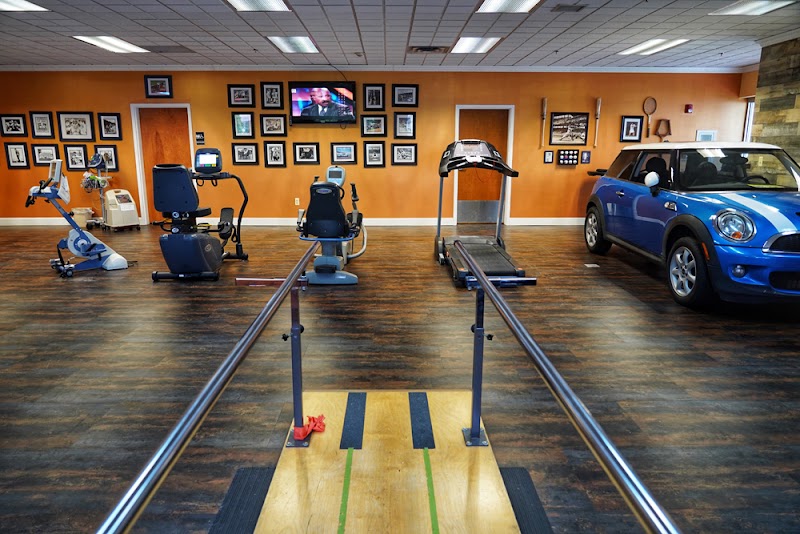
How is Rose Garden Staffed?

CMS rates ROSE GARDEN NURSING AND REHABILITATION CENTER's staffing level at 2 out of 5 stars, which is below average compared to other nursing homes. Staff turnover is 45%, compared to the New Jersey average of 46%. This relatively stable workforce can support continuity of care.

What Have Inspectors Found at Rose Garden?

State health inspectors documented 9 deficiencies at ROSE GARDEN NURSING AND REHABILITATION CENTER during 2020 to 2024. These included: 9 with potential for harm.
Who Owns and Operates Rose Garden?

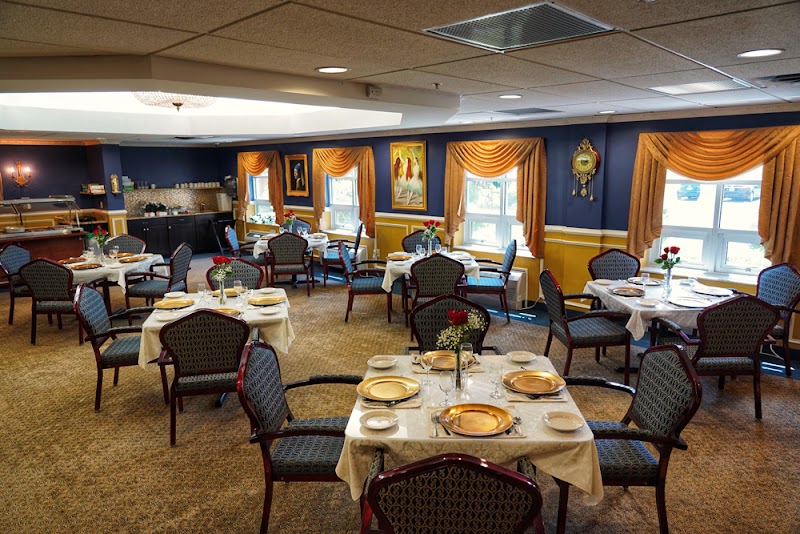
ROSE GARDEN NURSING AND REHABILITATION CENTER is owned by a for-profit company. For-profit facilities operate as businesses with obligations to shareholders or private owners. The facility operates independently rather than as part of a larger chain. With 128 certified beds and approximately 120 residents (about 94% occupancy), it is a mid-sized facility located in TOMS RIVER, New Jersey.
How Does Rose Garden Compare to Other New Jersey Nursing Homes?

Compared to the 100 nursing homes in New Jersey, ROSE GARDEN NURSING AND REHABILITATION CENTER's overall rating (4 stars) is above the state average of 3.3, staff turnover (45%) is near the state average of 46%, and health inspection rating (4 stars) is above the national benchmark.

What Should Families Ask When Visiting Rose Garden?

Based on this facility's data, families visiting should ask: "Can you walk me through typical staffing levels on day, evening, and night shifts?" "Can I visit during a mealtime to observe dining assistance and food quality?" "How do you handle medical emergencies, and what is your hospital transfer rate?" "Can I speak with family members of current residents about their experience?" These questions are particularly relevant given the below-average staffing rating.

Is Rose Garden Safe?

Based on CMS inspection data, ROSE GARDEN NURSING AND REHABILITATION CENTER has a clean safety record: no substantiated abuse findings (meaning no confirmed cases of resident harm), no Immediate Jeopardy citations (the most serious violation level indicating risk of serious injury or death), and is not on the Special Focus Facility watch list (a federal program monitoring the lowest-performing 1% of nursing homes). The facility has a 4-star overall rating and ranks #1 of 100 nursing homes in New Jersey. While no facility is perfect, families should still ask about staff-to-resident ratios and recent inspection results during their visit.

Do Nurses at Rose Garden Stick Around?

ROSE GARDEN NURSING AND REHABILITATION CENTER has a staff turnover rate of 45%, which is about average for New Jersey nursing homes (state average: 46%). Moderate turnover is common in nursing homes, but families should still ask about staff tenure and how the facility maintains care continuity when employees leave.

Was Rose Garden Ever Fined?

ROSE GARDEN NURSING AND REHABILITATION CENTER has no federal fines on record. CMS issues fines when nursing homes fail to meet care standards or don't correct problems found during inspections. The absence of fines suggests the facility has either maintained compliance or corrected any issues before penalties were assessed. This is a positive indicator, though families should still review recent inspection reports for the full picture.

Is Rose Garden on Any Federal Watch List?

ROSE GARDEN NURSING AND REHABILITATION CENTER is not on any federal watch list. The most significant is the Special Focus Facility (SFF) program, which identifies the bottom 1% of nursing homes nationally based on persistent, serious quality problems. Not being on this list means the facility has avoided the pattern of deficiencies that triggers enhanced federal oversight. This is a positive indicator, though families should still review the facility's inspection history directly.