SHORE GARDENS REHABILITATION AND NURSING CENTER
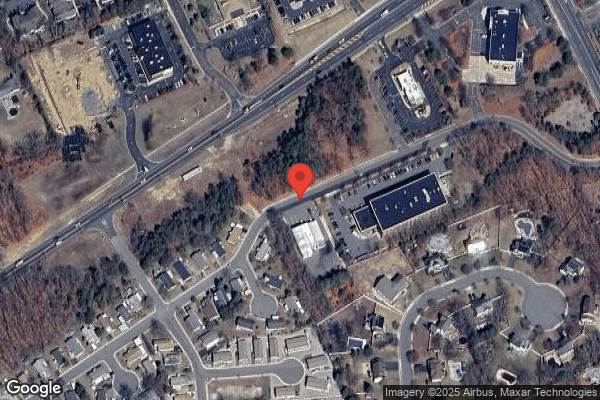
231 WARNER STREET, TOMS RIVER, NJ 08755 (732) 942-0800
For profit - Limited Liability company 149 Beds Independent Data: November 2025 1 Immediate Jeopardy citation
Trust Grade
13/100
#337 of 344 in NJ
Last Inspection: February 2025

Within standard 12-15 month inspection cycle. Federal law requires annual inspections.

Overview

Shore Gardens Rehabilitation and Nursing Center has received a Trust Grade of F, indicating significant concerns about the facility. With a state rank of #337 out of 344 in New Jersey, they are in the bottom half of nursing homes, and #30 out of 31 in Ocean County, meaning only one local option is better. The facility is experiencing a worsening trend, with reported issues increasing from 3 in 2024 to 13 in 2025. Staffing is a relative strength, rated 4 out of 5 stars with a turnover rate of 30%, which is below the state average. However, they have concerning fines of $134,466, higher than 91% of New Jersey facilities, and less RN coverage than 80% of state facilities, which may limit the quality of care. Specific incidents of concern include a failure to investigate an allegation of sexual abuse between residents, which raises significant safety issues. Additionally, the facility has been criticized for not maintaining a clean and safe environment, with peeling wallpaper and broken safety features observed in residents' rooms. While there are some strengths in staffing, the overall situation at Shore Gardens presents serious weaknesses that families should carefully consider.

Trust Score
F
13/100
In New Jersey
#337/344
Bottom 3%
Safety Record
High Risk
Review needed
Inspections
Getting Worse
3 → 13 violations
Staff Stability
○ Average
30% turnover. Near New Jersey's 48% average. Typical for the industry.
Penalties
⚠ Watch
$134,466 in fines. Higher than 81% of New Jersey facilities, suggesting repeated compliance issues.
Skilled Nurses
⚠ Watch
Each resident gets only 19 minutes of Registered Nurse (RN) attention daily — below average for New Jersey. Fewer RN minutes means fewer trained eyes watching for problems.
Violations
⚠ Watch
32 deficiencies on record. Higher than average. Multiple issues found across inspections.
★☆☆☆☆
1.0
Overall Rating
★★★★☆
4.0
Staff Levels
★★★☆☆
3.0
Care Quality
★☆☆☆☆
1.0
Inspection Score
Stable
2024: 3 issues
2025: 13 issues

The Good

  • 4-Star Staffing Rating · Above-average nurse staffing levels
  • Full Sprinkler Coverage · Fire safety systems throughout facility
  • No fines on record
  • Staff turnover below average (30%)

    18 points below New Jersey average of 48%

Facility shows strength in staffing levels, fire safety.

The Bad

1-Star Overall Rating

Below New Jersey average (3.2)

Significant quality concerns identified by CMS

Staff Turnover: 30%

15pts below New Jersey avg (46%)

Typical for the industry

Federal Fines: $134,466

Well above median ($33,413)

Significant penalties indicating serious issues

The Ugly 32 deficiencies on record

1 life-threatening
Aug 2025 1 deficiency
CONCERN (D) 📢 Someone Reported This

A family member, employee, or ombudsman was alarmed enough to file a formal complaint

Potential for Harm - no one hurt, but risky conditions existed

Deficiency F0628 (Tag F0628)

Could have caused harm · This affected 1 resident

**NOTE- TERMS IN BRACKETS HAVE BEEN EDITED TO PROTECT CONFIDENTIALITY** NJ# 184886Based on interview and review of pertinent facility documentation on 8/19/25 and 8/20/25, it was determined that the f...

Read full inspector narrative →
**NOTE- TERMS IN BRACKETS HAVE BEEN EDITED TO PROTECT CONFIDENTIALITY** NJ# 184886Based on interview and review of pertinent facility documentation on 8/19/25 and 8/20/25, it was determined that the facility failed to develop and implement an effective discharge (d/c) planning process that focused on the resident's discharge goals to return to the community. The deficient practice was identified for 1 of 3 residents (Resident # 6), reviewed for community discharge. The deficient practice was evidenced by the following:During a tour on 8/20/25 at 9:30AM, Resident #6 was observed sitting up in bed watching television.On 8/20/25 at 9:40AM, Surveyor interviewed Resident #6 in the presence of their family member. Resident #6 stated that on their day of discharge, he/she was told that an Uber was going to pick them up and transport them to a local hotel. Resident #6 stated that the Uber (a type of transportation service) dropped them off in the middle of the parking lot. He/she further stated, they walked into the hotel to check, and he/she was told they needed to pay $50 in ordered to check-in. Resident #6 explained they did not have any money, so they left the building and went outside, where they fell and ultimately had to call 911. Resident #6 further stated that the facility was called and informed of the fall, and the resident was re-admitted to the facility the next day. Resident #6 denied asking their Social Worker to leave the facility or receiving prior notice of the 3/26/25 discharge.A review of Resident #6's admission Record (AR) (an admission summary) reflected that the resident was admitted to the facility with diagnoses which included but were not limited to repeated falls and muscle weakness.A review of Resident #6's Minimum Data Set (MDS), an assessment tool used to facilitate the management of care, reflected a Brief Interview for Mental Status (BIMS) score of 13 out of 15, which indicated that Resident #6 was cognitively intact. The MDS reflected Resident #6 was independent with activities of daily living (ADLs), supervision/touch assist with transfers and ambulation.A review of a Social Services Note (SSN) written on 11/26/24 at 1:44PM, revealed the Social Worker (SW) informed Resident #6's family member of a Notice of Medicare Non-Coverage (NOMNC) letter, and informed them of the process to appeal.A Review of an SSN written on 11/29/24 at 2:11PM, revealed the SW informed Resident #6's family member of the Detailed Explanation of Non-Coverage (DENC) letter that was sent by the insurance company.A review of the Occupational Therapy Discharge Summary (OTDS) signed on 1/3/2025 at 7:35 PM, stated, Discharge recommendations: D/c secondary to change in payer source. Patient will be re-evaluated under new payer source and new goals set as appropriate. Assistance with IADLs (Instrumental Activities of Daily Living), Assistive device for safe functional mobility, elevated toilet/3 in one commode, home exercise program, home health services, long handled sponge, safety equipment: monoxide detector, smoke alarm, shower chair with back, and 24-hour care.A review of Physician Orders, reflected on order for discharge on [DATE].A review of a SSN written 3/26/25 at 1:23PM, stated, SW spoke with Resident in regards to discharge plan.A review of the Interdisciplinary Discharge Summary and Guide dated 3/26/25 at 2:17PM, reflected a referral for Visiting Nursing services. There was no documentation if Durable Medical Equipment (DME) was ordered, or any other community referrals were made.A review of SSN written 3/26/25 at 2:24PM, stated, [Resident #6] was discharged to the community. At the time of discharge to the community the resident was given a full reconciled medication list, and instructions to contact his/her PCP (Primary Care Physician) for follow-up. Resident was given transport to the community with all of his/her belongings.There was no other documentation that was provided regarding the plan for Resident #6's 3/26/25 discharge to the community.A review of a Progress Note (PN) written by the Registered Nurse (RN) Supervisor on 3/27/25 at 10:11PM, reflected Resident #6 was back at the facility after going to a local hospital due to a fall at home.During an interview with the Assistant Director of Nursing (ADON) on 8/20/25 at 10:35AM, she revealed that she was not part of Resident #6's discharge planning and was unaware of Resident #6's discharge until the day that the discharge occurred. She further stated that discharges are usually discussed at Utilization Review (UR) Meetings but does not recall if Resident #6's discharge was discussed. She further explained the Administrator, Director of Nursing (DON), ADON, Director of Social Services (DSS), MDS Coordinator, Director of Rehab (DOR), and Unit Managers, attend the UR meetings.During an interview with the DSS on 8/20/25 at 10:55AM, stated that the SW who handled the d/c planning for Resident #6 no longer works at the facility. During the interview she revealed Resident #6 was to be short-term, but did not have any place to go after discharge. The DSS explained the previous SW setup the community discharge at the resident's request to leave. She further stated that Resident #6 was discharged and transported in an Uber to a hotel that was paid for a couple of nights, but unsure of what days. She further stated that she was unable recall if Resident #6's discharge was discussed during the Interdisciplinary Care Team Meetings, where Physical therapy, nursing and social services would discuss the Resident's care, including the Resident's discharge. The DSS further stated that the facility does not normally discharge to a hotel, and that in her opinion, she would of have the resident stay until there was a safe space for the resident to be discharged . Stated that if a Resident is adamant about leaving, she would have them sign an Against Medical Advice (AMA) form. She was not sure if prior notice of the discharge was provided to Resident #6, because the discharge was Resident initiated, not a facility-initiated discharge. She stated that she does not believe an AMA form was signed due to Resident #6 being medically stable and approved for discharged by the physician. During an interview with the DOR on 8/20/25 at 1:35PM, she revealed that discharges are discussed in the facility's morning meetings. She further explained that when a Long-Term Care Resident is discharged into the community, rehab would do an evaluation prior to the discharge. She further stated that the rehab department was not notified of Resident #6's discharge, so a discharge evaluation was not completed. Stated Resident #6 was steady while walking, but he needed to rest at times, and had she been notified of Resident #6's discharge, she would have requested a new order for a rollator (a walker with four wheels and a seat).During an interview with the Administrator on 8/20/25 at 2:00PM, he stated that discharges are discussed in both IDCT meetings and UR meetings. He further stated that if a Resident requested to be discharged , then they would have been discussed in IDCT meetings. The Administrator stated that he was not able to recall if Resident #6's 3/26/25 discharge was discussed in their meetings. Administrator further stated that Resident #6 was at Prior Level of Function, and they were cleared by Rehab and Medical, and even though the resident had no other placement, they wanted to leave, and the facility cannot force them to stay. Surveyor informed Administrator that there is no documentation regarding the discussions of Resident #6 wanting to leave or understanding of their discharge location.The facility did not provide any further pertinent information. N.J.A.C. 8:39-4.1(a)30,32
May 2025 2 deficiencies
CONCERN (F) 📢 Someone Reported This

A family member, employee, or ombudsman was alarmed enough to file a formal complaint

Potential for Harm - no one hurt, but risky conditions existed

Safe Environment (Tag F0584)

Could have caused harm · This affected most or all residents

**NOTE- TERMS IN BRACKETS HAVE BEEN EDITED TO PROTECT CONFIDENTIALITY** REPEAT DEFICIENCY Complaint #: NJ185836; NJ186066 Based on observations, interview, and review of pertinent facility documents, ...

Read full inspector narrative →
**NOTE- TERMS IN BRACKETS HAVE BEEN EDITED TO PROTECT CONFIDENTIALITY** REPEAT DEFICIENCY Complaint #: NJ185836; NJ186066 Based on observations, interview, and review of pertinent facility documents, it was determined that the facility failed to ensure that the facility was maintained to provide the residents with a safe, clean, comfortable and homelike environment. This deficient practice was identified on 3 of 3 nursing units, and was evidenced by the following: On 5/8/25 from 9:40 AM to 10:40 AM, the surveyor toured the Second-floor nursing unit and observed the following: 1. In Resident room [ROOM NUMBER], the wall paper was peeling off the wall behind the door. 2. In Resident room [ROOM NUMBER]'s bathroom, the bathroom ceiling tiles were cracked, the grab bar (bar affixed to the wall for safety) on the left side of the toilet was coming off the wall, the paint was peeling from the left side of the sink and the right side of the soap dispenser, the paint was peeling on the inside of the bathroom door and there were black marks on the lower section of the door. Above Bed-A in the right corner, the ceiling tile was stained brown, and the nightstand, wardrobe closet and television (TV) stand dresser all had paint peeling. 3. At 9:59 AM, the surveyor observed a blackish/brown stain around the inside of the toilet bowl of Resident room [ROOM NUMBER]. At that time, the surveyor asked the Licensed Practical Nurse (LPN #1) to accompany them into Resident room [ROOM NUMBER]'s bathroom, and the surveyor asked what that substance was. LPN #1 stated all toilets look like that, and that the housekeeping staff cleaned the toilets, but it did not come off. The surveyor asked if the facility was aware of the stain, and LPN #1 stated she would assume the facility was aware, and in her opinion, the facility did not think it was an issue. 4. In Resident room [ROOM NUMBER], the two TV stand dressers, the wardrobe closet, and the chair positioned by the window for Bed-B all had paint peeling off and the chair cushion was stained. 5. In Resident room [ROOM NUMBER], the baseboard trim was peeling and the wallpaper was coming off when entering the room, and the paint was peeling behind the door. By Bed-A, the corner trim was missing and the nightstand door was coming off. In the bathroom, inside the toilet bowl was stained brownish, the hand rail to the side of the toilet was coming off, the paint was peeling off the back of the bathroom door, and by the right of the exit, the bottom of the wall (sheet rock) was crumbling off. 6. At 10:05 AM, Resident #1 reported and showed the surveyor that the bottom left drawer of their wardrobe closet was a fake drawer. Resident #1 pulled the drawer out and showed that the drawer had no bottom, it was just a frame. Resident #1 also stated that the left wardrobe closet door did not close. The surveyor asked if staff were aware, and Resident #1 stated that staff attempted to close it every time they walked by and it did not close. Resident #1 then showed the surveyor blackish colored stains on the floor between the three dressers, and stated that the room next to them had a water leak that came into their room, and the facility never cleaned it. Resident #1 also showed the surveyor their air conditioner (AC) unit that was soiled with dust, food debris, and a thumbtack. 7. In Resident room [ROOM NUMBER], the paint was peeling off the left side by the entrance to the room, the two TV stand dressers had paint peeling off, and the right wardrobe closet door did not close. Inside the bathroom, the toilet bowl was stained a blackish/brown color, the paint was peeling off the walls, there were holes in the wall, left lower trim was missing, the wall was peeling under the soap dispenser, the mirror was peeling, and the hand rail by the toilet was coming off. 8. The Second-floor dayroom had paint peeling at the entrance, wallpaper was peeling off underneath the windows, the paint was peeling off the trim to both door frames and off both doors. All eight chairs had soiled arms and stained seats. The five tables all had peeling paint. 9. In Resident room [ROOM NUMBER], the wallpaper was peeling off by entrance inside, the right trim of wall was peeling off, the paint to the frame of the bathroom door entrance was peeling, and a section of the center wall trim above Bed-A's nightstand was missing. 10. In Resident room [ROOM NUMBER], the three drawers of the TV stand dresser were broken. The unsampled resident stated that the drawers had been broken like that the entire time they had resided at the facility and they assumed the facility was aware because the condition of building was obvious. By Bed-B, the back wood of the TV dresser was coming off, the bottom of the dresser's trim was broken, and the floor around the dressers were soiled black. Underneath the AC unit, the trim was peeling off and the chair was stained with paint peeling. 11. In Resident room [ROOM NUMBER], the black trim to the right of the entrance was worn. 12. The wooden wall board across from the elevators were cracked with holes. On 5/8/25, from 10:46 AM to 10:58 AM, the surveyor toured the Third-floor nursing unit and observed the following: 13. In Resident room [ROOM NUMBER], on the floor near the entrance, appeared to be soiled clothes in plastic bags and a bag full of waste/garbage on the floor. Bed-A's headboard was broken, the pillow had a brown stain on it, the ceiling tile above the bed was coming off track, and the TV stand dresser drawers were chipped. The trim to the outside bathroom door frame, the paint was peeling off and the toilet bowl was stained with brownish/green streaks. 14. At 10:50 AM, the surveyor observed the Housekeeper (HK #1) cleaning Resident room [ROOM NUMBER], that had plastic bags filled with clothing outside. HK #1 stated that the bags were on the floor in the inside of the room, and that she had moved them into the hallway to clean the floor. HK #1 reported that she cleaned the floors and bathrooms daily in each resident room, and that the maintenance staff cleaned the AC units. The surveyor observed inside the resident room, a hole behind the door and the TV stand dresser for Bed-A's bottom trim was broken. 15. In Resident room [ROOM NUMBER], the wallpaper was peeling off the wall to the left of the entrance and the outside bathroom door frame's paint was peeling. The wardrobe closet doors did not close. 16. In Resident room [ROOM NUMBER], the nightstand was peeling. On 5/8/25 at 10:59 AM, the surveyor interviewed the Environmental Service Director (ESD), who stated stated that the housekeeping staff cleaned every resident room and bathroom daily, which included the weekends. The ESD stated that the housekeeping staff cleaned inside the AC unit's vents, and the maintenance staff changed the AC filters. The ESD stated every Friday, staff should be taking off the AC unit's covers and cleaning the dust and debris inside. On 5/8/25 at 11:02 AM, the surveyor accompanied by the ESD toured the Second-floor nursing unit and the ESD confirmed the following concerns: In Resident room [ROOM NUMBER], the ESD identified the discoloration of the toilet bowl to be rust that did not come off. In Resident room [ROOM NUMBER], the ESD identified the discoloration of the toilet bowl to be rust, and he stated that if you scrubbed the rust off, it would leave a mark on the bowl. The surveyor asked how the porcelain toilet bowl rusted, and the ESD did not know how rust would get there. At 11:05 AM, the ESD acknowledged that Resident #1's AC unit was soiled with debris and should have been cleaned by the housekeeping staff. On 5/8/25 at 11:07 AM, the surveyor interviewed HK #2, who stated that she cleaned all the residents' rooms daily which included sweeping, mopping, and the toilets. On 5/8/25 at 11:10 AM, the surveyor observed in Resident room [ROOM NUMBER], that Bed-A's bedside table had peeling paint, their TV stand dresser's paint was peeling, and there was wallpaper missing from the walls. On 5/8/25 at 11:15 AM, the surveyor interviewed the Licensed Practical Nurse/Unit Manager (LPN/UM), who stated she was aware the condition of the residents' furniture, and stated that she was informed in a morning meeting that the facility was getting new furniture. The LPN/UM stated that the facility used a computerized work order system [name redacted] to put in maintenance requests. The LPN/UM stated that a lot in the facility was broken because the residents broke it, because it was a behavioral unit. The LPN/UM stated she was aware of the missing paint and trims, and that the Maintenance Director (MD) was out of the facility on leave. On 5/8/25 at 11:17 AM, the surveyor interviewed the Maintenance Staff (MS), who stated that the facility used a computerized work order system [name redacted] to put in maintenance requests. The MS stated that he recently changed all the AC units' filters and vacuumed it. On 5/8/25 from 11:20 AM to 11:29 AM, the surveyor and MS toured the facility, and he acknowledged the following observations: In Resident room [ROOM NUMBER], the MS confirmed the paint along the frame of the bathroom door needed to be painted, and he stated he did not recall a work order put in. In Resident room [ROOM NUMBER], the MS confirmed the holes in the walls and the paint coming off in the bathroom. The MS stated that the facility was like this when he started working there, and that he conducted rounds and did repairs that he saw were needed. The MS stated he mainly put drawers back together, changed bed remotes, and ceiling tiles. In Resident room [ROOM NUMBER], the MS acknowledged the stained ceiling tile, and stated it should have been changed. The MS confirmed that Resident #1's drawer was missing, and that the resident's aide should have reported that. The MS stated that the debris in the resident's AC unit should have been cleaned by housekeeping, and he confirmed the door was coming off of Bed-A's nightstand. The surveyor asked the MS if it was a clean, homelike environment, and the MS stated how was when I got here. On 5/8/25 at 11:30 AM, the surveyor interviewed the Certified Nursing Aide (CNA #1), who stated that if anything was broken, she was supposed to put it in the computerized work order system [name redacted] for maintenance. CNA #1 stated she was aware of the broken furniture, but did not put it in the system for maintenance. On 5/8/25 at 11:32 AM, the surveyor interviewed the Assistant Director of Nursing (ADON), who stated that the facility was aware of the broken furniture and needed paint. The ADON stated that the work was to be done for the facility's plan of correction (POC) from the previous survey, but the work had not been completed. The ADON thought the work might have started on the first floor. On 5/8/25, from 11:34 AM to 11:41 AM, the surveyor toured the First-floor nursing unit and observed the following: 17. In Resident room [ROOM NUMBER], the outside wood of the door was coming off. 18. In the Shower Room (C-17), there was a rusted metal rack outside the shower, a hole in the shower curtain, a broken patched soap holder in the shower wall that was rough to touch, stained blue flower grips on the shower and tile floor that were soiled black and ripped, and missing grout in-between the tiles and shower. 19. At 11:41 AM, the surveyor asked CNA #2 and CNA #3 what the exposed metal piping that had a broken frame around it was at the entrance to Resident room [ROOM NUMBER]. CNA #3 stated it use to be a vent or something, and CNA #2 confirmed the condition should be reported to maintenance. On 5/8/25 at 11:50 AM, the surveyor reviewed the facility's previous statement of deficiencies and POC from their last survey dated 2/14/25. The facility was cited for multiple concerns regarding the residents' furniture, soiled floors, molding and baseboards coming off the wall, as well as the shower room, which it was determined that the facility failed to ensure a clean, homelike environment. The facility's POC with a completion date of 4/3/25, indicated that the facility was going to educate the ESD on the facility's policies on keeping the resident's areas clean and presentable, all resident rooms will have a full maintenance and housekeeping audit done monthly to ensure all aspects of the room are functioning properly, the first floor shower room will be checked and cleaned daily, as well as, the shower curtain was replaced. On 5/8/25 at 12:03 PM, the surveyor, accompanied by the Licensed Nursing Home Administrator (LNHA) toured the First-floor nursing unit, and the following was acknowledged: In Resident room [ROOM NUMBER], the LNHA stated that he was unsure what the broken unit with exposed metal piping was, and he stated that it must have recently broken off. The surveyor asked if it should look like that, and the LNHA responded cannot ask me that. In the Shower Room (C-17), the surveyor informed the LNHA of the concerns with the rusted metal rack, shower curtain, soap holder, flower grips, and missing grout, and stated that the facility was previously cited for that. The LNHA responded that the facility was only cited for the shower curtain that was replaced, and the surveyor pointed out that the shower curtain had a hole in it. The LNHA asked what was wrong with the flower grips (which were soiled black and ripped). The LNHA acknowledged the missing grout. In Resident room [ROOM NUMBER], the LNHA acknowledged that the outside of the door to the room was chipping and there were broken tiles in the hallway outside the Activity Office. The LNHA also acknowledged the condition of Resident room [ROOM NUMBER] and Resident room [ROOM NUMBER]'s room doors. On 5/8/25 at 12:09 PM, the surveyor, accompanied by the LNHA, toured the Second-floor nursing unit, and the following was acknowledged: In Resident room [ROOM NUMBER] and #234, the LNHA acknowledged the wallpaper should not be peeling. In Resident room [ROOM NUMBER], the LNHA confirmed the condition of the bathroom and furniture, and he stated that the facility had ordered all new furniture that should arrive within thirty days. The surveyor and LNHA also observed Resident Room #'s 229, 230, 231, 234, and Dayroom, and the LNHA confirmed the concerns. On 5/8/25 at 12:25 PM, the LNHA stated that he was aware of the environmental issues, and the facility was in the process of fixing it. The surveyor asked the LNHA if it was a clean, homelike environment, and the LNHA responded I hear you. On 5/8/25 at 12:27 PM, the surveyor, accompanied by the LNHA, toured the Third-Floor nursing unit, and the following was acknowledged: In Resident room [ROOM NUMBER], the surveyor asked what was in the plastic bags on the residents' floor, if it was soiled laundry or refuse, and the LNHA was unsure. In Resident room [ROOM NUMBER], the surveyor informed the LNHA of the identified concerns as well as the soiled bed sheets with the fly flying around it. The LNHA stated that no resident had hurt themselves on the broken furniture, and stated that maintenance did do rounds. The LNHA acknowledged the multiple holes in the residents' walls as well as, the wallpaper was peeling throughout the building. A review of the undated facility provided Quality of Life - Homelike Environment policy included that the residents are provided with a safe, clean, comfortable and homelike environment and encouraged to use their personal belongings to the extent possible .the facility staff and management shall maximize, to the extent possible, the characteristics of the facility that reflect a personalized, homelike setting. These characteristics include: a.) clean sanitary and orderly environment; c.) inviting colors and decor; d.) personalized furniture and room arrangements; e.) clean bed and bath linens that are in good condition . NJAC 8:39-4.1(a)11; 27.2(j); 31.2(e)
CONCERN (F) 📢 Someone Reported This

A family member, employee, or ombudsman was alarmed enough to file a formal complaint

Potential for Harm - no one hurt, but risky conditions existed

Administration (Tag F0835)

Could have caused harm · This affected most or all residents

**NOTE- TERMS IN BRACKETS HAVE BEEN EDITED TO PROTECT CONFIDENTIALITY** Complaint #: NJ185836, NJ186066 Based on observations, interviews, and review of pertinent facility documents, it was determined...

Read full inspector narrative →
**NOTE- TERMS IN BRACKETS HAVE BEEN EDITED TO PROTECT CONFIDENTIALITY** Complaint #: NJ185836, NJ186066 Based on observations, interviews, and review of pertinent facility documents, it was determined that the facility's Licensed Nursing Home Administrator (LNHA) failed to ensure staff, as well as himself, implemented the facility's Quality of Life - Homelike Environment policy and procedures to ensure the safety and well-being of all residents by providing a safe, clean, comfortable, and homelike environment. This deficient practice was identified for 3 of 3 nursing units, and was evidenced by the following: Refer F 584 A review of the facility's undated Administrator Job Description included the purpose of your position is to direct day-to-day function of the Facility in accordance with current federal, state, and local standards guidelines, and regulations that govern nursing facilities to assure that the highest degree of quality of care can be provided to our residents at all times. Delegation of Authority: As Administrator you are delegated the administrative authority, responsibility, and accountability necessary for carrying out your assigned duties .Duties and Responsibilities: plan, develop, organize, implement, evaluate, and direct the Facility's programs and activities in accordance with guidelines issued by the Regional Administrator. Develop and maintain written policies and procedures and professional standards of practice that govern the operations of the Facility .Ensure that all employees, residents, family members, visitors, and general public follow the Facility's established policies and procedures .Assist in developing plans of corrections for cited deficiencies. Ensure such plans incorporate timetables and methods of monitoring to ensure such deficiencies do not recur .Safety and Sanitation .Ensure that the building and grounds are maintained in good repair .Equipment and Supply Functions .Ensure that the Facility is maintained in a clean and safe manner for resident comfort and convenience by assuring that the necessary equipment and supplies are maintained to perform such duties and services . A review of the undated facility provided Quality of Life - Homelike Environment policy included that the residents are provided with a safe, clean, comfortable and homelike environment and encouraged to use their personal belongings to the extent possible .the facility staff and management shall maximize, to the extent possible, the characteristics of the facility that reflect a personalized, homelike setting. These characteristics include: a.) clean sanitary and orderly environment; c.) inviting colors and decor; d.) personalized furniture and room arrangements; e.) clean bed and bath linens that are in good condition . On 5/8/25 from 9:40 AM to 10:40 AM, the surveyor toured the Second-floor nursing unit and observed multiple resident rooms with wallpaper and paint peeling, furniture that was broken or paint peeling, door frames with paint peeling, chairs that were soiled and paint peeling, soiled floors, toilet bowls that were stained with a black/brown discoloration, grab bars (bars affixed to the wall for safety) next to toilets coming of the walls, holes in walls, missing trim, and discolored ceiling tiles. On 5/8/25 at 9:59 AM, the surveyor observed a blackish/brown stain around the inside of the toilet bowl of Resident room [ROOM NUMBER]. At that time, the surveyor asked the Licensed Practical Nurse (LPN #1) to accompany them into Resident room [ROOM NUMBER]'s bathroom, and the surveyor asked what that substance was. LPN #1 stated all toilets look like that, and that the housekeeping staff cleaned the toilets, but it did not come off. The surveyor asked if the facility was aware of the stain, and LPN #1 stated she would assume the facility was aware, and in her opinion, the facility did not think it was an issue. On 5/8/25 at 10:05 AM, Resident #1 reported and showed the surveyor that the bottom left drawer of their wardrobe closet was a fake drawer. Resident #1 pulled the drawer out and showed that the drawer had no bottom, it was just a frame. Resident #1 also stated that the left wardrobe closet door did not close. The surveyor asked if staff were aware, and Resident #1 stated that staff attempted to close it every time they walked by and it did not close. Resident #1 then showed the surveyor blackish colored stains on the floor between the three dressers, and stated that the room next to them had a water leak that came into their room, and the facility never cleaned it. Resident #1 also showed the surveyor their air conditioner unit (AC) that was soiled with dust, food debris, and a thumbtack. On 5/8/25 at 10:30 AM, in Resident room [ROOM NUMBER], the three drawers to the television (TV) dresser were broken. The unsampled resident stated that the drawers had been broken like that the entire time they had resided at the facility and they assumed the facility was aware because the condition of building was obvious. By Bed-B, the back wood of the TV dresser was coming off; the bottom of the dresser's trim was broken; and the floor around the dressers was soiled black. Underneath the AC unit, the trim was peeling off and the chair was stained with paint peeling. On 5/8/25, from 10:46 AM to 10:58 AM, the surveyor toured the Third-floor nursing unit and observed multiple resident rooms with peeling wallpaper and paint, furniture that was broken or paint peeling, door frames with paint peeling, toilet bowls that were stained with a black/brown discoloration, and soiled bed linen. On 5/8/25 at 10:59 AM, the surveyor interviewed the Environmental Service Director (ESD), who stated stated that the housekeeping staff cleaned every resident room and bathroom daily, which included the weekends. The ESD stated that the housekeeping staff cleaned inside the AC unit's vents, and the maintenance staff changed the AC filters. The ESD stated every Friday, staff should be taking off the AC unit's covers and cleaning the dust and debris inside. On 5/8/25 at 11:02 AM, the surveyor accompanied by the ESD toured the Second-floor nursing unit and the ESD confirmed the following concerns: In Resident room [ROOM NUMBER], the ESD identified the discoloration of the toilet bowl to be rust that did not come off. In Resident room [ROOM NUMBER], the ESD identified the discoloration of the toilet bowl to rust, and he stated that if you scrubbed the rust off, it would leave a mark on the bowl. The surveyor asked how the porcelain toilet bowl rusted, and the ESD did not know how rust would get there. On 5/8/25 at 11:05 AM, the ESD acknowledged that Resident #1's AC unit was soiled with debris and should have been cleaned by the housekeeping staff. On 5/8/25 at 11:07 AM, the surveyor interviewed the Housekeeper (HK #2), who stated that she cleaned all the residents' rooms daily which included sweeping, mopping, and the toilets. On 5/8/25 at 11:15 AM, the surveyor interviewed the Licensed Practical Nurse/Unit Manager (LPN/UM), who stated she was aware the condition of the residents' furniture, and stated that she was informed in a morning meeting that the facility was getting new furniture. The LPN/UM stated that the facility used a computerized work order system [name redacted] to put in maintenance requests. The LPN/UM stated that a lot in the facility was broken because the residents broke it, because it was a behavioral unit. The LPN/UM stated she was aware of the missing paint and trims, and that the Maintenance Director (MD) was out of the facility on leave. On 5/8/25 at 11:17 AM, the surveyor interviewed the Maintenance Staff (MS), who stated that the facility used a computerized work order system [name redacted] to put in maintenance requests. The MS stated that he recently changed all the AC units' filters and vacuumed it. On 5/8/25 at 11:30 AM, the surveyor interviewed the Certified Nursing Aide (CNA #1), who stated that if anything was broken, she was supposed to put it in the computerized work order system [name redacted] for maintenance. CNA #1 stated she was aware of the broken furniture, but did not put it in the system for maintenance. On 5/8/25 at 11:32 AM, the surveyor interviewed the Assistant Director of Nursing (ADON), who stated that the facility was aware of the broken furniture and needed paint. The ADON stated that the work was to be done for the facility's plan of correction (POC) from the previous survey, but the work had not been completed. The ADON thought the work might have started on the first floor. On 5/8/25, from 11:34 AM to 11:41 AM, the surveyor toured the First-floor nursing unit and had multiple observations of broken resident doors and the Shower Room (C-17) had a rusted metal rack, shower curtain with a hole in it, a broken patched soap holder in the shower wall that was rough to touch, stained blue flower grips on the shower and tile floor that were soiled black and ripped, and missing grout in-between the tiles and shower. On 5/8/25 at 11:50 AM, the surveyor reviewed the facility's previous statement of deficiencies and POC from their last survey dated 2/14/25. The facility was cited for multiple concerns regarding the residents' furniture, soiled floors, molding and baseboards coming off the wall, as well as the shower room, which it was determined that the facility failed to ensure a clean, homelike environment. The facility's POC with a completion date of 4/3/25, indicated that the facility was going to educated the ESD on the facility's policies on keeping the resident's areas clean and presentable, all resident rooms will have a full maintenance and housekeeping audit done monthly to ensure all aspects of the room are functioning properly, the first floor shower room will be checked and cleaned daily, as well as, the shower curtain was replaced. On 5/8/25 at 12:03 PM, the surveyor, accompanied by the Licensed Nursing Home Administrator (LNHA) toured the First-floor nursing unit, and the following was acknowledged the surveyor's findings. On 5/8/25 at 12:07 PM, in the Shower Room (C-17), the surveyor informed the LNHA on the concerns with the rusted metal rack, shower curtain, soap holder, the soiled and ripped flower grips, and missing grout, and stated that the facility was previously cited for that. The LNHA responded that the facility was only cited for the shower curtain that was replaced, and the surveyor pointed out that the shower curtain had a hole in it. The LNHA asked what was wrong with the flower grips (which were soiled black and ripped). The LNHA acknowledged the missing grout. On 5/8/25 at 12:09 PM, the surveyor, accompanied by the LNHA, toured the Second-floor nursing unit, and the LNHA acknowledged the surveyor's concerns. On 5/8/25 at 12:25 PM, the LNHA stated that he was aware of the environmental issues, and the facility was in the process of fixing it. The surveyor asked the LNHA if it was a clean, homelike environment, and the LNHA responded I hear you. On 5/8/25 at 12:27 PM, the surveyor, accompanied by the LNHA, toured the Third-Floor nursing unit, and the LNHA acknowledged the surveyor's concerns. A review of the computerized work order system [name redacted] for maintenance Work Orders report from 4/1/25 to present, did not indicate the day the work request was made, and it did not include all of the surveyor's identified concerns. The work order did include several resident rooms needed furniture repaired which included: Resident room [ROOM NUMBER], #218, #306, #203, #314, and #233. On 5/8/25 at 1:37 PM, the LNHA in the presence of the Regional LNHA provided the surveyor with a quote for furniture. The LNHA stated that the facility was aware that the furniture all needed to be replaced and that was why the facility got a quote. The Regional LNHA confirmed that the facility needs a lot of work. When the surveyor asked the LNHA what his responsibilities and role at the facility was, the LNHA responded that he was responsible for the facility which included; staff, residents, and the condition of the facility. The surveyor reviewed the Quote dated 3/11/25, with an invoice #250895, which included the cost of the furniture, with the vendor name listed as the facility and to ship to the facility. There was no evidence that the furniture was actually purchased. The surveyor reviewed a copy of a check provided by the LNHA, that he indicated was a deposit for the furniture payment dated 3/13/25. There was no evidence provided that this check was provided to the vendor. NJAC 8:39-4.1(a)11; 9.2(a); 9.3(a); 27.2(j); 31.2(e)
Feb 2025 10 deficiencies
CONCERN (D)

Potential for Harm - no one hurt, but risky conditions existed

Resident Rights (Tag F0550)

Could have caused harm · This affected 1 resident

Based on observation and interview, it was determined that the facility failed to ensure that the residents' dining experience was provided in a manner to promote dignity and respect of the residents....

Read full inspector narrative →
Based on observation and interview, it was determined that the facility failed to ensure that the residents' dining experience was provided in a manner to promote dignity and respect of the residents. This deficient practice was observed in 1 of 3 dining rooms on 2/13/25, and was evidenced by the following: On 2/13/25 at 12:16 PM, the surveyor observed the lunch meal on the Third-floor nursing unit in the dayroom/dining room. On each of the 14 residents, the staff served the cold beverages composed of milk and cranberry juice in disposable plastic cups. During an interview with the survey team on 2/14/25 at 11:00 AM, the Licensed Nursing Home Administrator (LNHA) and Director of Nursing (DON) did not refute the identified concerns for dignity in using disposable plastic cups for the memory care residents. A review of the facility provided Assistance with Meals policy dated revised March 2022, included meal assistance to residents with attention to safety, comfort and dignity . The policy did not include the use of non-disposable dinnerware. NJAC 8:39-4.1(a)12
CONCERN (D) 📢 Someone Reported This

A family member, employee, or ombudsman was alarmed enough to file a formal complaint

Potential for Harm - no one hurt, but risky conditions existed

Deficiency F0557 (Tag F0557)

Could have caused harm · This affected 1 resident

Deficiency Text Not Available

Read full inspector narrative →
Deficiency Text Not Available
CONCERN (D)

Potential for Harm - no one hurt, but risky conditions existed

Deficiency F0658 (Tag F0658)

Could have caused harm · This affected 1 resident

Based on observation, interview, and review of pertinent facility documents, it was determined that the facility failed to ensure the medication cart was secured during medication administration in ac...

Read full inspector narrative →
Based on observation, interview, and review of pertinent facility documents, it was determined that the facility failed to ensure the medication cart was secured during medication administration in accordance with professional standards of clinical practice. This deficient practice was identified for 1 of 4 residents observed during medication administration (Resident #89), and was evidenced by the following: Reference: New Jersey Statutes Annotated, Title 45, Chapter 11. Nursing Board. The Nurse Practice Act for the State of New Jersey states: The practice of nursing as a licensed practical nurse is defined as performing tasks and responsibilities within the framework of case finding; reinforcing the patient and family teaching program through health teaching, health counseling and provision of supportive and restorative care, under the direction of a registered nurse or licensed or otherwise legally authorized physician or dentist. On 2/10/25 at 8:17 AM, the surveyor observed the Licensed Practical Nurse (LPN) parked the Second-floor low-side medication cart outside the door of Resident #89's room. The LPN sanitized their hands with an alcohol-based hand rub, and she prepared the medications to be administered to Resident #89. After gathering a cup containing oral medications and injectable insulin pens, the LPN left the medication cart unlocked and walked to Resident #89's bedside. The LPN proceeded to administer the resident their medication who was in bed. The medication cart was out of the line of sight of the LPN and no residents were observed present in the hallway and by the medication cart. The surveyor asked the LPN what they would do with the cart, and the LPN confirmed that they should have locked it. On 2/12/25 at 12:15 PM, the surveyor interviewed the Licensed Practical Nurse/Unit Manager (LPN/UM), who stated that during medication administration, the nurses should always lock the cart and minimize the computer when walking away from the medication cart. During an interview with the survey team on 2/13/25 at 1:25 PM, the surveyor brought the identified concern to the attention of the Licensed Nursing Home Administrator (LNHA) and Director of Nursing (DON). They did not dispute the findings. A review of the facility provided undated Administering Medications policy included Policy Interpretation and Implementation 18. During administration of medications, the medication cart is kept closed and locked when out of sight of the medication nurse or aide . NJAC 8:39-29.4(h)
CONCERN (D)

Potential for Harm - no one hurt, but risky conditions existed

Respiratory Care (Tag F0695)

Could have caused harm · This affected 1 resident

Based on observation, interview, and review of pertinent facility documentation it was determined that the facility failed to a) obtain physician's orders for care of oxygen tubing and b) develop a co...

Read full inspector narrative →
Based on observation, interview, and review of pertinent facility documentation it was determined that the facility failed to a) obtain physician's orders for care of oxygen tubing and b) develop a comprehensive care plan for a resident receiving oxygen therapy. This deficient practice was identified in 1 of 4 residents reviewed for oxygen (Resident #95), and was evidenced by the following: On 2/5/25 at 12:07 PM, during the initial tour of the facility, the surveyor observed an oxygen concentrator (a device that enriches air with oxygen by removing nitrogen) in Resident #95's room with nasal oxygen tubing (small flexible tube with two prongs that delivers oxygen into the nose) connected. The tubing went from the oxygen concentrator onto the resident's bed, under the pillow, and hung off the opposite side of the bed. At that time, the resident informed the surveyor that they removed the oxygen. A review of the admission Record face sheet (an admission summary) reflected the resident was admitted to the facility with medical diagnoses that included but were not limited to; chronic obstructive pulmonary disease (a lung condition characterized by persistent inflammation and narrowing of the airways leading to ongoing breathing difficulties), depression, heart failure, and kidney failure. A review of the comprehensive Minimum Data Set (MDS), an assessment tool dated 11/25/24, revealed Resident #95 had a Brief Interview of Mental Status score of 12 out of 15, meaning the resident had moderate cognitive impairment. A review of Section O titled Special Procedures and Treatments indicated that the resident used oxygen prior to admission and at the facility. A review of the Physician Order Summary revealed that Resident #95 was prescribed oxygen to be administered at two liters per minute (2 lpm) via a nasal cannula as needed. The order was dated 1/7/25, and was an active order. The Physician Order Summary did not include a physician's order to change the nasal cannula tubing. On 2/13/25 at 11:10 AM, the surveyor went to see Resident #95 and observed the room was empty. The surveyor went to the First-floor Licensed Practical Nurse/Unit Manager (LPN/UM), who stated that the resident went to the hospital in the morning for chest pain. The surveyor then asked the LPN/UM to show them the physician's orders for oxygen and oxygen tubing changes in the Electronic Medical Record (EMR). The LPN/UM showed the surveyor an order for oxygen to be administered at 2 lpm via a nasal cannula as needed. The surveyor then asked about the nasal cannula tubing changes, and the UM/LPN said, Usually there would be order here. The surveyor asked where the tubing changes would be signed out and she said, In the EMR but it looks like it's not being signed out. On 2/13/25 at 11:53 AM, the surveyor reviewed the policy titled Oxygen Administration with a revision date of 2010. The policy purpose was to provide guidelines for safe oxygen administration. The policy did not include the care of oxygen tubing. On 2/13/25 at 11:59 AM, the surveyor reviewed the resident's comprehensive care plan. The care plan did not have a focus area for respiratory care or oxygen. On 2/14/25 at 10:58 AM, the surveyor asked the Director of Nursing (DON) if a resident with oxygen should have an oxygen or respiratory care plan, and the DON acknowledged by stating, Yes, any resident should have a care plan if they have oxygen. NJAC 8:39-25.2 (b)
CONCERN (D)

Potential for Harm - no one hurt, but risky conditions existed

Pharmacy Services (Tag F0755)

Could have caused harm · This affected 1 resident

Based on observation, interview, and pertinent record review, it was determined that the facility failed to ensure the accountability of the narcotic shift count logs were completed in accordance with...

Read full inspector narrative →
Based on observation, interview, and pertinent record review, it was determined that the facility failed to ensure the accountability of the narcotic shift count logs were completed in accordance with professional standards of practice. This deficient practice was identified on 2 of 3 medication carts, and was evidenced by the following: On 2/10/25 at 11:11 AM, the surveyor, in the presence of the Licensed Practical Nurse (LPN #1), observed the Third-floor high side nursing unit's medication cart. A review of the medication cart's narcotic logbook revealed a pre-signed outgoing nurse signature for the shift-to-shift narcotic count Narcotic Bingo Card Count Sheet for the 2/10/25 3:00 PM- 11:00 PM shift. At that time, LPN #1 confirmed that she had pre-signed the log and that the log should have been signed in the presence of the incoming nurse by both herself and the incoming nurse at the same time after a narcotic count was completed. On 2/10/25 at 11:41 AM, the surveyor, in the presence of LPN #2, observed the Second-floor low side nursing unit's medication cart. A review of the medication cart's January 2025's shift-to-shift log revealed missing nurses' signatures for the narcotic counts for the following shifts: On 1/1/25, the outgoing nurse for the 7:00 AM - 3:00 PM (day shift). On 1/4/25, the incoming nurse for the 3:00 PM - 11:00 PM (evening shift). On 1/4/25, the incoming and outgoing nurses for the 11:00 PM - 7:00 AM (night shift). On 1/5/25, the incoming and outgoing nurses for the day shift. On 1/5/25, the outgoing nurse for the evening shift. On 1/8/25, the incoming nurse for the day shift. On 1/8/25, the outgoing nurse for the evening shift. On 1/9/25, the incoming and outgoing nurses for the evening shift. On 1/9/25, the outgoing nurse for the evening shift and night shifts. On 1/10/25, the incoming nurse for the day and night shifts. On 1/10/25, the outgoing nurse for the evening shift. On 1/11/25, the outgoing nurse for the day shift. On 1/11/25, the incoming nurse for the night shift. On 1/12/25, the outgoing nurse for the day shift. On 1/13/25, the incoming nurse for the day shift. On 1/13/25, the outgoing nurse for the evening shift. On 1/27/25, the incoming nurse for the day shift. On 1/27/25, the outgoing nurse for the evening shift. On 1/31/25, outgoing nurse for the evening shift. At that time, LPN #2 confirmed that there should not have been any missing signatures or documentation on the narcotic count log sheet. LPN #2 confirmed that the incoming and outgoing nurses were supposed to count the narcotics together and sign the log together at the time of shift change to confirm the count was completed and accurate. On 2/13/25 at 12:39 PM, the surveyor interviewed the Director of Nursing (DON) and the Infection Preventionist (IP). Both the DON and IP stated that medication cart narcotics were to be counted and immediately signed by the incoming and outgoing nurses at the time of shift change to indicate the count was completed. The DON and IP stated that there should not have been any pre-signed spaces or blanks for previous shifts. The DON acknowledged that missing documentation indicated it was not done. A review of the facility's Controlled Substance policy with a revised date of November 2022, included the system of reconciling the receipt, dispensing and disposition of controlled substances includes the following: . nursing staff count controlled medication inventory at the end of each shift, using these records to reconcile the inventory. The nurse coming on duty and the nurse going off duty make the count together and document and report any discrepancies to the director of nursing services . NJAC 8:39-29.7(c)
CONCERN (D)

Potential for Harm - no one hurt, but risky conditions existed

Garbage Disposal (Tag F0814)

Could have caused harm · This affected 1 resident

Based on observation, interview, and review of pertinent facility documentation, it was determined that the facility failed to dispose of garbage and refuse properly to prevent rodents and pests. This...

Read full inspector narrative →
Based on observation, interview, and review of pertinent facility documentation, it was determined that the facility failed to dispose of garbage and refuse properly to prevent rodents and pests. This deficient practice was evidenced by the following: On 2/5/25 at 9:32 AM, the surveyor toured the facility grounds and loading dock area with the Food Service Director (FSD). The surveyor observed the following. 1. The grassy side yard, which the First-floor residents looked at from their windows, was filled with construction debris, pallets that were broken and thrown around, plastic wrap in the trees, Styrofoam panels, and paper litter in the tree line that ran along neighborhood fences. 2. Along the black top driveway and grassy area, there were cigarette butts (too numerous to count) thrown on the ground. There was a cigarette receptacle lying on its side in the grass. 3. Behind a short brick wall, there were construction debris, metal benches, milk cartons, and tarps thrown haphazardly. 4. Behind a large blue storage trailer shed, there were orange milk crates thrown, construction trash, soda cans, and gloves on the ground. 5. The facility had three green trash dumpsters, around the dumpsters on the ground were gloves, soda cans, and cigarette butts. On 2/11/25 at 9:42 AM, the surveyor and the Licensed Nursing Home Administrator (LNHA) went to observe the surveyor's findings. The LNHA acknowledged the concern and stated, it should not be like this. The LNHA stated it was not fair the residents to had to look at it and the trash could lead to a rodent and pest problem. On 2/13/25 at 12:27 PM, the surveyor interviewed the Maintenance Director (MD), who stated that he was unaware that he was responsible for the grounds maintenance, and he was just given the policy yesterday. On 2/13/25 at 1:07 PM, the surveyor interviewed the Housekeeping Director (HD), who stated that he was unaware he was responsible for the grounds maintenance. The HD stated he was just given the policy yesterday and was asked to clean it up. The HD stated he started cleaning up the area from trash and debris. The HD further stated that he was actually a little afraid of what might pop out of the ground when he was cleaning behind the wall. On 2/14/25 at 10:58 AM, the survey team met with the LNHA and the Director of Nursing (DON), who both acknowledged the surveyor's concerns. A review of the facility's undated Grounds policy included .facility grounds shall be maintained in a safe and attractive manner .maintenance shall be responsible for keeping the grounds free of liter . A review of the facility's undated Food-related Garbage and Refuse disposal, policy included storage areas will be kept clear at all times and shall not constitute a nuisance .outside dumpsters will be kept free from surrounding liter . A review of the facility's undated Smoking Policy, included the facility will ensure compliance with [New Jersey Department of Health] smoking guidelines. NJAC 8:39-31.4(a)
CONCERN (D)

Potential for Harm - no one hurt, but risky conditions existed

Infection Control (Tag F0880)

Could have caused harm · This affected 1 resident

Based on observation, interview, and review of facility policies, it was determined that the facility failed to use appropriate infection control practices during medication administration to prevent ...

Read full inspector narrative →
Based on observation, interview, and review of facility policies, it was determined that the facility failed to use appropriate infection control practices during medication administration to prevent the potential spread of infection in accordance with the Center for Disease Control and Prevention (CDC) guidelines and standards of clinical practice. This deficient practice was identified for 1 of 4 residents observed during medication administration (Resident #96), and was evidenced by the following: Reference: Hand hygiene should be performed immediately before touching a patient; before performing an aseptic task such as placing an indwelling device or handling invasive medical devices; before moving from work on a soiled body site to a clean body site on the same patient; after touching a patient or patient's surroundings; after contact with blood, body fluids, or contaminated surfaces; immediately after glove removal. CDC recommendations for Hand Hygiene: Updated February 27, 2024: https://www.cdc.gov/clean-hands/hcp/clinical-safety/index.html#cdc_clinical_safety_best_practices_recomm-recommendations On 2/10/25 at 8:17 AM, the surveyor observed the Licensed Practical Nurse (LPN #1) prepare medications to administer to Resident #96. LPN #1 sanitized her hands with alcohol-based hand rub and proceeded to remove medication tablets from three blister packs and one medication bottle. LPN #1 then prepared the inhaler device for the resident to use. Without performing hand hygiene and donning (wearing) clean gloves, LPN #1 was observed using their bare left forefinger and thumb to push one tablet of vitamin B1 100 milligram (mg; a vitamin supplement) into the medicine cup. The surveyor asked LPN #1 if the observed process for obtaining a medication from a bottle was correct and what would they do with a tablet they touched with their bare fingers? LPN #1 acknowledged that they should not have touched the tablets and that they had to discard the contaminated tablet. On 2/12/25 at 12:13 PM, the surveyor asked LPN #2 what the process was to obtain medications from a bottle, and LPN #2 stated that they had to tap the bottle to move the tablets to the cap or wear gloves to get the medication from the bottle if tapping was not successful. LPN #2 also stated that they needed to sanitize or wash hands after removing gloves. On 2/12/25 at 12:15 PM, the surveyor asked the LPN/Unit Manager (LPN/UM) what the process was to obtain medications from a bottle, and the LPN/UM stated that they needed to wear gloves and sanitize their hands before and after discarding the gloves. During an interview with the survey team on 2/13/25 at 1:25 PM, the Licensed Nursing Home Administrator (LNHA) and Director of Nursing (DON) were notified of the above findings and concerns. A review of the facility provided undated Handwashing/Hand Hygiene policy included under Policy Interpretation and Implementation .6. In most situations, the preferred method of hand hygiene is with an alcohol-based hand rub .Statement: d. Before and after handling medications . NJAC 8:39-19.4(a)1
CONCERN (E)

Potential for Harm - no one hurt, but risky conditions existed

Deficiency F0761 (Tag F0761)

Could have caused harm · This affected multiple residents

Based on observation, interview, and review of pertinent facility documentation, it was determined that the facility failed to a) label opened multidose medication; b) properly dispose of expired medi...

Read full inspector narrative →
Based on observation, interview, and review of pertinent facility documentation, it was determined that the facility failed to a) label opened multidose medication; b) properly dispose of expired medications; and c) properly store medical supplies. This deficient practice was observed on 2 of 3 medication carts and 1 of 2 medication storage rooms reviewed for medication storage and labeling, and was evidenced by the following: On 2/10/25 at 11:11 AM, the surveyor, in the presence of the Licensed Practical Nurse (LPN #1), observed the following on the Third-floor high side nursing unit's medication cart: Fourteen individual, single use vials of ipratropium bromide/albuterol sulfate inhalation solution (a medication used to treat lung disease) 0.5 milligrams (mg) /3 mg per 3 milliliter (ml) in an opened foil pouch with a hand-written opened date of 1/2/24. The medication's foil pouch had manufacturer's instructions printed on it which indicated that the medication was to be used within two weeks of the pouch being opened. At that time, LPN #1 acknowledged the opened date and confirmed that the medication was considered expired and needed to be discarded. On 2/10/25 at 11:41 AM, the surveyor, in the presence of LPN #2, observed the following on the Second-floor low side nursing unit's medication cart: Two boxes of ipratropium bromide/albuterol sulfate 0.5 mg /3 mg per 3 ml inhalation solution. One box contained an opened foil pouch dated 12/7 containing 15 individual single use vials, and the second box contained an opened and undated foil pouch containing 25 individual, single use vials. Both were labeled with the manufacturer's instructions to use within two weeks of opening. At that time, LPN #2 confirmed that multidose medications should be dated with the date it was opened to keep track of the shortened expiration date once opened and confirmed that those medications should have been considered expired. On 2/10/25 at 12:06 PM, the surveyor in the presence of the LPN/Unit Manager (LPN/UM), observed the following in the Second-floor medication storage room: In the cabinet under the storage room's sink was stored the following: Sixty abdominal pad sterile dressings in a plastic bag. Four feeding tube irrigation sets in a plastic bag. Thirteen sterile rolled gauze bandages in a plastic bag. Three nebulizer machines (medical equipment used for respiratory treatments) which were not in plastic bags. Upon moving those items, the surveyor observed a reddish-brown substance covering the base of the cabinet that those items were stored on top. At that time, the LPN/UM confirmed that the cabinet under the sink would not be considered a clean and acceptable storage area for medical supplies and would be considered an infection control risk. Further observation in the medication storage room revealed: One 1000 ml bag of intravenous (IV) 0.9% normal saline solution (NSS) expired December 2024. One 1000 ml bag of IV 5% dextrose/0.9% NSS expired May 2024. On 2/13/25 at 12:39 PM, the surveyor interviewed the Director of Nursing (DON) and the Infection Preventionist (IP), who both acknowledged that the multidose medications should have been labeled and dated with the date it was opened to properly keep track of the expiration dates. They both acknowledged that medications should have been discarded from storage when they reached their expiration date. The DON and IP also confirmed that medical supplies and medications should never be stored in a cabinet under the sink because it was considered an infection control issue. The DON acknowledged that storing nebulizer machines under the sink could allow for growth of unwanted organisms and could potentially cause serious respiratory problems. A review of the facility's Medication Labeling and Storage policy with a revised date of February 2023, included .the facility stores all medications and biologicals in locked compartments under proper temperature, humidity and light controls .the nursing staff is responsible for maintaining medication storage and preparation areas in a clean, safe, and sanitary manner. If the facility has discontinued, outdated or deteriorated medications or biologicals, the dispensing pharmacy is contacted for instructions regarding returning or destroying these items .multi-dose vials that have been opened or accessed (e.g., needle punctured) are dated and discarded within 28 days unless the manufacturer specifies a shorter or longer date for the open vial . A review of the facility's undated Departmental (Respiratory Therapy) prevention of infection policy did not include proper storage of oxygen therapy equipment when not in use. NJAC 8:39-29.4(a)(h)
CONCERN (F) 📢 Someone Reported This

A family member, employee, or ombudsman was alarmed enough to file a formal complaint

Potential for Harm - no one hurt, but risky conditions existed

Safe Environment (Tag F0584)

Could have caused harm · This affected most or all residents

**NOTE- TERMS IN BRACKETS HAVE BEEN EDITED TO PROTECT CONFIDENTIALITY** Based on observation, interview and review of pertinent facility documentation it was determined that the facility failed to pro...

Read full inspector narrative →
**NOTE- TERMS IN BRACKETS HAVE BEEN EDITED TO PROTECT CONFIDENTIALITY** Based on observation, interview and review of pertinent facility documentation it was determined that the facility failed to provide a safe, clean and comfortable homelike setting. This deficient practice was identified for 3 of 3 units, and was evidenced by the following: 1. On 2/5/25 at 9:00 AM, the surveyor entered the facility and observed the lobby floor to be dirty with scuff marks and discolored tiles. The elevator floors were also observed to be dirty and discolored and the walls of elevators were observed to be soiled. On 2/5/25 at 9:15 AM, during initial tour of the Third-floor nursing unit, the surveyor observed the following environmental issues: In Resident room [ROOM NUMBER]-A, the floor was observed to be soiled and sticky with liquid spills on the floor. The unsampled resident's trash was overflowing and there was trash on the floor under the bed. In Resident room [ROOM NUMBER] A and B, the surveyor observed that the resident's clothes drawers were broken; peeling Formica on the dresser; no drawer front on the bedside table; drawers were broken and hanging awkwardly and could not be closed. The floor was stained dirty with brown substance behind A bed; molding and baseboard off the wall were lying on the side of the resident's bed in bed B. The surveyor lifted the board and underneath the boards on the floor was very dirty and dusty with used straws and silver money on the floor. The ceiling bed curtain track was broken and hanging from ceiling with no middle privacy partition curtain and two ceiling tiles hanging and buckling. The surveyor observed in Resident room [ROOM NUMBER], the bedside table was broken. On 2/5/25 at 9:15 AM, the surveyor interviewed the Registered Nurse (RN), who stated that maintenance and housekeeping concerns were verbally told to the perspective departments when issues were noted in residents' rooms. The RN stated that she was aware about the concerns related to housekeeping and maintenance issues in Resident room [ROOM NUMBER], #306, and #311, however she did not fill out the concerns in the computer system to notify the housekeeping or maintenance regarding these issues. On 2/5/25 at 9:30 AM, the surveyor attempted to interview the housekeeping staff on the Third-floor nursing unit, and they indicated that they could not speak English. On 2/5/25 at 9:45 AM, the surveyor interviewed the Maintenance Assistant (MA), who stated that no one reported the maintenance concerns or the condition of the resident's furniture in rooms 306 or 311. The MA stated that maintenance issues were reported into the computer system. The MA accompanied the surveyor to Resident room [ROOM NUMBER], and he stated that he had not received any work orders or reports regarding the condition of that room. On 2/5/25 at 9: 50 AM, the surveyor interviewed the Housekeeping Director (HD), who accompanied the surveyor to Resident room [ROOM NUMBER] and Resident room [ROOM NUMBER] to observe the uncleanliness of the unsampled resident's rooms. The HD stated that he did the best he could with the staff he had to work with. The HD stated that the floors were cleaned daily and maybe the housekeeper did not get to those rooms yet. The HD then directed the housekeepers to clean the floors in the residents' rooms. The HD stated that all rooms were carbolized once a month, however staff kept taking the signs down. The HD did not have an explanation why the floors were not clean. On 2/13/25 at 10:02 AM, the surveyor interviewed the Licensed Practical Nurse/Unit Manager (LPN/UM), who stated that if the staff saw that the floors were dirty or needed cleaning, the staff should be notifying the housekeeping department to clean those rooms first. The LPN/UM stated that if there was broken furniture or broken items in a resident's room, that the staff should be reporting it to maintenance through the computer system that produced maintenance work orders. The LPN/UM explained that if the maintenance or housekeeping department did not respond timely to concerns, then she would verbally remind them. The LPN/UM stated that she had told the administration about the poor condition of the dining room chair and the administration did buy new chairs. The LPN/UM stated that the condition of Resident room [ROOM NUMBER] was embarrassing and the room should not have been in that condition. On 2/13/25 at 10:18 AM, the surveyor interviewed the Certified Nursing Assistant (CNA), who stated that she was aware that the furniture in the resident's rooms were not in good condition. The CNA bought the surveyor to Resident room [ROOM NUMBER] and showed the surveyor the molding on the resident's wall behind bed B, which was broken, missing pieces and in disrepair. The CNA also went room to room and showed the surveyor the dirt that was underneath the multiple resident's dressers and stated that she did not know why the housekeepers did not pull the furniture out to clean under the dressers. The CNA stated that the HD was aware of the issues and that he was notified of the concerns regarding the cleanliness of the floors. She also stated that when there was a maintenance issue, the staff filled out the work form on the computer system, but the concerns did not always get fixed. On 2/13/25 at 12:28 PM, the surveyor interviewed the Maintenance Director (MD), who stated that the facility's work order computer system instructed him to perform 20 weekly tasks. The MD stated that maintenance rounds were driven by the computer system and environmental rounds were conducted in August 2024, with Licensed Nursing Home Administrator (LNHA). The MD stated that during those rounds, the LNHA and himself generated a list of maintenance issues which were completed a week later for each floor. The MD stated that the LNHA and himself were aware that the furniture in the resident's room needed to be replaced and he had brought it up in Quality Assurance and Performance Improvement (QAPI) meeting. The MD stated that after maintenance received a work order, he would have expected it to be completed within 24 hours. The surveyor showed the MD pictures of the condition of Resident room [ROOM NUMBER] and he confirmed that it was unacceptable. On 2/14/25 at 10:58 AM, the surveyor interviewed the Director of Nursing (DON), who stated that the environment was awful and the LNHA stated that he had conversations with corporate regarding getting new furniture, however, could not provide additional information regarding the purchasing of new furniture to the surveyor. 3. On 2/5/25 at 11:05 AM, during initial tour of the facility, the surveyor observed Resident #128 in their room resting in bed. Next to the bed was a nightstand which appeared to be in disrepair. The nightstand was missing the drawer with the resident's personal belongings that were set on the shelf where there would have been a drawer. The resident was unable to verbalize to the surveyor how they felt about the condition of their furniture. On 2/13/25 at 11:44 AM, during dining observation, the surveyor observed the main dining room on the Third-floor nursing unit to have damaged walls with the wallpaper peeling up and away from the wall starting from the baseboard trim. There were also holes in the wall with drywall showing and areas patched with mismatched materials. On 2/13/25 at 11:47 AM, the surveyor interviewed the Activities Aide (AA), who stated that she was not sure how long the wall had been in that condition; that it had been that way since she was hired at the facility six months ago. On 2/13/25 at 12:28 PM, the surveyor interviewed the MD, who stated that the facility work order computer system instructed him to perform 20 tasks weekly. The MD stated that maintenance rounds were driven by the computer system and environmental rounds were conducted in August 2024, with the LNHA. The MD stated that during those rounds, the LNHA and himself generated a list of maintenance issues which were completed a week later for each floor. The MD stated that the LNHA and himself were aware that the furniture in the resident's room needed to be replaced new and he had brought it up in the QAPI meeting. The MD stated that after the maintenance received a work order, he would have expected it to be completed within 24 hours. On 2/14/25 at 10:58 AM, the surveyor interviewed the DON, who stated that the environment was awful and the LNHA stated that he had conversations with corporate regarding getting new furniture, however, could not provide additional information regarding the purchasing of new furniture to the surveyor. 4. On 2/5/25 at 12:04 PM, the surveyor observed a coded door lock that had push buttons falling out to get into the First-floor shower room. The surveyor entered the shower room and observed: dirty tile floors; a rusted metal rack holding a used blue/green bar of soap; blue flower grip stickers that were discolored black on the floor of the shower; a broken shower hook to hold the handheld shower nozzle that had sharp jagged edges; a broken patched soap holder in the shower wall that was rough to the touch and a shower curtain that had brown and orange discoloration throughout on the interior shower side, it also revealed brown discoloration stripes in the middle of the curtain. On 2/12/25 at 12:13 PM, the surveyor interviewed with HD, who stated that he had a monthly schedule in place to change the communal resident's shower curtain. The HD could not provide an accountability log and could not determine when the last time the shower curtain was changed. He further stated that the shower rooms were cleaned daily by staff. On 2/12/25 at 10:47 AM, the surveyor interviewed the MD, who stated that he made rounds throughout the facility regularly and inspected the residents' rooms and shower rooms. If there was a maintenance issue or something was broken, all staff had access to the electronic maintenance system. The MD stated that the system provided the maintenance department with a work order if something needed to be fixed. The shower room was not on the electronic maintenance system. On 2/12/25 at 12:41 PM, the surveyor interviewed the First-floor nursing unit's LPN/UM, who stated that staff used the electronic maintenance system sometimes, sometimes they told the maintenance staff verbally in the hallway or they wrote the concern in a maintenance log. The surveyor observed the maintenance log and Shower Room C1-17 was not listed. On 2/12/25 at 12:47 PM, the surveyor accompanied by the LPN/UM toured Shower Room C1-17. LPN/UM stated that the shower room was not clean, and did not have a homelike feel. I would not shower in here. On 2/13/25 at 12:27 PM, the surveyor conducted a follow-up interview with the MD, who stated that the maintenance log system should not be used; that the electronic maintenance system was used for notification. The MD stated if staff approached him in the hallway to fix something, he directed them to add a work order in the electronic system. On 2/14/25 at 10:58 AM, the survey team met with the LNHA and the DON, who both acknowledged the surveyor's concerns. They were unable to provide additional information. A review of the facility's undated Director of Maintenance job description indicated that the purpose of the position was to maintain the orderly functioning of all equipment in the facility to include the kitchen; laundry; heating; air conditioning and elevators as well as purchasing necessary supplies for repairs, maintenance, and emergencies within budgetary. A review of the facility's undated Director of Housekeeping job description reflected that the HD was responsible for planning, directing, coordinating, reporting, budgeting, and physical management of the housekeeping departments employees and equipment in a way that maximum cleanliness and order throughout the building and laundry services for both resident clothing and facility linen. A review of the facility's undated Cleaning and Disinfection of Environmental Surfaces policy included that environmental surfaces would be cleaned and disinfected according to the current Center for Disease Control (CDC) recommendations for disinfection of healthcare facilities and Occupational Health and safety Administration (OSHA) bloodborne pathogens standard . A review of the facility's undated Quality of life-Homelike Environment policy included residents would be provided with a safe, clean and comfortable homelike environment .facility staff and management shall maximize to the extent possible, the characteristics of the facility to reflect a personalized homelike setting. These characteristics include: Clean and sanitary and orderly environment and inviting color and décor . NJAC 8:39-31.4(a) 2. On 2/5/25 at 11:06 AM, the surveyor observed the Second-floor nursing unit and identified the following concerns: In Resident room [ROOM NUMBER] bed B, the base board detached from the wall behind the bed frame. The nightstand located near the resident's bed had the bottom door hanging awkwardly which could not be properly closed and the Formica (laminated plastic used to make cabinets) was peeling off the bottom of the nightstand. On 2/13/25 at 9:54 AM, the surveyor interviewed the Licensed Practical Nurse (LPN), who stated that when there was an environmental problem or broken items in a resident's room, we reported it to the maintenance department. The LPN further stated that they used a computer system to report things to maintenance. The LPN acknowledged that the baseboards should not be detached from the wall and that the nightstands should not have the doors hanging off. On 2/13/25 at 12:27 PM, the surveyor interviewed the MD in the presence of the survey team, who stated that the facility used a computer program where staff entered a concern for the maintenance department. The MD stated that the computer system instructed him to perform 20 weekly tasks. The MD stated that maintenance rounds were driven by the computer system and environmental rounds were conducted in August 2024, with the LNHA. He stated that during those rounds, the LNHA and himself generated a list of maintenance issues which were completed a week later for each floor. The MD further stated the resident's rooms should be kept clean, well kept, and have a homelike environment. The MD stated that the LNHA and himself were aware that the furniture in the resident's rooms needed to be replaced and he had brought it up in the QAPI meeting. The MD stated that after the maintenance received a work order, he would have expected it to be completed within 24 hours. The surveyor showed the MD pictures regarding the condition of Resident room [ROOM NUMBER], and he stated that it was unacceptable. On 2/14/25 at 10:59 AM, the DON, in the presence of the LNHA and the survey team, stated that the environment was awful and the LNHA stated that he had conversations with corporate regarding getting new furniture. The DON and LNHA acknowledged the surveyor's environmental concerns.
CONCERN (F)

Potential for Harm - no one hurt, but risky conditions existed

Food Safety (Tag F0812)

Could have caused harm · This affected most or all residents

Based on observation, interview, and record review, it was determined that the facility failed to a.) store potentially hazardous foods in a manner to prevent food borne illness and b.) maintain kitch...

Read full inspector narrative →
Based on observation, interview, and record review, it was determined that the facility failed to a.) store potentially hazardous foods in a manner to prevent food borne illness and b.) maintain kitchen equipment in a clean and sanitary manner as evidenced by the following: On 2/5/25 at 9:26 AM, in the presence of the Food Service Director (FSD), the surveyor observed the following: 1. In the walk-in freezer, one opened box of raviolis and one opened box of chicken breasts in the manufacturer's box. Both products were in bags that were not sealed closed exposing the contents to air with ice crystals. Neither products were labeled with an opened or use by dates. The FSD was unable to say when the packages were opened. 2. The steam table with one main water well and six pan capacity had white murky water with sediment of food particles on the bottom and green food particles floating on the top of the water. The FSD stated the steam table water was drained and changed daily at the end of the day, and she acknowledged that it had not been done yet. The FSD could not provide work accountability logs and was unaware of the last time it was changed. 3. Four plastic colored cutting boards were deeply pitted and discolored white from use. On 2/5/25 at 10:28 AM, the surveyor interviewed the FSD who acknowledged that the freezer items should have been labeled with an opened date and if only part of the bag was used, it should be resealed and labeled. The FSD acknowledged that the cooking equipment should have been cleaned and maintained in a sanitized way to prevent food borne illness and contamination. On 2/14/25 at 10:58 AM, the survey team met with the Licensed Nursing Home Administrator (LNHA) and the Director of Nursing (DON), who both acknowledged the surveyor's concerns. No additional information was provided. A review of the facility's undated Sanitation Policy included food service areas shall be maintained in a clean and sanitary manner .for fixed equipment that does not fit in the dishwasher machine, equipment should be disassembled to allow detergent solution of all parts . A review of the facilities Refrigeration and Freezers policy dated revised November 2022, included all food is appropriately dated to ensure proper rotation . Expiration dates on all unopened food and use by dates are indicated when food is opened . A review of the facility's undated Sanitation Policy included food service employees shall prepare and serve in a manner that complies with safe food handling practices . food preparation staff will adhere to proper hygiene and sanitary practices to prevent food borne illness . NJAC 8:39-17.2(g)
Nov 2024 3 deficiencies 1 IJ
CRITICAL (J) 📢 Someone Reported This

A family member, employee, or ombudsman was alarmed enough to file a formal complaint

Immediate Jeopardy (IJ) - the most serious Medicare violation

Investigate Abuse (Tag F0610)

Someone could have died · This affected 1 resident

**NOTE- TERMS IN BRACKETS HAVE BEEN EDITED TO PROTECT CONFIDENTIALITY** C#: NJ00179177, NJ00179069 Based on interviews, medical records reviews, and review of other pertinent facility documentation on...

Read full inspector narrative →
**NOTE- TERMS IN BRACKETS HAVE BEEN EDITED TO PROTECT CONFIDENTIALITY** C#: NJ00179177, NJ00179069 Based on interviews, medical records reviews, and review of other pertinent facility documentation on 11/11/2024, 11/12/2024, and 11/22/2024, it was determined that the facility failed to investigate an allegation of Resident-to-Resident sexual abuse between two residents, a cognitively impaired resident (Resident #1), who wanders and requires frequent monitoring and Resident #4, who has moderate cognitive impairment. On 9/24/2024 at 8:35 p.m., the License Nursing Home Administrator (LNHA) received a grievance by email written by Resident #1's family member, which included an alleged allegation of sexual interaction between Resident #1 and Resident #4. The LNHA forwarded the email to the Social Worker (SW) with instructions to write a Grievance. However, the grievance was not addressed, and an investigation was never initiated into the allegation. The facility's failure to address the grievance and investigate the sexual abuse allegation and follow its policies titled Abuse, Neglect, Exploitation or Misappropriation-Reporting and Investigation, and Abuse Prevention Program, and the LNHA and SW job description placed Resident #1 and all other residents in an immediate jeopardy (IJ) situation. This IJ was identified and reported to the facility's Director of Nursing (DON) on 11/22/24 at 6:15 p.m. The DON was presented with the IJ template, which included information about the issue. The IJ began on 9/24/2024 when Resident #1's family member emailed LNHA about the allegation and continued through 11/27/2024 when the facility submitted an acceptable Removal Plan to the New Jersey Department of Health. This deficient practice was identified for 1 of 7 residents (Resident #1) On 11/29/2024, the Surveyor verified the Removal Plan was implemented. The facility implemented the Removal Plan, which included the following: Initiating an investigation related to the grievance/ allegation of the resident to resident sexual abuse on 9/25/2024. Based on the outcome of the investigation, the facility was unable to substantiate the allegation of abuse and neglect. Completing an assessment related to any signs and symptoms of psycho-social concerns. Initiating in-services for the SW and all staff on the facility's policy on Abuse and Neglect, Investigating and Reporting, the Abuse Prevention Program Policy, and the Grievance Policy and Procedure. Auditing of the last thirty days of incidents and accident reports and grievances to ensure there were not any additional unresolved investigative allegations of abuse, abuse, and neglect identified. 1. According to the admission Record (AR), Resident #1 was admitted on [DATE] with diagnoses which included but were not limited to: Altered Mental Status, Unspecified Dementia, Psychotic Disturbance, Mood Disturbance, and Anxiety. According to the Minimum Data Set (MDS), an assessment tool, dated 9/27/2024, Resident #1 had a Brief Interview for Mental Status (BIMS) score of 0/15, which indicated that the Resident's cognition was severely impaired. The MDS also showed Resident #1 needed partial to moderate assistance and one-person physical assistance with most Activities of Daily Living (ADLs) and assistance with locomotion on and off the unit. A review of the Resident's Care Plan (CP) initiated on 01/26/2023 revealed under Indicator: Resident #1 Wander on unit occasionally into other's rooms. Under Goal, indicated: Provide a safe environment for wandering through the next review date; Under Interventions, included: Involve in programs of interest, Frequent room checks during overnight shift, Room change discussed with family who refused, Redirect, and engage in conversation when trying to enter another resident's room, Behavior Monitoring Activity Aide will redirect and involve in activities and place stop banner on most frequented rooms. 2. According to the AR, Resident #4 was admitted on [DATE] with diagnoses that included but were not limited to Altered Mental Status, Schizoaffective disorder, Unspecified Dementia, and Schizophrenia. According to the MDS dated [DATE], Resident #4 had a Brief Interview for Mental Status (BIMS) score of 9 out of 15, which indicated that the Resident's cognition was moderately impaired. The MDS also showed Resident #4 is independent with ADLs. A review of the Resident's CP initiated on 07/31/2023 revealed under Indicator: Resident #4 Wander on unit occasionally into other's rooms. Under Goal, indicated Provide a safe environment for wandering through the next review date; Under Interventions, included: Find out what the Resident is looking for, involve in the program of interest, Use STOP sign at the doorway and Wander guard placed on left wrist. Review of an Email Grievance dated 9/24/2024 at 8:35 p.m., presented to the Surveyor from the License Nursing Home Administrator (LNHA), revealed documentation from Resident #1's family member, which included a complaint of an incident she observed between Resident #1 and Resident #4. According to the email, the family member went to the Resident's room (date unknown) and observed the door closed with Resident #1 and Resident #4 in the room. The family member wrote that when she walked into the room, Resident #4 popped up quickly and ran out of the room. She continued, I then found my [Resident #1] half-naked and frazzled, [chest area] exposed with [his/her] shirt twisted and half off [his/her] body, and [the] waistband to [his/ her] pants was half down The family member further wrote that a staff member told me [Resident #4] always goes in there [Resident #1's room] and that [Resident #1] doesn't know what is going on because he/she doesn't understand, she [staff member] finds them (Resident 1 and Resident #4] . doing sex stuff and leaves them be until they're done Further review of the email showed that on 9/25/2024 at 10:06 a.m., the LNHA forwarded the email from Resident #1's family member to the Social Worker (SW). The LNHA wrote: Please write a grievance for Resident #1. Review of a Grievance Timeline, undated from the SW, on 9/25/2024, she received an email from the LNHA about a grievance; she then reached out to the family member by telephone and in person and suggested the best way to address all of the issues on the grievance is to have an Interdisciplinary Care Team (IDCT) meeting. The family member, in return, informed the SW she was coming in person to the facility to take care of other matters. On 09/26/2024, the SW initiated a Record of Concern Form, which describes, Investigation will begin after IDCT has taken place for more clarity of the issues and concerns. According to the SW's statement, the family member was provided with the date of the IDCT meeting via email; she further informed the SW she could not attend the meeting. During an interview on 11/12/2024 at 11:00 a.m., the Unit Manager / Licensed Practical Nurse (LPN) stated Resident #1 ambulates and wanders into other Resident's rooms and tends to take [his/her] clothes off. UM further stated Resident #1 has been in Resident #4 room before, unaware of any Resident-to-Resident sexual abuse. During an interview on 11/13/2024 at 10:37 a.m., Resident #4 stated he/she did not recall any resident in his/her room. During an interview on 11/22/2024 at 11:50 a.m., the Behavioral Monitoring Aide (BMA) stated he redirected the residents wandering in the hallway, assisted other residents in the dayroom, and watched the doors; BMA stated that he had not heard of any resident-to-resident sexual abuse. During an interview on 11/22/2024 at 12:02 p.m., Resident #1, assigned CNA, stated that the Resident ambulates and sometimes wanders into other residents' rooms. She explained that a BMA in the hallway always monitors the residents and assists them. The CNA further stated that she had never seen Resident #1 and Resident #4 together. During an interview on 11/22/2024 at 1:43 p.m., the LNHA stated on 09/24/24, at 8:35 p.m., he received a complaint via email from Resident #1 family member but did not read the complaint. On 09/25/2024 at 10:06 a.m., he forwarded the email to the SW. The Administrator further stated, his expectation was for the SW to do a full investigation and write a grievance. During an interview on 11/22/2024 at 1:53 p.m., the Director of Nursing (DON) stated he was not aware of the grievance presented by a family member of Resident #1. According to the DON, the SW should have completed the grievance process, and the IDCT should have met and reviewed the complaint at the next meeting. During an interview on 11/22/2024 at 2:11 p.m., the SW stated on 09/25/2024 at 10:06 a.m., she received an email from the LNHA which included an allegation of Resident-to-Resident sexual abuse between Resident #1 (the alleged victim) and Resident #4 (the alleged perpetrator). The SW further stated she spoke with the CNAs in the unit, as she actively tries to reach out to Resident #1's family. She further stated that she did not speak to the nurses, DON, Unit manager, or Administrator. Review of an undated facility policy titled; Abuse, Neglect, Exploitation or Misappropriation-Reporting and Investigation, included the following: Under: Policy Statement: All reports of Resident abuse (including injuries of unknown origin), neglect, exploitation, or theft/misappropriation of resident property are reported to local state and federal agencies (as required by current regulations) and thoroughly investigated by facility management. Findings of all investigations and documentation are reported. Under Policy Interpretation and Implementation Investigating Allegations: 1. All allegations are thoroughly investigated. The Administrator initiates investigations. 2. Investigations may be assigned to an individual trained in reviewing, investigating, and reporting such allegations. 4. The Administrator is responsible for keeping the Resident and his/her representative (sponsor) informed of the progress of the investigation. 5. The Administrator ensures that the Resident and the person(s) reporting the suspected violation are protected from retaliation or reprisal by the alleged perpetrator, or by anyone associated with the facility. Review of the facility's policy titled Abuse Prevention Program revealed the following: Under the Policy Statement section the policy revealed, Our Residents have the right to be free from abuse, neglect, misappropriation of resident property and exploitation. This includes but is not limited to freedom from corporal punishment, involuntary seclusion, verbal, mental, sexual, or physical abuse, and physical or chemical restraint not required to treat the Resident's symptoms. Under Policy Interpretation and Implementation included As part of the Resident abuse prevention, the administration will: 1. Protect our residents from abuse by anyone including, but not necessarily limited to: facility staff, other residents, consultants, volunteers, staff from other agencies, family members, legal representatives, friends, visitors, or any other individual. 2. Develop and implement policies and procedures to aid our facility in preventing abuse, neglect, or mistreatment of our residents. 3. Identify and investigate all possible incidents of abuse. 4. Protect residents during abuse investigations. Review of the facility's Director of Social Service Job Description. Under: the Job Summary revealed: The primary focus of the Director of Social Services is to assist in the Resident's adjustment to the facility and maintain the highest possible level of psycho-social functioning within the facility environment. Under: Job Requirements included: 1. An understanding of the psycho-social dynamic of the geriatric population and ability to empathize and provide guidance to them. 4. Maintain grievance book, perform other related duties as directed by the Administrator . Under: Main Duties revealed: 3. Keep Resident's rights current and up-to date with state and federal regulation. 6. Perform other related duties as directed by the Administrator. Review the facility's Administrator Job Description. The Purpose of Your Job Position revealed: 1. The primary purpose of your position is to direct the day-to-day functions of the facility in accordance with current federal, state, and local standards, guidelines, and regulations that govern nursing facilities to assure that the highest degree of quality care can be provided to our residents at all times. Under Delegation of Authority included: 1. As Administrator you are delegated the administrative authority, responsibility, and accountability necessary for carrying out your assigned duties. Under: Job Function showed: 1. Every effort has been made to identify the essential functions of this position. However, it in no way states or implies that these are the only duties you will be required to perform. The omission of specific statements of duties does not exclude them from the position if the work is similar, related, or is an essential function of the position. Under the Duties and Responsibilities. Administrative Function included: 1. Develop and maintain written policies and procedures and professional standards of practice that govern the operation of the facility. 2. Assist department directors in the development, use and implementation of departmental policies and procedures and professional standards of practices. 4. Interpret the Facility's policies and procedures to employees, residents, family members, visitors, government agencies, etc., as necessary. 5. Ensure that all employees, residents, visitors, and the general public follow the facility's established policies and procedures. 8. Conduct daily meeting with appropriate staff during Facility inspections to discuss survey finding and formulation of plans of action and correction. Under the Personnel Function revealed: 1. Delegate Administrative authority, responsibility, and accountability to other staff personnel as deemed necessary to perform their assigned duties. 1. Review accident and incident reports (e.g., falls, injuries of an unknown source, abuse, etc.). Monitor to determine the effectiveness of the facility's risk management program. Under Resident Rights included 1. Review resident complaints and grievances and make written reports of action taken. Discuss actions with the Resident and family as appropriate. NJAC 8:39-9.4(f)
CONCERN (D) 📢 Someone Reported This

A family member, employee, or ombudsman was alarmed enough to file a formal complaint

Potential for Harm - no one hurt, but risky conditions existed

Grievances (Tag F0585)

Could have caused harm · This affected 1 resident

**NOTE- TERMS IN BRACKETS HAVE BEEN EDITED TO PROTECT CONFIDENTIALITY** C#: NJ00179177, NJ 00179069 Based on interviews, record review, and review of other pertinent facility documents on 11/11/2024, ...

Read full inspector narrative →
**NOTE- TERMS IN BRACKETS HAVE BEEN EDITED TO PROTECT CONFIDENTIALITY** C#: NJ00179177, NJ 00179069 Based on interviews, record review, and review of other pertinent facility documents on 11/11/2024, 11/12/2024, and 11/22/2024, it was determined that the facility failed to implement its policy titled Grievance Policy and Procedure and the Social Worker Job description after a resident family member made an allegation of sexual abuse. This deficient practice was identified for 1 of 7 residents, Resident #1, and was evidenced by the following: 1. According to the admission Record (AR), Resident #1 was admitted on [DATE] with diagnoses that included but were not limited to Altered Mental Status, Unspecified Dementia, Psychotic Disturbance, Mood Disturbance, and Anxiety. According to the Minimum Data Set (MDS), an assessment tool, dated 9/27/2024, Resident #1 had a Brief Interview for Mental Status (BIMS) score of 0/15, which indicated that the Resident's cognition was severely impaired. The MDS also showed Resident #1 needed partial to moderate assistance and one-person physical assistance with most Activities of Daily Living (ADLs) and assistance with locomotion on and off the unit. A review of the Resident's Care Plan (CP) initiated on 01/26/2023 revealed under Indicator: Resident #1 Wander on unit occasionally into other's rooms. Under Goal, indicated Provide a safe environment for wandering through the next review date; Under Interventions, included: Involve in programs of interest, Frequent room checks during overnight shift, Room change discussed with family who refused, Redirect, and engage in conversation when trying to enter another resident's room, Behavior Monitoring Activity Aide will redirect and involve in activities and Place stop banner on most frequented rooms. 2. According to the AR, Resident #4 was admitted on [DATE] with diagnoses that included but were not limited to Altered Mental Status, Schizoaffective disorder, Unspecified Dementia, and Schizophrenia. According to the MDS, dated [DATE], Resident #4 had a BIMS score of 9 out of 15, which indicated that the Resident's cognition was moderately impaired. The MDS also showed that Resident #4 is independent in ADLs. A review of the CP initiated on 07/31/2023 revealed under Indicator: Resident #1 Wander on unit occasionally into other's rooms. Under Goal, indicated Provide a safe environment for wandering through the next review date; Under Interventions, included: Find out what the Resident is looking for, involve in the program of interest, Use STOP sign at the doorway and Wander guard placed on left wrist. Review of an Email Grievance dated 9/24/2024 at 8:35 p.m., presented to the Surveyor from the License Nursing Home Administrator (LNHA), revealed documentation from Resident #1's family member, which included a complaint of an incident she observed between Resident #1 and Resident #4. According to the email, the family member went to the Resident's room (date unknown) and observed the door closed with Resident #1 and Resident #4 in the room. The family member wrote that when she walked into the room, Resident #4 popped up quickly and ran out of the room. She continued, I then found my [Resident #1] half-naked and frazzled, [chest area] exposed with [his/her] shirt twisted and half off [his/her] body, and [the] waistband to [his/ her] pants was half down The family member further wrote that a staff member told me [Resident #4] always goes in there [Resident #1's room] and that [Resident #1] doesn't know what is going on because he/she doesn't understand, she [staff member] finds them (Resident 1 and Resident #4] . doing sex stuff and leaves them be until they're done Further review of the email showed that on 9/25/2024 at 10:06 a.m., the LNHA forwarded the email from Resident #1's family member to the Social Worker (SW). The LNHA wrote: Please write a grievance for Resident #1. Review of a Grievance Timeline, undated from the SW, on 9/25/2024, she received an email from the LNHA about a grievance; she then reached out to the family member by telephone and in person and suggested the best way to address all of the issues on the grievance is to have an Interdisciplinary Care Team (IDCT) meeting. The family member, in return, informed the SW she was coming in person to the facility to take care of other matters. On 09/26/2024, the SW initiated a Record of Concern Form, which describes, Investigation will begin after IDCT has taken place for more clarity of the issues and concerns. According to the SW's statement, the family member was provided with the date of the IDCT meeting via email; she further informed the SW she could not attend the meeting. During an interview on 11/12/2024 at 11:00 a.m., the Unit Manager / Licensed Practical Nurse (LPN) stated Resident #1 ambulates and wanders into other Resident's rooms and tends to take [his/her] clothes off. UM further stated Resident #1 has been in Resident #4 room before, unaware of any Resident-to-Resident sexual abuse. During an interview on 11/13/2024 at 10:37 a.m., Resident #4 stated he/she did not recall any resident in his/her room. During an interview on 11/22/2024 at 11:50 a.m., the Behavioral Monitoring Aide (BMA) stated he redirected the residents wandering in the hallway, assisted other residents in the dayroom, and watched the doors; BMA stated that he had not heard of any resident-to-resident sexual abuse. During an interview on 11/22/2024 at 12:02 p.m., Resident #1, assigned CNA, stated that the Resident ambulates and sometimes wanders into other residents' rooms. She explained that a BMA in the hallway always monitors the residents and assists them. The CNA further stated that she had never seen Resident #1 and Resident #4 together. During an interview on 11/22/2024 at 1:43 p.m., the LNHA stated on 09/24/24, at 8:35 p.m., he received a complaint via email from Resident #1 family member but did not read the complaint. On 09/25/2024 at 10:06 a.m., he forwarded the email to the SW. The Administrator further stated, his expectation was for the SW to do a full investigation and write a grievance. During an interview on 11/22/2024 at 1:53 p.m., the Director of Nursing (DON) stated he was not aware of the grievance presented by a family member of Resident #1. According to the DON, the SW should have completed the grievance process, and the IDCT should have met and reviewed the complaint at the next meeting. During an interview on 11/22/2024 at 2:11 p.m., the SW stated on 09/25/2024 at 10:06 a.m., she received an email from the LNHA which included an allegation of Resident-to-Resident sexual abuse between Resident #1 (the alleged victim) and Resident #4 (the alleged perpetrator). The SW further stated she spoke with the CNAs in the unit, as she actively tries to reach out to Resident #1's family. She further stated that she did not speak to the nurses, DON, Unit manager, or Administrator. Review of the facility's policy titled Grievance Policy and Procedure included the following: Under Policy: All Residents, responsible parties, interested family have the right to voice grievances that are free from interference, coercion, discrimination, or reprisal concerning: 1. The care, treatment, and services that are, or fail to be, furnished. 3. The behavior of other residents, responsible parties, interested family members and staff. Facility will promptly address, investigate, and then respond to every grievance that it receives from all such parties. All grievances will be handled as promptly, prudently, and courteously as possible. Under: Procedure revealed the following: 1. All Residents, responsible parties, interested family members, and staff should file grievances by verbalizing or by written notice and employee of the facility. If a grievance is verbalized to an employee, it is the responsibility of the employee to submit the verbalization to the department head. 2. All grievances will be initially addressed with a prompt effort to resolve said complaint/grievance. All grievances will be reviewed by social services. The supervisory designee will try to acknowledge the grievance as promptly as possible. 3. Besides making sure that all grievances are promptly considered, investigated, resolved, and answered, and later reviewed, this file will provide documentation of our continued commitment to optimum quality. Review of the facility's Director of Social Service Job Description. Under: the Job Summary revealed: The primary focus of the Director of Social Services is to assist in the Resident's adjustment to the facility and maintain the highest possible level of psycho-social functioning within the facility environment. Under: Job Requirements included: 1. An understanding of the psycho-social dynamic of the geriatric population and ability to empathize and provide guidance to them. 4. Maintain grievance book, perform other related duties as directed by the Administrator . Under: Main Duties revealed: 3. Keep Resident's rights current and up-to date with state and federal regulation. 6. Perform other related duties as directed by the Administrator. NJAC 8:39-13.2(c)
CONCERN (D) 📢 Someone Reported This

A family member, employee, or ombudsman was alarmed enough to file a formal complaint

Potential for Harm - no one hurt, but risky conditions existed

Administration (Tag F0835)

Could have caused harm · This affected 1 resident

**NOTE- TERMS IN BRACKETS HAVE BEEN EDITED TO PROTECT CONFIDENTIALITY** C#:NJ 00179177, NJ 00179069 Based on interviews, Medical Record (MR) review, and review of pertinent facility documentation on 1...

Read full inspector narrative →
**NOTE- TERMS IN BRACKETS HAVE BEEN EDITED TO PROTECT CONFIDENTIALITY** C#:NJ 00179177, NJ 00179069 Based on interviews, Medical Record (MR) review, and review of pertinent facility documentation on 11/11/2024, 11/12/2024 and 11/11/2024, it was determined that the facility's Administration failed to ensure a thorough and complete investigation was completed for an allegation of Resident-to-Resident sexual abuse and follow its Abuse and Neglect, Investigating and Reporting, the Abuse Prevention Program Policy, the Grievance Policy and Procedure, and the Administrator's Job Description. This deficient practice was identified for 2 of 7 residents (Resident #1 and Resident #4) and was evidenced by the following: According to the admission Record (AR), Resident #1 was admitted on [DATE] with diagnoses which included but were not limited to: Altered Mental Status, Unspecified Dementia, Psychotic Disturbance, Mood Disturbance, and Anxiety. According to the Minimum Data Set (MDS), an assessment tool, dated 9/27/2024, Resident #1 had a Brief Interview for Mental Status (BIMS) score of 0/15, which indicated that the Resident's cognition was severely impaired. The MDS also showed Resident #1 needed partial to moderate assistance and one-person physical assistance with most Activities of Daily Living (ADLs) and assistance with locomotion on and off the unit. A review of the Care Plan (CP) initiated on 01/26/2023 revealed under Indicator: Resident #1 Wander on unit occasionally into other's rooms. Under Goal, indicated Provide a safe environment for wandering through the next review date; Under Interventions, included: Involve in programs of interest, Frequent room checks during overnight shift, Room change discussed with family who refused, Redirect, and engage in conversation when trying to enter another resident's room, Behavior Monitoring Activity Aide will redirect and involve in activities and Place stop banner on most frequented rooms. According to the AR, Resident #4 was admitted on [DATE] with diagnoses which included, but were not limited to, Altered Mental Status, Schizoaffective disorder, Unspecified Dementia, and Schizophrenia. According to the MDS dated [DATE], Resident #4 had a BIMS score of 9 out of 15, which indicated that the Resident's cognition was moderately impaired. The MDS also showed Resident #4 is independent with ADLs. A review of the CP initiated on 07/31/2023 revealed under Indicator: Resident #1 Wander on unit occasionally into other's rooms. Under Goal indicated, Provide a safe environment for wandering through the next review date; Under Interventions, included: Find out what the Resident is looking for, involve in program of interest, Use STOP sign at doorway and Wander guard placed on left wrist. Review of an Email Grievance dated 9/24/2024 at 8:35 p.m., presented to the Surveyor from the License Nursing Home Administrator (LNHA), revealed documentation from Resident #1's family member, which included a complaint of an incident she observed between Resident #1 and Resident #4. According to the email, the family member went to the Resident's room (date unknown) and observed the door closed with Resident #1 and Resident #4 in the room. The family member wrote that when she walked into the room, Resident #4 popped up quickly and ran out of the room. She continued, I then found my [Resident #1] half-naked and frazzled, [chest area] exposed with [his/her] shirt twisted and half off [his/her] body, and [the] waistband to [his/ her] pants was half down The family member further wrote that a staff member told me [Resident #4] always goes in there [Resident #1's room] and that [Resident #1] doesn't know what is going on because he/she doesn't understand, she [staff member] finds them [Resident 1 and Resident #4] . doing sex stuff and leaves them be until they're done Further review of the email showed that on 9/25/2024 at 10:06 a.m., the LNHA forwarded the email from Resident #1's family member to the Social Worker (SW). The LNHA wrote: Please write a grievance for Resident #1. During an interview on 11/22/2024 at 1:43 p.m., the LNHA stated on 09/24/24, at 8:35 p.m., he received a complaint via email from Resident #1 family member but did not read the complaint. He further stated on 09/25/2024 at 10:06 a.m., he forwarded the email to the SW. In addition, the Administrator said his expectation was for the SW to do a full investigation and write a grievance. During an interview on 11/22/2024 at 2:11 p.m., the SW stated on 09/25/2024 at 10:06 a.m., she received an email from the LNHA which included an allegation of Resident-to-Resident sexual abuse between Resident #1 (the alleged victim) and Resident #4 (the alleged perpetrator). The SW further stated she spoke with the CNAs in the unit, as she actively tries to reach out to Resident #1's family. She further stated that she did not speak to the nurses, DON, Unit manager, or Administrator. Review of an undated facility policy titled; Abuse, Neglect, Exploitation or Misappropriation-Reporting and Investigation, included the following: Under: Policy Statement: All reports of Resident abuse (including injuries of unknown origin), neglect, exploitation, or theft/misappropriation of resident property are reported to local state and federal agencies (as required by current regulations) and thoroughly investigated by facility management. Findings of all investigations and documentation are reported. Under Policy Interpretation and Implementation Investigating Allegations: 1. All allegations are thoroughly investigated. The Administrator initiates investigations. 2. Investigations may be assigned to an individual trained in reviewing, investigating, and reporting such allegations. 4. The Administrator is responsible for keeping the Resident and his/her representative (sponsor) informed of the progress of the investigation. 5. The Administrator ensures that the Resident and the person(s) reporting the suspected violation are protected from retaliation or reprisal by the alleged perpetrator, or by anyone associated with the facility. Review of the facility's policy titled Grievance Policy and Procedure included the following: Under Policy: All Residents, responsible parties, interested family have the right to voice grievances that are free from interference, coercion, discrimination, or reprisal concerning: 1. The care, treatment, and services that are, or fail to be, furnished. 3. The behavior of other residents, responsible parties, interested family members and staff. Facility will promptly address, investigate, and then respond to every grievance that it receives from all such parties. All grievances will be handled as promptly, prudently, and courteously as possible. Under: Procedure revealed the following: 1. All Residents, responsible parties, interested family members, and staff should file grievances by verbalizing or by written notice and employee of the facility. If a grievance is verbalized to an employee, it is the responsibility of the employee to submit the verbalization to the department head. 2. All grievances will be initially addressed with a prompt effort to resolve said complaint/grievance. All grievances will be reviewed by social services. The supervisory designee will try to acknowledge the grievance as promptly as possible. 3. Besides making sure that all grievances are promptly considered, investigated, resolved, and answered, and later reviewed, this file will provide documentation of our continued commitment to optimum quality. Review of the facility's policy titled Abuse Prevention Program revealed the following: Under the Policy Statement section the policy revealed, Our Residents have the right to be free from abuse, neglect, misappropriation of resident property and exploitation. This includes but is not limited to freedom from corporal punishment, involuntary seclusion, verbal, mental, sexual, or physical abuse, and physical or chemical restraint not required to treat the Resident's symptoms. Under Policy Interpretation and Implementation included As part of the Resident abuse prevention, the administration will: 1. Protect our residents from abuse by anyone including, but not necessarily limited to: facility staff, other residents, consultants, volunteers, staff from other agencies, family members, legal representatives, friends, visitors, or any other individual. 2. Develop and implement policies and procedures to aid our facility in preventing abuse, neglect, or mistreatment of our residents. 3. Identify and investigate all possible incidents of abuse. 4. Protect residents during abuse investigations. Review the facility's Administrator Job Description. The Purpose of Your Job Position revealed: 1. The primary purpose of your position is to direct the day-to-day functions of the facility in accordance with current federal, state, and local standards, guidelines, and regulations that govern nursing facilities to assure that the highest degree of quality care can be provided to our residents at all times. Under Delegation of Authority included: 1. As Administrator you are delegated the administrative authority, responsibility, and accountability necessary for carrying out your assigned duties. Under: Job Function showed: 1. Every effort has been made to identify the essential functions of this position. However, it in no way states or implies that these are the only duties you will be required to perform. The omission of specific statements of duties does not exclude them from the position if the work is similar, related, or is an essential function of the position. Under the Duties and Responsibilities. Administrative Function included: 1. Develop and maintain written policies and procedures and professional standards of practice that govern the operation of the facility. 2. Assist department directors in the development, use and implementation of departmental policies and procedures and professional standards of practices. 4. Interpret the Facility's policies and procedures to employees, residents, family members, visitors, government agencies, etc., as necessary. 5. Ensure that all employees, residents, visitors, and the general public follow the facility's established policies and procedures. 8. Conduct daily meeting with appropriate staff during Facility inspections to discuss survey finding and formulation of plans of action and correction. Under the Personnel Function revealed: 1. Delegate Administrative authority, responsibility, and accountability to other staff personnel as deemed necessary to perform their assigned duties. 1. Review accident and incident reports (e.g., falls, injuries of an unknown source, abuse, etc.). Monitor to determine the effectiveness of the facility's risk management program. Under Resident Rights included 1. Review resident complaints and grievances and make written reports of action taken. Discuss actions with the Resident and family as appropriate. N.J.A.C. 8:39-13.1 (a)
May 2023 12 deficiencies
CONCERN (D)

Potential for Harm - no one hurt, but risky conditions existed

Resident Rights (Tag F0550)

Could have caused harm · This affected 1 resident

**NOTE- TERMS IN BRACKETS HAVE BEEN EDITED TO PROTECT CONFIDENTIALITY** Based on interview, record review, and review of facility documents, it was determined that the facility failed to obtain consen...

Read full inspector narrative →
**NOTE- TERMS IN BRACKETS HAVE BEEN EDITED TO PROTECT CONFIDENTIALITY** Based on interview, record review, and review of facility documents, it was determined that the facility failed to obtain consent from a resident representative prior to administering a Pneumococcal vaccination for 1 of 5 residents (Resident #134) reviewed for immunizations. This deficient practice was evidenced by the following: On 05/01/23 at 9:39 AM, the surveyor observed Resident #134 sitting in the day room during a music activity. According to the admission Face Sheet, Resident #134 had diagnoses which included, but were not to, dementia and metabolic encephalopathy. Further review of the admission Face Sheet indicated the resident's son as the only next of kin and emergency contact. Review of the admission Minimum Data Set (MDS), an assessment tool used to facilitate the management of care, dated 01/11/23, included the resident had a Brief Interview for Mental Status score of, 6, which indicated the resident's cognition was severely impaired, and that the resident sometimes understands - responds adequately to simple, direct communication only. Further review of the MDS included that the resident's Pneumococcal vaccination was not up to date. Review of the resident's cognitive loss/dementia care plan, dated 01/18/23, included, Assessment of resident's cognition indicated by: Staff Assessment BIMS-6, and, Continue to provide simple choices. Review of a social services progress note, dated 01/10/23, included, admission NOTE: Social Worker met with Resident . Upon admission, resident appeared alert, responsive and oriented x1, [he/she] pleasant [sic] confused but able to male [sic] simple needs known. Resident has short term memory and long term memory impairment. Review of a speech therapy progress noted, dated 01/10/23, included, Barriers Impacting Treatment: Difficulty learning new information and severe cognitive impairment. Review of a nursing progress note, dated 02/05/23, included, Resident received in room with roommate, alert/forgetful. Around 5 pm two [police officers] accompanied by supervisor showed up to patient's room with a message about [his/her] son passing. Review of the Pneumococcal Immunization Informed Consent, dated 03/24/23, revealed Resident #134 checked the box that indicated, I hereby give the facility permission to administer a pneumococcal vaccination. I have been educated on the benefits and risks associated with the pneumococcal vaccine and signed on the line designated for the resident/legal representative. Review of a nursing progress note, dated 03/30/23, included, Resident received pneumovax Prevnar 20 to left deltoid, lot #GN1897 exp 8/24 tolerated well. Review of the Quarterly MDS, dated [DATE], included the resident's Pneumococcal vaccination was up to date. During an interview with the surveyor on 05/05/23 at 11:08 AM, Certified Nursing Assistant (CNA) #1 stated Resident #134 was confused. During an interview with the surveyor on 05/05/23 at 11:10 AM, Licensed Practical Nurse (LPN) #8 stated Resident #134 was confused. LPN #8 further stated that he was unsure if the resident could sign a consent because, it depends on the day, [he/she] goes in and out, and that he would call the doctor to determine if the resident could sign a consent. During an interview with the surveyor on 05/09/23 at 10:47 AM, LPN #5 stated that if a resident was not able to sign a consent for themselves, the nurse should contact the resident's responsible party which was indicated on the admission Face Sheet. LPN #5 further stated that Resident #134 was confused and could not sign a consent form. During an interview with the surveyor on 05/09/23 at 11:02 AM, LPN Unit Manager (UM) #1 stated that prior to administering a vaccination, the nurse needs to obtain consent from the resident or resident representative. LPN UM #1 further stated that if the resident was unable to sign the consent and did not have a representative, the nurse would not administer the vaccine. LPN UM #1 then stated that Resident #134 was forgetful and, I think [he/she] could probably consent for [his/herself]. [His/Her] son passed away recently. On 05/09/23 at 11:12 AM, the surveyor observed the resident sitting with an activity aide. The resident stated he/she was unsure if he/she received any vaccinations while at the facility, and when asked if the facility offered him/her any vaccinations, the resident stated, I don't think so. During an interview with the surveyor on 05/09/23 at 11:36 AM, the Infection Preventionist (IP) stated she oversaw resident vaccinations and offered the Pneumococcal vaccine to residents who are 65 years and older or high risk. The IP further stated that if a resident had a low BIMS score of 0 to 7, she would obtain consent from the resident's representative. During an interview with the surveyor on 05/09/23 at 12:03 PM, Social Worker (SW) #1 stated a resident's BIMS score determines if the resident is appropriate to weigh in on major decisions. SW #2, who was present in the room, added that residents with a BIMS score of 12 and under could not sign a consent because of impaired cognition. SW #1 further stated that if a resident was unable to sign a consent due to cognition, the facility would reach out the resident's representative which included the resident's next of kin. When asked about Resident #134, SW #1 stated that his/her cognition dips up and down, and that the resident's only family on record passed away. SW #1 verified that the resident could not sign his/her own consents with a BIMS score of 6 and he/she did not have a resident representative. During an interview with the surveyor on 05/09/23 at 12:39 PM, the Assistant Director of Nursing (ADON) stated that the nurse obtains consent prior to administering a vaccination, and that the resident's cognition determines whether the resident can sign the consent themselves. The ADON further stated that if the resident was unable to sign the consent, the nurse would reach out to the resident's next of kin. During a follow up interview with the surveyor on 05/10/23 at 10:01 AM, the IP stated that she spoke with Resident #134 to obtain vaccination consents, and not the resident's family. The IP further stated that she asked the nurses which residents can sign their own consents because she doesn't spend a lot of time with the residents. During an interview with the surveyor on 05/10/23 at 12:50 PM, the Director of Nursing (DON) stated consents were obtained from the resident if the resident was alert and oriented. The DON added that if residents could not sign their own consent, the facility would call the resident's representative for consent. The DON further stated that Resident #134's cognitive status fluctuates and was unsure if the resident needed a representative to sign consents. During an interview with the surveyor on 05/11/23 at 9:43 AM, the Administrator stated Resident #134 has not had a psychological evaluation to determine competency. Review of the facility's policy titled, Immunization: Pneumococcal (PPV) Vaccination of Residents, dated 08/01/21, included, Informed consent requirements include education of risks, benefits, potential side-effects and medical contraindication. All residents and or their authorized representative will be informed by discussion, and, For those individuals who are unable to consent and do not have authorized representative, consent will be obtained by two (2) Physicians who will be required to sign the consent form. The facility will review residents BIMS score and/or Psychological Evaluation prior to receiving consent. NJAC 8:39 - 4.1(a)(4)
CONCERN (D)

Potential for Harm - no one hurt, but risky conditions existed

Deficiency F0658 (Tag F0658)

Could have caused harm · This affected 1 resident

2. According to the admission Face Sheet, Resident #69 was admitted to the facility in June 2022 with diagnoses which included but were not limited to; hypertension [high blood pressure], hyperlipidem...

Read full inspector narrative →
2. According to the admission Face Sheet, Resident #69 was admitted to the facility in June 2022 with diagnoses which included but were not limited to; hypertension [high blood pressure], hyperlipidemia [excess of lipids or fats in the blood], and type 2 diabetes mellitus (DM) without complications. Review of Resident #69's Significant Change MDS assessment, dated 3/9/2023, indicated the resident had active diagnoses that included, but were not limited to, hypertension [high blood pressure], hyperlipidemia [excess of lipids or fats in the blood], type 2 diabetes mellitus (DM) without complications, and chronic kidney disease, stage 2 (mild). Review of the resident's Physician's Order Form indicated Resident #69 had a physician order, dated 6/3/22, which read: Carvedilol Oral Tablet 25 MG [milligrams] 1 tablet(s) (25MG) by mouth Twice daily for Essential (primary) hypertension .If Apical Pulse < 80 then Hold Medication .If Systolic < 110 then Hold Medication. Review of the April 2023 and May 2023 Medication Administration Record (MAR) for Resident #69 revealed the Blood Pressure (BP) and pulse parameters for carvedilol were not located on the MAR. On 5/9/23 at 11:16 AM the surveyor reviewed Resident #69's physicians order and the resident's April and May 2023 MAR with LPN UM #2. LPN UM #2 confirmed the carvedilol order included BP and pulse parameters, but the parameters were not on the April and May 2023 MAR. LPN UM #2 confirmed the resident's BP and pulse were not recorded when carvedilol was administered. LPN UM #2 stated it was a glitch that caused the parameters not to show up on the MAR and she had to clarify the orders with the physician. LPN UM #2 further stated the nurses would not know about the parameters when administering the medication since they could not see them and it could have been that the parameters option was not activated when the order was entered. LPN UM #2 acknowledged that the physician's order should have been transcribed correctly and would call the physician to clarify the carvedilol order. On 5/10/23 at 2:09 PM, the surveyor informed the Administrator, Director of Nursing, and Assistant Director of Nursing (ADON) about the above concerns. Review of the undated facility's policy titled, Medication Orders revealed under Recording Orders: 1. Medication Orders - When recording orders for medication, specify the type, route, dosage, frequency and strength of the medication ordered. The policy did not address medication physician orders that had special indications, such as, parameters. NJAC 8:39-11.2 (b); 27.1(a)29.2(d) Based on observation, interview, and record review it was determined the facility failed to a.) document medication administered according to standards of practice for 1 of 3 residents (Resident #109), and b.) follow a physician's order as written for 1 of 5 residents (Resident # 69) reviewed for medications. The deficient practice was evidenced by the following: Reference: New Jersey Statutes Annotated, Title 45. Chapter 11. Nursing Board. The Nurse Practice Act for the State of New Jersey states: The practice of nursing as a registered professional nurse is defined as diagnosing and treating human responses to actual and potential physical and emotional health problems, through such services as casefinding, health teaching, health counseling, and provision of care supportive to or restorative of life and wellbeing, and executing medical regimens as prescribed by a licensed or otherwise legally authorized physician or dentist. On 05/02/23 at 8:19 AM, the surveyor observed LPN #7 as she prepared 13 medications and administered them to Resident #109. At 8:33 AM, after Resident #109's medications were administered, LPN #7 returned to the medication cart and stated that she was going to prepare medications for the next resident. When the surveyor asked LPN #7 if she needed to document that she administered medications to Resident #109 she stated, No, I already did. LPN #7 explained that as she poured each medication into the medication cup, she signed the resident's Electronic Medication Administration Record (eMAR) prior to administration. LPN #7 confirmed she documented Resident 109's 13 medications as administered before entering the resident's room because she knew that the resident always took his/her medications. When asked what she would do if the resident declined a medication, LPN #7 stated that she would edit the entry and document that the resident refused. According to the admission Face Sheet, Resident #109 was readmitted to the facility with diagnosis which included but were not limited to: unspecified dementia, schizophrenia (psychiatric disorder), mood disorder, anxiety and major depression. Review of Resident #109's Quarterly Minimum Data Set (MDS), an assessment tool dated 02/26/23, revealed that the resident had a Brief Interview for Mental Status (BIMS) score of 10 out of 15, which indicated that the resident's cognition was moderately impaired. During an interview with the surveyor on 05/04/23 at 11:44 AM, LPN/Unit Manager (UM) #2 stated that nursing was required to sign out medications after they were administered in case the resident refused. During an interview with the surveyor on 05/09/23 at 10:25 AM, the Director of Nursing (DON) stated that nursing was supposed to document medication administration after the resident was observed to have taken the medications in the event that the resident refused. On 05/10/23 at 9:09 AM, the Assistant Director of Nursing (ADON) provided the surveyor with a Medication Pass Audit Tool (MPAT) that was completed for LPN #7 on 02/16/23. Review of the MPAT revealed that section VIII (eight) Charting and Documentation specified the following: Initials Medication Administration Record (MAR) immediately after administration, to which the observer documented that LPN #7 successfully completed at the time of observation. Review of the facility policy titled, Administering Medications/Treatment (Revision Date 08/15/22) revealed the following: The individual administering the medication/treatment must initial the resident's MAR on the appropriate line after giving each medication and before administering the next ones.
CONCERN (D)

Potential for Harm - no one hurt, but risky conditions existed

Respiratory Care (Tag F0695)

Could have caused harm · This affected 1 resident

Based on observation, interview, record review, and review of facility documentation, it was determined that the facility failed to ensure that a resident received supplemental oxygen as prescribed by...

Read full inspector narrative →
Based on observation, interview, record review, and review of facility documentation, it was determined that the facility failed to ensure that a resident received supplemental oxygen as prescribed by the physician for 1 of 1 resident (Resident #13) reviewed for respiratory care. The deficient practice was evidenced by the following: On 04/26/23 at 10:22 AM, the surveyor observed Resident #13 in bed wearing a nasal cannula (a device used to deliver supplemental oxygen). The surveyor observed that the nasal cannula was connected to an oxygen concentrator that was set to 3 liters per minute (LPM) of oxygen. On 05/01/23 at 09:57 AM, the surveyor observed Resident #13 lying in bed with their eyes closed. The surveyor observed that the resident was wearing the nasal cannula and that the oxygen concentrator was set to 3 LPM. On 05/01/23 at 11:40 AM, the surveyor observed Resident #13 lying in bed with the head of the bed elevated, wearing the nasal cannula and that their oxygen concentrator was set to 3 LPM. The surveyor observed that the resident was leaning towards her right side and the oxygen concentrator was located on the floor on the resident's left side. At that time, Resident #13 stated that he/she had been using oxygen and that he/she thought the oxygen concentrator should be set on 4 LPM. The Licensed Practical Nurse (LPN #1) was in the resident's room at the time and confirmed that the oxygen concentrator was set at 3 LPM. LPN #1 stated that he would check the physician's orders. During an interview with the surveyor on 05/01/23 at 11:46 AM, LPN #1 stated that Resident #13's oxygen concentrator should have been set to 2 LPM. LPN #1 further stated I don't know why the oxygen was set at 3 LPM. [Resident #33] is my patient today and I should have known what [Resident #33's]oxygen level should have been set on. According to the admission Record, Resident #33 was admitted to the facility with diagnoses which included, but were not limited to, chronic obstructive pulmonary disease with (acute) exacerbation (a group of diseases that cause airflow blockage and breathing), respiratory failure with hypoxia (decrease in the oxygen supply to a tissue), heart failure, and anxiety disorder. Review of the Quarterly Minimum Data Set (MDS), an assessment tool used to facilitate the management of care, dated 03/23/23, indicated that Resident #13 had a Brief Interview for Mental Status score of 14 out of 15, which indicated that the resident was cognitively intact. The MDS also revealed that Resident #13 used oxygen therapy, that they needed extensive assistance from two staff members to transfer (from the bed to a wheelchair) and did not walk in their room during the assessment window of the MDS. Review of the Physician's Order Form indicated that Resident #13 had an active physician order for Oxygen 2 LPM via nasal cannula continuously (every shift), dated 03/01/23. Review of the Pulmonary Care Plan indicated that Resident #13 had an intervention, dated 02/28/23, of Administer oxygen therapy as ordered, monitor tolerance. Review of the April and May 2023 Treatment Administration Record (TAR) revealed that nurses signed every shift from 04/26/23 to 05/01/23 that Resident #13 received 2 LPM of oxygen continuously. During an interview with the surveyor on 05/02/23 at 11:16 AM, LPN #4 stated that when a resident was ordered oxygen the nurse should check the physicians order and the TAR for the correct rate of oxygen. During the nurse's rounds of the residents, the nurse should check that the oxygen is set at the correct LPM as ordered. During an interview with the surveyor on 05/04/23 at 11:06 AM, Licensed Practical Nurse Unit Manger (LPN UM) #1 stated that the nurses should check the physician's order for oxygen and check that the correct liter of oxygen was set on the oxygen concentrator when they made their resident's rounds. During an interview with the surveyor on 05/04/23 at 12:106 PM, the Director of Nursing (DON) stated that the nurses should check the physician's order for oxygen and make sure that the correct liter of oxygen is set on the oxygen concentrator when making their resident's rounds. The DON further stated that the oxygen concentrator should have been set to the physician's ordered dose. The facility policy titled, Oxygen Administration with a revised date of 09/17/22, indicated under Preparation to Verify that there is a physician's order for this procedure. Review the physician's orders or facility protocol for oxygen administration. NJAC 8:39-27.1 (a)
CONCERN (D) 📢 Someone Reported This

A family member, employee, or ombudsman was alarmed enough to file a formal complaint

Potential for Harm - no one hurt, but risky conditions existed

Deficiency F0711 (Tag F0711)

Could have caused harm · This affected 1 resident

**NOTE- TERMS IN BRACKETS HAVE BEEN EDITED TO PROTECT CONFIDENTIALITY** Complaint #: NJ 151993 Based on interviews and review of the closed medical record, it was determined that the facility physicia...

Read full inspector narrative →
**NOTE- TERMS IN BRACKETS HAVE BEEN EDITED TO PROTECT CONFIDENTIALITY** Complaint #: NJ 151993 Based on interviews and review of the closed medical record, it was determined that the facility physician failed to have a face to face visit for a resident who was transferred to the hospital on [DATE] and did not return. This deficient practice was identified for 1 of 4 residents (Resident #192) reviewed for hospitalization. This deficient practiced was evidenced by the following: Review of Resident #192's Face Sheet revealed that the resident was admitted to the facility in January of 2021 with diagnosis which included but were not limited to: COVID-19, acute renal (kidney) failure and anxiety disorder. Review Resident #192's admission Minimum Data Set (MDS), an assessment tool dated 01/14/21, revealed that the resident's memory was described as OK and the resident had no memory impairment. Further review of the MDS revealed that the resident was independent with bed mobility, and required supervision and setup help only for transfers and for ambulation. Review of Resident #192's Clinical Notes dated 01/07/21 at 6:30 PM, revealed that the resident was transferred to the facility from an acute care hospital at 6:30 PM via stretcher with diagnosis which included COVID, schizoaffective disorder (psychiatric disorder), acute kidney injury, deep vein thrombosis (blood clot), (psychiatric disorder), anorexia, and anxiety. The resident was described as being oriented to person, place and time. The writer documented that the resident's physician was notified and all orders were verified and approved. The surveyor reviewed the Resident #192's closed record which failed to contain a history and physical or physician progress notes to validate that the resident had received a face to face assessment with the attending physician or medical doctor. Further review of Resident #192's closed record revealed a fax cover sheet dated 01/13/21, that was sent to the attending physician by LPN/UM #3, with the following message notated: Admit 01/07/21, Need H & P (history and physical), orders for Ensure (dietary supplement), poor appetite, anorexia/anxiety, fear of eating solids. Review of Resident #192's 2021 Physician's Orders for the both January and February 2021 were not signed by the physician in the space provided. Further review of the Physician's Orders revealed that the attending physician provided telephone orders to the nursing staff on 01/14/21, 01/30/21, 02/05/21 and 02/08/21. Additional review of the Physician's Orders revealed a telephone order dated 02/08/21 that was not timed, written by LPN #11, to send the resident to the emergency room for eval (evaluation). Review of Resident #192's Clinical Notes revealed an entry that was written by LPN #11 on 02/08/21 at 3:00 PM, which revealed that Resident #192 was noted to be vomiting clear liquid, complaining of abdominal pain and requested to go to the emergency room. The physician was made aware. At 9:00 PM, the resident was transported by paramedics to the ER. RN #1 documented that the resident's physician was notified of the resident transfer. During a telephone interview with the surveyor on 05/05/21 at 11:50 AM, the physician whose name appeared in Resident #192's closed record as the attending physician, stated that he did not remember the resident and would have to review his records. On 05/05/23 at 2:16 PM, the attending physician phoned the surveyor and left a voice message which revealed that he reviewed the facility's records and confirmed that he was not assigned to Resident #192 and did not complete a history and physical for the resident. He stated that the current Medical Director was assigned to the resident and he suggested that the surveyor contact him to obtain the resident's history and physical. During a telephone interview with the surveyor in the presence of the survey team on 05/09/23 at 11:19 AM, the Medical Director (MD) stated he was not assigned to Resident #192 and confirmed that it was the attending physician whose name appeared within the resident's closed record. The MD stated that when he reviewed a chart, he saw that the attending physician was not seeing his residents on a monthly basis. The MD stated that he informed both the physician and the administrator. The MD confirmed that the attending physician was required to come into the facility to see the resident within 48 hours of admission and then on a monthly basis there after. The MD stated that the attending physician claimed that he documented notes in his own records, but not in the onsite documentation as required. The MD stated that the resident's History and Physical should have been completed by the assigned attending physician timely. During an interview with the surveyor on 05/09/23 at 2:09 PM, the Administrator stated that he began working at the facility in August of 2021. The Administrator stated that Resident #192's History and Physical should have been completed within 48 hours of admission. The Administrator further stated that a physician visit was warranted to assess the resident's condition. The Administrator stated that sometimes there was a delay with the physician coming into the facility as required. Review of an undated facility policy titled, Physician Services (Revised April 2013) revealed the following: The resident's attending physician participates in the resident's assessment and care planning, monitoring changes in resident's medical status, providing consultation or treatment when called by the facility, and overseeing a relevant plan of care for the resident. .The physician will perform pertinent, timely medical assessments; prescribe an appropriate medical regimen; provide adequate, timely information about the resident's condition and medical needs; visit the resdient at appropriate intervals; and ensure adequate alternative coverage. NJAC 8:39-27.1
CONCERN (D)

Potential for Harm - no one hurt, but risky conditions existed

Deficiency F0745 (Tag F0745)

Could have caused harm · This affected 1 resident

Based on interview, record review, and review of facility documents, it was determined that facility failed to provide social services for a resident with severe cognitive impairment. This deficient ...

Read full inspector narrative →
Based on interview, record review, and review of facility documents, it was determined that facility failed to provide social services for a resident with severe cognitive impairment. This deficient practice was identified for 1 of 5 vulnerable residents (Resident #134) reviewed and was evidenced by the following: On 05/01/23 at 9:39 AM, the surveyor observed Resident #134 sitting in the day room during a music activity. According to the admission Face Sheet, Resident #134 had diagnoses which included, but were not to, dementia and metabolic encephalopathy. Further review of the admission Face Sheet indicated the resident's son as the only next of kin (NOK) and emergency contact. Review of the Quarterly Minimum Data Set (MDS), an assessment tool used to facilitate the management of care, dated 04/11/23, included the resident had a Brief Interview for Mental Status score of, 6, which indicated the resident's cognition was severely impaired. Further review of the MDS included the resident sometimes understands - responds adequately to simple, direct communication only. Review of the resident's cognitive loss/dementia care plan, dated 01/18/23, included, Assessment of resident's cognition indicated by: Staff Assessment BIMS-6, and, Continue to provide simple choices. Review of a social services progress note, dated 01/10/23, included, admission NOTE: Social Worker met with Resident . Upon admission, resident appeared alert, responsive and oriented x1, [he/she] pleasant [sic] confused but able to male [sic] simple needs known. Resident has short term memory and long term memory impairment. Review of a social services progress note, dated 01/12/23, included, SW [social worker] made an attempt to contact resident's NOK (next of Kin) (son) to be able to complete psychosocial assessment/intake, but SW was unable to reach NOK and voice message was left. Review of a social services progress note, dated 01/16/23, included, SW met with resident to complete psychosocial assessment but due to resident's cognition impairment, SW was not able to complete intake. Therefore, SW contacted NOK (son) to complete psychosocial assessment but this writer was not able to reach son and a voice message was left. Review of a social services progress note, dated 01/18/23, included, SW met with resident to complete psychosocial assessment, but due to resident's cognition impairment SW was not able to complete psychosocial assessment. SW will follow up with family. Review of a social services progress note, dated 02/01/23, included, In the effort to complete psychosocial assessment, SW made several attempts in reaching out to resident's NOK, (son) but unable to reach him and a voice message was left. Staff made aware. Review of a nursing progress note, dated 02/05/23, included, Resident received in room with roommate, alert/forgetful. Around 5 pm two [police officers] accompanied by supervisor showed up to patient's room with a message about [his/her] son passing. Review of the resident's progress notes, dated 02/05/23 through 05/09/23, did not include any further social services progress notes. During an interview with the surveyor on 05/05/23 at 11:08 AM, Certified Nursing Assistant (CNA) #1 stated Resident #134 was confused. During an interview with the surveyor on 05/05/23 at 11:10 AM, Licensed Practical Nurse (LPN) #8 stated Resident #134 was confused and would look at the resident's admission Face Sheet if he needed to contact the resident's representative. During an interview with the surveyor on 05/09/23 at 10:47 AM, LPN #5 stated Resident #134 was confused. LPN #5 further stated that if a confused resident did not have a representative, she would ask the social worker to find out who to contact. During an interview with the surveyor on 05/09/23 at 11:02 AM, LPN Unit Manager (UM) #1 stated that if a confused resident did not have a representative, she would refer to the SW who handles resident guardians. On 05/09/23 at 11:12 AM, the surveyor observed the resident sitting with an activity aide. The resident stated his/her son passed away and that he/she didn't have any other family that the facility could contact. During an interview with the surveyor on 05/09/23 at 12:03 PM, SW #1 stated a resident's BIMS score determines if the resident was appropriate to weigh in on major decisions, and that contact information for a resident's representative was listed on the admission Face Sheet. SW #1 further stated that if a confused resident did not have a representative, he would see about a guardianship and the Administrator would get involved. When asked about Resident #134, SW #1 stated that his/her cognition dips up and down, and that the resident's only family on record passed away. SW #1 then stated he did not notify the Administrator that Resident #134 did not have a representative and would typically wait until an issue arose. SW #1 verified that he did not initiate anything in terms of a guardian or representative for Resident #134. During an interview with the surveyor on 05/09/23 at 12:54 PM, the Administrator stated that upon admission, information is obtained to determine who is allowed to make decisions for a resident. The Administrator further explained that if a resident no longer had a representative, the facility would rely on the admission agreement packet signed upon admission to the facility. When asked how the facility obtains a representative for a confused resident, the Administrator stated the Long-Term Care Ombudsman would be contacted for guidance. During an interview with the surveyor on 05/10/23 at 12:38 PM, the Admissions Director stated Resident #134's admission agreement packet was mailed to the resident's son to fill out, however, the son passed away before the packet could be completed. During an interview with the surveyor on 05/10/23 at 12:50 PM, the Director of Nursing (DON) stated that Resident #134's cognitive status fluctuates and was unsure if the resident had a representative. The DON further stated that if the resident did need a representative, he would refer to the Interdisciplinary Care (IDC) Team. During a follow-up interview with the surveyor on 05/11/23 at 9:28 AM, the Administrator stated the facility had an Ethics Committee that handled resident situations on an individual basis, however, the Ethics Committee was not involved with Resident #134. The Administrator further stated the SW should have made referrals if necessary and notified the IDC Team. At 9:43 AM, the Administrator stated Resident #134 has not had a psychological evaluation to determine competency, and that the SW was responsible for initiating that process. Review of the facility's policy titled, Appointing a Resident Representative, dated 08/01/21, included, The term 'Resident Representative' is defined as: An individual chosen by the resident . Legal representative . or The court-appointed guardian or conservator of a resident. Review of the facility's policy titled, Ethics Committee, dated 08/01/21, included, The facility maintains an Ethics Committee which will provide a forum in which to confidentially review and discuss ethical issues surrounding patient care, end of life decisions, resident preference and culture/social concerns. Further review of the policy included, The Ethics Committee members include representation from medicine, nursing, administration and social work, and, Ethics Committee meetings may be requested be [sic] staff, patients, family members, and practitioners at any time. Requests will be directed to the Social Work Department to convene an Ethics Committee Meeting. Review of the facility's Social Worker's job description, undated, included, Refer resident/family member to appropriate social service agencies when facility does not provide services or needs of resident. NJAC 8:39 - 39.4 (i)
CONCERN (D) 📢 Someone Reported This

A family member, employee, or ombudsman was alarmed enough to file a formal complaint

Potential for Harm - no one hurt, but risky conditions existed

Deficiency F0804 (Tag F0804)

Could have caused harm · This affected 1 resident

On 5/3/23 at 11:44 AM, the surveyor arrived in the kitchen, in the presence of the Food Service Director (FSD) to observe the serving of the lunch meal for the day including food temperatures. The FSD...

Read full inspector narrative →
On 5/3/23 at 11:44 AM, the surveyor arrived in the kitchen, in the presence of the Food Service Director (FSD) to observe the serving of the lunch meal for the day including food temperatures. The FSD calibrated the food thermometer to 32 degrees Fahrenheit (F) in the presence of the surveyor using the ice bath method. The surveyor observed the FSD take the following temperatures for the regular texture lunch meal: eggplant -190 F; sloppy joe -150 F; and vegetable (carrots and peas)- 190 F The FSD instructed dietary staff to reheat the sloppy joe. The surveyor asked the FSD why he was reheating the sloppy joe. The FSD stated it should be at 165 F or above. The dietary staff placed the sloppy joe on the stovetop to be reheated. The FSD intermittently checked on the temperature. On 5/3/23 at 12:12 PM, the cook checked the temperature of the sloppy joe, which was 166 F. On 5/3/23 at 12:22 PM, the cook began serving the lunch meal. The cook served the hot foods on a plate and the dietary aide placed the plate in plastic insulated bases and covered with domes, which were then placed on the resident meal trays on the truck. The first truck was completed and went to the first-floor dining room. The second truck was going to the third-floor unit, high-side. The surveyor requested from the FSD a regular texture test tray for the third-floor unit truck. On 5/3/23 at 12:40 PM, the dietary aide left the kitchen with the meal truck to be delivered to the third-floor unit. The surveyor and the FSD with calibrated thermometer accompanied the dietary aide. On 5/3/23 at 12:42 PM, the dietary aide arrived on the 3rd floor unit with the meal truck and informed the nursing staff that the truck had arrived. On 5/3/23 at 12:52 PM, the last resident meal tray on the truck was served by the nursing staff. The surveyor observed the FSD take the following temperatures for the regular texture lunch meal: coffee- 140 F; sloppy joe-120 F; orange juice- 38 F; pudding- 38 F; milk- 38 F; and green peas and carrots-100 F At that time, the surveyor asked the FSD what would be the expected temperature range for the hot foods and cold foods served. The FSD replied that it should be above 135 degrees F for hot foods, and lower than 40 degrees F for cold food items. The surveyor asked about the temperature of the green peas and carrots at 100 degrees F and the temperature of sloppy joe was at 120 degrees F. The FSD stated they check the food temperatures routinely and have not had issues with the food temperatures. The FSD stated it could depend on the specific food items. The surveyor asked what was used to help maintain food temperatures for food served. The FSD stated they used insulated domes and bases, and pre-heated plates to help maintain temperature. The surveyor asked the FSD, if it was expected for the food temperatures of the sloppy joe and green peas and carrots to have been above 135 degrees, as indicated for hot foods. The FSD replied, .Yes, it should be. On 5/10/23 at 2:09 PM, the surveyor informed the Administrator, the Director of Nursing, and the Assistant Director of Nursing of concerns regarding food temperatures. No verbal response was provided at that time. Review of the facility's policy titled, Food Preparation and Service, dated 8/1/2021, revealed under Cooking and Handling temperatures and times: .Food service employees shall prepare and serve food in a manner that complies with safe food handling practices .The danger zone for food temperatures is between 41 [degree] and 135 [degree] Fahrenheit. This temperature range promotes the rapid growth of pathogenic microorganisms that cause foodborne illness . The policies provided did not further address food temperatures and maintaining hot foods. NJAC 8:39-17.4(a)2 Complaint #NJ 150149 Based on observation, interview and review of pertinent facility documentation it was determined that the facility failed to ensure meals were served at safe and appetizing temperatures. This deficient practice was on one (1) of three (3) nursing units (the third floor), during the lunch meal service on 5/3/23 and was evidenced by the following: On 5/3/23 at 10:30 AM, the surveyor conducted a Resident Council Meeting with five (5) alert and oriented residents in which 5 of 5 residents (Resident #29, #40, #89, #90, and #91) at the meeting stated that the food was cold. They stated that the food was cold and old, and they never have received a hot piece of pizza or a burger. The residents further stated that the trays were on open food carts.
CONCERN (D) 📢 Someone Reported This

A family member, employee, or ombudsman was alarmed enough to file a formal complaint

Potential for Harm - no one hurt, but risky conditions existed

Deficiency F0806 (Tag F0806)

Could have caused harm · This affected 1 resident

Complaint #NJ 147719, Complaint #NJ 150149 Based on observation, interview, record review, and review of other facility documents, it was determined that the facility failed to ensure a resident's die...

Read full inspector narrative →
Complaint #NJ 147719, Complaint #NJ 150149 Based on observation, interview, record review, and review of other facility documents, it was determined that the facility failed to ensure a resident's dietary preferences were honored for 1 of 4 residents reviewed for food concerns (Resident #85) This deficient practice was evidenced by the following: On 05/03/23 at 1:31 PM, during lunch mealtime, the surveyor observed Resident #85 sitting at the bedside. Resident #85 was alert, oriented, and able to make needs known. A lunch tray was on the resident's bedside table. Resident #85 stated they could not eat what was on the lunch tray. Resident #85 removed the insulated dome and the plate contained sloppy joe which had sauce and peas and carrots. Resident #85 stated they had preferences listed on the meal ticket and always received something they shouldn't. The meal ticket observed on the tray for the resident, listed no gravy/sauce and resident was to have peanut butter and jelly sandwich with the meal. There was no peanut butter and jelly sandwich observed. Resident #85 stated they had already discussed this concern with the Registered Dietitian (RD), Food Service Director (FSD), and the Administrator. Resident #85 further stated the current Administrator had been trying to address their concerns, but they still received items they could not eat. The resident stated the alternative food included food that they could not eat and that staff response was they don't have anything else. The surveyor reviewed the hybrid (paper and electronic) medical record of Resident #85 which revealed the following: Review of the Annual Minimum Data Set (MDS), an assessment tool used to facilitate the management of care, dated 04/17/23, indicated that the facility assessed the resident's cognitive status using a Brief Interview for Mental Status (BIMS). The resident scored a 15 out of 15 which indicated that the resident's cognition was intact. Diagnoses included, but were not limited to, Gastro-esophageal reflux disease without esophagitis [condition when contents leak backward from the stomach into the esophagus], irritable bowel syndrome, unspecified abdominal pain, and hypertension. Review of Resident #85's physician orders, revealed the resident had a physician's order, dated 03/28/2022, for a regular consistency, regular diet, and an allergy to fish-derived products. Review of a Dietary Progress Note, dated 04/26/2023, written by the Registered Dietician (RD), revealed that the resident's food preferences were in place, and the resident had a fish allergy. Review of Resident #85's care plans, included a nutritional care plan with interventions that read Avoid food containing: Fish and Provide diet Rx: Reg. The care plan did not address the resident's food preferences. During an interview with the surveyor on 05/09/23 at 11:16 AM, LPN UM #2 stated there were a lot of residents who were particular with their food, and they tried to accommodate their preferences. The LPN UM #2 stated there were alternative options available and staff on the unit would call down to the kitchen for the residents. During an interview with the surveyor on 05/10/23 at 9:27 AM, the RD stated that food preferences were discussed with residents upon admission, quarterly, and as requested to speak with the RD. She further stated food preferences were emailed to the Food Service Director (FSD) and entered in the meal tracker for their meal tickets. The RD stated Resident #85 had GI issues and the meal ticket listed the resident's preferences, such as no sauce or gravy, no hot dogs. She had went over alternative options with Resident #85 and informed the kitchen of Resident #85's alternative options. The RD stated she was not sure why the resident was still getting food items that Resident #85 shouldn't, as the meal ticket listed the resident's food preferences and alternatives to provide. The RD provided a meal ticket from the meal tracker which showed Resident #85's food preferences and alternative options were listed on the ticket. On 05/10/23 at 2:09 PM, the surveyor informed the Administrator, Director of Nursing, Assistant Director of Nursing about concerns with Resident #85's food preferences not being honored. During and interview with the surveyor on 05/11/23 at 8:30 AM, the FSD stated that food preferences were indicated on the meal tickets and were usually highlighted in a different color. The FSD stated they usually tried to accommodate a resident's food preferences and if there was an issue, it would be immediately caught as meal tickets for resident meals were reviewed during tray line for accuracy by the dietary aide. The FSD stated I do admit that dietary aide might miss it. Review of the facility's policy titled, Resident Food Preferences, which revealed under Policy Interpretation and Implementation: .The resident's clinical record (orders, care plan, or other appropriate locations) will document the resident's likes and dislikes and special dietary instructions or limitation such as altered food consistency and caloric restrictions .The Food Services Department will offer a limited number of food substitutes for individuals who do not want to eat the primary meal . The provided facility policies did not further address honoring a resident's food preferences. NJAC 8:39-17.4 (c), (e)
CONCERN (E) 📢 Someone Reported This

A family member, employee, or ombudsman was alarmed enough to file a formal complaint

Potential for Harm - no one hurt, but risky conditions existed

Report Alleged Abuse (Tag F0609)

Could have caused harm · This affected multiple residents

REPEAT DEFICIENCY Complaint # NJ 150832 Based on interview, record review, and review of facility documents, it was determined that the facility failed to report an allegation of abuse to the New Jers...

Read full inspector narrative →
REPEAT DEFICIENCY Complaint # NJ 150832 Based on interview, record review, and review of facility documents, it was determined that the facility failed to report an allegation of abuse to the New Jersey Department of Health (NJDOH) for 1 of 2 residents (Resident #193) reviewed for abuse. This deficient practice was evidenced by the following: According to the admission Face Sheet, Resident #193 had diagnoses which included, but were not limited to, dementia and Alzheimer's Disease. Review of the resident's admission Minimum Data Set (MDS), an assessment tool used to facilitate the management of care, dated 12/15/21, included the resident had a Brief Interview for Mental Status score of 12, which indicated the resident's cognition was moderately impaired. Review of the resident's Progress Note, written by Licensed Practical Nurse (LPN) #3, dated 12/25/21 at 10:42 PM, revealed, at 9 pm this writer received a call from [Sergeant Name] from [Sheriff's Office] was made aware that [Resident #193's family member] was there with [Resident #193] making claims that [he/she] was being abused and being forced to take medications against [his/her] will. Upon request, the facility was unable to provide the surveyor with any Facility Reportable Events related to Resident #193. During an interview with the surveyor on 05/09/23 at 2:13 PM, the Assistant Director of Nursing (ADON) stated that if she was made aware of an allegation of abuse, the NJ DOH would be notified within one hour. The ADON further stated that the allegation reported by the sheriff's office was not reported to the NJDOH, because it was an ongoing complaint of the resident's medications. During an interview with the surveyor on 05/10/23 at 12:50 PM, the Director of Nursing (DON) stated that if he was made aware of an allegation of abuse, the NJ DOH would be notified within two to four hours if there was immediate harm, and within 24 hours if there was no immediate harm. When asked about Resident #193, the DON stated he did not work at the facility at that time and could not comment. During an interview with the surveyor on 05/10/23 at 2:45 PM, the Administrator stated the allegation of abuse for Resident #193 was not reported to the NJDOH because there was no allegation of abuse. During a follow-up interview with the surveyor on 05/11/23 at 10:42 AM, the ADON verified there were no Facility Reportable Events for Resident #193 and stated, to me, it was just a difficult family, and, I didn't have anything specific to report to the NJDOH because there was no event or incident that occurred at the facility. During a telephone interview with the surveyor on 05/11/23 at 10:55 AM, LPN #3 verified that she received a phone call from the police with an allegation of abuse for Resident #193 and reported it to the supervisor and ADON that day, 12/25/21. LPN #3 further stated that she believed this was the first abuse allegation made by the resident's family. Review of the facility's policy titled, Prevention/Prohibition of Abuse, Neglect, Mistreatment, Exploitation, Injury of Unknown Sources and Misappropriation of Property, revised 10/24/22, included, Federal regulation requires the reporting of all alleged violations involving abuse . are reported to the department of health immediately, but not later than 2 hours after the allegation is made, if the events that cause allegation involve abuse . to the administrator and to other officials. NJAC 8:39-9.4 (f)
CONCERN (E) 📢 Someone Reported This

A family member, employee, or ombudsman was alarmed enough to file a formal complaint

Potential for Harm - no one hurt, but risky conditions existed

Investigate Abuse (Tag F0610)

Could have caused harm · This affected multiple residents

REPEAT DEFICIENCY Complaint # NJ 150832 Based on interview, record review, and review of facility documents, it was determined that the facility failed to investigate an allegation of abuse for 1 of 2...

Read full inspector narrative →
REPEAT DEFICIENCY Complaint # NJ 150832 Based on interview, record review, and review of facility documents, it was determined that the facility failed to investigate an allegation of abuse for 1 of 2 residents (Resident #193) reviewed for abuse. This deficient practice was evidenced by the following: According to the admission Face Sheet, Resident #193 had diagnoses which included, but were not limited to, dementia and Alzheimer's Disease. Review of the resident's admission Minimum Data Set (MDS), an assessment tool used to facilitate the management of care, dated 12/15/2021, included the resident had a Brief Interview for Mental Status score of 12, which indicated the resident's cognition was moderately impaired. Review of the resident's Progress Note, written by Licensed Practical Nurse (LPN) #3, dated 12/25/21 at 10:42 PM, revealed, at 9 pm this writer received a call from [Sergeant Name] from [Sheriff's Office] was made aware that [Resident #193's family member] was there with [Resident #193] making claims that [he/she] was being abused and being forced to take medications against [his/her] will. Upon request, the facility was unable to provide the surveyor with any incident reports or investigations related to Resident #193. During an interview with the surveyor on 05/09/23 at 10:47 AM, LPN #5 stated that if she was made aware of an allegation of abuse, she would notify the supervisor and await further instruction on whether to complete an incident report. During an interview with the surveyor on 05/09/23 at 11:02 AM, LPN Unit Manager (UM) #1 stated that if she was made aware of an allegation of abuse, she would notify the supervisor. LPN UM #1 further stated she would start an investigation and collect statements. During an interview with the surveyor on 05/09/23 at 2:13 PM, the Assistant Director of Nursing (ADON) stated that if she was made aware of an allegation of abuse, she would immediately investigate and complete an incident report. The ADON further stated that the investigation would be submitted in a timely manner to the New Jersey Department of Health (NJDOH) upon conclusion. The ADON also stated that an investigation was done for allegations of abuse to determine whether the allegation is substantiated. During an interview with the surveyor on 05/10/23 at 12:50 PM, the Director of Nursing (DON) stated that if he was made aware of an allegation of abuse, he would start an investigation which included obtaining statements from staff and residents, resident assessment, and implementing interventions based on the allegation. The DON further stated that allegations of abuse were investigated in order to take care of the residents, keep them safe, and because of their right to be free from abuse. During an interview with the surveyor on 05/10/23 at 2:45 PM, the Administrator stated the facility was aware of the allegation reported by the sheriff's office, but that an investigation was never completed because it was an ongoing investigation throughout [his/her] stay. During a follow-up interview with the surveyor on 05/11/23 at 9:14 AM, the ADON verified there were no investigations related to Resident #193 and stated, it was an ongoing concern, but not an investigation. During a telephone interview with the surveyor on 05/11/23 at 10:55 AM, LPN #3 verified that she received a phone call from the police with an allegation of abuse for Resident #193 and reported it to the supervisor and ADON that day, 12/25/21. LPN #3 further stated that she believed this was the first abuse allegation made by the resident's family. Review of the facility's policy titled, Prevention/Prohibition of Abuse, Neglect, Mistreatment, Exploitation, Injury of Unknown Sources and Misappropriation of Property, revised 10/24/22, included, The facility shall conduct a thorough investigation of all alleged violation/sexual abuse involving mistreatment, neglect or abuse, including injuries of an unknown source and prevent further potential abuse while the investigation is in progress, and, The results of all investigations must be completed and reported to the facility administrator and the NJDOH, if requested, within five (5) working days of the incident. Further review of the policy included, All information obtained from the investigation must be maintained in the investigative file in the facility. NJAC 8:39-4.1(a)(5)
CONCERN (E)

Potential for Harm - no one hurt, but risky conditions existed

Deficiency F0698 (Tag F0698)

Could have caused harm · This affected multiple residents

Based on observations, interviews, review of the medical record and other facility documentation, it was determined that the facility failed to: a.) provide a snack bag to send with the resident on sc...

Read full inspector narrative →
Based on observations, interviews, review of the medical record and other facility documentation, it was determined that the facility failed to: a.) provide a snack bag to send with the resident on scheduled dialysis (the clinical purification of blood, as a substitute for normal kidney function) days and b.) coordinate medication administration times with scheduled dialysis days. This deficient practice was identified for 1 of 1 resident (Resident #48) reviewed for dialysis and was evidenced by the following: On 04/28/23 at 12:23 PM, the surveyor observed Resident #48 lying in bed awake. When interviewed, the resident stated that he/she went to dialysis every Tuesday, Thursday and Saturday at 5:30 AM. The resident explained that since the dialysis schedule changed from 10:30 AM to 5:30 AM, the facility failed to consistently send a snack such as a peanut butter and jelly sandwich to be eaten at the dialysis center and the resident had to resort to snacks brought in by family members such as goldfish crackers. The resident stated that he/she also had not received any medications prior to going to dialysis. The resident further stated that his/her medications that were scheduled at 9 AM were administered at 12:00 PM when the resident returned from dialysis. The resident was reportedly unable to recall when the dialysis schedule time change had occurred. Review of Resident #48's admission Face Sheet (an admission summary) revealed that the resident was readmitted to the facility in August of 2021 with diagnosis which included but were not limited to: End-stage renal disease, dependence on renal dialysis, Type two diabetes (the body does not produce enough insulin, or resists insulin), essential primary hypertension (high blood pressure), seizures, legal blindness, gastroparesis (delayed gastric emptying) and anemia. Review of Resident #48's Quarterly Minimum Data Set (MDS), an assessment tool dated 04/04/23, revealed the resident's memory was described as OK with no memory problem identified. Review of Resident #48's Care Plan Report revealed a dialysis intervention dated 04/26/23, which indicated that resident received dialysis on Tuesday, Thursday and Saturday and had a pickup time of 5:30 AM. Review of Resident #48's Physician's Orders revealed an order dated 04/24/23, which indicated that the resident attended dialysis on Tuesday, Thursday and Saturday at 5:00 AM. Review of Resident #48's Medication Administration Record (MAR) for the month of April 2023 contained within the electronic health record (EHR) revealed that the resident was ordered the following medications on scheduled dialysis days Tuesday, Thursday, and Saturday: Dorzolamide HCL-Timolol Mal Ophthalmic Solution 22.3-6.8 milligram/milliliter( MG/ML) one drop in both eyes daily at 9:00 AM (open-angle glaucoma). The medication was documented as not administered as evidenced by the letter X contained within a circle on the entry on the following dates: 04/01/23, 04/04/23, 04/08/23, 04/13/23, 04/15/23, 04/18/23, 04/22/23, 04/25/23, 04/27/23 and 04/29/23. Levetiracetam (Keppra) Oral tablet 500 mg one tablet by mouth twice daily at 09:00 AM and 09:00 PM. (idiopathic epilepsy with seizures). The medication was documented as not administered as evidenced by the letter X contained within a circle on the entry on the following dates: at 09:00 AM on 04/01/23, 04/04/23, 04/08/23, 04/13/23, 04/15/23, 04/18/23, 04/22/23, 04/25/23, 04/27/23, and 04/29/23. Lisinopril Oral Tablet 20 MG one tablet by mouth daily at 09:00 AM (hypertension). The medication was documented as not administered as evidenced by the letter X contained within a circle on the following dates: 04/01/23, 04/04/23, 04/08/23, 04/13/23, 04/15/23, 04/18/23, 04/22/23, 04/25/23, 04/27/23, 04/29/23. Nifedipine ER (extended release) Osmotic Oral Tablet 24 Hour 60 MG tablet one tablet one tablet twice daily at 09:00 AM and 05:00 PM (hypertension). The medication was documented as not administered as evidenced by the letter X contained within a circle on the following dates: at 09:00 AM on 04/01/23, 04/04/23, 04/08/23, 04/13/23, 04/15/23, 04/18/23, 04/22/23, 04/25/23, 04/27/23, 04/29/23. Labetalol HCL Oral Tablet 300 MG one tablet by mouth three times daily at 09:00 AM, 1:00 PM, and 5:00 PM (hypertension). The medication was documented as not administered as evidenced by the letter X contained within a circle on the following dates: 04/01/23, 04/04/23, 04/08/23, 04/13/23, 04/15/23, 04/18/23, 04/22/23, 04/25/23, 04/27/23, and 04/29/23. Renvela Oral Tablet 800 MG three tablets by mouth three times daily at 08:00 AM, 12:00 PM and 5:00 PM (end-stage renal disease) Give with Meals. The medication was documented as not administered as evidenced by the letter X contained within a circle on the following dates: at 08:00 AM on 04/01/23, 04/04/23, 04/06/23, 04/08/23, 04/13/23, 04/15/23, 04/18/23, 04/22/23, 04/25/23, 04/27/23, and 04/29/23. Aspirin EC (enteric coated) Low Dose Oral Tablet Delayed Release 81 MG one tablet by mouth daily at 08:00 AM (prophylaxis). The medication was documented as not administered as evidenced by the letter X contained within a circle on the following dates: 04/01/23, 04/04/23, 04/08/23, 04/13/23, 04/15/23, 04/18/23, 04/22/23, 04/25/23, 04/27/23 and 04/29/23. Novolog Pen Subcutaneous Solution 100 Unit/ML (Insulin Pen) Dosage: Sliding Scale Units (s) Subcutaneously Twice Daily at 6:30 AM and 9:00 PM (Type one diabetes with diabetic neuropathy). If blood sugar < 60 then Call MD If blood sugar between 0 and 200 then dose 0 units If blood sugar between 201 and 250 then dose two units If blood sugar between 251 and 300 then dose four units If blood sugar between 301 and 350 then dose six units If blood sugar between 351 and 400 then dose eight units If blood sugar between 401 and 450 then dose ten units If blood sugar >450 then Call MD The medication was documented as not administered as evidenced by the letter X contained within a circle on the following dates: on 04/01/23, 04/04/23, 04/06/23, 04/08/23, 04/11/23, 04/13/23, 04/15/23, 04/18/23, 04/20/23, 04/22/23, 04/25/23, 04/27/23, and 04/29/23. Glucerna Shake (nutritional supplement) eight ounces by Mouth Daily at 10:00 AM. The supplement was documented as not administered as evidenced by the letter X contained within a circle on the following dates: on 04/01/23, 04/04/23, 04/06/23, 04/08/23, 04/13/23, 04/15/23, 04/18/23, 04/22/23, 04/27/23, and 04/29/23. On 05/11/23 at 11:30 AM, the Director of Nursing (DON) provided the surveyor with documented evidence (computer screen shots) that Resident #48 did not receive scheduled dosage (s) of Lidocaine-Prilocaine External Cream (numbing agent) 2.5-2.5% apply cream to left arm on Tuesday, Thursday, and Saturday before dialysis at 9:00 AM and the rationale that was provided on the electronic (e) MAR/Treatment Administration Record (TAR) was: Out for Dialysis on the following dates: 01/17/23, 02/02/23, 02/11/23, 02/16/23, 03/07/23, 03/28/23, 04/08/23, 04/27/23, 05/02/23, and 05/04/23. Review of Resident #48's Dialysis Communication Book which contained Dialysis Communication Sheets dated 04/01/23, 04/04/23, 04/06/23, 04/08/23, 04/11/23, 4/15/23, 04/18/23, 04/20/23, 04/25/23, 04/27/23 and 04/29/23 indicated that the resident had not eaten at the facility or received any documented medications prior to scheduled dialysis treatment. During an interview with the surveyor on 05/03/28 at 11:29 AM, the Food Service Director (FSD) stated that the nursing units were responsible to notify the kitchen of any changes in the resident's dialysis schedule. The FSD stated that the kitchen did not open until 06:00 AM, and if a lunch bag were needed at an earlier time, the kitchen sent a peanut butter and jelly sandwich to the nursing unit the night before. The FSD provided the surveyor with a Dialysis List which indicated that Resident #48 attended dialysis on Tuesday, Thursday and Saturday and had a 10:30 AM pick up time. During a later interview with the surveyor on 05/03/23 at 1:52 PM, the FSD stated that while he needed to update some of the names of residents on the Dialysis List, the scheduled times that were provided were accurate. The surveyor questioned why the schedule listed a pickup time of 10:30 AM which did not coincide with Resident #48's reported pickup time of 5:00 AM, to which the FSD did not have an immediate response. At 2:33 PM, the FSD provided the surveyor with an updated list of Dialysis Residents which revealed that the resident's pick-up time was at 4:15 AM. The FSD stated that he previously mistakenly provided the surveyor with an outdated list. During an interview with the surveyor on 05/04/23 at 10:53 AM, Licensed Practical Nurse (LPN) #9 stated that he was assigned to Resident #48 and confirmed that the resident had left for dialysis at 5:00 AM. LPN #9 stated that the resident was a diabetic and the overnight shift sent a lunch bag with the resident to dialysis. At that time, LPN #9 stated that Resident #48 was scheduled for the following medications at 9:00 AM that he signed out as not given, with the rationale resident out at dialysis: Renvela, Aspirin, Lisinopril, Keppra, Labetalol, Dorzolamide HCL-Timolol Ophthalmic Solution. LPN #9 stated that he was only permitted to administer medications one hour before or one hour after the scheduled medication time of 9:00 AM and indicated that the medications would not be administered during his shift (7:00 AM to 3:00 PM). During an interview with the surveyor on 05/04/23 at 11:08 AM, Licensed Practical Nurse/Unit Manager (UM) #2 stated that the kitchen provided a snack for Resident #48 in a bag that was labeled with the resident's name and dated and left at the receptionist desk. LPN/UM #2 stated that whoever received notification that the resident's dialysis schedule changed was responsible to complete a Dietary Communication Form to alert the kitchen of the change. LPN/UM #2 reviewed the Dietary Communication Book in the presence of the surveyor and the Unit Clerk which failed to contain documented evidence that the kitchen was notified of the change in Resident #48's dialysis schedule. LPN/UM #2 stated that she had to check and see when the resident's dialysis schedule changed to determine why the resident had not received his/snack as required. At that time, LPN/UM #2 stated that Resident #48's medications should have already been plotted to be administered later when the resident returned from dialysis according to the resident's dialysis schedule. The surveyor asked LPN/UM #2 to view the MAR within in the electronic health record (EHR) in the presence of the surveyor. LPN/UM #2 reviewed the MAR and stated that the following 9:00 AM medications should have been ordered to have been administered at another time when Resident #48 was available: Renvela, Aspirin, Dorzolamide eye drops, Keppra, Lisinopril, Labetalol and a Glucerna Shake (supplement that was ordered once daily). LPN/UM #2 stated that the resident's dialysis schedule changed more than one month ago. LPN/UM #2 stated that she received the Consultant Pharmacist Recommendations via e-mail monthly to change the resident's medications according to the resident's dialysis schedule, but the recommendation was not clear. During an interview with the surveyor on 05/04/23 at 1:36 PM, the FSD stated that he was notified of dialysis schedule changes via pink slips or Dietary Communication Forms. At 1:51 PM, the FSD provided the surveyor with a Dietary Communication Form for Resident #48 dated 05/04/23 that was signed by LPN/UM #2 and specified: Provide snack bag. Dialysis pick-up time is 5 AM. The FSD stated that he was not notified that Resident #48's schedule changed from 10:30 AM to 5:00 AM until today (5/4/23). During an interview with the surveyor on 05/05/23 at 10:27 AM, the Consultant Pharmacist (CP) stated that in December 2022, February, March and April of 2023 she made recommendations for the facility to hold Resident #48's medications during dialysis and administer them upon return to the facility. The CP stated that the medications times needed to be adjusted. During an interview with the surveyor on 05/05/23 at 11:11 AM, LPN #2 stated that she began working at the facility on 12/19/22, and Resident #48 had been on the 4:15 AM pick-up time since she was hired. LPN #2 stated that she signed the resident's medications out as not given, with the rationale of resident at dialysis. LPN #2 stated that she administered the resident's blood pressure medications at noon when the resident returned to the facility. LPN #2 further stated that the medication schedule was changed to reflect the resident's current dialysis schedule when she arrived at work today. During an interview with the surveyor on 05/09/23 at 10:12 AM, the Director of Nursing (DON) stated he was not aware that the CP made the recommendation to adjust the resident's medications to accommodate the dialysis schedule in December of 2022, February, March and April of 2023. The DON stated, all medications should be adjusted around dialysis times in order to maintain therapeutic levels and ensure that the medications were not dialyzed (removed during treatment). At that time, the surveyor asked the DON what the process was for Resident #48 to receive a snack bag once his/her dialysis schedule changed? The DON stated that a dietary slip should have been sent to the kitchen by the nurse or UM. The DON stated that if the snacks were not provided the resident was not getting the nutrients that he/she needed to maintain their insulin levels as a diabetic. On 05/10/23 at 9:34 AM, the DON provided the surveyor with a sticky note which indicated that Resident #48's dialysis schedule changed to 5 AM on 12/12/22. During an interview with the surveyor on 05/10/23 at 9:34 AM, LPN #10 stated that she worked at the facility since 11/22. LPN #10 stated that she never saw the facility send a snack bag to the unit for the Resident #48 since she began working there until 05/09/23. LPN #10 further stated that the kitchen sent a snack bag up to the unit on 05/09/23, and she forgot to give it to the resident. Review of the facility policy titled, Care of a Resident with End-Stage Renal Disease (Revision Date 09/05/2018) revealed the following: .Staff caring for residents with ESRD (end-stage renal disease), including residents receiving dialysis care outside the facility, shall be trained in the care and special needs of these residents. Education and training of staff includes, specifically: The nature and clinical management of ESRD (including infection prevention and nutritional needs) .Timing and administration of medications, particularly those before and after dialysis . Review of the facility policy titled, Drug Regimen Review (Reviewed 06/17/22) revealed the following: Drug regimen reviews that require physician intervention will be responded to by the physician/designee in a timely manner but no later than the next 30/60 day physician visit. NJAC 8:39-27.1(a)(b)
CONCERN (E)

Potential for Harm - no one hurt, but risky conditions existed

Infection Control (Tag F0880)

Could have caused harm · This affected multiple residents

4.) On 04/26/23 at 10:00 AM, the surveyor arrived to tour the kitchen with the Food Service Director (FSD) who stated he would wash his hands. The surveyor observed the FSD wash his hands at a designa...

Read full inspector narrative →
4.) On 04/26/23 at 10:00 AM, the surveyor arrived to tour the kitchen with the Food Service Director (FSD) who stated he would wash his hands. The surveyor observed the FSD wash his hands at a designated sink. The FSD wet his hands with water, lathered his hands with soap for 7 seconds, then placed his hands under the running water, continuing to rub his hands together for the remainder of the time. The FSD took a paper towel to dry his hands and then turned off the faucet with the same paper towel. The surveyor asked the FSD how long he had washed his hands for and the FSD replied 20 seconds. He further stated the facility policy was to wash hands for 20-30 seconds. The surveyor informed FSD of the observation of washing his hands for 7 seconds and asked the FSD about the handwashing procedure. The FSD stated he had been washing his hands constantly as he has been in and out getting deliveries. The FSD provided no verbal response about the hand washing procedure. 5.) On 05/03/23 at 11:34 AM, the surveyor observed Dietary Aide #2 wash her hands at a sink in the kitchen. Dietary Aide #2 applied soap to her hands, lathered the soap, then immediately put her hands under the running water, and continued to scrub her hands for 40 seconds under the water. Dietary Aide #2 dried her hands with a paper towel and turned off the faucet with a paper towel. The surveyor interviewed Dietary Aide #2 about her handwashing and about the handwashing procedure. Dietary Aide #2 stated that she always washed her hands that way. The surveyor asked Dietary Aide #2 what the expected amount of time was to perform handwashing and Dietary Aide #2 stated 10 seconds, but then added she was not sure. The surveyor informed the FSD of the observations and he stated Dietary Aide #2 would be re-educated on handwashing. On 5/5/23 at 11:20 AM, the surveyor interviewed the IP about hand hygiene education to kitchen staff. The IP stated she provided education on hand hygiene and the staff had an online training on hand hygiene. The surveyor informed IP of the handwashing observations for the FSD and Dietary Aide #2. The IP acknowledged hands should be rubbed with soap for at least 20 seconds prior to rinsing hands with water during handwashing. The IP stated she would re-educate the staff members. On 5/10/23 at 2:09 PM, the surveyor informed the Administrator, DON, and ADON of the handwashing observations for the FSD and Dietary Aide #2. Review of the facility's policy titled, Food Preparation and Service, with an issue date of 08/01/21, revealed under Policy Interpretation and Implementation: .Food preparation staff will adhere to proper hygiene and sanitary practices to prevent the spread of foodborne illness . A review of CDC guidance of hand hygiene in healthcare settings indicated the CDC Guideline for Hand Hygiene in Healthcare Settings recommended: .When cleaning your hands with soap and water, wet your hands first with water, apply the amount of product recommended by the manufacturer to your hands, and rub your hands together vigorously for at least 15 seconds, covering all surfaces of the hands and fingers. Rinse your hands with water and use disposable towels to dry. Use towel to turn off the faucet . NJAC 8:39-19.4 (a) Based on observations, interviews, and review of medical records and other facility documentation, it was determined that the facility failed to maintain proper infection control practices identified during a.) laboratory specimen collection (blood drawn for the purpose of laboratory testing), b.) medication administration observation identified on 1 of 3 Nursing Units (Second Floor) and for 1 of 2 nurses (Licensed Practical Nurse #1) observed during the medications pass, c.) storage of linens and supplies for 1 of 2 storage areas observed ( the nursery), and d.) 2 of 2 kitchen staff observed during kitchen tours. This deficient practice was evidenced by the following: 1.) On 05/03/23 at 12:38 PM, the surveyor observed a phlebotomist (a person who collects blood specimens for laboratory testing) drawing blood from Resident #111 who was seated in a wheelchair in the second-floor day room. The resident's right arm was rested on the table and had a tourniquet tied above the wrist as the phlebotomist attempted to draw blood from the resident's right hand. There was also a needle disposal system on the table. The surveyor called the Second Floor Licensed Practical Nurse Unit Manager (LPN/UM) #2 into the day room. LPN/UM #2 stated that the phlebotomist was not permitted to draw blood on the table where the residents would soon eat lunch as it was both a privacy and an infection control issue. LPN/UM #2 stated that the phlebotomist needed education. The phlebotomist then placed a blood-filled test tube and the tourniquet that was used during the specimen collection on the table after the blood sample was collected. LPN/UM #2 then stated that the table needed to be disinfected. At that time, the surveyor interviewed the phlebotomist and asked what possible negative consequences could result from drawing and handling blood specimens in a dining area. The phlebotomist stated that it was her first day at the facility and her second day working for her employer and she was not aware that people ate in that area. The phlebotomist further stated that the nurse sent her in there. The surveyor pointed out the adjacent vending machines which contained food items. The phlebotomist stated, I have no clue what they do in here. During an interview with the surveyor on 05/03/23 at 12:46 PM, LPN #6 stated that she informed the phlebotomist that she was not permitted to draw blood in the hallway and did not tell her to do it in the day room. During an interview with the surveyor on 05/03/23 at 1:28 PM, Resident #111 stated that the phlebotomist offered to do his/her labs in the hall, day room, or in the resident's room. The resident stated that it was his/her choice to do it in the day room. Review of Resident #111's admission Face Sheet revealed that the resident was admitted to the facility with diagnosis which included but were not limited to: cerebral infarction due to thrombosis of right middle cerebral artery (stroke), and hemiplegia and hemiparesis (weakness or paralysis) following unspecified cerebrovascular disease affecting left non-dominant side. Review of Resident#111's Quarterly Minimum Data Set (MDS), an assessment tool dated 03/16/23, revealed that the resident had a Brief Interview for Mental Status (BIMS) score of 15 out of 15, which indicated that the resident was fully, cognitively intact. During an interview with the surveyor on 05/04/23 at 12:38 PM, the surveyor interviewed the Assistant Director of Nursing (ADON) who stated that the facility could not ensure that the phlebotomists who were sent to the facility by an outside company were educated prior to coming into the building. The ADON stated that there was a potential for the residents to become very ill if they ate at a table where blood was drawn. During an interview with the surveyor on 05/05/23 at 9:23 AM, the Administrator stated that he was aware that the phlebotomist drew blood in the day room and that was both a dignity and infection control issue as there was a chance of cross-contamination. During an interview with the surveyor on 05/09/23 at 10:30 AM, the Director of Nursing (DON) stated that the phlebotomist should have adhered to infection control guidelines and drew the resident's blood in their room, not in a common area. The DON further stated that it was an infection control issue if there were any blood present on the table where the blood was drawn. During an interview with the surveyor on 05/09/23 at 1:10 PM, the Infection Preventionist (IP) stated that the phlebotomist was required to follow the facility's infection control policies and that blood should have been drawn in the resident's room for privacy. The IP further stated that a phlebotomist should never draw blood in a dining area, and everyone should know that as it could have placed the whole facility in danger as it may not have been evident that there was blood on the table. The IP added that cross-contamination was a concern. 2.) On 05/02/23 at 8:42 AM, during the medication administration observation the surveyor observed LPN #1 use an automated wrist blood pressure cuff to obtain Resident #60's blood pressure and a pulse oximeter probe (device used to measure the saturation of oxygen in a person's blood) was placed on the resident's index finger to obtain a reading. LPN #1 questioned the accuracy of the blood pressure reading and obtained a manual blood pressure cuff and stethoscope instead. LPN #1 cleaned the diaphragm (the round and circular end) of the stethoscope with an alcohol prep prior to use but did not clean the blood pressure cuffs or pulse oximetry probes prior to or after use. LPN #1 then placed the manual blood pressure cuff on the resident's upper arm and then placed the diaphragm of the stethoscope beneath the blood pressure cuff as he obtained a reading. When finished, LPN #1 cleaned the diaphragm of the stethoscope with an alcohol prep pad and did not clean the blood pressure cuff. At 9:39 AM, LPN #1 used a manual blood pressure cuff, a stethoscope and pulse oximeter probe as he obtained Resident #29's blood pressure and pulse oximetry readings. When finished, he placed both the blood pressure cuff and stethoscope on top of the medication cart and did not sanitize either the blood pressure cuff or the pulse oximeter probe after use. At 9:46 AM, LPN #1 donned (put on) gloves and applied a Lidocaine 4% Patch (used for pain relief) to Resident #29's left shoulder region. LPN #1 then doffed (removed) his gloves and proceeded to document the medication administration into the electronic health record without first performing hand hygiene. LPN #1 then proceeded to access the medication cart, and obtained a medication cup, and two bingo cards (medication storage unit) as he began to prepare medications for an unsampled resident without first performing hand hygiene. When interviewed at that time. LPN #1 stated that he should have cleaned the blood pressure cuffs and pulse oximeter in between residents, as failure to do so could have resulted in cross-contamination. LPN #1 stated that when he failed to wash his hands after he doffed his gloves and before he accessed the medication cart, it could have resulted in cross-contamination of both the medication cart and the items that he had handled. During an interview with the surveyor on 05/04/23 at 11:44 AM, LPN/UM #2 stated that both the manual blood pressure cuff and pulse oximeter should have been cleaned with bleach wipes in between each resident to prevent the spread of infection. During an interview with the surveyor on 05/09/23 at 10:25 AM, the Director of Nursing (DON) stated that for infection control purposes the blood pressure cuff and pulse oximeters should have been disinfected in between residents according to the manufacturer's recommendations. During an interview with the surveyor on 05/09/23 at 1:16 PM, the Infection Preventionist (IP) stated that reusable equipment such as blood pressure cuffs and pulse oximeters should have been wiped down in between each resident as there was a chance of cross-contamination. The IP stated that nurses were required to wash their hands after they doffed their gloves, as a failure to do so may have resulted in contamination of the medication cart. During an interview with the surveyor on 05/10/23 at 3:15 PM, the Assistant Director of Nursing (ADON) stated that LPN #1 had not had a medication observation performed by the consultant pharmacist or the facility as he was previously employed by an outside agency who was contracted with the facility before he was permanently employed by the facility. Review of the facility policy titled, Administering Medications/Treatments, revised 08/15/22, revealed the following: Staff will follow established facility infection control procedures (e.g., handwashing ., gloves ., etc.) when these apply to the administration of medications. Review of the facility policy titled, Handwashing/Hand Hygiene, revised 07/01/22, revealed the following: The facility considers hand hygiene the primary means to prevent the spread of infections .Use an alcohol-based hand rub containing at least 62% alcohol; or, alternatively, soap (antimicrobial or non-antimicrobial) and water for the following situations: .before and after direct contact with residents, .before preparing or handling medications, .after contact with a resident's intact skin, .after removing gloves .The use of gloves does not replace hand washing/hand hygiene. Integration of glove use along with routine hand hygiene is recognized as the best practice for preventing healthcare-associated infections. 3.) On 05/05/23 at 8:20 AM, the surveyor accompanied the Environmental Service Director (ESD) to a storage area the facility referred to as the nursery where additional linens were stored. The Administrator joined and entered the storage area with the surveyor and the ESD. At that time, the surveyor observed six cardboard boxes directly on the floor. One box contained sealed paper towels, two boxes contained resident clothing, and three sealed boxes contained linen. The ESD Services stated the boxes should be off the floor and on pallets so they could clean the area underneath. During an interview with the surveyor on 05/05/23 at 11:29 AM, the IP stated storage of the boxes should not be directly on the floor in case the boxes get wet or dirty. Review of an undated policy titled, Receipt and Storage of Supplies and Equipment, included but was not limited to; It shall be the Purchasing Agent's responsibility to assure that proper storage procedures are maintained. Review of an undated policy titled,Storage Areas, Environmental Services included but was not limited to; Housekeeping and laundry department storage areas shall be maintained in a clean and safe manner. Review of an undated policy titled, Linen Handling and Storage Policy, included but was not limited to; clean linen is not stored on the floor .
CONCERN (F)

Potential for Harm - no one hurt, but risky conditions existed

Food Safety (Tag F0812)

Could have caused harm · This affected most or all residents

Based on observation, interview, and policy review it was determined that the facility failed to a.) store and label potentially hazardous foods in a manner to prevent food borne illness, b.) failed t...

Read full inspector narrative →
Based on observation, interview, and policy review it was determined that the facility failed to a.) store and label potentially hazardous foods in a manner to prevent food borne illness, b.) failed to sanitize and air-dry cookware in a manner to prevent microbial growth, and c.) maintain sanitation in a safe and consistent manner to prevent food borne illness. This deficient practice was evidenced by the following: On 04/26/23 at 10:00 AM, the surveyor, in the presence of the Food Service Director (FSD), observed the following during the kitchen tour: 1. Dietary Aide #1 was observed with hair hanging outside of her hair net by each ear. The surveyor asked the FSD about the observation and the expectation of hair restraint use. The FSD acknowledged hair should be restrained and stated it happens, sometimes hair will come out of the hairnet and that Dietary Aide #1 would usually fix her hairnet. The surveyor interviewed Dietary Aide #1, about the expectation of hair restraint use. Dietary Aide #1 acknowledged all hair should be covered by the hairnet and stated she would fix her hairnet. 2. On a shelving storage unit, the surveyor observed, three six-inch pans stacked on each other, facing down. The FSD lifted the top pan from the middle pan. The surveyor observed pans with water in-between them. The FSD acknowledged the pans were wet-nested (stacking of dishes before completely air-drying that could create conditions for microorganism growth) and stated he would put them to wash again. The FSD lifted the middle pan from the bottom pan. The surveyor observed on the inside of the pan, a clear to white in color, solid substance dried on the bottom of the pan. The FSD acknowledged the pan was soiled and stated he would put the pan to wash again. 3. On a shelf in the walk-in refrigerator, the surveyor observed a full-size pan covered with foil. The foil had a written date of 4/20 in marker. The FSD stated the date was the date the item was prepared and that it was leftovers. The surveyor asked how long leftovers were good for. The FSD stated that leftovers were good for three days. The FSD opened the foil cover that revealed baked chicken pieces. The FSD stated it should have been thrown out as it had been more than 3 days. 4. On a top shelf in the walk-in refrigerator, the surveyor observed two 32 ounce containers of vanilla fat free yogurt, with a written date in marker of 2/9. The FSD stated the written date was the date the items were received. The two yogurt containers had a manufacturers expiration date of 03/03/23 and were unopened. The FSD acknowledged the yogurts were expired and would be discarded. 5. On a shelf in the walk-in refrigerator, the surveyor observed a brown sandwich bag with a name and no written date. The FSD stated that it was a resident's snack for dialysis and believed it was for today. The FSD stated the snack was stored in the refrigerator and would be brought to the unit when it was requested. The FSD opened the bag which revealed a peanut butter and jelly sandwich covered in plastic wrap with a labeled written date of 4/19, a plastic cup of jello and container of orange juice. The FSD stated that the snack must have been from several days ago and discarded the snack. 6. On a shelf in the walk-in freezer, the surveyor observed three pies covered in plastic wrap that were undated and unlabeled. The FSD stated they were made last Sunday and were good for two weeks. 7. On a shelf in the walk-in freezer, the surveyor observed a sheet pan with a seasoned fish that was unlabeled and undated. The FSD stated that it was just prepared. 8. In the dry food storage area, the surveyor observed three boxes of pure baking soda with a received written date of 01/23/20 and a best use manufacturers date of 11/2021. The FSD acknowledged items were expired and should be discarded. On 05/03/23 at 10:00 AM, the surveyor asked the FSD who was responsible for inventory and checking the expiration of food items. The FSD stated there was an assigned utility person who was responsible for deep clean weekly. The FSD stated that every day when the staff went to retrieve items, items should be checked for expiration. The FSD acknowledged he was also responsible for ensuring appropriate storage and labeling of items. On 05/10/23 at 2:09 PM, the surveyor informed the Administrator, the Director of Nursing, and the Assistant Director of Nursing, about the above concerns. A review of the facility's policy titled, Sanitization with an issue date of 08/01/21, indicated: .The food service area shall be maintained in a clean and sanitary manner .3. All equipment, food contact surfaces and utensils shall be washed to remove or completely loosen soils by using the manual or mechanical means necessary and sanitized using hot water and/or chemical sanitizing solutions .10. Food preparation equipment and utensils that are manually washed will be allowed to air dry whenever practical. The policy did not further address the drying of items after washing. A review of the facility's policy titled, Food Preparation and Service, with an issue date of 08/01/21, revealed under Policy Interpretation and Implementation: .Food preparation staff will adhere to proper hygiene and sanitary practices to prevent the spread of foodborne illness .Dietary staff shall wear hair restraints so that hair does not contact food . A review of the facility's policy titled, Food Receiving and Storage, with a revision date of 12/01/22, revealed under Policy Interpretation and Implementation: .Foods shall be received and stored in a manner that complies with safe food handling practices .7. All foods stored in the refrigerator or freezer will be covered, labeled and dated . A review of the undated facility's policy titled, Policy & Procedure: Proper Dating of Food indicated to follow manufacturer's expiration date on all un-opened product. If there was no printed manufacturer's date on the product, the dating protocol listed on the policy were to be followed. The policy's dating protocol revealed leftovers were good for 3 days. NJAC 8:39-17.2 (g)
Apr 2021 4 deficiencies
CONCERN (D)

Potential for Harm - no one hurt, but risky conditions existed

Report Alleged Abuse (Tag F0609)

Could have caused harm · This affected 1 resident

Based on observation, interview, and review of facility documents, it was determined that the facility failed to report to the New Jersey Department of Health (NJDOH) an allegation of staff to residen...

Read full inspector narrative →
Based on observation, interview, and review of facility documents, it was determined that the facility failed to report to the New Jersey Department of Health (NJDOH) an allegation of staff to resident abuse that occurred on 3/20/21. The deficient practice was identified for 1 of 3 residents reviewed for abuse (Resident #26) and was evidenced by the following: On 3/23/21 at 11:03 AM, the surveyor interviewed a Resident Advocate who stated that Resident #26 was involved in a verbal altercation with an Agency Nurse on Saturday (3/20/21). The Resident Advocate noted that the police were called to the facility regarding this incident by Resident #26. The Resident Advocate stated that the Nursing Supervisor/Registered Nurse (NS/RN) informed the nurse to leave the facility and not return. The Resident Advocate was unsure of the nurse's name because she was an Agency Nurse, but confirmed that the nurse had not been back to the facility since the incident. On 3/23/21 at 11:34 AM, the surveyor interviewed Resident #26, who stated that on Saturday, 3/20/21, there was an Agency Nurse who worked the 7:00 AM to 3:00 PM shift that came into his/her room and started harassing and taunting him/her that they would not be administered his/her pain medication. The resident stated that this nurse was not assigned to him/her after a concern he/she had about them three weeks prior, and that the NS/RN was his/her assigned nurse for that shift so there was no reason that the Agency Nurse should been in the resident's room. The resident stated that they had called the local police department, and the police officer came to the facility to file harassment charges, and provided the surveyor with the case number from the police officer. The resident stated that the Agency Nurse was told to leave the building but had resisted at first. The resident noted that the Licensed Nursing Home Administrator (LNHA) informed him/her that the Agency Nurse was banned from the building. The surveyor reviewed Resident #26's medical record. A review of the admission Minimum Data Set (MDS), an assessment tool used to facilitate the management of care dated 1/1/21, reflected that the resident had a brief interview for mental status (BIMS) score of 15 out of 15, indicating a fully intact cognition. On 3/29/21 at 11:16 AM, the surveyor interviewed the NS/RN via telephone, who stated that Resident #26 did not like the Agency Nurse and called the police department on her. The NS/RN said that the Agency nurse was yelling at both the resident and herself. The NS/RN stated that an investigation was not completed, but the LNHA was informed of the incident and that nurse was no longer permitted at the facility. On 3/29/21 at 12:13 PM, the surveyor interviewed the LNHA, who stated that he was informed of the situation that occurred on 3/20/21 between the Agency Nurse and Resident #26. The LNHA said that upon surveyor questioning for the investigation, was when he realized the event was not investigated and at that time, reported it to the NJDOH. The LNHA stated that events were reported to the NJDOH based on the NJDOH facility reportable event grid. On 3/29/21 at 12:35 PM, the surveyor interviewed the Director of Nursing (DON), who stated that she was not at the facility during the incident, but she was briefed on the incident. The DON said that she was informed that the Agency Nurse wasnot very nice and would not return to the facility. The DON stated that if a staff member was not being nice to a resident, it would be considered abuse. On 3/30/21 at 8:37 AM, the Regional Director informed the survey team that after the surveyor inquiry, the incident on 3/20/21 between the Agency Nurse and Resident #26 was investigated and reported to the NJDOH on 3/29/21. A review of the local police department report dated 3/20/21 provided by the facility included that the resident reported to the police officer that he/she was harassed by a staff member. The staff member was identified as the Agency Nurse. The report also included that the police officer spoke with the NS/RN, who corroborated the resident's statement. The police officer noted in the report that the Agency Nurse was asked several times to lower her voice or discontinue the use of vulgar language in front of residents. The police officer noted that the Agency Nurse was uncooperative with him during the entire time speaking with her. On 4/5/26 at 9:26 AM, the LNHA, in the presence of the Regional Director, Regional Minimum Data Set Nurse, DON, and the survey team, confirmed that the incident on 3/20/21 between the Agency Nurse and Resident #26 should have been reported to the NJDOH. A review of the facility's undated Abuse policy included that abuse allegations (abuse, neglect, exploitation, or mistreatment) are reported to Federal and State Law. The facility will ensure that all alleged violations involving abuse, neglect, exploitation, or mistreatment, including injuries of unknown source and misappropriation of resident property, are reported immediately, but no later than two hours after the allegation is made, if the events that cause the allegation involve abuse or result in serious bodily injury to the administrator of the facility and to other officials (including State Survey Agency and adult protective services where state law provides for jurisdiction in long-term care facilities) in accordance with state law through established procedure. N.J.A.C. 8:39-4.1(a)5
CONCERN (D)

Potential for Harm - no one hurt, but risky conditions existed

Investigate Abuse (Tag F0610)

Could have caused harm · This affected 1 resident

Based on observation, interview, and review of pertinent facility documents, it was determined that the facility failed to investigate an allegation of staff to resident abuse that occurred on 3/20/21...

Read full inspector narrative →
Based on observation, interview, and review of pertinent facility documents, it was determined that the facility failed to investigate an allegation of staff to resident abuse that occurred on 3/20/21. This deficient practice was identified for 1 of 3 residents reviewed for abuse (Resident #26) and was evidenced by the following: On 3/23/21 at 11:03 AM, the surveyor interviewed a Resident Advocate who stated that Resident #26 had a verbal altercation with an Agency Nurse on Saturday (3/20/21). The Resident Advocate noted that the police were called to the facility regarding this incident by Resident #26. The Resident Advocate stated that the Agency Nurse had to leave the facility and was told to not return, so the Nursing Supervisor/Registered Nurse (NS/RN) had to care for her assigned residents. The Resident Advocate was unsure of the nurse's name because she was an Agency staff member. On 3/23/21 at 11:34 AM, the surveyor interviewed Resident #26, who stated that on Saturday, 3/20/21, there was an Agency Nurse who worked the 7:00 AM to 3:00 PM shift that came into his/her room and started harassing and taunting him/her that they would not be administered his/her pain medication. The resident stated that this nurse was not assigned to him/her after a concern he/she had about them three weeks prior, and that the NS/RN was his/her assigned nurse for that shift so there was no reason that the Agency Nurse should been in the resident's room. The resident stated that they had called the local police department, and the police officer came to the facility to file harassment charges, and provided the surveyor with the case number from the police officer. The resident stated that the Agency Nurse was told to leave the building but had resisted at first. The resident noted that the Licensed Nursing Home Administrator (LNHA) informed him/her that the Agency Nurse was banned from the building. The surveyor reviewed Resident #26's medical record. A review of the admission Minimum Data Set (MDS), an assessment tool used to facilitate the management of care dated 1/1/21, reflected that the resident had a brief interview for mental status (BIMS) score of 15 out of 15, indicating a fully intact cognition. On 3/29/21 at 11:16 AM, the surveyor interviewed the NS/RN via telephone, who stated that Resident #26 did not like an Agency Nurse and called the police department on her. The NS/RN said that the Agency nurse was yelling at both the residents and herself. The NS/RN stated that an investigation was not completed, but the LNHA was informed of the incident and that nurse was no longer permitted at the facility. On 3/29/21 at 12:13 PM, the surveyor interviewed the LNHA, who stated that he was in charge of investigations making sure all investigations were complete with witness statements, speaking to the resident, and anyone else that was involved in the incident. The LNHA stated both witnessed, and unwitnessed incidents were investigated, including allegations of abuse. The LNHA confirmed that he was informed of the situation that occurred on 3/20/21 between the Agency Nurse and Resident #26 that day by the NS/RN. The LNHA stated that upon surveyor questioning for the investigation, was when he realized the incident was not investigated. The LNHA acknowledged that it was his responsibility to make sure the incident was investigated. On 3/29/21 at 12:35 PM, the surveyor interviewed the Director of Nursing (DON), who stated that she was not at the facility during the incident, but she was briefed on the incident. The DON said that she was informed that the Agency Nurse wasnot very nice and would not return to the facility. The DON stated that if a staff member was not being nice to a resident, it would be considered abuse. The DON stated that she was not responsible for investigations but confirmed that this incident should have been investigated. On 3/30/21 at 8:37 AM, the Regional Director informed the survey team that after the surveyor inquiry, the incident on 3/20/21 between the Agency Nurse and Resident #26 was investigated and reported to the NJDOH on 3/29/21. A review of the local police department report dated 3/20/21 provided by the facility included that the resident reported to the Police Officer that he/she was harassed by a staff member. The staff member was identified as the Agency Nurse. The report also included that the Police Officer spoke with the NS/RN, who corroborated the resident's statement. The Police Officer noted in the report that the Agency Nurse was asked several times to lower her voice or discontinue the use of vulgar language in front of residents. The Police Officer noted that the Agency Nurse was uncooperative with him during the entire time speaking with her. A review of the facility's Accidents and Incidents - Investigating and Reporting Policy dated 1/5/21 included that all accidents or incidents involving residents, employees, visitors, vendors, etc., occurring on our premises shall be investigated and reported to the Administrator. The policy continued that the Nursing Supervisor/Charge Nurse and/or department director or supervisor shall promptly initiate and document the investigation of the accident and incident. The policy included the following information, if applicable, should be included in the investigation; time and date of the incident; circumstances surrounding the incident or accident; where the incident or accident took place; the names of witnesses and their accounts of the accident or incident; the injured person's account of the accident or injury; the time and date the injured person's Attending Physician and family were notified; any corrective action taken; follow-up information; and other pertinent data as necessary or required. The policy also included that the Nurse Supervisor/Charge Nurse or the department director or supervisor shall complete a Report of Incident/Accident form and submit the original to the DON within twenty-four hours of the incident or accident. N.J.A.C. 8:39-4.1(a)5; 27.1(a)
CONCERN (D)

Potential for Harm - no one hurt, but risky conditions existed

Medical Records (Tag F0842)

Could have caused harm · This affected 1 resident

Deficiency Text Not Available

Read full inspector narrative →
Deficiency Text Not Available
CONCERN (D)

Potential for Harm - no one hurt, but risky conditions existed

Infection Control (Tag F0880)

Could have caused harm · This affected 1 resident

**NOTE- TERMS IN BRACKETS HAVE BEEN EDITED TO PROTECT CONFIDENTIALITY** 3. On 3/23/21 at 11:33 AM, the surveyor observed resident room [ROOM NUMBER]; a well non-ill room, with a housekeeping cart insi...

Read full inspector narrative →
**NOTE- TERMS IN BRACKETS HAVE BEEN EDITED TO PROTECT CONFIDENTIALITY** 3. On 3/23/21 at 11:33 AM, the surveyor observed resident room [ROOM NUMBER]; a well non-ill room, with a housekeeping cart inside the doorway, outside of the resident's bathroom entrance. Housekeeper #1 was inside the resident's room cleaning. On 3/24/21 at 9:46 AM, the surveyor observed resident room [ROOM NUMBER]; a well non-ill room, with a housekeeping cart inside the doorway, outside of the resident's bathroom entrance. Housekeeper #1 was observed inside the resident's room mopping the floor. The surveyor interviewed the Housekeeper who stated that the housekeeping cart was allowed to be inside the resident's room in the doorway. On 3/24/21 at 9:51 AM, the surveyor interviewed Housekeeper #2 who stated that housekeeping carts were never allowed inside a resident's room. The carts needed to remain in the hallway outside the resident's door. On 3/24/21 at 9:58 AM, the surveyor interviewed the Housekeeping Director who stated that the housekeeping cart either remained in the hallway outside the resident's door or inside the resident's room by the doorway. The Housekeeping Director stated that the housekeeping cart should never go into an isolation room; Housekeeper #1's cart was removed for cleaning. On 3/24/21 at 10:09 AM, the surveyor interviewed the Regional Director/Infection Preventionist Licensed Practical Nurse who stated that housekeeping carts should remain in the hallway outside the resident's room. The housekeeping cart should not enter into a resident's room because the room would be considered dirty, and the cart would be contaminated so when the cart was brought into another room, it transferred germs to that room. The Regional Director stated that the facility probably has a policy for cleaning housekeeping carts, but housekeeping carts should not be brought in the room. On 3/24/21 at 10:35 AM, the Regional Director provided the surveyor with Equipment Use and Storage of Cleaning Carts policy dated 3/24/21; which the Regional Director stated she just initiated this policy. A review of this policy included that the cleaning cart is to be maintained outside of a resident's room in eyesight at all times. N.J.A.C. 8:39-19.4; 27.1 Based on observation, interview, review of medical records and other pertinent facility documentation, it was determined the facility staff members failed to a.) don (apply) Personal Protective Equipment (PPE) to enter the rooms of residents on Transmission-based precautions (TBP); and, b.) maintain appropriate infection control practices regarding a housekeeping cart. This deficient practice was identified for 3 of 52 (Resident #59, #27 and #29) for Persons Under Investigation (PUI) / non-ill unit and, 1 of 2 active nursing units (Second Floor). The deficient practice was evidenced by the following: 1) On 3/24/21 at 1:24 PM, the surveyor observed Resident #59's room on PUI hall. Resident #59's room was observed with a stop see nurse sign - on Transmission Based Precautions, and how to don and doff (remove) PPE sign; a PPE bin in front of the door with PPE gowns, gloves, face shields, respirator masks and surgical masks. The surveyor observed Resident #59 self-propelling around the room in a wheelchair with no mask on. The surveyor observed a certified nursing assistant (CNA#1) wearing a surgical mask and no other PPE, inside Resident #59's room. CNA#1 was assisting Resident #59 find something. CNA#1 was observed with no PPE on and only a surgical mask, going through personal clothes in drawers, moving around plastic container bins and a blue suitcase, going through blankets and pillows on top of the resident's dresser and on her hands and knees on the floor looking under the bed. Resident #59 had briefly been in close proximity and at one point had their left hand on CNA#1's shoulder. A review of the facility face sheet revealed Resident #59 had been admitted to the facility in 2019 with diagnoses that included but were not limited to End Stage Renal Disease, hypertension (elevated blood pressure) and liver disease. Review of Resident #59's physician's orders revealed an order dated 5/30/20 for dialysis three times a week. Review of Resident #59's Care Plan, on-going, revealed a problem list with an entry of transmission-based precautions/PUI secondary to Dialysis ESRD. On 3/24/21 at 1:44 PM, CNA#1 stated she had worked at the facility for seven years. CNA#1 stated she only had a surgical mask on because Resident #59 was only under investigation because they go to appointments in and out of the facility; CNA#1 stated she did not need any other PPE. CNA#1 stated Resident #59 went to dialysis and was on TBP. CNA#1 further stated she would identify residents on precautions by asking the nurse, by the signs on the door and the PPE bin by the door. CNA#1 stated TBP means she should have worn a PPE gown, goggles, gloves but that she did not have to wear any N95 or KN95 mask. CNA#1 reported to the nursing administration after the observation. On 3/24/21 at 1:50 PM, the Licensed Practical Nurse (LPN#1) caring for Resident #59, stated the nurses would inform the CNAs about any residents on precautions and what PPE to wear into the TBP rooms. The LPN stated going into Resident #59's room the staff needs to wear a KN95 mask with a surgical mask over it, PPE gown, gloves, and eye protection to protect the resident and staff from exposure to infections. On 3/24/21 at 1:53 PM, the Assistant Director of Nursing (ADON#1) stated that Resident #59 was on TBP for dialysis and all staff had to wear full PPE in the room to stop the spread of infection. On 3/25/21 at 6:10 AM, the surveyor observed a staff member in Resident #59's room wearing a gray cloth mask pulled down which exposed her nose and mouth, standing between the two resident beds and talking to Resident #59; The staff member began to exit the room when the surveyor approached her. The staff member was identified as a CNA#2. On 3/25/21 at 6:11 AM, CNA#2 stated Resident #59 was on precautions because they went to dialysis and would be among other people. CNA#2 stated Resident #59 did not have COVID, so the staff just had to be aware that the resident went out of the facility. CNA#2 stated that a daytime supervisor had told her she did not need to wear anything in the room but could not recall the supervisor's name. CNA#2 further stated she would identify an isolation room by the signs on the door and the bin with PPE in it. CNA#2 stated PPE was used to stop infection. On 3/25/21 at 6:12 AM, a staff member walked past the surveyor and CNA#2 and into Resident #59's room. The staff member was identified as a temporary nursing assistant (TNA#1) and was observed wearing a surgical mask and no other PPE and was carrying two pink pitchers into the room. On 3/25/21 at 6:12 AM, TNA#1 stated she had been at the facility for one month and she had education on TBP and PPE. TNA#1 stated she would identify an isolation room by the PPE bin and sign outside the room. TNA#1 stated the purpose of the isolation and PPE, was so they did not spread infection to others. On 3/25/21 at 6:20 AM, the Registered Nurse (RN) on the second floor, stated that all staff were made aware of isolation rooms during shift report and there were signs and PPE bins at the doors. The RN stated that staff should wear N95 mask, surgical masks over it, PPE gown, gloves, and eye protection into the TBP room to protect themselves and the residents. The RN immediately removed CNA#2 and TNA#1 away from the residents and re-educated them. On 3/25/21 at 6:35 AM, ADON #2 stated staff would identify isolation rooms by the PPE carts and signs on the door and by communication with the nurse. ADON #2 stated the staff must wear N95 mask with a surgical mask over it, PPE gown, gloves, and eye protection. The ADON #2 further stated it did not matter why staff would be entering the TBP room, they were required to wear full PPE. On 3/25/21 at 6:40 AM, the Licensed Nursing Home Administrator (LNHA) stated resident precautions were on the resident care plans. The LNHA stated all staff have access to the care plans and that staff would be given a verbal report during shift change regarding who was on precautions. 2) On 3/25/21 at 7:45 AM, the surveyor observed TNA#2 wearing a surgical mask and carrying a breakfast tray, walk into Resident #27's and Resident #29's room. TNA #2 did not don PPE gown, gloves, N95 mask or eye protection. The surveyor observed Resident #27's and Resident #29's room with a stop see nurse - on TBP and how to don and doff PPE signs; and a bin with PPE gowns, gloves, surgical masks N95 masks, and face shields. LPN #2 was standing outside of Resident #27's and Resident #29's room and she immediately removed TNA#2 out of the TBP room and educated her. TNA #2 exited the room, performed hand hygiene, and donned N95 mask, surgical mask, PPE gown, gloves, and a face shield. On 3/25/21 at 7:47 AM, TNA #2 stated she had worked at the facility 1 month and that she would identify an isolation room by the sign on the door and the PPE bin outside the room. TNA #2 stated she had been educated on TBP and PPE but that she just forgot to don PPE. TNA #2 stated the purpose of wearing PPE into the TBP room was because of infection. A review of the facility face sheet revealed Resident #27 had been admitted in 2020 with diagnoses that included but were not limited to ESRD, hemodialysis and anemia. Review of the care plan, on-going, revealed Resident #27 left the facility for hemodialysis three days a week and would be considered PUI secondary to dialysis. A review of the facility face sheet revealed Resident #29 had been admitted in 2015 and readmitted in 2019. Resident #29 had diagnoses that included but were not limited to renal insufficiency, on hemodialysis and legally blind. Review of the care plan, on-going, revealed Resident #29 left the facility for hemodialysis three days a week and was on Transmission-Based Precautions/PUI precautions secondary to dialysis. On 3/25/21 at 9:49 AM, the Director of Nursing (DON) stated the dialysis residents were put on PUI and TBP, droplet and airborne, and all staff were expected to wear N95 mask with a surgical mask over it, eye protection, PPE gown and gloves, and optional hair bonnet into the resident's room. On 3/25/21 at 9:55 AM, the facility regional representative stated staff were expected to don PPE prior to entering any resident room on TBP to provide care or if they will be less than 6 feet from the resident. The regional representative stated the guidance was that if staff would come in contact with the resident or if delivering meal tray or water pitchers, the staff should be in PPE. On 3/25/21 at 12:58 PM, the facility regional representative stated we have done numerous in-services on PPE for the staff. The facility regional representative further stated the dialysis residents were on TBP, so we expect the staff to wear full PPE N95 mask with a surgical mask over it, eye protection, gown, and gloves. We do not allow cloth masks to be worn by the staff. A review of a facility in-service which included but was not limited to Isolation Precautions, dated 2/27/20, revealed that CNA#1 and CNA#2 had attended. The facility included the in-service inserts which included but was not limited to, Use PPE When Caring for Patients with Confirmed or Suspected COVID-19,not dated. A review of the facility provided, Use PPE When Caring for Patients with Confirmed or Suspected COVID-19, revealed instructions which included but were not limited to PPE must be donned correctly before entering the patient area (isolation room) and PPE must remain in place and be worn correctly for the duration in potentially contaminated areas.
Understanding Severity Codes (click to expand)
Life-Threatening (Immediate Jeopardy)
J - Isolated K - Pattern L - Widespread
Actual Harm
G - Isolated H - Pattern I - Widespread
Potential for Harm
D - Isolated E - Pattern F - Widespread
No Harm (Minor)
A - Isolated B - Pattern C - Widespread

Questions to Ask on Your Visit

  • "What changes have you made since the serious inspection findings?"
  • "Can I speak with families of current residents?"
  • "What's your RN coverage like on weekends and overnight?"

Our Honest Assessment

Strengths
  • • 30% turnover. Below New Jersey's 48% average. Good staff retention means consistent care.
Concerns
  • • Multiple safety concerns identified: 1 life-threatening violation(s), $134,466 in fines. Review inspection reports carefully.
  • • 32 deficiencies on record, including 1 critical (life-threatening) violation. These warrant careful review before choosing this facility.
  • • $134,466 in fines. Extremely high, among the most fined facilities in New Jersey. Major compliance failures.
  • • Grade F (13/100). Below average facility with significant concerns.
Bottom line: Trust Score of 13/100 indicates significant concerns. Thoroughly evaluate alternatives.

About This Facility

What is Shore Gardens Rehabilitation And Nursing Center's CMS Rating?

CMS assigns SHORE GARDENS REHABILITATION AND NURSING CENTER an overall rating of 1 out of 5 stars, which is considered much below average nationally. Within New Jersey, this rating places the facility higher than 0% of the state's 100 nursing homes. A rating at this level reflects concerns identified through health inspections, staffing assessments, or quality measures that families should carefully consider.

How is Shore Gardens Rehabilitation And Nursing Center Staffed?

CMS rates SHORE GARDENS REHABILITATION AND NURSING CENTER's staffing level at 4 out of 5 stars, which is above average compared to other nursing homes. Staff turnover is 30%, compared to the New Jersey average of 46%. This relatively stable workforce can support continuity of care.

What Have Inspectors Found at Shore Gardens Rehabilitation And Nursing Center?

State health inspectors documented 32 deficiencies at SHORE GARDENS REHABILITATION AND NURSING CENTER during 2021 to 2025. These included: 1 Immediate Jeopardy (the most serious level, indicating potential for serious harm or death) and 31 with potential for harm. Immediate Jeopardy findings are rare and represent the most serious regulatory concerns. They require immediate corrective action.

Who Owns and Operates Shore Gardens Rehabilitation And Nursing Center?

SHORE GARDENS REHABILITATION AND NURSING CENTER is owned by a for-profit company. For-profit facilities operate as businesses with obligations to shareholders or private owners. The facility operates independently rather than as part of a larger chain. With 149 certified beds and approximately 142 residents (about 95% occupancy), it is a mid-sized facility located in TOMS RIVER, New Jersey.

How Does Shore Gardens Rehabilitation And Nursing Center Compare to Other New Jersey Nursing Homes?

Compared to the 100 nursing homes in New Jersey, SHORE GARDENS REHABILITATION AND NURSING CENTER's overall rating (1 stars) is below the state average of 3.2, staff turnover (30%) is significantly lower than the state average of 46%, and health inspection rating (1 stars) is much below the national benchmark.

What Should Families Ask When Visiting Shore Gardens Rehabilitation And Nursing Center?

Based on this facility's data, families visiting should ask: "What changes have been made since the serious inspection findings, and how are you preventing similar issues?" "Can I visit during a mealtime to observe dining assistance and food quality?" "How do you handle medical emergencies, and what is your hospital transfer rate?" "Can I speak with family members of current residents about their experience?" These questions are particularly relevant given the facility's Immediate Jeopardy citations.

Is Shore Gardens Rehabilitation And Nursing Center Safe?

Based on CMS inspection data, SHORE GARDENS REHABILITATION AND NURSING CENTER has documented safety concerns. Inspectors have issued 1 Immediate Jeopardy citation (the most serious violation level indicating risk of serious injury or death). The facility has a 1-star overall rating and ranks #100 of 100 nursing homes in New Jersey. Families considering this facility should ask detailed questions about what corrective actions have been taken since these incidents.

Do Nurses at Shore Gardens Rehabilitation And Nursing Center Stick Around?

SHORE GARDENS REHABILITATION AND NURSING CENTER has a staff turnover rate of 30%, which is about average for New Jersey nursing homes (state average: 46%). Moderate turnover is common in nursing homes, but families should still ask about staff tenure and how the facility maintains care continuity when employees leave.

Was Shore Gardens Rehabilitation And Nursing Center Ever Fined?

SHORE GARDENS REHABILITATION AND NURSING CENTER has been fined $134,466 across 2 penalty actions. This is 3.9x the New Jersey average of $34,424. Fines at this level are uncommon and typically indicate a pattern of serious deficiencies, repeated violations, or failure to correct problems promptly. CMS reserves penalties of this magnitude for facilities that pose significant, documented risk to resident health or safety. Families should request specific documentation of what issues led to these fines and what systemic changes have been implemented.

Is Shore Gardens Rehabilitation And Nursing Center on Any Federal Watch List?

SHORE GARDENS REHABILITATION AND NURSING CENTER is not on any federal watch list. The most significant is the Special Focus Facility (SFF) program, which identifies the bottom 1% of nursing homes nationally based on persistent, serious quality problems. Not being on this list means the facility has avoided the pattern of deficiencies that triggers enhanced federal oversight. This is a positive indicator, though families should still review the facility's inspection history directly.