COMPLETE CARE AT WESTFIELD, LLC
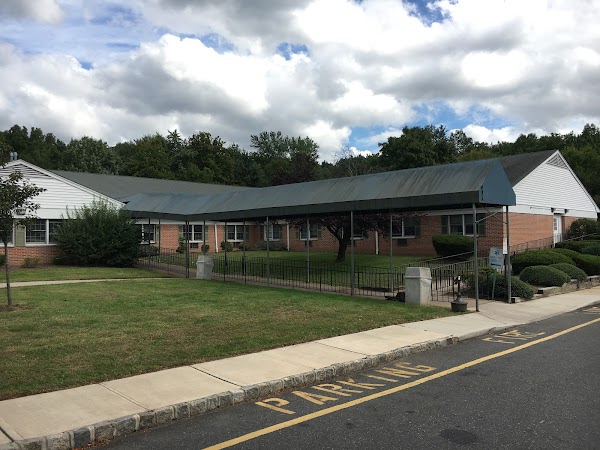
1515 LAMBERTS MILL ROAD, WESTFIELD, NJ 07090 (908) 233-9700
For profit - Limited Liability company 227 Beds COMPLETE CARE Data: November 2025 1 Immediate Jeopardy citation
Trust Grade
38/100
#190 of 344 in NJ
Last Inspection: March 2025

Within standard 12-15 month inspection cycle. Federal law requires annual inspections.

Overview

Complete Care at Westfield, LLC has received a Trust Grade of F, indicating significant concerns about the facility's quality of care. It ranks #190 out of 344 nursing homes in New Jersey, placing it in the bottom half of all facilities in the state. The situation is worsening, with the number of issues increasing from 6 in 2023 to 10 in 2025. Staffing is a weakness here, with a rating of 2 out of 5 stars and a high turnover rate of 55%, which is above the state average. Additionally, the facility has incurred $248,260 in fines, higher than 94% of other New Jersey facilities, reflecting ongoing compliance problems. Strengths include a high rating of 5 out of 5 stars for quality measures, showing that some aspects of resident care are being well managed. However, specific incidents raise alarms, such as a resident assaulting their roommate, leading to serious injuries, and failures in proper food handling and tracheostomy care, which could pose health risks. Overall, families considering this nursing home should weigh these significant weaknesses against the few strengths it has.

Trust Score
F
38/100
In New Jersey
#190/344
Bottom 45%
Safety Record
High Risk
Review needed
Inspections
Getting Worse
6 → 10 violations
Staff Stability
⚠ Watch
55% turnover. Above average. Higher turnover means staff may not know residents' routines.
Penalties
✓ Good
$248,260 in fines. Lower than most New Jersey facilities. Relatively clean record.
Skilled Nurses
⚠ Watch
Each resident gets only 26 minutes of Registered Nurse (RN) attention daily — below average for New Jersey. Fewer RN minutes means fewer trained eyes watching for problems.
Violations
⚠ Watch
17 deficiencies on record. Higher than average. Multiple issues found across inspections.
★★★☆☆
3.0
Overall Rating
★★☆☆☆
2.0
Staff Levels
★★★★★
5.0
Care Quality
★★☆☆☆
2.0
Inspection Score
Stable
2023: 6 issues
2025: 10 issues

The Good

  • 5-Star Quality Measures · Strong clinical quality outcomes
  • Full Sprinkler Coverage · Fire safety systems throughout facility
  • No fines on record

Facility shows strength in quality measures, fire safety.

The Bad

3-Star Overall Rating

Near New Jersey average (3.3)

Meets federal standards, typical of most facilities

Staff Turnover: 55%

Near New Jersey avg (46%)

Higher turnover may affect care consistency

Federal Fines: $248,260

Well above median ($33,413)

Significant penalties indicating serious issues

Chain: COMPLETE CARE

Part of a multi-facility chain

Ask about local staffing decisions and management

The Ugly 17 deficiencies on record

1 life-threatening
Mar 2025 5 deficiencies
CONCERN (D) 📢 Someone Reported This

A family member, employee, or ombudsman was alarmed enough to file a formal complaint

Potential for Harm - no one hurt, but risky conditions existed

Report Alleged Abuse (Tag F0609)

Could have caused harm · This affected 1 resident

**NOTE- TERMS IN BRACKETS HAVE BEEN EDITED TO PROTECT CONFIDENTIALITY** COMPLAINT# NJ00174720 Based on observations, interviews, record review, and review of facility documentation, it was determined ...

Read full inspector narrative →
**NOTE- TERMS IN BRACKETS HAVE BEEN EDITED TO PROTECT CONFIDENTIALITY** COMPLAINT# NJ00174720 Based on observations, interviews, record review, and review of facility documentation, it was determined that the facility failed to submit a report to the New Jersey Department of Health (NJDOH) within the two-hour timeframe for an allegation of abuse against Certified Nursing Assistants (CNA) for two (2) of two (2) residents (Resident #61 and #241) reviewed for abuse reporting. The deficient practice was evidenced by the following: 1. On 2/28/25 at 11:00 AM, the surveyor observed Resident #61, in the dementia care activity room, seated in a wheelchair at a table with tablemates, flipping through a magazine. The resident said hello and smiled at the surveyor. On 3/3/24 at 12:50 PM, the surveyor observed Resident #61, in the dining room, awaiting lunch. The surveyor attempted to interview the resident, but the resident was unable to answer questions. The surveyor reviewed the electronic medical record (EMR) for Resident #61. A review of the admission Record (an admission summary) revealed the resident was admitted to the facility with diagnoses which included but not limited to; unspecified dementia, unspecified severity, with other behavioral disturbance (a mental disorder that can cause a person to lose the ability to learn, remember, think, solve problems, and make decisions). A review of the quarterly Minimum Data Set (MDS), an assessment tool dated 12/22/24 revealed the resident had a Brief Interview for Mental Status (BIMS) of 00 out of 15, indicating the resident's cognition was severely impaired. A review of the individual comprehensive care plan (ICCP) revealed a focus of has a mood and behavior problem in r/t (related to) resistive to care-refusing care, hitting staff, yelling/screaming, scratching staff, kicking, refusing medication, insomnia (difficulty sleeping) secondary to dementia with behavior problem and HOH (hard of hearing), Revision on 6/14/2024 and an Intervention of Intervene as necessary to protect the rights and safety of others. Approach/Speak in a calm manner. Divert attention. Remove from situation and take to alternate location as needed. Date Initiated: 10/23/2023. A review of a Reportable Event Record/Report provided by the Licensed Nursing Home Administrator (LNHA #1) dated 12/19/23, revealed it was completed by a previous LNHA, LNHA #2, which indicated Licensed Practical Nurse (LPN #1) alleged that CNA#1 yelled at Resident #61. In addition, the report indicated that the incident occurred on12/19/23 at 8:42 AM and was called in to the NJDOH by LNHA #2 on 12/20/23 at 6 PM. A review of a comprehensive MDS dated [DATE], the MDS which was nearest the date of the allegation, reflected that the resident had a brief interview of mental status (BIMS) score of one (1) out of 15, indicating the resident had severely impaired cognition. On 3/4/25 at 10:47 AM, the surveyor interviewed LPN#1, who verified that she had completed a written statement on 12/19/23. LPN#1 also verified that she had made an accusation of abuse regarding CNA#1 and Resident #61, on the morning of 12/19/23. On 3/4/25 at 11:33 AM, the surveyor interviewed LNHA #2, who verified that she had completed the Reportable Event Record/Report and was the LNHA, at that time. LNHA #2 also verified that the allegation of abuse occurred on 12/19/23 at 8:42 AM and that the NJDOH was notified of the allegation on 12/20/23 at 6 PM. LNHA #2 stated that she did not recall why there was a delay in reporting the allegation and thought that maybe she was trying to get all the information first. LNHA #2 acknowledged this was an allegation of abuse and should have been reported immediately. 2. On 2/28/25 at 11:41 AM, during initial tour, the surveyor observed Resident #241 in bed, dressed, lying on a mechanical lift pad. The resident stated they were waiting to go to therapy, which was usually around lunch time. The surveyor reviewed the EMR for Resident # 241. A review of the admission Record revealed the resident was admitted to the facility with diagnoses which included but were not limited to; unspecified fracture of lower end of left femur (thigh bone, near the knee), subsequent encounter for closed fracture with routing healing, multiple fractures of ribs, left side, subsequent encounter for fracture with routine healing, and unspecified fracture of sacrum (back of the pelvic bone), subsequent encounter for fracture with routine healing. A review of the comprehensive MDS, dated [DATE], revealed the resident had a BIMS of 15 out of 15, indicating the resident was cognitively intact. A review of the ICCP revealed a focus of an ADL (activities of daily living) self-care performance deficit r/t Activity Intolerance, Limited Mobility, Date Initiated: 02/12/2025. On 3/4/25 at 8:30 AM, during incontinence rounds with the Assistant Director of Nursing (ADON) and the surveyor, Resident # 241 was in bed and agreed to be checked, no concerns. At that time in the presence of the ADON, who was standing on the side of the resident's bed, and the surveyor, who was standing at the bottom of the resident's bed, the resident stated, I try not to complain but after therapy yesterday I was brought back to the room and was asked to stay in the chair until after lunch. The resident agreed. Resident #241 stated they fell asleep in the chair and when they woke up, they were all crooked. The resident stated they hit the buzzer (call bell) and around 2:45 (PM) a very nice CNA came in and said it was shift change and someone would be in soon. I hit my buzzer again and someone came in and I said I wanted to get back in bed. That person turned off the light. The resident further stated, then around 5:00 (PM), 2 aides came in, a male and a female, they were complaining to each other about their work, and then they yelled at me saying I never hit my call light. The surveyor asked the resident again about the event that happened the day before with the 2 CNAs, the resident stated again they yelled at me. The surveyor asked the ADON to provide her with any follow up that was done for the resident regarding the this event. On 3/4/25 at 8:45 AM, the surveyor interviewed CNA #2, who stated she was the assigned CNA for Resident #241. She stated if a resident told her that they were yelled out, she would tell the nurse, and the nurse would come and talk to the resident. She added, I am not sure if I would have to give a statement. On 3/4/25 at 8:48 AM, the surveyor interviewed CNA #3, who stated if a resident stated they were yelled out, I would get the nurse right away. On 3/4/25 at 12:48 PM, the surveyor followed up with the Director of Nursing (DON) regarding the event that occurred the day before with Resident #241. He stated he was aware of the incident Resident #241 had with a CNA and he would follow up with ADON. On 3/04/25 at 1:19 PM, the DON informed the surveyor, the ADON had left message with the agency because the CNA was an agency CNA. The surveyor requested to be provided with what was done so far for the investigation. On 3/05/25 at 10:24 AM, the surveyor asked the DON for the investigaiton for Resident # 241. The DON stated because it was a complaint we (the facility) did a grievance. He added they were conducting an investigation because they (the male and female CNAs) were both from an agency so they (the facility) called the agency. The DON stated they (the male and female CNAs) were DNR'd, meaning they cannot come back to the facility, and we (the facility) are waiting for a response from the agency. On 3/05/25 at 10:40 AM, the DON provided the surveyor with the investigation. A review of the investigation, at that time, did not reveal a statement from the ADON. The surveyor asked the DON who should be interviewed, he stated they (the facility) should interview anybody who heard or seen anything, anybody who could have been a witness. The surveyor asked where the ADONs statement was, he stated it should be there. On 3/05/25 at 12:17 PM, the DON provide the surveyor with the ADON's typed statement. At that time, a review of the statement revealed On 3/4/25 during incontinence rounds, [Identifier redacted] reported that [Identifier redacted] was not put back to bed until 5 pm on 3/3/25. [Identifier redacted] also mentioned that the 2 CNAs that were helping [Identifier redacted] are arguing. They're not arguing with [Identifier redacted] but they're arguing with each other. It was signed by the ADON. The surveyor, in the presence of the survey team, made the DON aware that during the incontinence rounds, Resident #241 had stated they (the male and the female CNA) yelled at me saying I never hit my call light. He stated he was unaware of that statement and would have to review this further. Further review of the investigation revealed a statement provided by the Regional Clinical Supervisor (RCS) who interviewed the resident. The statement did not mention the CNA's yelling at the resident, it addressed heel boots and CNAs arguing, a male and a female. On 3/05/25 at approximately 12:30 PM, the RCS interviewed the surveyor in the presence of the DON, the LNHA, and the ADON, regarding Resident #241 stating they (the male and the female CNA) yelled at me saying I never hit my call light. The surveyor reviewed the above mentioned interview that occurred during the incontinence rounds on 3/4/25 at 8:30 AM with the ADON. The ADON denied hearing the resident's statement of being yelled out. The surveyor could not explain why the ADON was not listening to the resident at that time. The RCS stated, this statement changes the investigation. The DON provided the surveyor with an email from the DON, to the NJDOH dated 3/5/25 at 1:27 PM, reporting the 3/4/25 event. On 3/6/25 at 12:55 PM, during a meeting with the survey team, the LNHA, the DON, the Regional Director of Operations and the RCS were made aware of the above concerns for Resident #61 and #241. On 3/7/25 at 10:05 AM, in the presence of the survey team, the LNHA stated he was the abuse officer. He stated an allegation of abuse should be reported immediately to DOH, within 2 hours. He added staff would be suspended right away, an investigation would be started, they would speak to the resident and all staff assigned that day including supervisors. He stated, A summary and conclusion should be done, depending on the outcome we would proceed from there. A review of the facility policy for Incident/Accident Investigating and Reporting with a date implemented 9/1/2024 provided by the LNHA reflected for Reporting/Response The facility will have written procedures that include: 1. Reporting of all alleged violations to the Administrator, state agency, adult protective services and to all other required agencies (e.g., law enforcement when applicable) within specified timeframes: a. Immediately, but not later than 2 hours after the allegation is made., if the events that cause the allegation involve abuse or result in serious bodily injury, or NJAC 8:39-4.1(a)(5), 9.4(f)
CONCERN (D)

Potential for Harm - no one hurt, but risky conditions existed

Deficiency F0688 (Tag F0688)

Could have caused harm · This affected 1 resident

Based on observations, interviews, record review and review of other facility documentation, it was determined that the facility failed to ensure heel booties were consistently applied to prevent skin...

Read full inspector narrative →
Based on observations, interviews, record review and review of other facility documentation, it was determined that the facility failed to ensure heel booties were consistently applied to prevent skin breakdown. This deficient practice was identified for 1 of 4 residents (Resident #241) reviewed for position and mobility. This deficient practice was evidenced by the following: On 2/28/25 at 11:41 AM, during initial tour, the surveyor observed Resident #241 in bed dressed, lying on a mechanical lift pad. The resident was wearing socks. The resident stated they were waiting to go to therapy, which was usually around lunch time The surveyor reviewed the electronic medical record (EMR) for Resident # 241. A review of the admission Record (an admission summary) revealed the resident was admitted to the facility with diagnoses which included but were not limited to; unspecified fracture of lower end of left femur (thigh bone, near the knee), subsequent encounter for closed fracture with routing healing, multiple fractures of ribs, left side, subsequent encounter for fracture with routine healing, and unspecified fracture of sacrum (back of the pelvic bone), subsequent encounter for fracture with routine healing. A review of the comprehensive Minimum Data Set (MDS), an assessment tool, dated 2/18/25, revealed the resident had a Brief Interview for Mental Status (BIMS) of 15 out of 15, indicating the resident was cognitively intact. Further review revealed the resident had lower extremity impairment on one side and was receiving physical and occupational therapy. A review of the individual comprehensive care plan (ICCP) revealed a focus of has potential/actual impairment to skin integrity r/t fragile skin, incontinence, limited mobility, revision on 2/12/25, and interventions of Bilateral heel boots on when in bed, may remove during care, dated initiated 2/12/25. A review of physician orders revealed a physician's order (PO) for Bilateral heel boots on when in bed, may remove during care, every shift for offloading, Active 2/12/2025. A review of the February 2025 and March 2025 Treatment Administration Records (TARs) revealed Bilateral heel boots on when in bed, may remove during care, every shift for offloading, -Order Date 02/12/2025 1424 (2:24PM) with a check starting with the Eve (evening) on 2/12/25 and continued for Day, Eve and Nigh (night) for every day including all shifts for 3/4/25. A review of the chart codes revealed a check=Administered. Further review revealed an optional code of 2=Drug refused, which was not used. A review of the physician progress notes revealed on 02/14/205 at 16:25, 2/18/25 at 16:11, 2/21/25 13:05, 02/25/2025 at16:36 (4:36 PM), 2/28/25 15:50, and 3/4/25 at 16:16 A General Note .Plan: .4. Skin: keep heels off bed. On 3/4/25 at 8:30 AM, during incontinence rounds with the Assistant Director of Nursing (ADON) and the surveyor, Resident # 241 was in bed and agreed to be checked, no concerns. The surveyor asked the ADON to pick up the blankets from the resident's feet. The surveyor observed the resident wearing blue nonskid socks with their feet resting directly on the bed. The surveyor asked the resident if they wore heel booties on their feet and they stated, No I do not, I only wear socks. On 3/4/25 at 8:45 AM, the surveyor interviewed Certified Nursing Assistant (CNA) #1, who stated she was the assigned CNA for the resident. She stated the resident had cushions on each side of them while in bed, wore a leg brace and booties (heel booties). The surveyor asked the CNA to go to the room and show the surveyor. CNA #1 showed the surveyor the cushions and the brace that was on the residents left leg. She confirmed at that time the resident was not wearing booties. Once CNA #1 and the surveyor exited the room, CNA #1 stated the surveyor misunderstood her, the resident did not have booties. She stated therapy lets them (the staff) know what devices the residents need and she finds out in report. She added she knows the resident well and knows what the resident needs. On 3/4/25 at 8:52 AM, the Regional Clinical Supervisor (RCS) approached the surveyor and stated the heel booties were in the room for Resident #241 and now the resident was refusing them. On 3/4/25 at 12:48 PM, the surveyor interviewed the Director of Nursing (DON), who stated he was aware of the above incident with the heel booties for Resident #241. The surveyor asked what a PO for heel booties while in bed, may remove during care meant, he stated heel booties should be on, if not it should be documented why they weren't such as resident refused. He added if they continued to refuse the heel booties, the doctor should be called and wound care should be made aware. On 3/5/2025, the surveyor reviewed the progress notes from admission to present, which did not reveal a note that the resident refused the heel booties. On 3/06/25 at 12:55 PM, during a meeting with the survey team, the Licensed Nursing Home Administrator, the DON, the Regional Director of Operations and the RCS were made aware of the above concerns. A review of the untitled facility policy, updated 10/2021, revealed Policy: Splints/ adaptive devices are to be applied as ordered by physiatrist/attending physician/nurse practitioner. A review of the facility's policy, Support Surface Guidelines updated 10/2019, revealed Purpose: The purpose of this procedure is to provide guidelines for the assessment of appropriate pressure reducing and relieving devises for residents at risk of skin breakdown. General Guidelines: 1. Redistributing support surfaces are to promote comfort for all bed- or chair bound residents, prevents skin breakdown, promote circulation and provide pressure relief or reduction .4. Elements of support surfaces that are critical to pressure ulcer preventions and general safety include pressure redistribution NJAC 8:39-27.1 (a)(e)
CONCERN (D)

Potential for Harm - no one hurt, but risky conditions existed

Deficiency F0697 (Tag F0697)

Could have caused harm · This affected 1 resident

Based on interviews, record review, and review of other pertinent facility documentation, it was determined that the facility failed to meet the professional standards of practice by not appropriately...

Read full inspector narrative →
Based on interviews, record review, and review of other pertinent facility documentation, it was determined that the facility failed to meet the professional standards of practice by not appropriately assessing, monitoring, and documenting PRN (as needed) pain medications. This deficient practice was identified for 1 of 1 resident (Resident #241) reviewed for pain management. This deficient practice was evidence by the following: Reference: New Jersey Statues, Annotated Title 45, Chapter 11 Nursing Board, The Nurse Practice Act for the State of New Jersey states; The practice of nursing as a registered professional nurse is defined as diagnosing and treating human responses to actual or potential physical and emotional health problems, through such services as case finding, health teaching, health counseling, and provision of care supportive to or restorative of life and wellbeing, and executing a medical regimens as prescribed by a licensed or otherwise legally authorized physician or dentist. Reference: New Jersey Statutes Annotated, Title 45, Chapter 11. Nursing Board. The Nurse Practice Act for the State of New Jersey states: The practice of nursing as a licensed practical nurse is defined as performing tasks and responsibilities within the framework of case finding; reinforcing the patient and family teaching program through health teaching, health counseling and provision of supportive and restorative care, under the direction of a registered nurse or licensed or otherwise legally authorized physician or dentist. On 2/28/25 at 11:41 AM, during initial tour, the surveyor observed Resident #241 in bed dressed, lying on a mechanical lift pad. The resident was wearing socks. The resident stated they had their pain medicine and was waiting to go to therapy, which was usually around lunch time. The surveyor reviewed the electronic medical record (EMR) for Resident # 241. A review of the admission Record (an admission summary) revealed the resident was admitted to the facility with diagnoses which included but were not limited to; unspecified fracture of lower end of left femur (thigh bone, near the knee), subsequent encounter for closed fracture with routing healing, multiple fractures of ribs, left side, subsequent encounter for fracture with routine healing, and unspecified fracture of sacrum (back of the pelvic bone), subsequent encounter for fracture with routine healing. A review of the comprehensive Minimum Data Set (MDS), an assessment tool, dated 2/18/25, revealed the resident had a Brief Interview for Mental Status (BIMS) of 15 out of 15, indicating the resident was cognitively intact. Further review, revealed the resident had lower extremity impairment on one side, was receiving physical and occupational therapy and receiving pain medicine. A review of the individual comprehensive care plan (ICCP) revealed a focus of has potential for pain r/t (related to) Chronic Pain, Date Initiated: 02/12/2025 and an intervention of evaluate the effectiveness of pain interventions. Review for compliance, alleviating of symptoms, dosing schedules and resident satisfaction with results, impact on functional ability and impact on cognition, Date Initiated: 02/12/2025. A review of physician orders revealed a physician's order (PO) for the following: - traMADol HCl Oral Tablet 50 MG (Tramadol HCl), 1 tablet by mouth every 4 hours as needed for moderate to severe pain, active 3/2/25, D/C (discontinue) date 3/4/25. -traMADol HCl Oral Tablet 25 MG (Tramadol HCl), Give 25 mg by mouth every 8 hours as needed for moderate to severe pain for 7 Days, Active 2/26/2025, 15:30 (3:30 PM), D/C Date 3/2/25. -traMADol HCl Oral Tablet 50 MG (Tramadol HCl), 1 tablet by mouth every 8 hours as needed for severe pain for 10 Days, Active 2/13/2025, 14:26 (2:26 PM). -Acetaminophen Tablet 325 MG, Give 2 tablet by mouth every 4 hours as needed for Mild Pain Do not exceed 3,000mg in 24 hrs, Active, 2/28/2025, 16:00 (4:00PM). -Pain flow sheet **Document with each PRN pain medication administration Characteristics 20=Aching 21=Burning 22=Crampy 23=Numbness 24=Pins/needles 25=Sharp 26=Stabbing 27=Throbbing 30=Other Frequency- 40=Rarely 41=Occasionally 42=Frequently 43=Almost constantly 44=Unable to answer Non-Med Intervention- 0=Heat 1=Cold 2=Position 3=Massage 4=Meditation 5=Music 6= Gentle ROM 7=TENS 8= Support group 10=Other, as needed **When addressing follow up address any side effects**,Active, 2/11/2025 17:33. (5:33PM). A review of the February 2025 Medication Administration Record (MAR) revealed the resident received Acetaminophen Tablet 325 MG, Give 2 tablet by mouth every 4 hours as needed for Mild Pain on 2/13, 2/15, 2/24, 2/26 and 2/27;traMADol HCl Oral Tablet 50 MG (Tramadol HCl), Give 25 mg by mouth every 8 hours as needed for severe pain was given twice each day on 2/14, 2/15, 2/18,and 2/19; once a day on 2/16, 2/17, 2/20, 2/21, 2/22, and 2/24; and traMADol HCl Oral Tablet 25 MG (Tramadol HCl), Give 25 mg by mouth every 8 hours as needed for moderate to severe pain was given once a day on 2/26; twice a day 2/27 and 2/28. A further review of the February 2025 MARs revealed Pain flow sheet **Document with each PRN pain medication administration Characteristics 20=Aching 21=Burning 22=Crampy 23=Numbness 24=Pins/needles 25=Sharp 26=Stabbing 27=Throbbing 30=Other Frequency- 40=Rarely 41=Occasionally 42=Frequently 43=Almost constantly 44=Unable to answer Non-Med Intervention- 0=Heat 1=Cold 2=Position 3=Massage 4=Meditation 5=Music 6= Gentle ROM 7=TENS 8= Support group 10=Other, as needed **When addressing follow up address any side effects**, Active, 2/11/2025 17:33. (5:33PM) was left blank (not documented as completed) from 2/11 to 2/28/25. A review of the March 2025 MARs revealed the resident received Acetaminophen Tablet 325 MG, Give 2 tablet by mouth every 4 hours as needed for Mild Pain on 3/1; traMADol HCl Oral Tablet 25 MG (Tramadol HCl), Give 25 mg by mouth every 8 hours as needed for moderate to severe pain was given three times on 3/1; traMADol HCl Oral Tablet 50 MG (Tramadol HCl), 1 tablet by mouth every 4 hours as needed was given on once a day on 3/2 and 3/3. A further review of the March 2025 MARs revealed Pain flow sheet **Document with each PRN pain medication administration Characteristics 20=Aching 21=Burning 22=Crampy 23=Numbness 24=Pins/needles 25=Sharp 26=Stabbing 27=Throbbing 30=Other Frequency- 40=Rarely 41=Occasionally 42=Frequently 43=Almost constantly 44=Unable to answer Non-Med Intervention- 0=Heat 1=Cold 2=Position 3=Massage 4=Meditation 5=Music 6= Gentle ROM 7=TENS 8= Support group 10=Other, as needed **When addressing follow up address any side effects**, Active, 2/11/2025 17:33. (5:33PM) was left blank (not documented as completed) from 3/1 to 3/4/25. On 3/5/25 at 11:36 AM, the surveyor interviewed Licensed Practical Nurse (LPN) #1, who stated she was Resident #241's assigned nurse. She acknowledged Resident #241 received PRN pain medication. The surveyor reviewed the above PO for Pain flow sheet **Document with each PRN pain medication administration. She stated she had no idea what it was, I assume it should be document with prn pain medicine. On 3/6/25 at 10:45 AM, the DON reviewed MARs with the PO Pain flow sheet **Document with each PRN pain medication administration PRN pain documentation in the presence of the surveyor. He stated it was to explain in more detail the type of pain the resident was experiencing. The surveyor asked when it should be documented on, the DON stated, according to this, whenever we give a PRN pain medication. He added if it was in the system, yes the nurses should be aware and document accordingly. On 3/06/25 at 12:55 PM, during a meeting with the survey team, the Licensed Nursing Home Administrator, the DON, the Regional Director of Operations and the Regional Clinical Supervisor were made aware of the above concerns. A review of the facility's policy, Pain Management date implemented 9/1/22024 revealed Policy: The facility must ensure that pain management is provided to residents who require such services, consistent with professional standards of practice, the comprehensive person-centered care plan and the residents' goals and preferences .Pain Assessment: 1. The facility will use a pain assessment tool, which is appropriate for the resident's cognitive status, to assist staff in consistent assessment of a resident's pain. 2. Based on professional standards of practice .e. Identifying key characteristics of the pain: v. pattern (e.g. constant or intermittent; f. obtaining descriptors of pain (e/g/ stabbing, aching, pressure, spasms. NJAC 8:39-27.1 (a)
CONCERN (D) 📢 Someone Reported This

A family member, employee, or ombudsman was alarmed enough to file a formal complaint

Potential for Harm - no one hurt, but risky conditions existed

Deficiency F0804 (Tag F0804)

Could have caused harm · This affected 1 resident

Complaint # NJ166824 Based on observation, interviews, and review of pertinent facility documents, it was determined that the facility failed to ensure the safe and appetizing temperatures of hot food...

Read full inspector narrative →
Complaint # NJ166824 Based on observation, interviews, and review of pertinent facility documents, it was determined that the facility failed to ensure the safe and appetizing temperatures of hot foods served to the residents. This deficient practice was identified for 1 of 35 residents (Resident #14) interviewed during the initial pool process and confirmed during the lunchtime meal service on 3/6/25 on 1 of 5 nursing units tested for food temperatures by the surveyor and witnessed by the Director of Nursing. The deficient practice was evidenced by the following: On 2/28/25 at 12:13 PM, the surveyor observed Resident #14 in their room. At that time, the resident stated that the food was cold. The surveyor reviewed the electronic medical record (EMR) for Resident #14. A review of the admission Record (an admission summary), reflected the resident had diagnoses that included but were not limited to; bipolar disorder (associated with episodes of mood swings ranging from depressive lows to manic highs), gastro-esophageal reflux disease (a disease in which stomach acid or bile irritates the food pipe lining), anxiety disorder (intense fear of everyday situations) and obesity (having to much body fat) due to excess calories. A review of a quarterly Minimum Data Set (MDS), a tool to facilitate the management of care dated 11/26/24, reflected the resident had a Brief Interview for Mental Status (BIMS) of 15 out of 15, which indicated the resident's cognition was intact. A review of the Order Summary Report reflected a Physician's Order dated 3/7/24 for a No Added Salt Regular consistency diet. On 3/6/25 at 11:24 AM, the surveyor calibrated a state issued digital thermometer to 32 degrees Fahrenheit (F), via the ice bath method [An effective way to gauge the accuracy of your thermometer. This simple experiment compares the temperature of your thermometer to ensure it is reading to the freezing point of water (32.0°F)], in the presence of the survey team. On 3/6/25 at 11:44 AM, the first lunch food truck arrived on the [NAME] Unit. The Assistant Director of Nursing (ADON) randomly marked a regular consistency tray to be a test tray and immediately called for a replacement tray for that resident, at the request of the surveyor. The last tray was delivered at 12:02 PM. The surveyor immediately conducted food temperature checks for the test tray in the presence of the DON. The DON confirmed the following food temperature observations: Italian sausage: 116 degrees F Sauteed spinach with garlic: 127 degrees F Parmesan noodles: 123.5 degrees F There were no beverages on the tray. On 3/6/25 at 12:16 AM, the surveyor interviewed the Food Service District Manager (FSDM) in the presence of the Assistant Food Service Director (AFSD). The AFSD provided the surveyor with the completed lunch meal food temperature log (the temperatures recorded were all in safe range). The FSDM stated that residents should receive hot food at or above 140 degrees F and cold food at or below 40 degrees F for palatability. The surveyor reviewed the temperature results from the test tray, and both acknowledged the temperatures were not adequate. At that time, both stated the department conducted test tray audits and would provide copies to the surveyor. The AFSD stated that he was responsible to oversee food temperatures and that they were maintained at safe and proper temperatures. A review of the Resident Tray Assessment Report's, reflected a scoring system whereby when temperatures were taken on the nursing unit, if hot soups and beverages were less than 140 degrees F, this would result in a score of zero (indicated unacceptable), if hot entrees were 125-129 degrees F, this would result in a score of two (indicated acceptable); if hot entrees were 120-124 degrees F, this would result in a score of one (indicated needs improvement); and if a hot entrée was less than 120 degrees F, this would result in a score of zero (indicated unacceptable). A review of the policy Food: Quality and Palatability dated 2/2023, from the [name redacted] contracted food service company. The policy statement reflected, Food will be palatable, attractive and served at a safe and appetizing temperature . to meet resident's needs. NJAC 8:39-17.4 (a)
CONCERN (D)

Potential for Harm - no one hurt, but risky conditions existed

Infection Control (Tag F0880)

Could have caused harm · This affected 1 resident

**NOTE- TERMS IN BRACKETS HAVE BEEN EDITED TO PROTECT CONFIDENTIALITY** Based on observations, interviews, and record review, it was determined that the facility failed to ensure that staff wear the a...

Read full inspector narrative →
**NOTE- TERMS IN BRACKETS HAVE BEEN EDITED TO PROTECT CONFIDENTIALITY** Based on observations, interviews, and record review, it was determined that the facility failed to ensure that staff wear the appropriate personal protective equipment (PPE) for residents on Enhanced Barrier Precautions (EBP)(designed to reduce transmission of multidrug-resistant organisms (MDROs) in nursing homes) to address the risk for infection transmission, in accordance with the facility policy and acceptable standards of infection control practice. This was observed for 1 of 3 unsampled residents (Resident #95) reviewed for EBP on 1 of 2 units ([NAME] Unit) and was evidenced by the following: On 3/04/25 at 08:10 AM, during incontinence rounds with the Unit Manager (UM) on the [NAME] Unit, the surveyor observed the UM approach unsampled Resident #95, who was lying in bed. The UM donned (put on) gloves and asked permission to check the resident's brief; the resident granted permission. The UM opened Resident #95's brief, pulled down the front of the brief, and allowed the surveyor to observe that the brief was wet, but not saturated and the linens were dry. After the surveyor's observation, the UM pulled up the front of the brief, refastened the brief, and pulled the linens up. The UM then removed her gloves and performed hand hygiene. On the way out of the room, the surveyor observed an EBP sign which indicated gloves and a gown were required for High-Contact Resident Care Activities. Examples of High-Contact Resident Care Activities listed on the sign included changing briefs or assisting with toileting. The surveyor questioned the UM about which resident the sign was referencing, and she stated that Resident #95 was on EBP. When asked about wearing a protective gown, the UM stated that she should have had a gown on (for the incontinence check). A review of the admission record reflected that Resident #95 had diagnoses that included but not limited to; Alzheimer's disease (a progress disease that destrys memory and other important mental functions) and gastrostomy tube (a feeding tube inserted through the abdomen into the stomach). A review of the interdisciplinary care plan revealed an intervention dated 11/10/23 with a focus area of Enhanced Barrier Precautions related to a feeding tube. The interventions included but not limited to; gown and gloves to be worn by staff during high contact resident care activities that provide opportunities for transfer of MDROs to staff hands and clothing. Includes: dressing, . changing linens, changing briefs or assisting with toileting . On 3/05/25 at 1:56 PM, the surveyor interviewed the Infection Preventionist (IP), who stated that if a resident has a feeding tube and was on EBP, the staff would need to wear a gown and gloves to check their incontinent brief because that was direct contact with the resident. On 3/06/25 on 12:55 PM, during a meeting with the survey team, the Licensed Nursing Home Administrator, the Director of Nursing, the Regional Director of Operations and the Regional Clinical Supervisor were made aware of the above concern. A review of facility provided policy Enhanced Barrier Precautions, implemented 9/1/24 included: Policy: It is the policy of this facility to implement enhanced barrier precautions for the prevention of transmission of multidrug-resistant organisms. Definitions: Enhanced barrier precautions (EBP) refer to an infection control intervention designed to reduce transmission of multidrug-resistant organisms that employs targeted gown and gloves use during high contact resident care activities. Policy Explanation and Compliance Guidelines: 3. b. PPE for enhanced barrier precautions is only necessary when performing high-contact care activities and may not need to be donned prior to entering the resident's room h. see table 1 for implementing contact versus enhanced barrier precautions for more information Table 1 included Has a wound or indwelling medical device, without secretions or excretions that are unable to be covered or contained and are not known to be infected or colonized with any MDRO as an indication for EBP. 4. High-contact resident care activities include: f. changing briefs or assisting with toileting NJAC 8:39-19.4(a)(2)(c)
Jan 2025 5 deficiencies
CONCERN (D) 📢 Someone Reported This

A family member, employee, or ombudsman was alarmed enough to file a formal complaint

Potential for Harm - no one hurt, but risky conditions existed

Deficiency F0559 (Tag F0559)

Could have caused harm · This affected 1 resident

**NOTE- TERMS IN BRACKETS HAVE BEEN EDITED TO PROTECT CONFIDENTIALITY** Complaint #: NJ00182358, NJ00169293 Based on interview, record review, and policy review, the facility failed to provide evidenc...

Read full inspector narrative →
**NOTE- TERMS IN BRACKETS HAVE BEEN EDITED TO PROTECT CONFIDENTIALITY** Complaint #: NJ00182358, NJ00169293 Based on interview, record review, and policy review, the facility failed to provide evidence that two of two residents (Resident (R) 5 and R30) reviewed for room transfers in a total sample of 34 residents were notified of the reason in writing for the transfer and when the transfer would occur prior to being transferred to another room in the facility. This failure had the potential to impact the emotional well-being of the residents facing the challenge of a new roommate. Findings include: 1. Review of R5's electronic medical record (EMR) titled admission Record located under the Profile tab indicated the resident was admitted to the facility on [DATE]. Review of R5's EMR titled admission Minimum Data Set (MDS) with an Assessment Reference Date (ARD) of 11/05/23 indicated the resident had a Brief Interview for Mental Status (BIMS) score of nine out of 15 which revealed the resident was moderately cognitively impaired. Review of a document provided by the facility titled Census List for R5 indicated R5 was admitted to R30's room on 10/30/23. 11/25/23. The document dated 11/15/23 revealed the resident was transferred to a new room at 7:59 PM. There was no evidence that R5 was provided with written notice that he/she was to move rooms on 11/15/23. 2. Review of R30's EMR titled admission Record located under the Profile tab indicated the resident was admitted to the facility on [DATE]. Review of R30's EMR titled admission MDS with an ARD of 10/26/23 indicated the resident had a BIMS score of 14 out of 15 revealed the resident was cognitively intact. There was no evidence in the medical record that R30 was provided with written notice that R5 was going to be moved into R30's room on 10/30/23. During an interview on 01/22/25 at 10:37 AM, the Social Services Director (SSD) confirmed she could not locate a written room transfer notice for R5 or R30. The SSD stated she has been in her position for the past year and currently the facility would discuss potential roommate changes and compatibility. The SSD stated she then documented in the clinical record the change and provide the resident with a written transfer notice. During an interview on 01/23/25 at 3:03 PM, when asked about the facility's process for resident/family notification of a room change notification, the Regional Clinical Nurse stated she was not aware of what the facility policy was at the time of R5's room transfer in 2023 and when the facility moved R30 into R5's room. Review of a facility policy titled Change of Room or Roommate dated 11/13/24 indicated . It is the policy of this facility to conduct changes to room and/or roommate assignments when considered necessary and/or when requested by the resident or resident representative . Prior to making a room change or roommate assignment, all persons involved in the change/assignment, such as residents and their representatives, will be given advance notice of such a change as is possible . The notice of a change in room or roommate will be provided in a language and manner the resident and representative understands and/or requests and will include the reason(s) why the move or change is required . N.J.A.C. 8:39-4.1(a)(13)
CONCERN (D) 📢 Someone Reported This

A family member, employee, or ombudsman was alarmed enough to file a formal complaint

Potential for Harm - no one hurt, but risky conditions existed

Transfer Notice (Tag F0623)

Could have caused harm · This affected 1 resident

**NOTE- TERMS IN BRACKETS HAVE BEEN EDITED TO PROTECT CONFIDENTIALITY** Complaint #: NJ00182358, NJ00169293 Based on observation, record review, and staff interview, the facility failed to ensure resi...

Read full inspector narrative →
**NOTE- TERMS IN BRACKETS HAVE BEEN EDITED TO PROTECT CONFIDENTIALITY** Complaint #: NJ00182358, NJ00169293 Based on observation, record review, and staff interview, the facility failed to ensure residents who were being discharged to another facility were provided with a 30-day notice of discharge and to notify the Ombudsman's office for two residents (Residents (R) 14 and R15) of three residents reviewed for resident discharge. Failure to notify residents causes stress for the resident and family and impacts the residents' ability to prepare for discharge and have a choice in discharge location. Findings include: 1. Review of R14's admission Record, located in the Profile tab of the electronic medical record (EMR) revealed he/she was admitted to the facility on [DATE] with diagnoses including dependance on respirator (ventilator) status. Review of R14's discharge Minimum Data Set (MDS) with an Assessment Reference Date (ARD) of 01/08/25, located in the resident's EMR under the MDS tab, revealed the facility assessed the resident to have a Brief Interview for Mental Status (BIMS) score of 15 out of 15, which indicated the resident had no cognitive impairment. Review of a ''Nurse's Notes'' located in the EMR under the ''Notes'' tab, dated 12/17/24, written by revealed Social Worker (SW) revealed, SW informed resident and his/her daughter that resident would be transferred to another facility. Resident and daughter verbalized understanding and were in agreement. Transfer date scheduled for 12/30/24. Review of R15's EMR revealed no evidence that a 30-day notice of discharge was provided prior to the resident being discharged to another facility. 2. Review of R15's admission Record, located in the Profile tab of EMR revealed he/she was admitted to the facility on [DATE] with diagnoses including dependance on respirator (ventilator) status. Review of R15's discharge Minimum Data Set (MDS) with an Assessment Reference Date (ARD) of 01/07/25, located in the resident's EMR under the MDS tab, revealed the R15 did not complete the BIMS due to the resident not being understood. Review of a ''Nurse's Notes'' located in the EMR under the ''Notes'' tab dated 12/19/24 written by Social Worker (SW) revealed, SW met with resident's parents for plan of care review. Resident is scheduled to transfer to another facility on 01/07/25. The primary focus of the meeting was to introduce the family to the team at the new facility. Review of R15's EMR revealed no evidence that a 30-day notice of discharge was provided prior to the resident being discharged to another facility. During an interview on 01/22/24 at 11:58 PM, the SW stated a 30-day notice of discharge was not provided to either R14 or R15 prior to them being discharged from the facility. She was instructed by the Regional Social Services (RSS) to inform the residents and their families they would need to transfer to the vent unit at a sister facility. The SW stated the facility was closing their vent unit, but she was not informed why. She said she was not aware at that time that a 30-day notice of discharge was required to be provided to residents. During an interview on 01/22/25 at 2:25 PM, the RSS stated the facility's process when discharging a resident was that either the Administrator or the Business Office Manager (BOM) provided the resident and their responsible party a 30-day notice or a 30-day discharge notice. The RSS stated this would be documented in a progress note or a copy of the notice could be uploaded or placed in the physical chart. The RSS stated the Ombudsman was notified by email. She stated that neither R14 nor R15 were provided with a 30-day notice of discharge because they were resident initiated discharges and were not initiated by the facility. She stated both residents and their responsible parties were made aware they would need to be transferred to another facility's vent unit, and they were both agreeable. The RSS stated the families along with the residents had full control over the discharge process and were able to decide when they wanted the discharge to occur, and they were not rushed in any way. She said they could still be at the facility had they had chosen not to have discharged earlier in the month. During an interview on 01/22/25 2:40 PM, Family Member (F)5 said the facility did not give them a choice about the transfer. She said she was told by the SW that your dad/mom is moving to [other facility]. They were supposed to have a care plan meeting on 12/30/24 and R14 was supposed to be transferred that day. F5 said one of the staff there informed them another resident was also being transferred but at a later day and advised them to see if they could get a later date as well. They were not provided a 30-day notice. F5 said they were not given a choice at all. F5 said R14 was in a single room there due to claustrophobia and staff did not even reassure them that he/she would still be in a single room at the new facility. F5 stated it was stressful. During an interview on 01/22/25 at 2:52 PM, F6 stated Oh no, no, no when asked if the facility provided an option about R15's discharge. F6 stated RSS came into the room and said they were closing the vent units, and they could offer different places for R15 to go. F6 stated they were asked if they wanted to have a care plan meeting before R15 was transferred. F6 asked RSS how fast this was happening, and she said it was only a couple days later for the meeting at the new facility. They were not given an opportunity to remain in the facility, nor were they provided with anything in writing. F6 said they were never provided with a real reason why the transfer had to happen. F6 stated they were just informed suddenly they were going to close the vent unit. She said this was very difficult because he/she spends several years in a facility where everyone knew R15, and you felt comfortable leaving him/her in their care. Since the transfer she has not felt comfortable leaving R15 by himself/herself. F6 stated they absolutely did not have a choice. During an interview on 01/23/24 at 3:15 PM the Administrator stated how they handled a discharge depended on whether the family was okay with the discharge or not. If the family was okay with it the facility would work with the family, provide them with options for a choice of facilities, and work with them on the transfer or discharge. He said when the family was not agreeable the would provide them with a 30-day notice of discharge and they would also notify the Ombudsman. He was not aware a 30-day notice should have been provided if the family agreed to the discharge. A policy was requested but no policy was provided. N.J.A.C. 8:39-5.2;5.3.
CONCERN (D) 📢 Someone Reported This

A family member, employee, or ombudsman was alarmed enough to file a formal complaint

Potential for Harm - no one hurt, but risky conditions existed

Deficiency F0697 (Tag F0697)

Could have caused harm · This affected 1 resident

Complaint #: NJ00169314 Based on observation, interview, and review of the facility policy, the facility failed to identify and manage pain for one of 34 residents (Resident (R) 34) reviewed for pain....

Read full inspector narrative →
Complaint #: NJ00169314 Based on observation, interview, and review of the facility policy, the facility failed to identify and manage pain for one of 34 residents (Resident (R) 34) reviewed for pain. This failure could lead to reduced quality of life, depression and anxiety, and sleep disturbances. Findings include: Review of R34's admission Record in the Profile tab of the electronic medical record (EMR) revealed an admission date of 02/27/24. The admission Record revealed R34's diagnoses include myasthenia gravis with acute exacerbation (chronic autoimmune disease that causes muscle weakness), cerebral palsy (group of disorders that affect a person's ability to move, balance, and maintain posture), and chronic respiratory failure with hypoxia. Review of R34's quarterly Minimum Data Set (MDS) with an Assessment Reference Date (ARD) of 12/20/24, located in the MDS tab, revealed a Brief Interview for Mental Status (BIMS) score of ten out of 15 which indicated the resident had moderately impaired cognition. Review of R34's Orders dated 12/27/24 in the Orders tab of the EMR, revealed Acetaminophen [pain reliever] oral tablet 500 mg [milligrams], give two tablets via G-tube [gastronomy tube] every six hours as needed for pain. During an observation in R34's room on 01/22/25 at 7:45 AM, Licensed Practical Nurse (LPN) 4 was performing tracheostomy care. R34 was shaking his/her right hand and pointing to his/her groin area. LPN4 asked, You have to urinate? You urinate through your tube. R34 repeated the movement. LPN4 stated, You have a tube you urinate through that goes to a bag. R34 repeated the same movement. LPN4 stated, You have a tube that goes to your bladder that you urinate through that empty into a bag. This surveyor asked LPN4 if R34 could write on a notebook to communicate and LPN4 gave R34 a notebook from the bedside table. R34 wrote pain in the notebook. LPN4 asked, Where is your pain? Is it all over? LPN4 did not allow R34 time to respond. LPN4 asked, Do you want some Acetaminophen? R34 shrugged his/her shoulders. LPN4 let R34 know she would see what was ordered and bring something for pain. LPN4 returned to give Acetaminophen. During an interview in R34's room on 01/22/25 at 8:15 AM, when asked how frequently he/she had pain, R34 wrote, Everyday. R34 was asked to write down where pain was. R34 wrote, When I urinate. R34 was asked how long has pain been going on. R34 wrote, Two weeks. When asked if the Nurses assessed pain every day; R34 shook his/her head no. During an interview on 01/22/25 at 8:47 AM, LPN4 stated, This is the first time that R34 has ever verbalized or expressed having pain to me. I would watch facial expressions and non-verbal cues, or residents will also tell me if they have pain. Pain monitoring is completed every shift. A box automatically pops up in the EMR asking us if resident has pain and we must answer for every resident. During an interview on 01/22/25 at 8:51 AM, RN3, unit manager for tracheostomy unit, stated, I expect my Nurses to do the same as I would to monitor and manage pain. We ask the resident and use numerical, or whichever pain scale is appropriate for non-verbal residents. We watch non-verbal indicators and facial expressions as well. We assess the location of pain, palpate and watch for non-verbal indicators, watch their movement as to what is aggravating the pain. We take their pain as whatever the resident states it is. There is a protocol we follow to address and monitor pain. If their current pain management order isn't effective, then we notify the NP [Nurse Practitioner] or doctor and get new orders or direction. If it's a new pain, then it should be put in [EMR] as a change of condition. I will see it on the report and then we can care plan it appropriately. During an interview on 01/22/25 at 9:25 AM, the Director of Nursing (DON) stated, With our residents that can't verbalize like [R34], I expect my Nurses to still communicate with them to learn about their pain. If they are slow with their response, then we must have more patience to find out what their pain is. We have to allow them time to communicate in their own way to figure out specifics of their pain and what is going on with them. Review of the facility's policy titled, Pain Management, dated 09/01/24, indicated under the section, Policy: The facility must ensure that pain management is provided to residents who require such services consistent with professional standards of practice, the comprehensive person-centered care plan, and the resident's goals and preferences. Indicated under the section, Recognition: 1.a. Recognize when the resident is experiencing pain and identify circumstances when the pain can be anticipated. Indicated under the section, Pain Assessment: 2.e. Identifying key characteristics of the pain: i. Duration of pain ii. Frequency iii. Location iv. Timing v. Pattern (constant or intermittent) vi. Radiation of pain. 2f. Obtaining descriptors of the pain (e.g. stabbing, aching, pressure, spasms). 2g. Identifying activities, resident care of treatment that precipitate or exacerbate pain. N.J.A.C. 8:39-27.1(a).
CONCERN (D) 📢 Someone Reported This

A family member, employee, or ombudsman was alarmed enough to file a formal complaint

Potential for Harm - no one hurt, but risky conditions existed

Deficiency F0700 (Tag F0700)

Could have caused harm · This affected 1 resident

**NOTE- TERMS IN BRACKETS HAVE BEEN EDITED TO PROTECT CONFIDENTIALITY** Complaint #: NJ00172868 Based on observations, record review, interview, and facility policy review, the facility failed to ensu...

Read full inspector narrative →
**NOTE- TERMS IN BRACKETS HAVE BEEN EDITED TO PROTECT CONFIDENTIALITY** Complaint #: NJ00172868 Based on observations, record review, interview, and facility policy review, the facility failed to ensure one out of three residents (Resident (R) 17) reviewed for side rails had interventions attempted prior to the implementation of side rails. This failure created the potential for the resident to be injured related to potentially unnecessary side rails installed and in use on her bed. Findings include: Review of R17's electronic medical records (EMR) titled admission Record located under the Profile tab indicated the resident was admitted to the facility on [DATE]. Review of R17's EMR titled Consent for the Use of Side Rails located under the Misc Miscellaneous) tab dated 08/14/24. The risks and benefits for the use of side rails were discussed at this time with the resident's representative. Review of R17's EMR titled Care Plan located under the Care Plan tab dated 08/18/24 indicated the resident used side rails for safety during the provision of care to assist with bed mobility. Review of R17's EMR titled quarterly Minimum Data Set (MDS) with an Assessment Reference Date (ARD) of 09/26/24 indicated the resident had a Brief Interview of Mental Status (BIMS) score of three out of 15 which revealed the resident was severely cognitively impaired. The assessment indicated R17 required substantial/maximum assistance from staff to roll from lying on back to left and right side and return to lying on back on the bed. Review of R17's EMR titled Side Rail Assessment dated 10/05/24 indicated the resident was able to use the side rails to move from one side to another. An observation was conducted on 01/21/25 at 10:09 AM, R17 was sitting in his/her wheelchair. During an interview at this time, Certified Nurse Aide (CNA) 1stated R17 would grab the siderails during the provision of cares while the resident was in bed. During an interview on 01/22/25 at 6:57 AM, Licensed Practical Nurse (LPN) 1 confirmed R17 will use the side rails when staff were providing his/her care while in bed. During an interview on 01/22/25 at 10:16 AM, the Director of Rehabilitation (DOR) stated therapy did not determine the use of side rails on a resident's bed. The DOR stated this was a nursing decision and typically, the side rails were already on a resident's bed before therapy decides on other positioning devices, such as a wedge or bolster. During an interview on 01/23/25 at 3:03 PM, the Director of Nursing (DON), Assistant Administrator, a former Administrator, and Regional Clinical Nurse, were all asked what prior interventions were implemented and failed prior to the use of R17's side rails. No additional information was provided on prior interventions by the end of the survey. Review of a facility policy titled Proper Use of Side Rails dated October 2019 indicated . The purpose of these guidelines are to ensure the safe use of side rails as resident mobility aids and to prohibit the use of side rails as restraints unless necessary to treat a resident's medical symptoms . Less restrictive interventions that will be incorporated in care planning include . Providing restorative care to enhance abilities to stand safely and to walk . Providing a trapeze to increase bed mobility . Placing the bed lower to the floor and surrounding the bed with a soft mat . Documentation will indicate if less restrictive approaches are not successful, prior to considering the use of side rails . N.J.A.C. 8:39-11.1
CONCERN (E) 📢 Someone Reported This

A family member, employee, or ombudsman was alarmed enough to file a formal complaint

Potential for Harm - no one hurt, but risky conditions existed

Respiratory Care (Tag F0695)

Could have caused harm · This affected multiple residents

Complaint #'s: NJ00167278, NJ0161406 Based on observation, interview, and review of the facility policy, the facility failed to provide proper tracheostomy care that included cleaning the skin around ...

Read full inspector narrative →
Complaint #'s: NJ00167278, NJ0161406 Based on observation, interview, and review of the facility policy, the facility failed to provide proper tracheostomy care that included cleaning the skin around the stoma and cleaning the outer cannula and flange [neck plate] in accordance with professional standards for three of seven residents (Resident (R) 23, R33, and R34) reviewed for care. This failure could lead to stoma and lungs infections. Findings include: 1. Review of R23's admission Record in the Profile tab of the electronic medical record (EMR) revealed an admission date of 09/09/24. The admission Record revealed R23's diagnoses included anoxic brain damage, respiratory failure, and speech and language deficits following cerebrovascular disease. Review of R23's quarterly Minimum Data Set (MDS) with an Assessment Reference Date (ARD) of 12/21/24, located in the EMR MDS tab, revealed a Brief Interview for Mental Status (BIMS) score of zero out of 15 which indicated the resident had severely impaired cognition. Review of R23's Orders dated 09/09/24, located in the Orders tab of the EMR, revealed Tracheostomy care every shift and as needed. During an observation in R23's room on 01/22/25 at 11:30 AM, Registered Nurse (RN) 3 performed tracheostomy care. During the procedure, RN3 removed and discarded the soiled split gauze from the stoma under the flange. RN3 changed gloves and applied new split gauze to stoma under the flange. RN3 did not clean the skin around the stoma, outer cannula, or flange. 2. Review of 33's admission Record in the Profile tab of the EMR revealed an admission date of 01/01/25. The admission Record revealed R33's diagnoses included chronic respiratory failure with hypoxia and dysphagia following other cerebrovascular disease. Review of R33's admission MDS with an ARD of 01/08/25, located in the MDS tab, revealed a BIMS score of zero out of 15 which indicated the resident had severely impaired cognition. Review of R33's Orders dated 01/01/25 in the Orders tab of the EMR, revealed Tracheostomy care every day and evening shift and as needed. During an observation in R33's room on 01/22/25 at 7:24 AM, RN3 performed tracheostomy care. During the procedure, RN3 removed and discarded the soiled split gauze from stoma under the flange. RN3 changed gloves and applied new split gauze to stoma under the flange. RN3 did not clean the skin around the stoma, outer cannula, or flange. 3. Review of R34's admission Record in the Profile tab of the EMR revealed an admission date of 02/27/24. The admission Record revealed R34's diagnoses included myasthenia gravis with acute exacerbation, cerebral palsy, and chronic respiratory failure with hypoxia. Review of R34's quarterly MDS with an ARD of 12/20/24, located in the MDS tab, revealed a BIMS score of ten out of 15 which indicated the resident had moderately impaired cognition. Review of R34's Orders dated 09/09/24 in the Orders tab of the EMR revealed Tracheostomy care every day and night shift and as needed. During an observation in R34's room on 01/22/25 at 7:41 AM, Licensed Practical Nurse (LPN) 4 performed tracheostomy care. During the procedure, LPN4 removed and discarded the soiled split gauze from stoma under the flange. LPN4 changed gloves and applied new split gauze to the stoma under the flange. LPN4 did not clean the skin around the stoma, outer cannula, or flange. During an observation in R34's room on 01/22/25 at 1:10 PM, LPN4 performed tracheostomy care again per R34's request. During the procedure, LPN4 removed and discarded the soiled split gauze from stoma under the flange. LPN4 changed gloves and applied new split gauze to the stoma under the flange. LPN4 did not clean the skin around the stoma, outer cannula, or flange. During an interview on 01/22/25 at 11:35 AM, RN3 stated, Yes I should have cleaned around the stoma to help prevent infection. During an interview on 01/22/25 at 1:20 PM, LPN4 stated, I didn't clean around the stoma and should have. During an interview on 01/22/25 at 8:51 AM, RN2, the unit manager for the tracheostomy [trach] unit, stated, During trach care, we have to clean every part of the trach and around the stoma even if it is a disposable cannula to prevent infection. During an interview on 01/22/25 at 9:02 AM, the Assistant Director of Nursing (ADON) stated, I do training on trach care with new hires and all staff during annuals, if there is an incident, if they need help, but at least once or twice a year. I train them when you take the dirty gauze off then you clean everything before you put new gauze on. During an interview on 01/22/25 at 9:25 AM, the Director of Nursing (DON) stated, We train them when you remove the dirty, you clean around the stoma before you put the new on. It should be second nature that cleaning is done without even having to think about. Review of the facility's policy titled, Ventilator Unit Policy and Procedures: Tracheostomy Care, undated, indicated under the section Policy: Tracheostomy care is performed by the nurse every shift and when needed. Maintain a secure artificial airway and integrity of the skin at the stoma and neck. Indicated under the section Procedure: 14. Clean area around stoma using normal saline or prescribed medication with sterile cotton tip applicators, if needed. Always wipe away from the stoma' utilizing a clean applicator with each wipe. 15. Clean the remainder of the neck with a cotton tip applicator or a 4x4 drain sponge. 16. Dry well with a 4x4 drain sponge. 17. Apply drain sponge under flanges of tracheostomy. N.J.A.C. 8:39-27.1(a)
Feb 2023 6 deficiencies 1 IJ
CRITICAL (J) 📢 Someone Reported This

A family member, employee, or ombudsman was alarmed enough to file a formal complaint

Immediate Jeopardy (IJ) - the most serious Medicare violation

Free from Abuse/Neglect (Tag F0600)

Someone could have died · This affected 1 resident

**NOTE- TERMS IN BRACKETS HAVE BEEN EDITED TO PROTECT CONFIDENTIALITY** Complaint # NJ00160796, # NJ00160907 Based on observation, interview, review of facility records, and other pertinent facility d...

Read full inspector narrative →
**NOTE- TERMS IN BRACKETS HAVE BEEN EDITED TO PROTECT CONFIDENTIALITY** Complaint # NJ00160796, # NJ00160907 Based on observation, interview, review of facility records, and other pertinent facility documents on [DATE], it was determined that the facility failed to address a new aggressive behavior displayed on [DATE] and [DATE] by a resident who, within weeks of the new aggressive behavior, assaulted their roommate on [DATE] at 5:07 AM as the roommate slept in their bed. As a result of the assault, the roommate sustained the following injuries, according to the hospital records: lacerations and hematoma to the facial area, facial trauma, a large laceration to the right forehead above the right eyelid between the right and left eye extending to the bridge of the resident's nose, a sizeable superficial laceration to the bridge of the nose, swelling around the left and right eye, bilateral eyelids swollen shut, a superficial laceration to the left cheek and below the left eye extending from the left side of the nose to the lateral area of the left eye, a right forehead hematoma, upper lip swelling, and an extensive scalp hematoma; The resident died 16 days after the assault at the facility. There was no documentation in the medical record or uncovered during multiple interviews with staff from the facility that showed the new aggressive behavior was communicated across shifts or disciplines. The facility did not initiate a formal behavior monitoring process, develop a care plan, or start interventions for this new aggressive behavior. This deficient practice was identified for 2 of 4 residents reviewed for abuse, Resident # 98 (the victim) and Resident # 190 (the assailant). The facility's failure to initiate interventions to address the new aggressive behavior displayed by Resident # 190 posed a serious and immediate threat to the safety and well-being of Resident #98 and placed all residents at risk of being abused by a resident with new unaddressed aggressive behavior. This resulted in an Immediate Jeopardy (IJ) determination. The Licensed Nursing Home Administrator (LNHA) and the Director of Nursing (DON) were notified of the IJ and provided with the IJ template on [DATE] at 12:23 PM. The IJ began on [DATE] at 5:07 AM when Resident # 98 was assaulted while sleeping by Resident # 190 and continued until [DATE] at 4:28 PM when the facility provided an acceptable removal plan. The removal plan was verified on-site on [DATE] during the survey. The evidence was as follows: On [DATE], [DATE], and [DATE], the surveyor reviewed the electronic medical record (EMR) of Resident # 190 and Resident #98. The EMR of Resident # 190 revealed the following: An admission record included the following diagnoses; Cerebral Infarction (stroke), Aphasia following unspecified Cerebrovascular Disease (difficulty speaking after a stroke), Type 2 Diabetes, Adjustment Disorder with Depressed Mood. The admission record indicated that the resident was admitted to the facility from an acute care hospital. A Quarterly Minimum Data Set assessment dated [DATE] revealed that the resident scored a 00 when the Brief Interview for Mental Status was done. This indicated that the resident had severe cognitive impairment. The resident scored a 00 when the mood interview was conducted. That indicated there was no mood disturbance. The behavior section indicated there had not been any physical, verbal, or other behavioral symptoms directed at others. The MDS also revealed that the resident could walk around the unit independently with supervision. The surveyor reviewed progress notes from the resident's day of admission to [DATE] at 11:05 AM when the resident was transferred to the hospital psychiatric emergency room. From [DATE] to [DATE], twenty-five entries read: Was a behavior observed? YES, There was no description of the behavior documented as being observed. On [DATE] at 9:00 AM, the surveyor spoke with the Registered Nurse/Unit Manager (RN/UM) of the unit where Resident # 190 and Resident 98 resided. The surveyor asked about the entries that were in the progress notes indicating that the resident displayed behaviors. The RN/UM said those entries were referring to signs and symptoms of depression like sadness or isolation because the resident was receiving Mirtazapine for depression, so they were monitoring the resident for symptoms of depression. The surveyor also spoke with the author of those notes, Licensed Practical Nurse #1 (LPN #1), who was regularly assigned to Resident # 190 on the 7 AM to 3 PM shift. LPN # 1 made the same statement; the entries were for signs of depression like sadness or isolation. Five entries from [DATE] to [DATE] read: Behavior Charting; Describe Behavior/Mood. Four entries described the behavior as Refused Care, and one described the behavior as Refused breakfast and lunch. An additional entry dated [DATE] at 7:31 AM read, Behavior Charting: Describe Behavior/Mood: Aggressive with staff. Coming very close to staff close to face and started to growl as if testing staff. Raised hand to hit nurse but did not. What was the resident doing prior to or at the time of the behavior/mood: Ambulating in the hallway. Interventions attempted: Discouraged behavior, endorsed to 7 to 3 to monitor. Effectiveness of the interventions: good effects. The Behavior Monitoring and Interventions Report was provided by the Corporate Registered Nurse (CRN), who provided the document to the survey team on [DATE] at 1:00 PM. The report showed a behavior noted by the Certified Nursing Assistant (CNA) on [DATE] at 7:10 PM. The behavior was hitting others. The surveyor pointed that out to the CRN, who stated that the resident was hitting staff during care. The resident had a care plan in place with a focus that read: The resident uses antidepressant medication (Mirtazapine) related to (r/t) depression. Date initiated [DATE] and revision [DATE]. There was also a care plan with a focus that read, [Resident # 190] has the potential to be physically aggressive r/t history of harm to others. [Resident # 190] was physically aggressive to [the resident's] roommate causing facial injuries. The date initiated was [DATE], and the revision was on [DATE]. There were no other care plans to address the new aggressive behavior displayed on [DATE] or the new hitting others behavior displayed on [DATE]. A Physician's Order Sheet (POS) with orders that read: Monitor for Behaviors; Resident is on Mirtazapine every shift. The order date was [DATE]. NY/NJ Psych Consult for lack of appetite. The order date was [DATE]. Mirtazapine 7.5mg. Give one tablet by mouth at bedtime for depression. The order date was [DATE]. The medication administration record (eMAR) with an entry that read, Monitor for behaviors; Resident is on Mirtazapine every shift Order date [DATE]. Many yes entries indicated a behavior observed, but as the RN/UM stated, they were symptoms of depression, such as isolation or sadness. A Psychiatric Follow up note dated [DATE] read, Pt (Patient) seen for f/u (follow up) today + expressive aphasia. Pt seen in room. No acute distress. Pt has h/o (history of) poor appetite with weight loss, depression. Staff reports patient's appetite is good. Pt had weight gain. At times can be seen walking the halls, attends social activities at will. Sleep is good. Energy is good. No evidence of [NAME], AVH (Suicidal/Homicidal Ideation or Auditory/Visual Hallucinations). No psychosis reported. Staff reports pt with 1 episode of intimidating behavior toward staff, The diagnosis and plan read: [Adjustment] Disorder w/Depression. 1. Continue Remeron for Depression, which may help the patient's appetite. Appetite improved, wt gain. 2. Continue to monitor mood/behavior and report any changes or concerns to psychiatry. 3. Continue to engage in group/unit activities. 4. Case discussed with treatment team in collaboration. The Electronic Medical Record (EMR) for Resident # 98 revealed the following: An admission record included the following diagnoses; Encephalopathy (a disease in which the brain's functioning is affected by some agent or condition), Altered Mental Status, Essential Hypertension, Other Specified Anxiety Disorder, Adjustment Insomnia, Combined Forms of Age-Related Cataracts. A quarterly MDS dated [DATE] revealed that the resident scored a 3 when the Brief Interview for Mental Status was done. This indicated that the resident had severe cognitive impairment. The MDS also indicated that the resident moved around the facility in a wheelchair. A progress note dated [DATE] at 5:07 AM read: Supervisor was called to the resident's room by the primary nurse. I assessed the resident's vital signs, which were WNL (within normal limits) and [the resident's] presentation, and contacted 911 for transport to acute care facility. A second progress note dated [DATE] at 2:30 PM read, Writer called JFK medical center for status report on resident, per [hospital employee] the resident will be kept for 24-hour observation due to head trauma and assault. A readmission note dated [DATE] at 9:21 PM Resident arrived via stretcher. Resident was admitted from hospital. A progress note dated [DATE] at 3:02 AM read: 12:00 AM resident was found unresponsive, CPR and blue code initiated, 911 was called at 12:03 AM. 12:07 AM MD informed, 12:15 AM [redacted name] POA informed. 12:15 AM paramedic arrived. Resident pronounced death at 12:27 AM. A progress note dated [DATE] at 12:27 AM read: Supervisor was called to assess the resident. Code Blue (a call for assistance due to cardiac arrest) initiated by the team. AED (automated external defibrillator) pads placed on the chest wall, and compressions initiated. No ascertainable vital signs with electronic machine. No breath sounds or breaths detected. No pulse assessed. No heartbeat assessed. EMTs arrived at 12:14 AM and assumed charge of the code in progress. Facility AED removed. CPR continued with the use of the EMT's equipment . CPR cessation at 12:27 AM upon orders of [emergency room physician of local hospital]. Resident pronounced by [emergency room physician]. On [DATE] at 12:54 PM, the surveyor spoke with the RN/UM of the unit where Resident # 190 and Resident # 98 resided (Memory Care Unit-MCU). The surveyor asked about Resident # 190 and asked why the resident was moved into the secured unit that was kept locked. The RN/UM stated, I believe because [the resident] was wandering over on [the unit where the resident previously resided]. [The resident] was moved here for security, [Resident # 190] was alert to person with confusion to place and time. [Resident #190] was a very quiet [gender], never had any behavior problems. No anger issues. Most of the time, I saw [Resident #190] [the resident] was quiet and walked up and down the hall. The surveyor asked the RN/UM about Resident # 98. The RN/UM stated [Resident #98] would self-propel in the hallway. [Resident #98] would never start anything with anyone. [Resident # 98] might say get out of my way; I gotta get through, but not in an angry way. On [DATE] at 1:05 PM, the surveyor spoke with LPN #1 of the unit where Resident # 190 and Resident # 98 resided. LPN # 1 stated she was regularly assigned to Resident # 190 and Resident # 98. The surveyor asked LPN # 1 about the incident where Resident # 190 assaulted Resident # 98. LPN # 1 stated, I was off on 1/3, but when I returned on 1/4, I received a report from the nurse. I was told there was an incident. They had to send [Resident # 98] out. The surveyor asked LPN # 1 if, prior to that assault by Resident # 190, there had been any incidents where Resident # 190 showed aggression. LPN # 1 stated, They had been roommates, and there were no issues. The surveyor asked LPN # 1 what Resident # 190 was like, and LPN # 1 responded that [Resident # 190] was confused, [the resident] spoke like [the resident] couldn't express [themself]. The words couldn't come out The surveyor asked LPN # 1 what Resident # 98 was like. LPN # 1 said, [Resident # 98] was alert but confused, [Resident # 98] could make [their] needs known. The surveyor asked LPN if Resident # 190 and Resident # 98 spoke to each other. LPN # 1 reiterated, [Resident # 190] couldn't speak. The surveyor asked if Resident # 98 spoke to Resident # 190. LPN # 1 stated, No, they were barely in the room together. They would get up and be out of the room all day. I never got anything in the report that there was any altercation prior to this or that [Resident # 190] showed any aggression at all. On [DATE] at 1:12 PM, the surveyor spoke with the Director of the Memory Care Unit (DMCU). The surveyor asked why Resident # 190 was moved from the previous unit to the MCU. DMCU stated, [Resident # 190] was not eating well, [Resident # 190] was wandering, they were concerned about an elopement risk, [Resident # 190] was confused, unable to verbally express [themself], even in Spanish [Resident # 190] was confused. I would get others to translate, and [Resident # 190] was confused in Spanish also. The surveyor asked the DMCU about Resident # 98. The DMCU stated [Resident # 98] self-propelled around the unit, confused, [Resident # 98] would wander into other residents' rooms here and there, [Resident # 98] was able to express [themself] but unable to engage in a logical conversation. The surveyor asked the DMCU if Resident # 190 ever had aggressive behavior. The DMCU stated, No behavior that concerned me, [Resident # 190] was quiet and docile. The surveyor asked the DMCU about the [DATE] incident that was written in the progress notes. The DMCU said she wasn't aware of it but said it happened with many residents when they didn't want to do something they were being asked to do. On [DATE] at 1:20 PM, the surveyor spoke with Certified Nursing Assistant # 1 (CNA # 1) on the unit where Resident # 190 and Resident # 98 resided. CNA # 1 stated that she had worked at the facility for 21 years, full-time days, and sometimes the two residents were on her assignment. The surveyor asked CNA # 1 if she ever noticed any aggression between the two residents. CNA # 1 stated, I never saw any aggressiveness between the two residents, [Resident # 190] was quiet, and [Resident # 98] was quiet too, not aggressive at all. Never gave me a hard time when I needed to assist [Resident # 98]. There were no issues between the two of them as roommates. I didn't see anything or hear anything that would show that they were fighting or didn't get along. I never heard about any aggression by [Resident # 190]. On [DATE] at 12:30 PM, the surveyor interviewed the Registered Nurse (RN) who worked in the MCU on the 3 PM to 11 PM shift on [DATE], the evening prior to the assault. The surveyor asked the RN to talk about how Resident # 190 was that evening/night. The RN stated [Resident # 190] walks in the hallway; I don't have any issue with him. [Resident # 190] was ok, they were ok, no problem at all between the two residents. They ate lunch, and they ate dinner. No issue at all. [Resident # 190] was never aggressive. On [DATE] at 1:10 PM, the surveyor spoke with CNA #2, who worked the 11 PM to 7 AM shift from [DATE] into [DATE]. CNA # 2 confirmed that she was assigned to Resident # 190 and Resident # 98 the night of the assault. The surveyor asked CNA # 2 to talk about Resident # 190. CNA # 2 stated, I was working nights. [Resident # 190] behavior was like a tough attitude, [Resident # 190] not answer you. [Resident # 190] don't do something you ask [Resident # 190] to do. That night [Resident # 190] didn't go in [their] room. [Resident # 190] went to [their] room at 4 AM. Before that, [Resident # 190] sit down in the chair across from [Resident # 190's] room in the hallway. I was down the hall. That night we worked short, so they added [Resident # 190 and Resident # 98] room to my assignment. We watched [Resident # 190] all night, sitting in the hallway. If the patients go to other rooms, we say something, but if they go to their room, we don't say anything. While I was doing my rounds, I already changed four people, [Resident # 190] don't need help, [the resident] does everything by [gender] self. I started at 4:45 AM. We were shocked when the Supervisor called me to the room, and we see [Resident # 98] beat up. We looked for evidence that [Resident # 190] did it. We look for a weapon, a hammer, a machete, we didn't find anything. We found a towel that had blood from [Resident # 190] washed [their] hands after [Resident # 190] do that. The surveyor asked if she heard anything after Resident # 190 went into their room. CNA # 2 stated, We don't hear anything. [Resident # 98] was a quiet [gender], a good [gender]. There were four aides that night. We each had 14 or 15 residents. At night [Resident # 190] doesn't go to sleep, [Resident # 190] walks. [Resident # 190] was stubborn, [Resident # 190] has a speech problem, [Resident # 190] would never tell you a word. The surveyor asked CNA # 2 if she feared Resident # 190. CNA # 2 stated, I was not afraid of [Resident # 190]. [Resident # 190] was never aggressive before. If I saw something like that, I would report it to my Supervisor if [Resident # 190] was fighting with anyone. On [DATE] at 9:00 AM, the surveyor spoke with RN/UM from the unit where Resident # 190 and Resident # 98 resided. The surveyor asked what the process would be if a resident displayed a new aggressive behavior. The RN/UM said they would immediately initiate behavior monitoring and develop a care plan for the behavior. The staff had discussed with her the episode of aggression displayed by Resident # 190 on [DATE] toward a nurse. She said they called psych, and [Resident # 190] was evaluated. The psychiatrist said to continue monitoring [the resident's] behavior, which they did. She said we would have documented it in the nurse's notes if there were more aggression episodes. When asked if they have a process for behavior monitoring, the UM said they have psychotropic behavior monitoring sheets. [Resident # 190] was already being monitored for symptoms of depression for the use of Remeron, but added, we should have initiated one for the new aggressive behavior and created a care plan. On [DATE] at 10:05 AM, the surveyor spoke with the family member of Resident # 98. The family member stated, There was someone from the family there at least five times a week between all of us. Prior to the assault me, my mother, brother, and grandson were there, and [Resident # 98] was fine. When [Resident # 98] came back from the hospital after the assault, [Resident # 98] never opened [their] eyes, and [Resident # 98] stopped eating. [Resident # 98] didn't speak to us. We got the call [from the facility] that [Resident # 98] had a fight and got a couple of scratches. When I saw [Resident # 98], I was in shock. I didn't even recognize [Resident # 98]. On [DATE] at 10:15 AM, the surveyor spoke with CNA # 2 again and asked about the doors on the unit. If it was the practice on the unit to keep the residents' doors closed. CNA # 2 stated, When [Resident # 190] went to [their] room, the door was not closed. It was halfway open. [Resident # 190] is a continent patient. At that time, I was changing patients, [Resident # 190] would go to the bathroom [gender] self. I was going to come and change [Resident # 98], but I didn't get there yet. I was five doors away in another room giving care to another patient, and [Resident # 190] was in [a different room]. We would have followed [Resident # 190] if we had suspected that [Resident # 190] was going to do something. The surveyor asked again about the practice on the units if the doors were kept closed. CNA # 2 stated, If they have Covid, the door is closed. If they don't have Covid, we leave the door open because they have Dementia. We want to hear what is going on. When asked CNA # 2 why she thought no one heard anything. CNA # 2 stated, One CNA was on the other side of the locked door. She had half her residents on that unit and half on the [MCU], she had been on [the MCU] all night, then she went on [the other side of the locked doors] to do care for her residents on that side. The second CNA was in the same hall as me but down a little more. If the resident says to close the door, we have to close it, but if they don't, we leave it open so we can hear. On [DATE] at 1:45 PM, the surveyor spoke with LPN # 2, the LPN who found Resident # 98 in bed injured after the assault. The surveyor asked LPN # 2 to talk about the assault that occurred on [DATE] by Resident # 190 toward Resident # 98. LPN # 2 stated, When I went into the room about 5:05-5:07 AM, the head trauma made [the resident's] face bloody, swollen, eyes were swollen, there was blood on the sheets, on the wall in back of [Resident # 98's] bed. [Resident # 190] was standing in back of me, and I saw [Resident # 190] wiping [their] hands on [the] bed sheets. I saw blood on [Resident # 190's] sheets. [Resident # 190] went over and lay on the bed and put [the] hands behind [the] head like nothing ever happened. The surveyor asked LPN # 2 if the resident's door was open or closed when she went in. LPN # 2 stated, It was open. The surveyor asked LPN # 2 why she had gone into the room at that time. LPN # 3 said to give Resident # 98 medication. The surveyor asked LPN # 2 if Resident # 190 displayed aggression in the past. LPN # 2 stated, Never saw that; this was out of character. There was one incident where [Resident # 190] came up to me and, stared at me, went very close to my face. I documented that. I never saw that toward another patient. The surveyor asked LPN # 2 if she had heard about the incident that a CNA documented on [DATE] that the resident hit a staff member. LPN # 2 stated, No, I didn't know about that. On [DATE] at 10:30 AM, the surveyor reviewed the facility's policy and procedure titled Abuse Prevention Program, with the most recent reviewed date of 1/2023. Under Policy Interpretation and Implementation-As part of the resident abuse prevention, the administration will: Number 1. read Protect our residents from abuse by anyone including, but not necessarily limited to facility staff, other residents, consultants, volunteers, staff from other agencies, family members, legal representatives, friends, visitors, or any other individual. Number 4. reads, Require staff training/orientation programs that include such topics as abuse prevention, identification and reporting of abuse, stress management, and handling verbally or physically aggressive resident behavior. On [DATE] at 11:30 AM, the surveyor reviewed the facility's policy and procedure dated [DATE] titled Behavior Management: Interventions and Monitoring. Number 1 read: Observe patients for early signs of withdrawal/decreased social interaction, frustration, agitation, and anger such as physical behavior symptoms directed toward others, verbal, behavioral symptoms directed toward others, and other behavioral symptoms not directed toward others. Bullet point number four under Number 5 read: Initiate changes in care approaches and update care plan as indicated. The IJ was identified on [DATE]; the LNHA was notified of the IJ and provided with the IJ template on [DATE] at 12:23 PM. A removal plan was received the same day at 4:28 PM, which included the following: The Assistant Director of Nursing will educate staff on behavior monitoring, documentation, and care plan initiation during new hire orientation and yearly. All nursing and recreation staff are being educated on behavior monitoring, documentation, and care plan initiation, which will be done annually and as needed upon hire. Education has been initiated today, [DATE], and all shifts will be captured until it is completed on [DATE]. Anyone not receiving the training will be trained prior to the beginning of their shift. Any resident with new documented behavior will have a formal behavior documentation monitoring process, and a care plan will be initiated/updated. All residents with new behaviors will be addressed immediately to prevent any resident-to-resident altercation. The team will conduct a full assessment and initiate interventions to include behavior monitoring, update the care plan, and notify the primary care physician and the family. The clinical team will review the progress notes Monday through Friday during the morning meeting for three months, then monthly for three months. Any noted behaviors will be cross-referenced to ensure that the behavior monitoring documentation and the care plan are updated with appropriate interventions. The implementation of the removal plan was verified by the survey team on-site on [DATE] through observations, interviews, and a review of in-service education. NJAC 8:39-4.1 (a) 5
CONCERN (D) 📢 Someone Reported This

A family member, employee, or ombudsman was alarmed enough to file a formal complaint

Potential for Harm - no one hurt, but risky conditions existed

Resident Rights (Tag F0550)

Could have caused harm · This affected 1 resident

Complaint # NJ00158684 Based on interviews conducted during the 2/6/23 Resident Council Meeting and 2 additional resident representative interviews and review of facility documentation it was determin...

Read full inspector narrative →
Complaint # NJ00158684 Based on interviews conducted during the 2/6/23 Resident Council Meeting and 2 additional resident representative interviews and review of facility documentation it was determined the facility failed to provide care and services in a dignified and respectful manner. The concern was evidenced by the following. On 2/6/23, the surveyor reviewed Resident Council meeting minutes for past meetings. The 6/2022 minutes noted resident complaints of staff speaking on their cell phones while in the nursing unit. On 2/6/23 at 10:30 AM, the surveyor conducted the Resident Council Facility Task group meeting with 5 alert and oriented residents who were selected for participation by the facility. Five of 5 residents stated they had seen nursing department staff members talking on cell phones while in resident care areas. One resident stated they observed a nurse speaking on a cell phone while standing at the medication cart. The Resident Council President stated they had spoken with facility administration about the concern. The residents stated the problem has continued. On 2/07/23 at 11:19 AM, the surveyor interviewed the responsible representatives of 2 sampled residents. The interviewees requested to remain anonymous. They stated they have seen staff speaking on cell phones in the hallways of 2 nursing units. On 02/08/23 at 10:46 AM, the surveyor discussed the cell phone concerns with the Licensed Nursing Home Administrator (LNHA) and the Director of Nursing. The LNHA stated staff was in-serviced in June of 2022 after he received complaints voiced at the resident council meeting. He stated he did not know it had been a continuing concern. The facility policy addressing cell phones and other communication devices was provided to the surveyor on 2/9/23. The policy was signed and dated on 2/9/23. The policy included the following statements, personal cell phones should not be used during work time. Employees should not make or receive any personal calls or texts during work time. NJAC 8:39-4.1(a)12
CONCERN (D)

Potential for Harm - no one hurt, but risky conditions existed

Respiratory Care (Tag F0695)

Could have caused harm · This affected 1 resident

**NOTE- TERMS IN BRACKETS HAVE BEEN EDITED TO PROTECT CONFIDENTIALITY** Based on observation, interview, and record review, it was determined that the facility failed to implement infection control me...

Read full inspector narrative →
**NOTE- TERMS IN BRACKETS HAVE BEEN EDITED TO PROTECT CONFIDENTIALITY** Based on observation, interview, and record review, it was determined that the facility failed to implement infection control measures for the handling and storage of respiratory equipment for 1 of 2 residents reviewed for respiratory care, Resident #36. This deficient practice was evidenced by the following: 1. On [DATE] at 11:00, the surveyor spoke with Resident #36 who stated she had lived there for about a year and used at electronic handheld device to communicate with the surveyor. The resident expressed concerns about her tracheostomy care. On [DATE] at 9:11 AM, the surveyor began the observation of tracheostomy care (tracheal care) by the Licensed Practical Nurse (LPN) for Resident #36. At 9:30 AM, the surveyor observed the LPN prepare her supplies that included, Tracheostomy Clean and Care kit that contained the following: -one pair of gloves -two hydrogen peroxide -one towel -two applicators -one tracheostomy brush -one twill tape -one drain sponge -four gauze sponges -one sodium chloride At 9:42 AM, the LPN confirmed with the surveyor she was ready to perform the tracheal care. At 9:44 AM, the surveyor observed the LPN pick up the gauze and opened the sodium chloride and was about to administer tracheal care. At that time the surveyor asked to speak with the LPN. The LPN identified the sodium chloride expiration date which was [DATE] and confirmed she was about to use the expired item. At 9:49 AM, outside the resident's room, the LPN stated she should have checked the expiration date of the tracheal supply kit before entering the resident's room. She also stated that expired sodium chloride was no longer sterile. 2. On [DATE] at 10:51 AM, the surveyor and the LPN/Unit Manager entered resident #36's room to observe the stocked tracheal supplies at bedside. At that time the surveyor and LPN/UM observed one Tracheostomy Clean and Care kit that expired on [DATE]. At 10:52 AM, the surveyor and LPN/UM exited the resident's room. During an interview with the surveyor, the LPN/UM stated the nurse should have checked the tracheal supplies stored in the resident's room. The LPN/UM confirmed that tracheal care is a sterile technique that required all items in the tracheal care kit to be within date. The LPN/UM stated that the expectation was that all nurses checked all items stored and prior to start of care. According to the admission record, Resident #36 was admitted to the facility with diagnosis that included chronic respiratory failure, encounter for attention to tracheostomy and Diabetes Mellitus. A review of the most recent Minimum Data Set (MDS), an assessment tool used to facilitate residents care, dated [DATE], revealed a Brief Interview for Mental Status (BIMS) of 13/15 which indicated Resident # 36 was cognitively intact. The MDS also revealed the received tracheostomy care within the past 14 days. A review of the Care Plan included, keep extra trach tube and obturator at bedside. A review of the current Order Summary Report revealed physician orders for change inner cannula, trach collar and dressing as needed and at every day shift. On [DATE] at 10:56 AM, the surveyor, in the presence of the survey team spoke with the Director of Nursing, Regional Nurses, and the Licensed Nursing Home Administrator (LNHA) about the concern with the expired sodium chloride dated 5/22. The LNHA confirmed the Unit Manager replaced all items and a new order was added to change respiratory supplies every night shift, every Monday after surveyor inquiry. A review of the facility provided policy, Tracheostomy Care with a reviewed date of 12/2022 included: Purpose: This policy is to instruct how to effectively clean a patient's tracheostomy and surrounding area to reduce the risk of infection and maintain patent airway. Overview: 2. Each trach resident should have a spare back up trach at the bedside for emergency reinsertion. Procedure for Changing Disposable Inner Cannula: 9. Moisten the new inner cannula with sterile water or saline (sodium chloride). This will facilitate insertion. NJAC 8:39-19.4 (a), 27.1(a), 29.2(d), 29.4(g)
CONCERN (D)

Potential for Harm - no one hurt, but risky conditions existed

Unnecessary Medications (Tag F0759)

Could have caused harm · This affected 1 resident

Based on observation, interview, and record review, it was determined that the facility failed to ensure that all medications were administered without error of 5% or more. During the medication obser...

Read full inspector narrative →
Based on observation, interview, and record review, it was determined that the facility failed to ensure that all medications were administered without error of 5% or more. During the medication observation conducted on 2/9/23, the surveyor observed four nurses administer medications to six residents. There were 29 opportunities, and two errors were observed which resulted in a medication error rate of 6.9%. This deficient practice was identified for one of six residents, that was administered by one of four nurses. This deficient practice was evidenced by the following: On 2/7/23 at 8:47 AM, the surveyor observed the Certified Nurse Assistant (CNA) inform the Licensed Practical Nurse (LPN) that Resident #47 was in pain. At 8:55 AM, the surveyor observed the LPN prepare medications for Resident #47. The medications included the following: -Oxycodone/ Acetaminophen 5 milligram (mg)/325 mg tablet, 1 tablet -Famotidine 20 milligram (mg), 1 tablet -Metoclopramide 5 mg/5 ml liquid, 5 milliliters (ml) -Metoprolol 12.5 mg tablet (1/2 tablet of 25 mg) -Docusate 100 mg tablet, 1 tablet -Keppra 100 mg/ml liquid, 7.5 ml -Eliquis 5 mg, 1 tablet -Famotidine 20 mg, 1 tablet -Ascorbic Acid 500 mg, 1 tablet At 9:31 AM, the surveyor observed the LPN administer the medications to Resident #47. The LPN also stated the resident was non-verbal. At that time, the LPN stated she had not observed any meal trays in the room. At 9:38 AM, the LPN stated she was unable to administer the order for Enteral Feed because the CNA had not reported the percentage of Resident #47's meal intake and it was not documented on the electronic Medication Administration Record (eMAR). At that time, the surveyor and LPN reviewed the eMAR that reflected an order for: Enteral Feed Order after meals for variable intake at meals. Isosource 1.5 bolus can after meals if PO [by mouth] intakes <50% of meals; (250 mls each /TV [total volume] 750 mls if administered), UP at 9am/1pm/and 6pm, 1,125kcals/24 hrs [hours] if administered. At 9:40AM, the LPN confirmed with the CNA the percentage of meal intake for Resident #47. The LPN informed the surveyor that Resident #47 ate their whole meal which was delivered sometime between 7:00 AM and 8:00 AM. According to the admission record, Resident #47 was admitted to the facility with diagnosis that included, encounter for attention to tracheostomy, encounter for attention to gastrostomy, and gastrostomy malfunction. A review of the Order Summary report reflected orders that included: -Metoclopramide 5mg/5 milliliters (ml) give 5 ml via PEG-tube (feeding tube inserted through the skin into the stomach and provides a passage for nutrition and medication when unable to swallow or eat well) before meals for GERD (gastroesophageal reflux disease; stomach acid that repeatedly flows back into the tube connecting the mouth and stomach and causes discomfort) monitor for dyskinesias, tremors, falls etc -Famotidine tablet 20 mg give 1 tablet via PEG-tube two times a day for acid indigestion (pain or discomfort in the stomach associated with difficulty in digesting food) During a follow up interview, on 2/7/23 at 12:48 PM, the surveyor and the LPN reviewed Resident #47's eMAR for Metoclopramide. The LPN stated, she should have administered the Metoclopramide at 7:30 AM since the medication was to prevent the acid reflux. The surveyor and the LPN reviewed the cautionary label on the Metoclopramide bottle which reflected, Take this medicine ½ hour before a meal . At that time, the surveyor and LPN reviewed the manufacturer specification label attached to the Famotidine bottle. The administration instruction revealed, administer 10 to 60 minutes prior to eating and drinking. The LPN confirmed both medications were not administered prior to eating and drinking as indicated. The LPN acknowledged that giving both medications at the wrong time resulted in its ineffectiveness. On 2/8/23 at 10:56 AM, the surveyor, in the presence of the survey team spoke with the Director of Nursing (DON), Regional Nurses, and the Licensed Nursing Home Administrator (LNHA) about the above concerns. The DON stated education was being given to the nurses for medication administration and medication cautionary after surveyor inquiry. A review if the facility provided policy, Administering Medication updated 10/22 included: Policy Statement, Medications shall be administered in a safe and timely manner, and as prescribed. Policy Interpretation and Implementation 2. Medications must be administered in accordance with the orders, including any required time frame. 3. Medications must be administered within one (1) hour of their prescribed time, unless otherwise specified (for example, before and after meal orders). N.J.A.C. 8:39-29.2 (d)
CONCERN (E)

Potential for Harm - no one hurt, but risky conditions existed

Pharmacy Services (Tag F0755)

Could have caused harm · This affected multiple residents

**NOTE- TERMS IN BRACKETS HAVE BEEN EDITED TO PROTECT CONFIDENTIALITY** 3. On 2/3/23 at 10:21 AM, the surveyor began the inspection of the non- controlled portion of [NAME] Cart One in the presence of...

Read full inspector narrative →
**NOTE- TERMS IN BRACKETS HAVE BEEN EDITED TO PROTECT CONFIDENTIALITY** 3. On 2/3/23 at 10:21 AM, the surveyor began the inspection of the non- controlled portion of [NAME] Cart One in the presence of Licensed Practical Nurse LPN #1. The surveyor and LPN #1 observed an expired, unopened bottle of Lantus Insulin 10 milliliter (ml; a medication used to control high blood sugar levels in the blood) with a pharmacy labeled date of 11/1/22 for Unsampled Resident #141's name. LPN #1 confirmed the seal was not broken on the bottle. At that time, the surveyor and LPN #1 reviewed the Lantus package that had a cautionary label, Refrigerate until opened. Further review of the Lantus package revealed the date opened label was left blank. The resident's label revealed the pharmacy dispense date of 11/1/22. LPN #1 stated the Lantus bottle should have been refrigerated until its intended use because unopened Lantus at room temperature must be discarded after 28 to 30 days. LPN #1 stated, the Lantus had been in the cart for 90 days and if administered after the expiration date, the medication would not have been effective to lower the Unsampled Resident's blood sugar level. A review of the manufacturer's specifications for Lantus under section 16.2 Storage reflected, Store unused Lantus in a refrigerator between 36 degrees Fahrenheit (F) and 46 degrees F (2 degrees Celsius (C) and 8 degrees C) .10 ml multiple-dose vial not in-use (unopened) stored in room temperature (up to 86 degrees F) are in date for 28 days. 4. At 2:17 PM, the surveyor began the inspection of the [NAME]/Homestead Cart 2, in the presence of LPN #2 and observed the following items: -Vitamin D3 10 microgram (mcg) expired 9/22 -Vitamin E 400 international units (IU) expired 9/22 -Zinc 50 mcg expired 10/22 At that time, LPN #2 stated that expired medications should not have been present with the active inventory. LPN #2 also stated the residents who could have received the expired medication would not receive the full effect or full benefit of the medication. The regular nurse on this cart should have frequently checked to ensure all medications were in-date. 5. On 2/03/23 at 1:29 PM the surveyor inspected medication cart # 2 on the [NAME] Unit in the presence of LPN # 3. Inside of the cart there was one Basaglar insulin pen that was open and undated. The date on the bag holding the pen was 1/27. LPN # 3 confirmed that the pen was being used. According to manufacturer specifications once open Basaglar insulin pens should be discarded after 28 days, even if there is still insulin left in the pen. 6. On 2/03/23 at 1:45 PM the surveyor inspected the second cart #1 on the [NAME] Unit in the presence of LPN # 4. Inside of that cart there were two Lantus insulin pens. One insulin pen had a resident's last name, first intitial, and the date, 1/30/23, written on it with a black marker. The second insulin pen had the same resident's last name and first intitial written on it with black marker and no date. There was no pharmacy label or bag to hold the insulin pens. The LPN/UM came over to the cart and explained that the resident ordered the insulin pens, received the insulin pens and gave them to the nurse on duty. when they were delivered. The resident ordered through a mail order pharmacy. The resident was a private pay resident and ordered the insulin pens from an outside pharmacy because it costed less than getting it from the facility's pharmacy. According to manufacturer specifications once open Lantus insulin pens should be discarded after 28 days following the first use. 7. On 2/3/23 at 1:55 PM the surveyor inspected the medication refrigerator on the [NAME] unit in the presence of LPN # 3. Inside of the refrigerator there was a vial of Humulin R insulin that was open and dated 2/3/23. The vial was not in a bag and had no pharmacy label attached to it. LPN # 3 confirmed that it should have been in the cart and it should have had a pharmacy label on it. Additionally, there was one unopened vial of Humulin R insulin with no pharmacy label attached to it. On 2/8/23 at 10:56 AM, the surveyor, in the presence of the survey team spoke with the Director of Nursing (DON), Regional Nurses, and the Licensed Nursing Home Administrator (LNHA) about the above concerns. The DON stated education was being given to the nurses for medication storage and medication cautionary after surveyor inquiry. A review of facility provided policy, Medication Storage reviewed 11/22 included: Policy: The facility shall store all medications and biologicals in a safe, secure, and orderly manner. 1. Medications and biologicals shall be stored in the packaging, containers, or other dispensing systems in which they are received. 5. Expired, discontinued and/or contaminated medications will be removed from the medication storage areas and dispose as per State guidelines. 6. Medications will be stored are the appropriate temperature in accordance with pharmacy and manufacturer labeling. NJAC 8:39- 29.2 (d); 29.4 (a)8, (b)2, (f) (g) Based on observation, interview, and record review it was determined that nursing staff failed to ensure a) each prescription medication had a pharmacy label affixed with the resident's name and prescribing information; b) medication containers were labeled with the open date; c) an expired biological was removed from active inventory for an unsampled resident (Resident #141); d) expired medications were removed from active inventory. The deficient practice was observed in 4 of 4 nursing units and evidenced by the following. 1. On 02/03/23 at 1:35 PM the surveyor inspected the [NAME] Unit Medication Cart #2 in the presence of the unit Registered Nurse (RN #1). The surveyor observed 2 unopened 2 ml. vials of Ondansetron (Zofran) 4 mg/2 ml. The vials did not have pharmacy labels or dispensing bags. RN #1 stated all prescription medications should be labeled with the resident name and pharmacy information. RN #1 stated she did not know who placed the unlabeled medication in the medication cart. RN #1 removed the medication from the cart. 2. On 02/03/23 at 2:00 PM the surveyor inspected the [NAME] Unit medication storage room and medication refrigerator in the presence of the Unit Manager (UM #1). The surveyor observed 1 Mantoux (tuberculin purified protein derivative) Tubersol multidose 1 ml. opened and undated vial. The vial was stored in the pharmacy box dated with an open date of 02/01/23. The UM #1 stated the vial should have been dated when opened in addition to dating the box.
CONCERN (E) 📢 Someone Reported This

A family member, employee, or ombudsman was alarmed enough to file a formal complaint

Potential for Harm - no one hurt, but risky conditions existed

Infection Control (Tag F0880)

Could have caused harm · This affected multiple residents

Complaint NJ# 00160615, 00160518 Based on observation, interview, and record review, it was determined that the facility failed to follow appropriate measures to prevent and control the spread of infe...

Read full inspector narrative →
Complaint NJ# 00160615, 00160518 Based on observation, interview, and record review, it was determined that the facility failed to follow appropriate measures to prevent and control the spread of infection for failure to properly wear personal protective equipment. The deficient practices were evidenced by the following: On 1/30/23 at 11:00 AM, the surveyor observed the facility's Social Worker (SW) in the foyer near the receptionist with her N95 mask not covering her nose or mouth and there were three resident's present in the foyer at this time. At 11:05 AM, the surveyor interviewed the SW, who stated that she should have been wearing the N95 mask over her nose and mouth in the foyer and in all resident areas. At 11:15 AM, during the kitchen tour, in the presence of the Account Manager (AM), the surveyor observed two Food Service Workers with masks on that were not covering their noses. The AM stated that all the staff should be wearing a mask completely covering their nose and mouth. At 12:05 PM, the surveyor observed a Certified Nursing Assistant (CNA) in a resident's room with her surgical mask off of her nose and had a conversation with both residents who resided in that room. The CNA walked out of the room with her mask still off of her nose. At 12:10 PM, the surveyor interviewed the CNA who stated that she was having difficulty breathing but should have been wearing the face mask over her nose and mouth. On 2/01/23 at 12:20 PM, the surveyor interviewed the facility's Infection Preventionist, who stated that the facility policy is that staff should wear a mask covering their nose and mouth. Review of the facility's policy titled Use of Personal Protective Equipment Utilized by Cohort dated 5/20/2022, revealed that in a negative cohort, the minimal personal protective equipment worn is a surgical mask. NJAC 8:39-19.4 (a)
May 2021 1 deficiency
CONCERN (F)

Potential for Harm - no one hurt, but risky conditions existed

Food Safety (Tag F0812)

Could have caused harm · This affected most or all residents

Based on observation, interview, and review of facility documentation, it was determined that the facility failed to: a.) properly handle and store potentially hazardous foods in a manner that is inte...

Read full inspector narrative →
Based on observation, interview, and review of facility documentation, it was determined that the facility failed to: a.) properly handle and store potentially hazardous foods in a manner that is intended to prevent the spread of foodborne illnesses; and, b.) maintain equipment and kitchen areas in a manner to prevent microbial growth and cross-contamination. This deficient practice was observed and evidenced by the following: On 4/28/21 at 09:14 AM, the surveyors toured the kitchen in the presence of the Account Manager (AM) and observed the following: 1. The surveyor washed their hands at a handwashing station and observed the foot pedal did not open the lid to the trash can. The AM lifted the lid manually and stated he would get maintenance to look at it. 2. In the reach-in fridge, the AM removed one plate covered by a plastic bag and then another container covered by a plastic bag. The AM stated they were personal staff lunches and acknowledged they should not be there. 3. In the walk-in fridge, one container of chocolate pudding, two containers of vanilla pudding, and four individual cheese slices wrapped in clear plastic wrap had no prepared or use-by dates. 4. In the freezer, one 5.44 kg box of turkey bacon dated 3/15/21 was opened, the internal plastic bag was opened with the bacon exposed to air. The AM stated that was the received on date. One 10.5 lb box of all beef sandwich steaks dated 4/22/21 was opened and the internal plastic bag was opened with the meat exposed to air. The AM stated that was the received on date. The AM wrapped up the plastic and closed the boxes on each and stated they are not supposed to be left that way; He stated he would remove them so residents would not receive them. 5. On the drying rack, multiple-sized serving pans/lids were nestled on top of each other. The surveyor separated two nesting pans and two nesting lids and observed moisture between them. The AM acknowledged they should be separated and dry to prevent contamination. 6. In the Dry Food Room, one plastic bag of corn mix was opened, covered in clear plastic wrap with handwritten dates 4/19/21 and 4/25/21. The AM stated that was the expiration date and removed the bag. On 5/3/21 at 10:35 AM, the surveyor toured the kitchen in the presence of the Account Manager (AM) and observed the following: 1. On the lower shelf of a stainless steel table was one opened 15 count bag of hot dog rolls wrapped in clear plastic wrap with no received by or open date, a plastic bag of cinnamon bread was opened with no received by or open date. A plastic bag of wheat bread was opened with no received by or open date. On 5/3/21 at 10:50 AM, the surveyor interviewed the AM, who stated that if someone took anything out, they should write the date they opened it. The AM acknowledged the hot dog rolls, cinnamon bread, and wheat bread were opened, used, and wrapped up without a date on them. He further stated it was important to let others know when things were opened and follow the use-by date, so residents don't get expired food. The AM said that expired food gets thrown out. On 5/3/21 at 11:29 AM, the surveyor interviewed the District Manager (DM), who stated food should be dated when opened and a use-by date or expiration date marked. The DM noted if there were undated food, it should be thrown out, and everyone needed to know when it was opened and how fresh it was. The DM acknowledged the hot dog rolls, cinnamon bread, and wheat bread were all thrown in the garbage. A review of the facility's policy Food Storage: Dry Goods, with a revision date of 9/2017, revealed Procedures: 1. All food items will be appropriately dated with receive date and follow manufacturer guidelines of Best By/Use By per product packaging. A review of the facility's policy Receiving, with a revision date of 9/2017, revealed Procedures: 5. All food items will be appropriately labeled and dated either through manufacturer packaging or staff notation. 7. All non-perishable foods and supplies will be stored appropriately. A review of the facility's policy, Food Storage: Cold Foods, with a revision date of 4/2018, revealed Procedures: 5. All foods will be stored wrapped or in covered containers, labeled and dated, and arranged in a manner to prevent cross-contamination. A review of the facility's Food Storage and Retention Guide, dated v2-2017, revealed Ready-to-Eat/Prepared Foods (1)-Food in a form that is edible without additional preparation to achieve food safety. (Examples: leftovers, deli meats, and salads, opened canned fruits and puddings), Refrigerator less than/equal to 41 degrees F, Up to 7 days, Day 1 is the date of preparation. A review of the facility's policy Warewashing, with a revision date of 9/2017, revealed Procedures: 4. All dishware will be air-dried and properly stored. A review of the facility's policy Manual Warewashing, with a revision date of 9/2017, revealed Procedures: 3. All serviceware and cookware will be air-dried prior to storage. NJAC 8:39 17.2(g)
Understanding Severity Codes (click to expand)
Life-Threatening (Immediate Jeopardy)
J - Isolated K - Pattern L - Widespread
Actual Harm
G - Isolated H - Pattern I - Widespread
Potential for Harm
D - Isolated E - Pattern F - Widespread
No Harm (Minor)
A - Isolated B - Pattern C - Widespread

Questions to Ask on Your Visit

  • "What changes have you made since the serious inspection findings?"
  • "Can I speak with families of current residents?"
  • "What's your RN coverage like on weekends and overnight?"

Our Honest Assessment

Strengths
  • • Licensed and certified facility. Meets minimum state requirements.
Concerns
  • • Multiple safety concerns identified: 1 life-threatening violation(s), $248,260 in fines. Review inspection reports carefully.
  • • 17 deficiencies on record, including 1 critical (life-threatening) violation. These warrant careful review before choosing this facility.
  • • $248,260 in fines. Extremely high, among the most fined facilities in New Jersey. Major compliance failures.
  • • Grade F (38/100). Below average facility with significant concerns.
Bottom line: Trust Score of 38/100 indicates significant concerns. Thoroughly evaluate alternatives.

About This Facility

What is Complete Care At Westfield, Llc's CMS Rating?

CMS assigns COMPLETE CARE AT WESTFIELD, LLC an overall rating of 3 out of 5 stars, which is considered average nationally. Within New Jersey, this rating places the facility higher than 0% of the state's 100 nursing homes. This mid-range rating indicates the facility meets federal standards but may have areas for improvement.
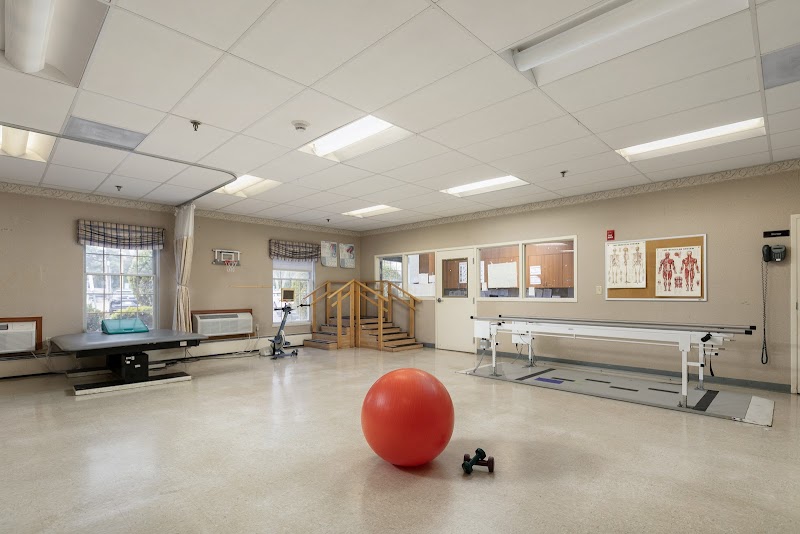
How is Complete Care At Westfield, Llc Staffed?

CMS rates COMPLETE CARE AT WESTFIELD, LLC's staffing level at 2 out of 5 stars, which is below average compared to other nursing homes. Staff turnover is 55%, compared to the New Jersey average of 46%.

What Have Inspectors Found at Complete Care At Westfield, Llc?

State health inspectors documented 17 deficiencies at COMPLETE CARE AT WESTFIELD, LLC during 2021 to 2025. These included: 1 Immediate Jeopardy (the most serious level, indicating potential for serious harm or death) and 16 with potential for harm. Immediate Jeopardy findings are rare and represent the most serious regulatory concerns. They require immediate corrective action.
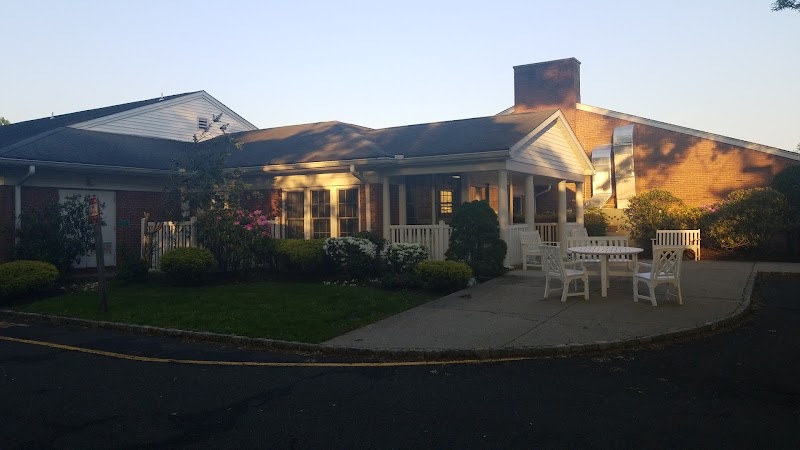
Who Owns and Operates Complete Care At Westfield, Llc?

COMPLETE CARE AT WESTFIELD, LLC is owned by a for-profit company. For-profit facilities operate as businesses with obligations to shareholders or private owners. The facility is operated by COMPLETE CARE, a chain that manages multiple nursing homes. With 227 certified beds and approximately 191 residents (about 84% occupancy), it is a large facility located in WESTFIELD, New Jersey.
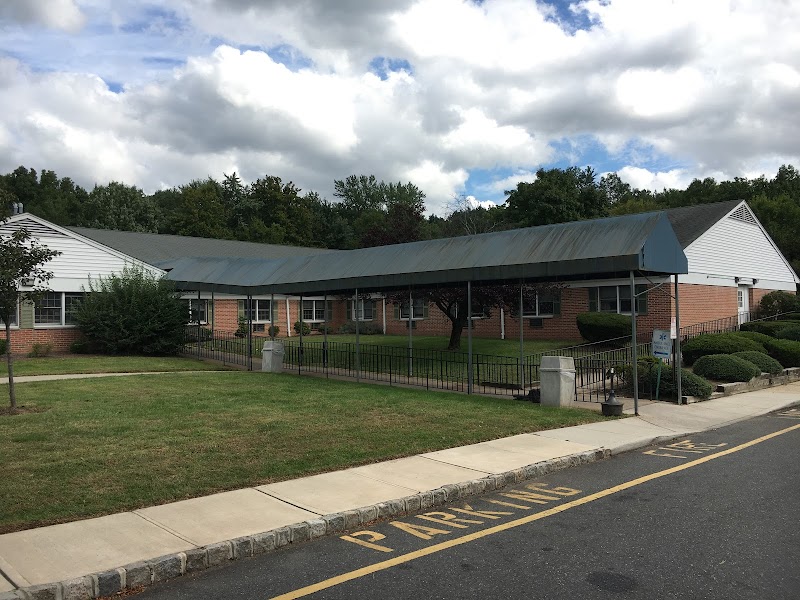
How Does Complete Care At Westfield, Llc Compare to Other New Jersey Nursing Homes?

Compared to the 100 nursing homes in New Jersey, COMPLETE CARE AT WESTFIELD, LLC's overall rating (3 stars) is below the state average of 3.3, staff turnover (55%) is near the state average of 46%, and health inspection rating (2 stars) is below the national benchmark.

What Should Families Ask When Visiting Complete Care At Westfield, Llc?

Based on this facility's data, families visiting should ask: "What changes have been made since the serious inspection findings, and how are you preventing similar issues?" "Can you walk me through typical staffing levels on day, evening, and night shifts?" "Can I visit during a mealtime to observe dining assistance and food quality?" "How do you handle medical emergencies, and what is your hospital transfer rate?" These questions are particularly relevant given the facility's Immediate Jeopardy citations and the below-average staffing rating.

Is Complete Care At Westfield, Llc Safe?

Based on CMS inspection data, COMPLETE CARE AT WESTFIELD, LLC has documented safety concerns. Inspectors have issued 1 Immediate Jeopardy citation (the most serious violation level indicating risk of serious injury or death). The facility has a 3-star overall rating and ranks #100 of 100 nursing homes in New Jersey. Families considering this facility should ask detailed questions about what corrective actions have been taken since these incidents.

Do Nurses at Complete Care At Westfield, Llc Stick Around?

COMPLETE CARE AT WESTFIELD, LLC has a staff turnover rate of 55%, which is 9 percentage points above the New Jersey average of 46%. Moderate turnover is common in nursing homes, but families should still ask about staff tenure and how the facility maintains care continuity when employees leave.

Was Complete Care At Westfield, Llc Ever Fined?

COMPLETE CARE AT WESTFIELD, LLC has been fined $248,260 across 1 penalty action. This is 7.0x the New Jersey average of $35,561. Fines at this level are uncommon and typically indicate a pattern of serious deficiencies, repeated violations, or failure to correct problems promptly. CMS reserves penalties of this magnitude for facilities that pose significant, documented risk to resident health or safety. Families should request specific documentation of what issues led to these fines and what systemic changes have been implemented.

Is Complete Care At Westfield, Llc on Any Federal Watch List?

COMPLETE CARE AT WESTFIELD, LLC is not on any federal watch list. The most significant is the Special Focus Facility (SFF) program, which identifies the bottom 1% of nursing homes nationally based on persistent, serious quality problems. Not being on this list means the facility has avoided the pattern of deficiencies that triggers enhanced federal oversight. This is a positive indicator, though families should still review the facility's inspection history directly.