ARISTACARE AT WHITING
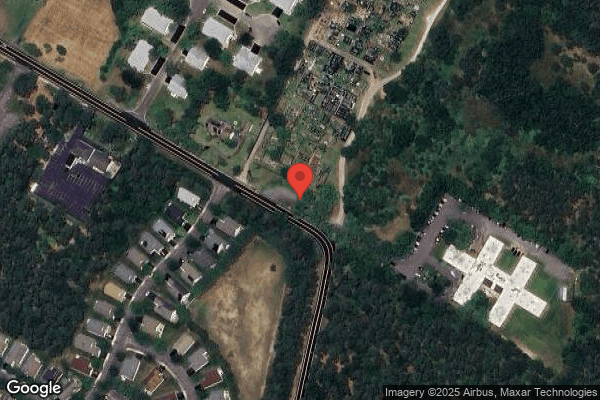
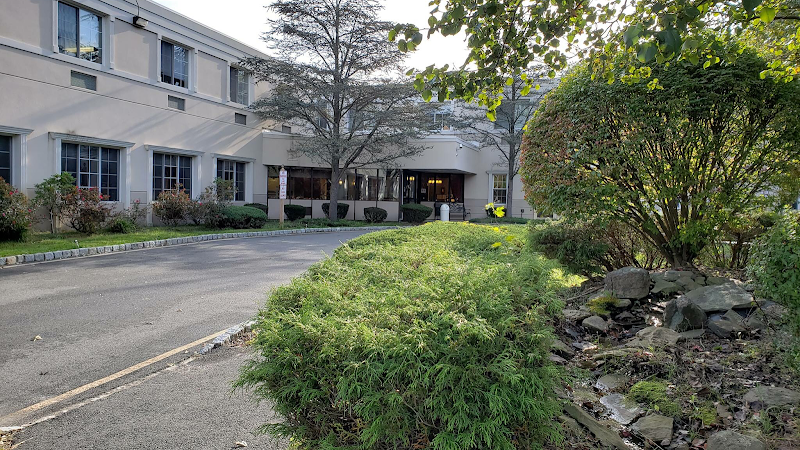
23 SCHOOLHOUSE ROAD, WHITING, NJ 08759 (732) 849-4300
For profit - Individual 180 Beds ARISTACARE Data: November 2025
Trust Grade
45/100
#240 of 344 in NJ
Last Inspection: March 2024

Within standard 12-15 month inspection cycle. Federal law requires annual inspections.

Overview

Aristacare at Whiting has received a Trust Grade of D, indicating below average care and some concerns that families should consider. With a state rank of #240 out of 344 facilities in New Jersey and #19 out of 31 in Ocean County, they fall within the bottom half of available options. The facility is currently improving its performance, reducing issues from 12 in 2024 to just 2 in 2025. However, staffing is a significant weakness, rated at 1 out of 5 stars with a high turnover rate of 60%, which is concerning compared to the state average. On the positive side, they have not faced any fines, and their quality measures score is excellent at 5 out of 5 stars. Unfortunately, recent inspections found several issues, including unsanitary food handling practices that could lead to foodborne illness, as well as missing floor tiles in a resident's room that pose mobility challenges. Furthermore, the facility has struggled to maintain consistent Registered Nurse coverage, with gaps in staffing noted on several occasions, which is critical for resident safety and care. Overall, while there are some strengths, families should carefully weigh these concerns when considering Aristacare at Whiting for their loved ones.

Trust Score
D
45/100
In New Jersey
#240/344
Bottom 31%
Safety Record
Low Risk
No red flags
Inspections
Getting Better
12 → 2 violations
Staff Stability
⚠ Watch
60% turnover. Above average. Higher turnover means staff may not know residents' routines.
Penalties
✓ Good
No fines on record. Clean compliance history, better than most New Jersey facilities.
Skilled Nurses
⚠ Watch
Each resident gets only 16 minutes of Registered Nurse (RN) attention daily — below average for New Jersey. Fewer RN minutes means fewer trained eyes watching for problems.
Violations
⚠ Watch
22 deficiencies on record. Higher than average. Multiple issues found across inspections.
★★☆☆☆
2.0
Overall Rating
★☆☆☆☆
1.0
Staff Levels
★★★★★
5.0
Care Quality
★★☆☆☆
2.0
Inspection Score
Stable
2024: 12 issues
2025: 2 issues

The Good

  • 5-Star Quality Measures · Strong clinical quality outcomes
  • Full Sprinkler Coverage · Fire safety systems throughout facility
  • No fines on record

Facility shows strength in quality measures, fire safety.

The Bad

2-Star Overall Rating

Below New Jersey average (3.2)

Below average - review inspection findings carefully

Staff Turnover: 60%

13pts above New Jersey avg (46%)

Frequent staff changes - ask about care continuity

Chain: ARISTACARE

Part of a multi-facility chain

Ask about local staffing decisions and management

Staff turnover is elevated (60%)

12 points above New Jersey average of 48%

The Ugly 22 deficiencies on record

Aug 2025 2 deficiencies
CONCERN (D) 📢 Someone Reported This

A family member, employee, or ombudsman was alarmed enough to file a formal complaint

Potential for Harm - no one hurt, but risky conditions existed

Comprehensive Care Plan (Tag F0656)

Could have caused harm · This affected 1 resident

**NOTE- TERMS IN BRACKETS HAVE BEEN EDITED TO PROTECT CONFIDENTIALITY** complaint # 2563750Based on interview and record review, it was determined that the facility failed to develop and implement a c...

Read full inspector narrative →
**NOTE- TERMS IN BRACKETS HAVE BEEN EDITED TO PROTECT CONFIDENTIALITY** complaint # 2563750Based on interview and record review, it was determined that the facility failed to develop and implement a care plan that meets the needs identified on the comprehensive assessment care for 1 of 25 residents reviewed for comprehensive care plans, Resident #14. This deficient practice was evidenced by the following:On 08/08/2025 at 09:37 AM during initial tour of the facility the surveyor observed Resident # 14 in bed with the door to their room open. There was a mesh stop sign attached to one side of the door and not connected to the other side. On 08/11/2025 at 09:11 AM the surveyor observed Resident # 14 sitting on their bed with the door open, the mesh stop sign was not connected to both sides of the door. A review of Resident # 14's admissions record revealed that, Resident # 14 was admitted with but not limited to bipolar disorder (a mental health condition characterized by extreme mood swings), Dementia (a decline in cognitive function that affects, memory, thinking and social abilities), and anxiety disorder. A review of Resident #14's admission Minimum Data Set (MDS) dated [DATE] revealed under section E that Resident # 14 has physical and verbal behaviors directed towards others. A review of the current Care Plan (CP) for Resident #14 revealed an intervention that was initiated on 07/14/2025 for a stop sign in front of resident's room to stop others from wandering into the room. During an interview on 08/13/2025 at 10:46 AM with the surveyor the Unit Manger Licensed Practical Nurse (UMLPN) said that care plan consists of focus areas for falls, pain, behaviors, all care areas, and certain medications. The UMLPN said that Resident # 14 was care planned to have a stop sign across their door to keep other residents out of the room. When asked if the stop sign is not in place was the care plan being followed, the UMLP replied, NO During an interview on 08/13/2024 at 12:47 PM with the surveyor, the Director of Nursing (DON) replied, yes when asked if staff should be following residents' care plans. A review of a facility provided policy titled, Care Plans revealed [facility name] care planning/interdisciplinary team, in coordination with the resident, his/her family develops and maintains a care plan for each resident. NJAC 8:39-27.1(a)
CONCERN (D) 📢 Someone Reported This

A family member, employee, or ombudsman was alarmed enough to file a formal complaint

Potential for Harm - no one hurt, but risky conditions existed

Deficiency F0760 (Tag F0760)

Could have caused harm · This affected 1 resident

NJ00182491, NJ00182879 NJ00186106Based on interview, record review, and review of pertinent facility documentation, it was determined that the facility failed to follow the prescriber's orders and acc...

Read full inspector narrative →
NJ00182491, NJ00182879 NJ00186106Based on interview, record review, and review of pertinent facility documentation, it was determined that the facility failed to follow the prescriber's orders and accepted professional standards and principles by administering medications past the required time frame. The deficient practice was identified for 2 of 2 residents (Resident #144, and #27) reviewed and was evidenced by the following: Complainant stated pain medications ordered nightly were given late. The surveyor reviewed the resident’s medical records. Review of the admission Records indicated Resident #144 was admitted to the facility with medical diagnoses that included but were not limited to fracture of left humerus (arm), congestive heart failure and depression. Review of the quarterly Minimum Data Set (MDS), an assessment tool dated 2/1/25 revealed the resident had a Brief Interview of Mental Status (BIMS) of 9, meaning the resident had moderate cognitive impairment. Review of section J of the MDS for pain assessment indicated the resident was on a pain regime and the resident had pain frequently in last five days and that the pain frequently interrupted day to day activities. A review of the physician orders showed an order for Oxycodone (narcotic pain medication) 5 milligram (mg) one tablet to be given every night at nine PM. Review of the medication administration record showed that the oxycodone was signed out as administered every night for the month of January 2025. A review of Resident #144 Medication Administration Audit Report for January 2025 revealed the Oxycodone for pain management was administered past the required time frame as follows: January 10, 2025-due at 9 PM administered at 10:07 PM January 19, 2025-due at 9 PM administered at 10:01 PM January 31, 2025-due at 9 PM administered at 10:30 PM On 8/13/25 at 10:15 AM the surveyor interviewed the Subacute unit Licensed Practical Nurse (LPN#1) regarding medications times. LPN #1 told the surveyor the nurses had one hour before to one hour after the ordered administration time. LPN #1 said if later than one hour after the order time it would be considered late. On 8/13/25 at 10:35 AM, the surveyor interviewed the Unit Manager/Licensed Practical Nurse (UM/LPN) on the second floor. The surveyor asked what time a 9 PM medication should be given. The UM/LPN responded, You have one hour before to one hour after the prescribed time. A review of Resident #27's quarterly Minimum Data Set (an assessment tool) dated 05/11/2025, revealed that Resident #27 had a brief interview of mental status score of 15 which indicated he/she was cognitively intact. A review Resident # 27's diagnoses located in the Electronic Medical Record (EMR) include but are not limited to psoriatic arthritis. A review of Resident #27 physician's orders revealed the following orders but not limited to Oxycontin ER 20 MG Give 1 tablet by mouth every 12 hours for chronic pain. A review of Resident #27's Medication Administration Audit Report for January 2025 reflected that the Oxycontin ER was administered past the required time frame as follows: 05/02/2025 at 12:00 PM administered at 02:55 PM 01/02/2025 at 09:00 PM administered at 10:52 PM 01/04/2025 at 09:00 AM administered at 10:25 AM 01/05/2025 at 09:00 AM administered at 10:07 AM 01/06/2025 at 09:00PM administered at 10:03 PM 01/07/2025 at 09:00 AM administered at 11:09 AM 01/08/2025 at 09:00 AM administered at 10:13 AM 01/10/2025 at 09:00 PM administered at 10:13 PM 01/11/2025 at 09:00 AM administered at 10:29 AM 01/13/2025 at 09:00 PM administered at 11:39 PM 01/15/2025 at 09:00PM administered at 10:08PM 01/18/2025 at 09:00 AM administered at 10:10 AM 01/18/2025 at 09:00 PM administered at 10:24 PM The surveyor reviewed the policy titled, “Administering Medications”, which stated medications must be administered in a safe and timely manner. Number eight of the policy stated medications must not be prepared in advance and must be administered within one hour of their prescribed time. NJAC 8:39-29.2 (d)
Mar 2024 12 deficiencies
CONCERN (D) 📢 Someone Reported This

A family member, employee, or ombudsman was alarmed enough to file a formal complaint

Potential for Harm - no one hurt, but risky conditions existed

Transfer Notice (Tag F0623)

Could have caused harm · This affected 1 resident

**NOTE- TERMS IN BRACKETS HAVE BEEN EDITED TO PROTECT CONFIDENTIALITY** 3.) On 03/21/2024, the surveyor reviewed Resident #230's EMR. Review of the progress notes indicated that Resident #230 was admi...

Read full inspector narrative →
**NOTE- TERMS IN BRACKETS HAVE BEEN EDITED TO PROTECT CONFIDENTIALITY** 3.) On 03/21/2024, the surveyor reviewed Resident #230's EMR. Review of the progress notes indicated that Resident #230 was admitted to the facility for short term rehabilitation following a hospitalization which included abdominal surgery for an ileostomy (the lower small intestine is brought through the abdominal wall via a surgical opening). The notes further indicated that on the day of planned discharge, bright red blood was noted in the ileostomy bag. Resident #230's physician was notified, and the resident was transferred to the emergency room for evaluation and admitted for ileostomy dysfunction. Review of the admission MDS, dated [DATE], indicated a BIMS of 15, indicating intact cognition. Further review showed there was a Discharge/Return Anticipated MDS completed on 01/18/2024 following the transfer to the hospital. On 03/25/24 at 01:01 PM, the surveyor interviewed the Director of Social Work (DSW) regarding notification of hospitalization in writing to the resident and/or resident representative and ombudsman. The DSW stated, The last receptionist would send the hospitalization to the Ombudsman's office in bulk at the end of the month. The DSW could not locate the confirmation of the faxes. The surveyor asked about the notification to the resident and/or resident representative in writing. The DSW stated, The receptionist was supposed to do both resident representative and ombudsman, but she wasn't doing that. The receptionist is now going to be sending it to the resident representative. On 03/27/24 at 11:53 AM, the surveyor reviewed the policy titled Preparing a Resident for Transfer or Discharge, an undated policy. The policy statement revealed that the facility shall prepare a resident for a transfer or a discharge. Number three of the policy indicated that the receptionist would send out an email notice of the discharge. The policy did not indicate who received the email notice. NJAC 8:39-9.6 (e) 2.) On 03/25/2024 the surveyor reviewed Resident #43's EMR. Review of the admission Record indicated Resident #43 was admitted to the facility with diagnosis which included but were not limited to essential hypertension (high blood pressure), chronic obstructive pulmonary disease (COPD, a chronic lung disease), and heart disease. Further review indicated Discharge/Return anticipated MDS for 4/12/23 following transfer to the hospital for tachycardia (rapid heart rate) and another dated 12/10/23 after being found unresponsive in bed. The surveyor reviewed the most recent MDS which revealed the resident had a Brief Interview of Mental Status of 15 out of 15 indicating intact cognition. Review of the progress notes showed that on 4/12/23 at 12:56 PM, the resident was admitted to the hospital with severe sepsis shock (infection in the blood stream), and another progress note dated 12/10/23 at 10:46 PM, which indicated the resident was admitted to the hospital with hypotension (low blood pressure). Based on observation, interview, and record review it was determined that the facility failed to notify the resident and/or resident representative in writing of the reason for transfer or discharge to the hospital for 3 of 3 residents reviewed for hospitalization Residents #43, #129, and #230. This deficient practice was evidenced by the following: 1.) On 03/20/24 the surveyor reviewed the Electronic Medical Record (EMR) which indicated Resident #129 was admitted to the facility for short term rehabilitation. Further review showed there was a Discharge/Return Anticipated Minimum Data Set (MDS), an assessment tool completed on 12/22/23 following a transfer to the hospital for right shoulder pain. Review of the admission Record indicated Resident #129 had medical diagnoses which included but were not limited to the following: acute respiratory failure, kidney disease, and anxiety. The surveyor reviewed the most recent MDS which revealed the resident had a Brief Interview of Mental Status of 3, meaning the resident had severe cognitive impairment. On 03/20/24 at 12:58 PM, review of the progress notes showed that on 12/21/23 at 9:00 PM Resident #129 was found in the room on the floor. The resident complained of right shoulder pain at that time. The resident's physician and family were notified via telephone and shoulder x-rays were ordered. Further review of the progress notes showed that on 12/22/23 at 09:00 AM, the resident complained of pain to right shoulder, right arm and right wrist. Resident #129 was sent to the hospital on [DATE] following the complaints of pain. On 03/25/24 at 01:01 PM, the surveyor interviewed the Director of Social Work (DSW) regarding notification of hospitalization in writing to the resident and/or resident representative and ombudsman. The DSW stated, The last receptionist would send the hospitalization to the Ombudsman's office in bulk at the end of the month. The DSW could not locate the confirmation of the faxes. The surveyor asked about the notification to the resident and/or resident representative in writing. The DSW stated, The receptionist was supposed to do both resident representative and ombudsman, but she wasn't doing that. The receptionist is now going to be sending it to the resident representative. On 03/27/24 at 11:53 AM, the surveyor reviewed the policy titled Preparing a Resident for Transfer or Discharge, an undated policy. The policy statement revealed that the facility shall prepare a resident for a transfer or a discharge. Number three of the policy indicated that the receptionist would send out an email notice of the discharge. The policy did not indicate who received the email notice.
CONCERN (D)

Potential for Harm - no one hurt, but risky conditions existed

MDS Data Transmission (Tag F0640)

Could have caused harm · This affected 1 resident

Based on interviews, review of medical records, and other facility documentation, it was determined that the facility failed to electronically transmit the Minimum Data Set (MDS, an assessment tool), ...

Read full inspector narrative →
Based on interviews, review of medical records, and other facility documentation, it was determined that the facility failed to electronically transmit the Minimum Data Set (MDS, an assessment tool), within 14 days of completing the resident's assessment. This deficient practice was identified for 1 of 1 unsampled resident, (Resident # 95) reviewed in the Resident Assessment Task for MDS record over 120 days old. On 03/20/2024 the surveyor reviewed the MDS history in the electronic medical record which revealed: Resident #95 was discharged on 10/26/2023. Resident #95's discharge MDS was completed on 12/27/2023. The history indicates that Resident #95's discharge MDS was transmitted on 03/18/2024. On 03/21/2024, the surveyor interviewed the MDS Coordinator (MDSC), who stated that the discharge MDS on Resident #95 should've been completed within 14 days of discharge and transmitted within one week after completion. She also stated, it's late and the MDSs are usually transmitted once they're completed, this one got missed. Review of facility provided policy MDS Submission Timeframes included: The following submission timeframe for MDS records will be observed by this facility: Discharge - final completion date + 14 days According to Centers for Medicare and Medicaid Services (CMS) Long-Term Care Facility Resident Assessment Instrument (RAI) 3.0 user's manual dated October 2023, page 2-17, discharge return-not anticipated must be completed no later than the discharge date + 14 calendar days with the transmission date no later than MDS completion date +14 days. On 03/27/2024, the surveyor interviewed the Director of Nursing who provided a QAPI and stated that the QAPI was done the day the surveyor brought the issue to their attention. NJAC 8:39-11.2 (e) 3
CONCERN (D) 📢 Someone Reported This

A family member, employee, or ombudsman was alarmed enough to file a formal complaint

Potential for Harm - no one hurt, but risky conditions existed

PASARR Coordination (Tag F0644)

Could have caused harm · This affected 1 resident

**NOTE- TERMS IN BRACKETS HAVE BEEN EDITED TO PROTECT CONFIDENTIALITY** Based on interview and record review it was determined the facility failed to conduct a new Preadmission Screening and Resident ...

Read full inspector narrative →
**NOTE- TERMS IN BRACKETS HAVE BEEN EDITED TO PROTECT CONFIDENTIALITY** Based on interview and record review it was determined the facility failed to conduct a new Preadmission Screening and Resident Review (PASRR) level 1 assessment after a resident was newly diagnosed with a mental illness. This deficient practice was identified in 1 of 3 residents reviewed for PASRRs (Resident #71) and was evidenced by the following: On 03/19/2024 the surveyor reviewed Resident #71's Electronic Medical Record (EMR) which included review of the PASARR level 1 completed on 08/09/2022 which was negative and marked no for any diagnoses of mental illness. Review of the admission Minimum Data Set (MDS), an assessment tool, dated 07/06/2022, indicated a Brief Interview of Mental Status (BIMS) score of 15/15, indicating intact cognition and review of section I did not include any psychiatric diagnoses. A review of the Quarterly MDS dated [DATE], indicated bipolar disorder and psychotic disorder noted in Section I. A review of the Quarterly MDS dated [DATE], indicated bipolar disorder and psychotic disorder noted in Section I. A review of Resident #71's care plans revealed a focus of I have expressed to my therapist that I am angry, frustrated experiencing psychotic delusions that a nurse was trying to hurt him/her over the weekend with a goal of I will have a decrease on psychotic delusions thru next review date and a focus of I have a diagnosis of Bipolar with use of psychotropic medication. No additional PASRR including the diagnoses of bipolar disorder and psychotic disorder was located. On 03/19/24 the surveyor interviewed the Director of Social Service (DSS) who stated that the level 1 PASSR was not redone with the new diagnosis. On 03/25/24 the surveyor reviewed the facility provided policy pertaining to PASRR which does not address a resident with a new psychological diagnosis after admission. On 03/25/24 at 01:29 PM the surveyor interviewed the DSS who stated prior to surveyor inquiry, it was not in their policy to redo the PASRR upon new diagnosis. On 03/27/24 at 10:48 AM the surveyor interviewed the Director of Nursing who stated that after surveyor inquiry an updated PASRR as completed for Resident #71 and the DSS did an audit of the entire building. NJAC 8:39.5.1(a)
CONCERN (D)

Potential for Harm - no one hurt, but risky conditions existed

Deficiency F0658 (Tag F0658)

Could have caused harm · This affected 1 resident

**NOTE- TERMS IN BRACKETS HAVE BEEN EDITED TO PROTECT CONFIDENTIALITY** 2. On 03/21/2024 at 9:14 AM, during medication administration observations, the surveyor observed Registered Nurse (RN) #1 admin...

Read full inspector narrative →
**NOTE- TERMS IN BRACKETS HAVE BEEN EDITED TO PROTECT CONFIDENTIALITY** 2. On 03/21/2024 at 9:14 AM, during medication administration observations, the surveyor observed Registered Nurse (RN) #1 administer medication to Resident #61. Along with other ordered medications, RN #1 administered one drop of artificial tears solution 0.2-0.2-1% (eye drops) into the resident's left eye and one drop into the resident's right eye. At 9:16 AM, the surveyor, along with RN #1, reviewed the physician's order (PO) for artificial tears in the electronic medical record (EMR). At this time RN #1 confirmed the PO indicated for one drop to be administered in the right eye, and not both eyes. RN #1 at this time acknowledged that medications should be administered as ordered. A review of Resident #61's admission Record indicated the resident was admitted to the facility and had diagnosis which included but was not limited to: blepharitis (inflammation of the eyelid which affects the eyelashes or tear production) of the right lower eye lid. A review of the physician Order Summary Report (POS) indicated an active order with start date of 12/20/23 for artificial tears ophthalmic solution 0.2-0.2-1% instill one (1) drop in right eye two times a day related to unspecified blepharitis right lower eye lid. A second order was initiated dated 3/21/24 for artificial tears ophthalmic solution 0.2-0.2-1% instill one (1) drop in both eyes two times a day related to unspecified blepharitis right lower eye lid after surveyor's observation and inquiry. A review of the resident's care plan indicated a care focus initiated 9/29/23 for glaucoma with a goal to maintain optimal quality of life within limitation imposed by visual function. A review of the February and March 2024 Medication Administration Record (MAR) indicated artificial tears were administered and signed by the nursing staff twice daily. On 03/25/24 at 1:15 PM, the surveyor interviewed the DON who stated nurses should follow physician's orders when administering medication. She acknowledged it was not appropriate for RN #1 to administer the eye drops into both eyes if the order called for administration in the right eye. 3. On 3/18/24 at 10:21 AM, during the initial tour of the facility, the surveyor observed Resident #96 in their room, laying in their bed. The resident was laying on a mattress that did not have an air or pressure regulating device and was observed to be a standard mattress with no pressure reducing device. The resident informed the surveyor that they have a wound from lying in bed. On 3/20/24 the surveyor reviewed Resident #96's EMR. Review of the admission Record indicated the resident was admitted to the facility and had diagnosis which included but was not limited to pressure ulcer of the sacral region (bed sore at the portion of the spine between lower back and tailbone). A review of the most recent Quarterly MDS dated [DATE] indicated the resident had a Brief Interview of Mental Status score of 15 out of 15 indicating intact cognition. A review of the physician Order Summary Report (POS) indicated an active order with start date 2/26/24 for an air mattress to be checked for function and placement every shift. A review of the resident's care plan revealed a care focus area for required use of an air mattress due to pressure ulcer with revision date 5/30/23 with interventions including to visually inspect the air mattress for over inflation or deflation each time when entering the room. Further review of the care plan indicated a focus area for pressure ulcer to sacrum with revision date 9/10/23 and intervention including air mattress check function and placement every shift. A review of the February and March 2024 Treatment Administration Record (TAR) revealed air mattress placement and function checks were conducted and signed as completed by the nursing staff every shift as ordered. On 3/21/24 at 8:36 AM, the surveyor observed Resident #96 in bed with a standard mattress and no pressure reducing device. On 3/25/24 at 10:50 AM, the surveyor observed Resident #96 in bed with a standard mattress and no pressure reducing device. At 10:53 AM, the surveyor asked RN #1 to identify the type of mattress being used for the resident. RN #1 along with the surveyor entered the resident's room at which point RN #1 acknowledged the mattress being used was not an air mattress or pressure reducing device as ordered. RN #1 further stated she was going to notify the appropriate department to bring an air mattress for the resident's bed. At 10:56 AM, the resident informed the surveyor that they think they should have one (air mattress) and that they never refused the use of one. At 10:58 AM, RN #1 informed the surveyor the resident should have an air mattress because it was ordered, and she was not sure why the resident did not have one. On 3/25/24 at 11:02 AM, the surveyor interviewed the Licensed Practical Nurse/Unit Manager (LPN/UM) #1 who stated the resident should have an air mattress as ordered, and it was not really being checked by the nursing staff as ordered. On 3/25/24 at 11:08 AM, the Assistant Director of Nursing (ADON) notified the surveyor that an air mattress was being brought to the resident's room by the housekeeping/maintenance department. Review of the facility's undated Administering Medications policy included but was not limited to: medications must be administered in accordance with the orders, including any required time frame. NJAC 8:39-11.2 (a) (b) Based on observations, interview, and review of facility documentation it was determined that the facility failed to 1. Obtain physician orders for a resident's discharge home, 2. follow physicians' orders during medication observation and 3. follow physician orders by obtaining an air mattress for a resident at risk for pressure ulcers. This deficient practice was identified for 3 of 29 residents reviewed (Resident #61, #96 and #128) and was evidenced by the following: Reference: New Jersey Statues, Annotated Title 45, Chapter. Nursing Board The Nurse Practice Act for the State of New Jersey states; The practice of nursing as a registered professional nurse is defined as diagnosing and treating human responses to actual or potential physical and emotional health problems, through such services as case finding, health teaching, health counseling, and provision of care supportive to or restorative of life and well-being, and executing a medical regimens as prescribed by a licensed or otherwise legally authorized physician or dentist. 1.On 03/20/24 at 10:15 AM, the surveyor reviewed Resident #128 Minimum Data Set (MDS) list, an assessment tool. The MDS list revealed that Resident #128 was admitted to the facility on [DATE] and a Discharge/Return Not Anticipated MDS was completed on 02/27/24. Review of the admission Record indicated that Resident #128 had medical diagnoses which included but were not limited to heart disease, chronic obstructive pulmonary disease (a group of lung diseases that block airflow and make it difficult to breathe), pacemaker (artificial device to stimulate the heart muscle), and anxiety. Review of the most recent MDS, a discharge assessment tool revealed the resident had a Brief Interview of Mental Status of 15, meaning the resident was cognitively intact. On 03/20/24 at 10:31 AM, the surveyor reviewed the progress notes which showed the following physician note written on 02/26/24: The resident is seen and examined at the bedside for a full assessment, evaluation of current chronic medical conditions, and for medical clearance prior to a planned discharge as requested by the Social Worker and the disciplinary team. Another note written on 02/26/24 by the social worker showed the following: Note Text: Resident is discharging 02/26/24 at 2 PM. Resident going home with a friend, who will provide transportation. On 03/20/24 at 10:36 AM, the surveyor reviewed the progress notes which showed the following note documented on 02/27/24: Discharge instructions reviewed with resident. Medication list explained, resident voiced understanding. Folder with medication list and discharge summary placed in black computer bag. At 01:30pm the resident was picked up by son. Transferred to car via wheelchair with all personal belongings. No acute distress noted at the time of discharge. On 03/20/24 at 10:46 AM, the surveyor reviewed the care plan which showed the following focus: plan of care will be resident centered around the goal of returning to the community after completion of short-term rehabilitation. On 03/21/24 at 10:08 AM, the surveyor reviewed documentation provided by the facility which included progress notes, physician orders, and the physician discharge summary. The discharge instructions included medications and follow up instructions and were signed by the resident at the time of discharge. The surveyor could not locate a physician's order for discharge after review of the physician orders. On 03/25/24 at 1:11 PM, the surveyor interviewed the Director of Nursing (DON) regarding residents being discharged home. The surveyor asked what a resident would need to be discharged home. The DON stated that residents should have a discharge order, medications should be arranged, and discharge instructions reviewed with the resident or resident representative. The surveyor asked about the need for a discharge order for Resident #128 and the DON responded, Definitely should have a physician order for discharge, we started in-servicing making sure the discharge orders are in the chart. A review of the policy titled, Preparing a Resident for Transfer or Discharge, an undated policy. The policy statement was that the facility shall prepare a resident for a transfer or discharge. Under the section policy interpretation and implementation, the policy did not include obtaining a physician order as part of the policy.
CONCERN (D)

Potential for Harm - no one hurt, but risky conditions existed

Deficiency F0761 (Tag F0761)

Could have caused harm · This affected 1 resident

Based on observation, interview, and review of pertinent facility documents, it was determined that the facility failed to accurately label multidose medications to facilitate the consideration of pre...

Read full inspector narrative →
Based on observation, interview, and review of pertinent facility documents, it was determined that the facility failed to accurately label multidose medications to facilitate the consideration of precautions and safe administration. The deficient practice was observed for 1 of 4 medication carts (2 [NAME] High Side) reviewed under the Medication and Storage Task. The deficient practice was evidenced by the following: On 03/19/2024 at 10:33 AM, the surveyor in the presence of Licensed Practical Nurse (LPN) # 2 observed the 2 [NAME] High Side medication cart. At that time, the surveyor observed the following: 1 opened Artificial Tear bottle. The bottle was not dated when it was opened. 1 opened Spiriva (treats asthma and chronic obstructive pulmonary disease) handheld inhaler. The inhaler was not dated when it was opened. 3 opened Lantaprost 0.005% ophthalmic solution eye drops. The bottles were not dated when they were opened. 1 opened Dorzolamide hydrochloride and Timolol maleate ophthalmic solution eye drops. The bottle was not dated when they were opened. At this time, during an interview with the surveyor, LPN # 2 stated, The eye drops, and inhaler should have been dated and initialed once opened. On 03/19/2024 at 1:34 PM, during an interview with the surveyor, the Director of Nursing (DON) stated, .Inhalers when open should be dated on the packaging and the medication itself, this includes insulin and eye drops. The DON confirmed that opened medications should be dated. A review of the facility's undated policy titled, Labeling of Medication Containers revealed that, labels for each single unit dose package shall include all necessary information, such as: The name and strength of the drug, the lot or control number, the dated drug dispensed, the expiration date, when applicable dating of medications should be dated with the open date. 2. On 3/21/24 at 12:16 PM, the surveyor observed LPN2 during medication administration for Resident #381. LPN2 gathered the prescribed medication for Resident #381 which included drawing six (6) units of Humulin R 100 units/milliliter (U/mL) insulin into a syringe from a multi-dose insulin vial. She then placed the insulin vial on top of the medication cart, which was situated in the hallway, outside of the resident's room, and proceeded to enter the room to administer the insulin injection, leaving the insulin vial unsecured on top of the locked medication cart. At 12:20 PM, LPN2 returned to the medication cart, at which point the surveyor interviewed the LPN. The LPN stated she should have put the insulin in the drawer so no one can grab it. On 3/25/24 at 9:16 AM, the surveyor interviewed the DON who confirmed that nurses administering medication should not leave medication on top of the cart unsecured. The DON confirmed that LPN2 should not have left the insulin vial on top of the medication cart. Review of the facility's undated Administering Medications policy included but was not limited to, during administration of medications, the medication cart is kept closed and locked when out of sight of the medication nurse or aide. It may be kept in the doorway of the resident's room, with open drawers facing inward and all other sides closed. No medications are kept on top of the cart. The cart must be clearly visible to the personnel administering medications, and all outward sides must be inaccessible to residents or others passing by. N.J.A.C. 8:39-29.4
CONCERN (D)

Potential for Harm - no one hurt, but risky conditions existed

Garbage Disposal (Tag F0814)

Could have caused harm · This affected 1 resident

Based on observation, interview, and review of other facility documentation, it was determined that the facility failed to provide a sanitary environment for residents, staff, and the public by failin...

Read full inspector narrative →
Based on observation, interview, and review of other facility documentation, it was determined that the facility failed to provide a sanitary environment for residents, staff, and the public by failing to keep the garbage container area free of garbage and debris. This deficient practice was evidenced by the following: On 03/18/2024 during initial kitchen tour with the Food Service Director (FSD), the surveyor observed debris and trash around the dumpster area. The FSD stated that housekeeping was responsible for this area. He also stated that it was Monday and he guessed nobody had gotten out there as of that time. On 03/21/2024 at 12:28 PM the surveyor noted debris and trash in the area behind the dumpster area. On 03/25/2024 at 12:44 PM the surveyor interviewed the Director of Housekeeping who stated that housekeeping, maintenance and the kitchen are all in charge of the parking lot. He was shown a photo of the dumpster area and stated that they should go further than just the parking lot. A review of facility provided policy Sanitation: Dumpster/Garbage Disposal, dated November 15, 2022, included: o Keep dumpster and dumpster site areas clean and free of debris o If any trash is on the ground or around the dumpster, you are responsible to pick it up and put it in the dumpster N.J.A.C. 8:39-19.3(c)
CONCERN (D)

Potential for Harm - no one hurt, but risky conditions existed

Infection Control (Tag F0880)

Could have caused harm · This affected 1 resident

2.) On 3/21/24 at 8:56 AM, during medication administration observations, the surveyor observed Registered Nurse (RN) #1 wash her hands after administering medication to a resident. RN #1 doffed (remo...

Read full inspector narrative →
2.) On 3/21/24 at 8:56 AM, during medication administration observations, the surveyor observed Registered Nurse (RN) #1 wash her hands after administering medication to a resident. RN #1 doffed (removed) and disposed of her gloves, as she approached the sink in the resident's room. She turned on the water and proceeded to dispense soap from the wall mounted dispenser into her hand rubbed her hands together briefly and began to rinse the soap off under the running water. During this time, the surveyor was able to time her hand washing using a digital stopwatch timer to be approximately three (3) seconds. The nurse did not perform any other form of hand hygiene in addition to this instance during this time. On the same date at 9:28 AM during an interview with the surveyor, RN #1 said hand washing should be sixty seconds with soap. On 3/21/24 at 9:50 AM, during medication administration observations, the surveyor observed Licensed Practical Nurse (LPN) #1 wash her hands. After administering medication to a resident, LPN #1 went to the sink in the resident's room, turned on the water, dispensed soap into her hands and began to lather her hands with soap. She then rinsed her hands under the running water. The surveyor, using a digital stopwatch timer, timed LPN #1's hand washing technique to be 14 seconds. The nurse did not perform any other form of hand hygiene in addition to this instance during this time. At 9:51 AM, the surveyor interviewed LPN #1, who said hand washing should be 30 seconds. LPN #1 concluded by stating, I sang happy birthday (to time herself), but you made me nervous. On 3/25/24 at 1:15 PM, the surveyor interviewed the Director of Nursing (DON), who stated nurses should wash their hands or use hand sanitizer in between residents when administering medication. Hand washing should be between 20-30 seconds. She further acknowledged that 14 seconds is not sufficient time for hand washing. Review of the facility's undated Handwashing/Hand Hygiene policy included but was not limited to: for the purposes of infection control, handwashing/ hand hygiene must meet the following requirements: be a multidisciplinary hand-hygiene program, handwashing must be done using antimicrobial soap, all surfaces of the hands must be vigorously rubbed together, handwashing must occur for at least twenty seconds, include the use of alcohol-based hand rubs. NJAC 8:39 - 19.4(a)(n); 27.1 (a) Based on observation, interview, record review, and review of pertinent facility documents, it was determined that the facility failed to 1.) implement appropriate transmission-based precautions specifically by applying precautions to a room that contained a resident with a potentially infectious disease for 1 of 1 resident (Resident #6) and 2.) failed to perform effective hand hygiene for a minimum of twenty seconds. The deficient practices were identified for 1 of 1 resident (Resident # 6) reviewed for Transmission-Based Precautions under the Infection Control task and 2 of 3 nurses observed during the Medication Administration task . The deficient practices were evidenced by the following: 1.) A review of Resident # 6's admission Record located in the Electronic Medical Record (EMR) revealed that on 03/18/2024, he/she was diagnosed with unspecified diarrhea. A review of Resident # 6's Order Summary Report located in the EMR revealed that on 03/18/2024 a, C DIFF DNA RT-PCR(STOOL) (test to determine the presence of clostridium difficile; a potentially deadly bacteria in the stool) was ordered. On 03/19/2024 at 10:47 AM, the surveyor observed that Resident # 6's room did not have a transmission-based precaution sign near the doorway nor was there any personal protective equipment (gowns, gloves, and masks worn to limit the potential of spreading pathogens) outside of the room. On the same date at 10:53 AM, the surveyor knocked on Resident # 6's door which was answered by Certified Nurses Aide (CNA) # 2. CNA # 2 was not wearing a gown. The surveyor observed another unidentified CNA also located within the room. The unidentified CNA did not have a gown on. At that time, CNA # 2 confirmed they were providing care to Resident # 6. On the same date at 11:04 AM, the surveyor observed Licensed Practical Nurse (LPN) # 3 enter Resident # 6's without applying a gown. At approximately six minutes later, LPN # 3 exited the resident room and used alcohol-based hand rub (ABHR) for hand hygiene. On the same date at 11:30 AM during an interview with the surveyor CNA # 1 said Resident # 6 is continent of his/her bowels however he/she cannot hold it [bowel movement] when the staff provides incontinence care. CNA # 1 confirmed that Resident # 6 had loose stool today. CNA # 1 said that there was no PPE because Resident # 6 did not have an infection. On the same date at 11:40 AM during an interview with the surveyor, LPN # 3 said Resident # 6 had a pending clostridium difficile test. She said that it may take forty-eight to seventy-two hours to get the test results. At that time, she confirmed results were not found. On the same date at 11:48 AM during an interview with the surveyor, The Licensed Practical Nurse/Unit Manager (LPN/UM) # 3 confirmed that if the physician orders a clostridium difficile test, there should be a transmission-based precaution sign on the resident's door. At that time, the LPN/UM # 3 denied knowing if any residents were on transmission-based precautions for clostridium difficile. On the same date at 12:24 PM during an interview with the surveyor, the Infection Preventionist (IP) confirmed she would stress enteric isolation such as gowns, gloves, and to clean with a product that would kill clostridium difficile. She clarified that enteric is a form of a contact transmission-based precaution (gowns and gloves required on upon entering the resident's room). Further, she confirmed soap and water used for hand hygiene is most effective against clostridium difficile instead of ABHR. On the same date at 12:41 PM during an interview with the surveyor, the Director of Nursing confirmed that if a resident is suspected of having clostridium difficile, they should place contact transmission-based precautions on the resident's room at the time it was suspected. On 03/26/2024 at 1:40 PM during an interview with the surveyor, the Chief Clinical Officer confirmed Resident # 6 should have been on transmission-based precautions while awaiting the test results. NJAC 8:39 - 19.4(a)
CONCERN (E) 📢 Someone Reported This

A family member, employee, or ombudsman was alarmed enough to file a formal complaint

Potential for Harm - no one hurt, but risky conditions existed

Safe Environment (Tag F0584)

Could have caused harm · This affected multiple residents

**NOTE- TERMS IN BRACKETS HAVE BEEN EDITED TO PROTECT CONFIDENTIALITY** On 03/19/2024 at 11:20 AM Surveyor #3 observed Resident #71 in his/her room and noted seven missing floor tiles in front of the ...

Read full inspector narrative →
**NOTE- TERMS IN BRACKETS HAVE BEEN EDITED TO PROTECT CONFIDENTIALITY** On 03/19/2024 at 11:20 AM Surveyor #3 observed Resident #71 in his/her room and noted seven missing floor tiles in front of the sink. Resident #71 stated the tiles were missing forever and it bothers him/her as the wheelchair gets stuck and hard to propel with the difference in the floors. On 03/21/2024 at 10:34 AM Surveryor #3 noted seven floor tiles remain missing in Resident #71's room in front of the sink On 03/25/2024 09:49 AM Surveyor #3 noted seven missing floor tiles in Resident #71's room in front of sink. On 03/25/24 at 12:30 PM Surveyor #3 interviewed the maintenance director, who stated when the staff sees something, they put it in TELS, (TELS is a building management platform designed for Senior Living with integrated Asset Management, Life Safety, and Maintenance solutions), and then it comes to him. He stated that he was not aware of anything needing attention in room [ROOM NUMBER]. He also stated there was nothing in TELS regarding this room. He further stated that the tiles should not be pulled up like that. On 03/27/24 at 10:12 AM Surveyor #3 reviewed facility provided work order #4651 indicates work order was created on 03/26/24 at 12:53pm. A review of the undated facility provided document titled, Maintenance Service revealed under, Policy Interpretation and Implementation that, 2. b. Maintaining the building in good repair and free from hazards. N.J.A.C. 8:39-4.1(a)11, 31.4(a) Based on observation, interview and review of facility documentation, it was determined the facility failed to maintain a comfortable and homelike environment for resident rooms on 3 of 3 nursing units of the facility observed (1 East, 2 East, and 2 West). The evidence of this deficient practice includes: 1.) On 03/18/2024 from 9:33 AM to 11:41 AM, during the initial tour of the 2 [NAME] nursing unit, the surveyor made the following observations: The vinyl wall covering in resident room [ROOM NUMBER] behind bed B was partially removed and pulled away falling off the wall. room [ROOM NUMBER] the plastic/vinyl wall bumper behind bed A was broken with pointed edges. The bath tub in room [ROOM NUMBER] contained brown and grey stains and the overflow plate was covered with a white crusty material. The wall behind bed A in room [ROOM NUMBER] had an approximately 12 inch by 4 inch area with gouges missing paint and revealing the bare drywall. room [ROOM NUMBER] had four holes approximately one inch in diameter in the wall directly under the ceiling and to the right of the bathroom door. room [ROOM NUMBER] bathroom door was missing a door knob with a hole where the door knob would be placed and had the paint removed along the edge of the door by the door knob opening, the call bell control panel was hanging down off of the mounting bracket on the wall exposing the wires in the wall, and the wall behind bed A was damaged with two large holes approximately four to five inches wide and peeled wallpaper. On 3/25/2024 at 12:35 PM, the surveyor, in the presence of the survey team, interviewed the Director of Maintenance (DOM), who stated that environmental concerns fall under the maintenance department's responsibility. He included that maintenance department is notified of reeded repairs through an electronic work order program utilized by the facility. The DOM was presented with photos of the above observations, and he acknowledged the need for repairs. Review of the facility's undated Maintenance Service policy included but was not limited to: maintenance service shall be provided to all areas of the building, grounds, and equipment. The maintenance department is responsible for maintaining the buildings, grounds, and equipment in a safe and operable manner at all times. The following functions are performed by maintenance, but are not limited to: .b. maintaining the building in good repair and free from hazards .g. maintaining the paging system in good working order NJAC 8:39-4.1(a) Complaint # NJ152908, NJ156248, NJ152672 2.) On 03/18/2024 at 10:29 AM during the initial tour of the facility, Surveyor # 2 observed resident room [ROOM NUMBER]. At that time, there was no trash bag in the garbage can. On the same date at 11:24 AM during the initial tour of the facility, Surveyor # 2 observed room [ROOM NUMBER]. At that time, Surveyor # 2 observed stains on the privacy curtain that was located between the beds in the room. On 03/20/2024 at 1:29 PM, Surveyor # 2 observed room [ROOM NUMBER]. At that time, Surveyor # 2 observed the dresser in the room. The front of the bottom drawer was detached and left leaning against the side of the dresser. In addition, Surveyor # 2 observed the floor base board was missing behind the bed and in the corner near the bathroom door. The unfinished dry wall was exposed. On 03/25/2024 at 12:30 PM, during an interview with Surveyor # 2, the Director of Maintenance confirmed that if a dresser or bed was broken it would be maintenance's responsibility to fix it. The Director of Maintenance said he was unaware of the broken dresser and missing floor base board in room [ROOM NUMBER]. He concluded by saying he will have his staff repair it immediately. On 03/25/2024 at 12:44 PM during an interview with Surveyor # 2, the Director of Housekeeping said that resident rooms are cleaned every day. He further said that privacy curtains are changed once a month or as needed. Lastly, he confirmed that his staff are to put a new trash bag in a garbage can when they empty it. A review of the facility provided document titled, Work Order #4648 revealed a note, REPAIRED DRESSER DRAWER with a completed status of 03/26 at 12:58 PM. The document confirmed the repair was completed after the surveyor brought the observations to the attention of the Director of Maintenance. A review of the undated facility provided document titled, Maintenance Service revealed under, Policy Interpretation and Implementation that, 1. The Maintenance Department is responsible for maintaining the buildings, grounds, and equipment in a safe and operable manner at all times.
CONCERN (E) 📢 Someone Reported This

A family member, employee, or ombudsman was alarmed enough to file a formal complaint

Potential for Harm - no one hurt, but risky conditions existed

Deficiency F0727 (Tag F0727)

Could have caused harm · This affected multiple residents

Based on interview, review of Nursing Staffing Report sheets and facility provided documents, it was determined that the facility failed to ensure a Registered Nurse (RN) worked 7 days a week for at l...

Read full inspector narrative →
Based on interview, review of Nursing Staffing Report sheets and facility provided documents, it was determined that the facility failed to ensure a Registered Nurse (RN) worked 7 days a week for at least 8 consecutive hours a day for 5 of 51 days reviewed under the Sufficient and Competent Nurse Staffing Task. The deficient practice was evidenced by the following: A review of the Nurse Staffing Reports completed by the facility for the weeks of 07/10/2022 through 07/16/2022, 01/08/2023 through 01/14/2023, 03/10/2024 through 03/16/2024 revealed the facility had no RN coverage for all shifts on 07/16/2022, 01/08/2023, 01/14/2023, 03/10/2024, and 03/16/2024. A review of the facility provided schedules for those dates did not reveal any RN coverage. Additionally, facility provided schedules for 07/17/2022 and 03/17/2024. 07/17/2022 did not reveal any RN coverage. The schedule for 03/17/2024 revealed the Director of Nursing was present in the facility however the resident census on that day was 136. On 03/26/2024 at 1:40 PM during an interview with the surveyor, the Director of Nursing said they have Registered Nurses at times but sometimes they leave for various reasons. A review of the undated facility policy titled, Staffing revealed under 'Policy Interpretation and Implementation that, 1. This facility maintains adequate staffing on each shift to ensure that our resident's needs and services are met. Licensed registered nursing and licensed nursing staff are available to provide and monitor the deliver of resident care services. NJAC 8:39-25.2(h)
CONCERN (E)

Potential for Harm - no one hurt, but risky conditions existed

Pharmacy Services (Tag F0755)

Could have caused harm · This affected multiple residents

Based on observation, interview, and record review, it was determined that the facility failed to ensure the accountability of the narcotic shift count logs were completed in accordance with facility ...

Read full inspector narrative →
Based on observation, interview, and record review, it was determined that the facility failed to ensure the accountability of the narcotic shift count logs were completed in accordance with facility policy. The deficient practice was identified on 2 of 4 medication carts reviewed (1 East Low side cart and 2 [NAME] High side cart) during the Medication Storage Task. The deficient practice was evidenced by the following: On 03/19/2024 at 10:05 AM during an interview with the surveyor, Licensed Practical Nurse (LPN) # 4 said that narcotic shift count logs are to be completed by two nurses (the incoming and outgoing nurses) at the same time once they confirm an accurate count of the narcotics (opium, opium derivatives, and their semi-synthetic substitutes) in the medication cart. She also confirmed that shift count logs should not be missing any documentation or signatures. Further, she said that the inventory sheet should be filled out when she prepares to administer a narcotic. At that time, the surveyor, in the presence of LPN 4, reviewed the 1 East low side medication cart Narcotic Bingo Card Log which revealed the following: On 3/10/24 the 3-11 shift section revealed that positive, negative, and End Shift total sections were blank. On 3/13/24 the 11-7 shift section revealed that positive and negative sections were blank. On 03/19/2024 at 10:33 AM during an interview with the surveyor, LPN # 2 stated that the narcotics shift log should be counted and signed by the incoming and outgoing nurses together. At that time, LPN # 2 stated, I forgot to sign it in this morning. At that time, the surveyor in the presence of the LPN # 2, reviewed the 2 [NAME] High side medication cart's CONTROLLED DRUGS CARD COUNT document which revealed the following: On 03/04/2024, in the 7A-3P Shift section, the positive and negative count section was blank. On 03/05/2024, in the 7A-3P Shift section, the positive and negative count section was blank. On 03/06/2024, in the 3P-11P SHIFT section, the Nurse on (11-7) [3-11] section was blank. On 03/07/2024, in the 7A-3P SHIFT section, the Nurse off (11-7) section was blank. On 03/11/2024, in the 7A-3P Shift section, the positive and negative count section was blank. On 03/19/2024, in the 7A-3P SHIFT section, the Nurse On (7-3) section was blank. On 03/19/2024 at 11:14 AM during an interview with the surveyor, LPN # 6 said all nurses assigned to carts are responsible for the organization and maintenance of the medication cart. She further stated that narcotic shift to shift count logs are to be completed by two nurses (the incoming and outgoing nurses) at the same time once they confirm an accurate count of the narcotics in the cart. She also confirmed that logs should not be missing any documentation, signatures. On 03/19/2024 at 1:33 PM during an interview with the surveyor, the Director of Nursing (DON) said controlled substance shift to shift logs are to be completed with two nurses at the change of shift. The DON said this occurs after they both complete a count of the controlled substance in the medication cart to show they [narcotics] are accounted for. She confirmed that the purpose is for accountability of the controlled medications. A review of the facility's undated policy titled; Controlled Substances revealed that nursing staff will count controlled drugs at the end of each shift. The nurse coming on duty and nurse going off duty will make the count together. They will document and report any discrepancies to the Director of Nursing services. NJAC 8:39-29.3(a)
CONCERN (E)

Potential for Harm - no one hurt, but risky conditions existed

Drug Regimen Review (Tag F0756)

Could have caused harm · This affected multiple residents

**NOTE- TERMS IN BRACKETS HAVE BEEN EDITED TO PROTECT CONFIDENTIALITY** 3.) A review of the CP progress notes revealed Resident #27's medications were reviewed August 2023 through October 2023 every m...

Read full inspector narrative →
**NOTE- TERMS IN BRACKETS HAVE BEEN EDITED TO PROTECT CONFIDENTIALITY** 3.) A review of the CP progress notes revealed Resident #27's medications were reviewed August 2023 through October 2023 every month. There was no available documentation for November 2023, December 2023, or January 2024. A review of the admission Record for Resident #27 indicated that, the resident had medical diagnoses which included but were not limited to essential hypertension (high blood pressure), anxiety disorder, bipolar disorder (a disorder associated with episodes of mood swings) disabilities, type 2 diabetes mellitus, and major depressive disorder. A review of the annual Minimum Data Set (MDS), an assessment tool dated 10/18/23 revealed the resident had a Brief Interview of Mental Status score of 15/15, meaning the resident had no cognitive impairment. On 03/26/24 at 10:05 AM, during an interview with the surveyor, the DON stated, The consultant pharmacist stopped coming. The surveyor asked what process was put in place for the three months when the facility did not have a CP. The DON replied, We did medication pass with nurses and looked at the new admissions medications. The DON said the facility at that time, was in the process of getting a new Consulting Pharmacist. A review of the undated facility-provided policy titled, Pharmacy Consultant Policy and Procedure, number five of the policy indicated, the Consultant Pharmacist is responsible to provide drug regimen review reports to the Administrator, DON, and to the Nurse Managers monthly. N.J.A.C. 8:39-29.3(a)1 2.) On 03/21/2024 at 09:49 AM the surveyor reviewed the CP progress notes. During review it was identified that the CP reviewed Resident #83's medication from April 2023 through October 2023 every month. There was no available documentation for November 2023, December 2023, or January 2024. On 03/21/2024 at 09:49 AM the surveyor reviewed the progress notes for Resident #83 which indicated the resident had medical diagnoses that included but were not limited to history of deep vein thrombosis (blood clot), sacral stage 4 ulcer (wound on backside), and quadriplegia (paralysis). Review of quarterly MDS dated [DATE] revealed a Brief Interview of Mental Status of 15, indicating intact cognition. On 03/26/24 at 10:05 AM, the surveyor interviewed the Director of Nursing (DON) regarding the CP. The DON told the surveyor, The consultant pharmacist stopped coming. The surveyor asked what process was put in place for the three months the facility did not have a CP. The DON replied, We did medication pass with nurses and looked at the new admissions medications. Review of facility provided, undated policy titled, Pharmacy Consultant Policy and Procedure, number five of the policy indicatd, the Consultant Pharmacist is responsible to provide drug regimen review reports to the Administrator, DON, and to the Nurse Managers monthly. N.J.A.C. 8:39-29.3(a)1 Based on observation, interview, and record review, it was determined that the facility failed to ensure required monthly visits by the Consultant Pharmacist (CP) for the months of November 2023, December 2023, and January 2024. This irregularity was identified for 3 of 3 residents reviewed for CP review, Residents #63, #83, and #27. This deficient practice was evidenced by the following: 1.) On 03/21/24 at 11:37 AM, the surveyor reviewed the CP progress notes. During review it was identified that the CP reviewed Resident #63 medications January 2023 through October 2023 every month. There was no available documentation for November 2023, December 2023, or January 2024. A review of the admission Record for Resident #63 indicated the resident had medical diagnoses which included but were not limited to hypertension (high blood pressure), anxiety disorder, and intellectual disabilities. Review of the annual Minimum Data Set (MDS), an assessment tool dated 01/20/24 revealed the resident had a Brief Interview of Mental Status of 3, meaning the resident had severe cognitive impairment. On 03/26/24 at 10:05 AM, the surveyor interviewed the Director of Nursing (DON) regarding the CP. The DON told the surveyor, The consultant pharmacist stopped coming. The surveyor asked what process was put in place for the three months the facility did not have a CP. The DON replied, We did medication pass with nurses and looked at the new admissions medications. The DON told the surveyor the facility at that time was in the process of getting a new Consulting Pharmacist. On 03/26/24 at 12:30 PM, the surveyor requested documentation supporting the facility securing a new CP following the October CP reviews. No information was provided. On 03/28/24 at 12:31 PM, the surveyor reviewed the policy titled, Pharmacy Consultant Policy and Procedure, an undated policy. Under number five of the policy, it indicated that the Consultant Pharmacist is responsible to provide drug regimen review reports to the Administrator, DON, and to the Nurse Managers monthly.
CONCERN (F)

Potential for Harm - no one hurt, but risky conditions existed

Food Safety (Tag F0812)

Could have caused harm · This affected most or all residents

Based on observation, interview, and review of other facility documentation, it was determined that the facility failed to handle potentially hazardous foods and maintain sanitation in a safe and cons...

Read full inspector narrative →
Based on observation, interview, and review of other facility documentation, it was determined that the facility failed to handle potentially hazardous foods and maintain sanitation in a safe and consistent manner to prevent food borne illness. This deficient practice was evidenced by the following: On 03/18/2024 from 9:18 AM to 9:45 AM, the surveyor, accompanied by the Food Service Director (FSD), toured the kitchen and observed the following: In the walk-in freezer, the surveyor observed a spinach quiche, two packages identified by the FSD as pulled pork, and a pie with no labels or dates. The FSD stated that there should be a use by label if out of the package. He further stated that the above referenced items were not correct. A review of facility provided policy titled Labeling and Dating System Protocol rev 5/23/23, revealed All fresh and frozen foods must be dated with the date it was received into the kitchen, unless it has a Purveyor shipping label on it. Also included was All food in freezer storage - 6 months. N.J.A.C. 18:39-17.2(g)
Nov 2023 2 deficiencies
CONCERN (D) 📢 Someone Reported This

A family member, employee, or ombudsman was alarmed enough to file a formal complaint

Potential for Harm - no one hurt, but risky conditions existed

Medical Records (Tag F0842)

Could have caused harm · This affected 1 resident

**NOTE- TERMS IN BRACKETS HAVE BEEN EDITED TO PROTECT CONFIDENTIALITY** Complaint #: NJ#156370 Based on interviews, medical record review, and review of other pertinent facility documents on 11/30/23,...

Read full inspector narrative →
**NOTE- TERMS IN BRACKETS HAVE BEEN EDITED TO PROTECT CONFIDENTIALITY** Complaint #: NJ#156370 Based on interviews, medical record review, and review of other pertinent facility documents on 11/30/23, it was determined that the facility staff failed to consistently document on the Point of Care (POC) Legend Report the Activities of Daily Living (ADL) status and care provided to a resident. The deficient practice was identified for Resident #4, 1 of 5 residents reviewed for documentation and was evidenced by the following: The surveyor reviewed the closed record for Resident #4: According to the admission Record, Resident #4 was admitted on [DATE], with medical diagnoses that included but were not limited to: lack of coordination, abnormalities of gait and mobility, seizures, and depression. Review of the discharge Minimum Data Set (MDS), an assessment tool used to facilitate the management of care, dated 07/14/22, indicated Resident #4's cognition was severely impaired. The MDS also indicated the resident required set-up help for ADLs. Review of Resident #4's POC Legend Report form, (a form that documents the ADL care provided by the Certified Nursing Assistants (CNAs)) for 07/01/22 through 07/14/22, revealed blank spaces indicating the tasks were not completed as follows: Eating: 07/06/22, 07/07/22, 07/09/22, and 07/10/22 Toilet use: 07/06/22, 07/09/22, and 07/10/23 Transfer: 07/06/22, 07/09/22, and 07/10/22 Personal Hygiene: 07/06/22, 07/09/22, and 07/10/22 Bed Mobility: 07/06/22, 07/09/22, and 07/10/22 Dressing: 07/06/22, 07/07/22, 07/09/22 and 7/10/22. During an interview with the surveyor on 11/30/23 at 12:11 PM, the CNA stated that it is important to document ADL care because it indicated that the tasks were completed. The CNA further stated the importance of accurate documentation was so the facility could track the resident's condition and determine if other treatment was required. During an interview with the surveyor on 11/30/23 at 12:15 PM, the Licensed Practical Nurse (LPN) stated the CNAs were responsible for performing ADL care and documenting every shift. The LPN stated it was important to document ADL care because if it was not documented, then it looks like it was not getting done. The LPN further stated, If it's not documented, it's not done. During an interview with the surveyor on 11/30/23 at 3:04 PM, and in the presence of the LNHA, the Director of Nursing (DON) stated that the CNAs were responsible to complete ADL care, and they should document when care is provided to the resident. The DON further stated that blanks on the ADL sheet meant care wasn't documented as provided to the resident. The DON reviewed Resident #4's ADL sheets, in the presence of the surveyor, for 07/01/22 through 07/11/22 and confirmed there were blank spaces on 07/06/22, 07/07/22, 07/09/22 and 07/10/22. The DON stated, If the task was completed, it should be filled out. If it is not documented, the CNAs can't prove it was done. During the same interview with the surveyor, the LNHA, stated, It is important to document ADL care to prove it was done and hold people accountable. Review of the facility undated Activities of Daily Living policy, revealed under the Purpose section that, 2. Resident's ADLs include: bathing, showering, and dressing, getting in and out of bed safely, walking, using the toilet and eating. Under the Documentation section revealed, that the above information should be documented in POC/PCC. NJAC 8:39-35.2 (d)(6).
CONCERN (E) 📢 Someone Reported This

A family member, employee, or ombudsman was alarmed enough to file a formal complaint

Potential for Harm - no one hurt, but risky conditions existed

Deficiency F0727 (Tag F0727)

Could have caused harm · This affected multiple residents

Complaint # NJ#156705 Based on interview and review of facility documents on 11/30/23, it was determined that the facility failed to ensure a Registered Nurse (RN) worked for at least eight consecutiv...

Read full inspector narrative →
Complaint # NJ#156705 Based on interview and review of facility documents on 11/30/23, it was determined that the facility failed to ensure a Registered Nurse (RN) worked for at least eight consecutive hours a day for 8 of 28 days reviewed. This deficient practice was evidenced by the following: Review of the Nurse Staffing Reports completed by the facility for the weeks of 07/17/22 through 07/23/22, 07/31/22 through 08/06/22, 11/12/23 through 11/18/23 and 11/19/23 through 11/25/23, revealed that the facility had no RN coverage for all shifts on 07/17/22, 07/31/22, 08/02/22, 08/03/22, 08/06/22, 11/18/23, 11/19/23 and 11/24/23. During a telephone interview with the surveyor on 12/01/23 at 11:00 am, the surveyor inquired about RN staffing in the building. The Licensed Nursing Home Administrator (LNHA) stated, Yes, there should be at least one RN in the building. During a follow-up telephone interview with the surveyor on 12/01/23 at 2:17 pm, the LNHA confirmed that there was no RNs in the building on the aforementioned dates. The LNHA further stated, No RNs were available to come into the building. There should have been RNs in the building. Review of the facility policy, Staffing, under the Policy Statement section revealed, This facility provides adequate staffing to meet needed care and services for our resident population. Under the Policy and Interpretation and Implementation section revealed 1. This facility maintains adequate staffing on each shift to ensure that our resident's needs and services are met. Licensed registered nursing and licensed nursing staff are available to provide and monitor the delivery of resident care services. NJAC 8:39-25.2(h)
Dec 2021 6 deficiencies
CONCERN (D)

Potential for Harm - no one hurt, but risky conditions existed

Deficiency F0658 (Tag F0658)

Could have caused harm · This affected 1 resident

Based on observation, interview, and record review it was determined that the facility failed to follow physician's orders and administer medication based on pain scale level parameters for the prescr...

Read full inspector narrative →
Based on observation, interview, and record review it was determined that the facility failed to follow physician's orders and administer medication based on pain scale level parameters for the prescribed medication oxycodone (a medication to treat severe pain) in accordance with professional standards of practice. The deficient practice was identified for 1 of 4 residents (Resident #115) reviewed for pain management. Reference: New Jersey Statutes Annotated, Title 45, Chapter 11. Nursing Board. The Nurse Practice Act for the State of New Jersey states: The practice of nursing as a licensed practical nurse is defined as performing tasks and responsibilities with in the framework of case finding; reinforcing the patient and family teaching program through health teaching, health counseling and provision of supportive and restorative care, under the direction of a registered nurse or licensed or otherwise legally authorized physician or dentist. This deficient practice was evidenced by the following: On 11/23/21 at 11:16 AM, the surveyor observed Resident #115 who was sitting up in bed with the head of the bed elevated and blanket pulled up to their chest. The resident stated that they had pain in their body for the last few years. The resident continued that the pain could be severe, and that oxycodone helped to ease the pain. On 11/30/21 at 12:10 PM, the surveyor interviewed the resident's Licensed Practical Nurse (LPN) who stated that the resident was alert and oriented to person, place and time. The LPN stated that the resident complained about pain and was on pain management with oxycodone. The surveyor reviewed the medical record for Resident #115. A review of the admission Record reflected that the resident was admitted to the facility in October 2021, with diagnoses which included chronic pain syndrome, Type 2 Diabetes Mellitus, schizoaffective disorder, and major depressive disorder. A review of the active Order Summary Report reflected a physician's order for oxycodone HCL tablet 15 milligrams (mg): give 1 tablet by mouth every 6 hours as needed for severe pain of 6-10. A review of the corresponding electronic Medication Administration Record (eMAR) for November 2021, reflected that the resident was administered oxycodone out of the prescribed parameters (6-10) on the following dates and time: Pain Level 0: 11/12/21 at 8:07 PM Pain Level 3: 11/1/21 at 2:01 AM; 11/12/21 at 5:30 PM; 11/27/21 at 11:51 PM Pain Level 4: 11/5/21 at 5:54 AM; 11/8/21 at 1:17 AM; 11/18/21 at 2:28 AM; 11/20/21 at 5:11 AM; 11/21/21 at 8:59 AM; 11/28/21 at 5:48 AM; 11/29/21 at 6:03 AM Pain Level 5: 11/4/21 at 11:40 PM; 11/10/21 at 5:54 PM; 11/11/21 at 3:05 AM; 11/14/21 at 6:17 AM; 11/15/21 at 12:01 AM; 11/15/21 at 5:59 AM; 11/25/21 at 5:56 AM; 11/29/21 at 12:07 AM On 11/30/21 at 12:22 PM, the surveyor reviewed the resident's November 2021 eMAR with the LPN. The LPN confirmed the above dates and acknowledged that the resident should not have received oxycodone if the pain level less than six. On 12/1/21 at 10:16 AM, the acting Director of Nursing (DON) in the presence of the Licensed Nursing Home Administrator (LNHA), Regional Clinical Consultant and survey team, acknowledged that the oxycodone should not have been administered on the dates because the resident's reported a pain level was less than six. A review of the facility's undated Administering Medications policy included that medications shall be administered in a safe and timely manner, and as prescribed. The policy also included that medications must be administered in accordance with the orders, including any time frame. NJAC 8:39-11.2(b)
CONCERN (D)

Potential for Harm - no one hurt, but risky conditions existed

Deficiency F0761 (Tag F0761)

Could have caused harm · This affected 1 resident

Based on observation, interview, and record review it was determined the facility failed to ensure that all drugs and biologicals used in the facility were stored in accordance with professional stand...

Read full inspector narrative →
Based on observation, interview, and record review it was determined the facility failed to ensure that all drugs and biologicals used in the facility were stored in accordance with professional standards and manufacturer's instructions. This deficient practice was identified for 3 of 4 medication carts and 1 of 2 mediation rooms inspected and was evidenced by the following: 1. On 11/29/21 at 8:41 AM, the surveyor in the presence of the Registered Nurse/ Infection Preventionist (RN/IP) observed Nursing Unit 2 West's medication storage room. The medication refrigerator in the storage room contained one open multidose vial of Flucelvax (an injectable flu vaccine medication). The medication box was dated 11/5/21, the medication vial was not dated when it was opened. At this time, the surveyor interviewed the RN/IP who stated that this medication was good for 30 days and the vial should be dated once opened, and then proceeded to remove the medication from storage for disposal. On 11/29/21 at 8:54 AM, the surveyor in the presence of Licensed Practical Nurse (LPN #1) observed Nursing Unit 2 [NAME] High's medication cart. The surveyor observed the following opened and undated medications: 1. One open multidose bottle of facility stock allergy relief medication 2. One resident specific multidose inhaler of Combivent (a medication used to treat respiratory disorders) At this time, the surveyor interviewed LPN #1 who stated, I usually date them when I open them. At this time, the RN/IP joined the LPN and surveyor. LPN #1 informed the RN/IP to dispose of the two undated medications and re-order. On 11/29/21 at 9:30 AM, the surveyor in the presence of LPN #2 observed Nursing Unit 2 [NAME] Low's medication cart. The surveyor observed the following opened and undated medications: 1. One open bottle of Vitamin C 500 milligram (mg) facility stock 2. Two resident specific artificial tears eye drops 3. One resident specific nasal spray 4. Seven resident specific multidose respiratory inhalers At this time, the surveyor interviewed LPN #2 who stated that she usually dated the inhaler because some residents received the same medication and it helped to not confuse the inhaler or mix them up. On 12/1/21 at 9:10 AM, the surveyor attempted to interview the facility's consultant pharmacist (CP) via telephone. The surveyor left a message to return the call, however no return call was received by the surveyor. On 12/1/21 at 10:14 AM, the surveyor in the presence of the survey team interviewed the Regional Clinical Consultant/Registered Nurse (RCC/RN) who stated that the facility revised their policy yesterday to date the medication container as well as the packaging box. A review of the facility's Medications Storage policy dated revision date 9/2021, included that when the original seal of a manufacturer's container or vial is initially broken, the container or vial will be dated, and the nurse shall place a date opened sticker on the container or vial. 2. On 11/30/21 at 12:28 PM, the surveyor in the presence of another surveyor and LPN #3 inspected the Middle Hall 1 East medication cart. The surveyor found the following medications open and undated: 1. Resident specific oral respiratory inhaler fluticasone furoate, umeclidinium/vilanterol 100/62.5/25micrograms (mcg) with manufacturer instructions to discard 6 weeks after opening box and foil holder. 2. Resident specific latanoprost 0.005% eye drops with manufacturer instructions to discard 6 weeks after opening. 3. Resident specific bromonidine tartrate 0.2% eye drops 4. Resident specific dorzolamide and timolol 2%/0.5% Preservative Free eye drops box with foil packet open and undated with 14 vials inside, with manufacturer instructions to store in original foil pouch, to protect from light. Discard any unused containers 15 days after first opening the pouch. 5. Resident specific insulin lispro vial with manufacturer instructions to discard open vial after 28 days 6. Resident specific insulin glargine solostar pen with manufacturer instructions to discard open pen after 28 days. At that time, LPN #3 stated that the inhalers should be dated when opened and that the facility did not have a policy that indicated that we had to date the bottle if we dated the bag it was stored in. On 11/30/21 at 1:10 PM the surveyor interviewed the Assistant Director of Nursing (ADON) who stated that the facility policy was to date both the vial and the box. She stated that inhalers and eye drops both should be dated. She further stated you would want to date both in case the bottle became separated from the box/packaging, you would have to throw it all away and it would be a waste. N.J.A.C. 8:39-29.4
CONCERN (D)

Potential for Harm - no one hurt, but risky conditions existed

Food Safety (Tag F0812)

Could have caused harm · This affected 1 resident

Based on observation, interview, and review of facility documentation it was determined the facility failed to maintain the ice machine chute to prevent microbial growth and food borne illness. This d...

Read full inspector narrative →
Based on observation, interview, and review of facility documentation it was determined the facility failed to maintain the ice machine chute to prevent microbial growth and food borne illness. This deficient practice was identified in the main kitchen and was evidenced by the following: On 11/22/21 at 09:55 AM, the surveyor toured the kitchen in the presence of the Food Service Director (FSD). The surveyor asked to see the cleaning log for the ice machine and who was responsible to clean and maintain the ice machine. The FSD replied that he cleaned it, and maintenance sometimes cleaned. The surveyor reviewed the cleaning log which indicated that the last date the ice machine was cleaned was 8/16/21. Prior to 8/16/21, the log was signed as cleaned monthly from January 2021 to August 2021. The FSD informed the surveyor that he had cleaned it in September and October but just never signed the log. At this time, the surveyor asked the FSD to wipe the inside of the ice machine chute where the ice drops from. The FSD took a white paper towel and wiped the inside of the ice machine chute. The white paper towel now contained a black substance. The FSD informed the surveyor that he would need to clean the ice machine chute right away. On 12/01/21 at 09:52 AM, the surveyor reviewed the undated Ice Machines and Ice Storage Chests policy which included under the section Policy Interpretation and Implementation, the following: Ice making machines, ice storage chests/containers, and ice can all become contaminated by the following, 1.) unsanitary manipulation by employees, residents, and visitors; 2.) waterborne microorganisms naturally occurring in the water source; 3.) colonization by microorganisms; and 4.) improper storage of handling of ice. On 12/01/21 at 10:16 AM, the Licensed Nursing Home Administrator (LNHA) informed the surveyor in the presence of facility administration and the survey team, that the ice machine log that was brought to you was the wrong log, because it's done quarterly by the maintenance department. The facility could not provide a policy for cleaning the ice machine by the maintenance department. The Regional Clinical Consultant/Registered Nurse (RCC/RN) stated that the facility only had a preventative policy. On 12/01/21 at 10:25 AM, the surveyor asked the facility administration about the monthly log provided to the surveyor by the FSD titled Machine Cleaning log; it was hanging on the side of the ice machine on the day of the observation. The LNHA responded, that's something the FSD did on his own. At the same time, the RCC/RN was asked by surveyor if a blackish substance should be in the ice chute and the RCC/RN responded no. On 12/01/21 at 10:50 AM, the surveyor interviewed the Maintenance Director regarding the cleaning ice machines. The Maintenance Director stated that his department cleaned the machine quarterly, but the FSD cleaned the ice machine every month and kept his own log. On 12/1/21 at 11:30 AM, the Maintenance Director provided the surveyor with the ice machine manufacturer's book which indicated that the ice machine had to be sanitized every six months. He explained that meant taking it apart and running a chemical through it. The surveyor asked if the chute was only cleaned every six months and the Maintenance Director replied, No, the FSD cleans that monthly. NJAC 8:39-19.7
CONCERN (E)

Potential for Harm - no one hurt, but risky conditions existed

Incontinence Care (Tag F0690)

Could have caused harm · This affected multiple residents

Based on observation, interview, and review of pertinent facility documents, it was determined that the facility failed to consistently document catheter urinary output according to the physician orde...

Read full inspector narrative →
Based on observation, interview, and review of pertinent facility documents, it was determined that the facility failed to consistently document catheter urinary output according to the physician orders. This deficient practice was identified for 1 of 1 resident reviewed for urinary catheters (Resident #11) and was evidenced as follows: On 11/23/21 at 10:15 AM, the surveyor observed Resident #11 lying in bed. The resident stated he/she had a urinary catheter bag (used to empty the bladder and collect urine in a drainage bag) and that staff would empty it, but he/she would also have to remind the staff to empty his/her urinary catheter bag when necessary. The surveyor reviewed the medical record for Resident #11. A review of the admission Record face sheet (an admission summary) reflected that the resident was admitted to the facility in March 2018, with diagnoses which included: neuromuscular dysfunction of bladder/neurogenic bladder (lacks bladder control due to brain, spinal cord, or nerve problems), urinary tract infection and altered mental status. A review of the most recent annual Minimum Data Set (MDS), an assessment tool, dated 11/11/21, reflected that the resident had a Brief Interview of Mental Status (BIMS) score of 6 out of 15 which indicated the resident had a severely impaired cognition. A review of the resident's individualized care plan created 3/3/2018, included that Resident #11 was alert with some forgetfulness, able to make needs known, and had an indwelling suprapubic catheter (tube inserted into the bladder through a small cut in the abdomen) related to neurogenic bladder and has a history of urinary tract infections (UTI). The intervention included: monitor and document intake and output as per facility policy. A review of the November 2021 Treatment Administration Record (TAR) reflected there was a physician's order (PO) start date on 4/30/21 for monitor foley (urinary catheter bag) output every shift for foley care related to neuromuscular dysfunction of bladder. A review of the TARs from 5/1/21 to 11/29/21 revealed the urinary catheter urine output was blank for the following days and shifts: May 2021: 5/3/21 day shift 5/4/21 day and evening shifts 5/5/21 night shift 5/8/21 day shift 5/12/21 day shift 5/13/21 day shift 5/27/21 day and night shifts 5/31/21 night shift June 2021: 6/1/21 day shift 6/5/21 day shift 6/9/21 day shift 6/14/21 day shift 6/23/21 evening and night shifts 6/24/21 night shift 6/28/21 evening shift 6/29/21 day shift 6/30/21 evening shift July 2021: 7/1/21 day and evening shifts 7/4/21 day shift 7/5/21 day shift 7/7/21 evening shift 7/11/21 day shift 7/13/21 evening shift 7/14/21 day shift 7/21/21 day shift 7/23/21 day shift 7/28/21 day and night shifts 7/29/21 day shift 7/31/21 day shift August 2021: 8/4/21 day shift 8/5/21 evening shift 8/6/21 evening shift 8/9/21 day shift 8/10/21 day shift 8/15/21 day, evening, and night shifts 8/16/21 day and night shifts 8/18/21 day shift 8/20/21 night shift 8/23/21 evening shift 8/28/21 day shift 8/29/21 day shift 8/30/21 day shift September 2021: 9/2/21 day shift 9/11/21 day shift 9/16/21 day shift 9/17/21 night shift 9/25/21 day shift 9/27/21 day shift October 2021: 10/1/21 day shift 10/15/21 day shift November 2021: 11/2/21 night shift 11/6/21 day shift 11/20/21 evening shift On 11/29/21 at 10:08 AM, the surveyor interviewed Nursing Aide (NA #1). NA #1 stated that she has worked at the facility for almost two years. She stated that she did not have Resident #11, but she could explain the process for monitoring and documenting urinary output. NA #1 stated that after she emptied the catheter bag, she documented the urinary output in the electronic medical record (EMR) which was done every shift. She further stated that she would inform the nurse of the urine amount. At this time, NA #1 showed the surveyor how she would document the amount in the EMR. On 11/29/21 at 10:12 AM, the surveyor interviewed NA #2 who stated that when she provided care for Resident #11, she drained the foley catheter and documented the amount of urine in the EMR during her shift and informed the nurse as well. On 11/29/21 at 10:26 AM, the Licensed Practical Nurse (LPN #1) stated that the nursing aides informed the nurses of the urine amount from the urinary bag and then the nurses documented the output in the TAR every shift. LPN #1 stated that if the urine output was not documented in the TAR, the amount could possibly be documented in a Progress Note. The LPN acknowledge at this time that the information should be documented in the TAR since it was a PO. A review of the Progress Notes from August 2021 to November 29, 2021, included no documentation for the foley urinary output for Resident #11 for those dates and times that were left blank in the TAR. On 11/29/21 at 10:30 AM, the Director of Nursing (DON) stated that the nursing staff were responsible for emptying the catheter bag every shift. She further stated the nurses were responsible for documenting it in the EMR. On 11/30/21 at 9:07 AM, the DON stated that the aides also documented the urine output in the EMR, but she was unable to provide documentation for those dates which were left blank in the TAR. The DON acknowledged Resident #11's urine output should have been documented in the TAR and that there was a lack of documentation throughout the TAR. On 12/1/21 at 10:16 AM, the DON in the presence of the Licensed Nursing Home Administrator (LNHA), Regional Clinical Consultant/Registered Nurse and the survey team acknowledged the importance of documentation. LNHA confirmed that if it is not documented, it's like it did not happen. At this time, the facility was unable to provide any further information regarding the missing urine output in the TAR for Resident #11. A review of an in-service provided by the DON dated 11/29/21 included, the Certified Nursing Aides (CNAs) must report output to the primary nurse and the nurses should document foley output as per the medical doctor (MD) order. A review of an undated facility policy for Catheter care, Urinary provided by the DON included that .monitor resident's daily output each shift .empty the collection bag at least every eight (8) hours NJAC 8:39-27.1(b)(f)
CONCERN (E)

Potential for Harm - no one hurt, but risky conditions existed

Pharmacy Services (Tag F0755)

Could have caused harm · This affected multiple residents

3. On 11/29/21 at 08:54 AM, the surveyor in the presence of LPN #3 reviewed the 2 [NAME] High Side medication (med) cart's Med Cart Narcotic Log and the November 2021 Narcotic Bingo Card Log which rev...

Read full inspector narrative →
3. On 11/29/21 at 08:54 AM, the surveyor in the presence of LPN #3 reviewed the 2 [NAME] High Side medication (med) cart's Med Cart Narcotic Log and the November 2021 Narcotic Bingo Card Log which revealed the following: Narcotic Bingo Card Log 11/1/21 3 PM - 11 PM shift Signature column was blank. Med Cart Narcotic Log Sign of Manager Receiving Narcotic column was blank for the following dates and narcotics received: 5/31/21 Tylenol with Codeine 9/10/21 Lyrica 9/10/21 Klonopin 9/11/21 Restoril 9/11/21 Klonopin 9/17/21 Phenobarbital 10/30/21 Klonopin 11/8/21 Pregabalin 11/11/21 Percocet 11/11/21 Morphine 11/11/21 Morphine 11/12/21 Klonopin 11/12/21 Restoril 11/20/21 Lyrica 11/20/21 Ativan 11/20/21 Lyrica 11/22/21 Temazepam 11/24/21 Percocet 11/27/21 Belsomra At this time, the surveyor interviewed LPN #3 who stated that both the incoming and outgoing nurses on the shift performed a narcotic count together; then completed and signed the Narcotic Shift Count together in their designated area to verify the count. LPN #3 also stated that the Med Cart Narcotic Log was to be completed and signed when a narcotic was received and placed in the cart. On 11/29/21 at 9:30 AM, the surveyor in the presence of LPN #4 reviewed the 2 [NAME] Low Side medication cart's Med Cart Narcotic Log and the November 2021 Narcotic Bingo Card Log which revealed the following: Narcotic Bingo Card Log 11/1/21 7 AM - 3 PM and 3 PM - 11 PM shifts End of Shift total column was not completed. Med Cart Narcotic Log Sign of Manager Receiving Narcotic column was blank for the date and narcotic received on 11/20/21 for Tramadol. At this time, the surveyor interviewed LPN #4 who confirmed that both the incoming and outgoing nurses on the shift performed a narcotic count together; then completed and signed the Narcotic Shift Count together in their designated area to verify the count. LPN #4 also confirmed that the Med Cart Narcotic Log was to be completed and signed when a narcotic is received and placed in the cart. On 11/30/21 at 1:42 PM, the surveyor in the presence of the LNHA, DON, and the survey team informed the facility about these concerns. A review of the facility's Storage of Controlled Substance policy dated revision 8/2020 included that nursing staff must count controlled medications at each shift change and controlled substance inventory is regularly reconciled and documented on a control count sheet. A review of the facility's Medication Diversion vs. Medication Discrepancy policy dated 6/15/2020, included that the nurse coming on duty and the nurse going off duty must make the count together and documented. They must document and report any discrepancies to the Director of Nursing Services. NJAC 8:39-29.7(c) Based on observation, interview, and record review it was determined the facility failed to ensure a.) an accurate ordering, receiving and administration of narcotic medications that required Federal narcotic acquisition forms (DEA 222 form) were completed with sufficient detail to enable accurate reconciliation; b.) accurately document the administration of controlled medications; c.) ensure Narcotic Shift Count logs were completed in accordance with facility policy; and d.) maintain a system of record keeping that ensures an accurate inventory of controlled medications. This deficient practice was identified for 5 of 7 DEA 222 forms reviewed and 3 of 4 medication carts reviewed. The evidenced was as follows: On 12/1/21 at 11:59 AM, the surveyor reviewed the facility provided DEA 222 forms which revealed the facility did not complete Part 5 of the form (number received and date received), as instructed to on the reverse of the DEA 222 form. The inaccuracies were identified on the following order forms: #210697903, #210697905, #210697909, #210697910, #210697913. On 12/1/21 at 12:15 PM, the survey team met with the Licensed Nursing Home Administrator (LNHA), the Director of Nursing (DON) and the Regional Clinical Nurse Consultant/Registered Nurse (RCC/RN). At that time, the DON acknowledged that Part 5 of the forms should have been completed when the facility received the medications and the quantities of the medications they received. A review of the instructions for submission of the DEA 222 form located on the reverse side of the form included Part 5. Controlled Substance Receipt 1. The purchaser fills out this section on its copy of the original order form. 2. Enter the number of packages received and date received for each line item . A review of the facility's Controlled Substance Administration policy dated revision date of 11/2021 did not include the ordering of Controlled Substances or instructions for completing a DEA 222 form. 2. On 11/30/21 at 12:54 PM, the surveyor in the presence of another surveyor and Licensed Practical Nurse (LPN #1) inspected the middle hall 1 east cart. A reconciliation review of the narcotics located in the secured and locked narcotic box to the declining inventory sheet revealed that Resident #217's oxycodone/apap 5/325 milligram (mg) (oxycodone/acetaminophen; a medication used for pain) declining inventory sheet revealed that there should be 14 tablets remaining. A review of the corresponding blister pack contained 12 tablets. LPN #1 stated that she had administered two tablets this morning but had forgotten to sign them out. She further stated that she was supposed to sign out the medications immediately after administering the medication. LPN #1 stated she and LPN #2 shared the cart today as their assignment. On 11/30/21 at 1:01 PM, LPN #2 joined the surveyors and LPN #1 and further reviewed middle hall 1 east cart. A review of Resident #218's oxycodone IR (immediate release) 5 mg (a medication used for pain) declining inventory sheet revealed that there should be 13 tablets remaining in the blister pack. A review of the corresponding blister pack contained 12 tablets. LPN #2 acknowledged the discrepancy and stated that she believed she had until the end of her shift to sign for narcotics she had administered. On 11/30/21 at 1:10 PM, the surveyor interviewed the Assistant Director of Nursing (ADON) who stated that the nurse should be signing the declining inventory sheet and the electronic medication administration record (eMAR) after the medication was administered. The ADON further stated the nurse had until the end of the shift to document controlled medication administration, but ideally the declining inventory sheet should be signed when the mediation was administered. She was unsure of what the facility policy stated. She also stated that the declining inventory and the eMAR were the same, except that the declining inventory sheet kept track of the remaining inventory and the eMAR was for the real time medication administration recording. On 12/1/21 at 9:10 AM, the surveyor attempted to interview the facility's consultant pharmacist (CP) via telephone. The surveyor left message on CP's voicemail but did not receive a return phone call. On 12/1/21 at 10:29 AM, the DON stated the nurses should have signed the declining inventory sheet immediately after pouring/popping the mediation.
CONCERN (E)

Potential for Harm - no one hurt, but risky conditions existed

Deficiency F0924 (Tag F0924)

Could have caused harm · This affected multiple residents

**NOTE- TERMS IN BRACKETS HAVE BEEN EDITED TO PROTECT CONFIDENTIALITY** Based on observation and interview it was determined that the facility failed to ensure that corridors were equipped with firmly...

Read full inspector narrative →
**NOTE- TERMS IN BRACKETS HAVE BEEN EDITED TO PROTECT CONFIDENTIALITY** Based on observation and interview it was determined that the facility failed to ensure that corridors were equipped with firmly secured handrails on each side. The deficient practice was identified on 1 of 3 nursing units (Second Floor) and evidenced by the following: On 12/6/21 beginning at 8:25 AM, the surveyor in the presence of the facility's Maintenance Director (MD) toured the Second Floor nursing unit (Memory Impaired Unit). During the tour, the surveyor observed three (3) areas in the corridors that had no hand rails for residents to utilize in the following locations: 1. At 9:01 AM, the surveyor observed next to Resident room [ROOM NUMBER] a six (6) feet long section of corridor wall with no handrail and across by stairwell #5 was a three (3) feet long section of wall with no handrail. At this time, the MD informed the surveyor that there used to be an imitation kitchen area with cabinets on the wall for the memory impaired residents, but the facility removed it. 2. At 9:15 AM, the survey observed next to Resident room [ROOM NUMBER] a twelve feet-six inch (12'-6) long section of corridor wall with no handrail and across by stairwell #7 was a three (3) feet long section of wall with no handrail. The MD confirmed this observation. 3. At 9:23 AM, the surveyor observed next to Resident room [ROOM NUMBER] a twelve feet six- inch (12'-6) long section of corridor wall with no handrail and across by stairwell #6 was a three (3) feet long section of wall with no handrail. The MD confirmed this observation. On 12/6/21 at 1:25 PM, the Licensed Nursing Home Administrator was notified of the finding at the Life Safety Code exit conference. NJAC 8:39-31.2(e)
Understanding Severity Codes (click to expand)
Life-Threatening (Immediate Jeopardy)
J - Isolated K - Pattern L - Widespread
Actual Harm
G - Isolated H - Pattern I - Widespread
Potential for Harm
D - Isolated E - Pattern F - Widespread
No Harm (Minor)
A - Isolated B - Pattern C - Widespread

Questions to Ask on Your Visit

  • "Why is there high staff turnover? How do you retain staff?"
  • "Can I speak with families of current residents?"
  • "What's your RN coverage like on weekends and overnight?"

Our Honest Assessment

Strengths
  • • No major safety red flags. No abuse findings, life-threatening violations, or SFF status.
  • • No fines on record. Clean compliance history, better than most New Jersey facilities.
Concerns
  • • 22 deficiencies on record. Higher than average. Multiple issues found across inspections.
  • • Grade D (45/100). Below average facility with significant concerns.
  • • 60% turnover. Above average. Higher turnover means staff may not know residents' routines.
Bottom line: Trust Score of 45/100 indicates significant concerns. Thoroughly evaluate alternatives.

About This Facility

What is Aristacare At Whiting's CMS Rating?

CMS assigns ARISTACARE AT WHITING an overall rating of 2 out of 5 stars, which is considered below average nationally. Within New Jersey, this rating places the facility higher than 0% of the state's 100 nursing homes. A rating at this level reflects concerns identified through health inspections, staffing assessments, or quality measures that families should carefully consider.
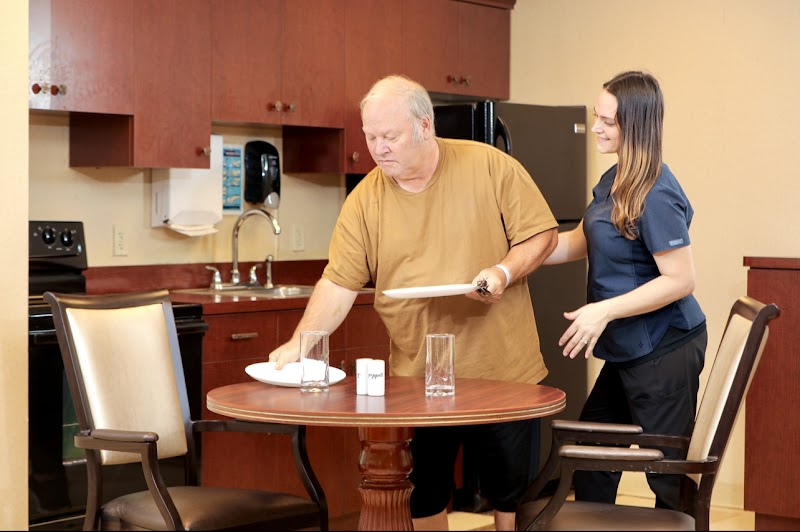
How is Aristacare At Whiting Staffed?

CMS rates ARISTACARE AT WHITING's staffing level at 1 out of 5 stars, which is much below average compared to other nursing homes. Staff turnover is 60%, which is 13 percentage points above the New Jersey average of 46%. High turnover can affect care consistency as new staff learn residents' individual needs. RN turnover specifically is 88%, which is notably high. RNs provide skilled clinical oversight, so turnover in this role can affect medical care quality.

What Have Inspectors Found at Aristacare At Whiting?

State health inspectors documented 22 deficiencies at ARISTACARE AT WHITING during 2021 to 2025. These included: 22 with potential for harm.
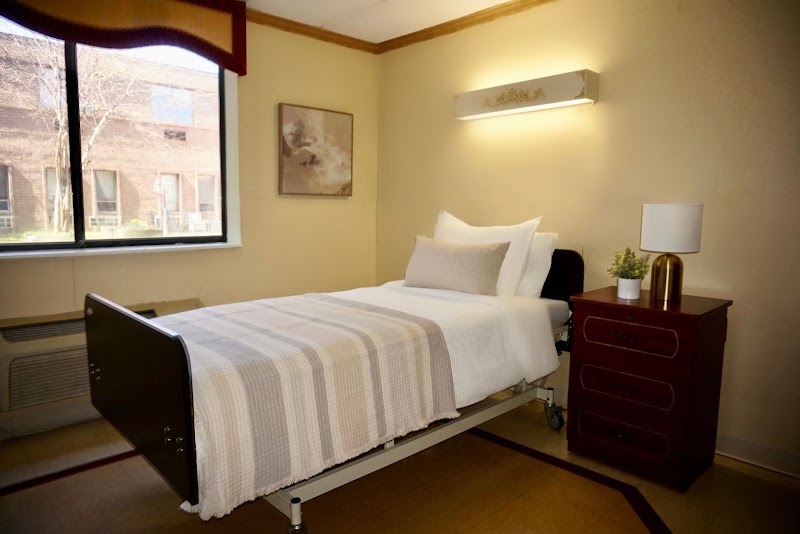
Who Owns and Operates Aristacare At Whiting?

ARISTACARE AT WHITING is owned by a for-profit company. For-profit facilities operate as businesses with obligations to shareholders or private owners. The facility is operated by ARISTACARE, a chain that manages multiple nursing homes. With 180 certified beds and approximately 130 residents (about 72% occupancy), it is a mid-sized facility located in WHITING, New Jersey.
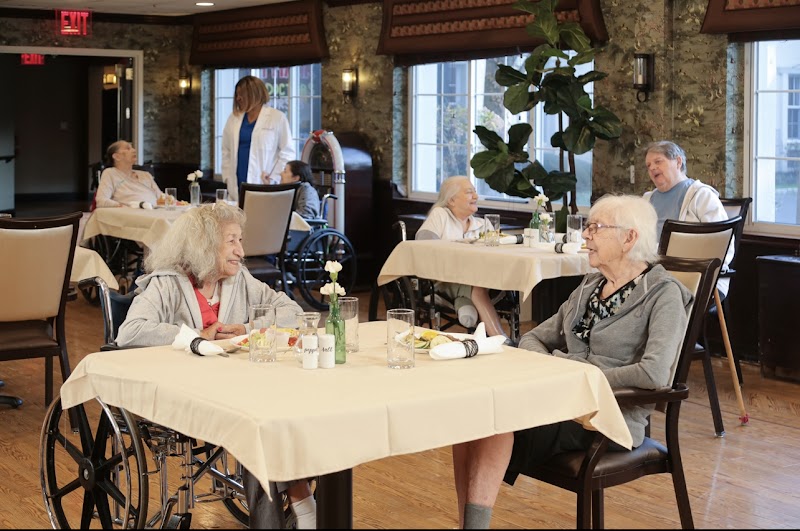
How Does Aristacare At Whiting Compare to Other New Jersey Nursing Homes?

Compared to the 100 nursing homes in New Jersey, ARISTACARE AT WHITING's overall rating (2 stars) is below the state average of 3.2, staff turnover (60%) is significantly higher than the state average of 46%, and health inspection rating (2 stars) is below the national benchmark.

What Should Families Ask When Visiting Aristacare At Whiting?

Based on this facility's data, families visiting should ask: "How do you ensure continuity of care given staff turnover, and what is your staff retention strategy?" "Can you walk me through typical staffing levels on day, evening, and night shifts?" "Can I visit during a mealtime to observe dining assistance and food quality?" "How do you handle medical emergencies, and what is your hospital transfer rate?" These questions are particularly relevant given the facility's high staff turnover rate and the below-average staffing rating.

Is Aristacare At Whiting Safe?

Based on CMS inspection data, ARISTACARE AT WHITING has a clean safety record: no substantiated abuse findings (meaning no confirmed cases of resident harm), no Immediate Jeopardy citations (the most serious violation level indicating risk of serious injury or death), and is not on the Special Focus Facility watch list (a federal program monitoring the lowest-performing 1% of nursing homes). The facility has a 2-star overall rating and ranks #100 of 100 nursing homes in New Jersey. While no facility is perfect, families should still ask about staff-to-resident ratios and recent inspection results during their visit.

Do Nurses at Aristacare At Whiting Stick Around?

Staff turnover at ARISTACARE AT WHITING is high. At 60%, the facility is 13 percentage points above the New Jersey average of 46%. Registered Nurse turnover is particularly concerning at 88%. RNs handle complex medical decisions and coordinate care — frequent RN changes can directly impact care quality. High turnover means new staff may not know residents' individual needs, medications, or preferences. It can also be disorienting for residents, especially those with dementia who rely on familiar faces. Families should ask: What is causing the turnover? What retention programs are in place? How do you ensure care continuity during staff transitions?

Was Aristacare At Whiting Ever Fined?

ARISTACARE AT WHITING has no federal fines on record. CMS issues fines when nursing homes fail to meet care standards or don't correct problems found during inspections. The absence of fines suggests the facility has either maintained compliance or corrected any issues before penalties were assessed. This is a positive indicator, though families should still review recent inspection reports for the full picture.

Is Aristacare At Whiting on Any Federal Watch List?

ARISTACARE AT WHITING is not on any federal watch list. The most significant is the Special Focus Facility (SFF) program, which identifies the bottom 1% of nursing homes nationally based on persistent, serious quality problems. Not being on this list means the facility has avoided the pattern of deficiencies that triggers enhanced federal oversight. This is a positive indicator, though families should still review the facility's inspection history directly.