


CRESTWOOD MANOR

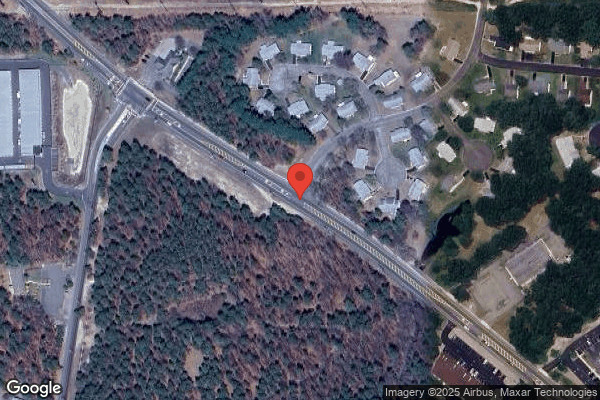
50 LACEY ROAD, WHITING, NJ 08759 (732) 849-4900
Non profit - Corporation 64 Beds SPRINGPOINT SENIOR LIVING Data: November 2025
Trust Grade
80/100
#127 of 344 in NJ
Last Inspection: September 2024

Within standard 12-15 month inspection cycle. Federal law requires annual inspections.

Overview

Crestwood Manor in Whiting, New Jersey, has a Trust Grade of B+, indicating it is above average and recommended for families considering their options. It ranks #127 out of 344 facilities in New Jersey, placing it in the top half of the state, and #9 out of 31 in Ocean County. The facility is improving, with a reduction in issues from five in 2023 to two in 2024. Staffing is a strength, with a rating of 4 out of 5 stars and a turnover rate of 39%, which is below the state average, suggesting that staff are experienced and familiar with residents. While there are no fines recorded, there have been concerns regarding food safety practices, such as unlabeled potentially hazardous foods and expired items, which could pose health risks. Overall, Crestwood Manor shows promise with its strong staffing and improving trend, but families should be aware of the food safety issues noted in recent inspections.

Trust Score
B+
80/100
In New Jersey
#127/344
Top 36%
Safety Record
Low Risk
No red flags
Inspections
Getting Better
5 → 2 violations
Staff Stability
○ Average
39% turnover. Near New Jersey's 48% average. Typical for the industry.
Penalties
✓ Good
No fines on record. Clean compliance history, better than most New Jersey facilities.
Skilled Nurses
○ Average
Each resident gets 34 minutes of Registered Nurse (RN) attention daily — about average for New Jersey. RNs are the most trained staff who monitor for health changes.
Violations
⚠ Watch
12 deficiencies on record. Higher than average. Multiple issues found across inspections.
★★★★☆
4.0
Overall Rating
★★★★☆
4.0
Staff Levels
★★★★☆
4.0
Care Quality
★★★★☆
4.0
Inspection Score
Stable
2023: 5 issues
2024: 2 issues

The Good

  • 4-Star Staffing Rating · Above-average nurse staffing levels
  • 4-Star Quality Measures · Strong clinical quality outcomes
  • Full Sprinkler Coverage · Fire safety systems throughout facility
  • No fines on record
  • Staff turnover below average (39%)

    9 points below New Jersey average of 48%

Facility shows strength in staffing levels, quality measures, fire safety.

The Bad

Staff Turnover: 39%

Near New Jersey avg (46%)

Typical for the industry

Chain: SPRINGPOINT SENIOR LIVING

Part of a multi-facility chain

Ask about local staffing decisions and management

The Ugly 12 deficiencies on record

Sept 2024 2 deficiencies
CONCERN (D)

Potential for Harm - no one hurt, but risky conditions existed

Resident Rights (Tag F0550)

Could have caused harm · This affected 1 resident

**NOTE- TERMS IN BRACKETS HAVE BEEN EDITED TO PROTECT CONFIDENTIALITY** Based on observation, interview, record review, and review of pertinent facility documents, it was determined the facility faile...

Read full inspector narrative →
**NOTE- TERMS IN BRACKETS HAVE BEEN EDITED TO PROTECT CONFIDENTIALITY** Based on observation, interview, record review, and review of pertinent facility documents, it was determined the facility failed to treat a resident with respect and dignity in a manner and in an environment that promotes maintenance or enhancement of his or her quality of life specifically by not providing a privacy cover for a urinary catheter drainage bag. The deficient practice was identified for 2 of 2 (Residents # 29, # 31) residents reviewed for Dignity. The deficient practice was evidenced by the following: On 09/03/2024 at 09:24 AM during the initial tour of the facility, the surveyor observed Resident # 29 in bed. At that time, the surveyor observed a urinary catheter drainage bag attached to the bed. There was no privacy cover. There was residual urine visible in the bag. On 09/03/2024 at 09:28 AM during the initial tour of the facility, the surveyor observed Resident # 31 in his/her wheelchair. At that time, the surveyor observed a urinary catheter drainage bag on the side of the wheelchair. There was no privacy cover. On 09/05/2024 at 08:50 AM, the surveyor observed Resident # 31 in his/her wheelchair. At that time, the surveyor observed a urinary catheter drainage bag on the side of the wheelchair. There was no privacy cover. On 09/05/2024 at 08:53 AM, the surveyor observed Resident # 29 in bed. At that time, the surveyor observed a urinary catheter drainage bag attached to the bed. There was no privacy cover. A review of Resident # 29's Physician's Orders located in the Electronic Medical Record (EMR) revealed he/she had an order for catheter care every shift. A review of Resident # 31's Physician's Orders located in the EMR revealed he/she had an order for catheter care twice daily. A review of Resident # 29's Quarterly Minimum Data Set (MDS; An assessment tool) dated 07/17/2024 revealed under section, H that he/she had an indwelling urinary catheter. A review of Resident # 31's Quarterly MDS dated [DATE] revealed under section, H that he/she had an indwelling urinary catheter. On 09/05/2024 during an interview with the Infection Preventionist (IP), the Surveyor asked if residents are in bed who have a urinary catheter, should the drainage bags have a privacy cover. The IP replied, Yes, they should. On the same date at 12:40 PM during an interview with the Licensed Nursing Home Administrator (LNHA), the Surveyor asked should residents with indwelling urinary catheters have privacy covers for the drainage bag. The LNHA replied, Yes. Further, the LNHA stated, Its a dignity issue. It could be a room mate's visitor that is there. Its a dignity issue. A review of the facility policy titled, Quality of Life - Dignity with a revised date of 1/24/24 revealed that, Each resident shall be cared for in a manner that promotes and enhances quality of life, dignity, respect and individuality. The policy also revealed that, 10. Staff shall promote, maintain and protect resident privacy, including bodily privacy during assistance with personal care and during treatment procedures. Lastly, 11. Demeaning practices and standards of care that compromise dignity are prohibited. Staff shall promote dignity and assist residents as needed by: a. Helping the resident keep urinary catheter bags covered . NJAC § 8:39-27.1 (a)
CONCERN (F)

Potential for Harm - no one hurt, but risky conditions existed

Food Safety (Tag F0812)

Could have caused harm · This affected most or all residents

Based on observation, interviews, and review of facility documentation it was determined that the facility failed to a.) properly label, date and store potentially hazardous foods in a manner that is ...

Read full inspector narrative →
Based on observation, interviews, and review of facility documentation it was determined that the facility failed to a.) properly label, date and store potentially hazardous foods in a manner that is intended to prevent the development of food borne illnesses, b.) maintain equipment and kitchen areas in a manner to prevent microbial growth and cross contamination. This deficient practice was evidenced by the following: On 09/03/24 at 08:30 AM, the surveyor conducted a kitchen tour with the Food Service Director (FSD) and the facility Executive Chef (EC). The surveyor observed the following: The Preparation Box refrigerator contained a 1 (one) gallon container of thousand island dressing and a 1-gallon container of tartar sauce with no opening date or use by date. The FSD was interviewed at this time and stated that the importance of having an opening date and a use by date was to ensure that the product freshness was maintained. The surveyor inspected the dry storage closet that contained a 15-pound container of dry liquid thickener with a use by date of 08/15/24. The FSD was interviewed at this time and stated that it was important to ensure that all products had an opening date and a use by date to ensure that the product was fresh and did not go stale. He stated that he would discard the thickener because it was past the use by date. The produce refrigerator contained a large hotel container filled with whole peppers with a use by date of 08/24/24 and 9 (nine) 16-ounce bags of carrots with a use by date of 08/16/24. There was also a large cardboard box of kale with no received date or use by date labeled on the box. The EC was present at this time and stated that the produce was past the used by date and would have to be discarded. The surveyor observed a large plastic container of flour with the scooper left inside the container. The FSD stated that the scooper should not be left inside of the container as it could potentially contaminate the flour. The commercial can opener was observed with sticky brown substances on the shaft and pointed blade that inserted into the can. The EC stated at this time, that the can opener was usually cleaned daily. When the surveyor asked the EC for the Master Cleaning Schedule for equipment or who verified that the equipment was clean, the chef stated that they did not have a Master Cleaning Schedule but were in the process of creating one. The surveyor observed that outside of the gas oven and fryer were splattered with grease and food particles. The inside glass of the oven door was covered with burnt brown material. The flat top stove was observed with burnt food particles located on the inside and behind the controls of the flat top. The FDS stated that they would have to clean the inside with a vacuum. The surveyor observed an uncovered, unlabeled, undated silver hotel pan full of spice located under a preparation table. The EC identified the spice as a salt and pepper cooking mixture and indicated that it should be covered and labeled with a use by date. Next to the salt and pepper mixture was a large 10-pound bag of dry elbow macaroni covered with plastic wrapping. The macaroni had no opening date or use by date. The Chef indicated that it should be dated when it was opened and a date that indicated how long it was good for. He stated that both the salt and pepper mixture and the dry elbow macaroni would be discarded. The surveyor observed a large 1-gallon container of vegetable oil with no use by date and a 16 oz of box of powdered sugar with a use by date of 08/30/24. The EC indicated that the vegetable oil should be dated, and the powdered sugar needed to be discarded as it was past the used by date. There were 7(seven) three-gallon containers of ice cream located in the ice cream freezer with no opening or use by dates. The FSD stated that he did not date them because they were usually gone within a couple days. The surveyor observed 3 (three) silver hotel pans covered with plastic which contained almonds, walnuts, and pecans with use by dates of 08/29/24. The FSD indicated that the nuts would be discarded as they were past the use by dates. The surveyor observed 1-silver hotel pan covered with plastic which contained ice cream sprinkles with a use by date of 08/29/24. The FDS indicated that the sprinkles would be discarded as they were past the use by date. The surveyor observed a silver hotel pan which contained sliced canned cranberry sauce stored with other toppings used for ice cream. The cranberry sauce was covered with plastic but did not contain a date when opened or a use by date and a 4 (four) pound jar of maraschino cherries with no opening date or used by date. The FSD stated that the cranberry sauce and the cherries would need to be discarded. The surveyor entered the freezer with the FSD and EC and observed 2 (two) large trays of premade turkey meatloaf covered with plastic wrap with a use by date of 08/26/24 and large zip lock bag of scallops with a use by date of 01/13/24. The FSD explained to the surveyor that these items needed to be decarded because they were past the use by date and should not have been in the freezer. On 09/03/24 09:34 AM, the surveyor interviewed the FSD who had been employed in the facility for 1 1/2 year and was a culinary school graduate with an associate degree. The EC indicated that he was also a culinary school graduate. The FSD and the EC both agreed that the items listed should have had use by dates to assure that the food was fresh. The FSD stated that if the items were not stamped with an opening date or a used by date then you would not know how long the food item was good for. The FSD provided the surveyor with the following policies. The facility policy titled, Dry Storage Life of Foods dated January 2023, indicated that the facility used the manufacturers expiration date for product storage. The policy also reflected a list of food items that it if delivered with no expiration dates, the staff were to utilize the policies guidelines for dating and labeling of dry foods. The food item should be labeled with the date that the food was received and discarded when the quality of the product was deemed unacceptable. On 09/06/24 at 12:30 PM, the surveyor interviewed the Licensed Nursing Home Administrator (LNHA) who reviewed the dry food storage policy with the surveyor. The LNHA admitted that the policy was not specific for the labeling and dating of the dry foods and indicated that the current policy was up for interpretation. She stated that dry food must be labeled with the received date and use by date. The facility policy titled; Frozen Storage Life of Foods dated January 2023, indicated that the facility utilized the expiration date for products however do not exceed 1(one) year. If there was no expiration date on the package the facility was to add the time listed to the date the food was received. In the case of food is partially used and the remaining food was exposed to air relabel the product opened to use within 3-months. The facility policy titled, Cleaning Frequency and Schedules dated 10/01/2022, indicated that contact surfaces shall be cleaned before each use and any time contamination may have occurred. Non-food contact surfaces shall be cleaned at a frequency necessary to prevent the accumulation of soil. The policy also indicated that cleaning task, including procedures must be assigned to appropriate associates in accordance with the usual job or duty performed. The facility was to create the cleaning schedule worksheet, Master Cleaning Schedule and Individual Area Cleaning Schedule sheets for the entire operation that included what needed to be cleaned, who was responsible for cleaning it and when it was to be cleaned. The policy indicated that the facility was to verify cleaning was being done properly and at the correct frequency by signing off the Individual Area Cleaning Schedule. These cleaning worksheets and schedules were to be retained for a period of 30 days. NJAC 8:39-17.2(g)
Jun 2023 5 deficiencies
CONCERN (D)

Potential for Harm - no one hurt, but risky conditions existed

Deficiency F0657 (Tag F0657)

Could have caused harm · This affected 1 resident

Based on observation, interview, and record review, it was determined that the facility failed to revise a resident's comprehensive care plan to include the location of a elopement alarm. This deficie...

Read full inspector narrative →
Based on observation, interview, and record review, it was determined that the facility failed to revise a resident's comprehensive care plan to include the location of a elopement alarm. This deficient practice was identified for 1 of 17 residents reviewed for resident-centered care plans (Resident #6), and was evidenced by the following: On 06/13/23 at 11:40 AM, the surveyor observed Resident #6 in a wheelchair with a wander guard (a device to ensure a resident does not exit the facility) on the right ankle. According to the admission Record, Resident #6 was admitted with diagnosis that included, but were not limited to, dementia and hypertension. (High blood pressure) A review of Resident #6's annual Minimum Data Set, an assessment tool dated 06/12/23, revealed that he/she had severe cognitive impairment and utilized a wander/elopement alarm daily. A review of Resident #6's Physician Order Sheet reveals an order dated 7/13/22 to check wander guard placement and function to right ankle. A review of Resident #6's Care Plan Report with an effective date of 7/13/22-present reflected that this resident has exit seeking behaviors. One intervention included wander guard to the wheelchair with the status as active/current. On 6/15/23 at 10:22 AM, the Licensed Practical Nurse/ Nurse Manager LPN/NM stated that the wander guards used to be placed on the resident wheelchair, but the team decided to place on the resident instead. She acknowledged that the Care Plan for Resident #6 should have been updated to reflect that this resident has a wander guard on the right ankle. A review of the facility policy Resident Care Plan (RCP) revised 9/11/17 reflects that the effectiveness of the RCP must be regularly evaluated based on progress towards goals. The RCP will be modified as necessary based on the evaluation process. NJAC 8:39-11.2(i)
CONCERN (D)

Potential for Harm - no one hurt, but risky conditions existed

Deficiency F0658 (Tag F0658)

Could have caused harm · This affected 1 resident

Based on observation, interview, and record review it was determined that the facility failed to check a resident's wander guard device for functioning for 1 of 2 residents reviewed for wander guards ...

Read full inspector narrative →
Based on observation, interview, and record review it was determined that the facility failed to check a resident's wander guard device for functioning for 1 of 2 residents reviewed for wander guards (Resident #41) and was evidenced by the following: On 06/12/23 at 11:10 AM, during the initial tour of the facility, Resident #41 was in the activity room in a wheelchair. The surveyor observed a wander guard (an alarm device to ensure the resident cannot exit the facility) on the resident's left ankle. Review of Resident #41's Face Sheet indicated the resident was admitted to the facility in November 2021. Medical diagnoses included, but were not limited to heart failure, heart disease, dementia, and hypertension (high blood pressure). Review of quarterly Minimum Data Set (MDS), an assessment tool dated 04/11/23 reflected under section P titled, Restraints and Alarms was coded number 2, meaning the alarm was used daily. Review of section C titled, Cognitive Status revealed that Resident #41 had a Brief Interview of Mental Status of 04, meaning the resident had severe cognitive impairment. On 06/13/23 at 11:28 AM, the surveyor observed Resident #41 in the activity room in a wheelchair. The resident had a wander guard to the left ankle which was over his/her sock. On 06/13/23 at 12:03 PM, the surveyor reviewed the physician orders which revealed an order dated 06/06/23 to check placement of the wander guard every shift two times daily, the order did not specify where the wander guard was located on the resident and there was not an order to check for function of the wander guard. On 06/14/23 at 11:26 AM, the surveyor interviewed unit Licensed Practical Nurse (LPN) regarding wander guards. The LPN told the surveyor, We check for placement, make sure there are no skin issues. We make sure there is an order for the wander guard. Its only for those who seek exit, so residents are monitored more closely. I don't know about device checks, I'm agency but we make sure they do work if they go too close to door. On 06/14/23 at 11:26 AM, the surveyor interviewed a unit Registered Nurse (RN) who said that Resident #41 wander guard was checked for placement twice daily (meaning every shift the staff checked to ensure it was on the resident), the surveyor asked who checks for function and the nurse told the surveyor, That's done at night, I am not here at night so I'm not sure where it is documented. The RN referred the surveyor to the Director of Nursing. On 06/14/23 at 11:31 AM, the surveyor interviewed the Director of Nursing (DON) regarding wander guard function documentation. The DON said, It should be in the documented Treatment Administration Record (TAR). The DON asked the unit charge nurse to check for the documentation, in the presence of the DON and surveyor and the charge nurse checked and said, Nope, it's not there. On 06/15/23 at 09:25 AM, the surveyor reviewed Resident #41 current active care plan. The care plan had a focus of Fall/Injury/Elopement Risk and indicated the resident was at risk for leaving the facility unassisted especially during the late afternoon and the evening. One intervention included wearing a wander guard. It was an active care plan. On 06/20/23 at 11:03 AM, the surveyor reviewed the policy titled, Community Elopement Alert/Security System, with a revision date of 3/23/12, under the procedure section of the policy, it indicated that the facility would test resident signaling devices daily and record results. NJAC 8:39-27.1 (a)
CONCERN (D)

Potential for Harm - no one hurt, but risky conditions existed

Pharmacy Services (Tag F0755)

Could have caused harm · This affected 1 resident

**NOTE- TERMS IN BRACKETS HAVE BEEN EDITED TO PROTECT CONFIDENTIALITY** Based on observation, interviews, record review and other facility documentation, it was determined that the facility failed to:...

Read full inspector narrative →
**NOTE- TERMS IN BRACKETS HAVE BEEN EDITED TO PROTECT CONFIDENTIALITY** Based on observation, interviews, record review and other facility documentation, it was determined that the facility failed to: a) maintain accurate accountability and reconciliation for controlled medications in a medication cart and automated medication dispensing system b) maintain the integrity of emergency medication boxes in a safe manner in accordance with the facility policy. This deficient practice was identified in 1 of 2 medication carts, 1 of 1 automated medication dispensing system, and 2 of 2 emergency medication boxes on 1 of 1 nursing unit. This deficient practice was evidenced by the following: 1. On [DATE] at 12:02 PM, the surveyor inspected the high side medication cart in the presence of the agency Registered Nurse (RN). Review of the Controlled Medication Count Sheet (CMCS) revealed that on [DATE], both the day nurse and the night nurse failed to sign the form in the space provided to confirm that a narcotic count was performed at the end of their shifts to ensure accuracy. Further review of the CMCS revealed that on [DATE], the night nurse failed to sign the CMCS at the end of their shift. The agency RN stated that if blanks were noted on the CMCS it indicated that the responsible nurse forgot to sign the entry after the narcotic count was completed and the Charge Nurse was required to be notified of the missing signature for follow-up. On [DATE] at 1:29 PM, in the presence of the Licensed Nursing Home Administrator (LNHA) the surveyor interviewed the Director of Nursing (DON) who stated that if nursing noted that someone failed to sign the CMCS they were required to report that the book was not signed before they assumed responsibility for the medication cart to assure that the count was right and nothing was missing. The DON further stated that she was not aware of the missing signatures. On [DATE] at at 12:25 PM, the surveyor inspected the automated medication dispensing system in the presence of the DON and Charge Nurse (CN). Review of the Narcotic Count form revealed that the form was not signed on [DATE] or [DATE]. The DON stated that she glanced at the book once a week to see if there were signatures missing. The DON stated that she did not review the narcotic count on Monday [DATE], as it was the first day of survey. The CN and the facility Registered Nurse (RN) inventoried the narcotic count in the presence of the surveyor and there were no discrepancies noted. The surveyor asked the CN if she was aware of the missing signatures and who was responsible to perform the narcotic count. The RN who was present, stated that she worked on both [DATE] and [DATE] and performed the narcotic count with another nurse over the weekend but they both forgot to sign the Narcotic Count form after the count was completed. On [DATE] at 9:12 AM, the DON provided the surveyor with a print out of the automated medication dispensing system audit, which revealed that a narcotic count was not performed on [DATE] or [DATE] as previously described by the facility RN. The DON stated that while both she and the Charge Nurse shared the responsibility of ensuring that the narcotic counts were completed, it was ultimately her responsibility. 2. On [DATE] at 11:37 AM, the surveyor inspected two emergency medication boxes which were both unlocked and stored beneath the front counter of the nurse's station. When the surveyor opened the the first box there were three unused plastic yellow locks stored within the medication box. On the outside of the emergency medication boxes there was an inventory sheet which indicated that the medications contained within the box expired on 08/23 and 09/23. The DON stated that the boxes should have been locked. The DON stated that she noticed that the boxes were unlocked about a month ago and notified the pharmacy at that time to replace them. The DON explained that the boxes were delivered to the facility with a lock already on them. The DON further explained that when nursing accessed the box to remove an emergency medication they were required to notify the pharmacy so that the pharmacy could switch it out with a whole new box. The DON stated that if the pharmacy was not notified then we would not have the required medications in an emergency situation if needed. The DON confirmed that she did not follow-up with nursing to ensure that the emergency medication boxes were replaced. In a later interview with the DON on [DATE] at 12:25 PM, the DON stated that nursing did not have to call the pharmacy for a replacement emergency medication box when the box was accessed and a medication was removed as there were two of most drugs and a second box was available in her office as a back up. The DON stated that when nursing stored both unlocked emergency medication boxes beneath the front counter of the unsecured nurse's station it posed a risk to resident safety. On [DATE] at 12:52 PM, the DON confirmed that an inventory was performed of both emergency medication boxes and she stated that Vitamin K (used as an antidote for blood thinner medication) was missing from the first box and Insta-Glucose (used to treat low blood sugar in diabetics) was missing from the second box. At that time, the surveyor reviewed the Emergency Medication Box List provided by the DON which indicated the following: *Important: Please notify pharmacy immediately upon opening kit for prompt replacement. On [DATE] at 12:58 PM, the surveyor interviewed the Pharmacist who stated that the nurses were required to complete a form with the resident's name when they removed a medication from the emergency medication box and send it to the pharmacy. The Pharmacist stated that the pharmacy then picked up the box the next day and replaced it with another. The Pharmacist stated that there should have been a second box for back up. The Pharmacist stated that he did not keep records to confirm when the facility requested replacement emergency medication boxes. The Pharmacist stated that both emergency medication boxes should have been locked after opening as it was in their policy for security purposes. On [DATE] at 10:59 AM, the surveyor interviewed the CN who stated that when a medication was removed from the emergency medication box a form was sent to pharmacy with a request to replace the entire box. The CN stated that she did not know that either box was opened and unlocked. The CN explained that the unlocked emergency medication boxes could present a danger to residents if they wandered into the nurse's station. Review of the facility's policy, Controlled Substances (Revised [DATE]) revealed the following: Nursing staff must count controlled drugs at the end of each shift. The nurse coming on duty and the nurse going off duty must make the count together. They must document and report any discrepancies to the Director of Nursing Services. Review of the facility's policy, Automated back up supply system ([DATE]) revealed the following: Controlled drugs will be inventoried by 2 licensed professionals per facility daily, preferably on the day shift . Review of the pharmacy policy, Emergency Medication Kit ([DATE]) revealed he following: Procedure: Tackle Box Version . Verify that the serial number matches the last serial number entered on the Medication Use Log. If it does not match or the kit is unlocked, (2) nurses must verify contents of the E-Kit. If drugs are missing, and not documented on the Medication Use Log, notify DON ASAP. Remove the required medication from the kit . Complete the pre-printed label on bag. Use as prescription label. Fax to pharmacy a physician's order with Removed from E-kit and the quantity removed noted directly on the order. Completely fill out the Medication Use Log. The pharmacy will send a replacement kit within 72 hours after receiving all appropriate information . NJAC 8:3929.7(C)
CONCERN (D)

Potential for Harm - no one hurt, but risky conditions existed

Deficiency F0761 (Tag F0761)

Could have caused harm · This affected 1 resident

Based on observation, interview, record review and review of other facility documentation, it was determined that the facility failed to properly store and dispose of controlled medications in accorda...

Read full inspector narrative →
Based on observation, interview, record review and review of other facility documentation, it was determined that the facility failed to properly store and dispose of controlled medications in accordance with the facility policy and standards of professional practice. This deficient practice was identified for 1 of 2 medication carts on 1 of 1 nursing unit. This deficient practice was evidenced by the following: On 06/14/23 at 12:02 PM, the surveyor inspected the high side medication cart in the presence of the agency Registered Nurse (RN). The RN removed a pill bottle from the locked drawer where controlled substances were stored and identified the medication as Ativan (used to treat anxiety) 0.5 mg. The RN removed two clear sealed plastic bags from the pill bottle which each contained ten tablets. The RN then proceeded to pour five loose tablets into the lid of the pill bottle in order to demonstrate that there were 25 pills in the bottle which corresponded with the Individual Patient's Controlled Drug Record (IPCDR). When the RN began to return the loose tablets to the pill bottle she dropped one of them onto the IPCDR and used a plastic spoon to scoop up the dropped tablet which she returned to the pill bottle with the remainder of medication. At that time, the surveyor asked the RN what the protocol was when a medication was dropped. the RN stated that if she dropped the medication on the floor, or in or on the medication cart which were not considered clean, then she would have wasted the medication with another nurse. The RN stated that the book where the IPCDR was clean, so the Ativan tablet was returned to the pill bottle. The surveyor asked the RN why the Ativan was stored in a pill bottle instead of on a Bingo Card (a method of packaging medications in a blister pack) as the remainder of the controlled substance tablets were stored. The RN explained that since the medication belonged to a resident who resided in the Independent Living (IL) portion of the facility who was admitted for rehabilitation. The RN further explained that the admitting nurse, who was not available for interview, created a declining inventory sheet to account for administration of the resident's own prescription of Ativan. On 06/14/23 at 12:42 PM, the surveyor interviewed the Director of Nursing (DON)who stated that if an Ativan tablet were dropped on the IPCDR it should have been destroyed as it was considered dirty. The DON stated that she was not aware that controlled medications were stored in the medication cart that were not supplied by the facility's pharmacy provider in bingo cards as required. On 06/14/23 at 1:29 PM, the surveyor interviewed the Licensed Nursing Home Administrator (LNHA) who stated that if the RN dropped an Ativan tablet on top of the IPCDR it was considered contaminated and should have been discarded. On 06/14/23 at 1:48 PM, in a later interview with the agency RN, she stated that when a resident was admitted to the facility from IL with their own controlled substances they were stored in a pill bottle from their own pharmacy and the nurses used blank copies of declining inventory sheets, known as IPCDR, that were created for inventory purposes. The RN explained that on 06/06/23, there were 28 tablets of Ativan when the medication was received and 25 tablets remained. Review of the unsampled resident's Physician's Order Sheet and Medication Administration Record (MAR) revealed that an order was obtained on 06/05/23 for Lorazepam 0.5 mg (1 tablet) oral as needed one time daily for fourteen days for anxiety. On 06/15/23 at 11:27 AM, the surveyor interviewed the DON who stated that the unsampled resident's Ativan prescription was destroyed and a new order was obtained. The DON stated that the unsampled resident's Ativan prescription should not have been accepted by the admitting nurse as the medication was pre-poured and counted by the clinic. Review of the facility's policies, Administering Medications ( revised 02/06/20) and Medications brought to the facility by the Resident/Family (effective 02/01/17) revealed the following: .Appropriate infection control procedures must be followed during the administration of medications . The facility shall ordinarily not permit residents and families to bring medications into the facility. .The facility discourages the use of medications brought in from outside, and will inform residents and families of that policy as well as applicable laws and regulations. NJAC 8:39-29.4(a)(h)(d)
CONCERN (F)

Potential for Harm - no one hurt, but risky conditions existed

Food Safety (Tag F0812)

Could have caused harm · This affected most or all residents

Based on observation, interview and record review, it was determined that the facility failed to handle potentially hazardous food and maintain sanitation in a safe and consistent manner in order to p...

Read full inspector narrative →
Based on observation, interview and record review, it was determined that the facility failed to handle potentially hazardous food and maintain sanitation in a safe and consistent manner in order to prevent food borne illness. This deficient practice was evidenced by the following: On 06/12/2023 at 9:25 AM, the surveyor accompanied by the Food service Director (FSD) observed the following in the kitchen: The surveyor observed a number of unlabeled food items throughout the kitchen such as potatoes, a crate of milk, sugar, bagel, and cheese. The FSD observed at the time of the tour that these items were not labeled and confirmed the items should have been labeled appropriately. The surveyor further observed two items of french toast and french fries that had expiration dates that were dated out for one month. The FSD confirmed the label should only have been dated out for a couple of days and stated the labeling machine must have had a glitch and the FSD would check it to see and make the changes. The surveyor did not observe the french toast nor the french fries get discarded. The surveyor observed a liquid substance on the floor, which appeared to be water coming from the bottom of the refrigerator, that held the sandwiches. This was observed by the FSD as well at the time of the tour. The FSD confirmed it was water and stated he would get maintenance to look at it. During that same day of the kitchen tour at 10:14 AM, the surveyor observed a dining room hostess (DRH) walk into the middle of the kitchen prep area without a hair net on and without stopping to wash their hands. The FSD confirmed that the DRH was not wearing a hair net and should have worn a hair net before entering the kitchen. The FSD confirmed the staff was the DRH who normally cuts through the kitchen to go into the dining room area, but further confirmed with the surveyor, that the DRH should have put on a hairnet before walking into the kitchen. The surveyor interviewed the DRH who stated that they usually wear a hairnet but was looking for their supervisor and apologized for not having one on. The DRH then confirmed with the surveyor that a hairnet was important to be worn in the kitchen at all times. On the second tour of the kitchen, 06/20/23 at 10:05 AM, the FSD confirmed that adjustments were made to the label machine and the labels were correctly placed on the French toast and the French fries. The FSD further confirmed that the french toast and french fries were not discarded, just relabeled. The surveyor observed the dish machine temperatures during the wash cycle and was able to confirm the correct temperature but had difficulty reading the second and third glass coverings. The FSD observed at the time of the tour that the two gauges were hard to read and confirmed the second and third glass coverings should be replaced. The FSD pointed out that the first gauge had already been replaced and the surveyor observed that the first gauge appeared to be new and was clear. The FSD further confirmed that the gauges should be easy to read at a glance to ensure the machine was ran at the correct temperatures without any delays. During that same day of the second kitchen tour, the surveyor observed a facility's System Chef (SC) staff walk into the middle of the kitchen prep area without a hair net on and without stopping to wash their hands. The FSD confirmed that the SC staff usually wears a chef hat and a beard net and should have put on the chef hat and a beard net before entering the kitchen. The surveyor interviewed the SC who stated that they usually wear a chef hat and a beard net but only went into the kitchen to look for the FSD and apologized for not having one on. The SC then confirmed with the surveyor that a chef hat and the beard net was important to be worn in the kitchen at all times to prevent contamination. Review of the facility's policy, Food and Supply Storage, dated for January 2023, revealed that all food, non food items and supplies used in food preparation shall be stored in such a manner to prevent contamination to maintain the safety and wholesomeness of the food for human consumption. Under procedures the policy stated to cover, label, and date unused portions and open packages. Review of the policy, Dress Guidelines for Food Service Management and Clinical Nutrition Staff, dated for January 2023, revealed under procedures that hair restraints are worn by all when in the kitchen. This includes department associates, associates from other departments and guests such as vendors.
Apr 2021 5 deficiencies
CONCERN (D)

Potential for Harm - no one hurt, but risky conditions existed

Deficiency F0658 (Tag F0658)

Could have caused harm · This affected 1 resident

Based on observation, interview, and record review, it was determined that the nurse failed to a.) properly administer the correct dose of medication; and, b.) obtain an order to crush and open medica...

Read full inspector narrative →
Based on observation, interview, and record review, it was determined that the nurse failed to a.) properly administer the correct dose of medication; and, b.) obtain an order to crush and open medication from the physician. This deficient practice was identified for 1 of 1 nurse observed during the medication pass observation task and was evidenced by the following: Reference: New Jersey Statutes, Annotated Title 45, Chapter 11. Nursing Board. The Nurse Practice Act for the State of New Jersey states: The practice of nursing as a registered professional nurse is defined as diagnosing and treating human responses to actual or potential physical and emotional health problems, through such services as case finding, health teaching, health counseling, and provision of care supportive to or restorative of life and wellbeing, and executing medical regimens as prescribed by a licensed or otherwise legally authorized physician or dentist. Reference: New Jersey Statutes Annotated, Title 45, Chapter 11. Nursing Board. The Nurse Practice Act for the State of New Jersey states: The practice of nursing as a licensed practical nurse is defined as performing tasks and responsibilities within the framework of case finding; reinforcing the patient and family teaching program through health teaching, health counseling, and provision of supportive and restorative care, under the direction of a registered nurse or licensed or otherwise legally authorized physician or dentist. On 04/09/21 at 8:18 AM, the surveyor observed the Licensed Practical Nurse (LPN) administer medication to Resident #16. The LPN poured a total of seven medications into two different medication cups. The medications poured into the first medication cup consisted of one tablet of Certavite (a vitamin), one tablet of Pravastatin 40 milligrams (mg) (a medication used to treat high cholesterol), one tablet of Vitamin C 500 mg (a supplementary vitamin), and one tablet of Ultram 50 mg (a medication used to treat pain). Ultram is considered a controlled substance (a medication with a potential for abuse that must be counted and logged when administered). The medications poured into the second cup consisted of two Colace 100 mg capsules (a stool softener) and one tablet of Vitamin B-12 1,000 micrograms (mcg) Extended-Release (a supplementary vitamin). The LPN crushed all the medication in the first cup together, explained this was done for ease of swallowing for the resident and mixed the crushed medication with applesauce. The LPN then took out a capsule of Potassium Chloride (KCl) 10 milliequivalents (mEq) (a supplemental medication used to maintain potassium levels within normal range). Potassium levels must remain within the normal range for the heart to function properly. The surveyor observed the LPN open the capsule of KCl over the first cup of crushed medications mixed with applesauce. Part of the KCl capsule contents fell outside and around the cup of crushed medications onto the medication cart. The LPN cleaned the spilled KCl contents off of the medication cart with a disposable wipe. The LPN stated that they did not know how much of the KCl Resident #16 was getting due to the spilled contents, but this would be noted in the record, and the physician would be notified of the occurrence. The LPN further stated that KCl contents were mixed with the other medications, including a controlled substance medication, and the KCl could not be taken out to start the process all over as a result. During an interview with the LPN on 04/09/21 at 11:52 AM, the LPN again acknowledged that KCl capsule contents fell out during the medication pass, and the Nurse Practitioner (NP) was not advised of this yet. The LPN expressed concern that the resident did not receive the total dose of KCl and did not know how much of the dosage the resident received. When the surveyor asked about the spilled KCl contents, the LPN stated that they could have destroyed all medications, gotten a witness to observe the disposal of the mixed medications, and started the medication pouring process from the beginning. The LPN further stated that they should have gotten a witness for the described purposes but did not do so due to concerns of asking someone else to verify the wasting of Ultram (a controlled substance) that that individual did not witness. The LPN could not provide details of the facility policy related to crushing, opening, and mixing medications when asked to do so. The surveyor obtained and reviewed the physician's order (PO) sheet and Medication Administration Record (MAR) for Resident #16. A MAR is a document on which a nurse records all medications administered to a resident. The April 2021 PO Sheet revealed an order for KCl Extended-Release, one capsule by mouth two times a day for hypokalemia (a condition in which potassium is low). There was a note attached to the KCl indicating that the capsule was opened to empty the contents due to the resident's inability to swallow the capsule, that the resident did not receive the entire contents of the capsule, and the physician would be made aware in order to possibly change the medication to another dosage form. The administration of the KCl itself was recorded on the MAR. The surveyor interviewed members of the facility staff in the presence of the survey team on 04/13/21 at 2:39 PM. The Executive Director (ED), who was acting as the Licensed Nursing Home Administrator ( ED/Acting-LNHA), stated that the Potassium Chloride capsule should have been opened and administered separately from the other medication and the Registered Nurse/Unit Manager (RN/UM) agreed. The ED/Acting-LNHA stated that it would have been easier for the LPN to start the medication process from the beginning if the KCl had been opened separately from the other medication. The RN/Regional Representative (RN/RR) stated a different dosage form might be a better option in the future. On 04/13/21 at 2:41 PM, the surveyor asked the facility staff if there should have been a physician's orders to crush and open medications. The Director of Nursing (DON) nodded up and down and stated there should have been a physician's order to crush or open medication for administration to residents requiring this practice, where applicable and safe to do so. On 04/14/21 at 10:31 AM, the surveyor further interviewed facility staff in the presence of the survey team. The Registered Nurse/Infection Preventionist (RN/IP) confirmed that there was no order to open/crush medications for Resident #16. The surveyor then reviewed the facility's policy titled, Administering Medications, with a revised date of 2/6/20, which read under Procedure: 9. The individual administering the medication must ensure that the right medication, the right dosage, the right time, and the right method of administration are verified before the medication is administered. The surveyor then provider the pharmacy's policy, titled PCU018 - Medication Administration and General Guidelines 2020 edition, which read that a physician's order is obtained to crush medications and administer them in an appropriate medium, such as applesauce. It is also necessary to ensure that the correct dose of medication is administered. N.J.A.C. 8:39-29.2(d)
CONCERN (D)

Potential for Harm - no one hurt, but risky conditions existed

Respiratory Care (Tag F0695)

Could have caused harm · This affected 1 resident

Based on observation, interview, and record review, it was determined that the facility failed to: a.) obtain a physician's order (PO) for the administration of oxygen; b.) document the administration...

Read full inspector narrative →
Based on observation, interview, and record review, it was determined that the facility failed to: a.) obtain a physician's order (PO) for the administration of oxygen; b.) document the administration of oxygen in the electronic Treatment Administration Record (eTAR); c.) document the changing of oxygen tubing and sterile water in the eTAR, and d.) Care Plan for the administration of oxygen. This deficient practice was identified for 1 of 2 residents reviewed for respiratory care (Resident #97) and was evidenced by the following. On 4/8/21 at 9:09 AM, the surveyor observed Resident #97 laying in bed eating breakfast, which they stated was good. The resident was observed being administered oxygen at two liters per minute (2 lpm) via a nasal cannula (tubing that delivers oxygen via the nares). On 4/8/21 at 12:40 PM, the surveyor observed the resident sitting in a wheelchair in their room with their eyes closed. The resident was not receiving oxygen at this time. The surveyor reviewed the medical record for Resident #97. A review of the Face Sheet (an admission record) reflected that the resident was admitted to the facility in April of 2021 with diagnoses that included hypertensive heart disease with heart failure, urinary tract infection, muscle weakness, and dementia without behavioral disturbance. A review of the admission Minimum Data Set (MDS), an assessment tool used to facilitate the management of care, reflected that it was still in progress. A review of the April 2021 Physician Order Sheet did not reflect a Physician Order (PO) for oxygen. A review of the April 2021 electronic Medication Administration Record (eMAR) did not reflect oxygen administration for April. A review of the April 2021 eTAR did not reflect oxygen administration for April. A review of the individualized person-centered Care Plan (CP) had not reflected the use of oxygen. A review of the April 2021 Vital Signs reflected that on 4/3/21, 4/4/21, 4/5/21, 4/6/21, and 4/10/21, Resident #97 had a pulse oximeter measurement device on (used to measure the blood oxygen levels) while receiving oxygen administered at 2-3 lpm via nasal cannula. On 4/12/21 at 12:44 PM, the surveyor observed the resident sitting in their wheelchair in their room being administered oxygen at 2 lpm via nasal cannula. The resident was unable to be interviewed. On 4/13/21 at 8:56 AM, the surveyor observed the resident sitting in the wheelchair in their room. The resident was wearing oxygen tubing. The surveyor continued to review the resident's medical record. A review of the Respiratory Therapy Progress Note dated 4/8/21 indicated no observed signs or symptoms of distress; apply oxygen as needed to maintain an oxygen saturation level (blood oxygen level) greater than 91%. On 4/13/21 at 10:23 AM, the surveyor interviewed the resident's Certified Nursing Aide (CNA), who stated that the resident was pleasant but had difficulty hearing. The CNA said that he thought the resident received oxygen as needed. On 4/13/21 at 10:42 AM, the surveyor interviewed the resident's Licensed Practical Nurse (LPN), who stated that the resident had congestive heart failure (a chronic condition where the heart does not pump blood as well as it should) and received oxygen at 2 lpm continuously via nasal cannula. The LPN stated that the resident had an average oxygen saturation level of 96% and improved respiratory therapy. The LPN said that to administer oxygen, the resident would have a PO and be signed as administered on the eTAR. If the order were for continuous oxygen, then the oxygen would not be signed for on the eTAR. The LPN stated that the oxygen tubing and sterile water were changed weekly on Wednesday nights and that the Registered Nurse (RN) completed the Care Plan. At this time, the surveyor asked the LPN to see the PO for oxygen; The LPN confirmed that there was no PO. On 4/13/21 at 10:51 AM, the night Supervisor/LPN reviewed the resident's medical chart. The night Supervisor/LPN stated that according to the Respiratory Therapy Note on 4/8/21, the resident was supposed to be on oxygen as needed. The night Supervisor/LPN said that she did not see a PO for oxygen, but she needed to check the hospital discharge paperwork. She stated that residents were discharged from the hospital with a list of medications; the receiving nurse entered the medications into the computer and confirmed them with the resident's physician. After that, the PO would be sent to the pharmacy to review for any discrepancies. Then, the nurse would reconcile the medications to ensure all the medications were listed at the correct time and dosage. The night Supervisor/LPN stated that nurses signed every shift on the eTAR for continuous oxygen and when administered for an as-needed order. The oxygen tubing and sterile water were changed every week on Wednesday night. The night Supervisor/LPN stated that the admitting nurse usually started a baseline Care Plan which would include oxygen, and she confirmed the resident did not have it. On 4/13/21 at 11:11 AM, the LPN accompanied by the surveyor took the resident's oxygen saturation level of 98% on oxygen. The LPN confirmed the resident's oxygen was being administered at 1 lpm. The LPN stated that the Respiratory Therapist was just here earlier working with the resident. They must have changed the administration rate from 2 lpm to 1 lpm; she had not reviewed the notes yet. The resident was unable to be interviewed at this time. On 4/13/21 at 11:14 AM, the surveyor interviewed the Director of Nursing (DON), who stated that a PO was needed to administer oxygen and that the nurses signed for the administration of oxygen in the eTAR. The DON said that the Care Plan was started upon admission by the admitting nurse and that oxygen should be included. The DON confirmed that there would need to be accountability and monitoring for oxygen, including an oxygen saturation level, the rate being administered, and oxygen tubing and water changing. On 4/13/21 at 2:34 PM, the DON, in the presence of the Executive Director, Unit Manager, Infection Preventionist/RN, Regional Nursing Consultant, and survey team, stated that she reviewed the resident's hospital discharge record and spoke with the resident's physician. The record indicated that the resident was experiencing some shortness of breath at the hospital. The resident now has a PO for oxygen as needed. The DON confirmed that the resident should have had a PO for the oxygen the entire time at the facility. A review of the facility's Oxygen Therapy policy dated 6/1/01 and revised date 5/18/12 included that oxygen therapy is provided upon the physician's written order. The policy also included documenting maintenance of oxygen flow for continuous oxygen on the eTAR, including tubing changes and changing the sterile water in the humidifier. On 4/13/21 at 11:27 AM, the surveyor reviewed the facility policy titled Resident Care Plan (RCP) with an effective date of 4/1/02 and revised 9/11/17 under Procedure it read: 1. Resident Care Plan will be developed for all care planning issues, including but not limited to: a. Resident Problem b. Resident's goals, incorporate personal and cultural preferences c. Resident's risk factors associated with identified problems d. Resident's needs e. Resident's strengths f. Resident's Functional Status g. Maintenance levels h. Improvement possibilities i. Rehabilitation/Restorative Nursing j. Discharge Potential k. Daily Care Needs 2. The Resident Care Plan will include: a. Problems b. Goals c. Interventions d. Evaluation e. Discharge Plan (when appropriate) N.J.A.C. 8:39-27.1(a)
CONCERN (D)

Potential for Harm - no one hurt, but risky conditions existed

Pharmacy Services (Tag F0755)

Could have caused harm · This affected 1 resident

Based on observation, interview, and record review, it was determined the facility failed to ensure an accurate ordering and receiving of narcotic medications. The required Federal narcotic acquisitio...

Read full inspector narrative →
Based on observation, interview, and record review, it was determined the facility failed to ensure an accurate ordering and receiving of narcotic medications. The required Federal narcotic acquisition forms (DEA 222 form) were not completed with sufficient detail to enable accurate reconciliation for 6 of 7 forms provided as was evidenced by the following: On 4/14/21 at 12:00 PM, a review of the facility's DEA 222 forms revealed the facility did not record the number of packages of controlled substances received or date the medication was received as instructed to on the reverse of the DEA 222 form. The inaccuracies were as follows: Order Form: #203396572, No date and No quantity received Further review of the forms provided revealed there was an inconsistent pattern in regards to ordering the medication package size versus the number of packages being ordered. This inconsistency was identified on the following order forms: Order Form: #203396570, #203396568, #193942045, #193942048, #193942049, On 04/14/21 at 1:28 PM, the surveyor interviewed the interim Director of Nursing (DON), who stated one of the responsibilities of the DON was to complete the DEA 222 forms. The interim DON acknowledged she had not completed the form as required when receiving narcotic medications and should have filled in the quantity received as well as the date the medication was received. She further stated she was unfamiliar with how to complete the new form, and this was the first time she was completing the form since it had been changed. The interim DON additionally stated when she first started at the facility, and she questioned how the previous DEA Form 222 forms were being completed. She questioned if the facility had reversed the number of packages with the package size on previous forms. She stated on 3/16/21, she called the provider pharmacy and clarified under Part One, column one was the number of Bingo cards, and column two was the number of tablets contained in the Bingo card per the narcotic division of pharmacy. A review of the instructions for submission of the DEA 222 form located on the reverse of the form reveals Part 1. Purchaser Information, 2. Only one item may be entered on a single line. Enter the number of packages, the size of the package, and the name of the item. Part 5. Controlled Substance Receipt 1. The purchaser fills out this section on its copy of the original form. 2. Enter the number of packages received and the date received for each line item. On 4/14/21 at 1:44 PM, the surveyor interviewed the Pharmacist from the facility's provider pharmacy, who confirmed the number of packages is the bingo card. The package size is the number of tablets in the bingo card. On 4/14/21 at 2:34 PM, the Licensed Nursing Home Administrator (LNHA) stated there is no consistency. Both the LNHA and the interim DON acknowledged the facility, the provider pharmacy, and the Medical Director need to come together and formulate a plan going forward to fix the process of ordering narcotic medications on the DEA Form 222. A review of the facility's policy provided titled Nursing policies and procedures [Name redacted] Medication Reconciliation, Receipt of Medications at Facility, with a revised date of 4/20/12 read: A. Match all medications with corresponding records. The policy did not speak to the completion of the DEA 222 form once the medication was received by the pharmacy. N.J.A.C. 8:39-29.7
CONCERN (E)

Potential for Harm - no one hurt, but risky conditions existed

Comprehensive Care Plan (Tag F0656)

Could have caused harm · This affected multiple residents

**NOTE- TERMS IN BRACKETS HAVE BEEN EDITED TO PROTECT CONFIDENTIALITY** Based on interviews, observation, record review, and review of pertinent facility documentation, it was determined that the faci...

Read full inspector narrative →
**NOTE- TERMS IN BRACKETS HAVE BEEN EDITED TO PROTECT CONFIDENTIALITY** Based on interviews, observation, record review, and review of pertinent facility documentation, it was determined that the facility failed to initiate a care plan for residents receiving anticoagulant medications (blood thinners). This deficient practice was identified for 5 of 17 residents (Resident #6, #7, #12, #26, and #37) reviewed for comprehensive care plans, and was evidenced by the following: 1. On 4/8/21 at 12:33 PM, the surveyor, observed Resident #12 sitting in their room eating lunch. The surveyor attempted to interview the resident but was unable to. The surveyor reviewed the medical record for Resident #12. A review of the Face Sheet (an admission summary) reflected that the resident was admitted to the facility in November of 2019 with diagnoses which included chronic combined systolic and diastolic heart failure, muscle weakness, unspecified atrial fibrillation (irregular heartbeat, which causes insufficient blood flow), and Alzheimer's disease. A review of the most recent quarterly Minimum Data Set (MDS), an assessment tool used to facilitate the management of care dated 1/22/21, indicated in section N for Medications, noted that the resident was administered an anticoagulant medication (blood thinner) for seven of seven days. A review of the April 2021 Physician Order Sheet reflected a physician's order (PO) for Eliquis (anticoagulant) five milligram (5 mg) tablet twice a day for a diagnosis of atrial fibrillation (an irregular heart rate). A review of the resident's individualized person-centered Care Plan (CP) dated effective 11/19/19 did not include the use of anticoagulant medications. On 4/13/21 at 10:42 AM, the surveyor interviewed Licensed Practical Nurse (LPN #1), who stated that the CP was completed and updated by the Registered Nurses (RN). On 4/13/21 at 11:58 AM, the surveyor observed the resident sitting in their room receiving lunch from the Certified Nursing Aide (CNA). On 4/13/21 at 12:00 PM, the surveyor interviewed LPN #2, who stated that the resident was very forgetful, confused, and depressed. The resident received several medications for his/her heart condition but could not recall if the resident received an anticoagulant medication; The LPN confirmed that she was not involved in the CP process. On 4/13/21 at 2:46 PM, the DON, in the presence of the Executive Director, Infection Preventionist, UM, Regional Nurse Consultant, and survey team, stated that the CP's for anticoagulants have already been addressed and that all resident on anticoagulant medications now have a CP for that medication. The DON confirmed that the residents should have had a CP for anticoagulant medications prior to the surveyor inquiry. 2. On 4/8/21 at 12:30 PM, the surveyor, observed Resident #37 being propelled in their wheelchair by staff to the restroom. The resident was dressed with no observed bruising. The surveyor reviewed the medical record for Resident #37. A review of the Face Sheet reflected that the resident was admitted to the facility in February of 2021 with diagnoses that included hypertensive heart disease with failure, acute respiratory failure, congestive heart failure (a chronic condition in which the heart does not pump blood as well), muscle weakness, and presence of a cardiac pacemaker). A review of the admission MDS reflected in section N. Medications that the resident received anticoagulant medication (blood thinner) for four of seven days. A review of the April 2021 Physician Order Sheet indicated a physician's order dated 3/23/21 for Xarelto (anticoagulant) 15 mg one time per day for atrial fibrillation. A review of the resident's individualized person-centered CP dated effective 2/22/21 did not include the use of anticoagulant medications. On 4/13/21 at 10:42 AM, the surveyor interviewed LPN #1, who stated that the CP was completed and updated by the RN. On 4/13/21 at 11:14 AM, the surveyor interviewed the DON, who stated that initial CP was completed within twenty-four hours of a resident's admission by the admitting nurse of the UM. The MDS Coordinator then completed the CP based on the comprehensive MDS assessment. The DON stated that the CP, in general, contained plan for any wounds, treatments, certain medications like psychotropic (mental health), antidepressant, antianxiety, and anticoagulant use for each individualized resident. On 4/13/21 at 11:24 AM, the surveyor interviewed the MDS Coordinator, who stated that anyone could create or update the CP, and not just her. The baseline CP was completed upon admission by the admitting nurse, which included activities of daily living, cognition, skin condition, dietary, rehabilitation, and medications; anything that was known about the resident upon admission. The comprehensive CP was completed after the MDS was completed. The MDS Coordinator stated that the nurses would need to monitor a resident on an anticoagulant because of the risk factors associated with that medication. The MDS Coordinator confirmed that she does initiate a CP for that. On 4/13/21 at 11:53 AM, the surveyor observed the resident ambulating with a walker in the hallway with therapy. The resident's skin did not appear visibly bruised. On 4/13/21 at 11:54 AM, the surveyor re-interviewed LPN #1, who stated that the resident was on an anticoagulant for congestive heart failure. The resident's skin was monitored for bruising and bleeding, and they denied any current concerns. The LPN stated that she was not involved in the updating or initiating of a CP. On 4/13/21 at 2:46 PM, the DON, in the presence of the Executive Director, Infection Preventionist, UM, Regional Nurse Consultant, and survey team, stated that the CP's for anticoagulants had already been addressed and that all resident on anticoagulant medications now have a CP for that medication. The DON confirmed that the residents should have had a CP for anticoagulant medications prior to the surveyor inquiry. 3. On 4/13/21 at 11:42 AM, the surveyor reviewed Resident #6's admission Record, which indicated that the resident was admitted in November of 2018 with diagnoses that included but were not limited to Parkinson's Disease (a nervous system disorder that affects movement), Psychotic Disorder with Delusions (a disorder that affects a person's ability to think, feel and behave clearly), Dementia, and Anxiety. A review of the Quarterly MDS dated [DATE] revealed that Resident #6's cognition was severely impaired. The MDS also indicated that the resident received an anticoagulant. A review of the Physician Order Sheet (POS) revealed a physician's order dated 10/22/20 for Eliquis 2.5 mg one tablet oral two times daily. The POS had a start date of 10/22/20 and no end date. The POS also indicated that the medication was ordered for the diagnosis of atrial fibrillation Afib. On the same day, during a review of the Resident's medical record, the surveyor reviewed a Care Plan that did not reveal Resident #6 being on an anticoagulant and at risk for bleeding. At 1:16 PM, the surveyor interviewed LPN #2, who stated that Resident #6 takes Eliquis 2.5 mg two times daily. LPN #2 mentioned that the medication was an anticoagulant, and the medication side effects were as follows: bleeding, bruising, and blood clotting. LPN #2 looked in the computer located on top of the medication cart to review Resident #6's Care Plan. LPN #2 confirmed that the Resident did not have a care plan initiated for anticoagulant medication. LPN #2 continued to mention that care plans are created by the Registered Nurse, Supervisor, or Unit Manager. LPN #2 stated the reason for a care plan was to have short-term goals and long-term goals; and that the Resident was non-ambulatory, therefore staff was to observe for bleeding and blood clots. At 1:27 PM, the surveyor interviewed the Unit Manager (UM), who stated that care plans are discussed during the morning meetings and quarterly and consisted of the following staff members: MDS Coordinator, Social Service, Therapy, DON, and Unit Manager. The UM mentioned that Resident #6 did not have a care plan because We don't have a policy for residents on Eliquis. The UM confirmed that Eliquis was an anticoagulant, a high-risk medication, and the resident received it for atrial fibrillation. The UM mentioned that staff observed the Resident for medication side effects such as bleeding, dizziness, monitor for falls and nose bleeds. The UM continued to state that the purpose of the care plan was to give direction on the flow of care planned for the resident. On 4/14/21 at 12:26 PM, the UM provided an anticoagulant Care Plan created on 4/14/21, that reflected Resident #6 was at risk for bleeding secondary to the use of an anticoagulant. 4. On 04/07/21 at 10:27 AM, the surveyor, observed Resident #7 sitting in a chair and combing their hair. The resident stated they just had a shower, was not experiencing any pain, and confirmed that they took a blood thinner as part of their daily medication regimen. The top of the resident's hands had minor pink and purple discoloration. On 04/14/21, the surveyor obtained and reviewed medical records for the resident consisting of a Face Sheet, MDS, PO Sheet, and CP. According to the Face Sheet, the resident was admitted to the facility in October of 2020 with various diagnoses, including atrial fibrillation. The resident's Quarterly MDS Assessment, dated 01/18/21, revealed that the resident received and an anticoagulant during the previous seven out of seven days, during the review period. Further review of the MDS revealed a BIMS score of 9, which was indicative of moderate impairment as it related to the resident's cognition (thought processes and abilities). The PO Sheet for April 2021 confirmed that the resident had a current order for a blood thinner as Eliquis 2.5 mg, one tablet orally twice per day for atrial fibrillation. The interdisciplinary CP through the period of 04/13/21 revealed that there was no plan of care related to the use of the anticoagulant. 5. On 4/8/21 at 7:56 AM, the surveyor observed Resident #26 in bed with the head of the bed elevated. The resident was feeding themselves breakfast without difficulty. At 11:59 AM, Resident #26 was sitting up in a recliner in their room and stated, I'm doing ok. On 4/13/21 at 9:32 AM, the surveyor reviewed the admission MDS dated [DATE], which indicated in section N. Medications that the resident was administered an anticoagulant medication for one of seven days. At 10:54 AM, Resident #26 was in bed with the head of the bed elevated, and their eyes were closed. A review of Resident #26's medical record revealed an order dated 3/29/21 that read: Hold Eliquis x 24 hours. Diagnosis, epistaxis (bleeding from the nose). The PO sheet for April 2021 confirmed the resident had a current order for a blood thinner as Eliquis 5 mg, one tablet orally two times daily starting on 3/31/21 for DVT Prevention (prevention of a blood clot in a deep vein). On 4/13/21 at 11:27 AM, the surveyor reviewed the facility policy titled Resident Care Plan (RCP) with a revised date of 9/11/17, under Procedure it read: 1. Resident Care Plan will be developed for all care planning issues, including but not limited to: a. Resident Problem b. Resident's goals, incorporate personal and cultural preferences c. Resident's risk factors associated with identified problems d. Resident's needs e. Resident's strengths f. Resident's Functional Status g. Maintenance levels h. Improvement possibilities i. Rehabilitation/Restorative Nursing j. Discharge Potential k. Daily Care Needs 2. The Resident Care Plan will include: a. Problems b. Goals c. Interventions d. Evaluation e. Discharge Plan (when appropriate) On 4/13/21 at 11:14 AM, the surveyor interviewed the Director of Nursing (DON), who stated that initial CP's were completed within twenty-four hours of a resident's admission by the admitting nurse of the Unit Manager (UM). Then the MDS Coordinator completed the CP based on the comprehensive MDS assessment. The DON stated that the CP, in general, contained any wounds, treatments, certain medications like psychotropic (mental health), antidepressant, antianxiety, and medications (such as anticoagulant therapy) for each individualized resident. At 11:24 AM, the surveyor interviewed the MDS Coordinator, who stated that anyone could create or update the CP, and not just her. The baseline CP was completed upon admission by the admitting nurse, which included activities of daily living, cognition, skin condition, dietary, rehabilitation, medications; anything that was known about the resident upon admission. The comprehensive CP was completed after the MDS was completed. The MDS Coordinator stated that the nurses would need to monitor a resident on an anticoagulant because of the risk factors associated with that medication. The MDS Coordinator confirmed that she does initiate a CP for that. At 1:32 PM, the surveyor interviewed LPN #1, who stated that Resident #26 was on the blood thinner Eliquis 5 mg two times a day and had a history of nose bleeds. LPN #1 said they would monitor the resident for signs of bleeding and notify the physician if bleeding was identified. On 4/14/21 at 12:27 PM, the UM stated that Resident #26's CP for the Problem: Risk for bleeding secondary to anticoagulation therapy had been created on 4/13/21 after surveyor inquiry. A review of Resident #26's Care Plan Report revealed a CP with the Problem identified: Risk for bleeding secondary to anticoagulation with an effective date: 4/13/21 - Present. N.J.A.C. 8:39 - 27.1(a)
MINOR (C)

Minor Issue - procedural, no safety impact

Deficiency F0582 (Tag F0582)

Minor procedural issue · This affected most or all residents

Based on observation, interview, and record review, it was determined that the facility failed to issue the proper required Skilled Nursing Facility Advance Beneficiary Notice (SNFABN) for 3 of 3 resi...

Read full inspector narrative →
Based on observation, interview, and record review, it was determined that the facility failed to issue the proper required Skilled Nursing Facility Advance Beneficiary Notice (SNFABN) for 3 of 3 residents (#26, #31, #297) reviewed for facility change notifications. This deficient practice was evidenced by the following: On 4/9/21 at 9:27 AM, the surveyor reviewed three residents (#26, #31, #297) who were discharged from their Medicare Part A stay with benefit days remaining within the past six months and should have received Beneficiary Notices. Resident #26 was admitted to the facility in February of 2021. The last documented covered day of Medicare Part A service coverage was 4/2/21 from a facility-initiated discharge when benefit days were not exhausted. The facility did not present the resident with the required SNFABN form to notify them of the termination of insurance. Resident #31 was admitted to the facility in February of 2021. The last documented covered day of Medicare Part A service coverage was 4/5/21 from facility initiated discharge when benefit days were not exhausted. The facility did not present the resident with the required SNFABN form to notify them of the termination of insurance. Resident #297 was admitted to the facility in November 2020. The last documented covered day of Medicare Part A service coverage was 12/10/2020 from a facility-initiated discharge when benefit days were not exhausted. The facility did not present the resident with the required SNFABN form to notify them of the termination of insurance. On 4/9/21 at 9:27 AM, the surveyor interviewed the Social Worker (SW), who stated that for Medicare Part A residents discharged from Medicare Part A services, she provided those residents with the Notice of Medicare Non-Coverage (NOMNC) form only to alert residents that their coverage was ending and their right to appeal this decision. The SW stated that she provided the SNFABN form to residents that their Medicare Part B coverage was ending. The SW stated that she was unaware that she needed to provide the SNFABN form to Medicare Part A residents since residents and their representatives were aware of their financial responsibilities and potential liability of payment from the admission packet. On 4/9/21 at 12:33 PM, the Executive Director (ED), in the presence of the Registered Nurse/Infection Preventionist and survey team, stated that typically the SNFABN form was completed on admissions to inform residents and their representatives what Medicare-covered and what their financial responsibility would be. The SW has only been employed at the facility for one year. The ED stated that she was also unaware that the SNFABN form needed to be completed after the facility discharged a resident from Medicare Part A Services with benefits remaining. N.J.A.C. 8:39-5.4 (b)(c)
Understanding Severity Codes (click to expand)
Life-Threatening (Immediate Jeopardy)
J - Isolated K - Pattern L - Widespread
Actual Harm
G - Isolated H - Pattern I - Widespread
Potential for Harm
D - Isolated E - Pattern F - Widespread
No Harm (Minor)
A - Isolated B - Pattern C - Widespread

Questions to Ask on Your Visit

  • "Can I speak with families of current residents?"
  • "What's your RN coverage like on weekends and overnight?"

Our Honest Assessment

Strengths
  • • Grade B+ (80/100). Above average facility, better than most options in New Jersey.
  • • No major safety red flags. No abuse findings, life-threatening violations, or SFF status.
  • • No fines on record. Clean compliance history, better than most New Jersey facilities.
  • • 39% turnover. Below New Jersey's 48% average. Good staff retention means consistent care.
Concerns
  • • 12 deficiencies on record. Higher than average. Multiple issues found across inspections.
Bottom line: Generally positive indicators. Standard due diligence and a personal visit recommended.

About This Facility

What is Crestwood Manor's CMS Rating?

CMS assigns CRESTWOOD MANOR an overall rating of 4 out of 5 stars, which is considered above average nationally. Within New Jersey, this rating places the facility higher than 99% of the state's 100 nursing homes. This rating reflects solid performance across the metrics CMS uses to evaluate nursing home quality.

How is Crestwood Manor Staffed?

CMS rates CRESTWOOD MANOR's staffing level at 4 out of 5 stars, which is above average compared to other nursing homes. Staff turnover is 39%, compared to the New Jersey average of 46%. This relatively stable workforce can support continuity of care.

What Have Inspectors Found at Crestwood Manor?

State health inspectors documented 12 deficiencies at CRESTWOOD MANOR during 2021 to 2024. These included: 11 with potential for harm and 1 minor or isolated issues.

Who Owns and Operates Crestwood Manor?

CRESTWOOD MANOR is owned by a non-profit organization. Non-profit facilities reinvest revenue into operations rather than distributing to shareholders. The facility is operated by SPRINGPOINT SENIOR LIVING, a chain that manages multiple nursing homes. With 64 certified beds and approximately 51 residents (about 80% occupancy), it is a smaller facility located in WHITING, New Jersey.

How Does Crestwood Manor Compare to Other New Jersey Nursing Homes?

Compared to the 100 nursing homes in New Jersey, CRESTWOOD MANOR's overall rating (4 stars) is above the state average of 3.3, staff turnover (39%) is near the state average of 46%, and health inspection rating (4 stars) is above the national benchmark.

What Should Families Ask When Visiting Crestwood Manor?

Based on this facility's data, families visiting should ask: "Can I visit during a mealtime to observe dining assistance and food quality?" "How do you handle medical emergencies, and what is your hospital transfer rate?" "Can I speak with family members of current residents about their experience?"

Is Crestwood Manor Safe?

Based on CMS inspection data, CRESTWOOD MANOR has a clean safety record: no substantiated abuse findings (meaning no confirmed cases of resident harm), no Immediate Jeopardy citations (the most serious violation level indicating risk of serious injury or death), and is not on the Special Focus Facility watch list (a federal program monitoring the lowest-performing 1% of nursing homes). The facility has a 4-star overall rating and ranks #1 of 100 nursing homes in New Jersey. While no facility is perfect, families should still ask about staff-to-resident ratios and recent inspection results during their visit.

Do Nurses at Crestwood Manor Stick Around?

CRESTWOOD MANOR has a staff turnover rate of 39%, which is about average for New Jersey nursing homes (state average: 46%). Moderate turnover is common in nursing homes, but families should still ask about staff tenure and how the facility maintains care continuity when employees leave.

Was Crestwood Manor Ever Fined?

CRESTWOOD MANOR has no federal fines on record. CMS issues fines when nursing homes fail to meet care standards or don't correct problems found during inspections. The absence of fines suggests the facility has either maintained compliance or corrected any issues before penalties were assessed. This is a positive indicator, though families should still review recent inspection reports for the full picture.

Is Crestwood Manor on Any Federal Watch List?

CRESTWOOD MANOR is not on any federal watch list. The most significant is the Special Focus Facility (SFF) program, which identifies the bottom 1% of nursing homes nationally based on persistent, serious quality problems. Not being on this list means the facility has avoided the pattern of deficiencies that triggers enhanced federal oversight. This is a positive indicator, though families should still review the facility's inspection history directly.