HAMILTON PLACE AT THE PINES AT WHITING
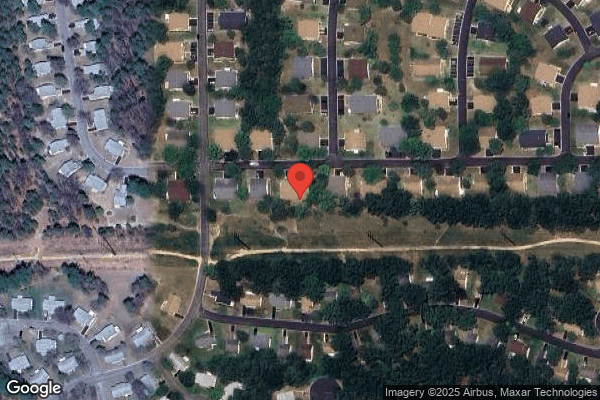
507 ROUTE 530, WHITING, NJ 08759 (732) 849-0400
Non profit - Corporation 66 Beds Independent Data: November 2025
Trust Grade
75/100
#133 of 344 in NJ
Last Inspection: April 2024

Within standard 12-15 month inspection cycle. Federal law requires annual inspections.

Overview

Hamilton Place at the Pines at Whiting has a Trust Grade of B, indicating it is a good choice for families seeking care, though not without its issues. It ranks #133 out of 344 facilities in New Jersey, placing it in the top half, and #10 out of 31 in Ocean County, suggesting there are only a few local options that are better. The facility's performance has been stable, with four issues identified in both 2022 and 2024, but it has concerning staffing turnover at 65%, which is significantly higher than the state average. On a positive note, there are no fines on record, and the facility boasts more RN coverage than 75% of state facilities, ensuring a higher level of care. However, the inspection found that a resident did not have a proper care plan for their urinary incontinence, and another resident was receiving oxygen therapy without a physician's order, raising concerns about compliance and care quality.

Trust Score
B
75/100
In New Jersey
#133/344
Top 38%
Safety Record
Low Risk
No red flags
Inspections
Holding Steady
4 → 4 violations
Staff Stability
⚠ Watch
65% turnover. Above average. Higher turnover means staff may not know residents' routines.
Penalties
✓ Good
No fines on record. Clean compliance history, better than most New Jersey facilities.
Skilled Nurses
✓ Good
Each resident gets 53 minutes of Registered Nurse (RN) attention daily — more than average for New Jersey. RNs are trained to catch health problems early.
Violations
○ Average
10 deficiencies on record. Average for a facility this size. Mostly minor or procedural issues.
★★★★☆
4.0
Overall Rating
★★★☆☆
3.0
Staff Levels
★★★★☆
4.0
Care Quality
★★★★☆
4.0
Inspection Score
Stable
2022: 4 issues
2024: 4 issues

The Good

  • 4-Star Quality Measures · Strong clinical quality outcomes
  • Full Sprinkler Coverage · Fire safety systems throughout facility
  • No fines on record

Facility shows strength in quality measures, fire safety.

The Bad

Staff Turnover: 65%

19pts above New Jersey avg (46%)

Frequent staff changes - ask about care continuity

Staff turnover is elevated (65%)

17 points above New Jersey average of 48%

The Ugly 10 deficiencies on record

Apr 2024 4 deficiencies
CONCERN (D)

Potential for Harm - no one hurt, but risky conditions existed

Deficiency F0730 (Tag F0730)

Could have caused harm · This affected 1 resident

Based on interview and record review, it was determined that the facility failed to evaluate the performance of all Certified Nursing Assistants (CNAs) on an annual basis. This deficient practice occu...

Read full inspector narrative →
Based on interview and record review, it was determined that the facility failed to evaluate the performance of all Certified Nursing Assistants (CNAs) on an annual basis. This deficient practice occurred with 2 of the 5 CNAs whose personnel records were reviewed and was evidenced by the following: On 04/24/2024 at 10:48 AM, the surveyor reviewed the employee files of 5 randomly selected CNAs which were provided by the facility. The surveyor identified the following: CNA #1 had a hire date of 02/20/19. According to CNA #1's personnel record, the last documented performance appraisal was 05/27/22. There were no annual performance reviews conducted within the past year. CNA #2 had a hire date of 07/26/21. According to CNA #2's personnel record, the last documented performance appraisal was 12/16/22. There were no annual performance reviews conducted within the past year. During an interview with the surveyor on 04/24/24 at 12:05 PM, the Licensed Nursing Home Administrator (LNHA) stated she had been employed at the facility for the last four months. The LNHA stated that performance appraisals should be done annually. The surveyor then showed the LNHA the personnel records of CNA #1 and CNA #2 and confirmed that their performance appraisals were not completed annually. During a follow up interview with the surveyor on 04/25/2024 at 10:02 PM, the LNHA stated that the Director of Nursing (DON) was responsible for performance appraisals and the Human Resource (HR) Manager was responsible to send a list of performance appraisals that were due to the DON. During an interview with the surveyor on 04/25/24 at 10:10 AM, the HR manager stated that the performance appraisals should be completed on the anniversary date of the date of hire. The HR Manager stated he had sent the prior DON several email reminders to complete the performance appraisals. A review of the facility policy titled, Performance Appraisal, undated, indicated that a performance appraisal measures and evaluates an individual team member's performance and accomplishments over a period of time. Typically, supervisors will complete performance appraisals as follows: a) at the end of the orientation period, b) annually, and c) when considering a team member for promotion. The policy further revealed that a performance appraisal system should be on-going, and in no case should evaluations be given less than once a year. NJAC 8:39-43.17(b)
CONCERN (E)

Potential for Harm - no one hurt, but risky conditions existed

Comprehensive Care Plan (Tag F0656)

Could have caused harm · This affected multiple residents

3. According to the Detailed Summary, Resident #38 had diagnoses which included, but were not limited to, urinary tract infection. Review of the admission Minimum Data Set (MDS), an assessment tool us...

Read full inspector narrative →
3. According to the Detailed Summary, Resident #38 had diagnoses which included, but were not limited to, urinary tract infection. Review of the admission Minimum Data Set (MDS), an assessment tool used to facilitate the management of care, dated 03/07/24, included the resident had Brief Interview for Mental Status score of 08, which indicated the resident's cognition was moderately impaired. Further review of the MDS included the resident was frequently incontinent of urine. Review of the admission progress note, dated 02/29/24 at 6:01 PM, included the resident was taught to increase fluid intake due to being on an antibiotic for a urinary tract infection (UTI). Further review of a progress note, dated 02/29/24 at 8:07 PM, included the resident was incontinent of urine. Review of the care plan, dated 03/26/24, did not include the resident was incontinent of urine with a history of UTI nor related interventions. During an interview with the surveyor on 04/24/24 at 9:45 AM, the Certified Nursing Assistant, (CNA), stated that she performed incontinence rounds every two hours or as needed in order to prevent UTIs and skin breakdown. She further stated that Resident #28 wore incontinence briefs for periods of incontinence. During an interview with the surveyor on 04/24/24 at 9:50 AM, the Licensed Practical Nurse (LPN #3) stated incontinent residents were changed twice a shift and as needed to prevent UTIs and skin breakdown. She further stated that the Charge Nurse was responsible for initiating care plans and that it was important for the care plan to be comprehensive for proper care of the resident. During an interview with the surveyor on 04/24/24 at 10:00 AM, the LPN/Charge Nurse (LPN/CN) stated incontinent residents were changed every two hours and as needed. The LPN/CN further stated that the interdisciplinary team initiated the care plan upon admission so staff know how to care for the resident. During an interview with the surveyor on 04/24/24 at 10:07 AM, the Director of Nursing (DON) stated interventions to prevent UTIs included offering fluids. The DON further stated the admission nurse initiated the resident care plans within 24 hours and the comprehensive care plan was completed within 14 days of admission. The DON added that it was important that the resident's care plan was comprehensive because it is available to all those involved in the care of the resident, and, the care plan is an overview of the resident's needs. Review of the facility's Comprehensive Care Plans policy, dated 01/09/24, included, The comprehensive care plan will be developed within 7 days after the completion of the comprehensive MDS assessment, and, The comprehensive care plan will describe, at a minimum, the following: The services that are to be furnished to attain or maintain the resident's highest practicable physical, mental, and psychosocial well-being. NJAC8:39-11.2 (f) Based on interview, record review, and review of facility documents, it was determined that the facility failed to develop person-centered comprehensive care plans for 2 of 13 residents (Resident #34 and #38) reviewed. This deficient practice was evidenced by the following: 1. According to the Face Sheet, Resident #34 was admitted to the facility with diagnoses which included, but were not limited to, paraplegia (paralysis), pressure ulcer and colostomy. The admission Minimum Data Set (MDS), an assessment tool, dated 03/05/24, indicated that the resident had severe cognitive impairment and required maximum assistance with activities of daily living. The MDS also indicated that the resident received antidepressants, had an indwelling urinary catheter, and a colostomy (an operation that redirects your colon from its normal route, down toward the anus, to a new opening in your abdominal wall). The surveyor reviewed the resident's electronic medical records (EMR) which revealed the following information: The Physician Order Sheet (POS) dated 02/28/24 reflected a physician's order Trazadone 50 milligrams (mg) tablet by mouth, give at hours of sleep for trouble sleeping. The psychiatric consult evaluation and Treat was ordered by the physician on 04/17/24 for Depression was currently pending. On 04/23/24 at 09:49 AM, the surveyor interviewed the Licensed Practical Nurse (LPN #1) who stated that the resident's psychiatric consult was pending, however the resident was on the schedule for the psychiatrist to evaluate the resident for the use of antidepressant medications. The surveyor reviewed the resident's Care Plan (CP) which didn not include the use of antidepressant medication nor related interventions. On 04/23/24 at 01:27 PM, the surveyor interviewed the MDS Coordinator who stated that the initial CP was developed when the resident was admitted to the facility. She explained that by day 14 of admission, the CP was fully developed and updated continuously. She stated that psychotropic medications should be included on the CP due to risk factors of taking the medication and that behaviors associated with depression should be included in a separate CP with interventions to manage behaviors. She stated that the CP was important for goal development and risk factors. She stated that the CP directed resident care was developed by the interdisciplinary team. She continued to add that the family and resident was also involved in care planning process. On 04/24/24 at 08:32 AM, the surveyor interviewed LPN #2 who stated that if a resident was on a psychotropic medication, it should be documented on the CP with interventions to include any behaviors and important for the team members to know that the resident was on this medications and to communicate to the staff how to manage the behaviors according to the interventions. LPN #2 reviewed Resident #34's CP and confirmed that there was no documentation that the resident was on antidepressant medications and there were also no behaviors or interventions documented on the CP. On 04/24/24 at 08:36 AM, the surveyor interviewed the LPN acting Charge Nurse (LPN/CN) who stated that she had been employed in the facility for 6 years. The LPN/CN stated that the registered nurses (RNs) usually update the CP with any resident changes. She stated that the CP was interdisciplinary and was important so the staff knew what type of care the resident wanted and needed. She stated that the CP should include use of antidepressant medication and psychosocial wellbeing. She explained that the interventions should include interventions for depressive symptoms and emotional support and diversional activities and monitor their appetite. She stated that the family should also be involved in CP interventions. She confirmed that a CP was not developed for Resident #34 to include the use of antidepressant medications. 2. The surveyor further reviewed the Resident #34's EMR which revealed the following information: Review of the POS, dated 02/27/24, reflected an order from the physician for a 16 french urinary catheter for retention. Further review of the POS reflected a physician's order for colostomy check every shift and empty as needed. Review of the POS, dated 03/30/24, reflected that the resident required catheter care every shift. The surveyor reviewed the resident's CP which did not include the resident's colostomy or indwelling urinary catheter. On 04/24/24 at 09:49 AM, the surveyor interviewed the interim Director of Nursing (DON) who stated that a CP should have been developed with interventions for the colostomy and the indwelling urinary catheter. The DON stated that a CP was essential to address the resident needs and so that the staff knew what care the resident was to receive. She stated that the staff would be responsible to update that CP to address all the resident's needs and should be comprehensive for all residents.
CONCERN (E)

Potential for Harm - no one hurt, but risky conditions existed

Respiratory Care (Tag F0695)

Could have caused harm · This affected multiple residents

Based on observation, interview, record review and review of pertinent facility documents, it was determined that the facility failed to obtain a physician's order for oxygen therapy and develop a car...

Read full inspector narrative →
Based on observation, interview, record review and review of pertinent facility documents, it was determined that the facility failed to obtain a physician's order for oxygen therapy and develop a care plan for respiratory care. This deficient practice was identified for 1 of 1 resident (Resident #43) reviewed for respiratory care. This deficient practice was evidenced by the following: On 04/22/24 at 07:37 AM, during the initial tour the surveyor observed Resident #43 lying in bed sleeping receiving oxygen (O2) via nasal cannula. On 04/23/24 at 11:01 AM, the surveyor observed Resident #43 lying in bed watching TV. At that time, the surveyor interviewed the resident who stated that she received oxygen three (3) liters/minute (3 L/M) via nasal cannula and that the staff change the tubing but was not sure how often it was changed. The surveyor reviewed the medical record for Resident #43. A review of the admission Record face sheet reflected that the resident was admitted to the facility with diagnoses that included chronic obstructive pulmonary disease with (acute) exacerbation (COPD- airway blockage with breathing related problems and worsening respiratory symptoms such as shortness of breath -SOB), pneumonia, and dependence on supplemental oxygen. A review of the significant change in status Minimum Data Sheet (MDS), an assessment tool, dated 4/12/24, included the resident had a Brief Interview for Mental Status (BIMS) score of 13 out of 15, which indicated the resident was cognitively intact. A further review of the MDS in Section O: Special Treatments, Procedures and Programs reflected the resident received continuous oxygen therapy. A review of the April 2024 physician's orders (PO) did not include any orders for oxygen therapy. A review of the discontinued PO indicated, as of 3/21/24, the following orders were discontinued: -Change and date humidifier bottle every Tuesday night. -Change and date O2 nasal cannula/mask (tubing from humidifier bottle to resident) every Tuesday night. -Oxygen 2 liters/minute (L/M) via nasal cannula continuously; SOB. A review of the individualized Care Plan revealed there was no developed care plan for respiratory care. On 04/23/24 at 01:00 PM, the surveyor interviewed the Licensed Practical Nurse (LPN) who stated they had POs for oxygen to ensure they administered the appropriated amount of oxygen. She further stated they checked every shift to ensure the L/M matched the order. The LPN stated that the tubing was changed during the 11 PM to 7 AM shift and that she never had to change it but believed the tubing was changed every 72 hours. The LPN stated that there were POs in the electronic medical record (EMR) for the tubing to be changed, for how many L/M, and if continuous or PRN (as needed). The LPN emphasized there should be an order for O2 prior to administering to ensure the resident was properly assessed. When asked if respiratory care should be on the care plan, the LPN stated that most of the time it would be on the care plan. She further stated that when she completed her new admissions, she updated the care plan to reflect if the oxygen was continuous, PRN, and how many L/M. The LPN stated that the care plan was important so that staff was aware on how to care for the resident. On 04/23/24 at 01:10 PM, the surveyor interviewed the Registered Nursed (RN) who stated that everyone who received oxygen had an order for it. She further stated that oxygen should also be on the care plan. The RN stated that the Charge Nurse (CN) was responsible for entering the POs in the EMR. She stated that the importance of an order was so it could be administered. The RN emphasized, you can't administer oxygen without an order. She further stated that the order also indicated how many liters the oxygen should be set to and if it was continuous or PRN. The RN stated that the CN or the MDS Coordinator was responsible for updating the care plan. She stated that the care plan tells the resident's plan of care, interventions, and goals for that specific resident. The RN concluded that there should be a PO for oxygen and that it should be on the care plan so everyone knew what to do. On 04/24/24 at 11:29 AM, the surveyor conducted a follow up interview with the RN who showed the surveyor the Low Side Census Nurse's Flow Sheet which indicated Resident #43 was on oxygen. She stated that the flow sheet did not indicate the number of liters because it could change. The RN reviewed the orders in the EMR with the surveyor which revealed that all the oxygen orders were entered as new and to start that day 4/24/24. On 04/24/24 at 11:48 AM, the surveyor interviewed the Licensed Practical Nurse/Charge Nurse (LPN/CN) who stated that one of the nurses had just entered the oxygen orders to start today. The LPN/CN stated that she reviewed the PO as well as another nurse, but they could not find any oxygen orders. When asked if there should be orders for oxygen, the LPN/CN stated, absolutely there should be an order for oxygen. She further stated that it was important to have orders, so everyone was aware that the resident was on oxygen. The LPN/CN stated, I'm just disappointed. She explained the resident was sent out to the emergency room in March and was on oxygen then and returned to the facility 04/05/24 on oxygen. She further explained that everything should be checked on the 11 PM to 7 AM shift to ensure that all the orders were entered. Upon further review, the LPN/CN stated that the order did not indicate how many L/M and stated that the order would have to updated to include the number of L/M. On 04/24/24 at 11:56 AM, the LPN/CN and surveyor reviewed the Care plan in the EMR. The LPN/CN stated she did not see anything related to respiratory care. She stated that the care plan told the story of the resident, why they were there, what care should be provided and what they were at risk for. She further stated that all departments such as nursing, dietary, therapy, and activities could update the care plan because everyone was involved in the care. The LPN/CN acknowledged that oxygen should be on the care plan that there should have been POs for oxygen prior to surveyor inquiry. On 04/24/24 at 12:05 PM, the surveyor interviewed the Interim Director of Nursing (DON) who confirmed that the resident did not have any oxygen orders prior to surveyor inquiry. The Interim DON stated, of course the resident should have orders for oxygen. She stated they completed an audit on oxygen and care plans last week. She further stated that the resident slipped through the cracks. She acknowledged the nurses entered the orders today 4/24/24 for changing the oxygen tubing and the continuous oxygen 2 L/M via nasal cannula. She explained it should be in the EMR and the nurses should be signing it off. On 04/24/24 at 12:13 PM, the surveyor continued to interview the Interim DON who stated that a care plan addressed specific problems that the resident may have or the potential problems as well as interventions put into place to resolve those problems. She explained for example Respiratory care is the problem, and the intervention would be oxygen which should be on the care plan. The Interim DON stated that the care plan should be implemented on admission and updated whenever there was a change. The DON acknowledged the orders and care plan should have been updated prior to surveyor inquiry. On 04/26/24 at 09:14 AM, the Licensed Nursing Home Administrator (LNHA) acknowledged in the presence of the Interim DON, the Director of Plant Operations, and the survey team that the care plan and the orders should have been updated prior to surveyor inquiry. A review of the facility's Oxygen Administration policy, dated reviewed 12/23/2019, included, A practitioner's order is required to initiate oxygen, except in an emergency situation, when oxygen therapy is ordered an order will also be entered to change all disposable components weekly. A review of the facility's Comprehensive Care Plans policy dated revised 1/9/24, included, to develop and implement a comprehensive person-centered care plan for each resident .to meet a resident's medical, nursing .needs that are identified in the resident's comprehensive assessment. A review of the facility's Care Plans - Updating for Status Change policy dated revised 1/9/24, included, 1. The comprehensive care plan will be reviewed, and revised or updated as necessary, when a resident experiences a status change. 2. C. The care plan will be updated with the new or modified interventions accordingly. F. The Charge Nurse/Nurse designee and, or other team member who updated the care plan will coordinate that all care plan intervention updates are communicated to team members involved in the resident's care. NJAC 8:39- 19.4(a); 27.1(a)
MINOR (C)

Minor Issue - procedural, no safety impact

Deficiency F0836 (Tag F0836)

Minor procedural issue · This affected most or all residents

**NOTE- TERMS IN BRACKETS HAVE BEEN EDITED TO PROTECT CONFIDENTIALITY** Based on interview and review of pertinent facility documents it was determined that the facility failed to notify CMS (Centers ...

Read full inspector narrative →
**NOTE- TERMS IN BRACKETS HAVE BEEN EDITED TO PROTECT CONFIDENTIALITY** Based on interview and review of pertinent facility documents it was determined that the facility failed to notify CMS (Centers for Medicare & Medicaid Services) and receive authorization for a change in the facility's name in accordance with 42 CFR (Code of Federal Regulations) 424.516. This deficient practice was evidenced by the following: According to 42 CFR 424.516 Additional provider and supplier requirements for enrolling and maintaining active enrollment status in the Medicare Program: (a) Certifying compliance. CMS enrolls and maintains an active enrollment status for a provider or supplier when that provider or supplier certifies that it meets, and continues to meet, and CMS verifies that it meets, and continues to meet, all of the following requirements: (1) Compliance with title XVIII of the Act and applicable Medicare regulations. (2) Compliance with Federal and State licensure, certification, and regulatory requirements, as required, based on the type of services, or supplies the provider or supplier type will furnish and bill Medicare. (3) Not employing or contracting with individuals or entities that meet either of the following conditions: (i) Excluded from participation in any Federal health care programs, for the provision of items and services covered under the programs, in violation of section 1128 A(a)(6) of the Act. (ii) Debarred by the General Services Administration (GSA) from any other Executive Branch procurement or nonprocurement programs or activities, in accordance with the Federal Acquisition and Streamlining Act of 1994, and with the HHS Common Rule at 45 CFR part 76 (d) Reporting requirements for physicians, nonphysician practitioners, and physician and nonphysician practitioner organizations. Physicians, nonphysician practitioners, and physician and nonphysician practitioner organizations must report the following reportable events to their Medicare contractor within the specified timeframes: (1) Within 30 days - (i) A change of ownership; (ii) Any adverse legal action; or (iii) A change in practice location. (2) All other changes in enrollment must be reported within 90 days. On [DATE] at 9:00 AM, the surveyor reviewed the facility's Long-Term Care Facility Application for Medicare and Medicaid (form CMS-671) which reflected under name of facility as Skilled Nursing Home at Pines Village. At that time, the surveyor requested additional information and the Licensed Nursing Home Administrator (LNHA) provided the New Jersey Department of Health (NJDOH) Division of Certificate of Need & Licensing documents which indicated Skilled Nursing at Pines Village; Effective: [DATE]; Expired [DATE], and Issued: [DATE]. The LNHA stated that she knew it used to be named [NAME] Place at the Pines at [NAME] prior to the name change. On [DATE] at 9:52AM, the LNHA stated she started at the facility four (4) months ago and to her knowledge the facility was named Skilled Nursing at Pines Village. She stated in her files she had where an application was submitted but needed to look for the approval letter. At that time, the LNHA provided a letter which indicated the NJDOH confirmed they were in receipt of the documents reflecting [DATE] as the completion date for the final transfer of ownership of [NAME] Place at the Pines at [NAME]. It further included the new facility name was Skilled Nursing at Pines Village and that the transfer of ownership approval was in transaction. The surveyor asked if there was any additional information of the approval from CMS and not just from the NJDOH and the LNHA stated she would continue to look it in her files. On [DATE] at 10:23 AM, the surveyor inquired if the Medicare Enrollment Application for institutional Providers application (form CMS 855A) was completed and submitted and the LNHA stated she would have to find out. On [DATE] at 12:51 PM, the surveyor followed back up with the LNHA who stated that she was still waiting to hear back from the corporate office regarding the licensing. On [DATE] at 09:54 AM, the LNHA confirmed that the CMS 855A application was not submitted. She stated that the business office was in the process of completing it today [DATE]. The LNHA acknowledged that the CMS 855A application should have been done prior to surveyor inquiry. On [DATE] at 09:06 AM, the LNHA provided an email from the business office that the Medicare Enrollment Application was submitted on [DATE]. On [DATE] at 09:14 AM, the LNHA acknowledged in the presence of the Interim Director of Nursing, the Director of Plant Operation, and the survey team that the application should have been completed and received approval from CMS prior to the name change. A review of the facility's Name Change for the Entity policy, dated [DATE], included, Notify the state in which your business operated and any other agencies. File the official name change with the IRS [Internal Revenue Service]. Update permits and licenses with regulatory agencies. NJAC 8:39-5.1 (a)
Feb 2022 4 deficiencies
CONCERN (D)

Potential for Harm - no one hurt, but risky conditions existed

Deficiency F0698 (Tag F0698)

Could have caused harm · This affected 1 resident

Based on observation, interview, and record review, it was determined that the facility failed to maintain ongoing records of communication between the nursing facility and the dialysis center. This d...

Read full inspector narrative →
Based on observation, interview, and record review, it was determined that the facility failed to maintain ongoing records of communication between the nursing facility and the dialysis center. This deficient practice was identified for 1 of 1 resident (Resident #25) reviewed for dialysis and was evidenced by the following: On 2/3/22 at 10:22 AM, the surveyor interviewed Resident #25 who stated that he/she received dialysis services every week on Monday, Wednesday, and Friday. The surveyor reviewed the medical record for Resident #25. A review of the resident's Face Sheet (an admission summary) reflected that the resident was admitted to the facility in February of 2021 with diagnoses which included end stage renal disease, type II diabetes mellitus, and dependence on renal dialysis. A review of the resident's most recent significant change Minimum Data Set (MDS), an assessment tool dated 12/3/21, reflected a Brief Interview for Mental Status (BIMS) score of 10 out of 15, which indicated a moderately impaired cognition. A further review of the MDS Section O. Special Treatments, Procedures, and Programs; reflected that the resident received dialysis treatments. A review of the resident's individualized care plan initiated on 2/27/21, included a problem for self care deficit related to end stage renal disease with an approach for dialysis Mondays, Wednesdays, and Fridays. On 2/8/22 at 10:19 AM, the surveyor interviewed the Licensed Practical Nurse (LPN) regarding the facility's procedure for communication with the dialysis center. The LPN stated that the resident's dialysis book went to and from the dialysis center with the resident on dialysis days. The dialysis center obtained the pre and post dialysis vital signs and weights when the resident arrived at the center and prior to leaving the center. This was documented on the Dialysis Communication Flow Sheet along with any new orders or recommendations for the resident that was located in the resident's dialysis communication book. If no communication sheet was completed for that day, the nurse would call the dialysis center to obtain the resident's vital signs, weights, and any new orders or recommendations and documented it in the Nurse's Notes. At this time, the surveyor with the LPN and Unit Secretary reviewed the Resident #25's dialysis communication book which revealed that there were only three dialysis communication flow sheets the month of January (1/5/22, 1/7/22, and 1/10/22). On 2/8/22 at 1:01 PM, the surveyor interviewed the Director of Nursing (DON) regarding the facility's procedure for the dialysis communication flow sheets upon the resident's return to the facility from dialysis. The DON stated that the flow sheets should be used for communication and placed in his/her dialysis book. The DON further stated the vital signs and weights should be documented, and the communication sheets should also be checked for new orders from the dialysis center. The DON confirmed that the resident brought the book each time he/she went to dialysis and returned to the facility. On 2/9/22 at 10:02 AM, the DON in the presence of the Licensed Nursing Home Administrator (LNHA) and the survey team, confirmed that the resident's dialysis communication book was not complete for January. The DON could not speak to how many dialysis flow sheets were missing or how many days the resident went to dialysis in January. On 2/9/22 at 10:43 AM, the surveyor interviewed the 3-11 shift Registered Nurse/Charge Nurse (RN/CN) who stated that one of the nurses would be responsible for checking the resident's dialysis communication flow sheets upon their return to the facility for weights, vital signs, and any new orders. The RN/CN stated that the importance of the communication sheets was to inform the facility about the resident's diet; how the resident responded to dialysis; and any new orders that were recommended. The RN/CN stated that he used to check the communication flow sheets, but because the facility was short staffed, he had not been able to in quite a while. On 2/9/22 at 10:43 AM, the surveyor reviewed with the DON, Resident#25's January 2022 Treatment Report which indicated that the resident received thirteen dialysis treatments in the month of January. A review of the facility's Dialysis Resident Care policy dated revised 6/29/19, which included: The facility's staff will communicate via phone or in the communication book any current issue, depending upon the urgency. This communication will help to offer the resident continuum of care and positive outcomes in their wellness . The facility charge nurse/designee will review the communication log pre and post the resident's hemodialysis (HD) treatment. If any logged communication is received from the dialysis center upon the resident's return, the nurse is requested to initial the entry, follow the recommendations or comment if any, and document in the nursing notes, if indicated. NJAC 8:39 - 27.1(a)
CONCERN (D)

Potential for Harm - no one hurt, but risky conditions existed

Pharmacy Services (Tag F0755)

Could have caused harm · This affected 1 resident

Based on observation, interview, and record review it was determined that the facility failed to ensure backup medications were available for use for a newly admitted resident. This deficient practice...

Read full inspector narrative →
Based on observation, interview, and record review it was determined that the facility failed to ensure backup medications were available for use for a newly admitted resident. This deficient practice was identified for 1 of 2 Residents (Resident #36) reviewed for thirty-day new admission and was evidenced by the following: On 2/3/22 at 11:04 AM, the surveyor in the presence of the Licensed Practical Nurse (LPN) inspected the High side medication cart. Located in the top drawer of the medication cart, was a zip top bag with insulin lispro inside. On the label outside of the bag, was Resident #25's printed name that had been scratched out in pen and Resident #36's name had been handwritten in. There was no name on the insulin lispro pen located inside the bag. On 2/3/22 at 11:28 AM, the surveyor interviewed the LPN who stated that when insulin pens came in from the pharmacy labeled with the resident's name or as facility backup, they were stored in the medication room refrigerator until they were opened. Then when we needed them, we took them out of the refrigerator and dated them. When the surveyor asked why the bag had Resident #25's name crossed out and Resident # 36's name handwritten on instead, the LPN responded that probably Resident #36 needed insulin and the facility did not have the resident's insulin or a facility backup supply of the insulin, so a nurse used Resident #25's unused backup pen from the refrigerator. She stated that Resident #25's insulin lispro had been discontinued so the nurse probably took their unused insulin and used it as backup for Resident #36. The LPN further stated since Resident #36's pen was never opened, it was okay to use that one for Resident #25, but it would never be okay to use another person's opened insulin pen on anyone else because it was contaminated. On 2/3/22 at 11:49 AM, the surveyor re-interviewed the LPN who stated that when a new resident was admitted to the facility, the pharmacy orders were put in the computer and were automatically sent to the pharmacy. She further stated the facility had backup medications to be used right away, if needed, and insulin was one of those medications because we cannot delay medications for a diabetic. The LPN stated the pharmacist reviewed the backup stock medications. The surveyor reviewed the medical record for Resident #36. A review of the Face Sheet (an admission summary) reflected that the resident was admitted to the facility in January of 2022 with diagnoses which included morbid obesity, acute kidney failure, and generalized muscle weakness. A review of the admission Minimum Data Set (MDS), an assessment tool dated 1/16/22, reflected that the resident had a Brief Interview for Mental Status (BIMS) score of 12 out of 15, which indicated a moderately impaired cognition. A review of the February 2022 Physician Orders (PO) reflected a PO dated 1/10/22, for insulin lispro 100 unit/milliliter (unit/mL) subcutaneous pen; 3 units subcutaneous three times a day for Type II diabetes mellitus. A review of the corresponding January 2022 electronic Medication Administration Record (eMAR) reflected that the resident received their first dose of insulin lispro on 1/10/22 at 4:30 PM. The surveyor reviewed the medical record for Resident #25. A review of the Face Sheet reflected that the resident was admitted to the facility in February of 2021 with diagnoses which included type II diabetes mellitus, end stage renal disease, and heart failure. A review of the January 2022 eMAR, reflected a PO dated 6/11/21 with an end date of 1/25/22, for insulin lispro 100 unit/mL subcutaneous pen. On 2/3/22 at 12:33 PM, the surveyor interviewed the Director of Nursing (DON) who stated that it was brought to her attention in the past few days that some nurses were not receiving medications that were refilled from the Provider Pharmacy. The DON stated that she was just beginning to investigate the concern, and that she was unsure if medications were not being received because the nurse was faxing the PO instead of electronically sending the PO to the Provider Pharmacy. When questioned, the DON responded that if the nurse did not have a resident's medication, then the nurse should call the resident's physician to see if the resident could have an alternative medication or to hold that medication dose until it was received. The DON stated that the nurse should not borrow the medication from another resident. At this time, the surveyor showed the DON Resident #36's insulin lispro pen and packaging with Resident #25's name crossed out. The DON confirmed that the nurse should not have taken Resident #25's backup insulin pen to use for Resident #36 and would look into it. On 2/3/22 at 1:29 PM, the surveyor interviewed the facility's Provider Pharmacy Representative (PPR) who stated that the facility had both resident specific medications as well as a backup medication supply that was not resident specific. If the facility had a backup supply of a certain medication, the facility could administer the backup supply medication to their resident. The PPR stated that the pharmacy delivered medications to the facility in the afternoon and in the evening. The facility could also receive a STAT order (immediate) that would arrive from the pharmacy to the facility within two hours. The PPR stated that insulin lispro should be in the facility's backup supply. On 2/3/22 at 1:43 PM, the surveyor interviewed the Provider Pharmacist (PP) who stated that when the nurse used a facility backup medication, the nurse would either send an electronic order or fax a slip to the pharmacy to replace the medication. The PP stated that Monday through Friday, the pharmacy delivered medications two times a week, and on the weekends, they delivered one time. The facility could also do a STAT order in an emergency which that medication would arrive to the facility within two hours. At this time, the surveyor requested all pharmacy deliveries for Resident #36's insulin lispro. On 2/3/22 at 3:33 PM, the surveyor interviewed the facility's Consultant Pharmacist (CP) who stated that a nurse should not borrow medication from one resident to another because it was a safety concern. The CP stated that if the medication was not available at the time of administration, the nurse should call the pharmacy to see when the medication would arrive at the facility and then call the resident's physician to let them know the medication was not currently available to determine what the physician recommended to do. A review of the Provider Pharmacy's Delivery Manifest dated 1/11/22, reflected that Resident #36's insulin lispro arrived at the facility on 1/11/22 at 12:27 AM. On 2/4/22 at 11:26 AM, the DON in the presence of the Licensed Nursing Home Administrator (LNHA), informed the survey team that she spoke with the Registered Nurse (RN) who stated that she borrowed Resident #25's unused backup insulin lispro pen on 1/10/22 for Resident #36 because the resident was admitted to the facility that day and was due for their 4:30 PM insulin lispro dose. The DON acknowledged that even in an emergency, a nurse should never borrow medication from another resident. On 2/4/22 at 12:38 PM, the surveyor observed the resident in their room in bed sitting up and finishing their lunch meal. The resident stated he/she was a diabetic and had to recently been prescribed insulin before meals and at bedtime because their blood glucose had been very high. When the surveyor inquired if the resident had missed any doses of insulin, the resident responded that they had never missed a dose of insulin and had not been told there was any problem obtaining their medications from the pharmacy. A review of the facility provided Medication Administration Guidelines dated revised October 2017, included medications will be administered in a safe and accurate manner. A review of the facility provided Dispensing/Receiving Medications Back Up Insulin policy dated revised 4/8/16, included .the pharmacy will provide an emergency supply of insulin pen(s)/vial(s) in a zip lock bag labeled Emergency Refrigerator Insulin to be on specific nursing units and kept in medication refrigerator until needed .once the pen or vial has been assigned to a specific resident, the nurse will complete an Emergency Refrigerator Insulin Form which pharmacy has affixed to the outside of the refrigerator and will fax to the pharmacy .Emergency Refrigerator Insulin .insulin lispro 3 mL pen. A review of the facility provided Dispensing/Receiving Medications policy dated effective November 2010, included policy: the pharmacy will provide the facility with a supply of medications to be used in an emergency situation or until the pharmacy delivery is received .the nurse will document any medication removed or replaced in the backup box by filling out the Backup Log Form located in the backup box log book .the nurse will complete and fax the Backup Box Medication Replacement Form and fax to the pharmacy to receive the replacement medications .the backup box contents will be inventoried monthly for expirations, par levels, and integrity of packaging by the pharmacist consultant, facility, and/or pharmacy representative. NJAC 8:39-29.2(d); 29.4(a)
CONCERN (D)

Potential for Harm - no one hurt, but risky conditions existed

Deficiency F0761 (Tag F0761)

Could have caused harm · This affected 1 resident

Based on observation, interview, and record review, it was determined that the facility failed to a.) properly label and date insulin pens once opened and removed from the refrigerator, b.) remove dis...

Read full inspector narrative →
Based on observation, interview, and record review, it was determined that the facility failed to a.) properly label and date insulin pens once opened and removed from the refrigerator, b.) remove discontinued medication from active inventory, and c.) ensure an accurate ordering and receiving of narcotic medications on the required Federal narcotic acquisition forms (DEA 222 form) were completed with sufficient detail to enable accurate reconciliation. This deficient practice was identified on 2 of 2 medication carts observed and for 3 of 3 provided DEA forms. The evidence was as follows: 1. On 2/3/22 at 11:04 AM, the surveyor in the presence of the Licensed Practical Nurse (LPN #1) inspected the High side cart and found six zip top bags each containing one opened and undated insulin pen (medication used to regulate blood sugar). Further inspection of the bags revealed the following: Resident #22's insulin glargine pen and liraglutide pen were labeled with the resident's name but not the date the pen was opened. Resident #36's insulin glargine and insulin lispro pens had no name on the syringes and no date indicating the date the pens had been opened. Resident # 39's insulin glargine pen and insulin lispro were labeled with the resident's name but not the date the pen was opened. On 2/3/22 at 11:28 AM, the surveyor interviewed LPN #1 who stated when the insulin pens were received from the pharmacy, they were stored in the medication room medication refrigerator until it was needed. When the insulin pen was needed, it was then removed from the refrigerator, and the nurse dated both the pen and the bag with the date opened in case the pen and bag were separated. On 2/3/21 at 12:41 PM, the Director of Nursing (DON) stated when insulin pens were in use, they should be stored in the medication cart in a zip top bag. The pen should have both the resident's name and the date it was opened on it. The surveyor reviewed the above residents' medical records. A review of Resident #36's current physician's orders revealed orders for insulin glargine at bedtime initiated on 1/10/22. Further review revealed an order for insulin lispro three times a day initiated on 1/10/22. A review of Resident #22's current physician's orders revealed orders for Victoza injection once daily initiated on 6/24/20. Further review revealed an order for insulin glargine at bedtime initiated on 6/12/20. A review of Resident #39's current physician's orders revealed orders for insulin glargine twice a day initiated on 1/27/22. Further review revealed an order for insulin lispro before meals and at bedtime initiated 1/26/22. On 2/3/22 at 3:31 PM, the surveyor interviewed the facility's Consultant Pharmacist (CP) who stated, one of her roles at the facility is to review mediation carts. She stated that she checked for expiration dates on mediations and ensured mediations that required dating were dated. A review of manufacturers recommendations revealed insulin glargine and insulin lispro's expiration upon opening or removing from refrigerator was 28 days and Liraglutide (Victoza) pens should be discarded after 30 days. 2. On 2/3/22 at 2:39 PM, the surveyor in the presence of another surveyor and along with LPN #2, reviewed the insulin pens located on the Low side medication cart. Inspection revealed an opened insulin lispro pen for Resident #25. Upon further interview, LPN #2 confirmed the insulin lispro order had been discontinued on 1/25/21. The surveyor reviewed the medical record for Resident #25. A review of the admission Record indicated the resident was admitted to the facility in February of 2021 and had diagnoses which included Type 2 Diabetes Mellitus with diabetic chronic kidney disease. A review of the electronic Medication Administration Record (eMAR) revealed a physician's order for insulin lispro three times a day initiated on 6/11/21 and discontinued 1/25/22. On 2/3/22 at 3:31 PM, the surveyor interviewed the facility's Consultant Pharmacist (CP) who stated that one of her roles at the facility was to review mediation carts. The CP stated that discontinued medications should be removed from the cart and active inventory. On 2/9/22 at 10:02 AM, the DON in the presence of the Licensed Nursing Home Administrator (LNHA) and the survey team, acknowledged that discontinued medications should not be stored in active inventory. 3. On 2/8/22 at 10:24 AM, the surveyor reviewed the facility's DEA 222 forms which revealed that the facility did not complete the number of packages received or the date the medication was received as instructed to on the reverse of the DEA 222 form. The inaccuracies were as follows: Order Form: #192082118, No number received, No date received. #192082118, No number received, No date received. #191517467, No number received, No date received. On 2/8/22 at 12:49 PM, the surveyor interviewed the DON who stated one of the responsibilities of the DON was to complete the DEA 222 forms. The DON stated she had verified with the provider pharmacy that the facility only ordered narcotics three times. The DON stated she was unaware she had not completed the form as required. Upon review, the DON acknowledged that she had not completed the portion of the form that indicated when she had received narcotic mediations and that she should have filled in the quantity received as well as the date the medication was received. A review of the instructions for submission of the DEA 222 form (August 2011) located on the reverse of the form revealed 2 . (When items are received, the date of receipt and the number of items received must be recorded in the spaces provided on the triplicate copy.) A review of the undated facility provided policy from the provider pharmacy titled Medication Administration guidelines, Insulin Pens, Policy 76.3 a, included: . 2. Insulin pens and multidose vials are labeled with patient name and medication name as follows: If only one pen is being dispensed: A small auxiliary label is placed on the body of the pen indicating resident's name, mediation name, and prescription label. The pen is placed in a zip top bag and the prescription label listing full patient and medication information is placed on the bag . 5. Storage of Insulin . Once opened, insulin pens may be stored in med carts and must be labeled with 'date opened' and using manufacturer recommendation for number of days for room temp storage, discard date. A review of the facility provided policy from the provider pharmacy titled Disposition of Medications, Medication Storage, Policy 7.1 with an effective date of November 2010, included: 8. Medication and treatment carts must only store medications that are currently ordered by the physician. The nurse must remove any medication that has been discontinued. Facility provided policies did not include the completion of the DEA 222 form once the medication was received by the pharmacy. NJAC 8:39-29.7(c); 29.4(h)
CONCERN (D)

Potential for Harm - no one hurt, but risky conditions existed

Infection Control (Tag F0880)

Could have caused harm · This affected 1 resident

Based on observation, interview, and review of pertinent facility records it was determined that the facility failed to implement infection control protocols in a manner that would decrease the possib...

Read full inspector narrative →
Based on observation, interview, and review of pertinent facility records it was determined that the facility failed to implement infection control protocols in a manner that would decrease the possibility of the spread of infection by a.) performing hand hygiene in accordance with the Center for Disease Control and Prevention and facility policy and b.) maintaining a resident's urinary catheter bag off the floor. This was observed with 1 of 3 residents (Resident# 12) reviewed for indwelling urinary catheter and evidenced by the following: 1. On 2/8/22 at 10:41 AM, the surveyor observed the Certified Nurse Aide (CNA) preparing to provide care for Resident #12. The CNA performed hand hygiene, lathering with soap outside the flow of running water for three seconds prior to rinsing with water. At this time, the surveyor interviewed the CNA regarding the facility's policy for hand hygiene. The CNA responded that you wet your hands with water, then lathered your hands with soap applying friction outside the flow of water for ten seconds, then rinsed your hands off with water. The CNA then proceeded to don (put on) gloves and gather bathing supplies for the resident's bed bath. On 2/8/22 at 10:50 AM, the surveyor observed the CNA doff (remove) her gloves and perform hand hygiene. The CNA applied soap to her hands, then without rubbing hands together to apply friction, immediately rinsed the soap under running water, and dried her hands. At this time, the surveyor re-interviewed the CNA regarding the hand hygiene policy and the ten seconds she stated that you lathered your hands with soap applying friction outside the flow of running water. The CNA responded, supposed to be ten seconds, and that's what you're supposed to do. On 2/8/22 at 1:08 PM, the Director of Nursing (DON) in the presence of the Licensed Nursing Home Administrator (LNHA) and survey team, confirmed that the CNA performed hand hygiene inappropriately. The DON stated that when performing hand hygiene with soap and water, you lathered your hands with soap applying friction outside the flow of running water for twenty seconds prior to rinsing Review of the facility's Hand Hygiene policy dated 11/13/2020 included: Hand hygiene technique when using soap and water: a. Wet hands with water. Avoid using hot water to prevent drying of skin. b. Apply to hands the amount of soap recommended by the manufacturer. c. Rub hands together vigorously for at least 20 seconds, covering all surfaces of the hands and fingers. d. Rinse hands with water . 2. On 2/3/22 at 10:56 AM, during initial tour of the facility, the surveyor observed Resident #12 resting in bed with the indwelling catheter (an urine collection devise) urinary drainage bag without a privacy bag (a covering over the urinary collection bag) lying directly on the floor under the bed. The surveyor reviewed the medical record for Resident #12. A review of the Face Sheet (an admission summary) reflected that the resident was admitted to the facility in November of 2021 with diagnoses which included dementia, urinary tract infection (UTI), acute kidney failure (when your kidneys suddenly become unable to filter waste products from your blood), hydronephrosis with renal and ureteral calculous (the swelling of a kidney due to a build-up of urine with solid particles in the urinary system). A review of the February Physician's Orders (PO) reflected a PO dated 11/10/21 for Foley catheter (indwelling urinary catheter) care every shift; ensure privacy bag in use in bed and in wheelchair. On 2/8/22 at 10:28 AM, the surveyor observed the resident in with the indwelling catheter urinary drainage bag without a privacy bag lying directly on the floor under the bed. On 2/8/22 at 10:28 AM, the surveyor interviewed the CNA regarding catheter care who stated that she usually emptied the urinary drainage bag and reported any concerns observed to the nurses. At this time, the CNA accompanied the surveyor into Resident #12's room and observed the urinary drainage bag lying on the floor. The CNA confirmed that the urinary drainage bag should not be on the floor because it was an infection control issue. On 2/8/22 at 11:04 AM, the surveyor interviewed the Licensed Practical Nurse (LPN) who stated that Resident #12 had a history of UTI and confirmed that the urinary drainage bag should always be kept off the floor. The LPN stated that if the urinary drainage bag was found on the floor, it should be emptied, and replaced with a new one for infection control purposes. The LPN stated the resident would absolutely be at risk for infection if the collection bag was lying on the floor. On 2/8/22 at 11:15 AM, the surveyor interviewed the Infection Preventionist/Registered Nurse (IP/RN) who stated that the urinary drainage bag must be kept off the floor for infection control. On 2/9/22 at 10:02 AM, the DON in the presence of the LNHA and survey team, acknowledged that the urinary catheter bag should not be on the floor. Review of the facility's current undated Policy for Foley Catheter Care did not include infection control practice for catheter maintenance and/or bag placement. NJAC 8:39-19.4
Nov 2019 2 deficiencies
CONCERN (D)

Potential for Harm - no one hurt, but risky conditions existed

Infection Control (Tag F0880)

Could have caused harm · This affected 1 resident

Based on observation, interview and record review it was determined that the facility failed to address the risk of infection to residents during a.) the provision of a wound care treatment for 1 of 1...

Read full inspector narrative →
Based on observation, interview and record review it was determined that the facility failed to address the risk of infection to residents during a.) the provision of a wound care treatment for 1 of 1 nurses observed, b.) medication administration for 1 of 2 nurses observed, and c.) sanitization of kitchenware observed for 1 of 1 Dietary Aid. This deficient practice was evidenced by the following: 1. During the initial tour on 10/28/19 at 9:34 AM, the surveyor observed Resident #5 lying on an air mattress (mattress designed to prevent and treat pressure wounds). When interviewed, Resident #5 was confused and unable to provide answers to questions regarding wound care treatments. Review of the annual Minimum Data Set (MDS), an assessment tool used in the management of care, dated 10/02/19, reflected that the resident was severely cognitively impaired, incontinent, required extensive assist of two persons for bed mobility, and had impairment to the upper and lower extremities on both sides. The MDS further revealed that Resident #5 had been identified as being at risk for developing pressure ulcers and had a facility acquired pressure ulcer at that time. The MDS noted that skin and ulcer treatments were in place and included the use of pressure reducing devices on the wheelchair and the bed, pressure ulcer care, and application of ointment/medications. On 10/30/19 at 10:30 AM, the surveyor observed Licensed Practical Nurse (LPN #1) complete the sacral wound dressing change for Resident #5. The surveyor observed LPN #1 don two pairs of gloves prior to starting the wound treatment. LPN #1 cleansed the wound and discard the dirty gauze into the trash. The surveyor observed that LPN #1 did not remove her gloves or perform hand hygiene. LPN #1 then picked up a pair of scissors and wiped them down with an alcohol swab for approximately 10 seconds with the same pair of gloves. The surveyor observed that LPN #1 did not remove her gloves or perform hand hygiene. LPN #1 then cut a piece of silver alginate (an antimicrobial wound dressing used for managing non-infected chronic wounds), inserted the piece of silver alginate into Resident #5's sacral wound, and applied Calmospetine (moisture barrier cream) on the skin around the sacral wound opening while wearing the same pair of gloves. LPN #1 then removed the top pair of gloves and applied an abdominal pad (a highly absorbent dressing that provides padding and protection for large wounds) (ABD dressing) over Resident #5's sacral wound opening. LPN #1 then removed the second pair of gloves and performed hand hygiene. During an interview with the surveyor on 10/30/19 at 10:40 AM, LPN #1 stated she dons two pair of gloves so she could apply the clean dressing. LPN #1 further stated that sometimes the ointment gets on her gloves, so she removes the top pair of gloves before she applies the ABD dressing. During an interview with the surveyor on 11/01/19 at 10:34 AM, in the presence of the Administrator and another surveyor, the Infection Control Nurse (ICN) stated the use of double gloves was not part of their facility practice. The ICN confirmed that nurses were supposed to remove gloves and wash hands after cleansing the wound. During a follow up interview with the surveyor on 11/01/19 at 11:25 AM and in the presence of ICN and another surveyor, LPN #1 stated that hand hygiene was performed prior to starting the wound treatment, after removing the old dressing, and after the treatment was completed. LPN #1 stated she would also perform hand hygiene after cleansing the wound and don a fresh pair of gloves prior to continuing the treatment. LPN #1 further stated that she thought she had performed hand hygiene after cleansing Resident #5's wound. The surveyor reviewed the facility's undated Wound Care Procedure for Major Wounds policy provided by the Director of Nursing (DON.) The policy revealed under the Procedure section to cleanse scissors for 60 seconds of contact with alcohol then wash hands and don clean gloves. The policy further revealed to remove gloves and don clean gloves after cleansing the wound. The surveyor reviewed the facility's undated Procedure for Clean Dressing Technique policy provided by the ICN. The policy reflected to cleanse wound using no-touch technique, remove gloves, perform hand hygiene, and apply clean gloves prior to applying any medication ordered. 2. On 10/30/19 at 8:38 AM, the surveyor observed LPN #2 pour, prepare and administer medications for Resident #20. The surveyor observed LPN #2 wash her hands. LPN #2 turned on the faucet, applied soap to her hands, scrubbed her hands with soap for five seconds, rinsed and dried her hands. At 8:45 AM, the surveyor observed LPN #2 pour, prepare and administer medications for Resident #4. The surveyor observed LPN #2 wash her hands in the same manner, scrubbing her hands with soap for six seconds. At 8:54 AM, the surveyor observed LPN #2 pour, prepare and administer medications for Resident #2. The surveyor observed LPN #2 wash her hands in the same manner, scrubbing her hands with soap for five seconds. During an interview with the surveyor on 10/30/19 at 10:38 AM, LPN #2 stated that the scrub time should be 20 seconds to one minute. During an interview with the surveyor on 10/30/19 at 11:40 AM, the DON stated that she educated staff on handwashing by using a lotion that glows. She stated that staff applied the lotion to their hands. Once the lotion dried, the staff member washed their hands and she inspected their hands with a black light. The DON confirmed that she expected the nurses to use friction and wash their hands for 20 seconds including the front and back of the hands, the nails and wrist area. During an interview with the surveyor on 10/31/19 at 9:38 AM, the ICN stated that the DON usually completed the handwashing education with staff. The ICN confirmed that staff should wash their hands with soap for 30 seconds. The surveyor reviewed the undated facility policy, 5.7 Standard Precautions For All Health Care Workers. The policy revealed that staff should wash their hands with an appropriate antibacterial solution for at least 20 seconds. 3. On 10/30/19 at 1:08 PM, the surveyor observed a Dietary Aid (DA) while he was cleaning the dining room and washing dishes after lunch. The DA wore disposable gloves while he removed soiled dishes, glasses and utensils from the dining room tables. He then wheeled the cart loaded with the soiled dishes into the small satellite kitchen adjacent to the dining room. The surveyor then observed the DA handle dishes that were on the counter and had just been washed in the dish washing machine. The DA did not change gloves or wash his hands in between handling the soiled dishes from the dining room and clean dishes and utensils on the counter in the kitchen. The DA then removed his gloves and donned a clean pair of disposable gloves without washing his hands in between the glove change. When the surveyor questioned the DA concerning the procedure for handling soiled dishware and clean dishes, he stated that he had done it wrong. He then stated that he had only handled a couple of clean items before he changed his gloves. The DA also stated that it was the normal procedure for one person to handle both soiled and clean serviceware while washing dishes in the satellite kitchen. On 10/30/19 at 1:21 PM, the surveyor observed the DA wash more dishes. At that time, when he changed gloves the DA washed his hands after he removed the soiled gloves. The DA wet his hands, applied soap and lathered his hands for five seconds outside of the running water, then rinsed his hands under the water stream. On 10/30/19 at 1:28 PM, the surveyor observed the DA as he continued to wash dishes. When he washed his hands, the DA applied friction outside the water stream for five seconds before rinsing. On 10/31/19 at 9:45 AM, the surveyor interviewed the Food Service Director (FSD) about the dish washing procedure in the satellite kitchen. The FSD stated that the DA was responsible to bring dirty dishes into the kitchen, load up a rack of dishes and then place the rack into the dishwasher. When the cycle ended, they were supposed to change gloves and put the clean dishes away. The procedure was usually performed by one DA. The FSD stated that sometimes the DA would push through two racks of dirty dishes, then change gloves before handling clean serviceware. The FSD also stated that the Dietary Aids were supposed to wash hands in between changing gloves. The surveyor reviewed the Handwashing and Personal Cleanliness Policy, dated 01/27/12, which was provided by the FSD. The policy described the procedure for washing hands as, Wash hands thoroughly with approved antibacterial or antimicrobial hand soap. Pay particular attention to the areas underneath fingernails and between fingers. Wash hands and exposed parts of arms for 20 seconds. Rinse thoroughly with clean water. Dry hands with disposable towels or use an air dryer. The surveyor reviewed the Handwashing In-service provided for Dietary Aids in February, 2019. The in-service addressed the topic, When to Wash Hands. This portion of the program included, Before putting on gloves as a circumstance which required proper handwashing. The surveyor noted that the DA who was observed washing dishes on 10/30/19 attended the handwashing in-service in February. NJAC 8:39 19.4 (a)(c)
MINOR (B)

Minor Issue - procedural, no safety impact

Deficiency F0698 (Tag F0698)

Minor procedural issue · This affected multiple residents

**NOTE- TERMS IN BRACKETS HAVE BEEN EDITED TO PROTECT CONFIDENTIALITY** Based on observation, interview and record review, it was determined that the facility failed to routinely document the evaluat...

Read full inspector narrative →
**NOTE- TERMS IN BRACKETS HAVE BEEN EDITED TO PROTECT CONFIDENTIALITY** Based on observation, interview and record review, it was determined that the facility failed to routinely document the evaluation of the status of the access site for a resident with End Stage Renal Disease (ESRD: kidney failure) for four months. This deficient practice was identified for 1 of 1 residents, Resident #35, reviewed for hemodialysis (a life-sustaining treatment that filters waste and toxins from the blood in people with kidney failure) and was evidenced by the following: During the initial tour of the facility on 10/28/19 at 9:46 AM, the surveyor interviewed Resident #35, who stated that he/she goes out for hemodialysis treatments on Monday, Wednesday and Friday. On 10/29/19 at 9:08 AM, the surveyor observed that the resident had an Arteriovenous (AV) Fistula (hemodialysis access site) on the left arm. The surveyor interviewed the resident to ascertain if the facility nurses were monitoring the site. Specifically, the surveyor asked if the nurses were listening to the site with a stethoscope. Resident #35 stated that the nurses didn't use a stethoscope, they just feel it. Review of the face sheet revealed that Resident #35 was originally admitted to the facility on [DATE] and was recently hospitalized from [DATE] to 08/09/19. The resident's admitting diagnoses included ESRD, dependence on renal dialysis and major depressive disorder. Review of the Quarterly Minimum Data Set (MDS), an assessment tool used to facilitate care, dated 08/09/19, revealed that Resident #35's cognitive status was moderately impaired. Review of Resident #35's Physician's Order Sheet, dated 10/29/19, did not include an order to monitor the resident's dialysis access site. Review of the Resident #35's most recent Interdisciplinary Care Plan, dated 08/13/19, included the following intervention for dialysis: If AV fistula is utilized to administer hemodialysis, auscultate and palpate area for bruit and thrill every shift and as needed. The procedure of checking the bruit to hear the sound of the AV fistula and palpating the area to feel the vibration (thrill) was a method used for monitoring the condition of the resident's access site for hemodialysis. On 10/29/19 at 10:45 AM, the surveyor interviewed the Charge Nurse who stated that she didn't see an order to check bruit and thrill for Resident #35. She added, I'll get an order for that each shift. The Charge Nurse then provided the surveyor with the facility's Protocol for Dialysis Resident Care, which was revised on 06/28/19. The Protocol included the statement, The facility's nurse will follow standard of practice in the daily care of the hemodialysis resident. The Process section of this policy included in bold type: LISTEN-for the bruit FEEL for the thrill Document. The Charge Nurse stated, We should be documenting in the IDT (Interdisciplinary) notes. On 10/29/19 at 11:33 AM, the surveyor interviewed Licensed Practical Nurse (LPN) #1, who had just stepped out into the hallway after caring for Resident #35. LPN #1 stated that she had just checked the resident's access site. She stated that she checks for bruit and thrill by feeling with her fingers and listening through her stethoscope. LPN #1 then stated that she normally documents the results in the IDT notes. On 10/29/19 at 11:39 AM, the surveyor interviewed LPN #2 who stated that she often takes care of Resident #35. She stated that she checks for bruit and thrill by listening with a stethoscope and feeling with her fingers. LPN #2 stated, I usually chart in the IDT notes. The surveyor inquired if she would document bruit and thrill anywhere else. LPN #2 replied, If there's a problem, I would chart in the dialysis communication book but [the resident] hasn't had any problems. Review of Resident #35's Dialysis Communication Book revealed that Resident #35 had not experienced any abnormalities with the AV Fistula. Review of Resident #35's Interdisciplinary Notes from July to October 2019 revealed the following number of times per month that the nurses documented checking the dialysis access for bruit and thrill: July 2019: 13 entries August 2019: 6 entries September 2019: 5 entries October: 3 entries. NJAC 8:39-27.1 (a)
Understanding Severity Codes (click to expand)
Life-Threatening (Immediate Jeopardy)
J - Isolated K - Pattern L - Widespread
Actual Harm
G - Isolated H - Pattern I - Widespread
Potential for Harm
D - Isolated E - Pattern F - Widespread
No Harm (Minor)
A - Isolated B - Pattern C - Widespread

Questions to Ask on Your Visit

  • "Why is there high staff turnover? How do you retain staff?"
  • "Can I speak with families of current residents?"
  • "What's your RN coverage like on weekends and overnight?"

Our Honest Assessment

Strengths
  • • No major safety red flags. No abuse findings, life-threatening violations, or SFF status.
  • • No fines on record. Clean compliance history, better than most New Jersey facilities.
Concerns
  • • 65% turnover. Above average. Higher turnover means staff may not know residents' routines.
Bottom line: Generally positive indicators. Standard due diligence and a personal visit recommended.

About This Facility

What is Hamilton Place At The Pines At Whiting's CMS Rating?

CMS assigns HAMILTON PLACE AT THE PINES AT WHITING an overall rating of 4 out of 5 stars, which is considered above average nationally. Within New Jersey, this rating places the facility higher than 99% of the state's 100 nursing homes. This rating reflects solid performance across the metrics CMS uses to evaluate nursing home quality.

How is Hamilton Place At The Pines At Whiting Staffed?

CMS rates HAMILTON PLACE AT THE PINES AT WHITING's staffing level at 3 out of 5 stars, which is average compared to other nursing homes. Staff turnover is 65%, which is 19 percentage points above the New Jersey average of 46%. High turnover can affect care consistency as new staff learn residents' individual needs. RN turnover specifically is 77%, which is notably high. RNs provide skilled clinical oversight, so turnover in this role can affect medical care quality.

What Have Inspectors Found at Hamilton Place At The Pines At Whiting?

State health inspectors documented 10 deficiencies at HAMILTON PLACE AT THE PINES AT WHITING during 2019 to 2024. These included: 8 with potential for harm and 2 minor or isolated issues.

Who Owns and Operates Hamilton Place At The Pines At Whiting?

HAMILTON PLACE AT THE PINES AT WHITING is owned by a non-profit organization. Non-profit facilities reinvest revenue into operations rather than distributing to shareholders. The facility operates independently rather than as part of a larger chain. With 66 certified beds and approximately 50 residents (about 76% occupancy), it is a smaller facility located in WHITING, New Jersey.

How Does Hamilton Place At The Pines At Whiting Compare to Other New Jersey Nursing Homes?

Compared to the 100 nursing homes in New Jersey, HAMILTON PLACE AT THE PINES AT WHITING's overall rating (4 stars) is above the state average of 3.3, staff turnover (65%) is significantly higher than the state average of 46%, and health inspection rating (4 stars) is above the national benchmark.

What Should Families Ask When Visiting Hamilton Place At The Pines At Whiting?

Based on this facility's data, families visiting should ask: "How do you ensure continuity of care given staff turnover, and what is your staff retention strategy?" "Can I visit during a mealtime to observe dining assistance and food quality?" "How do you handle medical emergencies, and what is your hospital transfer rate?" "Can I speak with family members of current residents about their experience?" These questions are particularly relevant given the facility's high staff turnover rate.

Is Hamilton Place At The Pines At Whiting Safe?

Based on CMS inspection data, HAMILTON PLACE AT THE PINES AT WHITING has a clean safety record: no substantiated abuse findings (meaning no confirmed cases of resident harm), no Immediate Jeopardy citations (the most serious violation level indicating risk of serious injury or death), and is not on the Special Focus Facility watch list (a federal program monitoring the lowest-performing 1% of nursing homes). The facility has a 4-star overall rating and ranks #1 of 100 nursing homes in New Jersey. While no facility is perfect, families should still ask about staff-to-resident ratios and recent inspection results during their visit.

Do Nurses at Hamilton Place At The Pines At Whiting Stick Around?

Staff turnover at HAMILTON PLACE AT THE PINES AT WHITING is high. At 65%, the facility is 19 percentage points above the New Jersey average of 46%. Registered Nurse turnover is particularly concerning at 77%. RNs handle complex medical decisions and coordinate care — frequent RN changes can directly impact care quality. High turnover means new staff may not know residents' individual needs, medications, or preferences. It can also be disorienting for residents, especially those with dementia who rely on familiar faces. Families should ask: What is causing the turnover? What retention programs are in place? How do you ensure care continuity during staff transitions?

Was Hamilton Place At The Pines At Whiting Ever Fined?

HAMILTON PLACE AT THE PINES AT WHITING has no federal fines on record. CMS issues fines when nursing homes fail to meet care standards or don't correct problems found during inspections. The absence of fines suggests the facility has either maintained compliance or corrected any issues before penalties were assessed. This is a positive indicator, though families should still review recent inspection reports for the full picture.

Is Hamilton Place At The Pines At Whiting on Any Federal Watch List?

HAMILTON PLACE AT THE PINES AT WHITING is not on any federal watch list. The most significant is the Special Focus Facility (SFF) program, which identifies the bottom 1% of nursing homes nationally based on persistent, serious quality problems. Not being on this list means the facility has avoided the pattern of deficiencies that triggers enhanced federal oversight. This is a positive indicator, though families should still review the facility's inspection history directly.