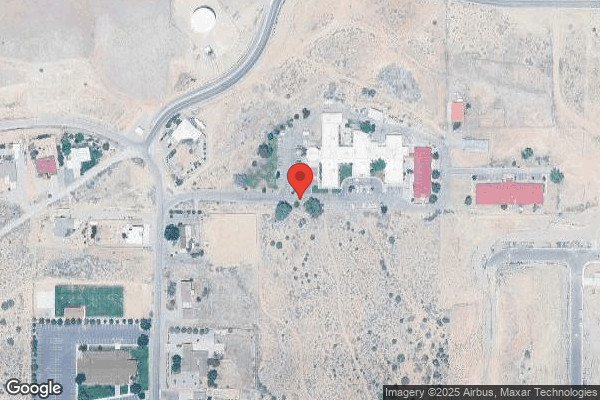
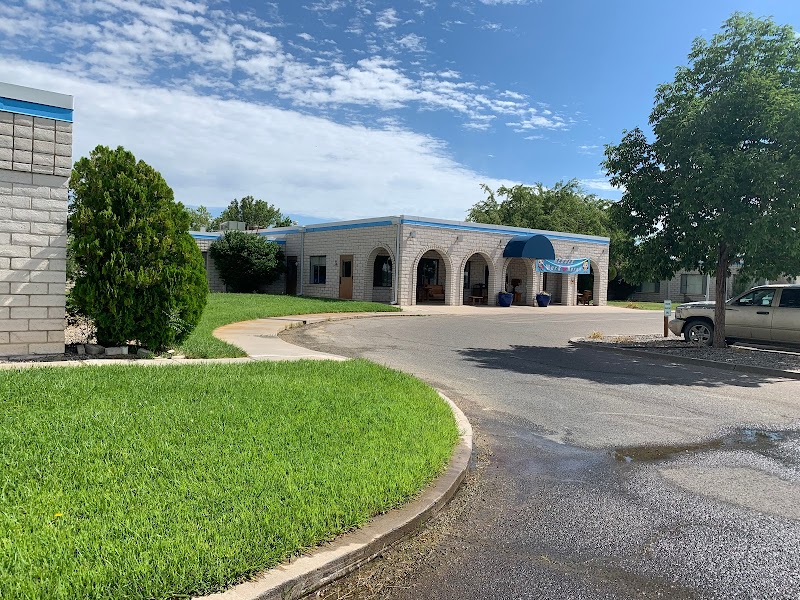

Aztec Healthcare

500 Care Lane, Aztec, NM 87410 (505) 334-9445
For profit - Corporation 112 Beds OPCO SKILLED MANAGEMENT Data: November 2025 2 Immediate Jeopardy citations
Trust Grade
0/100
#54 of 67 in NM
Last Inspection: June 2024

Within standard 12-15 month inspection cycle. Federal law requires annual inspections.

Overview

Aztec Healthcare in Aztec, New Mexico, has a Trust Grade of F, indicating poor performance with significant concerns regarding resident care. It ranks #54 out of 67 facilities in the state and #6 out of 6 in San Juan County, placing it in the bottom half overall. The facility's situation is worsening, with issues increasing from 6 in 2023 to 11 in 2024. Staffing is rated poorly with a 1/5 star rating and a turnover rate of 59%, which is around the state average. Additionally, the facility has incurred $136,098 in fines, higher than 91% of New Mexico facilities, indicating serious compliance issues. There is average RN coverage, which means nurses are present to manage care, but the quality of care is still concerning. Specific incidents include a failure to notify a physician about critical test results for a resident, leading to delayed treatment and contributing to that resident's death. Another incident involved emotional and physical abuse, where staff did not remove a deceased resident's body in a timely manner, causing distress to other residents. Overall, while there are some staffing resources, the facility is struggling significantly with compliance and quality of care.

Trust Score
F
0/100
In New Mexico
#54/67
Bottom 20%
Safety Record
High Risk
Review needed
Inspections
Getting Worse
6 → 11 violations
Staff Stability
⚠ Watch
59% turnover. Above average. Higher turnover means staff may not know residents' routines.
Penalties
✓ Good
$136,098 in fines. Lower than most New Mexico facilities. Relatively clean record.
Skilled Nurses
⚠ Watch
Each resident gets only 28 minutes of Registered Nurse (RN) attention daily — below average for New Mexico. Fewer RN minutes means fewer trained eyes watching for problems.
Violations
⚠ Watch
33 deficiencies on record. Higher than average. Multiple issues found across inspections.
★☆☆☆☆
1.0
Overall Rating
★☆☆☆☆
1.0
Staff Levels
★★★★☆
4.0
Care Quality
★★☆☆☆
2.0
Inspection Score
Stable
2023: 6 issues
2024: 11 issues

The Good

  • 4-Star Quality Measures · Strong clinical quality outcomes
  • Full Sprinkler Coverage · Fire safety systems throughout facility
  • No fines on record

Facility shows strength in quality measures, fire safety.

The Bad

1-Star Overall Rating

Below New Mexico average (2.9)

Significant quality concerns identified by CMS

Staff Turnover: 59%

13pts above New Mexico avg (46%)

Frequent staff changes - ask about care continuity

Federal Fines: $136,098

Well above median ($33,413)

Significant penalties indicating serious issues

Chain: OPCO SKILLED MANAGEMENT

Part of a multi-facility chain

Ask about local staffing decisions and management

Staff turnover is elevated (59%)

11 points above New Mexico average of 48%

The Ugly 33 deficiencies on record

2 life-threatening 2 actual harm
Dec 2024 2 deficiencies 2 IJ
CRITICAL (J) 📢 Someone Reported This

A family member, employee, or ombudsman was alarmed enough to file a formal complaint

Immediate Jeopardy (IJ) - the most serious Medicare violation

Notification of Changes (Tag F0580)

Someone could have died · This affected 1 resident

**NOTE- TERMS IN BRACKETS HAVE BEEN EDITED TO PROTECT CONFIDENTIALITY** PAST NOT COMPLIANCE Based on record review and interview, the facility failed to notify the physician, for 1 (R #7) of 1 (R #7) ...

Read full inspector narrative →
**NOTE- TERMS IN BRACKETS HAVE BEEN EDITED TO PROTECT CONFIDENTIALITY** PAST NOT COMPLIANCE Based on record review and interview, the facility failed to notify the physician, for 1 (R #7) of 1 (R #7) resident reviewed, of the results of the resident's ordered chest X-ray, complete blood count (CBC; a blood test that measures the number and type of cells in the blood), and comprehensive metabolic panel (CMP; a group of tests to measure various substances in the blood) following a change in condition. This deficient practice likely resulted in delayed treatment for pneumonia (a lung infection that makes it difficult for a person to breathe) and likely contributed to R #7's death. The findings are: A. Record review of R #7's hospital discharge report, dated 10/31/24, revealed R #7 was a [AGE] year old male with history of liver cirrhosis (chronic liver damage leading to scarring and liver failure), esophageal varices (abnormal veins that usually develop when the blood to the liver is blocked) and chronic left arm deformity, presenting with concern for gastrointestinal (GI; digestive tract) bleed. He initially presented with confusion, falls, and weakness. He was given cefepime (antibiotic) and vancomycin (antibiotic) for possible pneumonia. B. Record review of R #7's facility Face Sheet revealed the resident was admitted to the facility on [DATE]. C. Record review of R #7's care plan, dated 11/01/24, revealed R #7 had an advanced directive of Full Code (life saving procedures desired.) D. Record review of R #7's Medication Administration Record, dated November 2024, revealed R #7 was prescribed and received the following medications: 1. Furosemide (a diuretic, water pill; medication to help the kidneys remove extra salt and water through urine) 20 mg daily, 2. Pantoprazole (medication used to reduced stomach acid) 40 mg daily for gastroesophageal reflux disease (GERD; A digestive disease in which stomach acid or bile irritates the food pipe lining), 3. Lactulose (laxative) 10 grams (g) / 15 milliliters (ml) three times daily for constipation, 4. Midodrine (medication used to treat low blood pressure) 5 mg three times daily for orthostatic hypotension (low blood pressure.) E. Record review of R #7's change in condition (CIC) assessment, dated 11/26/24, revealed staff reported the resident experienced a change in medical condition due to constant unproductive cough that started at midnight. Staff documented, I heard the resident persistent coughing, unproductive cough, weak. Staff notified the Medical Provider at 5:00 am, and the Medical Provider ordered the resident to be sent to the hospital for a chest x-ray, CBC, CMP, and Robitussin (cough medicine) 10 ml every four hours as needed. F. Record review of R #7's diagnostic results of the X-ray, CBC, and CMP revealed the results were faxed to the facility on [DATE] at 1:52 PM. The lab results included the following: 1. Red blood cell count: 2.37 (normal 4.30 to 5.90), 2. Hemoglobin: 8.4 (normal 13.9 to 17.5), 3. Hematocrit: 25.2 (normal 41.0 to 53.0), 4. Sodium: 124 (normal 137 to 145), 5. Potassium: 2.8 (normal 3.5 to 5.1), 6. Chloride: 95 (normal 98 to 107), 7. Chest x-ray: Small infusions with basilar (build-up of fluid between lungs and diaphragm) predominant airspace opacities (gray area of lungs.) Worse compared to 11/03/24. G. Record review of Staff Member (SM) #1's written statement revealed SM #1 received the lab results on 11/26/24 at 1:53 PM and emailed the results to the Director of Nursing (DON) and the Assistant Director of Nursing (ADON) on 11/26/24 at 1:58 PM. SM #1 also printed a hard copy of the results and left it at the nurse's station. H. Record review of R #7's medical record revealed there were not any new orders for the resident from 11/26/24 to 11/28/24. I. Record review of R #7's CIC assessment, dated 11/28/24, revealed staff reported a CIC due to expiratory wheezing (a whistling sound that occurs when you exhale and indicates a partial or mild blockage in your airway. It is often caused by a narrowing of the smaller airways). The physician was notified on 11/28/24 at 3:36 pm, and it was recommended that R #7 get a chest x-ray. J. On 12/16/24 at 3:29 PM during an interview, the ADON stated R #7 was sent for labs and a chest x-ray on 11/26/24 due to persistent and unproductive cough. She stated the lab results and chest x-ray were faxed to the facility on the same day (11/26/24), and the receptionist was responsible to get the labs to the staff. The ADON stated the lab results were left on the keyboard at the nurse's station on 11/26/24. She stated she [ADON] should have sent the lab results to the Physician on 11/26/24, but she did not. The ADON stated staff should have notified the resident's physician the same day regarding the abnormal lab results, but they did not. The ADON reviewed the R #7's lab results and stated R #7's potassium was critically low. She stated R #7 should have been sent to the hospital since he was on a lasix (furosemide) and did not have a potassium supplement ordered. The ADON stated the physician ordered the resident to be sent out for a chest x-ray after the CIC on 11/28/24; however, staff noted an x-ray was done on 11/26/24, but the labs needed to be reviewed. The ADON stated staff notified the Physician on 11/29/24 of the resident's x-ray results from 11/26/24. The ADON stated the Physician suspected R #7 had pneumonia and ordered Levaquin (an antibiotic.) K. Record review of R #7's Medication Administration Record revealed an order, started on 11/29/24, for Levaquin 250 mg. Give two tablets by mouth one time a day for infection for 10 days. L. Record review of R #7's nursing progress notes, dated 11/30/24, revealed staff found the resident unresponsive and breathless on 11/30/24 at 12:53 AM. R #7 was unable to be revived despite emergency care including cardiopulmonary resuscitation (CPR; an emergency procedure that combines chest compression with artificial ventilation). R #7 passed away. M. On 12/17/24 at 1:40 PM during an interview, R #7's Physician stated staff did not notify him of the x-ray results and blood test results that were ordered on 11/26/24. The Physician stated if staff had notified him, then he would have ordered antibiotics to treat R #7's pneumonia. He confirmed staff did not notify him of the abnormal potassium results. He stated he also would have ordered a potassium supplement and follow-up testing for the low potassium. He stated staff notified him of the chest x-ray results from 11/26/24 which showed the resident had pneumonia, and he ordered Levaquin. The Physician stated R #7's death was not unexpected, and he should have been on palliative care (specialized medical care for people living with a serious or chronic illness.) Based upon record review and interview, the incident was identified as Past Non-Compliance (PNC) Immediate Jeopardy (IJ). The facility Administrator was notified of the IJ on 12/17/24 at 3:55 pm. Based on the facility's investigation of R #7's death, the following interventions were implemented and placed in an Improvement Action Plan prior to survey investigation which included: Facility sweep of residents with diagnostic orders and verify physician notification. Completed 12/01/24. - No residents were identified as having non-compliance. Staff education on appropriate follow-up/notification of lab results. Completed 11/30/24. - Record review of In-service training report, dated 11/30/24, revealed a summary of training to include ensuring Change of Condition (COC) assessments and reporting, inputting admission orders and progress notes, complete lab tracking sheet at the end of the shift, and reporting lab and imaging results to MD. The training was signed by ten nurses (RN/LPNs) and one CNA. Process changes for delivery of diagnostic results to include face-to-face receipt of results. Completed 11/30/24. - On 12/17/24 at 8:50 am during interview with the Director of Nursing (DON), she confirmed the process for diagnostic results delivery was changed to include a hot handoff (receptionist must physically hand the results to a nurse). The DON also confirmed they have added a tracker and auditing book to monitor results. Implementation of new tracking for diagnostic orders. Completed 11/30/24. - On 12/17/24 at 8:50 am during interview with the DON, she confirmed they added a tracker and auditing book to monitor results. - Record review of the tracker revealed sections to include date of COC, lab tracker with drawn and result dates, and Physician notification. Ad Hoc QAPI meeting to discuss and approve Improvement Action Plan. Completed 12/03/24. Continuing audits reported at QAPI meetings. On-going. Surveyor verified the implementation of the Improvement Action Plan and did not identify any further non-compliance with samples residents.
CRITICAL (J) 📢 Someone Reported This

A family member, employee, or ombudsman was alarmed enough to file a formal complaint

Immediate Jeopardy (IJ) - the most serious Medicare violation

Quality of Care (Tag F0684)

Someone could have died · This affected 1 resident

**NOTE- TERMS IN BRACKETS HAVE BEEN EDITED TO PROTECT CONFIDENTIALITY** PAST NON-COMPLIANCE Based on record review and interview, the facility failed to notify the physician, for 1 (R #7) of 1 (R #7) ...

Read full inspector narrative →
**NOTE- TERMS IN BRACKETS HAVE BEEN EDITED TO PROTECT CONFIDENTIALITY** PAST NON-COMPLIANCE Based on record review and interview, the facility failed to notify the physician, for 1 (R #7) of 1 (R #7) resident reviewed, of the results of the resident's ordered chest X-ray, complete blood count (CBC; a blood test that measures the number and type of cells in the blood), and comprehensive metabolic panel (CMP; a group of tests to measure various substances in the blood) following a change in condition. This deficient practice likely resulted in delayed treatment for pneumonia (a lung infection that makes it difficult for a person to breathe) and likely contributed to R #7's death. The findings are: A. Record review of R #7's hospital discharge report, dated 10/31/24, revealed R #7 was a [AGE] year old male with history of liver cirrhosis (chronic liver damage leading to scarring and liver failure), esophageal varices (abnormal veins that usually develop when the blood to the liver is blocked) and chronic left arm deformity, presenting with concern for gastrointestinal (GI; digestive tract) bleed. He initially presented with confusion, falls, and weakness. He was given cefepime (antibiotic) and vancomycin (antibiotic) for possible pneumonia. B. Record review of R #7's facility Face Sheet revealed the resident was admitted to the facility on [DATE]. C. Record review of R #7's care plan, dated 11/01/24, revealed R #7 had an advanced directive of Full Code (life saving procedures desired.) D. Record review of R #7's Medication Administration Record, dated November 2024, revealed R #7 was prescribed and received the following medications: 1. Furosemide (a diuretic, water pill; medication to help the kidneys remove extra salt and water through urine) 20 mg daily, 2. Pantoprazole (medication used to reduced stomach acid) 40 mg daily for gastroesophageal reflux disease (GERD; A digestive disease in which stomach acid or bile irritates the food pipe lining), 3. Lactulose (laxative) 10 grams (g) / 15 milliliters (ml) three times daily for constipation, 4. Midodrine (medication used to treat low blood pressure) 5 mg three times daily for orthostatic hypotension (low blood pressure.) E. Record review of R #7's change in condition (CIC) assessment, dated 11/26/24, revealed staff reported the resident experienced a change in medical condition due to constant unproductive cough that started at midnight. Staff documented, I heard the resident persistent coughing, unproductive cough, weak. Staff notified the Medical Provider at 5:00 am, and the Medical Provider ordered the resident to be sent to the hospital for a chest x-ray, CBC, CMP, and Robitussin (cough medicine) 10 ml every four hours as needed. F. Record review of R #7's diagnostic results of the X-ray, CBC, and CMP revealed the results were faxed to the facility on [DATE] at 1:52 PM. The lab results included the following: 1. Red blood cell count: 2.37 (normal 4.30 to 5.90), 2. Hemoglobin: 8.4 (normal 13.9 to 17.5), 3. Hematocrit: 25.2 (normal 41.0 to 53.0), 4. Sodium: 124 (normal 137 to 145), 5. Potassium: 2.8 (normal 3.5 to 5.1), 6. Chloride: 95 (normal 98 to 107), 7. Chest x-ray: Small infusions with basilar (build-up of fluid between lungs and diaphragm) predominant airspace opacities (gray area of lungs.) Worse compared to 11/03/24. G. Record review of Staff Member (SM) #1's written statement revealed SM #1 received the lab results on 11/26/24 at 1:53 PM and emailed the results to the Director of Nursing (DON) and the Assistant Director of Nursing (ADON) on 11/26/24 at 1:58 PM. SM #1 also printed a hard copy of the results and left it at the nurse's station. H. Record review of R #7's medical record revealed there were not any new orders for the resident from 11/26/24 to 11/28/24. I. Record review of R #7's CIC assessment, dated 11/28/24, revealed staff reported a CIC due to expiratory wheezing (a whistling sound that occurs when you exhale and indicates a partial or mild blockage in your airway. It is often caused by a narrowing of the smaller airways). The physician was notified on 11/28/24 at 3:36 pm, and it was recommended that R #7 get a chest x-ray. J. On 12/16/24 at 3:29 PM during an interview, the ADON stated R #7 was sent for labs and a chest x-ray on 11/26/24 due to persistent and unproductive cough. She stated the lab results and chest x-ray were faxed to the facility on the same day (11/26/24), and the receptionist was responsible to get the labs to the staff. The ADON stated the lab results were left on the keyboard at the nurse's station on 11/26/24. She stated she [ADON] should have sent the lab results to the Physician on 11/26/24, but she did not. The ADON stated staff should have notified the resident's physician the same day regarding the abnormal lab results, but they did not. The ADON reviewed the R #7's lab results and stated R #7's potassium was critically low. She stated R #7 should have been sent to the hospital since he was on a lasix (furosemide) and did not have a potassium supplement ordered. The ADON stated the physician ordered the resident to be sent out for a chest x-ray after the CIC on 11/28/24; however, staff noted an x-ray was done on 11/26/24, but the labs needed to be reviewed. The ADON stated staff notified the Physician on 11/29/24 of the resident's x-ray results from 11/26/24. The ADON stated the Physician suspected R #7 had pneumonia and ordered Levaquin (an antibiotic.) K. Record review of R #7's Medication Administration Record revealed an order, started on 11/29/24, for Levaquin 250 mg. Give two tablets by mouth one time a day for infection for 10 days. L. Record review of R #7's nursing progress notes, dated 11/30/24, revealed staff found the resident unresponsive and breathless on 11/30/24 at 12:53 AM. R #7 was unable to be revived despite emergency care including cardiopulmonary resuscitation (CPR; an emergency procedure that combines chest compression with artificial ventilation). R #7 passed away. M. On 12/17/24 at 1:40 PM during an interview, R #7's Physician stated staff did not notify him of the x-ray results and blood test results that were ordered on 11/26/24. The Physician stated if staff had notified him, then he would have ordered antibiotics to treat R #7's pneumonia. He confirmed staff did not notify him of the abnormal potassium results. He stated he also would have ordered a potassium supplement and follow-up testing for the low potassium. He stated staff notified him of the chest x-ray results from 11/26/24 which showed the resident had pneumonia, and he ordered Levaquin. The Physician stated R #7's death was not unexpected, and he should have been on palliative care (specialized medical care for people living with a serious or chronic illness.) Based upon record review and interview, the incident was identified as Past Non-Compliance (PNC) Immediate Jeopardy (IJ). The facility Administrator was notified of the IJ on 12/17/24 at 3:55 pm. Based on the facility's investigation of R #7's death, the following interventions were implemented and placed in an Improvement Action Plan prior to survey investigation which included: Facility sweep of residents with diagnostic orders and verify physician notification. Completed 12/01/24. - No residents were identified as having non-compliance. Staff education on appropriate follow-up/notification of lab results. Completed 11/30/24. - Record review of In-service training report, dated 11/30/24, revealed a summary of training to include ensuring Change of Condition (COC) assessments and reporting, inputting admission orders and progress notes, complete lab tracking sheet at the end of the shift, and reporting lab and imaging results to MD. The training was signed by ten nurses (RN/LPNs) and one CNA. Process changes for delivery of diagnostic results to include face-to-face receipt of results. Completed 11/30/24. - On 12/17/24 at 8:50 am during interview with the Director of Nursing (DON), she confirmed the process for diagnostic results delivery was changed to include a hot handoff (receptionist must physically hand the results to a nurse). The DON also confirmed they have added a tracker and auditing book to monitor results. Implementation of new tracking for diagnostic orders. Completed 11/30/24. - On 12/17/24 at 8:50 am during interview with the DON, she confirmed they added a tracker and auditing book to monitor results. - Record review of the tracker revealed sections to include date of COC, lab tracker with drawn and result dates, and Physician notification. Ad Hoc QAPI meeting to discuss and approve Improvement Action Plan. Completed 12/03/24. Continuing audits reported at QAPI meetings. On-going. Surveyor verified the implementation of the Improvement Action Plan and did not identify any further non-compliance with samples residents.
Sept 2024 1 deficiency
CONCERN (D) 📢 Someone Reported This

A family member, employee, or ombudsman was alarmed enough to file a formal complaint

Potential for Harm - no one hurt, but risky conditions existed

Deficiency F0676 (Tag F0676)

Could have caused harm · This affected 1 resident

**NOTE- TERMS IN BRACKETS HAVE BEEN EDITED TO PROTECT CONFIDENTIALITY** Based on record review and interview, the facility failed to assist 1 (R #3) out of 3 (R #1, 2 and 3) residents reviewed for act...

Read full inspector narrative →
**NOTE- TERMS IN BRACKETS HAVE BEEN EDITED TO PROTECT CONFIDENTIALITY** Based on record review and interview, the facility failed to assist 1 (R #3) out of 3 (R #1, 2 and 3) residents reviewed for activities of daily living (ADLs; activities related to personal care such as bathing, showering, dressing, walking, toileting, and eating). This deficient practice could likely cause a resident to feel like they are a burden and embarrassed. The findings are: A. Record review of the face sheet for R #3 revealed the resident was admitted to the facility on [DATE] and discharged on 07/17/24. The resident had the following diagnoses: - Left lower foot amputation, - Type II diabetes (affects how your body uses insulin), - Circulatory issues (diseases that can affect your heart and blood vessels), - Diabetic neuropathy (type of nerve damage that can occur when you have diabetes), - Stomach cancer. - This is not an all inclusive list. B. Record review of the admission Minimum Data Set (MDS; standardized, comprehensive assessment of an adult's functional, medical, psychosocial, and cognitive status) for R #3, dated 06/16/24, indicated the resident required partial, moderate assistance for toileting. C. Record review of the admission care plan for R #3, dated 05/14/24 to 07/17/24, revealed the care plan did not indicate R #3 was non-weight bearing with her legs. D. Record review of a grievance, dated 07/05/24, revealed R #3 reported to a staff member that she needed to go to the bathroom, and Certified Nursing Assistant (CNA) #2 told her to go in her brief. R #3 reported she did not want to do that. E. Record review of a written statement by CNA #2, dated 07/04/24, revealed CNA #2 stated she was told over and over that R #3 was a fall risk and non-weight bearing on her left foot. CNA #2 stated R #3 had difficulty with bowel movements in her wheelchair so I let her in bed so it's easier for her. This has been good for her. CNA #2 stated when R #3 mentioned she would have a bowel movement soon, CNA #2 told R #3 to let her know when she was finished. F. Record review of a written statement by CNA #4, dated 02/05/24, indicated she worked the same hall with CNA #2. She stated R #3 frequently asked to be transferred to the toilet, but she could not bear weight on her legs at all. CNA #4 stated staff usually changed R #3's brief or offered the resident a bed pan. She stated often R #3 will not void or defecate after staff transfer her to the toilet. G. On 09/09/24 at 2:31 pm, during an interview with Family Member (FM) #2, she stated the facility Administrator called her immediately after the incident, and the Administrator told her the CNA was suspended while they investigated the incident. FM #2 stated the Administrator verified the CNA told her mother to go to the bathroom in her brief. H. On 09/10/24 at 12:45 pm, during an interview with the Corporate Nurse (CN), she stated the Activities Assistant (AA) answered R #3's call light. The CN stated R #3 asked the AA if she would change her and then told the AA that CNA #4 told her to just go in her brief and she would change when she was done. The CN stated staff should provide R #3 the opportunity to go to the bathroom in the toilet. The CN stated it was hit and miss with R #3 using the toilet. The CN stated the resident had a partial foot amputation so there was a weight bearing issue on that foot, but the resident was not a non-weight bearing status. She stated the resident would use the toilet, and she would also use her brief. She stated staff should take residents who can get up to the toilet when they needed to go. The facility took corrective action immediately with CNA #2 and retrained all staff on 07/08/24. CNA #2 was also retrained on dignity and resident rights on 07/26/24. Due to the facility taking immediate correction action, the facility will be cited at past non-compliance. Facility was in compliance as of 07/26/24. 1. The facility started an investigation into the incident after the grievance was submitted on 07/05/24. During the investigation, CNA #2 was suspended pending the results of the investigation. The outcome was for CNA #2 to be retrained on dignity and resident rights. 2. Record review of a corrective action memo, issued on 07/05/24 by Interim Director of Nursing (DON), indicated the allegations occured and was a lack of dignity, against resident rights, and against their facility policy. 3. Record review of the employee education sign-in sheets, dated 07/08/24, for abuse and neglect, customer service, and care intervention indicated CNA #2 went to the training. 4. Record review of a training record, dated 07/26/24, indicated R #2 received dignity and privacy training. 5. Resident interviews were conducted with the residents residing on the same hall. Interviews did not identify any other resident who were told by staff to use the bathroom in their brief.
Jun 2024 6 deficiencies 1 Harm
SERIOUS (G) 📢 Someone Reported This

A family member, employee, or ombudsman was alarmed enough to file a formal complaint

Actual Harm - a resident was hurt due to facility failures

Free from Abuse/Neglect (Tag F0600)

A resident was harmed · This affected 1 resident

**NOTE- TERMS IN BRACKETS HAVE BEEN EDITED TO PROTECT CONFIDENTIALITY** Based on interview and record review the facility failed to keep residents free from abuse for 4 (R #27, R #28, R #56 and R #134...

Read full inspector narrative →
**NOTE- TERMS IN BRACKETS HAVE BEEN EDITED TO PROTECT CONFIDENTIALITY** Based on interview and record review the facility failed to keep residents free from abuse for 4 (R #27, R #28, R #56 and R #134) of 5 (R #20, R #27, R # 28, R #54 and R #134) residents reviewed for abuse when staff failed to: 1. Prevent emotional trauma as a result of not immediately removing the deceased body of R #27's roommate or moving R #27 from the room while waiting for the funeral home. 2. Physical abuse by the same Certified Nurse Aide (CNA) for R #27, 38, 56, and 134. The findings are: Findings for R #27 A. Record review of R #27's face sheet, dated [DATE], revealed she was admitted to the facility on [DATE] for multiple diagnoses including but not limited to: - Need for assistance with personal care. - Lack of coordination. - Morbid obesity (severe) due to excess calories (imbalance between the number of calories consumed and the number of calories burned). B. Record review of R #27's quarterly Minimum Data Set (MDS; a federally mandated assessment instrument completed by facility staff), dated [DATE], revealed the resident had a Brief Interview for Mental Status (BIMS; a screening for cognitive impairment. Scores range from 00 to 15) score of 15, cognitively intact. C. On [DATE] at 1:55 pm during an interview, R #27 stated she was R #136's roommate since [DATE]. She stated her roommate (R #136) passed away on [DATE], and staff left her in the room with the body. R #27 stated she asked staff to move the body, but they did not. She stated an unknown CNA stood behind the privacy curtain, told her Rest in peace, [Name of R #27], turned off the light, walked out of the room, and shut the door. She stated since that day she had panic attacks and did not want another roommate. She stated she was scared and had anxiety about being in a room with another deceased roommate. R #27 revealed she told the Assistant Director of Nursing (ADON) about the incident, but she did not receive a response from the ADON. D. Record review of a nursing progress note for R #136, dated [DATE], revealed R #136 passed away on [DATE] at 1:24 am, and the body was removed from the room at 3:00 am. E. On [DATE] at 11:49 am, during an interview, the Assistant Director of Nursing (ADON) confirmed R #136 was deceased and left in R #27's room from 1:24 am to 3:00 am. The ADON stated she did not believe it to be best practice to leave a resident in the room with a deceased roommate. Findings related to CNA #4 R #134 F. Record review of R #134 face sheet, dated [DATE], revealed she was admitted to the facility on [DATE] with multiple diagnoses including, but not limited to: - Malignant neoplasm of unspecified site of unspecified female breast (breast cancer). - Type 2 diabetes with diabetic neuropathy (nerve damage that develops gradually and caused by long-term high blood sugar levels). - Muscle weakness. - Unsteadiness on feet. - Need for assistance with personal care. - Dependence on dialysis (a blood purifying treatment given when kidney function is not optimum). - Lack of coordination. G. Record review of the facility incident report, dated [DATE], revealed R #134 reported CNA #4 entered her room, kicked her on her lower leg, and hit her kidney to wake her up on [DATE] around 8:30 pm. R #134 stated she was unsure if she wanted to report it. There were no injuries noted. H. On [DATE] at 11:49 am, during an interview with the ADON, she stated CNA #4 was suspended pending investigation on [DATE] with a return date of [DATE]. I. Record review of Corrective Action Memo for CNA #4, dated [DATE], revealed CNA #4 reported she attempted to wake R #134 several times, but R #134 did not wake up. CNA #4 reported she tapped the resident on the shoulder, and it startled the resident. J. Record review of the facility's In-Service Training for Abuse/Neglect training, dated [DATE], and the facility's Customer Service/Care Interaction training, dated [DATE], revealed CNA #4 was in attendance. R #28 K. Record review for R #28's face sheet, dated [DATE], revealed she was admitted to the facility on [DATE] with multiple diagnoses including but not limited to: - Parkinson, unspecified (not a single disease, but a term for a group of conditions that affect movement and mimics Parkinson disease). - Chronic respiratory failure with hypoxia (an ongoing condition that affects your ability to breathe and process oxygen). - Need for assistance with personal care. - Other dysphasia (trouble swallowing). - Unsteadiness on feet. - Morbid obesity due to excess calories (imbalance between the number of calories consumed and the number of calories burned). - Rheumatoid arthritis, unspecified (chronic inflammatory disease that affects the joints). - Depression (feeling of sadness). L. Record review of a grievance report for R #28, dated [DATE], revealed the resident stated the night before [[DATE] thru [DATE]] was the worst night she ever had. R #28 reported CNA #4 yelled at her and told her to stay off the call light. R #28 stated CNA #4 said she would return to help her. R #28 stated CNA #4 shoved her, was very aggressive, and hurt her when she (CNA #4) changed her. M. On [DATE] at 1:17 pm, during an interview, R #28 stated a female staff was rough with her during care, but she was unable to recall the CNA's name. She stated the CNA worked nights. R #28 stated she had bruises from the CNA. She stated the police came and took a report from her. She stated she knew the CNA was fired. R #28 stated she felt like the call light was there so she could get help, not to make her feel like a problem. N. Record review of the staff schedule, dated [DATE], showed CNA #4 worked on R #28's unit on [DATE] during the 7:00 pm to 7:00 am shift. O. Record review of timecard for CNA #4 revealed the last shift she worked at the facility was the evening shift on [DATE] at 6:02 pm until morning of [DATE] at 6:01 am. P. Record review of the Police Department Field Case Report, dated [DATE], revealed the following: - Name of CNA #4. - Name victim: R #28. - Officer received a report from R #28, She advised she was resting in bed. She stated the CNA (her name) told her to keep off her call light. When the CNA #4 came to turn her, she shoved her over to the side very roughly. - During an interview, R #28 told the Officer, [Name of CNA #4] was in a bad mood. She yelled at me for using the call light. R #28 told the Officer that CNA #4 was very aggressive and rough with her when she (CNA #4) came to turn her (R #28). The resident stated the CNA shoved her to the point it caused bruising and pain. Q. Record review of the Police Department Field Case Supplement, dated [DATE] revealed the following: - R #28 stated she pressed her call light throughout the shift, and it upset CNA #4. The resident stated CNA #4 started to yell and scream at her and told her not to press her call light button. R #28 told the Officer CNA #4 shoved her when she (CNA #4) changed her (R #28). The resident showed the Officer how it occurred with her hand, in a palm strike type manner. R #28 stated CNA #4 hit/shoved R #28's right leg, and it was so hard it caused her leg to hit her other leg. - R #28 showed the officer her right outer thigh, and a large amount of bruising was noted on her leg. It covered approximately seven inches in length, along with multiple inches wide. - R #28 showed the officer her left inner leg, and the officer observed a lot of bruising. - R #28 stated CNA #4 caused the bruising. - There were two photographs of the right leg bruising and left leg bruising. R. Record review of the Police Department Field Case, Supplemental Narrative, dated [DATE], revealed an arrest warrant was obtained for CNA #4 for one count of battery (the unlawful application of physical force to another person without their consent). S. On [DATE] at 11:49 am, during an interview with the ADON, she stated they suspended CNA #4 pending investigation when the incident was reported on [DATE], and they terminated CNA #4's employment at the facility on [DATE]. T. On [DATE] at 11:31 am, during an interview with Director of Nursing (DON), she stated CNA #4 came back to work on [DATE] and was placed on the 200 hall. She stated, that after CNA #4 returned, a staff member reported to her (the DON) that R #28 voiced concerns about the CNA. The DON stated she spoke with R #28, and the resident told her about the terrible night she had with CNA #4. She stated R #28 reported CNA #4 scolded her for using her call light too many times, and when CNA #4 turned her, she (CNA #4) shoved her (R #28) on her hip area. The DON stated staff assessed R #28 and filed a grievance form. She stated during R #28's assessment, staff noted slight bruising on the resident's right side hip area. The DON stated she immediately suspended CNA #4 again, and staff did a skin sweep on the hall that CNA #4 worked. The DON stated that was when they found the bruising on R #56. R # 56 U. Record review of R #56's face sheet, dated [DATE], revealed she was admitted to the facility on [DATE] with multiple diagnoses that including but not limited to: - Fracture of the neck right femur (broken hip). - Adult failure to thrive (a condition that affects appetite, weight, and activity). - Need for assistance with personal care. - Unspecified dementia, unspecified severity, with psychotic disturbance (caused by damage to or loss of nerve cells and their connections in the brain). - Muscle wasting and atrophy, not elsewhere classified, multiple sites (loss of muscle leading to its shrinking and weakening). - Other symptoms and signs involving cognitive functions and awareness (difficulty in understanding or making sense of one's surroundings). V. Record review of a Shower Sheet for R #56, dated [DATE], did not identify any skin injury. W. Record review of Change in Condition Evaluation for R #56, dated [DATE], revealed resident had swelling with purple/black discoloration to her right lower arm. X. Record review of nursing progress notes for R #56, dated [DATE], revealed the resident was sent out for a right arm x-ray due to suspicion of a fracture. Y. Record review of the Diagnostic Radiology Report for R #56, dated [DATE], revealed the following: - Reason for exam: bruising and swelling of right forearm. - No fractures or dislocation. Z. Record review of the Police Department Case Report, dated [DATE], revealed: - R #56 had major bruising and trauma to her right forearm, on or around [DATE] [sic]. R #56 did not have any injuries prior to receiving care from CNA #4, and CNA #4 was the only staff who cared for the resident on [DATE] [sic]. Additionally, there was not an obvious medical cause for the injury, no blood drawn, and R #56 did not have any clotting disorders or medical conditions which would cause her to bruise spontaneously. - Pictures were part of the file and showed bruising of the resident's right forearm, with a visible bump to the right forearm. - According to the detective, the injuries on R #56 appeared to be consistent with her arm having been grabbed aggressively. AA. On [DATE] at 10:24 am during interview with the Regional Nurse Consultant (RNC), she confirmed the last time CNA #4 worked at the building was the evening of [DATE] thru the morning of [DATE]. The RNC stated R #56 had skin discoloration on [DATE], and the Physician felt the injury was latent (existing but not yet developed) in showing bruising. She also stated CNA #4 worked with R #56 independently on the evening shift of [DATE]. She stated the CNAs worked in pairs the evening of [DATE], and they did not report any incident of falls or other concerns, as it related to the bruising on R #56's arm. The RNC stated they felt that it was very likely that CNA #4 also hurt R #56, due to the other allegations/injury identified with R #28.
CONCERN (D)

Potential for Harm - no one hurt, but risky conditions existed

Deficiency F0554 (Tag F0554)

Could have caused harm · This affected 1 resident

Based observation, record review, and interview the facility failed to have the Interdisciplinary Team (IDT; a facility team composed of various professionals who review and determine resident needs a...

Read full inspector narrative →
Based observation, record review, and interview the facility failed to have the Interdisciplinary Team (IDT; a facility team composed of various professionals who review and determine resident needs and abilities) determine if residents could self-administer medication for 1 (R #73) of 1 (R #73) residents randomly sampled. This deficient practice is likely to result in residents self-administering medication inappropriately or incorrectly which could cause harm. The findings are: A. Record review of R #73's care plan, dated 05/05/24, revealed the plan did not state the resident could self-administer medication. B. Record review of R #73's active physician's orders, as of 06/04/24, revealed the resident did not have an order for self-administering medications. C. On 06/04/24 at 8:55 am, during an observation, R #73 ate her breakfast while lying in bed. R #73 took a medication cup with five tablets in it and swallowed the medication one at a time. Further observation revealed staff members were not present inside the resident's room or outside her door. D. On 06/04/24 at 9:00 am, during an interview with R #73, she stated she liked to take her morning medications after she ate, and the staff member left them with her to take after she finished eating. R #73 further stated she needed to take her medications one at a time, because she choked on them if she took them all together. E. On 06/05/24 at 12:06 pm, during an interview with the Director of Nursing (DON), she stated that if a resident was allowed to administer their own medications, then it would be documented in the resident's physician orders and care plan. The DON stated R #73's physician's orders and care plan did not contain the information, and the resident was not allowed to administer her own medications. The DON further stated it was expected for staff to observe the resident take medications and not to leave the medication with the resident.
CONCERN (D)

Potential for Harm - no one hurt, but risky conditions existed

Comprehensive Care Plan (Tag F0656)

Could have caused harm · This affected 1 resident

**NOTE- TERMS IN BRACKETS HAVE BEEN EDITED TO PROTECT CONFIDENTIALITY** Based on record review and interview, the facility failed to develop a comprehensive, person-centered plan which included inform...

Read full inspector narrative →
**NOTE- TERMS IN BRACKETS HAVE BEEN EDITED TO PROTECT CONFIDENTIALITY** Based on record review and interview, the facility failed to develop a comprehensive, person-centered plan which included information about fall interventions used for 1 (R #14) of 1 (R #14) residents reviewed for care plans. This deficient practice could likely result in residents not receiving the care needed to reach their highest practicable level of wellbeing. The findings are: A. Record review for R #14's face sheet, dated 06/04/24, revealed she was admitted to the facility on [DATE] for multiple diagnoses including but not limited to: - Cerebral infarction due to thrombosis of right posterior cerebral artery (Stroke due to a blood clot). - Abnormal posture (refers to rigid body movements and chronic abnormal positions of the body). - Unsteadiness on feet. - Muscle weakness. - Pain, unspecified. - Wedge compression fracture of T9 T10 vertebra (a type of compression fracture that occurs when one side of your vertebrae collapses and creates a wedge shape). - Wedge encounter compression fracture of T9 T10 vertebra (a type of compression fracture that occurs when one side of your vertebrae collapses and creates a wedge shape). B. On 06/04/24 at 10:46 am, during an observation, R #14 sat in her room in her wheelchair and fall mats were on the floor. C. On 06/06/24 at 12:30 pm, during an observation of R #14's room, two fully opened fall mats were on the floor. D. Record review of R #14's care plan, dated 02/13/24, revealed the care plan did not address the resident's use of fall mats as an intervention for falls. E. On 06/07/24 at 8:46 am, during an interview with the Assistant Director of Nursing (ADON), she stated staff leave the fall mats on the floor even when R #14 was out of bed. She stated the mats prevented the resident from receiving an injury from a fall. F. On 06/07/24 at 8:49 am during an interview, the Director of Nursing (DON) stated staff did not document the use of fall mats in R #14's care plan.
CONCERN (E) 📢 Someone Reported This

A family member, employee, or ombudsman was alarmed enough to file a formal complaint

Potential for Harm - no one hurt, but risky conditions existed

Report Alleged Abuse (Tag F0609)

Could have caused harm · This affected multiple residents

Resident #45 E. Record review of the health facility incident report, dated 04/15/24, showed the facility reported an incident to the SA regarding CNA #2 and R #45, but they did not submit the 5 day f...

Read full inspector narrative →
Resident #45 E. Record review of the health facility incident report, dated 04/15/24, showed the facility reported an incident to the SA regarding CNA #2 and R #45, but they did not submit the 5 day follow-up investigation. F. On 06/05/24 at 11:49 am and 12:25 pm, during an interview with the ADON, she stated she sent the five day follow-up investigations to the SA via the online reporting system, but she did not realize there was an error which did not allow them to be transmitted. Resident #134 C. Record review of the facility's incident report, dated 03/04/24, showed the facility reported an incident to the SA regarding CNA #4 and R #134, but they did not submit the five day follow-up investigation. Resident #28 D. Record review of the health facility incident report, dated 03/08/24, showed the facility reported an incident to the SA regarding CNA #4 and R #28, but they did not submit the five day follow-up investigation. Resident #56 D. Record review of the health facility incident report, dated 03/08/24, showed the facility reported an incident to the SA regarding CNA #4 and R #56, but they did not submit the five day follow-up investigation. Based on record review and interview, the facility staff failed to report incidents to the State Agency (SA) in which the management received an allegation of employee-to-resident abuse/neglect and submit a five day follow-up report (a report detailing the facility's investigation, conclusion, and corrections for incidents reported to the SA) for 5 residents (R #28, #45, #56, #133, and #134) of 7 (R #20, #27, #28, #45, #56, #133 and #134) residents reviewed for abuse. If the facility fails to report incidents and follow-ups to the SA, then it could likely impact the safety and well-being of the residents. The findings are: Resident #133 A. Record review of the nursing progress notes for R #133, dated on 01/08/24, indicated Nurse #7 informed Nurse #8 she could not find R #133 in the facility. Nurse #8 notified the Assistant Director of Nursing (ADON) that R #133 was missing for several hours. R #133 entered the facility smelling of alcohol. A blood alcohol content (BAC; a test to determine the amount of alcohol in a person's bloodstream. A blood alcohol content of 0.08% or greater would indicate legally intoxicated) was completed, and R #133 had a BAC of 0.209%. B. On 06/05/24 at 11:37 am, during an interview with the Assistant Director of Nursing (ADON), she stated staff notified her R #133 was intoxicated. She stated she also received a report of concerns that Certified Nursing Assistant (CNA) #4 and CNA #5 drank alcohol and smoked cigarettes with R #133 during the night shift (when the resident had a BAC of 0.209%). The ADON stated staff reported to her that R #133, CNA's #4, and CNA #5 hung out in one of the CNA's car off and on all evening. She stated R #133 did not tell her where he got the alcohol. The ADON stated they discharged R #133 from the facility and suspended CNA #4 and CNA #5. The ADON stated she did not know why she did not report the incident to the SA.
CONCERN (E) 📢 Someone Reported This

A family member, employee, or ombudsman was alarmed enough to file a formal complaint

Potential for Harm - no one hurt, but risky conditions existed

Deficiency F0658 (Tag F0658)

Could have caused harm · This affected multiple residents

Based on record review and interview, the facility failed to meet professional standards of quality for any of the residents who resided on 100, 200 hallways.This deficient practice could cause any of...

Read full inspector narrative →
Based on record review and interview, the facility failed to meet professional standards of quality for any of the residents who resided on 100, 200 hallways.This deficient practice could cause any of the residents on those two hallways to not have their needs met, which could cause issues like skin breakdown, infections, falls, and dehydration. The findings are: A. Record review of the nursing progress notes for R #133, dated on 01/08/24, indicated Nurse #7 informed Nurse #8 she could not find R #133 in the facility. Nurse #8 notified the Assistant Director of Nursing (ADON) that R #133 was missing for several hours. R #133 entered the facility smelling of alcohol. A blood alcohol content (BAC; a test to determine the amount of alcohol in a person's bloodstream. A blood alcohol content of 0.08% or greater would indicate legally intoxicated) was completed, and R #133 had a BAC of 0.209%. Nurse #8 also notified the Assistant Director of Nursing (ADON) that Certified Nursing Assistant (CNA) #5 was missing for several hours. B. Record review of a statement by CNA #8, dated 01/08/24, revealed CNA #8 worked the night shift that evening/night on 01/07/24 to 01/08/24. The statement revealed around 10 pm we noticed both girls (CNA #4 and #5) missing after multiple call lights had gone off for a significant time. The statement revealed hours passed between the times CNA #8 saw either CNA. The statement also revealed CNA #8 received a text message on his phone around 3:01 am from CNA #4 that stated let us know when our lights goes off. CNA #8 documented the CNAs returned a short time later, did rounds, and went home. C. Record review of a statement made by Nurse #7, dated 01/08/24, revealed CNA #5, CNA #4, and R #133 went in and out of the facility all night and sat in one of their cars, with the music blasting during the the night shift on 01/07/24 to 01/08/24. Nurse #7 stated she went to one of the CNA's car window after a couple hours, but the CNAs ignored her and turned the music up. Nurse #7 documented CNA #4 was upset at her for knocking on the car window, and CNA #4 told her you have no right coming to my car. The statement revealed Nurse #7 informed CNA #4 that she (Nurse #7) was the charge nurse and had the right to tell them something. The statement also revealed the other CNAs working that evening answered call lights on CNA #4's and CNA #5's hallways. D. Record review of a statement made by CNA #9, dated 01/08/24, revealed CNA #9 witnessed CNA #5 and CNA #4 take a two-and-a-half hour break and then go out to their cars for another hour, during the night shift on 01/07/24 to 01/08/24. The statement revealed the charge nurse went out to their car and knocked on their windows, but they ignored her. CNA #9 documented CNA #4 and #5 then left shift at 4:45 am. E. On 06/04/24 at 6:24 pm during an interview with CNA #5, she stated she and CNA #4 took at least five or six smoke breaks on the night shift on 01/07/24 to 01/08/24. She stated it was cold that night so they sat in CNA #4's car. She stated they were just smoking when R #133 came out and invited himself into the car. CNA #5 said R #133 seemed pretty out of it already. She stated Nurse #7 came out and knocked on the window. She stated CNA #4 got mad at the nurse, and they never rolled down the window. F. On 06/05/24 at 7:48 am during an interview with Nurse #7, she stated CNA #5 and CNA #4 did not work their floor most of the night on the night shift on 01/07/24 to 01/08/24. She stated they sat outside in one of their cars and smoked. She stated there was a concern they were also drinking alcohol. She stated she confronted the CNAs in their car by knocking on the window, but they ignored her and turned up their music. She stated the other CNAs working that night witnessed the incident, and they were very frustrated. She stated the CNAs were gone for three hours at one point. Nurse #7 stated she felt the CNAs abandoned their job. She stated she spoke with day nurse, and it was reported to ADON. G. On 06/05/24 at 11:37 am, during an interview with the ADON, she stated she found out at 6:00 am on 01/08/24 what happened that evening. She said the night nurse reported it to the day nurse, and the day nurse reported it to her. She stated they tested R #133's BAC, and he was intoxicated. The ADON stated the resident would not say where he got the alcohol. The ADON stated she had CNA #5 and CNA #4 come in and give statements, and she suspended CNA #5 and CNA #4 after she got the statements from the CNAs and staff members working on the night shift on 01/07/24 to 01/08/24. She stated the CNAs sat outside in their car smoking, and they hung out with the resident. She stated the two CNAs told her they were outside at least six times that evening, but it was not clear how long they were outside. H. On 06/06/24 at 10:13 am, during an interview with CNA #10, she stated she worked the dayshift on 01/08/24. CNA #10 stated that when she came that morning for her shift, her residents had not been taken care of. She stated some of them were soaking wet, but she could not recall which residents. She stated at least half the residents on her hall needed something when she started her shift. She stated the sheets on a few of the residents' beds had urine rings from multiple incontinent episodes, and some of the residents had a brief that was soaked through.
CONCERN (E) 📢 Someone Reported This

A family member, employee, or ombudsman was alarmed enough to file a formal complaint

Potential for Harm - no one hurt, but risky conditions existed

Accident Prevention (Tag F0689)

Could have caused harm · This affected multiple residents

**NOTE- TERMS IN BRACKETS HAVE BEEN EDITED TO PROTECT CONFIDENTIALITY** Based on observation, interview and record review, the facility failed to keep residents free from accidents for 2 (R #14 and R ...

Read full inspector narrative →
**NOTE- TERMS IN BRACKETS HAVE BEEN EDITED TO PROTECT CONFIDENTIALITY** Based on observation, interview and record review, the facility failed to keep residents free from accidents for 2 (R #14 and R #58 ) of 2 (R #14 and R #58) residents reviewed when staff failed to: 1. Ensure R #14's fall mat (a safety feature placed along the side of the bed to prevent injury) was picked up when the resident was not in bed. 2. Ensure staff checked placement of the wanderguard for R #58. These deficient practices could likely result injury or death to residents due to tripping on the floor mats and eloping from the facility. The findings are: A. Record review for R #14's face sheet, dated 06/04/24, revealed she was admitted to the facility on [DATE] for multiple diagnoses including but not limited to: - Cerebral infarction due to thrombosis of right posterior cerebral artery (Stroke due to a blood clot). - Abnormal posture (rigid body movements and chronic abnormal positions of the body). - Unsteadiness on feet. - Muscle weakness. - Pain, unspecified. - Wedge compression fracture of T9 T10 vertebra (a type of compression fracture that occurs when one side of your vertebrae collapses and creates a wedge shape). - Wedge encounter compression fracture of T9 T10 vertebra. (a type of compression fracture that occurs when one side of your vertebrae collapses and creates a wedge shape). B. On 06/04/24 at 10:46 am, during an observation and interview, R #14 sat in her room in her wheelchair and fall mats were on the floor. She stated she could not move around in her room due to the mats on the floor. R #14 pointed to the fall mats on the floor. She stated, They are in the way all the time. I can't move in here. They hang me up. C. On 06/06/24 at 12:30 pm, during an observation of R #14's room, two fully opened fall mats were on the floor. R #14 sat in her wheelchair and was not in her bed. D. On 06/07/24 at 8:46 am, during an interview with the Assistant Director of Nursing (ADON), she stated staff leave the fall mats on the floor even when R #14 was out of bed. She stated it would prevent an injury from a fall, but she never thought about it being a fall hazard. E. On 06/03/24 at 1:30 pm, an observation revealed a staff member watched and observed R #58. F. On 06/03/24 at 1:30 pm, during an interview with hospitality aide #1, she stated she was currently on a one-to-one (one person monitoring another person) with R #58. She stated she tried to stay away from the resident, because he can become agitated. G. Record review of the annual Minimum Data Set (MDS; a federally mandated assessment instrument completed by facility staff) for R #58, dated 03/27/24, revealed a Brief Interview for Mental Status (BIMS; a screening for cognitive impairment. Scores range from 00 to 15) score of 7, severe cognitive impairment. H. Record review of the nursing progress note for R #58, dated 5/4/24, indicated R #58 told an unknown Certified Nursing Assistant (CNA) he was packing his belongings, because he wanted to leave the facility. Staff notified the ADON and placed a wanderguard on the resident's right leg. I. Record review of the physician orders for R #58 indicated an order, dated 05/05/24, to check wander guard placement to right ankle and function, every shift, two times a day for elopement (leaving without others knowledge). J. Record review of the elopement evaluation for R #58, dated 05/06/24, indicated the resident scored a 15, imminent (high) risk of elopement. K. Record review of the nursing progress note for R #58, dated 06/02/24 at 2:39 am, indicated R#58, left the facility with a visitor of a different unknown resident on 06/01/24. The visitor took R #58 to his home in Arizona and dropped him off. Facility staff were not aware R #58 was not at the facility until dinner time when they were not able to locate him. Facility staff located the resident and picked him up. The resident returned to the facility and was unharmed. L. On 06/05/24 at 11:37 am, during an interview with ADON, she stated she saw the order for a wanderguard and to check placement, dated 05/05/24. She stated R #58 would not let facility staff check the placement of his wanderguard, so that was not done. She stated the resident must have taken the wanderguard off at some point, because he did not have one on when he eloped on 06/01/24.
Mar 2024 2 deficiencies
CONCERN (D) 📢 Someone Reported This

A family member, employee, or ombudsman was alarmed enough to file a formal complaint

Potential for Harm - no one hurt, but risky conditions existed

Deficiency F0655 (Tag F0655)

Could have caused harm · This affected 1 resident

**NOTE- TERMS IN BRACKETS HAVE BEEN EDITED TO PROTECT CONFIDENTIALITY** Based on record review and interview, the facility failed to create an accurate Baseline Care Plan (minimum healthcare informati...

Read full inspector narrative →
**NOTE- TERMS IN BRACKETS HAVE BEEN EDITED TO PROTECT CONFIDENTIALITY** Based on record review and interview, the facility failed to create an accurate Baseline Care Plan (minimum healthcare information necessary to properly care for a resident immediately upon their admission to the facility) within 48 hours of admission for 1 (R #1) of 3 (R #1, R #2, and R #3) residents reviewed for baseline care plans. This deficient practice could likely result in a decline in the resident's condition due to staff not being aware of the care residents need and residents not being able to attain or maintain their highest practical level of wellbeing. The findings are: A. Record review of R #1's face sheet revealed he was admitted into the facility on [DATE]. B. Record review of R #1's Care Plan, dated 1/31/24, revealed staff did not develop a Baseline Care Plan which included catheter care within 48 hours of admission. C. On 03/05/34 at 2:37 pm, during an interview with the Assistant Director of Nursing (ADON), she confirmed there was not a baseline care plan for catheter care within 48 hours of the resident's admission. The ADON stated staff missed it, and she added catheter care to the resident's care plan on 3/4/24.
CONCERN (E) 📢 Someone Reported This

A family member, employee, or ombudsman was alarmed enough to file a formal complaint

Potential for Harm - no one hurt, but risky conditions existed

Infection Control (Tag F0880)

Could have caused harm · This affected multiple residents

Based on observation, interview and record review, the facility failed to provide proper infection control practices when staff failed to ensure collection bags are kept off the floor for 2 (R #1 and ...

Read full inspector narrative →
Based on observation, interview and record review, the facility failed to provide proper infection control practices when staff failed to ensure collection bags are kept off the floor for 2 (R #1 and R #2) of 3 (R #1, R #2, and R #3) residents. If the facility is not using proper infection control practices the residents are likely to acquire infections. The findings are: A. Record review of the facility policy, Catheter-Care of, revised 06/20, revealed staff instructed to take care to ensure the collection bag does not touch the floor at any time. B. Record review of labs of R #1's cultures obtained of his urine revealed pseudomonas putida (an uncommon cause of skin and soft tissue infections. It is often associated with trauma or immunocompromised state) and enterococcus faecalis (species can cause a variety of infections, including urinary tract infections) organisms grew in his urine. C. Record review of R #1's physician orders revealed R #1 an order, dated 03/02/24, for ciprofloxacin HCI (antibiotic that treats infections) oral tablet, 500 milligrams (MG), twice daily for seven days to treat a urinary infection. D. On 03/04/24 at 1:55 pm, observation revealed R #1's collection bag lay on the floor. E. On 03/04/24 at 2:25 pm, observation revealed R #2's collection bag lay on the floor. F. On 03/04/24 at 4:00 pm, during an interview, the Assistant Director of Nursing (ADON) confirmed collection bags should not lie on the floor. The ADON stated collection bags should hang at gravity level, hooked onto the chair or bed to keep collection bags off the floor.
Feb 2023 6 deficiencies 1 Harm
SERIOUS (G)

Actual Harm - a resident was hurt due to facility failures

Pressure Ulcer Prevention (Tag F0686)

A resident was harmed · This affected 1 resident

**NOTE- TERMS IN BRACKETS HAVE BEEN EDITED TO PROTECT CONFIDENTIALITY** Based on record review and interview, the facility failed to ensure that residents received necessary treatment and service to p...

Read full inspector narrative →
**NOTE- TERMS IN BRACKETS HAVE BEEN EDITED TO PROTECT CONFIDENTIALITY** Based on record review and interview, the facility failed to ensure that residents received necessary treatment and service to prevent development and promote healing of pressure wounds (damaged skin caused by pressure, shear or friction) for 1 (R #19) of 3 ( R #11, 19, and 125) residents reviewed for pressure ulcers. This deficient practice likely resulted in a facility acquired pressure wound becoming necrotic (death of living tissue) before treatment was initiated. The findings are: A. Record review of R# 19's medical record revealed that resident was admitted to the facility on [DATE] and diagnoses indicated the following: Hypertension (high blood pressure), Benign Prostatic Hyperplasia (the prostate is enlarged), Altered Mental Status (brain malfunction that affects behavior and awareness), Malignant Neoplasm of Prostate (prostate cancer), Parkinson's disease (is a condition that affects the brain and causes problems with movement, balance, and coordination), Depression (persistent sadness and a lack of interest or pleasure in previously rewarding or enjoyable activities), Dysphagia (condition with difficulty in swallowing food or liquid), Dementia (condition that affect the brain's ability to think, remember, and function normally). This is not an all inclusive list. B. Record review of the Braden Scale for predicting pressure sore risk dated 02/09/23 indicated that R #19 scored a 12 which is a high risk for developing a pressure sore. Section 1 indicated that sensory perception was very limited and this would hinder is ability to respond to stimuli, 2. Moisture and R #19 scored very moist which means his skin is moist. 3. Indicated that R #19 is chairfast which means his ability to walk is severely limited or non-existent. He is unable to bear weight and must be assisted into chair or wheelchair. 4 Indicated that for mobility R #19 is very limited. He is limited in his ability to change and control body position independently and make frequent or significant changes. Section 5 Nutrition is adequate which indicated that he eats over half his meals. Section 6 indicated that for friction and shear R #19 has a problem in this area and requires moderate to maximum assistance in moving. He frequently slides down in bed or chair and requires frequent repositioning with maximum assist. C. On 02/08/23 at 8:43 am, during an interview with Wound Care Nurse, she stated that wounds for R #19 were brought to her attention last week on 02/03/23. She stated that she was asked to look at the wounds after a dressing had fallen off. She stated that when she saw the wounds they were on the Ischium (forms the lower and back region of the hip bone) and one of them was necrotic (death of living tissue) unstageable (refers to an ulcer that has full thickness tissue loss but is either covered by extensive necrotic tissue or by an eschar) and the other was a stage II (partial thickness loss of the first two layers of the skin, the epidermis and dermis). She stated that someone had been treating it because there was a dressing on it. She stated that she had not been made aware of any wound on R #19 prior to 02/03/23. She stated that she can assume that the wounds had been identified before 02/03/23 and they (nursing staff) were just treating them. Before 02/03/23 there were no orders for treatment, no change in condition completed and she didn't think the family was notified. Wound Care Nurse confirmed that R #19 was not being treated for any wounds to her knowledge prior to 02/03/23. D. Record review of skin assessments indicated weekly skin assessments completed by nurses on 01/13/23, 01/20/23 and 01/27/23 no skin impairments (nothing on the skin) were noted. E. Record review of the Certified Nursing Assistant (CNA) documentation to monitor the skin revealed that on the following dates it was noted that R #19 had an open area to his skin: 01/28/23, 01/29/23, 01/30/23, 02/02/23, 02/04/23, 02/06/23, 02/07/23 and on 02/08/23. No indication on this documentation if the nurse was notified. F. Record review of the nursing progress notes dated 02/03/23 indicated that R #19 had a wound care assessment on 02/03/23, physician informed, and orders obtained. Teaching to nurse and CNAs on repositioning q (every) 2 hours with incontinent care if needed, skin checks, wound care. G. Record review of the wound care assessment dated [DATE] indicated that there are two wounds. Left Ischium (forms the lower and back region of the hip bone) with minimal thin, tan exudate (a mass of cells and fluid that has seeped out of blood vessels) with no odor. The wound appearance is black, necrotic tissue 70% necrotic and 30% granulation (the primary type of tissue that will fill in a wound that is healing). Surrounding tissue is bright red and macerated (happens when your skin is broken down by moisture). Length is 4.3 cm (centimeters) width is 3.5 cm and no depth is noted. The right Ischium wound was noted as having no exudate, no odor, the wound appearance is red granulation tissue 80% granulation and 20% slough (necrotic tissue that needs to be removed from the wound for healing to take place) and the surrounding tissue is pink. The wound size is Length 3.0 cm width 3.2 cm and the depth is 0.3 cm. H. Record review dated 02/03/23 of a Change In Condition (CIC) progress note indicated the following: Reported on this CIC Evaluation are/were: Skin wound or ulcer Nursing observations, evaluation, and recommendations are: Resident observed to have skin breakdown near gluteal fold (fold of the buttock or horizontal gluteal crease) on left side. Pressure ulcer unstageable due to necrosis noted. Area cleansed and dressings placed. Right side same area has stage II ulcer. Wound care completed. I. Record review of the nursing progress notes for R #19 did not reveal any wound care for the pressure wounds on the Ischium prior to 02/03/23. J. Record review of the physician orders indicated the following: -Stage 2 Right Ischium pressure ulcer: Cleanse with wound cleanser, pat dry with gauze, apply thera honey to wound bed (treatment for wounds), cover with alginate (maintains a moist microenvironment, minimize bacterial infection at the wound site, and facilitate wound healing) then with foam dressing (foam dressings are used to provide a moist wound environment, most commonly in wounds with moderate-to-heavy exudate) of choice qod (every other day) and prn (as needed) for loose or soiled dressing every day shift every other day for wound care on 02/03/23. -Wound care to Left Ischium: Cleanse with wound Vashe (cleansing, irrigating, moistening, debridement and removal of foreign material), pat dry with gauze, apply derm/syn (donates moisture to dry or minimally exudating wounds for an optimal moist environment) to necrotic area, apply (sic) honey (for dry to moderately exuding wounds) to nonnecrotic area, cover with calcium alginate (highly absorptive) and foam dry dressing of choice qod and prn for loose or soiled dressing every day shift every other day for wound care on 02/03/23. K. On 02/10/23 at 9:20 am, during an interview with Registered Nurse (RN) #2, stated that they do weekly skin assessments on shower days and they have to lay their eyes on the residents skin to do the assessment. She stated that last week was when she became aware of R #19's wounds. When asked if the wound was present before last week she stated she couldn't recall. She stated that on 02/03/23 a CNA (doesn't remember who) called her into see the wound and asked if she was aware of it. She stated that there were no physician orders to treat the wound prior to 02/03/23. On 02/03/23 she did notify the DON, physician and the family. RN #2 stated that wound had necrosis (death of tissue cells) and redness on the wound when she saw it on 02/03/23. L. On 02/08/23 at 1:43 pm, during an interview with Director of Nursing (DON) she stated that she was first notified of the wound Friday afternoon which was 02/03/23. She was notified by the nurse working him (R #19) that day. The DON stated that the nurses that had been working with him did not indicate a problem and the skin check's reflect this. She stated that the CNA's had not brought up any skin issues either. M. On 02/08/23 at 2:18 pm, during an interview with the Physician he stated that R #19 has unavoidable wounds and they are unlikely to heal. He stated that he doesn't recall exactly when he was notified about the wound but stated he has known about it for awhile maybe two weeks. Physician confirmed that he did not provide wound orders until 02/03/23. N. On 02/09/23 at 1:43 pm, during an interview with CNA #8, she stated that the last time (didn't remember when that was) that she worked with R #19 he had some redness. She stated that if she had seen any redness on the resident, she would have noted that on the skin monitoring sheet and wound inform the nurse about it. CNA #8 could not recall if she had notified the nurse about any wounds or redness for R #19.
CONCERN (D)

Potential for Harm - no one hurt, but risky conditions existed

Deficiency F0655 (Tag F0655)

Could have caused harm · This affected 1 resident

**NOTE- TERMS IN BRACKETS HAVE BEEN EDITED TO PROTECT CONFIDENTIALITY** Based on record review and interview, the facility failed to create an accurate Baseline Care Plan within 48 hours of admission ...

Read full inspector narrative →
**NOTE- TERMS IN BRACKETS HAVE BEEN EDITED TO PROTECT CONFIDENTIALITY** Based on record review and interview, the facility failed to create an accurate Baseline Care Plan within 48 hours of admission for 1 (R #60) of 8 (R #'s 4, 41, 47, 51, 60, 63, 67 and 176) residents reviewed for Baseline Care Plans. This deficient practice could likely result in a decline in the residents condition due to staff not being aware of needed care and/or residents not being able to attain or maintain their highest practicable level of well-being. The finding are: Findings for Resident #60 A. Record review of Face Sheet dated 10/02/22 for R #60 revealed an initial admission date of 06/10/22 and included the following diagnoses: Dementia (a group of symptoms affecting memory, thinking and social abilities severely enough to interfere with your daily life), Need for Assistance with Personal Care, Muscle Weakness, Symptoms and Signs Involving Cognitive Functions and Awareness (ability to process incoming information), Chronic Kidney Disease, and Age-related Physical Debility (physical weakness). B. Record review of Minimum Data Set (MDS) dated [DATE] for R #60 revealed, Section G - Functional Status: .I. Toilet use - how resident uses the toilet room, commode, bedpan . Limited Assistance with one person physical assist . Section H - Bladder and Bowel: Occasionally incontinent . C. Record review of Baseline Care Plan dated 06/19/22 for R #60 revealed care plan was not developed within 48 hours of admission and did not include the need for assistance with personal care or Activities of Daily Living (ADL). [comprehensive care plan for ADL assistance was not created until 07/19/22] D. On 02/10/23 at 12:07 pm during an interview with the Assistant Director of Nursing (ADON), she stated that R #60 does not have a baseline care plan because she was a long term care resident that returned and her care plan that was in place was reviewed/revised as needed.
CONCERN (D)

Potential for Harm - no one hurt, but risky conditions existed

Deficiency F0657 (Tag F0657)

Could have caused harm · This affected 1 resident

**NOTE- TERMS IN BRACKETS HAVE BEEN EDITED TO PROTECT CONFIDENTIALITY** Findings for R #35 D. Record review of R #35's face sheet revealed R #35 has the following diagnoses: quadriplegia, C1-C4 incomp...

Read full inspector narrative →
**NOTE- TERMS IN BRACKETS HAVE BEEN EDITED TO PROTECT CONFIDENTIALITY** Findings for R #35 D. Record review of R #35's face sheet revealed R #35 has the following diagnoses: quadriplegia, C1-C4 incomplete (paralysis that still has some signals getting through to both arms and legs, starting in the high cervical nerves), and other recurrent depressive disorders. These diagnoses are not all inclusive and does not include all of R #35's diagnoses. E. On 02/07/23 at 9:11 am, during an observation and an interview with the resident, R #35 was observed in bed in his room and reported he had not been going to any meetings when asked if he had been participating in his care planning. F. Record review of R #35's electronic medical record revealed care plans with revision dates of 10/30/22 and 01/27/23. No care planning conference notes for October 2022 were found. No documentation indicating a care planning conference invitation was provided to R #35 or his family representative for January 2023 was found. No care planning notes for January 2023 were found. G. On 02/08/23 at 9:04 am, during an interview, Social Services Assistant (SSA) stated she recently started the position and had not conducted a care planning meeting with R #35 since starting the position. She stated that R #35's quarterly care planning conference which was due in October 2022 had been canceled. SSA also stated a quarterly care conference planning meeting due in January 2023 did not occur and should have been scheduled. She was unsure why the January 2023 care plan meeting for R #35 did not happen. H. On 02/08/23 at 9:04 am, during an interview with SSA, the care planning conference invitations and notes for R #35 were requested for October 2022 and January 2023. No care planning conference invitation for January 2023 was provided and no care planning notes for October 2022 or January 2023 were provided. Based on record review and interview, the facility failed to ensure that the care plan had been developed and implemented for 2 (R #35 and R #60) residents of 3 (R #35, R#60, and R #16) residents reviewed for comprehensive care plans by: 1. Not developing a comprehensive care plan for R #60 within 7 days of completion of the comprehensive assessment [Minimum Data Set - MDS - clinical assessment that describes a person's overall condition] or within 21 days of admission for R #60. 2. Not including a resident or resident representative in care plan meetings for R #35. These deficient practices has the potential result of staff members not having the updated information needed from residents, their representatives, and the MDS, and could likely result in residents not having their Activities of Daily Living (ADLs) and other medical needs appropriately met and resident feelings of embarrassment, depression, or not feeling valued. Findings for R #60 A. Record review of Face Sheet dated 10/02/22 for R #60 revealed an initial admission date of 06/10/22 and included the following diagnoses: Dementia (group of symptoms affecting memory, thinking and social abilities severely enough to interfere with daily life), Tinea Unguium (fungal infection of the nails), Hypertension (high blood pressure), Sequelae of Cerebral Infarction (condition or consequence of having a stroke), Gastro-Esophageal Disease (heartburn), Osteoarthritis (swelling of one or more joints that results in chronic pain), Kyphosis (abnormality of the spine causing excessive curvature of the upper back and causes pain and stiffness), Age-related Osteopososis (condition that causes bones to become weak and brittle), Chronic Kidney Disease (gradual loss of kidney function), Age-related Physical Debility (physical weakness), and Adult Failure to Thrive (a state of decline that affects older adults resulting in poor nutrition, weight loss, inactivity, depression [persistent feeling of sadness and loss of interest] and decreasing functional ability). B. Record review of Minimum Data Set (MDS) dated [DATE] for R #60 revealed that Care Plans for the following areas were triggered: Cognitive Loss/Dementia, Communication, Urinary Incontinence and Indwelling Catheter (medical device used to drain urine from the bladder), Falls, and Pressure Ulcers (injuries to skin and underlying tissue that form due to prolonged pressure on the skin). C. Record review of Care Plans for R #60 revealed the following dates for Care Plan development: 1. Falls - 06/19/22 [9 days after admission] 2. Dementia; Pressure Ulcers; Hypertension; and ADL care - 07/19/22 [33 days after completion of MDS] 3. Communication; Urinary Incontinence; History of CVA (Cerebral Vascular Accident - stroke); Gastro-Esophageal Reflux Disease; Osteoarthritis; Osteoporosis; and Chronic Kidney Disease - 09/16/22 [64 days after completion of MDS]
CONCERN (D)

Potential for Harm - no one hurt, but risky conditions existed

Deficiency F0760 (Tag F0760)

Could have caused harm · This affected 1 resident

Based on observation, record review, and interview, the facility failed to ensure the proper dose of medication was administered for 1 (R #23) of 10 (R #23,11, 62, 40,31,60,45,24,15,54) residents revi...

Read full inspector narrative →
Based on observation, record review, and interview, the facility failed to ensure the proper dose of medication was administered for 1 (R #23) of 10 (R #23,11, 62, 40,31,60,45,24,15,54) residents reviewed during random observation by: Administering the wrong medication dose for R #23. This deficient practice can likely result in adverse health consequences for any residents who experience this type of error. Excessive doses or being administered medications for longer than the time frame they are ordered for can lead to residents experiencing a delay in or failing to achieve their highest level of wellbeing. The findings are: A. On 02/08/23 at 8:00 am during an observation of medication pass, RN (Registered Nurse) #2 was observed administering one 30 mg (milligram) tab of Buspirone (a medication used to treat symptoms of anxiety such as fear, tension, or irritability) to R #23. B. Record review of Physicians orders for R #23 revealed an order dated 07/27/22 for: Buspirone 15 mg, Give one tablet by mouth three times a day for anxiety (symptoms include:fear, tension or irritability). C. On 02/08/23 at 11:01 am during interview with RN #2, she confirmed that the current order is for Buspirone 15 mg one tablet by mouth three times a day. She further stated she had given R #23 one 30 mg tablet of Buspirone which was the wrong dose.
CONCERN (D) 📢 Someone Reported This

A family member, employee, or ombudsman was alarmed enough to file a formal complaint

Potential for Harm - no one hurt, but risky conditions existed

Medical Records (Tag F0842)

Could have caused harm · This affected 1 resident

**NOTE- TERMS IN BRACKETS HAVE BEEN EDITED TO PROTECT CONFIDENTIALITY** Based on record review and interview, the facility failed to ensure that the medical record was accurate for 1( R #16) of 3 (R #...

Read full inspector narrative →
**NOTE- TERMS IN BRACKETS HAVE BEEN EDITED TO PROTECT CONFIDENTIALITY** Based on record review and interview, the facility failed to ensure that the medical record was accurate for 1( R #16) of 3 (R #16, 35, and #52) residents reviewed by: 1. Not accurately identifying the Power of Attorney (POA- the authority to act for another person in specified or all legal or financial matters) on the face sheet and New Mexico Medical Orders for Scope of Treatment (MOST), 2. Not accurately documenting treatment administered on the Medication Administration Record (MAR) and the Treatment Administration Records (TAR) for contractures (a fixed tightening of muscle, tendons, ligaments, or skin, preventing normal movement of the associated body part), and 3. Not accurately documenting treatment provided to the resident on the care plan related to contractures. These deficient practices are likely to result in staff confusion as to the services provided, treatment needed, and advance directives (a legal document that states a person's wishes about receiving medical care if that person is no longer able to make medical decisions because of a serious illness or injury) to be honored. The findings are: Findings for R #16 A. Record review of R #16's face sheet revealed an original admission date of [DATE] and the following medical diagnoses: unspecified dementia (the loss of cognitive functioning - thinking, remembering, and reasoning - to such an extent that it interferes with a person's daily life and activities), unspecified severity, without behavioral disturbance, psychotic disturbance (having hallucinations-hearing or seeing things that are not real, such as voices, or having delusions-believing things that are not true), mood disturbance, and anxiety(an emotion characterized by feelings of tension, worried thoughts, and physical changes like increased blood pressure.); personal history of traumatic brain injury; weakness; muscle wasting and atrophy (decrease in size or wasting away of a body part or tissue), not elsewhere classified, other site need for assistance with personal care; unspecified convulsions (used interchangeably with seizure -during convulsions a person has uncontrollable shaking that is rapid and rhythmic, with the muscles contracting and relaxing repeatedly); contracture (contracture is a fixed tightening of muscle, tendons, ligaments, or skin, preventing normal movement of the associated body part), right knee; contracture, left knee; contracture, other specified joint; contracture, unspecified joint, and muscle wasting and atrophy, not elsewhere, classified, left hand. Findings related to R #16's Power of Attorney B. Record review of R #16's face sheet, reviewed on [DATE], identified (name of R #16's relative) as R #16's Power of Attorney by the facility. C. Record review of R #16's miscellaneous medical record documents revealed a completed and signed document titled Durable Power of Attorney for Health Care, signed and dated [DATE] by both R #16 and (name of R 16's relative), designating (name of R #16's relative) as his agent to make healthcare decisions. Page 2 of the same document revealed that the Power of Attorney remains in effect unless it has been revoked R #16. D. Record review of R #16's miscellaneous medical record documents revealed a completed, one-page document titled Revocation of Power of Attorney (Revocation of Power of Attorney - a document that takes away the legal powers granted in a Power of Attorney), that was signed and dated [DATE] by R #16. The document was also signed and notarized with notary seal by (name of Notary Public {a public officer who attests or certifies writings (such as a deed) to make them authentic and takes affidavits, depositions, and protests of negotiable paper}). The document revoked (revoke-to say officially that an agreement, permission, a law, etc. is no longer in effect) the Power of Attorney previously given to (name of R #16's relative). The document was typed and clearly identified by name (name of R #16's relative), in type, that the Power of Attorney was revoked from (name of R #16's relative). E. Record review of R #16's miscellaneous medical record documents revealed a completed, two-page document titled Power of Attorney, that was signed and dated [DATE] by R #16 and notarized with notary seal by (name of Notary Public - State of New Mexico) appointing (name of R #16's spouse) as his attorney-in-fact (a person who is authorized to represent someone else in business, financial, and private matters). Item #11 of page one of the document identifes that the attorney-in-fact is authorized to make decisions on R #16's behalf, .regarding lifesaving and life prolonging medical treatment . F. Record review of New Mexico Medical Orders for Scope of Treatment (MOST) dated [DATE] indicated an advance directive of Do Not Attempt Resuscitate/DNR (to revive a person who is not breathing or whose heart is not beating using techniques such as artificial respiration and heart massage) with a medical intervention comfort measure of not transferring to a hospital unless comfort needs cannot be met in the facility. This was signed and dated by (name of R #16's relative) who was also identified as the POA on the MOST form. G. On [DATE] at approximately 3:30 pm, during an interview with R #16's spouse, she stated she wanted to change R #16's New Mexico Medical Orders for Scope of Treatment (MOST) Do Not Resuscitate (to revive a person who is not breathing or whose heart is not beating using techniques such as artificial respiration and heart massage) status to Attempt Resuscitation/CPR (cardiopulmonary resuscitation- an emergency procedure used to restart a person's heartbeat and breathing after one or both have stopped) Limited Additional Interventions but that the facility was not allowing her to change it because she was not listed as R #16's Power of Attorney, by the facility. She stated she had been R #16's Power of Attorney in the past and was not sure why the facility was stating she was no longer the Power of Attorney for R #16 and why the facility not doing interventions for R #16. H. On [DATE] at approximately 10:45 am during an interview, Registered Nurse (RN) #1 stated that R #16's status was a DNR/comfort measures only, meaning R #16 was not to be resuscitated if R #16 stopped breathing and R #16 was not to be transported to a hospital unless his comfort needs could not be met at the facility. RN #1 stated he knew this because that was what R #16's POA, (name of relative) wanted and that (name of relative) was identified in R #16's electronic medical record as the POA, which he had looked at and verified. I. On [DATE] at 11:20 am, during an interview with the Business Office Manager (BOM) and the Director of Accounts Receivable (DAR), the BOM confirmed the facility had R #16's POA incorrectly identified in his records. The DAR reviewed the documentation in R #16's medical record related to R #16's POA status. She stated based on that documentation, the facility should have had R #16's spouse listed as R #16's POA, and not (name of relative) as the POA. According to the DAR, it was always her understanding that R #16 wanted his wife to be his POA and that he had been coherent (capable of logical, intelligible speech, thought, etc.) at that time, when he made his wishes known. Findings related to R #16's contractures: J. On [DATE] at 11:22 am during an observation of the resident, R #16 was observed in his bed in his room, leaning on his right side, in an upright position. His knees were observed to be bent or curled to his chest. He was observed to have contractures of his left hand, and his right and left knees. K. Record review of R #16's medical records revealed the following: 1. R #16 received occupational therapy (a form of therapy for those recuperating from physical or mental illness that encourages rehabilitation through the performance of activities required in daily life) and treatments related to contractures of both his knees and left hand from dates of [DATE]-[DATE] that involved the use of splinting (a term used to describe the process of applying a prolonged stretch through the application of a range of devices) with knee splints and a left hand splint. 2. Occupational therapy note with date of [DATE] where a right knee splint was observed by the Occupational Therapist (OT) to be put on incorrectly on R #16. The note stated there was incorrect placement of the splint and the incorrect placement of the splint was causing problems with R #16's skin. The knee splint was then physically removed from R #16's room by OT #1 on the same date of [DATE], making it unaccessible for wear by R #16. L. Record review of R #16's Medication Administration Record (MAR) and the Treatment Administration Records (TAR) for [DATE] and February 2023 revealed the following: An order to wear a right knee splint to be worn nightly as tolerated; to be removed in the morning. The dates of [DATE], [DATE], [DATE], [DATE], [DATE], [DATE], [DATE], [DATE], [DATE], [DATE], [DATE], [DATE]/, [DATE], [DATE], [DATE], [DATE], [DATE], [DATE], and [DATE] have checks for the Day and Night shifts that the task of placing the right knee splint on R #16 at night has been performed and that the task of removing the right knee splint in the morning has been performed. On [DATE] the Day shift was checked to indicate the task of removing the right knee splint had been performed. Nurses are responsible for the documentation in the MAR and the TAR. M. On [DATE] at 4:30 pm during an interview with OT, OT confirmed that she had removed the right knee splint from R #16's room on [DATE], after observing the splint not being placed on R #16 correctly. OT stated she had documented this. R #16's knee splint was currently located in her office. OT stated the right knee splint was unavailable to be placed on the resident after the date of [DATE]. N. On [DATE] at 12:35 pm during an interview with the Director of Nursing (DON), the DON confirmed that on the MAR, nurse signatures on the Day shift indicate the right knee splint had been taken off of R 16's body for the day, and nurse signatures on the night shift indicate the splint has been placed on R #16 for wear throughout the night. The DON confirmed that the documentation on the MAR was incorrect for the right knee splint treatment, after date of [DATE]. She stated the nurses were confused and that an order to stop the right knee splint nightly treatment was needed. O. Record review of R #16's care plan completed [DATE] revealed no documentation of R #16's contractures or the occupational therapies and treatments received for the conctractures with the use of splints as related to knee contractures and the left hand contracture for R #16.
CONCERN (E)

Potential for Harm - no one hurt, but risky conditions existed

Food Safety (Tag F0812)

Could have caused harm · This affected multiple residents

Based on observation and interview, the facility failed to distribute food under sanitary conditions by not transporting resident meals, covered, when serving meals to residents in their rooms. This d...

Read full inspector narrative →
Based on observation and interview, the facility failed to distribute food under sanitary conditions by not transporting resident meals, covered, when serving meals to residents in their rooms. This deficient practice could likely affect any of the 76 residents served meals in their rooms, identified on the resident census list provided by the Administrator (ADM) on 02/06/23. If the facility fails to adhere to safe food handling practices residents are likely to be exposed to foodborne illnesses (illness caused by food contaminated with bacteria {a large group of single-cell microorganisms that can cause infections and disease in animals and humans}, viruses {infectious agent of small size and simple composition that can multiply only in living cells of animals, plants, or bacteria} parasites {an organism that lives on or in a host organism and gets its food from or at the expense of its host}, or toxins {any poisonous substance produced by bacteria, animals, or plants}) and could also likely result in having food not being served at a palatable (pleasant to taste) and appetizing temperature. The findings are: A. On 02/09/23 at 12:46 PM during an observation of meals being served to residents in their rooms, several meals were observed on a stainless-steel rolling utility cart in the hallway of the 100 unit of the facility. Each plated meal was observed to be covered by an insulated food dome and on an individual tray. Certified Nursing Aide (CNA) #1 was observed to uncover a meal and carry the plated meal into a resident's room without the dome cover. CNA #1 then returned to the cart in the hallway to retrieve the cutlery and drinks for the same resident from the individual tray on the cart. CNA #1 repeated this process for the next resident's meal on the cart, again uncovering the resident's food on the cart and walking the uncovered, plated meal to the resident's room. CNA #1 then moved the cart with the plated meals further down the 100 hall, and continued the same process of uncovering individual plates and walking the uncovered food into the residents' rooms of the 100 unit. B. On 02/09/23 at 12:55 pm, during an interview, CNA #1 confirmed she was walking uncovered plates from the hallway into the rooms, stating the food slides around [on the tray] and that they [the trays] were bulky and heavy. CNA #1 stated the food should be uncovered in the room, not in the hallway.
Jan 2022 16 deficiencies
CONCERN (D)

Potential for Harm - no one hurt, but risky conditions existed

Resident Rights (Tag F0550)

Could have caused harm · This affected 1 resident

**NOTE- TERMS IN BRACKETS HAVE BEEN EDITED TO PROTECT CONFIDENTIALITY** Based on observation and interview, the facility failed to promote care with dignity and respect for 7 (R #19, 22 ,23 ,25, 31, 3...

Read full inspector narrative →
**NOTE- TERMS IN BRACKETS HAVE BEEN EDITED TO PROTECT CONFIDENTIALITY** Based on observation and interview, the facility failed to promote care with dignity and respect for 7 (R #19, 22 ,23 ,25, 31, 33, and 55 ) of 7 (R #19, 22, 23, 25, 31, 33, and 55 ) residents reviewed during random observation by not knocking before entering room # 's 201, 302, 304, and room [ROOM NUMBER]. This deficient practice is likely to result in residents feeling disrespected and unimportant to the facility staff. The findings are: A. On 01/03/22 at 7:10 pm during observation and interview Certified Nurses Aide (CNA) #1 was observed entering R #25 and #33's room (#305), without knocking. During an interview with CNS #1 when asked why she did not knock before entering the room, she stated that she was just going in to check on the residents, and is aware she should be knocking prior to entering the room for any reason. B. On 01/03/22 at 7:15 pm, Social Services Director (SSD) was observed entering room [ROOM NUMBER] without knocking, during an interview SSD stated that she and resident #19 are close and she is comfortable with a few residents at the facility does enter room without knocking. When interviewed SSD stated all staff should knock before entering the residents rooms. C. On 01/04/22 at 10:02 am, Nurse Aide (NA) #1 was observed entering room [ROOM NUMBER] without knocking or acknowledgment from R #31 and R #55. D. On 01/04/22 at 11:35 am during observation and interview, NA #1 was observed entering R #22 and #23 room's (#304) without knocking. During an interview with NA #1 she stated she is aware that all staff should knock before entering the room of any resident. NA #1 stated some residents are hard of hearing so she enters first then makes herself known to the residents as to why she did not knock before entering room [ROOM NUMBER]. E. On 01/04/22 at 11:04 am during an interview with R #31 (room [ROOM NUMBER]), she stated. They (nursing staff) just come into the room and call out, by the time I look up they are in our space already, we don't even have time to look up. When asked how R #31 felt about staff entering the room without knocking R #31 stated she would like more time to respond. F. On 01/05/22 at 2:12 pm during an interview with CNA#1, she stated that she has been instructed to knock before entering residents rooms, then stated even for residents that can not respond it is appropriate to announce yourself to let the residents aware of the staffs presence. G. On 01/05/22 at 2:18 pm during an interview with Registered Nurse (RN) #1, she stated. All staff should knock before entering a residents room no matter the time or reason.
CONCERN (D)

Potential for Harm - no one hurt, but risky conditions existed

Deficiency F0554 (Tag F0554)

Could have caused harm · This affected 1 resident

**NOTE- TERMS IN BRACKETS HAVE BEEN EDITED TO PROTECT CONFIDENTIALITY** Based observation, record review, and interview the facility failed to have the Interdisciplinary Team (IDT) (a facility team co...

Read full inspector narrative →
**NOTE- TERMS IN BRACKETS HAVE BEEN EDITED TO PROTECT CONFIDENTIALITY** Based observation, record review, and interview the facility failed to have the Interdisciplinary Team (IDT) (a facility team composed of various professionals who review and determine resident needs and abilities) determine if residents could self-administer medication for one (R #73) of one (R #73) random residents sampled. This deficient practice is likely to result in residents self-administering medication inappropriately or incorrectly causing harm. The findings are: A. On 01/04/22 at 11:36 am during observation and interview of R #73, he was observed lying in bed in his room. Next to his bed was a side table with drawers. R #73 asked that he be given his inhalers (prescribed medical devices used to relieve difficulty breathing). Upon opening the drawer, three inhalers were observed in the drawer-both were labeled with the name of the medication on the inhaler and R #73's name. B. Record review of R #73's face sheet printed 01/06/22 revealed he was admitted to the facility on [DATE] with multiple diagnoses including but not limited to Chronic Respiratory Failure (difficulty breathing) with hypoxia (a drop in the measured oxygen content of the blood), unspecified dementia (decline and change in mental capacity and memory). C. Record review of R #73's Minimum Data Set (a thorough assessment of resident skills and abilities) (MDS) Section C (measurement of resident mental status) dated 12/20/21 revealed a Brief Interview for Mental Status (a brief assessment of a resident memory retention) (BIMS) score of 13 (0-15 with 15 being normal memory recall) D. Record review of R #73's physician orders dated 12/18/21 revealed orders to administer inhalers as needed. The orders did not include R #73 having his inhalers at bedside or self administering the medications. E. Record review of R #73's care plan initiated 12/19/21 did not indicate any plan for R #73 to self administer any medications or inhalers. F. On 01/05/22 at 9:55 am during interview with Licensed Practical Nurse (LPN) #1, she confirmed that some residents were keeping inhalers at their bedside. She stated that she was told that, per the prescribing physician, residents who utilized inhalers were allowed to keep their inhalers with them and self administer as needed. G. On 01/05/22 at 11:20 am during interview with the Director of Nursing (DON) she reviewed R#73's medical record including physician orders, daily care notes and IDT meetings and confirmed that there was no physician order or IDT team assessment that would allow R #73 to self administer medications. She further stated that the process would be a review and assessment of the self administration of medications which would be included in the nursing assessment to determine if the resident would be allowed to self administer his/her own medications.
CONCERN (D)

Potential for Harm - no one hurt, but risky conditions existed

Assessment Accuracy (Tag F0641)

Could have caused harm · This affected 1 resident

Based on record review and interview, the facility failed to ensure that the MDS (Minimum Data Set) assessment accurately reflects the current status of the residents for 1 (R #78) of 3 (R #76, 77, an...

Read full inspector narrative →
Based on record review and interview, the facility failed to ensure that the MDS (Minimum Data Set) assessment accurately reflects the current status of the residents for 1 (R #78) of 3 (R #76, 77, and 78) reviewed for accuracy of MDS in relation to resident discharges. This deficient practice is likely to result in a lack of identification of risks and failure to implement interventions necessary for appropriate resident care and/or discharge. The findings are: A. Record review of R #78's face sheet revealed R #78 was discharged on 12/08/21 to Community (Home). B. Record review of R #78's progress notes dated 12/08/21 revealed, Note Text: Res [resident]discharging home with family. Education on wound care and medications provided at this time. C. Record review of R #78's MDS Section A- Identification Information dated 12/09/21 revealed, Discharge Status- Acute Hospital. D. On 01/05/22 at 3:47 pm during an interview with the Social Services Director, she stated, It looks like he [R #78] was never hospitalized on ce he came to the facility. SSD confirmed R #78 was discharged home with family and not to the hospital. E. On 01/05/22 at 4:06 pm during an interview with the MDS Coordinator (MDSC), she stated, He [R #78] was discharged to his house with his family because he wanted to go back to work. That [R #78's MDS Section A] is an MDS error. MDSC confirmed R #78 was discharged home and not to the hospital. MDSC also confirmed R #78's discharge MDS was inaccurate. ,
CONCERN (D)

Potential for Harm - no one hurt, but risky conditions existed

Deficiency F0685 (Tag F0685)

Could have caused harm · This affected 1 resident

**NOTE- TERMS IN BRACKETS HAVE BEEN EDITED TO PROTECT CONFIDENTIALITY** Based on record review and interview, the facility failed to ensure that 1 (R #48) of 3 (R # 35, 48, and 56) residents reviewed ...

Read full inspector narrative →
**NOTE- TERMS IN BRACKETS HAVE BEEN EDITED TO PROTECT CONFIDENTIALITY** Based on record review and interview, the facility failed to ensure that 1 (R #48) of 3 (R # 35, 48, and 56) residents reviewed for vision and hearing assisted devices, received proper assistive devices to maintain their vision and/or hearing. If the facility is not assisting residents in accessing treatment and devices to maintain their vision and/or hearing, then residents are likely to lose their ability to see and hear, which will compromise their quality of life. The findings are: A. Record review of R #48's face sheet revealed R #48 was admitted into the facility on [DATE]. B. Record review of R #48's progress note dated 11/22/21 revealed, Note Text: Resident returned from eye doctor appointment. Visit summary received as well as an RX [prescription] for new glasses. C. On 01/04/22 at 4:10 pm during an interview with R #48, she stated, I had an eye appointment 2 months ago and I need you to check why I haven't got my new glasses, yet. R #48 confirmed the facility knew she received a new prescription for her glasses that needed to be filled. D. On 01/06/22 at 3:51 pm during an interview with Admissions/Transport (A/T), she stated, The only time they [residents] don't get their glasses is when the insurance company says it's not time to get new glasses. She [R #48] didn't [get new glasses] because it wasn't time for new materials [glasses and frames]. Her [R #48] son wasn't sure if he [R #48's son] wanted to bring in the money for new glasses yet. It was time for her [R #48] yearly [eye] exam, but not time for new materials [glasses and frames]. I asked if she [R #48] had money on the account and they [facility Business Office Manager (BOM)] said the [R #48's] son hasn't brought anything to be signed. A/T confirmed the facility BOM is in contact with R #48's son to purchase glasses and frames for R #48. E. On 01/06/22 at 4:22 pm during an interview with the Business Office Manager (BOM), she stated, This is the first I've heard of it [R #48 requiring new glasses and frames] She [R #48] has an account [in the facility], but she [R #48] has no money coming in yet. BOM confirmed she has not contacted R #48's son to purchase R #48 new glasses and frames. F. On 01/06/22 at 4:28 pm during an interview with the Social Services Director (SSD), she stated, We haven't discussed that [R #48] requiring new glasses and frames with R #48's son. I just know that they [R #48's glasses and frames] won't be covered [by insurance] for another year. I might have missed it [knowing to call R #48's son in reference to new glasses and frames for R #48] He's [R #48's son] very responsive and that's [purchasing new glasses and frames for R #48] something he [R #48's son] might do. I have not called him [R #48's son]. SSD confirmed R #48's son was not contacted to help purchase new glasses and frames for R #48 and he should have been.
CONCERN (D)

Potential for Harm - no one hurt, but risky conditions existed

Deficiency F0805 (Tag F0805)

Could have caused harm · This affected 1 resident

Based on observation, record review and interview the facility failed to provide a mechanically altered diet as ordered by a Physician for 1 (R #43) residents of 1 (R #43) residents reviewed during ra...

Read full inspector narrative →
Based on observation, record review and interview the facility failed to provide a mechanically altered diet as ordered by a Physician for 1 (R #43) residents of 1 (R #43) residents reviewed during random dining observations. If the facility fails to provide a diet as ordered, then residents are likely to experience weight loss due to not receiving their prescribed nutritional caloric intake, and are at risk for choking. The findings are: A. Record review of R #43's physician orders dated 11/19/20 revealed, Regular diet Puree texture, Regular consistency, for ease of nutritional intake and prevention of weight loss. dining assistance at all meals and snacks to increase intake. B. Record review of the dietary menu dated 01/06/22 revealed, Lunch- Bacon Wrapped Beef, Roasted Redskin Potatoes, Creole [NAME] Beans, Dinner Roll/ Margarine, Cranberry Fluff, and Beverage. C. On 01/06/22 at 12:22 pm during a kitchen observation, the pureed beef is not observed to be of a pureed consistency. Dietary staff is observed to serve non-puree consistency food on plates that are to be served to residents on a pureed consistency diet. D. On 01/06/22 at 12:24 pm during a dining observation, R #43 is attempted to be served pureed meal, but is stopped by the MDS Coordinator (MDSC). MDSC is observed questioning dietary staff on the pureed consistency. MDSC is observed telling dietary staff R #43's food does not look to be of a pureed consistency. E. On 01/06/22 at 12:29 pm during an interview with the Dietary Manager (DM), she stated, We [Dietary staff] need to pull it [pureed beef] and add more moisture, it [pureed beef] wasn't given to anybody, yet. DM confirmed pureed beef was not of the correct consistency and was going to be served prior to MDSC questioning. F. On 01/06/22 at 1:02 pm during an interview with the MDSC, she stated, I have a lot of experience with diets and I have been checking this week with what puree looks like. That [R #43's pureed beef] was not it [a pureed consistency].
CONCERN (E)

Potential for Harm - no one hurt, but risky conditions existed

Deficiency F0561 (Tag F0561)

Could have caused harm · This affected multiple residents

**NOTE- TERMS IN BRACKETS HAVE BEEN EDITED TO PROTECT CONFIDENTIALITY** Based on record review and interview, the facility failed to promote resident self determination through support of resident cho...

Read full inspector narrative →
**NOTE- TERMS IN BRACKETS HAVE BEEN EDITED TO PROTECT CONFIDENTIALITY** Based on record review and interview, the facility failed to promote resident self determination through support of resident choice for 2 (R #17 and 53) of 2 (R #17 and 53) residents reviewed for choices, by not accommodating residents desire to visit with each other. If the facility is not honoring resident's choices, then residents are likely to experience frustration and depression. The findings are: A. Record review of R #17 face sheet printed 01/06/22 revealed she was admitted to the facility on [DATE] with multiple diagnoses including but not limited to Morbid (severe) obesity (extreme overweight) and body mass index (the ratio of actual weight to expected weight) 70 (18-25 is normal)or greater-adult. Her current residence is listed as 500 hall. B. Record review of R #53 face sheet printed 01/06/22 revealed he was admitted to the facility on [DATE] with multiple diagnoses including but not limited to Encephalopathy (any disease process that disrupts or alters brain function or memory), syncope (dizziness) and collapse (fall). His current residence is listed as 100 hall. C. On 01/04/22 at 10:13 am during interview with R #17, she stated that her father R #53 was a resident of the facility and was currently living in the 100 wing of the facility. She stated they were admitted to the facility near same dates and both resided on the 500 unit and at that time, her father (R #53) would frequently visit her in her room. She stated she very much liked visiting with him as often as possible. She stated this was stopped by the facility and R #53 was moved to the 100 wing. She stated she thought visits were ended about August 2021 and she had not visited with her father for months except for one time during November 2021. She stated she wanted to visit with him and expressed that she missed him very much. D. On 01/05/21 at 9:50 am during interview with R# 53 he stated, he was living in the 500 unit and frequently visiting with his daughter (R #17). He stated he was moved to the 100 unit and was not allowed to visit with her since except for once. He also stated that he missed visiting with his daughter and wanted to do so. E. On 01/05/22 at 3:31 pm during interview with Director of Nursing, she stated she was not employed with the facility in July 2021 during which the incident occurred (allegation of inappropriate contact). She further stated, she was aware of the incident and was also aware that R #17 and R #53 were not visiting. She stated she knew of no reason why the two couldn't resume visiting perhaps with staff supervision and monitoring. F. On 01/05/22 at 5:14 pm during interview with Corporate Nurse (CN) she stated that in July 2021, R #17's roommate at the time made an allegation of inappropriate contact between R #17 and R #53. This allegation was investigated and the facility chose to intervene by moving R #53 into a hallway at the opposite side of the facility. She stated that no visitation was allowed afterwards.
CONCERN (E)

Potential for Harm - no one hurt, but risky conditions existed

Deficiency F0578 (Tag F0578)

Could have caused harm · This affected multiple residents

**NOTE- TERMS IN BRACKETS HAVE BEEN EDITED TO PROTECT CONFIDENTIALITY** Based on record review and interview the facility failed: 1. Ensure that the New Mexico Medical Orders For Scope of Treatment (N...

Read full inspector narrative →
**NOTE- TERMS IN BRACKETS HAVE BEEN EDITED TO PROTECT CONFIDENTIALITY** Based on record review and interview the facility failed: 1. Ensure that the New Mexico Medical Orders For Scope of Treatment (NM MOST) form and the Physicians order revealed the same resident wishes for 3 (R #12, 19 and 178) of 5 (R# 7, 12,19, 57 and 178) residents. 2. Ensure that the Physicians signatures were on the MOST form in a timely manner for 4 (R #12,19, 57 and 178) residents 3. Ensure that the current MOST form is included in the residents medical record These deficient practices are likely to cause residents to receive unwanted or unplanned treatment during a medical emergency. The findings are: Findings for R #12 A. Record review of admission Record dated [DATE] revealed R #12 was re-admitted to facility on [DATE] and is a CPR(cardiopulmonary resuscitation-an emergency procedure preformed in an effort restore blood circulation and breathing in a person) /Full Code. B. Record review of MOST form revealed Do Not Attempt Resuscitation/DNR. C. MOST Form is signed by resident but not signed by physician. Findings for R #19 D. Record review of admission Record dated [DATE] revealed R #19 was re-admitted to facility on [DATE] and is a CPR /Full Code. E. Record review of MOST form revealed Do Not Attempt Resuscitation/DNR. F. MOST Form is signed by resident but not signed by physician. Findings for R #178 G. Record review of admission Record dated [DATE] revealed R #178 was admitted to facility on [DATE] and is a CPR/Full Code. H. Record review of MOST form revealed Do Not Attempt Resuscitation/DNR. I. MOST Form is signed by resident but not signed by physician. J. On [DATE] at approximately 11:00 am during an interview with Medical Records Director she confirmed that all MOST forms and Physicians orders should match, should be signed and should be in the medical records and were not.
CONCERN (E)

Potential for Harm - no one hurt, but risky conditions existed

Comprehensive Care Plan (Tag F0656)

Could have caused harm · This affected multiple residents

**NOTE- TERMS IN BRACKETS HAVE BEEN EDITED TO PROTECT CONFIDENTIALITY** Based on observation, record review, and interview the facility failed to develop and implement a comprehensive person-centered ...

Read full inspector narrative →
**NOTE- TERMS IN BRACKETS HAVE BEEN EDITED TO PROTECT CONFIDENTIALITY** Based on observation, record review, and interview the facility failed to develop and implement a comprehensive person-centered care plan for 2 (R #43 and 57) of 3 (R #43, 51, and 57) residents by: 1) Not developing a care plan to address oxygen (O2) use for R #43. 2) Not developing a completed care plan to address a skin rash for R #57. Failure to develop and implement person-centered care plans for residents is likely to result in staff not being made aware of the needs and treatments of residents and is likely to result in decline in their abilities and failure to thrive. The findings are: Findings for R #43: A. Record review of R #43's face sheet revealed R #43 was admitted into the facility on [DATE]. B. Record review of R #43's care plan dated 10/21/21 revealed no care plan for O2 use. C. On 01/04/22 during an interview with R #43, she is observed wearing O2. R #43 confirmed she uses O2 daily. D. On 01/04/22 at 1:00 pm during an interview with Certified Nursing Assistant (CNA) #2, she confirmed R #43 wears O2 daily. E. On 01/06/22 at 10:37 am during an interview with the Director of Nursing (DON), she confirmed R #43's O2 use should be care planned and it was not. Findings for R #57: F. Record review of R #57's face sheet revealed R #57 was admitted into the facility on [DATE]. G. Record review of R #57's weekly skin check dated 12/20/21 revealed, Description-bilateral upper extremity (upper arm, forearm and hand) bilateral lower extremity (part of the body that includes the leg, ankle, and foot) rash; rash to the commissure [joint between two bones]. H. Record review of R #57's care plan dated 11/23/21 revealed no care plan for skin rash and/or treatment. I. On 01/04/22 at 11:17 am during an interview with R #57, she stated, I broke out in rashes and I think it's the detergent. I still have the rash, they [facility] put cream on it though. J. On 01/06/22 at 5:11 pm during an interview with CNA #3, she stated, She's [R #57] constantly scratching. We put skin cream on there [R #57's skin rash]. CNA #3 confirmed R #57 has a skin rash that is being treated. K. On 01/06/22 at 5:17 pm during an interview with Registered Nurse (RN) #1, she stated, She's [R #57] had it [skin rash] for a month, maybe a month and half. She [R #57] thought it was the laundry detergent. We launder her [R #57] stuff in special detergent. It has cleared up and she [R #57] gets an ointment for her arms and the physician has assessed it. RN #1 confirmed R #57 has a skin rash that is being treated. L. On 01/07/22 at 11:18 am during an interview with the DON she stated, The care plan for her [R #57] should be updated [to show a skin rash] and it [care plan] is not.
CONCERN (E)

Potential for Harm - no one hurt, but risky conditions existed

Deficiency F0658 (Tag F0658)

Could have caused harm · This affected multiple residents

**NOTE- TERMS IN BRACKETS HAVE BEEN EDITED TO PROTECT CONFIDENTIALITY** Based on observation, record review and interview, the facility failed to meet professional standards of care for 3 (R #39, 43, ...

Read full inspector narrative →
**NOTE- TERMS IN BRACKETS HAVE BEEN EDITED TO PROTECT CONFIDENTIALITY** Based on observation, record review and interview, the facility failed to meet professional standards of care for 3 (R #39, 43, and 178 ) of 3 (R #39, 43, and 178) residents reviewed by: 1. Not administering oxygen (O2) in accordance with the physician's orders for R #39 2. Administering O2 without physician orders and not labeling and dating O2 tubing for R #43. 3. Not having a physicians order for a Foley catheter for R #178 4. Not having a physicians order for a Foley catheter If the facility is not administering medications and treatments as prescribed, the residents are likely to not get the therapeutic results of medication/treatment needed and/or resident should. The findings are: Findings for R #39 A. Record review of Physicians order dated 08/13/21 revealed Oxygen at 4LPM (liters per minute) per nasal cannula via 02 (oxygen) concentrator an/or tank continuous for COPD (chronic obstructive pulmonary disease- a condition involving constriction of the airways and difficulty or discomfort in breathing) B. On 01/04/22 at 1:141 pm during random observation R #39 was observed in her room sitting on her bed wearing a nasal cannula and oxygen concentrator was set at 3 L (liters). C. On 01/05/22 at 9:33 am during random observation R #39 was sitting in her room on her bed wearing a nasal cannula and oxygen concentrator was set at 3L. D. On 01/06/22 at 8:38 am during an interview with RN, she confirmed that R #39 was ordered to be on 4L of oxygen and her concentrator was set at 3L. Findings for R #43: E. Record review of R #43's face sheet revealed R #43 was admitted into the facility on [DATE]. F. Record review of R #43's physician orders revealed no physician orders for O2 use. G. On 01/04/22 at 12:49 pm during an interview with R #43, R #43 is observed wearing O2. R #43's O2 tubing was not labeled or dated. R #43 stated, Yes, I use this [O2] everyday. H. On 01/04/22 at 1:00 pm during an interview with Certified Nursing Assistant (CNA) #2, she stated, Yes [R #43 wears O2 everyday]. No, her [R #43 O2] tubing is not labeled and dated and it [R #43 O2 tubing] should be. I. On 01/06/22 at 10:35 am during an interview with the Director of Nursing (DON), she stated, The expectation is there should be orders [for R #43 O2 use]. DON also confirmed R #43's O2 tubing should be dated and labeled. Findings for R #178 J. On 01/04/22 at 2:58 pm during observation R #178 was observed to have a Foley catheter in place it was hanging from residents wheelchair. K. Record review of Physicians orders revealed resident was admitted to facility on 12/27/21. L. 01/06/22 11:15 am during an interview with Licensed Practical Nurse (LPN) #2, she confirmed R #178 does have a catheter in place. Observation was made of resident catheter was hanging on the w/c (wheelchair). M. 01/06/22 1:01 pm during an interview with Assistant Director of Nursing (ADON), she stated. Orders were put in today (01/06/22) prior to today there were no order for a Foley catheter and there should have been an order. [Name of R #178] was admitted on [DATE] and that is when the order should have been put into the system.
CONCERN (E)

Potential for Harm - no one hurt, but risky conditions existed

ADL Care (Tag F0677)

Could have caused harm · This affected multiple residents

**NOTE- TERMS IN BRACKETS HAVE BEEN EDITED TO PROTECT CONFIDENTIALITY** Based on record review and interview, the facility failed to provide ADL (activities of daily living) assistance for baths/showe...

Read full inspector narrative →
**NOTE- TERMS IN BRACKETS HAVE BEEN EDITED TO PROTECT CONFIDENTIALITY** Based on record review and interview, the facility failed to provide ADL (activities of daily living) assistance for baths/showers for 6 (R #'s 15, 19, 35, 48, 56, and 57) of 6 (R #'s 15, 19, 35, 48, 56, and 57) residents reviewed for ADL care. This deficient practice is likely to affect the dignity and health of the residents. The findings are: Findings for R #15: A. Record review of R #15's face sheet revealed R #15 was admitted into the facility on [DATE] and currently resides in Room (RM) #203-B. B. Record review of the facility shower list revealed RM #203 is to be offered a shower Wed (Wednesday)/ Sat (Saturday). C. Record review of R #15's care plan dated 05/08/21 revealed, Focus- [Name of R #15] has an ADL Self Care Performance Deficits (Inability to perform self-care) r/t [related to] Dementia, Impaired balance, Limited Mobility. Interventions- BATHING: Requires supervision to limited assist of 1 with bathing. D. Record review of R #15's Documentation Survey Report dated 11/01/21-11/30/21 revealed R #15 was given a shower/ bed bath on 11/05/21 and 11/10/21. R #15 refused a shower/ bed bath on 11/27/21. No other showers/ bed baths were documented as being offered and/or given to R #15. E. Record review of R #15's Documentation Survey Report dated 12/01/21-12/31/21 revealed R #15 refused a shower/ bed bath on 12/04/21, and R #15 was given a shower/ bed bath on 12/05/21. No other showers/ bed baths were documented as being offered and/or given to R #15. F. Record review of R #15's Documentation Survey Report dated 01/01/22-01/04/22 revealed R #15 was not offered a shower/ bed bath during that time frame. G. On 01/04/22 at 10:13 am during an interview with R #15, she stated, I get a shower about once a week. I'd like one a couple of times a week. H. On 01/05/22 at 2:14 pm during an interview with Certified Nurse Aide (CNA) #4, she stated, It's [resident showers] scheduled for everyday. CNA #4 confirmed each resident should be offered a shower at least twice a week and the shower schedule shows that showers occur daily throughout the facility. CNA #4 also confirmed residents will go extended periods of time without showers/ bed baths due to staffing and time management. I. On 01/05/22 at 3:30 pm during an interview with CNA #5, she stated, We used to have a shower aide, but we don't right now. She [R #15] will refuse [showers/ bed baths], but not often. CNA #5 confirmed residents showers will be missed due to staffing. J. On 01/06/22 at 10:32 am during an interview with the Director of Nursing (DON), she stated, We are to at least offer and provide showers twice a week. We have a shower body sheet and in addition they [nursing staff] should be charting in [Name of Electronic Health Record (EHR)]. We [facility] need to offer [showers/ bed baths] twice a week and be documenting that in [Name of EHR]. DON confirmed showers were not being completed for R #15 and they should have been. Findings for R #19: K. Record review of R #19's face sheet revealed R #19 was admitted into the facility on [DATE] and currently resides in RM #201-B. L. Record review of the facility shower list revealed RM #201 is to be offered a shower Tue (Tuesday)/ Fri (Friday). M. Record review of R #19's care plan dated 10/21/21 revealed, Focus- [Name of R #19] has an ADL Self Care Performance Deficit r/t DM [Diabetes Mellitus] foot ulcer. Interventions- BATHING: [Name of R #19] requires staff participation with bathing. N. Record review of R #19's Documentation Survey Report dated 11/01/21-11/30/21 revealed R #19 was given a shower/ bed bath on 11/30/21. No other showers/ bed baths were documented as being offered and/or given to R #19. O. Record review of R #19's Documentation Survey Report dated 12/01/21-12/31/21 revealed R #19 was not offered a shower/ bed bath for the entire month. P. Record review of R #19's Documentation Survey Report dated 01/01/22-01/04/22 revealed R #19 was given a shower/ bed bath on 01/04/22. No other showers/ bed baths are documented as being offered or given. Q. On 01/04/22 at 3:56 pm during an interview with R #19, he stated, We can't take shower because of staff. I've gone 4 days before without one [shower]. I'd like 4 [showers] a week. R #19 confirmed he has gone extended periods of time without showers/ bed baths. R. On 01/05/22 at 3:31 pm during an interview with CNA #5, she stated, He [R #19] doesn't refuse [showers/ bed baths] with me. S. On 01/06/22 at 10:33 am during an interview with the DON, she confirmed R #19 was not offered showers/ bed baths as to be expected. Findings for R #35: T. Record review of R #35's face sheet revealed R #35 was admitted into the facility on [DATE] and currently resides in RM #208-B. U. Record review of the facility shower list revealed RM #208 is to be offered a shower Wed (Wednesday)/ Sat (Saturday). V. Record review of R #35's care plan dated 10/21/21 revealed, Focus- [Name of R #35] has an ADL Self Care Performance Deficit r/t weakness. Interventions- BATHING: [Name of R #35] requires staff participation with bathing. W. Record review of R #35's Documentation Survey Report dated 11/01/21-11/30/21 revealed R #19 was given a shower/ bed bath on 11/01, 11/08/21, 11/10/21, 11/15/21, 11/22/21, and 11/29/21. No other showers/ bed baths were documented as being offered and/or given to R #35. X. Record review of R #35's Documentation Survey Report dated 12/01/21-12/31/21 revealed R #15 was given a shower/ bed bath on 12/02/21, 12/06/21, 12/08/21, and 12/09/21. R #35 refused a shower/ bed bath on 12/16/21. No other showers/ bed baths were documented as being offered and/or given to R #35. Y. Record review of R #35's Documentation Survey Report dated 01/01/22-01/04/22 revealed R #35 was given a shower/ bed bath on 01/03/22. No other showers/ bed baths are documented as being offered or given to R #35. Z. On 01/04/22 at 2:33 pm during an interview with R #35, she stated,I went nearly two weeks without a shower. I asked for one everyday, but they [nursing staff] wouldn't give me one. I can't shower by myself. AA. On 01/05/22 at 3:31 pm during an interview with CNA #5, she stated, She'll [R #35] refuse sometimes, but not often. CNA #5 confirmed if showers/ bed baths aren't documented as being given then showers/ bed baths were not given. BB. On 01/06/22 at 10:32 am during an interview with the DON, she confirmed R #35 was not offered showers/ bed baths as often as expected. Findings for R #48: CC. Record review of R #48's face sheet revealed R #48 was admitted into the facility on [DATE] and currently resides in RM #202-A. DD. Record review of the facility shower list revealed RM #202 is to be offered a shower Wed (Wednesday)/ Sat (Saturday). EE. Record review of R #48's care plan dated 12/08/21 revealed, Focus- [Name of R #48] has an ADL Self Care Performance Deficit r/t impaired mobility. Interventions- BATHING: [Name of R #48] requires 1 staff participation with bathing. FF. Record review of R #48's Documentation Survey Report dated 12/01/21-12/31/21 revealed R #48 was given a shower/ bed bath on 12/02/21, 12/03/21, and 12/15/21. No other showers/ bed baths were documented as being offered and/or given to R #48. GG. Record review of R #48's Documentation Survey Report dated 01/01/22-01/04/22 revealed R #48 was given a shower/ bed bath on 01/04/22. No other showers/ bed baths are documented as being offered or given. HH. On 01/04/22 at 4:11 pm during an interview with R #48, she stated, They [nursing staff] usually only give me one shower a week, but I'd like two [showers a week]. II. On 01/06/22 at 10:34 am during an interview with the DON, she confirmed R #48 was not offered showers/ bed baths often enough as expected. Findings for R #56: JJ. Record review of R #56's face sheet revealed R #56 was admitted into the facility on [DATE] and currently resides in RM #206- A. KK. Record review of the facility shower list revealed RM #206 is to be offered a shower Mon (Monday)/Thurs (Thursday). LL. Record review of R #56's care plan dated 05/08/21 revealed, Focus- [Name of R #56] has an ADL self care performance deficit R/T activity intolerance, bariatric obesity, pain and inability to move arms to cover certain areas of her body. Interventions- BATHING: Requires extensive assistance of staff for bathing tasks. Use manual wheelchair to transfer to shower chair. MM. Record review of R #56's Documentation Survey Report dated 11/01/21-11/30/21 revealed R #56 was given a shower/ bed bath on 11/05/21. R #56 refused a shower/ bed bath on 11/23/21. No other showers/ bed baths were documented as being offered and/or given to R #56. NN. Record review of R #56's Documentation Survey Report dated 12/01/21-12/31/21 revealed R #56 refused a shower/ bed bath on 12/21/21 and 12/31/21. No other showers/ bed baths were documented as being offered and/or given to R #56. OO. Record review of R #56's Documentation Survey Report dated 01/01/22-01/04/22 revealed R #56 was given a shower/ bed bath on 01/04/22. No other showers/ bed baths are documented as being offered or given. PP. On 01/04/22 at 5:07 pm during an interview with R #56, she stated, Sometimes, people are just running to keep up because there's not enough staff and I won't get a shower that day. Since I've been on this side [RM #206-A], it's been 2 weeks [without a bath or shower]. QQ. On 01/05/22 at 3:33 pm during an interview with CNA #5, she stated, Sometimes she [R #56] will be in too much pain and refuse a shower but she'll get a bed bath instead. CNA #5 confirmed R #56 will sometimes refuse showers, but not bed baths. RR. On 01/06/22 at 10:34 am during an interview with the DON, she confirmed R #56 was not offered showers/ bed baths often enough as expected. Findings for R #57: SS. Record review of R #57's face sheet revealed R #57 was admitted into the facility on [DATE] and currently resides in RM #202-B. TT. Record review of the facility shower list revealed RM #202 is to be offered a shower Wed (Wednesday)/ Sat (Saturday). UU. Record review of R #57's Documentation Survey Report dated 11/01/21-11/30/21 revealed R #57 was given a shower/ bed bath on 11/06/21 and 11/27/21. R #57 refused a shower/ bed bath on 11/10/21. No other showers/ bed baths were documented as being offered and/or given to R #57. VV. Record review of R #57's Documentation Survey Report dated 12/01/21-12/31/21 revealed R #57 was given a shower/ bed bath on 12/04/21 and 12/11/21. R #57 refused a shower/ bed bath on 12/22/21. No other showers/ bed baths were documented as being offered and/or given to R #57. WW. Record review of R #56's Documentation Survey Report dated 01/01/22-01/04/22 revealed R #57 was not offered or given a shower/ bed bath during that time frame. XX. On 01/04/22 at 11:28 am during an interview with R #57, she stated, It's been two weeks tomorrow that I haven't had a shower. They [nursing] tell me they'll do it [give R #57 a shower] tomorrow, but they don't. I want 2 showers a week. I feel awful and my skin is really dry. R #57's hair is observed to be disheveled and greasy. YY. On 01/05/22 at 3:30 pm during an interview with CNA #5, she stated, Sometimes she [R #57]will refuse [showers/ bed baths] because she's cold, but not often. ZZ. On 01/06/22 at 10:35 am during an interview with the DON, she confirmed R #57 was not offered showers/ bed baths often enough as expected.
CONCERN (E)

Potential for Harm - no one hurt, but risky conditions existed

Drug Regimen Review (Tag F0756)

Could have caused harm · This affected multiple residents

Based on record review and interview the facility failed to assure that 5 (R #12, 15, 24, 57 and 58) of 5 (R #12, 15, 24, 57 and 58) resident's medical chart and medication regimen was reviewed each m...

Read full inspector narrative →
Based on record review and interview the facility failed to assure that 5 (R #12, 15, 24, 57 and 58) of 5 (R #12, 15, 24, 57 and 58) resident's medical chart and medication regimen was reviewed each month by a licensed pharmacist. If a licensed pharmacist fails to review all resident's medical record and medication regimen on a monthly basis residents are likely to be administered medications contrary to their medical needs, receive medications that are unnecessary, experience unnecessary drug interactions or adverse side effects. The findings are: A. Record review of the facility provided monthly pharmacist reviews revealed that: No licensed pharmacist reviewed medical records and medication regimen of R #12, 15, 24, 57 and 58 during the months of June, July, August, September, October and November 2021. B. On 01/05/22 03:08 PM during interview with Licensed Pharmacist (RPh) he stated that he has taken over the role pharmacist starting December 2021. He stated he didn't know if the facility had a pharmacy review prior to his start date. C. 01/05/22 03:51 PM during interview with Director of Nursing (DON) she stated that there were some dates that were not done due to COVID and there were some dates when the Pharmacist was not available due to personal problems. She was unable to provide any other documentation of past pharmacy reviews. D. 01/05/22 05:01 PM during interview with DON she stated I think we just got sloppy and they didn't get done but we are worked things out now and they will be better going forward.
CONCERN (E)

Potential for Harm - no one hurt, but risky conditions existed

Deficiency F0761 (Tag F0761)

Could have caused harm · This affected multiple residents

Based on observation and interview the facility failed to 1. Ensure that medications in the medication cart were not expired 2. Ensure that all medication is properly labeled and stored. 3. Refriger...

Read full inspector narrative →
Based on observation and interview the facility failed to 1. Ensure that medications in the medication cart were not expired 2. Ensure that all medication is properly labeled and stored. 3. Refrigerator in the 400 hall medication room temperature log had not been completed from 01/02/22 to 01/06/22. These deficient practices are likely to result in resident injury, through dosing with expired medications and dosing with medications that have been improperly stored. The findings are: A. On 01/03/22 at 8:06 pm during an observation of 100 hall medication cart and interview with Assistant Director of Nursing the following was observed: 1. 1 bottle of Optimum (probiotic-medication supplement) was expired on 09/21 2. 3 loose pills were found on the bottom of the 2nd drawer of the medication cart. 3. 3 single packages of Quetiapine (medication used mental disorders) were in the top drawer of cart un labeled and undated. 4. 1 bottle of 15 ml (milliliter) Morphine (medication used to relieve pain) had 14 ml left in bottle and Narcotic record dated 01/02/22 revealed 11.25 ml remaining. 5. 2 culture vials in 400 hall medication room were expired B. On 01/03/22 during interview with the Assistant Director of Nursing she confirmed that all medications should be labeled, all medications kept in the medication carts or in the medication rooms should not be expired and should be discarded. When asked about the amount of morphine being 14 ml instead of the documented 11.25 ml remaining, she stated that the pharmacy overfill the bottles to account for waste. She further stated that temperature in the medication rooms should be taken and log daily.
CONCERN (F)

Potential for Harm - no one hurt, but risky conditions existed

Deficiency F0800 (Tag F0800)

Could have caused harm · This affected most or all residents

Based on observation, record review, and interview the facility failed to ensure that safe serving temperatures were maintained by not: 1. Recording food temperatures prior to meal service,. 2. Havin...

Read full inspector narrative →
Based on observation, record review, and interview the facility failed to ensure that safe serving temperatures were maintained by not: 1. Recording food temperatures prior to meal service,. 2. Having potatoes placed on the steam table in the kitchen at an unsafe temperature awaiting to be distributed to residents, and for a cranberry dessert left out of the refrigerator for an extended period of time before being served. This deficient practice could likely affect all 76 residents identified on the facility census provided by the Director of Nursing (DON) on 01/04/22 with possible food-borne illnesses, if food or beverages are not served at the proper temperatures. The findings are: Food Temperature Logs: A. Record review of the facility food temperature log dated 10/01/21-10/31/21 revealed food temperatures were not taken prior to meal service on the dates 10/01/21, 10/02/21, 10/03/21, 10/15/21, 10/16/21, 10/18/21, 10/19/21, 10/21/21, 10/22/21, 10/26/21, 10/28/21, and 10/31/21. Food temperatures were only partially taken for one meal on the dates of 10/03/21, 10/04/21, 10/05/21, 10/06/21, 10/07/21, 10/08/21, 10/09/21, 10/10/21, 10/11/21, 10/12/21, 10/13/21, 10/14/21, 10/17/21, 10/20/21, 10/23/21, 10/24/21, 10/25/21, 10/27/21, 10/29/21, and 10/30/21. B. Record review of the facility food temperature log dated 11/01/21-11/30/21 revealed food temperatures were only partially taken for two meals on 11/17/21 and 11/18/21. No other food temperatures were recorded for each meal service for the rest of the month. C. Record review of the facility food temperature log dated 12/01/21-12/31/21 revealed food temperatures were only partially taken for one or two meals on 12/12/21, 12/17/21, and 12/21/21. Food temperatures were taken for all three meals on 12/22/21, 12/23/21, and 12/24/21. No other food temperatures were taken prior to meal service for the rest of the month. D. On 01/06/22 at 12:36 pm during an interview with the Dietary Manager (DM), she confirmed the food temperature log findings. DM also confirmed that food temperatures should be taken and recorded before each meal. Food not at appropriate temperatures: E. On 01/06/22 at 11:48 am during a kitchen follow-up observation, a large metal container of Roasted Redskin Potatoes is observed on the steam table with Dietary Staff beginning to serve resident plates for lunch. F. On 01/06/21 at 11:50 am during a dining observation, white fluff dessert is observed sitting on the counter, awaiting to be served to residents. G. On 01/06/22 at 12:01 pm during an interview with the Dietary Manager (DM), she was observed using a food grade thermometer to take the temperatures of the potatoes. DM confirmed the temperature of the potatoes to be 129 degrees Fahrenheit. DM stated, They [potatoes] need to be heated back up. You have to heat them [potatoes] up to 165 degrees Fahrenheit. DM confirmed the potatoes should be held at a warmer temperature. H. On 01/06/22 at 1:22 pm during an interview with the DM, she stated the white fluff consists of pineapple, mini marshmallows, cranberry, heavy whipping cream. DM confirmed fluff it should be severed cold and should be on ice. DM was observed using a food grade thermometer to take the temperatures of the fluff. DM confirmed the temperature to be 48.5 degrees Fahrenheit. DM stated, It is not acceptable it [fluff] was out here and not on ice for any amount of time.
CONCERN (F)

Potential for Harm - no one hurt, but risky conditions existed

Menu Adequacy (Tag F0803)

Could have caused harm · This affected most or all residents

Based on observation, record review, and interview, the facility failed to ensure the nutritional needs and preferences were met for all 76 residents listed on the facility census provided by the Dire...

Read full inspector narrative →
Based on observation, record review, and interview, the facility failed to ensure the nutritional needs and preferences were met for all 76 residents listed on the facility census provided by the Director of Nursing (DON) on 01/04/22 by: 1. Not following the menu for all residents. 2. Not providing an alternative meal to residents that request an alternate meal. 3. Not ensuring residents were given food choices and that resident food preferences were honored resulting in the staff having to go to a local fast food restaurant to provide additional food for residents. If the facility is not following the menu, honoring resident's meal choices/preferences, and not providing an alternative meal, then residents are likely to have experience weight loss, frustration, and depression. The findings are: Following Menu's: A. Record review of Dietary Menu dated 01/04/22 revealed, Lunch- Apple Glazed Pork Loin, Mashed Sweet Potatoes, Seasoned Spinach, Iced Raisin Bars, and Beverage. B. On 01/04/21 at 12:16 pm during a dining observation, staff is observed serving residents meals regular mashed potatoes instead of mashed sweet potatoes, and chocolate iced cake instead of iced raisin bars. C. On 01/04/22 at 12:28 pm during an interview with [NAME] (CK) #2, he confirmed findings and stated residents should have been served mashed sweet potatoes, but potatoes are potatoes. D. Record review of dietary menu dated 01/06/22 revealed, Bacon Wrapped Beef, Roasted Redskin Potatoes, Creole [NAME] Beans, Dinner Roll/ Margarine, Cranberry Fluff, and Beverage. E. On 01/06/22 at 11:48 am during a kitchen observation, dietary staff is observed serving carrots and corn with lunch instead of Creole [NAME] Beans. F. On 01/06/22 at 1:28 pm during an interview with the Dietary Manager (DM), she stated, The green beans didn't come on the truck. They were ordered on the trucks, but they [food supplier] were out [of green beans]. That happens from time to time. Do I have them [sweet potatoes]? Yes [has sweet potatoes], but I didn't know they weren't served. DM confirmed resident were not told the facility did not have green beans and should have been. DM also confirmed mashed sweet potatoes should have been served on 01/04/22 and it was not. G. On 01/06/21 at 3:28 pm during an interview with the Director of Nursing (DON), she stated, If they [dietary staff] weren't going to serve the sweet potatoes, that should have been communicated. Not providing an alternate menu: H. Record review of the facility dietary menu Week At a Glance for week's 1-4 revealed a main entree with sides for breakfast, and a main entree with sides and dessert for lunch and dinner. No alternative meals are present on the menu. I. On 01/04/22 at 3:47 pm during an interview with R #19, he stated, They [facility] need to change [the menu] a little bit. Every morning is eggs. They [facility] don't offer us a choice. J. On 01/04/22 at 3:41 pm during an interview with R #19, dietary staff is observed entering the residents room to take his order for tomorrow's breakfast. R #19 is observed asking if he could have something besides eggs (Scrambled Eggs is on the menu for 01/05/22). Dietary staff is observed telling R #19, No, unless you want cereal. R #19 is observed ordering cold cereal for tomorrow's breakfast. K. On 01/06/22 at 1:27 pm during an interview with the DM, she stated, We always have an always available [items like Chef Salad, Quesadilla, and Cheeseburger], but not an alternative. We do a lot of things outside the always available. I reach out to the regional and in-house Registered Dietitian (RD). It's [always available menu] always comparable. They [residents] get their grains and buns, meat and protein. It's resident rights. I haven't been here for resident council yet. I don't know if the person [former DM] before me brought it [resident food choices] to resident council. I got some residents saying they don't want fish that much, so they are always ordering on the always available. DM confirmed an alternative meal is not offered to residents or posted on the menu. Food Choices/ Fast Food Incident: L. On 01/04/22 at 1:54 pm during an interview with R #35, she stated, They [facility] ran out of food once because of the virus. They [facility dietary staff] had to clean out the kitchen. They finally prepared something real skimpy they said they ran out of food. M. On 01/04/22 at 5:02 pm during an interview with R #56, she stated, It [fast food incident] must have been a couple of months ago, the food was pretty bad and after I finished part of mine [dinner], someone came in with a child size cheeseburger and asked if I would like to have it. I asked what was going on with this and she [Director of Nursing (DON)] went out to the [name of local fast food restaurant] and got everyone a cheeseburger. N. On 01/06/22 at 1:30 pm during an interview with the DM, she stated, I heard about it [facility running out of food]. The [name of local fast food restaurant] incident was because people [residents] were still hungry. I have no idea what they [residents] may have been served that night. Someone went to [Name of local fast food restaurant] that night, but I'm not sure who. O. On 01/06/22 at 3:26 pm during an interview with the DON, she stated, We [facility] didn't run out of food, but I did go out to get [Name of local fast food restaurant]. We had grilled cheese, soup, and dessert [the night of fast food incident]. A lot of residents stated that they [residents] weren't full and wanted more [food]. When we went into the kitchen to see if they [dietary staff] had burgers, there were none [burgers] unfrozen, so I went to [Name of local fast food restaurant]. Right after dinner service was done, the [former] DM left and my nurses said the residents kept calling and said they [resident's] were still hungry. I didn't have an administrator, so I made the decision to go to [Name of local fast food restaurant]. We [facility] had the food, it [food] just wasn't thawed. We checked their [resident's] diets to see if they were able to have [Name of local fast food restaurant]. We didn't consult the Dietitian [RD] ,but went by their [resident's] diets. There was a time frame where the [former] DM left us unexpectedly, one cook and one aide left as well, we pulled volunteers who previously worked in our kitchen as current CNA's [Certified Nursing Aides]. It [fast food incident] was right after thanksgiving. I kept a copy of this receipt because I thought there might be grievances with that [meal service that led to fast food purchase]. An incident report or reportable wasn't done. They [resident's]were just very dissatisfied with what the meal was. They [resident's] didn't like the food presented to them.
CONCERN (F)

Potential for Harm - no one hurt, but risky conditions existed

Food Safety (Tag F0812)

Could have caused harm · This affected most or all residents

**NOTE- TERMS IN BRACKETS HAVE BEEN EDITED TO PROTECT CONFIDENTIALITY** Based on observation and interview, the facility failed to store and serve food under sanitary conditions by not: 1. Ensuring bo...

Read full inspector narrative →
**NOTE- TERMS IN BRACKETS HAVE BEEN EDITED TO PROTECT CONFIDENTIALITY** Based on observation and interview, the facility failed to store and serve food under sanitary conditions by not: 1. Ensuring boxes of food were properly stored off of the refrigerator, freezer, and dry storage floors. 2. Ensuring food items in the refrigerator, freezer, and dry storage were properly labeled, dated, and stored appropriately. 3. Ensuring large chunks of ice were cleaned off of the freezer floor. 4. Ensuring foods stored in the dry storage was not expired. 5. Ensuring the kitchen walls and floors were clean. 6. Ensuring the food in the unit nourishment refrigerators was labeled and dated. 7. Ensuring cleaning solutions placed in cleaning buckets was properly utilized. 8. Ensuring dishes were properly cleaned after each use. 9. Ensuring the refrigerator and freezer temperature logs were maintained and completed. 10. Ensuring staff wears hair nets in the kitchen. These deficient practices are likely to cause foodborne illnesses in the 76 residents residing in the facility if food is not being stored properly and safe food handling practices are not adhered to. The findings are: A. On 01/03/22 at 6:43 pm during the initial tour of facility kitchen the following was observed: 1. 3- large boxes, 1- [NAME] ' s Italian bakery, and 2- Markon First Crop were stored on the freezer floor. 2. Large ice chunks approximately 12 inches in length were scattered on the freezer floor. 3. 1- large plastic bag of chicken breast was not labeled or dated and stored in the freezer. 4. 1- large plastic bag of an unidentifiable meat product was not labeled or dated and stored in the freezer. 5. 2- large white plastic containers with unknown food product was not labeled or dated and stored in the freezer. 6. 1- 15 lb (pound) cardboard box of [NAME] Dough Sheets was not labeled or dated, left open to air and stored in the freezer. 7. 1- large plastic bag of frozen waffles was not labeled or dated and stored in the freezer. 8. 1- 8qt (quart) plastic container of ground beef patties was not labeled or dated and stored in the refrigerator. 9. 1- large plastic bag of black seedless grapes was not dated and stored in the refrigerator. 10. 1- large cardboard box of bananas was stored on the refrigerator floor. 11. 1- large cardboard box of California Sun Dried Raisins was stored on the refrigerator floor. 12. 1- large plastic bag of shredded iceberg lettuce was not labeled or dated and stored in the refrigerator. 13. 2- large plastic bags of purple cabbage was not labeled or dated and stored in the refrigerator. 14. 1- large bin of approximately 18 green bell peppers and 2 red bell peppers was not labeled or dated and stored in the refrigerator. 15. Trash left on the floor and storage rack next to [NAME] Farms Sweet Relish, [NAME] 's homestyle ranch, and [NAME] Valley Tartar Sauce in the refrigerator. 16. 4- pork loins were not labeled or dated and stored in the refrigerator. 17. 1- large plastic container labeled Jell-O Strawberry 12/25/21 was left open to air and stored in the refrigerator. 18. Dry storage floor is covered in trash, food crumbs, and onion shells. 19. 1- large box of Allen's cut sweet potato cans was stored on the floor with other boxes on top in the dry storage. 20. 1- large Frito Lay box was stored on the floor with other boxes on top in the dry storage. 21. 1- large plastic bag of cookies and Vanilla Wafers was not labeled or dated and stored in the dry storage. 22. 3- large bags of Bellacibo bowtie, elbow, and spaghetti pasta was not dated and stored in the dry storage. 23. 2- 12 ct Food service [NAME] Hamburger buns with a best if used by 12/12/21 was left open to air and stored in the dry storage. 24. 1- pack of tortillas was not labeled or dated, left open to air, and stored in the dry storage. 25. 7- 2 oz (ounce) cups of syrup was not labeled or dated and stored in the dry storage. 26. Approximately 5 onions and 4 sweet potatoes were observed to be expired and stored with non expired produce in the dry storage. 27. [NAME] buckets used for Rinse Rags filled with water and not sanitizing solution. 28. Metal handheld scoops stored in the bread crumbs, powdered sugar, and granulated sugar located by the prep counter in the kitchen. B. On 01/03/22 at 7:15 pm during an interview with the [NAME] (CK) #1, he confirmed all findings. CK #1 stated all food should be labeled, dated, and stored appropriately. CK #1 also confirmed the floors and kitchen walls were not clean. C. On 01/03/21 at At 7:52 pm during an observation of the unit nourishment refrigerators, the following was observed: 1. 1- Lyons's brand thickened liquid, best if used by December 28th, half empty and was opened 07/30/21, stored in the refrigerator. 2. 1- half a bag of grapes not labeled or dated, look expired, and stored in the nourishment refrigerator. 3. 1- [NAME] Farms string cheese was partially used and was not dated or labeled, and stored in the nourishment refrigerator. 4. 1- container of French onion dip with an expiration date of 12/14/21 was stored in the nourishment refrigerator. 5. 1- French Vanilla Coffee Mate creamer with an expiration date of 08/03/21 was stored in the nourishment refrigerator. 6. Refrigerator was dirty with dried liquids present on the shelves. C. On 01/03/21 at 8:04 pm during an interview with the DON, she confirmed all nourishment refrigerator findings and stated all food and beverages should be labeled, dated, stored appropriately, and not expired. The DON also confirmed the refrigerator was dirty and needed to be cleaned. D. On 01/06/22 at 11:47 am during a Kitchen follow up, the following was observed: 1. 1- Papetti's Breakfast blend scrambled egg mix box was stored on the refrigerator floor. 2. 6- qt (quart) plastic container of white food product was not labeled or dated and stored in the refrigerator. 3. 2- 46 oz Dole 100% pineapple juice cans dented along top and bottom seals and was stored in the emergency food supply area of the dry storage. 4. Metal tongs and serving spoons were placed in sanitizer solution with other baking trays and cutting boards and were visibly dirty with food still present. E. On 01/06/22 at 12:37 pm during an interview with the Dietary Manager (DM), she confirmed all findings and stated all food and beverages should be labeled and dated, cans should not be dented, and food should be stored off of the floor. DM also stated, Dishes should be washed, rinsed, and sanitized for at least 60 seconds before they [dishes] are put away. It [dirty utensils in sanitizing station] should be re-done. DM confirmed dishes were not properly cleaned. DM also confirmed the facility dishwasher has been out of service for approximately 2 weeks. F. On 01/06/21 at 12:40 pm during a continued kitchen follow-up observation, the following was observed: 1. Refrigerator Temperature Log for January 2022- only 1 temperature recorded on 01/02/22. 2. Freezer Temperature Log for January 2022- only 1 temperature recorded on 01/02/22. G. On 01/06/21 at 12:41 pm during an interview with the DM, she confirmed the the temperature log findings. DM also stated that each log should be completed daily. H. On 01/06/22 at 12:59 pm during a continued kitchen follow-up, Dietary Aide (DA) #1 was observed not wearing a hairnet while in the dish room. DA #1 stated, They [dietary staff] don't make me wear one [hair net] in here [kitchen dish room]. I. On 01/06/22 at 1:00 pm during an interview with the DM, she stated, My understanding was they [dietary staff] didn't need to wear a hair net in the dish room, but I can see that [dietary staff should wear hair nets in the dish room] now. DM confirmed DA #1 was not wearing a hair net in the dish room and should have been.
CONCERN (F)

Potential for Harm - no one hurt, but risky conditions existed

Infection Control (Tag F0880)

Could have caused harm · This affected most or all residents

Based on observation and interview the facility failed to maintain proper infection prevention measures by: 1. Staff failing to wear surgical face masks (a loose-fitting, disposable device that creat...

Read full inspector narrative →
Based on observation and interview the facility failed to maintain proper infection prevention measures by: 1. Staff failing to wear surgical face masks (a loose-fitting, disposable device that creates a physical barrier between the mouth and nose of the wearer), when in residents rooms or around residents. 2. Staff failing to wear N95 face masks (a filtering face piece respirator) properly. Failure to adhere to an infection control program is likely to cause the spread of infections and illness to all 76 residents listed on the census as provided by the Director of Nursing (DON) on 01/04/22. The findings are: A. On 01/03/22 at 7:14 pm during a facility observation, the Social Service Director (SSD) was observed leaving Room (RM) #201 without properly wearing an N95 mask on her face. B. On 01/03/22 at 7:15 pm during an interview with the SSD, she confirmed her N95 mask was not properly worn to completely cover her mouth and nose and stated she was going to adjust the mask. C. On 01/07/22 at 8:51 am during a facility observation, Certified Nursing Assistant (CNA) #5 was observed sitting at the nurses station (between 100, 200, and 300 units) and not wearing a surgical or N95 mask. D. On 01/07/22 at 8:52 am during an interview with CNA #5, she confirmed she was not wearing a a surgical or N95 mask and stated, I was hot and I needed to wipe my sweat. E. On 01/07/22 at 9:11 am during a facility observation, Registered Nurse (RN) #2 was observed entering RM #304 to speak with R #22. RN #2's surgical mask is observed to be placed below her nose. F. On 01/07/22 at 9:13 am during an interview with RN #2, she confirmed her surgical mask was not properly worn and stated, I have a huge sore in my nose, it bothers my scab, so I have to move it [mask]. G. On 01/07/22 11:17 am during an interview with the Director of Nursing (DON), she stated, They [facility staff] have to do it [wear a surgical or N95 mask] at all times around residents and resident areas]. They [staff] have to absolutely wear a mask.
Understanding Severity Codes (click to expand)
Life-Threatening (Immediate Jeopardy)
J - Isolated K - Pattern L - Widespread
Actual Harm
G - Isolated H - Pattern I - Widespread
Potential for Harm
D - Isolated E - Pattern F - Widespread
No Harm (Minor)
A - Isolated B - Pattern C - Widespread

Questions to Ask on Your Visit

  • "What changes have you made since the serious inspection findings?"
  • "What safeguards are in place to prevent abuse and neglect?"
  • "Why is there high staff turnover? How do you retain staff?"
  • "Can I speak with families of current residents?"
  • "What's your RN coverage like on weekends and overnight?"

Our Honest Assessment

Strengths
  • • Licensed and certified facility. Meets minimum state requirements.
Concerns
  • • Multiple safety concerns identified: Federal abuse finding, 2 life-threatening violation(s), 2 harm violation(s), $136,098 in fines. Review inspection reports carefully.
  • • 33 deficiencies on record, including 2 critical (life-threatening) violations. These warrant careful review before choosing this facility.
  • • $136,098 in fines. Extremely high, among the most fined facilities in New Mexico. Major compliance failures.
  • • Grade F (0/100). Below average facility with significant concerns.
Bottom line: This facility has a substantiated abuse finding. Extreme caution advised. Explore alternatives.

About This Facility

What is Aztec Healthcare's CMS Rating?

CMS assigns Aztec Healthcare an overall rating of 1 out of 5 stars, which is considered much below average nationally. Within New Mexico, this rating places the facility higher than 0% of the state's 100 nursing homes. A rating at this level reflects concerns identified through health inspections, staffing assessments, or quality measures that families should carefully consider.

How is Aztec Healthcare Staffed?

CMS rates Aztec Healthcare's staffing level at 1 out of 5 stars, which is much below average compared to other nursing homes. Staff turnover is 59%, which is 13 percentage points above the New Mexico average of 46%. High turnover can affect care consistency as new staff learn residents' individual needs. RN turnover specifically is 56%, which is notably high. RNs provide skilled clinical oversight, so turnover in this role can affect medical care quality.

What Have Inspectors Found at Aztec Healthcare?

State health inspectors documented 33 deficiencies at Aztec Healthcare during 2022 to 2024. These included: 2 Immediate Jeopardy (the most serious level, indicating potential for serious harm or death), 2 that caused actual resident harm, and 29 with potential for harm. Immediate Jeopardy findings are rare and represent the most serious regulatory concerns. They require immediate corrective action.

Who Owns and Operates Aztec Healthcare?

Aztec Healthcare is owned by a for-profit company. For-profit facilities operate as businesses with obligations to shareholders or private owners. The facility is operated by OPCO SKILLED MANAGEMENT, a chain that manages multiple nursing homes. With 112 certified beds and approximately 81 residents (about 72% occupancy), it is a mid-sized facility located in Aztec, New Mexico.

How Does Aztec Healthcare Compare to Other New Mexico Nursing Homes?

Compared to the 100 nursing homes in New Mexico, Aztec Healthcare's overall rating (1 stars) is below the state average of 2.9, staff turnover (59%) is significantly higher than the state average of 46%, and health inspection rating (2 stars) is below the national benchmark.

What Should Families Ask When Visiting Aztec Healthcare?

Based on this facility's data, families visiting should ask: "What changes have been made since the serious inspection findings, and how are you preventing similar issues?" "What safeguards and monitoring systems are in place to protect residents from abuse or neglect?" "How do you ensure continuity of care given staff turnover, and what is your staff retention strategy?" "Can you walk me through typical staffing levels on day, evening, and night shifts?" These questions are particularly relevant given the facility's Immediate Jeopardy citations, the substantiated abuse finding on record, the facility's high staff turnover rate, and the below-average staffing rating.

Is Aztec Healthcare Safe?

Based on CMS inspection data, Aztec Healthcare has documented safety concerns. The facility has 1 substantiated abuse finding (meaning confirmed case of resident harm by staff or other residents). Inspectors have issued 2 Immediate Jeopardy citations (the most serious violation level indicating risk of serious injury or death). The facility has a 1-star overall rating and ranks #100 of 100 nursing homes in New Mexico. Families considering this facility should ask detailed questions about what corrective actions have been taken since these incidents.

Do Nurses at Aztec Healthcare Stick Around?

Staff turnover at Aztec Healthcare is high. At 59%, the facility is 13 percentage points above the New Mexico average of 46%. Registered Nurse turnover is particularly concerning at 56%. RNs handle complex medical decisions and coordinate care — frequent RN changes can directly impact care quality. High turnover means new staff may not know residents' individual needs, medications, or preferences. It can also be disorienting for residents, especially those with dementia who rely on familiar faces. Families should ask: What is causing the turnover? What retention programs are in place? How do you ensure care continuity during staff transitions?

Was Aztec Healthcare Ever Fined?

Aztec Healthcare has been fined $136,098 across 3 penalty actions. This is 4.0x the New Mexico average of $34,440. Fines at this level are uncommon and typically indicate a pattern of serious deficiencies, repeated violations, or failure to correct problems promptly. CMS reserves penalties of this magnitude for facilities that pose significant, documented risk to resident health or safety. Families should request specific documentation of what issues led to these fines and what systemic changes have been implemented.

Is Aztec Healthcare on Any Federal Watch List?

Aztec Healthcare is not on any federal watch list. The most significant is the Special Focus Facility (SFF) program, which identifies the bottom 1% of nursing homes nationally based on persistent, serious quality problems. Not being on this list means the facility has avoided the pattern of deficiencies that triggers enhanced federal oversight. This is a positive indicator, though families should still review the facility's inspection history directly.