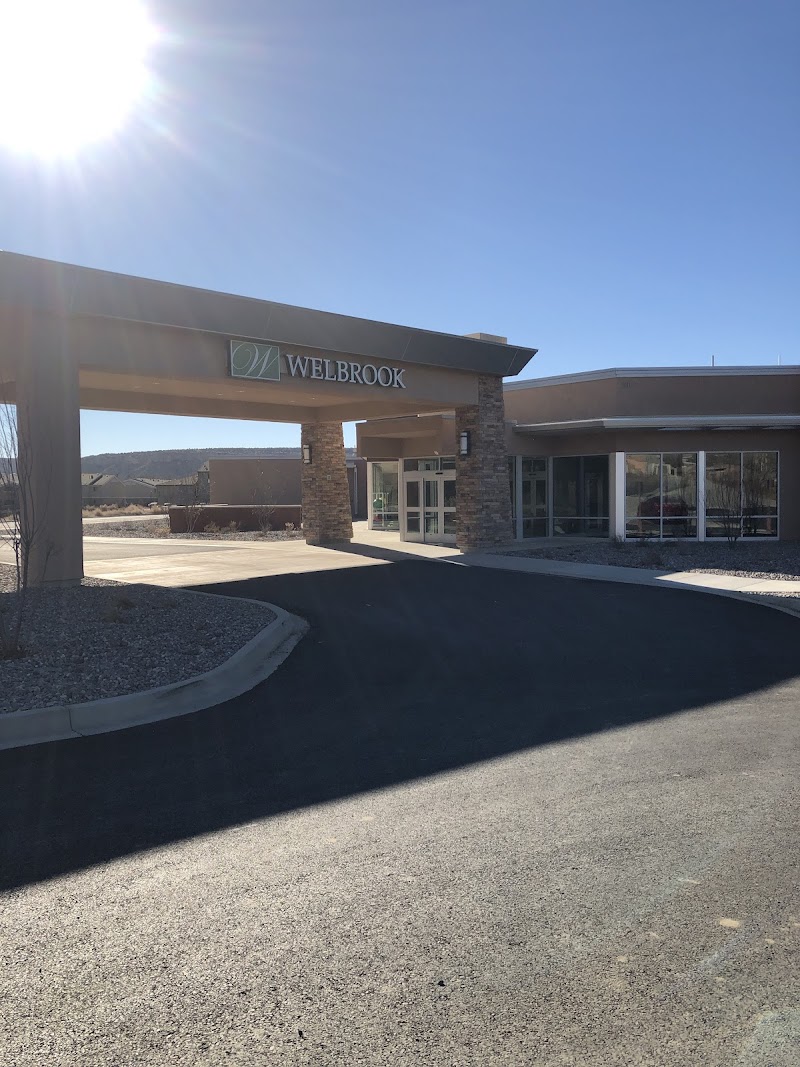
Farmington Wellness & Rehabilitation


201 Nelson Avenue, Farmington, NM 87401 (505) 675-4545
For profit - Limited Liability company 50 Beds Independent Data: November 2025
Trust Grade
85/100
#5 of 67 in NM
Last Inspection: March 2025

Within standard 12-15 month inspection cycle. Federal law requires annual inspections.

Overview

Farmington Wellness & Rehabilitation has a Trust Grade of B+, which means it is above average and recommended for families considering long-term care. It ranks #5 out of 67 facilities in New Mexico and #2 out of 6 in San Juan County, placing it in the top half of options available. The facility shows an improving trend, with the number of reported issues decreasing from 4 in 2023 to 2 in 2025. While the staffing rating is solid at 4 out of 5 stars, there is a concerning turnover rate of 64%, higher than the state average of 53%, indicating that staff may not stay long enough to build strong relationships with residents. On the positive side, the facility has no fines on record, which suggests compliance with regulations. However, recent inspections revealed critical concerns, such as the failure to keep medications in their original packaging and the improper storage of food, which could lead to health risks for residents. Overall, while Farmington Wellness & Rehabilitation has strengths in its quality of care and compliance history, families should be aware of staffing challenges and recent findings that could affect resident safety.

Trust Score
B+
85/100
In New Mexico
#5/67
Top 7%
Safety Record
Low Risk
No red flags
Inspections
Getting Better
4 → 2 violations
Staff Stability
⚠ Watch
64% turnover. Above average. Higher turnover means staff may not know residents' routines.
Penalties
✓ Good
No fines on record. Clean compliance history, better than most New Mexico facilities.
Skilled Nurses
✓ Good
Each resident gets 70 minutes of Registered Nurse (RN) attention daily — more than 97% of New Mexico nursing homes. RNs are the most trained staff who catch health problems before they become serious.
Violations
○ Average
8 deficiencies on record. Average for a facility this size. Mostly minor or procedural issues.
★★★★★
5.0
Overall Rating
★★★★☆
4.0
Staff Levels
★★★★☆
4.0
Care Quality
★★★★★
5.0
Inspection Score
Stable
2023: 4 issues
2025: 2 issues

The Good

  • 4-Star Staffing Rating · Above-average nurse staffing levels
  • 4-Star Quality Measures · Strong clinical quality outcomes
  • Full Sprinkler Coverage · Fire safety systems throughout facility
  • No fines on record

Facility shows strength in staffing levels, quality measures, fire safety.

The Bad

Staff Turnover: 64%

17pts above New Mexico avg (46%)

Frequent staff changes - ask about care continuity

Staff turnover is elevated (64%)

16 points above New Mexico average of 48%

The Ugly 8 deficiencies on record

Mar 2025 2 deficiencies
CONCERN (D)

Potential for Harm - no one hurt, but risky conditions existed

Unnecessary Medications (Tag F0759)

Could have caused harm · This affected 1 resident

Based on observation, record review, and interview, the facility failed to ensure the medication error rate did not exceed 5 percent (%) for 1 (R #15) of 1 (R #15) residents reviewed during medication...

Read full inspector narrative →
Based on observation, record review, and interview, the facility failed to ensure the medication error rate did not exceed 5 percent (%) for 1 (R #15) of 1 (R #15) residents reviewed during medication administration, when staff administered two out of 28 medications late, which resulted in a medication error rate of 7.14%. If medications are administered late, then residents are likely to experience less than optimal results from their medication regimen. The findings are: A. Record review of R #15's Physician Orders, dated 03/05/25, revealed the following: - Capsaicin external cream 0.075 % (medicated pain reliever cream.) Apply a small amount to painful areas topically at 7:30 am. - Erythromycin base oral tablet (antibiotic), 250 milligrams (mg.) Give one tablet by mouth for gastroparesis (when stomach is slow to empty of food) at 7:30 am. B. On 03/05/25 at 8:50 am during observation of a medication pass, Certified Medication Aid (CMA) #1 administered the following morning medications to R #15: - Capsaicin external cream 0.075 %. - Erythromycin base oral tablet, 250 mg. C. On 03/05/25 at 8:53 am, during an interview, CMA #1 stated she administered the morning medications for the East Hall late, because her manager asked her to cover for a Certified Nursing Assistant (CNA) who called out in [NAME] Hall. D. On 03/05/25 at 11:06 am, during an interview, the Director of Nursing Services (DNS) stated she expected CMA #1 to administer R #15's morning medications within a two-hour period, one hour before to one hour after the time stated on the resident's orders.
CONCERN (D)

Potential for Harm - no one hurt, but risky conditions existed

Deficiency F0761 (Tag F0761)

Could have caused harm · This affected 1 resident

Based on observations, interviews and record review, the facility failed to ensure Nurses and Certified Medication Aids (CMAs) dated opened insulin (a medication prescribed to help the body turn food ...

Read full inspector narrative →
Based on observations, interviews and record review, the facility failed to ensure Nurses and Certified Medication Aids (CMAs) dated opened insulin (a medication prescribed to help the body turn food into energy and manages blood sugar levels) vials and discarded them within 28 days of opening date for 1 (R #20) of 1 (R #20) resident reviewed. This deficient practice is likely to result in R #20 receiving medications that are less effective or expired in the facility. The findings are: A. On 03/05/25 at 10:04 am, during observation of the East Hall medication cart, a Humulin R insulin (a short-acting insulin),100 units/milliliter (ml) multiple-dose vial was opened and dated 01/25/25. The insulin vial belonged to R #20. B. Record review of the manufacturer's instructions for Humulin R insulin multiple dose vial, dated 2023, revealed staff were instructed to throw away all opened vials after 28 days of use, even if there was insulin left in the vial. C. Record review of R #20's Physician Orders, dated 03/05/25, revealed R #20 had an active order to receive Humulin R insulin. D. On 03/05/25 at 10:04 am, during an interview, CMA #1 stated she should have discarded the opened Humulin R insulin vial within 28 days of the opening date. E. On 03/05/25 at 10:20 am, during an interview, the Director of Nursing Services (DNS) stated staff must date the opened Humulin R insulin vial and discard it within 28 days of the opening date.
Dec 2023 4 deficiencies
CONCERN (D)

Potential for Harm - no one hurt, but risky conditions existed

Medical Records (Tag F0842)

Could have caused harm · This affected 1 resident

**NOTE- TERMS IN BRACKETS HAVE BEEN EDITED TO PROTECT CONFIDENTIALITY** Based on record review and interview, the facility failed to ensure documents were complete and accurate for 1 (R #125) of 1 (R ...

Read full inspector narrative →
**NOTE- TERMS IN BRACKETS HAVE BEEN EDITED TO PROTECT CONFIDENTIALITY** Based on record review and interview, the facility failed to ensure documents were complete and accurate for 1 (R #125) of 1 (R #125) residents who were reviewed for documentation when they failed to accurately document: 1. A resident came out the straps used to keep her wheelchair in place when being transported. 2. Assessments staff completed on that day. 3. A physician was informed. This deficient practice could likely result in staff not having the information they need to provide competent, comprehensive care and services if vital information is missing from the documents. The findings are: A. Record review of R #125 face sheet revealed she was admitted into the facility on [DATE]. B. On 12/05/23 at 1:35 pm, during an interview with R #125, she stated she went to an appointment at the spine clinic that morning. The resident said the wheelchair she sat in came out of the two front straps used to hold it down, and it threw her back in the van. R #125 stated it hurt the back of her head, and the facility was sending her out to do x rays to make sure she did not break a bone. R #125 stated the driver drove down hill and immediately came back up a hill. The driver stopped at a stop sign and then pushed on the gas pedal. R #125 stated the chair floated in place for a moment before jolting her backwards. She said she hit her head on the back of the wheelchair. C. Record review of the progress note, dated 12/05/23, revealed staff did not document the incident. D. On 12/06/23 at 9:30 am during an interview with the Transportation driver, she stated she drove R #125 to a spine provider appointment the morning of 12/05/23. She said she put the resident into the vehicle and buckled her into place. The driver stated there were four straps she hooked onto the frame of the resident's wheelchair and a lap belt that went around the resident's lap. The driver stated once the straps were in place, she turned the little things on the straps back and forth until she did not hear a cranking noise. She said when the cranking noise stopped then she knew the straps were in place. The driver stated when they were on a hill and she pressed the gas, the top two straps came off of the resident's wheelchair. This indicated too much slack in the straps. The driver said stopped and checked the resident out, and she called the facility. The driver said when they got back to the facility after the resident's spine appointment, the physician ordered X-rays, and the resident went to the emergency room (ER) for those. E. On 12/06/23 at 12:16 during a phone interview, the Physician verified the facility called him, and he ordered X-rays for R #125. He stated he would expect the nurses to document the information in the chart. F. On 12/07/23 at 8:36 am, during a phone interview with the DON, she stated R #125's chart did not contain documentation regarding the incident. She said there was some documentation in the Risk Management System, but staff did not complete an assessment or document anything in the nursing progress notes. The DON stated staff should have documented the incident.
CONCERN (E)

Potential for Harm - no one hurt, but risky conditions existed

Respiratory Care (Tag F0695)

Could have caused harm · This affected multiple residents

Based on observation, record review, and interview, the facility failed to properly date oxygen tubing and place the facemask in a plastic bag when not in use for 2 (R #120 and R #123) of 2 (R #120 an...

Read full inspector narrative →
Based on observation, record review, and interview, the facility failed to properly date oxygen tubing and place the facemask in a plastic bag when not in use for 2 (R #120 and R #123) of 2 (R #120 and R #123) residents reviewed for respiratory care by not properly dating the oxygen tubing and not placing the facemask in a plastic bag when not in use. These deficient practices could likely lead to respiratory infections by the oxygen tubing becoming clogged due to condensation (process where water vapor becomes liquid) or becoming dirty leading to reduced flow of oxygen. The findings are: A. Record review of Wellbrook's Departmental Respiratory Therapy- Prevention of Infection policy, revised November 2011, Infection Control Consideration Related to Medication Nebulizers/Continuous Aerosol directed staff to do the following: - Obtain equipment [administration set-up (tubing, mask), plastic bag, gauze, sponges.] - Store the facemask in the plastic bag, marked with the date and residents name, between uses. - Discard the administration set-up every 7 days. Findings for R #120 B. Record Review of R #120's physician's orders, dated 11/20/23, for albuterol sulfate (used to treat wheezing and shortness of breath caused by breathing problems) nebulization (a drug delivery device used to administer medication in the form of a mist inhaled into the lungs) solution, 2.5 milligram (mg) /3 milliliter (ml), 0.083 percent (%). Inhale the contents of the vial via nebulizer every six hours as needed for shortness of breath (SOB). C. On 12/04/23 at 4:06 pm, during an observation in R #120's room, a face mask laid on the table beside the bed. The face mask was not in a plastic bag, and it was not dated anywhere on the tubing or the face mask. D. On 12/04/23 at 4:07 pm, during an interview, Registered Nurse (RN) #1 confirmed there was not a date on the tubing, and the mask should be in a plastic bag. Findings for R #123 E. Record review of R #123 's physicians orders, dated 11/30/23, for albuterol sulfate nebulization solution, 2.5 mg/3 ml, 0.083%. Inhale four times daily a day for miner's lung (caused by long-term inhalation and deposition of coal dust in the lungs and the consequent lung tissue's reaction to its presence.) F. On 12/05/23 at 10:47 am during an observation in R #123's room, a face mask laid on the table near the bed, and it was not in a plastic bag. The face mask was not dated, and the tubing was not dated. G. On 12/05/23 at 10:50 am, during an interview, RN #1 confirmed the tubing did not have a date, and the mask was not in a plastic bag.
CONCERN (F)

Potential for Harm - no one hurt, but risky conditions existed

Deficiency F0761 (Tag F0761)

Could have caused harm · This affected most or all residents

**NOTE- TERMS IN BRACKETS HAVE BEEN EDITED TO PROTECT CONFIDENTIALITY** Based on observations, record reviews, and interviews the facility failed to: 1. Ensure all medications were kept in their orig...

Read full inspector narrative →
**NOTE- TERMS IN BRACKETS HAVE BEEN EDITED TO PROTECT CONFIDENTIALITY** Based on observations, record reviews, and interviews the facility failed to: 1. Ensure all medications were kept in their original packaging. 2. Ensure all expired supplies were not kept with unexpired supplies. 3. Document daily medication refrigerator/ freezer/ medication room temps. These deficient practices are likely to result in all 22 residents, identified on the census list provided by the Executive Director (ED) on [DATE], receiving expired medication or improperly temperature-controlled medication that may have lost their potency or effectiveness. The findings are: Findings for ensuring all medications are kept in their original container. A. On [DATE] at 2:26 pm during an observation of the east medication cart, a small medication cup sat in the top drawer of the cart and held one pill. The cup had the name of a resident written on it with a sharpie. The pill was peach in color, oblong, and was not in its original container. B. On [DATE] at 2:27 am, during an interview with Registered Nurse (RN) #1, she stated the medication belonged to a resident who discharged a week ago, and she did not know why the medication was in the drawer. The RN said the pill should not be in the medication cart. Ensure all expired supplies were not kept with unexpired supplies. C. On [DATE] at 2:30 pm, during an observation of the east medication cart, two boxes of expired of Even Care Proview [solution that tests the high and low in a glucometer (a device that checks blood) to ensure the readings are accurate]. They expired on [DATE], and staff did not remove them from the medication cart. One box of the Even Care Proview solution was opened. D. On [DATE] at 2:32 pm, during an observation, the east medication storage room revealed: 1. Four boxes of Even Care Proview solution had an expiration date of [DATE] and sat on the shelf. 2. An auto lancelet device [device where a lancet (a small needle) can be placed and used to poke the finger] with an expiration date of [DATE]. E. On [DATE] at 3 :24 pm, during an interview with RN #1, she stated these things were expired and should not be in the medication room. Documented daily medication refrigerator/freezer/ Medication room temps. F. During record review of the medication, refrigeration, and freezer temperature logs for the East Hall, staff did not maintain the temperature logs. The logs did not contain documentation of the temperatures for the refrigerators, freezers, and medication room from [DATE] through [DATE]. G. On [DATE] at 3:30 pm, during an interview with Infection Preventionist (IP), she confirmed staff did not maintain the temperature logs like they should. She confirmed the logs were missing many temperatures.
CONCERN (F)

Potential for Harm - no one hurt, but risky conditions existed

Food Safety (Tag F0812)

Could have caused harm · This affected most or all residents

**NOTE- TERMS IN BRACKETS HAVE BEEN EDITED TO PROTECT CONFIDENTIALITY** Based on observation, interview, and record review, the facility failed to: 1. Discard opened, refrigerated food when it met it...

Read full inspector narrative →
**NOTE- TERMS IN BRACKETS HAVE BEEN EDITED TO PROTECT CONFIDENTIALITY** Based on observation, interview, and record review, the facility failed to: 1. Discard opened, refrigerated food when it met its seven day shelf life or appeared to be decomposed; 2. Date food with received dates and use by dates, as required by Food and Drug Administration (FDA) Food Code and facility policy. These deficient practices are likely to affect all 22 residents listed on the census provided by the Director of Nursing (DON) on 12/04/23. These deficient practices could likely lead to foodborne illnesses (illness caused by food contaminated with bacteria, viruses, parasites, or toxins) in residents if food is not being stored properly and safe food handling practices are not adhered to. The findings are: A. Review of the FDA Food Code, dated 2022, revealed the following guidance regarding the storage of food: -Section 3-501.17 Ready-to-Eat, Time/Temperature Control for Safety Food, Date Marking, - Food prepared on premises and held cold, - (A) Refrigerated, ready-to-eat, time/temperature controlled for food safety, food prepared and held in a food establishment shall be clearly marked to indicate the date or day by which the food shall be consumed on the premises, sold, or discarded when held at a temperature of 5ºC (41ºF) or less for a maximum of 7 days. The day of preparation shall be counted as Day 1. - Food commercially processed, opened, and held cold: - (B) Ready-to-eat, time/temperature controlled for food safety, food prepared and packaged by a food processing plant shall be clearly marked, at the time the original container is opened in a food establishment and if the food is held for more than 24 hours, to indicate the date or day by which the food shall be consumed on the premises, sold, or discarded, based on the temperature and time combinations specified in paragraph (A) of this section and: - The day the original container is opened in the food establishment shall be counted as Day 1; - The day or date marked by the food establishement may not exceed a manufacturer's use-by date if the manufacturer determined the use-by date based on food safety. - Section 3-501.18 Ready-to-Eat, Time/Temperature Control for Safety Food, Disposition, - A food specified in paragraph 3-501.17(A) or (B) shall be discarded if it: - Is in a container or package that does not bear a date or day. B. Record review of the facility's policy titled Refrigerator and Freezers, last revised November 2022, revealed the following: - All food appropriately dated to ensure proper rotation by expiration dates. - Received dates (dates of delivery) are marked on cases and on individual items removed from cases for storage. - Expiration dates on unopened food are observed; - Use by dates are indicated once food is prepared or opened. C. On 12/05/23 at 6:48 am, during a kitchen observation, the following items were observed: 1. Refrigerated items: a. Two pitchers of milk opened and undated; b. One pitcher of orange juice opened and undated; c. One bag of heavy whipping cream undated; d. One bag of shredded cheese undated; e. One bag of celery undated and appeared soggy; f. One bag of carrots undated appeared soggy; g. One package of green grapes undated and appeared brown and soggy; h. One package of grape tomatoes undated and appeared molded; i. One package of Romaine lettuce, undated and appeared soggy. j. One package of opened raw bacon dated 11/21 and not discarded; k. One package of ham opened, dated 11/26, and not discarded; l. Two packages of turkey, opened, dated 11/26, and not discarded; m. Five packages of strawberries undated and appeared molded; n. One package of pastry filling, strawberry flavor undated; o. One package of pastry filling, cream flavor undated; p. One package of pastry filling, apple pie flavor undated; q. One container of green chili, dated 11/19 and not discarded; r. One container of beef flavored base (about 3/4 full) opened and undated; s. One 14 ounce container of dried tomato and garlic pesto (about 1/4 full) undated and expiration date of 10/22/23. t. Twenty-four packs of individual yogurt containers, expiration date 12/01/23. u. Thirty-six packs of individual yogurt containers, expiration date 11/28/23. v. One open container of salsa undated; w. One container of barbeque sauce undated; x. One container of Italian dressing undated; y. One container of heavy duty mayonnaise undated; z. One container of dill pickle relish undated; 2. Dry storage items: a. One box of gelatin packets undated and without an expiration date; b. One container of Kitchen Bouquet Browning and Seasoning sauce, expiration date 03/23. c. One gallon of cooking white wine undated; d. One container of cooking wine [NAME] undated; e. One package of spaghetti undated; f. One package of orzo pasta undated; g. One container of teriyaki sauce marinade opened and undated. The label stated should be refrigerated after opening. h. One container of soy sauce opened and undated; The label stated should be refrigerated after opening. i. One container of pure sesame oil undated; j. One package of sliced bread undated; k. One package of buns undated; l. One package of English muffins undated; m. One package of potato buns undated; n. One package of [NAME] rolls undated; D. On 12/05/23 at 6:48 am, during an interview, the Dietary Manager confirmed staff should have documented a use by date on the open items in the refrigerator and dry storage area. She also explained: a. The opened ham, turkey, and bacon have a shelf life of seven days after opening, and staff should have discarded them. b. Staff should have discarded the fresh fruit and vegetables that appeared to be decomposed. c. Staff should have discarded items past the expiration date. d. Staff should discard food items that have been stored longer than the five to seven day shelf life.
Nov 2022 1 deficiency
CONCERN (D) 📢 Someone Reported This

A family member, employee, or ombudsman was alarmed enough to file a formal complaint

Potential for Harm - no one hurt, but risky conditions existed

Deficiency F0655 (Tag F0655)

Could have caused harm · This affected 1 resident

Based on record review and interview, the facility failed to develop Baseline Care Plan that included documentation for a 30-day event heart monitor (small portable device that records the electrical ...

Read full inspector narrative →
Based on record review and interview, the facility failed to develop Baseline Care Plan that included documentation for a 30-day event heart monitor (small portable device that records the electrical activity of the heart) placed on the resident for 1 (R #1) of 3 (R #1-3) resident reviewed for baseline care plans. This deficient practice could likely result in resident not receiving the appropriate care, services, and monitoring needed upon admission to the facility. The findings are: A. Record review of R #1's face sheet revealed admission date 08/30/22 and diagnosis: atherosclerotic heart disease (hardening of the arteries), falls, cystitis (inflammation of the bladder), fracture of nasal bones, hypertensive urgency (marked elevation in blood pressure without evidence of organ damage), rheumatoid arthritis (chronic disease that causes joint pain, stiffness, swelling and decreased movement of the joints), benign neoplasm of cerebral meninges (a tumor that forms on membranes that cover the brain and spinal cord just inside the skull), laceration of left eyelid, contusion of other part of head (bleeding and swelling inside of the brain), abnormal levels of serum enzymes (an inflamed or damaged liver), headache, dizziness and giddiness (a sensation of whirling and a tendency to fall or stagger), chronic obstructive pulmonary disease (inflammatory lung disease that causes obstructed airflow from the lungs), hyperlipidemia (abnormally high concentration of fats or lipids in the blood), delirium (a disturbed state of mind that results in confused thinking), coronary angioplasty implant and graft (treatment used to widen and open up narrowed or blocked arteries supplying your heart muscle). Cerebral infarction (damage to tissues in the brain due to a loss of oxygen to the area), muscle weakness (lack of strength in the muscles), unsteadiness on feet (unable to stand or walk easily) and limitation of activities (restriction in the performance of activities resulting from disease, injury, or environmental restrictions). B. Record review of R #1's hospital medical records dated 08/30/22, stated, Have placed (on residents body) a 30-day event (heart) monitor. C. Record review of R #1's Nursing Progress Notes dated 08/30/22 stated, Clinical admission evaluation: [name of product] (heart) monitor placed by [name of hospital]. D. Record review of care plan dated 08/31/22, revealed, no documentation stating a 30-day event [name of product] heart monitor is placed on the resident. E. On 11/08/22 at 10:45 am, during an interview with Director of Nursing (DON) confirmed that the 30-day event [name of product] heart monitor is not documented on the base line care plan.
Sept 2022 1 deficiency
CONCERN (F)

Potential for Harm - no one hurt, but risky conditions existed

Deficiency F0761 (Tag F0761)

Could have caused harm · This affected most or all residents

**NOTE- TERMS IN BRACKETS HAVE BEEN EDITED TO PROTECT CONFIDENTIALITY** Based on observation, and interview, the facility failed to: 1) Ensure that expired medications were not stored with unexpired m...

Read full inspector narrative →
**NOTE- TERMS IN BRACKETS HAVE BEEN EDITED TO PROTECT CONFIDENTIALITY** Based on observation, and interview, the facility failed to: 1) Ensure that expired medications were not stored with unexpired medications inside of the medication room refrigerator. 2) Ensure that (2) insulin (a hormone produced in the pancreas, which regulates the amount of glucose/sugar in the blood) injectable pens stored in the medication room refrigerator were labeled with resident specific identification. These deficient practices could likely affect all 38 residents identified on the facility census list provided by the Director of Nursing on 09/06/22. If residents are administered expired medications or medications not prescribed for them, they may likely suffer adverse effects and/or fail to achieve their optimal level of well-being. The findings are: A. On 09/06/22 at 2:04 pm, during observation of the medication storage room [ROOM NUMBER], observed in the medication refrigerator: 1. One box of Influenza (a disease caused virus infecting the respiratory tract) Vaccine, containing one closed 5mL (milliliter) multi-dose vial of Afluria quadrivalent (a brand of influenza vaccination that protects against 4 types of influenza) which had expired on 06/01/22. 2. Two unlabeled, with resident specific identification, single-patient-use, prefilled injectable insulin pens found in a bag on the top shelf of the medication refrigerator: -Basaglar Insulin [a long-acting insulin used to improve blood sugar control in people with diabetes mellitus] Injectable Pen containing 100 units(U) per milliliter (mL) with a total of 300 units (3mL) of insulin for Diabetes Mellitus (DM) [a metabolic disorder in which the body has high sugar levels for prolonged periods of time]. -Admelog Insulin [a fast-acting mealtime insulin that works to control blood sugar when you eat] Injectable Pen containing 100 units(U) per milliliter (mL) with a total of 300 units/ (3mL) of insulin injectable pen. B. On 09/06/22 at 2:04 pm, during an interview with the Licensed Practical Practical Nurse (LPN) #1, she confirmed that the Influenza vaccine vial found in the medication storage refrigerator was expired. She also confirmed that the two insulin injectable pens were not labeled with patient specific identifiers and that they should have been.
Understanding Severity Codes (click to expand)
Life-Threatening (Immediate Jeopardy)
J - Isolated K - Pattern L - Widespread
Actual Harm
G - Isolated H - Pattern I - Widespread
Potential for Harm
D - Isolated E - Pattern F - Widespread
No Harm (Minor)
A - Isolated B - Pattern C - Widespread

Questions to Ask on Your Visit

  • "Why is there high staff turnover? How do you retain staff?"
  • "Can I speak with families of current residents?"
  • "What's your RN coverage like on weekends and overnight?"

Our Honest Assessment

Strengths
  • • Grade B+ (85/100). Above average facility, better than most options in New Mexico.
  • • No major safety red flags. No abuse findings, life-threatening violations, or SFF status.
  • • No fines on record. Clean compliance history, better than most New Mexico facilities.
Concerns
  • • 64% turnover. Above average. Higher turnover means staff may not know residents' routines.
Bottom line: Generally positive indicators. Standard due diligence and a personal visit recommended.

About This Facility

What is Farmington Wellness & Rehabilitation's CMS Rating?

CMS assigns Farmington Wellness & Rehabilitation an overall rating of 5 out of 5 stars, which is considered much above average nationally. Within New Mexico, this rating places the facility higher than 99% of the state's 100 nursing homes. This rating reflects solid performance across the metrics CMS uses to evaluate nursing home quality.
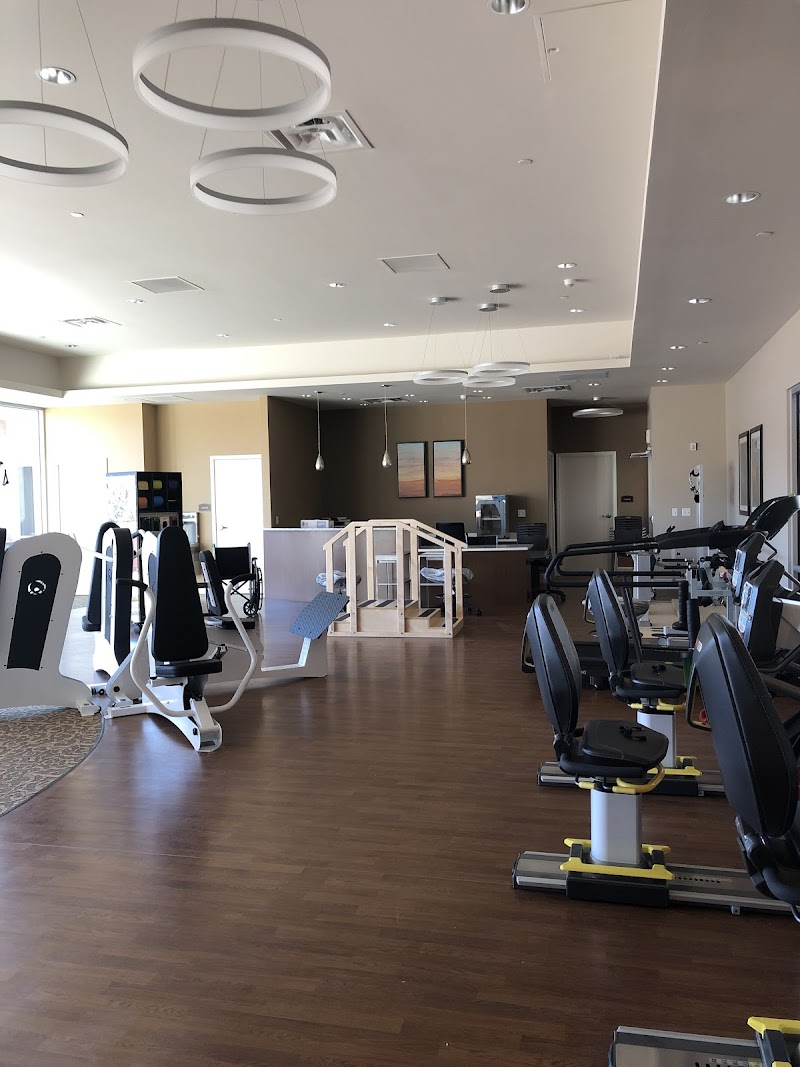
How is Farmington Wellness & Rehabilitation Staffed?

CMS rates Farmington Wellness & Rehabilitation's staffing level at 4 out of 5 stars, which is above average compared to other nursing homes. Staff turnover is 64%, which is 17 percentage points above the New Mexico average of 46%. High turnover can affect care consistency as new staff learn residents' individual needs. RN turnover specifically is 100%, which is notably high. RNs provide skilled clinical oversight, so turnover in this role can affect medical care quality.

What Have Inspectors Found at Farmington Wellness & Rehabilitation?

State health inspectors documented 8 deficiencies at Farmington Wellness & Rehabilitation during 2022 to 2025. These included: 8 with potential for harm.

Who Owns and Operates Farmington Wellness & Rehabilitation?

Farmington Wellness & Rehabilitation is owned by a for-profit company. For-profit facilities operate as businesses with obligations to shareholders or private owners. The facility operates independently rather than as part of a larger chain. With 50 certified beds and approximately 28 residents (about 56% occupancy), it is a smaller facility located in Farmington, New Mexico.

How Does Farmington Wellness & Rehabilitation Compare to Other New Mexico Nursing Homes?

Compared to the 100 nursing homes in New Mexico, Farmington Wellness & Rehabilitation's overall rating (5 stars) is above the state average of 2.9, staff turnover (64%) is significantly higher than the state average of 46%, and health inspection rating (5 stars) is much above the national benchmark.

What Should Families Ask When Visiting Farmington Wellness & Rehabilitation?

Based on this facility's data, families visiting should ask: "How do you ensure continuity of care given staff turnover, and what is your staff retention strategy?" "Can I visit during a mealtime to observe dining assistance and food quality?" "How do you handle medical emergencies, and what is your hospital transfer rate?" "Can I speak with family members of current residents about their experience?" These questions are particularly relevant given the facility's high staff turnover rate.

Is Farmington Wellness & Rehabilitation Safe?

Based on CMS inspection data, Farmington Wellness & Rehabilitation has a clean safety record: no substantiated abuse findings (meaning no confirmed cases of resident harm), no Immediate Jeopardy citations (the most serious violation level indicating risk of serious injury or death), and is not on the Special Focus Facility watch list (a federal program monitoring the lowest-performing 1% of nursing homes). The facility has a 5-star overall rating and ranks #1 of 100 nursing homes in New Mexico. While no facility is perfect, families should still ask about staff-to-resident ratios and recent inspection results during their visit.

Do Nurses at Farmington Wellness & Rehabilitation Stick Around?

Staff turnover at Farmington Wellness & Rehabilitation is high. At 64%, the facility is 17 percentage points above the New Mexico average of 46%. Registered Nurse turnover is particularly concerning at 100%. RNs handle complex medical decisions and coordinate care — frequent RN changes can directly impact care quality. High turnover means new staff may not know residents' individual needs, medications, or preferences. It can also be disorienting for residents, especially those with dementia who rely on familiar faces. Families should ask: What is causing the turnover? What retention programs are in place? How do you ensure care continuity during staff transitions?

Was Farmington Wellness & Rehabilitation Ever Fined?

Farmington Wellness & Rehabilitation has no federal fines on record. CMS issues fines when nursing homes fail to meet care standards or don't correct problems found during inspections. The absence of fines suggests the facility has either maintained compliance or corrected any issues before penalties were assessed. This is a positive indicator, though families should still review recent inspection reports for the full picture.

Is Farmington Wellness & Rehabilitation on Any Federal Watch List?

Farmington Wellness & Rehabilitation is not on any federal watch list. The most significant is the Special Focus Facility (SFF) program, which identifies the bottom 1% of nursing homes nationally based on persistent, serious quality problems. Not being on this list means the facility has avoided the pattern of deficiencies that triggers enhanced federal oversight. This is a positive indicator, though families should still review the facility's inspection history directly.