Bloomfield Nursing and Rehabilitation Center
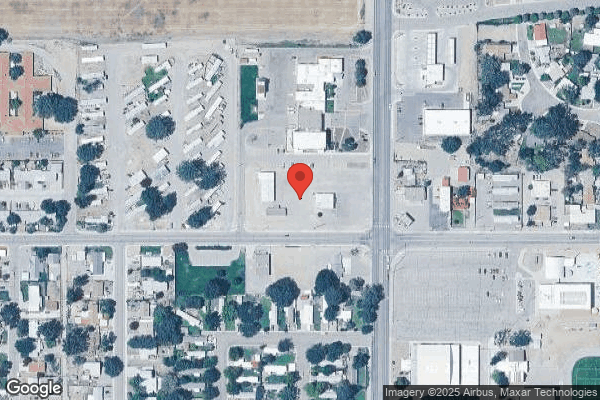
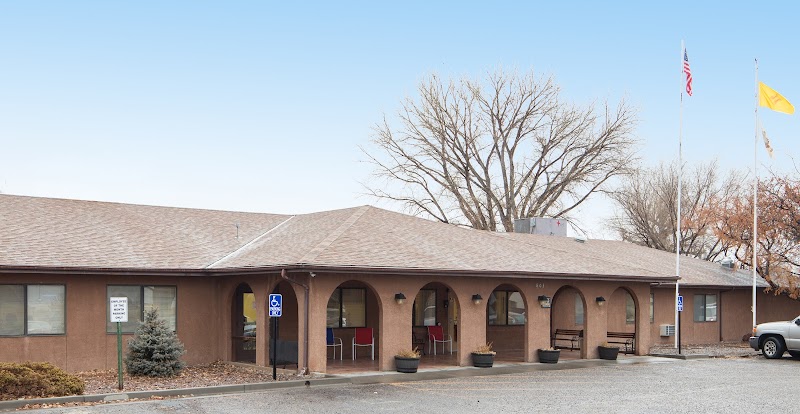
803 Hacienda Lane, Bloomfield, NM 87413 (505) 632-1823
For profit - Limited Liability company 95 Beds GENESIS HEALTHCARE Data: November 2025 3 Immediate Jeopardy citations
Trust Grade
4/100
#27 of 67 in NM
Last Inspection: September 2024

Within standard 12-15 month inspection cycle. Federal law requires annual inspections.

Overview

Bloomfield Nursing and Rehabilitation Center has a Trust Grade of F, indicating significant concerns and poor performance. It ranks #27 out of 67 facilities in New Mexico, placing it in the top half, and #4 out of 6 in San Juan County, which means there are only a few local options that are better. The facility’s trend is improving, having reduced issues from 12 in 2024 to just 1 in 2025, yet it still faced serious incidents, including a failure to monitor residents using oxygen while smoking, which posed a serious fire risk, and a failure to administer anti-seizure medication that led to a resident being hospitalized. Staffing is average with a 54% turnover rate, and while RN coverage is average, the facility has concerning fines totaling $104,883, which is higher than 88% of facilities in the state, suggesting ongoing compliance issues. Overall, while there are some positive trends, families should weigh the serious past incidents and financial concerns when considering this facility.
Trust Score
F
4/100
In New Mexico
#27/67
Top 40%
Safety Record
High Risk
Review needed
Inspections
Getting Better
12 → 1 violations
Staff Stability
⚠ Watch
54% turnover. Above average. Higher turnover means staff may not know residents' routines.
Penalties
✓ Good
$104,883 in fines. Lower than most New Mexico facilities. Relatively clean record.
Skilled Nurses
○ Average
Each resident gets 35 minutes of Registered Nurse (RN) attention daily — about average for New Mexico. RNs are the most trained staff who monitor for health changes.
Violations
⚠ Watch
44 deficiencies on record. Higher than average. Multiple issues found across inspections.
★★★☆☆
3.0
Overall Rating
★★★☆☆
3.0
Staff Levels
★★★★☆
4.0
Care Quality
★★★☆☆
3.0
Inspection Score
Stable
2024: 12 issues
2025: 1 issues

The Good

  • 4-Star Quality Measures · Strong clinical quality outcomes
  • Full Sprinkler Coverage · Fire safety systems throughout facility
  • No fines on record

Facility shows strength in quality measures, fire safety.

The Bad

3-Star Overall Rating

Near New Mexico average (2.9)

Meets federal standards, typical of most facilities

Staff Turnover: 54%

Near New Mexico avg (46%)

Higher turnover may affect care consistency

Federal Fines: $104,883

Well above median ($33,413)

Significant penalties indicating serious issues

Chain: GENESIS HEALTHCARE

Part of a multi-facility chain

Ask about local staffing decisions and management

The Ugly 44 deficiencies on record

3 life-threatening 1 actual harm
Apr 2025 1 deficiency 1 IJ
CRITICAL (J) 📢 Someone Reported This

A family member, employee, or ombudsman was alarmed enough to file a formal complaint

Immediate Jeopardy (IJ) - the most serious Medicare violation

Deficiency F0760 (Tag F0760)

Someone could have died · This affected 1 resident

**NOTE- TERMS IN BRACKETS HAVE BEEN EDITED TO PROTECT CONFIDENTIALITY** Based on record review and interview, the facility failed to ensure residents received treatment and care in accordance with pro...

Read full inspector narrative →
**NOTE- TERMS IN BRACKETS HAVE BEEN EDITED TO PROTECT CONFIDENTIALITY** Based on record review and interview, the facility failed to ensure residents received treatment and care in accordance with professional standards of practice for 1 (R #5) of 5 ( R #'s 1, 2, 3, 4 and 5) residents when they failed to administer anti-seizure medication (medication used to prevent or stop seizures [sudden burst of electrical activity in the brain]) as ordered. This deficient practice likely resulted in the resident experiencing seizures requiring hospitalization. The findings are: A. Record review of R #5's face sheet revealed an admission date of 11/21/24 and included a diagnosis of epilepsy (seizure disorder). B. Record review of Prepare to Admit document dated 11/20/24 for R #5 revealed that R #5's current medications included Lacosamide (medication used to prevent or treat seizures) 200 milligrams (mg). C. Record review of Minimum Data Set (MDS - federally mandated assessment instrument completed by facility staff) dated 12/04/24 for R #5 revealed the following: - Section I - Active Diagnoses: Seizure Disorder or Epilepsy. - Section N - Medications: Anticonvulsant (medication used to prevent and manage seizures) was included. D. Record review of Care Plan dated 11/25/24 for R #5 revealed, Focus: Risk for seizure activity related to diagnosis of epilepsy. Goal: There will be no complications from seizure activity over the next ninety days. Interventions . 4) Medicate as ordered assessing the effectiveness and for any adverse effects. E. Record review of physicians admission medication orders for R #5 included the following order: - Lacosamide oral tablet, 200 mg. Give 200 mg orally every 12 hours for epilepsy. Start date: 01/16/24. [no end date] F. Record review of medication administration record (MAR), dated November 1 through 30, 2024 for R #5 revealed no documentation that R #5 received Lacosamide Oral Tablet 200 mg from 11/21/24 through 11/30/24. G. Record review of the Facility Hospital Transfer form dated 11/25/24 for R #5 revealed that he was transferred to the hospital due to seizures. H. Record review of the hospital discharge paperwork dated 11/25/24 for R #5 revealed that R #5 was admitted to the hospital for seizure activity. Documentation confirmed that the nursing facility did not have lacosamide on formulary and therefore R #5 had not received this medication over the past four days. Documentation also revealed R #5 was noted to have generalized tonic-clonic seizures (type of seizure that causes loss of consciousness and violent muscle contractions) this afternoon; when emergency medical services (EMS) arrived, R #5 was actively seizing. Per the hospital H&P revealed his [R #5] seizures had been stable over the course of the last year. I. On 04/03/25 at 3:53 pm during an interview with the Director of Nursing (DON), the Administrator (ADM), and Nurse Educator/Unit Manager (NE/UM) revealed the following: DON stated that R #5 arrived in the evening on 11/21/24 and all his medications were received except for the seizure medication; R #5 had several seizures in a row and was sent out to the hospital. DON stated that no one was aware that the seizure medication had not come in until R #5 was sent to the hospital. DON also stated that the nurse on duty was supposed to call and follow up with the pharmacy. NE/UM stated that R #5 was transferred from another facility and the prescription was not sent to the new facility. She stated that R #5's insurance was not going to pay for the medication because the prior facility had already received the prescription. She stated that they contacted the prior facility and requested that the facility either return the medication to the pharmacy or send it to this facility. DON stated that the nurse on duty is supposed to contact the physician to reconcile the resident's admission medications to make sure the physician agrees with the medications. He stated that the order for lacrosamide was listed on the medication list but was not on the hard copies that arrived with the resident. J. On 04/03/25 at 4:14 pm during an interview, the Nurse Practitioner (NP) confirmed that she reconciled/verified the admission medications, for R #5, with Registered Nurse (RN) #1 which included the orders for Lacosamide. The NP confirmed that she was not aware that R #5 was not receiving this medication until he was sent to the hospital on [DATE]. K. On 04/03/25 at 4:31 pm during an interview, RN #2 stated that when she reached out to the the pharmacy regarding R #5's Lacosamide she was told that the medication would be delivered to the facility by the evening on 11/22/24. The facility was later informed by the pharmacy that they could not fill the prescription because it had been filled by the previous facility from which R #5 transferred. The facility reached out to the prior facility requesting that the medication be sent to them or returned to the pharmacy to which the prior facility refused. Based on record reviews and interviews, an Immediate Jeopardy (IJ) was identified. The facility administrator was notified on 04/03/25 at 5:45 pm. The facility took corrective action by providing an acceptable Plan of Removal (POR). The Plan of Removal was approved on 04/04/25 at 12:15 pm. Plan of removal: All residents have the potential to be affected by this alleged deficient practice. The following identification/corrections will be completed by 04/03/25. - Audit all residents with a diagnosis of seizures to ensure medication therapy is in place as ordered. - A 14 day look back audit of recent admissions to ensure accurate medication reconciliation, review and continuation of medications and treatments. - All licensed staff education to include medication transcription/medication reconciliation upon admission with documentation in the residents chart and steps to follow for medication availability with an emphasis on: validating with the pharmacy on arrival time, pulling from Ekit (emergency kit - contains a small quantity of medications that can be dispensed when pharmacy services are not available) if available, notification of provider for additional orders or medication adjustments, requesting medications from backup pharmacy if needed. - DON/Designee during morning clinical meetings, medication reconciliation audits occur for all new admissions and medication order changes. - DON/Designee to review medications not available during morning clinical meetings. - Nurse Practice Educator/Designee will begin education on 04/03/2025 and continue until all licensed nursing staff have been educated prior to their next shift. Any licensed staff member on leave of absence (FMLA- family medical leave act), vacation, or PRN (as needed) staff will be re-educated prior to returning to duty. New hires will be educated on this process upon hire. - The Director of Nursing/designee will audit 5 random residents 3 x (times) week to ensure all medications reconciliation have occurred. - DON and/or designee will bring results of audits to QAPI (quality assurance and performance improvement) committee for further recommendations based on tracking and trending presented monthly for the next 2 months or until ongoing compliance is achieved. The QAPI committee is overseen by the Administrator. Implementation of the POR was verified onsite on 04/04/25 by record reviews, and staff interviews. Scope and Severity was reduced to Level 2, D. Implementation was verified through: Record review of the facility's new admissions audit from 03/21/25 through 04/04/25 to ensure accurate medication reconciliation, review and continuation of medications and treatments. Record review of the facility's audit of all current residents with a diagnosis of seizures to ensure medication therapy was in place as ordered. Record review of staff signature sheets for the education provided to the licensed staff, to include medication transcription/medication reconciliation upon admission with documentation in the residents' chart and steps to follow for medication availability with an emphasis on: validating with the pharmacy on arrival time, pulling from Ekit if available, notification of provider for additional orders or medication adjustments, requesting medications from backup pharmacy if needed. Interviews of two nurses verified the in-service they received on 04/03/25 and 04/04/25 included medication transcription/medication reconciliation upon admission with documentation in the residents' chart and steps to follow for medication availability with an emphasis on: validating with the pharmacy on arrival time, pulling from Ekit if available, notification of provider for additional orders or medication adjustments, requesting medications from backup pharmacy if needed. Interview with the Administrator and DON regarding POR, audits new admissions audit from 03/21/25 through 04/04/25 to ensure accurate medication reconciliation, review and continuation of medications and treatments; audit of all current residents with a diagnosis of seizures to ensure medication therapy was in place as ordered; and education provided to the licensed staff, to include medication transcription/medication reconciliation upon admission with documentation in the residents' chart and steps to follow for medication availability with an emphasis on: validating with the pharmacy on arrival time, pulling from Ekit if available, notification of provider for additional orders or medication adjustments, requesting medications from backup pharmacy if needed.
Sept 2024 10 deficiencies
CONCERN (D)

Potential for Harm - no one hurt, but risky conditions existed

Deficiency F0625 (Tag F0625)

Could have caused harm · This affected 1 resident

**NOTE- TERMS IN BRACKETS HAVE BEEN EDITED TO PROTECT CONFIDENTIALITY** Based on interview, record review, and facility policy review, the facility failed to provide one of two residents (Resident (R)...

Read full inspector narrative →
**NOTE- TERMS IN BRACKETS HAVE BEEN EDITED TO PROTECT CONFIDENTIALITY** Based on interview, record review, and facility policy review, the facility failed to provide one of two residents (Resident (R)79) reviewed for hospital transfers out of a total sample of 30 residents a written bed hold when R79 was transferred to the hospital. Findings include: Review of the facility's policy titled Bed-Holds revised date 01/12/23, read in part .When a resident/patient (resident) is transferred out of the service location to a hospital or on therapeutic leave, the designee will provide the resident and his/her representative, if applicable with the written Bed Hold Policy and Authorization form. If the resident representative is not present to receive the written notice upon transfer, the notice is delivered via e-mail, fax or hard copy via mail. Review of R79's admission Record located in the electronic medical records (EMR) section titled Profile revealed the resident was admitted to the facility on [DATE] with diagnoses that included chronic obstructive pulmonary disease, dementia and hypothyroidism. Review of the EMR, under the Progress Notes tab, revealed R79 was discharged to the hospital on [DATE] due to altered mental status. The EMR lacked evidence the facility provided R79 a copy of the facility's bed hold policy at the time of transfer to the hospital. Interview with the Business Office Manager (BOM) on 09/19/24 at 10:03 AM confirmed the facility failed to provide the facility's bed hold policy to R79 upon transfer to the hospital. BOM stated the nurses were responsible for initiating bed holds and had not been doing it. BOM stated they held an in-service a couple of weeks prior with nursing staff regarding bed holds and they still were not being done. BOM stated they had not received any written bed hold notices since they became employed at the facility, February 2024. Interview with the Licensed Practical Nurse (LPN) 1 on 09/19/24 at 10:07 AM they confirmed they knew about the bed hold form, but they did not use it. LPN stated they would ask they did would normally ask the resident or resident representative if they want a bed home and let the BOM know. Interview with the Registered Nurse (RN) 3 on 09/19/24 at 12:11 PM, RN 3 stated they would document when a resident transfers to the hospital and the BOM does any bed hold information.
CONCERN (D)

Potential for Harm - no one hurt, but risky conditions existed

Deficiency F0658 (Tag F0658)

Could have caused harm · This affected 1 resident

**NOTE- TERMS IN BRACKETS HAVE BEEN EDITED TO PROTECT CONFIDENTIALITY** Based on observations, record review, and interview, the facility failed to provide services based on acceptable standards of pr...

Read full inspector narrative →
**NOTE- TERMS IN BRACKETS HAVE BEEN EDITED TO PROTECT CONFIDENTIALITY** Based on observations, record review, and interview, the facility failed to provide services based on acceptable standards of practice by specifically failing to accurately check a finger stick glucose level for three of three residents (Resident (R)14, R49, and R 52) reviewed for professional standards of 30 sample residents. This failure had the potential to affect the blood glucose levels for three of three residents reviewed. Findings include: Review of the revised facility's policy titled, Procedure: Fingerstick Blood Glucose Monitoring dated 06/15/22 did not address discarding the first drop of blood prior to obtaining the blood sample. 1. Review of R52's Face Sheet, located under the Resident tab of the electronic medical record (EMR), documented R52 was admitted to the facility on [DATE] with a diagnosis of type two diabetes mellitus with hyperglycemia. Review of R52's annual Minimum Data Sheet (MDS) with an Assessment Reference Date (ARD) of 08/07/24, located under the MDS tab of the EMR, documented R52 had a Brief Interview for Mental status (BIMS) of one out of 15 indicating, R52 had severe cognitive impairment. Review of R52's care plan, dated 08/08/24 and located under the Care Plan tab of the EMR, documented R52 had diabetes mellitus and had the potential for hypo/hyperglycemia and other complications. Review of R52's active orders for September 2024, located under the Orders tab of the EMR, indicated to notify the physician if the blood glucose was above 400 and if the blood sugar is less than 70 to initiate the hypoglycemia blood sugar protocol. Blood sugars were to be checked before meals. During an observation on 09/17/24 at 3:55 PM, Licensed Practical Nurse (LPN) 2 checked R52's blood sugar. LPN 2 cleaned R52's finger with an alcohol wipe prior to sticking R52's finger with the lancet. LPN 2 did not wipe away the first drop of blood prior to obtaining the blood sample. 2. Review of R14's Face Sheet, located under the Resident tab of the EMR, documented R14 was admitted to the facility on [DATE] with a diagnosis of type two diabetes without complications. Review of R14's annual MDS with an ARD of 07/09/24, located under the MDS tab of the EMR, documented R14 had a BIMS of 12 out of 15 indicating, R14 was cognitively intact. Review of R14's care plan, dated 07/10/24 and located under the Care Plan tab of the EMR, documented R14 had diabetes mellitus and would remain free of all signs and symptoms of hypo/hyperglycemia such as: sweating, trembling, thirst, fatigue, weakness, [and] blurred vision for 90 days. Review of R14's active orders for September 2024, located under the Orders tab of the EMR, indicated to check blood sugar before bedtime. During an observation on 09/17/24 at 4:08 PM, LPN2 checked R14's blood sugar. LPN2 cleaned R14's finger with an alcohol wipe prior to sticking R14's finger with the lancet. LPN2 did not wipe away the first drop of blood prior to obtaining the blood sample. During an interview on 09/17/24 at 4:21 PM, LPN2 stated she was taught to wipe away the first drop of blood but, she does not routinely do this. LPN2 was not sure if that was a facility policy or not. 3. Review of R49's Face Sheet, located under the Resident tab of the EMR, documented R49 was admitted to the facility on [DATE] with a diagnosis of type two diabetes mellitus with hyperglycemia. Review of R49's annual MDS with an ARD of 06/24/24, located under the MDS tab of the EMR, documented R49 had a BIMS of nine out of 15 indicating, R49 had mild cognitive impairment. Review of R49's care plan, dated 06/26/24 and located under the Care Plan tab of the EMR, documented R49 had diabetes mellitus and would remain free of all signs and symptoms of hypo/hyperglycemia such as: sweating, trembling, thirst, fatigue, weakness, [and] blurred vision for 90 days. Review of R49's active orders for September 2024, located under the Orders tab of the EMR, indicated to check blood sugar levels before meals and administer sliding scale insulin as needed. During an observation on 09/17/24 at 4:14 PM, LPN2 checked R49's blood sugar. LPN2 cleaned R49's finger with an alcohol wipe prior to sticking R49's finger with the lancet. LPN2 did not wipe away the first drop of blood prior to obtaining the blood sample. During an interview on 09/17/24 at 5:02 PM, the Director of Nursing (DON) stated the proper steps for obtaining a blood sugar were as follows: clean the work surface, place a protective barrier on it, and then place your clean supplies on the barrier. He stated you cleanse the finger, let the alcohol dry and use a lancet to poke the finger. The DON went on to say you should discard the first drop of blood and use the second for the test sample. He was not sure if the facility's policy specifically stated to discard the first drop of blood but stated it was a professional standard.
CONCERN (D)

Potential for Harm - no one hurt, but risky conditions existed

Quality of Care (Tag F0684)

Could have caused harm · This affected 1 resident

**NOTE- TERMS IN BRACKETS HAVE BEEN EDITED TO PROTECT CONFIDENTIALITY** Based on interview and record review, the facility failed to send a referral for a barium swallow study within an appropriate ti...

Read full inspector narrative →
**NOTE- TERMS IN BRACKETS HAVE BEEN EDITED TO PROTECT CONFIDENTIALITY** Based on interview and record review, the facility failed to send a referral for a barium swallow study within an appropriate time frame for one of 30 sampled residents (Resident (R) 76). This failure placed the resident at risk of not having pleasurable items. Finding include: Review of R76's undated admission Record, located in the resident's electronic medical record (EMR) under the Resident Summary tab revealed the resident was admitted to the facility on [DATE] with diagnoses which included aftercare following surgery on nervous system, post-traumatic hydrocephalus and encephalitis and encephalomyelitis. Review of R76's admission Minimum Data Set (MDS) with an Assessment Reference Date (ARD) of 08/13/24 located in the resident's EMR under the MDS tab revealed the resident did not have a Brief Interview for Mental Status (BIMS) and was rarely/never understood. Review of R76's Medication Order Summary located under the Orders tab of the EMR, dated 09/13/24, revealed an order for R76 to the hospital for a barium swallow study. Review of Nursing Progress Note, located under the Notes tab of the EMR, dated 09/07/24, documented R76's family was requesting a swallowing evaluation as R76 wants to drink fluids, juice and ice-chips. Family was notified that therapy (Speech Therapy (ST)) will follow up next week and discuss the next steps. Family members noted giving resident orange juice and sips of water today. The family was educated on swallowing precautions. Review of R76's Nursing Progress Note, located under the Notes tab of the EMR, dated 09/11/24 documented R76 was awaiting a barium swallow at the hospital to determine if he is able to take oral intake. Interview on 09/16/24 at 1:27 PM R76's Family Member (FM) stated they had been trying to get a swallow study done for the last two weeks and had not been able to get it done. FM stated they did not know what the holdup was, but they wanted to be able to give R76 different items and were not able to due to waiting on the swallow study. Interview on 09/17/24 at 11:28 AM with Rehabilitation Director (RD), RD stated they notified the receptionist that R76 needed a referral. RD stated they normally follow up on their referrals within a few days, but confirmed they had not followed up on R76. Interview on 09/17/24 at 11:34 AM with Receptionist, the Receptionist stated the Rehabilitation Director told her that R76 needed an appointment a swallow study. The Receptionist confirmed she had not gotten around to scheduling the referral for R76 yet. The receptionist stated they schedule their appointments and referrals within 24 to 48 hours. Interview on 09/18/24 at 8:56 AM with the Director of Nursing (DON), DON stated the receptionist is responsible for scheduling appointments for residents. DON stated their expectation is for appointments to be scheduled within 24 to 48 hours.
CONCERN (D)

Potential for Harm - no one hurt, but risky conditions existed

Respiratory Care (Tag F0695)

Could have caused harm · This affected 1 resident

**NOTE- TERMS IN BRACKETS HAVE BEEN EDITED TO PROTECT CONFIDENTIALITY** Based on observation, interview, record review, facility policy review, and review of manufacturer's instructions, the facility ...

Read full inspector narrative →
**NOTE- TERMS IN BRACKETS HAVE BEEN EDITED TO PROTECT CONFIDENTIALITY** Based on observation, interview, record review, facility policy review, and review of manufacturer's instructions, the facility failed to provide respiratory care in accordance with professional standards for two of two residents (Residents (R) 16, R18 and R31) reviewed for respiratory care out of 30 sampled residents. This failure has the potential for the residents to be subjected to contaminated respiratory equipment and to not receive proper airflow. Findings include: Review of the facility's policy titled, Respiratory Equipment/Supply Cleaning/Disinfection, dated 06/01/21, documented, .cleaning and disinfection of respiratory equipment is performed by a respiratory therapist, licensed nurse, or equipment technician. All respiratory equipment which cannot be immersed in water is cleaned with a disinfecting solution and allowed to dry. Disinfection is performed on all equipment on a scheduled basis and upon discontinuation from service between patients. Review of the policy titled, Procedure: Respiratory Equipment Supply Cleaning/Disinfecting, dated 07/15/21, documented: .(1.2) thoroughly clean all exterior surfaces of equipment with a mild detergent and water to remove any visible debris and(1.3) after cleaning the equipment, wipe surfaces with a disinfectant allowing to stay wet for the appropriate dwell (contact) time. 1. Review of R16's admission Record located under the Resident tab of the electronic medical record (EMR), revealed R16 was admitted on [DATE] with a diagnosis of unspecified chronic bronchitis. Review of R16's quarterly Minimum Data Set (MDS), dated 07/04/24, located in the EMR under the MDS tab, revealed R16 had a Brief Interview for Mental Status (BIMS) score of six out of 15, which indicated R16 had severe cognitive impairment. Review of R16's Order Summary Sheet, located in the EMR under the Orders tab, dated September 2024, did not indicate how often the oxygen concentrator should be cleaned. Review of R16's Medication Administration Record (MAR) dated September 2024, revealed R16 was administered oxygen at 2/liters per minute continuously. Review of R16's Care Plan, dated 07/05/24, located in the EMR under the Care Plan tab, revealed the following: R16 was at risk for respiratory complications and wore oxygen per physician orders. During an observation 09/16/24 at 9:54 AM, R16's oxygen concentrator was dusty. During an observation on 09/17/24 at 9:57 AM, R16's oxygen concentrator was still dusty. During an observation on 09/17/24 at 3:56 PM, R16's oxygen concentrator was still dusty. During an interview on 09/18/24 at 8:39 AM, Certified Medication Aide (CMA) 1 confirmed the oxygen filter and concentrator were dusty and should be cleaned on Saturdays. She stated an in-service regarding cleaning the concentrators was provided to staff a few months ago. CMA stated the nurse or aide on the night shift were supposed to clean the filters and concentrators. 2. Review of R18's admission Record, located under the Resident tab of the EMR, revealed R18 was admitted [DATE] with diagnoses of chronic respiratory failure with hypoxia and pulmonary hypertension. Review of R18's admission MDS located in the EMR under the MDS tab, dated 07/22/24, revealed the resident had a BIMS of 15 out of 15, indicating R18 was cognitively intact. Review of R18's Order Summary, located in the EMR under the Orders tab, revealed the following order, dated 11/09/23, clean external filter on oxygen concentrator every night shift every Saturday. Review of R18's Care Plan located in the EMR under the Care Plan tab, dated 07/23/24, revealed R18 was at risk for respiratory complications related to chronic respiratory failure with hypoxia [and] uses nocturnal oxygen. During an observation on 09/17/24 at 3:30 PM, R18's oxygen concentrator was dusty and had a dusty filter. During an observation on 09/18/24 at 8:21 AM, R18's oxygen concentrator and filter were still dusty. During an interview on 09/18/24 at 8:35 AM, CMA 1 confirmed the oxygen concentrator had dust on it and a dirty filter. She stated the filters were supposed to be cleaned on Saturday nights by the night nurse or aide. She stated the staff received an in-service approximately two months ago regarding cleaning the filters and concentrators. 3. Review of R31's admission Record, located under the Resident tab of the EMR, revealed R31 was admitted [DATE] with diagnoses of unspecified asthma, uncomplicated and chronic obstructive pulmonary disease, uncomplicated. Review of R31's admission MDS located in the EMR under the MDS tab, dated 09/16/24, revealed the resident had a BIMS of 99 out of 15, indicating R31 had severe cognitive impairment and was rarely understood. Review of R31's Order Summary, located in the EMR under the Orders tab, revealed the following order, dated 09/25/23: clean oxygen filter every Saturday night. During an observation on 09/16/24 at 9:20 AM, R31's oxygen filter was dusty. During an observation on 09/16/24 at 12:00 PM, R31's oxygen concentrator filter was still dusty. During an observation on 09/17/24 at 9:49 AM, R31's oxygen concentrator still had dust on it. During an interview on 09/18/24 at 8:40 AM, CMA1 confirmed the R31's oxygen concentrator was dusty and had a dusty filter. She stated the filters should be cleaned on Saturday nights. During an interview on 09/18/24 at 8:51 AM, the Director of Nursing (DON) stated the oxygen concentrators and filters should be cleaned on Saturday nights by the nurse or the aides.
CONCERN (D)

Potential for Harm - no one hurt, but risky conditions existed

Drug Regimen Review (Tag F0756)

Could have caused harm · This affected 1 resident

**NOTE- TERMS IN BRACKETS HAVE BEEN EDITED TO PROTECT CONFIDENTIALITY** Based on observations, record review, interviews, and facility policy review, the facility failed to ensure an appropriate diagn...

Read full inspector narrative →
**NOTE- TERMS IN BRACKETS HAVE BEEN EDITED TO PROTECT CONFIDENTIALITY** Based on observations, record review, interviews, and facility policy review, the facility failed to ensure an appropriate diagnosis for the use of an anti-depressant was clarified by the Medical Director for one of five residents (Resident (R) 64) reviewed for unnecessary medications in a total sample of 30 residents. This failure resulted in the Medical Director and/or his nurse practitioner not responding to the consultant pharmacist recommendations for Gradual Dose Reduction (GDR) for psychotropic medications and providing clarification of diagnoses for an anti-depressant. Findings include: Review of the facility's policy titled, Medication Management, dated 01/24, indicated Policy-Each resident's drug regimen is reviewed to ensure it is free from unnecessary drugs. This includes any drug .without adequate indications for its use .In order to optimize the therapeutic benefit of medication therapy and minimize or prevent potential adverse consequences, facility staff, the attending physician/prescriber, and the consultant pharmacist perform ongoing monitoring for appropriate, effective, and safe medication use. It further indicated, Procedures: 1. The consultant pharmacist or member of the Interdisciplinary team compiles, analyzes, and presents findings regarding the proper monitoring of medication therapy to appropriate healthcare disciplines. The medical necessity is documented in the resident's medical record and in the care planning process. Review of the facility's policy titled, Medication Monitoring Medication Regimen Review and Reporting, dated 01/24, indicated The consultant pharmacist reviews the medication regimen and medical chart of each resident at least monthly to appropriately monitor the medication regimen and ensure that the medications each resident received are clinically indicated. It further indicated, Resident-specific MRR recommendations and findings are documented and acted upon by the nursing care center and/or physician .The nursing center follows up on the recommendations to verify that appropriate action has been taken. Recommendations should be acted upon within 30 calendar days .a. For those issues that require physician intervention, the attending physician either accepts and acts upon the report and recommendations or rejects all or some of the report and should document his or her rationale of why the recommendation is rejected in the medical record. During an observation made on 09/16/24 at 11:30 AM, R64 was observed to be sitting up in his wheelchair and not able to communicate his needs clearly. Review of R64's undated Profile page, under the Profile tab in R64's electronic medical record (EMR) indicated R64 was admitted to the facility on [DATE] with diagnoses to include depression. Review of R64's admission MDS, (Minimum Data Set) located in the EMR under the MDS tab, with an Assessment Reference Date (ARD) of 07/08/24 indicated R64 scored a five out of 15 on the Brief Interview for Mental Status (BIMS) indicating severe cognitive impairment. Further review of the MDS indicated R64 was receiving an antidepressant. Review of Physician Orders dated 07/01/24 located under the Orders tab in R64's EMR indicated, Mirtazapine Oral Tablet 15 MG [milligrams]. Give 2 tablets by mouth at bedtime for antidepressant. Review of the Care Plan, initiated 07/02/24, and located in R64's EMR under the Care Plan tab indicated, Risk for complications related to the use of an Antidepressant for depression. Review of a Consultant Pharmacist Medication Regimen Review dated 08/01/24 and 08/29/24 and provided by the former Administrator on 09/18/24 indicated, MRR. Consultant Pharmacist Please clarify the Mirtazapine diagnosis. It currently reads antidepressant. Further review of the document indicated no response or rationale from the physician. During an interview on 09/18/24 at 9:26 AM, the Director of Nursing (DON) stated, We are having to go back and fix the pharmacy recommendations. The Medical Director wrote the order. I'm guessing the Pharmacy recommendation wasn't submitted back to the doctor and that's part of the reason. I'm having the doctor come in to get clarification and for him to sign the pharmacy recommendation. The DON further stated, I didn't know, I needed to be looking for the recommendations. That is a process now we are cleaning up for the whole medication process. We have a broken system and now we are going back to fix stuff. The DON further stated, I don't think antidepressant is an accurate diagnosis. During an interview on 09/18/24 at 2:41 PM, the Medical Director stated, What happened was, we had a change in pharmacies in May or June, a change in DON and Administrators and our pharmacy clinic. Within the last few months these [referring to the consultant pharmacy reviews] have not been happening.
CONCERN (D)

Potential for Harm - no one hurt, but risky conditions existed

Medication Errors (Tag F0758)

Could have caused harm · This affected 1 resident

**NOTE- TERMS IN BRACKETS HAVE BEEN EDITED TO PROTECT CONFIDENTIALITY** Based on record review, staff interview, and facility policy review, the facility failed to implement a 14 day stop date for the...

Read full inspector narrative →
**NOTE- TERMS IN BRACKETS HAVE BEEN EDITED TO PROTECT CONFIDENTIALITY** Based on record review, staff interview, and facility policy review, the facility failed to implement a 14 day stop date for the as needed (PRN) use of an anti-anxiety medication and/or provide a rationale for the continued use of the medication for one of two residents reviewed for anti-anxiety medications (Resident (R) 69), out of a total sample of 30 residents. The facility also failed to implement a gradual dose reduction (GDR) for one of five reviewed for an antipsychotic GDR (R 16). Failure to provide evidence of the physician rationale for continued use of the medication had the potential to result in unnecessary medication use. Findings include: A review of the facility's policy titled, Medication Regimen Review and Reporting dated 01/24 indicated, 6 .Resident specific MRR [Medication Regimen Review] recommendations and findings are documented and acted upon by the nursing care center and/or physician.7 . a record of the consultant pharmacist's observations and recommendations is made available in an easily retrievable format foe nurses, physicians and the care planning team within 48 hours of MRR completion. 8 .the nursing care center follows up on the recommendations to verify the appropriate action has been taken. Recommendations should be acted upon within 30 calendar days or per facility specific protocols. (a) for those issues that require physician intervention, the attending physician either accepts or acts upon the report or recommendations or rejects all or some of the report and should document his or her rationale of why the recommendations is rejected in the resident's medical record. The policy further documented PRN [as needed] orders for psychotropic drugs are limited to 14 days. Exception: If the attending physician or prescribing practitioner believes that it is appropriate for the PRN order to be extended beyond 1-4 days, he or she should document their rationale in the resident's medical record and indicate the duration for the PRN order. 1.Review of R69's admission Record dated 05/07/24 located under the Profile tab of the electronic medical record (EMR), revealed R69 had diagnoses of major depressive disorder, recurrent, severe with psychotic symptoms and anxiety. Review of R69's quarterly Minimum Data Set (MDS), located in the EMR under the MDS tab with and Assessment Reference Date (ARD) of 08/12/24 revealed the resident had a Brief Interview for Mental Status (BIMS) of 15 out of 15, indicating R69 was cognitively intact. Review of R69's Physician Orders, located in the EMR under the Orders tab of the EMR revealed the following order, dated 05/07/24, Lorazepam 2 milligrams/milliliter (mg/ml) give 0.5 ml by mouth every two hours as needed for anxiety/end of life care. Review of R69's Care Plan, addressing anti-anxiety medication use, initiated on 05/07/24 and last reviewed on 08/15/24, documented, The resident is at risk for complications from antianxiety use. The intervention added on 05/08/24 documented Request the [Medical Director] MD to do periodic evaluations for the continued need of the medications or for possible dosage reductions. Review of R69's EMR revealed no documentation by the resident's physician of the clinical rationale for the continued use of PRN Lorazepam. 2. Review of R16's admission Record located in the EMR Resident tab revealed R16 was re-admitted on [DATE] with diagnoses of unspecified dementia, moderate with psychotic disturbance and depression. Review of R16's quarterly MDS with an ARD of 07/04/24 revealed a BIMS score of six out of 15 indicating R16 had severe cognitive impairment, had disruptive yelling out behaviors, and received antipsychotic medication on a routine basis. Review of the Physician Orders dated 12/28/23 and located under the Orders tab revealed Seroquel 25mg [milligram] give 0.5 tablet by mouth one time a day for dementia with psychotic disturbance as evidenced by (AEB) restlessness, inability to sleep, and agitation. Review of the EMR revealed R16 had been on 12.5 mg of Seroquel since 12/28/23. No evidence of a GDR was located in the EMR. Review of the Medication Administration Record (MAR), dated September 2024 and located under the Orders tab revealed R16 received 12.5mg of Seroquel as ordered. Pharmacist consultant records were not available for review during the survey for R16. During an interview on 09/18/24 at 7:58 AM, with the Administrator she stated they only found the last two months of drug regimen reviews from the pharmacist and none of the reviews were addressed by the physician. During an interview on 09/18/24 at 8:04 AM, the Administrator and Director of Nursing (DON) stated there was an obvious breakdown in the system for obtaining the GDRs from the pharmacist and providing that information to the MD. The Administrator and DON stated the facility staff would get with the pharmacist and medical director now to address the issue. The Administrator stated when Omnicare was their pharmacy, they would have monthly meetings to discuss gradual dose reductions. The administrator stated the former DON had a partial binder with documentation, but it only went back to part of 2023. During an interview on 09/18/24 at 9:30 AM, the DON stated prior to surveyor intervention he was not aware of any policies or procedures for the medication regimen reviews. The DON stated he had not received training regarding this process upon hire. During an interview on 09/18/24 at 12:30 PM, the DON provided a copy of the medication change sheet indicating R16's Seroquel was discontinued after surveyor intervention. During an interview on 09/18/24 at 2:41 PM, the Medical Director (MD) stated the facility switched to a new pharmacy in June or July. Prior to that he would participate in meetings either in person or via Zoom to go over residents receiving antipsychotic medications. If a dose reduction was indicated he would address it at that time or provide a rationale as to why the medications should be continued. The MD stated the monthly meetings had not been occurring and he, the DON, and pharmacist dropped the ball. The MD stated the facility needed to use the systems and not ignore them. The MD stated he tries to ensure residents are on the lowest dose of antipsychotic medications possible.
CONCERN (D)

Potential for Harm - no one hurt, but risky conditions existed

Dental Services (Tag F0791)

Could have caused harm · This affected 1 resident

**NOTE- TERMS IN BRACKETS HAVE BEEN EDITED TO PROTECT CONFIDENTIALITY** Based on interview and record review, and the facility policy review, the facility failed to assist one of one (Resident (R) 54)...

Read full inspector narrative →
**NOTE- TERMS IN BRACKETS HAVE BEEN EDITED TO PROTECT CONFIDENTIALITY** Based on interview and record review, and the facility policy review, the facility failed to assist one of one (Resident (R) 54) reviewed for dental services in obtaining routine dental services out of a sample of 30 residents. Findings include: Review of the facility's policy titled, Dental Services revised date 09/01/23 read in part .Centers will provide or obtain from an outside resource routine and emergency dental services, including 24-hour emergency dental care, to meet the needs of each patient. Review of R54's admission Record located in the electronic medical records (EMR) section titled Profile revealed the resident was admitted to the facility on [DATE] with diagnoses that included bipolar disorder, anxiety disorder and dysphagia. Review of R54's quarterly Minimum Data Set (MDS) with an Assessment Reference Date (ARD) of 09/05/24, located in the resident's EMR under the MDS tab indicated the facility assessed R54 to have a Brief Interview for Mental Status (BIMS) score was 15 out of 15, indicating R54 was cognitively alert. Interview attempted with R54 several times throughout the survey and R54 unable to be interviewed. An interview on 09/16/24 at 2:40 PM with R54's Power of Attorney (POA), POA stated R54 was supposed to have a dental consult due to a loose tooth. POA stated that they were never followed up on regarding the appointment and they were not sure what ever happened. Review of R54's order summary reported revealed an order, dated 07/15/24, to refer R54 to dental for top right tooth loose. An interview on 09/19/24 at 8:58 AM, Registered Nurse (RN) 1 revealed when an order is received from the doctor the nurses print the order and give it to the receptionist. RN1 stated the receptionist will set up the appointment and print the calendar and give it to nurses. RN1 stated they were note aware of any dental appointments for R54. An interview on 09/18/24 at 1:37 PM, the Receptionist stated she did not have any outstanding appointments and confirmed they had no appointments pending for R54. An interview on 09/18/24 at 8:56 AM, Director of Nursing (DON) stated the receptionist is responsible for scheduling appointments and completing referrals. DON stated the facility hired a unit clerk so that their appointments could be more streamlined because they've experienced issues with scheduling. DON stated their expectation is for appointments to be scheduled the same day as the request or order.
CONCERN (D)

Potential for Harm - no one hurt, but risky conditions existed

Menu Adequacy (Tag F0803)

Could have caused harm · This affected 1 resident

**NOTE- TERMS IN BRACKETS HAVE BEEN EDITED TO PROTECT CONFIDENTIALITY** Based on observations, record review, interviews, and facility policy review, the facility failed to ensure food preferences wer...

Read full inspector narrative →
**NOTE- TERMS IN BRACKETS HAVE BEEN EDITED TO PROTECT CONFIDENTIALITY** Based on observations, record review, interviews, and facility policy review, the facility failed to ensure food preferences were honored for two of two residents (Residents (R) 29 and R44) out of a sample of 30 residents. By not ensuring food preferences are being honored, residents may be at risk for potentially adverse effects such as weight loss and preferring not to eat what is being served. Findings include: Review of the facility's policy titled, Food Preferences, revised May 2014, indicated Policy: It is the center policy that individual food preferences are identified for all residents. It further indicated, Action Steps: The Food Services Director or designee will complete a Food Preference Interview within 72 hours of admission for the purpose of identifying individual food and beverage preferences .Food dislikes .will be entered into the resident profile in menu management software system. The individual tray assembly ticket will identify all food items appropriate for the resident based on diet order .and preferences. 1. During an observation and interview on 09/16/24 at 10:00 AM, R29 was observed laying in bed. During interview regarding the food and his food preferences, R29 stated, I've told them I don't eat peas, and spinach and sometimes they put what would be the equivalent of a six ounce can of peas on my plate which is a total waste because I don't like peas. I'm not on a special diet. R29 then stated, I've told them on many occasions about my likes and dislikes. I just have whatever else there is, or I normally eat around it. I just don't like doing that. For whatever reason, they serve me spinach and peas and they [referring to the Certified Nursing Assistants-CNAs] will tell the kitchen staff, but nothing gets done. During an interview regarding R29's food preferences on 09/17/24 at 10:00 AM, the Dietary Manager (DM) stated, I came here in July and the previous manager didn't have a lot of things done. The food preferences interview was done by me on 07/19/24. Prior to July, there was not a food preferences interview conducted for him. The previous dietary manager did not do one for him. The DM then stated, When I spoke to him in July, he indicated his dislikes were peas and other things. I then entered that into our computer system called, Meal Tracker and it would show on the meal ticket whether to give him peas or not. I know he doesn't like peas and spinach. During a second observation and interview on 09/17/24 at 12:31 PM, R29 was observed laying in bed. During the interview he stated, I recall talking to someone about my dislikes when I first came here, and I told them not to give me peas or spinach. Just last night [referring to 09/16/24] for dinner they did serve me peas again. I did not eat them. I ate the fish and all the other things around it. It just seems silly to me they cannot do a better job. Review of a Week-At-A-Glance Menu indicated the dinner meal served on 09/16/24 was Butter Crumb topped fish fillet, tartar sauce, dinner roll, frosted brownie, Au gratin potatoes and Seasoned peas. Review of R29's Meal Ticket indicated Regular/Liberalized fortified foods diet. It listed the dinner meal of Butter Crumb Topped Fish Fillet, tartar sauce, dinner roll, fortified mashed potatoes, Au Gratin Potatoes, Frosted Brownie, and assorted Beverage. At this time there were no dislikes listed on R29's meal ticket. During an interview on 09/17/24 at 1:00 PM, the DM stated, I wasn't here for dinner last night, but I believe him [referring to R29] if he said he got peas. A lot of times, I think the cooks are just reading the menu fast and just see Regular on the meal card and are not good about reading what they don't want on their trays. During an interview on 09/17/24 at 2:00 PM regarding R29's food preferences, Certified Nursing Assistant (CNA)1 stated, As far as I've known him, he has always asked the staff not to give him peas and spinach. He does not like those and is very clear about that. CNA1 then stated, I have seen peas and spinach before being served to him and sometimes he will scrape it off. Numerous times I have gone to the kitchen manager or cook to let them know he does not like peas or spinach. It just depends on who is working in the kitchen. During an additional interview on 09/18/24 at 11:15 AM, the DM stated, Prior to July, there were no food preferences for R29 completed from the previous dietary manager. There was also nothing in the meal tracker. Our policy is when they are admitted , a face-to-face interview is supposed to be completed regarding their likes and dislikes but that wasn't done. I did the face-to-face interview in July when I got here, and we discussed his likes and dislikes then. The DM then stated, If he doesn't like peas, then it should say on the meal card. At this time, a Food Preference Interview and Meal Tracker were provided by the DM which indicated R29's dislikes. On the Food Preferences interview form peas were checked as a dislike and on the Meal Tracker form, spinach group, herbed peas, and seasoned peas were all marked as dislikes. Review of R29's undated Profile page, under the Profile tab in R29's electronic medical record (EMR) indicated R29 was admitted to the facility on [DATE]. Review of the undated Medical Diagnosis located in R29's EMR under the Med Diag tab, indicated diagnoses to include Cerebral Palsy, and other voice and resonance disorders. Review of R29's admission Minimum Data Set (MDS ) located in the EMR under the MDS tab, with an Assessment Reference Date (ARD) of 03/07/024, R29 scored a 15 out of 15 on the Brief Interview for Mental Status (BIMS ) indicating no cognitive impairment. Review of an admission Nutritional Assessment, dated 03/05/24, located in R29's EMR under the Assessment tab revealed Diet Type a Regular/Liberalized. It further indicated Meal prefs incl [preferences included]. There was no documentation of dislikes of peas or spinach indicated. Review of the Comprehensive Care Plan, dated 03/05/24, and located in R29's EMR under the Care Plan tab indicated, Honor food preferences within meal plan. Review of R29's EMR indicated there was no evidence of a Food Preference Interview ever conducted within 72 hours of when R29 was admitted to the facility on [DATE]. Review of a Food Preferences Interview document dated 07/19/24 and provided by the Dietary Manager (DM) on 09/18/24 at 11:15 AM, indicated Dislikes of peas. Review of a Meal Tracker Resident Profile dated 07/01/24 completed by the DM and provided by the DM on 09/18/24 at 11:15 AM, indicated R29's dislikes to include Spinach group, herbed peas, and seasoned peas. During an interview on 09/19/24 at 9:30 AM, the DM stated, The food preferences should have been completed when he arrived in March, but nothing was done. I don't have any previous documentation of his likes or dislikes prior to me coming here in July. I was finding a lot of stuff was incomplete or blank and did a lot of catch up. The DM stated, With him [referring to R29] there is not a way to print out his dislikes on the meal ticket because it takes up too much space on the meal card. I was just relying on my staff and the cooks to make sure they were getting what the resident likes. I will have to do some more education with my staff. 2. Review of R44's admission Record located in the EMR section titled Profile revealed the resident was admitted to the facility on [DATE] with diagnoses that included obstructive and reflux uropathy, retention of urine and major depressive disorder. Review of R44's quarterly MDS with an Assessment Reference Date (ARD) of 08/08/24, located in the resident's EMR under the MDS tab indicated the facility assessed R44 to have a BIMS score was 15 out of 15, indicating R44 was cognitively alert. Interview on 09/16/24 at 12:35 PM with R44 revealed the meal ticket was a three time a day lie, R44 stated he never gets his cottage cheese even though it is listed on meal tickets. Observation on 09/16/24 at 12:45 PM of R44's Lunch Meal Ticket documented green chile deluxe macaroni and cheese, cottage cheese (½ cup), flour tortilla, stewed tomatoes (½ cup), seasonal mixed fruit (½ cup), sugar free juice (eight ounces) and assorted beverages (six ounces). Observation on meal tray revealed no cottage cheese on tray. Observation on 09/19/24 at 1:10 PM of R44's Lunch Meal Ticket documented cottage cheese (½ cup), four lamb tacos with flour tortilla, shredded lettuce (one cup) and diced tomatoes with vinaigrette, ½ cup fruit sherbet, 8-ounce sugar free juice and 6 ounces assorted beverage. Observation of the meal tray revealed no cottage cheese on tray. Interview on 09/18/24 03:44 PM with the DM, she stated they don't have cottage cheese at the moment, and they had not had any for over a month. DM stated they had not ordered any in the last month.
CONCERN (D)

Potential for Harm - no one hurt, but risky conditions existed

Infection Control (Tag F0880)

Could have caused harm · This affected 1 resident

**NOTE- TERMS IN BRACKETS HAVE BEEN EDITED TO PROTECT CONFIDENTIALITY** Based on observations, interviews and review of facility policy, the facility failed to ensure staff used a protective barrier f...

Read full inspector narrative →
**NOTE- TERMS IN BRACKETS HAVE BEEN EDITED TO PROTECT CONFIDENTIALITY** Based on observations, interviews and review of facility policy, the facility failed to ensure staff used a protective barrier for blood glucometer supplies while preparing to check blood glucose readings at the resident's bedside for four or four residents (Resident (R)14, R37, R49 and R52) and failed to wear personal protective equipment (PPE) while administering medications through a gastrostomy tube for one of one resident (R38). The facility staff also failed to only take the needed supplies into each room. Failure to use a protective barrier and taking all resident supplies into each room can lead to cross contamination. Failure to use appropriate PPE for residents on enhanced barrier precautions (EBP) could contribute to the spread of microorganisms. Findings include: Review of the facility's provided policy titled, Procedure: Enhanced Barrier Precautions revised on 01/08/24, documented, Enhanced barrier precautions applies to chronic wounds and/or indwelling medical devices (e.g., central line, indwelling urinary catheter, enteral feeding tube, tracheostomy, ventilator, regardless of MDRO [Multi Drug Resistant organism] colonization status. Review of the facility provided policy titled Procedure: Fingerstick Glucose Monitoring dated 01/01/04 and revised on 06/15/22, documented .(8) place supplies on a clean barrier on the bedside table. 1. Review of R38's admission Profile located under the Resident tab of the electronic medical record (EMR) documented R38 was re-admitted to the facility on [DATE] with a diagnosis of encounter for attention to gastrostomy tube (g-tube). Review of R38's quarterly Minimum Data Set (MDS), with an Assessment Reference Date (ARD) of 06/24/24 revealed R38 had a Brief Interview for Mental Status (BIMS) of 99 of 15 indicating R38 was severely cognitively impaired. Review of R38's care plan, dated 06/19/23 and revised on 06/24/24, located under the Care Plan tab in the EMR, documented R38 was at risk for skin breakdown due to the gastrostomy tube. The care plan did not address enhanced barrier precautions. Review of R38's active orders for September 2024, located under the Orders tab of the EMR, did not address using EBP or PPE while working with the gastrostomy tube. During an observation on 09/17/24 at 8:22 AM, Registered Nurse (RN)5 administered medication to R38 via g-tube. RN5 only wore gloves and did not follow the enhanced barrier precautions. During an interview on 09/17/24 at 8:37 AM, RN 5 stated she should have worn the gown while administering the medications. RN5 stated the staff were not wearing gowns prior to surveyors being in the facility and, the enhanced barrier supplies were not outside of resident rooms until yesterday afternoon. During an interview on 09/19/24 at 12:30 PM, RN4 stated the staff should wear gloves and a gown while administering medications via gastrostomy tube. RN4 provided the surveyor with a document titled Procedure: Enhanced Barrier Precautions which indicated the following: PPE would be used during high contact patient contact activities .device care or use, central line, urinary catheter, enteral feeding tube, tracheostomy, ventilator. Required PPE gown and gloves. 2. a. Review of R37's admission Profile. located under the Resident tab of the EMR documented R37 was admitted to the facility on [DATE] with a diagnosis of type two diabetes mellitus without complications. Review of R37's quarterly MDS, with an ARD of 08/07/24 revealed R37 had a BIMS of 15 of 15 indicating R37 was cognitively intact. Review of R37's care plan, dated 06/02/24, revised on 08/08/24, and located under the Care Plan tab in the EMR, documented R37 had the potential for hypo or hyperglycemia and other complications. Review of R37's active orders for September 2024, located under the Orders tab of the EMR, indicated to administer insulin per sliding scale but did not indicate how often blood sugars were checked. During an observation on 09/17/24 at 11:32 AM, RN2 checked R37's blood sugar. Prior to checking the blood sugar, RN2 placed her supplies on R37's bedside table without using a protective barrier. RN2 placed a plastic basket that had multiple residents' insulin, alcohol pads, testing meters, Cavi wipes (sanitizing wipes), lancets, and dry gauze on the resident's bed. During an interview on 09/17/24 at 11:38 AM, RN2 stated she always carried the blue basket with all the insulin and supplies into each resident room. RN2 stated she was not aware she should not take all supplies and insulin into each room. b. Review of R52's admission Profile. located under the Resident tab of the electronic EMR documented R52 was re-admitted to the facility on [DATE] with a diagnosis of type two diabetes mellitus with hyperglycemia. Review of R52's quarterly MDS, with an ARD of 08/07/24 revealed R52 had a BIMS of one of 15 indicating R52 had severe cognitive impairment. Review of R52's care plan, dated 05/21/22, and last reviewed on 08/08/24, located under the Care Plan tab in the EMR, documented R52 had the potential for hypo and hyperglycemia and other complications. Review of R52's active orders for September 2024, located under the orders tab of the EMR, indicated fingerstick blood glucose Notify MD [Medical Director] if blood sugar greater than 400. If blood glucose is less than 70, initiate hypoglycemia protocol. The orders did not specify how often staff were to check the glucose levels. During an observation on 09/17/24 at 3:55 PM, Licensed Practical Nurse (LPN) 2 placed her blood glucose monitoring supplies on the resident's nightstand without using a protective barrier. LPN 2 carried all the supplies into the room in a white plastic container. The white container had insulin for multiple residents in it along with the lancets, alcohol pads, glucose meter, and gauze pads. c. Review of R14's admission Profile. located under the Resident tab of the EMR documented R14 was re-admitted to the facility on [DATE] with a diagnosis of type two diabetes mellitus without complications. Review of R14's quarterly MDS, with an ARD of 07/09/24 revealed R14 had a BIMS of 12 of 15 indicating R14 was cognitively intact. Review of R14's care plan, dated 08/04/23 and located under the Care Plan tab in the EMR, documented R14 would be free of all signs and symptoms of hypo or hyperglycemia. Review of R14's active orders for September 2024, located under the Orders tab of the EMR, indicated to check the blood sugar one time a day at bedtime. During an observation on 09/17/24 at 4:08 PM, LPN2 failed to place her blood glucose monitoring supplies on a protective barrier. d. Review of R49's admission Profile. located under the Resident tab of the EMR documented R49 was admitted to the facility on [DATE] with a diagnosis of type two diabetes mellitus with hyperglycemia. Review of R49's quarterly MDS, with an ARD of 06/24/24 revealed R49 had a BIMS of 9 of 15 indicating R49 had moderate cognitive impairment. Review of R49's care plan, dated 01/23/23, revised on 06/24/24, and located under the Care Plan tab in the EMR, documented R49 had a diagnosis of diabetes and was insulin dependent. Review of R49's active orders for September 2024, located under the Orders tab of the EMR, indicated to administer Novolog per sliding scale, but did not say how often the blood sugar would be checked. During an observation on 09/17/24 at 4:14 PM, LPN2 failed to place her blood glucose monitoring supplies on a protective barrier. LPN2 carried the white plastic caddy into the room that contained the alcohol pads, clean gauze, lancets, and multiple residents' insulin. During an interview on 09/17/24 at 4:21 PM, LPN2 stated she should have placed a clean barrier on the resident tables prior to placing her supplies on the tables. LPN 2 stated she and other nurses routinely took the caddy with all supplies into each room along with all the insulin they might need. LPN 2 stated she realized this had the potential for cross contamination. During an interview on 09/17/24 at 5:02 PM, the Director of Nursing (DON) stated the proper steps for obtaining blood sugars were as follows: clean the work surface, place a protective barrier on it, and place your clean supplies on the barrier. The DON stated carrying plastic containers with all the insulin and testing supplies into each room was not best practice. He stated only the supplies and medication for the resident being tested should be taken into the room. The DON stated the staff should be wearing available PPE when administering medications via a gastrostomy tube.
CONCERN (F)

Potential for Harm - no one hurt, but risky conditions existed

Deficiency F0882 (Tag F0882)

Could have caused harm · This affected most or all residents

Based on interview and facility policy review, the facility failed to ensure they had a certified infection prevention nurse hired at least part time onsite. This failure has the potential to increase...

Read full inspector narrative →
Based on interview and facility policy review, the facility failed to ensure they had a certified infection prevention nurse hired at least part time onsite. This failure has the potential to increase infection rates due to the lack of active surveillance and staff education. Findings include: Review of the facility's policy titled, Infection Prevention and Control Program Description, and dated 01/09/04 with a revision date of 07/01/24 indicated, The IP [Infection Preventionist] must work at least part time. Under the Goals section the following was documented: The IPCP [Infection Prevention Control Policy] has been developed to provide staff with a coordinated organizational structure, technical procedures, comprehensive work practices, and guidelines to reduce the risk of transmission of infection or communicable disease. During an interview on 09/18/24 at 2:08 PM, Registered Nurse (RN)1 stated her last day of employment at the facility was 09/13/24. RN1 stated she received a text message from the Director of Nursing (DON) informing her that was her last day due to the facility hiring another RN for the IP role. RN1 stated she was working on completing infection control data for the month of July and August when she was notified of her termination. RN1 stated she quit working full time at the facility in April 2024 and began working remotely on an as needed basis (PRN) from April 2024 until September 2024. Since April 2024 RN1 had only been onsite four or five times to deliver completed work. RN1 stated she would provide verbal education on those facility visits to the staff present and leave written documentation for other staff to read. During an interview on 09/18/24 at 2:41 PM, the Medical Director (MD) stated he reviewed infections monthly. He stated the new IP nurse was RN5. During an interview on 09/18/24 at 3:43 PM, the Administrator stated RN 5 had literally worked at the facility for four days and was not currently certified as an IP. The Administrator stated she was aware the July and August infection control data was not complete. The Administrator was not aware the previous IP nurse was told to stop working on any of the IP work for the facility. The Administrator stated the DON told RN1 to stop working because the facility hired a new IP nurse. During an interview on 09/18/24 at 4:34 PM, the DON stated RN1's last day was on 09/13/24. The DON stated RN1 was the previous IP nurse at the facility, and she began working PRN in April 2024. He stated the new IP they hired was only going to be a floor nurse at this time. She told the facility she no longer wanted to be in a management role. The DON stated he was not aware the facility had to have a part time or full-time IP onsite until 09/17/24.
May 2024 2 deficiencies 1 IJ
CRITICAL (J) 📢 Someone Reported This

A family member, employee, or ombudsman was alarmed enough to file a formal complaint

Immediate Jeopardy (IJ) - the most serious Medicare violation

Deficiency F0726 (Tag F0726)

Someone could have died · This affected 1 resident

**NOTE- TERMS IN BRACKETS HAVE BEEN EDITED TO PROTECT CONFIDENTIALITY** This is a past noncompliance. Based on record review and interview, the facility failed to ensure nursing staff demonstrated co...

Read full inspector narrative →
**NOTE- TERMS IN BRACKETS HAVE BEEN EDITED TO PROTECT CONFIDENTIALITY** This is a past noncompliance. Based on record review and interview, the facility failed to ensure nursing staff demonstrated competency in skills and techniques necessary to safely administer medications to residents for 1 [Licensed Practical Nurse (LPN #1)] of 4 [LPN #1, LPN #2, Registered Nurse (RN) #1, and Certified Medication Assistant (CMA) #1] employees sampled for training. This deficient practice likely resulted in R #1 receiving another resident's medication, which resulted in R #1 being admitted to the hospital on [DATE] for accidental overdose and hypotension (low blood pressure). The findings are: A. Record review of the facility's Medication Management Clinical procedures, undated, revealed safe practices for giving medicines. Clinicians are required to follow policies and standards of practice when giving medicines. Staff directed to review the five rights of administering medicine: 1. The right person, 2. The right medicine, 3. The right dose, 4. The right route, 5. The right time. B. Record review of the facility's Complaint Narrative Investigation: A Follow-up Report (5 day), undated, revealed upon interview with LPN #1, she reported having pre-poured the medications in a cup, become distracted, and handed the medications to R #1 instead of R #2. LPN #1 reported she immediately realized she handed the medications to the wrong resident. Resident #1 did not ingest all of the medications, so she retrieved the remaining medications in the Sharp's container. RN #1 did not report the medication error to the physician or the Director of Nursing (DON). During a follow-up interview several days later, LPN #1 said she gave R #1 Prilosec (medication used for heart burn) and lisinopril (a medication used to lower blood pressure). C. Record review of the R #1's change of condition for medication error, dated 3/22/24, revealed the following: 1. On 03/22/24 at 5:46 am, staff documented R #1's blood pressure as 117/65 mmHG (millimeters of mercury; Normal blood pressure is 120/80 mmHG.) 2. On 03/22/24 at 10:37 am, staff documented R #1's blood pressure as 80/46 and sent the resident out to the emergency room (ER). D. Record review of R #1's hospital records, dated 03/22/24, revealed: 1. On 03/22/24 at 3:58 pm, R #1 was evaluated at the ER. 2. Chief Complaint: LPN accidentally gave the patient the wrong medications, hypotensive. 3. History of Present Illness: Patient is a [AGE] year-old-male in a nursing home with no significant past medical history besides dementia. Patient came in the Emergency Department (ED) after he was accidentally provided with the wrong patient medication. Medication list from R #2 included lisinopril (used to lower blood pressure), isosorbide (used for heart related chest pain, heart failure, and esophageal spasms), Lasix (used to treat fluid retention and high blood pressure), prazosin (used to treat high blood pressure), metformin (used to treat diabetes type 2). Patient was found to be hypotensive as a result, and he was transferred to the ED here. Patient did not have any other complaints, falls, or pain. Patient denied any complaint. He denied any headache, blurred vision, abdominal pain, chest pain, or shortness of breath. Telemetry (vital sign machine) showed normal blood pressure, normal saturation on room air (oxygen in the blood), ED reached out to Poison Control who recommended the addition of comprehensive metabolic panel (CMP; a blood test that measures 14 substances in the blood) and an electrocardiogram (EKG; a test that records the electrical signals in the heart, helps detect heart problems, and monitors heart health) later in the evening. Patient admitted for observation to monitor for many medication side effects that might arise. 4. At 3:58 pm, R #1's blood pressure was 115/55 mmHG. 5. Assessment: Medication overdose, hypotension. Patient noted to be hypotensive after receiving home medication of another patient. 6. Plan: Repeat CMP and EKG per Poison Control recommendations. Get physical therapy to evaluate the patient in the morning. 7. On 03/23/24 at 1:12 pm, R #1 was admitted overnight for observation to monitor of any medication side effects. He remained stable without any overnight events. He will be discharged to the nursing home. E. Record review of LPN #1's competency assessment record revealed the following: 1. Initial training and competency (the application and demonstration of appropriate knowledge, skills, behaviors, and judgment in a clinical setting) on medication administration completed on 03/24/2022. 2. Re-education competency completed on 01/26/24. F. On 05/07/24 at 2:37 pm, during an interview with the DON, he stated LPN #1 confused R #1 and R #2, who sat in two different places in the dining room. The DON stated the LPN #1 handed R #1 the medication and then she saw R #2 who was supposed to receive the medication. He stated R #1 was ambulating between the 100 and 200 hall towards the front office, on 03/22/24 at approximately 10:30 am, when he got dizzy and fell. He said a housekeeper saw the resident trying to get up from the floor by using the handrails in the hallway. The DON stated staff kept R #1 on the floor, because the resident was still dizzy. He said the housekeeper ran to his nurse, and his nurse evaluated R #1. The DON stated LPN #1 went to Unit Manager (UM) #1 and reported the medication error that occurred at breakfast in the dining room, and LPN #1 reported she gave R #1 a multivitamin and that was all. He said staff called Emergency Medical Services (EMS). He said by the time EMS arrived R #1's vital signs were back to his baseline, and R #1 went to the hospital for an overnight observation. The DON stated, during the facility's investigation, LPN #1 reported R #1 only received a multivitamin. Further investigation revealed she had given a Prilosec and lisinopril. The DON stated LPN #1 has been written up for pre-pouring medications on a previous occasion. G. On 05/08/24 at 8:26 am, during an observation with RN #1 while she passed medications, RN #1 reviewed the medications for R #3, asked R #3 his name, checked the medication, the route, the dosage, and time. RN #3 watched R #3 take his medication. RN #1 documented the medication she gave to R #3. H. On 05/08/24 at 3:31 am, during observation and interview, RN #1 passed medication to R #4. RN #1 asked the resident his name, checked the medication, the route, the dosage, and time. RN #3 stated R #4 had a crush medication order. RN #3 watched R #4 take his medication. RN #3 stated if the resident was unable talk or give his name then she could compare the resident to the photo that was in the resident's medical record. RN #3 said she did not go off the name on the door of a resident's room, because another resident might be in there and answer to the name. RN #3 said if she was unsure about the right resident she would ask another nurse or teammate that might know who the resident was before she gave the medications. RN #1 stated they had an in-service on the seven rights of medication administration on 03/25/24. I. On 05/08/24 at 11:56 am, during an observation and interview with CMA #1 during a medication pass, CMA #1 checked medication with the order on the computer, identified the right resident, the right medication, right route, right dose, and right time. CMA watched R #5 take her medication. CMA #1 stated if she was unsure of the identity of a resident then she would ask another nurse or look at the resident photo that was in the resident's medical record. CMA #1 stated she attended an in-service recently on the rights of medication administration on 03/25/24. J. On 05/08/24 at 12:17 pm, during an interview with the DON, he stated new staff shadow a senior nurse (a nurse in the facility longer than others.) During this time, it would depend on the new nurse's knowledge of the system and how comfortable they were using the electronic medical record program. The DON stated new staff shadow for a maximum of three days on the medication cart, in order to allow them to get to know the residents and the electronic medical record program. The DON stated staff complete a competency annually, and the facility had one in early 2024 for medication pass. The DON stated staff have not reported any other medication errors since he became DON on 01/12/24, and he was not aware of any other medication errors. K. On 05/09/24 at 830 am, during observation and interview with LPN #2 during a medication pass, the LPN checked the medication to the order, confirmed the right route, right dose, right time, and asked the resident his name. LPN #2 stated if this was a resident that he did not know then he would ask the resident to say their name and date of birth . LPN #2 stated if the resident could not tell him the information, then he would take the resident back to his cart to look at the picture in the resident's medical record. LPN #2 stated he could also get another staff who knew the resident to confirm the resident's identity. LPN #2 stated they have been getting in-serviced on the right of medication administration, and the education was in March 2024. Based on the facility's investigation of the medication error the following interventions were implemented and placed in an Improvement Action Plan: 1. LPN #1 was immediately suspended pending investigation for delayed notification of medication error. Completed 03/22/24. 2. All residents on LPN #1's assignment for 03/22/24 were evaluated for changes in status and screened for concerns related to their medication to rule out the potential of other medication errors. All resident audits were completed by nursing staff. The residents did not have changes from their baseline. 3. All nurses and CMAs to be educated on the five rights of medication administration related to resident identification. In-service on 03/24/24 and ongoing. 4. Random medication administration observations to be completed by DON or Designee three times per shift for four weeks. Evaluate and bring results to Quality Assurance Performance Improvement (QAPI; this is a data driven and proactive approach to quality improvement) monthly until determination of stop. Start date 03/22/24 and ongoing. 5. LPN #1 was terminated from the facility on 03/22/24 and turned into the New Mexico Board of Nursing on 03/24/24.
SERIOUS (G) 📢 Someone Reported This

A family member, employee, or ombudsman was alarmed enough to file a formal complaint

Actual Harm - a resident was hurt due to facility failures

Deficiency F0760 (Tag F0760)

A resident was harmed · This affected 1 resident

**NOTE- TERMS IN BRACKETS HAVE BEEN EDITED TO PROTECT CONFIDENTIALITY** This is past noncompliance. Based on record review, observation, and interview, the facility failed to ensure residents are free...

Read full inspector narrative →
**NOTE- TERMS IN BRACKETS HAVE BEEN EDITED TO PROTECT CONFIDENTIALITY** This is past noncompliance. Based on record review, observation, and interview, the facility failed to ensure residents are free of any significant medication errors for 1 (R #1) of 7 (R #1, R #3, R #4, R #5, R #6, R #7, and R #8) residents reviewed for neglect, when nursing staff failed to administer medication to the correct resident. This deficient practice likely resulted in R #1 experiencing adverse (unwanted, harmful, or abnormal) side effects and admission to the hospital. The findings are: A. Record review of the facility's Complaint Narrative Investigation: A Follow-up Report (5 day), undated, revealed upon interview with LPN #1, she reported having pre-poured the medications in a cup, become distracted, and handed the medications to R #1 instead of R #2. LPN #1 reported she immediately realized she handed the medications to the wrong resident. Resident #1 did not ingest all of the medications, so she retrieved the remaining medications in the Sharp's container. RN #1 did not report the medication error to the physician or the Director of Nursing (DON). During a follow-up interview several days later, LPN #1 said she gave R #1 Prilosec (medication used for heart burn) and lisinopril (a medication used to lower blood pressure). B. Record review of R #1's face sheet revealed the following diagnosis: - Unspecified dementia, unspecified severity, with other behavioral disturbance (characterized by a general decline in cognitive abilities that impacts a person's ability to perform everyday activities). - Vascular dementia, unspecified severity, with other behavioral disturbances (a condition caused by a lack of blood that carries oxygen and nutrients to the brain. It causes problems with reasoning, planning, judgement, and memory). - Benign prostatic hyperplasia with lower urinary tract symptoms (known as an enlarged prostate. Created the frequent and urgent need to urinate). C. Record review of R #1's electronic Medication Administration Record (eMAR) revealed staff administered the following medication to the resident on 3/22/24 in the morning: 1. Tobrex ophthalmic solution (eye antibiotic), 0.3%. Instill two drops in left eye, four times a day, for conjuntivits for seven days. Order started on 03/18/24. 2. Zrytec (allergy medication) oral tablet, 10 milligrams (MG). Give one tablet once a day for itching. D. Record review of the Change of Condition form (CIC) dated 10/22/24 revealed the following: 1. On 03/22/24 at 10:36 am, Licensed Practical Nurse (LPN) #1 called R #1's daughter to report R #1 would be going to the emergency room (ER) for an evaluation due to R #1 received another resident's medications along with his own during morning medication pass. 2. R #1 was hospitalized for one day and placed under observation. E. Record review of R #1's nursing notes, written by LPN #1, revealed: 1. On 03/22/24 at 10:42 am, R #1 had a drop in vital signs and was sent to the Emergency Department (ED) for evaluation. The resident's vital signs were: - At 9:45 am, blood pressure (B/P; normal B/P is 120/80) was 83/49, respiratory rate (RR; normal rate is 12 to 20) was 17, heart rate (HR; normal rate 60 to 100) was 66, temperature (normal rate 97 to 99 degrees) was 97.7 degrees, oxygen saturation (sats; oxygen in the blood. Normal range is above 88%.) was 97% on room air (RA). - At 10:30 am, B/P was 80/46, RR 12, HR 80, temperature 97.7, and sats 96% on RA. 2. On 03/22/24 at 11:20 am, staff checked the medications left in the cup that was handed to R #1 against medications cards to determine if any were given. Only Prilosec was missing from the medication cup. Due to low blood pressures R #1 had later, staff suspected hypertensive medication was ingested. R #1 was sent to the ER. Medications handed to resident in the medication cup were carvedilol (heart failure), 12.5 Milligrams (MG); furosemide (help with water retention/ blood pressure), 40 MG; isosorbide mononitrate extended release (used for heart related chest pain, heart failure, and esophageal spasms), 30 MG; lisinopril (reduces blood pressure), 5 MG; metformin (used to treat diabetes type 2), 500 MG; multivitamin with minerals, Prilosec (medication to reduce stomach acid), 20 MG; Steglatro (Diabetes Management), 5 MG. F. Record review of R #1's hospital records, dated 03/22/24, revealed: 1. On 03/22/24 at 3:58 pm, R #1 was evaluated at the ER. 2. Chief Complaint: LPN accidentally gave the patient the wrong medication, hypotensive. 3. History of Present Illness: Patient is a [AGE] year-old-male in a nursing home with no significant past medical history besides dementia. Patient came in the Emergency Department (ED) after he was accidentally provided with the wrong patient medication. Medication list from R #2 included lisinopril, isosorbide, Lasix (used to treat fluid retention and high blood pressure), prazosin (used to treat high blood pressure), metformin. Patient was found to be hypotensive as a result, and he was transferred to the ED here. Patient did not have any other complaints, falls, or pain. Patient denied any complaint. He denied any headache, blurred vision, abdominal pain, chest pain, or shortness of breath. Telemetry (vital sign machine) showed normal blood pressure, normal saturation on room air (oxygen in the blood), ED reached out to Poison Control who recommended the addition of comprehensive metabolic panel (CMP; a blood test that measures 14 substances in the blood) and an electrocardiogram (EKG; a test that records the electrical signals in the heart, helps detect heart problems, and monitors heart health) later in the evening. Patient admitted for observation to monitor for many medication side effects that might arise. 4. At 3:58 pm, R #1's blood pressure was 115/55 mmHG. 5. Assessment: Medication overdose, hypotension. Patient noted to be hypotensive after receiving home medication of another patient. 6. Plan: Repeat CMP and EKG per Poison Control recommendations. Get physical therapy to evaluate the patient in the morning. 7. On 03/23/24 at 1:12 pm, R #1 was admitted overnight for observation to monitor of any medication side effects. He remained stable without any overnight events. He will be discharged to the nursing home. G. On 05/07/24 at 2:37 pm, during an interview with the DON, he stated LPN #1 confused R #1 and R #2, who sat in two different places in the dining room. The DON stated the LPN #1 handed R #1 the medication and then she saw R #2 who was supposed to receive the medication. He stated R #1 was ambulating between the 100 and 200 halls towards the front office, on 03/22/24 at approximately 10:30 am, when he got dizzy and fell. He said a housekeeper saw the resident trying to get up from the floor by using the handrails in the hallway. The DON stated staff kept R #1 on the floor, because the resident was still dizzy. He said the housekeeper ran to the resident's nurse, and the nurse evaluated R #1. The DON stated LPN #1 went to Unit Manager (UM) #1 and reported the medication error that occurred at breakfast in the dining room, and LPN #1 reported she gave R #1 a multivitamin and that was all. He said staff called Emergency Medical Services (EMS). He said by the time EMS arrived R #1's vital signs were back to his baseline, and R #1 went to the hospital for an overnight observation. The DON stated, during the facility's investigation, LPN #1 reported R #1 only received multivitamin. Further investigation revealed she had given R #1 Prilosec and lisinopril. The DON stated LPN #1 has been written up for pre-pouring medications on a previous occasion. The DON stated his expectation for any medication error was for staff to report it to the DON. He said he also expected staff would report what medications were given to a resident in error. H. On 05/08/24 at 8:26 am, during an observation with RN #1 while she passed medications, RN #1 reviewed the medications for R #3, asked R #3 his name, checked the medication, the route, the dosage, and time. RN #3 watched R #3 take his medication. RN #1 documented the medication she gave to R #3. I. On 05/08/24 at 3:31 am, during observation and interview, RN #1 passed medication to R #4. RN #1 asked the resident his name, checked the medication, the route, the dosage, and time. RN #3 stated R #4 had a crush medication order. RN #3 watched R #4 take his medication. RN #3 stated if the resident was unable talk or give his name then she could compare the resident to the photo that was in the resident's medical record. RN #3 said she did not go off the name on the door of a resident's room, because another resident might be in there and answer to the name. RN #3 said if she was unsure about the right resident she would ask another nurse or teammate that might know who the resident was before she gave the medications. RN #1 stated they had an in-service on the seven rights of medication administration on 03/25/24. J. On 05/08/24 at 11:56 am, during an observation and interview with CMA #1 during a medication pass, CMA #1 checked medication with the order on the computer, identified the right resident, the right medication, right route, right dose, and right time. CMA watched R #5 take her medication. CMA #1 stated if she was unsure of the identity of a resident then she would ask another nurse or look at the resident photo that was in the resident's medical record. CMA #1 stated she attended an in-service recently on the rights of medication administration on 03/25/24. K. On 05/08/24 at 12:17 pm, during an interview with the DON, he stated new staff shadow a senior nurse (a nurse in the facility longer than others.) During this time, it would depend on the new nurse's knowledge of the system and how comfortable they were using the electronic medical record program. The DON stated new staff shadow for a maximum of three days on the medication cart, in order to allow them to get to know the residents and the electronic medical record program. The DON stated staff complete a competency annually, and the facility had one in early 2024 for medication pass. The DON stated staff have not reported any other medication errors since he became DON on 01/12/24, and he was not aware of any other medication errors. L. On 05/09/24 at 830 am, during observation and interview with LPN #2 during a medication pass, the LPN checked the medication to the order, confirmed the right route, right dose, right time, and asked the resident his name. LPN #2 stated if this was a resident that he did not know then he would ask the resident to say their name and date of birth . LPN #2 stated if the resident could not tell him the information, then he would take the resident back to his cart to look at the picture in the resident's medical record. LPN #2 stated he could also get another staff who knew the resident to confirm the resident's identity. LPN #2 stated they have been getting in-service on the right of medication administration, and the education was in March 2024.
Oct 2023 4 deficiencies
CONCERN (D) 📢 Someone Reported This

A family member, employee, or ombudsman was alarmed enough to file a formal complaint

Potential for Harm - no one hurt, but risky conditions existed

Transfer Notice (Tag F0623)

Could have caused harm · This affected 1 resident

**NOTE- TERMS IN BRACKETS HAVE BEEN EDITED TO PROTECT CONFIDENTIALITY** Based on interview and record review, the facility failed to notify the resident's representative when the resident was discharg...

Read full inspector narrative →
**NOTE- TERMS IN BRACKETS HAVE BEEN EDITED TO PROTECT CONFIDENTIALITY** Based on interview and record review, the facility failed to notify the resident's representative when the resident was discharged from the facility for 1 (R #4) of 2 (R #4 and R #5) residents reviewed for discharges. This deficient practice could likely result in the resident's representative being unable to provide assistance with coordinating care and/or making medical decisions as needed. The findings are: A. Record review of R#4's face sheet revealed she was admitted to the facility on [DATE] and discharged on 08/16/23 to Private home/apt. (apartment) no home health services. The face sheet also revealed R #4's niece was listed as her medical Power of Attorney (POA) and Emergency Contact #1. B. On 10/12/23 at 7:56 am, during an interview, R #4's niece/POA reported the facility staff did not notify her that R #4 had discharged on 08/16/23. She reported R #4 called her 3 days (on 08/19/23) after R #4 left the facility and told her she had gone home. R #4's niece/POA reported she received a call from someone at the facility (she could not recall the name of the staff member) 5 days (on 08/21/23) after R #4 left the facility, and they asked her if she knew which family member R #4 had left the facility with, where she had gone, and if she was ever coming back. R #4's niece/POA reported they (she & R #4) provided the facility with paperwork that listed her as the POA for all health care decisions and told the facility staff that she should be listed as the Emergency Contact for R #4. R #4's niece/POA reported that the facility staff should have contacted her when R #4 was discharged . C. Record review of R#4's Power of Attorney for Health Care, dated 11/22/22, revealed R #4's niece as her Power of Attorney (POA). D. Record review of R #4's progress notes revealed staff did not contact R #4's niece/POA when she discharged from the facility on 08/16/23. E. On 10/12/23 at 1:34 pm, during an interview, the Director of Nursing (DON) confirmed staff did not contact R #4's niece/POA when she discharged from the facility on 08/16/23. F. On 10/18/23 at 10:49 am, during an interview, the Ombudsman (OMBD) reported R #4 was not on their Discharge List for August 2023.
CONCERN (D) 📢 Someone Reported This

A family member, employee, or ombudsman was alarmed enough to file a formal complaint

Potential for Harm - no one hurt, but risky conditions existed

Deficiency F0637 (Tag F0637)

Could have caused harm · This affected 1 resident

**NOTE- TERMS IN BRACKETS HAVE BEEN EDITED TO PROTECT CONFIDENTIALITY** Based on interview and record review, the facility failed to conduct a MDS assessment (minimum data set - a standardized assessm...

Read full inspector narrative →
**NOTE- TERMS IN BRACKETS HAVE BEEN EDITED TO PROTECT CONFIDENTIALITY** Based on interview and record review, the facility failed to conduct a MDS assessment (minimum data set - a standardized assessment tool that measures health status in nursing home residents) following a significant change in condition for 1 (R #2) of 1 (R #2) reviewed for hospice (a type of health care that focuses on the quality of life of person with a serious illness who is approaching the end of life). This deficient practice could likely result in residents not receiving the appropriate care and services they need. The findings are: A. Record review of R#2's face sheet revealed she was admitted to the facility on [DATE]. B. Record review of R #2's Consent for Election of Medicare Hospice Benefit revealed R #2 began hospice services on 10/03/23. C. Record review of R #2's electronic medical record revealed staff did not conduct a change of condition MDS after R #2 began hospice. D. On 10/12/23 at 1:25 pm, during an interview, the Director of Nursing (DON) confirmed staff did not conduct a change in condition MDS for R #2 after she began hospice.
CONCERN (D) 📢 Someone Reported This

A family member, employee, or ombudsman was alarmed enough to file a formal complaint

Potential for Harm - no one hurt, but risky conditions existed

Medical Records (Tag F0842)

Could have caused harm · This affected 1 resident

**NOTE- TERMS IN BRACKETS HAVE BEEN EDITED TO PROTECT CONFIDENTIALITY** Based on observation, interview and record review the facility failed to ensure staff maintained accurate medical records for 1 ...

Read full inspector narrative →
**NOTE- TERMS IN BRACKETS HAVE BEEN EDITED TO PROTECT CONFIDENTIALITY** Based on observation, interview and record review the facility failed to ensure staff maintained accurate medical records for 1 (R #3) of 1 (R #3) resident reviewed for quality of care and discharges. This deficient practice could likely result in residents not receiving the care and services they need. The findings are: Findings for R #3: A. Record review of R #3's face sheet revealed he was admitted to the facility on [DATE] and diagnosed with quadriplegia (a condition in which both the arms and legs are paralyzed - the loss of the ability to move and sometimes to feel anything in part or most of the body) on 03/25/20. B. Record review of R #3's physician progress note titled History and Physical (H&P), dated 09/28/23 and under the Physical Exam section, revealed, Extremities (arms, hands, legs and feet): FULL ROM (range of motion - limit to which a part of the body can be moved around a joint or a fixed point.) C. On 10/11/23 at 7:17 pm, during an interview, the Director of Nursing (DON) reported R #3 was contracted (contractures are a permanent shortening of tissue, such as muscle, tendon or skin, as a result of an injury or disease and leads to the inability to straighten joints fully) due to his diagnosis of quadriplegia and did not have full range of motion in his extremities. The DON reported that she felt the H&P, dated 09/28/23 indicating that R #3 had full range of motion in his extremities, was inaccurate. D. Record review of R #3's care plan revised 09/24/23 revealed [First name of R #3] requires assistance/is dependent for ADL (activities of dailiy living) care in bathing, grooming, personal hygiene, dressing, eating, bed mobility, transfer, locomotion, toileting related to: Quadriplegia with bilateral (both) hand contractures. E. On 10/12/23 at 5:15 pm, during an interview and observation, R #3 reported he did not have full range of motion in his extremities. R #3 was observed to lay in his bed on his back, and both his hands were contracted. F. On 10/18/23 at 3:35pm, during an interview, the facility Medical Director (MD) reported R #3 did not have full range of motion in his extremities, and he needed to make an addendum to R #3's H&P dated 09/28/23.
CONCERN (E) 📢 Someone Reported This

A family member, employee, or ombudsman was alarmed enough to file a formal complaint

Potential for Harm - no one hurt, but risky conditions existed

Deficiency F0658 (Tag F0658)

Could have caused harm · This affected multiple residents

**NOTE- TERMS IN BRACKETS HAVE BEEN EDITED TO PROTECT CONFIDENTIALITY** Based on record review and interview, the facility failed to provide resident care that met acceptable standards of professional...

Read full inspector narrative →
**NOTE- TERMS IN BRACKETS HAVE BEEN EDITED TO PROTECT CONFIDENTIALITY** Based on record review and interview, the facility failed to provide resident care that met acceptable standards of professional practice for 3 (R #3, R #6 and R #7) of 3 (R #3, R #6 and R #7) residents by not conducting weekly skin checks and weekly skin evaluations. This deficient practice could likely result in residents not receiving all the appropriate care needed to ensure they reach or maintain their optimal well-being. The findings are: Findings for R #3: A. Record review of R #3's face sheet revealed he was admitted to the facility on [DATE] and diagnosed with quadriplegia (a condition in which both the arms and legs are paralyzed - the loss of the ability to move and sometimes to feel anything in part or most of the body) on 03/25/20. B. Record review of R #3's care plan, initiated 04/11/23, revealed, [First name of R #3] is noncompliant and sits in his wheelchair for extended periods of time causing an old area on his coccyx (tailbone) to reopen . and Weekly wound assessment to include measurements and description of wound. C. Record review of R #3's electronic medical record revealed staff did not conduct a skin check or a skin evaluation for the week of 09/04/23. Findings for R #6: D. Record review of R #6's face sheet revealed he was initially admitted to the facility on [DATE] and diagnosed with quadriplegia on 02/25/12 and cauda equina syndrome (a condition that occurs when the bundle of nerves below the end of the spinal cord are damaged) on 05/08/12. E. Record of R #6's care plan, revised 04/19/23, revealed, [First name of R #6] at risk for skin breakdown related to Quadriplegia, Cauda Equina, Contractures (are a permanent shortening of tissue, such as muscle, tendon or skin, as a result of an injury or disease and leads to the inability to straighten joints fully), informed refusal to aspects of care, limited mobility, history of self-sustained scratching to dry skin, nutritional concerns, periodic refusals of liquid protein actual skin breakdown/pressure sores right ischium (lower back part of the hip bone) and right trochanter (upper part of the thigh bone) and Weekly wound assessment to include measurements and description of wound. F. Record review of R #6's electronic medical record revealed staff did not conduct skin checks or skin evaluations for the weeks of 09/04/23 and 10/02/23. Finding for R #7: G. Record review of R #7's face sheet revealed she was admitted to the facility on [DATE]. H. Record review of R #7's care plan, initiated 06/24/23, revealed, [First name of R #7] at risk for skin breakdown related to weakness, recent hospitalization, falls, pain, cognitively and physically and Weekly wound assessment to include measurements and description of wound status. I. Record review of R #7's electronic medical record revealed staff did not conduct a skin check or a skin evaluation for the week of 10/02/23. J. On 10/11/23 at 6:50 pm, during an interview, the Director of Nursing (DON) stated it is expected the floor nurse conducted skin checks weekly for all residents with wounds and the Infection Prevention Nurse/Wound Care Nurse (IPN/WCN) and/or by the [name of local wound care clinic] conducted skin evaluations weekly. K. On 10/12/23 at 1:18 pm, during an interview, the Director of Nursing confirmed staff did not conduct skin checks and skin evaluations for R #3 for the week of 09/04/23, for R #6 for the weeks of 09/04/23 and 10/02/23, and for R #7 for the week of 10/02/23; but they should have.
Jul 2023 12 deficiencies
CONCERN (D)

Potential for Harm - no one hurt, but risky conditions existed

Deficiency F0578 (Tag F0578)

Could have caused harm · This affected 1 resident

**NOTE- TERMS IN BRACKETS HAVE BEEN EDITED TO PROTECT CONFIDENTIALITY** Based on record review and interview, the facility failed to ensure that 1 (R #26) of 1 (R #26) resident's New Mexico Medical Or...

Read full inspector narrative →
**NOTE- TERMS IN BRACKETS HAVE BEEN EDITED TO PROTECT CONFIDENTIALITY** Based on record review and interview, the facility failed to ensure that 1 (R #26) of 1 (R #26) resident's New Mexico Medical Orders For Scope of Treatment (MOST) reviewed was completed to reflect medical interventions (Advanced Directives-legal documents that allow you to spell out your decisions about end-of-life care ahead of time). This deficient practice is likely to affect residents' fulfillment of their end-of-life medical care choices and could result in unnecessary suffering for the resident. The findings are: A. Record review of R #26's face sheet revealed R #26 was admitted into the facility on [DATE]. B. Record review of the MOST form in R #26's electronic medical chart was signed by Physician on 09/25/03. However, no information was identified in the Section D: discussed with patient, Healthcare Decision Maker, Court Appointed Guardian or Other. C. Record review of the MOST form in R #26's electronic medical chart was not signed by a Healthcare Decision Maker or by R #26. D. On 07/19/23 at 3:47 pm during an interview with the Director of Nursing (DON), she verified that the MOST form for R #26 was incomplete, and the expectation is that residents' MOST forms be complete with appropriate signatures.
CONCERN (D)

Potential for Harm - no one hurt, but risky conditions existed

Comprehensive Assessments (Tag F0636)

Could have caused harm · This affected 1 resident

**NOTE- TERMS IN BRACKETS HAVE BEEN EDITED TO PROTECT CONFIDENTIALITY** Based on interview and record review, the facility failed to complete the Minimum Data Set (pertinent resident health informatio...

Read full inspector narrative →
**NOTE- TERMS IN BRACKETS HAVE BEEN EDITED TO PROTECT CONFIDENTIALITY** Based on interview and record review, the facility failed to complete the Minimum Data Set (pertinent resident health information) (MDS) quarterly for 1 (R #42) of 1 (R #42) resident reviewed for current comprehensive assessment. This deficient practice is likely to result in residents not receiving the optimal care needed. The findings are: A. Record review of the medical record for R #42 revealed that R #42 had been admitted to the facility on [DATE] and no Quarterly MDS had been completed for this resident, which was due on 05/27/23. B. On 07/19/23 at 2:08 pm during an interview with the Director of Nursing (DON), she confirmed that R #42 should have had an MDS completed on 05/27/23. C. On 07/19/23 at 2:35 pm during an interview with Minimum Data Set (MDS) Coordinator, she confirmed that the quarterly MDS for R #42 was 40 day's overdue and should have been completed.
CONCERN (D)

Potential for Harm - no one hurt, but risky conditions existed

Deficiency F0657 (Tag F0657)

Could have caused harm · This affected 1 resident

**NOTE- TERMS IN BRACKETS HAVE BEEN EDITED TO PROTECT CONFIDENTIALITY** Based on observation, record review, and interview, the facility failed to ensure that the resident's care plan had been revised...

Read full inspector narrative →
**NOTE- TERMS IN BRACKETS HAVE BEEN EDITED TO PROTECT CONFIDENTIALITY** Based on observation, record review, and interview, the facility failed to ensure that the resident's care plan had been revised for 1 (R #26) of 1 (R #26) resident reviewed by not updating the care plan to include a food allergy. This deficient practice is likely to result in residents' care and needs not being addressed if care plans are not updated. The findings are: A. Record review of R #26's face sheet revealed R #26 was admitted into the facility on [DATE]. B. Record review of R #26's physician orders dated 06/27/23 revealed R #26 is allergic to oats. C. Record review of R #1's care plan dated 10/18/22 revealed that an oat allergy was not care planned. D. On 07/19/23 at 9:00 am during a breakfast observation, R #26's Breakfast Meal Ticket indicated R #26 was to receive 1/2 C (cup) of oatmeal for breakfast. E. On 07/19 at 1:38 pm during an interview with the Dietary District Manager (DM), he confirmed that R #26's meal ticket does not reflect the oat allergy, and the care plan does not reflect that R #26 is allergic to oats and it should be reflected in the meal ticket and in the care plan.
CONCERN (D)

Potential for Harm - no one hurt, but risky conditions existed

Deficiency F0730 (Tag F0730)

Could have caused harm · This affected 1 resident

Based on record review and interview, the facility failed to complete an annual performance/competency review for two Certified Nurse Assistants (CNA)'s (CNA #2 and #3) of 3 (CNA #1, CNA #2, and CNA #...

Read full inspector narrative →
Based on record review and interview, the facility failed to complete an annual performance/competency review for two Certified Nurse Assistants (CNA)'s (CNA #2 and #3) of 3 (CNA #1, CNA #2, and CNA #3) CNA's randomly reviewed for annual performance/competency trainings. This deficient practice is likely to result in staff not maintaining the competencies to perform their daily tasks needed to provide the care and service to meet the needs of all residents. The findings are: A. Record review of personnel files revealed the annual competency reviews of CNA's #2 and #3 were not completed. No documentation was available to confirm that CNA #2 and CNA #3 had been evaluated during the past 12 months nor that each was able to demonstrate competent skills in providing care to residents. B. On 07/20/23 at 12:49 pm during an interview with Human Resources, (HR) she confirmed that there was no documentation to confirm that CNA's #2 and #3 had been evaluated for their skills and competencies at any time during the past 12 months.
CONCERN (D)

Potential for Harm - no one hurt, but risky conditions existed

Infection Control (Tag F0880)

Could have caused harm · This affected 1 resident

Based on observation and interview, the facility failed to provide proper infection control practices by not: 1. Ensuring that the door between the soiled utility room, containing clothing items that...

Read full inspector narrative →
Based on observation and interview, the facility failed to provide proper infection control practices by not: 1. Ensuring that the door between the soiled utility room, containing clothing items that were soiled with body fluids, and the clean laundry room (where clothing items are cleaned and laundered) was kept closed. 2. Ensuring alcohol wipes were readily available for use in the facility kitchen to wipe thermometer probe used to take temperature of prepared food items before food service. 3. Ensuring that sanitizer buckets used to clean food preparation areas had sanitizer in them. These deficient practices are likely to cause the spread of infections and illness to residents and staff within the facility. The findings are: A. On 07/20/23 at 10:20 am during observation of laundry services, upon entering the clean side of the laundry room it was observed that the door between the soiled utility room which contains soiled clothing items and the clean laundry area was open. B. On 07/20/23 at 10:21 AM during interview with Laundry Worker #1, she confirmed that the door was open and that it should be kept closed at all times. C. On 07/17/23 at 12:23 pm during initial tour of the facility with the Visiting Dietary Manager (VDM), was asked to take the food temperatures on the tray line. She was unable to locate any alcohol wipes required to disinfect the thermometer probe. She asked the cook where the alcohol wipes were kept and he was unable locate alcohol wipes. VDM later found alcohol wipes in the office. She stated that alcohol wipes should be available all all times and readily available for use. D. On 07/17/23 at 12:30 during tour of the kitchen, VDM was asked to check the sanitizer buckets with the approved test strips to ensure they had sanitizer in them to wash the counter tops and any preparation food areas. VDM confirmed after testing the sanitizer levels with the approved test strips that there was no sanitizer present in the sanitizer buckets. She confirmed that there should always be sanitizer present in the buckets used to wipe down any food prep areas and the buckets should be changed every two hours to be kept clean.
CONCERN (E)

Potential for Harm - no one hurt, but risky conditions existed

Deficiency F0679 (Tag F0679)

Could have caused harm · This affected multiple residents

**NOTE- TERMS IN BRACKETS HAVE BEEN EDITED TO PROTECT CONFIDENTIALITY** Based on record review and interview, the facility failed to provide an ongoing activity program for 1 (R #7) of 1 (R #7) reside...

Read full inspector narrative →
**NOTE- TERMS IN BRACKETS HAVE BEEN EDITED TO PROTECT CONFIDENTIALITY** Based on record review and interview, the facility failed to provide an ongoing activity program for 1 (R #7) of 1 (R #7) resident reviewed for activities. If the facility does not ensure that all residents are receiving an ongoing activity program, documenting resident refusals, and making in-room activity accommodations, then residents are likely to demonstrate an increase in isolation and depression. The findings are: A. Record review revealed R #7 was admitted on [DATE] with the primary diagnosis of paraplegia unspecified (unable to move the legs and lower body). B. On 07/18/23 at 10:37 am during an interview with R #7 when asked if he participated in activities he stated, No, I just watch television here in my room. I would like to participate in activities. He further stated that he likes watching movies, playing games, and any activity with music. C. Record review of Activities/Recreation Progress Notes for R #7 dated 10/22/19 to 07/20/23 revealed that he participated in one activity of nail care, coffee, and a movie in the Activity room on 03/21/23. There was one note that R #7 was offered to vote and refused on 10/09/20. There was documentation of two attempted phone calls to resident's daughter dated 12/07/20 and 01/27/21. No other attempts or refusals were documented regarding activities. D. On 07/20/23 at 1:05 pm during an interview with the Activities Director (AD), she stated that R #7 does crossword puzzles and he will let us (Activities staff) do his nails occasionally. I have not done any one-to-one activities with him. She further stated that she could not find any one-on-one notes/documentation for R #7. AD also stated that she has not invited him to activities, because she thought he did not want to attend or participate in the activity program. E. On 07/20/23 01:25 pm during an interview with the Assistant Activities Director (AAD) she stated, that she does not do one-on-one's with R #7 and didn't know where any documentation would be kept. She further stated., He is offered coffee or a snack when we have them here in activities. F. Record Review of R #7's Recreation Comprehensive assessment dated [DATE] revealed R #7 likes to read the newspaper, play card games, read magazines, and enjoys watching television. He feels it is very important that he do his favorite activities
CONCERN (E)

Potential for Harm - no one hurt, but risky conditions existed

Deficiency F0761 (Tag F0761)

Could have caused harm · This affected multiple residents

**NOTE- TERMS IN BRACKETS HAVE BEEN EDITED TO PROTECT CONFIDENTIALITY** Based on observation and interview, the facility failed to: 1. Ensure that medications were not expired and were labeled as to ...

Read full inspector narrative →
**NOTE- TERMS IN BRACKETS HAVE BEEN EDITED TO PROTECT CONFIDENTIALITY** Based on observation and interview, the facility failed to: 1. Ensure that medications were not expired and were labeled as to when they were opened 2. Ensure Medication carts were locked and not left unattended. These deficient practices are likely to result in residents receiving medications that have lost their potency and effectiveness leaving them vulnerable to acquiring infections. Leaving medication carts unlocked and unattended gives residents access to potentially dangerous medications kept in the unlocked medication carts. The findings are: Findings for 100 Unit: A. On [DATE] at 9:31 am during observation of Unit 100's medication storage room, the following was observed inside the medication refrigerator: One 1 mL (milliliter) multidose vial of TB (tuberculosis (purified protine used to screen for TB and for tuberculosis diagnosis) opened and not dated to indicate the date the vial was first opened. B. On [DATE] at 9:35 am during interview, Certified Medication Aide (CMA) #1 confirmed the vial (TB) should have the date when opened and that it was not dated. C. On [DATE] at 9:01 am during interview with Registered Nurse (RN) #1, she confirmed the vial (TB) should be labeled with the date of when it was opened and that there was no date on it. D. On [DATE] at 10:00 am during observation of Medication Cart for 100 Unit, one box of Clear Nicotine Transdermal Patches (this medication can help people quit smoking by replacing the nicotine in cigarettes) had expired on 05/2023. E. On [DATE] at 10:01 am during interview with CMA #1, she confirmed that the Nicotine Patches were expired and removed them from the cart. Findings for 200 Unit: F. On [DATE] at 9:40 am during observation of unit 200's medication storage room the following was observed: One 1 mL (milliliter) multidose vial of TB purified protine was opened and not dated to indicate the date the vial was first opened. G. On [DATE] at 9:45 am during interview with CMA #1, she confirmed that the vial (TB) was opened and should have the date of when opened. She confirmed that it was not dated. Findings for unlocked medication cart: H. On [DATE] at 12:48 pm during observation of the 100 hall medication cart, medication cart was observed to be unlocked. I. On [DATE] at 12:49 pm during an interview with CMA #2, CMA #2 confirmed medication cart was unlocked and should be locked when not in use and left unattended.
CONCERN (E)

Potential for Harm - no one hurt, but risky conditions existed

Deficiency F0806 (Tag F0806)

Could have caused harm · This affected multiple residents

Based on observation and interview, the facility failed to provide food that accommodates resident allergies, intolerances, and preferences for 1 (R #26) of 1 (R #26) resident observed for food allerg...

Read full inspector narrative →
Based on observation and interview, the facility failed to provide food that accommodates resident allergies, intolerances, and preferences for 1 (R #26) of 1 (R #26) resident observed for food allergies. This deficient practice is likely to result in weight loss due to residents not eating or experiencing allergic reactions. The findings are: A. On 07/19/23 at 9:00 am during a breakfast observation, R #26's Breakfast Meal Ticket indicated that R #26 is to receive 1/2 C (cup), of oatmeal for breakfast. B. On 07/19 at 1:38 pm during an interview with the Dietary District Manager (DM), he confirmed that R #26's ticket does not reflect an oat allergy and it should. DM further stated that R #26 should not be getting any type of oats with his meals.
CONCERN (F)

Potential for Harm - no one hurt, but risky conditions existed

Menu Adequacy (Tag F0803)

Could have caused harm · This affected most or all residents

Based on record review, observation, and interview, the facility failed to ensure the nutritional needs and preferences were met for all 81 residents list on the resident census list provided on 07/17...

Read full inspector narrative →
Based on record review, observation, and interview, the facility failed to ensure the nutritional needs and preferences were met for all 81 residents list on the resident census list provided on 07/17/23 by the facility Administrator by: 1. Not following the posted menu 2. Not providing an alternative meal These deficient practices could prevent residents from eating well, meeting their nutritional needs, and lead to weight loss. The findings are: A. On 07/19/23 at 4:45 pm during an interview with the District Manager (DM), when asked if there should be an alternative meal, he stated. There should be two meal options. One would be the meal offered and the other would be the alternative meal. An always available menu is offered [food items that are available for resident consumption every day] but it is not like offering an alternative meal. B. On 07/19/23 during record review of the menu and observations of meals available to be served, there was not an alternate menu offered or served.
CONCERN (F) 📢 Someone Reported This

A family member, employee, or ombudsman was alarmed enough to file a formal complaint

Potential for Harm - no one hurt, but risky conditions existed

Deficiency F0804 (Tag F0804)

Could have caused harm · This affected most or all residents

Cold food items: A. On 07/17/23 at 11:59 AM during observation of the lunch meal service the following was observed: 1. One large sheet pan with fruit in individual bowls was not labeled, was not ice...

Read full inspector narrative →
Cold food items: A. On 07/17/23 at 11:59 AM during observation of the lunch meal service the following was observed: 1. One large sheet pan with fruit in individual bowls was not labeled, was not ice, and was sitting on the countertop ready to be served for the lunch meal. Temperature of fruit sitting on the tray was 47.6 degrees. (appropriate temperature is 41 degrees or below). 2. One large sheet pan with assorted pre-poured juice glasses were not labeled, juice glasses were not on ice, and were sitting on the countertop ready to be served for lunch. Temperature of juice was 47.2 degrees Fahrenheit. 3. One large sheet pan with pre-poured milk in glasses were not labeled, not on ice, and was sitting on the countertop ready to be served for lunch. Temperature of milk was 42.9 degrees Fahrenheit. B. On 07/17/23 at 12:05 pm during an interview with the Interim Dietary Manager, he stated that all cold food items waiting to be served should be sitting on ice to keep at the appropriate temperature of 41 degrees or below. Food trays were served in a timely manner: C. On 07/18/23 at 4:09 pm during interview with R #5's daughter, she stated that she had voiced her concerns to the former Dietary Manager about how she wanted her mother to be given a tray in a timely manner so that she could assist her with dining. R #5 is unable to feed herself. Meals are always late and are never served on time, according to the schedule. D. Record review of the posted dining times indicated Breakfast at 7:00 am, Lunch at 12:00 pm, and Dinner at 5:00 pm. There is no indicated times for room trays or dining room trays. E. On 07/19/23 at 8:03 am during random observation, breakfast trays were being delivered to the residents that dine in their rooms, while the residents sat in the dining room waiting to be served. Residents that were sitting in the dining room were served at 8:30 am. F. On 07/19/23 at 3:43 pm during an interview with the Administrator-in-Training (AIT), she stated that the facility is aware that there are dietary issues, including timeliness, honoring food preferences, food temperatures, and requests. G. On 07/19/23 at 12:20 pm during random observation of lunch dining service, R #45 was served his lunch tray at 12:20 pm and R #75 was served at 12:50 pm. Both residents were sitting at the same dining table. H. On 07/19/23 at 12:28 pm during observation, R #30 was served a lunch tray and a resident at the same table was not served his meal tray until 12:46 pm. I. On 07/20/23 at 12:22 pm during random observation of dining room lunch service, lunch trays were being delivered at 12:22 pm in the main dining room. Based on observation, record review, and interview, the facility failed to: 1. Ensure cold foods were served at the appropriate temperature 2. Ensure food trays were served at posted meal times 3. Ensure food trays were served at the same time to all residents sitting at the same table 4. Ensure food items are labeled These deficient practices are likely to result in residents being served food not at the appropriate temperature and not being served in a timely manner causing residents frustration and feeling as if they do not matter. The findings are:
CONCERN (F) 📢 Someone Reported This

A family member, employee, or ombudsman was alarmed enough to file a formal complaint

Potential for Harm - no one hurt, but risky conditions existed

Deficiency F0809 (Tag F0809)

Could have caused harm · This affected most or all residents

Based on observation and interview, the facility failed to deliver meals consistently and timely to all 81 residents that receive room trays or eat in the dining room. This deficient practice is likel...

Read full inspector narrative →
Based on observation and interview, the facility failed to deliver meals consistently and timely to all 81 residents that receive room trays or eat in the dining room. This deficient practice is likely to cause frustration and hunger. The findings are: A. On 07/19/23 at 10:55 am, during an interview with R #2 and R #21, both stated that meals are often delivered late, delivered cold, and sometimes they (facility staff) will not warm the food for the residents. B. On 07/19/23 at 12:28 pm during observation R #30 was served a lunch tray and a table mate had not been served his meal tray at 12:46 pm. C. On 07/19/23 during random observation of lunch dining service, R #45 was served his lunch tray at 12:20 pm and R #75 was served at 12:50 pm. Both residents were sitting at the same dining table. D. On 07/19/23 at 8:03 am during an interview with R #5's daughter she stated, she is at the facility every day for breakfast and lunch and the food trays are not delivered timely. She often has to ask the dietary department to give her her mother's tray so that she can assist her with dining, but is never sure what time the trays will be served at. E. On 07/20/23 at 1:43 PM during an interview with the Director of Nursing (DON), she stated. Mealtimes, we have many concerns we have been working on dietary issues, starting with dining room and room trays as well, timeliness, food temperatures, and alternate meals are the problem. There are complaints and we just let go of the Dietary Manager, and we are working on a plan to make the dining experience better.
CONCERN (F)

Potential for Harm - no one hurt, but risky conditions existed

Food Safety (Tag F0812)

Could have caused harm · This affected most or all residents

Based on observation and interview, the facility failed to store and serve food under sanitary conditions by not: 1. Ensuring records of the refrigerator and freezer temperatures not pre-documented ...

Read full inspector narrative →
Based on observation and interview, the facility failed to store and serve food under sanitary conditions by not: 1. Ensuring records of the refrigerator and freezer temperatures not pre-documented 2. Ensuring 5 gallon buckets of sanitizer were not stored on the bare floor. 3. Ensuring cold food/beverages being served for lunch were on ice and at appropriate temperature (40 degrees or below). These deficient practices are likely to affect all 81 residents listed on the resident census list provided by the Administrator on 07/17/23, and are likely to cause foodborne illnesses in residents if food is not being stored properly and safe food handling practices are not adhered to. The findings are: A. On 07/17/23 at 11:59 am during the initial tour of facility kitchen the following was observed: 1. One 5 gallon bucket of Sanitizer was stored on the bare floor in the storage room. 2. One large plastic container of diced turkey was not labeled or dated and open to air on kitchen back table. 3. One large sheet pan with fruit in individual bowls was not labeled and was not on ice was on countertop ready to be served for the lunch meal. Temperature of fruit was 47.6 degrees. 4. One large sheet pan with assorted pre-poured juice glasses were not labeled, not on ice, and were sitting on the was countertop ready to be served for lunch. Temperature of juice was 47.2 degrees Fahrenheit. 5. One large sheet pan with pre-poured milk in glasses were not labeled and not on ice sitting on the countertop ready to be served for lunch. Temperature of milk was 42.9 degrees Fahrenheit B. On 07/17/23 at 12:05 pm during an interview with the interim Dietary Manager she stated, items should not be on the bare floor, all food items should be labeled and dated and not left open to air, all cold food items waiting to be served should be sitting on ice to keep at the appropriate temperature of 41 degrees. She further confirmed that the temperature logs should be documented at the time it was taken and not pre-documented as it was when she was shown the temperature log.
Mar 2022 15 deficiencies 1 IJ (1 affecting multiple)
CRITICAL (K)

Immediate Jeopardy (IJ) - the most serious Medicare violation

Accident Prevention (Tag F0689)

Someone could have died · This affected multiple residents

Based on observation, interview, record review, and facility policy review, the facility failed to 1. provide adequate monitoring and supervision for a resident that was smoking while using oxygen (Re...

Read full inspector narrative →
Based on observation, interview, record review, and facility policy review, the facility failed to 1. provide adequate monitoring and supervision for a resident that was smoking while using oxygen (Resident (R)167). This failure of allowing a resident to smoke while using oxygen resulted in an Immediate Jeopardy due to the increased likelihood to cause serious harm or death in the event R167 being exposed to burns. 2. The facility also failed to provide adequate monitoring and supervision for residents in the smoking area while oxygen was in use (R6, R31, R34, R46, R117, and R218). 3. The facility further failed to provide adequate monitoring and supervision for eight (R117, R218, R46, R34, R6, R31, R13, and R7) of 15 residents that required supervision per the smoking evaluation. 4. The facility also failed to assess three (R13, R34, R218) of 15 residents who smoke. On 03/29/22 at 7:25 PM, the Center Executive Director (CED), Interim Center Executive Director (ICED), Director of Nursing (DON), and the Regional Administrator (RA) was notified of the Immediate Jeopardy (IJ) at F689-J Accidents. The Immediate Jeopardy began on 03/29/22 when the survey team identified R167 smoking while using oxygen. The facility provided an acceptable removal plan on 03/31/22 at 8:29 AM. The removal plan included education to residents and staff on the dangers of smoking while using oxygen, education on the smoking policy, review of smoking assessments, alarm to the door to the smoking area, revision of smoking times to have staff available, and collaboration with Ombudsman to assist with safe smoking in the facility. Through interviews with facility staff, observation of supervised smoking, clinical record review of revised smoking assessment, and review of staff in-services, the survey team verified all elements of the facility's IJ Removal Plan and therefore removed the IJ. On 03/31/22, during the exit conference, the survey team notified the Center Executive Director, and the facility staff present at the exit conference that the IJ was removed and reduce to level, E. The survey team exited the facility on 03/31/22 at 3:15 PM. Findings include: 1. Review of the facility's policy titled, Smoking, reviewed 11/04/19, indicated, Oxygen use is prohibited in smoking areas. Review of the list of residents who smoke, provided to the survey team by the facility, revealed a list 14 residents. R167 was not listed. During an observation on 03/29/22 at 11:58 AM, R167 was observed, in the smoking area, smoking while using oxygen via nasal cannula. Resident R167 was observed to be supervised by Certified Nursing Assistant (CNA)1. During an observation on 03/29/22 at 12:02 PM, R167 was observed entering the facility from the smoking area. At the time of observation, R167's nasal cannula was dragging on the floor behind her wheelchair. R167 removed her oxygen concentrator from the back of her wheelchair and put it on the floor near the beginning of the hallway and proceeded to return to the designated smoking area. Review of R167's admission Record, located in the Electronic Medical Record (EMR) under the Profile tab, revealed an admission date of 03/01/22 with medical diagnoses that included hemiparesis and hemiplegia (weakness and paralysis) following cerebral infarction (stroke) and nicotine dependence. Review of R167's quarterly Minimum Data Set (MDS) located in the EMR under the MDS tab with an Assessment Reference Date (ARD) of 03/07/22, revealed R167's Brief Interview for Mental Status (BIMS) score was not assessed. Review of R167's Physician Orders, dated 03/03/22 and located in the EMR under the Orders tab revealed, Oxygen via N/C [nasal cannula] to titrate to 90%. DX: oxygen dropping with exertion. Review of R167's Smoking Evaluation, dated 03/01/22, located in the EMR under the Assessments tab, revealed the following: Smoking decision: Supervised smoking is required per facility policy, however resident has been counseled not to smoke d/t [due to] recent CVA [Cerebral Vascular Accident]/CHF [congestive heart failure]; resident unable to locate designated smoking area; resident unable to smoke safely without use of smoking apron. During an interview on 03/29/22 at 12:10 PM, CNA1 stated that staff supervised residents that smoke about once per day. CNA1 stated the residents do not use aprons and she was unsure of which residents needed aprons. CNA1 stated she was supervising R6, R31, R167, R117, and R218 at the time of interview. CNA1 stated the facility kept smoking supplies in a lockbox, which was kept in the medication room. CNA1 stated smoking supplies for R31, R117, and R218 are kept in the lockbox. CNA1 stated R6 keeps his own supplies because he is an independent smoker. CNA1 stated R167 did not have her own personal cigarettes and would borrow cigarettes from other people. As the interview ended, CNA1 was heard saying, Who has a lighter so I can light her cigarette for her? During an interview on 03/29/22 at 12:17 PM, R46 stated he had just come from outside smoking and stated R167 was smoking while using her oxygen. R46 stated CNA1 did not say anything to R167, so he told R167 that she could not smoke while using oxygen and to go back inside the facility. During an interview on 03/29/22 at 12:56 PM, CNA1 stated she was supervising the designated smoking area while R167 was smoking while using oxygen via nasal cannula. CNA1 stated she did not know who lit the cigarette for R167. CNA1 further stated R46 brought to her attention that R167 was smoking while using oxygen and CNA1 instructed R167 to go inside the facility. During an interview on 03/29/22 at 12:30 PM, Licensed Practical Nurse (LPN) 1 stated on 05/03/21, R117 was smoking in his room while using nasal cannula oxygen and set his face on fire. LPN1 stated the nasal cannula melted and R117 received burns to his nose and face. LPN1 stated the facility then started monitoring all residents who smoke and kept the residents' smoking materials. LPN1 stated after some time, the facility became relaxed, residents were allowed to keep their cigarettes and lighters, and facility stopped monitoring the residents that smoke. Review of R117's Progress Notes, dated 05/03/21, located in the EMR under the Notes tab, revealed: Resident was wearing his oxygen and lit a cigarette in his room. Recommendations: Monitor. Clean burns and apply antibiotic. A review of the unfinished incident report provided by the Infection Preventionist revealed, Describe the circumstances of the event and immediate actions taken: wasn't thinking and lit a cigarette. Part of the resident's mustache is burned off, and he has burns above his lip, on his cheeks and nose. Resident gave this LN [Licensed Nurse] his cigarettes and gave his lighter to the other nurse. During an interview on 03/29/22 at 5:05 PM, the Center Executive Director (CED) revealed that the potential risk of smoking while wearing oxygen, is that the oxygen could combust or cause a fire. During an interview on 03/29/22 at 5:05 PM, the DON stated, The possible risks of smoking with oxygen on are they could get burnt real easily because oxygen and fire don't mix; then there is a possible harm for others around the oxygen if a fire started; a lot of potential damage to the person's lungs, face and any other body parts that may be exposed to the fire; and then there is the possibility of falls and subsequent injuries from trying to get away from the fire. When asked what the possible risks were of residents having lighters in their rooms, the DON stated, they might be tempted to light a cigarette in their room - then it opens up all the risks I just said. During an interview on 03/30/22 at 9:12 AM, CNA42 stated there was an incident last year with R117. CNA42 stated R117 was smoking in his room. He didn't want to wait until his scheduled smoking time. He had oxygen on. He caught his face on fire. During an interview on 03/30/22 at 8:46 PM, LPN19 stated there had been an incident in 2010 where a resident received third degree burns while smoking using oxygen. LPN19 stated a second incident happened in 2021, when R117 received facial burns while smoking in his room while using oxygen. LPN19 stated residents should never smoke while using oxygen. Review of the facility's policy titled, Smoking, reviewed 11/04/19, indicated, Patients will be assessed on admission, quarterly, and with change in condition for the ability to smoke safely and, if necessary, will be supervised. The policy also indicated, Supervised smoking is defined as The observer must be in the direct area of the smoker, within eye contact, and able to respond to emergency situations. During an observation on 3/29/22 at 11:58 AM, R167 was observed in the smoking area, in the presence of staff and other residents, to be smoking while using oxygen via nasal cannula. At the time of this observation, R6, R31, R34, R46, R117, and R218 were also observed to be smoking. Residents were observed to be supervised by CNA1. During an interview on 03/29/22 at 12:56 PM, CNA1 stated she was supervising the designated smoking area while R167 was smoking while using oxygen via nasal cannula. CNA1 confirmed R6, R31, R34, R46, R117, and R218 were also in the designated smoking area while R167 was smoking. Review of the facility's policy titled, Smoking, reviewed 11/04/19, indicated, The admitting nurse will perform a Smoking Evaluation on each patient who chooses to smoke. The facility policy also indicated, Smoking supplies (including, but not limited to, tobacco, matches, lighters, lighter fluid, etc.) will be labeled with the patient's name, room number, and bed number, maintained by staff, and stored in a suitable cabinet kept at the nursing station. The policy indicated, Patients will not be allowed to maintain their own lighter, lighter fluid, or matches. Review of R117's admission Record, located in the EMR under the Profile tab, revealed an admission date of 12/20/20 with medical diagnoses that included chronic obstructive pulmonary disease and dementia with behavioral disturbance. Review of R117's annual MDS located in the EMR under the MDS tab with an ARD of 12/20/21, revealed R117's BIMS score was six out of 15, indicating severe cognitive impairment. Review of R117's Smoking Evaluation, dated 11/04/21, located in the EMR under the Assessments tab, revealed the following: Smoking decision: supervision is required due to resident uses oxygen and is unable to keep a lighter due to history of setting himself on fire.; res uses oxygen, has dementia, has poor memory, history of setting fire/arson, history of unsafe smoking habits, history of sharing/selling cigarettes. Review of R117's Care Plan, dated 01/15/22, located in the EMR under the Care Plan tab revealed: may smoke with supervision per smoking assessment; Intervention: Ensure that there is no oxygen use in smoking area(s). Review of R218's admission Record, located in the EMR under the Profile tab, revealed an admission date of 03/15/22 with medical diagnoses that included chronic obstructive pulmonary disease and dementia without behavioral disturbance. Review of R218's admission MDS located in the EMR under the MDS tab was incomplete and R218's BIMS had not been assessed. R218's EMR revealed no evidence of a completed Smoking Evaluation. Review of R218's Care Plan, dated 03/16/22, located in the EMR under the Care Plan tab revealed: may smoke with supervision per smoking assessment; Interventions: Monitor patients' compliance to smoking policy; Ensure that there is no oxygen use in smoking area(s). Review of R46's admission Record, located in the EMR under the Profile tab, revealed an admission date of 06/05/17 with medical diagnoses that included heart failure and diabetes. Review of R46's quarterly MDS located in the EMR under the MDS tab with an ARD of 02/16/22, revealed R46's BIMS score was 15 out of 15, indicating R46 was cognitively intact. Review of R46's Smoking Evaluation, dated 01/05/22, located in the EMR under the Assessments tab, revealed the following: Smoking decision: supervision is required. No reason was given as to why R46 required supervision during smoking. Review of R46's Care Plan, dated 11/02/21, located in the EMR under the Care Plan tab revealed: May smoke per facility smoking policy; Interventions: Ensure that there is no oxygen use in smoking area(s); Maintain patients smoking materials at nurses' station; Monitor patients [sic] compliance to smoking policy. Review of R34's admission Record, located in the EMR under the Profile tab, revealed an admission date of 10/28/21 with medical diagnoses that included schizoaffective disorder and nicotine dependence. Review of R34's admission MDS located in the EMR under the MDS tab with an ARD of 11/03/21, revealed R34's BIMS score was seven out of 15, indicating severe cognitive impairment. R34's EMR revealed no evidence of a completed Smoking Evaluation. Review of R34's Care Plan, dated 02/08/22, located in the EMR under the Care Plan tab revealed no evidence of a care plan that addressed smoking. Review of R6's admission Record, located in the EMR under the Profile tab, revealed an admission date of 12/04/20 with medical diagnoses that included nicotine dependence and alcohol abuse. Review of R6's quarterly MDS located in the EMR under the MDS tab with an ARD of 03/10/22, revealed R6's BIMS score was 11 out of 15, indicating R6 had moderate cognitive impairment. Review of R6's Smoking Evaluation, dated 03/04/22, located in the EMR under the Assessments tab, revealed the following: Smoking decision: supervision is required Per facility policy; Resident has a history of sharing/selling cigarettes or smoking material. Review of R6's Care Plan, dated 02/24/22, located in the EMR under the Care Plan tab revealed: may smoke with supervision per smoking assessment; Interventions: Educate patient/health care decision maker on the facility's smoking policy; Inform of and reinforce smoking restriction. Review of R31's admission Record, located in the EMR under the Profile tab, revealed an admission date of 04/14/21 with medical diagnoses that included traumatic brain injury and paraplegia. Review of R31's quarterly MDS located in the EMR under the MDS tab with an ARD of 10/18/21, revealed R31's BIMS score was 13 out of 15, indicating R31 was cognitively intact. Review of R31's Smoking Evaluation, dated 01/14/22, located in the EMR under the Assessments tab, revealed the following: Smoking decision: supervised smoking Resident puts the butts in her bra, she takes others cigarettes & puts the cigarettes out on her leg; poor memory, unsafe smoking habits, sharing/selling cigarettes; does not properly dispose of ashes/butts. Review of R31's Care Plan, dated 09/13/21, located in the EMR under the Care Plan tab revealed: May smoke with supervision per smoking assessment; Interventions: Ensure that there is no oxygen use in smoking area(s). Review of R13's admission Record, located in the EMR under the Profile tab, revealed an admission date of 11/05/21 with medical diagnoses that included epilepsy (seizures) and diabetes. Review of R13's quarterly MDS located in the EMR under the MDS tab with an ARD of 03/18/22, revealed R13's BIMS score was 14 out of 15, indicating R13 was cognitively intact. R13's EMR revealed no evidence of a completed Smoking Evaluation. Review of R13's Care Plan, dated 01/14/22, located in the EMR under the Care Plan tab revealed: May smoke with supervision per smoking assessment; Interventions: Monitor patients [sic] compliance to smoking policy; Inform and remind patient of location of smoking areas and times; Educate patient/health care decision maker on the facility's smoking policy. Review of R7's admission Record, located in the EMR under the Profile tab, revealed an admission date of 03/26/20 with medical diagnoses that included quadriplegia (paralysis of all four limbs) and nicotine dependence. Review of R7's quarterly MDS located in the EMR under the MDS tab with an ARD of 12/10/21, revealed R7's BIMS score was 15 out of 15, indicating R7 was cognitively intact. Review of R7's Smoking Evaluation, dated 02/04/22, located in the EMR under the Assessments tab, revealed the following: Smoking decision: supervision per facility policy; res has history of selling/sharing cigarettes or smoking materials; does not dispose of ashes/butts properly. Review of R7's Care Plan, dated 02/25/22, located in the EMR under the Care Plan tab revealed: May smoke with supervision per center protocol; Interventions: Maintain patients smoking materials at nurses' station. During an interview on 03/28/22 at 11:26 AM, R6 was observed to be in his bedroom and stated he keeps his lighter and cigarettes in his shirt pocket. R6 showed the survey team his cigarettes and lighter in his top left shirt pocket. During an interview on 03/28/22 at 12:54 PM, the Infection Preventionist (IP) and DON stated there were about 15 residents in the facility that smoke. The DON stated the cigarettes and lighters are kept in a box that is locked in the medication room. The IP stated there were four residents that were assessed to be independent for smoking and kept their lighter and cigarettes in their room. The IP stated R7, R46, R34, and R6 were assessed to be independent with smoking. Review of the medical records for R7, R46, and R6 revealed none of these residents were assessed as independent smokers but required supervision. Review of R34's medical record revealed no smoking assessment had been completed. During an interview on 03/28/22 at 1:41 PM, R34 stated she kept her lighter and cigarettes in her room. R34 stated the facility used to keep her cigarettes and lighter but she was allowed to keep them when some of her cigarettes went missing. During an observation and interview on 03/28/22 at 2:15 PM, R6 was observed smoking in the designated smoking area. R46 was also observed smoking in the designated smoking area at this time. R46 and R6 stated they both keep their cigarettes and lighters on their person and in their rooms. R46 and R6 stated they were assessed to be independent smoking residents. R6 stated he and R46 were independent, since we haven't did [sic] anything bad, we can keep it. During this time of observation, there were no staff supervising residents in the designated smoking area. During an observation on 03/28/22 at 4:30 PM, R6, R46, and R167 was observed smoking in the designated smoking area. No staff was present at this time of observation. During an interview on 03/29/22 at 12:17 PM, R46 stated he was an independent smoker and kept his lighter and my cigarettes. R46 showed the survey team his lighter and cigarettes in his pocket. R46 stated that he kept his cigarettes and lighter in the bedside drawer at night. R46 stated the facility has some wanders that go in and out of residents' room. R46 stated R167 is one of the wanderers. R46 stated there used to be staff that supervised the residents that smoke but lately there had not been staff supervising residents. During an interview and observation on 03/29/22 at 12:20 PM, the DON stated the box with material for residents that smoke was kept locked in the medication room. When asked to see where the box where kept, the DON found the clear container with residents' cigarettes on the desk at the nurses' station. The container was not in a locked area at the time of observation. In the container of supplies, there were cigarettes for the following residents: R117, R218, R52, R15, R27, and R62. There were no lighters in the box at the time of observation. The DON stated she was unsure how residents lit their cigarettes. During an interview on 03/29/22 at 12:24 PM, Certified Medical Assistant (CMA) 1 stated there were four residents that were assessed to be independent for smoking and were allowed to keep their own lighter and cigarettes in their rooms. CMA1 stated those residents were R6, R7, R34, and R46. CMA1 stated R167 received cigarettes from other residents. During an interview on 03/29/22 at 12:42 PM, the DON stated, No residents should have lighters in their room. During an interview on 03/29/22 at 12:44 PM, when asked about the smoking assessments, the IP stated that a resident that was assessed as supervised meant the cigarettes and lighters should be kept in the smoking box, should say the reason the resident was considered supervised, and should list if the resident should wear an apron. The IP stated a resident that was assessed as independent meant the resident could smoke without supervision and were allowed to keep their cigarettes and lighters in their rooms. During an interview on 03/29/22 at 12:49 PM, the RA stated the policy is generally that residents are not allowed to keep their cigarettes and lighters, but he would defer to the administrator. During an interview on 03/29/22 at 12:51 PM, the ICED stated the facility should keep lighters and cigarettes. The ICED state the predecessor allowed independent smokers to keep their lighters and cigarettes. During an interview on 03/29/22 at 1:17 PM, the IP confirmed there was no smoking evaluation completed for R34, R218, nor R13. During an observation on 03/29/22 at 2:16 PM, R46, R31, R117, R15, R7, R34, R6, R27, and R13 were observed smoking in the designated smoking area. The residents were supervised by CNA44 at the time of observation. During an observation on 3/29/22 at 3:47 PM, R7 was observed smoking in the designated smoking area. There was no staff in the designated smoking area at the time of observation. The DON confirmed R7 was smoking without supervision. During an interview on 03/30/22 at 8:26 AM, R167 stated R34 gives her cigarettes when they are outside in the designated smoking area. R167 stated no other residents give her cigarettes. 4. Reviewed smoking evaluations for each resident. There were no residents that were assessed as independent with smoking on their evaluations. All residents that were evaluated were deemed to need supervision. There were three residents that did not have a smoking evaluation completed: R13, R34, and R218. During an interview on 03/30/22 at 8:46 PM, LPN19 stated there was no such thing as a resident independent with smoking in the facility. LPN19 stated she completed all smoking evaluations that were on file and all residents were assessed to need supervision.
CONCERN (D)

Potential for Harm - no one hurt, but risky conditions existed

Deficiency F0582 (Tag F0582)

Could have caused harm · This affected 1 resident

Based on interview and record review, the facility failed to ensure two of three residents (Resident (R) 66 and R67) or Resident Representative (RR)'s reviewed for Beneficiary Protection Notification ...

Read full inspector narrative →
Based on interview and record review, the facility failed to ensure two of three residents (Resident (R) 66 and R67) or Resident Representative (RR)'s reviewed for Beneficiary Protection Notification received the notice of Medicare non-coverage (NOMNC) and/or a notice of advanced benefits was documented on the Advanced Beneficiary Notice (ABN) form out of a total of 35 sampled residents. Findings include: Review of the facility provided undated Form Instructions for the Notice of Medicare Non-Coverage (NOMNC) CMS-10123 showed: When to Deliver the NOMNC A Medicare provider or health plan . must deliver a completed copy of the Notice of Medicare Non-Coverage (NOMNC) to beneficiaries/enrollees receiving covered skilled nursing, home health . The NOMNC must be delivered at least two calendar days before Medicare covered services end or the second to last day of service if care is not being provided daily . Review of the facility provided undated Form Instructions Skilled Nursing Facility Advanced Beneficiary Notice of Non-Coverage (SNFABN) Form CMS 10055 . showed: Overview . Medicare requires SNFs to issue the SNFABN to Original Medicare, also called fee-for-service (FFS), beneficiaries prior to providing care that Medicare usually covers, but may not pay for in this instance because the care is: not medically reasonable and necessary; or considered custodial. The SNFABN provides information to the beneficiary so that s/he can decide whether or not to get the care that may not be paid for by Medicare and assume financial responsibility . 1. Review of R 66's admission Record from the Electronic Medical Record (EMR) Profile tab showed an admission date of 06/27/21, a readmission date of 01/27/22 with medical diagnoses that included bilateral osteoarthritis of hips, Alzheimer's disease, hypertension, and angioplasty implant and graft. R 66's EMR Census tab showed R 66 started Medicare A benefits on 01/27/22 with an end date of 03/06/22. Review of the survey facility task form for issuance of the NOMNC and Skilled Nursing Facility Advanced Beneficiary Notice (SNF ABN) showed R66 had been issued a NOMNC on 03/03/22 but no SNF ABN that advised the cost of skilled services if he desired to continue if Medicare discharged him from skilled services. The Business Office Manager (BOM) checked that no ABN had been issued and hand wrote Patient remains in facility and care is covered by Medicaid. In an interview on 03/31/22 at 9:22 AM, the Regional Administrator stated R 66 should have received a SNF ABN form. 2. Review of R67's admission Record from the EMR Profile tab showed an admission date of 10/13/21 with medical diagnoses that included aftercare after joint replacement surgery, presence of artificial joint, type 2 diabetes, anxiety, major depressive disorder, and postprocedural pain. Review of the facility task form for issuance of the NOMNC and SNF ABN showed Medicare A services ended on 11/02/21 and R 67 had Medicare A days remaining. The Business Office Manager noted on the form (handwritten note) that R 67 had not received a NOMNC or ABN form because R 67 had a planned discharge to go home. On 03/29/22 at 4:30 PM, the BOM stated R 67 had only come for 20 days and planned to go home. A request was made at that time for documentation of the planned discharge. During an interview on 03/30/22 at 5:45 PM, the Regional Nurse Consultant stated, There was no documentation of discharge planning until the day before discharge. [R 67] should have had a NOMNC and ABN.
CONCERN (D)

Potential for Harm - no one hurt, but risky conditions existed

Deficiency F0637 (Tag F0637)

Could have caused harm · This affected 1 resident

Based on interview and record review, the facility failed to complete a significant change in status Minimum Data Set (MDS) for one resident (Resident (R) 36) of one resident reviewed for hospice in a...

Read full inspector narrative →
Based on interview and record review, the facility failed to complete a significant change in status Minimum Data Set (MDS) for one resident (Resident (R) 36) of one resident reviewed for hospice in a total sample of 35 residents. Findings include: Review of R 36's admission Record, located in the Electronic Medical Record (EMR) under the Profile tab, revealed an admission date of 04/30/21 with medical diagnoses that included Parkinson's disease, heart disease, and dementia with behavioral disturbance. Review of R 36's Hospice Certification, dated 12/15/21, located in the EMR under the Misc tab, revealed R 36 was admitted to hospice on 12/15/21. Review of R 36's EMR revealed no evidence of a significant change MDS being completed. During an interview on 03/30/22 at 5:58 PM, the MDS Coordinator (MDSC) stated R 36 was admitted to hospice on 12/15/21 and a significant change MDS should have been completed. The MDSC confirmed there was no significant change MDS completed for R 36.
CONCERN (D)

Potential for Harm - no one hurt, but risky conditions existed

Assessment Accuracy (Tag F0641)

Could have caused harm · This affected 1 resident

Based on record review, interview, and review of the Resident Assessment Instrument (RAI) manual, the facility failed to accurately code a Minimum Data Set (MDS) assessment form regarding a pressure u...

Read full inspector narrative →
Based on record review, interview, and review of the Resident Assessment Instrument (RAI) manual, the facility failed to accurately code a Minimum Data Set (MDS) assessment form regarding a pressure ulcer for one of two residents (Resident (R)7) reviewed for pressure ulcers in a total sample of 35 residents. This failure could affect any incorrectly coded resident for care planning. Findings include: A review of the October 2019 RAI Manual, page M-5 showed: Steps for Assessment 1. Review the medical record, including skin care flow sheets or other skin tracking forms. 2. Speak with direct care staff and the treatment nurse to confirm conclusions from the medical record review. 3. Examine the resident and determine whether any skin ulcers/injuries are present. Key areas for pressure ulcer/injury development include the sacrum, coccyx, trochanters, ischial tuberosities, and heels. Other areas, such as bony deformities, skin under braces, and skin subjected to excess pressure, shear, or friction, are also at risk for pressure ulcers/injuries. Without a full body skin assessment, a pressure ulcer/injury can be missed. Examine the resident in a well-lit room. Adequate lighting is important for detecting skin changes. For any pressure ulcers/injuries identified, measure and record the deepest anatomical stage. 4. Identify any known or likely unstageable pressure ulcers/injuries . Review of R7's admission Record, from the Electronic Medical Record (EMR) Profile tab, showed an admission date of 03/26/20 with medical diagnoses of anxiety, major depressive disorder, quadriplegia (paralysis of all four limbs) hypotension (low blood pressure), muscle spasms, and a stage III pressure injury (loss of skin and tissue exposing underlying fat). Review of R7's quarterly MDS assessment with an Assessment Reference Date (ARD) of 12/10/21, showed the resident had one active stage III pressure ulcer. Review of R7's EMR Orders tab showed a physician order dated 10/28/21 for preventative (bordered dressing) for sacral wound that was healed 10/28. Wound to sacrum: Wound healed, cover with bordered gauze as a protectant d/t [due to] maceration of area. See PRN [as needed] if opens again . On 03/30/22 at 4:40 PM a request was made for documentation regarding the 12/10/21 MDS coding for the stage III pressure ulcer. In a follow up interview on 03/30/22 at 5:17 PM, the MDS Coordinator stated she looked at the physician orders and it was healed last October. The December 10th MDS was coded incorrectly.
CONCERN (D)

Potential for Harm - no one hurt, but risky conditions existed

Deficiency F0655 (Tag F0655)

Could have caused harm · This affected 1 resident

Based on interview, record review, and policy review, the facility failed to develop baseline care plans for one resident (Residents (R) 3) of two reviewed for baseline care planning in a total sample...

Read full inspector narrative →
Based on interview, record review, and policy review, the facility failed to develop baseline care plans for one resident (Residents (R) 3) of two reviewed for baseline care planning in a total sample of 35 residents. Findings include: Review of facility's policy titled, Person-Centered Care Plan, revised 07/01/19 indicated, The Center must develop and implement a baseline person-centered care plan within 48 hours for each patient that includes the instructions needed to provide effective and person-centered care that meet professional standards of quality care 3. The Center must provide the patient and his/her resident representative with a summary of the baseline care plan that includes, but is not limited to: 3.1 Initial goals of the patient; 3.2 Medications and dietary instructions; 3.3 Any services and treatments to be administered by the Center and personnel acting on behalf of the Center; and 3.4 Any updated information based on the details of the comprehensive care plan, as necessary, if the comprehensive care plan is developed within 48 hours. 3.5 The medical record must contain evidence that the summary was given to the patient and resident representative, if applicable. Review of R3's admission Record, from the Electronic Medical Record (EMR) Profile tab, showed an admission date of 12/01/21 with medical diagnoses that included traumatic brain injury, type 2 diabetes, repeated falls, and post traumatic headache. Review of R3's Minimum Data Set (MDS) admission assessment, with an Assessment Reference Date (ARD) of 12/07/21 showed a Brief Interview for Mental Status (BIMS) score of 13 out of 15, indicative of R15 being cognitively intact. Further review of R3's EMR (Progress Notes, and Miscellaneous tab) did not show any documentation that a baseline care plan summary was provided. In an interview on 03/28/22 at 12:09 PM, R3 stated he had not had a care plan conference. When asked if he had received anything in writing regarding a summary of goals of care, R3 stated he had not received anything in writing like that. A request was made for documentation regarding a baseline care plan summary being provided to R3 from the Center Executive Nurse on 03/30/22 at 2:48 PM. In an interview on 03/30/22 at 5:53 PM, the Regional Nurse Consultant stated, There is no evidence that [R3] received any care plan goals or had a [care plan] meeting.
CONCERN (D)

Potential for Harm - no one hurt, but risky conditions existed

ADL Care (Tag F0677)

Could have caused harm · This affected 1 resident

**NOTE- TERMS IN BRACKETS HAVE BEEN EDITED TO PROTECT CONFIDENTIALITY** Based on observation, interview, and record review, the facility failed to assist residents with Activities of Daily Living (ADL...

Read full inspector narrative →
**NOTE- TERMS IN BRACKETS HAVE BEEN EDITED TO PROTECT CONFIDENTIALITY** Based on observation, interview, and record review, the facility failed to assist residents with Activities of Daily Living (ADL) care for one resident (Resident (R) 167) of three residents reviewed for ADLs in a total sample of 35 residents. Findings include: Review of facility policy titled, Activities of Daily Living (ADLs), revised 06/01/21, indicated, A patient who is unable to carry out ADLS will receive the necessary level of ADL assistance to maintain good nutrition, grooming, and personal and oral hygiene. During an observation on 03/28/22 at 10:13 AM, R167 was observed using a wheelchair to propel herself throughout the facility. At the time of observation, R167 appeared unclean, disheveled, unkempt with greasy hair, and had stains on her clothing. During an interview on 03/28/22 at 1:50 PM, R167 stated it had been more than three weeks since she was showered or had her hair washed. Review of R167's admission Record, located in the Electronic Medical Record (EMR) under the Profile tab, revealed an admission date of 03/01/22 with medical diagnoses that included hemiparesis and hemiplegia (weakness and paralysis) following cerebral infarction (stroke) and chronic atrial fibrillation (irregular heartbeat). Review of R167's quarterly Minimum Data Set (MDS) located in the EMR under the MDS tab with an Assessment Reference Date (ARD) of 03/07/22, revealed R167 required one-person physical assistance with bathing. Further review of this MDS revealed R167's Brief Interview for Mental Status (BIMS) score was not assessed. Review of the Care Plan, dated 03/02/22 and located in the EMR under the Care Plan tab, revealed no indication of level of care needed for bathing for R167. During an observation and interview on 03/29/22 at 12:02 PM, R167 appeared clean and well groomed. R167 stated, I got my shower this morning. During a follow up interview on 03/30/22 at 8:26 AM, R167 stated the shower she received on yesterday was the third shower she had received since her admission on [DATE]. R167 stated she was supposed to get showers two times a week. R167 further stated that she had not received any bed baths. During an interview on 03/30/22 at 8:57 AM, Certified Nursing Assistant (CNA) 42 stated she had never showered R167. CNA42 stated R167 had not been on her roster on R167's scheduled shower days. CNA42 stated R167's shower days are Mondays and Thursdays. Review of Weekly Bath and Skin Report, dated 03/07/22, provided by the facility to the survey team, revealed R167 was showered on 03/14/22. Review of Weekly Bath and Skin Report, dated 03/14/22, revealed R167 was showered 03/14/22 and on 03/23/22. Review of a handwritten shower sheet dated 03/29/22 revealed R167 was showered on 3/29/22. Review of Shower Days Sheet by Room Numbers, revealed R167 shower days were on Mondays and Thursdays. R167 was admitted to the facility on [DATE] and did not receive a shower until 03/14/22. R167 was scheduled to receive eight showers since admission but had received three. During an interview on 03/30/22 at 9:05 AM, CNA42 confirmed R167 had received showers only on 03/14/22, 03/23/22, and 03/29/22.
CONCERN (D)

Potential for Harm - no one hurt, but risky conditions existed

Quality of Care (Tag F0684)

Could have caused harm · This affected 1 resident

Based on interview, record review, and facility policy review, the facility failed to maintain hospice orders, diagnosis, and a care plan for one resident (Resident (R) 36) of one resident reviewed fo...

Read full inspector narrative →
Based on interview, record review, and facility policy review, the facility failed to maintain hospice orders, diagnosis, and a care plan for one resident (Resident (R) 36) of one resident reviewed for hospice in a total sample of 35 residents. Findings include: Review of facility policy titled, Hospice, reviewed 01/13/22, indicated, Each patient's written plan of care includes both the most recent hospice plan of care and a description of the services furnished by the Center attain or maintain the patient's highest practicable physical, mental, and psychosocial well being. The facility policy further indicated, The designated team member must have the skills and capabilities, within his/her state scope of practice act, to assess the patient or access a team member that has these capabilities. This designated IDT member will be responsible for: Obtaining the following from the hospice: Hospice physician and attending physician orders. Review of R36's admission Record, located in the Electronic Medical Record (EMR) under the Profile tab, revealed an admission date of 04/30/21 with medical diagnoses that included Parkinson's disease, heart disease, and dementia with behavioral disturbance. Review of R36's Hospice Certification, dated 12/15/21, located in the EMR under the Misc tab, revealed R36 was admitted to hospice on 12/15/21, but revealed no evidence of the hospice diagnosis. Review of R36's Care Plan, with a revision date of 03/03/22, located in the EMR under the Care Plan tab, revealed no evidence of a hospice care plan. Review of R36's Order Summary, located in the EMR under the Orders tab, revealed no evidence of hospice orders. During an interview on 03/30/22 at 5:13 PM, the Director of Nursing (DON) stated there should be an order for hospice R36's chart. The DON verified R36 was receiving hospice services but was unable to tell the survey team the reason R36 was on hospice. During an interview on 03/30/22 at 5:47 PM, the Regional Nurse Consultant (RNC) stated there should be a hospice order in R36's medical record and should be a hospice diagnosis. During an interview on 03/30/22 at 5:58 PM, the MDS Coordinator (MDSC) stated R36's hospice diagnosis was not listed in the chart and was unable to tell the survey team the reason R36 was on hospice. The MDSC also stated R36's hospice orders were not in the chart and there was no facility hospice care plan. The MDSC stated she would call hospice in order to get the hospice diagnosis.
CONCERN (E)

Potential for Harm - no one hurt, but risky conditions existed

Resident Rights (Tag F0550)

Could have caused harm · This affected multiple residents

**NOTE- TERMS IN BRACKETS HAVE BEEN EDITED TO PROTECT CONFIDENTIALITY** Based on observation, interview, and record review, the facility failed to treat residents in a respectful and dignified manner ...

Read full inspector narrative →
**NOTE- TERMS IN BRACKETS HAVE BEEN EDITED TO PROTECT CONFIDENTIALITY** Based on observation, interview, and record review, the facility failed to treat residents in a respectful and dignified manner for three residents (Resident (R) 60, R49, and R51) of three reviewed in a total sample of 35 residents. Findings include: Review of facility policy titled, Treatment: Considerate and Respectful, revised 07/01/19, indicated, Centers will promote respectful and dignified care for patients in a manner and in an environment that promotes maintenance or enhancement of his/her quality of life while recognizing each patient's individuality. 1.Review of the Clinical Resident Profile undated, in the electronic medical record (EMR) under the Profile tab, revealed R60 was admitted to the facility on [DATE]. Review of the Medical Diagnosis undated, in the EMR under the Medical Diagnosis tab, revealed R60 had diagnoses including lack of coordination and vascular dementia with behavioral disturbance. Review of R60's quarterly Minimum Data Set (MDS) located in the EMR under the MDS tab with an Assessment Reference Date (ARD) of 03/04/22, revealed a Brief Interview for Mental Status (BIMS) score of five out of 15, indicating R60 was severely cognitively impaired. This MDS also revealed that R60 required extensive assistance of one person for dressing, toilet use, and bathing. An observation on 03/31/22 at 9:40 AM, revealed R60 ambulating in the hallway in front of the nurses' station on the 200 hall. R60 was dressed in a dark blue t-shirt and light gray sweatpants. R60 had a dark, wet ring on his pants from the groin area to his knees on both the front and back of his pants. Continued observation revealed Certified Nursing Assistant (CNA) 20 looked at R60 and then turned and walked away from R60. When this surveyor pointed out R60's need for personal hygiene, CNA20 walked R60 to his room. An observation on 03/31/22 at 10:12 AM, revealed R60 still wearing his wet clothes that were observed at 9:40 AM and the facility Activities Assistant Director providing care to R60. During an interview on 03/31/22 at 10:20 AM with CNA20 and with the Center Nurse Executive (CNE) present, revealed that CNA20 verified that she took R60 to his room, but did not provide any type of care. CNA20 stated that she put him in bed. Interview with CNE on 03/31/22 at 10:21 AM, revealed that it is her expectation that staff take care of the residents and to clean up soiled residents.
CONCERN (E)

Potential for Harm - no one hurt, but risky conditions existed

Transfer Notice (Tag F0623)

Could have caused harm · This affected multiple residents

**NOTE- TERMS IN BRACKETS HAVE BEEN EDITED TO PROTECT CONFIDENTIALITY** 2. Review of R 12's admission Record located in the EMR under the Profile tab, revealed an admission date of 12/08/21 and a read...

Read full inspector narrative →
**NOTE- TERMS IN BRACKETS HAVE BEEN EDITED TO PROTECT CONFIDENTIALITY** 2. Review of R 12's admission Record located in the EMR under the Profile tab, revealed an admission date of 12/08/21 and a readmission date of 03/04/22 with medical diagnoses that included cerebral infarction (stroke) and dementia without behavioral disturbance. Review of R 12's admission Minimum Data Set (MDS) located in the EMR under the MDS tab with an Assessment Reference Date (ARD) of 12/17/21, revealed a Brief Interview for Mental Status (BIMS) score of six out of 15 indicating R 12 was severely cognitively impaired. Record review revealed that on 02/21/21 a Situation, Background, Assessment, and Recommendation (SBAR) was completed by nursing indicating a possible gastrointestinal (GI) bleed and a physician's order to send R 12 to the emergency room for evaluation. Further record review revealed that R 12 was hospitalized from [DATE] through 03/04/22 for treatment. Continued record review revealed that the facility had not notified the Ombudsman of R 12's transfer to the hospital for treatment. During an interview on 03/30/22 at 8:42 PM, the Regional Nurse Consultant (RNC) stated the facility had not provided transfer notices to the resident or resident's representative nor had notified the Ombudsman. Based on record review, interview and policy review, the facility failed to ensure two of three residents and/or their representatives (Residents (R) 57 and R 12) reviewed for discharge to the hospital were provided with written transfer/discharge notice that stated the reason for transfer, the place of transfer, and other information regarding the transfer; and failed to provide the transfer notices to the Ombudsman's office for the residents transferred to the hospital in a total sample of 35 residents. Findings include: Review of the facility's policy titled Discharge and Transfer, revised 02/01/19, showed: Policy .A Center must immediately inform the patient/resident representative, consult the patient's physician, and notify, consistent with below, when there is a decision to transfer or discharge the patient from the Center. The patient and resident representative must be notified in writing and in a language, they understand Copies of all discharge and/or transfer documentation will be maintained in the medical record .For patients transferred to a hospital: For unplanned, acute transfers where it is planned for the patient to return to the Center, the patient and/or resident representative will be notified verbally followed by written notification using the Notice of Hospital Transfer or state specific transfer form .Copies of notices for emergency transfers must also be sent to the Ombudsman, but they may be sent when practicable, such as in a list of patients on a monthly basis or per state requirements . In an interview on 03/31/22 at 1:43 PM, the Assisting Social Services Director (SSD, from a sister facility), confirmed the Ombudsman had not received any transfer discharge notices from the facility for residents transferred to the hospital. 1. Review of R 57's admission Record, located in the Electronic Medical Record (EMR) under the Profile tab, revealed an admission date of 01/15/20 with medical diagnoses that included major depressive disorder with psychotic features, suicidal ideations, psychosis, and dementia with behavioral disturbance. Review of R 57's Progress Note, dated 01/29/22, located in the EMR under the Progress Note tab, revealed R 57 was transferred to the hospital on [DATE]. Review of R 57's Progress Note, dated 02/08/22 revealed R 57 returned to the facility on [DATE]. Review of R 57's medical record revealed no evidence of a notice of transfer to the resident and/or the resident's representative. Additionally, the medical record revealed no evidence of notification to the Ombudsman regarding the R 57's transfer. During an interview on 03/30/22 at 8:36 PM, Assisting Social Services Director (A-SSD) stated she was not able to confirm a transfer notice had been given to R 57 or R 57's representative. The A-SSD also stated she could not locate notification to the Ombudsman of R 57's transfer to the hospital. The A-SSD stated the transfer notice should be in R 57's medical record.
CONCERN (E)

Potential for Harm - no one hurt, but risky conditions existed

Deficiency F0625 (Tag F0625)

Could have caused harm · This affected multiple residents

**NOTE- TERMS IN BRACKETS HAVE BEEN EDITED TO PROTECT CONFIDENTIALITY** 2. Review of R 12's admission Record located in the EMR under the Profile tab, revealed an admission date of 12/08/21 and a read...

Read full inspector narrative →
**NOTE- TERMS IN BRACKETS HAVE BEEN EDITED TO PROTECT CONFIDENTIALITY** 2. Review of R 12's admission Record located in the EMR under the Profile tab, revealed an admission date of 12/08/21 and a readmission date of 03/04/22 with medical diagnoses that included cerebral infarction (stroke) and dementia without behavioral disturbance Review of R 12's admission Minimum Data Set (MDS) located in the EMR under the MDS tab with an Assessment Reference Date (ARD) of 12/17/21, revealed a Brief Interview for Mental Status (BIMS) score of six out of 15 indicating R 12 was severely cognitively impaired. Record review revealed that on 02/21/21 a Situation, Background, Assessment, and Recommendation (SBAR) was completed by nursing indicating a possible gastrointestinal (GI) bleed and a physician's order to send to the emergency room for evaluation. Further record review revealed that R 12 was hospitalized from [DATE] through 03/04/22 for treatment. Continued record review revealed no indication of a bed hold policy being provided by the facility to the resident or the resident's representative. During an interview on 03/30/22 at 8:42 PM, the Regional Nurse Consultant (RNC) stated the facility had not provided bed hold policy notice to the resident or resident's representative. Based on record review, interview, and policy review, the facility failed to ensure two of three residents, or their resident representatives, (Resident (R) 57 and R 12) reviewed for transfers to the hospital in a total sample of 35 residents, were provided at the time of the transfer a written notice of the bed-hold policy Findings include: Review of the facility's policy titled Bed Holds, revised 01/01/19, showed: Policy .When a resident/patient (resident) is transferred out of the service location to a hospital or on therapeutic leave, the designee will provide the resident and his/her representative, if applicable, with the written Bed Hold Policy Notice & Authorization form - regardless of payer .Process: 1. Providing Written Notice to All Residents at the Time of Transfer: 1.1 When it is known that a resident will be temporarily transferred out of the service location, staff involved with the resident's transfer out (e.g. Nursing, Admissions, Social Services, etc.) will: 1.1.1 Provide the Bed Hold Policy Notice & Authorization form to the resident and representative, if applicable .1.1.2 Maintain a copy in the medical record . 1. Review of R 57's admission Record, located in the Electronic Medical Record (EMR) under the Profile tab, revealed an admission date of 01/15/20 with medical diagnoses that included major depressive disorder with psychotic features, suicidal ideations, psychosis, and dementia with behavioral disturbance. Review of R 57's Progress Note, dated 01/29/22, located in the EMR under the Progress Note tab, revealed R 57 was transferred to the hospital on [DATE]. Review of R57's Progress Note, dated 02/08/22 revealed R 57 returned to the facility on [DATE]. Review of R 57's medical record revealed no evidence of a bed hold notice to the resident and/or the resident's representative. During an interview on 03/30/22 at 8:36 PM, Assisting Social Services Director (A-SSD) stated she was not able to confirm a bed hold policy notice had been given to R 57 or R 57's representative. The A-SSD stated the bed hold policy notice should be in R 57's medical record.
CONCERN (E)

Potential for Harm - no one hurt, but risky conditions existed

Deficiency F0741 (Tag F0741)

Could have caused harm · This affected multiple residents

Based on interviews, facility policy, and employee education transcript review, the facility failed to provide behavior health education training for five of five staff reviewed. Findings include: Rev...

Read full inspector narrative →
Based on interviews, facility policy, and employee education transcript review, the facility failed to provide behavior health education training for five of five staff reviewed. Findings include: Review of paper facility policy titled HR224 In-service Training, dated 10/21/19 and revision date 11/01/19, stated the purpose to meet regulatory requirements for mandatory training. 2.8 Behavioral health training as required by federal and state law and determined by the facility assessment. Review of facility training and education transcripts titled, vital Learn transcript with the Human Resources Director (HRD) verified that no education or training had been offered or completed related to behavior health. Review of employee training transcripts for Certified Nursing Assistant (CNA) 37, CNA1, Cook, Licensed Practical Nurse (LPN)1, and Minimum Data Set Nurse (MDS) Coordinator, revealed no evidence of behavioral health education training. Review of the Facility Assessment, dated 03/28/22, revealed that the facility had 37 residents with behavioral health needs. During an interview on 03/30/22 at 1:02 PM, the Human Resources Director (HRD) revealed that the facility did not offer any behavior health education and wasn't aware that behavioral health education should be offered to employees. During an interview on 03/30/22 at 8:47 PM, Regional Nurse Coordinator (RNC), provided a paper copy of facility education material titled Corporate Name 2022 Annual Education Quarterly Crosswalk with behavioral health education listed as a mandatory training for employees
CONCERN (E)

Potential for Harm - no one hurt, but risky conditions existed

Antibiotic Stewardship (Tag F0881)

Could have caused harm · This affected multiple residents

Based on interview, document review, and policy review, the facility failed to accurately track antibiotic use and infections for seven of twelve months reviewed. This failure increased the risk of tr...

Read full inspector narrative →
Based on interview, document review, and policy review, the facility failed to accurately track antibiotic use and infections for seven of twelve months reviewed. This failure increased the risk of transmission of infections and/or the improper use of antibiotics for all residents in the facility. Findings include: Review of facility policy titled IC402 Antibiotic Stewardship, with effective date of 12/31/16 and revision date of 11/15/20 revealed # 5. Tracking: Monitor both antibiotic use practices and outcomes related to antibiotics in order to guide practice changes and track the impact of new interventions. Review of the facility's monthly line listing of infections and antibiotics prescribed, revealed that for seven out of twelve months, no documentation identifying the type of infection, the type of antibiotic prescribed for treatment, or the resident's room number had been completed. During an interview on 03/31/22 at 11:36 AM, the Infection Preventionist (IP) nurse, verified that no mapping or trending of infections had been completed for the past seven months. During the same interview with the Regional Nurse Consultant (RNC) present, the RNC stated that it is her expectation that mapping and trending of infections be completed every month.
CONCERN (F)

Potential for Harm - no one hurt, but risky conditions existed

Deficiency F0680 (Tag F0680)

Could have caused harm · This affected most or all residents

Based on interview and facility policy review, the facility failed to maintain an activity program that was directed by a licensed, qualified professional. This failure had the potential to affect all...

Read full inspector narrative →
Based on interview and facility policy review, the facility failed to maintain an activity program that was directed by a licensed, qualified professional. This failure had the potential to affect all 66 residents residing in the facility. Findings include: Review of facility policy titled, Program Design, revised 04/01/18, indicated, In skilled nursing facilities, the recreation program must be directed by a qualified professional who is a qualified therapeutic recreation specialist or an activities professional who: Is licensed or registered, if applicable, by the state in which practicing; and is: Eligible for certification as a therapeutic recreation specialist or as an activities professional by a recognized accrediting body on or after October 1, 1990; or Has two years of experience in a social or recreational program within the last five years, one of which was full-time in a therapeutic activities program; or Is a qualified occupational therapist or occupational therapy assistant; or Has completed a training course approved by the state. During an interview on 03/31/22 at 9:20 AM, the Activity Director (AD) stated she was not licensed. The AD stated she started working at the facility in January and was scheduled to take the state approved course on 04/25/22. During an interview on 03/31/22 at 9:32 AM, the Interim Center Executive Director (ICED) confirmed the AD was not licensed. The ICED stated the AD was scheduled to take the state approved test in April. The ICED stated there should be a licensed staff over the activities program and verified that there was no licensed activity staff oversight while the AD was preparing for the course and licensure exam.
CONCERN (F)

Potential for Harm - no one hurt, but risky conditions existed

Food Safety (Tag F0812)

Could have caused harm · This affected most or all residents

Based on observation and interview, the facility failed to provide food storage in a safe and consistent manner. This had the potential to affect 66 residents who consumed food from the kitchen. Findi...

Read full inspector narrative →
Based on observation and interview, the facility failed to provide food storage in a safe and consistent manner. This had the potential to affect 66 residents who consumed food from the kitchen. Findings include: Review of facility policy titled, Pantry/Nourishment Room Sanitation, revised 06/15/18, indicated, Food and beverages are maintained in a sanitary manner, are covered, labeled, and dated with use by'' dates according to storage policies. All outdated or unlabeled snacks, nourishments, supplements, and foods are discarded. During an observation and initial kitchen walk through with the Dietary Manager (DM), on 03/28/22 beginning at 9:45 AM, the following was observed: 1. In the reach-in refrigerator, there was a five-pound bag of shredded mozzarella cheese and a five-pound bag shredded cheddar cheese that were undated and unlabeled. There was a carton of parmesan cheese that was opened and unable to close properly. Additionally, there was a five-pound container of cottage cheese with an expiration date of 01/13/22. The DM stated all opened food items should be dated and labeled. The DM also stated the reach-in refrigerator should be checked daily for expired items. 2. In the walk-in cooler, there was a five-pound container of cottage cheese with an expiration date of 01/13/22 and there was another five-pound container of cottage cheese with an expiration date of 02/09/22. The DM stated the walk-in cooler should be checked twice per week for expired items. 3. In the dry storage area, there were 11 16-oz bags of Fritos corn chips that had an expiration date of 11/30/21. The DM stated the dry storage area should be cleaned out weekly.
CONCERN (F)

Potential for Harm - no one hurt, but risky conditions existed

Deficiency F0885 (Tag F0885)

Could have caused harm · This affected most or all residents

Based on interview, policy review, and review of Centers for Medicare and Medicaid Services (CMS) QSO-20-29-NH Memo and the National Healthcare Safety Network (NHSN) report, the facility failed to inf...

Read full inspector narrative →
Based on interview, policy review, and review of Centers for Medicare and Medicaid Services (CMS) QSO-20-29-NH Memo and the National Healthcare Safety Network (NHSN) report, the facility failed to inform residents, resident representatives, and families of suspected or confirmed COVID-19 cases in the facility when they were identified for six of six notification opportunities. This failure affected all residents/resident representatives of the facility. Findings include: Review of facility process titled Process for Notifying Families of Positive Cases, provided by the facility and not dated, revealed that when a resident tests positive for COVID, that resident's responsible party or family member is called to inform them of the positive status and if the facility implemented isolation or quarantine. All other resident's responsible party or family representatives are called by the office staff and notified that there is a positive case in the facility. During an interview on 03/31/22 at 11:13 AM with Resident (R) 49's Resident Representative (RP) 2 revealed that the facility only notified her when R49 was positive for COVID. RP2 stated that she has never been contacted since for any notifications of COVID positive staff members or other residents. Further interview revealed that RP2 is in the facility every day and has overheard other visitors talking about their loved ones being positive, but no one from the facility contacted her. During an interview on 03/31/22 at 11:4 AM, Interim Center Executive Director (ICED) revealed that the facility could not provide any documentation stating that the notification of positive COVID cases in the facility had been completed. The ICED stated that the facility does not have a mass messaging system to notify residents or families and staff did not put a note in residents' charts stating that families were notified. Review of a National Healthcare Safety Network (NHSN) report, provided by the facility to the survey team on 03/30/22, revealed six incidences of positive COVID-19 results for residents and staff members during the months of February and March 2022. Review of a list of staff and residents that had tested positive for COVID-19, provided by the facility to the survey team on 03/30/22, revealed in the months of February 2022 and March 2022 there were six incidences of positive COVID-19 results. Review of CMS QSO-20-29-NH Memo titled, Interim Final Rule Updating Requirements for Notification of Confirmed and Suspected COVID-19 Cases Among Residents and Staff in Nursing Homes, dated May 6, 2020, revealed, The facility must inform residents, their representatives, and families of those residing in facilities by 5 p.m. the next calendar day following the occurrence of either a single confirmed infection of COVID-19, or three or more residents or staff with new-onset of respiratory symptoms occurring within 72 hours of each other.
Understanding Severity Codes (click to expand)
Life-Threatening (Immediate Jeopardy)
J - Isolated K - Pattern L - Widespread
Actual Harm
G - Isolated H - Pattern I - Widespread
Potential for Harm
D - Isolated E - Pattern F - Widespread
No Harm (Minor)
A - Isolated B - Pattern C - Widespread

Questions to Ask on Your Visit

  • "What changes have you made since the serious inspection findings?"
  • "Can I speak with families of current residents?"
  • "What's your RN coverage like on weekends and overnight?"

Our Honest Assessment

Strengths
  • • Licensed and certified facility. Meets minimum state requirements.
Concerns
  • • Multiple safety concerns identified: 3 life-threatening violation(s), 1 harm violation(s), $104,883 in fines. Review inspection reports carefully.
  • • 44 deficiencies on record, including 3 critical (life-threatening) violations. These warrant careful review before choosing this facility.
  • • $104,883 in fines. Extremely high, among the most fined facilities in New Mexico. Major compliance failures.
  • • Grade F (4/100). Below average facility with significant concerns.
Bottom line: This facility has 3 Immediate Jeopardy findings. Serious concerns require careful evaluation.

About This Facility

What is Bloomfield Nursing And Rehabilitation Center's CMS Rating?

CMS assigns Bloomfield Nursing and Rehabilitation Center an overall rating of 3 out of 5 stars, which is considered average nationally. Within New Mexico, this rating places the facility higher than 99% of the state's 100 nursing homes. This mid-range rating indicates the facility meets federal standards but may have areas for improvement.
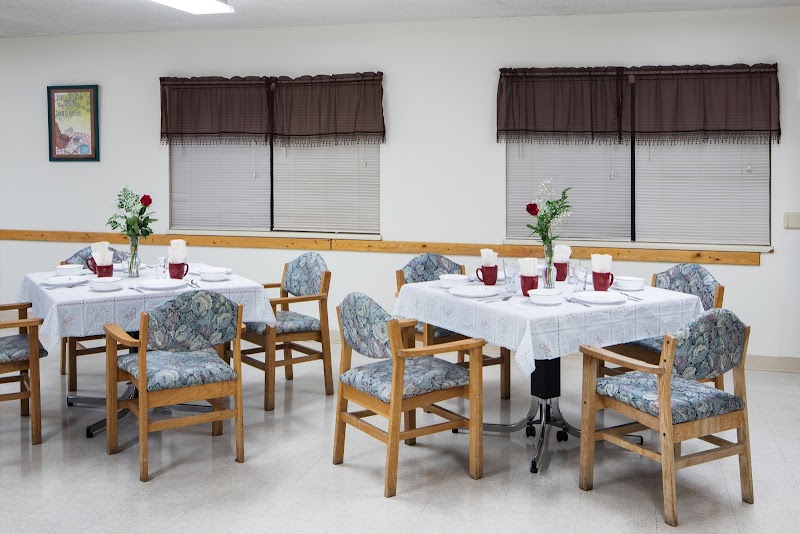
How is Bloomfield Nursing And Rehabilitation Center Staffed?

CMS rates Bloomfield Nursing and Rehabilitation Center's staffing level at 3 out of 5 stars, which is average compared to other nursing homes. Staff turnover is 54%, compared to the New Mexico average of 46%. RN turnover specifically is 67%, which is notably high. RNs provide skilled clinical oversight, so turnover in this role can affect medical care quality.

What Have Inspectors Found at Bloomfield Nursing And Rehabilitation Center?

State health inspectors documented 44 deficiencies at Bloomfield Nursing and Rehabilitation Center during 2022 to 2025. These included: 3 Immediate Jeopardy (the most serious level, indicating potential for serious harm or death), 1 that caused actual resident harm, and 40 with potential for harm. Immediate Jeopardy findings are rare and represent the most serious regulatory concerns. They require immediate corrective action.

Who Owns and Operates Bloomfield Nursing And Rehabilitation Center?

Bloomfield Nursing and Rehabilitation Center is owned by a for-profit company. For-profit facilities operate as businesses with obligations to shareholders or private owners. The facility is operated by GENESIS HEALTHCARE, a chain that manages multiple nursing homes. With 95 certified beds and approximately 78 residents (about 82% occupancy), it is a smaller facility located in Bloomfield, New Mexico.

How Does Bloomfield Nursing And Rehabilitation Center Compare to Other New Mexico Nursing Homes?

Compared to the 100 nursing homes in New Mexico, Bloomfield Nursing and Rehabilitation Center's overall rating (3 stars) is above the state average of 2.9, staff turnover (54%) is near the state average of 46%, and health inspection rating (3 stars) is at the national benchmark.

What Should Families Ask When Visiting Bloomfield Nursing And Rehabilitation Center?

Based on this facility's data, families visiting should ask: "What changes have been made since the serious inspection findings, and how are you preventing similar issues?" "Can I visit during a mealtime to observe dining assistance and food quality?" "How do you handle medical emergencies, and what is your hospital transfer rate?" "Can I speak with family members of current residents about their experience?" These questions are particularly relevant given the facility's Immediate Jeopardy citations.

Is Bloomfield Nursing And Rehabilitation Center Safe?

Based on CMS inspection data, Bloomfield Nursing and Rehabilitation Center has documented safety concerns. Inspectors have issued 3 Immediate Jeopardy citations (the most serious violation level indicating risk of serious injury or death). The facility has a 3-star overall rating and ranks #1 of 100 nursing homes in New Mexico. Families considering this facility should ask detailed questions about what corrective actions have been taken since these incidents.

Do Nurses at Bloomfield Nursing And Rehabilitation Center Stick Around?

Bloomfield Nursing and Rehabilitation Center has a staff turnover rate of 54%, which is 8 percentage points above the New Mexico average of 46%. Moderate turnover is common in nursing homes, but families should still ask about staff tenure and how the facility maintains care continuity when employees leave.

Was Bloomfield Nursing And Rehabilitation Center Ever Fined?

Bloomfield Nursing and Rehabilitation Center has been fined $104,883 across 2 penalty actions. This is 3.1x the New Mexico average of $34,128. Fines at this level are uncommon and typically indicate a pattern of serious deficiencies, repeated violations, or failure to correct problems promptly. CMS reserves penalties of this magnitude for facilities that pose significant, documented risk to resident health or safety. Families should request specific documentation of what issues led to these fines and what systemic changes have been implemented.

Is Bloomfield Nursing And Rehabilitation Center on Any Federal Watch List?

Bloomfield Nursing and Rehabilitation Center is not on any federal watch list. The most significant is the Special Focus Facility (SFF) program, which identifies the bottom 1% of nursing homes nationally based on persistent, serious quality problems. Not being on this list means the facility has avoided the pattern of deficiencies that triggers enhanced federal oversight. This is a positive indicator, though families should still review the facility's inspection history directly.