Clovis Healthcare and Rehabilitation Center
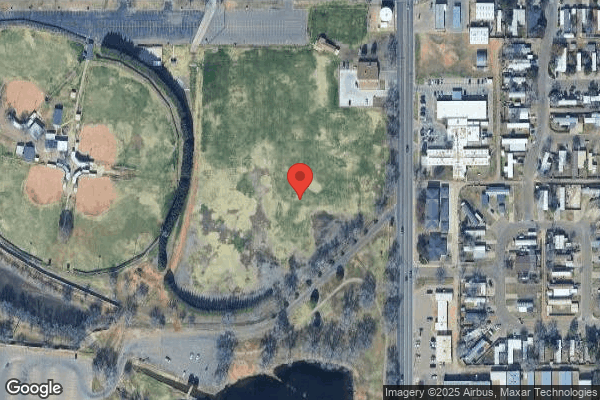
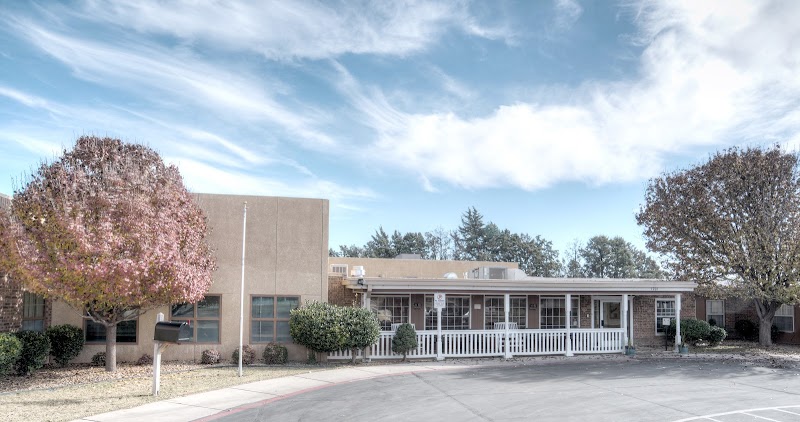
1201 North Norris Street, Clovis, NM 88101 (575) 762-3753
For profit - Limited Liability company 90 Beds GENESIS HEALTHCARE Data: November 2025 4 Immediate Jeopardy citations
Trust Grade
0/100
#30 of 67 in NM
Last Inspection: September 2024

Within standard 12-15 month inspection cycle. Federal law requires annual inspections.

Overview

Clovis Healthcare and Rehabilitation Center has received a Trust Grade of F, indicating significant concerns about the facility's quality of care. It ranks #30 out of 67 nursing homes in New Mexico, placing it in the top half, but its performance is troubling given the grade. The facility is worsening, with issues more than doubling from 9 in 2023 to 17 in 2024. Staffing is a weakness, rated at 2 out of 5 stars with a turnover rate of 56%, which is around the state average. Additionally, the facility has been fined $81,641, higher than 80% of New Mexico facilities, raising red flags about compliance. There are significant concerns regarding resident safety, as the facility failed to respond appropriately to allegations of neglect and abuse for multiple residents. For instance, a nurse administered incorrect medication doses, resulting in a resident being hospitalized for severe symptoms. In another instance, a staff member provided care without proper background checks or training, which raises serious questions about the competency of the nursing staff. Despite these issues, the facility does have some strengths, including a decent overall star rating of 3 out of 5 and good quality measures, but the critical incidents highlight severe risks that families should consider.
Trust Score
F
0/100
In New Mexico
#30/67
Top 44%
Safety Record
High Risk
Review needed
Inspections
Getting Worse
9 → 17 violations
Staff Stability
⚠ Watch
56% turnover. Above average. Higher turnover means staff may not know residents' routines.
Penalties
○ Average
$81,641 in fines. Higher than 50% of New Mexico facilities. Some compliance issues.
Skilled Nurses
○ Average
Each resident gets 35 minutes of Registered Nurse (RN) attention daily — about average for New Mexico. RNs are the most trained staff who monitor for health changes.
Violations
⚠ Watch
41 deficiencies on record. Higher than average. Multiple issues found across inspections.
★★★☆☆
3.0
Overall Rating
★★☆☆☆
2.0
Staff Levels
★★★★☆
4.0
Care Quality
★★★☆☆
3.0
Inspection Score
Stable
2023: 9 issues
2024: 17 issues

The Good

  • 4-Star Quality Measures · Strong clinical quality outcomes
  • Full Sprinkler Coverage · Fire safety systems throughout facility
  • No fines on record

Facility shows strength in quality measures, fire safety.

The Bad

3-Star Overall Rating

Near New Mexico average (2.9)

Meets federal standards, typical of most facilities

Staff Turnover: 56%

Near New Mexico avg (46%)

Frequent staff changes - ask about care continuity

Federal Fines: $81,641

Well above median ($33,413)

Moderate penalties - review what triggered them

Chain: GENESIS HEALTHCARE

Part of a multi-facility chain

Ask about local staffing decisions and management

Staff turnover is elevated (56%)

8 points above New Mexico average of 48%

The Ugly 41 deficiencies on record

4 life-threatening 3 actual harm
Sept 2024 5 deficiencies
CONCERN (D)

Potential for Harm - no one hurt, but risky conditions existed

Transfer Notice (Tag F0623)

Could have caused harm · This affected 1 resident

**NOTE- TERMS IN BRACKETS HAVE BEEN EDITED TO PROTECT CONFIDENTIALITY** Based on interviews and records review, the facility failed to ensure resident representatives (RR) and two (R14 and R30) of two...

Read full inspector narrative →
**NOTE- TERMS IN BRACKETS HAVE BEEN EDITED TO PROTECT CONFIDENTIALITY** Based on interviews and records review, the facility failed to ensure resident representatives (RR) and two (R14 and R30) of two residents reviewed for transfer requirements were provided with a written transfer notice that contained all the required information. This failure had the potential to affect the residents and their RRs by not having knowledge of where and why a resident was transferred, and/or how to appeal the transfer, if desired. Findings include: Review of the facility's policy titled, OPS404 Discharge and Transfer, with a revision date of 11/15/22, revealed, . Process: 5. For patients transferred to a hospital: 5.1 For unplanned, acute transfers for the patient must be permitted to return to the Center. Prior to the transfer, the patient and patient representative will be notified verbally followed by written notification using the Notice of Hospital Transfer or state specific transfer form. 5.1 .1 Copies of notices for emergency transfers must also be sent to the Ombudsman, but they may be sent when practicable, such as in a list of patients on a monthly basis or per state requirements . 1. Review of R14's admission Record, located in the Profile tab of the electronic medical record (EMR), revealed she was initially admitted to the facility on [DATE] with the following diagnoses: - Chronic obstructive pulmonary disease (COPD; lung disease) with (acute) exacerbation, - Type two diabetes mellitus, - Parkinsonism (refers to brain conditions that cause slowed movements, rigidity, and tremors), - Ventricular premature depolarization (VPD; a common event that occurs when the ventricles of the heart contract too early), - Transient cerebral ischemic attack (TIA; when blood flow to part of the brain stops for a brief period of time). Review of R14's significant change in status Minimum Data Set (MDS; a federally mandated assessment instrument completed by facility staff), with an Assessment Reference Date (ARD) of 06/26/24 and located in the MDS tab of the EMR, revealed R14 had a Brief Interview for Mental Status (BIMS; a screening for cognitive impairment) score of 13 out of 15, which indicated the resident's cognition was intact. Review of R14's Nursing Note, dated 09/07/24 at 7:00 PM and located in the Progress Notes tab of the EMR, revealed, . Hospice RN notified this nurse that after speaking to Hospice physician regarding resident's current condition, he ordered for resident to be sent out to emergency room [ER] for further evaluation and follow plan of care /MOST [New Mexico Medical Orders for Scope of Treatment] form . Review of R14's Nursing Note, dated 09/07/24 at 7:25 PM, located in the Progress Notes tab of the EMR, revealed, . At approximately 7:20 PM, emergency medical services (EMS) arrived to transport resident to ER. Current vital signs blood pressure 129/65, pulse 82, respiratory rate 20, oxygen saturation 96% on 3 liters oxygen. Resident's left side of face swollen, and continues to moan and saying, 'Help, help, help.' EMS departed facility with resident at 7:25 PM . Review of R24's Progress Notes and Miscellaneous (Misc) tabs of the EMR revealed no documentation that a written transfer notice was provided to the resident and their RR at the time of the transfer to the hospital on [DATE]. During an interview on 09/26/24 at 12:09 PM, the Social Services Director (SSD) verified that the facility notified the resident's representative by phone that the resident was being sent out and for what reasons. The SSD stated no resident representatives or Ombudsman had been provided a transfer notice when a resident was transferred to the hospital for acute care in the prior two years that she had held the SSD position. She stated she was not aware of this requirement or that it was included in the current facility policy. During an interview on 09/26/24 at 12:49 PM, the Center Executive Director (CED) stated, I didn't realize that transfer or bed hold policy notices weren't being provided to responsible parties or representatives or Ombudsman when being sent out to the ER. I know they are required and will follow up to ensure they are done in the future going forward.2. Review of R30's admission Record, located under the Profile tab in the EMR, revealed R30 was initially admitted on [DATE] and readmitted on [DATE] with diagnoses that included pneumonia, unspecified organism; acute respiratory failure with hypoxia (low levels of oxygen in the body tissue); and sepsis (a serious condition in which the body responds improperly to an infection), unspecified organism. Review of R30's Census, located under the Clinical tab in the EMR, revealed R30 was transferred to the hospital on [DATE] and returned to the facility on [DATE]. Review of R30's quarterly MDS, located in the EMR under the Resident Assessment Instrument (RAI) tab with an ARD of 08/28/24, revealed R30 had a BIMS score of nine out of 15 which indicated R30 was moderately cognitively impaired. Review of R30's Documents tab of the EMR revealed no documentation a transfer/discharge notice was provided to R30 or her RR when she was transported to the hospital on [DATE]. During an interview on 09/26/24 at 2:46 PM with the Director of Nurses (DON) and the Administrator, the DON confirmed that the facility had failed to provide transfer/discharge notices as required. The Administrator said he was unaware that the facility was not providing transfer/discharge notices to the residents and/or their representatives.
CONCERN (D)

Potential for Harm - no one hurt, but risky conditions existed

Deficiency F0625 (Tag F0625)

Could have caused harm · This affected 1 resident

**NOTE- TERMS IN BRACKETS HAVE BEEN EDITED TO PROTECT CONFIDENTIALITY** Based on interviews and records review, the facility failed to ensure resident representatives and two of two residents (Residen...

Read full inspector narrative →
**NOTE- TERMS IN BRACKETS HAVE BEEN EDITED TO PROTECT CONFIDENTIALITY** Based on interviews and records review, the facility failed to ensure resident representatives and two of two residents (Resident (R) 14 and R30) reviewed for transfer requirements out of a total sample of 18 were provided with written notification of the facility's bed hold policy prior to transfer to the hospital. This created a potential for the residents to experience distress or confusion related to readmission to the facility due to the facility-initiated discharge. Findings include: Review of the facility's policy titled, AR 102 Bed-Holds, with a revision date of 01/16/23, revealed, Bed hold notification is required per Federal Regulation Title 42, Chapter IV, Subchapter G, Part 483.15(d)(2)l The resident/resident representative may choose to pay to hold the bed privately if the bed hold is not covered by Medicaid, Medicare, insurance, etc. When a resident/patient (resident) is transferred out of the service location to a hospital or on therapeutic leave, the designee will provide the resident and his/her representative, if applicable, with the written Bed Hold Policy Notice & Authorization form . regardless of payer. If the resident representative is not present to receive the written notice upon transfer, the notice is delivered via e-mail, fax, or hard copy via mail . 1. Review of R14's admission Record, located in the Profile tab of the electronic medical record (EMR), revealed she was initially admitted to the facility on [DATE] with the following diagnoses: - Chronic obstructive pulmonary disease (COPD; lung disease) with (acute) exacerbation, - Type two diabetes mellitus, - Parkinsonism (refers to brain conditions that cause slowed movements, rigidity, and tremors), - Ventricular premature depolarization (VPD; a common event that occurs when the ventricles of the heart contract too early), - Transient cerebral ischemic attack (TIA; when blood flow to part of the brain stops for a brief period of time). Review of R14's significant change in status Minimum Data Set (MDS; a federally mandated assessment instrument completed by facility staff), with an Assessment Reference Date (ARD) of 06/26/24 and located in the MDS tab of the EMR, revealed R14 had a Brief Interview for Mental Status (BIMS; a screening for cognitive impairment) score of 13 out of 15, which indicated the resident's cognition was intact. Review of R14's Nursing Note, dated 09/07/24 at 7:00 PM and located in the Progress Notes tab of the EMR, revealed, . Hospice RN notified this nurse that after speaking to Hospice physician regarding resident's current condition, he ordered for resident to be sent out to emergency room (ER) for further evaluation and follow plan of care / MOST [New Mexico 'Medical Orders for Scope of Treatment ] form . Review of R14's Nursing Note, dated 09/07/24 at 7:25 PM, located in the Progress Notes tab of the EMR, revealed, . At approximately 7:20 PM, emergency medical services (EMS) arrived to transport resident to ER. Current vital signs; blood pressure 129/65, pulse 82, respiratory rate 20, oxygen saturation 96% on 3 liters oxygen. Resident's left side of face swollen, and continues to moan and saying, 'Help, help, help.' EMS departed facility with resident at 7:25 PM . Review of R24's Progress Notes and Miscellaneous (Misc) tabs of the EMR revealed no documentation that the facility's bed hold policy was provided to the resident or their RR at the time of the transfer to the hospital on [DATE]. During an interview on 09/26/24 at 12:09 PM, the Social Services Director (SSD) verified that the facility notified the resident representative by phone that the resident was being sent out and for what reasons. The SSD stated no responsible representatives or Ombudsman had been provided written notification of the facility's bed hold policy when a resident was transferred to the hospital for acute care in the prior two years that she has held the SSD position. She stated she was not aware of this requirement or that it was included in the current facility policy. During an interview on 09/26/24 at 12:49 PM, the Center Executive Director (CED) stated, I didn't realize that transfer or bed hold policy notices weren't being provided to responsible parties or representatives or Ombudsmen when being sent out to the ER. I know they are required and will follow up to ensure they are done in the future going forward. 2. Review of R30's admission Record, located under the Profile tab in the EMR, revealed R30 was initially admitted on [DATE] and readmitted on [DATE] with diagnoses that included pneumonia, unspecified organism; acute respiratory failure with hypoxia (low levels of oxygen in the body tissue); and sepsis (a serious condition in which the body responds improperly to an infection), unspecified organism. Review of R30's Census, located under the Clinical tab in the EMR, revealed R30 was transferred to the hospital on [DATE] and returned to the facility on [DATE]. Review of R30's quarterly MDS, located in the EMR under the Resident Assessment Instrument (RAI) tab with an ARD of 08/28/24, revealed R30 had a BIMS score of nine out of 15 which indicated R30 was moderately cognitively impaired. Review of R30's Documents tab of the EMR revealed no documentation R30 was provided a bed hold notice when she was hospitalized from [DATE] thru 08/24/24. During an interview on 09/26/24 at 2:46 PM with the Director of Nurses (DON) and the Administrator, the DON confirmed that the facility had failed to provide a bed hold notice to R30. The Administrator said he was unaware that the facility was not providing bed hold notices to the residents and/or their representatives.
CONCERN (D)

Potential for Harm - no one hurt, but risky conditions existed

Deficiency F0657 (Tag F0657)

Could have caused harm · This affected 1 resident

**NOTE- TERMS IN BRACKETS HAVE BEEN EDITED TO PROTECT CONFIDENTIALITY** Based on observations, record review, interviews, and review of the facility policy, the facility failed to ensure resident Care...

Read full inspector narrative →
**NOTE- TERMS IN BRACKETS HAVE BEEN EDITED TO PROTECT CONFIDENTIALITY** Based on observations, record review, interviews, and review of the facility policy, the facility failed to ensure resident Care Plans were updated and revised with new goals and interventions for two residents (R30 and R41) of 18 sampled residents. The facility failed to update the Care Plan for R30 related to oxygen usage and for R41 related to falls. This failure created an increased risk for the residents' care and services to not be appropriate for the current clinical condition. Findings include: Review of the facility policy titled, Person-Centered Care Plan, revised 10/240/22, revealed, A comprehensive, individualized care plan will be . reviewed and revised after each assessment. After each assessment means after each assessment known as the Resident Assessment Instrument (RAI) or Minimum Data Set (MDS). Care plan includes measurable objectives and timetables to meet a patient's medical, nursing, nutrition and mental and psychosocial needs that are identified in the comprehensive assessments. The policy further indicated, . The interdisciplinary team . will establish the expected goals and outcomes of care, the type, amount, frequency, and duration of care . related to the effectiveness of the plan of care . The care plan will be reviewed and revised by the interdisciplinary team after each assessment. It also indicated, . Care plans will be . reviewed and revised by the interdisciplinary team after each assessment including both the comprehensive and quarterly review assessments . to reflect the response to care and changing needs and goals . 1. Review of R41's undated Medical Diagnosis page in R41's electronic medical record (EMR) indicated R41 was admitted to the facility on [DATE] with diagnoses including muscle weakness (generalized) and abnormalities of gait and mobility. Review of R41's Fall Investigation Report, dated 08/15/24 and provided by the Director of Nursing (DON) on 09/25/24, indicated, Incident Location: Residents room Description: Yelling is heard coming from a room on east hall . The nurse entered the room and visualized resident sitting on buttocks right beside bed. Asked resident how he fell and he reports that he was trying to get his blanket from off the second bed . VS [vital signs] taken, small red veins noted to left shoulder and small bump on left elbow, denied hitting his head . Immediate Action Taken: Assisted resident back into motorized wheelchair per his request. Injury Type: Abrasion to left rear shoulder and left antecubital [referring to front of the elbow] and reported 8 out of 10 pain to generalized rear shoulder. Review of R41's Fall Risk Evaluation, dated 09/04/24 and located under the Assessment tab in R41's EMR, indicated R41 had no falls in the past three months and was alert and oriented to person, place, and time. The fall risk evaluation indicated R41 was at risk for falls. Review of R41's discharge-return anticipated Minimum Data Set (MDS; a federally mandated assessment instrument completed by facility staff), located under the MDS tab of R41's EMR and with an Assessment Reference Date (ARD) of 09/10/24, revealed R41 had a Brief Interview of Mental Status (BIMS; a screening for cognitive impairment) score of 14 out of 15, indicating no cognitive impairment. The MDS further indicated that R41 had one fall with injury (except major) since admission/reentry or the prior assessment. Review of R41's Care Plan, initiated on 07/24/23, indicated, Resident is at risk for falls: CVA [Cerebrovascular accident; stroke]. Further review of the care plan revealed it had not been updated with new interventions or goals after R41 sustained the fall with injury on 08/15/24. During an observation and interview on 09/23/24 at 10:00 AM, R41 was in his room sitting in an electric wheelchair. During the interview R41 stated, Yes, I have fallen here before. It was about two weeks or so ago. I fell here in my room. I was trying to transfer myself. During an interview on 09/24/24 at 4:09 PM, the Director of Nursing (DON) stated, With this current fall, he was in his room, and they found him sitting down. He was able to tell the nurse what happened. He is able to transfer himself and likes to be very independent. During an observation on 09/25/24 at 10:30 AM, R41 was observed in his electric wheelchair going around the facility. During an interview on 09/25/24 at 1:50 PM, MDS Coordinator (MDSC) 1 stated, If someone has a fall, then in our Risk Management System it will show all incidents, and you have to put an intervention in there. You have to manually go into the care plan to enter an intervention. MDSC1 stated that the person before her [referring to MDSC2] completed the last MDS on the section referring to falls. MDSC1 stated, It shows he had a fall with injury. When asked if the care plan was updated regarding the fall R41 had on 08/15/24, MDSC1 stated, Nursing does falls and interventions, and I don't see it on the care plan. I also do not see an entry on the fall care plan. During an interview on 09/25/24 at 2:12 PM, when reviewing the EMR for R41 with the DON, the DON stated, I don't believe it [R41's care plan] was updated after the fall. She stated, I don't see it was done [updated] with any new interventions. We're supposed to update the care plan after a fall, and it should have been done within 24 hours after the fall.2. Review of R30's admission Record, located under the Profile tab in the EMR, revealed R30 was initially admitted on [DATE] and readmitted on [DATE] with diagnoses that included pneumonia, unspecified organism; acute respiratory failure with hypoxia (low levels of oxygen in the body tissue); and sepsis (a serious condition in which the body responds improperly to an infection), unspecified organism. Review of R30's Census, located under the Clinical tab in the EMR, revealed R30 was transferred to the hospital on [DATE] and returned to the facility on [DATE]. Review of R30's entry tracking MDS, located under the RAI tab with an ARD of 08/24/24, revealed R30 was identified to receive skilled care. Review of R30'squarterly MDS, located in the EMR under the RAI tab with an ARD of 08/28/24, revealed R30 had a BIMS score of nine out of 15, which indicated R30 was moderately cognitively impaired. Review of R30's most recent Care Plan, revised 07/09/24 and located under the RAI tab, included R30 required assistance for all activities of daily living (ADL; activities related to personal care such as bathing, showering, dressing, walking, toileting, and eating) and was at risk for respiratory problems, dated 10/04/23. There were no dates to note the care plan had been reviewed or revised following R30's recent stay in the hospital. Review of R30's Clinical Physician's Orders, located under the Orders tab in the EMR, revealed R30 had orders, dated 08/24/24, for physical therapy, occupational therapy, and speech therapy upon return to the facility. Neither the orders nor the specific treatment were included in R30's care plan. During an interview on 09/26/24 at 1:14 PM, the MDSC1 stated, [R30] was not out for more than 30 days, so I just listed that she returned on skilled care. I only complete the care plans for the annual MDSs. I don't attend the care plan meetings. During an interview on 09/26/24 at 2:46 PM with the DON and the Administrator, the Administrator stated MDSC1 was new to her role and was learning with the help of staff from a sister facility. The DON confirmed that the care plan should have been updated to reflect the hospitalization and therapy services.
CONCERN (D)

Potential for Harm - no one hurt, but risky conditions existed

Accident Prevention (Tag F0689)

Could have caused harm · This affected 1 resident

**NOTE- TERMS IN BRACKETS HAVE BEEN EDITED TO PROTECT CONFIDENTIALITY** Based on observation, interview, record review, and policy review, the facility failed to ensure the designated resident smoking...

Read full inspector narrative →
**NOTE- TERMS IN BRACKETS HAVE BEEN EDITED TO PROTECT CONFIDENTIALITY** Based on observation, interview, record review, and policy review, the facility failed to ensure the designated resident smoking area was safe for one of 13 residents (Resident (R) 10) reviewed for smoking. The facility failed to provide a safe smoking environment by permitting non-self-extinguishing trash cans to be available for cigarette ashes and cigarette butts to be disposed of on top of trash. The failure created the potential for cigarette butts and ashes to ignite when thrown in the non-self-closing trash cans. Findings include: Review of the facility's policy titled, Smoking Policy and Procedure, revised on 05/01/24, revealed, Ashtrays made of non-combustible materials and safe design, and metal containers with self-closing covers into which ashtrays can be emptied, shall be provided in all designated smoking areas as well as at all entrances . The admitting nurse will perform a Smoking Evaluation on each patient who chooses to smoke . Patients will be re-evaluated quarterly and with a change in condition . The facility identified 13 residents who smoked or vaped on the designated smoking patio. The smoke times were posted on the door leading out to the patio as: 9:30 AM, 1:30 PM, 3:00 PM, 7:30 PM, and 11:30 PM. Review of R10's admission Record, located under the Profile tab in the electronic medical record (EMR), revealed R10 was initially admitted to the facility on [DATE] and readmitted on [DATE] with the following diagnoses: - Hemiplegia (paralysis of the arm, leg, and trunk on the same side of the body) and hemiparesis (a condition that causes weakness or an inability to move on one side of the body) following a cerebral infarction (an area of dead tissue in the brain resulting from a blockage or narrowing in the arteries supplying blood and oxygen to the brain) affecting left non-dominant side; - Left hand contracture (a shortening of muscles around joints causing joint stiffness and immobility); - Convulsions (seizures), unspecified. Review of R10's quarterly Minimum Data Set (MDS; a federally mandated assessment instrument completed by facility staff), located in the EMR under the Resident Assessment Instrument (RAI) tab and with an Assessment Reference Date (ARD) of 08/07/24, revealed R10 had a Brief Interview for Mental Status (BIMS; a screening for cognitive impairment) score of 14 out of 15, which indicated R10 was cognitively intact. Review of R10's Smoking Assessment, dated 07/23/24 and located in the EMR under the Assessments tab, noted R10 was identified to require supervised smoking due to not being able to light a cigarette. Observation on 09/23/24 at 9:30 AM of the designated resident smoking area, located at the end of the north hallway, revealed one staff member in control of the smoking materials box and monitoring six residents. Observation on 09/23/24 at 4:26 PM of the designated smoking area revealed four self-closing ashtrays on three picnic tables. One of the four ashtrays was missing one half of the self-extinguishing lid. R10 was seated in her wheelchair, next to a trash can lined with a plastic trash bag, with a pink blanket covering her legs and torso. R10 did not have an ashtray near her. The pink blanket had a cigarette burn located in the torso area of the resident. A second trash can with a swinging lid, lined with a plastic trash bag, was on the smoking patio. Inside the trash can were cigarette butts, cigarette ashes, and trash. A red self-extinguishing ash can was located next to the trashcan. R10 stated, That's locked, in reference to the red ash can. During an interview on 09/23/24 at 4:30 PM, the Activity Director (AD), who was providing supervision of the residents smoking, stated, The red can is always locked. I don't know who has the key. The AD confirmed the cigarette ashes, cigarette butts, and trash were in the non-self-extinguishing trash can. During an interview on 09/23/24 at 4:42 PM, the Maintenance Director (MD) stated, The residents probably put their ashes in the trash can. What do you want me to do? The red can is locked because residents had taken butts out of the can. The key is on the nurses' key ring. Staff are supposed to get the key from them. The MD confirmed there were cigarette ashes, cigarette butts, and trash in the non-self-extinguishing trash can lined with a plastic liner. During an interview on 09/23/24 at 4:56 PM, the AD denied knowing the key to the red ash can was on the nurse's key ring or that cigarette ashes and cigarette butts were to be emptied every smoke break into the red ash can. During an interview on 09/23/24 at 5:17 PM, the Administrator stated, We will have to make sure we have self-extinguishing ashtrays and self-extinguishing ash cans to prevent an accident. During an interview on 09/25/24 at 1:30 PM, R10 stated, in response to an observation of a cigarette burn on a purple blanket she had covering herself, I don't have to wear a smoking apron, I'm not going to catch on fire! During an interview on 09/25/24 at 3:26 PM, the Administrator confirmed smoking aprons were available. The Administrator stated, R10 is not made to wear one, she usually does well with holding her cigarette. Never known to start a fire. We will continue to supervise.
CONCERN (E)

Potential for Harm - no one hurt, but risky conditions existed

Deficiency F0761 (Tag F0761)

Could have caused harm · This affected multiple residents

Based on observations, staff interviews, and record review, the facility failed to ensure medication and biological refrigerator temperatures were maintained within the required range and recordings l...

Read full inspector narrative →
Based on observations, staff interviews, and record review, the facility failed to ensure medication and biological refrigerator temperatures were maintained within the required range and recordings logged for three of three refrigerators in two medication rooms. This failure had the potential to result in residents being subject to unsafe or ineffective treatment or adverse effects leading to more serious illnesses. Findings include: Review of the facility's policy titled, IC401 Medication and Vaccine Refrigerator/Freezer Temperatures, with a revision date of 07/01/24, revealed, Policy: Refrigerators and freezers used to store medications and vaccines will operate within acceptable temperature range and will be checked twice a day for proper temperatures. The acceptable refrigerator temperature range for medication and vaccine storage is 36 degrees to 46 degrees Fahrenheit . Process: 1. Staff will be assigned on each unit to: 1.1 Check internal temperatures of refrigerators and freezers used to store medications and vaccines. 1.2 Document internal temperatures on the Medication/Vaccine Refrigerator Temperature Log or Medication/Vaccine Freezer Temperature Log . On 09/24/24 at 10:31 AM, an observation of medication room at nurses' station on East/West Hall was conducted with the Infection Preventionist (IP). The observation revealed the medication refrigerator contained multiple insulin pens and vaccine vials. Review of the temperature log, dated 09/16/24 through 09/30/24 and posted on the front of the refrigerator, revealed the temperature was not consistently recorded. The temperature log was less than 50% completed with temperature/initial check offs. The IP confirmed the log was not maintained. On 09/24/24 at 10:52 AM, an observation of medication room at nurses' station on North Hall was conducted with the IP . The observation revealed the medication refrigerator contained an emergency kit box of locked medications and multiple vaccine vials. Review of the temperature log, dated 09/16/24 through 09/30/24 and posted on the front of the refrigerator, revealed the temperature was not consistently logged. The temperature logs was approximately 75% completed with temperature/initial check offs. The IP confirmed the log was not maintained. On 09/24/24 at 10:31 AM, during an interview, the IP stated, The temperature logs for the refrigerators should be filled out every 12 hours. It's considered part of infection control, and I will be following up on it. I don't know why staff haven't been completing them. On 09/25/24 at 2:01 PM, during an interview, the Director of Nursing (DON) stated, I don't know why the temperature logs weren't maintained. A process will be put in place to identify and assign staff to help maintain the appropriate temperatures and logs from now since we know. I'm still putting in place several processes since I've started in this position recently.
May 2024 9 deficiencies 4 IJ (1 affecting multiple)
CRITICAL (J) 📢 Someone Reported This

A family member, employee, or ombudsman was alarmed enough to file a formal complaint

Immediate Jeopardy (IJ) - the most serious Medicare violation

Deficiency F0726 (Tag F0726)

Someone could have died · This affected 1 resident

**NOTE- TERMS IN BRACKETS HAVE BEEN EDITED TO PROTECT CONFIDENTIALITY** Based on record review and interview, the facility failed to ensure nursing staff demonstrated appropriate competency and skills...

Read full inspector narrative →
**NOTE- TERMS IN BRACKETS HAVE BEEN EDITED TO PROTECT CONFIDENTIALITY** Based on record review and interview, the facility failed to ensure nursing staff demonstrated appropriate competency and skills when: 1) LPN #2/Unit Manager failed to administer accurate medication dosages to a resident; 2) LPN #2 failed to follow facility process for receiving emergency medications; 3) LPN #2 inaccurately documented on the medication administration record to intentionally deceive; 4) LPN #1 began working without completing an application, having a background clearance, training and demonstration of competency prior to providing care to residents. This deficient practice likely resulted in: 1) R #1 receiving too much medication, which resulted in her being admitted to the hospital on [DATE] for difficulty breathing and altered mental status, and 2) A non-employee nurse working, including providing direct care and administering medication to residents, for three shifts without a background clearance, TB testing, or training. The findings are: Medication Error A. Record review of facility's Management of Controlled Drugs policy, dated 08/01/05 revised 04/01/22, revealed staff to utilize the Automated Medication Dispensing Systems (AMDS) which may have an emergency supply of controlled substances. Nurses must follow federal and state regulations to access emergency supplies of controlled substances. B. Record review of facility's Medication Error policy, dated 01/01/04 revised 06/01/21, revealed staff to investigate medication errors and implement appropriate interventions. Staff will report, log, and trend medication errors. A medication error was defined as a discrepancy between what the physician/advanced practice provider ordered and what the resident/patient received. Types of errors include: medication omission; wrong patient, dose, route (oral or injected), rate, or time; incorrect preparation; and/or incorrect administration technique. C. Cross reference F760 D. Record review of the facility's documents revealed the following: - Staff did not report the overdose to the hospital; - Staff did not report the overdose to the State Agency; - The Administration did not investigate the incident; - Staff did not document the medication error. - Staff inaccurately documented that the medication had spilled. E. On 05/09/24 at 3:03 pm during an interview, the Administrator (ADM) stated the DON and LPN #2/Unit Manager did not report the medication error to her. She stated she was not aware they reported the incident to the NP or that staff documented the morphine as spilled. Not conducting background check, provide training and verify competency prior to working F. Record review of the facility's Hiring Policy, dated 07/01/22 , revealed offers of employment were contingent upon successful completion of hiring requirements, including verifying credentials, licenses, and/or other documents required, completing a criminal background check, substance abuse screening, and employee health screening. G. On 05/07/2024 at 4:28 pm, during an interview with Payroll/Scheduler (PS), she stated she came into work on 05/06/24 and found a written time sheet on her desk, which was signed by LPN #2/Unit Manager and LPN #1. She stated LPN #1 was not a hired employee and did not have an application on file. The PS stated that according to the time sheet, LPN #1 worked in the facility from 05/03/24 thru 05/05/24. She stated LPN #2 told LPN #1 to work over the weekend in place of LPN #5, and LPN #1 used LPN #2's credentials to log into the system [electronic medication record] over the entire weekend. The PS stated she notified the Administrator on 05/06/24 and was told to just get her hired. The PS stated she also notified the Corporate Human Resources (CHR) as was told to just hurry and get LPN #1 hired. H. Review of the nursing schedule, dated May 2024, revealed the schedule did not include LPN #1. Further review revealed LPN #5 was scheduled to work 05/03/24 through 05/05/24. I. Review of the written time sheet revealed LPN #1 worked 05/03/24 through 05/05/24, and she signed the time sheet. Further review revealed the time sheet was also signed by LPN #2, the Unit Manager. J. Record review of LPN #1's application revealed it was submitted on 05/06/24. The records did not contain documentation prior to 05/06/24 that LPN #1 received background clearance, training and demonstration of competency. K. On 05/09/24 at 4:00 pm during and interview with ADM, she stated she told PS to hire LPN #1 on 05/01/24 and the PS forwarded on to the corporate human resource person. The ADM stated she did not know LPN #1 worked in the building 05/03/24 through 05/05/24. She stated the PS told her about LPN #1 on 05/06/24. Based upon record review and interviews, Immediate Jeopardy was identified on 05/09/24 at 1:08 pm. The facility took corrective action by providing an acceptable Plan of Removal (POR) on 05/10/24 at 2:02 pm. Implementation of the POR was onsite on 05/16/24 by conducting observations, record reviews, and staff interviews. Plan of removal: Effective immediately May 9, 2024, a full audit of all current staff working in the center will occur by the end of the day on May 14, 2024, to ensure the proper hiring process was completed, including screening and training, with emphasis on: background checks, finger prints, Electronic Health Record (EHR) access. Anyone identified as not meeting these requirements will immediately be removed from the schedule until requirements are met. A full audit of current direct care staff will occur by the end of the day on May 14, 2024, to ensure all direct care staff have their own EHR access. Market Human Resources/designee will re-educate current management staff on hiring process, including required screening and training prior (background checks, finger prints and EHR access) to beginning work within the center. Nurse manager/designee will provide education to all staff that they are never to use another staff member's sign-in for any application. If they are unable to use their own sign-in, they will contact IT and/or management immediately until their access issues have been resolved. Education will begin 05/09/24 and continue until all identified staff have been educated prior to their next shift. Any management staff member on leave of any type, or PRN (as needed) staff will be re-educated prior to returning to duty. New hires will be educated on this process upon hire. The Administrator/designee will review new hires daily to ensure the process for new hires is being followed. The Director of Nursing/designee will begin education 5/9/2024. As of the end of the day, 5/10/24, 100% of currently scheduled staff will have been educated on this information. Any staff member that is not on the current schedule as of 5/10/2024, is on leave of any type, or PRN staff will be educated prior to returning to their next shift. New hires/agency staff will be educated during orientation.
CRITICAL (J) 📢 Someone Reported This

A family member, employee, or ombudsman was alarmed enough to file a formal complaint

Immediate Jeopardy (IJ) - the most serious Medicare violation

Deficiency F0760 (Tag F0760)

Someone could have died · This affected 1 resident

**NOTE- TERMS IN BRACKETS HAVE BEEN EDITED TO PROTECT CONFIDENTIALITY** Based on record review and interview, the facility failed to ensure residents were free of significant medication errors for 1 (...

Read full inspector narrative →
**NOTE- TERMS IN BRACKETS HAVE BEEN EDITED TO PROTECT CONFIDENTIALITY** Based on record review and interview, the facility failed to ensure residents were free of significant medication errors for 1 (R #1) of 1 (R #1) residents reviewed for neglect, when nursing staff administered the wrong dose of medication to R #1. This deficient practice likely resulted in the overdosing of R #1 which resulted in an immediate increased in heart rate, decrease in blood pressure, inability to respond and fatigue requiring admission to the hospital. The findings are: A. Record review of R #1's Face Sheet revealed an initial admission date of 10/18/23 and a discharge date of 11/06/23. B. Record review of R #1's Physician's Progress notes, dated 11/06/23, revealed the physician saw the resident for altered mental status (change in normal mental function), tachycardia (faster than normal heart rate), low blood pressure, and hypoxia (low levels of oxygen in blood). A Certified Nursing Assistant (CNA) called the writer to the shower room around 10:30 am, because resident was acting differently. The writer took the resident to the nursing station and obtained the resident's vital signs (the basic functions of your body). The vital signs were as follows: oxygen 82 percent (%) room air (without the use of supplemental oxygen) , heart rate 154 beats per minute (bpm; normal heart rate for a female whose age is [AGE] years old is between 71 and 73 bpm), blood pressure unable to obtain. The resident did not appear to respond to the writer's voice, as the resident's baseline (normal state of being) was eye tracking (following with your eyes) with some verbal statements. The writer called the Registered Nurse (RN) and the Unit Manager to assist with the resident. The nursing staff reported the resident did not eat any breakfast and had loose stools throughout the weekend. The writer noted the resident had cracked, dry lips and dry oral membranes. Staff placed the resident in her room with intravenous (IV) started, normal saline infused, 500 milliliters (ml) bolus (single large dose of medication), and supplemental oxygen in place at 6 liters (L) via simple mask (a device that covers the nose and mouth and delivers oxygen to patients). Verbal order: 2 mg morphine oral concentrate one time, now. At 10:45 am, the writer attempted to call the resident's emergency contact. The daughter agreed with current interventions and agreed for resident to be transferred to the hospital for all life-saving interventions, if necessary. At 11:25 am, the resident's vitals were as follows: blood sugar 134 (normal range is 80-180), blood pressure 101/63 (normal range for an [AGE] year old female is 139/68 ), heart rate 117 bpm, and oxygen 98% on 6 L. The writer noted the resident's mentation (mental activity) was still altered from baseline. At 11:36 am, the resident was transferred to hospital via Emergency Medical Services (EMS). C. Record review of R #1's Physician's Order, dated 11/06/23, revealed an order for morphine sulfate concentrate (medication used to treat pain), oral solution, 20 milligram/milliliter (mg/mL). Give 2 mg orally immediately (STAT) for pain. [This was a one time order during an emergent situation.] D. Record review of Narcotic Tracking sheet for R #2 [morphine was borrowed from this resident to administer to R #1] revealed that on 11/06/23 there was a line through four doses of the morphine. Further review revealed staff documented the medication as spilled, and the Director of Nursing (DON) and LPN #2/Unit Manager signed the sheet. E. On 05/07/24 at 5:31 pm and 05/09/24 at 11:55 am during interviews, RN #1 stated that on 11/06/23, LPN #2/Unit Manager approached RN #1's medication cart and stated she was looking for morphine for an emergency situation. She stated that R #1 was having difficulty breathing. RN #2 stated the medical provider was in the building, and she assessed R #1. She stated the provider ordered 2 milligrams of morphine for R #1 to help the resident relax and to help her breathing. RN #1 stated LPN #2 told her the NP ordered morphine for R #1, but R #1 did not have a prescription for morphine. RN #1 stated LPN #2 retrieved a bottle of morphine belonging to R #2 from RN #1's medication cart. She stated LPN #2 was shaking, so RN #1 held the bottle of morphine while LPN #2 withdrew the medication with a syringe and administered the medication to R #1. She stated she was not aware of the NP's order, because the NP gave it directly to LPN #2. RN #1 stated LPN #2 kept saying, Do you know if it was 2 milligrams or 2 milliliters? RN #1 stated that after LPN #2 administered the morphine to the resident, R #1 became less responsive, and staff called the Emergency Medical Service (EMS) to take R #1 to the hospital. RN #2 stated after the resident left, staff informed her (RN #2) that LPN #2 made a mistake and administered 40 milligrams [2 ml] of morphine to R #1 instead of 2 milligrams. She stated she immediately told the DON that amount could just shut down a person's system (cause them to become unresponsive). She stated the DON told her not to worry about it, and she (DON) would call the emergency room (ER) to report the error. RN #1 stated she noticed later it was documented on R #2's narcotic medication tracking sheet, dated 11/6/23, that 40 milligrams of morphine was spilled. RN #1 stated she did not see R #2's morphine spilled. She stated that it would have been difficult to spill the morphine due to the type of bottle the medication was in. RN #1 stated that particular bottle came with a rubber stopper (small rubber-like device that provides a secure seal and protects medication from being contaminated or spilled), and she had to hold the bottle upside down while LPN #2 withdrew the medication. RN #1 also stated the morphine orders come with specific syringes that are designed to administer a specific dosage, but LPN #2 did not use the syringe that was specific to that particular prescription. RN #1 stated LPN #2 retrieved a different syringe from the medication room. RN #1 stated the normal process for retrieving emergency medications was for staff to get the order, contact the pharmacy, and then retrieve the ordered medication from the Omnicell (automated medication dispensing cabinet) or from the E-kit (Emergency kit). RN #1 stated LPN #2 asked her if she (RN #1) wanted to sign for or administer the morphine to R #1, and she told LPN #2 no. RN #1 stated she did not receive the order and borrowing medication from another resident was not right. She stated there were different concentrations for morphine, and she did not know if the order for R #1 was the same concentration as the medication borrowed from the other resident. She stated it was important to always check if its the right medication, right dose, right patient, and right route. F. On 05/08/24 at 10:00 am during an interview, Nurse Practitioner (NP) stated she ordered 2 mg of morphine to be administered to R #1 on 11/06/23. She stated LPN #2/Unit Manager and the DON reported to her that LPN #2 administered 40 mg [2 mL] of morphine to R #1. The NP stated she immediately told LPN #2 and the DON to call the hospital emergency room and report this medication error. G. On 05/08/24 at 2:07 pm during an interview, RN #2 stated R #1 came out of the shower room on 11/06/23, and she was not feeling well. RN #2 stated the resident's oxygen level was low, she was breathing heavily, her blood pressure was low, and her heart rate was high. She stated the resident had difficulty breathing. RN #2 stated the medical provider was in the building, and she assessed R #1. She stated the provider ordered 2 milligrams of morphine for R #1 to help the resident relax and to help her breathing. She stated that after LPN #2 administered the morphine to the resident, R #1 became less responsive, and staff called the Emergency Medical Service (EMS) to take R #1 to the hospital. RN #2 stated after the resident left, staff informed her (RN #2) that LPN #2 made a mistake and administered 40 milligrams [2 ml] of morphine to R #1 instead of 2 milligrams. She stated she immediately told the DON that amount could just shut down a person's system (cause them to become unresponsive). She stated the DON told her not to worry about it, and she (DON) would call the emergency room (ER) to report the error. H. Record review of R #1's Medication Administration Record (MAR), dated November 1, 2023 through November 30, 2023, revealed staff did not document morphine was administered to R #1 on 11/06/23. I. Record review of R #1's Nursing Progress Notes revealed staff documented the following: - On 11/06/23 at 11:21 am, received a new order from the Nurse Practitioner (NP) to send resident to the emergency room (ER) for evaluation and treatment, as indicated. - On 11/06/23 at 12:56 pm, the EMT's arrived to transport resident to the ER. The resident received morphine sulfate (MSO4; pain medication) per NP orders. The resident's blood pressure fluctuated as well as heart rate. The resident departed to facility at approximately 11:05 am. - On 11/07/23 at 1:18 pm, the nurse called the hospital at 12:24 pm. The patient's account was password protected. At 12:45 pm [Name of] Power of Attorney (POA - person responsible for making decisions on behalf of another person) returned call and verbalized the resident had abnormal heart rate, dehydrated, UTI (Urinary tract infection - infection in any part of the urinary system), bladder infection, oxygen saturation up and down, as well as a fracture to right collarbone which appeared to either be unhealed or refractured. - On 11/08/23 at 3:46 pm, the facility nurse spoke to the Registered Nurse (RN) at the hospital's Intensive Care Unit (ICU). The resident's admitting diagnoses were sepsis due to UTI; pneumonia: Hypoxic (low level of oxygen in blood) due to pneumonia; bladder infection; acute renal failure (when your kidneys become unable to filter waste products from your blood); Atrial fibrillation (AFib; irregular heartbeat) with RVR (very rapid heart rhythm). J. Record review of R #1's hospital records revealed the following: - admission record, dated 11/06/23, the resident was admitted with the chief complaints of mental status and shortness of breath. The resident had a medical history of high blood pressure, arthritis (swelling and tenderness of joints), chronic obstructive pulmonary disease (COPD; lung disease), asthma (narrowing of the airways), and anxiety (mental disorder that causes persistent worry and fear). The patient lived at a retirement home, and staff noted the resident had more trouble breathing. Staff called EMS, who arrived and found the resident's blood pressure was 90/50. Staff reported the resident did not have any trauma to the body. Patient arrived in the emergency department (ED) initially alert but unresponsive to verbal commands. History of Present Illness: Altered Mental Status - This was a new problem. The current episode started 6 to 12 hours ago. The problem has not changed since onset. Associated symptoms include confusion, somnolence (drowsiness), unresponsiveness and weakness. Review of Systems: Positive for activity change and fatigue (extreme tiredness), shortness of breath, weakness, confusion, and tachycardia (faster than normal heart rate). - Discharge summary, dated [DATE], the resident passed away. Discharge diagnosis and principal cause of death was aspiration pneumonia (lung infection caused by inhaling substances like food, liquid, or vomit.) K. Record review of R #1's medical record revealed the records did not contain evidence the facility staff notified the hospital ER that staff administered 40 mg of morphine to R #1. Based upon observations and interviews, Immediate Jeopardy was identified on 05/09/24 at 5:15 pm. The facility took corrective action by providing an acceptable Plan of Removal (POR) on 05/10/24 at 2:02 pm. Implementation of the POR was verified onsite on 05/16/24 by conducting observations, record reviews, and staff interviews. Scope and severity was lowered from J to D. Plan of removal: Effective immediately May 9, 2024, an audit will be completed of every resident with a narcotic order, to ensure that all narcotics ordered are on the medication carts. If medications are missing, then the medication availability process will be followed and pulled from the Omnicell/Ekit. Effective immediately May 9, 2024, all nursing staff will be re-educated on the six rights of medication administration with an emphasis on right patient/resident and right dosage. Nurse manager/designee will provide education to all nursing staff on medication availability process. A unit manager will begin education on 05/09/24 and continue until all licensed nursing staff have been educated prior to their next shift. New hires/agency staff will be educated during orientation. A unit manager will begin education on 05/09/24. As of the end of each shift on 05/10/24, 100% of currently scheduled staff will be educated on this information. Any staff member that is not on the current schedule as of 05/10/24 will be educated prior to returning to their next shift. New hires/agency staff will be educated during orientation. The Director of Nursing/designee will begin education on 05/10/24. As of the end of the day, 5/11/24, 100% of currently scheduled staff will have been educated on this information. Any staff member that is not on the current schedule as of 5/11/24 will be educated prior to returning to their next shift. New hires/agency staff will be educated during orientation.
CRITICAL (J) 📢 Someone Reported This

A family member, employee, or ombudsman was alarmed enough to file a formal complaint

Immediate Jeopardy (IJ) - the most serious Medicare violation

Deficiency F0761 (Tag F0761)

Someone could have died · This affected 1 resident

Based on record review, observation, and interview, the facility failed to: 1. Ensure staff properly stored narcotic medications in a locked container. 2. Properly dispose of unused and expired medica...

Read full inspector narrative →
Based on record review, observation, and interview, the facility failed to: 1. Ensure staff properly stored narcotic medications in a locked container. 2. Properly dispose of unused and expired medications. This deficient practice had the potential to affect all 52 residents identified on the facility census list provided by the Director of Nursing (DON) on 05/06/24. Improperly stored medications could result in a resident, staff member, or visitors taking the medications not prescribed to them. The findings are: A. On 05/06/24 at 12:42 pm, observation of the Director of Nursing's (DON) office revealed the office was unlocked, the door was open, and the office was accessible to residents, staff, and visitors. Further observation revealed various prescription bottles on the DON's desk and in an open box on the floor next to the desk. Observation also revealed piles of various bubble packs (a disposable package consisting of a clear plastic overlay affixed to a cardboard backing for protecting and displaying a product) and boxes of narcotic medications were undated and not labeled as to which resident the medications were prescribed. Medications in the DON's office included but were not limited to morphine (medication used to treat pain), fentanyl (medication used to treat pain), and various antibiotics (medications used to treat infections) B. Record review of the facility's Management of Controlled Drugs policy, dated 04/01/22 revealed the following: - Controlled substances shall not be accessible to other than licensed nursing staff, pharmacy, and medical staff (i.e., physicians, advanced practice providers) designated to the by the Center. - All controlled substances stored under double lock, separate from other medications. - Access to keys for controlled substances double locked box/cabinet for each medication cart limited to the licensed nursing staff. - Discrepancies noted at any step of the process will be reported to appropriate persons. - If a discrepancy is noted, the nursing supervisor will be notified and will immediately initiate investigation. - The Administrator (ADM) and the DON are responsible for notification of the appropriate enforcement agencies, according to state and federal regulations, of any controlled substance discrepancy which cannot be clarified satisfactorily. C. On 05/06/24 at 2:00 pm during an interview, the DON stated the process for disposing of medications was for the facility to hold all medications for months, until there was enough to destroy with the pharmacist. She stated the pharmacist asked her monthly if there were any medications to be destroyed, but she frequently told the pharmacist there were not enough to destroy yet. She stated it could be months and months before there were enough medications stocked up to be destroyed. The DON stated staff should log and account for all medications before destruction. She stated all narcotics should be locked in a locked container and logged immediately by two nursing staff. The DON stated she did not log any of the narcotics in her office, because they were very busy and did not have time. The DON confirmed medications should not be on her desk and in boxes in her office. She stated all narcotics should be stored in a safe place D. On 05/08/24 at 2:07 pm during an interview, Registered Nurse (RN) #2 stated she observed random narcotics from past residents in the DON's unlocked desk drawer on 02/13/24. RN #2 stated she reported her concerns to the ADM and to the Corporate Human Resources (CHR) Director, and nothing was ever done. E. On 05/08/24 at 4:28 pm during an interview, the Payroll/Scheduler (PS) stated she recently needed some paperwork from the DON's office. She stated when she went into the DON's office she observed narcotics in the desk drawers that should have been disposed. The PS stated she felt this was concerning. She stated she took pictures of the unlocked drawers with narcotics and sent them to CHR. The PS stated nothing was done about it. F. On 05/09/24 at 12:27 pm, an observation of the Infection Control Storage room revealed several unlabeled medium- to large-sized cardboard boxes and several unlabeled plastic bins contained various medications, some dating back to 2022, to include expired or discontinued medications and medications for residents that have been discharged from the facility. Further observation revealed there were not any medication destruction logs available for the stored medications. Medications identified in the Infection Control Storage room included but were not limited to antibiotics, antipsychotics, and hypertension medications. G. Record review of the facility's medication reconciliation logs revealed the records did not contain documentation for reconciling what medications were present in the Infection Control Storage room and what medications should be there. H. On 05/09/24 at 12:32 pm during an interview, the ADM stated she was not aware there were medications stored in the Infection Control office. She further stated no one was allowed to go into that office, and only Unit Manager/Licensed Professional Nurse (LPN) #2 and the DON had the key. I. On 05/09/24 at 2:02 pm during an interview, LPN #6 stated she shared the office with the DON while she was employed at the facility. LPN #6 stated during that time she constantly observed the DON's desk drawers unlocked and full of narcotics. She stated the facility's process for handling narcotic medications was for staff to keep them in the lock box in the nurses' medication carts, which also locked. LPN #6 stated if a resident was discharged or expired then the nurses would give the resident's narcotics and the Narcotic Count Sheet to the Unit Managers. She stated the Unit Managers would give these items to the DON. She stated she and the DON had keys to the lock box on the wall behind the DON's desk, where they kept controlled medications that were to be destroyed. She stated the lock box required two keys (LPN #6's and the DON's) to unlock the box. LPN #6 stated initially the DON would let her know when they needed to get into the lock box, but the DON stopped asking her to unlock the box after a few months. LPN #6 stated the floor nurses reported to her that they consistently observed the DON's desk drawer to be full of narcotics. She also stated the DON would tell the Pharmacist there were not any medications to be destroyed when the Pharmacist came in for medication destruction. LPN #6 stated she reported these concerns to the ADM, to HR, and to Corporate RN (CRN) #8. She stated the facility had a pharmacy inspection coming up so they were trying to get things in order. She stated there were a lot of medications that should have been destroyed months prior, there were medications in unlocked drawers, and the medication room cabinets were overflowing with medication to be destroyed. She stated there were four or five huge boxes of medications that needed to be destroyed, and the DON told her that she (the DON) hid the medications in her personal vehicle while the inspection occurred. J. On 05/09/24 at 2:48 pm during an interview, the Pharmacist stated she comes to the facility once a month, and her last visit was on 04/18/24. She stated she completed a non-controlled medication destruction, because the narcotics were not ready. She stated the normal process for medication destruction was staff popped the medication out of the bubble packs and into a tote. She stated the tote was then taken to the Department of Justice's office. She stated the medications that were prepared for destruction were several months worth of medications. She further stated the DON told her for several months that there were not any controlled drugs that needed to be destroyed during her (the Pharmacist's) monthly facility visits, that included medication destruction,. K. On 05/14/24 at 3:49 pm, an observation and interview revealed the East/West Medication Storage room contained various medications, in boxes and bubble packs, with no organization. Further observation revealed some medications were from 2018, and there were not any logs available to track the medications in the storage room. RN #1 stated the medications were discontinued, expired, or belonged to residents who were no longer at the facility. RN #1 also stated management had not yet reviewed or logged the medications for destruction, to the best of her knowledge. L. On 05/14/24 at 3:54 pm, an observation and interview revealed the North Hall Medication Storage room contained various medications, there were not any logs available to track the medications. LPN #3 stated these medications were discontinued, expired, were to be destroyed, or were to be returned to the pharmacy. LPN #3 stated management had not yet reviewed or logged the medications for destruction, to the best of her knowledge. M. On 05/14/24 at 4:05 pm, an observation of the narcotic medication lock box in the DON's office revealed RN #9 held both keys and unlocked the lock box. Observation revealed there was one bottle of unopened morphine with a medication count log secured to it with a rubber band. During an interview, RN #9 stated she knew this was not the correct way to do things, because one of the keys should be held by another staff. RN #9 stated the facility called her to come in and help during the survey and gave her both keys to the lock box. Based upon observations and interviews, Immediate Jeopardy was identified on 05/10/24 at 12:56 pm. The facility took corrective action by providing an acceptable Plan of Removal (POR) on 05/10/24 at 3:18 pm. Implementation of the POR was onsite on 05/16/24 by conducting observations, record reviews, and staff interviews. Plan of Removal: Effective immediately, May 10, 2024, a full audit of current medications for destruction was performed on and completed by 05/11/24, to ensure all medication was accounted for, logged, secured, and locked in a medication storage area or lock box until pick-up was completed or pharmacy destruction was initiated. Effective immediately, May 10, 2024, all nursing staff was re-educated on Medication Storage Policy. The Director of Nursing/designee began education on 05/10/24. As of the end of the day, 05/11/24, 100% of currently scheduled staff have been educated on this information (Medication Storage). Any staff member that is not on the current schedule as of 05/11/24 will be educated prior to returning to their next shift. New hires/agency staff will be educated during orientation.
CRITICAL (K) 📢 Someone Reported This

A family member, employee, or ombudsman was alarmed enough to file a formal complaint

Immediate Jeopardy (IJ) - the most serious Medicare violation

Investigate Abuse (Tag F0610)

Someone could have died · This affected multiple residents

Based on record review and interview, the facility failed to complete and document a thorough investigation, implement measures to prevent further abuse, and implement corrective actions regarding all...

Read full inspector narrative →
Based on record review and interview, the facility failed to complete and document a thorough investigation, implement measures to prevent further abuse, and implement corrective actions regarding allegations of neglect (failure to provide goods and services necessary to avoid physical harm, mental anguish, or mental illness) and abuse (knowingly causing physical or mental harm or failing to provide goods and services necessary to avoid physical or mental harm) for 3 (R #s 4, 8 and 9) of 7 (R #s 4, 5, 6, 7, 8, 9 and 10) residents reviewed for abuse/neglect allegations when staff failed to: 1. Complete and document a thorough investigation, remove staff identified while the investigation was conducted, and implement corrective actions for R #4, R #8 and R #9. 2. Provide a follow-up report within five working days from the date of the incident to the State Survey Agency (SSA) for R #4. If the facility fails to implement preventive and corrective actions necessary to prevent and correct the incident from happening again and fails to send the report to the SSA, then it is likely residents will feel frustrated, unsafe, and not enjoy living to their highest practicable well-being. The findings are: R #8 A. Record review of R #8 face sheet revealed she was admitted into the facility 12/27/23. B. Record review of an Abuse Questionnaire form (a facility-initiated form which asked residents about abuse, neglect and exploitation by staff in the facility), dated 04/23/24, revealed the following: - R #8 stated Certified Nurse Aide (CNA) #3 was rude to her and made her feel bad for needing anything. - R #8 stated she knew how to report abuse, neglect, or exploitation. - The abuse coordinator was the Administrator (ADM). - The staff aware of the questionnaire form were the DON, ADM, and Licensed Practical Nurse (LPN) #2. C. Record review of the facility's records revealed staff did not investigate R #8's abuse allegations. D. On 05/06/24 at 4:45 pm during an interview with the DON, she stated staff did not report R #8's allegations to the SSA or complete an investigation. R #9 E. Record review of R #9 face sheet revealed she was admitted into the facility 11/22/23. F. Record review of an Abuse Questionnaire, dated 04/23/24 revealed the following: - R #9 stated CNA # 3 was very rude and made her feel bad for pushing the call button. - R #9 stated knew she how to report abuse, neglect, or exploitation. - The abuse coordinator was the ADM. - The staff aware of the questionnaire form were the DON, ADM, and Licensed Practical Nurse (LPN) #2. G. Record review of the facility's records revealed staff did not investigate R #9's abuse allegations. H. On 05/06/24 at 4:28 pm during an interview with Human Resources (HR), she stated staff should have conducted a thorough investigation of the allegations by R #8 and R #9. HR stated staff did not report R #8's and R #9's abuse allegations to the SSA, and the facility did not investigate the allegations. I. On 05/09/24 at 10:00 am during an interview with the ADM, she stated she assumed the DON documented and completed an initial incident report and a five-day follow-up report to the SSA for the allegations by R #8 and R #9. The ADM confirmed there was not any documentation regarding a thorough investigation of the residents' allegations. J. Record review of staffing schedule for CNA #3 revealed CNA #3 was removed from the schedule following the allegations on 04/23/24. R #4 K. Cross reference to findings for R #4 identified in F600. L. Record review of the facility's incident report, dated 04/23/24, revealed the following: - R #4 had injuries of unknown origin. - The SSA received the incident report from the facility on 04/25/24. - The facility did not submit a five-day follow-up report to the SSA. M. Record review of staffing schedule for LPN #4, LPN #5, and CNA #2, revealed each staff member continued to be placed on schedule to work. LPN #5 was terminated on 05/03/24, LPN #4 was suspended 05/14/24, and CNA #2 did not have a lapse in employment. N. Record review of R #4 medical record revealed staff did not conduct an investigation related to R #4's abuse allegation. O. Repeated requests for the facility investigation of the incident for R #4 were made to the Administrator, but the facility did not provide an investigation. Based upon observations, record reviews, and interviews, Immediate Jeopardy was identified on 05/15/24 at 2:24 pm. The facility took corrective action by providing an acceptable Plan of Removal (POR) on 05/15/24 at 4:43 pm. Implementation of the POR was onsite on 05/16/24 by conducting observations, record reviews, and staff interviews. The scope and severity was lowered to E. Plan of removal: A full abuse investigation will occur within the facility to ensure no other residents have witnessed abuse, or been abused, completed on 5/13/2024. If any further abuse allegations are brought forward, the facility will remove any resident from the abuse situation, and proper monitoring and interventions will be initiated immediately upon notification. There were no new allegations brought forth at that time. If any staff are identified in an allegation of abuse, they will be placed on administrative leave until the investigation is complete. On 5/15/2024 surveyor's identified an LPN [LPN #2/Unit Manager] of concern, this LPN was placed on administrative leave at that time on 5/15/2024, pending an investigation. This LPN last day worked was 5/9/2024. The Administrator resigned on 5/10/2024. The Director of Nursing was placed on administrative leave on 5/9/2024. The Interim Director of Nursing/designee re-educated current staff regarding abuse policy. The education includes the policy, with emphasis on the following: If abuse or behavioral issues are occurring (combative/physical behavior, threatening behavior, or anything that could be harmful to oneself or any other person), the victim should be separated from the aggressor immediately. The aggressor should be placed on 1:1 supervision immediately, and remain on this type of monitoring until they have been sent to the ER, a behavioral unit, or the provider has cleared them of all potential to harm themselves or others. Documentation needs to occur to reflect this monitoring, and clear discontinuation of the 1:1, and reasoning by a provider. If a staff member is accused of abuse, they should be replaced on their shift and removed from the building until police arrive (if necessary), removed from the schedule, and not put back on the schedule until an investigation is completed, and they have been cleared by the Administrator or DON to return. The provider, nurse manager and family has to be notified immediately. The eInteract change in condition assessment needs to be completed filled out with all the details of what happened. Monitoring and interventions need to continue to happen and be documented if the resident remains in the building, until we know they have stabilized per the provider, or have left the center. The Interim Director of Nursing/designee will begin education 05/15/24 and continue until all staff have been educated prior to their next shift, any licensed staff member on leave of absence (FMLA), vacation, or PRN staff will be re-educated prior to returning to duty. New hires/agency staff are educated on the abuse policy and process during orientation
SERIOUS (G) 📢 Someone Reported This

A family member, employee, or ombudsman was alarmed enough to file a formal complaint

Actual Harm - a resident was hurt due to facility failures

Free from Abuse/Neglect (Tag F0600)

A resident was harmed · This affected 1 resident

**NOTE- TERMS IN BRACKETS HAVE BEEN EDITED TO PROTECT CONFIDENTIALITY** Based on interview, observation, and record review, the facility failed to keep residents free from abuse for 1 (R #4) of 4 (R #...

Read full inspector narrative →
**NOTE- TERMS IN BRACKETS HAVE BEEN EDITED TO PROTECT CONFIDENTIALITY** Based on interview, observation, and record review, the facility failed to keep residents free from abuse for 1 (R #4) of 4 (R #1, R #2, R #3, and R #4) residents reviewed. This deficient practice likely resulted in staff to resident abuse in which R #4 had bruising to her neck and wrists. The findings are: R #4 A. Record review of R #4's face sheet revealed she was admitted to the facility on [DATE] and was dependent on care for activities of daily living (ADLs: any of the routine tasks an individual must be capable of performing in order to function independently, as dressing, eating, moving around, and maintaining personal hygiene) Her diagnoses included but were not limited to: - Reduced mobility (severe chronic illness that requires immobilization in bed), - Need for assistance with personal care, - Acute respiratory failure, - Cellulitis (infection of skin and surrounding tissue) of right lower limb, - Acute kidney failure, - Sepsis (life threatening condition that arises when the body's response to infection causes injury to its own tissues and organs). - Metabolic encephalopathy (a condition in which brain function is disturbed either temporarily or permanently due to different diseases or toxins in the body). B. Record review of R #4's admission Minimum Data Set (MDS; a federally mandated assessment instrument completed by facility staff), dated [DATE], revealed a Brief Interview for Mental Status (BIMS; tool to screen and identify the cognitive condition of long-term care residents 0 being the lowest and 15 being the highest) score of 12, moderate cognitive impairment. C. Record review of R #4's MDS, dated [DATE], revealed a BIMS score was a 3, severe impairment, with behaviors directed towards others, verbal behaviors directed toward others, other behaviors not directed toward others (self-inflicted.) D. Record review of R #4's Discharge summary, dated [DATE], revealed NP #1 indicated ecchymosis (a discoloration of the skin resulting from bleeding underneath, typically caused by bruising) noted to the front of the resident's upper chest. E. On [DATE] at 2:32 pm during an interview, Family Member (FM) #1 stated she visited R #4 on the night of [DATE]. She stated R #4 told her there were things going on at the facility, and they should investigate if she (R #4) died there. FM #1 stated she visited R #4 on [DATE] from approximately 4:30 pm to approximately 9:00 pm, and she did not see any bruises on R #4. She stated she remembered this because R #4 kept saying she did not want to stay there. FM #1 stated R #4 held her hand so tight that she took a photo and sent it to her daughters. She stated on the same night, at approximately 11:00 pm, she received a phone call from the facility advising her that R #4 was very agitated and inconsolable. She stated she offered several times during the phone call to go to the facility, but the caller insisted to her it was not necessary for her to come. FM #1 state the caller told her the facility contacted R #4's Hospice Nurse (HRN). FM #1 stated she received a phone call on [DATE] from HRN #5, who was R #4's primary hospice nurse. FM #1 stated HRN #5 reported she (HRN #5) saw R #4 and noted bruising around the resident's neck, on her arms, and on her hands. FM #1 stated she went to the facility, and HRN #5, a Hospice Supervisor (HS), and nurses from an outside sexual assault advocacy company were there to complete a Sexual Assault Nurse Exam (SANE) on R #4. She stated, after the exam, law enforcement was called, and the police began their investigation. FM #1 stated she had the resident transferred to another facility on [DATE], and resident passed away on [DATE]. She stated the bruising was still so bad R #4 had to have a shirt placed on backwards during funeral to hide the bruising that was still visible. F. On [DATE] at 10:04 am during an interview with HRN #5, she stated she went to the facility to do her daily rounds on [DATE]. She stated she entered R #4's room to perform an assessment and noted bruising around R #4's neck, arms, and hands. HRN #5 stated she questioned R #4 about the bruising, and R #4 replied tight hands. HRN #5 stated she spoke with the DON, but the DON was not forthcoming with information about the nurses who worked the night shift. She stated she also spoke with RN #3, the day nurse on [DATE], and he told her the information he received in report from LPN #5. HRN #5 stated RN #3 reported that LPN #5 told him R #4 scratched herself while pulling at her gown and oxygen tubing. HRN #5 stated she notified the Hospice Supervisor (HSRN) #6 and R #4's daughter/Power of Attorney (POA; a legal document giving power or the authority to act for another person in specified or all legal or financial matter) about the incident. HRN #5 stated HSRN #6 came to the facility, and they decided to call Sexual Assault Services to do an exam of the resident. HRN #5 stated R #4's daughter/POA, consented to the exam. HRN #5 stated once SANE RN #7 (the nurse from the outside agency who conducted the exam), and DON were present at the facility, the exam was performed. HRN #5 stated the DON brought LPN #4 (the nurse that assisted LPN #5 with R #4 during the night because LPN #5 couldn't calm R #4 down) back into the facility to discuss what occurred with R #4 the night before and how R #4 may have gotten the bruises. HRN #5 stated while LPN #4 was in the room she was loud and stated she hoped R #4 would have died last night. HRN #5 stated LPN #4 kept repeating herself loudly, and R #4 gave LPN #4 not a very pleasant look. HRN #5 stated HSRN #6 told LPN #4 to leave due to her inappropriate behavior and comments. G. On [DATE] at 12:04 pm during an interview with HSRN #6, she stated HRN #5 notified her of the bruising noted on R #4 during the routine exam on [DATE]. HSRN #6 stated she went to the facility for an assessment of R #4. She stated there was bruising inside R #4's mouth and petechiae (pinpoint, round spots that form on the skin. They are caused by bleeding, which makes the spots look red, brown or purple in eye area) around her eyes. She stated there was not any bruising or marks to the back of R #4's neck, only to the front and sides of her neck. HSRN #6 stated R #4 complained of a sore throat and difficulty swallowing. She stated during their assessment and interview with R #4, the resident said she had been very angry and had thrown things. HSRN #6 stated the resident also said they had tight hands, tight hands, and they yelled at R #4 to stop yelling. HSRN #6 stated she informed the DON and LPN #2, the Unit Manager, that they would be filing a complaint with the SA. HSRN #6 stated the DON and LPN #2 told her they already filed a complaint with the SA. HSRN #6 stated she contacted R #4's daughter/POA and advised her the hospice agency would file an incident report with the SA. She stated R #4's daughter/POA stated she wanted to report the incident to law enforcement and have a SANE conducted. HSRN #6 stated while SANE RN # 7 completed the assault exam, LPN #4 came back to facility at the request of the DON. HSRN #6 stated they entered R #4's room, and LPN #4 was pretty animated describing how R #4 was yelled, spit, and grabbed at her the previous night. HSRN #6 stated R #4 became increasingly agitated by LPN #4's explanation. HSRN #6 stated LPN #4 said she prayed R #4 would die overnight. HSRN #6 stated she asked LPN #4 to leave the room, because her comments were inappropriate. H. On [DATE] at 1:04 pm and 3:04 pm, during an interview, SANE RN #7 stated the family of R #4 and the hospice staff requested a forensic exam due to the injuries R #4 sustained, and she performed the exam on [DATE]. She stated she found bruising around the resident's neck and chest area, bruising inside of her mouth, and petechiae in the area around the eyes. She stated her training taught her these findings are a result of strangulation. She stated she observed bruising on R #4's hands and wrists, and she observed some abrasions on the resident's left arm. She stated, in her professional opinion, with the length of the resident's nails, she would have expected to find abrasions and injuries of that sort had the resident injured herself. She stated she would have expected there to be some differing injuries. SANE RN #7 stated if R #4 had caused the bruising to herself then the bruising would have looked different. I. On [DATE] at 1:10 pm during an interview with RN #3, he stated when he arrived for his shift on the morning of [DATE] (6:00 am to 6:00 pm), he noted R #4's door was open. He stated R #4's gown and blankets were on the floor leaving the resident nude and uncovered. RN #3 stated he entered the resident's room and covered her. RN #3 stated he noticed redness on and around the resident's neck area. He stated the resident still appeared agitated. RN #3 stated R #4 had an order for ABH gel (a topical gel made from a combination of Ativan, Benadryl, and Haloperidol) and he applied this on her to help calm her down while he was getting report. RN #3 stated he had not spoken to the night nurse yet or received a hand-off report (when the nurse from the previous shift will tell the on-coming nurse about changes in resident, their care, or medications prior to the on-coming nurse assuming care of a resident) from LPN #5. RN #3 stated LPN #5 told him that R #4 was agitated during the evening, and R #4 pulled at her gown, threw things, and pulled at her oxygen tubing, which caused the resident's bruising. RN #3 stated LPN #5 said she required help from LPN #4 to calm down R #4. R #3 stated that when he had tried to put her oxygen tubing back on her which she pulled it off easily and without contacting her neck. J. On [DATE] at 4:47 pm during an interview with LPN #5, she stated she did not remember much from that night, except that R #4 was very agitated and she could not calm her down. She stated R #4 had been agitated before, but this time it went on and on. LPN #5 stated R #4 kept her gown off most of the time. K. On [DATE] at 5:28 pm during an interview, LPN #4 stated R #4 was so loud on the evening of [DATE] that she could hear the resident yelling from another part of the facility. LPN #4 stated she could hear R #4 call for staff to get her out of bed to see the babies. She stated she went to assist LPN #5 in calming the resident. LPN #4 stated when she went into R #4's room, R #4 was very agitated, had thrown off every blanket and pillow from her bed, dumped numerous cups of water onto the floor; and complained that she was very hot. LPN #4 stated she tried to plug in a fan, but R #4 immediately threw the fan across the room. LPN #4 stated R #4 pulled her gown on the right side which left a bruise on that side of the resident's neck. LPN #4 stated she tried to take the gown from R #4's hands. She stated she told R #4, You know what? Look. Can we just take this gown off? She stated R #4 decided she would just grab hold of her own skin and continually pull at it. LPN #4 stated R #4's gown was tied in the back, and the resident pulled on it with both of hands. LPN #4 stated the resident was kind of spinning the gown around, turning it all the way from left side to the right side. LPN #4 stated they asked her if they could take the gown off, and R #4 let them take it off. LPN #4 stated they tried to put a sheet over the resident, but R #4 did not allow it. LPN #4 stated they pulled the privacy curtain closed for dignity. LPN #4 stated she sat in the resident's room with Certified Nurse Aide (CNA) #2. She stated one of the bruises visible at that time looked like a start of a bruise from the gown on her neck, because the resident pulled on it so hard. LPN #4 stated the resident was very agitated and started grabbing hold of her skin with her bare hands. LPN #4 stated they gave R #4 a pillow to hold, but that did not help. LPN #4 stated R #4 wanted to get on the floor and just be out of bed. She stated R #4 pushed off everything from the tray table, she threw things and hit everything in the room with her left hand. LPN #4 stated the resident's left hand was very puffy, but it was not bruised that she could remember. She stated that while CNA #2 was in R #4's room with her, they called Hospice and the hospice nurse arrived (HRN #4). She stated HRN #4 stayed for awhile. LPN #4 stated the resident became calm while HRN #4 was with her. LPN #4 stated R #4 started screaming again as soon as HRN #4 left. LPN #4 stated she called R #4's daughter/POA that night ([DATE]) to inform FM #1 that R #4 was having a very rough evening. LPN #4 stated R #4 said she would like to die that night. LPN #4 stated she (LPN #4) did make the statement that she wished R #4 would just die, and the hospice person was in the room when she said it. L. On [DATE] at 9:34 am during an interview with HRN #4, he stated he received a call from the night shift staff on the evening of [DATE], and they stated R #4 was experiencing agitation. HRN #4 stated the staff reported they were unable to calm the resident down. HRN #4 stated he could hear yelling in the background during the phone call. HRN #4 stated he arrived at the facility on [DATE] and went to R #4's room. He stated he cared for the resident in the past, and she seemed to recognize him. HRN #4 stated R #4 appeared to become less agitated. RN #4 stated he observed fresh bruising around R #4's neck, chest area, and hands. RN #4 stated he reported the bruising to HRN #5 the next morning, because HRN #5 was the resident's primary hospice nurse. He stated during his visit R #4 remained calm and was no longer agitated. M. Record review of R #4's progress note, dated [DATE] at 1:32 am and written by LPN # 5, revealed the hospice nurse left and the resident became upset, crying out for her father again. N. Record review of R #4's physician orders, dated [DATE], revealed the following orders: - Alprazolam (medication used to treat anxiety and panic disorders), every 8 hours for restlessness or anxiety, - Haloperidol lactate oral concentrate (an antipsychotic medication used to treat certain mental and mood disorders), every 6 hours as needed for agitation, nausea, and vomiting. - Benadryl (medication to treat cold or allergy symptoms, motion sickness, and insomnia), 25 mg every 6 hours as needed for insomnia. - An order dated [DATE], for ABH gel every 4 hours as needed for anxiety. O. Record review of R #4's Medication Administration Record (MAR), dated [DATE] and [DATE] for the evening shift, revealed staff did not administer medications for anxiety, restlessness, or agitation to R #4 until after midnight when they gave her alprazolam. P. Record review of staffing schedule for LPN #4, LPN #5, and CNA #2, revealed each staff member continued to be placed on schedule to work. LPN #5 was terminated on [DATE], LPN #4 was suspended [DATE], and CNA #2 did not have a lapse in employment. Q. Repeated request for the facility's investigation of the incident were made to the Administrator, but the facility did not provide their investigation.
SERIOUS (H) 📢 Someone Reported This

A family member, employee, or ombudsman was alarmed enough to file a formal complaint

Actual Harm - a resident was hurt due to facility failures

Quality of Care (Tag F0684)

A resident was harmed · This affected multiple residents

**NOTE- TERMS IN BRACKETS HAVE BEEN EDITED TO PROTECT CONFIDENTIALITY** Based on record review and interview, the facility failed to ensure residents received treatment and care in accordance with pro...

Read full inspector narrative →
**NOTE- TERMS IN BRACKETS HAVE BEEN EDITED TO PROTECT CONFIDENTIALITY** Based on record review and interview, the facility failed to ensure residents received treatment and care in accordance with professional standards of practice for 1(R #3) of 2 (R #3 and #5) residents when they failed to follow through with physician's orders to place a peripherally inserted central catheter (PICC; a long thin tube that is inserted through a vein in your arm and passed through to the larger veins near your heart) line to administer intravenous (IV) antibiotic treatment and to order and apply a wound vacuum [a medical device that uses negative pressure (suction) to help bring the edges of your wound together. It also removes fluid and dead tissue from the wound area and aids in healing] for R #3. This deficient practice likely resulted in the resident experiencing medical complications or a worsened condition. The findings are: A. Record review of R #3's face sheet revealed an initial admission date of 06/12/23 with the following diagnoses: - Acute osteomyelitis (infection in the bone) left ankle and foot, - Cellulitis (a serious bacterial infection of the skin which usually affects the leg, and the skin appears as swollen and red and painful), - Acute kidney failure. B. Record review of R #3's nursing progress note, dated 06/13/23, revealed she was admitted to the facility for wound care infection and had wound dressings to left buttock, anterior (front side) thigh, and bilateral (both) lower extremities (legs). C. Record review of R #3's Wound Care Clinic progress report, dated 09/08/23, revealed R #3 received treatment for the following wounds: - Ischemic ulcer (wound that develops when the arteries do not deliver enough blood flow to specific area) to the left calcaneal (largest bone in the foot) region, which measured 6.5 x 4.5 x 1 centimeters (cm). - Venous ulceration (wounds that are caused by poor blood circulation) to the left medial (middle) lower extremity, which measured 4.7 x 3.5 x 0.3 cm. - Venous ulceration to the left anterior lower extremity, which measured 0.6 x 0.4 x 0.3 cm. - Ischemic ulcer to the right calcaneal region, which measured 3.2 x 3.6 x 1.3 cm. - Venous ulceration to the right anterior ankle, which measured 0.3 x 1 x 0.2 cm. - Non-healing wound to the right lower abdomen, which measured 0.5 x 1 x 0.2 cm. - Resident was placed on oral antibiotics pending wound culture results. D. Record review of R #3's Physician's Orders revealed the following: - An order, dated 09/29/23, for a wound vacuum per physician. Call for specific orders. - An order, dated 09/29/23, for a PICC line to be placed per physician. Start date: 09/29/23. End date: 10/10/23. E. Record review of R #3's Wound Care Clinic progress report, dated 09/29/23, revealed the following: - Physician called and spoke with the Director of Nursing (DON) at the care facility. The DON stated she ordered a PICC line for R #3, but the local hospital would not do the PICC line due to R #3 could not transfer herself and would not stay still for an hour. - Facility to order and administer the following medications: - Ciprofloxacin (medication used to treat infections), 500 milligrams (mg) orally twice a day for 14 days. Start 9/29/23, End 10/13/23; - Linezolid (medication used to treat infections), 600 mg orally, twice a day for 14 days. Start 9/29/23, End 10/13/23. - Facility to insert PICC line and administer intravenous (IV; a medical procedure that delivers fluids, medications, and nutrients directly into a person's vein) antibiotics (ABX; drugs that treat bacterial infections) as previously discussed with physician. - A wound vacuum will need to be ordered by facility. Send the machine and dressing changes with patient to next appointment. F. Record review of R #3's nursing note, dated 09/29/23, revealed staff documented the following: - At 1:30 pm: Received call from physician. Wants PICC line set up and placed. Will send culture (cx; a lab test to determine if infection is present in blood, skin tissue, or other substances found in or on the body). Wants physician or Nurse Practitioner (NP) to prescribe intravenous antibiotics (IV ABT). - At 2:00 pm: Wound Clinic unable to place PICC line. Called and spoke with charge nurse. Must go through Infusion Center. - At 2:25 pm: Returned call to physician to inform of complications. Office closed. - At 5:30 pm: Received culture from provider. Placed in NP box for review. G. Record review of a handwritten note, located in the DON's office, dated 09/29/23 and written by the DON, revealed staff received a call from the wound clinic physician with orders for a PICC line insertion for R #3. H. Record review of R #3's Physician's Orders revealed the following: - An order, dated 10/03/23, for a complete blood count (CBC; blood test that measures our blood cells in the blood stream), comprehensive metabolic panel (CMP; comprehensive metabolic panel blood test that measures specific elements found in the blood stream), prothrombin time test/ international normalized ratio [PT/INR; a blood test used to monitor warfarin (blood thinner) treatment and measures how long it takes for a clot to form in your blood] to be drawn for PICC line placement. One time only. Start date: 10/03/23. End date: 10/05/23. - An order, dated 10/04/23, for wound vacuum. Apply cutercin (type of wound dressing) then wound vacuum with setting at medium and/or 125 pressure to each heel. Send wound vacuum supplies with patient to wound care appointment on 10/06/23. Wound vacuum initial change will be completed by wound care specialist. Start date: 10/04/23. I. Record review of R #3's Wound Care Clinic progress report, dated 10/06/23, revealed R #3 had a significant wound culture with multidrug resistance (MDRO, a germ that is resistant to many antibiotics). Resident required IV antibiotics, which were ordered two weeks ago. Resident still cannot get a PICC line. Concerned R #3 may have progressed to a deeper space infection without initiation of IV antibiotics. Will send to hospital emergency department for admission. J. Record review of R #3's Physician Progress notes revealed the writer documented the following: - On 10/03/23 at 11:00 pm, spoke with daughter at resident's bedside about her concerns regarding wound care management of bilateral lower extremities. Daughter inquired about wound care specialist recommendation of PICC line placement and IV antibiotic, along with wound vacuum application. The writer called physician's office at 12:30 pm and spoke with a Registered Nurse (RN). The RN reported that patient needed PICC line for diagnosis of osteomyelitis and antibiotic therapy (ABT). Patient currently on two oral antibiotics, because patient did not have an established PICC line at this time. RN okay with linezolid by mouth (PO) and Cipro (an antibiotic) PO, that was previously ordered by physician. Per conversation with RN, she would like facility to place wound vacuum today to bilateral heels and to send wound care supplies to upcoming appointment on Friday. The physician's office will perform initial change. Discussed conversation with patient's daughter, nursing staff, and DON regarding plan of care. - On 10/06/23, the patient was sent to emergency room (ER). Facility to order and administer the following medications: - Ciprofloxacin, 500 mg, PO twice a day (BID) for 14 days. Start 09/29/23. End 10/13/23; and - Linezolid, 600 mg, PO BID for 14 days. Start 09/29/23. End 10/13/23. - Facility to insert PICC line and administer IV antibiotics as previously discussed with physician. - Again, a wound vacuum will need to be ordered by facility. Please send the machine and dressing changes with patient to next appointment. K. Record review of R #3's Nursing Notes, dated 10/2023, revealed staff documented the following: - On 10/02/23, Called infusion center. Able to schedule. Must have labs, order for antibiotic therapy of choice. Culture in NP box for review. Request order for labs and prescription (Rx) from NP. Patient scheduled for appointment with physician. Rescheduled for 10/03/23 per daughter. - On 10/03/23, staff documented the following: - Transportation aid contacted at appointment. Spoke to physician. Facility unable to get PICC. Sent back on oral antibiotics (PO ABT). - NP called physician's office. Continue PO at this time. - Stopped PICC line process. - Appointment with physician. Wound vacuum sent. - On 10/06/23, resident had an appointment with physician. Resident sent to ER and admitted . The daughter rescheduled appointment on 10/09/23, because she did not want R #3 riding with anyone in van. L. Record review of R #3's hospital records, dated 10/6/23 through 10/14/23, revealed the following: - Diagnoses: decreased circulation, ischemic ulcer of left heel with necrosis (the death of cells in body tissue) of muscle, high blood pressure, ischemic ulcer of right heel with necrosis of muscle, cellulitis of both lower extremities. - Infections: Methicillin-resistant staphylococcus aureus (MRSA; a type of drug-resistant staph infection and can cause infections in the skin, lungs, or other organs.) Onset 09/09/23. - Next Wound Care appointment for 10/20/23. - Discharge instructions: Start the following: - Metronidazole (Flagyl; antibiotic), 500 mg total, one tablet PO three times a day. - Vancomycin (antibiotic), infuse 1000 mg into a venous catheter one time each day at the same time. - Water for injection solution 20 ml with ceftriaxone (antibiotic) 2 gram. Infuse 2 g into venous catheter one time each day at the same time. M. Record review of R #3's Physician's Orders revealed the following: - An order, dated 10/14/23, for central vascular access service (CVAD; device inserted into the body through a vein to enable the administration of fluids, blood products, medications and other therapies into the bloodstream). IV medications for wound infection. - An order, dated 10/14/23, for ciprofloxacin HCI oral tablet, 500 mg. Give 500 mg PO twice a day. Start date 10/14/23. End date: 10/16/23. - An order, dated 10/14/23, for vancomycin HCI (antibiotic medication) IV solution, 1000 mg/200 ml. Use 1000 mg intravenously. Start date: 10/14/23. End date: 10/19/23. - An order, dated 10/17/23, for ciprofloxacin HCI oral tablet, 500 mg. Give 500 mg by mouth. Start date: 10/17/23. End date: 10/21/23. - An order, dated 10/19/23, for vancomycin HCI intravenous solution, 1000 mg/200 ml. Use 500 mg intravenously. Start date: 10/19/23. End date: 10/21/23. - An order, dated 10/19/23: If resident begins to decline, to include but not limited to abnormal vs. worsening mentation (term used to describe the process of thinking or reasoning), abnormal labs (kidney function specifically) call provider agency's on-call physician or physician as soon as possible. High-risk patient. Every day and every night shift. Start date: 10/19/23. End date: 10/21/23. N. Record review of R #3's Wound Care Clinic progress report, dated 10/20/23, revealed the following: - R #3 was admitted to the hospital from [DATE] until 10/14/23. She was treated for osteomyelitis to bilateral heels. She was discharged on IV Rocephin (medication used to treat infections), IV vancomycin; oral Flagyl (medication used to treat infections), and oral ciprofloxacin. - R #3 had new neurologic concerns. She was somnolent (sleepy, drowsy), had decreased responsiveness and slurred speech. - R #3 sent to hospital emergency room. - A wound vacuum will need to be ordered by facility. Please send the machine placed on patient for next appointment. - Run wound vacuum continuously at 150 mmHg (measurement of amount of pressure applied.) O. Record review of R #3's Physician Progress note, dated 10/20/23, revealed the writer documented the facility was to manage IV antibiotics. Patient may follow up with infectious disease physician. Again, a wound vacuum will need to be ordered by facility. Please send the machine placed on patient for next appointment. P. Record review of R #3's nursing notes revealed staff documented the following: - On 10/14/23, the resident returned to the facility and midline (a long thin, flexible tube that is inserted into a vein in the upper arm and is shorter in length then a PICC line) was placed. - On 10/20/23, the resident went to wound care appointment on 10/20/23 and was sent to the ER. Q. Record review of R #3's discharge Minimum Data Set (MDS; a federally mandated assessment instrument completed by facility staff), dated 10/20/23, revealed the resident discharged to the hospital. R. Record review of NP email communication with facility, dated 11/22/23, revealed the following: - The NP became aware of new documents uploaded to R #3's profile. - The NP felt a document uploaded on 11/07/23 was alarming. It was a handwritten 'timeline of events'. The problem: The NP was mentioned multiple times as being notified or results placed in NP box between 09/29/23 and 10/02/23. - The NP disputed the following documentation: - On 09/29/23 at 1:30 pm, staff documented the physician wanted the NP to prescribe antibiotics based on the R #3's culture results, but the NP stated she was not made aware. The NP stated R #3 was already being treated with PO antibiotics by physician when she saw the resident. The NP stated the document also contradicted the note made by nursing staff on 09/29/23, which stated the staff attempted to contact the physician at 7:00 pm for IV antibiotic clarity, but the office was closed. Staff made the DON aware that orders were vague. The NP stated the staff statement did not state the NP or the physician was to manage IV antibiotics, and this was consistent with her earlier emails about the DON's poor communication. - On 09/29/23 at 5:30 pm, staff documented they obtained cultures from (name of facility) and deposited in the NP's box for evaluation. The NP stated that was incorrect. She stated the Unit Manager/LPN #2 supplied the sole document she received regarding cultures or labs on 10/03/23. The NP stated the results showed findings that were specifically sent to the DON on 09/15/23 and were not included in R #3's profile or placed in the NP's box. - On 10/02/23, staff documented a request for labs, antibiotics of choice, and culture in NP box for review was communicated to NP, but the NP stated that was incorrect. She stated she received the culture results via email on 10/03/23 and saw the patient on 10/04/23. - On 10/03/23, staff documented they stopped the PICC line process, but the NP stated that was incorrect, and the resident still required a PICC line. The NP stated RN #2 booked a PICC line placement after the NP requested that she look into PICC line insertion at [name of facility]. The NP stated staff documented a wound vacuum was provided on 10/03/23, which was also untrue. The NP stated she had the nursing staff and Minimum Data Set Coordinator (MDSC) try to get a second wound vacuum as soon as possible, because the facility only had one wound vacuum in the house. The NP stated R #3 required two wound vacuums for her upcoming appointment on 10/06/23 per the discussion with the Wound Care Clinic. The NP stated R #3 had yet to attend the Wound Care Clinic appointments with the requested supplies per the wound care nurse. The NP also stated it was worth noting that R #3's daughter did not reschedule the patient's appointment for 10/05/23 because she did not want anyone riding in the van with the resident. She stated it was a scheduling conflict. She stated the daughter did not want R #3 sitting in the city from early morning for an afternoon appointment, because the resident would miss lunch and no one would be available to assist with incontinence, or patient needs, etc. - The NP requested the document be corrected to reflect factual events. S. On 11/7/23 at 11:30 am during an interview, R #3's daughter stated R #3 did not have the PICC line or the wound vacuum in place for over a month. The daughter stated she felt the facility failed to properly carry out the orders from the wound care physician. T. On 05/08/24 at 2:07 pm during an interview, RN #2 stated R #3 had an order for a PICC line for antibiotics, but that was not done. RN #2 stated the DON told her that R #3 was supposed to have a PICC line for IV antibiotics. She said the DON stated, What do we do? RN #2 stated she contacted the hospital to see if they could get R #3 in for an appointment to get a PICC line done. She stated the hospital told her the resident had to get certain labs done prior to getting the PICC line put in. RN #2 stated she relayed the information to the DON, but it was not done. RN #2 stated R #3 ended up being sent from the wound clinic to the hospital. U. On 05/09/24 at 2:02 pm during an interview, Licensed Practical Nurse (LPN) #6 stated she worked on the floor when R #3 was a resident. LPN #6 stated the resident had wounds on her lower extremities and went to the Wound Care Center. LPN #6 stated, after one appointment at the wound clinic, the transportation driver came in late with R #3, and he gave her (LPN #6) papers for the DON. LPN #6 stated she told the transportation driver that she was not the nurse on the resident's side of the facility, but she would give the papers to RN #1, who was R #3's nurse. LPN #6 stated the transportation driver said, Ok, but [name of DON] told me not to give them to anyone except her (DON). LPN #6 stated she told him the DON was already gone, and her office door was shut. LPN #6 stated the transportation driver responded, I know but [name of DON] told me to just give them to her. LPN #6 stated she looked at the papers from the wound clinic, and there were orders for IV antibiotics and wound vacuums for R #3. LPN #6 stated she called the DON and told her about the new orders to have an IV placed, for IV antibiotics, for a wound vacuum, and for the wound vacuum to be sent with R #3 to her next appointment at the wound clinic. LPN #6 stated she was in the office about a month later, and the DON said, I totally forgot that [name of physician] wanted an IV put in for R #3 for IV antibiotics for her legs. LPN #6 stated the DON asked her if maybe RN #2 could get one of her friends at the hospital to get R #3 in right away to get a central line (a long, flexible tube inserted into a vein that leads to your heart) put in. LPN #6 stated RN #2 called the hospital and tried to get R #3 in for an appointment at 3:00 pm or 4:00 pm on a Friday afternoon, but the hospital could not get R #3 in. LPN #6 stated that about two to three weeks after the transportation driver gave her the orders from the wound clinic, R #3 went back to the wound care doctor for a follow-up. LPN #6 stated the wound clinic ordered again for the IV to be placed for R #3 to receive IV antibiotics. LPN #6 stated R #3 ended up being admitted to the hospital, and the resident passed away. LPN #6 stated the DON said she (LPN #6) never called her (the DON) about the order, and the DON said the order did not exist. LPN #6 stated she reported to RN #8 the order existed, and she (LPN #6) spoke the DON and gave her the information. LPN #6 stated R #3's family member called and asked about the order. She stated she told the the family member she saw the order and gave it to the DON. LPN #6 stated the orders were never uploaded into R #3's medical record, and the paper copy of the order disappeared. V. On 05/09/24 at 10:00 am and 4:00 pm during interviews, the Administrator stated she was not aware the DON withheld orders or medication for R #3. W. On 05/09/24 at 7:09 pm during an interview, RN #1 stated R #3 had wounds to both feet, and the resident was sent out multiple times due to the wounds being infected. RN #1 stated the resident went to a follow-up appointment with her wound care physician and was admitted to the hospital due to the infections. She stated two to three weeks prior to R #3 being hospitalized , the facility received an order for a PICC line, but it was never done. She stated the DON was responsible for R #3's orders, and the resident's medical record contained documentation of multiple requests for the PICC line. X. On 05/14/24 at 11:32 am during an interview, the Anonymous Staff (AS) stated the DON never communicated wound care orders to the other healthcare providers in the facility. She stated R #3's electronic health record did not contain any notes regarding the DON's conversation with the wound care physician, and the hand written note was not available for other healthcare providers to read. Y. On 05/22/24 at 1:41 pm during an interview with the Medical Doctor (MD) from the Wound Care Clinic that provided care for R #3, he stated he believed R #3's wounds became worse because they were not treated according to his orders. He stated the PICC line and IV antibiotics were never started at the time he placed the order, and those could have likely have prevented the infection from becoming worse. He stated the failure to start those may have likely also affected R #3's wounds ability to improve. The MD stated R #3 had necrotic tissue, bone exposure, and an infection which was confirmed by lab samples of wound tissue and bone scan of the affected areas.
CONCERN (D) 📢 Someone Reported This

A family member, employee, or ombudsman was alarmed enough to file a formal complaint

Potential for Harm - no one hurt, but risky conditions existed

Deficiency F0602 (Tag F0602)

Could have caused harm · This affected 1 resident

Based on record review and interview, the facility failed to prevent misappropriation (the deliberate misplacement, exploitation, or wrongful, temporary, or permanent use of a resident's belongings or...

Read full inspector narrative →
Based on record review and interview, the facility failed to prevent misappropriation (the deliberate misplacement, exploitation, or wrongful, temporary, or permanent use of a resident's belongings or money without the resident's consent) of resident property, when a resident's pain medication was given to another resident for 1 (R #2) of 1 (R #2) residents reviewed for misappropriation. This deficient practice could likely result in residents not receiving needed medications to maintain or improve their quality of life. The findings are: R #2 A. Record review of the Narcotic Tracking Sheet for R #2 revealed the following: - On 11/06/23 at 6:00 pm, staff documented 40 milligrams (mg) of morphine (narcotic pain medication) was spilled. - Signed by the Director of Nursing (DON) and Licensed Practical Nurse (LPN)/Unit Manager #2. B. On 05/07/24 at 5:31 pm during an interview, Registered Nurse (RN) #1 stated LPN #2 went into RN #1's medication cart and told her she was looking for morphine for an emergency situation. She stated LPN #2 told her that the Nurse Practitioner (NP) gave her a verbal order to administer 2 mg of morphine to R #1. RN #1 stated she observed LPN #2 retrieve a bottle of morphine from R #2's narcotic medications, withdraw some morphine from the bottle, and administer the morphine to R #1. RN #1 stated staff documented the morphine as spilled on R #2's narcotic sheet but that was not true. RN #1 stated she held the bottle of morphine while LPN #2 withdrew the medication and watched LPN #2 administer the medication to R #1. She stated she did not observe any of the morphine spilled. C. On 05/08/24 at 10:00 am during an interview, the NP stated LPN #2 and the DON reported to her that LPN #2 took 40 mg of R #2's morphine and administered it to R #1. She stated staff documented on R #2's narcotic medication sheet that the morphine was spilled, and the DON and the LPN #2 signed the sheet. She stated the DON and LPN #2 told her they would file a report with the State Agency (SA) for a medication error, but they did not report it. D. On 05/09/24 at 3:03 pm during an interview, the Administrator (ADM) stated she was not aware LPN #2 took morphine from R #2 and administered it to another resident. She stated she expected staff to report this incident to her, but they did not. E. On 05/09/24 LPN # 2 and DON were not available for interview due to being placed on administrative leave.
CONCERN (E) 📢 Someone Reported This

A family member, employee, or ombudsman was alarmed enough to file a formal complaint

Potential for Harm - no one hurt, but risky conditions existed

Report Alleged Abuse (Tag F0609)

Could have caused harm · This affected multiple residents

Based on record review and interview, the facility failed to provide Facility Initiated Reports (mandatory self-initiated facility report of an incident) to the State Survey Agency (SSA) for 6 (R #1, ...

Read full inspector narrative →
Based on record review and interview, the facility failed to provide Facility Initiated Reports (mandatory self-initiated facility report of an incident) to the State Survey Agency (SSA) for 6 (R #1, #4, #5, #8, #9 and #10) of 8 (R #1, #4, #5, #8, #9 and #10) residents reviewed for incidents when staff failed to report the following incidents: 1) Medication error for R #1 2) Injury of unknown origin for R #4 within two hours of becoming aware of the injuries. 3) Unwitnessed falls with injuries for R #5 and #10; 4) Allegations of abuse reported by R #8 and #9; This deficient practice is likely to result in the SSA not being aware of facility incidents and unable to assure residents safety. The findings are: R #1 A. Cross reference F760 B. On 05/14/24 at 1:04 pm during interview with the Administrator (ADM), she stated the Director of Nursing (DON) was responsible to report incidents to the State Agency (SA). The ADM confirmed the medication error for R #1 was not reported. R #2 C. Cross reference F602 D. On 05/08/24 at 10:00 am during an interview, the Nurse Practitioner (NP) stated LPN #2/Unit Manager and the DON reported to her that LPN #2 took 40 milligrams (mg) of R #2's morphine and administered it to R #1. She stated staff documented on R #2's narcotic medication sheet that the morphine was spilled, and the DON and the LPN #2 signed the sheet. She stated the DON and LPN #2 told her they would file a report with the State Agency (SA) for a medication error, but they did not report it. R#4 E. Cross reference F600 F. Record review of R #4's nursing documentation, dated 4/23/2024 at 12:23 am, revealed bruising to R #4 neck. G. Record review of the facility's Incident Report, dated 4/23/24 at 5:30 pm, indicated R #4 had dark purple bruising to collar area (neck). H. Record review of the State Survey Agency's (SSA) Intake Report indicated the facility's report was received on 4/25/24 at 11:41 am for an injury of unknown origin, two days after the resident's documented injury. I. On 05/13/24 at 10:04 am during an interview with Hospice Registered Nurse (HRN) #5, she stated she asked R #4 about the bruising around her neck and wrists during her visit on 04/23/24, and R #4 reported tight hands. HRN #5 stated she notified her supervisor along with the DON on 04/23/24. She also stated she wanted to ensure the DON made an incident report. HRN #5 stated the DON said she (DON) planned on filing a report. J. A request was made to Administrator regarding investigation of the above allegations. The ADM stated she was unable to locate the Incident Report or if the five day follow-up was reported to State Agency. The facility did not provide the report to the surveyors. R #5 K. Record review of facility provided Fall Reports revealed the following: - R #5 experienced an unwitnessed fall on 02/18/2024 which resulted in an abrasion (skin damage due to scraping) with bleeding on his forehead. The resident verbalized pain to left hip. - R #5 experienced an unwitnessed fall on 03/04/2024 which resulted in scrapes (cuts or tears) on his head and bleeding in his mouth. - R #5 experienced an unwitnessed fall on 03/29/2024 which resulted in right shoulder pain, right knee pain, and limited range of motion (ROM; the extent or limit to which a part of the body can be moved around a joint or fixed point, the totality of movement) to the right shoulder. L. Record review of a Change in Condition Form for R #5, dated 03/07/24, revealed staff documented the following: - R #5 had an unwitnessed fall on 03/05/24 at 11:00 am, and indicated pain to right ankle. - At 10:00 am, the nurse was called into the resident's room by the Certified Nurse Aides (CNAs) regarding resident complaining of pain to right lower extremity (RLE; right leg). Upon assessment the nurse observed swelling, bruising, and notable deformity to right ankle. The nurse contacted the Nurse Practitioner (NP) regarding obvious deformity, and the NP was unaware of any previous falls. R #5 was sent to the emergency room, was hospitalized , and required surgery to repair broken bones. M. On 05/06/24 at 4:28 pm, during an interview with Anonymous Staff (AS), she stated R#5 on the north wing had multiple falls. She stated she knew for sure the resident's leg was fractured and his hip was broken. She stated staff did not report R #5 knee injury, for three or four days She stated another nurse found the injury and asked why the injury was not reported. The AS stated staff told her it was because the DON did not want to do a five day follow up report. R #8 N. Record review of R #8 face sheet revealed she was admitted into the facility 12/27/23. O. Record review of an Abuse Questionnaire form (a facility-initiated form which asked residents about abuse, neglect and exploitation by staff in the facility), dated 04/23/24 revealed the following: - R #8 stated CNA #3 was rude to her and made her feel bad for needing anything. - R #8 stated she knew how to report abuse, neglect, or exploitation. - The abuse coordinator was the Administrator (ADM). - The staff aware of the questionnaire form were the DON, ADM, and Licensed Practical Nurse (LPN) #2. P. On 05/06/24 at 4:22 pm during interview with LPN #2, she retrieved the abuse questionnaire forms from her desk. LPN #2 confirmed R #8 completed the questionaire, and the facility did not investigate the allegation. LPN #2 stated the staff that were aware of the questionnaire forms were the DON, ADM and LPN #2. Q. Record review of the facility's Reportable Incidents Reports revealed staff did not report R #8's abuse allegations to the SSA. Further review revealed the facility did not investigate the allegations. R. On 05/06/24 at 4:45 pm during an interview with the DON, she stated staff did not report R #8's allegations to the SSA. R #9 S. Record review of R #9 face sheet revealed she was admitted into the facility 11/22/23. T. Record review of an Abuse Questionnaire, dated 04/23/24 revealed the following: - R #9 stated CNA # 3 was very rude and made her feel bad for pushing the call button. - R #9 stated knew she how to report abuse, neglect, or exploitation. - The abuse coordinator was the ADM. - The staff aware of the questionnaire form were the DON, Administrator and LPN #2. U. Record review of the facility's records revealed staff did not report R #9's abuse allegations to the SSA. Further review revealed the facility did not investigate the allegations. V. On 05/06/24 at 4:28 pm during an interview with Human Resources (HR), she stated it was expected facility staff would report the allegations by R #8 and R #9 to the SSA and conducted a thorough investigation within the facility. The HR stated R #8's and R #9's abuse allegations were not reported to the SSA, and the facility did not investigate the allegations. W. On 05/09/24 at 10:00 am during an interview with the ADM, she stated she assumed the DON documented and completed an initial incident report and a five-day follow-up report to the SSA for the allegations by R #8 and R #9. The ADM confirmed there was not any documentation regarding a thorough investigation of the residents' allegations and was unable to locate the FRI and the five day follow-up. R #10 X. Record review of the facility's log of Facility Reportable Incidents Report, revealed R #10 experienced an unwitnessed fall on 03/29/24 which resulted in a bump on her forehead and the inability to move. Resident was sent to the emergency room and required a computed tomography scan (CT; an imaging test that uses x-rays and a computer to create detailed images of bones and soft tissues) of her head. Y. Review of the Facility Incident Reports (FRI) submitted to the SSA indicated the facility did report the resident's unwitnessed fall on 03/29/24 which resulted in injuries.
CONCERN (F) 📢 Someone Reported This

A family member, employee, or ombudsman was alarmed enough to file a formal complaint

Potential for Harm - no one hurt, but risky conditions existed

Administration (Tag F0835)

Could have caused harm · This affected most or all residents

**NOTE- TERMS IN BRACKETS HAVE BEEN EDITED TO PROTECT CONFIDENTIALITY** Based on interview, observation, and record review, the facility's Administrator and the Director of Nursing (Administrative Sta...

Read full inspector narrative →
**NOTE- TERMS IN BRACKETS HAVE BEEN EDITED TO PROTECT CONFIDENTIALITY** Based on interview, observation, and record review, the facility's Administrator and the Director of Nursing (Administrative Staff) failed to administer the facility when they knew/ should have known and prevented the following deficient practices which occurred in the facility: 1. Unavailability of Administrative staff causing staff to reschedule resident meetings and to be without leadership or direction. 2. Administration unavailable to report absences timely by staff members delaying ability of scheduler to find appropriate coverage. 3. LPN #1 began working without completing an application, having a background clearance, training and demonstration of competency prior to providing care to residents 4. Nursing staff changed or wrote orders without Practitioner's knowledge or consent. 5. Not reporting or investigating allegations of abuse and neglect. 6. Not ensuring staff were trained and competent before providing care to residents. 7. Not ensuring medications were safely stored and accounted for. These deficient practices were likely to affect all 55 residents identified on the resident census list provided by the Administrator and could result in residents not maintaining their highest practicable physical, mental, and social well-being. The findings are: Unavailability of Administrative Staff A. On 05/06/24 at 12:15 pm, observation and interview revealed the Administrator (ADM), the Director of Nursing (DON), and Licensed Practical Nurse (LPN) #2, who was also a Unit Manager (UM), were not in facility, and the Payroll/Scheduler (PS) called them to come into the facility. During interviews, staff who were present in the facility did not know where the ADM, DON, or LPN #2 were and did not know who was in charge during their absence. The staff stated this behavior was normal for ADM, DON and LPN #2. Observation also showed the DON arrived at approximately 1:30 pm, and the Administrator arrived at approximately 2:42 pm. B. On 05/06/24 at 4:28 pm during an interview, the Payroll/Scheduler (PS) stated that she contacted the ADM [employed since September 2023], the PS stated that the ADM said she did not plan on being in the office today [05/06/24] due to going to a marketing event. The PS stated the ADM said she would come in since the state surveyors were there, but it would take her at least two hours to get there because the ADM lives in Lubbock, Texas. The PS stated the ADM is out of the facility the majority of the time and this had been going on for awhile. C. On 05/07/24 at 8:59 am, during an interview with the Case Manager of a health insurance company, she stated she reached out to the ADM, DON, and LPN #2 for information regarding her residents on multiple occasions. She stated her phone calls and emails went unanswered by the administrative staff. She stated she was physically in the facility and was unable to find the Administrator, DON, or LPN #2 (the Unit Manager) to obtain information. The Case Manager stated her inability to obtain current and updated information on clients caused errors in reporting and potentially caused undue stress for residents. D. On 05/07/24 at 10:50 am, during an interview, the Social Worker (SS) stated the ADM was usually unavailable and kept her phone on Do Not Disturb. The SS stated the ADM's office door remained closed and locked, and even if staff knocked on her door she would not answer. She stated the DON was rarely at the facility, and staff had to call the DON into the facility, when needed. The SS stated the resident care plan meetings were often rescheduled due to the absence of LPN #2, who was also the Unit Manager (UM). The SS stated the Unit Manager was required to attend all Care Plan meetings. The SS stated the DON could attend the care plan meeting in LPN #2's absence, but the DON was rarely in the facility. The SS stated Administrator is aware of these concerns, but nothing has changed. The SS stated, In order to do my work I need them to do their work, and I fight with them [Administration] about those things all the time. E. Record review of the facility's Post admission Patient-Family Conference (Care Plan Meeting record), provided by the SS, revealed a list of 25 residents. Further review revealed staff rescheduled 24 residents' care plan meetings, and two of the 24 listed were rescheduled twice. F. On 05/07/24 at 11:00 am during an interview, LPN #7 stated the DON, LPN #2/Unit Manager, and the ADM were rarely at the facility and were not accessible. She stated staff are not able to contact the DON, LPN #2, or the ADM when emergencies arose or for any other reason. LPN #7 stated staff have to handle whatever the situation may be on their own. She stated she reported these concerns and issues numerous times to Corporate Human Resources (CHR) as well as to the Corporate Registered Nurse (CRN) #8, and nothing ever gets resolved. G. On 05/07/24 at 4:28 pm during an interview, the PS stated staff at the facility were frustrated, because the nurse managers and the ADM were never available to their staff and the residents. She stated the nurse managers, the DON, and LPN #2 came and went as they pleased. She stated LPN #2 often said she was working from home and turned in a paper time sheet. She stated staff were frustrated and discouraged because they have reported their issues to corporate and nothing changes. The PS stated when the ADM was present in the building, she stayed in her office with her door closed. The PS stated the ADM's phone was set on Do Not Disturb, and no one could reach her. She further stated LPN #2 did not attend morning stand-up meetings (meeting with group of like-minded peers that occurred every morning to discuss resident care/concerns), care plan meetings, or clinical meetings. PS stated the facility was switching pharmacy providers and the new pharmacy representatives came to the facility to meet with them on the morning of 05/06/24, but the ADM, DON, and LPN #2 were not available for the meeting. She stated that meetings often have to be rescheduled because the management team, listed above, are often not available. H. On 05/08/24 at 2:07 pm during an interview, RN #2 stated the DON and LPN #2 were rarely at the facility. She stated they would be there for a couple of hours and then leave. RN #2 stated when there were emergencies or issues with staff or residents, the staff would have to handle situations the best they could, because they could not reach the Administrative staff. I. On 05/09/24 at 4:00 pm during an interview with Administrator, she stated communication was a problem. She stated, I'll be honest with you. I'm really tired of the fact that I do not know what's going on, and nobody's telling me anything. It really upsets me. The ADM states she thought there was good communication between her and the DON. ADM states she was not made aware of a medication error that potentially led to the death of a resident. J. On 05/14/24 at 10:32 am during an interview, Corporate Human Resources Manager (CHRM) stated several staff members informed him about their concerns with the DON, ADM, and LPN #2. He stated the DON was placed on a Memorandum of Understanding (a written agreement between two or more parties) in early April 2024 which addressed all the complaints/issues that had been reported to him. He stated the Memorandum of Understanding was a 30 day corrective action plan. K. Multiple requests were made for the schedules and time sheets of the ADM, DON, and LPN #2; but the facility did not provide the documentation. Staffing / Scheduling L. On 05/07/24 at 10:47 am, during an interview with Nurses Aide (NA) #1, she stated she tried to call in sick last week for her day shift. She stated she called the DON as directed but could not reach the DON by phone. NA #1 stated she sent the DON a text message that went unanswered. She stated she called LPN #2, and after multiple attempts, she finally received a response. M. On 05/08/24 at 5:42 pm during an interview with the PS, she stated staff call-ins are not communicated with her timely, if at all. She stated she cannot fill the absence if staff do not tell her when someone was going to be out. She stated this happens frequently, and she has complained to the Administrator on multiple occasions. The PS stated nothing has been done to correct the problem. She stated, it's a very hostile work environment. They don't communicate with me honestly. They don't tell me when they're calling in. They don't tell me when people are coming in to work. They don't tell me anything. She stated she will run short staffed, because administration does not let her know of absences as soon as they know. N. On 05/08/24 at 6:30 pm, during an interview with R #11 she stated LPN #1 administered medications to her on 05/03/24, 05/04/24, and 05/05/24. The resident stated it was not LPN #2 [LPN #2 charted medications but was not in facility working]. Cross reference F726. O. On 05/08/24 at 6:45 pm, during an interview with R #12, he stated LPN #1 worked the weekend on 05/03/24, 05/04/24, and 05/05/24,. The resident stated he knew LPN #1 personally. P. On 05/08/24 at 7:00 pm during an interview with LPN #2, she stated she worked only a few hours on Sunday night (05/05/24), and she was not in the facility the remainder of the weekend. Q. On 05/08/24 at 7:30 pm, during an interview a with R #13 she stated LPN #1 was the one who administered her medications the night of 05/03/24, 05/04/24, and 05/05/24. The resident stated she knew LPN #2, and it was not her. R. Record review of the Medication Administration Records (MAR) for R #11, R #12, R #13 revealed the record documented LPN #2 administered the medications to R #11, #12, and #13, between 8:00 pm and 9:00 pm on 05/03/24, 05/04/24, and 05/05/24 during the evening shift. S. Record review of Time Clock Correction Form for LPN #2 revealed the record documented LPN #2 clocked into the facility on [DATE] at 10:18 pm and clocked out on 05/06/24 at 3:32 am. T. On 05/09/24 at 10:12 am, during an interview, the ADM stated staff made her aware on 05/06/24 that the DON and LPN #2 allowed LPN #1 to work at the facility on 05/03/24 through 05/05/24, even though LPN #1 was not an employee of the facility. The ADM stated she hired LPN #1 on 05/01/24, but she was not aware LPN #1 did not complete the hiring process prior to being allowed to provide direct care to residents. The ADM was informed by the PS that a time sheet was placed on the PS desk to pay LPN #1 for the weekend hours that she worked. The ADM stated LPN #1 turned in an application and was officially hired on 05/09/24. The ADM stated staff made her aware on 05/06/24 that LPN #2 allowed LPN #1 to use her credentials to log in to the electronic system, to provide resident care and administer medications. The ADN stated she has not had time to address the situation with the DON or LPN #2. Standard Nursing Process Q. On 05/06/24 at 4:28 pm during an interview with the PS, she stated LPN #2 will have the DON delete documentation that the other nurses entered into the medical records, and the DON will change it. She states multiple nurses have complained to her about these issues. M. On 05/08/2024 at 10:28 am, during an interview with an Nurse Practitioner (NP), she stated she complained to the facility Administrator and her own corporate boss about the DON writing orders without direction from the Providers and working outside of her scope of practice. The NP stated the DON wrote orders, changed medication orders, and ordered medication that was not necessary for the residents. The NP stated she reported this to the Administrator, but nothing was done. The NP stated she sent numerous emails to the facility Administrator and Corporate Human Resources (CHR) to express her concerns. She stated the Administrator said, I was not aware that this was going on, and the CHR told her, it seems like you two are not getting along. You will need to learn how to work together. N. Record review of an email, dated 11/22/23 at 12:49 am and sent by the NP to CHR, revealed the NP expressed issues with false orders/documentation. The NP stated in email, I would like this document to be corrected to reflect factual events. The NP stated she had many other electronic communications with concerns regarding orders she did not write or orders that were changed. The NP stated she communicated these concerns with the DON, Administrator, and CHR on multiple occasions, and the problems continue. NP provided communication for R #14 showing DON made an medication order and was changed by another nurse and the NP states that she did not order this medication and was asked to sign this order. O. On 05/08/24 at 11:25 am during an interview with RN #2, she stated there were several occasions the DON modified or deleted documentation from the residents' medical record. She also stated they [DON and LPN #2] would put in orders under the physicians that the physicians did not order, I know two of our doctors who left within a year that she was there just because of that those reasonings and unsafe environments. P. On 05/09/24 at 2:02 pm during an interview with LPN #6, she stated the DON wrote orders without consulting with the providers. She stated the DON wrote telephone orders and did not transfer the order to the medical record. LPN #6 stated the DON withheld orders, and other healthcare professionals were not informed of the orders. She stated the orders were kept on the DON's desk and misplaced in the piles of paperwork that were on her desk. Q. Cross reference F684 Not reporting or investigating allegations of abuse R. Cross reference F609 S. Cross reference F609 T. cross reference F610 Competent Staffing U. Cross reference F726 V. Cross reference F760 Medication Storage W. Cross reference F761
Feb 2024 3 deficiencies
CONCERN (D) 📢 Someone Reported This

A family member, employee, or ombudsman was alarmed enough to file a formal complaint

Potential for Harm - no one hurt, but risky conditions existed

Report Alleged Abuse (Tag F0609)

Could have caused harm · This affected 1 resident

Based on record review and interview, the facility failed to report an incident of alleged sexual inappropriateness to the State Survey Agency for 1 (R #2) of 3 (R #'s 2, 7 and 8) residents reviewed f...

Read full inspector narrative →
Based on record review and interview, the facility failed to report an incident of alleged sexual inappropriateness to the State Survey Agency for 1 (R #2) of 3 (R #'s 2, 7 and 8) residents reviewed for sexual abuse allegations. If the facility fails to report incidents of abuse, then the State Agency will be unable to appropriately assess allegations for further investigation. This deficient practice could likely cause residents to feel frustrated and unsafe. The findings are: A. Record review of State Agency Consumer Complaint Intake, dated 01/25/24, revealed, that complainant was notified by a staff member that R #2 had reported that a male night Certified Nurse Assistant (CNA) would strip all her clothes off and make her lay in bed while he watched her. B. On 02/21/24 at 1:47 pm during an interview, R #2 stated there was a male worker who changed her and had her lay naked on her bed for a long time with the door to her room open. R #2 stated one of the other female workers stopped at the door and asked the male staff member what he was doing. The male worker said he was changing the resident and putting her socks on. R #2 stated, If he was putting my socks on, why didn't he put the brief on first and then the socks? R #2 stated she told her daughter about this because she (R #2) felt like the male staff member left her laying there naked too long. R #2 stated her daughter requested that the facility would not have any male nurses or Certified Nursing Aides (CNAs) provide personal care to R #2. R #2 stated the facility was doing good about not having males work with her, but they have started letting the same male staff member provide care to her again. R #2 stated she did not feel safe in this facility and would not explain why. R #2 stated, There are really good workers here and there are workers who do very bad things. C. Record review of Reportable Incidents Log provided by the administrator on 02/21/24 revealed there was not an incident reported to the state agency, regarding R #2's complaints of sexual misconduct by a male CNA. D. On 02/22/24 at 12:11 pm, during an interview with the Director of Nursing (DON), she stated that the male CNA who R #2 is referring to had just started working. He did leave R #2 in her bed, nude while he left to go get more supplies because he did not have all the supplies he needed to change R #2. The DON stated that she felt that R #2 could not have been left nude in her bed for more than a couple of minutes. She stated that R #2 did tell the DON that she was left naked and she did not like it. E. On 02/22/24 at 1:47 pm during an interview, the Administrator (ADM), ADM stated the incident with R #2 was not reported, because the facility did not feel it was sexual abuse.
CONCERN (E) 📢 Someone Reported This

A family member, employee, or ombudsman was alarmed enough to file a formal complaint

Potential for Harm - no one hurt, but risky conditions existed

Safe Environment (Tag F0584)

Could have caused harm · This affected multiple residents

**NOTE- TERMS IN BRACKETS HAVE BEEN EDITED TO PROTECT CONFIDENTIALITY** F. On 02/21/24 at 12:00 pm during the initial tour of the facility, an observation of the dining room revealed a missing ceiling...

Read full inspector narrative →
**NOTE- TERMS IN BRACKETS HAVE BEEN EDITED TO PROTECT CONFIDENTIALITY** F. On 02/21/24 at 12:00 pm during the initial tour of the facility, an observation of the dining room revealed a missing ceiling tile, above the doorway between the lobby and the dining room, with various wires exposed. G. On 02/22/24 at 8:03 am during a random observation of the dining room, revealed the same missing ceiling tile with exposed wires right above the doorway between the lobby and the dining room. H. On 02/22/24 at 11:02 during an interview, the Administrator stated that she was not aware of the exposed wires and missing ceiling tile in the dining room. Based on observation and interview the facility failed to maintain an environment that was in good condition when staff failed to: 1. Paint walls that were patched with plaster, had patches of a different paint color, and food debris on the wall and ceiling; 2. Repair holes in walls; 3. Replace a heating/cooling vent cover in room [ROOM NUMBER]; 4. Properly repair various exposed wires and replace a missing ceiling tile in the dining room. These deficiencies could affect the 57 residents who lived in the facility and were listed on the resident census provided by the Administrator on 02/21/24. If the facility fails to maintain the building, then residents could feel uncomfortable in their environment. The findings are: A. On 02/21/24 at 12:30 pm during the initial tour of the building, several rooms on the 200 hall had plaster patches that needed to be painted. Some of the patches were large sections of the wall, and other patches were smaller, measuring a couple of inches in diameter. B. On 02/22/24 at 11:00 am during an observation of room [ROOM NUMBER], there was mismatched paint on the walls. The light above bed A did not work. There were several holes and some plaster patches on the walls. There was food-like debris on the walls and on the ceiling. C. On 02/22/24 at 7:10 am during an observation room [ROOM NUMBER], there was a large area of white plaster behind bed B. The heating/cooling vent below the window was missing. A large hole, which measured approximately 16 inches in length by 4 inches in width, had some duct work inside, and the hole was exposed. D. On 02/22/24 at 7:10 am during an interview with R #7, she stated the Maintenance Director tried to get into her room to fix the vent issue several weeks ago, but every time he tried to come into her room something else more pressing came up. She stated the vent had not been missing that long. E. On 02/22/24 at 10:00 am during an interview with the Maintenance Director, he stated he was supposed to take care of the vent issue in room [ROOM NUMBER] yesterday (02/21/24). He stated he needed to move the bed to do it, and the resident could not be in the room when he made the repairs. He stated he also needed to patch and paint in room [ROOM NUMBER]. The Maintenance Director stated it was just him doing all the work, and he was doing the best he could to get things done.
CONCERN (E) 📢 Someone Reported This

A family member, employee, or ombudsman was alarmed enough to file a formal complaint

Potential for Harm - no one hurt, but risky conditions existed

Investigate Abuse (Tag F0610)

Could have caused harm · This affected multiple residents

Based on record review and interview, the facility failed to ensure for 2 (R #2 and 8) of 3( R #2, 7 and 8) residents that the facility: 1. Provided a follow-up report within 5 working days from the d...

Read full inspector narrative →
Based on record review and interview, the facility failed to ensure for 2 (R #2 and 8) of 3( R #2, 7 and 8) residents that the facility: 1. Provided a follow-up report within 5 working days from the date of the incident to the State Survey Agency for R #2 and R#8. 2. Implemented any preventative measures following an abuse accusation for R #2. Theses deficient practices could likely cause residents to feel frustrated and unsafe. The findings are: R #8: A. Record review of facility's incident report dated 02/14/24, which was received by the State Agency on 02/15/24 revealed this report was filed regarding sexually inappropriate behavior by the Director of Nursing (DON) towards R #8. The five day follow-up report was not submitted to the State Agency. B. On 02/22/24, at 10:57 am ,during an interview, R #8 stated that the DON and Certified Nursing Aide (CNA) #1 were sexually inappropriate with her. She stated that the DON had asked her if she ever been with a woman and whether she preferred to be with a man or with a woman. R #8 further stated that the DON told her that she (the DON) prefers women and then talked about what sexual toys, she (DON) liked and did not like. R #8 stated that she reported this to the Administrator (ADM) and that the ADM told her, that's interesting. C. On 02/22/24, at 11:02 am, during an interview, the ADM stated that the DON was immediately suspended pending the investigation that she (DON) was sexually inappropriate with R #8 on 02/14/24. ADM stated that she completed the investigation and concluded that the complaint was unfounded. She stated that she thinks that she filed a state report for this incident and could not recall whether or not she filed the five day follow-up report with the state agency. R #2: B. On 02/21/24 at 1:47 pm during an interview with R #2, she stated that one time, there was a male worker who was changing her and he left her laying naked on her bed for a long time, she felt uncomfortable and felt like he was just watching her. She stated that she told her daughter about this and her daughter contacted the facility and told them that R #2 prefers not to have any male nurses or Certified Nursing Aide (CNAs) change her or provide personal care. R #2 further stated that the facility was doing good and not having males work with her, but that they have started letting the same man provide care to her again. B. On 02/22/24 at 11:02 am during an interview with the Administrator (ADM), she stated that it was reported to her that a male staff was changing R #2 and he left her nude while he went to get supplies that he needed. The ADM stated that she did not think there was anything sexual or inappropriate with that situation. C. On 02/22/24 at 12:18 pm during an interview with the Director of Nursing (DON), she stated that CNA #2 was the male staff who was providing personal care. She stated that CNA #2 was new and did not have all the supplies he needed when he went to provide personal care. CNA #2 did leave R #2 laying naked in her bed. She stated that R #2 stated to DON that she did not like being left naked on her bed. The DON confirmed that the abuse investigation was unsubstantiated and measures were put in place following the allegation. D. On 03/19/24 at 8:53 am during an interview with R #2's Power of Attorney (POA), she stated that at her mother's request she did contact the facility a couple of months ago and spoke to a couple of nurses, but could not remember names. She stated that she requested that no male staff provide personal care to R #2 and they [facility] agreed to do this. E. Record review of facility staff assignment sheets for CNA #2 revealed the following: - 01/12/24 - Shift: 6:00 pm - 6:00 am. North Hall, including R #2's room. - 02/16/24 - Shift: 6:00 pm - 6:00 am. North Hall, including R #2's room. - 02/17/24 - Shift: 6:00 pm - 6:00 am. North Hall, including R #2's room. - 02/18/24 - Shift: 6:00 pm - 6:00 am. North Hall, including R #2's room. - 02/20/24 - Shift: 6:00 pm - 6:00 am. North Hall, including R #2's room. - 03/09/24 - Shift: 6:00 pm - 6:00 am. North Hall, including R #2's room. - 03/10/24 - Shift: 6:00 pm - 6:00 am. North Hall, including R #2's room. - 03/13/24 - Shift: 6:00 pm - 6:00 am. North Hall, including R #2's room. - 03/14/24 - Shift: 6:00 pm - 6:00 am. North Hall, including R #2's room. E. On 03/21/24 at 2:17 pm during an interview with the DON, she did not remember R #2's daughter requesting that male staff not work with R #2 and therefore this accommodation was not made. The DON also confirmed that CNA #2 was still being scheduled to work with R #2.
Aug 2023 9 deficiencies 1 Harm
SERIOUS (G)

Actual Harm - a resident was hurt due to facility failures

Deficiency F0697 (Tag F0697)

A resident was harmed · This affected 1 resident

**NOTE- TERMS IN BRACKETS HAVE BEEN EDITED TO PROTECT CONFIDENTIALITY** Based on record review and interview, the facility failed to provide the necessary care to effectively manage pain for 1 (R # 47...

Read full inspector narrative →
**NOTE- TERMS IN BRACKETS HAVE BEEN EDITED TO PROTECT CONFIDENTIALITY** Based on record review and interview, the facility failed to provide the necessary care to effectively manage pain for 1 (R # 47) of 1 (R #47) resident reviewed for pain. This deficient practice likely resulted in R #47 experiencing significant (long) periods of pain without sufficient relief. The findings are: A. Record review of face sheet revealed R #47 was admitted into the facility on [DATE] with the following diagnoses: 1. Spastic hemiplegia affecting left non-dominant side. (Brain injury limiting mobility on the right side) 2. Hereditary and idiopathic neuropathy unspecified (sensory and motor nerves of the peripheral nervous system are affected) 3. Muscle weakness. B. Record review of R #47 physician orders dated 05/19/23 revealed order for: Gabapentin (to prevent and control seizures. It is also used to relieve nerve pain) 800 mg tablet, three times daily. C. Record review of R #47 physician orders dated 05/22/23 revealed order for: Acetaminophen (Tylenol a medication used to treat mild to moderate pain) Tablet 325 mg (milligram) PRN (as needed). D. Record review of R #47 physician orders dated 07/12/23 revealed order for: Cyclobenzaprine HCl Oral Tablet (used short-term to treat muscle spasms) 5 mg PRN. E. Record review of R #47 July 2023 MAR (Medication Administration Record) revealed that resident was receiving Hydrocodone-Acetaminophen (used to help relieve severe ongoing pain) 5-325 mg tablet (for pain management) that was started on 07/24/23 and was discontinued on 07/31/23. F. On 08/17/23 at 4:25 PM during an interview with R #47, he stated he typically rates his pain at an 8-9 on a numerical pain scale from 0-10 (0 is no pain, 10 extreme pain). R #47 stated he was unable to get out of bed all day due to muscle spasms (involuntary tensing of muscle). R #47 further stated that he believed the current medication regimen he is on to control pain is insufficient in managing his pain. He stated that some days he is unable to complete daily tasks due to level of pain. R #47 was observed grimacing and appeared to be in pain. He further stated he has let staff know that pain medication was not effective. G. Record review of R #47's vitals/pain assessment dated [DATE] revealed the following: 1. 08/17/23 at 12:03 AM pain was rated at 7 out of 10. 2. 08/17/23 at 7:27 AM pain was rated at 8 out of 10. 3. 08/17/23 at 11:32 PM pain was rated at 7 out of 10. H. Record review of R #47's MAR dated August 2023 revealed R #47 was not administered any PRN pain medication on 08/17/23. I. On 08/17/23 at 9:10 AM during an interview with LPN #1, she stated R #47's provider has been discussing pain management with R #47. She also stated that the provider identified R #47 was over-dependent on opioids (pain medication) and R #47 was discontinued from Hydrocodone Acetaminophen Oral Tablet for that reason. J. On 08/17/23 at 9:16 AM during an interview with CNE, stated it was her expectation that resident's pain is managed appropriately. She further stated that it was her professional opinion that R #47's current drug regimen is not adequately managing his pain levels and that R #47 was receiving PRN Hydrocodone-Acetaminophen Oral Tablet but was discontinued at the end of July due incident where Hydrocodone-Acetaminophen went missing was later found in R #47's room. She stated the provider was concerned of R #47 overdosing and the facility is currently working on getting R #47 into a pain specialist, but that appointment has not been made.
CONCERN (D)

Potential for Harm - no one hurt, but risky conditions existed

Comprehensive Care Plan (Tag F0656)

Could have caused harm · This affected 1 resident

Based on record review, observation, and interview the facility failed to develop a comprehensive care plan for 1 (R #24) of 1 (R #24) reviewed for comprehensive care plans. This failure is likely to ...

Read full inspector narrative →
Based on record review, observation, and interview the facility failed to develop a comprehensive care plan for 1 (R #24) of 1 (R #24) reviewed for comprehensive care plans. This failure is likely to delay residents in developing plans of care that are effective for their optimal well-being. The findings are: A. Record Review of the Facility Face Sheet for R #24 revealed admitting diagnoses which Included: Depression (feeling of sadness), Epilepsy (involuntary muscle switching), Urinary Tract Infection (bladder infection), Dementia (memory loss), Muscle Weakness, Cognitive Communication Deficit (difficulty communicating), Dysphagia (difficulty swallowing), and Hypertension (high blood pressure). B. On 08/14/23 at 4:36 pm, during observation and interview, it was observed that R #24 did not have arms/side ear pieces for her glasses. R #24 stated that she had some difficulty with reading and watching television sometimes due to having to hold her glasses on her face to see. She stated the glasses had been broken for awhile and she had told the facility that her glasses were broken and that she had not been to an appointment to get the repaired. C. Record review of vision care plan for R #24 date 08/09/23 revealed that it did not address the resident's broken glasses. D. Record review of R #24's admission inventory sheet revealed that it did not reflect that the resident had a pair of glasses. E. On 08/17/23 at 9:00 am, during an interview the CNE stated that the APS (Adult Protective Services) caseworker had taken R #24 to vision center to get glasses repaired/fitted, however was unable to produce documentation to show that appointment had taken place. F. On 08/17/23 at 9:10 am during an interview the CNE stated that the resident's care plan should have addressed her broken glasses.
CONCERN (D)

Potential for Harm - no one hurt, but risky conditions existed

Deficiency F0947 (Tag F0947)

Could have caused harm · This affected 1 resident

Based on record review and interview, the facility failed to ensure 1 Certified Nurse Aides (CNA's #6) out of 5 sampled CNA's received the required in-service training of no less than 12 hours per yea...

Read full inspector narrative →
Based on record review and interview, the facility failed to ensure 1 Certified Nurse Aides (CNA's #6) out of 5 sampled CNA's received the required in-service training of no less than 12 hours per year. This deficient practice is likely to result in the nurses' aides not receiving the necessary training to meet the care needs of the residents. The findings are: A. Record review of CNA # 6 personal file revealed that CNA #6 was hired on 06/07/2019. B. Record review of CNA # 6, 12-hour training's revealed that she has only completed 8 of the 12 hours of training since hire date. C. Record review of the facility staffing schedule dated August 2023 revealed the following: CNA #6 worked 08/03 - 08/06, 08/10 -08/13. D. On 08/18/23 at 9:30 AM during interview, CNE stated the 12 hours training for CNA # 6 were not completed.
CONCERN (E)

Potential for Harm - no one hurt, but risky conditions existed

Quality of Care (Tag F0684)

Could have caused harm · This affected multiple residents

Based on record review and interview the facility failed to provide quality care for 1 (R #12) of 1 (R #12) resident reviewed for transfers/mobility. Failing to ensure that residents are allowed to tr...

Read full inspector narrative →
Based on record review and interview the facility failed to provide quality care for 1 (R #12) of 1 (R #12) resident reviewed for transfers/mobility. Failing to ensure that residents are allowed to transfer and have mobility around the facility is likely to cause psychosocial wellbeing and behavioral issues. The findings are: A. Record review facility face sheet for R #12 revealed admitting diagnoses which included: Hypertension (high blood pressure), Atherosclerotic Heart Disease of Native Coronary Artery (hardening of the arteries), Morbid (Severe) Obesity, Diastolic (Congestive) Heart Failure (heart attack), Chronic Pain, and Muscle Weakness. B. Record review of Activities of Daily Living (ADL) care plan for R #12 revealed the following: Focus: [name of resident] requires assistance for ADL care. Date Initiated: 06/06/2017; Revision on: 03/02/2022 Goal: [name of resident] ADL care needs will be anticipated and met throughout the next review period. Date Initiated: 06/06/2017; Revision on: 01/18/2023 Interventions: . Monitor for complications of immobility (e.g., pressure ulcers, muscular atrophy, contractures, incontinence, urinary/respiratory infections). Date Initiated: 05/10/2022 Bed rail(s) used as an enabler. Date Initiated: 01/19/2018 Provide [name of resident] with extensive assist of 3 for bed mobility. Date Initiated: 12/02/2017; Revision on: 03/02/2022 Provide [name of resident] with total assist of 2 for transfers using a Hoyer lift (mobile floor lift system that is used to lift, suspend, and transfer a medically dependant person from a bed, toilet, bathtub, shower, or wheelchair) with supervision of licensed nurse. Date Initiated: 12/02/2017; Revision on: 03/02/2023 Staff has attempted to meet with [name of resident] early in day shift to plan a time for her to get up to attend activities of choice, restorative nursing program, therapy, etc . She will commit to a time and when staff go to assist her out of bed she refuses to get out of bed unless she can be put back to bed within 2 hours or at a specific times- staff will commit to assist and [name of resident] cont (continue) to refuse. Facility has provided [name of resident] a new sling, which she is refusing to use. Facility has ordered a custom sling and has informed [name of resident] of the order. Date Initiated: 07/19/2021 [name of resident] becomes upset and expects staff to stop care with other residents to care for her. she is very demanding with staff. [Name of resident] complained that sling was causing rubbed area on posterior right leg, area evaluated and does not match up with sling area- area appears to be callous from wheelchair- new full body sling provided that is longer to make resident more comfortable- staff in-serviced on proper use of sling prior to introduction. C. On 08/15/23 at 8:35 am, during an interview R #12 stated that she had not been out her bed/bedroom since May 2023, that there is not enough staff to get her out using the sling (Hoyer lift) safely. D. On 08/17/23 at 4:25 pm, during an interview with the CNE, she stated that the resident (R #12) is often times difficult to manage due to demands. She stated that R #12 had not been out of her bed in a couple of months.
CONCERN (E)

Potential for Harm - no one hurt, but risky conditions existed

Drug Regimen Review (Tag F0756)

Could have caused harm · This affected multiple residents

Based on record review and interview, the facility failed to ensure that the consultant pharmacist review for irregularities was acted upon by the medical director on a monthly basis for 1(R #21) of 1...

Read full inspector narrative →
Based on record review and interview, the facility failed to ensure that the consultant pharmacist review for irregularities was acted upon by the medical director on a monthly basis for 1(R #21) of 1 (R #21) residents reviewed for unnecessary medications. If the facility fails to have the medical director act upon the monthly reviews, there is potential for residents to experience unnecessary drug interactions and potentially adverse side effects. The findings are: A. Record review of R #21 face sheet revealed resident was admitted into facility on 01/09/23 with following diagnoses, 1. ESSENTIAL (PRIMARY) HYPERTENSION (Pressure in blood vessels is too high). 2. PARKINSON'S DISEASE. (Brain disorder that causes involuntary movements) 3. TRANSIENT CEREBRAL ISCHEMIC ATTACK. (Temporary blockage of blood flow to the brain). 4. HEART FAILURE. (Condition when your heart doesn't pump enough blood for body's needs) B. Record review of R #21's physician orders dated 01/23/23 revealed, Propranolol HCl Oral Tablet (treats high blood pressure) 10 MG [Milligram]. Give 1 tablet by mouth two times a day for tremors which was discontinued on 04/19/23. C. Record review of R #21's physician orders dated 04/19/23 revealed, Propranolol HCl Oral Tablet 10 MG. Give 2 tablet by mouth three times a day for tremors. D. Record review of R #21 medication regimen review revealed the pharmacist made the following recommendations in March of 2023 to consider tapering off Propranolol without provider signature nor acknowledgment. E. Record review of R #21's Medication Administration Record (MAR) dated April 2023 revealed R # 21 was administered Propranolol HCl Oral Tablet 10 MG. Give 1 tablet by mouth two times a day for tremors from 04/01 - 04/19. R #21 was administered Propranolol HCl Oral Tablet 10 MG. Give 2 tablet by mouth three times a day for tremors from 04/19 - 4/30. R #21's MAR indicated R #21 continued to receive Propranolol HCl Oral Tablet 10 MG. Give 2 tablet by mouth three times a day for tremors, rather than the pharmacist recommended gradual dose reduction. F. Record review of R #21's MAR dated May 2023 revealed R #21 was administered Propranolol HCl Oral Tablet 10 MG. Give 2 tablet by mouth three times a day for tremors for the entire month of May. R #21's MAR indicated R #21 continued to receive Propranolol HCl Oral Tablet 10 MG. Give 2 tablet by mouth three times a day for tremors, rather than the pharmacist recommended gradual dose reduction. G. Record review of R# 21's MAR dated June 2023 revealed R #21 was administered Propranolol HCl Oral Tablet 10 MG. Give 2 tablet by mouth three times a day for tremors for the entire month of June. R #21's MAR indicated R #21 continued to receive Propranolol HCl Oral Tablet 10 MG. Give 2 tablet by mouth three times a day for tremors, rather than the pharmacist recommended gradual dose reduction. H. Record review of R# 21's MAR dated July 2023 revealed R# 21 was administered Propranolol HCl Oral Tablet 10 MG. Give 2 tablet by mouth three times a day for tremors for the entire month of July. R #21's MAR indicated R #21 continued to receive Propranolol HCl Oral Tablet 10 MG. Give 2 tablet by mouth three times a day for tremors, rather than the pharmacist recommended gradual dose reduction. I. Record review of R# 21's MAR dated August 2023 revealed R# 21 was administered Propranolol HCl Oral Tablet 10 MG. Give 2 tablet by mouth three times a day for tremors for the entire month of August. R #21's MAR indicated R #21 continued to receive Propranolol HCl Oral Tablet 10 MG. Give 2 tablet by mouth three times a day for tremors, rather than the pharmacist recommended gradual dose reduction. J. On 08/17/23 at 3:45 PM during an interview with CNE, she stated she had to reprint pharmacist recommendations because she never received them back from provider for April, May, and June. CNE confirmed provider did not respond to R #21's pharmacist recommendations for a gradual dose reduction of Propranolol HCl and should have.
CONCERN (E)

Potential for Harm - no one hurt, but risky conditions existed

Deficiency F0761 (Tag F0761)

Could have caused harm · This affected multiple residents

Based on observation and interview, the facility failed to: 1. Ensure Insulin pens were labeled and dated. 2. Ensure that expired medications were not being stored with unexpired medications on the No...

Read full inspector narrative →
Based on observation and interview, the facility failed to: 1. Ensure Insulin pens were labeled and dated. 2. Ensure that expired medications were not being stored with unexpired medications on the North Units medication cart and inside the North 100 and 200 unit's medication storage rooms. 3. Ensure that medications were stored properly and not found out of original labeled packaging. 4. Ensure expired medications were properly secured and stored inside of the 100 and 200 units medication storage room. 5. Ensure expired medication was not administered to R #27. These deficient practices are likely to negatively impact the health of all the residents on the 100 and 200 halls and on the North unit. Receiving expired medications could likely result in residents receiving medications that have lost their potency and effectiveness leaving them vulnerable to acquiring infections North units medication storage room: A. On 08/16/23 at 9:00 AM during observation of the North units medication storage room refrigerator two insulin pens were found on the top shelf inside a plastic bag with no patient labels on pens. B. On 08/16/23 at 9:00 AM during interview with LPN #2, she confirmed that the two insulin pens located inside the medication storage refrigerator did not have labels and in fact belonged to CNA # 6 and had been left inside of the medication refrigerator by employee. LPN #2 confirmed it is not standard practice for employees to leave their personal medications inside of medication storage room refrigerator. North units medication cart: C. On 08/16/23 at 9:18 AM during observation of the North units medication cart one box of Paxlovid Standard Dose Pack (indicated for the treatment of mild-to-moderate coronavirus disease 2019 (COVID-19) in adults who are at high risk) which expired on 7/01/23 was found. The box contained four remaining 300 mg (milligram) dose packs along with one empty package of 300 mg night dose pack which was empty. D. On 08/16/23 at 9:20 AM during observation of the North medication cart two loose pills were found in laying in the bottom of the third drawer. E. On 08/16/23 at 9:25 AM during interview, LPN #2 confirmed that expired medication found on North medication cart was expired and should be removed from the medication cart, she also confirmed that the two loose pills located in the bottom of the third drawer should be removed from medication cart and disposed of according to facility protocol. 100 and 200 units medication storage room: F. On 08/17/23 at 2:18 PM during observation of the 100 and 200 units medication storage room it was observed that the locked medication cabinet located under the sink was overflowing with expired medications that were spilling out of the bottom of the cabinet onto the medication storage room floor. G. On 08/17/23 at 2:19 PM during observation of the 100 and 200 units medication storage room it was observed that a bag containing many bottles of various expired medications were found on the floor in the corner of the medication storage room. H .On 8/17/23 at 2:20 PM during observation of the 100 and 200 units medication storage room twenty 5 ml (milliliter) saline (salt water) flushes with yellow tops that expired on 03/13/23 were found in the cabinet above the sink. I. On 8/17/23 at 2:24 PM during observation of the medication refrigerator inside the 100 and 200 units medication storage room one Tresiba Flex (name of medication) touch injection pen (medication to treat Diabetes Mellitus a condition in which blood sugar level are not well controlled) without a patient label was found on top shelf of medication refrigerator. J. On 8/17/23 at 2:25 PM during interview with LPN #4, she confirmed medications that were expired should be removed from medication room and disposed of according to facility protocol. She also confirmed medications located inside medication refrigerator should be labeled with patient information. K. On 8/17/23 at 03:18 PM during interview with CNE it was confirmed that expired medications stored in the locked cabinet under sink in the 100 and 200 should be discarded with pharmacy which comes once a month however, CNE stated The pharmacist comes once a month, but I haven't been able to keep up with it, the way things have been lately. Findings for R #27 L. On 08/16/23 at 9:18 AM during observation of medication cart for North unit it was observed that a package of Plaxlovid (medicine to treat adults with mild-to-moderate COVID-19 and who are at high risk for progression to severe COVID-19, including hospitalization or death.) 300/100 mg (milligram) oral tablet therapy pack 20 x (times) 150 mg and 10 x 100 mg (Nirmatrelvir-Ritonavir) which had expired on 07/01/23 was opened and 1 package of 3 tablet night dose had been administered. M. On 08/16/23 at 9:25 AM during interview with LPN #2 it was confirmed that the previous night dosage of Plaxlovid 300/100 oral tablet therapy pack was administered as scheduled. The date on the foil packaging stated the medication expired 07/01/23.
CONCERN (E)

Potential for Harm - no one hurt, but risky conditions existed

Infection Control (Tag F0880)

Could have caused harm · This affected multiple residents

**NOTE- TERMS IN BRACKETS HAVE BEEN EDITED TO PROTECT CONFIDENTIALITY** Based on observation and interview the facility failed to provide proper infection control practices by: 1. Not having a closed ...

Read full inspector narrative →
**NOTE- TERMS IN BRACKETS HAVE BEEN EDITED TO PROTECT CONFIDENTIALITY** Based on observation and interview the facility failed to provide proper infection control practices by: 1. Not having a closed door between the soiled laundry area and the clean laundry area. There is no negative pressure system observed in the soiled laundry area. 2. Not keeping doors to Covid 19 positive rooms closed off to hallways/common areas. 3. Not utilizing proper Personal Protective Equipment (PPE) such as gloves, during a Covid 19 outbreak, 4. Not utilizing bio hazard bags (a specially designed plastic or paper bag that is used to collect and transport bio hazard items) in laundry receptacles for means of transporting and identifying soiled contaminated laundry items to the washroom for proper laundering. 5. Not properly labeling Covid 19 contaminated laundry receptacles to identify them from common trash receptacles and storing them in hallway. 6. Not placing signs appropriately on doors during Covid outbreak to alert staff to don PPE prior to entering Covid 19 positive rooms. The findings are: A. On 08/17/23 at 10:21 AM it was observed that the soiled utility room did not have a negative pressure system in place. Upon further inspection it was identified that there was no door separating the soiled laundry room from the clean laundry room. B. On 08/17/23 at 11:36 AM it was observed that the doors to several Covid positive rooms (R #19, 55, and 35) left open. C. On 08/17/23 at 11:55 AM it was observed that receptacle for Covid 19 contaminated laundry did not contain plastic bio hazard bag/liner. D. On 08/17/23 at 11:56 AM laundry/Housekeeper (HSKP) #2 was observed not wearing gloves while reaching into contaminated laundry receptacle to remove Covid 19 contaminated laundry items. E. On 08/17/23 at 11:57 AM it was observed that the door to room [ROOM NUMBER] did not have proper signs to alert staff for the need to don PPE prior to entering to administer patient care. F. On 08/17/23 at 11:11 AM during interview, HSKP #1, he stated The plastic flaps between the Soiled and Clean laundry area have been that way for 21 years since I've been here he further added that he is not sure why there is no door between the clean and soiled area. G. On 08/17/23 at 11:55 AM during interview, HSKP #2 confirmed she should be wearing gloves when handling soiled laundry. H. On 08/17/23 at 11:55 AM during interview, HSKP #2 confirmed there was no plastic liner inside laundry receptacle that Covid 19 contaminated laundry items such as PPE gowns were being placed into. She stated she had not been told there needed to be a liner inside. I. On 08/17/23 at 12:02 PM during interview, HSKP #3 stated that laundry is brought to the laundry room from Covid 19 contaminated areas in a clear bag that is not labeled. The staff know which laundry is contaminated or not because they know where they are bringing it from. J. On 08/17/23 at 2:51 PM during interview, Infection Preventionist (IP) confirmed doors to Covid Positive rooms should remain closed, there should be a plastic liner inside the receptacle for contaminated laundry including reusable PPE, workers should wear gloves when handling contaminated items, there should be proper signs on doors and laundry receptacles.
CONCERN (E)

Potential for Harm - no one hurt, but risky conditions existed

Deficiency F0919 (Tag F0919)

Could have caused harm · This affected multiple residents

Based on observation, record review and interview, the facility failed to ensure that there was a functioning call light system that allowed resident to call for assistance for 1 (R #223) of 1 (R #223...

Read full inspector narrative →
Based on observation, record review and interview, the facility failed to ensure that there was a functioning call light system that allowed resident to call for assistance for 1 (R #223) of 1 (R #223) residents review for call lights. If the facility does not have a functioning call light system then residents are unlikely to get their immediate needs met by facility staff. A. On 08/14/23 at 5:27 PM, during observation of call light and interview R #223 stated the call light was not working. Call light was observed to be a push light on her bedside table marked with a red cross, plugged into wall pushed several times to confirm it is not functioning. B. On 08/14/23 at 5:30 PM during interview, LPN #1 confirmed the call light was not functioning. C. On 08/17/23 9:43 AM during interview, CNA #5 confirmed the call light not working and out of residents reach. D. On 08/17/23 10:13 AM during interview, Director of Maintenance stated, he had not been informed of R # 223's call light not working.
CONCERN (F)

Potential for Harm - no one hurt, but risky conditions existed

Deficiency F0725 (Tag F0725)

Could have caused harm · This affected most or all residents

Based on observation and interview, the facility failed to ensure that they had sufficient staff to guarantee the needs of all 73 residents residing in the facility by not: 1. Using the appropriate n...

Read full inspector narrative →
Based on observation and interview, the facility failed to ensure that they had sufficient staff to guarantee the needs of all 73 residents residing in the facility by not: 1. Using the appropriate number of staff to transfer resident with a Hoyer Lift (a mechanical device that helps staff to lift and transfer residents). 2. Having enough facility staff to meet the activities of daily living needs of the residents and providing baths/showers. These deficient practices are likely to negatively impact resident safety, comfort, and to impede (delay or prevent) processes such as timely showers and appropriate assistance. The finding are: Hoyer Lift: A. On 08/14/23 at 3:15 PM during an observation with R #274, CNA # 3 was observed entering R #274 room with Hoyer lift by herself. R #274 stated she did not want to be transferred to bed yet. CNA #3 agreed to return at later time. B. On 08/14/23 at 4:48 PM during an interview with CNA #3, she stated, she used Hoyer lift by herself to transfer R #274 to bed. She further stated when facility is short staffed, there is not enough staff to use two staff for Hoyer lift transfers. CNA #3 confirmed that this occurs about 50% of the time when she's working. C. On 08/14/23 at 5:40 PM during an interview with CNE, stated that Hoyer lifts require two staff members when performed. Resident needs/ADL (activities of daily living) care: D. On 08/18/23 at 9:08 AM during an interview with CNA #4, she stated, she is responsible for up to 23 residents daily. CNA #4 confirmed if the facility is short staffed, she would not have enough time in the day to complete all assigned duties and that ADL care for residents, to include showers, would be missed. E On 08/18/23 at 9:15 AM during an interview with CNE, she stated she re-evaluates staffing needs daily, and that nursing staff have been educated on how to utilize staffing from other areas of facility to assist with needs of residents. She states that staffing ratios are typically 1 CNA to 17 residents.
Sept 2022 15 deficiencies
CONCERN (D)

Potential for Harm - no one hurt, but risky conditions existed

Assessment Accuracy (Tag F0641)

Could have caused harm · This affected 1 resident

**NOTE- TERMS IN BRACKETS HAVE BEEN EDITED TO PROTECT CONFIDENTIALITY** Based on record review and interview, the facility failed to ensure the Minimum Data Set (MDS) Assessment was accurate for 1 (R ...

Read full inspector narrative →
**NOTE- TERMS IN BRACKETS HAVE BEEN EDITED TO PROTECT CONFIDENTIALITY** Based on record review and interview, the facility failed to ensure the Minimum Data Set (MDS) Assessment was accurate for 1 (R #62) of 1 (R #62) resident reviewed for MDS accuracy. This deficient practice could likely result in the facility not having an accurate assessment of residents care needs. The findings are: A. Record review of the MDS assessment dated [DATE] revealed that R #62 received 6 days of injections of any type and 6 days of insulin injections. B. Record review of the Care Plan for R #62 revealed that R #62 has Sepsis related to hip arthritis in which a Central Line IV (intravenous: in vein) line due to infection/antibiotic therapy. Review of R #62's diagnosis did not identify that R #62 is diabetic. C. On 09/08/22 at 12:39 pm, during interview with the MDS Coordinator, she reviewed R #62's medical record and confirmed that the MDS assessment dated [DATE] was not accurate and accidentally coded that the resident received insulin instead of IV antibiotics.
CONCERN (D)

Potential for Harm - no one hurt, but risky conditions existed

Comprehensive Care Plan (Tag F0656)

Could have caused harm · This affected 1 resident

Based on record review, observation, and interview, the facility failed to ensure that the care plan was implemented for 1 (R #55) of 1 (R #55) resident reviewed for floor mats. If the facility is not...

Read full inspector narrative →
Based on record review, observation, and interview, the facility failed to ensure that the care plan was implemented for 1 (R #55) of 1 (R #55) resident reviewed for floor mats. If the facility is not implementing care plan interventions, then residents are at risk of not receiving the care and services they need. The findings are: A. On 09/07/22 at 11:29 am and 09/08/22 at 10:31 am during observation, R #55 was observed laying in bed. The head of the bed was against the wall. To the right of the bed was a black floor mat. There was no floor mat on the left side of the bed. B. Record review of the Care Plan dated 08/29/22 and revised on 09/07/22 identified that [Name of R #55] is at risk for falls:limited mobility. Interventions include On 08/27/22 @ (at) approx (approximately) 1025 (10:25 am), floor nurse heard a loud noise from [Name of R #55] room. He was found on the floor at bedside. 0 (no) injuries noted at the time of the fall. Neuro (neurological) checks initiated per facility protocol. Bed in lowest position, call light within reach. On 08/28/22, [Name of R #55] was observed to have a bruise to his right cheek from his fall on 08/27/22. Fall mat to be placed at bedside while in bed. C. On 09/08/22 at 4:38 pm during interview with the Unit Manager #2, she stated that the floor mat should be on the side of the bed as to not obstruct the roommate. When informed that the floor mat is on the side between R #55's bed and the roommate's bed, she stated that the floor mat should protect residents on both sides of the bed.
CONCERN (D)

Potential for Harm - no one hurt, but risky conditions existed

Deficiency F0657 (Tag F0657)

Could have caused harm · This affected 1 resident

Based on record review and interview, the facility failed to update the care plan for 2 (R #62 and 70) of 2 (R #62 and 70) resident reviewed. This deficient practice could likely result in residents n...

Read full inspector narrative →
Based on record review and interview, the facility failed to update the care plan for 2 (R #62 and 70) of 2 (R #62 and 70) resident reviewed. This deficient practice could likely result in residents not receiving the care and services needed. The findings are: Findings for R #70: A. Record review of the New Mexico Medical Orders For Scope of treatment (MOST) dated verbally signed by R #70's son on 06/03/22 identified Emergency Response Section: Do Not Attempt Resuscitation/DNR. B. Record review of the Care Plan initiated 05/25/21 and revised 06/18/22 revealed that R #70 has established Advanced Directive Full Code (initiate life saving measures). C. On 09/08/22 at 3:35 pm during interview with the Director if Nursing (DON) confirmed that the code status was not revised on R #70s care plan when he was changed from Full Code to DNR. Findings for R #62: D. Record review of R #62's Care Plan initiated 08/06/22 and revised 08/26/22 identified that R #62 has an Unstageable Right Heel and Right lateral (side) ankle. E. Record review of the Skin and Wound Evaluation dated 08/31/22 identified that the right heel wound was present upon admission but is now resolved and Area healed. F. On 09/08/22 at 12:34 pm during interview with Registered Nurse (RN) #3/Wound Care Nurse she confirmed that the pressure wounds have healed nicely.
CONCERN (D)

Potential for Harm - no one hurt, but risky conditions existed

Accident Prevention (Tag F0689)

Could have caused harm · This affected 1 resident

**NOTE- TERMS IN BRACKETS HAVE BEEN EDITED TO PROTECT CONFIDENTIALITY** Based on record review and interview, the facility failed to ensure that the facility identifies smoking risks for 1 (R #47) of ...

Read full inspector narrative →
**NOTE- TERMS IN BRACKETS HAVE BEEN EDITED TO PROTECT CONFIDENTIALITY** Based on record review and interview, the facility failed to ensure that the facility identifies smoking risks for 1 (R #47) of 1 (R #47) resident reviewed. If the facility is not assessing smoking residents for smoking hazards prior to allowing them to smoke, then residents may be at risk of harm related to smoking. The findings are: A. Record review of the Smoking Assessment for R #47 effective 04/30/22 and signed by Unit Manager (UM) #1 on 09/09/22 identified that supervised smoking is required. B. Record review of the Progress note dated 09/09/22 identified that the smoking assessment was completed. R #47 was admitted on [DATE]. C. On 09/09/22 at 10:18 am during interview with UM #1 she confirmed that smoking assessments are suppose to be completed for residents upon admission, within the first 24 hours however she noted in the record that the assessment hadn't previously been completed for R #47 so she completed the assessment this day [09/09/22].
CONCERN (D)

Potential for Harm - no one hurt, but risky conditions existed

Deficiency F0919 (Tag F0919)

Could have caused harm · This affected 1 resident

Based on observation and interview, the facility failed to ensure that residents have the ability to directly contact caregivers from their rooms/toilet areas from a communication system for 1 (R #31)...

Read full inspector narrative →
Based on observation and interview, the facility failed to ensure that residents have the ability to directly contact caregivers from their rooms/toilet areas from a communication system for 1 (R #31) of 6 (R #31, 32, 47, 55, 62 and 66) residents reviewed for an equipped call light system. If the facility is not ensuring that residents have access to request assistance from their room or bathrooms, then residents may not get the care and services they need. The findings are: A. On 09/07/22 at 2:46 pm, during observation of R #31's restroom, there was a call light trigger in the restroom on the wall near the toilet, however there was no call light cord available to trigger the call light system. B. On 09/08/22 at 10:58 am, during observation and interview with the Maintenance Director, he confirmed that there was no call light cord in R #31's restroom and therefore R #31 would be unable to trigger the call light system in his restroom. C. On 09/08/22 at 12:44 pm during interview with Registered Nurse (RN) #5, she confirmed that R #31 is capable of using his call light.
CONCERN (E)

Potential for Harm - no one hurt, but risky conditions existed

Resident Rights (Tag F0550)

Could have caused harm · This affected multiple residents

**NOTE- TERMS IN BRACKETS HAVE BEEN EDITED TO PROTECT CONFIDENTIALITY** Based on record review and interview, the facility failed to protect the rights to self determination of the residents that smok...

Read full inspector narrative →
**NOTE- TERMS IN BRACKETS HAVE BEEN EDITED TO PROTECT CONFIDENTIALITY** Based on record review and interview, the facility failed to protect the rights to self determination of the residents that smoke. If the facility is not honoring residents' rights to make decisions about their personal items, then residents likely won't feel that they are deserving of respect and dignity. The findings are: A. On 09/07/22 at 9:46 am during interview with R #65 regarding smoking breaks she stated Residents can't give another resident a cigarette. If you do, you lose a smoking privilege. It's demeaning. I am going on [AGE] years old and they are telling me what to do with what I bought. B. On 09/09/22 at 8:20 am during interview with the Activities Assistant (AA), she can confirmed that she has taken residents out for smoke breaks before. When asked how many cigarettes residents are allowed to have during smoke break, she stated It used to be two (2) and now it is one (1). AA confirmed that cigarettes are purchased by residents, however they are not allowed to share their cigarettes with other residents. C. On 09/09/22 at 8:43 am during interview with Certified Nurse Aide (CNA) #4 she confirmed that she has supervised residents during smoke breaks before. She confirmed that residents are able to have 2 cigarettes for their 15 minute breaks, however residents are not allowed to share their cigarettes with other residents. When asked if their is a written policy that prohibits sharing of cigarettes, she stated that there is no written policy, the rule has just been verbally passed down. D. Record review of the Smoking Policy did not identify any restrictions on how many cigarettes a resident can have or any restriction on sharing cigarettes. E. On 09/09/22 at 11:46 am during interview with the Director of Nursing (DON), Unit Manager (UM) #1 and UM #2, they stated that policies are provided to residents upon admission and the smoking evaluation is signed by the resident. When asked if there is a limit on how many cigarettes a resident can have during smoke break, the DON stated that there is a time limit for smoke breaks and a resident can only smoke (2) cigarettes during that time. The DON stated that there is not a rule on how many cigarettes a resident can have. When asked if residents can share cigarettes, UM #1 stated It is my understanding that policy identifies that residents cannot share. Upon review, UM #1 and UM #2 were unable to identify in the policy a restriction on how many cigarettes a residents can have during a smoke break or a restriction on being able to share. When asked what would happen to a resident that violated one of these rules, UM #1 stated that they [resident] would lose their smoking privileges. The UM #1 stated that We understand how important smoking is for them. We educate them instead of limiting their privileges. UM #1 and UM #2 stated that many residents are on fixed incomes and if they share their cigarettes, then they will run out of cigarettes. F. On 09/09/22 at 11:52 am during interview with CNA #5, she confirmed that resident are only allowed (2) cigarettes during smoke breaks. They are not allowed to share, however there are no restrictions imposed if a resident shares a cigarette.
CONCERN (E)

Potential for Harm - no one hurt, but risky conditions existed

Deficiency F0558 (Tag F0558)

Could have caused harm · This affected multiple residents

Based on observation and interview, the facility failed to ensure the call light was within reach for 1 (R #55) of 6 (R #31, 32, 47, 55, 62 and 66) residents reviewed for call light system. If the cal...

Read full inspector narrative →
Based on observation and interview, the facility failed to ensure the call light was within reach for 1 (R #55) of 6 (R #31, 32, 47, 55, 62 and 66) residents reviewed for call light system. If the call light cord is not within reach and not able to be triggered from the floor if the resident were to fall in the restroom, then residents are at risk of not getting the assistance that they need timely. The findings are: A. On 09/07/22 at 11:22 am during observation of R #55's restroom revealed a call light cord that was tied to the eyelet screw attached to the wall. The call light cord when pulled did not trigger the call light. B. On 09/08/22 at 11:26 am during observation and interview with the Maintenance Director (MD), he reviewed the call light cord in R #55's restroom and confirmed that the knots tying the cord to the eyelet screws in the wall prevent the call light cord from being triggered when pulled from the bottom of the cord. C. On 09/08/22 at 12:44 pm during interview with Registered Nurse (RN) #5 she confirmed that R #55 was not able to use his call light in his restroom, however last week he had a roommate that had since been discharged that was able to use his call light and did use the restroom without assistance from staff.
CONCERN (E)

Potential for Harm - no one hurt, but risky conditions existed

Deficiency F0565 (Tag F0565)

Could have caused harm · This affected multiple residents

Based on record review and interview, the facility failed to consider the views and act promptly upon the grievances and recommendations identified during the Resident Council (RC) meetings. This defi...

Read full inspector narrative →
Based on record review and interview, the facility failed to consider the views and act promptly upon the grievances and recommendations identified during the Resident Council (RC) meetings. This deficient practice could likely affect the residents that attend the Resident Council meetings. If the facility does not provide responses to issues identified in RC, then residents may not feel that their concerns are being resolved or important to the facility administration. The findings are: A. Record review of the Resident Council Minutes for the previous 6 months did not identify any written responses to any grievances or concerns identified during the resident council meetings. B. On 09/07/22 between 9:14 am and 9:57 am during interview with the Resident Council (in attendance: R # 4, 15, 21, 24, 26, 27, 34, and 65) they confirmed that they are not provided outcomes to grievances or concerns identified in the Resident Council. R #65 stated that 2 months ago they suggested a pizza party and when asked for a response was told, they are still working on it. C. On 09/09/22 at 8:20 am during interview with the Activities Assistant (AA), she confirmed that the Resident Council meets twice a month and she takes notes during the meeting. She reported that all grievances identified during the meeting are written on grievance forms and provided to the department in which the grievance is about. The AA confirmed that the outcome of each grievance is not shared during the meeting, only the resident that brought up the issue is informed about the grievance outcome. When asked about the pizza party, AA confirmed that it had been awhile since this suggestion was made and she informed the Activities Director but was unsure if anyone else was made aware.
CONCERN (E)

Potential for Harm - no one hurt, but risky conditions existed

Pharmacy Services (Tag F0755)

Could have caused harm · This affected multiple residents

**NOTE- TERMS IN BRACKETS HAVE BEEN EDITED TO PROTECT CONFIDENTIALITY** Based on observation, record review, and interview, the facility staff: 1. Failed to properly document the information on the re...

Read full inspector narrative →
**NOTE- TERMS IN BRACKETS HAVE BEEN EDITED TO PROTECT CONFIDENTIALITY** Based on observation, record review, and interview, the facility staff: 1. Failed to properly document the information on the reconciliation forms (process to account for pills) for (2) two stored drugs that were supposed to be awaiting disposal. 2. Failed to remove a Controlled Medication (narcotic medication) that was stored in a medication cart for a resident that had been discharged from the facility. Failure to completely document required information on reconciliation forms and to remove a controlled substance (for a resident that had discharged from the facility) could potentially cause the facility to utilize staff in an attempt to find an unaccounted for medication and could allow residents and/or staff to have access to a drug not prescribed to them if on an active medication administration cart. The findings are: A. Record review of Omnicare Skilled Nursing Facility Pharmacy Services and Procedures Manual (effective [DATE]) revealed: 5.5 Routine Reconciliation of Controlled Substances . Procedure: 1. Facility should routinely reconcile substances stored in medication carts, emergency supplies and should reconcile controlled substances waiting to be destroyed. 6. When conducting the reconciliation, one nurse should perform the actual count while the second nurse records: 6.1 The resident name; 6.2 Room number; 6.3 Name, strength, and dosage form of the controlled substance; 6.4 Prescription number and quantity dispensed by the pharmacy; 6.5 The number of tablets, capsules, milliliters or other dosage units (such as suppositories) remaining in the current inventory; 6.6 The number of tablets, capsules, milliliters or other dosage units (such as suppositories) remaining according to documentation on the declining inventory sheet; 6.7 The number of tablets, capsules, milliliters or other dosage units (such as suppositories) administered according to the resident's medication administration record; 6.8 Both nurses should sign the reconciliation worksheet; 6.9 Retain the worksheet per facility policy for controlled substance records; 6.10 If unable to reconcile any quantities of controlled substances, notify the Director of Nursing or designee immediately. B. Record review of facility Pharmacy Services and Procedures Manual (revised [DATE]) revealed: 5.3 Storage and Expiration Dating of Medications, Biologicals. Procedure: . 15. Facility should ensure that medications and biologicals for expired or discharged or hospitalized residents are stored separately, away from use, until destroyed or returned to the provider. C. On [DATE] at 3:00 pm, during an observation of the secured storage box used for reconciliation and disposal of controlled substances with the Director of Nursing present revealed: The secured box contained medications and deposition sheets for R #72 of two (2) controlled substances awaiting disposal and two (2) deposition sheets to accompany stored medications/drugs. 1. Fentanyl Patches 72 hour 25 mcg (micrograms) four (4) patches. 2. Deposition sheet reflecting Fentanyl Patches 25 mcg; dose 1 patch to be applied transdemally (medication in a form for absorption through the skin into the bloodstream) every 72 hours indicating four (4) patches deposited awaiting disposal. 3. Morphine Sulfate 100 mg (milligrams) per 5 ml (milliliter) (20 mg/ml) in a 30 ml bottle. (no deposition sheet in box) 4. Deposition sheet reflecting (no drug name/unidentified) 2 mg per/ml; dose to be taken 0.5 ml by mouth every 4 hours and indicating 24 doses awaiting disposal [no signatures or doses (quantity) deposited indicated on form]. (no medication/drug in box) D. On [DATE] at 3:15 pm, during an interview the Director of Nursing (DON) stated that she would have to find the unidentified medication and deposition worksheet. E. On [DATE] at 3:15 pm, a copy of the unidentified medication deposition worksheet that was in the secured box was obtained. F. Record review of the copy of original deposition worksheet that was in the secured disposal box for R #72's unidentified medication (later identified as Lorazepam) revealed the following: 1. No room number was applied; 2. No drug name was applied; 3. No quantity was applied, 4. No date was applied; and 5. Two (2) nurses had not signed for disposal of the medication. G. Record review of R #72's Medication Administration Record (MAR) for the month of [DATE] revealed that she was prescribed and did receive the medications Lorazepam (liquid), Morphine Sulfate (liquid), and Fentanyl (patches). H. On [DATE] at 5:00 pm, during an interview the DON stated that the previously unidentified medication to match the deposition worksheet was still on the active medication cart on the 100 hallway and was now identified as Lorazepam . She acknowledged that the medication (now identified as Lorazepam) should have been pulled from the active medication cart upon R #72's discharge. She also stated that the deposition worksheet for the Morphine Sulfate was in the medication book with the active medication cart instead of in the secured box with the medication awaiting disposal.
CONCERN (E)

Potential for Harm - no one hurt, but risky conditions existed

Deficiency F0757 (Tag F0757)

Could have caused harm · This affected multiple residents

Based on record review, observation, and interview, the facility failed to ensure that they were monitoring for side effects of medication for 1 (R #32) of 3 (R #32, 47, 62) residents reviewed for unn...

Read full inspector narrative →
Based on record review, observation, and interview, the facility failed to ensure that they were monitoring for side effects of medication for 1 (R #32) of 3 (R #32, 47, 62) residents reviewed for unnecessary medications. If the facility is not adequately monitoring for the side effects of the medications prescribed to their residents, residents are likely to be at risk of adverse outcomes. The findings are: A. On 09/06/22 at 3:47 pm and 09/09/22 at 11:05 am during observations and interview, R #32 had numerous purple bruising (both light and dark) on her arms and legs. Per R #32, the bruises don't hurt. B. On 09/09/22 at 10:01 am during interview with Registered Nurse (RN) #6, she reported that she had noticed bruises on R #32's arms and legs, however the resident had denied any pain. RN #6 stated, She's (R #32) always been that way [bruising]. Upon review of R #32's medication record, RN #6 confirmed that R #32 received Plavix (blood thinner) and that taking Plavix would cause bruising. RN #6 confirmed that she did not make a note in R #32's medical record about the bruising and did not document the bruises on a skin check. C. Record review of R #32's Medication Administration Record (MAR) for September 2022 identified that R #32 has been receiving Plavix (Clopidogrel) 75 mg (milligrams) once daily since 04/23/22. D. Record review of the Progress notes for R #32 for the months of August and September 2022 including skin checks dated 08/07/22, 08/13/22, 08/21/22, 08/28/22 and 09/04/22 did not identify any skin injury or wounds. E. On 09/09/22 at 11:32 am during interview with Unit Manager (UM) #1/Licensed Practical Nurse (LPN) #1 and UM #2/RN #5 she confirmed that R #32's medical record does not require that the facility monitor for side effects of Plavix, since Plavix is not considered an anticoagulant. UM #2/RN #5 confirmed that a resident taking Plavix would be more prone (likely to) bruising and confirmed that there should be an order to monitor for bruising for R #32.
CONCERN (E)

Potential for Harm - no one hurt, but risky conditions existed

Deficiency F0761 (Tag F0761)

Could have caused harm · This affected multiple residents

**NOTE- TERMS IN BRACKETS HAVE BEEN EDITED TO PROTECT CONFIDENTIALITY** Based on observation and interview, the facility failed to ensure that medical supplies including biologicals (medical therapy t...

Read full inspector narrative →
**NOTE- TERMS IN BRACKETS HAVE BEEN EDITED TO PROTECT CONFIDENTIALITY** Based on observation and interview, the facility failed to ensure that medical supplies including biologicals (medical therapy that is derived from living organisms such as humans, animals, or microorganisms) were not expired. This deficient practice could likely affect all 72 residents in the facility as identified on the facility census provided by the staff on [DATE]. The use of expired medical supplies including biologicals is likely to cause residents to receive treatments that may have less than optimal outcomes and be less effective in wound care. The findings are: A. On [DATE] at 2:48 pm, during an observation of the wound treatment cart stored in the East/West Medication Room revealed the following: 1. In the top large drawer of the wound treatment cart was a 16 oz. (ounces) brown plastic bottle that was labeled and contained Hydrogen peroxide 3% - it was factory/manufacturer labeled with an expiration date of 02/2021. This would allow for its use through [DATE]. (over a year expired). B. Record review of facility Pharmacy Services and Procedures Manual (revised [DATE]) revealed: 5.3 Storage and Expiration Dating of Medications, Biologicals. Procedure: . 16. Facility should destroy or return all discontinued, outdated/expired, or deteriorated medications or biologicals in accordance with Pharmacy return/destruction guidelines and the applicable Law and in accordance with Policy 8.2 (Disposal/Destruction of Expired or Discontinued Medication). 18. Facility should request that Pharmacy perform a routine nursing unit inspection for each nursing station in Facility to assist Facility in complying with its obligations pursuant to Applicable Law relating to the proper storage, labeling, security and accountability of medications and biologicals. C. On [DATE] at 2:52 pm, during an interview with the DON (Director of Nursing), she acknowledged that the expired Hydrogen Peroxide dated 02/2021, should not have been on the wound treatment cart and that it should be disposed of/destroyed.
MINOR (B)

Minor Issue - procedural, no safety impact

Safe Environment (Tag F0921)

Minor procedural issue · This affected multiple residents

**NOTE- TERMS IN BRACKETS HAVE BEEN EDITED TO PROTECT CONFIDENTIALITY** Based on observation and interview, the facility failed to ensure that residents have a safe and functional environment for 2 (R...

Read full inspector narrative →
**NOTE- TERMS IN BRACKETS HAVE BEEN EDITED TO PROTECT CONFIDENTIALITY** Based on observation and interview, the facility failed to ensure that residents have a safe and functional environment for 2 (R #6 and #32) of 7 (R #6, 31, 32, 47, 55, 62 and 66) residents reviewed. This deficient practice could likely result in residents living in an environment in poor repair and put the residents at risk of unwanted items, including insects and dust particles to come into their restroom. The findings are: A. On 09/06/22 at 3:47 pm during observation of R #32 and R #6's restroom, there was a vent on the floor near the wall approximately 1.5 inches by 8 inches long. There was no screen covering the hole in the floor, exposing the hole. B. On 09/08/22 at 10:58 am during observation and interview with the Maintenance Director (MD), he confirmed that there was no vent cover in the restroom of room [ROOM NUMBER] [shared by R #6 and R #32]. R #6 confirmed that the vent has been missing for about a month. MD reported that he was unaware that the vent cover had been missing.
MINOR (C)

Minor Issue - procedural, no safety impact

Deficiency F0574 (Tag F0574)

Minor procedural issue · This affected most or all residents

Based on record review and interview, the facility failed to ensure that residents receive information on how to contact the state survey agency to file a complaint or seek advocacy. This deficient pr...

Read full inspector narrative →
Based on record review and interview, the facility failed to ensure that residents receive information on how to contact the state survey agency to file a complaint or seek advocacy. This deficient practice could likely affect all 72 residents residing in the facility as identified on the census list provided by the Director of Nursing (DON) on 09/06/22. If the facility is not ensuring that residents are able to contact the state survey agency, then residents have limited their advocacy option if there are concerns. The findings are: A. On 09/07/22 at 10:06 am during interview with the Resident Council (in attendance: R #27, 21, 26,15, 34, 65, 4 and 24), they confirmed that they were unaware of how to contact the State Survey Agency. B. On 09/07/22 at 10:40 am during observation of the facility entrance, there was a framed 8 inches by 11.5 inches poster with contact information for the State Survey Agency. The poster was over 5 feet high on the wall. C. On 09/09/22 at 8:20 am during interview with the Activities Assistant (AA) she confirmed that during Resident Council meetings, she does not tell residents where they can find how to contact the State Survey Agency. Per AA, she doesn't know this information either or where it is located in the facility. D. On 09/16/22 at 11:00 am, during an interview, LPN (License Practical Nurse) #2 stated that the signs could be posted lower for residents to see. E. On 09/16/22 at 11:30 am, during an interview Director of Nursing stated that the signs could be posted lower, more conspicuously and made bigger.
MINOR (C)

Minor Issue - procedural, no safety impact

Food Safety (Tag F0812)

Minor procedural issue · This affected most or all residents

Based on observation, record review and interview, the facility failed to keep food preparation equipment clean by having a dirty refrigerator near the food preparation area. This deficient practice c...

Read full inspector narrative →
Based on observation, record review and interview, the facility failed to keep food preparation equipment clean by having a dirty refrigerator near the food preparation area. This deficient practice could likely result in residents consuming food that has been subject to food borne illness for all 72 residents in the facility as identified on the facility census provided on 09/06/22. The findings are: A. During an observation on 09/14/22 at 10:00 am in the kitchen food preparation area, it was observed that a refrigerator within 10 feet of the food preparation area had a film of dirt and debris on the top of this refrigerator. B. Record review of the facilities kitchen policies and procedures #028, dated 09/20/17 revealed: The Dining Services Director will insure that the kitchen is maintained in a clean and sanitary manner, including floors, walls, ceilings, lighting, and ventilation. The Dining Services Director will insure that all employees are knowledgeable in the proper procedures for cleaning and sanitizing of all food service equipment and surfaces. C. On 09/14/22 at 11:00 during an interview, the Dietary Manager (DM) stated that all equipment was cleaned daily. When shown the top of the refrigerator she stated that this had been missed and should have been cleaned.
MINOR (C)

Minor Issue - procedural, no safety impact

Infection Control (Tag F0880)

Minor procedural issue · This affected most or all residents

Based on observation, record review, and interview the facility failed to follow proper Infection Prevention and Control measures by not clearly labeling areas of the laundry which could likely cause ...

Read full inspector narrative →
Based on observation, record review, and interview the facility failed to follow proper Infection Prevention and Control measures by not clearly labeling areas of the laundry which could likely cause the spread of communicable or infectious diseases. This failure has the potential to affect all 72 residents identified on the census provided by staff on 09/06/22. By not clearly labeling Soiled and Clean sides of the laundry it could likely allow exposure of clean linens and clothing to soiled linens and clothing through transportation of those items into the laundry area. That exposure has the potential to cause outbreaks within the facility through the linens used on residents beds. The findings are: A. On 09/15/22 at 11:00 am, an observation of the laundry area revealed that there was no clear markings/signage on the doors leading into Soiled or Clean areas of the laundry. B. Record review of facility Infection Control Outcome and Process Surveillance Reporting Policy revealed: . 3. Infection Preventionist or designee will conduct routine, regular surveillance: . 3.2.10 Environmental observation, C. On 09/15/22 at 11:05 am, during an interview, the Director of Housekeeping (DHSK) acknowledged that there were no signs on the doors leading into the laundry areas for both the soiled and clean sides as a way to prevent the spread of communicable or infectious diseases. When asked if there should be signage, DHSK stated, Yes, I hadn't even noticed they weren't posted. D. On 09/15/22 at 11:20 am, during an interview, the Administrator (ADM) acknowledged that there were not signs posted on the laundry doors to indicate the Soiled and Clean sides allowing for the potential of a new employee to mistakenly enter the clean side with soiled laundry and causing a possible exposure risk. The ADM expressed that signage would be ordered and placed on the doors.
Understanding Severity Codes (click to expand)
Life-Threatening (Immediate Jeopardy)
J - Isolated K - Pattern L - Widespread
Actual Harm
G - Isolated H - Pattern I - Widespread
Potential for Harm
D - Isolated E - Pattern F - Widespread
No Harm (Minor)
A - Isolated B - Pattern C - Widespread

Questions to Ask on Your Visit

  • "What changes have you made since the serious inspection findings?"
  • "Why is there high staff turnover? How do you retain staff?"
  • "Can I speak with families of current residents?"
  • "What's your RN coverage like on weekends and overnight?"

Our Honest Assessment

Strengths
  • • Licensed and certified facility. Meets minimum state requirements.
Concerns
  • • Multiple safety concerns identified: 4 life-threatening violation(s), 3 harm violation(s), $81,641 in fines, Payment denial on record. Review inspection reports carefully.
  • • 41 deficiencies on record, including 4 critical (life-threatening) violations. These warrant careful review before choosing this facility.
  • • $81,641 in fines. Extremely high, among the most fined facilities in New Mexico. Major compliance failures.
  • • Grade F (0/100). Below average facility with significant concerns.
Bottom line: This facility has 4 Immediate Jeopardy findings. Serious concerns require careful evaluation.

About This Facility

What is Clovis Healthcare And Rehabilitation Center's CMS Rating?

CMS assigns Clovis Healthcare and Rehabilitation Center an overall rating of 3 out of 5 stars, which is considered average nationally. Within New Mexico, this rating places the facility higher than 99% of the state's 100 nursing homes. This mid-range rating indicates the facility meets federal standards but may have areas for improvement.
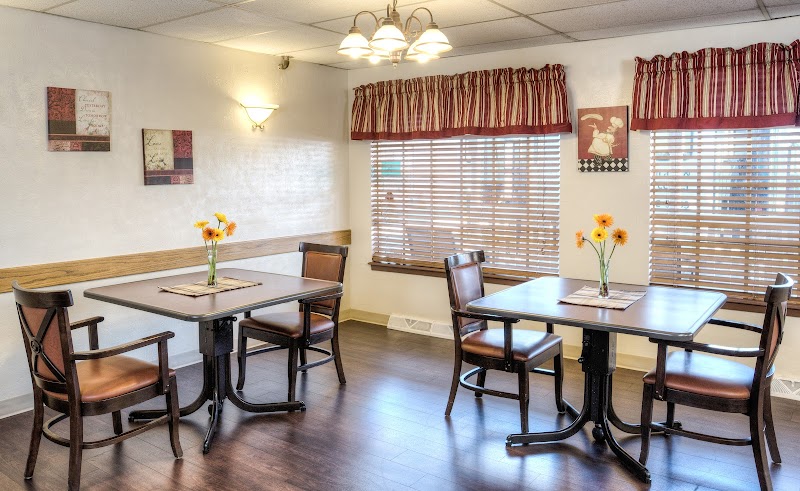
How is Clovis Healthcare And Rehabilitation Center Staffed?

CMS rates Clovis Healthcare and Rehabilitation Center's staffing level at 2 out of 5 stars, which is below average compared to other nursing homes. Staff turnover is 56%, which is 10 percentage points above the New Mexico average of 46%. High turnover can affect care consistency as new staff learn residents' individual needs. RN turnover specifically is 62%, which is notably high. RNs provide skilled clinical oversight, so turnover in this role can affect medical care quality.

What Have Inspectors Found at Clovis Healthcare And Rehabilitation Center?

State health inspectors documented 41 deficiencies at Clovis Healthcare and Rehabilitation Center during 2022 to 2024. These included: 4 Immediate Jeopardy (the most serious level, indicating potential for serious harm or death), 3 that caused actual resident harm, 30 with potential for harm, and 4 minor or isolated issues. Immediate Jeopardy findings are rare and represent the most serious regulatory concerns. They require immediate corrective action.
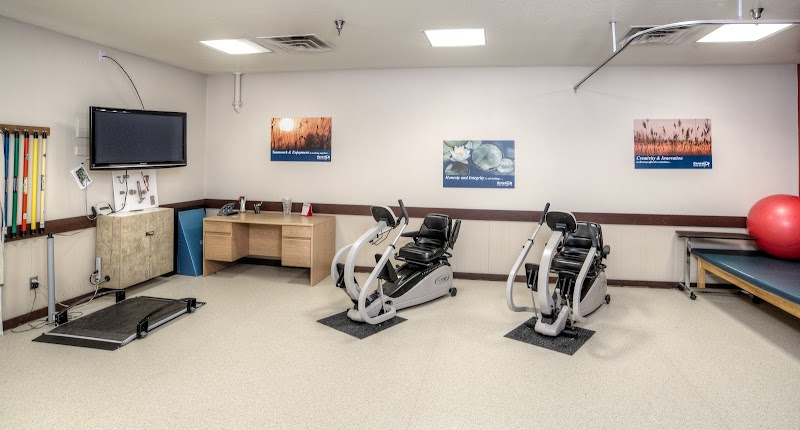
Who Owns and Operates Clovis Healthcare And Rehabilitation Center?

Clovis Healthcare and Rehabilitation Center is owned by a for-profit company. For-profit facilities operate as businesses with obligations to shareholders or private owners. The facility is operated by GENESIS HEALTHCARE, a chain that manages multiple nursing homes. With 90 certified beds and approximately 64 residents (about 71% occupancy), it is a smaller facility located in Clovis, New Mexico.

How Does Clovis Healthcare And Rehabilitation Center Compare to Other New Mexico Nursing Homes?

Compared to the 100 nursing homes in New Mexico, Clovis Healthcare and Rehabilitation Center's overall rating (3 stars) is above the state average of 2.9, staff turnover (56%) is near the state average of 46%, and health inspection rating (3 stars) is at the national benchmark.

What Should Families Ask When Visiting Clovis Healthcare And Rehabilitation Center?

Based on this facility's data, families visiting should ask: "What changes have been made since the serious inspection findings, and how are you preventing similar issues?" "How do you ensure continuity of care given staff turnover, and what is your staff retention strategy?" "Can you walk me through typical staffing levels on day, evening, and night shifts?" "Can I visit during a mealtime to observe dining assistance and food quality?" These questions are particularly relevant given the facility's Immediate Jeopardy citations, the facility's high staff turnover rate, and the below-average staffing rating.

Is Clovis Healthcare And Rehabilitation Center Safe?

Based on CMS inspection data, Clovis Healthcare and Rehabilitation Center has documented safety concerns. Inspectors have issued 4 Immediate Jeopardy citations (the most serious violation level indicating risk of serious injury or death). The facility has a 3-star overall rating and ranks #1 of 100 nursing homes in New Mexico. Families considering this facility should ask detailed questions about what corrective actions have been taken since these incidents.

Do Nurses at Clovis Healthcare And Rehabilitation Center Stick Around?

Staff turnover at Clovis Healthcare and Rehabilitation Center is high. At 56%, the facility is 10 percentage points above the New Mexico average of 46%. Registered Nurse turnover is particularly concerning at 62%. RNs handle complex medical decisions and coordinate care — frequent RN changes can directly impact care quality. High turnover means new staff may not know residents' individual needs, medications, or preferences. It can also be disorienting for residents, especially those with dementia who rely on familiar faces. Families should ask: What is causing the turnover? What retention programs are in place? How do you ensure care continuity during staff transitions?

Was Clovis Healthcare And Rehabilitation Center Ever Fined?

Clovis Healthcare and Rehabilitation Center has been fined $81,641 across 1 penalty action. This is above the New Mexico average of $33,895. Fines in this range indicate compliance issues significant enough for CMS to impose meaningful financial consequences. Common causes include delayed correction of deficiencies, repeat violations, or care failures affecting resident safety. Families should ask facility leadership what changes have been made since these penalties.

Is Clovis Healthcare And Rehabilitation Center on Any Federal Watch List?

Clovis Healthcare and Rehabilitation Center is not on any federal watch list. The most significant is the Special Focus Facility (SFF) program, which identifies the bottom 1% of nursing homes nationally based on persistent, serious quality problems. Not being on this list means the facility has avoided the pattern of deficiencies that triggers enhanced federal oversight. This is a positive indicator, though families should still review the facility's inspection history directly.