Retirement Ranches Inc.


2221 Dillon, Clovis, NM 88101 (575) 762-4495
Non profit - Corporation 104 Beds Independent Data: November 2025 1 Immediate Jeopardy citation
Trust Grade
63/100
#13 of 67 in NM
Last Inspection: August 2024

Within standard 12-15 month inspection cycle. Federal law requires annual inspections.

Overview

Retirement Ranches Inc. has a Trust Grade of C+, indicating it's slightly above average. Ranked #13 of 67 in New Mexico, it sits in the top half of facilities in the state and is the best option among three in Curry County. The facility is improving, with issues decreasing from four in 2024 to just one in 2025. Staffing is a strength, rated 5 out of 5 stars, with a turnover rate of 44%, which is better than the state average. However, the facility has $69,046 in fines, which is average but suggests some compliance issues. In terms of RN coverage, it is average, meaning residents may not receive the enhanced oversight that comes from higher RN staffing levels. Specific incidents include a critical finding where a resident was at risk due to missing leg straps on a lift, and concerns regarding the failure to ensure proper food handling practices, including unlabeled food items and the absence of temperature logs. While there are notable strengths, such as excellent staffing, the presence of fines and some concerning incidents should be carefully considered by families.

Trust Score
C+
63/100
In New Mexico
#13/67
Top 19%
Safety Record
High Risk
Review needed
Inspections
Getting Better
4 → 1 violations
Staff Stability
○ Average
44% turnover. Near New Mexico's 48% average. Typical for the industry.
Penalties
○ Average
$69,046 in fines. Higher than 51% of New Mexico facilities. Some compliance issues.
Skilled Nurses
✓ Good
Each resident gets 61 minutes of Registered Nurse (RN) attention daily — more than 97% of New Mexico nursing homes. RNs are the most trained staff who catch health problems before they become serious.
Violations
⚠ Watch
14 deficiencies on record. Higher than average. Multiple issues found across inspections.
★★★★★
5.0
Overall Rating
★★★★★
5.0
Staff Levels
★★★★☆
4.0
Care Quality
★★★★★
5.0
Inspection Score
Stable
2024: 4 issues
2025: 1 issues

The Good

  • 5-Star Staffing Rating · Excellent nurse staffing levels
  • 4-Star Quality Measures · Strong clinical quality outcomes
  • Full Sprinkler Coverage · Fire safety systems throughout facility
  • No fines on record
  • Staff turnover below average (44%)

    4 points below New Mexico average of 48%

Facility shows strength in staffing levels, quality measures, fire safety.

The Bad

Staff Turnover: 44%

Near New Mexico avg (46%)

Typical for the industry

Federal Fines: $69,046

Well above median ($33,413)

Moderate penalties - review what triggered them

The Ugly 14 deficiencies on record

1 life-threatening
Jun 2025 1 deficiency
CONCERN (D) 📢 Someone Reported This

A family member, employee, or ombudsman was alarmed enough to file a formal complaint

Potential for Harm - no one hurt, but risky conditions existed

Deficiency F0761 (Tag F0761)

Could have caused harm · This affected 1 resident

Based on observation and interview, the facility failed to ensure the treatment cart on the 200 hall was locked while unattended. This deficient practice had the potential to affect all 34 people resi...

Read full inspector narrative →
Based on observation and interview, the facility failed to ensure the treatment cart on the 200 hall was locked while unattended. This deficient practice had the potential to affect all 34 people residing in the [NAME] side (facility pods one, two, and three) of the facility by allowing unauthorized people access to their medical supplies and personal health information. The findings are: A. On 06/12/25 at 10:15 am, a random observation of the facility revealed the treatment cart located near the nurse's station in the 200 hall was unlocked, and facility employees were not in the area. B. On 06/12/25 at 10:17 am, during an interview with Registered Nurse (RN) #1, she confirmed the treatment cart was unlocked. RN #1 stated the treatment cart should be locked and secured while not in use.
Aug 2024 2 deficiencies
CONCERN (D)

Potential for Harm - no one hurt, but risky conditions existed

Deficiency F0761 (Tag F0761)

Could have caused harm · This affected 1 resident

**NOTE- TERMS IN BRACKETS HAVE BEEN EDITED TO PROTECT CONFIDENTIALITY** Based on observations, record reviews, interviews, and facility policy review revealed the facility failed to ensure one out of ...

Read full inspector narrative →
**NOTE- TERMS IN BRACKETS HAVE BEEN EDITED TO PROTECT CONFIDENTIALITY** Based on observations, record reviews, interviews, and facility policy review revealed the facility failed to ensure one out of six medication carts and one out of two treatments carts were securely locked when unattended. This failure put the residents at risk of taking medications that were not theirs. Findings include: Review of the facility's policy titled, Security of Medication Cart with a revised date of April 2007, revealed the medication cart shall be secured during medication passes. Review of the Policy Interpretation and Implementation revealed the nurse must secure the medication cart during medication pass to prevent unauthorized entry .the medication cart should be parked in the doorway of the resident's room during the medication pass .the cart doors and drawers should be facing the resident's room .medications carts must be securely locked at all times when out of the nurses' view .when the medication cart is not being used, it must be locked and parked at the nurses' station. During an observation on 07/29/24 at 10:54 AM, one medication treatment cart on the 300 hall was left unlocked while Registered Nurse (RN) 1 went into a room on the 300-hall with the door was closed. Observation further revealed RN1 did not have the cart in her view. During an observation on 07/29/24 at 10:57 AM, RN1 went back to the medication cart on the 300-hall, and she did not lock it. During an observation on 07/29/24 at 11:33 AM, both the medication cart and the treatment cart were sitting side by side, unlocked and unattended by the nurses, adjacent to the electrical room on the 300-hall. Observation further revealed one staff walked by the carts. Observation revealed this surveyor was able to open the drawers and medications were inside. During an observation on 07/29/24 at 11:35 AM, RN1 walked to the medication cart and picked up something from it, left the cart unlocked, went into room [ROOM NUMBER] with the door closed, and the medication cart was not in her view. Observation further revealed a Certified Nursing Assistant (CNA) walked by the unlocked cart. During an observation on 07/29/24 at 11:35 AM, the treatment cart on the 300-hall was unlocked and the nurse was not in view of the cart. During an observation on 07/29/24 at 11:37 AM, RN1 went to the medication cart located on the 300-hall, prepared the medication, went into room [ROOM NUMBER], closed the door, and left the medication cart unlocked. Observation further revealed the medication cart was not in view of RN1. During an observation on 07/29/24 at 11:41 AM, RN1 went back to the medication cart on the 300-hall, retrieved something, and went back into room [ROOM NUMBER], closed the door and the medication cart was not in her view. Observation further revealed two CNAs walked by the medication cart. During an observation on 07/29/24 at 11:43 AM, RN1 walked back to the medication cart located on the 300-hall, prepared medications, left the medication cart unlocked and went into room [ROOM NUMBER]. Observation further revealed RN1 could not see her medication cart. Observation at 11:46 AM revealed RN1 went back to the medication cart, left it unlocked, and went back into room [ROOM NUMBER] which was out of her view. During an observation on 07/29/24 at 12:45 PM and 1:45 PM, the treatment cart located in the hallway by the nurse's station on the 200-hall by room [ROOM NUMBER] was unlocked and unattended. During an observation on 7/29/24 at 3:50 PM, RN1 went into room [ROOM NUMBER] to do an accucheck and left the medication cart on the 100-hall unlocked and not in her view. During an observation on 07/29/24 at 4:26 PM, the medication cart in the common area of the 100-hall was not locked and was not in view of the nurse. During an observation on 07/30/24 at 2:54 PM, the medication cart was unlocked on the 200-hall and RN1 was not in view of the medication cart. Observation further revealed one CNA walked by the cart. During the observation, RN1 came back to the medication cart, took something from it, and did not lock the medication cart. Observation further revealed RN1 walked down to the 300-pod completely out of view of the unlocked medication cart. Observation revealed there were medications in the drawer when opened. During an observation on 07/30/24 at 2:59 PM, RN1 revealed there were prescription medications and over the counter medications in the medication cart, and the cart was unlocked. During an interview on 07/30/24 at 2:59 PM, RN1 revealed she had not locked the medication cart because she was in and out of the resident's room. She further revealed the narcotic box located in the medication cart was secured with a lock even though the medication cart itself was unlocked. Interview with RN1 further revealed she had stayed within the vicinity of the medication cart and did not have to lock it if the medication cart was in view. Interview further revealed, when RN1 was asked if she considered in the vicinity when she walked from the 200- pod down the hall to the 300-pod and left the medication cart unlocked. RN1 revealed she was not in the vicinity and the medication cart should have been locked. Interview with RN1 revealed the medication cart was supposed to be locked when out of view so no one else could have access to the medications. During the interview RN1 stated a resident could get into the medication. During an interview on 07/30/24 at 4:16 PM, the Director of Nursing (DON) stated anytime the nurse was not in front of the medication and treatment carts the carts should be locked. The DON further stated you never knew who was around the corner that could get into the carts, which have medications and creams located in them. The DON stated a lot of the facility's residents had dementia and would not know to not take the medications or creams and could eat them. The DON stated the narcotics needed to be behind two locks and if the outside lock was not locked then the narcotics were only under one lock.
CONCERN (F)

Potential for Harm - no one hurt, but risky conditions existed

Menu Adequacy (Tag F0803)

Could have caused harm · This affected most or all residents

**NOTE- TERMS IN BRACKETS HAVE BEEN EDITED TO PROTECT CONFIDENTIALITY** Based on observations, menu review, interview, and facility policy review, the facility failed to ensure menus were in place for...

Read full inspector narrative →
**NOTE- TERMS IN BRACKETS HAVE BEEN EDITED TO PROTECT CONFIDENTIALITY** Based on observations, menu review, interview, and facility policy review, the facility failed to ensure menus were in place for all physician prescribed diets and failed to follow the menu for 80 of 80 census residents. This failure has the potential for residents to get the incorrect food in accordance with their diets; not receive nutritionally adequate meals; and receive repetitive food items. Findings include: Review of the facility's policy titled, Menus with a revised date of October 2017, revealed menus for regular and therapeutic diets are written at least two (2) weeks in advance and are dated and posted in the kitchen at least one (1) week in advance .The dietitian reviews and approves all menus .Copies of menus (as served including substitutions) are kept on file for at least 5 weeks. The menu titled Main Meal Week 3 listed the breakfast, lunch, and dinner for Monday 07/28/24 through Saturday 08/03/24. The menu for the noon meal stated Picadillo, refried beans, flour tortilla, lettuce and tomato, sour cream, and crème [NAME] were supposed to be served. The menu did not include any portion sizes and did not specify a diet. On 07/31/24 at 11:01 AM, a menu for the resident diets and with portion sizes was requested. The Director of Dietary (DOD) stated that was the only menu he had, and he did not have menus listing the portion sizes or menus for the therapeutic or texture modified diets ordered by the physicians. He stated they just followed the menu provided, and the cook pureed or chopped the items on the menu. He stated if they could not be pureed, the cook decided what to serve them and decided on the portion sizes. During observations of the meal on 07/31/24 from 11:30 AM to 12:00 PM, the DOD and Cook1 served the noon meal from the steam table. They served the residents on regular diets a six-ounce scoop of Picadillo, one flour tortilla, six-ounce scoop of lettuce and tomato, sour cream, and a bowl of creme [NAME]. They served the residents on mechanical soft diets six ounces mechanical soft Picadillo, chopped up tortilla, six ounces chopped lettuce, and a cup of creme [NAME]; and the residents on puree diets received six-ounces of mashed potatoes, four-ounces of picadillo, gravy on the potatoes and picadillo and a bowl of tomato soup. The residents with orders for or a care plan intervention of finger foods received chicken fingers, fried zucchini strips, and tater tots. No refried beans were available on the steam table as listed on the menu for 07/31/24. During an interview on 07/31/24 at 12:00 PM, the Director of Dietary verified they did not serve the refried beans or equal alternate. He stated the refried beans were not available in the facility. He also verified the menu did not include any portion sizes and stated he did not have any planned menus for therapeutic or mechanically altered diets. He stated he had 31 years experience in the restaurant industry, and the cook had 15 years experience as a cook in a nursing home. He stated he felt they could make the decision on what to serve the residents on mechanically altered and therapeutic diets. During an interview on 07/31/24 at 12:48 PM, the Director of Nursing (DON) stated they should have followed the menu. The DON stated if they did not have refried beans then they could have run down to the store to buy some. During an interview on 07/31/24 at 1:10 PM, the Registered Dietitian (RD) stated she had only been the RD at the facility for a month. She stated the previous dietitian told her the DOD should have had a binder containing the spreadsheets/menus with portion sizes listed for the regular, therapeutic, and the texture modified diets. She stated she expected them to follow the individual diets/ menus listed on the menus/spread sheets. She stated the spread sheets would list the portion sizes and the food items planned on each of the diets. During an interview on 07/31/24 at 3:28 PM, the DOD stated he did not have any binders with menus and spread sheets. On 08/01/24 at 8:54 AM, the five-week cycle of menus were requested from the DOD and was not provided. During confidential resident interviews conducted on 07/29/24 and 07/30/24, three residents stated the menus were not consistently followed. Review of resident council meeting minutes, dated 04/29/24, revealed one resident stated the menus were not followed, and she had a hard time getting an alternate. During an interview on 07/29/24 at 11:56 AM, Certified Nurse Aid (CNA) 2 stated R34 and R42 were supposed to receive finger food. She stated most of the time they get fried chicken fingers and French fries. Observations revealed R34 and R42 received chicken fingers and fries on 07/29/24 and chicken fingers and tater tots on 07/31/24. On 07/31/24 at 1:20 PM the DON provided a document titled Order Report by Category: 07/01/24 - 07/31/24. She stated it contained the residents' diets as ordered by the physician. Review of the document revealed the facility had residents on the following diets: regular, regular with fortified foods, no added salt with fortified foods, low concentrated sweets, low concentrated sweets no added salt with fortified foods, puree texture diet, puree with fortified foods, mechanical soft with fortified foods, no added salt mechanically soft, cardiac regular diet with fortified foods, finger foods only with fortified foods, and regular gluten free foods with no [NAME] products. A review of the menu revealed there was no planned menu for these diets and the menu for the week only listed the food items and did not include portion sizes.
Feb 2024 2 deficiencies 1 IJ
CRITICAL (J) 📢 Someone Reported This

A family member, employee, or ombudsman was alarmed enough to file a formal complaint

Immediate Jeopardy (IJ) - the most serious Medicare violation

Accident Prevention (Tag F0689)

Someone could have died · This affected 1 resident

**NOTE- TERMS IN BRACKETS HAVE BEEN EDITED TO PROTECT CONFIDENTIALITY** S. On 02/23/24 at 9:10 am, during an observation of a Sara lift located in Pod/Unit/Hall 4 revealed there was not a leg strap at...

Read full inspector narrative →
**NOTE- TERMS IN BRACKETS HAVE BEEN EDITED TO PROTECT CONFIDENTIALITY** S. On 02/23/24 at 9:10 am, during an observation of a Sara lift located in Pod/Unit/Hall 4 revealed there was not a leg strap attached to the lift. Further observation revealed there was a loose leg strap near the lift. T. On 02/27/24 at 5:06 pm, during an interview with DON, she stated the leg straps were now tethered to the mechanical lift, because there were times when leg straps were misplaced or unavailable when needed. She stated this change, attaching the leg straps by a tether (tying) to the machines, was implemented prior to R #4's fall in October 2023. The DON stated it was implemented at the same time as a training on lifts in May 2023. U. On 02/27/24 at 5:15 pm during a random observation of Sara lift in Pod 4 revealed there was not a leg strap attached to the lift. Further observation revealed there was a loose leg strap near the lift. V. On 02/28/24 at 9:04 am during an interview with the Maintenance Director, he stated all the Sara lifts came with the leg straps. W. On 02/28/24 at 2:32 pm during an interview with CNA #6, she stated she was a CNA for nine years and trained on lifts while she was employed at another facility. CNA #6 stated she could not remember if she trained on lifts at this facility. Based upon observations and interviews, Immediate Jeopardy was identified on 02/28/24 at 10:52 am. The facility took corrective action by providing an acceptable Plan of Removal (POR) on 02/28/24 at 4:00 pm. Implementation of the POR was onsite on 02/28/24 by conducting observations, record reviews, and staff interviews. Plan of removal: Effective February 28, 2024, Communication via [NAME] (a form of communication) testing to all staff that Sara lift leg straps must be used on all residents during every transfer with the Sara lift. Effective immediately February 28, 2024, all lift transfers, Maxi, [NAME], Sara Steady must be done with two person assist. This will continue until the reassessment of residents using lifts is completed on February 29, 2024. Training for all direct care staff to ensure they use the Sara lift, Maxi Lift, and Sara Steady. The training will include the mandatory use of leg straps when transferring residents. This training will be held February 28, 2024, at 8:15 AM and repeated at 2:00 PM. All residents that are transferred with a lift will be reassessed to determine the most appropriate and safe means of transfer including one or two person transfers. This will be completed by Therapy and/or the Director of Nursing. This will begin today (February 28, 2024) and will be completed on February 29, 2024. Based on observations, record review, and interview the facility failed to prevent an accident by not providing a safe transfer for 1 (R #4) of 4 (R #3, 4, 5 and 6) residents reviewed for falls when the facility failed to: 1. Ensure staff were adequately trained on how to use transfer lifts. 2. Identify number of staff needed for each resident to ensure a safe transfer. 3. Have a method for staff to determine for which residents the leg strap should be used. This deficient practice likely resulted in R #4 falling during transfer and sustaining a new fracture around the hardware in her femur (thigh bone) and a broken pelvis. The findings are: A. Record review of the face sheet for R #4 revealed that she was admitted to the facility on [DATE] and went out to the emergency room (ER) due to a fall on 10/11/23. B. Record review of the physical therapy assessment for R #4, dated 10/10/23, indicated she was at the facility for the following: orthopedic aftercare (recovery from surgery) fracture of unspecified part of neck of left femur (break in the thigh bone), fracture of superior rim of unspecified pubis (pelvis), wedge compression fracture of second lumbar vertebra [collapsed vertebra (the bone that makes the spine.)] C. Record review of the baseline care plan for R #4, completed on 10/11/23, did not indicate if resident required one or two staff for transfers. D. Record review of a progress note for R #4, dated 10/11/23, indicated the following: POC (plan of care) meeting sons here, resident refused to come to POC meeting. Therapy says she is challenging with therapy. She is very deconditioned (loss of physical fitness). She is very weak. Therapy is hoping with scheduled pain medications that will help. She has low activity tolerance, wants to stay in bed. OT (occupational therapy) is looking at reducing frequency to less than 5 days a week. E. Record review of the progress notes, dated 10/11/23, indicated the following: Writer called to patient room at 1655 (4:55 pm) code green (fall), upon initial assessment resident sitting on ground in front of bed, [NAME] [sic] lift (a type of mechanical lift used to transfer from one surface to another) cattycorner to resident. CNA (certified nursing assistant) reports while using lift, the resident's left leg slipped out from in front of her, causing her to slowly slip out of lift. CNA reports she slowly lowered resident to ground. CNA reports sling was in place and correctly buckled onto resident. Resident denies pain at this time. Left leg is showing visible shortening compared to right leg. Left leg is positioned slightly abducted towards the left side. Patient has copious bleeding noted around her leg and bottom. Sx (symptom) wound dressing is over saturated with blood and leaking out onto floor. No skin tears noted at this time. Assisted pt (patient) off the floor x4 (using four staff members) transfer into bed. Once laying supine, left leg was secured away from right leg. Dressing was removed from sx site. Sx site appears to have opened on top portion. Stitches were not present on open area. Site was actively bleeding .Spoke with hospital, resident (R #4) has a broken pelvis and femur and is being flown to Lubbock. F. Record review of the hospital records, dated 10/11/23, indicated R #4 had an acute fracture of the left pubic ramus (a fracture of the pelvis from a high impact trauma, falls, or repetitive strain) and an acute communicated periprosthetic fracture of the midshaft left femur (a broken bone that occurs around implants. It can happen during the surgery, within a few weeks after the procedure, or from a fall or other trauma). G. On 02/22/24 at 3:17 pm, during an interview with the Director of Rehabilitation (DOR), she stated she did not work with R #4 much. She stated R #4 was weight bearing (able to stand without support) as tolerated without restrictions. She required substantial assistance. R #4 did not help with transfers (R #4 would not help staff when they transferred her.) The DOR stated the only way to transfer the resident was with the Sara lift. She stated the resident was not strong enough for the [NAME] steady (non-powered device that assist with sit to stand transfers), a Hoyer lift (a mechanical lift designed to transfer a resident safely) was not appropriate due to her surgery, and she was too heavy for two staff to transfer without a machine. The DOR stated staff transferred the resident with the Sara lift three of four times before she fell. The DOR was not clear how many people were required when using the Sara lift. She stated two people are needed for the Hoyer lift and only one is needed for the Sara Steady (manual sit to transfer aid that enables one caregiver to transfer a patient). H. On 02/22/24 at 4:03 pm, during an interview, the son of R #4 indicated his mother fell and broke her hip and femur at her assisted living home. R #4 had surgery and came to the facility for rehabilitation. The son stated his mother was at the facility for one day when she had a fall and rebroke her femur. He stated she called him and told him she could not do what the staff wanted her to do. He said she was [AGE] years old, just had surgery, and she was tired. He stated he wanted his mom to get better so she could go back to the assisted living home. The son stated his brother walked into their mother's room at the facility on 10/11/24 [right after the fall], and she was on the floor. His brother told him there was a lot of blood. He stated the staff got R #4 back into bed and called 911. When she got to the emergency room, the hospital staff took some x-rays that revealed R #4 re-broke the area that had just been fixed. I. On 02/23/24 at 9:11 am, during an interview with the Director of Nursing (DON), she stated R #4 came in with a partial or full hip replacement. The DON stated a CNA lowered R #4 to the floor during a transfer. The DON stated the resident's leg became twisted. R #4 stated the sling choked her, because it was around her neck. Then R #4 let go of the handles on the Sara lift. The DON stated the staff got the resident back into bed. She said there was an observable discrepancy in her leg length, and her leg was twisted out a little bit. The DON confirmed that during her investigation after the incident, it was determined that the leg strap on the lift was not used during R #4's transfer, and without the leg strap a resident was able to step off the machine. The DON stated the leg strap should have been used. J. On 02/23/24 at approximately 9:30 am, the DON performed a demonstration of the Sara lift (same type of lift involved with the fall) being used with the CNA Coordinator as the resident. The first sling the DON used did not stay tight. The DON tighten it, and it loosened up. She took the sling off and put another sling on. The second sling stayed in place. The CNA Coordinator sat in the sling, and it stayed tight. The Sara lift had the leg strap, and the DON used it during the presentation. The CNA Coordinator wore the sling around his waist and the leg strap around his legs, and the CNA Coordinator did not move during the transfer demonstration. K. On 02/23/24 at 10:15 am during an interview with the Licensed Practical Nurse (LPN) #1, she stated when she entered the room on 10/11/23, R #4 was on the ground with her legs spread apart. LPN #1 said there was a lot of blood, but she could not tell where it was coming from. She said, when the staff tried to lift the resident back into bed, R #4 was not able to assist (help lift herself up). The LPN stated the resident was dead weight and required four staff members to assist her back into bed. L. On 02/23/24 at 2:01 pm, during an interview, CNA #1 stated she was transferring R #4 from the bed to the wheelchair on 10/11/23, and the resident's leg started to contort. She stated she really did not know what happened with R #4's leg. She said the resident's leg just started to move, and the resident did not want to continue with the transfer. CNA #1 realized the resident slipped down, and she was not able to transfer R #4 back to the bed. CNA #1 stated she was not trained to use the Sara lift she used that day (10/11/23). She was trained on a different Sara lift. She stated the one she trained on had two leg straps, one for each leg, and they buckled in place sort of like a seat belt. The CNA stated, on the first day R #4 was at the facility, they transferred her with two staff using the Sara lift, and the resident was fine. The CNA said the next day when she went to transfer R #4, it was just her and there was not a second staff member. She stated she did not ask for a second staff to assist her, because they do not need two staff to use the Sara lift. CNA #1 stated the Sara lift she used to transfer R #4 on 10/11/23 did not have a leg strap so she did not use a leg strap. She stated, during the transfer, R#4 felt like she was choking due to the sling, but the sling was never around the resident's neck. CNA #1 stated she was not sure why R #4 felt like she was choking, because the sling was tight around the resident. The CNA stated the resident may have felt like she was choking when the sling came off over her head and arms. CNA #1 stated that during the transfer, the sling came completely off the resident. M. On 02/27/24 at 2:15 pm, during an interview with CNA #2, she stated she always used two people with any of the lifts, because it was safer. She stated the leg strap was always used as well. She stated the leg strap was attached to the machine so it was never lost. N. On 02/27/24 at 4:36 pm, during an interview with CNA #1, she stated she trained on the lift in Hall 6 that had the two leg straps. She was never told the leg strap had to be used for the specific Sara lift that she used with R #4 on 10/11/23. She also was not aware she needed two people to transfer the resident. She stated the lift she used with R #4 on 10/11/24 only required one person to transfer so she felt like that would be fine. She stated the day prior (10/10/24) there were three staff in the room when she transferred R #4. CNA #1 stated, No one said that she was two-person transfer. Regarding the incident, CNA #1 stated the resident slipped out of the sling. She said she really did not know how that happened, because the sling was tight. O. On 02/27/24 at 4:45 pm, during an interview with the DOR, she stated the lift did not have leg support when she [CNA #1] used it on 10/10/24 with R #4. She stated she thought the leg strap implementation came after the incident with R #4 occurred, but she was not sure. P. On 02/28/24 at 8:48 am during an interview with the CNA Coordinator, he stated everyone who provided direct care was taught on every lift they have in the building. New hires are trained on the lifts during their orientation. The Sara lifts the facility used through out the whole building, except the one on Hall 6 (which had a different type of leg strap), did not require the use of the leg strap to operate the machine. He said it had been optional to use the leg strap. He stated that sometime in April or May 2023, they did a training on the lifts that included putting the resident in the lift correctly and making sure you understand the lift before using it. He stated the DON implemented using the leg strap for all lifts at that time. Prior to this, staff did not use the leg straps on anyone. He stated the use of leg straps could vary. He said the leg straps could be used as needed and based on resident behavior. The CNA Coordinator did not have an answer on how staff would determine if a new resident needed to use the leg strap during a transfer. Q. On 02/28/24 at 2:20 pm, during an interview with CNA #3, she stated they always used the leg attachment. She said if they did not use the leg attachment then a resident would step off of the lift. CNA #3 stated it was a safety issue not to use it. She stated she always used two staff when using any of the lifts, for the protection of the CNA and the resident. R. On 02/28/2 at 2:30 pm, during an interview with CNA #4, she stated she always used the leg straps on the Sara lift. She said the resident had to be positioned correctly for the resident safety. CNA #4 said the resident cannot sit at an angle or lean to the side, and staff had to position the sling right or the resident could slip out of it. CNA #4 stated there was a lot that went into the use of lifts. CNA #4 also stated she used another staff to assist her when she used the lift, because it was safer.
CONCERN (E) 📢 Someone Reported This

A family member, employee, or ombudsman was alarmed enough to file a formal complaint

Potential for Harm - no one hurt, but risky conditions existed

Deficiency F0658 (Tag F0658)

Could have caused harm · This affected multiple residents

**NOTE- TERMS IN BRACKETS HAVE BEEN EDITED TO PROTECT CONFIDENTIALITY** Based on observation, record review, and interview, the facility failed to meet professional standards of quality for 1 (R # 3) ...

Read full inspector narrative →
**NOTE- TERMS IN BRACKETS HAVE BEEN EDITED TO PROTECT CONFIDENTIALITY** Based on observation, record review, and interview, the facility failed to meet professional standards of quality for 1 (R # 3) of 3 (R #3, 4, 5) resident reviewed for pain medications by not doing a thorough assessment, notification, and documentation on admission of the resident. This deficient practice could likely cause an overdose of narcotic medication and potentially death if the Nurse Practitioner (NP) is unaware of all medications the resident is currently taking. The findings are: A. Record review of a nursing progress notes for R #3 indicated R #3 fell on [DATE] at the facility. R #3 went to the emergency room where it was revealed she had a compression fracture at L2 vertebra (spine). R #3 returned to the facility on [DATE] with a prescription for fentanyl patches. B. Record review of the nursing progress notes for R #3, dated 01/02/2024 at 1:54 pm, the Nurse Practitioner (NP) received phone call from the pharmacist regarding concern for use of fentanyl patches on resident due to the resident received only intravenous (IV) fentanyl in the hospital. The pharmacist expressed concern for the resident getting too much fentanyl via the patch, if the conversion was not the same when converting from IV to topical (directly on skin). The NP gave an order to discontinue fentanyl patch, and order hydrocodone-APAP (pain killer), 5/325 milligram (mg), 1 to 2 tablets every 4 hours for 7 days, then 1 to 2 tablets every 6 hours as needed (prn) for pain C. Record review of the medical record progress notes for R #3 indicated on 01/05/24, R #3 went back to the hospital for altered mental status and low blood pressure. The resident returned to the facility on [DATE]. D. Record review of the nursing progress notes for R #3, dated 01/11/24, indicated R #3 was alert and oriented upon return to the facility from the hospital. R #3 had a fentanyl patch 25 micrograms (mcg) to right upper back with date of 01/09/24 and two lidocane patches on the lower back. Staff removed the lidocane patches prior to showering R #3, but they did not remove the fentanyl patch. E. Record review of R #3 medical record revealed the record did not contain any other documentation of the fentanyl patch staff found on 01/11/24. The record did not contain an order to continue, discontinue, or remove the patch. F. Record review of the current physician orders for R #3 indicated the following: - An order for hydrocodone-acetaminophen, 5-325 mg, 1 to 2 tablets every 6 hours, as needed. Dated 01/10/24 and discontinued on 01/12/24. - An order for hydrocodone-acetaminophen, 5-325 mg, 1 to 2 tablets every 6 hours, as needed. Dated 01/12/24 and discontinued on 01/13/24. G. Record review of the Medication Administration Record (MAR) for R #3, dated January 11th through 13th 2024, indicated the following: - Staff administered hydrocodone-acetaminophen, 5-325 mg, one dose on 01/11/24 and one dose on 01/12/24. - Staff administered hydrocodone-acetaminophen, 5-325 mg, two doses on 01/12/24 and three doses on 01/13/24. H. Record review of the nursing progress notes for R #3, dated 01/13/24, revealed a new order received from the NP for Tylenol 500 mg, every 6 hours as needed for three days, for pain control. The nursing progress notes also stated a Certified Medication Assistant (CMA) brought writer two 25 mg fentanyl patches that were located on the resident's upper right arm. Writer was unaware that fentanyl patches were present as there is no documentation stating the resident has fentanyl patches. According to (name of staff) the fentanyl patches were placed on the resident while she was admitted on the medical floor at (name of hospital). The patches are dated '1/9/24', the resident returned from (name of hospital) medical floor to (name of facility) on 1/11/24. POA and other family members expressed concern and frustration regarding the patches still being on. (Name of) CNA reports to the writer that the admitting nurse acknowledged the presence of both fentanyl patches and instructed the staff to keep them both on while she was being bathed. Two fentanyl patches have been wasted (destroyed) by writer with CMA . I. Record review of the nursing progress notes for R #3, dated 01/14/24, indicated R #3 experienced twitching in the bilateral upper extremities. NP notified, new orders received for STAT (now) lab draw. J. Record review of the nursing progress notes for R #3, dated 01/14/24, indicated R #3 was transported to the emergency room per family request due to signs and symptoms of dehydration and muscle twitching. K. Record review of the nursing progress notes for R #3, dated 01/17/24, indicated the following: Received report from Registered Nurse at hospital. Resident was admitted for altered mental status due to urinary tract infection (UTI) and overdose of 3 to 4 fentanyl patches (reported from previous hospital), narcotic and congestive heart failure (CHF) exacerbated (worsening). L. On 02/27/24 at 3:39 pm during an interview, Registered Nurse (RN) #4 stated she did the admission for R #3 on 01/11/24 and stated she remembered taking R #3 to the shower room so the resident could take a shower. RN #4 stated she remembered R #3 had a fentanyl patch on the back of her right shoulder. She said it was a 25 mcg, and it was dated 01/09/24. RN #4 stated the resident also had two lidocane patches that were removed prior to R #3's shower. The RN stated she left the fentanyl patch on the resident's right shoulder. M. On 02/27/23 at 4:00 pm, during an interview with Certified Medication Assistant (CMA), she stated on 01/13/24 she went into R #3's room, and R #3 was scratching her arm. She looked at R #3's arm and saw two 25 mcg fentanyl patches, each dated 01/09/24. The CMA took the patches off and took them to the nurse. She stated she had been giving R #3 her prescribed hydrocodone, which was two pills every 6 hours as needed. She was not aware that R #3 had the fentanyl patches. She stated she did not look at R #3's back or on any other part of her body to see if there were other patches. N. On 02/27/24 at 1:40 pm, during an interview with DON, she stated RN #4 did not take off the fentanyl patch she found on R #3's back shoulder on 01/11/24. O. On 02/27/24 at 4:18 pm, during an interview with DON, she confirmed staff removed two fentanyl patches from R #3's arm on 01/13/24. The DON stated she assumed R #3 did not have any other fentanyl patches on her body at that time. P. On 02/28/24 at 8:30 am, during an interview with NP, she stated she did not recall staff notified her of the fentanyl patch. She stated staff called her about the hydrocodone prescription, but she was not sure if staff notified her of the fentanyl patch noted on 01/09/24 upon admission. She remembered staff notified her after the two patches were found and removed on 01/13/24. The NP stated that she would not have prescribed hydrocodone if she knew R #3 had a fentanyl patch.
Sept 2023 1 deficiency
CONCERN (D)

Potential for Harm - no one hurt, but risky conditions existed

Respiratory Care (Tag F0695)

Could have caused harm · This affected 1 resident

**NOTE- TERMS IN BRACKETS HAVE BEEN EDITED TO PROTECT CONFIDENTIALITY** Based on observation, record review, and interview, the facility failed to meet professional standards of quality for 1 (R #45 )...

Read full inspector narrative →
**NOTE- TERMS IN BRACKETS HAVE BEEN EDITED TO PROTECT CONFIDENTIALITY** Based on observation, record review, and interview, the facility failed to meet professional standards of quality for 1 (R #45 ) of 1 (R #45) residents by not administering oxygen in accordance with the physician's orders. If the facility is not administering oxygen as prescribed, the resident is not likely to get the therapeutic results as needed. The findings for R #45 are: A. Record review of R #45's face sheet revealed the resident was admitted on [DATE] with following diagnoses. 1. Respiratory failure, unspecified with hypoxia (a condition that affects breathing function or the lungs, and causes low oxygen or high carbon dioxide levels in the blood) . 2. Hypertensive heart disease without heart failure (a long-term condition related to high blood 3pressure). 3. Shortness of breath (blanket term for a group of diseases that block airflow from the lungs). B. Record review of R #45's care plan, dated 02/02/23, revealed the following: Resident uses oxygen (O2) continuously at 2 liters per minute (L/M) via nasal cannula (NC) as per physician's order. Monitor that O2 is in use, on resident face. Assist as needed to keep on. Resident takes off frequently. Put it back on. Report to charge nurse when he refuses to wear. C. Record review of R #45's physicians orders, dated 02/02/23, revealed an order for continuous O2 at 2-3 L/M via NC. D. On 09/25/23 at 3:35 PM, it was observed that R #45 sat in a common area on unit without oxygen being administered. E. On 09/25/23 at 3:49 PM, during an interview and observation, Certified Nurse Aide (CNA) #1 stated R #45 will continuously take off his oxygen and is non-compliant with wearing the NC. This writer observed CNA #1 reapply oxygen to R #45. F. On 09/26/23 at 3:44 PM, during an interview, RN #1 stated CNAs should check if R #45 is wearing his oxygen every time they walk by him. G. On 09/26/23 at 3:49 PM during an observation and interview with CNA #2, it was observed that R #45's oxygen tank was on and set to 2 L/M without a NC attached to the tank. CNA #2 confirmed these findings and turned off the O2 tank. CNA #2 stated she was not sure if R #45's oxygen should be administered continuously or as needed (PRN), but she could check the resident's careplan. H. On 09/26/23 at 3:51 PM, during an interview, CNA #2 stated she was unable to confirm nor deny if R #45 had an order for O2 after reviewing R #45's care plan .
Oct 2022 8 deficiencies
CONCERN (D)

Potential for Harm - no one hurt, but risky conditions existed

Deficiency F0558 (Tag F0558)

Could have caused harm · This affected 1 resident

**NOTE- TERMS IN BRACKETS HAVE BEEN EDITED TO PROTECT CONFIDENTIALITY** Based on observation, record review, and interview, the facility failed to provide reasonable accommodations of resident needs a...

Read full inspector narrative →
**NOTE- TERMS IN BRACKETS HAVE BEEN EDITED TO PROTECT CONFIDENTIALITY** Based on observation, record review, and interview, the facility failed to provide reasonable accommodations of resident needs and preferences for 1 (R #47) of 1 (R #47) residents reviewed by not: 1. Ensuring R #47 was properly groomed, his hair was disheveled and appeared greasy and his overall appearance was untidy. 2. Ensuring R #47 was dressed in his own clothing and not in a hospital gown. This deficient practice is likely to result in residents feeling embarrassed and that their preferences are not important to the facility. The findings are: A. Record review of R #47's face sheet revealed R #47 was admitted into the facility on [DATE]. B. Record review of R #47's care plan dated 09/09/22 revealed, Problem: Problem: SELF CARE DEFICIT(unable to care for himself) AEB [as evidenced by] REQUIRES EXTENSIVE ASSIST ONE TO TWO PERSON FOR ALL ADLS [activities of daily living], HE [R #47] IS CHAIRBOUND R/T (related to) DECREASED MOBILITY, IMPAIRED BALANCE, POOR TRUNK CONTROL, MAXI LIFT ONLY TRANSFERS TO GERICHAIR (large padded chair that is designed to help residents with limited mobility) R/T WERNICKLE'S ENCEPHALOPATHY-DEGENRATIVE DISEASE OF THE NERVOUS SYSTEM DISEASE PROCESSES 8/01/22 DC'ED [discontinued] FOR LACK OF EVIDENCE OF DECLINE FROM HOSPICE TODAY-LNF [longterm nursing facility]. 9/08/22 THIS RESIDENT IS TO BE OUT IN THE POD (living area within the facility) MORE FREQUENTLY WHILE IN GERICHAIR FOR SOCIALIZATION, HE [R #47] WILL BE TAKING PART IN SOME ACTIVITIES HE TOLD ACTIVITIES DIRECTOR. Approach: PROVIDE ACTIVE ROM [Range of Motion] DURING DAILY CARES SUCH AS DRESSING AND BATHING. ENCOURAGE RES [resident] TO PARTICIPATE AS ABLE. REPORT CHANGES IN JOINT MOBILITY OR INCREASED PAIN TO CHARGE NURSE. THIS RESIDENTS HANDS ARE BEGINNING TO CONTRACT (a condition of shortening and hardening of muscles, tendons or other tissues). C. On 10/04/22 at 1:16 pm during an observation and interview with R #47, R #47 was observed wearing a hospital gown in his bed. R #47 was unable to speak but shook his head in a No manner. When asked if he preferred to wear a hospital gown in bed. When R #47 was asked if he would like to wear normal clothes, R #47 shook his head in a Yes manner. D. On 10/04/22 at 1:19 pm during an interview with Certified Nursing Assistant (CNA) #2, she stated, Sometimes he [R #47] wears a gown E. On 10/05/22 at 3:11 pm during an interview with Registered Nurse (RN) #1, she stated, Usually he's [R #47] dressed [with normal clothes] and ready to be brought out for meals and activities. I don't think I've ever seen him [R #47] in a gown. We try not to leave anybody in a gown because it's not a home-like environment. RN #1 confirmed R #47 should not be left in a gown unless R #47 wanted to and staff should know R #47's preferences.
CONCERN (D)

Potential for Harm - no one hurt, but risky conditions existed

Deficiency F0761 (Tag F0761)

Could have caused harm · This affected 1 resident

Based on observation and interview the facility failed to provide pharmaceutical services that assure the accurate acquiring, receiving, dispensing, and administering of all drugs and biological's to ...

Read full inspector narrative →
Based on observation and interview the facility failed to provide pharmaceutical services that assure the accurate acquiring, receiving, dispensing, and administering of all drugs and biological's to meet the needs of each resident. This deficient practice is likely to affect all 85 residents residing at the facility. This deficient practice is likely to result in resident injury through dosing with medications that have been improperly stored. The findings are: A. On 10/05/22 at 12:00 pm during an observation of the Pod 5 (area in the facility that residents reside in) medication cart the following was observed: 1 blue pill, 1 orange oblong pill and 2 white pills laying in the bottom of the pill card drawer in the medication cart in Pod 5. B. On 10/05/22 at 12:05 pm during an interview, LPN (License Practical Nurse) #1 stated that he did not know where the random pills in the Pod 5 med cart drawer had come from, how long they had been there, nor which residents the pills belonged to and they should not be and should be disposed of.
CONCERN (D)

Potential for Harm - no one hurt, but risky conditions existed

Medical Records (Tag F0842)

Could have caused harm · This affected 1 resident

A. On 10/06/22 at 8:00 am during an observation of the medication cart on Pod 5 (area that houses facility residents)had the computer screen open with the residents name and medications visible. Licen...

Read full inspector narrative →
A. On 10/06/22 at 8:00 am during an observation of the medication cart on Pod 5 (area that houses facility residents)had the computer screen open with the residents name and medications visible. Licensed Practical Nurse (LPN) #1 was observed walking away leaving the computer screen open and visible to any passerby's. B. On 10/06/22 at 8:15 am during an interview with LPN #1, he stated that he had forgotten to shut down his medication computer screen and had left it open to public view while he had gone into a residents room to pass medications. Based on observation and interview, the facility failed to maintain confidential records by leaving medical information visible to other residents, visitors, and unauthorized staff. This deficient practice is likely to result in residents not having confidentiality of their medical information. The findings are:
CONCERN (E)

Potential for Harm - no one hurt, but risky conditions existed

Investigate Abuse (Tag F0610)

Could have caused harm · This affected multiple residents

**NOTE- TERMS IN BRACKETS HAVE BEEN EDITED TO PROTECT CONFIDENTIALITY** Based on record review and interview, the facility failed to complete a thorough investigation regarding allegations of abuse fo...

Read full inspector narrative →
**NOTE- TERMS IN BRACKETS HAVE BEEN EDITED TO PROTECT CONFIDENTIALITY** Based on record review and interview, the facility failed to complete a thorough investigation regarding allegations of abuse for 1 (R #6) of 1( R #6) residents reviewed for abuse allegation grievances. If the facility is not completing an accurate and thorough investigation for allegations of abuse and submitting the summary of the facility's investigation to the State Agency, then the State Agency is unable to appropriately triage (review) the allegation for further investigation. The findings are: A. Record review of R #6's face sheet revealed R #6 was admitted into the facility on [DATE]. B. On 10/04/22 at 1:00 pm during an interview with R #6, he stated that staff are rude (in an aggressive manner) to him when they talk to him. C. On 10/05/22 at 12:53 pm during an interview with Certified Nursing Assistant (CNA) #1, she stated, He [R #6] has on an occasion [told her that staff was rude to him] (spoke to him in an aggressive manner) and I reported it to the charge nurse. CNA #1 confirmed R #6 has told her multiple times that staff is rude to him and she reported those allegations to the charge nurse. D. On 10/05/22 at 1:09 pm during an interview with CNA #3, she stated, Occasionally [R #6 will complain about rude staff], I'll tell the charge nurse. E. On 10/05/22 at 3:05 pm during an interview with Registered Nurse (RN) #2, he stated, Yes, that [R #6 complaining about staff being rude to him] is a common complaint. I look into it. Sometimes the complaints are so vague it's hard to understand. Sometimes he's probably confused and it doesn't make sense. I'll pass it [R #6's allegations of staff being rude to him] on the next shift and I'll tell [Name of the Staff Development Coordinator]. I never have reported his complaints to the Administrator [ADM] or Director of Nursing [DON]. F. On 10/05/22 at 3:21 pm during an interview with the Staff Development Coordinator (SDC), he stated, That there had been occasions when he [R #6] was complaining that the CNA's were rude. I always remind the staff that's its all perception. Sometimes he [R #6] will go into a very long explanation about something and I believe that could have caused the CNA to interrupt and he may have misinterpreted it to mean they were being rude to him. SDC confirmed the ADM and DON were notified of R #6's allegations that staff are rude to him and an investigation was never conducted. G. On 10/05/22 at 4:58 pm during an interview with the Administrator (ADM), he stated, If there's an allegation of abuse, it [abuse allegation] should go to [Name of Administrative Assistant] and I'm involved as well. I get involved and we do a full investigation to see if it needs to be reported to the State. ADM confirmed R #6's allegation of staff abuse should have been reported to him and an abuse investigation should have been conducted.
CONCERN (E)

Potential for Harm - no one hurt, but risky conditions existed

Deficiency F0638 (Tag F0638)

Could have caused harm · This affected multiple residents

**NOTE- TERMS IN BRACKETS HAVE BEEN EDITED TO PROTECT CONFIDENTIALITY** Based on record review and interview, the facility failed to ensure that a Minimum Data Set (MDS) assessment was completed every...

Read full inspector narrative →
**NOTE- TERMS IN BRACKETS HAVE BEEN EDITED TO PROTECT CONFIDENTIALITY** Based on record review and interview, the facility failed to ensure that a Minimum Data Set (MDS) assessment was completed every three months for 2 (R #'s 1 and 2) of 2 (R #'s 1 and 2) residents reviewed for MDS assessments. This failed practice is likely to result in resident assessments being outdated and residents not receiving care and treatment that meets their current needs. The findings are: Findings for R #1: A. Record review of R #1's face sheet revealed R #1 was admitted into the facility on [DATE]. B. Record review of R #1's MDS Resident Assessment located in R #1's Electronic Health Record (EHR) revealed R #1's most recent MDS was an 08/05/22 in process-Quarterly Review. R #1's 08/05/22 quarterly review was never completed or submitted. First Quarterly was due 07/30/22 and was still in process 08/05/22 and had not been submitted. C. On 10/05/22 at 12:19 pm during an interview with the Minimum Data Set Coordinator (MDSC), she stated, It's [R #1's 08/05/22 Quarterly Review] in the process [and not completed or submitted]. I found this [R #1's 08/05/22 incomplete/not submitted Quarterly Review] the other day. MDSC confirmed R #1's 08/05/22 Quarterly Review MDS was not completed or submitted and should have been. Findings for R #2: D. Record review of R #2's face sheet revealed R #2 was admitted into the facility on [DATE]. E. Record review of R #2's MDS Resident Assessment located in R #2's EHR revealed R #2's most recent MDS was 05/12/22 Production Accepted- Quarterly Review. R #2 did not have an MDS completed and submitted after 05/12/22. F. On 10/05/22 at 12:20 pm during an interview with the MDSC, she stated, It [R #2's most recent MDS assessment] should have been 08/12/22 and we don't have her [R #2] on our list. I don't even have her [R #2] in my book [of MDS assessments schedule]. MDSC confirmed R #2 has not had an MDS quarterly review since 05/12/22 and R #2 should have.
CONCERN (E)

Potential for Harm - no one hurt, but risky conditions existed

Deficiency F0658 (Tag F0658)

Could have caused harm · This affected multiple residents

**NOTE- TERMS IN BRACKETS HAVE BEEN EDITED TO PROTECT CONFIDENTIALITY** Based on observation, record review, and interview, the facility failed to meet professional standards of care for 1 (R #'s 46) ...

Read full inspector narrative →
**NOTE- TERMS IN BRACKETS HAVE BEEN EDITED TO PROTECT CONFIDENTIALITY** Based on observation, record review, and interview, the facility failed to meet professional standards of care for 1 (R #'s 46) of 2 (R #'s 38 and 46) residents reviewed for oxygen use. If the facility is not labeling, dating and changing O2 (Oxygen) tubing, then residents are likely to not get the therapeutic results of medication/treatment needed. The findings are: Findings for R #46: A. Record review of R #46's face sheet revealed R #46 was admitted into the facility on [DATE]. B. Record review of R #46's physician orders dated 08/02/22 revealed, OXYGEN TUBING AND CONCENTRATOR WATER TO BE CHANGED WEEKLY ON SATURDAY. LABEL BOTTLE AND TUBING WITH DATE MM/DD/YY [month/day/year] AND INITIALS. C. On 10/05/22 at 12:58 pm during an observation and interview with R #46, R #46 was observed wearing portable O2 with the O2 tubing not dated or initialed. R #46 confirmed he wears O2 daily. D. On 10/05/22 at 12:59 pm during an interview with Certified Nursing Assistant (CNA) #1, she stated, Yes, it [R #46's O2 tubing] should be [dated and initialed]. CNA #1 confirmed R #46's O2 tubing was not initialed or dated and should have been. E. On 10/05/22 at 2:11 pm during an interview with the Director of Nursing (DON), she stated, There's orders put in [for O2 tubing] and my expectation is it [resident O2 tubing] is changed weekly. DON confirmed residents O2 tubing should be initialed, dated, and changed per physician orders.
CONCERN (F)

Potential for Harm - no one hurt, but risky conditions existed

Food Safety (Tag F0812)

Could have caused harm · This affected most or all residents

Based on record review, interview, and observation the facility failed to: 1. Ensure food items in the refrigerator and freezer were labeled and dated 2. Ensure that items were not stored on the bare...

Read full inspector narrative →
Based on record review, interview, and observation the facility failed to: 1. Ensure food items in the refrigerator and freezer were labeled and dated 2. Ensure that items were not stored on the bare floor 3. Ensure that temperature logs were kept for the chest freezer and that a thermometer was kept in the chest freezer at all times. 4. Ensure that sanitizer buckets used to wipe down cooking areas had sanitizer in the buckets. 5. Ensure food temperatures were documented in the food temperature logs on various dates These deficient practices are likely to affect all 85 residents residing in the facility. If the facility is not adhering to safe food handling practices the residents are likely to experience foodborne illnesses. A. On 10/03/22 at 12:33 pm during initial tour of the facility kitchen the following was observed: 1. 3 pans of what appeared to be bacon, were unlabeled and un-dated in the refrigerator 2. 1 bag of french fries was unlabeled and undated in the freezer 3. No temperatures logs for the chest freezer or thermometer in the chest freezer 4. Food temperatures were not logged on 09/01/22, 09/02/22, 09/05/22, 09/06/22, 09/07/22, 09/11/22, 09/12/22, 09/18/22, 09/19/22, 09/25/22, 09/26/22,09/28/22, and 09/29/22. B. On 10/03/22 at 12:40 pm during an interview with Certified Dietary Manager (CDM), she confirmed that all food items should be labeled and dated, and there should be a thermometer and temperature log for the chest freezer and there was not. CDM also confirmed that there were many food temperatures logs missing. C. On 10/06/22 at 11:52 am during follow-up tour of the facility kitchen, the following was observed: 1. No sanitizer in bucket in the dish area 2. Unlabeled and undated salad sitting on a cart. 3. 2 cases of Ensure (nutritional supplement), 1 case of hinged monogram containers (styro foam to go containers) were observed on the bare floor in the dry storage area in facility kitchen. D. On 10/06/22 at 11:58 am during an interview with Dietary Aide (DA) #1, she stated that the cooks are the ones responsible for changing the sanitizer in the buckets and DA's are not trained to fill up or change out sanitary buckets, When DA #1 used the test strip (strips used to test amount of sanitizer in the buckets) sanitizer buckets appeared not to have sanitizer in them. She further stated that there should not be anything stored on the bare floor in the dry storage area and nothing should be unlabeled and undated.
MINOR (C)

Minor Issue - procedural, no safety impact

Staffing Information (Tag F0732)

Minor procedural issue · This affected most or all residents

Based on observation and interview the facility failed to accurately post the actual number of nursing staff scheduled to provide direct patient care for all 85 residents residing in the facility. Thi...

Read full inspector narrative →
Based on observation and interview the facility failed to accurately post the actual number of nursing staff scheduled to provide direct patient care for all 85 residents residing in the facility. This deficient practice is likely to prevent residents and visitors from having access to accurate and current staffing information. The findings are: A. On 10/05/22 at approximately 3:45 pm during random observation of facility daily nursing postings it was observed that incorrect staffing information (missing pertinent staffing information ie (for example) scheduled licensed staff) was posted for residents and visitors to view and know who the staff is providing care on any given day. B. On 10/06/22 at 1:01 pm during an interview with the Administrative Assistant (who maintains the staffing information), she stated that the staffing lists she was able to provide and were available to view were for only one side of the facility. C. On 10/06/22 at 1:20 pm during an interview with the Administrator, he verified that the staffing information should be posted daily on each side of the building and should accurately reflect the staff that is assigned to each section of the facility.
Understanding Severity Codes (click to expand)
Life-Threatening (Immediate Jeopardy)
J - Isolated K - Pattern L - Widespread
Actual Harm
G - Isolated H - Pattern I - Widespread
Potential for Harm
D - Isolated E - Pattern F - Widespread
No Harm (Minor)
A - Isolated B - Pattern C - Widespread

Questions to Ask on Your Visit

  • "What changes have you made since the serious inspection findings?"
  • "Can I speak with families of current residents?"
  • "What's your RN coverage like on weekends and overnight?"

Our Honest Assessment

Strengths
  • • 44% turnover. Below New Mexico's 48% average. Good staff retention means consistent care.
Concerns
  • • Multiple safety concerns identified: 1 life-threatening violation(s), $69,046 in fines. Review inspection reports carefully.
  • • 14 deficiencies on record, including 1 critical (life-threatening) violation. These warrant careful review before choosing this facility.
  • • $69,046 in fines. Extremely high, among the most fined facilities in New Mexico. Major compliance failures.
Bottom line: Mixed indicators with Trust Score of 63/100. Visit in person and ask pointed questions.

About This Facility

What is Retirement Ranches Inc.'s CMS Rating?

CMS assigns Retirement Ranches Inc. an overall rating of 5 out of 5 stars, which is considered much above average nationally. Within New Mexico, this rating places the facility higher than 99% of the state's 100 nursing homes. This rating reflects solid performance across the metrics CMS uses to evaluate nursing home quality.
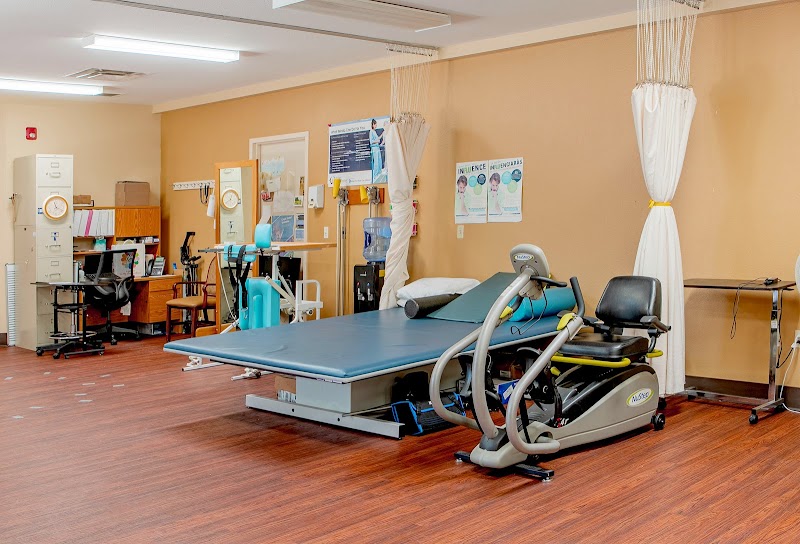
How is Retirement Ranches Inc. Staffed?
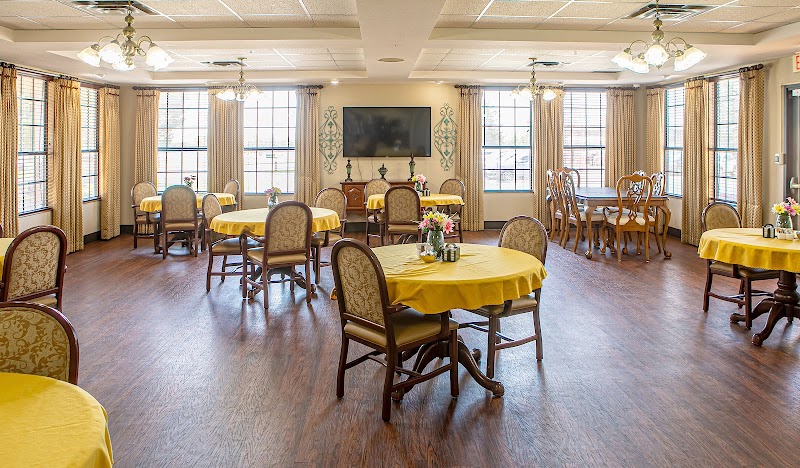
CMS rates Retirement Ranches Inc.'s staffing level at 5 out of 5 stars, which is much above average compared to other nursing homes. Staff turnover is 44%, compared to the New Mexico average of 46%. This relatively stable workforce can support continuity of care.

What Have Inspectors Found at Retirement Ranches Inc.?

State health inspectors documented 14 deficiencies at Retirement Ranches Inc. during 2022 to 2025. These included: 1 Immediate Jeopardy (the most serious level, indicating potential for serious harm or death), 12 with potential for harm, and 1 minor or isolated issues. Immediate Jeopardy findings are rare and represent the most serious regulatory concerns. They require immediate corrective action.

Who Owns and Operates Retirement Ranches Inc.?

Retirement Ranches Inc. is owned by a non-profit organization. Non-profit facilities reinvest revenue into operations rather than distributing to shareholders. The facility operates independently rather than as part of a larger chain. With 104 certified beds and approximately 67 residents (about 64% occupancy), it is a mid-sized facility located in Clovis, New Mexico.

How Does Retirement Ranches Inc. Compare to Other New Mexico Nursing Homes?

Compared to the 100 nursing homes in New Mexico, Retirement Ranches Inc.'s overall rating (5 stars) is above the state average of 2.9, staff turnover (44%) is near the state average of 46%, and health inspection rating (5 stars) is much above the national benchmark.

What Should Families Ask When Visiting Retirement Ranches Inc.?

Based on this facility's data, families visiting should ask: "What changes have been made since the serious inspection findings, and how are you preventing similar issues?" "Can I visit during a mealtime to observe dining assistance and food quality?" "How do you handle medical emergencies, and what is your hospital transfer rate?" "Can I speak with family members of current residents about their experience?" These questions are particularly relevant given the facility's Immediate Jeopardy citations.

Is Retirement Ranches Inc. Safe?

Based on CMS inspection data, Retirement Ranches Inc. has documented safety concerns. Inspectors have issued 1 Immediate Jeopardy citation (the most serious violation level indicating risk of serious injury or death). The facility has a 5-star overall rating and ranks #1 of 100 nursing homes in New Mexico. Families considering this facility should ask detailed questions about what corrective actions have been taken since these incidents.

Do Nurses at Retirement Ranches Inc. Stick Around?

Retirement Ranches Inc. has a staff turnover rate of 44%, which is about average for New Mexico nursing homes (state average: 46%). Moderate turnover is common in nursing homes, but families should still ask about staff tenure and how the facility maintains care continuity when employees leave.

Was Retirement Ranches Inc. Ever Fined?

Retirement Ranches Inc. has been fined $69,046 across 12 penalty actions. This is above the New Mexico average of $33,769. Fines in this range indicate compliance issues significant enough for CMS to impose meaningful financial consequences. Common causes include delayed correction of deficiencies, repeat violations, or care failures affecting resident safety. Families should ask facility leadership what changes have been made since these penalties.

Is Retirement Ranches Inc. on Any Federal Watch List?

Retirement Ranches Inc. is not on any federal watch list. The most significant is the Special Focus Facility (SFF) program, which identifies the bottom 1% of nursing homes nationally based on persistent, serious quality problems. Not being on this list means the facility has avoided the pattern of deficiencies that triggers enhanced federal oversight. This is a positive indicator, though families should still review the facility's inspection history directly.